Explore health information across medical conditions, symptoms, diagnosis, treatment options, prevention, and supportive Ayurvedic approaches.
142 mins read
37 mins read
105 mins read
100 mins read
159 mins read
192 mins read
182 mins read
103 mins read
68 mins read
207 mins read
69 mins read
55 mins read
261 mins read
162 mins read
205 mins read
63 mins read
171 mins read
156 mins read
81 mins read
79 mins read
85 mins read
121 mins read
76 mins read
149 mins read
61 mins read
146 mins read
183 mins read
A research-backed Ayurvedic formula offering hope, combining ancient herbs and modern science for natural, lasting healing.
Struggling with HSV1 or HSV2? Discover a proven herbal formula that heals herpes in just three months, backed by science and real-life success stories. Start your healing journey today.
Discover how Ayurveda identifies and eliminates herpes at its root. Volume I reveals HSV behavior, Ayurvedic healing principles, and introduces CMV and EBV. A foundational guide backed by research and classical texts.
Includes real IgG lab reports, CMV/EBV/HHV chapters, and advanced Rasayana therapy. Volume II exposes why pharma suppresses cures—and proves Ayurveda doesn’t. Lab reports verifiable via TATA 1mg.
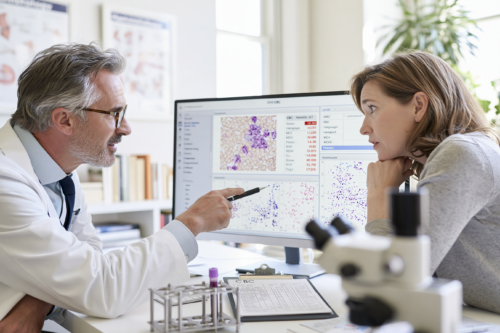
The Disease Cure category brings together educational information covering a wide range of health conditions and medical specialties. Readers can explore disease symptoms, risk factors, diagnostic approaches, treatment concepts, prevention, and supportive healthcare information.
Subcategories are organized by medical specialty to make information easier to navigate. These may include cardiology, dermatology, gastroenterology, hematology, immunology, neurology, oncology, nephrology, and other areas of healthcare.
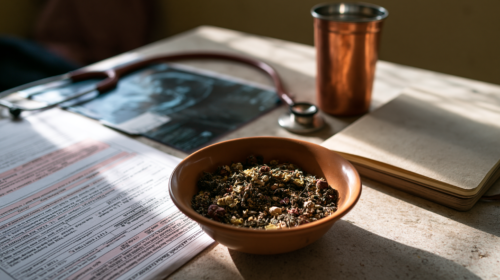
Where relevant, Panaceayur also discusses Ayurveda and complementary approaches as part of broader health conversations. The appropriate management of a disease depends on its cause, severity, stage, individual health factors, and medical assessment. Ayurvedic or complementary approaches should be considered responsibly and should not delay appropriate diagnosis or evidence-based medical treatment.
A. You can find information about diseases, symptoms, diagnosis, treatment concepts, prevention, and supportive healthcare approaches.
A. Yes. The category uses specialty-based subcategories to make disease information easier to navigate.
A. Relevant articles may discuss Ayurvedic and integrative approaches alongside broader healthcare information.
A. No. Diagnosis requires assessment by a qualified healthcare professional.
A. Ayurvedic approaches should not automatically replace medically indicated treatment and should be discussed with qualified professionals.