




- What Is Stomach Cancer?
- Types of Stomach Cancer
- Symptoms of Stomach Cancer
- Diagnosis and Report Review Before Ayurvedic Planning
- Understanding the Stage Without Creating Fear
- Biomarkers and Precision Medicine
- Modern Treatment Overview
- Why Patients Search for Ayurveda in Stomach Cancer
- Ayurvedic Understanding of Stomach Cancer
- Classical Ayurvedic Foundation
- How Ayurveda Helps in Recovery from Stomach Cancer
- Phase-Wise Ayurvedic Recovery Plan
- Ayurveda During Chemotherapy for Stomach Cancer
- Ayurveda After Stomach Cancer Surgery
- Ayurveda for Weight Loss, Weakness and Cachexia
- Ayurveda for Appetite Loss, Nausea and Vomiting
- Diet Plan for Stomach Cancer Recovery
- Lifestyle and Mind-Body Recovery
- Rasayana Therapy in Stomach Cancer Recovery
- Anna-Ojas Amrit Rasayana Avaleha Medicine
- Dosage
- Frequently Asked Questions
- Reference
Doctor-led Ayurvedic and integrative recovery support for gastric cancer patients before treatment, during chemotherapy, after surgery, in advanced disease, and during long-term remission care.
Stomach cancer, also called gastric cancer, is a serious disease in which abnormal cells develop in the stomach and may grow beyond their normal boundaries, invade nearby tissues, or spread to distant organs. Globally, stomach cancer remains an important cause of cancer illness and cancer-related death. According to the World Health Organization, stomach cancer accounted for about 1 million new cases and about 660,000 deaths worldwide in 2022 [5]. Modern oncology recognizes that most stomach cancers are adenocarcinomas, and treatment planning depends on the cancer type, location, stage, spread, biomarkers, patient strength, nutrition status, and overall health [1,2].
However, recovery from stomach cancer is not only about treating the tumor. A patient may also struggle with loss of appetite, nausea, vomiting, acidity-like discomfort, early fullness after eating, weight loss, anemia, weakness, disturbed sleep, fear, anxiety, post-surgery digestive changes, and difficulty tolerating chemotherapy or other treatments. Cancer Research UK notes that treatment may involve one or more approaches such as surgery, chemotherapy, radiotherapy, targeted cancer drugs, immunotherapy, prehabilitation, and symptom-control care, depending on the stage and condition of the patient [3].
This is where a recovery-focused approach becomes important. Modern reports help define the disease: endoscopy confirms the visible lesion, biopsy confirms the diagnosis, CT or PET-CT shows spread, staging explains disease extent, and biomarkers such as HER2, MSI/dMMR, PD-L1 CPS, and other relevant markers guide precision treatment decisions [1,2]. Ayurveda, on the other hand, helps evaluate the patient’s inner recovery capacity through Agni, Ama, Dosha imbalance, Annavaha Srotas function, Dhatu-kshaya, Bala, Satva, and Ojas. In a doctor-led integrative model, both sides are important: modern diagnosis shows what is happening to the cancer, while Ayurveda assesses what is happening to the patient as a whole.
A stomach cancer patient often loses strength not only because of the disease but also because digestion and nourishment are disturbed. The National Cancer Institute explains that malnutrition, unintentional weight loss, anorexia, cachexia, and sarcopenia are common concerns in cancer care and may worsen treatment tolerance, quality of life, and clinical outcomes [4]. This directly connects with the Ayurvedic understanding of Agnimandya, Rasa Dhatu depletion, Rakta Dhatu depletion, Mamsa-kshaya, Bala loss, and Ojas-kshaya. Therefore, a true recovery plan must protect digestion, rebuild nourishment, maintain strength, and support the patient through every phase of treatment and follow-up.
Ayurveda approaches stomach cancer recovery by correcting the biological terrain in which the disease has developed. The aim is to restore digestive power, reduce Ama, support healthy movement through the Srotas, nourish depleted Dhatus, improve Bala, stabilize the mind, and rebuild Ojas. This does not mean using the same medicine for every patient. A patient with severe acidity, vomiting, post-gastrectomy weakness, advanced disease, chemotherapy-related nausea, anemia, or cachexia needs a different plan. The Ayurvedic protocol must be personalized according to Prakriti, Vikriti, stage of disease, treatment phase, appetite, bowel pattern, weight trend, blood reports, imaging findings, and overall strength.
In this recovery-focused model, Ayurveda is not presented as random herbal support or a market-based formulation. It is a structured clinical system that works through Agni correction, Ama-pachana, Srotas support, Dhatu-poshana, Rasayana therapy, diet correction, lifestyle regulation, emotional support, and careful monitoring. The goal is to help the patient move from weakness, poor digestion, fear, and depletion toward better appetite, improved food tolerance, stable weight, better energy, stronger treatment resilience, and long-term remission-oriented living.
This article explains stomach cancer from both modern and Ayurvedic perspectives. It first reviews the disease, symptoms, diagnosis, staging, and treatment overview in simple language. It then explains how Ayurveda supports recovery through Agni, Ama, Srotas, Dhatu, Bala, Rasayana, Ojas, diet, personalized formulation, and doctor-supervised monitoring. The purpose is not to create fear, confusion, or one-sided thinking, but to offer a clear, responsible, and deeply patient-centered path for stomach cancer recovery.
What Is Stomach Cancer?
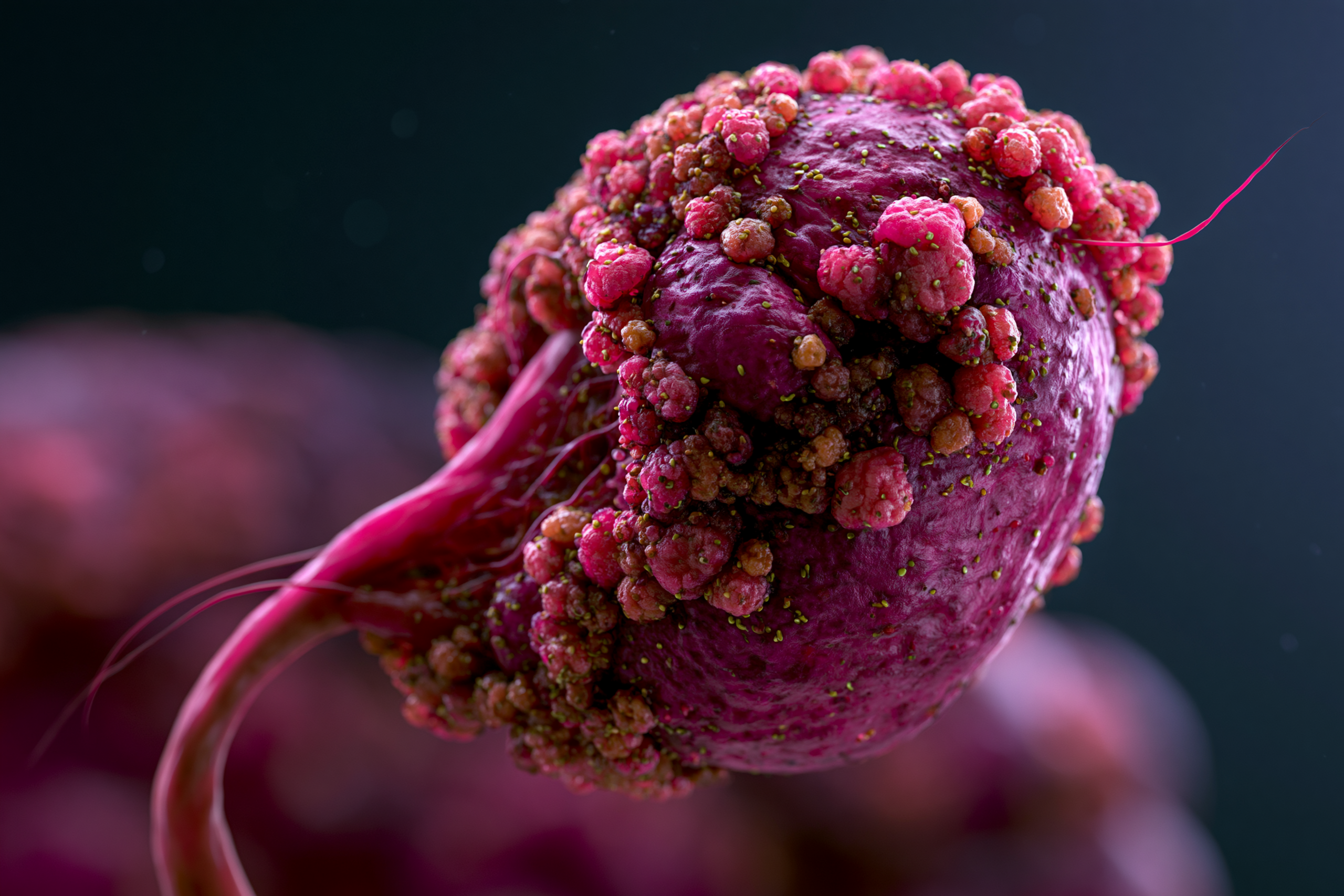
Stomach cancer, also known as gastric cancer, is a disease in which abnormal cells develop in the stomach and begin to grow in an uncontrolled manner. The stomach is an important digestive organ located between the esophagus and the small intestine. Its main role is to receive food, mix it with digestive juices, break it down into a semi-liquid form, and gradually pass it into the small intestine for further digestion and absorption.
In stomach cancer, this normal digestive environment becomes disturbed because abnormal cells arise from the stomach tissue. Over time, these cells may form a tumor, invade deeper layers of the stomach wall, spread to nearby lymph nodes, or travel to distant organs such as the liver, peritoneum, lungs, or bones. Modern oncology classifies stomach cancer according to its location, cell type, depth of invasion, lymph node involvement, spread to other organs, and molecular markers [1,2].
From a recovery-focused point of view, stomach cancer should not be understood only as a tumor in the stomach. It is also a disease that can disturb appetite, digestion, nourishment, body weight, blood formation, strength, immunity, sleep, and emotional stability. This is why patients often require more than one type of support. They may need modern diagnosis and staging, nutritional support, symptom control, surgical or medical oncology treatment, and a personalized recovery plan that protects digestion and strength [1,3,4].
In Ayurveda, the stomach region is closely related to Amashaya, Jatharagni, Annavaha Srotas, Rasa Dhatu formation, and the first stage of nourishment. When the stomach is affected by a serious disease, the patient may experience Agnimandya, Ama formation, reduced appetite, heaviness, nausea, vomiting, burning, weakness, Dhatu-kshaya, and Ojas depletion. Therefore, Ayurvedic recovery planning gives special importance to restoring digestive strength, improving food tolerance, rebuilding tissues, and supporting the patient’s overall Bala.
Simple explanation for Patients
Stomach cancer means the abnormal and uncontrolled growth of cells in the stomach. These cells may first remain limited to the inner lining of the stomach, but if not detected and treated at the right time, they can grow deeper into the stomach wall and spread to lymph nodes or other organs [1].
Stomach cancer begins when some cells in the stomach lose their normal control mechanism. Instead of growing, functioning, and dying in a healthy rhythm, they multiply abnormally and may form a tumor.
Many patients initially mistake stomach cancer symptoms for acidity, gas, indigestion, gastritis, or loss of appetite. This happens because early symptoms may be mild and non-specific. A patient may complain of upper abdominal discomfort, early fullness after eating, nausea, reduced appetite, unexplained weight loss, tiredness, anemia, or black stools. These symptoms do not always mean cancer, but when they persist, worsen, or occur with weight loss or bleeding, proper medical evaluation is necessary [1,3].
For patients, the most important message is that stomach cancer is not just a local stomach problem. It can affect the whole body because the stomach is the entry point of nourishment. When digestion becomes weak, the patient may lose weight, strength, blood quality, muscle mass, and immunity. This connects with the Ayurvedic view that disturbed Agni can impair Dhatu formation and gradually weaken Bala and Ojas.
Difference Between Stomach Cancer and Gastric Cancer
The terms stomach cancer and gastric cancer usually mean the same disease. “Stomach” is the common patient-friendly term, while “gastric” is the medical term used by doctors, hospitals, pathology reports, and oncology guidelines.
For example:
A patient may say:
“I have stomach cancer.”
A biopsy or oncology report may say:
“Gastric adenocarcinoma.”
Both are generally referring to cancer arising from the stomach.
However, it is important not to confuse stomach cancer with cancers of nearby organs. Stomach cancer is different from esophageal cancer, gastroesophageal junction cancer, pancreatic cancer, liver cancer, gallbladder cancer, colon cancer, and small intestine cancer. These organs are close to each other, and symptoms may overlap, but diagnosis, staging, treatment, and recovery planning are different.
The exact location of the tumor matters. A cancer near the upper stomach, close to the gastroesophageal junction, may behave differently from a cancer in the body, antrum, or pylorus of the stomach. This location influences surgery planning, nutrition challenges, reflux symptoms, swallowing symptoms, and post-treatment recovery [1,2].
From an Ayurvedic perspective, the location also matters because upper stomach symptoms may show more association with Amlapitta-like burning, sour belching, nausea, and Pitta aggravation, while lower stomach or pyloric involvement may create more heaviness, obstruction-like symptoms, vomiting after food, Kapha stagnation, and Vata disturbance. This is why the same diagnosis cannot be treated with the same Ayurvedic plan in every patient.
Where Stomach Cancer Begins
Most stomach cancers begin in the inner lining of the stomach, known medically as the mucosa. This lining is exposed to food, acid, digestive secretions, bacteria, inflammatory triggers, and dietary irritants over many years. Chronic inflammation, H. pylori infection, smoking, high-salt foods, preserved foods, low intake of fruits and vegetables, family history, and certain medical conditions can increase risk in some patients [1,5].
The most common type of stomach cancer is gastric adenocarcinoma, which arises from gland-forming cells in the stomach lining [1]. Other less common stomach tumors include gastrointestinal stromal tumors, gastric lymphomas, neuroendocrine tumors, and other rare types. Because each type behaves differently, biopsy and pathology are essential before treatment planning.
Stomach cancer may begin silently. In the earliest stage, it may be limited to the superficial layer of the stomach. As it progresses, it can grow into deeper layers, reach lymphatic channels, involve lymph nodes, or spread through the bloodstream or peritoneal cavity. This is why staging is very important. The stage tells doctors whether the cancer is localized, locally advanced, metastatic, or recurrent [1,2].
In Ayurveda, the stomach is not viewed only as an anatomical bag that holds food. It is the seat of early digestion and transformation. The stomach region participates in the first processing of Ahara, regulation of Agni, movement of partially digested food, and formation of nourishment that later supports Rasa Dhatu and other tissues. When disease develops in this region, the entire chain of nourishment may be affected.
This is why stomach cancer patients often need careful dietary planning. Heavy tonics, strong detoxification, excessive fasting, harsh spices, and market-based formulations may worsen symptoms if Agni is weak. A doctor-led Ayurvedic plan first studies the patient’s appetite, digestion, vomiting tendency, bowel habits, weight loss, anemia, albumin, treatment phase, and cancer stage before choosing medicines or Rasayana.
Why Early Detection Matters
Early detection is very important in stomach cancer because treatment options and outcomes are generally better when the disease is found at an earlier stage. Very early stomach cancer may sometimes be treated with endoscopic procedures or surgery, depending on the depth of invasion, tumor features, and lymph node risk. More advanced disease may require a combination of surgery, chemotherapy, immunotherapy, targeted therapy, radiation in selected cases, nutritional care, and symptom-control support [1,2,3].
The challenge is that early stomach cancer may not produce dramatic symptoms. Many patients initially experience symptoms that appear similar to common digestive problems. These may include indigestion, bloating, acidity, nausea, poor appetite, early satiety, or mild upper abdominal discomfort. Because these complaints are common, patients may delay endoscopy and continue taking antacids or home remedies for months.
Persistent symptoms should not be ignored, especially when they are associated with:
Unexplained weight loss, progressive loss of appetite, vomiting, black stools, vomiting blood, difficulty swallowing, severe weakness, anemia, persistent upper abdominal pain, or early fullness after a small quantity of food.
Early detection also helps Ayurvedic planning. When the disease is identified earlier, the patient usually has better Bala, better Agni, less Dhatu-kshaya, fewer complications, and more recovery capacity. In later stages, Ayurveda can still support digestion, appetite, strength, symptom comfort, emotional stability, treatment tolerance, and quality of life, but the clinical situation is more complex and requires closer monitoring.
A recovery-focused approach therefore encourages timely diagnosis, not delay. Ayurveda should not be used to hide symptoms or postpone essential investigations. Instead, Ayurveda should work with proper reports so that the patient receives a safe, personalized, stage-wise recovery plan. Modern diagnosis clarifies the disease status, while Ayurveda helps strengthen the patient’s internal recovery environment through Agni correction, Ama reduction, Srotas support, Dhatu nourishment, Bala improvement, and Ojas rebuilding.
Types of Stomach Cancer
Not every stomach cancer is the same. The word “stomach cancer” is a broad term, but the exact disease type depends on which cells have become abnormal, how the tumor grows, how deeply it has entered the stomach wall, whether lymph nodes are involved, whether it has spread, and what the biopsy and molecular reports show [1,2].
This is why a biopsy report is essential before planning any treatment. Two patients may both say, “I have stomach cancer,” but one may have intestinal-type gastric adenocarcinoma, another may have diffuse signet ring cell carcinoma, another may have gastrointestinal stromal tumor, and another may have gastric lymphoma. These diseases can behave differently and may need different modern treatment strategies, different nutritional planning, and different Ayurvedic recovery support.
From an Ayurvedic perspective, the name of the modern cancer type does not replace the need for Dosha, Dushya, Agni, Ama, Srotas, Bala, Dhatu-kshaya, and Ojas assessment. However, the modern type of stomach cancer is still very important because it helps the Ayurvedic doctor understand the speed of disease, pattern of spread, digestive complications, obstruction risk, bleeding risk, treatment phase, and recovery capacity.
Gastric Adenocarcinoma
Gastric adenocarcinoma is the most common type of stomach cancer. It begins from the gland-forming cells of the stomach lining. These cells normally help produce mucus and digestive secretions, but when they become abnormal, they may form a malignant tumor [1].
Most discussions about stomach cancer usually refer to gastric adenocarcinoma unless another type is specifically mentioned. It can occur in different parts of the stomach, including the cardia, fundus, body, antrum, or pylorus. The tumor location can influence symptoms. For example, upper stomach tumors may cause swallowing difficulty, reflux-like symptoms, or discomfort near the chest region, while lower stomach or pyloric tumors may cause vomiting after meals, fullness, heaviness, or gastric outlet obstruction symptoms.
Gastric adenocarcinoma may be classified further by growth pattern, histology, grade, stage, and molecular markers. Some tumors grow as a visible mass or ulcer, while others spread more diffusely through the stomach wall. Some are more gland-forming, while others show poorly differentiated or signet ring cell features. These details are important because they influence treatment planning and prognosis [1,2].
From the Ayurvedic recovery perspective, gastric adenocarcinoma often requires a structured approach to restore digestion, prevent weight loss, support appetite, reduce nausea, protect strength, and rebuild depleted tissues. The protocol is not selected only by the cancer name. It must be adjusted according to whether the patient is newly diagnosed, awaiting surgery, receiving chemotherapy, recovering after gastrectomy, living with advanced disease, or in remission.
Diffuse Gastric Cancer
Diffuse gastric cancer is a type of gastric cancer that tends to spread within the stomach wall rather than forming one clearly defined mass. Because it can infiltrate the stomach wall in a scattered or sheet-like manner, it may sometimes be harder to detect early and may cause thickening or stiffness of the stomach [1,2].
In some patients, diffuse gastric cancer may lead to a condition called linitis plastica, where the stomach wall becomes thick, rigid, and less able to expand normally after food intake. This can cause early satiety, poor appetite, vomiting, bloating, discomfort, and rapid weight loss.
Diffuse gastric cancer is clinically important because it may behave more aggressively in some patients and may not always present as a simple ulcer or mass. It is often associated with poorly cohesive cells and may overlap with signet ring cell carcinoma. Because of this, careful biopsy, imaging, staging, and oncology planning are essential.
From an Ayurvedic viewpoint, diffuse gastric cancer often presents with marked impairment of Annavaha Srotas function. The patient may not tolerate normal food quantity, may feel full after a few bites, may develop nausea, and may show rapid Dhatu-kshaya. In such cases, heavy Brimhana, thick Avaleha, strong Ghrita, or forceful Rasayana may not be suitable in the beginning. The first goal is usually to stabilize Agni gently, improve food tolerance, reduce vomiting tendency, and preserve Bala.
Intestinal-Type Gastric Cancer
Intestinal-type gastric cancer is another important pattern of gastric adenocarcinoma. It usually forms gland-like structures and is often associated with a stepwise background of chronic gastritis, intestinal metaplasia, dysplasia, and then carcinoma in some patients [1,2].
This type is often discussed in relation to long-standing inflammatory changes in the stomach lining. Risk factors such as H. pylori infection, chronic gastritis, smoking, high-salt foods, preserved foods, and low fruit and vegetable intake may contribute to the long-term inflammatory environment in susceptible individuals [1].
Compared with diffuse-type gastric cancer, intestinal-type gastric cancer may more often form a distinct lesion, ulcer, or mass. This does not mean it is simple or harmless. Its seriousness depends on stage, depth of invasion, lymph node involvement, spread, tumor grade, biomarkers, and the patient’s overall health.
From an Ayurvedic perspective, intestinal-type gastric cancer can be understood through long-standing Agni disturbance, repeated irritation of the stomach environment, Pitta-Kapha involvement, Ama formation, and progressive Dushya involvement. In recovery planning, special attention is given to correcting dietary triggers, reducing chronic inflammatory irritation, improving digestion, supporting mucosal healing, and preventing further depletion of Rasa, Rakta, and Mamsa Dhatu.
Signet Ring Cell Carcinoma
Signet ring cell carcinoma is a subtype of gastric adenocarcinoma in which the cancer cells contain mucin that pushes the nucleus to one side, giving the cell a ring-like appearance under the microscope. This diagnosis is made by the pathologist after biopsy or surgical specimen examination [1,2].
This type is important because it is often associated with diffuse growth and can behave aggressively in some patients. It may spread within the stomach wall and sometimes to the peritoneum. Patients may present with poor appetite, early satiety, weight loss, abdominal discomfort, vomiting, or advanced-stage symptoms.
When a report mentions “signet ring cell features,” “poorly cohesive carcinoma,” or “diffuse type,” it should be taken seriously. The patient should undergo proper staging and oncology evaluation. Biomarker testing and treatment planning may also be required depending on the clinical situation [1,2].
From an Ayurvedic recovery perspective, signet ring cell carcinoma often requires careful assessment of Bala, weight loss, food tolerance, ascites risk, obstruction symptoms, vomiting, and rapid Dhatu depletion. The patient may not tolerate aggressive internal medicines or heavy nutrition immediately. A gentle, phase-wise plan is usually more appropriate: first stabilize digestion, reduce nausea, maintain hydration, support bowel function, protect strength, and then gradually introduce Rasayana according to Agni and clinical condition.
Gastrointestinal Stromal Tumor
Gastrointestinal stromal tumor, commonly called GIST, is different from the usual gastric adenocarcinoma. It arises from special cells in the wall of the gastrointestinal tract, often related to the interstitial cells of Cajal. GIST can occur in the stomach and may behave differently from adenocarcinoma [1,2].
A gastric GIST may present with abdominal discomfort, bleeding, anemia, fullness, vomiting, or may be discovered incidentally during imaging or endoscopy. Some GISTs grow slowly, while others may be more aggressive depending on tumor size, mitotic rate, location, rupture status, and molecular features.
Modern treatment for GIST is different from standard gastric adenocarcinoma treatment. Surgery may be used in suitable cases, and targeted therapy may be important in selected patients. Therefore, it is not correct to treat every “stomach tumor” as the same disease [1,2].
From an Ayurvedic point of view, GIST may be discussed under a mass-forming pathology framework, but the modern diagnosis must guide safety and treatment coordination. Ayurvedic support may focus on digestion, appetite, anemia support, post-surgery strength, fatigue, bowel regulation, and Ojas rebuilding. However, herb selection must be cautious if the patient is receiving targeted therapy, because liver function, drug metabolism, and herb-drug interaction risk must be considered.
Gastric Neuroendocrine Tumor
Gastric neuroendocrine tumors arise from neuroendocrine cells in the stomach. These tumors are different from gastric adenocarcinoma and may vary widely in behavior. Some are small and slow-growing, while others may be more aggressive depending on grade, size, depth, spread, and hormonal activity [1,2].
Some gastric neuroendocrine tumors are associated with chronic atrophic gastritis, high gastrin levels, or other underlying conditions. Others may behave more independently and require different treatment approaches. Diagnosis usually depends on endoscopy, biopsy, immunohistochemistry, grading, Ki-67 index, imaging, and sometimes hormone-related evaluation.
Because neuroendocrine tumors behave differently from adenocarcinoma, patients should not be given generic stomach cancer advice without understanding the exact pathology. Treatment may include endoscopic removal, surgery, surveillance, systemic therapy, or other specialized approaches depending on the tumor type and stage [1,2].
In Ayurvedic recovery planning, gastric neuroendocrine tumors require attention to digestion, acidity pattern, appetite, bowel movement, nutritional status, mental stress, and long-term surveillance. If the tumor is indolent and under monitoring, Ayurveda can support Agni, diet discipline, mucosal balance, Bala, and Ojas. If the tumor is advanced or aggressive, the plan must be integrated with oncology treatment and safety monitoring.
Gastric Lymphoma
Gastric lymphoma is a cancer of lymphoid tissue involving the stomach. It is not the same as gastric adenocarcinoma. One important type is MALT lymphoma, which may be associated with H. pylori infection in some patients. Other types, such as diffuse large B-cell lymphoma, may behave more aggressively and need different treatment [1,2].
Symptoms may include indigestion, abdominal pain, nausea, vomiting, weight loss, bleeding, anemia, or loss of appetite. Since these symptoms can resemble gastritis or adenocarcinoma, biopsy and pathology are necessary to identify the exact disease.
Treatment for gastric lymphoma may be very different from treatment for gastric adenocarcinoma. In selected H. pylori-associated MALT lymphoma cases, eradication of H. pylori may be part of treatment. Other patients may need chemotherapy, immunotherapy, radiation, or specialized hematology-oncology care [1,2].
From an Ayurvedic perspective, gastric lymphoma requires a careful and conservative approach. The stomach symptoms may resemble Amlapitta, Ajirna, Aruchi, Chardi, Grahani disturbance, or Annavaha Srotas Dushti, but the underlying pathology is lymphoid malignancy. Therefore, Ayurveda should support digestion, appetite, tissue strength, treatment tolerance, and quality of life without delaying hematology-oncology care.
The most important message for patients is that stomach cancer is not one single disease. The biopsy report, immunohistochemistry, molecular testing, stage, and patient condition all matter. Ayurveda becomes more precise and safer when it is planned after understanding the exact cancer type, modern treatment phase, Agni status, Dhatu depletion, Bala, and Ojas condition.
Symptoms of Stomach Cancer

Symptoms of stomach cancer can be mild, confusing, and easily mistaken for common digestive problems in the early stage. Many patients initially think they have acidity, gastritis, gas, indigestion, or poor appetite. This is one reason stomach cancer may be diagnosed late in some patients. The symptoms depend on the location of the tumor, type of cancer, stage, degree of stomach-wall involvement, obstruction, bleeding, nutritional decline, and whether the disease has spread to other organs [1,3].
A recovery-focused approach does not create fear from every digestive symptom. At the same time, it does not ignore persistent symptoms. If symptoms continue despite ordinary treatment, become progressive, or are associated with weight loss, vomiting, anemia, black stools, blood vomiting, or severe weakness, proper evaluation with endoscopy, biopsy, imaging, and blood tests becomes important [1,3].
From an Ayurvedic perspective, many early symptoms may resemble Agnimandya, Ajirna, Amlapitta, Aruchi, Chardi, Annavaha Srotas Dushti, or Rasa Dhatu Kshaya. However, persistent or progressive symptoms should not be treated only as simple acidity or indigestion. Ayurveda should support early recognition, report-based diagnosis, and timely intervention rather than delaying essential investigations.
Early Symptoms
Early stomach cancer may not cause obvious symptoms. When symptoms are present, they may be vague and intermittent. A patient may feel that digestion has become weaker, appetite is reduced, or food does not feel comfortable in the stomach. These symptoms may come and go, which can make patients postpone medical evaluation [1,3].
Common early symptoms may include:
Mild upper abdominal discomfort, indigestion, bloating after meals, early fullness, reduced appetite, nausea, heaviness after eating, mild burning sensation, repeated belching, unexplained tiredness, and gradual food aversion [1,3].
One important early symptom is early satiety, where the patient feels full after eating only a small amount of food. This may happen because the stomach is not expanding properly, digestion is impaired, or the tumor is affecting the stomach’s normal movement. Patients may say, “I feel full after two or three bites,” or “I want to eat, but my stomach does not accept food.”
Another early warning sign is unexplained loss of appetite. Appetite loss in stomach cancer is not always dramatic at first. It may begin as reduced interest in food, dislike for previously enjoyed meals, aversion to heavy food, or discomfort after eating. In Ayurveda, this may be viewed as Aruchi and Agnimandya, but in a high-risk patient or persistent case, medical evaluation is necessary.
Some patients experience symptoms similar to acidity or gastritis, such as burning in the upper abdomen, sour belching, nausea, or discomfort after meals. These symptoms may also occur in non-cancerous conditions, but if they persist, worsen, or do not respond properly to treatment, they should not be ignored [1,3].
From the Ayurvedic recovery viewpoint, early symptoms indicate that Agni and Annavaha Srotas are already disturbed. If diagnosis confirms stomach cancer, treatment should not focus only on the tumor. It should also address appetite, digestion, nourishment, bowel movement, sleep, anxiety, and strength from the beginning.
Advanced Symptoms
As stomach cancer progresses, symptoms often become more serious and persistent. The patient may experience increasing difficulty with food intake, worsening weakness, visible weight loss, vomiting, bleeding, anemia, abdominal pain, or signs that the disease has spread [1,3].
Advanced symptoms may include:
Progressive weight loss, severe appetite loss, persistent nausea, repeated vomiting, vomiting of undigested food, abdominal pain, swelling or fullness in the abdomen, black stools, vomiting blood, difficulty swallowing, severe fatigue, anemia, weakness, jaundice in selected cases, ascites, and symptoms related to metastasis [1,3].
Weight loss is especially important. In stomach cancer, weight loss may occur because the patient is eating less, vomiting, unable to digest properly, losing muscle mass, developing inflammation-related cachexia, or experiencing treatment-related side effects. The National Cancer Institute recognizes malnutrition, anorexia, cachexia, and sarcopenia as major concerns in cancer care because they can reduce treatment tolerance, quality of life, and overall recovery capacity [4].
In Ayurveda, this stage may show clear signs of Dhatu-kshaya, especially Rasa Dhatu Kshaya, Rakta Dhatu Kshaya, and Mamsa Dhatu Kshaya. The patient may become thin, tired, dry, anxious, weak, sleepless, and unable to tolerate normal food. This indicates loss of Bala and depletion of Ojas.
Vomiting may become prominent in advanced stomach cancer, especially when the tumor affects the lower stomach or pyloric region. If food remains in the stomach and comes out several hours after eating, gastric outlet obstruction should be considered. Such a situation requires urgent medical assessment and should not be managed only with home remedies or oral herbal medicines [1,3].
Bleeding is another serious symptom. The patient may notice black, tar-like stools, vomiting blood, unexplained anemia, dizziness, breathlessness, or severe fatigue. Chronic internal bleeding may slowly reduce hemoglobin, while acute bleeding may become an emergency. Ayurveda can support recovery after stabilization, but active bleeding requires immediate medical evaluation.
In advanced disease, pain may become more constant. The patient may feel deep upper abdominal pain, back pain, abdominal heaviness, distension, or discomfort after food. If the disease spreads to the peritoneum, liver, or distant organs, symptoms may include ascites, jaundice, severe weakness, or worsening nutritional decline [1].
A recovery-focused Ayurvedic plan in advanced stomach cancer must be realistic and compassionate. The aim is to support appetite, reduce nausea, maintain hydration, improve bowel movement, preserve weight and strength as much as possible, support sleep, reduce anxiety, and improve quality of life. In selected patients, deeper recovery may be possible, but all decisions should be guided by reports, symptoms, stage, and patient strength.
Symptoms Often Mistaken for Acidity or Gastritis
Many stomach cancer patients initially receive treatment for acidity, gastritis, gas, ulcer-like pain, or indigestion. This is understandable because early symptoms can overlap with common digestive disorders. However, the danger arises when persistent or progressive symptoms are repeatedly treated without proper investigation.
Symptoms that may be mistaken for acidity or gastritis include:
Burning in the upper abdomen, sour belching, nausea, bloating, heaviness after food, loss of appetite, early fullness, burping, mild upper abdominal pain, and indigestion [1,3].
In Ayurveda, these symptoms may resemble Amlapitta, Ajirna, Agnimandya, Aruchi, or Grahani-related digestive disturbance. A short period of such symptoms may occur due to diet, stress, irregular meals, spicy food, alcohol, late-night eating, or infection. But if symptoms are persistent, progressive, recurrent, or associated with red flags, they require investigation.
The following patterns should create clinical caution:
Symptoms lasting for several weeks despite treatment, new digestive symptoms after middle age, progressive appetite loss, unexplained weight loss, repeated vomiting, black stools, anemia, difficulty swallowing, persistent upper abdominal pain, or family history of stomach cancer.
A patient may say:
- “I thought it was acidity, but my appetite kept reducing.”
- “I was taking antacids, but I started losing weight.”
- “I felt full after very little food.”
- “My hemoglobin was low, but I did not know why.”
- “My stool became black, but I ignored it.”
These stories are common because early stomach cancer does not always announce itself clearly. Therefore, responsible Ayurvedic practice should not label every upper digestive complaint as ordinary Amlapitta without checking the pattern, duration, age, risk factors, weight change, blood status, and red flags.
This distinction is important for patient trust. Ayurveda should not be positioned as a reason to avoid endoscopy. Instead, Ayurveda should help patients understand that the stomach is the root of nourishment and that persistent digestive disturbance deserves proper diagnosis. Once the diagnosis is clear, the Ayurvedic plan can be made more precisely and safely.
Red-Flag Symptoms Requiring Urgent Care
Certain symptoms should not be managed at home or treated only with herbal medicines. These symptoms may indicate bleeding, obstruction, severe dehydration, advanced disease, infection, or treatment-related complications. Patients should seek urgent medical care if any of these occur [1,3].
Red-flag symptoms include:
Vomiting blood, black tar-like stools, persistent vomiting, inability to keep food or fluids down, severe dehydration, severe abdominal pain, sudden abdominal swelling, progressive difficulty swallowing, fainting, severe weakness, confusion, high fever during chemotherapy, breathlessness, jaundice, severe anemia symptoms, or rapid uncontrolled weight loss [1,3,4].
Vomiting blood or passing black stools may indicate gastrointestinal bleeding. This requires urgent evaluation. The patient may need blood tests, endoscopy, fluids, blood transfusion, or other medical procedures depending on severity.
Persistent vomiting may indicate obstruction, severe gastritis, treatment side effects, electrolyte imbalance, or advanced disease. If the patient cannot tolerate fluids, dehydration can develop quickly. In such cases, oral medicines may not be absorbed properly, and hospital care may be required.
High fever during chemotherapy is a medical warning sign. It may indicate infection during a period when white blood cells are low. This should be treated as urgent and should not be delayed with home management.
Rapid weight loss is also serious. If the patient is losing weight week after week, eating very little, developing muscle wasting, or becoming too weak to walk normally, nutritional intervention is required. Cancer-related malnutrition and sarcopenia can reduce treatment tolerance and recovery capacity [4].
From an Ayurvedic point of view, red-flag symptoms show that the disease has moved beyond simple Agni disturbance. There may be severe Bala Kshaya, Dhatu Kshaya, Srotorodha, Chardi, Rakta involvement, dehydration, obstruction, or Ojas depletion. At this stage, urgent stabilization is the first priority. Ayurvedic support can be continued or restarted only after assessing safety, absorption capacity, hydration status, blood reports, and the treating doctor’s advice.
The most responsible message for patients is simple: persistent digestive symptoms need evaluation, and red-flag symptoms need urgent care. Ayurveda works best when it is guided by correct diagnosis, proper staging, patient strength assessment, and continuous monitoring. This approach protects the patient and allows recovery support to be personalized, safe, and clinically meaningful.
Diagnosis and Report Review Before Ayurvedic Planning

A stomach cancer recovery plan should never begin with guesswork. Before selecting Ayurvedic medicines, Rasayana, Avaleha, diet, or supportive therapies, the exact diagnosis must be understood through proper reports. Stomach cancer can differ widely from patient to patient. The tumor type, location, stage, depth of invasion, lymph node involvement, spread to other organs, nutritional status, blood strength, and ongoing treatment plan all influence recovery planning [1,2].
Table: Modern Reports Needed Before Ayurvedic Planning
| Report or test | Why it matters | How it helps Ayurvedic planning |
|---|---|---|
| Endoscopy report | Shows the visible stomach lesion, location and extent | Helps understand food tolerance, obstruction risk and symptom pattern |
| Biopsy or histopathology | Confirms cancer type and grade | Prevents blind treatment and supports case-specific planning |
| CT scan or PET-CT | Shows stage, lymph nodes and spread | Helps decide whether support should focus on recovery, treatment tolerance or advanced care |
| HER2 test | Identifies HER2-positive tumors | Helps understand targeted therapy pathway and supportive care needs |
| MSI or dMMR test | Identifies tumors that may respond differently to immunotherapy | Helps plan safety monitoring during immunotherapy |
| PD-L1 CPS | Helps guide immunotherapy decisions in selected cases | Supports treatment-phase-based Ayurvedic planning |
| CLDN18.2 test | May guide newer targeted therapy in selected advanced cases | Helps understand drug-related digestive side effect risk |
| CBC | Shows anemia, infection risk and platelet status | Helps decide safety, strength support and urgency |
| LFT and KFT | Shows liver and kidney function | Helps avoid unsafe herbs, minerals or high-dose combinations |
| Albumin, B12, iron and vitamin D | Shows nutrition and deficiency status | Guides Dhatu nourishment, post-surgery support and recovery planning |
Modern investigations show the disease status. Ayurveda evaluates the patient’s internal recovery capacity. Both are necessary. Endoscopy, biopsy, CT scan, PET-CT, MRI, ultrasound, blood tests, and biomarker reports help define the cancer. Ayurvedic assessment then studies Agni, Ama, Dosha, Annavaha Srotas, Rasa-Rakta-Mamsa Dhatu status, Bala, Satva, Ojas, appetite, vomiting tendency, bowel pattern, sleep, pain, and weight loss.
A doctor-led Ayurvedic plan becomes safer and more effective when it is based on reports. A patient with early localized disease, a patient recovering after surgery, a patient receiving chemotherapy, a patient with peritoneal spread, and a patient with severe vomiting or obstruction cannot receive the same protocol. The same applies to patients with anemia, low albumin, liver metastasis, kidney dysfunction, low blood counts, or active bleeding.
Report review is therefore the bridge between modern diagnosis and Ayurvedic recovery planning. It allows the doctor to understand both the cancer and the patient.
Why Endoscopy Is Important
Endoscopy is one of the most important investigations for suspected stomach cancer. During an upper gastrointestinal endoscopy, a flexible tube with a camera is passed through the mouth into the esophagus, stomach, and upper part of the small intestine. This allows the doctor to directly see the inner lining of the stomach and identify ulcers, abnormal growths, bleeding areas, narrowing, thickening, or suspicious lesions [1,3].
Endoscopy is important because many symptoms of stomach cancer can look similar to acidity, gastritis, ulcers, reflux, or indigestion. A patient may complain of burning, heaviness, nausea, poor appetite, early fullness, or upper abdominal pain. Without endoscopy, it may be difficult to know whether these symptoms are due to a benign digestive disorder or a serious lesion requiring biopsy.
Endoscopy also helps identify the location of the lesion. The tumor may be near the cardia, fundus, body, antrum, pylorus, or gastroesophageal junction. This location matters because it influences symptoms, surgery planning, nutritional challenges, reflux tendency, obstruction risk, and Ayurvedic dietary strategy.
For example, a tumor near the upper stomach may be associated with swallowing discomfort, reflux-like symptoms, chest-region burning, or difficulty tolerating meals. A tumor near the pylorus may cause vomiting after food, heaviness, bloating, early satiety, or gastric outlet obstruction-like symptoms. These clinical differences affect both modern treatment planning and Ayurvedic support.
From an Ayurvedic perspective, endoscopy helps clarify whether the patient’s symptoms are only functional digestive complaints or whether there is structural disease in the stomach. Ayurveda may describe the symptom pattern through Amlapitta, Ajirna, Aruchi, Chardi, Agnimandya, or Annavaha Srotas Dushti, but persistent symptoms must be investigated. Endoscopy prevents delay and allows treatment to begin with clarity.
Endoscopy is also useful during follow-up in selected cases. After treatment, the doctor may use endoscopy to monitor healing, recurrence risk, post-surgery changes, ulcers, strictures, gastritis, or suspicious mucosal changes. In an integrative recovery model, follow-up endoscopy should be respected as an objective tool, not avoided.
Why Biopsy Confirms the Diagnosis
Endoscopy can show a suspicious area, but biopsy confirms the diagnosis. During endoscopy, small tissue samples are taken from the abnormal area and sent to a pathology laboratory. The pathologist examines the tissue under a microscope to determine whether cancer is present and what type of cancer it is [1].
This step is essential. A stomach ulcer, thickened fold, inflamed area, or bleeding lesion may look suspicious, but the final diagnosis depends on biopsy. Similarly, not all stomach tumors are the same. Biopsy can help distinguish gastric adenocarcinoma, signet ring cell carcinoma, poorly cohesive carcinoma, lymphoma, neuroendocrine tumor, gastrointestinal stromal tumor, or other rare conditions [1,2].
The biopsy report may mention terms such as:
Adenocarcinoma, poorly differentiated carcinoma, signet ring cell features, intestinal type, diffuse type, poorly cohesive carcinoma, high-grade dysplasia, lymphoma, neuroendocrine tumor, GIST, mucinous features, tumor grade, or immunohistochemistry findings.
These words are not just technical details. They influence prognosis, modern treatment decisions, staging needs, biomarker testing, and Ayurvedic recovery planning. For example, diffuse or signet ring cell patterns may be associated with early satiety, infiltrative growth, rapid weight loss, peritoneal spread risk, and reduced food tolerance in some patients. A gastric lymphoma may need a completely different oncology approach compared with adenocarcinoma. A GIST may involve targeted therapy considerations rather than standard gastric cancer chemotherapy.
From the Ayurvedic side, biopsy helps avoid generic treatment. Without biopsy, one may assume that every stomach lesion is the same. This is unsafe. Ayurveda can support Agni, Bala, Dhatu-poshana, and Ojas, but the exact disease type helps decide intensity, caution level, diet form, Rasayana timing, and safety monitoring.
Biopsy also protects the patient from unnecessary fear or wrong treatment. Some lesions may be benign, precancerous, inflammatory, infectious, or malignant. A confirmed tissue diagnosis allows the doctor to communicate clearly and plan responsibly.
CT Scan, PET-CT, MRI and Ultrasound
After biopsy confirms stomach cancer, imaging tests are often used to understand the extent of disease. These tests help show whether the cancer is limited to the stomach, has reached nearby lymph nodes, has invaded surrounding structures, or has spread to distant organs [1,2].
A CT scan is commonly used for staging. It may show the stomach tumor, enlarged lymph nodes, liver involvement, peritoneal disease, ascites, lung lesions, or other spread. CT findings help classify the disease as localized, locally advanced, metastatic, or recurrent.
A PET-CT scan may be used in selected patients to detect metabolically active disease in lymph nodes or distant organs. It can help in staging, treatment response assessment, or recurrence evaluation, depending on the clinical situation. However, not all stomach cancers show strong PET uptake, and PET-CT does not replace biopsy or clinical judgment.
An MRI may be useful in selected cases, especially when liver lesions, pelvic disease, peritoneal involvement, or specific soft tissue details need further evaluation. It is not always required for every patient but can be helpful when CT findings need clarification.
An ultrasound may be used to evaluate the liver, abdomen, ascites, gallbladder, lymph nodes, or fluid collection. In some situations, endoscopic ultrasound may help assess how deeply the tumor has entered the stomach wall and whether nearby lymph nodes appear suspicious [1].
These imaging reports are very important before Ayurvedic planning. A patient with localized disease may need pre-surgery or post-surgery support. A patient with liver metastasis needs liver function monitoring and cautious herb selection. A patient with ascites or peritoneal spread may have poor appetite, abdominal distension, nausea, and bowel movement difficulty. A patient with obstruction may not absorb oral medicines properly and may require urgent medical intervention.
From an Ayurvedic viewpoint, imaging helps understand the level of Srotas involvement, Dhatu depletion, Bala status, and complication risk. For example, peritoneal spread with ascites may suggest severe Srotas obstruction and fluid imbalance. Liver involvement may require attention to Ranjaka Pitta, Rakta, metabolism, and drug safety. Gastric outlet obstruction indicates that oral Brimhana or Avaleha may be inappropriate until the obstruction is medically addressed.
Therefore, imaging is not only for oncology decisions. It also helps the Ayurvedic doctor decide what should be given, what should be avoided, and how closely the patient must be monitored.
Blood Tests, Anemia, Albumin and Nutrition Markers
Blood tests show the internal strength of the patient. In stomach cancer, blood reports are not optional because many patients suffer from anemia, malnutrition, inflammation, low protein levels, low albumin, vitamin deficiency, electrolyte imbalance, liver dysfunction, kidney dysfunction, or treatment-related changes [4].
A complete blood count helps assess hemoglobin, white blood cells, neutrophils, and platelets. Hemoglobin is especially important because stomach cancer patients may develop anemia due to chronic bleeding, poor food intake, inflammation, iron deficiency, vitamin B12 deficiency, folate deficiency, or post-surgery malabsorption. Anemia can cause fatigue, breathlessness, dizziness, poor stamina, paleness, poor sleep, and reduced treatment tolerance.
From an Ayurvedic perspective, anemia and weakness may reflect Rasa Dhatu Kshaya, Rakta Dhatu Kshaya, impaired Agni, and reduced Bala. However, this does not mean herbs alone are enough. The cause of anemia must be identified. If there is active bleeding, black stools, vomiting blood, severe deficiency, or very low hemoglobin, urgent medical correction may be needed.
Albumin and total protein are important nutrition markers. Low albumin may indicate poor nutrition, inflammation, advanced disease, liver involvement, or poor protein intake. Low albumin can affect wound healing, immunity, edema, treatment tolerance, and recovery capacity [4]. In Ayurvedic terms, this may correspond with poor Dhatu nourishment and reduced tissue stability.
Liver function tests are important because many cancer treatments, pain medicines, antibiotics, supplements, and herbs are processed through the liver. If liver enzymes are elevated or there is liver metastasis, herb selection must be cautious. Strong formulations, high-dose extracts, alcohol-based preparations, and unnecessary polyherbal combinations should be avoided.
Kidney function tests are important because dehydration, vomiting, chemotherapy, poor intake, pain medicines, and age-related conditions may affect kidney function. If kidney function is weak, some medicines and supplements may need adjustment.
Electrolytes such as sodium, potassium, and chloride are especially important in patients with vomiting, poor intake, dehydration, diarrhea, or obstruction. Severe electrolyte imbalance can cause weakness, confusion, irregular heartbeat, cramps, and medical emergencies.
Vitamin B12, iron profile, folate, vitamin D, calcium, and magnesium may be needed in selected patients, especially after partial or total gastrectomy, chronic gastritis, pernicious anemia, long-term poor intake, weight loss, or neurological symptoms. After stomach surgery, B12 deficiency can become a major long-term issue because the stomach is involved in B12 absorption [4].
For Ayurvedic planning, these markers help decide whether the patient needs Langhana, Deepana-Pachana, Brimhana, Rasayana, Rakta-poshana, Mamsa-poshana, or very gentle supportive care. A cachectic patient with low albumin and low hemoglobin should not be treated like a strong patient with mild indigestion. A patient with vomiting and dehydration should not be given heavy tonics. A patient with low blood counts during chemotherapy needs careful monitoring and coordination.
Reports Needed Before Ayurvedic Treatment Planning
Before starting a doctor-led Ayurvedic recovery protocol for stomach cancer, the patient should provide all available reports. These reports help the doctor understand diagnosis, stage, treatment history, current strength, safety risks, and recovery goals.
Important reports include:
Endoscopy report, biopsy report, histopathology report, immunohistochemistry report if available, CT scan report, PET-CT report if done, MRI report if done, ultrasound report if done, staging details, surgery notes, discharge summary, chemotherapy protocol, radiation summary if applicable, targeted therapy or immunotherapy details, biomarker reports, CBC, LFT, KFT, electrolytes, albumin, total protein, iron profile, vitamin B12, folate, vitamin D, tumor markers if advised, and current prescription list [1,2,4,8].
The biopsy report is especially important because it confirms the cancer type. Imaging reports are important because they show disease extent. Blood reports are important because they show the patient’s strength and safety status. Current medicines are important because they help identify possible herb-drug interactions.
Biomarker reports may include HER2, MSI/dMMR, PD-L1 CPS, CLDN18.2, EBV status, NTRK or other molecular findings depending on the case and oncology advice [1,2,8]. These markers may influence modern treatment choices and must be known before selecting supportive herbs or supplements.
The patient should also share a clear treatment timeline:
Date of diagnosis, date of biopsy, stage at diagnosis, surgery date if done, chemotherapy cycles completed, current chemotherapy cycle, immunotherapy or targeted therapy details, complications, hospital admissions, weight changes, vomiting episodes, blood transfusions, nutritional support, and current symptoms.
From an Ayurvedic perspective, report review must be combined with clinical assessment. The doctor should ask about:
Appetite, taste, nausea, vomiting, burning, bloating, belching, stool pattern, black stools, pain, sleep, anxiety, food tolerance, meal quantity, thirst, urine, weight trend, muscle loss, energy level, walking capacity, tongue coating, Prakriti, Vikriti, Agni, Ama, Bala, Satva, and Ojas.
This creates a complete picture. Modern reports show the external and measurable disease status. Ayurvedic examination shows the internal terrain and recovery capacity.
A safe stomach cancer Ayurveda protocol should therefore be report-based, stage-wise, Agni-based, Bala-based, treatment-phase-based, and continuously monitored. Without reports, there is a risk of wrong medicine selection, delayed emergency care, poor nutritional planning, unsafe herbs during chemotherapy, or inappropriate Rasayana in a patient who first needs stabilization.
The correct approach is simple: first understand the reports, then understand the patient, then design the recovery plan. This is how Ayurveda becomes precise, responsible, and clinically meaningful in stomach cancer care.
Understanding the Stage Without Creating Fear
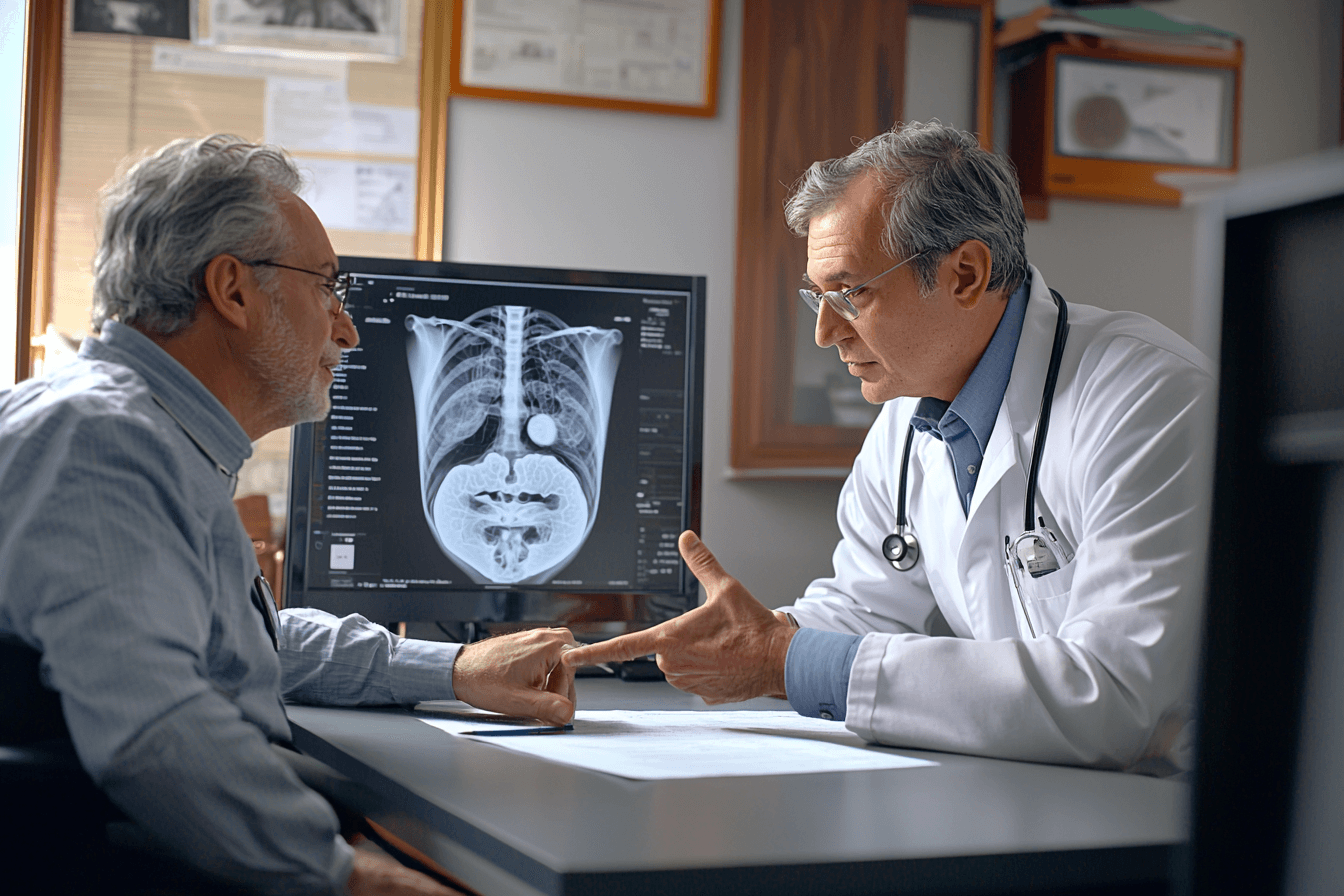
The stage of stomach cancer describes how far the disease has progressed in the body. It helps doctors understand whether the cancer is limited to the inner lining of the stomach, has grown deeper into the stomach wall, has reached nearby lymph nodes, or has spread to distant organs. Staging is important because treatment planning, surgery decisions, chemotherapy planning, immunotherapy or targeted therapy use, nutritional support, and follow-up strategy all depend on the stage [1,2].
Table: Stomach Cancer Stage and Ayurvedic Recovery Focus
| Symptom | What it may mean | What the patient should do |
|---|---|---|
| Loss of appetite | Weak digestion, gastritis, tumor effect or treatment side effect | Get evaluated if persistent or associated with weight loss |
| Early fullness after small meals | Reduced stomach capacity, tumor effect or post-surgery change | Discuss with doctor, especially if worsening |
| Nausea or vomiting | Gastritis, chemotherapy effect, obstruction or advanced disease | Seek urgent care if vomiting is persistent or fluids cannot be retained |
| Unexplained weight loss | Poor intake, malnutrition, cachexia or disease progression | Needs medical and nutritional assessment |
| Black stools | Possible internal bleeding | Seek urgent medical care |
| Vomiting blood | Possible upper gastrointestinal bleeding | Seek emergency care immediately |
| Severe weakness | Anemia, dehydration, malnutrition or treatment toxicity | Check blood reports and seek medical review |
| Abdominal swelling | Ascites, obstruction or advanced disease complication | Needs urgent medical assessment |
| Fever during chemotherapy | Possible infection during low immunity | Seek urgent oncology care |
| Difficulty swallowing or persistent vomiting after food | Possible obstruction or upper GI narrowing | Needs prompt medical evaluation |
However, the stage should not be used to create fear. Many patients and families become emotionally disturbed when they hear words like “advanced,” “stage 3,” or “stage 4.” A recovery-focused approach explains the stage clearly, but also reminds the patient that every person is different. The stage is important, but it is not the only factor. The patient’s age, strength, appetite, weight, albumin, hemoglobin, treatment tolerance, tumor biology, biomarkers, mental stability, family support, and response to treatment also matter [1,2,3].
Modern staging gives information about the disease. Ayurveda gives information about the patient’s internal recovery capacity. A patient with good Agni, stable weight, better Bala, preserved Ojas, and strong treatment tolerance may recover differently from a patient with severe vomiting, cachexia, anemia, poor digestion, low albumin, anxiety, and marked Dhatu-kshaya. Therefore, staging should be understood with maturity, not panic.
In stomach cancer, doctors commonly use the TNM system. T describes how deeply the tumor has grown into the stomach wall. N describes whether nearby lymph nodes are involved. M describes whether the cancer has spread to distant organs. These details are combined to define the stage [1,2].
From an Ayurvedic viewpoint, staging can be correlated with the depth of Dosha-Dushya involvement, degree of Srotas obstruction, level of Dhatu-kshaya, loss of Bala, and depletion of Ojas. Early-stage disease may still have better digestive capacity and strength, while advanced disease often shows greater systemic weakness, poor appetite, weight loss, anemia, vomiting, ascites, pain, or emotional exhaustion.
Stage 0 Stomach Cancer
Stage 0 stomach cancer is the earliest stage. It means abnormal cells are found only in the innermost lining of the stomach and have not grown deeply into the stomach wall or spread to lymph nodes or distant organs [1,2].
In some medical reports, this may be described as carcinoma in situ or very early disease. Because the abnormal cells are still superficial, treatment may sometimes be possible through endoscopic removal or surgery, depending on the exact location, size, histology, and expert evaluation [1,2].
From the patient’s point of view, stage 0 is often confusing because symptoms may be absent or very mild. The patient may have undergone endoscopy for acidity, gastritis, anemia, indigestion, or screening, and the abnormality may be found early. This early detection can be very valuable because treatment options are usually more favorable when disease is limited.
From an Ayurvedic recovery perspective, stage 0 is a critical opportunity to correct the gastric terrain. The focus is not only on removing the visible abnormality but also on correcting the background that allowed disease to develop. This includes improving Agni, reducing chronic gastric irritation, correcting diet, treating H. pylori if present, reducing Ama, calming Pitta-Kapha disturbance, and rebuilding mucosal resilience.
Ayurveda in this stage may support:
Improved digestion, better appetite rhythm, reduction of acidity-like symptoms, prevention of further nutritional depletion, emotional stability, post-procedure healing, and long-term digestive discipline.
Patients should not assume that early stage means no follow-up is needed. Regular surveillance, repeat endoscopy when advised, biopsy review, dietary correction, and doctor-supervised recovery planning remain important.
Stage 1 Stomach Cancer
Stage 1 stomach cancer generally means the cancer has grown beyond the most superficial lining but is still relatively limited. It may involve deeper layers of the stomach wall and, in some cases, a small number of nearby lymph nodes, depending on the exact TNM details [1,2].
This is still considered an earlier stage compared with stage 2, stage 3, or stage 4. Treatment may involve endoscopic resection in carefully selected very early cases or surgery in many patients. Some patients may also require chemotherapy depending on tumor features, lymph node risk, surgical findings, and oncology recommendations [1,2,3].
Patients with stage 1 disease may still have good strength, reasonable appetite, and less severe weight loss. However, this is not always true. Some may already have poor appetite, anemia, fear of food, chronic gastritis, or significant anxiety after diagnosis. Therefore, treatment planning must look at both the tumor and the patient.
From an Ayurvedic viewpoint, stage 1 disease may show early but meaningful disturbance of Agni, Annavaha Srotas, Rasa Dhatu, and Rakta Dhatu. The disease may not yet have caused severe systemic depletion, but the stomach’s digestive and nourishing function may already be compromised.
The Ayurvedic goals in stage 1 recovery include:
Stabilizing digestion, improving appetite, preparing the patient for surgery or endoscopic treatment, supporting wound healing after treatment, preventing Vata aggravation after surgery, maintaining weight, supporting hemoglobin, improving sleep, and starting suitable Rasayana only after Agni is stable.
At this stage, overly aggressive detoxification is usually unnecessary and may weaken the patient. The better approach is gentle correction, nourishment, and disciplined follow-up.
Stage 2 Stomach Cancer
Stage 2 stomach cancer usually means the tumor has grown more deeply into the stomach wall and/or has involved more nearby lymph nodes, but distant spread is not present. The exact definition depends on the TNM combination [1,2].
Stage 2 is often treated with a combination approach. Many patients may need surgery along with chemotherapy before or after surgery, depending on tumor location, surgical plan, pathology, lymph node involvement, and oncology guidelines [1,2,3].
At this stage, the disease burden is higher than stage 0 or stage 1. Patients may have more noticeable symptoms such as poor appetite, upper abdominal discomfort, early satiety, nausea, anemia, weight loss, or weakness. Some patients are still physically strong, while others already show significant nutritional decline.
From an Ayurvedic perspective, stage 2 may indicate deeper Dosha-Dushya Sammurchana, more involvement of Rasa, Rakta, and Mamsa Dhatu, and increasing disturbance in Annavaha Srotas. The patient may show Agnimandya, Ama, Aruchi, Chardi tendency, Bala reduction, and early Ojas depletion.
The Ayurvedic role in stage 2 is highly valuable when planned around the treatment phase. Before surgery or chemotherapy, Ayurveda can help improve digestion, build strength, support appetite, improve bowel regularity, calm anxiety, and prepare the patient’s body. During chemotherapy, the focus may shift toward nausea support, appetite preservation, fatigue reduction, sleep support, bowel regulation, and maintaining nutritional intake. After surgery, the focus becomes Vata regulation, small-meal digestion, tissue rebuilding, and gradual Rasayana.
The most important principle is timing. A medicine that is useful after chemotherapy may not be suitable immediately before surgery. A Rasayana that helps long-term recovery may be too heavy during active vomiting. A heating digestive medicine may worsen burning in a Pitta-dominant patient. Therefore, stage 2 requires careful, phase-wise, doctor-led planning.
Stage 3 Stomach Cancer
Stage 3 stomach cancer usually means the disease has grown deeply into the stomach wall and/or has involved multiple nearby lymph nodes, but there is no confirmed distant metastasis. This is often called locally advanced stomach cancer [1,2].
Stage 3 can sound frightening to patients, but it should be explained responsibly. It is serious, but it may still be treated with a planned multimodal approach in suitable patients. Treatment may include chemotherapy, surgery, radiation in selected cases, or other oncology-directed approaches depending on tumor location, resectability, lymph node involvement, patient strength, and institutional protocol [1,2,3].
Patients with stage 3 disease often need stronger nutritional and supportive care. They may already have weight loss, anemia, low appetite, vomiting tendency, pain, weakness, fatigue, or reduced treatment tolerance. Some patients may also be emotionally overwhelmed because the word “advanced” creates fear.
From an Ayurvedic perspective, stage 3 often reflects significant involvement of Annavaha Srotas, Rasavaha Srotas, Raktavaha Srotas, and Mamsa Dhatu. There may be clear Dhatu-kshaya, reduced Bala, unstable Agni, and early or established Ojas-kshaya. The patient may not tolerate heavy food, strong medicines, forceful detoxification, or large doses of formulations.
The Ayurvedic strategy in stage 3 should be practical and clinically careful. The first goal is often not heavy Rasayana, but stabilization. The patient may need support for appetite, nausea, vomiting, constipation or diarrhea, sleep, anxiety, pain, hemoglobin, albumin, and treatment tolerance.
Useful Ayurvedic recovery goals in stage 3 include:
Maintaining meal tolerance, preventing rapid weight loss, supporting protein intake according to Agni, reducing treatment-related nausea, improving sleep, protecting bowel function, supporting Bala, and rebuilding Ojas gradually.
For a public article, the message should be balanced:
Stage 3 stomach cancer is serious and needs proper oncology care. Ayurveda can become a meaningful recovery partner when it is integrated safely, adjusted to the treatment phase, and monitored through reports.
Stage 4 Stomach Cancer
Stage 4 stomach cancer means the cancer has spread to distant organs or areas outside the stomach and nearby lymph nodes. This may include spread to the liver, peritoneum, distant lymph nodes, lungs, bones, ovaries, or other sites. Peritoneal spread and ascites are especially important in gastric cancer [1,2].
Stage 4 is also called metastatic stomach cancer. In many cases, treatment focuses on systemic therapy, targeted therapy, immunotherapy in selected patients, symptom control, nutritional care, palliative procedures when needed, and quality-of-life support [1,2,3].
This stage requires honesty and compassion. Patients and families should not be given false guarantees, but they should also not be abandoned emotionally. Many stage 4 patients need support for vomiting, poor appetite, abdominal distension, pain, fatigue, constipation, weight loss, anxiety, insomnia, fear, and loss of confidence.
From an Ayurvedic viewpoint, stage 4 disease often shows deeper Srotas obstruction, widespread Dhatu depletion, marked Bala loss, disturbed Vata, impaired Agni, Ama accumulation, and significant Ojas-kshaya. The patient may be unable to tolerate strong medicines, heavy Avaleha, excessive oils, fasting, purgation, or aggressive cleansing.
The Ayurvedic approach in stage 4 should be individualized according to the patient’s condition. In some patients, the focus may be improving appetite, reducing nausea, maintaining bowel movement, supporting sleep, and preserving dignity. In others, when strength is better and reports allow, a deeper recovery-supportive Rasayana plan may be used carefully. Every decision should depend on symptoms, reports, oral intake, liver and kidney function, blood counts, ascites, obstruction risk, and current oncology treatment.
For stage 4 patients, Ayurveda may support:
Appetite maintenance, nausea and vomiting control, abdominal comfort, bowel regularity, hydration, strength preservation, fatigue reduction, emotional stability, sleep quality, treatment tolerance, and family confidence.
The language should be careful:
In advanced stomach cancer, Ayurveda supports disease-control efforts, symptom relief, strength preservation, treatment tolerance, digestive restoration, and quality-of-life improvement. In selected patients, deeper clinical recovery may be possible, but it must be monitored through modern reports and clinical response.
Localized, Locally Advanced, Metastatic and Recurrent Disease
Patients may hear different words from different doctors. Instead of only stage numbers, doctors may also use terms such as localized, locally advanced, metastatic, or recurrent stomach cancer. These terms are important because they describe the clinical situation in a practical way [1,2].
Localized stomach cancer means the cancer is limited to the stomach and has not spread to distant organs. Some localized cancers may be early and suitable for endoscopic or surgical treatment. The Ayurvedic focus in localized disease is often Agni correction, preparation for treatment, post-procedure healing, nutrition, and long-term recurrence-risk reduction support.
Locally advanced stomach cancer means the disease has grown more deeply or involved nearby lymph nodes or structures but has not spread to distant organs. Treatment often requires more than one method, such as chemotherapy and surgery, depending on the case [1,2,3]. The Ayurvedic focus is prehabilitation, treatment tolerance, appetite support, weight preservation, post-surgery rebuilding, and Ojas restoration.
Metastatic stomach cancer means the cancer has spread to distant organs or areas. This is usually stage 4 disease. The Ayurvedic focus becomes highly individualized: symptom support, appetite maintenance, bowel regulation, fatigue reduction, emotional stability, and careful Rasayana if the patient can tolerate it.
Recurrent stomach cancer means the cancer has returned after previous treatment. Recurrence may be local, regional, or distant. This situation requires fresh report review, repeat staging, evaluation of prior treatments, biomarker review, and reassessment of the patient’s strength [1,2].
From an Ayurvedic perspective, recurrence should be viewed as a signal that the internal and external disease environment requires renewed attention. This does not mean blaming the patient. It means assessing Agni, Ama, diet, stress, sleep, Dhatu status, immunity, treatment history, residual weakness, and ongoing risk factors.
In all these situations, the stage should guide planning but should not define the patient’s entire identity. The patient is not “a stage.” The patient is a human being with a diagnosis, a body that needs nourishment, a mind that needs stability, and an inner recovery capacity that must be protected.
The most responsible message is:
Staging helps doctors choose the right direction. Ayurveda helps strengthen the patient’s ability to walk that path with better digestion, better nourishment, better strength, better treatment tolerance, and better quality of life.
Biomarkers and Precision Medicine

Modern stomach cancer treatment is no longer based only on the tumor’s size, location, and stage. In many patients, especially those with advanced, metastatic, recurrent, or inoperable gastric adenocarcinoma, doctors also study the biology of the tumor through biomarker testing. Biomarkers are measurable features in cancer cells or the tumor environment that help doctors understand which treatment may work better for a particular patient [1,2,8]. The National Cancer Institute notes that patients with metastatic gastric adenocarcinoma should be considered for testing such as HER2 amplification, dMMR/MSI status, and PD-L1 CPS; its 2025 update also includes treatment options for CLDN18.2-positive tumors [1,8].
This is called precision medicine because the treatment is selected according to the cancer’s molecular and immune profile, not only according to the organ name. Two patients may both have stage 4 stomach cancer, but one may be HER2-positive, another may be MSI-high, another may have high PD-L1 expression, and another may be CLDN18.2-positive. Their treatment pathways may be different [1,2,8].
For an Ayurvedic doctor, biomarker testing is also important. Ayurveda does not replace HER2, MSI, PD-L1, or CLDN18.2 testing. These markers are not determined by pulse diagnosis, Prakriti, tongue examination, or symptoms. They require pathology, immunohistochemistry, molecular testing, or other laboratory methods. However, once the biomarker status is known, Ayurvedic recovery planning becomes safer and more precise because the doctor understands what modern treatment the patient may receive and what kind of supportive care is needed.
From an Ayurvedic perspective, biomarkers tell us about the tumor’s biological behavior, while Ayurvedic assessment tells us about the patient’s Agni, Ama, Dosha, Dhatu-kshaya, Bala, Satva, and Ojas. Both are valuable. Biomarkers help guide oncology treatment. Ayurveda helps guide digestive restoration, nourishment, strength rebuilding, treatment tolerance, and long-term recovery support.
HER2 Testing
HER2 stands for human epidermal growth factor receptor 2. It is a protein that may be present in higher amounts on the surface of some stomach cancer cells. When a gastric cancer is HER2-positive, it may respond to medicines that target the HER2 pathway [1,2,8].
HER2 testing is usually done on biopsy tissue or surgical tissue. The pathology laboratory may use immunohistochemistry, commonly written as IHC, and sometimes confirmatory testing such as FISH or another in-situ hybridization method. In modern treatment references, HER2-positive metastatic gastric cancer is often defined by strong HER2 expression on IHC or intermediate expression confirmed by FISH positivity [1,8]. NCI describes first-line systemic therapy options separately for HER2-positive metastatic gastric cancer and notes the use of trastuzumab-based treatment in this setting [1,8].
For patients, the simple explanation is:
HER2 testing checks whether the stomach cancer cells carry a specific growth-related protein in high amounts. If HER2 is positive, the oncologist may consider HER2-targeted medicines along with chemotherapy or other suitable therapy.
HER2 status is important because it can open a treatment pathway that would not be used in HER2-negative disease. It can also influence later-line treatment decisions in selected patients. Therefore, when a patient has advanced, metastatic, recurrent, or inoperable gastric adenocarcinoma, HER2 testing should not be missed if clinically indicated [1,2,8].
From an Ayurvedic recovery perspective, HER2-positive disease does not mean a completely separate Ayurvedic diagnosis. The Ayurvedic doctor still assesses Agni, Pitta, Kapha, Vata, Ama, Annavaha Srotas, Rasavaha Srotas, Rakta, Mamsa, Bala, and Ojas. However, HER2-positive status tells the Ayurvedic doctor that the patient may receive targeted therapy, chemotherapy, immunotherapy combinations, or later-line HER2-directed therapy. This affects supportive care.
For example, the Ayurvedic plan must pay attention to:
Appetite, nausea, fatigue, diarrhea or constipation, heart strength if relevant to the oncology medicine used, liver function, kidney function, blood counts, oral intake, weight trend, and possible drug-herb interaction risk.
A HER2-positive patient should not be given random “anti-cancer” herbs without understanding the oncology protocol. Strong extracts, high-dose supplements, metallic preparations, or multiple formulations may create avoidable safety concerns during active therapy. The correct role of Ayurveda is to support digestion, strength, nutrition, sleep, bowel function, emotional stability, and recovery capacity while respecting the biomarker-guided treatment plan.
MSI and dMMR Testing
MSI means microsatellite instability, and dMMR means deficient mismatch repair. These are related concepts. They describe a cancer cell’s problem in repairing certain types of DNA errors. When the DNA repair system is defective, the tumor may accumulate many mutations and may become more visible to the immune system [1,2,8].
Testing may be reported as:
MSI-high, MSI-low, microsatellite stable, dMMR, or pMMR.
MSI-high or dMMR gastric cancer is clinically important because it may respond differently to immunotherapy compared with microsatellite-stable tumors. NCI includes dMMR/MSI testing among biomarker considerations in metastatic gastric adenocarcinoma and notes pembrolizumab as an option for patients with dMMR or MSI-high tumors after disease progression in the appropriate setting [1,8].
For patients, the simple explanation is:
MSI and dMMR testing check whether the cancer has a defect in its DNA repair mechanism. If the tumor is MSI-high or dMMR, immunotherapy may become especially relevant in treatment planning.
MSI/dMMR status may also have meaning in hereditary cancer assessment in selected patients, especially when the patient is young, has a strong family history, or has other cancers in the family. In such cases, genetic counseling may be advised by the oncology team [1,2].
From an Ayurvedic viewpoint, MSI-high or dMMR status does not directly correspond to one Dosha. It should not be simplified as only Pitta, only Kapha, or only Vata. Ayurveda examines the patient’s functional condition: appetite, digestion, tissue depletion, inflammation pattern, bowel habit, mental strength, sleep, pain, and treatment tolerance.
If an MSI-high or dMMR patient receives immunotherapy, the Ayurvedic doctor must be especially careful. Immunotherapy works through immune checkpoint pathways, and it can sometimes cause immune-related side effects involving the gut, liver, skin, lungs, endocrine glands, or other organs. Therefore, herb selection should avoid reckless immune-stimulating claims. The aim should be intelligent support, not overstimulation.
Ayurvedic support in this setting may focus on:
Maintaining Agni without irritating the gut, supporting nutrition, reducing treatment-related fatigue, protecting sleep, monitoring bowel changes, watching for diarrhea or colitis symptoms, supporting emotional stability, and coordinating with oncology advice.
A practical warning is necessary: if a patient on immunotherapy develops persistent diarrhea, severe abdominal pain, jaundice, breathlessness, severe skin rash, fever, or unusual weakness, these symptoms need urgent medical review. They should not be treated only as ordinary Ajirna, Grahani, Pitta aggravation, or allergy.
PD-L1 CPS Testing
PD-L1 is a protein that can be expressed by cancer cells or immune cells in the tumor environment. Some cancer cells use the PD-1/PD-L1 pathway to escape immune attack. Immunotherapy medicines known as immune checkpoint inhibitors may help block this pathway in suitable patients [1,2,8].
In stomach cancer, PD-L1 is commonly reported as CPS, which means Combined Positive Score. The CPS score gives an estimate of PD-L1 expression in the tumor environment. This score may influence whether immunotherapy is considered and how strongly it may be recommended in certain treatment settings [1,2,8]. NCI describes PD-L1 CPS testing as part of biomarker evaluation in metastatic gastric adenocarcinoma, and it discusses immune checkpoint inhibitor combinations in advanced disease [1,8].
For patients, the simple explanation is:
PD-L1 CPS testing checks whether the cancer environment has a protein pattern that may make immunotherapy useful. A higher CPS may increase the relevance of immunotherapy in selected patients, but the final decision depends on the whole case.
PD-L1 is not the only factor. The oncologist also considers stage, performance status, symptoms, HER2 status, MSI/dMMR status, CLDN18.2 status, previous treatment, liver and kidney function, autoimmune history, and patient preference.
From an Ayurvedic perspective, PD-L1 CPS testing is important because it may indicate that the patient will receive immunotherapy, often with chemotherapy in advanced disease. This affects supportive care planning. Immunotherapy patients should not be treated casually with strong immune-activating formulas or unsupervised supplements. The Ayurvedic plan should be steady, gentle, and carefully monitored.
The Ayurvedic focus may include:
Improving appetite, maintaining bowel rhythm, reducing fatigue, supporting sleep, protecting nutrition, calming anxiety, and observing any new inflammatory symptoms.
If the patient develops diarrhea, blood in stool, persistent vomiting, severe acidity, liver enzyme elevation, skin eruptions, cough, breathlessness, or endocrine symptoms during immunotherapy, these should be reported promptly to the oncology team. Ayurveda may help recovery after assessment, but immune-related adverse events require timely medical recognition.
This is where integrative medicine must be disciplined. Ayurveda should not claim to replace immunotherapy, and immunotherapy should not ignore the patient’s digestion, strength, diet, and Ojas. A coordinated approach is better.
CLDN18.2 Testing
CLDN18.2, also written as claudin 18.2, is a newer and increasingly important biomarker in gastric and gastroesophageal junction adenocarcinoma. It is a tight-junction protein that may be expressed on some gastric cancer cells. When a tumor is CLDN18.2-positive and HER2-negative in the advanced or metastatic setting, CLDN18.2-directed therapy may be relevant in selected patients [1,2,8].
The National Cancer Institute’s 2025 gastric cancer PDQ update includes monoclonal antibody therapy with chemotherapy for CLDN18.2-positive tumors in stage IV, inoperable, and recurrent gastric cancer treatment options [1,8]. It also discusses trials of zolbetuximab plus chemotherapy in CLDN18.2-positive, HER2-negative metastatic gastroesophageal or gastric adenocarcinoma [1,8]. The U.S. FDA approved zolbetuximab-clzb with fluoropyrimidine- and platinum-containing chemotherapy in October 2024 for first-line treatment of adults with locally advanced unresectable or metastatic HER2-negative gastric or gastroesophageal junction adenocarcinoma whose tumors are CLDN18.2-positive by an FDA-approved test.
For patients, the simple explanation is:
CLDN18.2 testing checks whether the cancer cells carry a specific stomach-lineage protein that can be targeted by a newer monoclonal antibody treatment in selected advanced cases.
This is important because some patients who are HER2-negative may still have another targetable marker: CLDN18.2. Therefore, in advanced or metastatic gastric adenocarcinoma, especially when planning first-line therapy, patients may need a broader biomarker review rather than only basic biopsy confirmation [1,2,8].
From an Ayurvedic viewpoint, CLDN18.2-positive disease does not mean a separate classical disease name. The Ayurvedic doctor should not claim that a particular herb is “anti-CLDN18.2” unless supported by strong clinical evidence. Instead, the biomarker helps the doctor understand that the patient may receive monoclonal antibody therapy with chemotherapy. This requires careful supportive care.
Patients receiving CLDN18.2-directed therapy may experience gastrointestinal symptoms such as nausea or vomiting depending on the treatment regimen and individual tolerance. Since stomach cancer patients already have weak appetite, early satiety, weight loss, gastritis, vomiting tendency, or post-surgery changes, Ayurvedic digestive support must be carefully selected and timed.
The Ayurvedic care plan may focus on:
- Gentle Agni support, anti-nausea dietary planning, hydration, bowel regularity, meal tolerance, fatigue support, sleep correction, and Ojas rebuilding after acute treatment stress.
- Heavy Avaleha, strong oils, forceful Virechana, excessive heating herbs, or bitter high-dose extracts may not be suitable during periods of active nausea, vomiting, poor intake, or chemotherapy stress. The patient’s current treatment, side effects, liver function, kidney function, blood counts, and oral intake must guide the protocol.
Why Biomarkers Matter Before Treatment Decisions
Biomarkers matter because they help doctors avoid a one-size-fits-all approach. Stomach cancer is not one uniform disease. A treatment that is useful for a HER2-positive tumor may not be useful for a HER2-negative tumor. A patient with MSI-high disease may be considered differently from a patient with microsatellite-stable disease. A patient with high PD-L1 CPS may have different immunotherapy considerations. A CLDN18.2-positive, HER2-negative patient may have access to a different targeted pathway in advanced disease [1,2,8].
This is why the pathology report should not stop at the words “gastric adenocarcinoma.” In many patients, especially those with metastatic, recurrent, or inoperable disease, biomarker testing can directly influence treatment planning. NCI specifically lists HER2, dMMR/MSI, and PD-L1 CPS testing for metastatic gastric adenocarcinoma, and its updated treatment section includes CLDN18.2-positive treatment pathways [1,8].
For patients, biomarker testing can answer important questions:
- Is there a HER2 target?
- Is the tumor MSI-high or dMMR?
- Is immunotherapy relevant?
- Is PD-L1 CPS high or low?
- Is CLDN18.2-directed treatment relevant?
- Is the disease better managed with chemotherapy alone, chemotherapy plus targeted therapy, chemotherapy plus immunotherapy, or another plan?
For Ayurvedic planning, biomarker testing matters for a different but equally important reason. It helps the Ayurvedic doctor understand the modern treatment pathway and plan support accordingly. A patient receiving chemotherapy needs one type of supportive care. A patient receiving immunotherapy needs another level of monitoring. A patient receiving targeted therapy may need specific attention to liver function, gastrointestinal side effects, fatigue, appetite, and interaction risks.
A biomarker-informed Ayurvedic plan should therefore consider:
Cancer type, stage, HER2 status, MSI/dMMR status, PD-L1 CPS, CLDN18.2 status, ongoing medicines, chemotherapy cycle, immunotherapy schedule, targeted therapy use, surgery status, blood reports, liver and kidney function, appetite, vomiting, bowel pattern, weight loss, sleep, mental state, and Bala.
This makes the Ayurvedic protocol more scientific, safer, and more personalized. It prevents blind prescribing. It also helps avoid the common mistake of giving the same Rasayana, same Avaleha, same decoction, or same “anti-cancer” combination to every patient.
From a patient-centered perspective, precision medicine and Ayurveda can be explained beautifully:
Modern biomarkers help identify the cancer’s treatment targets. Ayurveda helps identify the patient’s recovery needs.
Modern oncology asks, “Which pathway is driving this tumor?”
Ayurveda asks, “How strong is the patient’s Agni, Bala, Dhatu nourishment, and Ojas?”
Both questions matter.
A complete stomach cancer recovery plan should not ignore either side. The cancer must be understood through biopsy, staging, imaging, and biomarkers. The patient must be understood through appetite, digestion, strength, weight, sleep, mental stability, Prakriti, Vikriti, Agni, Ama, Dhatu status, and Ojas. When these two forms of assessment are brought together, treatment becomes more personalized, safer, and more recovery-focused.
Modern Treatment Overview

Modern treatment for stomach cancer depends on the type of cancer, stage, tumor location, lymph node involvement, spread to other organs, biomarkers, patient strength, nutrition status, and overall medical condition. Treatment may include endoscopic treatment, surgery, chemotherapy, radiation, targeted therapy, immunotherapy, palliative procedures, nutritional support, and symptom-control care [1,2,3,8]. The National Cancer Institute describes stomach cancer treatment as stage-dependent and notes that treatment options may include surgery, chemotherapy, radiation therapy, immunotherapy, targeted therapy, and palliative approaches depending on disease extent [1].
This section is included to help patients understand the modern treatment journey in simple language. It is not meant to replace the oncologist’s advice. For an Ayurvedic doctor, these details are important because the Ayurvedic protocol must be planned according to the treatment phase. A patient before surgery, after gastrectomy, during chemotherapy, during immunotherapy, after recurrence, or in advanced disease needs a different Ayurvedic recovery plan.
In an integrative recovery model, modern treatment focuses on controlling or removing the cancer, while Ayurveda focuses on strengthening the patient’s internal recovery environment through Agni correction, Ama reduction, Srotas support, Dhatu nourishment, Bala improvement, Rasayana, and Ojas rebuilding. Both aspects must be understood clearly.
Endoscopic Resection for Very Early Cancer
In very early stomach cancer, when the disease is limited to the superficial layer of the stomach lining and the risk of lymph node spread is low, doctors may consider endoscopic resection in selected patients [1,8]. This is a minimally invasive procedure performed through an endoscope, without making a large external surgical cut. The abnormal area is removed from inside the stomach.
Endoscopic treatment is usually considered only when strict criteria are met. The doctor studies the size of the lesion, depth of invasion, histology, ulceration, tumor differentiation, and lymph node risk before deciding whether endoscopic removal is suitable [1,2]. If the disease is deeper, aggressive, poorly differentiated, or associated with higher lymph node risk, surgery or additional treatment may be advised.
For patients, the simple explanation is:
Endoscopic resection may be possible when stomach cancer is found very early and has not deeply entered the stomach wall.
From an Ayurvedic recovery perspective, this stage is an important opportunity. The patient may still have relatively good Agni, Bala, and Ojas. Ayurveda can support post-procedure healing, appetite restoration, mucosal recovery, correction of chronic gastritis tendencies, H. pylori-related terrain management when relevant, and long-term dietary discipline.
However, early treatment should not create overconfidence. Even after endoscopic treatment, the patient may need follow-up endoscopy, biopsy review, surveillance, and lifestyle correction. Ayurveda should support this follow-up rather than replace it.
Surgery and Gastrectomy
Surgery is a major treatment option for many patients with localized or locally advanced stomach cancer. The type of surgery depends on the tumor location, extent of disease, lymph node involvement, and whether the cancer is technically removable. Surgery may involve removing part of the stomach, called partial gastrectomy, or the whole stomach, called total gastrectomy [1,3]. Cancer Research UK describes surgery as one of the main treatment options for stomach cancer and explains that treatment planning may also include chemotherapy, radiotherapy, targeted therapy, immunotherapy, and symptom-control care depending on the patient’s condition [3].
During gastrectomy, nearby lymph nodes are often removed and examined. This helps define the final pathological stage and decide whether further treatment is needed. Some patients receive chemotherapy before surgery to shrink or control the disease; others may receive chemotherapy or chemoradiation after surgery depending on the case [1,2].
After stomach surgery, digestion changes significantly. Patients may experience early fullness, reduced meal capacity, reflux, dumping syndrome, nausea, weight loss, diarrhea, anemia, iron deficiency, vitamin B12 deficiency, calcium and vitamin D issues, and difficulty rebuilding strength [4].
From an Ayurvedic perspective, surgery strongly affects Vata, Agni, Annavaha Srotas, Rasa Dhatu, Rakta Dhatu, and Bala. The patient may not tolerate normal food quantity or heavy formulations immediately after surgery. Therefore, the Ayurvedic plan after gastrectomy should be gradual and gentle.
The main Ayurvedic goals after surgery are:
Restore food tolerance, regulate Vata, support small-meal digestion, prevent rapid weight loss, protect bowel movement, rebuild Rasa and Rakta Dhatu, support wound recovery, improve sleep, and gradually introduce Rasayana only after Agni becomes stable.
Heavy Avaleha, strong oils, aggressive detoxification, excessive spices, and large-dose formulations should usually be avoided in the early post-surgical phase unless carefully modified by the doctor.
Chemotherapy Before or After Surgery
Chemotherapy uses anti-cancer medicines that circulate through the bloodstream and act on cancer cells. In stomach cancer, chemotherapy may be used before surgery, after surgery, or as part of treatment for advanced or metastatic disease [1,3]. Cancer Research UK explains that chemotherapy drugs circulate throughout the body in the bloodstream and are used to destroy cancer cells [3].
When chemotherapy is given before surgery, it is often called neoadjuvant or perioperative chemotherapy. The goal may be to shrink the tumor, control microscopic disease, improve the chance of complete surgery, or assess tumor response.
When chemotherapy is given after surgery, it is often called adjuvant chemotherapy. The goal is to reduce the risk of recurrence by treating microscopic cancer cells that may remain in the body.
In advanced or metastatic stomach cancer, chemotherapy may be used to control disease growth, reduce symptoms, improve quality of life, and prolong survival in suitable patients [1,2].
Chemotherapy can also cause side effects such as nausea, vomiting, appetite loss, mouth ulcers, diarrhea, constipation, fatigue, low blood counts, neuropathy, taste changes, hair loss, infection risk, and weakness. These side effects vary according to the drugs used, dose, patient strength, nutrition status, and previous treatment history.
From an Ayurvedic recovery perspective, chemotherapy is a phase where Agni protection and Bala preservation are very important. The patient may become weak, nauseated, dry, anxious, sleepless, constipated, or depleted. Some patients show Pitta aggravation with burning, mouth ulcers, loose stools, and irritability. Others show Vata aggravation with dryness, insomnia, anxiety, pain, constipation, and neuropathy. Some show Kapha-Ama features with heaviness, nausea, coating, low appetite, and sluggishness.
Ayurveda during chemotherapy should focus on:
Nausea support, appetite protection, bowel regulation, sleep support, fatigue reduction, hydration, protein tolerance, prevention of rapid weight loss, and recovery between cycles.
The Ayurvedic medicines should be checked carefully for safety. Strong formulations, high-dose extracts, mineral preparations, and multiple supplements should not be used casually during chemotherapy. CBC, liver function, kidney function, oral intake, vomiting, diarrhea, and infection risk must be monitored.
Radiation in Selected Cases
Radiation therapy uses high-energy rays to damage or destroy cancer cells. In stomach cancer, radiation is not used in every patient, but it may be advised in selected situations. It may be combined with chemotherapy, used after surgery in some cases, or used to control symptoms such as bleeding, pain, obstruction, or local tumor-related problems [1,3]. NCI’s patient treatment summary lists radiation therapy and chemoradiation among standard treatment approaches for gastric cancer [1].
Radiation planning depends on tumor location, previous surgery, lymph node risk, margin status, recurrence pattern, symptoms, and the patient’s overall condition. The oncology team decides whether radiation is needed and when it should be given.
Possible side effects may include fatigue, nausea, vomiting, reduced appetite, abdominal discomfort, diarrhea, skin irritation, and inflammation in the treated area. If radiation is given near the upper abdomen, digestive tolerance may be affected.
From an Ayurvedic viewpoint, radiation may aggravate Pitta, dry tissues, disturb Agni, and increase fatigue in sensitive patients. Some patients may develop burning sensation, appetite reduction, nausea, bowel disturbance, or weakness. The Ayurvedic plan should therefore focus on gentle Pitta-shamana, digestive support, hydration, soft nourishing food, sleep support, and protection of Bala.
During radiation, strong heating herbs, excessive spices, alcohol, smoking, sour irritants, and aggressive purification therapies should generally be avoided. If the patient has severe vomiting, diarrhea, dehydration, bleeding, or poor intake, urgent medical review is needed before continuing oral formulations.
Targeted Therapy
Targeted therapy is a treatment that acts on specific features of cancer cells or the tumor environment. In stomach cancer, targeted therapy may be used when testing shows that the cancer has a suitable target, such as HER2 or CLDN18.2, or when other treatment pathways are appropriate [1,2,8]. NCI describes targeted therapy as part of treatment for selected gastric cancer patients, especially in advanced, inoperable, or recurrent disease [1].
The most familiar example is HER2-targeted therapy for HER2-positive advanced gastric or gastroesophageal junction adenocarcinoma. More recently, CLDN18.2-directed therapy has also become relevant in selected HER2-negative, CLDN18.2-positive advanced gastric or gastroesophageal junction cancers [1,2,8].
For patients, the simple explanation is:
Targeted therapy is used when the cancer has a specific biological marker that can be attacked by a particular medicine.
Targeted therapy is not the same as chemotherapy. Chemotherapy acts broadly on rapidly dividing cells, while targeted therapy is designed to act on selected cancer-related pathways. However, targeted therapies can still cause side effects and require monitoring.
From an Ayurvedic recovery perspective, targeted therapy requires careful supportive planning. The Ayurvedic doctor must know the exact medicine, treatment schedule, side effects, liver function, kidney function, appetite status, bowel pattern, and blood reports. Some patients may develop diarrhea, nausea, fatigue, liver enzyme changes, skin issues, appetite loss, or general weakness depending on the therapy.
The Ayurvedic aim is not to interfere with the targeted drug. The aim is to support the patient’s Agni, Bala, Dhatu nourishment, sleep, appetite, bowel movement, emotional steadiness, and post-treatment recovery.
Patients on targeted therapy should not self-medicate with multiple herbal extracts or strong formulations. Doctor supervision is essential.
Immunotherapy
Immunotherapy helps the immune system recognize and attack cancer cells. In stomach cancer, immunotherapy is mainly used in selected patients, especially in advanced, metastatic, recurrent, or inoperable disease depending on biomarkers such as PD-L1 CPS, MSI/dMMR status, HER2 status, treatment line, and overall condition [1,2,8]. NCI includes immunotherapy among gastric cancer treatment options and discusses its role in advanced disease settings [1].
Immunotherapy is not suitable for every patient. The oncologist decides based on biopsy, stage, biomarkers, previous treatment, autoimmune disease history, performance status, organ function, and risk-benefit assessment.
For patients, the simple explanation is:
Immunotherapy is a treatment that helps the body’s immune system fight cancer, but it is used only when the patient and tumor profile are suitable.
Immunotherapy can sometimes cause immune-related side effects because an activated immune system may inflame normal organs. Possible immune-related problems may involve the gut, liver, lungs, skin, thyroid, endocrine glands, or other tissues. Symptoms such as persistent diarrhea, abdominal pain, severe rash, yellow eyes, cough, breathlessness, unusual fatigue, fever, or sudden worsening should be reported urgently.
From an Ayurvedic perspective, immunotherapy requires intelligent caution. It should not be interpreted simply as “boosting immunity.” A patient on immunotherapy does not need random immune-stimulating herbs. The better Ayurvedic approach is immune balance, not immune overstimulation.
Ayurveda may support immunotherapy patients through:
Agni stabilization, gut protection, fatigue support, sleep correction, emotional balance, appetite maintenance, bowel observation, and Ojas rebuilding after assessing tolerance.
Herbal choices should be gentle, individualized, and coordinated with the oncology plan. Strong immune-activating claims should be avoided. Monitoring is essential.
Palliative and Symptom-Control Care
Palliative care does not mean giving up. It means active care focused on comfort, symptom relief, nutrition, emotional support, family support, and quality of life. In advanced, inoperable, metastatic, or recurrent stomach cancer, palliative treatment may include chemotherapy, targeted therapy, immunotherapy, radiation, stenting, procedures to relieve blockage, pain control, anti-nausea medicines, nutritional support, fluid support, and psychological care [1,3]. Cancer Research UK notes that treatments such as chemotherapy, radiotherapy, targeted drugs, or a stent may help reduce symptoms and improve comfort in advanced stomach cancer [3].
Symptoms needing palliative care may include:
Persistent vomiting, inability to eat, gastric outlet obstruction, bleeding, pain, ascites, constipation, severe weakness, weight loss, anxiety, insomnia, and breathlessness.
A stent may be used in some patients to relieve blockage and allow food or fluids to pass more easily. Radiation may help with bleeding or pain in selected cases. Systemic therapy may help control disease growth and symptoms in suitable patients.
From an Ayurvedic recovery perspective, palliative care is a very important field. Ayurveda can offer meaningful support when the goal is comfort, appetite, sleep, bowel movement, emotional steadiness, strength preservation, and dignity.
In advanced stomach cancer, the Ayurvedic plan may focus on:
Reducing nausea, supporting small food intake, improving taste, maintaining hydration, easing constipation, reducing abdominal heaviness, calming fear, improving sleep, preserving Bala, and supporting family confidence.
However, palliative Ayurveda must be realistic. If the patient has complete obstruction, severe dehydration, active bleeding, high fever, severe electrolyte imbalance, or inability to swallow, oral medicines may not be suitable until the emergency is medically addressed.
A compassionate message for patients is:
Even when the disease is advanced, recovery support still matters. Comfort, appetite, sleep, dignity, emotional peace, and family support are valuable clinical goals.
Why Ayurveda Should Be Planned Around the Treatment Phase
Ayurveda should not be given in the same way at every stage of stomach cancer. The patient’s treatment phase changes everything. A formula suitable for long-term Rasayana may be unsuitable during active vomiting. A digestive stimulant may worsen burning in a Pitta-dominant patient. A heavy Avaleha may not suit a post-gastrectomy patient with dumping syndrome. A strong herb may be unsafe during chemotherapy if blood counts, liver function, or kidney function are unstable.
Therefore, the Ayurvedic plan must be built around the patient’s current phase:
- Before surgery, the goal is prehabilitation, appetite support, protein tolerance, sleep improvement, anxiety reduction, and Bala protection.
- Immediately after surgery, the goal is gentle digestion, Vata control, small-meal tolerance, wound recovery, bowel regulation, and gradual nourishment.
- During chemotherapy, the goal is nausea support, appetite preservation, fatigue reduction, bowel support, hydration, sleep, and recovery between cycles.
- During radiation, the goal is Pitta calming, digestive comfort, hydration, soft nourishment, and fatigue support.
- During targeted therapy, the goal is treatment tolerance, liver and kidney monitoring, appetite support, bowel regulation, and strength preservation.
- During immunotherapy, the goal is immune balance, gut observation, fatigue support, sleep, appetite, and early recognition of inflammatory side effects.
- In advanced or palliative disease, the goal is comfort, food tolerance, vomiting reduction, bowel movement, pain support, sleep, emotional steadiness, and dignity.
- In remission or post-treatment recovery, the goal is Agni maintenance, Dhatu rebuilding, Ojas restoration, recurrence-risk reduction support, diet discipline, surveillance, and long-term strength.
- This phase-wise approach makes Ayurveda safer and more clinically meaningful. It also prevents the common mistake of giving one standard “cancer package” to every patient.
A good integrative message is:
Modern treatment planning depends on the cancer’s stage and biology. Ayurvedic treatment planning depends on the patient’s Agni, Bala, Dhatu status, Ojas, symptoms, treatment phase, and reports. When both are respected, the recovery plan becomes more personalized, safer, and more complete.
Why Patients Search for Ayurveda in Stomach Cancer

Patients and families often search for Ayurveda in stomach cancer because the disease affects far more than the tumor itself. It affects eating, digestion, appetite, body weight, strength, sleep, emotional stability, and the patient’s confidence in daily life. Even when modern treatment is properly planned, many patients continue to suffer from nausea, vomiting, poor food tolerance, fatigue, weight loss, weakness, post-surgery digestive changes, or fear of recurrence [4,9,10].
The stomach is the first major organ of digestion. When it is affected by cancer, surgery, chemotherapy, radiation, inflammation, obstruction, or chronic gastritis, the patient’s ability to receive nourishment becomes disturbed. This directly affects physical strength, immunity, treatment tolerance, mood, sleep, and recovery capacity. Because of this, patients often look for a system that does not only focus on the cancer cells, but also helps rebuild the patient from within.
Ayurveda becomes highly relevant here because it places digestion, nourishment, strength, and Ojas at the center of recovery. Through the concepts of Agni, Ama, Annavaha Srotas, Rasa Dhatu, Rakta Dhatu, Mamsa Dhatu, Bala, and Ojas, Ayurveda gives a structured way to understand why the patient is losing appetite, weight, strength, and confidence.
Most patients do not search for Ayurveda only because they want another medicine. They search because they want practical answers. They want to know why they cannot eat, why they are losing weight, why they feel weak even after treatment, how they can tolerate chemotherapy better, how they can recover after stomach surgery, and how they can rebuild strength and confidence.
A doctor-led Ayurvedic recovery plan should answer these concerns responsibly. It should use modern reports to understand the disease and Ayurvedic assessment to understand the patient’s internal recovery capacity.
Poor Appetite and Weak Digestion
Poor appetite is one of the most common reasons stomach cancer patients seek Ayurvedic care. Patients may say that they do not feel hungry, food has no taste, or they feel full after only a few bites. Some patients want to eat but feel that the stomach does not accept food. This may happen because of the tumor, chronic gastritis, chemotherapy, anxiety, altered stomach movement, obstruction, or post-surgical changes [4].
In Ayurveda, poor appetite is closely linked with Agnimandya and Aruchi. Agni is the digestive and metabolic power that transforms food into nourishment. When Agni becomes weak, irregular, blocked, or disturbed by Dosha imbalance, food is not digested properly. The patient may develop heaviness, nausea, coating on the tongue, bloating, sour belching, aversion to food, and weakness.
Modern cancer nutrition also recognizes appetite loss as a serious concern. The National Cancer Institute explains that anorexia, malnutrition, cachexia, and weight loss can affect treatment tolerance, quality of life, and recovery capacity in cancer patients [4].
Ayurvedic support for appetite must be gentle and individualized. Strong digestive stimulants are not suitable for every patient. A patient with burning, gastritis, mouth ulcers, loose stools, or Pitta aggravation may worsen with very heating herbs. A patient with nausea, heaviness, and a coated tongue may need mild Deepana-Pachana. A patient after gastrectomy may need small, warm, soft meals rather than strong herbal stimulation.
The aim is not to force hunger artificially. The aim is to restore the body’s natural desire for food by improving Agni, reducing Ama, calming gastric irritation, regulating Vata, and making food easier to digest. When digestion becomes stable, food begins to act as nourishment again. In stomach cancer recovery, rebuilding appetite is one of the first steps toward rebuilding strength.
Weight Loss and Muscle Wasting
Weight loss is one of the most distressing problems in stomach cancer. It may happen because the patient is eating less, vomiting, feeling full quickly, experiencing pain after meals, developing malabsorption after surgery, or suffering from cancer-related inflammation and cachexia [4,9,10].
The National Cancer Institute describes malnutrition, anorexia, cachexia, and sarcopenia as serious concerns in cancer care. Sarcopenia means loss of skeletal muscle mass and function. It can reduce strength, mobility, treatment tolerance, and quality of life [4].
After stomach surgery, weight loss may become more difficult to manage because the stomach’s storage capacity is reduced or removed. Patients may need small frequent meals, careful protein planning, vitamin and mineral monitoring, and long-term nutritional support. Post-gastrectomy guidance emphasizes the need to monitor deficiencies such as vitamin B12, iron, calcium, and vitamin D [9,10].
Ayurveda understands this condition through Dhatu-kshaya, especially depletion of Rasa Dhatu, Rakta Dhatu, and Mamsa Dhatu. When Rasa Dhatu is weak, later Dhatus are not properly nourished. When Mamsa Dhatu declines, the patient loses muscle, stamina, stability, and confidence. When Ojas declines, the patient feels exhausted, fearful, and unable to recover quickly.
The Ayurvedic answer to weight loss is not simply to give heavy tonics. In stomach cancer, heavy Brimhana may fail if Agni is weak. If the patient cannot digest the medicine or food, it may worsen nausea, heaviness, reflux, bloating, or diarrhea. Therefore, the principle should be Agni-first Brimhana. Nourishment must be increased only after understanding the patient’s digestion, vomiting tendency, bowel pattern, surgery status, albumin level, hemoglobin level, treatment phase, and overall Bala.
The recovery aim is stable nourishment, better meal tolerance, muscle preservation, improved energy, stronger treatment tolerance, and gradual tissue rebuilding. Rapid weight gain through heavy food is not the goal. The goal is sustainable Dhatu-poshana without overloading the stomach.
Nausea, Vomiting and Food Fear
Nausea and vomiting are major reasons patients look for Ayurvedic help. These symptoms may occur due to the tumor, gastric outlet obstruction, chemotherapy, radiation, gastritis, anxiety, altered gastric emptying, post-surgical changes, or advanced disease [4].
Food fear is also common. After repeated nausea or vomiting, patients may become afraid to eat. They may worry that food will cause pain, vomiting, heaviness, reflux, or diarrhea. Over time, this fear reduces intake further and worsens weakness.
In Ayurveda, nausea and vomiting are understood through Chardi, Agnimandya, Ama, Pitta aggravation, Kapha accumulation, and disturbed Vata movement. The pattern differs from patient to patient. A Pitta-dominant patient may have burning, sour belching, bitter taste, thirst, mouth ulcers, and irritability. A Kapha-dominant patient may have heaviness, coating, excessive salivation, mucus, and sluggish digestion. A Vata-dominant patient may have retching, dryness, anxiety, gas, pain, and irregular appetite.
During chemotherapy, nausea and vomiting may become more intense. Ginger has supportive evidence as an adjunct in chemotherapy-induced nausea and vomiting, but it should not be presented as a replacement for standard antiemetic medicines [11]. It also needs careful use because it may cause heartburn or gastrointestinal discomfort in sensitive patients [12].
In stomach cancer, vomiting should always be assessed carefully. Repeated vomiting after meals, vomiting of undigested food several hours after eating, inability to keep fluids down, severe dehydration, or abdominal distension may suggest obstruction or another serious complication. Such symptoms need urgent medical evaluation.
Ayurvedic management of nausea and food fear should be gentle and practical. The first aim is to make the stomach feel safe again. This may involve very small meals, warm liquids, soft food, avoidance of strong smells, correction of constipation, calming of anxiety, and suitable herbs only after assessment. When nausea reduces, the patient begins to trust food again. When food trust returns, strength rebuilding becomes possible.
Chemotherapy Fatigue
Many patients search for Ayurveda because they feel exhausted during or after chemotherapy. Chemotherapy fatigue is different from ordinary tiredness. Patients may feel weak even after rest, unable to walk normally, mentally dull, emotionally low, sleepless, anxious, or unable to complete daily activities.
Fatigue during chemotherapy may be caused by anemia, inflammation, poor nutrition, dehydration, nausea, vomiting, low blood counts, sleep disturbance, pain, emotional stress, or the direct effects of treatment. Cancer-related malnutrition and muscle loss can make fatigue worse and reduce recovery capacity [4].
From an Ayurvedic viewpoint, chemotherapy fatigue may involve Bala Kshaya, Ojas Kshaya, Rasa-Rakta Dhatu depletion, Mamsa Dhatu loss, disturbed Agni, and aggravated Vata. Some patients show Pitta symptoms such as burning, irritability, mouth ulcers, and loose stools. Others show Kapha-Ama symptoms such as heaviness, nausea, sleepiness, coating, and poor appetite.
Ayurveda can support chemotherapy fatigue by strengthening the foundations of recovery. The focus should be on Agni stabilization, nourishment according to digestive capacity, sleep correction, bowel regulation, hydration, gentle movement, mental calmness, and gradual Rasayana after assessing blood counts, liver function, kidney function, and treatment tolerance.
The aim is not to overstimulate the patient. Many weak cancer patients cannot tolerate strong tonics, large doses, or complicated medicine schedules. A simple, precise, phase-wise protocol is often safer and more effective.
During chemotherapy, Ayurvedic support should be adjusted according to the chemotherapy cycle, nausea level, appetite, CBC, hemoglobin, neutrophils, platelets, liver function, kidney function, mouth ulcers, diarrhea, constipation, neuropathy, sleep, and weight trend. If the patient develops fever, severe weakness, uncontrolled vomiting, severe diarrhea, bleeding, or very low blood counts, urgent oncology care is needed.
The purpose of Ayurveda during chemotherapy is to help the patient eat better, sleep better, recover better between cycles, preserve Bala, and maintain dignity during treatment.
Post-Surgery Digestive Weakness
After partial or total gastrectomy, many patients search for Ayurveda because digestion changes significantly. They may not be able to eat normal meal quantities. They may feel full quickly, lose weight, develop reflux, nausea, diarrhea, dumping syndrome, weakness, anemia, or vitamin deficiencies [9,10].
The stomach normally stores food, mixes it with digestive juices, regulates emptying into the small intestine, and supports important absorption-related functions. After surgery, this rhythm changes. Patients often need small frequent meals, careful chewing, separation of liquids from meals, avoidance of excess sugar when dumping syndrome is present, and monitoring for nutritional deficiencies [9,10].
From an Ayurvedic perspective, surgery in the stomach region disturbs Vata, weakens Agni, alters the movement of food through Annavaha Srotas, and can reduce Rasa Dhatu formation. The patient may become thin, dry, weak, anxious, sleepless, and intolerant to heavy food.
Post-surgical Ayurveda should not begin with heavy Rasayana in every patient. Immediately after surgery, the digestive system is fragile. The first goal is to stabilize Vata and Agni gently. Small warm meals, soft food, gradual food progression, mild digestive support, bowel regulation, sleep support, emotional reassurance, and gradual Dhatu nourishment are usually more appropriate.
Patients after total gastrectomy need special attention to vitamin B12, iron, calcium, vitamin D, protein intake, weight trend, and long-term nutritional monitoring [9,10]. Ayurveda can support digestion and strength, but it should not replace necessary supplementation when medically required.
After stomach surgery, the body must relearn digestion. Ayurveda helps this process by supporting Agni, calming Vata, improving food tolerance, and gradually rebuilding Dhatus.
Fear of Recurrence
Fear of recurrence is one of the deepest concerns among stomach cancer patients. Even after surgery, chemotherapy, or remission, many patients remain anxious. Every scan, endoscopy, blood test, stomach symptom, pain, or episode of appetite loss may create fear.
Modern treatment may remove or control visible disease, but patients often need long-term emotional and lifestyle support. They want to know how to live, what to eat, how to rebuild strength, how to reduce risk factors, how to detect warning signs early, and how to avoid returning to disease-promoting habits.
Ayurveda offers a strong framework for long-term recovery through Nidana Parivarjana, Agni maintenance, Rasayana, Dinacharya, Ritucharya, Pathya-Apathya, mental balance, and Ojas preservation. These principles help patients feel that they are actively participating in their recovery instead of passively waiting for the next report.
Fear of recurrence can also disturb digestion. Anxiety may reduce appetite, increase acidity, disturb bowel movement, worsen sleep, and aggravate Vata. Therefore, long-term recovery must include both physical and emotional care.
Ayurvedic recurrence-risk reduction support should include stable Agni, avoidance of chronic gastric irritation, diet correction, avoidance of smoking and alcohol, H. pylori awareness when relevant, healthy weight maintenance, sleep support, gentle movement, suitable Rasayana, and strict adherence to medical surveillance.
Ayurveda does not replace surveillance. It helps the patient build a healthier internal terrain while modern follow-up monitors disease status.
Desire for Deeper Recovery, Not Just Temporary Relief
Many patients search for Ayurveda because they want more than temporary symptom relief. They do not want only an anti-nausea tablet, pain medicine, acid suppressant, or short-term appetite stimulant. They want to feel stronger, digest better, sleep better, regain confidence, rebuild weight, tolerate treatment, and live with a sense of inner recovery.
This desire is natural. Stomach cancer affects the center of nourishment. When food intake becomes difficult, the patient feels that life itself is disturbed. Recovery must therefore include the tumor, but also the person living with the tumor.
Ayurveda answers this need through a deeper therapeutic vision. It aims to correct Nidana where possible, restore Agni, reduce Ama, clear Srotas obstruction, nourish depleted Dhatus, protect Bala, stabilize the mind, rebuild Ojas, use Rasayana at the right time, personalize diet and medicines, and monitor the patient continuously.
This is very different from giving the same formulation to every patient. A patient with Pitta-dominant burning needs a different plan from a patient with Kapha-dominant nausea. A patient with post-gastrectomy dumping syndrome needs a different plan from a patient with constipation and Vata aggravation. A patient during chemotherapy needs a different plan from a patient in remission. A patient with advanced disease and vomiting needs a different plan from an early-stage post-surgery patient rebuilding strength.
The desire for deeper recovery should be respected, but it should be handled scientifically and ethically. Ayurveda should not be marketed as a shortcut or miracle. It should be presented as a doctor-led, report-based, personalized recovery system.
Patients search for Ayurveda because they want their digestion, strength, confidence, and life-force back. In stomach cancer recovery, Ayurveda helps by working on the patient’s internal foundation through Agni, Ama, Srotas, Dhatu, Bala, Satva, and Ojas. When this is integrated with modern diagnosis and careful monitoring, recovery becomes more complete, humane, and patient-centered.
Yes. I will continue drafting larger consecutive sections in order, so you do not need to type “next” after every small section. Below are the next three major sections.
Ayurvedic Understanding of Stomach Cancer

Ayurveda does not describe stomach cancer with the exact modern term “gastric adenocarcinoma” or “stomach cancer.” However, the disease process can be understood through several classical Ayurvedic concepts, especially when the stomach region, digestion, tissue nourishment, abnormal growth, depletion, and loss of strength are considered together.
The stomach region is closely connected with Amashaya, Jatharagni, Annavaha Srotas, Rasa Dhatu formation, and the early transformation of food into nourishment. When a serious disease develops in this region, the patient may not only develop a local tumor but also loss of appetite, indigestion, nausea, vomiting, weight loss, anemia, weakness, disturbed sleep, anxiety, and Ojas depletion.
From a modern perspective, stomach cancer is classified according to pathology, stage, spread, lymph node involvement, and biomarkers. From an Ayurvedic perspective, the same patient is assessed through Agni, Ama, Dosha, Dushya, Srotas, Dhatu-kshaya, Bala, Satva, and Ojas. These two ways of assessment are not contradictory. They answer different questions. Modern diagnosis explains the disease structure, while Ayurveda explains the patient’s internal recovery terrain.
A doctor-led Ayurvedic approach does not simply label stomach cancer as one disease and give the same medicine to everyone. A patient with burning, sour belching, mouth ulcers, and loose stools needs a different plan from a patient with heaviness, nausea, coated tongue, and sluggish digestion. A patient with severe weight loss and Vata aggravation needs a different plan from a patient with Kapha stagnation and vomiting. This is why Ayurvedic mapping is essential before planning medicine, diet, Rasayana, or Avaleha.
Amashaya-Gata Vikara
In Ayurveda, Amashaya refers to the stomach region and the site where early digestion begins. Food enters this region and undergoes initial processing through the action of Agni, digestive secretions, movement, and Dosha balance. When the stomach is affected by chronic irritation, inflammation, poor diet, infection, alcohol, smoking, excessive sour or salty foods, stress, or irregular meals, the normal digestive environment becomes disturbed.
Stomach cancer can be discussed as a serious Amashaya-gata Vikara, meaning a disease rooted in the stomach region. This does not mean every stomach symptom is cancer. It means that when cancer affects the stomach, the disease must be understood in relation to the organ’s digestive and nourishing function.
The patient may develop poor appetite, early satiety, nausea, vomiting, heaviness, burning, upper abdominal pain, anemia, or weight loss. These symptoms show that the stomach is no longer functioning only as a food reservoir. Its ability to accept, digest, move, and transform food into nourishment has been disturbed.
In Ayurvedic recovery planning, the first question is not only “What is the tumor size?” but also “How is the Amashaya functioning?” If the patient cannot tolerate food, cannot digest properly, vomits repeatedly, or feels full after a few bites, heavy tonics or strong Rasayana may not be appropriate in the beginning. The stomach must first be made capable of receiving nourishment again.
This is why stomach cancer recovery begins with careful assessment of food tolerance, hunger, nausea, vomiting, bowel habit, thirst, burning, bloating, tongue coating, weight trend, and strength.
Agnimandya
Agnimandya means weakness or disturbance of digestive fire. Charaka Samhita, Chikitsa Sthana, Chapter 15, Grahani Chikitsa, gives great importance to Agni because proper digestion is the foundation for nourishment of all Dhatus [14].
In stomach cancer, Agni may become weak, irregular, obstructed, or aggravated in an unhealthy way. Some patients have very low appetite and heaviness after food. Some have burning and sour belching. Some have nausea and vomiting. Some feel hungry but cannot tolerate food. Some develop alternating constipation and loose stools. These different patterns show that Agni disturbance is not the same in every patient.
When Agni is weak, food is not properly digested. Instead of producing healthy nourishment, the body may produce Ama and poorly formed Dhatus. Over time, the patient may experience weight loss, fatigue, poor immunity, low enthusiasm, disturbed sleep, and poor treatment tolerance.
In Ayurvedic recovery, Agni correction is therefore central. However, Agni correction must be gentle in stomach cancer. Strong heating herbs, excessive spices, intense fasting, aggressive detoxification, or harsh purgation may worsen burning, vomiting, weakness, dehydration, or post-surgery intolerance.
The right approach is to restore Agni according to the patient’s condition. A Pitta-dominant patient may need soothing digestive correction. A Kapha-dominant patient may need mild Deepana-Pachana. A Vata-dominant patient may need warmth, regularity, softness, and nourishment. A post-gastrectomy patient may need small frequent meals and very gradual digestive rebuilding.
Agni is the gateway to recovery. Without Agni, even the best food, herbs, Rasayana, or supplements may not be properly transformed into strength.
Ama Formation
Ama is the toxic, undigested, poorly processed metabolic residue that forms when Agni is impaired. In cancer recovery, Ama should not be understood only as stomach gas or indigestion. It represents a deeper state of metabolic burden, poor transformation, channel obstruction, heaviness, inflammation-like disturbance, and weak tissue nourishment.
In stomach cancer patients, Ama may appear as poor appetite, heaviness after meals, coated tongue, nausea, foul belching, bloating, sluggish bowel movement, fatigue, mental dullness, and aversion to food. In some patients, Ama may combine with Pitta and produce burning, sour belching, nausea, bitter taste, and irritation. In others, it may combine with Kapha and produce heaviness, mucus, excessive salivation, coating, and sluggishness.
The Ayurvedic aim is Ama-pachana, but in stomach cancer this must be done carefully. Strong Ama-reducing measures may weaken the patient if there is already cachexia, anemia, vomiting, dehydration, low albumin, or post-surgical weakness. The correct method is gentle, stage-wise, and patient-specific.
Ama reduction may involve suitable diet correction, warm and easy-to-digest meals, removal of incompatible foods, mild digestive support, bowel regulation, correction of nausea, and avoidance of stale, heavy, fried, preserved, excessively sour, excessively salty, or processed foods.
When Ama reduces, patients often report improved appetite, lighter digestion, clearer taste, better bowel movement, less coating, reduced nausea, and improved energy. This prepares the body for deeper Dhatu nourishment and Rasayana.
Annavaha Srotas Dushti
Annavaha Srotas refers to the channels responsible for receiving, carrying, processing, and moving food. In stomach cancer, this Srotas is directly affected. The patient may not tolerate normal food quantity, may feel full early, may vomit after meals, may experience heaviness, may develop pain after eating, or may lose interest in food.
Annavaha Srotas Dushti may show as Aruchi, Ajirna, Amlapitta-like symptoms, Chardi, heaviness, obstruction-like symptoms, bloating, and progressive weakness. If the tumor narrows the stomach outlet or affects stomach movement, the disturbance becomes more serious. In such situations, oral Ayurvedic medicines may not be absorbed properly, and urgent modern evaluation may be required.
From a recovery perspective, restoring Annavaha Srotas means helping the patient accept food again. This is a major therapeutic goal. It may involve soft warm food, small meals, careful timing, suitable liquids, gentle digestive correction, nausea support, avoidance of irritants, bowel regulation, and emotional reassurance.
A patient who fears food cannot rebuild strength. Therefore, Annavaha Srotas care is not only physical. It also involves restoring the patient’s confidence that eating is safe, manageable, and nourishing.
Rasavaha and Raktavaha Srotas Dushti
After food is digested, the first tissue nourishment occurs through Rasa Dhatu. From Rasa, further tissue nourishment continues progressively. If the stomach cannot digest and process food properly, Rasa formation becomes weak. This may lead to fatigue, dryness, low stamina, poor enthusiasm, poor immunity, and general depletion.
Rasavaha Srotas Dushti may appear as weakness, poor nourishment, fatigue, low appetite, reduced tissue fluidity, poor recovery, and low resilience. In stomach cancer, this often becomes visible through weight loss, tiredness, inability to tolerate treatment, and slow rebuilding after surgery or chemotherapy.
Raktavaha Srotas may also be affected. Many stomach cancer patients develop anemia due to chronic bleeding, poor intake, inflammation, iron deficiency, B12 deficiency, folate deficiency, or post-gastrectomy malabsorption [4,9,10]. From an Ayurvedic perspective, this can be understood as Rakta Dhatu depletion or impaired Rakta nourishment.
When Rasa and Rakta are depleted, the patient may feel weak, pale, breathless, dizzy, mentally dull, cold, anxious, and exhausted. This affects the patient’s ability to tolerate surgery, chemotherapy, radiation, and recovery.
Ayurvedic treatment must therefore include Dhatu-poshana, but only after Agni is assessed. If nourishment is given without digestive capacity, it can increase Ama. If digestion is corrected without nourishment, the patient may become more depleted. The art lies in balancing Agni correction and Dhatu nourishment together.
Mamsa Dhatu Dushti
Mamsa Dhatu represents muscle tissue, structural strength, stability, and physical endurance. In stomach cancer, Mamsa Dhatu is often depleted because the patient eats less, digests poorly, vomits, loses protein intake, develops inflammation-related cachexia, or undergoes major surgery and chemotherapy.
Modern cancer nutrition recognizes sarcopenia and cachexia as serious concerns because they reduce strength, mobility, treatment tolerance, and quality of life [4]. Ayurveda describes this through Mamsa-kshaya, Bala-kshaya, and Ojas depletion.
Mamsa Dhatu depletion is visible when the patient loses muscle from the arms, thighs, shoulders, face, and chest. The patient may look thin, weak, tired, and unable to perform daily activities. In advanced cases, the patient may lose the ability to walk independently or tolerate treatment.
The Ayurvedic response is not simply to increase heavy food. The patient may not digest heavy food. Instead, Mamsa Dhatu must be rebuilt gradually through Agni-appropriate nourishment, protein-supportive diet, small frequent meals, gentle movement when possible, sleep restoration, and suitable Rasayana after stabilization.
Brimhana must be intelligent. If the stomach is weak, nourishment must be easy to digest. If there is vomiting, obstruction, or severe nausea, the first priority is stabilization. If the patient is post-gastrectomy, meal size and nutrient timing must be adjusted. If albumin and hemoglobin are low, nutrition and medical correction must be coordinated.
Mamsa rebuilding is one of the most important signs of real recovery. When muscle strength improves, the patient walks better, eats better, sleeps better, tolerates treatment better, and regains confidence.
Granthi and Arbuda Framework
Classical Ayurveda discusses abnormal growths through concepts such as Granthi and Arbuda. Sushruta Samhita, Nidana Sthana, Chapter 11, describes Granthi and Arbuda as mass-forming disorders involving Dosha and Dushya, especially deeper tissues such as Mamsa, Rakta, Meda, and Kapha-related pathology [15]. Sushruta Samhita, Chikitsa Sthana, Chapter 18, further discusses management principles and emphasizes the importance of disease stage, strength, and appropriate intervention [16].
It is important to write this carefully. We should not say that every modern cancer is exactly the same as Arbuda in a one-to-one manner. Instead, Arbuda provides a classical framework for understanding abnormal tissue growth, firmness, depth, chronicity, Dosha-Dushya involvement, and the difficulty of treatment when disease becomes deep-seated.
In stomach cancer, the Granthi-Arbuda framework helps explain why treatment cannot be superficial. The disease may involve not only the stomach lining but also deeper tissues, lymph nodes, blood, nutrition, muscle, and systemic strength. Therefore, recovery must address both the visible disease and the internal terrain.
Ayurvedic planning must consider whether the disease is localized, locally advanced, metastatic, recurrent, obstructive, bleeding, post-surgical, or treatment-related. A patient with good Bala and early disease can be managed differently from a patient with severe cachexia and advanced spread.
The Granthi-Arbuda framework also supports the need for individualized treatment. The same formula cannot be used blindly for every patient. Dosha, Dushya, Agni, Srotas, Bala, stage, complications, and treatment phase must guide the plan.
Ojas Kshaya and Bala Loss
Ojas is the essence of well-nourished Dhatus and the foundation of vitality, immunity, stability, endurance, and mental resilience. In serious diseases, especially those involving poor appetite, weight loss, anemia, pain, fear, insomnia, and long treatment, Ojas can become depleted.
Stomach cancer patients often show signs of Ojas depletion. They may feel exhausted, fearful, emotionally fragile, sleepless, uninterested in food, unable to tolerate treatment, and unable to regain strength even after rest. This is not only physical weakness. It is a deep reduction in vitality.
Bala means strength. It includes physical strength, digestive strength, immune resilience, mental steadiness, and treatment tolerance. In stomach cancer, Bala may decline due to disease burden, malnutrition, chemotherapy, surgery, anemia, poor sleep, anxiety, and chronic inflammation [4].
Ayurveda gives great importance to protecting Bala before, during, and after treatment. If Bala is preserved, the patient can eat better, tolerate treatment better, recover better from procedures, and maintain hope. If Bala is lost, even mild interventions may become difficult.
Ojas rebuilding is not done through one tonic alone. It requires stable Agni, proper nourishment, emotional calmness, sleep, suitable Rasayana, family support, gentle movement, and removal of harmful habits. In stomach cancer, Ojas must be rebuilt slowly and intelligently.
The ultimate Ayurvedic recovery goal is to help the patient move from Agnimandya, Ama, Dhatu-kshaya, fear, and Bala loss toward better digestion, better nourishment, better strength, better sleep, better treatment resilience, and a deeper state of recovery.
Classical Ayurvedic Foundation

The Ayurvedic understanding of stomach cancer recovery can be built on several classical foundations. These references do not use the modern disease name “stomach cancer,” but they explain the principles needed to understand digestion, metabolic disturbance, abnormal growth, tissue depletion, and rejuvenation.
A responsible Ayurvedic article should not force a direct one-word equivalence between stomach cancer and one classical disease. Instead, it should explain that stomach cancer can be clinically understood through overlapping Ayurvedic frameworks such as Amashaya-gata Vikara, Agnimandya, Ama, Annavaha Srotas Dushti, Rasa-Rakta-Mamsa Dhatu involvement, Granthi-Arbuda spectrum, Amlapitta-like symptoms, Grahani disturbance, Bala Kshaya, and Ojas Kshaya.
This gives a stronger and more authentic Ayurvedic foundation. It also shows that the treatment must be personalized rather than based on a single disease label.
Charaka Samhita, Chikitsa Sthana, Chapter 15: Grahani Chikitsa
Charaka Samhita, Chikitsa Sthana, Chapter 15, Grahani Chikitsa, is one of the most important classical references for understanding Agni, digestion, assimilation, and Dhatu nourishment [14].
This chapter explains that Agni is central to digestion and health. When Agni is disturbed, food is not properly digested and the nourishment of Dhatus becomes impaired. This principle is extremely relevant in stomach cancer recovery because many patients suffer from poor appetite, weak digestion, nausea, heaviness, early satiety, weight loss, and malnutrition.
In a stomach cancer patient, the question is not only whether food is being eaten. The more important question is whether food is being digested, absorbed, transformed, and converted into strength. If Agni is weak, even high-calorie food may not create healthy tissue. If Agni is disturbed, medicines may not be tolerated. If Agni is unstable, Rasayana may not work properly.
Grahani Chikitsa supports the principle that digestive correction must come before deep nourishment. This is why Ayurvedic stomach cancer recovery begins with Agni assessment. A patient with nausea, coating, and heaviness may need mild Deepana-Pachana. A patient with burning and Pitta aggravation may need soothing Agni correction. A patient with severe Vata and post-surgical weakness may need warmth, regularity, softness, and small nourishing meals.
The chapter also supports individualized care. Agni may be manda, tikshna, vishama, or affected by specific Dosha patterns. Therefore, the same treatment cannot be used for all patients.
Charaka Samhita, Chikitsa Sthana, Chapter 1: Rasayana Adhyaya
Charaka Samhita, Chikitsa Sthana, Chapter 1, Rasayana Adhyaya, provides the classical foundation for Rasayana therapy [13]. Rasayana is not merely a tonic. It is a rejuvenative approach that supports tissue quality, vitality, longevity, strength, complexion, memory, immunity, and Ojas.
In stomach cancer recovery, Rasayana becomes important after Agni is stable and the patient can digest nourishment. Many patients become depleted after surgery, chemotherapy, poor intake, vomiting, anemia, and weight loss. They need tissue rebuilding, strength restoration, mental stability, and long-term recovery support.
However, Rasayana must be used at the correct time. If a patient has severe Ama, active vomiting, obstruction, poor digestion, diarrhea, fever, or uncontrolled disease complications, heavy Rasayana may worsen the condition. Therefore, Rasayana should follow proper assessment.
The Rasayana principle is highly relevant in remission-oriented recovery. After the major disease burden is controlled or treatment is completed, many patients remain weak, anxious, underweight, and nutritionally depleted. Rasayana helps guide a structured rebuilding plan based on Agni, Dhatu-poshana, Bala, and Ojas.
In this article, Rasayana should be presented as doctor-supervised rejuvenation, not as a generic supplement. It should be customized according to Prakriti, Vikriti, stage, surgery status, chemotherapy tolerance, appetite, bowel movement, blood reports, liver function, kidney function, and nutritional markers.
Sushruta Samhita, Nidana Sthana, Chapter 11: Granthi-Apachi-Arbuda-Galaganda Nidana
Sushruta Samhita, Nidana Sthana, Chapter 11, discusses Granthi and Arbuda, which are important classical frameworks for abnormal mass-forming conditions [15].
This chapter is useful for explaining the Ayurvedic understanding of deep-seated growths involving Dosha and Dushya. In the context of stomach cancer, Arbuda should not be presented as an exact modern equivalent in every case, but it provides a valuable framework for discussing abnormal tissue growth, chronicity, firmness, involvement of Mamsa and other tissues, and difficulty of management when the disease becomes deeply established.
The relevance of this chapter lies in its disease logic. Stomach cancer is not merely indigestion. It is a serious structural and systemic disease. Therefore, Ayurvedic management must go beyond symptomatic relief. It must consider Dosha, Dushya, Srotas, Bala, Dhatu involvement, disease chronicity, and prognosis.
This chapter also helps explain why early recognition matters. When disease is shallow, localized, and the patient has good strength, the scope for recovery support is better. When disease is deep, widespread, obstructive, bleeding, or associated with severe Dhatu-kshaya, management becomes more complex.
Sushruta Samhita, Chikitsa Sthana Book, Chapter 18: Granthi-Apachi-Arbuda-Galaganda Chikitsa
Sushruta Samhita, Chikitsa Sthana, Chapter 18, discusses treatment principles for Granthi, Arbuda, and related conditions [16]. This section is important because it emphasizes that mass-forming disorders require careful assessment and appropriate intervention.
For stomach cancer recovery, this classical reference supports the principle that treatment should not be random. The physician must assess the nature of the disease, the strength of the patient, the stage, the tissues involved, and the possibility of intervention. This aligns with the modern need for staging, biopsy, imaging, and report review.
In Ayurvedic clinical thinking, protecting Bala is essential. A weak patient with severe weight loss, poor appetite, vomiting, anemia, and low Ojas cannot tolerate aggressive treatment. The physician must choose the path that protects strength while addressing disease and symptoms.
This chapter supports the idea that doctor-led management is necessary. Market formulas or self-medication are not appropriate for serious diseases. The treatment must be individualized according to disease depth, Dosha-Dushya involvement, patient strength, and complications.
Madhava Nidana Book: Amlapitta Nidana
Madhava Nidana describes Amlapitta, which is relevant to many upper gastrointestinal symptoms such as sour belching, burning, nausea, heaviness, indigestion, and discomfort [17].
Many stomach cancer patients initially present with symptoms that resemble acidity or gastritis. They may have burning, sour belching, nausea, bloating, poor appetite, or upper abdominal discomfort. These symptoms may be due to benign conditions, but persistent or progressive symptoms may also be early warning signs of serious disease.
Amlapitta Nidana helps explain the Ayurvedic symptom pattern, especially when Pitta is aggravated in the stomach region. However, an important clinical warning must be added. Persistent Amlapitta-like symptoms should not be treated blindly for months without evaluation, especially if there is weight loss, anemia, vomiting, black stools, difficulty swallowing, or progressive appetite loss.
In the stomach cancer recovery article, Madhava Nidana can be used to explain symptom overlap, not to minimize cancer symptoms. It supports the Ayurvedic understanding of Pitta-related digestive disturbance while reinforcing the need for timely endoscopy and biopsy when red flags are present.
Bhaishajya Ratnavali Book: Amlapitta Chikitsa Prakarana
Bhaishajya Ratnavali, Amlapitta Chikitsa Prakarana, is relevant for understanding classical management of Pitta-dominant upper digestive disorders [18]. It provides formulation logic for acidity, burning, sour belching, constipation tendency, and Pitta-related digestive imbalance.
In stomach cancer patients, Pitta-related symptoms may include burning, sour belching, bitter taste, thirst, mouth ulcers, irritability, loose stools, and intolerance to spicy or sour foods. These symptoms may appear before diagnosis, during chemotherapy, after radiation, or due to gastritis.
This classical reference helps support Pitta-shamana and digestive correction. However, it must not be used to suggest that Amlapitta formulations treat cancer directly. The correct use is supportive and symptom-based.
For example, a Pitta-dominant stomach cancer patient may need gentle cooling, soothing, mucosal-supportive, and digestion-regulating measures. But if the patient has diarrhea, dehydration, severe weakness, active bleeding, or post-surgical malabsorption, even classical formulations must be modified or avoided.
This section reinforces an important principle: classical formulas are powerful only when used with Yukti, meaning clinical reasoning. The disease name alone is never enough. Agni, Dosha, Dushya, stage, Bala, and treatment phase must guide selection.
How Ayurveda Helps in Recovery from Stomach Cancer
Ayurveda helps stomach cancer recovery by working on the patient’s internal foundation. The focus is not only on the tumor but also on digestion, nourishment, strength, mental steadiness, tissue rebuilding, and Ojas.
A stomach cancer patient may receive surgery, chemotherapy, immunotherapy, targeted therapy, radiation, nutritional care, or palliative care depending on the stage and reports [1,2,3]. Even when these treatments are necessary, the patient may still struggle with poor appetite, nausea, vomiting, fatigue, weight loss, anemia, weakness, insomnia, anxiety, and post-surgery digestive changes [4,9,10].
Ayurveda addresses these problems through a structured recovery pathway. It restores Agni, reduces Ama, supports Srotas, rebuilds Dhatus, improves Bala, stabilizes the mind, and nourishes Ojas. This is why Ayurvedic recovery must be personalized. The same protocol cannot be given to all stomach cancer patients.
Table: Ayurvedic Recovery Framework for Stomach Cancer
| Ayurvedic principle | Meaning in simple language | Recovery relevance in stomach cancer |
|---|---|---|
| Agni | Digestive and metabolic strength | Helps improve appetite, food tolerance, absorption and strength |
| Ama | Poorly digested toxic metabolic residue | Reducing Ama may ease heaviness, nausea, coating and poor digestion |
| Annavaha Srotas | Food-carrying digestive channels | Supports eating, digestion, stomach movement and meal tolerance |
| Rasa Dhatu | First tissue of nourishment | Supports hydration, energy, recovery and tissue feeding |
| Rakta Dhatu | Blood tissue | Important in anemia, weakness, oxygenation and stamina |
| Mamsa Dhatu | Muscle tissue | Important in weight loss, cachexia, strength and mobility |
| Bala | Physical and treatment strength | Helps the patient tolerate treatment and recover between phases |
| Satva | Mental strength and emotional steadiness | Supports fear control, sleep, discipline and patient confidence |
| Ojas | Deep vitality and resilience | Supports immunity, recovery capacity, sleep, stability and long-term healing |
| Rasayana | Rejuvenative recovery therapy | Supports Dhatu rebuilding, Bala, Ojas and remission-oriented recovery |
Restoring Agni
Restoring Agni is the first major step in Ayurvedic stomach cancer recovery. Without Agni, food cannot become nourishment, medicines cannot be properly processed, and Rasayana cannot create strength.
Many stomach cancer patients have disturbed Agni. Some have low hunger. Some feel full after a few bites. Some experience burning, sour belching, or nausea. Some vomit after food. Some become constipated, while others develop diarrhea or dumping syndrome after surgery.
The first goal is to understand the type of Agni disturbance. A Pitta-dominant patient may need soothing and cooling digestive correction. A Kapha-dominant patient may need mild Deepana-Pachana. A Vata-dominant patient may need warm, soft, regular, nourishing support. A post-gastrectomy patient may need very small meals and gradual digestive training.
Agni restoration may improve appetite, taste, food tolerance, bowel function, strength, and confidence. It also prepares the body for Dhatu-poshana and Rasayana.
However, Agni restoration should not mean aggressive stimulation. Strong spices, high-dose Pippali, intense fasting, harsh purgation, or heating formulations may harm a patient with gastritis, vomiting, bleeding, mouth ulcers, loose stools, or severe weakness.
A safe recovery message is that Agni must be rekindled like a weak flame, not forced like a fire. When Agni becomes steady, the patient begins to digest better, eat better, sleep better, and rebuild strength.
Reducing Ama
Ama reduction is the second important step. Ama forms when digestion is incomplete and metabolism is disturbed. In stomach cancer patients, Ama may appear as heaviness, nausea, coating on the tongue, bloating, foul belching, poor appetite, fatigue, and sluggish bowel movement.
Ama can block proper nourishment. Even if the patient eats, the food may not convert into healthy Dhatus. This is why some patients continue to lose weight despite trying to eat more. Their digestion and assimilation are not stable.
Ayurveda reduces Ama through diet correction, mild Deepana-Pachana, warm food, simple meals, bowel regulation, avoidance of incompatible foods, and removal of digestive irritants. The method must be gentle because many cancer patients are already weak.
A patient with cachexia, anemia, dehydration, vomiting, or low albumin should not undergo aggressive Langhana. Excessive fasting can worsen Dhatu-kshaya and Ojas depletion. Instead, the physician must use a balanced method that clears Ama without weakening the patient.
When Ama reduces, patients may notice improved taste, lighter digestion, less nausea, better bowel movement, reduced coating, clearer mind, and improved willingness to eat. This is a valuable sign that the body is becoming ready for deeper nourishment.
Clearing Srotas Obstruction
Srotas are the channels through which food, nutrients, blood, waste, energy, and biological intelligence move. In stomach cancer, several Srotas may be affected, especially Annavaha, Rasavaha, Raktavaha, and Purishavaha Srotas.
Annavaha Srotas disturbance affects food intake and digestion. Rasavaha Srotas disturbance affects nourishment and energy. Raktavaha Srotas disturbance may relate to anemia, tissue oxygenation, and inflammatory burden. Purishavaha Srotas disturbance may produce constipation, diarrhea, irregular bowel movement, or incomplete evacuation.
Srotas obstruction may be functional or structural. Functional obstruction may occur through Ama, Kapha stagnation, Vata disturbance, poor motility, or weak digestion. Structural obstruction may occur when the tumor narrows the stomach outlet or when advanced disease affects the digestive tract. Structural obstruction requires urgent medical evaluation and should not be treated only with oral medicines.
Ayurvedic Srotas support involves restoring proper movement without exhausting the patient. This may include suitable diet texture, warm fluids, mild digestive herbs, bowel regulation, gentle movement, abdominal comfort measures, and avoidance of foods that create heaviness or stagnation.
Clearing Srotas does not mean harsh detoxification. In stomach cancer, Srotoshodhana must be soft, careful, and patient-specific. The goal is to improve flow, digestion, bowel function, tissue nourishment, and treatment tolerance.
Rebuilding Dhatus
Stomach cancer often weakens the Dhatus because the disease affects the organ that begins nourishment. When food intake, digestion, absorption, and metabolism are disturbed, the Dhatus gradually lose strength.
Rasa Dhatu depletion may cause fatigue, dryness, poor enthusiasm, low appetite, and weak recovery.
Rakta Dhatu depletion may appear as anemia, pallor, dizziness, breathlessness, weakness, and poor stamina.
Mamsa Dhatu depletion may cause muscle loss, poor stability, weakness, reduced walking ability, and cachexia.
Deeper Dhatu depletion can affect immunity, mental stability, endurance, and Ojas.
Modern cancer care also recognizes that malnutrition, cachexia, and sarcopenia reduce treatment tolerance and quality of life [4]. This strongly supports the Ayurvedic focus on Dhatu-poshana.
However, Dhatu rebuilding must be done according to Agni. If Agni is weak, heavy nourishment may increase Ama. If the patient has vomiting, obstruction, or post-surgery intolerance, heavy food or Avaleha may worsen symptoms. If the patient has dumping syndrome, excess sugar or heavy sweet formulations may be unsuitable.
The principle is gradual Dhatu-poshana. The patient may need warm, soft, easy-to-digest, protein-supportive meals; small frequent feeding; correction of deficiencies; careful use of Ghrita or Avaleha where suitable; and gradual Rasayana after stabilization.
Dhatu rebuilding is one of the most important parts of recovery. When Dhatus improve, the patient gains strength, weight stabilizes, sleep improves, mood becomes better, and treatment tolerance may improve.
Rebuilding Ojas
Ojas is the subtle essence of well-nourished Dhatus. It supports vitality, immunity, mental steadiness, endurance, and recovery capacity. In stomach cancer, Ojas may become depleted due to disease burden, poor digestion, surgery, chemotherapy, fear, insomnia, anemia, weight loss, and chronic weakness.
Ojas depletion may appear as exhaustion, fearfulness, low confidence, poor sleep, low immunity, repeated infections, emotional instability, poor appetite, and inability to recover after treatment.
Ayurveda rebuilds Ojas through a complete recovery system, not through one medicine alone. Agni must be corrected. Ama must be reduced. Dhatus must be nourished. Sleep must improve. The mind must become calmer. Diet must be suitable. Rasayana must be used at the right time. Family support and emotional reassurance are also important.
In stomach cancer recovery, Ojas rebuilding should be slow and steady. A patient who is actively vomiting or severely depleted may not tolerate heavy Ojas-promoting formulations immediately. The doctor may first stabilize digestion, hydration, bowel movement, and sleep. Later, suitable Rasayana can be introduced.
Ojas is also connected with hope. A patient who feels supported, heard, nourished, and guided often recovers better emotionally. Ayurveda gives language and structure to this deeper recovery.
Supporting Bala
Bala means strength. It includes physical strength, digestive strength, immune resilience, emotional steadiness, and treatment tolerance. In stomach cancer, Bala is often reduced by poor nutrition, weight loss, anemia, treatment side effects, sleep disturbance, pain, and fear.
The Ayurvedic plan must protect Bala at every stage. Before surgery, Bala support may improve treatment readiness. During chemotherapy, Bala support may help the patient recover between cycles. After surgery, Bala support helps rebuild digestion and tissues. In advanced disease, Bala support helps preserve dignity, comfort, and quality of life.
Bala cannot be forced. It must be built through suitable food, proper digestion, adequate rest, sleep correction, gentle movement, emotional support, Rasayana, and careful monitoring.
A strong patient may tolerate a more active recovery plan. A weak patient needs a gentler plan. A patient with stable Agni may receive deeper nourishment. A patient with Ama needs clearing first. A patient with low blood counts needs caution. A patient with liver or kidney dysfunction needs careful formulation selection.
This is why doctor supervision is essential. The purpose of Ayurveda in stomach cancer recovery is to help the patient become stronger from within while respecting modern diagnosis, treatment phase, reports, and safety.
A complete Ayurvedic recovery plan works through six interconnected steps: Agni restoration, Ama reduction, Srotas support, Dhatu rebuilding, Ojas nourishment, and Bala protection. When these are applied with report-based clinical judgment, Ayurveda becomes a structured and powerful recovery system for stomach cancer patients.
Phase-Wise Ayurvedic Recovery Plan

Stomach cancer recovery changes from one phase to another. A patient at diagnosis does not need the same Ayurvedic plan as a patient after gastrectomy. A patient receiving chemotherapy needs different support from a patient in remission. A patient with stage 4 disease and vomiting needs a different approach from a patient with early-stage disease and good appetite.
This is why Ayurveda should be planned phase-wise. The protocol should change according to diagnosis, stage, tumor location, treatment plan, appetite, vomiting, weight loss, blood reports, liver and kidney function, surgery status, chemotherapy cycle, immunotherapy use, and overall Bala [1,2,4].
Ayurveda works best when it is not given as a fixed “cancer package.” It becomes clinically meaningful when Agni, Ama, Dosha, Srotas, Dhatu-kshaya, Bala, Satva, and Ojas are assessed repeatedly during the patient’s journey.
Phase 1: At Diagnosis
The first phase begins when stomach cancer is suspected or confirmed. At this stage, patients often feel fear, confusion, and urgency. They may have an endoscopy report, biopsy report, CT scan, PET-CT, blood tests, or only partial information. The first Ayurvedic responsibility is not to prescribe blindly, but to understand the full disease picture.
The doctor should review the biopsy, histopathology, tumor location, cancer type, stage, CT or PET-CT findings, hemoglobin, albumin, liver function, kidney function, nutritional status, current medicines, and symptoms. Biomarker reports such as HER2, MSI/dMMR, PD-L1 CPS, and CLDN18.2 may also be important in advanced or metastatic disease [1,2,8].
The Ayurvedic assessment should study appetite, taste, nausea, vomiting, burning, bloating, stool pattern, pain, sleep, anxiety, weight loss, tongue coating, Agni, Ama, Prakriti, Vikriti, Bala, Satva, and Ojas. This helps determine whether the patient needs Deepana-Pachana, Pitta-shamana, Vata regulation, Brimhana, Rasayana, or urgent medical referral.
In this phase, the main Ayurvedic goals are to stabilize digestion, reduce fear, support appetite, prevent further weight loss, correct constipation or diarrhea, improve sleep, and prepare the patient for the next treatment decision. If there is vomiting blood, black stools, persistent vomiting, severe dehydration, obstruction symptoms, or rapid collapse of strength, urgent hospital care must take priority [1,3,4].
Phase 2: Before Surgery or Chemotherapy
Before surgery or chemotherapy, the body should be prepared as much as possible. This is similar to the modern idea of prehabilitation. The patient should enter treatment with better appetite, better sleep, better bowel movement, stronger nutrition, and more emotional stability.
From an Ayurvedic viewpoint, this phase focuses on protecting Agni and Bala. If Agni is weak, food will not become nourishment. If Bala is low, the patient may tolerate surgery or chemotherapy poorly. If the mind is anxious and sleep is disturbed, recovery becomes harder.
The plan may include warm, soft, easy-to-digest meals, mild Agni support, correction of nausea, bowel regulation, anemia awareness, protein tolerance, and gentle mental calming practices. Heavy Rasayana, strong detoxification, harsh purgation, and very heating medicines should usually be avoided before major treatment unless there is a clear indication and the patient has enough strength.
The goal is to make the patient treatment-ready. Ayurveda should help the patient enter surgery or chemotherapy with better digestion, improved nourishment, calmer mind, and preserved strength.
Phase 3: After Stomach Surgery
After partial or total gastrectomy, the digestive system changes significantly. The patient may not be able to eat normal portions. There may be early satiety, reflux, nausea, dumping syndrome, diarrhea, weight loss, anemia, B12 deficiency, iron deficiency, calcium deficiency, vitamin D deficiency, and long-term weakness [9,10].
Ayurveda views this phase as a state of Vata aggravation, Agni weakness, Annavaha Srotas disturbance, Rasa Dhatu depletion, and Bala reduction. The body has undergone surgical trauma and the digestive route has changed. Therefore, the plan must be gentle.
The first focus is not heavy Rasayana. The first focus is food tolerance. The patient may need very small meals, warm soft food, slow eating, careful chewing, separation of liquids from meals, bowel regulation, sleep support, and gradual nourishment. If dumping syndrome is present, excess sugar and heavy sweet formulations may worsen symptoms.
Post-surgery Ayurveda should rebuild gradually. First comes stability of digestion. Then comes better meal tolerance. Then comes Dhatu-poshana. Rasayana should be introduced only when Agni is stable and the patient can digest.
Phase 4: During Chemotherapy
During chemotherapy, patients may experience nausea, vomiting, loss of appetite, fatigue, low blood counts, mouth ulcers, diarrhea, constipation, neuropathy, taste changes, sleep disturbance, and mental exhaustion [1,4]. Ayurveda can be very useful in this phase, but it must be careful and coordinated.
The Ayurvedic focus is to protect Agni, preserve Bala, maintain nutrition, reduce nausea, support bowel function, improve sleep, and help the patient recover between cycles. The plan should be adjusted according to chemotherapy day, blood counts, liver function, kidney function, vomiting, diarrhea, appetite, oral ulcers, and infection risk.
Strong formulations, high-dose extracts, unnecessary supplements, and mineral preparations should not be used casually during chemotherapy. The doctor must check for herb-drug interactions and organ function. If the patient has fever, severe weakness, uncontrolled vomiting, bleeding, severe diarrhea, or very low blood counts, oncology care should not be delayed.
This phase requires practical Ayurveda. The patient needs simple, tolerable, safe, and effective support that helps them continue treatment with better strength.
Phase 5: During Immunotherapy or Targeted Therapy
Immunotherapy and targeted therapy are used in selected stomach cancer patients depending on biomarkers and clinical situation [1,2,8]. These treatments are not the same as chemotherapy, and Ayurvedic support must be adjusted accordingly.
Patients receiving immunotherapy may develop immune-related side effects involving the bowel, liver, lungs, skin, thyroid, or other organs. Therefore, Ayurveda should not be presented as simply “boosting immunity.” The aim should be immune balance, digestive stability, fatigue support, sleep restoration, and early recognition of warning symptoms.
Patients on targeted therapy may need monitoring for fatigue, appetite change, diarrhea, nausea, liver enzyme changes, skin symptoms, or other treatment-specific effects. The Ayurvedic doctor must know the exact medicine, dosage schedule, current reports, and side effects before prescribing.
In this phase, gentle individualized support is safer than aggressive immune-stimulating or high-dose herbal combinations.
Phase 6: Advanced or Stage 4 Disease
In stage 4 or advanced stomach cancer, the disease may have spread to the liver, peritoneum, distant lymph nodes, lungs, bones, ovaries, or other areas [1,2]. Some patients may have ascites, vomiting, obstruction, severe weakness, weight loss, pain, or inability to eat.
Ayurveda still has an important role, but the goals must be realistic and compassionate. The focus may include appetite support, nausea reduction, bowel regulation, sleep support, pain-supportive care, emotional steadiness, fatigue reduction, hydration, and dignity.
Some patients in advanced stages may still have reasonable strength and may tolerate a deeper recovery protocol. Others may need only gentle comfort-focused care. The difference depends on oral intake, vomiting, obstruction, albumin, hemoglobin, ascites, liver function, kidney function, blood counts, and overall Bala.
The language in this phase should be hopeful but responsible. Ayurveda can support disease-control efforts, treatment tolerance, strength preservation, comfort, and quality of life. In selected patients, deeper clinical recovery may be possible, but it should always be monitored through reports and clinical response.
Phase 7: Remission and Long-Term Recovery
After surgery, chemotherapy, or disease control, many patients remain weak, anxious, underweight, and nutritionally depleted. This is where Ayurveda can be especially valuable.
The long-term recovery phase focuses on Agni maintenance, Dhatu rebuilding, Ojas restoration, recurrence-risk reduction support, sleep correction, emotional stability, diet discipline, and surveillance. Patients should continue medical follow-up, endoscopy or imaging when advised, blood monitoring, and nutritional correction [1,2,4].
Ayurveda should help the patient rebuild confidence in living. The patient should not feel that recovery ends when treatment ends. Recovery continues through proper food, stable digestion, suitable Rasayana, strength rebuilding, family support, and disciplined follow-up.
Table: How Ayurveda Supports Recovery by Treatment Phase
| Treatment phase | Common patient problems | Ayurvedic recovery focus |
|---|---|---|
| At diagnosis | Fear, poor appetite, confusion, weight loss | Report review, Agni assessment, appetite support and emotional stability |
| Before surgery | Weakness, anxiety, poor nutrition | Prehabilitation, digestion support, protein tolerance and Bala protection |
| After gastrectomy | Early fullness, reflux, dumping, weight loss | Vata calming, small-meal digestion, bowel rhythm and Dhatu rebuilding |
| During chemotherapy | Nausea, fatigue, low appetite, bowel changes | Agni protection, nausea support, sleep support and recovery between cycles |
| During immunotherapy | Fatigue, gut changes, immune-related reactions | Immune balance, bowel monitoring, sleep support and safety review |
| During targeted therapy | Diarrhea, nausea, liver changes or fatigue | Digestive support, liver-kidney monitoring and strength preservation |
| Advanced disease | Vomiting, weakness, pain, poor intake | Comfort, appetite support, bowel regulation, sleep and dignity |
| Remission | Fear of recurrence, weakness, low confidence | Rasayana, Ojas rebuilding, diet discipline and follow-up monitoring |
Ayurveda During Chemotherapy for Stomach Cancer
Chemotherapy can be an important part of stomach cancer treatment before surgery, after surgery, or in advanced disease [1,2,3]. It may help control cancer, reduce recurrence risk, or manage metastatic disease. However, it can also produce side effects that disturb appetite, digestion, strength, blood counts, sleep, and quality of life.
Ayurveda during chemotherapy should be supportive, not reckless. The aim is to help the patient tolerate treatment better, recover between cycles, and preserve internal strength. The protocol must be adjusted according to reports, symptoms, chemotherapy schedule, blood counts, liver function, kidney function, and oral intake.
Supporting Nausea and Vomiting
Nausea and vomiting are common during chemotherapy and can be especially difficult in stomach cancer patients because the stomach is already affected. Poor intake can quickly lead to dehydration, weakness, electrolyte imbalance, and weight loss.
Ayurveda understands nausea and vomiting through Chardi, Agnimandya, Ama, Pitta aggravation, Kapha accumulation, and disturbed Vata movement. The pattern must be identified before choosing support. A patient with burning and sour belching needs different care from a patient with heaviness, coating, and mucus-like nausea.
Ginger has supportive evidence as an adjunct in chemotherapy-induced nausea and vomiting, but it should not replace standard antiemetic treatment [11]. It may also cause heartburn or digestive discomfort in some patients, so it must be used cautiously in Pitta-dominant gastritis, reflux, ulcers, or burning symptoms [12].
The goal is to reduce nausea enough for the patient to drink fluids, tolerate small meals, and maintain strength. If vomiting is persistent, severe, associated with dehydration, or occurs several hours after food with undigested material, obstruction must be considered and urgent medical evaluation is needed.
Protecting Appetite
Appetite often drops during chemotherapy. Taste changes, nausea, fear of food, fatigue, mouth ulcers, constipation, diarrhea, and emotional distress can all reduce intake. In stomach cancer, this becomes more serious because the patient may already have early satiety and poor digestion.
Ayurveda protects appetite by stabilizing Agni. This does not always mean giving strong digestive stimulants. In some patients, appetite improves when burning and nausea reduce. In others, appetite improves when Ama is gently cleared. In post-surgical patients, appetite improves when meal size and timing are corrected.
Warm, soft, mildly seasoned, freshly prepared food is often better tolerated. The patient may need very small meals, simple soups, thin khichadi, rice gruel, green gram soup, stewed fruit, or protein support according to Agni.
The clinical aim is steady intake. Even small, repeated, well-digested meals are better than large meals that trigger vomiting or heaviness.
Reducing Fatigue
Chemotherapy fatigue is often deep and persistent. It may be caused by anemia, inflammation, poor intake, low blood counts, dehydration, sleep disturbance, emotional stress, and treatment toxicity [4].
Ayurveda interprets this through Bala Kshaya, Ojas Kshaya, Rasa-Rakta Dhatu depletion, Mamsa Dhatu loss, Vata aggravation, and disturbed Agni. The solution is not to overstimulate the patient. Weak patients often need gentler support, not stronger medicines.
Fatigue support should include better digestion, improved meal tolerance, hydration, sleep correction, bowel regulation, mild movement if possible, and gradual Rasayana when appropriate. Ashwagandha has some supportive evidence for chemotherapy-related fatigue and quality of life, but the available clinical evidence is not specific to stomach cancer and it must be used cautiously [20,21].
If fatigue is severe, blood tests should be reviewed. Low hemoglobin, neutropenia, thrombocytopenia, dehydration, infection, electrolyte imbalance, low albumin, liver dysfunction, and kidney dysfunction must be ruled out or corrected.
Supporting Bowel Function
Chemotherapy may cause constipation, diarrhea, irregular bowel movement, abdominal cramps, or incomplete evacuation. Stomach cancer patients may also have altered bowel rhythm after surgery or because of reduced intake.
Ayurveda views bowel disturbance through Vata, Pitta, Kapha, Ama, Agni, and Purishavaha Srotas. Constipation may worsen nausea, appetite loss, bloating, and abdominal discomfort. Diarrhea may worsen dehydration, weakness, electrolyte loss, and weight loss.
The plan should be individualized. A constipated Vata-dominant patient may need warm fluids, soft food, gentle unctuous support, and bowel-regulating measures. A Pitta-dominant patient with loose stools and burning needs soothing support. A Kapha-Ama patient with heaviness and sluggishness needs mild digestive correction.
Severe diarrhea during chemotherapy or immunotherapy should not be managed only as a simple digestive complaint. It may need urgent medical review, especially if associated with fever, dehydration, blood, abdominal pain, or weakness.
Protecting Sleep and Mental Strength
Cancer treatment affects the mind as much as the body. Patients may experience fear, anxiety, insomnia, irritability, sadness, restlessness, and scan-related worry. Poor sleep worsens appetite, fatigue, pain tolerance, immunity, and emotional stability.
Ayurveda gives importance to Satva and Ojas in recovery. A patient with better mental steadiness often tolerates treatment better. Sleep correction, gentle breathing, prayer, meditation, family reassurance, and predictable daily routine can help stabilize Vata and support Ojas.
Mind-body care should be gentle. Patients should not be pushed into intense yoga or long meditation if they are weak. Even five to ten minutes of calm breathing, mantra, prayer, or guided relaxation may be useful when done consistently.
When Herbs Should Be Paused or Modified
Ayurvedic medicines should be paused or modified when the patient develops serious symptoms or unstable reports. This includes high fever, severe vomiting, severe diarrhea, dehydration, bleeding, black stools, very low blood counts, jaundice, sudden breathlessness, severe rash during immunotherapy, uncontrolled abdominal pain, or inability to swallow.
Herbs may also need modification before surgery, during active chemotherapy toxicity, when liver enzymes rise, when kidney function declines, when platelets are low, or when the patient starts a new targeted or immunotherapy drug.
The safest principle is simple. Ayurveda should move with the patient’s condition. When the body is stable, deeper support may be used. When the body is in crisis, stabilization comes first.
Ayurveda After Stomach Cancer Surgery
Surgery for stomach cancer can be life-saving or disease-controlling in suitable patients, but it changes digestion deeply. After partial or total gastrectomy, the patient may need weeks or months to adjust to a new way of eating. Some changes may remain long term [9,10].
Ayurveda can support this recovery by calming Vata, restoring Agni, improving food tolerance, supporting bowel rhythm, rebuilding Dhatus, and gradually restoring Ojas. The plan should be slow, gentle, and report-based.
Recovery After Partial Gastrectomy
In partial gastrectomy, a portion of the stomach is removed. The remaining stomach may still store some food, but its capacity and rhythm may be reduced. Patients may experience early fullness, reflux, nausea, reduced appetite, weight loss, or dumping symptoms.
From an Ayurvedic viewpoint, partial gastrectomy disturbs Annavaha Srotas and Vata. The patient may have weak Agni and reduced ability to handle large meals. The plan should emphasize small meals, warm food, soft textures, careful chewing, and gradual nourishment.
Heavy food, fried food, cold drinks, large meals, and excessive sweets may worsen symptoms. Rasayana should be introduced only after digestion is stable.
Recovery After Total Gastrectomy
In total gastrectomy, the entire stomach is removed and the food passage is reconstructed. This creates major changes in food storage, digestion, and absorption. Patients often need small frequent meals, careful nutrient planning, and lifelong monitoring of deficiencies, especially vitamin B12 [9,10].
Ayurvedically, total gastrectomy creates a strong Vata state with altered Agni and reduced food-holding capacity. The patient may become thin, weak, dry, anxious, and easily fatigued. The recovery plan must be very careful.
Small, frequent, warm, soft meals are important. Liquids may need to be taken between meals instead of with meals. Protein intake should be planned according to tolerance. Vitamin B12, iron, calcium, vitamin D, folate, albumin, and weight trend should be monitored regularly [9,10].
Ayurveda can help digestion, bowel rhythm, taste, appetite, strength, sleep, and Ojas. However, it should not replace necessary medical supplementation after total gastrectomy.
Dumping Syndrome Awareness
Dumping syndrome can occur after stomach surgery when food moves too quickly into the small intestine. Symptoms may include abdominal cramps, diarrhea, sweating, weakness, dizziness, palpitations, nausea, or sudden fatigue after meals [9,10].
Ayurveda may interpret this as disturbed Agni, Vata movement, and poor regulation of Annavaha Srotas. However, the dietary strategy must follow the post-gastrectomy physiology.
Patients may need smaller meals, reduced simple sugars, adequate protein, careful meal timing, and separation of liquids from solids. Heavy sweet Avaleha may worsen dumping in some patients and should be used cautiously or modified.
The aim is to create stable digestion, not overload the system.
B12, Iron, Calcium and Vitamin D Monitoring
After stomach surgery, nutritional deficiencies are common. Vitamin B12 deficiency is especially important after total gastrectomy because the stomach is involved in intrinsic factor production and B12 absorption [9,10]. Iron, folate, calcium, vitamin D, and protein status may also be affected.
Ayurveda supports Rasa, Rakta, Mamsa, and Ojas, but laboratory deficiencies must be measured and corrected. A patient with severe B12 deficiency, iron deficiency anemia, or low vitamin D may need appropriate medical supplementation.
Ayurvedic nourishment and Rasayana can work alongside nutritional correction. This integrated approach is stronger than relying on herbs alone.
Rebuilding Food Confidence
After stomach surgery, many patients become afraid of food. They may fear nausea, dumping, reflux, heaviness, diarrhea, or pain. This fear reduces intake and worsens weakness.
Ayurveda can help rebuild food confidence by creating a predictable, gentle meal routine. Food should be warm, fresh, soft, and easy to digest. The patient should eat slowly, chew thoroughly, and stop before discomfort begins.
The physician should encourage gradual progress. Recovery is not measured only by eating large portions. It is measured by better tolerance, stable weight, improved energy, reduced fear, and better daily function.
Small-Meal Ayurvedic Diet Strategy
The post-surgery diet should follow small-meal logic. Large meals can overload the altered digestive system. Small meals allow the body to receive nourishment without triggering discomfort.
Suitable food forms may include thin rice gruel, soft khichadi, green gram soup, vegetable soups, soft-cooked rice, stewed apple, pomegranate in selected patients, and protein support according to tolerance. Spices should be mild and adjusted to Pitta, Kapha, or Vata dominance.
The patient should avoid cold refrigerated food, fried food, heavy sweets, excessive sugar, large quantities of liquid with meals, alcohol, smoking, and stale reheated food.
The long-term aim is to help the body relearn nourishment.
Ayurveda for Weight Loss, Weakness and Cachexia
Weight loss in stomach cancer is not only a cosmetic issue. It is a major clinical concern. Loss of body weight, muscle mass, appetite, albumin, and strength can reduce treatment tolerance, delay recovery, increase fatigue, and worsen quality of life [4].
Ayurveda understands this through Dhatu-kshaya, especially Rasa, Rakta, and Mamsa Dhatu depletion. When nourishment fails at the level of digestion, all tissues become weak. Ojas also declines, leaving the patient exhausted, fearful, and less resilient.
Why Weight Loss Happens
Weight loss may occur because the patient eats less, feels full early, vomits, has pain after meals, develops obstruction, undergoes surgery, receives chemotherapy, experiences chronic inflammation, or develops cachexia [4].
After gastrectomy, weight loss can be due to reduced stomach capacity, dumping syndrome, poor intake, malabsorption, and nutrient deficiencies [9,10].
From an Ayurvedic perspective, the root issue is often that Ahara is not becoming proper Dhatu. Either the patient cannot eat enough, cannot digest properly, cannot absorb well, or cannot transform nourishment into stable tissues.
Rasa Dhatu and Mamsa Dhatu Depletion
Rasa Dhatu is the first tissue of nourishment. When Rasa is weak, the patient may feel fatigued, dry, uninterested in food, emotionally low, and poorly nourished. Rakta Dhatu depletion may show as anemia, pallor, breathlessness, dizziness, and poor stamina. Mamsa Dhatu depletion appears as muscle loss, weakness, reduced walking capacity, and poor stability.
Modern cachexia and sarcopenia can be understood alongside Mamsa-kshaya and Bala-kshaya [4]. This connection helps explain why rebuilding muscle is not only a fitness goal. It is a recovery goal.
Brimhana Without Overloading Digestion
Brimhana means nourishing and strengthening therapy. In stomach cancer, Brimhana must be intelligent. Heavy food and heavy tonics may worsen nausea, bloating, reflux, dumping, or diarrhea if Agni is weak.
The principle should be Agni-first Brimhana. First make digestion capable. Then nourish gradually. This may include small frequent meals, warm soft foods, protein-supportive preparations, digestive correction, bowel regulation, and gradually introduced Rasayana.
If the patient has vomiting, obstruction, severe Ama, fever, or diarrhea, Brimhana must be delayed or modified.
Protein Support According to Agni
Protein is important for muscle, wound healing, immunity, and treatment recovery. However, many stomach cancer patients cannot tolerate heavy protein foods. Some experience bloating, heaviness, nausea, or early satiety.
Ayurveda would say that protein must match Agni. Easily digestible protein sources may be chosen according to diet preference, medical condition, digestion, and post-surgery status. Green gram soup, soft khichadi, well-cooked lentil preparations, dairy in selected tolerant patients, or medically advised protein supplements may be considered.
The aim is not excessive protein loading. The aim is steady, digestible, tolerable nourishment that helps preserve Mamsa Dhatu.
Ojas-Centered Nourishment
Ojas-centered nourishment is not only about calories. It includes food that the patient can digest, sleep that restores the body, emotional support that reduces fear, and Rasayana that is introduced at the correct time.
A patient with improving Ojas may show better sleep, calmer mind, improved appetite, clearer voice, better walking capacity, better enthusiasm, and improved resilience between treatments.
This is deeper recovery. It is not just weight gain. It is the return of inner strength.
Ayurveda for Appetite Loss, Nausea and Vomiting

Appetite loss, nausea, and vomiting are among the most common and distressing symptoms in stomach cancer. These symptoms may appear before diagnosis, during chemotherapy, after surgery, during advanced disease, or in recurrence [1,3,4].
Ayurveda has a strong framework for these symptoms through Aruchi, Chardi, Agnimandya, Ama, Amlapitta, Vata disturbance, Kapha accumulation, and Pitta aggravation. However, the clinical cause must always be checked. Vomiting due to simple indigestion is different from vomiting due to gastric outlet obstruction.
Ayurvedic View of Aruchi
Aruchi means loss of taste or aversion to food. In stomach cancer, Aruchi may occur due to weak Agni, Ama, chemotherapy, emotional fear, taste changes, nausea, gastritis, or post-surgical changes.
The patient may say food tastes bitter, metallic, sour, tasteless, or unpleasant. Some patients feel hungry but cannot eat. Others do not feel hunger at all.
Ayurvedic support should identify whether Aruchi is due to Kapha-Ama heaviness, Pitta irritation, Vata anxiety, or treatment-related taste disturbance. The plan may include mild digestive correction, mouth care, warm food, gentle spices if tolerated, and small frequent meals.
Ayurvedic View of Chardi
Chardi means vomiting. It may occur due to Pitta, Kapha, Vata, Ama, emotional disturbance, incompatible food, or disease affecting the stomach.
In stomach cancer, vomiting must be assessed carefully. Vomiting immediately after food, vomiting undigested food several hours later, vomiting blood, persistent vomiting, or vomiting with dehydration may indicate serious disease or obstruction [1,3].
Ayurveda may help reduce nausea and vomiting when it is functional, treatment-related, or digestion-related. But if there is obstruction, bleeding, severe dehydration, or inability to retain fluids, urgent medical care is needed.
Pitta, Kapha and Vata Patterns
Pitta-dominant nausea may include burning, sour belching, bitter taste, thirst, mouth ulcers, irritability, and loose stools. These patients need cooling, soothing, non-irritating support.
Kapha-dominant nausea may include heaviness, coating on the tongue, excess salivation, mucus, sluggish digestion, and sleepiness. These patients may need mild Deepana-Pachana and lighter warm foods.
Vata-dominant nausea may include anxiety, retching, dryness, gas, pain, irregular appetite, and insomnia. These patients need warmth, regularity, calmness, small meals, and gentle unctuous support when appropriate.
This pattern-based approach prevents wrong treatment. A heating medicine that helps Kapha nausea may worsen Pitta burning. A heavy tonic that helps Vata depletion may worsen Kapha-Ama nausea.
Gentle Deepana-Pachana
Deepana improves digestive fire. Pachana helps digest Ama. In stomach cancer, these must be gentle.
Strong digestive stimulation may worsen gastritis, burning, ulcers, vomiting, or diarrhea. Mild support through warm meals, simple food, suitable herbs, bowel correction, and removal of irritants is often safer.
The goal is to help the stomach accept food again. Appetite should return gradually and naturally.
When Vomiting May Indicate Obstruction
Vomiting can be a warning sign. If a patient vomits repeatedly after meals, vomits undigested food several hours after eating, cannot keep fluids down, develops abdominal distension, or becomes dehydrated, gastric outlet obstruction must be considered.
This is not the time for home remedies or heavy oral medicines. The patient needs urgent evaluation. Ayurveda can support recovery after stabilization, but obstruction must not be ignored.
H. pylori and Stomach Cancer Recovery
H. pylori is a major risk factor for stomach cancer. It can cause chronic gastritis, mucosal injury, ulcers, atrophic gastritis, intestinal metaplasia, and in some patients, progression toward gastric cancer [1,6,7].
A responsible Ayurvedic stomach cancer article should not ignore H. pylori. If the infection is present, it should be tested and treated according to medical advice. Ayurveda can then support gastric recovery, digestion, mucosal resilience, and prevention of recurrence-promoting digestive irritation.
Why H. pylori Matters
H. pylori can live in the stomach lining for many years. In some patients, it creates chronic inflammation. Over time, this may damage the mucosa and increase cancer risk [6,7].
Not every person with H. pylori develops cancer, but it is one of the most important modifiable risk factors. This means it can be identified and treated.
From an Ayurvedic viewpoint, H. pylori-related gastritis may be understood through Pitta-Kapha Dushti, Agnimandya, Ama, Amlapitta-like symptoms, and Annavaha Srotas disturbance.
Modern Testing and Eradication
Testing may include breath test, stool antigen test, biopsy-based test during endoscopy, or other methods depending on the clinical situation. If positive, eradication therapy may be advised.
Modern research supports H. pylori eradication as a strategy to reduce gastric cancer risk in appropriate patients and populations [6,7].
Ayurveda should not replace eradication therapy when it is medically indicated. Instead, Ayurveda can support the patient during and after treatment by improving digestion, reducing gastric irritation, supporting bowel function, and rebuilding gut balance.
Ayurvedic View of Chronic Gastritis and Pitta-Kapha Dushti
Chronic gastritis often presents with burning, sour belching, nausea, heaviness, bloating, poor appetite, and discomfort. Ayurveda may understand this through Amlapitta, Ajirna, Agnimandya, Pitta aggravation, Kapha stagnation, and Ama.
If the stomach lining is chronically irritated, strong heating herbs, alcohol-based preparations, excessive spices, and sour foods may worsen symptoms. The plan should be soothing, digestive, and mucosa-protective.
Gut Microbiome Recovery
After H. pylori eradication therapy, some patients experience altered digestion, loose stools, bloating, or weakness. Probiotics have evidence as supportive adjuncts in H. pylori eradication and may improve tolerance in some patients, though quality and strain-specific effects vary [25].
In gastric cancer surgery patients, probiotic research also suggests potential benefits for postoperative recovery markers, but it should be interpreted cautiously [24].
Ayurveda supports microbiome recovery through diet, Agni correction, bowel regulation, and suitable fermented or probiotic approaches only when tolerated. Not every patient can digest curd, buttermilk, or fermented food, especially if Pitta is high, diarrhea is present, or surgery has altered digestion.
Diet After H. pylori Treatment
After H. pylori treatment, the diet should protect the stomach lining. The patient should avoid smoking, alcohol, excess salt, smoked foods, preserved foods, excessive sour foods, very spicy foods, and stale reheated meals.
Warm, fresh, soft, digestible food is preferred. The aim is to restore a calm gastric environment, not only kill bacteria.
Diet Plan for Stomach Cancer Recovery
Diet is one of the most important parts of stomach cancer recovery because the disease affects the organ responsible for receiving and processing food. A patient may have the best medicines, but if food intake and digestion fail, strength will decline.
Modern cancer nutrition recognizes malnutrition, cachexia, sarcopenia, and nutrient deficiencies as major problems in cancer care [4]. Ayurveda has always placed Agni and Ahara at the center of health. In stomach cancer, these two perspectives come together strongly.
Basic Diet Principles
The diet should be warm, fresh, soft, easy to digest, and adjusted to the patient’s stage and treatment phase. The patient should eat small portions and avoid overeating.
Food should not be forced. The stomach must be trained gently. A weak patient may tolerate six to eight small meals better than three large meals.
The diet should support Agni without irritating the stomach. It should nourish Dhatus without increasing Ama. It should protect weight without worsening nausea, vomiting, reflux, or dumping syndrome.
Foods That Are Usually Easier to Digest
Many patients tolerate soft cooked foods better than raw or heavy foods. Suitable options may include rice gruel, thin khichadi, green gram soup, soft rice, vegetable soups, stewed apple, cooked pear, soft-cooked vegetables, pomegranate in selected cases, and mild protein preparations according to tolerance.
Food should be customized. A patient with Pitta burning may not tolerate sour foods. A patient with Kapha nausea may not tolerate heavy dairy. A post-gastrectomy patient may need special meal spacing. A patient with diabetes or dumping syndrome may need sugar control.
Foods to Avoid
Patients should avoid smoking, alcohol, very spicy food, smoked food, heavily salted food, preserved food, processed meat, stale food, reheated oily food, cold drinks, excessive sour food, fried food, and large heavy meals [1].
Raw salads, heavy beans, cold smoothies, and high-fiber rough foods may not suit weak digestion. They may be reintroduced only if tolerated and medically appropriate.
The guiding principle is simple. Food should comfort the stomach, not challenge it.
Diet During Chemotherapy
During chemotherapy, nausea, taste changes, mouth ulcers, diarrhea, constipation, and fatigue may reduce intake. The diet should be simple and flexible.
Small meals, warm liquids, soft foods, mild flavors, and gentle protein sources may help. Strong smells, oily foods, very spicy foods, and heavy meals may worsen nausea.
Hydration is important. If vomiting or diarrhea occurs, electrolyte balance must be watched. If the patient cannot maintain fluids, medical care is needed.
Diet After Gastrectomy
After gastrectomy, the patient may need small frequent meals, slow eating, thorough chewing, careful protein planning, and separation of liquids from meals [9,10].
After total gastrectomy, B12 supplementation is often required and should be monitored medically [9,10]. Iron, calcium, vitamin D, folate, albumin, and weight should also be followed.
Ayurvedic diet after surgery should focus on Vata calming, Agni support, and gradual Dhatu nourishment. Heavy Avaleha and large meals may not be suitable early.
Diet in Advanced Disease
In advanced disease, the goal may shift from ideal diet to tolerable diet. The patient may need foods that are easy to swallow, easy to digest, and emotionally acceptable.
If the patient has obstruction, persistent vomiting, severe ascites, or inability to eat, medical assessment is necessary. Oral diet may not be enough.
Ayurveda can help maintain comfort through suitable food texture, small portions, taste support, gentle digestive care, and family guidance.
Hydration and Electrolytes
Hydration is essential, especially when vomiting, diarrhea, poor intake, chemotherapy, or fever is present. Small sips of warm water or suitable fluids may be better tolerated than large amounts.
Electrolyte imbalance can become serious. Severe weakness, confusion, cramps, dizziness, or inability to pass urine should be assessed medically.
Protein and Muscle Support
Protein is necessary for muscle, wound healing, immunity, and recovery. However, it must be digestible. The patient’s Agni determines what protein source is suitable.
Green gram preparations, soft lentil soups, dairy in selected patients, eggs or other protein sources according to dietary preference and medical advice, and clinical nutrition supplements may be considered. The goal is to preserve Mamsa Dhatu without burdening digestion.
Lifestyle and Mind-Body Recovery
Lifestyle care is not a small addition. In stomach cancer recovery, sleep, movement, emotional stability, family support, and daily rhythm affect digestion, strength, and Ojas.
Integrative oncology guidelines increasingly recognize mind-body practices, movement, stress reduction, and supportive care approaches for cancer-related symptoms when used appropriately [26].
Sleep Restoration
Sleep is essential for healing. Poor sleep worsens fatigue, appetite, pain sensitivity, anxiety, and treatment tolerance.
Ayurveda views sleep as a pillar of health. In stomach cancer recovery, sleep support may include regular bedtime, light evening meals, calming routine, gentle breathing, warm foot massage if suitable, and reduction of fear-based stimulation at night.
Insomnia may also indicate anxiety, pain, medication effects, reflux, or steroid use during chemotherapy. The cause should be identified.
Gentle Walking
Gentle walking can support digestion, mood, bowel movement, muscle preservation, and confidence. The patient should not be pushed beyond strength.
A short walk after meals may help some patients, but those with severe weakness, dizziness, anemia, or dehydration need caution. Movement should match Bala.
Restorative Yoga
Restorative yoga may help relaxation, breath awareness, stiffness, anxiety, and sleep when adapted to the patient’s condition.
Strong abdominal postures, inversions, intense twists, and forceful practices should be avoided in weak patients, post-surgery patients, or those with ascites, pain, or advanced disease.
Yoga should be used as recovery support, not physical performance.
Pranayama Without Strain
Gentle breathing can calm Vata, reduce anxiety, improve sleep, and support mental stability. Practices should be soft and non-forceful.
Forceful Kapalabhati, strong Bhastrika, long breath retention, or intense abdominal breathing may not be suitable for weak, post-surgical, or advanced cancer patients.
Simple abdominal breathing, relaxed exhalation, or guided breath awareness is safer.
Meditation, Prayer and Emotional Strength
Fear is common in stomach cancer. Meditation, prayer, mantra, counseling, and family reassurance may help the patient regain emotional steadiness.
Ayurveda recognizes Satva as important in recovery. A stable mind supports Agni, sleep, appetite, and Ojas.
The patient should not be made to feel guilty for fear. Fear should be acknowledged and gently transformed into discipline, hope, and daily healing practices.
Family Support and Meal Support
Family plays a major role in stomach cancer recovery. Patients often eat better when meals are calm, small, warm, and emotionally supported.
Family members should avoid forcing food, arguing during meals, giving frightening information, or changing diets too frequently. They should help monitor weight, appetite, vomiting, bowel movement, sleep, mood, and red-flag symptoms.
A peaceful meal environment can become part of therapy.
Rasayana Therapy in Stomach Cancer Recovery
Rasayana is one of the most important Ayurvedic contributions to cancer recovery. Charaka Samhita, Chikitsa Sthana, Chapter 1, describes Rasayana as a rejuvenative approach that supports strength, vitality, tissue quality, immunity, and Ojas [13].
In stomach cancer recovery, Rasayana must be used carefully. It should not be given as a generic tonic to every patient. The patient must first have enough Agni to digest and assimilate it.
What Rasayana Means
Rasayana means more than rejuvenation. It supports the quality of Rasa and the nourishment of all Dhatus. It helps rebuild strength, endurance, mental steadiness, and Ojas.
For a stomach cancer patient, Rasayana may help after surgery, after chemotherapy, during long-term recovery, and in remission-oriented care. In selected patients, it may also support strength and quality of life during advanced disease.
Why Rasayana Should Begin After Agni Assessment
If Agni is weak and Ama is present, Rasayana may not work properly. It may increase heaviness, nausea, bloating, reflux, diarrhea, or coating.
Therefore, Rasayana should begin only after assessing appetite, digestion, tongue coating, bowel movement, nausea, vomiting, abdominal comfort, and food tolerance.
This principle protects the patient from over-nourishment without digestion.
Rasayana for Strength
Rasayana can support Bala by improving nourishment, sleep, stamina, and recovery between treatments. It should be chosen according to the patient’s condition.
A depleted Vata patient needs different Rasayana support from a Pitta patient with burning or a Kapha patient with heaviness.
Rasayana for Dhatu Rebuilding
Stomach cancer patients often need Rasa, Rakta, and Mamsa Dhatu rebuilding. Rasayana can support this process when combined with proper diet, protein intake, correction of deficiencies, and stable digestion.
This is especially useful after weight loss, anemia, surgery, and chemotherapy-related depletion.
Rasayana for Ojas
Ojas rebuilding is a central goal. Rasayana supports vitality, mental steadiness, immunity, enthusiasm, and resilience.
However, Ojas is not built by medicine alone. It requires food, digestion, sleep, emotional stability, family support, and disciplined lifestyle.
Rasayana for Long-Term Recovery
Long-term Rasayana may support remission-oriented living, recurrence-risk reduction support, and post-treatment rebuilding. It should be monitored with symptoms, weight, blood reports, imaging, endoscopy, and oncology follow-up when advised.
Rasayana should be doctor-guided, not market-driven.
Anna-Ojas Amrit Rasayana Avaleha Medicine

Anna-Ojas Amrit Rasayana Avaleha is a doctor-customized Ayurvedic recovery formulation designed for stomach cancer patients who need support for digestion, appetite, nourishment, weight stability, strength, tissue rebuilding, and Ojas restoration. It should not be understood as a general market Avaleha or a home remedy. It is a clinical Rasayana preparation that must be modified according to the patient’s diagnosis, cancer stage, biopsy report, surgery status, chemotherapy schedule, appetite, vomiting tendency, bowel pattern, hemoglobin, albumin, liver function, kidney function, and overall Bala.
In Ayurveda, stomach cancer recovery is understood through the correction of Agni, reduction of Ama, support of Annavaha Srotas, nourishment of Rasa Dhatu, Rakta Dhatu and Mamsa Dhatu, and gradual rebuilding of Ojas. Charaka Samhita, Chikitsa Sthana, Chapter 15, Grahani Chikitsa, gives central importance to Agni in digestion and Dhatu nourishment [14]. Charaka Samhita, Chikitsa Sthana, Chapter 1, Rasayana Adhyaya, explains the role of Rasayana in restoring strength, vitality and deeper tissue quality [13]. Sushruta Samhita discusses Granthi and Arbuda in Nidana Sthana, Chapter 11 and Chikitsa Sthana, Chapter 18, which provides the classical framework for understanding deep-seated mass-forming disorders and the importance of patient strength in management [15,16].
This Avaleha is prepared for patients who need a gentle but powerful recovery formula, not an aggressive medicine that irritates the stomach. The aim is to support food tolerance, appetite, post-treatment rebuilding, strength recovery and Ojas, while protecting the delicate digestive condition of stomach cancer patients.
Why This Avaleha Is Personalized
No two stomach cancer patients are the same. One patient may have burning, sour belching and Pitta aggravation. Another may have nausea, heaviness, coated tongue and Kapha-Ama dominance. A third patient may have severe weight loss, dryness, anxiety, insomnia and Vata depletion. A patient after total gastrectomy may tolerate only very small quantities of food. A patient during chemotherapy may have nausea, mouth ulcers, low blood counts or diarrhea.
Because of these differences, this Avaleha must be personalized. The base formula may remain similar, but the final strength, sweetness, digestive herbs, Rasayana herbs and mineral support must be adjusted according to the patient’s condition.
A classical Ayurvedic formulation becomes clinically powerful only when it is prepared with Yukti, meaning correct medical reasoning. Strength does not mean adding the maximum number of herbs and minerals. Strength means using the right ingredients in the right quantity, at the right stage, for the right patient.
Why It Should Not Be Bought From the Market
Market Avalehas are usually made for general use. They may be too sweet, too heavy, too heating, too Kapha-increasing, or unsuitable for cancer patients with vomiting, gastritis, diabetes, dumping syndrome, liver dysfunction, kidney stress, chemotherapy side effects or post-surgery digestive weakness.
A stomach cancer patient may not tolerate a standard Avaleha. If digestion is weak, even a good formulation may create heaviness, nausea, bloating, reflux, diarrhea or food aversion. If the patient has dumping syndrome after gastrectomy, a sweet Avaleha may worsen symptoms. If the patient is on chemotherapy or immunotherapy, herbs and minerals must be selected carefully to avoid unwanted interactions.
Therefore, Anna-Ojas Amrit Rasayana Avaleha should be prepared only after proper report review and doctor supervision.
Preparation Method for 30 Days
This preparation is designed for a 30-day course.
The usual adult dose is 15 grams twice daily after food, or as advised by the doctor. This gives a total daily intake of 30 grams. For 30 days, the final required quantity is approximately 900 grams.
This formula should be prepared by an experienced Ayurvedic physician, Rasashastra-trained pharmacist, or qualified Ayurvedic pharmacy. It should not be prepared casually at home for cancer patients.
Target Final Quantity
Final Avaleha required for 30 days: 900 grams
Daily dose: 30 grams
Dose schedule: 15 grams twice daily
Total doses: 60 doses
Recommended container: Sterile amber glass jar
Storage: Cool, dry place away from sunlight
Shelf use after opening: Preferably within 30 days
Main Decoction Herbs
These herbs form the Kwatha base of the Avaleha. They are boiled in water and reduced to prepare the medicinal decoction.
| Ingredient | Weight for 30-day batch | Main purpose in recovery |
|---|---|---|
| Amalaki, Emblica officinalis | 80 g | Rasayana, Pitta balance, tissue nourishment, antioxidant support |
| Guduchi, Tinospora cordifolia | 80 g | Agni support, Rasayana, immune balance, recovery strength |
| Shatavari, Asparagus racemosus | 60 g | Gastric soothing, nourishment, Pitta calming, tissue rebuilding |
| Ashwagandha, Withania somnifera | 50 g | Bala support, fatigue recovery, strength and resilience |
| Yashtimadhu, Glycyrrhiza glabra | 50 g | Gastric mucosal support, burning relief, soothing Rasayana |
| Bhumyamalaki, Phyllanthus niruri | 40 g | Liver support, Pitta balance, systemic recovery support |
| Punarnava, Boerhavia diffusa | 40 g | Fluid balance, swelling support, liver-kidney supportive action |
| Kanchanar bark, Bauhinia variegata | 40 g | Classical Granthi-Arbuda support framework |
| Haridra, Curcuma longa | 30 g | Inflammatory terrain support, Rakta and Pitta balancing |
| Musta, Cyperus rotundus | 30 g | Digestive correction, nausea and Ama support |
| Lodhra, Symplocos racemosa | 30 g | Tissue support, Rakta balance, mucosal stability |
| Gokshura, Tribulus terrestris | 30 g | Strength, urinary and fluid balance support |
| Varuna, Crataeva nurvala | 30 g | Classical Granthi-supportive herb, channel support |
| Daruharidra, Berberis aristata | 25 g | Pitta-Kapha balance, inflammatory terrain support |
| Bilva, Aegle marmelos | 25 g | Grahani and bowel stability support |
| Vidanga, Embelia ribes | 15 g | Krimi and Ama support, digestive channel cleansing |
Total coarse herbal material: 655 grams
Fine Herbal Powders Added Later
These are added after the decoction has been cooked with the sweet base and the mixture has started forming Avaleha consistency. They should be added as fine powders.
| Ingredient | Weight for 30-day batch | Main purpose in recovery |
|---|---|---|
| Guduchi Satva | 40 g | Rasayana, Agni support, Bala restoration |
| Amalaki fine powder | 40 g | Ojas support, Pitta balance, rejuvenation |
| Shatavari fine powder | 30 g | Gastric soothing, nourishment, post-treatment recovery |
| Yashtimadhu fine powder | 30 g | Mucosal comfort, burning support, taste improvement |
| Musta fine powder | 15 g | Nausea support, Ama-pachana, digestion |
| Pippali fine powder | 8 g | Deepana, bioavailability support, used cautiously |
| Shunthi fine powder | 8 g | Vata-Kapha digestive support, nausea support |
| Ela, cardamom | 6 g | Taste, aroma, digestion, nausea support |
| Tvak, cinnamon | 4 g | Digestive support, taste correction |
| Jatiphala, nutmeg | 2 g | Grahani support, bowel steadiness, used in small quantity |
Total fine herbal powders: 183 grams
Avaleha Base Ingredients
| Ingredient | Weight | Purpose |
|---|---|---|
| Mishri or purified jaggery | 350 g | Avaleha base, carrier, palatability, nourishment |
| Cow ghee | 50 g | Rasayana carrier, Vata-Pitta balance, tissue support |
| Raw honey | 150 g | Yogavahi support, taste, post-cooling addition only |
Important note: Honey must never be heated. It should be added only after the Avaleha cools below 40°C. In diabetic patients, dumping syndrome, severe Kapha-Ama, post-gastrectomy sugar intolerance, or uncontrolled blood sugar, the sweet base must be modified by the doctor.
Step-by-Step Preparation Method
Step 1: Cleaning and Coarse Powdering
All decoction herbs should be cleaned properly to remove dust, stones, insects, moisture-damaged material or adulterants. The herbs should be made into coarse powder, not fine powder. Coarse powder allows better decoction extraction and easier filtration.
Only authenticated herbs should be used. Cancer patients should never receive herbs from unknown or poor-quality sources.
Step 2: Preparing the Decoction
Add the 655 grams of coarse herbs into a stainless-steel vessel. Add approximately 5.25 liters of clean water. This follows the practical decoction principle of using about eight times water for coarse herbal material.
Soak the herbs for 6 to 8 hours if possible. After soaking, boil the mixture on mild to moderate heat. Continue boiling until the liquid reduces to approximately one-fourth, around 1.25 to 1.3 liters.
The decoction should not be burnt or boiled aggressively. Slow extraction is preferred.
Step 3: Filtering the Decoction
After reduction, filter the decoction through a clean muslin cloth. Press the herbal mass properly so that the active decoction is collected. The filtered liquid should be clear enough for Avaleha preparation.
Discard the spent herbal residue.
Step 4: Preparing the Sweet Base
Add 350 grams of Mishri or purified jaggery into the filtered decoction. Heat gently and stir continuously until it dissolves completely.
Continue cooking on low to medium flame until the mixture starts becoming thicker. The aim is to reach Avaleha paka, where the liquid becomes syrupy and begins to hold consistency.
The mixture should not be overheated or caramelized. Overheating can damage the medicinal quality and make the Avaleha irritating for the stomach.
Step 5: Adding Ghee
When the mixture begins to thicken, add 50 grams of cow ghee slowly while stirring. Ghee helps improve texture, reduces dryness, supports Vata-Pitta balance, and acts as a classical carrier for Rasayana herbs.
The mixture should be stirred continuously to prevent sticking.
Step 6: Adding Fine Herbal Powders
When the Avaleha reaches semi-thick consistency, reduce the flame to very low. Add the fine herbal powders gradually while stirring continuously. Do not add all powders at once, as this can create lumps.
After adding the powders, continue gentle stirring until the mixture becomes uniform, smooth and paste-like.
The final texture should be soft, semi-solid and lickable, not watery and not hard.
Step 7: Cooling the Avaleha
Remove the vessel from heat and allow the Avaleha to cool naturally. Do not add honey while the Avaleha is hot. Wait until the temperature falls below 40°C.
This step is very important because heated honey is contraindicated in Ayurveda.
Step 8: Adding Honey
Once the Avaleha has cooled below 40°C, add 150 grams of raw honey and mix thoroughly. The final Avaleha should be smooth, aromatic, mildly sweet, and easy to take.
If the final weight is less than 900 grams because of excess cooking, the batch should not be diluted with water. Instead, the pharmacy should adjust the next batch by controlling cooking time. Water addition after cooking can reduce shelf stability.
Step 9: Mineral and Bhasma Addition, Physician-Only
Mineral and bhasma ingredients must not be added by patients or family members. They should only be added by a qualified Ayurvedic doctor after reviewing the patient’s reports.
Possible physician-only mineral supports may include Abhrak Bhasma Sahasraputi, Swarna Makshik Bhasma, Pravala Pishti, Mukta Shukti Bhasma, Godanti Bhasma, Shankha Bhasma, Yashad Bhasma or other classical preparations, depending on the patient’s Agni, Pitta, anemia pattern, strength, liver function, kidney function, chemotherapy status, and treatment phase.
The exact mineral quantity should be decided individually. It should not be published as a general public formula because stomach cancer patients may have bleeding, low platelets, vomiting, dehydration, liver metastasis, kidney dysfunction, chemotherapy toxicity, immunotherapy reactions, or post-surgery malabsorption.
Mercurial, arsenical or very strong Rasashastra preparations should never be added casually. Preparations such as Ras Sindoor, Tal Sindoor, Malla Sindoor, Hartal, Manashila or similar potent mineral formulations require advanced Rasashastra expertise, strict quality assurance, correct Shodhana-Marana validation, and case-specific medical justification.
For a patient-facing article, the safest statement is that mineral support is available only as a physician-supervised module after report review.
Step 10: Storage
Transfer the Avaleha into a sterile amber glass jar. Use a dry stainless-steel spoon for dispensing. Keep the container tightly closed. Store away from direct sunlight, heat and moisture.
Do not touch the Avaleha with wet hands or a wet spoon. Moisture can spoil the preparation.
Dosage
The usual adult dose is 15 grams twice daily after food.
It may be taken after breakfast and after dinner, or as advised by the doctor. It can be followed with a few sips of lukewarm water.
The dose may need reduction in patients with weak digestion, post-gastrectomy intolerance, dumping syndrome, diabetes, nausea, diarrhea, severe Pitta symptoms, liver dysfunction, kidney dysfunction, or active chemotherapy side effects.
When This Avaleha Should Be Avoided or Paused
This Avaleha should not be taken during persistent vomiting, vomiting blood, black stools, severe dehydration, gastric outlet obstruction, uncontrolled diarrhea, high fever during chemotherapy, severe mouth ulcers, acute liver enzyme rise, kidney dysfunction, very low blood counts, or immediately after stomach surgery unless specifically advised.
If the patient feels heaviness, bloating, increased nausea, loose stools, burning, or discomfort after taking it, the dose should be reviewed.
Doctor Monitoring Required
Before starting this Avaleha, the doctor should review the biopsy report, endoscopy report, CT or PET-CT report, treatment plan, chemotherapy medicines, immunotherapy or targeted therapy details, CBC, liver function, kidney function, albumin, total protein, iron profile, vitamin B12, folate, vitamin D, current medicines, appetite, vomiting tendency, bowel pattern, weight trend and Prakriti-Vikriti assessment.
During the 30-day course, the patient should monitor appetite, nausea, vomiting, stool pattern, weight, energy level, sleep, abdominal pain, burning, food tolerance and any new symptoms.
This Avaleha is not a replacement for emergency care, surgery, chemotherapy, immunotherapy, targeted therapy or oncology review when these are needed. It is a doctor-led Ayurvedic recovery formulation designed to support digestion, nourishment, strength, treatment tolerance, Dhatu rebuilding and Ojas restoration.
Summary
Anna-Ojas Amrit Rasayana Avaleha is prepared to help stomach cancer patients rebuild digestion, appetite, strength and Ojas in a gentle but clinically powerful way. It is not a market tonic and should not be self-prepared. The formula must be adjusted according to the patient’s reports, treatment stage, digestion, weight loss, surgery status and overall strength.
The goal is to help the body accept food better, digest better, rebuild tissues gradually, preserve strength and support a deeper recovery path under experienced Ayurvedic medical supervision.
Frequently Asked Questions
Can Ayurveda help in stomach cancer recovery?
Ayurveda can support stomach cancer recovery by improving digestion, appetite, food tolerance, strength, sleep, bowel rhythm, emotional stability and Ojas. The treatment should be planned after reviewing biopsy, staging, scans, blood reports and the current oncology treatment plan.
Can Ayurveda be taken during chemotherapy for stomach cancer?
Ayurveda may be used during chemotherapy only under doctor supervision. The protocol should be adjusted according to nausea, vomiting, appetite, blood counts, liver function, kidney function, mouth ulcers, diarrhea, constipation and the chemotherapy cycle.
Can Ayurveda help after stomach cancer surgery?
Yes, Ayurveda can support recovery after partial or total gastrectomy by improving small-meal digestion, Vata balance, bowel rhythm, appetite, tissue rebuilding and strength. Nutritional deficiencies such as vitamin B12, iron, calcium and vitamin D should also be monitored.
Can Ayurveda improve appetite in stomach cancer patients?
Ayurveda may improve appetite by correcting Agni, reducing Ama, calming gastric irritation and making food easier to digest. The approach should be gentle because strong digestive herbs may worsen burning, gastritis, vomiting or post-surgery intolerance.
Can Ayurveda help with nausea and vomiting in stomach cancer?
Ayurveda can support nausea and vomiting when the cause is related to weak digestion, chemotherapy side effects or Dosha imbalance. Persistent vomiting, blood vomiting, black stools, dehydration or vomiting undigested food needs urgent medical care.
Can Ayurveda help prevent weight loss in stomach cancer?
Ayurveda may support weight stability through Agni-first nourishment, small digestible meals, Dhatu-poshana, protein tolerance, bowel regulation, sleep support and Rasayana when suitable. Medical nutrition monitoring is also important in severe weight loss.
Is Rasayana therapy useful in stomach cancer recovery?
Rasayana therapy may be useful after proper Agni assessment. It supports tissue nourishment, Bala, Ojas, strength, recovery and long-term resilience. It should not be started blindly during severe vomiting, obstruction, diarrhea or very weak digestion.
Is Chyawanprash safe for stomach cancer patients?
Chyawanprash is not automatically safe for every stomach cancer patient. It may be too heavy, sweet or unsuitable in diabetes, dumping syndrome, severe nausea, post-gastrectomy intolerance or active vomiting. A personalized Rasayana is safer.
Why should stomach cancer patients avoid market Avaleha?
Market Avaleha is not customized to the patient’s stage, digestion, surgery status, chemotherapy schedule, diabetes risk, vomiting tendency, liver function or kidney function. Stomach cancer patients need doctor-formulated medicine based on reports and Agni.
Can Ayurveda help in stage 4 stomach cancer?
In stage 4 stomach cancer, Ayurveda may support appetite, nausea control, bowel movement, sleep, fatigue, emotional stability, strength preservation and quality of life. The plan should be monitored through scans, blood reports, symptoms and oncology review.
What reports are needed before starting Ayurvedic treatment?
Important reports include endoscopy, biopsy, histopathology, CT or PET-CT, MRI if done, surgery notes, chemotherapy details, biomarker reports, CBC, LFT, KFT, albumin, iron profile, vitamin B12, folate, vitamin D and current medicines.
Can Ayurveda help after gastrectomy?
Ayurveda can support recovery after gastrectomy by improving food tolerance, calming Vata, supporting Agni, regulating bowel movement and gradually rebuilding Dhatus. Patients after total gastrectomy often need long-term monitoring for nutritional deficiencies.
Can Ayurveda help in H. pylori-related stomach problems?
Ayurveda can support recovery from H. pylori-related gastritis by improving Agni, reducing gastric irritation, correcting diet and supporting mucosal balance. If H. pylori is present, proper testing and eradication therapy should be considered.
What diet is best for stomach cancer recovery?
The best diet is warm, fresh, soft, easy to digest, protein-supportive and adjusted to the patient’s stage, symptoms, surgery status and treatment phase. Very spicy, smoked, salted, preserved, fried, stale and cold foods are generally avoided.
How long does Ayurvedic recovery support take?
The timeline depends on cancer stage, surgery status, chemotherapy, appetite, weight loss, digestion, blood reports and strength. Some symptoms may improve in weeks, while Dhatu rebuilding and Ojas restoration usually require several months.
Should patients stop modern treatment if they start Ayurveda?
No. Patients should not stop surgery, chemotherapy, immunotherapy, targeted therapy or oncology follow-up without their treating doctor’s advice. Ayurveda should be used as a doctor-led recovery system alongside proper medical monitoring.
Is Panchakarma required in stomach cancer recovery?
Panchakarma is not mandatory for stomach cancer recovery. In weak, post-surgery, chemotherapy or advanced-stage patients, strong Panchakarma may be unsuitable. Gentle Agni correction, diet, Rasayana, sleep support and Ojas rebuilding are often more appropriate.
Can stomach cancer patients take bhasma or mineral medicines?
Bhasma and mineral preparations should be used only under expert Ayurvedic supervision after checking diagnosis, stage, blood counts, liver function, kidney function, digestion, current medicines and treatment phase. Patients should never take them randomly.
When should a stomach cancer patient seek urgent medical care?
Urgent care is needed for vomiting blood, black stools, persistent vomiting, inability to drink fluids, severe dehydration, high fever during chemotherapy, sudden abdominal swelling, severe weakness, fainting, confusion, jaundice, severe abdominal pain or rapid weight loss.
Why is a personalized Ayurvedic plan better than a standard formula?
A personalized plan considers cancer stage, biopsy, scan reports, treatment phase, Prakriti, Vikriti, Agni, Ama, vomiting, appetite, bowel movement, weight loss, blood reports and Bala. This makes care safer than giving the same formula to every patient.
Reference
[1] National Cancer Institute. (2025). Gastric cancer treatment (PDQ®): Health professional version. National Cancer Institute.
https://www.cancer.gov/types/stomach/hp/stomach-treatment-pdq
Brief: This is the main modern oncology reference for staging, diagnosis, surgery, chemotherapy, immunotherapy, targeted therapy, recurrence, metastatic disease, and biomarker-based treatment planning. Use it throughout the modern sections.
[2] Ajani, J. A., et al. (2025). Gastric cancer, version 2.2025, NCCN Clinical Practice Guidelines in Oncology. Journal of the National Comprehensive Cancer Network. https://pubmed.ncbi.nlm.nih.gov/40341199/
Brief: This supports evidence-based gastric cancer treatment planning, including multimodal care, staging, systemic therapy, and biomarker-based decisions.
[3] Cancer Research UK. (n.d.). Treatment for stomach cancer. Cancer Research UK.https://www.cancerresearchuk.org/about-cancer/stomach-cancer/treatment
Brief: This is useful for patient-friendly explanations of surgery, chemotherapy, radiotherapy, targeted drugs, immunotherapy, and symptom-control care.
[4] PDQ Supportive and Palliative Care Editorial Board. (2024). Nutrition in cancer care (PDQ®): Health professional version. National Cancer Institute.
https://www.cancer.gov/about-cancer/treatment/side-effects/appetite-loss/nutrition-hp-pdq
Brief: This supports discussion on malnutrition, cachexia, weight loss, appetite loss, treatment tolerance, and the importance of nutrition in cancer recovery.
[5] World Health Organization. (2026). Cancer. World Health Organization.
https://www.who.int/news-room/fact-sheets/detail/cancer
Brief: This gives a broad, authoritative definition of cancer, including abnormal cell growth, invasion, metastasis, and global cancer burden. Use only in introductory or general cancer-context sections.
[6] Ford, A. C., Yuan, Y., Park, J. Y., Forman, D., & Moayyedi, P. (2025). Eradication therapy to prevent gastric cancer in Helicobacter pylori–positive individuals: Systematic review and meta-analysis.
Gastroenterology.https://www.sciencedirect.com/science/article/pii/S0016508525000411
Brief: This is one of the strongest modern references for the role of H. pylori eradication in reducing gastric cancer risk. Use in H. pylori, prevention, chronic gastritis, and recurrence-risk discussion.
[7] Liou, J. M., et al. (2025). Screening and eradication of Helicobacter pylori for gastric cancer prevention. Gut, 74(11), 1767. https://gut.bmj.com/content/74/11/1767
Brief: This supports H. pylori screening and eradication as a major gastric cancer prevention strategy. Useful for explaining why Ayurveda should not ignore H. pylori testing.
[8] National Cancer Institute. (n.d.). Gastric cancer diagnosis and staging information within PDQ treatment summary. National Cancer Institute. https://www.cancer.gov/types/stomach/hp/stomach-treatment-pdq
Brief: Use this for endoscopy, biopsy, imaging, staging, HER2, MSI/dMMR, PD-L1 CPS, CLDN18.2, and treatment-decision sections. This is the same PDQ source as [1], but mapped specifically for diagnosis and biomarker sections.
[9] Hsu, P. I., et al. (2021). Taiwan nutritional consensus on nutrition management for gastric cancer patients receiving gastrectomy. Journal of the Formosan Medical Association, 120(1), 25–33. https://www.sciencedirect.com/science/article/pii/S0929664619300130
Brief: This is important for post-gastrectomy nutrition, vitamin B12 supplementation, malabsorption, and long-term dietary support after partial or total gastrectomy.
[10] National Cancer Institute. (n.d.). Diet and nutrition after gastrectomy: What you should know. Center for Cancer Research, National Cancer Institute. https://ccr.cancer.gov/surgical-oncology-program/clinical-team/diet-and-nutrition-after-gastrectomy-what-you-should-know
Brief: This is a practical patient-friendly reference for eating after stomach surgery, preventing deficiencies, and managing post-gastrectomy digestive changes.
[11] Lin, C. Y., Huang, S. H., Tam, K. W., Huang, T. W., & Gautama, M. S. N. (2025). Efficacy and safety of ginger for chemotherapy-induced nausea and vomiting in patients with cancer: A systematic review and meta-analysis. Cancer Nursing, 48(6), 455–466. https://pubmed.ncbi.nlm.nih.gov/38625733/
Brief: This supports ginger as an adjunct for chemotherapy-induced nausea and vomiting, but it should be presented as supportive care, not a replacement for standard antiemetics.
[12] Modi, M., & Modi, K. (2024). Ginger root. StatPearls. https://www.ncbi.nlm.nih.gov/books/NBK565886/
Brief: This gives modern pharmacological and safety information on ginger, including possible heartburn, gastrointestinal discomfort, allergy, and caution in sensitive patients.
[13] Agnivesha. (2025). Charaka Samhita: Chikitsa Sthana, Chapter 1, Rasayana Adhyaya. Charak Samhita Online. https://www.carakasamhitaonline.com/index.php/Rasayana_Adhyaya
Brief: This is the central classical Ayurvedic reference for Rasayana, Ojas, strength, longevity, tissue nourishment, and recovery-oriented rejuvenation.
[14] Agnivesha. (2025). Charaka Samhita: Chikitsa Sthana, Chapter 15, Grahani Chikitsa. Charak Samhita Online. https://www.carakasamhitaonline.com/index.php/Grahani_Chikitsa
Brief: This supports Agni, digestion, metabolism, Grahani, Dhatu nourishment, and the Ayurvedic logic that recovery begins with digestive correction.
[15] Sushruta. (2024). Sushruta Samhita: Nidana Sthana, Chapter 11, Granthi-Apachi-Arbuda-Galaganda Nidana. Easy Ayurveda. https://www.easyayurveda.com/sushruta-samhita-nidanasthana-chapter-11-granthi-apaci-arbudam-galaganda-nidanam-benign-tumor-cervical-metastasis-malignant-tumor-and-cervical-lymphadenitis/
Brief: This is the main classical reference for Granthi and Arbuda, useful for explaining mass-forming pathology, Mamsa Dhatu involvement, Kapha-Meda association, and tumor-like disease frameworks.
[16] Sushruta. (2024). Sushruta Samhita: Chikitsa Sthana, Chapter 18, Granthi-Apachi-Arbuda-Galaganda Chikitsa. Easy Ayurveda. https://www.easyayurveda.com/sushruta-samhita-chikitsasthana-chapter-18-granthi-apaci-arbuda-galaganda-cikitsitam-treatment-of-benign-tumour-goitre-malignant-tumour-and-cervical-lymphadenitis/
Brief: This supports classical treatment principles for Granthi and Arbuda-related disorders, including the importance of Bala protection and individualized management.
[17] Madhavakara. (n.d.). Madhava Nidana: Amlapitta Nidana. Easy Ayurveda. https://www.easyayurveda.com/madhava-amlapitta-nidanam/
Brief: This is useful for acidity-like symptoms, sour belching, nausea, indigestion, burning, heaviness, and upper gastrointestinal complaints that may overlap with early gastric cancer symptoms.
[18] Govinda Das Sen. (n.d.). Bhaishajya Ratnavali: Amlapitta Chikitsa Prakarana. Easy Ayurveda. https://www.easyayurveda.com/avipattikar-churna-benefits-ingredients-an-ayurvedic-medicine-for-constipation/
Brief: This supports Pitta-related digestive correction and classical formulation logic for acidity, burning, constipation tendency, and upper GI imbalance. Use carefully, not as a direct cancer-treatment claim.
[19] Charaka Samhita Online. (2024). Chikitsa Sthana overview: Rasayana, Grahani and digestive-metabolic management. Charak Samhita Online. https://www.carakasamhitaonline.com/index.php/Chikitsa_Sthana
Brief: This supports the broader classical context of Chikitsa Sthana, including Rasayana and Grahani Chikitsa as therapeutic frameworks for strength, digestion, and tissue recovery.
[20] Biswal, B. M., Sulaiman, S. A., Ismail, H. C., Zakaria, H., & Musa, K. I. (2013). Effect of Withania somnifera on the development of chemotherapy-induced fatigue and quality of life in breast cancer patients. Integrative Cancer Therapies, 12(4), 312–322. https://www.mskcc.org/cancer-care/integrative-medicine/herbs/ashwagandha
Brief: This supports Ashwagandha as a possible supportive herb for fatigue and quality of life during chemotherapy. It is not gastric-cancer-specific, so use cautiously and only for Bala, fatigue, and recovery support.
[21] Paul, S., et al. (2021). Withania somnifera (L.) Dunal: A review of traditional use, phytochemistry and pharmacological properties. Biomedicine & Pharmacotherapy, 142, 112036. https://www.sciencedirect.com/science/article/pii/S0753332221009598
Brief: This supports Ashwagandha’s Rasayana profile, phytochemistry, stress-modulating properties, and traditional use. Use for general pharmacological background, not direct cancer cure claims.
[22] National Center for Complementary and Integrative Health. (2025). Cancer and complementary health approaches: What you need to know. NCCIH. https://www.nccih.nih.gov/health/cancer-and-complementary-health-approaches-what-you-need-to-know
Brief: This is essential for safety and credibility. It states that complementary approaches may help with symptoms and side effects, while warning that they should not replace standard cancer care.
[23] National Cancer Institute. (n.d.). Complementary and alternative medicine for health professionals. National Cancer Institute. https://www.cancer.gov/about-cancer/treatment/cam/hp
Brief: This supports the responsible integrative oncology position, including the need to evaluate safety, evidence, and interactions of complementary therapies used by cancer patients.
[24] Ye, W., et al. (2023). The effect of probiotics on surgical outcomes in patients with gastric cancer: A meta-analysis of randomized controlled trials. Frontiers in Surgery, 10, 1254597. https://www.frontiersin.org/journals/surgery/articles/10.3389/fsurg.2023.1254597/full
Brief: This supports discussion of probiotics in gastric cancer surgery recovery. The evidence is supportive but not absolute, so use it for microbiome and postoperative recovery context.
[25] Nature Scientific Reports. (2024). Probiotics as adjunctive therapy in Helicobacter pylori eradication: Umbrella review. Scientific Reports. https://www.nature.com/articles/s41598-024-59399-4
Brief: This supports probiotics as adjuncts in H. pylori eradication protocols, especially for improving tolerance and possibly eradication rates. Use in gut microbiome and H. pylori sections.
[26] Society for Integrative Oncology. (n.d.). Clinical practice guidelines. Society for Integrative Oncology. https://integrativeonc.org/practice-guidelines/
Brief: This supports integrative oncology approaches such as mind-body therapies, symptom management, supportive care, and patient-centered recovery planning.
[27] The Guardian. (2026). Yoga can reduce anxiety and insomnia for people living with cancer, study finds. https://www.theguardian.com/society/2026/jun/01/yoga-cancer-anxiety-insomnia-study
Brief: This can be used only as a recent news-based supportive reference for yoga and cancer survivorship symptoms, not as a primary scientific citation. Prefer guideline or trial sources when drafting the final article.
[28] U.S. Food and Drug Administration. (2025). Illegally sold cancer treatments. FDA. https://www.fda.gov/consumers/health-fraud-scams/illegally-sold-cancer-treatments
Brief: This is important for legal and trust safety. Use it to avoid direct public “cancer cure product” claims and to explain why doctor-supervised, report-based care is different from illegal online cancer remedies.
[29] U.S. Food and Drug Administration. (2025). Products claiming to “cure” cancer are a cruel deception. FDA. https://www.fda.gov/consumers/consumer-updates/products-claiming-cure-cancer-are-cruel-deception
Brief: This supports careful wording around cancer claims. Use internally for content safety and externally only if discussing why patients should avoid random online cancer products.
[30] Google Search Central. (2025). Creating helpful, reliable, people-first content. Google. https://developers.google.com/search/docs/fundamentals/creating-helpful-content
Brief: This supports the content strategy: doctor-authored, helpful, transparent, patient-first, safe, and evidence-based medical writing.
[31] Google. (2025). Search Quality Rater Guidelines. Google Search Central. https://guidelines.raterhub.com/searchqualityevaluatorguidelines.pdf
Brief: This supports YMYL and EEAT standards for medical content. Use this to guide author bio, references, safety notes, medical review, transparency, and trust-building structure.
[32] PDQ Integrative, Alternative, and Complementary Therapies Editorial Board. (2025). Curcumin (Curcuma, turmeric) and cancer (PDQ®): Health professional version. National Cancer Institute. https://www.cancer.gov/about-cancer/treatment/cam/hp/curcumin-pdq
Brief: This supports discussion of curcumin as a studied complementary compound. Use cautiously for inflammation and supportive oncology context, not as a standalone cancer treatment claim.
[33] Gutsche, L. C., et al. (2025). Curcumin as a complementary treatment in oncological therapy: A systematic review of randomized controlled trials. European Journal of Clinical Pharmacology. https://link.springer.com/article/10.1007/s00228-024-03764-9
Brief: This supports curcumin’s possible role in supportive oncology, while acknowledging heterogeneous evidence and the need for careful clinical interpretation.
Note: Every reference listed here has been selected for accuracy, clinical relevance, and traceability. Ayurvedic sources are mapped to classical text, Sthana, chapter, and disease framework wherever available. Modern sources are linked through official institutions, PubMed, journal pages, or recognized clinical bodies so readers can understand why each source supports the article.