



- What Are Leukemia Symptoms?
- Leukemia Symptoms Usually Follow a Pattern, Not One Single Sign
- Early Signs of Leukemia That Are Easy to Miss
- Leukemia Symptoms by Blood Cell Problem
- Most Common Leukemia Symptoms in Adults
- Leukemia Symptoms in Adults by Leukemia Type
- Leukemia Symptoms in Children vs Adults
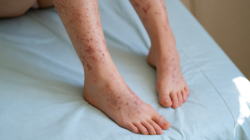
- Leukemia Symptoms: Skin Signs Patients Should Recognize
- Leukemia Symptoms: Bone Pain, Joint Pain, Swollen Lymph Nodes, and Rib Fullness
- Leukemia Symptoms That Can Look Like Other Conditions
- Leukemia Symptoms That Need Emergency Medical Attention
- Leukemia Symptoms: Who Should Get Checked Earlier?
- What Tests Are Done for Leukemia Symptoms?
- What a CBC May Show When Leukemia Symptoms Are Investigated
- Leukemia Symptoms: What to Tell Your Doctor During Assessment
- Can Leukemia Symptoms Come and Go?
- Can Leukemia Symptoms Be Absent at First?
- After Leukemia Symptoms Are Evaluated: Understanding Treatment Options
- FAQs
- References
What Are Leukemia Symptoms?
Leukemia symptoms are warning signs that may appear when abnormal blood-forming cells affect normal bone marrow function, blood cell production, or immune protection. These symptoms can include persistent fatigue, fever, repeated infections, unexplained bruising, bleeding, night sweats, weight loss, breathlessness, swollen lymph nodes, or bone pain, but they are not specific to leukemia. Many of the same complaints can also occur with viral infections, anemia, vitamin deficiencies, thyroid disease, autoimmune illness, medication effects, liver disease, or other common conditions. [1,2]
Why Leukemia Symptoms Happen
The bone marrow normally produces red blood cells, white blood cells, and platelets. Red blood cells carry oxygen, white blood cells help fight infection, and platelets help control bleeding. When leukemia affects the marrow, healthy blood cell production may become reduced or abnormal, which is why symptoms often relate to tiredness, infection, or bleeding rather than one obvious lump or localized pain. [1,2]
Low red blood cells may cause fatigue, weakness, dizziness, pale skin, fast heartbeat, or breathlessness during ordinary activity. Abnormal white blood cells may lead to frequent infections, fever, mouth ulcers, or slow recovery from illness. Low platelets may cause easy bruising, nosebleeds, gum bleeding, heavier bleeding, or tiny red, purple, or brown skin spots called petechiae. [1,2]
Why Symptoms Alone Cannot Diagnose Leukemia
Leukemia cannot be confirmed from symptoms alone because early signs of leukemia can resemble flu, infection, anemia, stress, nutritional deficiency, or other non-cancer conditions. NCI notes that early symptoms of acute myeloid leukemia may look like flu or other common illnesses, which is why self-diagnosis from symptoms can be misleading. [1]
The safest approach is to look at the full pattern. One episode of tiredness, fever, or bruising often has a common explanation. A repeated or worsening combination of fatigue, fever, infections, bruising, bleeding, breathlessness, night sweats, weight loss, swollen glands, or bone pain deserves medical assessment, especially when the symptoms are new, unexplained, or unusual for the person. [1,2]
When Symptoms Should Be Checked
Leukemia symptoms should be checked when they persist, progress, return repeatedly, or appear together without a clear reason. A complete blood count with differential is usually the first practical test because it can show whether red blood cells, white blood cells, and platelets are normal, low, high, or abnormal in pattern. If the blood report is concerning, the doctor may advise a peripheral smear, repeat testing, hematology referral, or further bone marrow and specialized tests. [1,2]
Prompt assessment is especially important when fatigue is severe, fever is recurrent, infections are frequent, bruising or bleeding is unexplained, breathlessness is new, or petechiae appear with weakness or fever. These findings do not prove leukemia, but they are strong reasons not to delay testing. [1,2]
Leukemia Symptoms Usually Follow a Pattern, Not One Single Sign

Leukemia symptoms are more concerning when they appear as a repeated or progressive pattern rather than as one isolated complaint. A single episode of tiredness, fever, bruising, or body ache is common and often has non-cancer causes. The concern rises when fatigue, fever, infections, bruising, bleeding, night sweats, weight loss, swollen lymph nodes, breathlessness, or bone pain occur together, persist longer than expected, or keep returning without a clear explanation. [1,2]
Why One Symptom Is Not Enough
One symptom alone rarely gives enough information to suspect leukemia because many ordinary conditions can produce similar complaints. Fatigue may come from poor sleep, iron deficiency, stress, thyroid disease, viral illness, or medication effects. Fever may come from infection. Bruising may occur after unnoticed injury or from blood-thinning medicines. Swollen glands may appear after throat infection, dental infection, skin infection, or other inflammatory illnesses. [1,2]
This overlap is the reason symptoms should guide testing, not self-diagnosis. A person should not assume leukemia from one bruise or one week of tiredness, but repeated unexplained symptoms should not be dismissed either. The safest clinical approach is to ask whether the symptoms are new, persistent, worsening, recurring, or appearing in combination with other blood-related warning signs. [1,2]
Symptom Clusters That Need More Attention
A concerning pattern may include fatigue with breathlessness, pale skin, dizziness, or fast heartbeat, which can suggest anemia or another blood-related problem. Fever with frequent infections, mouth ulcers, slow recovery, or unusual weakness may suggest impaired immune defense. Bruising with nosebleeds, gum bleeding, heavy bleeding, or petechiae may suggest a platelet or clotting problem that needs assessment. [1,2]
The pattern becomes more important when symptoms involve more than one blood cell function at the same time. For example, tiredness with infections and unexplained bruising is more concerning than tiredness alone. Night sweats with weight loss, swollen lymph nodes, or fullness below the ribs also deserves medical review, especially if these symptoms continue for weeks or are becoming more noticeable. [2,3]
Pattern Over Time Matters
Timing helps separate short-lived illness from symptoms that need investigation. Flu-like symptoms that improve clearly within a few days may follow a common infection. Symptoms that persist, return repeatedly, or worsen over several weeks need a different level of attention, especially when they do not match the person’s usual health pattern. NCI notes that early acute leukemia symptoms may resemble flu or other common diseases, so persistence and progression are important warning clues. [1]
Patients should also take abnormal blood reports seriously even if symptoms are mild. Some chronic leukemias may cause few symptoms at first and may be found during routine blood testing. If a complete blood count shows unusual white blood cell levels, low hemoglobin, low platelets, or abnormal cells, follow-up should not be delayed simply because the person feels mostly well. [3,4]
Early Signs of Leukemia That Are Easy to Miss

Early signs of leukemia can be easy to miss because they often begin as ordinary changes in energy, immunity, bleeding tendency, or general wellbeing. Many people first notice that they are more tired than usual, recovering more slowly from infections, sweating at night, losing weight without trying, or developing bruises that seem larger or more frequent than expected. These symptoms can have many non-cancer causes, but they should be checked when they persist, recur, or appear together. [1,2]
Persistent Fatigue That Feels Different
Fatigue is one of the most common early warning signs, but it is also one of the easiest to dismiss. Many adults explain it as work pressure, poor sleep, travel, aging, viral illness, or stress. Ordinary tiredness usually improves after rest, hydration, sleep correction, or recovery from a short illness. Fatigue that deserves assessment is different because it continues despite rest, reduces normal stamina, or makes routine activity feel unusually difficult. [1,2]
This type of fatigue may be linked to anemia, infection, inflammation, or reduced marrow function, but it cannot be interpreted alone. Patients may notice that climbing stairs causes breathlessness, standing quickly causes dizziness, the heart beats faster than usual, or the skin looks paler than normal. These signs suggest that oxygen delivery may be affected and a complete blood count should be considered, especially if fatigue is new or worsening. [1,2]
Fever, Infections, and Slow Recovery
Repeated fever or infections can be another early sign of leukemia, especially when infections are unusually frequent, severe, or slow to clear. A person may experience recurrent throat infections, mouth ulcers, chest infections, skin infections, urinary infections, or fever without a clear source. These symptoms can also occur with common viral or bacterial illnesses, so the pattern over time matters more than one isolated infection. [1,2]
Leukemia can disturb normal white blood cell function, which means the body may not defend itself properly even if the total white blood cell count is high. This is why a patient should not assume that a “high WBC” always means strong immunity. If fever occurs with severe weakness, breathlessness, confusion, chills, bleeding, or very low neutrophils on a blood report, same-day medical review is important. [1,5]
Bruising, Bleeding, and Petechiae
Unexplained bruising is an early sign that patients often notice but may not connect with a blood disorder. Bruises become more concerning when they appear without injury, are larger than expected, occur repeatedly, or appear on unusual areas such as the back, abdomen, arms, or legs without a clear reason. Bleeding symptoms may include nosebleeds, gum bleeding, heavier menstrual bleeding, prolonged bleeding from small cuts, or blood spots under the skin. [1,2]
Petechiae are tiny flat red, purple, or brown spots caused by small points of bleeding under the skin. They may be more visible on the lower legs, ankles, arms, or inside the mouth, and they usually do not fade when pressed. Petechiae are not always due to leukemia, but they should be assessed promptly when they appear with fever, fatigue, easy bruising, bleeding, or abnormal platelet counts. [2,3]
Night Sweats and Unexplained Weight Loss
Night sweats can occur for many reasons, including infection, menopause, hormonal changes, anxiety, medication effects, tuberculosis, and other inflammatory conditions. In leukemia assessment, night sweats become more significant when they are drenching, repeated, unexplained, and associated with fever, weight loss, swollen lymph nodes, fatigue, or abnormal blood tests. [3,4]
Unexplained weight loss also needs attention when it occurs without dieting, appetite change, increased exercise, or a clear digestive illness. Some patients also report early fullness, reduced appetite, or discomfort below the ribs, especially if the spleen is enlarged. Weight loss alone does not diagnose leukemia, but weight loss with persistent fever, night sweats, infections, bruising, or swollen glands should not be ignored. [3,4]
Swollen Lymph Nodes and Fullness Below the Ribs
Painless swelling in the neck, armpit, groin, or abdomen may be noticed in some leukemia types, especially lymphoid leukemias. Lymph nodes can also enlarge from common infections, dental problems, skin infections, autoimmune disease, and many other causes. The warning pattern is lymph node swelling that persists, increases, appears in multiple areas, or occurs with fever, night sweats, weight loss, fatigue, or abnormal blood counts. [2,3]
Fullness or discomfort below the left ribs may suggest spleen enlargement, although many other abdominal conditions can cause similar symptoms. Patients may feel full after eating small amounts, notice bloating, or feel pressure in the upper abdomen. This symptom should be medically reviewed when it is persistent or appears with fatigue, weight loss, night sweats, fever, or abnormal CBC findings. [3,4]
Bone Pain, Joint Pain, and Body Aches
Bone or joint pain can occur in leukemia when abnormal cells affect the bone marrow environment, but pain alone is not specific. Many adults have joint pain from arthritis, injury, vitamin D deficiency, autoimmune disease, viral illness, or overuse. The concern is higher when deep bone pain is persistent, unexplained, wakes the patient at night, or appears with fever, fatigue, bruising, bleeding, or repeated infections. [1,2]
Children and adults may describe leukemia-related pain differently. Some patients report deep aching, tenderness, limping, reduced activity, or pain that does not match an injury. Because musculoskeletal pain is common, blood testing becomes more important when pain is accompanied by systemic symptoms such as fever, weight loss, night sweats, pallor, bruising, or swollen glands. [1,2]
When Early Signs Should Lead to Testing
Early signs of leukemia should lead to medical assessment when symptoms are persistent, progressive, unexplained, or occurring together. A complete blood count with differential is usually the first practical test because it can identify anemia, low platelets, abnormal white blood cell patterns, or other changes that need further review. Symptoms alone cannot confirm leukemia, but they can show when testing is appropriate. [1,2]
Patients should seek assessment earlier if they have unusual fatigue with breathlessness, fever with repeated infections, bruising with bleeding, petechiae with weakness, night sweats with weight loss, swollen lymph nodes that do not settle, or persistent bone pain with systemic symptoms. Timely testing helps separate common conditions from serious blood disorders and reduces the risk of delayed diagnosis. [1,2]
Leukemia Symptoms by Blood Cell Problem

Leukemia symptoms often become easier to understand when they are grouped by the blood cell system affected. The bone marrow produces red blood cells, white blood cells, and platelets, and each group has a different role in the body. When leukemia disrupts normal marrow function, patients may develop symptoms related to poor oxygen delivery, weak infection defense, or abnormal bleeding. This is why leukemia may not begin with one obvious cancer-like symptom, but with tiredness, infections, bruising, bleeding, or a combination of these changes. [1,2]
Symptoms Linked to Low Red Blood Cells
Red blood cells carry oxygen from the lungs to the rest of the body. When red blood cells or hemoglobin become low, the body may not receive oxygen efficiently during daily activity. This condition is called anemia, and it can cause fatigue, weakness, pale skin, dizziness, headache, fast heartbeat, chest discomfort, or breathlessness while walking, climbing stairs, bathing, or doing normal household work. [1,2]
Anemia-related fatigue is different from ordinary tiredness because it may feel heavy, persistent, and disproportionate to the amount of effort. A patient may sleep longer but still wake up exhausted, feel drained after routine tasks, or need to sit down frequently during activities that were previously easy. Some people also notice cold hands and feet, reduced concentration, or lightheadedness when standing. These symptoms are not unique to leukemia and may also occur with iron deficiency, vitamin B12 deficiency, kidney disease, heavy menstrual bleeding, chronic inflammation, or other medical conditions. [1,2]
The reason anemia matters in leukemia assessment is not that fatigue alone proves leukemia, but that fatigue with other blood-related signs becomes more concerning. Tiredness accompanied by recurrent fever, infections, unexplained bruising, gum bleeding, nosebleeds, night sweats, weight loss, or abnormal CBC findings should be medically reviewed. In acute leukemia, anemia can develop quickly enough for the patient to notice a clear change in stamina over days or weeks. [1,2]
Symptoms Linked to Abnormal White Blood Cells
White blood cells normally help the body fight infection. In leukemia, the number of white blood cells may be high, low, or abnormal in function. This is important for patients to understand because a high white blood cell count does not always mean strong immunity. Leukemia cells may increase the total white blood cell count while still failing to protect the body properly. [1,2]
When healthy immune defense is affected, patients may experience frequent infections, fever, chills, mouth ulcers, sore throat, chest infections, skin infections, urinary infections, delayed wound healing, or slow recovery after routine illness. Some patients feel generally unwell without a clear source of infection. Others may complete one course of treatment and then develop another infection soon after. These symptoms can happen in many non-cancer conditions, but recurrent or unusually severe infections should not be ignored. [1,5]
Neutrophils are a type of white blood cell that play a major role in fighting bacterial and fungal infections. When neutrophils are very low, infection can become serious quickly. Fever with severe weakness, shaking chills, breathlessness, confusion, low blood pressure, or rapidly worsening illness needs urgent medical care, especially if a blood report already shows low neutrophils or another major blood-count abnormality. [1,5]
In chronic leukemia, infection-related symptoms may be slower and less dramatic at first. Some adults may have repeated sinus infections, chest infections, skin infections, or prolonged recovery before leukemia is diagnosed. In other cases, chronic leukemia is first suspected only because a routine CBC shows an abnormal white blood cell pattern even before major symptoms appear. [3,4]
Symptoms Linked to Low Platelets
Platelets help the blood clot and prevent excessive bleeding. When platelets are low or not functioning properly, bleeding may occur more easily than usual. Patients may notice bruises without clear injury, bruises that are larger than expected, frequent nosebleeds, gum bleeding while brushing, heavier menstrual bleeding, prolonged bleeding from minor cuts, blood blisters inside the mouth, or tiny red, purple, or brown spots under the skin called petechiae. [1,2]
Petechiae are important because they can look like a rash, but they are usually caused by small points of bleeding under the skin. They may appear on the legs, ankles, arms, chest, face, or inside the mouth. Unlike many allergic or inflammatory rashes, petechiae often do not fade when pressed. Petechiae can occur for reasons other than leukemia, including infections, platelet disorders, medications, or intense physical strain, but they should be assessed when they are unexplained, spreading, or associated with fever, fatigue, bruising, or bleeding. [2,3]
Bleeding symptoms should be taken seriously when they are new, repeated, difficult to stop, or accompanied by weakness or dizziness. Recurrent nosebleeds, severe gum bleeding, black stools, blood in urine, vomiting blood, heavy menstrual bleeding, or bleeding that does not stop with pressure requires prompt medical attention. In leukemia, low platelets can become clinically important because bleeding risk may increase before the patient realizes how abnormal the blood count has become. [1,5]
Mixed Blood Cell Symptoms
Many patients do not fit neatly into one symptom group. A person may have anemia-related fatigue, infection-related fever, and platelet-related bruising at the same time. This mixed pattern is more concerning than any single symptom because it suggests that more than one blood cell function may be affected. For example, fatigue with repeated infections and unexplained bruising deserves faster assessment than fatigue alone. [1,2]
A complete blood count with differential helps identify whether symptoms match a blood cell problem. It can show low hemoglobin, low platelets, abnormal white blood cell levels, changes in different white cell types, or patterns that require a peripheral smear and hematology review. Symptoms are useful because they tell the patient when to seek help, but blood testing is what begins to separate common illnesses from possible leukemia or another bone marrow disorder. [1,2]
Most Common Leukemia Symptoms in Adults

Leukemia symptoms in adults can appear gradually or suddenly, depending on the leukemia type, speed of progression, and how much the bone marrow and blood counts are affected. Some adults first notice a clear decline in energy, repeated infections, unexplained bruising, or bleeding. Others have vague symptoms for weeks and only learn something is wrong after a complete blood count shows abnormal white blood cells, low hemoglobin, low platelets, or unusual cells on further testing. [1,2,3,4]
Persistent Fatigue and Weakness
Fatigue is one of the most common leukemia symptoms in adults, but it is also one of the most easily misunderstood. Many patients initially attribute it to workload, poor sleep, stress, travel, age, viral illness, or nutritional deficiency. In leukemia assessment, fatigue becomes more concerning when it is persistent, worsening, disproportionate to activity, or associated with breathlessness, paleness, dizziness, fever, bruising, bleeding, night sweats, or weight loss. [1,2]
Weakness may be especially noticeable during routine activities that were previously easy. An adult may feel exhausted after climbing stairs, walking a short distance, bathing, cooking, working at a desk, or carrying groceries. Some patients describe needing to rest during the day despite sleeping at night. These symptoms can occur when hemoglobin is low, but they can also occur from infection, inflammation, thyroid disease, heart disease, kidney disease, depression, or vitamin deficiency, so blood testing is needed to clarify the cause. [1,2]
Fever, Chills, and Frequent Infections
Fever is an important symptom because leukemia can affect normal white blood cell function and immune defense. Adults may experience recurrent fever, chills, sore throat, mouth ulcers, chest infections, skin infections, urinary infections, slow wound healing, or infections that return soon after treatment. A fever that has no clear source, keeps coming back, or occurs with severe weakness should be assessed promptly. [1,5]
This does not mean every fever suggests leukemia. Most fevers are caused by common infections. The warning pattern is fever with other blood-related symptoms such as unexplained fatigue, bruising, bleeding, petechiae, breathlessness, swollen lymph nodes, weight loss, or abnormal CBC findings. Adults with fever and known low neutrophils, very low platelets, severe anemia, confusion, breathlessness, chest pain, or rapidly worsening illness need urgent medical care. [1,5]
Easy Bruising and Unusual Bleeding
Easy bruising is one of the symptoms adults often notice before seeking medical advice. Bruises may appear without a remembered injury, look larger than expected, occur repeatedly, or appear in unusual locations. Some adults may also develop frequent nosebleeds, bleeding gums while brushing, prolonged bleeding from minor cuts, heavier menstrual bleeding, or blood spots inside the mouth. [1,2]
Bleeding symptoms can occur when platelets are low or not functioning properly. However, bruising and bleeding can also be caused by blood-thinning medicines, liver disease, alcohol-related disease, vitamin deficiencies, platelet disorders, autoimmune disease, or inherited clotting problems. This is why a CBC with platelet count, clinical examination, medication review, and further tests are needed before assuming the cause. [1,2]
Petechiae and Skin Color Changes
Petechiae are tiny flat red, purple, or brown spots caused by small points of bleeding under the skin. They may appear on the legs, ankles, arms, chest, face, or inside the mouth. They usually do not fade when pressed, which helps distinguish them from many ordinary rashes. Petechiae are not specific to leukemia, but they should be checked when they appear suddenly, spread, or occur with fever, fatigue, bruising, gum bleeding, or nosebleeds. [2,3]
Adults may also notice paleness, especially in the face, lips, palms, or nail beds. Pale skin can occur when red blood cells or hemoglobin are low, although it may be less obvious in darker skin tones. Patients may also feel cold, lightheaded, weak, or breathless. Skin changes should be interpreted with the full symptom pattern and blood results, not as a stand-alone diagnosis. [1,2]
Night Sweats and Unexplained Weight Loss
Drenching night sweats can be a leukemia symptom, particularly when they are recurrent, unexplained, and severe enough to soak nightclothes or bedding. Night sweats can also occur with infections, menopause, hormonal changes, anxiety, medicines, tuberculosis, inflammatory disease, or other cancers. The concern increases when night sweats appear with fever, weight loss, swollen lymph nodes, fatigue, or abnormal blood counts. [3,4]
Unexplained weight loss means losing weight without dieting, intentional calorie restriction, increased exercise, or a clear digestive illness. Some adults also notice poor appetite, early fullness, or a general loss of interest in food. Weight loss should be medically reviewed when it is persistent or occurs with fever, night sweats, infections, bruising, bleeding, enlarged lymph nodes, or left-sided abdominal fullness. [3,4]
Swollen Lymph Nodes
Swollen lymph nodes may appear as painless lumps in the neck, armpit, groin, or sometimes deeper areas that are found during examination or imaging. Lymph nodes commonly enlarge after infections, dental problems, skin infections, or inflammatory illnesses, so swelling does not automatically mean leukemia. [2,3]
The pattern becomes more concerning when lymph nodes are painless, persistent, increasing in size, appearing in multiple areas, or associated with fever, night sweats, weight loss, fatigue, repeated infections, or abnormal blood counts. In chronic lymphocytic leukemia, lymph node swelling may be one of the symptoms adults notice, although some people are diagnosed before symptoms appear. [3]
Fullness Below the Ribs and Abdominal Discomfort
Some adults with leukemia may feel fullness, pressure, or discomfort below the left ribs due to spleen enlargement. They may feel full after eating a small amount, notice bloating, or feel an uncomfortable pressure in the upper abdomen. This is more commonly discussed in chronic leukemias such as CML and CLL, although abdominal fullness can have many non-cancer causes. [3,4]
Persistent left upper abdominal fullness should be assessed when it occurs with fatigue, weight loss, night sweats, fever, easy bruising, recurrent infections, or abnormal CBC findings. Patients should not try to diagnose spleen enlargement by pressing the abdomen themselves, because proper clinical examination and imaging may be needed when the doctor suspects an enlarged spleen or liver. [3,4]
Bone Pain and Joint Pain
Bone pain or joint pain may occur in leukemia when abnormal cells build up in the marrow or when the blood and immune system are affected. Adults may describe deep aching, tenderness, pain that is not linked to injury, or pain that wakes them at night. In acute leukemias, bone or joint pain may occur along with fever, fatigue, bruising, bleeding, pallor, or infections. [1,2]
Most bone and joint pains in adults are not leukemia. Arthritis, injury, vitamin D deficiency, viral illness, autoimmune disease, nerve pain, overuse, and age-related joint disease are far more common. The reason to investigate is the combination of persistent unexplained pain with systemic symptoms such as fever, weight loss, night sweats, swollen glands, easy bruising, bleeding, or abnormal blood tests. [1,2]
Breathlessness, Dizziness, and Fast Heartbeat
Breathlessness during normal activity, dizziness, faintness, or a fast heartbeat can occur when hemoglobin is low and the body is trying to deliver enough oxygen. Adults may notice that walking upstairs, carrying light items, or doing normal household work causes unusual shortness of breath. Some may feel their heart beating rapidly even with mild effort. [1,2]
These symptoms need careful assessment because they can also come from heart disease, lung disease, anxiety, dehydration, thyroid disease, infection, or severe anemia from non-leukemia causes. Breathlessness at rest, chest pain, fainting, confusion, blue lips, or severe weakness should be treated as urgent, especially when blood counts are already abnormal or bleeding is present. [1,5]
A Practical Way to Judge Adult Symptoms
The most useful question is not whether one symptom is present, but whether the symptom pattern is new, persistent, progressive, unexplained, or occurring with other blood-related warning signs. Fatigue with bruising, fever with repeated infections, night sweats with weight loss, swollen lymph nodes with abnormal blood counts, or breathlessness with pallor should be assessed rather than monitored indefinitely. [1,2,3]
Adults should also remember that leukemia can sometimes be found before obvious symptoms appear. A routine CBC that shows abnormal white blood cell levels, low hemoglobin, low platelets, or unusual cells should be followed properly even if the person feels relatively well. Symptoms guide attention, but blood reports and hematology evaluation guide diagnosis. [3,4]
Leukemia Symptoms in Adults by Leukemia Type

Leukemia symptoms in adults can look different depending on the leukemia type, how quickly the disease is developing, and which blood cell lines are most affected. Acute leukemias usually need faster assessment because symptoms may progress over days or weeks, while chronic leukemias may develop slowly and sometimes appear first as an abnormal routine blood test. Understanding these patterns helps patients seek the right level of care without assuming that every symptom means leukemia. [1,2,3,4]
Acute Myeloid Leukemia Symptoms
Acute myeloid leukemia is usually a fast-developing leukemia that can interfere quickly with normal bone marrow function. Adults with AML may develop tiredness, weakness, fever, frequent infections, pale skin, breathlessness, easy bruising, nosebleeds, gum bleeding, petechiae, or bone pain. Early AML symptoms may resemble flu or other common illnesses, which is why persistent fever, severe fatigue, bleeding, bruising, or infection symptoms should not be watched for long without testing. [1]
AML symptoms are often related to low red blood cells, low platelets, and impaired infection defense. Low hemoglobin may cause marked fatigue, dizziness, shortness of breath, or fast heartbeat. Low platelets may cause bruising, petechiae, nosebleeds, or gum bleeding. Abnormal white blood cell function may cause fever, mouth ulcers, recurrent infections, or severe infection risk. When these symptoms appear together, the concern is higher than when one symptom occurs alone. [1]
Adults should seek prompt medical review when AML-like symptoms are rapidly worsening, especially if fever occurs with severe weakness, breathlessness, bleeding, confusion, or a very abnormal CBC. AML is not diagnosed by symptoms alone, but the speed of symptom development is important. A complete blood count with differential and peripheral smear can quickly show whether urgent hematology assessment is needed. [1]
Acute Lymphoblastic Leukemia Symptoms
Acute lymphoblastic leukemia can also progress quickly and may cause symptoms related to marrow crowding, anemia, infection risk, bleeding tendency, lymph node enlargement, or organ involvement. Adults with ALL may notice fatigue, fever, night sweats, easy bruising, bleeding, petechiae, shortness of breath, weight loss, loss of appetite, bone pain, stomach pain, painless lumps in the neck, armpit, stomach, or groin, and frequent infections. [2]
Bone or joint pain can be more noticeable in some patients because abnormal lymphoblasts may affect the marrow environment. Abdominal discomfort, early fullness, or fullness below the ribs may occur when the liver or spleen is enlarged. Swollen lymph nodes may feel painless and may appear in more than one area. These signs still require careful interpretation because infections, inflammatory disease, and other blood disorders can cause similar findings. [2]
ALL-like symptoms should be assessed quickly when they are new, persistent, or appearing in combination. A patient with fatigue alone may have many possible causes, but fatigue with fever, bruising, petechiae, bone pain, swollen lymph nodes, shortness of breath, or weight loss deserves timely blood testing. In adults, acute leukemia symptoms should not be delayed for repeated home remedies or prolonged observation without a CBC. [2]
Chronic Lymphocytic Leukemia Symptoms
Chronic lymphocytic leukemia often develops more slowly than acute leukemia, and some adults have no symptoms when it is first found. CLL may be detected during routine blood testing before the patient feels unwell. When symptoms do appear, they may include painless swollen lymph nodes, tiredness, fever, infections, easy bruising or bleeding, petechiae, unexplained weight loss, drenching night sweats, or fullness below the ribs. [3]
The slower pattern of CLL can make symptoms easier to overlook. A patient may feel generally tired, develop repeated infections, or notice lymph node swelling that does not settle after the usual time. Some patients may have a persistently high lymphocyte count on CBC before major symptoms occur. Because CLL can remain stable in some people and progress in others, proper diagnosis and monitoring are more important than judging severity from symptoms alone. [3]
CLL symptoms should be medically reviewed when lymph nodes are enlarging, infections are becoming frequent, night sweats are drenching, weight loss is unexplained, or bruising and bleeding appear. Patients with known CLL should also report new fever, worsening fatigue, rapidly enlarging nodes, increasing abdominal fullness, or new blood-count changes because these may indicate that the disease pattern or treatment need has changed. [3]
Chronic Myeloid Leukemia Symptoms
Chronic myeloid leukemia may also be found on routine blood testing before clear symptoms appear. When adults do have symptoms, they may include tiredness, weakness, fever, night sweats, unexplained weight loss, loss of appetite, or pain and fullness below the left ribs. The left-rib fullness is often related to spleen enlargement, which can cause early satiety, abdominal pressure, or discomfort after eating small amounts. [4]
CML can have different phases, and symptoms may become more noticeable as the disease advances. In an earlier phase, the patient may have mild fatigue or no symptoms at all. With progression, symptoms may become more obvious, including worsening weakness, fever, weight loss, night sweats, bone pain, or increasing spleen-related discomfort. This is why abnormal CBC findings should not be ignored even when the patient feels relatively well. [4]
CML cannot be confirmed from symptoms or spleen fullness alone. Blood counts, peripheral smear, and specific testing for the Philadelphia chromosome or BCR-ABL1 are used in the diagnostic pathway. Patients should seek assessment when persistent fatigue, night sweats, weight loss, left upper abdominal fullness, or abnormal white blood cell counts are present, especially if these findings are new or progressive. [4]
Why Type-Specific Symptoms Still Need Testing
Although each leukemia type has common symptom patterns, there is significant overlap. Fatigue, fever, infections, bruising, bleeding, night sweats, weight loss, swollen lymph nodes, bone pain, and abnormal blood counts can appear in more than one leukemia type. The difference is usually not one symptom, but the speed of onset, CBC pattern, physical examination findings, and specialized test results. [1,2,3,4]
This is why patients should avoid trying to identify the leukemia type from symptoms alone. Acute leukemia patterns require prompt assessment because symptoms may progress quickly. Chronic leukemia patterns may still need careful follow-up even when symptoms are mild or absent. The correct next step is medical evaluation with CBC, differential count, peripheral smear, and hematology-directed testing when the initial results suggest a blood or bone marrow disorder. [1,2,3,4]
Leukemia Symptoms in Children vs Adults

Leukemia symptoms can appear in both children and adults, but the pattern, urgency, and way symptoms are noticed may differ. Children may not describe fatigue, bone pain, dizziness, or breathlessness clearly, so parents often notice changes in activity, appetite, walking, sleep, infections, bruising, or general behavior. Adults may describe symptoms more directly, but they may also delay assessment by blaming tiredness, fever, or weight loss on work stress, aging, travel, viral illness, or other common explanations. [1,2,6]
How Leukemia Symptoms May Appear in Children
In children, leukemia symptoms may first appear as reduced playfulness, unusual tiredness, irritability, poor appetite, pale appearance, fever, repeated infections, bruising, bleeding, bone pain, joint pain, limping, or reluctance to walk. Some children may complain of stomach pain, fullness below the ribs, or pain in the legs rather than clearly saying they have “bone pain.” Parents may also notice tiny red or dark spots under the skin, nosebleeds, gum bleeding, or bruises that seem frequent or unexplained. [6]
These symptoms can have many non-cancer causes in children, including viral infections, iron deficiency, nutritional problems, injuries, growing pains, autoimmune conditions, or common childhood illnesses. The concern increases when symptoms are persistent, progressive, unusual for the child, or appearing together. A child who has fever with bruising, tiredness with pale skin, bone pain with reduced walking, or repeated infections with weight loss should be assessed rather than observed for a long period at home. [6]
How Leukemia Symptoms May Appear in Adults
In adults, leukemia symptoms may be noticed as reduced stamina, breathlessness during routine activity, recurrent fever, frequent infections, easy bruising, gum bleeding, nosebleeds, night sweats, unexplained weight loss, swollen lymph nodes, bone pain, or fullness below the left ribs. Acute leukemia symptoms in adults may develop quickly over days or weeks, while chronic leukemias may develop slowly and sometimes appear first through an abnormal routine blood test. [1,2,3,4]
Adults often postpone testing because early symptoms may look like common adult health problems. Fatigue may be blamed on workload or sleep debt. Breathlessness may be blamed on poor fitness. Bruising may be explained as accidental injury. Night sweats may be attributed to hormonal changes, infection, or anxiety. Because these explanations are often possible, the important question is whether the symptoms are new, persistent, worsening, recurring, or occurring with other blood-related warning signs. [1,3,4]
Key Differences Parents and Adults Should Notice
A major difference is that children may show symptoms through behavior rather than verbal complaints. Reduced interest in play, wanting to be carried, avoiding walking, unusual crying with limb pain, poor feeding, repeated fever, or sudden paleness may be more visible than a specific symptom description. In adults, the warning pattern may be more report-based, such as persistent fatigue, abnormal CBC results, recurrent infections, unexplained bruising, or progressive lymph node swelling. [3,4,6]
Another difference is the type of leukemia commonly discussed in each age group. Acute lymphoblastic leukemia is the most common leukemia in children, while adults may present with acute leukemias or chronic leukemias such as CLL and CML. This does not mean symptoms alone can identify the leukemia type. It means the doctor must interpret symptoms with age, examination findings, CBC pattern, peripheral smear, and further hematology tests when needed. [2,3,4,6]
When Parents Should Seek Medical Advice
Parents should seek medical advice when a child has persistent fever, unusual tiredness, pale skin, repeated infections, easy bruising, bleeding, petechiae, bone or joint pain, limping, shortness of breath, swollen lymph nodes, unexplained weight loss, abdominal pain, or fullness below the ribs. Same-day assessment is important if the child has fever with severe weakness, breathing difficulty, unusual drowsiness, uncontrolled bleeding, widespread petechiae, severe pain, or rapidly worsening illness. [6]
For adults, medical assessment should not be delayed when fatigue, infections, bruising, bleeding, night sweats, weight loss, swollen nodes, bone pain, or breathlessness persist without a clear cause. For both children and adults, symptoms are not a diagnosis, but they are a reason to check blood counts when the pattern is concerning. A complete blood count with differential can quickly show whether anemia, low platelets, abnormal white blood cells, or other blood-count changes need urgent follow-up. [1,2,6]
Leukemia Symptoms: Skin Signs Patients Should Recognize

Leukemia symptoms can sometimes appear on the skin because blood cell changes may affect oxygen delivery, platelet function, clotting, or immune defense. The most important skin-related signs are unexplained bruising, petechiae, purpura, unusual paleness, and bleeding spots inside the mouth. These signs are not enough to diagnose leukemia, but they should be checked when they are new, spreading, persistent, or occurring with fever, fatigue, infections, breathlessness, night sweats, swollen lymph nodes, or abnormal blood reports. [2,3,5]
Petechiae
Petechiae are tiny, flat red, purple, or brown spots caused by small points of bleeding under the skin. They may appear on the lower legs, ankles, arms, chest, face, or inside the mouth. A practical clue is that petechiae often do not fade when pressed, unlike many simple red rashes. In leukemia, petechiae may occur when platelet levels are low or platelet function is affected, but infections, medicines, immune platelet disorders, intense coughing, vomiting, straining, and other blood conditions can also cause them. [2,3,5]
Patients should not ignore petechiae when they appear suddenly, increase in number, spread quickly, or occur with easy bruising, nosebleeds, gum bleeding, fever, severe weakness, or breathlessness. Petechiae with fever can be urgent because it may also occur in serious infections or severe platelet problems. A complete blood count with platelet count is usually needed to understand whether the spots are related to low platelets or another cause. [2,5]
Unexplained Bruising
Bruising becomes more concerning when it appears without a clear injury, is larger than expected after a minor bump, occurs repeatedly, or appears in unusual areas. Leukemia-related bruising may be linked to low platelet levels, but bruising alone is not specific. Blood-thinning medicines, aspirin, steroid use, liver disease, alcohol-related illness, vitamin deficiency, fragile skin, inherited clotting problems, platelet disorders, and accidental trauma can also cause bruising. [1,2,5]
The pattern matters more than one bruise. A single bruise after unnoticed injury is common. Multiple unexplained bruises with fatigue, fever, infections, gum bleeding, nosebleeds, heavy periods, petechiae, or abnormal CBC findings need medical assessment. Patients should seek prompt care if bruising is rapidly spreading, associated with severe bleeding, or accompanied by dizziness, fainting, black stools, blood in urine, or severe weakness. [1,5]
Purpura and Bleeding Spots
Purpura refers to larger purple or dark red areas caused by bleeding under the skin. It may look like a bruise or a cluster of bleeding spots. In leukemia assessment, purpura is important because it can suggest a bleeding tendency, especially when it appears without injury or occurs with nosebleeds, gum bleeding, prolonged bleeding from cuts, or heavy menstrual bleeding. [5]
Purpura can also occur due to infections, immune conditions, blood vessel inflammation, medication reactions, platelet disorders, and clotting problems unrelated to leukemia. Because the appearance alone cannot confirm the cause, blood testing and clinical examination are important. Patients should not apply creams or home remedies and assume it is a skin allergy if the marks are non-fading, spreading, painful, associated with fever, or linked with other bleeding symptoms. [5]
Pale Skin and Mouth Changes
Pale skin, pale lips, pale nail beds, or a pale inner eyelid may occur when hemoglobin is low. In darker skin tones, paleness may be easier to notice in the gums, tongue, nail beds, palms, or inner eyelids rather than on the face. Paleness becomes more concerning when it appears with tiredness, dizziness, breathlessness, fast heartbeat, chest discomfort, or reduced stamina during ordinary activity. [1,2]
Mouth changes can also provide clues. Bleeding gums, blood blisters, mouth ulcers, or repeated oral infections may occur when platelets are low or immune defense is weakened. However, dental disease, vitamin deficiency, viral infections, medication effects, diabetes, and poor oral hygiene can cause similar symptoms. Gum bleeding that is new, recurrent, heavy, or associated with bruising, fever, petechiae, or fatigue should be medically assessed. [1,2,5]
Why a Rash Alone Does Not Confirm Leukemia
A rash alone does not mean leukemia. Most rashes are caused by allergy, eczema, heat, viral infection, fungal infection, medication reaction, autoimmune disease, insect bites, or skin irritation. Leukemia-related skin concerns are more often linked with bleeding under the skin, unexplained bruising, platelet changes, infection risk, or rarely direct leukemia cell involvement in the skin. [2,5]
The safest approach is to treat skin signs as part of the full symptom pattern. Non-fading spots, unexplained bruises, purpura, sudden paleness, gum bleeding, or mouth blood spots should be checked sooner when they occur with fever, fatigue, infections, weight loss, night sweats, swollen lymph nodes, breathlessness, bone pain, or abnormal blood counts. Skin changes should guide timely testing, not self-diagnosis. [2,3,5]
Leukemia Symptoms: Bone Pain, Joint Pain, Swollen Lymph Nodes, and Rib Fullness

Leukemia symptoms may include bone pain, joint pain, swollen lymph nodes, or fullness below the ribs when abnormal blood cells affect the bone marrow, lymphatic system, spleen, or liver. These symptoms are not specific to leukemia, and they can also occur with infections, arthritis, injury, autoimmune illness, vitamin deficiencies, viral fever, lymphoma, or other inflammatory conditions. The concern increases when pain, swelling, or abdominal fullness occurs with fatigue, fever, bruising, bleeding, infections, night sweats, weight loss, petechiae, or abnormal blood counts. [1,2,3,4,5]
Bone Pain in Leukemia
Bone pain can occur when abnormal leukemia cells build up in the bone marrow, the soft tissue inside certain bones where blood cells are produced. Patients may describe the pain as deep, aching, tender, persistent, or different from ordinary muscle soreness. It may be felt in the legs, arms, ribs, back, hips, or other marrow-rich areas, and in some cases it may disturb sleep or continue even at rest. [1,2,5]
This type of pain is important because many people initially assume it is due to exercise, aging, posture, minor injury, vitamin D deficiency, or arthritis. Those explanations may be correct, especially when pain follows a clear strain and improves with rest. Bone pain needs stronger medical attention when it is unexplained, worsening, persistent, or combined with fever, fatigue, bruising, bleeding, recurrent infections, swollen lymph nodes, weight loss, or night sweats. [1,2]
In acute leukemias, bone pain may appear with other rapidly developing symptoms because the marrow can become crowded with abnormal cells. In children, bone pain may show as limping, refusal to walk, reduced play, irritability, or asking to be carried. In adults, it may feel like deep limb pain or tenderness that does not match the level of physical activity. Pain alone does not diagnose leukemia, but pain with systemic symptoms should lead to blood testing rather than repeated delay. [1,2,6]
Joint Pain and Body Aches
Joint pain can occur in leukemia, but it is also common in many non-cancer conditions. Arthritis, viral infections, autoimmune disease, tendon strain, thyroid disease, low vitamin D, medication effects, and mechanical overuse are far more common explanations. This is why joint pain should be interpreted through the full symptom pattern, not as a stand-alone leukemia sign. [1,2]
The warning pattern is joint pain with unexplained fatigue, fever, bruising, bleeding, petechiae, recurrent infections, night sweats, weight loss, swollen glands, or abnormal CBC findings. Pain that is persistent, severe, migratory, present at night, or associated with reduced function deserves assessment. In children, joint or limb pain with limping, pallor, fever, bruising, or reduced activity should be checked earlier because children may not describe symptoms clearly. [2,6]
Some patients report general body aches during the early phase of illness, especially when symptoms resemble flu. This overlap is one reason early leukemia can be missed. If body aches settle fully with a short infection, the cause may be common and temporary. If aches continue, recur, or appear with blood-related warning signs, a complete blood count with differential helps identify whether anemia, low platelets, abnormal white cells, or another blood-count pattern is present. [1,2]
Swollen Lymph Nodes
Swollen lymph nodes may appear as lumps in the neck, underarms, groin, or sometimes deeper areas of the chest or abdomen. In leukemia, lymph node swelling is more often discussed with lymphoid leukemias such as ALL and CLL, but enlarged nodes can occur in many different conditions. Most swollen lymph nodes are caused by infections, dental problems, throat infections, skin infections, inflammatory illness, or other immune reactions. [2,3]
Lymph nodes become more concerning when they are painless, persistent, increasing in size, appearing in multiple areas, or occurring with fever, night sweats, weight loss, fatigue, repeated infections, bruising, or abnormal blood counts. A node that appears during a clear infection and shrinks as the infection improves is less concerning than a node that continues to enlarge without explanation. [2,3]
Patients should avoid repeatedly pressing or manipulating lymph nodes because this can irritate the area and make swelling feel worse. The more useful step is to note when the swelling started, whether it is growing, whether it is painful, whether other nodes are present, and whether systemic symptoms are occurring. A doctor may examine the neck, underarms, groin, abdomen, liver, and spleen, and may order a CBC, inflammatory markers, infection tests, imaging, or biopsy depending on the findings. [2,3]
Fullness Below the Ribs
Fullness, pressure, bloating, or discomfort below the left ribs can occur when the spleen is enlarged. The spleen is part of the immune and blood-filtering system, and it may enlarge in some leukemias, especially chronic leukemias such as CML and CLL. Patients may feel full after eating small amounts, notice upper abdominal pressure, or feel discomfort on the left side below the ribs. [3,4,5]
Liver enlargement can also cause fullness or discomfort, sometimes more toward the right upper abdomen. However, abdominal fullness has many possible causes, including indigestion, constipation, gastritis, fatty liver, gallbladder disease, infection, irritable bowel syndrome, and other abdominal conditions. Because symptoms overlap, patients should not assume spleen or liver enlargement without examination. [3,4,5]
The symptom becomes more important when rib fullness occurs with unexplained weight loss, night sweats, fever, fatigue, bruising, bleeding, recurrent infections, or abnormal CBC findings. It should also be checked if fullness is persistent, worsening, associated with early satiety, or accompanied by visible abdominal swelling. Medical examination and blood testing can help decide whether imaging or hematology referral is needed. [3,4,5]
When Pain or Swelling Should Be Checked
Bone pain, joint pain, swollen lymph nodes, and rib fullness should be checked when they are persistent, progressive, unexplained, or linked with other leukemia symptoms. The combination matters most. Deep bone pain with fever and bruising, swollen nodes with night sweats and weight loss, or rib fullness with abnormal white blood cell counts deserves earlier assessment than a single mild symptom. [1,2,3,4]
Same-day care is needed if pain or swelling occurs with high fever, severe weakness, breathlessness, confusion, uncontrolled bleeding, black stools, blood in urine, severe headache, vision changes, seizure, or rapidly worsening illness. These symptoms do not automatically mean leukemia, but they can signal serious infection, severe anemia, low platelets, blood clotting problems, or other urgent conditions that should not be managed at home. [1,5]
Leukemia Symptoms That Can Look Like Other Conditions

Leukemia symptoms can overlap with many common medical problems, which is why fatigue, fever, bruising, swollen glands, night sweats, weight loss, or bone pain should not be used for self-diagnosis. Most people with these symptoms will not have leukemia, but persistent or unexplained symptoms still deserve assessment because blood disorders, infections, inflammatory diseases, nutritional deficiencies, and medication effects can produce similar warning signs. [1,2,5]
Viral Infections and Flu-Like Illness
Viral infections are one of the most common reasons leukemia symptoms are initially overlooked. Fever, chills, body aches, tiredness, poor appetite, sore throat, swollen glands, and general weakness can occur with influenza, COVID, infectious mononucleosis, cytomegalovirus infection, and many other viral illnesses. NCI specifically notes that early acute myeloid leukemia symptoms may resemble flu or other common diseases, which makes persistence an important clue. [1]
A short viral illness usually improves within days to a couple of weeks, although recovery can be slower after some infections. The concern rises when symptoms do not improve as expected, return repeatedly, or appear with unexplained bruising, bleeding gums, nosebleeds, petechiae, severe breathlessness, persistent night sweats, weight loss, or abnormal blood counts. In that situation, it is safer to check a complete blood count rather than repeatedly assuming it is only a lingering infection. [1,5]
Iron Deficiency, Vitamin B12 Deficiency, and Other Anemias
Fatigue, pale skin, dizziness, breathlessness, fast heartbeat, headaches, and reduced stamina can occur with leukemia, but they are also common in iron deficiency anemia, vitamin B12 deficiency, folate deficiency, chronic kidney disease, heavy menstrual bleeding, gastrointestinal blood loss, and chronic inflammatory conditions. These causes are often more common than leukemia and should be assessed through blood tests rather than guessed from symptoms. [1,2]
The important difference is not how tired the patient feels, but what the blood report shows and what other symptoms are present. Fatigue with low hemoglobin may need evaluation for iron levels, vitamin B12, folate, kidney function, inflammation, bleeding history, and other causes. Fatigue becomes more concerning for a marrow-related problem when it appears with low platelets, abnormal white blood cells, unexplained bruising, recurrent infections, petechiae, fever, bone pain, or abnormal cells on a blood smear. [1,2]
Thyroid Disease, Diabetes, and Hormonal Causes
Thyroid disease can cause tiredness, weight change, palpitations, sweating, anxiety, temperature sensitivity, muscle weakness, mood changes, and changes in bowel pattern. Diabetes can cause fatigue, infections, weight loss, thirst, frequent urination, slow wound healing, and recurrent fungal or urinary infections. These symptoms may overlap with some general leukemia symptoms, especially when the patient feels weak, unwell, or repeatedly infected.
Hormonal changes, menopause, and some endocrine disorders can also cause night sweats, sleep disturbance, weight change, and fatigue. These explanations may be correct, especially when symptoms match the patient’s age, medical history, medicines, and routine blood work. However, drenching night sweats with unexplained weight loss, persistent fever, swollen lymph nodes, bruising, bleeding, or abnormal CBC findings should not be attributed only to hormones without medical review. [3,4]
Autoimmune and Inflammatory Conditions
Autoimmune and inflammatory conditions can cause fever, fatigue, joint pain, rashes, swollen lymph nodes, anemia, low platelets, and abnormal white blood cell counts. Conditions such as lupus, rheumatoid arthritis, inflammatory bowel disease, vasculitis, and immune platelet disorders can sometimes mimic blood cancer symptoms or produce abnormal laboratory findings that need careful interpretation.
This overlap is clinically important because both leukemia and autoimmune disease can affect blood counts, immunity, bleeding tendency, and general wellbeing. A patient with joint pain, fatigue, bruising, low platelets, or persistent fever may need a broader workup that includes CBC, inflammatory markers, autoimmune testing, infection testing, medication review, and sometimes hematology referral. The goal is not to assume leukemia, but to avoid missing any serious cause. [1,2]
Medication Effects and Blood-Thinning Medicines
Medicines can cause symptoms that resemble leukemia warning signs. Blood thinners, aspirin, some anti-inflammatory medicines, steroids, chemotherapy drugs, immune-suppressing medicines, anti-seizure medicines, antibiotics, and some antidepressants may contribute to bruising, bleeding, low blood counts, infection risk, mouth ulcers, fatigue, or skin changes in some patients. Supplements can also affect bleeding risk, especially when combined with prescription medicines.
Patients should tell the doctor about all medicines, over-the-counter drugs, herbal products, supplements, and recent medication changes. This is especially important if bruising, nosebleeds, gum bleeding, petechiae, black stools, blood in urine, or prolonged bleeding appears after starting or increasing a medicine. Medicine-related effects may still require urgent care if bleeding is heavy, persistent, or associated with weakness, dizziness, fainting, or abnormal blood counts. [5]
Liver Disease, Kidney Disease, and Chronic Illness
Liver disease can cause fatigue, easy bruising, bleeding tendency, swelling, itching, appetite loss, weight change, and abnormal clotting tests. Kidney disease can cause anemia, weakness, breathlessness, poor appetite, swelling, high blood pressure, and fatigue. Chronic infections, tuberculosis, HIV, inflammatory disease, and some other cancers may also cause fever, night sweats, weight loss, swollen lymph nodes, or abnormal blood tests.
These conditions matter because a patient may have symptoms that feel “blood-related” without leukemia being the cause. At the same time, persistent systemic symptoms should not be dismissed without testing. A CBC with differential, liver and kidney function tests, inflammatory markers, infection testing, and clinical examination can help narrow the cause and decide whether hematology review is needed. [1,5]
Lymphoma and Other Blood Disorders
Lymphoma, myelodysplastic syndromes, myeloproliferative neoplasms, aplastic anemia, immune thrombocytopenia, and other blood or marrow disorders can share symptoms with leukemia. Swollen lymph nodes, fever, night sweats, weight loss, fatigue, anemia, low platelets, abnormal white blood cells, bruising, or infections can occur in several blood conditions, not leukemia alone.
This is why the doctor may not stop after one blood test if the pattern is concerning. A peripheral smear, repeat CBC, flow cytometry, bone marrow examination, cytogenetic testing, molecular testing, imaging, or lymph node evaluation may be advised depending on the results. The purpose of testing is to identify the exact cause, because treatment decisions depend on the confirmed diagnosis, not the symptom label. [1,2]
Why Testing Is Better Than Guessing
Because leukemia symptoms overlap with many common conditions, patients should avoid both panic and delay. It is unsafe to assume leukemia from fatigue, fever, bruising, or swollen glands alone, but it is also unsafe to ignore symptoms that persist, worsen, recur, or appear in combination. A complete blood count with differential is a simple first step that can show whether red blood cells, white blood cells, and platelets need further assessment. [1,2]
The most practical rule is to seek medical review when symptoms are unusual for the person, last longer than expected, do not respond to usual care, or occur with abnormal bleeding, petechiae, recurrent infections, unexplained weight loss, drenching night sweats, swollen lymph nodes, bone pain, breathlessness, or abnormal blood reports. This approach protects patients from unnecessary fear while still reducing the risk of delayed diagnosis. [1,2,5]
Leukemia Symptoms That Need Emergency Medical Attention

Some leukemia symptoms need urgent medical attention because they may signal severe infection, dangerous bleeding, very low blood counts, clotting problems, severe anemia, or complications from rapidly rising abnormal white blood cells. These symptoms do not prove leukemia, but they should not be managed at home or watched for days. In acute leukemia, symptoms can progress quickly, and early medical assessment is important when a patient is becoming rapidly weaker, more breathless, confused, feverish, or actively bleeding. [1,5]
Fever With Severe Weakness or Infection Signs
Fever should be taken seriously when it occurs with severe weakness, chills, confusion, breathlessness, dizziness, low blood pressure, fast heartbeat, or rapidly worsening illness. In people with leukemia or suspected severe blood-count abnormalities, infection can become dangerous because healthy white blood cell function may be impaired. A person may appear only mildly ill at first and then worsen quickly, especially when neutrophils are very low. [1,5]
Same-day assessment is important when fever is persistent, recurrent, or associated with mouth ulcers, chest infection symptoms, urinary symptoms, skin infection, severe sore throat, or general collapse. Fever with bruising, bleeding, petechiae, or abnormal CBC findings should not be dismissed as an ordinary viral illness without medical review. If a patient already has known leukemia, low neutrophils, chemotherapy-related immune suppression, or a recent abnormal blood report, fever should be treated as urgent until a doctor confirms the risk level. [1,5]
Bleeding That Does Not Stop
Uncontrolled bleeding is an emergency warning sign. This includes repeated nosebleeds that are difficult to stop, heavy gum bleeding, vomiting blood, blood in urine, black or tarry stools, red blood in stools, heavy menstrual bleeding with weakness, or bleeding from a small cut that continues despite firm pressure. These symptoms may occur when platelets are very low, clotting is disturbed, or another serious bleeding disorder is present. [1,5]
Bleeding becomes more concerning when it occurs with dizziness, fainting, severe fatigue, breathlessness, chest discomfort, pale skin, or rapid heartbeat because these symptoms may suggest significant blood loss or severe anemia. Widespread bruising, rapidly spreading purpura, or petechiae with bleeding should also be checked urgently. Patients should not rely on home remedies, topical applications, or repeated observation when bleeding is active or increasing. [1,5]
Breathlessness, Chest Pain, or Severe Anemia Symptoms
New or worsening breathlessness needs urgent care when it occurs at rest, interrupts speaking, worsens quickly, or appears with chest pain, fainting, severe weakness, blue lips, confusion, or a very fast heartbeat. In leukemia assessment, breathlessness may relate to severe anemia, infection, lung involvement, blood clots, or other acute medical problems. These causes require medical evaluation rather than symptom guessing. [1,5]
Breathlessness during mild activity should also be checked when it is new or clearly different from the patient’s baseline. A person who suddenly cannot climb stairs, walk across a room, bathe, or perform ordinary tasks without marked shortness of breath may have low hemoglobin or another serious condition. If breathlessness occurs with fever, chest pain, abnormal bleeding, severe fatigue, or known abnormal blood counts, same-day assessment is safer. [1,5]
Confusion, Severe Headache, Vision Changes, or Seizure
Neurological symptoms need emergency care. Confusion, seizure, sudden severe headache, weakness on one side of the body, difficulty speaking, loss of balance, vomiting with headache, blurred vision, double vision, or sudden vision loss can indicate serious complications. These symptoms may be related to bleeding, clotting, infection, very abnormal blood counts, or other urgent neurological conditions. [5]
Patients and families should not wait for these symptoms to settle on their own. Any sudden neurological change should be treated as an emergency, whether or not leukemia has already been diagnosed. In a patient with suspected leukemia symptoms, neurological signs occurring with fever, bleeding, very high white blood cell counts, low platelets, or severe weakness require immediate medical assessment. [1,5]
Rapidly Worsening Fatigue or Collapse
Fatigue is common and often non-urgent, but rapidly worsening weakness is different. A patient who becomes too weak to stand, walk, eat, stay awake, or perform basic daily activity should be assessed urgently. Collapse, fainting, severe dizziness, confusion, chest discomfort, breathlessness, or extreme pallor may indicate severe anemia, infection, dehydration, bleeding, or another acute medical problem. [1,5]
The speed of change matters. A slow decline over months still needs medical review, but a sudden decline over hours or days needs faster action. Acute leukemia and serious infections can progress quickly, so patients should not delay care when fatigue is severe and accompanied by fever, bleeding, bruising, petechiae, breathlessness, bone pain, or abnormal blood results. [1,5]
When to Seek Same-Day Medical Review
Same-day medical review is appropriate when symptoms are new, severe, worsening, or occurring in combination. Fever with severe weakness, unexplained bleeding, spreading petechiae, sudden large bruises, breathlessness at rest, chest pain, black stools, blood in urine, confusion, seizure, severe headache, vision changes, or rapid physical decline should be treated as urgent. [1,5]
For less severe but persistent symptoms, patients should still arrange assessment rather than waiting indefinitely. Fatigue, recurrent infections, bruising, nosebleeds, gum bleeding, night sweats, weight loss, swollen lymph nodes, bone pain, or left-rib fullness should be checked when they last longer than expected, keep returning, or feel unusual for the person. The purpose of urgent assessment is not to assume leukemia, but to identify serious blood-count problems, infection, bleeding risk, or other conditions before they become harder to treat. [1,2,5]
Leukemia Symptoms: Who Should Get Checked Earlier?

Leukemia symptoms should be checked earlier when a person has persistent warning signs plus a known risk factor, previous abnormal blood report, or symptoms that are unusual for their normal health pattern. Risk factors do not mean a person will develop leukemia, and many patients with leukemia have no obvious risk factor. However, earlier testing is sensible when fatigue, fever, infections, bruising, bleeding, petechiae, night sweats, weight loss, bone pain, swollen lymph nodes, or left-rib fullness occur in a higher-risk context. [1,2]
People With an Abnormal CBC
Anyone with an unexplained abnormal complete blood count should follow up, even if symptoms are mild. A CBC may show low hemoglobin, low platelets, very high or very low white blood cells, abnormal lymphocyte counts, low neutrophils, or other patterns that need interpretation. Chronic leukemias may sometimes be found on routine blood testing before a person feels seriously unwell, so a “minor” abnormal result should not be repeatedly ignored. [3,4]
Follow-up is especially important if an abnormal CBC appears with symptoms. Fatigue with low hemoglobin, bruising with low platelets, fever with low neutrophils, or swollen lymph nodes with abnormal white blood cell patterns should be reviewed by a doctor. The next step may be a repeat CBC, peripheral smear, infection testing, nutritional testing, inflammatory markers, or hematology referral depending on the result and the patient’s symptoms. [1,2,3,4]
People With Previous Chemotherapy or Radiation Exposure
People who have previously received chemotherapy or radiation therapy for another cancer should be more careful with persistent leukemia-like symptoms. Prior cancer treatment can increase the risk of some leukemias, especially when unexplained fatigue, infections, bruising, bleeding, fever, or abnormal blood counts appear months or years later. This does not mean every cancer survivor with tiredness has leukemia, but it does mean blood-count changes should be taken seriously. [1]
Cancer survivors should keep copies of previous CBC reports because trends are often more useful than one isolated value. A slow fall in hemoglobin, platelets, or neutrophils, or a new abnormal white blood cell pattern, may help the doctor decide whether further evaluation is needed. Symptoms that are new, progressive, or different from the patient’s usual post-treatment baseline should not be dismissed as ordinary weakness without testing. [1]
People With Known Blood Disorders
Patients with known blood or bone marrow disorders should seek earlier review if new symptoms develop. Conditions such as myelodysplastic syndromes, myeloproliferative neoplasms, aplastic anemia, unexplained cytopenias, or long-standing abnormal blood counts may require careful monitoring because some marrow disorders can change over time. A new pattern of fever, infections, bruising, bleeding, night sweats, weight loss, or worsening fatigue should be reported promptly. [1]
The important point is trend-based monitoring. A patient who already has low platelets should not ignore new petechiae or bleeding. A patient with chronic anemia should not ignore sudden breathlessness or rapid decline in stamina. A patient with abnormal white blood cells should not ignore fever, infections, or enlarging lymph nodes. The same symptom may carry more importance when the baseline blood report is already abnormal. [1,3,4]
People With Significant Chemical or Radiation Exposure
Earlier assessment is also reasonable for people with significant exposure to benzene, high-dose radiation, or certain occupational chemical exposures, especially when persistent leukemia symptoms develop. Benzene exposure is classically discussed in relation to some leukemia risks, and radiation exposure is also recognized as a risk factor in specific settings. These exposures do not diagnose leukemia, but they make unexplained blood-count symptoms more important to check. [1]
Patients should tell the doctor about workplace exposure, industrial solvents, fuel-related exposure, radiation exposure, military or disaster-related exposure, and long-term chemical contact if relevant. This history helps the doctor interpret symptoms and decide whether blood testing or occupational medicine input is needed. The most practical first step remains a CBC with differential when symptoms are persistent or unexplained. [1]
People With Inherited or Family Risk Factors
Some inherited conditions and family histories can increase leukemia risk, although most leukemia cases are not directly inherited. Patients should mention a family history of leukemia or known genetic syndromes if they have persistent symptoms or abnormal blood counts. In children, certain genetic conditions are associated with higher leukemia risk, which is why persistent fever, bruising, pallor, infections, bone pain, or reduced activity should be checked earlier when such history is present. [1,6]
Family history should be interpreted carefully. Having a relative with leukemia does not mean a person will develop it, and anxiety alone should not replace medical evaluation. The useful approach is to combine risk history with symptoms, examination, and blood reports. When symptoms persist or blood counts are abnormal, the doctor may advise repeat testing, specialist review, or genetic counseling in selected families. [1,6]
Older Adults With New or Persistent Symptoms
Older adults should not assume that persistent fatigue, infections, weight loss, night sweats, bruising, or swollen lymph nodes are simply due to aging. Some leukemias are more common in adults, and chronic leukemias may be found incidentally on blood tests before symptoms become severe. A new decline in stamina, recurrent infections, painless lymph node swelling, or unexplained weight loss deserves assessment rather than prolonged self-monitoring. [3,4]
At the same time, older adults commonly have other causes of similar symptoms, including anemia, kidney disease, liver disease, thyroid disease, medication effects, chronic infection, autoimmune disease, and nutritional deficiency. This is exactly why testing matters. A CBC with differential can quickly show whether symptoms are linked with blood-count changes or whether another medical pathway should be investigated. [1,3,4]
When Earlier Testing Is the Safer Choice
Earlier testing is safer when leukemia symptoms are persistent, progressive, recurring, or grouped together, especially in people with previous abnormal CBC results, prior chemotherapy or radiation, known blood disorders, significant chemical exposure, inherited risk factors, or older age. The goal is not to create fear, but to prevent avoidable delay when a simple blood test may reveal anemia, low platelets, abnormal white cells, or another condition needing care. [1,2,3,4]
A person should arrange medical review sooner if fatigue is worsening, infections keep returning, bruises or bleeding are unexplained, petechiae appear, night sweats are drenching, weight loss is unintentional, lymph nodes are enlarging, or breathlessness is new. These symptoms may still have non-cancer causes, but in a higher-risk setting they deserve timely assessment rather than repeated reassurance without blood testing. [1,2,5]
What Tests Are Done for Leukemia Symptoms?

Leukemia symptoms are assessed with blood tests first, not by symptoms alone. A doctor usually begins with a medical history, physical examination, and complete blood count because fatigue, fever, bruising, bleeding, night sweats, swollen lymph nodes, bone pain, and weight loss can occur in many non-cancer conditions. Testing helps separate common causes such as infection, anemia, vitamin deficiency, thyroid disease, liver disease, medication effects, or autoimmune illness from possible blood and bone marrow disorders. [1,2,5]
Complete Blood Count With Differential
A complete blood count with differential is usually the first practical test when leukemia is suspected. It measures hemoglobin, red blood cells, white blood cells, different types of white blood cells, and platelets. This matters because leukemia symptoms often come from anemia, infection risk, and bleeding tendency rather than one specific cancer symptom. [1,2,3]
Low hemoglobin may help explain fatigue, weakness, dizziness, breathlessness, pale skin, fast heartbeat, or reduced exercise tolerance. Low platelets may help explain easy bruising, petechiae, nosebleeds, gum bleeding, heavy menstrual bleeding, or prolonged bleeding from cuts. Abnormal white blood cell levels may help explain fever, frequent infections, swollen lymph nodes, or an unexpected blood-count pattern. [1,2]
The total white blood cell count alone is not enough. Some patients may have very high white blood cells, while others may have low or near-normal counts with abnormal cells or low platelets. This is why the differential count is important. It shows the proportions and absolute counts of different white blood cells, such as neutrophils, lymphocytes, monocytes, eosinophils, and basophils, helping the doctor decide whether further review is needed. [1,2,3,4]
Peripheral Blood Smear
A peripheral blood smear is often used when the CBC shows abnormal results or when symptoms strongly suggest a blood disorder. In this test, a drop of blood is examined under a microscope to look at the size, shape, maturity, and appearance of blood cells. The smear may show immature cells, abnormal white blood cells, platelet changes, or other patterns that cannot be fully understood from numbers alone. [1,2]
This test can help decide how urgent the situation is. For example, immature blast cells in the blood may suggest an acute leukemia pattern and usually requires prompt hematology assessment. Abnormal lymphocytes may raise concern for lymphoid disorders, while other cell patterns may point toward infection, inflammation, nutritional deficiency, myelodysplasia, or another marrow problem. The smear does not replace specialist diagnosis, but it can guide the next step quickly. [1,2,3]
Bone Marrow Aspiration and Biopsy
If blood tests suggest leukemia or another bone marrow disorder, the doctor may recommend bone marrow aspiration and biopsy. Bone marrow aspiration removes a liquid sample of marrow, while biopsy removes a small core of marrow tissue. These tests help show whether abnormal cells are present, how much of the marrow is involved, and whether normal blood-forming cells are being replaced or suppressed. [1,2]
Bone marrow testing is important because leukemia begins in blood-forming tissues, and treatment decisions depend on the exact diagnosis. The result can help identify whether the leukemia is acute or chronic, myeloid or lymphoid, and how extensive the marrow involvement is. Patients should understand that this test is not ordered for every case of fatigue or bruising; it is usually considered when blood tests, smear findings, symptoms, or examination findings create enough concern. [1,2]
Flow Cytometry
Flow cytometry is a specialized test that studies markers on the surface or inside blood or bone marrow cells. These markers help identify the cell lineage and subtype, such as myeloid cells, B lymphocytes, or T lymphocytes. This is important because leukemias that look similar in symptoms may require very different treatment approaches. [1,2,3]
For patients, the main value of flow cytometry is precision. It helps confirm whether abnormal cells are leukemia cells, what type of leukemia is present, and whether the pattern fits AML, ALL, CLL, or another blood disorder. In chronic lymphocytic leukemia, flow cytometry can help confirm the diagnosis when the blood count shows persistent lymphocytosis and the clinical pattern supports it. [3]
Cytogenetic and Molecular Tests
Cytogenetic and molecular tests look for chromosome changes, gene rearrangements, and specific mutations in leukemia cells. These tests are not just academic details. They can influence diagnosis, risk classification, treatment choice, response monitoring, and prognosis. In modern leukemia care, two patients with similar symptoms may receive different treatment plans because their molecular or chromosome findings are different. [1,2,4]
For example, chronic myeloid leukemia is linked with the Philadelphia chromosome and BCR-ABL1 fusion, so specific testing is required to confirm and monitor the disease. In acute leukemias, genetic and molecular findings can help doctors classify the leukemia more accurately and choose appropriate treatment intensity. Patients should keep copies of these reports because they often guide future decisions, second opinions, and follow-up planning. [1,2,4]
Imaging Tests
Imaging tests are not usually the first test for leukemia symptoms, but they may be used when the doctor needs more information about swollen lymph nodes, spleen enlargement, liver enlargement, chest symptoms, infection, abdominal fullness, or complications. Ultrasound, X-ray, CT, MRI, or other imaging may be advised depending on the symptom pattern and examination findings. [1,2]
Imaging can show enlarged organs or lymph nodes, but it cannot diagnose leukemia by itself. A scan may support the overall assessment, but blood tests, smear review, bone marrow testing, flow cytometry, and molecular tests are usually more central to confirming leukemia. This distinction helps patients avoid confusion when a scan is normal but blood tests remain abnormal, or when a scan shows enlarged nodes that still need laboratory confirmation. [1,2,3]
Lumbar Puncture in Selected Patients
A lumbar puncture may be needed in selected cases, especially when doctors need to check whether leukemia cells are present in the fluid around the brain and spinal cord. This is more relevant in certain acute leukemias or when symptoms suggest central nervous system involvement, such as severe headache, vomiting with headache, vision changes, seizures, confusion, weakness, or other neurological signs. [2]
Not every patient with leukemia symptoms needs a lumbar puncture. It is usually guided by the leukemia type, symptoms, examination findings, and specialist judgment. Patients should seek urgent care for neurological symptoms rather than waiting for a routine appointment, because similar symptoms can also occur from bleeding, clotting, infection, or other emergencies. [2,5]
How Doctors Decide the Next Step
Doctors decide the next step by combining symptoms, physical examination, CBC results, smear findings, and the speed of illness. A person with mild fatigue and a normal CBC may need evaluation for more common causes. A person with fever, bruising, low platelets, low hemoglobin, abnormal white blood cells, or immature cells on smear may need urgent hematology review. [1,2,5]
The goal of testing is not only to confirm or rule out leukemia. It is also to identify other treatable causes such as iron deficiency, vitamin B12 deficiency, infection, immune platelet problems, liver disease, kidney disease, thyroid disease, autoimmune illness, medication effects, or other blood disorders. For patients, the safest approach is to treat persistent or clustered leukemia symptoms as a reason for timely testing, not as a reason for fear-based self-diagnosis. [1,2,5]
What a CBC May Show When Leukemia Symptoms Are Investigated

When leukemia symptoms are being assessed, a complete blood count with differential can give the first objective clue about whether the problem may involve the blood or bone marrow. The CBC does not diagnose leukemia by itself, but it can show whether hemoglobin, white blood cells, neutrophils, lymphocytes, monocytes, platelets, or other blood-count patterns are normal, reduced, increased, or abnormal enough to need urgent review. [1,2]
Low Hemoglobin or Low Red Blood Cells
Low hemoglobin or low red blood cells may suggest anemia, which can explain fatigue, weakness, pale skin, dizziness, breathlessness, fast heartbeat, chest discomfort, or reduced stamina. In leukemia, anemia may occur when the bone marrow is not producing enough healthy red blood cells. However, anemia is very common and can also be caused by iron deficiency, vitamin B12 deficiency, folate deficiency, kidney disease, chronic inflammation, heavy menstrual bleeding, gastrointestinal bleeding, or other medical conditions. [1,2]
The CBC helps the doctor see whether anemia is mild, moderate, or severe, and whether it appears alone or with other blood-count changes. Anemia with normal white blood cells and normal platelets may lead the doctor to investigate nutritional deficiency, blood loss, kidney function, thyroid disease, or chronic inflammation. Anemia together with low platelets, abnormal white blood cells, immature cells, fever, bruising, infections, night sweats, weight loss, or bone pain is more concerning and may require hematology review. [1,2]
Low Platelets
Platelets help the blood clot. When platelet levels are low, patients may develop easy bruising, petechiae, nosebleeds, gum bleeding, heavier menstrual bleeding, blood blisters in the mouth, or prolonged bleeding from small cuts. A CBC can show whether the platelet count is reduced and whether the reduction is mild or severe. [1,2,5]
Low platelets do not automatically mean leukemia. They can occur with viral infections, immune thrombocytopenia, medicines, liver disease, alcohol-related disease, autoimmune illness, nutritional deficiency, pregnancy-related conditions, severe infection, or other marrow disorders. The urgency depends on the platelet level, bleeding symptoms, speed of decline, and whether other CBC abnormalities are present. Low platelets with active bleeding, widespread petechiae, severe bruising, black stools, blood in urine, or neurological symptoms need urgent assessment. [1,5]
High White Blood Cell Count
A high white blood cell count can occur in leukemia, but it can also occur with infection, inflammation, steroid use, smoking, stress response, autoimmune disease, and other blood disorders. This is why the total white blood cell number must be interpreted with the differential count, blood smear, symptoms, and clinical examination. [1,2]
In leukemia assessment, the doctor looks at which white cells are increased and whether immature or abnormal cells are present. A high white blood cell count with blasts may suggest an acute leukemia pattern and needs urgent hematology review. A high lymphocyte count that persists over time may raise concern for chronic lymphocytic leukemia or another lymphoid disorder, especially in adults with swollen lymph nodes, infections, night sweats, weight loss, or abnormal smear findings. [2,3]
Low White Blood Cells or Low Neutrophils
A low white blood cell count can also be important. Some patients assume leukemia always causes high white blood cells, but blood-count patterns vary. White blood cells may be low, high, or abnormal in function depending on the leukemia type, stage, and marrow involvement. [1,2]
Neutrophils are especially important because they help protect against bacterial and fungal infections. When neutrophils are very low, fever can become an emergency because the body may not be able to fight infection effectively. A patient with fever, chills, mouth ulcers, severe sore throat, chest symptoms, urinary symptoms, skin infection, confusion, or rapidly worsening weakness should be assessed urgently if neutrophils are low or if leukemia is suspected. [1,5]
Abnormal Lymphocytes, Monocytes, or Other White Cell Patterns
The differential count gives more detail than the total white blood cell count. It may show increased lymphocytes, increased monocytes, increased basophils, low neutrophils, or other patterns that help guide the next investigation. Persistent lymphocytosis in an adult may lead to flow cytometry when chronic lymphocytic leukemia or another lymphoid condition is suspected. A pattern suggestive of CML may require testing for the Philadelphia chromosome or BCR-ABL1. [3,4]
These patterns should not be interpreted casually by patients without medical guidance. A mildly abnormal differential may occur during infection or recovery from illness. A persistent, rising, unexplained, or highly abnormal pattern is different, especially when it appears with fatigue, infections, night sweats, weight loss, enlarged spleen, swollen lymph nodes, bruising, bleeding, or abnormal smear findings. [3,4]
Blasts or Immature Cells
Blasts are very immature blood-forming cells. A small number of immature cells may occasionally appear in certain reactive states, but blasts or abnormal immature cells on a blood report or peripheral smear can be a major warning sign. In acute leukemia, abnormal immature cells may increase rapidly and interfere with normal blood production. [1,2]
If blasts are reported, the result should not be ignored or watched casually at home. The doctor may recommend urgent hematology review, repeat CBC, peripheral smear review, bone marrow examination, flow cytometry, cytogenetic testing, and molecular testing. The exact next step depends on the patient’s condition, the blast percentage, the rest of the CBC, and whether symptoms such as fever, bleeding, breathlessness, severe fatigue, or infection are present. [1,2]
A Normal CBC Does Not Explain Every Symptom
A normal CBC can be reassuring, but it does not explain every symptom by itself. If fatigue, fever, bruising, weight loss, night sweats, swollen lymph nodes, or bone pain continues, the doctor may investigate other causes such as infection, thyroid disease, autoimmune disease, vitamin deficiency, liver disease, kidney disease, medication effects, inflammatory conditions, or other cancers. [1,5]
Patients should also understand that timing matters. If symptoms are early, fluctuating, or changing, a doctor may repeat the CBC after a short interval or order additional tests based on the clinical picture. A single normal result should be interpreted with symptom duration, physical examination, previous blood reports, and whether the symptoms are improving, persisting, or worsening. [1,2]
Why Trends Matter More Than One Number
Trends are often more informative than one isolated CBC value. A gradually falling hemoglobin, dropping platelets, rising white blood cell count, persistent lymphocytosis, falling neutrophils, or new abnormal cells may be more important than a single borderline result. Patients should keep copies of previous blood reports because comparison helps the doctor see whether the pattern is stable, improving, or progressing. [1,3,4]
This is especially important for adults who were told their blood count was “slightly abnormal” but did not receive follow-up. A small abnormality during a clear infection may settle, but a persistent abnormality should be reviewed. When CBC changes match persistent leukemia symptoms, the safest next step is proper medical evaluation rather than repeated reassurance based on one number alone. [1,2]
CBC Results That Need Faster Review
Faster medical review is needed when the CBC shows very low platelets, very low neutrophils with fever, severe anemia with breathlessness or chest pain, very high white blood cells with symptoms, blasts or abnormal immature cells, or multiple blood cell lines affected at the same time. These findings may indicate a serious blood-count problem even before the final diagnosis is known. [1,2,5]
The purpose of a CBC is to identify whether leukemia symptoms are linked with measurable blood-count changes and whether urgent action is needed. It does not replace hematology testing, but it is often the first gateway to the correct diagnosis. When the CBC is abnormal, patients should ask what exactly is abnormal, whether a smear is needed, whether the test should be repeated, and whether hematology referral is appropriate. [1,2]
Leukemia Symptoms: What to Tell Your Doctor During Assessment

Leukemia symptoms are assessed more accurately when the doctor understands the full timeline, pattern, severity, and associated warning signs. Because fatigue, fever, bruising, infections, night sweats, swollen lymph nodes, weight loss, and bone pain can have many causes, a clear symptom history helps the doctor decide whether the first step should be routine testing, urgent blood work, repeat CBC, peripheral smear, infection evaluation, or hematology referral. [1,2]
When the Symptoms Started and How They Changed
The first detail to explain is when the symptoms began and whether they are improving, persisting, recurring, or worsening. A fever that lasted two days and resolved completely is different from fever that returns every few days. Fatigue after a viral illness is different from fatigue that has steadily reduced stamina over several weeks. Bruising after a known injury is different from repeated bruises without a clear cause.
Doctors also need to know the speed of change. Acute leukemia symptoms may develop quickly, while chronic leukemias may progress slowly or even be found on routine blood testing before clear symptoms appear. Telling the doctor whether symptoms developed over days, weeks, or months helps them judge urgency and decide whether same-day testing is needed. [1,3,4]
Fatigue, Breathlessness, and Daily Function
Patients should describe how fatigue affects ordinary life. Instead of only saying “I feel tired,” it is more useful to explain whether walking upstairs, working, bathing, cooking, driving, exercising, or carrying groceries has become difficult. Breathlessness during mild activity, dizziness, fast heartbeat, chest discomfort, or unusual paleness should also be mentioned because these may suggest anemia or another oxygen-delivery problem. [1,2]
It is also helpful to compare current ability with the patient’s usual baseline. A person who could walk comfortably but now needs frequent rest has a more meaningful symptom than someone who has always had low stamina. Doctors often make better decisions when patients describe functional change clearly, especially when fatigue occurs with fever, bruising, bleeding, infections, weight loss, or abnormal CBC findings. [1,2]
Fever, Infections, and Recovery Pattern
Fever history should include temperature readings when available, how often fever occurs, whether it comes with chills or night sweats, and whether infections are becoming more frequent or harder to clear. Patients should mention repeated throat infections, chest infections, urinary infections, mouth ulcers, skin infections, dental infections, or wounds that heal slowly. [1,5]
The doctor should also know whether antibiotics or other treatments helped, whether the infection returned quickly, and whether symptoms are worsening despite treatment. Fever with severe weakness, confusion, breathlessness, active bleeding, or known low neutrophils is especially important because infection risk can become serious when healthy white blood cell function is impaired. [1,5]
Bruising, Bleeding, and Skin Spots
Bleeding symptoms should be described in detail because they may suggest platelet or clotting problems. Patients should mention nosebleeds, gum bleeding, heavy menstrual bleeding, prolonged bleeding from small cuts, black stools, blood in urine, blood blisters in the mouth, petechiae, purpura, or bruises that appear without injury. [1,2,5]
The doctor may ask where the bruises or spots appear, whether they are increasing, whether they fade, and whether they occur with fever, fatigue, dizziness, or breathlessness. Patients should not rely only on photographs, but clear photos taken before the marks fade can help show the pattern. This is especially useful when petechiae or bruises appear and disappear before the appointment. [2,5]
Weight Loss, Night Sweats, Lymph Nodes, and Rib Fullness
Unexplained weight loss should be described with approximate weight change and timeframe. The doctor should know whether appetite has reduced, whether the patient feels full after small meals, and whether there is pressure or discomfort below the left ribs. These details may help assess spleen or liver enlargement, digestive causes, infection, inflammation, or blood disorders. [3,4,5]
Night sweats should be described by severity. Mild sweating in a warm room is different from drenching sweats that soak clothes or bedding. Swollen lymph nodes should be described by location, duration, size change, tenderness, and whether they appeared after infection. Persistent painless lymph node swelling with fever, weight loss, night sweats, fatigue, or abnormal blood counts needs proper assessment. [2,3]
Previous Blood Reports and Medical History
Patients should bring previous CBC reports, even if they were described as “slightly abnormal.” Trends can be more important than one isolated result. A falling hemoglobin, dropping platelets, rising white blood cell count, persistent lymphocytosis, low neutrophils, or new abnormal cells may help the doctor decide whether further testing is needed. [1,3,4]
Medical history should include previous cancer treatment, chemotherapy, radiation, known blood disorders, autoimmune illness, liver disease, kidney disease, thyroid disease, chronic infections, heavy menstrual bleeding, gastrointestinal bleeding, and recent major illness. Patients should also mention any family history of leukemia, lymphoma, inherited blood disorders, or genetic conditions if known. [1,6]
Medicines, Supplements, and Exposure History
The doctor should know all prescription medicines, over-the-counter drugs, painkillers, blood thinners, aspirin, steroids, antibiotics, immune-suppressing medicines, herbal products, and supplements. Some medicines and supplements can contribute to bruising, bleeding, infection risk, mouth ulcers, abnormal blood counts, or fatigue, and this can change the interpretation of symptoms. [5]
Exposure history may also matter. Patients should mention significant benzene exposure, industrial solvent exposure, fuel-related work, high-dose radiation exposure, smoking history, or previous occupational chemical exposure when relevant. These details do not diagnose leukemia, but they help the doctor decide how carefully persistent symptoms and abnormal blood counts should be investigated. [1]
Questions Patients Can Ask During the Visit
Patients can ask whether a CBC with differential is appropriate, whether a peripheral smear is needed, whether the blood count should be repeated, and whether hematology referral is necessary. They can also ask which symptoms should trigger urgent care before the next appointment, especially if fever, bleeding, breathlessness, severe weakness, or neurological symptoms appear. [1,2,5]
The purpose of giving a detailed history is not to force a leukemia diagnosis, but to prevent important symptoms from being minimized. A clear timeline, symptom pattern, medication history, previous blood reports, and risk context help the doctor separate common causes from blood or bone marrow disorders that need faster attention. [1,2]
Can Leukemia Symptoms Come and Go?

Leukemia symptoms can sometimes appear to come and go, especially in the early stage or in slower-growing leukemia types. A person may feel unusually tired for several days, improve slightly, then develop fever, bruising, swollen glands, night sweats, or infections again. This fluctuating pattern can be misleading because temporary improvement does not always mean the underlying blood-count problem has resolved. Symptoms that recur, worsen, or appear in combination still need medical assessment. [1,2,3,4]
Why Symptoms May Seem Intermittent
Some symptoms fluctuate because the body is responding to changing blood counts, infections, inflammation, sleep, hydration, medicines, or daily physical demand. Fatigue may feel worse after activity and slightly better after rest. Fever may appear during infection and settle for a short time. Bruising may become noticeable only after minor unnoticed injury. Night sweats may occur on some nights and not others. These changes can make patients believe the problem is temporary. [1,5]
The key clinical question is whether the overall pattern is improving or repeating. A short illness that clearly settles and does not return is different from repeated episodes of fever, fatigue, infections, bruising, bleeding, night sweats, or weight loss. When symptoms keep returning without a clear explanation, a complete blood count with differential is a reasonable first step, even if the patient feels better on the day of the appointment. [1,2]
Acute Leukemia Symptoms Usually Should Not Be Watched for Long
Acute leukemias such as AML and ALL can progress quickly, so symptoms that suggest acute leukemia should not be observed for weeks without testing. Fatigue that rapidly worsens, fever with severe weakness, repeated infections, unexplained bruising, nosebleeds, gum bleeding, petechiae, breathlessness, bone pain, or sudden decline in daily function should be checked promptly. Early acute leukemia symptoms may resemble flu or other common illnesses, but persistence, progression, and clustering are important warning signs. [1,2]
A patient may have a few better days during an acute illness, especially if fever temporarily settles or rest reduces fatigue. That improvement should not cancel assessment when bleeding, bruising, severe weakness, shortness of breath, recurrent fever, or abnormal blood reports are present. In acute leukemia, delay can be dangerous because anemia, low platelets, infection risk, or abnormal white blood cell levels may worsen quickly. [1,5]
Chronic Leukemia Symptoms May Fluctuate for Months
Chronic leukemias such as CLL and CML may cause mild, intermittent, or no symptoms at first. Some adults feel well and are diagnosed only after a routine CBC shows abnormal blood counts. Others may notice recurring fatigue, repeated infections, painless swollen lymph nodes, night sweats, weight loss, or fullness below the ribs that slowly becomes more obvious over time. [3,4]
Because chronic leukemia can develop gradually, patients may adapt to symptoms without realizing how much their baseline health has changed. A person may accept lower stamina as aging, repeated infections as seasonal illness, or mild left-rib fullness as indigestion. This is why trend matters. Persistent lymph node swelling, repeated infections, progressive fatigue, unexplained weight loss, drenching night sweats, or worsening CBC abnormalities should be reviewed even when symptoms are not dramatic every day. [3,4]
Symptoms Can Improve Temporarily for Other Reasons
Some patients feel better after antibiotics, fever medicines, rest, hydration, iron supplements, vitamins, or changes in routine. Temporary improvement may mean the symptom had a common cause, but it does not fully exclude leukemia if other warning signs continue. For example, a throat infection may improve while bruising, petechiae, anemia, or abnormal white blood cells remain unexplained. [1,2,5]
This is especially important when several body systems are involved. Fatigue alone may improve with sleep, but fatigue with recurrent infections and unexplained bruising deserves testing. Fever alone may follow a virus, but fever with weight loss, night sweats, swollen lymph nodes, or abnormal CBC findings needs review. Bruising alone may follow injury, but bruising with gum bleeding, nosebleeds, petechiae, or low platelets should not be ignored. [1,2,5]
When Recurring Symptoms Should Be Checked
Recurring leukemia-like symptoms should be checked when they are new, unexplained, persistent, progressive, or unusual for the person. Medical review is especially important when symptoms involve more than one pattern, such as tiredness with infections, fever with bruising, night sweats with weight loss, swollen glands with fatigue, or breathlessness with paleness. [1,2,3]
Patients should seek same-day care if symptoms come and go but include uncontrolled bleeding, repeated nosebleeds, severe gum bleeding, black stools, blood in urine, fever with severe weakness, breathlessness at rest, chest pain, confusion, seizure, severe headache, vision changes, or rapid decline. These symptoms may reflect serious infection, bleeding risk, severe anemia, clotting problems, or other urgent conditions, whether or not leukemia is ultimately diagnosed. [1,5]
A Better Way to Track Changing Symptoms
Patients who are unsure whether symptoms are recurring should keep a simple record of fever episodes, night sweats, infections, bruising, bleeding, weight change, lymph node swelling, breathlessness, bone pain, and any CBC results. The aim is not to create anxiety, but to give the doctor a clearer timeline. Patterns that are hard to remember during a consultation become easier to explain when dates, severity, and associated symptoms are written down.
If symptoms improve completely and do not return, a common short-term illness may be the cause. If symptoms keep cycling back or gradually add new warning signs, testing should not be postponed. Leukemia symptoms can fluctuate, but repeated or progressive patterns are more important than how the patient feels on one particular day. [1,2,5]
Can Leukemia Symptoms Be Absent at First?

Leukemia symptoms can be absent at first, especially in some chronic leukemias. A person may feel well, continue normal work, exercise, and daily routines, and only discover a possible blood problem after a routine complete blood count shows abnormal white blood cells, low hemoglobin, low platelets, or a persistent abnormal pattern. This is one reason symptoms alone are not enough to confirm or exclude leukemia. [3,4]
Why Some People Have No Symptoms
Some leukemias develop slowly, allowing the body to adjust for a period before symptoms become noticeable. In chronic lymphocytic leukemia, many adults are diagnosed after blood testing done for another reason, and they may not need immediate treatment if the disease is stable and there are no active symptoms or high-risk features. However, diagnosis still requires proper hematology evaluation and monitoring, not casual observation without follow-up. [3]
Chronic myeloid leukemia may also cause few or no symptoms in the earlier phase and may be suspected after a CBC shows a high white blood cell count or other abnormal pattern. Some patients feel completely well, while others slowly develop tiredness, night sweats, weight loss, or fullness below the left ribs. Because the early phase can be quiet, abnormal blood counts should be taken seriously even when the patient does not feel ill. [4]
Why No Symptoms Does Not Always Mean No Disease
The absence of symptoms does not always mean the blood and bone marrow are normal. Blood count changes may appear before fatigue, infections, bruising, bleeding, swollen lymph nodes, or spleen-related symptoms become obvious. This is especially important when a CBC repeatedly shows persistent lymphocytosis, very high white blood cells, low platelets, low hemoglobin, low neutrophils, or abnormal cells on smear. [3,4]
Patients sometimes ignore abnormal reports because they feel physically well. This can delay diagnosis or monitoring. A single mild abnormality during a clear infection may settle, but persistent or unexplained abnormalities should be reviewed. The doctor may repeat the CBC, request a peripheral smear, check for infection or inflammation, or advise flow cytometry, molecular testing, or hematology referral depending on the pattern. [1,3,4]
Why Acute Leukemia Is Different
Acute leukemias are less likely to remain silent for long because they can progress quickly and interfere with normal blood cell production over a shorter period. Acute myeloid leukemia and acute lymphoblastic leukemia often cause symptoms related to anemia, infection risk, and bleeding tendency, such as fatigue, fever, infections, bruising, nosebleeds, gum bleeding, petechiae, breathlessness, or bone pain. [1,2]
Even so, early acute leukemia symptoms can look like flu, viral illness, or general weakness, so the first signs may not feel dramatic. A patient may not realize the seriousness until symptoms worsen or a blood test shows low platelets, low hemoglobin, abnormal white blood cells, or blasts. This is why rapidly worsening symptoms or a clearly abnormal CBC should not be watched at home without medical review. [1,2]
What to Do if Leukemia Is Found Before Symptoms
When leukemia is suspected or diagnosed before symptoms appear, the next step is not panic. The correct step is to understand the exact leukemia type, blood count pattern, stage or phase, risk category, genetic or molecular findings, and whether treatment is needed immediately or monitoring is appropriate. Some chronic leukemia patients may be observed carefully before treatment, while acute leukemia usually needs urgent specialist-directed care. [1,2,3,4]
Patients should keep all reports, including CBC, peripheral smear, flow cytometry, bone marrow findings, cytogenetic tests, and molecular reports. These documents help track disease behavior over time and guide decisions. If a doctor recommends monitoring, patients should ask how often blood tests are needed, which symptoms should be reported urgently, and what changes would trigger treatment. [3,4]
Symptoms to Watch During Monitoring
A person with suspected or confirmed chronic leukemia should report new or worsening fatigue, fever, frequent infections, unexplained bruising, bleeding, petechiae, drenching night sweats, unintentional weight loss, increasing lymph node swelling, early fullness after eating, left-rib discomfort, breathlessness, or reduced daily stamina. These symptoms may indicate a change in disease activity, infection risk, anemia, platelet reduction, or spleen enlargement. [3,4,5]
Patients should also report sudden changes rather than waiting for the next routine visit. Fever with severe weakness, active bleeding, breathlessness at rest, chest pain, confusion, seizure, severe headache, vision changes, black stools, blood in urine, or rapidly worsening illness needs urgent assessment. These may reflect infection, bleeding risk, severe anemia, clotting problems, or another emergency, whether symptoms were previously absent or mild. [1,5]
Why Follow-Up Matters Even When You Feel Well
Feeling well is reassuring, but it does not replace follow-up when blood tests are abnormal. Leukemia care depends on trends, not only symptoms. A stable report over time may support monitoring, while a rising white blood cell count, falling hemoglobin, falling platelets, enlarging lymph nodes, worsening spleen symptoms, or new systemic symptoms may change the treatment plan. [3,4]
For patients, the safest message is clear: no symptoms does not always mean no problem, and symptoms alone do not prove leukemia. Blood reports, examination findings, and specialist testing must be interpreted together. If a CBC is abnormal or leukemia is suspected, follow-up should continue even when the patient feels normal.
After Leukemia Symptoms Are Evaluated: Understanding Treatment Options

After leukemia symptoms are evaluated, the next step depends on confirmed reports, not symptoms alone. Treatment planning should begin only after the leukemia type, blood count pattern, bone marrow findings, genetic or molecular results, infection risk, platelet level, anemia severity, age, overall strength, and urgency are understood. This is important because AML, ALL, CLL, and CML can behave differently, and the treatment pathway for one type may be completely different from another. [1,2,3,4]
Why Diagnosis Must Come Before Treatment Decisions
Symptoms such as fatigue, fever, bruising, bleeding, night sweats, weight loss, swollen lymph nodes, bone pain, or breathlessness can suggest the need for testing, but they cannot define the leukemia type. A patient with acute leukemia may need urgent specialist-directed care, while a patient with early chronic lymphocytic leukemia may sometimes be monitored before treatment if the disease is stable and there are no active treatment indications. This difference can only be judged through proper hematology evaluation. [1,2,3]
Patients should avoid choosing any treatment based only on internet symptom lists, appearance of bruises, or one abnormal number on a blood report. The doctor needs to evaluate the complete picture, including CBC with differential, peripheral smear, bone marrow examination, flow cytometry, cytogenetic findings, molecular markers, organ involvement, and clinical condition. These details guide whether the situation is urgent, stable, high-risk, or suitable for monitored follow-up. [1,2,3,4]
Standard Treatment Options Depend on Leukemia Type
Modern leukemia treatment may include chemotherapy, targeted therapy, immunotherapy, stem cell transplant, supportive transfusions, infection management, growth factor support, or careful observation depending on the leukemia type and clinical setting. Acute leukemias usually require faster treatment decisions, while chronic leukemias may have more variable pathways based on symptoms, blood count trends, risk markers, and disease phase. [1,2,3,4]
Supportive care is also a major part of treatment planning. Patients may need red blood cell transfusion for severe anemia, platelet transfusion for bleeding risk, antibiotics or antifungal treatment for infection, management of fever, nutritional support, pain control, and close monitoring of blood counts. These supportive steps can be urgent even before the final long-term treatment plan is complete. [1,5]
Where Ayurveda Can Fit After Medical Assessment
Ayurveda should be considered only after urgent risks are identified and the leukemia diagnosis is medically clarified. It should not delay emergency assessment for fever with severe weakness, uncontrolled bleeding, very low platelets, severe anemia, breathlessness, confusion, seizures, severe headache, or rapidly worsening illness. In leukemia care, timing matters because infection, bleeding, and marrow failure can become serious quickly. [1,5]
After reports are available, Ayurvedic planning may be discussed as an integrative or supportive approach focused on patient strength, digestion, nourishment, treatment tolerance, quality of life, appetite, sleep, recovery support, and individualized monitoring. In Ayurvedic language, Bala means strength and resilience, while Agni means digestive and metabolic capacity. These concepts may help structure supportive care, but they should not be used as substitutes for CBC monitoring, hematology review, infection control, or urgent medical treatment when needed.
Continue to the Main Guide
For patients who already have blood reports or a confirmed leukemia diagnosis and want to understand integrative options in detail, continue here:
Ayurvedic Treatment for Leukemia
That guide should be read after the symptom and testing stage because treatment discussion is safer and more useful when the leukemia type, urgency, CBC pattern, marrow findings, and medical recommendations are already known. Symptoms help patients decide when to get assessed; reports help doctors and integrative clinicians decide what kind of treatment discussion is appropriate.
FAQs
What are the first symptoms of leukemia?
Early leukemia symptoms may include persistent fatigue, fever, frequent infections, unexplained bruising, bleeding gums, nosebleeds, night sweats, weight loss, swollen lymph nodes, and bone pain. These symptoms can resemble common illnesses, but persistent or unexplained combinations warrant medical evaluation and blood testing.
Can leukemia symptoms look like flu?
Yes. Early leukemia symptoms can resemble flu, including fever, chills, body aches, weakness, and fatigue. Unlike an uncomplicated viral illness, symptoms may persist, worsen, or recur. Unexplained bruising, bleeding, breathlessness, or abnormal blood counts alongside flu-like symptoms require further medical assessment.
What are the signs of leukemia in adults?
Leukemia symptoms in adults may include persistent tiredness, pale skin, breathlessness, recurrent infections, easy bruising, bleeding, night sweats, unexplained weight loss, swollen lymph nodes, and bone pain. Some chronic leukemias develop gradually and may be detected through routine blood tests before noticeable symptoms appear.
Does leukemia always cause bruising?
No. Not everyone with leukemia develops bruising. Bruises can also result from injuries, medications, vitamin deficiencies, or platelet disorders. Unexplained or frequent bruising becomes more concerning when accompanied by petechiae, nosebleeds, bleeding gums, persistent fatigue, fever, or abnormal platelet counts.
What do leukemia skin spots look like?
Leukemia-related skin spots may appear as petechiae, which are tiny, flat red, purple, or brown spots caused by bleeding beneath the skin. They typically do not fade when pressed. New petechiae accompanied by fever, unexplained bruising, bleeding, or weakness require prompt medical assessment.
Can leukemia be diagnosed from symptoms alone?
No. Leukemia cannot be diagnosed from symptoms alone because infections, anemia, autoimmune disorders, and other conditions can cause similar symptoms. Diagnosis involves blood testing and may require peripheral blood smear examination, flow cytometry, bone marrow testing, cytogenetic analysis, or molecular testing depending on clinical findings.
What blood test is usually done first for leukemia symptoms?
A complete blood count (CBC) with differential is usually the first test when leukemia is suspected. It measures red blood cells, white blood cells, hemoglobin, and platelets. Abnormal results may prompt a peripheral blood smear, additional laboratory investigations, or referral to a hematologist.
Can leukemia symptoms come and go?
Yes. Some leukemia symptoms may fluctuate, particularly in slower-growing forms of the disease. Fatigue, fever, infections, and night sweats may temporarily improve before returning. Persistent or recurring unexplained symptoms, especially alongside bruising, bleeding, weight loss, or swollen lymph nodes, warrant medical investigation.
Can you have leukemia with a normal white blood cell count?
Yes. A normal total white blood cell count does not completely exclude leukemia. Doctors assess hemoglobin, platelet levels, white blood cell differential, blood smear findings, and clinical symptoms. Additional investigations may be needed when concerning symptoms persist despite an apparently normal white blood cell count.
Can leukemia have no symptoms?
Yes. Some chronic leukemias cause no noticeable symptoms during their early stages. They may be discovered incidentally during routine blood testing. Abnormal lymphocyte counts, changes in hemoglobin or platelets, or unusual blood cell patterns may require further investigation even when someone feels healthy.
When should leukemia symptoms be treated as urgent?
Seek emergency medical care for uncontrolled bleeding, severe breathlessness, chest pain, confusion, seizures, fainting, or sudden neurological changes. Fever accompanied by severe weakness or rapidly worsening illness also requires urgent assessment. These symptoms may indicate serious infection, bleeding, severe anemia, or other potentially life-threatening complications.
Are night sweats a symptom of leukemia?
Yes. Night sweats can occur with leukemia, particularly when they are recurrent or drenching. However, infections, menopause, hormonal changes, and medications can also cause sweating. Night sweats become more concerning when accompanied by unexplained weight loss, fever, swollen lymph nodes, or persistent fatigue.
Does leukemia cause bone pain?
Yes. Leukemia can cause bone or joint pain, particularly in acute leukemia, when abnormal cells accumulate within the bone marrow. Pain may feel deep, persistent, or unexplained. Bone pain accompanied by fever, fatigue, bruising, infections, or abnormal blood counts should be medically evaluated.
Are swollen lymph nodes always a sign of leukemia?
No. Swollen lymph nodes commonly occur with infections and inflammatory conditions. Leukemia-related lymph node enlargement may be painless, persistent, or progressive. Nodes that continue enlarging or occur alongside unexplained weight loss, night sweats, fever, fatigue, or abnormal blood counts should be medically assessed.
What should I do if I suspect leukemia symptoms?
Consult a healthcare professional for clinical evaluation and appropriate blood tests, usually beginning with a CBC with differential. Bring previous laboratory reports and details of symptoms, medications, infections, and unexplained bleeding. Seek emergency care for severe breathlessness, uncontrolled bleeding, confusion, or rapidly worsening symptoms.
References
- PDQ® Adult Treatment Editorial Board. (2025, May 16). Acute myeloid leukemia treatment (PDQ®)–Patient version. National Cancer Institute. https://www.cancer.gov/types/leukemia/patient/adult-aml-treatment-pdq
Used for: AML symptoms, flu-like early presentation, fever, fatigue, bruising, bleeding, blood cell effects, CBC, peripheral smear, bone marrow testing, flow cytometry, cytogenetic testing, molecular testing, lumbar puncture, AML risk factors, urgency, and supportive care. - PDQ® Adult Treatment Editorial Board. (2025, May 12). Acute lymphoblastic leukemia treatment (PDQ®)–Patient version. National Cancer Institute. https://www.cancer.gov/types/leukemia/patient/adult-all-treatment-pdq
Used for: ALL symptoms, fatigue, fever, night sweats, bruising, bleeding, petechiae, breathlessness, weight loss, bone pain, swollen lymph nodes, diagnostic testing, CBC with differential, bone marrow examination, flow cytometry, and lumbar puncture in selected patients. - PDQ® Adult Treatment Editorial Board. (2024, October 15). Chronic lymphocytic leukemia treatment (PDQ®)–Patient version. National Cancer Institute. https://www.cancer.gov/types/leukemia/patient/cll-treatment-pdq
Used for: CLL symptoms, asymptomatic presentation, routine blood-test detection, persistent lymphocytosis, swollen lymph nodes, infections, bruising, petechiae, weight loss, night sweats, CBC with differential, monitoring, and chronic leukemia follow-up. - PDQ® Adult Treatment Editorial Board. (2025, April 9). Chronic myeloid leukemia treatment (PDQ®)–Patient version. National Cancer Institute. https://www.cancer.gov/types/leukemia/patient/cml-treatment-pdq
Used for: CML symptoms, few or no symptoms at first, fatigue, night sweats, fever, unexplained weight loss, left-rib fullness, spleen-related symptoms, abnormal blood-count patterns, Philadelphia chromosome, BCR-ABL1 testing, disease phase, and monitoring. - Blood Cancer UK. (n.d.). Leukemia symptoms and signs. https://bloodcancer.org.uk/understanding-blood-cancer/leukaemia/leukaemia-symptoms-signs/
Used for: Patient-facing leukemia symptom explanations, fatigue, breathlessness, frequent or severe infections, bruising, bleeding, petechiae, purpura, anemia symptoms, spleen or liver enlargement, bone pain, blood clot symptoms, urgent breathing or neurological warning signs, and when to seek medical help. - PDQ® Pediatric Treatment Editorial Board. (2025, April 15). Childhood acute lymphoblastic leukemia (PDQ®)–Patient version. National Cancer Institute. https://www.cancer.gov/types/leukemia/patient/child-all-treatment-pdq
Used for: Childhood leukemia symptom recognition, fever, fatigue, pale skin, easy bruising, bleeding, petechiae, bone or joint pain, limping, shortness of breath, swollen lymph nodes, abdominal fullness, appetite loss, weight loss, frequent infections, CBC, bone marrow testing, genetic testing, immunophenotyping, and lumbar puncture.