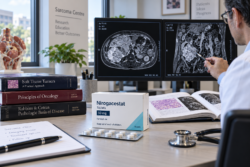



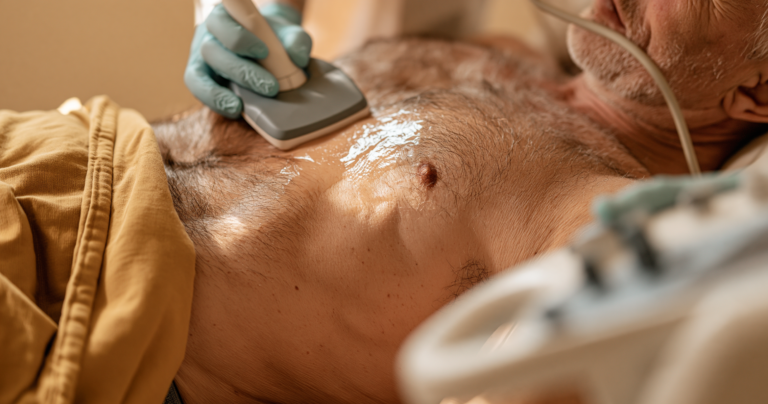
- Desmoid Tumor Symptoms and the First Sign of a Lump Pain or Swelling
- Desmoid Tumor Symptoms in Visible and Deep Tumors
- Desmoid Tumor Symptoms by Location
- Desmoid Tumor Symptoms in the Abdominal Wall
- Desmoid Tumor Symptoms Inside the Abdomen
- Desmoid Tumor Symptoms in the Arms Legs and Shoulders
- How Desmoid Tumor Symptoms Affect Movement and Daily Function
- When Desmoid Tumor Symptoms Need Urgent Assessment
- Conditions That Can Resemble Desmoid Tumor Symptoms
- Investigations That May Follow Desmoid Tumor Symptoms
- Desmoid Tumor Symptoms and the Complete Diagnosis and Treatment Pathway
- Why Desmoid Tumor Symptoms Cannot Confirm the Diagnosis
- What to Record Before an Appointment for Desmoid Tumor Symptoms
- What Happens After Desmoid Tumor Symptoms Lead to a Confirmed Diagnosis
- Do You Have Desmoid Tumor Symptoms or a Suspicious Scan Finding
- Frequently Asked Questions
- References
Desmoid Tumor Symptoms and the First Sign of a Lump Pain or Swelling
Desmoid tumor symptoms often begin with a question that worries the patient deeply: is this lump, swelling, pain, or abdominal pressure something serious? A desmoid tumor may appear as a firm swelling under the skin, a deep mass felt during examination, or an internal growth that causes pressure symptoms without any visible lump. These symptoms need proper assessment, but they do not confirm the diagnosis by themselves [1].
In Ayurveda, a persistent lump is not viewed only as a local swelling. It is assessed through the strength of the patient, the affected tissue, the site of the growth, digestion, inflammation, obstruction, pain, and the way the swelling changes over time. This whole patient view is important because two patients may have similar scan findings but very different levels of pain, weakness, digestion, sleep disturbance, bowel symptoms, and recovery capacity.
Desmoid Tumor Symptoms Seen as a Persistent Lump or Swelling
A superficial desmoid tumor may be noticed as a firm area, localized swelling, thickening, or change in body contour. It may develop in the abdominal wall, shoulder, arm, thigh, chest wall, or other soft tissue sites. Some patients feel pain or tightness, while others only notice a lump that slowly becomes more obvious.
A lump becomes more clinically important when it persists, increases in size, feels deep, causes tenderness, restricts movement, or appears close to a previous surgical area. However, the same findings can also occur with a lipoma, cyst, hernia, hematoma, scar tissue, muscle injury, benign fibrous lesion, or soft tissue sarcoma. This is why the symptom must be investigated rather than assumed to be a desmoid tumor [1,2].
Ayurvedic Understanding of Desmoid Tumor Symptoms
Ayurveda describes deep, stable, slowly growing swellings under the concept of Arbuda. Arbuda cannot be used as a direct modern diagnostic label for desmoid tumor, but it gives a useful clinical framework for understanding a persistent mass that is deep rooted, slow growing, firm, and connected with tissue derangement.
The classical description is relevant here:
गात्रप्रदेशे क्वचिदेव दोषाः संमूर्छिता मांसमसृक् प्रदूष्य ।
वृत्तं स्थिरं मन्दरुजं महान्तमनल्पमूलं चिरवृद्ध्यपाकम् ॥
कुर्वन्ति मांसोच्छ्रयमभ्यगाधं तमर्बुदं शास्त्रविदो वदन्ति ॥
Transliteration: Gātrapradeśe kvacid eva doṣāḥ saṃmūrcchitā māṃsam asṛk pradūṣya, vṛttaṃ sthiraṃ mandarujam mahāntam analpamūlaṃ ciravṛddhyapākam, kurvanti māṃsocchrayam abhyagādhaṃ tam arbudaṃ śāstravido vadanti.
Simple meaning: When vitiated Doshas affect Mamsa and Rakta in one part of the body, they may produce a deep seated, stable, slowly growing swelling with mild pain and without suppuration. This is described by classical physicians as Arbuda.
Book detail: Sushruta Samhita, Nidana Sthana, Chapter 11, Verses 13 to 14, Granthi Apachi Arbuda Galaganda Nidana [3].
This verse helps explain why an Ayurvedic assessment of a suspected desmoid tumor should not focus only on the visible lump. Mamsa means muscle and soft tissue, Rakta means blood and vascular tissue, Dosha means the functional imbalance pattern, and Srotas means the channels that carry nutrition and circulation. When these factors are disturbed, a patient may experience firmness, local pressure, pain, restricted movement, poor tissue flexibility, and slow progressive swelling.
Desmoid Tumor Symptoms in Deep or Hidden Tumors
A deep desmoid tumor may not be seen from outside. When it develops inside the abdomen or near important structures, the patient may feel internal pressure, bloating, recurring abdominal pain, constipation, nausea, vomiting, or reduced food tolerance. These symptoms can occur when the mass presses on bowel loops or nearby organs [1,2].
From an Ayurvedic perspective, this pattern needs careful assessment of Vata, Agni, and obstruction in the channels. Vata governs movement, nerve activity, bowel motion, and pain perception. Agni refers to digestive and metabolic strength. When a deep mass produces abdominal pressure, altered bowel movement, gas, bloating, or pain, the clinical assessment should include both modern imaging and Ayurvedic evaluation of digestion, elimination, strength, and tissue nourishment.
When Desmoid Tumor Symptoms Affect Movement or Nerves
A desmoid tumor near a muscle, joint, tendon, or nerve can affect daily function. The patient may feel tightness, stiffness, tingling, numbness, burning pain, weakness, or difficulty using the affected limb. A shoulder tumor may make lifting or rotating the arm difficult. A thigh or leg tumor may affect walking, climbing stairs, or exercise tolerance. An abdominal wall tumor may cause pain during bending, coughing, stretching, or abdominal contraction [1,2].
In Ayurveda, these symptoms are assessed through involvement of Mamsa, Snayu, Sira, and Vata. Mamsa refers to muscle tissue, Snayu to ligament and tendon like structures, Sira to channels and vessels, and Vata to movement, nerve function, pain, and functional restriction. This helps the physician understand why a patient may have more disability than the visible size of the lump suggests.
Why Desmoid Tumor Symptoms Need Modern Confirmation
The safest approach is to combine Ayurvedic clinical understanding with modern diagnostic confirmation. Symptoms can suggest where the disease is affecting the body, but they cannot identify the exact tissue type. MRI or CT helps define the size, depth, and relationship of the mass to muscles, nerves, organs, and blood vessels. Biopsy and pathology help confirm whether the mass is desmoid type fibromatosis or another condition [1,2].
A patient should seek urgent medical assessment if abdominal pain becomes severe, vomiting is repeated, the abdomen becomes markedly distended, stool or gas cannot pass, movement suddenly worsens, numbness progresses rapidly, or the limb becomes cold, pale, or severely swollen. These signs may indicate bowel obstruction, nerve compression, vascular compromise, or another urgent condition. They should not be treated as ordinary swelling.
For a patient with a persistent lump, unexplained pain, abdominal pressure, or movement difficulty, the Ayurvedic goal is not to guess the diagnosis from symptoms. The correct first step is to understand the whole person, assess the affected tissues, document the symptom pattern, review imaging, confirm pathology where required, and then plan care according to the confirmed disease stage, patient strength, digestive capacity, tissue involvement, and clinical risk.
Desmoid Tumor Symptoms in Visible and Deep Tumors

Desmoid tumor symptoms can look very different depending on whether the growth is close to the surface or hidden deep inside the body. A visible lump may make the patient seek help early, but a deep tumor can remain unnoticed until it begins to press on bowel, muscle, nerve, blood vessel, or other nearby structures. This is why the size seen from outside does not always match the seriousness of the internal involvement [1].
In Ayurveda, this difference is important because a swelling is not assessed only by appearance. The physician observes the site, depth, firmness, pain, movement restriction, digestive effect, strength of the patient, and signs of obstruction in the channels. Srotas means the body channels that carry nutrition, circulation, movement, and waste elimination. When a deep growth affects these channels, symptoms may appear far away from the visible site, especially as pain, stiffness, altered bowel movement, or loss of normal function.
Desmoid Tumor Symptoms in Visible Lumps
A visible desmoid tumor may appear as a firm swelling, a thickened area, or an uneven body contour. It may be noticed while bathing, dressing, exercising, or comparing one side of the body with the other. The lump may be painless in the beginning, or it may produce soreness, tightness, tenderness, or a pulling sensation during movement.
Visible tumors are commonly easier for the patient to track, but they still need proper medical assessment. A lump that slowly enlarges, feels deep, becomes painful, restricts movement, or appears near a previous surgical scar should not be dismissed as ordinary swelling. At the same time, it should not be labelled as a desmoid tumor without imaging and tissue confirmation, because lipoma, cyst, hernia, hematoma, scar tissue, muscle injury, and other soft tissue tumors may look similar [1,2].
Ayurvedic assessment gives importance to the quality of the swelling. A soft, mobile, painless swelling may not be understood in the same way as a deep, firm, fixed, painful, or function limiting mass. Mamsa means muscle and soft tissue, Meda means fat tissue, Rakta means blood and vascular tissue, and Vata governs pain, movement, nerve function, and dryness. When a visible lump affects movement or produces pain, the involvement of Mamsa, Snayu, Sira, and Vata becomes clinically important. Snayu refers to tendon and ligament like structures, while Sira refers to channels and vessels.
Desmoid Tumor Symptoms in Deep Tumors
A deep desmoid tumor may not be visible or easily felt. The patient may only notice pressure, deep pain, stiffness, unexplained discomfort, or changes in body function. When the tumor lies inside the abdomen, symptoms may include bloating, constipation, nausea, vomiting, reduced appetite, early fullness, or recurring abdominal pain. These symptoms can occur when the tumor presses on bowel loops or nearby organs [1,3].
This type of presentation needs careful judgment because abdominal symptoms are common and may arise from many other causes. Gas, constipation, irritable bowel patterns, gallbladder disease, urinary problems, gynaecological conditions, infection, hernia, or other abdominal masses can produce similar discomfort. A deep tumor cannot be confirmed by symptoms alone, and imaging such as CT or MRI is usually needed to understand the exact location and relationship to surrounding structures [2,3].
From an Ayurvedic view, deep abdominal symptoms are assessed through Vata, Agni, Apana Vata, and Srotorodha. Agni means digestive and metabolic strength. Apana Vata governs downward movement, bowel evacuation, urination, reproductive function, and pelvic elimination. Srotorodha means obstruction in the channels. When a deep mass produces bloating, constipation, pressure, pain, or poor food tolerance, the physician should assess whether the patient has impaired digestion, disturbed bowel movement, weakness, inflammation, or tissue depletion along with the structural finding.
Why Deep Desmoid Tumor Symptoms Can Be Missed
Deep desmoid tumor symptoms can be missed because the patient may not feel a lump. The discomfort may come and go, and early symptoms may resemble digestive disturbance, muscle strain, menstrual pain, post surgical discomfort, or ordinary abdominal bloating. Some patients seek care only when pain becomes frequent, bowel habits change, or imaging for another complaint reveals a mass.
This is clinically important because desmoid tumors do not spread to distant organs, but they can still cause serious local problems. A deep tumor may grow around important structures and create pressure, restricted movement, bowel obstruction, nerve irritation, or functional decline. A patient may therefore feel unwell even when there is no visible swelling on the surface [1,3].
Ayurveda helps by paying attention to patterns that are often overlooked in a brief examination. Recurrent pressure, progressive stiffness, unexplained fatigue, disturbed sleep due to pain, reduced appetite, constipation, poor tissue strength, and slow recovery after exertion all help build the clinical picture. These observations do not replace MRI, CT, or biopsy, but they help the physician understand how the disease is affecting the person, not only the scan.
Practical Meaning for the Patient
A visible lump should be examined when it persists, grows, becomes painful, or limits normal movement. A deep symptom pattern should be taken seriously when abdominal pain, bloating, constipation, vomiting, pressure, tingling, numbness, or functional restriction becomes recurrent or progressive. The patient should not wait for a lump to become visible before seeking assessment, especially when symptoms are getting worse.
The safest approach is to treat visible and deep symptoms as signals for evaluation, not as proof of diagnosis. Modern medicine defines the location, size, depth, and tissue type through examination, imaging, and biopsy when needed. Ayurveda adds a deeper assessment of Dosha, Dushya, Agni, Srotas, Bala, pain pattern, digestive strength, and recovery capacity. Together, this gives the patient a clearer and safer pathway from the first symptom to a confirmed plan of care.
Desmoid Tumor Symptoms by Location

Desmoid tumor symptoms often depend on where the tumor is growing, how deep it is, and which nearby tissues are being pressed or restricted. A desmoid tumor in the abdominal wall may create a visible lump, while a tumor inside the abdomen may cause pressure, bloating, constipation, nausea, or vomiting without any clear swelling on the surface. A tumor near a nerve, muscle, tendon, or joint may first appear as pain, stiffness, tingling, or loss of normal movement [1].
Table: Desmoid Tumor Symptoms by Location
| Tumor location | Possible symptoms | Possible effect on daily function |
|---|---|---|
| Abdominal wall | Firm lump, localized swelling, tenderness, pulling pain or tightness | Discomfort while bending, coughing, stretching, exercising or rising from bed |
| Inside the abdomen | Deep pain, pressure, bloating, constipation, nausea, vomiting or early fullness | Reduced food tolerance, disturbed bowel function or difficulty completing normal meals |
| Shoulder or upper arm | Deep lump, aching, tightness, tingling or numbness | Difficulty lifting, reaching, rotating the shoulder or sleeping on the affected side |
| Thigh or leg | Swelling, heaviness, stiffness, pain or altered sensation | Difficulty walking, climbing stairs, exercising or bending a nearby joint |
| Chest wall or back | Localized mass, pressure, pain or pulling discomfort | Pain during posture changes, twisting or deep muscular movement |
| Head or neck | Lump, pressure, pain or restricted movement | Effects depend on the nerve, muscle, airway or swallowing structure involved |
| Breast or chest region | Firm or deep mass, localized discomfort or asymmetry | Requires appropriate breast and soft tissue assessment because examination alone cannot identify the cause |
Ayurveda gives special importance to the site of disease because the same growth can disturb different tissues in different ways. Sthana means the disease location, Dushya means the affected tissue, and Srotas means the channels of nutrition, circulation, movement, and elimination. When the tumor is located in a muscular area, the patient may experience tightness and restricted movement. When it is located deeper in the abdomen, the symptoms may appear through digestion, bowel movement, pressure, and Vata disturbance. Vata governs movement, pain, nerve activity, and bowel function.
Desmoid Tumor Symptoms in the Abdominal Wall
An abdominal wall desmoid tumor may appear as a firm lump, localized swelling, or thickened area in the muscles of the abdomen. Some patients notice it while bathing, dressing, stretching, exercising, or lying flat. The swelling may feel more prominent during coughing, bending, abdominal contraction, or change in posture.
Pain may be mild in the beginning. The patient may feel soreness, pulling, tightness, or pressure during movement. In some cases, the lump may remain painless for a long time, which can delay assessment. A painless swelling should still be examined when it persists, enlarges, feels deep, or appears near a previous surgical scar [1,2].
From an Ayurvedic view, this pattern mainly involves Mamsa, Snayu, Sira, and Vata. Mamsa means muscle and soft tissue. Snayu refers to tendon and ligament like structures. Sira refers to channels and vessels. Vata explains pain, pulling sensation, stiffness, and movement restriction. When a firm abdominal swelling is associated with tightness, discomfort, or reduced flexibility, the physician assesses both the structural mass and the patient’s tissue strength, digestion, pain pattern, and recovery capacity.
Desmoid Tumor Symptoms Inside the Abdomen
An intra abdominal desmoid tumor may remain hidden because it grows deep within the abdomen or mesentery. Mesentery is the tissue that supports and carries blood supply to the intestines. The patient may not feel a lump, but may experience recurring abdominal pain, deep pressure, bloating, constipation, nausea, vomiting, reduced appetite, early fullness, or increasing abdominal distension [1,3].
These symptoms require careful medical assessment because they can resemble many digestive disorders. Gas, constipation, irritable bowel patterns, gallbladder disease, urinary disease, gynaecological conditions, hernia, infection, and other abdominal masses may cause similar complaints. If vomiting, severe pain, marked distension, or inability to pass stool or gas develops, urgent care is needed because bowel obstruction can occur in some patients with deep abdominal tumors [1].
Ayurveda assesses these symptoms through Agni, Apana Vata, and Srotorodha. Agni means digestive and metabolic strength. Apana Vata controls downward movement, bowel evacuation, urination, and pelvic elimination. Srotorodha means obstruction in the body channels. A deep abdominal tumor may disturb digestion and bowel movement not only by pressure but also by weakening appetite, disturbing elimination, and increasing internal Vata symptoms such as pain, dryness, gas, and irregular movement.
Desmoid Tumor Symptoms in the Shoulder Arm or Chest Wall
A desmoid tumor in the shoulder, upper arm, chest wall, or back may cause a firm swelling, deep ache, muscle tightness, or pain during movement. The patient may notice difficulty raising the arm, rotating the shoulder, carrying weight, sleeping on one side, or completing normal exercise. When nearby nerves are irritated, tingling, numbness, burning discomfort, or radiating pain may appear [2].
These symptoms can be mistaken for frozen shoulder, muscle strain, cervical nerve pain, sports injury, or postural pain. The difference is often found in persistence, progressive restriction, the presence of a lump, or imaging that shows a soft tissue mass. The symptom pattern alone cannot confirm the diagnosis, but it can guide the doctor toward the correct imaging and biopsy plan when needed [2,3].
In Ayurveda, upper limb and chest wall symptoms are examined through Vata, Mamsa, Snayu, Asthi, and Sira. Asthi means bone and structural support tissue. When Vata is disturbed in a muscle and tendon region, the patient may experience stiffness, pain, restricted movement, and disturbed sleep due to discomfort. Ayurvedic assessment therefore looks at the lump, but also at strength, flexibility, pain quality, sleep, posture, and functional loss.
Desmoid Tumor Symptoms in the Thigh Leg or Pelvis
A desmoid tumor in the thigh, leg, hip, or pelvis may produce deep swelling, heaviness, stiffness, pain, difficulty walking, reduced exercise tolerance, or restriction around a nearby joint. Some patients notice that one side looks fuller than the other, while others feel only deep tightness or pain before any obvious swelling appears.
When the tumor lies close to nerves or blood vessels, the patient may experience tingling, numbness, radiating pain, weakness, or a feeling of pressure in the limb. A rapidly worsening neurological symptom, sudden major movement loss, or a cold and severely swollen limb needs urgent medical assessment because these signs may indicate compression of important structures [1,2].
Ayurveda views lower limb symptoms through Vata and the strength of Mamsa, Snayu, Sira, and Majja. Majja refers to nerve and marrow related tissue in a broad Ayurvedic sense. Pain, tingling, weakness, stiffness, and walking difficulty suggest that the growth is affecting movement channels and nerve related function. In treatment planning, this matters because preserving function is as important as observing tumor size.
Desmoid Tumor Symptoms in the Head Neck or Breast Region
Desmoid tumors in the head, neck, or breast region are less common, but their symptoms can be concerning because these areas contain important nerves, vessels, glands, muscles, and functional structures. A patient may notice a firm mass, pressure, pain, tightness, swallowing discomfort, voice related changes, neck movement restriction, or visible asymmetry depending on the exact site [3].
A breast or chest region lump should always be evaluated through the appropriate breast and soft tissue pathway. Examination alone cannot distinguish a desmoid tumor from other breast, chest wall, or soft tissue conditions. Imaging and biopsy may be required to identify the exact tissue type and avoid delay in diagnosis [2,3].
Ayurveda does not replace this diagnostic process. It adds a whole patient assessment of Dosha, tissue involvement, pain quality, digestion, strength, sleep, inflammation, and recovery ability. For Western patients, the safest approach is to use modern diagnostics to confirm what the mass is, while using Ayurvedic reasoning to understand how the disease is affecting the person’s body, function, and long term healing capacity.
Desmoid Tumor Symptoms in the Abdominal Wall

Desmoid tumor symptoms in the abdominal wall often begin as a firm lump, localized swelling, pulling discomfort, or a feeling of tightness in the muscles of the abdomen. Some patients notice the swelling while bathing, dressing, exercising, coughing, stretching, or lying flat. Others become aware of it only when the area becomes painful, firmer, or visibly different from the opposite side.
An abdominal wall desmoid tumor develops in the soft tissue layers of the abdomen, often involving muscle, fascia, or connective tissue. It does not spread to distant organs like metastatic cancer, but it can grow locally and affect nearby structures. This is why a patient may feel pressure, pain, restriction, or discomfort even when the tumor is described as non metastatic in modern medical terms [1].
Desmoid Tumor Symptoms in the Abdominal Muscles
A superficial abdominal wall tumor may feel like a deep seated knot or thickened area within the abdominal muscles. The lump may be easier to notice when the patient tightens the abdomen, bends, coughs, or changes posture. Pain may be mild, absent, or movement related in the early stage.
Some patients describe a pulling sensation rather than sharp pain. This can happen when the growth lies within or near the muscle and fascia. Fascia is the strong connective tissue layer that supports muscles and helps them glide during movement. When a firm fibrous tumor affects this layer, the patient may feel tightness during stretching, twisting, lifting, or abdominal contraction.
Ayurveda assesses this pattern through Mamsa, Snayu, Sira, and Vata. Mamsa means muscle and soft tissue. Snayu refers to tendon and ligament like supporting structures. Sira refers to channels and vessels. Vata governs movement, pain, contraction, dryness, and functional restriction. When a patient feels pulling, stiffness, tightness, or pain with movement, Vata involvement around Mamsa and Snayu becomes clinically important.
Abdominal Wall Swelling After Surgery or Pregnancy
Some abdominal wall desmoid tumors are observed near previous surgical scars or after pregnancy, but this association should not be used to self diagnose the condition. A lump near a scar may also be due to hernia, scar tissue, hematoma, infection, suture reaction, muscle weakness, lipoma, or another soft tissue lesion. Imaging is needed to understand whether the swelling is arising from the abdominal wall, the deeper abdomen, or a weakness in the muscle layer [2].
Pregnancy related abdominal wall changes can also make evaluation more difficult. The abdominal muscles stretch, the connective tissues change, and old scars may become more noticeable. A persistent or enlarging lump after pregnancy should be assessed carefully, especially when it is firm, deep, painful, or does not reduce like a typical hernia.
From an Ayurvedic view, pregnancy and surgery can both influence tissue strength, Vata movement, healing quality, and the stability of the abdominal wall. Bala means strength and resilience of the patient. When Bala is reduced and Vata is disturbed after surgery, strain, tissue injury, or prolonged recovery, a patient may experience pain, weakness, stiffness, poor healing, or abnormal tissue response. This does not replace imaging, but it helps the physician understand why the patient may be more symptomatic.
How Abdominal Wall Desmoid Tumor Symptoms Differ From Hernia
A hernia often becomes more prominent with coughing, standing, or straining and may reduce when lying down, although this is not always reliable. An abdominal wall desmoid tumor is usually a solid soft tissue mass and does not behave like a reducible hernia. However, a patient should not depend on touch, pressure, or home observation to separate the two.
This distinction matters because the treatment pathway is different. A hernia is a weakness or opening in the abdominal wall, while a desmoid tumor is a fibrous soft tissue growth. Ultrasound may be used first in some patients, but MRI or CT may be needed when the mass is deep, complex, painful, growing, or close to important structures. Biopsy may be advised when imaging cannot confidently identify the tissue type [1,3].
Ayurvedic examination also separates swelling by site, depth, firmness, pain, movement, digestive effect, and strength of surrounding tissue. A soft reducible swelling, a painful fixed mass, and a deep fibrous growth are not approached in the same way. The physician must understand whether Vata pain, Mamsa involvement, Srotas obstruction, or reduced tissue strength is dominant before planning supportive Ayurvedic care.
When Abdominal Wall Desmoid Tumor Symptoms Need Review
A patient should arrange medical assessment when an abdominal wall lump persists, enlarges, becomes painful, feels deep, appears fixed, develops near a surgical scar, or starts affecting daily movement. Pain while bending, twisting, coughing, exercising, or lifting should be documented, especially if it is getting more frequent or limiting normal activity.
The most important point is that abdominal wall symptoms can raise suspicion, but they cannot confirm a desmoid tumor. A safe diagnosis requires clinical examination, appropriate imaging, and tissue confirmation when recommended. Ayurveda remains central in understanding the patient’s constitution, tissue strength, pain pattern, digestive strength, healing capacity, and functional disturbance, while modern diagnostics confirm the exact nature of the lump.
Desmoid Tumor Symptoms Inside the Abdomen

Desmoid tumor symptoms inside the abdomen may develop without a visible or easily felt lump. The tumor can grow within the mesentery, abdominal connective tissue, or tissues surrounding the bowel and other organs. Early symptoms may feel vague, with recurring abdominal discomfort, pressure, fullness, bloating, or a change in bowel function. The pattern usually becomes more clinically important when symptoms persist, progress, or begin to affect eating, elimination, sleep, and normal activity [1,2].
Why Intra Abdominal Desmoid Tumors Can Remain Hidden
A superficial desmoid tumor may be noticed because it changes the contour of the body, but a deep abdominal tumor has more space to grow before it becomes externally apparent. The patient may therefore experience internal pressure or functional disturbance without seeing any swelling on the abdominal wall.
Some tumors are discovered during CT or MRI performed for an unrelated abdominal complaint. Others become noticeable only when they begin to displace or compress the bowel, urinary structures, blood vessels, or surrounding soft tissues. The absence of a visible lump does not indicate that the tumor is small, and the severity of symptoms does not always correspond directly with its measured size.
A patient may initially describe a sense that something feels different inside the abdomen rather than reporting severe pain. The discomfort may be difficult to localize and may change with meals, bowel movement, body position, or physical activity. This makes the early presentation easy to confuse with constipation, irritable bowel symptoms, food intolerance, muscular pain, gallbladder disease, urinary disease, or a gynaecological condition.
A history of familial adenomatous polyposis is particularly relevant because intra abdominal desmoid tumors occur more frequently in this population. Previous abdominal surgery may also be clinically important. These factors do not establish the diagnosis, but they can influence the level of suspicion and the investigations that follow [1,2].
Desmoid Tumor Symptoms Linked With Bowel Pressure
When an intra abdominal desmoid tumor presses on the intestine, the patient may develop persistent bloating, constipation, cramping, nausea, or a feeling of incomplete bowel evacuation. Symptoms may remain mild and intermittent in the beginning, then become more frequent as pressure on the bowel increases.
Constipation caused by bowel compression may feel different from an occasional dietary or lifestyle related episode. The patient may notice progressive abdominal fullness, reduced stool frequency, increasing difficulty passing stool, or discomfort that is no longer relieved after bowel movement. Gas may become difficult to pass, and abdominal distension may continue to increase during the day.
Nausea may appear when food moves more slowly through the digestive tract or when the mass creates pressure in the abdomen. Vomiting is more concerning, particularly when it occurs repeatedly or is accompanied by increasing pain, abdominal swelling, and inability to pass stool or gas. These symptoms may indicate partial or complete bowel obstruction and require urgent assessment [1,3].
Not every person with an intra abdominal desmoid tumor develops obstruction. Symptoms depend on the tumor’s exact position, growth pattern, and relationship to nearby structures. A mass located close to a mobile bowel loop may cause intermittent symptoms, while a tumor surrounding or fixing a section of bowel may produce more persistent disturbance.
Pain Fullness and Changes After Meals
Abdominal pain associated with a deep desmoid tumor may be dull, aching, cramping, pulling, or pressure related. It may remain in one area or feel more diffuse. Some patients experience discomfort during bending, twisting, prolonged sitting, or lying in a particular position because these movements change the pressure within the abdomen.
Early fullness after meals can develop when the tumor reduces available abdominal space or creates pressure around the digestive organs. The patient may feel unable to complete a normal meal, may prefer smaller portions, or may experience increasing discomfort after eating. Persistent reduction in food intake can gradually contribute to fatigue, weakness, and loss of body weight.
Weight loss is not a specific desmoid tumor symptom and should not be used to judge whether a mass is benign or malignant. It may result from poor appetite, nausea, pain, anxiety, reduced meal size, or another unrelated condition. Unexplained weight change still deserves assessment because it helps show how strongly the abdominal process is affecting nourishment and general health.
Urinary frequency, difficulty emptying the bladder, pelvic pressure, or flank discomfort may occur when a deep abdominal or pelvic mass presses on urinary structures. These symptoms have many possible causes, but they should be reported when they appear with a known or suspected abdominal mass.
Ayurvedic Interpretation of Deep Abdominal Symptoms
Ayurvedic assessment considers how the structural mass is influencing Agni, Vata, Apana Vata, Srotas, nourishment, and elimination. The clinical pattern may include pressure, irregular bowel movement, gas retention, reduced appetite, early fullness, weakness, disturbed sleep, or pain that changes with movement and digestion.
Obstruction can disturb the normal direction and rhythm of Vata. A patient may then experience abdominal distension, cramping, constipation, variable pain, or difficulty passing gas. When Agni becomes impaired, meals may produce heaviness, nausea, poor appetite, or prolonged discomfort. These features help determine the patient’s functional state, but they should not be used to interpret every episode of bloating or constipation as tumor activity.
Ayurvedic care must also take the degree of obstruction into account. Strong purgation, forceful abdominal massage, deep pressure, or intensive heat procedures may be unsuitable when a large intra abdominal mass, bowel compression, acute pain, vomiting, or suspected obstruction is present. The scan findings, bowel status, hydration, nutritional condition, and current medical plan should be reviewed before selecting any internal medicine or procedure.
The patient’s ability to digest and tolerate treatment is as important as the theoretical choice of formulation. Frequent nausea, poor intake, constipation, weakness, or dehydration may require correction before a more intensive Ayurvedic plan is considered. Treatment should remain proportionate to the patient’s Bala and the anatomical risk shown on imaging.
When Abdominal Symptoms Need Urgent Assessment
Severe or rapidly worsening abdominal pain requires urgent assessment when it is accompanied by repeated vomiting, marked distension, inability to pass stool or gas, faintness, fever, or rapid deterioration. These features may indicate bowel obstruction, compromised blood flow, perforation, infection, or another acute abdominal condition. The cause cannot be determined safely from symptoms alone [1,3].
A patient with milder but persistent pressure, constipation, bloating, reduced food tolerance, or recurring pain should arrange timely medical review, particularly when the symptoms are becoming more frequent or are associated with a previously identified mass. CT or MRI can show whether the bowel or another structure is being compressed, while further investigation can determine whether the finding represents a desmoid tumor or another abdominal condition.
Desmoid Tumor Symptoms in the Arms Legs and Shoulders

Desmoid tumor symptoms in the arms, legs, shoulders, or thighs may begin as a deep lump, localized tightness, aching pain, or stiffness during movement. Some patients notice a visible difference between the two sides of the body, while others feel discomfort long before a mass becomes easy to see or touch. The symptom pattern depends on whether the tumor is growing within muscle, along a fascial plane, close to a joint, or beside a nerve or blood vessel [1,2].
A tumor in an arm or leg may not cause constant pain. Discomfort can appear only when the affected muscle is stretched, contracted, or used against resistance. The patient may initially assume that the problem is a sports injury, muscle strain, frozen shoulder, tendon disorder, or joint condition. Persistent symptoms, progressive restriction, and a deep firm swelling make further assessment more important.
Desmoid Tumor Symptoms Around the Shoulder and Upper Arm
A desmoid tumor around the shoulder or upper arm may cause a deep ache, pulling sensation, firmness, or pressure that becomes more noticeable during lifting and rotation. Reaching above the head, washing the hair, fastening clothing, carrying a bag, or sleeping on the affected side may gradually become uncomfortable.
The restriction may begin in only one direction. A patient may be able to move the arm forward but experience pain when rotating it outward or reaching behind the back. This can occur when the tumor lies within a muscle group or limits the normal movement of fascia around the shoulder.
A lump may be visible over the upper arm, shoulder, chest wall, or upper back, but deeper tumors may produce pain and stiffness without a clear external mass. The patient may describe the shoulder as heavy or tight rather than weak. When a nearby nerve is irritated, burning pain, tingling, numbness, or discomfort extending down the arm may also occur [1,2].
Shoulder symptoms caused by a desmoid tumor can resemble rotator cuff disease, frozen shoulder, cervical nerve compression, or muscular injury. The difference cannot be established from pain alone. The presence of a persistent deep mass, progressive loss of movement, or symptoms that do not improve as expected after ordinary musculoskeletal care should lead to further investigation.
Desmoid Tumor Symptoms in the Thigh and Leg
A tumor in the thigh or leg may present as deep swelling, heaviness, tightness, or pain during walking and exercise. The affected area may feel firmer than the opposite side, and clothing may become tighter over one part of the limb. Some patients notice a visible change in contour, while others experience only deep pressure or reduced flexibility.
A thigh tumor can affect the hip or knee even when it does not arise from the joint itself. The surrounding muscle and fascia may become less flexible, making it harder to bend the knee fully, lift the leg, enter a car, rise from a low chair, or climb stairs. A patient may shorten the stride or place more weight on the opposite side without consciously realizing it.
Pain may increase after prolonged standing, walking, or exercise. In other cases, stiffness is most noticeable after rest and improves slightly once the person begins moving. These patterns are not specific enough to diagnose a desmoid tumor, but they help show how the mass is affecting surrounding tissues.
A lower limb mass can also be mistaken for a muscle injury, hematoma, lipoma, tendon disorder, or another soft tissue tumor. A swelling that continues to enlarge, remains firm, or becomes increasingly painful requires imaging rather than repeated treatment as an ordinary strain.
Tingling Weakness and Changes in Sensation
Tingling, numbness, burning pain, electric sensations, or pain travelling along the limb may develop when the tumor presses on or irritates a nearby nerve. These symptoms do not necessarily mean that the nerve has been invaded. Even external pressure can disturb sensation and make normal movement uncomfortable.
Weakness needs careful interpretation. Some patients feel weak because pain prevents them from using the limb fully. Others develop true loss of strength because a nerve or muscle group is being affected. Comparing both sides during examination helps distinguish pain limited effort from a neurological deficit.
Symptoms become more concerning when numbness spreads, grip strength declines, the foot begins to drag, balance changes, or the patient repeatedly drops objects. Sudden major weakness, rapidly worsening sensation, severe swelling, or a cold and pale limb requires urgent assessment because pressure on a major nerve or blood vessel may be present [1,2].
The position of the tumor is often more important than its measured size. A relatively small mass beside a major nerve can create substantial pain or sensory change, while a larger tumor in a less sensitive location may remain painless for longer.
Ayurvedic Assessment of Limb Pain and Stiffness
Ayurvedic assessment considers how the mass is disturbing Vata within Mamsa, Snayu, Sira, and the local channels of movement. Pain, stiffness, pulling, altered sensation, and reduced coordination suggest that the effect is not limited to the visible swelling. The physician also examines whether the patient is losing strength, avoiding movement, sleeping poorly, or developing fatigue because of persistent discomfort.
The quality of pain helps refine this assessment. A pulling or constricting sensation may reflect restricted movement within Mamsa and Snayu. Burning, shooting, or travelling pain suggests stronger nerve related Vata involvement. Heaviness and firm swelling may indicate deeper tissue obstruction, while weakness after limited activity may show reduced Bala around the affected region.
The Ayurvedic plan should account for the exact anatomical location and the functional risk shown on imaging. Deep massage, forceful stretching, strong local pressure, or vigorous heat over an unexplained mass may aggravate pain or place additional stress on nearby nerves and blood vessels. Local procedures should therefore be chosen only after the depth and extent of the tumor are understood.
Monitoring should include more than the visible size of the lump. Changes in range of movement, walking pattern, grip strength, sensation, sleep, pain frequency, and tolerance of ordinary activity can reveal whether the condition is becoming more restrictive. These findings help guide both medical review and the intensity of Ayurvedic support.
How Desmoid Tumor Symptoms Affect Movement and Daily Function

Desmoid tumor symptoms may gradually change the way a person moves, works, sleeps, exercises, and performs ordinary daily activities. Functional difficulty can develop when the tumor lies within a muscle, follows a fascial plane, limits tissue flexibility, or presses on a nearby nerve, tendon, blood vessel, or joint. The amount of disability does not always match the visible size of the lump because a smaller tumor in a sensitive location may interfere with movement more than a larger tumor elsewhere [1,2].
The earliest change may be subtle. A patient may begin avoiding one movement, using the opposite limb more often, taking shorter steps, changing sleeping position, or needing additional effort to complete a familiar task. These adaptations can occur gradually, so the patient may not immediately connect them with the lump or deep swelling.
How Desmoid Tumor Symptoms Change Normal Movement
A desmoid tumor can reduce movement by limiting the normal expansion, contraction, and sliding of surrounding tissues. Muscles and fascia need to move freely during lifting, walking, bending, turning, and reaching. A firm fibrous growth can make this movement feel restricted, painful, or mechanically blocked.
The patient may describe tightness rather than pain. The affected area may feel as though it cannot stretch fully, or movement may stop at a particular point. In other cases, the person can complete the movement but experiences aching, pulling, pressure, or fatigue afterwards.
Movement restriction may also develop through pain avoidance. When a motion repeatedly causes discomfort, the body begins to protect the area. A patient with shoulder involvement may stop raising the arm fully. A person with a thigh or pelvic tumor may shorten the stride, avoid stairs, or place more weight on the opposite leg. Someone with an abdominal wall tumor may avoid twisting, coughing forcefully, lifting, or rising directly from bed.
These protective changes can gradually weaken surrounding muscles and increase stiffness. The resulting loss of function may then become greater than the limitation caused by the tumor alone.
Changes in Work Exercise and Personal Care
Functional symptoms often become clearer during ordinary activities than during rest. A patient may struggle to dress, wash the hair, reach a high shelf, carry shopping, drive, type, stand for long periods, or lift a child. Lower limb involvement may make it difficult to walk at the usual pace, climb stairs, enter a vehicle, rise from a chair, or exercise safely.
Work related problems depend on the tumor location and the physical demands of the occupation. Repeated lifting may aggravate shoulder or abdominal wall symptoms. Prolonged standing may increase discomfort in a leg or pelvic tumor. Sitting for long periods may worsen pressure from a deep abdominal, back, or pelvic mass.
Exercise tolerance may fall before complete movement is lost. The patient may still be able to walk, cycle, or perform resistance exercise, but may need to stop earlier because of pain, tightness, heaviness, weakness, or fear of aggravating the area. A sudden reduction in exercise ability should be documented rather than attributed automatically to poor fitness.
Personal care can also become difficult when range of movement decreases. Fastening clothing, bathing, putting on footwear, using the toilet, or changing position in bed may require more time or assistance. These changes provide a practical measure of how strongly the tumor is affecting independence.
Pain Sleep and Fatigue
Persistent pain can reduce function even when the joint and muscle remain mechanically capable of movement. Pain may make the patient hesitant to use the affected part, disturb concentration, and reduce confidence during activity. It may also cause muscle guarding, where nearby muscles remain tense to protect the painful area.
Sleep disturbance can further reduce physical ability. A patient may be unable to lie on the affected side, may wake when turning, or may struggle to find a comfortable position. Poor sleep can increase daytime fatigue, reduce pain tolerance, and make ordinary activities feel more demanding. Pain, sleep loss, and difficulty moving are recognised parts of the symptom burden associated with desmoid tumors [1].
Fatigue in this setting may have several causes. It may result from persistent pain, reduced sleep, low activity, poor food intake, emotional stress, or another medical condition. It should not be assumed to reflect tumor growth, but it remains important because it influences the patient’s strength and ability to tolerate treatment.
Ayurvedic Assessment of Functional Loss
Ayurvedic assessment examines how local tissue involvement is affecting Vata, strength, mobility, sleep, digestion, and recovery. Pain, stiffness, pulling, weakness, altered sensation, and restricted movement show that the clinical impact extends beyond the visible mass.
The quality and timing of symptoms help guide this assessment. Sharp, shooting, or radiating pain may indicate stronger nerve related involvement. A pulling sensation may become more obvious when the affected muscle or supporting tissue is stretched. Heaviness may appear after prolonged use, while stiffness may be worse after rest. A patient who develops rapid fatigue during activity may have reduced local strength even when the limb can still move through a reasonable range.
Ayurvedic care should not focus only on reducing the sensation of pain. Preserving movement, preventing further loss of strength, supporting sleep, maintaining digestion, and improving tolerance of daily activity are also important. The intensity of treatment must reflect the tumor location, neurological findings, vascular risk, imaging results, and the patient’s overall strength.
Forceful stretching, deep pressure, vigorous massage, or strong heat over the tumor area may be unsuitable when the mass lies close to nerves, blood vessels, or other vulnerable structures. Any local procedure should be selected after the anatomical extent of the tumor is understood.
Measuring Function During Follow Up
Changes in function should be monitored together with pain and imaging. Tumor measurements alone may not show whether the patient is becoming more independent or more restricted. A stable scan can still be accompanied by persistent pain, stiffness, or weakness, while functional improvement may occur before a major radiological change is visible.
Follow up is more useful when the same activities are compared over time. The patient can observe whether reaching, walking, climbing stairs, gripping, bending, sleeping, dressing, or completing work tasks has become easier or more difficult. Walking distance, duration of activity, need for assistance, and recovery time after exertion can provide practical evidence of change.
Range of movement and strength may also be measured during clinical assessment. These findings help distinguish discomfort from progressive loss of function and can guide rehabilitation, pain management, medical review, and Ayurvedic support.
When Functional Change Needs Prompt Assessment
Gradual stiffness or activity related discomfort should be reviewed when it begins to interfere with normal life or continues to worsen. Earlier assessment is needed when weakness develops, numbness spreads, grip declines, walking becomes unstable, or the patient can no longer use the limb normally.
Sudden major weakness, rapidly increasing swelling, severe unrelenting pain, loss of sensation, or a cold and pale limb requires urgent assessment. These symptoms may indicate significant pressure on a nerve or blood vessel and should not be managed only through routine pain relief or local Ayurvedic procedures [1,2].
Functional change is therefore an important part of desmoid tumor assessment. It shows how the tumor is affecting the person’s independence, strength, sleep, confidence, and quality of life, even when the external appearance of the lump has changed very little.
When Desmoid Tumor Symptoms Need Urgent Assessment

Desmoid tumor symptoms usually develop gradually, but certain changes need urgent medical assessment because they may indicate bowel obstruction, pressure on a major nerve or blood vessel, or involvement of another important structure. These warning signs do not confirm that the desmoid tumor has suddenly become more aggressive. They show that normal organ or limb function may be at risk and should not be managed through routine follow up alone [1,2].
Table: When Desmoid Tumor Symptoms Need Medical Assessment
| Symptom pattern | Recommended action | Why it matters |
|---|---|---|
| Severe abdominal pain with repeated vomiting, marked distension or inability to pass stool or gas | Seek emergency medical care | This pattern may indicate bowel obstruction or another acute abdominal emergency |
| Sudden weakness, rapidly spreading numbness, major loss of movement or a cold pale limb | Seek emergency medical care | A major nerve or blood vessel may be compressed |
| New difficulty breathing, swallowing or speaking | Seek emergency medical care | A neck or chest mass may be affecting an important structure |
| A lump that continues to grow, becomes painful or restricts movement | Arrange prompt medical assessment | The mass requires examination and appropriate imaging |
| Persistent bloating, constipation, abdominal pressure or reduced food tolerance | Arrange timely medical assessment | Deep abdominal disease may be present even without a visible lump |
| A stable previously diagnosed tumor without new symptoms | Continue planned specialist follow up | Desmoid tumors can behave unpredictably and require structured monitoring |
Desmoid Tumor Symptoms That Need Emergency Care
Severe or rapidly worsening abdominal pain requires immediate attention when it is accompanied by repeated vomiting, marked abdominal swelling, inability to pass stool or gas, faintness, or rapid physical deterioration. An intra abdominal desmoid tumor can sometimes compress the intestine and interfere with the normal passage of bowel contents. Similar symptoms can also occur with other acute abdominal conditions, so emergency assessment is necessary even when the cause is not yet known [1,3].
Repeated vomiting can quickly lead to dehydration and disturbance of body salts. Increasing abdominal distension with complete constipation may indicate partial or complete bowel obstruction. A patient should not attempt strong laxatives, forceful purgation, abdominal massage, or intensive heat treatment while these symptoms are present. Such measures may delay appropriate care or worsen discomfort when the bowel is obstructed.
Sudden major weakness, rapidly spreading numbness, loss of normal limb movement, or severe pain associated with marked swelling also requires urgent assessment. A cold, pale, or unusually discoloured limb may indicate reduced circulation. These findings can occur when a mass or surrounding swelling places pressure on a major nerve or blood vessel, although other vascular and neurological conditions may produce the same signs [2].
A tumor in the neck, chest wall, or upper body needs emergency assessment if the patient develops new difficulty breathing, swallowing, speaking, or controlling saliva. These symptoms may reflect compression of the airway, oesophagus, nerves, or other nearby structures and should not wait for a routine appointment.
Desmoid Tumor Symptoms That Need Prompt Review
Not every concerning symptom requires emergency care, but a growing lump, persistent pain, new tingling, increasing stiffness, or progressive loss of movement should be reviewed promptly. The same applies when a previously stable symptom begins to interfere with sleep, work, walking, eating, bowel function, or personal care.
Recurrent abdominal pain, increasing bloating, persistent constipation, reduced food tolerance, or early fullness also deserves timely review, particularly when the patient already has a known abdominal mass or a history of familial adenomatous polyposis. These symptoms may reflect increasing pressure on the bowel or nearby structures, even when there is no complete obstruction.
A lump near a previous surgical site should be assessed if it enlarges, becomes painful, or begins to affect movement. Postoperative scar tissue, hernia, fluid collection, infection, and other soft tissue conditions can create similar symptoms, so examination and imaging may be required to identify the cause.
Ayurvedic treatment should be adjusted when warning signs appear. New vomiting, severe pain, rapid weakness, neurological change, or suspected obstruction takes priority over routine Rasayana, external procedures, massage, or Panchakarma planning. The immediate aim is to protect organ function, circulation, hydration, nutrition, and movement. Ayurvedic care can be reconsidered after the urgent cause has been assessed and the patient is medically stable.
Patients should also report any clear change from their usual symptom pattern. A familiar mild ache that becomes continuous, a stable lump that begins enlarging quickly, or occasional tingling that progresses to weakness may indicate a change in local pressure or tissue involvement. Early review allows the care team to compare current symptoms with previous imaging and decide whether further examination, MRI, CT, or another investigation is required.
Conditions That Can Resemble Desmoid Tumor Symptoms

Desmoid tumor symptoms such as a firm lump, localized swelling, deep pain, abdominal pressure, stiffness, or restricted movement can occur in many other conditions. Some are harmless and need only observation or minor treatment, while others require specialist investigation. The appearance, tenderness, growth rate, and location of a mass may raise suspicion, but these features cannot reliably identify the tissue from which it has developed [1,2].
Benign Lumps and Abdominal Wall Conditions
A lipoma is a common benign fatty growth that usually feels soft and mobile beneath the skin. Most lipomas grow slowly and remain painless, although deeper lesions may feel firmer or cause discomfort when they press on nearby structures. A cyst may also appear as a defined lump and can become painful if inflamed or infected.
A hematoma can develop after injury, surgery, strenuous activity, or treatment with blood thinning medicine. It may initially be tender and discoloured, then become firm as the blood organizes. When there is no clear history of trauma, a persistent hematoma like swelling still needs assessment because some soft tissue tumors may initially be mistaken for an injury.
Scar tissue can create a firm or irregular area near a previous operation. A suture reaction, postoperative fluid collection, infection, or incisional hernia may also produce swelling at the same site. A hernia often becomes more noticeable during coughing, standing, lifting, or straining, but its behaviour is not always typical enough for a patient to distinguish it from a solid abdominal wall mass.
Muscle tears and chronic strains can cause focal pain, swelling, weakness, or a palpable area of tightness. These symptoms usually have a relationship with injury or physical activity, but persistent enlargement or failure to improve as expected should lead to further investigation.
Other Soft Tissue Tumors
Several benign fibrous or muscular tumors can resemble a desmoid tumor on examination or imaging. These include fibromas, nerve sheath tumors, vascular lesions, and other connective tissue growths. Their symptoms depend on depth and anatomical location rather than whether they are benign or malignant.
Soft tissue sarcoma must also be considered when a mass is enlarging, deep, painful, recurrent, or affecting function. Desmoid tumors do not metastasize, but they can behave aggressively at the local site. Sarcomas differ because some can spread to distant organs. Physical examination alone cannot reliably separate these conditions because both may present as a persistent deep mass with pain or restricted movement [1,3].
A gastrointestinal stromal tumor can enter the differential diagnosis when the mass is located within or close to the digestive tract. GIST usually arises from the wall of the stomach or intestine, while an intra abdominal desmoid tumor more often arises from mesenteric or connective tissue. Their symptoms may overlap and include abdominal pain, fullness, nausea, altered bowel function, or an incidentally discovered mass. Imaging helps identify the likely site of origin, but pathology is needed when the appearance remains uncertain [3,4].
Abdominal and Pelvic Conditions
Persistent abdominal pain, bloating, constipation, vomiting, or early fullness may result from many conditions unrelated to a desmoid tumor. Irritable bowel syndrome, chronic constipation, inflammatory bowel disease, gallbladder disease, urinary disorders, endometriosis, ovarian masses, uterine fibroids, adhesions, and abdominal wall pain can produce similar complaints.
The pattern of symptoms may provide useful clues. Digestive symptoms linked consistently with particular foods may suggest a functional or inflammatory disorder, while cyclical pelvic pain may point toward a gynaecological cause. Even so, symptom patterns are not sufficiently specific to exclude a structural mass when discomfort is persistent, progressive, or accompanied by a palpable swelling.
Previous abdominal surgery can complicate the picture because adhesions, hernia, scar tissue, recurrent disease, and desmoid tumors may all develop in or near an operated area. Patients with familial adenomatous polyposis also need careful assessment because abdominal symptoms may arise from several bowel related conditions as well as an increased risk of desmoid tumors [1,4].
Ayurvedic Assessment of a Persistent Lump
Ayurvedic examination considers the depth, firmness, mobility, tenderness, rate of growth, tissue involvement, pain pattern, digestive changes, strength, and functional effect of the swelling. These findings help the physician understand the nature of the disturbance and how strongly it is affecting the patient.
However, an Ayurvedic classification should not be used to assume that every firm or slowly growing swelling is an Arbuda or that every mobile lump is harmless. Different modern diseases can share similar classical qualities. The diagnosis must therefore remain connected with examination, imaging, and pathology rather than being based only on Dosha or the physical qualities of the mass.
This distinction protects the patient from unnecessary fear as well as false reassurance. A benign lipoma should not be treated as an aggressive tumor, and a suspicious deep mass should not receive prolonged local treatment without diagnostic clarification. The clinical aim is to understand the whole patient while accurately identifying the disease that is producing the symptoms.
Investigations That May Follow Desmoid Tumor Symptoms
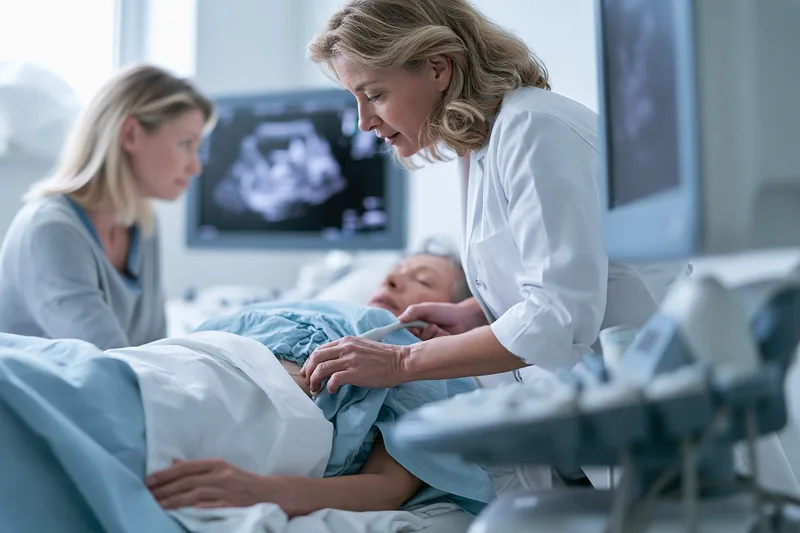
Desmoid tumor symptoms such as a persistent deep lump, progressive swelling, unexplained abdominal pressure, restricted movement, or nerve related discomfort usually lead to a stepwise investigation. The purpose is not only to determine whether a mass is present, but also to identify where it arises, how far it extends, which structures it affects, and whether the tissue is consistent with desmoid type fibromatosis or another condition [1,2].
Table: Investigations After Desmoid Tumor Symptoms
| Investigation | What it helps assess | Main limitation |
|---|---|---|
| Clinical examination | Location, approximate size, depth, tenderness, mobility and effect on movement | Cannot determine the exact tissue type |
| Ultrasound | Whether a superficial swelling is solid or fluid filled and whether it involves the abdominal wall | Less useful for some deep or anatomically complex tumors |
| MRI | Relationship to muscles, fascia, joints, nerves and nearby soft tissues | Imaging appearance alone may not confirm the diagnosis |
| CT scan | Deep abdominal or pelvic location, bowel pressure, organ involvement and blood vessel relationships | Some mesenteric and soft tissue tumors can look similar |
| Core needle biopsy | Provides tissue for microscopic diagnosis | Requires suitable sampling and experienced pathology review |
| Immunohistochemistry and molecular testing | May support desmoid diagnosis and identify CTNNB1 or APC related disease | Must be interpreted with imaging, pathology and clinical history |
| FAP assessment when indicated | Evaluates possible inherited APC related disease | Not required for every person with a desmoid tumor |
The investigation pathway varies according to the location of the mass. A superficial abdominal wall lump may initially be assessed with ultrasound, while a deep abdominal, pelvic, shoulder, or limb mass may require MRI or CT. Imaging can narrow the possibilities, but the final diagnosis commonly depends on tissue examination because several benign and malignant soft tissue tumors can appear similar on scans [1,3].
Clinical Assessment of Desmoid Tumor Symptoms
The first stage is a detailed history and physical examination. The clinician asks when the lump or symptom began, whether it has changed in size, and whether pain, numbness, weakness, bowel disturbance, or loss of function has developed. Previous abdominal surgery, pregnancy, trauma, tumor treatment, and family history of colorectal polyps may influence the investigation plan.
During examination, the clinician assesses the location, size, depth, tenderness, firmness, mobility, and relationship of the mass to nearby muscles or joints. The affected area may also be examined during movement because some lumps become more noticeable when a muscle contracts or when abdominal pressure rises.
Functional examination is particularly important when the tumor may involve an arm, leg, shoulder, chest wall, or pelvis. Range of movement, strength, walking pattern, sensation, and circulation may be compared on both sides. A deep tumor can impair function even when its surface appearance is limited.
Ayurvedic assessment can be conducted alongside this examination to document appetite, bowel movement, sleep, pain quality, energy, tissue strength, treatment tolerance, and the effect of symptoms on daily life. These findings do not determine the tissue diagnosis, but they provide a baseline for evaluating the patient’s overall condition and planning appropriate support after the anatomical risk is understood.
Ultrasound for a Superficial Lump
Ultrasound may be used as an initial investigation when a lump is superficial, easily accessible, or located in the abdominal wall. It can help determine whether the swelling is solid or fluid filled, how deeply it extends, and whether it appears connected to muscle, fascia, or another structure.
Ultrasound is also useful when the clinician needs to distinguish a solid mass from a cyst, fluid collection, or some types of hernia. Movement during coughing or muscle contraction may provide additional information about abdominal wall lesions.
A solid or poorly defined mass usually requires further imaging. Ultrasound does not consistently distinguish a desmoid tumor from other fibrous lesions or soft tissue tumors, particularly when the growth is deep or anatomically complex. Its main value is often to confirm that a structural lesion is present and guide the next investigation.
MRI for Soft Tissue Extent
MRI provides detailed images of muscles, fascia, nerves, joints, and surrounding soft tissues. It is frequently used for suspected desmoid tumors in the limbs, shoulder, chest wall, abdominal wall, head, neck, or other extra abdominal sites [1,2].
The scan can show the size and depth of the mass, whether it crosses tissue planes, and how close it lies to a nerve, blood vessel, joint, or bone. This information is important when the patient has pain, stiffness, numbness, weakness, or restricted movement.
MRI may also be used as a baseline for later comparison. Follow up scans can show whether the tumor is growing, remaining stable, or changing after treatment. The imaging schedule depends on symptoms, tumor location, previous behaviour, and the management plan.
Although MRI can show patterns that raise suspicion for a desmoid tumor, it cannot always provide a definitive diagnosis. Scar tissue, sarcoma, fibrous lesions, and other soft tissue tumors may have overlapping features. Tissue confirmation is therefore often required before long term tumor specific treatment is selected [3,4].
CT for Abdominal and Pelvic Tumors
CT is commonly used when the suspected tumor lies inside the abdomen or pelvis. It can show the relationship between the mass and the bowel, mesentery, urinary structures, blood vessels, abdominal wall, and nearby organs.
This is especially important when the patient has progressive bloating, constipation, vomiting, reduced food tolerance, urinary pressure, or abdominal pain. CT can help determine whether a mass is displacing the bowel, narrowing the intestinal passage, or surrounding important structures.
CT may also reveal complications that need urgent attention, including bowel obstruction, severe compression, or another acute abdominal process. However, it cannot always distinguish an intra abdominal desmoid tumor from GIST, lymphoma, sarcoma, scar tissue, or another mesenteric mass. The apparent site of origin and pattern of involvement may guide suspicion, but pathology is often necessary for confirmation [1,3].
Core Needle Biopsy and Tissue Confirmation
A core needle biopsy removes small cylinders of tissue from the mass for microscopic examination. It is commonly preferred over a limited fine needle sample because the tissue architecture is important when distinguishing desmoid type fibromatosis from other spindle cell lesions.
The biopsy should be planned by a team familiar with soft tissue tumors. The route of the needle matters because the biopsy tract may need to be considered during any future local procedure. Sampling should also target a representative part of the tumor while avoiding major nerves, vessels, bowel, or other vulnerable structures.
A pathologist examines the cellular pattern, collagen, growth arrangement, and other microscopic features. Immunohistochemistry may be used to look for characteristic nuclear beta catenin expression and to exclude other tumors with similar appearances. Molecular testing may identify a CTNNB1 alteration in many sporadic desmoid tumors [4,5].
A biopsy result should be interpreted together with imaging and clinical findings. A small or nonrepresentative sample may not provide a clear answer, particularly when the tumor contains dense collagen or variable tissue areas. Expert review may be needed when the pathology and imaging do not agree.
Assessment for Familial Adenomatous Polyposis
Most desmoid tumors are sporadic, but some are associated with familial adenomatous polyposis and changes in the APC gene. Further assessment may be considered when the patient is young, has an intra abdominal desmoid tumor, has multiple desmoid tumors, or reports a personal or family history of numerous colorectal polyps or early colorectal cancer [4,5].
The assessment may include genetic counselling, review of family history, APC testing, or colorectal evaluation. These investigations are not automatically required for every patient. They are selected according to the clinical pattern and specialist judgment.
This distinction can affect long term care because an APC related desmoid tumor may be part of a wider inherited condition requiring bowel surveillance and family counselling. It also prevents an abdominal mass from being managed in isolation when there may be an underlying inherited risk.
Using Investigation Results to Plan Care
The complete investigation should establish the diagnosis, location, extent, growth risk, functional effect, and relationship to important structures. These findings determine whether the patient may be observed, needs more frequent imaging, requires systemic treatment, or should be assessed for a local procedure.
Ayurvedic planning should begin from the same confirmed information. The formulation, dose, diet, external therapy, and treatment intensity should reflect bowel safety, neurological findings, vascular involvement, digestive tolerance, physical strength, and any conventional treatment already underway. Strong procedures should not be selected before the anatomical risks and tissue diagnosis are clear.
This coordinated assessment allows the patient to receive Ayurvedic care without overlooking obstruction, nerve compression, inherited risk, or a different tumor diagnosis.
Desmoid Tumor Symptoms and the Complete Diagnosis and Treatment Pathway

Recognising possible desmoid tumor symptoms is only the beginning of the clinical pathway. A persistent lump, abdominal pressure, pain, restricted movement, or an abnormal scan finding must be connected with the exact tumor location, tissue diagnosis, growth pattern, and effect on nearby structures. This distinction is important because a desmoid tumor can resemble GIST, soft tissue sarcoma, scar tissue, or another fibrous mass, while each condition requires a different treatment approach [1,3].
Once imaging or biopsy identifies a suspected mass, the next decision is not automatically surgery or immediate drug treatment. Some confirmed desmoid tumors can be monitored with active surveillance when they are stable and not threatening function. Others require treatment because they are growing, causing significant pain, compressing the bowel, affecting nerves, or progressively limiting movement. The safest decision depends on symptoms, serial imaging, pathology, molecular findings, previous treatment, and the anatomical risk of waiting [4,5].
When Desmoid Tumor Symptoms Lead to a Confirmed Diagnosis
A confirmed diagnosis allows the patient and clinical team to move from symptom investigation to individual treatment planning. The complete assessment may include expert pathology review, CTNNB1 testing, evaluation for APC related disease when indicated, and comparison of current imaging with earlier scans. These findings help determine whether observation, systemic treatment, a local procedure, rehabilitation, or another specialist intervention is appropriate.
Ayurvedic care should also be based on this confirmed clinical picture. The treatment plan can then consider tumor location, pain, bowel safety, functional loss, digestive tolerance, tissue strength, sleep, nourishment, and the patient’s ability to tolerate ongoing medical care. This prevents a generic approach and allows Ayurveda to support the patient without overlooking obstruction, neurological compromise, or another diagnosis.
Patients who already have an ultrasound, CT, MRI, biopsy, histopathology report, or confirmed desmoid tumor can continue with the detailed guide on Desmoid Tumor and GIST Diagnosis Treatment and Integrative Ayurvedic Care. It explains how desmoid tumors differ from GIST, how pathology and molecular testing guide diagnosis, when active surveillance may be appropriate, how conventional treatment options are selected, and how individualized Ayurvedic care can be coordinated within the complete treatment pathway.
Why Desmoid Tumor Symptoms Cannot Confirm the Diagnosis

Desmoid tumor symptoms can suggest that a soft tissue mass is affecting the body, but they cannot show exactly what type of tissue is present. A firm lump, deep pain, abdominal pressure, restricted movement, tingling, or progressive swelling may occur with a desmoid tumor, yet the same features can also develop with a lipoma, hernia, hematoma, scar tissue, nerve sheath tumor, GIST, or soft tissue sarcoma [1,2].
The appearance and feel of a lump are also unreliable guides. A painless mass is not automatically harmless, while a painful lump is not automatically malignant. Slow growth can occur in both benign and locally aggressive conditions, and rapid enlargement may sometimes result from bleeding, inflammation, or infection rather than tumor progression. Even an experienced clinician cannot identify desmoid type fibromatosis through touch or symptoms alone.
What Imaging Can Show
Ultrasound, MRI, and CT help determine whether a structural mass is present and where it arises. MRI is particularly useful for showing involvement of muscles, fascia, nerves, and joints, while CT is often used for deep abdominal and pelvic tumors. Imaging can reveal whether the mass is displacing the bowel, surrounding blood vessels, limiting movement, or extending across tissue planes [1,3].
However, imaging findings may overlap with other fibrous and soft tissue tumors. A scan may strongly suggest a desmoid tumor, but it may not reliably separate it from scar tissue, sarcoma, GIST, or another spindle cell lesion. Imaging therefore defines the anatomical problem but does not always establish the final tissue diagnosis.
Why Biopsy and Pathology Matter
A core needle biopsy provides tissue that can be examined under a microscope. The pathologist evaluates the cellular pattern, collagen, tissue architecture, and characteristic markers. Nuclear beta catenin staining and CTNNB1 testing may support the diagnosis of a sporadic desmoid tumor, while APC related assessment may be considered when the clinical history suggests familial adenomatous polyposis [4,5].
The biopsy result must be interpreted together with the scan and clinical history. A small or unrepresentative sample may occasionally be inconclusive, especially in a densely fibrous mass. Expert pathology review may therefore be needed when the imaging, symptoms, and biopsy findings do not agree.
Ayurveda can describe the patient’s pain pattern, tissue involvement, digestive strength, obstruction, weakness, sleep disturbance, and functional loss, but these observations cannot replace tissue diagnosis. The Ayurvedic plan becomes safer and more precise after the exact nature, depth, and anatomical risk of the mass are known. Symptoms raise clinical suspicion, imaging maps the disease, and pathology confirms what the mass is.
What to Record Before an Appointment for Desmoid Tumor Symptoms

When desmoid tumor symptoms lead to a medical appointment, a clear record of how the lump, pain, swelling, or abdominal discomfort has changed can make the assessment more useful. The clinician needs to understand not only what is present on the day of examination, but also when the problem began, how quickly it has changed, and how it affects movement, sleep, eating, bowel function, and daily life.
A brief written history is often more reliable than trying to remember every detail during the consultation. The information should describe the symptom pattern without attempting to diagnose the condition at home.
Changes in the Lump or Swelling
The patient should record when the lump or swelling was first noticed and whether it appeared suddenly or developed gradually. Any change in size, firmness, tenderness, shape, or visibility should be noted, along with the approximate date when the change became apparent.
A visible swelling can be photographed at regular intervals using the same body position, distance, lighting, and camera angle. Placing a ruler beside the area may help show scale, although home measurements cannot replace clinical examination or imaging. Frequent pressing, forceful palpation, massage, or repeated attempts to test the mobility of the lump should be avoided because this may increase pain or local irritation.
The clinician should also know whether the swelling becomes more noticeable during coughing, standing, bending, muscle contraction, exercise, or changes in posture. This information can help distinguish an abdominal wall mass from a hernia, scar related swelling, muscle injury, or another soft tissue condition.
Previous surgery, injury, pregnancy, or treatment involving the same area should be documented. The timing matters because a lump near a surgical scar may represent several different conditions, including scar tissue, hernia, fluid collection, postoperative change, or a soft tissue tumor.
Desmoid Tumor Symptoms Related to Pain and Movement
Pain should be described according to its location, quality, frequency, and effect on activity. The patient may experience aching, pulling, pressure, burning, cramping, or shooting discomfort. It is useful to record whether pain occurs at rest, during movement, after exercise, at night, or while lying in a particular position.
Changes in function can provide more clinically useful information than a pain score alone. The patient should note whether reaching, lifting, gripping, bending, walking, climbing stairs, sitting, driving, dressing, or sleeping has become more difficult. A gradual reduction in walking distance, arm movement, grip strength, or exercise tolerance may reveal functional progression even when the visible lump appears unchanged.
Tingling, numbness, weakness, altered sensation, or pain travelling along a limb should be recorded carefully. The clinician needs to know whether these symptoms remain localized or are spreading, whether they are constant or intermittent, and whether the patient has started dropping objects, limping, losing balance, or avoiding use of the affected limb.
From an Ayurvedic perspective, the pattern of pain and movement helps assess the degree of Vata disturbance and involvement of Mamsa, Snayu, Sira, and Majja related function. The timing, direction, and quality of the discomfort are therefore important, but they must be interpreted alongside the anatomical findings.
Abdominal Symptoms and Food Tolerance
Patients with deep abdominal symptoms should record changes in bowel frequency, stool passage, bloating, abdominal pressure, nausea, vomiting, appetite, and meal tolerance. It is helpful to note whether discomfort becomes worse after eating, whether smaller meals are needed, and whether constipation or abdominal distension is becoming more persistent.
The ability to pass stool and gas should be monitored when there is a known or suspected intra abdominal mass. Repeated vomiting, severe pain, increasing distension, or inability to pass stool or gas should not be saved for a routine appointment because these symptoms may require urgent assessment [1,2].
Ayurvedic assessment also considers Agni, appetite, bowel regularity, thirst, sleep, energy, and the patient’s ability to digest food and medicine. Changes in these areas help show whether the condition is disturbing nourishment and elimination or reducing the patient’s Bala.
Previous Reports Family History and Treatment Details
All available ultrasound, MRI, CT, biopsy, histopathology, molecular testing, operation notes, and discharge summaries should be brought to the appointment. The original imaging files are often more useful than the written scan report alone because the specialist may need to review the exact location and relationship of the mass to surrounding structures.
The patient should provide a complete list of current medicines, Ayurvedic formulations, supplements, pain medicines, blood thinning drugs, and previous local therapies. Any massage, heat treatment, physiotherapy, injection, surgery, or procedure performed over the affected area should also be mentioned.
A personal or family history of multiple colorectal polyps, familial adenomatous polyposis, early colorectal cancer, or desmoid tumors should be documented. This information may influence whether APC related assessment, genetic counselling, or colorectal evaluation is appropriate [3,4].
A well prepared symptom record allows the clinical team to compare the patient’s experience with examination, imaging, and pathology. It also helps the Ayurvedic physician assess pain, digestion, sleep, strength, elimination, tissue involvement, and treatment tolerance without relying on the scan alone.
What Happens After Desmoid Tumor Symptoms Lead to a Confirmed Diagnosis
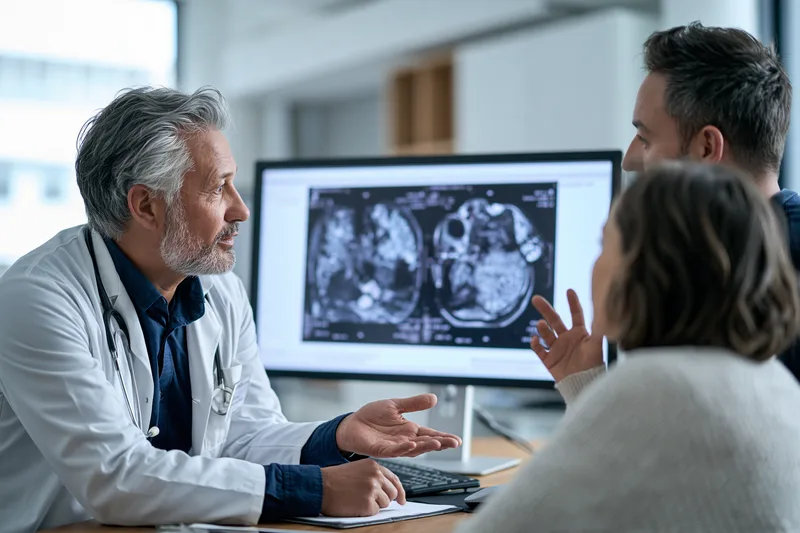
Once desmoid tumor symptoms have led to imaging, biopsy, and a confirmed diagnosis, the clinical question changes. The focus is no longer on identifying the lump but on deciding whether the tumor can be monitored safely or needs treatment. This decision depends on its location, recent growth, pain, effect on movement or organ function, and the risks associated with intervention. A confirmed desmoid tumor does not automatically require immediate surgery or systemic treatment [4,5].
Establishing the Baseline After Diagnosis
The first step is to establish a reliable baseline against which future changes can be measured. The treating team reviews the MRI or CT, pathology findings, tumor dimensions, anatomical boundaries, and relationship to nearby nerves, muscles, blood vessels, bowel, and other organs. Previous scans are valuable because they may show whether the tumor was already growing before the diagnosis was confirmed.
The baseline should also include the patient’s actual symptom burden. Pain severity, sleep disturbance, walking ability, joint movement, bowel function, food tolerance, neurological symptoms, and ability to work or manage personal care may influence treatment as much as the scan measurement. A tumor that appears stable in size may still require attention if pain or functional restriction is increasing.
Desmoid tumors have an unpredictable clinical course. Some remain stable for long periods, some decrease without tumor directed treatment, and others continue to grow or cause progressive symptoms. For this reason, a single scan cannot always predict future behaviour. Decisions are usually based on changes observed over time rather than on the diagnosis alone [4,5].
When Active Surveillance May Be Chosen
Active surveillance may be appropriate when the tumor is not threatening an important structure, symptoms are mild or manageable, and there is no clear evidence of clinically significant progression. This approach involves planned clinical reviews and repeat imaging rather than waiting without supervision.
The interval between scans is individualized according to the tumor location, symptom pattern, previous growth, and level of anatomical risk. A superficial tumor away from major structures may allow a different monitoring schedule from an intra abdominal tumor close to the bowel or blood vessels. New pain, neurological symptoms, bowel changes, or loss of function may lead to earlier imaging even when the next routine scan is not yet due.
Active surveillance can protect the patient from unnecessary treatment because surgery and systemic therapies can carry substantial burdens. It also allows the clinical team to understand the natural behaviour of the individual tumor. However, surveillance remains an active medical plan. Appointments, symptom records, imaging, and functional assessment must continue consistently.
Ayurvedic care during this period should be structured around the confirmed anatomical findings. The aim may include supporting Agni, bowel regularity, sleep, Bala, mobility, pain control, and tissue nourishment while the tumor is being monitored. Improvement in appetite, pain, sleep, or energy is valuable, but it should be assessed alongside scheduled imaging because symptomatic relief alone does not establish that the tumor is stable.
When Desmoid Tumor Symptoms May Lead to Treatment
Treatment becomes more relevant when serial imaging shows progression, pain is persistent or worsening, movement is becoming restricted, or the tumor is placing an important structure at risk. Increasing bowel pressure, recurrent obstruction symptoms, spreading numbness, declining strength, or compression of a major blood vessel may require a more active approach.
The choice is not based on tumor size alone. Location, rate of change, previous treatment, age, general health, fertility considerations, and the consequences of leaving the tumor untreated all influence the decision. A smaller tumor close to a major nerve may create greater clinical risk than a larger tumor in a less sensitive area.
Available approaches may include systemic treatment, selected local procedures, radiotherapy, or surgery. Surgery is generally considered selectively rather than automatically because removing an infiltrative desmoid tumor can cause functional loss, and recurrence may still occur. Local procedures may be suitable for some accessible tumors, while systemic treatment may be preferred when disease is progressing, difficult to remove safely, or affecting several structures [4,5].
Nirogacestat is an approved systemic option in the United States for adults with progressing desmoid tumors who require systemic treatment. In the phase 3 DeFi trial, treatment improved progression free survival, tumor response, pain, symptoms, and physical function compared with placebo, but adverse effects and reproductive considerations require careful discussion before treatment [6].
Integrating Ayurveda After the Diagnosis Is Clear
A confirmed diagnosis allows Ayurvedic treatment to become more precise. The plan can be developed around the tumor location, Mamsa and Snayu involvement, Vata related pain or functional restriction, Agni, bowel safety, Bala, Ojas, sleep, appetite, and the effects of any conventional treatment already being used.
A patient with an abdominal tumor causing constipation and reduced food tolerance requires a different strategy from someone with a stable shoulder tumor causing pain and limited movement. The formulation, dose, diet, and external procedures should reflect these differences rather than following one standard protocol for every desmoid tumor.
The complete medication list should be reviewed before combining Ayurvedic formulations with systemic therapy. Liver and kidney function, bowel tolerance, bleeding risk, nutritional status, and possible medicine interactions may affect what can be used safely. Any bhasma, concentrated extract, or complex herbal formulation should have clear ingredients, controlled manufacturing, and a clinical reason for inclusion.
Follow up should measure more than tumor dimensions. Pain frequency, sleep quality, range of movement, walking ability, bowel function, appetite, weight, strength, and independence in daily activities help show whether the patient is improving in ways that matter. These outcomes should be interpreted together with imaging and specialist review so that Ayurvedic care remains responsive to both the person and the biological behaviour of the tumor.
Do You Have Desmoid Tumor Symptoms or a Suspicious Scan Finding

Desmoid tumor symptoms such as a persistent lump, unexplained swelling, deep pain, abdominal pressure, restricted movement, tingling, or progressive bowel changes deserve a structured clinical review. The purpose of the consultation is not to label every lump as a desmoid tumor, but to understand whether the available examination, imaging, and pathology provide a clear diagnosis and whether any nearby organ, nerve, muscle, or blood vessel is at risk.
Patients may seek guidance before biopsy, after an unexpected ultrasound or scan finding, following a confirmed pathology report, or when symptoms continue despite previous treatment. The assessment should begin with the exact location of the mass, the duration and progression of symptoms, changes in function, and any previous surgery or treatment involving the same area.
What to Share for a Desmoid Tumor Assessment
Available ultrasound, MRI, CT, biopsy, histopathology, immunohistochemistry, molecular testing, operation notes, and previous treatment records should be reviewed together. Original scan images are often more informative than the written report alone because they show how the mass relates to the bowel, muscles, nerves, joints, blood vessels, and surrounding tissue.
The consultation should also include a clear history of pain, swelling, tingling, weakness, bowel disturbance, appetite, food tolerance, sleep, and changes in daily activity. A family history of familial adenomatous polyposis, multiple colorectal polyps, early colorectal cancer, or desmoid tumors should be mentioned because it may affect further investigation [4,5].
Ayurvedic assessment can then examine the patient’s constitution, Agni, Bala, bowel function, tissue involvement, pain pattern, sleep, nourishment, and treatment tolerance. This allows the plan to be individualized according to the person’s current strength and the anatomical risk of the tumor rather than using the same formulation or procedure for every patient.
Planning Ayurveda After the Clinical Risk Is Understood
Ayurvedic care may be considered after the diagnosis and immediate medical risks are clear. A patient with a stable superficial tumor and mild pain requires a different approach from someone with an intra abdominal mass, repeated vomiting, bowel compression, progressive weakness, or major loss of function.
The treatment plan should therefore consider the pathology, scan findings, recent growth, symptoms, current medicines, liver and kidney function, nutritional status, and any conventional therapy already in progress. Strong purgation, deep massage, vigorous local pressure, or intensive heat should not be used over a suspected or confirmed tumor without understanding its depth and relationship to vulnerable structures.
The aim of care is to support the patient safely through pain, digestive disturbance, weakness, sleep loss, restricted movement, and treatment related stress while the tumor is monitored through appropriate medical follow up. Any severe abdominal pain, repeated vomiting, inability to pass stool or gas, rapidly worsening numbness, sudden weakness, or major loss of limb function requires urgent medical assessment rather than a routine consultation.
Frequently Asked Questions
What are the first desmoid tumor symptoms?
The first sign may be a firm lump, localized swelling, deep aching, pressure, tightness, or restricted movement. A tumor inside the abdomen may instead cause recurring pain, bloating, constipation, nausea, vomiting, or early fullness. Some desmoid tumors cause no symptoms and are discovered during imaging for another condition.
What does a desmoid tumor lump feel like?
A desmoid tumor may feel firm, deep, and less mobile than a superficial fatty lump. Its edges may be difficult to define when it grows within muscle or connective tissue. However, the feel of a mass cannot distinguish a desmoid tumor from scar tissue, lipoma, hernia, hematoma, or another soft tissue tumor.
Are desmoid tumors painful?
Desmoid tumors can be painful, but some remain painless. Pain may develop when the tumor stretches fascia, restricts muscle movement, or presses on a nerve, joint, bowel loop, or nearby organ. The discomfort may feel like aching, pulling, burning, cramping, tenderness, or deep pressure depending on its location .
What are abdominal desmoid tumor symptoms?
Abdominal desmoid tumor symptoms may include a firm abdominal wall lump, localized pulling pain, deep pressure, persistent bloating, constipation, nausea, vomiting, early fullness, or reduced food tolerance. Tumors arising within the mesentery may remain hidden until they begin compressing the bowel or other nearby structures.
Can a desmoid tumor cause bloating and constipation?
A deep abdominal desmoid tumor may cause bloating and constipation when it occupies space or restricts normal bowel movement. These symptoms are also common in many digestive disorders. Increasing distension, repeated vomiting, severe pain, or inability to pass stool or gas requires urgent medical assessment because bowel obstruction may be present.
Can a desmoid tumor exist without a visible lump?
Yes. Tumors inside the abdomen, pelvis, shoulder, thigh, chest wall, or other deep tissues may not be visible or easy to feel. The first signs may be persistent pressure, pain, stiffness, tingling, bowel changes, or loss of normal movement. Imaging is needed to locate and assess a hidden mass.
Can desmoid tumor symptoms affect movement?
A desmoid tumor near a muscle, fascia, tendon, joint, or nerve may cause stiffness, weakness, pulling pain, altered sensation, or reduced range of movement. A patient may struggle with reaching, lifting, gripping, walking, climbing stairs, bending, exercising, or sleeping comfortably. Functional loss may occur even when the lump appears unchanged .
Can a desmoid tumor cause numbness or tingling?
Numbness, tingling, burning discomfort, or pain travelling along a limb may occur when a tumor presses on or irritates a nearby nerve. These symptoms do not prove that the nerve has been invaded. Progressive numbness, weakness, loss of grip, unstable walking, or sudden loss of movement needs prompt assessment .
How quickly can a desmoid tumor grow?
The growth pattern varies considerably. Some desmoid tumors remain stable for long periods, some reduce without tumor directed treatment, and others continue to enlarge or cause worsening symptoms. One examination cannot predict future behaviour. Changes are assessed through symptom monitoring, functional evaluation, and comparison of scans taken over time.
Can desmoid tumor symptoms confirm the diagnosis?
No. A firm lump, pain, abdominal pressure, swelling, or restricted movement can occur in many conditions. Ultrasound, MRI, or CT can show the location and extent of a mass, but a core needle biopsy with expert pathology is commonly required to confirm desmoid type fibromatosis and exclude other tumors.
Which scan is used for suspected desmoid tumor symptoms?
Ultrasound may be used initially for a superficial or abdominal wall lump. MRI is often preferred for tumors involving the limbs, shoulder, chest wall, abdominal wall, or other soft tissues. CT is commonly used for deep abdominal and pelvic masses because it shows their relationship to the bowel, organs, and blood vessels.
Is a biopsy necessary for a desmoid tumor?
A core needle biopsy is commonly needed before a tumor specific treatment plan is made. The tissue allows a pathologist to evaluate its cellular pattern and supporting markers. CTNNB1 testing and nuclear beta catenin findings may support the diagnosis, while APC related assessment may be considered when inherited disease is suspected.
When are desmoid tumor symptoms an emergency?
Emergency assessment is needed for severe or rapidly worsening abdominal pain, repeated vomiting, marked abdominal distension, inability to pass stool or gas, sudden major weakness, spreading numbness, a cold or pale limb, difficulty breathing, or difficulty swallowing. These symptoms may indicate obstruction or compression of an important structure.
Are desmoid tumors associated with familial adenomatous polyposis?
Some desmoid tumors are associated with familial adenomatous polyposis and inherited APC gene changes, although most cases are sporadic. Further assessment may be considered when the tumor is intra abdominal, occurs at a younger age, is multiple, or accompanies a personal or family history of numerous colorectal polyps or early colorectal cancer.
Can Ayurveda diagnose a desmoid tumor from symptoms?
Ayurveda can assess the qualities of the swelling, pain pattern, tissue involvement, obstruction, digestion, bowel function, strength, sleep, and functional loss. These findings support individualized clinical understanding, but they cannot establish the pathological identity of a mass. Imaging and biopsy remain necessary when a desmoid tumor is suspected.
How can Ayurveda support a patient with a confirmed desmoid tumor?
Ayurvedic care may be individualized around pain, restricted movement, digestive disturbance, constipation, poor appetite, sleep loss, weakness, and treatment tolerance. The plan should reflect the confirmed tumor location, scan findings, bowel safety, current medicines, and patient strength. Strong massage, forceful manipulation, purgation, or intensive heat may be unsuitable when vulnerable structures are involved.
References
[1] National Cancer Institute
National Cancer Institute. (2019, February 27). Desmoid tumor. Center for Cancer Research.
https://www.cancer.gov/pediatric-adult-rare-tumor/rare-tumors/rare-soft-tissue-tumors/desmoid-tumor
Brief: This patient resource supports the descriptions of pain, swelling, sleep loss, movement difficulty, asymptomatic tumors, CT, MRI, ultrasound and needle biopsy. It also confirms that abdominal desmoid tumors can obstruct the intestine and discusses APC and beta catenin involvement. Cancer.gov
[2] Cleveland Clinic
Cleveland Clinic. (2025, May 27). Desmoid tumors: Symptoms, causes and treatment.
https://my.clevelandclinic.org/health/diseases/22075-desmoid-tumors
Brief: This medically reviewed source supports location based symptoms, including a lump in the abdomen or limbs, nausea, vomiting, pain, tingling and impaired movement. It also explains the role of CT, MRI, biopsy, FAP assessment and active surveillance. Cleveland Clinic
[3] Mayo Clinic
Mayo Clinic Staff. (2026, September 4). Desmoid tumors: Symptoms and causes. Mayo Clinic.
https://www.mayoclinic.org/diseases-conditions/desmoid-tumors/symptoms-causes/syc-20355083
Brief: This source supports the description of a firm visible mass, localized swelling, pain, abdominal nausea and vomiting. It also explains that symptoms depend on tumor location and that biopsy and other investigations are needed because desmoid tumors can resemble other soft tissue tumors. Mayo Clinic
[4] Updated International Review and Consensus
Kasper, B., Baldini, E. H., Bonvalot, S., Callegaro, D., Cardona, K., Colombo, C., Corradini, N., Crago, A. M., Dei Tos, A. P., Dileo, P., Elnekave, E., Erinjeri, J. P., Navid, F., Farma, J. M., Ferrari, A., Fiore, M., Gladdy, R. A., Gounder, M., Haas, R. L., . . . Gronchi, A. (2024). Current management of desmoid tumors: A review. JAMA Oncology, 10(8), 1121–1128.
https://pubmed.ncbi.nlm.nih.gov/38900421/
Brief: This review updates the international consensus approach to desmoid tumor management. It emphasizes multidisciplinary assessment and selection of treatment according to symptoms, anatomical location, functional risk, tumor behaviour and the patient’s preferences rather than tumor size alone. PubMed
[5] Global Desmoid Tumor Guideline
Desmoid Tumor Working Group. (2020). The management of desmoid tumours: A joint global consensus based guideline approach for adult and paediatric patients. European Journal of Cancer, 127, 96–107.
https://pubmed.ncbi.nlm.nih.gov/32004793/
Brief: This global guideline supports molecular assessment, CTNNB1 and APC related disease evaluation, active surveillance and individualized treatment selection. It documents the shift away from routine immediate surgery toward more conservative and patient specific management. PubMed
[6] Nirogacestat Phase 3 Trial
Gounder, M., Ratan, R., Alcindor, T., Schöffski, P., van der Graaf, W. T., Wilky, B. A., Riedel, R. F., Lim, A., Smith, L. M., Moody, S., Attia, S., Chawla, S., D’Amato, G., Federman, N., Merriam, P., Van Tine, B. A., Vincenzi, B., Benson, C., Bui, N. Q., . . . Kasper, B. (2023). Nirogacestat, a γ-secretase inhibitor for desmoid tumors. The New England Journal of Medicine, 388(10), 898–912.
https://pubmed.ncbi.nlm.nih.gov/36884323/
Brief: This international randomized phase 3 trial included 142 adults with progressing desmoid tumors. Nirogacestat improved progression free survival, tumor response, pain, symptom burden, physical function and quality of life compared with placebo, although gastrointestinal adverse effects and ovarian dysfunction require careful counselling. PubMed
[7] Current Diagnostic and Treatment Review
Mangla, A., Agarwal, N., & Schwartz, G. (2024). Desmoid tumors: Current perspective and treatment. Current Treatment Options in Oncology, 25(2), 161–175.
https://pubmed.ncbi.nlm.nih.gov/38270798/
Brief: This review covers diagnosis, molecular pathways, active surveillance, spontaneous regression, systemic medicines, cryoablation and the changing role of surgery. It supports the article’s explanation that treatment is not automatically required immediately after diagnosis. PubMed
[8] Patient Tailored Management Review
Spolverato, G., Capelli, G., Kasper, B., & Gounder, M. (2022). Management of desmoid tumors. Surgical Oncology Clinics of North America, 31(3), 447–458.
https://pubmed.ncbi.nlm.nih.gov/35715144/
Brief: This review describes the shift toward conservative, patient tailored management. It identifies active surveillance as the initial strategy for many patients and explains how systemic or local treatment may be selected when growth, pain, functional impairment or anatomical risk requires active intervention.