



- What Is Recurrent Small Cell Lung Cancer?
- When Does Small Cell Lung Cancer Relapse?
- Recurrent Small Cell Lung Cancer Symptoms
- Ayurveda-Led Curative-Intent Model for Recurrent SCLC
- Classical Ayurvedic Foundation for Recurrent Small Cell Lung Cancer
- How We Personalise Treatment After SCLC Relapse
- How Recurrent Small Cell Lung Cancer Is Confirmed and Restaged
- Modern Treatment Options for Recurrent Small Cell Lung Cancer
- Coordinating Ayurveda With Modern Treatment for Recurrent Small Cell Lung Cancer
- What Modern Research Supports About Ayurveda in Cancer Care
- Symptoms That Require Immediate Hospital Assessment
- Frequently Asked Questions
- Reference
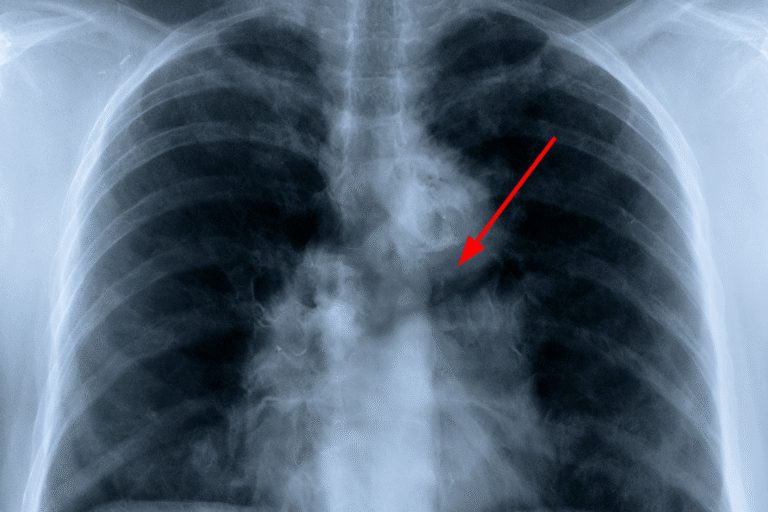
Recurrent small cell lung cancer means that the cancer has returned or started growing again after an earlier response to chemotherapy, immunotherapy, radiation therapy or a combination of these treatments. The recurrence may remain within the chest, appear in the brain, liver, bones or adrenal glands, or involve several areas of the body at the same time [1–4].
Receiving news of recurrence can be frightening, but it does not mean that treatment has ended. Several treatment options may still be available, including tarlatamab, lurbinectedin, topotecan, platinum rechallenge, radiation therapy and carefully selected clinical trials [1, 3–6]. The most appropriate option depends on where the cancer has returned, how quickly it returned, which treatments you previously received and how well your body can tolerate further treatment.
What Recurrence Means for You
Small cell lung cancer often responds rapidly to the first course of treatment. However, some cancer cells may remain too small to be identified on a scan, while other cells may gradually become resistant to the medicines that were previously effective. These surviving cells can later multiply and produce a new tumour or metastatic lesion [1, 4, 7].
You may notice a worsening cough, increasing breathlessness, chest pain, weakness, loss of appetite or unexplained weight loss. A patient with brain recurrence may develop headaches, confusion, imbalance, vision changes, weakness or seizures. Bone involvement may cause persistent pain, while liver involvement may produce abdominal discomfort, reduced appetite, dark urine or jaundice [2, 9–13].
Symptoms alone cannot confirm that the cancer has returned. Similar complaints may also occur because of infection, radiation-related changes, anaemia, treatment toxicity, blood clots or another medical condition. Your doctor therefore needs to compare current scans, blood tests and symptoms with your previous treatment records before deciding the next step.
Why Reassessment Should Not Be Delayed
Recurrent SCLC can progress quickly, so early reassessment is important. A contrast-enhanced CT scan, brain MRI and relevant blood investigations help identify the location and extent of the recurrence. PET-CT, bone imaging or another biopsy may be advised when the findings are uncertain or when the result could change the treatment plan [1, 4, 8].
The doctor also reviews your blood counts, liver function, kidney function, electrolyte levels, oxygen requirement, body weight and daily activity. A patient with good organ function and preserved physical strength may be able to receive a more intensive treatment than someone experiencing severe weakness, infection, low blood counts or major organ impairment.
The time between the completion of initial treatment and the return of cancer is also important. When SCLC returns after a longer treatment-free interval, the original platinum-based chemotherapy may sometimes be considered again. When the cancer progresses during treatment or returns very soon afterward, a different treatment strategy is generally required [1, 4, 5, 17].
Our Ayurveda-Led Curative-Intent Approach
We do not view recurrent SCLC only as a returning lung tumour or manage it merely through temporary relief of cough, weakness or loss of appetite. We assess the tumour burden, metastatic pattern, respiratory capacity, digestive and metabolic strength, tissue depletion, organ function, previous treatment response and the patient’s ability to tolerate further therapy [39].
Our clinical intention is to work toward measurable tumour regression, restriction of further spread, restoration of respiratory function and durable disease control. This is described as a curative-intent model because the treatment is directed toward the disease process and not limited to supportive symptom management. However, no responsible physician should guarantee a cure before studying the pathology, scans, relapse pattern and complete clinical condition of the patient.
Ayurvedic treatment is personalised according to the individual case. A person with chest-limited recurrence, preserved strength and a longer remission requires a different strategy from a person with brain or liver metastases, severe weight loss, low blood counts or oxygen dependence. We therefore do not recommend one fixed formulation for every patient.
Modern oncology treatment may still be required when rapid tumour control, brain radiation, airway intervention or urgent management of treatment complications is necessary. We coordinate the Ayurvedic plan with the patient’s oncology treatment while monitoring scans, blood counts, liver and kidney function, oxygen saturation, body weight and functional capacity. Improvement in appetite, breathing or energy is valuable, but remission must be confirmed through objective imaging and sustained follow-up [8, 23, 24, 39].
Readers seeking a detailed explanation of this treatment framework may also refer to our dedicated guide, Ayurvedic Treatment for Small Cell Lung Cancer [39].
What Is Recurrent Small Cell Lung Cancer?
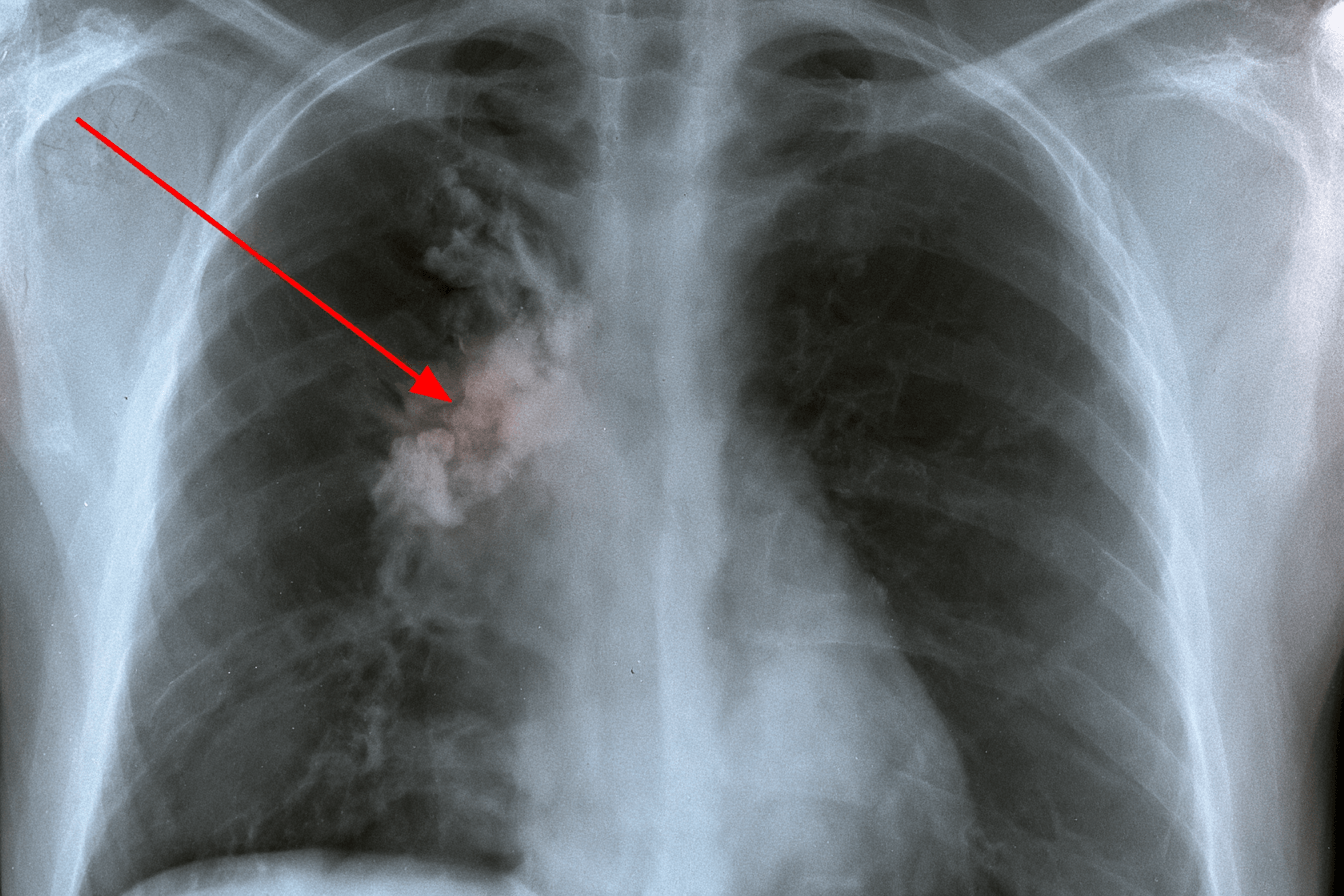
Recurrent small cell lung cancer means that SCLC has returned after it previously became smaller, disappeared from scans or remained controlled for a period following treatment. The cancer may return in the original lung, nearby lymph nodes, the brain, liver, bones, adrenal glands or several organs at the same time [1–4].
SCLC is known for growing and spreading rapidly. Although it often responds well to the first course of chemotherapy and radiation, the response may not remain permanent because a small number of resistant cancer cells can survive treatment [1, 4, 7].
Recurrence and Progression Are Not Exactly the Same
Recurrence usually means that the cancer returned after a period in which it had reduced significantly or was no longer detectable on routine scans. Progression means that the cancer continued to grow during treatment or started growing soon after treatment was completed [1, 3–5].
This distinction is important because it helps your doctor estimate how the cancer may respond to the next treatment. A patient whose cancer remained controlled for several months may have more treatment options than a patient whose disease progressed during the original chemotherapy.
The term “relapsed SCLC” is commonly used when the cancer returns after an initial response. The term “refractory SCLC” is often used when the cancer does not respond adequately to the first treatment or progresses while treatment is still being given [1, 4, 5].
Where Can Small Cell Lung Cancer Return?
Local recurrence means that cancer has returned in the same lung or close to the original tumour. It may cause increasing cough, breathlessness, chest discomfort, wheezing, repeated chest infection or blood in the sputum.
Regional recurrence means that cancer has returned in nearby lymph nodes or other structures within the chest. Enlarged lymph nodes or a growing chest tumour may press on the airway, food pipe, nerves or major blood vessels.
Distant recurrence means that cancer has appeared outside the original chest area. The brain, liver, bones and adrenal glands are among the common sites that require careful assessment in a patient with recurrent SCLC [1–4, 9–13].
The site of recurrence affects both symptoms and treatment. A single painful bone lesion may require local radiation, while brain metastases may require urgent neurological assessment and brain-directed treatment. Widespread recurrence involving several organs generally requires a systemic treatment strategy.
Why Can SCLC Return After a Good Initial Response?
Chemotherapy and radiation may destroy most visible cancer cells, but a small population can sometimes survive. These remaining cells may be too small to appear on routine imaging and may begin multiplying again after treatment has ended.
SCLC is not always made of identical cancer cells. Different groups of cells may have different biological features, and some may be naturally less sensitive to treatment. Research has shown that tumour diversity can increase after resistance develops, allowing the disease to continue growing despite medicines that were previously effective [7].
Treatment itself can also create selection pressure. Sensitive cancer cells are destroyed first, while resistant cells survive and become a larger proportion of the remaining tumour. This helps explain why the second response is often shorter than the first response, although meaningful tumour control can still be achieved in selected patients [1, 3–6].
Recurrence is not caused by the patient eating one particular food, missing a supplement or thinking negatively. It is primarily related to the aggressive biology of SCLC, microscopic residual disease and the development of treatment resistance.
Is Recurrent SCLC Always Widespread?
Recurrent SCLC is not identical in every patient. Some people have recurrence mainly within the chest, while others develop one or a few distant lesions. Another patient may have simultaneous recurrence in the brain, liver, bones and lymph nodes.
A limited recurrence may sometimes allow focused treatment such as radiation alongside systemic therapy. However, even when only one lesion is visible, the medical team must consider the possibility of microscopic disease elsewhere because SCLC frequently behaves as a systemic cancer [1–5].
For this reason, the patient usually requires complete restaging rather than investigation of only the painful or symptomatic area. Chest and abdominal imaging, brain MRI, blood tests and functional assessment help determine the true extent of the disease.
How We Understand Recurrence at Panaceayur
At Panaceayur, we first study the modern diagnosis, pathology, previous response and current metastatic pattern. We then assess the patient’s respiratory function, digestion, metabolism, strength, tissue depletion, organ reserve and ability to tolerate further treatment.
We do not consider every recurrence to be the same condition requiring the same medicine. A patient with a small chest recurrence after a long remission requires a different plan from someone with rapid progression, brain metastases, severe weight loss, low blood counts or liver impairment.
Our Ayurveda-led curative-intent model is therefore based on individual disease mapping and objective monitoring. The intention is to address the recurrent tumour while also protecting respiratory capacity, nutritional status, Bala, organ function and treatment tolerance.
Symptoms such as better appetite, improved breathing or increased strength are important, but they cannot by themselves confirm that the cancer has reduced. We assess progress through repeat imaging, blood investigations, oxygen requirement, body weight and functional status so that treatment decisions remain measurable and clinically responsible [8, 23, 24, 39].
When Does Small Cell Lung Cancer Relapse?
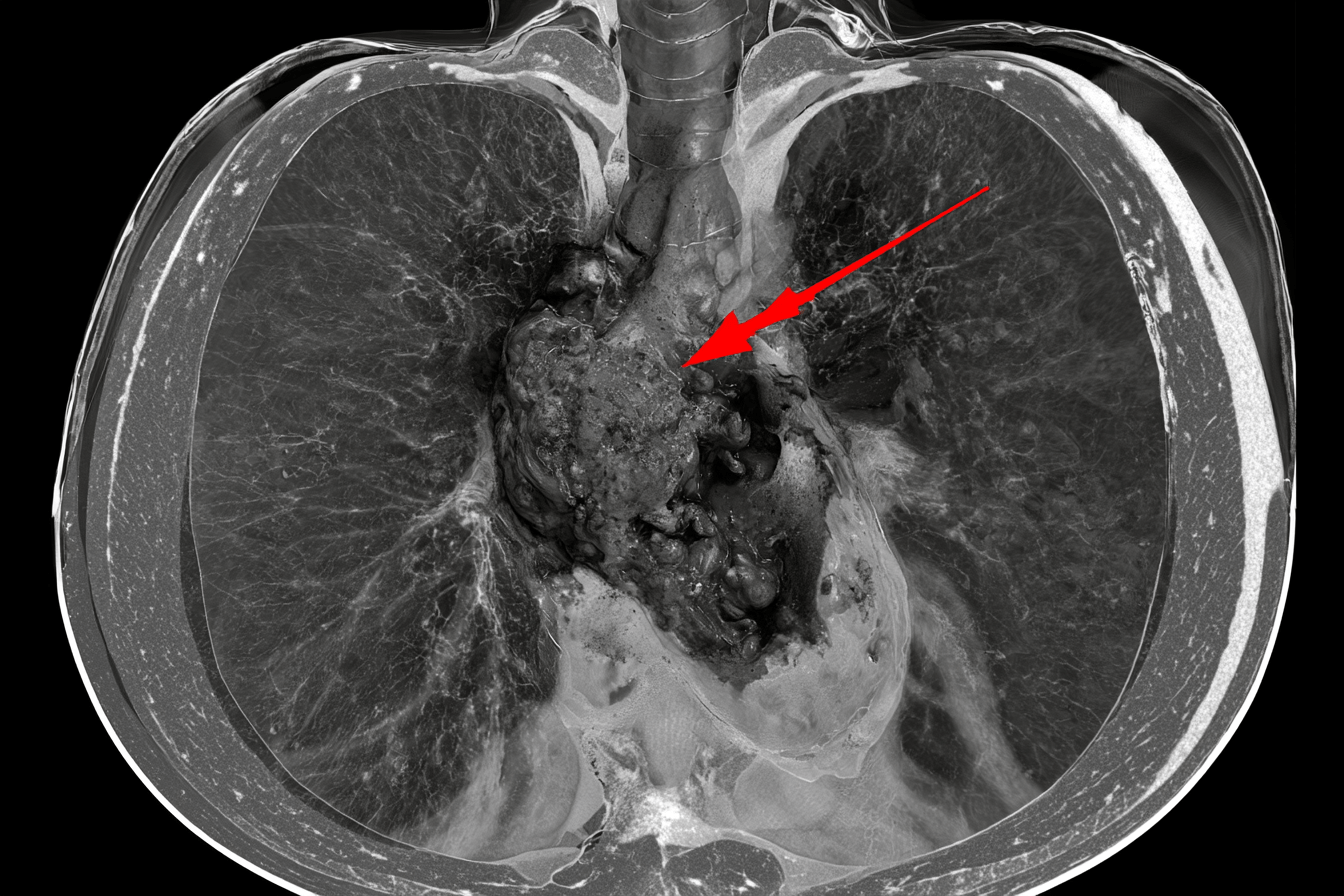
Small cell lung cancer may return while the first treatment is still being given, within a few weeks or months after treatment, or after a longer period of disease control. The timing of recurrence is one of the most important factors used to select the next treatment because it gives an indication of how sensitive the remaining cancer cells may be to the original chemotherapy [1, 4–6].
A longer treatment-free interval generally suggests that the cancer retained some sensitivity to platinum-based chemotherapy. When SCLC progresses during treatment or returns very soon after treatment, the surviving cancer cells are more likely to be resistant, and a different treatment strategy is usually required.
Refractory, Resistant and Sensitive Relapse
Recurrent SCLC is commonly divided into refractory, resistant and sensitive disease. These categories help the treating team estimate the likelihood of another response, but they should not be used as the only basis for treatment.
| Relapse category | Common clinical meaning | Possible treatment implication |
|---|---|---|
| Refractory SCLC | The cancer does not shrink adequately or progresses during first-line treatment | Repeating the same chemotherapy is unlikely to provide a strong response |
| Resistant relapse | The cancer returns within approximately 90 days after completing first-line chemotherapy | A different systemic treatment is usually considered |
| Sensitive relapse | The cancer initially responds and remains controlled for more than approximately 90 days | Platinum and etoposide may be reconsidered in selected patients |
| Later sensitive relapse | The cancer returns after a considerably longer treatment-free interval | The possibility of platinum rechallenge may be greater if organ function and previous tolerance remain satisfactory |
The exact time boundary can vary between treatment guidelines and clinical trials. Some specialists use 90 days, while others apply a longer interval when deciding whether platinum rechallenge is appropriate. Your treatment should therefore not be selected only by counting the number of days since chemotherapy ended [1, 4, 5, 17].
What Is Refractory SCLC?
Refractory SCLC means that the cancer continued to grow during first-line treatment or failed to show a meaningful response. This pattern indicates that the tumour is not sufficiently sensitive to the medicines that were initially used.
A patient with refractory disease may require a different systemic medicine, a clinical trial or radiation for a particular symptomatic lesion. The doctor must also review whether the apparent progression is confirmed on imaging and whether infection, lung collapse, pleural fluid or treatment-related inflammation could be contributing to the findings.
Refractory disease is often more difficult to control, but the patient should not assume that no treatment remains. Tarlatamab, lurbinectedin, topotecan, other chemotherapy options and selected clinical trials may still be considered according to prior treatment, organ function and performance status [1, 3–6].
What Is Resistant Relapse?
Resistant relapse generally refers to cancer that returns within about 90 days after the completion of first-line chemotherapy. The short interval suggests that resistant cancer cells survived the original treatment and resumed growth soon afterward.
Repeating the same platinum combination may offer limited benefit in this situation. A different medicine is therefore usually selected, although the final decision depends on the exact treatment history, tumour burden, symptoms, blood counts and available therapies.
If your cancer has returned early, the speed of treatment planning becomes particularly important. Rapid progression may reduce appetite, body weight, oxygen level, bone marrow reserve and daily functioning, which can narrow the available treatment options.
What Is Sensitive Relapse?
Sensitive relapse means that the cancer responded to first-line treatment and remained controlled beyond the commonly used relapse interval. These patients may have a greater likelihood of responding to further chemotherapy than those with refractory or resistant disease.
In selected patients, carboplatin or cisplatin with etoposide may be used again. A phase 3 study found that carboplatin and etoposide could be an effective second-line option for appropriately selected patients with sensitive relapsed SCLC [17].
However, a previous response does not automatically mean that the original treatment should be repeated. The oncologist must consider kidney function, hearing, neuropathy, bone marrow recovery, previous side effects and the total amount of platinum already received.
A patient who experienced severe infection, prolonged low blood counts, kidney injury or significant nerve damage during the first course may require another option even when the relapse occurred after a longer interval.
Why a Longer Remission Does Not Guarantee the Same Response
A longer remission is favourable, but the recurrent cancer may not behave exactly as it did during the first treatment. The tumour can develop additional biological changes, and the second response may be shorter than the first.
The location of recurrence also matters. A small chest recurrence after a long interval is clinically different from simultaneous recurrence in the brain, liver and bones. Two patients with the same treatment-free interval may therefore require very different treatment plans.
We also consider how much strength the patient has retained. A person who is eating well, walking independently and maintaining stable organ function may tolerate treatment differently from someone with severe weight loss, oxygen dependence, infection or low blood counts.
How Panaceayur Uses the Relapse Interval
At Panaceayur, we do not treat the relapse interval as an isolated number. We combine it with the original pathology, previous treatment response, present scan findings, metastatic sites, rate of progression, blood results, respiratory condition and overall Bala.
When the relapse occurs after a longer period of control, our Ayurveda-led model considers how disease-directed treatment can be coordinated with possible platinum rechallenge or another oncology option. When recurrence is early or refractory, we place greater emphasis on aggressive disease mapping, treatment resistance, preservation of organ function and preventing rapid loss of strength.
The Ayurvedic prescription is not selected merely because the disease is labelled sensitive or resistant. We assess Agni, appetite, bowel function, weight loss, respiratory symptoms, sleep, tissue depletion, liver and kidney reserve and the patient’s capacity to complete further treatment.
Our intention remains measurable disease control and, where clinically achievable, durable remission. However, the response must be confirmed through repeat CT, brain MRI when indicated, blood investigations and functional assessment. A longer remission is encouraging, but no relapse category can guarantee a particular treatment result [8, 23, 24, 39].
Recurrent Small Cell Lung Cancer Symptoms
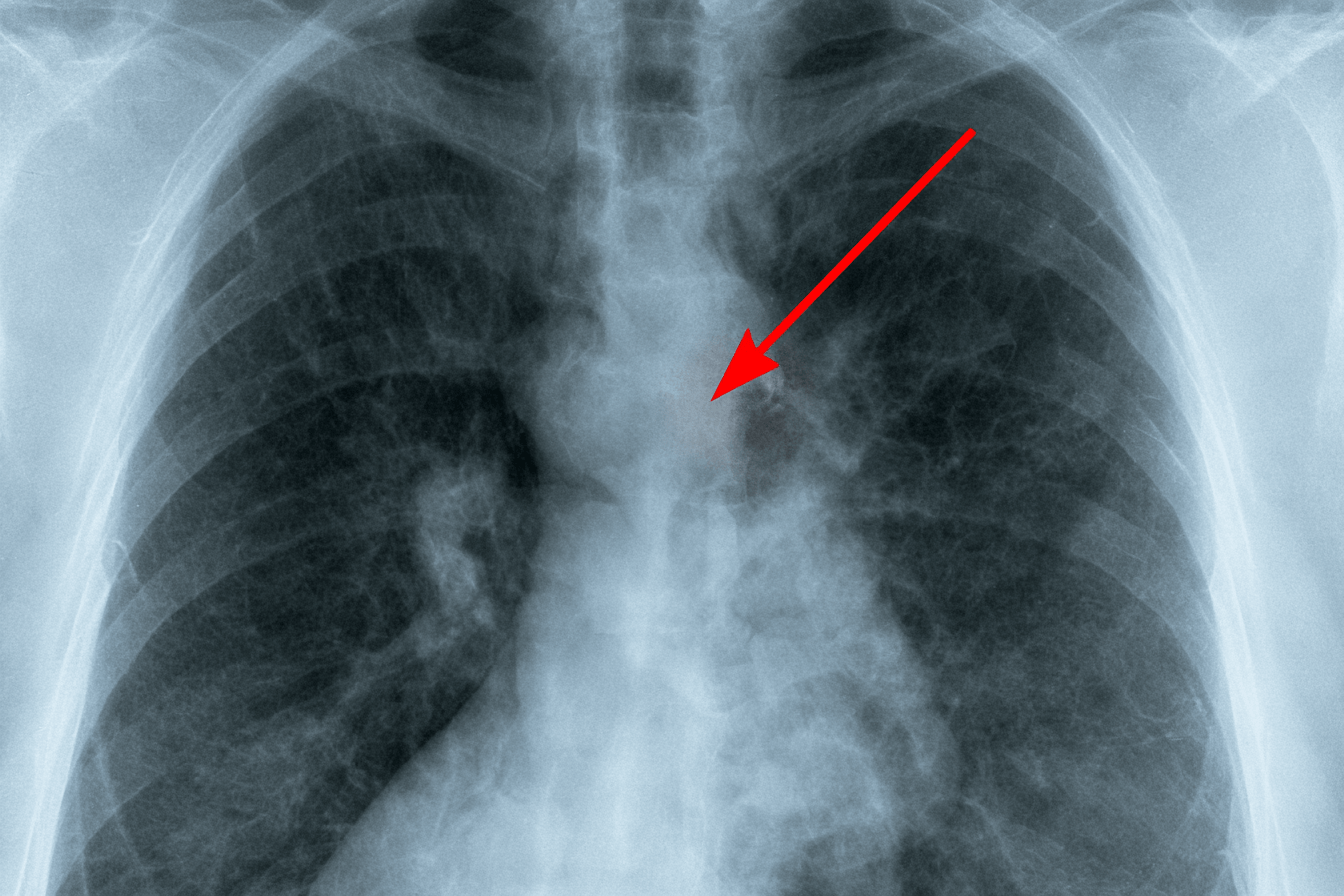
Recurrent small cell lung cancer may cause symptoms in the chest or in another organ where the cancer has spread. Some patients notice a clear change in breathing, pain, appetite or strength, while others have no new symptoms and recurrence is first identified during routine imaging [2, 8–12].
You should not assume that every new symptom means the cancer has returned. Infection, anaemia, blood clots, treatment toxicity, radiation related changes, pleural fluid and other medical conditions can produce similar complaints. However, a new or steadily worsening symptom after SCLC treatment should be assessed without delay.
Symptoms of Recurrence in the Lung or Chest
When SCLC returns in the lung, lymph nodes or nearby chest structures, the patient may develop a cough that is new, persistent or more severe than before. Increasing breathlessness, wheezing, chest pressure, chest pain, hoarseness and repeated chest infections may also occur [2, 9].
Some patients notice blood in the sputum or a reduction in oxygen saturation. A growing tumour can narrow an airway, cause collapse of part of the lung or contribute to fluid collection around the lung. These changes may make it difficult for you to walk, climb stairs, speak for long periods or sleep comfortably.
Cancer or enlarged lymph nodes in the upper chest may press on a major vein called the superior vena cava. This can cause swelling of the face, neck or arms, visible veins over the chest, headache and worsening breathlessness. Such symptoms require urgent medical assessment [9].
Symptoms of Brain Recurrence
The brain is an important site of recurrence in SCLC. A patient may develop a persistent headache, nausea, vomiting, unusual sleepiness, confusion, memory difficulty or a noticeable change in behaviour [10, 11].
Other possible signs include poor balance, difficulty walking, weakness on one side of the body, numbness, slurred speech, blurred vision, double vision or seizures. The symptoms depend on which area of the brain is affected and how much swelling is present.
Brain metastases do not always cause immediate symptoms. For this reason, your doctor may recommend a brain MRI even when you do not have a headache or another neurological complaint [4, 8, 11].
A new seizure, sudden weakness, severe headache with repeated vomiting, loss of consciousness or rapidly increasing confusion requires emergency hospital assessment.
Symptoms of Bone or Spinal Recurrence
When SCLC spreads to bone, the patient may experience persistent pain in the back, ribs, hips, shoulders or limbs. The pain may become worse at night, increase during movement or continue despite ordinary pain medicine [10, 13].
Cancer can weaken a bone and increase the risk of fracture after minor pressure or injury. Bone involvement may also raise the calcium level in the blood, which can contribute to thirst, constipation, nausea, weakness, confusion or excessive sleepiness.
Cancer involving the spine can press on the spinal cord. Severe back pain accompanied by leg weakness, numbness, difficulty walking or loss of bladder or bowel control is a medical emergency. Early treatment may help prevent permanent nerve damage [13].
Symptoms of Liver or Abdominal Recurrence
Liver metastases may initially produce few or no symptoms. As the disease progresses, the patient may notice discomfort in the right upper abdomen, abdominal fullness, reduced appetite, nausea, weakness or unexplained weight loss [10, 12].
Dark urine, pale stool, itching or yellowing of the eyes and skin may develop when liver function or bile flow is affected. Abdominal swelling can also occur because of liver enlargement or fluid accumulation.
These symptoms should be investigated through examination, liver function tests and appropriate imaging. They cannot confirm liver metastasis without objective assessment.
General and Metabolic Symptoms
Recurrent SCLC may cause increasing fatigue, poor appetite, loss of body weight, muscle wasting, reduced daily activity and a general decline in strength. A family member may notice that the patient spends more time resting, walks less or requires help with ordinary activities.
Some people develop recurrent infections, fever or worsening weakness because of cancer, low blood counts or previous treatment. Severe tiredness may also be related to anaemia, poor nutrition, dehydration, kidney dysfunction or liver impairment rather than tumour progression alone.
SCLC can sometimes produce hormone related or neurological syndromes. A low sodium level may cause headache, nausea, muscle cramps, confusion, seizures or drowsiness. Other patients may develop muscle weakness, difficulty rising from a chair or unusual neurological complaints [1, 2, 9].
Symptoms According to the Site of Recurrence
| Possible site of recurrence | Common symptoms |
|---|---|
| Lung or chest | Worsening cough, breathlessness, wheezing, chest pain, blood in sputum, hoarseness or repeated infection |
| Brain | Headache, vomiting, confusion, imbalance, weakness, vision change, speech difficulty or seizure |
| Bone | Persistent focal pain, night pain, reduced movement or fracture after minor injury |
| Spine | Severe back pain, leg weakness, numbness, walking difficulty or loss of bladder and bowel control |
| Liver | Right upper abdominal discomfort, poor appetite, nausea, dark urine, jaundice or abdominal swelling |
| General or metabolic | Weight loss, severe fatigue, weakness, low sodium symptoms, reduced activity or recurrent infection |
How We Assess Relapse Symptoms at Panaceayur
We do not select treatment only from a symptom such as cough, weakness or loss of appetite. We first determine whether the complaint is caused by active cancer, treatment toxicity, infection, organ dysfunction or another reversible condition.
We review when the symptom began, whether it is steadily worsening, how it affects sleep and daily activity, and whether it is associated with oxygen reduction, weight loss, fever, pain or neurological change. Current findings are compared with previous scans, blood investigations and treatment records.
The Ayurvedic assessment also considers Kāsa, Śvāsa, Agni, Bala, Dhātu Kṣaya, sleep, bowel function and nutritional decline. These observations help us understand the patient’s whole clinical condition, but they do not replace CT, brain MRI, laboratory testing or another medically indicated investigation.
Our treatment intention is not limited to temporarily reducing symptoms. We aim to address the recurrent disease while protecting breathing capacity, organ function, nutrition and physical strength. Any improvement must be followed by objective reassessment because reduced cough or better appetite alone cannot prove that the tumour has regressed [8, 23, 24, 39].
Ayurveda-Led Curative-Intent Model for Recurrent SCLC
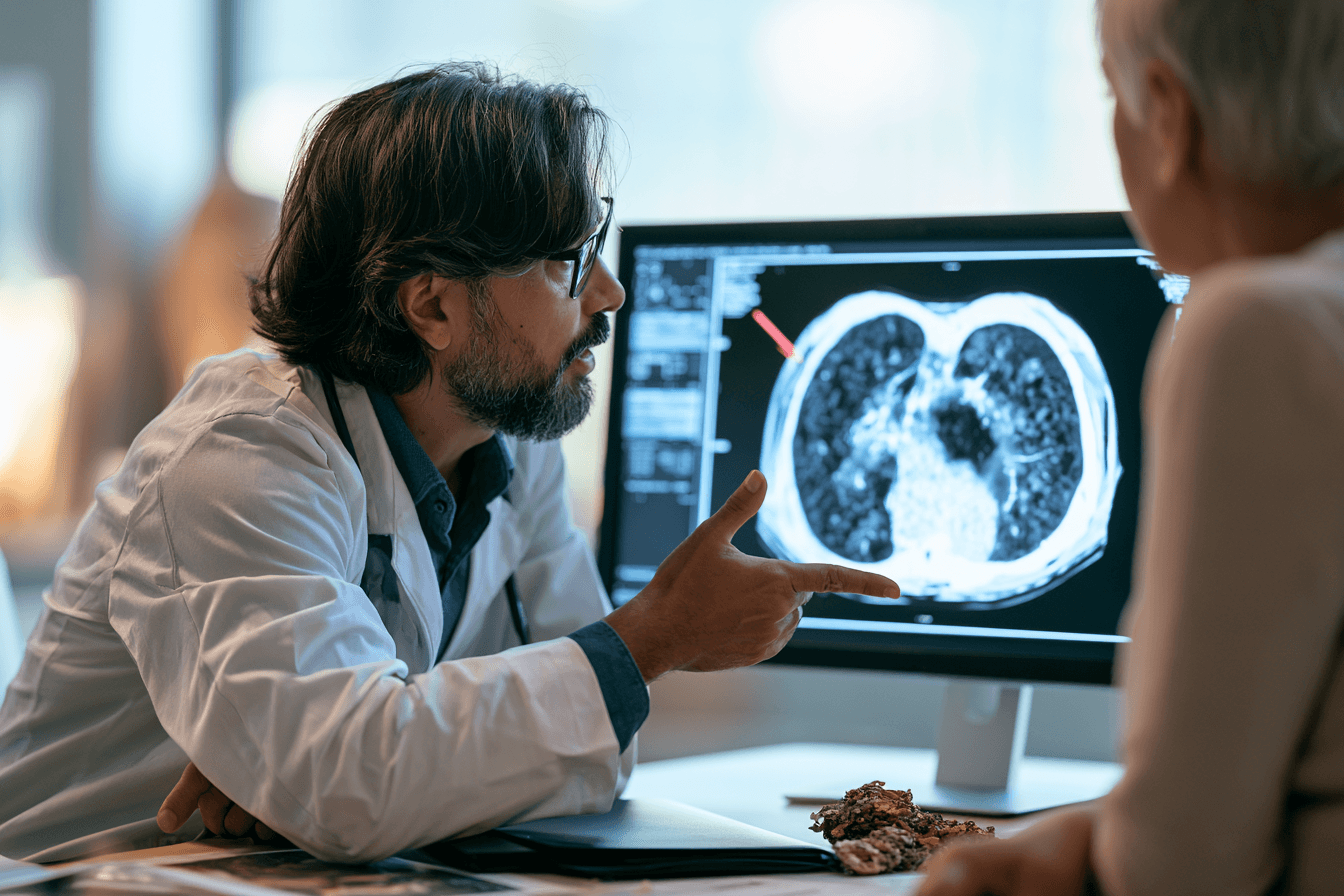
At Panaceayur, recurrent small cell lung cancer is not treated only as a returning lung mass. We study the tumour, its pattern of spread, treatment resistance, breathing capacity, digestive strength, tissue loss, organ function and the patient’s ability to tolerate further treatment.
Our approach is described as an Ayurveda-led curative-intent model because the treatment is directed toward measurable control of the recurrent disease. The clinical intention is to reduce tumour burden, restrict further spread, restore respiratory function, preserve vital organs and work toward durable remission wherever the individual condition permits.
Curative intent is different from a guaranteed cure. Before making any treatment decision, we must examine the pathology, previous treatment response, relapse interval, present scans, blood investigations and overall condition of the patient. The result must later be verified through imaging and sustained follow-up rather than assumed from symptomatic improvement alone [8, 23, 24, 39].
Why Our Approach Is Not Limited to Supportive Care
Supportive care generally focuses on controlling pain, cough, weakness, nausea, poor appetite and treatment-related discomfort. These measures are important, but they do not fully address why the cancer has returned or how rapidly it is progressing.
Our Ayurveda-led model places the recurrent tumour at the centre of treatment planning. We assess whether the disease is confined to the chest or has spread to the brain, liver, bones, adrenal glands or several organs. We also study whether the relapse is sensitive, resistant or refractory and how the cancer responded to previous chemotherapy, immunotherapy and radiation [1, 4–7].
At the same time, we do not separate the tumour from the patient. A medicine that appears appropriate for the cancer may still be unsuitable when the person has severe anaemia, low platelets, liver impairment, kidney dysfunction, infection, major weight loss or oxygen dependence. Therefore, the tumour and the patient’s remaining physiological reserve must be treated together.
Pillar One: Disease and Arbuda-Centred Assessment
The first pillar is a detailed assessment of the recurrent disease. We review the original biopsy, immunohistochemistry, initial stage, previous chemotherapy, immunotherapy, radiation, depth of response and exact date of recurrence.
The Ayurvedic assessment draws from the classical understanding of Arbuda and Granthi, which describes abnormal, deep-seated and persistent tissue growth. However, we do not claim that the classical texts described modern small cell lung cancer. SCLC is a modern pathological diagnosis, while Arbuda provides a broader Ayurvedic framework for understanding abnormal tissue growth and its relationship with Doṣa, Dhātu and Srotas [25–27].
The prescription is therefore not selected merely because the patient has lung cancer. It is prepared according to the location of recurrence, metastatic burden, speed of progression, previous treatment resistance and present organ function.
Pillar Two: Prāṇavaha Srotas and Respiratory Function
The lungs and respiratory pathways are assessed through the Ayurvedic concept of Prāṇavaha Srotas. We study the severity of cough, breathlessness, wheezing, chest pain, blood in sputum, oxygen reduction, pleural fluid, airway narrowing and recurrent infection.
A patient who becomes breathless while walking requires a different strategy from someone who is breathless even at rest. Similarly, a person with chest-limited recurrence requires a different plan from a patient whose breathing difficulty is caused by pleural fluid, infection, anaemia or extensive metastatic disease.
Classical principles related to Kāsa and Śvāsa help guide the assessment of cough and difficult breathing [31, 32]. These concepts are used alongside modern imaging, oxygen saturation and pulmonary evaluation rather than as replacements for them.
Our aim is not merely to suppress cough for a few hours. We seek to improve the underlying respiratory condition while monitoring whether the tumour, lymph-node pressure, pleural fluid or airway obstruction is actually reducing.
Pillar Three: Agni, Āma and Treatment Metabolism
Many patients with recurrent SCLC develop poor appetite, early fullness, nausea, constipation, diarrhoea, weight loss or difficulty tolerating medicines. In Ayurveda, these functions are assessed through Agni, which represents digestive and metabolic capacity.
When Agni is severely disturbed, the patient may not digest food properly, absorb nutrients adequately or tolerate a strong treatment plan. The person may continue losing weight even when food intake appears reasonable.
Āma is used as an Ayurvedic clinical concept for incompletely processed metabolic material and disturbed physiological processing. It should not be presented as the proven cause of SCLC. Instead, it helps us assess heaviness, poor digestion, coating of the tongue, bowel disturbance, reduced appetite and a general decline in metabolic efficiency [29, 30, 33].
We therefore review appetite, bowel function, body weight, albumin, total protein, liver function, kidney function and electrolyte levels. Restoring Agni is important because treatment cannot remain effective when the patient is progressively unable to eat, absorb nutrition or tolerate medicines.
Pillar Four: Dhātu, Bala and Ojas Reconstruction
Recurrent SCLC can progressively weaken the blood, muscles, body tissues and immune reserve. Previous chemotherapy and radiation may further contribute to anaemia, low white blood cells, low platelets, fatigue, poor sleep, infection and loss of physical independence.
Ayurveda describes this decline through concepts such as Dhātu Kṣaya, reduced Bala and disturbed Ojas. Dhātu Kṣaya refers to tissue depletion, Bala reflects functional strength and Ojas represents the deeper reserve required for stability, recovery and resilience.
We assess whether the patient can walk independently, complete daily activities, sleep adequately and maintain body weight. We also review blood counts, protein levels, infection history and the ability to recover between treatments.
Rasāyana principles may be applied according to the individual condition to rebuild strength and improve treatment tolerance [29, 30, 33, 34]. However, Rasāyana should not be used as a general tonic without first studying the active disease, digestion, liver function and concurrent oncology medicines.
Pillar Five: Objective Verification of Response
No treatment response should be judged only by how the patient feels. Better appetite, reduced cough, improved sleep and increased strength are encouraging, but they do not independently prove that recurrent SCLC has reduced.
We measure treatment progress through CT scans, brain MRI when indicated, laboratory investigations, oxygen requirement, body weight and ECOG performance status. Measurable lesions should be compared with earlier scans so that complete response, partial response, stable disease or progression can be identified objectively [8, 23, 24].
If the tumour continues to grow despite symptomatic improvement, the treatment plan must be reviewed. Similarly, temporary weakness during treatment does not automatically mean that the tumour is progressing. Imaging, examination and laboratory findings must be interpreted together.
Why Every Patient Requires a Different Treatment Plan
Two patients with recurrent SCLC may have the same diagnosis but very different clinical needs. One may have a small chest recurrence after a long remission, while another may have rapid progression involving the brain, liver and bones.
The first patient may have preserved appetite, normal blood counts and good daily functioning. The second may have oxygen dependence, jaundice, severe weight loss, low platelets and difficulty walking. Giving the same Ayurvedic formulation to both patients would ignore the biology of the disease and the condition of the individual.
We therefore prepare treatment after reviewing the complete case. The medicines, form of preparation, dose and monitoring schedule may change according to the relapse pattern, Doṣa involvement, Agni, Dhātu depletion, liver and kidney function, blood counts and concurrent oncology treatment.
Coordination With Modern Oncology Treatment
An Ayurveda-led model does not mean that urgent modern treatment should be delayed. Brain metastases, spinal cord compression, airway obstruction, severe bleeding, infection and rapidly worsening breathlessness may require immediate hospital treatment, radiation, a procedure or systemic therapy.
Tarlatamab, lurbinectedin, topotecan, platinum rechallenge and radiation may provide important disease control in suitable patients [14–22]. When one of these treatments is being used, we review the Ayurvedic prescription for possible interactions and overlapping effects on the liver, kidneys, bone marrow, blood pressure, neurological function and immune response.
We also monitor for fever, confusion, falling blood counts, infection, bleeding and organ dysfunction. Ayurvedic medicines should never be used to conceal a serious treatment-related reaction or delay emergency assessment.
Classical Ayurvedic Foundation for Recurrent Small Cell Lung Cancer

Ayurvedic texts do not describe small cell lung cancer as a modern histological diagnosis. SCLC is identified through biopsy, immunohistochemistry and imaging, while Ayurveda examines the disease through the condition of Doṣa, Dhātu, Srotas, Agni, Bala and Ojas.
At Panaceayur, we do not force recurrent SCLC into one classical disease name. We use Arbuda principles to understand abnormal tissue growth, Kāsa and Śvāsa principles to assess respiratory involvement, Rājayakṣmā principles to assess progressive tissue depletion and Rasāyana principles to restore Bala and physiological reserve. These classical frameworks are applied alongside pathology, CT scans, brain MRI and blood investigations [25–32].
Arbuda as a Framework for Abnormal Tissue Growth
Suśruta Saṃhitā provides an important description of Arbuda in Nidāna Sthāna, Chapter 11. It explains that disturbed Doṣas can affect Māṃsa Dhātu and produce a large, stable, deep-rooted and gradually increasing tissue growth [25, 26].
Sanskrit
गात्रप्रदेशे क्वचिदेव दोषाः सम्मूर्च्छिता मांसमभिप्रदूष्य ।
वृत्तं स्थिरं मन्दरुजं महान्तमनल्पमूलं चिरवृद्ध्यपाकम् ॥१३॥
कुर्वन्ति मांसोपचयं तु शोफं तमर्बुदं शास्त्रविदो वदन्ति ।
वातेन पित्तेन कफेन चापि रक्तेन मांसेन च मेदसा च ॥१४॥
Transliteration
Gātrapradeśe kvacideva doṣāḥ sammūrcchitā māṃsam abhipradūṣya,
vṛttaṃ sthiraṃ mandarujaṃ mahāntam analpamūlaṃ ciravṛddhyapākam.
Kurvanti māṃsopacayaṃ tu śophaṃ tam arbudaṃ śāstravido vadanti,
vātena pittena kaphena cāpi raktena māṃsena ca medasā ca.
Translation
When the disturbed Doṣas become established in a particular part of the body and affect Māṃsa Dhātu, they may produce a rounded, stable, mildly painful, large and deep-rooted growth. The learned authorities describe such abnormal tissue enlargement as Arbuda and explain its relationship with Vāta, Pitta, Kapha, Rakta, Māṃsa and Medas.
Text: Suśruta Saṃhitā
Section: Nidāna Sthāna
Chapter: 11, Granthyapacyarbuda Galagaṇḍa Nidāna
Verse numbers: 13–14 [25, 26]
This description gives us a classical framework for examining the location, depth, stability, tissue involvement and progression of an abnormal growth. It does not mean that every feature of Arbuda can be directly applied to SCLC.
For example, the verse describes Arbuda as gradually increasing, whereas small cell lung cancer often grows and spreads rapidly. Modern pathology must therefore remain the basis for confirming SCLC, while the Arbuda framework guides the individual Ayurvedic assessment.
Why Doṣa and Dhātu Assessment Matters
A tumour does not affect every patient in the same way. One person may have severe cough and breathlessness, another may have liver involvement and poor digestion, while a third may primarily experience weight loss, anaemia and extreme weakness.
The Ayurvedic physician examines which Doṣas are dominant and which Dhātus and Srotas are most affected. Vāta involvement may be reflected through pain, dryness, weakness, disturbed sleep or rapid loss of tissue. Pitta involvement may be associated with heat, inflammation, bleeding, excessive thirst or disturbed liver function. Kapha involvement may appear through heaviness, congestion, excessive mucus or obstruction.
These observations do not replace laboratory investigations. They help us personalise treatment after reviewing the patient’s scans, blood counts, liver function, kidney function, oxygen saturation and previous treatment response.
Kāsa and Śvāsa in Respiratory Assessment
Recurrent SCLC commonly affects breathing through a growing lung mass, enlarged lymph nodes, airway narrowing, pleural fluid, infection or reduced functioning lung tissue. Ayurveda examines these manifestations through the clinical principles of Kāsa and Śvāsa.
Charaka Saṃhitā, Cikitsā Sthāna, Chapter 17 explains Hikkā and Śvāsa, while Chapter 18 explains Kāsa [31, 32]. These chapters provide a detailed framework for assessing the character of breathlessness and cough according to severity, Doṣa involvement, associated symptoms and the strength of the patient.
When you consult us, we assess whether breathlessness occurs only during walking or is present even at rest. We also examine cough, mucus, wheezing, chest discomfort, blood in sputum, oxygen requirement, sleep disturbance and recurrent infection.
The aim is not simply to suppress cough. We must determine whether the respiratory problem is caused by active tumour growth, airway pressure, pleural effusion, infection, anaemia or treatment toxicity. The Ayurvedic plan is then coordinated with the investigation and intervention required for that specific cause.
Rājayakṣmā and Progressive Tissue Depletion
Many patients with recurrent SCLC develop loss of appetite, progressive weight reduction, muscle wasting, weakness, cough and declining functional capacity. Charaka Saṃhitā, Cikitsā Sthāna, Chapter 8 discusses Rājayakṣmā and provides a classical framework for understanding severe Dhātu Kṣaya and loss of Bala [30].
Rājayakṣmā should not be translated directly as lung cancer. Its relevance lies in its detailed consideration of progressive wasting, respiratory symptoms, impaired nourishment and the gradual depletion of body tissues.
When a patient is losing weight, we examine appetite, digestion, bowel function, albumin, total protein, haemoglobin, muscle strength and daily food intake. A person who cannot digest or absorb adequate nutrition may not tolerate either Ayurvedic medicines or modern cancer treatment effectively.
Our treatment therefore addresses the recurrent tumour and the patient’s declining tissue reserve together. Rebuilding Bala is not separate from disease treatment because a severely depleted patient may be unable to continue the treatment required for tumour control.
Agni and the Capacity to Receive Treatment
Agni represents digestive and metabolic capacity. It influences how the patient digests food, forms healthy Dhātus and tolerates medicines.
Recurrent cancer, chemotherapy, antibiotics, steroids, radiation and prolonged illness can disturb Agni. The patient may experience poor appetite, nausea, early fullness, constipation, diarrhoea, abdominal heaviness or continuing weight loss.
We assess these changes before deciding the strength and form of Ayurvedic treatment. A person with severely impaired Agni may require correction of digestion and bowel function before receiving a more intensive formulation.
Āma is used as an Ayurvedic concept for disturbed or incomplete physiological processing. It should not be described as the proven cause of SCLC. In clinical practice, it helps the physician understand poor digestion, heaviness, coating of the tongue, bowel disturbance and reduced metabolic efficiency.
Rasāyana for Dhātu, Bala and Ojas
Rasāyana has a specific meaning in Ayurveda. It is not merely a general tonic and should not be prescribed identically to every person with cancer.
Charaka explains Rasāyana as a means of obtaining excellence of Rasa and the succeeding Dhātus. It is associated with health, strength, memory, vitality and improved functioning of the body and senses [28, 29].
Sanskrit
दीर्घमायुः स्मृतिं मेधामारोग्यं तरुणं वयः ।
प्रभावर्णस्वरौदार्यं देहेन्द्रियबलं परम् ॥७॥
वाक्सिद्धिं प्रणतिं कान्तिं लभते ना रसायनात् ।
लाभोपायो हि शस्तानां रसादीनां रसायनम् ॥८॥
Transliteration
Dīrgham āyuḥ smṛtiṃ medhām ārogyaṃ taruṇaṃ vayaḥ,
prabhāvarṇasvaraudāryaṃ dehendriyabalaṃ param.
Vāksiddhiṃ praṇatiṃ kāntiṃ labhate nā rasāyanāt,
lābhopāyo hi śastānāṃ rasādīnāṃ rasāyanam.
Translation
Through Rasāyana, a person may obtain longevity, memory, intelligence, health, vitality, radiance, healthy complexion, quality of voice and strength of the body and senses. Rasāyana is described as the means of attaining an excellent state of Rasa and the other Dhātus.
Text: Charaka Saṃhitā
Section: Cikitsā Sthāna
Chapter: 1, Rasāyana Adhyāya
Subsection: Abhayāmalakīya Rasāyana Pāda
Verse numbers: 7–8 [28, 29]
In recurrent SCLC, Rasāyana is applied only after assessing active disease, Agni, organ function and treatment tolerance. A heavy or unsuitable formulation may not benefit a patient with poor digestion, severe liver impairment, kidney dysfunction or major obstruction.
Rasāyana is therefore selected according to the patient’s present condition. Its role within our curative-intent model is to improve Dhātu quality, Bala, recovery capacity and the ability to complete disease-directed treatment.
How We Combine the Classical Principles
At Panaceayur, Arbuda assessment remains connected with the tumour and its metastatic behaviour. Kāsa and Śvāsa assessment remains connected with cough, breathing difficulty and Prāṇavaha Srotas. Rājayakṣmā principles help us address weight loss and Dhātu Kṣaya, while Rasāyana principles guide the restoration of Bala and Ojas.
We do not treat these as separate diseases in the same patient. They are different parts of one individual clinical picture.
A patient with recurrent SCLC may simultaneously have a chest tumour, severe breathlessness, poor Agni, anaemia, muscle loss and reduced Ojas. The Ayurvedic prescription must account for all these factors without losing focus on the active cancer.
Classical Assessment Does Not Replace Modern Verification
Classical Ayurvedic examination helps us decide how the disease is affecting the individual, but it cannot determine the histological type, precise tumour size or location of distant metastases. Biopsy, immunohistochemistry, CT, brain MRI and laboratory investigations remain essential.
Similarly, improvement in pulse, appetite, sleep, cough or Bala cannot independently establish cancer remission. We must compare repeat scans with earlier imaging and assess whether the measurable lesions have disappeared, reduced, remained stable or progressed.
This combination allows Ayurveda to remain at the centre of the personalised treatment model while objective modern investigations confirm whether the intended disease control is being achieved [23–32, 39].
How We Personalise Treatment After SCLC Relapse
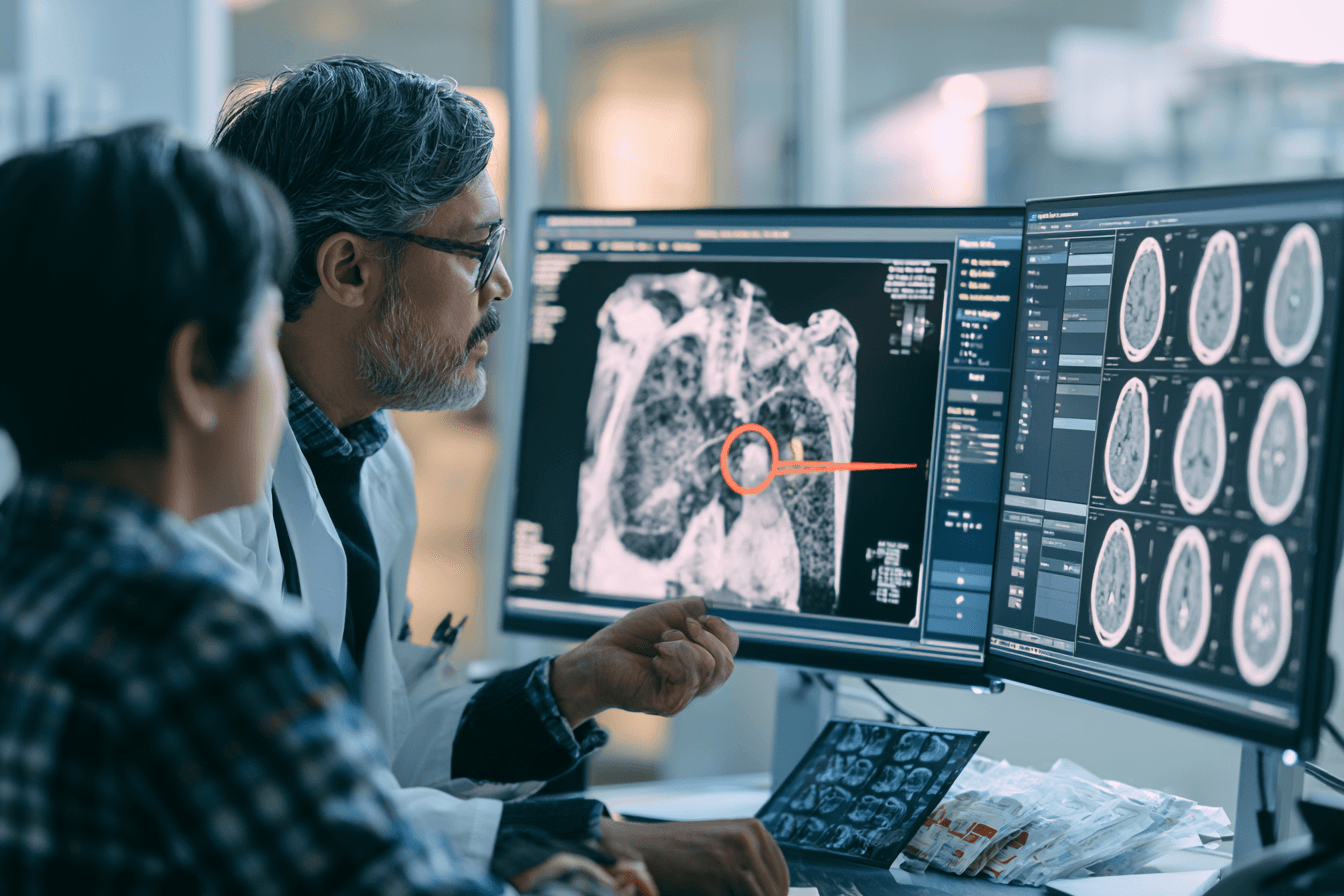
Recurrent small cell lung cancer does not behave in the same way in every patient. One person may develop a small recurrence in the chest after a long period of disease control, while another may have rapid progression involving the brain, liver, bones or several organs.
At Panaceayur, we do not select treatment only from the name of the cancer. We first study the biological behaviour of the relapse, the treatments already received, the present condition of the patient and the ability of the body to tolerate further disease-directed therapy.
Our Ayurveda-led curative-intent model is therefore prepared individually. The purpose is to work toward measurable tumour control while protecting breathing capacity, digestion, nutrition, organ function, tissue strength and the patient’s ability to continue treatment [33, 34, 39].
Complete Review of the Previous Cancer Treatment
Before preparing an Ayurvedic treatment plan, we review the original biopsy and immunohistochemistry report. These documents confirm that the tumour is small cell lung cancer and help identify whether any mixed or unusual pathological features were present.
We also study the original stage, the location of the primary tumour and the sites involved at diagnosis. The names, doses and dates of chemotherapy are important because the response to previous platinum and etoposide treatment influences the next clinical decision.
The patient should provide details of immunotherapy, radiation therapy, surgery or any clinical trial treatment previously received. We also need to know whether the first treatment produced complete remission, partial response, stable disease or continued progression.
The exact date on which treatment ended and the date on which recurrence was detected help us understand whether the relapse is sensitive, resistant or refractory. A longer treatment-free interval may allow different treatment choices from those used when the disease returns during treatment or shortly after treatment [1, 4, 5, 17].
Mapping the Present Recurrence
The latest CT scan, PET-CT when performed and brain MRI help us understand where the cancer has returned. We compare the current images with earlier scans rather than relying only on the written conclusion of one report.
The size of the recurrent tumour, the number of metastatic lesions and the speed at which they are growing are important. A patient with one slowly progressing chest lesion requires a different plan from someone with rapidly increasing liver metastases, multiple brain lesions and extensive bone involvement.
We also study whether the tumour is pressing on an airway, blood vessel, food pipe, spinal cord or another vital structure. These situations may require urgent radiation, an airway procedure or another hospital-based intervention before a longer treatment plan can be continued.
At Panaceayur, the tumour remains central to the treatment strategy. However, the tumour cannot be assessed separately from the condition of the person carrying the disease.
Assessment of Respiratory Capacity
Because SCLC commonly affects the lungs and chest, we carefully assess breathing. We ask whether breathlessness occurs only while climbing stairs, during ordinary walking, while speaking or even at rest.
The patient’s oxygen saturation, oxygen requirement, cough, wheezing, chest pain, blood in sputum and ability to sleep comfortably are reviewed. We also examine whether pleural fluid, infection, lung collapse, airway narrowing or anaemia is contributing to the breathing difficulty.
A person with stable oxygen levels and mild exertional breathlessness may tolerate treatment differently from someone who requires continuous oxygen or becomes breathless while sitting. The Ayurvedic prescription must reflect this difference.
Kāsa and Śvāsa principles guide the assessment of cough and breathlessness, but they are used together with imaging, oxygen measurements and modern respiratory evaluation [31, 32].
Assessment of Agni and Nutritional Reserve
Recurrent SCLC frequently causes poor appetite, early fullness, nausea, constipation, diarrhoea and progressive weight loss. Previous chemotherapy, antibiotics, steroids and radiation may further disturb digestion and metabolism.
In Ayurveda, we assess these functions through Agni. When Agni is weak, the patient may be unable to digest food properly, absorb adequate nutrition or tolerate a strong medicine.
We ask how much the patient can eat, whether food causes heaviness or nausea and whether the bowel movement is regular. We also review recent weight loss, muscle reduction, albumin, total protein, liver function, kidney function and electrolyte levels.
A formulation that is too heavy for a patient with severely impaired digestion may increase discomfort and reduce compliance. We therefore select the form, quantity and timing of treatment according to the patient’s actual digestive capacity.
Improving Agni does not mean that digestion alone is being treated. It helps create the metabolic condition needed for the patient to receive, process and continue the disease-directed treatment [29, 30, 33].
Assessment of Dhātu Kṣaya, Bala and Ojas
Many patients reach recurrence after several cycles of chemotherapy, immunotherapy or radiation. Their blood counts may be low, muscle mass may be reduced and daily activity may have become difficult.
We assess haemoglobin, white blood cells, neutrophils, platelets, body weight, muscle strength, sleep, infection history and the patient’s ability to perform routine work. These findings help determine the degree of Dhātu Kṣaya and loss of Bala.
A patient who is walking independently, eating normally and completing daily activities has a different physiological reserve from someone who remains in bed for most of the day. The second patient may require a gentler starting plan and closer monitoring.
Ojas is assessed through the overall stability, resilience and recovery capacity of the patient. It should not be reduced to a single laboratory value. We consider the combined picture of strength, nourishment, immunity, sleep, mental steadiness and recovery after treatment.
Rasāyana principles may be incorporated when appropriate, but Rasāyana is not given as the same general tonic to every cancer patient. It must be selected according to Agni, active disease burden, liver and kidney function and the treatments being used at the same time [29, 33, 34].
Why We Do Not Use One Fixed SCLC Formula
There is no single Ayurvedic formula that can responsibly be prescribed to every patient with recurrent SCLC. The same cancer name can represent very different patterns of disease.
A patient with brain metastases may require attention to neurological symptoms, cerebral swelling, medicine interactions and urgent radiation. A patient with liver metastases may have altered liver function, jaundice, poor appetite and difficulty metabolising medicines.
Someone with severe bone marrow suppression may not tolerate a formulation that could further affect blood counts. A person with kidney impairment may require dose modification and careful selection of ingredients.
The dominant Doṣa pattern also differs. One patient may show marked Vāta aggravation through pain, dryness, insomnia and tissue loss. Another may show prominent Pitta features through heat, bleeding and liver disturbance, while another may have Kapha-related congestion, heaviness and obstruction.
For these reasons, the medicine, preparation, dose and duration are decided after the complete clinical picture is understood. We do not recommend copying another patient’s prescription even when the diagnosis appears similar.
Individually Prepared Ayurvedic Medicines
Once the case has been reviewed, the treatment is prepared according to the tumour pattern and the condition of the patient. The prescription may include selected herbal, mineral or Rasāyana components when they are clinically appropriate.
The purpose of each component must be clear. Some medicines may be selected for the disease-directed strategy, while others may address Prāṇavaha Srotas, Agni, Dhātu Kṣaya, Bala, bowel function or treatment tolerance.
The dose is not decided only by age or body weight. We also consider liver function, kidney function, blood counts, appetite, previous medicine tolerance and concurrent oncology treatment.
When the patient is receiving tarlatamab, chemotherapy, steroids, anticoagulants, antibiotics or other medicines, we review the possibility of interaction and overlapping toxicity. Ayurvedic treatment should not be added without examining the complete medication list [14, 18–22, 36–38].
Treatment Is Modified According to Response
Personalisation does not end when the first prescription is prepared. The treatment must be reviewed according to clinical response, laboratory findings and imaging.
During follow-up, we assess cough, breathlessness, pain, oxygen requirement, appetite, bowel function, body weight, sleep and daily activity. We also review CBC, liver function, kidney function, electrolytes and other tests according to the patient’s condition.
If a patient develops fever, severe weakness, jaundice, bleeding, confusion or rapidly increasing breathlessness, we do not simply increase the Ayurvedic medicines. The cause must first be investigated because the symptom may indicate infection, treatment toxicity, organ dysfunction or disease progression.
The formulation may be modified when Agni changes, blood counts fall, liver or kidney function deteriorates or a new oncology treatment begins. This allows the plan to remain relevant to the patient’s changing condition.
Objective Monitoring Remains Essential
A patient may feel stronger, eat better and breathe more comfortably during treatment. These changes are valuable because they improve daily life and may allow the person to continue therapy.
However, improved symptoms cannot alone prove that the recurrent tumour has reduced. A blocked airway may temporarily feel better after inflammation decreases even when the tumour remains present.
We therefore compare repeat CT scans and brain MRI with earlier imaging. Measurable lesions should be assessed for complete response, partial response, stable disease or progression according to accepted radiological principles [23].
ECOG performance status, oxygen requirement, body weight and blood investigations provide additional information about the patient’s overall response [8, 24]. When imaging shows continued progression, the treatment strategy must be reconsidered even if some symptoms have improved.
Personalised Treatment With a Clear Clinical Aim
Our aim is not to provide the same cancer package to every patient. We prepare an individual treatment plan after understanding the recurrent tumour, previous treatment resistance, respiratory condition, Agni, Dhātu Kṣaya, Bala, Ojas and organ reserve.
The patient also has an active role. You should report new symptoms promptly, complete the advised investigations and share every conventional medicine or supplement being taken. Accurate information allows us to modify the treatment safely.
The physician’s role is to remain focused on the disease while protecting the patient’s strength. The family’s role is to observe changes in breathing, appetite, behaviour, mobility and treatment tolerance.
Through this coordinated process, Ayurveda remains at the centre of the personalised model, while modern imaging and laboratory investigations verify whether meaningful and durable disease control is being achieved [23, 24, 39].
How Recurrent Small Cell Lung Cancer Is Confirmed and Restaged
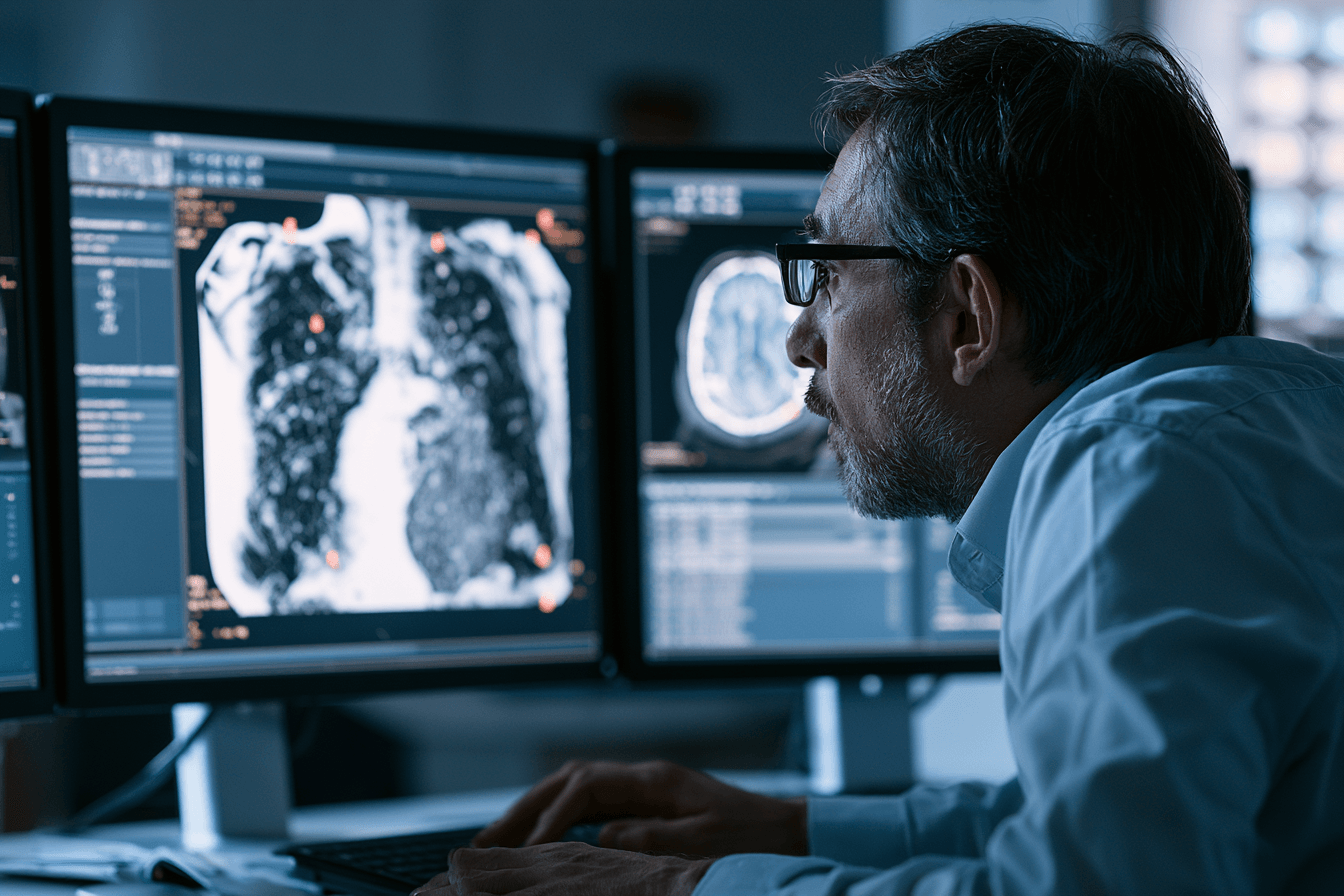
Recurrent small cell lung cancer cannot be confirmed from symptoms alone. A returning cough, breathlessness, weakness, headache or weight loss may also result from infection, anaemia, treatment toxicity, blood clots, radiation related changes or another medical condition.
Your doctor therefore needs to compare current symptoms, examination findings, scans and blood investigations with the earlier cancer records. Complete restaging shows whether the cancer has returned only in the chest or has also reached the brain, liver, bones, adrenal glands or other areas [1, 4, 8].
Restaging should be completed promptly because SCLC may progress quickly. The results help determine whether the patient may benefit from systemic treatment, focused radiation, an airway procedure, another biopsy or a clinical trial.
Review of the Original Diagnosis
The assessment begins with the original biopsy and immunohistochemistry report. These records confirm the tumour type and help ensure that the present treatment plan is based on an accurately established diagnosis.
The doctor reviews whether the original cancer was pure SCLC or contained a combined histological component. The initial limited stage or extensive stage classification, original tumour location and previously involved organs should also be documented.
We then examine the complete treatment history. This includes the chemotherapy medicines, number of cycles, immunotherapy, radiation fields, treatment dates, adverse effects and the best response achieved.
The exact interval between the end of treatment and the detection of recurrence is important. It helps classify the disease as refractory, resistant or sensitive and influences whether the original platinum based treatment may be considered again [1, 4, 5, 17].
Contrast Enhanced CT Scan
A contrast enhanced CT scan of the chest and upper abdomen is commonly used to investigate suspected recurrence. It can identify a returning lung mass, enlarged lymph nodes, pleural fluid and disease involving the liver or adrenal glands [1, 4].
The written scan report is important, but the images should also be compared with earlier scans whenever possible. A lesion that appears new in one report may have been present but smaller on an older study.
The comparison helps determine whether the tumour has increased, reduced or remained stable. It also shows whether new lesions have developed during or after treatment.
A chest CT may reveal airway narrowing, lung collapse, infection or fluid around the lung. These findings can help explain breathlessness and determine whether the patient needs drainage, radiation, bronchoscopy or another urgent intervention.
Brain MRI
The brain is an important site of spread in SCLC. A contrast enhanced brain MRI is generally more sensitive than a routine CT scan for detecting small brain metastases [4, 8, 11].
Brain imaging may be required even when the patient does not have a headache, seizure or neurological weakness. Small metastases can remain silent during the early stage and may only be identified through planned imaging.
When symptoms such as confusion, imbalance, speech difficulty, vision changes or one sided weakness are present, brain MRI should not be delayed. The number, size and location of lesions help determine whether stereotactic radiation, whole brain radiation, medicines for swelling or another treatment is needed.
Role of PET CT
PET CT may be considered when the extent of recurrence is uncertain or when identifying additional disease sites could change the treatment plan. It can help reveal metabolically active lesions that are difficult to interpret on a routine CT scan.
PET CT is not required for every patient with recurrent SCLC. Brain MRI remains necessary because PET imaging is not reliable enough to exclude small brain metastases.
Inflammation and infection may also appear active on PET CT. A suspicious area should therefore be interpreted together with the CT appearance, symptoms, previous radiation history and other investigations.
Assessment of Bone and Spinal Disease
Persistent focal bone pain, night pain, difficulty walking or a fracture after minor injury may indicate bone involvement. The doctor may advise a PET CT, bone scan, targeted CT or MRI according to the symptom and previous imaging findings.
MRI of the spine is particularly important when severe back pain is associated with leg weakness, numbness, walking difficulty or loss of bladder and bowel control. These symptoms may indicate spinal cord compression and require emergency hospital assessment [10, 13].
The treatment should not be postponed while waiting for a routine follow up when spinal cord compression is suspected. Early steroids, radiation, surgery or another intervention may be needed to protect neurological function.
Blood Investigations Before Treatment
Blood tests help determine whether the patient can safely receive further treatment. A complete blood count measures haemoglobin, white blood cells, neutrophils and platelets.
Low haemoglobin may worsen weakness and breathlessness. Low neutrophils may increase infection risk, while low platelets may raise the possibility of bleeding.
Liver function tests are important because SCLC may spread to the liver and many medicines are processed through it. Kidney function must also be reviewed before platinum chemotherapy and other treatments that depend on renal clearance.
Sodium, potassium, calcium, magnesium and glucose should be checked according to the clinical situation. SCLC may sometimes disturb sodium balance, while bone involvement, dehydration or medicines may affect calcium and other electrolytes [1, 2].
Albumin and total protein provide additional information about nutrition and physiological reserve. These results should be interpreted together with appetite, recent weight loss and muscle strength.
| Assessment | What it helps identify |
|---|---|
| Contrast enhanced CT | Chest recurrence, lymph nodes, pleural disease, liver and adrenal involvement |
| Brain MRI | Small or symptomatic brain metastases |
| PET CT when indicated | Additional active disease sites and uncertain lesions |
| Bone or spine imaging | Bone metastases, fractures and spinal cord compression |
| Complete blood count | Anaemia, infection risk and bleeding risk |
| Liver and kidney tests | Organ involvement and ability to tolerate medicines |
| Electrolytes and protein levels | Metabolic disturbance, nutrition and treatment readiness |
Is Another Biopsy Always Required?
A new biopsy is not required in every patient when the original diagnosis is clear and the recurrence pattern is typical. In many cases, the treatment decision can be made from the previous pathology, new imaging and clinical history.
A repeat biopsy may be advised when the new lesion behaves unusually, appears after a long disease free interval or could represent another type of cancer. It may also be considered when the original pathology is uncertain or when obtaining new tissue could affect clinical trial eligibility.
The doctor must balance the possible benefit of biopsy against the risk of the procedure. A deeply located lung lesion, poor respiratory reserve, low platelets or severe weakness may increase procedural risk.
When biopsy is not safe or unlikely to change treatment, the medical team may proceed using the available pathology and radiological evidence. This decision should be individual rather than automatic.
Functional and Nutritional Assessment
Restaging is not limited to measuring tumours. The doctor must also determine how the disease is affecting the patient’s daily life and ability to tolerate treatment.
ECOG performance status is commonly used to record whether the patient is fully active, able to perform limited work, capable of self care or confined to bed for much of the day [24].
We also review oxygen requirement, walking capacity, appetite, body weight, muscle loss, sleep and the level of help needed for normal activities. Two patients with similar scans may require different treatment because their functional and nutritional reserves are very different.
A patient who is eating adequately and walking independently may tolerate further systemic treatment more easily than someone with severe weight loss, infection, oxygen dependence and prolonged bed rest.
How Panaceayur Uses the Restaging Results
At Panaceayur, we prepare the Ayurvedic plan only after studying the confirmed pattern of recurrence. We need to know which organs are involved, how rapidly the disease is progressing and whether any vital structure is under immediate pressure.
The modern restaging results are then connected with the Ayurvedic assessment of Prāṇavaha Srotas, Agni, Dhātu Kṣaya, Bala and Ojas. This allows us to understand both the tumour burden and the patient’s remaining capacity to receive treatment.
A person with chest limited recurrence, stable organ function and preserved strength requires a different plan from someone with brain metastases, liver impairment, low blood counts and severe wasting.
We do not use improved appetite, pulse findings or reduced cough as substitutes for restaging. These clinical changes are valuable, but the location and extent of recurrent SCLC must be established through imaging, laboratory investigations and appropriate pathological review.
Complete restaging provides the baseline against which future response can be measured. Repeat scans can then show whether the disease has achieved complete response, partial response, stable disease or continued progression [23].
Our Ayurveda led curative intent model remains focused on the recurrent disease, but every treatment decision must remain connected with objective medical evidence and the changing condition of the patient [23, 24, 39].
Modern Treatment Options for Recurrent Small Cell Lung Cancer
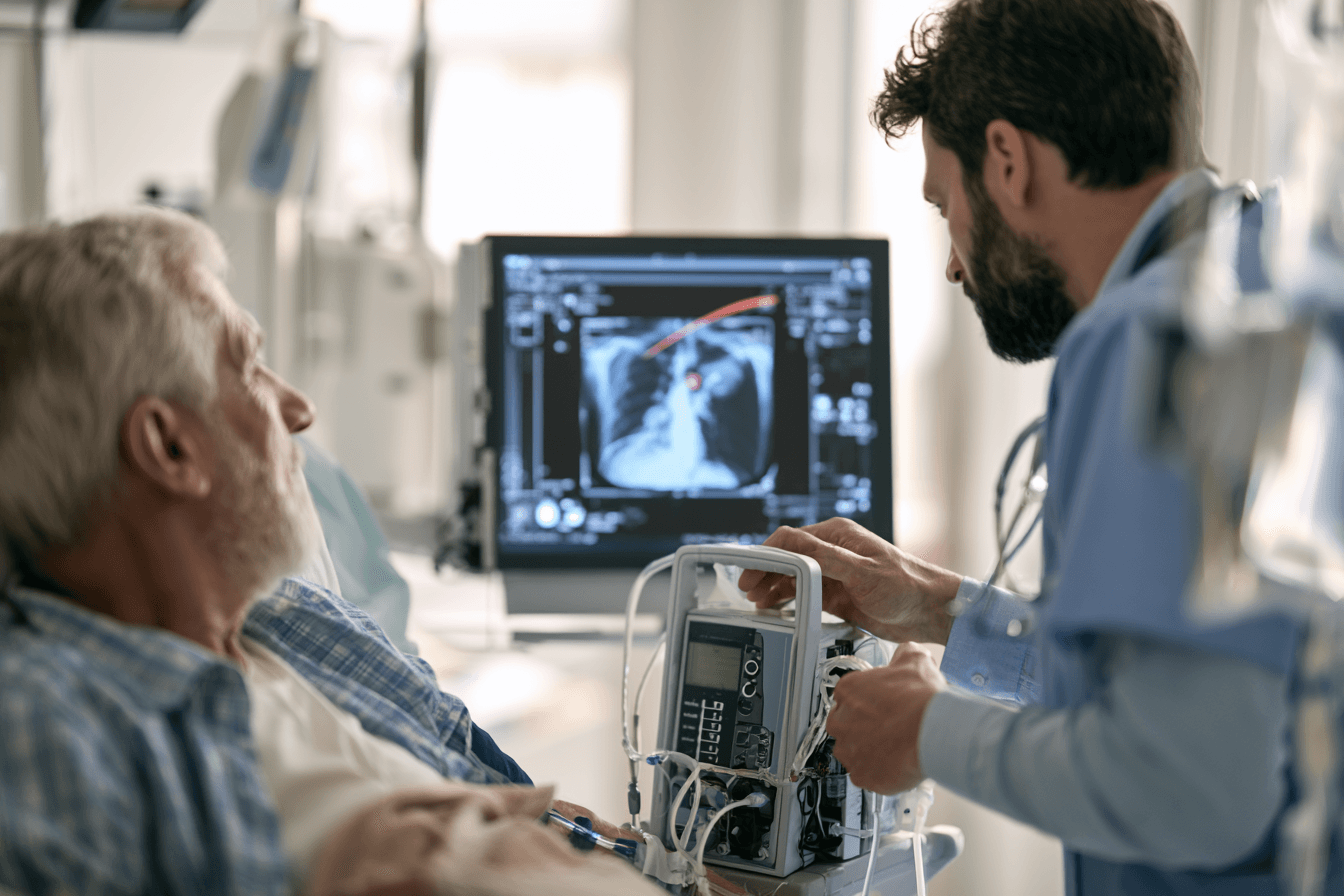
Treatment for recurrent small cell lung cancer depends on how soon the cancer returned, where it has spread, which medicines were previously used and how much physical and organ reserve the patient still has. No single treatment is suitable for every recurrence.
At Panaceayur, we place the complete patient within an Ayurveda led curative intent model. Modern treatments such as tarlatamab, chemotherapy and radiation are incorporated when they can provide rapid or targeted disease control. The Ayurvedic plan remains directed toward the recurrent tumour, treatment resistance, respiratory function, Agni, Dhātu Kṣaya, Bala and long term disease monitoring.
The intention is not simply to help the patient tolerate another medicine. We seek measurable reduction or control of the recurrent disease while protecting the patient’s capacity to continue treatment. Every response must be assessed through scans, blood investigations, oxygen requirement, body weight and functional status [1, 3–6, 23, 24, 39].
How the Next Treatment Is Selected
The first question is whether the recurrence is sensitive, resistant or refractory. A patient whose cancer remained controlled for a longer period may still respond to the original platinum and etoposide combination. A patient whose disease progressed during chemotherapy or returned soon afterward usually requires a different treatment [1, 4, 5, 17].
The second question concerns the extent of recurrence. A small number of brain or bone lesions may require focused radiation, while cancer involving several organs generally needs systemic treatment.
The third question concerns the condition of the patient. A treatment that is possible for someone who is walking independently and maintaining normal organ function may not be suitable for a person with severe weakness, liver impairment, kidney dysfunction, infection or very low blood counts.
Previous toxicities are also important. Hearing loss, neuropathy, kidney injury, prolonged neutropenia or serious infection may prevent the reuse of a medicine even when it previously controlled the cancer.
Tarlatamab After Platinum Treatment
Tarlatamab is an important treatment for previously treated extensive stage SCLC. It is a DLL3 directed bispecific T cell engager. One part attaches to DLL3 on the cancer cell, while another part attaches to CD3 on a T cell. This connection helps the immune system recognise and attack the cancer cell [6, 14–16].
Tarlatamab is not the same as checkpoint immunotherapy such as atezolizumab or durvalumab. It activates T cells through a different mechanism and has its own monitoring requirements.
In November 2025, the United States Food and Drug Administration granted traditional approval to tarlatamab for adults with extensive stage SCLC that had progressed during or after platinum based chemotherapy [14].
In the phase 3 DeLLphi 304 study, median overall survival was 13.6 months with tarlatamab and 8.3 months with physician selected chemotherapy. This result established tarlatamab as an important post platinum treatment option, although it does not benefit every patient [15].
Tarlatamab can cause cytokine release syndrome. The patient may develop fever, low blood pressure, rapid heartbeat, breathing difficulty or reduced oxygen. Neurological toxicity can cause confusion, sleepiness, speech difficulty, weakness, tremor or seizures.
Because these reactions can become serious, the first doses require structured medical supervision and observation. Fever or confusion after tarlatamab should never be treated at home as an ordinary infection without contacting the oncology team.
Blood counts, liver function, infection symptoms and neurological status must also be monitored. A patient with active infection, severe organ dysfunction or poor functional reserve may require additional assessment before treatment.
Platinum and Etoposide Rechallenge
Carboplatin or cisplatin with etoposide may be considered again when the cancer previously responded and returned after a meaningful treatment free interval. This is known as platinum rechallenge.
A phase 3 trial found that carboplatin and etoposide provided clinically meaningful disease control in selected patients with sensitive relapsed SCLC when compared with topotecan [17].
The decision should not be based only on the number of months since the previous treatment. The oncologist must review kidney function, hearing, neuropathy, blood counts and the severity of earlier adverse effects.
Carboplatin is often selected when reducing kidney, hearing or nerve toxicity is important, although it can still cause significant bone marrow suppression. Cisplatin may be appropriate for selected patients but commonly requires more intensive hydration and monitoring.
Platinum rechallenge is generally less suitable when the cancer progressed during the original treatment or returned shortly after it ended. In these cases, the surviving tumour cells are more likely to be resistant to the same medicines.
Lurbinectedin
Lurbinectedin is a systemic medicine used after progression during or following platinum containing treatment. It interferes with cancer cell transcription and can contribute to tumour cell death [1, 18, 19].
In the phase 2 study that supported its accelerated approval, approximately 35 percent of patients experienced an objective tumour response. The median duration of response was about 5.3 months. Patients with chemotherapy sensitive relapse generally had a higher response rate than those with resistant disease [18, 19].
Lurbinectedin can reduce white blood cells, neutrophils, haemoglobin and platelets. This can increase the risks of infection, fatigue and bleeding.
Liver function must be checked because the medicine is processed through the liver. Nausea, loss of appetite and fatigue may also occur.
A patient with severe liver impairment, uncontrolled infection or inadequate bone marrow reserve may not be able to receive the usual dose. Blood counts and liver tests are therefore required before and during treatment.
Topotecan
Topotecan has been used for recurrent SCLC for many years. It can be given intravenously or orally, depending on availability, patient preference and clinical condition [1, 4, 5, 20, 21].
A phase 3 study involving patients who were not considered suitable for standard intravenous chemotherapy found that oral topotecan improved median survival compared with best supportive care alone. Median survival was approximately 25.9 weeks with topotecan and 13.9 weeks without chemotherapy. Some cancer related symptoms also improved [20].
Another trial found that oral and intravenous topotecan produced generally comparable treatment outcomes in sensitive relapsed SCLC [21].
The principal limitation of topotecan is bone marrow suppression. Neutropenia, anaemia and thrombocytopenia can become severe, particularly in a patient whose blood counts have not fully recovered from earlier treatment.
Fever, unusual bleeding, severe weakness or breathlessness during topotecan treatment requires prompt investigation. Dose adjustment may be necessary when kidney function is reduced or when blood counts remain low.
Other Chemotherapy Options
Other medicines may be considered when tarlatamab, platinum rechallenge, lurbinectedin or topotecan is unavailable or unsuitable. Possible options include irinotecan, paclitaxel, docetaxel, gemcitabine, temozolomide and vinorelbine [1, 3–5].
The evidence supporting these medicines varies, and none should be selected only because it appears on a list of recurrent SCLC treatments. The oncologist must consider the location of recurrence, previous medicines, organ function and treatment goals.
Temozolomide may be considered in selected patients, including some with brain dominant disease, because it can reach the central nervous system. However, its suitability depends on previous treatment, blood counts and the complete metastatic pattern.
Combination chemotherapy may produce greater tumour reduction in some fit patients, but it can also cause greater toxicity. A patient with declining Bala, significant weight loss or poor bone marrow reserve may tolerate a single medicine more safely than a combination.
Radiation Therapy After SCLC Returns
Radiation can provide rapid control when recurrent SCLC is causing a specific local problem. It may be used for brain metastases, painful bone lesions, spinal cord compression, chest pain, bleeding or airway obstruction [2, 4, 22].
Brain radiation may involve stereotactic treatment for carefully selected limited lesions or whole brain radiation when disease is more widespread. The decision depends on the number and size of lesions, previous brain treatment, neurological symptoms and general condition.
Radiation to a painful bone lesion can reduce pain and lower the risk of further local complications. When spinal cord compression is suspected, emergency imaging and treatment are required because delay can lead to permanent weakness or loss of bladder and bowel control.
Chest radiation may help when a tumour is narrowing a major airway, causing persistent bleeding or pressing on an important structure. Bronchoscopy, laser treatment, internal radiation or an airway stent may also be used in selected cases [1, 2].
Radiation treats the targeted area but does not control microscopic cancer cells throughout the body. Systemic disease therefore often requires a systemic treatment plan as well.
Clinical Trials and Emerging Treatments
Clinical trials are especially important when recurrent SCLC has progressed after several treatments or when available medicines are unlikely to provide durable control.
Current research includes new DLL3 directed therapies, antibody drug conjugates, cellular therapies, bispecific immune treatments and combinations designed to overcome treatment resistance [1, 3, 6].
Trial eligibility depends on several factors. These include previous treatments, brain metastases, blood counts, liver and kidney function, ECOG performance status and how recently another medicine was given.
A trial should not be viewed only as a final option. In some situations, it may provide access to a treatment that is more appropriate than another routine chemotherapy.
Comparison of the Main Treatment Options
| Treatment | When it may be considered | Important concerns |
|---|---|---|
| Tarlatamab | Progression during or after platinum treatment | Cytokine release syndrome, neurological toxicity, infection and blood count changes |
| Platinum and etoposide rechallenge | Sensitive relapse after a meaningful treatment free interval | Kidney injury, hearing changes, neuropathy and bone marrow suppression |
| Lurbinectedin | Progression after platinum based treatment | Neutropenia, anaemia, low platelets, infection and liver toxicity |
| Topotecan | Sensitive or recurrent disease when clinically appropriate | Severe bone marrow suppression, infection, bleeding and fatigue |
| Other chemotherapy | When standard post platinum options are unsuitable or unavailable | Variable evidence and medicine specific toxicity |
| Radiation | Brain, bone, spinal or symptomatic chest disease | Treatment area toxicity, fatigue and previous radiation exposure |
| Clinical trial | Selected patients at different stages of relapse treatment | Eligibility criteria, travel, monitoring and uncertain benefit |
Where the Panaceayur Model Fits
At Panaceayur, the selection of an oncology treatment does not replace the Ayurvedic treatment strategy. We study what the modern medicine is expected to achieve, which toxicities may occur and how the patient’s Agni, Dhātu, Bala, Ojas and organ function may influence the complete plan.
Our Ayurvedic model is not limited to managing nausea, fatigue or appetite after chemotherapy. It remains directed toward the active recurrent disease while also protecting the physiological reserve required for sustained treatment.
A patient receiving tarlatamab requires close observation for fever and neurological changes. A person receiving topotecan or lurbinectedin requires careful monitoring of blood counts. Someone receiving platinum treatment requires assessment of kidney function, hearing, hydration and neuropathy.
The Ayurvedic prescription must be reviewed whenever an oncology medicine is started, stopped or changed. Ingredients that may interact with cancer medicines, anticoagulants, steroids or antibiotics should not be added without checking the complete treatment plan [36–38].
Choosing Treatment With a Clear Objective
The treatment objective should be clear before another medicine is started. For some patients, the immediate aim may be rapid reduction of a tumour pressing on an airway or the brain. For others, the aim may be broader systemic disease control and prevention of further metastasis.
We explain to the patient what each treatment can reasonably achieve, which risks need monitoring and how the response will be measured. A reduction in cough or pain is important, but tumour response must be assessed through repeat imaging.
The final decision should involve the patient, family, oncologist and the physician coordinating the Ayurveda led plan. This allows urgent modern treatment to be used when necessary without reducing Ayurveda to a secondary symptom management role.
Our curative intent remains focused on achieving the greatest possible reduction of recurrent disease, preserving organ function and seeking durable remission. The outcome, however, must be demonstrated through objective scans, laboratory findings and long term follow up rather than promised before treatment begins [23, 24, 39].
Coordinating Ayurveda With Modern Treatment for Recurrent Small Cell Lung Cancer
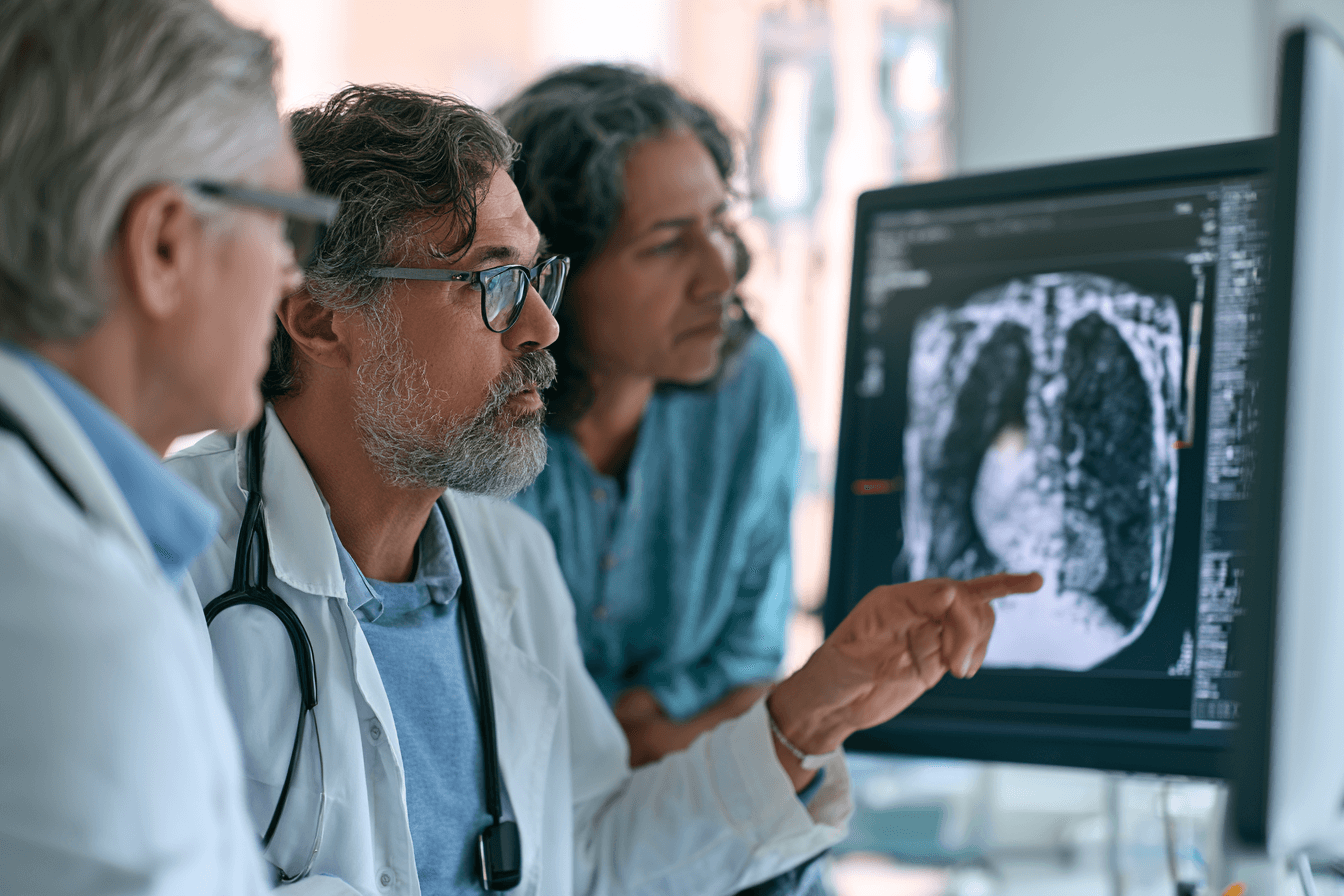
A patient with recurrent small cell lung cancer may receive tarlatamab, chemotherapy, radiation therapy, corticosteroids, antibiotics, pain medicines or other hospital based treatment. At Panaceayur, we study every medicine and procedure before preparing or modifying the Ayurvedic prescription.
Our Ayurveda led curative intent model remains focused on the recurrent cancer, metastatic activity, respiratory function, Agni, Dhātu Kṣaya, Bala and Ojas. Modern treatment is incorporated when it can rapidly reduce tumour burden, control a dangerous lesion or manage an urgent complication.
This coordination is important because cancer medicines and Ayurvedic preparations act within the same body. Both may influence digestion, blood counts, liver function, kidney function, blood pressure, neurological function and treatment tolerance. The complete plan must therefore be managed as one clinical strategy rather than as two unrelated systems [36–39].
Why the Complete Medicine List Must Be Reviewed
Before beginning Ayurvedic treatment, you should provide the names, doses and schedules of every medicine being used. This includes chemotherapy, immunotherapy, steroids, antibiotics, anticoagulants, pain medicines, medicines for nausea, supplements and over the counter products.
A patient may believe that a herb or mineral preparation is harmless because it is natural. However, natural products can influence the absorption, metabolism or elimination of prescription medicines. Some may also increase bleeding, sedation, liver stress or changes in blood sugar [36–38].
We therefore do not add an Ayurvedic medicine only because it has shown anticancer activity in a laboratory study. We first consider the patient’s organ function, present treatment and the possibility of interaction.
The Ayurvedic prescription should be reviewed whenever the oncologist starts, stops or changes a medicine. A formulation that was suitable before chemotherapy may require adjustment when tarlatamab, topotecan, lurbinectedin, steroids or anticoagulants are introduced.
Coordination During Tarlatamab Treatment
Tarlatamab activates T cells against DLL3 expressing SCLC cells. It can provide important disease control after platinum based chemotherapy, but it can also cause cytokine release syndrome and neurological toxicity [14–16].
Cytokine release syndrome may begin with fever, chills, weakness, rapid heartbeat, low blood pressure, reduced oxygen or breathing difficulty. Neurological toxicity may appear as confusion, unusual sleepiness, tremor, speech difficulty, weakness, poor coordination or seizures.
If you develop fever or confusion after receiving tarlatamab, these symptoms should not be treated only with an Ayurvedic fever medicine or home remedy. The oncology team must be informed immediately because urgent monitoring and hospital treatment may be required.
During tarlatamab treatment, we closely review temperature, blood pressure, oxygen saturation, mental status, blood counts and liver function. The Ayurvedic plan is adjusted so that it does not conceal fever, worsen sedation or delay recognition of a neurological change.
Our disease directed Ayurvedic treatment may continue when clinically appropriate, but patient safety comes first. A serious immune related reaction must be stabilised before the regular treatment plan is resumed.
Coordination During Platinum Rechallenge
Carboplatin or cisplatin with etoposide may be considered when SCLC returns after a meaningful treatment free interval. These medicines may reduce the recurrent tumour, but they can also affect blood counts, kidneys, hearing, nerves and digestion [17].
Before platinum treatment, we review kidney function, hydration, urine output, hearing, neuropathy, appetite and bowel function. We also assess whether previous chemotherapy caused prolonged weakness, infection or low blood counts.
Cisplatin usually requires careful hydration and electrolyte monitoring. Carboplatin may produce less kidney and nerve toxicity in some patients, but bone marrow suppression can still be significant.
The Ayurvedic prescription must not increase dehydration or place additional stress on the kidneys. Medicines are selected according to Agni, renal function, electrolyte balance and the patient’s ability to maintain food and fluid intake.
If the patient develops reduced urine output, persistent vomiting, severe weakness, hearing change or numbness, the treatment should be reassessed promptly. These symptoms should not be interpreted only as Vāta aggravation without checking for chemotherapy toxicity.
Coordination During Lurbinectedin Treatment
Lurbinectedin may be used after progression during or following platinum treatment. Its main concerns include neutropenia, anaemia, thrombocytopenia, infection, fatigue and changes in liver function [18, 19].
A complete blood count and liver function test are therefore important before each treatment cycle. A patient with low neutrophils may be unable to fight infection effectively, while low platelets can increase bleeding risk.
During lurbinectedin treatment, we monitor fever, mouth ulcers, unusual bruising, bleeding, weakness, jaundice and reduced appetite. The Ayurvedic formulation may need modification when blood counts or liver tests change.
A formulation intended to improve Bala cannot be considered successful if it delays recognition of neutropenic infection. Fever during a period of low neutrophils is a medical emergency and requires immediate hospital assessment.
The Ayurvedic plan remains directed toward the recurrent disease and restoration of physiological reserve, but it must be compatible with the patient’s changing bone marrow and liver condition.
Coordination During Topotecan Treatment
Topotecan can be given orally or intravenously for recurrent SCLC. Its most important limitation is bone marrow suppression, particularly neutropenia, anaemia and thrombocytopenia [20, 21].
We review the complete blood count before and during treatment. Severe weakness may result from anaemia, while fever may indicate infection during neutropenia. Gum bleeding, nosebleeds, blood in urine or new bruising may be related to a low platelet count.
The patient should not wait for the next routine consultation when these symptoms develop. Blood investigations and medical assessment are required promptly.
Topotecan may also cause nausea, diarrhoea, poor appetite and fatigue. We assess Agni and bowel function so that the Ayurvedic treatment does not worsen dehydration or gastrointestinal irritation.
The dose and strength of the Ayurvedic formulation may need adjustment when the patient is unable to eat adequately or when blood counts have not recovered between cycles.
Coordination With Radiation Therapy
Radiation may be used for brain metastases, painful bone lesions, spinal cord compression, chest bleeding or airway obstruction [2, 4, 22].
When brain radiation is planned, we review headache, vomiting, confusion, weakness, seizures and the medicines being used to control cerebral swelling. Corticosteroids may be necessary when brain metastases cause oedema or pressure.
Ayurvedic medicines must not replace steroids when urgent control of brain swelling is required. The steroid dose should also not be reduced suddenly without medical advice.
Chest radiation may cause painful swallowing, cough, fatigue or inflammation of the oesophagus. Brain radiation may cause tiredness, scalp irritation and temporary worsening of neurological symptoms. Bone radiation may cause local discomfort before pain improves.
We coordinate the Ayurvedic treatment according to the radiation site, swallowing capacity, appetite, hydration and tissue response. The aim remains disease control and restoration of function rather than temporary masking of radiation related symptoms.
Coordination With Corticosteroids
Corticosteroids may be prescribed for brain swelling, severe breathing difficulty, treatment reactions, nausea or another urgent indication. They can be essential and should not be stopped abruptly unless the treating doctor provides a tapering schedule.
Steroids can increase blood sugar, appetite, fluid retention, infection risk, sleep disturbance and muscle weakness. Prolonged use may also contribute to bone loss and reduced immune resistance.
We therefore monitor glucose, blood pressure, sleep, infection symptoms, muscle strength and digestion. The Ayurvedic prescription is adjusted according to these changes.
If a patient develops fever while taking steroids, the absence of a high temperature does not always exclude infection because steroids can suppress inflammatory signs. The complete clinical condition must be assessed.
Coordination With Anticoagulants and Pain Medicines
Some patients with recurrent cancer require anticoagulants for a blood clot or increased clotting risk. Others may receive aspirin, opioid pain medicines, anti inflammatory medicines or medicines for nerve pain.
Certain herbs and supplements may influence bleeding or sedation. For this reason, the patient must disclose all anticoagulants and pain medicines before Ayurvedic treatment is prepared [37].
A patient receiving anticoagulants should report black stool, blood in urine, unusual bruising, persistent nosebleeds or coughing up blood. These signs require medical evaluation rather than treatment only with a haemostatic herb.
Opioid pain medicines may cause sleepiness, nausea and constipation. Ayurvedic treatment can be planned according to bowel function and Agni, but the opioid dose should be managed by the prescribing doctor.
Monitoring Priorities During Combined Treatment
| Modern treatment | Main coordination priorities | Findings requiring urgent attention |
|---|---|---|
| Tarlatamab | Temperature, blood pressure, oxygen, mental status, CBC and liver function | Fever, low blood pressure, breathlessness, confusion, speech change or seizure |
| Platinum and etoposide | Kidney function, hydration, electrolytes, hearing, nerves and blood counts | Reduced urine, severe vomiting, hearing loss, numbness, fever or bleeding |
| Lurbinectedin | CBC, liver function, infection risk, appetite and fatigue | Fever, jaundice, unusual bleeding, severe weakness or mouth ulcers |
| Topotecan | CBC, kidney function, bowel function and hydration | Fever, bleeding, severe diarrhoea, breathlessness or extreme fatigue |
| Radiation therapy | Treatment site, swallowing, neurological condition, oxygen and nutrition | New weakness, seizure, severe headache, airway difficulty or spinal symptoms |
| Corticosteroids | Glucose, blood pressure, infection, sleep and muscle strength | Severe infection, confusion, very high glucose or abrupt steroid withdrawal symptoms |
When Ayurvedic Treatment May Need to Be Paused
Ayurvedic medicines may need to be paused temporarily when the patient develops a serious acute complication. This does not mean that the central treatment model has been abandoned.
Severe vomiting, inability to swallow, acute liver injury, kidney failure, uncontrolled bleeding, sepsis, cytokine release syndrome or major neurological toxicity may make oral treatment unsafe. The immediate medical problem must first be stabilised.
Once the patient is stable, the Ayurvedic plan can be reassessed according to new blood results, organ function and oncology treatment. Restarting the previous prescription without review may not be appropriate because the patient’s clinical condition may have changed considerably.
When Emergency Treatment Must Not Be Delayed
Ayurveda should not delay emergency radiation, airway intervention, drainage of pleural fluid, antibiotics for infection or treatment of cytokine release syndrome. These interventions may be necessary to protect life or prevent permanent organ damage.
A patient with severe breathlessness, significant haemoptysis, new seizure, sudden weakness, severe confusion or spinal cord compression symptoms requires immediate hospital assessment.
We remain focused on long term disease control, but urgent complications must be managed first. A curative intent model cannot succeed when a preventable emergency is allowed to cause irreversible harm.
How We Measure the Combined Treatment Response
The success of coordinated treatment is measured at both the disease level and the patient level. At the disease level, we assess tumour size, new metastatic lesions, brain MRI findings and the duration of disease control.
At the patient level, we assess cough, breathlessness, oxygen requirement, pain, appetite, body weight, sleep, walking ability and ECOG performance status. Blood counts, liver function, kidney function and electrolytes help determine whether treatment remains safe.
A patient may feel better before a scan shows a major change, while another may have stable imaging despite temporary weakness caused by treatment. All findings must therefore be interpreted together.
We do not declare remission from improvement in appetite, energy or breathing alone. Complete or partial response must be demonstrated through objective imaging and sustained over time [23, 24].
The Role of the Patient and Family
The patient should take every medicine according to the agreed schedule and should not add herbs, supplements or home remedies without informing the treating team. Even a commonly used product may alter bleeding, sedation, blood sugar or medicine metabolism.
The family should observe changes in breathing, temperature, behaviour, speech, mobility, food intake and urine output. Family members often identify confusion or weakness before the patient recognises it.
We ask the patient and family to keep oncology and Ayurvedic teams informed about all treatment changes. Accurate communication helps us modify the plan before a small problem becomes a serious complication.
One Coordinated Curative Intent Strategy
At Panaceayur, Ayurveda is not added at the end merely to manage the adverse effects of cancer treatment. It remains the central personalised framework through which we evaluate the tumour, respiratory system, Agni, Dhātu, Bala, Ojas and long term recovery.
Tarlatamab, chemotherapy, radiation and hospital procedures are used when their specific action can contribute to rapid or local disease control. The Ayurvedic prescription is then coordinated with these treatments so that the complete plan remains disease directed, measurable and safe.
Our clinical objective is to seek the greatest possible reduction of recurrent disease, prevent further progression, preserve organ function and work toward durable remission. This objective must always be verified through imaging, laboratory investigations and continued follow up rather than assumed from temporary symptomatic improvement [23, 24, 36–39].
What Modern Research Supports About Ayurveda in Cancer Care

Modern research has examined several Ayurvedic concepts, herbs and naturally derived compounds in relation to cancer biology. Some studies report effects on inflammation, oxidative stress, immune signalling, tumour cell growth, apoptosis and treatment resistance. However, the strength of evidence differs greatly between laboratory experiments, animal studies and human clinical trials [33–36].
For recurrent small cell lung cancer, the present evidence does not support claiming that one herb, extract or classical formulation has been clinically proven to cure the disease. This limitation does not require Ayurveda to be reduced to symptom management. It means that an Ayurveda led curative intent model must remain personalised, biologically reasoned, safely coordinated and verified through objective medical outcomes.
At Panaceayur, we use modern research to understand possible mechanisms, improve treatment selection and identify safety concerns. We do not use a laboratory result as a substitute for CT scans, brain MRI, blood investigations or long term clinical follow up.
What Laboratory Research Can Tell Us
Laboratory studies can show whether a plant extract or isolated compound influences a cancer cell under controlled conditions. Researchers may examine cell multiplication, apoptosis, inflammatory pathways, oxidative stress, angiogenesis, invasion or resistance mechanisms.
These findings are useful because they help identify possible biological actions and guide future research. They may also help explain why certain Ayurvedic plants have attracted interest in oncology research [34].
However, a cancer cell growing in a laboratory dish is very different from recurrent SCLC in a human body. The patient may have brain metastases, liver impairment, low blood counts, infection, severe weight loss or resistance after several treatments.
A concentration that destroys cancer cells in a laboratory may not be safely achievable in the human bloodstream. The digestive system, liver, kidneys, immune system and concurrent medicines can also change how an ingredient behaves after it is taken orally.
For this reason, laboratory anticancer activity should be described as preliminary evidence rather than proof of clinical cure.
Research on Ayurvedic Individualisation
Ayurveda does not treat every patient with the same diagnosis in an identical way. Prakṛti, Vikṛti, Agni, Doṣa, Dhātu, Srotas, Bala and Ojas are assessed to understand how the disease is affecting the individual.
Modern reviews have discussed how these Ayurvedic concepts could contribute to personalised cancer research. They propose that the patient’s constitution, metabolic state, inflammatory pattern, digestion and physiological reserve may help create more individualised research models [33].
This is particularly relevant in recurrent SCLC because two people with the same pathological diagnosis may have very different treatment needs. One patient may have limited chest recurrence with normal liver and kidney function. Another may have widespread metastases, severe wasting, oxygen dependence and bone marrow suppression.
The first patient may tolerate a stronger disease directed plan, while the second may require gradual correction of Agni, nutrition and organ reserve before intensive treatment can be safely continued.
Ayurvedic individualisation therefore has practical value, but it must be recorded systematically. The physician should document the modern diagnosis, Ayurvedic assessment, prescription rationale, dose, safety monitoring and objective response.
Research on Ayurvedic Herbs and Cancer Biology
Several Ayurvedic plants and natural compounds have been studied in laboratory and animal cancer models. Research has explored Ashwagandha, turmeric derived curcuminoids, Guduchi, Triphalā and other botanicals for possible effects on tumour cell signalling, inflammation, oxidative stress and programmed cell death [34].
These studies can support further investigation, but they do not establish that the whole herb will produce the same result in a patient. The biological action may differ according to the plant species, growing conditions, part used, extraction method, dose and final formulation.
An isolated compound is also not identical to a classical Ayurvedic preparation. A standardised laboratory extract may contain a measured concentration of one chemical, while a traditional formulation may contain several herbs and multiple active constituents.
The patient should therefore not copy an experimental dose from a research paper or begin several anticancer supplements without supervision. Combining many extracts may increase the risk of liver injury, bleeding, digestive irritation or interaction with prescribed cancer treatment [37, 38].
What the Human Lung Cancer Study Shows
A 2026 phase 1 study evaluated a standardised Withania somnifera leaf extract known as RH324 in patients with advanced non small cell lung cancer. The primary purpose was to examine safety and tolerability, while PET CT was explored as an early metabolic assessment method [35].
Only a small number of patients participated, and the study was not designed to establish a cure. It involved advanced non small cell lung cancer rather than small cell lung cancer. These are biologically and clinically different diseases.
The study is useful because it shows how a standardised Ayurvedic derived product can be examined in a structured human trial. It also demonstrates the importance of defining the product, dose, safety measures and imaging outcomes.
It cannot be used to claim that Ashwagandha cures recurrent SCLC. It also cannot prove that every Ashwagandha powder, extract or Ayurvedic formulation will behave like the specific product tested in the study.
Why Evidence From NSCLC Cannot Be Applied Directly to SCLC
Non small cell lung cancer and small cell lung cancer differ in pathology, growth rate, molecular behaviour, treatment sensitivity and patterns of recurrence. SCLC usually grows more rapidly and is strongly associated with early systemic spread.
A treatment that shows activity in NSCLC may have little or no effect in SCLC. Even within SCLC, a treatment that helps at initial diagnosis may not work after resistance has developed.
For this reason, research involving another lung cancer type can generate a hypothesis, but it cannot establish clinical effectiveness in recurrent SCLC. Disease specific human trials are required.
At Panaceayur, we may consider broader cancer research when designing the individual treatment rationale, but the patient’s response is judged from the actual SCLC findings. The tumour must be followed through appropriate imaging and clinical assessment.
Why Whole Formulations Require Separate Study
An Ayurvedic formulation may contain several ingredients selected for different purposes. One component may be chosen for the disease directed strategy, another for Prāṇavaha Srotas, another for Agni and another for Dhātu Kṣaya or Bala.
The complete effect of such a formulation cannot be predicted accurately from research on only one ingredient. Ingredients may act together, alter absorption or produce different effects at different doses.
This complexity is one reason that whole Ayurvedic treatment models require careful clinical documentation. The formulation, preparation method, dose, treatment period and concurrent medicines must be recorded clearly.
When the treatment is changed during follow up, the reason should also be documented. Without this information, it becomes difficult to determine which part of the plan contributed to benefit or toxicity.
Safety Is Part of Disease Directed Treatment
A curative intent model cannot be considered successful if it damages the liver, kidneys, bone marrow or nervous system. Safety is not separate from anticancer treatment. It is necessary for completing treatment and preserving the patient’s remaining options.
Ayurvedic medicines and supplements may interact with chemotherapy, tarlatamab, anticoagulants, steroids, antibiotics and pain medicines. Some products may influence drug metabolism, blood sugar, blood pressure, bleeding or sedation [37].
Product quality is equally important. Incorrect identification, contamination, substitution, unsuitable processing or uncontrolled amounts of metals can create avoidable risk [38].
The patient should therefore use medicines prepared through a controlled process and should disclose every product being taken. Liver function, kidney function, blood counts and relevant clinical symptoms should be monitored according to the ingredients and concurrent treatment.
How Panaceayur Uses Modern Research
At Panaceayur, we use research in three practical ways. First, it helps us understand possible biological actions of selected ingredients. Second, it helps identify safety risks and potential medicine interactions. Third, it supports the design of measurable treatment monitoring.
We do not select a herb only because one article describes an anticancer mechanism. We review whether the evidence concerns laboratory cells, animals or human patients, and whether the cancer type matches recurrent SCLC.
We then consider the individual patient’s relapse pattern, organ involvement, blood counts, Agni, Bala, liver function, kidney function and current oncology medicines. An ingredient that appears promising in research may still be unsuitable for a patient with severe liver impairment, thrombocytopenia or active infection.
The prescription is therefore based on the complete clinical picture rather than on one study or one popular anticancer herb.
What Evidence Would Strengthen an Ayurveda Led Curative Model
Stronger evidence requires well documented human outcomes. Patients should have a confirmed pathological diagnosis, defined stage, complete treatment history and measurable disease before treatment begins.
The Ayurvedic intervention should be clearly described, including ingredients, quality control, preparation, dose, treatment duration and any concurrent oncology treatment.
Response should be measured through standard imaging, blood investigations, ECOG performance status, oxygen requirement, body weight and symptom changes. Adverse events and treatment interruptions should also be recorded.
Long term follow up is essential because a temporary reduction in tumour size is not the same as durable remission. A curative outcome requires objective disappearance or sustained control of disease over a clinically meaningful period.
Research Supports Investigation, Not Automatic Claims
The present research provides a scientific basis for studying Ayurvedic individualisation, Rasāyana principles and selected botanicals in cancer care [33–35]. It also establishes the need for interaction assessment, product quality and medical monitoring [36–38].
It does not prove that a standard Ayurvedic formulation cures recurrent SCLC. We therefore avoid presenting preliminary evidence as a final clinical answer.
Our curative intent model remains centred on treating the active recurrent disease rather than providing only supportive relief. At the same time, every major claim must be connected with pathology, imaging, laboratory results and long term follow up.
This approach allows Ayurveda to remain central without asking the patient to choose between tradition and evidence. We use classical clinical reasoning to personalise treatment and modern investigations to determine whether the intended disease control is actually being achieved [33–39].
Symptoms That Require Immediate Hospital Assessment
Recurrent small cell lung cancer can sometimes cause complications that progress within hours. Serious reactions may also occur during chemotherapy, tarlatamab, radiation or corticosteroid treatment.
In these situations, the patient should not wait for a routine consultation or try to control the problem only with home remedies. Immediate hospital assessment may protect breathing, neurological function, organ function and life [9–14, 20, 21].
At Panaceayur, Ayurveda remains central to the long term disease directed model, but an emergency must first be stabilised. Ayurvedic medicines should never delay oxygen support, antibiotics, radiation, airway treatment, blood transfusion or another urgent intervention.
Severe or Rapidly Increasing Breathlessness
Breathlessness that suddenly becomes severe requires urgent medical attention. The patient may be unable to speak in complete sentences, walk a few steps, lie flat or maintain the usual oxygen level.
Possible causes include tumour related airway obstruction, pleural fluid, pneumonia, a blood clot in the lung, lung collapse, severe anaemia or treatment related inflammation. Each cause requires a different medical response, so the symptom should not be assumed to result only from the cancer [9].
A person who is already using oxygen should seek urgent help when the prescribed oxygen no longer provides relief or when oxygen saturation continues to fall. Increasing the oxygen flow without medical advice may not correct the underlying emergency.
Coughing Up Blood
A small streak of blood in the sputum should be reported promptly, especially when it is new or repeatedly occurring. Coughing up a larger amount of fresh blood is an emergency because bleeding may increase rapidly or block the airway.
The patient should remain upright and avoid eating or drinking while urgent help is being arranged. Medicines that affect bleeding, including anticoagulants, aspirin, herbs and supplements, should be disclosed to the emergency team.
Haemoptysis may result from tumour invasion, infection, airway injury or abnormal blood vessels. Hospital assessment may include imaging, bronchoscopy, radiation or another procedure to control the bleeding [9].
New Seizure or Sudden Neurological Change
A new seizure, sudden weakness, facial drooping, slurred speech, loss of balance or rapid change in vision requires immediate emergency assessment. These symptoms may indicate brain metastasis, bleeding, swelling, stroke or a serious metabolic disturbance [10, 11].
The family should not place food, medicine or any object inside the patient’s mouth during a seizure. The person should be protected from injury and turned safely to one side when possible while emergency help is arranged.
Sudden confusion, unusual behaviour or severe sleepiness may also indicate neurological deterioration. These changes should not be assumed to result from fatigue, anxiety or lack of sleep.
Severe Headache With Vomiting or Drowsiness
A new severe headache accompanied by repeated vomiting, confusion, visual changes or increasing drowsiness may indicate raised pressure inside the skull. Brain metastases can cause swelling around the lesion and may require urgent corticosteroids, brain imaging and radiation assessment [10, 11].
Pain medicine may temporarily reduce the headache without correcting the underlying pressure. The patient should therefore be evaluated even when the pain appears to improve for a short period.
When brain swelling is already being treated with steroids, the dose should not be stopped or reduced suddenly without instructions from the treating doctor.
Back Pain With Leg Weakness or Loss of Bladder Control
Severe or rapidly increasing back pain can be an early sign of spinal metastasis. It becomes an emergency when it is accompanied by leg weakness, numbness, difficulty walking or loss of bladder or bowel control [13].
These symptoms may indicate metastatic spinal cord compression. Treatment is most effective when it begins before permanent nerve damage develops.
The patient should not wait for an Ayurvedic medicine to reduce the pain or schedule a routine scan several days later. Emergency MRI, corticosteroids, radiation or surgery may be required.
Swelling of the Face and Neck
A tumour or enlarged lymph node in the upper chest may press on the superior vena cava, which carries blood from the upper body toward the heart. This can cause swelling of the face, neck or arms, visible veins over the chest, headache and worsening breathlessness [9].
Rapidly increasing swelling with breathing difficulty requires urgent hospital assessment. The patient may need imaging, oxygen, steroids, radiation, a vascular procedure or systemic treatment according to the cause and severity.
A facial swelling of this type should not be treated as an ordinary allergy without evaluating the chest.
Fever During Chemotherapy or Tarlatamab
Fever during chemotherapy may indicate infection when the neutrophil count is low. The immune response can deteriorate quickly, even when the patient initially appears stable.
Fever after tarlatamab may also be an early sign of cytokine release syndrome. It may occur with chills, low blood pressure, rapid heartbeat, reduced oxygen, breathlessness or weakness [14–16].
The patient should contact the treating oncology team immediately rather than taking only an Ayurvedic fever medicine, antibiotic left from an earlier illness or ordinary fever reducing medicine at home. Reducing the temperature temporarily can conceal a serious reaction without treating its cause.
Confusion During Tarlatamab Treatment
Tarlatamab can cause neurological toxicity, including confusion, unusual drowsiness, tremor, speech difficulty, poor coordination, weakness or seizures [14–16].
A family member may recognise these changes before the patient does. Any new alteration in speech, handwriting, memory, behaviour or walking should be reported immediately.
Ayurvedic medicines that produce sedation should not be used to manage the symptom before neurological toxicity has been excluded.
Uncontrolled Vomiting or Inability to Drink
Repeated vomiting can cause dehydration, electrolyte disturbance, kidney injury and inability to take essential medicines. The risk is greater when the patient is receiving cisplatin, topotecan, lurbinectedin, radiation or several medicines together.
Urgent assessment is required when the patient cannot retain liquids, passes very little urine, becomes dizzy, develops confusion or experiences severe weakness.
The cause may be treatment toxicity, brain metastasis, bowel obstruction, infection, liver involvement or disturbed electrolytes. Treating the vomiting without identifying its cause may delay necessary care.
Unusual Bleeding or Severe Weakness
New bruising, persistent nosebleeds, bleeding gums, black stool, blood in urine or uncontrolled bleeding may indicate a very low platelet count. Topotecan, lurbinectedin and other chemotherapy medicines can suppress bone marrow function [18–21].
Severe breathlessness, chest discomfort, faintness or extreme weakness may indicate significant anaemia. A complete blood count is required to determine whether transfusion, treatment interruption or another intervention is needed.
The patient should not begin a blood building herb or iron supplement without checking the cause. Anaemia may result from treatment, bleeding, nutritional deficiency, bone marrow involvement or another condition.
Sudden Jaundice or Reduced Urine Output
Rapid yellowing of the eyes or skin, dark urine, repeated vomiting, confusion or abdominal swelling may indicate worsening liver function. Recurrent SCLC, infection and medicines can all contribute to liver injury.
Marked reduction in urine output, swelling, severe vomiting or increasing drowsiness may indicate kidney dysfunction. Both situations can alter how modern and Ayurvedic medicines are processed.
The regular prescription may need to be paused until organ function is assessed. Continuing the same dose during acute liver or kidney injury may increase toxicity.
Severe or Uncontrolled Pain
Pain that suddenly becomes severe or remains uncontrolled despite prescribed medicine requires reassessment. It may indicate fracture, spinal cord compression, organ obstruction, internal bleeding or rapid tumour progression.
The patient should describe where the pain is located, when it began, whether movement worsens it and whether it is associated with weakness, vomiting, breathlessness or neurological symptoms.
Strong pain medicine may be required, but the cause of the new pain must also be investigated. Pain relief and disease evaluation should occur together.
What the Patient and Family Should Do
The patient or family should contact the oncology team or proceed to the nearest emergency department when one of these warning signs develops. They should carry the latest scan reports, pathology documents, treatment summary and complete medicine list whenever possible.
The emergency team must be informed about chemotherapy, tarlatamab, radiation, steroids, anticoagulants, Ayurvedic medicines and supplements. This information may influence immediate treatment and help prevent interactions.
The family should note when the symptom began, how quickly it progressed and whether fever, low oxygen, bleeding, confusion or reduced urine occurred at the same time. Clear information allows the hospital team to act more quickly.
Our Approach After the Emergency Is Stabilised
Once the patient is medically stable, we review what caused the emergency and how it has changed the overall treatment plan. New scans, blood tests, organ function and hospital medicines may require the Ayurvedic prescription to be modified.
We do not automatically restart the previous formulation after discharge. The patient’s Agni, Bala, blood counts, liver function, kidney function, neurological condition and oxygen requirement may now be different.
Our Ayurveda led curative intent model continues after stabilisation, but it must respond to the patient’s changing condition. Protecting life and preventing permanent organ damage are essential parts of achieving any meaningful long term disease control [23, 24, 39].
Frequently Asked Questions
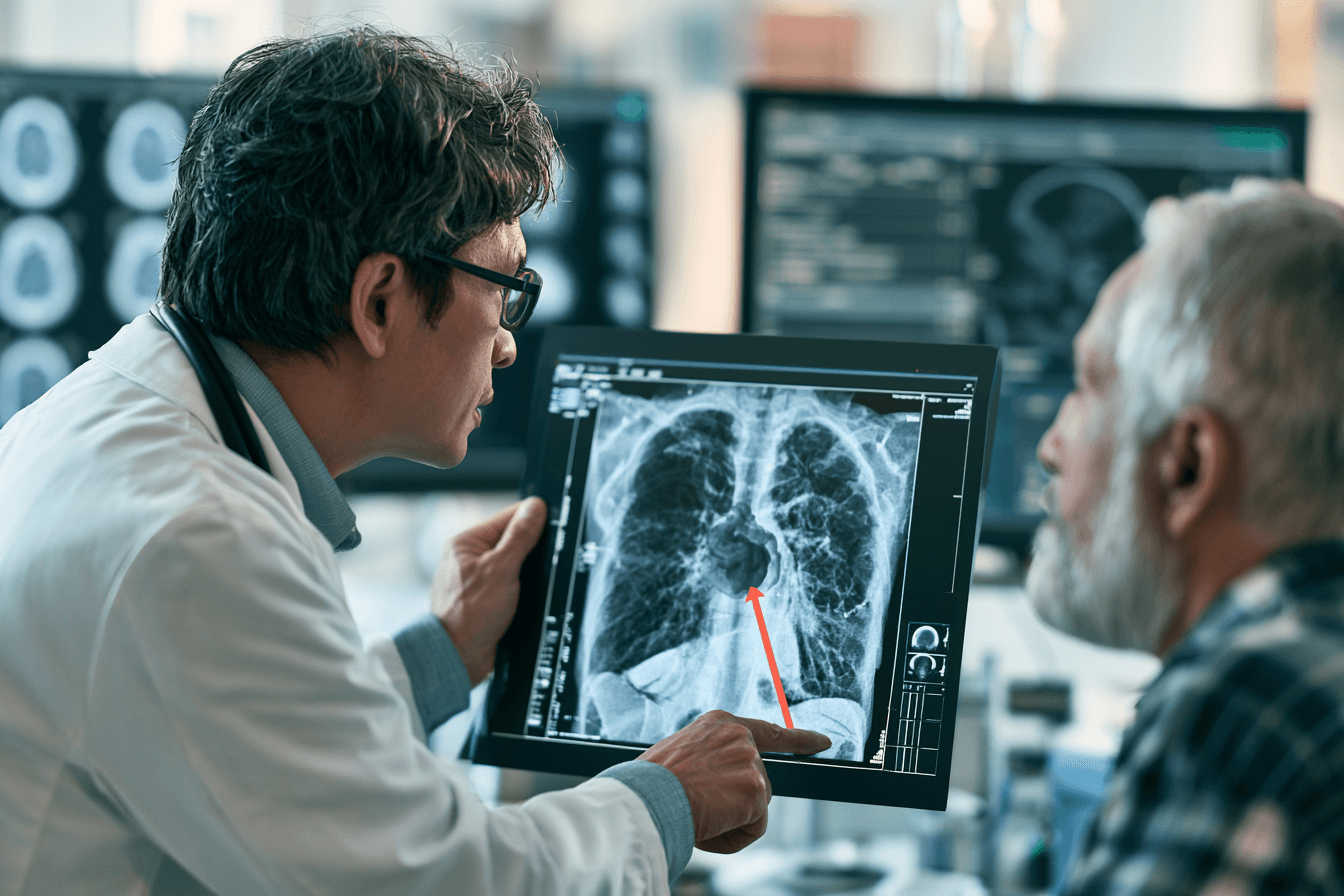
What is recurrent small cell lung cancer?
Recurrent small cell lung cancer means that SCLC has returned or started growing again after initially responding to chemotherapy, immunotherapy, radiation therapy or combined treatment. It may recur in the chest, brain, liver, bones, adrenal glands or several organs at the same time.
What are the first symptoms of recurrent small cell lung cancer?
Common relapse symptoms include worsening cough, increasing breathlessness, chest pain, blood in sputum, severe fatigue, reduced appetite and unexplained weight loss. Headache, confusion, weakness, bone pain or jaundice may develop when the cancer spreads beyond the chest.
How soon can small cell lung cancer return?
Small cell lung cancer may return during treatment, within a few months or after a longer remission. The time between completing first line treatment and relapse helps doctors decide whether the cancer may still respond to platinum chemotherapy or requires a different treatment.
What is platinum sensitive SCLC relapse?
Platinum sensitive SCLC usually means that the cancer responded to platinum chemotherapy and remained controlled for a meaningful period before returning. Selected patients may receive carboplatin or cisplatin with etoposide again, depending on previous toxicity, organ function and physical strength.
What is resistant or refractory SCLC?
Resistant SCLC returns soon after first line treatment, while refractory SCLC continues growing during treatment or fails to respond adequately. These relapse patterns are less likely to respond strongly to the original chemotherapy and usually require a different treatment strategy.
How is recurrent small cell lung cancer confirmed?
Recurrent SCLC is confirmed through comparison of current imaging with previous scans. Contrast enhanced CT, brain MRI, blood investigations and occasionally PET CT or repeat biopsy help identify where the cancer has returned and whether it has spread to other organs.
Can the original chemotherapy be used again?
The original platinum and etoposide chemotherapy may be considered again when the first response was meaningful and the cancer returned after a longer treatment free interval. Kidney function, hearing, nerve damage, blood counts and previous side effects must also be reviewed.
What is tarlatamab for recurrent SCLC?
Tarlatamab is a DLL3 directed bispecific T cell engager used after platinum based chemotherapy in eligible patients with extensive stage SCLC. It helps T cells recognise cancer cells but requires close monitoring for fever, low blood pressure, breathing difficulty and neurological changes.
Is lurbinectedin used for recurrent small cell lung cancer?
Lurbinectedin is a treatment option after SCLC progresses during or after platinum chemotherapy. It may reduce recurrent tumours in selected patients, but blood counts, liver function, infection risk, fatigue and treatment tolerance must be monitored carefully.
Is topotecan effective for recurrent SCLC?
Topotecan may provide tumour control and symptom improvement in selected patients with recurrent SCLC. It is available in oral and intravenous forms, but it can cause significant anaemia, neutropenia and low platelets, requiring regular blood tests.
Can radiation therapy be used after SCLC returns?
Radiation may be used for brain metastases, painful bone lesions, spinal cord compression, chest bleeding or airway obstruction. It can provide rapid local control, although systemic treatment is usually required when cancer is present in several areas.
Can Ayurveda be used during chemotherapy or tarlatamab?
Ayurvedic treatment may be coordinated with chemotherapy, tarlatamab or radiation after reviewing blood counts, liver function, kidney function and the complete medicine list. Unsupervised herbs or supplements may interact with cancer medicines or conceal serious treatment reactions.
How does Panaceayur approach recurrent SCLC?
Panaceayur uses an Ayurveda led curative intent model centred on the recurrent tumour, metastatic pattern, respiratory function, Agni, Dhātu Kṣaya, Bala, Ojas and organ reserve. Treatment is individually prepared and monitored through scans, laboratory investigations and functional recovery.
Does Panaceayur use Ayurveda only for supportive care?
No. The Panaceayur model is directed toward measurable disease control rather than only managing cough, appetite loss, weakness or treatment discomfort. Modern oncology treatments may be coordinated when rapid tumour reduction, radiation or emergency intervention is clinically necessary.
Is there one Ayurvedic medicine for every recurrent SCLC patient?
No. Ayurvedic treatment must differ according to relapse timing, metastatic sites, breathing capacity, digestion, weight loss, blood counts, liver function, kidney function and concurrent cancer treatment. Another patient’s prescription should not be copied.
Reference
Modern SCLC Guidelines, Recurrence, and Surveillance
[1] PDQ Adult Treatment Editorial Board. (2025, May 14). Small cell lung cancer treatment (PDQ®): Health professional version. National Cancer Institute. https://www.cancer.gov/types/lung/hp/small-cell-lung-treatment-pdq
Used for: Core evidence summaries on SCLC staging, recurrent disease, treatment-sensitive and treatment-resistant relapse, systemic therapy, platinum rechallenge, topotecan, lurbinectedin, tarlatamab, radiation therapy, symptom-directed procedures, and clinical trials. The PDQ is an evidence summary rather than a formal clinical-practice guideline.
[2] PDQ Adult Treatment Editorial Board. (2025, May 8). Small cell lung cancer treatment (PDQ®): Patient version. National Cancer Institute. https://www.cancer.gov/types/lung/patient/small-cell-lung-treatment-pdq
Used for: Patient-oriented explanations of recurrent SCLC treatment, chemotherapy, immunotherapy, radiation therapy, airway stenting, laser procedures, internal radiation, and symptom management.
[3] Lalla, M., Dhillon, P., Polat, B. E., & Cheng, H. (2026). Update 2026: Management of small cell lung cancer. Lung, 204, Article 62. https://doi.org/10.1007/s00408-026-00927-6
Used for: A recent comprehensive review of the SCLC treatment landscape, treatment sequencing, relapse management, tarlatamab, emerging therapeutic targets, clinical-trial directions, and developments through August 2026.
[4] Dingemans, A.-M. C., Früh, M., Ardizzoni, A., Besse, B., Faivre-Finn, C., Hendriks, L. E., Lantuejoul, S., Peters, S., Reguart, N., Rudin, C. M., De Ruysscher, D., Van Schil, P. E., Vansteenkiste, J., & Reck, M. (2021). Small-cell lung cancer: ESMO Clinical Practice Guidelines for diagnosis, treatment and follow-up. Annals of Oncology, 32(7), 839–853. https://doi.org/10.1016/j.annonc.2021.03.207
Used for: European recommendations on diagnosis, staging, brain MRI, thoracic and abdominal imaging, relapse classification, platinum rechallenge, topotecan, lurbinectedin, radiation therapy, and post-treatment follow-up.
[5] Khurshid, H., Ismaila, N., Bian, J., Dabney, R., Das, M., Ellis, P., Feldman, J., Hann, C., Kulkarni, S., Laskin, J., Manochakian, R., Mishra, D. R., Preeshagul, I., Reddy, P., Saxena, A., Weinberg, F., & Kalemkerian, G. P. (2023). Systemic therapy for small-cell lung cancer: ASCO-Ontario Health (Cancer Care Ontario) guideline. Journal of Clinical Oncology, 41(35), 5448–5472. https://doi.org/10.1200/JCO.23.01435
Used for: Evidence-based systemic-treatment selection, relapse timing, treatment considerations for older or less-fit patients, myeloid support, subsequent-line therapy, and patient- and disease-related factors that influence treatment choice.
[6] Kalemkerian, G. P., Khurshid, H., Ismaila, N., & Systemic Therapy for Small Cell Lung Cancer Guideline Expert Panel. (2025). Systemic therapy for small cell lung cancer: ASCO guideline rapid recommendation update. Journal of Clinical Oncology, 43(1), 101–105. https://doi.org/10.1200/JCO-24-02245
Used for: Updated ASCO recommendations incorporating tarlatamab into the treatment pathway for previously treated SCLC and reflecting recent practice-changing evidence.
[7] Stewart, C. A., Gay, C. M., Xi, Y., Sivajothi, S., Sivakamasundari, V., Fujimoto, J., Bolisetty, M., Hartsfield, P. M., Balasubramaniyan, V., Chalishazar, M. D., Moran, C., Kalhor, N., Stewart, J., Tran, H., Swisher, S. G., Roth, J. A., Zhang, J., de Groot, J., Glisson, B., . . . Byers, L. A. (2020). Single-cell analyses reveal increased intratumoral heterogeneity after the onset of therapy resistance in small-cell lung cancer. Nature Cancer, 1(4), 423–436. https://doi.org/10.1038/s43018-019-0020-z
Used for: Explaining how SCLC that initially responds to treatment may later become resistant. The study supports increased intratumoral heterogeneity and the emergence of multiple resistance-associated cellular states after treatment pressure.
[8] Schneider, B. J., Ismaila, N., Aerts, J. G., Chiles, C., Daly, M. E., Detterbeck, F. C., Hearn, J. W. D., Katz, S. I., Leighl, N. B., Levy, B., Meyers, B., Murgu, S., Nekhlyudov, L., Santos, E. S., Singh, N., Tashbar, J., Yankelevitz, D., & Altorki, N. (2020). Lung cancer surveillance after definitive curative-intent therapy: ASCO guideline. Journal of Clinical Oncology, 38(7), 753–766. https://doi.org/10.1200/JCO.19.02748
Used for: CT-based surveillance following definitive curative-intent lung-cancer treatment and the role of brain MRI surveillance in SCLC. It also supports timely evaluation of possible recurrence rather than waiting for symptoms to become severe.
Symptoms, Metastatic Sites, and Emergency Warning Signs
[9] American Cancer Society. (2025, February 27). Signs and symptoms of lung cancer. https://www.cancer.org/cancer/types/lung-cancer/detection-diagnosis-staging/signs-symptoms.html
Used for: Cough, breathlessness, haemoptysis, chest pain, hoarseness, recurrent respiratory infection, unexplained weight loss, bone pain, neurological symptoms, superior vena cava syndrome, and possible paraneoplastic manifestations.
[10] National Cancer Institute. (2026, August 17). Metastatic cancer: When cancer spreads. https://www.cancer.gov/types/metastatic-cancer
Used for: Explaining metastatic recurrence and relating symptoms to the organs affected, including the brain, bones, liver, lungs, and other sites.
[11] American Lung Association. (2026, January 20). Brain metastasis from lung cancer. https://www.lung.org/lung-health-diseases/lung-disease-lookup/lung-cancer/symptoms-diagnosis/lung-cancer-staging/brain-metastasis
Used for: Headache, vomiting, memory changes, confusion, seizures, visual symptoms, weakness, speech changes, and the role of contrast-enhanced brain MRI in evaluating suspected brain metastases.
[12] American Lung Association. (2026, January 20). Liver metastasis from lung cancer. https://www.lung.org/lung-health-diseases/lung-disease-lookup/lung-cancer/symptoms-diagnosis/lung-cancer-staging/liver-mets
Used for: Abdominal discomfort, reduced appetite, nausea, jaundice, dark urine, unexplained weight loss, and imaging used to evaluate suspected liver metastases.
[13] South Tees Hospitals NHS Foundation Trust. (2025, October 8). Metastatic spinal cord compression information for patients. https://www.southtees.nhs.uk/services/cancer-institute/radiotherapy/patient-information-for-radiotherapy/metastatic-spinal-cord-compression-information-for-patients/
Used for: Emergency warning signs of metastatic spinal cord compression, including severe or progressive back pain, limb weakness, altered sensation, difficulty walking, and loss of bladder or bowel control.
Recurrent SCLC Treatment Options
[14] U.S. Food and Drug Administration. (2025, November 19). FDA grants traditional approval to tarlatamab-dlle for extensive stage small cell lung cancer. https://www.fda.gov/drugs/resources-information-approved-drugs/fda-grants-traditional-approval-tarlatamab-dlle-extensive-stage-small-cell-lung-cancer
Used for: The current U.S. traditional-approval indication for tarlatamab-dlle in adults with extensive-stage SCLC whose disease has progressed on or after platinum-based chemotherapy, together with major safety concerns such as cytokine-release syndrome and neurological toxicity.
[15] Mountzios, G., Sun, L., Cho, B. C., Demirci, U., Baka, S., Gümüş, M., Lugini, A., Zhu, B., Yu, Y., Korantzis, I., Han, J.-Y., Ciuleanu, T. E., Ahn, M.-J., Rocha, P., Mazières, J., Lau, S. C. M., Schuler, M., Blackhall, F., Yoshida, T., . . . Dingemans, A.-M. C. (2025). Tarlatamab in small-cell lung cancer after platinum-based chemotherapy. The New England Journal of Medicine, 393(4), 349–361. https://doi.org/10.1056/NEJMoa2502099
Used for: The phase 3 DeLLphi-304 trial comparing tarlatamab with physician-selected chemotherapy after platinum-based treatment, including overall-survival, response, and comparative-safety findings.
[16] Ahn, M.-J., Cho, B. C., Felip, E., Korantzis, I., Ohashi, K., Majem, M., Juan-Vidal, O., Handzhiev, S., Izumi, H., Lee, J.-S., Dziadziuszko, R., Wolf, J., Blackhall, F., Reck, M., Bustamante Alvarez, J., Hummel, H.-D., Dingemans, A.-M. C., Sands, J., Akamatsu, H., . . . Paz-Ares, L. (2023). Tarlatamab for patients with previously treated small-cell lung cancer. The New England Journal of Medicine, 389(22), 2063–2075. https://doi.org/10.1056/NEJMoa2307980
Used for: Phase 2 DeLLphi-301 evidence concerning objective response, durability of response, cytokine-release syndrome, neurological adverse events, and monitoring requirements in previously treated SCLC.
[17] Baize, N., Monnet, I., Greillier, L., Geier, M., Lena, H., Janicot, H., Vergnenègre, A., Crequit, J., Lamy, R., Auliac, J.-B., Letreut, J., Le Caer, H., Gervais, R., Dansin, E., Madroszyk, A., Renault, P.-A., Le Garff, G., Falchero, L., Bérard, H., . . . Chouaid, C. (2020). Carboplatin plus etoposide versus topotecan as second-line treatment for patients with sensitive relapsed small-cell lung cancer: An open-label, multicentre, randomised, phase 3 trial. The Lancet Oncology, 21(9), 1224–1233. https://doi.org/10.1016/S1470-2045(20)30461-7
Used for: Platinum–etoposide rechallenge in treatment-sensitive relapse, particularly for patients whose SCLC returned at least 90 days after completion of first-line platinum-based treatment.
[18] U.S. Food and Drug Administration. (2020, June 16). FDA grants accelerated approval to lurbinectedin for metastatic small cell lung cancer. https://www.fda.gov/drugs/drug-approvals-and-databases/fda-grants-accelerated-approval-lurbinectedin-metastatic-small-cell-lung-cancer
Used for: The FDA’s 2020 accelerated-approval basis for lurbinectedin following progression on or after platinum-based chemotherapy, including the response-rate basis for approval and principal adverse-effect monitoring.
[19] Trigo, J., Subbiah, V., Besse, B., Moreno, V., López, R., Sala, M. A., Peters, S., Ponce, S., Fernández, C., Alfaro, V., Gómez, J., Kahatt, C., Zeaiter, A., Zaman, K., Boni, V., Arrondeau, J., Martínez, M., Delord, J.-P., Awada, A., . . . Paz-Ares, L. (2020). Lurbinectedin as second-line treatment for patients with small-cell lung cancer: A single-arm, open-label, phase 2 basket trial. The Lancet Oncology, 21(5), 645–654. https://doi.org/10.1016/S1470-2045(20)30068-1
Used for: Lurbinectedin response rates, duration of response, survival findings, treatment-related toxicity, and differences in response between chemotherapy-sensitive and chemotherapy-resistant disease. Because this was a single-arm study, comparative conclusions require caution.
[20] O’Brien, M. E. R., Ciuleanu, T.-E., Tsekov, H., Shparyk, Y., Cucevia, B., Juhasz, G., Thatcher, N., Ross, G. A., Dane, G. C., & Crofts, T. (2006). Phase III trial comparing supportive care alone with supportive care with oral topotecan in patients with relapsed small-cell lung cancer. Journal of Clinical Oncology, 24(34), 5441–5447. https://doi.org/10.1200/JCO.2006.06.5821
Used for: Survival and symptom-control outcomes with oral topotecan in relapsed SCLC, particularly among patients considered unsuitable for standard intravenous treatment, as well as the risk of clinically important haematological toxicity.
[21] Eckardt, J. R., von Pawel, J., Pujol, J.-L., Papai, Z., Quoix, E., Ardizzoni, A., Poulin, R., Preston, A. J., Dane, G., & Ross, G. (2007). Phase III study of oral compared with intravenous topotecan as second-line therapy in small-cell lung cancer. Journal of Clinical Oncology, 25(15), 2086–2092. https://doi.org/10.1200/JCO.2006.08.3998
Used for: Comparing oral and intravenous topotecan in treatment-sensitive relapsed SCLC, including efficacy, administration convenience, and toxicity considerations.
[22] Simone, C. B., II, Bogart, J. A., Cabrera, A. R., Daly, M. E., DeNunzio, N. J., Detterbeck, F., Faivre-Finn, C., Gatschet, N., Gore, E., Jabbour, S. K., Kruser, T. J., Schneider, B. J., Slotman, B., Turrisi, A., Wu, A. J., Zeng, J., & Rosenzweig, K. E. (2020). Radiation therapy for small cell lung cancer: An ASTRO clinical practice guideline. Practical Radiation Oncology, 10(3), 158–173. https://doi.org/10.1016/j.prro.2020.02.009
Used for: Evidence-based SCLC-specific radiation principles, including thoracic radiation, cranial irradiation, and radiation in selected limited- and extensive-stage settings. Site-specific guidance should also be consulted for emergency spinal-cord or palliative bone irradiation.
Objective Response and Functional Assessment
[23] Eisenhauer, E. A., Therasse, P., Bogaerts, J., Schwartz, L. H., Sargent, D., Ford, R., Dancey, J., Arbuck, S., Gwyther, S., Mooney, M., Rubinstein, L., Shankar, L., Dodd, L., Kaplan, R., Lacombe, D., & Verweij, J. (2009). New response evaluation criteria in solid tumours: Revised RECIST guideline (version 1.1). European Journal of Cancer, 45(2), 228–247. https://doi.org/10.1016/j.ejca.2008.10.026
Used for: Standardized imaging-based definitions of complete response, partial response, stable disease, and progressive disease. It supports the principle that improvement in symptoms alone does not establish radiological remission.
[24] ECOG-ACRIN Cancer Research Group. (n.d.). ECOG performance status scale. https://ecog-acrin.org/resources/ecog-performance-status/
Used for: Assessing ambulatory ability, self-care, normal daily activity, work capacity, time spent in bed or a chair, and overall functional suitability for treatment. The scale can also be used to document changes during treatment.
Classical Ayurvedic Texts and Chapter Sources
[25] National Institute of Indian Medical Heritage. (n.d.). e-Saṃhitā: Suśruta Saṃhitā. Central Council for Research in Ayurvedic Sciences. https://niimh.nic.in/ebooks/esushruta/
Used for: An official digital classical-text source for verifying passages in the Suśruta Saṃhitā concerning Granthi, Apacī, Arbuda, Galagaṇḍa, Bala, and associated treatment principles.
[26] Suśruta. (n.d.). Granthi, Apacī, Arbuda and Galagaṇḍa Nidāna: Suśruta Saṃhitā, Nidāna Sthāna, Chapter 11. Easy Ayurveda. https://www.easyayurveda.com/sushruta-samhita-nidanasthana-chapter-11-granthi-apaci-arbudam-galaganda-nidanam-benign-tumor-cervical-metastasis-malignant-tumor-and-cervical-lymphadenitis/
Used for: Classical descriptions of Granthi and Arbuda, including abnormal tissue growth, Doṣa involvement, consistency, progression, and clinical differentiation. This material may be used as an Ayurvedic conceptual framework but should not be presented as a historical description of modern SCLC.
[27] Suśruta. (n.d.). Granthi, Apacī, Arbuda and Galagaṇḍa Cikitsā: Suśruta Saṃhitā, Cikitsā Sthāna, Chapter 18. Easy Ayurveda. https://www.easyayurveda.com/sushruta-samhita-chikitsasthana-chapter-18-granthi-apaci-arbuda-galaganda-cikitsitam-treatment-of-benign-tumour-goitre-malignant-tumour-and-cervical-lymphadenitis/
Used for: Classical treatment principles relating to Granthi and Arbuda, including consideration of the patient’s strength while addressing difficult or progressive tissue-growth disorders. It does not provide clinical evidence for treating modern SCLC.
[28] National Institute of Indian Medical Heritage. (n.d.). e-Saṃhitā: Caraka Saṃhitā. Central Council for Research in Ayurvedic Sciences. https://niimh.nic.in/ebooks/ecaraka/
Used for: An official digital classical-text source for checking Caraka Saṃhitā chapters concerning Rasāyana, Rājayakṣmā, Śvāsa, Hikkā, and Kāsa.
[29] Caraka. (2020). Rasāyana Adhyāya: Caraka Saṃhitā, Cikitsā Sthāna, Chapter 1 (R. H. Singh, J. S. Sodhi, & U. Dixit, Trans. & Comment.; U. Dixit, Y. S. Deole, & G. Basisht, Eds.). Charak Samhita Research, Training and Skill Development Centre. https://doi.org/10.47468/CSNE.2020.e01.s06.002
Used for: Classical concepts of Rasāyana, Bala, tissue nourishment and formation, resilience, recovery, and maintenance of physiological strength. These concepts may support the restorative component of an integrative model but do not establish anticancer efficacy.
[30] Caraka. (2020). Rājayakṣmā Cikitsā: Caraka Saṃhitā, Cikitsā Sthāna, Chapter 8 (B. K. Sewatkar, G. Vaish, & P. Choudhary, Trans. & Comment.; M. S. Baghel, Y. S. Deole, & G. Basisht, Eds.). Charak Samhita Research, Training and Skill Development Centre. https://doi.org/10.47468/CSNE.2020.e01.s06.009
Used for: Ayurvedic descriptions of progressive wasting, cough, weakness, loss of appetite, tissue depletion, and declining Bala. Rājayakṣmā should not be equated diagnostically with lung cancer or SCLC.
[31] Caraka. (2020). Hikkā and Śvāsa Cikitsā: Caraka Saṃhitā, Cikitsā Sthāna, Chapter 17 (M. Rao, Trans. & Comment.; G. Singh, M. Goyal, Y. S. Deole, & G. Basisht, Eds.). Charak Samhita Research, Training and Skill Development Centre. https://doi.org/10.47468/CSNE.2020.e01.s06.018
Used for: Classical assessment and treatment principles relating to difficult breathing, Prāṇavaha Srotas involvement, and the clinical severity of Śvāsa. These concepts should complement rather than replace modern investigation of breathlessness.
[32] Caraka. (2020). Kāsa Cikitsā: Caraka Saṃhitā, Cikitsā Sthāna, Chapter 18 (T. Nesari, S. Mallya, & Y. S. Deole, Trans. & Comment.; G. Singh, M. Goyal, Y. S. Deole, & G. Basisht, Eds.). Charak Samhita Research, Training and Skill Development Centre. https://doi.org/10.47468/CSNE.2020.e01.s06.019
Used for: Classical differentiation of cough according to Doṣa, tissue involvement, chronicity, weakness, and associated respiratory manifestations. Persistent or changing cough in a person with SCLC still requires modern oncological assessment.
Modern Ayurveda, Cancer Research, and Safety
[33] Arnold, J. T. (2023). Integrating Ayurvedic medicine into cancer research programs part 1: Ayurveda background and applications. Journal of Ayurveda and Integrative Medicine, 14(2), Article 100676. https://doi.org/10.1016/j.jaim.2022.100676
Used for: Translating concepts such as Prakṛti, Agni, Āma, mind–body assessment, and individualized Ayurvedic care into a modern cancer-research framework. The review also identifies the limited quantity of rigorous efficacy evidence and the need for scientific validation.
[34] Arnold, J. T. (2023). Integrating Ayurvedic medicine into cancer research programs part 2: Ayurvedic herbs and research opportunities. Journal of Ayurveda and Integrative Medicine, 14(2), Article 100677. https://doi.org/10.1016/j.jaim.2022.100677
Used for: Research involving Ayurvedic botanicals, Rasāyana, curcumin, Ashwagandha, and Triphalā, together with research gaps involving standardization, mechanisms, safety, pharmacology, and human clinical validation.
[35] Heo, J. U., Rao, S., Newton, H. B., Dowlati, A., Muzic, R. F., Jr., & Kardan, A. (2026). Phase 1 trial of Withania somnifera leaf extract (RH324) in advanced non-small cell lung cancer including [18F]FDG PET/CT as a short-term metabolic biomarker to assess efficacy: A novel model for assessment of complimentary therapies in early phase human clinical trials. Integrative Cancer Therapies, 25, Article 15347354251410182. https://doi.org/10.1177/15347354251410182
Used for: Preliminary human safety and tolerability data for a standardized Withania somnifera leaf extract and the use of PET/CT metabolic measurements in an early-phase study. The study involved advanced NSCLC rather than SCLC, enrolled only nine patients, and had five participants complete the imaging assessment; it cannot establish efficacy or cure in recurrent SCLC. The word “complimentary” is retained because it appears in the published article title.
[36] National Center for Complementary and Integrative Health. (2021, October). Cancer and complementary health approaches: What you need to know. https://www.nccih.nih.gov/health/cancer-and-complementary-health-approaches-what-you-need-to-know
Used for: Explaining the limitations of current complementary-cancer evidence, the difference between laboratory findings and demonstrated human clinical benefit, and the importance of not replacing or delaying medically indicated cancer evaluation and treatment.
[37] National Center for Complementary and Integrative Health. (2024, December). Herb–drug interactions. https://www.nccih.nih.gov/health/providers/digest/herb-drug-interactions
Used for: Coordinating Ayurvedic products with chemotherapy, immunotherapy, anticoagulants, and other prescribed medicines. It supports reviewing pharmacokinetic and pharmacodynamic interactions, additive toxicity, and product-quality risks, especially when conventional medicines have narrow therapeutic margins.
[38] National Center for Complementary and Integrative Health. (2019, January). Ayurvedic medicine: In depth. https://www.nccih.nih.gov/health/ayurvedic-medicine-in-depth
Used for: Evidence-quality and safety considerations, including disclosure of all Ayurvedic products, quality-controlled preparation, monitoring for possible toxicity, and avoidance of contaminated products. It also supports the conclusion that only a limited number of well-designed clinical trials of Ayurvedic interventions are available.