



- What Survival Rate and Life Expectancy Mean in Small Cell Lung Cancer
- How Small Cell Lung Cancer Is Staged
- How TNM, Limited-Stage, Extensive-Stage and SEER Categories Relate
- Small Cell Lung Cancer Survival Rate at a Glance
- Stage 1 Small Cell Lung Cancer Survival Rate and Life Expectancy
- Stage 2 Small Cell Lung Cancer Survival Rate and Life Expectancy
- Stage 3 Small Cell Lung Cancer Survival Rate and Life Expectancy
- Stage 4 Small Cell Lung Cancer Survival Rate and Life Expectancy
- Limited-Stage Versus Extensive-Stage Small Cell Lung Cancer Survival
- Small Cell Lung Cancer Life Expectancy With and Without Treatment
- How Modern Treatments Are Changing Small Cell Lung Cancer Survival
- How Ayurveda Can Support Survival and Help Protect the Patient During SCLC Treatment
- Factors That Affect Small Cell Lung Cancer Survival Beyond the Stage
- Recurrence and Survival After Small Cell Lung Cancer Returns
- How Families Should Interpret Small Cell Lung Cancer Survival Statistics
- Frequently Asked Questions
- References
Small cell lung cancer survival rate depends mainly on the stage of the disease at diagnosis, how well the cancer responds to treatment and the patient’s overall health. Patients with limited-stage small cell lung cancer generally have a better prognosis than those with extensive-stage disease because the cancer is confined to one radiation field and can often receive combined treatment. Advances in chemotherapy, immunotherapy and consolidation therapy have improved survival for selected patients, but life expectancy still varies considerably from one individual to another. In this guide, you will learn the latest survival statistics by stage, factors that influence prognosis, modern treatment outcomes and how an integrative Ayurvedic approach may support patients during their cancer journey.
United States SEER data report a 5-year relative survival rate of 34% for localized SCLC, 20% for regional disease, and 4% for distant disease, with 9% across all stages. The National Cancer Institute reports a median survival of approximately 16–24 months for limited-stage SCLC and 6–12 months for extensive-stage disease with treatment. These figures describe groups of patients rather than predicting how long one individual will live. Treatment response, physical fitness, age, nodal involvement, metastatic burden, and access to newer treatments can substantially alter the outlook.
What Survival Rate and Life Expectancy Mean in Small Cell Lung Cancer

When you or someone in your family is diagnosed with small cell lung cancer, survival figures may be among the first things you search for. Numbers such as five-year survival, median survival and life expectancy can appear frightening, especially when they are presented without explanation. These figures are useful for understanding the general behaviour of the disease, but they cannot tell us exactly how long one person will live.
Small cell lung cancer usually grows and spreads faster than most non-small cell lung cancers. However, it can also respond quickly to chemotherapy and radiotherapy, particularly during the first course of treatment. A patient’s outcome therefore depends not only on the stage but also on the treatment response, physical strength, organ function, metastatic burden and ability to complete the recommended treatment.
What Does the Five-Year Survival Rate Mean?
The five-year relative survival rate shows how many people with small cell lung cancer are alive five years after diagnosis compared with people of the same age and sex who do not have the cancer. It does not mean that every patient who survives five years will die soon afterwards. It also does not mean that a person with a low five-year survival percentage cannot live for many years.
For example, the five-year relative survival rate is approximately 34% when small cell lung cancer is localized, 20% when it has spread to nearby lymph nodes or structures, and 4% when it has reached distant organs. When all stages are combined, the five-year relative survival rate is approximately 9%.[1]
These percentages describe large groups of patients diagnosed in earlier years. They include people of different ages, health conditions, treatment responses and access to medical care. A person diagnosed today may receive treatments that were not widely available when some of these survival records were collected.
What Does Median Survival Mean?
Median survival is the point at which half of the patients in a study are still alive and half have died. If a study reports a median survival of 12 months, it does not mean that every patient will live for exactly 12 months. Some people may live for only a few months, while others may survive for several years.
The National Cancer Institute reports a median survival of approximately 16 to 24 months for limited-stage small cell lung cancer. For extensive-stage disease, median survival with treatment has traditionally been approximately 6 to 12 months.[2] These are broad estimates and should not be treated as an individual deadline.
When we explain a median to a patient, we should describe it as the middle point of a group rather than the maximum possible survival. You may be above or below that middle point depending on the exact extent of the cancer, your physical condition and how strongly the disease responds to treatment.
What Is Meant by Life Expectancy?
Life expectancy is an estimated period based on the experience of other patients with a similar disease stage and treatment situation. It is not a fixed date. Two patients with the same stage may have very different outcomes because their cancers may differ in tumour volume, lymph-node involvement, metastatic sites and treatment sensitivity.
One patient with Stage IV disease may have a small number of metastatic lesions and remain physically active. Another patient may have widespread liver, brain and bone involvement with significant weakness. Both are described as having Stage IV small cell lung cancer, but their expected treatment tolerance and survival may be very different.
Doctors therefore consider more than the stage when discussing life expectancy. They assess the patient’s activity level, weight loss, breathing capacity, blood counts, kidney and liver function, neurological symptoms and response after the first treatment cycles. The survival estimate may change as new scan results and treatment responses become available.
Why Survival Statistics Cannot Predict One Patient’s Future
Survival statistics are based on previous groups, while every patient presents with a unique clinical situation. They cannot fully account for newer medicines, individual tumour biology, supportive care, nutritional improvement or access to consolidation and maintenance treatments.
A patient who responds completely to the first treatment and remains fit enough to receive the full treatment plan may live considerably longer than the original stage-based estimate. In contrast, rapid progression, severe weakness, major organ dysfunction or inability to complete treatment may reduce survival.
For this reason, we should use survival data to understand the seriousness of small cell lung cancer, not to remove hope or declare a fixed outcome. You and your family need a clear explanation of the statistics, but the treating team must connect those numbers with the patient’s actual scans, reports, symptoms and treatment response.
The Most Important Message for Patients and Families
A survival percentage is not a personal countdown. It is a population estimate that helps doctors compare outcomes, plan treatment and explain the likely course of the disease. The patient’s real outlook becomes clearer only after the exact stage is confirmed and the response to treatment is assessed.
When discussing prognosis, it is more useful to ask which published group most closely resembles the patient than to rely on one general internet figure. This approach gives the patient and family a more realistic understanding of the disease while preserving space for individual variation and better-than-average outcomes.
How Small Cell Lung Cancer Is Staged

Staging tells us how far small cell lung cancer has spread at the time of diagnosis. It helps the medical team select treatment, estimate the likely response and discuss survival more accurately. However, no stage can predict an individual patient’s future by itself.
Small cell lung cancer is commonly described in two ways. Doctors may use the limited-stage and extensive-stage system for treatment planning, while the TNM system describes the cancer as Stage I, II, III or IV. Population survival reports may also use the terms localized, regional and distant. These systems are related, but they are not exactly interchangeable.
What Is Limited-Stage Small Cell Lung Cancer?
Limited-stage small cell lung cancer usually means that the disease is present on one side of the chest and can be included within one safe radiotherapy treatment area. It may involve the original lung tumour and nearby lymph nodes in the chest or above the collarbone.
Most Stage I and Stage II small cell lung cancers are considered limited-stage disease. Many Stage III cancers are also treated as limited-stage when the tumour and involved lymph nodes can be safely covered by one planned radiation field.[3]
Limited-stage does not mean that the cancer is minor or harmless. Small cell lung cancer can spread early, even when scans show disease only in the chest. This is why systemic treatment is usually required in addition to local treatment.
When we evaluate limited-stage disease, we look at more than the size of the lung tumour. We also assess which lymph nodes are involved, how many nodal areas contain cancer and whether the patient can safely receive chemotherapy and chest radiotherapy.
What Is Extensive-Stage Small Cell Lung Cancer?
Extensive-stage small cell lung cancer means that the disease has spread beyond the area that can be safely treated within one chest radiation field. It may have reached the opposite lung, distant lymph nodes, pleural fluid or organs outside the chest.
Common distant sites include the brain, liver, bones and adrenal glands. Stage IV small cell lung cancer is classified as extensive-stage disease.
Some patients have one small distant lesion, while others have disease in several organs. Both situations may be called extensive-stage SCLC, but their symptoms, treatment response and life expectancy may not be the same.
If you have extensive-stage disease, it does not mean that treatment cannot help. Systemic treatment may reduce the tumour burden, control symptoms and extend survival. The outcome depends greatly on the number of metastatic sites, organ function, physical fitness and response to the first treatment cycles.
What Do T, N and M Mean?
The TNM system provides a more detailed anatomical description of small cell lung cancer. The letter T describes the primary tumour, including its size and whether it has entered nearby structures. The letter N describes whether the cancer has reached regional lymph nodes. The letter M indicates whether distant metastasis is present.
Doctors combine the T, N and M findings to assign Stage I, II, III or IV. The ninth edition of the TNM system can be applied to small cell lung cancer and provides more detail about lymph-node and metastatic patterns.[4]
This detailed staging is important because two patients may both be described as having limited-stage disease while having very different tumour volumes and lymph-node involvement. Their treatment plans may be similar, but their individual outlook may differ.
Stage I Small Cell Lung Cancer
Stage I generally means that the cancer remains within the lung and has not reached regional lymph nodes or distant organs. This is an uncommon presentation because small cell lung cancer often spreads before symptoms lead to diagnosis.
Selected patients with a small, node-negative tumour may be assessed for surgery. However, careful lymph-node and whole-body staging are essential because hidden spread can change the treatment plan.
A patient with confirmed Stage I disease generally has a more favourable outlook than someone with lymph-node or distant organ involvement. Even then, systemic treatment remains important because microscopic cancer cells may exist beyond what can be seen on scans.
Stage II Small Cell Lung Cancer
Stage II disease may involve a larger tumour, limited invasion into nearby structures or nearby lymph-node involvement. It is generally treated as limited-stage SCLC.
The outlook within Stage II can vary. A patient with a larger tumour but no lymph-node involvement may not have the same prognosis as another patient whose cancer has entered nearby nodes.
When discussing Stage II survival, we should therefore avoid presenting one fixed life-expectancy number. The exact tumour size, nodal status, treatment fitness and response to therapy must all be considered.
Stage III Small Cell Lung Cancer
Stage III small cell lung cancer is locally advanced disease. It may involve central chest structures, mediastinal lymph nodes, lymph nodes on the opposite side of the chest or nodes above the collarbone.
Many Stage III patients still have limited-stage disease when all visible cancer can be included in one safe radiotherapy field. Other Stage III cases may be too extensive within the chest for the usual limited-stage radiation approach.
The number of involved lymph-node stations can influence survival. A person with cancer in one mediastinal lymph-node station may have a different outlook from a patient with several involved nodal stations, even when both are placed within the same broad stage.
Stage IV Small Cell Lung Cancer
Stage IV means that the cancer has spread beyond its original region. It may involve the opposite lung, malignant pleural or pericardial fluid, or distant organs.
Stage IVA and Stage IVB provide further detail about the pattern of spread. A patient with one distant site may be separated from someone with multiple metastases across several organs.
This distinction matters because Stage IV is not one uniform condition. A person with a single small brain metastasis and good physical strength may tolerate treatment differently from someone with extensive liver, bone and brain involvement.
How SEER Categories Differ from TNM Stages
Cancer survival databases frequently use the terms localized, regional and distant rather than Stage I, II, III and IV. Localized disease means that the cancer remains within the lung. Regional disease means that it has reached nearby lymph nodes or structures. Distant disease means that it has spread to distant organs or tissues.[1]
These categories provide valuable population data, but they do not match individual TNM stages perfectly. Localized SCLC is often closest to early Stage I disease, regional SCLC broadly includes parts of Stages II and III, and distant SCLC is the nearest population category to Stage IV.
We should not describe the localized survival rate as an exact Stage I rate or the regional survival rate as an exact Stage III rate. They are broad comparisons drawn from groups of patients.
Why Exact Staging Matters Before Discussing Survival
Before asking how long a patient may live, the exact extent of the cancer must be established. This commonly requires imaging of the chest and abdomen, brain imaging, assessment of suspicious lymph nodes and evaluation of any possible distant lesions.
The doctor must also determine whether the disease is limited-stage or extensive-stage, whether it can be included within a safe radiation field and whether the patient is physically able to receive the planned treatment.
When you understand the exact TNM stage, lymph-node pattern and metastatic burden, the survival discussion becomes more meaningful. It still remains an estimate, but it is more useful than applying one general small cell lung cancer statistic to every patient.
How TNM, Limited-Stage, Extensive-Stage and SEER Categories Relate

Patients often become confused because small cell lung cancer may be described in several different ways. One report may say Stage III, another may say limited-stage disease, while an online survival table may use the word regional. These terms can describe similar disease patterns, but they do not always mean exactly the same thing.
Doctors use each system for a different purpose. The TNM system describes the anatomical extent of the cancer in detail. The limited-stage and extensive-stage system helps the oncology team plan treatment, while SEER categories are mainly used to report survival across large populations.
Why Doctors Use More Than One Staging System
The TNM system gives a detailed description of the primary tumour, lymph-node involvement and distant spread. It places the cancer into Stage I, II, III or IV and may also divide these stages into smaller substages.
The limited-stage and extensive-stage system is simpler. It asks whether all visible cancer can be included within one safe radiotherapy treatment area. This information is especially important when doctors are deciding whether chemotherapy and thoracic radiotherapy can be given together.
SEER uses localized, regional and distant categories because these broad groups allow researchers to compare survival across large cancer registries. SEER figures are valuable, but they do not provide one exact survival rate for every TNM stage.
How the Different Systems Commonly Correspond
The relationship between the staging systems can be understood through the following comparison. It should be viewed as a practical guide rather than an exact conversion.
| TNM stage | Common treatment-stage description | Closest SEER category | Important meaning |
| Stage I | Usually limited-stage | Usually localized | Cancer remains in the lung without regional lymph-node or distant spread |
| Stage II | Usually limited-stage | Localized or regional | The tumour may be larger or may involve nearby lymph nodes |
| Stage III | Often limited-stage, but sometimes too extensive for one safe radiation field | Usually regional | Cancer has reached more advanced chest structures or lymph-node areas |
| Stage IV | Extensive-stage | Distant | Cancer has spread to the opposite lung, pleural fluid or distant organs |
This table does not mean that every Stage I patient belongs perfectly within the localized SEER group. It also does not mean that every Stage III patient has the same survival as all patients classified as regional.
Why Stage I Is Not Exactly the Same as Localized SCLC
Stage I small cell lung cancer is usually confined to the lung without regional lymph-node involvement. Localized SEER disease also means that the cancer has not spread outside the lung, so the two categories are closely related.
However, the localized SEER group can contain patients with different tumour sizes, tumour locations and treatment approaches. Some may undergo surgery followed by chemotherapy, while others may receive chemotherapy and radiotherapy.
For this reason, the reported 34% five-year relative survival rate for localized SCLC should be presented as the closest broad population estimate for early disease. It should not be described as the exact Stage I survival rate for every patient.[1]
Why Stage II Can Fall Between Localized and Regional Disease
Stage II small cell lung cancer may involve a larger tumour without lymph-node spread, or it may involve nearby lymph nodes. A node-negative Stage II tumour may resemble localized disease, while node-positive Stage II cancer is more likely to be classified as regional.
This difference can affect survival. A patient with no nodal involvement may have a better outlook than another patient with cancer in nearby lymph nodes, even when both are described as Stage II.
When we discuss Stage II survival, we should therefore use localized, regional and limited-stage figures as a range of context. We should not force every Stage II patient into one population category.
Why Stage III Is Usually Linked With Regional SCLC
Stage III small cell lung cancer commonly involves mediastinal, hilar, supraclavicular or other regional lymph nodes. It may also involve nearby chest structures without distant metastasis.
Most Stage III cases are therefore closest to the regional SEER category. The reported five-year relative survival rate for regional SCLC is approximately 20%, but this remains a broad population estimate rather than an exact Stage III result.[1]
Many Stage III patients are still classified as limited-stage when all visible disease can be safely included within one radiotherapy field. However, some patients have such extensive chest involvement that the standard limited-stage radiation approach may not be possible.
This is why one person with Stage III SCLC may receive treatment with curative intent using concurrent chemotherapy and radiotherapy, while another may require a different treatment strategy. The same TNM stage can therefore contain patients with different treatment opportunities and survival prospects.
Why Stage IV Is Closest to Distant or Extensive-Stage SCLC
Stage IV small cell lung cancer means that the disease has spread beyond the original chest region. It may involve the brain, liver, bones, adrenal glands, the opposite lung or malignant fluid around the lungs or heart.
This stage is classified as extensive-stage disease and is closest to the distant SEER category. The five-year relative survival rate for distant SCLC is approximately 4%.[1]
Even within Stage IV disease, there can be major differences. One patient may have a single distant lesion, while another may have widespread involvement of several organs. Both patients have Stage IV cancer, but their physical condition, treatment response and life expectancy may not be the same.
Why Limited-Stage Does Not Always Mean an Early TNM Stage
The word limited can sound as though the cancer is small or at an early stage. In small cell lung cancer, however, limited-stage disease may include Stage I, Stage II and many Stage III cases.
The main question is not only how large the tumour is. The medical team must determine whether all known disease can be treated within one safe thoracic radiation field.
A patient may therefore have extensive lymph-node involvement in the chest and still be classified as limited-stage. Another patient may have a smaller primary tumour but one distant metastasis and be classified as extensive-stage.
Why SEER Survival Rates Should Not Be Directly Converted Into TNM Survival Rates
SEER groups patients according to broad patterns of spread. It does not provide a perfect one-to-one match with Stage I, II, III and IV SCLC.
Direct conversion can produce misleading statements. Saying that every Stage I patient has a 34% five-year survival rate or every Stage III patient has a 20% five-year survival rate removes important differences in tumour size, nodal burden, age, performance status and treatment response.
When we use SEER data, we should clearly identify the category as localized, regional or distant. We can then explain which TNM stages are usually closest to that category without claiming that they are identical.
How You Should Read a Survival Table
When you see a survival figure, first check which staging system has been used. A table based on SEER data will usually show localized, regional and distant disease, while a treatment guideline may report limited-stage and extensive-stage survival.
You should also check whether the figure is a five-year relative survival rate or a median overall survival. These measurements answer different questions and should not be compared as though they are the same.
The most accurate discussion combines the patient’s TNM stage, limited-stage or extensive-stage classification, lymph-node burden, metastatic sites and physical condition. Survival statistics then become a useful guide rather than a fixed prediction.
The Practical Meaning for Patients and Families
If a patient is told that the disease is Stage III and limited-stage, the two descriptions do not conflict. Stage III describes how far the cancer has spread anatomically, while limited-stage explains that the disease can still be included within a planned thoracic radiation field.
Similarly, Stage IV, extensive-stage and distant disease often refer to the same broad situation, but they arise from different classification systems. Understanding these differences helps the patient and family compare survival information more accurately and avoid unnecessary confusion.
Small Cell Lung Cancer Survival Rate at a Glance

Small cell lung cancer survival varies greatly according to how far the disease has spread. A tumour confined to the lung usually has a better outlook than cancer that has entered nearby lymph nodes or distant organs. However, stage is only one part of the prognosis.
The figures below provide broad population estimates. They describe what happened to large groups of patients and should not be treated as a fixed prediction for one person.
| Disease category | Five-year relative survival | Approximate median survival | How the figure should be understood |
| Localized SCLC | 34% | No single national median available | Cancer remains confined to the lung |
| Regional SCLC | 20% | No single national median available | Cancer has reached nearby lymph nodes or chest structures |
| Distant SCLC | 4% | Commonly 6 to 12 months with treatment | Cancer has spread to distant organs or tissues |
| All stages combined | 9% | Varies widely by disease extent | Includes localized, regional and distant cases together |
| Limited-stage SCLC | Approximately 14% at five years | Approximately 16 to 24 months | Usually includes Stages I, II and many Stage III cases |
| Extensive-stage SCLC | Long-term survival is less common | Approximately 6 to 12 months with treatment | Usually includes Stage IV disease |
| Untreated SCLC | No useful five-year comparison | Historically around 2 to 4 months | Reflects the rapid natural course of the disease |
The five-year figures for localized, regional and distant disease come from population-based cancer records.[1] The median survival estimates for limited-stage and extensive-stage disease come from clinical evidence summarised by the National Cancer Institute.[2] These measurements should not be directly compared without understanding how they were calculated.
Localized Small Cell Lung Cancer
Localized SCLC means that the cancer remains within the lung and has not entered nearby lymph nodes or distant organs. It is the closest population category to early Stage I disease, although it is not an exact match.
The five-year relative survival rate for localized SCLC is approximately 34%.[1] This means that people in this group were about 34% as likely as similar people without the cancer to be alive five years after diagnosis.
Some carefully selected patients with small, node-negative tumours may achieve better outcomes than the overall localized average. These patients are often physically fit, have smaller tumour burdens and may be eligible for surgery followed by systemic treatment.
Regional Small Cell Lung Cancer
Regional SCLC means that the cancer has spread from the lung into nearby lymph nodes or surrounding structures. This category broadly overlaps with parts of Stage II and Stage III disease.
The five-year relative survival rate for regional SCLC is approximately 20%.[1] However, one patient with involvement of a single nearby lymph node may have a different outlook from another patient with several affected mediastinal or supraclavicular nodes.
Many regional cases are still treated as limited-stage disease when all visible cancer can be safely included within a thoracic radiation field. Therefore, a regional classification does not automatically mean that the treatment is only intended to control symptoms.
Distant Small Cell Lung Cancer
Distant SCLC means that the cancer has spread beyond the chest region to organs such as the brain, liver, bones or adrenal glands. This category is the closest population comparison for Stage IV and extensive-stage SCLC.
The five-year relative survival rate for distant SCLC is approximately 4%.[1] The traditional median survival with treatment is approximately 6 to 12 months.[2]
These figures do not mean that every patient will live for less than one year. Some patients respond deeply to treatment and may live for several years, while others may have rapidly progressive disease that is difficult to control.
Limited-Stage Small Cell Lung Cancer
Limited-stage SCLC generally means that all visible disease can be included within one safe radiotherapy field. It may include Stage I, Stage II and many Stage III cases.
The traditional median survival for limited-stage SCLC is approximately 16 to 24 months, with a five-year survival estimate of around 14%.[2] These are broad averages that include patients with very different tumour sizes, lymph-node patterns and physical conditions.
A patient who completes combined chemotherapy and radiotherapy and has no progression may have a much better outlook than the traditional average. Newer consolidation treatments are also improving survival for selected patients.
Extensive-Stage Small Cell Lung Cancer
Extensive-stage SCLC means that the disease has spread beyond an area that can be treated within one safe chest radiation field. It usually includes Stage IV cancer and disease involving distant organs.
The traditional median survival with treatment is approximately 6 to 12 months.[2] Modern chemo-immunotherapy has moved the median closer to 12 months or slightly longer in several clinical studies, and a smaller group of patients remains alive for several years.
The patient’s outlook depends strongly on physical fitness, liver and kidney function, brain involvement, number of metastatic organs and response to the first treatment cycles. Two people with extensive-stage disease may therefore have very different survival experiences.
Why the All-Stage Survival Rate Can Be Misleading
The overall five-year relative survival rate for SCLC is approximately 9%.[1] This figure combines patients with early localized disease, regional disease and widespread metastatic cancer.
Because small cell lung cancer is often diagnosed after it has already spread, the overall figure is strongly influenced by the large number of extensive-stage cases. It should not be used to predict the outcome of a patient whose disease has been detected at an early stage.
Similarly, a patient with Stage IV disease should not assume that the overall 9% figure describes their exact situation. The distant-stage figure, treatment response and individual clinical condition provide more relevant information.
Why Older Survival Figures May Underestimate Current Outcomes
Cancer survival databases require several years of follow-up before five-year results can be reported. As a result, recently introduced treatments may not be fully represented in the latest population statistics.
A person diagnosed today may have access to immunotherapy, consolidation treatment, maintenance therapy and newer medicines for recurrent disease. These options were not available to every patient included in older survival records.
When we discuss prognosis, we should therefore combine established population data with the patient’s current treatment options. This gives a more balanced picture than relying only on historical survival tables.
How You Should Use These Numbers
You should use survival data to understand the general seriousness of the disease and the possible range of outcomes. You should not use one percentage or median as a personal deadline.
The treating team must first confirm the exact TNM stage, limited-stage or extensive-stage classification, lymph-node burden and metastatic sites. They should then reassess the outlook after seeing how the cancer responds to treatment.
For a patient and family, the most useful survival estimate is the one based on the most similar disease pattern, physical condition and treatment setting. Even then, it remains an informed estimate rather than a certainty.
Stage 1 Small Cell Lung Cancer Survival Rate and Life Expectancy
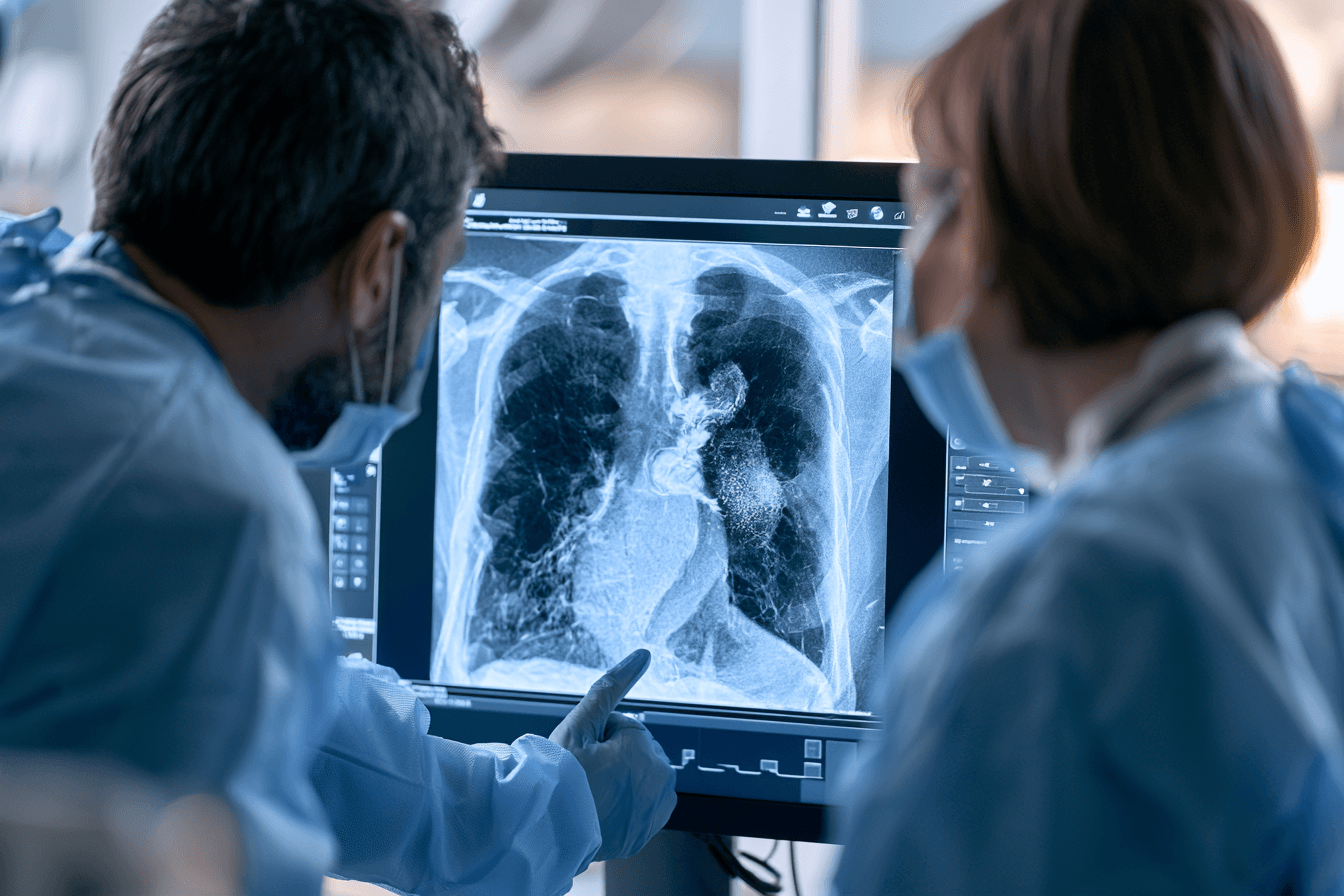
Stage 1 small cell lung cancer has the most favourable outlook among the TNM stages because the disease is still confined to the lung and has not reached regional lymph nodes or distant organs. It is usually classified as limited-stage SCLC, although Stage 1 disease is much more restricted than many other cancers included in the limited-stage group.
When we discuss Stage 1 survival, we must use the available data carefully. National cancer databases generally report survival for localized SCLC rather than publishing one exact survival rate for every Stage 1 subgroup.
What Does Stage 1 Small Cell Lung Cancer Mean?
Stage 1 SCLC generally means that the tumour is present in one lung without confirmed cancer in nearby lymph nodes. There is also no evidence that the disease has spread to the opposite lung, brain, liver, bones, adrenal glands or other distant sites.
Stage 1 may be further divided into smaller groups according to the tumour’s size and local extent. However, the most important feature is that the cancer remains node-negative and has not produced distant metastasis.
Small cell lung cancer can spread through the blood and lymphatic system at an early stage. Therefore, a small tumour seen on a chest scan does not automatically confirm Stage 1 disease. Complete staging is necessary before the medical team can provide a reliable survival estimate.
What Is the Stage 1 SCLC Survival Rate?
The closest broad population estimate is the five-year relative survival rate for localized small cell lung cancer, which is approximately 34%. These data are based on people diagnosed with SCLC in the United States between 2012 and 2018.
This 34% figure does not mean that every Stage 1 patient has exactly a 34% chance of living for five years. Localized disease is a broader registry category, and it may include patients with different tumour sizes, treatments, ages and physical conditions.
A carefully staged patient with a small tumour, no lymph-node involvement and good overall health may have a more favourable outlook than the general localized average. In contrast, hidden lymph-node involvement discovered during surgery or additional testing can change the stage, treatment plan and expected outcome.
What Is the Life Expectancy for Stage 1 SCLC?
There is no single reliable national median life-expectancy figure that applies only to Stage 1 small cell lung cancer. The National Cancer Institute reports a median survival of approximately 16 to 24 months for limited-stage SCLC as a whole, with an overall five-year survival of about 14%. However, this broad group includes many patients with Stage 2 and Stage 3 disease, so it should not be used as an exact Stage 1 prediction.
Stage 1 patients can live considerably longer than the general limited-stage median, particularly when the disease is fully treated and does not return. The localized five-year survival figure confirms that a meaningful proportion of patients remain alive for at least five years after diagnosis.
When you ask about life expectancy, the doctor should not give you only one number. The more useful discussion should include whether the tumour is truly node-negative, whether it can be completely treated, whether you can complete systemic therapy and how the disease responds during follow-up.
Why Complete Staging Is Critical
Small cell lung cancer may appear limited on the first CT scan while microscopic or hidden disease is already present elsewhere. Accurate staging may therefore require chest and abdominal imaging, brain imaging, evaluation of suspicious lymph nodes and assessment of any abnormal findings outside the lung.
Lymph-node staging is especially important when surgery is being considered. A patient who appears node-negative on a scan may still have cancer cells in mediastinal or hilar lymph nodes.
If involved lymph nodes are discovered, the disease may be reclassified as Stage 2 or Stage 3. This does not mean that treatment can no longer help, but the treatment approach and survival estimate may change.
Can Stage 1 Small Cell Lung Cancer Be Treated With Curative Intent?
Stage 1 SCLC may be treated with potentially curative intent when the patient is fit enough and the disease has been accurately staged. The treatment plan must address both the visible lung tumour and possible microscopic cancer cells elsewhere in the body.
For a small and carefully confirmed node-negative tumour, surgery may be considered. Chemotherapy is generally required after surgery because removing the lung tumour alone may not control microscopic disease.
The National Cancer Institute notes that selected patients with very limited disease have shown favourable outcomes after surgical removal followed by chemotherapy. However, surgery is suitable for only a minority of SCLC patients, and its role must be assessed individually because strong randomized evidence remains limited.
For patients who are not suitable for surgery, chemotherapy combined with thoracic radiotherapy may be used. Limited-stage SCLC is sensitive to both chemotherapy and radiation, and combined treatment has produced better long-term survival than chemotherapy alone.
Why Surgery Alone Is Usually Not Enough
Even when the complete visible tumour is removed, small cell lung cancer carries a risk of microscopic spread. These cancer cells may be too small to appear on CT, PET or MRI scans.
This is why postoperative chemotherapy is normally considered an important part of treatment. Radiation may also be recommended when lymph-node involvement, incomplete removal or other higher-risk features are found.
A patient should therefore not interpret successful surgery as the end of treatment. We must treat the whole disease process rather than only the visible lung mass.
What Factors Can Improve the Stage 1 Outlook?
A smaller tumour, confirmed absence of lymph-node involvement, complete treatment and good physical health are generally associated with a more favourable outcome. The ability to tolerate chemotherapy, radiotherapy or surgery also influences whether the planned treatment can be delivered fully.
The response to treatment remains important even at Stage 1. If follow-up imaging shows no remaining disease and the patient continues treatment without major interruptions, the possibility of long-term survival becomes stronger.
Age alone should not decide the prognosis. An older patient who remains active and has good heart, lung, liver and kidney function may tolerate treatment better than a younger patient with severe medical problems.
Stopping smoking is also important. Continued smoking can reduce lung reserve, increase treatment complications and may compromise survival during combined treatment for limited-stage SCLC.
Why Stage 1 SCLC Can Still Return
Stage 1 describes where the cancer was found at diagnosis. It does not guarantee that microscopic cancer cells are absent from the rest of the body.
Recurrence may develop in the chest, brain, liver, bones or another distant location. For this reason, regular follow-up scans and clinical examinations remain necessary even after a complete response.
A recurrence does not erase the benefit gained from early detection and initial treatment. However, it changes the prognosis and requires a new assessment based on the site of recurrence, the time since treatment and the patient’s current physical condition.
How You Should Understand the 34% Survival Figure
The 34% localized five-year survival rate is the strongest broad population figure available for early SCLC, but it is not a personal prediction. It includes patients with different levels of fitness, treatment access and treatment completion.
You may have a better outlook if the tumour is small, all staging tests confirm node-negative disease and the full treatment plan can be completed. A patient may have a less favourable outlook if hidden nodal disease, serious organ problems or early treatment resistance is present.
We should therefore use the 34% figure as a starting point for discussion rather than a final answer. The most accurate estimate becomes clearer after complete staging, treatment selection and assessment of the early response.
The Practical Meaning for Patients and Families
Stage 1 small cell lung cancer is serious, but it provides the strongest opportunity for long-term disease control among all SCLC stages. Treatment may be planned with curative intent, especially when the tumour is small, node-negative and suitable for complete multimodal treatment.
The patient and family should focus on confirming the stage accurately, starting treatment without unnecessary delay and completing the recommended plan as safely as possible. Survival data can guide expectations, but the individual outcome depends on how the cancer and the patient respond throughout treatment.
Stage 2 Small Cell Lung Cancer Survival Rate and Life Expectancy

Stage 2 small cell lung cancer is usually confined to the lung and nearby structures or lymph nodes, without evidence of distant metastasis. It is generally classified as limited-stage SCLC and is often treated with the aim of achieving long-term disease control.
The outlook is usually less favourable than Stage 1 because Stage 2 may involve a larger tumour, local invasion or nearby lymph nodes. However, many patients can still receive intensive combined treatment, and some achieve a prolonged remission.
What Does Stage 2 Small Cell Lung Cancer Mean?
Stage 2 SCLC means that the cancer has grown beyond the earliest stage but has not spread to distant organs. The tumour may be larger, may have entered nearby lung structures or may have reached lymph nodes close to the affected lung.
The disease is commonly divided into Stage 2A and Stage 2B according to tumour size, local extension and lymph-node involvement. The exact definition depends on the individual combination of tumour and nodal findings.
A Stage 2 diagnosis does not mean that the cancer has spread throughout the body. However, because small cell lung cancer can release microscopic cancer cells early, systemic treatment is normally required even when scans show disease only in the chest.
What Is the Stage 2 SCLC Survival Rate?
There is no reliable national survival table that provides one exact five-year survival percentage for every Stage 2 small cell lung cancer patient. Large cancer registries usually report SCLC survival as localized, regional or distant rather than separating Stage 1, Stage 2, Stage 3 and Stage 4.
The five-year relative survival rate is approximately 34% for localized SCLC and 20% for regional SCLC.[1] Stage 2 disease can fall between these categories because some patients have a larger node-negative tumour, while others have cancer in nearby lymph nodes.
A Stage 2 patient without lymph-node involvement may have an outlook closer to the localized group. A patient with confirmed nearby lymph-node involvement may have an outlook closer to the regional group.
We should therefore not claim that every Stage 2 patient has either a 34% or 20% five-year survival rate. These figures provide a reasonable population range, but the patient’s exact tumour and lymph-node pattern must be considered.
What Is the Life Expectancy for Stage 2 SCLC?
Stage 2 small cell lung cancer is normally included within the limited-stage category. The traditional median survival for limited-stage SCLC is approximately 16 to 24 months, while the five-year survival estimate for the entire limited-stage group is around 14%.[2]
These numbers include patients with Stage 1, Stage 2 and many Stage 3 cancers. They should therefore be used as broad clinical context rather than as an exact Stage 2 life expectancy.
Some Stage 2 patients live much longer than the median, especially when the cancer responds completely to treatment and does not return. Others may have a shorter survival if the disease is resistant to the first treatment, if hidden metastatic disease is discovered or if serious health problems prevent completion of therapy.
When you ask how long someone with Stage 2 SCLC may live, the most accurate answer is that survival varies widely. The estimate becomes more meaningful after the doctors confirm the lymph-node status and assess the response to the first treatment cycles.
Why Lymph-Node Involvement Matters
Lymph-node status is one of the most important differences between Stage 2 patients. A larger tumour without lymph-node spread may behave differently from a smaller tumour that has already reached nearby nodes.
When lymph nodes contain cancer cells, it shows that the disease has begun moving beyond the original lung tumour. It may also increase the likelihood that microscopic cancer cells are present elsewhere, even when distant metastases cannot be seen on scans.
The location and number of involved lymph nodes also matter. Cancer limited to one nearby nodal area may carry a different outlook from disease involving several nodal stations in the chest.
We therefore look beyond the general label of Stage 2. The complete staging report should describe the tumour size, the exact lymph nodes involved and whether any suspicious nodes were confirmed through tissue testing.
Can Stage 2 SCLC Be Treated With Curative Intent?
Stage 2 small cell lung cancer may be treated with curative intent when the disease remains limited to the chest and the patient is physically able to receive the recommended treatment. Curative intent does not guarantee that the cancer will never return, but it means that treatment is being planned to achieve the longest possible disease-free survival.
Most Stage 2 patients are treated with chemotherapy and thoracic radiotherapy. These treatments may be given during the same period because concurrent treatment can improve control of the cancer within the chest.
For a small number of patients with a node-negative tumour, surgery may be considered after detailed mediastinal lymph-node assessment. Chemotherapy is still usually recommended after surgery because SCLC has a high risk of microscopic spread.
If lymph-node involvement is confirmed, combined chemotherapy and radiotherapy are usually more appropriate than surgery. The medical team must individualize the plan according to tumour location, lung function, heart health and the patient’s general condition.
How Treatment Response Changes Life Expectancy
The initial stage provides the first survival estimate, but the response to treatment often provides more useful information. A patient whose tumour and lymph nodes reduce substantially after the first treatment cycles may have a better outlook than the original stage-based average.
A complete response means that no visible cancer can be detected on the available scans after treatment. It does not always mean that every cancer cell has disappeared, but it is generally associated with a more favourable outcome than a partial response or continued progression.
If the cancer progresses during chemotherapy or returns very soon after treatment, the disease is likely to be more resistant. In this situation, the life-expectancy estimate may become shorter even though the original diagnosis was Stage 2.
When we counsel a patient, we should therefore reassess the prognosis after treatment rather than repeating the same estimate given at diagnosis.
Can Modern Treatment Improve Stage 2 Survival?
Treatment for limited-stage SCLC continues to improve. Eligible patients who complete chemotherapy and thoracic radiotherapy without disease progression may be considered for consolidation treatment intended to reduce the risk of recurrence.
Modern treatment studies have shown that selected limited-stage patients can live considerably longer than older historical averages. However, these results cannot be applied equally to every Stage 2 patient because clinical-trial participants are usually fit enough to complete intensive treatment and must meet specific eligibility conditions.
A person diagnosed today may therefore have access to treatment options that were not widely available when older survival statistics were collected. This is one reason population survival tables may underestimate the outlook for some current patients.
What Factors Can Improve the Stage 2 Outlook?
A smaller tumour burden, absence of lymph-node involvement, good physical strength and complete treatment are generally associated with a more favourable outlook. Good lung, kidney, liver and heart function may also help the patient tolerate chemotherapy and radiotherapy more successfully.
Maintaining nutrition, controlling infections and managing treatment-related side effects can reduce interruptions. These supportive measures do not replace cancer treatment, but they may help the patient complete the planned therapy.
Stopping smoking is also important because continued smoking can reduce lung function, increase complications and interfere with recovery. The patient should receive practical support for smoking cessation rather than only being told to stop.
Why Stage 2 SCLC May Return After Treatment
Small cell lung cancer has a significant risk of recurrence even when it is diagnosed at Stage 2 and responds well initially. Cancer may return in the original chest area, nearby lymph nodes, brain, liver, bones or another distant organ.
The risk exists because microscopic cancer cells may remain after treatment even when scans show no visible tumour. Regular follow-up is therefore necessary after the initial treatment has been completed.
A recurrence does not affect every patient in the same way. The outlook after recurrence depends on how long the remission lasted, where the cancer returned, the patient’s current physical condition and which further treatments remain available.
How You Should Interpret Stage 2 Survival Numbers
Stage 2 SCLC has a serious but potentially treatable outlook. It generally offers a better opportunity for long-term survival than Stage 3 or Stage 4 disease because distant metastasis has not been identified.
You should not use one internet percentage as a personal prediction. A Stage 2 patient with no lymph-node involvement, good physical fitness and a complete treatment response may live considerably longer than a patient with multiple involved nodes and early treatment resistance.
The treating team should combine the TNM stage with the patient’s nodal findings, organ function, treatment tolerance and follow-up scans. This creates a more realistic survival discussion than using only the stage name.
The Practical Meaning for Patients and Families
Stage 2 small cell lung cancer is usually treated as limited-stage disease, often with the aim of achieving a prolonged remission. The broad survival context lies between localized SCLC, with a five-year relative survival rate of approximately 34%, and regional SCLC, with a rate of approximately 20%.[1]
These figures are not fixed limits. The patient’s individual outlook depends heavily on lymph-node involvement, response to treatment and ability to complete the full treatment plan.
For you and your family, the immediate priorities are accurate staging, timely treatment and careful monitoring of the response. Survival estimates can guide expectations, but they should never be treated as a final decision about how long one person will live.
Stage 3 Small Cell Lung Cancer Survival Rate and Life Expectancy

Stage 3 small cell lung cancer is a locally advanced form of the disease. The cancer has usually spread from the original lung tumour to lymph nodes or nearby structures within the chest, but no distant organ metastasis has been confirmed.
Many Stage 3 cases are still classified as limited-stage small cell lung cancer because the tumour and affected lymph nodes can be included within one safe thoracic radiation field. However, Stage 3 is a broad category, and survival can differ greatly according to the number of involved lymph nodes, tumour volume, physical fitness and response to treatment.
What Does Stage 3 Small Cell Lung Cancer Mean?
Stage 3 SCLC may involve lymph nodes in the centre of the chest, near the windpipe, above the collarbone or on the opposite side of the chest. The tumour may also have entered nearby structures, such as the central airways, chest wall or tissues around the lung.
The stage may be further divided into Stage 3A, Stage 3B and Stage 3C according to the tumour’s local extent and the pattern of lymph-node involvement. These substages help the medical team understand how much disease is present within the chest.
Stage 3 does not normally mean that the cancer has reached the brain, liver, bones, adrenal glands or other distant organs. If distant metastasis is confirmed, the disease is classified as Stage 4.
Is Stage 3 SCLC Limited-Stage or Extensive-Stage?
Most Stage 3 small cell lung cancers are treated as limited-stage disease when all visible cancer can be safely covered within one planned radiotherapy area. In this situation, chemotherapy and thoracic radiotherapy may be given together with the aim of achieving long-term disease control.
Some Stage 3 cancers are too widespread within the chest to fit safely within one radiation field. These cases may be managed differently, even though distant organ metastasis has not been found.
This is why the TNM stage and the limited-stage or extensive-stage classification should both appear in the patient’s treatment discussion. When we assess a Stage 3 case, we need to know not only where the cancer is located but also whether definitive thoracic radiotherapy can be delivered safely.
What Is the Stage 3 SCLC Survival Rate?
There is no single national five-year survival percentage that applies exactly to every Stage 3 SCLC patient. Major cancer registries generally report small cell lung cancer survival as localized, regional or distant rather than publishing separate survival rates for Stage 3A, Stage 3B and Stage 3C.
The closest broad population estimate is the five-year relative survival rate for regional small cell lung cancer, which is approximately 20%. Regional disease includes cancer that has spread to nearby lymph nodes or chest structures, so it overlaps with many Stage 3 cases. However, it also includes some patients with Stage 2 disease and should not be described as an exact Stage 3 survival rate.[1]
The 20% figure means that people with regional SCLC were approximately 20% as likely as comparable people without the cancer to be alive five years after diagnosis. It does not mean that every Stage 3 patient has exactly a one-in-five chance of surviving five years.
What Is the Life Expectancy for Stage 3 SCLC?
Many Stage 3 patients are included within the limited-stage survival group. The traditional median survival for limited-stage SCLC is approximately 16 to 24 months, and the five-year survival estimate for the entire limited-stage group is around 14%.[2]
These figures include Stage 1, Stage 2 and Stage 3 patients with very different tumour burdens. Because Stage 3 usually involves more extensive lymph-node or chest involvement, the outlook for an individual Stage 3 patient may be less favourable than that of a person with a small Stage 1 tumour.
Median survival is not a maximum survival time. If the median is 20 months, half of the patients in that particular group lived longer than 20 months and half lived for a shorter period. Some Stage 3 patients may live for several years, especially when the disease responds completely and the full treatment plan can be completed.
Why Lymph-Node Burden Changes Stage 3 Survival
The number and location of affected lymph nodes are major reasons why survival varies within Stage 3. A patient with one involved mediastinal lymph-node station may have a different outlook from someone with cancer across several nodal stations.
The ninth TNM edition separates N2 disease into N2a and N2b. N2a generally represents cancer in one ipsilateral mediastinal or subcarinal lymph-node station, while N2b represents involvement of several ipsilateral mediastinal nodal stations.
In a 2025 real-world study of 1,329 treated SCLC patients, the median overall survival was 20.00 months for N2a disease and 14.53 months for N2b disease. The three-year survival rates were 22.9% and 14.6%, respectively.[5] These findings show that greater nodal burden can be associated with a poorer outlook, although this retrospective study should not be used as a fixed prediction for every Stage 3 patient.
When we discuss your prognosis, we should therefore ask how many lymph-node stations are involved, whether the nodes are on one or both sides of the chest and whether all disease can be included within the planned radiation field.
Can Stage 3 SCLC Be Treated With Curative Intent?
Many patients with Stage 3 limited-stage SCLC receive treatment with curative intent. This means that the treatment is planned to produce the longest possible remission and create an opportunity for long-term survival.
The usual initial approach for a medically fit patient is platinum-based chemotherapy combined with thoracic radiotherapy. These treatments are often given during the same period because concurrent chemoradiotherapy provides stronger control than chemotherapy alone for suitable limited-stage patients.[2]
Curative intent does not mean that a cure is guaranteed. Small cell lung cancer has a high risk of microscopic spread and recurrence, even when the visible tumour disappears after treatment.
Some patients cannot safely receive concurrent chemoradiotherapy because of poor lung function, severe weakness, heart disease, kidney problems or a very large radiation field. Their doctors may adjust the treatment sequence, dose or intensity according to the risks and expected benefit.
How Durvalumab Has Changed the Modern Stage 3 Outlook
A major improvement in limited-stage SCLC treatment came from the ADRIATIC trial. The study included patients whose cancer had not progressed after they completed concurrent platinum-based chemotherapy and thoracic radiotherapy.
Median overall survival was 55.9 months with consolidation durvalumab compared with 33.4 months with placebo. Median progression-free survival was 16.6 months with durvalumab and 9.2 months with placebo.[6]
These results are encouraging, but they must be interpreted correctly. The patients had already completed intensive chemoradiotherapy and had no progression before entering the trial. The 55.9-month median was measured from trial randomisation after chemoradiotherapy, not from the original date of diagnosis.
This number should therefore not be described as the average life expectancy of every Stage 3 patient. It represents a selected group who were fit enough to complete concurrent treatment and whose cancer remained controlled afterwards.
The United States Food and Drug Administration approved durvalumab in December 2024 for adults with limited-stage SCLC whose disease has not progressed following concurrent platinum-based chemotherapy and radiation therapy. An eligible Stage 3 patient may now be considered for this consolidation approach after completing initial treatment.
How Treatment Response Changes Life Expectancy
The original stage gives us a starting estimate, but the response to treatment often becomes more important as therapy continues. A patient whose tumour and lymph nodes shrink greatly may have a better outlook than someone whose cancer remains unchanged or continues to grow.
A complete response means that no visible cancer can be identified on the available scans. It does not prove that every microscopic cancer cell has disappeared, but it is generally more favourable than a partial response or progressive disease.
If you complete chemoradiotherapy without progression, you may become eligible for additional treatment intended to prolong disease control. If the cancer progresses during the first treatment, the prognosis changes and the medical team must consider another treatment strategy.
We should therefore reassess survival after the first treatment cycles and again after chemoradiotherapy. The estimate given on the day of diagnosis should not remain unchanged when new information becomes available.
What Factors Can Improve the Stage 3 Outlook?
A smaller total tumour burden and involvement of fewer lymph-node stations are generally more favourable than bulky disease involving several chest regions. Good physical strength and preserved lung, heart, liver and kidney function may also help the patient complete treatment without major interruptions.
The ability to receive chemotherapy and radiotherapy according to the planned schedule can affect tumour control. Serious infection, low blood counts, severe weight loss and treatment toxicity may delay therapy or require dose changes.
Age should be considered together with general health rather than used alone. An older patient who remains active and has good organ function may tolerate treatment better than a younger patient with severe comorbidities.
Continued smoking can reduce lung reserve and may compromise survival during combined treatment. When a patient still smokes, we should provide practical cessation support rather than simply giving a warning.[2]
Why Stage 3 SCLC Can Return After Treatment
Stage 3 SCLC may respond rapidly to chemotherapy and radiotherapy, but recurrence remains common. The cancer may return in the chest, brain, liver, bones or another part of the body.
Recurrence can occur because microscopic cancer cells may remain even when scans show a complete response. Small cell lung cancer cells can travel through the bloodstream early and may remain too small to detect during the initial staging process.
The outlook after recurrence depends on how long the first remission lasted, where the cancer returned, the patient’s current physical condition and which further treatments are available. A recurrence after a longer disease-free period may behave differently from cancer that progresses during or soon after the first treatment.
Regular follow-up remains important after treatment. New headaches, weakness, worsening breathlessness, persistent bone pain, confusion or unexplained weight loss should be discussed with the treating team rather than waiting for the next planned visit.
How You Should Interpret Stage 3 Survival Numbers
Stage 3 small cell lung cancer is serious, but it is not automatically the same as metastatic Stage 4 disease. Many patients can still receive intensive treatment with curative intent when the cancer remains within a safe thoracic radiation field.
The regional five-year relative survival rate of approximately 20% provides a broad population estimate. The traditional limited-stage median survival of 16 to 24 months gives additional clinical context, while modern consolidation data show that selected patients may live substantially longer.
You should not compare these figures without considering who was included in each group. Registry data include a wide range of patients, while clinical trials usually include people who meet strict fitness and treatment-response requirements.
The Practical Meaning for Patients and Families
For a patient with Stage 3 SCLC, the most important questions are whether the disease is still limited-stage, whether concurrent chemoradiotherapy can be delivered safely and whether the cancer responds without early progression.
The exact number of involved lymph nodes, tumour volume, physical condition and ability to receive consolidation treatment can change the outlook considerably. Two people with the same Stage 3 label may therefore have very different treatment opportunities and survival experiences.
When we counsel you and your family, we should present survival as a range rather than a deadline. Stage-based statistics explain the general seriousness of the cancer, but the patient’s response during treatment provides a more personal and useful understanding of what may happen next.
Stage 4 Small Cell Lung Cancer Survival Rate and Life Expectancy

Stage 4 small cell lung cancer means that the disease has spread beyond its original area in the lung. It is also called extensive-stage small cell lung cancer because the cancer can no longer be treated within one safe chest radiation field.
Stage 4 SCLC is serious, but it is still treatable. Treatment may shrink the cancer, relieve symptoms, protect organ function and extend survival. Some patients respond for only a short period, while others remain stable for much longer than the average survival estimate.
What Does Stage 4 Small Cell Lung Cancer Mean?
Stage 4 SCLC is diagnosed when cancer has spread to the opposite lung, the fluid or lining around the lungs or heart, distant lymph nodes, or organs outside the chest. Common metastatic sites include the brain, liver, bones and adrenal glands.
Small cell lung cancer spreads rapidly through the blood and lymphatic system. By the time Stage 4 disease is diagnosed, cancer cells may be present in more than one part of the body, even when some deposits are too small to produce symptoms.
The current ninth-edition TNM system can be applied to SCLC. It provides more detail about whether multiple distant metastases remain within one organ system or involve several organ systems.[4]
What Is the Difference Between Stage 4A and Stage 4B SCLC?
Stage 4A commonly includes cancer in the opposite lung, malignant fluid around the lung or heart, nodules on the pleura or pericardium, or a single distant metastasis. A patient may therefore have Stage 4A disease even when only one distant cancer deposit has been identified.
Stage 4B generally describes multiple distant metastases. Under the ninth TNM edition, M1c1 refers to multiple metastases within one distant organ system, while M1c2 means that several distant organ systems are involved.
This difference matters because a person with several lesions confined to one organ may have a different outlook from someone with cancer in the brain, liver and bones at the same time. Both have Stage 4 SCLC, but their disease burden and ability to tolerate treatment may be very different.
What Is the Stage 4 SCLC Survival Rate?
The closest national survival category for Stage 4 SCLC is distant small cell lung cancer. The five-year relative survival rate for distant SCLC is approximately 4%.[1]
This figure is based on people diagnosed between 2012 and 2018. It does not fully represent newer first-line immunotherapy, maintenance treatment and medicines now available after recurrence. The American Cancer Society notes that people diagnosed today may have a better outlook than older registry figures suggest because treatment has improved.[1]
A 4% five-year survival rate does not mean that every patient will die before five years. It means that long-term survival is uncommon across the entire distant-stage population, while a smaller group remains alive for five years or longer.
What Is the Life Expectancy for Stage 4 SCLC?
The traditional median survival for extensive-stage SCLC is approximately 6 to 12 months with available treatment.[2] Long-term disease-free survival is uncommon, but the median should never be treated as the maximum time a person can live.
If median survival is 12 months, half of the patients in that particular group lived longer than 12 months and half lived for a shorter period. Some patients may live for only a few months because the disease progresses rapidly, while others may live for two, three or more years after a strong treatment response.
When you ask us about life expectancy, we should not give you only one number. We need to consider where the cancer has spread, how many organs are affected, your physical strength, organ function and response to the first treatment cycles.
How Modern Chemo-Immunotherapy Has Changed Survival
Platinum-based chemotherapy combined with etoposide was the main first-line treatment for extensive-stage SCLC for many years. Modern treatment commonly adds immunotherapy with atezolizumab or durvalumab for patients who are medically suitable.
In the phase 3 CASPIAN trial, durvalumab with platinum and etoposide produced a median overall survival of 12.9 months, compared with 10.5 months for platinum and etoposide alone. At three years, 17.6% of patients receiving durvalumab with chemotherapy were alive, compared with 5.8% of those receiving chemotherapy alone.[7]
These results show that immunotherapy improved the chance of longer survival for some patients. However, 12.9 months remains a study median and should not be presented as the exact life expectancy of every Stage 4 patient.
Clinical-trial participants usually meet specific requirements for physical fitness, blood counts and organ function. A very weak patient with severe liver failure or widespread symptomatic disease may not have the same outcome as a fitter patient enrolled in a clinical trial.
Can Maintenance Treatment Extend Survival?
Maintenance treatment is given after the first treatment phase when the cancer has responded or remained stable. Its purpose is to delay further progression rather than allowing a long untreated interval.
In the IMforte trial, patients whose extensive-stage SCLC had not progressed after four cycles of atezolizumab, carboplatin and etoposide received either lurbinectedin with atezolizumab or atezolizumab alone. Median overall survival was 13.2 months with the combination and 10.6 months with atezolizumab alone.[8]
These survival times were measured from the point of maintenance randomisation after induction treatment, not from the original diagnosis. We should therefore not add these months directly to the first-line survival figure or describe 13.2 months as the complete life expectancy from diagnosis.
The result applies only to patients whose cancer had not progressed during initial treatment and who remained fit enough to begin maintenance therapy. Early treatment response can therefore open additional opportunities that were not available at the time of diagnosis.
Why Metastatic Burden Matters
Stage 4 is not one uniform condition. A person with one small brain metastasis and otherwise limited disease may have a different outlook from someone with extensive cancer in the liver, bones, brain and distant lymph nodes.
The ninth TNM system separates multiple metastases within one organ system from metastases affecting several organ systems. This distinction reflects the fact that the total burden and distribution of cancer influence survival.
A 2026 population-based study reported a median overall survival of 6.9 months for patients with multiple metastases confined to one distant organ system and 4.8 months for those with metastases across multiple organ systems.[11] The study included patients treated between 2008 and 2022, so these figures should not replace current treatment-trial results. Their main value is showing that multi-organ spread can carry a poorer outlook than disease confined to one distant organ system.
How Brain Metastases Affect Life Expectancy
Small cell lung cancer has a strong tendency to spread to the brain. Brain metastases may be present at diagnosis or may develop later during the disease.
The outlook depends on the number, size and location of the lesions. A patient with one small and symptom-free brain lesion may have a different treatment opportunity from someone with several lesions causing seizures, confusion, weakness or increased pressure inside the skull.
Brain involvement should be considered together with the disease outside the brain. If the rest of the cancer responds well and the patient remains physically strong, treatment may still produce meaningful disease control.
How Liver Metastases Affect the Outlook
Liver metastases may increase the total tumour burden and can interfere with the liver’s ability to perform essential functions. A patient may develop poor appetite, weakness, abdominal discomfort, jaundice or abnormal liver-test results.
The amount of liver involved is often more important than the simple presence of one liver lesion. Several small lesions with preserved liver function may affect treatment differently from extensive replacement of the liver by cancer.
When we estimate prognosis, we assess bilirubin, liver enzymes, albumin, clotting function and the patient’s general condition. Severe liver dysfunction may limit which medicines can be given safely and can shorten life expectancy.
How Bone Metastases Affect the Patient
Bone metastases may cause persistent pain, weakness, fractures, spinal-cord compression or increased calcium levels. They may significantly affect mobility and quality of life even when they are not the main factor limiting survival.
Radiotherapy, pain control, bone-supportive treatment and urgent management of spinal-cord pressure can reduce suffering and preserve function. These measures may be given alongside systemic cancer treatment.
If you develop new severe back pain, leg weakness, numbness or loss of bladder control, you should seek urgent medical assessment. These symptoms may indicate pressure on the spinal cord and should not wait for a routine appointment.
Can Stage 4 Small Cell Lung Cancer Go Into Remission?
Stage 4 SCLC can respond quickly to chemotherapy and immunotherapy. Some patients achieve a complete radiological response, which means that no visible cancer remains on the available scans.
A complete response is encouraging, but it does not always mean that every microscopic cancer cell has disappeared. Recurrence remains common because resistant cancer cells may survive and begin growing again later.
A partial response means that the cancer has reduced substantially but remains visible. Stable disease means that it has not reduced enough to meet the definition of a response, but it has also not clearly progressed.
When a Stage 4 patient enters remission or achieves stable disease, the survival estimate may become more favourable than it appeared at diagnosis. The length and depth of the response are often more informative than the original stage alone.
How the First Treatment Response Changes Life Expectancy
The first scan after treatment is an important point in the survival discussion. A major reduction in the lung tumour and metastatic lesions suggests that the cancer remains sensitive to the treatment.
If the disease progresses during the first treatment cycles, it is considered more resistant. In this situation, we must revise the prognosis and consider whether another treatment, clinical trial or stronger symptom-directed plan is appropriate.
A patient whose disease remains controlled after induction treatment may be able to continue immunotherapy or receive maintenance treatment. This can create a longer period of control than the original Stage 4 average would suggest.
We should therefore update the prognosis during treatment rather than repeating the same number given on the day of diagnosis. New scans, symptoms and laboratory results may improve or worsen the estimate.
What Factors Are Associated With Longer Survival?
A patient who remains active, eats adequately and has preserved heart, lung, kidney, liver and bone-marrow function may tolerate treatment more successfully. A lower metastatic burden and a strong response to the first treatment are also generally associated with a better outlook.
Longer survival may be more likely when the patient completes the planned treatment without major interruptions and remains eligible for maintenance or further therapy. The absence of severe neurological symptoms or major liver failure can also make treatment easier to continue.
These factors do not guarantee long survival. They help the medical team identify which patient may have a better chance of responding and remaining on treatment.
What Factors May Shorten Life Expectancy?
Widespread multi-organ metastases, severe weakness, rapid weight loss and poor organ function may shorten survival. Early progression during chemotherapy and inability to receive further treatment are also unfavourable signs.
Serious infections, blood clots, low sodium levels, severe breathlessness and cancer-related complications may affect both treatment safety and life expectancy. Some of these problems can be corrected or controlled, so they should be assessed promptly.
Age alone should not decide the outlook. An older patient who remains independent and has good organ function may do better than a younger patient with severe weakness and extensive organ damage.
Is Treatment Still Worthwhile in Stage 4 SCLC?
Treatment can be worthwhile when it is likely to reduce symptoms, preserve function and extend meaningful survival. However, the expected benefit must always be balanced against possible side effects and the patient’s priorities.
Some patients want the most intensive treatment that can be given safely. Others may prefer a less intensive approach that protects comfort, alertness and time at home.
We should explain the possible benefits and risks honestly so that you and your family can make an informed decision. A treatment plan should reflect both the biology of the cancer and what matters most to the patient.
Why Supportive and Palliative Care Should Begin Early
Palliative care does not mean that cancer treatment has stopped. It focuses on breathlessness, pain, cough, fatigue, anxiety, poor appetite, sleep problems and family support while anticancer treatment continues.
Early symptom control may help the patient eat, move, sleep and tolerate treatment better. It can also reduce emergency visits and help families understand what changes require urgent medical attention.
When the cancer no longer responds to available treatment, the focus may gradually move toward comfort and dignity. This decision should be discussed openly and should never be presented as abandonment.
How You Should Interpret the Stage 4 Survival Numbers
The 4% five-year relative survival rate describes a large distant-stage population treated in earlier years. The traditional 6-to-12-month median describes extensive-stage disease broadly, while modern chemo-immunotherapy trials report median survival closer to 12 or 13 months for selected patients.
These figures answer different questions and should not be combined into one exact prediction. A registry includes patients of many ages and health conditions, while a clinical trial usually includes people who are sufficiently fit to receive the study treatment.
You should use these numbers to understand the seriousness of Stage 4 SCLC, not as a personal countdown. The patient’s real outlook becomes clearer after the first treatment response, assessment of organ function and confirmation of whether maintenance or further treatment is possible.
The Practical Meaning for Patients and Families
Stage 4 small cell lung cancer is usually treated with the aim of controlling the disease, relieving symptoms and extending life rather than guaranteeing permanent cure. Even so, modern treatment has created a meaningful group of patients who live substantially longer than historical averages.
For you and your family, the most useful questions concern the number of affected organs, the patient’s physical condition, the first treatment response and eligibility for maintenance treatment. These factors provide a more personal understanding than the Stage 4 label alone.
We should remain realistic without removing hope. The disease is aggressive, but survival varies widely, and no percentage can state exactly how long one individual patient will live.
Limited-Stage Versus Extensive-Stage Small Cell Lung Cancer Survival

Small cell lung cancer is commonly divided into limited-stage and extensive-stage disease because this classification helps doctors decide how treatment should be delivered. Limited-stage SCLC remains within an area that can usually be covered by one safe chest radiation field, while extensive-stage SCLC has spread beyond that area or reached distant organs.
This distinction has a major effect on survival. Patients with limited-stage disease generally have a better chance of long-term control because chemotherapy and thoracic radiotherapy can be used together against all visible disease. Extensive-stage disease usually requires treatment that works throughout the body because cancer cells are present in more distant locations.
Survival Comparison at a Glance
The following table shows the broad differences between limited-stage and extensive-stage small cell lung cancer. These figures describe groups of patients and should not be treated as an exact prediction for one individual.
| Feature | Limited-stage SCLC | Extensive-stage SCLC |
| General disease extent | Cancer remains within one safely treatable chest radiation field | Cancer has spread beyond one safe radiation field or to distant organs |
| Common TNM stages | Stage 1, Stage 2 and many Stage 3 cases | Stage 4 and some very widespread chest disease |
| Traditional median survival | Approximately 16 to 24 months | Approximately 6 to 12 months with treatment |
| Traditional five-year survival | Approximately 14% | Long-term survival is uncommon |
| 2025 real-world median survival | Approximately 21.8 months | Approximately 12 months |
| Main treatment approach | Chemotherapy with thoracic radiotherapy, followed by consolidation treatment when suitable | Chemotherapy with immunotherapy, followed by maintenance treatment when suitable |
| Main treatment aim | Long-term remission and possible cure in selected patients | Disease control, symptom relief and extension of meaningful survival |
The survival gap occurs mainly because limited-stage disease can often be attacked with both systemic and local treatment. In extensive-stage disease, treatment must control cancer cells across several parts of the body, which is more difficult.
What Limited-Stage SCLC Means
Limited-stage SCLC usually means that the original lung tumour and all involved lymph nodes can be included within one planned thoracic radiation field. The cancer may still be large or involve several lymph nodes, so the word limited does not necessarily mean small or early.
Most Stage 1 and Stage 2 cancers are included in this group. Many Stage 3 cancers are also limited-stage when the disease remains within a chest area that can be treated safely with radiotherapy.
When we assess a patient, we look at the tumour’s size, location and relationship to nearby organs. We also examine which lymph nodes are involved and whether radiation can be delivered without exposing too much healthy lung, heart, spinal cord or oesophagus.
What Extensive-Stage SCLC Means
Extensive-stage SCLC means that the cancer has spread beyond the area that can be safely covered by one chest radiation field. It usually includes Stage 4 disease involving the opposite lung, distant lymph nodes, malignant fluid around the lungs or heart, or organs such as the brain, liver, bones and adrenal glands.
A patient may have extensive-stage disease because of one distant metastasis or because cancer is present in several organs. Both situations are placed within the same broad category, but they may not have the same life expectancy.
The amount and location of metastatic disease matter greatly. A person with one small distant lesion and good physical strength may tolerate treatment better than another patient with widespread liver, brain and bone involvement.
Limited-Stage SCLC Life Expectancy
The traditional median survival for limited-stage SCLC is approximately 16 to 24 months. Around 14% of patients in historical groups were alive five years after diagnosis.[2]
These estimates include patients with very different TNM stages. A person with Stage 1 node-negative disease may have a more favourable outlook than someone with bulky Stage 3 disease involving several mediastinal lymph-node stations.
A 2025 real-world study reported a median overall survival of approximately 21.8 months for treated limited-stage SCLC patients.[5] This means that half of the patients lived longer than this period and half lived for a shorter period.
You should not understand 21.8 months as a fixed limit. Some patients progress during treatment, while others achieve a complete response and remain alive for several years.
Extensive-Stage SCLC Life Expectancy
The traditional median survival for extensive-stage SCLC is approximately 6 to 12 months with treatment.[2] Modern chemo-immunotherapy studies have moved the median closer to 12 or 13 months for many medically suitable patients.
The same 2025 real-world study reported a median overall survival of approximately 12 months for treated extensive-stage SCLC.[5] This closely reflects the modern first-line treatment results seen in several clinical studies.
Some patients live much longer than the median. In modern immunotherapy trials, a smaller but meaningful group remained alive for three years or longer, showing that the median is not the maximum possible survival.
Why Limited-Stage Disease Has a Better Outlook
Limited-stage disease generally has a better outlook because all known cancer can often be treated at the same time. Chemotherapy works throughout the body, while thoracic radiotherapy targets the primary tumour and affected lymph nodes inside the chest.
This combined approach can produce a complete radiological response in some patients. When no visible disease remains and the patient completes the full treatment plan, the possibility of a prolonged remission becomes stronger.
Extensive-stage disease cannot usually be controlled with one local radiation field because cancer is present in distant locations. Systemic therapy may reduce these deposits, but resistant cells often remain and can begin growing again.
Why Limited-Stage Does Not Guarantee Long-Term Survival
Limited-stage SCLC remains an aggressive cancer. Even when scans show disease only in the chest, microscopic cancer cells may already have travelled through the bloodstream or lymphatic system.
This is why chemotherapy is required even when the tumour appears localized. Treating only the visible chest tumour would leave a substantial risk that hidden cancer cells could later produce distant recurrence.
Some patients also have bulky tumours or extensive lymph-node involvement within the limited-stage group. Their disease may be technically treatable with one radiation field but still carry a higher risk of recurrence than a small, node-negative tumour.
How Concurrent Chemoradiotherapy Affects Limited-Stage Survival
Concurrent chemoradiotherapy means that chemotherapy and thoracic radiotherapy are delivered during the same treatment period. This approach is commonly used for medically fit limited-stage patients because it improves control of the disease within the chest.
The treatment can be physically demanding. It may cause low blood counts, fatigue, swallowing difficulty, inflammation of the lungs and increased risk of infection, so the patient’s general health must be assessed carefully.
When we recommend concurrent treatment, we balance the possibility of longer survival against the patient’s ability to complete therapy safely. A modified sequence may be needed when severe weakness, poor lung function or other medical conditions make concurrent treatment unsafe.
How Consolidation Treatment Is Improving Limited-Stage Survival
Patients who complete concurrent chemoradiotherapy without disease progression may now have an additional treatment opportunity. Consolidation therapy is given after the initial treatment to reduce the risk of cancer returning.
In the ADRIATIC trial, selected patients receiving consolidation durvalumab had a median overall survival of 55.9 months compared with 33.4 months for those receiving placebo.[6] This represents a major improvement in the modern treatment of limited-stage SCLC.
These figures do not describe every limited-stage patient. The trial included people who had already completed intensive chemoradiotherapy and whose cancer had not progressed before consolidation began.
For an eligible patient, this treatment may improve the possibility of longer disease control. For someone whose cancer progresses during chemoradiotherapy, the same survival figure would not apply.
How Chemo-Immunotherapy Affects Extensive-Stage Survival
Extensive-stage SCLC is commonly treated with platinum-based chemotherapy, etoposide and immunotherapy. Chemotherapy can reduce the cancer quickly, while immunotherapy helps the immune system recognize and attack cancer cells.
In the CASPIAN trial, durvalumab with chemotherapy produced a median overall survival of 12.9 months compared with 10.5 months for chemotherapy alone.[7] At three years, 17.6% of patients receiving durvalumab with chemotherapy were alive, compared with 5.8% receiving chemotherapy alone.
The improvement may appear modest when only the median is considered. However, the three-year result shows that immunotherapy created a larger group of longer-term survivors.
You should still understand that not every patient is suitable for immunotherapy. Serious autoimmune disease, poor organ function, severe weakness or other clinical concerns may affect whether it can be used safely.
How Maintenance Treatment May Extend Disease Control
After the first treatment phase, patients whose extensive-stage cancer has responded or remained stable may continue immunotherapy. Some may also become eligible for a maintenance combination intended to delay progression.
Maintenance treatment does not mean that the cancer has been permanently removed. It means that treatment is continuing to suppress remaining cancer cells for as long as the benefit outweighs the side effects.
A patient whose disease progresses during the first cycles may not reach the maintenance phase. This is why the early response provides important information about both treatment options and life expectancy.
Why Two Limited-Stage Patients May Have Different Outcomes
Limited-stage is a broad treatment category rather than one exact level of disease. One patient may have a small tumour without lymph-node involvement, while another may have a large central tumour with several affected mediastinal nodes.
Their age, physical activity, weight loss, breathing capacity and organ function may also differ. These factors influence whether the patient can receive treatment on schedule and recover from its side effects.
A person who completes the full treatment plan and achieves a complete response may have a better outlook than another patient who experiences early progression or repeated treatment interruptions. The broad limited-stage label cannot show all these differences.
Why Two Extensive-Stage Patients May Have Different Outcomes
Extensive-stage disease also includes many different clinical situations. A patient with one small brain metastasis may not have the same outlook as someone with widespread disease involving the brain, liver, bones and both lungs.
The function of affected organs is especially important. A small liver metastasis with normal liver function may have less immediate effect than extensive liver involvement causing jaundice, low albumin and reduced ability to process medicines.
The patient’s performance status also matters. Someone who remains active and independent is often more likely to tolerate systemic treatment than a person who spends most of the day in bed because of severe cancer-related weakness.
How Treatment Response Changes the Original Survival Estimate
The stage recorded at diagnosis gives us an initial survival estimate. The response after the first treatment cycles often gives us a more personal and useful estimate.
If the tumour and metastatic lesions shrink substantially, the patient may continue treatment and become eligible for consolidation or maintenance therapy. This can improve the outlook beyond the original population average.
If the cancer grows during treatment, the disease is more resistant. We must then reassess the prognosis, consider another treatment and discuss how likely it is to provide meaningful benefit.
For this reason, you should expect the survival discussion to change over time. The first estimate is not the final estimate, because scans, symptoms and treatment tolerance provide new information.
The Practical Difference for Patients and Families
When a patient has limited-stage SCLC, treatment may be planned with the aim of producing long-term remission and, in selected cases, cure. The process is intensive, but the opportunity for durable control is greater than it is in extensive-stage disease.
When a patient has extensive-stage SCLC, the main aims are to reduce the cancer burden, control symptoms, preserve organ function and extend meaningful survival. A strong response may still provide a substantial period of good-quality life.
We should explain these differences honestly without turning survival figures into a countdown. Limited-stage and extensive-stage classifications help guide treatment, but the patient’s response, strength and individual disease pattern ultimately shape the outcome.
Small Cell Lung Cancer Life Expectancy With and Without Treatment
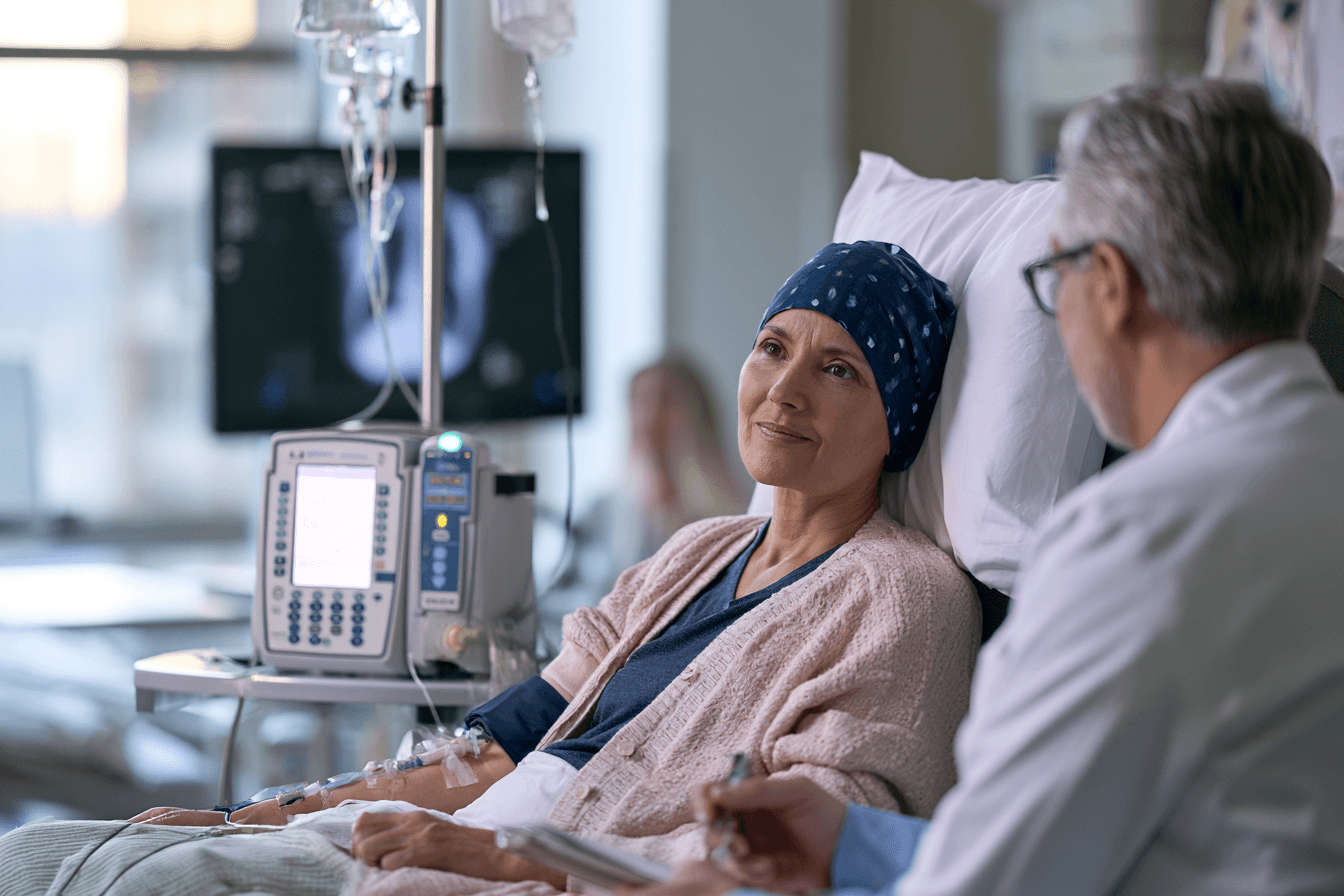
Small cell lung cancer usually grows quickly and can spread early through the blood and lymphatic system. For this reason, treatment can make a major difference to survival, symptom control and quality of life.
Historical evidence suggests that untreated small cell lung cancer has a median survival of approximately two to four months. With treatment, median survival is commonly around 16 to 24 months for limited-stage disease and around 6 to 12 months for extensive-stage disease.[2]
These are broad estimates rather than fixed limits. A patient may live for a shorter or much longer period depending on the stage, physical condition, organ function, treatment response and access to newer therapies.
How Long Can Someone Live With SCLC Without Treatment?
The National Cancer Institute describes untreated small cell lung cancer as having a median survival of approximately two to four months from diagnosis.[2] This historical estimate reflects the aggressive natural behaviour of the disease.
Median survival does not mean that every untreated patient will live for exactly two to four months. Some may deteriorate more rapidly, while others may remain stable for longer, particularly when the tumour burden is lower and vital organs are still functioning well.
Without cancer-directed treatment, the tumour may continue to enlarge in the lung and chest lymph nodes. It may also spread to the brain, liver, bones, adrenal glands or other organs.
As the disease progresses, the patient may develop worsening breathlessness, cough, chest discomfort, fatigue, loss of appetite and weight loss. Brain involvement may cause headaches, confusion, weakness, seizures or changes in behaviour.
The two-to-four-month estimate should be explained sensitively. We should not use it to frighten a patient or pressure someone into accepting treatment without understanding the possible benefits, risks and alternatives.
Why Untreated Survival Figures Must Be Interpreted Carefully
The historical untreated survival estimate comes mainly from an earlier period of cancer care. Diagnostic methods, symptom control, emergency care, nutritional support and management of complications have improved since many of these observations were recorded.
An untreated patient may still receive supportive and palliative care. Oxygen, pain treatment, medicines for breathlessness, drainage of pleural fluid, treatment of infection and radiotherapy for urgent symptoms may all improve comfort and sometimes prevent immediate complications.
Supportive care does not normally control the whole cancer in the same way as systemic therapy. However, it can make a meaningful difference to how the patient feels and functions.
When we discuss life expectancy without treatment, we must clarify what “without treatment” means. A person receiving no chemotherapy may still receive active medical care for pain, breathing difficulty, brain symptoms or other complications.
Life Expectancy With Limited-Stage SCLC Treatment
Limited-stage SCLC generally remains within an area that can be treated using one safe chest radiation field. It commonly includes Stage 1, Stage 2 and many Stage 3 cases.
The traditional median survival for treated limited-stage SCLC is approximately 16 to 24 months. Historical data suggest that around 14% of patients survive for five years.[2]
This broad estimate includes patients with very different levels of disease. A person with a small Stage 1 tumour and no lymph-node involvement may have a better outlook than someone with bulky Stage 3 disease involving several lymph-node stations.
Treatment commonly includes platinum-based chemotherapy and thoracic radiotherapy. For medically fit patients, these treatments may be given during the same period because concurrent treatment improves control within the chest.
When the cancer responds well and the patient completes the full treatment plan, long-term remission becomes possible. Some patients remain alive and free from progression for several years.
How Modern Consolidation Treatment May Extend Limited-Stage Survival
Modern treatment has improved the outlook for selected limited-stage patients. Consolidation treatment may be offered after chemotherapy and thoracic radiotherapy when the disease has not progressed.
In the ADRIATIC trial, patients who received durvalumab after completing concurrent chemoradiotherapy had a median overall survival of 55.9 months. Patients who received placebo had a median overall survival of 33.4 months.[6]
These results are important, but they should not be presented as the life expectancy of every limited-stage patient. The people in the study had already completed intensive treatment and had no evidence of progression before consolidation began.
A patient whose disease grows during initial chemoradiotherapy would not be represented by the 55.9-month figure. Similarly, a person who is too weak to complete concurrent treatment may have a different outlook.
For you and your family, the main message is that the original 16-to-24-month estimate may underestimate survival for some patients who respond well, complete treatment and become eligible for newer consolidation therapy.
Life Expectancy With Extensive-Stage SCLC Treatment
Extensive-stage SCLC means that the cancer has spread beyond one safe chest radiation field or has reached distant organs. Stage 4 small cell lung cancer belongs to this group.
The traditional median survival with treatment is approximately 6 to 12 months.[2] Modern first-line chemo-immunotherapy studies often report median survival close to 12 or 13 months in medically suitable patients.
In the CASPIAN trial, durvalumab combined with platinum and etoposide produced a median overall survival of 12.9 months. Platinum and etoposide without durvalumab produced a median survival of 10.5 months.[7]
At three years, 17.6% of patients receiving durvalumab with chemotherapy were alive, compared with 5.8% of those receiving chemotherapy alone.[7] This shows that immunotherapy did more than increase the median by a few months. It also increased the proportion of patients who achieved longer survival.
These results still do not apply equally to every person with Stage 4 disease. Trial participants usually have sufficient physical strength, blood counts and organ function to receive the planned treatment.
Why Treatment Can Make Such a Large Difference
Small cell lung cancer is usually highly sensitive to chemotherapy during the first course of treatment. The tumour may shrink rapidly, sometimes within the first few treatment cycles.
When the tumour becomes smaller, breathing may improve and pressure on nearby structures may decrease. Pain, cough, swallowing difficulty or symptoms caused by metastatic deposits may also reduce.
Treatment works throughout the body, which is important because microscopic cancer cells may already be present outside the visible lung tumour. Local treatment alone cannot usually address these hidden cells.
Chemotherapy and immunotherapy do not guarantee permanent control. Resistant cancer cells may remain and later cause recurrence, but the first treatment can still extend life and improve symptoms.
Does Treatment Always Increase Life Expectancy?
Treatment does not benefit every patient equally. The possible advantage depends on whether the cancer is likely to respond and whether the patient can tolerate the treatment safely.
A physically active patient with preserved kidney, liver, heart and bone-marrow function may be able to complete therapy and receive greater benefit. A very weak patient with severe organ failure, widespread infection or advanced complications may face a higher risk of serious treatment-related harm.
In some situations, intensive treatment may reduce quality of life without providing a meaningful survival advantage. The medical team must then consider a modified treatment, a reduced dose, a shorter course or symptom-focused care.
We should not decide only by looking at the patient’s age. An older person who remains independent may tolerate treatment better than a younger person with severe weakness and organ dysfunction.
What Happens When a Patient Is Too Weak for Standard Treatment?
Some patients are not fit enough to receive the usual chemotherapy and immunotherapy combination at diagnosis. This may be caused by severe breathlessness, infection, low blood counts, poor kidney function, liver failure or a very poor performance status.
The medical team may first treat reversible problems. Correcting dehydration, infection, low sodium, pain or airway obstruction may improve the patient’s condition enough to reconsider cancer treatment.
A reduced or modified regimen may be appropriate for selected patients. However, reducing treatment intensity can also reduce its ability to control the cancer, so the expected benefit must be discussed honestly.
When treatment is unlikely to help, comfort-focused care may be the safest and most humane choice. This does not mean that we stop caring for the patient. It means that care is directed toward breathing, pain, sleep, appetite, anxiety and time with family.
How the First Treatment Response Changes Life Expectancy
The survival estimate given at diagnosis is only the starting point. The first scan after treatment often provides more personal information about the outlook.
A major reduction in the lung tumour, lymph nodes and distant metastases suggests that the cancer remains sensitive to treatment. The patient may then continue therapy and may become eligible for consolidation or maintenance treatment.
If the cancer remains stable, the treatment may still be providing benefit by preventing further growth. Stable disease can be clinically valuable, especially when symptoms are controlled and organ function remains preserved.
If the cancer grows during the first treatment cycles, it is more resistant. We must then revise the life-expectancy estimate and consider whether another medicine, radiotherapy, a clinical trial or symptom-focused care is appropriate.
When we speak with you after the response scan, the discussion may therefore be different from the discussion held on the day of diagnosis. New information can improve or worsen the original estimate.
How Treatment Completion Affects Survival
Starting treatment is important, but completing the planned course can also influence the outcome. Repeated interruptions may allow the cancer to begin growing again.
Low blood counts, infection, severe fatigue, swallowing difficulty, poor nutrition and organ toxicity may delay treatment. Early recognition and management of these problems may help the patient continue safely.
Supportive medicines, nutritional care, hydration and treatment of infections do not directly eliminate the cancer. However, they may help the patient remain strong enough to receive the cancer-directed treatment that provides the main survival benefit.
The treatment plan should never be continued blindly when toxicity becomes dangerous. We must balance the need for timely treatment with the need to protect the patient from serious harm.
Can Treatment Lead to Long-Term Survival?
Long-term survival is possible, particularly in limited-stage SCLC. It is more likely when the disease is detected before distant spread, the patient completes combined treatment and a complete response is achieved.
In extensive-stage disease, long-term survival remains less common. However, modern immunotherapy studies show that a smaller group of patients can remain alive for several years.
We cannot always identify in advance who will become a long-term survivor. The depth of response, duration of control, metastatic burden, physical fitness and access to further treatment all contribute.
A low five-year survival percentage should therefore not be interpreted as zero possibility. At the same time, we should avoid promising that one patient will belong to the small long-term survivor group.
Treatment Versus No Treatment at a Glance
| Clinical situation | Broad median survival estimate | Important context |
| Untreated SCLC | Approximately 2 to 4 months | Historical estimate reflecting the rapid natural course |
| Treated limited-stage SCLC | Approximately 16 to 24 months | Some patients achieve long-term remission and five-year survival |
| Selected limited-stage patients after successful chemoradiotherapy | Longer survival may be possible | Modern consolidation treatment has improved outcomes |
| Treated extensive-stage SCLC | Approximately 6 to 12 months | Modern chemo-immunotherapy often produces a median near 12 to 13 months |
| Extensive-stage disease responding to initial treatment | Survival may exceed the original average | Maintenance and later-line treatments may become possible |
The table shows why treatment usually matters, but it should not be used as a promise. The untreated and treated figures come from different patient groups, treatment periods and research methods.
Why Quality of Life Must Be Included in the Discussion
Survival time is important, but it is not the only outcome that matters. Patients also want to know whether treatment may help them breathe, eat, sleep, move and spend meaningful time with their family.
A treatment that extends life while also controlling symptoms may provide a clear benefit. A highly toxic treatment that produces little chance of control may not match the patient’s goals.
You have the right to understand the expected benefit, likely side effects and available alternatives. The doctor should explain whether treatment is being offered with curative intent, long-term control intent or symptom-control intent.
The patient’s priorities should remain central. Some people wish to pursue every reasonable treatment, while others place greater importance on remaining at home, avoiding hospitalization or preserving alertness and independence.
Why Palliative Care Is Important During Active Treatment
Palliative care can begin at the time of diagnosis and continue alongside chemotherapy, radiotherapy and immunotherapy. It is not limited to the final stage of life.
The palliative-care team can help manage pain, breathlessness, fatigue, anxiety, poor appetite, sleep disturbance and family stress. Better symptom control may also help the patient tolerate cancer treatment more effectively.
When cancer-directed treatment is no longer helping, palliative care becomes even more important. The goal then shifts toward comfort, dignity and support for both the patient and family.
How Patients and Families Should Understand These Estimates
The difference between untreated and treated survival shows why timely treatment should be considered whenever it can be given safely. However, no patient should feel that they are only a number in a survival table.
A median describes the middle of a previous patient group. It does not reveal exactly how one person’s cancer will respond or how long that individual will live.
We should begin with the stage-based estimate and then update it using the patient’s response, strength, organ function and available treatment options. This creates a more realistic and compassionate understanding than using one fixed figure.
For you and your family, the most useful questions are whether treatment is likely to shrink the cancer, whether the patient can tolerate it safely and how the outlook will be reassessed after the first response scan. These answers provide more practical guidance than a single life-expectancy number.
How Modern Treatments Are Changing Small Cell Lung Cancer Survival

Small cell lung cancer survival statistics are often based on patients diagnosed several years ago. Since then, immunotherapy, consolidation treatment, maintenance therapy and newer medicines for recurrent disease have changed what may be possible for selected patients.
These advances have not made small cell lung cancer easy to treat, and they do not guarantee long-term survival. However, they have increased survival for some patients and created a smaller group who remain alive considerably longer than older averages suggested.
Why Older Survival Statistics May Not Show the Full Current Outlook
Five-year survival statistics take a long time to collect. Researchers must identify patients, follow them for several years and then analyse the results before the figures can be published.
A survival table based on people diagnosed between 2012 and 2018 may not fully include treatments approved in 2024 or 2025. A person diagnosed today may therefore have access to options that were not available to many patients included in older cancer registries.
We should still use established survival figures because they provide valuable population evidence. However, we should combine them with current treatment-trial results when explaining the outlook to a patient.
Modern SCLC Treatment Results at a Glance
| Treatment setting | Modern treatment approach | Median overall survival | Comparison group | How to interpret the result |
| Limited-stage disease controlled after concurrent chemoradiotherapy | Consolidation durvalumab | 55.9 months | 33.4 months with placebo | Measured after chemoradiotherapy in patients without progression |
| First-line extensive-stage disease | Durvalumab with platinum and etoposide | 12.9 months | 10.5 months with chemotherapy alone | Measured from the beginning of first-line trial treatment |
| First-line extensive-stage disease | Atezolizumab with carboplatin and etoposide | 12.3 months | 10.3 months with chemotherapy alone | Measured from the beginning of first-line trial treatment |
| Maintenance after successful induction treatment | Lurbinectedin with atezolizumab | 13.2 months | 10.6 months with atezolizumab alone | Measured from maintenance randomisation, not from diagnosis |
| Disease progressing after platinum chemotherapy | Tarlatamab | 13.6 months | 8.3 months with standard chemotherapy | Applies to previously treated extensive-stage disease |
These figures cannot be added together to calculate total life expectancy. Each study began measuring survival at a different point and included a different group of patients.
Durvalumab After Limited-Stage Chemoradiotherapy
For many years, chemotherapy and thoracic radiotherapy formed the main treatment for medically fit patients with limited-stage SCLC. Although this treatment could produce a complete response, recurrence remained common and there was no widely established systemic consolidation treatment after chemoradiotherapy.
The ADRIATIC trial changed this situation. It studied patients with limited-stage SCLC who had completed concurrent platinum-based chemotherapy and thoracic radiotherapy without disease progression.
Patients receiving consolidation durvalumab had a median overall survival of 55.9 months, compared with 33.4 months among those receiving placebo. Median progression-free survival was 16.6 months with durvalumab and 9.2 months with placebo.[6]
This represents one of the most important recent improvements in limited-stage SCLC treatment. In December 2024, the United States FDA approved durvalumab for adults whose limited-stage disease had not progressed after concurrent platinum-based chemotherapy and radiotherapy.
Why the 55.9-Month Result Does Not Apply to Every Limited-Stage Patient
The ADRIATIC result is encouraging, but we must explain it carefully. The trial did not include every person diagnosed with limited-stage small cell lung cancer.
Patients first had to complete concurrent chemoradiotherapy and remain free from progression. Someone whose cancer progressed during treatment, who could not complete combined therapy or who became medically unfit would not be represented by the 55.9-month median.
The survival period was also measured after chemoradiotherapy when the patient entered the trial. It was not measured from the original date of diagnosis.
For an eligible patient, the result shows that survival can be much longer than the traditional limited-stage median of 16 to 24 months. It should not, however, be presented as a guaranteed life expectancy.
First-Line Immunotherapy for Extensive-Stage SCLC
Extensive-stage SCLC was treated mainly with platinum chemotherapy and etoposide for several decades. The cancer often reduced quickly, but it commonly returned because resistant cells survived.
Modern first-line treatment frequently combines chemotherapy with an immune checkpoint inhibitor. Atezolizumab and durvalumab are important examples used with platinum-based chemotherapy and etoposide in medically suitable patients.
Immunotherapy does not attack the cancer in the same way as chemotherapy. It helps the immune system recognise and respond to cancer cells, while chemotherapy directly damages rapidly dividing cells.
Durvalumab With Platinum and Etoposide
In the CASPIAN trial, durvalumab combined with platinum and etoposide produced a median overall survival of 12.9 months. Patients receiving platinum and etoposide alone had a median survival of 10.5 months.[7]
The three-year survival result showed a wider long-term difference. Approximately 17.6% of patients receiving durvalumab with chemotherapy were alive at three years, compared with 5.8% of patients receiving chemotherapy alone.[7]
The improvement in the median appears to be only a few months, but the three-year result is clinically important. It suggests that immunotherapy created a larger group of patients who survived well beyond the usual extensive-stage average.
Atezolizumab With Carboplatin and Etoposide
The IMpower133 trial evaluated atezolizumab with carboplatin and etoposide as first-line treatment for extensive-stage SCLC. Median overall survival was 12.3 months with atezolizumab and chemotherapy, compared with 10.3 months with chemotherapy alone.
At 18 months, approximately 34% of patients in the atezolizumab group were alive, compared with 21% in the chemotherapy-only group. These findings helped establish chemo-immunotherapy as an important first-line option for extensive-stage disease.
A patient should not interpret the 12.3-month median as a limit. Some people progressed early, while others remained alive for several years after receiving treatment.
Why Immunotherapy Does Not Benefit Everyone Equally
The immune system, cancer biology and general health vary from one patient to another. Some patients achieve a long and deep response, while others obtain little or no benefit from an immune checkpoint inhibitor.
A person must also be medically suitable for treatment. Severe autoimmune disease, previous organ transplantation, major organ dysfunction, uncontrolled infection or very poor physical strength may affect whether immunotherapy can be given safely.
Immune-related side effects can involve the lungs, liver, bowel, thyroid, skin, kidneys or other organs. Early recognition is important because these reactions may require treatment interruption and corticosteroids or other immune-suppressing medicines.
When we recommend immunotherapy, we should explain both the possibility of longer survival and the risk of serious toxicity. The treatment decision must be based on the individual patient rather than the survival number alone.
Maintenance Treatment After the First Response
Induction treatment is the first treatment phase used to reduce the cancer burden. Maintenance treatment begins afterwards when the disease has responded or remained stable.
The purpose of maintenance is to suppress remaining cancer cells and delay further progression. It does not mean that the cancer has been permanently removed.
In the IMforte trial, patients first received four cycles of atezolizumab, carboplatin and etoposide. Those whose cancer had not progressed were then assigned to receive either lurbinectedin with atezolizumab or atezolizumab alone.
Median overall survival was 13.2 months with lurbinectedin and atezolizumab, compared with 10.6 months with atezolizumab alone. Median progression-free survival was 5.4 months and 2.1 months, respectively.[8]
Why the Maintenance Survival Number Requires Careful Explanation
The IMforte survival period was measured from the time patients entered the maintenance phase. It was not measured from their original diagnosis or from the beginning of first-line chemotherapy.
We should therefore not add 13.2 months to the first-line median and claim that this represents the expected total survival. Such an addition would combine survival periods measured from different starting points.
The study also included only patients whose cancer had not progressed after induction treatment. A person with rapid progression during the first four cycles would not be represented by this maintenance result.
In October 2025, the United States FDA approved lurbinectedin with atezolizumab as maintenance treatment for eligible adults with extensive-stage SCLC whose disease had not progressed after first-line induction with atezolizumab, carboplatin and etoposide.
Newer Treatment After SCLC Returns
Recurrence is common in small cell lung cancer. When the disease returns, the next treatment depends on how soon it returned, which treatment was previously used, the patient’s physical condition and whether the cancer remains sensitive to platinum chemotherapy.
For many years, treatment options after progression offered limited survival benefit. Newer medicines are now creating additional opportunities for selected patients.
Tarlatamab is a bispecific T-cell engager. It connects immune T cells with cancer cells that express DLL3, a protein commonly found on small cell lung cancer cells, and helps the immune system attack them.
Tarlatamab and Survival After Platinum Chemotherapy
The DeLLphi-304 trial compared tarlatamab with standard chemotherapy in patients whose extensive-stage SCLC had progressed during or after platinum-based treatment.
Median overall survival was 13.6 months with tarlatamab, compared with 8.3 months with standard chemotherapy. Median progression-free survival was 4.2 months and 3.2 months, respectively.[9]
These results apply to previously treated patients and should not be presented as the life expectancy of a newly diagnosed Stage 4 patient. The survival clock began when patients entered the second-line trial.
Tarlatamab received traditional FDA approval in November 2025 for adults with extensive-stage SCLC that had progressed on or after platinum-based chemotherapy.
Why Tarlatamab Requires Close Monitoring
Tarlatamab can cause cytokine release syndrome, in which immune activation produces fever, low blood pressure, breathing difficulty or other systemic symptoms. It can also cause neurological toxicity, including confusion, weakness, altered speech or reduced consciousness.
The early doses require careful monitoring according to the treatment protocol. This treatment should therefore be given by an oncology team familiar with its administration and possible complications.
A patient may gain meaningful additional survival, but the expected benefit must be balanced against treatment risks, previous therapies and general physical condition.
Why Modern Trial Results Can Look Better Than Registry Survival
Clinical trials often include patients who meet specific fitness requirements. Participants may need adequate kidney, liver and bone-marrow function and may be excluded if they have uncontrolled infections or severe medical problems.
Population registries include a much wider range of patients. They may include older adults, people with poor performance status, patients who could not receive treatment and those whose disease progressed rapidly.
Trial results may therefore look better than population survival figures. This does not make either figure incorrect because they describe different groups.
When we discuss your prognosis, we should ask which patient group most closely matches your clinical condition. A fit patient who completed chemoradiotherapy without progression may resemble the ADRIATIC population, while a person who could not begin treatment may resemble a very different group.
How Modern Treatment Changes an Individual Survival Estimate
The stage remains important, but treatment response can change the original estimate. A limited-stage patient who completes chemoradiotherapy and becomes eligible for consolidation may have a more favourable outlook than the average survival reported at diagnosis.
An extensive-stage patient whose cancer reduces greatly after induction therapy may become eligible for maintenance treatment. If the disease later returns, newer second-line treatment may provide another period of control.
In contrast, a patient whose cancer progresses during the first treatment may have fewer options and a shorter expected survival. The prognosis should therefore be reviewed after every major scan rather than remaining fixed from the day of diagnosis.
Modern Treatment Has Improved Survival but Has Not Removed Recurrence
Small cell lung cancer can respond dramatically and still return. The rapid initial reduction does not always mean that all cancer cells have been eliminated.
Some cells may resist chemotherapy, radiotherapy or immunotherapy. These resistant cells can later begin growing in the chest, brain, liver, bones or another organ.
Modern treatment aims to deepen the first response, extend the time before progression and provide further options when recurrence occurs. It has improved survival for selected patients, but regular follow-up remains essential.
The Practical Meaning for Patients and Families
Older survival statistics may underestimate what is possible for some patients receiving modern treatment. Consolidation durvalumab has improved outcomes after limited-stage chemoradiotherapy, chemo-immunotherapy has increased survival in extensive-stage disease, maintenance treatment can delay progression, and tarlatamab has created a stronger option after platinum-based treatment fails.
These advances should provide informed hope rather than false certainty. Not every patient qualifies for every treatment, and even eligible patients may respond differently.
When we counsel you and your family, we should explain which treatment setting applies, when survival measurement began and whether the patient resembles the people enrolled in the study. This makes modern survival data useful without turning a clinical-trial median into a personal promise.
How Ayurveda Can Support Survival and Help Protect the Patient During SCLC Treatment

Small cell lung cancer is an aggressive disease, but the tumour is not the only factor that determines how long a patient may live. Survival is also influenced by whether the person can breathe comfortably, eat adequately, maintain muscle strength, preserve liver and kidney function, avoid serious infection and complete the planned cancer treatment.
Ayurveda changes this discussion by looking beyond the tumour alone. Modern oncology identifies the cancer, determines its stage and uses chemotherapy, radiotherapy, immunotherapy or other procedures to control it. Ayurveda examines how the cancer and its treatment are affecting the patient’s Agni, breathing, appetite, sleep, bowel function, Dhatus, Bala and ability to recover.
When these two systems are coordinated responsibly, Ayurveda may help protect the patient’s treatment capacity and quality of life. This is one of the most meaningful ways in which individualized Ayurvedic care can help protect life during small cell lung cancer treatment.
Ayurveda Changes the Question From “How Long Will I Live?” to “How Strongly Can I Fight and Recover?”
A survival percentage describes a group of patients, but it does not describe the complete condition of one person. Two people may have the same stage of SCLC, yet one may remain active and eat normally while the other has severe breathlessness, rapid weight loss, poor appetite and extreme weakness.
Ayurveda studies these differences before preparing treatment. When I assess a patient, I do not select a medicine only because the biopsy says small cell lung cancer. I review the stage, tumour dimensions, lymph-node involvement, metastatic organs, previous treatment, current medicines, blood counts, liver and kidney function, electrolytes, albumin, oxygen level, weight and physical activity.
I then examine the patient’s Kasa, Shwasa, Agni, Pranavaha Srotas, Dhatu Kshaya, Bala and Ojas. This helps me understand why one patient is becoming weaker quickly while another retains reasonable strength despite having the same modern diagnosis.
The immediate Ayurvedic objective is to prevent avoidable physical decline. The deeper objective is to maintain the internal conditions required for the patient to receive treatment, recover between cycles and remain eligible for further disease-controlling options.
The Strongest Role of Ayurveda Is Integrative, Not Alternative
The most favourable and medically responsible approach is not to make a patient choose between oncology and Ayurveda. The patient needs accurate pathology, complete staging, timely cancer treatment and an individualized plan for protecting the whole body.
The National Cancer Institute describes integrative medicine as the combination of standard medical treatment with complementary approaches that have been shown to be reasonably safe and helpful. It also distinguishes this from alternative medicine, in which an unproven approach is used instead of standard cancer treatment. (National Cancer Institute)
This distinction can directly affect survival. An observational analysis discussed by the National Cancer Institute found that patients with nonmetastatic lung cancer who selected alternative treatment instead of conventional cancer treatment had more than twice the risk of death compared with patients who received conventional treatment. The study did not evaluate carefully coordinated integrative care, but it clearly shows why biopsy, chemotherapy, radiotherapy or immunotherapy should not be abandoned while trying Ayurveda. (National Cancer Institute)
Therefore, the safest Ayurveda model supports the patient while stage-appropriate oncology continues. It does not ask you to lose the valuable treatment window available in limited-stage or treatment-sensitive disease.
How Ayurveda May Help Protect the Patient During Chemotherapy
Chemotherapy can reduce small cell lung cancer rapidly, but it may also cause nausea, appetite loss, constipation, loose stools, mouth discomfort, fatigue, sleep disturbance and progressive weakness. When these problems become severe, the patient may eat less, lose muscle and struggle to complete treatment.
Ayurvedic care during chemotherapy may focus on maintaining Agni, food tolerance, bowel regularity, hydration, sleep and Bala. The formulation should change according to whether the patient has nausea, dryness, mucus, constipation, loose stools, burning, poor appetite or treatment-related exhaustion.
The objective is not merely to make the patient feel comfortable for a few hours. If the patient can eat more consistently, sleep better, remain physically active and recover between cycles, the person may be in a stronger position to continue the complete oncology plan.
A small controlled study involving 67 patients with different cancers evaluated Ayurvedic formulations during or after chemotherapy. Compared with the chemotherapy-only group, the Ayurvedic treatment groups showed significant improvement in nausea, appetite loss, constipation, fatigue, Karnofsky performance status and global quality of life. The study did not demonstrate a significant difference in haemogram results and did not specifically study SCLC survival, but it supports the value of Ayurveda in preserving symptoms and functional capacity during cancer treatment. (PubMed)
How Ayurveda May Support the Patient During Chest Radiotherapy
Thoracic radiotherapy may produce throat irritation, painful swallowing, reduced food intake, cough, fatigue and inflammation of the lung or oesophagus. A patient who cannot swallow comfortably may quickly lose weight, hydration and strength.
During radiotherapy, the Ayurvedic plan should be gentle, easy to swallow and appropriate for the patient’s digestive capacity. Excessively pungent, heating or irritating ingredients may be unsuitable when the throat and oesophagus are already inflamed.
If swallowing becomes severely painful or the patient begins coughing while drinking, the response should not be to increase the oral medicine blindly. The patient must be assessed for oesophageal inflammation, obstruction or aspiration risk, and the oral Ayurvedic medicine may need to be reduced, modified or temporarily paused.
Ayurveda helps most when it responds to the patient’s changing condition. It should never interfere with radiation timing or delay hospital treatment for severe swallowing difficulty, lung inflammation, falling oxygen or infection.
How Ayurveda May Support the Patient During Immunotherapy
Immunotherapy has created longer survival for a proportion of limited-stage and extensive-stage SCLC patients. However, it can also produce immune-related inflammation affecting the lungs, liver, bowel, thyroid gland, skin, kidneys, nervous system and other organs.
Ayurvedic medicine during immunotherapy requires careful coordination. Every herb, mineral preparation and supplement should be reviewed against the exact immunotherapy, liver and kidney results, autoimmune history and current prescription.
A sudden cough, falling oxygen level, diarrhoea, jaundice, unusual weakness, confusion or severe skin reaction should not automatically be interpreted as a Dosha aggravation. These may be signs of an immune-related adverse event that requires urgent oncology assessment.
The National Cancer Institute warns that herbs and supplements may alter how cancer medicines are absorbed, metabolized or removed from the body. This is why the Ayurvedic physician must know every medicine being used and must reassess the prescription whenever chemotherapy, immunotherapy, anticoagulants, steroids or anticonvulsants are introduced. (National Cancer Institute)
Human Research Supports Fatigue and Quality-of-Life Care
Cancer-related fatigue is different from ordinary tiredness. The patient may remain exhausted even after sleeping, and the weakness may affect walking, eating, bathing, treatment attendance and independence.
A prospective comparative study involving 100 breast cancer patients evaluated Ashwagandha during chemotherapy. The group receiving Ashwagandha showed lower fatigue and better results in several quality-of-life measurements. The study was conducted in breast cancer rather than SCLC, so its findings cannot be converted into an SCLC cure or survival claim, but they support further study of carefully selected Ayurvedic treatment for Bala, fatigue and functional recovery. (PubMed)
This distinction is important. Improved fatigue and quality of life do not automatically prove that a lung tumour has reduced. However, a patient who can eat, move, sleep and perform daily activities may retain a stronger physical foundation for continuing disease-directed treatment.
Ayurveda may therefore contribute to survival indirectly by helping preserve the patient’s treatment capacity. This possibility requires proper clinical documentation rather than emotional claims.
SCLC-Specific Laboratory Evidence Provides a Research Direction
Haridra, or turmeric, is traditionally used within Ayurveda, while curcumin is one of its most widely researched constituents. An experimental study in small cell lung cancer cells found that curcumin suppressed STAT3 signalling and inhibited cell proliferation, colony formation, migration, invasion and angiogenesis. (PubMed)
These findings are relevant because STAT3 is involved in cancer-cell survival, growth and spread. They provide a biological reason for further research into standardized Haridra-derived compounds and compatible Ayurvedic formulations in SCLC.
However, a laboratory concentration applied directly to cancer cells is not the same as giving ordinary turmeric powder to a patient. The study does not prove that dietary turmeric, curcumin capsules or an Ayurvedic formula can cure SCLC in humans.
The correct clinical conclusion is that Ayurvedic-derived compounds have shown activity against important SCLC pathways in experimental research. Human SCLC trials are still required to determine the effective formulation, dose, absorption, safety, tumour response and influence on survival.
No Single Herb Can Represent Complete Ayurvedic Treatment
Small cell lung cancer may affect the primary lung, lymph nodes, brain, liver, bones, bone marrow, respiratory function, digestion, sleep, muscle mass and mental strength. One herb cannot address all these dimensions safely in every patient.
A patient with thick mucus, chest heaviness and weak digestion requires a different approach from someone with a dry exhausting cough, severe weight loss, constipation and insomnia. A third patient may have acceptable digestion but severe chemotherapy-related fatigue and falling blood counts.
This is why I do not support using one general online combination for every SCLC patient. The formula should be selected according to the actual stage, metastatic organs, current oncology treatment, Agni, Dosha pattern, Dhatu condition, Bala and laboratory findings.
A personalized Avaleha may be used when the patient can swallow and digest it properly. If Agni is weak, a heavy nourishing formulation may worsen nausea, heaviness or loose stools, so digestive tolerance must be improved first and nourishment increased gradually.
Rasayana Provides the Classical Foundation for Recovery-Oriented Care
Rasayana is especially relevant when a patient has reduced appetite, weight loss, muscle depletion, fatigue and declining treatment tolerance. It aims to support nourishment, tissue quality, strength, resilience and the ability to recover.
Sanskrit
दीर्घमायुः स्मृतिं मेधामारोग्यं तरुणं वयः।
प्रभावर्णस्वरौदार्यं देहेन्द्रियबलं परम्॥
वाक्सिद्धिं प्रणतिं कान्तिं लभते ना रसायनात्।
लाभोपायो हि शस्तानां रसादीनां रसायनम्॥
Transliteration
Dīrgham āyuḥ smṛtiṃ medhām ārogyaṃ taruṇaṃ vayaḥ,
prabhā-varṇa-svaraudāryaṃ dehendriya-balaṃ param.
Vāk-siddhiṃ praṇatiṃ kāntiṃ labhate nā rasāyanāt,
lābhopāyo hi śastānāṃ rasādīnāṃ rasāyanam.
Translation
Through Rasayana, a person seeks longevity, memory, intellect, health, youthful vitality, radiance, healthy complexion, excellence of voice and superior strength of the body and senses. Rasayana is described as a means of obtaining the best qualities of Rasa and the subsequent body tissues.
Classical reference: Charaka Samhita, Chikitsa Sthana, Chapter 1, Rasayana Adhyaya, Abhaya-Amalakiya Rasayana Pada, verses 1/1/7–8. (Panaceayur)
This classical verse supports the use of Rasayana for nourishment, Bala and recovery. It should not be misrepresented as ancient clinical proof that Rasayana alone removes small cell lung cancer.
In an SCLC patient, Rasayana should be applied according to Agni, organ function and current treatment. The objective is to rebuild the patient without producing heaviness, interactions or additional stress on the liver and kidneys.
What “Saving Life” Means in Responsible Ayurvedic Cancer Care
Ayurveda should not be credited with saving a life simply because the patient reports better appetite for a few days. A responsible life-protecting approach has several measurable parts working together.
The patient should remain able to eat, walk, sleep and perform daily activities for as long as possible. Treatment-related nausea, constipation, fatigue and weakness should be controlled sufficiently to help the person continue necessary medical care.
The Ayurvedic physician should also recognize when a symptom is no longer suitable for outpatient treatment. Falling oxygen, coughing blood, facial swelling, sudden chest pain, confusion, seizures, jaundice, severe dehydration or inability to swallow can indicate urgent complications.
Referring the patient for drainage, oxygen support, antibiotics, radiotherapy, brain imaging or emergency hospital care at the correct time may be as important as prescribing medicine. Ayurveda protects the patient only when it recognizes its own limits and does not conceal dangerous progression.
How We Must Measure Whether Ayurvedic Care Is Helping
Feeling better is important, but it is not sufficient evidence that the cancer is reducing. Clinical improvement and tumour response should be documented separately.
We should record cough, breathing, oxygen saturation, appetite, weight, muscle condition, sleep, bowel function, pain, walking ability and daily independence. Blood counts, liver function, kidney function, electrolytes and albumin should also be monitored.
The tumour must continue to be assessed through CT, PET CT, MRI or another investigation selected by the oncology team. A convincing response requires the primary tumour and involved lymph nodes or metastatic lesions to reduce, with no new lesions appearing.
A better appetite does not prove that the cancer has disappeared. Similarly, tumour shrinkage on a scan does not always mean that the patient’s strength has recovered. Both dimensions should improve and remain stable over repeated follow-up before a durable recovery can be considered.
Read These Detailed SCLC Ayurveda Guides Before Making a Decision
Every patient and caregiver should understand both the medical seriousness of small cell lung cancer and the complete integrative treatment model before beginning Ayurvedic care.
First, read Small Cell Lung Cancer: Symptoms, Stages, Survival and Ayurveda. This article explains the symptoms, staging systems, survival outlook, warning signs and the supportive role of individualized Ayurveda during oncology treatment.
Then read Ayurvedic Treatment for Small Cell Lung Cancer: A Patient-Centred Curative-Intent Model. It explains how pathology, scans, metastatic sites, Agni, Pranavaha Srotas, Dhatu Kshaya, Bala and Ojas can be brought together in a personalized treatment and monitoring plan.
Reading both articles will help you understand that proper Ayurvedic cancer care is not a general herbal prescription. It is a structured, report-based and continuously monitored process that must change with the cancer stage, treatment response and condition of the patient.
The Practical Message for Patients and Families
Ayurveda may help change the SCLC journey by treating the person rather than looking only at the tumour. It focuses on appetite, digestion, respiration, sleep, muscle preservation, treatment tolerance and recovery while modern investigations continue to measure the cancer.
The safest opportunity for longer survival comes from coordinated care. You should not stop chemotherapy, radiotherapy or immunotherapy suddenly, and you should not begin herbs or herbo-mineral preparations without reviewing possible interactions.
When properly individualized and monitored, Ayurveda may help the patient remain stronger, preserve daily independence and continue necessary treatment with greater physical support. This is the most medically responsible and evidence-based way to understand how Ayurveda may help protect life in a patient with small cell lung cancer.
Factors That Affect Small Cell Lung Cancer Survival Beyond the Stage

The stage of small cell lung cancer provides an important starting point, but it cannot explain the complete outlook of one patient. Two people may have the same stage and still experience very different treatment responses, complications and survival periods.
When we estimate prognosis, we examine the patient’s physical strength, tumour burden, lymph-node involvement, metastatic sites, organ function and response to treatment. You should therefore not assume that another person’s survival experience will necessarily apply to you, even when the stage appears similar.
Performance Status and Daily Activity
Performance status describes how well a patient can perform normal daily activities. It helps doctors assess whether the person is strong enough to receive chemotherapy, radiotherapy, immunotherapy or a combination of treatments.
A patient who remains active, walks independently and performs most daily tasks usually has a better chance of tolerating treatment. Someone who spends much of the day in bed or requires substantial assistance may face a greater risk of complications, treatment delays and reduced benefit.
Doctors commonly use the Eastern Cooperative Oncology Group performance scale. A score of 0 means that the patient remains fully active, while higher scores indicate increasing physical limitation. A score of 2 means that the patient can care for themselves but cannot perform normal work and remains out of bed for more than half of the day.
A 2025 real-world analysis found that an ECOG performance status of 2 or higher was independently associated with poorer overall survival in small cell lung cancer.[5] This does not mean that treatment cannot help a patient with reduced activity, but the treatment may need to be modified according to safety and expected benefit.
Performance status can also improve when reversible problems are treated. Infection, dehydration, pain, low sodium, airway obstruction and uncontrolled symptoms may make a patient appear weaker than they would be after supportive treatment.
Age and General Health
Older age may influence survival, but age alone should not decide whether a patient receives treatment. We must examine biological fitness rather than relying only on the number of years a person has lived.
In the 2025 real-world study, age 65 years or older was associated with poorer overall survival after other important factors were considered.[5] However, this finding describes a population trend and does not mean that every older adult will have a poor outcome.
A physically active 72-year-old with good kidney, liver, heart and lung function may tolerate treatment better than a 55-year-old with severe weakness, uncontrolled diabetes, heart failure or advanced lung disease. The medical team should therefore evaluate each patient individually.
When you discuss treatment, you may ask whether the recommendation is based on your actual fitness or only on your age. A careful assessment should include mobility, memory, nutrition, social support, existing illnesses and the medicines already being taken.
Tumour Size and Total Cancer Burden
The stage identifies where the cancer has spread, while tumour burden describes how much cancer is present. Two patients with Stage 3 disease may have very different amounts of tumour inside the chest.
A smaller lung tumour with limited nodal involvement may be easier to cover safely with radiotherapy. A very large central tumour involving several lymph-node regions may require a wider radiation field and may place greater pressure on the airways, blood vessels or oesophagus.
The same principle applies to Stage 4 disease. One patient may have a small lung tumour and one distant lesion, while another may have extensive cancer in both lungs, the liver, bones and brain.
A greater tumour burden may produce more symptoms, weaken organ function and reduce the chance that all cancer deposits will respond for a prolonged period. It may also make intensive treatment more difficult to complete.
Lymph-Node Involvement
Lymph-node involvement is especially important in limited-stage and Stage 3 SCLC. The prognosis can differ according to the location, size and number of affected lymph-node stations.
A patient with cancer in one nearby lymph-node area may have a better outlook than someone with several involved mediastinal or supraclavicular nodal regions. Greater nodal involvement may indicate that the disease has travelled further through the lymphatic system.
In one real-world study, patients with one involved ipsilateral mediastinal or subcarinal lymph-node station had a median overall survival of 20 months. Those with involvement of multiple ipsilateral mediastinal nodal stations had a median survival of approximately 14.5 months.[5]
These numbers should not be used as a personal deadline. Their main value is showing that the amount of lymph-node disease can affect survival even when patients share the same broad stage.
Number and Location of Metastases
Stage 4 small cell lung cancer includes many different patterns of spread. A person with one small distant lesion may not have the same outlook as someone with several metastases across multiple organs.
The site of spread also matters. Brain metastases may cause neurological symptoms, while extensive liver involvement may affect the body’s ability to process medicines and maintain normal protein and clotting levels. Bone metastases may cause pain, fractures or spinal-cord compression.
A metastatic deposit does not affect survival only because it is present. Doctors also consider its size, number, symptoms and effect on organ function.
When we assess your prognosis, we need to know whether the cancer is confined to one distant organ system or is present in several organs. This information is more useful than the Stage 4 label alone.
Brain Metastases
Small cell lung cancer has a strong tendency to spread to the brain. Brain involvement may be discovered during initial staging or may appear later even when the disease in the chest has responded.
The prognosis depends on the number and size of brain lesions, their location and whether neurological symptoms are present. A single small lesion without symptoms may be managed differently from multiple lesions causing seizures, confusion, weakness or increased pressure within the skull.
Brain metastases should also be assessed together with the rest of the cancer. A patient whose extracranial disease remains well controlled may have a different outlook from someone with rapidly progressing cancer throughout the body.
New headaches, imbalance, confusion, visual changes, weakness or seizures require prompt medical assessment. Early treatment may reduce neurological damage and preserve quality of life.
Liver Involvement and Liver Function
Liver metastases may affect survival when they increase rapidly or occupy a large part of the liver. Extensive involvement can cause poor appetite, abdominal swelling, jaundice, fatigue and abnormal blood-test results.
The liver helps process medicines, produce essential proteins and maintain normal clotting. When liver function becomes severely impaired, the medical team may need to adjust treatment doses or avoid certain medicines.
One small liver lesion with preserved liver function is not the same as widespread liver replacement by cancer. We should therefore examine bilirubin, albumin, liver enzymes and clotting results rather than relying only on the presence or absence of liver metastasis.
Kidney, Heart, Lung and Bone-Marrow Function
Cancer treatment depends on the body’s ability to process medicines and recover between cycles. Poor kidney function may limit the safe use of platinum chemotherapy, while serious heart or lung disease may affect the ability to tolerate combined treatment.
Bone marrow produces red blood cells, white blood cells and platelets. When cancer, previous treatment or poor health reduces marrow function, the patient may develop anaemia, infection risk or bleeding problems.
A patient with preserved organ function is often more likely to receive treatment on schedule. Someone with serious organ impairment may require dose adjustment, additional supportive care or a different treatment plan.
This does not mean that every treatment delay worsens survival. Safety remains essential, and treatment should not continue at full intensity when the risk of severe harm is greater than the likely benefit.
Response to the First Treatment
The response to initial treatment is one of the most useful indicators of future survival. Small cell lung cancer often reduces quickly during the first chemotherapy cycles, but the depth and duration of that response vary.
A complete radiological response means that no visible cancer remains on the available scans. A partial response means that the tumour has reduced substantially but is still visible. Stable disease means that it has not clearly grown, while progressive disease means that the cancer has continued to increase or new lesions have appeared.
A patient who achieves a complete or deep partial response may have a better outlook than someone whose cancer progresses during the first treatment. The response may also determine eligibility for consolidation or maintenance treatment.
When we counsel you at diagnosis, we provide a broad stage-based estimate. After the first response scan, we should revise that estimate using the new information rather than continuing to repeat the original number.
How Long the Response Lasts
A rapid reduction in tumour size is encouraging, but the length of disease control is also important. Some patients respond strongly and remain stable for many months, while others experience recurrence shortly after treatment ends.
A longer treatment-free interval may indicate that the cancer remains more sensitive to the original medicines. It may also provide more treatment options if the disease returns.
Cancer that progresses during treatment or returns very soon after platinum chemotherapy is generally more resistant. In this situation, the expected survival and likelihood of responding to another treatment may be lower.
The treating team should therefore consider both the depth of response and the time before recurrence when discussing prognosis.
Ability to Complete the Planned Treatment
The best treatment plan can provide benefit only when the patient is able to receive it safely. Repeated interruptions may occur because of infection, low blood counts, severe fatigue, swallowing difficulty, lung inflammation or organ toxicity.
Supportive care may help reduce these interruptions. Medicines for nausea, infection prevention, nutritional support, hydration and early management of side effects can help the patient remain strong enough to continue therapy.
We should not force treatment when toxicity becomes dangerous. However, side effects should also not be allowed to progress unnecessarily when early treatment could prevent a longer interruption.
For limited-stage disease, completing concurrent chemotherapy and thoracic radiotherapy without progression may create eligibility for consolidation treatment. For extensive-stage disease, successful completion of induction treatment may allow the patient to continue maintenance therapy.
Weight Loss and Nutritional Condition
Unintentional weight loss is common in small cell lung cancer. It may result from poor appetite, swallowing difficulty, breathlessness, treatment side effects or changes in the body’s metabolism caused by cancer.
A patient who loses substantial muscle mass may become weaker even when body weight does not appear extremely low. Reduced muscle strength can affect mobility, treatment tolerance and recovery after infection or hospitalization.
Nutrition does not cure small cell lung cancer, but maintaining adequate calories, protein and hydration may support treatment completion. We should address nausea, mouth soreness, constipation, swallowing pain and taste changes early because they can reduce food intake.
If you are losing weight rapidly, tell the treatment team rather than waiting until the next scan. Early nutritional assessment may help prevent further physical decline.
Smoking During and After Treatment
Continued smoking can reduce lung reserve, increase infection risk and interfere with recovery during chemotherapy and radiotherapy. The National Cancer Institute notes that continued smoking during combined treatment for limited-stage SCLC may compromise survival.[2]
Stopping smoking after diagnosis can still provide meaningful benefits. It may improve breathing, circulation and the body’s ability to recover from treatment.
A patient should receive practical cessation support rather than blame. Nicotine dependence is a medical condition, and counselling or appropriate medicines may improve the chance of successful cessation.
Treatment Access and Timing
Small cell lung cancer can progress quickly, so unnecessary delays in staging and treatment may allow the disease burden to increase. At the same time, treatment should not begin without enough information to select the safest and most effective approach.
Access to brain imaging, accurate lymph-node assessment, radiotherapy planning, immunotherapy and newer treatments may influence the options available to a patient. Geographic, financial and health-system barriers can therefore affect outcomes.
When we organise care, we should complete essential staging efficiently and avoid repeating investigations that do not change the treatment plan. Clear coordination between oncology, radiology, radiation oncology and supportive-care teams can reduce preventable delays.
Other Medical Conditions and Treatment Safety
Chronic lung disease, heart disease, diabetes, kidney impairment and autoimmune disorders may influence treatment decisions. These conditions do not automatically prevent treatment, but they may increase the risk of complications.
For example, severe lung disease may make thoracic radiotherapy more difficult, while uncontrolled autoimmune disease may affect the safety of immunotherapy. Kidney dysfunction may require changes to platinum chemotherapy.
A person’s full medical history must therefore be included in survival and treatment discussions. We treat the patient who has cancer, not only the cancer shown on the scan.
Emotional Health and Family Support
Anxiety, depression and fear are common after an SCLC diagnosis. Emotional distress may affect sleep, appetite, treatment attendance and the patient’s ability to understand complex decisions.
Family support can help with transport, medicines, nutrition and communication with the medical team. However, the patient’s own wishes should remain central, even when relatives have strong opinions about treatment.
Psychological and palliative-care support can begin during active cancer treatment. Seeking this help does not mean that the patient has lost hope.
Why Prognosis Should Be Reassessed Over Time
A prognosis is not decided only on the day of diagnosis. The estimate should change as doctors receive new information from scans, blood tests, symptoms and treatment response.
A patient may begin with an unfavourable outlook but respond strongly and become eligible for additional treatment. Another person may appear fit initially but develop rapid progression or serious complications.
When we speak with you and your family, we should explain what has changed and why the estimate is being revised. A clear and updated discussion is more useful than repeating one stage-based statistic throughout the entire illness.
The Practical Meaning for Patients and Families
Stage remains one of the strongest predictors of survival in small cell lung cancer, but it is not the only factor. Physical activity, tumour burden, lymph-node involvement, metastatic distribution, organ function and treatment response can all change the outlook.
You should not compare your survival directly with another patient simply because both of you have Stage 3 or Stage 4 disease. The amount of cancer, strength of the body and treatment opportunities may be very different.
The most useful prognosis combines the original stage with what happens during treatment. As doctors, we should provide realistic information while making it clear that a population average cannot determine one person’s exact future.
Recurrence and Survival After Small Cell Lung Cancer Returns

Small cell lung cancer may reduce greatly or become invisible on scans after the first treatment. However, recurrence remains common because microscopic cancer cells can survive chemotherapy, radiotherapy or immunotherapy and begin growing again later.
When SCLC returns, the outlook depends on more than the original stage. Doctors consider how long the first response lasted, where the cancer has returned, the patient’s present strength, organ function and which further treatments remain possible.
How Common Is Small Cell Lung Cancer Recurrence?
Small cell lung cancer is usually sensitive to the first course of chemotherapy, and many patients experience a rapid reduction in tumour size. Unfortunately, this first response may not remain permanent because resistant cancer cells can survive.
Historically, most SCLC relapses have occurred within the first two years after treatment begins. The National Cancer Institute reports that approximately 10% of patients remain free from disease during this two-year period, although modern consolidation and immunotherapy may improve outcomes for selected patients.[2]
Recurrence can still occur after two years, but the risk is greatest during the earlier follow-up period. A longer period without detectable cancer is generally more favourable than recurrence during treatment or soon after treatment ends.
What Does Recurrent SCLC Mean?
Recurrent SCLC means that the cancer has returned after it previously reduced, disappeared on scans or remained controlled. The cancer may return in the original lung or chest lymph nodes, at a distant site, or in both local and distant areas.
A local recurrence remains within the chest, such as the lung tumour area or nearby lymph nodes. A distant recurrence may involve the brain, liver, bones, adrenal glands or other organs.
The recurrence pattern can be different from the disease seen at diagnosis. A patient who originally had limited-stage SCLC may later develop distant metastatic disease and will then require treatment planned for recurrent extensive disease.
Why the Time Before Recurrence Matters
The interval between the completion of first-line chemotherapy and the return of the cancer is one of the most important factors in treatment planning. A longer interval usually suggests that the cancer remains more sensitive to treatment.
Doctors commonly describe recurrence as sensitive, resistant or refractory. The exact time limits may differ slightly between treatment guidelines and clinical trials, but the basic meaning remains similar.
| Recurrence pattern | Simple meaning | General treatment implication |
| Sensitive recurrence | The cancer responded and remained controlled for more than about 90 days after treatment | The cancer may respond again to the original platinum-based treatment or another medicine |
| Resistant recurrence | The cancer returned within about 90 days after completing treatment | The chance of responding again to the same chemotherapy is lower |
| Refractory disease | The cancer did not respond or progressed during initial treatment | Further treatment is more difficult, and a different treatment approach is usually required |
A patient whose cancer returns after a long remission may have a better outlook than someone whose disease progresses during the first treatment cycles. This does not guarantee another long response, but it can provide more treatment choices.
What Is the Life Expectancy After SCLC Recurrence?
There is no single life-expectancy figure that applies to every patient with recurrent small cell lung cancer. Survival may range from a few months to considerably longer depending on the timing of recurrence, physical strength, metastatic burden and response to further treatment.
Historical second-line chemotherapy studies showed that median survival was usually less than six months and rarely more than 12 months.[2] These older figures remain useful, but they do not fully represent newer medicines now available for previously treated disease.
Modern evidence shows that selected patients can live longer. In the DeLLphi-304 trial, patients receiving tarlatamab after progression following platinum-based chemotherapy had a median overall survival of 13.6 months, compared with 8.3 months among patients receiving standard chemotherapy.[9]
These survival periods were measured from the beginning of the second-line trial treatment, not from the original date of diagnosis. The 13.6-month result should therefore not be presented as the expected survival of every patient whose SCLC returns.
Why One Recurrence Survival Number Can Be Misleading
A person with one small recurrent lesion and good physical strength may not have the same outlook as someone with rapidly growing cancer in the brain, liver and bones. Both patients have recurrent SCLC, but their disease burden and ability to receive treatment are very different.
Some patients remain active and have normal kidney, liver and bone-marrow function when the cancer returns. Others may already have severe weakness, major weight loss, low blood counts or organ damage caused by cancer or previous treatment.
The available treatment also matters. A patient who remains fit enough for another systemic therapy or clinical trial may have a better chance of extended survival than someone who cannot safely receive further cancer-directed treatment.
Platinum-Sensitive SCLC Recurrence
Platinum-sensitive recurrence generally means that the cancer initially responded to platinum-based chemotherapy and remained controlled for a meaningful period after treatment ended. These patients are more likely to respond to further treatment than those with resistant or refractory disease.
In selected cases, the oncology team may consider using a platinum-based combination again. The decision depends on how long the first remission lasted, how well the original treatment worked and whether the patient experienced serious toxicity.
A second response may still be shorter than the first response. We should therefore explain that retreatment may control the disease without guaranteeing another long remission.
When you have a longer treatment-free interval, you may have more options available. However, the doctor must still reassess your blood counts, kidney function, hearing, nerve symptoms and overall physical condition before repeating platinum chemotherapy.
Platinum-Resistant SCLC Recurrence
Platinum-resistant recurrence means that the cancer returned soon after the original treatment ended. This suggests that some cancer cells were able to survive despite exposure to chemotherapy.
Using exactly the same treatment again may provide limited benefit in this situation. The medical team will usually consider a different medicine, a newer immune-based treatment or an appropriate clinical trial.
The prognosis is generally less favourable than it is for sensitive recurrence. However, treatment may still reduce symptoms, slow progression and provide meaningful additional survival for some patients.
The patient’s physical condition remains important. A person who is still active and has preserved organ function may be able to receive a treatment that would be unsafe for someone with severe weakness or organ failure.
Refractory Small Cell Lung Cancer
Refractory SCLC means that the cancer did not respond to the first treatment or continued to grow during treatment. This pattern indicates stronger treatment resistance.
Refractory disease usually has a poorer outlook because the cancer has already shown that it can survive the standard first-line medicines. The treatment plan must therefore change rather than continuing an ineffective regimen.
A clinical trial may be especially important in this setting. Newer medicines may work through different biological pathways and may provide an opportunity when standard chemotherapy has failed.
Even when another systemic treatment is unlikely to control the cancer for long, radiotherapy and supportive care may still reduce pain, breathing difficulty, bleeding or neurological symptoms.
Treatment Options After SCLC Returns
The treatment selected after recurrence depends on previous medicines, the treatment-free interval, the sites of recurrence and the patient’s present health. Common options may include tarlatamab, lurbinectedin, topotecan, platinum rechallenge in sensitive disease, another chemotherapy medicine or a clinical trial.[2]
These treatments should not be viewed as interchangeable. Each medicine has different response rates, side effects, eligibility requirements and monitoring needs.
The purpose of second-line treatment is usually to reduce the cancer burden, control symptoms and extend survival. Permanent elimination of recurrent SCLC remains difficult, but another meaningful period of disease control may still be possible.
We must also consider what the patient wants. One person may wish to pursue the strongest available treatment, while another may place greater value on remaining comfortable, alert and outside the hospital.
How Tarlatamab Has Changed the Recurrent SCLC Outlook
Tarlatamab is a bispecific T-cell engager that targets DLL3 on small cell lung cancer cells and CD3 on immune T cells. It brings the immune cell close to the cancer cell so that the immune system can attack the tumour.
In the DeLLphi-304 trial, 509 patients whose SCLC had progressed after platinum-based chemotherapy were assigned to tarlatamab or standard chemotherapy. Median overall survival was 13.6 months with tarlatamab and 8.3 months with standard treatment.[9]
Median progression-free survival was 4.2 months with tarlatamab and 3.2 months with standard chemotherapy. Progression-free survival measures the period before the cancer clearly grows or the patient dies, so it is different from overall survival.
The United States FDA granted traditional approval to tarlatamab in November 2025 for adults with extensive-stage SCLC that had progressed on or after platinum-based chemotherapy.[9]
Tarlatamab requires careful monitoring because it can cause cytokine release syndrome and serious neurological toxicity. The possibility of longer survival must therefore be balanced against the patient’s fitness, previous treatment and ability to receive the medicine safely.
Can Recurrent SCLC Respond Again?
Yes, recurrent small cell lung cancer can respond to treatment again. The chance and duration of response are usually greater when the first remission lasted longer and the patient remains physically fit.
A complete response after recurrence means that no visible cancer remains on the available scans. A partial response means that the cancer has reduced but is still visible, while stable disease means that it has stopped growing for a period.
A second response does not usually carry the same expectation as the first response. Resistant cancer cells may remain, and the period of control may be shorter.
Even a partial response can be valuable when it improves breathing, reduces pain, protects organ function or allows the patient to remain active. Treatment benefit should therefore be judged through symptoms and quality of life as well as scan measurements.
What Happens When SCLC Returns in the Brain?
Small cell lung cancer has a strong tendency to spread to the brain. Brain recurrence may occur even when the cancer in the chest appears controlled.
Symptoms may include new headaches, vomiting, imbalance, confusion, memory changes, seizures, speech difficulty or weakness on one side of the body. These symptoms require prompt medical assessment because untreated brain disease may cause permanent neurological damage.
Treatment may involve radiotherapy, systemic treatment or both, depending on the number of brain lesions, previous radiation, symptoms and disease outside the brain. Steroid medicines may also be used temporarily when swelling around a brain lesion is causing symptoms.
A patient with one treatable brain lesion and controlled disease elsewhere may have a different outlook from someone with several symptomatic brain lesions and widespread progression in other organs.
What Happens When the Cancer Returns Only in the Chest?
Some patients develop recurrence in the original lung tumour area or chest lymph nodes without clear distant metastasis. This is called local or locoregional recurrence.
The treatment team must review previous radiotherapy because the healthy lung, heart, spinal cord and oesophagus may already have received significant radiation. Further radiotherapy may be possible in selected cases, but it requires careful planning.
Systemic treatment is often considered because a visible chest recurrence may be accompanied by microscopic cancer elsewhere. A local treatment alone may not control the complete disease process.
The outlook depends on the size of the recurrence, the length of the first remission, previous treatment and whether the cancer can be treated safely without causing serious damage to nearby organs.
Why Restaging Is Necessary When SCLC Returns
A suspected recurrence should be confirmed before a new survival estimate or treatment plan is given. The medical team may use chest and abdominal imaging, brain imaging, blood tests and assessment of any new symptoms.
A biopsy may be needed when the diagnosis is uncertain, particularly after a long disease-free period. A new lung lesion could sometimes represent another lung cancer rather than recurrent SCLC.
Restaging shows whether the recurrence is local, distant or present in several organs. It also helps doctors assess whether the patient is suitable for systemic treatment, radiotherapy, a clinical trial or mainly symptom-focused care.
When we have this updated information, we can discuss the prognosis more accurately. The stage and treatment response recorded at the original diagnosis may no longer describe the current situation.
What Factors Affect Survival After Recurrence?
The length of the first remission is one of the strongest factors. A longer period before recurrence generally suggests a better chance of responding to another treatment.
The patient’s performance status is also important. Someone who remains independent and active may tolerate further therapy better than a patient who spends most of the day in bed because of cancer-related weakness.
The number and location of recurrent lesions influence survival. Extensive liver involvement, several symptomatic brain metastases or widespread multi-organ disease may carry a poorer outlook than a smaller and more limited recurrence.
Kidney, liver, heart, lung and bone-marrow function determine which medicines can be given safely. Previous treatment side effects, infections, weight loss and nutritional condition may also affect whether the patient can complete another treatment course.
When Further Cancer Treatment May Not Be Helpful
There may come a point when the cancer continues to grow despite several treatments or when the patient becomes too weak to tolerate another therapy safely. Continuing intensive treatment in this situation may increase side effects without providing meaningful control.
This decision should not be based only on the scan. We should consider symptoms, organ function, performance status, expected treatment benefit and what matters most to the patient.
Choosing comfort-focused care does not mean that care has ended. Pain, breathlessness, anxiety, cough, nausea, sleep problems and family distress can still be treated actively.
Palliative care may begin while cancer treatment is continuing. It becomes especially important when the burden of further therapy is likely to be greater than the expected benefit.
The Practical Meaning for Patients and Families
Recurrence does not mean that no treatment remains. Many patients can receive another therapy, and some achieve a meaningful second response or an extended period of disease control.
The timing of recurrence is often more informative than the word recurrence alone. Cancer returning after a longer remission generally has a better treatment outlook than disease progressing during or immediately after first-line therapy.
For you and your family, the most useful questions concern where the cancer has returned, how long the first remission lasted, whether the disease remains sensitive to treatment and which option offers a reasonable balance between survival and quality of life.
We should remain honest that recurrent SCLC is difficult to control permanently. At the same time, newer treatments have improved survival for selected patients, and no single median can determine exactly how long one individual will live.
How Families Should Interpret Small Cell Lung Cancer Survival Statistics

Small cell lung cancer survival statistics can help a patient and family understand the seriousness of the disease, but they cannot predict exactly what will happen to one person. A percentage or median survival time describes a group of patients who were treated in a particular place, period and clinical setting.
When you read that the median survival is 12 months, you should not interpret it as a personal deadline. Some patients in that group lived for a shorter period, while others lived for several years. The patient’s actual outlook depends on the stage, physical condition, tumour burden, treatment response and treatments that remain available.
A Median Survival Is Not a Maximum Survival Time
Median survival is the middle point in a patient group. If the median overall survival is 12 months, half of the patients lived longer than 12 months and half lived for a shorter period.
The median does not show the longest survival achieved in the study. It also does not tell us how many patients remained alive for two, three or five years unless the study reports those figures separately.
Families sometimes hear a median of 12 months and assume that the patient cannot live beyond one year. This is incorrect. The patient may live for less than the median, close to it or considerably longer.
We should use the median to understand the general behaviour of the disease, not to create a countdown. The estimate becomes more personal only after we consider the patient’s exact clinical condition.
A Five-Year Survival Rate Does Not Mean a Patient Has Only Five Years
A five-year relative survival rate shows how people with cancer compare with similar people in the general population five years after diagnosis. It does not mean that surviving patients will die when the fifth year ends.
For example, the five-year relative survival rate is approximately 34% for localized SCLC, 20% for regional SCLC and 4% for distant SCLC.[1] Some patients represented within these figures may continue living well beyond five years.
The five-year point is used because it provides a consistent way to compare cancer outcomes. It is a statistical measurement rather than an expiration date.
Relative Survival and Overall Survival Are Different
Relative survival compares patients with cancer with people of a similar age and sex who do not have that cancer. It attempts to reduce the effect of deaths caused by unrelated illnesses.
Overall survival measures the time from a defined starting point until death from any cause. Clinical trials often use overall survival, while population cancer registries commonly report relative survival.
These figures should not be compared as though they measure exactly the same outcome. A 20% five-year relative survival rate and a 20-month median overall survival answer different questions.
When you read a survival number, first check whether it is relative survival, overall survival, disease-free survival or progression-free survival. The meaning changes according to the measurement used.
The Starting Point of Survival Measurement Matters
Survival may be measured from diagnosis, from the beginning of treatment or from the date a patient enters a clinical trial. Some modern trials begin measuring survival only after the patient has completed the first treatment phase.
In the ADRIATIC trial, patients entered the study after completing concurrent chemotherapy and thoracic radiotherapy without progression. The reported median overall survival of 55.9 months with durvalumab was measured from trial randomisation after chemoradiotherapy.[6]
This figure should not be treated as survival measured from the original date of diagnosis. It also does not apply to a patient whose disease progressed during chemoradiotherapy or who could not complete the treatment.
Similarly, maintenance-treatment survival may be measured from the point when maintenance begins. We should not add that number to a first-line treatment median because the measurements begin at different times.
Population Statistics and Clinical-Trial Results Describe Different Patients
Population registries include a wide range of patients. They may include older adults, people with severe medical conditions, patients who could not receive treatment and those whose cancer progressed rapidly.
Clinical trials usually have eligibility requirements. Participants may need adequate organ function, acceptable blood counts and enough physical strength to receive the study treatment.
For this reason, clinical-trial survival may be better than general population survival. Both figures can be correct because they describe different groups.
When we discuss your outlook, we should ask whether you resemble the broad registry population or the more selected trial population. A medically fit patient who completes treatment may have a different outlook from someone whose general health prevents intensive therapy.
Older Statistics May Not Include Newer Treatments
Five-year survival data are always delayed because researchers must follow patients for several years before reporting the results. Therefore, population figures may not fully reflect treatments introduced recently.
Some patients diagnosed today may receive first-line chemo-immunotherapy, consolidation treatment, maintenance therapy or newer medicines after recurrence. These options were not available to many patients included in older survival databases.
Modern treatments have improved survival for selected patients, but they have not removed the aggressive nature of SCLC. Families should therefore avoid both extremes. Older figures should not be treated as the final limit, but newer trial results should not be presented as guaranteed outcomes.
Localized, Regional and Distant Are Not Exact TNM Stages
Many online survival tables use the SEER categories localized, regional and distant. These categories are not exact replacements for Stage 1, Stage 2, Stage 3 and Stage 4.
Localized SCLC is closest to early disease confined to the lung. Regional SCLC broadly overlaps with cancers involving nearby lymph nodes or chest structures, while distant disease is closest to metastatic Stage 4 SCLC.[1]
A localized survival rate should not automatically be called the exact Stage 1 survival rate. Regional survival should not be presented as the exact Stage 3 figure because the regional group may include parts of Stage 2 and Stage 3.
When a website converts these categories directly into TNM stages without explanation, the result may appear more precise than the evidence allows.
Limited-Stage and Extensive-Stage Figures Are Also Broad
Limited-stage SCLC may include Stage 1, Stage 2 and many Stage 3 cancers. A small node-negative tumour and a bulky Stage 3 tumour can therefore appear within the same survival category.
Extensive-stage SCLC usually includes Stage 4 disease, but Stage 4 also contains a wide range of metastatic patterns. One patient may have a single distant lesion, while another may have cancer involving several organs.
The traditional median survival of 16 to 24 months for limited-stage disease and 6 to 12 months for extensive-stage disease provides broad clinical context.[2] These ranges cannot show the important differences within each category.
The Same Stage Can Produce Different Outcomes
Two people with the same SCLC stage may have different tumour volumes, lymph-node patterns, metastatic sites and levels of physical fitness. They may also respond differently to the same treatment.
One Stage 3 patient may have cancer in a single mediastinal lymph-node station and complete concurrent chemoradiotherapy. Another may have bulky disease across several nodal areas and may not tolerate the full treatment plan.
One Stage 4 patient may remain active with a small number of metastatic lesions. Another may have severe weakness and extensive liver, brain and bone involvement.
The stage remains important, but it does not explain every factor that influences survival. We should never assume that two patients will have the same outcome simply because their stage numbers match.
Treatment Response Can Change the Original Estimate
The survival estimate given at diagnosis is based mainly on the extent of disease and the patient’s health before treatment. After therapy begins, the response provides important new information.
A patient whose tumour and metastatic lesions shrink substantially may have a more favourable outlook than the original population average. The person may also become eligible for consolidation or maintenance treatment.
If the disease grows during the first treatment cycles, the cancer is showing greater resistance. The prognosis may then become less favourable, and another treatment plan may be needed.
For this reason, survival discussions should be updated after major scans. The first estimate is only a starting point and should not be repeated unchanged throughout the illness.
A Better-Than-Average Outcome Is Possible but Cannot Be Promised
Some patients live much longer than the median because they respond deeply, remain physically strong and receive several effective lines of treatment. Modern studies show that a meaningful minority of extensive-stage patients remain alive for three years or longer.[7]
However, doctors cannot know with certainty at diagnosis which patient will become a long-term survivor. A strong early response is encouraging, but recurrence can still occur.
We should preserve hope without promising that one person will definitely achieve the best outcome seen in a study. Honest hope means explaining that longer survival is possible while recognising the uncertainty.
A Poor Statistic Does Not Mean Treatment Has No Value
A low five-year survival rate does not mean that treatment is useless. Treatment may shrink the cancer, reduce breathlessness, relieve pain, protect organ function and provide meaningful additional time.
In extensive-stage disease, even when permanent cure is unlikely, treatment may allow the patient to remain active and spend more quality time with family. Some patients also achieve survival well beyond the median.
The value of treatment should be judged through both survival and quality of life. A few additional months with controlled symptoms may be very meaningful to one patient, while another may prioritise avoiding severe toxicity or repeated hospitalisation.
Survival and Quality of Life Should Be Discussed Together
Families naturally focus on how long the patient may live, but they should also ask how the patient is likely to feel during that time. Treatment benefit is not measured only by the number of months gained.
A treatment that reduces breathlessness, pain and weakness may improve daily life even when it does not produce a long remission. In contrast, highly toxic treatment may offer little benefit when the cancer is progressing rapidly and the patient is extremely weak.
We should explain the expected treatment benefit, possible side effects and likely effect on daily activities. This allows the patient to decide whether the proposed plan matches their priorities.
Prognostic Ranges Are Often More Honest Than One Number
A single number can appear precise, but it may create false certainty. A range is often more useful because it recognises the variation between patients.
The doctor may explain that survival commonly falls within a broad period while also describing the factors that could lead to a shorter or longer outcome. This approach is more accurate than giving one exact date.
The range should be updated when the disease responds, progresses or causes major changes in physical health. Prognosis is an evolving clinical estimate rather than a permanent statement.
How Families Can Avoid Misleading Internet Comparisons
Survival numbers found online may come from different years, countries, stages and treatment settings. Some websites may combine non-small cell and small cell lung cancer or present selected trial results as though they apply to every patient.
Before relying on a statistic, you should check which type of lung cancer was studied, which stage system was used and when the patients were treated. You should also identify whether the number represents relative survival, overall survival or progression-free survival.
A result from patients who completed treatment should not be applied to someone who has not yet started therapy. A second-line treatment result should not be presented as the life expectancy from the original diagnosis.
When information appears unusually positive or unusually poor, the treating oncologist should help determine whether the patient truly matches the population behind that figure.
How Prognosis Should Be Discussed With the Patient
Some patients want detailed survival figures, while others prefer only a general explanation. The medical team should ask how much information the patient wishes to receive.
Families should not automatically request that doctors hide the diagnosis or prognosis from a patient who is capable of making decisions. Honest communication allows the person to participate in treatment choices, financial planning and family decisions.
At the same time, information should be delivered sensitively. A doctor can explain the seriousness of SCLC without presenting a statistic as a certain date of death.
When we speak with the patient, we should use clear language, pause for questions and confirm what the person has understood. Prognostic discussions may need to occur more than once because fear and stress can make information difficult to absorb.
How Families Can Support Without Removing the Patient’s Choice
Family members can help by attending appointments, taking notes, managing medicines and reporting changes in symptoms. Their support may also help the patient maintain nutrition, transport and treatment attendance.
However, the patient’s own goals should remain central whenever they can make informed decisions. A family should not pressure the person into aggressive treatment or into refusing treatment solely because of fear.
One patient may value the greatest possible extension of life, while another may prioritise remaining alert, independent and at home. Both preferences deserve respectful discussion.
We should help the family understand that supporting the patient does not always mean choosing the most intensive treatment. It means helping the person make a decision that matches their values and clinical situation.
The Most Useful Questions to Ask About a Survival Figure
When a survival number is presented, the patient and family should understand which group produced it and whether that group resembles the current case. They should also know when survival measurement began and which treatments the patients received.
The medical team should explain whether the number reflects Stage 1, Stage 2, Stage 3, Stage 4, limited-stage, extensive-stage or a broad SEER category. The discussion should also include the patient’s performance status, organ function and treatment response.
This context turns a general statistic into a more useful clinical discussion. Without it, even a correct number can become misleading.
The Practical Meaning for Patients and Families
Survival statistics are tools for understanding possibilities, not instructions for how long one person will live. A median is not a maximum, and a five-year survival rate is not an expiry date.
You should use population data to understand the general seriousness of small cell lung cancer while allowing room for individual variation. The patient’s actual outlook becomes clearer after accurate staging, treatment and assessment of the first response.
As doctors, we should remain honest about the aggressive nature of SCLC without removing hope. The most responsible approach is to explain a realistic range, identify the factors that may change it and revise the discussion as the patient’s clinical situation develops.
Frequently Asked Questions

What is the survival rate for small cell lung cancer?
The overall five year relative survival rate for small cell lung cancer is approximately 9%. Survival varies considerably by stage, with better outcomes when the cancer remains localized and poorer outcomes after it spreads to distant organs.
What is the small cell lung cancer survival rate by stage?
The five year relative survival rate is approximately 34% for localized SCLC, 20% for regional disease and 4% for distant small cell lung cancer. These figures describe large patient groups and cannot predict one person’s exact outcome.
How long can someone live with small cell lung cancer?
Small cell lung cancer life expectancy depends on the stage, physical strength, metastatic burden and treatment response. Median survival is commonly 16 to 24 months for limited stage SCLC and 6 to 12 months for extensive stage disease with treatment.
What is the Stage 1 small cell lung cancer survival rate?
The closest population estimate for Stage 1 small cell lung cancer is the 34% five year relative survival reported for localized SCLC. Selected patients with small, node negative tumours and complete treatment may achieve better outcomes than this broad average.
What is the life expectancy for Stage 2 small cell lung cancer?
Stage 2 small cell lung cancer is generally treated as limited stage disease. Median survival for the broader limited stage group is approximately 16 to 24 months, but patients with no lymph node involvement may have a more favourable outlook.
What is the Stage 3 small cell lung cancer survival rate?
The closest population estimate for Stage 3 SCLC is the 20% five year relative survival reported for regional disease. Many Stage 3 patients can still receive limited stage treatment when all visible cancer fits within one safe thoracic radiation field.
How long can someone live with Stage 3 small cell lung cancer?
Traditional median survival for limited stage SCLC, including many Stage 3 cases, is approximately 16 to 24 months. Selected patients who complete chemoradiotherapy without progression and receive consolidation treatment may live considerably longer.
What is the Stage 4 small cell lung cancer survival rate?
Stage 4 small cell lung cancer is classified as extensive stage disease. The five year relative survival rate for distant SCLC is approximately 4%, although modern chemo immunotherapy has improved survival for some medically suitable patients.
What is the life expectancy for Stage 4 small cell lung cancer?
Median life expectancy for Stage 4 small cell lung cancer is traditionally around 6 to 12 months with treatment. Modern first line chemo immunotherapy studies commonly report median survival close to 12 or 13 months, with some patients surviving for several years.
Can Stage 4 small cell lung cancer go into remission?
Stage 4 SCLC can respond strongly to chemotherapy and immunotherapy, and some patients achieve complete radiological remission. However, recurrence remains common because microscopic treatment resistant cancer cells may remain even when scans show no visible disease.
Can small cell lung cancer be cured?
Long term disease control and possible cure are most achievable in limited stage small cell lung cancer. The possibility is highest when the cancer is detected early, treatment is completed and the patient achieves a sustained complete response.
What is the survival rate for limited stage small cell lung cancer?
Limited stage SCLC has a traditional median survival of approximately 16 to 24 months and a five year survival estimate of around 14%. Modern consolidation immunotherapy may improve survival for eligible patients who complete concurrent chemoradiotherapy without progression.
What is the survival rate for extensive stage small cell lung cancer?
Extensive stage SCLC has a traditional median survival of approximately 6 to 12 months with treatment. The five year relative survival rate for distant disease is approximately 4%, although newer treatments have increased the number of longer term survivors.
How long can someone live with untreated small cell lung cancer?
Untreated small cell lung cancer has historically been associated with a median survival of approximately 2 to 4 months. The disease can grow and spread rapidly, although individual survival varies according to tumour burden, symptoms and organ function.
Does immunotherapy improve small cell lung cancer survival?
Immunotherapy can improve survival when used in the correct treatment setting. It may be combined with chemotherapy for extensive stage SCLC or given as consolidation treatment after successful chemoradiotherapy in eligible limited stage patients.
Can small cell lung cancer return after complete remission?
Small cell lung cancer can return even after a complete response because microscopic cancer cells may remain below the detection limit of scans. Most recurrences occur during the first two years after treatment begins, so regular follow up is essential.
How long can someone live after small cell lung cancer returns?
Survival after SCLC recurrence depends on how quickly the cancer returned, where it has spread and whether the patient can receive further treatment. Newer treatments may provide meaningful additional survival for selected patients after platinum based chemotherapy stops working.
What factors affect small cell lung cancer life expectancy?
SCLC life expectancy is affected by stage, tumour burden, lymph node involvement, number of metastatic organs, performance status, weight loss and organ function. The depth and duration of the first treatment response can also change the original prognosis.
Is median survival the maximum time a patient can live?
No. Median survival is the middle point of a patient group, not the maximum possible lifespan. Half of the patients lived longer than the reported median, and some may survive for several years beyond it.
Can a patient live longer than small cell lung cancer statistics suggest?
Yes. Some patients live longer because they have a lower cancer burden, good physical fitness, preserved organ function and a strong treatment response. Access to consolidation, maintenance and newer treatments may also improve survival beyond older population estimates.
Why do different websites show different SCLC survival rates?
Websites may use different staging systems, diagnosis periods and patient populations. Some report localized, regional and distant survival, while others use limited stage, extensive stage or results from selected clinical trials.
Is small cell lung cancer always terminal?
Small cell lung cancer is aggressive, but it is not always immediately terminal. Limited stage disease may be treated with the aim of long term remission, while treatment for extensive stage disease can reduce symptoms, control progression and extend meaningful survival.
What is the most important predictor of small cell lung cancer survival?
The extent of the cancer at diagnosis is one of the strongest predictors of survival. However, physical strength, metastatic burden, organ function and response to treatment can make the outcome better or worse than the stage based average.
References
1. American Cancer Society. (2025, June 27). Lung cancer survival rates.
Used for: Definitions of relative survival and SEER stage; localized 34%, regional 20%, distant 4%, and all-stage 9% five-year relative survival figures.
2. American Cancer Society. (n.d.). Small cell lung cancer stages.
Used for: Limited-stage, extensive-stage, TNM, and radiation-field definitions.
3. PDQ Adult Treatment Editorial Board. (2025). Small cell lung cancer treatment—Health professional version. National Cancer Institute.
Used for: Untreated median survival of 2–4 months, limited-stage median survival of 16–24 months, limited-stage five-year survival of approximately 14%, extensive-stage median survival of 6–12 months, and recurrence context.
4. Tsao, M. S., Rosenthal, A., Nicholson, A. G., Detterbeck, F., Eberhardt, W. E. E., Lievens, Y., et al. (2025). The International Association for the Study of Lung Cancer Staging Project: The database and proposal for the revision of the staging of pulmonary neuroendocrine carcinoma in the forthcoming ninth edition of the TNM classification for lung cancer. Journal of Thoracic Oncology, 20(7), 856–870. PubMed
Used for: Validation of the ninth-edition TNM classification for SCLC and pulmonary neuroendocrine cancers.
5. Wang, Y., Liu, Y., Fu, Y., Sun, R., Li, S., & Zhang, S. (2025). Prognostic significance of the ninth TNM lung cancer staging system in SCLC. Journal of Thoracic Disease, 17(10), 7826–7837.
Used for: Real-world limited-stage and extensive-stage median survival, N2a versus N2b outcomes, M1c1 versus M1c2 outcomes, and prognostic effects of age and performance status.
6. Cheng, Y., Spigel, D. R., Cho, B. C., Laktionov, K. K., Fang, J., Chen, Y., et al. (2024). Durvalumab after chemoradiotherapy in limited-stage small-cell lung cancer. The New England Journal of Medicine, 391(14), 1313–1327. PubMed
Used for: ADRIATIC median overall survival data following concurrent chemoradiotherapy in limited-stage SCLC.
7. Paz-Ares, L., Chen, Y., Reinmuth, N., Hotta, K., Trukhin, D., Statsenko, G., et al. (2022). Durvalumab, with or without tremelimumab, plus platinum–etoposide in first-line treatment of extensive-stage small-cell lung cancer: Three-year overall survival update from CASPIAN. ESMO Open, 7(2), 100408.
Used for: Median and three-year overall survival with first-line durvalumab plus platinum–etoposide.
8. U.S. Food and Drug Administration. (2025, October 2). FDA approves lurbinectedin in combination with atezolizumab or atezolizumab and hyaluronidase-tqjs for extensive-stage small cell lung cancer.
Used for: IMforte maintenance-treatment population, randomisation point, median overall survival, and progression-free survival.
9. Mountzios, G., Sun, L., Cho, B. C., Demirci, U., Baka, S., Gümüş, M., et al. (2025). Tarlatamab in small-cell lung cancer after platinum-based chemotherapy. The New England Journal of Medicine, 393(4), 349–361. PubMed
Used for: DeLLphi-304 second-line median overall survival with tarlatamab compared with chemotherapy.
10. American Cancer Society. (2025, October 14). Treating small cell lung cancer by stage.
Used for: Treatment context for early node-negative disease, limited-stage chemoradiotherapy and consolidation, and extensive-stage chemo-immunotherapy and maintenance.