




- Vitiligo Diet: Can Food Cause, Cure or Spread Vitiligo?
- Vitiligo Diet: What to Eat and Limit
- Vitiligo Diet and Nutrient Deficiencies
- Vitiligo Diet and Gluten
- Ayurvedic Vitiligo Diet
- Vitiligo Diet and Your Body Type
- Seven-Day Vitiligo Diet Chart
- Vitiligo Diet Myths
- Vitiligo Diet: When Testing Is Needed
- Vitiligo Diet in Complete Treatment
- FAQs
- References
Vitiligo Diet: Can Food Cause, Cure or Spread Vitiligo?
A vitiligo diet can support adequate nutrition, correct clinically confirmed deficiencies and complement a broader treatment plan, but no individual food or dietary pattern has been proved to cause, cure or reliably stop the spread of vitiligo. Vitiligo develops when pigment-producing melanocytes are damaged or lost through a complex interaction of immune activity, genetic susceptibility, oxidative stress and other biological influences. Patients should therefore not assume that a particular meal, fruit, dairy product or food combination caused their white patches simply because it was consumed before the patches appeared.[1,5]
Food remains clinically relevant because poor nutrition can affect energy, immune function, skin health, bone health and tolerance of treatment. Restrictive diets may also produce deficiencies that complicate a patient’s overall health. The practical purpose of dietary care is therefore to provide sufficient protein, calories, vitamins, minerals, fibre and healthy fats while identifying any deficiency, allergy, intolerance or associated medical condition that genuinely requires modification.
Can Food Make Vitiligo Spread?
There is no reliable clinical evidence that citrus fruits, tomatoes, milk, curd, fish, vitamin C or other commonly blamed foods directly cause vitiligo to spread in every patient. Removing these foods without an individual reason may unnecessarily reduce dietary variety and can make it harder to obtain vitamin C, calcium, vitamin B12, protein and other essential nutrients.
Vitiligo activity should instead be assessed through changes in the skin. New patches, enlargement of existing areas, small confetti-like spots, colour loss around hair follicles or depigmentation following friction or injury may indicate active disease. These changes require clinical assessment rather than repeated alteration of the patient’s diet.
A patient may still need to avoid a food when there is a confirmed allergy, coeliac disease, wheat allergy, lactose intolerance, a reproducible digestive reaction or another medical indication. These conditions should be distinguished from vitiligo itself. For example, vitiligo can coexist with coeliac disease because both have autoimmune associations, but this does not mean that every person with vitiligo should stop eating gluten.[6]
Ultra-processed foods, sugar-sweetened drinks, excessive alcohol, processed meats and frequently fried foods can reasonably be limited because high consumption may impair general metabolic and cardiovascular health. However, describing these foods as direct causes of depigmentation would go beyond the available evidence. Dietary improvement should be presented as supportive care rather than as a guarantee that active patches will stop expanding.
Can a Vitiligo Diet Cure White Patches?
No diet has been demonstrated to cure vitiligo consistently or permanently across different patient groups. A 2024 systematic review screened 214 records but included only 14 eligible studies, most of which investigated nutritional supplements or selected dietary components rather than a complete standardized diet. The authors concluded that nutritional interventions may have an adjunctive role, while emphasizing that they should not be regarded as standalone treatment and that stronger clinical trials remain necessary.[1]
Some nutrients are biologically relevant to melanocyte function, antioxidant defence and immune regulation, but biological plausibility does not prove that increasing a nutrient will restore pigment. A 2024 meta-analysis found that average serum vitamin D, vitamin E and zinc concentrations were lower in people with vitiligo than in control participants. However, no significant overall differences were found for vitamin B12 or copper, while selenium and folate levels were higher in the vitiligo groups studied.[2] These mixed findings do not support prescribing the same combination of supplements to every patient.
An abnormal blood level may be a consequence of diet, sun avoidance, malabsorption, another illness or differences between the populations studied. It does not necessarily mean that the deficiency caused vitiligo. Observational findings also cannot establish that supplementation will produce repigmentation. Correction is most defensible when laboratory testing confirms a deficiency or when a clinician identifies a strong dietary or medical risk.
High-dose supplements should not be treated as harmless substitutes for food. Excess zinc can contribute to copper deficiency, excessive vitamin D may cause hypercalcaemia, and high supplemental doses of vitamin E can increase bleeding risk in susceptible patients. Supplements may also interact with anticoagulants, thyroid medicines, immunosuppressive treatment and other prescribed therapies. Nutrient replacement should therefore be selected according to the patient’s results, medications, kidney and liver health, age and dietary pattern.[2,3]
Diet is also unlikely to repigment skin when melanocyte reserves have been extensively depleted. Successful management may require control of disease activity followed by treatments that stimulate remaining melanocytes or encourage their migration into depigmented skin. Depending on the patient, this may involve topical treatment, phototherapy, systemic treatment, procedural options or individualized Ayurvedic management. Dietary care can complement these measures but should not delay them when vitiligo is progressing.
How Ayurvedic Dietary Guidance Differs From Universal Food Restrictions
Ayurveda does not require every patient with vitiligo to follow an identical prohibited-food list. Appropriate dietary advice varies according to the patient’s constitution, current Dosha imbalance, digestive capacity, tolerance of accustomed foods, appetite, bowel pattern, climate, season, age and stage of disease. Diabetes, thyroid disease, anaemia, pregnancy, kidney disease, liver disease and low body weight may further alter what is safe and appropriate.
For example, a patient with dryness, constipation, low appetite and weight loss may require warm, nourishing meals with adequate oils and protein. The same diet may be too heavy for a patient with sluggish digestion, obesity and marked metabolic risk. A patient experiencing heat intolerance, acidity or inflammatory digestive symptoms may need to reduce excessive chilli, alcohol and strongly sour or fermented foods, whereas another patient may tolerate moderate quantities without difficulty.
Classical Ayurvedic concerns regarding unsuitable dietary combinations must also be interpreted within the complete clinical context. They should not be converted into unsupported claims that one meal causes an autoimmune pigmentary disorder. Traditional recommendations can guide individualized meal planning, but they should remain clearly distinguished from conclusions established through modern clinical research.
The safest starting point is therefore a varied and nutritionally complete eating pattern, targeted investigation of suspected deficiencies, and restriction only when there is a clinical or individualized Ayurvedic reason. This approach protects patients from both nutritional neglect and the unnecessary fear that ordinary foods are continually causing their vitiligo to spread.
Vitiligo Diet: What to Eat and Limit

A practical vitiligo diet should provide sufficient protein, energy, vitamins, minerals, fibre and healthy fats without imposing unnecessary exclusions. The most appropriate starting point is a varied eating pattern based on minimally processed foods, followed by targeted changes for confirmed deficiencies, allergies, digestive disorders, metabolic disease or individualized Ayurvedic findings. Nutritional measures may support general health and treatment tolerance, but their benefits should not be presented as equivalent to therapies that directly control vitiligo activity or stimulate repigmentation.[1,3]
Foods to Eat Regularly
Vegetables and fruits should form a substantial part of daily meals because they provide fibre, folate, carotenoids, polyphenols, vitamin C and other antioxidant compounds. Patients benefit more from eating a variety of colours than from relying on one food promoted as a pigment-restoring remedy. Leafy vegetables, broccoli, cabbage, carrots, pumpkin, tomatoes, peppers, berries, apples, pears, papaya, pomegranate and citrus fruits can all be included when tolerated.
Antioxidant-rich foods may help support normal cellular defence, but they have not been proved to reverse vitiligo independently. The biological role of oxidative stress in melanocyte injury has led to research on antioxidant nutrients and supplements, yet current studies remain too inconsistent to prescribe a universal antioxidant protocol. Whole foods are therefore preferable to high-dose supplementation unless a clinician identifies a specific indication.[1,3]
Every main meal should contain a meaningful source of protein. Suitable vegetarian options include mung beans, lentils, chickpeas, kidney beans, tofu, tempeh, yogurt, cottage cheese, nuts and seeds. Patients who eat animal foods may use eggs, fish, poultry or lean meat according to their medical needs and preferences. Protein is particularly important for children, adolescents, older adults, pregnant patients, people recovering from illness and anyone losing weight because of a restrictive diet.
Patients following a vegan diet should pay particular attention to vitamin B12, calcium, vitamin D, iron, zinc, iodine, protein quality and omega-3 fatty acids. Fortified foods or supplements may be required, but vitamin B12 should not be left to unfortified plant foods because they do not provide a reliable active source. A clinician or dietitian can assess whether testing and replacement are necessary.
Whole grains and fibre-rich carbohydrates can be included according to digestive tolerance and metabolic health. Oats, brown rice, basmati rice, quinoa, barley, millets, whole-grain bread and whole-wheat products provide energy and additional nutrients. People with diabetes, insulin resistance or weight-management needs should adjust portions and combine carbohydrates with protein, vegetables and healthy fats rather than eliminating all grains.
Healthy fats can be obtained from nuts, seeds, olive oil, avocado, flaxseed, chia seeds and walnuts. Oily fish may provide long-chain omega-3 fatty acids for patients who consume seafood, while algae-derived products can be considered for suitable vegetarian or vegan patients. These fats support general cardiovascular and nutritional health, but neither omega-3-rich food nor fish-oil supplements should be promised to repigment white patches.
Milk, yogurt and other dairy products can contribute protein, calcium, vitamin B12 and, where fortified, vitamin D. They do not require universal exclusion in vitiligo. Patients who cannot tolerate dairy may use fortified alternatives, but plant beverages vary considerably in protein and micronutrient content. A sweetened rice drink, for example, is not nutritionally equivalent to cow’s milk or fortified soy milk.
Foods and Habits to Limit
Ultra-processed foods should not dominate the daily diet. Frequent intake of packaged snacks, pastries, sweets, processed meats, fast food, refined-grain products and sugar-sweetened beverages may displace more nutritious foods and contribute to excess calorie intake, poor glucose control and cardiovascular risk. Reducing these foods is a general health measure rather than a specific treatment for depigmentation.
Deep-fried foods and repeatedly heated oils are best limited, especially when the patient has obesity, fatty liver disease, dyslipidaemia, diabetes, reflux or sluggish digestion. A lower intake of these foods can improve the overall nutritional quality of the diet, although there is no clinical basis for claiming that occasional fried food directly causes new vitiligo patches.
Alcohol should be kept within local health guidance or avoided when medically appropriate. Excessive intake can impair liver health, sleep, nutritional intake and medication adherence. Complete avoidance may be necessary during pregnancy, liver disease, certain drug treatments, alcohol-use disorder or when advised by the treating clinician.
Highly restrictive fasting, prolonged juice-only programmes and “detox” diets should be discouraged. Such plans can result in inadequate protein, electrolyte disturbance, loss of muscle mass and worsening micronutrient deficiency. They are particularly unsafe for children, older adults, pregnant or breastfeeding patients and people using diabetes or blood-pressure medicines.
Patients do not need to eliminate citrus fruits, tomatoes, amla, turmeric, milk, curd, fish or all sour foods merely because these items appear on an online vitiligo restriction list. Any reduction should have a defined purpose, such as an allergy, intolerance, gastrointestinal reaction, associated medical condition or individualized Ayurvedic assessment.
Foods to Avoid Only When Clinically Indicated
Gluten should be excluded when coeliac disease, wheat allergy or another properly assessed gluten-related disorder is present. Removing gluten before diagnostic testing may reduce the accuracy of coeliac investigations, so patients with chronic diarrhoea, bloating, unexplained anaemia, weight loss or a strong family history should seek assessment before beginning a gluten-free diet.[6]
Dairy restriction may be appropriate for cow’s-milk allergy, lactose intolerance or a reproducible digestive reaction, but these are separate issues from vitiligo. Lactose intolerance may sometimes be managed by reducing lactose rather than eliminating all dairy, using lactose-free products or choosing naturally lower-lactose options.
Other foods should be removed only when a convincing relationship has been established through clinical history, allergy assessment or a carefully supervised elimination and reintroduction process. A food diary may help identify patterns, but a temporary association between eating a food and noticing a patch does not prove causation because vitiligo changes may become visible after biological activity has already occurred.
When Diet Should Be Guided by Testing
Laboratory testing may be appropriate when symptoms or risk factors suggest a deficiency. Vitamin D assessment is particularly relevant in patients with limited sun exposure, extensive photoprotection, darker skin living at northern latitudes, bone pain, osteoporosis risk or dietary insufficiency. Replacement should be based on the result, age, kidney health and existing medications rather than an assumption that every person with vitiligo is deficient.[2,5]
Vitamin B12 and folate testing may be useful in vegans, patients with macrocytosis, neuropathic symptoms, unexplained fatigue, pernicious anaemia risk, malabsorption or long-term use of medicines that affect nutrient absorption. Iron studies may be considered for fatigue, heavy menstrual bleeding, gastrointestinal symptoms, restricted diets or abnormal blood counts.
Zinc, copper and selenium should not be tested or supplemented routinely without a clinical reason. Their blood levels can be difficult to interpret, and excessive supplementation may create new imbalances. In particular, prolonged high-dose zinc can reduce copper absorption, while excess selenium may cause gastrointestinal symptoms, hair changes, nail abnormalities and neurological effects.
Dietary planning should therefore begin with nutritional adequacy rather than a long list of prohibited foods. Testing can then identify deficiencies that genuinely require correction, while medical history and Ayurvedic assessment can guide further individualization. This approach allows food to support treatment without creating fear, malnutrition or unrealistic expectations.[1,2]
Vitiligo Diet and Nutrient Deficiencies
A well-planned vitiligo diet should correct genuine nutrient deficiencies without assuming that every patient is deficient or that supplementation will automatically restore pigment. Research on vitiligo and vitamin deficiency has identified several associations, particularly involving vitamin D, vitamin E and zinc, but most findings come from observational studies. These studies can show that nutrient levels differ between groups, yet they cannot prove that the abnormal level caused vitiligo or that correcting it will necessarily produce repigmentation.[1,2]
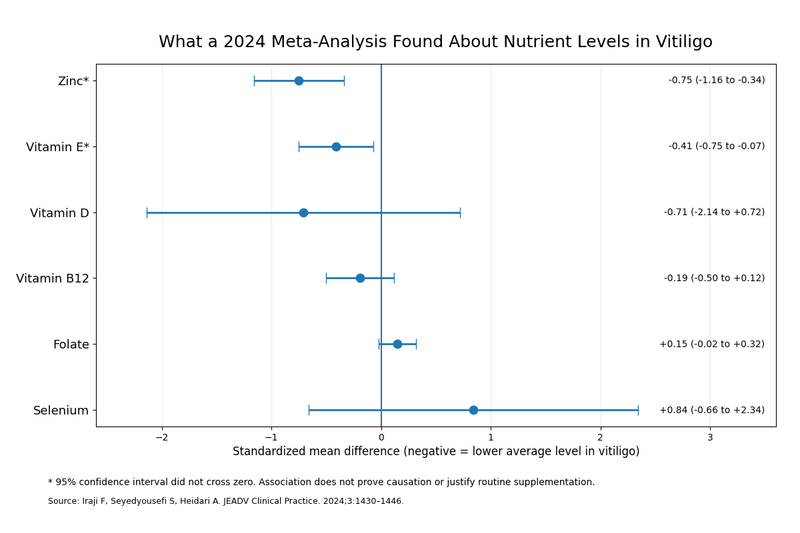
Testing is most useful when it answers a specific clinical question. A patient with severe dietary restriction, minimal sun exposure, chronic digestive symptoms, anaemia, neurological symptoms, poor growth, pregnancy, osteoporosis risk or an associated autoimmune disorder may require a different assessment from a healthy adult eating a varied diet. Laboratory results should therefore be interpreted alongside symptoms, food intake, medications and relevant medical conditions.
Vitamin D
Vitamin D has immunological, skeletal and metabolic functions, and lower average serum levels have been reported in people with vitiligo compared with control groups. A 2024 meta-analysis of observational studies concluded that serum vitamin D concentrations were lower among patients with vitiligo, although the included populations differed in geography, sun exposure, skin colour, diet and disease activity.[2]
This association does not establish vitamin D deficiency as the single cause of pigment loss. A low concentration may reflect limited outdoor activity, extensive sun avoidance, clothing practices, darker skin pigmentation, obesity, dietary insufficiency, malabsorption or another medical condition. Patients with vitiligo may also use strict photoprotection because depigmented skin burns more easily, which can influence vitamin D status in some circumstances.
Vitamin D testing is particularly reasonable when a patient has very limited sunlight exposure, bone pain, recurrent fractures, osteoporosis risk, malabsorption, chronic kidney or liver disease, pregnancy, an older age or other established risk factors. British dermatology guidance advises considering vitamin D assessment, especially in people with vitiligo who avoid sunlight completely, with appropriate replacement when deficiency is identified.[5]
Food sources include oily fish, egg yolks and fortified milk, plant beverages or breakfast cereals, depending on the country. Few unfortified foods provide substantial vitamin D, so diet alone may not correct a marked deficiency. Supplement doses should be selected according to the blood result and clinical context because excessive intake can increase calcium levels and contribute to nausea, kidney stones, confusion or cardiac complications.
Correcting vitamin D deficiency is important for bone and general health, but patients should not be promised that supplementation alone will reverse established white patches. Vitamin D may be used as supportive care alongside treatment directed at active vitiligo, particularly when a deficiency has been documented.
Vitamin B12 and Folate
Vitamin B12 and folate participate in DNA synthesis, red blood cell production and homocysteine metabolism. Earlier research proposed that abnormalities in these nutrients might influence oxidative pathways relevant to melanocyte function. However, evidence remains inconsistent.
The 2024 meta-analysis found no significant overall difference in vitamin B12 concentrations between patients with vitiligo and healthy controls. Folate findings were also difficult to interpret: the initial pooled analysis did not show a significant association, while a sensitivity analysis produced higher average folate levels in the vitiligo group after one study was removed.[2] These results do not support prescribing vitamin B12 and folic acid routinely to every patient.
Clinical trials and small studies of combined vitamin B12 and folate supplementation have produced mixed outcomes. Some reported possible improvement when the vitamins were used with sunlight or other therapy, whereas others found no clear additional benefit. The quality and consistency of this evidence are insufficient to regard either nutrient as an independent treatment for vitiligo.[2,3]
Vitamin B12 testing is more relevant for vegans, older adults, patients with pernicious anaemia risk, people who have undergone gastric or intestinal surgery, and those with chronic malabsorption. It may also be appropriate when there is unexplained fatigue, anaemia, memory difficulty, an inflamed tongue, numbness, tingling, impaired balance or abnormal red blood cell indices.
Reliable vitamin B12 food sources include eggs, dairy products, fish, meat and fortified foods. People following a vegan diet generally need a dependable fortified source or an appropriate supplement because unfortified plant foods do not reliably provide active vitamin B12.
Folate is present in leafy vegetables, beans, lentils, peas, avocado, citrus fruits and fortified grain products. Patients should not assume that ordinary citrus intake must be stopped because of vitiligo, as doing so may unnecessarily reduce folate and vitamin C intake. High-dose folic acid should also not be taken indefinitely without assessing vitamin B12 status because folic acid may correct the anaemia caused by B12 deficiency while neurological damage continues.
Zinc and Copper
Zinc is involved in immune regulation, antioxidant defence, wound healing and numerous enzyme systems. The 2024 meta-analysis reported lower average serum zinc levels in patients with vitiligo than in healthy controls.[2] This finding suggests a possible nutritional association, but it does not demonstrate that zinc deficiency causes vitiligo or that zinc tablets will reliably restore pigment.
Good dietary sources include oysters and other shellfish, meat, poultry, dairy products, eggs, beans, chickpeas, pumpkin seeds, cashews and fortified cereals. Zinc from plant foods is generally absorbed less efficiently because phytates in grains and legumes can bind the mineral. Soaking, sprouting, fermenting and thoroughly cooking legumes may improve overall digestibility and mineral availability.
Testing may be considered when a patient has severe dietary restriction, chronic diarrhoea, inflammatory bowel disease, malabsorption, delayed wound healing, altered taste, unexplained hair loss or prolonged use of unusually high supplement doses. Serum zinc does not always reflect total body stores accurately, so the result should be interpreted with the clinical picture.
Long-term high-dose zinc supplementation can reduce copper absorption and cause copper deficiency, anaemia, low white blood cell counts and neurological symptoms. Patients taking zinc without supervision may therefore create a second deficiency while attempting to treat the first.
Copper contributes to several enzymes involved in connective tissue, iron metabolism and pigment biology. Despite its biological relationship with melanin production, the available meta-analysis found no consistent significant difference in copper levels between vitiligo and control groups after sensitivity analysis.[2] This does not support treating vitiligo universally with copper tablets or copper-charged water.
Dietary copper is available from nuts, seeds, legumes, whole grains, cocoa, organ meats and shellfish. Most patients eating a varied diet can obtain sufficient copper from food. Supplementation should be reserved for a clinically supported indication because excess copper can cause gastrointestinal symptoms and may be hazardous in disorders that impair copper metabolism.
Claims that storing water in a copper vessel will repigment vitiligo are not supported by reliable clinical trials. Such practices should not replace laboratory assessment or established treatment, and excessive copper exposure should be avoided.
Vitamin E and Other Antioxidants
Vitamin E protects cell membranes from oxidative damage and has been investigated because oxidative stress contributes to the biological processes involved in vitiligo. The 2024 meta-analysis found lower average vitamin E concentrations in vitiligo groups, but the authors emphasized that relatively few studies were available.[2]
Small trials have examined vitamin E as an adjunct to phototherapy or combined antioxidant treatment. Some reported favourable changes, but study size, treatment combinations and outcome measures varied. Current evidence does not establish oral vitamin E as a standalone treatment capable of controlling active disease or consistently restoring pigment.[1,3]
Food sources include almonds, sunflower seeds, hazelnuts, peanuts, avocado and vegetable oils. A varied diet can usually provide vitamin E without exposing the patient to the risks associated with unnecessary high-dose supplementation. Supplemental vitamin E can increase bleeding risk, particularly in people taking anticoagulant or antiplatelet medicines or those preparing for surgery.
Vitamin C, vitamin A and plant antioxidants are also frequently promoted for vitiligo. The available studies of serum vitamin A and vitamin C have been too limited for reliable meta-analysis, and observed differences have not established a therapeutic dose or a cause-and-effect relationship.[2]
Vitamin C from oranges, lemons, berries, guava, peppers, tomatoes and amla does not require routine restriction. Although isolated laboratory observations are sometimes used to claim that vitamin C interferes with pigment formation, normal dietary intake has not been shown to worsen vitiligo in clinical practice. Removing fruit and vegetables may instead reduce fibre, folate and antioxidant intake.
Beta-carotene and vitamin A contribute to vision, epithelial health and immune function, but excess preformed vitamin A can damage the liver and cause birth defects during pregnancy. Patients should not use high-dose vitamin A products for vitiligo without a clear medical indication.
Iron and Selenium
Iron deficiency is common in the general population and may occur independently of vitiligo. The available vitiligo literature contains too few suitable studies to determine whether low iron is consistently associated with the condition.[2] Testing should therefore be based on clinical risk rather than the presence of white patches alone.
Fatigue, shortness of breath, palpitations, pale skin, heavy menstrual bleeding, gastrointestinal blood loss, pregnancy, a restricted diet or an abnormal complete blood count may justify iron studies. Ferritin should be interpreted carefully because inflammation can increase it even when usable iron is limited.
Iron-rich foods include meat, shellfish, lentils, beans, tofu, pumpkin seeds, leafy vegetables and fortified grains. Plant iron is absorbed more effectively when eaten with vitamin C-containing foods. Advising a patient to avoid citrus, tomatoes or peppers without a valid reason can therefore make iron absorption more difficult.
Iron supplements should not be taken simply because a patient has vitiligo. Excess iron can cause constipation, nausea and abdominal pain, while inappropriate long-term use may be harmful in people with iron-storage disorders.
Selenium is required in small amounts for antioxidant enzymes and thyroid metabolism. However, the 2024 meta-analysis found higher rather than lower average selenium levels in patients with vitiligo after sensitivity analysis.[2] This finding argues against automatically prescribing selenium on the assumption that vitiligo represents selenium deficiency.
Food sources include fish, eggs, meat, dairy products, whole grains and Brazil nuts. Selenium content varies according to soil and food origin, and Brazil nuts may contain particularly high and unpredictable quantities. Regularly consuming several Brazil nuts together with a selenium supplement can result in excessive intake.
Selenium toxicity may cause nausea, diarrhoea, a metallic taste, garlic-like breath, hair loss, brittle nails, skin changes and neurological symptoms. Supplementation should therefore be used only when deficiency or another clear clinical indication has been established.
Correct Deficiencies Without Overtreating
A laboratory-confirmed deficiency should be corrected because it can affect health even when its relationship with vitiligo is uncertain. The treatment goal is to restore a safe nutritional level, address the reason for the deficiency and prevent recurrence. Repigmentation should be evaluated separately rather than assumed to follow automatically.
Patients with multiple deficiencies may need assessment for an underlying cause, such as a highly restrictive diet, coeliac disease, inflammatory bowel disease, previous gastrointestinal surgery, chronic diarrhoea, medication-related malabsorption or another autoimmune condition. Correcting the diet without identifying persistent malabsorption may produce only temporary improvement.
Ayurvedic dietary planning should also account for objective nutritional needs. Adjusting food according to digestion, constitution and current imbalance should not result in inadequate protein, vitamin B12, iron, calcium or essential fats. Classical food restrictions must be individualized and balanced against age, body weight, pregnancy, existing disease and laboratory findings.
The safest approach is to obtain most nutrients through a varied diet, test selectively when symptoms or risk factors justify it, and use supplements at an appropriate dose for a defined purpose. This prevents both untreated deficiency and the complications of taking multiple high-dose products in the hope that more nutrients will produce faster repigmentation.[1–3]
Table: Vitiligo and Vitamin Deficiency: Evidence, Food Sources and Testing
| Nutrient | What Current Evidence Suggests | Useful Food Sources | When Testing May Be Considered | Supplement Caution |
|---|---|---|---|---|
| Vitamin D | Evidence is mixed; the overall pooled estimate did not reach statistical significance | Oily fish, eggs and fortified milk, plant drinks or cereals | Complete sun avoidance, bone risk, malabsorption, pregnancy or limited dietary intake | High doses can cause elevated calcium and kidney complications |
| Vitamin E | Lower average levels were reported in pooled observational data | Almonds, sunflower seeds, hazelnuts, avocado and vegetable oils | Severe dietary restriction, fat malabsorption or another clinical indication | High-dose supplements may increase bleeding risk |
| Zinc | Lower average levels were reported, but this does not justify universal supplementation | Legumes, pumpkin seeds, nuts, dairy, eggs, meat and shellfish | Malabsorption, chronic diarrhoea, highly restrictive diets or compatible symptoms | Prolonged high-dose zinc can cause copper deficiency |
| Vitamin B12 | No significant pooled difference was found between vitiligo and control groups | Eggs, dairy, fish, meat and fortified foods | Vegan diet, macrocytosis, numbness, tingling, fatigue or malabsorption risk | Folate may mask the blood signs of B12 deficiency |
| Folate | No significant overall pooled difference was found | Leafy vegetables, beans, lentils, avocado, citrus fruits and fortified grains | Anaemia risk, pregnancy, malabsorption or restricted food intake | Avoid prolonged high-dose folic acid without considering B12 |
| Copper | Results have been inconsistent and were not robust in sensitivity analysis | Nuts, seeds, legumes, whole grains, cocoa and shellfish | Suspected deficiency, malabsorption or prolonged high-dose zinc use | Copper tablets and copper water are not established vitiligo treatments |
| Iron | Available studies were insufficient for a reliable meta-analysis | Meat, lentils, beans, tofu, pumpkin seeds and fortified grains | Fatigue, heavy menstrual bleeding, pregnancy or abnormal blood count | Iron should not be taken without evidence of deficiency |
| Selenium | No significant overall pooled difference was established | Fish, eggs, meat, dairy and whole grains | Testing is rarely required without a specific clinical indication | Excess selenium may cause hair, nail, digestive and neurological symptoms |
Vitiligo Diet and Gluten

A vitiligo diet does not need to be gluten-free unless the patient has coeliac disease, wheat allergy, clinically assessed non-coeliac gluten sensitivity or another medical reason to avoid wheat, barley and rye. Vitiligo and coeliac disease can occur in the same person because both have autoimmune associations, but coexistence does not mean that gluten causes vitiligo in every patient or that removing it will reliably restore pigment.[6]
Coeliac disease is an immune-mediated disorder in which gluten exposure damages the lining of the small intestine in genetically susceptible individuals. This damage can reduce the absorption of iron, folate, vitamin B12, vitamin D, calcium and other nutrients. When coeliac disease is present alongside vitiligo, a strict gluten-free diet is necessary to treat the intestinal disease and prevent its complications, regardless of whether the patient notices any change in skin pigmentation.
Who Should Be Evaluated for Coeliac Disease?
Testing deserves consideration when a person with vitiligo has persistent diarrhoea, abdominal bloating, unexplained weight loss, iron-deficiency anaemia, recurrent mouth ulcers, chronic fatigue, low bone density, poor growth, delayed puberty or a close relative with coeliac disease. Some patients have constipation, neurological symptoms or no obvious digestive complaints, so the absence of diarrhoea does not completely exclude the condition.
Evaluation may also be appropriate when the patient has another autoimmune disorder associated with coeliac disease, particularly autoimmune thyroid disease or type 1 diabetes. The decision should be individualized rather than based on vitiligo alone because unnecessary screening and dietary restriction can create anxiety, expense and nutritional imbalance.
The usual initial assessment includes coeliac-specific antibodies and measurement of total immunoglobulin A. Additional tests may be needed when immunoglobulin A deficiency is present, and some patients require intestinal biopsy to confirm the diagnosis. Interpretation should be performed by a clinician familiar with coeliac disease rather than through a commercial food-intolerance panel.
Patients should continue eating gluten before and during diagnostic testing unless a physician advises otherwise. Starting a gluten-free diet prematurely can lower antibody levels and allow intestinal healing, making blood tests and biopsy results less reliable. A patient who has already removed gluten may need specialist guidance about whether a supervised gluten challenge is appropriate.
Will a Gluten-Free Diet Improve Vitiligo?
Evidence that gluten removal improves vitiligo in patients with confirmed coeliac disease is limited mainly to case reports and small observational findings. Some individuals have experienced stabilization or repigmentation after beginning a gluten-free diet, but these reports cannot establish how often the response occurs or whether dietary change was solely responsible. Other treatments, spontaneous disease fluctuation and correction of nutritional deficiencies may contribute to the observed improvement.[1,6]
There is even less evidence that gluten avoidance benefits patients who do not have coeliac disease or another gluten-related disorder. No sufficiently robust clinical trial has shown that a universal gluten-free diet stops vitiligo progression or produces dependable repigmentation. A response in one patient should therefore not be converted into a recommendation for all patients.[1,7]
When coeliac disease is confirmed, gluten avoidance remains essential for intestinal healing, nutrient absorption, bone protection and long-term health. Any improvement in vitiligo should be regarded as a possible additional outcome rather than a guaranteed result.
Wheat Allergy and Non-Coeliac Gluten Sensitivity
Wheat allergy is different from coeliac disease. It may cause hives, swelling, wheezing, vomiting or, in severe cases, anaphylaxis after wheat exposure. Diagnosis should be based on a compatible history and appropriate allergy assessment. A positive test without matching symptoms does not always prove clinically meaningful allergy.
Non-coeliac gluten sensitivity is considered when symptoms appear after consuming gluten-containing foods, coeliac disease and wheat allergy have been excluded, and symptoms improve with removal and recur during a structured reintroduction. The condition does not have a single definitive blood test, and symptoms attributed to gluten may sometimes be caused by fermentable carbohydrates in wheat rather than gluten itself.
Self-diagnosis can lead patients to avoid several food groups unnecessarily. When bloating or abdominal discomfort is the main concern, assessment by a gastroenterologist or dietitian may identify lactose intolerance, irritable bowel syndrome, inflammatory bowel disease or another explanation that requires a different dietary strategy.
Nutritional Risks of Unnecessary Gluten Avoidance
A poorly planned gluten-free diet may contain less fibre, iron, folate, B vitamins and whole-grain variety. Commercial gluten-free breads, biscuits and snacks may also contain more refined starch, sugar, salt or fat than the foods they replace. Removing gluten therefore does not automatically make a diet anti-inflammatory or nutritionally superior.
Patients who genuinely require a gluten-free diet should replace wheat, barley and rye with nutrient-dense alternatives such as certified gluten-free oats, brown rice, quinoa, buckwheat, amaranth, sorghum, maize and suitable millets. Legumes, vegetables, fruit, nuts, seeds and adequate protein should remain central to the diet.
Cross-contamination is important in confirmed coeliac disease. Gluten-free food can become contaminated through shared toasters, cutting boards, flour dust, cooking utensils, frying oil or poorly controlled restaurant preparation. Patients with coeliac disease require stricter avoidance than someone completing a temporary medically supervised dietary trial.
Packaged sauces, soups, spice blends, processed meats, malt-containing products and some medicines or supplements may contain hidden gluten. Label-reading requirements vary by country, so newly diagnosed patients benefit from guidance adapted to local food regulations and their usual cuisine.
Gluten in an Ayurvedic Vitiligo Diet
Ayurveda does not require universal removal of wheat simply because a patient has vitiligo. Wheat may be suitable for some patients because of its nourishing qualities, while its quantity, preparation or frequency may be reduced in others when it feels excessively heavy, worsens sluggish digestion or conflicts with the broader clinical plan.
A patient with low body weight, dryness, constipation and high nutritional requirements may tolerate freshly prepared wheat foods better than dry packaged alternatives. Another patient with obesity, marked heaviness, poor appetite or disturbed glucose regulation may benefit from smaller portions and greater use of lighter grains. These decisions reflect individual digestion and current imbalance rather than a claim that gluten is the cause of pigment loss.
Classical dietary assessment and modern diagnosis should not be confused. Reducing wheat because it appears unsuitable for an individual’s digestion is different from diagnosing coeliac disease, which requires specific medical evaluation and lifelong strict gluten avoidance when confirmed.
For most patients without coeliac disease, wheat allergy or reproducible sensitivity, a balanced diet containing properly tolerated whole grains is safer than an unsupervised elimination plan. Gluten should be removed for a defined clinical reason, not from fear that ordinary wheat consumption will inevitably spread vitiligo.[1,6,7]
Ayurvedic Vitiligo Diet

An Ayurvedic vitiligo diet is not based on a single list of foods that every patient must eat or avoid. Dietary planning considers the person’s baseline constitution, current imbalance, digestive capacity, accustomed foods, age, climate, season, nutritional status and stage of the skin condition. Two patients with similar white patches may therefore receive different dietary guidance when their appetite, bowel habits, body weight, heat tolerance, metabolic health or associated illnesses differ.[8,9]
Prakriti refers to the person’s relatively stable constitutional pattern, whereas Vikriti describes the current disturbance requiring attention. Agni means digestive and metabolic capacity, and Satmya refers to foods and habits that are well adapted to the individual. In practice, current Vikriti and Agni often influence immediate food choices more strongly than Prakriti alone. A person described as Vata-predominant should not automatically receive the same diet during constipation, acidity, obesity, pregnancy and acute illness.
Pathya and Apathya
Pathya refers to food and habits considered supportive for the patient’s present condition, digestion and treatment goals. Apathya refers to choices regarded as unsuitable in that particular context. These terms should not be interpreted as permanent labels declaring that one food is universally beneficial and another universally harmful.
A food may be Pathya for one patient but inappropriate for another. Mung dal may provide light, digestible protein for a person with stable digestion, yet even legumes may require smaller portions, soaking or longer cooking in someone with severe bloating. Dairy may nourish an underweight patient who digests it comfortably, while large quantities of cheese or sweetened milk products may be unsuitable for someone with sluggish digestion, obesity or poor glucose control.
Freshly prepared meals, adequate protein, cooked vegetables, appropriate whole grains and moderate healthy fats generally provide a safer foundation than highly restrictive plans. The exact selection should also respect modern nutritional requirements. Ayurvedic individualization should never leave a child, pregnant patient, older adult, vegan or underweight person deficient in calories, protein, vitamin B12, iron, calcium, vitamin D or essential fatty acids.[8]
Viruddha Ahara and Vitiligo
Viruddha Ahara refers to dietary incompatibility. In Charaka Samhita, Sutrasthana, Chapter 26, the concept includes incompatibility related to combination, preparation, quantity, timing, place, season, digestive capacity and individual suitability. Classical discussion also associates prolonged use of incompatible food with several disorders, including Kushtha and Kilasa, but this should be understood within the traditional Ayurvedic disease framework rather than treated as proof that a particular food combination causes modern vitiligo.[9]
The concept is broader than the frequently repeated example of fish with milk. Food may be considered unsuitable when it is eaten before the previous meal has been digested, prepared improperly, repeatedly reheated, consumed in excessive quantity or taken in a season or bodily state in which it is poorly tolerated. Ayurveda therefore evaluates the complete eating pattern rather than blaming one isolated ingredient.
Classical examples such as fish with milk, heated honey and equal quantities of honey and ghee may be discussed as traditional incompatibilities. However, patients should not be told that consuming one such combination has scientifically proved that they caused their vitiligo. Modern vitiligo is an immune-mediated pigmentary disorder with complex genetic, cellular and environmental influences, and classical dietary principles should be applied without replacing medical diagnosis.[5,9]
A practical interpretation of Viruddha Ahara is to avoid repeatedly combining foods that produce clear heaviness, reflux, bloating, diarrhoea or other reproducible symptoms in that individual. It also supports regular meals, safe food storage, appropriate cooking and avoidance of chronic overeating. These measures may improve digestive comfort and treatment adherence, but they should not be promoted as guaranteed methods of stopping depigmentation.
Diet for Vata-Predominant Patients
A Vata-predominant or Vata-aggravated pattern may include irregular appetite, dryness, constipation, bloating, low body weight, variable energy, cold sensitivity or disturbed sleep. Such patients often tolerate warm, freshly cooked and moderately moist meals better than dry, cold or highly irregular eating patterns.
Suitable choices may include well-cooked rice, oats, quinoa, mung dal, soft lentils, soups, root vegetables, pumpkin, squash, zucchini, stewed fruit and moderate quantities of oil or ghee when medically appropriate. Meals should contain adequate protein and should be taken at reasonably consistent times.
Excessive raw salads, dry crackers, cold smoothies, iced drinks, prolonged fasting and very low-fat diets may worsen dryness, bloating or constipation in susceptible patients. This does not mean that raw vegetables are inherently harmful in vitiligo; the issue is whether their amount and preparation suit the patient’s digestion.
An underweight Vata-predominant patient should not be placed on an excessively “detoxifying” diet. Adequate calories, protein and nourishing foods may be more important than eliminating multiple ingredients. When diabetes, high cholesterol or liver disease is also present, the type and quantity of fat require further adjustment.
Diet for Pitta-Predominant Patients
A Pitta-predominant or aggravated pattern may involve strong appetite, heat intolerance, acidity, loose stools, irritability, excessive thirst or worsening discomfort after alcohol, very spicy food or strongly sour meals. Dietary planning usually favours regular meals that are nourishing without being excessively heating.
Rice, oats, quinoa, mung dal, moderate portions of lentils, gourds, cucumber, leafy vegetables, broccoli, pears, pomegranate, berries, coriander and fennel may be suitable according to tolerance. Adequate protein remains essential and may come from legumes, tofu, eggs, dairy, fish, poultry or other sources consistent with the patient’s dietary pattern.
Excess chilli, frequent alcohol, heavily fried foods, excessive vinegar, very sour pickles and large quantities of strongly fermented foods may be reduced when they aggravate acidity, heat or bowel symptoms. This is different from banning all sour foods or all vitamin C-containing fruits.
Citrus fruits and amla do not require universal exclusion. Their use may be modified when a patient experiences reflux, oral sensitivity or clear Pitta aggravation, but ordinary dietary vitamin C has not been shown to spread vitiligo. A Pitta-oriented plan should therefore control excess rather than create unnecessary fear of nutritious fruit.
Diet for Kapha-Predominant Patients
A Kapha-predominant or aggravated pattern may include heaviness after meals, sluggish appetite, weight gain, excessive sleepiness, metabolic risk or a preference for rich, sweet and oily foods. Such patients may benefit from warm, lighter meals with greater emphasis on vegetables, legumes and appropriate portion control.
Barley, millets, quinoa, beans, lentils, leafy vegetables, cruciferous vegetables, apples, pears and lighter protein sources may be useful when tolerated. Warming digestive spices may be included in moderate quantities, provided they do not worsen acidity, bleeding risk or medication-related concerns.
Frequent sweets, refined flour products, deep-fried foods, excessive cheese, cream, processed snacks and oversized meals are commonly reduced. This recommendation addresses heaviness, excess calorie intake and metabolic health rather than asserting that these foods directly destroy melanocytes.
Kapha reduction should not become crash dieting. Severe calorie restriction can produce fatigue, loss of lean body mass and nutrient deficiency. Patients with diabetes or obesity need a structured plan that maintains protein and micronutrient adequacy while gradually reducing excess energy intake.
Diet for Dual-Dosha Patterns
Many patients do not fit neatly into one Dosha pattern. A Vata–Pitta presentation may require warm, moist meals that are mildly seasoned rather than either very cold or very spicy. A Pitta–Kapha pattern may benefit from lighter meals that avoid excessive oil, sweetness and heat while maintaining sufficient protein. A Vata–Kapha pattern often requires food that is warm and digestible but not excessively heavy or dry.
These combinations demonstrate why an online body-type questionnaire cannot safely produce a complete vitiligo diet. A patient’s current symptoms, nutritional risk, laboratory findings and associated disease must be considered alongside constitutional assessment.
A person with Vata features and iron-deficiency anaemia may need iron-rich foods and investigation of blood loss. A Pitta-predominant vegan may still require vitamin B12 supplementation. A Kapha-predominant patient with kidney disease may need restrictions that differ substantially from a standard Kapha-reducing plan. Medical requirements take priority when a general Dosha recommendation would create harm.
How Ayurvedic Restrictions Should Be Applied
Dietary restrictions should be selective, time-limited where appropriate and reviewed according to response. Removing dairy, gluten, citrus, tomatoes, fermented foods, fish and several legumes simultaneously can make it impossible to determine which change was useful and may produce avoidable nutritional deficiencies.
When a food is suspected of aggravating symptoms, a clinician may assess the amount, preparation, frequency and combinations in which it is consumed. Curd taken at night, for example, may be viewed differently in Ayurveda from a small daytime serving of plain yogurt in a patient who tolerates dairy. Similarly, heavily spiced fried fish is nutritionally and digestively different from a modest portion of simply cooked fish.
Individualized restriction also means considering cultural feasibility. A plan is unlikely to succeed when it removes most of the patient’s staple foods without providing affordable replacements. The strongest Ayurvedic diet is one that the patient can follow consistently while preserving nutritional adequacy, digestive comfort and compatibility with prescribed treatment.[8]
Ayurvedic dietary guidance may support a comprehensive vitiligo plan by improving meal quality, correcting unsuitable eating habits and matching food preparation to the patient’s digestion. It should not be presented as a universal cure, and it should not delay assessment when patches are actively spreading or when the patient has symptoms suggesting anaemia, thyroid disease, coeliac disease, diabetes or another associated condition.
Vitiligo Diet and Your Body Type

A personalized vitiligo diet should reflect both your likely Ayurvedic constitution and your current symptoms. You can complete the Prakriti Analysis Questionnaire to obtain a preliminary indication of whether Vata, Pitta, Kapha or a dual-Dosha pattern is more prominent.
| Ayurvedic Pattern | Foods Commonly Favoured | Foods or Habits Commonly Reduced When Aggravating | Nutritional Safeguard |
|---|---|---|---|
| Vata-predominant | Warm porridge, rice, oats, mung dal, soups, cooked vegetables, stewed fruit and moderate healthy fats | Cold smoothies, excessive raw salads, dry snacks, irregular meals and prolonged fasting | Maintain adequate calories, protein, iron, B12 and essential fats |
| Pitta-predominant | Mildly seasoned meals, rice, oats, mung dal, gourds, leafy vegetables, pears, pomegranate and coriander | Excess chilli, alcohol, very sour pickles, excessive vinegar and heavily fried foods | Do not universally prohibit citrus, amla or vitamin C |
| Kapha-predominant | Warm lighter meals, barley, millets, legumes, leafy vegetables and lighter protein sources | Frequent sweets, deep-fried foods, oversized meals, refined flour and excessive heavy dairy | Avoid crash dieting and maintain adequate protein |
| Vata–Pitta | Warm, moist and mildly seasoned meals | Both excessive cold, raw food and excessive heat, chilli or sourness | Prevent under-eating and excessive restriction |
| Pitta–Kapha | Lighter meals with vegetables, legumes and moderate healthy fats | Excess oil, sweets, salt, alcohol and strong heating spices | Preserve sufficient protein and micronutrients |
| Vata–Kapha | Warm, cooked and digestible meals with moderate oil | Cold heavy meals, excessive dairy, very dry snacks and irregular eating | Keep meals light without making them excessively dry |
The questionnaire can help you recognize broad constitutional tendencies that may influence appetite, digestion, food tolerance, body weight, temperature preference and response to different meal patterns. However, it should not be used alone to diagnose a Dosha imbalance or prescribe a restrictive vitiligo diet.
Your baseline Prakriti may differ from your present Vikriti. For example, a person with a Vata constitution may currently show Pitta-related acidity, while a Kapha-predominant patient may develop dryness and constipation after prolonged dieting. Current symptoms, digestive capacity, laboratory findings, medications and associated conditions must therefore be reviewed before applying body-type recommendations.[8]
After completing the questionnaire, the results can be discussed with an Ayurvedic physician who can distinguish constitutional characteristics from the active imbalance and adapt food choices accordingly. This reduces the risk of following a generic Dosha diet that overlooks protein requirements, vitamin deficiencies, diabetes, thyroid disease, coeliac disease or other clinically important factors.
Seven-Day Vitiligo Diet Chart
This seven-day vitiligo diet provides a practical framework for balanced meals rather than a therapeutic prescription. It emphasizes adequate protein, vegetables, fruits, whole grains and healthy fats while avoiding unnecessary exclusion of gluten, dairy, citrus fruits, tomatoes or fish. Portion sizes should be adjusted for age, body size, activity level, appetite, pregnancy, weight goals, diabetes and other medical conditions.[1,3]
The meals can be adapted for vegetarian, vegan and omnivorous diets. Patients with confirmed coeliac disease should use certified gluten-free grains, while those with dairy intolerance can choose fortified soy or other nutritionally appropriate alternatives. Each main meal should contain a recognizable protein source rather than relying mainly on fruit, juice or refined carbohydrates.
Monday: Begin with oatmeal prepared with milk or fortified soy drink, topped with berries, walnuts and ground flaxseed. Lunch may include a quinoa and chickpea bowl with cucumber, carrots, leafy vegetables and olive oil. Choose plain yogurt or fortified plant yogurt with fruit for a snack. Dinner may include baked salmon with brown rice and cooked vegetables, or tofu with the same accompaniments for a vegetarian or vegan option.
Tuesday: Breakfast may consist of eggs with whole-grain toast and sautéed vegetables. Tofu scramble can replace eggs. For lunch, choose lentil soup with whole-grain bread, salad and a small portion of yogurt when tolerated. Pumpkin seeds and an apple provide a practical snack. Dinner may include grilled chicken, mung dal or tempeh with sweet potato and steamed greens.
Wednesday: Start with plain yogurt or fortified plant yogurt mixed with oats, chia seeds, sliced pear and a small portion of nuts. Lunch may include kidney beans with brown or basmati rice, cooked vegetables and salad. An apple with peanut or almond butter can be used as a snack. Dinner may include baked fish, tofu or lentil patties with quinoa and roasted vegetables.
Thursday: Vegetable poha with peas and peanuts provides carbohydrate, fibre and some protein at breakfast. Additional protein may come from an egg, yogurt or tofu according to dietary preference. Lunch may consist of a whole-grain wrap filled with hummus, vegetables and either tofu or chicken. Choose pomegranate, berries or another tolerated fruit as a snack. Dinner may include dal, a mixed-vegetable curry and rice.
Friday: Breakfast may include vegetable upma with a side of yogurt, eggs or a fortified soy product. Lunch may consist of a barley, quinoa or millet bowl with beans, leafy vegetables, roasted pumpkin and seeds. Patients requiring a gluten-free diet should avoid barley and choose quinoa, rice or certified gluten-free millet. A handful of nuts with fruit can be taken between meals. Dinner may include a vegetable and chickpea stew, or lean meat with vegetables and a modest portion of whole grain.
Saturday: Whole-grain toast with avocado and eggs offers a balanced breakfast, while tofu, hummus or beans can replace eggs. Lunch may include a Mediterranean-style plate with lentils or grilled fish, cucumber, tomatoes, leafy vegetables, olives and a whole grain. Plain yogurt, fruit or roasted chickpeas can be used as a snack. Dinner may include mung khichdi with cooked vegetables, accompanied by an additional protein source when the portion of dal is small.
Sunday: Breakfast may consist of idli with sambar, vegetable omelette or savoury oats with tofu. Lunch may include roasted chicken or baked tofu with potatoes, carrots, broccoli and salad. A small portion of nuts, seeds or yogurt can be chosen as a snack. Dinner may be lighter, such as vegetable soup with beans, lentils or shredded chicken and whole-grain bread or rice.
Water should remain the main beverage. Tea and coffee may be consumed in moderate quantities when tolerated, but excessive sugar, high-calorie coffee drinks and frequent sugar-sweetened beverages should be limited. Fruit is generally preferable to fruit juice because it provides fibre and is less likely to produce a rapid rise in blood glucose.
Patients do not need to add every nutrient-rich food to every meal. Variety across the week is more practical and helps prevent overreliance on a single food claimed to improve pigmentation. Citrus fruits, amla, tomatoes, milk, curd, turmeric and fish may remain in the plan when they are tolerated and do not conflict with a diagnosed condition or an individualized Ayurvedic recommendation.
Adjusting the Plan by Body Type
A Vata-predominant or Vata-aggravated patient may benefit from replacing cold breakfasts, raw salads and dry snacks with warm porridge, soups, cooked vegetables, stewed fruit and moderately oiled meals. Regular meal timing is particularly important when appetite fluctuates or constipation is present. Vegan Vata patients should ensure that reducing cold and raw foods does not also reduce total protein or calorie intake.
A Pitta-predominant patient may use mildly seasoned meals and reduce excessive chilli, alcohol, vinegar and strongly fermented foods when these aggravate acidity or heat. Cooling vegetables, rice, oats, mung dal, pears, pomegranate and moderate amounts of healthy fat may be emphasized. Citrus fruits and amla require restriction only when they clearly worsen reflux or other symptoms, not merely because the patient has vitiligo.
A Kapha-predominant patient may choose lighter portions, increase non-starchy vegetables and reduce frequent sweets, deep-fried foods, heavy cheese and refined flour products. Protein should still be present at each main meal, and weight management should remain gradual rather than relying on fasting or severe calorie restriction.
Dual-Dosha patterns require combined adjustments. Vata–Pitta patients may need warm but mildly seasoned food, Pitta–Kapha patients may benefit from lighter meals without excessive heat, and Vata–Kapha patients often require warm, digestible food that is neither very dry nor excessively heavy. These modifications should be guided by current symptoms, digestive capacity and nutritional requirements rather than constitution alone.[8]
This weekly plan may be repeated with different vegetables, fruits, grains and protein sources to prevent monotony. Any persistent fatigue, weight loss, digestive symptoms, neurological complaints or signs of deficiency should prompt clinical assessment rather than further unsupervised food restriction.
Vitiligo Diet Myths

A reliable vitiligo diet should be based on nutritional adequacy, individual tolerance and appropriate medical or Ayurvedic assessment rather than fear of ordinary foods. Many online food lists combine laboratory theories, isolated patient experiences and classical Ayurvedic restrictions without explaining the quality or limits of the evidence. As a result, patients may stop eating fruit, dairy, legumes, fish or other nutritious foods even though no universal restriction is clinically justified.[1,3]
Do Citrus Fruits and Vitamin C Worsen Vitiligo?
Oranges, lemons, grapefruit, guava, berries, tomatoes and peppers contain vitamin C, which supports collagen formation, iron absorption, wound healing and antioxidant defence. There is no reliable clinical evidence that normal dietary vitamin C causes vitiligo, enlarges white patches or prevents repigmentation.
The myth partly arises from laboratory observations involving vitamin C, oxidation and the enzyme pathways involved in melanin production. Results produced by concentrated substances in isolated cells or chemical systems cannot be assumed to occur after eating an orange. Digestion, absorption, metabolism, tissue concentration and interactions with other nutrients substantially change how a substance behaves in the human body.
Patients who avoid vitamin C-rich foods may unintentionally reduce fruit and vegetable variety. This can lower folate, fibre, potassium and antioxidant intake and may also impair the absorption of plant-based iron. The risk is particularly relevant for vegetarians, vegans, menstruating women and patients with iron deficiency.
A patient does not need to consume unusually large quantities of citrus fruit in an attempt to treat vitiligo. Equally, citrus does not need to be prohibited simply because white patches are present. Reduction may be reasonable when a person has reflux, mouth sensitivity, citrus allergy, a medication interaction involving a particular fruit or an individualized Ayurvedic reason.
High-dose vitamin C supplements should be considered separately from food. Large supplemental doses may cause diarrhoea, abdominal discomfort or increase the risk of kidney stones in susceptible individuals. Such supplements have not been proved to repigment vitiligo and should not be used as a substitute for a balanced diet or prescribed treatment.[1,3]
Is Amla Harmful for People With Vitiligo?
Amla is often prohibited because of its sour taste or promoted as a cure because of its antioxidant content. Neither extreme is appropriate for every patient. Ordinary dietary use of amla has not been shown to cause vitiligo or reliably restore pigmentation.
In Ayurveda, amla is not assessed only by its initial sour taste. Its broader properties, preparation, quantity, season, digestive response and the patient’s current imbalance are also considered. A small amount used within a suitable meal may be tolerated differently from concentrated juice, frequent pickles or large supplemental preparations.
Patients with acidity, sensitive teeth, loose stools or a clear worsening of digestive symptoms after sour preparations may need to reduce the quantity or change the form in which amla is consumed. This represents individualized tolerance rather than proof that amla damages melanocytes.
Amla powders, extracts and proprietary products may deliver a much larger amount than ordinary food use. Their purity, added ingredients and interaction with medicines should be considered, particularly in patients taking antidiabetic, anticoagulant or antiplatelet treatment. A food that is acceptable in moderate dietary quantities should not automatically be assumed safe in concentrated therapeutic doses.
Can Turmeric Cure Vitiligo?
Turmeric contains curcuminoids and other compounds investigated for anti-inflammatory and antioxidant effects. These biological properties have generated interest in many inflammatory and immune-mediated conditions, but they do not establish turmeric as a cure for vitiligo.
Culinary turmeric can generally remain part of the diet when it is tolerated. Adding a normal amount to vegetables, lentils, soups or other dishes is different from taking concentrated curcumin extracts. Food-level use should not be expected to stop active vitiligo or restore pigment without other treatment.
Clinical evidence for turmeric or curcumin as a standalone vitiligo therapy remains insufficient. Laboratory studies may describe effects on oxidative pathways, but they do not prove that consuming turmeric will deliver an effective concentration to melanocytes or produce visible repigmentation in patients.[1,3]
Concentrated curcumin products may cause gastrointestinal symptoms and may interact with anticoagulant, antiplatelet or certain metabolic medicines. Patients with gallbladder disease, bleeding risk or planned surgery should be particularly cautious about unsupervised high-dose supplements.
Topical home preparations containing turmeric can also irritate sensitive skin, stain clothing and make it difficult to evaluate subtle pigment change. Patients should not apply mixtures containing turmeric, lemon juice, essential oils or other irritants to depigmented skin without professional guidance.
Must Milk Be Avoided in Vitiligo?
Milk does not need to be removed solely because a person has vitiligo. It can provide protein, calcium, vitamin B12, iodine and, when fortified, vitamin D. These nutrients may be especially important for children, adolescents, older adults, pregnant patients and people with limited dietary variety.
Dairy avoidance is appropriate when there is cow’s-milk allergy, lactose intolerance, a reproducible digestive reaction or another medical reason. Lactose intolerance does not always require the removal of every dairy product. Some patients tolerate lactose-free milk, yogurt or lower-lactose cheeses better than ordinary milk.
Patients who remove dairy should replace its nutritional contribution rather than simply omit it. Fortified soy milk generally provides more protein than many almond, rice or coconut drinks, although labels should be checked for calcium, vitamin D, vitamin B12, iodine and added sugar.
Ayurveda evaluates milk according to the patient, quantity, timing, preparation, combination and digestive capacity. Milk may be considered nourishing for an underweight patient with good tolerance but too heavy for someone with sluggish digestion, excessive mucus, marked heaviness or poor appetite. This individualized assessment does not mean that milk universally causes white patches.
The classical concern about milk taken with certain foods, particularly fish, belongs to the Viruddha Ahara framework. It should not be converted into the modern claim that milk itself causes autoimmune melanocyte destruction.[9]
Is Curd Prohibited for Every Patient?
Curd is often placed on universal vitiligo avoidance lists, but modern clinical evidence does not show that yogurt or curd directly causes vitiligo. It can provide protein, calcium, vitamin B12 and live cultures, depending on the product and preparation.
Ayurvedic guidance may restrict curd more selectively because its qualities, sourness, timing and method of use are considered important. Frequent consumption at night, heavily sour curd, large portions or combinations that feel heavy may be discouraged in particular patients. This differs from a permanent ban on every fermented dairy product.
Plain yogurt eaten in a moderate portion may be tolerated differently from sweetened flavoured yogurt, deep-fried curd-based foods or highly sour preparations. The amount of added sugar, fat and processing may be more relevant to general health than the mere presence of fermentation.
A patient with lactose intolerance may tolerate yogurt better than milk because fermentation reduces some lactose, although tolerance varies. Those with milk-protein allergy should avoid both milk and curd unless an allergy specialist advises otherwise.
Removing curd without replacing calcium, protein and vitamin B12 may be particularly problematic in vegetarian diets. The decision should therefore be based on digestive response, nutritional needs, associated conditions and individualized Ayurvedic assessment rather than a generic vitiligo rule.
Does Eating Fish Cause Vitiligo?
Fish has not been established as a cause of vitiligo. It can provide protein, vitamin B12, iodine, selenium and, in oily varieties, omega-3 fatty acids and vitamin D. Patients who eat fish do not need to stop solely because white patches have appeared.
A fish allergy, foodborne illness risk, contamination concern or dietary restriction related to pregnancy, kidney disease or another condition may require specific advice. These are separate from vitiligo.
The widespread belief that fish causes white patches often comes from the classical Ayurvedic discussion of fish consumed with milk. This combination is described as incompatible within the Viruddha Ahara framework, particularly in Charaka Samhita, Sutrasthana, Chapter 26.[9] The classical recommendation may be respected within Ayurvedic care, but it does not prove that fish by itself causes modern vitiligo.
A person who has eaten fish and milk together in the past should not assume that they caused their condition. Vitiligo may become visible after immune and cellular changes have already been developing, making it easy to blame the most memorable recent meal without evidence of causation.
Patients choosing to follow the classical restriction can simply separate fish and milk-based meals without eliminating either food completely, provided both are otherwise suitable. This preserves dietary variety while respecting the individualized Ayurvedic plan.
Can Copper-Rich Foods Repigment Vitiligo?
Copper is involved in enzymes related to pigment formation, which has led to claims that copper-rich foods, copper supplements or water stored in copper vessels can restore skin colour. Biological involvement in melanin production does not mean that additional copper will correct vitiligo when the patient is not deficient.
Current pooled evidence has not demonstrated consistent copper deficiency among people with vitiligo.[2] Routine supplementation is therefore not justified solely on the basis of the diagnosis.
Nuts, seeds, legumes, whole grains, cocoa, shellfish and organ meats naturally provide copper. A varied diet will usually supply an adequate amount. These foods may be included for general nutrition, but they should not be described as direct repigmentation treatments.
Copper supplements should be used only when deficiency or another clinical indication has been established. Excess intake can cause nausea, abdominal pain, vomiting and liver injury, and it may be especially hazardous in disorders of copper metabolism.
Water stored in a clean copper vessel for a limited period may form part of an individual cultural or Ayurvedic routine, but it has not been shown in controlled clinical trials to cure vitiligo. Acidic drinks should not be stored in copper vessels because they can increase copper leaching. A copper vessel should never replace medical assessment, laboratory testing or evidence-based treatment.
Are All Sour Foods Harmful?
Ayurvedic plans for Kushtha-related disorders may reduce excessive sour, salty, fermented or heating foods in selected patients, particularly when these choices appear to aggravate Pitta, digestive symptoms or the broader clinical pattern. This does not mean that every sour-tasting food is permanently prohibited for every person with vitiligo.
Fresh fruit, fermented dairy, pickles, vinegar, tamarind and packaged sour snacks differ considerably in nutrient content, salt, sugar, acidity, preparation and portion size. They should not be treated as one uniform category.
A small serving of pomegranate or citrus fruit is nutritionally different from frequent consumption of salty pickles, alcohol, highly acidic sauces or heavily processed sour confectionery. The patient’s digestive response and the form in which the food is consumed matter.
Patients with reflux, gastritis, dental erosion, mouth ulcers or loose stools may need to reduce acidic foods regardless of vitiligo. This is symptom-based care rather than proof that sour taste causes depigmentation.
The most defensible Ayurvedic approach is to control excess and assess individual response. Broad restrictions should be reviewed periodically so that foods are not excluded indefinitely without evidence of benefit.
Do White-Coloured Foods Cause White Patches?
The colour of a food does not determine whether it causes depigmentation. Rice, cauliflower, garlic, milk, yogurt and coconut do not remove pigment because they are white. This belief has no recognised physiological basis.
Eliminating foods according to colour can severely reduce dietary variety and may create deficiencies. White beans provide protein and minerals, cauliflower provides fibre and folate, and dairy or fortified alternatives may provide calcium and vitamin B12. Their nutritional value should be assessed rather than their appearance.
Similarly, eating dark-coloured foods such as black sesame, black grapes or dark berries does not transfer colour directly to the skin. These foods may contain useful nutrients and can form part of a balanced diet, but pigmentation depends on functioning melanocytes and complex biological signalling rather than the colour of the meal.
Can One “Superfood” Reverse Vitiligo?
No single fruit, spice, seed, herb or drink has been shown to reverse vitiligo consistently. Claims involving papaya, pomegranate, black sesame, walnuts, dates, figs, curry leaves or green juice often rely on nutrient content, traditional use or personal testimonials rather than controlled evidence.
A food can be nutritious without being a cure. Pomegranate provides polyphenols, seeds provide healthy fats and minerals, and legumes provide protein and fibre. Their value comes from contributing to a complete dietary pattern rather than acting as a medicine capable of replacing treatment.
Overconsumption may also create problems. Large quantities of dried fruit can increase sugar intake, excessive seeds and nuts add substantial calories, and concentrated juices remove much of the fibre present in whole fruit. More of a nutritious food is not always better.
The most useful dietary strategy is variety, adequate protein, correction of documented deficiencies and avoidance of restrictions that cannot be justified. This protects general health while allowing dermatological and Ayurvedic treatments to address the mechanisms and individual patterns involved in vitiligo.[1–3]
Vitiligo Diet: When Testing Is Needed

A vitiligo diet should not be designed around presumed deficiencies or a standard package of supplements. Laboratory testing becomes useful when symptoms, dietary history, associated disease or treatment factors suggest a specific nutritional problem. The objective is to identify a correctable deficiency, determine why it developed and adapt the diet without implying that an abnormal result is necessarily the cause of vitiligo.[1,2]
Symptoms That May Justify Investigation
Persistent fatigue, unusual weakness, shortness of breath, palpitations, headaches or reduced exercise tolerance may warrant a complete blood count and iron studies. These symptoms can arise from anaemia, but they are not specific and should not be attributed automatically to vitiligo or diet.
Numbness, tingling, impaired balance, memory difficulty, a sore tongue or unexplained neurological symptoms may justify assessment of vitamin B12 and folate. Vitamin B12 deficiency requires timely recognition because neurological injury can progress even when anaemia is mild or absent.
Bone pain, muscle weakness, recurrent fractures or known osteoporosis risk may support vitamin D assessment. Testing is also relevant when the patient consistently avoids sunlight, covers most of the skin, lives at a northern latitude or has a condition that interferes with fat absorption. People with vitiligo may practise strict photoprotection because depigmented skin burns easily, making vitamin D status clinically relevant in selected patients.[5]
Chronic diarrhoea, abdominal bloating, unexplained weight loss, recurrent mouth ulcers or persistent iron deficiency may indicate an intestinal disorder rather than a simple dietary shortage. Coeliac disease should be considered when the clinical pattern is compatible, particularly if the patient also has another autoimmune condition or a close family history.[6]
Children with poor growth, delayed puberty, limited food variety or repeated digestive symptoms require particular attention. Nutritional inadequacy during growth can affect bone development, cognition and immune health, even when it has no direct effect on skin pigmentation.
Dietary Patterns That Increase Deficiency Risk
Patients following vegan diets may require assessment of vitamin B12 and, depending on food choices and fortification, vitamin D, iron, calcium, zinc, iodine and omega-3 intake. A vegan diet can be nutritionally complete, but it requires deliberate planning because several nutrients are difficult to obtain reliably from unfortified plant foods.
Vegetarian patients who consume little dairy or eggs may also develop vitamin B12, iron or protein inadequacy. The presence of lentils, nuts and vegetables does not automatically guarantee that daily protein, iron and vitamin B12 requirements are being met.
People who have eliminated gluten, dairy, citrus fruits, legumes, fermented foods and several grains because of vitiligo are at greater risk of an unbalanced diet. Testing may be appropriate when these exclusions have continued for months, particularly if the patient reports fatigue, weight loss, muscle weakness or declining appetite.
Older adults may absorb vitamin B12 less efficiently and may eat less because of dental problems, reduced appetite, medication burden or social isolation. Pregnant and breastfeeding patients have increased nutritional requirements and should not undertake restrictive vitiligo diets without professional supervision.
Previous bariatric surgery, stomach or intestinal surgery, inflammatory bowel disease and chronic pancreatitis can interfere with nutrient absorption. In these patients, ordinary food advice may be insufficient, and laboratory monitoring may need to follow a specialist protocol.
Medicines can also influence nutrient status. Long-term use of some acid-suppressing drugs may affect vitamin B12 or mineral absorption, while metformin is associated with an increased risk of vitamin B12 deficiency in susceptible patients. Medication history should therefore be reviewed before a deficiency is assumed to result only from food choices.
Tests Should Answer a Clinical Question
A complete blood count can identify anaemia, enlarged red blood cells or other blood abnormalities, but it does not show the cause by itself. Ferritin and additional iron studies may be needed when iron deficiency is suspected. Ferritin can rise during inflammation, so a value within or above the reference range does not always exclude impaired iron availability.
Serum vitamin B12 may be sufficient in clear cases, while borderline results may require additional interpretation or confirmatory testing. Folate should be assessed when dietary risk, blood-count abnormalities or malabsorption is suspected. High-dose folic acid should not be started casually before vitamin B12 deficiency has been considered because folate may improve the blood count while neurological complications continue.
Vitamin D status is generally assessed using serum 25-hydroxyvitamin D. The result should guide the dose and duration of replacement rather than encouraging indefinite high-dose use. Kidney function, calcium levels, age, pregnancy and other supplements may influence what is safe.
Zinc and copper testing should be reserved for a relevant clinical indication. Blood concentrations can be affected by inflammation, recent food intake and other physiological factors, and they do not always reflect total body stores accurately. The available evidence does not show consistent copper deficiency in vitiligo, while lower average zinc levels reported in some studies do not establish that every patient requires supplementation.[2]
Thyroid assessment may be considered when there is unexplained weight change, fatigue, cold or heat intolerance, palpitations, constipation, menstrual disturbance, neck swelling or a personal or family history of autoimmune thyroid disease. Vitiligo can coexist with autoimmune thyroid disorders, and untreated thyroid disease may influence energy, weight and bowel function in ways that are mistakenly blamed on food.[5]
Coeliac testing should be performed while the patient is still consuming gluten. Removing wheat, barley and rye before blood testing can lower antibody concentrations and make the results more difficult to interpret. A patient who has already started a gluten-free diet should discuss the next diagnostic step with a clinician rather than restarting gluten independently.[6]
Broad “Vitiligo Panels” Can Mislead
Commercial nutrient panels may test numerous vitamins, minerals, food antibodies and metabolic markers without a clear clinical indication. More testing does not always provide better care. When many results are measured, one or more may fall slightly outside the laboratory range by chance, leading to unnecessary supplements and further restrictions.
Food immunoglobulin G panels should not be used to diagnose food allergy or determine which foods cause vitiligo. These tests often reflect exposure to commonly eaten foods rather than harmful immune reactions. True food allergy assessment requires a compatible clinical history and, when indicated, evaluation by an appropriately qualified professional.
Hair mineral analysis is also not an established method for designing a vitiligo diet or diagnosing internal mineral deficiency. Results can be affected by hair products, environmental contamination and laboratory methodology. Decisions about zinc, copper, selenium or heavy-metal exposure should rely on clinically validated testing selected for the suspected problem.
Patients should be cautious when a laboratory report is used to sell a large package of supplements. A result is clinically useful only when it can be interpreted reliably, connected to the patient’s symptoms or risk factors and translated into a safe treatment plan.
How Results Should Change the Diet
When iron deficiency is confirmed, the plan should include appropriate iron-rich foods and investigation of the underlying cause. Menstrual blood loss, gastrointestinal bleeding, pregnancy, inadequate intake and malabsorption require different management. Adding iron tablets without addressing persistent blood loss or coeliac disease may produce only temporary improvement.
Vitamin B12 deficiency may require oral or injectable replacement depending on its severity and cause. Food changes alone may not be sufficient when pernicious anaemia, gastric surgery or significant malabsorption is present. Vegans should establish a dependable long-term source through fortified food or an appropriate supplement.
Low vitamin D may require supplementation because relatively few foods contain enough vitamin D to correct a marked deficiency. Dietary sources and safe sunlight practices can support maintenance, but the prescribed dose should reflect the measured level and the patient’s medical circumstances.[5]
A low zinc result should prompt review of overall intake, digestive disease and supplement history. Legumes, seeds, nuts, dairy, eggs, seafood and meat can improve dietary intake, but prolonged high-dose zinc should be avoided because it can induce copper deficiency.
When coeliac disease is confirmed, the patient needs a strict gluten-free diet rather than occasional wheat reduction. The plan should preserve fibre, iron, folate and B-vitamin intake by using suitable alternatives such as certified gluten-free oats, quinoa, buckwheat, rice, amaranth, sorghum and millets.[6]
Ayurvedic dietary recommendations should be modified when laboratory results reveal a nutritional risk. A constitution-based plan that restricts several protein or mineral sources may need adjustment if the patient is underweight, anaemic or deficient in vitamin B12 or vitamin D. Individualization means reconciling Prakriti, current imbalance and digestive capacity with measurable nutritional requirements rather than allowing one framework to override the other.[8]
After treatment begins, repeat testing should be timed according to the nutrient, severity of deficiency and replacement method. Testing too early may not show the full response, whereas continuing high-dose supplementation without reassessment can result in overtreatment. Improvement in laboratory values should be regarded as correction of nutritional health, not proof that vitiligo has been cured.
The response of the skin should be monitored separately through standardized photographs, assessment of new patches, changes in existing borders and evidence of repigmentation. Nutrient correction may support overall treatment, but stabilization and pigment recovery depend on several factors beyond the laboratory result.[1–3]
Vitiligo Diet in Complete Treatment

A vitiligo diet is most useful when it forms one part of a complete treatment plan rather than being treated as an alternative to clinical assessment. Balanced nutrition can correct deficiencies, preserve muscle and bone health, support normal immune and metabolic function and make long-term treatment easier to tolerate. It cannot, by itself, determine whether vitiligo is active, protect melanocytes from ongoing immune attack or reliably stimulate repigmentation in every patient.[1,3]
Diet and Disease Activity Require Separate Assessment
Dietary improvement and control of vitiligo activity are different treatment goals. A patient may eat a nutritionally excellent diet while continuing to develop new patches because the underlying disease remains active. Conversely, vitiligo may become stable even when no major dietary change has been made.
Disease activity is assessed through the appearance of new patches, enlargement of existing patches, small confetti-like depigmented spots, colour loss after friction or injury and changes documented in standardized photographs. Whitening of hair within a patch may also influence prognosis because it can indicate reduced follicular melanocyte reserves.
Patients should not judge treatment success only by changes in digestion, energy or laboratory results. Improved vitamin D, vitamin B12 or iron status is beneficial, but it does not necessarily mean that immune activity within the skin has stopped. Nutritional markers and skin response should therefore be monitored separately.
Rapid spread, frequent new lesions or expansion into visible areas such as the face and hands should prompt timely clinical review. Repeatedly changing foods while postponing assessment may allow active disease to progress during a period when medical intervention could be useful.
Supporting Medical Treatment With Nutrition
Modern vitiligo treatment may include topical corticosteroids, topical calcineurin inhibitors, phototherapy, topical Janus kinase inhibition, selected systemic treatment and procedural options for stable disease. The appropriate choice depends on age, location, body-surface involvement, disease activity, duration and previous treatment response.[5]
Diet does not replace these interventions, but it may support them indirectly. Adequate protein and calorie intake are important for children, adolescents, older adults and underweight patients. Vitamin D and calcium become particularly relevant when sun avoidance, bone risk or prolonged treatment affects skeletal health. Iron and vitamin B12 deficiencies should be corrected when they contribute to fatigue, weakness or reduced treatment adherence.
Patients receiving phototherapy should follow the treatment centre’s instructions regarding sun exposure, topical products and medications that increase photosensitivity. Eating more antioxidant-rich food should not be assumed to prevent burns or permit longer ultraviolet exposure. Phototherapy dosing must remain clinically controlled.
Systemic medicines and supplements should be reviewed together. Herbal products, high-dose antioxidants and concentrated extracts may alter bleeding risk, liver function, glucose control or drug metabolism. The fact that a product is described as natural does not guarantee that it is compatible with every prescription.
A dietitian may be particularly helpful when vitiligo occurs alongside diabetes, obesity, kidney disease, liver disease, coeliac disease, food allergy, pregnancy or a vegan diet. These conditions can create nutritional requirements that are more important than generic online recommendations for vitiligo.
Supporting Ayurvedic Treatment With the Right Diet
Within Ayurvedic care, diet may be adjusted to support digestion, reduce unsuitable habits and match food preparation to Prakriti, current Vikriti, Agni and Satmya. This individualization can improve comfort and consistency, but it should not be reduced to a universal list prohibiting milk, curd, citrus fruits, tomatoes, fish, gluten and all fermented foods.
Ayurvedic treatment may change according to whether the patient has irregular appetite, constipation, acidity, loose stools, heaviness, obesity, poor sleep or low body weight. The diet should also adapt as these features change. A food considered unsuitable during an active digestive disturbance may not require lifelong exclusion once digestion and nutritional status improve.
Pathya should complement the principal treatment rather than become so restrictive that it weakens the patient. A plan that causes ongoing weight loss, fatigue, anaemia, low protein intake or vitamin deficiency is not clinically supportive, even when it follows a traditional food list.
Viruddha Ahara guidance may be incorporated by avoiding unsuitable combinations, poor preparation, overeating, stale food and meals taken before the previous food is digested. These principles can guide disciplined eating habits, but they should not be used to frighten patients into believing that one past food combination permanently damaged their pigment cells.[8,9]
Ayurvedic medicines also require professional review. Some formulations may contain concentrated herbs, metals or minerals and should not be combined casually with over-the-counter supplements. Product quality, dose, duration, liver and kidney health, pregnancy status and concurrent medicines must be considered.
Treatment Should Address Associated Conditions
Vitiligo can coexist with autoimmune thyroid disease, type 1 diabetes, coeliac disease, pernicious anaemia and other autoimmune conditions. A diet plan cannot diagnose these disorders, and their symptoms may be mistaken for food intolerance or a Dosha imbalance.
Unexplained fatigue, weight change, palpitations, marked cold or heat intolerance, constipation, diarrhoea, numbness, menstrual disturbance or poor growth may justify medical investigation. Identifying and treating an associated condition can improve overall health even when it does not directly repigment the skin.[5,6]
Patients with confirmed coeliac disease require a strict gluten-free diet, whereas those without coeliac disease usually do not. Patients with pernicious anaemia may require vitamin B12 replacement that food alone cannot provide. Thyroid disease may require medication even when the diet has been carefully individualized.
This distinction protects patients from replacing necessary treatment with food restriction. It also prevents symptoms caused by another illness from being attributed automatically to vitiligo.
Monitoring Repigmentation Realistically
Visible pigment recovery usually occurs gradually. Early repigmentation may appear as small brown dots around hair follicles, colour entering from the edges of a patch or diffuse darkening within the affected area. The pattern can vary according to body site and remaining melanocyte reserves.
The face and neck often respond more favourably than fingers, toes, palms, soles and areas where hair has turned white. Diet should not be blamed when resistant areas improve slowly, because anatomical differences strongly influence treatment response.
Standardized photographs are more reliable than daily visual inspection. Images should be taken in similar lighting, distance and position, preferably at intervals recommended by the treating clinician. Frequent checking under different lighting can make stable patches appear better or worse and may encourage unnecessary dietary changes.
Patients should also monitor whether new patches are appearing. Repigmentation in one area does not always mean that the disease is fully controlled if new lesions continue elsewhere. Stabilization and repigmentation are related but distinct treatment outcomes.
Special Considerations for Children and Adolescents
Children should not be placed on restrictive vitiligo diets without professional assessment. Growth requires sufficient calories, protein, calcium, vitamin D, iron, zinc, vitamin B12 and essential fats. Removing dairy, gluten, eggs, legumes and several fruits simultaneously can impair nutritional adequacy.
Food restriction may also affect school meals, social participation and the child’s relationship with eating. Parents should avoid describing ordinary foods as dangerous or responsible for the child’s appearance. This can produce guilt and anxiety without improving the condition.
When a child has poor growth, chronic abdominal symptoms, fatigue or a highly selective diet, a paediatrician or dietitian should assess nutritional status. Ayurvedic recommendations should be adapted to developmental needs rather than copied from adult restriction lists.
Special Considerations During Pregnancy and Breastfeeding
Pregnancy and breastfeeding increase requirements for protein, iron, folate, vitamin B12, iodine, calcium and other nutrients. Extreme elimination diets, prolonged fasting and unsupervised detoxification are inappropriate during these periods.
Herbal medicines and concentrated supplements should be reviewed because pregnancy safety data may be limited. A traditional indication does not automatically establish safety for the mother, fetus or breastfeeding infant.
The nutritional plan should prioritize maternal health, fetal development and adequate milk production. Vitiligo-specific restrictions should be used only when clearly justified and nutritionally replaced.
When the Treatment Plan Should Be Reviewed
A treatment review is appropriate when patches continue to enlarge, new lesions appear, repigmentation stops after an initial response or adverse effects make treatment difficult. Review is also needed when the diet causes unintended weight loss, weakness, constipation, diarrhoea, social restriction or anxiety around food.
Supplements should be reassessed after an appropriate interval rather than continued indefinitely. Once a deficiency is corrected, the maintenance plan may differ from the initial replacement dose. Persistent deficiency despite supplementation should prompt investigation of adherence, absorption, blood loss or another underlying cause.
The most effective role of diet is to strengthen the overall treatment plan: maintaining nutritional adequacy, correcting documented deficiencies, supporting associated medical conditions and adapting food choices to individual digestion and Ayurvedic assessment. It should work alongside measures that evaluate disease activity and promote stabilization or repigmentation, not compete with them.[1,3,5,8]
Read the Complete Vitiligo Treatment Guide
Diet is only one part of managing vitiligo. Treatment planning should also consider disease activity, the location and duration of patches, associated autoimmune conditions, remaining melanocyte reserves and the patient’s individual Ayurvedic assessment.
For detailed guidance on causes, diagnosis, Ayurvedic medicines, modern treatment options, stabilization and repigmentation, read our comprehensive guide to Ayurvedic treatment for vitiligo.
Table: Foods to Avoid in Vitiligo: Myths Versus Evidence
| Common Claim | What the Evidence Supports | Practical Advice |
|---|---|---|
| Citrus fruits spread vitiligo | Normal dietary vitamin C has not been shown to cause or spread vitiligo | Include oranges, lemons, guava and berries when tolerated |
| Milk must always be stopped | Milk is not a universal cause of vitiligo | Avoid only for allergy, intolerance or an individualized Ayurvedic reason |
| Curd is prohibited for everyone | Modern evidence does not require universal yogurt avoidance | Ayurveda may modify quantity, sourness, timing and combinations |
| Fish causes white patches | Fish itself is not an established cause of vitiligo | The fish-and-milk restriction belongs to the classical Viruddha Ahara framework |
| Every patient should stop gluten | Gluten avoidance is appropriate for coeliac disease, wheat allergy or another assessed disorder | Do not remove gluten before coeliac testing without medical advice |
| Copper water restores pigment | Copper is biologically relevant, but copper vessels have not been proved to repigment vitiligo | Avoid excessive copper exposure and test only when clinically justified |
| Turmeric cures vitiligo | Culinary turmeric may form part of a healthy diet but is not an established standalone treatment | Do not replace prescribed care with turmeric or concentrated curcumin |
| Amla is harmful for all patients | Amla is not universally prohibited | Adjust its quantity and preparation according to digestion and Ayurvedic assessment |
| White-coloured foods cause white patches | Food colour has no recognised relationship with skin depigmentation | Judge foods by nutrition and tolerance, not appearance |
| One superfood can reverse vitiligo | No single fruit, spice, seed or drink consistently reverses vitiligo | Prioritize dietary variety and correction of documented deficiencies |
FAQs
What Is the Best Diet for Vitiligo?
There is no single diet proven to cure vitiligo. A balanced plan should include adequate protein, colourful vegetables, fruits, whole grains, legumes, nuts, seeds and healthy fats. Food choices should be adjusted for documented deficiencies, allergies, digestive tolerance, associated medical conditions and individualized Ayurvedic assessment.
Which Foods Should Be Avoided in Vitiligo?
No particular food must be avoided by every person with vitiligo. Limit ultra-processed foods, excessive added sugar, repeatedly fried foods and excess alcohol for general health. Gluten, dairy, citrus fruits, tomatoes, fish or fermented foods should be restricted only when there is a medical or individualized Ayurvedic reason.
Can Vitamin Deficiency Cause Vitiligo?
Vitamin and mineral abnormalities may coexist with vitiligo, but they are not proven to be its sole cause. Vitamin D, vitamin B12, folate, iron, zinc or other nutrients should be tested when symptoms, dietary restrictions or medical risk factors justify investigation. Correcting a deficiency supports health but does not guarantee repigmentation.
Should People With Vitiligo Avoid Vitamin C?
People with vitiligo do not normally need to avoid dietary vitamin C. Oranges, lemons, guava, berries, tomatoes, peppers and amla can remain in the diet when tolerated. Removing these foods unnecessarily may reduce fibre, folate and antioxidants and may also decrease the absorption of iron from plant-based foods.
Are Lemon and Oranges Harmful in Vitiligo?
Lemons and oranges have not been shown to cause vitiligo or make white patches spread. They may need to be reduced when they worsen acidity, reflux, mouth sensitivity or another individual problem. Ayurveda may modify sour foods according to digestion and current Dosha imbalance, but universal citrus avoidance is unnecessary.
Can a Person With Vitiligo Drink Milk?
Milk can be consumed when it is well tolerated and there is no milk allergy, lactose intolerance or other medical restriction. It provides protein, calcium and vitamin B12 and may contain fortified vitamin D. Ayurveda may adjust its quantity, timing, preparation and food combinations according to the patient’s digestion and current imbalance.
Is Curd Prohibited in Vitiligo?
Curd is not universally prohibited for every person with vitiligo. Ayurveda may advise reducing heavily sour curd, excessive portions, nighttime consumption or unsuitable combinations in selected patients. Plain yogurt may remain suitable when digestion is comfortable. Any restriction should preserve adequate intake of protein, calcium and vitamin B12.
Can Fish and Milk Cause White Patches?
Fish with milk is traditionally described as Viruddha Ahara, or an incompatible food combination, in Ayurveda. However, modern clinical evidence has not established that consuming this combination directly causes vitiligo. Patients following Ayurvedic guidance may separate fish and dairy meals without assuming that one previous meal caused their condition.
Should Vitiligo Patients Stop Eating Gluten?
Gluten should not be eliminated solely because a person has vitiligo. A strict gluten-free diet is necessary for confirmed coeliac disease and may be appropriate for wheat allergy or a clinically assessed gluten-related disorder. Patients considering coeliac testing should usually continue eating gluten until the diagnostic evaluation has been completed.
Which Foods Provide Vitamin B12, Zinc and Copper?
Vitamin B12 is found in eggs, dairy products, fish, meat and fortified foods. Zinc sources include legumes, pumpkin seeds, nuts, eggs, dairy, meat and shellfish. Copper occurs in nuts, seeds, legumes, whole grains, cocoa and shellfish. Vegan patients usually need a dependable fortified source or supplement for vitamin B12.
Can an Ayurvedic Diet Cure Vitiligo?
An Ayurvedic diet may support digestion, nutritional adequacy and the wider treatment plan, but diet alone should not be promised as a universal cure. Recommendations should consider Prakriti, current Dosha imbalance, Agni, food tolerance, nutritional deficiencies, disease activity, associated conditions and the patient’s overall treatment requirements.
Does the Vitiligo Diet Change for Vata, Pitta and Kapha?
Yes, Ayurvedic food guidance may vary according to body type and current imbalance. Vata patterns may require warm and moist meals, Pitta patterns may benefit from reducing excessive heat and sourness, and Kapha patterns may need lighter meals. Current symptoms and digestive capacity are more important than body type alone.
References
- Hadi, Z., Kaur, R., Parekh, Z., Khanna, S., Bin Khalil, A. B., Abbasi, H. Q., Ashfaque, F., Shah, D., Patel, V. J., & Hasibuzzaman, M. A. (2024). Exploring the impact of diet and nutrition on vitiligo: A systematic review of dietary factors and nutritional interventions. Journal of Cosmetic Dermatology, 23(7), 2320–2327. Wiley Online Library
Used for: The overall evidence on dietary interventions, nutritional supplements, gluten-free diets, antioxidants, and the limits of diet as a standalone vitiligo treatment. - Iraji, F., Seyedyousefi, S., & Heidari, A. (2024). Serum vitamins and trace elements in vitiligo patients: A systematic review and meta-analysis of observational studies. JEADV Clinical Practice, 3(5), 1430–1446. Wiley Online Library
Used for: Vitamin D, vitamin E, vitamin B12, folate, zinc, copper, selenium, iron, and other nutrient findings in patients with vitiligo. - Shakhbazova, A., Wu, H., Chambers, C. J., & Sivamani, R. K. (2021). A systematic review of nutrition, supplement, and herbal-based adjunctive therapies for vitiligo. Journal of Alternative and Complementary Medicine, 27(4), 294–311. PubMed
Used for: The evidence and limitations concerning nutritional supplements, herbal interventions, and other adjunctive approaches used with conventional vitiligo treatment. - Liang, X., Guo, F., Fan, Q., Cai, X., Wang, J., Chen, J., Liu, F., Du, Y., Chen, Y., & Li, X. (2024). Healthy lifestyle choices: New insights into vitiligo management. Frontiers in Immunology, 15, 1440705. PubMed
Used for: Lifestyle, alcohol, smoking, dietary factors, sleep, supplementation, and the wider supportive role of healthy habits in vitiligo management. - Eleftheriadou, V., Atkar, R., Batchelor, J., McDonald, B., Novakovic, L., Patel, J. V., Ravenscroft, J., Rush, E., Shah, D., Shah, R., Shaw, L., Thompson, A. R., Hashme, M., Exton, L. S., Mohd Mustapa, M. F., Manounah, L., & British Association of Dermatologists’ Clinical Standards Unit. (2022). British Association of Dermatologists guidelines for the management of people with vitiligo 2021. British Journal of Dermatology, 186(1), 18–29. Wiley Online Library
Used for: Clinical assessment, disease activity, vitamin D considerations, phototherapy, topical treatment, systemic treatment, and evidence-based management of vitiligo. - Zhang, J.-Z., Abudoureyimu, D., Wang, M., Yu, S.-R., & Kang, X.-J. (2021). Association between celiac disease and vitiligo: A review of the literature. World Journal of Clinical Cases, 9(34), 10430–10437. PubMed
Used for: The association between vitiligo and coeliac disease, indications for clinical evaluation, and the limited evidence concerning gluten-free diets and repigmentation. - Diaz, M. J., Tran, J. T., Rose, D., Wei, A., Lakshmipathy, D., & Lipner, S. R. (2025). Dietary interventions, supplements, and plant-derived compounds for adjunct vitiligo management: A review of the literature. Nutrients, 17(2), 357. PubMed
Used for: Updated evidence concerning dietary interventions, vitamins, minerals, antioxidants, plant-derived compounds, and their potential adjunctive role in vitiligo care. - Central Council for Research in Ayurvedic Sciences. (2023). Ayurveda based diet and lifestyle guidelines for prevention and management of skin diseases. Ministry of Ayush, Government of India. CCRAS
Used for: Ayurvedic Pathya and Apathya guidance, individualized diet, digestive capacity, constitution, lifestyle factors, and dietary recommendations within the classical Kushtha framework. - Dubey, S. D., Singh, A. N., Singh, A., & Deole, Y. S. (2020). Atreyabhadrakapyiya Adhyaya: Pharmacological principles of wholesome and unwholesome diet—Charaka Samhita, Sutrasthana, Chapter 26. In M. K. Sirdeshpande, Y. S. Deole, & G. Basisht (Eds.), Charak Samhita new edition. Charak Samhita Research, Training and Skill Development Centre. Caraka Samhita Online
Used for: Viruddha Ahara, Pathya, Apathya, food incompatibility, fish-and-milk guidance, unsuitable preparation, meal timing, and other classical Ayurvedic dietary principles.