


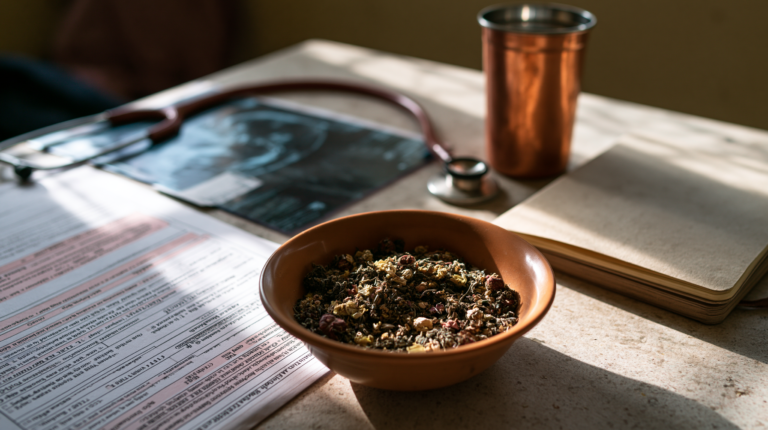
- Why Preparation Before CRS-HIPEC Matters
- Recurrence-Risk Reality After CRS-HIPEC
- What Oncology Treats and What Ayurveda Supports
- Ayurvedic Framework Before CRS-HIPEC
- Pre-Surgery Ayurvedic Assessment
- Ayurveda Diet Before CRS-HIPEC
- Physical Routine Before CRS-HIPEC
- Avaleha Main Medicine for CRS-HIPEC Recovery Support
- Preparation Method for Understanding
- Dosage and Duration
- Why Patients Must Not Buy This Avaleha From the Market
- Why Market Avaleha May Not Work
- Warning
- How the Herbs and Minerals in Grahani-Ojas Amrit Rasayana Avaleha May Support Recovery
- Diet, Pathya-Apathya, and Lifestyle While Taking Grahani-Ojas Amrit Rasayana Avaleha
- FAQs
- References
What is CRS-HIPEC?
CRS-HIPEC stands for cytoreductive surgery with hyperthermic intraperitoneal chemotherapy. It is a specialized treatment used in selected patients with peritoneal surface malignancy, where cancer has spread to the lining of the abdomen. Cytoreductive surgery aims to remove visible tumor deposits, while HIPEC circulates heated chemotherapy inside the abdominal cavity to target microscopic residual disease. CRS-HIPEC is not suitable for every patient; selection depends on factors such as primary cancer type, tumor biology, Peritoneal Cancer Index, performance status, organ function, nutritional status, absence or control of distant metastasis, and the possibility of achieving complete cytoreduction.
Why Ayurveda is relevant before CRS-HIPEC
Ayurveda should be introduced before CRS-HIPEC as a supportive prehabilitation approach, not as an alternative cancer treatment. The goal is not to replace surgery, chemotherapy, immunotherapy, targeted therapy, or oncology surveillance. The goal is to help the patient enter major surgery with better digestion, nutrition, bowel rhythm, strength, sleep, daily discipline, and treatment readiness.
The National Cancer Institute distinguishes complementary medicine from alternative medicine: complementary approaches are used along with standard medical care, whereas alternative approaches are used instead of standard treatment. This distinction is important because Ayurveda in CRS-HIPEC patients should be positioned as complementary and integrative, not as a substitute for oncology care.
This means Ayurveda may support modifiable factors such as Agni, Bala, Ojas, Satva, food tolerance, bowel regularity, sleep, physical routine, and family preparedness. It should not be presented as a cure for peritoneal cancer, a replacement for CRS-HIPEC, or a guaranteed method to prevent recurrence.
NCCIH states that no complementary health approach has been shown to prevent or cure cancer, although some complementary approaches such as yoga, mindfulness-based stress reduction, and acupuncture may help manage cancer symptoms and treatment side effects.
Why preparation before surgery matters
CRS-HIPEC is a complex treatment pathway. Patients may require long surgery, intensive monitoring, bowel recovery, nutritional support, physiotherapy, wound care, and sometimes stoma care. Therefore, preparation before surgery should be structured and medically coordinated. The pre-surgery Ayurvedic plan should focus on safe diet planning, digestive assessment, sleep routine, gentle movement, bowel rhythm, and disclosure of all herbs, supplements, avaleha, bhasma, rasaushadhi, or home remedies to the oncology team.
A patient should not start Panchakarma, Virechana, Basti, strong purgation, fasting, detox therapy, abdominal massage, or new herbal/mineral formulations before CRS-HIPEC unless the surgical oncology team has specifically cleared it.
Why Preparation Before CRS-HIPEC Matters

CRS-HIPEC Requires More Than Surgical Planning
CRS-HIPEC is a demanding oncology treatment because it combines extensive cytoreductive surgery with heated intraperitoneal chemotherapy. Cytoreductive surgery aims to remove visible peritoneal tumor deposits, while HIPEC is used to target microscopic disease within the abdominal cavity. Patient selection remains critical because outcomes depend on cancer type, tumor biology, peritoneal disease burden, functional status, organ reserve, and the possibility of achieving complete cytoreduction. (NCBI StatPearls)
Preparation before CRS-HIPEC is therefore not limited to scheduling surgery. The patient must be assessed for nutritional reserve, physical capacity, bowel status, organ function, previous chemotherapy tolerance, and ability to recover after a prolonged operation. ERAS Society recommendations for CRS with or without HIPEC emphasize that this treatment requires a structured perioperative pathway involving preoperative, intraoperative, and postoperative care. (PubMed)
Prehabilitation Is the Modern Medical Foundation
Prehabilitation means preparing the patient before cancer treatment begins. Cancer Research UK describes prehabilitation as support before treatment that focuses on eating and weight, physical activity or exercise, and mental wellbeing. This approach is highly relevant before CRS-HIPEC because many patients already have poor appetite, weight loss, early satiety, bloating, anemia, fatigue, reduced walking capacity, or bowel irregularity before surgery. (Cancer Research UK)
If these issues are ignored, the patient may enter surgery with reduced physiological reserve. A scoping review on prehabilitation in patients with peritoneal carcinomatosis undergoing HIPEC describes prehabilitation as a process intended to optimize preoperative functional capacity. The review also notes that direct HIPEC-specific prehabilitation evidence is still developing, although prehabilitation has shown benefit in other major abdominal surgery settings. (PubMed)
Where Ayurveda Fits Into Prehabilitation
Ayurveda can be integrated into prehabilitation when it is used as supportive care rather than as an alternative cancer treatment. The Ayurvedic focus before CRS-HIPEC should be on Agni, Bala, Ojas, Satva, Nidra, Ahara, Mala pravritti, and daily routine. In modern clinical language, this means digestion, nourishment, strength, resilience, sleep, diet tolerance, bowel rhythm, and treatment readiness.
This approach is especially relevant because patients with peritoneal disease may not tolerate heavy meals, aggressive medicines, detoxification, or strenuous interventions. Charaka Samhita, Sutra Sthana, Chapter 5, Matrashiteeya Adhyaya, emphasizes that food quantity should follow digestive capacity and that properly measured food supports strength and wellbeing. (Charaka Samhita Online
Charaka Samhita, Vimana Sthana, Chapter 2, Trividhakukshiya Vimana, further discusses eating according to stomach capacity and digestive strength. This is clinically relevant when patients have bloating, ascites, early satiety, weak appetite, constipation, or bowel-compression symptoms before surgery. (Charaka Samhita Online)
The Main Aim Is to Improve Treatment Readiness
The purpose of Ayurveda before CRS-HIPEC is not to reduce the PCI score, shrink peritoneal deposits, replace chemotherapy, or prevent recurrence. The purpose is to improve the patient’s readiness for treatment. This includes supporting food tolerance, maintaining calorie and protein intake, regulating bowel habits, improving sleep routine, preserving walking capacity, and reducing avoidable perioperative risk.
This distinction is essential. In the preoperative period, unnecessary herbs, strong purgation, fasting, detoxification, Panchakarma, enemas, abdominal massage, or unverified supplements may create risk rather than benefit. A safe Ayurvedic plan should simplify the patient’s preparation, not complicate anesthesia, surgery, chemotherapy, or postoperative recovery.
Nutrition Must Be Digestible, Not Merely Heavy
Patients and families often assume that the patient should eat heavy foods before surgery to gain strength. In CRS-HIPEC preparation, this approach may backfire if the patient has poor Agni, ascites, bloating, nausea, constipation, or partial bowel obstruction risk. Strength comes from food that is digested, absorbed, and tolerated, not merely from food that is rich or heavy.
The Ayurvedic concept of Matra, or appropriate quantity, becomes clinically important here. A patient with weak appetite may do better with small, warm, digestible, frequent meals rather than large meals. If protein intake is low, it should be improved in coordination with the oncology dietitian. The Ayurvedic physician should not create restrictions that worsen malnutrition, and the dietitian should be informed if the patient is following any Ayurvedic diet plan.
Physical Reserve Should Be Preserved Before Surgery
Before CRS-HIPEC, the patient should avoid complete inactivity unless medically necessary. Safe movement helps preserve walking capacity, respiratory function, muscle tone, and confidence for postoperative mobilization. Physical preparation may include short walks, chair-based movement, gentle breathing practices, or physiotherapist-guided activity depending on the patient’s condition.
This must be individualized. A patient with severe anemia, uncontrolled pain, ascites, bowel obstruction risk, dizziness, or extreme weakness should not be pushed into intense exercise. The aim is not athletic training. The aim is to prevent avoidable deconditioning before a major operation.
Sleep and Routine Are Part of Surgical Preparation
A stable daily routine before CRS-HIPEC supports compliance, appetite, bowel rhythm, and treatment coordination. In Ayurveda, disturbed routine can weaken Agni and Bala. In modern terms, irregular sleep, poor meal timing, excessive worry, and overexertion may worsen fatigue and reduce treatment readiness.
A practical preoperative routine should include regular meal timing, fixed sleep-wake rhythm, safe walking, breathing practice without abdominal strain, and avoidance of new therapies close to surgery. The final two weeks before CRS-HIPEC should not become a period of experimentation. It should be a period of stabilization.
Recurrence-Risk Reality After CRS-HIPEC

Recurrence Risk Remains Clinically Important
CRS-HIPEC is performed with the intention of removing visible peritoneal disease and treating microscopic residual disease within the abdominal cavity. In selected patients, it can offer meaningful survival benefit and disease control. However, it should not be presented as a treatment that removes all future recurrence risk. Recurrence after CRS-HIPEC depends on multiple factors, including the primary cancer type, tumor biology, histological grade, PCI score, small-bowel involvement, completeness of cytoreduction, chemotherapy response, molecular markers, and postoperative surveillance strategy [3, 9].
For this reason, the discussion before surgery should include both preparation for the operation and preparation for long-term follow-up. A patient who enters CRS-HIPEC should understand that surgery is one major step in a longer treatment journey. Recovery, nutrition, physical function, bowel rhythm, surveillance, and timely reporting of symptoms remain important after discharge.
Colorectal Peritoneal Metastasis Recurrence Data
Colorectal cancer with peritoneal metastasis is one of the most clinically challenging situations in peritoneal surface oncology. In a national peritoneal tumour service study of patients with colorectal peritoneal metastases who underwent complete CRS-HIPEC, median overall survival was reported as 45.2 months and median disease-free survival as 11.7 months. Recurrent disease was observed in 77% of patients [9].
This recurrence pattern shows why long-term discipline is necessary even after technically successful treatment. The same study concluded that surveillance should be most intensive within the first two years after CRS-HIPEC because this is the period when recurrence is commonly detected [9]. For patients and families, this means that recovery should not be viewed as simply “getting over surgery.” It should be viewed as the beginning of a structured surveillance and rehabilitation phase.
Pseudomyxoma Peritonei and Appendix-Origin Disease
Pseudomyxoma peritonei and appendix-origin mucinous tumors often behave differently from high-grade gastrointestinal cancers, but recurrence can still occur. In a large study of patients with pseudomyxoma peritonei treated with complete cytoreduction and HIPEC, 430 of 1,145 patients developed recurrence. This represented 37.6% of the cohort, with recurrence occurring at a median of 19 months [10].
This data is important because many patients with pseudomyxoma peritonei are told that the disease may be slow-growing. While this may be true in selected low-grade cases, slow-growing does not mean recurrence-free. Long-term follow-up, nutritional maintenance, bowel function monitoring, and early assessment of new symptoms remain necessary.
Advanced Ovarian Cancer and HIPEC
In selected patients with stage III epithelial ovarian cancer undergoing interval cytoreductive surgery, the OVHIPEC-1 final survival analysis reported improved outcomes when HIPEC was added to cytoreductive surgery. Median progression-free survival improved from 10.7 months to 14.3 months, and median overall survival improved from 33.3 months to 44.9 months [11].
These results support the role of HIPEC in selected ovarian cancer settings, but they also show that progression and recurrence remain clinically relevant. Even when HIPEC improves survival, patients still require ongoing oncology follow-up, systemic treatment planning when indicated, nutritional recovery, symptom monitoring, and structured survivorship care.
Why Recurrence Data Should Be Discussed Before Surgery
Recurrence data should be discussed before surgery because it helps patients make realistic decisions. It also helps families understand that CRS-HIPEC is not a single isolated event, but part of a longer disease-management pathway. When patients are aware of recurrence risk, they are more likely to take recovery, follow-up scans, tumor markers, nutrition, physical activity, and symptom reporting seriously.
This discussion should be handled carefully. Recurrence statistics should not be used to create hopelessness or fear. They should be used to create informed discipline. A patient who understands the seriousness of the disease is more likely to follow a structured recovery plan and less likely to depend on random supplements, unverified home remedies, or false recurrence-prevention claims.
Where Ayurveda Fits in the Recurrence Discussion
Ayurveda should not be presented as a method to prevent recurrence after CRS-HIPEC. No complementary health approach has been shown to prevent or cure cancer, and complementary therapies should not replace or delay standard oncology treatment [2]. Therefore, statements such as “Ayurveda prevents peritoneal cancer recurrence,” “Rasayana stops residual cancer cells,” or “Avaleha avoids relapse” should be avoided.
The appropriate role of Ayurveda is to support modifiable recovery factors. These include digestion, appetite, bowel regularity, sleep, strength, routine, treatment adherence, and family-supervised lifestyle discipline. In Ayurvedic language, this can be explained through Agni, Bala, Ojas, Satva, Nidra, Ahara, and Vihara. In modern clinical language, it means nutritional recovery, functional reserve, gut tolerance, sleep regulation, physical activity, and follow-up discipline.
Ayurveda as Support for Modifiable Recovery Factors
After CRS-HIPEC, recurrence risk is influenced mainly by tumor biology, disease burden, completeness of cytoreduction, histology, molecular features, and oncology treatment response. Ayurveda cannot claim to control these disease-specific factors. However, Ayurveda can help organize the patient’s daily recovery routine in areas that are clinically meaningful.
Digestive support may help the patient tolerate food better. Nutrition guidance may help reduce avoidable weight loss. Sleep regulation may improve recovery consistency. Gentle movement may help preserve function. Breathing practices and meditation may support adherence and daily stability. Family education may prevent unsafe use of hidden herbs, supplements, purgatives, or detox therapies.
Lifestyle Discipline and Survivorship
Modern oncology increasingly recognizes the importance of lifestyle, functional recovery, and survivorship care. A randomized trial in colon cancer reported that a structured three-year exercise program after adjuvant chemotherapy reduced the relative risk of disease recurrence, new primary cancer, or death by 28% [12]. This does not prove that Ayurveda prevents recurrence after CRS-HIPEC, but it does support the broader principle that structured lifestyle intervention can matter in cancer survivorship.
Ayurveda can provide a culturally acceptable framework for maintaining daily discipline through food timing, digestible nutrition, sleep routine, safe movement, bowel rhythm, and mental steadiness. The value lies not in claiming recurrence prevention, but in helping patients sustain a healthier recovery pattern over months and years.
Surveillance Must Remain Oncology-Led
Surveillance after CRS-HIPEC should be directed by the oncology team. It may include clinical review, imaging, tumor markers, colonoscopy, gynecologic follow-up, or other cancer-specific assessments depending on the primary tumor. Ayurveda should support adherence to this surveillance plan, not replace it.
Patients should be advised to report new or worsening abdominal distension, vomiting, unexplained weight loss, bowel obstruction symptoms, persistent pain, recurrent ascites, unexplained fatigue, bleeding, fever, or sudden changes in bowel habits. Ayurvedic treatment should not be used to suppress symptoms without proper oncology assessment.
Clinical Framing for Patients
The recurrence discussion can be framed rationally as follows: CRS-HIPEC addresses visible and microscopic peritoneal disease in selected patients, but recurrence risk may remain significant depending on the cancer type and biology. Ayurveda should therefore be used to strengthen the patient’s recovery system, not to make unsupported claims about preventing relapse.
The patient cannot fully control tumor biology, PCI score, histology, molecular markers, or chemotherapy sensitivity. The patient can influence food tolerance, digestion, sleep, bowel rhythm, walking capacity, treatment adherence, and timely follow-up. This is where Ayurveda can be integrated safely before and after CRS-HIPEC.
What Oncology Treats and What Ayurveda Supports

The Role of Oncology Treatment
In CRS-HIPEC, oncology treatment remains the primary disease-directed intervention. Cytoreductive surgery is used to remove visible peritoneal tumor deposits, and HIPEC is used to expose the abdominal cavity to heated chemotherapy after cytoreduction. Patient selection depends on primary cancer type, tumor biology, PCI score, functional status, organ reserve, and the likelihood of achieving complete cytoreduction [3].
Systemic chemotherapy, targeted therapy, immunotherapy, or maintenance therapy may also be required depending on the primary cancer, histology, molecular profile, response to previous treatment, and postoperative pathology. Surveillance after CRS-HIPEC remains oncology-led and may include clinical examination, imaging, tumor markers, endoscopy, or organ-specific follow-up.
The Role of Ayurveda
Ayurveda should be positioned as supportive care that works alongside standard oncology treatment. The National Cancer Institute defines complementary medicine as care used along with standard treatment, while alternative medicine is used instead of standard treatment [1]. This distinction is essential because Ayurveda should not be presented as a substitute for CRS-HIPEC, chemotherapy, immunotherapy, or surveillance.
The appropriate role of Ayurveda before CRS-HIPEC is to support modifiable patient factors. These include digestion, appetite, nutritional tolerance, bowel rhythm, sleep, daily routine, physical reserve, and treatment adherence. In Ayurvedic language, these areas can be understood through Agni, Bala, Ojas, Satva, Nidra, Ahara, Vihara, and Mala pravritti.
Separating Disease Control From Patient Support
Disease control depends mainly on oncology variables such as tumor biology, histological grade, PCI score, small-bowel involvement, completeness of cytoreduction, chemotherapy response, and molecular markers. Ayurveda should not claim to reduce PCI score, eliminate microscopic disease, or prevent recurrence.
Patient support, however, is an important clinical need. Many patients approach CRS-HIPEC with weakness, poor appetite, anxiety, disturbed sleep, constipation, bloating, previous chemotherapy toxicity, or reduced walking capacity. Ayurveda may help organize a disciplined support plan around food, digestion, sleep, bowel movement, and safe routine, provided that the oncology team is informed and no therapy delays or interferes with standard care [1,2].
Integrative Care Without Confusion
Integrative care should make treatment safer and clearer, not more complicated. Any Ayurvedic plan should be documented, shared with the surgeon and oncologist, and coordinated around the surgery date, chemotherapy schedule, liver function, kidney function, blood counts, anticoagulant use, diabetes status, bowel obstruction risk, and nutritional requirements.
Ayurveda becomes clinically acceptable when it is transparent, conservative, individualized, and non-interfering. The central distinction is that oncology treats the malignancy, while Ayurveda supports the patient’s preparation and recovery capacity.
Ayurvedic Framework Before CRS-HIPEC

Agni as Digestive Capacity
Agni is one of the most important Ayurvedic parameters before CRS-HIPEC because many patients with peritoneal disease have poor appetite, bloating, early satiety, nausea, constipation, altered bowel habits, ascites, or reduced food tolerance. In this setting, the goal is not to prescribe heavy nourishing food indiscriminately, but to select food that the patient can digest and absorb.
Charaka Samhita, Sutra Sthana, Chapter 5, Matrashiteeya Adhyaya, states that food quantity should depend on the strength of Agni and that the proper quantity of food is the amount that digests in due time without disturbing normal function [14]. This principle is directly relevant before CRS-HIPEC because excessive food, heavy food, or unsuitable food may worsen bloating, nausea, constipation, or discomfort in a patient with compromised abdominal function.
Bala as Functional Reserve
Bala refers to strength, stamina, and resilience. In modern clinical language, it corresponds to functional reserve, walking capacity, muscle strength, fatigue tolerance, and ability to withstand a prolonged surgical recovery. Before CRS-HIPEC, Bala should be assessed through both clinical and Ayurvedic lenses.
A patient with reduced Bala may need nutritional support, physiotherapy, correction of anemia or deficiencies, better sleep routine, and graded physical activity rather than aggressive Ayurvedic intervention. Prehabilitation literature supports the concept of improving functional capacity before major cancer surgery, and this aligns well with the Ayurvedic objective of preserving Bala [6,7,8].
Ojas as Recovery Reserve
Ojas may be described as the refined essence of tissue nourishment, vitality, stability, and recovery reserve. In a CRS-HIPEC article, Ojas should be explained carefully. It should not be equated with anticancer immunity or used to claim prevention of recurrence.
The practical interpretation of Ojas before surgery includes nourishment, adequate rest, stable digestion, mental steadiness, and avoidance of unnecessary depletion. Excess fasting, detox regimens, purgation, overexertion, sleep deprivation, and random supplement use may weaken the patient rather than prepare them for surgery.
Satva as Clinical Stability and Compliance
Satva refers to mental steadiness, clarity, and the ability to follow a disciplined plan. In the preoperative period, Satva is clinically relevant because patients must understand instructions, disclose medicines and supplements, comply with diet and fasting instructions, attend pre-anesthesia evaluation, and prepare for postoperative recovery.
Ayurvedic support for Satva may include regulated routine, simple breathing practices, meditation, prayer, mantra, counselling, and family communication. These approaches should be gentle and non-strenuous. Modern integrative oncology guidelines also support selected mind-body practices such as mindfulness-based interventions, yoga, relaxation, and music therapy for anxiety and depressive symptoms in adults with cancer [13].
Ahara and Vihara as Daily Clinical Discipline
Ahara means diet, and Vihara refers to lifestyle and routine. Before CRS-HIPEC, both must be individualized according to appetite, bowel status, treatment schedule, body strength, comorbidities, and surgical plan.
Charaka Samhita, Sutra Sthana, Chapter 27, Annapanavidhi Adhyaya, is useful for classical dietetics because it discusses food and beverage categories and the importance of appropriate food selection [16]. In CRS-HIPEC preparation, this classical principle should be applied through simple, digestible, medically suitable meals rather than restrictive or extreme diets.
Pre-Surgery Ayurvedic Assessment

Medical Information Required Before Ayurvedic Planning
A pre-surgery Ayurvedic assessment must begin with the oncology diagnosis. The physician should know the primary cancer type, histopathology, grade, subtype, PCI score if available, imaging findings, current symptoms, previous chemotherapy, planned CRS-HIPEC date, possible bowel resection, possible stoma, and current oncology plan.
The assessment should also include comorbidities such as diabetes, hypertension, cardiac disease, kidney disease, liver disease, bleeding disorders, thromboembolic history, anemia, infection risk, and nutritional depletion. In CRS-HIPEC patients, these details are essential because perioperative management is complex and must be coordinated across surgical oncology, anesthesia, critical care, nutrition, physiotherapy, and medical oncology [4,5].
Medication and Supplement Review
Every medicine, herb, supplement, powder, decoction, avaleha, bhasma, rasaushadhi, vitamin, mineral, protein supplement, and “immune booster” should be documented before CRS-HIPEC. Memorial Sloan Kettering warns that herbs and supplements may interact with cancer treatment and may affect drug metabolism, bleeding risk, or treatment safety [22].
This review should include anticoagulants, antiplatelet drugs, diabetes medicines, antihypertensives, pain medicines, steroids, chemotherapy drugs, targeted therapy, immunotherapy, antiemetics, antibiotics, laxatives, and over-the-counter products. The surgeon and anesthetist should be informed about all non-prescription products before surgery.
Ayurvedic Parameters to Assess
The Ayurvedic assessment should include Prakriti, Vikriti, Agni, Bala, Satva, Nidra, Ahara tolerance, Mala pravritti, Mutra pravritti, appetite, bloating, nausea, vomiting tendency, constipation, diarrhea, weight loss, fatigue, ascites, pain, and bowel obstruction risk.
Agni assessment helps determine whether the patient can tolerate nourishing food or needs lighter, smaller, more frequent meals. Bala assessment helps determine the level of physical and nutritional support required. Satva assessment helps evaluate decision clarity and treatment adherence. Nidra assessment helps identify sleep disturbance, which may affect appetite, fatigue, and recovery consistency.
Laboratory and Clinical Review
A responsible pre-surgery Ayurvedic plan should review hemoglobin, albumin, total protein, kidney function, liver function, electrolytes, blood sugar, inflammatory markers when available, coagulation status if relevant, and current weight trend. These parameters help identify patients who may be at higher nutritional or perioperative risk.
If the patient has vomiting, worsening abdominal distension, severe constipation, absolute constipation, uncontrolled diarrhea, fever, jaundice, reduced urine output, breathlessness, severe pain, or signs of obstruction, Ayurvedic treatment should not be used to mask symptoms. The patient should be referred back to the oncology or surgical team urgently.
Assessment of Surgical Timing
The timing of Ayurvedic intervention matters. A patient who is several weeks away from CRS-HIPEC may have time for diet stabilization, sleep improvement, gentle movement, and careful review of unnecessary supplements. A patient who is only a few days away from surgery should not begin new herbs, avalehas, detox regimens, Panchakarma, purgation, or unfamiliar food routines.
The closer the patient is to surgery, the more conservative the Ayurvedic plan should become. The final preoperative phase should focus on stability, disclosure, diet tolerance, sleep, and compliance with surgical instructions.
Ayurveda Diet Before CRS-HIPEC

Diet Should Be Based on Digestive Capacity
Before CRS-HIPEC, diet should be guided by digestive capacity rather than by the assumption that all nourishing food is beneficial. Many patients with peritoneal surface malignancy have low appetite, early satiety, ascites, bloating, constipation, nausea, abdominal pain, or partial bowel compression. In such patients, heavy food may worsen symptoms even if it is traditionally considered strengthening.
Charaka Samhita, Sutra Sthana, Chapter 5, Matrashiteeya Adhyaya, explains that food quantity should depend on Agni and that properly measured food supports strength, complexion, wellbeing, and longevity without disturbing normal function [14]. This principle supports the use of small, digestible, measured meals before major surgery.
Small and Frequent Meals May Be Better Tolerated
Patients with early satiety or bloating may tolerate small, frequent meals better than large meals. Warm, freshly prepared, soft, and easy-to-digest meals are often more suitable than cold, stale, heavy, fried, or excessively raw foods. If the patient has bowel narrowing, obstruction risk, or severe abdominal symptoms, diet must be directed by the surgical and nutrition team.
Charaka Samhita, Vimana Sthana, Chapter 2, Trividhakukshiya Vimana, discusses food intake according to stomach capacity and digestive strength [15]. This supports a cautious approach in CRS-HIPEC candidates, especially when abdominal capacity and bowel function are compromised.
Protein Must Be Integrated Safely
Protein intake is important before major cancer surgery, but the source, quantity, and timing must be individualized. The patient may require plant-based protein, dairy protein, eggs, fish, chicken soup, medical nutrition supplements, or other dietitian-directed options depending on preference, tolerance, renal function, liver function, bowel status, and treatment plan.
Ayurveda should not create unnecessary dietary restrictions that worsen malnutrition. If the patient is already losing weight, avoiding entire food groups without medical reason may be harmful. The Ayurvedic diet plan should be coordinated with the oncology dietitian so that Agni-based digestibility and modern protein-calorie requirements are both addressed.
Avoid Fasting and Detox Diets
Fasting, crash dieting, juice-only regimens, severe restriction, and detox diets are inappropriate before CRS-HIPEC unless specifically medically indicated for a defined reason. These practices may worsen weakness, dehydration, electrolyte imbalance, low calorie intake, and surgical risk.
NCI states that there are no studies proving that any special diet, food, vitamin, mineral, dietary supplement, herb, or combination of these can slow cancer, cure it, or keep it from coming back [1]. Therefore, diet before CRS-HIPEC should be framed as preparation and nourishment, not as a cancer-control method.
Diet Must Change If Bowel Symptoms Are Present
If the patient has vomiting, severe abdominal distension, absolute constipation, recurrent subacute obstruction, narrowing of bowel segments, or high stoma risk, the diet plan must be changed immediately under surgical guidance. In these cases, high-fiber food, bulky raw food, heavy pulses, or strong laxative foods may worsen symptoms.
Ayurvedic diet should remain flexible. The correct diet is not the same for every CRS-HIPEC patient. It depends on Agni, bowel function, obstruction risk, appetite, comorbidities, and surgical plan.
Physical Routine Before CRS-HIPEC

Physical Reserve Should Be Preserved
Before CRS-HIPEC, complete inactivity can worsen deconditioning unless bed rest is medically required. Safe physical activity may help preserve walking capacity, respiratory function, muscle tone, circulation, and confidence for postoperative mobilization. Prehabilitation programs commonly include physical activity or exercise as one of the core domains before cancer treatment [6].
The physical routine should be realistic and individualized. A patient with severe anemia, uncontrolled pain, large ascites, bowel obstruction risk, dizziness, breathlessness, cardiac disease, or extreme weakness should not be pushed into strenuous exercise. Medical clearance is important before increasing activity.
Walking as a Practical Foundation
Walking is often the simplest preoperative activity when the patient is stable. Short, slow, repeated walks may be more suitable than long walks in weak patients. The goal is to preserve movement tolerance, not to create fatigue.
Patients who cannot walk comfortably may use chair-based movement, ankle movements, gentle limb mobility, breathing practices, or physiotherapist-guided exercises. The activity plan should be stopped or modified if it causes dizziness, worsening pain, breathlessness, chest discomfort, vomiting, or severe exhaustion.
Breathing Practices Without Strain
Gentle breathing practices may support respiratory awareness and postoperative preparation. However, breathing should not involve forceful abdominal movement, breath retention, intense kapalabhati, bhastrika, or practices that increase intra-abdominal pressure. This is especially important in patients with ascites, pain, abdominal distension, bowel symptoms, or recent procedures.
Ayurveda and yoga-based practices should be adapted to the surgical context. The safest preoperative breathing approach is slow, comfortable, non-straining, and stopped immediately if discomfort develops.
Exercise Evidence and Survivorship Context
Modern oncology increasingly recognizes physical activity as part of cancer recovery and survivorship. A 2025 randomized trial in colon cancer reported that a structured exercise program after adjuvant chemotherapy improved disease-free survival and reduced the relative risk of disease recurrence, new primary cancer, or death by 28% [12].
This evidence should not be used to claim that Ayurveda or exercise prevents peritoneal recurrence after CRS-HIPEC. It should be used to support the broader principle that structured physical routine and functional recovery matter in cancer survivorship.
Here is the revised WordPress-ready medicine section with stronger ingredients, tables, warnings, and no mineral weights.
Avaleha Main Medicine for CRS-HIPEC Recovery Support
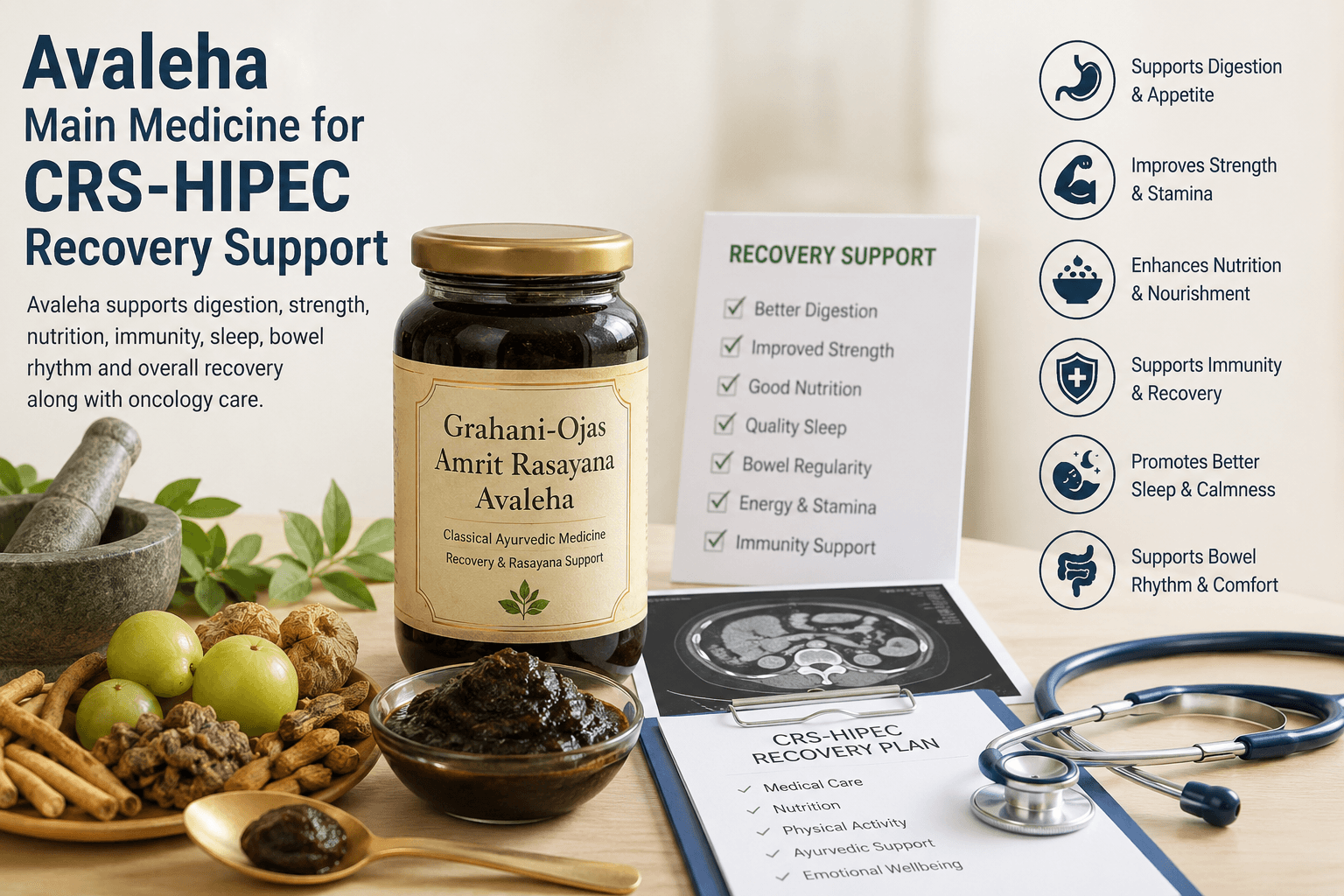
Grahani-Ojas Amrit Rasayana Avaleha
Grahani-Ojas Amrit Rasayana Avaleha is a physician-supervised Ayurvedic avaleha designed to support patients before and after CRS-HIPEC by focusing on Agni, Bala, Ojas, Dhatu-poshana, bowel rhythm, appetite, fatigue recovery, and nutritional rebuilding.
This formulation is not a replacement for CRS-HIPEC, chemotherapy, immunotherapy, targeted therapy, or oncology surveillance. It should be used only as supportive care under the supervision of an experienced Ayurveda doctor and with full disclosure to the oncology team.
Why This Avaleha Is Used in CRS-HIPEC Recovery Support
CRS-HIPEC patients often face weak digestion, low appetite, weight loss, fatigue, poor sleep, bowel irregularity, post-surgical weakness, and fear of recurrence. This avaleha is designed to support the patient’s recovery terrain through digestive strengthening, nourishment, gentle rasayana support, bowel regulation, and tissue rebuilding.
The purpose is not to claim that the avaleha kills cancer cells or prevents recurrence. The purpose is to support the patient’s strength, digestion, stamina, sleep, and recovery discipline during an oncology-led treatment journey.
Herbal Ingredients for 30 Days
Main Rasayana and Nourishing Herbs
| Ingredient | Botanical Name | Suggested Weight for 30 Days | Main Function |
|---|---|---|---|
| Amalaki | Emblica officinalis / Phyllanthus emblica | 250 g | Rasayana, antioxidant support, digestion support, tissue nourishment |
| Ashwagandha | Withania somnifera | 150 g | Bala support, fatigue recovery, strength, sleep support |
| Shatavari | Asparagus racemosus | 150 g | Nourishment, cooling support, tissue rebuilding, post-treatment weakness |
| Vidari Kanda | Pueraria tuberosa | 150 g | Brimhana, strength, weight support, muscle nourishment |
| Guduchi | Tinospora cordifolia | 125 g | Agni support, rasayana, recovery support, inflammation balance |
| Yashtimadhu | Glycyrrhiza glabra | 100 g | Mucosal support, soothing effect, nourishment, appetite support |
| Bala | Sida cordifolia | 100 g | Strength, neuromuscular support, post-surgical weakness |
| Atibala | Abutilon indicum | 75 g | Bala support, recovery, nourishment |
| Gokshura | Tribulus terrestris | 75 g | Urinary support, strength, tissue support |
| Punarnava | Boerhavia diffusa | 75 g | Fluid balance support, swelling tendency, renal-supportive tradition |
| Draksha | Vitis vinifera | 100 g | Nourishing, bowel support, weakness, dryness |
| Kharjura | Phoenix dactylifera | 100 g | Calorie support, strength, post-treatment weakness |
| Figs / Anjeer | Ficus carica | 75 g | Bowel support, nourishment, mild laxative tendency |
Digestive and Bioavailability-Supporting Herbs
| Ingredient | Botanical Name | Suggested Weight for 30 Days | Main Function |
|---|---|---|---|
| Haritaki | Terminalia chebula | 75 g | Bowel rhythm, Vata anulomana, digestion support |
| Bibhitaki | Terminalia bellirica | 50 g | Kapha balance, digestion, bowel support |
| Pippali | Piper longum | 40 g | Deepana, bioavailability support, Agni support |
| Maricha | Piper nigrum | 25 g | Deepana, digestion, bioavailability support |
| Shunthi | Zingiber officinale | 30 g | Digestion, bloating support, appetite support |
| Jeeraka | Cuminum cyminum | 40 g | Appetite support, bloating support, digestion |
| Ajwain | Trachyspermum ammi | 25 g | Gas, bloating, bowel discomfort support |
| Musta | Cyperus rotundus | 50 g | Digestion, appetite, bowel regulation |
| Chitraka | Plumbago zeylanica | 20 g | Strong Agni support; use cautiously only under doctor supervision |
| Ela | Elettaria cardamomum | 20 g | Taste, digestion, aroma, nausea tendency |
| Twak | Cinnamomum zeylanicum | 20 g | Digestion, warmth, taste correction |
| Tejapatra | Cinnamomum tamala | 15 g | Digestion, taste, aroma |
| Nagakesara | Mesua ferrea | 20 g | Pitta balance, digestive support, traditional hemostatic use |
Recovery-Supporting and Ojas-Building Herbs
| Ingredient | Botanical Name | Suggested Weight for 30 Days | Main Function |
|---|---|---|---|
| Jivanti | Leptadenia reticulata | 75 g | Ojas support, nourishment, recovery |
| Mandukaparni | Centella asiatica | 50 g | Mental clarity, Satva support, recovery |
| Brahmi | Bacopa monnieri | 50 g | Sleep, cognition, stress support |
| Shankhapushpi | Convolvulus pluricaulis | 50 g | Sleep, calmness, mental steadiness |
| Kapikacchu | Mucuna pruriens | 50 g | Strength, neuromuscular support, recovery |
| Safed Musli | Chlorophytum borivilianum | 75 g | Brimhana, stamina, tissue nourishment |
| Kaunch Beeja | Mucuna pruriens | 40 g | Strength and recovery; use cautiously |
| Gokshura | Tribulus terrestris | 75 g | Strength, urinary and recovery support |
| Yavani | Trachyspermum ammi | 20 g | Digestion and bloating support |
| Kesar | Crocus sativus | 3–5 g | Ojas support, complexion, mood support, premium rasayana support |
Mineral and Pishti Ingredients
Physician-Supervised Mineral Support
The mineral part of this avaleha must never be prepared or used without direct supervision of a qualified Ayurveda doctor. Mineral ingredients require proper shodhana, marana, quality testing, correct indication, correct dose, and medical clearance.
| Ingredient | Classical Type | Main Supportive Purpose | Safety Note |
|---|---|---|---|
| Mukta Pishti | Pearl preparation | Cooling, Pitta balance, strength support | Dose must be decided only by physician |
| Praval Pishti | Coral preparation | Pitta balance, calcium-supportive tradition, recovery support | Avoid unsupervised use |
| Godanti Bhasma | Gypsum preparation | Pitta balance, weakness and heat support | Physician-only use |
| Abhrak Bhasma | Mica preparation | Rasayana, strength, Dhatu support | Must be quality-tested and doctor-prescribed |
| Swarna Makshika Bhasma | Mineral preparation | Agni, Pandu-like weakness, strength support | Not for self-use |
| Yashada Bhasma | Zinc preparation | Tissue and metabolic support | Must be supervised |
| Loha Bhasma | Iron preparation | Anemia-like weakness support when indicated | Only after blood reports and physician decision |
| Mandura Bhasma | Iron oxide preparation | Pandu-like weakness, digestion-linked anemia support | Not for self-medication |
Mineral weights are intentionally not provided for patient safety. These ingredients can be harmful if the dose, quality, indication, or timing is wrong.
Base Ingredients for Avaleha
| Ingredient | Suggested Quantity | Purpose |
|---|---|---|
| Cow ghee | 500 g | Yogavahi, nourishment, softness, rasayana base |
| Mishri / rock sugar | 750 g | Avaleha base, palatability, nourishment |
| Raw honey | 500–750 g | Avaleha consistency, yogavahi support; added only after cooling |
| Amla decoction or herbal decoction base | As required | Cooking and extraction medium |
Honey must never be added while the mixture is hot. It should be added only after the avaleha cools to a safe temperature.
Preparation Method for Understanding
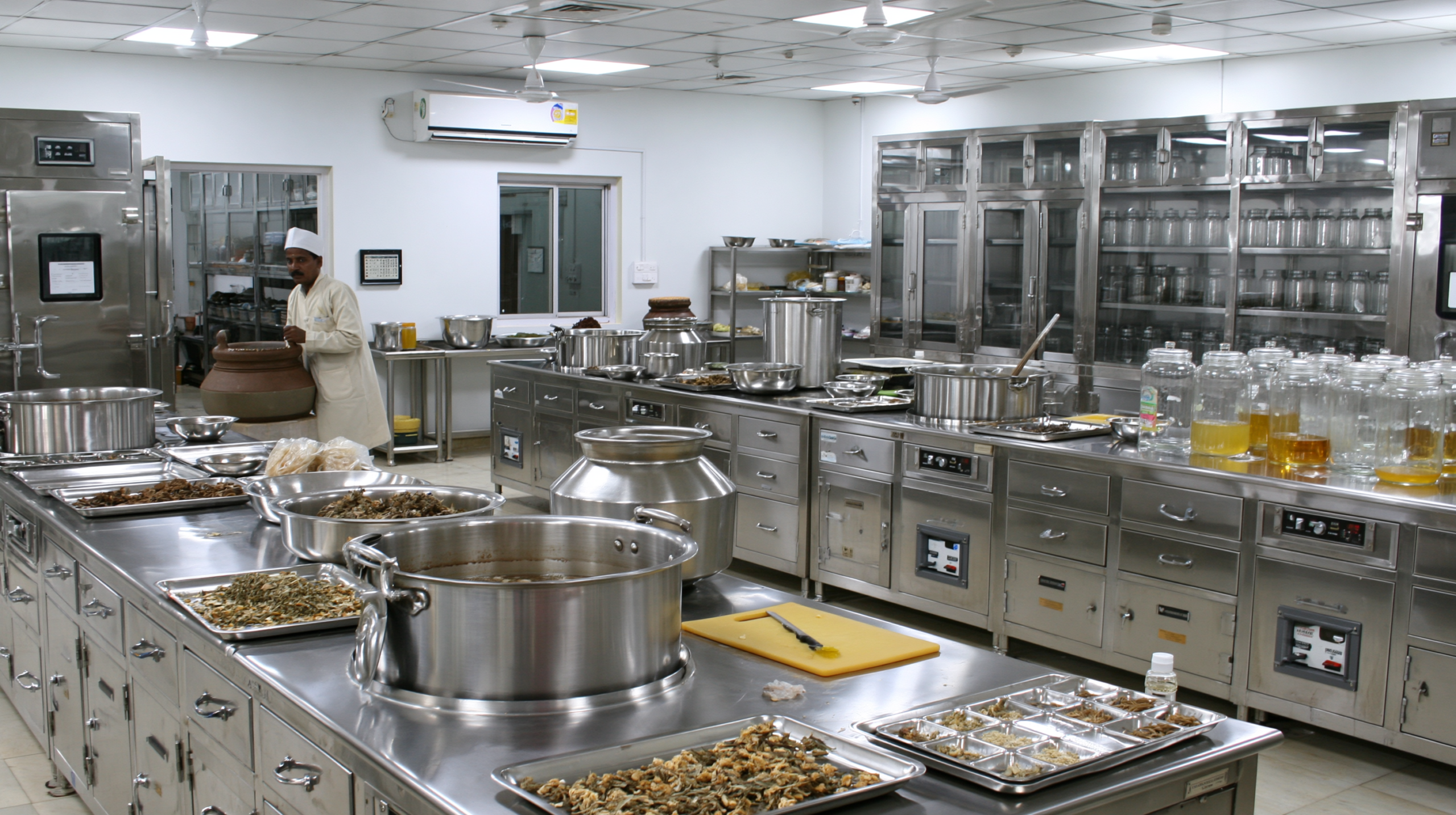
Step One: Doctor Review Before Preparation
Before preparation, the Ayurveda doctor must review the patient’s diagnosis, cancer type, stage, PCI score if available, planned CRS-HIPEC date, chemotherapy history, liver function, kidney function, hemoglobin, albumin, diabetes status, bowel obstruction risk, current medicines, anticoagulants, and all supplements.
This step is mandatory because the same avaleha is not suitable for every CRS-HIPEC patient.
Step Two: Herb Selection and Cleaning
All herbs should be authenticated, cleaned, dried, and checked for contamination. Market-grade herbs may be old, adulterated, poorly stored, or misidentified. Only quality-verified herbs should be used.
Step Three: Powder Preparation
The dry herbs should be powdered separately and sieved into a fine powder. Strong digestive herbs such as Chitraka, Pippali, Maricha, Shunthi, and Ajwain must be used carefully because they may not suit patients with gastritis, bleeding tendency, severe weakness, active diarrhea, vomiting, or post-chemotherapy irritation.
Step Four: Decoction Preparation
A decoction may be prepared from selected herbs such as Amalaki, Guduchi, Dashamoola-type supportive herbs where indicated, Bala, Punarnava, and other physician-selected herbs. The decoction should be reduced slowly on mild heat and filtered properly.
Step Five: Avaleha Cooking
Mishri or rock sugar is added to the filtered decoction and cooked gently until proper avaleha consistency develops. The mixture should be stirred continuously to avoid burning.
Step Six: Addition of Ghee
Cow ghee is added gradually and mixed thoroughly. This helps improve texture, palatability, nourishment, and classical avaleha consistency.
Step Seven: Addition of Herbal Powders
The fine herbal powders are added slowly and mixed evenly. The flame must remain low to avoid burning the herbs.
Step Eight: Cooling
The preparation is allowed to cool naturally. Honey should never be added to a hot preparation.
Step Nine: Addition of Honey and Physician-Approved Minerals
Once the preparation cools, honey is mixed properly. Physician-approved pishti or bhasma ingredients may be added only by the Ayurveda doctor. Mineral weight and dose must not be guessed by patients or family members.
Step Ten: Storage
The avaleha should be stored in a sterilized airtight glass container. It should be protected from moisture, heat, sunlight, and contamination.
Dosage and Duration
The general supportive dose is 15 g twice daily for 30 days, only when approved by the Ayurveda doctor and coordinated with the oncology team.
The dose may need to be reduced, delayed, stopped, or modified in patients with poor digestion, diabetes, vomiting, diarrhea, bowel obstruction risk, liver dysfunction, kidney dysfunction, ongoing chemotherapy, anticoagulant use, or before surgery.
Why Patients Must Not Buy This Avaleha From the Market
Patients must not buy this avaleha from the market because a commercial product cannot understand the patient’s cancer type, disease stage, digestion, treatment history, bowel condition, age, weight loss, chemotherapy tolerance, organ function, and surgery timeline.
Market avaleha may not work because it is not customized. CRS-HIPEC patients are not ordinary wellness consumers. They are high-risk oncology patients who need individualized preparation and recovery support.
Why Market Avaleha May Not Work
Incorrect Formula for the Cancer Type
Peritoneal surface malignancy may arise from appendix cancer, colorectal cancer, ovarian cancer, gastric cancer, pseudomyxoma peritonei, peritoneal mesothelioma, or other cancers. A general market avaleha cannot be suitable for all these cancer types.
No Adjustment for Disease Stage
A patient with early limited peritoneal disease is different from a patient with high PCI, ascites, bowel compression, malnutrition, recurrent disease, or post-chemotherapy weakness. Market medicine does not adjust for disease stage.
No Consideration of PCI Score
The Peritoneal Cancer Index helps estimate peritoneal disease burden. A patient with low PCI and good strength may need a different plan than a patient with high PCI and poor digestion. Market avaleha ignores this.
No Consideration of Age
Older patients may have weaker digestion, reduced kidney reserve, low muscle mass, diabetes, hypertension, or cardiac disease. Younger patients may tolerate different ingredients and doses. Market products do not adjust according to age.
No Consideration of Disease Duration
A patient recently diagnosed is different from a patient who has had cancer for several years, multiple surgeries, recurrent ascites, bowel obstruction, or repeated chemotherapy. Disease duration changes the treatment strategy.
No Consideration of Previous Chemotherapy
Chemotherapy can affect appetite, liver function, kidney function, blood counts, digestion, taste, mucosa, and fatigue. Market avaleha does not adjust according to chemotherapy history.
No Consideration of Upcoming Surgery Date
A formulation that may be considered months before surgery may be unsafe days before surgery. Market products do not know the surgery date, anesthesia plan, or fasting instructions.
No Consideration of Bowel Obstruction Risk
CRS-HIPEC patients may have bowel narrowing, constipation, vomiting, ascites, or partial obstruction. Heavy avaleha, fiber-rich herbs, laxative herbs, or heating herbs may worsen symptoms in some patients.
No Consideration of Diabetes
Many avalehas contain sugar, honey, ghee, and sweet nourishing substances. In diabetic patients, this can disturb blood sugar and create perioperative risk if not properly modified.
No Consideration of Liver and Kidney Function
Cancer patients may have liver stress, kidney stress, dehydration, chemotherapy effects, or altered metabolism. Herbs and mineral preparations must be selected carefully after reviewing reports.
No Consideration of Blood Thinners
Many oncology patients receive anticoagulants or antiplatelet medicines. Some herbs may increase bleeding risk or interact with medicines. A market product cannot safely assess this.
No Quality Assurance
Market products may contain low-quality herbs, old stock, adulterants, substitutes, excess sugar, preservatives, artificial flavors, or poorly processed ingredients. Some mineral products may be unsafe if not properly purified, processed, and tested.
No Agni Assessment
Ayurveda medicine works only when digestion can receive, process, and absorb it. If Agni is weak, even a good formulation may cause heaviness, bloating, nausea, loose motion, acidity, or poor tolerance.
No Prakriti and Vikriti Assessment
A Vata-dominant weak patient, Pitta-dominant inflamed patient, Kapha-dominant heavy patient, diabetic patient, cachectic patient, and obstructed patient cannot all receive the same avaleha.
No Monitoring
A properly supervised avaleha requires monitoring of appetite, stool, sleep, abdominal distension, vomiting, weight, blood sugar, liver function, kidney function, and chemotherapy schedule. Market medicine provides no monitoring.
Why Patients Must Never Prepare This Medicine Themselves
This avaleha must never be prepared at home without Ayurveda doctor supervision. It contains potent herbs and physician-only mineral ingredients. Wrong herb selection, wrong dose, poor-quality raw material, incorrect cooking, wrong honey temperature, contaminated storage, or improper mineral use can harm the patient.
Self-preparation is especially risky in patients with diabetes, kidney disease, liver disease, bowel obstruction risk, ascites, anemia, active chemotherapy, anticoagulant use, recent surgery, planned surgery, or severe weakness.
Who Should Not Take This Avaleha Without Special Review
This avaleha needs special review or avoidance in patients with uncontrolled diabetes, recurrent vomiting, bowel obstruction, severe diarrhea, severe constipation with distension, active GI bleeding, severe liver dysfunction, kidney dysfunction, uncontrolled infection, severe mucositis, anticoagulant use, immediate pre-surgery period, immediate post-surgery period, or active chemotherapy without oncologist awareness.
Correct Clinical Use
The correct use of Grahani-Ojas Amrit Rasayana Avaleha is as a supervised supportive medicine. It may be considered when the patient has adequate bowel function, reasonable digestion, no immediate surgical restriction, no contraindication from oncology, and a clear need for strength, appetite, digestion, bowel rhythm, and recovery support.
Warning
A patient must not buy this avaleha from the market. A patient must not prepare it at home. A patient must not start it secretly during chemotherapy or before CRS-HIPEC surgery.
This medicine should be prepared and prescribed only by an experienced Ayurveda doctor after reviewing the patient’s cancer diagnosis, disease stage, age, digestion, comorbidities, blood reports, ongoing medicines, surgery plan, chemotherapy plan, and overall strength.
Safe Ayurveda is individualized Ayurveda. Unsupervised avaleha can fail, delay care, interact with treatment, worsen digestion, disturb blood sugar, or create perioperative risk.
How the Herbs and Minerals in Grahani-Ojas Amrit Rasayana Avaleha May Support Recovery
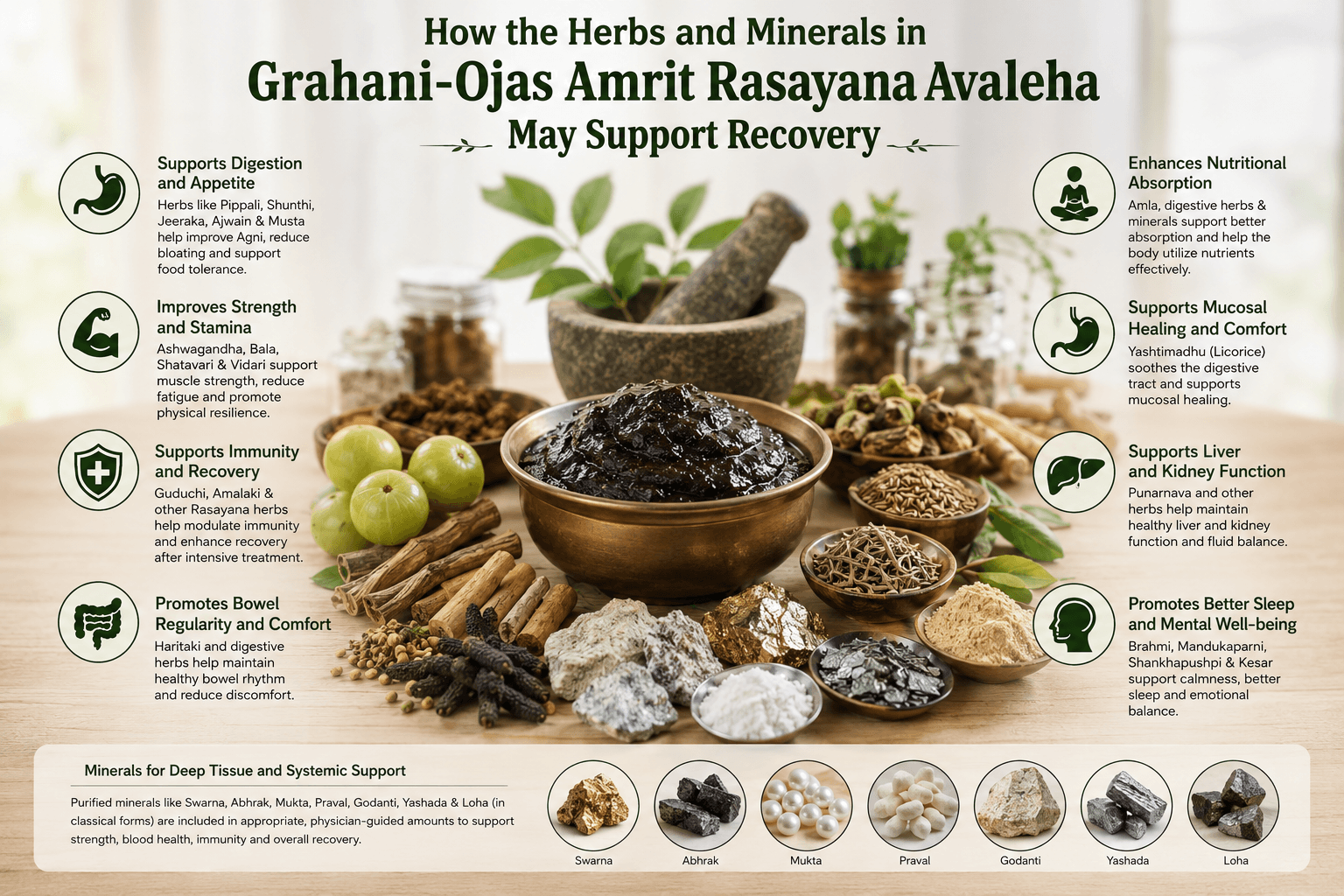
Recovery-Support Logic of the Formulation
Grahani-Ojas Amrit Rasayana Avaleha is designed to support recovery factors that matter before and after CRS-HIPEC, especially digestion, appetite, bowel rhythm, fatigue, sleep, tissue nourishment, mucosal comfort, and strength. It should not be presented as a cancer cure, chemotherapy replacement, or recurrence-prevention medicine.
The formulation works on the Ayurvedic principles of Agni, Bala, Ojas, Dhatu-poshana, Rasayana, and Satva support. In modern terms, this means supporting digestive capacity, nutritional tolerance, fatigue recovery, tissue repair, inflammatory balance, and daily recovery discipline.
Amalaki for Antioxidant and Rasayana Support
Amalaki, also known as Amla or Phyllanthus emblica, is used as a Rasayana herb in Ayurveda because it supports nourishment, digestion, and recovery reserve. Modern reviews describe Amalaki as rich in vitamin C, gallic acid, ellagic acid, tannins, and polyphenols with antioxidant and anti-inflammatory properties, as discussed in this review on Phyllanthus emblica: https://pmc.ncbi.nlm.nih.gov/articles/PMC10637531/
A separate review on the functional and nutraceutical significance of Amla also describes antioxidant, anti-inflammatory, hypoglycemic, lipid-supportive, and digestive relevance, which supports its use as a general recovery-support herb rather than a cancer-specific medicine: https://pmc.ncbi.nlm.nih.gov/articles/PMC9137578/
Ashwagandha for Fatigue, Strength, and Quality of Life Support
Ashwagandha, or Withania somnifera, is included for Bala support, fatigue recovery, stress resilience, sleep support, and strength. A clinical study in breast cancer patients receiving chemotherapy found that Withania somnifera showed potential in reducing chemotherapy-induced fatigue and improving quality of life, although the authors stated that larger randomized trials are needed: https://pubmed.ncbi.nlm.nih.gov/23142798/
This evidence supports Ashwagandha as a recovery-support herb, not as a proven treatment for peritoneal cancer or recurrence prevention.
Guduchi for Immune Modulation and Inflammatory Balance
Guduchi, or Tinospora cordifolia, is traditionally used for Agni support, Rasayana effect, and recovery resilience. Modern research describes Tinospora cordifolia as having immunomodulatory, antioxidant, and anti-inflammatory potential, but much of the evidence remains preclinical or early-stage.
A study discussing Tinospora cordifolia in a radiotherapy-related biological context is available here: https://pmc.ncbi.nlm.nih.gov/articles/PMC4556323/
Another preclinical study explored Tinospora cordifolia extract in an oral cancer cell-line model, but this should not be used as proof of cancer cure or CRS-HIPEC benefit: https://pmc.ncbi.nlm.nih.gov/articles/PMC8324948/
Yashtimadhu for Mucosal Comfort
Yashtimadhu, or Glycyrrhiza glabra, is used for soothing mucosa, supporting throat and gut comfort, and helping patients who have irritation after cancer therapy. A clinical study in head-and-neck cancer patients undergoing radiotherapy reported that aqueous Glycyrrhiza glabra extract helped reduce the severity of oral mucositis: https://pmc.ncbi.nlm.nih.gov/articles/PMC5748454/
This supports Yashtimadhu as a mucosal-support herb, but it should still be used carefully in patients with hypertension, fluid retention, low potassium tendency, kidney disease, or steroid use.
Punarnava for Fluid Balance and Liver-Kidney Support Tradition
Punarnava, or Boerhavia diffusa, is traditionally used for swelling tendency, fluid balance, liver-kidney support, and weakness associated with fluid retention. Modern reviews describe Boerhavia diffusa as having anti-inflammatory, antioxidant, hepatoprotective, nephroprotective, and immunomodulatory potential, as discussed here: https://pmc.ncbi.nlm.nih.gov/articles/PMC10682173/
Another review describes Boerhavia diffusa as a Rasayana-category plant with multiple pharmacological properties, but it should not be used as a substitute for medical treatment of ascites, kidney disease, liver disease, or cancer-related fluid accumulation: https://pmc.ncbi.nlm.nih.gov/articles/PMC4053255/
Bala for Strength and Post-Treatment Weakness
Bala, or Sida cordifolia, is traditionally used for strength, Vata support, neuromuscular recovery, and weakness. Experimental research has described anti-inflammatory, analgesic, and antibacterial effects of Sida cordifolia extract in laboratory and animal models: https://pmc.ncbi.nlm.nih.gov/articles/PMC3819490/
This supports its traditional recovery role, but it does not prove benefit in CRS-HIPEC patients. Bala should be used only after reviewing blood pressure, heart status, medicines, digestion, and overall strength.
Haritaki for Bowel Rhythm and Vata Anulomana
Haritaki, or Terminalia chebula, is included for bowel rhythm, Vata anulomana, digestion, and elimination support. In CRS-HIPEC patients, bowel-active herbs require special caution because some patients may have bowel narrowing, constipation with obstruction risk, diarrhea, stoma, or recent bowel surgery.
Haritaki may support bowel regularity in suitable patients, but it must not be used to self-treat suspected bowel obstruction. Vomiting, severe abdominal distension, inability to pass stool or gas, or severe abdominal pain requires urgent surgical review.
Pippali, Shunthi, Jeeraka, Ajwain, and Musta for Agni Support
Pippali, Shunthi, Jeeraka, Ajwain, and Musta are used to support Agni, appetite, bloating, gas, and food tolerance. These herbs are important because nourishment cannot help if the patient cannot digest or absorb food properly.
However, strong digestive herbs may be unsuitable in patients with acidity, gastritis, bleeding tendency, severe diarrhea, mucositis, vomiting, dehydration, or immediate pre-surgery restriction. Ginger has been studied for nausea and digestive comfort in several clinical contexts, but high-dose botanicals should be reviewed before surgery because of possible bleeding or medicine-interaction concerns.
Shatavari and Vidari for Nourishment and Tissue Rebuilding
Shatavari, or Asparagus racemosus, and Vidari Kanda, or Pueraria tuberosa, are used for Brimhana, tissue nourishment, strength, cooling support, and post-treatment depletion. These herbs are traditionally used when the patient needs nourishment but should still be adapted to digestion and bowel tolerance.
A patient with weak Agni may not tolerate heavy nourishing herbs immediately. In such cases, digestion must be corrected first, and nourishment should be added slowly.
Brahmi, Mandukaparni, Shankhapushpi, and Kesar for Satva Support
Brahmi, Mandukaparni, Shankhapushpi, and Kesar are included for Satva support, sleep, mental steadiness, and recovery discipline. CRS-HIPEC patients often need long-term routine, calmness, sleep stability, and family-supported recovery.
How the Herbs Work Together
The digestive herbs help prepare Agni so the patient can tolerate food and medicine. The nourishing herbs support Bala and Dhatu-poshana. The Rasayana herbs support Ojas and recovery reserve. The Satva-supporting herbs help sleep, calmness, and treatment discipline.
The combination is useful only when the patient can digest it. If the avaleha causes heaviness, bloating, nausea, acidity, constipation, diarrhea, vomiting, or abdominal distension, the formulation must be reviewed immediately.
Mineral Ingredients and Why Their Weights Are Not Published
Mineral ingredients such as Mukta Pishti, Praval Pishti, Godanti Bhasma, Abhrak Bhasma, Swarna Makshika Bhasma, Yashada Bhasma, Loha Bhasma, and Mandura Bhasma require strict physician supervision. Their weights are intentionally not published because dose depends on age, Agni, Bala, blood reports, liver function, kidney function, diabetes status, chemotherapy history, anticoagulant use, surgery timing, and product quality.
Zinc is important for immune function and wound-healing biology, and a review on zinc in wound healing explains its role in tissue repair and inflammatory regulation: https://pmc.ncbi.nlm.nih.gov/articles/PMC5793244/
Cancer-related anemia and iron deficiency require proper medical assessment, and a review on anemia and iron deficiency in cancer patients explains why iron therapy must be guided by blood reports and clinical context: https://pmc.ncbi.nlm.nih.gov/articles/PMC6315653/
These modern findings support the logic of report-based mineral use. They do not justify unsupervised bhasma, pishti, or herbo-mineral preparation use.
Safety Concern With Market Minerals and Herbo-Mineral Products
Mineral and herbo-mineral products must never be bought casually from the market. NCCIH warns that some Ayurvedic preparations may contain toxic levels of lead, mercury, or arsenic, which is why quality testing and medical disclosure are essential: https://www.nccih.nih.gov/health/ayurvedic-medicine-in-depth
A public health investigation also documented toxic metals in some Ayurvedic preparations, supporting the need for strict quality verification before using any bhasma, rasaushadhi, or mineral preparation: https://pmc.ncbi.nlm.nih.gov/articles/PMC6060866/
For CRS-HIPEC patients, poor-quality mineral products may create serious risk because these patients may already have chemotherapy exposure, liver stress, kidney stress, anemia, poor nutrition, surgical risk, and multiple medicines.
Why These Ingredients May Help Recovery
The herbs and minerals in Grahani-Ojas Amrit Rasayana Avaleha may support recovery through digestion, appetite, fatigue reduction, mucosal comfort, inflammatory balance, bowel rhythm, sleep, tissue nourishment, and report-based mineral support. These are recovery-support mechanisms, not cancer-control claims.
Diet, Pathya-Apathya, and Lifestyle While Taking Grahani-Ojas Amrit Rasayana Avaleha
Why Diet Matters With Avaleha
Grahani-Ojas Amrit Rasayana Avaleha is designed to support Agni, Bala, Ojas, bowel rhythm, nourishment, and recovery reserve. However, the avaleha alone cannot support the patient properly if the diet is unsuitable, digestion is weak, bowel function is unstable, or the patient is eating foods that increase bloating, heaviness, acidity, constipation, diarrhea, or vomiting.
In Ayurveda, medicine and diet work together. If the patient takes a strong avaleha but continues unsuitable food, irregular eating, late-night meals, excessive fried food, cold drinks, junk food, heavy sweets, or incompatible combinations, the medicine may not work as expected.
For CRS-HIPEC patients, diet must be more careful because the abdomen, bowel, digestion, appetite, and nutritional reserve are already under stress.
Food Should Match Digestive Capacity
The patient should not be forced to eat heavy food only because the body needs strength. Strength comes from food that is digested, absorbed, and tolerated. If the patient has weak appetite, bloating, ascites, nausea, early satiety, constipation, diarrhea, or bowel obstruction risk, then heavy food may worsen symptoms.
The diet should be warm, fresh, soft, digestible, and adjusted according to the patient’s Agni. The patient may need small frequent meals instead of large meals. Protein should be included carefully according to the dietitian’s advice, kidney function, liver function, bowel status, and tolerance.
Recommended Food Pattern During Avaleha Course
| Food Category | Suitable Options | Purpose |
|---|---|---|
| Soft staple foods | Soft rice, thin khichadi, rice gruel, soft wheat porridge if tolerated | Easy digestion and calorie support |
| Digestive pulses | Moong dal, thin moong soup, well-cooked lentil soup if tolerated | Protein and digestive support |
| Cooked vegetables | Bottle gourd, ridge gourd, pumpkin, carrot, ash gourd, well-cooked spinach if tolerated | Light nourishment and bowel support |
| Protein support | Paneer, curd, buttermilk, eggs, fish, chicken soup, or medical protein supplement as advised | Muscle and recovery support |
| Nourishing liquids | Vegetable soup, moong soup, rice water, light bone broth if non-vegetarian and medically suitable | Hydration and nourishment |
| Healthy fats | Small amount of cow ghee if tolerated | Lubrication, nourishment, Vata support |
| Fruits | Stewed apple, ripe banana if tolerated, papaya in small amount, pomegranate | Gentle nutrition and bowel support |
| Digestive support | Jeera water, ajwain water, mild ginger infusion if suitable | Gas and appetite support |
These are general examples. The final diet must be individualized according to the patient’s bowel function, surgery plan, chemotherapy status, diabetes, kidney function, liver function, and oncology dietitian advice.
Foods to Avoid During Avaleha Course
| Food or Habit | Why It May Disturb Recovery |
|---|---|
| Deep-fried food | May increase heaviness, nausea, acidity, and poor digestion |
| Excessively spicy food | May worsen burning, acidity, loose stools, or gut irritation |
| Cold drinks and ice-cold food | May reduce digestive comfort and increase bloating in weak Agni |
| Junk food and packaged snacks | Poor nourishment and may increase inflammation-like digestive discomfort |
| Excess raw salads | May worsen bloating, gas, and bowel discomfort in weak digestion |
| Heavy pulses | May increase gas and abdominal distension |
| Excess sweets | May disturb blood sugar and reduce appetite for nourishing meals |
| Bakery products | May increase heaviness, constipation, or bloating |
| Fermented and sour food in excess | May worsen acidity, burning, or gut irritation in some patients |
| Late-night meals | May disturb digestion, sleep, and bowel rhythm |
| Force-feeding | May worsen nausea, vomiting, and food aversion |
Special Diet Caution for Diabetes
Many avalehas contain sugar, honey, dates, raisins, and other sweet nourishing substances. If the patient has diabetes or steroid-induced high blood sugar during chemotherapy, the diet must be modified carefully.
The patient should not take the avaleha with additional sweets, sweet drinks, fruit juices, sweetened milk, bakery foods, or high-sugar snacks. Blood sugar should be monitored regularly. If glucose rises, the avaleha dose, base ingredients, diet, and timing must be reviewed by the Ayurveda doctor and the medical team.
Special Diet Caution for Bowel Obstruction Risk
If the patient has bowel narrowing, repeated vomiting, severe constipation, inability to pass gas, increasing abdominal distension, or suspected obstruction, diet must be directed by the surgical team.
In such cases, high-fiber foods, bulky salads, raw vegetables, heavy pulses, large meals, strong laxatives, and thick nourishing preparations may be unsafe. The avaleha should be paused and reviewed if bowel symptoms worsen.
How to Take Avaleha With Food
The general dose may be 15 g twice daily for 30 days only when approved by the Ayurveda doctor. Some patients may tolerate it better after food, while others may be advised to take it before food or with warm water depending on Agni and symptoms.
The patient should not take avaleha with cold milk, cold water, carbonated drinks, fruit juice, tea, coffee, or alcohol. Warm water is generally more suitable unless the physician advises otherwise.
If the patient feels heaviness after taking the avaleha, the dose may need to be reduced. If nausea, acidity, bloating, loose motions, constipation, or abdominal discomfort appears, the formulation should be reviewed.
Daily Routine During Avaleha Course
The patient should follow a stable daily routine while using the avaleha. Meals should be taken at regular times. Sleep should be protected. Walking should be gentle and consistent if medically safe. The patient should avoid overexertion, long daytime sleeping, late-night screen use, irregular meals, and sudden diet experiments.
A stable routine helps the avaleha work better because the body receives nourishment, rest, and digestive support in a predictable pattern.
Hydration During Avaleha Course
Hydration is important, especially if the patient has constipation, poor appetite, fatigue, chemotherapy history, or upcoming surgery. The patient may take warm water in small sips through the day unless fluid restriction has been advised.
Large amounts of water immediately after meals may disturb digestion in some patients. Very cold water should be avoided if it increases bloating or discomfort.
Sleep During Avaleha Course
Sleep is part of recovery. Poor sleep can reduce appetite, worsen fatigue, increase anxiety, and disturb bowel rhythm. The patient should maintain a fixed sleep time, avoid heavy meals late at night, reduce screen exposure before sleep, and avoid stimulating discussions about disease before bedtime.
If the patient has severe insomnia, pain, anxiety, or steroid-related sleep disturbance, the oncology team and Ayurveda doctor should both be informed.
Physical Activity During Avaleha Course
The patient should remain physically active within medical limits. Gentle walking, slow indoor movement, chair exercises, breathing practice, and physiotherapist-guided activity may support recovery and prevent deconditioning.
The patient should not perform heavy exercise, abdominal workouts, forceful yoga, intense pranayama, breath retention, Kapalabhati, Bhastrika, or any practice that increases abdominal pressure. This is especially important in patients with ascites, abdominal pain, bowel symptoms, recent surgery, or planned CRS-HIPEC.
Caregiver Role During Diet and Avaleha Use
The caregiver should help maintain food timing, medicine timing, hydration, symptom monitoring, and communication with doctors. The caregiver should not add extra herbs, powders, decoctions, juices, supplements, or home remedies without medical approval.
The caregiver should track appetite, stool, gas passage, vomiting, abdominal distension, pain, sleep, walking, blood sugar if diabetic, fever, and weight. This monitoring helps the Ayurveda doctor decide whether the avaleha should continue, stop, or be modified.
When Diet Must Be Changed Immediately
Diet should be changed immediately if the patient develops vomiting, worsening abdominal distension, severe constipation, inability to pass stool or gas, severe diarrhea, fever, black stools, bleeding, severe abdominal pain, or sudden loss of appetite.
In these situations, the patient should not continue the same food plan or avaleha blindly. The surgical oncology team should be contacted.
Foods and Habits That Can Make Avaleha Fail
The avaleha may not work properly if the patient eats irregularly, skips meals, overeats, takes cold drinks, eats junk food, consumes heavy fried food, uses alcohol, smokes, sleeps late, remains inactive, hides symptoms, ignores constipation, or takes market supplements along with the prescribed plan.
It may also fail if the patient has uncontrolled diabetes, severe bowel obstruction, advanced cachexia, poor liver function, poor kidney function, active infection, severe anemia, ongoing chemotherapy toxicity, or if the formulation is not modified according to the patient’s condition.
Final Instruction for Diet and Lifestyle
Grahani-Ojas Amrit Rasayana Avaleha should be taken with the correct diet, correct routine, correct monitoring, and correct medical supervision. The medicine is only one part of the recovery plan. Food, sleep, bowel rhythm, walking, caregiver discipline, and oncology coordination are equally important.
The patient must not use market avaleha, self-prepared avaleha, or unsupervised herbs along with this plan. Every change should be discussed with the Ayurveda doctor and disclosed to the oncology team.
Here is a shorter featured-snippet FAQ version.
FAQs
Can Ayurveda help before CRS-HIPEC surgery?
Ayurveda may support digestion, appetite, sleep, bowel rhythm, strength, and treatment readiness before CRS-HIPEC. It should be used only as supportive care with oncology guidance.
Can Ayurveda replace CRS-HIPEC?
No. Ayurveda should not replace CRS-HIPEC, chemotherapy, or oncology surveillance. It may support the patient’s preparation and recovery alongside standard cancer treatment.
Is Ayurveda safe before HIPEC surgery?
Ayurveda may be safe only when supervised by an Ayurveda doctor and disclosed to the oncology team. Unsupervised herbs, detox, Panchakarma, or bhasma may be risky before surgery.
Can I take avaleha before CRS-HIPEC?
Avaleha may be considered only after reviewing cancer type, surgery date, digestion, bowel function, diabetes, liver and kidney function, chemotherapy history, and current medicines.
What is Grahani-Ojas Amrit Rasayana Avaleha?
Grahani-Ojas Amrit Rasayana Avaleha is a physician-supervised Ayurvedic formulation designed to support Agni, Bala, Ojas, appetite, bowel rhythm, and recovery strength in selected CRS-HIPEC patients.
Can I buy this avaleha from the market?
No. Market avaleha is not customized for cancer type, PCI score, age, digestion, bowel status, diabetes, chemotherapy history, surgery timing, or current medicines.
Can I prepare this avaleha at home?
No. Patients should not prepare this avaleha at home. Wrong ingredients, incorrect cooking, unsafe mineral use, or wrong dosing may harm the patient.
What diet is best before CRS-HIPEC?
A warm, fresh, digestible, protein-conscious diet is best before CRS-HIPEC. It should be adjusted to appetite, bowel function, diabetes, kidney and liver reports, and dietitian advice.
Can diabetic patients take avaleha?
Diabetic patients should not take avaleha without supervision because many avalehas contain sugar, honey, dates, raisins, or sweet bases that may raise blood sugar.
References
- National Cancer Institute. (2024). Complementary and alternative medicine. National Cancer Institute. https://www.cancer.gov/about-cancer/treatment/cam
Brief: This source explains the difference between complementary medicine and alternative medicine in cancer care. It supports the position that Ayurveda may be used alongside standard oncology care but should not replace CRS-HIPEC, chemotherapy, or surveillance. - National Center for Complementary and Integrative Health. (n.d.). Cancer and complementary health approaches: What you need to know. National Institutes of Health. Retrieved June 20, 2026, from https://www.nccih.nih.gov/health/cancer-and-complementary-health-approaches-what-you-need-to-know
Brief: This source states that no complementary health approach has been shown to prevent or cure cancer. It also explains that some supportive approaches, such as yoga, mindfulness-based stress reduction, and acupuncture, may help manage symptoms or treatment side effects. - Ramos Santillan, V., Menon, G., & Di Napoli, R. (2026). Cytoreduction (CRS) and hyperthermic intraperitoneal chemotherapy (HIPEC). In StatPearls. StatPearls Publishing. https://www.ncbi.nlm.nih.gov/books/NBK570563/
Brief: This medical reference explains CRS-HIPEC, peritoneal surface malignancy, patient selection, PCI score, tumor biology, and the importance of complete cytoreduction. - Hübner, M., Kusamura, S., Villeneuve, L., Al-Niaimi, A., Alyami, M., Balonov, K., Bell, J., Bristow, R., Cortés Guiral, D., Fagotti, A., Falcão, L. F. R., Glehen, O., Lambert, L., Mack, L., Muenster, T., Piso, P., Pocard, M., Rau, B., Sgarbura, O., Somashekhar, S. P., Wadhwa, A., Altman, A., Fawcett, W., Veerapong, J., & Nelson, G. (2020). Guidelines for perioperative care in cytoreductive surgery with or without hyperthermic intraperitoneal chemotherapy: Enhanced Recovery After Surgery Society recommendations. European Journal of Surgical Oncology, 46(12), 2292–2323. https://pubmed.ncbi.nlm.nih.gov/32873454/
Brief: This ERAS Society guideline supports structured perioperative care in CRS-HIPEC, including preparation before surgery, intraoperative planning, postoperative recovery, nutrition, and multidisciplinary coordination. - Cancer Research UK. (n.d.). What is prehabilitation? Cancer Research UK. Retrieved June 20, 2026, from https://www.cancerresearchuk.org/about-cancer/treatment/prehabilitation/what-is-prehabilitation
Brief: This patient-friendly cancer resource explains prehabilitation as preparation before cancer treatment, focusing on eating and weight, physical activity, and mental wellbeing. - Gennuso, D., Baldelli, A., Gigli, L., Ruotolo, I., Galeoto, G., Gaburri, D., & Sellitto, G. (2024). Efficacy of prehabilitation in cancer patients: An RCTs systematic review with meta-analysis. BMC Cancer, 24, Article 1302. https://doi.org/10.1186/s12885-024-13023-w
Brief: This systematic review supports prehabilitation as a recognized cancer-care approach that may improve functional reserve and recovery before major treatment. - Strijker, D., Meijerink, W. J. H. J., Bremers, A. J. A., de Reuver, P. R., van Laarhoven, C. J. H. M., & van den Heuvel, B. (2022). Prehabilitation to improve postoperative outcomes in patients with peritoneal carcinomatosis undergoing hyperthermic intraperitoneal chemotherapy: A scoping review. European Journal of Surgical Oncology, 48(3), 657–665. https://pubmed.ncbi.nlm.nih.gov/34702591/
Brief: This review is directly relevant to peritoneal carcinomatosis and HIPEC. It supports the importance of preparation before CRS-HIPEC, while also acknowledging that HIPEC-specific prehabilitation evidence is still developing. - Hassan, S., Malcomson, L., Soh, Y. J., Wilson, M. S., Clouston, H., O’Dwyer, S. T., Kochhar, R., & Aziz, O. (2023). Patterns and timing of recurrence following CRS and HIPEC in colorectal cancer peritoneal metastasis. European Journal of Surgical Oncology, 49(1), 202–208. https://pubmed.ncbi.nlm.nih.gov/35987797/
Brief: This study provides recurrence data after CRS-HIPEC in colorectal peritoneal metastasis. It supports the need for disciplined recovery and intensive surveillance, especially during the first two years. - Ahmadi, N., Kostadinov, D., Sakata, S., Ball, W. R., Gandhi, J., Carr, N. J., Tzivanakis, A., Dayal, S. P., Mohamed, F., Cecil, T. D., & Moran, B. J. (2021). Managing recurrent pseudomyxoma peritonei in 430 patients after complete cytoreduction and HIPEC: A dilemma for patients and surgeons. Annals of Surgical Oncology, 28, 7809–7820. https://pubmed.ncbi.nlm.nih.gov/34041626/
Brief: This study discusses recurrence in pseudomyxoma peritonei after complete cytoreduction and HIPEC. It supports long-term follow-up in appendix-origin and mucinous peritoneal disease. - Aronson, S. L., Lopez-Yurda, M., Koole, S. N., et al. (2023). Cytoreductive surgery with or without hyperthermic intraperitoneal chemotherapy in patients with advanced ovarian cancer: Final survival analysis of a randomised, controlled, phase 3 trial. The Lancet Oncology, 24(10), 1109–1118. https://pubmed.ncbi.nlm.nih.gov/37708912/
Brief: This final OVHIPEC-1 analysis supports the role of HIPEC in selected stage III epithelial ovarian cancer patients undergoing interval cytoreductive surgery, while also showing that recurrence and progression remain clinically important. - Courneya, K. S., Booth, C. M., Gill, S., et al. (2025). Structured exercise after adjuvant chemotherapy for colon cancer. The New England Journal of Medicine. https://www.nejm.org/doi/10.1056/NEJMoa2502760
Brief: This randomized trial supports the broader importance of structured exercise in colon cancer survivorship. It should be interpreted as lifestyle-support evidence, not as proof that Ayurveda prevents peritoneal cancer recurrence. - Carlson, L. E., Ismaila, N., Addington, E. L., Asher, G. N., Atreya, C., Balneaves, L. G., et al. (2023). Integrative oncology care of symptoms of anxiety and depression in adults with cancer: Society for Integrative Oncology–ASCO guideline. Journal of Clinical Oncology, 41(28), 4562–4591. https://pubmed.ncbi.nlm.nih.gov/37582238/
Brief: This guideline supports selected integrative approaches such as mindfulness-based interventions, yoga, relaxation, music therapy, and related methods for anxiety and depressive symptoms in adults with cancer. - Charaka Samhita. (n.d.). Matrashiteeya Adhyaya: Sutra Sthana, Chapter 5. Charak Samhita Online. Retrieved June 20, 2026, from https://www.carakasamhitaonline.com/index.php/Matrashiteeya_Adhyaya
Brief: This classical Ayurveda chapter supports the principle that food quantity should be based on digestive capacity. It is relevant for CRS-HIPEC patients with poor appetite, bloating, ascites, early satiety, or weak Agni. - Charaka Samhita. (n.d.). Trividhakukshiya Vimana: Vimana Sthana, Chapter 2. Charak Samhita Online. Retrieved June 20, 2026, from https://www.carakasamhitaonline.com/index.php/Trividhakukshiya_Vimana
Brief: This chapter discusses food intake according to stomach capacity and digestive strength. It supports small, digestible, properly measured meals before CRS-HIPEC. - Charaka Samhita. (n.d.). Annapanavidhi Adhyaya: Sutra Sthana, Chapter 27. Charak Samhita Online. Retrieved June 20, 2026, from https://www.carakasamhitaonline.com/index.php/Annapanavidhi_Adhyaya
Brief: This chapter explains Ayurvedic dietetics and food selection. It supports pathya-apathya planning, individualized diet, and food as part of recovery support. - Charaka Samhita. (n.d.). Rasayana Chikitsa Adhyaya: Chikitsa Sthana, Chapter 1. Charak Samhita Online. Retrieved June 20, 2026, from https://www.carakasamhitaonline.com/index.php/Rasayana_Adhyaya
Brief: This chapter is the classical foundation for Rasayana concepts, including nourishment, strength, rejuvenation, and restoration. In this article, Rasayana should be framed as recovery support, not as a cancer cure or recurrence-prevention claim. - Memorial Sloan Kettering Cancer Center. (n.d.). About herbs, botanicals & other products. Memorial Sloan Kettering Cancer Center. Retrieved June 20, 2026, from https://www.mskcc.org/cancer-care/diagnosis-treatment/symptom-management/integrative-medicine/herbs
Brief: This source explains that herbs, botanicals, vitamins, and supplements may interact with cancer medicines. It supports the need for disclosure, safety review, and oncology coordination. - National Center for Complementary and Integrative Health. (2019). Ayurvedic medicine: In depth. National Institutes of Health. https://www.nccih.nih.gov/health/ayurvedic-medicine-in-depth
Brief: This source discusses Ayurveda safety concerns, including reports that some Ayurvedic preparations may contain toxic levels of lead, mercury, or arsenic. - Mikulski, M. A., Wichman, M. D., Simmons, D. L., Pham, A. N., Clottey, V., & Fuortes, L. J. (2017). Toxic metals in Ayurvedic preparations from a public health lead poisoning cluster investigation. International Journal of Occupational and Environmental Health, 23(3), 187–192. https://www.ncbi.nlm.nih.gov/pmc/articles/PMC6060866/
Brief: This study found toxic metals in some Ayurvedic preparations during a public health investigation. It supports strict quality verification and the decision not to publish mineral weights for patient safety. - Sharma, R., Martins, N., Kuca, K., Chaudhary, A., Kabra, A., Rao, M. M., & Prajapati, P. K. (2019). Chyawanprash: A traditional Indian bioactive health supplement. Biomolecules, 9(5), Article 161. https://www.ncbi.nlm.nih.gov/pmc/articles/PMC6571565/
Brief: This review describes Chyawanprash as a traditional Ayurvedic polyherbal formulation. It does not prove benefit in CRS-HIPEC, peritoneal cancer, or recurrence prevention. - Easy Ayurveda. (n.d.). Charaka Chikitsa Sthana 1.1: Abhaya Amalakeeya Rasayana Pada. Easy Ayurveda. Retrieved June 20, 2026, from https://www.easyayurveda.com/charaka-chikitsa-1-1-abhaya-amalakeeya-rasayana/
Brief: This online resource provides a reader-friendly presentation of the Abhayamalakiya Rasayana Pada, including classical references to Chyavanaprasha and Brahma Rasayana. - Charaka Samhita. (n.d.). Kasa Chikitsa: Chikitsa Sthana, Chapter 18. Charak Samhita Online. Retrieved June 20, 2026, from https://www.carakasamhitaonline.com/index.php/Kasa_Chikitsa
Brief: This chapter provides the classical context for Agastya Haritaki Rasayana/Avaleha and related respiratory and depletion-oriented indications. - National Center for Complementary and Integrative Health. (n.d.). Complementary, alternative, or integrative health: What’s in a name? National Institutes of Health. Retrieved June 20, 2026, from https://www.nccih.nih.gov/health/complementary-alternative-or-integrative-health-whats-in-a-name
Brief: This source explains the terms complementary, alternative, and integrative health. It supports the wording “integrative,” “supportive,” and “oncology-compatible” Ayurveda.