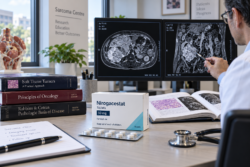



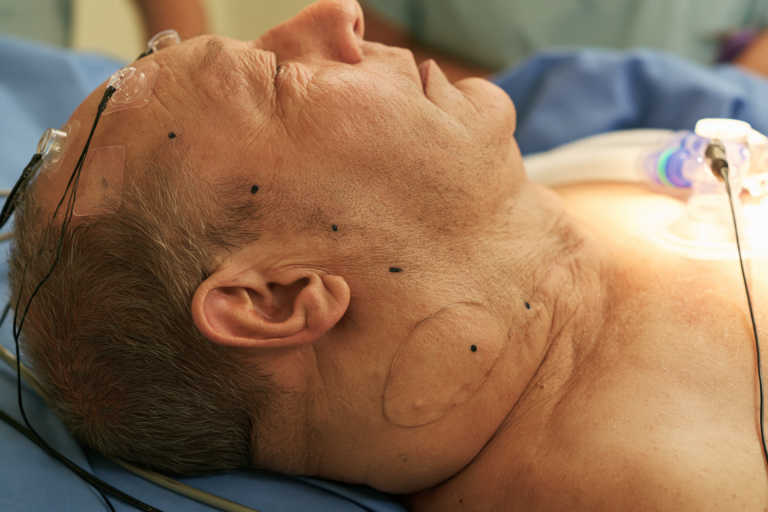
- Desmoid Tumor Treatment Without Surgery: Main Options
- Why Desmoid Tumor Treatment Without Surgery Is Often Considered First
- What Active Surveillance Means in Desmoid Tumor Treatment Without Surgery
- Desmoid Tumor Treatment Without Surgery and the Surveillance Schedule
- Active Surveillance Is Not Neglect in Desmoid Tumor Treatment Without Surgery
- Can a Desmoid Tumor Shrink on Its Own During Treatment Without Surgery
- When Desmoid Tumor Treatment Without Surgery Needs Reassessment
- Warning Signs During Desmoid Tumor Treatment Without Surgery
- How Specialists Choose Desmoid Tumor Treatment Without Surgery
- When Desmoid Tumor Treatment Without Surgery Can Continue and When Treatment Should Change
- Medicines Used in Desmoid Tumor Treatment Without Surgery
- Medicine Comparison in Desmoid Tumor Treatment Without Surgery
- Local Treatment Options in Desmoid Tumor Treatment Without Surgery
- When Surgery Still Has a Role in Desmoid Tumor Treatment Without Surgery
- What Successful Desmoid Tumor Treatment Without Surgery Looks Like
- Living Well During Desmoid Tumor Treatment Without Surgery
- How Ayurveda Fits Into Desmoid Tumor Treatment Without Surgery
- Frequently Asked Questions
- References
Desmoid Tumor Treatment Without Surgery: Main Options
Desmoid tumor treatment without surgery may involve active surveillance, systemic medicines, image guided local treatment and carefully coordinated Ayurvedic care. The correct option depends on whether the tumor is stable or growing, the severity of pain, its effect on physical function and its relationship to nearby nerves, blood vessels, muscles, bowel or other organs. Desmoid tumors can remain unchanged, shrink spontaneously or progress, so treatment should be based on observed behavior rather than the diagnosis alone.[1,2] Cancer.gov
Table: Desmoid Tumor Treatment Without Surgery Options
| Treatment option | When it may be considered | Main treatment goal |
|---|---|---|
| Active surveillance | Stable, regressing or slowly changing tumor without an immediate threat to function or a critical structure | Avoid unnecessary treatment while monitoring tumor behaviour, symptoms and physical function [1,2,7–9] |
| Nirogacestat | Progressing desmoid tumor in an adult who requires systemic treatment | Control progression, promote tumor response and improve pain and physical function [4,10] |
| Sorafenib or pazopanib | Progressive or symptomatic disease when an oral tyrosine kinase inhibitor is suitable | Slow tumor growth, achieve disease control and reduce symptom burden [11,12] |
| Chemotherapy | Selected progressive, highly symptomatic or anatomically threatening disease | Achieve systemic control when targeted medicines are unsuitable or faster control is required [2,9,12] |
| Cryoablation | Localized and accessible tumor that can be treated while protecting nearby nerves, skin, bowel and blood vessels | Control the treated area, reduce pain and preserve physical function [14,15] |
| Radiotherapy | Selected progressive disease when surgery, ablation or systemic treatment is unsuitable | Obtain local control while balancing possible effects on healthy tissue [2,9] |
A nonsurgical plan does not mean that the tumor is being ignored. It begins with a confirmed pathology diagnosis, baseline MRI or CT, assessment of symptoms and function, and a written monitoring plan. Treatment may change when repeated imaging shows sustained growth, pain becomes harder to control, movement declines or the tumor begins to threaten an important anatomical structure.[1,2] Cancer.gov
Ayurvedic Assessment in Desmoid Tumor Treatment Without Surgery
Ayurveda does not contain a diagnosis that is identical to modern desmoid type fibromatosis. Classical descriptions of Granthi, meaning a localized nodular swelling, and Arbuda, meaning a deeper and persistent abnormal growth, may help an Ayurvedic physician understand the pattern of tissue involvement, but they cannot replace biopsy, imaging or sarcoma specialist assessment. These conditions are discussed in the Sushruta Samhita, Nidana Sthana, Chapter 11, which examines Granthi, Apachi, Arbuda and Galaganda.[3]
Ayurvedic assessment considers the tumor together with the patient’s digestion, bowel function, sleep, pain, mobility, nutrition and general strength. Agni, the digestive and metabolic capacity, and Bala, the patient’s functional strength and resilience, are especially relevant when planning supportive care. A patient with poor appetite, constipation, disturbed sleep, weakness or persistent pain may require a different approach from someone who is physically stable and has no symptoms.
The Ayurvedic plan should have clearly defined goals. These may include improving digestion, maintaining nourishment, supporting sleep, preserving mobility, reducing treatment related discomfort and protecting general strength. Symptom improvement is valuable, but it does not prove that the tumor has reduced in size. MRI or CT remains necessary to determine whether the desmoid tumor is stable, shrinking or progressing.
Active Surveillance With Ayurvedic Support
Active surveillance is often considered when the diagnosis is secure, symptoms are absent or manageable and the tumor is not creating an immediate threat to an organ or major neurovascular structure. The patient continues scheduled imaging and clinical reviews while treatment is withheld unless the disease shows meaningful progression. Current expert guidance recognizes active surveillance as an established initial approach for many patients because some desmoid tumors remain stable or regress without tumor directed treatment.[1,2] Cancer.gov
Ayurvedic care can begin during surveillance rather than waiting for symptoms to become severe. Diet, daily routine, sleep correction, gentle movement and individualized medicines may be used to support appetite, bowel regularity, muscular comfort and emotional stability. Any herbal or mineral formulation should be documented and reviewed alongside liver function, kidney function and the patient’s other medicines.
A safe surveillance plan should state when the next scan is due, which symptoms require earlier review and whom the patient should contact if the condition changes. Increasing pain, new weakness, numbness, reduced movement, bowel symptoms or rapidly increasing swelling should not be managed only by changing Ayurvedic medicines. These changes require reassessment by the desmoid tumor team.
Medicines and Local Treatment When the Tumor Progresses
Systemic treatment may be considered when serial imaging confirms progression, symptoms are worsening, function is declining or continued growth could damage an important structure. Available options include gamma secretase inhibitors, tyrosine kinase inhibitors and selected chemotherapy regimens. The choice depends on the tumor’s location, the speed of control required, previous treatment, fertility plans, other health conditions and the expected adverse effects.[2] JAMA Network
Nirogacestat is an oral gamma secretase inhibitor approved by the United States Food and Drug Administration for adults with progressing desmoid tumors who require systemic treatment. In the phase 3 DeFi trial, it improved progression related outcomes and tumor response compared with placebo, but it can cause diarrhea, rash, fatigue and ovarian toxicity. Fertility, pregnancy plans and medicine interactions therefore require careful discussion before treatment begins.[4] U.S. Food and Drug Administration
Ayurvedic medicines used alongside systemic therapy should be selected cautiously. The oncology team should know every herb, mineral preparation and supplement being taken because combinations may affect liver enzymes, bleeding risk, blood pressure, bowel function or the metabolism of prescription medicines. During systemic treatment, Ayurvedic care should focus on measurable supportive goals without replacing laboratory monitoring, imaging or prescribed therapy.
Some localized tumors may be suitable for image guided cryoablation, in which controlled freezing is used to destroy selected tumor tissue. Radiotherapy may also be considered in carefully selected situations. These treatments can sometimes provide local control without major surgery, but suitability depends on the distance between the tumor and nearby skin, bowel, nerves, blood vessels and other sensitive structures.[2] JAMA Network
Choosing the Safest Treatment Path
No single option is suitable for every desmoid tumor. A stable tumor with manageable symptoms may remain under surveillance, while a progressively enlarging tumor may require medicine or local treatment. Surgery can still be appropriate when it offers effective control with acceptable functional risk, but it is no longer an automatic first step for every patient.[1,2] Cancer.gov
Ayurveda can remain part of each stage by supporting digestion, nutrition, sleep, strength, pain management and rehabilitation. The safest model combines individualized Ayurvedic care with pathology confirmation, serial imaging and multidisciplinary review. This allows the patient to receive whole person care without losing the objective monitoring needed to identify stability, regression or progression.
Why Desmoid Tumor Treatment Without Surgery Is Often Considered First
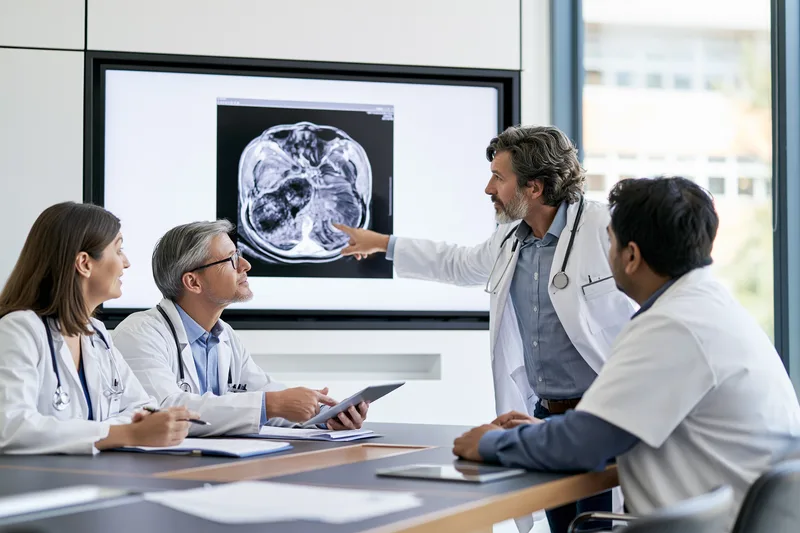
Desmoid tumor treatment without surgery is often considered before an operation because the natural course of these tumors is difficult to predict. Desmoid tumors do not spread to distant organs, but they can infiltrate nearby muscles, nerves, blood vessels, bowel and other structures. Some tumors remain unchanged for long periods, some become smaller without tumor directed treatment and others continue to grow. Immediate surgery may therefore expose a patient to substantial physical harm even when the tumor might have remained stable under careful monitoring.[1,2] Cancer.gov
Surgery was previously regarded as the standard first treatment because removing the entire mass appeared to offer the most direct form of local control. This approach became less routine as specialists gained a better understanding of spontaneous stability, spontaneous regression, surgical morbidity and local recurrence. Desmoid tumors can extend between muscles and along connective tissue planes, which can make complete removal difficult without sacrificing healthy tissue. Depending on the location, an operation may require removal or reconstruction of muscle, abdominal wall, nerves or other important structures.[1,2]
The purpose of delaying surgery is not to allow a dangerous tumor to grow without supervision. It is to identify how the tumor behaves before choosing a treatment that may permanently affect movement, appearance or organ function. The decision is guided by serial imaging, symptoms, physical function, anatomical location and the risk posed by continued growth.
Why Immediate Surgery May Not Be Necessary
International consensus guidance supports active surveillance as the initial approach for many newly diagnosed patients when the tumor is not causing an urgent complication or threatening an important structure. During this period, MRI or CT findings are compared over time and assessed together with pain, mobility, neurological symptoms and other changes in daily function.[2]
Prospective research also supports this more conservative approach. A pooled analysis of three prospective studies involving patients with extra abdominal desmoid type fibromatosis found that active surveillance was a reasonable first approach for many participants. Some tumors regressed, while others remained sufficiently controlled without immediate intervention. These findings apply most directly to the populations studied and should not be automatically extended to every intra abdominal, familial adenomatous polyposis associated or anatomically high risk tumor.[5] AACR Journals
Tumor size alone does not determine whether surgery is necessary. A relatively small tumor pressing on a major nerve, bowel segment or blood vessel may require earlier treatment, while a larger tumor in a less dangerous location may remain safely under surveillance. Pain progression, loss of movement, neurological changes, organ compression and repeated growth on imaging are usually more important than a single measurement taken in isolation.
One scan showing limited enlargement does not always mean that surgery must begin immediately. When there is no urgent anatomical threat, specialists may repeat imaging to confirm whether the increase represents persistent progression or a temporary phase in the tumor’s variable natural history. Continued growth accompanied by worsening symptoms or declining function carries greater clinical importance than imaging change alone.
Why Surgery Can Carry Significant Functional Costs
The effect of surgery depends greatly on where the desmoid tumor is growing. Removal of an abdominal wall tumor may require reconstruction with mesh or a tissue flap. Surgery involving the shoulder, thigh, chest wall or neck can affect strength, joint movement, sensation or appearance. Mesenteric and intra abdominal tumors may be closely associated with bowel and major blood vessels, making extensive surgery particularly complex.
The possibility of local recurrence must also be considered. Even when a tumor appears to have been removed completely, desmoid tissue can return in the same region. Wider surgery does not always provide a proportionate clinical advantage if it creates greater functional damage. The National Cancer Institute notes that desmoid tumors can be difficult to remove completely and may recur at the original site after surgery.[1] Cancer.gov
These risks do not make surgery inappropriate. They mean that the expected benefit should be compared with active surveillance, medicine and image guided local treatment before healthy structures are permanently removed.
When Surgery Still Has an Important Role
Surgery remains a reasonable treatment when the tumor is in a favourable location and can be removed without major loss of function. Selected abdominal wall tumors may be suitable when reconstruction is manageable and the expected morbidity is low. Surgery may also become necessary when a tumor causes bowel obstruction, severe organ compression, progressive neurological damage or another complication requiring urgent mechanical relief.
An operation may be considered when surveillance is no longer safe, systemic medicines are unsuitable, local ablation cannot be performed or other treatments have not provided adequate control. French clinical guidance for abdominal and familial adenomatous polyposis associated desmoid tumors recommends specialist review and generally reserves non emergency surgery for favourable anatomical situations.[6] PubMed
The decision should be made through multidisciplinary review rather than by a surgeon or physician working in isolation. The team may include a sarcoma specialist, radiologist, surgical oncologist, medical oncologist, interventional radiologist, pathologist and rehabilitation specialist. This allows the expected benefits of surgery to be compared with its effect on movement, organ function, fertility, recovery time and quality of life.
How Ayurveda Supports Desmoid Tumor Treatment Without Surgery
Ayurveda can remain central to whole person care when immediate surgery is not required, but it should be integrated with confirmed pathology and scheduled imaging. A desmoid tumor does not correspond exactly to one classical Ayurvedic diagnosis. Its clinical features may be assessed within the broader descriptions of Granthi, meaning a localized nodular swelling, and Arbuda, meaning a persistent deeper growth, while retaining the modern pathological diagnosis.
The Ayurvedic assessment considers the tumor together with Agni, the patient’s digestive and metabolic capacity, Bala, physical strength and resilience, and Ojas, the stability associated with vitality and recovery. Appetite, bowel function, sleep, pain, stiffness, muscular weakness, emotional distress and treatment tolerance are assessed because these factors influence the patient’s ability to live with the disease and undergo treatment when required.
Individualized care may include dietary correction, support for Agni, gentle movement, pain management and carefully selected medicines. Brimhana, meaning nourishing therapy, may be considered when there is weakness or tissue depletion, while Rasayana, meaning restorative and resilience supporting therapy, may be used according to constitution, digestive capacity and overall health. Herbal or herbo mineral formulations require careful selection when the patient is also taking targeted medicines, chemotherapy, anticoagulants or drugs affecting liver function.
Ayurvedic improvement should be measured through practical outcomes such as appetite, sleep, pain, bowel regularity, strength and daily function. Reduced pain or improved mobility does not by itself prove that the tumor has become smaller. MRI or CT remains necessary to determine whether the desmoid tumor is stable, regressing or progressing.
This coordinated approach allows Ayurvedic treatment to support the patient while modern surveillance protects against delayed recognition of clinically important growth. Surgery remains available when its expected benefit becomes greater than the risks of continued observation, medicine or local treatment.
What Active Surveillance Means in Desmoid Tumor Treatment Without Surgery
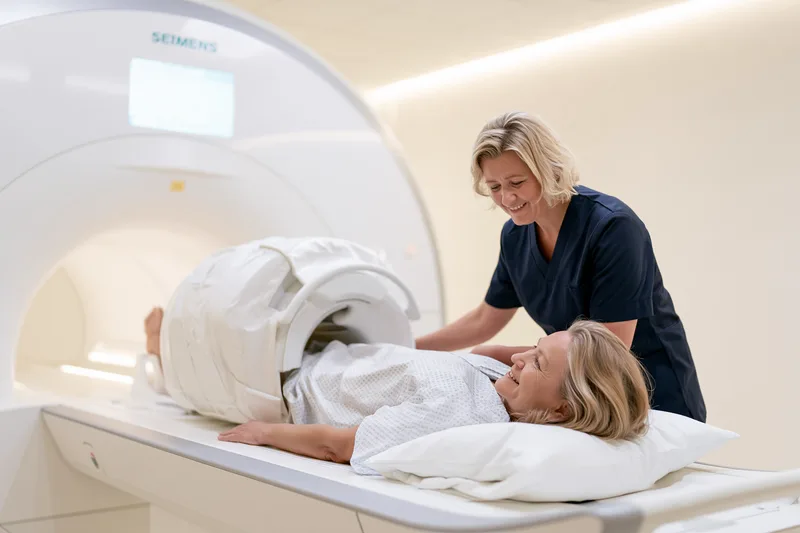
Active surveillance is a planned form of desmoid tumor treatment without surgery in which the tumor is monitored through scheduled imaging, clinical examinations and assessment of symptoms and physical function. It is sometimes described as watch and wait, but the patient is not left without care. Treatment is delayed only while observation remains safer than immediate medicine, ablation, radiotherapy or surgery.[1,2]
Table: Desmoid Tumor Active Surveillance Schedule
| Surveillance stage | Typical approach | What is assessed |
|---|---|---|
| Baseline assessment | MRI or CT after diagnosis is confirmed | Tumor size, location, tissue involvement, symptoms and physical function |
| Early reassessment | Imaging may be repeated after approximately one to two months | Early growth pattern, pain, movement and risk to nearby structures |
| Ongoing surveillance | MRI or CT commonly every three to six months | Serial tumor change, symptoms, neurological findings and organ function |
| Prolonged stability | Imaging intervals may gradually be extended | Continued stability, quality of life and absence of new functional risk |
| New symptoms at any time | Review is brought forward rather than waiting for the scheduled scan | Increasing pain, weakness, numbness, loss of movement, vomiting, obstruction or pressure symptoms |
This approach may be appropriate because desmoid tumors do not all behave in the same way. Some remain stable for long periods, some gradually become smaller and others continue to grow. Active surveillance allows the medical team to observe the actual behavior of the tumor before exposing the patient to treatment related adverse effects or permanent functional loss.[1,2]
Ayurvedic care can begin during this period. Modern imaging determines whether the tumor is stable, regressing or progressing, while Ayurvedic assessment addresses digestion, nourishment, sleep, pain, mobility, bowel function and general strength. These two forms of assessment should be coordinated rather than used as substitutes for one another.
Who May Be Suitable for Active Surveillance
Active surveillance may be considered when the pathology diagnosis is secure, symptoms are absent or manageable and the tumor is not creating an immediate threat to life, physical function or quality of life. The patient must also be able to attend imaging and specialist reviews at the recommended intervals.[2]
Tumor size alone does not determine suitability. A small tumor near a major nerve, blood vessel, airway or bowel segment may require closer attention than a larger tumor in a location where continued observation carries less immediate risk. The rate of change, anatomical position, pain pattern and effect on normal movement are considered together.
A patient with mild discomfort may still be suitable for observation when the symptoms are stable and physical function remains preserved. Active treatment becomes more likely when pain is increasing, sleep is repeatedly disturbed, movement is declining or the tumor begins to interfere with eating, bowel function, urination or neurological function.
Extra abdominal tumors that are not threatening an important structure are frequently considered for active surveillance. Intra abdominal and mesenteric tumors require particular caution because enlargement can affect the bowel, ureters, major vessels or other abdominal structures. Observation may still be possible in selected cases, but it should be supervised by a multidisciplinary team experienced in desmoid tumors.
The presence of familial adenomatous polyposis also changes the assessment. A patient with an intra abdominal desmoid tumor, multiple polyps or a relevant family history may require genetic evaluation and appropriate bowel surveillance in addition to monitoring of the tumor.
What Must Be Confirmed Before Active Surveillance Begins
The diagnosis should be established through appropriate biopsy and reviewed by a pathologist experienced in soft tissue tumors. Desmoid type fibromatosis can resemble other spindle cell lesions, so imaging appearance alone is not enough to confirm the diagnosis. Pathology findings may be supported by beta catenin staining and molecular testing for a CTNNB1 alteration when clinically appropriate.[2]
A baseline MRI or CT should document the exact location, dimensions and relationship of the tumor to nearby muscles, nerves, blood vessels and organs. MRI is commonly used for many extra abdominal tumors because it provides detailed soft tissue assessment. CT may be preferred for some intra abdominal tumors or when MRI cannot be performed.
The clinical baseline should record more than tumor size. Pain severity, pain medicine use, sleep disturbance, range of movement, muscle strength, sensation and ability to complete ordinary activities should be documented. For abdominal or pelvic tumors, bowel habits, abdominal pressure, urinary symptoms, appetite, vomiting and changes in body weight may also be relevant.
These details allow later reviews to determine whether the condition is genuinely stable. A scan may show little change while pain or physical function worsens. The reverse may also occur, with modest imaging enlargement but no meaningful change in symptoms or function. Both findings require specialist interpretation.
Ayurvedic Assessment During Active Surveillance
Ayurvedic assessment begins with the patient rather than the scan alone. The physician evaluates Prakriti, meaning the person’s constitutional pattern, together with the present imbalance, digestive capacity, tissue strength, pain characteristics, sleep, bowel function and response to food.
Agni is the digestive and metabolic capacity responsible for the proper processing of food and nourishment. Reduced Agni may present with poor appetite, heaviness, bloating, irregular bowel movements or reduced tolerance of medicines. Correcting these disturbances can improve nutrition and treatment readiness, although it does not replace tumor assessment.
Bala means physical strength, functional capacity and resilience. It is assessed through energy, muscle function, appetite, mobility, recovery and ability to perform daily activities. Ojas refers to the stability associated with vitality, immunity and recovery. Persistent pain, poor sleep, inadequate nutrition and emotional distress may gradually reduce Bala and Ojas even when imaging remains stable.
The Ayurvedic plan may include individualized food guidance, correction of bowel disturbances, sleep support, gentle movement and carefully selected medicines. Rasayana, meaning restorative therapy intended to support resilience and recovery, may be considered according to the patient’s digestion, constitution and overall health. Brimhana, meaning nourishing therapy, may be appropriate when there is weakness, weight loss or tissue depletion.
Ayurvedic treatment should have measurable goals. Improvement may be assessed through appetite, bowel regularity, sleep, pain, mobility, strength and ability to complete daily work. Symptom improvement is clinically valuable, but it cannot confirm that the tumor has become smaller. Scheduled MRI or CT remains necessary even when the patient feels better.
All herbal, mineral and nutritional products should be documented. Baseline liver and kidney tests may be appropriate when medicines are being used for an extended period or when the patient has another medical condition. This becomes particularly important if systemic desmoid tumor treatment is later introduced because herbs and mineral preparations may interact with prescription medicines.
When Active Surveillance May Not Be Appropriate
Active surveillance may not be suitable when the tumor already threatens an organ, major nerve, blood vessel or essential physical function. Severe progressive pain, bowel obstruction, neurological weakness, respiratory difficulty, rapidly declining mobility or another urgent complication may require treatment without a prolonged period of observation.[2]
Surveillance should also be reconsidered when the patient cannot obtain regular imaging or has no access to a specialist who can interpret changes promptly. Unplanned observation without defined review dates can delay recognition of clinically important progression.
A safe active surveillance plan combines pathology confirmation, baseline imaging, objective symptom assessment and a clear route for reassessment. Ayurveda can support digestion, strength, sleep, mobility and quality of life throughout this period, while specialist monitoring determines whether continued observation remains appropriate.
Desmoid Tumor Treatment Without Surgery and the Surveillance Schedule
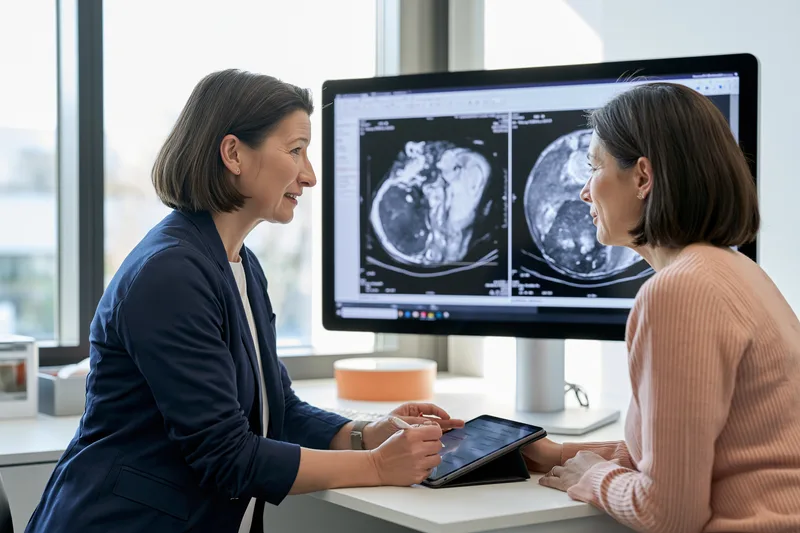
Desmoid tumor treatment without surgery requires a clearly planned surveillance schedule rather than occasional scanning. The purpose is to identify whether the tumor is stable, shrinking or showing persistent progression while also monitoring pain, movement, neurological symptoms and organ function. Imaging intervals are individualized because a slowly changing tumor in a low risk location does not require the same schedule as a tumor close to the bowel, a major nerve or a blood vessel.[1,2]
The schedule should be agreed upon when active surveillance begins. The patient should know which imaging method will be used, when the next review is expected, what symptoms must be reported earlier and which clinical changes could lead to medicine, local treatment or surgery. Ayurveda can support the patient throughout this period, but Ayurvedic assessment cannot replace MRI, CT or specialist examination.
Imaging During Desmoid Tumor Treatment Without Surgery
A baseline MRI or CT is needed before meaningful surveillance can begin. This scan records the tumor’s size, location, internal characteristics and relationship to nearby structures. Later scans should be compared with the original images whenever possible rather than relying only on measurements written in separate radiology reports.
MRI is commonly preferred for desmoid tumors involving the limbs, abdominal wall, chest wall, head, neck or other soft tissues because it provides detailed information about muscles, connective tissue, nerves and vessels. MRI also avoids repeated exposure to ionizing radiation, which may be important when surveillance is expected to continue for several years.
CT may be more suitable for some intra abdominal or mesenteric tumors, particularly when the relationship to the bowel and abdominal organs must be assessed clearly. CT may also be used when MRI is unavailable, contraindicated or difficult for the patient to tolerate. The treating team should usually continue with the same imaging method so that changes can be compared more reliably.
The radiologist should assess more than the longest tumor diameter. Changes in tumor volume, extension through tissue planes, signal characteristics and pressure on nearby structures may provide clinically useful information. A small change in diameter may be less important than new involvement of a nerve, vessel, bowel segment or functional muscle group.
The First Follow Up Scan
An early follow up scan is commonly arranged after the baseline assessment to establish the initial pattern of tumor behavior. Expert guidance often uses an interval of approximately one to two months for the first reassessment, although the exact timing depends on symptoms, tumor location and clinical risk.[1]
A shorter interval may be appropriate when the tumor has recently enlarged, symptoms are changing or an important anatomical structure could be affected by further growth. A slightly longer interval may be acceptable when the tumor has already shown prolonged stability and the patient has no concerning symptoms.
The first follow up scan should not be interpreted in isolation. Measurement differences can occur because of patient positioning, imaging technique, slice selection and the irregular shape of desmoid tumors. The medical team should compare the images directly and relate any change to pain, mobility and function before deciding that surveillance has failed.
How Often MRI or CT May Be Repeated
After the initial assessment, imaging is commonly repeated every three to six months while active surveillance continues. The shorter end of this range may be used during the first year, when the natural behavior of the tumor is still being established. More frequent imaging may also be needed when the lesion is intra abdominal, symptomatic, recently progressive or close to a critical structure.[1,2]
The interval may later be extended when several consecutive scans show stability and symptoms remain controlled. A patient who has been stable for a prolonged period may not need the same imaging frequency as someone who has only recently entered surveillance. The decision should remain individualized rather than following a fixed timetable for every patient.
Imaging should not be delayed simply because the patient feels better after dietary changes, physiotherapy, Ayurvedic treatment or pain management. Improved comfort is important, but symptoms and tumor size do not always change together. A desmoid tumor may remain radiologically active even when pain has decreased, while another patient may have persistent pain despite stable imaging.
What Doctors Assess at Every Review
Each surveillance review should compare the new scan with previous imaging and examine how the patient is functioning. Pain intensity, pain medicine use, sleep disturbance, range of movement, muscle strength, sensation and ability to complete normal activities should be documented consistently.
For tumors involving the abdomen or pelvis, the review should also consider appetite, abdominal distension, vomiting, bowel habits, urinary symptoms and unexplained changes in body weight. For tumors near the shoulder, arm, hip or leg, walking, lifting, joint movement, grip strength and nerve symptoms may be more relevant.
The patient’s report is important because imaging does not capture every clinical effect. A tumor may show limited measurable growth while causing increasing pain or loss of movement. Conversely, modest imaging enlargement may not immediately require treatment when the patient remains comfortable, function is preserved and no important structure is threatened.
The surveillance decision should therefore combine radiological findings with symptoms, physical examination and patient priorities. A treatment change should not be based only on one number written in an imaging report.
Ayurvedic Monitoring Between Scans
Ayurvedic follow up during surveillance should assess the patient at regular intervals rather than waiting for the next MRI or CT. The evaluation should include appetite, digestion, bowel regularity, sleep, pain, stiffness, strength, mobility and tolerance of any prescribed formulation.
Agni refers to digestive and metabolic capacity. A decline in Agni may appear as poor appetite, heaviness, bloating, irregular bowel movements or reduced tolerance of food and medicines. Supporting Agni can improve nutrition and treatment tolerance, but it should not be interpreted as evidence that the tumor is shrinking.
Bala means functional strength and resilience. It can be followed through walking ability, muscular endurance, daily activity, appetite and recovery after exertion. Ojas refers to the stability associated with vitality and recovery. Persistent pain, disturbed sleep, emotional strain and inadequate nourishment may reduce Bala and Ojas even when the tumor remains radiologically stable.
Ayurvedic treatment during surveillance may focus on maintaining digestion, nourishment, sleep, bowel function and physical strength. Rasayana, meaning restorative care intended to support resilience, and Brimhana, meaning nourishing therapy, may be considered according to the patient’s constitution, digestion and level of weakness. These approaches should remain individualized and should not interfere with imaging, biopsy review or specialist follow up.
The Ayurvedic physician should maintain written records of symptom changes and functional improvement. These records can help the oncology team understand whether the patient is becoming stronger, more active or less dependent on pain medicine. They should be reviewed alongside imaging rather than presented as a substitute for radiological assessment.
When the Next Review Should Be Earlier
The scheduled scan date should be brought forward when symptoms change in a clinically important way. Increasing pain, new numbness, weakness, reduced limb movement, persistent vomiting, increasing abdominal distension, bowel obstruction symptoms, urinary difficulty, swallowing problems or breathing difficulty require prompt medical reassessment.
A visible increase in swelling may also justify earlier review, particularly when it develops over a short period. However, changes in tenderness or perceived size should still be confirmed clinically because inflammation, muscle spasm and body position can alter how a mass feels.
Ayurvedic medicines should not simply be increased when new neurological, abdominal or respiratory symptoms appear. These changes may indicate pressure on an important structure and require imaging or specialist examination before the supportive plan is modified.
When Longer Intervals May Be Reasonable
Longer surveillance intervals may be considered after repeated scans confirm stability, symptoms remain mild and physical function is preserved. The treating team should also be confident that the tumor is not close to a structure where delayed recognition of growth could cause harm.
Extending the interval does not mean that surveillance has ended. The patient should continue to observe symptoms and know how to contact the clinical team between scheduled visits. Ayurvedic follow up may continue during this period to support digestion, sleep, strength and quality of life while formal imaging confirms that continued observation remains safe.
Active Surveillance Is Not Neglect in Desmoid Tumor Treatment Without Surgery
Active surveillance is a structured part of desmoid tumor treatment without surgery. It means that the diagnosis, tumor behavior, symptoms and physical function are reviewed at planned intervals while immediate tumor directed treatment is withheld. The purpose is to avoid unnecessary treatment without losing the opportunity to act when the tumor begins to cause clinically meaningful harm.[1,2] PubMed
Table : Active Surveillance Compared With Neglect
| Active surveillance | Neglect or unplanned observation |
|---|---|
| The pathology diagnosis is confirmed | The diagnosis may remain uncertain |
| Baseline MRI or CT is available | There is no reliable baseline for comparison |
| Follow up scans have planned dates | Imaging is delayed until symptoms become severe |
| Pain and physical function are recorded | Attention is limited to the visible swelling |
| Previous scans are compared directly | Each scan is interpreted without the complete imaging history |
| Warning signs are explained to the patient | The patient does not know when to seek earlier help |
| Reasons for starting treatment are defined | No clear threshold exists for changing treatment |
| A specialist team reviews new changes | No coordinated treatment pathway is available |
| Ayurvedic improvement is assessed separately from tumor response | Reduced pain is incorrectly assumed to prove tumor shrinkage |
The phrase watch and wait can sound passive, but proper surveillance is not passive care. The patient remains under the supervision of a team familiar with desmoid tumors, attends scheduled MRI or CT examinations and reports changes between appointments. The decision to continue observation is reviewed each time new clinical or imaging information becomes available.
Ayurvedic treatment may continue throughout this period with defined goals for digestion, nourishment, sleep, pain, mobility and general strength. However, improvement in these areas does not confirm that the tumor has stopped growing. Imaging and specialist examination remain necessary even when the patient feels stronger or experiences less discomfort.
What Active Surveillance Requires in Desmoid Tumor Treatment Without Surgery
Safe surveillance begins with a reliable diagnosis. The biopsy should be reviewed by a pathologist experienced in soft tissue tumors because desmoid type fibromatosis can resemble other spindle cell conditions. Baseline MRI or CT should document the tumor’s dimensions, location and relationship to nearby muscles, nerves, blood vessels and organs.[1]
The clinical baseline should record pain, analgesic use, sleep disturbance, movement, strength and the ability to perform normal daily activities. Abdominal and pelvic tumors may also require documentation of appetite, bowel function, vomiting, abdominal pressure and urinary symptoms. These observations make it possible to identify deterioration that may not be fully represented by a change in tumor diameter.
The patient should receive a clear follow up plan. This includes the date or expected interval of the next scan, the symptoms that require an earlier review and the person or department to contact when a change occurs. Previous images should be available for direct comparison whenever possible because a new report without access to earlier scans may not show the full pattern of growth.
A surveillance decision must be reviewed rather than continued automatically. Stability on one scan does not guarantee permanent stability, and limited enlargement on one scan does not always prove that immediate treatment is required. Specialists consider the direction of change across consecutive scans together with symptoms, function and anatomical risk.[1,2]
How Neglect Differs From Active Surveillance
Neglect begins when observation is no longer planned or medically supervised. This may occur when scans are repeatedly delayed, previous images are not compared, worsening symptoms are ignored or the patient has no clear route back to specialist care. Simply knowing that a tumor is present without documenting its behavior is not active surveillance.
Observation also becomes unsafe when treatment decisions are based only on how the swelling feels from outside. Desmoid tumors can grow along tissue planes or extend toward important structures without producing a proportional visible change. Physical examination is useful, but it cannot replace appropriate imaging.
Pain relief alone should not be used to declare that the tumor is controlled. Ayurvedic medicines, physiotherapy or analgesics may reduce discomfort and improve sleep while the tumor remains unchanged or continues to grow. The opposite can also occur. A scan may remain stable while stiffness, nerve symptoms or loss of movement becomes more severe. Both imaging and the patient’s lived experience must guide the next decision.
A patient should not be advised to continue observation indefinitely because treatment might be difficult. When progression, functional decline or anatomical risk becomes clear, the available options should be reviewed again. These may include systemic medicine, image guided treatment, radiotherapy or surgery in carefully selected circumstances.
How Ayurveda Supports Structured Active Surveillance
Ayurvedic care during surveillance should remain individualized and measurable. The physician may assess appetite, digestion, bowel regularity, sleep, pain characteristics, muscular comfort, weight, strength and tolerance of activity. These findings help identify whether the patient is maintaining health during observation or becoming weaker despite apparently stable imaging.
Dietary guidance should support adequate nutrition rather than impose unnecessary restriction. A patient who is losing weight, eating poorly or experiencing repeated bowel disturbance may have reduced capacity to tolerate future treatment. Correcting these problems can improve readiness for rehabilitation, medicine or a procedure when needed.
Ayurvedic medicines may be selected to support digestion, sleep, nourishment, bowel function and physical comfort according to the patient’s constitution and clinical condition. The formulation, dose and duration should be recorded. Liver and kidney function may require monitoring, particularly when herbo mineral preparations are used or when the patient has other medical conditions.
Every Ayurvedic medicine and supplement should be disclosed before systemic desmoid tumor treatment begins. Herbal and mineral preparations may alter liver enzyme activity, bowel function, blood pressure, bleeding tendency or the handling of prescription medicines. Coordination between the Ayurvedic physician, oncologist and pharmacist reduces avoidable interaction risks.
Progress should be documented through changes that the patient and clinical team can verify. These may include reduced analgesic use, improved sleep, more comfortable movement, better appetite, stable weight and increased ability to complete daily activities. MRI or CT must be used separately to determine whether the tumor is stable, smaller or progressing.
When Observation Must Be Reconsidered
Active surveillance should be reconsidered when repeated imaging shows persistent growth, especially when the tumor is extending toward a major nerve, blood vessel, bowel segment or another critical structure. Increasing pain, new numbness, weakness, reduced movement or declining ability to work and sleep may also indicate that continued observation is no longer providing adequate protection.[1]
Abdominal distension, repeated vomiting, inability to pass stool, urinary obstruction, difficulty swallowing or breathing and rapidly worsening neurological symptoms require earlier medical assessment. These changes should not be managed only by increasing Ayurvedic medicines or waiting for the next scheduled scan.
A change from surveillance to active treatment does not mean that observation was unsuccessful. Surveillance may have protected the patient from unnecessary intervention while revealing the tumor’s actual behavior. The treatment decision changes when the expected harm from continued growth becomes greater than the expected burden of medicine, local treatment or surgery.
Ayurveda remains relevant after this decision changes. It can continue to support nutrition, digestion, sleep, physical strength, symptom management and recovery, while the selected tumor directed treatment addresses progression. This coordinated approach keeps whole person care at the centre without allowing supportive improvement to conceal clinically important tumor growth.
Can a Desmoid Tumor Shrink on Its Own During Treatment Without Surgery
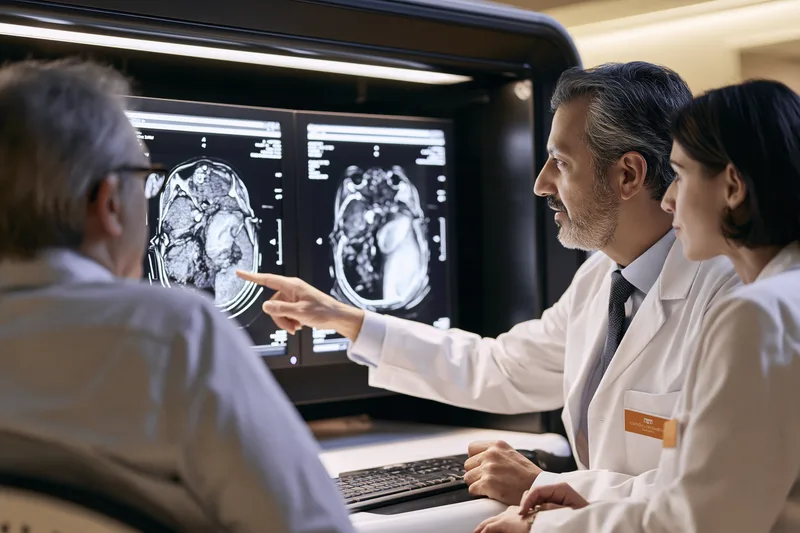
Yes, a desmoid tumor can shrink without surgery or tumor directed medicine. This is called spontaneous regression. Other desmoid tumors remain stable for years, while some continue to grow and eventually require active treatment. Because the natural course cannot be predicted reliably at diagnosis, spontaneous shrinkage should be regarded as a documented possibility rather than an expected outcome for every patient.[7,8]
This variable behavior is one reason desmoid tumor treatment without surgery often begins with active surveillance. Observation gives the medical team time to determine whether the tumor is becoming smaller, remaining stable or showing sustained progression. It does not mean that the patient should wait indefinitely without imaging or specialist review.
Ayurvedic treatment may support digestion, sleep, strength, pain control and daily function during surveillance. However, symptom improvement cannot confirm spontaneous regression. A reduction in tumor size must be demonstrated through MRI or CT using comparable scans and measurements.
What Spontaneous Regression Means
Spontaneous regression means that the measurable tumor becomes smaller without surgery, ablation, radiotherapy or systemic tumor directed medicine. The reduction may occur gradually and may not begin immediately after diagnosis.
Regression does not always mean that the tumor disappears completely. A partial decrease in size may still relieve pressure on nearby tissues, reduce pain or improve movement. In other patients, the tumor may remain visible but inactive and unchanged for a prolonged period.
A stable tumor can also represent a satisfactory outcome. When pain is controlled, function is preserved and no important structure is threatened, continued stability may make immediate treatment unnecessary. The aim is not always complete disappearance of the mass. The practical aim may be to protect function and avoid treatment related harm.
What Prospective Studies Found
The GRAFITI trial prospectively followed 105 adults with non intra abdominal desmoid tumors who began with active surveillance. During follow up, 28 percent of tumors regressed, 32 percent remained stable and 40 percent initially progressed. Only 30 percent of patients had started active treatment by three years, showing that initial progression did not always lead to intervention.[7]
An Italian prospective study followed 108 patients aged sixteen years or older with primary sporadic desmoid fibromatosis. Spontaneous regression was initially observed in 25 percent. A further 31 percent showed regression after an earlier period of dimensional progression. Approximately one third eventually received active treatment, while the remaining patients continued without tumor directed intervention during the study period.[8]
These findings do not mean that every desmoid tumor should be observed. The GRAFITI trial excluded intra abdominal tumors, severe functional impairment and tumors considered likely to threaten life or limb. The Italian study also involved a defined prospective population. The results therefore support careful patient selection rather than unrestricted watch and wait.
A Desmoid Tumor May Shrink After Initial Growth
Desmoid tumors do not always follow a straight pattern. Some enlarge during the first months of surveillance and later stabilize or regress. In the GRAFITI trial, several tumors that initially met imaging criteria for progression subsequently became stable or smaller without active treatment.[7]
This explains why one scan showing limited growth may not automatically lead to medicine or surgery when the patient remains clinically stable. The specialist may repeat imaging to determine whether the increase represents sustained progression or a temporary phase in the tumor’s natural course.
Waiting for another scan is not appropriate when growth is accompanied by severe pain, loss of movement, neurological symptoms, obstruction or increasing pressure on a critical structure. In such situations, the potential harm from delay may outweigh the possibility of later spontaneous regression.
Why One Scan Cannot Confirm the Final Tumor Pattern
Desmoid tumors often have irregular shapes, making small measurement differences difficult to interpret. Patient positioning, scan technique, imaging angle and the part of the tumor selected for measurement may also affect the reported dimensions.
Specialists therefore review the images themselves whenever possible and compare several studies over time. They assess the longest diameter, overall volume, extension through tissue planes and relationship to nearby structures. These imaging findings are considered together with pain, movement, strength and organ function.
A radiology report showing growth does not always mean that immediate surgery is necessary. It does mean that the finding should be reviewed in clinical context. Repeated enlargement, worsening symptoms or increasing anatomical risk provides stronger evidence for changing treatment than one isolated measurement.
How Ayurveda Fits When the Tumor Is Regressing
Ayurvedic care during spontaneous regression should continue to focus on the patient’s complete health. Agni, meaning digestive and metabolic capacity, should remain stable so that the patient can maintain adequate nutrition. Bala, meaning physical strength and functional resilience, should be assessed through energy, mobility, appetite and ability to perform daily activities.
Rasayana, meaning restorative care intended to support resilience and recovery, may be considered according to constitution, digestion and general health. Brimhana, meaning nourishing therapy, may be appropriate when there is weakness, weight loss or tissue depletion. These therapies must be individualized because heavy nourishing treatment may not suit a patient with poor digestion, abdominal symptoms or metabolic disturbance.
Changes in pain, sleep, appetite, bowel function, weight and mobility should be recorded at every Ayurvedic review. These outcomes show whether supportive care is helping the patient, but they should not be presented as proof of tumor regression.
When MRI or CT confirms that the tumor has become smaller, the result should be interpreted alongside the complete treatment record. If the patient has received only surveillance and supportive care, the change may represent spontaneous regression. It should not automatically be attributed to one herb, formulation or dietary practice without stronger clinical evidence.
When Shrinkage Allows Continued Surveillance
Continued surveillance may remain appropriate when consecutive scans show reduction or stability, symptoms are controlled and physical function is preserved. The interval between scans may eventually be extended after the team has documented a consistent pattern.
Follow up should not stop completely because the tumor has reduced in size. The patient should continue to report new pain, weakness, numbness, restricted movement, abdominal symptoms or other functional changes.
Ayurveda may continue to support digestion, strength, sleep, movement and emotional stability during this period. Objective imaging remains necessary to confirm that the favorable tumor pattern is continuing.
When Desmoid Tumor Treatment Without Surgery Needs Reassessment

Desmoid tumor treatment without surgery should be reassessed whenever the balance between safe observation and the risk of continued tumor growth changes. Reassessment does not automatically mean that surgery or medicine must begin. It means that new imaging findings, symptoms, physical limitations and the tumor’s anatomical position must be reviewed together before active surveillance is continued.[1,2]
Some desmoid tumors enlarge temporarily and later become stable or regress. For this reason, a small increase on one scan may not require immediate treatment when the patient remains well and no important structure is threatened. Persistent growth, increasing pain, reduced function or pressure on a nerve, blood vessel, bowel segment or organ carries greater clinical importance than one isolated measurement.[2,9]
Ayurvedic care remains important during this decision period because digestion, sleep, nourishment, pain, movement and strength influence the patient’s quality of life and ability to tolerate treatment. However, improvement in these areas must not conceal changes that require imaging or specialist review.
Persistent Growth on Consecutive Scans
Repeated growth on serial MRI or CT is one of the main reasons to reassess active surveillance. The medical team should compare the actual images whenever possible rather than relying only on measurements written in separate radiology reports.
Desmoid tumors often have irregular borders and may grow along muscles and connective tissue planes. A small difference in one diameter may reflect imaging technique or patient positioning, while a change in overall volume or extension toward a critical structure may be more important.
Persistent progression means that enlargement continues across repeated assessments rather than appearing once and then stabilizing. Current specialist guidance supports considering active treatment when the disease is progressive, symptomatic or beginning to threaten function. Earlier treatment may be appropriate when further growth could create permanent neurological damage, organ obstruction or major functional loss.[2,9]
The speed of growth also matters. A slowly enlarging tumor in a less dangerous location may allow time for another scan and careful discussion. A tumor that is increasing rapidly or approaching the bowel, airway, major vessels or nerves may require treatment before several additional scans are completed.
Increasing Pain During Desmoid Tumor Treatment Without Surgery
Pain should be assessed at every clinical and Ayurvedic review. Increasing pain may indicate tumor growth, pressure on nearby tissue, muscle spasm, nerve irritation or another condition that requires investigation. Pain does not always follow tumor size, so a stable scan does not make worsening pain unimportant.
The pattern of pain can provide useful information. Pain that becomes more frequent, disturbs sleep, limits movement or requires increasing amounts of pain medicine should prompt reassessment. New burning pain, electric sensations, numbness or pain radiating along an arm or leg may suggest nerve involvement.
Ayurvedic assessment may describe pain according to its qualities and associated functional changes. Variable, sharp or radiating pain may resemble a Vata predominant pattern, while heaviness, swelling or stiffness may show other Dosha influences. These observations may guide supportive treatment, but they cannot determine whether the tumor is growing or compressing a nerve.
Pain that improves after Ayurvedic medicine, massage, heat therapy or analgesia should still be followed objectively. Reduced discomfort is valuable, but symptom relief alone does not confirm that the tumor is stable. The planned scan schedule should continue unless the specialist changes it.
Deep massage, forceful manipulation or strong local heat should be avoided over a painful or enlarging mass until the anatomical relationship of the tumor to nerves, vessels and other structures is understood.
Loss of Movement Strength or Nerve Function
Any decline in movement or strength should be compared with the patient’s previous level of function. A desmoid tumor involving the shoulder, arm, chest wall, hip, thigh or leg may gradually restrict joint movement or interfere with normal muscle function.
A patient may notice difficulty lifting an arm, gripping objects, climbing stairs, walking, bending, turning the neck or remaining in one position. These changes may become apparent before a major difference is seen in the longest tumor diameter.
New weakness, numbness, tingling or reduced coordination needs earlier medical review. These symptoms may indicate pressure on a nerve or involvement of tissue required for normal movement. Delaying reassessment until severe weakness develops may reduce the chance of preserving full function.
Ayurvedic follow up should record mobility, muscular endurance and the ability to perform ordinary tasks. Bala means physical strength, functional capacity and resilience. A decline in Bala may be seen through reduced walking distance, greater fatigue, loss of muscular confidence or increasing dependence on others.
Loss of Bala should not be attributed only to Dosha imbalance when a known desmoid tumor is present. The patient requires examination to determine whether the change is related to pain, inactivity, medicine effects, nutritional weakness or direct tumor involvement.
Growth Near Critical Structures
Tumor location can be more important than absolute size. A smaller desmoid tumor beside a major nerve, blood vessel, airway, bowel segment or ureter may carry greater risk than a larger tumor in an area where growth is less likely to cause irreversible harm.
Specialist guidance advises greater caution when progression could become life threatening or cause severe functional damage. Active surveillance may be shortened or replaced by treatment when continued growth creates a risk of organ obstruction, loss of limb function or injury to major nerves and vessels.[9]
The imaging review should examine the direction of growth and the remaining space around nearby structures. A tumor does not need to invade an organ directly to cause symptoms. Compression, displacement and restriction of normal movement can also become clinically important.
The choice of treatment should still be individualized. Systemic medicine may be preferred when the tumor is difficult to reach safely. Cryoablation or another local procedure may be considered when the lesion is accessible and nearby structures can be protected. Surgery may remain appropriate when it can relieve a serious problem without causing excessive morbidity.
Abdominal and Pelvic Symptoms That Need Prompt Review
Intra abdominal and mesenteric desmoid tumors require careful monitoring because they may affect the bowel, ureters, blood vessels and other abdominal structures. Increasing abdominal pain, persistent bloating, repeated vomiting or a growing sense of pressure should not be managed only through dietary adjustment or Ayurvedic medicine.
Changes in bowel function also require attention. Persistent constipation, inability to pass stool or gas, repeated diarrhea with abdominal pain, unexplained weight loss or early fullness after eating may justify earlier imaging. These symptoms can have many causes, but obstruction or compression must be excluded when a desmoid tumor is present.
Urinary difficulty, reduced urine output, flank pain or new swelling may indicate pressure on the urinary tract. These changes require medical assessment rather than waiting for the next routine appointment.
Ayurvedic evaluation of Agni, meaning digestive and metabolic capacity, remains useful when appetite, digestion or bowel regularity changes. Poor Agni may contribute to bloating, heaviness and reduced nourishment. However, a new abdominal symptom in a patient with an intra abdominal desmoid tumor should not be assumed to arise only from impaired Agni.
Clinical examination and imaging are needed to distinguish functional digestive disturbance from a mechanical problem caused by the tumor. Ayurvedic treatment can then be adjusted safely after urgent causes have been excluded.
Declining Quality of Life
Treatment decisions should consider how the tumor affects daily life, not only what is seen on the scan. Persistent sleep loss, inability to work, reduced independence, avoidance of movement and increasing reliance on pain medicine may show that continued observation is no longer acceptable to the patient.
Emotional distress also deserves attention. Some patients manage surveillance well, while others experience severe anxiety before scans or feel unable to plan normal life because of uncertainty. Anxiety alone does not prove that tumor directed treatment is medically required, but it should lead to clearer counselling, psychological support and a renewed discussion of the available choices.
Patient preference may change as symptoms, work responsibilities, fertility plans or family circumstances change. A person who initially preferred observation may later accept systemic medicine or a local procedure. Another patient may prefer continued surveillance after understanding that minor imaging growth does not always require immediate intervention.
The decision should remain informed and shared. The expected benefit of treatment must be weighed against adverse effects, fertility concerns, treatment duration, recovery time and possible loss of function.
Ayurvedic Reassessment During Desmoid Tumor Treatment Without Surgery
Ayurvedic review should examine whether the patient is becoming stronger, remaining stable or gradually losing resilience during surveillance. Appetite, digestion, bowel regularity, sleep, pain, weight, mobility and capacity for ordinary activity should be documented consistently.
A decline in Agni may reduce food intake and treatment tolerance. A decline in Bala may appear as weakness, reduced mobility or slow recovery after ordinary exertion. Ojas, the stability associated with vitality and recovery, may be affected by prolonged pain, disturbed sleep, poor nutrition and emotional strain.
Individualized Ayurvedic care may support these areas through suitable diet, correction of digestion, sleep support, gentle movement, Brimhana and Rasayana where appropriate. Brimhana means nourishing therapy used when weakness or tissue depletion is present. Rasayana means restorative care intended to support resilience and recovery.
These therapies should be adjusted when the patient develops poor appetite, increasing abdominal symptoms, abnormal liver or kidney tests or intolerance to a formulation. Every herbal and herbo mineral medicine should be reviewed before systemic desmoid tumor treatment begins because interactions may affect liver metabolism, blood pressure, bleeding risk or bowel function.
Ayurvedic improvement should be documented through measurable outcomes such as better sleep, stable weight, improved appetite, reduced analgesic use and increased movement. Tumor status must be documented separately through MRI or CT.
How Specialists Decide Whether Surveillance Can Continue
Surveillance may continue when the tumor remains stable or shows limited change, symptoms are manageable, function is preserved and no critical structure is endangered. The next imaging interval may remain unchanged or be shortened according to clinical risk.
A change in treatment becomes more likely when repeated scans show progression together with increasing pain, functional decline or growing anatomical risk. Treatment may also be considered when symptoms have become unacceptable even if radiological change is modest.
The choice between medicine, local treatment and surgery depends on tumor location, the speed of control required, likely treatment toxicity, expected effect on function and the patient’s priorities. The decision should be reviewed by a multidisciplinary team experienced in desmoid tumors.[2,9]
Moving from surveillance to active treatment does not mean that the earlier decision to observe was wrong. Active surveillance may have protected the patient from unnecessary intervention while showing how the tumor actually behaves. Reassessment allows treatment to begin when its expected benefit becomes greater than the risk of continuing observation.
Warning Signs During Desmoid Tumor Treatment Without Surgery
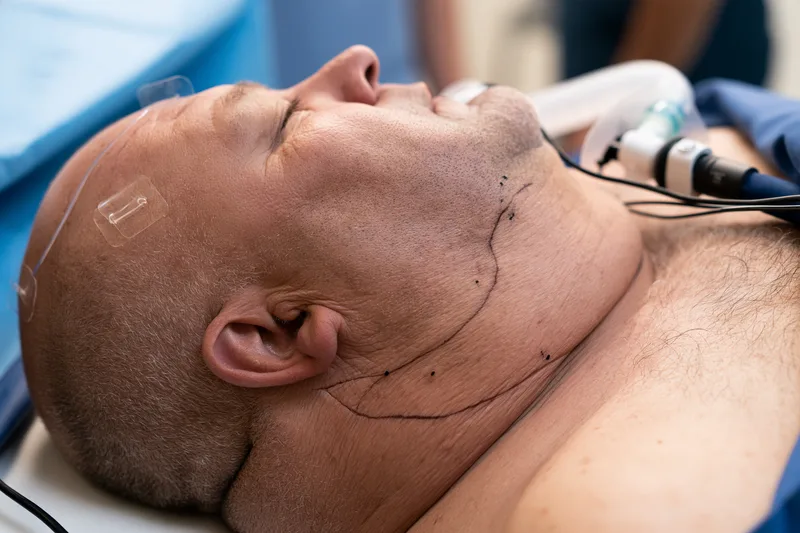
During desmoid tumor treatment without surgery, new or rapidly worsening symptoms should be assessed before the next scheduled scan. Desmoid tumors do not spread to distant organs, but local growth can compress nerves, blood vessels, muscles, bowel, urinary structures or the airway. The urgency depends on the tumor’s location, the speed of change and the function that may be affected.[1,2,9]
Most changes do not automatically mean that the tumor has become dangerous or that surgery is required. Pain may arise from muscle tension, nerve irritation, reduced movement or another medical condition. However, waiting becomes unsafe when symptoms suggest obstruction, neurological impairment, impaired circulation or pressure on a critical structure.
Ayurvedic assessment remains valuable for understanding pain, digestion, bowel function, sleep and strength, but warning signs should not be attributed only to Dosha imbalance. New symptoms require modern clinical assessment so that supportive Ayurvedic care can continue without delaying necessary imaging or treatment.
Emergency Signs During Desmoid Tumor Treatment Without Surgery
Immediate medical assessment is required when the patient develops difficulty breathing, rapidly increasing neck or chest swelling, inability to swallow liquids, sudden severe weakness, loss of consciousness or signs of bowel obstruction. These symptoms may have causes unrelated to the desmoid tumor, but they should not be managed at home while waiting for a routine appointment.
A patient with an abdominal or mesenteric desmoid tumor should seek urgent care for repeated vomiting, severe abdominal pain, marked abdominal swelling or inability to pass stool or gas. These symptoms may indicate bowel compression or obstruction. Dehydration can develop quickly when vomiting prevents adequate fluid intake.
Sudden loss of bladder or bowel control, severe weakness in a limb or rapidly progressing numbness requires urgent neurological assessment. Tumors near the spine, pelvis or major nerve pathways can occasionally produce serious functional consequences even without a dramatic visible increase in size.
Severe pain that remains uncontrolled despite prescribed medicine also requires prompt review. Pain alone does not prove rapid tumor progression, but uncontrolled pain may indicate increasing tissue pressure, nerve involvement, treatment toxicity or another acute condition.
New Weakness Numbness or Loss of Movement
New neurological symptoms should not wait until the next planned MRI or CT. Weakness, numbness, tingling, burning pain or reduced coordination may indicate pressure on a nerve or involvement of tissues needed for normal movement.
The patient may first notice difficulty gripping objects, raising an arm, climbing stairs, walking normally or maintaining balance. A limb may feel heavy even though the external swelling appears unchanged. These functional changes may be more clinically important than a small difference in tumor diameter.
Reduced movement may also result from pain, joint stiffness or fear of using the affected area. A physical examination can help distinguish pain limited movement from true neurological weakness. Imaging may be needed when the cause remains uncertain or when symptoms are progressing.
In Ayurveda, pain and altered sensation may be understood through Vata disturbance because Vata governs movement, sensation and neuromuscular activity. This interpretation can help individualize supportive care, but it cannot establish whether a nerve is being compressed. New weakness or numbness must therefore be investigated before relying on Snehana, Swedana, massage or other local therapies.
Abdominal and Pelvic Warning Signs
Intra abdominal and mesenteric desmoid tumors require particular attention because they can affect the bowel, ureters and major abdominal vessels. Persistent vomiting, increasing abdominal distension, worsening pain, inability to tolerate food or difficulty passing stool and gas should prompt earlier medical review.[1,2]
A gradual change can also be clinically important. Increasing fullness after small meals, repeated cramping, unexplained weight loss or a progressive change in bowel habits may justify reassessment even when the symptoms are not severe. These findings have many possible causes, but mechanical pressure from the tumor should be excluded.
Urinary warning signs include increasing difficulty passing urine, reduced urine output, flank pain or new swelling of the legs. A pelvic or abdominal tumor may compress the urinary tract, although infection, kidney disease and other causes must also be considered.
Ayurvedic examination of Agni is useful when appetite, digestion or bowel function changes. Agni means digestive and metabolic capacity. Impaired Agni may contribute to bloating, irregular bowel movements and poor nourishment, but a new symptom in a patient with an intra abdominal tumor should not automatically be treated as a digestive imbalance.
Strong purgation, forceful abdominal massage or intensive Swedana should not be started when obstruction or acute compression is possible. The cause of the symptoms should first be clarified through clinical examination and appropriate imaging.
Breathing Swallowing and Circulation Changes
Desmoid tumors involving the neck, upper chest or shoulder region may occasionally affect swallowing, breathing, major nerves or blood vessels. Increasing difficulty swallowing, persistent choking, a change in voice or breathlessness requires prompt evaluation.
A tumor near major blood vessels may interfere with normal circulation. New swelling of one arm or leg, increasing tightness, skin discoloration, unusual coldness or marked asymmetry should be assessed without delay. These findings may reflect vascular compression, a blood clot or another condition requiring urgent treatment.
Chest discomfort and shortness of breath should never be assumed to arise only from anxiety or tumor pressure. Heart, lung and vascular causes may require immediate exclusion. The presence of a known desmoid tumor should not prevent clinicians from considering other diagnoses.
Ayurvedic supportive care may help with sleep, anxiety, appetite and treatment tolerance after urgent causes have been assessed. It should not be used to delay emergency evaluation of breathing or circulation symptoms.
Rapid Tumor Growth or Increasing Swelling
A visible or palpable increase in the mass over a short period should be reported to the treating team. The change may represent tumor progression, inflammation, bleeding into nearby tissue or a difference in how the area is being examined. Clinical assessment and imaging are needed to determine the cause.
Rapid growth is particularly concerning when it occurs with increasing pain, reduced movement, neurological symptoms or pressure on an organ. A tumor does not need to reach a specific size before treatment is reconsidered. The direction of growth and the structures at risk may be more important than the absolute measurement.
Skin changes over the tumor also deserve review. Increasing redness, warmth, ulceration or discharge may indicate inflammation, infection or pressure on the skin. These findings are not typical evidence of ordinary stable surveillance and should not be managed only with topical remedies.
Forceful massage and repeated pressure over an enlarging or painful mass should be avoided. Local Ayurvedic procedures should be selected only after the tumor’s anatomical position and current behavior are understood.
Pain That Changes in Character or Severity
Pain should be reassessed when it becomes more frequent, more intense or different from the patient’s usual symptoms. New night pain, radiating pain, burning sensations or pain that repeatedly interrupts sleep may indicate increasing nerve or tissue involvement.
A rising requirement for analgesic medicine is also clinically relevant. The patient should record what medicine is used, how often it is needed and whether it restores movement and sleep. This information helps the team distinguish a manageable symptom from progressive functional impairment.
Ayurvedic pain assessment considers the quality, timing, triggers and associated symptoms. Variable, sharp or radiating pain may suggest greater Vata involvement, while heaviness and stiffness may indicate a different pattern. This evaluation can guide individualized supportive treatment after anatomical complications have been excluded.
Pain reduction is an important outcome, but it should not be used alone to judge tumor control. Analgesics, Ayurvedic medicines, improved sleep and reduced muscle spasm can make the patient feel better even when imaging remains unchanged. Scheduled surveillance should therefore continue.
Declining Strength and Daily Function
A patient should request earlier review when ordinary activities become progressively more difficult. Reduced walking distance, inability to lift normal objects, difficulty dressing, loss of grip strength or increasing dependence on another person may indicate meaningful functional decline.
In Ayurvedic assessment, Bala describes physical strength, endurance and resilience. A reduction in Bala may arise from pain, poor nutrition, disturbed sleep, medicine related adverse effects, emotional strain or direct tumor involvement. The cause should be identified rather than assuming that weakness is only constitutional.
Loss of appetite, weight loss and poor sleep can further reduce the patient’s ability to tolerate systemic treatment or a procedure if intervention later becomes necessary. Ayurvedic care may support Agni, nourishment, sleep and recovery, but a continuing decline in function requires multidisciplinary reassessment.
How Ayurveda Should Be Adjusted When Warning Signs Appear
When a warning sign develops, the Ayurvedic plan should be reviewed rather than intensified automatically. New abdominal symptoms, weakness, numbness, breathing difficulty or rapidly increasing pain require medical assessment before changing the dose or adding stronger therapies.
The Ayurvedic physician should document the time of onset, progression, triggers and effect on daily function. Current medicines, recent laboratory results and the date of the last scan should be shared with the desmoid tumor team. This information helps determine whether the symptom is related to the tumor, another illness, a medicine or an interaction.
Ayurveda can continue to support digestion, sleep, nourishment, emotional stability and rehabilitation after urgent conditions have been excluded. The treatment goal remains whole person care, while MRI, CT and specialist examination determine whether the tumor remains suitable for surveillance.
Earlier reassessment does not automatically lead to surgery. It allows the team to decide whether observation remains safe or whether systemic medicine, image guided local treatment, radiotherapy or surgery now offers greater protection from permanent harm.[2,9]
How Specialists Choose Desmoid Tumor Treatment Without Surgery
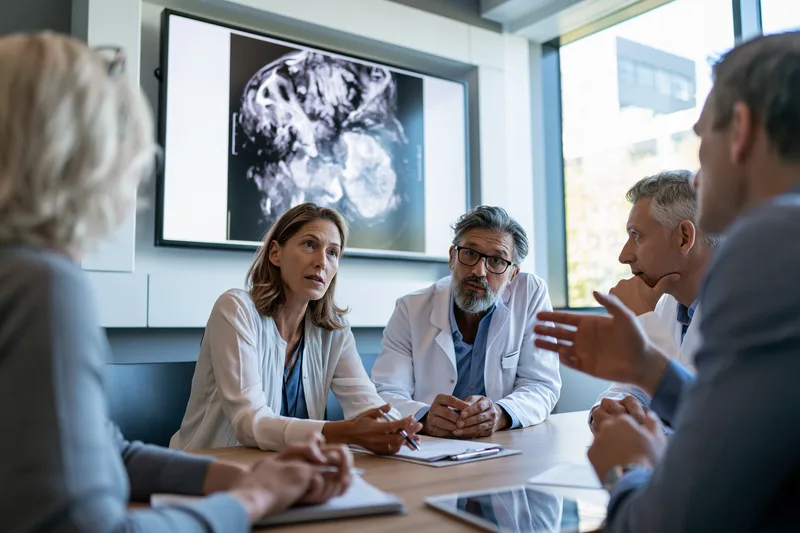
Desmoid tumor treatment without surgery is selected by comparing the risk of continued tumor growth with the expected benefits and burdens of active treatment. Specialists do not choose observation, medicine or local treatment from tumor size alone. They consider the pattern of growth, anatomical location, pain, physical function, risk to nearby structures, previous treatment, general health and the patient’s priorities.[1,2,9]
The decision can change over time. A patient may begin with active surveillance, move to systemic medicine when progression becomes clinically important and return to surveillance after adequate control. Another patient may receive a local procedure because one accessible tumor is causing pain or loss of function. Surgery remains available when it offers a clearer benefit than continued observation or nonsurgical treatment.
Ayurvedic care should be planned alongside this decision process. It can support digestion, nourishment, sleep, strength, mobility and treatment tolerance, while pathology, MRI or CT and specialist examination determine the safest tumor directed strategy.
When Active Surveillance Remains the Safest Choice
Active surveillance usually remains appropriate when the tumor is stable or changing slowly, symptoms are manageable and physical function is preserved. The tumor should not be creating an immediate threat to the bowel, airway, major nerves, blood vessels or another critical structure.[1,2]
Continued observation may also be reasonable after a small increase on one scan when the patient remains clinically stable. Desmoid tumors can enlarge for a period and later stabilize or regress. Specialists may therefore repeat imaging before starting treatment when there is no urgent anatomical or functional risk.
Surveillance becomes more difficult to justify when consecutive scans confirm growth, symptoms are worsening or the tumor is moving closer to an important structure. A patient does not need to wait for severe disability before treatment is reconsidered. The purpose of monitoring is to identify the point at which the risk of continued growth becomes greater than the burden of treatment.
The patient’s ability to attend regular reviews also matters. Active surveillance is less safe when follow up scans are repeatedly delayed, previous images are unavailable for comparison or there is no clear route to specialist assessment when symptoms change.
During surveillance, Ayurvedic treatment can address appetite, digestion, bowel regularity, sleep, pain and functional strength. These areas should be reviewed objectively. Feeling better may support continuation of the overall care plan, but it does not replace evidence from imaging.
When Medicines Are Considered in Desmoid Tumor Treatment Without Surgery
Systemic medicine may be considered when the tumor shows persistent progression, causes increasing symptoms or threatens function in a location where surgery or local treatment would create unacceptable harm. Medicine is particularly useful when the tumor is extensive, difficult to reach safely or involves more than one anatomical area.[2,9]
The need for a rapid response influences the choice. A patient with slowly increasing discomfort may have time to consider an oral treatment that can take several months to produce its full effect. A patient with rapidly declining function or increasing pressure on a critical structure may require a treatment strategy expected to achieve control more quickly.
Specialists also consider the duration of treatment and its effect on daily life. Oral treatment may appear easier than surgery, but it can require regular blood tests, blood pressure monitoring, management of bowel or skin symptoms and careful review of medicine interactions. Fertility and pregnancy plans may substantially affect the choice of systemic therapy.
Age alone does not determine whether a patient should receive medicine. General health, liver and kidney function, cardiovascular risk, current prescriptions and the ability to report adverse effects are more useful when judging treatment suitability.
The treatment goal should be stated before medicine begins. The aim may be to slow progression, reduce tumor size, relieve pain, preserve movement or prevent damage to a nearby structure. A medicine should be reviewed against these goals rather than continued indefinitely because imaging shows only a small change.
Ayurvedic medicines must be reassessed before systemic treatment starts. Herbal and herbo mineral formulations can affect digestion, bowel function, blood pressure, liver enzymes, bleeding tendency or the metabolism of prescription drugs. The oncologist and Ayurvedic physician should have a complete list of everything the patient is taking.
Ayurvedic care may continue during systemic treatment when it is safe and coordinated. The supportive plan can focus on appetite, sleep, bowel regularity, strength and recovery without making unsupported claims that it replaces the prescribed tumor directed medicine.
When Local Treatment May Be Preferred
Local treatment may be considered when one defined tumor is causing pain or functional difficulty and can be reached without unacceptable risk to nearby structures. Cryoablation is one option in which imaging is used to guide controlled freezing within the tumor. Other local techniques may be available in experienced centres.[2,9]
A local procedure can be useful when whole body treatment would expose the patient to unnecessary systemic effects. It may also be considered when medicine has not provided sufficient control or cannot be tolerated.
Suitability depends on more than tumor size. The interventional team evaluates the tumor’s shape, depth and distance from the skin, nerves, bowel and major blood vessels. A relatively small tumor may still be unsuitable when it lies directly against a structure that cannot be protected during the procedure.
The intended outcome must be clear. Complete destruction of the entire tumor may not always be possible or necessary. In selected patients, reducing the active portion of the tumor may relieve pain, improve movement or control the area creating the greatest functional risk.
Radiotherapy may be considered when the tumor is progressive or symptomatic and other options are unsuitable. The expected benefit must be weighed against possible late effects on surrounding tissue, particularly in younger patients and when the tumor lies near sensitive organs.[2,9]
Ayurvedic care around a local procedure should support nutrition, bowel regularity, sleep, pain control and recovery. Strong massage, intensive heat treatment or forceful local therapies should not be applied over the treated area until the procedural team confirms that healing is adequate.
How Tumor Location Changes the Decision
Tumor location often has greater treatment importance than absolute size. An abdominal wall tumor may be accessible to surgery or local treatment with acceptable functional consequences. A tumor in the neck, mesentery, pelvis, shoulder or near a major nerve may require a different approach because intervention itself could damage important structures.
An intra abdominal desmoid tumor may affect the bowel, ureters or abdominal blood vessels. Systemic treatment may be preferred when local intervention would require extensive surgery or create a high risk of complications. More urgent action may be needed when vomiting, obstruction, urinary compression or vascular compromise develops.
A tumor involving an arm or leg is assessed according to pain, strength, sensation, joint movement and walking or hand function. Preserving the limb is not the only goal. The team must also consider whether the proposed treatment will preserve useful movement and independence.
Tumors of the chest wall, shoulder girdle and neck may extend between muscles or around nerves and vessels. Even when removal is technically possible, the operation may result in weakness, restricted movement or reconstructive needs. Medicine or local treatment may therefore offer a better balance in selected patients.
Ayurvedic assessment adds information about pain, stiffness, sleep, appetite, bowel function and physical endurance. It helps identify how the illness is affecting the whole person, but anatomical treatment decisions must remain grounded in imaging and specialist examination.
How Symptoms and Function Influence Treatment
Pain is important, but it should not be considered alone. Specialists examine whether pain is stable or worsening, whether it interrupts sleep and whether the patient needs increasing amounts of analgesic medicine. They also assess whether the pain arises from the tumor, nerve pressure, muscle spasm, reduced movement or another condition.
Function provides another important measure. Difficulty walking, lifting, turning the neck, raising an arm, eating or completing work may justify treatment even when imaging shows only moderate change. A small reduction in tumor size may be clinically meaningful when it restores movement or reduces nerve pressure.
The opposite can also occur. A scan may show some enlargement while the patient remains comfortable and fully functional. When no critical structure is threatened, the team may decide that the burden of treatment remains greater than the present risk of observation.
Ayurveda uses Bala, meaning physical strength and functional resilience, to understand the patient’s capacity for daily activity and recovery. Bala can be followed through mobility, muscular endurance, appetite, body weight, sleep and independence. A decline in Bala should prompt investigation rather than being attributed only to constitutional weakness.
How General Health and Fertility Affect the Choice
General health influences whether the patient can safely receive a particular medicine or procedure. Liver disease, kidney impairment, high blood pressure, cardiovascular illness, bowel disease and previous treatment toxicity may narrow the available options.
Fertility and pregnancy plans require discussion before systemic therapy begins. Some desmoid tumor medicines can affect ovarian function, pregnancy safety or fetal development. Treatment timing, fertility preservation and contraception may therefore become part of the decision.
The patient’s work and family responsibilities also matter. Frequent hospital visits, recovery after a procedure or prolonged adverse effects may be more disruptive for one person than another. These practical concerns do not replace clinical risk, but they help the team select an approach that the patient can realistically follow.
Ayurvedic treatment should also be adapted to general health. A formulation suitable for a physically strong patient with stable digestion may not suit someone with poor appetite, liver abnormalities, persistent diarrhea or substantial weakness. The treatment should be individualized and reviewed when the modern medical plan changes.
How Ayurveda Supports the Treatment Decision
Ayurveda places the patient’s digestion, tissue nourishment, strength, sleep, pain and capacity for recovery at the centre of care. The same radiological tumor pattern can affect two patients differently because their constitutional tendencies, digestive capacity, nutritional status and functional reserve are not identical.
Agni, the digestive and metabolic capacity, influences appetite, nourishment and tolerance of medicines. Poor Agni may present as loss of appetite, bloating, irregular bowel movements or heaviness after food. These problems should be corrected because inadequate nutrition can reduce treatment tolerance and delay recovery.
Bala reflects strength and functional resilience, while Ojas reflects the stability associated with vitality and recovery. Persistent pain, disturbed sleep, emotional stress and inadequate nutrition can reduce Bala and Ojas during prolonged surveillance or systemic treatment.
Ayurvedic treatment may include individualized diet, support for digestion, sleep care, gentle movement and suitable formulations. Brimhana, meaning nourishing therapy, may be considered when there is weakness or tissue depletion. Rasayana, meaning restorative care intended to support resilience, may be used according to digestive capacity, constitution and the patient’s medical condition.
These measures should be connected to measurable outcomes. Appetite, weight, bowel regularity, sleep, pain medicine use, mobility and daily activity can be recorded at each review. MRI or CT should separately determine whether the tumor is stable, shrinking or progressing.
Ayurveda should not be used to postpone treatment when the tumor is causing obstruction, neurological loss, vascular compression or progressive functional impairment. Its role remains central to whole person care while the appropriate modern treatment protects the patient from irreversible local damage.
Why Multidisciplinary Review Matters
Desmoid tumor treatment decisions often involve several specialties because no single approach is suitable for every anatomical site or clinical situation. A multidisciplinary review may include a medical oncologist, surgical oncologist, radiologist, pathologist, interventional radiologist, radiation oncologist, pain specialist and rehabilitation professional.[2,9]
The team compares the expected outcome of observation, medicine, local treatment and surgery. It considers how quickly control is needed, whether the tumor can be reached safely, what function may be lost and whether the proposed treatment can be reversed or repeated.
The Ayurvedic physician contributes information about digestion, nourishment, sleep, pain, strength, current formulations and the patient’s response to supportive care. Clear communication is especially important when systemic medicine or a procedure is planned.
The safest choice is the option that controls clinically important disease while preserving as much function and quality of life as possible. This may be surveillance for one patient, systemic medicine for another and a local procedure or surgery for someone else. The decision should be reviewed whenever the tumor, symptoms or patient priorities change.
When Desmoid Tumor Treatment Without Surgery Can Continue and When Treatment Should Change

Desmoid tumor treatment without surgery can continue while the tumor remains stable or changes slowly, symptoms are manageable and important nerves, blood vessels or organs are not at increasing risk. A change in treatment becomes more appropriate when repeated imaging confirms progression, pain worsens, function declines or continued growth may cause permanent harm. The decision should combine MRI or CT findings with symptoms, physical examination and the patient’s priorities rather than relying on tumor size alone.[1,2,9] EJ Cancer
| Clinical situation | Usual treatment discussion |
|---|---|
| The tumor is stable and symptoms are mild | Active surveillance can usually continue with scheduled imaging and clinical review. |
| The tumor becomes smaller without active treatment | Surveillance normally continues because spontaneous regression does not require immediate medicine or surgery. |
| One scan shows a small increase but function remains preserved | The specialist may repeat imaging before changing treatment when no critical structure is threatened. |
| Consecutive scans confirm continued growth | Systemic medicine or a suitable local treatment should be discussed. |
| Pain is increasing or sleep is repeatedly disturbed | The cause of pain should be reassessed and tumor directed treatment may be considered. |
| Movement, strength or nerve function is declining | Earlier active treatment should be considered to reduce the risk of permanent functional loss. |
| The tumor is approaching the bowel, airway, major nerve or blood vessel | A multidisciplinary team may recommend treatment before severe symptoms develop. |
| One accessible tumor is causing local pain or restricted movement | Cryoablation or another local procedure may be considered when nearby structures can be protected. |
| Systemic medicine is controlling the tumor but causing significant adverse effects | The dose, treatment interval, alternative medicine or return to surveillance may be discussed. |
| The tumor can be removed with low expected functional harm | Surgery may remain an option after comparison with surveillance and nonsurgical treatments. |
| Symptoms are stable but surveillance anxiety is severe | Clear counselling, psychological support and a renewed shared decision discussion are needed before changing tumor treatment. |
| The patient develops obstruction, severe neurological loss or another acute complication | Urgent assessment and timely active treatment are required. |
When Desmoid Tumor Treatment Without Surgery Can Continue
Continued surveillance is usually reasonable when repeated imaging shows stability or regression and the patient retains normal or acceptable function. Mild symptoms do not always require active treatment when they remain controlled and there is no evidence of increasing anatomical risk.
A limited increase on one scan may also be observed for a further interval in selected patients. Desmoid tumors can enlarge temporarily before stabilizing or shrinking. This approach is suitable only when symptoms remain stable, function is preserved and waiting does not place an important structure at risk.[2,9]
The next scan should still have a defined date. Surveillance should not become indefinite observation without specialist contact. Previous images should be available for comparison, and the patient should know which symptoms require an earlier review.
Ayurvedic care during this period should support digestion, nourishment, sleep, bowel regularity, movement and physical strength. Improvement in these areas can make surveillance easier to tolerate and help preserve quality of life. It cannot determine whether the tumor is stable, so imaging must continue as planned.
When Active Treatment Becomes More Appropriate
Treatment becomes more appropriate when the expected harm from continued growth becomes greater than the likely burden of intervention. Persistent progression across consecutive scans carries more weight than a minor change on one examination, particularly when it is accompanied by increasing pain, neurological symptoms or declining function.
Treatment may also be needed before multiple scans confirm progression when the tumor lies beside a structure that cannot safely tolerate further compression. A desmoid tumor near the bowel, airway, major blood vessel, ureter or important nerve may require earlier action because delayed treatment could lead to obstruction or irreversible functional damage.[2,9]
The treatment selected depends on how quickly control is needed and which approach is most likely to preserve function. Systemic medicine may be preferred for an extensive or difficult to reach tumor. Cryoablation may suit a localized lesion that can be treated while protecting surrounding structures. Surgery remains relevant when removal is expected to produce effective control without unacceptable morbidity.
Changing from surveillance to treatment does not mean that the original decision to observe was incorrect. Surveillance may have prevented unnecessary intervention while showing the tumor’s actual behavior. Treatment begins when new evidence changes the balance of benefit and risk.
How Ayurveda Supports the Treatment Decision
Ayurvedic reassessment should examine whether the patient is maintaining Agni, Bala and Ojas during surveillance. Agni means digestive and metabolic capacity. Bala means strength and functional resilience. Ojas refers to the stability associated with vitality, nourishment and recovery.
Stable appetite, body weight, sleep, bowel function and physical activity suggest that the patient is maintaining general health. Poor appetite, progressive weight loss, disturbed sleep, declining movement or persistent weakness may reduce the ability to tolerate systemic medicine or a procedure. These findings should be addressed early rather than waiting until active treatment becomes necessary.
Ayurvedic care may include individualized diet, digestive support, suitable movement and carefully selected formulations. Brimhana, meaning nourishing therapy, may be considered when weakness or tissue depletion is present. Rasayana, meaning restorative care intended to support resilience, may be selected according to constitution, digestive capacity and general health.
The Ayurvedic plan must change when the oncology plan changes. Before systemic medicine begins, every herb, mineral preparation and supplement should be reviewed for possible effects on liver enzymes, blood pressure, bleeding, bowel function and prescription medicine metabolism. During a local procedure or surgery, treatment should support nutrition, sleep and recovery without interfering with wound healing or prescribed medicines.
Ayurvedic outcomes should be recorded through appetite, weight, sleep, pain medicine use, movement and ability to complete daily activities. Tumor response must be recorded separately through MRI or CT. This allows Ayurveda to remain central to whole person care while specialist assessment determines whether observation, medicine, local treatment or surgery provides the safest tumor control.
Medicines Used in Desmoid Tumor Treatment Without Surgery

Desmoid tumor treatment without surgery may include systemic medicines when active surveillance no longer provides sufficient protection or when surgery would cause substantial functional harm. Medicine is not started simply because a biopsy confirms a desmoid tumor. It is usually considered when serial scans show sustained progression, pain is increasing, physical function is declining or further growth could damage a nerve, blood vessel, bowel segment or another important structure.[2]
The aim of systemic treatment may be to stop further growth, reduce tumor size, relieve pain, restore movement or prevent permanent local damage. Desmoid tumors do not spread to distant organs, so the treatment goal differs from that of metastatic cancer. The safest medicine depends on the speed of progression, tumor location, fertility plans, general health, previous treatment and the adverse effects that the patient can reasonably tolerate.
When Medicines Are Needed in Desmoid Tumor Treatment Without Surgery
Systemic treatment is considered when repeated MRI or CT examinations confirm progression and continued observation is likely to cause greater harm than treatment. Medicine may also be appropriate when symptoms are becoming unacceptable even if the change in tumor size appears modest.
A tumor involving the mesentery, pelvis, neck, shoulder or a major nerve may be difficult to remove without affecting organ function or movement. In these situations, systemic medicine can treat the tumor without requiring immediate major surgery. Medicine may also be selected when cryoablation or another local treatment cannot be performed safely.[2]
Before treatment begins, the team should record pain, mobility, strength, sleep, bowel symptoms and the patient’s ability to complete normal daily activities. Blood pressure, blood counts, liver function, kidney function and relevant electrolytes may also require baseline assessment. Pregnancy, fertility goals, current prescriptions, Ayurvedic formulations and nutritional supplements should be reviewed before the medicine is selected.
Desmoid tumors may respond slowly. A patient may experience pain relief or improved movement before substantial shrinkage appears on imaging. Another patient may show stable disease for several months before the tumor begins to reduce in size. Treatment should therefore be assessed through symptoms, function, laboratory monitoring and serial imaging rather than through one early scan alone.
Nirogacestat
Nirogacestat is an oral gamma secretase inhibitor. The United States Food and Drug Administration approved it in November 2023 for adults with progressing desmoid tumors who require systemic treatment. It is a targeted medicine rather than conventional chemotherapy.[4,10] U.S. Food and Drug Administration
The phase 3 DeFi trial included 142 adults with progressing desmoid tumors. Nirogacestat reduced the risk of progression or death compared with placebo and produced an objective tumor response in 41 percent of patients, compared with 8 percent receiving placebo. The median time to response was 5.6 months. Patients also reported improvements in pain, symptom burden, physical function and quality of life.[4] PubMed
Nirogacestat does not need to be used for every stable or asymptomatic tumor. It is considered when the patient has progressing disease and systemic treatment is clinically justified. The expected benefits should be weighed against the need for prolonged treatment and regular monitoring.
Common adverse effects include diarrhea, nausea, fatigue, rash, mouth soreness and low phosphate levels. Diarrhea may affect hydration, nutrition and the patient’s ability to continue treatment, so persistent or severe symptoms should be reported rather than managed only through home remedies.[4,10] U.S. Food and Drug Administration
Ovarian dysfunction requires particular attention. In the DeFi trial, ovarian dysfunction was reported in 75 percent of women of childbearing potential receiving nirogacestat. It had resolved in approximately three quarters of affected women by the time of the reported analysis. Fertility goals, menstrual history, pregnancy prevention and the remaining uncertainty about long term reproductive effects should be discussed before treatment begins.[4] PubMed
Tyrosine Kinase Inhibitors
Tyrosine kinase inhibitors block signals involved in tumor cell activity and blood vessel related pathways. Sorafenib and pazopanib are used by specialist teams for selected patients with progressive or symptomatic desmoid tumors. Their regulatory approval for desmoid tumors and their availability vary between countries.
Sorafenib was assessed in a randomized phase 3 trial involving 87 patients with progressive, symptomatic or recurrent desmoid tumors. At two years, progression free survival was 81 percent with sorafenib and 36 percent with placebo. The objective response rate was 33 percent with sorafenib, and the median time to response among responding patients was 9.6 months. These results show that meaningful control can occur even when visible shrinkage takes several months.[11] PubMed
Common sorafenib related problems include skin reactions affecting the hands and feet, rash, fatigue, high blood pressure and diarrhea. Blood pressure, skin symptoms, bowel function, liver tests and medicine interactions require regular review. Dose reduction or temporary interruption may be needed when adverse effects interfere with daily life.
Pazopanib was studied in adults with confirmed progressive desmoid tumors in the phase 2 DESMOPAZ trial. Approximately 84 percent of assessable patients receiving pazopanib had not progressed at six months. High blood pressure and diarrhea were among the important adverse effects. The study also included a methotrexate and vinblastine group, but its noncomparative design does not establish that pazopanib is superior to chemotherapy for every patient.[12] PubMed
Pazopanib requires monitoring of blood pressure, liver function, diarrhea, fatigue and possible cardiac effects. Food timing and interactions with other medicines can influence its use. The treatment should be supervised by a clinician experienced with targeted therapy rather than started as a general oral alternative to surgery.
Other tyrosine kinase inhibitors, including imatinib, may be considered in selected situations. Their evidence, response rates and adverse effect patterns differ, so one medicine should not be substituted for another without specialist assessment.
Chemotherapy
Chemotherapy remains relevant when targeted medicines are unsuitable, unavailable or insufficient. It may also be considered when the clinical situation requires a treatment with a different expected response pattern.
Lower intensity chemotherapy may combine methotrexate with vinblastine or vinorelbine. These regimens have been used for progressive desmoid tumors in adults and children. Treatment may continue for several months, and tumor reduction can be gradual. Blood counts and liver function require monitoring because bone marrow suppression and liver enzyme elevation can occur.[2,12] PubMed
Anthracycline based treatment, including conventional or pegylated liposomal doxorubicin, may be considered for selected patients with rapidly progressive, highly symptomatic or anatomically threatening disease. These medicines may provide more rapid control but carry greater risks, including effects on blood counts, the heart, fertility and general treatment tolerance.[2]
Chemotherapy is not automatically required because a desmoid tumor has enlarged. The expected urgency of control, previous treatments, age, organ function and the possible long term toxicity should be considered before it is selected.
Tamoxifen and Anti Inflammatory Medicines
Tamoxifen and nonsteroidal anti inflammatory medicines were historically used in desmoid tumor management. Their use was partly based on hormonal observations and the possibility of controlling inflammation related symptoms.
These medicines are no longer preferred as primary tumor directed treatments in many specialist pathways because stronger prospective evidence is available for gamma secretase inhibitors, tyrosine kinase inhibitors and selected chemotherapy regimens. An anti inflammatory medicine may still be prescribed for pain when it is safe for the individual patient, but pain relief should not be interpreted as proof of tumor control.[2]
Tamoxifen also carries risks, including blood clots and effects on reproductive health. It should not be presented as a harmless alternative simply because it is an oral hormonal medicine.
Clinical Trials
Clinical trials may provide access to investigational medicines or new treatment strategies. They may be considered for progressive disease, recurrence, intolerance of available medicines or when the patient meets the eligibility requirements for a study.
Participation in a trial does not mean that every established option has failed. Some studies are designed for patients who have received little or no previous systemic treatment. The potential benefits, unknown risks, visit schedule, reproductive precautions and possibility of receiving a control treatment should be explained before enrolment.
An investigational medicine should not be described as approved treatment until the relevant regulatory authority has completed its review. Patients should confirm the current status of any new drug with their treating specialist.
Coordinating Ayurvedic Care With Systemic Treatment
Ayurvedic care should be planned from the beginning of systemic treatment rather than added only after adverse effects become severe. The Ayurvedic assessment should examine Agni, meaning digestive and metabolic capacity, Bala, meaning strength and functional resilience, and Ojas, meaning the stability associated with vitality, nourishment and recovery.
A patient beginning systemic medicine may already have poor appetite, disturbed bowel function, inadequate sleep, pain or loss of muscular strength. These problems can reduce treatment tolerance even when laboratory results remain acceptable. Individualized Ayurvedic care may support digestion, nutrition, bowel regularity, sleep, mobility and recovery while the systemic medicine addresses tumor progression.
Rasayana, meaning restorative therapy intended to support resilience and recovery, may be considered according to the patient’s constitution, digestion and medical condition. Brimhana, meaning nourishing therapy, may be appropriate when there is weight loss, weakness or tissue depletion. Heavy nourishing formulations should not be used indiscriminately in a patient with poor digestion, persistent diarrhea, abdominal obstruction symptoms or impaired liver function.
The formulation, ingredients, dose and treatment duration should be recorded clearly. Introducing several herbs, minerals and supplements at the same time makes it difficult to determine whether diarrhea, rash, liver abnormalities or fatigue are caused by the systemic medicine, an Ayurvedic formulation or an interaction between them.
A patient receiving nirogacestat who develops diarrhea requires assessment of severity, hydration and electrolyte balance. Ayurvedic measures may support digestive comfort after the oncology team has reviewed the symptom, but they should not conceal persistent drug toxicity. Low phosphate and other biochemical abnormalities require laboratory confirmation and medical correction.
A patient receiving sorafenib or pazopanib requires attention to blood pressure, bowel function, skin symptoms and liver tests. Ayurvedic medicines or supplements that may affect blood pressure, bleeding tendency, liver metabolism or bowel activity should be reviewed before use. Herbo mineral preparations require additional caution when liver or kidney function is abnormal.
Ayurvedic progress should be recorded through appetite, body weight, sleep quality, bowel regularity, pain medicine use, walking ability, range of movement and capacity for daily work. Tumor response must be assessed separately through MRI or CT. Improved appetite or reduced pain is clinically valuable, but it does not establish that the desmoid tumor has become smaller.
The treatment plan should be adjusted when the systemic medicine changes, when laboratory abnormalities develop or when the patient’s digestion and strength decline. This coordinated approach keeps Ayurveda central to the patient’s daily care while preserving the objective monitoring required for safe desmoid tumor treatment.
Medicine Comparison in Desmoid Tumor Treatment Without Surgery
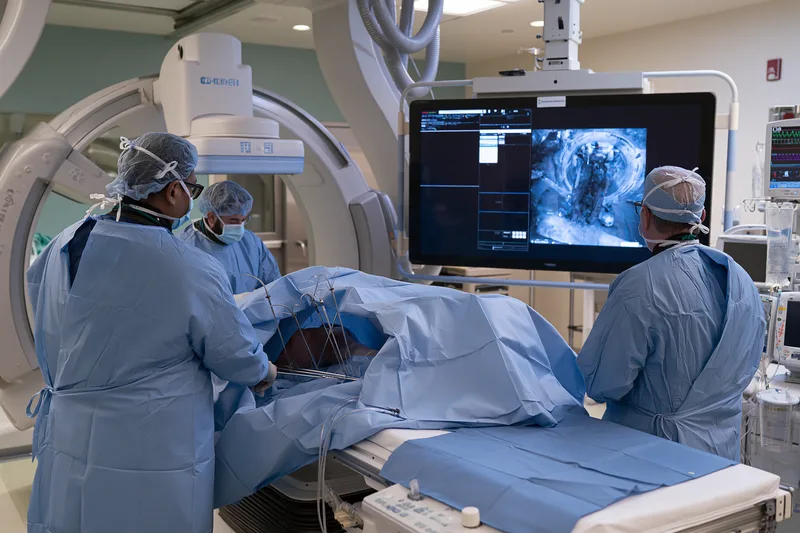
Medicines used for desmoid tumor treatment without surgery differ in how quickly they may control disease, how they are given, which adverse effects require monitoring and how they may affect fertility or daily function. No single medicine is suitable for every patient. The choice depends on whether progression is slow or urgent, the tumor’s location, previous treatment, general health, reproductive plans and the expected burden of therapy.[2,4,10–13]
Table: Medicines Used for Desmoid Tumors
| Medicine category | When it may be considered | Main monitoring needs |
|---|---|---|
| Nirogacestat | Progressing desmoid tumor in an adult who requires systemic treatment | Diarrhea, phosphate levels, rash, fatigue, ovarian function, fertility and pregnancy precautions [4,10] |
| Sorafenib | Progressive or symptomatic disease when a tyrosine kinase inhibitor is appropriate | Blood pressure, hand and foot reactions, rash, diarrhea, fatigue and liver function [11] |
| Pazopanib | Selected progressive disease under specialist supervision | Blood pressure, liver function, bowel symptoms, cardiac risk and medicine interactions [12] |
| Methotrexate with vinblastine or vinorelbine | Selected progressive disease when prolonged lower intensity chemotherapy is suitable | Blood counts, liver function, infection risk, fatigue and neurological symptoms [2,9,12] |
| Anthracycline based treatment | Selected rapidly progressive, highly symptomatic or anatomically threatening disease | Cardiac function, blood counts, organ function, fertility and cumulative toxicity [2,9] |
| Clinical trial medicine | Eligible patients with progressive disease or limited suitable standard options | Study specific imaging, laboratory testing, adverse effects and reproductive precautions |
Nirogacestat has randomized phase 3 evidence in adults with progressing desmoid tumors and is approved in the United States for adults who require systemic treatment. Sorafenib also has randomized evidence, while pazopanib, lower intensity chemotherapy and other systemic options are supported by prospective or established clinical experience. Results from separate trials should not be compared as though the patient groups and study methods were identical.
How the Main Medicine Options Differ
| Treatment category | When it may be considered | Main monitoring needs | Important patient considerations |
|---|---|---|---|
| Nirogacestat | Progressing desmoid tumor in an adult who requires systemic treatment | Bowel symptoms, phosphate levels, skin reactions, fatigue and ovarian function | Fertility, menstrual changes, pregnancy prevention and medicine interactions |
| Sorafenib | Progressive or symptomatic disease when an oral tyrosine kinase inhibitor is suitable | Blood pressure, skin reactions, diarrhea, fatigue and liver function | Hand and foot symptoms, reproductive safety and long term tolerability |
| Pazopanib | Selected progressive disease under specialist supervision | Blood pressure, liver function, bowel symptoms and cardiac risk where relevant | Food timing, medicine interactions, fatigue and treatment availability |
| Methotrexate with vinblastine or vinorelbine | Selected progressive disease when prolonged lower intensity chemotherapy is appropriate | Blood counts, liver function, infection risk and neurological symptoms | Repeated treatment visits, gradual response and cumulative treatment burden |
| Anthracycline based treatment | Rapidly progressive, highly symptomatic or anatomically threatening disease in selected patients | Blood counts, cardiac function, liver function and treatment toxicity | Fertility, cardiac risk, fatigue and the need for closer medical supervision |
| Other systemic medicines | Situations where preferred options are unsuitable, unavailable or previously unsuccessful | Monitoring depends on the medicine selected | Evidence strength, previous treatment and individual medical risks |
| Clinical trial treatment | Eligible patients with progressive disease or limited suitable options | Protocol specific imaging, laboratory and safety assessments | Investigational benefit, unknown risks, visit schedule and reproductive precautions |
The table describes the usual clinical considerations rather than a fixed treatment sequence. A medicine with strong evidence may still be unsuitable because of fertility concerns, bowel disease, uncontrolled blood pressure, liver abnormalities or another health condition. A treatment with a lower published response rate may still be useful when its toxicity profile better matches the patient’s needs.
Choosing Medicines for Desmoid Tumor Treatment Without Surgery
The required speed of control is an important part of medicine selection. A slowly progressive tumor causing manageable discomfort may allow time for an oral treatment that can take several months to produce visible shrinkage. A tumor causing rapidly worsening neurological symptoms, obstruction or loss of function may require an option expected to act more quickly.
Nirogacestat may be considered for an adult with documented progression who requires systemic treatment. In the DeFi trial, it improved progression related outcomes, tumor response, pain, physical function and quality of life compared with placebo. Diarrhea, low phosphate levels, rash, fatigue and ovarian dysfunction require specific counselling and monitoring.[4,10]
Sorafenib may be considered when an oral tyrosine kinase inhibitor is clinically appropriate. Tumor shrinkage can take time, so stable disease, pain relief and preserved function may be meaningful early outcomes. Blood pressure, hand and foot reactions, rash, diarrhea and liver function should be reviewed regularly.[11]
Pazopanib is another oral tyrosine kinase inhibitor used in selected progressive cases. Its suitability depends on blood pressure, liver function, cardiac risk, gastrointestinal tolerance and possible interactions with other medicines. The DESMOPAZ study examined pazopanib and methotrexate with vinblastine in adults with progressive desmoid tumors, but its design does not establish that one approach is best for every patient.[12]
Lower intensity chemotherapy may be chosen when a prolonged treatment course is acceptable and the patient can attend repeated visits and laboratory monitoring. Methotrexate combined with vinblastine or vinorelbine may provide gradual disease control, but blood count suppression, liver abnormalities, fatigue and neurological effects require review.
Anthracycline based treatment may be reserved for selected patients with rapidly progressive or threatening disease when faster control is clinically important. Its greater treatment burden, cardiac risk, fertility implications and effects on blood counts must be balanced against the urgency of preventing irreversible local damage.
Medicine selection should not be based only on the probability of visible tumor shrinkage. Pain relief, preservation of movement, protection of bowel or nerve function, treatment duration, fertility, daily responsibilities and quality of life may be equally important.
Coordinating Ayurveda With Systemic Treatment
Ayurvedic care should be individualized before systemic medicine begins. The assessment should include Agni, meaning digestive and metabolic capacity, Bala, meaning physical strength and functional resilience, and Ojas, meaning the stability associated with vitality, nourishment and recovery.
A patient with poor appetite, irregular bowel function, sleep disturbance, weight loss or weakness may tolerate systemic treatment less well. Ayurvedic management may support digestion, nutrition, bowel regularity, sleep, mobility and recovery, but it should be designed around the known adverse effect pattern of the selected medicine.
An Avaleha is a semisolid Ayurvedic preparation that may be suitable for some patients when digestion is stable and swallowing is comfortable. It may be unsuitable during severe diarrhea, repeated vomiting, bowel obstruction symptoms, uncontrolled blood glucose or significant intolerance to sweet or heavy preparations. The dosage form should therefore be selected according to the patient’s present condition rather than used routinely.
During nirogacestat treatment, persistent diarrhea should first be assessed for severity, dehydration, electrolyte disturbance and low phosphate levels. Ayurvedic support may then be used carefully for appetite and bowel comfort without concealing ongoing medicine toxicity or delaying laboratory testing.
During sorafenib or pazopanib treatment, Ayurvedic medicines should be reviewed for possible effects on blood pressure, liver metabolism, bleeding tendency and bowel function. Herbo mineral preparations require additional caution when liver or kidney results are abnormal.
During chemotherapy, the Ayurvedic plan may support appetite, sleep, bowel function and recovery between treatment visits. New fever, severe weakness, mouth ulcers, unusual bleeding or persistent vomiting should not be managed only through supportive formulations because infection, low blood counts or organ toxicity may require urgent medical care.
Rasayana, meaning restorative therapy intended to support resilience and recovery, may be considered according to digestion, strength and the systemic treatment being used. Brimhana, meaning nourishing therapy, may be appropriate when there is weight loss or tissue depletion. Heavy nourishing therapy should be avoided when Agni is poor, diarrhea is active or abdominal obstruction is suspected.
Every herb, mineral preparation, supplement and Avaleha should be documented with its ingredients and dose. Introducing several new products at the same time makes it difficult to identify the cause of diarrhea, rash, liver abnormalities, fatigue or other adverse effects.
How Response and Tolerance Are Measured
Medicine should be reviewed against goals agreed upon before treatment begins. These may include slowing progression, reducing pain, restoring movement, preventing obstruction or protecting nerve function. The absence of early tumor shrinkage does not always mean that treatment has failed because some systemic therapies produce gradual responses.
MRI or CT should assess tumor dimensions, overall volume, tissue characteristics and the relationship to nearby structures. Clinical review should separately measure pain, analgesic use, sleep, strength, range of movement, bowel or neurological symptoms and ability to complete daily activities.
Ayurvedic progress should be recorded through appetite, digestion, bowel regularity, body weight, sleep, Bala, pain medicine use and functional activity. These improvements show whether supportive care is helping the patient tolerate treatment and maintain health. They do not independently prove tumor regression.
A systemic medicine may need dose adjustment, temporary interruption or replacement when adverse effects become greater than its clinical benefit. Treatment may also be stopped after adequate control when the specialist believes that surveillance can safely resume. Ayurveda can continue during this transition to support digestion, nourishment, strength and recovery while scheduled imaging confirms whether tumor control is maintained.
Local Treatment Options in Desmoid Tumor Treatment Without Surgery
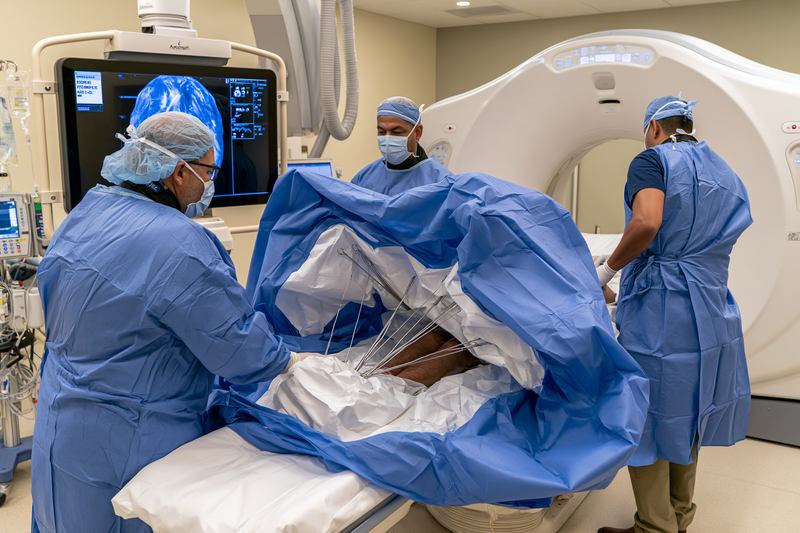
For selected patients, desmoid tumor treatment without surgery may include image guided ablation or radiotherapy. These treatments act directly on a defined tumor area and may avoid the functional loss, reconstruction and prolonged recovery associated with major surgery. They are considered when active surveillance is no longer sufficient, the tumor is causing pain or loss of function, and the lesion can be treated without unacceptable injury to nearby nerves, vessels, skin, bowel or organs.[2,9]
Local treatment is not required for every enlarging desmoid tumor. The specialist first considers whether the tumor may still stabilize, whether systemic medicine would treat the disease more safely and whether local treatment could create greater harm than continued observation. The decision should involve a multidisciplinary team with experience in desmoid tumors and interventional radiology.
Cryoablation in Desmoid Tumor Treatment Without Surgery
Cryoablation is the most extensively studied image guided ablative treatment for extra abdominal desmoid tumors. During the procedure, an interventional radiologist places thin probes into the tumor using CT, MRI or ultrasound guidance. Repeated freezing and thawing create an ice zone that damages the targeted tumor tissue while the operator monitors its relationship to surrounding structures.[14]
The procedure usually requires local, regional or general anesthesia according to the tumor’s location, size and number of probes required. It does not involve removing the mass through a large incision. The treated tissue remains inside the body and is gradually replaced by scar tissue or reduced in volume over time.
The treatment goal may be complete ablation of the visible tumor or partial ablation of the area responsible for pain, nerve pressure or restricted movement. Complete ablation may not be safe when part of the tumor lies close to a major nerve, bowel segment, blood vessel or the skin. In such cases, leaving a small untreated margin may protect function while still improving symptoms.
The prospective CRYODESMO O1 study included 50 patients with progressing non abdominal and non pelvic desmoid tumors after previous medical treatment. The study reported a high rate of disease control at 12 months together with improvement in pain and functional outcomes. These results support cryoablation as a treatment option for carefully selected progressive extra abdominal tumors, but the study was not randomized against medicine or surgery.[14]
A separate retrospective comparison found that percutaneous cryoablation provided long term disease control comparable with surgical resection in selected patients with primary or recurrent extra abdominal desmoid tumors. The comparison does not prove that cryoablation is superior to surgery because treatment selection was not randomized and the patients were chosen according to clinical suitability.[15]
Who May Be Suitable for Cryoablation
Cryoablation may be considered when a localized extra abdominal or abdominal wall tumor is progressing, causing pain or restricting movement. It may be especially useful when surgery would require removal of muscle, extensive reconstruction or sacrifice of tissue needed for normal function.
A recurrent tumor may also be assessed for cryoablation when another operation would carry substantial morbidity. The interventional radiologist must be able to place the probes safely and monitor the ice zone throughout the procedure.
Tumor size alone does not determine suitability. A moderately large superficial tumor may be treatable when surrounding tissues can be protected, while a smaller tumor may be unsuitable if it is attached to a major nerve, bowel segment or blood vessel.
The team may use protective techniques to separate the treatment zone from sensitive structures. Fluid, gas or other displacement methods can sometimes create a safer space between the tumor and the skin, bowel, nerve or vessel. These methods require specialist expertise and cannot make every tumor suitable for ablation.
When Cryoablation May Not Be Suitable
Cryoablation may not be appropriate when the tumor surrounds a major nerve or vessel that cannot be protected from freezing. The risk of nerve injury is particularly important because loss of sensation, weakness or persistent neuropathic pain may be more disabling than the original tumor symptoms.
Tumors immediately beneath the skin can increase the risk of skin injury or tissue necrosis. Deep tumors beside the bowel, ureter or other abdominal organs may also be difficult to treat safely because the ice zone must extend beyond the active tumor tissue to achieve reliable ablation.
Evidence for cryoablation is strongest in extra abdominal disease. Intra abdominal and mesenteric desmoid tumors require greater caution because of their relationship to the bowel, ureters and major vessels. Systemic medicine may offer a safer approach when a local procedure could damage these structures.
Very large or diffusely infiltrating tumors may require several probes, prolonged anesthesia or more than one procedure. Systemic treatment may be preferred when the tumor cannot be adequately targeted or when several anatomical areas require treatment.
Cryoablation should not delay urgent management of bowel obstruction, severe neurological loss, compromised circulation or another acute complication. The immediate clinical problem determines whether medicine, surgery or another intervention is more appropriate.
Risks and Recovery After Cryoablation
Pain and swelling can increase temporarily after cryoablation because the treated tissue develops inflammation and edema. Temporary numbness, bruising or reduced movement may also occur according to the tumor’s location.
More serious complications include bleeding, infection, skin injury, tissue necrosis and damage to nearby nerves or organs. The risk depends on the tumor’s size, depth and proximity to sensitive structures. A patient should understand these risks before choosing cryoablation as an alternative to surgery.[14,15]
Recovery is often shorter than after major resection, but cryoablation should not be described as a minor treatment without consequences. Some patients require pain control, wound care, temporary limitation of activity and rehabilitation. Repeat treatment may be needed when part of the tumor remains active or when progression later occurs in another portion of the lesion.
Other Image Guided Ablation Methods
Microwave ablation uses heat rather than freezing to damage targeted tissue. Small clinical studies have reported its use in desmoid fibromatosis, but the evidence is less developed than the evidence for cryoablation. Heat can spread beyond the intended area, so the distance from nerves, skin, bowel and vessels must be assessed carefully.[16]
High intensity focused ultrasound directs concentrated ultrasound energy into the tumor without inserting a probe through the skin. The energy heats the targeted tissue while imaging is used to guide treatment. Suitability depends on whether the ultrasound beam can reach the tumor without passing through bone, bowel gas or another structure that interferes with safe energy delivery.
Focused ultrasound has been studied in selected superficial and extra abdominal desmoid tumors, but access remains limited and treatment methods differ between centres. It should not be assumed to provide the same results as cryoablation.
Radiofrequency ablation and other thermal techniques have also been reported, but the available evidence is limited. These procedures should be considered only after the treating centre explains its experience, expected benefit, risks and follow up plan.
The different ablation methods are not interchangeable. A tumor suitable for cryoablation may not be suitable for microwave treatment or focused ultrasound. The decision depends on the tumor’s depth, shape, tissue composition and relationship to nearby structures.
Radiotherapy for Desmoid Tumor Treatment Without Surgery
Radiotherapy uses focused external radiation to control tumor growth within a defined treatment field. It may be considered for progressive or symptomatic desmoid tumors when surgery would cause substantial morbidity and cryoablation or systemic medicine is unsuitable, unavailable or ineffective.[2,9]
Treatment is usually planned through CT based mapping so that the radiation dose reaches the tumor while exposure to surrounding healthy tissue is reduced. The course may be delivered over several treatment sessions rather than as one procedure.
Desmoid tumors may respond gradually after radiotherapy. Pain or pressure symptoms can improve before a clear reduction in tumor size appears. Imaging changes may continue for months, so treatment should not be judged from an early scan alone.
The possible short term effects depend on the area treated. They may include fatigue, skin irritation, swelling, temporary pain, nausea or bowel disturbance. Later effects may include fibrosis, stiffness, reduced movement, tissue weakness, nerve injury or damage to an organ within the radiation field.
Radiotherapy requires particular caution in children, adolescents and younger adults because the risk of late tissue damage and a radiation related second cancer extends over many years. Fertility may also be affected when the pelvis or reproductive organs are within or near the treatment field.
Radiotherapy is not routinely needed after every desmoid tumor operation and should not be used for a stable tumor simply because surgery is being avoided. Its expected local control must be compared with the long term effects on healthy tissue.
Ayurvedic Care Before Local Treatment
Ayurvedic care remains centred on maintaining Agni, Bala and Ojas before a local procedure. Agni is the digestive and metabolic capacity needed for adequate nourishment and medicine tolerance. Bala is physical strength and functional resilience. Ojas refers to the stability associated with vitality, recovery and resistance to prolonged physical stress.
Poor appetite, constipation, diarrhea, inadequate sleep, weight loss and reduced strength should be addressed before treatment when time permits. Improving these areas can support procedural recovery, but it does not change whether the tumor is anatomically suitable for cryoablation or radiotherapy.
Every Ayurvedic formulation, herbal product, mineral preparation and supplement should be disclosed to the interventional radiologist, anesthetist and oncology team. Some ingredients may affect bleeding, blood pressure, blood glucose, liver metabolism or sedation. The clinical team should decide which products need to be paused and when they can be restarted.
A patient should not begin several new formulations shortly before a procedure. If nausea, bleeding, rash, liver abnormalities or altered bowel function develops, using several new products makes the cause difficult to identify.
Ayurvedic Care After Cryoablation
Ayurvedic care after cryoablation may support appetite, bowel regularity, sleep, pain management, nourishment and gradual recovery of strength. The plan should be adjusted according to the treated area, wound condition, medicines prescribed after the procedure and the patient’s digestive capacity.
Snehana means therapeutic oleation using oil or another suitable unctuous substance. Swedana means controlled therapeutic heat or sudation. Deep massage, forceful Snehana, strong Swedana and heated compresses should not be applied over the treated area until the interventional team confirms that the tissue has healed and local heat or pressure is safe.
A topical herbal paste or oil should not be placed over puncture sites, skin injury or a healing wound without medical approval. Such applications may irritate the skin, increase moisture around the wound or make infection and tissue injury more difficult to assess.
Gentle movement may be introduced according to pain, swelling and the advice of the rehabilitation team. Complete inactivity can worsen stiffness and reduce Bala, while premature stretching or pressure may aggravate the treated tissue. Rehabilitation should therefore progress according to function rather than a fixed routine.
Ayurvedic Care During Radiotherapy
Ayurvedic support during radiotherapy should be adapted to the treatment field and expected adverse effects. The goals may include maintaining appetite, hydration, bowel regularity, sleep and physical strength.
Oils, herbal pastes, powders and cosmetic products should not be applied to the radiation field unless the radiation team approves them. Irritated skin may react to substances that were previously well tolerated, and products left on the skin may interfere with the skin care plan provided by the treatment centre.
A patient receiving abdominal or pelvic radiotherapy may develop nausea, altered appetite or bowel disturbance. The diet should remain nourishing and easy to tolerate without unnecessary restrictions. Strong purgation and intensive cleansing treatment are unsuitable when diarrhea, dehydration, weight loss or active bowel irritation is present.
Brimhana may be considered when weakness or tissue depletion develops. Brimhana means nourishing therapy chosen according to digestion and clinical condition. Rasayana may be introduced or continued when appropriate. Rasayana means restorative care intended to support resilience and recovery. Neither approach should interfere with radiotherapy, laboratory monitoring or prescribed symptom management.
Measuring Response After Local Treatment
The treated mass may not disappear immediately after cryoablation. Swelling and tissue reaction can temporarily make the area appear unchanged or larger. MRI or CT assessment therefore examines enhancement, viable tumor volume, internal tissue changes and the relationship to nearby structures rather than relying only on the longest diameter.
A partially treated tumor may remain visible even when the area responsible for pain has been successfully controlled. Reduced pain, improved movement, lower analgesic use and preservation of nerve or organ function are meaningful outcomes when they are supported by stable or improving imaging.
Radiotherapy response can also be delayed. Scheduled follow up should continue even when symptoms improve because clinical comfort and radiological control do not always change at the same time.
Ayurvedic outcomes should be recorded separately through appetite, sleep, digestion, bowel function, body weight, strength and daily activity. These findings show whether whole person care is supporting recovery. MRI or CT determines whether the desmoid tumor remains controlled, has residual active tissue or requires further treatment.
When Surgery Still Has a Role in Desmoid Tumor Treatment Without Surgery
Desmoid tumor treatment without surgery is appropriate for many patients, but surgery can still become the safer choice when continued growth threatens organ function, causes severe mechanical complications or creates progressive loss of movement or nerve function. The decision depends on tumor location, symptoms, growth pattern, expected surgical morbidity and the suitability of medicines or image guided treatment. Tumor size alone should not determine whether an operation is needed.[1,2,9]
Surgery should not be viewed as either the automatic first treatment or evidence that nonsurgical care has failed. Active surveillance may protect a patient from an unnecessary operation, while later imaging can identify the point at which removing the tumor offers greater benefit than continued observation. In other patients, medicine or cryoablation may control the disease without removing healthy tissue.
When Surgery Becomes Necessary After Desmoid Tumor Treatment Without Surgery
Surgery may be required when a desmoid tumor produces a mechanical problem that cannot be corrected quickly enough with medicine. An intra abdominal or mesenteric tumor may compress the bowel and cause persistent vomiting, severe abdominal distension or obstruction. A pelvic tumor may affect the urinary tract, while a tumor near a major nerve may cause progressive weakness, numbness or loss of movement.
Urgent surgery may also be considered when the tumor causes another serious complication that requires immediate relief. The surgical team must still determine whether the symptoms are caused by the desmoid tumor, because infection, blood clots, intestinal disease and other conditions may produce similar findings.
In a nonurgent situation, surgery may be discussed when repeated scans confirm progression and the tumor continues to cause pain or functional impairment despite appropriate nonsurgical treatment. It may also be considered when systemic medicine is unsuitable, poorly tolerated or ineffective and the tumor cannot be treated safely with cryoablation or another local procedure.
A selected superficial or abdominal wall tumor may be removable with acceptable functional and cosmetic consequences. Surgery may be reasonable when the surgeon can remove the clinically important disease without sacrificing major nerves, blood vessels, muscles or organs. The likely need for mesh, tissue reconstruction or rehabilitation should be explained before the operation.
How Tumor Location Changes the Surgical Decision
The same sized desmoid tumor can require very different treatment depending on where it is growing. A localized abdominal wall tumor may be technically accessible, while a tumor in the mesentery, neck, shoulder, pelvis or around a major nerve may be difficult to remove without substantial harm.
Surgery near the shoulder or hip can affect movement and muscular strength. An operation in the neck may involve nerves, vessels or structures needed for swallowing and speech. Mesenteric surgery may require removal of part of the bowel and can be especially complex in patients with familial adenomatous polyposis.
Preoperative MRI or CT should show how the tumor relates to surrounding structures. The surgeon should explain what healthy tissue may need to be removed, whether reconstruction is expected and how the procedure could affect daily function. A technically possible operation is not always the treatment that best preserves the patient’s quality of life.
When surgical morbidity is expected to be high, systemic medicine or image guided treatment may offer a better balance. When continued growth could create irreversible damage, earlier surgery may be safer than waiting for more severe symptoms. These decisions require multidisciplinary review rather than assessment by one specialty alone.[2,9]
Why Surgical Margins Do Not Tell the Whole Story
The surgeon may aim to remove the tumor with a rim of surrounding healthy tissue, but wider removal can sometimes damage muscles, nerves, vessels or organs. The value of obtaining a wider margin must therefore be balanced against the permanent functional cost.
A microscopically positive margin means that tumor cells are present at the edge of the removed specimen. This finding can increase concern about residual disease, but it does not automatically mean that another operation is required. Desmoid tumor recurrence is influenced by several factors, and margin status alone does not reliably predict every outcome.[2,9]
Removing additional healthy tissue solely to obtain a wider margin may not benefit the patient when it causes major weakness, deformity or organ loss. The postoperative plan should consider symptoms, pathology, tumor location, imaging findings and the morbidity of further treatment.
Desmoid tumors can recur locally even after an apparently complete operation. Local recurrence does not mean that the tumor has spread to distant organs. It means that new desmoid tissue has developed in or near the treated area. A recurrent tumor may still be managed with surveillance, medicine, cryoablation or another treatment depending on its behavior and clinical effect.
Immediate repeat surgery is not necessary for every recurrence. A small recurrent tumor that remains stable and causes no significant symptoms may be observed. Progressive recurrence causing pain, neurological impairment or organ compression requires renewed multidisciplinary assessment.
Preparing for Desmoid Tumor Surgery With Ayurvedic Care
Ayurvedic care before surgery should improve the patient’s readiness for the procedure without interfering with anesthesia, bleeding control or prescribed medicines. The assessment should include appetite, digestion, bowel function, body weight, sleep, pain, mobility and general strength.
Agni means digestive and metabolic capacity. Stable Agni supports adequate food intake, bowel regularity and tolerance of medicines. Poor appetite, repeated vomiting, diarrhea, constipation or abdominal distension should be investigated before surgery, particularly when the tumor is intra abdominal.
Bala means physical strength and functional resilience. A patient with reduced Bala may have difficulty walking, poor muscular endurance, weight loss or slow recovery after ordinary activity. Suitable nutrition, gentle movement, sleep correction and management of pain can improve preoperative strength when the clinical condition allows time.
Aggressive fasting, strong purgation, dehydration and intensive cleansing procedures are not appropriate before major surgery. These practices can weaken the patient, alter electrolytes and reduce the ability to recover from anesthesia and tissue injury.
Every Ayurvedic medicine, Avaleha, herbal product, mineral preparation and supplement should be disclosed to the surgeon and anesthetist. Some ingredients may influence bleeding, blood pressure, blood glucose, sedation, liver metabolism or the action of prescribed medicines. The surgical team should decide which products need to be paused and when they may be restarted.
The patient should not begin several unfamiliar formulations immediately before surgery. When a rash, liver abnormality, bowel disturbance or bleeding problem develops, multiple new products make the cause more difficult to identify.
Ayurvedic Care After Desmoid Tumor Surgery
Ayurvedic care after surgery may support appetite, bowel regularity, sleep, pain management, nourishment, mobility and gradual restoration of strength. The plan should be adjusted according to the operation performed, the condition of the wound, prescribed medicines and the patient’s digestive capacity.
Early care should remain simple. Adequate hydration, suitable food, bowel management, prescribed pain relief and safe mobilisation are more important than introducing several complex formulations. The patient’s ability to digest food and medicines should be reassessed before heavier nourishing treatment is started.
Brimhana means nourishing therapy used when there is weakness, weight loss or tissue depletion. It may be introduced gradually after Agni is stable and the patient can tolerate adequate food. Rasayana means restorative care intended to support resilience and recovery. It may be considered during later recovery according to the patient’s constitution, digestion, laboratory findings and ongoing oncology plan.
Snehana means therapeutic oleation, while Swedana means controlled therapeutic heat or sudation. Deep massage, strong local oil application and Swedana should not be performed over the surgical area until the wound has healed and the surgeon confirms that pressure and heat are safe. These procedures may otherwise aggravate swelling, irritate healing tissue or make infection more difficult to recognise.
Physiotherapy and rehabilitation should be coordinated with Ayurvedic care. Gentle movement can help preserve joint range, muscular strength and independence, while excessive stretching or forceful manipulation can injure healing tissue. The pace of rehabilitation should follow the surgical and physiotherapy plan.
Ayurvedic treatment does not replace prescribed antibiotics, anticoagulation, wound care, analgesia or postoperative imaging. Fever, increasing redness, wound discharge, rapidly worsening swelling, severe calf pain, chest pain or breathing difficulty requires prompt medical assessment.
Monitoring After Surgery
Surgery does not end the need for follow up. The treating team should establish a postoperative imaging schedule based on the tumor’s location, pathology findings, clinical risk and symptoms.
The clinical review should record pain, movement, strength, sensation, wound healing and ability to complete daily activities. MRI or CT is used to identify residual or recurrent disease, while functional assessment determines whether the patient is recovering as expected.
Ayurvedic outcomes should be documented separately through appetite, digestion, bowel function, sleep, body weight, Bala and ability to perform normal activities. Improved strength and reduced pain show that supportive care is helping recovery, but they cannot confirm the absence of recurrent tumor.
When Surgery Should Not Be Rushed
Surgery should not be rushed when the tumor is stable, symptoms are manageable and removal would create major functional or cosmetic harm. In this situation, active surveillance may remain safer. Systemic medicine or cryoablation may also provide control while preserving healthy tissue.
An operation should be reconsidered when its main purpose is simply to remove a mass that is not progressing or affecting function. The potential benefits should be compared with recurrence risk, recovery time, reconstructive requirements and possible permanent loss of movement or organ function.
A second opinion from a multidisciplinary centre experienced in desmoid tumors can be valuable before a major operation, particularly for tumors involving the mesentery, pelvis, neck, shoulder, major nerves or blood vessels. Surgery remains an important treatment, but it should be selected because it offers the most appropriate balance of tumor control, safety and preserved function for the individual patient.
What Successful Desmoid Tumor Treatment Without Surgery Looks Like
Successful desmoid tumor treatment without surgery is not defined only by whether the tumor disappears. A meaningful result may include stable disease, slower growth, reduced pain, preserved movement, protection of nearby organs and the ability to live normally without unacceptable treatment related adverse effects. The treatment goals should be agreed upon before surveillance, systemic medicine or a local procedure begins.[2,4]
Some patients achieve measurable tumor shrinkage. Others experience improved pain and physical function while the tumor remains visible on MRI or CT. For a patient whose tumor was threatening a nerve, bowel segment or functional muscle group, preventing further damage may be more important than achieving complete radiological disappearance.
Ayurvedic care adds another essential part of the outcome by supporting digestion, nourishment, sleep, strength, mobility and recovery. These improvements should be measured clearly, but they must remain distinct from the imaging evidence used to determine tumor control.
Measuring Tumor Control in Desmoid Tumor Treatment Without Surgery
Tumor control may appear as regression, prolonged stability or a meaningful reduction in the rate of growth. A tumor that was enlarging before treatment and then remains unchanged can represent a successful response, particularly when pain and function also improve.
Standard imaging assessment often considers changes in the longest tumor diameter. This is useful, but it may not capture the full response of a desmoid tumor. These tumors can change internally through increasing collagen formation and reduced biological activity without showing an immediate large reduction in their longest measurement.
MRI may show a decrease in tumor volume, contrast enhancement or T2 signal intensity before the diameter changes enough to meet standard response criteria. In the sorafenib trial, exploratory imaging analysis suggested that tumor volume and T2 weighted signal changes could show treatment effects that were not fully represented by diameter alone.[11]
The radiologist should therefore compare the current scan with the complete imaging history whenever possible. Tumor dimensions, overall volume, internal signal, anatomical extension and pressure on nearby structures should be considered together. A report stating stable disease may still represent an important response when the tumor has become less active internally and the patient is clinically improving.
Complete disappearance is uncommon and is not required for treatment to be considered successful. A residual mass may contain fibrotic or collagen rich tissue that remains visible after the more active component has reduced. Treatment decisions should not be based only on whether a mass can still be seen.
Pain Relief and Symptom Improvement
Pain is one of the most important patient centred outcomes in desmoid tumor care. Successful treatment may reduce the frequency, severity or duration of pain even before substantial shrinkage becomes visible.
Pain assessment should include the amount of analgesic medicine required, whether pain interrupts sleep, whether it limits movement and whether it prevents work or ordinary activities. A patient who can sleep comfortably, move more freely and reduce pain medicine may be experiencing a meaningful treatment benefit.
The phase 3 DeFi trial found that nirogacestat improved pain, symptom burden, physical function and health related quality of life in addition to improving progression related outcomes.[4] This finding supports the use of patient reported outcomes alongside MRI or CT when treatment effectiveness is assessed.
Symptoms should be evaluated according to tumor location. An abdominal desmoid tumor may cause pressure, early fullness, altered bowel function or vomiting. A tumor near a nerve may produce burning pain, tingling, numbness or weakness. A tumor involving the shoulder, hip or limb may restrict movement and muscular strength.
Improvement in one symptom should not conceal deterioration in another. Reduced pain accompanied by increasing weakness or numbness requires reassessment because neurological function may be worsening even when the patient feels less discomfort.
Ayurvedic pain management should also be assessed through measurable changes. The patient’s pain score, analgesic use, sleep, movement and ability to complete daily activities provide more reliable evidence than a general statement that the patient feels better.
Preserving Movement Strength and Independence
Preservation of physical function may be more important than maximum tumor shrinkage. A treatment that produces a modest radiological response while maintaining normal movement may provide greater practical benefit than an aggressive intervention that removes more tumor but causes permanent weakness.
Functional assessment should reflect the affected area. For an upper limb tumor, the review may include shoulder movement, grip strength, lifting and the ability to dress independently. For a lower limb tumor, walking distance, balance, stair climbing and the ability to stand from a chair may be relevant.
Abdominal and pelvic tumors require different measures. The patient’s ability to eat normally, maintain weight, pass stool and urine comfortably and complete ordinary work may provide important evidence of control.
Function should be recorded before treatment begins so that later improvement can be compared with a reliable baseline. Statements such as movement is better are less useful than documenting range of movement, walking distance, strength and the activities the patient can now perform.
Ayurveda describes Bala as physical strength, functional capacity and resilience. Bala can be followed through mobility, muscular endurance, appetite, body weight, recovery after activity and independence in daily life. Improvement in Bala is an important outcome of whole person care, although it does not independently establish that the tumor has regressed.
Protecting Organs Nerves and Other Critical Structures
Successful treatment may prevent a tumor from producing irreversible local harm. This is particularly important when the desmoid tumor lies close to the bowel, ureter, airway, major blood vessel or nerve.
A tumor may remain similar in size while becoming less threatening because its growth has stopped. For a patient whose tumor was approaching a major nerve, stable imaging combined with preserved strength and sensation may represent a valuable clinical success.
Treatment should also be judged by whether it prevents obstruction, maintains circulation and protects organ function. Laboratory testing, neurological examination and location specific clinical assessments may therefore be needed in addition to imaging.
For intra abdominal tumors, stable body weight, adequate food intake, absence of repeated vomiting and normal bowel and urinary function are important outcomes. These findings should be reviewed together with imaging because symptoms alone cannot exclude gradual anatomical progression.
Limiting Treatment Related Harm
A treatment should not be called successful solely because it controls the tumor. Its adverse effects, reproductive consequences and effect on daily life must also be considered.
Nirogacestat may control progressive disease but can cause diarrhea, low phosphate levels, rash, fatigue and ovarian dysfunction. Tyrosine kinase inhibitors may cause high blood pressure, hand and foot reactions, diarrhea, fatigue and liver abnormalities. Chemotherapy can affect blood counts, organ function, fertility and general strength.[4,11]
The clinical team should determine whether the patient can continue treatment safely and whether the benefit remains greater than the treatment burden. Dose reduction, temporary interruption or a change of medicine may preserve control while reducing toxicity.
A patient should not conceal adverse effects because the scan is improving. Persistent diarrhea, weight loss, severe fatigue, uncontrolled blood pressure or declining liver function may require modification of the treatment plan.
Ayurvedic support can help maintain appetite, bowel regularity, sleep, nourishment and physical strength, but it should not be used to suppress warning signs without medical assessment. Supportive improvement is most valuable when it allows the patient to continue effective treatment safely.
Returning to Active Surveillance
A return to active surveillance after systemic medicine or local treatment can be a successful outcome. This may be considered when the tumor has achieved adequate control, symptoms have improved and the specialist believes that further treatment would provide limited additional benefit.
Stopping or pausing medicine should not be decided from symptom relief alone. The team should review imaging, the duration of control, tumor location, previous growth pattern and the possible consequences of renewed progression.
The patient still requires a defined follow up schedule after treatment ends. MRI or CT, symptom assessment and physical examination help determine whether control is maintained. Surveillance intervals may be closer initially and extended later when stability continues.
Ayurvedic care may remain active during this transition. Supporting Agni, Bala and Ojas can help restore digestion, strength, sleep and general wellbeing after prolonged systemic treatment. These outcomes should be documented while imaging continues to confirm that the tumor remains controlled.
Measuring Ayurvedic Outcomes Without Confusing Them With Tumor Response
Ayurvedic treatment should be evaluated through clearly defined clinical goals. Agni means digestive and metabolic capacity. Improvement may be reflected by better appetite, comfortable digestion, regular bowel movements and improved tolerance of food and medicines.
Bala means strength and functional resilience. Its improvement may be documented through increased walking, better muscular endurance, reduced fatigue and greater independence. Ojas refers to the stability associated with vitality, nourishment and recovery. Better sleep, emotional steadiness and resistance to prolonged physical stress may indicate improvement in this area.
Brimhana means nourishing therapy used when weakness, weight loss or tissue depletion is present. Its effectiveness may be assessed through stable weight, improved food intake and increased strength. Rasayana means restorative care intended to support resilience and recovery. Its benefit should be judged through the patient’s overall function and tolerance rather than attributed automatically to tumor shrinkage.
An Avaleha or another individualized Ayurvedic formulation may form part of supportive treatment when it suits the patient’s digestion and medical condition. Its ingredients, dose, duration and intended goals should be recorded. Liver function, kidney function and possible interactions require review when the patient is also receiving systemic therapy.
Improved appetite, sleep or pain does not prove that the desmoid tumor has become smaller. Tumor status must be determined through MRI or CT. Keeping these outcomes separate strengthens patient trust and allows Ayurveda to remain central without replacing objective oncological assessment.
Reviewing the Complete Treatment Result
A complete treatment review should consider tumor behavior, symptoms, physical function, organ protection, adverse effects and quality of life. No single measurement gives the entire answer.
The patient and treatment team should compare the current condition with the baseline established before treatment. They should ask whether the tumor is stable or smaller, whether pain has reduced, whether movement has improved, whether important structures remain protected and whether the treatment remains tolerable.
A successful result may therefore be different for each patient. One person may achieve spontaneous regression during surveillance. Another may obtain durable stability with medicine. A third may regain movement after cryoablation even though some residual tumor remains visible.
Ayurveda supports the success of each pathway by maintaining digestion, nutrition, sleep, strength and recovery. Modern imaging confirms tumor control, while Ayurvedic and functional assessment show whether the patient is becoming healthier and more capable in daily life.
Living Well During Desmoid Tumor Treatment Without Surgery

Desmoid tumor treatment without surgery affects more than the timing of MRI or CT scans. During active surveillance, the patient must manage pain, movement, sleep, nutrition, work and the uncertainty created by an unpredictable tumor. The aim is to maintain physical function and quality of life while monitoring carefully for changes that require active treatment.[2,17]
Ayurvedic care can remain central during this period by supporting digestion, nourishment, sleep, strength and emotional stability. These outcomes should be assessed alongside modern imaging rather than used as evidence that the tumor is stable or shrinking.
Managing Pain During Desmoid Tumor Treatment Without Surgery
Pain can occur even when a desmoid tumor shows little change in size. It may arise from pressure on muscles, fascia or nerves, restricted movement, inflammation or muscle guarding around the affected area. Pain severity should therefore be assessed separately from radiological measurements.[2,17]
The patient should describe where the pain begins, whether it spreads, what makes it worse and whether it interrupts sleep or normal activity. Burning pain, electric sensations, tingling or numbness may suggest nerve irritation. Increasing night pain, rapidly worsening discomfort or a growing need for analgesic medicine should prompt earlier clinical review.
Ayurvedic assessment considers the quality and timing of pain together with digestion, sleep, bowel function and physical strength. Sharp, variable, radiating or movement related pain may reflect greater Vata involvement. This Ayurvedic interpretation helps individualize supportive care but cannot determine whether the tumor is compressing a nerve or another important structure.
Snehana means therapeutic oleation with a suitable oil or unctuous preparation. Swedana means controlled therapeutic heat or sudation. Gentle Ayurvedic measures may support comfort in selected patients, but deep massage, forceful manipulation and strong heat should not be applied directly over a painful or enlarging tumor without understanding its anatomical relationship to nerves, vessels, skin and organs.
Pain relief should be measured through sleep, movement, analgesic use and ability to perform daily activities. Reduced pain is a valuable outcome, but the scheduled imaging plan should continue because symptom improvement does not confirm tumor regression.
Maintaining Movement and Physical Function
Complete rest can gradually reduce muscular strength, joint movement and confidence. Excessive exercise can also aggravate pain or place pressure on tissues affected by the tumor. Activity should therefore remain gradual and adapted to the tumor’s location.
A physiotherapist familiar with the diagnosis can help identify movements that preserve range and strength without placing unnecessary stress on the affected area. A patient with a shoulder tumor may need a different program from someone with an abdominal wall, pelvic or lower limb tumor.
Exercise should not repeatedly produce severe pain, increasing swelling, new numbness or weakness. These changes require reassessment rather than continued training through the symptoms. Gentle movement may be continued within the limits advised by the medical and rehabilitation teams.
In Ayurveda, Bala means physical strength, endurance and functional resilience. Bala can be followed through walking distance, ability to climb stairs, grip strength, range of movement and independence in normal activities. Improving Bala is an important supportive goal even when the tumor itself remains unchanged.
Gentle yoga may be suitable for some patients when it does not compress the tumor or provoke pain. Strong twists, deep stretches, prolonged pressure on the affected area and forceful abdominal practices should be avoided when the tumor’s location makes them unsafe. The practice should be adapted to the patient rather than asking the patient to follow a standard routine.
Keeping a Symptom and Function Record
A consistent symptom record helps distinguish a temporary difficult day from a gradual clinical change. The patient can record pain intensity, analgesic use, sleep quality, movement, strength and ability to complete ordinary work.
The record should also include symptoms relevant to the tumor’s location. A patient with an abdominal or pelvic desmoid tumor may note appetite, abdominal pressure, vomiting, bowel habits, urinary symptoms and body weight. A patient with a limb or shoulder tumor may record walking, lifting, grip, joint movement, numbness and muscular weakness.
Changes are easier to interpret when the same measures are used at each review. Recording walking distance, hours of uninterrupted sleep or the amount of pain medicine required provides clearer information than describing the condition only as better or worse.
Ayurvedic follow up should record Agni, Bala and Ojas. Agni means digestive and metabolic capacity. Bala describes strength and resilience. Ojas refers to the stability associated with vitality, nourishment and recovery. Appetite, bowel regularity, sleep, weight, energy and tolerance of activity provide practical ways to follow these areas.
These records allow the Ayurvedic physician and desmoid tumor team to review the patient’s progress together. They do not replace clinical examination or imaging, but they can identify meaningful changes between scheduled scans.
Diet and Ayurvedic Support During Active Surveillance
No specific diet has been proven to make a desmoid tumor disappear. Severe restriction, prolonged fasting and unverified antitumor diets can cause weight loss, weakness and poor treatment readiness without providing reliable tumor control.
Ayurvedic nutrition should be based on Agni, bowel function, constitution, symptoms and nutritional needs. A patient with stable digestion may tolerate a varied nourishing diet, while someone with bloating, early fullness, constipation or diarrhea may require simpler meals and closer evaluation.
Adequate energy, protein and fluid intake help preserve body weight, muscular strength and recovery. Dietary restrictions should have a clear clinical reason. Removing several food groups without suitable replacement may reduce Bala and make future medicine, ablation or surgery more difficult to tolerate.
A patient with an intra abdominal or mesenteric tumor requires additional caution. Repeated vomiting, increasing abdominal distension, severe cramping or inability to pass stool and gas should not be treated only by changing the diet or increasing digestive medicines. Mechanical obstruction must first be excluded.
Strong purgation and intensive cleansing therapies are unsuitable when obstruction, dehydration, diarrhea, weight loss or significant weakness is present. Ayurvedic treatment should protect nutrition and hydration rather than further reducing the patient’s reserves.
An Avaleha is a semisolid Ayurvedic preparation designed to deliver herbs in a palatable concentrated form. It may be appropriate when digestion is stable and the ingredients suit the patient’s condition. Its use should be reconsidered when there is uncontrolled blood glucose, persistent diarrhea, vomiting, poor digestion or intolerance to sweet and heavy preparations.
Every Ayurvedic formulation should have a defined purpose, documented ingredients and a measurable review plan. Liver and kidney function may require monitoring during prolonged treatment, particularly when herbo mineral preparations are used or when the patient has another medical condition.
Coordinating Ayurvedic Care With Active Surveillance
Ayurvedic treatment should be coordinated with pathology findings, imaging dates, current symptoms and the patient’s wider medical history. The desmoid tumor team should know which herbs, minerals, supplements and external therapies are being used.
The supportive plan may address digestion, nourishment, pain, bowel regularity, sleep and strength. Brimhana means nourishing therapy used when weakness, weight loss or tissue depletion is present. It should be introduced only when Agni is sufficient to tolerate nourishing food and formulations.
Rasayana means restorative care intended to support resilience, recovery and overall functional health. Rasayana should be individualized according to digestion, constitution, age, laboratory findings and other medicines. It should not be described as proof that a desmoid tumor will shrink.
Ayurvedic progress can be measured through improved appetite, stable weight, regular bowel function, better sleep, reduced analgesic use and increased daily activity. Tumor behavior must be measured separately through MRI or CT.
A change in the oncology plan requires a review of the Ayurvedic prescription. Herbs or mineral preparations that are reasonable during surveillance may be unsuitable when nirogacestat, a tyrosine kinase inhibitor, chemotherapy, anticoagulation or another prescription medicine begins.
Managing Scan Anxiety During Desmoid Tumor Treatment Without Surgery
Scan anxiety may begin several days before imaging and continue while the patient waits for the result. The uncertainty can disturb sleep, concentration, appetite and normal work even when the tumor has remained stable.[17]
A written surveillance plan can reduce uncertainty. The patient should know when the scan is due, who will interpret it, when the result will be discussed and which findings would actually change treatment. Reading one measurement without comparison with symptoms and previous images can create unnecessary fear.
A small measurement difference does not always represent meaningful progression. Desmoid tumors can be irregular in shape, and measurements can vary with imaging technique and patient positioning. The result should be reviewed by the treating team in the context of the complete imaging history.
Ayurvedic care may support sleep and emotional stability through a regular daily routine, suitable food timing, individualized medicines and gentle relaxation practices. Slow breathing and meditation may help the patient settle before sleep or imaging, provided they are comfortable and do not have breathing symptoms requiring medical assessment.
Persistent anxiety, panic, depression or inability to function requires appropriate psychological support. Emotional distress should be treated seriously, but it does not by itself prove that the tumor needs medicine or surgery. The treatment decision should continue to reflect tumor behavior, symptoms, anatomical risk and informed patient preference.
Pregnancy and Fertility Planning During Desmoid Tumor Treatment Without Surgery
Pregnancy is not automatically contraindicated in a woman with a desmoid tumor. Recent international evidence indicates that pregnancy is generally safe, particularly after the tumor has shown prolonged stability. The possibility of progression remains higher in some pregnancy associated cases, so counselling and specialist monitoring should begin before conception.[18]
A 2025 international multicentre study evaluated 177 pregnancies in 157 women with desmoid fibromatosis. Progression was more frequent when the tumor was first diagnosed during pregnancy than when a known tumor was already present or had previously been removed. Only a small proportion required active treatment, spontaneous regression occurred in some cases and obstetric complications were comparable with those expected in the general population.[18]
A woman planning pregnancy should review the tumor’s recent imaging pattern, anatomical location, symptoms and previous treatment with a desmoid tumor specialist and obstetric team. A stable abdominal wall tumor may require a different plan from an intra abdominal tumor close to the bowel or urinary tract.
Fertility should also be discussed before systemic treatment begins. Nirogacestat can affect ovarian function and may harm a developing fetus. Tyrosine kinase inhibitors and chemotherapy also require specific pregnancy prevention and fertility counselling. Treatment should not be stopped or delayed without specialist guidance.
Ayurvedic medicines require the same caution during conception and pregnancy. A formulation considered acceptable outside pregnancy may contain herbs or minerals that have not been adequately evaluated for fetal safety. Every ingredient should be reviewed by clinicians familiar with pregnancy and Ayurvedic pharmacology.
Strong cleansing treatments, unverified fertility medicines and formulations containing potentially toxic mineral ingredients should not be used during pregnancy without a clear specialist indication and appropriate safety assessment. Ayurvedic care should focus on safe nutrition, digestion, sleep, strength and pregnancy appropriate support while obstetric and tumor monitoring continue.
When Changes in Daily Life Need Earlier Review
A gradual loss of normal function can be clinically important even when the next scan is several weeks away. Increasing dependence on pain medicine, repeated sleep disturbance, declining walking ability, reduced limb movement or inability to complete normal work should be reported.
New weakness, numbness, persistent vomiting, increasing abdominal distension, difficulty passing stool or urine, swallowing difficulty or breathlessness requires earlier medical assessment. These symptoms should not be managed only by changing food, increasing an Avaleha or adding stronger local therapy.
Living well during active surveillance requires attention to both the tumor and the person carrying it. Modern imaging establishes whether the disease remains stable, while individualized Ayurvedic care supports Agni, Bala, Ojas, nourishment, sleep and daily function. This coordinated approach allows desmoid tumor treatment without surgery to remain active, measurable and safe.
How Ayurveda Fits Into Desmoid Tumor Treatment Without Surgery
Ayurveda can remain central to desmoid tumor treatment without surgery by addressing the patient’s digestion, tissue nourishment, pain, sleep, mobility, strength and capacity to recover. The Ayurvedic plan should be coordinated with the confirmed pathology diagnosis, MRI or CT findings and the specialist surveillance schedule. This allows treatment to remain individualized without losing the objective measurements needed to identify tumor stability, regression or progression.
A desmoid tumor does not have an exact one to one equivalent in the classical Ayurvedic texts. Its clinical features may be examined through the broader descriptions of Granthi, meaning a localized nodular swelling, and Arbuda, meaning a deeper and persistent abnormal growth. Sushruta discusses Granthi and Arbuda in Sushruta Samhita, Nidana Sthana, Chapter 11. These classical concepts can guide Ayurvedic assessment, but the modern diagnosis should continue to be recorded as desmoid type fibromatosis.[19]
Ayurvedic Assessment in Desmoid Tumor Treatment Without Surgery
The Ayurvedic assessment begins with the individual rather than the tumor measurement alone. The physician evaluates Prakriti, the constitutional pattern present from birth, and Vikriti, the current disturbance affecting the Doshas, digestion, tissues and functional systems.
The location and behaviour of the swelling are examined together with pain, stiffness, restricted movement, pressure symptoms, appetite, bowel function, sleep, body weight and physical endurance. The physician also considers whether the patient is under active surveillance, receiving systemic medicine, recovering from ablation or preparing for surgery.
Vata is especially relevant when there is pain, altered sensation, restricted movement, weakness or nerve related symptoms. Pitta may become clinically important when inflammation, heat, burning discomfort or treatment related irritation is present. Kapha may contribute to heaviness, firmness, slow movement and tissue accumulation. These patterns are not used to replace pathology or imaging. They help determine how the patient should be supported during the medical treatment pathway.
Agni means digestive and metabolic capacity. Reduced Agni may present as poor appetite, bloating, heaviness after eating, irregular bowel movements or reduced tolerance of medicines. Stable Agni supports nourishment and the patient’s ability to tolerate prolonged surveillance or systemic treatment.
Bala means physical strength, endurance and functional resilience. It is assessed through mobility, muscular strength, body weight, appetite, recovery after activity and independence in daily life. Ojas refers to the stability associated with vitality, nourishment and recovery. Persistent pain, disturbed sleep, inadequate nutrition and emotional strain can gradually reduce Bala and Ojas even when the tumor remains radiologically stable.
Ayurvedic Goals During Desmoid Tumor Treatment Without Surgery
The Ayurvedic plan should have specific clinical goals. These may include maintaining appetite, correcting bowel disturbance, supporting sleep, reducing muscular discomfort, preserving movement and preventing progressive weakness. The goals should change according to the patient’s treatment phase.
During active surveillance, the priority may be to maintain Agni, Bala and daily function while the tumor’s behaviour is observed. During systemic treatment, the focus may shift toward treatment tolerance, bowel regulation, nutrition, sleep and recovery. After cryoablation or surgery, wound healing, rehabilitation, muscular function and restoration of strength become more important.
Rasayana is described in Charaka Samhita, Chikitsa Sthana, Chapter 1. It refers to restorative treatment intended to support nourishment, resilience, functional health and recovery. Rasayana should be selected according to the patient’s digestion, constitution, age, strength and concurrent medicines rather than prescribed as a standard antitumor formula for every patient.[20]
Brimhana is nourishing treatment used when weakness, weight loss or tissue depletion is present. Its principles are discussed in Charaka Samhita, Sutra Sthana, Chapter 22. Brimhana should be introduced only when the patient can digest nourishing food and formulations adequately. Heavy treatment may worsen discomfort in a patient with poor appetite, persistent bloating, diarrhea, vomiting or possible bowel obstruction.[21]
The Ayurvedic goal is not limited to making the patient feel temporarily better. Treatment should protect nutrition, strength and function while the medical team determines whether the tumor remains suitable for surveillance or requires active tumor directed treatment.
Choosing Ayurvedic Medicines Safely
Ayurvedic medicines should be selected after reviewing the tumor location, current symptoms, digestive capacity, laboratory findings and the complete medical treatment plan. The prescription should not be based only on the presence of a swelling.
An Avaleha is a semisolid Ayurvedic dosage form in which selected ingredients are prepared in a concentrated palatable base. It may be suitable when swallowing is comfortable, digestion is stable and the ingredients match the patient’s condition. It may be unsuitable during persistent diarrhea, repeated vomiting, bowel obstruction symptoms, uncontrolled blood glucose or marked intolerance to sweet and heavy preparations.
The complete ingredient list, preparation method, dose, start date and intended purpose should be documented. Introducing several unfamiliar herbs, minerals and supplements at the same time makes it difficult to identify the cause of diarrhea, rash, liver abnormalities, fatigue or another adverse effect.
When a Bhasma or another herbo mineral preparation is prescribed, classical processing, authenticated sourcing, manufacturing quality and appropriate testing are essential. The indication should be clear, and the dose should be individualized. Liver function, kidney function, blood counts or other laboratory tests may be required according to the ingredients, duration of use and the patient’s medical condition.
Improvement in appetite, sleep or pain should not be used to justify continuing a formulation that is causing abnormal laboratory findings. The Ayurvedic prescription should be reviewed whenever liver enzymes, renal function, blood pressure, blood glucose or bowel function changes significantly.
Coordinating Ayurveda With Systemic Medicines
Every Ayurvedic medicine, supplement and external treatment should be disclosed before nirogacestat, sorafenib, pazopanib, chemotherapy or another systemic treatment is started. Herbal products can alter drug absorption, liver enzyme activity, blood pressure, bleeding tendency and bowel function. Natural origin does not guarantee freedom from clinically important interactions.[22] NCCIH
The ingredient list should be reviewed rather than recording the prescription only as an Ayurvedic medicine or herbal supplement. Different products with similar names may contain different herbs, mineral ingredients, excipients and concentrations.
A patient receiving a medicine that can cause diarrhea should not begin several bowel stimulating herbs at the same time. A patient receiving a treatment associated with liver toxicity requires particular caution with formulations that have not been adequately characterized or tested. Pazopanib prescribing information, for example, requires liver monitoring because severe hepatotoxicity can occur.[23] Novartis
Blood pressure should be monitored when the oncology medicine can cause hypertension. Ayurvedic medicines intended for pain, sleep or circulation should be reviewed for possible effects on blood pressure, sedation and bleeding. Products should not be added solely because they are described as immune boosting or anticancer.
When a new symptom appears, the timing should be examined carefully. Diarrhea, rash, fatigue, reduced appetite or abnormal liver tests may arise from the systemic medicine, the Ayurvedic formulation, the underlying illness or an interaction. A single treatment record containing the start date and dose of every product makes this assessment more reliable.
Ayurvedic support can continue during systemic treatment when it is coordinated and clinically appropriate. The prescription may support digestion, nourishment, sleep, bowel regularity, movement and recovery while the oncology medicine provides tumor directed control.
Ayurvedic Care Around Cryoablation Radiotherapy and Surgery
Ayurvedic treatment should be reviewed before any procedure involving anesthesia, tissue ablation, radiation or surgery. The anesthetist and procedural team should receive a complete list of herbs, mineral preparations, supplements and external therapies.
Medicines that may affect bleeding, blood pressure, blood glucose, sedation or liver metabolism may need to be paused. The decision should be made with the treating team rather than by stopping all Ayurvedic care without assessment.
Snehana means therapeutic oleation. Swedana means controlled therapeutic heat or sudation. Deep massage, forceful Snehana and strong Swedana should not be applied over a desmoid tumor, recently treated area or healing surgical site without clearance from the procedural team.
After cryoablation, the treated area may develop swelling, pain and tissue inflammation. Heated applications, vigorous massage and strong local pressure may aggravate discomfort or make skin injury more difficult to assess. After surgery, oils and herbal pastes should not be placed over a healing wound unless the surgeon confirms that the application is safe.
During radiotherapy, unapproved oils, powders and herbal applications should not be placed over the treatment field. Irradiated skin may become sensitive, and additional products can interfere with the skin care plan provided by the radiation team.
Ayurvedic care during recovery may support appetite, bowel regularity, sleep, nourishment and gradual restoration of Bala. Rehabilitation should remain coordinated with physiotherapy so that movement progresses without damaging healing tissue.
Monitoring Ayurvedic Care During Desmoid Tumor Treatment Without Surgery
Ayurvedic care should be monitored through measurable clinical outcomes. Appetite, body weight, bowel regularity, sleep duration, pain intensity, analgesic use, walking ability, joint movement and independence in daily activities can be recorded consistently.
Agni may be considered improved when appetite becomes more reliable, food is tolerated comfortably and bowel function becomes regular. Bala may be considered improved when the patient walks farther, moves more comfortably, performs ordinary work and recovers better after activity. Improvement in Ojas may be reflected through stable sleep, nourishment, emotional steadiness and resilience during prolonged treatment.
These outcomes show whether the Ayurvedic plan is helping the patient. They do not establish whether the tumor has become smaller. Tumor response must be measured separately through MRI or CT.
The imaging review should examine tumor dimensions, volume, internal characteristics and its relationship to surrounding structures. The clinical review should assess pain, neurological symptoms, movement and organ function. Ayurvedic assessment adds digestion, nourishment, sleep, strength and treatment tolerance to this evaluation.
A patient may show better appetite and reduced pain while the tumor remains radiologically unchanged. This can still be a valuable supportive result. A patient may also feel better while the tumor continues to grow. The scheduled imaging plan must therefore continue even when Ayurvedic outcomes are favourable.
When Ayurveda Should Not Delay Active Treatment
Ayurveda should not delay reassessment when the tumor shows persistent progression, increasing pain, new weakness, numbness, reduced movement or pressure on a critical structure. Persistent vomiting, abdominal distension, inability to pass stool or urine, swallowing difficulty and breathlessness require prompt medical assessment.
These symptoms should not be managed only by increasing the dose of an Avaleha, adding stronger formulations or beginning intensive Panchakarma. The underlying cause must first be identified.
Panchakarma is not a single treatment and should not be prescribed automatically because a chronic tumor is present. Strong purification procedures can cause dehydration, electrolyte disturbance, weight loss or reduced treatment tolerance when used in a weak, obstructed or nutritionally compromised patient.
Ayurveda remains central by protecting the patient’s digestion, nourishment, sleep, strength, mobility and recovery throughout surveillance and active treatment. Pathology and imaging determine tumor behaviour, while Ayurvedic assessment shows how the disease and its treatment are affecting the whole person. This coordinated model maintains patient safety without reducing Ayurveda to an occasional supportive addition.
Frequently Asked Questions
Desmoid tumor treatment without surgery can involve active surveillance, systemic medicines, cryoablation, radiotherapy and coordinated Ayurvedic care. The safest option depends on tumor location, repeated imaging findings, pain, physical function and the risk to nearby nerves, blood vessels, bowel or organs. These answers address the most common treatment decisions faced by patients and families.
Can a Desmoid Tumor Go Away Without Treatment
Yes. Some desmoid tumors become smaller without surgery, radiotherapy or systemic medicine. This is called spontaneous regression. Other tumors remain stable or continue to grow. Because the course cannot be predicted reliably, spontaneous regression should be monitored through scheduled MRI or CT rather than assumed from reduced pain or changes in the external swelling.
Is Watch and Wait Safe for a Desmoid Tumor
Watch and wait can be safe for selected patients when it is conducted as structured active surveillance. The diagnosis must be confirmed, the tumor should not threaten an important structure and regular imaging must be arranged. Increasing pain, functional decline or persistent growth should prompt reassessment rather than continued observation without a defined plan.
How Often Should a Desmoid Tumor Be Scanned
An early follow up scan may be performed approximately one to two months after the baseline assessment. Imaging is then commonly repeated every three to six months while the tumor’s behaviour is being established. The interval may be shortened for higher risk tumors or extended after prolonged stability. The schedule should remain individualized.
Does Desmoid Tumor Growth Always Mean Treatment Must Start
No. A small increase on one scan does not always require immediate medicine or surgery. Desmoid tumors can enlarge temporarily and later stabilize or regress. Treatment becomes more appropriate when repeated scans confirm progression, symptoms worsen, function declines or continued growth could damage a critical structure.
Can a Desmoid Tumor Shrink on Its Own
Yes. Prospective surveillance studies have documented spontaneous regression in a meaningful proportion of patients, particularly in selected extra abdominal tumors. Shrinkage may occur after an earlier period of enlargement. These findings do not make surveillance safe for every tumor, especially when the bowel, major nerves, vessels or organs may be threatened.
What Medicines Are Used in Desmoid Tumor Treatment Without Surgery
Systemic options include nirogacestat, tyrosine kinase inhibitors such as sorafenib or pazopanib, and selected chemotherapy regimens. The choice depends on the speed of progression, anatomical risk, symptoms, fertility plans and general health. Stable or asymptomatic tumors do not automatically require medicine simply because the diagnosis has been confirmed.
Is Nirogacestat a Chemotherapy Medicine
No. Nirogacestat is an oral gamma secretase inhibitor and is classified as a targeted treatment rather than conventional chemotherapy. It is used for adults with progressing desmoid tumors who require systemic therapy. Diarrhea, low phosphate, rash, fatigue and ovarian dysfunction are important treatment considerations that require specialist monitoring.
Can Cryoablation Replace Surgery
Cryoablation can provide an alternative to surgery for selected localized tumors, particularly when the lesion is accessible and nearby nerves, bowel, skin and blood vessels can be protected. It is not suitable for every location. The choice between cryoablation, medicine and surgery depends on anatomy, symptoms, treatment goals and procedural risk.
When Does a Desmoid Tumor Need Urgent Treatment
Urgent assessment is needed when the tumor causes bowel obstruction symptoms, repeated vomiting, breathing or swallowing difficulty, rapidly worsening weakness, loss of bladder or bowel control, severe uncontrolled pain or compromised circulation. These symptoms do not always mean that surgery is required, but they should not wait for the next routine scan.
Who Should Treat a Desmoid Tumor
A desmoid tumor should ideally be reviewed by a multidisciplinary team experienced in soft tissue tumors. The team may include a medical oncologist, surgical oncologist, radiologist, pathologist, interventional radiologist, radiation oncologist and rehabilitation specialist. Complex tumors often require comparison of surveillance, medicine, ablation and surgery before one approach is selected.
Can Ayurveda Be Used During Desmoid Tumor Treatment Without Surgery
Ayurvedic care can support digestion, nourishment, sleep, pain management, mobility, Bala and recovery when it is coordinated with specialist surveillance. Every formulation should be disclosed to the oncology team because interactions may occur with targeted medicines or chemotherapy. Ayurveda should not replace pathology confirmation, scheduled imaging or treatment required to protect an organ or nerve.
Can Ayurvedic Improvement Prove That the Tumor Is Shrinking
No. Better appetite, sleep, strength, bowel function or pain control shows that supportive care is helping the patient, but it does not prove tumor regression. MRI or CT is required to determine whether the desmoid tumor is stable, smaller or progressing. Ayurvedic and radiological outcomes should be recorded separately and interpreted together.
Can Active Surveillance Continue After the Tumor Shrinks
Yes. Surveillance commonly continues after spontaneous regression or a successful treatment response because the remaining tumor tissue may stay visible and future behaviour cannot be predicted with certainty. Imaging intervals may eventually be extended after repeated stability, but follow up should not stop solely because symptoms improve or one scan shows shrinkage.
Is Surgery Never Needed for a Desmoid Tumor
Surgery still has an important role when it can provide control with acceptable functional harm or when the tumor causes obstruction, neurological loss or another complication requiring mechanical relief. It should be compared with surveillance, systemic medicine and local treatment rather than used automatically for every newly diagnosed tumor.
References
[1] National Cancer Institute Patient Overview
National Cancer Institute. (2019, February 27). Desmoid tumor.
https://www.cancer.gov/pediatric-adult-rare-tumor/rare-tumors/rare-soft-tissue-tumors/desmoid-tumor
Used for: The basic clinical description of desmoid tumors, their inability to metastasize, unpredictable growth, possible spontaneous shrinkage, watchful waiting, surgery, recurrence and systemic treatment options. This is an authoritative patient resource but not a detailed clinical practice guideline.
[2] Global Desmoid Tumor Consensus Guideline
Desmoid Tumor Working Group. (2020). The management of desmoid tumours: A joint global consensus-based guideline approach for adult and paediatric patients. European Journal of Cancer, 127, 96–107.
https://pubmed.ncbi.nlm.nih.gov/32004793
Used for: The shift away from automatic surgery, active surveillance as the preferred initial approach for many patients, surveillance intervals, multidisciplinary decision making, systemic treatment and location-specific management. This is the principal consensus reference for the article.
[3] Classical Ayurvedic Description of Granthi and Arbuda
Suśruta. (n.d.). Susruta Samhita (K. R. Srikantha Murthy, Trans.; Vol. 1, Nidāna Sthāna, Chapter 11, Granthi Apachi Arbuda Galaganda Nidāna). Chaukhambha Orientalia.
Used for: The classical Ayurvedic descriptions of Granthi, a nodular swelling, and Arbuda, a persistent abnormal growth. These concepts provide an Ayurvedic framework for assessment but should not be presented as exact equivalents of desmoid-type fibromatosis or as evidence of tumor regression.
[4] Phase 3 Nirogacestat Trial
Gounder, M., Ratan, R., Alcindor, T., Schöffski, P., van der Graaf, W. T. A., Wilky, B. A., Riedel, R. F., Lim, A., Smith, L. M., Moody, S., Attia, S., Chawla, S., D’Amato, G., Federman, N., Merriam, P., Van Tine, B. A., Vincenzi, B., Benson, C., Bui, N. Q., … Kasper, B. (2023). Nirogacestat, a γ-secretase inhibitor for desmoid tumors. The New England Journal of Medicine, 388(10), 898–912.
https://pubmed.ncbi.nlm.nih.gov/36884323
Used for: Phase 3 evidence that nirogacestat improved progression-free survival, objective response, pain, physical function, symptom burden and quality of life compared with placebo. It also supports the discussion of diarrhea, hypophosphatemia and ovarian dysfunction.
[5] Pooled Prospective Active Surveillance Evidence
Colombo, C., Hakkesteegt, S., Le Cesne, A., Barretta, F., Blay, J.-Y., Grünhagen, D. J., Penel, N., Lam, L., Fiore, M., Palassini, E., Grignani, G., Tolomeo, F., Collini, P., Merlini, A., Perrone, F., Stacchiotti, S., Verhoef, C., Bonvalot, S., & Gronchi, A. (2025). Active surveillance in patients with extra-abdominal desmoid-type fibromatosis: A pooled analysis of three prospective observational studies. Clinical Cancer Research, 31(3), 603–610.
https://pubmed.ncbi.nlm.nih.gov/39620931
Used for: Prospective evidence supporting active surveillance in selected patients with extra-abdominal desmoid tumors, including spontaneous regression and identification of patients more likely to require treatment. The analysis is observational and should not be generalized automatically to high-risk intra-abdominal disease.
[6] Abdominal and FAP Associated Desmoid Guideline
Benech, N., Bonvalot, S., Dufresne, A., Gangi, A., Le Péchoux, C., Lopez-Trabada-Ataz, D., Meurgey, A., Nicolas, N., Orbach, D., Penel, N., Salas, S., Saurin, J.-C., Walter, T., Lecomte, T., & Bouché, O. (2022). Desmoid tumors located in the abdomen or associated with adenomatous polyposis: French intergroup clinical practice guidelines for diagnosis, treatment, and follow-up. Digestive and Liver Disease, 54(6), 737–746.
https://pubmed.ncbi.nlm.nih.gov/35508462
Used for: Management of abdominal, mesenteric and familial adenomatous polyposis-associated desmoid tumors, including genetic assessment, bowel surveillance, surgical caution and referral to specialist teams.
[7] GRAFITI Prospective Active Surveillance Trial
Schut, A.-R. W., Timbergen, M. J. M., van Broekhoven, D. L. M., van Dalen, T., van Houdt, W. J., Bonenkamp, J. J., Sleijfer, S., Grünhagen, D. J., & Verhoef, C. (2023). A nationwide prospective clinical trial on active surveillance in patients with non-intraabdominal desmoid-type fibromatosis: The GRAFITI trial. Annals of Surgery, 277(4), 689–696.
https://pubmed.ncbi.nlm.nih.gov/35166264
Used for: The natural history of initially observed non-intra-abdominal desmoid tumors. The study followed 105 adults and found that only a minority required active treatment within three years, while other tumors remained stable or regressed. It also showed that initial radiological progression does not invariably require immediate intervention.
[8] Italian Prospective Active Surveillance Study
Colombo, C., Fiore, M., Grignani, G., Tolomeo, F., Merlini, A., Palassini, E., Collini, P., Stacchiotti, S., Casali, P. G., Perrone, F., Mariani, L., & Gronchi, A. (2022). A prospective observational study of active surveillance in primary desmoid fibromatosis. Clinical Cancer Research, 28(18), 4027–4032.
https://pubmed.ncbi.nlm.nih.gov/35247923
Used for: Prospective evidence that some primary sporadic desmoid tumors regress spontaneously, including tumors that regress after an earlier period of enlargement. The study supports careful confirmation of sustained progression before intervention when there is no urgent anatomical risk.
[9] Updated Desmoid Tumor Management Review
Kasper, B., Baldini, E. H., Bonvalot, S., Callegaro, D., Cardona, K., Colombo, C., Corradini, N., Crago, A. M., Dei Tos, A. P., Dileo, P., Elnekave, E., Erinjeri, J. P., Navid, F., Farma, J. M., Ferrari, A., Fiore, M., Gladdy, R. A., Gounder, M., Haas, R. L., … Gronchi, A. (2024). Current management of desmoid tumors: A review. JAMA Oncology, 10(8), 1121–1128.
https://pubmed.ncbi.nlm.nih.gov/38900421
Used for: Updated treatment sequencing, multidisciplinary referral, active surveillance, systemic medicines, cryoablation, radiotherapy and surgery. This reference is particularly useful for statements about choosing treatment according to symptoms, function, anatomy and patient preference rather than tumor size alone.
[10] Official FDA Approval of Nirogacestat
U.S. Food and Drug Administration. (2023, November 27). FDA approves nirogacestat for desmoid tumors.
Used for: The official United States indication of nirogacestat for adults with progressing desmoid tumors who require systemic treatment, together with the regulatory summary of efficacy and common adverse reactions.
[11] Randomized Phase 3 Sorafenib Trial
Gounder, M. M., Mahoney, M. R., Van Tine, B. A., Ravi, V., Attia, S., Deshpande, H. A., Gupta, A. A., Milhem, M. M., Conry, R. M., Movva, S., Pishvaian, M. J., Riedel, R. F., Sabagh, T., Tap, W. D., Horvat, N., Basch, E., Schwartz, L. H., Maki, R. G., Agaram, N. P., … Schwartz, G. K. (2018). Sorafenib for advanced and refractory desmoid tumors. The New England Journal of Medicine, 379(25), 2417–2428.
https://pubmed.ncbi.nlm.nih.gov/30575484
Used for: Randomized evidence that sorafenib can improve disease control and produce gradual tumor responses in progressive, symptomatic or recurrent desmoid tumors. It also supports the monitoring discussion for hypertension, rash, hand and foot reactions, fatigue and diarrhea.
[12] DESMOPAZ Phase 2 Study
Toulmonde, M., Pulido, M., Ray-Coquard, I., André, T., Isambert, N., Chevreau, C., Penel, N., Bompas, E., Saada, E., Bertucci, F., Lebbe, C., Le Cesne, A., Soulié, P., Piperno-Neumann, S., Sweet, S., Cecchi, F., Hembrough, T., Bellera, C., Kind, M., … Italiano, A. (2019). Pazopanib or methotrexate-vinblastine combination chemotherapy in adult patients with progressive desmoid tumours: A non-comparative, randomised, open-label, multicentre, phase 2 study. The Lancet Oncology, 20(9), 1263–1272.
https://pubmed.ncbi.nlm.nih.gov/31331699
Used for: Prospective evidence concerning pazopanib and methotrexate with vinblastine in progressive desmoid tumors. Because the study was explicitly non-comparative, it should not be cited as proof that pazopanib is superior to chemotherapy.
[13] Imatinib Phase 2 Study
Kasper, B., Gruenwald, V., Reichardt, P., Bauer, S., Rauch, G., Limprecht, R., Sommer, M., Dimitrakopoulou-Strauss, A., Pilz, L., Haller, F., & Hohenberger, P. (2017). Imatinib induces sustained progression arrest in RECIST progressive desmoid tumours: Final results of a phase II study of the German Interdisciplinary Sarcoma Group. European Journal of Cancer, 76, 60–67.
https://pubmed.ncbi.nlm.nih.gov/28282612
Used for: Imatinib as a selected systemic option when preferred treatments are unsuitable or unavailable. The study primarily supports disease stabilization rather than a high probability of major radiological shrinkage.
[14] Prospective Cryoablation Study
Kurtz, J.-E., Buy, X., Deschamps, F., Sauleau, E., Bouhamama, A., Toulmonde, M., Honoré, C., Bertucci, F., Brahmi, M., Chevreau, C., Duffaud, F., Gantzer, J., Garnon, J., Blay, J.-Y., & Gangi, A. (2021). CRYODESMO-O1: A prospective, open phase II study of cryoablation in desmoid tumour patients progressing after medical treatment. European Journal of Cancer, 143, 78–87.
https://pubmed.ncbi.nlm.nih.gov/33290994
Used for: Prospective evidence that image-guided cryoablation can provide local control, pain improvement and functional benefit in carefully selected patients with progressing non-abdominopelvic desmoid tumors. It was a single-arm phase 2 study and does not establish superiority over medicine or surgery.
[15] Cryoablation Compared With Surgery
Mandel, J. E., Kim, D., Yarmohammadi, H., Ziv, E., Keohan, M. L., D’Angelo, S. P., Gounder, M. M., Whiting, K., Qin, L.-X., Singer, S., Crago, A. M., & Erinjeri, J. P. (2022). Percutaneous cryoablation provides disease control for extra-abdominal desmoid-type fibromatosis comparable with surgical resection. Annals of Surgical Oncology, 29(1), 640–648.
https://pubmed.ncbi.nlm.nih.gov/34269943
Used for: Long-term control after cryoablation in selected extra-abdominal tumors compared with a propensity-matched surgical group. The retrospective design supports feasibility and comparative discussion but does not prove that cryoablation is universally equivalent or superior to surgery.
[16] Microwave Ablation Evidence
Martínez-Martínez, A., García-Espinosa, J., Láinez Ramos-Bossini, A. J., & Ruiz Santiago, F. (2021). Percutaneous microwave ablation of desmoid fibromatosis. Korean Journal of Radiology, 22(6), 944–950.
https://pubmed.ncbi.nlm.nih.gov/33938645
Used for: Preliminary evidence concerning microwave ablation as another image-guided local treatment. The study involved a very small retrospective series, so microwave ablation should be described as an emerging option available only in selected specialist settings.
[17] Quality of Life During Active Surveillance
Schut, A.-R. W., Timbergen, M. J. M., Nasserinejad, K., van Dalen, T., van Houdt, W. J., Bonenkamp, J. J., Sleijfer, S., Grünhagen, D. J., Verhoef, C., Husson, O., & Dutch GRAFITI Group. (2023). Health-related quality of life of patients with non-intra-abdominal desmoid-type fibromatosis during active surveillance: Results of a prospective observational study. Annals of Surgery, 277(5), 877–883.
https://pubmed.ncbi.nlm.nih.gov/36727954
Used for: Health-related quality of life, symptom burden and psychosocial concerns during active surveillance. It supports the need to monitor daily function and emotional wellbeing alongside imaging, but it should not be used to imply that every patient experiences severe surveillance anxiety.
[18] Pregnancy and Desmoid Fibromatosis
Fiore, M., Ljevar, S., Raut, C. P., Personeni, G., Rabih, M., Gladdy, R., Mercier, K., Sulciner, M., Rossi, E., Tzanis, D., Suraweera, H., Colombo, C., Coppola, M., Bonvalot, S., Iadecola, S., Sarre-Lazcano, C., Figura, C., Salvatore, D., Miceli, R., & Gronchi, A. (2025). Impact and safety of pregnancy on desmoid fibromatosis management in the era of active surveillance: An international multicenter retrospective observational study. European Journal of Cancer, 222, 115474.
https://pubmed.ncbi.nlm.nih.gov/40328165
Used for: Pregnancy-related progression, treatment requirements, spontaneous regression and obstetric outcomes in women with desmoid fibromatosis. The evidence is multicentre but retrospective, so individual counselling should still consider tumor location and recent behavior.
[19] Classical Rasayana Reference
Agniveśa. (2014). Caraka Saṃhitā: Text with English translation and critical exposition based on Cakrapāṇi Datta’s Āyurveda Dīpikā (R. K. Sharma & B. Dash, Trans.; Vol. 3, Cikitsā Sthāna, Chapters 1–14). Chowkhamba Sanskrit Series Office.
https://chaukhambabooks.co.in/product/Caraka-Samhita-Part-3Chikitsa-Sthana-Ch-I-XIV-7SisJ
Used for: Caraka Saṃhitā, Cikitsā Sthāna, Chapter 1, which describes Rasayana principles. In this article, it supports the definition of restorative and resilience-oriented Ayurvedic care. It should not be cited as direct evidence that Rasayana shrinks desmoid tumors.
[20] Classical Brimhana Reference
Agniveśa. (2017). Caraka Saṃhitā: Text with English translation and critical exposition based on Cakrapāṇi Datta’s Āyurveda Dīpikā (R. K. Sharma & B. Dash, Trans.; Vol. 1, Sūtra Sthāna). Chowkhamba Sanskrit Series Office.
https://chaukhamba.co.in/index.php?product_id=2778&route=product/product
Used for: Caraka Saṃhitā, Sūtra Sthāna, Chapter 22, Langhanabṛṃhaṇīya Adhyāya, which explains Brimhana, or nourishing therapy, and its appropriate use in weakness or tissue depletion. It is a classical therapeutic-principle reference, not modern evidence of antitumor activity.
[21] Herb and Medicine Interaction Safety
National Center for Complementary and Integrative Health. (n.d.). Know the science: How medications and supplements can interact. Retrieved September 30, 2026, from:
Used for: The need to disclose Ayurvedic medicines and supplements, review possible herb and drug interactions and avoid assuming that natural products are automatically safe with targeted therapy or chemotherapy.
[22] Pazopanib Prescribing Information
Novartis Pharmaceuticals Corporation. (2024). Votrient (pazopanib) tablets, for oral use: Prescribing information (Revised January 2024).
https://www.novartis.com/us-en/sites/novartis_us/files/votrient.pdf
Used for: Pazopanib safety, including hepatotoxicity, blood pressure monitoring, medicine interactions and wound-healing precautions. This prescribing information supports safety statements only. It should not be used as evidence that pazopanib is formally approved for desmoid tumors.