


- What is lipoprotein(a) [Lp(a)]?
- Lp(a) and coronary artery disease
- Common associated diseases
- Who should get tested for Lp(a)?
- Ayurvedic understanding
- Ayurvedic Treatment Principle
- Ayurvedic formulations and classical references
- Avaleha for patient education
- Modern research on Ayurvedic herbs
- FAQ
- References
Ayurvedic Treatment for High Lipoprotein(a) is an area of growing interest among patients who have elevated Lipoprotein(a) [Lp(a)], a genetically determined cardiovascular risk factor associated with coronary artery disease, heart attack, stroke, peripheral artery disease, and calcific aortic valve stenosis. While Lp(a) itself is a modern laboratory marker, Ayurveda provides a framework for understanding the broader disease environment through concepts such as Hridroga, Medoroga, Prameha, Agni, Ama, Meda Dhatu, and Srotodushti. This article explores the current scientific understanding of Lp(a), associated diseases, Ayurvedic interpretation, assessment principles, and evidence-informed management approaches.
Lipoprotein(a), commonly written as Lp(a), is a cholesterol-carrying lipoprotein that is largely determined by heredity. A person may have high Lp(a) even when routine cholesterol values appear acceptable, because standard lipid panels usually do not include Lp(a). High Lp(a) is clinically important because it is associated with higher risk of coronary artery disease, heart attack, stroke, peripheral artery disease, and aortic stenosis. The American Heart Association notes that an Lp(a) level of 125 nmol/L or 50 mg/dL and above may increase the risk of heart disease and stroke.
From an Ayurvedic perspective, high Lp(a) should not be reduced to a single cholesterol number. Ayurveda examines the root pathological background: Mandagni, Ama, Meda-Kapha Dushti, Santarpana, Srotodushti, Prameha tendency, and Hridaya involvement. Classical references relevant to this interpretation include Charaka Samhita, Vimana Sthana, Chapter 5: Sroto Vimana for Srotas and Srotodushti; Charaka Samhita, Sutra Sthana, Chapter 21: Ashtauninditiya Adhyaya for Sthaulya and Meda involvement; Charaka Samhita, Sutra Sthana, Chapter 22: Langhanabrimhaniya Adhyaya for Langhana and Rukshana; Charaka Samhita, Sutra Sthana, Chapter 23: Santarpaniya Adhyaya for over-nutrition-related disease patterns; and Charaka Samhita, Chikitsa Sthana, Chapter 26: Trimarmiya Chikitsa for Hridaya-related understanding.
Therefore, Ayurveda should be presented as a root-cause treatment system, not merely as supportive care. It aims to remove or correct the pathological basis through Nidana Parivarjana, Agni Deepana, Ama Pachana, Meda-Kapha Shamana, Srotoshodhana, Langhana, Rukshana, diet, lifestyle, exercise, herbs, and carefully selected formulations. In Ayurvedic language, this is Samprapti Vighatana, meaning breaking the disease process at its root.
At the same time, Lp(a) is a modern inherited biomarker. Current medical sources describe high Lp(a) as commonly silent and genetically influenced, and the CDC notes that current treatments specifically for high Lp(a) remain limited. For this reason, the strongest and safest publication wording is: Ayurveda treats the root Ayurvedic pathology behind cardiovascular-metabolic risk, while Lp(a) values and cardiovascular risk should be monitored through appropriate medical testing.
What is lipoprotein(a) [Lp(a)]?

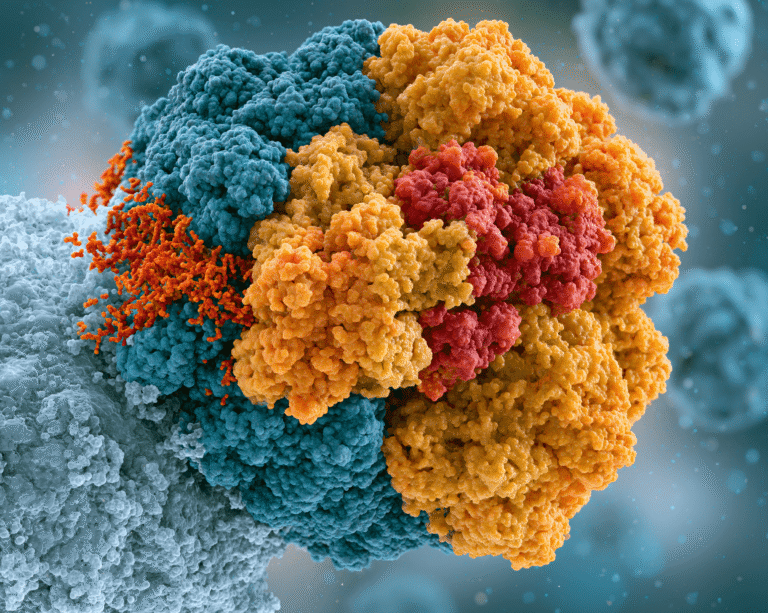
Lipoprotein(a), written as Lp(a) and commonly pronounced as “L-P-little-a,” is a cholesterol-carrying lipoprotein particle present in the blood. It is similar to LDL cholesterol, but it has an additional protein called apolipoprotein(a) attached to it. This extra component makes Lp(a) clinically important because high levels can contribute to plaque formation, vascular inflammation, clot-related risk, and narrowing of blood vessels. Modern cardiovascular references describe elevated Lp(a) as a genetically determined and causal risk factor for atherosclerotic cardiovascular disease and aortic stenosis. [1–4]
Table : High Lipoprotein(a) Levels and Heart Risk
| Lp(a) Level | What It Means | Cardiovascular Risk | Ayurvedic Interpretation |
|---|---|---|---|
| Below 50 mg/dL or below 125 nmol/L | Usually considered lower Lp(a)-related risk | Risk depends on other factors such as LDL, diabetes, BP, smoking, and family history | Assess Prakriti, Agni, Meda, Kapha, and family tendency for prevention |
| 50 mg/dL or 125 nmol/L and above | Commonly considered elevated Lp(a) | Increased risk of coronary artery disease, heart attack, stroke, and aortic stenosis | Indicates need to assess hidden Samprapti involving Meda, Kapha, Srotas, Ama, and Hridaya |
| 100 mg/dL or 250 nmol/L and above | Very high Lp(a) risk zone | Risk may be substantially higher, especially with family history or existing heart disease | Requires deeper root-cause Chikitsa with strict cardiovascular monitoring |
| High Lp(a) with normal cholesterol | Lp(a) may be missed in routine lipid profile | Hidden inherited risk may still be present | Ayurveda should assess the patient, not only the report value |
| High Lp(a) with diabetes, obesity, or CAD | Combined risk is more serious | Higher likelihood of cardiovascular complications | Treat Meda-Kapha Dushti, Prameha tendency, Srotodushti, and Hridaya vulnerability |
Why Lp(a) is called a hidden heart-risk marker
Lp(a) is often called a hidden cardiovascular risk marker because most people with high Lp(a) do not have clear symptoms in the early stage. A person may have acceptable total cholesterol, LDL cholesterol, HDL cholesterol, and triglycerides, yet still have high Lp(a). This happens because Lp(a) is not always included in a routine lipid profile and usually requires a separate blood test. The American Heart Association and CDC both explain that high Lp(a) may run in families and can increase the likelihood of heart attack, stroke, and aortic stenosis, especially in people with familial hypercholesterolemia or existing signs of coronary heart disease. [1], [2]
How Lp(a) is different from ordinary cholesterol
Ordinary cholesterol reports mainly focus on LDL cholesterol, HDL cholesterol, total cholesterol, and triglycerides. Lp(a) is different because it is largely inherited and tends to remain relatively stable throughout life. Lifestyle correction is still essential for reducing total cardiovascular risk, but diet and exercise may not significantly lower Lp(a) itself in many patients. This is why current dyslipidemia guidance recommends measuring Lp(a) at least once in adulthood to identify people with increased inherited cardiovascular risk. [5]
What level of Lp(a) is considered high?
Lp(a) may be reported in nmol/L or mg/dL, and these units should not be casually converted because Lp(a) particle size varies among individuals. As a practical clinical threshold, the American Heart Association notes that an Lp(a) level of 125 nmol/L or 50 mg/dL and above may increase the risk of heart disease and stroke, while 250 nmol/L or 100 mg/dL and above may be associated with a substantially higher risk depending on the person’s complete cardiovascular profile. [1]
Ayurvedic clinical understanding
Ayurvedic classics do not directly mention the modern biochemical term lipoprotein(a). Therefore, Lp(a) should be understood as a modern laboratory marker, while the patient’s underlying disease process should be assessed through Ayurvedic principles. In Ayurveda, the physician would examine the deeper pathological background through Agni, Ama, Meda Dhatu, Kapha, Rakta, Srotodushti, Sanga, Santarpana, Prameha tendency, and Hridaya involvement. In this way, elevated Lp(a)-related cardiovascular risk is not treated merely as a blood-test number, but as part of a deeper root-cause assessment requiring Samprapti Vighatana. The uploaded reference map assigns references [1], [2], [3], [4], and [5] for this section.
Lp(a) and coronary artery disease

Why high Lp(a) matters for the heart
Coronary artery disease develops when the arteries supplying blood to the heart become narrowed or blocked due to plaque formation. High lipoprotein(a), or Lp(a), is important because it can silently increase this plaque-forming tendency even when routine cholesterol values appear acceptable. Modern cardiovascular research describes elevated Lp(a) as a genetically determined, causal, and prevalent risk factor for atherosclerotic cardiovascular disease. It is also strongly associated with aortic stenosis, which makes it clinically relevant not only for coronary arteries but also for heart-valve health. [3], [4]
In many patients, Lp(a)-related risk remains hidden for years because high Lp(a) does not usually produce direct symptoms. A person may discover it only after a blood test, family screening, premature heart attack, stroke, or evaluation for unexplained cardiovascular risk. This is why Lp(a) testing is now considered important in patients with family history of early heart disease, recurrent cardiovascular events, or coronary artery disease despite controlled LDL cholesterol. [3], [4], [5]
How Lp(a) contributes to coronary artery disease
Lp(a) may contribute to coronary artery disease through a combination of atherosclerotic, inflammatory, and clot-related mechanisms. Because it carries cholesterol-rich particles, it can participate in plaque deposition within the arterial wall. Its association with oxidized phospholipids may also increase vascular inflammation. In addition, the apolipoprotein(a) structure has similarities with plasminogen, which may influence fibrinolysis and clot-related risk. These mechanisms explain why high Lp(a) can increase the risk of coronary artery disease, myocardial infarction, stroke, peripheral artery disease, and aortic valve disease. [3], [4], [6]
This does not mean that Lp(a) acts alone. Coronary artery disease usually develops through multiple combined factors, including LDL cholesterol, ApoB, high blood pressure, diabetes, smoking, obesity, chronic kidney disease, hypothyroidism, stress, poor sleep, and family history. When high Lp(a) is present along with these factors, the total cardiovascular risk may become much higher. Therefore, Lp(a) should be understood as a risk-enhancing factor that requires deeper assessment rather than a routine cholesterol abnormality. [3], [4], [5]
Ayurvedic root-cause interpretation
In Ayurveda, coronary artery disease related to high Lp(a) should be examined through the deeper pathological process rather than only through the laboratory value. The Ayurvedic physician assesses Agnimandya, Ama, Meda Dhatu Dushti, Kapha Prakopa, Rakta involvement, Srotodushti, Sanga, Dhamani involvement, Santarpanajanya Vikara, Prameha tendency, and Hridaya vulnerability. This root-cause evaluation is essential because Ayurveda does not aim merely to manage a risk marker; it aims to break the disease process through Samprapti Vighatana.
From this perspective, plaque formation and arterial narrowing may be understood through obstruction and vitiation of channels, especially where Meda-Kapha Dushti, Ama, and Sanga dominate. The heart involvement is assessed through the Hridaya and Hridroga framework, while the metabolic background is assessed through Santarpana, Sthaulya, Medovaha Srotas, and Prameha-related principles. Classical references for this approach include Charaka Samhita, Vimana Sthana, Chapter 5: Sroto Vimana for Srotodushti, Charaka Samhita, Sutra Sthana, Chapter 21: Ashtauninditiya Adhyaya for Sthaulya and Meda involvement, Charaka Samhita, Sutra Sthana, Chapter 22: Langhanabrimhaniya Adhyaya for Langhana and Rukshana, and Charaka Samhita, Chikitsa Sthana, Chapter 26: Trimarmiya Chikitsa for Hridaya understanding. [19], [20], [21], [22]
Clinical importance of early detection
The clinical value of detecting high Lp(a) early is that it allows both modern and Ayurvedic intervention before major complications occur. In modern care, the emphasis is on identifying inherited risk, controlling LDL cholesterol and other risk factors, and monitoring for cardiovascular disease. In Ayurveda, early identification allows timely Nidana Parivarjana, Agni Deepana, Ama Pachana, Meda-Kapha Shamana, Srotoshodhana, Langhana, Rukshana, and Hridya Chikitsa according to the patient’s constitution and disease stage.
Therefore, high Lp(a) and coronary artery disease should be understood through an integrated clinical lens. Modern medicine identifies Lp(a) as a measurable inherited cardiovascular risk marker, while Ayurveda examines and treats the root pathological terrain that contributes to coronary disease development. This makes early testing, proper risk assessment, and Samprapti-based Ayurvedic treatment important for patients with personal or family history of premature heart disease. [3], [4], [5], [6]
Common associated diseases

High Lipoprotein(a), or Lp(a), is not only a cholesterol-related blood marker; it is an inherited cardiovascular risk factor that can silently increase the chances of several serious diseases. Many patients discover high Lp(a) only after a heart attack, stroke, premature coronary artery disease, family screening, or evaluation for unexplained cardiovascular risk.
The most important diseases associated with high Lp(a) include coronary artery disease, heart attack, stroke, peripheral artery disease, aortic stenosis, and recurrent cardiovascular events. In some patients, the risk becomes stronger when high Lp(a) is present along with diabetes, insulin resistance, chronic kidney disease, nephrotic syndrome, hypothyroidism, obesity, fatty liver, hypertension, smoking, or a strong family history of early heart disease.
From an Ayurvedic perspective, these associated diseases should not be viewed as isolated conditions. They may reflect a deeper root Samprapti involving Agni disturbance, Ama formation, Meda-Kapha Dushti, Srotodushti, Sanga, Santarpana, Prameha tendency, Rakta involvement, and Hridaya vulnerability. Therefore, the clinical goal is to identify both the modern cardiovascular risk and the Ayurvedic root pathology so that treatment can be individualized from the beginning.
Coronary artery disease and heart attack
High Lp(a) is most strongly associated with atherosclerotic cardiovascular disease, especially coronary artery disease. In coronary artery disease, cholesterol-rich plaque gradually narrows the arteries that supply blood to the heart. Elevated Lp(a) can increase this risk because it behaves like an LDL-like particle with additional pro-inflammatory and pro-thrombotic properties. Large consensus and cardiovascular studies describe Lp(a) as a causal risk factor for atherosclerotic cardiovascular disease, and HEART UK lists coronary heart disease and heart attack among the major diseases linked with high Lp(a). [3], [4], [6], [7]
A patient with high Lp(a) may develop coronary artery disease even when routine cholesterol values appear acceptable. This is especially important in people with family history of premature heart disease, familial hypercholesterolemia, diabetes, hypertension, smoking, obesity, chronic kidney disease, or recurrent cardiac events despite standard lipid management. In such cases, Lp(a) should be treated as a hidden inherited risk marker that requires deeper cardiovascular evaluation rather than being ignored as a minor cholesterol variation. [3], [4], [6], [7]
Stroke and peripheral artery disease
High Lp(a) is also associated with stroke and peripheral artery disease. Stroke risk may increase when atherosclerotic, inflammatory, and clot-related mechanisms affect blood vessels supplying the brain. Peripheral artery disease occurs when narrowed or blocked arteries reduce blood flow to the limbs, especially the legs. HEART UK specifically lists stroke and peripheral arterial disease among conditions associated with elevated Lp(a), and population-level cardiovascular data show dose-dependent associations between Lp(a) concentration and vascular outcomes. [6], [7]
From an Ayurvedic root-cause perspective, these vascular conditions may be understood through Srotodushti, Sanga, Dhamani involvement, Meda-Kapha Dushti, Ama, and Rakta involvement. The clinical aim is not only to address the visible disease but also to break the underlying Samprapti that promotes obstruction, heaviness, impaired circulation, and tissue vulnerability.
Aortic stenosis and heart-valve disease
Aortic stenosis is another important condition associated with high Lp(a). In aortic stenosis, the aortic valve becomes narrowed, often due to calcific degeneration. Elevated Lp(a) is consistently linked with calcific aortic valve disease and aortic stenosis in modern cardiovascular literature. HEART UK also includes aortic valve disease among the major cardiovascular conditions linked with high Lp(a). [3], [4], [6], [7]
This association is clinically significant because aortic stenosis may remain silent in the early stage. Later, it may present with exertional breathlessness, chest pain, dizziness, fainting, fatigue, or signs of heart failure. Patients with high Lp(a), murmur, exertional symptoms, or family history of valve disease should be evaluated medically.
Heart failure and recurrent cardiovascular events
High Lp(a) has also been associated with heart failure and recurrent cardiovascular events, particularly when it coexists with coronary artery disease, aortic stenosis, hypertension, diabetes, kidney disease, or persistent lipid risk. HEART UK includes heart failure among diseases associated with high Lp(a), while large cardiovascular studies have reported associations between Lp(a) concentration and several vascular outcomes, including coronary artery disease, peripheral artery disease, aortic valve stenosis, heart failure, and mortality-related measures. [6], [7]
In Ayurveda, this stage requires careful assessment of Hridaya Bala, Ojas, Agni, Srotas, Vata involvement, Kapha-Meda obstruction, and associated Prameha or Sthaulya tendency. If the patient has breathlessness, edema, chest discomfort, palpitations, fainting, or reduced exercise tolerance, urgent modern evaluation is essential along with Ayurvedic assessment.
Chronic kidney disease and nephrotic syndrome
Kidney disorders are clinically relevant in patients with high Lp(a). Chronic kidney disease is associated with altered lipid and lipoprotein metabolism, and research reviews discuss the relationship between Lp(a), chronic kidney disease, and cardiovascular events. HEART UK also notes that secondary conditions such as chronic kidney disease, nephrotic kidney disease, and hypothyroidism can affect Lp(a) levels. [6], [8]
Nephrotic syndrome is especially important because it is associated with marked lipid abnormalities, including elevated Lp(a). Studies in nephrotic syndrome have reported high Lp(a) levels, with reductions seen after remission in some patients. Therefore, when Lp(a) is elevated, renal history, urine protein, serum albumin, creatinine, eGFR, edema, and blood pressure should be reviewed. [8], [9]
Hypothyroidism and lipid disturbance
Hypothyroidism can worsen the lipid profile and overall cardiovascular risk. Reviews on thyroid dysfunction report that hypothyroidism has an unfavorable effect on lipids and that thyroid dysfunction influences several cardiovascular risk factors. HEART UK also identifies hypothyroidism as one of the secondary conditions that can affect Lp(a) levels. [6], [10]
For this reason, thyroid assessment is clinically important in patients with high Lp(a), especially when they also have weight gain, fatigue, constipation, cold intolerance, high LDL cholesterol, menstrual irregularity, edema, or family history of thyroid disease. From the Ayurvedic view, such patients often require careful assessment of Agni, Kapha, Meda, Mala pattern, and Srotas before choosing a treatment plan.
Diabetes, insulin resistance, and metabolic risk
Diabetes and insulin resistance increase the clinical importance of high Lp(a) because they independently raise cardiovascular risk. Recent MESA-based research notes that elevated Lp(a) is associated with increased cardiovascular disease incidence in people with and without diabetes. [11]
In Ayurvedic terms, diabetes tendency and insulin resistance are assessed through Prameha, Meda Dhatu Dushti, Kapha predominance, Agnimandya, Ama, Kleda, and Medovaha Srotas involvement. When high Lp(a) is present along with diabetes, obesity, fatty liver, high triglycerides, hypertension, or family history of early heart disease, root-cause Ayurvedic treatment must be planned with strict attention to diet, exercise, Agni correction, Meda-Kapha Shamana, and Prameha management principles.
Asian and South Asian cardiovascular relevance
Lp(a) is especially relevant in Asian and South Asian cardiovascular risk discussions because premature coronary artery disease and inherited lipid risk are major clinical concerns in these populations. A 2025 review on Asian populations reports that observational studies have linked elevated Lp(a) with coronary artery calcification, myocardial infarction, stroke, and recurrent cardiovascular events. [12]
For Indian and South Asian patients, Lp(a) testing becomes particularly useful when cardiovascular disease appears early, when family history is strong, or when standard cholesterol results do not fully explain the patient’s risk. Ayurveda adds value here by assessing the inherited tendency together with Ahara, Vihara, Agni, Meda, Kapha, Ama, Srotas, Prameha tendency, stress, sleep, and Hridaya Bala.
Integrated root-cause view
The diseases associated with high Lp(a) should not be understood as separate isolated conditions. Coronary artery disease, heart attack, stroke, peripheral artery disease, aortic stenosis, chronic kidney disease, nephrotic syndrome, hypothyroidism, diabetes, obesity, and insulin resistance may interact with one another and increase total cardiovascular risk. The uploaded reference framework assigns references [3], [4], [6], [7], [8], [9], [10], [11], and [12] for this section.
From the Ayurvedic clinical perspective, the root approach is to identify the dominant Samprapti in each patient. Where Meda-Kapha Dushti, Ama, Sanga, Srotodushti, Santarpana, Prameha tendency, and Hridaya vulnerability are present, treatment should be directed at breaking that process from its root. This is why the Ayurvedic management of high Lp(a)-related disease risk must be individualized rather than based only on one laboratory value.
Who should get tested for Lp(a)?

Lp(a) testing is important because high Lipoprotein(a) is usually silent, largely inherited, and often missed in routine cholesterol testing. Many patients with elevated Lp(a) may have normal-looking lipid reports, yet still carry a hidden risk for coronary artery disease, heart attack, stroke, peripheral artery disease, or aortic stenosis.
Table : Who Should Get Tested for Lipoprotein(a)?
| Who Should Test Lp(a)? | Why Testing Matters | Ayurvedic Clinical Relevance |
|---|---|---|
| Adults at least once in life | Lp(a) is mostly inherited and usually stable throughout life | Early detection helps begin preventive root-cause Chikitsa before disease progresses |
| Family history of premature heart disease | High Lp(a) commonly runs in families | Indicates Beeja-related tendency and need for early Hridaya protection |
| Early heart attack or stroke | Lp(a) may explain hidden inherited cardiovascular risk | Requires assessment of Srotodushti, Sanga, Rakta involvement, and Hridaya Bala |
| Familial hypercholesterolemia | High LDL and high Lp(a) together can increase risk | Needs combined Meda-Kapha and cardiovascular risk correction |
| Aortic stenosis or valve disease | Lp(a) is linked with calcific aortic valve disease | Hridaya must be assessed as a vital Marma |
| Recurrent cardiovascular events | Lp(a) may contribute to residual risk despite treatment | Requires deeper Samprapti evaluation and coordinated medical care |
| Diabetes, obesity, fatty liver, or metabolic syndrome | These conditions amplify heart risk | Indicates Prameha tendency, Meda Dushti, Kapha aggravation, and Santarpana |
| Strong risk despite normal lipid profile | Routine cholesterol may not show inherited Lp(a) risk | Ayurveda should evaluate the whole patient, not only standard cholesterol numbers |
Testing becomes especially important when there is a personal or family history of premature heart disease, unexplained heart attack or stroke, familial hypercholesterolemia, aortic stenosis, recurrent cardiovascular events, or strong cardiovascular risk despite acceptable LDL cholesterol. Since Lp(a) commonly runs in families, one abnormal result may also indicate the need to screen close relatives.
From an Ayurvedic clinical perspective, Lp(a) testing helps identify inherited cardiovascular vulnerability before the Samprapti becomes advanced. Once high Lp(a) is detected, the physician can assess Agni, Ama, Meda-Kapha Dushti, Srotodushti, Santarpana, Prameha tendency, Hridaya Bala, diet, lifestyle, and family tendency to plan root-cause Chikitsa early.
General testing recommendation
Lp(a) testing is important because elevated Lp(a) is usually silent, largely inherited, and not included in a routine lipid profile unless it is specifically ordered. The American Heart Association recommends that every adult should be tested at least once in their lifetime, and the 2026 ACC/AHA dyslipidemia guidance states that Lp(a) should be measured at least once in adulthood because levels are largely genetically determined and remain relatively stable throughout life. [1], [5]
This once-in-adulthood test is clinically useful because a person may have high inherited cardiovascular risk even when standard cholesterol values appear acceptable. Since lifestyle changes have minimal direct effect on Lp(a), repeat testing is generally not required in most patients unless there is a specific clinical reason, laboratory concern, major health change, or specialist recommendation. [5]
People with personal or family history of early heart disease
Lp(a) testing is especially important for people with a personal or family history of premature heart disease. The American Heart Association identifies premature heart disease as heart disease before age 55 in men and before age 65 in women, and the CDC similarly highlights early heart attack, stroke, or coronary artery disease as important reasons to suspect high Lp(a). [1], [2]
Testing is also important when a close family member is known to have high Lp(a). Because high Lp(a) runs in families, identifying one affected person can help detect risk in parents, siblings, and children before major cardiovascular events occur. The CDC notes that if one family member has high Lp(a), relatives may also need testing, and the National Lipid Association focused update states that cascade screening of first-degree relatives can identify additional at-risk individuals who may need intervention. [2], [16]
People with familial hypercholesterolemia or unexplained high risk
Patients with familial hypercholesterolemia should be tested for Lp(a) because the combination of inherited high LDL cholesterol and high Lp(a) may significantly increase cardiovascular risk. The CDC notes that current recommendations support checking Lp(a) in people with familial hypercholesterolemia, and it also states that about one third of people with familial hypercholesterolemia have high Lp(a). [2]
Lp(a) testing is also useful when the clinical picture appears more severe than the routine lipid profile suggests. For example, a patient with premature coronary artery disease, recurrent cardiovascular events, aortic stenosis, peripheral artery disease, or strong family history may require Lp(a) testing even if LDL cholesterol is not extremely high. This helps uncover hidden inherited risk and guides more intensive prevention. [1], [2], [16]
People with premature ASCVD or intermediate-to-high cardiovascular risk
Guidelines differ slightly across countries, but the clinical direction is clear: Lp(a) testing is important in people with established or suspected high cardiovascular risk. The Canadian Cardiovascular Society recommends measuring Lp(a) once in a person’s lifetime as part of initial lipid screening, while the Australian Atherosclerosis Society recommends testing in all patients with premature ASCVD and those considered intermediate-to-high risk for ASCVD. [13], [14]
This includes patients with previous heart attack, stroke, coronary artery disease, peripheral artery disease, premature vascular disease, or aortic valve disease. Testing helps refine the patient’s long-term risk and may influence how aggressively LDL cholesterol, blood pressure, diabetes, smoking, weight, sleep, and other modifiable cardiovascular factors are managed. [5], [14], [16]
Family screening after a high result
If a patient is diagnosed with elevated Lp(a), family screening becomes important. This is called cascade screening. The American Heart Association and CDC both recommend family-based testing when high Lp(a) is found, and the National Lipid Association states that cascade screening of first-degree relatives can identify additional people at risk. [1], [2], [16]
In Singapore, Changi General Hospital’s LILAC approach also includes cascade testing to identify at-risk family members after elevated Lp(a) is detected. The same approach emphasizes recognition of Lp(a) as a cardiovascular risk factor, improvement of all cardiovascular risk factors, lowering LDL cholesterol first, assessment of related conditions, and family screening. [15]
Ayurvedic clinical relevance of testing
From an Ayurvedic clinical perspective, Lp(a) testing is useful because it reveals hidden inherited cardiovascular vulnerability before disease becomes clinically advanced. The test does not replace Ayurvedic diagnosis, but it helps the physician understand the patient’s risk profile more completely. Once high Lp(a) is known, the Ayurvedic assessment should examine Nidana, Agni, Ama, Meda Dhatu, Kapha, Rakta, Srotodushti, Sanga, Santarpana, Prameha tendency, Sthaulya, and Hridaya involvement.
This early recognition allows root-cause Ayurvedic treatment to begin before the Samprapti becomes deeper. The focus should be on Nidana Parivarjana, Agni Deepana, Ama Pachana, Meda-Kapha Shamana, Srotoshodhana, Langhana, Rukshana, Lekhana where suitable, Prameha-risk correction, and Hridaya-focused Chikitsa according to the patient’s constitution, strength, digestion, disease stage, and associated conditions.
Practical conclusion
Lp(a) testing should be considered at least once in adulthood and should be prioritized in people with premature heart disease, strong family history, known high Lp(a) in relatives, familial hypercholesterolemia, coronary artery disease, stroke, peripheral artery disease, aortic stenosis, recurrent cardiovascular events, or intermediate-to-high cardiovascular risk. The uploaded reference framework assigns references [1], [5], [13], [14], [15], and [16] for this section.
Ayurvedic understanding

Ayurvedic Treatment for High Lipoprotein(a) begins by understanding that Lp(a) is a modern laboratory marker, while Ayurveda evaluates the deeper root pathology behind cardiovascular risk. Ayurveda does not treat only the blood-test value; it studies the patient’s Agni, Ama, Meda Dhatu, Kapha, Rakta, Srotas, Sanga, Santarpana, Prameha tendency, Hridaya Bala, Nidana, Prakriti, Vikriti, and complete Samprapti.
From the Ayurvedic perspective, elevated Lipoprotein(a)-related heart risk may reflect a deeper disturbance involving impaired metabolic fire, accumulation of Ama, Meda-Kapha Dushti, obstruction of Srotas, and vulnerability of Hridaya. This is why Ayurvedic treatment is planned as Samprapti Vighatana, meaning correction of the disease process from its root rather than superficial management of one report value.
Classical Ayurvedic position
Ayurvedic classics do not mention the modern biochemical term lipoprotein(a) or Lp(a) by name. Therefore, high Lp(a) should not be reduced to one single classical disease label. In Ayurveda, the patient is examined through Nidana, Agni, Ama, Dosha, Dushya, Dhatu, Srotas, Sanga, Meda, Kapha, Rakta, Prameha tendency, Santarpana, Hridaya, Bala, Prakriti, Vikriti, and Samprapti. This section is based on the classical reference mapping for Ayurvedic understanding, especially Charaka Samhita references [19] to [25].
The Ayurvedic aim is not merely symptomatic control. It is Samprapti Vighatana, meaning breaking the disease process from its root. In a patient with high Lp(a)-related cardiovascular risk, the physician should identify whether the deeper pathology is dominated by Mandagni, Ama, Meda-Kapha Dushti, Srotodushti, Sanga, Santarpanajanya Vikara, Prameha tendency, or Hridaya vulnerability.
Agni as the root of health and disease
Source: Charaka Samhita, Chikitsa Sthana, Chapter 15, Grahani Chikitsa, verses 3–4.
Sanskrit:
आयुर्वर्णो बलं स्वास्थ्यमुत्साहोपचयौ प्रभा।
ओजस्तेजोऽग्नयः प्राणाश्चोक्ता देहाग्निहेतुकाः॥३॥
शान्तेऽग्नौ म्रियते, युक्ते चिरं जीवत्यनामयः।
रोगी स्याद्विकृते, मूलमग्निस्तस्मान्निरुच्यते॥४॥
Transliteration:
āyurvarṇo balaṁ svāsthyamutsāhopacayau prabhā।
ojastejo’gnayaḥ prāṇāścoktā dehāgnihetukāḥ॥3॥
śānte’gnau mriyate, yukte ciraṁ jīvatyanāmayaḥ।
rogī syādvikṛte, mūlamagnistasmānnirucyate॥4॥
Translation:
Longevity, complexion, strength, health, enthusiasm, proper nourishment, radiance, Ojas, Tejas, different forms of Agni, and Prana depend upon Dehagni. When Agni is extinguished, life ends; when Agni is balanced, one lives long and healthy; when Agni is disturbed, disease arises. Therefore, Agni is called the root.
Clinical application:
This shloka is the foundation for explaining high Lp(a)-related cardiovascular risk through Ayurveda. The treatment must begin at the root: Agni. If Agni is disturbed, Ahara is not properly transformed into healthy Dhatu. This leads to Ama, Meda Dushti, Kapha aggravation, Srotas obstruction, and later cardiovascular vulnerability. Therefore, Ayurvedic treatment is not only directed at a laboratory value; it is directed at the root metabolic fire that governs tissue formation and disease resistance.
Srotas as the channel system of the body
Source: Charaka Samhita, Vimana Sthana, Chapter 5, Sroto Vimana, verse 3.
Sanskrit:
यावन्तः पुरुषे मूर्तिमन्तो भावविशेषास्तावन्त एवास्मिन् स्रोतसां प्रकारविशेषाः।
सर्वे हि भावा पुरुषे नान्तरेण स्रोतांस्यभिनिर्वर्तन्ते, क्षयं वाऽप्यभिगच्छन्ति।
स्रोतांसि खलु परिणाममापद्यमानानां धातूनामभिवाहीनि भवन्त्ययनार्थेन॥३॥
Transliteration:
yāvantaḥ puruṣe mūrtimanto bhāvaviśeṣāstāvanta evāsmin srotasāṁ prakāraviśeṣāḥ।
sarve hi bhāvā puruṣe nāntareṇa srotāṁsyabhinirvartante, kṣayaṁ vā’pyabhigacchanti।
srotāṁsi khalu pariṇāmamāpadyamānānāṁ dhātūnāmabhivāhīni bhavantyayanārthena॥3॥
Translation:
As many structural entities as exist in the body, so many types of Srotas exist. No bodily entity is formed or destroyed without Srotas. Srotas are the channels that carry Dhatus undergoing transformation.
Clinical application:
This shloka allows Lp(a)-related cardiovascular risk to be explained through the Ayurvedic language of Srotas. Blood vessels, nutrient transport, tissue metabolism, and subtle circulation are not isolated events. They depend on the integrity of channels. When Srotas are healthy, Dhatu transformation and movement remain proper. When Srotas are obstructed or vitiated, disease develops.
Srotodushti and obstruction
Source: Charaka Samhita, Vimana Sthana, Chapter 5, Sroto Vimana, verse 24.
Sanskrit:
अतिप्रवृत्तिः सङ्गो वा सिराणां ग्रन्थयोऽपि वा।
विमार्गगमनं चापि स्रोतसां दुष्टिलक्षणम्॥२४॥
Transliteration:
atipravṛttiḥ saṅgo vā sirāṇāṁ granthayo’pi vā।
vimārgagamanaṁ cāpi srotasāṁ duṣṭilakṣaṇam॥24॥
Translation:
Excessive flow, obstruction, nodular or thickened changes in channels, and movement through improper pathways are the signs of Srotas vitiation.
Clinical application:
This shloka is highly relevant for explaining cardiovascular pathology in Ayurvedic language. In high Lp(a)-related risk, the modern concern is plaque formation, vascular narrowing, inflammation, and clot-related risk. Ayurveda explains the root pattern through Sanga, Siragranthi, Srotodushti, and Vimargagamana. The Ayurvedic treatment aim is to remove obstruction, correct the Dosha-Dushya interaction, and restore proper flow.
Meda Dhatu and Medovaha Srotas
Source: Charaka Samhita, Vimana Sthana, Chapter 5, Sroto Vimana, verse 16.
Sanskrit:
अव्यायामाद्दिवास्वप्नान्मेद्यानां चातिभक्षणात्।
मेदोवाहीनि दुष्यन्ति वारुण्याश्चातिसेवनात्॥१६॥
Transliteration:
avyāyāmāddivāsvapnānmedyānāṁ cātibhakṣaṇāt।
medovāhīni duṣyanti vāruṇyāścātisevanāt॥16॥
Translation:
Lack of exercise, daytime sleep, excessive intake of Meda-promoting foods, and excessive intake of alcoholic preparations vitiate the Medovaha Srotas.
Clinical application:
This shloka directly connects lifestyle, food, Meda, and channel pathology. In patients with high Lp(a), Ayurveda must assess whether Medovaha Srotas is disturbed through inactivity, heavy food, excess sleep, sweet and unctuous diet, obesity, fatty liver tendency, insulin resistance, or Prameha background. The root treatment is not only “cholesterol management”; it is Meda-Kapha Samprapti correction.
Santarpana as the over-nutrition root
Source: Charaka Samhita, Sutra Sthana, Chapter 23, Santarpaniya Adhyaya, verses 3–5.
Sanskrit:
सन्तर्पयति यः स्निग्धैर्मधुरैर्गुरुपिच्छिलैः।
नवान्नैर्नवमद्यैश्च मांसैश्चानूपवारिजैः॥३॥
गोरसैर्गौडिकैश्चान्नैः पैष्टिकैश्चातिमात्रशः।
चेष्टाद्वेषी दिवास्वप्नशय्यासनसुखे रतः॥४॥
रोगास्तस्योपजायन्ते सन्तर्पणनिमित्तजाः॥५॥
Transliteration:
santarpayati yaḥ snigdhairmadhurairgurupicchilaiḥ।
navānnairnavamadyaiśca māṁsaiścānūpavārijaiḥ॥3॥
gorasairgauḍikaiścānnaiḥ paiṣṭikaiścātimātraśaḥ।
ceṣṭādveṣī divāsvapnaśayyāsanasukhe rataḥ॥4॥
rogāstasyopajāyante santarpaṇanimittajāḥ॥5॥
Translation:
One who excessively consumes unctuous, sweet, heavy, slimy foods, new grains, new alcohol, meat of marshy or aquatic animals, milk products, jaggery-based and flour-based preparations, and who dislikes activity while enjoying day sleep, bed, seat, and comfort, develops diseases caused by Santarpana.
Clinical application:
This is one of the most important shlokas for Gulf patient education because it connects rich food, excess sweetness, heavy diet, inactivity, comfort, and metabolic disease. In Ayurveda, Santarpana is not just overeating. It is a disease-producing pattern that increases Kapha, Meda, Kleda, Ama, Srotas obstruction, and Prameha tendency. In high Lp(a)-related cardiovascular risk, Santarpana must be assessed carefully because the laboratory marker may be inherited, but the disease terrain can be worsened by diet, inactivity, obesity, diabetes, fatty liver, and inflammation.
Santarpanajanya diseases and channel coating
Source: Charaka Samhita, Sutra Sthana, Chapter 23, Santarpaniya Adhyaya, verses 5–7.
Sanskrit:
प्रमेहपिडकाकोठकण्डूपाण्ड्वामयज्वराः।
कुष्ठान्यामप्रदोषाश्च मूत्रकृच्छ्रमरोचकः॥
तन्द्रा क्लैब्यमतिस्थौल्यमालस्यं गुरुगात्रता।
इन्द्रियस्रोतसां लेपो बुद्धेर्मोहः प्रमीलकः॥
शोफाश्चैवंविधाश्चान्ये शीघ्रमप्रतिकुर्वतः॥५–७॥
Transliteration:
pramehapiḍakākoṭhakaṇḍūpāṇḍvāmayajvarāḥ।
kuṣṭhānyāmapradoṣāśca mūtrakṛcchramarocakaḥ।
tandrā klaibyamatisthaulyamālasyaṁ gurugātratā।
indriyasrotasāṁ lepo buddhermohaḥ pramīlakaḥ।
śophāścaivaṁvidhāścānye śīghramapratikurvataḥ॥5–7॥
Translation:
If Santarpana is not corrected, diseases such as Prameha, skin disorders, Ama disorders, urinary difficulty, anorexia, drowsiness, excessive obesity, laziness, heaviness of the body, coating or obstruction of channels and senses, mental dullness, edema, and similar conditions may arise.
Clinical application:
This verse provides a classical foundation for linking metabolic overload with Srotas coating and obstruction. The phrase Srotasām Lepa is clinically powerful. It helps explain how Ama, Meda, Kapha, and Kleda can coat or obstruct channels. For high Lp(a)-related cardiovascular risk, this supports an Ayurvedic root-cause explanation: clear the channel pathology, correct the over-nourishment pattern, and prevent progression toward deeper Hridaya and Dhamani involvement.
Langhana, Pachana, Upavasa, and Vyayama
Source: Charaka Samhita, Sutra Sthana, Chapter 22, Langhanabrimhaniya Adhyaya, verse 18.
Sanskrit:
चतुष्प्रकारा संशुद्धिः पिपासा मारुतातपौ।
पाचनान्युपवासश्च व्यायामश्चेति लङ्घनम्॥१८॥
Transliteration:
catuṣprakārā saṁśuddhiḥ pipāsā mārutātapau।
pācanānyupavāsaśca vyāyāmaśceti laṅghanam॥18॥
Translation:
The four purification therapies, controlled thirst, exposure to wind and sunlight, Pachana measures, fasting, and exercise are included under Langhana.
Clinical application:
This shloka gives the therapeutic direction for Santarpana, Ama, Meda-Kapha, heaviness, sluggish metabolism, and channel obstruction. In the Ayurvedic management of high Lp(a)-related cardiovascular risk, Langhana is selected according to Bala, Agni, age, disease stage, comorbidities, and physician judgment. It does not mean random fasting for every patient. It means a root-cause reduction strategy that may include light diet, Pachana, exercise, Rukshana, and Shodhana where indicated.
Sthaulya, Meda, and Kapha reduction
Source: Charaka Samhita, Sutra Sthana, Chapter 21, Ashtauninditiya Adhyaya, verses 21–28.
Sanskrit:
वातघ्नान्यन्नपानानि श्लेष्ममेदोहराणि च।
रूक्षोष्णा बस्तयस्तीक्ष्णा रूक्षाण्युद्वर्तनानि च॥२१॥
Transliteration:
vātaghnānyannapānāni śleṣmamedoharāṇi ca।
rūkṣoṣṇā bastayastīkṣṇā rūkṣāṇyudvartanāni ca॥21॥
Translation:
In obesity, foods and drinks should be such that they regulate Vata while reducing Kapha and Meda. Ruksha, Ushna, Tikshna therapies and dry Udvartana are recommended according to suitability.
Clinical application:
This supports the principle that Meda-Kapha disorders require intelligent reduction, not blind depletion. In patients with high Lp(a) and obesity, fatty liver, diabetes tendency, insulin resistance, or heaviness, the physician must reduce Kapha and Meda while protecting Vata and Hridaya. This is why the treatment is individualized. The same protocol cannot be used for an obese Kapha-Meda patient and a lean Vata-Pitta cardiac patient.
Prameha, Kapha, Meda, and metabolic terrain
Source: Charaka Samhita, Nidana Sthana, Chapter 4, Prameha Nidana, verses 5–7.
Sanskrit:
बहुद्रवः श्लेष्मा दोषविशेषः॥६॥
बह्वबद्धं मेदो मांसं शरीरजक्लेदः शुक्रं शोणितं वसा मज्जा लसीका रसश्चौजःसङ्ख्यात इति दूष्यविशेषाः॥७॥
Transliteration:
bahudravaḥ śleṣmā doṣaviśeṣaḥ॥6॥
bahvabaddhaṁ medo māṁsaṁ śarīrajakledaḥ śukraṁ śoṇitaṁ vasā majjā lasīkā rasaścaujaḥsaṅkhyāta iti dūṣyaviśeṣāḥ॥7॥
Translation:
In Prameha, Kapha has a fluid-dominant pathological nature. The affected Dushyas include abundant and loose Meda, Mamsa, body Kleda, Shukra, Shonita, Vasa, Majja, Lasika, Rasa, and Ojas.
Clinical application:
This shloka gives a deep metabolic framework. When high Lp(a) is seen with diabetes, insulin resistance, obesity, fatty liver, high triglycerides, excessive thirst, fatigue, heaviness, or family history of diabetes, Ayurveda must assess Prameha tendency. The treatment then becomes Prameha-Meda-Kapha Samprapti correction rather than only heart medicine.
Hridaya as a vital Marma
Source: Charaka Samhita, Chikitsa Sthana, Chapter 26, Trimarmiya Chikitsa, verses 3–4.
Sanskrit:
सप्तोत्तरं मर्मशतं यदुक्तं शरीरसङ्ख्यामधिकृत्य तेभ्यः।
मर्माणि बस्तिं हृदयं शिरश्च प्रधानभूतानि वदन्ति तज्ज्ञाः॥३॥
प्राणाश्रयात् तानि हि पीडयन्तो वातादयोऽसूनपि पीडयन्ति।
तत्संश्रितानामनुपालनार्थं महागदानां शृणु सौम्य रक्षाम्॥४॥
Transliteration:
saptottaraṁ marmaśataṁ yaduktaṁ śarīrasaṅkhyāmadhikṛtya tebhyaḥ।
marmāṇi bastiṁ hṛdayaṁ śiraśca pradhānabhūtāni vadanti tajjñāḥ॥3॥
prāṇāśrayāt tāni hi pīḍayanto vātādayo’sūnapi pīḍayanti।
tatsaṁśritānāmanupālanārthaṁ mahāgadānāṁ śṛṇu saumya rakṣām॥4॥
Translation:
Among the 107 Marmas described in the body, the experts consider Basti, Hridaya, and Shiras to be the most important. Because they are seats of Prana, when Vata and other Doshas afflict them, life itself is endangered. Therefore, their protection and treatment in serious diseases must be understood.
Clinical application:
This shloka gives the classical basis for treating Lp(a)-related cardiovascular risk with seriousness. High Lp(a) is clinically important because of its connection with heart and vascular disease. Ayurveda places Hridaya among the supreme Marmas. Therefore, a patient with high Lp(a), family history of premature heart disease, chest discomfort, breathlessness, diabetes, hypertension, obesity, kidney disease, or aortic valve concern should be assessed carefully. Hridaya Raksha, Srotoshodhana, Meda-Kapha correction, Agni restoration, and Nidana Parivarjana become central.
Integrated Ayurvedic interpretation
High Lp(a) should be explained as a modern laboratory marker, while the Ayurvedic disease process should be understood through Agni, Ama, Meda, Kapha, Srotodushti, Sanga, Santarpana, Prameha tendency, and Hridaya involvement. The shlokas above show that Ayurveda looks at the root of pathology: disturbed Agni creates improper Dhatu transformation; improper diet and lifestyle vitiate Srotas; Medovaha Srotas is damaged by inactivity, day sleep, and Meda-promoting habits; Santarpana produces Ama, Prameha, Sthaulya, heaviness, and Srotas coating; Langhana, Pachana, Vyayama, Rukshana, and Shodhana are used according to patient suitability; and Hridaya is protected as a Pradhana Marma.
Therefore, the correct Ayurvedic statement is:
Ayurveda treats high Lp(a)-related cardiovascular risk from the root by correcting Agni, digesting Ama, reducing Meda-Kapha Dushti, clearing Srotas obstruction, reversing Santarpanajanya pathology, managing Prameha tendency, and protecting Hridaya. This is Samprapti Vighatana, not superficial symptom management.
Gulf patient connection in Arabic script
في الفهم الأيورفيدي، ارتفاع Lp(a) ليس مجرد رقم في التحليل. إنه علامة تدعو إلى علاج الجذر: تصحيح الهضم والتمثيل، تنظيف السموم الاستقلابية، تقليل اضطراب الدهون والكافا، فتح انسداد القنوات الحيوية، وحماية القلب. لذلك يركز العلاج الأيورفيدي على السبب العميق وليس على النتيجة الظاهرة فقط.
For Arabic-speaking Gulf patients, Agni can be explained as الهضم والتمثيل, Ama as السموم الاستقلابية, Meda as الدهون المرضية, Kapha as البلغم أو الكافا, Srotas as القنوات الحيوية, Sanga as الانسداد, and Hridaya as القلب.
Gulf patient connection in Urdu script
آیوروید کے مطابق Lp(a) صرف رپورٹ کا ایک نمبر نہیں ہے۔ یہ دل اور شریانوں کے خطرے کی ایک علامت ہے۔ اصل علاج جڑ سے ہوتا ہے: اگنی کی درستگی، آما کی صفائی، میدہ اور کف کا توازن، سروتس کی رکاوٹ کا ازالہ، پرمیہ کے رجحان کی اصلاح، اور ہردیہ یعنی دل کی حفاظت۔
For Urdu-speaking patients in the Gulf, Agni can be explained as اگنی یا ہاضمہ کی آگ, Ama as آما یا میٹابولک زہریلا مادہ, Meda as میدہ یا چربی کا دھاتو, Kapha as کف, Srotas as جسمانی نالیاں, Sanga as رکاوٹ, and Hridaya as ہردیہ یا دل.
Ayurvedic Treatment Principle

Ayurvedic Treatment for High Lipoprotein(a) is based on Samprapti Vighatana, which means breaking the disease process from its root. Instead of treating only the Lp(a) blood-test value, Ayurveda evaluates the complete pathological chain involving Nidana, Agni, Ama, Meda Dhatu, Kapha, Rakta, Srotodushti, Santarpana, Prameha tendency, Hridaya Bala, and the patient’s overall constitution.
The main treatment principle is to remove the causative factors, correct impaired digestion and metabolism, digest Ama, reduce Meda-Kapha Dushti, clear obstructed Srotas, regulate metabolic risk, and protect Hridaya. This root-cause approach helps the physician design a personalized treatment plan according to the patient’s Agni, Bala, disease stage, associated conditions, diet, lifestyle, and modern cardiovascular risk profile.
Root-cause Chikitsa through Samprapti Vighatana
The Ayurvedic management of high Lp(a)-related cardiovascular risk should be explained through Samprapti Vighatana, which means breaking the disease process from its root. Ayurveda does not begin with a single laboratory value alone. It begins with the complete pathological chain involving Nidana, Agni, Ama, Dosha, Dushya, Dhatu, Srotas, Meda, Kapha, Rakta, Prameha tendency, Santarpana, Hridaya involvement, Bala, and the stage of disease.
In this approach, high Lp(a) is understood as a modern inherited cardiovascular risk marker, while Ayurveda focuses on correcting the inner terrain that allows cardiovascular disease to manifest. Therefore, the treatment goal is not superficial symptom relief. It is to remove the causative factors, restore digestive and metabolic fire, clear Ama, reduce Meda-Kapha Dushti, open obstructed Srotas, regulate Santarpanajanya pathology, address Prameha tendency, and protect Hridaya.
This management principle is supported by the classical reference framework from Charaka Samhita chapters on Hridaya, Srotas, Sthaulya, Langhana, Santarpana, Prameha Nidana, and Prameha Chikitsa. [19–25]
Nidana Parivarjana as the first treatment
Nidana Parivarjana means removal of causative factors. In high Lp(a)-related cardiovascular risk, this includes identifying all dietary, lifestyle, emotional, hereditary, and metabolic factors that are aggravating the patient’s disease process. Although Lp(a) itself is largely inherited, the expression of cardiovascular risk is strongly influenced by diet, exercise, obesity, diabetes, blood pressure, smoking, sleep, stress, kidney function, thyroid status, and inflammatory-metabolic burden.
From the Ayurvedic perspective, the physician must identify whether the patient is regularly consuming Guru, Snigdha, Madhura, Abhishyandi, excessive dairy, refined flour, fried foods, heavy meat, sweet drinks, late-night meals, or incompatible food combinations. Day sleep, lack of exercise, sedentary work, emotional stress, irregular sleep, overeating, and lack of seasonal discipline must also be assessed. If these causes remain active, medicines alone cannot break the Samprapti.
For Gulf patients, this principle is especially important because urban lifestyle, rich food culture, late dinners, low physical movement, air-conditioned indoor routine, high work stress, and diabetes tendency may intensify Meda-Kapha Dushti and Srotas obstruction. The root treatment must begin with correcting the daily causes that feed the disease.
Agni Deepana and Ama Pachana
Agni is central to Ayurvedic treatment. When Agni is balanced, food is properly digested and transformed into healthy Dhatus. When Agni is weak or disturbed, improper metabolic residue forms, which is understood as Ama. Ama can combine with Dosha and Dushya, disturb Srotas, increase heaviness, impair circulation, and contribute to chronic disease progression.
In patients with high Lp(a)-related risk, the physician should assess whether Mandagni and Ama are present. Common clinical clues may include heaviness after meals, bloating, coated tongue, lethargy, foul belching, irregular bowel movement, excessive sleepiness, dull appetite, body heaviness, poor exercise tolerance, and metabolic sluggishness. When Ama is present, direct use of heavy nourishing formulations may worsen the condition. In such cases, Deepana and Pachana become the first therapeutic steps.
Agni correction does not mean giving strong stimulants to every patient. A Kapha-Meda patient with heaviness may require Ushna, Tikshna, Ruksha, and Laghu measures, whereas a Pitta-dominant patient with acidity, burning, irritability, or inflammation requires a gentler approach. A Vata patient with dryness, anxiety, poor sleep, and low weight requires still another strategy. This is why root-cause Ayurvedic treatment must be individualized.
Meda-Kapha Shamana and Srotoshodhana
Meda-Kapha Dushti is a major therapeutic focus when high Lp(a) is associated with obesity, abdominal fat, fatty liver, high triglycerides, diabetes tendency, lethargy, heaviness, excessive sweating, or low exercise capacity. In such patients, the disease terrain often reflects Santarpana, Medovaha Srotas Dushti, Kapha aggravation, and Sanga.
The treatment principle is to reduce pathological heaviness and channel obstruction without weakening the patient. This is done through carefully selected Langhana, Rukshana, Lekhana, Pachana, diet correction, movement, and Srotoshodhana measures. The goal is to restore proper movement and transformation within the Srotas so that Meda, Kapha, Ama, and Kleda do not continue to obstruct the channels.
Srotoshodhana should not be understood only as a purgative or cleansing procedure. It means restoring the proper function of channels through suitable diet, medicines, exercise, daily routine, Shodhana where indicated, and correction of the underlying Dosha-Dushya interaction. In cardiovascular risk patients, Srotoshodhana must be planned carefully, especially in those with known coronary artery disease, hypertension, kidney disease, old age, low strength, or multiple medications.
Langhana, Rukshana, and Lekhana according to Bala
Langhana, Rukshana, and Lekhana are important principles in Santarpana and Meda-Kapha disorders. Langhana lightens the body and reduces excess load. Rukshana counters excessive Snigdha and Kapha qualities. Lekhana helps reduce pathological accumulation and scraping-type Meda-Kapha obstruction. These principles are especially useful when the patient has obesity, heaviness, Mandagni, Ama, fatty liver, high triglycerides, Prameha tendency, or Kapha-Meda dominance.
However, these measures should never be applied mechanically. The physician must assess Bala, age, Agni, Koshtha, disease stage, cardiac status, kidney function, diabetes control, and Vata involvement. A strong Kapha-Meda patient may tolerate active Langhana and Rukshana, while an elderly, lean, anxious, Vata-dominant cardiac patient may require a gentler plan. A patient with exertional chest pain, breathlessness, heart failure, or advanced disease should not undergo aggressive fasting, intense exercise, or strong purification without proper medical and Ayurvedic supervision.
The root principle is balance. Ayurveda treats from the root, but root treatment is not the same as harsh treatment. True Samprapti Vighatana means using the correct measure at the correct time in the correct patient.
Prameha and metabolic risk correction
When high Lp(a) is present with diabetes, insulin resistance, obesity, fatty liver, high triglycerides, excessive thirst, fatigue, frequent urination, family history of diabetes, or high HbA1c, the management must include Prameha-related assessment. Ayurveda understands Prameha as a deep metabolic disorder involving Kapha, Meda, Kleda, Mamsa, Rasa, Rakta, Lasika, Ojas, and Srotas disturbance.
In such patients, treating only the heart is incomplete. The Prameha-Meda-Kapha background must be corrected from the root. Diet must be planned to reduce Kleda, Kapha, Ama, and Meda. Exercise must be introduced according to Vyayama Shakti. Formulations should be selected according to Agni, Koshtha, Dosha, Dhatu, and the patient’s glycemic status. Sweet, heavy, and calorie-dense preparations, including some Avaleha forms, require special caution in this group.
When Prameha tendency is controlled, the overall cardiovascular terrain improves. This is clinically important because diabetes and insulin resistance can amplify vascular risk in patients with elevated Lp(a).
Hridaya protection and Hridya Chikitsa
Since high Lp(a) is clinically important mainly because of its link with coronary artery disease, heart attack, stroke, peripheral artery disease, and aortic stenosis, Hridaya protection must be central to the Ayurvedic plan. Hridaya is considered a vital Marma in Ayurveda, and any disease process approaching the heart must be handled with seriousness.
Hridya Chikitsa may include appropriate diet, lifestyle, mental calmness, Pranayama where suitable, stress correction, sleep regulation, and classical Hridya Dravya selected according to the patient. Arjuna is an important classical Hridya Dravya described in Bhavaprakasha Nighantu, and Hridroga-related formulations are discussed in texts such as Ashtanga Hridaya and Bhaishajya Ratnavali. The choice of medicine depends on the patient’s complete Samprapti and not on Lp(a) alone.
If the patient has chest pain, breathlessness, fainting, severe palpitations, stroke-like symptoms, edema, known coronary artery disease, heart failure, or aortic stenosis symptoms, urgent medical evaluation is essential. Ayurvedic Chikitsa should be integrated responsibly and should not delay emergency care.
Diet, daily routine, and movement as medicine
In root-cause Ayurvedic treatment, Ahara and Vihara are not secondary advice. They are part of the treatment itself. For high Lp(a)-related cardiovascular risk, diet should be planned according to Agni, Dosha, Meda status, Prameha tendency, weight, digestion, appetite, bowel habit, and cultural food pattern.
A Kapha-Meda patient usually needs lighter, warmer, less oily, less sweet, less processed, and more metabolically active food. Late-night heavy meals, repeated snacking, sweet drinks, excess refined flour, fried food, and heavy dairy should be corrected. A Vata-dominant patient may need regular warm meals, better sleep, stress control, and avoidance of excessive fasting. A Pitta-Rakta patient may require cooling, anti-inflammatory, non-irritating food with careful avoidance of excess spice, anger, alcohol, and heat.
Movement must also be prescribed according to capacity. Exercise is essential in Meda-Kapha and Santarpana disorders, but it should be graded. Walking, mobility work, supervised strength training, yoga, Pranayama, and daily activity correction may all be used according to the patient’s cardiac safety, age, and stamina. The aim is to improve circulation, metabolism, weight, insulin sensitivity, sleep, and mental clarity.
Role of Shodhana and Rasayana
Shodhana may be considered when the patient has sufficient strength, clear indication, proper season, suitable Agni, and physician supervision. In Meda-Kapha, Ama, Srotas obstruction, and Santarpana-dominant patterns, carefully selected Shodhana may help break the Samprapti. However, in cardiac-risk patients, Shodhana must be planned with caution and only after assessing Bala, age, blood pressure, kidney function, diabetes status, medications, and cardiac symptoms.
Rasayana should generally be considered after Agni is corrected, Ama is reduced, and Srotas are clearer. Giving heavy Rasayana preparations too early in a patient with Ama, Mandagni, obesity, diabetes tendency, or Srotas obstruction may aggravate the disease terrain. Proper sequencing is important: first remove Nidana, correct Agni, digest Ama, reduce Meda-Kapha obstruction, and then rebuild strength with appropriate Rasayana where indicated.
In Arabic for Gulf patient
في الأيورفيدا، علاج ارتفاع Lp(a) لا يركز فقط على رقم التحليل. العلاج يبدأ من الجذر: تصحيح سبب المرض، تحسين الهضم والتمثيل، إزالة السموم الاستقلابية، تقليل اضطراب الدهون والكافا، فتح انسداد القنوات الحيوية، ضبط قابلية السكري، وحماية القلب. لذلك يكون العلاج شخصيًا حسب طبيعة المريض، قوته، نمط غذائه، وزيادة الوزن أو السكري أو أمراض القلب المصاحبة.
In Urdu script for Gulf patient
آیوروید میں Lp(a) کے خطرے کا علاج صرف رپورٹ کے نمبر پر نہیں کیا جاتا۔ علاج جڑ سے شروع ہوتا ہے: سبب کو دور کرنا، اگنی یعنی ہاضمہ اور میٹابولزم کو درست کرنا، آما کو صاف کرنا، میدہ اور کف کے بگاڑ کو کم کرنا، سروتس کی رکاوٹ کو کھولنا، پرمیہ یعنی شوگر کے رجحان کو سنبھالنا، اور ہردیہ یعنی دل کی حفاظت کرنا۔ یہی سمپرپتی وگھاتن ہے، یعنی بیماری کے راستے کو جڑ سے توڑنا۔
Clinical conclusion
The Ayurvedic management principle for high Lp(a)-related cardiovascular risk is not one medicine for one report. It is a complete root-cause Chikitsa approach based on Samprapti Vighatana. The physician must identify the patient’s Nidana, Agni, Ama, Dosha, Dushya, Meda, Kapha, Rakta, Srotas, Prameha tendency, Santarpana, Hridaya involvement, Bala, and disease stage. Treatment then proceeds through Nidana Parivarjana, Agni Deepana, Ama Pachana, Meda-Kapha Shamana, Srotoshodhana, Langhana, Rukshana, Lekhana, Hridya Chikitsa, and Rasayana where appropriate.
This is the strongest Ayurvedic position: high Lp(a) is a modern inherited marker, but Ayurveda treats the root pathological process that allows cardiovascular risk to grow. The uploaded reference framework assigns references [19], [20], [21], [22], [23], [24], and [25] for this section.
Ayurvedic formulations and classical references

Ayurvedic Treatment for High Lipoprotein(a) should not be based on one fixed formulation for every patient. In Ayurveda, medicine is selected according to the patient’s Samprapti, Agni, Ama, Dosha, Dushya, Meda-Kapha involvement, Srotodushti, Prameha tendency, Hridaya status, Bala, age, Koshtha, diet, lifestyle, and associated modern risk factors such as diabetes, obesity, fatty liver, hypertension, kidney disease, and coronary artery disease.
Classical Ayurvedic formulations are chosen to break the root disease process through Langhana, Rukshana, Lekhana, Meda-Kapha Shamana, Srotoshodhana, Prameha-risk correction, and Hridya Chikitsa. This means the aim is not simply to lower one blood-test value, but to correct the deeper pathological terrain that may increase cardiovascular risk.
Important classical references for this section include Charaka Samhita principles on Langhana, Santarpana, Prameha Nidana, and Prameha Chikitsa; Ashtanga Hridaya references for Hridroga; Bhavaprakasha Nighantu for Arjuna as a Hridya Dravya; and Bhaishajya Ratnavali for Hridroga and Medoroga formulations such as Arjunarishta, Parthadyarishta, and Navaka Guggulu.
Formulation selection according to Samprapti
Ayurvedic formulation selection for high Lp(a)-related cardiovascular risk should never be based only on the laboratory value. The medicine is selected after assessing the patient’s Samprapti, Agni, Ama, Dosha, Dushya, Meda, Kapha, Rakta, Srotas, Prameha tendency, Hridaya involvement, Bala, age, Koshtha, associated diseases, and ongoing modern medicines. This is the reason two patients with the same Lp(a) value may require different Ayurvedic prescriptions.
In a Meda-Kapha dominant patient with heaviness, obesity, fatty liver, high triglycerides, diabetes tendency, and Santarpana features, the formulation approach may focus on Langhana, Rukshana, Lekhana, Meda-Kapha Shamana, Prameha-risk correction, and Srotoshodhana. In a patient with Hridaya symptoms, family history of premature heart disease, exertional breathlessness, palpitations, or known coronary artery disease, the approach must include Hridya Chikitsa along with careful medical evaluation. In a lean Vata-Pitta patient with high inherited Lp(a), anxiety, poor sleep, palpitations, dryness, and low Bala, aggressive reducing medicines may not be suitable. This is why the correct Ayurvedic approach is individualized root-cause Chikitsa.
The classical framework for formulation selection in this section is drawn from Charaka Samhita, Sutra Sthana, Chapter 22: Langhanabrimhaniya Adhyaya; Charaka Samhita, Sutra Sthana, Chapter 23: Santarpaniya Adhyaya; Charaka Samhita, Nidana Sthana, Chapter 4: Prameha Nidana; Charaka Samhita, Chikitsa Sthana, Chapter 6: Prameha Chikitsa; Ashtanga Hridaya, Chikitsa Sthana, Chapter 6: Chardi-Hridroga-Trishna Chikitsa; Bhavaprakasha Nighantu, Vatadi Varga: Arjuna; and Bhaishajya Ratnavali sections on Hridrogadhikara and Medoroga Chikitsa. The uploaded reference framework assigns references [22], [23], [24], [25], [26], [27], and [28] for this section.
Langhana and Rukshana based formulations
When the patient shows Santarpana, heaviness, Meda accumulation, Kapha dominance, Mandagni, Ama, obesity, lethargy, fatty liver, high triglycerides, insulin resistance, or Prameha tendency, the treatment direction should begin with Langhana and Rukshana principles. These principles are classically supported in Charaka Samhita, Sutra Sthana, Chapter 22: Langhanabrimhaniya Adhyaya. [22]
In practical formulation planning, this may include lightening, drying, digesting, scraping, and channel-clearing medicines selected according to the patient’s Bala and Agni. However, Langhana does not mean random fasting, and Rukshana does not mean excessive drying in every patient. If the patient is elderly, weak, Vata-dominant, underweight, anxious, or has known cardiac disease, the approach must be milder and carefully supervised.
For high Lp(a)-related risk, Langhana and Rukshana are especially useful when the inherited marker is being aggravated by a Meda-Kapha terrain. The aim is to reduce the pathological ground that promotes obstruction, heaviness, poor circulation, diabetes tendency, and Hridaya vulnerability.
Santarpana correction and Meda-Kapha Chikitsa
Charaka Samhita, Sutra Sthana, Chapter 23: Santarpaniya Adhyaya gives the classical basis for understanding over-nutrition-related disease patterns. In the context of high Lp(a), this chapter becomes important when the patient has rich diet, excess sweets, heavy food, low activity, day sleep, abdominal obesity, diabetes tendency, lethargy, or excessive comfort-based lifestyle. [23]
Formulations in such patients should not be selected only for “heart health.” They must first address the Santarpana background. If the patient continues heavy, oily, sweet, creamy, fried, refined, and late-night food patterns, Hridya medicines alone will not break the Samprapti. Therefore, formulation choice must be combined with Ahara correction, Vihara correction, movement, sleep discipline, and Agni restoration.
In Gulf patients, this is clinically important because the lifestyle pattern may include rich meals, large portions, late dinners, sweet beverages, refined flour preparations, meat-heavy diet, low daytime movement, high work stress, and long indoor sedentary routine. In such cases, the formulation strategy should first reduce the disease-feeding terrain.
Prameha-related formulation approach
When high Lp(a) is present with diabetes, insulin resistance, obesity, fatty liver, frequent urination, increased thirst, fatigue, excessive sweating, high HbA1c, family history of diabetes, or high triglycerides, the physician should assess the patient through the Prameha framework. Charaka Samhita, Nidana Sthana, Chapter 4: Prameha Nidana and Charaka Samhita, Chikitsa Sthana, Chapter 6: Prameha Chikitsa provide the classical foundation for understanding Prameha, Meda-related pathology, Kapha dominance, Kleda, and metabolic disease management. [24], [25]
In such patients, formulations must be chosen to correct the Prameha-Meda-Kapha Samprapti. The physician should avoid blindly using sweet, heavy, oily, or Rasayana-dominant preparations before Agni and Ama are corrected. The treatment may require Deepana, Pachana, Meda-Kapha Shamana, Kleda reduction, Srotoshodhana, and diet control before stronger restorative medicines are considered.
This is particularly important when considering preparations that contain sugar, jaggery, honey, ghee, or other calorie-dense bases. Even a classical formulation can become unsuitable if it is given to the wrong patient, in the wrong stage, or without considering diabetes and Meda-Kapha aggravation.
Hridroga framework and Hridya Dravya
Because high Lp(a) is clinically important due to its association with coronary artery disease, heart attack, stroke, peripheral artery disease, and aortic stenosis, the formulation plan must include Hridaya assessment. Ashtanga Hridaya, Chikitsa Sthana, Chapter 6: Chardi-Hridroga-Trishna Chikitsa provides a classical Hridroga treatment framework. [26]
Hridya Dravya should be selected according to the patient’s Dosha state and clinical presentation. A patient with Kapha-Meda obstruction requires a different Hridya approach from a patient with Vata aggravation, anxiety, palpitations, dryness, emaciation, or poor sleep. Similarly, a patient with Pitta-Rakta features such as burning, irritability, inflammation, acidity, or heat intolerance requires another approach.
In patients with known cardiac disease, formulation selection must also consider current medicines such as antiplatelets, anticoagulants, antihypertensives, statins, diabetes medicines, thyroid medicines, and kidney-related drugs. Classical Hridya Chikitsa should be integrated carefully and should not delay emergency care in acute symptoms.
Arjuna as a classical Hridya Dravya
Arjuna is one of the most important classical Hridya Dravya in Ayurvedic practice. Bhavaprakasha Nighantu, Vatadi Varga describes Arjuna in the classical Dravya framework, and the uploaded reference map assigns reference [27] for Arjuna as a Hridya Dravya.
In an Lp(a)-related article, Arjuna should be described as a classical heart-supporting Dravya used within the broader Hridroga and Hridaya-protection framework. It should not be presented as a standalone guaranteed Lp(a)-normalizing herb. Its place is stronger when the patient’s Samprapti, Hridaya status, Agni, digestion, blood pressure, medications, and cardiac history are properly assessed.
Arjuna may be considered in forms such as Kwatha, Ksheerapaka, Churna, Arishta, or compound formulations, depending on the patient and the physician’s judgment. In patients with diabetes, obesity, fatty liver, or hypertriglyceridemia, sweet or fermented forms require caution, while non-sugar forms may be more suitable where clinically appropriate.
Arjunarishta and Parthadyarishta
Bhaishajya Ratnavali, Hridrogadhikara is traditionally used as a reference for Hridroga-related formulations such as Arjunarishta or Parthadyarishta. These preparations are commonly discussed in the Ayurvedic cardiac context and may be considered by the physician according to the patient’s Dosha, Agni, Bala, Hridaya status, and associated metabolic risk. [28]
However, Arishta preparations are fermented formulations and may contain self-generated alcohol and sweetening substances used in classical preparation. Therefore, they require caution in diabetes, fatty liver disease, high triglycerides, obesity, alcohol sensitivity, pregnancy, liver disease, and patients taking multiple medicines. For Gulf patients, this point should be communicated respectfully and clearly because alcohol-related concerns may also have cultural and religious importance.
In such cases, the physician may choose another classical form of Arjuna or a different Hridya preparation that better suits the patient’s medical, metabolic, and cultural needs.
Medoroga formulations and Guggulu-based approach
Bhaishajya Ratnavali is also referenced for Medoroga Chikitsa, including formulations such as Navaka Guggulu in the Meda-Kapha context. [28] Guggulu-based formulations are traditionally used in Lekhana, Meda-Kapha, Srotoshodhana, and metabolic contexts, but they must be prescribed carefully.
A Guggulu-based approach may be considered when the patient shows Meda-Kapha obstruction, obesity, heaviness, sluggish metabolism, and Santarpana features. However, Guggulu is not suitable for every patient. It requires caution in Pitta aggravation, acidity, bleeding tendency, liver disease, pregnancy, lactation, thyroid disease, kidney disease, anticoagulant use, and patients taking multiple cardiovascular medicines.
The responsible publication wording should be that Guggulu-based formulations may be selected by an Ayurvedic physician to address Meda-Kapha and Srotas-related Samprapti when indicated. They should not be promoted as universal Lp(a)-lowering medicines.
Triphala in metabolic and Srotas correction
Triphala is commonly used in Ayurveda for digestion, bowel regulation, Rasayana context, Kapha-Meda balance, and channel-related correction. In the high Lp(a)-related cardiovascular article, Triphala may be discussed as part of a broader Agni, Mala, Ama, Meda, and Srotas management approach, especially where bowel irregularity, heaviness, sluggish digestion, or metabolic overload is present.
However, Triphala should not be presented as a direct cure for high Lp(a). Dose, form, timing, Anupana, and patient suitability matter. Excessive or unsuitable use may aggravate Vata, dryness, weakness, loose stools, or dehydration in sensitive patients. Therefore, Triphala should be selected according to Agni, Koshtha, Bala, Vata state, age, and clinical need.
Choosing the right dosage form
The same Dravya can behave differently depending on dosage form. Kwatha, Churna, Vati, Guggulu, Arishta, Ksheerapaka, Ghrita, Avaleha, and Rasayana forms are not interchangeable. A Kapha-Meda patient with obesity and diabetes may not tolerate the same form that benefits a lean Vata patient with low strength. A patient with Mandagni and Ama may need Deepana-Pachana before Rasayana. A patient with Prameha tendency may need sugar-free or low-calorie options rather than sweet preparations.
This is especially important for high Lp(a)-related risk because many patients also have diabetes, fatty liver, obesity, hypertriglyceridemia, hypertension, kidney disease, or medication use. Therefore, the physician must choose not only the medicine but also the correct form, dose, timing, Anupana, sequence, and duration.
In Arabic script for Gulf patient
في اختيار الأدوية الأيورفيدية لارتفاع Lp(a)، لا يتم اختيار الدواء حسب رقم التحليل فقط. يتم اختيار العلاج حسب سبب المرض، قوة الهضم، وجود السموم الاستقلابية، اضطراب الدهون والكافا، انسداد القنوات الحيوية، قابلية السكري، السمنة، وحالة القلب. لذلك قد يحتاج مريض إلى علاج يخفف الدهون والانسداد، بينما يحتاج مريض آخر إلى علاج يقوي القلب ويهدئ الفاتا ويحافظ على الطاقة.
بالنسبة لمرضى الخليج، يجب الانتباه إلى السكري، الكبد الدهني، السمنة، الوجبات الثقيلة، الحلويات، قلة الحركة، والأدوية القلبية الحالية قبل اختيار أي تركيبة أيورفيدية.
In Urdu script for Gulf patient
آیوروید میں Lp(a) کے لیے دوا صرف رپورٹ کے نمبر کی بنیاد پر نہیں دی جاتی۔ پہلے مریض کی سمپرپتی دیکھی جاتی ہے: اگنی، آما، میدہ، کف، سروتس کی رکاوٹ، پرمیہ یعنی شوگر کا رجحان، موٹاپا، دل کی کیفیت، مریض کی طاقت، عمر، اور موجودہ دوائیں۔
اسی لیے ایک مریض کو میدہ اور کف کم کرنے والی چکتسا کی ضرورت ہو سکتی ہے، جبکہ دوسرے مریض کو ہردیہ یعنی دل کو مضبوط کرنے والی اور وات کو متوازن کرنے والی چکتسا کی ضرورت ہو سکتی ہے۔ خلیجی مریضوں میں شوگر، فیٹی لیور، موٹاپا، بھاری غذا، میٹھا، کم حرکت، اور دل کی دواؤں کو ضرور مدنظر رکھنا چاہیے۔
Clinical conclusion
Ayurvedic formulations for high Lp(a)-related cardiovascular risk must be selected through root-cause Samprapti assessment. Charaka Samhita supports Langhana, Rukshana, Santarpana correction, and Prameha-related management; Ashtanga Hridaya provides the Hridroga treatment framework; Bhavaprakasha Nighantu supports Arjuna as a Hridya Dravya; and Bhaishajya Ratnavali provides Hridroga and Medoroga formulation references such as Arjunarishta, Parthadyarishta, and Navaka Guggulu. [22–28]
The correct Ayurvedic position is that formulations are not chosen to chase one Lp(a) number. They are chosen to correct Agni, digest Ama, reduce Meda-Kapha Dushti, clear Srotas, manage Prameha tendency, and protect Hridaya according to the patient’s constitution and disease stage.
Avaleha for patient education

Avaleha is a classical Ayurvedic semi-solid dosage form prepared as a herbal medicinal paste, traditionally used when the formulation, digestion, strength, disease stage, and patient suitability support its use. In Ayurvedic Treatment for High Lipoprotein(a), Avaleha is the main medicine for patients as a personalized therapeutic form, not as an ordinary sweet preparation or a one-size-fits-all remedy.
For patients with high Lipoprotein(a)-related heart risk, Avaleha may be considered only after assessing Agni, Ama, Meda-Kapha involvement, Prameha tendency, blood sugar status, body weight, fatty liver tendency, triglycerides, Hridaya health, current medicines, and overall cardiovascular risk. This is important because many Avaleha preparations may contain honey, jaggery, sugar, ghee, or other nourishing ingredients that are suitable for some patients but inappropriate for others.
The purpose of patient education is to help the patient understand that Avaleha is selected according to the root Samprapti. In the right patient, it may be used as part of root-cause Ayurvedic Chikitsa; in another patient, Kwatha, Churna, Vati, Guggulu-based formulation, or another dosage form may be safer. The final choice varies according to disease stage, constitution, digestion, metabolic status, and physician assessment.
Arjuna-Triphala-Guggulu Hridya-Meda Avaleha
This is an example of a patient-friendly Avaleha that may be discussed in a high Lp(a)-related cardiovascular-risk article. It should be presented as an illustrative formulation, not as a fixed prescription for every patient. In Ayurveda, Avaleha selection varies according to disease stage, Agni, Ama, Dosha, Dushya, Meda-Kapha involvement, Prameha tendency, Hridaya status, Bala, age, Koshtha, blood sugar, liver and kidney status, pregnancy status, current medicines, diet, sleep, exercise capacity, and associated conditions. The uploaded reference framework places formulation discussion under Langhana, Santarpana, Prameha, Hridroga, Arjuna, and Medoroga references, which supports individualized selection rather than one formula for all patients.
This example is designed as a mineral-free, herb-based Avaleha for a Meda-Kapha, Santarpana, and Hridaya-risk pattern where the patient has adequate digestion and no uncontrolled diabetes. It contains Arjuna as the main Hridya Dravya, Triphala for Meda-Mala-Srotas support, Shuddha Guggulu for Lekhana and Meda-Kapha-oriented use, Guduchi and Punarnava for metabolic and channel support, and mild Deepana-Pachana herbs to improve digestion of the formulation. Arjuna has been studied in chronic stable angina and cardiovascular conditions, Triphala has systematic-review evidence suggesting possible benefits on lipid, glucose, weight, BMI, and waist circumference parameters, while a randomized trial of Guggulu plus Triphala in hypercholesterolemia did not show superiority over placebo.
Important safety note about minerals
I would not add Bhasma, Rasaushadhi, or strong mineral preparations such as Loha Bhasma, Tamra Bhasma, Abhraka Bhasma, Makshika Bhasma, Rasa Sindura, or similar mineral-herbo-metallic ingredients in a public patient-facing Avaleha recipe. These may have classical use in properly selected cases, but they require physician-level assessment, classical Shodhana and Marana standards, quality testing, dose precision, and monitoring. FDA and NCCIH safety pages warn that some Ayurvedic preparations may contain toxic levels of lead, mercury, arsenic, or other heavy metals, and FDA specifically warns about heavy-metal poisoning from certain unapproved Ayurvedic products.
For this patient-friendly formulation, the strongest safe position is to make it potent through correct Dravya selection, proper Avaleha preparation, correct dose, and proper patient selection, not by adding unsafe minerals. If a physician later decides that a mineral or Rasaushadhi is indicated, that should be done only as a separate supervised prescription, not as a general 30-day home Avaleha.
Dose and duration
Dose: 15 g twice daily.
Timing: after breakfast and after dinner, preferably with warm water.
Duration: 30 days.
Total quantity needed: 15 g × 2 doses × 30 days = 900 g finished Avaleha.
This Avaleha should not be used casually in uncontrolled diabetes, obesity with high sugar intake, fatty liver with poor glycemic control, severe hypertriglyceridemia, pregnancy, lactation, kidney disease, liver disease, active heart symptoms, or in patients taking anticoagulants, antiplatelets, multiple cardiac medicines, thyroid medicines, or diabetes medicines without physician review.
Ingredients for 30 days
This formula is prepared to make approximately 900 g of finished Avaleha.
| Ingredient | Sanskrit / common name | Form used | Weight |
|---|---|---|---|
| Arjuna bark | Terminalia arjuna | coarse powder for decoction | 240 g |
| Guduchi stem | Tinospora cordifolia | coarse powder for decoction | 120 g |
| Punarnava root | Boerhavia diffusa | coarse powder for decoction | 120 g |
| Triphala coarse mix | Haritaki, Bibhitaki, Amalaki | coarse powder for decoction | 150 g |
| Pushkarmoola | Inula racemosa | coarse powder for decoction | 60 g |
| Daruharidra | Berberis aristata | coarse powder for decoction | 60 g |
| Musta | Cyperus rotundus | coarse powder for decoction | 50 g |
| Water | clean drinking water | for decoction | 12.8 litres |
| Amla pulp | Amalaki pulp | paste | 150 g |
| Jaggery or Mishri | Guda or Sharkara | sweet base | 250 g |
| Cow ghee | Ghrita | fat medium | 40 g |
| Honey | Madhu | added after cooling | 100 g |
| Arjuna bark | Terminalia arjuna | fine powder | 25 g |
| Triphala | Haritaki, Bibhitaki, Amalaki | fine powder | 20 g |
| Shuddha Guggulu | purified Commiphora mukul resin | fine powder or soft purified resin | 20 g |
| Haridra | Curcuma longa | fine powder | 10 g |
| Pushkarmoola | Inula racemosa | fine powder | 10 g |
| Shunthi | Zingiber officinale | fine powder | 5 g |
| Pippali | Piper longum | fine powder | 5 g |
| Ela or Tvak | cardamom or cinnamon | fine powder | 5 g |
The decoction herbs are boiled and strained, so their full weight does not remain in the finished Avaleha. Their active water-soluble portion is extracted into the decoction. The finished 900 g Avaleha is made from the concentrated decoction, amla pulp, jaggery or mishri, ghee, honey, and fine Prakshepa powders.
Patient-friendly preparation method
First, take the coarse decoction herbs: Arjuna bark, Guduchi, Punarnava, Triphala, Pushkarmoola, Daruharidra, and Musta. Add them to a large stainless-steel vessel with 12.8 litres of clean water. Soak for 6 to 8 hours or overnight. This soaking helps soften the herbs and improves extraction.
Next morning, boil the mixture on medium heat. Once it begins boiling, reduce the flame and simmer slowly. Continue boiling until the water reduces to about one-fourth, approximately 3.2 litres. Stir occasionally and do not cover the vessel completely. When reduced, switch off the flame and strain through a clean cotton cloth or fine sieve. Press the herbs well to collect the decoction.
Now take the strained decoction and boil it again on low flame until it becomes a thick concentrated liquid of about 260 g. This becomes the main herbal extract of the Avaleha. Use a kitchen scale at this stage. If it is slightly more, continue gentle heating. If it becomes too thick or starts sticking, stop heating immediately.
In a separate thick-bottomed pan, add 150 g amla pulp and 250 g jaggery or mishri. Heat on low flame until the sweet base melts and blends with the amla pulp. Add the 260 g concentrated decoction and continue stirring on low heat. Cook slowly until the mixture becomes jam-like. It should not be watery, and it should not burn at the bottom.
Add 40 g ghee and mix well. Continue stirring until the Avaleha becomes glossy, thick, and uniform. At this stage, the mixture should look like a soft herbal jam. A small drop placed on a plate should hold shape and not release watery liquid around it.
Switch off the flame. Allow the mixture to cool until it is warm, not hot. When the mixture is comfortably warm, add the fine powders: Arjuna, Triphala, Shuddha Guggulu, Haridra, Pushkarmoola, Shunthi, Pippali, and Ela or Tvak. Mix thoroughly so there are no dry lumps.
When the mixture becomes lukewarm, add 100 g honey and mix again. Honey should not be added while the mixture is hot. After mixing, weigh the final Avaleha. The target final weight is 900 g. If the final weight is slightly low, the physician or pharmacist may adjust with a small amount of honey or amla pulp. If it is too loose, it needs a little more gentle cooking before honey is added.
Store the Avaleha in a clean, dry glass jar. Use a dry spoon every time. Keep the jar away from heat and moisture. Because this version uses a moderate sweet base and is intended for a 30-day course, refrigeration is preferable. Discard the preparation if there is fermentation smell, fungus, gas formation, unusual sourness, or visible contamination.
How the patient should take it
The patient takes 15 g in the morning after breakfast and 15 g in the evening after dinner. Warm water is the preferred Anupana for most Meda-Kapha patients. In patients with acidity, burning, loose stools, Pitta aggravation, or sensitivity to heating herbs, the dose and Anupana should be changed by the physician.
This 30-day course should be accompanied by diet correction, walking or exercise according to capacity, sleep correction, weight and waist monitoring, and medical monitoring of Lp(a), lipid profile, blood pressure, HbA1c, liver function, kidney function, thyroid function, and cardiac status where indicated.
Who should not use this example without supervision
This example Avaleha should not be given without physician review to patients with uncontrolled diabetes, high fasting sugar, high HbA1c, severe obesity with uncontrolled appetite, fatty liver with high triglycerides, chronic kidney disease, liver disease, pregnancy, lactation, bleeding disorders, active gastritis, severe acidity, heart failure, recent heart attack, unstable angina, stroke history, planned surgery, or those taking blood thinners, antiplatelet drugs, statins, thyroid medicines, diabetes medicines, or multiple cardiac prescriptions.
Shuddha Guggulu may interact with medicines and may not suit patients with Pitta aggravation, acidity, rash tendency, thyroid disease, liver disease, kidney disease, pregnancy, lactation, or anticoagulant use. The Guggulu and Triphala randomized trial also reported hypersensitivity rash in some participants, so rash, itching, burning, gastric irritation, loose stools, or discomfort should be taken seriously.
Modern research on Ayurvedic herbs
Evidence bridge between Ayurveda and modern cardiometabolic research
Modern research on Ayurvedic herbs should be presented as an evidence bridge, not as a replacement for classical Ayurvedic reasoning. Ayurveda selects herbs according to Agni, Ama, Dosha, Dushya, Meda, Kapha, Rakta, Srotas, Prameha tendency, Hridaya status, Bala, and Samprapti. Modern research, on the other hand, usually studies measurable outcomes such as angina symptoms, exercise tolerance, total cholesterol, LDL cholesterol, triglycerides, glucose, body weight, BMI, waist circumference, inflammation markers, and adverse events.
In the context of high Lp(a)-related cardiovascular risk, this distinction is important. The herbs discussed below have research related to heart health, lipid profile, metabolic parameters, or hypercholesterolemia, but they should not be presented as proven direct Lp(a)-lowering medicines unless a clinical trial specifically demonstrates that effect. The uploaded reference framework assigns references [29], [30], [31], and [32] for this section, focusing on Arjuna, Triphala, and Guggulu-Triphala evidence.
Arjuna and cardiovascular research
Arjuna, botanically known as Terminalia arjuna, is one of the most important classical Hridya Dravya in Ayurveda. In classical practice, it is selected according to the patient’s Hridaya status, Dosha involvement, Agni, Bala, and associated disease pattern. Modern research has mainly examined Arjuna in relation to chronic stable angina, heart failure, endothelial function, and general cardiovascular support rather than direct Lp(a) reduction.
A clinical study by Bharani, Ganguly, and Bhargava evaluated Terminalia arjuna bark extract in patients with chronic stable angina and reported improvement in angina-related outcomes and exercise-related parameters. This study supports the traditional cardiovascular relevance of Arjuna, but it does not establish Arjuna as a direct treatment for elevated Lp(a).
A later systematic review and meta-analysis by Kaur and colleagues examined available studies on Terminalia arjuna in chronic stable angina. The review found that the available evidence was limited and not strong enough to draw definite conclusions in favour of or against Arjuna for chronic stable angina. This is clinically useful because it supports balanced writing: Arjuna has promising traditional and preliminary clinical relevance, but stronger trials are needed.
How to position Arjuna in this article
In this article, Arjuna should be positioned as a classical Hridya Dravya used in root-cause Ayurvedic treatment when Hridaya involvement is present. It may be discussed in relation to Hridroga framework, cardiac protection, cardiovascular strength, and Hridaya Bala. However, it should not be described as a guaranteed Lp(a)-normalizing herb.
The correct clinical wording is that Arjuna may be selected by an Ayurvedic physician when the patient’s Samprapti indicates a need for Hridya Chikitsa. In a Meda-Kapha patient, Arjuna may be combined with Srotoshodhana, Langhana, Rukshana, Lekhana, and diet correction. In a Vata-dominant patient with palpitations, anxiety, dryness, poor sleep, or low Bala, the same herb may be used differently, with a different Anupana and formulation form. This is why classical assessment remains essential.
Triphala and metabolic research
Triphala is a classical combination of Haritaki, Bibhitaki, and Amalaki. In Ayurvedic practice, it is commonly used in relation to Agni, Mala regulation, Rasayana context, Meda-Kapha balance, Srotas cleansing, and metabolic correction. Modern research has explored Triphala in relation to lipid profile, glucose, body weight, BMI, and waist circumference.
A systematic review by Phimarn and colleagues summarized evidence suggesting that Triphala may improve lipid profile, blood glucose, body weight, BMI, and waist circumference under certain conditions. The authors also emphasized that larger, well-designed randomized controlled trials are required to confirm these findings.
This finding is useful for an Lp(a)-related article because many patients with high Lp(a) also have obesity, insulin resistance, fatty liver, diabetes tendency, high triglycerides, or abdominal fat. Triphala may be discussed as part of a broader Meda-Kapha, Agni, Mala, and Srotas correction strategy. However, it should not be written as a direct Lp(a)-lowering medicine.
How to position Triphala in this article
Triphala can be positioned as a useful Ayurvedic support within root-cause Chikitsa when the patient has Mandagni, bowel irregularity, heaviness, Meda-Kapha tendency, or metabolic overload. It may be useful in selected patients as Churna, Kwatha, tablet, or as part of a compound formulation depending on Agni, Koshtha, Bala, Vata state, and disease stage.
However, Triphala is not automatically suitable for every patient. Excessive use may aggravate Vata, dryness, loose stools, dehydration, weakness, or abdominal discomfort in sensitive patients. Therefore, the dose, timing, Anupana, and duration must be individualized.
Guggulu and lipid research
Guggulu, obtained from Commiphora mukul, has a long Ayurvedic use in Lekhana, Meda-Kapha, Srotoshodhana, and metabolic conditions when properly purified and prescribed. In classical practice, Shuddha Guggulu is not used casually; it is selected according to Dosha, Agni, Ama, Bala, Srotas involvement, and contraindications.
Modern research on Guggulu has produced mixed results. A placebo-controlled, double-blind randomized trial by Donato and colleagues tested Guggulu and Triphala in hypercholesterolemia and found that three months of treatment did not show better effects than placebo on total cholesterol, LDL cholesterol, BMI, or waist circumference. The same study also supports the need for careful safety monitoring because some participants experienced hypersensitivity-type reactions.
This evidence does not cancel the classical Ayurvedic use of Guggulu, but it prevents exaggerated modern claims. The correct position is that Guggulu-based formulations may be selected in appropriate Meda-Kapha, Srotas, and Lekhana Samprapti, but they should not be advertised as proven universal cholesterol or Lp(a) cures.
How to position Guggulu in this article
Guggulu should be discussed as a potent classical Dravya that requires physician supervision. It may be considered when the patient has Meda-Kapha obstruction, heaviness, Santarpana, Srotas involvement, obesity, or metabolic sluggishness. It is not suitable for all patients and requires caution in Pitta aggravation, acidity, burning sensation, rash tendency, pregnancy, lactation, liver disease, kidney disease, thyroid disease, bleeding tendency, anticoagulant use, antiplatelet use, and multiple cardiac medicines.
For high Lp(a)-related cardiovascular risk, Guggulu should be framed as part of Samprapti-based treatment, not as a single direct laboratory-targeting drug. Its role becomes stronger when used in a properly selected patient, with proper Shodhana quality, correct dose, correct formulation, suitable Anupana, and careful follow-up.
Balanced conclusion from modern research
The modern evidence base for Ayurvedic herbs in cardiovascular and metabolic disease is promising but still developing. Arjuna has traditional Hridya importance and some clinical research in chronic stable angina, but systematic review evidence remains limited. Triphala has systematic-review evidence suggesting possible benefits for lipid, glucose, body weight, BMI, and waist circumference, but stronger trials are needed. Guggulu and Triphala together did not outperform placebo for hypercholesterolemia outcomes in one randomized controlled trial, showing the importance of honest and careful interpretation.
For this article, the strongest scientific and Ayurvedic position is that these herbs may be used as part of individualized root-cause Ayurvedic Chikitsa. They should be selected according to Agni, Ama, Meda-Kapha Dushti, Srotas obstruction, Prameha tendency, Hridaya status, Bala, and comorbidities. They should not be presented as guaranteed direct Lp(a)-lowering medicines unless specific Lp(a)-focused clinical evidence becomes available.
FAQ
What is Lp(a)?
Lp(a), or lipoprotein(a), is a cholesterol-carrying particle in the blood. It resembles LDL cholesterol but contains an additional apolipoprotein(a) component. High Lp(a) is mostly inherited and can increase the risk of heart attack, stroke, peripheral artery disease, and aortic stenosis.
Why is high Lp(a) dangerous?
High Lp(a) can contribute to plaque buildup, inflammation, and increased clotting tendency in arteries. Over time, this may increase the risk of coronary artery disease, heart attack, stroke, peripheral artery disease, and aortic stenosis. The CDC notes that high Lp(a) increases the likelihood of heart attack, stroke, and aortic stenosis, especially in people with familial hypercholesterolemia or signs of coronary heart disease.
Who should test Lp(a)?
Lp(a) should be discussed at least once in adulthood, especially in people with family history of premature heart disease, familial hypercholesterolemia, early heart attack, stroke, peripheral artery disease, aortic stenosis, recurrent cardiovascular events, or unexplained cardiovascular risk. The 2026 ACC/AHA dyslipidemia guidance states that Lp(a) should be measured at least once in adulthood.
Can Ayurveda treat high Lp(a) from the root?
In Ayurvedic language, treatment is directed at the root Samprapti rather than only at a laboratory number. Ayurveda assesses Agni, Ama, Meda Dhatu, Kapha, Rakta, Srotodushti, Sanga, Santarpana, Prameha tendency, Hridaya Bala, Nidana, diet, lifestyle, and disease stage. Therefore, Ayurveda can be described as root-cause Chikitsa for the Ayurvedic pathological terrain behind high Lp(a)-related cardiovascular risk. Lp(a) itself remains a modern inherited laboratory marker, so testing and cardiovascular monitoring should continue.
Which Ayurvedic medicines are used for high Lp(a)-related risk?
There is no single Ayurvedic medicine for every patient with high Lp(a). The formulation varies according to Agni, Ama, Dosha, Dushya, Meda-Kapha involvement, Prameha tendency, obesity, diabetes, fatty liver, Hridaya status, Bala, age, Koshtha, current medicines, and disease stage. Classical choices may include Arjuna, Triphala, Guggulu-based formulations, Hridya formulations, Meda-Kapha correcting formulations, Kwatha, Churna, Vati, Arishta, Ksheerapaka, or Avaleha, depending on the patient.
References
[1] American Heart Association. (2026). Lipoprotein(a).
Used for patient-friendly explanation, inheritance, symptoms, testing need, and risk threshold.
[2] Centers for Disease Control and Prevention. (2025). About lipoprotein(a).
Used for high Lp(a) definition, symptoms, family history, and disease-risk explanation.
[3] Kronenberg, F., Mora, S., Stroes, E. S. G., et al. (2022). Lipoprotein(a) in atherosclerotic cardiovascular disease and aortic stenosis: A European Atherosclerosis Society consensus statement. European Heart Journal, 43(39), 3925–3946.
Used as core evidence for Lp(a) as a causal risk factor for ASCVD and aortic stenosis.
[4] Reyes-Soffer, G., Ginsberg, H. N., Berglund, L., et al. (2022). Lipoprotein(a): A genetically determined, causal, and prevalent risk factor for atherosclerotic cardiovascular disease. Arteriosclerosis, Thrombosis, and Vascular Biology.
Used for Lp(a) structure, genetics, causality, and residual cardiovascular risk.
[5] Blumenthal, R. S., et al. (2026). 2026 ACC/AHA guideline for the management of dyslipidemia. Circulation.
Used for current USA guidance, once-in-adulthood testing, and risk-enhancing factor language.
[6] HEART UK. (n.d.). High lipoprotein(a).
Used for UK patient explanation and disease associations such as CAD, MI, stroke, PAD, aortic valve disease, and heart failure.
[7] Gudbjartsson, D. F., et al. (2019). Lipoprotein(a) concentration and risks of cardiovascular disease and death. Journal of the American College of Cardiology.
Used for disease-association discussion, including CAD, PAD, aortic stenosis, heart failure, and mortality risk.
[8] Hopewell, J. C., et al. (2018). The role of lipoprotein(a) in chronic kidney disease. Journal of Lipid Research.
Used for CKD and renal-disease association.
[9] Stenvinkel, P., et al. (1993). Lipoprotein(a) in nephrotic syndrome. Kidney International.
Used for nephrotic syndrome and elevated Lp(a) association.
[10] Rizos, C. V., Elisaf, M. S., & Liberopoulos, E. N. (2011). Effects of thyroid dysfunction on lipid profile. The Open Cardiovascular Medicine Journal, 5, 76–84.
Used for hypothyroidism and lipid/Lp(a) abnormalities.
[11] Rikhi, R., et al. (2025). Lipoprotein(a), diabetes, and cardiovascular disease: The Multi-Ethnic Study of Atherosclerosis.
Used for diabetes as a cardiovascular risk amplifier in patients with elevated Lp(a).
[12] Kim, J. A., et al. (2025). Lipoprotein(a) and cardiovascular risk in Asian populations. Journal of Lipid and Atherosclerosis.
Used for Asian/Singapore relevance and Lp(a)-linked ASCVD, MI, stroke, and aortic stenosis.
[13] Pearson, G. J., Thanassoulis, G., Anderson, T. J., et al. (2021). 2021 Canadian Cardiovascular Society guidelines for dyslipidemia. Canadian Journal of Cardiology, 37(8), 1129–1150.
Used for Canada-specific once-in-lifetime Lp(a) testing recommendation.
[14] Ward, N. C., Watts, G. F., Bishop, W., et al. (2023). Australian Atherosclerosis Society position statement on lipoprotein(a). Heart, Lung and Circulation.
Used for Australia-specific clinical recommendations.
[15] HealthXchange / Changi General Hospital. (2026). Managing lipoprotein(a) and cholesterol: Doctor Q&A.
Used for Singapore-specific LILAC approach and cascade testing.
[16] Koschinsky, M. L., et al. (2024). A focused update to the 2019 National Lipid Association scientific statement on use of lipoprotein(a). Journal of Clinical Lipidology.
Used for clinical practice, risk stratification, and apheresis context.
[17] Feingold, K. R. (2026). Lipoprotein apheresis. In Endotext. NCBI Bookshelf.
Used for lipoprotein apheresis and selected high-risk patients.
[18] O’Donoghue, M. L., et al. (2022). Small interfering RNA to reduce lipoprotein(a) in cardiovascular disease. The New England Journal of Medicine.
Used for emerging Lp(a)-lowering therapies such as olpasiran.
[19] Agnivesha. (n.d.). Charaka Samhita, Chikitsa Sthana, Chapter 26: Trimarmiya Chikitsa.
Used for Hridaya and heart-disease framework.
[20] Agnivesha. (n.d.). Charaka Samhita, Vimana Sthana, Chapter 5: Sroto Vimana.
Used for Srotas, Srotodushti, and transport-channel disturbance.
[21] Agnivesha. (n.d.). Charaka Samhita, Sutra Sthana, Chapter 21: Ashtauninditiya Adhyaya.
Used for Sthaulya, Meda involvement, and obesity-related disease context.
[22] Agnivesha. (n.d.). Charaka Samhita, Sutra Sthana, Chapter 22: Langhanabrimhaniya Adhyaya.
Used for Langhana, Rukshana, and Meda/Santarpana management principles.
[23] Agnivesha. (n.d.). Charaka Samhita, Sutra Sthana, Chapter 23: Santarpaniya Adhyaya.
Used for over-nutrition disease patterns, exercise, and diet correction.
[24] Agnivesha. (n.d.). Charaka Samhita, Nidana Sthana, Chapter 4: Prameha Nidana.
Used for Prameha, diabetes tendency, and Meda-related metabolic disease.
[25] Agnivesha. (n.d.). Charaka Samhita, Chikitsa Sthana, Chapter 6: Prameha Chikitsa.
Used for Prameha treatment principles and metabolic disease management.
[26] Vagbhata. (n.d.). Ashtanga Hridaya, Chikitsa Sthana, Chapter 6: Chardi-Hridroga-Trishna Chikitsa.
Used for Hridroga treatment framework.
[27] Bhavamishra. (n.d.). Bhavaprakasha Nighantu, Vatadi Varga: Arjuna.
Used for Arjuna as classical Hridya Dravya.
[28] Govinda Das Sen. (n.d.). Bhaishajya Ratnavali: Hridrogadhikara and Medoroga Chikitsa.
Used for Arjunarishta/Parthadyarishta and Medoroga formulations such as Navaka Guggulu.
[29] Sharangadhara. (n.d.). Sharangadhara Samhita, Madhyama Khanda, Chapter 8: Avaleha Kalpana.
Used for Avaleha definition, preparation method, Siddhi Lakshana, dose, Anupana, preservation, storage, and examples of Avaleha preparations.
[30] Bharani, A., Ganguly, A., & Bhargava, K. D. (2002). Efficacy of Terminalia arjuna in chronic stable angina. Indian Heart Journal.
Used for Arjuna clinical evidence in chronic stable angina.
[31] Kaur, N., Singh, B., Bhatia, A., et al. (2014). Terminalia arjuna in chronic stable angina: Systematic review and meta-analysis. Cardiology Research and Practice.
Used for balanced Arjuna evidence and limitations of existing studies.
[32] Phimarn, W., et al. (2021). Effects of Triphala on lipid and glucose profiles and anthropometric parameters: A systematic review. Journal of Evidence-Based Integrative Medicine, 26.
Used for Triphala evidence on lipid, glucose, body weight, BMI, and waist circumference.
[33] Donato, F., Raffetti, E., Toninelli, G., Festa, A., & Scarcella, C. (2021). Guggulu and Triphala for the treatment of hypercholesterolaemia: A placebo-controlled, double-blind, randomised trial. Complementary Medicine Research, 28(3), 216–225.
Used for balanced evidence showing Guggulu plus Triphala did not outperform placebo in hypercholesterolemia.
[34] Federal Trade Commission. (2022). Health products compliance guidance.
Used for internal editorial safety: avoid misleading or unsupported health claims.
[35] U.S. Food and Drug Administration. (2026). Health fraud scams.
Used for avoiding unverified “cure” claims for serious diseases.
[36] Advertising Standards Authority. (2024). Healthcare: Medicinal claims.
Used for UK-facing content safety and medicinal-claim compliance.
[37] Therapeutic Goods Administration. (2025). Applying the advertising code.
Used for Australia-facing therapeutic advertising compliance.