

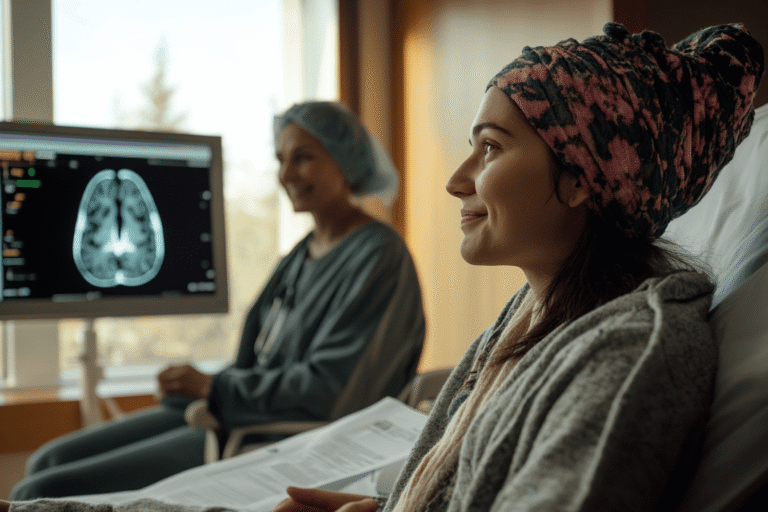
- Surgery Is Not the End of Treatment
- Why Glioma and Glioblastoma Can Return After Surgery
- Do Not Treat Glioma as One Disease
- The First 30 Days After Surgery Are Critical
- Risk Stratification Before Designing the Ayurvedic Plan
- Standard Oncology Care Should Not Be Missed
- Why Ayurveda Should Start Early After Surgery
- Ayurvedic Understanding of Glioma Recovery and Recurrence Risk
- Ayurvedic Treatment Goals After Glioma Surgery
- Important Ayurvedic Herbs and Ingredients in Supportive Care
- Majja-Arbuda Rasayana Avaleha
- Why One Fixed Ayurvedic Formula Is Not Suitable for Every Glioma Patient
- Safety Governance for Ayurveda in Glioma and Glioblastoma Patients
- Safe Ayurveda During Radiation and Temozolomide
- Diet After Glioma Surgery
- Yoga, Pranayama, and Neuro-Rehabilitation After Glioma Surgery
- Caregiver Support Is Part of Treatment
- The First 90 Days After Surgery
- Ayurveda as a Disciplined Integrative Strategy
- Final Message for Patients and Caregivers
- Frequently Asked Questions (FAQs)
- References
Surgery Is Not the End of Treatment
Glioma recurrence after surgery is one of the greatest fears for patients and caregivers. Surgery can remove the visible tumor mass, reduce pressure on the brain, and provide tissue for diagnosis, but it does not always remove every microscopic tumor cell. Gliomas can infiltrate surrounding brain tissue, which is why the period after surgery must not be treated as a passive waiting phase. It should be used as an active recovery and recurrence-risk control window [1,2,4].
The most important first step after surgery is to understand the exact type of glioma. Modern brain tumor diagnosis is no longer based only on what the tumor looks like under the microscope. It also depends on molecular markers such as IDH mutation, MGMT promoter methylation, 1p/19q co-deletion, ATRX, TP53, TERT, EGFR, and CDKN2A/B where relevant. These markers help doctors understand the tumor’s behavior, recurrence risk, and treatment options [1,2,3].
For many glioma and glioblastoma patients, surgery is only the first stage of care. Depending on the tumor type, grade, molecular profile, residual disease, age, and physical condition, the next steps may include radiotherapy, chemotherapy, Tumor Treating Fields, targeted treatment, clinical trials, rehabilitation, or close MRI surveillance. The goal is not only to remove tumor tissue, but also to control microscopic disease, preserve neurological function, and maintain quality of life [2,3,4].
This is where a structured integrative approach becomes important. The patient needs tumor-directed treatment, but also needs strength, appetite, sleep, bowel regularity, emotional stability, neurological rehabilitation, and fatigue management. Cancer-related fatigue and weakness can affect daily function, treatment tolerance, and recovery, so supportive care should begin early rather than after the patient becomes exhausted [21].
Ayurveda can be included as a personalized supportive system after surgery when it is used safely, transparently, and alongside proper medical monitoring. Its role is to support digestion, strength, sleep, inflammation balance, neurological recovery, emotional calmness, and treatment tolerance. Ayurveda should not be used blindly, secretly, or as a reason to delay urgent oncology care. The most responsible approach is a report-based integrative plan where MRI, pathology, molecular markers, oncology treatment, nutrition, rehabilitation, and Ayurveda work together for the patient’s recovery [1,2,3,4,21].
After glioma surgery, recurrence is not always a sign of failed treatment. It often happens because glioma cells can spread microscopically into surrounding brain tissue, beyond what surgery or MRI can clearly show. This is why the post-surgery phase should be treated as an active recurrence-risk control period, not as a waiting period.
Why Glioma and Glioblastoma Can Return After Surgery
Glioma and glioblastoma can return after surgery because these tumors are biologically infiltrative. Unlike many tumors that remain clearly separated from surrounding tissue, glioma cells can migrate into nearby brain areas. Even when the surgeon removes the visible tumor mass successfully, microscopic tumor cells may remain in the surrounding brain and later grow again [1,2,4].
This is especially important in glioblastoma, which is the most aggressive adult diffuse glioma. Surgery reduces tumor burden and provides tissue for diagnosis, but surgery alone is usually not enough to control glioblastoma. This is why post-operative treatment such as radiotherapy with temozolomide became a major part of glioblastoma care after the landmark Stupp trial showed improved outcomes with combined radiotherapy and temozolomide compared with radiotherapy alone [5].
Glioma Cells Can Spread Beyond the Visible Tumor Margin
A major reason glioma returns is that the visible tumor does not always represent the full disease. MRI may show the main tumor mass, enhancement, edema, and structural changes, but microscopic tumor cells can exist beyond the visible abnormal area. These cells may remain hidden at the time of surgery and become the source of future recurrence [1,2,4].
This is why recurrence can happen even when the post-operative MRI looks satisfactory. A clean or near-complete surgical cavity does not always mean the brain is free from microscopic disease. The biology of glioma makes recurrence prevention more complex than removing a visible lump.
The Surgeon Must Balance Tumor Removal with Brain Function
In glioma surgery, the goal is maximal safe resection. This means removing as much tumor as possible without causing unacceptable damage to speech, movement, memory, vision, personality, consciousness, or other critical brain functions [2,4].
If tumor cells are close to important brain areas, aggressive removal may cause paralysis, speech loss, cognitive decline, or loss of independence. Therefore, some suspicious tissue may be left behind intentionally if removing it would seriously harm the patient. Recurrence in such cases is not simply a surgical failure; it reflects the difficult balance between tumor control and preservation of life quality.
Glioblastoma Has Aggressive Tumor Biology
Glioblastoma can grow quickly, invade surrounding tissue, stimulate abnormal blood vessel formation, and adapt under treatment pressure. This aggressive biology makes it different from many slower-growing gliomas. Even after successful surgery, remaining tumor cells may multiply rapidly if not controlled through additional treatment [1,2,4].
This is why standard glioblastoma care usually includes post-operative radiotherapy and temozolomide when the patient is suitable. The purpose is to target microscopic disease that surgery cannot safely remove [5].
MRI Cannot Detect Every Microscopic Tumor Cell
MRI is essential for glioma care, but it has limitations. It can detect visible tumor, post-operative changes, edema, enhancement, and treatment response, but it cannot reliably detect every microscopic infiltrating tumor cell. This is why MRI must be used as a monitoring tool, not as proof that every tumor cell has been removed [2,4,9].
The RANO 2.0 criteria help clinicians assess response and progression in adult gliomas because imaging changes after treatment can be difficult to interpret. A patient’s MRI must be understood in context, including timing after surgery, radiotherapy, chemotherapy, steroid use, symptoms, and previous scans [9].
Residual Tumor Increases Recurrence Risk
If visible tumor remains after surgery, the risk of progression or recurrence may be higher. Early post-operative MRI is important because it helps doctors assess how much tumor was removed and whether residual enhancing disease is present before later surgical healing changes make interpretation more difficult [10].
This early MRI becomes a baseline for future comparison. It helps the neuro-oncology team decide whether additional surgery, radiotherapy planning, chemotherapy, clinical trials, or closer monitoring should be considered.
Tumor Type and Molecular Markers Influence Recurrence
Not all gliomas behave the same way. A low-grade IDH-mutant astrocytoma, an oligodendroglioma with 1p/19q co-deletion, and an IDH-wildtype glioblastoma have different biology, recurrence patterns, treatment responses, and prognosis [1,2].
Molecular markers such as IDH mutation, MGMT promoter methylation, 1p/19q co-deletion, EGFR amplification, TERT mutation, ATRX, TP53, and CDKN2A/B status help doctors understand the tumor more accurately. This is why recurrence-risk planning should be based on integrated diagnosis, not only on the word glioma [1,2].
Post-Treatment MRI Changes May Not Always Mean True Recurrence
After radiotherapy and chemotherapy, MRI may sometimes appear worse even when the tumor is not truly progressing. This is called pseudoprogression. It can create fear for patients and caregivers because the scan may look concerning soon after treatment [9].
This is why MRI findings should be interpreted by an experienced neuro-oncology team. Sometimes repeat MRI, perfusion MRI, spectroscopy, PET imaging where available, or short-interval follow-up may be needed before confirming true recurrence [9].
Recurrence Risk Is Influenced by the Patient’s Overall Condition
Tumor biology is the main driver of recurrence, but the patient’s overall condition affects recovery and treatment tolerance. Poor nutrition, severe fatigue, insomnia, steroid side effects, constipation, anxiety, seizures, weakness, and reduced mobility can make it harder for the patient to complete radiation, chemotherapy, rehabilitation, and follow-up care.
These factors may not directly cause glioma recurrence, but they can weaken the patient’s ability to withstand treatment. A patient who cannot eat, sleep, walk, digest food, control seizures, or attend follow-up appointments is less prepared for the long treatment journey after surgery.
Why This Matters for Integrative Ayurveda
The infiltrative nature of glioma explains why post-surgery care must be comprehensive. Modern oncology focuses on tumor-directed control, while Ayurveda can support the patient’s internal recovery system through digestion, strength, sleep, bowel regularity, inflammation balance, neurological recovery, emotional stability, and treatment tolerance.
Ayurveda should not be delayed until recurrence appears. The post-surgery period is the best time to strengthen the patient, improve appetite, stabilize sleep, reduce fear, support bowel movement, preserve energy, and prepare the body for ongoing treatment. The goal is not to replace MRI, pathology, radiotherapy, chemotherapy, or neuro-oncology care, but to help the patient stay stronger and more resilient during the recurrence-risk period [2,4,5,9].
Before planning recurrence-risk care, the first question should not be “What medicine should we give?” The first question should be “What exact type of glioma is this?” A glioma patient cannot be treated safely or intelligently without knowing the tumor grade, molecular profile, surgical result, and treatment sensitivity.
Do Not Treat Glioma as One Disease
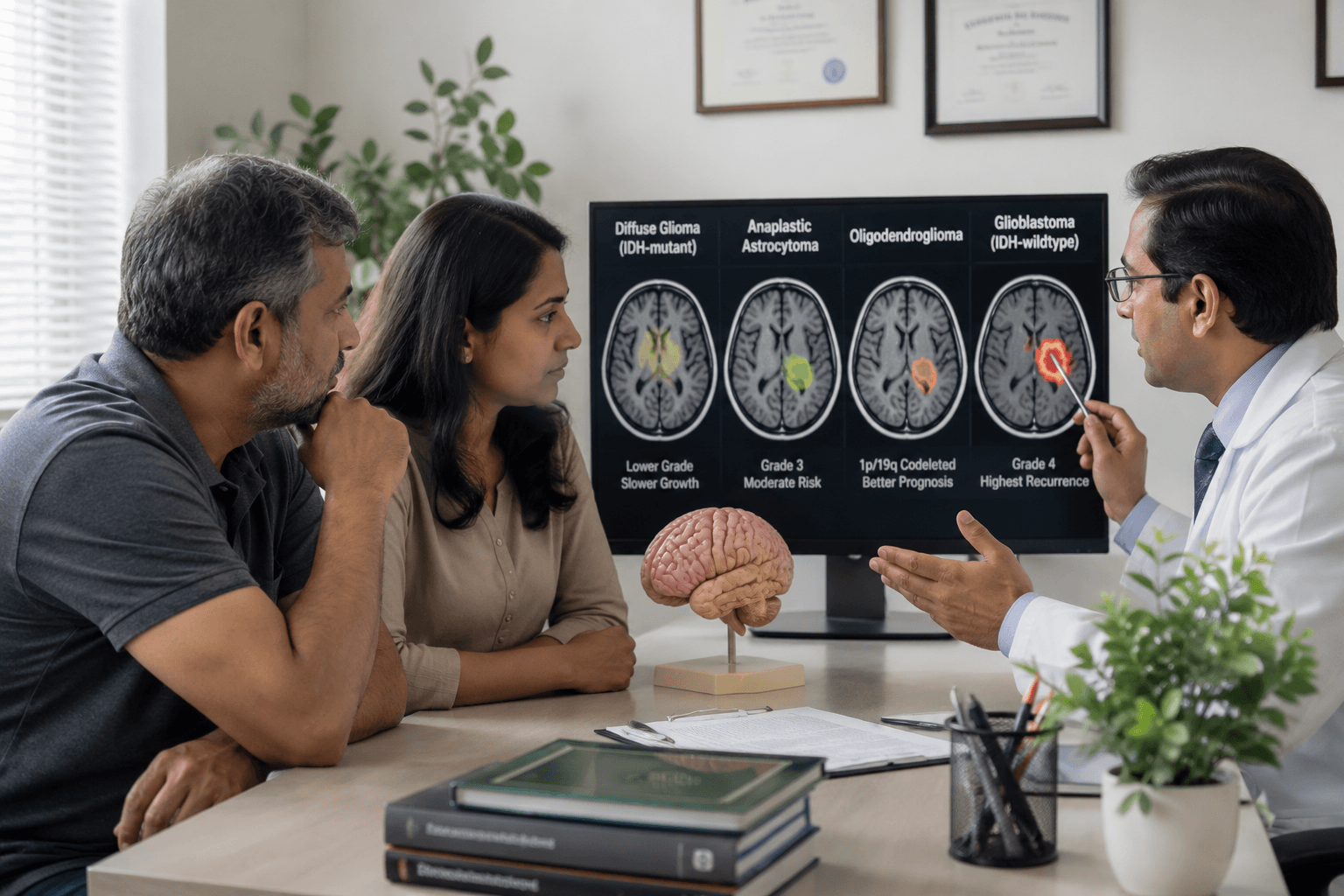
Glioma is a broad name, not a complete diagnosis. Two patients may both be told they have a glioma, but one may have a slow-growing IDH-mutant tumor while another may have an aggressive IDH-wildtype glioblastoma. Their recurrence risk, treatment plan, prognosis, follow-up schedule, and supportive Ayurvedic care will be completely different [1,2].
Table: Glioma Types and Their Recurrence Risk After Surgery
| Glioma Type | WHO Grade | Typical Recurrence Risk | Common Post-Surgery Treatment |
|---|---|---|---|
| IDH-mutant Astrocytoma | Grade 2 | Lower, but requires long-term monitoring | Observation or radiotherapy based on risk factors |
| IDH-mutant Astrocytoma | Grade 3 | Moderate to high | Radiotherapy with chemotherapy |
| Oligodendroglioma (IDH-mutant, 1p/19q co-deleted) | Grade 2–3 | Usually slower progression | Radiotherapy, PCV chemotherapy, or observation in selected patients |
| Glioblastoma (IDH-wildtype) | Grade 4 | Highest recurrence risk | Surgery, radiotherapy, temozolomide, and consideration of Tumor Treating Fields |
| Recurrent Glioma | Any Grade | Depends on previous treatment and molecular profile | Repeat surgery, clinical trials, re-irradiation, chemotherapy, and supportive care |
Modern glioma care has changed significantly because diagnosis now depends on both histology and molecular markers. The 2021 WHO classification of central nervous system tumors emphasizes integrated diagnosis, where the microscopic appearance of the tumor is combined with molecular findings to define the exact tumor type [1]. This means a patient should not rely only on words such as brain tumor, glioma, astrocytoma, or glioblastoma without reviewing the complete pathology and molecular report.
The Exact Glioma Type Decides Recurrence Risk
A glioblastoma, IDH-wildtype, CNS WHO grade 4 behaves very differently from an astrocytoma, IDH-mutant, grade 2 or grade 3. An oligodendroglioma with IDH mutation and 1p/19q co-deletion also has a different natural history and treatment response compared with other gliomas [1,2].
This difference matters because recurrence-risk planning must match tumor biology. Some gliomas may require urgent post-operative radiotherapy and chemotherapy. Some selected lower-grade gliomas may be monitored carefully after surgery. Some may need chemotherapy, targeted therapy, clinical trial discussion, or closer MRI surveillance depending on molecular risk factors [2,3].
For the patient and caregiver, this means the name glioma should be treated as the beginning of diagnosis, not the end of diagnosis.
IDH Status Is One of the Most Important Markers
IDH mutation status is one of the key molecular markers in adult glioma classification. IDH-mutant gliomas usually behave differently from IDH-wildtype glioblastoma. An IDH-mutant astrocytoma or oligodendroglioma often has a different prognosis, treatment pathway, and follow-up strategy compared with IDH-wildtype glioblastoma [1,2].
This is why every post-surgery plan should ask whether IDH1 and IDH2 testing has been done. Without IDH status, the recurrence-risk discussion remains incomplete.
MGMT Methylation Helps Predict Temozolomide Benefit
MGMT promoter methylation is especially important in glioblastoma because it can help predict benefit from temozolomide. The landmark study by Hegi and colleagues showed that MGMT gene silencing was associated with improved benefit from temozolomide in glioblastoma patients [6].
For patients and caregivers, this marker helps explain why two glioblastoma patients may respond differently to the same chemotherapy. A patient with MGMT-methylated glioblastoma may be more likely to benefit from temozolomide than a patient with MGMT-unmethylated disease, although final treatment decisions must still consider age, strength, residual tumor, neurological condition, blood counts, and the oncologist’s judgment [2,6].
1p/19q Co-Deletion Changes the Diagnosis and Treatment Direction
The 1p/19q co-deletion marker is important because it helps identify oligodendroglioma when present with IDH mutation. Oligodendrogliomas generally have a different treatment response and prognosis compared with many astrocytic tumors [1,2].
This distinction is not academic. It can influence whether the patient is considered for radiotherapy, PCV chemotherapy, temozolomide, observation, or long-term surveillance. It also helps the caregiver understand why a treatment plan that is correct for one glioma patient may be wrong for another [2,3].
Other Molecular Markers Add More Precision
Markers such as ATRX, TP53, TERT promoter mutation, EGFR amplification, and CDKN2A/B deletion can provide important information about tumor identity, aggressiveness, and classification. These markers help doctors refine diagnosis and estimate recurrence behavior more accurately [1,2].
For example, an astrocytoma with IDH mutation and CDKN2A/B homozygous deletion may behave more aggressively than expected from histology alone. Similarly, EGFR amplification and TERT promoter mutation may support the diagnosis of IDH-wildtype glioblastoma in the correct setting [1,2].
This is why a complete molecular report is not a luxury. It is part of serious glioma care.
Lower-Grade Glioma Does Not Always Mean Low Risk
Some families feel relieved when they hear “grade 2” or “low-grade glioma.” While some lower-grade gliomas grow more slowly, they can still recur, progress, or transform over time. The risk depends on age, tumor size, location, residual disease, symptoms, molecular profile, and neurological condition [2,3].
In selected grade 2 IDH-mutant astrocytoma or oligodendroglioma patients after surgery, newer molecular treatment options may also be relevant. The FDA approved vorasidenib in 2024 for patients aged 12 years and older with grade 2 astrocytoma or oligodendroglioma carrying susceptible IDH1 or IDH2 mutations after surgery [8].
This shows why molecular diagnosis matters. It may open different treatment choices and help doctors decide whether to observe, treat immediately, or use targeted therapy in suitable cases [3,8].
A Glioblastoma Plan Is Different from a Low-Grade Glioma Plan
Glioblastoma usually requires urgent and aggressive post-surgery planning because of its rapid and infiltrative behavior. The discussion often includes radiotherapy, temozolomide, Tumor Treating Fields where suitable, clinical trials, steroid management, seizure control, and close MRI surveillance [2,3].
A lower-grade IDH-mutant glioma may need a different approach. Some patients may be observed after surgery, while others may need radiotherapy, chemotherapy, targeted therapy, or close monitoring depending on risk factors. This is why copying a treatment plan from another brain tumor patient can be dangerous [2,3,8].
Ayurvedic Support Must Also Be Based on the Exact Diagnosis
Ayurveda should not use the same formula for every glioma patient. A patient with glioblastoma on radiation, temozolomide, steroids, and anti-seizure medicines needs a different Ayurvedic support plan from a patient with a stable low-grade IDH-mutant glioma under observation.
The Ayurvedic physician must consider tumor type, grade, molecular markers, residual tumor, current medicines, platelet count, liver function, kidney function, appetite, bowel movement, sleep, seizures, weakness, steroid side effects, emotional state, and treatment schedule. This is the difference between serious integrative Ayurveda and random cancer-formula prescribing.
The Patient Should Ask for an Integrated Diagnosis
Every patient or caregiver should request the final diagnosis in integrated form. The report should ideally clarify the tumor type, WHO grade, IDH status, MGMT promoter methylation, 1p/19q co-deletion where relevant, and other molecular markers advised by the treating team [1,2].
The most important message is simple: glioma recurrence-risk care must be report-based. The exact diagnosis decides the oncology plan, MRI schedule, clinical trial options, Ayurvedic strategy, diet intensity, rehabilitation needs, and counseling given to the family [1,2,3,6,8].
The first month after glioma surgery decides the direction of the entire recovery journey. This is the time to confirm the diagnosis, assess residual tumor, stabilize the patient, prepare for further treatment, and begin safe integrative support before weakness, fear, malnutrition, insomnia, or treatment delay become major obstacles.
The First 30 Days After Surgery Are Critical
The first 30 days after glioma or glioblastoma surgery should be treated as a structured recovery and recurrence-risk control window. During this period, the patient and caregiver should not wait passively for the next symptom or scan. They should organize reports, understand the diagnosis, stabilize neurological symptoms, improve nutrition, plan further oncology treatment, and begin safe supportive care [2,4].
This phase is important because post-surgery decisions are time-sensitive. Radiotherapy, chemotherapy, clinical trials, rehabilitation, steroid tapering, seizure management, nutrition, and MRI surveillance all depend on what happens in the early post-operative period. A delay in understanding the tumor report or residual disease can delay the entire treatment plan [2,4].
Early Post-Operative MRI Helps Identify Residual Tumor
Early post-operative MRI is important after glioma surgery because it helps doctors understand how much visible tumor has been removed. In glioblastoma, early imaging is especially useful because later post-surgical changes can make it harder to distinguish residual tumor from healing changes [10].
This MRI becomes the baseline for future comparison. It helps the treating team decide whether the surgery achieved maximal safe resection, whether visible residual tumor remains, and whether the patient needs closer follow-up, urgent radiotherapy planning, re-surgery discussion, or clinical trial consideration [2,10].
Patients and caregivers should understand that an early MRI is not only a scan. It is a planning tool. It helps define the next step in recurrence-risk control.
The Complete Pathology and Molecular Report Must Be Collected
The first month is also the time to collect and understand the complete tumor report. A glioma plan should not be based only on the word glioma or glioblastoma. The final report should include histopathology, WHO grade, immunohistochemistry, and molecular markers such as IDH status, MGMT promoter methylation, 1p/19q co-deletion where relevant, ATRX, TP53, TERT, EGFR, and CDKN2A/B if advised by the treating team [2,4].
The molecular report can change the treatment direction. It may influence whether the patient needs urgent radiotherapy, chemotherapy, observation, targeted therapy, Tumor Treating Fields, clinical trial review, or a different follow-up schedule. Without the complete report, both oncology planning and Ayurvedic integrative planning remain incomplete [2,4].
Steroids Must Be Managed Carefully
Many glioma patients receive steroids after surgery to reduce brain swelling and neurological symptoms. Steroids can be lifesaving, but they can also cause high blood sugar, poor sleep, mood changes, muscle weakness, acidity, infection risk, weight changes, and fluid retention.
Steroids should never be stopped suddenly after starting Ayurveda, supplements, diet therapy, or any other supportive treatment. The dose should be adjusted only by the treating medical team according to symptoms, MRI findings, swelling, neurological status, and overall recovery [4].
In Ayurveda, this period should focus on gentle support for digestion, sleep, bowel movement, strength, and steroid-related discomfort, while respecting the medical need for steroid therapy.
Seizure Control Must Not Be Compromised
Seizures are common in many brain tumor patients. After surgery, seizure control is a major safety priority. Anti-seizure medicines should not be stopped casually because uncontrolled seizures can cause injury, hospitalization, neurological worsening, and treatment delay.
The SNO and EANO anticonvulsant guideline supports careful medical decision-making in brain tumor patients, especially regarding when seizure medicines are needed and how they should be managed [12]. Ayurveda may support sleep, calmness, digestion, and neurological recovery, but it should not replace prescribed anti-seizure medicines without specialist supervision.
Any Ayurvedic medicine that causes drowsiness, interacts with neurological medicines, or changes liver metabolism should be reviewed carefully before use.
Nutrition and Weight Must Be Protected Early
The first month after surgery is the time to prevent nutritional decline. A patient who loses weight, loses appetite, becomes constipated, develops nausea, or cannot eat enough protein may struggle to tolerate radiation, chemotherapy, rehabilitation, and recovery.
Cancer nutrition guidance emphasizes the importance of preventing malnutrition and maintaining adequate nutrition during cancer care [18]. For glioma patients, this means the diet should not be extreme, restrictive, or fear-based. The goal is to maintain strength, support wound healing, preserve muscle, improve bowel movement, and prepare the body for the next treatment phase.
Ayurveda can help by personalizing food according to agni, appetite, bowel movement, nausea, sleep, body strength, steroid-related blood sugar changes, and digestion. The patient should receive warm, digestible, nourishing food rather than harsh fasting, raw-food overload, or unverified cancer diets.
Baseline Blood Tests Should Be Reviewed
Before radiation, chemotherapy, or intensive Ayurvedic support begins, baseline blood reports are important. CBC, platelet count, neutrophil count, liver function, kidney function, electrolytes, blood sugar, and albumin help doctors understand the patient’s treatment readiness and safety risks [4,18].
These reports also guide Ayurvedic decision-making. A patient with low platelets should avoid herbs or supplements that may increase bleeding risk. A patient with liver enzyme elevation needs caution with herbal medicines. A patient with kidney impairment needs careful formulation selection. A patient with steroid-induced high blood sugar needs diet correction and medical monitoring.
A safe integrative plan should be based on reports, not assumptions.
Ayurveda Should Start Gently and Safely
The first 30 days after surgery are not the time for aggressive detoxification. The patient may be weak, healing from surgery, taking steroids, using anti-seizure medicines, preparing for radiation, and adjusting emotionally to the diagnosis.
Ayurvedic care during this phase should be gentle and supportive. The focus should be digestion, appetite, sleep, bowel regularity, wound-safe nourishment, emotional calmness, hydration, and strength preservation. Strong purgation, vamana, aggressive basti, fasting-based detox, untested herbo-mineral preparations, and secret formulas should be avoided.
Cancer Research UK advises that complementary therapies and supplements should be discussed with the medical team because some may interfere with cancer treatment or cause harm [17]. This is especially important in glioma patients because treatment often involves steroids, anti-seizure medicines, chemotherapy, and radiation.
MRI Monitoring Must Be Understood Before Treatment Starts
The patient and caregiver should understand that MRI interpretation after surgery and treatment can be complex. MRI is essential for monitoring glioma, but changes after surgery, radiation, and chemotherapy may not always mean simple progression or recurrence.
RANO 2.0 provides updated criteria for assessing response and progression in adult gliomas, helping clinicians interpret imaging changes more systematically [9]. This is important because patients may become frightened by MRI language without understanding timing, treatment effects, steroid use, symptoms, and comparison with prior scans.
The caregiver should keep all MRI films, CDs, reports, and dates organized. Proper comparison is often more important than reading a single MRI report in isolation.
The Caregiver Should Build a 30-Day Control System
The caregiver plays a central role in the first month. The patient may be tired, frightened, confused, weak, forgetful, or neurologically affected. The caregiver should help organize reports, track medicines, monitor symptoms, maintain diet, record seizures, observe sleep, check bowel movement, arrange appointments, and ensure follow-up imaging.
This does not mean the caregiver should live in panic. It means the family should create structure. When reports, medicines, diet, sleep, symptoms, and appointments are organized, the patient receives better care and the family feels less helpless.
Red Flags Must Not Be Ignored
During the first month, urgent medical attention is needed if the patient develops a new seizure, worsening headache, repeated vomiting, increasing confusion, speech difficulty, one-sided weakness, vision change, severe drowsiness, fever, wound discharge, sudden breathlessness, leg swelling, uncontrolled blood sugar, severe diarrhea, dehydration, or sudden neurological decline [4].
Ayurveda should never be used to delay emergency care in these situations. Brain swelling, infection, bleeding, seizures, blood clots, severe metabolic disturbance, or rapid progression can be dangerous and require immediate medical evaluation.
The First 30 Days Should Prepare the Patient for the Next 90 Days
The goal of the first month is not only recovery from surgery. It is preparation for the next phase of care. By the end of 30 days, the family should ideally know the exact diagnosis, molecular status, post-operative MRI result, current medicine plan, steroid taper plan, seizure plan, nutrition strategy, rehabilitation needs, oncology schedule, and safe Ayurvedic support approach.
This is how the post-surgery period becomes active rather than passive. Modern medical care guides tumor-directed decisions, while Ayurveda can support digestion, strength, sleep, bowel movement, emotional stability, neurological recovery, and treatment tolerance when used safely and transparently [2,4,17,18].
Before starting any Ayurvedic or integrative plan, the patient should be placed into a clear risk category. A glioma patient with complete resection, good appetite, stable sleep, no seizures, normal blood reports, and favorable molecular markers is not the same as a patient with residual glioblastoma, steroid dependence, seizures, poor nutrition, low platelets, and severe fatigue. Risk stratification protects the patient from generic treatment and helps create a safer, more intelligent recovery plan.
Risk Stratification Before Designing the Ayurvedic Plan
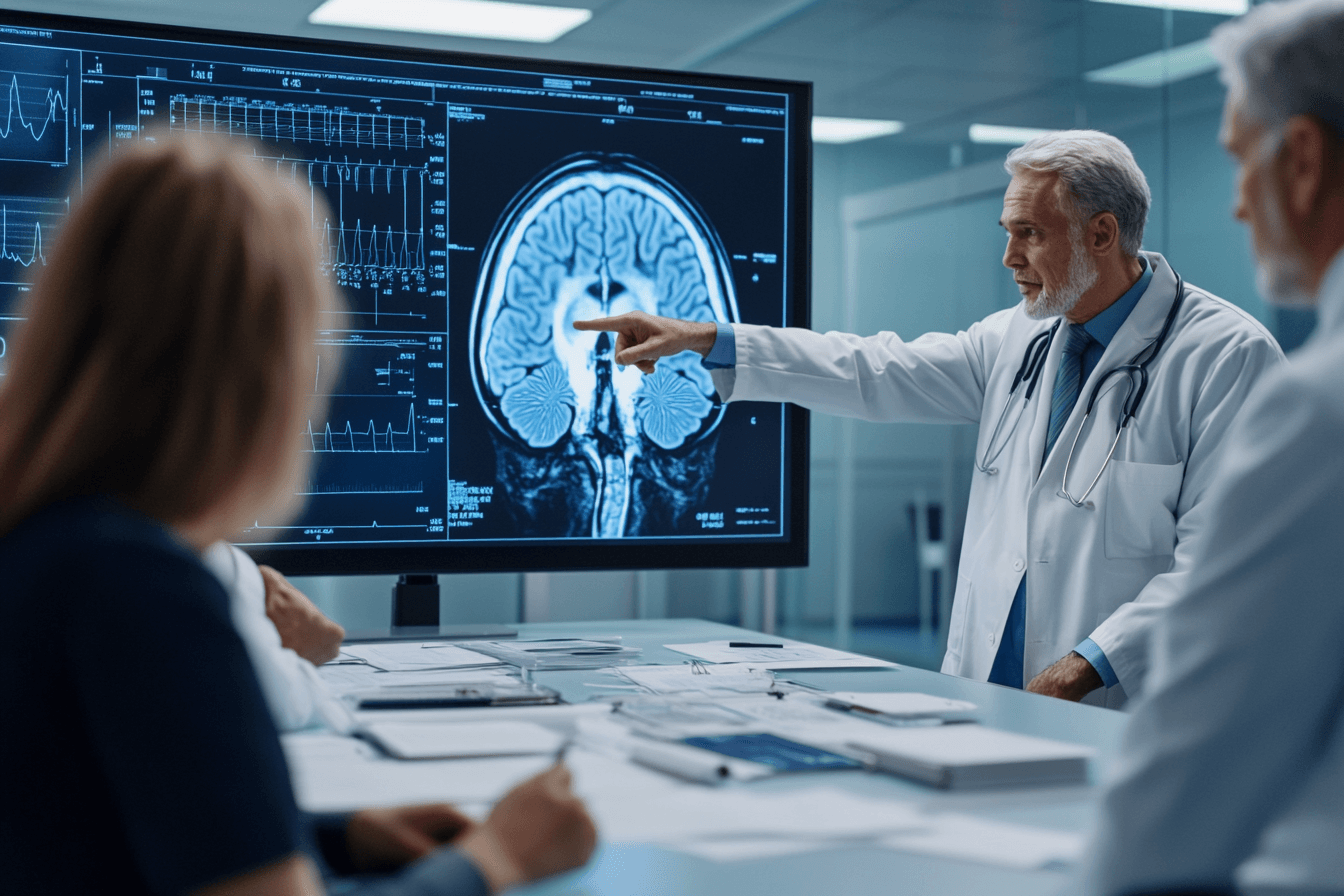
Risk stratification means identifying the factors that increase the chance of recurrence, treatment difficulty, neurological decline, or poor recovery. In glioma and glioblastoma care, this should include tumor biology, residual disease, molecular markers, MRI findings, neurological symptoms, blood reports, nutrition, steroid use, seizure history, and the patient’s functional strength [1,2,9].
This step is important because recurrence-risk care cannot be based on hope alone. It must be based on reports and clinical reality. A patient with aggressive tumor biology may need urgent oncology planning and close MRI monitoring, while a patient with weak digestion, weight loss, insomnia, and poor blood counts may need stronger supportive care to tolerate treatment [2,18].
Residual Tumor Is a Major Risk Factor
One of the most important questions after surgery is whether any visible tumor remains. If residual enhancing tumor is present on early post-operative MRI, the recurrence or progression risk may be higher. Early MRI also helps doctors understand whether the surgery achieved maximal safe resection and whether additional treatment planning should be intensified [10].
Residual tumor does not always mean the surgeon failed. Sometimes the tumor is located close to areas responsible for speech, movement, memory, vision, or consciousness. In such cases, the surgeon may avoid aggressive removal to protect the patient’s neurological function. However, from a recurrence-risk perspective, visible residual disease must be taken seriously and followed carefully [2,10].
For Ayurvedic planning, residual tumor means the support plan should be more disciplined, closely monitored, and coordinated with oncology treatment. The focus should be on strengthening the patient for radiation, chemotherapy, rehabilitation, and MRI surveillance rather than using unverified alternatives that may delay tumor-directed care [2,17].
Molecular Markers Help Predict Tumor Behavior
Modern glioma care depends on molecular diagnosis. IDH-mutant astrocytoma, oligodendroglioma with IDH mutation and 1p/19q co-deletion, and IDH-wildtype glioblastoma have different biological behavior, recurrence risk, and treatment pathways [1,2].
Markers such as IDH mutation, 1p/19q co-deletion, ATRX, TP53, EGFR amplification, TERT mutation, and CDKN2A/B status help doctors understand the tumor more precisely. This is why the Ayurvedic physician should also review these reports before designing the plan. A patient with a slower-growing molecular subtype may need long-term surveillance and strength preservation, while a patient with aggressive molecular features may need more intensive treatment support and closer follow-up [1,2].
MGMT Methylation Influences Temozolomide Benefit
MGMT promoter methylation is especially important in glioblastoma because it can help predict benefit from temozolomide. Hegi and colleagues showed that MGMT gene silencing was associated with greater benefit from temozolomide in glioblastoma patients [6].
This matters because a patient with MGMT-methylated glioblastoma may respond differently from a patient with MGMT-unmethylated glioblastoma. The Ayurvedic plan should not ignore this difference. In both situations, Ayurveda can support digestion, sleep, strength, and treatment tolerance, but the medical expectation, counseling, clinical trial discussion, and monitoring intensity may differ [2,6].
Early MRI Findings Guide the Follow-Up Strategy
MRI is one of the main tools for monitoring glioma after surgery and treatment. Early post-operative MRI helps establish the baseline, while later MRI scans help assess response, progression, treatment effect, edema, and recurrence [9,10].
A single MRI report should not be interpreted in isolation. Timing after surgery, radiation, chemotherapy, steroid use, symptoms, and previous scans all matter. RANO 2.0 helps clinicians assess response and progression more systematically because imaging changes in glioma patients can be complex [9].
For patients and caregivers, this means MRI follow-up must continue even when Ayurveda is started. Ayurveda should not replace MRI monitoring. It should support the patient while the tumor is tracked through proper imaging and clinical assessment [9,17].
Seizure History Changes the Safety Plan
Seizure history is a major risk factor in glioma patients because seizures can affect safety, independence, treatment timing, driving, sleep, mood, and caregiver confidence. A patient with seizures needs careful neurological follow-up and strict medicine compliance [12].
Anti-seizure medicines should not be stopped suddenly after starting Ayurveda. Some Ayurvedic herbs or formulations may cause sedation or interact with other medicines, so they must be selected cautiously. The SNO and EANO anticonvulsant guideline supports careful medical decision-making in brain tumor patients, which reinforces the need for coordination rather than replacement [12].
In Ayurvedic planning, patients with seizures need a gentle approach focused on sleep regularity, stress reduction, digestion, bowel care, and neurological recovery without disturbing prescribed anti-seizure treatment.
Blood Counts and Platelets Affect Treatment Safety
Blood reports are essential before and during glioma treatment. Temozolomide and other treatments can affect blood counts, including platelets and neutrophils. If platelets are low, bleeding-risk herbs or strong procedures should be avoided. If neutrophils are low, infection risk must be taken seriously [2,4].
The Ayurvedic physician should review CBC, platelet count, neutrophils, liver function, kidney function, electrolytes, and blood sugar before prescribing. This is especially important when the patient is receiving chemotherapy, steroids, anti-seizure medicines, blood thinners, or multiple supportive drugs [4,17].
Risk stratification protects the patient from unnecessary complications. A formulation that may be acceptable in a stable patient may be unsafe in a patient with low platelets, liver enzyme elevation, kidney impairment, severe diarrhea, or poor hydration.
Nutrition and Weight Loss Predict Treatment Tolerance
Poor nutrition is a major warning sign after glioma surgery. A patient who is losing weight, eating poorly, vomiting, constipated, or unable to maintain protein intake may struggle during radiation, chemotherapy, and rehabilitation. Cancer nutrition guidance emphasizes the importance of preventing malnutrition and maintaining adequate nutrition during cancer care [18].
From an Ayurvedic perspective, this reflects impaired agni, reduced bala, and weakening of ojas. The plan should first restore appetite, digestion, bowel movement, hydration, and strength. If the patient is already weak, aggressive detoxification or restrictive diets may cause further decline [18].
A high-risk nutrition profile includes rapid weight loss, poor appetite, low albumin, muscle wasting, persistent nausea, severe constipation, swallowing difficulty, steroid-induced diabetes, or inability to eat enough protein. These patients need careful diet planning before adding complex formulations.
Steroid Dependence Shows Active Edema or Neurological Stress
Many glioma patients need steroids after surgery or during radiation because of brain swelling. Steroid dependence may indicate edema, mass effect, neurological symptoms, or treatment-related inflammation. Steroids can help reduce swelling, but they may also cause high blood sugar, insomnia, mood changes, muscle weakness, acidity, infection risk, and weight changes [4].
In risk stratification, a steroid-dependent patient should be considered medically sensitive. Ayurveda may support sleep, digestion, bowel movement, strength, and metabolic balance, but it should not be used to suddenly replace steroids. Any steroid taper must be guided by the medical team according to symptoms and imaging [4,17].
This group may need special attention to blood sugar, sleep, muscle preservation, infection prevention, and emotional stability.
Sleep, Anxiety, and Fatigue Affect Recovery
Sleep disturbance, fear of recurrence, anxiety, depression, and fatigue can reduce the patient’s ability to recover. These symptoms may also make the caregiver feel helpless and exhausted. Although they may not be direct tumor markers, they strongly influence treatment tolerance, appetite, rehabilitation, and quality of life.
A patient who cannot sleep, cannot eat, cannot walk, and remains constantly fearful may become weaker during the exact period when strength is needed most. This is why Ayurveda should address manas, sleep rhythm, digestion, bowel movement, and daily routine along with medical treatment.
Supportive care may include yoga nidra, guided relaxation, gentle breathing, counseling, family education, structured sleep routine, and fatigue-sensitive movement. These should be adapted to the patient’s neurological condition and treatment phase.
Constipation and Poor Digestion Should Not Be Ignored
Constipation is common after surgery because of reduced mobility, pain medicines, dehydration, diet change, stress, and neurological weakness. Steroids and anti-seizure medicines may also affect digestion, sleep, and bowel rhythm.
From an Ayurvedic view, constipation and poor digestion disturb Vata and weaken agni. Clinically, they reduce appetite, increase discomfort, worsen sleep, and make treatment harder. In a glioma patient, bowel correction should be gentle, safe, and non-dehydrating.
Strong purgation is not suitable for most post-surgery or actively treated patients. The safer approach is hydration, warm digestible food, cooked fiber, mild bowel support, movement as tolerated, and medical review when constipation is severe.
Functional Strength Decides How Aggressive Support Can Be
The patient’s functional strength is one of the most practical risk indicators. A patient who can walk, speak, eat, sleep, and perform daily activities has a different recovery capacity from a patient who is bedbound, confused, weak, or dependent for basic care.
Ayurvedic planning should consider bala before choosing treatment intensity. A weak patient should not receive heavy medicines, aggressive Panchakarma, fasting, or complex regimens. The first aim should be stabilization, nourishment, sleep, bowel movement, hydration, emotional reassurance, and safe coordination with medical treatment.
In a stronger patient, Rasayana-style recovery support may be introduced more confidently, but still according to reports, treatment phase, digestion, and monitoring.
Risk Stratification Makes Ayurveda Safer and More Effective
A serious Ayurvedic plan for glioma should begin with risk classification. The physician should understand whether the patient is low-risk, moderate-risk, or high-risk based on tumor type, residual disease, molecular markers, MRI findings, seizures, steroid use, nutrition, blood reports, organ function, sleep, digestion, and functional status [1,2,6,9,10,12,18].
This prevents the mistake of giving one fixed formula to every brain tumor patient. It also helps the caregiver understand why the plan may change from month to month. A patient during radiation needs different support from a patient in maintenance therapy. A patient with low platelets needs different safety precautions from a patient with normal counts. A patient with steroid-induced diabetes needs a different diet from a patient losing weight rapidly.
The purpose of risk stratification is not to frighten the family. Its purpose is to create clarity. When risk factors are identified early, the patient can receive safer Ayurvedic support, better nutrition, closer monitoring, timely oncology care, and more realistic counseling.
A responsible recurrence-risk plan should never ignore the tumor-directed treatment window after surgery. Ayurveda can support the patient’s strength, digestion, sleep, recovery, and treatment tolerance, but the visible and microscopic tumor burden must also be addressed through appropriate neuro-oncology care.
Standard Oncology Care Should Not Be Missed
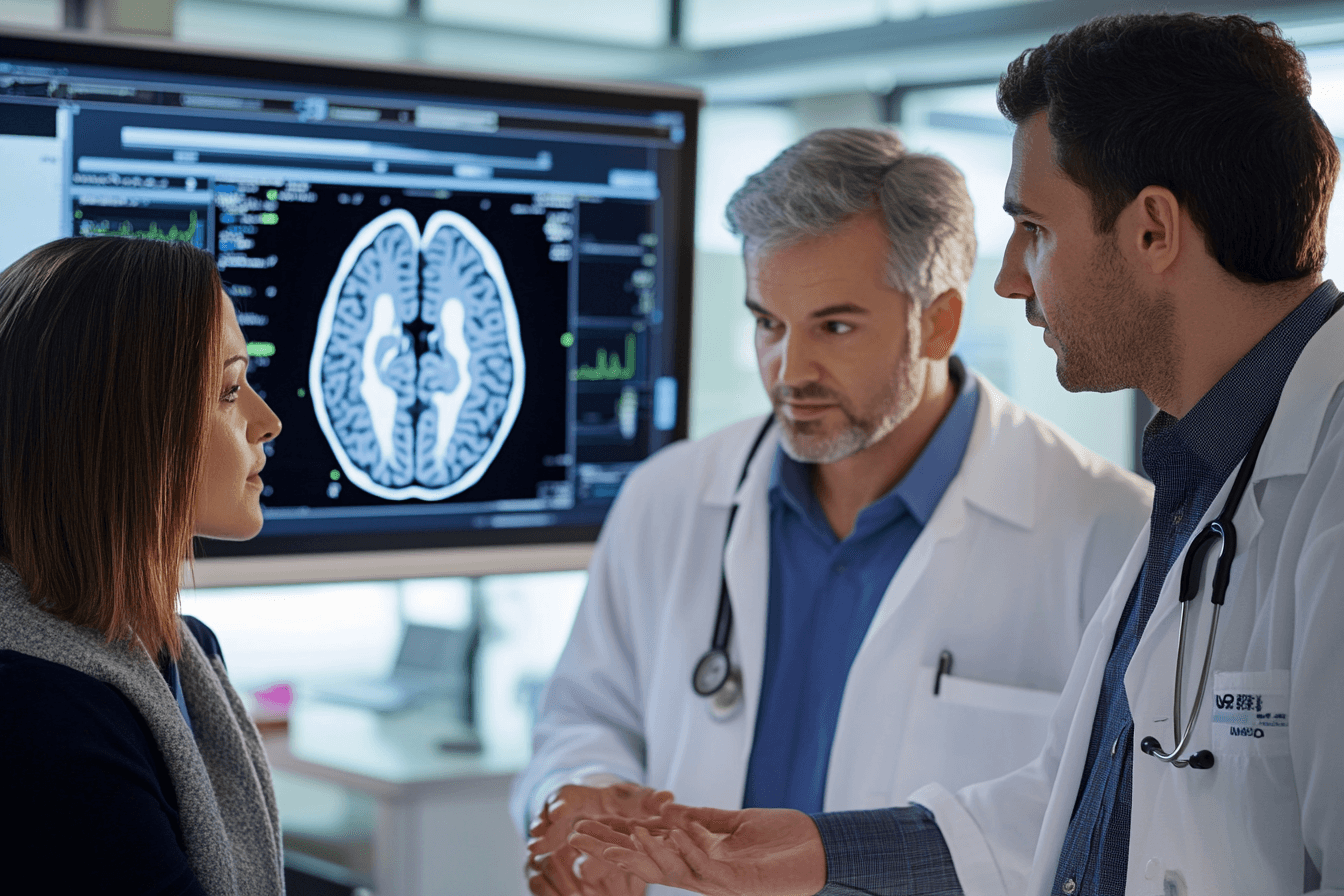
After glioma or glioblastoma surgery, the next medical step depends on the exact tumor type, WHO grade, molecular markers, residual tumor, age, neurological condition, and overall strength of the patient. Surgery is important, but for many high-grade gliomas, especially glioblastoma, surgery alone is usually not enough because microscopic tumor cells may remain in the surrounding brain tissue [3,4].
Standard oncology care should be understood as the tumor-directed layer of treatment. Its purpose is to control visible residual tumor, microscopic disease, edema, progression risk, and neurological complications. Ayurveda should be added as a supportive layer to help the patient tolerate this journey better, not as a reason to delay radiotherapy, chemotherapy, clinical trials, or MRI-based monitoring when they are medically needed [3,4].
Why Post-Surgery Treatment Matters
Glioblastoma is aggressive and infiltrative. Even after maximal safe surgery, microscopic cells may remain in nearby brain tissue. This is why post-operative treatment is usually recommended when the patient is fit enough. The goal is to reduce the chance that remaining cells will grow quickly after surgery [4,5].
The landmark Stupp trial showed that radiotherapy with concomitant and adjuvant temozolomide improved survival compared with radiotherapy alone in glioblastoma patients. This study became the foundation for the widely used post-surgery glioblastoma treatment approach [5].
For patients and caregivers, the message is simple. Surgery removes the visible tumor, but post-operative therapy is designed to target what surgery cannot safely remove.
Radiotherapy Targets the Tumor Region After Surgery
Radiotherapy is commonly used after surgery in glioblastoma and many other higher-risk gliomas. It is planned carefully using MRI and treatment-planning scans so that the tumor region and surrounding at-risk area can be treated while trying to protect normal brain as much as possible [3,4].
Patients often fear radiation because they hear about fatigue, hair loss, memory issues, skin changes, or swelling. These concerns are valid and should be discussed honestly. However, in many high-grade gliomas, radiotherapy is a key part of recurrence-risk control because it targets microscopic disease in and around the surgical area [3,4,5].
Ayurveda can support the patient during this phase by focusing on appetite, digestion, bowel movement, sleep, hydration, emotional steadiness, fatigue management, and gentle nourishment. It should not interfere with radiation timing or replace radiotherapy when radiotherapy is medically indicated.
Temozolomide Is Commonly Used in Glioblastoma
Temozolomide is an oral chemotherapy commonly used with radiotherapy and afterward in suitable glioblastoma patients. It became part of standard glioblastoma care after evidence showed better outcomes when it was combined with radiotherapy compared with radiotherapy alone [5].
Temozolomide can affect blood counts, platelets, immunity, nausea, appetite, fatigue, liver function, and infection risk. This is why regular blood monitoring is important. Ayurveda during temozolomide should be cautious, transparent, and coordinated with the oncology team because some herbs or supplements may affect bleeding risk, liver metabolism, sedation, digestion, or treatment tolerance [3,4].
The Ayurvedic aim during temozolomide is not to overload the patient with many formulations. The aim is to help the patient eat, sleep, digest, pass stool regularly, maintain strength, and complete treatment with fewer avoidable interruptions.
MGMT Methylation Can Influence Temozolomide Benefit
MGMT promoter methylation is an important marker in glioblastoma because it can help predict how much benefit a patient may receive from temozolomide. Hegi and colleagues showed that MGMT gene silencing was associated with improved benefit from temozolomide in glioblastoma patients [6].
This marker helps explain why two glioblastoma patients may not respond the same way to the same chemotherapy. A patient with MGMT-methylated disease may be more likely to benefit from temozolomide than a patient with MGMT-unmethylated disease. However, treatment decisions should still consider age, strength, neurological status, residual tumor, blood counts, steroid use, and the neuro-oncologist’s judgment [3,6].
For integrative Ayurveda, MGMT status helps with counseling. It does not decide whether the patient needs digestion support, sleep care, nourishment, emotional stability, and strength preservation. Those supportive needs remain important in both MGMT-methylated and MGMT-unmethylated patients.
Tumor Treating Fields May Be Discussed in Eligible Glioblastoma Patients
Tumor Treating Fields is a device-based treatment that may be considered in selected glioblastoma patients during maintenance therapy. In a randomized clinical trial, adding Tumor Treating Fields to maintenance temozolomide improved survival compared with maintenance temozolomide alone [7].
This treatment requires commitment because the device must be worn for long hours each day. Some patients may find it difficult because of scalp irritation, lifestyle inconvenience, cost, access, or emotional burden. Still, eligible patients and caregivers should know that it is a legitimate option to discuss with the neuro-oncology team [7].
Ayurveda can support patients using Tumor Treating Fields by helping with sleep, fatigue, skin comfort within medical limits, emotional adaptation, appetite, and daily routine. The decision to use the device should be made with the oncology team after understanding benefits, limitations, feasibility, and patient preference.
Lower-Grade Glioma Needs a Different Strategy
Not every glioma requires the same aggressive treatment plan as glioblastoma. Some lower-grade IDH-mutant gliomas may be observed after surgery if the risk is low and the resection is favorable. Other lower-grade gliomas may need radiotherapy, chemotherapy, or closer monitoring depending on age, tumor size, symptoms, residual disease, molecular markers, and neurological condition [3,4].
This is why patients should not compare their treatment plan with another brain tumor patient. A grade 2 IDH-mutant glioma, a grade 3 astrocytoma, an oligodendroglioma, and a glioblastoma are different diseases in practical treatment planning [3,4].
Ayurveda in lower-grade glioma can focus on long-term strength, digestion, sleep, stress control, neurological function, lifestyle discipline, and MRI surveillance support. The aim is to keep the patient stable and strong while the medical team decides whether observation, treatment, or targeted therapy is appropriate.
Vorasidenib Is Relevant for Selected IDH-Mutant Grade 2 Gliomas
For selected patients with grade 2 IDH-mutant astrocytoma or oligodendroglioma after surgery, vorasidenib has become an important molecular targeted treatment option. The U.S. FDA approved vorasidenib in 2024 for patients aged 12 years and older with grade 2 astrocytoma or oligodendroglioma carrying susceptible IDH1 or IDH2 mutations after surgery [8].
This is important because it shows that glioma treatment is becoming more molecular and personalized. A patient with an IDH-mutant grade 2 glioma may have options that are completely different from a patient with IDH-wildtype glioblastoma [3,8].
Ayurveda should respect this molecular approach. The Ayurvedic plan should be based on the exact diagnosis, not only on the word brain tumor. Supportive care may continue, but it should be coordinated with any targeted therapy, oncology monitoring, and MRI schedule.
Clinical Trials Should Be Considered Early
Clinical trials are important in glioma care, especially for glioblastoma, recurrent glioma, aggressive molecular subtypes, residual tumor, and cases where standard options are limited. Some trials require enrollment before radiation begins. Some require fresh tumor tissue. Some are available only at specialized centers [3,4].
Patients and caregivers should ask about clinical trials early rather than waiting until recurrence. Trials may include targeted therapy, vaccine therapy, dendritic cell therapy, oncolytic viruses, immunotherapy combinations, local drug delivery, cellular therapy, radiosensitizers, or newer molecular approaches [3,4].
Ayurveda can support the patient’s strength and treatment tolerance, but it should not block access to trial options that may provide tumor-directed benefit. A serious integrative approach keeps every useful door open.
Supportive Oncology Is Also Part of Treatment
Standard oncology is not only radiation and chemotherapy. It also includes steroid management, seizure control, nausea control, pain care, infection prevention, blood count monitoring, rehabilitation, counseling, nutrition, and palliative support when needed [4].
This is where Ayurveda and supportive oncology can work together most constructively. The patient may need help with appetite, constipation, fatigue, sleep, anxiety, steroid side effects, weakness, speech recovery, walking, and daily routine. These problems affect quality of life and can also affect treatment completion.
A patient who is eating poorly, sleeping badly, losing weight, constipated, depressed, or too weak to attend treatment may not benefit fully from the best medical plan. Therefore, supportive care is not secondary. It is essential.
Ayurveda Should Strengthen the Patient Without Delaying Treatment
The safest positioning is that oncology treats the tumor and Ayurveda supports the patient. Ayurveda may help with digestion, strength, sleep, inflammation balance, bowel regularity, emotional stability, fatigue, and treatment tolerance. These are clinically meaningful goals for patients and caregivers.
However, Ayurveda should not be used to delay radiotherapy when radiotherapy is indicated. It should not be used to stop temozolomide without medical advice. It should not replace anti-seizure medicines, steroids, MRI surveillance, or emergency care. It should not be based on secret formulas or untested products.
A disciplined integrative plan uses the best available tumor-directed treatment while building the patient’s internal strength. This is the most responsible way to support glioma and glioblastoma patients after surgery [3,4,5,6,7,8].
After surgery, the patient enters a vulnerable phase where the tumor has been reduced, but the body is often weak, anxious, inflamed, sleep-disturbed, constipated, nutritionally unstable, and preparing for further treatment. This is the right time to begin safe Ayurvedic support, not after the patient becomes exhausted or recurrence is already visible.
Why Ayurveda Should Start Early After Surgery
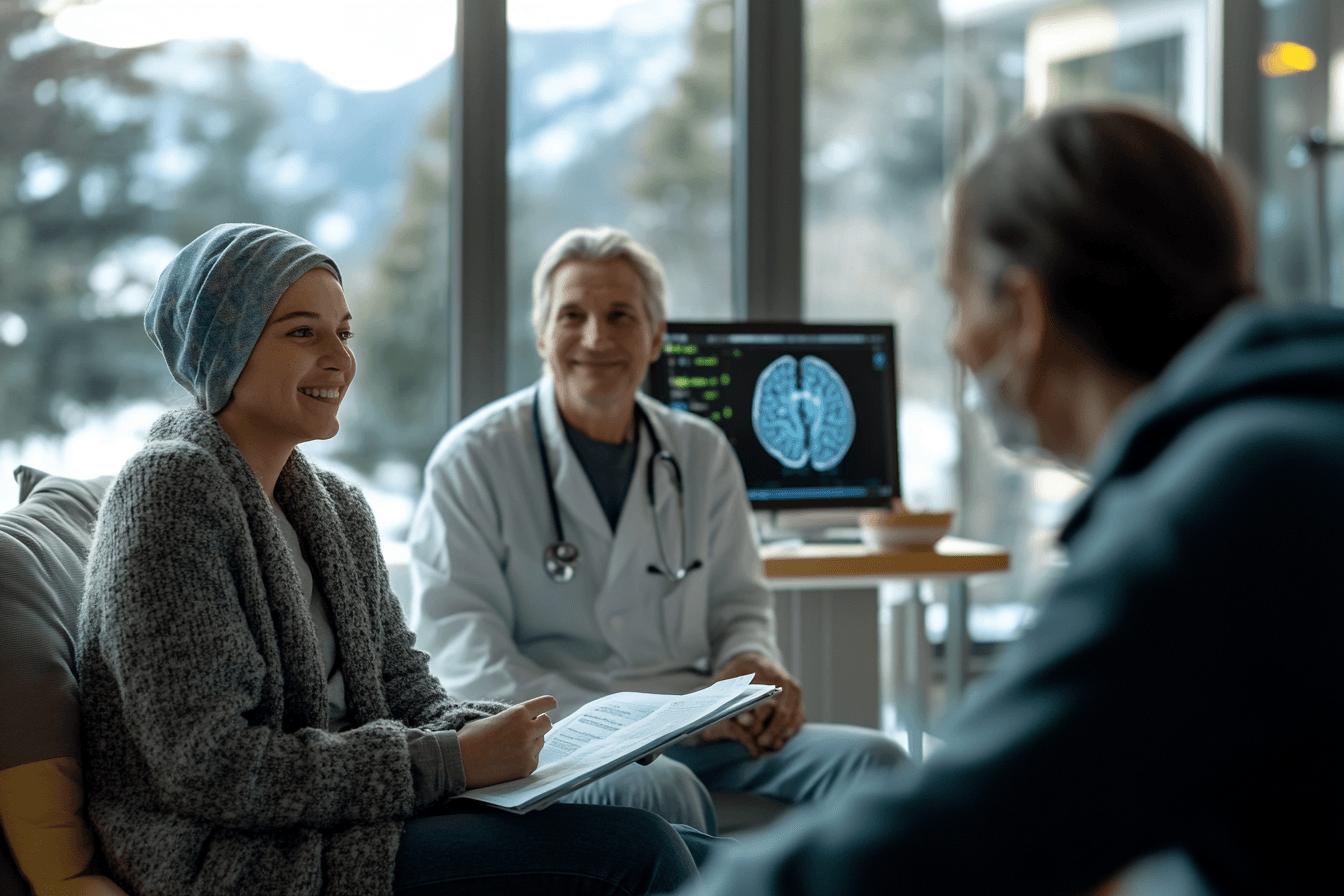
Many glioma and glioblastoma families reach Ayurveda only after recurrence, when the patient has already passed through surgery, steroids, radiation, chemotherapy, fear, weight loss, sleeplessness, weakness, and repeated hospital visits. By that stage, the body may be depleted and the caregiver may feel desperate. Early integrative care gives the patient a better chance to build strength before the most difficult phase of treatment begins.
Ayurveda should start early because post-surgery recovery is not only about the surgical wound. The patient also needs digestion, appetite, bowel movement, sleep, mental stability, muscle strength, neurological recovery, and treatment tolerance. These foundations can influence how well the patient moves through radiation, chemotherapy, rehabilitation, and follow-up care.
Early Ayurveda does not mean aggressive treatment, secret formulas, or replacing oncology. It means a careful, report-based, supervised plan that supports the patient’s body and mind while medical treatment continues. Complementary therapies and supplements should be discussed with the healthcare team because some may interfere with cancer treatment or cause harm if used without supervision [16,17].
Ayurveda Should Begin Before Weakness Becomes Severe
After brain tumor surgery, the patient may appear stable but still be internally weak. Appetite may be low, sleep may be disturbed, bowel movement may be irregular, and the mind may be filled with fear of recurrence. If these problems are ignored, the patient may enter radiation or chemotherapy with poor strength.
Cancer nutrition guidance emphasizes the importance of maintaining nutrition and preventing malnutrition during cancer care [18,19]. From an Ayurvedic perspective, this means agni, bala, and ojas should be protected early. If the patient cannot digest food, maintain weight, sleep properly, or pass stool regularly, recovery becomes more difficult.
Starting Ayurveda early allows the physician to correct digestion gently, support appetite, prevent constipation, maintain nourishment, and build daily routine before the patient becomes too weak for active recovery.
Early Support Helps the Patient Tolerate Radiation and Chemotherapy Better
Radiation and chemotherapy can be physically demanding. Patients may experience fatigue, nausea, low appetite, constipation, sleep disturbance, anxiety, skin changes, low blood counts, or general weakness. These problems can interrupt treatment or reduce quality of life.
The aim of Ayurveda during this period is to support treatment tolerance. The focus should be on digestion, hydration, sleep, bowel movement, fatigue support, emotional calmness, and safe nutrition. This approach is especially important because cancer-related fatigue can affect function and recovery, and integrative oncology guidance recognizes the role of structured non-drug approaches such as movement, mindfulness-based care, and yoga-based support in fatigue management [21].
The patient should not be overloaded with many herbs during active treatment. The safer strategy is to use minimal, selected, supervised support that does not interfere with radiation, temozolomide, steroids, anti-seizure medicines, or blood counts.
Early Ayurveda Can Support Sleep and Emotional Stability
The fear of glioma recurrence can be overwhelming. Patients may lie awake at night thinking about MRI reports, survival, family responsibilities, disability, seizures, or future recurrence. Caregivers may also develop anxiety, sleeplessness, and decision fatigue.
Sleep and emotional stability are not small issues. Poor sleep worsens fatigue, appetite, mood, pain tolerance, and family communication. Anxiety can reduce treatment confidence and increase helplessness. Integrative oncology guidelines support selected mind-body approaches for anxiety and depression symptoms in adults with cancer [20].
Ayurveda can help by creating a calming daily routine, supporting sleep rhythm, using gentle breathing practices, yoga nidra, meditation, counseling, spiritual reassurance, and suitable medicines when safe. This care should be adapted to the patient’s neurological condition and current medicines.
Early Ayurveda Protects Digestion and Bowel Regularity
Constipation, poor appetite, nausea, acidity, bloating, and irregular digestion are common after surgery and during cancer treatment. Pain medicines, reduced mobility, stress, steroids, anti-seizure medicines, and dietary changes can worsen bowel function.
In Ayurveda, disturbed digestion and constipation can aggravate Vata and weaken recovery. In practical terms, a constipated and poorly nourished patient feels heavier, weaker, more anxious, less hungry, and less prepared for treatment.
Early Ayurvedic care can focus on warm digestible food, hydration, gentle bowel regulation, meal timing, appetite support, and avoidance of harsh purgation. Strong detoxification is not appropriate in a weak post-surgery glioma patient. The goal is smooth recovery, not forceful cleansing.
Early Ayurveda Can Help Preserve Ojas and Functional Strength
Glioma patients often lose strength not only because of the tumor, but also because of hospitalization, reduced activity, steroids, poor sleep, fear, poor appetite, and treatment fatigue. If the patient becomes inactive and malnourished early, rehabilitation becomes harder.
Preserving ojas means preserving recovery reserve. In practical language, this means maintaining energy, body weight, muscle strength, mental courage, immunity, and the ability to continue treatment. Early Ayurveda can support this through nourishing diet, proper rest, gentle movement, Rasayana principles, emotional reassurance, and routine-based care.
This should not be confused with giving heavy Rasayana medicines to every patient immediately. A weak patient with poor digestion may not tolerate heavy formulations. Rasayana should be introduced according to agni, bala, blood reports, liver function, kidney function, treatment phase, and medicine interactions.
Early Ayurveda Helps the Caregiver Create Structure
The caregiver often carries the full burden of glioma care. They manage reports, medicines, appointments, diet, finances, symptoms, emotional support, and emergency decisions. Without structure, the family can move from one panic to another.
Early Ayurvedic integrative care can give the caregiver a practical daily framework. The caregiver can monitor food intake, sleep, bowel movement, walking, mood, seizure history, steroid effects, fatigue, weight, blood reports, and MRI schedule. This reduces helplessness and gives the family a sense of active participation in recovery.
This structure matters because glioma care is long and emotionally intense. A clear plan helps the family support the patient every day rather than waiting passively for the next scan.
Early Does Not Mean Unsafe
Starting Ayurveda early does not mean using every herb immediately. It means beginning the right support at the right intensity. In the early post-surgery period, the safest approach is gentle diet correction, sleep support, bowel care, hydration, emotional support, light movement, and careful review of all medicines.
Ayurvedic preparations should be transparent and quality-controlled. The National Center for Complementary and Integrative Health cautions that some Ayurvedic preparations may contain toxic levels of lead, mercury, or arsenic [15]. This is especially important for brain tumor patients, who may already be medically fragile.
Patients should avoid secret formulas, untested herbo-mineral medicines, aggressive Panchakarma, severe fasting, high-dose supplement stacks, and any treatment that requires stopping steroids, anti-seizure medicines, radiation, chemotherapy, MRI monitoring, or emergency care.
Ayurveda Should Be Started as Integrative Recovery Care
The safest and strongest message is that Ayurveda should start early as recovery care, not as a last-stage rescue attempt. Its role is to support the patient’s internal condition while medical treatment addresses the tumor.
When Ayurveda is started early, the physician can protect digestion, improve sleep, preserve strength, reduce constipation, support emotional stability, guide diet, monitor safety, and prepare the patient for the next phase of treatment. This can make the patient’s journey more organized and less exhausting.
For glioma and glioblastoma patients, waiting until recurrence may waste valuable time. The post-surgery phase is the right time to build strength, stabilize the mind, support the nervous system, improve treatment readiness, and create a disciplined integrative plan that respects both Ayurveda and modern neuro-oncology care [15,16,17,18,19,20,21].
Ayurveda does not describe glioblastoma through modern molecular terms such as IDH mutation, MGMT promoter methylation, or EGFR amplification. However, it provides a deep clinical framework for understanding abnormal tissue growth, nervous system disturbance, inflammation, weak digestion, tissue depletion, emotional fear, and loss of recovery strength after major illness.
Ayurvedic Understanding of Glioma Recovery and Recurrence Risk
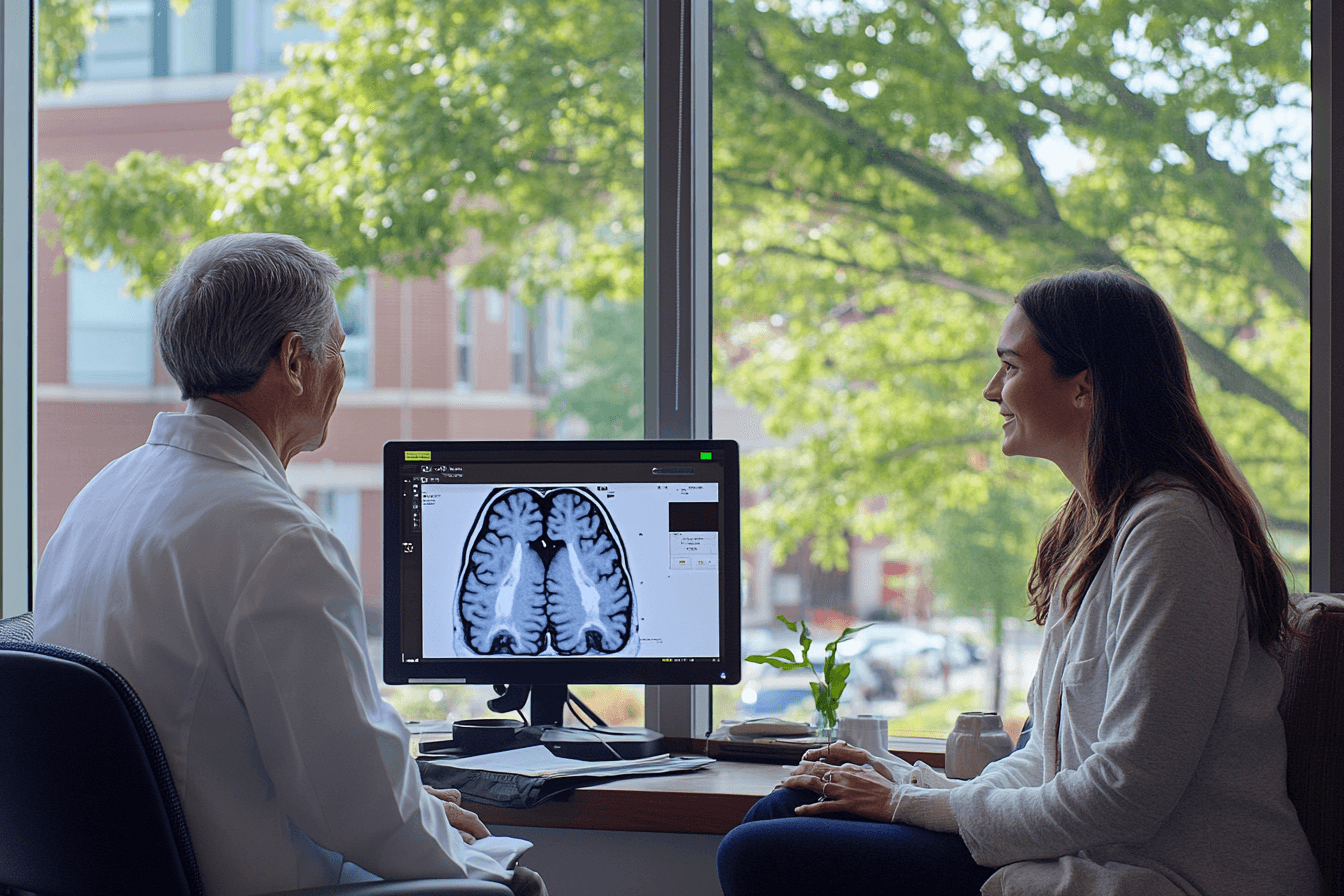
In Ayurveda, the post-surgery glioma patient should not be viewed only through the tumor mass. The patient must be understood through the condition of agni, bala, ojas, dosha imbalance, dhatu strength, nervous system stability, digestion, sleep, bowel movement, emotional state, and treatment tolerance.
This does not mean that classical Ayurvedic terms should be forced to exactly match modern glioblastoma. Glioblastoma is a modern molecular diagnosis. Ayurveda gives a supportive clinical lens that helps the physician understand how the patient’s body and mind are responding after surgery, steroids, radiation, chemotherapy, fear, weakness, and neurological stress.
The Ministry of Ayush has also supported the direction of integrative oncology, where Ayurveda, Yoga, Panchakarma, diet therapy, physiotherapy, and modern oncology can work together for rehabilitation, side-effect reduction, recovery, and quality-of-life support [22].
Granthi and Arbuda as Classical Tumor-Like Concepts
Ayurvedic classics describe Granthi and Arbuda as abnormal growth conditions. Sushruta Samhita, Nidana Sthana, Chapter 11 discusses Granthi, Apachi, Arbuda, and Galaganda Nidana, providing a classical framework for understanding tumor-like pathological growths [25].
This does not mean that every glioma or glioblastoma should be directly labelled as Arbuda in a simplistic way. Modern glioblastoma has specific histological and molecular features that classical texts did not describe in modern scientific language. However, the concepts of abnormal tissue growth, dhatu dushti, dosha involvement, and deep-seated pathology are useful for Ayurvedic clinical thinking.
Sushruta Samhita, Chikitsa Sthana, Chapter 18 discusses treatment principles for Granthi, Apachi, Arbuda, and Galaganda [26]. These classical references show that Ayurveda has long recognized abnormal growth conditions, but in modern brain tumors, treatment must be adapted carefully with MRI, pathology, molecular diagnosis, safety monitoring, and coordination with oncology.
Vata Involvement in the Brain and Nervous System
Vata is highly relevant in glioma recovery because the brain, nervous system, movement, speech, sleep, fear, pain, sensory function, and neurological control are closely linked with Vata function in Ayurvedic understanding.
After brain surgery, Vata can become disturbed due to tissue injury, fear, pain, anesthesia, hospitalization, disturbed sleep, weakness, constipation, reduced mobility, and neurological damage. Clinically, this may appear as insomnia, anxiety, tremor, weakness, speech difficulty, constipation, restlessness, fearfulness, pain, or irregular body functions.
Many glioma patients also experience seizures, headache, weakness, memory disturbance, speech difficulty, personality change, or movement problems. Ayurveda should therefore focus on stabilizing Vata through regular routine, warm digestible food, bowel regulation, sleep support, gentle oil-based external care where safe, calm breathing, reassurance, and avoidance of excessive fasting, stress, exhaustion, and aggressive detoxification.
Pitta Involvement in Inflammation and Tissue Aggression
Pitta is associated with heat, transformation, metabolism, inflammation, sharpness, irritability, and tissue reactions. In a post-surgery glioma patient, Pitta-type imbalance may be considered when there is burning sensation, acidity, irritability, anger, disturbed sleep, inflammatory symptoms, steroid-related heat, excessive hunger with poor tissue strength, or treatment-related inflammation.
Radiation, chemotherapy, steroids, stress, and poor sleep can all affect the patient’s inflammatory and metabolic state. Ayurveda should not claim that Pitta alone causes glioblastoma, but Pitta management can be clinically useful for supporting digestion, reducing inflammatory burden, calming irritability, protecting sleep, and improving treatment tolerance.
This may include suitable diet, avoidance of excessive spicy and inflammatory foods, sleep correction, stress reduction, bowel regulation, and carefully selected herbs according to the patient’s condition. Any herb used during radiation or chemotherapy must be checked for safety and interaction risk.
Kapha Involvement in Mass Formation and Stagnation
Kapha is associated with structure, heaviness, stability, growth, accumulation, and stagnation. In classical tumor-like conditions such as Granthi and Arbuda, Kapha involvement is often considered important because abnormal growth and mass formation reflect structural imbalance.
In a glioma patient, Kapha should not be interpreted only as mucus or heaviness. It can be understood more broadly as abnormal accumulation, tissue stagnation, heaviness, reduced movement, poor metabolic clearance, and loss of healthy tissue regulation.
However, after brain surgery, many patients are weak. Therefore, Kapha-reducing treatment must not become harsh depletion. Strong fasting, aggressive detoxification, heavy purgation, or excessive rukshana may weaken the patient and reduce treatment tolerance. The Ayurvedic physician must balance Kapha correction with preservation of bala and ojas.
Agni as the Foundation of Recovery
Agni is central to post-surgery glioma care. If agni is weak, the patient cannot digest food properly, maintain strength, build tissues, tolerate medicines, or recover from treatment. Poor agni may present as low appetite, bloating, constipation, nausea, heaviness, acidity, coated tongue, fatigue after eating, or poor weight maintenance.
After surgery and during oncology treatment, agni may be disturbed by anesthesia, antibiotics, steroids, anti-seizure medicines, chemotherapy, pain, fear, poor sleep, irregular food, reduced mobility, and hospital routines. If digestion collapses, the patient becomes more vulnerable to weakness, malnutrition, constipation, fatigue, and poor treatment tolerance.
Therefore, Ayurvedic care should often begin with agni correction before heavy Rasayana medicines are introduced. Warm digestible food, regular meal timing, gentle digestive support, hydration, bowel correction, and avoidance of incompatible or excessive food are essential.
Ama as Metabolic and Inflammatory Burden
Ama is a key Ayurvedic concept linked to incomplete digestion, poor metabolism, stagnation, heaviness, and toxic burden. In a modern supportive-care language, ama can be explained to patients as a state where digestion and metabolism are not functioning cleanly, leading to heaviness, low appetite, fatigue, bowel irregularity, and poor recovery.
A glioma patient with ama-like features may feel heavy, dull, bloated, constipated, nauseated, sleepy after meals, mentally cloudy, or unable to tolerate nourishing food. In such cases, giving heavy Rasayana medicines immediately may worsen the condition.
The first step should be gentle ama management through suitable diet, digestion correction, bowel regulation, light but nourishing food, sleep restoration, and gradual strengthening. In a brain tumor patient, ama management should not be confused with aggressive detoxification. The approach must be safe, mild, and adapted to the patient’s strength.
Ojas as Recovery Reserve and Resilience
Ojas represents vitality, immunity, stability, endurance, emotional courage, and recovery reserve. A glioma patient may lose ojas due to surgery, fear, sleeplessness, pain, blood loss, poor appetite, radiation, chemotherapy, steroids, repeated hospital visits, and uncertainty about recurrence.
When ojas is depleted, the patient may appear weak, anxious, exhausted, emotionally fragile, sleepless, infection-prone, or unable to recover fully between treatments. Preserving ojas is one of the most important goals of Ayurvedic care after glioma surgery.
Charaka Samhita, Chikitsa Sthana, Chapter 1, Rasayana Adhyaya describes Rasayana as a major branch for promoting strength, nourishment, vitality, longevity, and tissue excellence [23,24]. In glioma recovery, Rasayana should be understood as a careful rebuilding strategy, not merely as giving heavy tonics. It must be introduced according to agni, bala, reports, treatment stage, liver function, kidney function, and medicine safety.
Majja Dhatu and Neurological Recovery
Majja dhatu is highly relevant in brain and nervous system recovery. Although modern neuroscience and Ayurveda use different languages, Majja dhatu provides an Ayurvedic framework for supporting the nervous system, cognition, marrow-related strength, neurological function, and deeper tissue nourishment.
After glioma surgery, the patient may struggle with memory, speech, coordination, weakness, seizures, mood changes, sleep disturbance, headache, or cognitive slowing. Ayurveda should support Majja dhatu through nourishment, sleep correction, Vata stabilization, Rasayana principles, gentle neurological support, and rehabilitation.
This must be combined with modern physiotherapy, speech therapy, occupational therapy, neuropsychological support, seizure management, and MRI monitoring. Ayurvedic support for Majja dhatu should not replace neurological care, but it can help the patient recover with a more complete body-mind approach.
Manovaha Srotas and Fear of Recurrence
Glioma patients often live with intense fear of recurrence. The caregiver may also experience anxiety, helplessness, financial pressure, sleep disturbance, and emotional exhaustion. Ayurveda recognizes that the mind and body influence each other deeply.
Manovaha srotas involvement may be considered when fear, anxiety, depression, insomnia, irritability, grief, confusion, restlessness, or loss of hope dominate the clinical picture. These emotional disturbances can reduce appetite, disturb sleep, worsen fatigue, aggravate Vata, and weaken recovery.
Ayurvedic care should therefore include counseling, reassurance, spiritual support if meaningful to the patient, meditation, yoga nidra, gentle pranayama, daily routine, family education, and safe sleep support. The patient should not be frightened with fatalistic statements or false promises. The goal is realistic hope with disciplined care.
Rasayana as a Post-Treatment Recovery Principle
Rasayana is one of the most important Ayurvedic principles for glioma recovery after surgery. It is not merely a category of medicines. It is a complete recovery philosophy that includes nourishment, tissue rebuilding, mental stability, vitality, digestion, sleep, immunity, and longevity.
Charaka Samhita, Chikitsa Sthana, Chapter 1 gives Rasayana a central place in strengthening the body and improving tissue quality [23,24]. In the context of glioma care, Rasayana should be used to support recovery reserve, not to make unrealistic promises of guaranteed tumor cure.
The correct use of Rasayana depends on the patient’s agni, strength, treatment phase, blood reports, liver function, kidney function, appetite, sleep, bowel movement, and current medicines. A patient with weak digestion may first need agni correction. A patient with low platelets or liver dysfunction may need a safer, simpler plan. A patient in maintenance recovery may tolerate deeper Rasayana support if clinically stable.
Dravya Selection Must Be Individualized
Ayurvedic dravyas such as Haridra, Amalaki, Guduchi, Brahmi, Yashtimadhu, and other herbs are described in classical Nighantu literature and are often considered in supportive care according to their properties and indications [27].
However, herb selection in glioma patients must be careful. A herb that is useful for one patient may be unsuitable for another because of seizures, steroids, temozolomide, blood thinners, low platelets, liver dysfunction, kidney disease, diabetes, insomnia, sedation risk, or active radiation.
This is why classical dravya knowledge must be combined with modern safety monitoring. The Ayurvedic physician should know the exact diagnosis, current medicines, blood reports, MRI status, and treatment plan before selecting medicines.
Ayurveda Focuses on the Patient’s Terrain
Modern oncology focuses mainly on tumor control through surgery, radiation, chemotherapy, targeted therapy, devices, and clinical trials. Ayurveda adds a patient-centered view by asking whether the patient has the strength to digest, sleep, walk, recover, tolerate treatment, and remain emotionally stable.
In glioma recovery, the terrain includes agni, ojas, bala, dhatu strength, sleep, bowel movement, nutrition, neurological function, mental state, family support, and daily routine. These factors may not replace tumor-directed treatment, but they strongly influence the patient’s ability to pass through treatment with less suffering and better resilience.
Therefore, Ayurveda’s role after glioma surgery is to support the patient’s internal recovery system. This includes Vata stabilization, agni correction, ojas preservation, Majja dhatu support, Manovaha srotas care, safe Rasayana, diet, routine, and monitored supportive medicines.
Classical Wisdom Must Be Used with Modern Responsibility
A serious Ayurvedic approach to glioma must respect both classical knowledge and modern medical reality. Granthi and Arbuda provide a classical tumor-like disease framework. Rasayana provides a recovery and tissue-strengthening framework. Nighantu literature supports understanding of dravyas. Modern glioma care provides MRI, pathology, molecular markers, surgery, radiotherapy, chemotherapy, and clinical monitoring.
The best approach is not to reject one system for the other. The best approach is to use Ayurveda responsibly within an integrative model. The patient’s care should be personalized, report-based, transparent, monitored, and coordinated.
This is how Ayurveda can support glioma and glioblastoma patients after surgery: not as blind alternative treatment, but as a disciplined recovery system focused on digestion, strength, sleep, nervous system stability, emotional resilience, treatment tolerance, and quality of life [22,23,24,25,26,27].
After surgery, Ayurvedic care should not begin with a fixed “cancer formula.” It should begin with clear therapeutic goals. The patient’s digestion, strength, sleep, bowels, nervous system, emotional state, nutrition, and treatment tolerance must be assessed before selecting medicines.
Ayurvedic Treatment Goals After Glioma Surgery
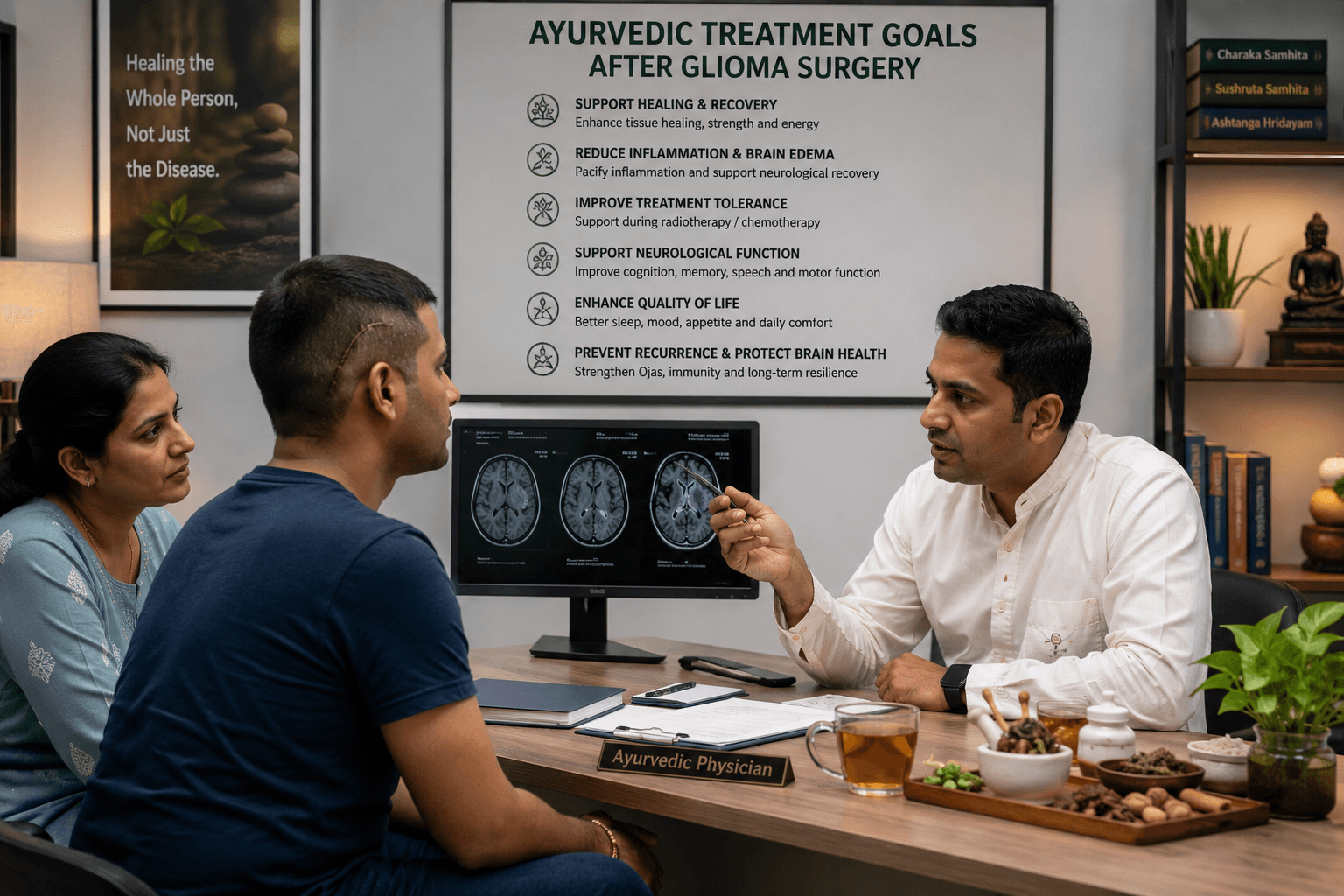
The purpose of Ayurveda after glioma or glioblastoma surgery is to support the patient as a whole. The tumor has been surgically reduced, but the patient may still be physically weak, emotionally frightened, neurologically affected, constipated, sleepless, steroid-dependent, undernourished, or preparing for radiation and chemotherapy.
Table. Integrative Recovery Goals After Glioma Surgery
| Recovery Goal | Modern Medical Focus | Ayurvedic Support |
|---|---|---|
| Reduce residual tumor activity | Radiotherapy, chemotherapy, MRI monitoring | Support treatment tolerance and recovery |
| Improve digestion | Nutritional assessment | Agni correction and personalized diet |
| Restore strength | Physiotherapy and protein nutrition | Bala and Ojas preservation |
| Improve neurological function | Speech therapy, rehabilitation | Majja Dhatu support and Rasayana principles |
| Reduce fatigue | Exercise, sleep management | Rasayana, routine, and restorative lifestyle |
| Improve emotional health | Counseling and psychological support | Yoga, meditation, Manovaha Srotas care |
| Maintain long-term recovery | MRI surveillance | Lifestyle, diet, and personalized Ayurveda |
Ayurvedic treatment should therefore be goal-based. The physician should ask what the patient needs most at this stage: better appetite, bowel correction, sleep support, edema support, strength preservation, neurological recovery, fatigue management, emotional stability, or treatment tolerance. This approach is safer and more personalized than giving the same formulation to every brain tumor patient.
Restore Agni and Appetite
Agni is one of the first priorities after glioma surgery. If digestion is weak, the patient cannot properly nourish the body, maintain weight, build strength, or tolerate treatment. Poor agni may appear as low appetite, nausea, bloating, heaviness, constipation, acidity, coated tongue, irregular hunger, or fatigue after meals.
Cancer nutrition guidance emphasizes the importance of maintaining adequate nutrition and preventing malnutrition during cancer care [18,19]. Ayurveda supports this goal by strengthening digestion in a gentle and patient-specific way. The diet should be warm, freshly prepared, easy to digest, and nourishing without being heavy.
The aim is not to force large meals or impose extreme diets. The aim is to make food digestible, regular, and useful for recovery. When agni improves, appetite, bowel movement, sleep, strength, and emotional stability often improve together.
Preserve Bala and Functional Strength
Bala means strength, endurance, and functional capacity. After brain tumor surgery, the patient may lose strength because of hospitalization, reduced movement, steroids, seizures, poor sleep, fear, poor appetite, radiation, chemotherapy, or muscle wasting.
Preserving bala means helping the patient remain active within safe limits. The patient should be able to sit, walk, eat, sleep, speak, participate in rehabilitation, attend appointments, and complete treatment as much as possible. If weakness is ignored early, recovery becomes harder.
Ayurveda can support bala through nourishing diet, proper rest, gentle movement, suitable Rasayana principles, bowel regularity, sleep correction, and emotional reassurance. This should be combined with physiotherapy, speech therapy, occupational therapy, and medical nutrition when needed.
Protect Ojas and Recovery Reserve
Ojas is the patient’s deeper recovery reserve. In practical language, it reflects vitality, resilience, immunity, mental steadiness, and the ability to recover after stress. Glioma patients can lose ojas because of surgery, fear, sleeplessness, pain, radiation, chemotherapy, steroids, repeated hospital visits, and uncertainty about the future.
Protecting ojas does not mean giving heavy tonics immediately to every patient. If digestion is weak, heavy Rasayana medicines may not be tolerated. First, the physician should stabilize agni, bowel movement, sleep, hydration, and food intake.
Rasayana principles are important in post-surgery recovery, but they must be introduced according to the patient’s strength, treatment phase, liver function, kidney function, blood counts, appetite, sleep, and current medicines. The integrative oncology model supported by the Ministry of Ayush also emphasizes recovery, rehabilitation, side-effect reduction, and quality-of-life support through Ayurveda, Yoga, diet therapy, and allied care [22].
Support Majja Dhatu and Neurological Recovery
Glioma surgery may affect speech, memory, movement, balance, vision, sleep, emotions, or seizure tendency. Ayurveda should support Majja dhatu while respecting modern neurological care. This includes supporting the nervous system through nourishment, Vata stabilization, sleep correction, mental calmness, and carefully selected medicines.
The patient may also need physiotherapy, speech therapy, occupational therapy, cognitive rehabilitation, and anti-seizure medicines. Ayurveda should not replace these. It should work alongside them.
In classical Ayurvedic understanding, tumor-like conditions such as Granthi and Arbuda are discussed in Sushruta Samhita, Nidana Sthana, Chapter 11 [25]. In modern glioma care, this classical framework should be applied carefully, with MRI, pathology, molecular reports, neurological status, and safety monitoring guiding the plan.
Support Brain Edema and Steroid Burden
Brain swelling and edema are common concerns after glioma surgery and during radiotherapy. Many patients require steroids to control swelling, headache, weakness, vomiting, or neurological symptoms. Steroids can be necessary, but they may also cause high blood sugar, insomnia, mood changes, acidity, muscle weakness, infection risk, and fluid retention.
Ayurveda may support the patient during steroid use by improving digestion, sleep, bowel movement, metabolic balance, and strength. However, steroids must never be stopped suddenly after starting Ayurvedic care. Any steroid taper must be guided by the treating medical team.
Shallaki, or Boswellia serrata, has clinical evidence in cerebral edema among patients irradiated for brain tumors [13]. This makes it a relevant supportive option to discuss in selected patients. It should not be presented as a glioblastoma cure, a guaranteed recurrence-prevention medicine, or a replacement for steroids.
Support Inflammation Balance
Inflammation balance is an important supportive goal after surgery, radiation, chemotherapy, and steroid exposure. Ayurveda can approach this through diet correction, sleep restoration, bowel regulation, stress reduction, gentle movement, and selected herbs.
Haridra and curcumin are often discussed because of their anti-inflammatory interest. However, glioma-related evidence shows limitations. Clinical and experimental work on radiation and curcumin in human glioma indicates that clinically achievable curcumin concentrations may not justify strong claims as a glioblastoma radiosensitizer [14].
Therefore, Haridra may be discussed as supportive care, but high-dose curcumin extracts should not be marketed as a proven treatment to stop recurrence. During radiation or chemotherapy, any concentrated supplement should be reviewed for safety and interaction risk.
Improve Treatment Tolerance
One of the most practical Ayurvedic goals is to help the patient tolerate treatment better. Radiation and chemotherapy can become difficult when the patient develops severe fatigue, nausea, constipation, low appetite, insomnia, anxiety, low blood counts, or weakness.
Ayurveda can support treatment tolerance by protecting digestion, maintaining nutrition, supporting sleep, reducing constipation, improving routine, calming fear, and preserving strength. This must be done without interfering with chemotherapy, radiotherapy, steroids, anti-seizure medicines, blood counts, liver function, or kidney function.
Cancer Research UK emphasizes that complementary therapies and supplements should be used carefully and discussed with the medical team because some may interfere with cancer treatment [17]. This is especially important in glioma patients, where treatment safety depends on careful coordination.
Reduce Fear, Anxiety, and Emotional Exhaustion
Fear of recurrence is one of the most painful parts of glioma recovery. The patient may fear the next MRI, disability, seizures, memory loss, death, family burden, or treatment failure. The caregiver may also suffer from sleeplessness, helplessness, financial stress, and emotional exhaustion.
Ayurveda should address the mind as part of recovery. Manas support may include counseling, reassurance, spiritual support if meaningful, yoga nidra, meditation, gentle pranayama, daily routine, sleep correction, and family education.
Integrative oncology guidelines support selected mind-body approaches for anxiety and depression symptoms in adults with cancer [20]. This gives a strong modern foundation for using safe, structured emotional support alongside medical treatment.
Maintain Bowel Regularity and Vata Stability
Constipation is common after surgery because of reduced movement, pain medicines, dehydration, stress, dietary changes, anti-seizure medicines, and steroids. In Ayurveda, constipation aggravates Vata and can worsen sleep, appetite, anxiety, discomfort, and recovery.
Bowel care should be gentle and non-depleting. The patient should not be pushed into strong purgation or aggressive detoxification during early recovery or active treatment. Warm fluids, digestible food, cooked fiber, mild bowel support, safe movement, and proper hydration are usually more suitable than harsh cleansing.
Vata stability is essential because the brain and nervous system are already under stress. A calm routine, proper sleep, warm food, bowel regularity, reassurance, and gentle therapies can help stabilize the patient during the post-surgery phase.
Support Safe Recovery Without Overmedication
A glioma patient may already be taking steroids, anti-seizure medicines, pain medicines, anti-nausea medicines, antibiotics, acid reducers, chemotherapy, or blood thinners. Adding many Ayurvedic medicines at once may make it difficult to identify side effects or interactions.
The Ayurvedic goal should be precision, not quantity. The plan should begin with the most necessary support and change according to appetite, sleep, bowels, strength, blood reports, MRI findings, liver function, kidney function, platelet count, and treatment phase.
Safe Ayurveda is not measured by the number of medicines prescribed. It is measured by whether the patient improves in digestion, strength, sleep, bowel movement, emotional stability, treatment tolerance, and quality of life without creating avoidable risk.
Build a Foundation for Long-Term Monitoring
Glioma recovery does not end after surgery or one treatment cycle. The patient needs long-term MRI surveillance, symptom awareness, rehabilitation, nutrition, emotional support, and treatment review. Ayurveda can help create daily discipline so the patient does not collapse physically or mentally between scans.
The goal is to build a sustainable recovery routine. Food, sleep, bowel movement, walking, breathing practice, medicine timing, symptom tracking, lab monitoring, and follow-up appointments should become organized parts of care.
When Ayurveda is used in this disciplined way, it becomes a serious integrative support system. It helps the patient remain stronger, calmer, better nourished, and more prepared for the long journey after glioma surgery.
Ayurvedic herbs can be useful in glioma recovery only when they are selected according to the patient’s diagnosis, strength, digestion, blood reports, current medicines, and treatment phase. In brain tumor patients, the aim is not to add many herbs randomly, but to choose safe, purposeful support for digestion, sleep, strength, edema, inflammation balance, neurological recovery, and treatment tolerance.
Important Ayurvedic Herbs and Ingredients in Supportive Care
Ayurvedic ingredients should be discussed as part of a personalized supportive plan, not as a fixed cure protocol for every glioma or glioblastoma patient. The patient may already be taking steroids, anti-seizure medicines, chemotherapy, pain medicines, anti-nausea medicines, or blood thinners. Therefore, every herb must be reviewed for safety, interaction risk, liver effect, kidney effect, platelet effect, sedation risk, and timing with radiation or chemotherapy.
Table: Ayurvedic Herbs Used as Supportive Care After Glioma Surgery
| Herb | Classical Ayurvedic Role | Modern Research Interest | Primary Recovery Goal |
|---|---|---|---|
| Shallaki (Boswellia serrata) | Shothahara | Cerebral edema support | Brain swelling support |
| Guduchi | Rasayana | Immune and recovery support | Recovery and resilience |
| Ashwagandha | Balya, Rasayana | Stress and fatigue support | Strength and recovery |
| Haridra | Kaphahara, Vishaghna | Anti-inflammatory research | Inflammation balance |
| Brahmi | Medhya Rasayana | Cognitive support | Memory and neurological recovery |
| Amalaki | Rasayana | Nutritional antioxidant support | Ojas preservation |
| Yashtimadhu | Rasayana | Mucosal and anti-inflammatory support | Tissue recovery |
Classical Ayurveda provides a strong dravya-based foundation for understanding herbs, Rasayana support, strength, digestion, inflammation, and recovery. However, modern glioma care also requires MRI monitoring, pathology, molecular markers, blood tests, and coordination with oncology. The best use of herbs is therefore selective, transparent, and monitored.
Shallaki or Boswellia Serrata
Shallaki, botanically known as Boswellia serrata, is one of the most relevant Ayurvedic herbs to discuss in brain tumor supportive care because it has been studied for cerebral edema in patients irradiated for brain tumors. A randomized, placebo-controlled pilot trial reported that Boswellia serrata acted on cerebral edema in irradiated brain tumor patients [13].
This makes Shallaki clinically interesting for selected patients with edema or steroid burden. However, it must be presented correctly. Boswellia is not a proven cure for glioblastoma, not a guaranteed recurrence-prevention medicine, and not a replacement for dexamethasone or emergency edema care.
A patient using steroids, blood thinners, antiplatelet medicines, chemotherapy, or multiple neurological medicines should not start Shallaki without professional review. The dose, duration, product quality, liver safety, platelet status, and timing with treatment should be considered. In the Ayurvedic framework, Shallaki may be discussed as a supportive anti-inflammatory dravya, while modern monitoring should continue through symptoms, steroid requirement, and MRI.
Haridra or Curcumin
Haridra is one of the most respected Ayurvedic herbs and is commonly discussed for inflammation balance. Curcumin, its major studied constituent, has shown interest in laboratory cancer research, including pathways related to inflammation, oxidative stress, and cell signaling.
However, in glioma care, the evidence must be communicated honestly. Experimental and clinical work on radiation and curcumin in human glioma reported limitations related to clinically achievable curcumin concentrations and did not support strong claims that curcumin works as a meaningful radiosensitizer in glioblastoma [14].
This means Haridra can be used as part of supportive Ayurvedic thinking, especially in food-level or carefully supervised forms, but high-dose curcumin extracts should not be promoted as a proven treatment to stop glioblastoma recurrence. During radiation or chemotherapy, concentrated supplements should be reviewed carefully because high-dose supplements may interfere with cancer treatment or create safety concerns [16].
Guduchi
Guduchi is traditionally valued as a Rasayana and immune-modulatory dravya. In post-surgery glioma recovery, it may be considered when the physician wants to support resilience, digestion, strength, and recovery reserve.
However, Guduchi should not be used casually in every patient. A glioma patient may have liver enzyme elevation, immune-related illness, chemotherapy-related weakness, unexplained fever, steroid use, or multiple drug exposure. In such cases, safety review is essential before using any concentrated herb.
From an Ayurvedic perspective, Guduchi should be selected according to agni, bala, dosha status, treatment phase, appetite, and tissue strength. From a modern safety perspective, liver function, kidney function, current medicines, and treatment schedule must be considered.
Amalaki
Amalaki is a classical Rasayana dravya and is often associated with nourishment, vitality, digestion, and recovery support. Charaka Samhita, Chikitsa Sthana, Chapter 1, Rasayana Adhyaya gives major importance to Rasayana principles for strength, vitality, longevity, and tissue nourishment [23,24].
In glioma recovery, Amalaki may be considered as part of a gentle Rasayana approach when digestion is suitable. It can also be used through diet when appropriate. However, during active radiation or chemotherapy, concentrated antioxidant supplements should be used cautiously and only after review, because unsupervised high-dose antioxidant use during cancer treatment may raise concerns about treatment interaction [16].
The safer principle is to support nourishment without overwhelming the patient. If appetite is poor, digestion is weak, or the patient has diarrhea, acidity, nausea, or chemotherapy-related intolerance, even beneficial dravyas must be individualized.
Ashwagandha
Ashwagandha is often discussed for stress, sleep, fatigue, weakness, and recovery. In a glioma patient, these concerns are very common after surgery and during treatment. However, Ashwagandha should not be treated as a universal Rasayana for every cancer patient.
It may cause sedation in some patients, may interact with medicines that affect sleep or the nervous system, and requires caution in liver disease, thyroid disease, autoimmune conditions, and immunotherapy settings. Since brain tumor patients may already have drowsiness, cognitive slowing, seizures, weakness, or anti-seizure medicine effects, Ashwagandha should be introduced only when clinically suitable.
Its role, when appropriate, should be supportive: sleep, fatigue, stress resilience, and strength. It should not be marketed as a proven anti-glioblastoma recurrence medicine.
Brahmi and Shankhpushpi
Brahmi and Shankhpushpi are commonly considered for cognition, calmness, memory, sleep, and mental steadiness. These concerns are highly relevant after glioma surgery because the patient may experience anxiety, memory difficulty, sleep disturbance, speech issues, cognitive slowing, or fear of recurrence.
However, neurological patients need careful selection. These herbs may cause sedation, gastrointestinal discomfort, or altered alertness in some patients. If the patient is already taking anti-seizure medicines, sedatives, pain medicines, or steroids, the overall effect on sleep, alertness, mood, and cognition must be monitored.
In Ayurveda, these herbs may be considered for Manovaha srotas support and Majja dhatu-related recovery when suitable. In modern integrative care, they should be used cautiously, with attention to patient safety and neurological monitoring.
Yashtimadhu
Yashtimadhu is traditionally used for mucosal support, soothing effects, and inflammatory conditions. In some patients, it may appear attractive when there is acidity, throat irritation, weakness, or inflammation-related discomfort.
However, Yashtimadhu requires special caution in glioma patients because many of them receive steroids. Yashtimadhu can be problematic in patients with hypertension, edema, low potassium, kidney disease, fluid retention, heart disease, or steroid-related metabolic problems.
Therefore, Yashtimadhu should not be used casually in brain tumor patients with swelling, high blood pressure, steroid dependence, or electrolyte imbalance. If used, it should be carefully justified and monitored.
Guggulu-Based Preparations
Guggulu-based preparations are traditionally used in conditions involving inflammation, metabolism, obstruction, and abnormal accumulation. In the broader Ayurvedic discussion of growths and deep-seated pathology, such dravyas may appear relevant.
However, glioma patients are medically sensitive. Guggulu may interact with blood thinners, thyroid medicines, liver-related medicines, or other drugs. It may also be unsuitable in patients with low platelets, bleeding risk, liver dysfunction, gastric irritation, or active chemotherapy-related intolerance.
A Guggulu-based preparation should therefore be used only when the patient’s reports, medicines, digestion, and risk profile support its use. It should not be part of a generic brain tumor formula.
Herbo-Mineral Rasayana and Bhasma Preparations
Some classical Ayurvedic approaches include herbo-mineral Rasayana or bhasma preparations in severe chronic disease and deep depletion. Classical texts such as Sushruta Samhita, Chikitsa Sthana, Chapter 18 discuss treatment principles for Granthi and Arbuda-like conditions [26]. However, modern brain tumor patients require a much stricter safety framework.
The National Center for Complementary and Integrative Health warns that some Ayurvedic preparations may contain toxic levels of lead, mercury, or arsenic [15]. This warning is extremely important in glioma patients because they may already be receiving chemotherapy, steroids, anti-seizure medicines, and other drugs that place pressure on the body.
Herbo-mineral preparations should be used only with clear indication, expert supervision, full ingredient disclosure, and batch-level testing for heavy metals, microbes, pesticides, and contaminants. Untested products, secret formulas, and online cancer medicines should be avoided.
Classical Dravya Knowledge Must Be Combined with Modern Safety
Ayurvedic Nighantu literature provides traditional knowledge about dravyas such as Haridra, Amalaki, Guduchi, Brahmi, Yashtimadhu, and many others [27]. This classical knowledge is valuable, but glioma care requires additional responsibility because the patient’s condition is complex and high-risk.
A herb may be classical and still not suitable for a particular patient. A herb may be natural and still interact with chemotherapy, steroids, anti-seizure medicines, blood thinners, liver metabolism, kidney function, blood sugar, sleep, or platelet count. Therefore, the right question is not only whether a herb is good. The right question is whether it is good for this patient, at this time, with these reports and these medicines.
Avoid High-Dose Supplement Stacking
Many families panic after glioma surgery and begin adding turmeric capsules, green tea extracts, mushroom products, antioxidants, vitamins, herbal powders, immunity boosters, mineral preparations, and online cancer supplements. This can become unsafe.
Cancer Research UK cautions that vitamins, diet supplements, and complementary therapies may interfere with cancer treatments, especially when used in high doses or without disclosure to the medical team [16]. In glioma patients, this is especially important during radiation, temozolomide, steroid use, or low blood count periods.
The safer approach is a limited, well-chosen, physician-supervised plan. More medicines do not mean better care. Better care means the right support, at the right time, with monitoring.
The Best Herbal Plan Is Personalized and Monitored
A good Ayurvedic herbal plan after glioma surgery should have a clear purpose. One medicine may be selected for digestion, another for sleep, another for bowel regularity, another for edema support, and another for strength only if needed. Each medicine should have a reason.
The plan should change according to the patient’s appetite, sleep, bowel movement, weight, fatigue, seizures, steroid dose, MRI findings, blood counts, liver function, kidney function, radiation schedule, chemotherapy cycle, and neurological status.
This is how Ayurvedic herbs can be used responsibly in glioma recovery. They should support the patient’s strength, digestion, sleep, inflammation balance, nervous system stability, and treatment tolerance without delaying oncology care, disturbing prescribed medicines, or creating avoidable risks [13,14,15,16,22,26,27].
A glioma patient should never be treated with a copied “brain tumor formula.” The safest Ayurvedic plan is personalized according to the tumor report, molecular markers, current medicines, treatment phase, digestion, strength, sleep, seizures, blood reports, and the patient’s ability to tolerate treatment.
Majja-Arbuda Rasayana Avaleha
Inspired by Charaka Samhita, Chikitsa Sthana, Chapter 1: Rasayana Adhyaya, Sushruta Samhita, Nidana Sthana, Chapter 11: Granthi-Arbuda Nidana, Sushruta Samhita, Chikitsa Sthana, Chapter 18: Granthi-Arbuda Chikitsa, Ashtanga Hridaya Rasayana principles, and Bhavaprakasha Nighantu dravya references.
This is a physician-supervised supportive Rasayana Avaleha for post-surgery glioma/glioblastoma recovery. It is designed to support strength, digestion, sleep, edema burden, nervous system recovery, treatment tolerance, and ojas. It is not a replacement for MRI monitoring, radiotherapy, chemotherapy, steroids, anti-seizure medicines, or emergency care.
Dose and Duration
15 g twice daily after food.
Duration: 30 days.
Total quantity required: 900 g.
Formula for 900 g Avaleha
| Category | Ingredient | Weight for 30 days | Purpose |
|---|---|---|---|
| Main herb | Shallaki / Boswellia serrata | 60 g | Brain edema and inflammation support |
| Main herb | Ashwagandha | 45 g | Strength, fatigue, stress, Rasayana support |
| Main herb | Guduchi | 40 g | Rasayana, recovery support, immune-modulatory support |
| Main herb | Amalaki | 35 g | Ojas, antioxidant food support, tissue nourishment |
| Main herb | Haridra | 25 g | Inflammation balance |
| Nervine herb | Brahmi | 25 g | Memory, cognition, nervous system support |
| Nervine herb | Shankhpushpi | 20 g | Sleep, calmness, Manovaha srotas support |
| Nervine herb | Mandukaparni | 15 g | Cognitive and nervous system support |
| Nervine herb | Jatamansi | 10 g | Sleep, anxiety, Vata-Pitta calming |
| Support herb | Yashtimadhu | 15 g | Mucosal support, palatability, soothing action |
| Bioavailability | Pippali | 8 g | Deepana, pachana, bioavailability support |
| Bioavailability | Maricha | 4 g | Agni support, reduces heaviness |
| Aromatic | Ela | 2 g | Taste, digestion, palatability |
| Aromatic | Tvak | 1 g | Taste, digestion, circulation support |
| Mineral Rasayana | Suvarna bhasma | 300 mg | Ojas and Rasayana support in selected patients |
| Mineral Rasayana | Abhraka bhasma | 3 g | Dhatu support, fatigue, Rasayana use |
| Mineral cooling support | Mukta pishti | 15 g | Anxiety, sleep, Pitta calming |
| Mineral cooling support | Pravala pishti | 15 g | Pitta support, weakness, acidity tendency |
| Mineral support | Godanti bhasma | 20 g | Pitta, heat, headache tendency support |
| Avaleha base | Sharkara or jaggery | 250 g | Avaleha base and palatability |
| Avaleha base | Ghee | 60 g | Vata pacification, nourishment, Rasayana carrier |
| Avaleha base | Honey | 90 g | Yogavahi, palatability; added after cooling |
| Liquid base | Herbal decoction concentrate | Quantity sufficient | Final weight adjusted to 900 g |
Important Safety Rule for Minerals
Suvarna bhasma, Abhraka bhasma, Mukta pishti, Pravala pishti, and Godanti bhasma should be used only when properly purified, authenticated, GMP-manufactured, and batch-tested for lead, mercury, arsenic, cadmium, microbes, pesticides, and adulterants. The National Center for Complementary and Integrative Health warns that some Ayurvedic preparations may contain toxic levels of heavy metals, so mineral preparations must never be used casually in glioma patients [15].
Patient-Friendly Preparation Method
Take the decoction herbs such as Guduchi, Amalaki, Brahmi, Shankhpushpi, Mandukaparni, and Ashwagandha in coarse form if available. Boil them in clean water and reduce the liquid to a concentrated decoction.
In a clean stainless-steel vessel, add sharkara or jaggery with the prepared decoction and cook on low flame. Stir continuously until the liquid becomes thicker. Add ghee and continue gentle cooking.
Add the fine herbal powders slowly and mix properly so that no lumps remain. Continue cooking on low flame until the mixture reaches avaleha consistency. It should be thick, smooth, and non-watery.
Remove from heat and allow it to cool until lukewarm. Add honey only after cooling. If mineral ingredients are prescribed, mix them at this stage very uniformly. Store the avaleha in a clean, dry glass jar.
Why These Herbs and Minerals Are Included
Shallaki / Boswellia serrata
Shallaki is one of the most important herbs in this formulation because Boswellia serrata has been studied for cerebral edema in patients receiving radiation for brain tumors. A randomized, placebo-controlled trial reported reduction of cerebral edema in irradiated brain tumor patients. This supports its use as edema-supportive care, not as a glioblastoma cure.
Ashwagandha
Ashwagandha is included for strength, fatigue, sleep, stress tolerance, and Rasayana support. Preclinical studies show that Withania somnifera and withaferin A have shown anti-glioma activity in cellular and animal glioma models. This is promising laboratory evidence, but it is not proof of human glioblastoma cure.
Guduchi
Guduchi is included for Rasayana and recovery support. Experimental research using C6 glioma cells found that Tinospora cordifolia extract reduced proliferation and induced differentiation-like changes in glioma cells. This is preclinical evidence and should be presented only as supportive scientific rationale.
Haridra / Curcumin
Haridra is included for inflammation balance. Curcumin has strong laboratory interest in cancer pathways, but human glioma evidence remains limited. One glioma radiation study found no clear interaction at clinically achievable curcumin concentrations, so curcumin should not be overpromised as a proven radiosensitizer or recurrence-prevention medicine.
Brahmi, Shankhpushpi, Mandukaparni, and Jatamansi
These herbs are included for Majja dhatu and Manovaha srotas support. Their clinical purpose is sleep, calmness, memory, cognitive recovery, fear reduction, and nervous system stability. In glioma patients, they should be used carefully because the patient may already be taking anti-seizure medicines or sedating medicines.
Amalaki
Amalaki is included as a classical Rasayana dravya for ojas, nourishment, digestion, and antioxidant food support. It is inspired by the Rasayana principles of Charaka Samhita, Chikitsa Sthana, Chapter 1.
Yashtimadhu
Yashtimadhu is included for soothing support and palatability. It should be avoided or reduced in patients with high blood pressure, edema, low potassium, kidney disease, or steroid-related fluid retention.
Pippali and Maricha
Pippali and Maricha are included in small quantity for deepana-pachana and bioavailability support. They help reduce the heaviness of avaleha. They should be reduced in severe acidity, burning, gastritis, or strong Pitta symptoms.
Suvarna Bhasma
Suvarna bhasma is included only as a physician-supervised Rasayana mineral for selected patients with severe depletion, low ojas, weakness, and post-treatment exhaustion. It must be batch-tested and should never be used in unverified form.
Abhraka Bhasma
Abhraka bhasma is included as a classical Rasayana mineral for dhatu support, strength, fatigue, and chronic depletion. It should be used only after reviewing liver function, kidney function, blood reports, and product safety.
Mukta Pishti and Pravala Pishti
Mukta and Pravala are included for Pitta calming, sleep, anxiety, acidity tendency, and post-treatment heat or irritability. They are supportive minerals, not anti-cancer cures.
Godanti Bhasma
Godanti is included for Pitta-related heat, headache tendency, weakness, and inflammatory discomfort. It should be avoided if quality is uncertain or if the patient has kidney concerns without medical review.
Who Should Not Take This Without Modification
This avaleha should be modified or avoided in patients with uncontrolled diabetes, severe liver dysfunction, kidney impairment, low platelets, severe diarrhea, active infection, uncontrolled seizures, severe acidity, steroid-induced very high blood sugar, pregnancy, known allergy to any ingredient, or patients enrolled in clinical trials that prohibit supplements.
Monitoring During Use
CBC, platelet count, liver function, kidney function, electrolytes, blood sugar, appetite, bowel movement, sleep, headache, seizures, weakness, vomiting, and MRI follow-up should continue. Stop and review urgently if the patient develops jaundice, rash, excessive drowsiness, worsening headache, vomiting, new seizure, bleeding, severe diarrhea, confusion, fever during chemotherapy, or sudden neurological decline.
Why One Fixed Ayurvedic Formula Is Not Suitable for Every Glioma Patient
Every glioma patient is different. One patient may have an IDH-mutant lower-grade glioma after complete surgery and may be under MRI surveillance. Another may have IDH-wildtype glioblastoma with residual disease, seizures, steroid dependence, poor appetite, low platelets, and planned radiation with temozolomide. Giving both patients the same Ayurvedic formula is medically unsafe and clinically weak.
Modern glioma classification shows that tumor diagnosis depends on molecular and histological features, not only on the word glioma [1]. Treatment guidelines also show that management differs according to tumor type, grade, molecular profile, patient condition, and risk factors [2,3]. Therefore, Ayurvedic support must also be individualized rather than standardized blindly.
Glioma Type and Grade Are Different in Every Patient
A grade 2 IDH-mutant astrocytoma is not the same as glioblastoma. An oligodendroglioma with IDH mutation and 1p/19q co-deletion is not the same as an IDH-wildtype glioblastoma. Even within glioblastoma, patients may differ in MGMT promoter methylation, residual tumor, age, neurological function, and treatment response [1,2].
This difference changes the entire recurrence-risk plan. Some patients may need urgent radiotherapy and chemotherapy. Some may be monitored closely after surgery. Some may need clinical trial discussion. Some selected grade 2 IDH-mutant glioma patients may be eligible for newer molecular treatment approaches [3].
An Ayurvedic plan that ignores these differences becomes generic. A serious plan should begin only after understanding the exact diagnosis.
Molecular Markers Change the Medical Strategy
Molecular markers such as IDH mutation, MGMT promoter methylation, 1p/19q co-deletion, ATRX, TP53, TERT, EGFR, and CDKN2A/B provide important information about tumor biology and treatment direction [1,2].
MGMT promoter methylation is especially important in glioblastoma because it may predict greater benefit from temozolomide [6]. This does not mean Ayurveda changes based only on one marker, but it does mean counseling, treatment expectations, fatigue planning, blood monitoring, and supportive care intensity may differ between patients.
A patient with favorable markers and good strength may need long-term recovery and surveillance support. A patient with aggressive markers, residual disease, and poor functional status may need a more cautious, closely monitored, treatment-tolerance-focused plan.
Current Medicines Decide Herbal Safety
Many glioma patients take several medicines at the same time. These may include steroids, anti-seizure medicines, pain medicines, anti-nausea medicines, acid reducers, anticoagulants, antibiotics, chemotherapy, sleep medicines, or diabetes medicines.
A fixed Ayurvedic formula can become risky if it contains herbs that affect sedation, bleeding, liver metabolism, blood sugar, blood pressure, electrolytes, or digestion. This is especially important during temozolomide, steroid use, radiation, or periods of low blood counts.
Cancer Research UK advises that complementary therapies and supplements should be discussed with the medical team because they may interfere with cancer treatment or cause harm when used without proper supervision [16,17]. This applies strongly to glioma patients because the brain, nervous system, liver, blood counts, and steroid balance may already be vulnerable.
Seizure History Changes the Ayurvedic Plan
A glioma patient with seizures needs special caution. Anti-seizure medicines should not be stopped suddenly after starting Ayurveda. The SNO and EANO guideline supports careful medical decision-making around anticonvulsant use in patients with brain tumors [12].
Some Ayurvedic medicines may promote sleep or calmness, which may be useful in selected patients, but they can also increase drowsiness when combined with anti-seizure drugs or sedative medicines. The physician must watch for excessive sleepiness, confusion, imbalance, falls, worsening cognition, or change in seizure pattern.
A patient with seizure history needs a gentle Vata-stabilizing plan, regular sleep, bowel correction, stress reduction, and medicine compliance. This is very different from treating a patient with no seizures and normal neurological function.
Steroid Dependence Requires a Different Approach
Many glioma and glioblastoma patients receive steroids for brain edema, headache, weakness, vomiting, or neurological symptoms. Steroids may be necessary, but they can cause high blood sugar, insomnia, acidity, mood changes, muscle weakness, infection risk, fluid retention, and weight changes.
A patient on steroids should not receive the same plan as a patient who is not steroid-dependent. Diet must consider blood sugar, muscle loss, appetite, acidity, sleep disturbance, and infection risk. Herbs must be checked for effects on blood pressure, edema, potassium, sugar, sleep, liver function, and digestion.
Ayurveda may support digestion, sleep, bowel movement, strength, and metabolic balance during steroid use, but it must never encourage sudden steroid withdrawal. Steroid tapering should remain under medical supervision.
Blood Counts, Platelets, Liver, and Kidney Reports Matter
A glioma patient receiving chemotherapy may develop low platelets, low neutrophils, anemia, liver enzyme changes, or kidney-related concerns. A fixed formula may become unsafe if it contains herbs that increase bleeding risk, irritate the stomach, burden the liver, worsen diarrhea, or interact with medicines.
Before prescribing Ayurvedic medicines, the physician should review CBC, platelet count, neutrophils, liver function, kidney function, electrolytes, blood sugar, and albumin when available. These reports help decide whether the patient can tolerate certain herbs, oils, Rasayana preparations, digestive medicines, or bowel-support medicines.
The same herb may be acceptable in one patient and unsuitable in another. This is why report-based Ayurveda is safer than formula-based Ayurveda.
Agni, Bala, and Ojas Differ from Patient to Patient
Ayurveda is personalized by nature. A patient with good appetite, regular bowels, stable sleep, and good strength can tolerate a different plan from a patient with nausea, constipation, low appetite, insomnia, anxiety, weight loss, and weakness.
If agni is weak, heavy Rasayana medicines may not digest properly. If bala is low, aggressive detoxification may weaken the patient further. If ojas is depleted, the plan should first focus on nourishment, sleep, emotional stability, and gentle strengthening.
This is why Ayurvedic treatment after glioma surgery should begin with assessment. The physician should understand digestion, appetite, bowel movement, sleep, strength, mental state, neurological symptoms, treatment phase, and current medicines before choosing formulations.
Treatment Phase Changes the Plan
The Ayurvedic plan after surgery is not the same as the plan during radiation. The plan during temozolomide is not the same as the plan during maintenance recovery. The plan after recurrence is not the same as the plan during stable surveillance.
In the immediate post-surgery phase, the focus may be wound-safe nutrition, bowel movement, sleep, hydration, and gentle strength. During radiation and temozolomide, the focus may shift to nausea, appetite, fatigue, blood counts, constipation, sleep, and treatment tolerance. During maintenance recovery, Rasayana-style support may be introduced more deeply if reports and digestion are stable.
A fixed formula ignores the changing needs of the patient. A dynamic plan follows the patient’s actual journey.
Quality and Transparency Are Essential
Ayurvedic medicines used in glioma patients must be transparent and quality-controlled. The National Center for Complementary and Integrative Health warns that some Ayurvedic preparations may contain toxic levels of lead, mercury, or arsenic [15].
This is especially important when herbo-mineral medicines, bhasma preparations, rasaushadhi, or online cancer formulas are used. A brain tumor patient may already have high medical risk, so contaminated or undisclosed products can be dangerous.
A trustworthy Ayurvedic plan should provide ingredient clarity, safety awareness, and monitoring. The patient and caregiver should know what is being given, why it is being given, and what symptoms or lab changes require stopping or reviewing the medicine.
Personalization Builds Trust and Better Care
Patients and caregivers are often frightened after glioma surgery. They may search desperately for a cure, but what they need first is a clear, safe, structured plan. Personalization shows that the physician is treating the patient, not only the disease name.
A good Ayurvedic consultation should review the diagnosis, MRI, pathology, molecular markers, current medicines, blood reports, appetite, sleep, bowel movement, seizures, steroid use, neurological symptoms, weight, mood, and treatment schedule. The plan should then explain the purpose of each medicine and lifestyle recommendation.
This approach builds trust because the caregiver can see that Ayurveda is being applied intelligently, not blindly.
The Right Plan Is Report-Based and Patient-Based
The best Ayurvedic plan after glioma surgery is not the strongest formula. It is the safest and most appropriate plan for that patient at that time.
A personalized plan protects the patient from unnecessary risk, improves treatment coordination, supports digestion and strength, respects seizure and steroid safety, considers blood reports, and adapts to the treatment phase. This is how Ayurveda can become a serious integrative support system for glioma and glioblastoma patients after surgery [1,2,3,6,12,15,16,17].
Ayurveda can support glioma recovery only when it is transparent, monitored, and coordinated with the patient’s medical treatment. In brain tumor care, safety is not optional. The patient may already be taking steroids, anti-seizure medicines, chemotherapy, pain medicines, blood thinners, or diabetes medicines, so every Ayurvedic intervention must be chosen carefully.
Safety Governance for Ayurveda in Glioma and Glioblastoma Patients
Safety governance means that Ayurvedic care should be organized, documented, monitored, and medically responsible. A glioma or glioblastoma patient is not a routine outpatient. The patient may have brain swelling, seizure risk, neurological weakness, steroid side effects, chemotherapy-related blood count changes, liver stress, kidney concerns, poor nutrition, and emotional vulnerability.
For this reason, Ayurveda should not be given as a secret formula or casual supplement plan. The patient and caregiver should know what is being given, why it is being given, how long it will be used, what benefits are expected, what risks are possible, and which symptoms require stopping the medicine.
The National Center for Complementary and Integrative Health warns that some Ayurvedic preparations may contain toxic levels of lead, mercury, or arsenic [15]. Cancer Research UK also advises that complementary therapies and supplements should be discussed with the medical team because some products may interfere with cancer treatment or cause harm [16,17]. These warnings are especially important in glioma patients because treatment often involves the brain, blood counts, liver, kidneys, seizures, steroids, radiation, and chemotherapy.
Full Ingredient Disclosure Is Essential
Every Ayurvedic medicine given to a glioma patient should have full ingredient disclosure. The patient and caregiver should know the complete formulation name, ingredients, dose, timing, duration, manufacturer, batch details, and whether the product contains any bhasma, rasaushadhi, herbo-mineral preparation, metals, minerals, or processed substances.
Secret formulas are unsafe in brain tumor patients. If a formulation causes liver enzyme elevation, excessive drowsiness, bleeding, diarrhea, vomiting, rash, confusion, or worsening weakness, the medical team must know what the patient consumed. Without ingredient transparency, side effects and interactions become difficult to identify.
A trustworthy Ayurvedic plan should be explainable. Each medicine should have a purpose, such as digestion support, sleep support, bowel regulation, edema support, strength recovery, anxiety support, or treatment tolerance. If the purpose of a medicine cannot be explained, it should not be used casually.
Quality Testing Matters in Brain Tumor Patients
Glioma patients should avoid untested online products, unknown cancer powders, secret capsules, and unverified herbo-mineral preparations. Product quality matters because contamination can harm patients who are already medically fragile.
For any herbo-mineral medicine, bhasma preparation, or rasaushadhi, batch-level testing is especially important. The product should be tested for heavy metals, microbial contamination, pesticides, adulterants, and unsafe impurities. NCCIH’s warning about lead, mercury, and arsenic contamination in some Ayurvedic products makes this safety step essential [15].
This does not mean all Ayurvedic medicines are unsafe. It means that serious glioma care requires serious quality control. Clean sourcing, transparent manufacturing, batch testing, and professional supervision protect both the patient and the credibility of Ayurveda.
Herb-Drug Interaction Review Must Be Done
Many glioma patients take multiple medicines at the same time. These may include dexamethasone, levetiracetam or other anti-seizure medicines, temozolomide, anti-nausea medicines, acid reducers, pain medicines, antibiotics, anticoagulants, antiplatelet drugs, sleep medicines, insulin, or oral diabetes medicines.
Some herbs and supplements may affect sedation, bleeding risk, liver metabolism, kidney function, blood sugar, blood pressure, platelet function, bowel movement, or immune activity. This is why every Ayurvedic medicine should be checked against the patient’s current prescription.
Cancer Research UK cautions that vitamins, diet supplements, and complementary therapies may interfere with cancer treatments when used without medical guidance [16,17]. In glioma care, this point is critical because even a small safety issue can delay chemotherapy, worsen neurological symptoms, or create emergency complications.
Steroids Should Never Be Stopped Suddenly
Many glioma and glioblastoma patients receive steroids to reduce brain swelling, headache, vomiting, weakness, or neurological symptoms. Steroids can cause side effects, but they may also be necessary to protect brain function.
Ayurveda may support digestion, sleep, blood sugar balance, bowel movement, strength, acidity, and emotional stability during steroid use. However, Ayurvedic treatment must never be used as a reason to suddenly stop steroids. Sudden steroid withdrawal or uncontrolled brain edema can be dangerous.
Any steroid taper should be decided by the treating medical team according to symptoms, neurological status, MRI findings, edema, treatment phase, and overall recovery. The Ayurvedic role is supportive, not reckless replacement.
Anti-Seizure Medicines Must Be Respected
Seizure control is a major safety priority in glioma patients. Anti-seizure medicines should not be stopped casually after starting Ayurveda. Uncontrolled seizures can cause injury, hospitalization, neurological worsening, treatment delay, and caregiver panic.
The SNO and EANO guideline supports careful medical decision-making around anticonvulsant use in brain tumor patients [12]. This reinforces the need for coordination between Ayurveda and neurology or neuro-oncology care.
Some Ayurvedic medicines used for sleep, anxiety, cognition, or calming the nervous system may increase drowsiness when combined with anti-seizure medicines. The patient should be monitored for excessive sleepiness, confusion, imbalance, falls, worsening memory, mood change, or altered seizure pattern.
Blood Reports Should Guide the Plan
A glioma patient’s Ayurvedic plan should be adjusted according to blood reports. CBC, platelet count, neutrophil count, hemoglobin, liver function, kidney function, electrolytes, blood sugar, and albumin provide important safety information.
If platelets are low, medicines that may increase bleeding tendency should be avoided. If neutrophils are low, fever and infection risk must be taken seriously. If liver enzymes are elevated, hepatotoxic or poorly studied formulations should be avoided. If kidney function is weak, mineral-heavy or dehydration-producing treatments may be unsafe.
Blood reports should not be seen as allopathic formalities. They are safety tools. A responsible Ayurvedic physician should use them to protect the patient.
Radiation and Chemotherapy Require Extra Caution
During radiation and temozolomide, the patient’s body is under treatment stress. Blood counts may fall, appetite may reduce, fatigue may increase, nausea may develop, and liver function may fluctuate. This is not the time for aggressive herbal experimentation.
Ayurveda during this phase should focus on safe supportive goals: digestion, appetite, hydration, sleep, constipation, nausea, fatigue, emotional calmness, and gentle nourishment. High-dose antioxidants, unknown herbal mixtures, untested herbo-mineral preparations, aggressive Panchakarma, severe fasting, and strong purgation should be avoided unless there is a clear and safe clinical reason.
The patient should not start multiple new supplements during radiation or chemotherapy. If a reaction occurs, it becomes difficult to know whether the cause is chemotherapy, radiation, steroid changes, infection, diet, or the new supplement.
Panchakarma Must Be Chosen Carefully
Panchakarma is not automatically suitable after glioma surgery. A brain tumor patient may be recovering from surgery, using steroids, at seizure risk, weak, dehydrated, constipated, sleep-deprived, or preparing for radiation. Strong detoxification can worsen weakness, disturb electrolytes, aggravate fatigue, or delay treatment.
Vamana, strong virechana, aggressive basti, bloodletting, fasting-based detox, and dehydration-producing therapies are generally unsuitable during early recovery or active oncology treatment. Gentle external therapies may be considered later in selected stable patients, but only after reviewing neurological status, wound healing, seizures, platelet count, steroid dose, and overall strength.
In glioma care, Panchakarma should never be used as a dramatic cleansing promise. It should be used only when safe, mild, necessary, and appropriate for the patient’s condition.
A Stop-Rule Protocol Protects the Patient
Every Ayurvedic plan should include clear stop rules. The patient or caregiver should know when to pause the medicine and contact the doctor.
Ayurvedic medicines should be reviewed urgently if the patient develops new seizures, worsening headache, repeated vomiting, confusion, excessive drowsiness, jaundice, dark urine, severe diarrhea, dehydration, rash, bleeding, black stools, fever during chemotherapy, sudden weakness, speech difficulty, vision change, or rapid decline.
A stop-rule protocol does not weaken Ayurveda. It strengthens trust. It shows the family that the physician is serious about patient safety.
Ayurveda Should Be Documented in the Medical File
The patient should inform the neuro-oncologist, radiation oncologist, neurologist, and primary physician about all Ayurvedic medicines and supplements being used. This includes herbs, powders, tablets, decoctions, oils, bhasma, proprietary medicines, nutraceuticals, vitamins, and external therapies.
Documentation helps prevent duplication, interaction, and confusion. It also helps the medical team interpret side effects, blood report changes, liver enzyme changes, sedation, gastrointestinal symptoms, and neurological changes.
Integrative care should not be hidden. When Ayurveda is practiced transparently, it becomes easier to combine supportive care with MRI surveillance, chemotherapy, radiation, seizure control, steroid management, and rehabilitation.
The Patient Should Not Be Overloaded
Many families believe that more medicines mean stronger treatment. In glioma care, this is not always true. Overloading the patient with too many herbs, supplements, tonics, juices, powders, detox plans, and restrictive diets can create confusion and harm.
The best plan is usually simple, purposeful, and adjustable. One medicine may be chosen for digestion, another for sleep, another for bowel movement, and another for strength only if needed. Each addition should have a reason and should be monitored.
A safe Ayurvedic plan is not measured by quantity. It is measured by whether the patient eats better, sleeps better, passes stool regularly, feels stronger, tolerates treatment better, remains neurologically stable, and avoids unnecessary complications.
Safety Builds Trust in Ayurveda
Patients and caregivers are often emotionally vulnerable after glioma surgery. They may be desperate for hope and may accept any promise. This is why ethical safety governance is essential.
Ayurveda should offer hope, but not false certainty. It should support the patient, but not hide risks. It should be rooted in classical wisdom, but guided by modern safety monitoring. It should be personalized, not mass-prescribed.
When Ayurvedic care is transparent, tested, documented, monitored, and coordinated, it becomes a serious integrative support system for glioma and glioblastoma patients. This approach protects the patient, builds caregiver confidence, and preserves the dignity of Ayurveda [12,15,16,17].
During radiation and temozolomide, the patient needs strength, discipline, and safety. This is not the time for random herbal experimentation or aggressive detoxification. Ayurveda can be very useful in this phase when its purpose is clear: to support appetite, digestion, sleep, bowel movement, fatigue, emotional stability, and treatment tolerance without interfering with oncology care.
Safe Ayurveda During Radiation and Temozolomide
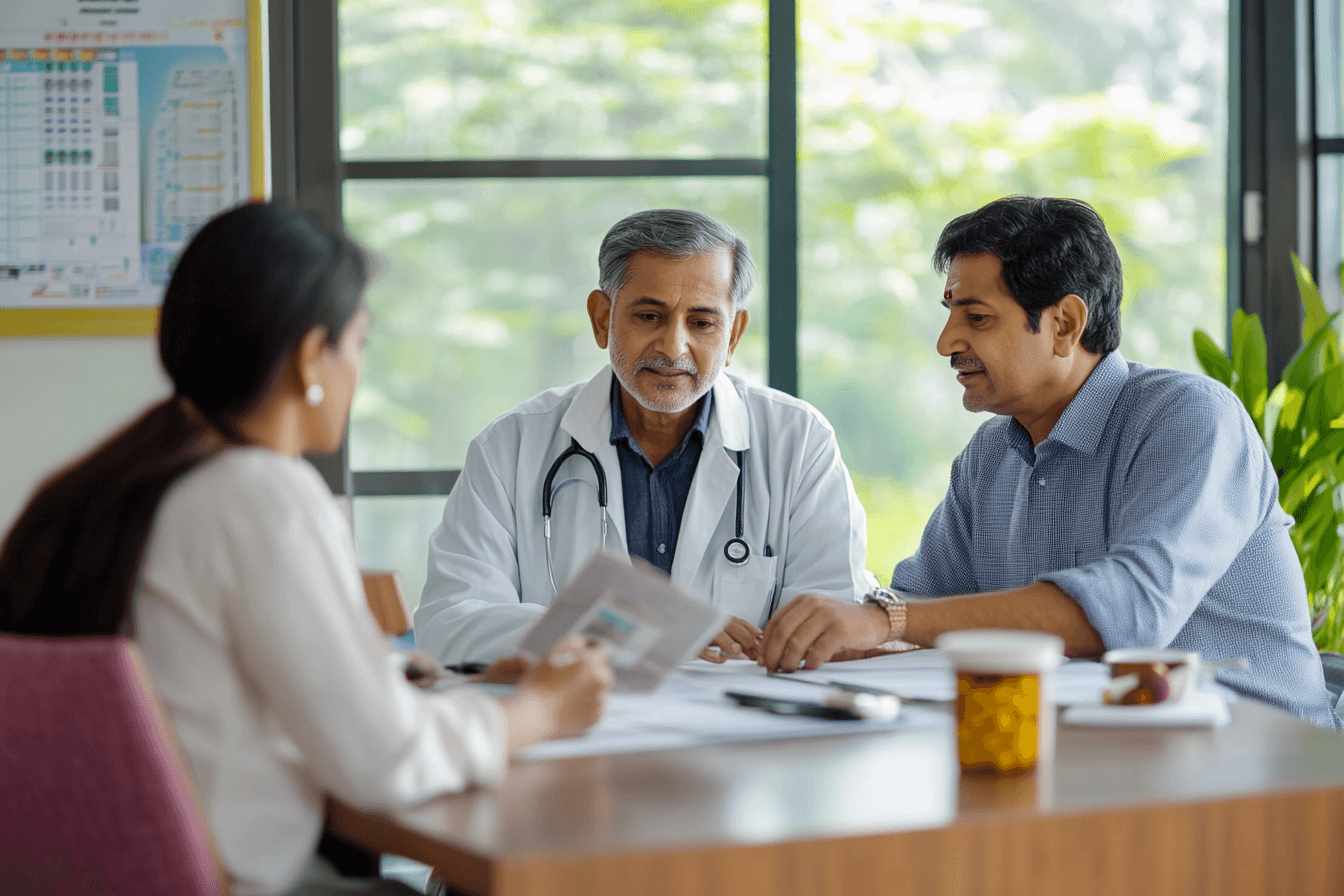
Radiation with temozolomide is a major post-surgery treatment approach for suitable glioblastoma patients. The Stupp protocol established the importance of combining radiotherapy with concomitant and adjuvant temozolomide in glioblastoma care [5]. Current glioma treatment guidance continues to support report-based oncology planning according to tumor type, molecular markers, grade, and patient condition [3].
Ayurveda during this phase should not be positioned as a replacement for radiation or temozolomide. Its safest and most practical role is supportive care. The patient needs help maintaining nutrition, digestion, bowel regularity, sleep, hydration, emotional calmness, neurological stability, and functional strength while tumor-directed treatment continues.
The Main Goal Is Treatment Completion
The most important goal during radiation and temozolomide is to help the patient complete treatment as safely as possible. Many patients struggle with fatigue, nausea, poor appetite, constipation, sleep disturbance, anxiety, low blood counts, steroid side effects, and general weakness. These problems may reduce quality of life and sometimes interrupt treatment.
Ayurveda can support the patient by improving agni, maintaining food intake, protecting bowel rhythm, calming Vata, supporting sleep, reducing fear, and preserving bala. The aim should be simple and practical: the patient should eat, sleep, pass stool, walk as tolerated, attend treatment, and remain emotionally stable.
A complicated herbal plan is not always better. During active radiation and chemotherapy, the safest Ayurvedic plan is often minimal, specific, and closely monitored.
Ayurveda Should Not Delay Radiation
Radiation after glioma surgery is time-sensitive in many high-grade gliomas, especially glioblastoma. If radiotherapy is medically indicated, Ayurveda should not be used as a reason to delay it. The infiltrative nature of glioblastoma means that microscopic tumor cells may remain after surgery, and radiation is used to target the tumor region and surrounding at-risk tissue [3,5].
The Ayurvedic physician should help the patient prepare for radiation by supporting digestion, sleep, bowel movement, nutrition, and emotional stability. If the patient is weak, anxious, constipated, or unable to eat, supportive Ayurveda may make the radiation journey more tolerable. But this support must run alongside treatment planning, not against it.
A safe integrative message is that oncology targets the tumor field, while Ayurveda supports the patient’s internal recovery system.
Temozolomide Requires Blood Monitoring
Temozolomide can affect blood counts, including platelets, neutrophils, and overall marrow function. The patient may also develop nausea, fatigue, appetite loss, liver enzyme changes, constipation, or infection risk. This is why CBC, platelet count, neutrophil count, liver function, kidney function, and clinical symptoms must be monitored during treatment.
Ayurvedic medicines should be selected only after reviewing these risks. A patient with low platelets should avoid medicines that may increase bleeding tendency. A patient with low neutrophils must be protected from infection risk. A patient with liver enzyme elevation should not receive complex or poorly tested herbal formulations.
MGMT promoter methylation may influence the expected benefit from temozolomide in glioblastoma patients [6]. However, whether MGMT is methylated or unmethylated, the supportive Ayurvedic goals remain important. The patient still needs digestion, nutrition, sleep, bowel care, fatigue support, emotional balance, and safe monitoring.
Do Not Use High-Dose Supplement Stacks
During radiation and temozolomide, families often begin adding multiple supplements such as curcumin capsules, antioxidant mixtures, green tea extract, mushroom products, vitamins, minerals, immunity boosters, protein powders, herbal powders, and online cancer formulations. This can become unsafe.
Cancer Research UK warns that vitamins, diet supplements, and complementary therapies may interfere with cancer treatment when used without medical guidance [16,17]. This is especially important during chemotherapy and radiation, where treatment depends on careful biological effects and where blood counts, liver function, digestion, and immunity may already be under pressure.
The patient should avoid unsupervised high-dose antioxidant stacks during active treatment. Natural does not always mean safe. A supplement may be plant-based and still interfere with medicines, affect bleeding risk, irritate the stomach, burden the liver, or confuse the interpretation of side effects.
Haridra and Curcumin Should Be Used Honestly
Haridra is highly respected in Ayurveda and has important anti-inflammatory relevance. Curcumin has also been studied widely in laboratory research. However, glioma patients should not be told that curcumin is a proven glioblastoma recurrence-stopping medicine.
Research on radiation and curcumin in human glioma has shown limitations, especially because clinically achievable curcumin concentrations may not support strong claims as a meaningful radiosensitizer in glioblastoma [14]. Therefore, Haridra may be considered as supportive care in suitable forms, but high-dose curcumin extracts should be used cautiously and only after reviewing the patient’s full treatment plan.
The correct approach is to respect Haridra without exaggerating it. It may support inflammation balance in selected patients, but it should not replace radiation, temozolomide, MRI monitoring, steroids, anti-seizure medicines, or oncology review.
Shallaki or Boswellia May Be Discussed for Edema Support
Brain edema is a common problem during glioma care. Some patients require steroids to control headache, vomiting, weakness, speech changes, or other neurological symptoms caused by swelling. Steroids can be necessary, but they may also cause insomnia, high blood sugar, acidity, mood changes, muscle weakness, infection risk, and fluid retention.
Boswellia serrata, known in Ayurveda as Shallaki, has been studied in patients irradiated for brain tumors, where it showed an effect on cerebral edema in a randomized pilot trial [13]. This makes it one of the more relevant Ayurvedic herbs to discuss during radiation in selected patients.
However, Shallaki should not be presented as a glioblastoma cure or a guaranteed steroid replacement. It should be considered only after reviewing the patient’s steroid dose, edema status, platelet count, liver function, bleeding risk, current medicines, and oncology plan. If used, symptoms and MRI findings must still be monitored medically.
Steroids Must Not Be Stopped Suddenly
Many glioma patients receive dexamethasone or other steroids during radiation because of edema or neurological symptoms. Steroid side effects can be difficult, but sudden withdrawal can be dangerous. Brain swelling can worsen rapidly if steroids are stopped without medical supervision.
Ayurveda can support steroid-related problems such as acidity, insomnia, constipation, weakness, mood disturbance, blood sugar fluctuation, and digestive imbalance. However, Ayurveda should never be used to persuade the patient to suddenly stop steroids.
The steroid dose should be adjusted only by the treating medical team according to neurological symptoms, edema, MRI findings, radiation phase, and overall patient condition. The Ayurvedic role is to support the patient safely while the medical team manages edema.
Anti-Seizure Medicines Must Continue as Prescribed
Glioma patients may have seizure risk before or after surgery. Radiation, edema, sleep deprivation, stress, missed medicines, metabolic disturbance, and tumor progression can also affect seizure control. Therefore, anti-seizure medicines must be respected during Ayurvedic care.
Ayurvedic herbs used for sleep, anxiety, memory, or nervous system support should be selected carefully because they may add sedation when combined with anti-seizure medicines. The patient should be monitored for excessive drowsiness, confusion, imbalance, falls, worsening memory, or change in seizure pattern.
Ayurveda can support Vata stability through routine, sleep care, bowel regularity, warm digestible food, calm breathing, and emotional reassurance. It should not replace prescribed seizure medicines.
Diet Should Support Strength Without Overloading Digestion
During radiation and temozolomide, the diet should be nourishing but digestible. The patient may have reduced appetite, nausea, acidity, constipation, altered taste, fatigue, steroid-related hunger, or blood sugar changes. The food plan should therefore be adjusted according to agni, bowel movement, body weight, blood sugar, and treatment tolerance.
The aim is to prevent weight loss, maintain protein intake, preserve muscle, reduce constipation, and support hydration. Severe fasting, juice-only diets, raw-food overload, extreme keto diets, and fear-based sugar starvation diets can weaken the patient if not medically supervised.
A warm, freshly cooked, easy-to-digest diet is often more suitable during active treatment. Food should help the patient continue therapy, not make the body weaker in the name of cancer control.
Bowel Care Is Essential During Treatment
Constipation is common during radiation and chemotherapy because of reduced activity, anti-nausea medicines, pain medicines, dehydration, stress, steroids, and dietary changes. In Ayurveda, constipation aggravates Vata and can worsen sleep, appetite, anxiety, headache discomfort, and overall recovery.
Bowel care should be gentle. Strong purgation is usually not suitable during radiation or temozolomide because it may cause dehydration, weakness, electrolyte disturbance, and treatment interruption. The safer approach is hydration, warm food, cooked fiber, suitable mild bowel support, movement as tolerated, and medical review when constipation is severe.
A patient who passes stool regularly usually eats better, sleeps better, and feels less distressed during treatment.
Sleep and Anxiety Support Should Begin Early
Radiation and chemotherapy can increase emotional pressure. Patients may worry about the next MRI, survival, seizures, hair loss, fatigue, family responsibilities, and treatment failure. Steroids can also disturb sleep and mood.
Ayurveda can help through calming routine, yoga nidra, meditation, gentle breathing, suitable sleep-supportive medicines when safe, and family reassurance. The goal is not sedation at any cost. The goal is restorative sleep without confusion, falls, worsening cognition, or interaction with neurological medicines.
If the patient has severe anxiety, depression, hallucination, agitation, suicidal thoughts, or steroid-related psychiatric symptoms, medical evaluation is necessary. Ayurveda can support the mind, but serious psychiatric or neurological symptoms must not be ignored.
Panchakarma Should Usually Be Avoided During Active Chemoradiation
Active radiation and temozolomide are not the right time for strong Panchakarma in most glioma patients. The body is already under treatment stress. Strong virechana, vamana, aggressive basti, fasting-based detox, bloodletting, or dehydration-producing procedures may worsen weakness, disturb electrolytes, aggravate fatigue, or delay treatment.
Gentle external relaxation therapies may be considered only in selected stable patients after checking wound healing, seizure status, platelet count, steroid use, fatigue level, and oncology schedule. Even then, the therapy should be mild and supportive, not depleting.
In this phase, Ayurveda should protect the patient’s strength rather than drain it.
Product Quality and Heavy Metal Safety Are Non-Negotiable
During radiation and temozolomide, the patient’s liver, blood counts, immunity, digestion, and neurological system may already be vulnerable. This makes product quality extremely important. Untested Ayurvedic products, secret formulas, online cancer capsules, and unverified herbo-mineral medicines should be avoided.
The National Center for Complementary and Integrative Health warns that some Ayurvedic preparations may contain toxic levels of lead, mercury, or arsenic [15]. For glioma patients, this risk is unacceptable unless products are transparent, properly manufactured, and safety-tested.
A patient undergoing chemotherapy should not be exposed to unknown contamination, undisclosed metals, or poorly controlled ingredients.
Ayurveda During Treatment Should Be Simple, Safe, and Purposeful
The best Ayurvedic plan during radiation and temozolomide is not the most complex plan. It is the plan that safely helps the patient maintain appetite, digestion, sleep, bowel movement, hydration, strength, mood, and treatment compliance.
Every recommendation should have a purpose. If a medicine is given for digestion, the caregiver should know that. If it is given for sleep, that should be clear. If it is given for edema support, steroid dose and symptoms must still be monitored. If it is given as Rasayana, the patient’s agni, blood reports, liver function, kidney function, and treatment phase should support its use.
Safe Ayurveda during radiation means discipline. It respects oncology treatment, protects the patient from interactions, avoids overmedication, and focuses on the practical foundations that help the patient complete therapy with better strength and dignity [3,5,6,13,14,15,16,17].
Food after glioma surgery should not be treated casually. The patient is recovering from brain surgery, preparing for further treatment, and often dealing with steroids, seizures, fatigue, constipation, fear, poor sleep, and appetite changes. The diet must protect strength, digestion, weight, bowel movement, blood sugar, and treatment tolerance.
Diet After Glioma Surgery
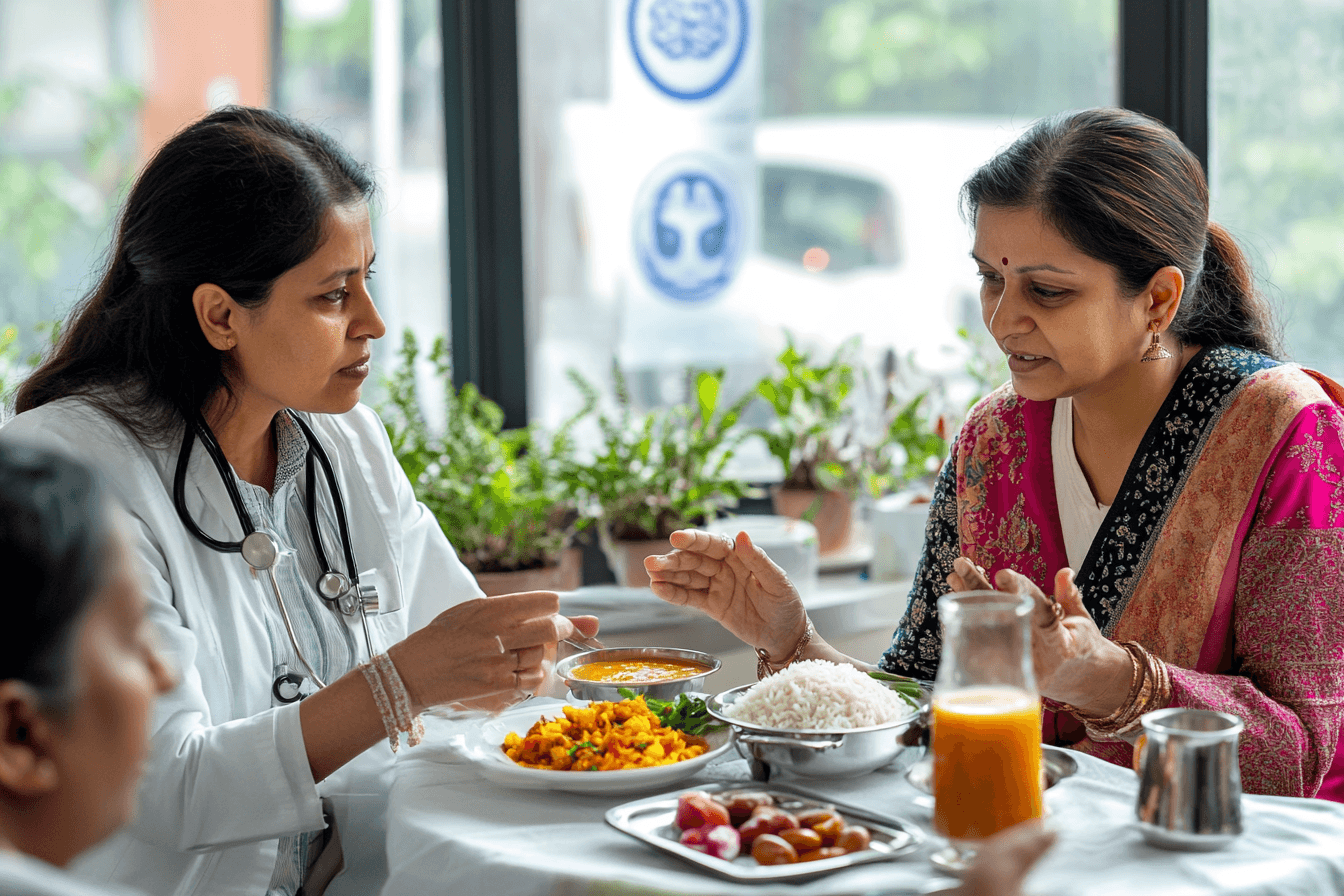
Diet after glioma or glioblastoma surgery should support recovery, not weaken the patient through fear-based restriction. The purpose of diet is to help the patient heal, maintain body weight, preserve muscle, tolerate radiation or chemotherapy, support bowel regularity, stabilize energy, and protect quality of life.
Cancer nutrition guidance emphasizes that malnutrition, weight loss, and poor intake can affect cancer treatment tolerance and recovery [18,19]. In Ayurveda, this same concern is understood through agni, bala, ojas, dhatu nourishment, and the ability of the patient to digest and assimilate food.
A glioma patient does not need a fashionable diet. The patient needs a practical, digestible, nourishing, personalized diet that matches appetite, digestion, bowel movement, body weight, blood sugar, kidney function, liver function, swallowing ability, steroid use, and treatment phase.
The Main Goal Is to Prevent Weakness and Malnutrition
After surgery, many patients eat less because of nausea, fear, hospital food, altered taste, constipation, sleep disturbance, steroid effects, anxiety, or reduced mobility. If this continues, the patient may lose weight, lose muscle, become fatigued, and struggle during radiation or chemotherapy.
The first goal of diet is therefore to protect strength. The patient should receive enough calories, protein, fluids, and digestible nourishment to maintain recovery. A weak patient cannot tolerate aggressive treatment, rehabilitation, or repeated hospital visits easily.
In Ayurvedic terms, the diet should preserve bala and ojas. Food should be light enough to digest but strong enough to nourish. This balance is essential because overly heavy food may worsen agni, while overly restrictive food may weaken the patient.
Agni Should Be Restored Before Heavy Rasayana
Agni is the foundation of post-surgery recovery. If the patient cannot digest food properly, even the best Rasayana or nutrition plan may not help. Poor agni may appear as low appetite, bloating, nausea, constipation, acidity, coated tongue, heaviness after meals, irregular hunger, or fatigue after eating.
The diet should begin with warm, freshly prepared, easy-to-digest meals. In many patients, small frequent meals are better than large heavy meals. Food should be adjusted according to appetite and tolerance rather than forced mechanically.
A patient with weak agni may first need simple foods such as soft khichdi, moong dal, rice preparations, vegetable soups, thin dal, lightly cooked vegetables, stewed fruits, and warm fluids. Once digestion improves, nourishment can be increased gradually.
Protein Is Essential for Healing and Strength
Protein is important after surgery because the body needs it for wound healing, muscle preservation, immune function, and recovery. Many patients lose muscle quickly after hospitalization, steroid use, inactivity, and poor appetite.
Protein should be included according to the patient’s diet preference, digestion, kidney function, and medical advice. Vegetarian patients may use suitable forms of dal, moong, paneer, curd if tolerated, tofu, lentils, nuts, seeds, or medically advised protein supplements. Non-vegetarian patients may use eggs, fish, or other suitable protein sources if allowed by their doctor and accepted by the patient.
The Ayurvedic physician should ensure that protein does not become too heavy for digestion. If the patient feels bloated, nauseated, constipated, or heavy after protein-rich food, the form, quantity, cooking method, and timing should be adjusted.
Do Not Starve the Patient in the Name of Cancer Control
Many families become afraid of food after a cancer diagnosis. They may remove rice, wheat, fruits, milk, ghee, sugar, carbohydrates, and sometimes even adequate protein. This can cause weakness, weight loss, anxiety, and poor treatment tolerance.
Extreme fasting, juice-only diets, raw-food-only diets, severe carbohydrate restriction, unsupervised ketogenic diets, and “starve the cancer” diets can be dangerous if they reduce the patient’s strength. Brain tumor patients need enough nourishment to recover from surgery and tolerate further treatment.
The diet should reduce unhealthy excess, not create starvation. Refined sugar, alcohol, smoking, ultra-processed foods, deep-fried foods, and poor-quality packaged foods should be avoided. But the patient still needs balanced nourishment.
Warm and Digestible Food Is Often Better Tolerated
After glioma surgery, digestion may be disturbed by anesthesia, medicines, stress, reduced activity, and hospital routines. Warm, cooked, soft, freshly prepared food is often easier to digest than cold, dry, stale, raw, or heavily processed food.
Ayurveda gives importance to food that matches agni. A patient with Vata aggravation, constipation, fear, insomnia, and weakness often benefits from warm, moist, soft, nourishing meals. A patient with acidity, heat, irritability, steroid-related hunger, or burning may need cooling but digestible food choices. A patient with heaviness, low appetite, coating, and sluggish digestion may need lighter meals and careful digestive support.
Diet should therefore be individualized. The same food may nourish one patient and disturb another.
Constipation Must Be Corrected Gently
Constipation is very common after brain tumor surgery. It may occur because of reduced mobility, pain medicines, anti-seizure medicines, steroids, dehydration, low fiber intake, fear, and irregular routine.
Constipation can reduce appetite, worsen discomfort, disturb sleep, increase anxiety, and aggravate Vata. In a glioma patient, bowel care should be gentle and steady. Strong purgation or harsh laxative-style detox is usually not suitable during early recovery or active treatment.
Warm fluids, cooked vegetables, soft fiber, adequate hydration, gentle movement, suitable oils in food if tolerated, and mild bowel support may help. If constipation is severe, prolonged, painful, or associated with vomiting or abdominal distension, medical review is needed.
Steroid-Induced Blood Sugar Must Be Managed
Many glioma patients receive steroids to reduce brain swelling. Steroids can raise blood sugar, disturb sleep, increase appetite, cause acidity, change mood, and weaken muscles over time.
The diet should support stable blood sugar without starving the patient. This means avoiding refined sugar, sweet drinks, excess sweets, and frequent high-glycemic snacks, while still maintaining adequate calories and protein. Meals should be balanced and regular.
If the patient develops high blood sugar during steroid therapy, glucose monitoring and medical management are important. Ayurveda may support digestion, routine, and food discipline, but steroid-induced diabetes should not be ignored.
Nausea and Poor Appetite Need Practical Food Planning
During radiation, chemotherapy, or steroid changes, the patient may develop nausea, altered taste, low appetite, or food aversion. In such cases, the caregiver should not force large meals. Smaller portions, mild flavors, warm soups, soft foods, and frequent nourishment may be easier.
Food should not be oily, spicy, stale, overly sweet, or heavy if the patient is nauseated. Strong smells may trigger vomiting in some patients. Hydration should be protected, especially if intake is low.
From an Ayurvedic view, nausea and appetite loss indicate that agni needs careful support. The physician should choose food and medicines that kindle digestion gently without causing heat, acidity, or irritation.
Hydration Protects Recovery and Treatment Tolerance
Hydration is important for bowel movement, energy, kidney function, circulation, temperature regulation, and medicine tolerance. Dehydration can worsen fatigue, constipation, dizziness, confusion, headache, and treatment discomfort.
The patient should take fluids according to medical advice, especially if there are kidney problems, low sodium, steroid effects, vomiting, diarrhea, or swallowing difficulty. Warm water, light soups, thin dal, rice gruel, herbal water when suitable, and oral nutrition support may be used according to the patient’s condition.
If the patient develops repeated vomiting, severe diarrhea, poor urine output, confusion, dizziness, or marked weakness, urgent medical review is needed.
Food Should Support the Brain and Nervous System
Glioma patients may have seizures, memory issues, speech difficulty, weakness, anxiety, insomnia, or cognitive slowing. Diet alone cannot correct these problems, but stable nutrition can support neurological recovery and rehabilitation.
The patient should avoid skipping meals, dehydration, severe fasting, alcohol, and erratic eating because these can worsen weakness, mood instability, and sometimes seizure vulnerability. Regular meals, adequate protein, stable hydration, and sleep-supportive routines are important.
Ayurveda supports this through Vata-stabilizing food, regular meal timing, warm nourishment, bowel regularity, and avoidance of excessive dryness, fasting, fear, and exhaustion.
Diet During Radiation and Temozolomide Should Be Conservative and Supportive
During radiation and temozolomide, the diet should help the patient complete treatment. This is not the time for drastic dieting. The patient may need simple, nourishing, digestible food that supports appetite, reduces constipation, protects hydration, and maintains body weight.
If blood counts are low, food hygiene becomes important. The patient should avoid stale, contaminated, unhygienic, or risky foods. If immunity is suppressed, fever or infection symptoms should be treated seriously.
Any supplement, herbal powder, concentrated antioxidant, or special cancer diet should be discussed with the medical team. Cancer Research UK cautions that supplements and complementary therapies may interfere with cancer treatments if used without guidance [16,17].
Use Ghee, Milk, and Dairy According to Digestion
In Ayurveda, ghee and milk are often associated with nourishment and Rasayana support, but they are not suitable in the same way for every patient. Some patients digest small amounts of ghee well and benefit from it. Others may develop heaviness, nausea, loose stools, acidity, or increased mucus.
Milk may nourish some patients but may not suit those with lactose intolerance, bloating, Kapha heaviness, poor digestion, or certain metabolic conditions. Curd may be useful in some patients but unsuitable in others, especially if there is heaviness, mucus, poor digestion, or infection risk.
Diet should be based on actual tolerance, not theory alone. If a food worsens symptoms, it should be modified or avoided.
Food Hygiene Is Important During Chemotherapy
If the patient is receiving chemotherapy and blood counts are low, food safety becomes important. Food should be fresh, clean, properly cooked, and handled hygienically. Contaminated food can increase infection risk in vulnerable patients.
Raw salads, street food, stale leftovers, unpasteurized products, and unhygienic juices may be risky for some patients, especially when immunity is low. The level of restriction should be guided by the oncology team and blood reports.
Ayurveda also values fresh, clean, properly prepared food. In a medically fragile patient, this becomes even more important.
Swallowing Difficulty Needs Special Attention
Some glioma patients may have difficulty swallowing because of neurological weakness, surgery effects, tumor location, reduced consciousness, or treatment complications. This can increase the risk of choking or aspiration.
If the patient coughs while eating, has wet voice after swallowing, drools, takes too long to swallow, or develops repeated chest infections, a swallowing assessment may be needed. Food texture may need to be modified.
Ayurveda should not ignore these signs. The diet must be safe to swallow before it can nourish the patient.
The Caregiver Should Track Food, Weight, and Bowel Movement
Diet becomes more effective when the caregiver tracks simple daily signs. Appetite, meal quantity, water intake, bowel movement, nausea, vomiting, weight, blood sugar if on steroids, sleep, and fatigue should be observed.
This helps the physician adjust the diet and medicines. If the patient is losing weight, eating less, constipated, vomiting, or becoming weaker, the plan should be changed early.
A caregiver does not need to become anxious about every bite. The goal is to identify decline before it becomes severe.
Ayurvedic Diet Should Be Personalized, Not Rigid
There is no single glioma diet that fits every patient. A young patient with good appetite and stable blood reports needs a different diet from an elderly patient with poor appetite, diabetes, constipation, kidney disease, low albumin, or swallowing difficulty.
The Ayurvedic diet should consider prakriti, vikriti, agni, ama, bala, ojas, bowel movement, sleep, treatment phase, medicines, and lab reports. Modern nutrition principles should also be respected, especially calorie intake, protein needs, hydration, food safety, and prevention of malnutrition [18,19].
This is how diet becomes a bridge between Ayurveda and modern supportive oncology.
The Right Diet Builds Treatment Readiness
The best diet after glioma surgery is the one that helps the patient remain strong enough to continue treatment, rehabilitation, and follow-up. It should improve digestion, preserve weight, prevent constipation, support sleep, stabilize energy, and reduce avoidable weakness.
Diet cannot replace surgery, radiation, chemotherapy, MRI, seizure medicines, or emergency care. But diet can strongly influence how the patient feels, functions, and tolerates treatment.
In integrative glioma care, food is not just calories. It is daily medicine for agni, bala, ojas, neurological recovery, emotional steadiness, and treatment endurance [18,19,22].
After glioma surgery, recovery is not only about medicines and MRI reports. The patient may need help with walking, speech, balance, memory, sleep, fear, fatigue, breathing, confidence, and daily independence. Yoga, pranayama, and neuro-rehabilitation can support recovery when they are gentle, supervised, and adapted to the patient’s neurological condition.
Yoga, Pranayama, and Neuro-Rehabilitation After Glioma Surgery
Yoga and pranayama after glioma or glioblastoma surgery should be used as therapeutic support, not as physical performance. The patient may have weakness, seizures, headache, fatigue, speech difficulty, memory changes, poor balance, steroid side effects, or fear of recurrence. Therefore, every practice must be selected carefully.
The goal is to calm the nervous system, support sleep, improve breathing, reduce anxiety, maintain mobility, prevent deconditioning, and help the patient regain confidence. Integrative oncology guidelines support selected mind-body approaches for anxiety, depression, fatigue, and quality-of-life symptoms in cancer care [20,21]. The Ministry of Ayush also supports an integrative oncology model where Ayurveda, Yoga, diet therapy, Panchakarma, physiotherapy, and modern oncology can work together for rehabilitation and recovery support [22].
The Main Aim Is Nervous System Stability
After brain surgery, the nervous system is sensitive. The patient may feel physically weak, mentally restless, emotionally fearful, and neurologically unstable. Ayurveda understands this state largely through Vata disturbance, especially when there is insomnia, anxiety, constipation, tremor, weakness, pain, irregular routine, or fear.
Yoga and pranayama should first aim to stabilize Vata. This means creating calmness, rhythm, warmth, safety, and predictability. A gentle daily routine is more useful than intense exercise. The patient should not be pushed into difficult postures, forceful breathing, long sessions, or practices that create exhaustion.
A safe practice should leave the patient calmer, steadier, and more comfortable. If the patient feels headache, dizziness, nausea, confusion, weakness, breathlessness, seizure aura, or unusual fatigue after practice, the routine should be stopped and reviewed.
Gentle Breathing Is Safer Than Forceful Pranayama
Pranayama can help calm the mind and improve breathing awareness, but brain tumor patients should avoid forceful techniques. Gentle diaphragmatic breathing is often the safest starting point. The patient can practice slow abdominal breathing in a comfortable sitting or lying position, without strain and without breath retention.
Gentle anulom-vilom may be considered if the patient is stable, comfortable, and not breathless. It should be done without force, without long holding, and without pressure to complete a fixed number of rounds. Bhramari may help some patients feel calmer, but it should be avoided if it worsens headache, pressure sensation, dizziness, or discomfort.
The safest rule is that breathing should be smooth, quiet, and comfortable. Pranayama should not increase pressure in the head, disturb breathing rhythm, or create anxiety.
Avoid Kapalabhati, Bhastrika, and Long Breath Retention
Kapalabhati, bhastrika, strong kumbhaka, and intense breathing practices are generally unsuitable after glioma surgery, especially in patients with seizures, headache, edema, weakness, dizziness, uncontrolled blood pressure, anxiety, or recent surgery.
These forceful techniques may create unnecessary pressure, hyperventilation, dizziness, exhaustion, or neurological discomfort. In a healthy yoga student, such practices may be tolerated. In a post-surgery glioma patient, the risk-benefit balance is different.
The patient does not need aggressive pranayama to heal. The patient needs stable breathing, calm sleep, regular bowels, proper food, safe movement, and mental reassurance.
Yoga Nidra Can Support Sleep and Fear Reduction
Fear of recurrence is one of the most distressing parts of glioma recovery. Patients may fear the next MRI, seizures, disability, memory loss, treatment failure, or death. Caregivers may also suffer silently from anxiety and sleeplessness.
Yoga nidra can be useful because it allows the patient to rest deeply without physical strain. It may help calm the mind, improve relaxation, and support sleep. Integrative oncology guidance supports mind-body approaches for anxiety and depression symptoms in adults with cancer [20].
Yoga nidra should be done in a quiet environment, with the patient lying comfortably and safely. The session should be short in the beginning. If the patient becomes emotionally overwhelmed, confused, restless, or uncomfortable, the practice should be modified.
Meditation Should Be Simple and Grounding
Meditation after glioma surgery should not be complicated. The patient may already have cognitive fatigue, memory difficulty, fear, or reduced attention. A simple grounding practice is usually better than intense concentration.
The patient may focus on natural breathing, a calming word, prayer, mantra, soft music, or guided relaxation. Spiritual practices may be included if they are meaningful to the patient and do not create guilt, fear, or unrealistic expectations.
Meditation should support acceptance, courage, and calmness. It should never be used to blame the patient for the disease or suggest that recurrence happens because the patient did not think positively enough.
Physical Yoga Must Be Adapted to Neurological Status
Many glioma patients cannot safely perform standard yoga classes after surgery. They may have weakness on one side, poor balance, seizures, dizziness, vision changes, fatigue, or reduced coordination. Therefore, physical yoga should be modified and ideally supervised.
The safest starting points are simple movements, supported stretching, slow walking, gentle joint mobility, relaxed sitting postures, and breathing awareness. The patient may practice on a bed, chair, or mat depending on strength and balance.
Standing postures should be introduced carefully if the patient has weakness, imbalance, or fall risk. The caregiver or therapist should remain nearby when needed.
Avoid Inversions and Strenuous Postures
Headstand, shoulder stand, intense forward bends, strong backbends, fast flow yoga, heavy core work, long standing sequences, overheating practices, and exhausting postures should be avoided after glioma surgery unless specifically cleared by the medical and rehabilitation team.
Inversions and strenuous postures may not be safe in patients with brain edema, recent craniotomy, headache, seizures, weakness, dizziness, or unstable blood pressure. The patient should not be asked to prove strength through difficult yoga.
The purpose of yoga in glioma recovery is not flexibility. It is stability, safety, breathing, circulation, confidence, relaxation, and gradual functional improvement.
Walking Is Often the Best Early Exercise
For many patients, slow walking is the most practical early rehabilitation exercise. Walking supports circulation, digestion, mood, muscle strength, sleep, and confidence. It also helps reduce deconditioning after hospitalization.
The walking plan should match the patient’s strength. A weak patient may begin with assisted walking inside the room. A stronger patient may gradually increase distance. The patient should stop before exhaustion, not after collapse.
If walking causes dizziness, worsening headache, breathlessness, chest pain, leg swelling, confusion, or sudden weakness, medical review is needed. Safety comes before target numbers.
Physiotherapy Is Essential for Weakness and Balance
If the patient has weakness, imbalance, poor coordination, stiffness, difficulty standing, or reduced mobility, physiotherapy should be included early. Physiotherapy helps prevent muscle wasting, falls, joint stiffness, and long-term dependency.
Ayurveda and physiotherapy can work together. Ayurveda may support strength, sleep, digestion, pain comfort, and Vata stability, while physiotherapy trains movement, balance, gait, posture, and functional independence.
The patient should not be left in bed for long periods unless medically necessary. Prolonged inactivity can worsen weakness, constipation, mood, sleep, and caregiver burden.
Speech Therapy May Be Needed After Surgery
Some glioma patients develop speech difficulty, word-finding problems, swallowing difficulty, or communication changes after surgery. These symptoms depend on tumor location, surgical area, swelling, seizures, and neurological function.
Speech therapy can help patients recover communication and swallowing safety. If the patient coughs while eating, has a wet voice, drools, chokes, or develops repeated chest infections, swallowing assessment is important.
Ayurveda may support nourishment, Majja dhatu, Vata stability, and confidence, but speech and swallowing problems require proper rehabilitation. The family should not assume that time alone will solve every issue.
Occupational Therapy Supports Daily Independence
Occupational therapy helps the patient return to daily activities such as bathing, dressing, eating, writing, using the phone, managing simple tasks, and adapting the home environment. This is important because glioma recovery is not only about survival; it is also about independence and dignity.
A patient with weakness, memory difficulty, poor coordination, visual problems, or fatigue may need practical modifications at home. These may include safer walking pathways, bathroom support, supervised cooking, medication reminders, and fatigue-sensitive routines.
Ayurveda can support the patient internally, but daily function must also be trained externally.
Cognitive Rehabilitation Supports Memory and Attention
Glioma patients may have memory issues, slow thinking, poor concentration, personality change, emotional instability, or difficulty planning tasks. These problems may come from the tumor, surgery, seizures, radiation, medicines, fatigue, or stress.
Cognitive rehabilitation can include simple memory exercises, routine building, written reminders, calendar use, repetition, structured tasks, and reducing mental overload. The caregiver should be patient because cognitive recovery can be slow and uneven.
Ayurvedic support for Majja dhatu, sleep, stress, and nutrition may help the recovery environment, but structured cognitive rehabilitation remains important when cognitive symptoms are present.
Fatigue Requires Energy Management, Not Force
Cancer-related fatigue is different from ordinary tiredness. The patient may feel exhausted even after rest. Fatigue may worsen during radiation, chemotherapy, poor sleep, steroid changes, low blood counts, poor nutrition, anxiety, or inactivity.
ASCO and Society for Integrative Oncology guidance supports structured approaches such as exercise, mindfulness-based programs, and other non-drug supportive methods for cancer-related fatigue [21]. For glioma patients, these must be adapted carefully to neurological status.
The patient should follow energy pacing. Activity should be divided into small manageable periods with rest in between. Overexertion can worsen fatigue and reduce confidence.
Seizure Safety Must Be Respected During Practice
A glioma patient with seizure history needs extra care during yoga, breathing, and rehabilitation. Anti-seizure medicines should continue as prescribed. The SNO and EANO guideline supports careful medical decision-making around anticonvulsant use in brain tumor patients [12].
Practices should avoid sleep deprivation, overheating, dehydration, intense breathing, exhaustion, flashing lights, and unsafe solo activity. The patient should not practice near stairs, water, fire, or hard surfaces if seizure risk is active.
If the patient develops aura, unusual smell, visual disturbance, sudden fear, jerking, blank spells, confusion, or seizure-like symptoms, the practice should stop and the medical team should be informed.
Caregiver Participation Improves Safety
The caregiver should be involved in the patient’s yoga and rehabilitation plan. They can help track fatigue, balance, sleep, mood, walking ability, seizure symptoms, appetite, and response to practice.
The caregiver should also learn what not to force. A glioma patient should not be pushed into yoga when exhausted, confused, febrile, vomiting, severely weak, or neurologically worse. Some days require rest and medical review rather than exercise.
Caregiver support makes the practice safer and more consistent. It also helps the family feel actively involved in recovery.
Yoga Should Be Stopped During Red Flag Symptoms
Yoga, pranayama, or rehabilitation should be stopped and medically reviewed if the patient develops worsening headache, repeated vomiting, new seizure, confusion, sudden weakness, speech difficulty, vision change, severe dizziness, chest pain, breathlessness, fever during chemotherapy, wound discharge, or sudden decline.
Ayurveda and yoga should never delay emergency care. In glioma patients, neurological symptoms can change quickly, and early medical attention may be necessary.
The Right Practice Builds Confidence and Dignity
A well-designed yoga and rehabilitation plan helps the patient feel less helpless. Even small improvements in walking, sleep, breathing, bowel movement, balance, or confidence can matter deeply to the patient and family.
The best practice is not the most impressive one. It is the one the patient can perform safely, regularly, and calmly. A few minutes of gentle breathing, short walking, guided relaxation, and simple mobility work may be more valuable than an ambitious routine that causes exhaustion.
In integrative glioma care, yoga, pranayama, and rehabilitation should work together. Ayurveda supports agni, ojas, Vata stability, sleep, and strength. Yoga calms the mind and breath. Physiotherapy restores movement. Speech and cognitive therapy support brain function. Together, they help the patient recover with greater strength, steadiness, and dignity [12,20,21,22].
Behind almost every glioma patient is a caregiver who is managing reports, medicines, appointments, food, symptoms, fear, finances, and difficult decisions. Supporting the caregiver is not separate from treatment. It directly affects how safely and consistently the patient receives care.
Caregiver Support Is Part of Treatment
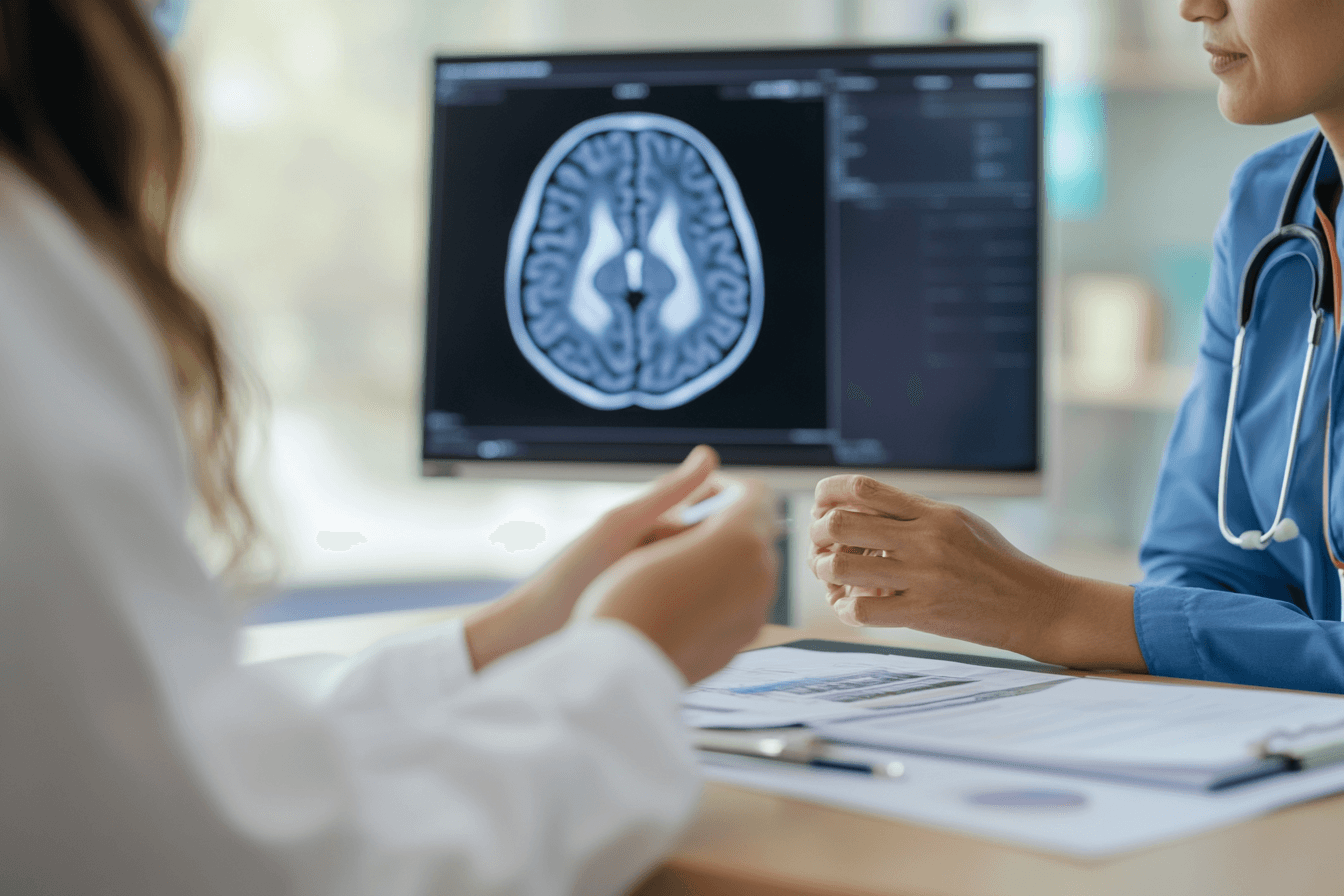
In glioma and glioblastoma care, the caregiver often becomes the patient’s second brain. The patient may be weak, confused, anxious, forgetful, sleepy, speech-impaired, seizure-prone, or emotionally overwhelmed. In this situation, the caregiver becomes responsible for organizing the treatment journey.
The caregiver tracks medicines, steroid dose, anti-seizure tablets, MRI dates, blood reports, diet, sleep, bowel movement, seizures, fatigue, mood changes, and emergency symptoms. This responsibility is heavy, and if the caregiver is unsupported, the patient’s care can become disorganized.
Supportive cancer care includes not only tumor treatment but also symptom control, nutrition, rehabilitation, emotional support, and quality of life [4]. Integrative oncology guidelines also recognize the importance of addressing anxiety, depression, fatigue, and mind-body distress in cancer care [20,21]. Therefore, caregiver education and emotional support should be treated as part of the therapeutic plan.
The Caregiver Needs Clarity, Not Confusion
After glioma surgery, families often receive too much information too quickly. They hear terms such as glioblastoma, IDH, MGMT, radiotherapy, temozolomide, edema, steroids, seizures, pseudoprogression, recurrence, and survival. Without clear explanation, the caregiver may feel lost and frightened.
A good integrative plan should give the caregiver clarity. The caregiver should understand the exact diagnosis, the treatment timeline, the purpose of each medicine, the warning signs, the MRI schedule, the diet plan, the Ayurvedic support plan, and when to call the doctor.
When the caregiver understands the plan, panic reduces. Care becomes more consistent. The patient feels safer because the family knows what to do.
The Caregiver Should Organize All Reports
Glioma care is report-based. The caregiver should maintain a complete file containing the surgery summary, operative notes, histopathology report, immunohistochemistry report, molecular report, MRI reports, MRI CDs, blood reports, prescriptions, radiation plan, chemotherapy schedule, steroid taper instructions, anti-seizure medicine details, and Ayurvedic medicines.
This file should be available during every consultation. A missing molecular report or MRI comparison can delay decision-making. A missing prescription can create drug interaction risk. A missing blood report can make Ayurvedic prescribing unsafe.
Organized reports protect the patient from confusion, repeated testing, wrong assumptions, and delayed treatment.
Medicine Timing Must Be Carefully Managed
Many glioma patients take several medicines every day. These may include steroids, anti-seizure medicines, chemotherapy tablets, acidity medicines, anti-nausea medicines, diabetes medicines, blood pressure medicines, pain medicines, sleep medicines, and Ayurvedic formulations.
The caregiver should maintain a written medicine schedule. Missed anti-seizure medicines can increase seizure risk. Incorrect steroid tapering can worsen brain swelling. Taking too many supplements without timing clarity can create interactions or side effects.
Ayurvedic medicines should also be documented clearly. The caregiver should know the name, dose, timing, purpose, and stop-rule for each medicine. This prevents overmedication and helps doctors identify the cause if any side effect occurs.
Daily Symptom Tracking Helps Detect Problems Early
The caregiver should observe daily changes in headache, vomiting, seizures, speech, weakness, walking, vision, confusion, sleep, appetite, bowel movement, urine, mood, fatigue, fever, and wound healing.
This does not mean living in fear. It means noticing important changes early. A patient who develops mild confusion, increasing headache, or reduced walking may need review before the situation becomes serious.
Symptom tracking is also useful for Ayurveda. If appetite improves, sleep stabilizes, bowels become regular, fatigue reduces, and mood improves, the plan may be helping. If diarrhea, rash, excessive drowsiness, jaundice, bleeding, or worsening symptoms appear, the plan must be reviewed.
The Caregiver Must Know Emergency Signs
The caregiver should know that new seizures, worsening headache, repeated vomiting, confusion, speech difficulty, one-sided weakness, vision change, severe drowsiness, fever during chemotherapy, wound discharge, breathlessness, leg swelling, severe diarrhea, dehydration, uncontrolled blood sugar, or bleeding require urgent medical attention [4,12].
Ayurveda should never delay emergency care. A caregiver who understands red flags can act quickly and protect the patient from avoidable complications.
This knowledge also reduces helplessness. The family knows when to manage calmly at home and when to seek urgent care.
Food and Hydration Need Caregiver Supervision
Many glioma patients cannot maintain nutrition without help. They may forget meals, feel nauseated, lose appetite, become constipated, develop steroid-related hunger, or become too tired to eat properly.
The caregiver should monitor food intake, protein intake, fluids, bowel movement, weight, and blood sugar if the patient is on steroids. Cancer nutrition guidance emphasizes the importance of preventing malnutrition and maintaining nutrition during treatment [18,19].
Ayurveda can guide food according to agni, appetite, bowel movement, strength, and treatment phase. The caregiver’s role is to make the diet practical and consistent at home.
Sleep and Emotional Stability Need Family Support
Fear of recurrence affects both the patient and caregiver. Patients may become sleepless, irritable, depressed, fearful, or withdrawn. Caregivers may also develop anxiety, anger, guilt, exhaustion, or decision fatigue.
Integrative oncology guidance supports selected mind-body approaches for anxiety, depression, fatigue, and quality-of-life symptoms in cancer care [20,21]. The caregiver can help the patient practice yoga nidra, gentle breathing, meditation, prayer, music, quiet evening routine, and sleep discipline.
The caregiver should also avoid frightening conversations near the patient, repeated negative predictions, blame, and constant internet searching in front of the patient. The home environment should support courage, calmness, and routine.
Caregiver Burnout Must Be Prevented
A caregiver who does not sleep, eat, rest, or share responsibility may eventually become physically and emotionally exhausted. This can affect decision-making and patient care.
Caregiver burnout may appear as irritability, crying, anger, hopelessness, poor sleep, poor appetite, body pain, forgetfulness, and inability to manage tasks. The caregiver may feel guilty for needing rest, but rest is necessary for sustained care.
Family duties should be divided where possible. One person may handle reports, another medicines, another food, another appointments, and another finances. The caregiver should not carry everything alone.
The Caregiver Should Avoid Panic-Based Decisions
When families are frightened, they may start many supplements, change doctors repeatedly, delay radiation, stop prescribed medicines, or buy secret cancer formulas online. Panic decisions can harm the patient.
The caregiver should follow a structured process. First, understand the diagnosis. Second, confirm the treatment plan. Third, start supportive care safely. Fourth, monitor symptoms and reports. Fifth, review the plan regularly.
Ayurveda should be included with discipline, not desperation. A report-based Ayurvedic plan is safer than random internet treatment.
Communication with Doctors Should Be Transparent
The caregiver should inform the neuro-oncologist, radiation oncologist, neurologist, and Ayurvedic physician about all medicines the patient is taking. This includes herbs, supplements, decoctions, powders, oils, bhasma, vitamins, protein products, and over-the-counter medicines.
Transparent communication prevents dangerous interactions. It also builds trust between systems of care. Cancer Research UK advises that complementary therapies and supplements should be discussed with the healthcare team because they may interfere with cancer treatment or cause harm if used without guidance [16,17].
The caregiver should not feel ashamed to mention Ayurveda to the oncology team. A serious integrative plan should be open and documented.
The Caregiver Helps Maintain Rehabilitation
Rehabilitation often fails when the patient is left alone. The caregiver can help the patient walk safely, attend physiotherapy, practice speech exercises, follow cognitive routines, maintain sleep timing, and avoid prolonged inactivity.
Even small daily progress matters. Sitting longer, walking a few extra steps, speaking more clearly, eating better, sleeping better, or passing stool regularly can improve confidence.
The caregiver should encourage the patient without forcing. A glioma patient may have real fatigue and neurological limitations. Motivation should be gentle, not harsh.
The Caregiver Should Protect the Patient from False Promises
After a glioblastoma diagnosis, families may be approached with miracle cure claims, secret formulas, guaranteed recurrence prevention, extreme diets, and expensive unverified treatments. A vulnerable caregiver may accept these promises out of fear.
The caregiver should remember that hope must be combined with safety. Any treatment that demands stopping MRI, steroids, anti-seizure medicines, radiation, chemotherapy, or emergency care should be questioned. Any product with hidden ingredients should be avoided.
A trustworthy plan explains what it can support, what it cannot guarantee, how it will be monitored, and when it should be stopped.
Caregiver Support Improves the Entire Treatment Journey
A well-informed caregiver can help the patient complete treatment, maintain nutrition, avoid missed medicines, detect warning signs, reduce anxiety, organize reports, and continue follow-up. This can make the whole care journey safer and less chaotic.
The caregiver is not only an attendant. The caregiver is part of the treatment system. In glioma and glioblastoma care, patient recovery depends greatly on the strength, clarity, and steadiness of the family.
A strong integrative plan should therefore support both the patient and the caregiver. The patient needs healing. The caregiver needs guidance. Together, they need structure, safety, realistic hope, and a clear path forward [4,16,17,18,19,20,21,22].
The first 90 days after glioma surgery should be managed like a structured recovery mission. This period usually includes healing from surgery, diagnosis confirmation, MRI review, radiation planning, chemotherapy preparation, nutrition rebuilding, neurological rehabilitation, emotional stabilization, and safe Ayurvedic integration.
The First 90 Days After Surgery
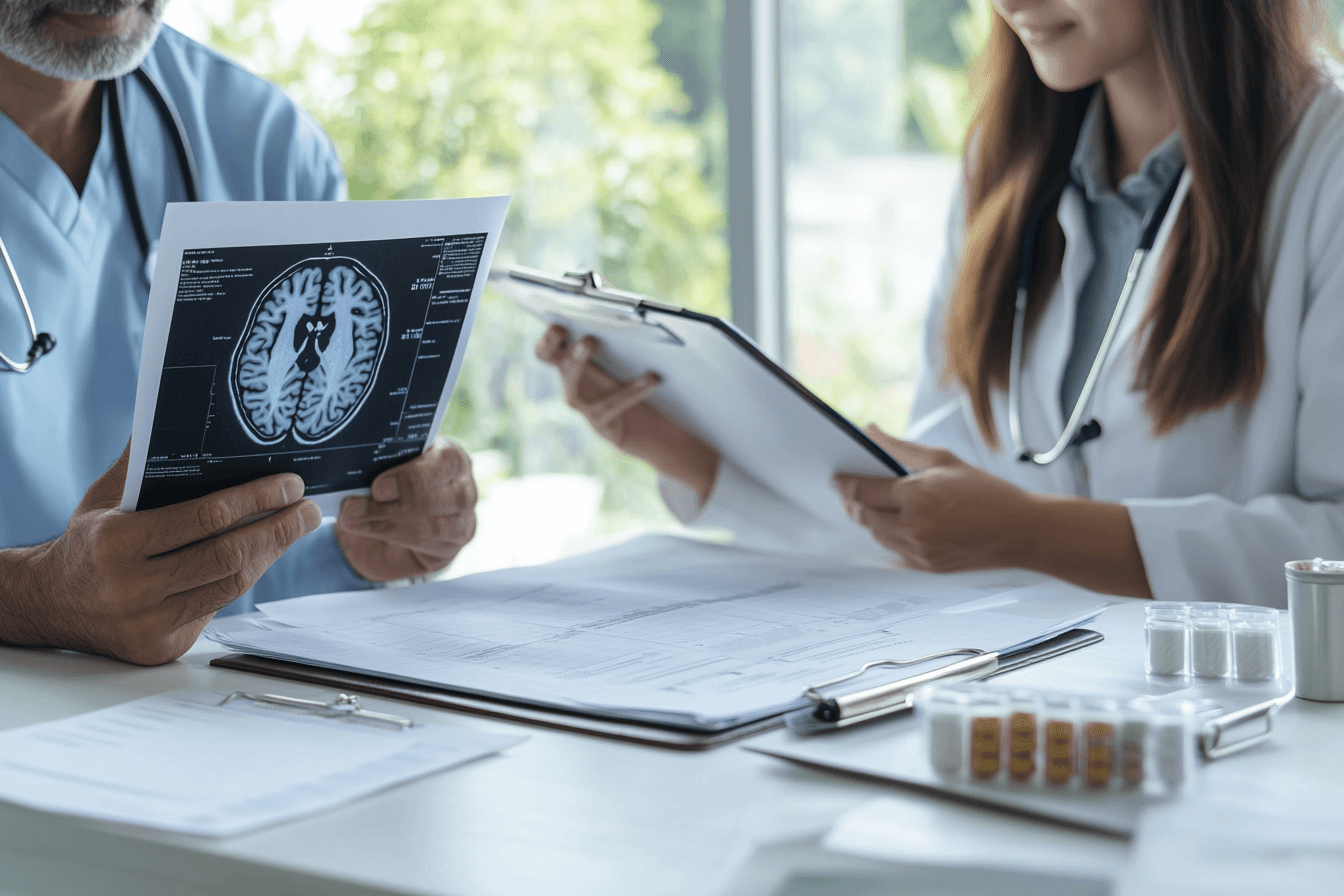
The first 90 days after glioma or glioblastoma surgery are extremely important because they often decide how well the patient enters the next phase of treatment. This is the time when pathology and molecular reports are finalized, early MRI is reviewed, steroids are adjusted, seizure medicines are stabilized, nutrition is rebuilt, and radiotherapy or chemotherapy planning begins [2,3,4,10].
This period should not be treated as empty waiting time. The patient needs organized care every week. The caregiver should know what to monitor, which reports are needed, which symptoms are urgent, what diet is suitable, what medicines must not be stopped, and how Ayurveda can be added safely.
A 90-day integrative plan helps the family move from panic to structure. It also helps the Ayurvedic physician adjust treatment according to healing, digestion, sleep, blood reports, MRI findings, radiation schedule, chemotherapy tolerance, and neurological recovery.
Day 1 to Day 14: Healing, Stability, and Safety
The first two weeks after surgery should focus on wound healing, neurological stability, seizure safety, sleep, bowel movement, hydration, and gentle nutrition. The patient may still be recovering from anesthesia, hospitalization, pain, fear, weakness, steroid effects, and altered routine.
During this phase, Ayurveda should be mild and supportive. The focus should be on warm digestible food, bowel regularity, sleep rhythm, emotional reassurance, hydration, and prevention of unnecessary weakness. This is not the time for aggressive detoxification, strong purgation, heavy Rasayana medicines, untested herbo-mineral products, or multiple new formulations.
The caregiver should observe headache, vomiting, seizures, speech, weakness, vision, confusion, fever, wound changes, appetite, bowel movement, sleep, and drowsiness. If any red flag appears, urgent medical care is needed [4,12].
Day 15 to Day 30: Diagnosis Confirmation and Treatment Readiness
The third and fourth weeks should focus on collecting and understanding the complete diagnosis. The family should obtain the histopathology report, immunohistochemistry report, molecular markers, surgery summary, early post-operative MRI, current prescription, steroid plan, anti-seizure medicine details, and baseline blood reports.
Modern glioma treatment depends on integrated diagnosis and molecular markers, so the plan should not be based only on the word glioma [1,2,3]. The early post-operative MRI is especially important because it helps assess residual tumor before later healing changes make interpretation more difficult [10].
Ayurvedic planning can become more specific in this phase. The physician can assess agni, appetite, bowel movement, sleep, strength, neurological symptoms, steroid effects, blood sugar, blood counts, liver function, kidney function, and current medicines. The goal is to prepare the patient for radiation, chemotherapy, surveillance, or further treatment according to the oncology plan.
Week 4 to Week 6: Radiation and Chemotherapy Preparation
For many glioblastoma patients, radiation and temozolomide planning begins around this period, depending on healing, diagnosis, performance status, and the treating team’s decision. Standard oncology guidance supports treatment planning based on tumor type, grade, molecular markers, and patient condition [3,4].
Ayurveda during this preparation phase should focus on treatment readiness. The patient should enter radiation with better appetite, regular bowels, improved sleep, stable hydration, controlled seizures, organized medicines, and enough strength for daily hospital visits.
This is also the time to review safety. Any Ayurvedic medicine should be checked for interaction risk with temozolomide, steroids, anti-seizure medicines, blood thinners, diabetes medicines, and radiation-related care. Cancer Research UK advises that complementary therapies and supplements should be discussed with the medical team because some may interfere with cancer treatment [16,17].
During Radiation: Protect Appetite, Sleep, Bowels, and Strength
During radiation, the patient may develop fatigue, hair loss in the treated area, appetite changes, nausea, constipation, sleep disturbance, anxiety, scalp sensitivity, or steroid-related symptoms. If temozolomide is used at the same time, blood counts and treatment tolerance become even more important.
Ayurveda during radiation should remain simple, safe, and purposeful. The patient needs digestible nourishment, hydration, bowel regularity, sleep support, emotional steadiness, fatigue-sensitive movement, and careful monitoring. Cancer nutrition guidance emphasizes maintaining nutrition and preventing malnutrition during cancer treatment [18,19].
High-dose antioxidant stacks, secret formulations, aggressive Panchakarma, severe fasting, untested bhasma products, and random supplement combinations should be avoided during this phase. The aim is not to overload the patient. The aim is to help the patient complete treatment safely.
During Temozolomide: Monitor Blood Counts and Organ Safety
Temozolomide can affect blood counts, platelets, neutrophils, liver function, appetite, nausea, fatigue, and infection risk. Therefore, blood reports should guide both oncology decisions and Ayurvedic support [4].
If platelets are low, bleeding-risk herbs should be avoided. If neutrophils are low, fever must be treated urgently. If liver enzymes rise, all medicines and supplements should be reviewed. If appetite falls, the diet should become simpler, warmer, more digestible, and more frequent.
Ayurveda can support digestion, nausea tendency, bowel movement, sleep, fatigue, and emotional stability, but the plan must change according to blood reports. A fixed formula during chemotherapy is unsafe.
Month 2 to Month 3: Rehabilitation and Recovery Rhythm
By the second and third month, many patients are either undergoing radiation, finishing radiation, starting maintenance treatment, or preparing for the next MRI. This period can be emotionally difficult because the family may feel exhausted and anxious about response assessment.
The patient should continue rehabilitation according to need. Walking, physiotherapy, speech therapy, occupational therapy, cognitive exercises, gentle breathing, meditation, and yoga nidra may help functional recovery when adapted safely. Integrative oncology guidance supports selected mind-body and movement-based approaches for anxiety, depression, fatigue, and quality-of-life concerns in cancer care [20,21].
Ayurveda in this phase should focus on rebuilding daily rhythm. The patient should have regular meals, safe movement, sleep discipline, bowel regularity, medicine timing, symptom tracking, and emotional support. The caregiver should avoid both neglect and overcontrol. The aim is steady recovery.
After Radiation: Understand the First Follow-Up MRI Carefully
The first MRI after radiation can create intense fear. Sometimes MRI changes may represent true progression, but sometimes they may reflect treatment-related changes or pseudoprogression. RANO 2.0 emphasizes that glioma response assessment requires careful interpretation of imaging changes in context [9].
The caregiver should not panic after reading one MRI report. The scan should be reviewed by the treating neuro-oncology team with comparison to previous MRI, treatment timing, steroid dose, symptoms, and neurological examination.
Ayurveda should continue to support the patient’s strength, sleep, digestion, and emotional stability during this waiting period. Fear itself can disturb appetite, sleep, bowels, and family decision-making.
Rasayana Support Should Be Timed According to Stability
Rasayana-style support can become more relevant after the patient is clinically stable, digestion is adequate, blood reports are acceptable, and active treatment toxicity is under control. It should not be rushed in a weak, nauseated, constipated, or liver-stressed patient.
In the first 90 days, Rasayana should be understood as a staged rebuilding approach. Early recovery may need agni correction and gentle nourishment. Active chemoradiation may need treatment-tolerance support. Later recovery may allow deeper strength-building if the patient’s reports and digestion permit.
The Ministry of Ayush has supported integrative oncology models where Ayurveda, Yoga, diet therapy, physiotherapy, Panchakarma, and modern oncology can work together for rehabilitation, side-effect reduction, recovery, and quality-of-life support [22]. This integrative idea fits well with a staged 90-day plan.
The Caregiver Should Maintain a 90-Day Record
The caregiver should maintain a simple record of MRI dates, treatment dates, steroid dose, anti-seizure medicines, Ayurvedic medicines, appetite, bowel movement, sleep, fatigue, walking ability, seizures, headache, vomiting, mood, weight, blood sugar if on steroids, CBC, platelet count, liver function, kidney function, and urgent symptoms.
This record helps every doctor understand the patient’s progress. It also helps the Ayurvedic physician adjust medicines safely. If a new medicine improves sleep but causes daytime drowsiness, it can be modified. If appetite improves but constipation worsens, the diet and bowel support can be adjusted. If blood counts fall, the plan can become more cautious.
Monitoring protects the patient and makes integrative care more trustworthy.
Do Not Delay Urgent Treatment During the 90-Day Plan
A 90-day Ayurvedic integrative plan should support medical treatment, not delay it. If radiotherapy, chemotherapy, steroid adjustment, seizure treatment, emergency care, or clinical trial evaluation is medically needed, Ayurveda should work around that plan.
The patient should not miss oncology appointments because of detox programs, travel for unverified therapies, secret medicines, or fear-based decisions. Glioma and glioblastoma require time-sensitive decision-making, especially after surgery [3,4].
Ayurveda becomes most valuable when it helps the patient remain strong enough to receive necessary care.
The First 90 Days Should Build Long-Term Discipline
By the end of 90 days, the patient and caregiver should have a clearer rhythm. The diagnosis should be understood. MRI follow-up should be organized. Oncology treatment should be underway or planned. Nutrition should be stabilized. Seizure medicines should be regular. Steroid tapering should be medically supervised. Rehabilitation should be active when needed. Ayurvedic support should be documented, monitored, and adjusted.
This structure gives the family confidence. Glioma care is long, but the first 90 days can create the foundation for safer treatment, better recovery, stronger digestion, improved sleep, reduced fear, better treatment tolerance, and more disciplined follow-up.
A successful 90-day integrative plan does not promise that recurrence can be completely stopped. It gives the patient the best organized support possible: tumor-directed care, MRI monitoring, nutritional strength, neurological rehabilitation, emotional steadiness, and personalized Ayurveda working together [2,3,4,9,10,12,16,17,18,19,20,21,22].
The strongest role of Ayurveda after glioma surgery is not to act as a secret alternative, but to become a disciplined, report-based, patient-centered support system. When Ayurveda is personalized, monitored, transparent, and coordinated with medical care, it can help the patient recover with greater strength, stability, and dignity.
Ayurveda as a Disciplined Integrative Strategy
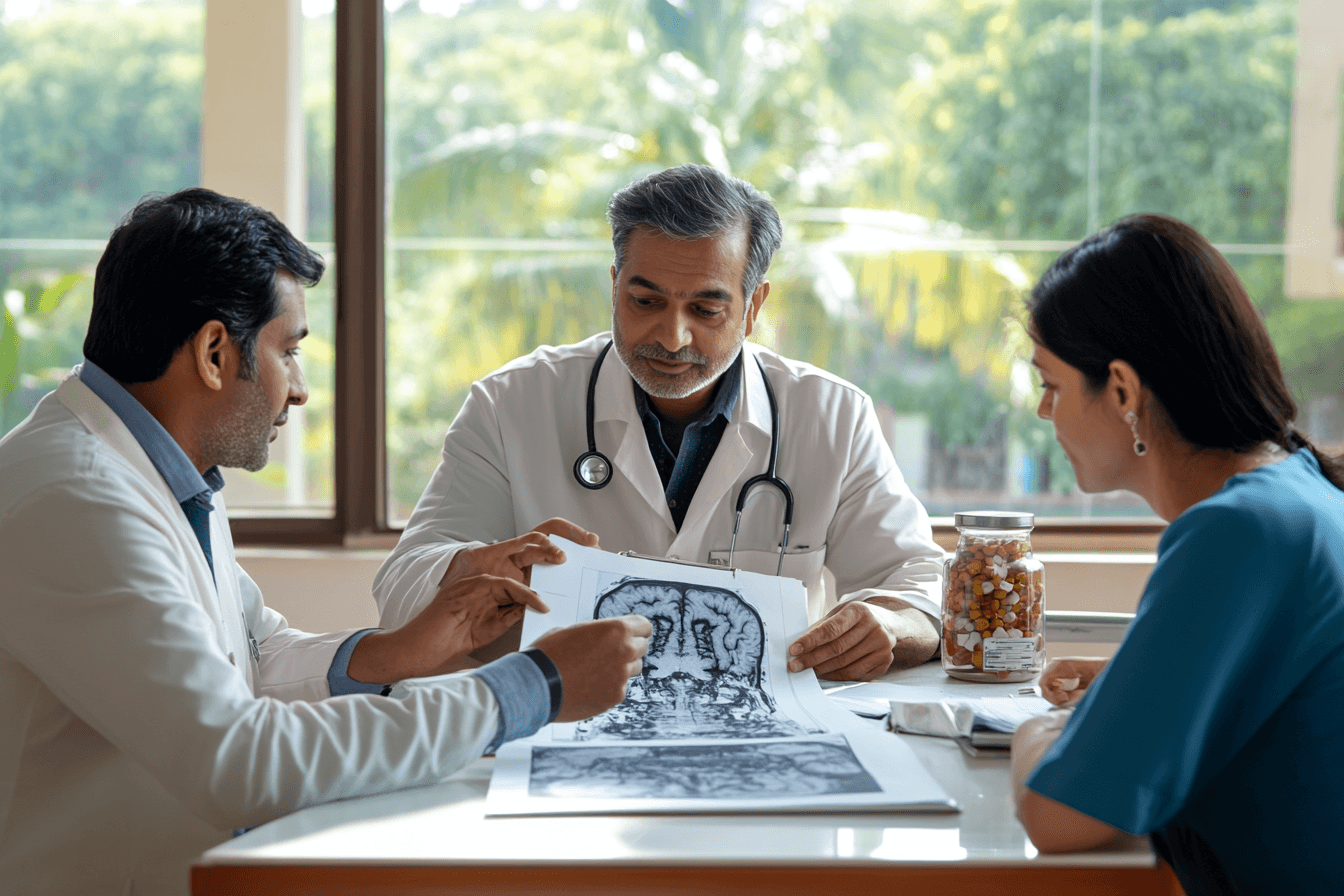
Ayurveda after glioma or glioblastoma surgery should be practiced with clinical discipline. The patient’s care should be based on diagnosis, MRI findings, molecular markers, current medicines, blood reports, digestion, sleep, strength, neurological symptoms, and treatment phase. This is the difference between serious integrative Ayurveda and random alternative treatment.
Glioma is a complex disease. Modern classification depends on molecular diagnosis, and treatment decisions are guided by tumor type, grade, residual disease, IDH status, MGMT promoter methylation, 1p/19q co-deletion, neurological function, and patient strength [1,2,3]. Ayurveda should respect this complexity. A patient with recurrent glioblastoma cannot be managed with the same plan as a stable lower-grade IDH-mutant glioma patient under surveillance.
A disciplined Ayurvedic strategy does not reject MRI, pathology, surgery, radiotherapy, chemotherapy, seizure medicines, steroids, nutrition, rehabilitation, or clinical trials. Instead, it works alongside them to support the patient’s internal terrain: agni, bala, ojas, sleep, bowel movement, Majja dhatu, Manovaha srotas, emotional steadiness, and treatment tolerance.
Ayurveda Should Be Report-Based
The Ayurvedic plan should begin only after reviewing the patient’s reports. The diagnosis, WHO grade, molecular markers, post-operative MRI, residual tumor status, current prescription, steroid dose, anti-seizure medicine, CBC, liver function, kidney function, electrolytes, glucose, appetite, bowel movement, sleep, weight, and neurological symptoms should all be understood.
This protects the patient from generic prescribing. If the patient has low platelets, the physician should avoid medicines or procedures that may increase bleeding risk. If liver enzymes are high, formulations should be simplified and reviewed. If kidney function is weak, mineral-heavy or dehydration-producing approaches should be avoided. If the patient has seizures, sedating herbs must be chosen cautiously and anti-seizure medicines must continue under medical supervision [12].
Report-based Ayurveda makes the treatment safer and more credible. It allows the physician to adjust the plan according to the patient’s real condition rather than relying on assumptions.
Ayurveda Should Have Clear Treatment Goals
Every Ayurvedic medicine or recommendation should have a clear purpose. One part of the plan may support digestion. Another may support bowel movement. Another may support sleep. Another may support strength, fatigue, edema burden, anxiety, or treatment tolerance.
If the purpose is unclear, the patient should not be overloaded. Brain tumor patients are often medically fragile and may already be taking many medicines. Adding too many herbs, powders, capsules, supplements, or tonics can create confusion, side effects, and interaction risk.
A disciplined plan is not measured by the number of medicines. It is measured by whether the patient eats better, sleeps better, passes stool regularly, walks better, feels stronger, tolerates treatment better, remains neurologically stable, and avoids preventable complications.
Ayurveda Should Not Make False Guarantees
Glioblastoma is an aggressive and infiltrative tumor. Even after surgery, radiation, and chemotherapy, recurrence risk can remain high. Therefore, no responsible practitioner should promise guaranteed recurrence prevention or guaranteed cure.
Hope is important, but false certainty is dangerous. A patient and caregiver deserve honest encouragement, not fear-based marketing. Ayurveda can be presented strongly without exaggeration. It can support strength, digestion, sleep, inflammation balance, neurological recovery, emotional stability, fatigue management, treatment tolerance, and quality of life.
This honest positioning builds trust. It also protects the patient from abandoning necessary medical treatment or delaying urgent care.
Ayurveda Should Be Transparent
The patient and caregiver should know every formulation being used. They should know the ingredients, dose, timing, duration, purpose, manufacturer, and safety precautions. Secret cancer formulas should be avoided.
Transparency is especially important when herbo-mineral medicines, bhasma preparations, rasaushadhi, or proprietary products are used. The National Center for Complementary and Integrative Health cautions that some Ayurvedic preparations may contain toxic levels of lead, mercury, or arsenic [15]. This makes batch-level safety, ingredient disclosure, and professional supervision essential.
A transparent Ayurvedic plan gives confidence to the caregiver and allows coordination with the oncology team. If side effects occur, the doctors can identify the likely cause more quickly.
Ayurveda Should Respect Oncology Timing
After glioma surgery, some decisions are time-sensitive. Radiotherapy, temozolomide, steroid tapering, seizure management, MRI follow-up, and clinical trial screening may need to happen within specific windows [3,4]. Ayurveda should support this timeline, not interrupt it.
If radiotherapy is indicated, Ayurveda should help the patient prepare through better digestion, sleep, bowel movement, nourishment, and emotional stability. If chemotherapy is planned, Ayurveda should support appetite, nausea tendency, fatigue, constipation, and blood-count monitoring. If the patient is under surveillance, Ayurveda can support long-term lifestyle discipline, stress reduction, nutrition, and strength preservation.
The role of Ayurveda is not to make the patient miss the treatment window. Its role is to help the patient remain strong enough to pass through that window.
Ayurveda Should Be Adjusted During Each Treatment Phase
The patient’s needs change over time. The immediate post-surgery phase requires wound-safe nourishment, bowel care, sleep support, hydration, and emotional reassurance. The radiation phase requires fatigue management, appetite support, nausea support, scalp comfort, and sleep protection. The chemotherapy phase requires blood-count awareness, liver safety, infection vigilance, digestion support, and fatigue care.
The maintenance phase may allow deeper Rasayana-style support if agni, blood reports, liver function, kidney function, and neurological status are stable. The recurrence phase may require a different focus, such as edema support, appetite preservation, palliative comfort, sleep care, pain support, emotional guidance, and treatment tolerance.
A fixed plan cannot serve all phases. Ayurveda should move with the patient’s condition.
Ayurveda Should Support Agni Before Heavy Rasayana
Rasayana is important in post-cancer recovery, but it must be introduced at the right time. Charaka Samhita, Chikitsa Sthana, Chapter 1, Rasayana Adhyaya emphasizes strength, vitality, nourishment, longevity, and tissue excellence [23,24]. However, Rasayana works best when digestion is capable of processing nourishment.
If the patient has low appetite, nausea, constipation, bloating, heaviness, diarrhea, coated tongue, or severe fatigue after eating, the first step should be agni correction. Heavy tonics given too early may worsen ama and reduce tolerance.
A disciplined strategy first restores digestion, bowel movement, sleep, hydration, and basic strength. Then deeper Rasayana support can be introduced carefully according to the patient’s stability.
Ayurveda Should Protect Ojas Without Weakening the Patient
Ojas preservation is central after glioma surgery. The patient has passed through physical trauma, fear, hospitalization, medicines, and uncertainty. If ojas declines, the patient may become weak, sleepless, anxious, infection-prone, emotionally fragile, and unable to recover well between treatments.
Protecting ojas requires nourishment, rest, sleep, emotional support, gentle movement, family steadiness, and suitable Rasayana when safe. It does not require aggressive fasting, harsh detoxification, overmedication, or exhausting therapies.
In a glioma patient, the physician must avoid treatments that drain bala. A weak patient should be strengthened, not depleted.
Ayurveda Should Work With Rehabilitation
Glioma recovery often requires more than medicines. The patient may need physiotherapy, speech therapy, occupational therapy, swallowing support, cognitive rehabilitation, and psychological care. Ayurveda should cooperate with these therapies.
Ayurveda can support Vata stability, sleep, digestion, strength, pain comfort, emotional calmness, and fatigue management. Rehabilitation restores movement, speech, balance, swallowing, memory, and daily function. Together, they help the patient regain independence and dignity.
Integrative oncology guidance supports selected mind-body and movement-based approaches for cancer-related anxiety, depression, fatigue, and quality-of-life concerns [20,21]. The Ministry of Ayush also supports an integrative oncology model involving Ayurveda, Yoga, diet therapy, Panchakarma, physiotherapy, and modern oncology for recovery and rehabilitation support [22].
Ayurveda Should Include the Caregiver
In glioma care, the caregiver is part of the treatment system. The caregiver gives medicines, prepares food, tracks symptoms, watches for seizures, manages appointments, organizes MRI reports, supports sleep routines, and handles fear.
A disciplined Ayurvedic plan should guide the caregiver clearly. The caregiver should know what food to give, what symptoms to track, when to call the doctor, what medicines must not be stopped, which Ayurvedic medicines are being used, what each medicine is for, and what side effects require review.
When the caregiver is trained, care becomes safer. The family moves from panic to structure.
Ayurveda Should Be Measured by Patient-Centered Outcomes
The success of supportive Ayurveda should not be judged only by tumor language. It should also be judged by patient-centered outcomes. Is the patient eating better? Is sleep improving? Is constipation controlled? Is fatigue reduced? Is the patient walking more safely? Is anxiety lower? Is the caregiver more confident? Are blood reports stable? Is treatment being completed without avoidable interruption?
These outcomes matter deeply to patients. They may not replace MRI response, but they improve the lived experience of care. A patient with glioma needs both disease monitoring and life support.
Ayurveda’s strength lies in improving the patient’s terrain so that the body and mind can endure treatment with better steadiness.
Ayurveda Should Remain Safety-First
Every plan should include safety rules. Steroids should not be stopped suddenly. Anti-seizure medicines should not be stopped casually. MRI should not be skipped. Fever during chemotherapy should not be treated only at home. Worsening headache, vomiting, confusion, seizure, weakness, speech difficulty, vision change, wound discharge, breathlessness, bleeding, or severe dehydration should receive urgent medical attention [4,12].
Cancer Research UK advises that complementary therapies and supplements should be discussed with the healthcare team because they may interfere with treatment or cause harm if used unsafely [16,17]. This safety principle must be central in glioma care.
A safe Ayurvedic plan knows its limits. It supports the patient while respecting emergency medicine, neuro-oncology, and diagnostic monitoring.
A Disciplined Strategy Builds Trust in Ayurveda
Patients and caregivers are more likely to trust Ayurveda when it is clear, honest, personalized, and monitored. They need hope, but they also need safety. They need classical wisdom, but they also need MRI, blood reports, and medical coordination.
A disciplined Ayurvedic strategy for glioma after surgery should be rooted in classical principles such as agni, bala, ojas, Rasayana, Vata stability, Majja dhatu support, Manovaha srotas care, and individualized dravya selection [23,24,27]. At the same time, it should respect modern glioma classification, oncology treatment, safety monitoring, and follow-up [1,2,3,4,9].
This is the strongest form of integrative care. It does not weaken Ayurveda by making it cautious. It strengthens Ayurveda by making it responsible, credible, and patient-protective.
After glioma surgery, the patient and caregiver should not feel that they are simply waiting for recurrence. The post-surgery phase can be used actively and intelligently to strengthen the patient, complete treatment, monitor the brain, protect neurological function, and improve quality of life.
Final Message for Patients and Caregivers
Glioma and glioblastoma recurrence prevention is not one medicine, one surgery, one diet, one herb, or one belief system. It is a disciplined survival strategy that must begin soon after surgery and continue through treatment, rehabilitation, MRI follow-up, and long-term recovery.
Surgery removes the visible tumor burden. Oncology treatment may target microscopic disease when indicated. MRI monitors the brain. Blood reports monitor internal safety. Nutrition protects strength. Rehabilitation supports function. Ayurveda supports digestion, sleep, bowel movement, ojas, bala, nervous system stability, emotional resilience, and treatment tolerance.
This complete approach gives the patient a stronger foundation during one of the most difficult phases of life.
Do Not Wait for Recurrence Before Starting Support
Many families start serious supportive care only after recurrence appears. By that time, the patient may already be weak, sleepless, fearful, malnourished, constipated, steroid-dependent, neurologically affected, or exhausted from treatment.
The better approach is to begin early. After surgery, the body needs rebuilding. The patient needs appetite, digestion, sleep, calmness, regular bowel movement, safe movement, nutrition, seizure safety, and emotional courage. Ayurveda can support these foundations when used responsibly and according to the patient’s reports, medicines, and treatment stage.
Early support does not mean replacing medical care. It means preparing the patient to tolerate the long treatment journey with better strength and steadiness.
Know the Exact Diagnosis Before Making Decisions
The word glioma is not enough. A patient with glioblastoma, IDH-wildtype has a very different disease from a patient with IDH-mutant astrocytoma or oligodendroglioma with 1p/19q co-deletion. Modern glioma care depends on integrated diagnosis, including histopathology and molecular markers [1,2].
Patients and caregivers should collect the complete pathology report, molecular report, post-operative MRI, treatment plan, current medicines, and blood reports. These documents guide both oncology care and Ayurvedic support.
A report-based plan protects the patient from generic treatment and helps the family understand the real recurrence-risk situation.
Use Ayurveda to Strengthen the Patient, Not to Create Delay
Ayurveda should be used as a serious integrative recovery system. Its role is to support the patient’s internal terrain through agni correction, ojas preservation, Vata stability, Majja dhatu support, sleep care, bowel regulation, emotional stability, diet, gentle movement, and safe Rasayana when suitable.
Ayurveda should not be used to delay radiotherapy, chemotherapy, MRI, seizure medicines, steroids, clinical trial evaluation, or emergency care when these are medically needed. Standard glioma treatment pathways are based on tumor type, molecular profile, grade, patient condition, and recurrence risk [3,4].
The strongest message is not Ayurveda versus oncology. The strongest message is that the patient deserves every useful and safe support available.
Respect MRI and Blood Reports
A patient may feel better and still need MRI surveillance. A patient may have a frightening MRI report that requires expert interpretation before calling it recurrence. Glioma imaging can be complex, especially after surgery, radiation, and chemotherapy. RANO 2.0 emphasizes structured response assessment because imaging changes do not always have simple meaning [9].
Blood reports are also important. CBC, platelets, neutrophils, liver function, kidney function, electrolytes, blood sugar, albumin, and other reports help determine treatment safety. Ayurveda should change according to these reports.
When Ayurveda respects MRI and lab reports, it becomes safer, more precise, and more credible.
Do Not Stop Steroids or Anti-Seizure Medicines Suddenly
Steroids may be necessary to control brain swelling. Anti-seizure medicines may be necessary to prevent seizures. These medicines should not be stopped suddenly after starting Ayurveda or supplements.
Brain tumor seizure management requires careful medical decision-making [12]. Sudden steroid withdrawal can also be dangerous if brain edema is still active. Ayurveda may support digestion, sleep, blood sugar discipline, bowel movement, emotional calmness, and strength during these medicines, but tapering or stopping them should remain medically supervised.
Safety must always come before ideology.
Use Only Transparent and Tested Ayurvedic Medicines
Glioma patients should avoid secret formulas, online cancer capsules, untested bhasma, unknown powders, and undisclosed herbal mixtures. The National Center for Complementary and Integrative Health warns that some Ayurvedic preparations may contain toxic levels of lead, mercury, or arsenic [15].
This is why every formulation should be transparent. The patient and caregiver should know the ingredients, purpose, dose, timing, duration, and safety precautions. Cancer Research UK also advises patients to discuss complementary therapies and supplements with the healthcare team because some may interfere with cancer treatment [16,17].
Responsible Ayurveda is not hidden. It is documented, monitored, and coordinated.
Food, Sleep, Bowels, and Movement Are Not Small Issues
In glioma recovery, daily foundations matter. A patient who cannot eat, sleep, pass stool, walk safely, or stay emotionally calm will struggle through treatment. Nutrition guidance in cancer care emphasizes preventing malnutrition and maintaining adequate intake [18,19].
Ayurveda gives great importance to agni, bala, ojas, and daily routine. These are not abstract ideas. They translate into practical care: warm digestible food, adequate protein, hydration, bowel regularity, restorative sleep, gentle walking, fatigue pacing, and emotional support.
The body must be strong enough to continue the fight.
Caregivers Must Be Supported Too
The caregiver is often the person who holds the entire treatment system together. They organize reports, give medicines, prepare food, monitor seizures, watch symptoms, manage appointments, support sleep, and carry the emotional burden.
A confused caregiver creates confused care. A trained caregiver creates safer care. The family should understand the diagnosis, treatment timeline, emergency signs, medicine schedule, diet plan, MRI schedule, blood monitoring, and Ayurvedic support plan.
Caregiver support is not separate from treatment. It directly affects the patient’s safety, confidence, and continuity of care.
Hope Should Be Realistic and Strong
Patients and caregivers need hope, but they also need truth. Glioblastoma is an aggressive disease, and no responsible practitioner should guarantee that recurrence can be stopped in every patient. False certainty can lead to dangerous decisions.
Realistic hope is stronger. It says that the patient can be supported better. Digestion can be improved. Sleep can be protected. Strength can be rebuilt. Fatigue can be addressed. Anxiety can be calmed. Bowel movement can be regulated. Treatment tolerance can be supported. Quality of life can be improved. The caregiver can be guided. The journey can become more organized.
This type of hope is honest, practical, and patient-protective.
The Integrative Path Is the Most Responsible Path
The best care after glioma surgery is not passive waiting. It is active, structured, and integrative. The patient should receive tumor-directed medical care when indicated, regular MRI monitoring, blood-test-based safety checks, nutrition support, rehabilitation, emotional care, caregiver guidance, and personalized Ayurveda.
Ayurveda’s classical strength lies in supporting agni, bala, ojas, Rasayana, Vata stability, Majja dhatu, Manovaha srotas, and individualized dravya selection [23,24,27]. Modern glioma care adds molecular diagnosis, MRI surveillance, neuro-oncology treatment, seizure safety, and clinical monitoring [1,2,3,4,9,12].
Together, these systems can create a disciplined recovery plan focused on strength, dignity, and quality of life.
A Final Word
Glioma and glioblastoma recurrence risk after surgery should be faced with clarity, not panic. The family should not wait helplessly for the next MRI, and the patient should not be left to suffer through weakness, fear, poor appetite, insomnia, constipation, and treatment fatigue.
The right approach is early action, report-based planning, safe Ayurveda, proper oncology coordination, nutrition, rehabilitation, emotional support, and continuous monitoring.
Surgery removes what can be removed. Medical treatment targets what may remain. MRI watches the brain. Ayurveda supports the patient who must live through the journey.
When used wisely, Ayurveda can become a powerful integrative support system after glioma surgery, helping the patient remain stronger, calmer, better nourished, more resilient, and more prepared for the long road ahead [1,2,3,4,9,12,15,16,17,18,20,21,22,23,24].
Frequently Asked Questions (FAQs)
Can glioma recur after complete surgery?
Yes. Glioma recurrence after surgery is possible because microscopic tumor cells may remain in the surrounding brain even after successful removal of the visible tumor. The recurrence risk depends on the tumor grade, molecular markers, residual disease, and whether recommended post-operative treatment is completed.
Why does glioblastoma come back after surgery?
Glioblastoma often returns because it is an infiltrative brain tumor. Even after maximal safe surgery, microscopic cancer cells can remain beyond the visible tumor margin. These cells may later grow again, which is why MRI follow-up and additional treatment are commonly recommended.
Can Ayurveda prevent glioma recurrence?
There is currently no high-quality clinical evidence proving that Ayurveda alone can prevent glioma recurrence. However, personalized Ayurveda may support recovery by improving digestion, sleep, nutrition, strength, emotional well-being, and treatment tolerance when used safely alongside standard neuro-oncology care.
When should Ayurveda start after glioma surgery?
Ayurveda should ideally begin after the patient is medically stable and the surgery, pathology, MRI, and oncology treatment plan have been reviewed. Early supportive care may help improve recovery before or during radiotherapy and chemotherapy.
Is Ayurveda safe during radiation and chemotherapy?
Ayurveda can be used safely during radiation or chemotherapy when prescribed by an experienced physician who reviews the patient’s medicines, blood reports, liver function, kidney function, and treatment schedule. Patients should always inform their oncology team about every Ayurvedic medicine they use.
Which reports are needed before starting Ayurvedic treatment?
Patients should keep the surgery summary, histopathology report, molecular report, post-operative MRI, current prescription, steroid dose, anti-seizure medicine details, CBC, liver function tests, kidney function tests, and other recent blood reports before starting personalized Ayurvedic care.
What is the best diet after glioma surgery?
The best diet after glioma surgery is one that supports digestion, maintains body weight, provides adequate protein, prevents constipation, maintains hydration, and improves treatment tolerance. The diet should always be personalized according to the patient’s appetite, digestion, blood sugar, kidney function, and treatment phase.
What symptoms may indicate glioma recurrence?
Persistent worsening headache, new seizures, repeated vomiting, speech difficulty, weakness, vision changes, confusion, increasing drowsiness, personality changes, or progressive neurological decline should be evaluated promptly because they may indicate recurrence or another serious brain condition.
Can Ayurveda improve quality of life in glioma patients?
Yes. Personalized Ayurveda may help improve appetite, digestion, bowel regularity, sleep, fatigue, emotional well-being, and overall strength. When integrated safely with conventional treatment, it may help many glioma patients tolerate treatment better and maintain a better quality of life.
References
[1] Louis, D. N., Perry, A., Wesseling, P., Brat, D. J., Cree, I. A., Figarella-Branger, D., Hawkins, C., Ng, H. K., Pfister, S. M., Reifenberger, G., Soffietti, R., von Deimling, A., & Ellison, D. W. (2021). The 2021 WHO classification of tumors of the central nervous system: A summary. Neuro-Oncology, 23(8), 1231–1251. https://pmc.ncbi.nlm.nih.gov/articles/PMC8328013/
This reference helps readers understand why glioma diagnosis must include molecular markers and why glioma should not be treated as one single disease.
[2] Weller, M., van den Bent, M., Preusser, M., Le Rhun, E., Tonn, J. C., Minniti, G., Bendszus, M., Balana, C., Chinot, O., Dirven, L., French, P., Hegi, M. E., Jakola, A. S., Platten, M., Roth, P., Rudà, R., Short, S., Smits, M., Taphoorn, M. J. B., … Wick, W. (2021). EANO guidelines on the diagnosis and treatment of diffuse gliomas of adulthood. Nature Reviews Clinical Oncology, 18(3), 170–186. https://www.nature.com/articles/s41571-020-00447-z
This guideline helps readers understand modern glioma diagnosis, surgery, radiotherapy, chemotherapy, follow-up, and the need for individualized treatment planning.
[3] Blakeley, J., Mohile, N. A., Messersmith, H., Lassman, A. B., Schiff, D., & Therapy for Diffuse Astrocytic and Oligodendroglial Tumors in Adults Guideline Expert Panel. (2025). Therapy for diffuse astrocytic and oligodendroglial tumors in adults: ASCO-SNO guideline rapid recommendation update. Journal of Clinical Oncology, 43(18), 2129–2133. https://pubmed.ncbi.nlm.nih.gov/40300117/
This reference helps readers understand that treatment after glioma surgery depends on tumor type, grade, molecular markers, and patient condition.
[4] National Cancer Institute. (2025). Adult central nervous system tumors treatment (PDQ®): Health professional version. National Cancer Institute. https://www.cancer.gov/types/brain/hp/adult-brain-treatment-pdq
This source helps readers understand standard treatment options for adult brain tumors, including surgery, radiation, chemotherapy, recurrence management, supportive care, and clinical trials.
[5] Stupp, R., Mason, W. P., van den Bent, M. J., Weller, M., Fisher, B., Taphoorn, M. J. B., Belanger, K., Brandes, A. A., Marosi, C., Bogdahn, U., Curschmann, J., Janzer, R. C., Ludwin, S. K., Gorlia, T., Allgeier, A., Lacombe, D., Cairncross, J. G., Eisenhauer, E., & Mirimanoff, R. O. (2005). Radiotherapy plus concomitant and adjuvant temozolomide for glioblastoma. The New England Journal of Medicine, 352(10), 987–996. https://pubmed.ncbi.nlm.nih.gov/15758009/
This landmark study helps readers understand why radiotherapy with temozolomide became a major post-surgery treatment approach for glioblastoma.
[6] Hegi, M. E., Diserens, A. C., Gorlia, T., Hamou, M. F., de Tribolet, N., Weller, M., Kros, J. M., Hainfellner, J. A., Mason, W., Mariani, L., Bromberg, J. E. C., Hau, P., Mirimanoff, R. O., Cairncross, J. G., Janzer, R. C., & Stupp, R. (2005). MGMT gene silencing and benefit from temozolomide in glioblastoma. The New England Journal of Medicine, 352(10), 997–1003. https://pubmed.ncbi.nlm.nih.gov/15758010/
This reference helps readers understand why MGMT promoter methylation is important for predicting temozolomide benefit in glioblastoma.
[7] Stupp, R., Taillibert, S., Kanner, A. A., Read, W., Steinberg, D., Lhermitte, B., Toms, S., Idbaih, A., Ahluwalia, M. S., Fink, K., Di Meco, F., Lieberman, F., Zhu, J. J., Stragliotto, G., Tran, D. D., Brem, S., Hottinger, A. F., Kirson, E. D., Lavy-Shahaf, G., … Ram, Z. (2017). Effect of tumor-treating fields plus maintenance temozolomide vs maintenance temozolomide alone on survival in patients with glioblastoma: A randomized clinical trial. JAMA, 318(23), 2306–2316. https://pubmed.ncbi.nlm.nih.gov/29260225/
This study helps readers understand Tumor Treating Fields as an additional option that may be discussed in eligible glioblastoma patients.
[8] U.S. Food and Drug Administration. (2024). FDA approves vorasidenib for grade 2 astrocytoma or oligodendroglioma with a susceptible IDH1 or IDH2 mutation. U.S. Food and Drug Administration. https://www.fda.gov/drugs/resources-information-approved-drugs/fda-approves-vorasidenib-grade-2-astrocytoma-or-oligodendroglioma-susceptible-idh1-or-idh2-mutation
This reference helps readers understand that selected grade 2 IDH-mutant glioma patients may have molecular targeted treatment options after surgery.
[9] Wen, P. Y., van den Bent, M., Youssef, G., Cloughesy, T. F., Ellingson, B. M., Weller, M., Galanis, E., Barboriak, D. P., de Groot, J., Gilbert, M. R., Huang, R., Lassman, A. B., Mehta, M., Molinaro, A. M., Preusser, M., Rahman, R., Shankar, L. K., Stupp, R., Villanueva-Meyer, J. E., … Chang, S. M. (2023). RANO 2.0: Update to the response assessment in neuro-oncology criteria for high- and low-grade gliomas in adults. Journal of Clinical Oncology, 41(33), 5187–5199. https://pmc.ncbi.nlm.nih.gov/articles/PMC10860967/
This reference helps readers understand why MRI changes after glioma treatment must be interpreted carefully and systematically.
[10] Rykkje, A. M., Larsen, V. A., Skjøth-Rasmussen, J., Nielsen, M. B., Carlsen, J. F., & Hansen, A. E. (2023). Timing of early postoperative MRI following primary glioblastoma surgery: A retrospective study of contrast enhancements in 311 patients. Diagnostics, 13(4), 795. https://pmc.ncbi.nlm.nih.gov/articles/PMC9955136/
This study helps readers understand why early post-operative MRI is important after glioblastoma surgery.
[11] Brandes, A. A., Franceschi, E., Tosoni, A., Blatt, V., Pession, A., Tallini, G., Bertorelle, R., Bartolini, S., Calbucci, F., Andreoli, A., Frezza, G., Leonardi, M., Spagnolli, F., Ermani, M., & Bacci, A. (2008). MGMT promoter methylation status can predict the incidence and outcome of pseudoprogression after concomitant radiochemotherapy in newly diagnosed glioblastoma patients. Journal of Clinical Oncology, 26(13), 2192–2197. https://pubmed.ncbi.nlm.nih.gov/18445844/
This reference helps readers understand pseudoprogression, where MRI may look worse after treatment without always meaning true recurrence.
[12] Walbert, T., Harrison, R. A., Schiff, D., Avila, E. K., Chen, M., Kandula, P., Lee, J. W., Le Rhun, E., Stevens, G. H. J., Vogelbaum, M. A., Wick, W., Weller, M., Wen, P. Y., & Gerstner, E. R. (2021). SNO and EANO practice guideline update: Anticonvulsant prophylaxis in patients with newly diagnosed brain tumors. Neuro-Oncology, 23(11), 1835–1844. https://pmc.ncbi.nlm.nih.gov/articles/PMC8563323/
This guideline helps readers understand why seizure medicines should not be stopped casually in brain tumor patients.
[13] Kirste, S., Treier, M., Wehrle, S. J., Becker, G., Abdel-Tawab, M., Gerbeth, K., Hug, M. J., Lubrich, B., Grosu, A. L., & Momm, F. (2011). Boswellia serrata acts on cerebral edema in patients irradiated for brain tumors: A prospective, randomized, placebo-controlled, double-blind pilot trial. Cancer, 117(16), 3788–3795. https://pubmed.ncbi.nlm.nih.gov/21287538/
This reference helps readers understand the supportive role of Boswellia serrata, or Shallaki, in cerebral edema among selected irradiated brain tumor patients.
[14] Sminia, P., van den Berg, J., van Kootwijk, A., Hageman, E., Slotman, B. J., & Verbakel, W. F. A. R. (2021). Experimental and clinical studies on radiation and curcumin in human glioma. Journal of Cancer Research and Clinical Oncology, 147, 403–409. https://pmc.ncbi.nlm.nih.gov/articles/PMC7817587/
This reference helps readers understand why curcumin should not be overpromised as a proven radiosensitizer or recurrence-stopping treatment in glioblastoma.
[15] National Center for Complementary and Integrative Health. (2019). Ayurvedic medicine: In depth. National Center for Complementary and Integrative Health. https://www.nccih.nih.gov/health/ayurvedic-medicine-in-depth
This reference helps readers understand why Ayurvedic medicines should be transparent, tested, and supervised, especially because some products may contain unsafe heavy metals.
[16] Cancer Research UK. (n.d.). Vitamins and diet supplements. Cancer Research UK. Retrieved July 3, 2026, from https://www.cancerresearchuk.org/about-cancer/treatment/complementary-alternative-therapies/individual-therapies/vitamins-diet-supplements
This reference helps readers understand why high-dose supplements and antioxidants should not be taken blindly during chemotherapy or radiotherapy.
[17] Cancer Research UK. (n.d.). The safety of complementary and alternative therapies. Cancer Research UK. Retrieved July 3, 2026, from https://www.cancerresearchuk.org/about-cancer/treatment/complementary-alternative-therapies/about/safety
This reference helps readers understand why complementary therapies, including Ayurveda, should be discussed openly with the medical team.
[18] Muscaritoli, M., Arends, J., Bachmann, P., Baracos, V., Barthelemy, N., Bertz, H., Bozzetti, F., Hütterer, E., Isenring, E., Kaasa, S., Krznarić, Ž., Laird, B., Larsson, M., Laviano, A., Mühlebach, S., Oldervoll, R., Ravasco, P., Solheim, T. S., … Bischoff, S. C. (2021). ESPEN practical guideline: Clinical nutrition in cancer. Clinical Nutrition, 40(5), 2898–2913. https://pubmed.ncbi.nlm.nih.gov/33946039/
This guideline helps readers understand the importance of preventing malnutrition, maintaining protein intake, and supporting strength during cancer care.
[19] National Cancer Institute. (2024). Diets, supplements, and cancer. National Cancer Institute. https://www.cancer.gov/about-cancer/treatment/cam/diets-supplements
This reference helps readers understand that diet and supplements should support the patient safely without replacing cancer treatment.
[20] Carlson, L. E., Ismaila, N., Addington, E. L., Asher, G. N., Atreya, C. E., Balneaves, L. G., Bradt, J., Fuller-Shavel, N., Goodman, J., Hoffman, C. J., Huston, A., Mehta, A., Paller, C. J., Richardson, K., Seely, D., Siwik, C. J., Temel, J. S., & Rowland, J. H. (2023). Integrative oncology care of symptoms of anxiety and depression in adults with cancer: Society for Integrative Oncology–ASCO guideline. Journal of Clinical Oncology, 41(28), 4562–4591. https://pubmed.ncbi.nlm.nih.gov/37582238/
This guideline helps readers understand the role of mind-body support, relaxation, meditation, and integrative care for anxiety and depression symptoms in cancer patients.
[21] Bower, J. E., Lacchetti, C., Alici, Y., Barton, D. L., Bruner, D. W., Canin, B. E., Escalante, C. P., Ganz, P. A., Garland, S. N., Gupta, S., Jim, H., Ligibel, J. A., Loh, K. P., Peppone, L., Tripathy, D., Yennu, S., Zick, S., & Mustian, K. (2024). Management of fatigue in adult survivors of cancer: ASCO–Society for Integrative Oncology guideline update. Journal of Clinical Oncology, 42(20), 2456–2487. https://pubmed.ncbi.nlm.nih.gov/38754041/
This guideline helps readers understand why fatigue care, exercise, mindfulness-based programs, yoga-based approaches, and structured recovery support matter in cancer care.
[22] Ministry of Ayush. (2025, September 27). Ministry of Ayush inaugurates India’s first Integrative Oncology Research and Care Centre at AIIA Goa. Press Information Bureau, Government of India. https://www.pib.gov.in/PressReleasePage.aspx?PRID=2172153
This reference helps readers understand India’s integrative oncology direction, where Ayurveda, Yoga, Panchakarma, physiotherapy, diet therapy, and modern oncology are brought together for rehabilitation and quality-of-life support.
[23] Charaka Samhita Online. (2020). Rasayana Adhyaya. In Charaka Samhita, Chikitsa Sthana, Chapter 1. Charak Samhita Research, Training and Skill Development Centre. https://www.carakasamhitaonline.com/index.php/Rasayana_Adhyaya
This classical reference helps readers understand Rasayana as a foundation for nourishment, vitality, tissue strength, recovery reserve, and longevity in Ayurveda.
[24] Sharma, R. K. (Trans.). (n.d.). Charaka Samhita, Chikitsa Sthana, Chapter 1: Abhaya Amalakeeya Rasayana Pada. Easy Ayurveda. Retrieved July 3, 2026, from https://www.easyayurveda.com/charaka-chikitsa-1-1-abhaya-amalakeeya-rasayana/
This classical reference helps readers understand Rasayana principles from Charaka Samhita, especially recovery, nourishment, strength, and resilience.
[25] Sushruta Samhita. (n.d.). Nidana Sthana, Chapter 11: Granthi, Apachi, Arbuda, Galaganda Nidana. Easy Ayurveda. Retrieved July 3, 2026, from https://www.easyayurveda.com/sushruta-samhita-nidanasthana-chapter-11-granthi-apaci-arbudam-galaganda-nidanam-benign-tumor-cervical-metastasis-malignant-tumor-and-cervical-lymphadenitis/
This classical reference helps readers understand Granthi and Arbuda as traditional tumor-like concepts in Ayurveda.
[26] Sushruta Samhita. (n.d.). Chikitsa Sthana, Chapter 18: Granthi, Apachi, Arbuda, Galaganda Chikitsa. Easy Ayurveda. Retrieved July 3, 2026, from https://www.easyayurveda.com/sushruta-samhita-chikitsasthana-chapter-18-granthi-apaci-arbuda-galaganda-cikitsitam-treatment-of-benign-tumour-goitre-malignant-tumour-and-cervical-lymphadenitis/
This classical reference helps readers understand Ayurvedic management principles for Granthi and Arbuda-like conditions, while still respecting modern diagnosis and safety.
[27] National Institute of Indian Medical Heritage. (n.d.). e-Nighantu: Collection of Ayurvedic lexicons. Ministry of Ayush. Retrieved July 3, 2026, from https://niimh.nic.in/ebooks/e-Nighantu/
This reference helps readers understand the classical Ayurvedic source base for dravyas such as Haridra, Amalaki, Guduchi, Brahmi, Yashtimadhu, and other supportive herbs.