4.99

Verified by

Discover Your Prakriti

Understand Your Natural Constitution - Vata, Pitta & Kapha

Panaceayur | Ayurvedic Solutions for HIV, Herpes and Chronic Diseases

Your Prakriti is your unique Ayurvedic constitution, traditionally described through the three doshas - Vata, Pitta and Kapha. Understanding your constitution can help you explore your natural patterns related to your body, digestion, energy, sleep and mind.

Our Prakriti Analysis Questionnaire uses questions about your usual and long-term characteristics to provide an overview of your Ayurvedic constitution and predominant dosha pattern.

Doctor warning a patient about toxic yellow oleander and hidden drugs in natural weight-loss supplements
0 1 46
0 0 9 6
0 2 1 34

Before You Begin

For the best assessment:

Consultation hero panaceayur

PANACEAYUR

PRAKRITI ASSESSMENT

Discover Your Natural Constitution

This questionnaire estimates your natural Ayurvedic constitution, known as Prakriti. Answer according to characteristics that have remained stable across most of your adult life.

No Right or Wrong AnswersChoose the option that best describes you.
Answer NaturallyThink about your usual patterns and tendencies.
Personalized AssessmentYour responses help create your Prakriti profile.

Your responses are private and secure.

Your Context

These questions help us understand circumstances that may affect interpretation. They do not change your Dosha score.

CTX-01Age group

Your Context

These questions help us understand circumstances that may affect interpretation. They do not change your Dosha score.

CTX-02Are you currently experiencing fever, acute infection, a major flare, or recovery within six weeks of surgery or hospitalization?

Your Context

These questions help us understand circumstances that may affect interpretation. They do not change your Dosha score.

CTX-03Has your body weight changed substantially during the last six months because of illness, dieting, medication, or a major exercise change?

Your Context

These questions help us understand circumstances that may affect interpretation. They do not change your Dosha score.

CTX-04During the last three months, have you started, stopped, or changed a medicine or hormone that affected appetite, sleep, mood, bowel habits, sweating, or weight?

Your Context

These questions help us understand circumstances that may affect interpretation. They do not change your Dosha score.

CTX-05Are you pregnant, within 12 months after childbirth, in a major menopausal transition, or using recently changed hormonal therapy?

Your Context

These questions help us understand circumstances that may affect interpretation. They do not change your Dosha score.

CTX-06During the last four weeks, have you had severe stress, bereavement, night-shift work, jet lag, or prolonged sleep deprivation?

Your Context

These questions help us understand circumstances that may affect interpretation. They do not change your Dosha score.

CTX-07Have you lived in a markedly different climate for less than six months, or recently moved between very hot, cold, dry, or humid regions?

Your Context

These questions help us understand circumstances that may affect interpretation. They do not change your Dosha score.

CTX-08Can you clearly remember your usual characteristics before the current illness or major life change began?

Answer from your lifelong natural pattern - not from temporary symptoms.

PR-01Which description best reflects your natural skin pattern across most of adult life?

Answer from your lifelong natural pattern - not from temporary symptoms.

PR-02Which description best reflects your natural hair and scalp pattern?

Answer from your lifelong natural pattern - not from temporary symptoms.

PR-03How do you naturally move when sitting, walking, or doing routine work?

Answer from your lifelong natural pattern - not from temporary symptoms.

PR-04Which pattern best describes your natural stamina?

Answer from your lifelong natural pattern - not from temporary symptoms.

PR-05When you develop an ordinary infection, which lifelong pattern is most typical?

Answer from your lifelong natural pattern - not from temporary symptoms.

PR-06What is your natural hunger pattern when you are otherwise well?

Answer from your lifelong natural pattern - not from temporary symptoms.

PR-07Which pattern best describes your usual meal quantity and digestion before current illness?

Answer from your lifelong natural pattern - not from temporary symptoms.

PR-08Which pattern best describes your usual thirst?

Answer from your lifelong natural pattern - not from temporary symptoms.

PR-09Which description best matches your lifelong sweating pattern?

Answer from your lifelong natural pattern - not from temporary symptoms.

PR-10How has your memory naturally functioned during study and daily life?

Answer from your lifelong natural pattern - not from temporary symptoms.

PR-11Which pattern best describes your natural sleep when you are healthy and not under unusual stress?

Answer from your lifelong natural pattern - not from temporary symptoms.

PR-12Which climate pattern has described you for most of your life?

Answer from your lifelong natural pattern - not from temporary symptoms.

PR-13How do you naturally approach projects and routine tasks?

Answer from your lifelong natural pattern - not from temporary symptoms.

PR-14How readily do your emotions rise and change?

Answer from your lifelong natural pattern - not from temporary symptoms.

PR-15Which pattern best describes your natural speech and listening style?

Answer from your lifelong natural pattern - not from temporary symptoms.

PR-16How do you usually respond to competitive situations?

Answer from your lifelong natural pattern - not from temporary symptoms.

PR-17Which bowel pattern described you before current illness, medication, or special diets?

Answer from your lifelong natural pattern - not from temporary symptoms.

PR-18When diet, activity, and health are otherwise stable, how readily do you lose weight?

Answer from your lifelong natural pattern - not from temporary symptoms.

PR-19Which description best matches your natural mental activity?

Answer from your lifelong natural pattern - not from temporary symptoms.

PR-20Which description best reflects your usual emotional temperament?

Answer from your lifelong natural pattern - not from temporary symptoms.

PR-21When you are not following a prescribed or restrictive diet, which taste pattern do you naturally prefer?

Let’s confirm your pattern

Rate how well this statement describes you across most of your adult life.

Lifelong patternMy natural build is light or slender, and weight tends to fall quickly during stress, travel, illness, or overwork.

Let’s confirm your pattern

Rate how well this statement describes you across most of your adult life.

Lifelong patternMy body and skin usually feel warm, and sun or heat exposure affects me strongly.

Let’s confirm your pattern

Rate how well this statement describes you across most of your adult life.

Lifelong patternMy natural frame is solid or well-padded, and body weight tends to remain stable or increase.

Let’s confirm your pattern

Rate how well this statement describes you across most of your adult life.

Lifelong patternMy energy, appetite, and bowel pattern naturally vary more from day to day than those of most people.

Let’s confirm your pattern

Rate how well this statement describes you across most of your adult life.

Lifelong patternI function best with timely meals and regular fluids; delay causes clear discomfort.

Let’s confirm your pattern

Rate how well this statement describes you across most of your adult life.

Lifelong patternI prefer familiar routines and may begin slowly, but I persist until work is complete.

Let’s confirm your pattern

Rate how well this statement describes you across most of your adult life.

Lifelong patternDryness has been a lifelong tendency in the skin, lips, hair, nails, or joints.

Let’s confirm your pattern

Rate how well this statement describes you across most of your adult life.

Lifelong patternI naturally analyze, organize, decide, and pursue measurable results.

Let’s confirm your pattern

Rate how well this statement describes you across most of your adult life.

Lifelong patternMy hair, skin, joints, and tissues are naturally dense, smooth, stable, or well-lubricated.

Let’s confirm your pattern

Rate how well this statement describes you across most of your adult life.

Lifelong patternUnder pressure, worry, uncertainty, restlessness, or light sleep usually appears before anger or withdrawal.

Let’s confirm your pattern

Rate how well this statement describes you across most of your adult life.

Lifelong patternRedness, freckles, sensitive eyes or skin, early greying, thinning, or heat-related blemishes have been natural tendencies.

Let’s confirm your pattern

Rate how well this statement describes you across most of your adult life.

Lifelong patternI naturally sleep deeply, wake slowly, and can sustain moderate activity for a long time.

Let’s confirm your pattern

Rate how well this statement describes you across most of your adult life.

Lifelong patternTravel, fasting, irregular meals, and changes in daily routine affect my body quickly.

Let’s confirm your pattern

Rate how well this statement describes you across most of your adult life.

Lifelong patternUnder pressure, impatience, criticism, frustration, or anger usually appears before fear or withdrawal.

Let’s confirm your pattern

Rate how well this statement describes you across most of your adult life.

Lifelong patternI can tolerate a delayed meal, but a large or rich meal makes me feel heavy for a long time.

Let’s confirm your pattern

Rate how well this statement describes you across most of your adult life.

Lifelong patternI generate ideas quickly and enjoy variety, but repetitive or prolonged tasks are harder to sustain.

Let’s confirm your pattern

Rate how well this statement describes you across most of your adult life.

Lifelong patternSpicy, oily, fermented, or very sour foods have long tended to produce heat, acidity, burning, or loose stools.

Let’s confirm your pattern

Rate how well this statement describes you across most of your adult life.

Lifelong patternUnder pressure, I tend to become quiet, heavy, withdrawn, resistant to change, or emotionally attached rather than restless or angry.

Where should we send your result?

Complete your details to view the result on screen and receive a copy by email.

Calculated from date of birth

This questionnaire provides an educational estimate of Prakriti and does not diagnose disease or replace consultation with a qualified Ayurvedic physician.

See Why Users Love Panaceayur

Why Take a Prakriti Assessment?

Understand your natural constitution and gain a more personalized Ayurvedic perspective on your health and wellbeing.

Discover your natural Vata, Pitta, and Kapha tendencies and what makes your constitution unique.

Explore patterns related to your body build, skin, hair, movement, stamina, and temperature preferences.

Learn about your natural hunger, digestion, thirst, bowel patterns, and food preferences.

Gain insight into your natural mental pace, memory, emotional temperament, and behavioural patterns.

Identify long-term patterns in your sleep, energy, activity, emotions, and everyday habits.

Use your Prakriti profile as a starting point for understanding your individual constitution through the lens of Ayurveda.

The Three Doshas

Understand Vata, Pitta, and Kapha - and how they shape your body, mind, and natural tendencies.

Vata prakriti body type

Vata Dosha

Vata dosha represents the Ayurvedic energies of movement, air, and space. People with a Vata-dominant Prakriti may be creative, energetic, light-framed, and sensitive to cold or irregular routines. Balanced sleep, warm meals, hydration, and grounding habits support Vata balance, digestion, calmness, and overall well-being naturally through every stage of life.
Pitta prakriti body type

Pitta Dosha

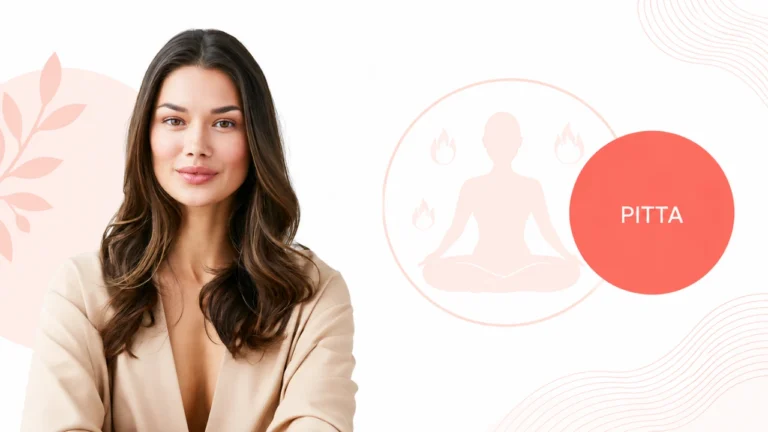
Pitta dosha reflects the Ayurvedic principles of heat, transformation, and metabolism. A Pitta-dominant Prakriti may show strong focus, sharp intelligence, moderate build, warm skin, and sensitivity to heat. Cooling foods, regular meals, emotional balance, and adequate rest help maintain healthy digestion, energy, skin, and temperament during changing seasons and stress.

Kapha prakriti body type

Kapha Dosha

Kapha dosha embodies the Ayurvedic qualities of stability, nourishment, water, and earth. People with a Kapha-dominant Prakriti may have a sturdy build, calm nature, steady energy, and strong endurance. Light exercise, warm spices, stimulating routines, and balanced meals support metabolism, circulation, motivation, and healthy body weight across seasons and lifestyles.

FAQs

Ayurveda, the ancient system of medicine documented in texts like Charaka Samhita, Sushruta Samhita, and Ashtanga Hridaya, focuses on addressing the root cause of diseases rather than merely suppressing symptoms. It does so through the following principles:

  • Restoring Dosha Balance: Ayurveda identifies diseases as imbalances in the three doshas (Vata, Pitta, and Kapha). Personalized treatments, including herbs, diet, detoxification (Panchakarma), and lifestyle changes, help restore equilibrium.
  • Enhancing Agni (Digestive Fire): According to Ayurveda, poor digestion is the root cause of many diseases. Ayurvedic treatments strengthen Agni, ensuring optimal metabolism and nutrient absorption.
  • Eliminating Toxins (Ama): Ayurvedic therapies like Panchakarma (five purification techniques) remove accumulated toxins, preventing disease recurrence.
  • Rejuvenation (Rasayana Therapy): Certain Ayurvedic herbs like Ashwagandha, Brahmi, and Shatavari rejuvenate body tissues, enhancing immunity and longevity.
  • No Chemical Side Effects: Unlike modern pharmaceuticals, which often cause side effects, Ayurvedic herbs work synergistically with the body’s natural processes, ensuring holistic healing.

Example Analogy: Think of your body as a garden. If weeds (toxins) are choking the plants (organs), simply trimming them (suppressing symptoms) won’t work. Ayurveda removes the weeds from the roots and nourishes the soil (body), ensuring long-term health.

Ayurveda defines health as a perfect balance of:

  • Doshas (Vata, Pitta, Kapha): The three bio-energies that regulate bodily functions.
  • Agni (Digestive Fire): Strong metabolism ensures proper digestion and prevents toxin accumulation.
  • Dhatus (Body Tissues): Proper nourishment of the seven bodily tissues (Rasa, Rakta, Mamsa, Meda, Asthi, Majja, and Shukra).
  • Malas (Excretion of Waste Products): Regular elimination of toxins through urine, sweat, and stool.
  • Manas (Mind Balance): A peaceful mind, free from stress and emotional imbalances.

In contrast to modern medicine, which mainly focuses on disease management, Ayurveda aims for holistic well-being, ensuring physical, mental, and spiritual harmony.

Ayurveda, when practiced correctly, does not cause harmful side effects. However, certain factors need to be considered:

  • Incorrect Usage of Herbs: Self-medicating with Ayurvedic herbs without understanding one’s body type (Vata, Pitta, Kapha) can lead to imbalances.
  • Poor-Quality or Adulterated Products: Non-authentic or chemically adulterated herbal products may cause unexpected reactions.
  • Improper Dosage: Ayurvedic treatments follow precise dosages. Overuse or misuse can lead to digestive issues or mild discomfort.
  • Detox Reactions: Some individuals may experience temporary symptoms such as fatigue or mild digestive disturbances as toxins are eliminated from the body.

To avoid side effects, it is essential to consult a qualified Ayurvedic doctor who can guide treatment based on your unique constitution and health condition.

Yes, Ayurveda can be safely integrated with modern medicine when done correctly under medical supervision.

  • Supportive Role: Ayurvedic herbs can enhance immunity, digestion, and overall vitality alongside conventional treatments.
  • Minimizing Side Effects: Ayurveda helps detoxify the body and reduce the adverse effects of synthetic drugs.
  • Gradual Transition: Patients using long-term allopathic treatments should consult both an Ayurvedic and a modern medicine practitioner to ensure compatibility and avoid herb-drug interactions. Over time, as their blood work, overall health, and medical reports show improvement, they may reduce or discontinue allopathic medicines under the guidance of an Ayurvedic doctor.

Example Analogy: Think of Ayurveda and modern medicine as two hands working together—Ayurveda strengthens the body’s natural ability to heal, while modern medicine can provide immediate intervention when necessary.

The cost of treatment depends entirely on your individual condition. Ayurveda follows a personalized healing model, not a generic one-size-fits-all system. Factors like your Prakriti (body constitution), viral load (in viral infections ), immune response, digestion strength, and symptom history all play a crucial role in deciding your ideal treatment.

Only after a detailed consultation can we create a precise protocol—including specific herbs, Rasayanas, and mineral Bhasmas—tailored to your unique body needs.

Once the prescription is ready, you are free to source the medicines yourself. We offer full guidance on how to verify product quality. In fact, many patients prepare their own medicines under our supervision. You’re not obligated to purchase anything from us.

Our aim is not to sell products, but to educate and cure from the root, as guided by authentic Ayurvedic Medical Texts & Modern Research.

This ethical, transparent approach has helped us achieve a 100% success rate in patients who follow the full protocol sincerely—regardless of location or background.

Disclaimer:

Prakriti results are an educational estimate and should not be considered a medical diagnosis or a substitute for professional Ayurvedic consultation. We do not diagnose, prescribe, or provide treatment based solely on Prakriti assessment results. Treatment decisions are made only after evaluating the patient’s symptoms, medical history, clinical findings, relevant investigations, disease condition, and individual Ayurvedic assessment.

Fill this Form

Fill this Form

Fill this Form