4.99

Verified by

Oncology

Oncology is the branch of medicine focused on the study, diagnosis, and treatment of cancer. Our blog offers expert insights on cancer types, warning signs, diagnostics, and integrative therapies, including Ayurvedic support. Read to stay informed and empowered against cancer.

Ayurveda Support - Before Surgery

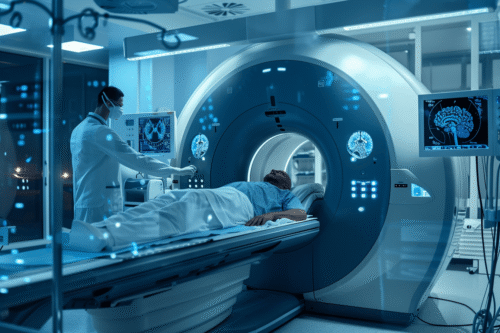
  • CT brain scan showing abnormal mass region in suspected glioblastoma case

    Glioblastoma Symptoms: Early Warning Signs and When to See a Doctor

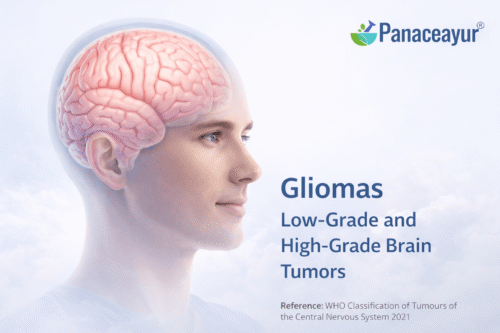
    Glioblastoma symptoms often begin subtly and are easily mistaken for stress, migraine, or fatigue. Early signs such as persistent headaches, seizures, memory changes, confusion, or speech difficulty may go unnoticed until they progress. Recognizing these warning signs early can help patients and caregivers seek timely medical evaluation and avoid delays in diagnosis.
    Gliomas (LGG/HGG)

    37 mins read

Ayurveda Support - After Surgery

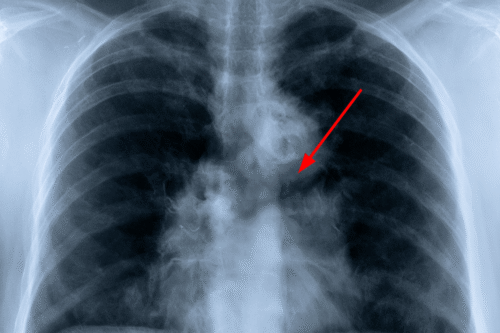
  • Chest X-ray with a red arrow highlighting a left hilar mass-like opacity in suspected recurrent small cell lung cancer.

    Recurrent Small Cell Lung Cancer: Relapse Symptoms, Treatment Options and an Ayurveda-Led Curative-Intent Model

    Recurrent small cell lung cancer can return in the chest, brain, liver, bones or other organs. Learn the relapse symptoms, urgent warning signs, modern treatment options and Panaceayur’s personalised Ayurveda-led curative-intent model focused on measurable tumour response, strength and sustained disease control.
    SCLC

    100 mins read

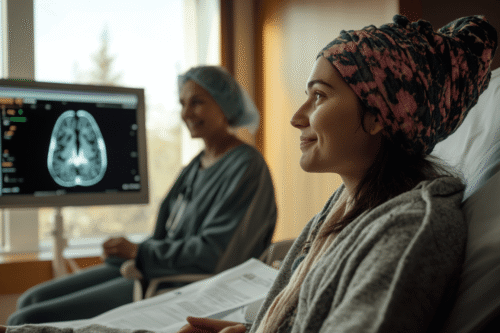
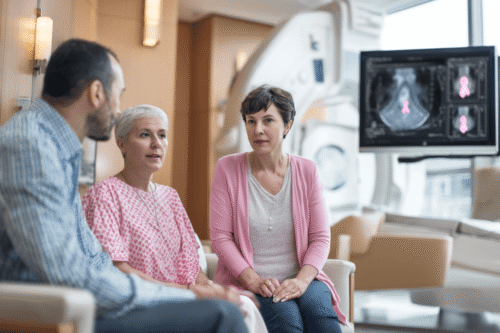
  • Patient and caregiver discussing glioma recurrence after surgery with a neurosurgeon and Ayurvedic doctor using MRI-based integrative care.

    How to Reduce Glioma Recurrence After Surgery with Integrative Ayurveda Support

    Concerned about glioma recurrence after surgery? Learn how a structured integrative approach combining MRI-guided monitoring, modern neuro-oncology, personalized Ayurveda, nutrition, rehabilitation, and lifestyle support may help improve recovery, treatment tolerance, neurological health, and quality of life after glioma or glioblastoma surgery.
    Gliomas (LGG/HGG)

    159 mins read

  • Ayurveda recovery after HIPEC with caregiver support, nutrition, digestion, strength, and oncology follow-up

    Ayurveda-Integrated Recovery After CRS/HIPEC for Peritoneal Surface Malignancy

    Ayurveda recovery after HIPEC gives patients and caregivers a safe, structured way to rebuild digestion, nutrition, strength, sleep, emotional steadiness, and recurrence vigilance after CRS/HIPEC for Peritoneal Surface Malignancy, while staying fully aligned with oncology-led treatment, scans, tumor markers, and follow-up.
    Blog

    192 mins read

Latest Articles

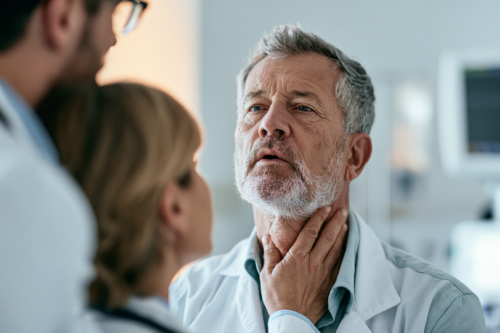
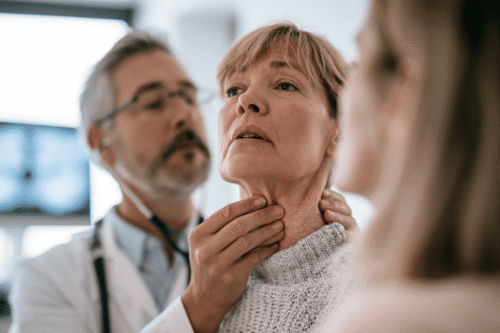
  • Endocrine oncologist examining the neck of an adult patient with anaplastic thyroid cancer in a modern hospital.

    Dabrafenib and Trametinib for BRAF V600E-Positive Anaplastic Thyroid Cancer

    Learn how dabrafenib and trametinib are used for BRAF V600E-positive anaplastic thyroid cancer, including response rates, survival, tumour shrinkage, conversion from inoperable to operable disease, side effects, resistance, surgery, radiation, and what patients should discuss with their treatment team.
    Thyroid (Differentiated, Medullary, Anaplastic)

    103 mins read

  • Anaplastic thyroid cancer survival rate consultation between an oncologist and senior patient in a modern cancer hospital

    Anaplastic Thyroid Cancer Survival Rate: Life Expectancy by Stage, Treatment and Individual Prognosis

    Anaplastic thyroid cancer survival rate is not one fixed number. This patient-centred guide explains how stage, recurrence, BRAF V600E, treatment response, conditional survival, nutrition and functional strength shape prognosis, while helping patients identify the right questions and seek faster, personalised multidisciplinary care.
    Thyroid (Differentiated, Medullary, Anaplastic)

    68 mins read

  • Ayurvedic treatment for pleural mesothelioma without surgery with an older patient receiving supportive care.

    Pleural Mesothelioma Treatment Without Surgery: A Personalised Ayurvedic Support Plan

    Explore pleural mesothelioma treatment without surgery through a coordinated plan combining oncology, pleural-effusion care, nutrition, symptom control, scan monitoring and personalised Ayurvedic support. Understand realistic outcomes, essential safety checks, hospital warning signs and how to request a clinician-led case review.
    Lung Cancer

    207 mins read

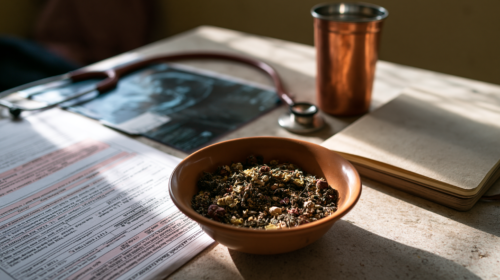
  • Ayurveda before CRS-HIPEC support with oncology reports, CT scan, Ayurvedic herbs, and pre-surgery preparation checklist on a hospital consultation desk.

    Ayurveda Before CRS-HIPEC: Preparing Stronger for Major Peritoneal Cancer Surgery

    Ayurveda before CRS-HIPEC may help selected peritoneal cancer patients prepare for major HIPEC surgery by supporting digestion, nutrition, strength, sleep, bowel rhythm, and family readiness. This guide explains safe, doctor-supervised Ayurvedic preparation without replacing oncology treatment.
    Peritoneal Surface Malignancy/HIPEC

    55 mins read

  • Small intestine cancer patient discussing diagnosis and treatment options with oncology specialist in a hospital cancer center

    Small Intestine Cancer: Symptoms, Treatment, Surgery, and Ayurvedic Healing Support

    Small intestine cancer is a rare gastrointestinal cancer that can affect digestion, absorption, weight, bowel rhythm, and strength. This pillar guide explains symptoms, diagnosis, staging, surgery, chemotherapy, nutrition, recovery, and integrative Ayurvedic support through Agni, Grahani, Ojas, Rasayana, diet, lifestyle, and emotional healing.
    Small Intestine

    261 mins read

  • Ayurvedic doctor explaining stomach cancer recovery plan to a patient in an integrative oncology clinic

    How Ayurveda Helps in Recovery from Stomach Cancer

    Stomach cancer recovery with Ayurveda focuses on digestion, appetite, weight stability, strength, treatment tolerance and long-term healing. This doctor-led guide explains how Agni correction, Rasayana therapy, Dhatu nourishment and Ojas rebuilding support deeper recovery during and after stomach cancer treatment.
    Stomach

    162 mins read

  • Three-dimensional CT reconstruction showing esophageal cancer tissue highlighted in pink within the thoracic esophagus against a transparent chest and rib cage anatomy.

    Esophagus & GEJ Cancer Ayurvedic Treatment Support for Healing, Strength, and Remission-Focused Recovery

    Explore Ayurvedic and integrative support for esophagus and GEJ cancer, including swallowing difficulty, weight loss, digestion, Ojas, treatment tolerance, recovery after chemotherapy, radiation, surgery, immunotherapy, and safe report-based care for international patients.
    Esophagus & GEJ

    195 mins read

  • Photorealistic molecular visualization of MGMT promoter methylation in glioblastoma with brain tumor biomarker analysis, DNA pathways and integrative Ayurveda support concept

    MGMT Promoter Methylation in Glioblastoma: Meaning, Temozolomide Response, Prognosis and Integrative Ayurveda Support

    MGMT promoter methylation in glioblastoma can influence temozolomide response, prognosis and treatment planning. This patient-friendly guide explains MGMT methylated vs unmethylated results, key questions for neuro-oncology, and how supportive Ayurveda may help strength, digestion, sleep and treatment tolerance alongside standard care.
    Gliomas (LGG/HGG)

    29 mins read

  • IDH-mutant glioma brain MRI with molecular diagnosis concept showing glioma tumor region and IDH1 IDH2 mutation pathway.

    IDH-Mutant Glioma: Meaning, Prognosis, Vorasidenib, and Treatment Options

    IDH-mutant glioma is a molecularly defined brain tumor that often behaves differently from IDH-wildtype glioblastoma. This article explains what IDH mutation means, prognosis, vorasidenib eligibility, surgery, MRI follow-up, radiation, chemotherapy, recurrence risk, and how integrative Ayurvedic support may help patients improve strength, quality of life, and treatment tolerance under proper medical supervision.
    Gliomas (LGG/HGG)

    125 mins read

Symptoms & Early Detection

  • BRAF V600E anaplastic thyroid cancer patient undergoing molecular testing and clinical evaluation in a modern oncology hospital.

    BRAF V600E and Molecular Testing in Anaplastic Thyroid Cancer: A Patient Guide to Precision Treatment

    BRAF V600E anaplastic thyroid cancer testing can reveal an important molecular treatment target and help guide precision treatment decisions. This comprehensive patient guide explains BRAF V600E, DNA and RNA molecular testing, NGS reports, targeted therapy, dabrafenib and trametinib, treatment resistance, BRAF-negative ATC, surgery after targeted therapy, liquid biopsy and carefully coordinated integrative supportive care.
    Thyroid (Differentiated, Medullary, Anaplastic)

    171 mins read

  • An oncology specialist examining a patient with anaplastic thyroid cancer and visible lower-neck swelling in a modern hospital.

    Anaplastic Thyroid Cancer Stage IVA, IVB and IVC : Treatment, Operability and What Each Stage Means

    Anaplastic thyroid cancer stages IVA, IVB and IVC describe how far the cancer has spread and strongly influence treatment decisions. Understand each stage, operability, targeted therapy, urgent warning signs, prognosis considerations, and the supportive role of Ayurveda in integrative care.
    Thyroid (Differentiated, Medullary, Anaplastic)

    156 mins read

  • Oncologist explaining the first 72 hours after an anaplastic thyroid cancer diagnosis to a patient and family member

    First 72 Hours After an Anaplastic Thyroid Cancer Diagnosis: What Needs to Happen Now

    Anaplastic thyroid cancer diagnosis requires fast, coordinated action. This patient-focused guide explains what should happen in the first 72 hours, including airway and swallowing assessment, expert pathology review, staging, BRAF testing, treatment planning and carefully coordinated Ayurveda support. It helps families ask the right questions, avoid dangerous delays and reach an experienced multidisciplinary team sooner.
    Thyroid (Differentiated, Medullary, Anaplastic)

    65 mins read

Diagnosis & Tests

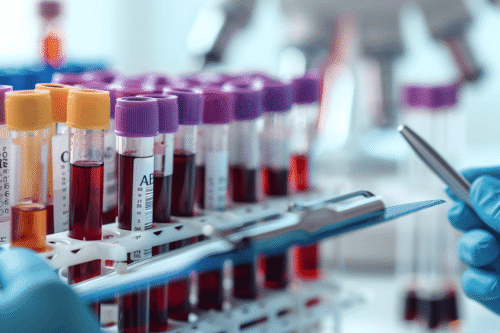
  • CA 19-9 blood test report with sample tubes in modern diagnostic laboratory

    When Your CA 19-9 Is High But Doctors Say Nothing Is Clear

    Confused about CA 19-9 levels? Learn what this marker really means, why it rises without cancer, when to take it seriously, and how to interpret results correctly. Discover a clearer, patient-focused approach beyond fear and misinformation.
    Pancreatic Cancer

    56 mins read

Treatment Options

  • Clinical collage illustrating cachexia, supraclavicular swelling and skin nodules associated with metastatic esophageal cancer.

    Metastatic Esophageal Cancer: Treatment, Survival and the Ayurveda Curative Model

    Metastatic esophageal cancer requires coordinated decisions about staging, biomarkers, systemic treatment, swallowing support, nutrition, and symptom control. This comprehensive guide explains disease spread, treatment pathways, survival factors, urgent warning signs, and the Ayurveda Curative Model, helping patients prepare for an informed consultation focused on safety, interaction screening, and measurable outcomes.
    Esophagus & GEJ

    129 mins read

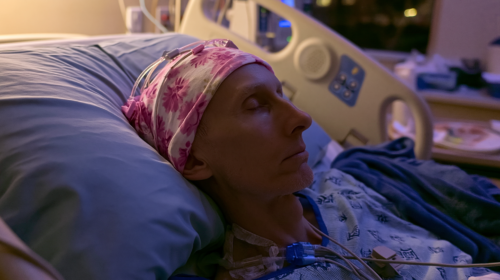
  • Patient with advanced anaplastic thyroid cancer, severe neck swelling and a tracheostomy before radiation and chemotherapy for ATC.

    Radiation and Chemotherapy for ATC: Benefits, Side Effects, Safety & Ayurveda Support

    Radiation and chemotherapy for ATC may help control a fast-growing neck tumor, reduce pressure on the airway or esophagus, and lower the risk of local regrowth after surgery. This patient guide explains treatment selection, expected benefits, side effects, nutrition and swallowing support, coordinated Ayurvedic care, emergency warning signs, and response monitoring.
    Thyroid (Differentiated, Medullary, Anaplastic)

    125 mins read

  • Clear medical illustration of human lungs showing a cancerous tumor in one lung for small cell and non small cell lung cancer education.

    Small Cell vs Non-Small Cell Lung Cancer: Differences in Spread, Treatment and Survival

    Small cell vs non-small cell lung cancer can differ greatly in speed of spread, staging, surgery options, chemotherapy, immunotherapy, targeted therapy, and survival. This patient guide also explains a transparent, personalized Ayurvedic Avaleha model designed around pathology, scans, biomarkers, and current oncology medicines, helping patients understand safer integrative choices and prepare the right medical records for an individualized consultation.
    SCLC

    128 mins read

Recovery & Survivorship

  • Oncologist reviewing a chest CT showing a central lung tumour while explaining small cell lung cancer survival by stage to a patient.

    Small Cell Lung Cancer Survival Rate and Life Expectancy by Stage

    Small cell lung cancer survival rate varies significantly by stage, spread and treatment response. Understand Stage 1 to Stage 4 life expectancy, limited versus extensive-stage SCLC survival, modern immunotherapy outcomes, recurrence risk and how individualized integrative care may support patients during treatment.
    SCLC

    146 mins read

  • Ayurvedic treatment for small cell lung cancer consultation with a doctor reviewing chest CT scans with a patient

    Ayurvedic Treatment for Small Cell Lung Cancer: A Patient-Centred Curative-Intent Model

    Ayurvedic treatment for small cell lung cancer follows an individualized, curative-intent model focused on active tumour burden, metastatic disease, respiratory function, organ protection, strength restoration and recurrence prevention. Learn how treatment is planned using pathology, scans, laboratory findings, Ayurvedic assessment and measurable follow-up.
    SCLC

    183 mins read

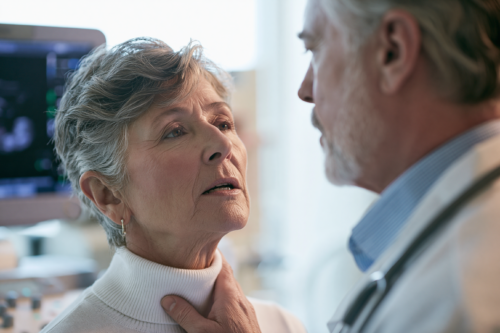
  • Doctor examining an older woman with visible neck swelling during an anaplastic thyroid cancer consultation

    Anaplastic Thyroid Cancer Treatment and Ayurvedic Cure: One Personalised Avaleha for Tumour-Control Support and Long-Term Recovery

    Explore an anaplastic thyroid cancer treatment and Ayurvedic cure-focused recovery pathway combining urgent molecular oncology with one personalised 30-day Avaleha. Learn how classical Granthi–Arbuda principles, research-informed herbs, nutrition, safety monitoring and objective scans may support tumour-control treatment, strength, swallowing and long-term remission goals.
    Thyroid (Differentiated, Medullary, Anaplastic)

    91 mins read

🩺 Get Help with Herpes Naturally

Medical Ayurveda Books by Dr. Arjun

A research-backed Ayurvedic formula offering hope, combining ancient herbs and modern science for natural, lasting healing.

Loved by thousands

Herpes Cure: A Research-Backed Guide to Healing Through
Herbal Medicine

Struggling with HSV1 or HSV2? Discover a proven herbal formula that heals herpes in just three months, backed by science and real-life success stories. Start your healing journey today.

Herpes Cure-A Research-Backed Guide to Healing Through Herbal Medicine 2nd Edition (Vol-1)

Discover how Ayurveda identifies and eliminates herpes at its root. Volume I reveals HSV behavior, Ayurvedic healing principles, and introduces CMV and EBV. A foundational guide backed by research and classical texts.

Herpes Cure-A Research-Backed Guide to Healing Through Herbal Medicine 2nd Edition (Vol-2)

Includes real IgG lab reports, CMV/EBV/HHV chapters, and advanced Rasayana therapy. Volume II exposes why pharma suppresses cures—and proves Ayurveda doesn’t. Lab reports verifiable via TATA 1mg.

Oncology: Cancer Types, Diagnosis, Treatment & Integrative Ayurvedic Support

Oncology is the branch of medicine dedicated to the prevention, diagnosis, treatment, and long-term management of cancer. Cancer can affect almost any organ in the body and may develop when abnormal cells grow uncontrollably, forming tumors or spreading to other tissues. Early detection, accurate diagnosis, and timely treatment play a critical role in improving outcomes and quality of life.

This Oncology Resource Center provides comprehensive educational content on a wide range of cancers, including breast cancer, pancreatic cancer, lung cancer, gastrointestinal cancers, prostate cancer, skin cancers, neuro-oncology conditions, thyroid cancers, sarcomas, and other specialized cancer types. Each guide is designed to help patients, caregivers, and healthcare seekers better understand symptoms, risk factors, diagnostic tests, staging, treatment options, recovery planning, and survivorship care.

Modern cancer treatment may involve surgery, chemotherapy, radiation therapy, immunotherapy, targeted therapy, hormone therapy, or a combination of these approaches depending on the cancer type and stage. Understanding available treatment options can help patients make informed decisions throughout their care journey.

Alongside conventional oncology care, many patients explore supportive Ayurvedic approaches to help improve strength, digestion, appetite, sleep quality, emotional well-being, and overall quality of life during treatment and recovery. Ayurvedic principles focus on restoring balance through personalized nutrition, lifestyle modifications, Rasayana support, digestive health optimization, and holistic wellness strategies under qualified medical supervision.

Explore Oncology Topics

  • Breast Cancer
  • Pancreatic Cancer
  • Neuro Oncology
  • Genitourinary & Urologic Oncology
  • Lung Cancer
  • Skin Cancer
  • Endocrine & Thyroid Oncology
  • Sarcoma & Musculoskeletal Oncology
  • Gastrointestinal Oncology
  • Thoracic Oncology
  • Head & Neck Oncology
  • Prostate Cancer
  • Dermatologic Oncology (Melanoma & Skin Cancers)

Whether you are researching a new diagnosis, exploring treatment options, understanding pathology reports, or seeking integrative support during recovery, this section provides trusted educational resources to help you navigate every stage of the cancer journey.


FAQs

  1. 1. What is oncology, and what conditions does it cover?

    Oncology is the medical specialty focused on the prevention, diagnosis, treatment, and long-term management of cancer. It covers a wide range of cancers, including breast cancer, lung cancer, pancreatic cancer, prostate cancer, skin cancer, thyroid cancer, gastrointestinal cancers, sarcomas, brain tumors, and other specialized cancer types. Oncology also includes cancer screening, staging, treatment planning, and survivorship care.

  2. 2. What are the common treatment options for cancer?

    Cancer treatment depends on the type, stage, and overall health of the patient. Common treatment options include surgery, chemotherapy, radiation therapy, immunotherapy, targeted therapy, hormone therapy, stem cell transplantation, or a combination of these approaches. An oncologist develops a personalized treatment plan based on the individual's diagnosis and medical needs.

  3. 3. Can Ayurveda be used alongside conventional cancer treatment?

    Ayurveda may be used as a complementary approach alongside conventional cancer treatment under the guidance of qualified healthcare professionals. It is not a replacement for evidence-based oncology care. Supportive Ayurvedic practices may help promote overall well-being by focusing on nutrition, digestion, lifestyle management, stress reduction, sleep quality, and recovery during or after cancer treatment. Patients should always consult both their oncologist and a qualified Ayurvedic physician before starting any complementary therapy.