Ayurvedic Neurology focuses on healing the brain and nerves naturally through Rasayana therapy, Panchakarma, and herbal-mineral formulations. Subdivisions include Stroke, Migraine, Epilepsy, Alzheimer’s, Parkinson’s, Neuropathy, Meningitis, ALS, Multiple Sclerosis, and Brain Tumors—providing safe, root-cause treatment for every nerve disorder.
78 mins read
77 mins read
60 mins read
118 mins read
78 mins read
76 mins read
149 mins read
108 mins read
A research-backed Ayurvedic formula offering hope, combining ancient herbs and modern science for natural, lasting healing.
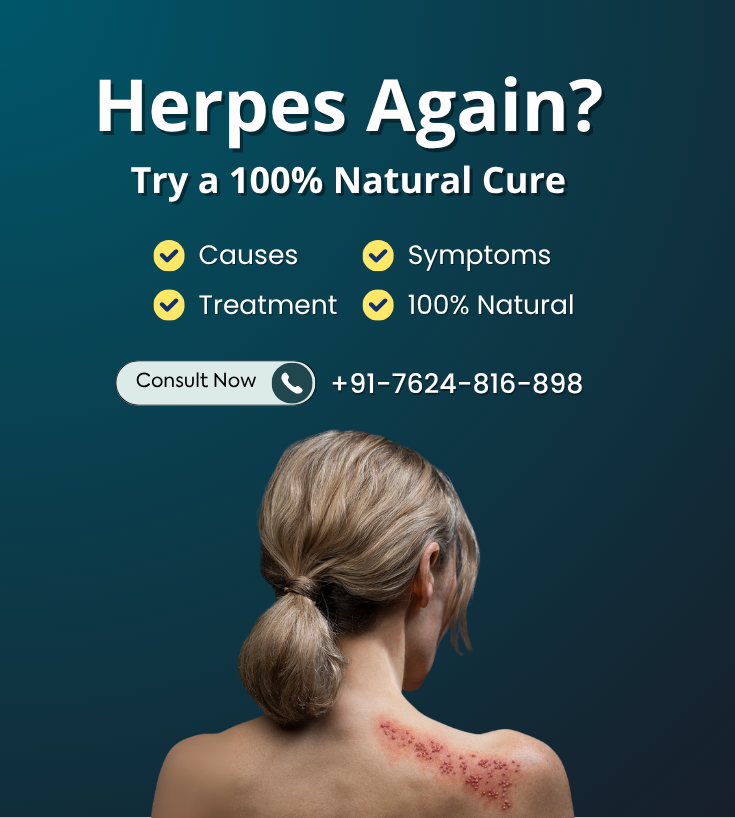
Struggling with HSV1 or HSV2? Discover a proven herbal formula that heals herpes in just three months, backed by science and real-life success stories. Start your healing journey today.
Discover how Ayurveda identifies and eliminates herpes at its root. Volume I reveals HSV behavior, Ayurvedic healing principles, and introduces CMV and EBV. A foundational guide backed by research and classical texts.
Includes real IgG lab reports, CMV/EBV/HHV chapters, and advanced Rasayana therapy. Volume II exposes why pharma suppresses cures—and proves Ayurveda doesn’t. Lab reports verifiable via TATA 1mg.
Neurology is a medical specialty area on Panaceayur that brings together articles on stroke, epilepsy, migraine, Parkinson’s disease, dementia, multiple sclerosis and neuropathy. Each condition page explains what the condition is, why it develops, how it is usually diagnosed and what treatment options are commonly discussed with doctors.
Readers will find explanations of how the condition is identified, which tests doctors commonly use and what standard treatment involves, followed by Ayurvedic perspectives on diet, lifestyle and supportive therapies. Research findings are summarised cautiously, and early or small studies are identified as such.
Panaceayur articles are not a substitute for professional care. Diagnosis and treatment decisions should be made with a qualified healthcare professional who knows your medical history.
A. This section covers stroke, epilepsy, migraine, Parkinson's disease, dementia, multiple sclerosis and neuropathy.
A. No. The content is educational. Diagnosis and treatment decisions should be made with a qualified healthcare professional.
A. Ayurvedic perspectives are presented alongside conventional medical information as complementary approaches, with evidence limitations noted.