




- Why Small Intestine Cancer Needs Both Tumor Care and Whole-Body Healing
- Understanding the Small Intestine
- What Is Small Intestine Cancer?
- Types of Small Intestine Cancer
- Causes and Risk Factors of Small Intestine Cancer
- Symptoms of Small Intestine Cancer
- Diagnosis and Investigations
- Conventional Treatment Options
- Ayurvedic Healing Framework for Small Intestine Cancer
- Four-Phase Ayurvedic Support Model
- Before Surgery: Preparing the Body for Small Intestine Cancer Surgery
- Surgery for Small Intestine Cancer
- After Surgery: Recovery, Digestion, and Ayurvedic Rejuvenation
- Chemotherapy, Immunotherapy, Targeted Therapy, and Ayurveda
- Grahani-Ojas Amrit Rasayana Avaleha (Medicine) for Small Intestine Cancer Recovery
- Ayurvedic Diet and Nutrition Plan for Small Intestine Cancer
- Panchakarma, Detox, and Fasting: What to Avoid
- Follow-Up, Surveillance, and Long-Term Recovery
- Prevention and Risk Reduction
- Patient Journey Case Studies
- FAQs
- References
Why Small Intestine Cancer Needs Both Tumor Care and Whole-Body Healing
Small intestine cancer, also called small bowel cancer, is a rare but serious gastrointestinal cancer that begins in the tissues of the small intestine. The small intestine is not just a passage for food. It is the central organ of digestion, absorption, nourishment, energy production, immune interaction, and tissue rebuilding. When cancer develops in this region, the disease can affect much more than the bowel. It may disturb appetite, weight, strength, blood formation, bowel rhythm, emotional stability, and the patient’s overall healing capacity.
Compared with cancers of the colon, stomach, pancreas, or liver, small intestine cancer is uncommon. The American Cancer Society estimates that in 2026, about 14,450 people in the United States will be diagnosed with small intestine cancer, and about 2,170 people will die from the disease [1]. SEER data also confirms that small intestine cancer represents a relatively small portion of all cancers, but its impact can be significant because many cases are diagnosed only after symptoms become persistent or severe [2].
One of the main challenges with small intestine cancer is that early symptoms are often vague. A patient may experience abdominal discomfort, bloating, nausea, indigestion, anemia, fatigue, appetite loss, or unexplained weight loss. These symptoms may look similar to acidity, irritable bowel syndrome, inflammatory bowel disease, celiac disease, nutritional deficiency, or general digestive weakness. Because of this, diagnosis may be delayed until the tumor causes bleeding, obstruction, severe pain, vomiting, jaundice, or spread to lymph nodes or distant organs [3].
Modern oncology approaches small intestine cancer through a structured pathway: diagnosis, biopsy, imaging, staging, surgery, chemotherapy, immunotherapy, targeted therapy, radiation where needed, and follow-up surveillance. This tumor-directed approach is essential. The type of cancer, such as adenocarcinoma, neuroendocrine tumor, gastrointestinal stromal tumor, lymphoma, or sarcoma, directly affects treatment planning and prognosis [3], [4].
However, small intestine cancer care should not stop at tumor control alone. Because the disease affects the very organ responsible for digestion and nourishment, true recovery also requires a deeper focus on the patient’s internal strength. This is where Ayurveda becomes especially relevant.
Ayurveda views digestion as the foundation of health. In Ayurvedic understanding, the strength of Agni determines how well the body digests food, absorbs nutrients, forms healthy tissues, maintains energy, and supports immunity. When Agni becomes weak, Ama may accumulate, bowel function may become disturbed, tissue nourishment may decline, and Ojas, the subtle essence of vitality and resilience, may become depleted. In small intestine cancer, these concepts become clinically meaningful because many patients struggle with poor appetite, weight loss, anemia, fatigue, malabsorption, bowel irregularity, sleep disturbance, and emotional fear.
This article follows an integrative model: tumor-directed oncology plus terrain-directed Ayurveda.
Modern oncology asks:
- Where is the tumor?
- What type of cancer is it?
- What stage is it?
- Can it be removed?
- Does it need chemotherapy, immunotherapy, targeted therapy, or radiation?
Ayurveda asks:
- How strong is the patient’s Agni?
- Is there Ama or digestive toxicity?
- How depleted are the Dhatus?
- How stable is bowel function?
- How strong is Bala and Ojas?
- How can the patient digest, absorb, tolerate treatment, recover, and rebuild?
This is the central healing philosophy of the article. Surgery, chemotherapy, immunotherapy, targeted therapy, or radiation may be required to control the cancer, but Ayurveda can help address the patient’s digestive strength, nutritional recovery, treatment resilience, sleep, mental stability, and long-term rejuvenation. In this way, Ayurveda offers a whole-person healing framework, not merely symptom management.
Classical Ayurvedic literature gives special importance to Rasayana Chikitsa, the branch of rejuvenation, restoration, tissue nourishment, vitality, and longevity. Charak Samhita describes Rasayana as a method to support strength, complexion, intellect, immunity, longevity, and tissue quality when used appropriately according to the patient’s condition [40], [41]. In cancer care, Rasayana should be understood carefully as a recovery and resilience-supportive approach, not as a replacement for oncology treatment.
Modern integrative oncology also supports the idea of combining conventional treatment with safe, evidence-informed complementary approaches. The National Cancer Institute explains that integrative medicine combines standard medical treatment with complementary practices that are used in a coordinated and safe way [22]. NCCIH also defines integrative health as coordinated care that considers the whole person, including physical, emotional, mental, social, and spiritual dimensions [46]. This aligns well with Ayurveda’s patient-centered approach.
At the same time, safety is essential. Ayurveda should not be presented as a standalone cure for small intestine cancer. Complementary approaches have not been proven to cure cancer or cause remission on their own, and herbs or supplements may interact with cancer treatments [23], [24]. Therefore, Ayurvedic herbs, Rasayana formulations, Panchakarma, fasting, detoxification, or supplements must be used only under the guidance of a qualified Ayurvedic physician and with approval from the treating oncology team.
The purpose of this pillar article is to give patients and families a complete, balanced, and practical understanding of small intestine cancer. It will explain symptoms, causes, risk factors, diagnosis, staging, surgery, chemotherapy, immunotherapy, targeted therapy, nutrition, before-surgery preparation, after-surgery recovery, and long-term follow-up. Most importantly, it will show how Ayurveda can support the patient’s inner healing terrain through Agni restoration, Ama reduction, Grahani support, Dhatu nourishment, Ojas rebuilding, Rasayana-based rejuvenation, personalized diet, lifestyle correction, emotional healing, and remission-supportive living.
Small intestine cancer is a medical disease that needs accurate diagnosis and expert oncology care. But the patient is more than the tumor. The patient also needs strength, digestion, nourishment, sleep, courage, clarity, and hope. The most complete approach is one that respects both sides: modern medicine for cancer control and Ayurveda for whole-body healing support.
Understanding the Small Intestine
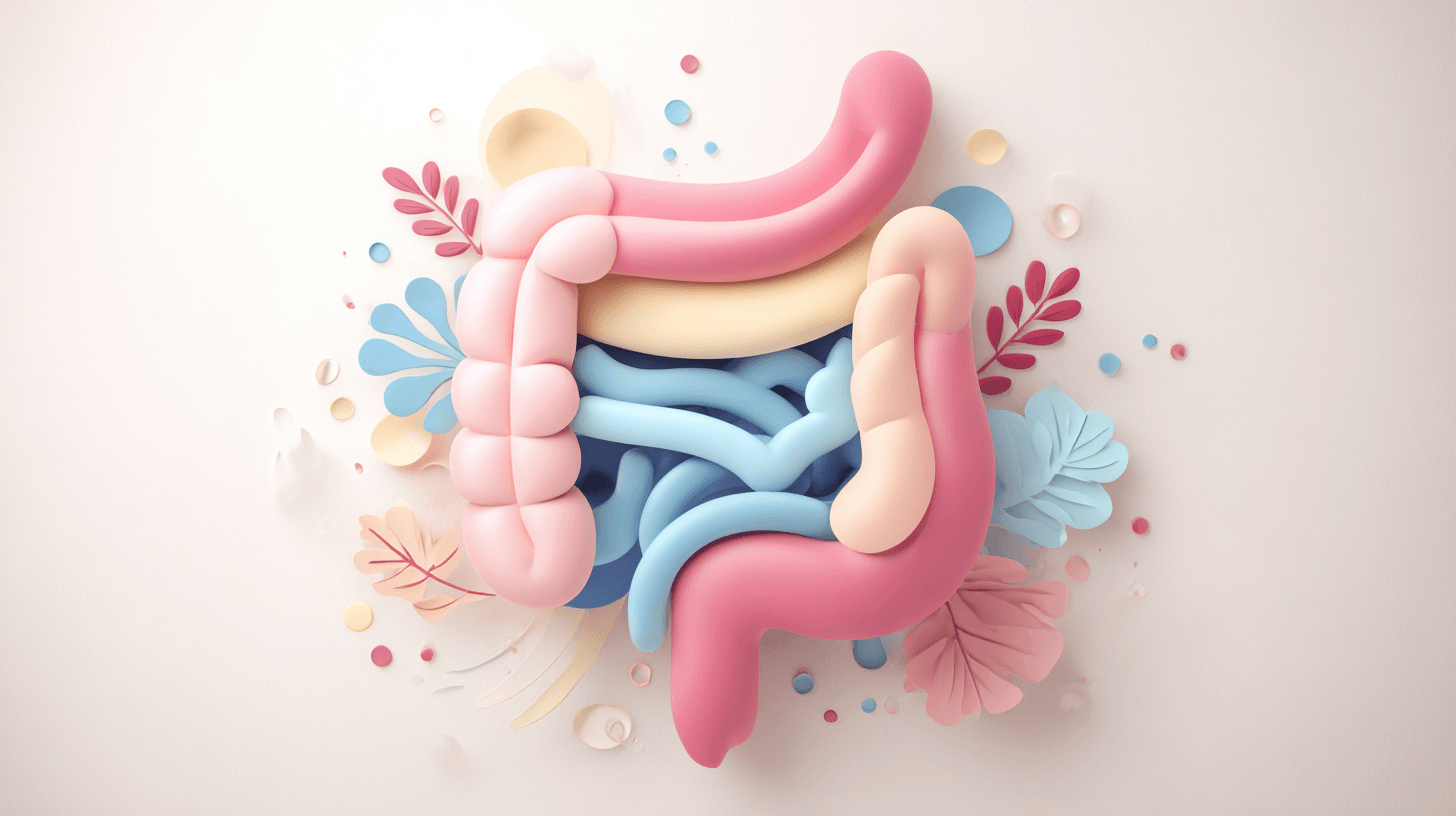
The small intestine is one of the most important organs in the gastrointestinal system. It connects the stomach to the large intestine and performs the essential work of digestion, absorption, nourishment, fluid balance, and immune interaction. Most of the nutrients from food are absorbed through the small intestine, including carbohydrates, proteins, fats, vitamins, minerals, electrolytes, and water. Because of this, any cancer affecting the small intestine can disturb not only bowel function but also the patient’s strength, weight, blood quality, immunity, and recovery capacity [3], [5].
The small intestine is divided into three main parts: the duodenum, jejunum, and ileum. Each part has a different role in digestion and absorption. Understanding these parts helps patients understand why symptoms, surgery, nutrition problems, and recovery challenges may differ from one person to another.
Duodenum
The duodenum is the first part of the small intestine. It receives partially digested food from the stomach and mixes it with bile from the liver and gallbladder, as well as digestive enzymes from the pancreas. This makes the duodenum very important for breaking down fats, proteins, and carbohydrates.
Cancer in the duodenum may sometimes cause symptoms earlier than cancers in deeper parts of the small intestine because it is close to the stomach, bile duct, and pancreas. A tumor in this region may cause abdominal pain, nausea, vomiting, bleeding, anemia, indigestion, or jaundice if it blocks bile drainage. Some duodenal cancers may require complex surgery, including a Whipple procedure, depending on the tumor’s exact location and spread [3], [4], [5].
From an Ayurvedic viewpoint, the duodenum is closely related to the early phase of digestion, where food undergoes transformation through digestive fire. When this region is affected, the patient may experience symptoms suggestive of Agni disturbance, such as poor appetite, heaviness after food, nausea, sourness, bloating, or incomplete digestion.
Jejunum
The jejunum is the middle part of the small intestine. It is highly active in nutrient absorption, especially carbohydrates, amino acids, fats, minerals, and water-soluble vitamins. When disease affects the jejunum, patients may develop weakness, weight loss, low energy, poor muscle maintenance, diarrhea, or nutritional deficiency.
Cancer in the jejunum can remain hidden for a long time because symptoms may be vague. A patient may have intermittent abdominal discomfort, anemia, bloating, change in bowel habits, fatigue, or gradual weight loss before the condition is diagnosed [3], [5].
In Ayurveda, this stage of digestion can be linked with Pachana, Rasa Dhatu formation, and the beginning of tissue nourishment. If digestion and absorption are impaired, the body may fail to convert food into properly nourished tissues. This may contribute to Dhatu kshaya, meaning depletion of body tissues, which can be reflected clinically as weakness, fatigue, weight loss, poor complexion, reduced stamina, and slow recovery.
Ileum
The ileum is the final part of the small intestine. It absorbs bile acids, vitamin B12, fluids, and other nutrients before intestinal contents move into the large intestine. Disease or surgery involving the ileum can lead to specific nutritional and digestive problems, especially vitamin B12 deficiency, bile acid diarrhea, malabsorption, and in extensive resections, short bowel syndrome [32].
Cancer in the ileum may cause abdominal pain, obstruction symptoms, diarrhea, bleeding, anemia, or unexplained weight loss. Neuroendocrine tumors are also commonly found in the small intestine, including the ileum, and may sometimes spread to lymph nodes or the liver before diagnosis [15], [16].
Ayurvedically, the ileal region can be understood in relation to Grahani function, bowel rhythm, absorption, Vata regulation, and the final phase of nutrient assimilation. When this region is affected, patients may experience irregular stools, gas, abdominal cramps, dryness, weakness, and unstable digestion, which can be interpreted through a Vata-dominant Grahani disturbance.
Why the Small Intestine Is Central to Cancer Recovery
Small intestine cancer is different from many other cancers because it affects the organ that nourishes the entire body. A tumor in this area may interfere with eating, digestion, absorption, bowel movement, and nutrient supply. Surgery may remove a part of the intestine, and chemotherapy or other treatments may further disturb appetite, gut lining, taste, digestion, and bowel rhythm.
This is why small intestine cancer patients often need special attention to:
Appetite
Weight maintenance
Protein intake
Hydration
Electrolyte balance
Iron status
Vitamin B12
Folate
Vitamin D
Albumin and nutritional reserve
Bowel regularity
Muscle strength
Fatigue recovery
Modern nutrition guidelines emphasize early nutrition assessment, prevention of malnutrition, and adequate energy and protein intake in cancer patients [29], [30]. In small intestine cancer, this becomes even more important because the disease and treatment both can directly affect the patient’s ability to digest and absorb food.
Ayurvedic Understanding of the Small Intestine
In Ayurveda, digestion is not limited to the mechanical breakdown of food. Digestion is the foundation of nourishment, immunity, tissue formation, strength, clarity of mind, and vitality. The small intestine can be understood through several important Ayurvedic principles.
Agni is the digestive and metabolic fire. It governs the transformation of food into usable nutrition. When Agni is strong, food is digested properly, nutrients are absorbed, tissues are nourished, and strength is maintained. When Agni is weak, the patient may develop poor appetite, heaviness, gas, bloating, nausea, incomplete digestion, weakness, and toxin-like metabolic residue.
Ama refers to improperly digested or incompletely metabolized material. In the context of cancer care, Ama should be explained carefully as a traditional Ayurvedic concept, not as a modern diagnostic marker. Clinically, Ama-like features may include coated tongue, heaviness, sluggish digestion, foul stools, fatigue, poor appetite, and a sense of toxic burden.
Grahani is a key Ayurvedic concept related to digestion, assimilation, bowel regulation, and the holding and processing of food. Classical Ayurveda discusses Grahani in detail, especially in relation to Agni disturbance. Charaka Samhita, Chikitsa Sthana, Grahani Chikitsa Adhyaya, describes the close relationship between Agni and Grahani function. In small intestine cancer, this concept becomes relevant because patients may experience irregular stools, malabsorption, diarrhea, constipation, bloating, and poor nourishment.
Dhatu nourishment refers to the formation and maintenance of body tissues. When digestion and absorption are weak, the first tissue, Rasa Dhatu, may become poorly nourished. This can affect subsequent tissues such as Rakta, Mamsa, and Majja, contributing to fatigue, anemia-like weakness, muscle loss, low stamina, and poor recovery.
Ojas is considered the essence of vitality, resilience, immunity strength, and emotional stability in Ayurveda. In cancer patients, Ojas depletion may be reflected through exhaustion, poor recovery, low enthusiasm, disturbed sleep, fear, anxiety, recurrent infections, and reduced treatment tolerance. Rasayana Chikitsa, described in Charaka Samhita, Chikitsa Sthana, Rasayana Chikitsa Adhyaya, is traditionally used to support strength, nourishment, longevity, vitality, and tissue quality [40], [41].
Small Intestine Cancer as a Disease of Both Tumor and Terrain
Modern medicine identifies the tumor through imaging, endoscopy, biopsy, pathology, and staging. This is essential and cannot be replaced. But Ayurveda helps the physician understand the patient’s internal terrain: digestion, tissue depletion, strength, bowel pattern, sleep, mental state, and recovery potential.
This combined view is especially valuable in small intestine cancer because the disease affects both structure and function. The tumor may cause obstruction, bleeding, or spread, while the terrain may show poor Agni, Ama, Vata aggravation, Dhatu kshaya, and Ojas depletion. A complete plan should therefore address both:
Tumor control through oncology.
Terrain restoration through Ayurveda-guided diet, lifestyle, digestion support, Rasayana, emotional healing, and safe integrative care.
What Is Small Intestine Cancer?
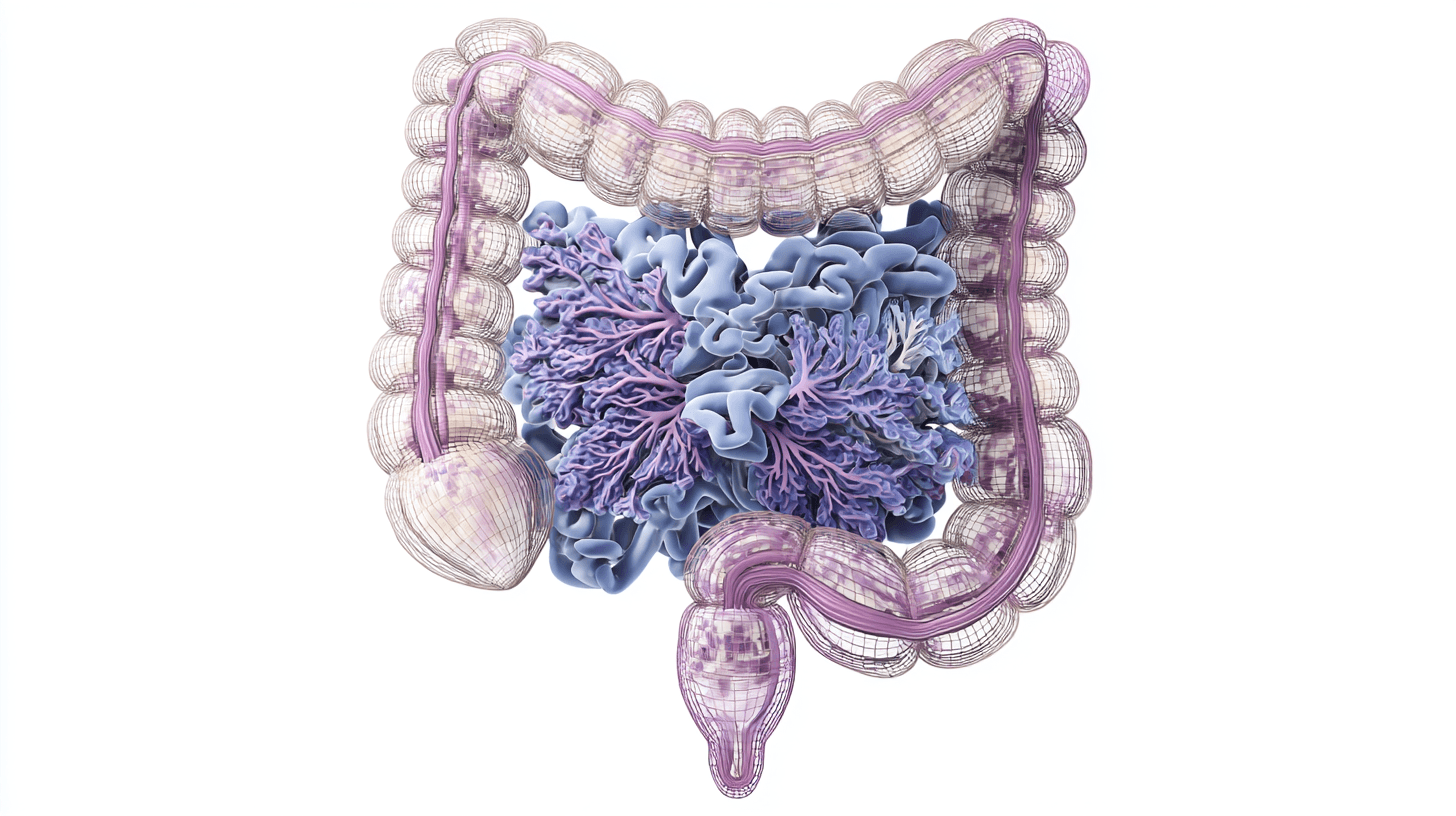
Small intestine cancer, also called small bowel cancer, is a disease in which malignant cells form in the tissues of the small intestine. The small intestine is part of the digestive system and connects the stomach to the large intestine. Its main function is to digest food, absorb nutrients, absorb water, and help the body remove waste through the bowel. Because this organ is deeply connected with nourishment, strength, and metabolism, cancer in the small intestine can affect both local bowel function and the whole body. (Cancer.gov)
Small intestine cancer may begin in different layers or cell types of the bowel. Some tumors begin in the inner lining of the intestine, while others may arise from hormone-producing cells, lymphatic tissue, stromal tissue, smooth muscle, or immune-related cells. This is why small intestine cancer is not a single uniform disease. The exact tumor type must be identified through pathology because treatment differs for adenocarcinoma, neuroendocrine tumor, gastrointestinal stromal tumor, lymphoma, and sarcoma. (Cancer.gov)
Small intestine cancer and small bowel cancer
The terms small intestine cancer and small bowel cancer usually refer to the same disease group. “Small intestine” is the anatomical term, while “small bowel” is commonly used in oncology, gastroenterology, surgery, and radiology. Both terms describe cancers that develop in the duodenum, jejunum, or ileum.
Benign tumor, precancerous change, and malignant cancer
Not every growth in the small intestine is cancer. Some growths may be benign, meaning they do not invade nearby tissues or spread to distant organs. Some changes may be precancerous, meaning the cells are abnormal and may become cancerous over time if they progress. A malignant tumor is different because it can invade deeper layers of the bowel wall, spread to nearby lymph nodes, and travel to distant organs.
In small intestine adenocarcinoma, the cancer often begins in the inner lining and may grow into deeper layers of the intestinal wall. As the disease advances, it may involve nearby tissues, lymph nodes, the liver, or the inner lining of the abdomen. This growth pattern is the reason staging is essential before treatment planning. (Cancer.org)
Local disease, regional spread, and metastatic disease
Small intestine cancer may be described as local, regional, or metastatic.
Local disease means the cancer is limited to the small intestine or nearby bowel wall layers.
Regional disease means the cancer has spread to nearby lymph nodes or adjacent tissues.
Metastatic disease means the cancer has traveled to distant organs. Small intestine cancer may spread through nearby tissue, the lymphatic system, or the bloodstream. When small intestine cancer spreads to the liver, it is still considered metastatic small intestine cancer, not liver cancer, because the cancer cells come from the original small intestine tumor. (Cancer.gov)
This distinction is important for patients. Treatment is not planned only by the location where the cancer is found, but by the original cancer type, tumor biology, stage, patient strength, nutritional status, and whether the tumor can be removed safely.
Why biopsy and pathology are essential
Symptoms and scans may suggest a tumor, but cancer must be confirmed through proper medical evaluation. Doctors may use blood tests, imaging, endoscopy, capsule endoscopy, balloon-assisted enteroscopy, surgery, and biopsy to diagnose and stage small intestine cancer. A biopsy allows a pathologist to examine the tissue under a microscope and determine whether cancer cells are present. (Cancer.gov)
Pathology also helps answer important treatment questions:
- What type of cancer is it?
- How aggressive does it look?
- Has it invaded deeper tissue?
- Are lymph nodes involved?
- Are margins clear after surgery?
- Are molecular markers present?
- Could immunotherapy or targeted therapy be useful?
These details are vital because small bowel adenocarcinoma, neuroendocrine tumors, GIST, lymphoma, and sarcoma do not behave the same way and are not treated with the same medical plan.
Ayurvedic interpretation of abnormal growth
In Ayurveda, small intestine cancer can be discussed through a traditional disease-terrain framework, not as a replacement for modern cancer diagnosis. The concepts of Arbuda and Granthi may be used to understand abnormal growth or mass-like pathology in classical terms, while the deeper terrain can be assessed through Agni, Ama, Dosha imbalance, Dhatu status, Bala, and Ojas.
From this perspective, a tumor is not viewed only as an isolated mass. The physician also observes the condition of the patient’s digestive fire, bowel rhythm, tissue nourishment, strength, sleep, mental state, and recovery capacity. In small intestine cancer, this is especially important because the affected organ is directly linked with digestion and absorption.
Agni dushti and Ama
Agni dushti means disturbance of digestive and metabolic fire. When Agni is weak, food may not be digested and assimilated properly. Clinically, this may appear as poor appetite, heaviness after food, gas, bloating, nausea, fatigue, loose stools, constipation, or undigested food in stool.
Ama refers to incompletely processed metabolic residue in Ayurvedic understanding. In cancer care writing, Ama should be explained as a traditional concept, not as a laboratory-confirmed toxin. Ama-like features may include coated tongue, sluggish digestion, foul stool, heaviness, tiredness, poor appetite, and a sense of internal stagnation.
Dosha involvement
A small intestine cancer patient may show different patterns of Dosha disturbance.
Vata involvement may appear as abdominal cramps, gas, constipation, obstruction tendency, dryness, weight loss, fear, insomnia, and irregular bowel movements.
Pitta involvement may appear as burning, inflammation, bleeding, loose stools, irritability, feverish sensation, acidity, and sharp abdominal pain.
Kapha involvement may appear as heaviness, sluggish digestion, mucus tendency, swelling, slow metabolism, lethargy, and abnormal growth tendency.
This does not mean Doshas diagnose cancer. Cancer diagnosis must come from modern investigations. Dosha assessment helps personalize supportive Ayurvedic care for digestion, strength, bowel stability, and recovery.
Dhatu dushti and Ojas kshaya
Small intestine cancer can cause weight loss, anemia, fatigue, weakness, reduced stamina, poor appetite, and malabsorption. Ayurveda may interpret this as Dhatu kshaya or poor nourishment of tissues. When food is not properly digested and absorbed, Rasa, Rakta, Mamsa, and other Dhatus may become depleted.
Ojas kshaya means depletion of vitality, resilience, immunity strength, and recovery capacity. A patient with depleted Ojas may feel exhausted, emotionally fearful, mentally unstable, sleep disturbed, physically weak, and less able to tolerate treatment.
This is where the Rasayana concept becomes important. Classical Ayurvedic sources describe Rasayana as a rejuvenative approach that supports strength, tissue quality, digestion, vitality, and resistance to disease when used appropriately for the patient’s condition. (Charak Samhita)
Tumor-directed care and terrain-directed care
The most complete understanding of small intestine cancer combines both medical and Ayurvedic perspectives.
Modern medicine identifies the tumor, confirms the diagnosis, defines the stage, studies the tumor biology, and selects surgery, chemotherapy, immunotherapy, targeted therapy, radiation, or palliative care when needed.
Ayurveda studies the patient’s terrain: Agni, Ama, Grahani function, Dosha state, Dhatu depletion, Bala, Ojas, sleep, emotions, diet, lifestyle, and recovery potential.
This combined approach is not “either-or.” It is a coordinated model in which oncology focuses on cancer control, while Ayurveda supports digestion, nourishment, strength, treatment resilience, post-surgical recovery, emotional balance, and long-term rejuvenation.
Types of Small Intestine Cancer
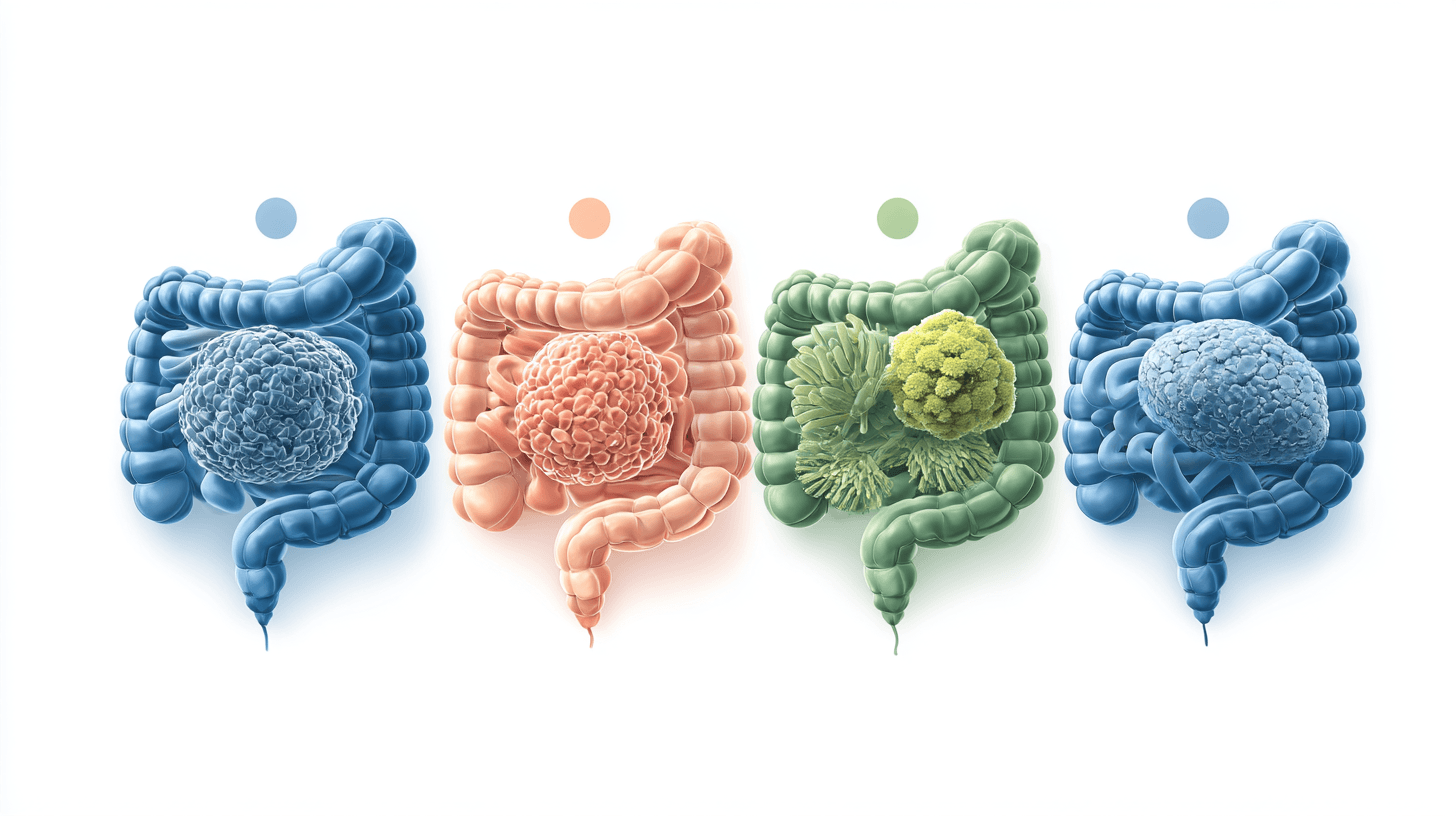
Small intestine cancer is not one single disease. It is a group of cancers that can begin from different cells within the small bowel, and each type behaves differently. This is why biopsy, pathology, immunohistochemistry, molecular testing, imaging, and staging are essential before deciding the treatment plan. The National Cancer Institute lists the main types of small intestine cancer as adenocarcinoma, sarcoma, neuroendocrine tumors, gastrointestinal stromal tumor, and lymphoma. (Cancer.gov)
Table: Treatment Options by Small Intestine Cancer Type
| Cancer Type | Main Medical Treatment Approach | Ayurvedic Support Focus |
|---|---|---|
| Adenocarcinoma | Surgery when removable, chemotherapy in selected cases, surveillance | Agni support, post-surgery recovery, nutrition, Ojas rebuilding |
| Neuroendocrine tumor | Surgery, somatostatin analogues, liver-directed therapy, PRRT when suitable | Bowel stability, hydration, Pitta-Vata balance, sleep support |
| GIST | Surgery and mutation-guided targeted therapy | Herb-interaction caution, liver-safe diet, fatigue and digestion support |
| Lymphoma | Hematology-led systemic therapy | Nutrition, sleep, immune-treatment safety, gentle digestive support |
| Sarcoma or leiomyosarcoma | Specialist surgery, systemic therapy, radiation in selected cases | Strength preservation, wound recovery, Vata calming |
| Advanced disease | Systemic therapy, palliative surgery, symptom control, nutrition care | Comfort, dignity, appetite, bowel safety, emotional support |
From an integrative viewpoint, this distinction is equally important. The Ayurvedic plan should not be the same for every patient. A patient with a slow-growing neuroendocrine tumor, a patient recovering after surgery for adenocarcinoma, a patient with GIST on targeted therapy, and a patient with lymphoma receiving systemic treatment may need very different digestive, nutritional, Rasayana, bowel, sleep, and strength-supportive strategies.
Small intestine adenocarcinoma
Small intestine adenocarcinoma begins in gland-forming cells in the inner lining of the small intestine. It is one of the most important types to discuss in gastrointestinal oncology because it may grow into the bowel wall, block the intestine, spread to lymph nodes, or metastasize to organs such as the liver or peritoneum. NCI notes that adenocarcinoma starts in glandular cells in the lining of the small intestine and is the most common type discussed in its small intestine cancer summary. (Cancer.gov)
Adenocarcinoma is often managed with a tumor-directed plan that may include surgery when the tumor can be removed, lymph node evaluation, chemotherapy in selected cases, molecular testing, and surveillance. The treatment decision depends on the tumor location, depth of invasion, lymph node status, metastatic spread, surgical resectability, patient strength, and whether the cancer is newly diagnosed or recurrent. NCI states that prognosis and treatment options depend on the type of small intestine cancer, spread through or beyond the bowel wall, spread to lymph nodes, liver, or peritoneum, complete surgical removal, and recurrence status. (Cancer.gov)
Ayurvedically, adenocarcinoma often requires careful assessment of Agni, bowel rhythm, weight loss, anemia, obstruction risk, and post-surgical recovery capacity. If the patient has poor appetite, bloating, fatigue, constipation, diarrhea, or weight loss, the Ayurvedic physician may focus first on gentle Agni restoration, Ama reduction, Vata regulation, and nutritional rebuilding. Strong detoxification, aggressive purgation, or unsupervised Panchakarma should be avoided, especially if there is obstruction risk, severe weakness, anemia, or active cancer treatment.
Small bowel neuroendocrine tumors
Small bowel neuroendocrine tumors arise from neuroendocrine cells, which have nerve-like and hormone-making functions. These tumors can occur in the gastrointestinal tract and are often found in the small intestine, appendix, or rectum. Some neuroendocrine tumors grow slowly, but they can still spread to lymph nodes or the liver and may produce hormone-related symptoms. NCI explains that GI neuroendocrine tumors form from neuroendocrine cells and that these cells make hormones involved in digestive juices and intestinal movement. (Cancer.gov)
Some small bowel neuroendocrine tumors may cause abdominal pain, diarrhea, bloating, nausea, vomiting, fatigue, or weight loss. If the tumor spreads to the liver or other sites and hormone breakdown is affected, carcinoid syndrome may occur, with symptoms such as flushing, diarrhea, abdominal pain, wheezing, or fast heartbeat. (Cancer.gov)
Treatment planning for neuroendocrine tumors differs from adenocarcinoma. NCI states that treatment depends mainly on whether the tumor can be removed by surgery and whether it has spread. Treatment may include surgery, radiation therapy, chemotherapy, hormone therapy such as somatostatin analogues, radiopharmaceutical therapy, liver-directed treatment, and symptom control depending on the clinical situation. (Cancer.gov)
From an Ayurvedic perspective, neuroendocrine tumors require a highly individualized approach. If diarrhea, flushing, anxiety, heat, palpitations, or weight loss are present, the pattern may show Pitta and Vata involvement. If the patient is stable after oncologic treatment, Ayurveda may focus on digestion, bowel stability, sleep, emotional grounding, hydration, and Ojas preservation. However, hormone-active tumors need close oncology supervision, and herbs that may affect liver metabolism, bowel movement, bleeding risk, or drug handling should not be used casually.
Gastrointestinal stromal tumor
Gastrointestinal stromal tumor, also called GIST, is different from adenocarcinoma and neuroendocrine tumor. It usually arises from specialized cells in the wall of the gastrointestinal tract and often behaves according to tumor size, location, mitotic activity, mutation status, and rupture risk. NCI notes that GISTs can occur anywhere along the gastrointestinal tract, but they are most often found in the stomach or small intestine, and they typically arise within the muscle wall of the GI tract. (Cancer.gov)
GIST treatment is highly tumor-specific. Some localized tumors may be treated with surgery, while higher-risk, unresectable, metastatic, or recurrent GISTs may require targeted therapy under oncology supervision. NCI notes that CT, MRI, and PET may be used in evaluation or monitoring, and GIST behavior is influenced by factors such as tumor size, mitotic index, tumor location, and tumor rupture. (Cancer.gov)
Ayurvedic care in a patient with GIST should be planned around the patient’s active medical treatment. If the patient is taking a tyrosine kinase inhibitor or another targeted therapy, herbs and supplements must be reviewed for possible interactions. The Ayurvedic priority is usually not aggressive cleansing but maintaining appetite, bowel function, liver-safe nutrition, sleep, stamina, and emotional resilience while avoiding unverified medicines that may interfere with targeted therapy.
Lymphoma of the small intestine
Lymphoma is a cancer that begins in immune system cells. The small intestine contains immune tissue because it constantly interacts with food particles, bacteria, viruses, and other substances entering through the digestive tract. Mayo Clinic notes that lymphoma can occur in the small bowel and that most lymphomas in the small bowel are a type of non-Hodgkin lymphoma. (Mayo Clinic)
Small intestinal lymphoma may present with abdominal pain, weight loss, diarrhea, bleeding, obstruction, fever, night sweats, fatigue, or malabsorption depending on the type and extent of disease. It is especially important not to treat this as ordinary digestive weakness because lymphoma usually requires hematology-oncology evaluation, biopsy confirmation, staging, and systemic treatment planning.
Celiac disease is clinically relevant in this discussion because it is associated with intestinal lymphoma and small bowel cancer in some patients. A review indexed in PubMed states that celiac disease is associated with intestinal lymphoma and other cancers, especially adenocarcinoma of the small intestine. (PubMed)
Ayurvedically, lymphoma patients may show Agni weakness, Dhatu depletion, fatigue, low appetite, disturbed bowel function, and Ojas kshaya. However, immune-related cancers require special caution. Herbs promoted as “immune boosting” should not be used without oncology approval because lymphoma treatment may involve chemotherapy, immunotherapy, steroids, targeted therapy, or other immune-active medicines. In this situation, Ayurveda should focus on safe digestive support, nutrition, rest, sleep, mental stability, and recovery guidance coordinated with the oncology team.
Sarcoma and leiomyosarcoma
Sarcoma of the small intestine arises from connective tissue or muscle-related cells rather than from the inner glandular lining. Leiomyosarcoma is a type of sarcoma that begins in smooth muscle cells. NCI notes that leiomyosarcoma starts in the smooth muscle cells of the small intestine and that many of these tumors occur in the part of the small intestine closer to the large intestine. (Cancer.gov)
Because sarcomas are biologically different from adenocarcinoma, treatment may require a specialized oncology and surgical approach. The treatment plan depends on the exact pathology, grade, size, location, spread, resectability, and overall condition of the patient. Ayurveda may support strength, appetite, bowel comfort, and post-treatment recovery, but it should not delay biopsy, surgery, staging, or specialist-led treatment.
Why the type of cancer matters
The type of small intestine cancer determines the medical treatment pathway. Adenocarcinoma may require bowel resection and chemotherapy in selected cases. Neuroendocrine tumors may need surgery, hormone-directed therapy, liver-directed care, or radiopharmaceutical treatment. GIST may require mutation-guided targeted therapy. Lymphoma may require hematology-oncology treatment. Sarcoma may need specialized surgery and systemic therapy depending on pathology.
The Ayurvedic pathway should also change according to the tumor type. A patient with obstruction risk needs a different diet than a patient with diarrhea. A patient after bowel resection needs a different recovery plan than a patient on long-term targeted therapy. A patient with severe weight loss needs Brimhana and nourishment-focused care, while a patient with nausea and poor appetite may first need gentle Deepana-Pachana support. A patient with liver metastasis, low platelets, kidney disease, active chemotherapy, immunotherapy, or upcoming surgery needs strict herb-safety review.
Ayurvedic integration according to tumor biology and patient terrain
In Ayurveda, the disease name alone does not decide the full treatment direction. The physician also studies Prakriti, Vikriti, Agni, Ama, bowel pattern, Bala, Dhatu kshaya, Ojas, sleep, stress, appetite, treatment stage, and surgery status. This is particularly relevant in small intestine cancer because the same diagnosis can appear very differently in different patients.
Rasayana Chikitsa becomes important after stabilization, especially when the aim is recovery, tissue nourishment, strength restoration, Ojas rebuilding, and long-term resilience. Classical Ayurvedic discussion of Rasayana emphasizes nourishment, preservation of health, recovery, rehabilitation, strength, Agni support, and Ojas-related vitality. (Charak Samhita)
The safest and most effective integrative model is therefore not a fixed “one medicine for all small intestine cancer” approach. It is a personalized model where oncology defines the tumor type and treatment pathway, while Ayurveda supports the terrain through digestion, nutrition, bowel stability, strength, emotional balance, and carefully timed rejuvenation.
Causes and Risk Factors of Small Intestine Cancer

The exact cause of small intestine cancer is not known in many patients. Like most cancers, it usually develops when cells acquire genetic changes that allow them to grow abnormally, avoid normal control mechanisms, invade nearby tissues, and sometimes spread to distant organs. In many cases, a patient may not have one clear cause. Instead, the disease may arise from a combination of inherited susceptibility, chronic intestinal inflammation, immune disturbance, diet, age-related cellular changes, and individual biological factors.
A risk factor is something that increases the chance of developing a disease, but it does not guarantee that the disease will occur. Some people with known risk factors never develop small intestine cancer, while some people diagnosed with the disease have no obvious risk factor. The National Cancer Institute lists high-fat diet, Crohn disease, celiac disease, and familial adenomatous polyposis as risk factors for small intestine cancer, while Mayo Clinic also highlights inherited syndromes such as Lynch syndrome, FAP, and Peutz-Jeghers syndrome, along with inflammatory bowel disease and celiac disease. (Cancer.gov)
Chronic intestinal inflammation
Long-standing inflammation in the digestive tract is one of the most important medical risk themes in small intestine cancer. Crohn disease can affect any part of the gastrointestinal tract, including the small intestine. When inflammation persists for many years, the bowel lining may undergo repeated cycles of injury, repair, ulceration, scarring, and cellular turnover. This chronic inflammatory environment may increase the risk of malignant transformation in some patients. (Cancer.gov)
Celiac disease is another important condition associated with small bowel malignancy risk. In celiac disease, gluten exposure triggers immune-mediated injury to the small intestinal lining. Long-standing or poorly controlled celiac disease may increase the risk of certain small intestinal cancers, including small bowel adenocarcinoma and intestinal lymphoma. A review on celiac disease and intestinal cancers describes an association between celiac disease, intestinal lymphoma, and adenocarcinoma of the small intestine. (Springer Nature Link)
This does not mean every patient with Crohn disease or celiac disease will develop cancer. Most will not. However, persistent symptoms such as unexplained anemia, weight loss, recurrent abdominal pain, vomiting, bleeding, or new obstruction-like symptoms should not be dismissed as “usual digestive disease.” Such symptoms need medical review, especially in patients with a known history of chronic intestinal inflammation.
Hereditary and genetic risk
Some patients are born with inherited genetic changes that increase their risk of gastrointestinal cancers, including small intestine cancer. These hereditary syndromes are important because they may affect not only the patient but also family members.
Familial adenomatous polyposis, also called FAP, is a hereditary condition in which many polyps develop in the gastrointestinal tract. FAP is recognized as a risk factor for small intestine cancer, especially around the duodenum and periampullary region. Lynch syndrome is another inherited cancer syndrome associated with increased risk of several cancers, including colorectal, endometrial, gastric, urinary tract, and small bowel cancers. Peutz-Jeghers syndrome, characterized by hamartomatous polyps and mucocutaneous pigmentation, is also associated with increased gastrointestinal cancer risk. Mayo Clinic lists Lynch syndrome, FAP, and Peutz-Jeghers syndrome among inherited DNA changes that can increase the risk of small bowel cancer. (Mayo Clinic)
A review on genetic risks and familial associations of small bowel carcinoma reports that several genetic and familial diseases are associated with increased small bowel carcinoma risk, including FAP, Lynch syndrome, Peutz-Jeghers syndrome, juvenile polyposis syndrome, and other familial conditions. (PMC)
Genetic risk matters because it can change screening, surveillance, family counseling, and preventive planning. A person with a strong family history of colon cancer, small bowel cancer, multiple polyps, early-onset cancer, or known hereditary syndrome should discuss genetic counseling with a qualified specialist.
Diet and lifestyle factors
Diet may play a role in small intestine cancer risk, although evidence is less complete than it is for colorectal cancer. The National Cancer Institute includes eating a high-fat diet among risk factors for small intestine cancer. A review on small bowel adenocarcinoma notes that clearly identified environmental risk factors are limited, but predisposing conditions are present in a meaningful proportion of cases. This means diet should be discussed carefully and not exaggerated as the sole cause. (Cancer.gov)
Some studies and reviews have suggested possible associations with diets high in animal fat, red or smoked meats, low fiber intake, obesity, alcohol, and smoking, but these relationships are not as firmly established for small intestine cancer as they are for some other gastrointestinal cancers. The safest clinical message is that a balanced anti-inflammatory dietary pattern, healthy body weight, regular physical activity, avoidance of smoking, and limited alcohol intake may support overall cancer prevention and digestive health, but they cannot guarantee prevention of small intestine cancer. (PMC)
For patients already diagnosed with small intestine cancer, the focus should not be on blaming past diet. The more useful approach is to rebuild the present terrain through digestible nutrition, adequate protein, symptom-based food planning, hydration, correction of deficiencies, and medical management of bowel disease.
Previous cancer and intestinal disease history
A history of colorectal cancer, other gastrointestinal cancers, intestinal polyps, chronic inflammatory bowel disease, or hereditary cancer syndromes may increase clinical suspicion when new digestive symptoms appear. The Canadian Cancer Society lists genetic conditions, Crohn disease, celiac disease, and history of colorectal and other cancers among risk considerations for small intestine cancer. (Canadian Cancer Society)
Patients with previous cancer treatment should also be evaluated carefully if they develop unexplained anemia, weight loss, blood in stool, persistent abdominal pain, or bowel obstruction symptoms. These symptoms may be due to non-cancer causes, but they deserve timely investigation.
Age, sex, and population differences
Small intestine cancer can occur at different ages, but like many cancers, it becomes more common with increasing age. Population data also show differences by sex, ethnicity, and tumor type. These factors are not directly modifiable, but they help doctors understand risk patterns and decide how aggressively to investigate unexplained symptoms.
It is important to avoid creating unnecessary fear. A person cannot change age, inherited genetics, or ethnicity. What can be changed is the response to symptoms. Persistent or unexplained digestive symptoms should be investigated rather than repeatedly treated as acidity, gas, IBS, or weakness without proper evaluation.
Ayurvedic root-cause perspective
Ayurveda views disease development through the condition of the whole person, not only the affected organ. In the context of small intestine cancer, Ayurveda does not replace modern explanations such as genetic mutation, chronic inflammation, hereditary risk, or biopsy-proven malignancy. Instead, it adds a terrain-based understanding of why digestion, nourishment, immunity resilience, tissue quality, and recovery strength may become disturbed.
The small intestine can be understood through the Ayurvedic concepts of Agni, Grahani, Ama, Dosha imbalance, Dhatu nourishment, Bala, and Ojas. Charaka Samhita’s discussion of Grahani Chikitsa explains normal digestion, abnormal digestion, and disorders caused by disturbed digestive factors in relation to Grahani. This makes Grahani an important Ayurvedic framework for understanding impaired digestion, absorption, bowel irregularity, and malnourishment in gastrointestinal disease. (Charak Samhita)
Mandagni and impaired digestion
Mandagni means weakened digestive fire. In a patient-centered Ayurvedic interpretation, long-standing Mandagni may present as poor appetite, heaviness after meals, bloating, nausea, irregular bowel movements, undigested food, lethargy, and poor tissue nourishment. In small intestine cancer patients, these features may be seen before diagnosis, during treatment, after surgery, or during recovery.
Mandagni should not be described as the proven cause of cancer. It should be described as a traditional Ayurvedic concept that helps the physician understand digestive weakness and plan supportive care. When Agni is corrected gently and safely, the patient may digest food better, tolerate nutrition more comfortably, and begin rebuilding strength.
Ama and internal stagnation
Ama is a classical Ayurvedic concept referring to incompletely processed metabolic residue. In modern writing, it should not be equated directly with a laboratory toxin. Instead, it can be explained as a traditional description of poor digestion, sluggish metabolism, heaviness, foul stools, coated tongue, low appetite, fatigue, and internal stagnation.
In an integrative cancer-care model, Ama reduction does not mean harsh detoxification. For a small intestine cancer patient, aggressive cleansing can be dangerous, especially in obstruction risk, diarrhea, anemia, severe weakness, post-surgery recovery, or chemotherapy. Safer Ama-reducing strategies include warm digestible meals, correction of incompatible eating patterns, regular meal timing, gentle spices through food when tolerated, sleep correction, and physician-guided mild digestive support.
Viruddha Ahara and incompatible dietary habits
Ayurveda gives strong importance to Ahara, or diet, as a foundation of health. Charaka Samhita describes Viruddha Ahara, commonly translated as incompatible diet or unsuitable dietary combinations and habits. Charak Samhita Online explains Viruddha Ahara in relation to factors such as Agni, dose, adaptability, Dosha, and other dietary incompatibilities. (Charak Samhita)
For this article, Viruddha Ahara should be used as a traditional preventive and supportive concept. It can include irregular eating, overeating, heavy food during weak digestion, stale food, incompatible food combinations, excessive cold foods, excessive fried foods, and eating without appetite. These factors should not be presented as a direct cause of small intestine cancer, but as contributors to poor digestive terrain, Agni disturbance, Ama formation, and reduced resilience.
Dosha imbalance and chronic gut disturbance
In Ayurveda, chronic gut disease often involves more than one Dosha. Vata disturbance may appear as gas, abdominal cramps, constipation, dryness, insomnia, fear, weight loss, and obstruction tendency. Pitta disturbance may appear as burning, inflammation, bleeding, loose stools, acidity, irritability, and heat. Kapha disturbance may appear as heaviness, sluggish digestion, mucus tendency, slow metabolism, lethargy, and abnormal growth tendency.
This Dosha interpretation helps personalize supportive care. A Vata-dominant patient with weight loss and obstruction risk needs warmth, stability, soft nourishment, bowel caution, and anxiety support. A Pitta-dominant patient with burning, loose stools, bleeding tendency, or inflammation needs cooling, soothing, non-irritating support. A Kapha-dominant patient with heaviness and sluggish digestion may need gentle metabolic stimulation, but not harsh detoxification during active cancer care.
Dhatu depletion and Ojas weakness
Small intestine cancer often affects nourishment. Patients may develop anemia, weight loss, low albumin, muscle loss, fatigue, weakness, poor wound healing, disturbed sleep, emotional fear, and low treatment tolerance. Ayurveda may interpret this as Dhatu kshaya and Ojas kshaya.
Dhatu kshaya means tissue depletion. Ojas kshaya means loss of vitality, immunity resilience, emotional stability, and recovery strength. This is why Ayurveda’s role in small intestine cancer should focus strongly on nourishment, Brimhana, Rasayana, sleep, mental calmness, and strength restoration after the patient is medically stable.
The practical integrative message
The most responsible approach is to explain risk from both medical and Ayurvedic perspectives. Modern medicine identifies measurable risk factors such as Crohn disease, celiac disease, hereditary syndromes, family history, and tumor biology. Ayurveda studies the digestive and constitutional terrain through Agni, Ama, Grahani, Dosha, Dhatu, Bala, and Ojas.
These two systems should not compete. They answer different questions. Modern oncology asks what caused abnormal cells to grow, where the cancer has spread, and how the tumor should be treated. Ayurveda asks how the patient’s digestion became weak, how nourishment declined, how resilience can be rebuilt, and how the body can be supported before, during, and after treatment.
Symptoms of Small Intestine Cancer
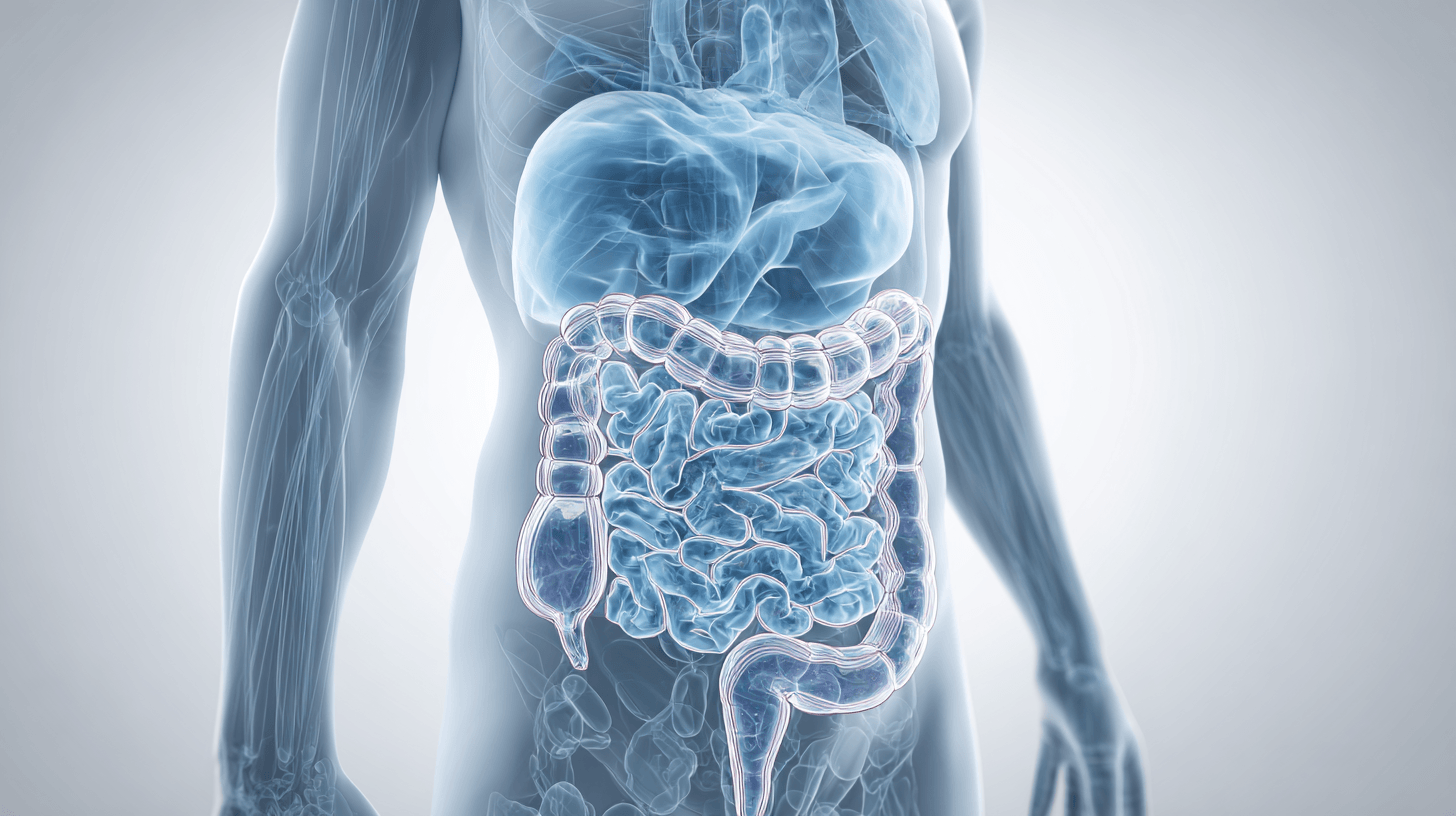
Small intestine cancer can be difficult to recognize in the early stage because its symptoms are often vague, intermittent, and similar to many common digestive problems. A patient may first notice abdominal discomfort, bloating, indigestion, nausea, fatigue, appetite loss, or unexplained weakness. These symptoms may be mistaken for acidity, gas, irritable bowel syndrome, food intolerance, celiac disease, inflammatory bowel disease, anemia, or general digestive weakness. This is one reason why small bowel tumors may remain hidden until the disease becomes more advanced or causes bleeding, obstruction, significant weight loss, or persistent pain [3], [5], [14]. NCI notes that symptoms may also be caused by other conditions, so persistent symptoms should be checked medically rather than assumed to be harmless. (Cancer.gov)
Table: Symptoms of Small Intestine Cancer and When to Seek Urgent Care
| Symptom | Possible Meaning | Urgency |
|---|---|---|
| Vague abdominal pain or cramps | Early bowel irritation, tumor growth, inflammation, or partial narrowing | Needs medical evaluation if persistent |
| Bloating, nausea, indigestion | Weak digestion, bowel irritation, obstruction risk, or other GI disease | Needs evaluation if recurrent |
| Unexplained anemia or fatigue | Slow internal bleeding, malabsorption, poor nutrition, or chronic disease | Needs timely medical testing |
| Blood in stool or black stools | Possible intestinal bleeding | Urgent medical care |
| Repeated vomiting with abdominal swelling | Possible bowel obstruction | Emergency care |
| No stool or gas with severe cramps | Possible complete obstruction | Emergency care |
| Rapid unexplained weight loss | Malabsorption, advanced disease, poor intake, or systemic illness | Urgent evaluation |
| Jaundice | Possible duodenal, bile duct, liver, or pancreaticobiliary involvement | Urgent evaluation |
Early symptoms
In the beginning, symptoms may be mild and nonspecific. A patient may experience dull abdominal pain, cramps in the middle of the abdomen, early fullness after eating, nausea, bloating, irregular stools, poor appetite, unexplained tiredness, or gradual weight loss. NCI specifically lists pain or cramps in the middle of the abdomen, weight loss without a known reason, a lump in the abdomen, and blood in the stool as possible signs of small intestine cancer [3]. (Cancer.gov)
Fatigue may occur because the patient is eating less, absorbing nutrients poorly, losing weight, or developing anemia from slow intestinal bleeding. In many patients, anemia may be one of the earliest clues, especially when there is no obvious external bleeding. A person may feel weak, breathless on exertion, dizzy, pale, or unusually tired. Because the small intestine is responsible for absorption, even a small tumor can disturb nutrition and strength over time, especially if it causes chronic bleeding, inflammation, narrowing, or malabsorption [3], [5], [14]. Mayo Clinic includes weakness or tiredness, nausea, vomiting, weight loss, blood in stool, watery diarrhea, jaundice, and skin flushing among symptoms of small bowel cancer [5]. (Mayo Clinic)
Abdominal pain and cramps
Abdominal pain is one of the most important symptoms of small intestine cancer. The pain may be dull, cramp-like, intermittent, or persistent. Some patients feel pain after eating because food movement through a narrowed segment of bowel becomes difficult. Others may feel central abdominal discomfort that comes and goes for months. When the tumor grows and narrows the intestine, the pain may become more severe, colicky, or associated with vomiting and abdominal distension [3], [5].
From an Ayurvedic perspective, abdominal cramps, gas, irregular bowel movement, dryness, obstruction tendency, and shifting pain suggest strong Vata involvement. In small intestine cancer, Vata aggravation may become more prominent when there is weight loss, reduced food intake, bowel narrowing, post-surgical weakness, anxiety, insomnia, or tissue depletion. This does not diagnose cancer, but it helps guide supportive care through warmth, nourishment, bowel caution, and stabilization of digestion.
Weight loss and loss of appetite
Unexplained weight loss is a significant warning sign. It may happen because the tumor affects appetite, causes nausea, blocks food movement, increases inflammation, causes diarrhea, or interferes with nutrient absorption. Weight loss can also occur when the cancer is advanced or when the patient develops fear of eating due to pain, vomiting, bloating, or diarrhea. NCI and Mayo Clinic both include unexplained weight loss among important symptoms of small intestine cancer [3], [5]. (Cancer.gov)
Ayurvedically, weight loss, poor appetite, and weakness suggest Agni mandya, Dhatu kshaya, and possible Ojas depletion. When Agni is weak, food is not transformed into proper nourishment. When Dhatus are depleted, the patient may lose muscle, stamina, complexion, sleep quality, and confidence. In such patients, Ayurveda should not begin with harsh detoxification. The safer direction is gentle Agni restoration, soft nourishing food, Brimhana support, bowel stabilization, and physician-guided Rasayana only when digestion is strong enough.
Blood in stool and black stools
Blood in the stool is a major warning symptom. It may appear as visible red blood, maroon-colored stool, or black tarry stool depending on the site and amount of bleeding. NCI includes blood in the stool among signs of small intestine cancer, and Mayo Clinic notes that blood in stool may look red or black [3], [5]. (Cancer.gov)
Slow bleeding may not always be visible. In such cases, the patient may develop iron-deficiency anemia, fatigue, dizziness, paleness, palpitations, shortness of breath, or reduced exercise tolerance. Any unexplained anemia in an adult, especially with abdominal symptoms, weight loss, or altered bowel habits, deserves medical investigation [7], [14]. The Canadian Cancer Society explains that diagnosis usually begins with symptom review and physical examination, followed by tests when small intestine cancer or another health problem is suspected [7]. (Canadian Cancer Society)
In Ayurveda, bleeding, burning, inflammation, loose stools, thirst, irritability, and heat-like symptoms may suggest Pitta involvement. However, blood in stool should never be treated only as Pitta imbalance. It requires prompt medical evaluation to rule out cancer, ulceration, inflammatory bowel disease, hemorrhoids, infection, or other causes.
Nausea and vomiting
Nausea and vomiting can occur when the tumor irritates the bowel, slows digestion, blocks intestinal movement, or affects the duodenum near the stomach and bile drainage area. Vomiting after meals, repeated vomiting, or vomiting associated with abdominal distension and inability to pass stool or gas may suggest intestinal obstruction. This is a medical emergency, not a routine digestive complaint [3], [5].
From an Ayurvedic viewpoint, nausea, aversion to food, heaviness, sourness, coated tongue, poor appetite, and incomplete digestion may reflect Agni dushti and Ama. But in small intestine cancer, nausea and vomiting must be evaluated in context. If vomiting is repeated, forceful, associated with severe pain, dehydration, distension, or no bowel movement, the patient needs urgent hospital assessment before any Ayurvedic digestive medicine is considered.
Diarrhea, constipation, and change in bowel pattern
Small intestine cancer may cause diarrhea, constipation, alternating bowel habits, gas, bloating, urgency, watery stools, or incomplete evacuation. Mayo Clinic includes watery diarrhea among symptoms of small bowel cancer [5]. Diarrhea may occur due to malabsorption, inflammation, neuroendocrine hormone activity, bile acid disturbance, infection, treatment side effects, or after surgery involving the ileum [5], [15], [32]. (Mayo Clinic)
Constipation may occur when food movement slows, the tumor narrows the bowel, the patient eats less, drinks less, becomes less active, takes pain medicines, or develops partial obstruction. In a patient with suspected or confirmed small intestine cancer, constipation should not automatically be treated with high-fiber bulking agents, strong laxatives, purgation, or Panchakarma. If obstruction is possible, these approaches can be dangerous.
Ayurvedically, diarrhea may involve Pitta, Vata, Agni weakness, or Grahani disturbance depending on the pattern. Constipation, gas, colicky pain, dryness, and obstruction-like symptoms often suggest Vata aggravation. The supportive plan should be symptom-specific, medically safe, and coordinated with the oncology team.
Jaundice
Jaundice means yellowing of the skin or eyes. Mayo Clinic lists jaundice among symptoms of small bowel cancer [5]. In small intestine cancer, jaundice may occur especially when a tumor near the duodenum or ampullary region blocks bile flow. The patient may notice yellow eyes, dark urine, pale stools, itching, nausea, loss of appetite, or upper abdominal discomfort [5]. (Mayo Clinic)
Jaundice should always be evaluated medically. It may indicate blockage of bile drainage, liver involvement, gallbladder disease, pancreaticobiliary disease, infection, or drug-related liver injury. Ayurvedic medicines should not be started casually in jaundice because many herbs and formulations are processed by the liver and may complicate assessment or interact with treatment.
Skin flushing and hormone-related symptoms
Skin flushing can occur in some patients with neuroendocrine tumors, especially when hormone-related activity is present. Mayo Clinic includes skin flushing among symptoms of small bowel cancer [5]. Small bowel neuroendocrine tumors may also cause diarrhea, abdominal pain, wheezing, palpitations, or episodic warmth when carcinoid syndrome develops [15], [16]. (Mayo Clinic)
Ayurvedically, flushing, heat, diarrhea, irritability, burning sensations, and thirst may resemble Pitta aggravation, often mixed with Vata when there is weight loss, anxiety, palpitations, or weakness. But hormone-producing tumors require oncology-led evaluation and treatment. Herbs that affect liver metabolism, bowel motility, blood pressure, or drug handling should be used only after specialist review.
Abdominal lump or swelling
An abdominal lump may be felt by the patient or detected by the doctor during examination. NCI includes a lump in the abdomen among possible signs of small intestine cancer [3]. A lump may represent the tumor itself, enlarged lymph nodes, bowel obstruction, inflammatory mass, or another abdominal condition. Even if there is no pain, a new abdominal lump should be investigated with appropriate imaging and clinical evaluation [3], [7]. (Cancer.gov)
In Ayurvedic language, a lump-like presentation may be discussed under Granthi or Arbuda-like abnormal growth concepts, but this should be done carefully. A palpable abdominal mass is not an Ayurvedic diagnosis by itself. It requires imaging, pathology, and oncology assessment.
Symptoms of intestinal obstruction
Obstruction is one of the most serious complications of small intestine cancer. It may occur when the tumor narrows or blocks the bowel. The patient may develop severe cramping pain, repeated vomiting, abdominal swelling, inability to pass stool or gas, dehydration, weakness, and worsening discomfort after eating. NCI notes that small intestine adenocarcinomas may grow and block the intestine [3]. (Cancer.gov)
This is a critical safety point for the article. If obstruction is suspected, the patient should not take high-fiber diets, strong laxatives, purgatives, enemas, Virechana, Basti, detox powders, or large amounts of herbal formulations. Obstruction symptoms require urgent medical evaluation.
Symptoms from an Ayurvedic perspective
Ayurveda helps interpret the patient’s symptom pattern beyond the tumor location. Poor appetite, nausea, heaviness, bloating, and incomplete digestion suggest Mandagni and possible Ama. Abdominal cramps, gas, constipation, dryness, fear, insomnia, and weight loss suggest Vata aggravation. Burning, bleeding, loose stools, jaundice-like heat, irritability, and inflammation suggest Pitta involvement. Heaviness, lethargy, sluggish digestion, mucus tendency, swelling, and abnormal growth tendency suggest Kapha involvement.
Fatigue, anemia-like weakness, muscle loss, poor wound healing, and reduced stamina suggest Dhatu kshaya. Low resilience, anxiety, disturbed sleep, poor enthusiasm, and reduced treatment tolerance suggest Ojas kshaya. Classical Rasayana discussion in Charaka Samhita, Chikitsa Sthana, Rasayana Chikitsa Adhyaya, describes Rasayana as a rejuvenative branch concerned with nutrition, rejuvenation, longevity, immune enhancement, digestion, metabolism, microcirculation, and tissue quality [40], [41]. This makes Rasayana relevant after proper medical stabilization, especially for rebuilding strength and resilience, but not as a substitute for cancer diagnosis or oncology treatment. (Charak Samhita)
Red-flag symptoms that need urgent medical care
Certain symptoms should never be managed only with home remedies or Ayurvedic medicines. Severe abdominal pain, repeated vomiting, blood in stool, black stools, rapid unexplained weight loss, persistent fever, jaundice, fainting, dehydration, new abdominal swelling, inability to pass stool or gas, and unexplained anemia need prompt medical evaluation. These symptoms may indicate bleeding, obstruction, advanced disease, infection, severe malnutrition, or another serious condition [3], [5], [7], [14]. (Cancer.gov)
Ayurveda can support digestion, strength, appetite, bowel rhythm, sleep, and emotional stability, but it should not delay emergency care. In small intestine cancer, timing matters. Early investigation of persistent symptoms can help detect disease sooner, guide proper treatment, and reduce the risk of complications.
Diagnosis and Investigations
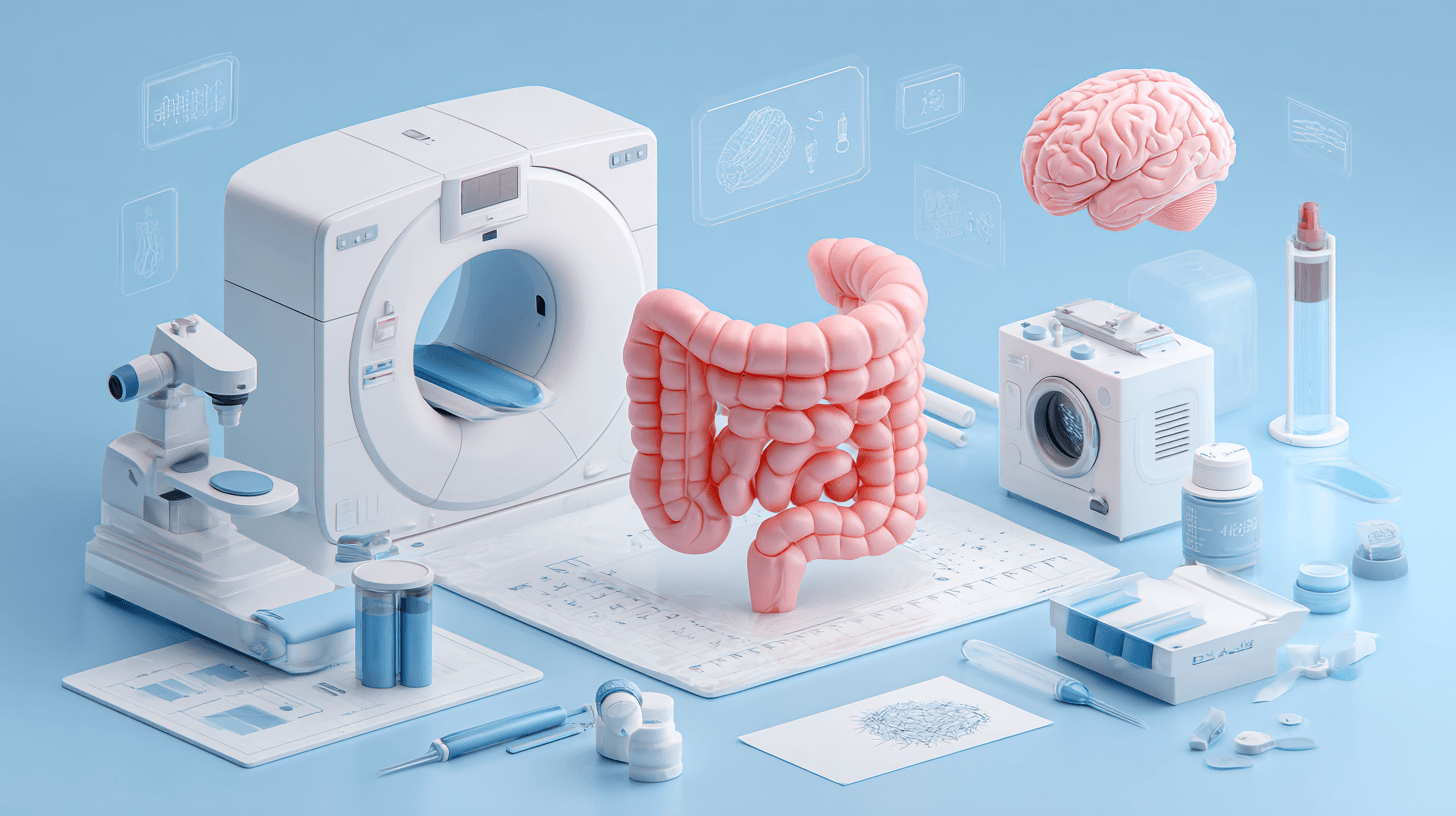
Small intestine cancer is often difficult to diagnose because the small bowel is long, folded, and located deep inside the abdomen. Unlike the stomach or colon, it is not easily visualized with a routine upper endoscopy or colonoscopy alone. Many patients need more than one test to locate the tumor, confirm the diagnosis, understand the type of cancer, and determine whether the disease has spread. Mayo Clinic notes that small bowel cancers are difficult to diagnose and that people suspected of having this disease often need multiple tests and procedures to locate or rule out cancer [6]. (Mayo Clinic)
Table: Diagnosis Tests for Small Intestine Cancer
| Test | What It Helps Detect | Why It Matters |
|---|---|---|
| CBC and iron studies | Anemia, blood loss, nutritional weakness | May reveal hidden bleeding |
| Liver and kidney function tests | Organ function, jaundice, treatment fitness | Important before surgery or chemotherapy |
| CT scan or MRI | Tumor, obstruction, lymph nodes, liver spread | Helps staging and treatment planning |
| CT/MR enterography | Detailed small bowel imaging | Useful for hidden small bowel lesions |
| Capsule endoscopy | Internal images of small bowel | Helpful when routine endoscopy is negative |
| Balloon-assisted enteroscopy | Direct small bowel visualization and biopsy | Can confirm diagnosis |
| Biopsy and pathology | Cancer type and grade | Essential before treatment decisions |
| Molecular testing | MSI/MMR, GIST mutations, biomarkers | Guides immunotherapy or targeted therapy |
Diagnosis has two main goals. The first goal is to confirm whether cancer is present. The second goal is to define the exact tumor type, location, stage, surgical possibility, nutritional status, and treatment pathway. The National Cancer Institute explains that tests examining the small intestine are used both to diagnose and stage small intestine cancer, and that treatment planning depends on knowing the cancer type and whether the tumor can be removed by surgery [3]. (Cancer.gov)
Medical history and physical examination
Diagnosis usually begins with a detailed medical history and physical examination. The doctor asks about abdominal pain, cramps, nausea, vomiting, bloating, diarrhea, constipation, blood in stool, black stools, unexplained anemia, appetite loss, weight loss, fatigue, jaundice, previous cancers, Crohn disease, celiac disease, intestinal polyps, family history, and hereditary cancer syndromes. The Canadian Cancer Society explains that diagnosis usually begins with a visit to a doctor, symptom review, physical examination, and referral or testing when small intestine cancer or another health problem is suspected [7]. (Canadian Cancer Society)
During the physical examination, the doctor may check the abdomen for tenderness, swelling, distension, fluid, or a palpable lump. The eyes and skin may be examined for jaundice, especially when the tumor is near the duodenum, bile duct, pancreas, or liver. The doctor may also look for signs of anemia, dehydration, malnutrition, infection, or bowel obstruction [7].
This first step is important because small intestine cancer can resemble many other diseases. A patient with abdominal pain and anemia may have a tumor, but may also have ulcer disease, inflammatory bowel disease, celiac disease, intestinal bleeding, malabsorption, or another condition. A careful history helps decide which tests are most appropriate and how urgently they should be performed.
Blood tests
Blood tests cannot diagnose small intestine cancer by themselves, but they can provide important clues about the patient’s overall condition. A complete blood count can show anemia, which may occur due to chronic intestinal bleeding, poor nutrition, inflammation, or treatment-related effects. Mayo Clinic notes that blood tests cannot detect small bowel cancer directly, but a complete blood count may show low red blood cells if the cancer is causing bleeding [6]. (Mayo Clinic)
Blood chemistry tests help evaluate liver function, kidney function, electrolytes, hydration, protein status, and general metabolic health. Liver function tests may be especially important when doctors are checking for bile obstruction or possible spread to the liver. The National Cancer Institute includes blood chemistry studies and liver function tests among procedures used in diagnosis and staging [3]. (Cancer.gov)
In a practical cancer-care setting, doctors may also evaluate iron studies, ferritin, vitamin B12, folate, vitamin D, albumin, inflammatory markers, coagulation status, and other tests depending on the patient’s symptoms, surgery plan, nutritional status, and treatment stage. These tests are especially important in small intestine cancer because the small bowel is the organ of absorption. A tumor, surgery, inflammation, bleeding, or malabsorption can quickly disturb nutrition, strength, wound healing, and treatment tolerance.
Imaging tests
Imaging is used to locate the tumor, evaluate obstruction, assess nearby organs, identify lymph node involvement, and detect distant spread. CT scan is commonly used because it can show the abdomen, bowel, lymph nodes, liver, peritoneum, and other structures. The Canadian Cancer Society notes that CT scan is used to look for the cause of abdominal pain or swelling, such as a small intestine tumor, and to see whether the tumor has grown into other organs or spread to nearby lymph nodes [7]. (Canadian Cancer Society)
MRI may be used when more detailed soft-tissue information is needed or when radiation exposure is a concern. The National Cancer Institute lists CT scan and MRI among procedures used in evaluating small intestine cancer [3]. (Cancer.gov)
CT enterography and MR enterography are specialized imaging tests designed to evaluate the small bowel more clearly than routine imaging. These tests may be useful when doctors suspect a small bowel tumor, Crohn disease-related complication, bleeding source, narrowing, or deeper small intestinal abnormality. PET-CT may be used in selected cases, depending on tumor type, stage, recurrence suspicion, or oncologist preference. Neuroendocrine tumors and GIST may also need tumor-specific imaging pathways, depending on clinical context.
In Ayurveda-based integrative care, imaging has another practical value. It helps the Ayurvedic physician understand whether the patient has obstruction risk, liver involvement, ascites, lymph node disease, post-surgical changes, or metastatic spread. This information is essential before choosing diet texture, fiber level, bowel support, herbs, Rasayana timing, or whether Panchakarma-like interventions must be avoided.
Endoscopy and direct visualization
Endoscopy allows doctors to look inside parts of the digestive tract and sometimes collect tissue samples. Upper endoscopy can examine the esophagus, stomach, and duodenum, which is the first part of the small intestine. This is useful for tumors near the stomach or duodenum. NCI explains that upper endoscopy may include a tool to remove tissue samples that are checked under a microscope for signs of cancer [3]. (Cancer.gov)
Colonoscopy is not always enough to diagnose small intestine cancer, but it may be useful when symptoms could be coming from the colon or terminal ileum. In some patients, the doctor may examine the terminal ileum during colonoscopy, especially if Crohn disease, bleeding, anemia, or ileal disease is suspected.
Capsule endoscopy can help visualize parts of the small intestine that are difficult to reach with standard endoscopy. In this test, the patient swallows a pill-sized capsule with a camera and light. The capsule takes pictures while moving through the digestive tract. NCI and the Canadian Cancer Society both describe capsule endoscopy as a way to examine the inside of the small intestine [3], [7]. (Cancer.gov)
Capsule endoscopy has an important limitation. It can take pictures but cannot collect biopsy samples. If a suspicious lesion is seen, the patient usually needs another procedure, such as enteroscopy or surgery, to collect tissue. The Canadian Cancer Society also notes that capsule endoscopy cannot be used if there is a blockage or obstruction in the small intestine [7]. (Canadian Cancer Society)
Balloon-assisted enteroscopy, including double-balloon enteroscopy, allows deeper examination of the small intestine. It can help doctors visualize lesions, evaluate bleeding, inspect suspicious areas, and collect biopsy samples. NCI explains that double-balloon endoscopy can allow the doctor to see inside the small intestine and remove samples of abnormal tissue, which are then checked under a microscope for signs of cancer [3]. (Cancer.gov)
Biopsy and pathology confirmation
Biopsy is one of the most important steps in diagnosis. A biopsy means removing cells or tissue so a pathologist can examine them under a microscope. NCI explains that biopsy may be done during endoscopy or laparotomy, and the sample is checked by a pathologist to see whether cancer cells are present [3]. (Cancer.gov)
The Canadian Cancer Society similarly states that biopsy of the small intestine may be done during endoscopy, laparotomy, or laparoscopy, and that the lab report confirms whether cancer cells are present [7]. (Canadian Cancer Society)
Pathology does more than confirm cancer. It identifies the tumor type, such as adenocarcinoma, neuroendocrine tumor, GIST, lymphoma, or sarcoma. It may also describe grade, depth of invasion, lymphovascular invasion, perineural invasion, margins, lymph node involvement, mitotic activity, and other features relevant to treatment planning. This is why patients should not rely only on symptoms, scans, or Ayurvedic assessment for diagnosis. Cancer treatment decisions require tissue diagnosis whenever safely possible.
Laparoscopy or laparotomy
Sometimes the tumor is difficult to reach with endoscopy or imaging. In such cases, surgery may be needed to look inside the abdomen, collect tissue, relieve obstruction, or remove the tumor. NCI includes laparotomy among diagnostic procedures and explains that tissue samples may be taken and checked under a microscope [3]. (Cancer.gov)
The Canadian Cancer Society explains that doctors may use laparotomy or laparoscopy when other tests cannot be used, such as in bowel obstruction, abdominal mass, or fluid buildup in the abdomen [7]. (Canadian Cancer Society)
Laparoscopy is less invasive than laparotomy and uses small cuts with a camera to inspect the abdomen. Laparotomy uses a larger incision. The choice depends on the patient’s condition, tumor location, obstruction risk, urgency, and surgical plan.
Pathology, grading, and molecular testing
After biopsy or surgery, the pathology report becomes the foundation of treatment planning. It tells the oncology team what type of tumor is present and how aggressive it appears. In adenocarcinoma, doctors may evaluate tumor grade, bowel wall invasion, lymph nodes, margins, lymphovascular invasion, perineural invasion, and metastatic spread. In GIST, mutation testing may guide targeted therapy. In neuroendocrine tumors, grade, Ki-67 index, mitotic rate, hormone-related features, and spread pattern may influence treatment. In lymphoma, immunophenotyping and hematology-specific testing are essential.
For small bowel adenocarcinoma, guideline-style recommendations discuss workup, primary treatment, adjuvant treatment, surveillance, and systemic therapy for metastatic disease [11]. Depending on the tumor type and clinical situation, oncologists may request MSI/MMR testing, HER2 testing, NTRK fusion testing, KRAS/NRAS/BRAF-related profiling, or other molecular tests. These tests can help identify whether immunotherapy, targeted therapy, clinical trials, or specific systemic treatments may be appropriate.
This is an important area where modern oncology is irreplaceable. Ayurveda can support the patient’s digestion, strength, recovery, sleep, and quality of life, but it cannot determine MSI status, mutation profile, lymph node involvement, surgical margins, or treatment sensitivity.
Diagnosis of neuroendocrine tumors and GIST
If the tumor is suspected to be a neuroendocrine tumor, the diagnostic workup may include pathology, grading, imaging, hormone-related evaluation, and sometimes specialized scans depending on availability and clinical need. Small bowel neuroendocrine tumors may behave differently from adenocarcinoma and may require a different treatment plan [15], [16].
If GIST is suspected, diagnosis may involve imaging, pathology, immunohistochemistry, and mutation testing. GIST treatment often depends on tumor size, location, mitotic activity, rupture risk, and mutation status [17], [18].
For the integrative article, this distinction should be highlighted clearly. The Ayurvedic physician should know the exact tumor type before suggesting herbs or Rasayana support, because patients receiving somatostatin analogues, targeted therapy, chemotherapy, immunotherapy, steroids, anticoagulants, or liver-directed treatments may have very different safety considerations.
Ayurvedic assessment alongside medical diagnosis
Ayurvedic assessment is valuable, but it is not a substitute for biopsy, imaging, pathology, or staging. Its purpose is to understand the patient’s internal terrain so that supportive care can be personalized.
The Ayurvedic physician may assess Prakriti, Vikriti, Agni, Ama, Grahani function, appetite, stool pattern, bloating, nausea, abdominal pain, sleep, emotional state, Bala, Dhatu kshaya, Ojas, weight loss, food tolerance, treatment stage, surgical readiness, and recovery capacity. This assessment helps identify whether the patient needs gentle Deepana-Pachana support, Brimhana nourishment, Vata regulation, Pitta soothing, Kapha balancing, sleep support, Rasayana planning, or strict avoidance of detoxification.
For example, a weak patient with vomiting, abdominal distension, weight loss, anemia, and possible obstruction should not receive aggressive fiber, purgation, Basti, Virechana, strong detox medicines, or heavy Rasayana. A post-surgery patient with poor appetite and loose stools needs a gradual Agni-restoring diet and bowel stabilization before any stronger rejuvenative medicines are considered. A patient on chemotherapy or immunotherapy needs herb-drug interaction screening before any formulation is used.
Herb and supplement disclosure during diagnosis
Before surgery, chemotherapy, immunotherapy, targeted therapy, radiation, biopsy, or anesthesia, patients should disclose every herb, supplement, Rasayana formulation, over-the-counter product, mineral preparation, and home remedy they are using. NCI warns that foods and dietary supplements may interact with cancer therapy by affecting absorption, metabolism, distribution, or excretion of treatment drugs [24]. This is especially important for turmeric extracts, high-dose botanicals, unknown formulations, blood-thinning herbs, liver-metabolized products, and metallic preparations.
This safety step does not weaken Ayurveda. It strengthens responsible integrative care. The goal is not to stop all Ayurvedic support, but to use it at the right time, in the right patient, with the right formulation, and with full awareness of oncology treatment.
Why early diagnosis matters
Early diagnosis can change the treatment pathway. When a tumor is found before it has spread widely, surgery may be more effective. When obstruction, bleeding, malnutrition, or metastatic spread is discovered late, treatment becomes more complex. NCI states that prognosis and treatment options depend on factors such as cancer type, spread through or beyond the bowel wall, spread to lymph nodes, liver, or peritoneum, whether the cancer can be completely removed by surgery, and whether it has recurred [3]. (Cancer.gov)
Patients should therefore not ignore persistent symptoms. Repeated abdominal pain, unexplained anemia, blood in stool, black stools, weight loss, vomiting, jaundice, bowel obstruction symptoms, or a new abdominal lump should be investigated medically. Ayurveda can support digestion and strength, but it should not delay diagnosis.
Conventional Treatment Options

The treatment of small intestine cancer depends on the tumor type, stage, location, spread, resectability, molecular features, nutritional status, symptoms, and the patient’s overall strength. Small intestine cancer is not treated as one uniform disease. Adenocarcinoma, neuroendocrine tumor, gastrointestinal stromal tumor, lymphoma, sarcoma, and leiomyosarcoma have different biology and therefore need different treatment pathways [3], [4], [11], [15], [16], [17], [18].
The central principle is that modern oncology focuses on tumor-directed treatment. It identifies the cancer, removes it when possible, controls microscopic disease, treats spread, relieves obstruction or bleeding, reduces symptoms, and monitors recurrence. Ayurveda should be integrated as terrain-directed healing support, helping the patient maintain digestion, appetite, strength, bowel stability, sleep, emotional balance, Ojas, and treatment resilience. These two roles should be coordinated, not confused.
Treatment planning
Before treatment begins, the oncology team studies the biopsy report, imaging scans, stage, tumor location, lymph node status, nutritional condition, and whether the tumor can be removed safely. NCI explains that treatment planning depends on the type of small intestine cancer and whether the tumor can be removed by surgery [3]. In the health professional PDQ summary, NCI also states that treatment sections are organized by histopathological type rather than stage, which reflects how important tumor biology is in this disease [4]. (Cancer.gov)
For small bowel adenocarcinoma, guideline-style recommendations include workup, pathology review, surgery, radiation principles, systemic therapy, surveillance, metastatic disease management, and survivorship [11]. Because small bowel adenocarcinoma is rare, treatment decisions are often individualized and ideally made by a multidisciplinary team that may include a surgical oncologist, medical oncologist, radiation oncologist, gastroenterologist, radiologist, pathologist, dietitian, palliative care specialist, and an integrative or Ayurvedic physician when the patient wants coordinated supportive care [11]. (PubMed)
Surgery
Surgery is the most important treatment when the cancer can be removed completely and the patient is fit for an operation. NCI states that surgery is the most common treatment of small intestine cancer, and the health professional version says that surgery is the predominant treatment when resection is possible, with the possibility of long-term disease control depending strongly on complete removal of the cancer [3], [4]. (Cancer.gov)
In a resection, the surgeon removes the part of the small intestine that contains the tumor. The operation may also include nearby organs if the cancer has grown into them. After removing the diseased segment, the surgeon may join the cut ends of the intestine together through an anastomosis. Nearby lymph nodes are usually removed and examined under a microscope to check whether the cancer has spread [3]. (Cancer.gov)
The type of surgery depends on the tumor location. A tumor in the jejunum or ileum may be treated with segmental small bowel resection. A tumor in the duodenum may require a more complex operation, especially if it is close to the pancreas, bile duct, or ampulla. Some duodenal cancers may need pancreaticoduodenectomy, commonly called the Whipple procedure, depending on the exact site and extent of disease. The final surgical decision depends on imaging, endoscopy, biopsy, vascular involvement, lymph node status, obstruction, patient fitness, and the surgeon’s judgment [4], [11].
If the tumor is blocking the bowel but cannot be safely removed, bypass surgery may be performed. NCI describes bypass as surgery that allows food to go around a tumor that is blocking the intestine but cannot be removed [3]. This is not always curative treatment; sometimes it is done to relieve vomiting, obstruction, pain, inability to eat, or severe bowel symptoms. (Cancer.gov)
From an Ayurvedic perspective, surgery is a major event that can aggravate Vata, weaken Agni, disturb bowel rhythm, reduce Bala, and temporarily deplete Ojas. This does not mean surgery should be avoided when medically indicated. Instead, it means the patient should be prepared before surgery and carefully rebuilt after surgery through nutrition, sleep, bowel support, gentle Agni restoration, emotional reassurance, and later Rasayana only when digestion and wound healing are stable.
Chemotherapy
Chemotherapy uses anticancer medicines to kill cancer cells or stop them from dividing. When given by mouth or injection into the bloodstream, it can reach cancer cells throughout the body and is called systemic chemotherapy [3]. NCI includes chemotherapy among treatment options for small intestine cancer, and guideline-style small bowel adenocarcinoma references discuss systemic therapy for advanced and metastatic disease [3], [11]. (Cancer.gov)
Chemotherapy may be used after surgery in selected high-risk cases, such as node-positive disease, deeply invasive tumors, high-risk pathological features, or cases where the oncologist believes there is a significant risk of microscopic disease remaining. This is called adjuvant chemotherapy. Chemotherapy may also be used when the cancer is advanced, metastatic, unresectable, recurrent, or causing symptoms that need systemic control [11].
The exact chemotherapy regimen is selected by the oncologist based on tumor type, performance status, kidney and liver function, blood counts, prior treatment, neuropathy risk, nutritional condition, and molecular findings. Patients should not compare their chemotherapy plan with another patient unless the tumor type and stage are the same. A patient with small bowel adenocarcinoma, a patient with lymphoma, and a patient with GIST may all have “small intestine cancer,” but their systemic treatments may be completely different.
Chemotherapy can affect appetite, taste, nausea, vomiting, diarrhea, constipation, mouth ulcers, fatigue, blood counts, immunity, skin, hair, nerves, and emotional strength. In Ayurveda, these effects may be interpreted as Agni disturbance, Vata aggravation, Pitta irritation, Dhatu depletion, and Ojas weakness. The supportive goal is to maintain digestion, hydration, protein intake, bowel stability, sleep, and strength without interfering with chemotherapy.
Radiation therapy
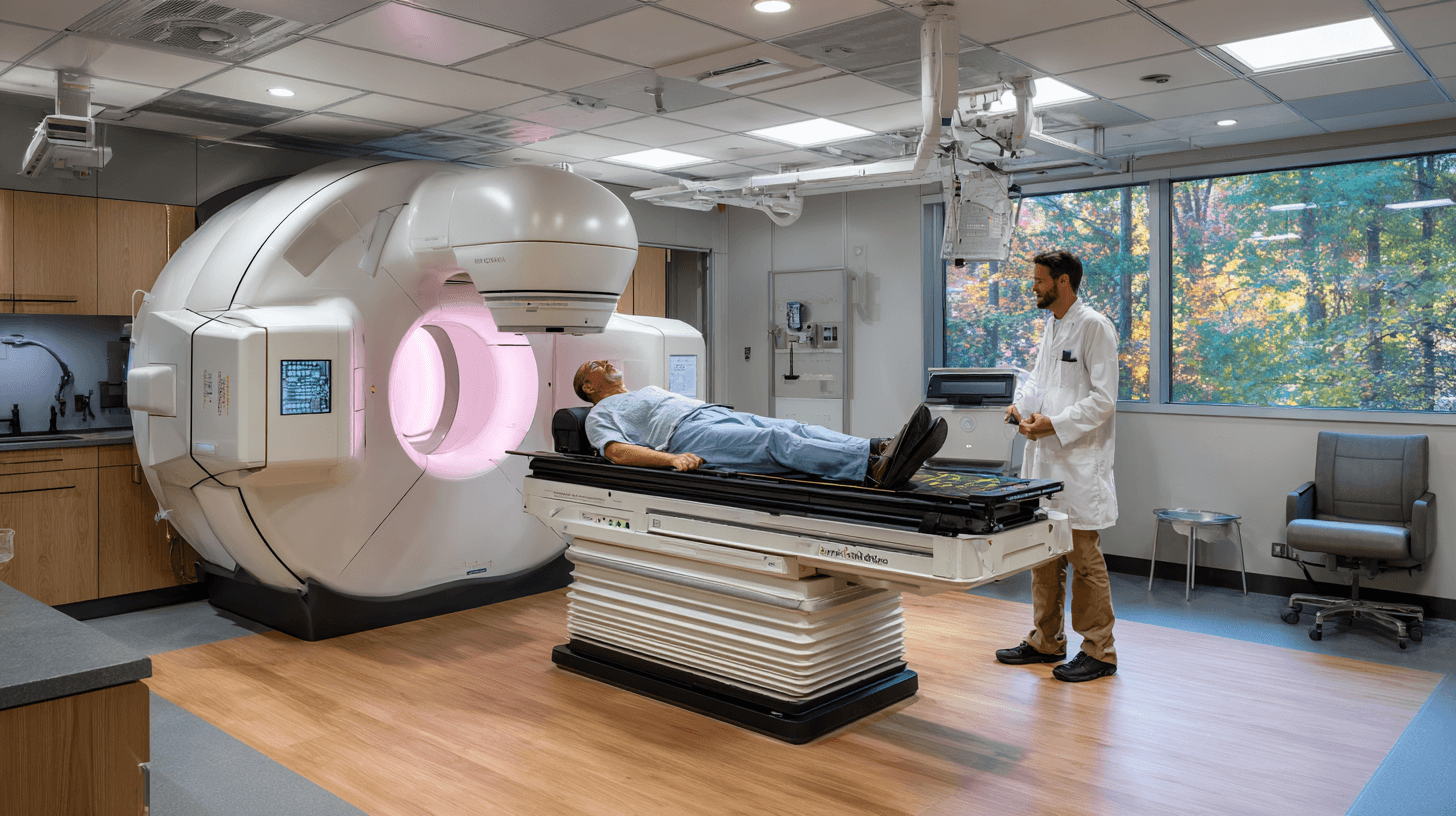
Radiation therapy uses high-energy radiation to kill cancer cells or stop them from growing. NCI explains that external radiation therapy uses a machine outside the body to send radiation toward the cancer area and that external radiation therapy is used to treat small intestine cancer [3]. Radiation may be used selectively after surgery, for local control, for unresectable disease, for locally recurrent disease, or as palliation to relieve symptoms such as pain, bleeding, or obstruction-related discomfort depending on tumor location and oncology judgment [3], [4], [11]. (Cancer.gov)
Radiation is not used in every patient because the small intestine is sensitive, mobile, and surrounded by other abdominal organs. The decision depends on tumor location, margins, lymph node involvement, recurrence pattern, symptoms, and whether surrounding tissues can be protected. For duodenal tumors or locally advanced disease, radiation may sometimes be considered as part of a broader plan, but it must be individualized by a radiation oncologist [11].
Ayurvedically, radiation-related symptoms may include appetite loss, fatigue, bowel irritation, diarrhea, burning sensation, nausea, dryness, and tissue sensitivity. These can be interpreted through Pitta and Vata disturbance with Dhatu stress. Support should focus on soothing, digestible nutrition, hydration, gentle bowel care, sleep, fatigue support, and avoidance of heating, irritating, or unverified herbs during active radiation unless approved by the oncology team.
Immunotherapy
Immunotherapy uses the patient’s immune system to fight cancer. NCI describes immunotherapy as treatment that uses substances made by the body or in a laboratory to boost, direct, or restore natural defenses against cancer [3]. In small intestine cancer, immunotherapy is not automatically used for every patient. It is generally considered in selected settings, especially when molecular testing shows features such as mismatch repair deficiency or microsatellite instability-high status, depending on the tumor type, stage, previous treatment, and current guidelines [11]. (Cancer.gov)
This is why MSI/MMR testing can be important in small bowel adenocarcinoma. A patient should not start or stop immunotherapy based on general information. The decision requires pathology, molecular testing, staging, prior treatment history, autoimmune history, organ function, and specialist evaluation.
Immunotherapy can cause immune-related side effects because it activates immune pathways. These may involve the bowel, liver, skin, lungs, thyroid, adrenal glands, pancreas, joints, or other organs. In a small intestine cancer patient, new diarrhea during immunotherapy should never be assumed to be ordinary indigestion or Grahani disturbance. It may represent immune-mediated colitis or another serious complication and should be reported promptly.
From an Ayurvedic standpoint, immunotherapy requires special caution. Herbs described as “immune boosting” should not be used casually during immunotherapy, especially in patients with autoimmune disease, colitis, hepatitis, thyroid disease, severe diarrhea, or liver abnormalities. The safer Ayurvedic role is gentle diet, sleep support, stress reduction, digestive stability, and physician-supervised care that does not interfere with immune-directed oncology treatment.
Targeted therapy
Targeted therapy uses drugs that act on specific cancer-related molecules, pathways, receptors, or mutations. Its role depends strongly on tumor biology. For small bowel adenocarcinoma, molecular testing may help identify selected patients who could benefit from targeted or biomarker-driven treatment, clinical trials, or immunotherapy [11]. For GIST, targeted therapy is central because many GISTs are driven by KIT or PDGFRA-related pathways [17], [18].
GIST is the clearest example of why tumor type matters. NCI explains that GIST management is multidisciplinary and that tyrosine kinase inhibitors work by inhibiting abnormal KIT or PDGFRA receptor tyrosine kinases. NCI also states that TKI therapy is indicated for unresectable, borderline resectable, metastatic, recurrent, or high-risk GIST, and that imatinib is commonly used as first-line therapy for many KIT- and PDGFRA-variant GISTs, while other agents such as avapritinib, sunitinib, regorafenib, and ripretinib may be used in selected settings [17], [18]. (Cancer.gov)
This means that a small intestine GIST should not be treated like small bowel adenocarcinoma. Standard chemotherapy generally has little role in primary GIST treatment, while mutation-guided targeted therapy may be very important [17]. For Ayurveda, this is a major safety point. Herbs, supplements, grapefruit products, high-dose extracts, metallic preparations, and unverified formulations may alter drug levels, liver metabolism, bleeding risk, wound healing, or toxicity risk. Any Ayurvedic support for a patient on targeted therapy must be reviewed carefully.
Treatment for small bowel neuroendocrine tumors
Small bowel neuroendocrine tumors require a separate treatment approach. These tumors may grow slowly, may produce hormones, and may spread to lymph nodes or liver before diagnosis. NCI explains that treatment of gastrointestinal neuroendocrine tumors depends mainly on whether the tumor can be removed by surgery and whether it has spread [15], [16]. (Cancer.gov)
For small intestine neuroendocrine tumors in the duodenum, treatment may include endoscopic resection for small tumors, local excision for slightly larger tumors, or surgery with removal of the tumor and nearby lymph nodes. For tumors in the jejunum or ileum, treatment may include surgical resection of the tumor and mesentery, with removal of nearby lymph nodes [15], [16]. (Cancer.gov)
Hormone therapy has a specific role in neuroendocrine tumors. NCI explains that somatostatin analogue therapy with octreotide or lanreotide can reduce excess hormone production and may also have a small effect on slowing tumor growth. It may be used for carcinoid syndrome symptoms such as flushing and diarrhea [15], [16]. (Cancer.gov)
If neuroendocrine tumor spreads to distant sites, treatment is often focused on relieving symptoms and improving quality of life. NCI lists options such as surgery to remove as much tumor as possible, hormone therapy, radiopharmaceutical therapy, external radiation therapy for selected metastatic sites, liver-directed treatment, and clinical trials [15], [16]. (Cancer.gov)
Ayurvedic care for neuroendocrine tumors should be adapted to the patient’s hormone symptoms. Diarrhea, flushing, heat, palpitations, anxiety, bloating, weight loss, and sleep disturbance may require careful Pitta-Vata assessment, but medical treatment remains essential. Herbs that affect serotonin pathways, liver metabolism, bowel movement, blood pressure, or anticancer drug handling should not be used without specialist review.
Treatment for lymphoma and sarcoma
Small intestinal lymphoma is treated differently from adenocarcinoma. It usually requires hematology-oncology evaluation, staging, immunophenotyping, and systemic therapy based on lymphoma subtype. Surgery may be needed if there is obstruction, perforation, bleeding, or diagnostic uncertainty, but lymphoma treatment is often driven by systemic therapy rather than bowel resection alone. Ayurveda should not delay hematology treatment in lymphoma because immune-related cancers can progress and may require urgent specialist care.
Small intestinal sarcoma or leiomyosarcoma is also treated differently. NCI notes that when possible, treatment of small intestine leiomyosarcoma involves surgery to remove the tumor and some normal tissue around it, while unresectable or metastatic disease may need palliative surgery, radiation therapy, chemotherapy, or clinical trials depending on the clinical situation [3], [4]. (Cancer.gov)
In these uncommon tumor types, integrative care should be especially conservative. The priority is correct pathology, specialist treatment, nutrition, symptom support, and safe recovery planning. Ayurveda can support appetite, strength, sleep, bowel rhythm, and emotional resilience, but it should not be presented as a substitute for histology-specific cancer treatment.
Clinical trials
Clinical trials may be important in small intestine cancer because the disease is rare and evidence is less extensive than for colon or stomach cancer. NCI explains that some treatments are standard while others are studied in clinical trials, and that clinical trials help improve current treatments or gather information about new treatments [3]. NCI also notes that patients may enter clinical trials before, during, or after starting cancer treatment depending on the trial [3]. (Cancer.gov)
For small bowel adenocarcinoma, neuroendocrine tumors, GIST, recurrent disease, metastatic disease, biomarker-positive tumors, or rare subtypes, clinical trial discussion may be especially relevant. Participation is not suitable for every patient, but it should be considered when standard options are limited, when the cancer has recurred, or when a molecular marker suggests a research-based treatment pathway.
Ayurveda can still be used as supportive care during clinical trials only if permitted by the trial protocol and approved by the treating team. Some trials restrict herbs, supplements, antioxidants, or other complementary products because they may interfere with results or drug metabolism.
Palliative treatment and symptom control
Palliative care does not mean giving up. It means active care focused on symptom relief, comfort, function, dignity, and quality of life. In small intestine cancer, palliative treatment may be needed for obstruction, vomiting, bleeding, pain, liver metastasis, bowel symptoms, weight loss, fatigue, anxiety, or advanced disease. NCI describes palliative therapy in metastatic gastrointestinal neuroendocrine tumors as treatment to relieve symptoms and improve quality of life [15]. (Cancer.gov)
Palliative options may include bypass surgery, stenting where appropriate, radiation for painful or bleeding lesions, systemic therapy, hormone therapy for neuroendocrine tumors, liver-directed treatment, pain medicines, antiemetics, nutritional support, hydration, palliative chemotherapy, psychological support, and spiritual care. The goal is to reduce suffering while preserving the patient’s dignity and decision-making.
This is one of the places where Ayurveda can be deeply valuable if used safely. Gentle Agni support, comfort feeding, warm digestible foods, sleep support, oil application where appropriate, breathwork, meditation, spiritual support, caregiver guidance, and Ojas-preserving routines can help the patient feel held and supported. However, no aggressive detox, fasting, purgation, Basti, Virechana, strong laxatives, or unknown herbal formulations should be used in patients with obstruction risk, severe weakness, vomiting, dehydration, liver failure, kidney disease, low blood counts, or active intensive oncology treatment.
Side effects of treatment
Every cancer treatment can cause side effects, and these side effects vary from patient to patient. Surgery may cause pain, fatigue, wound issues, ileus, diarrhea, constipation, malabsorption, B12 deficiency, bile acid diarrhea, or short bowel syndrome depending on how much intestine is removed. Chemotherapy may cause nausea, vomiting, diarrhea, mouth ulcers, low blood counts, fatigue, neuropathy, infection risk, taste changes, and appetite loss. Radiation may cause bowel irritation, fatigue, nausea, skin changes, or inflammation depending on the field treated. Immunotherapy may cause immune-related inflammation in different organs. Targeted therapy may cause drug-specific effects, including diarrhea, fatigue, liver test changes, skin problems, blood pressure changes, edema, or wound-healing concerns [3], [15], [17], [24].
This is where integrative care must be structured, not casual. The patient needs symptom tracking, nutrition planning, hydration, timely reporting of side effects, and coordination between the oncology and Ayurveda teams. Ayurvedic interpretation may identify Agni weakness, Pitta irritation, Vata aggravation, Dhatu kshaya, and Ojas depletion, but serious side effects still need medical evaluation.
Where Ayurveda fits with conventional treatment
Ayurveda fits best as a coordinated supportive system before, during, and after conventional treatment. Before treatment, it may help prepare the patient through gentle digestive correction, nutrition planning, sleep support, anxiety reduction, bowel regularity, and Bala strengthening. During treatment, it may help maintain appetite, hydration, bowel stability, mental steadiness, fatigue resilience, and quality of life. After treatment, it may support Agni rebuilding, Dhatu nourishment, Rasayana-based rejuvenation, Ojas restoration, strength recovery, and long-term lifestyle correction.
However, Ayurvedic herbs, Rasayana formulations, supplements, minerals, metallic preparations, and high-dose botanicals must be reviewed carefully. NCI warns that dietary supplements, herbal products, and other complementary products may interact with anticancer drugs and may change how cancer drugs are absorbed, metabolized, distributed, or excreted from the body [24]. NCI also advises patients to talk to their doctor about CAM products before beginning treatment [24]. (Cancer.gov)
This safety point is especially important before surgery, during chemotherapy, during immunotherapy, while taking targeted therapy, during radiation, in liver disease, in kidney disease, in low platelet count, in anemia, in bowel obstruction, in severe diarrhea, and in advanced disease. Ayurveda should be personalized, quality-tested, supervised, and timed correctly. It should strengthen the patient, not create drug interactions, bleeding risk, liver toxicity, dehydration, or treatment delay.
Ayurvedic Healing Framework for Small Intestine Cancer

Small intestine cancer affects the very organ responsible for digestion, absorption, nourishment, tissue formation, strength, and recovery. Modern oncology focuses on the tumor: its type, stage, spread, resectability, molecular profile, and response to surgery, chemotherapy, immunotherapy, targeted therapy, or radiation. Ayurveda adds the patient-centered healing framework: how strong the digestion is, how depleted the tissues are, how stable the bowel is, how much strength remains, how disturbed the mind is, and how the body can be supported before, during, and after treatment.
This integrative model can be described as tumor-directed oncology plus terrain-directed Ayurveda. Oncology treats the cancer biology. Ayurveda supports the patient’s inner terrain through Agni correction, Ama reduction, Grahani support, Dhatu nourishment, Bala restoration, Ojas rebuilding, Rasayana-based rejuvenation, personalized diet, lifestyle correction, sleep support, and emotional healing.
The National Cancer Institute defines integrative medicine as a total approach that combines standard medical treatment with complementary practices shown to be safe and effective. This distinction is important because Ayurveda should be positioned as coordinated supportive care, not as an alternative system used instead of oncology treatment [22]. NCI also warns that some complementary therapies may interfere with standard treatment or be harmful if used inappropriately [22]. (Cancer.gov)
Classical foundation of whole-body healing
Ayurveda does not define health merely as the absence of disease. It defines health as a state of balance in Dosha, Agni, Dhatu, Mala, mind, senses, and soul. This is the philosophical foundation for using Ayurveda in small intestine cancer recovery. The patient is not only a tumor-bearing body; the patient is a whole person whose digestion, nourishment, immunity resilience, mind, sleep, emotions, and vitality require care.
Classical reference: Sushruta Samhita, Sutra Sthana, Chapter 15, Verse 41
Sanskrit
समदोषः समाग्निश्च समधातुमलक्रियः।
प्रसन्नात्मेन्द्रियमनाः स्वस्थ इत्यभिधीयते॥४१॥
Transliteration
samadoṣaḥ samāgniś ca samadhātumala-kriyaḥ।
prasannātmendriyamanāḥ svastha ityabhidhīyate॥41॥
Translation
A person is called healthy when the Doshas are balanced, Agni is balanced, Dhatus and Malas function properly, and the soul, senses, and mind are clear and content.
This verse is highly relevant to small intestine cancer because recovery cannot be measured only by tumor removal or scan reports. A patient also needs digestive strength, stable bowel movement, nourishment of tissues, mental calmness, sensory stability, and restoration of vitality. This becomes the basis of Ayurveda’s “whole-body healing” approach in cancer care. The verse is recorded in Sushruta Samhita, Sutra Sthana, Chapter 15, Verse 41. (siva.sh)
Arbuda framework and modern cancer diagnosis
In Ayurveda, abnormal mass-like growths are discussed under terms such as Granthi and Arbuda. These concepts can help explain the traditional understanding of abnormal growth, Dosha-Dhatu involvement, obstruction, and tissue disturbance. However, the article must clearly state that Arbuda is not a substitute for modern cancer diagnosis. Small intestine cancer must be confirmed through imaging, endoscopy, biopsy, pathology, staging, and oncologist-led evaluation.
Classical reference: Sushruta Samhita, Nidana Sthana, Chapter 11, Verses 13–14
Sanskrit
गात्रप्रदेशे क्वचिदेव दोषाः सम्मूर्च्छिता मांसमभिप्रदूष्य।
वृत्तं स्थिरं मन्दरुजं महान्तमनल्पमूलं चिरवृद्ध्यपाकम्॥१३॥
कुर्वन्ति मांसोपचयं तु शोफं तमर्बुदं शास्त्रविदो वदन्ति।
वातेन पित्तेन कफेन चापि रक्तेन मांसेन च मेदसा च॥१४॥
Transliteration
gātrapradeśe kvacid eva doṣāḥ sammūrcchitā māṁsam abhipradūṣya।
vṛttaṁ sthiraṁ mandarujam mahāntam analpamūlaṁ ciravṛddhyapākam॥13॥
kurvanti māṁsopacayaṁ tu śophaṁ tam arbudaṁ śāstravido vadanti।
vātena pittena kaphena cāpi raktena māṁsena ca medasā ca॥14॥
Translation
When aggravated Doshas localize in a body region and vitiate the muscle tissue, they may produce a round, fixed, large, deep-rooted, slowly growing, mildly painful, non-suppurating swelling. Scholars describe such a flesh-increasing swelling as Arbuda, involving Vata, Pitta, Kapha, Rakta, Mamsa, and Meda.
These verses support the traditional concept of tumor-like growth and tissue involvement. In the article, this should be used to explain Ayurveda’s classical disease-terrain perspective. It should not be used to claim that Ayurvedic diagnosis alone can identify cancer type, stage, spread, or prognosis. Sushruta Samhita describes these features in Nidana Sthana, Chapter 11, Verses 13–14. (siva.sh) (siva.sh)
Agni restoration as the first pillar
In small intestine cancer, Agni becomes central because the small intestine is the organ of digestion and absorption. Patients may experience poor appetite, bloating, nausea, early satiety, loose stools, constipation, weight loss, weakness, anemia, and malabsorption. Surgery, chemotherapy, radiation, targeted therapy, immunotherapy, antibiotics, opioids, stress, fear, and hospitalization may further weaken digestion.
Ayurveda considers Agni the root of nourishment, strength, vitality, complexion, tissue formation, and health. This is why Agni restoration should be presented as the first Ayurvedic pillar in small intestine cancer care.
Classical reference: Charaka Samhita, Chikitsa Sthana, Chapter 15, Grahani Chikitsa, Verses 3–5
Sanskrit
आयुर्वर्णो बलं स्वास्थ्यमुत्साहोपचयौ प्रभा।
ओजस्तेजोऽग्नयः प्राणाश्चोक्ता देहाग्निहेतुकाः॥३॥
शान्तेऽग्नौ म्रियते युक्ते चिरं जीवत्यनामयः।
रोगी स्याद्विकृते मूलमग्निस्तस्मान्निरुच्यते॥४॥
यदन्नं देहधात्वोजोबलवर्णादिपोषकम्।
तत्राग्निर्हेतुराहारान्न ह्यपक्वाद्रसादयः॥५॥
Transliteration
āyurvarṇo balaṁ svāsthyam utsāhopacayau prabhā।
ojas tejo’gnayaḥ prāṇāś coktā dehāgnihetukāḥ॥3॥
śānte’gnau mriyate yukte ciraṁ jīvaty anāmayaḥ।
rogī syād vikṛte mūlam agnis tasmān nirucyate॥4॥
yad annaṁ dehadhātvojobalavarṇādipoṣakam।
tatrāgnir hetur āhārān na hy apakvād rasādayaḥ॥5॥
Translation
Longevity, complexion, strength, health, enthusiasm, nourishment, radiance, Ojas, Tejas, Agni, and life itself depend on Dehagni. When Agni is extinguished, life ends; when Agni is balanced, one lives long and healthy; when Agni is disturbed, disease arises. Food nourishes the body, Dhatus, Ojas, strength, and complexion only when Agni functions properly; without proper digestion, Rasa and other tissues are not formed properly.
This passage is directly applicable to small intestine cancer because the patient’s ability to recover depends heavily on digestion, absorption, appetite, tissue nourishment, and strength. The goal of Ayurvedic care is not to overstimulate digestion with harsh herbs, but to restore Agni gently according to the patient’s condition. Charaka Samhita Online lists these verses in Chikitsa Sthana, Chapter 15, Verses 3–5 [40], [41]. (Charak Samhita)
Ama reduction without harsh detoxification
Ama is a classical Ayurvedic concept describing incompletely processed metabolic residue arising from weak digestion and improper transformation. In a small intestine cancer article, Ama should be explained as a traditional concept, not as a laboratory toxin. Clinically, Ama-like features may include coated tongue, heaviness, foul stools, sluggish digestion, nausea, poor appetite, fatigue, bloating, and a sense of internal stagnation.
However, Ama reduction in cancer care must never be equated with aggressive detox. In small intestine cancer, harsh detoxification can be dangerous because patients may have obstruction risk, bleeding, anemia, severe weight loss, diarrhea, dehydration, post-surgical wounds, chemotherapy-related weakness, liver involvement, kidney stress, or low blood counts.
The safe Ayurvedic approach is gentle Ama reduction through warm, freshly prepared, digestible food; regular meal timing; avoidance of stale and incompatible foods; correction of overeating or irregular eating; mild food-based Deepana-Pachana where tolerated; sleep correction; stress reduction; and physician-guided formulations only after reviewing oncology treatment.
NCCIH cautions that Ayurvedic treatment may include products derived from plants, animals, metals, or minerals, and that some Ayurvedic preparations may contain lead, mercury, or arsenic in toxic amounts [21]. This safety point should be included whenever discussing Ama, detox, Rasayana, herbs, or Panchakarma in a cancer patient. (NCCIH)
Grahani support and bowel stabilization
The small intestine can be connected with the Ayurvedic concept of Grahani, especially in relation to digestion, holding and processing food, absorption, bowel rhythm, and the relationship between Agni and intestinal function. Small intestine cancer patients often have disturbed Grahani-like features: poor appetite, undigested stools, alternating diarrhea and constipation, bloating, fatigue, weight loss, and malabsorption.
Classical reference: Charaka Samhita, Chikitsa Sthana, Chapter 15, Grahani Chikitsa, Verses 56–57
Sanskrit
अग्न्यधिष्ठानमन्नस्य ग्रहणाद्ग्रहणी मता।
नाभेरुपर्यह्यग्निबलेनोपष्टब्धोपबृंहिता॥५६॥
अपक्वं धारत्यन्नं पक्वं सृजति पार्श्वतः।
दुर्बलाग्निबला दुष्टा त्वाममेव विमुञ्चति॥५७॥
Transliteration
agnyadhiṣṭhānam annasya grahaṇād grahaṇī matā।
nābher upari hy agnibalena upaṣṭabdhopabṛṁhitā॥56॥
apakvaṁ dhāraty annaṁ pakvaṁ sṛjati pārśvataḥ।
durbalāgnibalā duṣṭā tv āmam eva vimuñcati॥57॥
Translation
Grahani is regarded as the seat of Agni because it holds food for proper digestion. It is situated above the umbilical region and is supported by the strength of Agni. In its proper state, it holds undigested food and releases digested food; when weakened by disturbed Agni, it releases food in an Ama-like, improperly digested form.
This is one of the most important classical references for small intestine cancer care. It supports the article’s focus on bowel stabilization, digestion, absorption, and gradual recovery. It also explains why diet must be individualized. A patient with diarrhea, a patient with constipation, a patient after ileal resection, and a patient with obstruction risk cannot be given the same Ayurvedic diet or formulation. Charaka Samhita Online explains these verses under Grahani Chikitsa, Chapter 15, Verses 56–57. (Charak Samhita)
Dhatu nourishment and tissue rebuilding
Small intestine cancer often weakens the Dhatus. Patients may develop anemia, low muscle mass, fatigue, low albumin, poor wound healing, reduced stamina, dry skin, disturbed sleep, and poor recovery after surgery or chemotherapy. In Ayurveda, this can be understood as Dhatu kshaya, especially affecting Rasa, Rakta, Mamsa, and later Ojas.
The Ayurvedic goal is not merely to give herbs but to rebuild nourishment step by step. First, food must be digestible. Then Agni must become stable. Then bowel rhythm must improve. Then Rasa Dhatu can be nourished. Only after that can deeper Brimhana and Rasayana support be considered.
This is clinically important because many cancer patients are given too many supplements or heavy tonics when they cannot digest basic food. Ayurveda should avoid this mistake. In a weak small intestine cancer patient, even a good Rasayana may become unsuitable if Agni is low, stools are unstable, obstruction is suspected, or the patient is vomiting. The right sequence is Agni first, Grahani stabilization next, nourishment after that, and Rasayana only when digestion can handle it.
Ojas rebuilding and treatment resilience
Ojas is one of the most powerful Ayurvedic concepts for cancer recovery writing. In a cancer patient, Ojas can be used to explain vitality, resilience, immunity strength, mental steadiness, emotional courage, treatment tolerance, and the ability to rebuild after depletion.
Small intestine cancer can deplete Ojas through poor food intake, malabsorption, chronic bleeding, anemia, surgery, chemotherapy, fear, insomnia, pain, repeated vomiting, diarrhea, and weight loss. The patient may look exhausted, anxious, dry, weak, withdrawn, sleepless, and emotionally fragile.
Classical reference: Charaka Samhita, Sutra Sthana, Chapter 17, Kiyanta Shiraseeya Adhyaya, Verse 73
Sanskrit
बिभेति दुर्बलोऽभीक्ष्णं ध्यायति व्यथितेन्द्रियः।
दुश्छायो दुर्मना रूक्षः क्षामश्चैवौजसः क्षये॥७३॥
Transliteration
bibheti durbalo’bhīkṣṇaṁ dhyāyati vyathitendriyaḥ।
duśchāyo durmanā rūkṣaḥ kṣāmaś caivaujasaḥ kṣaye॥73॥
Translation
When Ojas is depleted, the person becomes fearful, weak, constantly worried, disturbed in the senses, lustreless, mentally low, dry, and emaciated.
This verse beautifully describes what many cancer patients experience: fear, weakness, worry, disturbed senses, loss of glow, emotional dullness, dryness, and wasting. This allows the article to present Ayurveda’s USP with sensitivity. The goal is not only tumor control, but also restoration of courage, sleep, nourishment, strength, and inner resilience. Charaka Samhita Online records this under Sutra Sthana, Chapter 17, Verse 73. (Charak Samhita)
Classical reference: Charaka Samhita, Sutra Sthana, Chapter 17, Verse 74
Sanskrit
हृदि तिष्ठति यच्छुद्धं रक्तमीषत्सपीतकम्।
ओजः शरीरे सङ्ख्यातं तन्नाशान्ना विनश्यति॥७४॥
Transliteration
hṛdi tiṣṭhati yac chuddhaṁ raktam īṣat sapītakam।
ojaḥ śarīre saṅkhyātaṁ tannāśān nā vinaśyati॥74॥
Translation
That pure essence situated in the heart, slightly reddish-yellow in appearance, is known as Ojas in the body; with its destruction, life itself is destroyed.
In cancer-care language, this verse supports the idea that Ojas preservation is central to recovery. The article can describe Ojas rebuilding through digestible nourishment, sleep, emotional steadiness, gentle movement, spiritual strength, family support, and Rasayana after stabilization. This should be framed as resilience and vitality support, not as a promise of cancer cure.
Rasayana-based rejuvenation
Rasayana Chikitsa is the heart of Ayurvedic recovery care. In this pillar article, Rasayana should be presented as a post-stabilization healing pathway for rejuvenation, tissue nourishment, vitality, Ojas rebuilding, strength restoration, quality of life, and long-term resilience. Rasayana should not be introduced aggressively during vomiting, obstruction, severe diarrhea, active infection, immediate post-operative instability, liver failure, kidney failure, or intensive chemotherapy without careful review.
Classical reference: Charaka Samhita, Chikitsa Sthana, Chapter 1, Rasayana Chikitsa Adhyaya, Verses 7–8
Sanskrit
दीर्घमायुः स्मृतिं मेधामारोग्यं तरुणं वयः।
प्रभावर्णस्वरौदार्यं देहेन्द्रियबलं परम्॥७॥
वाक्सिद्धिं प्रणतिं कान्तिं लभते ना रसायनात्।
लाभोपायो हि शस्तानां रसादीनां रसायनम्॥८॥
Transliteration
dīrgham āyuḥ smṛtiṁ medhām ārogyaṁ taruṇaṁ vayaḥ।
prabhāvarṇasvaraudāryaṁ dehendriyabalaṁ param॥7॥
vāksiddhiṁ praṇatiṁ kāntiṁ labhate nā rasāyanāt।
lābhopāyo hi śastānāṁ rasādīnāṁ rasāyanam॥8॥
Translation
Through Rasayana, one attains longevity, memory, intelligence, freedom from disease, youthful vitality, radiance, healthy complexion and voice, excellence of body and senses, clarity of expression, respect, and brilliance. Rasayana is the means of attaining excellence of Rasa and the other Dhatus.
This verse gives the article strong classical authority. In small intestine cancer recovery, Rasayana can be explained as a structured rejuvenation model that supports tissue quality, nourishment, vitality, and recovery capacity. Charaka Samhita Online lists these verses in Rasayana Chikitsa Adhyaya and explains Rasayana as a means of attaining excellent qualities of Rasa and other Dhatus [40], [41]. (Charak Samhita)
A modern Rasayana-oncology review published in the Iranian Journal of Blood and Cancer describes Rasayana as a rejuvenative branch of Ayurveda emphasizing Ojas, vitality, immunological balance, and metabolic homeostasis. The review concludes that Rasayana-based therapies in integrative oncology should remain customized, safety-monitored, quality-assured, multidisciplinary, and adjunctive rather than replacing conventional treatment [38]. (ijbc.ir)
Tumor-directed oncology plus terrain-directed Ayurveda
Modern oncology treats the tumor; Ayurveda supports the terrain in which the patient heals.
In small intestine cancer, the tumor may be removed, reduced, controlled, or monitored through surgery, chemotherapy, immunotherapy, targeted therapy, radiation, or palliative treatment. Ayurveda works on the terrain: Agni, Ama, Grahani, Doshas, Dhatus, Bala, Ojas, mind, sleep, diet, bowel rhythm, and recovery capacity.
This model is powerful because it avoids both extremes. It does not reduce the patient to a tumor, and it does not make unsafe claims that Ayurveda alone cures cancer. It gives Ayurveda its rightful place as a whole-person healing science that supports the patient’s strength, digestion, and resilience throughout the cancer journey.
Practical Ayurvedic goals in small intestine cancer
The first goal is to restore appetite and digestion without irritating the bowel. This may involve warm, freshly cooked, easy-to-digest meals, careful meal timing, symptom-based food selection, and gentle Deepana-Pachana support under physician supervision.
The second goal is to stabilize Grahani. This means regulating bowel rhythm, reducing bloating, managing diarrhea or constipation safely, preventing dehydration, and avoiding high-fiber or purgative measures when obstruction risk exists.
The third goal is to nourish depleted Dhatus. This requires protein-calorie support, correction of deficiencies, soft nourishing foods, gradual Brimhana, and attention to anemia, muscle loss, fatigue, wound healing, and post-surgical recovery.
The fourth goal is to rebuild Ojas. This includes adequate sleep, emotional reassurance, spiritual support, gentle movement, calm breathing, family support, reduction of fear, and later Rasayana when digestion is stable.
The fifth goal is treatment resilience. Ayurveda can help patients prepare for surgery, tolerate chemotherapy better, recover after treatment, and maintain quality of life, but only when herbs and formulations are reviewed for safety.
Safety boundaries for Ayurvedic cancer care
The article must include clear safety language. NCCIH states that no complementary health approach has been shown to prevent or cure cancer, and warns that complementary approaches may interfere with conventional cancer treatment [23]. This does not weaken Ayurveda; it protects patients and gives the article medical credibility. (NCCIH)
NCI’s PDQ summary on cancer therapy interactions warns that dietary supplements, herbs, and other CAM products can change how anticancer drugs are absorbed, metabolized, distributed, or excreted, and patients should discuss CAM products before beginning treatment [24]. This is directly relevant for Ayurvedic herbs, Rasayana formulations, high-dose turmeric or curcumin, Guduchi, Ashwagandha, Pippali, metallic preparations, immune-active herbs, antioxidant supplements, and unknown online products. (Cancer.gov)
This is especially important before surgery, after surgery, during chemotherapy, during immunotherapy, during targeted therapy, during radiation, in low platelet count, liver disease, kidney disease, severe anemia, jaundice, bowel obstruction, persistent vomiting, severe diarrhea, malnutrition, or metastatic disease.
Four-Phase Ayurvedic Support Model

Small intestine cancer care becomes more complete when the patient is supported through every stage of the journey. The needs of a patient before treatment are different from the needs during chemotherapy, after surgery, or in an advanced palliative stage. Ayurveda is valuable because it does not use the same plan for every patient. It studies Prakriti, Vikriti, Agni, Ama, Grahani, Bala, Dhatu kshaya, Ojas, bowel pattern, appetite, sleep, emotional state, treatment stage, and recovery capacity.
Table: Four-Phase Ayurvedic Support Model
| Phase | Patient Stage | Ayurvedic Aim | What to Avoid |
|---|---|---|---|
| Before treatment | Before surgery, chemotherapy, or targeted therapy | Prepare Agni, improve nutrition, calm fear, build Bala | Detox, fasting, unreviewed herbs |
| During treatment | Active chemotherapy, immunotherapy, radiation, or targeted therapy | Protect digestion, hydration, sleep, bowel rhythm, Ojas | Immune boosters, high-dose herbs, unsafe supplements |
| After treatment | Post-surgery or post-therapy recovery | Rebuild Grahani, nourish Dhatus, restore strength, begin Rasayana when stable | Heavy Rasayana too early, Panchakarma |
| Advanced or palliative stage | Metastatic, recurrent, or comfort-focused care | Comfort, dignity, appetite, sleep, pain support, family care | Harsh cleansing, purgation, false cure claims |
This four-phase Ayurvedic support model is designed to work alongside oncology care. It does not replace biopsy, staging, surgery, chemotherapy, immunotherapy, targeted therapy, radiation, or emergency treatment. Its purpose is to support the body’s healing terrain so that the patient can digest better, maintain strength, tolerate treatment more comfortably, recover after surgery, rebuild vitality, and live with better quality of life [21], [22], [23], [24].
The classical aim of Ayurveda is beautifully expressed in Charaka Samhita.
Charaka Samhita, Sutra Sthana, Chapter 30, Verse 26
Sanskrit
प्रयोजनं चास्य स्वस्थस्य स्वास्थ्यरक्षणमातुरस्य विकारप्रशमनं च॥२६॥
Transliteration
prayojanaṁ cāsya svasthasya svāsthyarakṣaṇam āturasya vikārapraśamanaṁ ca॥26॥
Translation
The purpose of Ayurveda is to preserve the health of the healthy and to relieve the disorders of the diseased.
This verse gives the foundation for an integrative small intestine cancer care model. In a high-risk patient or survivor, Ayurveda supports preservation of health through diet, routine, Agni protection, bowel regulation, and Ojas preservation. In a patient already diagnosed with cancer, Ayurveda supports relief of suffering, digestive stability, nutritional rebuilding, emotional steadiness, and recovery resilience without replacing oncology treatment.
Phase One — Before Treatment: Preparing the Body
The first phase begins after diagnosis or strong clinical suspicion and continues until surgery, chemotherapy, immunotherapy, radiation, targeted therapy, or another tumor-directed treatment begins. This is a critical window because many small intestine cancer patients are already weak by the time the disease is diagnosed. They may have poor appetite, anemia, weight loss, abdominal pain, bloating, vomiting, diarrhea, constipation, sleep disturbance, fear, or malnutrition.
Modern cancer nutrition guidelines emphasize early nutrition assessment and adequate energy and protein intake to prevent or reduce malnutrition during cancer care [29], [30]. In small intestine cancer, this is especially important because the disease affects the organ responsible for nutrient absorption. Before treatment, the patient’s body should be prepared as much as possible through correction of dehydration, anemia, electrolyte imbalance, low albumin, severe weight loss, poor oral intake, and uncontrolled bowel symptoms.
Ayurveda approaches this phase through gentle preparation of Agni, Grahani, Bala, and Ojas. The goal is not harsh cleansing. The goal is to prepare the patient to receive treatment with better strength. If Agni is weak, food is not properly transformed into nourishment. If Grahani is unstable, the patient may lose nutrition through diarrhea, bloating, malabsorption, or irregular stools. If Bala is poor, surgery and chemotherapy may become harder to tolerate. If Ojas is depleted, fear, weakness, insomnia, and emotional collapse may dominate the clinical picture.
Charaka Samhita, Chikitsa Sthana, Chapter 15, Grahani Chikitsa, Verses 3–5
Sanskrit
आयुर्वर्णो बलं स्वास्थ्यमुत्साहोपचयौ प्रभा।
ओजस्तेजोऽग्नयः प्राणाश्चोक्ता देहाग्निहेतुकाः॥३॥
शान्तेऽग्नौ म्रियते युक्ते चिरं जीवत्यनामयः।
रोगी स्याद्विकृते मूलमग्निस्तस्मान्निरुच्यते॥४॥
यदन्नं देहधात्वोजोबलवर्णादिपोषकम्।
तत्राग्निर्हेतुराहारान्न ह्यपक्वाद्रसादयः॥५॥
Transliteration
āyurvarṇo balaṁ svāsthyam utsāhopacayau prabhā।
ojas tejo’gnayaḥ prāṇāś coktā dehāgnihetukāḥ॥3॥
śānte’gnau mriyate yukte ciraṁ jīvaty anāmayaḥ।
rogī syād vikṛte mūlam agnis tasmān nirucyate॥4॥
yad annaṁ dehadhātvojobalavarṇādipoṣakam।
tatrāgnir hetur āhārān na hy apakvād rasādayaḥ॥5॥
Translation
Longevity, complexion, strength, health, enthusiasm, nourishment, radiance, Ojas, Tejas, Agni, and life depend on Dehagni. When Agni is extinguished, life ends; when Agni is balanced, one lives long and healthy; when Agni is disturbed, disease arises. Food nourishes the body, Dhatus, Ojas, strength, and complexion only when Agni functions properly.
In this phase, the Ayurvedic physician may focus on warm, freshly prepared, easily digestible food; regular meal timing; correction of constipation or diarrhea; adequate hydration; sleep stabilization; anxiety reduction; and mild food-based digestive support when tolerated. Heavy tonics, aggressive Rasayana, strong purgation, Vamana, Virechana, Basti, fasting, juice cleanses, colon cleansing, or detoxification should be avoided in weak, obstructed, vomiting, anemic, dehydrated, or underweight patients.
Before any surgery or chemotherapy, all herbs, supplements, Rasayana formulations, Bhasma preparations, blood-thinning botanicals, high-dose turmeric or curcumin, immune-active herbs, and over-the-counter products must be disclosed to the oncology team. NCI warns that dietary supplements and herbal products may change how anticancer drugs are absorbed, metabolized, distributed, or eliminated from the body [24]. NCCIH also warns that some Ayurvedic products may contain heavy metals or may be unsafe if not properly manufactured and supervised [21].
The essence of phase one is preparation without depletion. The patient should enter oncology treatment with the best possible digestion, hydration, nutrition, sleep, emotional steadiness, and strength.
Phase Two — During Treatment: Protecting Strength and Tolerance
The second phase begins when the patient starts active treatment such as surgery preparation, chemotherapy, immunotherapy, targeted therapy, radiation, hormone-directed treatment for neuroendocrine tumors, or GIST-directed therapy. This phase requires the highest level of safety coordination because drug interactions, bleeding risk, liver stress, kidney stress, immune effects, bowel inflammation, low blood counts, and treatment delays can occur if herbs or supplements are used casually [22], [24].
The Ayurvedic goal during active treatment is protection, not aggressive intervention. The patient may develop nausea, vomiting, poor taste, mouth ulcers, diarrhea, constipation, fatigue, low appetite, sleep disturbance, anxiety, pain, neuropathy, weight loss, or low blood counts. These symptoms can weaken Agni, disturb Vata and Pitta, deplete Dhatus, and reduce Ojas. Ayurveda can support the patient through gentle diet, hydration, rest, bowel regulation, calming practices, emotional reassurance, and carefully reviewed formulations when appropriate.
During chemotherapy, the digestive system may become sensitive. Food should be simple, warm, soft, and individualized. A patient with nausea may need smaller meals and gentle aromas. A patient with diarrhea may need low-residue, non-irritating, fluid-supportive food. A patient with constipation may need warm fluids and safe bowel support, but obstruction must always be ruled out before using laxative or fiber-heavy approaches. A patient with mouth ulcers may need soft, non-spicy, non-acidic food.
During immunotherapy, new diarrhea, abdominal pain, skin rash, jaundice, cough, breathlessness, thyroid symptoms, or severe fatigue should not be treated as ordinary Dosha aggravation. These may represent immune-related adverse events and require medical evaluation. Herbs promoted as “immune boosting” should not be used without oncology approval because immunotherapy works through immune modulation and can also cause immune-mediated inflammation.
During targeted therapy, especially in GIST or biomarker-driven treatment, herb-drug interactions become particularly important. Many targeted medicines are metabolized through liver enzyme pathways. Unreviewed herbs, supplements, grapefruit products, concentrated extracts, or metallic preparations may alter drug levels or toxicity risk [17], [18], [24].
In this phase, Ayurveda should emphasize Agni protection, Bala preservation, and Ojas conservation. The patient should be protected from unnecessary fasting, over-restriction, fear-based dieting, excessive supplements, harsh detox, and unverified cancer-cure claims. Warm digestible food, adequate protein, hydration, sleep, gentle breathing, meditation, short walks when medically allowed, and family support may be more valuable than complex prescriptions.
A modern whole-systems Ayurvedic pilot study in cancer survivors showed that an individualized Ayurvedic nutrition and lifestyle intervention was feasible and acceptable, with relevance to quality of life, sleep, fatigue, stress, anxiety, and depression outcomes [43]. Although this was not a treatment trial for small intestine cancer and should not be presented as proof of cancer cure, it supports the practicality of Ayurveda-based lifestyle and nutrition care in the cancer recovery context.
The essence of phase two is strength protection. Ayurveda should help the patient continue treatment safely, eat better, sleep better, manage bowel discomfort, reduce fear, and preserve vitality without interfering with oncology care.
Phase Three — After Treatment: Rebuilding and Rasayana Rejuvenation
The third phase begins after surgery, chemotherapy, radiation, immunotherapy, targeted therapy, or another major treatment phase has been completed or stabilized. This is where Ayurveda becomes especially powerful because many patients are left with weakness, poor appetite, altered bowel habits, weight loss, anemia, low muscle mass, sleep disturbance, anxiety, fear of recurrence, and reduced confidence.
Modern oncology may say the tumor has been removed or controlled, but the patient may still feel far from healthy. Ayurveda recognizes this difference clearly. Recovery is not complete until Agni becomes stable, bowel rhythm improves, Dhatus are nourished, strength returns, sleep becomes deeper, the mind becomes steadier, and Ojas is rebuilt.
Rasayana Chikitsa is the classical Ayurvedic pathway for rejuvenation, tissue nourishment, vitality, and recovery. It should be introduced only when the patient is ready. If the patient has persistent vomiting, obstruction, severe diarrhea, active infection, unhealed surgical wounds, liver failure, kidney failure, severe malnutrition, or unstable blood counts, Rasayana should be delayed or modified. The sequence must be gradual: first stabilize digestion, then regulate the bowel, then rebuild nutrition, and only then introduce deeper Rasayana support.
Charaka Samhita, Chikitsa Sthana, Chapter 1, Rasayana Chikitsa Adhyaya, Verses 7–8
Sanskrit
दीर्घमायुः स्मृतिं मेधामारोग्यं तरुणं वयः।
प्रभावर्णस्वरौदार्यं देहेन्द्रियबलं परम्॥७॥
वाक्सिद्धिं प्रणतिं कान्तिं लभते ना रसायनात्।
लाभोपायो हि शस्तानां रसादीनां रसायनम्॥८॥
Transliteration
dīrgham āyuḥ smṛtiṁ medhām ārogyaṁ taruṇaṁ vayaḥ।
prabhāvarṇasvaraudāryaṁ dehendriyabalaṁ param॥7॥
vāksiddhiṁ praṇatiṁ kāntiṁ labhate nā rasāyanāt।
lābhopāyo hi śastānāṁ rasādīnāṁ rasāyanam॥8॥
Translation
Through Rasayana, one attains longevity, memory, intelligence, freedom from disease, youthful vitality, radiance, healthy complexion and voice, excellence of body and senses, clarity of expression, respect, and brilliance. Rasayana is the means of attaining excellence of Rasa and the other Dhatus.
In small intestine cancer recovery, Rasayana should be understood as rejuvenation after stabilization. It may support strength, tissue nourishment, recovery capacity, vitality, digestion, and long-term resilience when selected appropriately. A Rasayana-oncology review describes Rasayana-based strategies as adjunctive, customized, quality-assured, safety-monitored, and multidisciplinary, with emphasis on Ojas, vitality, immune balance, metabolic homeostasis, symptom support, and treatment tolerance [38].
The post-treatment Ayurvedic plan may include soft nourishing foods, gradual increase in protein, correction of iron or B12 deficiency where medically indicated, bowel rhythm support, sleep restoration, gentle movement, breathwork, emotional counseling, spiritual support, and carefully selected Rasayana. After small bowel surgery, special attention is needed for diarrhea, malabsorption, bile acid diarrhea, vitamin B12 deficiency, iron deficiency, dehydration, electrolyte imbalance, and short bowel syndrome depending on the part and length of bowel removed [30], [32].
The mind also needs rebuilding after treatment. Cancer survivors often live with fear of recurrence, fatigue, loss of confidence, body-image distress, and sleep disturbance. Integrative oncology guidelines support several mind-body approaches, including mindfulness, yoga, relaxation, and music therapy for anxiety and depression symptoms in adults with cancer [33]. These approaches align well with Ayurvedic care of Manas, Sattva, Prana, and Ojas.
The essence of phase three is deep recovery. The goal is not only to survive treatment but to rebuild digestion, strength, confidence, tissue nourishment, emotional stability, and Ojas.
Phase Four — Advanced or Palliative Stage: Comfort, Dignity, and Quality of Life
The fourth phase applies when the disease is advanced, metastatic, recurrent, unresectable, or when the main treatment goal becomes symptom control and quality of life. This phase requires compassion, realism, and careful coordination. Ayurveda can be deeply meaningful here, but it must never create false hope, delay urgent care, or burden the patient with harsh regimens.
Palliative care is active care. It focuses on pain relief, nausea control, bowel comfort, appetite support, sleep, emotional peace, spiritual strength, caregiver support, and dignity. In advanced small intestine cancer, patients may experience obstruction, vomiting, severe weight loss, diarrhea, constipation, abdominal pain, ascites, liver involvement, jaundice, bleeding, dehydration, weakness, anxiety, fear, or exhaustion. The Ayurvedic plan must be gentle, flexible, and patient-centered.
The main Ayurvedic principles in this phase are Mridu Chikitsa, Agni rakshana, Vata shamana, Ojas preservation, and Sattva support. The patient should not be forced into strict diets, long fasting, bitter medicines, detox programs, strong purgation, enemas, excessive supplements, or heavy Rasayana if the body cannot tolerate them. Comfort feeding may be more appropriate than rigid dietary restriction. Small amounts of warm, acceptable, digestible food may be more healing than large prescribed meals that increase nausea or distress.
Charaka Samhita, Sutra Sthana, Chapter 17, Verse 73
Sanskrit
बिभेति दुर्बलोऽभीक्ष्णं ध्यायति व्यथितेन्द्रियः।
दुश्छायो दुर्मना रूक्षः क्षामश्चैवौजसः क्षये॥७३॥
Transliteration
bibheti durbalo’bhīkṣṇaṁ dhyāyati vyathitendriyaḥ।
duśchāyo durmanā rūkṣaḥ kṣāmaś caivaujasaḥ kṣaye॥73॥
Translation
When Ojas is depleted, the person becomes fearful, weak, constantly worried, disturbed in the senses, lustreless, mentally low, dry, and emaciated.
This verse is highly relevant to advanced cancer care. Many patients in a palliative stage experience fear, weakness, worry, dryness, wasting, disturbed sleep, and emotional heaviness. Ayurveda’s contribution here is not aggressive treatment but compassionate Ojas-preserving care. This may include warm touch, oil application when appropriate, soothing food, calm breathing, prayer, family presence, music, spiritual reassurance, and gentle sleep support.
Satvavajaya Chikitsa, the Ayurvedic approach to mental restraint and emotional regulation, is also meaningful in this phase.
Charaka Samhita, Sutra Sthana, Chapter 11, Verse 54
Sanskrit
सत्त्वावजयः पुनरहितेभ्योऽर्थेभ्यो मनोनिग्रहः॥५४॥
Transliteration
sattvāvajayaḥ punar ahitebhyo’rthebhyo manonigrahaḥ॥54॥
Translation
Satvavajaya is the restraint of the mind from unwholesome objects or harmful mental engagements.
In cancer care, Satvavajaya can be understood as helping the patient move away from panic, despair, excessive fear, obsessive searching, and mental agitation toward clarity, acceptance, courage, prayer, emotional grounding, and meaningful connection. This does not replace counseling, psychiatry, palliative medicine, or pain care, but it adds a deeply humane Ayurvedic dimension to advanced-stage support.
When obstruction is suspected, safety becomes urgent. Severe abdominal pain, repeated vomiting, abdominal distension, inability to pass stool or gas, dehydration, or sudden worsening weakness should be treated as medical warning signs. No high-fiber loading, purgation, Basti, Virechana, colon cleansing, strong laxatives, or bulky herbal formulations should be used in such situations. Ayurveda can support comfort, but emergency symptoms need emergency care.
The essence of phase four is dignity. The goal is to reduce suffering, protect Agni as much as possible, calm Vata, preserve Ojas, support the family, and help the patient live with comfort, meaning, and emotional peace.
Integration Across All Phases
Across all four phases, the Ayurvedic plan must change as the patient changes. Before treatment, the focus is preparation. During treatment, the focus is protection. After treatment, the focus is rebuilding. In advanced disease, the focus is comfort and dignity.
A patient with good appetite and localized disease may tolerate a more structured recovery plan. A patient with obstruction risk needs strict bowel caution. A patient after ileal resection needs attention to B12, bile acid diarrhea, hydration, and malabsorption. A patient on immunotherapy needs immune-related side-effect monitoring. A patient on targeted therapy needs herb-drug interaction review. A patient with liver metastasis needs liver-safe planning. A patient with severe weight loss needs nourishment, not detox.
The same Ayurvedic formulation cannot be given to every small intestine cancer patient. The right question is not, “Which herb is best for small intestine cancer?” The right question is, “What does this patient need at this stage, with this tumor type, this treatment plan, this digestion, this bowel pattern, this strength, and this level of Ojas?”
This is the true strength of Ayurveda in cancer care. It personalizes the healing terrain while modern oncology directs tumor treatment.
Clinical Essence
The four-phase Ayurvedic support model gives small intestine cancer care a complete healing structure. Before treatment, Ayurveda prepares the body by supporting Agni, nutrition, bowel stability, sleep, and strength. During treatment, it protects tolerance, hydration, appetite, bowel rhythm, and Ojas while avoiding interactions. After treatment, it rebuilds Dhatus and introduces Rasayana-based rejuvenation when appropriate. In advanced disease, it supports comfort, dignity, emotional peace, and quality of life. This is the safest and strongest way to present Ayurveda as a meaningful integrative healing system alongside oncology care.
Before Surgery: Preparing the Body for Small Intestine Cancer Surgery

Before surgery, the goal is to prepare the patient for the safest possible operation and the strongest possible recovery. In small intestine cancer, this preparation is especially important because the disease affects the organ responsible for digestion, absorption, hydration, protein nourishment, vitamin absorption, bowel rhythm, and strength. A patient may already be weak from anemia, weight loss, poor appetite, vomiting, diarrhea, bleeding, obstruction, malabsorption, or fear. Surgery may remove part of the small intestine, nearby lymph nodes, and sometimes adjacent organs depending on tumor location and spread. Therefore, preparation before surgery should address both the tumor and the patient’s internal reserve [11], [29], [30].
Modern surgical preparation focuses on confirming the diagnosis, defining the stage, assessing whether the tumor is removable, improving nutrition, correcting anemia where possible, reviewing medications, evaluating anesthesia fitness, and reducing surgical risk. Ayurvedic preparation focuses on Agni, Grahani, Bala, Ojas, bowel stability, sleep, anxiety, and the ability of the body to digest, heal, and rebuild after surgery. These two approaches should work together.
Why pre-surgery preparation matters
Small intestine cancer surgery may be planned or urgent. Planned surgery gives the medical team time to improve the patient’s condition before operation. This period can be used to assess blood counts, nutrition, hydration, kidney function, liver function, electrolytes, albumin, diabetes control, cardiac fitness, medication safety, and the risk of obstruction or bleeding [11], [29], [30].
A patient who enters surgery with severe malnutrition, dehydration, anemia, uncontrolled diabetes, infection, poor sleep, or extreme weakness may have a harder recovery. Malnutrition can affect wound healing, immunity, muscle strength, bowel recovery, and tolerance of later chemotherapy. Cancer nutrition guidelines emphasize early nutrition screening, nutrition counseling, adequate energy intake, adequate protein intake, and dietitian involvement when intake is poor or weight loss is present [29], [30].
From the Ayurvedic view, surgery is a major physical event that can aggravate Vata, weaken Agni, disturb Grahani, reduce Bala, and temporarily deplete Ojas. This does not mean surgery should be avoided when medically required. It means the body should be prepared intelligently so that digestion, tissue repair, emotional steadiness, and recovery capacity are as strong as possible before the operation.
Medical preparation before surgery
Before surgery, the oncology and surgical team usually reviews imaging, biopsy, pathology, staging, tumor location, lymph node status, spread to nearby organs, and the patient’s general fitness. Small bowel adenocarcinoma guidelines emphasize careful workup, pathology review, surgical planning, and multidisciplinary decision-making because treatment depends on tumor type, location, stage, resectability, and patient fitness [11].
The patient may need blood tests such as complete blood count, liver function tests, kidney function tests, electrolytes, albumin, coagulation profile, iron studies, vitamin B12, folate, vitamin D, and blood sugar assessment. If anemia is present, the cause should be understood. It may be due to chronic bleeding, iron deficiency, B12 deficiency, inflammation, malnutrition, or mixed causes. Correcting anemia before surgery may improve stamina and reduce perioperative risk when time and clinical condition allow [29], [30].
The surgeon and anesthetist should know about all prescription medicines, blood thinners, diabetes medicines, pain medicines, steroids, supplements, Ayurvedic medicines, herbal extracts, Rasayana formulations, Bhasma preparations, and over-the-counter products. This is essential because some products may increase bleeding risk, affect anesthesia, alter liver metabolism, influence blood pressure, disturb blood sugar, or interact with cancer drugs [24], [25], [27].
Ayurvedic pre-surgical assessment
Ayurvedic preparation should begin with a complete assessment of the patient rather than a fixed formula. The same pre-surgery plan cannot be given to a strong patient with localized disease and a weak patient with vomiting, obstruction, anemia, and severe weight loss. The Ayurvedic physician should assess Prakriti, Vikriti, Agni, Ama, Grahani, Sara, Samhanana, Satmya, Sattva, Ahara Shakti, Vyayama Shakti, Bala, Dhatu kshaya, Ojas, sleep, bowel pattern, appetite, pain, anxiety, and treatment stage.
Charaka Samhita, Vimana Sthana, Chapter 8, Rogabhishagjitiya Vimana, Verse 94
Sanskrit
तस्मादातुरं परीक्षेत प्रकृतितश्च, विकृतितश्च, सारतश्च, संहननतश्च, प्रमाणतश्च, सात्म्यतश्च, सत्त्वतश्च, आहारशक्तितश्च, व्यायामशक्तितश्च, वयस्तश्चेति, बलप्रमाणविशेषग्रहणहेतोः॥९४॥
Transliteration
tasmād āturaṁ parīkṣeta prakṛtitaś ca, vikṛtitaś ca, sārataś ca, saṁhananataś ca, pramāṇataś ca, sātmyataś ca, sattvataś ca, āhāraśaktitaś ca, vyāyāmaśaktitaś ca, vayastaś ceti, balapramāṇaviśeṣagrahaṇahetoḥ॥94॥
Translation
Therefore, the patient should be examined according to constitution, morbidity, tissue excellence, body compactness, body measurement, suitability, mental strength, food intake and digestive capacity, exercise capacity, and age, in order to understand the degree of strength.
This classical instruction is highly relevant before cancer surgery. It supports individualized preparation based on patient strength rather than disease name alone. In modern terms, this aligns with assessing nutrition, functional capacity, frailty, tissue reserve, psychological resilience, digestive capacity, and surgical readiness. Charaka Samhita Online identifies this chapter as Vimana Sthana, Chapter 8 and explains that these ten examinations help understand the patient’s state before treatment. (Charak Samhita)
Bala assessment before surgery
Bala means strength, but it is not limited to physical power. In a cancer patient, Bala includes nutritional reserve, muscle mass, blood strength, digestive capacity, emotional stability, sleep quality, ability to walk, ability to tolerate treatment, and resilience after stress. A patient with low Bala needs gentle preparation, not strong medicines or aggressive detox.
Charaka Samhita warns that weak patients cannot tolerate very strong interventions.
Charaka Samhita, Vimana Sthana, Chapter 8, Rogabhishagjitiya Vimana, Verse 94
Sanskrit
न ह्यतिबलान्याग्नेयवायवीयान्यौषधान्यग्निक्षारशस्त्रकर्माणि वा शक्यन्तेऽल्पबलैः सोढुम्॥
Transliteration
na hy atibalāny āgneyavāyavīyāny auṣadhāny agnikṣāraśastrakarmāṇi vā śakyante alpabalaiḥ soḍhum॥
Translation
Those with low strength are not able to tolerate very potent medicines, fire procedures, alkali procedures, or surgical procedures.
This verse should be understood responsibly in the modern surgical context. It does not mean that weak cancer patients should avoid medically necessary surgery. It means weak patients require careful evaluation, optimization, gentle supportive care, and avoidance of unnecessarily harsh interventions before surgery. The surgical team decides the medical necessity and timing of surgery; Ayurveda helps improve the patient’s readiness when time and clinical condition allow. (Charak Samhita)
Agni preparation before surgery
Agni is central before small intestine surgery because the patient must be able to digest, absorb, and rebuild after the operation. If the patient enters surgery with severe Mandagni, nausea, bloating, constipation, diarrhea, or poor appetite, recovery may be more difficult. The Ayurvedic goal is to kindle Agni gently without irritating the bowel or exhausting the patient.
Charaka Samhita, Sutra Sthana, Chapter 5, Matrashiteeya Adhyaya, Verse 3
Sanskrit
मात्राशी स्यात्।
आहारमात्रा पुनरग्निबलापेक्षिणी॥३॥
Transliteration
mātrāśī syāt।
āhāramātrā punar agnibalāpekṣiṇī॥3॥
Translation
One should eat in proper quantity. The proper quantity of food depends on the strength of Agni.
This principle is very important before surgery. A weak patient should not be forced to eat large, heavy meals in the name of strength building. Food should be nourishing but digestible. The quantity should match appetite, bowel condition, obstruction risk, nausea, and digestive power. Charaka Samhita Online places this teaching in Sutra Sthana, Chapter 5, Matrashiteeya Adhyaya, where proper food quantity and daily regimen are discussed. (Charak Samhita)
Pre-surgery diet from an Ayurvedic perspective
Before surgery, the diet should be warm, freshly prepared, easy to digest, and appropriate to the patient’s symptoms. The goal is to nourish without burdening Agni. Soft khichdi, rice gruel, thin moong dal soup, vegetable soup, soft cooked vegetables, light protein preparations, warm water sips, and small frequent meals may be suitable for many patients if tolerated. The exact diet should change according to diarrhea, constipation, vomiting, obstruction risk, diabetes, kidney function, liver function, weight loss, and surgeon or dietitian advice.
If the patient has nausea or early satiety, smaller meals are usually better than large meals. If there is diarrhea, food should be soft, low-irritant, and hydration-focused. If constipation is present, warm fluids and gentle bowel support may help, but obstruction must be ruled out before increasing fiber or using laxatives. If obstruction risk exists, high-fiber foods, raw salads, seeds, bulky herbs, strong laxatives, purgation, and enemas should be avoided.
Charaka Samhita, Sutra Sthana, Chapter 5, Matrashiteeya Adhyaya, Verse 8
Sanskrit
मात्रावद्ध्यशनमशितमनुपहत्य प्रकृतिं बलवर्णसुखायुषा योजयत्युपयोक्तारमवश्यमिति॥८॥
Transliteration
mātrāvaddhy aśanam aśitam anupahatya prakṛtiṁ balavarṇasukhāyuṣā yojayaty upayoktāram avaśyam iti॥8॥
Translation
Food taken in proper quantity, without disturbing normalcy, certainly supports strength, complexion, comfort, and longevity.
This verse supports the pre-surgery principle of measured nourishment. In small intestine cancer, the aim is not excessive feeding or strict fasting. The aim is appropriate food in appropriate quantity, according to Agni and medical condition. (Charak Samhita)
Protein, calories, and nutritional reserve
Ayurveda emphasizes Agni and digestibility, while modern nutrition emphasizes adequate energy, protein, micronutrients, and prevention of malnutrition. These principles should be combined. A patient preparing for surgery needs enough calories to prevent further weight loss and enough protein to support wound healing, immune function, muscle preservation, and recovery [29], [30].
If the patient cannot meet nutritional needs through food, the oncology team or dietitian may recommend oral nutritional supplements. In severe cases, enteral or parenteral nutrition may be considered by the medical team. This is especially relevant if the patient has obstruction, severe malnutrition, repeated vomiting, short intake duration before surgery, or inability to tolerate normal meals [29], [30].
Ayurvedic food planning should never become overly restrictive in a malnourished patient. Avoiding all grains, all dairy, all fats, all fruits, or all protein without clinical reason can worsen weakness. The correct approach is personalized nourishment according to Agni, symptoms, treatment plan, and dietitian guidance.
Correcting anemia and deficiencies
Anemia is common in gastrointestinal cancers and may occur due to bleeding, inflammation, iron deficiency, B12 deficiency, folate deficiency, poor intake, or malabsorption. Before surgery, anemia should be evaluated and corrected when possible. Iron, B12, folate, vitamin D, albumin, and electrolyte status may need attention, especially if the patient has weight loss, diarrhea, ileal disease, chronic bleeding, or poor nutrition [29], [30], [32].
Ayurveda can support this process through digestible nutrition, Agni correction, and Dhatu nourishment, but severe anemia should not be treated only with herbal preparations. Medical evaluation is essential because the cause may be ongoing bleeding, tumor ulceration, nutritional deficiency, marrow suppression, inflammation, or another condition requiring specific treatment.
Bowel preparation and obstruction caution
Some abdominal surgeries require bowel preparation, while others do not. The surgeon decides this based on the operation type, tumor location, obstruction risk, hospital protocol, and patient condition. Patients should not self-start laxatives, enemas, colon cleanses, purgation, Virechana, Basti, or detox programs before small intestine cancer surgery.
This is especially important when there is partial obstruction. Symptoms such as repeated vomiting, abdominal distension, severe cramping pain, inability to pass stool or gas, dehydration, and worsening pain after meals require urgent medical evaluation. In such patients, purgatives, high-fiber diets, and enemas can be dangerous.
Ayurveda should protect the bowel before surgery, not provoke it. Gentle food correction, warm fluids, sleep support, and physician-guided mild measures are safer than aggressive cleansing.
Herbs, Rasayana, supplements, and Bhasma before surgery
Before surgery, every herb, supplement, Rasayana formulation, Bhasma, mineral preparation, and over-the-counter product should be reviewed. Some products may increase bleeding risk, affect anesthesia, alter blood pressure, disturb blood sugar, affect liver enzymes, strain kidney function, or interact with cancer medicines. NCI warns that dietary supplements and herbal products may affect the absorption, metabolism, distribution, or excretion of cancer therapies [24]. The FDA has also warned about heavy metal poisoning associated with certain unapproved Ayurvedic products [25].
High-dose turmeric or curcumin, garlic capsules, ginkgo, ginseng, unknown immune boosters, concentrated herbal extracts, metallic preparations, and online cancer-cure products should not be used before surgery without approval. Memorial Sloan Kettering’s herb database also highlights the importance of checking herb safety and interactions in oncology patients [26], [28].
This safety rule is not against Ayurveda. It is part of responsible Ayurveda. A genuine integrative plan protects the patient from avoidable complications and keeps surgery, anesthesia, wound healing, bleeding control, and drug safety in mind.
Panchakarma before surgery
Panchakarma should not be used casually before small intestine cancer surgery. Strong Vamana, Virechana, Basti, purgation, fasting, detoxification, colon cleansing, and aggressive Langhana can weaken the patient, disturb electrolytes, worsen dehydration, irritate the bowel, aggravate Vata, and increase risk in patients with obstruction, anemia, vomiting, malnutrition, diarrhea, or advanced disease.
If any Ayurvedic procedure is considered, it must be gentle, individualized, medically cleared, and timed appropriately. In most pre-surgical cancer patients, the safer approach is not classical Shodhana but Mridu Chikitsa: gentle food correction, bowel safety, sleep regulation, anxiety reduction, mild Agni support, and strength preservation.
Mind-body preparation before surgery
Fear before cancer surgery is natural. Patients may worry about anesthesia, pain, complications, stoma possibility, recurrence, financial stress, family responsibilities, or whether they will recover normally. This fear can disturb sleep, appetite, blood pressure, digestion, and emotional strength.
Ayurveda views the mind as inseparable from healing. Pre-surgery care should support Sattva, Prana, Ojas, and confidence. Gentle breathing, meditation, prayer, mantra, supportive counseling, calm family communication, and sleep routine can help the patient enter surgery with more steadiness. Integrative oncology guidelines support mind-body approaches such as mindfulness, yoga, relaxation, and music therapy for anxiety and depression symptoms in adults with cancer [33], [35].
Charaka Samhita, Sutra Sthana, Chapter 11, Verse 54
Sanskrit
सत्त्वावजयः पुनरहितेभ्योऽर्थेभ्यो मनोनिग्रहः॥५४॥
Transliteration
sattvāvajayaḥ punar ahitebhyo’rthebhyo manonigrahaḥ॥54॥
Translation
Satvavajaya is the restraint of the mind from unwholesome or harmful mental engagements.
Before surgery, Satvavajaya can be understood as helping the patient move away from panic, hopelessness, and fear-driven decisions toward clarity, courage, trust, and calm participation in treatment. It does not replace medical counseling or psychiatric care when needed, but it gives Ayurveda a meaningful role in emotional preparation.
The day before surgery
The day before surgery should follow the surgeon’s instructions exactly. The patient may be asked to stop solid food at a specific time, take clear liquids only, follow bowel preparation instructions if prescribed, stop certain medicines, or arrive at the hospital at a fixed time. No new Ayurvedic medicines, supplements, oils, decoctions, powders, or cleansing procedures should be started at this stage.
The Ayurvedic emphasis on this day should be simplicity. The patient should preserve energy, avoid heavy meals if not allowed, avoid panic, maintain hydration as permitted, sleep as well as possible, and keep all medical documents ready. Warm reassurance, calm breathing, prayer, and family support may be more valuable than adding new interventions.
When surgery should not be delayed
Ayurvedic preparation is useful only when it does not delay necessary cancer treatment. Surgery should not be postponed for prolonged detoxification, unproven cancer-cure regimens, excessive Rasayana, or fear-based alternative protocols. If the surgeon recommends urgent surgery for obstruction, bleeding, perforation risk, severe vomiting, or rapidly worsening symptoms, medical treatment should take priority.
Ayurveda can support the patient before and after surgery, but it should not delay life-saving intervention. The safest integrative principle is clear: oncology decides surgical timing, and Ayurveda strengthens the patient within that safe window.
Clinical essence
Before small intestine cancer surgery, the body should be prepared through accurate staging, surgical planning, anesthesia assessment, nutrition support, anemia correction, hydration, medication review, and careful management of bowel symptoms. Ayurveda adds a powerful healing layer by assessing Prakriti, Vikriti, Agni, Ama, Grahani, Bala, Dhatu kshaya, Sattva, and Ojas. The pre-surgery Ayurvedic goal is not detoxification but preparation: kindle Agni gently, stabilize the bowel, nourish the tissues, calm the mind, preserve Ojas, and improve treatment resilience while fully coordinating with the surgical and oncology team.
Surgery for Small Intestine Cancer

Surgery is one of the most important treatments for small intestine cancer when the tumor can be removed safely. The purpose of surgery is to remove the cancer with adequate margins, remove or assess nearby lymph nodes when required, relieve obstruction or bleeding, restore bowel continuity whenever possible, and provide accurate pathological staging. In resectable small intestine adenocarcinoma, surgery is often the central treatment, and NCI states that surgery is the predominant treatment when resection is possible [4]. Small bowel adenocarcinoma guideline recommendations also emphasize that treatment planning depends on tumor location, stage, pathology, margins, lymph node assessment, and multidisciplinary judgment [11].
From an Ayurvedic perspective, surgery belongs to the domain of Shalya Tantra, the surgical branch of Ayurveda. Sushruta Samhita is the classical authority for surgical principles, instruments, wound care, suturing, and post-operative management. In small intestine cancer, surgery should be respected as a necessary tumor-directed intervention when medically indicated. Ayurveda’s role is to prepare the body before surgery, support recovery after surgery, restore Agni, regulate Vata, support wound healing, rebuild Dhatus, and preserve Ojas.
Classical foundation of Shalya Tantra
Sushruta Samhita, Sutra Sthana, Chapter 25, Ashtavidha Shastra Karmiya Adhyaya, Verse 1
Sanskrit
अथातोऽष्टविधशस्त्रकर्मीयमध्यायं व्याख्यास्यामः ॥१॥
Transliteration
athāto’ṣṭavidhaśastrakarmīyam adhyāyaṁ vyākhyāsyāmaḥ॥1॥
Translation
Now we shall explain the chapter on the eight kinds of surgical procedures.
This reference establishes that classical Ayurveda has a structured surgical tradition. The relevance in small intestine cancer is not that ancient surgery should replace modern oncologic surgery, but that Ayurveda has always recognized surgical intervention as an important therapeutic pathway when a disease requires removal, opening, drainage, extraction, or repair. In the modern setting, cancer surgery must be performed by trained surgical oncologists or gastrointestinal surgeons using contemporary imaging, anesthesia, asepsis, pathology, and oncology protocols. (siva.sh)
Qualities of the surgeon
Cancer surgery requires precision, courage, steadiness, speed when needed, technical clarity, and calm judgment. Sushruta described the qualities expected in a surgeon in a way that remains meaningful even today.
Sushruta Samhita, Sutra Sthana, Chapter 5, Agropaharaniya Adhyaya, Verse 10
Sanskrit
शौर्यमाशुक्रिया शस्त्रतैक्ष्ण्यमस्वेदवेपथु।
असम्मोहश्च वैद्यस्य शस्त्रकर्मणि शस्यते॥१०॥
Transliteration
śauryam āśukriyā śastrataikṣṇyam asvedavepathu।
asammohaś ca vaidyasya śastrakarmaṇi śasyate॥10॥
Translation
Courage, prompt action, sharp instruments, absence of sweating and trembling, and absence of confusion are praised as qualities of a physician performing surgery.
This verse is highly relevant for cancer surgery. The patient should be treated by a competent surgical team that can act with precision, steadiness, and clarity. In small intestine cancer, surgical decisions may be complex because the tumor can involve the duodenum, jejunum, ileum, mesentery, lymph nodes, pancreas, bile duct, liver, peritoneum, or nearby bowel. The safest approach is surgery by an experienced team with oncologic planning, anesthetic support, pathology backup, and post-operative care. (Easy Ayurveda Hospital)
When surgery is recommended
Surgery is generally considered when the tumor is localized or regionally advanced but technically removable, when the patient is fit enough to tolerate an operation, or when surgery is needed to manage complications such as obstruction, bleeding, perforation risk, or severe symptoms. NCI describes resection as surgery to remove part or all of the organ containing cancer, including tissue around it, and explains that nearby lymph nodes may be removed and examined under a microscope [3], [4].
For small bowel adenocarcinoma, surgery may be offered with curative intent when complete resection is possible. For neuroendocrine tumors, surgery may remove the primary tumor and involved lymph nodes, and in selected cases may also address liver or mesenteric disease. For GIST, surgery may be used for localized tumors, while targeted therapy may be needed before or after surgery depending on tumor size, location, mutation status, and risk profile [15], [16], [17], [18]. For lymphoma, surgery is not always the main treatment unless there is obstruction, bleeding, perforation, or diagnostic need, because lymphoma often requires hematology-led systemic therapy.
The surgical decision is never based only on the word “small intestine cancer.” It depends on the exact tumor type, tumor location, stage, resectability, symptoms, nutritional condition, performance status, blood counts, liver and kidney function, and patient goals [4], [11].
Segmental small bowel resection
Segmental small bowel resection is commonly used when the tumor is located in a part of the jejunum or ileum that can be removed safely. In this operation, the surgeon removes the diseased segment of small intestine along with a margin of healthy tissue. Nearby lymph nodes may also be removed for staging and disease control. After removing the tumor-bearing segment, the surgeon usually reconnects the two healthy ends of the intestine through an anastomosis [3], [4], [11].
This operation aims to remove the cancer while preserving as much healthy bowel as possible. Bowel preservation is important because the small intestine is responsible for nutrient absorption. If a long segment is removed, the patient may develop diarrhea, malabsorption, dehydration, vitamin deficiency, bile acid problems, or short bowel syndrome depending on the length and site of resection [32].
From the Ayurvedic perspective, segmental resection creates a state of Vata prakopa because cutting, tissue loss, anesthesia, fasting, pain, bowel handling, and hospital stress all aggravate Vata. The patient may experience gas, bloating, abdominal discomfort, constipation, dryness, sleep disturbance, fear, and weakness after surgery. The post-operative plan should therefore be warm, gentle, nourishing, Vata-calming, and Agni-protective.
Duodenal surgery and Whipple procedure
Tumors in the duodenum may require more complex surgery because the duodenum is closely related to the stomach, pancreas, bile duct, gallbladder, and major blood vessels. Some duodenal tumors may be removed with limited duodenal resection when appropriate, while others may require pancreaticoduodenectomy, commonly called the Whipple procedure. The decision depends on tumor location, involvement of the ampulla or pancreas, lymph nodes, margins, vascular involvement, and the patient’s overall condition [4], [11].
A Whipple procedure is a major operation. It may involve removal of the duodenum, part of the pancreas, gallbladder, bile duct, and sometimes part of the stomach, followed by reconstruction so that bile, pancreatic juice, and food can pass again. Recovery may require careful nutrition, pancreatic enzyme support in some patients, blood sugar monitoring, gradual diet progression, and long-term follow-up.
Ayurvedically, duodenal surgery has a strong relationship with Agni because this region is deeply involved in the early digestive process. After such surgery, the patient may have reduced appetite, early satiety, nausea, altered digestion, loose stools, weight loss, and fatigue. The Ayurvedic focus should be gradual Agni restoration, small frequent meals, Vata-Pitta balance, digestive comfort, and later Rasayana only after the surgeon confirms stable healing.
Lymph node removal and pathological staging
Lymph node assessment is important in small intestine cancer because lymph node involvement can affect stage, prognosis, and decisions about additional treatment. During surgery, the surgeon may remove nearby lymph nodes, and the pathologist examines them under a microscope to see whether cancer cells are present [3], [4], [11].
The pathology report after surgery may describe the tumor type, depth of invasion, grade, margins, lymphovascular invasion, perineural invasion, number of lymph nodes removed, number of lymph nodes positive, and whether the tumor was completely removed. This information helps the oncologist decide whether chemotherapy, radiation, surveillance, or another treatment is needed [4], [11].
Ayurveda does not replace pathological staging. Instead, it helps interpret the patient’s recovery terrain after surgery. A patient with good margins and no lymph node spread may still be weak, anemic, sleepless, and unable to digest food. A patient with lymph node-positive disease may need additional treatment and therefore requires stronger nutritional, Agni, Bala, and Ojas support throughout the next phase.
Bypass surgery
Sometimes the tumor cannot be safely removed, but it blocks food movement through the intestine. In such cases, the surgeon may perform bypass surgery. NCI describes bypass as an operation that allows food in the small intestine to go around a tumor that blocks the intestine but cannot be removed [3].
Bypass surgery may reduce vomiting, distension, pain after eating, and inability to tolerate food. It may be performed as palliative surgery when cure is not possible, or as symptom-relieving surgery in advanced disease. The goal is comfort, restoration of food passage, and improvement in quality of life.
From an Ayurvedic perspective, bypass surgery is still a major Vata-disturbing event, but the intention is to restore movement and reduce obstruction. The post-operative Ayurvedic plan should remain gentle. The patient should not be given bulky foods, high-fiber diets, strong purgatives, Basti, Virechana, or detox measures unless the medical team confirms that the bowel is functioning safely and the patient is stable.
Emergency surgery
Some patients need emergency surgery before a complete planned cancer pathway can be completed. Emergency surgery may be needed for bowel obstruction, perforation, uncontrolled bleeding, severe vomiting, ischemia, or acute abdominal complications. In these situations, the priority is saving life, relieving obstruction, controlling contamination or bleeding, and stabilizing the patient.
Ayurvedic preparation should never delay emergency surgery. Severe abdominal pain, repeated vomiting, abdominal distension, inability to pass stool or gas, fainting, severe dehydration, fever with abdominal rigidity, or black or bloody stools require urgent medical care. In such a condition, no home remedy, Panchakarma, purgation, enema, strong herbal decoction, fasting, or Rasayana should be attempted.
After emergency surgery, Ayurveda can become useful once the patient is stable. The focus should be on gradual recovery of Agni, bowel movement, sleep, wound healing, strength, and emotional stability.
Surgery for neuroendocrine tumors
Small bowel neuroendocrine tumors often need a different surgical strategy from adenocarcinoma. NCI states that treatment depends mainly on whether the tumor can be removed by surgery and whether it has spread [15], [16]. In jejunal or ileal neuroendocrine tumors, surgery may involve removal of the primary tumor, mesenteric disease, and nearby lymph nodes. In some patients with liver metastasis, surgery or liver-directed approaches may be considered depending on disease extent, hormone symptoms, and specialist evaluation [15], [16].
Neuroendocrine tumor patients may also have diarrhea, flushing, palpitations, weight loss, or carcinoid syndrome. Surgery in these patients requires careful medical planning because hormone release and liver involvement may affect perioperative risk. Ayurveda can support digestion, hydration, sleep, and emotional steadiness, but hormone-active disease must be managed by oncology and endocrinology-informed care.
Surgery for GIST
Gastrointestinal stromal tumor of the small intestine has a separate treatment pathway. Localized GIST may be treated with surgery, but the operation must avoid tumor rupture because rupture can increase recurrence risk. GIST treatment may also involve tyrosine kinase inhibitors such as imatinib, sunitinib, regorafenib, ripretinib, or avapritinib depending on mutation status, risk profile, and treatment setting [17], [18].
Ayurvedic medicines must be used carefully in a patient with GIST, especially when targeted therapy is being used before or after surgery. Herbs and supplements may affect drug metabolism, liver function, bleeding risk, and treatment tolerance [24]. The safest Ayurvedic approach is digestion support, nutrition, bowel regularity, sleep, and Ojas preservation after checking all formulations with the oncology team.
Open surgery, laparoscopic surgery, and robotic surgery
Small intestine cancer surgery may be performed through an open incision or through minimally invasive techniques such as laparoscopy or robotic surgery depending on tumor location, stage, surgeon expertise, obstruction, previous operations, body habitus, emergency status, and whether nearby organs are involved. Open surgery may be preferred when the tumor is large, complex, locally advanced, obstructed, bleeding, or difficult to access. Minimally invasive surgery may be possible in selected patients and may support quicker mobilization and shorter recovery, but oncologic safety remains more important than incision size.
The patient should not choose surgery type based only on fear of a scar. The main goal is complete and safe cancer surgery. A smaller incision is useful only if it does not compromise tumor removal, lymph node assessment, margins, safety, or reconstruction.
What happens during the operation
During surgery, the patient receives anesthesia and is monitored closely. The surgeon examines the abdomen, identifies the tumor, evaluates nearby tissues, removes the affected bowel segment or organ portion, removes lymph nodes when indicated, controls bleeding, and reconstructs the bowel. If the bowel ends can be joined safely, an anastomosis is created. If there is severe infection, poor tissue condition, obstruction, instability, or another risk, the surgeon may choose a different reconstruction plan.
After removal, the tumor specimen is sent for pathology. This final pathology often gives more accurate staging than pre-operative tests. It tells whether the tumor was fully removed, whether lymph nodes were involved, whether margins are clear, and whether additional treatment may be needed [4], [11].
Suturing and wound care in classical Ayurveda
Sushruta gave detailed attention to suturing and wound management. This is important because cancer surgery is not complete when the tumor is removed. Healing of the wound, bowel join, abdominal wall, skin, and internal tissues is essential for recovery.
Sushruta Samhita, Sutra Sthana, Chapter 25, Ashtavidha Shastra Karmiya Adhyaya, Verse 22
Sanskrit
सीव्येद्गोफणिकां वाऽपि सीव्येद्वा तुन्नसेवनीम्।
ऋजुग्रन्थिमथो वाऽपि यथायोगमथापि वा॥२२॥
Transliteration
sīvyed gophaṇikāṁ vā’pi sīvyed vā tunnasevanīm।
ṛjugranthim atho vā’pi yathāyogam athāpi vā॥22॥
Translation
The wound should be sutured using a suitable method such as Gophanika, Tunna-Sevani, or Riju-Granthi, according to the nature of the wound.
The principle is timeless: suturing should be appropriate to the wound. In modern surgery, this corresponds to choosing the correct suture material, technique, tension, layer closure, tissue handling, and infection-control method according to the operation and wound condition. (siva.sh)
Sushruta Samhita, Sutra Sthana, Chapter 25, Ashtavidha Shastra Karmiya Adhyaya, Verse 27
Sanskrit
अथ क्षौमपिचुच्छन्नं सुस्यूतं प्रतिसारयेत्।
प्रियङ्ग्वञ्जनयष्ट्याह्वरोध्रचूर्णैः समन्ततः॥२७॥
Transliteration
atha kṣaumapicucchannaṁ susyūtaṁ pratisārayet।
priyaṅgvañjanayaṣṭyāhvarodhracūrṇaiḥ samantataḥ॥27॥
Translation
After proper suturing, the wound should be covered with linen dressing and treated around with powders such as Priyangu, Anjana, Yashtimadhu, and Rodhra.
This classical reference shows that Sushruta emphasized wound coverage, protection, and local wound care after suturing. In modern cancer surgery, wound care must follow the surgeon’s protocol, including sterile dressing, infection monitoring, drain care if present, and follow-up. Ayurvedic local applications should not be applied to a surgical wound unless the surgeon and Ayurvedic physician both approve, because unsterile or unsuitable applications may increase infection risk. (siva.sh)
Risks and complications of surgery
Every surgery carries risk. In small intestine cancer, possible complications include bleeding, infection, anesthesia-related problems, blood clots, ileus, delayed bowel movement, anastomotic leak, abscess, wound infection, pneumonia, urinary infection, diarrhea, constipation, malabsorption, dehydration, electrolyte imbalance, delayed eating, and weight loss. If a significant length of small bowel is removed, the patient may develop short bowel syndrome, which can cause diarrhea, malabsorption, nutritional deficiency, dehydration, and difficulty maintaining weight [29], [30], [32].
If the ileum is removed, vitamin B12 deficiency and bile acid diarrhea may occur. If the duodenum or pancreas-related region is operated on, digestion of fats and proteins may be affected, and some patients may need enzyme support or specialized nutrition. These issues should be monitored medically through symptoms, weight, hydration status, stool pattern, blood tests, and dietitian review [30], [32].
Ayurveda interprets many post-surgical problems through Vata aggravation, Agni weakness, Dhatu injury, Rakta loss, and Ojas depletion. Pain, gas, constipation, dryness, insomnia, anxiety, and abdominal discomfort show Vata involvement. Poor appetite, nausea, heaviness, and intolerance to food show Agni disturbance. Fatigue, weakness, anemia-like symptoms, and poor wound healing show Dhatu depletion. Fear, low enthusiasm, poor sleep, and reduced resilience show Ojas depletion.
Anastomotic healing and digestive recovery
An anastomosis is the surgical joining of two bowel ends. Its healing is critical. The patient may be kept without oral food initially or started gradually depending on the surgical plan. The team monitors pain, fever, pulse, abdominal distension, bowel sounds, passing gas, stool movement, wound condition, drain output, and signs of infection or leakage.
From an Ayurvedic perspective, the anastomosis is a delicate healing zone. This is not the time for aggressive digestive stimulation, strong purgation, heavy Rasayana, high-fiber loading, or self-medicated herbs. The bowel must be allowed to recover gradually. Food should progress according to the surgeon’s instruction. Ayurveda should support recovery through warmth, rest, calm breathing, gentle mobilization, and later soft digestible nourishment when oral intake is permitted.
Vata management after surgery
Surgery strongly aggravates Vata because it involves incision, tissue handling, blood loss, fasting, anesthesia, pain, fear, bowel manipulation, and reduced movement. Vata aggravation after small intestine surgery may appear as gas, abdominal sounds, bloating, constipation, pain, dryness, anxiety, insomnia, tremor, fatigue, and irregular bowel movement.
The Ayurvedic goal is Vata shamana without interfering with surgical healing. Warmth, gentle reassurance, sleep protection, gradual mobilization, warm water sips when permitted, soft cooked foods after diet is resumed, and avoidance of cold, dry, raw, excessive, and gas-forming foods may help. Abhyanga or oil application may be considered later when the surgical team permits, but oil massage should not be done over fresh wounds, drains, infected areas, or unstable patients.
Agni recovery after surgery
Agni is usually weak after abdominal surgery. The patient may not feel hungry for some time. There may be nausea, early satiety, altered taste, delayed bowel movement, bloating, loose stools, or constipation. Food should be reintroduced slowly and according to medical advice.
The first Ayurvedic principle is to respect Agni. Heavy food, excess ghee, rich milk preparations, large meals, dense sweets, raw salads, fried foods, fermented-heavy foods, strong spices, and multiple supplements can burden the bowel if introduced too early. When diet is allowed, rice gruel, thin moong soup, soft khichdi, vegetable soup, warm fluids, and small frequent meals may be considered according to tolerance, but the surgeon’s diet plan remains primary.
Role of family during surgery
Family support is important during small intestine cancer surgery. The patient may be frightened before surgery and weak after surgery. Family members should help with communication, consent understanding, hospital documents, medication lists, allergy history, nutrition planning, emotional reassurance, and post-discharge care.
After surgery, caregivers should observe warning signs such as fever, increasing abdominal pain, repeated vomiting, wound redness, pus, severe diarrhea, inability to pass stool or gas, dehydration, fainting, worsening weakness, black stools, bleeding, or jaundice. These symptoms require medical attention. They should not be treated at home with purgatives, herbal decoctions, enemas, fasting, or detox methods.
Ayurvedic support during the surgical period
Ayurveda should support surgery in a disciplined way. Before surgery, it helps prepare Agni, nutrition, Bala, sleep, and Sattva. During hospitalization, the main Ayurvedic support may be prayer, breath awareness, emotional steadiness, family reassurance, and avoiding unsafe medicines. Immediately after surgery, the focus is rest, pain control, bowel recovery, wound healing, hydration, and gradual diet under medical supervision. Later, once digestion and wound healing are stable, Ayurveda can support deeper recovery through Brimhana, Dhatu nourishment, Rasayana, Ojas rebuilding, and long-term lifestyle correction.
No Ayurvedic medicine should be restarted after surgery without review. This is especially important if the patient is on antibiotics, pain medicines, blood thinners, chemotherapy, immunotherapy, targeted therapy, steroids, liver medicines, kidney medicines, or anti-diarrheal medicines. NCI warns that herbs and supplements may affect cancer therapy absorption, metabolism, distribution, or excretion [24]. Safety review is part of proper integrative care.
Clinical essence
Surgery for small intestine cancer is a tumor-directed treatment designed to remove the cancer, relieve obstruction or bleeding, assess lymph nodes, restore bowel continuity, and guide further therapy through pathology. The type of surgery may involve segmental small bowel resection, duodenal resection, Whipple procedure, lymph node removal, bypass surgery, emergency surgery, or tumor-specific surgery for neuroendocrine tumors and GIST [3], [4], [11], [15], [16], [17], [18]. Ayurveda supports the surgical journey through Shalya Tantra principles, Agni protection, Vata management, Grahani stabilization, wound-conscious care, Dhatu nourishment, Bala restoration, and Ojas rebuilding. The safest model is clear: modern surgery removes or relieves the tumor, while Ayurveda helps the patient recover strength, digestion, stability, and vitality after the surgical stress.
After Surgery: Recovery, Digestion, and Ayurvedic Rejuvenation

Recovery after small intestine cancer surgery is a gradual process. The operation may remove part of the duodenum, jejunum, ileum, nearby lymph nodes, or adjacent organs depending on tumor location and spread. Even when surgery is successful, the body still needs time to recover from anesthesia, fasting, bowel handling, tissue injury, blood loss, pain medicines, stress, and altered digestion. Because the small intestine is the main organ of absorption, post-surgery care must focus on wound healing, bowel recovery, hydration, nutrition, weight maintenance, vitamin status, emotional stability, and long-term digestive adaptation [11], [29], [30], [32].
Ayurveda views the post-surgical phase as a state of increased Vata, weakened Agni, disturbed Grahani, injured Dhatus, reduced Bala, and vulnerable Ojas. Therefore, the purpose of Ayurvedic care after surgery is not aggressive cleansing or heavy medication. The purpose is to restore digestion gently, stabilize bowel function, nourish tissues, calm Vata, rebuild strength, preserve Ojas, and introduce Rasayana only when the body is ready.
Immediate recovery after surgery
Immediately after surgery, the patient is monitored closely in the recovery area or hospital ward. The medical team observes blood pressure, pulse, oxygen level, urine output, pain, fever, wound condition, drain output, abdominal distension, nausea, vomiting, bowel sounds, and the return of gas or stool. Intravenous fluids, pain medicines, antibiotics, anti-nausea medicines, blood thinners, nutrition support, and other medicines may be used depending on the patient’s condition and the type of operation [11], [29], [30].
During this early period, food is restarted only according to the surgeon’s advice. Some patients may begin with sips of water or clear liquids, while others may need more time before oral intake is allowed. If the operation was complex, if the bowel join is delicate, if there is ileus, or if vomiting occurs, oral feeding may be delayed. This is not a failure of recovery. It is part of protecting the bowel and allowing the surgical site to heal safely.
From an Ayurvedic perspective, this is the phase of maximum Agni manda and Vata prakopa. The patient should not be given new herbal medicines, strong decoctions, heavy Rasayana, ghee-rich preparations, purgatives, enemas, or digestive stimulants without medical clearance. The safest Ayurvedic support in the immediate hospital phase is calm presence, reassurance, prayer if meaningful, gentle breathing as permitted, warmth, sleep protection, and strict respect for surgical instructions.
Classical wound-care principle after surgery
Sushruta Samhita gives detailed importance to the care of a wounded person. This is relevant after small intestine cancer surgery because the patient has internal and external wounds that must heal properly.
Sushruta Samhita, Sutra Sthana, Chapter 19, Vranitopasaniya Adhyaya, Verses 3–4
Sanskrit
व्रणितस्य प्रथममेवागारमन्विच्छेत्; तच्चागारं प्रशस्तवास्त्वादिकं कार्यम्॥३॥
प्रशस्तवास्तुनि गृहे शुचावातपवर्जिते।
निवाते न च रोगाः स्युः शारीरागन्तुमानसाः॥४॥
Transliteration
vraṇitasya prathamam evāgāram anvicchet; tac cāgāraṁ praśasta-vāstvādikaṁ kāryam॥3॥
praśasta-vāstuni gṛhe śucāv ātapa-varjite।
nivāte na ca rogāḥ syuḥ śārīrāgantumānasāḥ॥4॥
Translation
First, a suitable room should be arranged for the wounded person. It should be clean, properly arranged, protected from excessive heat and strong wind, so that physical, external, and mental disturbances are reduced.
This classical instruction can be applied today as a principle of post-surgical healing environment. The patient should recover in a clean, calm, well-ventilated but not cold or windy space, with proper wound hygiene, infection prevention, emotional support, and medical monitoring. In modern care, sterile dressing, hand hygiene, drain care, fever monitoring, and surgeon-led wound instructions are essential. Ayurvedic oils, powders, lepas, or herbal applications should not be applied to a surgical wound unless the surgeon and Ayurvedic physician both approve. The classical source describes Vranitopasaniya Adhyaya as the chapter on care of the wounded person. (Easy Ayurveda Hospital)
Pain control, movement, and Vata regulation
Pain after surgery is expected, but uncontrolled pain can disturb breathing, sleep, appetite, movement, and emotional stability. Pain medicines should be taken as prescribed. The patient should not avoid pain relief out of fear if the surgeon has recommended it. At the same time, some pain medicines can cause constipation, nausea, drowsiness, or reduced appetite, so bowel function should be monitored carefully.
Gentle movement is usually encouraged when medically allowed because it helps reduce the risk of blood clots, chest congestion, muscle loss, and delayed recovery. The patient may first sit up, then stand, then walk slowly with assistance. Movement should be gradual, not forceful.
Ayurveda interprets post-surgical pain, gas, abdominal tightness, constipation, fear, insomnia, dryness, and restlessness as Vata aggravation. The Vata-calming approach after surgery includes warmth, rest, gentle movement, regular sleep, calm speech, soft digestible food when permitted, warm fluids when allowed, and emotional reassurance. Strong Abhyanga, abdominal massage, Basti, or oil application near the wound should not be started in the immediate post-operative period without clearance.
Sushruta warns that a wounded person should protect the wound during movement and avoid excessive physical activity.
Sushruta Samhita, Sutra Sthana, Chapter 19, Vranitopasaniya Adhyaya, Verses 11–13
Sanskrit
उत्थानसंवेशनपरिवर्तनचङ्क्रमणोच्चैर्भाषणाद्यास्वात्मचेष्टास्वप्रमत्तो व्रणं संरक्षेत्॥११॥
स्थानासनं चङ्क्रमणं दिवास्वप्नं तथैव च।
व्रणितो न निषेवेत शक्तिमानपि मानवः॥१२॥
उत्थानाद्यासनं स्थानं शय्या चातिनिषेविता।
प्राप्नुयान्मारुतादङ्गरुजस्तस्माद्विवर्जयेत्॥१३॥
Transliteration
utthāna-saṁveśana-parivartana-caṅkramaṇoccair-bhāṣaṇādyāsv ātma-ceṣṭāsv apramatto vraṇaṁ saṁrakṣet॥11॥
sthānāsanaṁ caṅkramaṇaṁ divāsvapnaṁ tathaiva ca।
vraṇito na niṣeveta śaktimān api mānavaḥ॥12॥
utthānādy āsanaṁ sthānaṁ śayyā cātiniṣevitā।
prāpnuyān mārutād aṅgarujas tasmād vivarjayet॥13॥
Translation
During activities such as rising, sitting, turning, walking, or speaking loudly, the wounded person should carefully protect the wound. Even if strong, the wounded person should avoid excessive standing, sitting, walking, and daytime sleep. Excessive activity or improper rest may aggravate Vata and cause body pain.
This is highly relevant after abdominal cancer surgery. The patient should move as advised, but should not strain, lift weight, twist suddenly, walk excessively, sit too long, or ignore wound pain. Recovery requires a balance between mobilization and protection. (Easy Ayurveda Hospital)
Return of bowel function
After small intestine surgery, the bowel may take time to wake up. This temporary slowing is called ileus. The patient may have abdominal bloating, no appetite, delayed gas passage, nausea, or lack of stool. Doctors monitor bowel sounds, abdominal distension, vomiting, and passage of gas or stool before advancing diet.
From an Ayurvedic view, this is a state of disturbed Vata gati and weak Agni. The solution is not immediate laxatives, purgation, fiber loading, or strong herbal stimulation. The bowel must recover naturally under medical supervision. Walking gently when allowed, using pain medicines wisely, correcting electrolytes, and restarting food gradually are often more important than forcing bowel movement.
If the patient develops repeated vomiting, severe distension, increasing abdominal pain, inability to pass gas or stool, fever, or worsening weakness, this requires urgent medical assessment. It may indicate ileus, obstruction, leak, infection, or another complication. It should not be treated at home with Virechana, Basti, strong laxatives, enemas, or detox powders.
Diet progression after surgery
Diet after surgery must follow the surgeon’s and dietitian’s instructions. In many patients, intake progresses from clear liquids to full liquids, then to soft foods, then to small frequent meals. Some patients may need temporary low-fiber or low-residue food, especially if there is swelling, narrowing, diarrhea, or obstruction risk. Others may need high-protein and high-calorie nutrition to recover weight and wound healing. Cancer nutrition guidelines emphasize adequate energy, protein intake, nutrition counseling, and early management of malnutrition [29], [30], [31].
Ayurveda supports this gradual approach. The post-surgical digestive fire is weak, so food should be introduced according to Agni. The patient should not be forced into heavy meals, large amounts of ghee, dense sweets, raw salads, cold foods, fermented-heavy foods, or many supplements too early.
Charaka Samhita, Sutra Sthana, Chapter 5, Matrashiteeya Adhyaya, Verse 3
Sanskrit
मात्राशी स्यात्।
आहारमात्रा पुनरग्निबलापेक्षिणी॥३॥
Transliteration
mātrāśī syāt।
āhāramātrā punar agnibalāpekṣiṇī॥3॥
Translation
One should eat in proper quantity. The proper quantity of food depends on the strength of Agni.
This is one of the most important dietary principles after small intestine surgery. The correct post-operative diet is not only about what is nutritious; it is also about what the patient can digest. Food quantity should increase gradually as appetite, bowel movement, stool form, abdominal comfort, and strength improve. Charaka Samhita Online places this teaching in Sutra Sthana, Chapter 5, Matrashiteeya Adhyaya. (Charak Samhita)
Ayurvedic post-surgery food principle
Sushruta Samhita gives a practical food principle for the wounded person. Although this was written in the classical context of wound care, its logic is relevant to post-surgery recovery: food should be warm, soft, moist, moderate, and easy to digest.
Sushruta Samhita, Sutra Sthana, Chapter 19, Vranitopasaniya Adhyaya, Verses 32–35
Sanskrit
जीर्णशाल्योदनं स्निग्धमल्पमुष्णं द्रवोत्तरम्।
भुञ्जानो जाङ्गलैर्मांसैः शीघ्रं व्रणमपोहति॥३२॥
तण्डुलीयकजीवन्तीसुनिषण्णकवास्तुकैः।
बालमूलकवार्ताकपटोलैः कारवेल्लकैः॥३३॥
सदाडिमैः सामलकैर्घृतभृष्टैः ससैन्धवैः।
अन्यैरेवङ्गुणैर्वाऽपि मुद्गादीनां रसेन वा॥३४॥
शक्तून् विलेपीं कुल्माषाञ्जलं चापि शृतं पिबेत्॥३५॥
Transliteration
jīrṇaśālyodanaṁ snigdham alpam uṣṇaṁ dravottaram।
bhuñjāno jāṅgalair māṁsaiḥ śīghraṁ vraṇam apohati॥32॥
taṇḍulīyaka-jīvantī-suniṣaṇṇaka-vāstukaiḥ।
bālamūlaka-vārtāka-paṭolaiḥ kāravellakaiḥ॥33॥
sadāḍimaiḥ sāmalakair ghṛtabhṛṣṭaiḥ sasaindhavaiḥ।
anyair evaṁguṇair vā’pi mudgādīnāṁ rasena vā॥34॥
śaktūn vilepīṁ kulmāṣāñ jalaṁ cāpi śṛtaṁ pibet॥35॥
Translation
The wounded person benefits from old rice prepared warm, slightly unctuous, in small quantity, and with more liquid. Suitable preparations may include light soups and foods prepared with appropriate vegetables, pomegranate, amalaki, ghee, rock salt, green gram soup, gruel, and boiled water.
This passage supports the post-surgical diet principle of warm, soft, moist, measured, digestible nourishment. In a modern small intestine cancer patient, this must be individualized. Meat soup may be suitable for some non-vegetarian patients if medically allowed, while vegetarian patients may use moong soup, rice gruel, soft khichdi, vegetable broth, or protein supplements recommended by the dietitian. Ghee, salt, pomegranate, amalaki, and vegetables should be used only if tolerated and medically appropriate. A patient with diarrhea, kidney disease, fluid restriction, diabetes, obstruction risk, or post-Whipple digestive difficulty needs a modified plan. (Easy Ayurveda Hospital)
Common digestive issues after surgery
After small intestine surgery, patients may develop loss of appetite, early fullness, bloating, nausea, diarrhea, constipation, gas, abdominal cramps, weight loss, malabsorption, dehydration, weakness, or intolerance to certain foods. These symptoms are common because the bowel has been handled, cut, rejoined, or shortened. Antibiotics, pain medicines, reduced movement, stress, and altered meal patterns can also disturb digestion [29], [30], [32].
Diarrhea may occur because food moves faster through a shorter bowel, because bile acids are not reabsorbed properly after ileal resection, because fat absorption is impaired, because of infection, or because of treatment-related irritation. Constipation may occur because of pain medicines, low fluid intake, low food intake, reduced walking, or fear of eating. Gas and bloating may occur when foods are introduced too quickly or when Agni is still weak.
Ayurveda interprets these symptoms through Grahani dushti, Agni mandya, and Vata prakopa. If loose stools dominate, Pitta and Vata may both be involved. If constipation, gas, dryness, pain, and insomnia dominate, Vata is usually more prominent. If heaviness, coated tongue, foul stool, nausea, and sluggishness dominate, Ama may be present. Treatment should be individualized, gentle, and aligned with the surgical condition.
Ileal resection, B12, bile acid diarrhea, and short bowel syndrome
If the ileum is removed, the patient may develop vitamin B12 deficiency because the ileum is important for B12 absorption. The ileum also absorbs bile acids, so bile acid diarrhea may occur after ileal resection. If a large length of small intestine is removed, short bowel syndrome may develop, leading to chronic diarrhea, malabsorption, dehydration, electrolyte imbalance, weight loss, and nutritional deficiency [32].
These issues require medical monitoring. Blood tests may be needed for complete blood count, iron, B12, folate, vitamin D, albumin, electrolytes, magnesium, calcium, liver function, kidney function, and other markers depending on symptoms. Some patients may need B12 injections, bile acid binders, anti-diarrheal medicines, oral rehydration, nutrition supplements, pancreatic enzyme support, or specialized diet therapy depending on the surgery and symptoms [30], [32].
Ayurveda can support digestion and tissue rebuilding, but it should not replace specific deficiency correction. If B12 is low after ileal resection, herbs alone are not enough. If dehydration is present, the patient needs fluids and electrolytes. If severe diarrhea continues, the cause must be evaluated medically.
Wound healing and tissue repair
Post-surgery wound healing depends on blood supply, protein intake, blood sugar control, infection prevention, oxygenation, hydration, micronutrients, rest, and absence of excessive strain. Cancer patients may heal slowly if they are malnourished, diabetic, anemic, immunosuppressed, on steroids, receiving chemotherapy, or severely depleted [29], [30].
Ayurveda explains wound recovery through Vrana ropana, Rakta-Mamsa dhatu repair, Agni, Bala, and Ojas. Food must be digestible but also nourishing. Excessive fasting, raw-heavy diets, very low-protein diets, fear-based food avoidance, and harsh detoxification can impair recovery. Protein-rich foods or supplements should be used according to the patient’s diet preference, digestive capacity, kidney function, and medical advice.
Sushruta’s wound-care chapter also emphasizes avoiding factors that disturb digestion and wound recovery.
Sushruta Samhita, Sutra Sthana, Chapter 19, Vranitopasaniya Adhyaya, Verses 20–22
Sanskrit
वातातपरजोधूमावश्यायातिसेवनातिभोजनानिष्टभोजनश्रवणदर्शनेर्ष्यामर्षभयशोकध्यानरात्रिजागरणविषमाशनशयनोपवासवाग्व्यायामस्थानचङ्क्रमणशीतवातविरुद्धाध्यशनाजीर्णमक्षिकाद्या बाधाः परिहरेत्॥२०॥
व्रणिनः सम्प्रतप्तस्य कारणैरेवमादिभिः।
क्षीणशोणितमांसस्य भुक्तं सम्यङ्न जीर्यति॥२१॥
अजीर्णात् पवनादीनां विभ्रमो बलवान् भवेत्।
ततः शोफरुजास्रावदाहपाकानवाप्नुयात्॥२२॥
Transliteration
vātātapa-rajo-dhūmāvaśyāyāti-sevanāti-bhojana-aniṣṭa-bhojana-śravaṇa-darśanerṣyāmarṣa-bhaya-śoka-dhyāna-rātri-jāgaraṇa-viṣamāśana-śayanopavāsa-vāg-vyāyāma-sthāna-caṅkramaṇa-śīta-vāta-viruddhādhyaśanājīrṇa-makṣikādyā bādhāḥ pariharet॥20॥
vraṇinaḥ samprataptasya kāraṇair evamādibhiḥ।
kṣīṇaśoṇita-māṁsasya bhuktaṁ samyaṅ na jīryati॥21॥
ajīrṇāt pavanādīnāṁ vibhramo balavān bhavet।
tataḥ śopha-rujāsrāva-dāha-pākān avāpnuyāt॥22॥
Translation
The wounded person should avoid excessive wind, sun, dust, smoke, mist, overeating, unsuitable food, unpleasant sounds and sights, jealousy, anger, fear, grief, worry, night waking, irregular eating, fasting, excessive speech, exertion, cold wind, incompatible foods, eating before earlier food is digested, indigestion, and flies or similar disturbances. In a wounded person depleted of blood and muscle, food does not digest properly under such disturbing conditions. Indigestion aggravates Vata and other Doshas, leading to swelling, pain, discharge, burning, and suppuration.
This passage is highly relevant after cancer surgery. It links wound healing with digestion, mental calmness, avoidance of excess, cleanliness, and preservation of strength. In modern language, it supports rest, hygiene, infection prevention, measured food intake, sleep protection, emotional support, and avoidance of strain during recovery. (Easy Ayurveda Hospital)
Ayurvedic post-surgery recovery sequence
The Ayurvedic recovery sequence after small intestine cancer surgery should be gradual. The first step is stabilization. Pain, vomiting, fever, bleeding, wound issues, bowel obstruction, dehydration, and infection must be medically controlled. The second step is Agni rekindling through permitted fluids and soft digestible foods. The third step is Grahani stabilization through bowel-specific diet and symptom monitoring. The fourth step is Dhatu nourishment through protein, calories, micronutrients, and Brimhana-style food. The fifth step is Ojas rebuilding through sleep, emotional steadiness, gentle movement, family support, spiritual strength, and later Rasayana.
This sequence is essential. Rasayana should not be started too early. If the patient cannot digest simple food, a heavy Rasayana may worsen bloating, diarrhea, nausea, or Ama. If there is obstruction, vomiting, severe diarrhea, unhealed wound, fever, liver dysfunction, kidney dysfunction, or active chemotherapy, Rasayana must be delayed or modified.
Rasayana after surgery
Rasayana becomes valuable when the patient is stable and digestion has improved. In post-surgery small intestine cancer care, Rasayana should be understood as structured rejuvenation, not as a quick medicine. It supports gradual recovery of strength, tissue quality, digestion, mental steadiness, and Ojas.
Charaka Samhita, Chikitsa Sthana, Chapter 1, Rasayana Chikitsa Adhyaya, Verses 7–8
Sanskrit
दीर्घमायुः स्मृतिं मेधामारोग्यं तरुणं वयः।
प्रभावर्णस्वरौदार्यं देहेन्द्रियबलं परम्॥७॥
वाक्सिद्धिं प्रणतिं कान्तिं लभते ना रसायनात्।
लाभोपायो हि शस्तानां रसादीनां रसायनम्॥८॥
Transliteration
dīrgham āyuḥ smṛtiṁ medhām ārogyaṁ taruṇaṁ vayaḥ।
prabhāvarṇa-svaraudāryaṁ dehendriya-balaṁ param॥7॥
vāksiddhiṁ praṇatiṁ kāntiṁ labhate nā rasāyanāt।
lābhopāyo hi śastānāṁ rasādīnāṁ rasāyanam॥8॥
Translation
Through Rasayana, one attains longevity, memory, intelligence, freedom from disease, youthful vitality, radiance, healthy complexion and voice, excellence of body and senses, clarity of expression, respect, and brilliance. Rasayana is the means of attaining excellence of Rasa and the other Dhatus.
In small intestine cancer recovery, Rasayana should be introduced only when the wound is healing, bowel movement is stable, appetite is returning, there is no obstruction, no severe diarrhea, no active infection, and the oncology team has reviewed the safety of herbs or formulations. A modern Rasayana-oncology review describes Rasayana-based strategies as adjunctive, individualized, safety-monitored, quality-assured, and multidisciplinary, with focus on Ojas, vitality, immune balance, symptom support, and treatment tolerance [38]. Charaka Samhita Online discusses Rasayana Chikitsa as a rejuvenative pathway concerned with excellence of Rasa and other Dhatus [40], [41]. (Charak Samhita)
Emotional recovery after surgery
After surgery, many patients feel relieved, but also frightened. They may worry about the pathology report, lymph nodes, chemotherapy, recurrence, diet restrictions, body weakness, scars, bowel changes, family responsibilities, and future survival. Emotional recovery is part of surgical recovery.
Ayurveda sees fear, worry, insomnia, dryness, weakness, and loss of enthusiasm as signs of Vata disturbance and Ojas depletion. Charaka describes the features of Ojas depletion in a way that closely resembles the emotional and physical exhaustion seen in many cancer patients.
Charaka Samhita, Sutra Sthana, Chapter 17, Kiyanta Shiraseeya Adhyaya, Verse 73
Sanskrit
बिभेति दुर्बलोऽभीक्ष्णं ध्यायति व्यथितेन्द्रियः।
दुश्छायो दुर्मना रूक्षः क्षामश्चैवौजसः क्षये॥७३॥
Transliteration
bibheti durbalo’bhīkṣṇaṁ dhyāyati vyathitendriyaḥ।
duśchāyo durmanā rūkṣaḥ kṣāmaś caivaujasaḥ kṣaye॥73॥
Translation
When Ojas is depleted, the person becomes fearful, weak, constantly worried, disturbed in the senses, lustreless, mentally low, dry, and emaciated.
This verse supports the need for psychological and spiritual care after surgery. The patient needs reassurance, truthful communication, sleep support, family presence, counseling when needed, prayer or spiritual support if meaningful, and gentle mind-body practices. Integrative oncology guidelines support mindfulness, yoga, relaxation, and music therapy for anxiety and depression symptoms in adults with cancer [33], [35]. Ayurvedic emotional care should be coordinated with modern psycho-oncology, palliative care, or psychiatry when the patient has severe anxiety, depression, panic, or hopelessness.
Follow-up after surgery
Follow-up after surgery is essential. The surgeon monitors wound healing, bowel function, eating tolerance, pain, weight, and complications. The oncologist reviews the final pathology report and decides whether additional treatment such as chemotherapy, radiation, immunotherapy, targeted therapy, surveillance, or clinical trial discussion is needed [11].
The patient may need periodic blood tests, nutritional assessment, imaging, endoscopy when advised, and monitoring for recurrence. Nutritional monitoring is especially important after small intestine surgery because deficiencies and malabsorption may appear gradually. Weight, appetite, stool frequency, hydration, iron, B12, folate, vitamin D, albumin, electrolytes, and overall strength should be tracked [29], [30], [32].
Ayurvedic follow-up should also be structured. The physician should monitor Agni, Ama, bowel rhythm, sleep, Bala, Dhatu recovery, Ojas, food tolerance, mental state, pain, and treatment side effects. The plan should be adjusted regularly. A patient in the first week after surgery does not need the same care as a patient three months after surgery.
Warning signs after surgery
Certain symptoms after surgery need urgent medical attention. Increasing abdominal pain, repeated vomiting, high fever, wound redness or discharge, severe diarrhea, black stool, fresh bleeding, abdominal swelling, inability to pass stool or gas, fainting, dehydration, jaundice, chest pain, breathlessness, calf swelling, or sudden weakness should not be managed with home remedies. These may indicate infection, leak, obstruction, bleeding, dehydration, blood clot, or another serious complication.
Ayurveda can support recovery, but it should not delay medical evaluation of post-surgical warning signs. No purgation, Basti, Virechana, strong laxative, detoxification, fasting, or unreviewed herbal medicine should be used when serious symptoms are present.
Long-term Ayurvedic rejuvenation after surgery
Long-term recovery begins when the wound has healed, bowel function is stable, appetite improves, and the oncology plan is clear. At this stage, Ayurveda can become a powerful system of rebuilding. The patient may gradually move from soft recovery foods to a personalized diet based on Prakriti, Agni, bowel response, surgery type, weight, strength, and medical needs.
The long-term plan may include Agni maintenance, Grahani support, Dhatu nourishment, Ojas rebuilding, gentle movement, sleep discipline, seasonal adjustment, stress reduction, and Rasayana cycles when appropriate. If chemotherapy or targeted therapy is planned after surgery, the Ayurvedic plan must remain compatible with that treatment. Herbs and supplements must be reviewed because NCI warns that dietary supplements and herbal products may affect cancer therapy absorption, metabolism, distribution, or excretion [24].
The best long-term Ayurvedic recovery is not a large number of medicines. It is a disciplined healing lifestyle that helps the patient digest, sleep, rebuild weight, maintain bowel regularity, reduce fear, preserve muscle, improve stamina, and return to meaningful life.
Clinical essence
After small intestine cancer surgery, recovery must focus on wound healing, bowel function, nutrition, hydration, pain control, emotional stability, and long-term digestive adaptation. Modern care monitors complications, pathology, nutrition, recurrence risk, and the need for further treatment. Ayurveda supports recovery through Vata calming, Agni restoration, Grahani stabilization, Dhatu nourishment, Bala strengthening, Ojas rebuilding, and Rasayana-based rejuvenation when the patient is stable. The safest post-surgery model is gradual, supervised, nourishing, and individualized: protect the wound, respect Agni, rebuild the bowel slowly, nourish the tissues, calm the mind, and restore vitality without delaying or interfering with oncology care.
Chemotherapy, Immunotherapy, Targeted Therapy, and Ayurveda

Small intestine cancer treatment may include chemotherapy, immunotherapy, targeted therapy, hormone-directed treatment for neuroendocrine tumors, or GIST-specific tyrosine kinase inhibitors depending on the tumor type, stage, molecular profile, spread, recurrence risk, and patient strength. These treatments are not interchangeable. A patient with small bowel adenocarcinoma may need chemotherapy in selected settings, a patient with MSI-high or mismatch repair-deficient disease may be considered for immunotherapy, a patient with GIST may need targeted therapy, and a patient with small bowel neuroendocrine tumor may need somatostatin analogue therapy, liver-directed treatment, radiopharmaceutical therapy, or other tumor-specific care [11], [15], [16], [17], [18].
Modern oncology uses these treatments to control cancer cells, reduce recurrence risk, slow disease growth, relieve symptoms, or improve quality of life. Ayurveda supports the patient’s healing terrain during this process by protecting Agni, stabilizing Grahani, reducing treatment-related digestive distress, preserving Bala, nourishing depleted Dhatus, calming Vata-Pitta aggravation, rebuilding Ojas, supporting sleep, and strengthening emotional resilience. This integrative model must be coordinated because NCI warns that herbs, dietary supplements, and other CAM products may change how anticancer drugs are absorbed, metabolized, distributed, or excreted from the body [24].
Chemotherapy in small intestine cancer
Chemotherapy uses medicines to stop cancer cell growth by killing cancer cells or preventing them from dividing. NCI describes systemic chemotherapy as treatment given by mouth, vein, or muscle so that the drugs enter the bloodstream and reach cancer cells throughout the body [3]. In small intestine cancer, chemotherapy may be used after surgery in selected high-risk patients, in lymph node-positive disease, in advanced or metastatic small bowel adenocarcinoma, in recurrent disease, or as part of palliative treatment depending on the tumor biology and the oncologist’s judgment [3], [4], [11].
Chemotherapy may cause nausea, vomiting, diarrhea, constipation, loss of appetite, taste changes, mouth ulcers, fatigue, low blood counts, infection risk, hair loss, neuropathy, skin changes, and emotional exhaustion. These side effects vary according to the medicine used, dose, treatment schedule, liver and kidney function, age, nutritional status, and baseline strength. In small intestine cancer, chemotherapy side effects can be more difficult because the patient may already have weak digestion, poor absorption, anemia, weight loss, or altered bowel rhythm after surgery [29], [30], [31].
Ayurveda interprets chemotherapy-related digestive weakness through Agni mandya, Grahani dushti, Pitta irritation, Vata aggravation, Dhatu kshaya, and Ojas depletion. Nausea, poor appetite, heaviness, coated tongue, foul stool, and food aversion suggest Agni and Ama involvement. Diarrhea, burning, mouth ulcers, loose stools, acidity, irritability, and heat suggest Pitta involvement. Gas, cramps, constipation, insomnia, anxiety, dryness, neuropathy-like sensations, and weight loss suggest Vata involvement. Fatigue, anemia-like weakness, low stamina, muscle loss, and poor recovery suggest Dhatu depletion and Ojas weakness.
Agni protection during chemotherapy
Agni protection is the first Ayurvedic priority during chemotherapy. If digestion collapses, the patient may not eat enough, may lose weight, may become dehydrated, and may tolerate treatment poorly. The goal is not to force heavy nutrition or strong herbal medicines. The goal is to help the patient digest small amounts of suitable food repeatedly and comfortably.
Charaka Samhita, Chikitsa Sthana, Chapter 15, Grahani Chikitsa, Verses 3–5
Sanskrit
आयुर्वर्णो बलं स्वास्थ्यमुत्साहोपचयौ प्रभा।
ओजस्तेजोऽग्नयः प्राणाश्चोक्ता देहाग्निहेतुकाः॥३॥
शान्तेऽग्नौ म्रियते युक्ते चिरं जीवत्यनामयः।
रोगी स्याद्विकृते मूलमग्निस्तस्मान्निरुच्यते॥४॥
यदन्नं देहधात्वोजोबलवर्णादिपोषकम्।
तत्राग्निर्हेतुराहारान्न ह्यपक्वाद्रसादयः॥५॥
Transliteration
āyurvarṇo balaṁ svāsthyam utsāhopacayau prabhā।
ojas tejo’gnayaḥ prāṇāś coktā dehāgnihetukāḥ॥3॥
śānte’gnau mriyate yukte ciraṁ jīvaty anāmayaḥ।
rogī syād vikṛte mūlam agnis tasmān nirucyate॥4॥
yad annaṁ dehadhātvojobalavarṇādipoṣakam।
tatrāgnir hetur āhārān na hy apakvād rasādayaḥ॥5॥
Translation
Longevity, complexion, strength, health, enthusiasm, nourishment, radiance, Ojas, Tejas, Agni, and life depend on Dehagni. When Agni is extinguished, life ends; when Agni is balanced, one lives long and healthy; when Agni is disturbed, disease arises. Food nourishes the body, Dhatus, Ojas, strength, and complexion only when Agni functions properly.
This classical teaching is directly relevant during chemotherapy. A patient may receive the best anticancer medicine, but recovery becomes difficult if food is not digested, bowels are unstable, sleep is poor, and strength is falling. Ayurvedic care should therefore prioritize warm, soft, freshly prepared, digestible food, small frequent meals, adequate hydration, symptom-based diet adjustment, and gentle physician-guided digestive support when appropriate [40], [41].
Diet support during chemotherapy
During chemotherapy, the diet should be individualized according to nausea, vomiting, diarrhea, constipation, mouth ulcers, taste changes, weight loss, diabetes, kidney function, liver function, and post-surgery anatomy. Some patients tolerate soft khichdi, rice gruel, moong dal soup, vegetable broth, stewed fruit, curd or buttermilk only when suitable, warm water, oral rehydration, and small protein-rich meals. Others may need medical nutrition supplements, dietitian-guided high-calorie foods, or low-residue food if diarrhea or obstruction risk is present [29], [30], [31].
The Ayurvedic principle of food quantity is essential during chemotherapy.
Charaka Samhita, Sutra Sthana, Chapter 5, Matrashiteeya Adhyaya, Verse 3
Sanskrit
मात्राशी स्यात्।
आहारमात्रा पुनरग्निबलापेक्षिणी॥३॥
Transliteration
mātrāśī syāt।
āhāramātrā punar agnibalāpekṣiṇī॥3॥
Translation
One should eat in proper quantity. The proper quantity of food depends on the strength of Agni.
This means the patient should not be forced into large meals when appetite is low. Small, warm, digestible, protein-supported meals may be better tolerated than heavy meals, raw foods, fried foods, excessive spices, cold foods, or many supplements. If the patient has severe weight loss, the goal is nourishment, not fasting or detoxification [29], [30].
Managing nausea and appetite loss with Ayurveda
Nausea and appetite loss are common during chemotherapy. Ayurveda may interpret these symptoms as Agni disturbance, Ama, Vata moving upward, or Pitta irritation depending on the pattern. Support may include warm food, small meals, mild aroma, avoiding strong smells, sipping warm water when tolerated, eating slowly, avoiding overeating, and using food-based digestive aids under guidance.
If vomiting is repeated, if the patient cannot keep fluids down, if there is dizziness, dehydration, abdominal distension, severe pain, or no stool or gas, urgent medical evaluation is needed. In small intestine cancer, vomiting may also suggest obstruction or post-surgical complication. It should not be managed only with home remedies.
Diarrhea during chemotherapy
Diarrhea may occur because of chemotherapy, infection, bowel resection, bile acid malabsorption, radiation, neuroendocrine hormone activity, immunotherapy-related colitis, antibiotics, pancreatic enzyme issues, or diet intolerance. Persistent diarrhea can cause dehydration, electrolyte imbalance, weakness, kidney stress, weight loss, and treatment interruption [30], [32].
Ayurveda may view diarrhea through Grahani disturbance, Pitta aggravation, Vata disturbance, or Agni weakness. The diet should be soft, non-irritating, hydration-focused, and medically appropriate. High-fiber foods, raw salads, spicy foods, alcohol, fried foods, and strong purgatives should be avoided. If diarrhea is severe, bloody, associated with fever, abdominal pain, dehydration, or immunotherapy use, the oncology team must be contacted immediately.
Constipation during chemotherapy
Constipation may occur because of anti-nausea medicines, opioid pain medicines, low food intake, dehydration, reduced walking, surgery, Vata aggravation, or bowel narrowing. In ordinary constipation, warm fluids, gentle walking, soft foods, and medically prescribed bowel medicines may help. In small intestine cancer, however, constipation must be evaluated carefully because obstruction can be dangerous.
If constipation is associated with severe abdominal cramps, vomiting, abdominal swelling, inability to pass gas, or worsening pain after meals, no fiber loading, laxatives, purgation, Virechana, Basti, or enemas should be used. This requires urgent medical evaluation.
Mouth ulcers and mucosal irritation
Mouth ulcers, burning, taste changes, and difficulty eating may occur during chemotherapy or radiation. Ayurveda may understand these symptoms through Pitta aggravation and Rasa-Rakta Dhatu disturbance. Food should be soft, bland, non-spicy, non-acidic, and easy to swallow. Very hot, sour, salty, fried, rough, or spicy foods may worsen discomfort.
Any severe mouth ulcer, inability to eat, fever, white patches, bleeding, or dehydration needs medical evaluation. Herbal gargles or topical preparations should be used only with clinician approval, especially when blood counts are low.
Fatigue, low blood counts, and Ojas depletion
Chemotherapy-related fatigue can be profound. It may arise from anemia, low blood counts, poor sleep, malnutrition, dehydration, emotional stress, inflammation, pain, infection, or the treatment itself. Ayurveda interprets this through Dhatu kshaya, Bala hani, Vata aggravation, and Ojas depletion.
Charaka Samhita, Sutra Sthana, Chapter 17, Kiyanta Shiraseeya Adhyaya, Verse 73
Sanskrit
बिभेति दुर्बलोऽभीक्ष्णं ध्यायति व्यथितेन्द्रियः।
दुश्छायो दुर्मना रूक्षः क्षामश्चैवौजसः क्षये॥७३॥
Transliteration
bibheti durbalo’bhīkṣṇaṁ dhyāyati vyathitendriyaḥ।
duśchāyo durmanā rūkṣaḥ kṣāmaś caivaujasaḥ kṣaye॥73॥
Translation
When Ojas is depleted, the person becomes fearful, weak, constantly worried, disturbed in the senses, lustreless, mentally low, dry, and emaciated.
This verse closely reflects the exhaustion many cancer patients experience during chemotherapy. Ayurvedic care should focus on sleep, emotional reassurance, gentle nourishment, hydration, gradual movement, breathwork, family support, and later Rasayana when the patient is stable. If blood counts are low, fever or infection symptoms require urgent medical attention. Herbs promoted as immunity boosters should not be used casually because they may interact with treatment or may be inappropriate in immunosuppressed patients [23], [24].
Neuropathy and Vata aggravation
Some chemotherapy medicines can cause neuropathy, which may feel like tingling, numbness, burning, pain, cold sensitivity, weakness, or imbalance. Ayurveda often interprets these sensations through Vata disturbance, especially when dryness, insomnia, anxiety, constipation, and weight loss are also present.
Supportive care may include warmth, gentle movement, sleep correction, nutrition, and careful symptom reporting. Oil massage may be considered only when medically safe and not over ports, wounds, infected skin, thrombosis-prone areas, or radiation dermatitis. Neuropathy should be reported early to the oncology team because dose adjustments or medical management may be needed.
Immunotherapy and Ayurveda
Immunotherapy uses the patient’s immune system to fight cancer. NCI describes immunotherapy as treatment that uses substances made by the body or in a laboratory to boost, direct, or restore natural defenses against cancer [3]. In small intestine cancer, immunotherapy is not used for every patient; it is considered in selected situations, especially when tumor testing shows relevant biomarkers such as mismatch repair deficiency or microsatellite instability-high status, depending on the oncologist’s assessment [11].
Immunotherapy can cause immune-related adverse effects because it activates immune pathways. These effects may involve the bowel, liver, lungs, skin, thyroid, adrenal glands, pancreas, kidneys, joints, or nervous system. In small intestine cancer, new diarrhea during immunotherapy is especially important. It should not be dismissed as Grahani, Pitta, or food intolerance because it may be immune-related colitis requiring urgent medical treatment.
Ayurveda can support the immunotherapy patient through gentle diet, sleep regulation, stress reduction, bowel observation, hydration, and Sattva support. However, strong immune-stimulating herbs, high-dose botanicals, unreviewed Rasayana, and supplements should not be used without oncology approval. Immunotherapy is already acting on immune regulation. Adding immune-active products without supervision may create risk.
Targeted therapy and Ayurveda
Targeted therapy acts on specific molecules or pathways involved in cancer growth. Its role depends on tumor biology. In small bowel adenocarcinoma, molecular testing may identify selected situations for biomarker-directed treatment or clinical trials [11]. In GIST, targeted therapy is central because many tumors are driven by KIT or PDGFRA-related pathways [17], [18].
GIST treatment is a clear example of precision oncology. NCI explains that GIST may require tyrosine kinase inhibitors in unresectable, borderline resectable, metastatic, recurrent, or high-risk settings, and lists agents such as imatinib and other targeted medicines depending on the clinical scenario [17], [18]. Targeted therapy can cause diarrhea, nausea, fatigue, edema, rash, liver enzyme changes, blood pressure changes, abdominal symptoms, and other drug-specific effects.
Ayurvedic care during targeted therapy should be very careful. Many targeted medicines are metabolized through liver pathways. Herbs, supplements, grapefruit products, concentrated extracts, mineral preparations, and high-dose formulations may affect drug levels, toxicity, liver function, bleeding risk, or treatment effectiveness [24]. The safest Ayurvedic plan focuses on digestible nutrition, bowel support, sleep, fatigue recovery, emotional stability, and physician-reviewed formulations only.
Hormone-directed treatment for neuroendocrine tumors
Small bowel neuroendocrine tumors may need hormone-directed treatment, especially if hormone-related symptoms are present. NCI states that treatment for GI neuroendocrine tumors depends mainly on whether the tumor can be removed by surgery and whether it has spread [15], [16]. NCI also explains that somatostatin analog therapy with octreotide or lanreotide can reduce excess hormone production and may have a small effect on slowing tumor growth [15], [16].
Carcinoid syndrome may cause flushing, diarrhea, bloating, abdominal pain, wheezing, and fast heartbeat when hormones remain active in the body, especially with liver spread [15], [16]. NCI notes that treatment may include somatostatin analogues, medicines for diarrhea or breathing symptoms, and avoidance of triggers such as alcohol, certain foods, stressful situations, and some physical activities [15], [16].
Ayurvedically, flushing, diarrhea, heat, irritability, palpitations, and burning may suggest Pitta involvement, often mixed with Vata when weight loss, anxiety, insomnia, and weakness are present. Support should include hydration, non-irritating diet, bowel stabilization, sleep support, and avoidance of spicy, heating, alcohol-containing, or stimulant herbs. Hormone-active tumors must remain under oncology supervision.
Radiopharmaceutical therapy and liver-directed treatment
Some neuroendocrine tumors that spread may be treated with radiopharmaceutical therapy, liver-directed procedures, embolization, ablation, or surgery depending on the disease pattern. NCI describes radiopharmaceutical therapy as a form of internal radiation therapy in which a radioactive substance attached to a drug delivers radiation to tumor cells, and it lists hepatic artery embolization among liver-directed treatment options for GI neuroendocrine tumors [15], [16].
Ayurvedic support in this setting should be conservative. The liver, digestion, hydration, bowel function, and fatigue level must be monitored. Herbs affecting liver metabolism, bleeding risk, immune function, or drug handling should not be introduced casually. The focus should be on food tolerance, fluid balance, sleep, mental calmness, and Ojas preservation.
Herb, supplement, and Rasayana safety during active treatment
During chemotherapy, immunotherapy, targeted therapy, hormone therapy, radiation, or radiopharmaceutical therapy, all Ayurvedic medicines must be reviewed. This includes powders, decoctions, tablets, churnas, asavas, arishtas, guggulu preparations, Rasayana formulations, Bhasma, mineral medicines, immune boosters, high-dose curcumin, Guduchi, Ashwagandha, Pippali, garlic capsules, green tea extracts, antioxidant supplements, and online cancer products.
NCI warns that taking anticancer drugs with CAM products may cause adverse reactions, and that herbs and supplements may change how cancer drugs work in the body [24]. NCI also explains that cytochrome P450 enzymes and P-glycoprotein are important in cancer drug metabolism and transport, and CAM products that disturb these systems may reduce drug benefit or increase risk [24].
NCCIH states that complementary approaches have not been shown to cure cancer or cause remission and may interfere with conventional cancer treatment [23]. This safety boundary is essential. Ayurveda should be used as supervised supportive care, not as a replacement for tumor-directed treatment.
Turmeric, Haridra, and curcumin caution
Haridra is an important Ayurvedic herb, and turmeric is widely used in food. Food-level turmeric in normal cooking is different from high-dose curcumin supplements. In oncology patients, concentrated curcumin or turmeric extracts may interact with medicines, affect bleeding risk, or be inappropriate around surgery, chemotherapy, anticoagulants, low platelets, liver problems, or drug-metabolism concerns [26], [27], [28].
Turmeric should therefore be discussed carefully. It can be presented as a traditional food and herb with research interest, but not as a guaranteed anticancer cure. Supplement-level use should be reviewed by the oncologist and Ayurvedic physician.
Antioxidant supplements during chemotherapy and radiation
Many patients take antioxidant supplements thinking they will protect the body during chemotherapy or radiation. This is not always safe. NCI notes that antioxidant dietary supplements taken during chemotherapy or radiation therapy may lower the chance of staying cancer free in some studies and that more research is needed on safety and effectiveness when used with standard cancer treatment [24].
This does not mean patients should avoid natural antioxidant-rich foods unless medically restricted. Fruits, vegetables, and balanced food patterns may be part of nutrition care when tolerated. The concern is high-dose supplements used without oncology approval during active treatment.
Rasayana during chemotherapy and targeted therapy
Rasayana is one of Ayurveda’s most valuable contributions to cancer recovery, but timing is critical. During active chemotherapy or targeted therapy, Rasayana should not be used automatically. Some patients may benefit from gentle, physician-guided, safety-reviewed formulations focused on strength and digestion. Others may need to avoid herbs completely during certain cycles because of liver function, kidney function, low platelets, low neutrophils, diarrhea, mucositis, drug interactions, or trial restrictions.
Charaka Samhita, Chikitsa Sthana, Chapter 1, Rasayana Chikitsa Adhyaya, Verses 7–8
Sanskrit
दीर्घमायुः स्मृतिं मेधामारोग्यं तरुणं वयः।
प्रभावर्णस्वरौदार्यं देहेन्द्रियबलं परम्॥७॥
वाक्सिद्धिं प्रणतिं कान्तिं लभते ना रसायनात्।
लाभोपायो हि शस्तानां रसादीनां रसायनम्॥८॥
Transliteration
dīrgham āyuḥ smṛtiṁ medhām ārogyaṁ taruṇaṁ vayaḥ।
prabhāvarṇa-svaraudāryaṁ dehendriya-balaṁ param॥7॥
vāksiddhiṁ praṇatiṁ kāntiṁ labhate nā rasāyanāt।
lābhopāyo hi śastānāṁ rasādīnāṁ rasāyanam॥8॥
Translation
Through Rasayana, one attains longevity, memory, intelligence, freedom from disease, youthful vitality, radiance, healthy complexion and voice, excellence of body and senses, clarity of expression, respect, and brilliance. Rasayana is the means of attaining excellence of Rasa and the other Dhatus.
In small intestine cancer, Rasayana should be presented as a rejuvenative and recovery-supportive pathway after careful assessment of Agni, bowel function, treatment phase, drug interactions, and patient strength. A modern Rasayana-oncology review describes Rasayana-based strategies as adjunctive, individualized, safety-monitored, quality-assured, and multidisciplinary, with focus on Ojas, vitality, immune balance, symptom support, and treatment tolerance [38]. It should not be used to claim guaranteed cancer cure.
Preliminary evidence for Ayurvedic supportive care
A clinical study published in AYU evaluated Rasayana Avaleha as an adjuvant to radiotherapy and chemotherapy and reported reduction in some treatment-related adverse effects [44]. This type of evidence may be useful for explaining Ayurveda’s supportive potential, but it must be interpreted cautiously. It should be presented as preliminary supportive evidence, not as proof that Ayurveda cures small intestine cancer or replaces oncology treatment.
A whole-systems Ayurvedic nutrition and lifestyle intervention in breast cancer survivors was found feasible and acceptable, with relevance to quality of life, sleep, fatigue, stress, anxiety, and depression outcomes [43]. Although this study was not conducted in small intestine cancer patients, it supports the broader idea that Ayurveda-based diet, lifestyle, and mind-body care can be integrated into cancer survivorship and recovery when done safely.
Mind-body support during active treatment
Chemotherapy, immunotherapy, and targeted therapy affect not only the body but also the mind. Patients may feel fear before every cycle, anxiety while waiting for scan results, depression from fatigue, anger from dependency, or insomnia from steroids and stress. Ayurveda sees the mind as part of the healing terrain. Sattva, Prana, sleep, Ojas, and emotional steadiness influence recovery.
Charaka Samhita, Sutra Sthana, Chapter 11, Verse 54
Sanskrit
सत्त्वावजयः पुनरहितेभ्योऽर्थेभ्यो मनोनिग्रहः॥५४॥
Transliteration
sattvāvajayaḥ punar ahitebhyo’rthebhyo manonigrahaḥ॥54॥
Translation
Satvavajaya is the restraint of the mind from unwholesome or harmful mental engagements.
During active cancer treatment, Satvavajaya can be applied as fear reduction, mental discipline, spiritual grounding, breath awareness, guided relaxation, counseling, prayer, music, family support, and protection from panic-driven decisions. Integrative oncology guidelines support mindfulness, yoga, relaxation, and music therapy for anxiety and depression symptoms in adults with cancer [33], [35].
When Ayurvedic medicines should be paused or avoided
Ayurvedic herbs and supplements should be paused or avoided when there is upcoming surgery, active bleeding, low platelets, very low neutrophils, fever, active infection, severe diarrhea, repeated vomiting, jaundice, liver enzyme elevation, kidney dysfunction, bowel obstruction, severe dehydration, mucositis, unhealed surgical wound, uncontrolled autoimmune toxicity, or when the oncology team advises against supplements during a specific treatment phase.
This is especially important during immunotherapy-related diarrhea, targeted therapy with liver metabolism concerns, chemotherapy with low counts, and neuroendocrine tumors with hormone symptoms. In these situations, Ayurveda should focus on food, hydration, rest, emotional support, and medical coordination until the patient is stable.
The safest integrative treatment rhythm
The safest rhythm is to review the oncology plan first, then assess Agni and Bala, then decide whether the patient needs food-only support, lifestyle support, mild digestive support, symptom-based care, or carefully selected formulations. The plan should be reviewed before every chemotherapy cycle, after every major side effect, when treatment changes, when surgery is planned, when blood counts fall, when liver or kidney tests change, and when new symptoms appear.
Ayurveda should not be static during cancer treatment. It must evolve with the patient’s condition. A formula suitable before chemotherapy may be unsuitable during neutropenia. A Rasayana useful after recovery may be unsuitable during vomiting or diarrhea. A digestive herb tolerated before surgery may need to be stopped before anesthesia. A supplement safe in food-level use may be unsafe in high-dose extract form.
Clinical essence
Chemotherapy, immunotherapy, targeted therapy, neuroendocrine hormone therapy, and GIST-directed therapy are tumor-directed treatments selected according to cancer type, stage, molecular profile, and patient condition. Ayurveda supports the patient’s healing terrain during these treatments by protecting Agni, stabilizing Grahani, supporting appetite, hydration, bowel rhythm, sleep, fatigue recovery, Dhatu nourishment, Bala, and Ojas. The strongest integrative approach is not “more herbs,” but safer personalization. Every herb, supplement, Rasayana, Bhasma, antioxidant product, immune booster, and concentrated extract must be reviewed for interaction risk. In small intestine cancer, Ayurveda should improve treatment resilience and recovery without delaying or interfering with oncology care.
Below is the rewritten WordPress-ready section with botanical names and functions added in table format.
Grahani-Ojas Amrit Rasayana Avaleha (Medicine) for Small Intestine Cancer Recovery

Grahani-Ojas Amrit Rasayana Avaleha is a customized Ayurvedic Rasayana formulation designed for supportive recovery in small intestine cancer patients. It is not a ready-made market Avaleha and should not be purchased as a generic medicine. This formulation is planned on the Ayurvedic principles of Agni restoration, Grahani support, Dhatu nourishment, Bala strengthening, Vata-Pitta balance, and Ojas rebuilding.
This Avaleha is inspired by the classical concepts described in Charaka Samhita, Chikitsa Sthana, Grahani Chikitsa Adhyaya and Charaka Samhita, Chikitsa Sthana, Rasayana Chikitsa Adhyaya. It is meant for supportive care only and should not replace surgery, chemotherapy, immunotherapy, targeted therapy, radiation, or emergency oncology care.
Why This Avaleha Is Not Easily Available in the Market
Most market Avalehas are general-purpose formulations. Small intestine cancer recovery requires a highly personalized Rasayana because every patient may have a different tumor type, surgery status, chemotherapy plan, bowel pattern, appetite, weight loss, liver function, kidney function, blood count, diarrhea, constipation, obstruction risk, and drug-interaction risk.
This is why Grahani-Ojas Amrit Rasayana Avaleha should be prepared only under the supervision of a qualified Ayurvedic physician.
Intended Ayurvedic Action
This Avaleha is designed to support weak digestion, poor appetite, bowel instability, post-surgery depletion, fatigue, tissue weakness, anemia-like weakness, Vata aggravation, Pitta irritation, and Ojas depletion. Its purpose is to help the patient digest better, absorb nutrition, rebuild strength, stabilize stools, sleep better, and recover more steadily after treatment.
Dose and Quantity for 30 Days
The intended clinical dose is 15 grams twice daily after food with warm water or as advised by the physician.
For 30 days, the total required Avaleha quantity is approximately 900 grams.
Herbal Ingredients With Botanical Names and Functions
| Ayurvedic Ingredient | Botanical Name | Quantity for 30 Days | Main Function in This Avaleha |
|---|---|---|---|
| Amalaki | Emblica officinalis / Phyllanthus emblica | 120 g | Rasayana, Pitta balancing, antioxidant support, tissue nourishment, Ojas support |
| Guduchi | Tinospora cordifolia | 100 g | Rasayana, Agni support, immune regulation, post-treatment strength support |
| Shatavari | Asparagus racemosus | 80 g | Cooling Rasayana, mucosal support, nourishment, Pitta-Vata calming |
| Yashtimadhu | Glycyrrhiza glabra | 60 g | Soothing to gut mucosa, Pitta calming, tissue repair support |
| Ashwagandha | Withania somnifera | 60 g | Balya, strength support, fatigue recovery, Vata calming, Ojas rebuilding |
| Bala | Sida cordifolia | 50 g | Strengthening, Vata calming, post-surgery weakness support |
| Vidari Kand | Pueraria tuberosa | 50 g | Brimhana, nourishment, weight and tissue support, Ojas building |
| Nagarmotha | Cyperus rotundus | 40 g | Deepana-Pachana, bloating support, Grahani regulation |
| Kutaja | Holarrhena antidysenterica | 40 g | Grahani support, stool stability, diarrhea tendency support |
| Bilva | Aegle marmelos | 40 g | Bowel regulation, Grahani support, Vata-Pitta balancing |
| Mustaka | Cyperus rotundus | 40 g | Digestive support, Ama reduction, abdominal discomfort support |
| Pippali | Piper longum | 20 g | Deepana, bioavailability support, Vata-Kapha balancing |
| Shunthi | Zingiber officinale | 20 g | Agni support, nausea support, Vata-Kapha balancing |
| Maricha | Piper nigrum | 10 g | Digestive stimulation, bioavailability support, Kapha-Ama reduction |
| Jeeraka | Cuminum cyminum | 20 g | Appetite support, bloating relief, Grahani support |
| Dhanyaka | Coriandrum sativum | 20 g | Mild digestive support, Pitta balancing, urinary and gut comfort |
| Saunf | Foeniculum vulgare | 20 g | Gas relief, Vata-Pitta calming, post-meal comfort |
| Ela | Elettaria cardamomum | 10 g | Digestive aroma, nausea support, appetite support |
| Twak | Cinnamomum verum | 10 g | Mild Agni support, circulation support, taste correction |
| Vanshlochan | Bambusa bambos silica concretion | 20 g | Tissue support, cooling support, strength and mucosal support |
Optional Mineral Support Under Physician Supervision Only
| Mineral Preparation | Classical Category | Public Self-Use Status | Reason for Caution |
|---|---|---|---|
| Pravala Pishti | Pishti | Physician-supervised only | Calcium status, kidney function, and drug interactions must be checked |
| Mukta Shukti Pishti | Pishti | Physician-supervised only | May be useful in Pitta-acidity states but requires medical review |
| Abhraka Bhasma | Bhasma | Not for self-preparation | Requires authentic Shodhana, Marana, testing, and exact dose calculation |
| Swarna Bhasma | Bhasma | Not for self-preparation | Potent Rasayana; must be used only after full clinical review |
| Heeraka Bhasma | Bhasma | Not for self-preparation | Very potent and expensive; strict physician-only use |
| Loha Bhasma | Bhasma | Not for self-preparation | Needs anemia workup, liver review, and dose control |
| Tamra Bhasma | Bhasma | Not for self-preparation | Strong and unsuitable for unsupervised cancer patients |
Mineral medicines should never be added at home. They require authentic sourcing, purification, incineration, laboratory testing, physician-level dose calculation, and oncology safety review.
Avaleha Base
| Base Ingredient | Quantity | Purpose |
|---|---|---|
| Jaggery or raw sugar | 350 g | Avaleha base, palatability, binding, nourishment |
| Ghee | 80 g | Vata calming, tissue nourishment, Rasayana carrier |
| Honey | 100 g | Yogavahi, taste support, added only after cooling |
| Decoction water | As required | Used to prepare the herbal decoction |
| Final target quantity | Around 900 g | 30-day supply at 15 g twice daily |
Patient-Friendly Preparation Method
First, prepare a decoction using Guduchi, Bala, Shatavari, Vidari Kand, Kutaja, Bilva, Nagarmotha, and Mustaka. Add these herbs to water and boil slowly until the water reduces to one-fourth. Filter the decoction carefully.
Next, add jaggery or raw sugar to the filtered decoction and cook on low flame until it becomes syrup-like. Then add the fine powders of Amalaki, Yashtimadhu, Ashwagandha, Pippali, Shunthi, Maricha, Jeeraka, Dhanyaka, Saunf, Ela, Twak, and Vanshlochan. Stir continuously on low flame to avoid burning.
When the mixture thickens into Avaleha consistency, add ghee and mix properly. Switch off the flame and allow the Avaleha to cool. Add honey only when the mixture becomes lukewarm, never when it is hot. Store in a clean, dry glass jar.
Best Time to Use
This Avaleha is best considered after medical stabilization, especially when the patient has poor appetite, post-surgery weakness, bowel irregularity, fatigue, weight loss, low strength, and Ojas depletion.
It should be avoided or paused during repeated vomiting, suspected bowel obstruction, severe diarrhea, fever during chemotherapy, jaundice, active bleeding, black stools, severe dehydration, upcoming surgery, low platelet count, low white blood cell count, kidney dysfunction, liver dysfunction, or immunotherapy-related diarrhea unless cleared by the treating doctors.
Why Patients Should Not Prepare This Without Supervision
Small intestine cancer patients may be undergoing surgery, chemotherapy, immunotherapy, targeted therapy, radiation, or palliative care. Herbs and minerals can interact with cancer medicines, anesthesia, blood thinners, liver metabolism, kidney function, blood counts, and bowel function.
A formulation suitable for one patient may be unsafe for another. A patient with diarrhea needs a different plan from a patient with constipation. A post-surgery patient needs a different plan from a patient with obstruction risk. A patient on targeted therapy for GIST needs a different safety review from a patient recovering after adenocarcinoma surgery.
Clinical Positioning
Grahani-Ojas Amrit Rasayana Avaleha is a personalized Ayurvedic recovery formulation for small intestine cancer supportive care. Its role is to support Agni, Grahani, Dhatu nourishment, Bala, Ojas, fatigue recovery, bowel stability, and post-treatment rejuvenation. It should be used only as supervised supportive care alongside oncology treatment, not as a standalone cancer cure.
Ayurvedic Diet and Nutrition Plan for Small Intestine Cancer

Diet is one of the most important healing pillars in small intestine cancer because the disease affects the organ responsible for digestion, absorption, hydration, nutrient assimilation, and tissue nourishment. A patient may lose weight not only because of cancer growth, but also because of poor appetite, nausea, vomiting, diarrhea, constipation, bleeding, anemia, malabsorption, surgery, chemotherapy, fear of eating, or post-treatment digestive weakness. Therefore, the diet plan should not be a generic “cancer diet.” It should be a personalized, stage-wise, symptom-based nutrition and Ayurvedic healing plan.
Modern nutrition care focuses on preventing malnutrition, maintaining body weight, preserving muscle, supporting wound healing, correcting deficiencies, improving treatment tolerance, and maintaining quality of life. ESPEN cancer nutrition guidance emphasizes nutritional screening, nutrition counseling, adequate energy intake, adequate protein intake, and early management of malnutrition in cancer patients [29]. NCI also highlights the importance of nutrition care during cancer treatment, especially when patients experience appetite loss, weight loss, cachexia, diarrhea, constipation, nausea, or eating difficulties [30], [31].
Ayurveda adds a deeper layer. It asks whether the patient can actually digest the food being prescribed. A food may be high in protein or calories, but if Agni is weak and Grahani is unstable, it may cause bloating, nausea, heaviness, diarrhea, constipation, Ama, or aversion to food. The Ayurvedic nutrition plan must therefore balance two needs: the patient needs enough nourishment, but that nourishment must be digestible.
Food as the foundation of recovery
Charaka Samhita gives extraordinary importance to food. In small intestine cancer, this classical principle becomes even more meaningful because the disease affects the very channel through which food becomes strength.
Charaka Samhita, Sutra Sthana, Chapter 27, Annapanavidhi Adhyaya, Verses 349–351
Sanskrit
प्राणाः प्राणभृतामन्नमन्नं लोकोऽभिधावति।
वर्णः प्रसादः सौस्वर्यं जीवितं प्रतिभा सुखम्॥३४९॥
तुष्टिः पुष्टिर्बलं मेधा सर्वमन्ने प्रतिष्ठितम्।
लौकिकं कर्म यद्वृत्तौ स्वर्गतौ यच्च वैदिकम्॥३५०॥
कर्मापवर्गे यच्चोक्तं तच्चाप्यन्ने प्रतिष्ठितम्॥३५१॥
Transliteration
prāṇāḥ prāṇabhṛtām annam annaṁ loko’bhidhāvati।
varṇaḥ prasādaḥ sausvaryaṁ jīvitaṁ pratibhā sukham॥349॥
tuṣṭiḥ puṣṭir balaṁ medhā sarvam anne pratiṣṭhitam।
laukikaṁ karma yad vṛttau svargatau yac ca vaidikam॥350॥
karmāpavarge yaccoktaṁ tac cāpy anne pratiṣṭhitam॥351॥
Translation
Food is the life of living beings, and the whole world seeks food. Complexion, clarity, good voice, life, understanding, happiness, satisfaction, nourishment, strength, and intelligence are all established in food. Even worldly actions, spiritual actions, and liberation-oriented actions are dependent on food.
This teaching supports the central message of small intestine cancer nutrition: food is not only fuel; it is the basis of strength, tissue rebuilding, mental clarity, Ojas, and recovery. In a cancer patient, diet should never be reduced to fear-based restrictions. The goal is to nourish the patient safely, digestibly, and consistently. Charaka Samhita Online records Annapanavidhi Adhyaya as Sutra Sthana, Chapter 27 and explains that food and drink are central to life, strength, clarity, and nourishment [40], [41].
Diet must follow Agni
The most important Ayurvedic rule in small intestine cancer nutrition is that food quantity and food quality must match Agni. Many patients are advised to eat more, but they may not be able to digest more. Others restrict food excessively and become weaker. Ayurveda avoids both extremes by teaching measured nourishment according to digestive capacity.
Charaka Samhita, Sutra Sthana, Chapter 5, Matrashiteeya Adhyaya, Verse 3
Sanskrit
मात्राशी स्यात्।
आहारमात्रा पुनरग्निबलापेक्षिणी॥३॥
Transliteration
mātrāśī syāt।
āhāramātrā punar agnibalāpekṣiṇī॥3॥
Translation
One should eat in proper quantity. The proper quantity of food depends on the strength of Agni.
This verse is highly practical for small intestine cancer patients. A patient with strong appetite and stable bowel function may tolerate a richer diet. A patient with nausea, vomiting, bloating, diarrhea, obstruction risk, or post-surgical ileus needs smaller, softer, lighter, more frequent meals. The correct diet is not decided by a chart alone; it is decided by Agni, bowel response, disease stage, surgery status, and medical condition.
The importance of proper quantity
Proper quantity does not mean underfeeding. It means feeding the body in a way that nourishes without disturbing digestion.
Charaka Samhita, Sutra Sthana, Chapter 5, Matrashiteeya Adhyaya, Verse 8
Sanskrit
मात्रावद्ध्यशनमशितमनुपहत्य प्रकृतिं बलवर्णसुखायुषा योजयत्युपयोक्तारमवश्यमिति॥८॥
Transliteration
mātrāvaddhy aśanam aśitam anupahatya prakṛtiṁ balavarṇasukhāyuṣā yojayaty upayoktāram avaśyam iti॥8॥
Translation
Food taken in proper quantity, without disturbing normalcy, certainly supports strength, complexion, comfort, and longevity.
In small intestine cancer, this means meals should support strength without causing heaviness, diarrhea, pain, vomiting, or obstruction symptoms. If food causes distress, it must be modified, not simply forced. If the patient is losing weight, the solution is not fasting or detox; the solution is digestible calorie and protein support under medical and Ayurvedic supervision [29], [30].
Personalized diet through Ashta Ahara Vidhi
Ayurveda does not prescribe food only by disease name. Charaka Samhita teaches that the effect of food depends on multiple factors, including the nature of food, processing, combination, quantity, place, time, rules of eating, and the person who eats.
Charaka Samhita, Vimana Sthana, Chapter 1, Rasa Vimana, Verse 24
Sanskrit
तत्रेदमाहारविधिविधानमरोगाणामातुराणां चापि केषाञ्चित् काले प्रकृत्यैव हिततमं भुञ्जानानां भवति—
उष्णं, स्निग्धं, मात्रावत्, जीर्णे, वीर्याविरुद्धम्, इष्टे देशे, इष्टसर्वोपकरणं, नातिद्रुतं, नातिविलम्बितम्, अजल्पन्, अहसन्, तन्मना भुञ्जीत, आत्मानमभिसमीक्ष्य सम्यक्॥२४॥
Transliteration
tatredam āhāravidhi-vidhānam arogāṇām āturāṇāṁ cāpi keṣāñcit kāle prakṛtyaiva hitatamaṁ bhuñjānānāṁ bhavati—
uṣṇaṁ, snigdhaṁ, mātrāvat, jīrṇe, vīryāviruddham, iṣṭe deśe, iṣṭasarvopakaraṇaṁ, nātidrutaṁ, nātivilambitam, ajalpan, ahasan, tanmanā bhuñjīta, ātmānam abhisamīkṣya samyak॥24॥
Translation
For healthy persons and also for certain patients taking wholesome food at the proper time, the ideal method of eating is to eat warm food, unctuous food, in proper quantity, after the previous meal is digested, with non-antagonistic combinations, in a suitable place, with suitable accessories, not too fast, not too slowly, without talking or laughing, with concentration, and with self-awareness.
This verse is one of the best classical foundations for a small intestine cancer diet plan. It supports warm food, digestibility, proper quantity, meal timing, compatibility, mindful eating, and patient-specific suitability. In modern language, it means that the same food may help one patient and harm another depending on surgery status, diarrhea, constipation, obstruction risk, appetite, treatment phase, and tolerance.
Core diet principle in small intestine cancer
The basic diet should be warm, soft, freshly prepared, easy to digest, protein-supported, calorie-sufficient, and adjusted according to bowel symptoms. Small frequent meals are usually better tolerated than large meals. The patient should eat slowly, stop before heaviness begins, and observe how the body responds. If a food causes pain, bloating, vomiting, diarrhea, or obstruction-like symptoms, it should be paused and reviewed.
Soft khichdi, rice gruel, thin moong dal soup, vegetable soup, soft cooked vegetables, stewed apple, ripe banana if tolerated, curd or buttermilk only when suitable, warm water, oral rehydration fluids when needed, and protein-rich foods chosen according to tolerance may be useful. Vegetarian patients may use moong dal, soft paneer if tolerated, curd when appropriate, tofu, lentil soups, nut pastes only if digestion allows, and medical protein supplements if prescribed. Non-vegetarian patients may use soft eggs, fish, chicken soup, or other easily digestible protein sources if medically and culturally suitable. The exact plan should depend on appetite, stool pattern, surgery status, kidney function, liver function, diabetes, obstruction risk, and treatment phase [29], [30], [31].
Ayurveda supports the use of light-to-digest foods when Agni is weak. Charaka Samhita describes shali rice, shashtika rice, and mudga as light food articles whose quantity still depends on digestive power [40]. This matches the clinical use of rice, moong, and soft gruel-like preparations in weak digestion.
Peya, Vilepi, and Manda in weak digestion
Classical Ayurveda gives special importance to liquid and semi-solid preparations when digestion is weak. These are especially relevant after surgery, during chemotherapy nausea, during poor appetite, in weakness, and during recovery from diarrhea, provided the medical condition allows oral intake.
Charaka Samhita, Sutra Sthana, Chapter 27, Annapanavidhi Adhyaya, Verses 250–255
Sanskrit
क्षुत्तृष्णाग्लानिदौर्बल्यकुक्षिरोगज्वरापहा।
स्वेदाग्निजननी पेया वातवर्चोनुलोमनी॥२५०॥
तर्पणी ग्राहिणी लघ्वी हृद्या चापि विलेपिका।
मण्डस्तु दीपयत्यग्निं वातं चाप्यनुलोमयेत्॥२५१॥
मृदूकरोति स्रोतांसि स्वेदं सञ्जनयत्यपि।
लङ्घितानां विरिक्तानां जीर्णे स्नेहे च तृष्यताम्॥२५२॥
दीपनत्वाल्लघुत्वाच्च मण्डः स्यात् प्राणधारणः।
लाजपेया श्रमघ्नी तु क्षामकण्ठस्य देहिनः॥२५३॥
तृष्णातीसारशमनो धातुसाम्यकरः शिवः।
लाजमण्डोऽग्निजननो दाहमूर्च्छानिवारणः॥२५४॥
मन्दाग्निविषमाग्नीनां बालस्थविरयोषिताम्।
देयश्च सुकुमाराणां लाजमण्डः सुसंस्कृतः॥२५५॥
Transliteration
kṣut-tṛṣṇā-glāni-daurbalya-kukṣi-roga-jvarāpahā।
svedāgni-jananī peyā vāta-varco’nulomanī॥250॥
tarpaṇī grāhiṇī laghvī hṛdyā cāpi vilepikā।
maṇḍas tu dīpayaty agniṁ vātaṁ cāpy anulomayet॥251॥
mṛdūkaroti srotāṁsi svedaṁ sañjanayaty api।
laṅghitānāṁ viriktānāṁ jīrṇe snehe ca tṛṣyatām॥252॥
dīpanatvāl laghutvāc ca maṇḍaḥ syāt prāṇadhāraṇaḥ।
lājapeyā śramaghnī tu kṣāma-kaṇṭhasya dehinaḥ॥253॥
tṛṣṇātīsāra-śamano dhātu-sāmyakaraḥ śivaḥ।
lājamaṇḍo’gni-janano dāha-mūrcchā-nivāraṇaḥ॥254॥
mandāgni-viṣamāgnīnāṁ bāla-sthavira-yoṣitām।
deyaś ca sukumārāṇāṁ lājamaṇḍaḥ susaṁskṛtaḥ॥255॥
Translation
Peya relieves hunger, thirst, fatigue, weakness, abdominal disorders, and fever; it promotes sweating, kindles Agni, and helps the proper movement of Vata and stool. Vilepi is nourishing, absorbent, light, and pleasing to the heart. Manda kindles Agni, regulates Vata, softens channels, and sustains life because it is light and digestive. Laja-based gruel relieves fatigue, thirst, diarrhea, burning, and fainting, supports Dhatu balance, and is suitable for weak, delicate, elderly, and Mandagni patients when properly prepared.
This passage supports the use of soft liquid nutrition in selected small intestine cancer patients. Rice gruel, roasted rice water, thin khichdi water, moong soup, and similar preparations can be used when digestion is weak, but they must be adapted to modern needs. A severely malnourished patient also needs protein and calories; therefore, gruels alone may be insufficient unless fortified or combined with dietitian-guided nutrition [29], [30], [31].
Protein and calorie support
Small intestine cancer patients often need more nutritional attention than ordinary digestive patients. Weight loss, muscle loss, low albumin, anemia, and fatigue can reduce tolerance to surgery, chemotherapy, and recovery. Modern cancer nutrition guidance supports early nutrition counseling and adequate energy and protein intake, especially when food intake is reduced or weight loss is present [29], [30].
Ayurvedically, protein and calorie support corresponds to Brimhana, Dhatu poshana, Bala vardhana, and Ojas support. However, Brimhana should not mean heavy food beyond Agni. A weak patient may need soft protein in small amounts multiple times a day rather than one large heavy meal. Moong dal soup, soft khichdi with added protein, paneer or curd if tolerated, eggs or lean meat broth for non-vegetarian patients, nutritional supplements, and medically prescribed feeding support can be considered according to digestion and clinical condition.
If the patient is severely underweight or cachectic, fasting, detox, juice-only diets, raw-only diets, or extreme restrictions can worsen weakness. In advanced cancer, comfort feeding and maintaining intake may be more valuable than rigid dietary rules.
Hydration and electrolytes
Hydration is critical in small intestine cancer because diarrhea, vomiting, poor intake, fever, ileal resection, short bowel syndrome, chemotherapy, and obstruction can quickly cause dehydration. The patient may need water, oral rehydration solution, clear soups, rice water, electrolyte solutions, or medically prescribed fluids depending on severity. If there is dizziness, low urine output, dry mouth, confusion, fainting, severe diarrhea, repeated vomiting, or weakness, medical attention is needed.
Ayurveda supports warm water sips, rice gruel water, thin soups, and Manda-like preparations when appropriate, but dehydration should not be treated only with herbal teas. Electrolyte imbalance can become dangerous and may require medical correction [30], [32].
Diet during diarrhea
Diarrhea in small intestine cancer may occur due to chemotherapy, infection, bile acid malabsorption after ileal resection, short bowel syndrome, neuroendocrine hormone activity, antibiotics, immunotherapy-related colitis, radiation, pancreatic enzyme deficiency, or food intolerance. Persistent diarrhea can cause dehydration, electrolyte loss, weakness, kidney stress, weight loss, and treatment interruption [30], [32].
The diet should become soft, low-irritant, and hydration-focused. Raw salads, high-fiber bulk foods, very spicy food, fried food, alcohol, excessive milk, heavy legumes, and strong purgatives should be avoided. Rice gruel, soft rice, banana if tolerated, thin moong soup, oral rehydration, and low-residue foods may help temporarily, but the cause of diarrhea must be evaluated. If diarrhea is severe, bloody, associated with fever, abdominal pain, dehydration, or immunotherapy use, urgent oncology review is required.
Ayurveda may interpret diarrhea through Grahani dushti, Pitta aggravation, Vata disturbance, or Mandagni. The treatment direction should be stabilization, not cleansing. Virechana, Basti, strong laxatives, detox powders, and self-prescribed herbal purgation are unsafe in this setting.
Diet during constipation
Constipation may occur from reduced food intake, dehydration, pain medicines, anti-nausea medicines, low movement, fear of eating, Vata aggravation, or partial bowel narrowing. If there is no obstruction risk, warm fluids, soft cooked vegetables, small amounts of ghee if tolerated, gentle walking, and medically prescribed stool softeners may help. The diet should be warm, moist, and digestible.
However, constipation in small intestine cancer must be assessed carefully. If constipation occurs with abdominal distension, severe cramping pain, repeated vomiting, inability to pass gas, or worsening pain after meals, bowel obstruction must be suspected. In that situation, high-fiber loading, psyllium, strong laxatives, purgation, enemas, Basti, and Virechana can be dangerous. The patient needs urgent medical evaluation.
Diet when obstruction risk exists
Obstruction risk is one of the most important safety issues in small intestine cancer. A tumor, post-surgical narrowing, adhesions, inflammation, or peritoneal disease may narrow the bowel. Symptoms may include cramping pain, repeated vomiting, abdominal swelling, inability to pass stool or gas, early fullness, and worsening pain after eating.
When obstruction risk exists, the diet should be guided by the surgeon or oncology team. Often, a low-residue or liquid/soft diet may be recommended temporarily. Raw vegetables, salads, seeds, skins, nuts, whole grains, large legumes, bulky fiber, strong laxatives, and large meals may worsen symptoms. Ayurveda must be very cautious in this condition. Panchakarma, Basti, Virechana, detox, strong Deepana-Pachana, and heavy Rasayana should not be used.
Diet after small bowel surgery
After surgery, the diet must progress gradually. The patient may start with clear liquids, then full liquids, then soft foods, then small frequent meals, depending on the surgery and bowel function. If the ileum is removed, vitamin B12 deficiency and bile acid diarrhea may occur. If a large length of small intestine is removed, short bowel syndrome may lead to diarrhea, malabsorption, dehydration, and nutritional deficiencies [32].
The patient may need monitoring of weight, stool frequency, hydration, electrolytes, albumin, iron, B12, folate, vitamin D, magnesium, and calcium. Some patients may need B12 injections, bile acid binders, anti-diarrheal medicines, pancreatic enzyme support, oral rehydration, or special medical nutrition depending on the surgical anatomy [30], [32].
Ayurvedically, post-surgical diet should first restore Agni and Vata balance. Food should be warm, soft, moist, and small in quantity. Heavy Rasayana should wait until the wound is stable, bowel function is stable, appetite is improving, and the oncology team has reviewed herb safety.
Diet during chemotherapy
During chemotherapy, the patient may need food that is gentle on the stomach and easy to tolerate. Nausea may improve with smaller meals, bland foods, avoiding strong smells, and taking food at times when nausea is lowest. Mouth ulcers require soft, non-spicy, non-acidic food. Taste changes may require mild flavor adjustments. Diarrhea requires hydration and low-irritant food. Constipation requires warm fluids and safe bowel care, but obstruction must be ruled out.
The Ayurvedic principle is to protect Agni without provoking Pitta or Vata. Very spicy foods, fried foods, stale foods, raw-heavy diets, cold drinks, and excessive supplement powders may worsen symptoms. Food-level spices such as cumin, coriander, fennel, and small amounts of ginger may be used only if tolerated and medically appropriate. Strong herbal medicines should be reviewed because herbs and supplements can interact with cancer treatment [24].
Diet during immunotherapy and targeted therapy
During immunotherapy, new diarrhea, abdominal pain, blood in stool, jaundice, rash, cough, breathlessness, or severe fatigue may indicate immune-related toxicity. Such symptoms should not be treated only as Dosha imbalance. They need medical review. Diet may support comfort, but it cannot replace medical management of immune-related adverse events.
During targeted therapy, especially for GIST, appetite loss, diarrhea, nausea, edema, liver enzyme changes, and fatigue may occur [17], [18]. Herbs, grapefruit products, concentrated extracts, and unreviewed supplements may affect drug metabolism and toxicity risk [24]. The diet should focus on food tolerance, hydration, protein support, and liver-safe simplicity.
Ayurvedic food examples for different clinical states
When Agni is weak and appetite is low, warm rice gruel, thin moong soup, soft khichdi, vegetable broth, and small frequent meals may be appropriate. When weakness and weight loss dominate but digestion is stable, the food should become more Brimhana with added protein, healthy fats if tolerated, soft cooked grains, dal, dairy if suitable, eggs or lean animal protein if the patient uses them, and medical supplements when prescribed. When diarrhea dominates, the diet should become low-irritant, hydrating, and stool-stabilizing. When constipation dominates, the diet should become warm, moist, and Vata-calming unless obstruction is suspected. When post-surgical recovery dominates, food should progress step by step according to bowel function.
This is the practical meaning of personalized Ayurveda. Food is selected not by disease name alone, but by Agni, Grahani, symptoms, stage, surgery, treatment, strength, and Ojas.
Foods and habits to avoid during active cancer care
A small intestine cancer patient should avoid long fasting, harsh detox diets, juice-only regimens, raw-only diets, extreme low-protein diets, excessive spicy foods, stale or reheated foods, fried-heavy foods, alcohol, smoking, excessive cold drinks, unverified supplement powders, and online cancer-cure diets. If obstruction risk exists, high-fiber bulk diets and strong laxative foods must also be avoided.
Charaka Samhita warns that food should be eaten only after previous food is digested, in proper quantity, with compatible combinations, and with concentration [40]. This is especially important in cancer patients, because irregular eating, overeating, incompatible combinations, and eating without appetite can worsen nausea, bloating, diarrhea, constipation, and Ama-like symptoms.
Viruddha Ahara and incompatible food habits
Viruddha Ahara can be used in this article as a traditional preventive and digestive-health concept. In small intestine cancer care, it may include incompatible combinations, overeating, eating before the previous meal is digested, heavy food during weak digestion, stale food, excessive cold food, and irregular meal timing. These should not be described as direct proven causes of cancer, but they may disturb Agni, Ama, and Grahani.
For a cancer patient, the practical lesson is simple. Food should be fresh, compatible, digestible, and suitable for the present condition. The patient should avoid experimenting with extreme diets during surgery, chemotherapy, immunotherapy, targeted therapy, or severe weakness.
Heavy and light food selection
Ayurveda gives importance to Guru and Laghu qualities. Heavy foods are not always bad, and light foods are not always enough. A weak and underweight patient may eventually need nourishing foods, but they must be introduced when Agni can handle them. A patient with Mandagni, diarrhea, nausea, or post-surgery recovery may need lighter preparations first.
Charaka Samhita explains that heavy articles should be consumed in smaller quantity and that food measure depends on Agni [40]. This is clinically useful in small intestine cancer. Heavy foods such as dense dairy, black gram, fried foods, large meat portions, sweets, and nut-heavy preparations may worsen digestion if introduced too early. Light foods such as rice gruel and moong soup may be tolerated better, but they may not provide enough protein and calories long term. The correct plan moves gradually from light digestive support to deeper nourishment.
Diet for severe weight loss and cachexia
Severe weight loss requires urgent nutrition attention. The patient should not be told simply to “eat clean” or “avoid all nourishing foods.” Cancer cachexia and malnutrition can reduce treatment tolerance, wound healing, immunity, strength, and quality of life [29], [30]. The diet should focus on calorie density, protein support, small frequent meals, oral nutritional supplements, symptom control, and dietitian involvement.
Ayurvedically, this is a Dhatu kshaya and Ojas kshaya state. The plan should be Brimhana-oriented, but only after checking Agni. Soft khichdi enriched with protein, soups, milk preparations if tolerated, ghee in small amounts if tolerated, paneer or curd when suitable, eggs or soft animal protein for non-vegetarian patients, and medically prescribed supplements may be used. Fasting, detoxification, bitter-only diets, and excessive restriction can worsen depletion.
Diet for anemia and deficiency states
Small intestine cancer patients may develop anemia from bleeding, iron deficiency, B12 deficiency, folate deficiency, inflammation, malabsorption, or treatment effects. Diet can help, but severe deficiency needs medical evaluation and correction. Iron, B12, folate, vitamin D, and other deficiencies should be tested when clinically indicated [29], [30], [32].
After ileal resection, B12 deficiency risk is especially important because the ileum is required for B12 absorption [32]. If B12 is low, food or herbs alone may not correct it; injections or medical supplementation may be necessary. Ayurveda can support Agni and Dhatu nourishment, but it should not replace evidence-based deficiency correction.
Food safety during low immunity
During chemotherapy or low white blood cell counts, food safety becomes important. The patient should avoid contaminated foods, unwashed produce, unsafe street food, spoiled leftovers, unpasteurized products, and unhygienic preparations. Food should be freshly prepared, clean, and stored safely. In Ayurveda, this aligns with the importance of fresh, wholesome, properly prepared food and avoiding stale or unsuitable food.
If the patient has fever during chemotherapy, it should be treated as urgent. Diet alone is not enough. Fever with low blood counts can be serious and needs immediate medical attention.
Rasayana diet after stabilization
Rasayana diet should begin only after the patient is medically stable, the bowel is functioning, appetite has returned, and there is no obstruction, severe diarrhea, active infection, or unhealed wound. Rasayana does not mean only herbs. It includes nourishing diet, good sleep, calm mind, proper routine, Ojas-preserving lifestyle, and individualized rejuvenation.
A Rasayana-oriented food plan may include digestible proteins, suitable fats, cooked vegetables, soft grains, seasonal fruits if tolerated, milk or ghee only if suitable, Amalaki-like food support when appropriate, and gradual strengthening meals. Heavy Rasayana formulations should be reviewed for drug interactions, especially during chemotherapy, immunotherapy, targeted therapy, blood thinners, liver disease, kidney disease, or before surgery [21], [24], [38].
Clinical essence
The diet plan for small intestine cancer must nourish without overburdening digestion. Modern nutrition provides the framework for calories, protein, hydration, micronutrients, malnutrition prevention, cachexia care, and post-surgical deficiency monitoring [29], [30], [31], [32]. Ayurveda provides the deeper personalization through Agni, Grahani, Ama, Guru-Laghu assessment, Matra, Satmya, Dosha state, Dhatu nourishment, Bala, and Ojas. The best diet is warm, fresh, digestible, protein-supported, symptom-based, and adjusted according to surgery, chemotherapy, immunotherapy, targeted therapy, diarrhea, constipation, obstruction risk, weight loss, and patient tolerance. Food cannot replace cancer treatment, but when chosen properly, it becomes one of the strongest tools for strength, recovery, treatment resilience, and whole-body healing.
Panchakarma, Detox, and Fasting: What to Avoid

Panchakarma, detoxification, fasting, purgation, and cleansing therapies must be handled with extreme caution in small intestine cancer. This disease affects the organ responsible for digestion, absorption, hydration, nutrient assimilation, bowel movement, and tissue nourishment. Many patients are already depleted because of poor appetite, vomiting, diarrhea, bleeding, anemia, weight loss, malabsorption, surgery, chemotherapy, immunotherapy, targeted therapy, or advanced disease. In such a state, aggressive detoxification can weaken Agni, aggravate Vata, disturb Grahani, worsen dehydration, reduce Bala, and further deplete Ojas.
Ayurveda does not recommend the same therapy for every patient. Classical texts repeatedly emphasize proper timing, proper patient selection, proper strength assessment, and avoidance of excessive intervention. This is especially important in cancer care. A patient with small intestine cancer may need nourishment, bowel protection, hydration, sleep, emotional stability, and Rasayana-based rebuilding after stabilization, not forced cleansing.
Panchakarma is powerful, not casual
Panchakarma is a classical Shodhana approach used to eliminate aggravated Doshas in carefully selected patients. It includes procedures such as Vamana, Virechana, Basti, Nasya, and related preparatory and post-therapy measures. These therapies require assessment of Dosha, Agni, Koshtha, Bala, age, season, disease stage, patient strength, and contraindications. They are not spa detox programs and should never be presented as a universal cancer cleansing method.
Charaka Samhita, Sutra Sthana, Chapter 22, Langhana Brimhana Adhyaya, Verse 4
Sanskrit
लङ्घनं बृंहणं काले रूक्षणं स्नेहनं तथा।
स्वेदनं स्तम्भनं चैव जानीते यः स वै भिषक्॥४॥
Transliteration
laṅghanaṁ bṛṁhaṇaṁ kāle rūkṣaṇaṁ snehanaṁ tathā।
svedanaṁ stambhanaṁ caiva jānīte yaḥ sa vai bhiṣak॥4॥
Translation
The true physician is one who knows the proper timing of Langhana, Brimhana, Rukshana, Snehana, Swedana, and Stambhana therapies.
This verse is directly relevant to small intestine cancer because it shows that Ayurveda is not only about cleansing. It includes reducing, nourishing, drying, oleating, sweating, and stabilizing therapies, each used at the right time. In a depleted cancer patient, Brimhana, Agni support, Grahani stabilization, and Ojas preservation may be safer and more appropriate than Langhana or Shodhana. Charaka Samhita Online explains that these six therapies must be understood with proper use, underuse, and overuse [40], [41].
Langhana includes fasting and purification, but it is not for every patient
In classical Ayurveda, Langhana means reducing or lightening therapy. It includes purification measures as well as fasting, digestive measures, exercise, exposure to wind, exposure to sun, and control of thirst. This means that fasting and detoxification are not casual lifestyle tools; they belong to a therapeutic category that must be used with correct indication and patient selection.
Charaka Samhita, Sutra Sthana, Chapter 22, Langhana Brimhana Adhyaya, Verse 18
Sanskrit
चतुष्प्रकारा संशुद्धिः पिपासा मारुतातपौ।
पाचनान्युपवासश्च व्यायामश्चेति लङ्घनम्॥१८॥
Transliteration
catuṣprakārā saṁśuddhiḥ pipāsā mārutātapau।
pācanānyupavāsaśca vyāyāmaśceti laṅghanam॥18॥
Translation
Langhana includes four types of purification, control of thirst, exposure to wind, exposure to sun, digestive measures, fasting, and exercise.
This verse clarifies that fasting and purification are reducing therapies. In small intestine cancer, many patients are not in a state that needs reduction. They are often underweight, fatigued, anemic, nutritionally depleted, post-surgical, or treatment-exhausted. Therefore, fasting and detoxification should not be used simply because the word “Ama” is mentioned. Ama reduction can be done gently through digestible food, meal timing, bowel stabilization, and mild physician-guided support without aggressive depletion.
Excess fasting can destroy Agni, Bala, and recovery capacity
Excessive Langhana has clear adverse effects in the classical text. These effects resemble what is already dangerous in cancer patients: weakness, dryness, anorexia, thirst, mental confusion, Vata aggravation, loss of body strength, and loss of digestive power.
Charaka Samhita, Sutra Sthana, Chapter 22, Langhana Brimhana Adhyaya, Verses 36–37
Sanskrit
पर्वभेदोऽङ्गमर्दश्च कासः शोषो मुखस्य च।
क्षुत्प्रणाशोऽरुचिस्तृष्णा दौर्बल्यं श्रोत्रनेत्रयोः॥३६॥
मनसः सम्भ्रमोऽभीक्ष्णमूर्ध्ववातस्तमो हृदि।
देहाग्निबलनाशश्च लङ्घनेऽतिकृते भवेत्॥३७॥
Transliteration
parvabhedo’ṅgamardaśca kāsaḥ śoṣo mukhasya ca।
kṣutpraṇāśo’rucistṛṣṇā daurbalyaṁ śrotranetrayoḥ॥36॥
manasaḥ sambhramo’bhīkṣṇam ūrdhvavātas tamo hṛdi।
dehāgni-balanāśaśca laṅghane’tikṛte bhavet॥37॥
Translation
Excessive Langhana causes joint pain, body ache, cough, dryness of the mouth, loss of hunger, anorexia, thirst, weakness of hearing and vision, mental confusion, frequent upward movement of Vata, darkness or distress in the heart, and destruction of body mass, digestive power, and strength.
This passage is highly important for small intestine cancer patients. Many patients already have loss of appetite, weight loss, dehydration, weakness, Vata aggravation, and reduced Agni. Excessive fasting can intensify exactly these problems. In modern nutrition terms, unnecessary fasting may worsen malnutrition, sarcopenia, treatment intolerance, wound healing, dehydration, and quality of life [29], [30], [31]. Charaka Samhita Online specifically lists loss of digestive power and strength among signs of excessive Langhana.
Brimhana is often more appropriate than detox in depleted patients
Many small intestine cancer patients need nourishment, not reduction. Ayurveda recognizes that emaciated, wounded, weak, elderly, and disease-depleted persons require Brimhana, meaning nourishing and strengthening therapy. This is highly relevant before surgery, after surgery, during chemotherapy weakness, and in recovery.
Charaka Samhita, Sutra Sthana, Chapter 22, Langhana Brimhana Adhyaya, Verses 26–28
Sanskrit
क्षीणाः क्षताः कृशा वृद्धा दुर्बला नित्यमध्वगाः।
स्त्रीमद्यनित्या ग्रीष्मे च बृंहणीया नराः स्मृताः॥२६॥
शोषार्शोग्रहणीदोषैर्व्याधिभिः कर्शिताश्च ये।
तेषां क्रव्यादमांसानां बृंहणा लघवो रसाः॥२७॥
स्नानमुत्सादनं स्वप्नो मधुराः स्नेहबस्तयः।
शर्कराक्षीरसर्पींषि सर्वेषां विद्धि बृंहणम्॥२८॥
Transliteration
kṣīṇāḥ kṣatāḥ kṛśā vṛddhā durbalā nityamadhvagāḥ।
strīmadyanityā grīṣme ca bṛṁhaṇīyā narāḥ smṛtāḥ॥26॥
śoṣārśo-grahaṇīdoṣair vyādhibhiḥ karśitāśca ye।
teṣāṁ kravyāda-māṁsānāṁ bṛṁhaṇā laghavo rasāḥ॥27॥
snānam utsādanaṁ svapno madhurāḥ snehabastayaḥ।
śarkarā-kṣīra-sarpīṁṣi sarveṣāṁ viddhi bṛṁhaṇam॥28॥
Translation
Those who are depleted, wounded, emaciated, elderly, weak, and exhausted are considered suitable for Brimhana. Those wasted by diseases such as consumption, piles, Grahani disorders, and similar conditions need nourishing measures that are light enough to digest. Bathing, gentle unction, sleep, sweet nourishing measures, milk, ghee, and similar approaches are considered Brimhana.
This passage gives strong classical support for a nourishment-first approach in small intestine cancer. Brimhana does not mean overeating or giving heavy food when Agni is weak. It means digestible nourishment, tissue rebuilding, sleep, strength restoration, and Ojas support according to the patient’s capacity. For a patient with weight loss, anemia, post-surgical weakness, diarrhea, or chemotherapy fatigue, this is often safer than fasting or detoxification.
Vamana should generally be avoided in small intestine cancer patients
Vamana, or therapeutic emesis, is a strong Shodhana procedure. It may be useful in selected classical indications, but it is generally unsafe in small intestine cancer patients who are weak, emaciated, vomiting, thirsty, hungry, fatigued, anxious, post-surgical, obstructed, bleeding, or medically unstable. Many of these states are directly listed as contraindications in Charaka Samhita.
Charaka Samhita, Siddhi Sthana, Chapter 2, Panchakarmiya Siddhi, Verse 8
Sanskrit
अवम्यास्तावत् क्षतक्षीणातिस्थूलातिकृशबालवृद्धदुर्बलश्रान्तपिपासितक्षुधितकर्मभाराध्वहतोपवासमैथुनाध्ययनव्यायामचिन्ता-प्रसक्तक्षामगर्भिणीसुकुमारसंवृतकोष्ठदुश्छर्दनोर्ध्वरक्तपित्तप्रसक्तच्छर्दिरूर्ध्ववातास्थापितानुवासितहृद्रोगोदावर्तमूत्राघातप्लीहगुल्मोदराष्ठीलास्वरोपघाततिमिरशिरशङ्खकर्णाक्षिशूलार्ताः॥८॥
Transliteration
avamyāstāvat kṣata-kṣīṇa-atisthūla-atikṛśa-bāla-vṛddha-durbala-śrānta-pipāsita-kṣudhita-karma-bhāra-adhva-hata-upavāsa-maithuna-adhyayana-vyāyāma-cintā-prasakta-kṣāma-garbhiṇī-sukumāra-saṁvṛta-koṣṭha-duśchardana-ūrdhva-raktapitta-prasakta-chardi-ūrdhva-vāta-āsthāpita-anuvāsita-hṛdroga-udāvarta-mūtrāghāta-plīha-gulma-udara-aṣṭhīlā-svaropaghāta-timira-śiraḥ-śaṅkha-karṇa-akṣi-śūlārtāḥ॥8॥
Translation
Vamana is contraindicated in persons who are injured, depleted, excessively lean, children, elderly, weak, fatigued, thirsty, hungry, exhausted by work, burden, travel, fasting, excessive activity, study, exercise, or worry; pregnant, delicate, obstructed in bowel, difficult to vomit, suffering from upper bleeding, continuous vomiting, upward Vata, heart disease, Udavarta, urinary obstruction, spleen disease, abdominal lump, abdominal disease, and pain of the head, ears, eyes, or related regions.
This verse maps directly to cancer safety. Small intestine cancer patients may have weight loss, weakness, dehydration, continuous vomiting, abdominal lump, obstruction, bleeding, fatigue, post-surgical vulnerability, and anxiety. These features make Vamana inappropriate in most active cancer situations. Charaka Samhita Online lists these as contraindications for Vamana and explains the need to consider indications and contraindications before Panchakarma [40], [41].
Virechana can be dangerous in weak, obstructed, distended, bleeding, or low-Agni patients
Virechana, or therapeutic purgation, is commonly misunderstood as a simple detox. In reality, it is a powerful procedure that can disturb fluids, electrolytes, bowel movement, Vata, and strength if used improperly. This is especially risky in small intestine cancer, where patients may have obstruction risk, diarrhea, dehydration, low appetite, weak Agni, post-surgical bowel joins, or treatment-related weakness.
Charaka Samhita, Siddhi Sthana, Chapter 2, Panchakarmiya Siddhi, Verse 11
Sanskrit
अविरेच्यास्तु सुभगक्षतगुदमुक्तनालाधोभागरक्तपित्तिविलङ्घितदुर्बलेन्द्रियाल्पाग्निनिरूढकामादिव्यग्राजीर्णिनवज्वरि-मदात्ययिताध्मातशल्यार्दिताभिहतातिस्निग्धरूक्षदारुणकोष्ठाः क्षतादयश्च गर्भिण्यन्ताः॥११॥
Transliteration
avirecyāstu subhaga-kṣataguda-muktanāla-adho-bhāga-raktapitti-vilaṅghita-durbalendriya-alpāgni-nirūḍha-kāmādi-vyagra-ajīrṇi-navajvari-madātyayita-ādhmāta-śalyārdita-abhihata-atisnigdha-rūkṣa-dāruṇa-koṣṭhāḥ kṣatādayaśca garbhiṇyantāḥ॥11॥
Translation
Virechana is contraindicated in delicate persons, those with injured rectum, prolapse, bleeding through lower passages, weakness due to excessive fasting, weak senses, low Agni, indigestion, acute fever, abdominal distension, foreign body or injury, excessive unctuousness, excessive dryness, hard bowel, and those included in the contraindicated categories beginning with injury and ending with pregnancy.
This is highly relevant to small intestine cancer. A patient with abdominal distension, obstruction risk, low Agni, bleeding, weakness after fasting, injury after surgery, severe dryness, or hard bowel should not undergo purgation. Charaka Samhita Online specifically notes that Virechana in unsuitable patients may cause severe complications, including worsening abdominal distension, vomiting, fainting, exhaustion, and danger to life [40], [41].
Basti should not be used casually in bowel cancer, obstruction, diarrhea, or post-surgery states
Basti is a profound therapy in Ayurveda, especially for Vata disorders, but it is not automatically safe in small intestine cancer. Strong Basti, Niruha Basti, repeated enemas, colon cleansing, or medicated enemas may be unsafe in patients with recent abdominal surgery, bowel obstruction, perforation risk, severe diarrhea, vomiting, dehydration, abdominal distension, active bleeding, infection, severe weakness, or unstable cancer treatment.
Charaka Samhita, Siddhi Sthana, Chapter 2, Panchakarmiya Siddhi, Verse 14
Sanskrit
अनास्थाप्यास्त्वजीर्ण्यतिस्निग्धपीतस्नेहोत्क्लिष्टदोषाल्पाग्नियानक्लान्तातिदुर्बलक्षुत्तृष्णाश्रमार्तातिकृशभुक्तभक्तपीतोदकवमितविरिक्तकृतनस्तःकर्मकुद्धभीतमत्तमूर्च्छितप्रसक्तच्छर्दिनिष्ठीविकाश्वासकासहिक्काबद्धच्छिद्रोदकोदराध्मानालसकविसूचिकामप्रजातामातिसारमधुमेहकुष्ठार्ताः॥१४॥
Transliteration
anāsthāpyāstv ajīrṇi-atisnigdha-pītasneha-utkliṣṭadoṣa-alpāgni-yānaklānta-atidurbala-kṣut-tṛṣṇā-śramārta-atikṛśa-bhuktabhakta-pītodaka-vamita-virikta-kṛtanastaḥkarma-kruddha-bhīta-matta-mūrcchita-prasakta-chardi-niṣṭhīvika-śvāsa-kāsa-hikkā-baddha-chidra-udaka-udara-ādhmāna-alasaka-visūcikā-āmaprajāta-āmātisāra-madhumeha-kuṣṭhārtāḥ॥14॥
Translation
Asthapana or Niruha Basti is contraindicated in persons with indigestion, excessive unctuousness, low Agni, exhaustion, extreme weakness, hunger, thirst, fatigue, excessive emaciation, recent food or water intake, recent emesis or purgation, anger, fear, intoxication, fainting, continuous vomiting, respiratory distress, cough, hiccup, obstruction-related abdominal distension, perforation-related distension, ascites-related distension, intestinal torpor, acute intestinal disorder, Ama-associated diarrhea, diabetes, and skin disease.
This verse strongly supports caution in small intestine cancer. The text explicitly includes low Agni, extreme weakness, emaciation, continuous vomiting, abdominal distension due to obstruction, perforation-related distension, ascites, intestinal torpor, and Ama-associated diarrhea among contraindications. These are precisely the conditions that may appear in bowel cancer, post-surgery recovery, peritoneal disease, obstruction, or advanced disease. Charaka Samhita Online states that Asthapana Basti is contraindicated in such conditions and that incorrect use may worsen disease or even endanger life [40], [41].
Detox language should be replaced with Agni-safe cleansing of habits
In small intestine cancer care, the word “detox” can mislead patients into fasting, purging, taking unknown powders, using enemas, or stopping medical treatment. Ayurveda does not require such unsafe behavior. A safer and more authentic approach is to cleanse the patient’s routine, food quality, sleep, bowel habits, emotional burden, and incompatible dietary habits without depleting the body.
Gentle Ama-reducing care may include warm freshly prepared meals, correct meal timing, eating only according to Agni, avoiding stale and incompatible foods, avoiding overeating, avoiding heavy food during weak digestion, supporting sleep, calming fear, and using mild physician-guided Deepana-Pachana only when appropriate. This is different from aggressive detoxification. It strengthens digestion rather than exhausting the patient.
Fasting is risky in underweight, cachectic, post-surgery, and chemotherapy patients
Fasting may be useful in selected Ayurvedic contexts when the patient is strong, the disease is mild or moderate, and the physician has clear indication. It is not suitable as a general recommendation for small intestine cancer patients. Many patients are already eating poorly and losing weight. Additional fasting may worsen malnutrition, dehydration, weakness, dizziness, low blood pressure, sarcopenia, poor wound healing, poor treatment tolerance, and Ojas depletion.
Modern cancer nutrition guidance emphasizes prevention and treatment of malnutrition, adequate energy intake, adequate protein intake, and nutrition counseling in cancer patients [29], [30], [31]. This aligns with the Ayurvedic warning that excessive Langhana destroys Agni and Bala. A cachectic patient needs Brimhana and digestible nourishment, not long fasting.
Panchakarma before surgery
Before surgery, Panchakarma should generally be avoided unless the surgical and oncology teams clearly approve a very mild and safe intervention. Vamana, Virechana, Basti, strong Swedana, fasting, dehydration-based practices, and detox powders can increase risk by disturbing fluids, electrolytes, bowel movement, bleeding risk, anesthesia safety, and strength. Herbs and supplements may also affect bleeding, blood pressure, blood sugar, liver enzymes, kidney function, or anesthesia response [24], [25].
The safest Ayurvedic pre-surgery approach is gentle preparation. The patient should focus on digestible food, hydration, protein support, anemia correction, sleep, bowel stability, anxiety reduction, and disclosure of every herb, supplement, Rasayana, Bhasma, powder, decoction, or oil being used. NCI warns that herbs and supplements may alter cancer drug handling, and patients should discuss CAM products before treatment [24].
Panchakarma after surgery
After surgery, the bowel may be healing internally, even if the skin wound appears closed. The anastomosis, bowel wall, mesentery, lymphatic area, abdominal wall, and digestive function need time to recover. Strong purgation, Basti, enemas, colon cleansing, heavy oil therapy, abdominal massage, intense sweating, fasting, and Rasayana overload can be unsafe if the patient has ileus, diarrhea, constipation, obstruction risk, wound infection, fever, vomiting, pain, or poor appetite.
The early post-surgical phase should focus on wound healing, return of bowel function, pain control, hydration, diet progression, gradual mobilization, and medical monitoring. Ayurveda should support Vata calming, Agni rekindling, Grahani stabilization, soft nourishment, sleep, and emotional reassurance. Rasayana should be introduced only after wound healing, bowel stability, appetite return, and oncology review.
Panchakarma during chemotherapy, immunotherapy, or targeted therapy
During chemotherapy, the patient may have low blood counts, infection risk, nausea, vomiting, diarrhea, fatigue, mouth ulcers, dehydration, liver stress, kidney stress, or neuropathy. Panchakarma can worsen weakness, fluid loss, Vata aggravation, and treatment intolerance if used at the wrong time. During immunotherapy, diarrhea or abdominal pain may represent immune-related colitis and must not be treated with home detox or Ayurvedic purgation. During targeted therapy, herbs, supplements, and detox products may alter drug levels or toxicity risk through liver metabolism and transport pathways [24].
NCI states that CAM products may include dietary supplements, herbal products, and special teas, and that taking them with anticancer drugs may cause adverse reactions or change how cancer drugs are absorbed, metabolized, distributed, or excreted [24]. This applies directly to Ayurvedic detox products, concentrated extracts, Rasayana combinations, and unverified herbal formulas.
Panchakarma in obstruction risk
Small intestine cancer may cause partial or complete obstruction. Obstruction may present with severe cramping pain, abdominal distension, repeated vomiting, inability to pass stool or gas, dehydration, and worsening pain after meals. In such a state, purgation, strong laxatives, high-fiber loading, enemas, Basti, Virechana, and detoxification can be dangerous.
The classical contraindication of Basti in obstruction-related distension is especially relevant here. Charaka mentions Baddhodara Adhmana, Chidrodara Adhmana, and related abdominal distension states among Asthapana Basti contraindications [40], [41]. In modern practice, suspected obstruction requires urgent medical evaluation, imaging, fluid correction, bowel rest when advised, decompression where needed, surgery or stenting in selected cases, and oncologic management. Ayurveda can support comfort only after the emergency is medically assessed.
Panchakarma in advanced and palliative disease
In advanced small intestine cancer, the patient may be weak, dehydrated, cachectic, jaundiced, vomiting, obstructed, anemic, ascitic, in pain, or emotionally exhausted. This is not the time for harsh cleansing. The goal is comfort, dignity, warmth, food tolerance, pain relief, bowel safety, sleep, caregiver support, spiritual strength, and Ojas preservation.
Ayurveda can be very meaningful in palliative care when it becomes gentle and humane. Warm touch, calm presence, suitable food, mild digestive support, sleep support, prayer, music, breath awareness, family connection, and fear reduction may help more than any aggressive procedure. The guiding principle is Mridu Chikitsa, not Shodhana.
Avoid unverified detox products and cancer-cure claims
Patients with cancer are often targeted with online detox kits, herbal cancer cures, fasting protocols, black salves, megadose supplements, alkaline regimens, and “natural chemotherapy” claims. These products may delay treatment, interact with cancer medicines, worsen nutrition, or cause organ toxicity. NCCIH states that no complementary health approach has been shown to cure cancer or cause remission, and some products may interfere with conventional cancer treatments or carry other risks [23].
NCCIH also warns that some complementary approaches can interfere with medical cancer treatment and that some herbs may make chemotherapy drugs less effective [23]. The same source warns against replacing or delaying medical treatment with unproven products [23].
Heavy metal and unsafe product risk
Ayurvedic medicines must be quality-tested and physician-supervised, especially in cancer patients. NCCIH states that some Ayurvedic preparations may contain lead, mercury, or arsenic in toxic amounts [21]. The FDA has warned that unapproved Ayurvedic products containing harmful heavy metals may cause high blood pressure, kidney injury, fatigue, gastrointestinal distress, and neurologic symptoms, and that Ayurvedic products marketed to prevent, treat, diagnose, or cure disease are illegally marketed in the United States [25].
This safety concern is very important in small intestine cancer because patients may already have anemia, fatigue, digestive distress, kidney stress, liver involvement, dehydration, and chemotherapy-related vulnerability. Heavy metal exposure or adulterated products can make diagnosis and treatment more complicated.
Safer alternatives to aggressive detox
The safer Ayurvedic alternative is not “no Ayurveda.” It is properly timed Ayurveda. Instead of detox, the patient may need Agni-safe diet correction, soft cooked foods, small frequent meals, hydration, oral rehydration when needed, protein-calorie support, sleep restoration, bowel observation, gentle movement, emotional reassurance, meditation, breathwork, and later Rasayana after stabilization.
If Ama-like features are present, the approach should be mild and digestive rather than purgative. If the patient is depleted, Brimhana should be prioritized. If diarrhea is present, Stambhana-type thinking may be relevant, but only after ruling out infection, immunotherapy colitis, obstruction overflow, bile acid diarrhea, or treatment toxicity. If constipation is present, Vata should be calmed, but obstruction must be excluded before bowel medicines or fiber are used. If Ojas is low, the patient needs nourishment, sleep, reassurance, and gentle rebuilding.
Why Treatment Can Be Challenging
Small intestine cancer can be difficult to treat because it is rare, often diagnosed late, biologically diverse, nutritionally draining, and anatomically complex. The small intestine is long, folded, mobile, and located deep inside the abdomen, so tumors may remain hidden for months or years before they produce clear warning signs. Early symptoms such as abdominal discomfort, bloating, fatigue, anemia, nausea, appetite loss, or weight loss can resemble common digestive disorders. By the time the disease causes bleeding, obstruction, vomiting, severe pain, jaundice, or metastatic spread, treatment may become more complex [3], [5], [7], [12], [14].
Treatment is also challenging because small intestine cancer is not one disease. Adenocarcinoma, neuroendocrine tumor, gastrointestinal stromal tumor, lymphoma, sarcoma, and leiomyosarcoma behave differently and require different treatment strategies [3], [4], [15], [16], [17], [18]. A patient with small bowel adenocarcinoma may need surgery and chemotherapy. A patient with GIST may need mutation-guided targeted therapy. A patient with neuroendocrine tumor may need surgery, somatostatin analogues, liver-directed therapy, or radiopharmaceutical therapy. A patient with lymphoma may need hematology-led systemic treatment. This diversity makes accurate pathology, staging, molecular testing, and multidisciplinary planning essential [11], [15], [16], [17], [18].
Ayurveda adds another important understanding: treatment becomes difficult not only because of the tumor, but also because the patient’s inner terrain is weakened. When Agni is low, Grahani is unstable, Dhatus are depleted, Vata is aggravated, and Ojas is reduced, the patient may struggle to eat, digest, absorb, tolerate treatment, heal after surgery, and emotionally withstand the cancer journey. This is why small intestine cancer care must address both cancer control and patient recovery.
Rarity of the disease
Small intestine cancer is uncommon compared with colorectal, stomach, pancreatic, or liver cancers. The American Cancer Society estimates about 14,450 new cases and 2,170 deaths from small intestine cancer in the United States in 2026 [1]. SEER data also shows that small intestine cancer forms only a small proportion of all cancers, although its clinical impact can be significant [2].
Rarity creates treatment challenges. Because the disease is uncommon, there are fewer large randomized trials compared with colon or stomach cancer. Treatment recommendations for small bowel adenocarcinoma often depend on limited evidence, retrospective data, expert consensus, guideline interpretation, and extrapolation from related gastrointestinal cancers [11], [12]. This does not mean treatment is weak or hopeless. It means that expert multidisciplinary care is especially important.
In rare cancers, patients may also face delays in referral, delays in diagnosis, limited local expertise, and difficulty finding tumor-specific information. A patient may be treated for anemia, acidity, IBS, Crohn-like symptoms, or nonspecific abdominal pain before the small bowel tumor is discovered. For this reason, persistent unexplained symptoms should be investigated thoroughly rather than repeatedly treated as ordinary digestive weakness [3], [7], [12], [14].
Delayed diagnosis
One of the biggest challenges in small intestine cancer is delayed diagnosis. The symptoms are often vague, intermittent, and nonspecific. Abdominal cramps may come and go. Anemia may be treated with iron without identifying the bleeding source. Weight loss may be attributed to poor appetite or stress. Diarrhea may be considered IBS or food intolerance. Vomiting may occur only when the tumor begins narrowing the bowel [3], [5], [7], [14].
The small intestine is also difficult to examine fully. Standard upper endoscopy usually reaches only the duodenum, and colonoscopy may reach only the colon and sometimes the terminal ileum. Tumors in the jejunum or deeper ileum may require CT enterography, MR enterography, capsule endoscopy, balloon-assisted enteroscopy, or surgery for diagnosis [6], [7], [14]. Capsule endoscopy can visualize hidden areas but cannot take biopsy, and it may be unsafe if obstruction is suspected [7].
This diagnostic difficulty can allow disease progression before treatment begins. When the cancer is found at a localized stage, surgery may offer better disease control. When it is found after lymph node spread, liver metastasis, peritoneal disease, obstruction, or severe malnutrition, treatment becomes more demanding [3], [4], [10], [11].
Anatomical complexity
The small intestine is not a simple tube from a surgical perspective. The duodenum is closely related to the pancreas, bile duct, gallbladder, stomach, major vessels, and ampulla. Tumors in this region may require complex operations such as pancreaticoduodenectomy in selected cases. Tumors in the jejunum or ileum may require segmental resection, lymph node removal, and careful bowel reconstruction. Tumors involving the mesentery, lymph nodes, vessels, or adjacent organs can be more difficult to remove safely [4], [11].
The surgeon must balance cancer removal with bowel preservation. Removing too little tissue may leave cancer behind. Removing too much small intestine may increase the risk of malabsorption, diarrhea, dehydration, vitamin deficiency, bile acid diarrhea, and short bowel syndrome [30], [32]. This balance is especially important in patients who are already underweight, weak, anemic, or nutritionally depleted.
Ayurvedically, surgery in this region strongly disturbs Vata and Agni. Bowel handling, fasting, anesthesia, incision, pain, blood loss, tissue removal, and fear can all aggravate Vata. After surgery, the patient may experience gas, bloating, constipation, irregular stools, poor appetite, insomnia, anxiety, and weakness. Therefore, the post-surgical plan must rebuild digestion gently and avoid aggressive cleansing or heavy Rasayana too early.
Nutritional weakness and malabsorption
Small intestine cancer directly affects the organ that absorbs nutrients. This makes nutritional weakness one of the most important treatment challenges. Patients may have poor appetite, early satiety, nausea, vomiting, diarrhea, chronic bleeding, anemia, low albumin, weight loss, muscle loss, dehydration, or micronutrient deficiency. Surgery may further reduce absorptive capacity, especially if the ileum is removed or if a long segment of bowel is resected [29], [30], [31], [32].
Modern cancer nutrition guidelines emphasize early nutritional screening, adequate energy intake, adequate protein intake, nutrition counseling, and management of malnutrition and cachexia [29], [30]. In small intestine cancer, these recommendations are not optional. Without nutrition support, the patient may have poorer wound healing, greater fatigue, reduced treatment tolerance, higher infection risk, more muscle loss, and slower recovery [29], [30], [31].
Ayurveda explains this challenge through Agni, Grahani, Dhatu kshaya, and Ojas depletion. If food is not digested and absorbed properly, the Dhatus cannot be nourished. If Dhatus are depleted, Bala falls. If Bala falls, treatment becomes harder to tolerate. If Ojas is depleted, the patient becomes fearful, weak, sleepless, dry, emaciated, and emotionally unstable.
Charaka Samhita, Chikitsa Sthana, Chapter 15, Grahani Chikitsa, Verses 3–5
Sanskrit
आयुर्वर्णो बलं स्वास्थ्यमुत्साहोपचयौ प्रभा।
ओजस्तेजोऽग्नयः प्राणाश्चोक्ता देहाग्निहेतुकाः॥३॥
शान्तेऽग्नौ म्रियते युक्ते चिरं जीवत्यनामयः।
रोगी स्याद्विकृते मूलमग्निस्तस्मान्निरुच्यते॥४॥
यदन्नं देहधात्वोजोबलवर्णादिपोषकम्।
तत्राग्निर्हेतुराहारान्न ह्यपक्वाद्रसादयः॥५॥
Transliteration
āyurvarṇo balaṁ svāsthyam utsāhopacayau prabhā।
ojas tejo’gnayaḥ prāṇāś coktā dehāgnihetukāḥ॥3॥
śānte’gnau mriyate yukte ciraṁ jīvaty anāmayaḥ।
rogī syād vikṛte mūlam agnis tasmān nirucyate॥4॥
yad annaṁ dehadhātvojobalavarṇādipoṣakam।
tatrāgnir hetur āhārān na hy apakvād rasādayaḥ॥5॥
Translation
Longevity, complexion, strength, health, enthusiasm, nourishment, radiance, Ojas, Tejas, Agni, and life depend on Dehagni. When Agni is extinguished, life ends; when Agni is balanced, one lives long and healthy; when Agni is disturbed, disease arises. Food nourishes the body, Dhatus, Ojas, strength, and complexion only when Agni functions properly.
This passage explains why digestion must be central in small intestine cancer care. A patient cannot rebuild strength merely by receiving food or supplements. The body must be able to digest, absorb, assimilate, and convert nutrition into Dhatu and Ojas [40], [41].
Bowel obstruction and bleeding
Small intestine cancer can cause serious complications such as bowel obstruction and bleeding. Obstruction may present with severe abdominal cramps, repeated vomiting, abdominal distension, inability to pass stool or gas, dehydration, and worsening pain after meals. Bleeding may appear as visible blood in stool, black stools, iron-deficiency anemia, fatigue, dizziness, or paleness [3], [5], [7].
These complications make treatment more urgent and more difficult. A patient with obstruction may need emergency surgery, decompression, bowel rest, fluids, or palliative procedures. A patient with bleeding may need urgent investigation, transfusion, iron correction, endoscopic evaluation, surgery, or oncologic treatment depending on the cause and severity [3], [4], [7], [11].
Ayurveda must be very cautious in these situations. Obstruction is not a time for fiber loading, Virechana, Basti, purgation, enemas, detox powders, or strong bowel-moving herbs. Bleeding is not a time for unreviewed blood-thinning herbs or high-dose supplements. Ayurveda can support recovery after the emergency is medically addressed, but it should never delay urgent care.
Treatment side effects
Surgery, chemotherapy, immunotherapy, targeted therapy, radiation, somatostatin analogues, radiopharmaceutical therapy, and palliative treatments can all produce side effects. Surgery may cause pain, ileus, infection, anastomotic leak, diarrhea, constipation, malabsorption, wound issues, and nutritional deficiencies. Chemotherapy may cause nausea, vomiting, mouth ulcers, low blood counts, diarrhea, fatigue, neuropathy, appetite loss, and infection risk. Immunotherapy may cause immune-related inflammation in the bowel, liver, lungs, skin, thyroid, adrenal glands, or other organs. Targeted therapy may cause diarrhea, liver enzyme changes, fatigue, edema, skin reactions, blood pressure changes, and drug-specific toxicities [3], [11], [15], [16], [17], [18], [24], [29], [30].
In small intestine cancer, treatment side effects can be amplified because the digestive system may already be fragile. A patient with ileal resection may be more prone to diarrhea and B12 deficiency. A patient with duodenal surgery may struggle with digestion and appetite. A patient with chemotherapy-related nausea may lose more weight. A patient with immunotherapy-related diarrhea may become dehydrated quickly. A patient with targeted therapy may have drug interactions if unreviewed herbs are added [24], [30], [32].
Ayurvedic support should therefore be stage-specific and safety-checked. The goal is to protect Agni, stabilize bowel function, maintain nutrition, calm Vata-Pitta disturbance, support sleep, and preserve Ojas. The goal is not to add many herbs during every treatment phase.
Herb-drug interaction risk
Ayurvedic medicines, Rasayana formulations, supplements, herbal extracts, Bhasma preparations, antioxidant products, and immune boosters can create safety concerns during cancer treatment. NCI warns that complementary products may affect anticancer drug absorption, metabolism, distribution, or excretion [24]. NCCIH states that complementary approaches have not been shown to cure cancer or cause remission and may interfere with conventional cancer treatments [23]. NCCIH and the FDA also warn about safety concerns with some Ayurvedic products, including heavy metal contamination and unapproved products marketed for disease treatment [21], [25].
This is a major challenge because many patients secretly take herbs or supplements without informing their oncology team. They may believe “natural” always means safe. In reality, a herb may affect bleeding risk, liver enzymes, kidney function, blood sugar, blood pressure, immune activity, sedation, or drug metabolism. A product may also be adulterated, contaminated, mislabeled, or unsuitable for a weak digestive system [21], [24], [25], [27].
The classical Ayurvedic warning is very clear.
Charaka Samhita, Sutra Sthana, Chapter 1, Deerghanjiviteeya Adhyaya, Verses 124–126
Sanskrit
यथा विषं यथा शस्त्रं यथाऽग्निरशनिर्यथा।
तथौषधमविज्ञातं विज्ञातममृतं यथा॥१२४॥
औषधं ह्यनभिज्ञातं नामरूपगुणैस्त्रिभिः।
विज्ञातं चापि दुर्युक्तमनर्थायोपपद्यते॥१२५॥
योगादपि विषं तीक्ष्णमुत्तमं भेषजं भवेत्।
भेषजं चापि दुर्युक्तं तीक्ष्णं सम्पद्यते विषम्॥१२६॥
Transliteration
yathā viṣaṁ yathā śastraṁ yathā’gnir aśanir yathā।
tathauṣadham avijñātaṁ vijñātam amṛtaṁ yathā॥124॥
auṣadhaṁ hy anabhijñātaṁ nāmarūpaguṇais tribhiḥ।
vijñātaṁ cāpi duryuktam anarthāyopapadyate॥125॥
yogād api viṣaṁ tīkṣṇam uttamaṁ bheṣajaṁ bhavet।
bheṣajaṁ cāpi duryuktaṁ tīkṣṇaṁ sampadyate viṣam॥126॥
Translation
A medicine that is not properly understood may act like poison, a weapon, fire, or a thunderbolt, while a medicine properly understood may act like nectar. A drug whose name, form, and properties are not known, or a known drug used improperly, can cause harm. Even a strong poison can become an excellent medicine when properly processed and applied, while even a good medicine can become poisonous when used incorrectly.
This teaching is extremely important for integrative oncology. Ayurveda itself supports careful, knowledgeable, patient-specific, and properly timed medicine use. It does not support random self-medication or unsafe cancer-cure claims [40], [41].
Advanced-stage disease
Small intestine cancer may be diagnosed after spread to lymph nodes, liver, peritoneum, lungs, or other distant sites. Advanced disease may cause pain, obstruction, vomiting, ascites, jaundice, diarrhea, weight loss, fatigue, anemia, and emotional distress. Treatment in this stage may focus on systemic therapy, targeted therapy, neuroendocrine-specific treatment, symptom relief, palliative surgery, radiation, nutrition support, pain care, and quality of life [3], [4], [11], [15], [16], [17], [18].
Advanced-stage disease is challenging because the goal may shift from cure-intent surgery to control, symptom relief, and dignity-focused care. This transition can be emotionally difficult for patients and families. They may search urgently for miracle cures, detox regimens, unverified herbs, or extreme diets. This is where Ayurveda must be compassionate but honest. It should support appetite, comfort, sleep, bowel safety, emotional peace, spiritual strength, and Ojas preservation without making false promises.
In advanced disease, the patient often needs Mridu Chikitsa, or gentle care. Strong Panchakarma, fasting, Vamana, Virechana, Basti, detoxification, heavy Rasayana, and unreviewed formulations can worsen weakness, dehydration, Vata aggravation, and complications.
Ojas depletion and emotional burden
Cancer treatment is not only physically demanding; it is emotionally heavy. Patients may feel fear, anger, grief, uncertainty, shame, financial pressure, body-image distress, family worry, scan anxiety, and fear of recurrence. Sleep may become disturbed, appetite may fall, and the patient may feel mentally exhausted.
Ayurveda explains this through Manas, Sattva, Prana, Vata, and Ojas. Ojas depletion is especially relevant in cancer because it reflects loss of resilience, vitality, strength, emotional steadiness, and recovery capacity.
Charaka Samhita, Sutra Sthana, Chapter 17, Kiyanta Shiraseeya Adhyaya, Verse 73
Sanskrit
बिभेति दुर्बलोऽभीक्ष्णं ध्यायति व्यथितेन्द्रियः।
दुश्छायो दुर्मना रूक्षः क्षामश्चैवौजसः क्षये॥७३॥
Transliteration
bibheti durbalo’bhīkṣṇaṁ dhyāyati vyathitendriyaḥ।
duśchāyo durmanā rūkṣaḥ kṣāmaś caivaujasaḥ kṣaye॥73॥
Translation
When Ojas is depleted, the person becomes fearful, weak, constantly worried, disturbed in the senses, lustreless, mentally low, dry, and emaciated.
This verse closely reflects the lived experience of many cancer patients. Treatment becomes more difficult when the patient is frightened, weak, sleepless, dry, underweight, and mentally exhausted. Ayurveda’s role is to rebuild Ojas through nourishment, sleep, calm routine, prayer, family support, breathwork, gentle movement, emotional care, and Rasayana when appropriate [40], [41].
Need for coordinated multidisciplinary care
Small intestine cancer often requires multiple specialists. A complete care team may include a surgical oncologist, medical oncologist, radiation oncologist, gastroenterologist, radiologist, pathologist, dietitian, oncology nurse, palliative care physician, psychologist, physiotherapist, and a qualified Ayurvedic physician. This is not excessive; it reflects the complexity of the disease [11], [29], [30], [33], [35].
The Ayurvedic physician should not work separately from oncology. The Ayurveda plan should be informed by diagnosis, stage, pathology, surgery status, chemotherapy schedule, immunotherapy use, targeted therapy, blood counts, liver and kidney function, bowel obstruction risk, nutrition status, and current symptoms. This coordination protects the patient and gives Ayurveda a respected role in recovery.
Why Ayurveda is still important despite the challenges
The challenges of small intestine cancer are exactly why Ayurveda is valuable. Modern treatment may control or remove the tumor, but the patient still needs digestion, nourishment, strength, sleep, bowel stability, courage, and recovery capacity. Ayurveda addresses these foundations through Agni correction, Grahani support, Dhatu nourishment, Vata-Pitta regulation, Ojas rebuilding, Rasayana, diet, lifestyle, mind-body healing, and individualized care.
Rasayana becomes especially meaningful after stabilization.
Charaka Samhita, Chikitsa Sthana, Chapter 1, Rasayana Chikitsa Adhyaya, Verses 7–8
Sanskrit
दीर्घमायुः स्मृतिं मेधामारोग्यं तरुणं वयः।
प्रभावर्णस्वरौदार्यं देहेन्द्रियबलं परम्॥७॥
वाक्सिद्धिं प्रणतिं कान्तिं लभते ना रसायनात्।
लाभोपायो हि शस्तानां रसादीनां रसायनम्॥८॥
Transliteration
dīrgham āyuḥ smṛtiṁ medhām ārogyaṁ taruṇaṁ vayaḥ।
prabhāvarṇa-svaraudāryaṁ dehendriya-balaṁ param॥7॥
vāksiddhiṁ praṇatiṁ kāntiṁ labhate nā rasāyanāt।
lābhopāyo hi śastānāṁ rasādīnāṁ rasāyanam॥8॥
Translation
Through Rasayana, one attains longevity, memory, intelligence, freedom from disease, youthful vitality, radiance, healthy complexion and voice, excellence of body and senses, clarity of expression, respect, and brilliance. Rasayana is the means of attaining excellence of Rasa and the other Dhatus.
In small intestine cancer, Rasayana should be used as supervised rejuvenation and recovery support after medical stabilization, not as a replacement for oncology. A modern Rasayana-oncology review describes Rasayana-based strategies as adjunctive, customized, quality-assured, safety-monitored, and multidisciplinary, with focus on Ojas, vitality, immune balance, symptom support, and treatment tolerance [38].
Follow-Up, Surveillance, and Long-Term Recovery

Follow-up after small intestine cancer treatment is essential because recovery does not end when surgery is completed, chemotherapy stops, or the scan looks stable. The patient still needs monitoring for recurrence, treatment side effects, bowel function, nutritional deficiencies, anemia, weight loss, fatigue, emotional distress, and long-term digestive adaptation. Small intestine cancer affects the organ that transforms food into strength, so surveillance must look beyond the tumor and also assess the patient’s ability to eat, digest, absorb, rebuild, and live with quality.
Modern follow-up focuses on detecting recurrence, monitoring complications, reviewing pathology-based risk, checking treatment response, and managing late effects of surgery, chemotherapy, immunotherapy, targeted therapy, or radiation. Ayurveda adds the terrain-based recovery model by tracking Agni, Grahani, Bala, Dhatu recovery, Ojas, sleep, bowel rhythm, appetite, emotional stability, and long-term resilience. The most complete follow-up plan combines both: oncology-led surveillance for disease control and Ayurveda-guided rejuvenation for whole-body recovery [3], [4], [10], [11], [29], [30], [32].
Why follow-up is important
Small intestine cancer can recur after treatment, especially when the original disease was advanced, lymph nodes were involved, margins were close or positive, the tumor had high-risk features, or distant spread was present. Follow-up allows the oncology team to detect recurrence early, manage complications, and decide whether additional treatment is needed. It also gives the patient a structured pathway instead of living in constant uncertainty [4], [10], [11].
Follow-up is also necessary because treatment can leave long-lasting effects. A patient may develop chronic diarrhea after ileal resection, vitamin B12 deficiency, iron deficiency, weight loss, bile acid diarrhea, short bowel syndrome, neuropathy, fatigue, anxiety, or changes in appetite. Some patients may need chemotherapy after surgery, while others may need targeted therapy, somatostatin analogues, radiopharmaceutical therapy, or long-term monitoring depending on tumor type [15], [16], [17], [18], [29], [30], [32].
Ayurveda views this phase as the period of punar-nirmana, or rebuilding. The tumor may have been removed or controlled, but Agni may still be weak, the bowel may still be irregular, Dhatus may be depleted, and Ojas may be low. The patient may look recovered externally but still feel tired, fearful, undernourished, sleepless, and unstable. This is why long-term recovery should not be limited to scan reports alone.
Classical foundation for complete health
Ayurveda defines health as a balanced state of body, digestion, tissues, excretion, mind, senses, and soul. This definition is highly relevant in cancer survivorship because a patient may be free from visible disease but still not feel truly healthy.
Sushruta Samhita, Sutra Sthana, Chapter 15, Verse 41
Sanskrit
समदोषः समाग्निश्च समधातुमलक्रियः।
प्रसन्नात्मेन्द्रियमनाः स्वस्थ इत्यभिधीयते॥४१॥
Transliteration
samadoṣaḥ samāgniś ca samadhātu-mala-kriyaḥ।
prasannātmendriyamanāḥ svastha ity abhidhīyate॥41॥
Translation
A person is called healthy when the Doshas are balanced, Agni is balanced, Dhatus and Malas function properly, and the soul, senses, and mind are clear and content.
This verse gives the ideal goal for long-term recovery after small intestine cancer. The patient should not only aim for “no visible tumor” but also for stable digestion, proper bowel movement, tissue nourishment, mental clarity, emotional steadiness, and restored vitality. In modern terms, this means surveillance, nutrition, rehabilitation, psychological care, and safe integrative healing must all continue after active treatment.
Oncology surveillance after treatment
Oncology follow-up is based on tumor type, stage, pathology, surgery result, treatment given, risk of recurrence, and current symptoms. The follow-up plan for small bowel adenocarcinoma is not the same as the plan for neuroendocrine tumor, GIST, lymphoma, or sarcoma. This is why patients should follow the plan given by their treating oncologist rather than copying another patient’s schedule [11], [15], [16], [17], [18].
Follow-up may include physical examination, symptom review, blood tests, nutritional assessment, imaging, endoscopy when indicated, molecular or biomarker-directed monitoring where relevant, and review of treatment side effects. Imaging may be used to look for recurrence in the abdomen, liver, lymph nodes, peritoneum, lungs, or other sites depending on disease pattern. Endoscopy or enteroscopy may be considered in selected cases depending on tumor location, hereditary risk, symptoms, or surveillance need [4], [7], [11], [14].
For small bowel adenocarcinoma, follow-up decisions often depend on surgical pathology, lymph node status, margin status, tumor stage, grade, high-risk features, and whether adjuvant chemotherapy was given [11]. For neuroendocrine tumors, follow-up may need long-term imaging and symptom monitoring because some tumors grow slowly but recur or progress over time [15], [16]. For GIST, surveillance depends on risk category, mutation status, surgery result, and whether tyrosine kinase inhibitor therapy is being used [17], [18].
Monitoring for recurrence symptoms
Patients should be educated about symptoms that require prompt review. New or worsening abdominal pain, persistent vomiting, unexplained weight loss, loss of appetite, blood in stool, black stools, new anemia, jaundice, persistent diarrhea, abdominal swelling, inability to pass stool or gas, new lump, fever, severe fatigue, or sudden decline in strength should not be ignored. These symptoms may be due to recurrence, obstruction, bleeding, malabsorption, infection, treatment toxicity, or another serious condition [3], [5], [7], [14].
Ayurveda can help the patient observe subtle changes in appetite, stool, sleep, energy, mental state, and digestion. However, symptom observation should not become fear-based self-diagnosis. The patient should be guided to report concerning symptoms early and calmly. Ayurveda should support awareness, not anxiety.
Nutritional monitoring after treatment
Nutritional monitoring is central in small intestine cancer follow-up. The small intestine absorbs proteins, fats, carbohydrates, vitamins, minerals, water, electrolytes, bile acids, and vitamin B12. After cancer treatment, especially after bowel resection, the patient may develop deficiency states gradually. Weight, appetite, stool frequency, hydration, muscle strength, fatigue, albumin, iron, ferritin, vitamin B12, folate, vitamin D, magnesium, calcium, electrolytes, kidney function, and liver function may need assessment depending on symptoms and surgery type [29], [30], [31], [32].
If the ileum has been removed or damaged, vitamin B12 deficiency and bile acid diarrhea are important risks. If a long segment of small intestine has been removed, short bowel syndrome may occur, with chronic diarrhea, malabsorption, dehydration, electrolyte imbalance, and weight loss [32]. These conditions need medical management. Ayurveda can support Agni and bowel rhythm, but B12 deficiency, dehydration, severe diarrhea, and electrolyte imbalance require proper medical correction.
Modern nutrition guidance emphasizes early and continued nutrition support in cancer patients, including energy and protein intake, nutrition counseling, and management of malnutrition and cachexia [29], [30]. In Ayurveda, this corresponds to Dhatu poshana, Bala vardhana, Brimhana, and Ojas support. The best plan combines digestible nourishment with modern deficiency correction.
Agni as the recovery marker
In long-term follow-up, Agni should be treated as a clinical recovery marker. A patient with stable Agni feels hunger at appropriate times, digests food without heaviness, has less bloating, maintains weight, passes stool comfortably, sleeps better, and regains energy. A patient with weak Agni may have poor appetite, nausea, heaviness, coated tongue, gas, loose stools, constipation, fatigue after meals, aversion to food, or weight loss.
Charaka Samhita, Chikitsa Sthana, Chapter 15, Grahani Chikitsa, Verses 3–5
Sanskrit
आयुर्वर्णो बलं स्वास्थ्यमुत्साहोपचयौ प्रभा।
ओजस्तेजोऽग्नयः प्राणाश्चोक्ता देहाग्निहेतुकाः॥३॥
शान्तेऽग्नौ म्रियते युक्ते चिरं जीवत्यनामयः।
रोगी स्याद्विकृते मूलमग्निस्तस्मान्निरुच्यते॥४॥
यदन्नं देहधात्वोजोबलवर्णादिपोषकम्।
तत्राग्निर्हेतुराहारान्न ह्यपक्वाद्रसादयः॥५॥
Transliteration
āyurvarṇo balaṁ svāsthyam utsāhopacayau prabhā।
ojas tejo’gnayaḥ prāṇāś coktā dehāgnihetukāḥ॥3॥
śānte’gnau mriyate yukte ciraṁ jīvaty anāmayaḥ।
rogī syād vikṛte mūlam agnis tasmān nirucyate॥4॥
yad annaṁ dehadhātvojobalavarṇādipoṣakam।
tatrāgnir hetur āhārān na hy apakvād rasādayaḥ॥5॥
Translation
Longevity, complexion, strength, health, enthusiasm, nourishment, radiance, Ojas, Tejas, Agni, and life depend on Dehagni. When Agni is extinguished, life ends; when Agni is balanced, one lives long and healthy; when Agni is disturbed, disease arises. Food nourishes the body, Dhatus, Ojas, strength, and complexion only when Agni functions properly.
This classical passage is central to small intestine cancer recovery. Long-term healing requires more than eating healthy foods. The patient must be able to digest and assimilate those foods. Therefore, follow-up should ask not only what the patient eats, but how the patient digests, absorbs, and feels after eating [40], [41].
Grahani stabilization during survivorship
Grahani support is another major follow-up goal. After small intestine cancer treatment, bowel function may remain unstable for months. Some patients have frequent stools, urgency, bloating, gas, diarrhea after fatty food, constipation from medicines, or alternating bowel habits. Others may fear eating because food triggers pain or stool changes.
In Ayurveda, Grahani is closely linked with Agni and the proper holding, digestion, and release of food. When Grahani is unstable, the patient may pass undigested stools, have irregular bowel movement, feel weak after eating, or lose nourishment despite eating enough.
Charaka Samhita, Chikitsa Sthana, Chapter 15, Grahani Chikitsa, Verses 56–57
Sanskrit
अग्न्यधिष्ठानमन्नस्य ग्रहणाद्ग्रहणी मता।
नाभेरुपर्यह्यग्निबलेनोपष्टब्धोपबृंहिता॥५६॥
अपक्वं धारत्यन्नं पक्वं सृजति पार्श्वतः।
दुर्बलाग्निबला दुष्टा त्वाममेव विमुञ्चति॥५७॥
Transliteration
agnyadhiṣṭhānam annasya grahaṇād grahaṇī matā।
nābher upari hy agnibalena upaṣṭabdhopabṛṁhitā॥56॥
apakvaṁ dhāraty annaṁ pakvaṁ sṛjati pārśvataḥ।
durbalāgnibalā duṣṭā tv āmam eva vimuñcati॥57॥
Translation
Grahani is regarded as the seat of Agni because it holds food for digestion. It is situated above the umbilical region and is supported by the strength of Agni. In its proper state, it holds undigested food and releases digested food; when weakened by disturbed Agni, it releases food in an improperly digested Ama-like form.
This verse gives a strong Ayurvedic foundation for bowel rehabilitation after small intestine cancer treatment. The follow-up plan should monitor stool frequency, stool form, urgency, undigested food, bloating, abdominal pain, appetite, and weight. The goal is not to suppress bowel symptoms blindly, but to restore digestive order safely.
Long-term diet after treatment
Diet after small intestine cancer treatment should remain personalized. A patient after duodenal surgery may need a different plan from a patient after ileal resection. A patient with bile acid diarrhea needs different food choices from a patient with constipation. A patient on targeted therapy needs different safety considerations from a patient who has completed treatment. A patient with severe weight loss needs nourishment, not restriction [29], [30], [31], [32].
The long-term diet should generally be warm, fresh, digestible, protein-supported, calorie-sufficient, and adjusted to stool pattern. If the patient has stable digestion, the diet may gradually expand. If diarrhea persists, raw foods, high-fat meals, alcohol, very spicy food, and excess fiber may need limitation. If constipation persists, warm fluids, moist cooked foods, safe fiber, gentle movement, and medical bowel support may be needed, but obstruction must always be ruled out before using laxatives or bulking agents.
Ayurveda’s Matra principle remains important long after treatment.
Charaka Samhita, Sutra Sthana, Chapter 5, Matrashiteeya Adhyaya, Verse 3
Sanskrit
मात्राशी स्यात्।
आहारमात्रा पुनरग्निबलापेक्षिणी॥३॥
Transliteration
mātrāśī syāt।
āhāramātrā punar agnibalāpekṣiṇī॥3॥
Translation
One should eat in proper quantity. The proper quantity of food depends on the strength of Agni.
This means the patient should not follow extreme eating patterns. Long fasting, overeating, heavy late-night meals, raw-only diets, juice-only diets, and fear-based restrictions can disturb recovery. Measured nourishment according to Agni is safer and more sustainable.
Long-term Rasayana recovery
Rasayana is most useful in long-term recovery when the patient is medically stable, the wound has healed, bowel function is reasonably stable, appetite has returned, and there is no active obstruction, severe diarrhea, uncontrolled infection, jaundice, or major drug-interaction risk. Rasayana should be understood as a complete rejuvenation pathway involving diet, conduct, sleep, emotional stability, herbs when appropriate, and Ojas-preserving lifestyle [38], [40], [41].
Charaka Samhita, Chikitsa Sthana, Chapter 1, Rasayana Chikitsa Adhyaya, Verses 7–8
Sanskrit
दीर्घमायुः स्मृतिं मेधामारोग्यं तरुणं वयः।
प्रभावर्णस्वरौदार्यं देहेन्द्रियबलं परम्॥७॥
वाक्सिद्धिं प्रणतिं कान्तिं लभते ना रसायनात्।
लाभोपायो हि शस्तानां रसादीनां रसायनम्॥८॥
Transliteration
dīrgham āyuḥ smṛtiṁ medhām ārogyaṁ taruṇaṁ vayaḥ।
prabhāvarṇa-svaraudāryaṁ dehendriya-balaṁ param॥7॥
vāksiddhiṁ praṇatiṁ kāntiṁ labhate nā rasāyanāt।
lābhopāyo hi śastānāṁ rasādīnāṁ rasāyanam॥8॥
Translation
Through Rasayana, one attains longevity, memory, intelligence, freedom from disease, youthful vitality, radiance, healthy complexion and voice, excellence of body and senses, clarity of expression, respect, and brilliance. Rasayana is the means of attaining excellence of Rasa and the other Dhatus.
In small intestine cancer survivorship, Rasayana should support tissue rebuilding, strength, sleep, emotional steadiness, digestion, and quality of life. It should not be presented as a guarantee against recurrence. A modern Rasayana-oncology review describes Rasayana-based strategies as adjunctive, individualized, quality-assured, safety-monitored, and multidisciplinary, with emphasis on Ojas, vitality, immune balance, symptom support, and treatment tolerance [38].
Achara Rasayana for long-term recovery
Long-term recovery is not only about herbs. Charaka Samhita describes Achara Rasayana, or rejuvenation through conduct. This is especially relevant after cancer because many survivors need a new way of living that protects sleep, digestion, emotional stability, and meaning.
Charaka Samhita, Chikitsa Sthana, Chapter 1, Rasayana Chikitsa Adhyaya, Part IV, Verses 30–35
Sanskrit
सत्यवादिनमक्रोधं निवृत्तं मद्यमैथुनात्।
अहिंसकमनायासं प्रशान्तं प्रियवादिनम्॥३०॥
जपशौचपरं धीरं दाननित्यं तपस्विनम्।
देवगोब्राह्मणाचार्यगुरुवृद्धार्चने रतम्॥३१॥
आनृशंस्यपरं नित्यं नित्यं करुणवेदिनम्।
समजागरणस्वप्नं नित्यं क्षीरघृताशिनम्॥३२॥
देशकालप्रमाणज्ञं युक्तिज्ञमनहङ्कृतम्।
शस्ताचारमसङ्कीर्णमध्यात्मप्रवणेन्द्रियम्॥३३॥
उपासितारं वृद्धानामास्तिकानां जितात्मनाम्।
धर्मशास्त्रपरं विद्यान्नरं नित्यरसायनम्॥३४॥
गुणैरेतैः समुदितैः प्रयुङ्क्ते यो रसायनम्।
रसायनगुणान् सर्वान् यथोक्तान् स समश्नुते॥३५॥
Transliteration
satyavādinam akrodhaṁ nivṛttaṁ madya-maithunāt।
ahiṁsakam anāyāsaṁ praśāntaṁ priyavādinam॥30॥
japa-śauca-paraṁ dhīraṁ dāna-nityaṁ tapasvinam।
deva-go-brāhmaṇācārya-guru-vṛddhārcane ratam॥31॥
ānṛśaṁsya-paraṁ nityaṁ nityaṁ karuṇa-vedinam।
sama-jāgaraṇa-svapnaṁ nityaṁ kṣīra-ghṛtāśinam॥32॥
deśa-kāla-pramāṇajñaṁ yuktijñam anahaṅkṛtam।
śastācāram asaṅkīrṇam adhyātma-pravaṇendriyam॥33॥
upāsitāraṁ vṛddhānām āstikānāṁ jitātmanām।
dharmaśāstra-paraṁ vidyān naraṁ nitya-rasāyanam॥34॥
guṇair etaiḥ samuditaiḥ prayuṅkte yo rasāyanam।
rasāyana-guṇān sarvān yathoktān sa samaśnute॥35॥
Translation
One who speaks truth, is free from anger, abstains from alcohol and excess sensual indulgence, is non-violent, avoids overexertion, is peaceful and pleasant in speech, devoted to japa and cleanliness, steady, charitable, disciplined, respectful toward teachers and elders, compassionate, balanced in sleep and wakefulness, aware of place, time, and measure, skillful in reasoning, free from ego, well conducted, spiritually inclined, devoted to wise elders, self-controlled, and rooted in Dharma is considered to be practicing Rasayana constantly. One who lives with these qualities obtains the benefits of Rasayana.
This passage is deeply relevant to long-term cancer recovery. It supports a lifestyle of truthfulness, emotional calmness, moderation, spiritual practice, cleanliness, compassion, balanced sleep, wise judgment, humility, and respect for guidance. For a small intestine cancer survivor, Achara Rasayana can be translated into practical living: avoid alcohol, avoid overexertion, sleep regularly, eat mindfully, reduce anger, maintain spiritual practice, live with gratitude, seek wise medical guidance, and protect the mind from fear-based extremes [40], [41].
Physical rehabilitation and movement
After small intestine cancer treatment, movement should return gradually. Some patients lose muscle during diagnosis, surgery, hospitalization, chemotherapy, or prolonged poor intake. Gentle walking, breathing exercises, physiotherapy, light stretching, and gradual strengthening may help restore stamina, bowel movement, sleep, mood, and confidence. American Cancer Society guidance supports nutrition and physical activity during and after cancer treatment as part of informed survivorship care [37].
Ayurveda supports movement according to Bala. A weak patient should not be pushed into intense exercise. Overexertion can aggravate Vata, reduce appetite, disturb sleep, and worsen fatigue. A stronger patient may gradually increase activity. The correct movement plan should respect surgery status, anemia, weight loss, pain, neuropathy, bowel symptoms, cardiac fitness, and medical advice.
Emotional surveillance and scan anxiety
Follow-up scans can create fear. Many patients feel anxious before imaging, while waiting for reports, or before oncology appointments. This is often called scan anxiety. It can disturb sleep, appetite, bowel movement, and emotional stability. Ayurveda understands this through Vata aggravation, Sattva disturbance, and Ojas vulnerability.
Long-term follow-up should therefore include emotional surveillance. The patient should be asked about sleep, fear, mood, motivation, family stress, recurrence anxiety, financial pressure, and quality of life. Integrative oncology guidelines support mindfulness, yoga, relaxation, music therapy, and related approaches for anxiety and depression symptoms in adults with cancer [33], [35].
Satvavajaya Chikitsa remains relevant in survivorship.
Charaka Samhita, Sutra Sthana, Chapter 11, Tistraishaniya Adhyaya, Verse 54
Sanskrit
सत्त्वावजयः पुनरहितेभ्योऽर्थेभ्यो मनोनिग्रहः॥५४॥
Transliteration
sattvāvajayaḥ punar ahitebhyo’rthebhyo manonigrahaḥ॥54॥
Translation
Satvavajaya is restraint or withdrawal of the mind from harmful objects.
In long-term recovery, Satvavajaya means protecting the mind from panic, misinformation, repeated fear-based searching, comparison with other patients, and hopeless thinking. It encourages clarity, disciplined follow-up, spiritual grounding, calm decision-making, and emotional resilience.
Monitoring treatment-related late effects
Late effects depend on treatment type. After chemotherapy, patients may have neuropathy, fatigue, bowel changes, anemia, kidney or liver test changes, or cognitive complaints. After immunotherapy, some immune-related effects can appear even after treatment has stopped, including thyroid, bowel, liver, lung, adrenal, or skin issues. After targeted therapy, long-term monitoring may include liver function, blood pressure, edema, fatigue, skin changes, diarrhea, and drug-specific toxicities. After radiation, local bowel sensitivity, diarrhea, fatigue, or tissue effects may occur depending on the treated area [11], [15], [16], [17], [18], [24].
Ayurvedic follow-up should ask about digestion, appetite, stool, sleep, pain, tingling, numbness, swelling, skin changes, fatigue, emotional state, and food tolerance. However, new or worsening symptoms during or after immunotherapy, targeted therapy, or chemotherapy should be reported medically. Ayurveda can support recovery, but it should not mask treatment toxicity.
Herb and supplement review during follow-up
Many patients restart herbs and supplements after active treatment ends. This should still be reviewed. Some patients continue targeted therapy for GIST or receive long-term somatostatin analogues for neuroendocrine tumors. Some are still on blood thinners, pain medicines, anti-diarrheal medicines, steroids, thyroid medicines, or other prescriptions. Herbs and supplements can still interact with drugs or affect liver function, kidney function, bleeding risk, blood sugar, blood pressure, and bowel symptoms [24], [26], [27], [28].
NCI warns that dietary supplements and herbal products may affect anticancer drug absorption, metabolism, distribution, or excretion [24]. NCCIH and FDA warn about safety concerns and heavy metal contamination in some Ayurvedic products [21], [25]. Therefore, Rasayana and herbs should be quality-tested, physician-prescribed, and timed according to current treatment status.
Follow-up for hereditary risk
Some patients with small intestine cancer may have hereditary risk syndromes such as Lynch syndrome, familial adenomatous polyposis, Peutz-Jeghers syndrome, or other familial cancer conditions. Follow-up in such patients may involve genetic counseling, family testing, colonoscopy, upper gastrointestinal surveillance, small bowel evaluation, and syndrome-specific screening depending on medical guidance [13], [20].
Ayurveda can support long-term digestive health and lifestyle discipline in hereditary-risk patients, but genetic risk cannot be removed by herbs or diet alone. Family members may need genetic counseling and medical screening. The role of Ayurveda is supportive prevention through Agni protection, Ahara-Vihara correction, Dinacharya, Ritucharya, stress regulation, and Ojas-preserving lifestyle.
Long-term remission-supportive lifestyle
A remission-supportive lifestyle is not a guarantee that cancer will never return. It is a disciplined way of reducing avoidable stress on the body and supporting recovery. It includes regular follow-up, symptom awareness, appropriate diet, physical activity according to strength, sleep discipline, stress regulation, avoidance of smoking, avoidance or limitation of alcohol, maintenance of healthy weight, management of chronic gut disease, and correction of nutritional deficiencies [31], [36], [37].
Ayurveda adds daily attention to Agni, bowel rhythm, seasonal adaptation, emotional balance, spiritual practice, and Ojas protection. The patient should eat according to appetite, avoid overeating, avoid incompatible foods, sleep at regular times, move gently, avoid chronic suppression of natural urges, reduce anger and fear, and maintain meaningful relationships.
When follow-up should become urgent
Routine follow-up is planned, but some symptoms require urgent review. Repeated vomiting, severe abdominal pain, abdominal distension, inability to pass stool or gas, blood in stool, black stools, rapid weight loss, jaundice, persistent fever, severe diarrhea, dehydration, fainting, new severe fatigue, chest pain, breathlessness, wound-related symptoms, or sudden neurological symptoms should not wait for the next scheduled visit [3], [5], [7], [14].
Ayurveda should not delay emergency care. No purgation, Basti, Virechana, detoxification, strong laxative, fasting, or unreviewed herb should be used when obstruction, bleeding, infection, dehydration, or severe treatment toxicity is possible.
Living beyond the disease
Long-term recovery also means helping the patient return to meaningful life. Some patients want to return to work, family duties, spiritual practice, travel, exercise, or social life. Others need time to rebuild identity after cancer. The survivor may still carry fear, scars, bowel changes, dietary limitations, or fatigue. This stage requires patience.
Ayurveda gives a compassionate model for this period. Healing is not only the absence of cancer. Healing is the gradual return of Agni, Bala, Sattva, and Ojas. It is the ability to eat with confidence, sleep with peace, walk with strength, think with clarity, live with discipline, and remain connected to purpose.
Prevention and Risk Reduction

Small intestine cancer cannot always be prevented. Many patients develop the disease without one clear cause, and some risk factors such as age, inherited genetic syndromes, previous cancer history, and tumor biology cannot be changed. Risk reduction therefore should not be presented as a guarantee. It should be presented as a practical strategy to reduce avoidable risk, detect warning signs earlier, manage chronic gut disease properly, support digestive health, and maintain long-term resilience.
Modern prevention focuses on controlling known risk factors, identifying hereditary syndromes, treating chronic inflammatory intestinal diseases, avoiding tobacco, limiting alcohol, maintaining a healthy weight, eating a nutritious diet, and staying physically active [3], [5], [20], [36], [37]. Ayurveda adds a deeper terrain-based prevention model through Agni protection, Grahani stability, Ahara-Vihara correction, Viruddha Ahara avoidance, Dinacharya, Ritucharya, Sattva balance, Ojas preservation, and Rasayana-oriented living.
The Ayurvedic purpose of prevention
Ayurveda gives equal importance to preserving health and treating disease. This principle is central to risk reduction in small intestine cancer, especially for people with chronic digestive disorders, hereditary risk, previous gastrointestinal cancer, or long-term digestive weakness.
Charaka Samhita, Sutra Sthana, Chapter 30, Arthedashamahamooliya Adhyaya, Verse 26
Sanskrit
प्रयोजनं चास्य स्वस्थस्य स्वास्थ्यरक्षणमातुरस्य विकारप्रशमनं च॥२६॥
Transliteration
prayojanaṁ cāsya svasthasya svāsthyarakṣaṇam āturasya vikārapraśamanaṁ ca॥26॥
Translation
The purpose of Ayurveda is to preserve the health of the healthy and to relieve the disorders of the diseased.
This verse is the foundation of preventive Ayurveda. In small intestine cancer risk reduction, the aim is not only to treat symptoms after disease appears, but to protect digestion, bowel rhythm, tissue nourishment, immunity resilience, sleep, and mental balance before serious disease develops. For survivors, this same principle supports long-term recovery and remission-supportive living [40], [41].
Managing chronic gut inflammation
Long-standing intestinal inflammation is one of the major medical risk themes in small intestine cancer. Crohn disease and celiac disease are important because they can involve the small intestine and may increase the risk of small bowel malignancy in some patients [3], [5], [12], [19]. A patient with chronic gut disease should not ignore new or changing symptoms such as unexplained anemia, persistent abdominal pain, blood in stool, vomiting, bowel narrowing symptoms, unexplained weight loss, or severe fatigue.
Risk reduction begins with proper diagnosis and long-term management of the underlying disease. Crohn disease should be monitored and treated under gastroenterology guidance. Celiac disease requires correct diagnosis and strict gluten-free management when confirmed. Repeatedly treating chronic gut symptoms only as “gas,” “acidity,” “weak digestion,” or “Grahani” without proper investigation may delay diagnosis.
Ayurveda can support chronic gut disease by improving Agni, reducing Ama-like features, stabilizing bowel rhythm, correcting unsuitable food habits, and supporting nourishment. However, Ayurveda should work alongside gastroenterology care when Crohn disease, celiac disease, chronic anemia, intestinal strictures, or inflammatory bowel disease complications are present.
Genetic counseling and hereditary risk
Some people have inherited syndromes that increase the risk of gastrointestinal cancers, including small intestine cancer. These include Lynch syndrome, familial adenomatous polyposis, Peutz-Jeghers syndrome, and other familial cancer or polyposis conditions [13], [20]. A strong family history of early-onset colon cancer, endometrial cancer, small bowel cancer, multiple polyps, pancreatic cancer, gastric cancer, or known hereditary cancer syndrome should prompt genetic counseling.
Genetic counseling is not only for the patient. It may help family members understand whether they need testing, colonoscopy, upper gastrointestinal surveillance, small bowel evaluation, or other preventive screening. Ayurveda can support digestion, lifestyle, diet, stress regulation, and Ojas preservation in high-risk individuals, but it cannot remove inherited genetic risk. Therefore, hereditary risk must be managed medically and intelligently.
Early investigation of persistent symptoms
A major part of prevention is not delaying diagnosis. Small intestine cancer may begin with vague symptoms, but persistent or unexplained symptoms deserve evaluation. Unexplained iron-deficiency anemia, recurrent abdominal pain, unexplained weight loss, vomiting, blood in stool, black stools, persistent diarrhea, abdominal lump, jaundice, or obstruction-like symptoms should not be ignored [3], [5], [7], [14].
In Ayurveda, symptoms such as Mandagni, Grahani disturbance, Vata aggravation, Pitta bleeding tendency, Dhatu kshaya, and Ojas depletion can guide supportive care. They should not be used to avoid medical testing. If a patient has red-flag symptoms, endoscopy, imaging, blood tests, biopsy, and specialist referral may be needed.
Protecting Agni as a preventive foundation
Ayurveda considers Agni the foundation of health, nourishment, vitality, and resistance to disease. In small intestine cancer risk reduction, Agni protection is especially relevant because the disease affects the organ of digestion and absorption. A person with chronically weak digestion, poor appetite, bloating, irregular stools, heaviness, undigested food, fatigue after meals, and recurrent malabsorption-like symptoms should not normalize these complaints.
Charaka Samhita, Chikitsa Sthana, Chapter 15, Grahani Chikitsa, Verses 3–5
Sanskrit
आयुर्वर्णो बलं स्वास्थ्यमुत्साहोपचयौ प्रभा।
ओजस्तेजोऽग्नयः प्राणाश्चोक्ता देहाग्निहेतुकाः॥३॥
शान्तेऽग्नौ म्रियते युक्ते चिरं जीवत्यनामयः।
रोगी स्याद्विकृते मूलमग्निस्तस्मान्निरुच्यते॥४॥
यदन्नं देहधात्वोजोबलवर्णादिपोषकम्।
तत्राग्निर्हेतुराहारान्न ह्यपक्वाद्रसादयः॥५॥
Transliteration
āyurvarṇo balaṁ svāsthyam utsāhopacayau prabhā।
ojas tejo’gnayaḥ prāṇāś coktā dehāgnihetukāḥ॥3॥
śānte’gnau mriyate yukte ciraṁ jīvaty anāmayaḥ।
rogī syād vikṛte mūlam agnis tasmān nirucyate॥4॥
yad annaṁ dehadhātvojobalavarṇādipoṣakam।
tatrāgnir hetur āhārān na hy apakvād rasādayaḥ॥5॥
Translation
Longevity, complexion, strength, health, enthusiasm, nourishment, radiance, Ojas, Tejas, Agni, and life depend on Dehagni. When Agni is extinguished, life ends; when Agni is balanced, one lives long and healthy; when Agni is disturbed, disease arises. Food nourishes the body, Dhatus, Ojas, strength, and complexion only when Agni functions properly.
This passage supports the preventive importance of digestion. In practical terms, Agni can be protected by eating at regular times, avoiding overeating, avoiding eating before the previous meal has digested, choosing warm freshly prepared food, correcting chronic constipation or diarrhea, and avoiding extreme diets that weaken digestion [40], [41].
Grahani stability and bowel rhythm
The small intestine can be understood through the Ayurvedic concept of Grahani, which is closely linked with Agni, digestion, holding and releasing food, assimilation, and bowel rhythm. Long-term bowel instability should not be ignored, especially in people with Crohn disease, celiac disease, family history of gastrointestinal cancers, unexplained anemia, or weight loss.
Charaka Samhita, Chikitsa Sthana, Chapter 15, Grahani Chikitsa, Verses 56–57
Sanskrit
अग्न्यधिष्ठानमन्नस्य ग्रहणाद्ग्रहणी मता।
नाभेरुपर्यह्यग्निबलेनोपष्टब्धोपबृंहिता॥५६॥
अपक्वं धारत्यन्नं पक्वं सृजति पार्श्वतः।
दुर्बलाग्निबला दुष्टा त्वाममेव विमुञ्चति॥५७॥
Transliteration
agnyadhiṣṭhānam annasya grahaṇād grahaṇī matā।
nābher upari hy agnibalena upaṣṭabdhopabṛṁhitā॥56॥
apakvaṁ dhāraty annaṁ pakvaṁ sṛjati pārśvataḥ।
durbalāgnibalā duṣṭā tv āmam eva vimuñcati॥57॥
Translation
Grahani is regarded as the seat of Agni because it holds food for digestion. It is situated above the umbilical region and is supported by the strength of Agni. In its proper state, it holds undigested food and releases digested food; when weakened by disturbed Agni, it releases food in an improperly digested Ama-like form.
This classical idea supports long-term bowel care. Healthy bowel rhythm does not mean identical stools every day for every person, but persistent diarrhea, constipation, alternating bowel habits, undigested stools, foul stools, blood, black stool, or unexplained weight loss should be investigated. Ayurveda can stabilize Grahani through diet, routine, and individualized therapy, but red-flag symptoms require medical evaluation [3], [5], [7], [14].
Diet and physical activity for risk reduction
A healthy dietary pattern can support general cancer risk reduction and digestive health. The American Cancer Society recommends maintaining a healthy body weight, being physically active, following a healthy eating pattern with nutrient-rich foods, and limiting or avoiding alcohol for cancer prevention [36]. For cancer survivors, ACS guidance also supports nutrition and physical activity during and after treatment as part of informed recovery care [37].
For small intestine cancer risk reduction, diet should not be presented as a guaranteed shield. Instead, the message should be realistic. A diet rich in suitable vegetables, fruits, whole grains when tolerated, adequate protein, healthy fats, and minimally processed foods may support overall health. Avoiding tobacco, limiting alcohol, maintaining healthy weight, and staying physically active are evidence-aligned measures [36], [37].
Ayurveda personalizes this further. The same “healthy” food may not suit every patient. Raw salads may suit one person but worsen bloating or diarrhea in another. High-fiber grains may be beneficial for some but unsafe in obstruction risk. Fermented foods may help some patients but aggravate others. The correct diet must match Agni, Prakriti, bowel condition, disease stage, surgery status, and tolerance.
Eating discipline and Ahara Vidhi
Ayurveda gives detailed rules for how food should be eaten. These are highly relevant for prevention because disturbed eating habits can weaken Agni and Grahani over time.
Charaka Samhita, Vimana Sthana, Chapter 1, Rasa Vimana, Verse 24
Sanskrit
तत्रेदमाहारविधिविधानमरोगाणामातुराणां चापि केषाञ्चित् काले प्रकृत्यैव हिततमं भुञ्जानानां भवति—
उष्णं, स्निग्धं, मात्रावत्, जीर्णे, वीर्याविरुद्धम्, इष्टे देशे, इष्टसर्वोपकरणं, नातिद्रुतं, नातिविलम्बितम्, अजल्पन्, अहसन्, तन्मना भुञ्जीत, आत्मानमभिसमीक्ष्य सम्यक्॥२४॥
Transliteration
tatredam āhāravidhi-vidhānam arogāṇām āturāṇāṁ cāpi keṣāñcit kāle prakṛtyaiva hitatamaṁ bhuñjānānāṁ bhavati—
uṣṇaṁ, snigdhaṁ, mātrāvat, jīrṇe, vīryāviruddham, iṣṭe deśe, iṣṭasarvopakaraṇaṁ, nātidrutaṁ, nātivilambitam, ajalpan, ahasan, tanmanā bhuñjīta, ātmānam abhisamīkṣya samyak॥24॥
Translation
The ideal method of eating is to take warm food, unctuous food, in proper quantity, after the previous meal is digested, with non-antagonistic combinations, in a suitable place, with suitable accessories, not too fast, not too slowly, without talking or laughing, with concentration, and with proper self-awareness.
This verse gives a practical preventive framework. Food should be warm, measured, digestible, compatible, and eaten mindfully. In modern life, prevention often fails not because people do not know healthy foods, but because eating becomes irregular, rushed, excessive, emotionally driven, stale, incompatible, or disconnected from appetite. For a patient at digestive risk, Ahara Vidhi can become a powerful daily medicine [40], [41].
Avoiding Viruddha Ahara and unsuitable eating patterns
Viruddha Ahara means incompatible or unsuitable food and eating patterns. In this article, it should be discussed as an Ayurvedic digestive-health concept, not as a direct proven cause of small intestine cancer. It includes food combinations, timings, quantities, processing methods, or habits that disturb Agni, Dosha balance, and digestion.
The practical application is simple. Avoid overeating. Avoid eating before the previous meal is digested. Avoid heavy food when appetite is weak. Avoid stale and repeatedly reheated food. Avoid excessive fried food, excessive cold food, and incompatible combinations that cause bloating, heaviness, acidity, diarrhea, or sluggish digestion. Avoid extreme diet experiments without medical reason.
For people with small bowel disease, obstruction risk, celiac disease, Crohn disease, previous surgery, or chronic digestive symptoms, food must be individualized rather than blindly following internet diet rules.
Dinacharya and daily rhythm
Ayurveda gives great importance to daily rhythm. Irregular sleep, irregular meals, chronic stress, late nights, sedentary living, and repeated suppression of body signals can disturb digestion and Vata over time. A stable routine supports Agni, bowel rhythm, sleep, hormones, emotional steadiness, and Ojas.
Ashtanga Hridaya, Sutra Sthana, Chapter 2, Dinacharya Adhyaya, Verse 1
Sanskrit
ब्राह्मे मुहूर्त उत्तिष्ठेत् स्वस्थो रक्षार्थमायुषः।
शरीरचिन्तां निर्वर्त्य कृतशौचविधिस्ततः॥१॥
Transliteration
brāhme muhūrta uttiṣṭhet svastho rakṣārtham āyuṣaḥ।
śarīra-cintāṁ nirvartya kṛta-śauca-vidhis tataḥ॥1॥
Translation
A healthy person should wake during Brahma Muhurta for the protection of life. After assessing the body, one should attend to cleansing and daily routines.
This verse supports prevention through daily discipline. For modern patients, the practical meaning is not rigid perfection. It means waking and sleeping at regular times, observing bowel function, eating with awareness, keeping the body clean, moving daily, and beginning the day with calmness rather than stress.
Sleep, stress, and Sattva protection
Stress does not directly “cause” small intestine cancer in a simple way, and patients should never be blamed for becoming ill. However, chronic stress can disturb eating, sleep, digestion, bowel rhythm, inflammation patterns, emotional regulation, and treatment adherence. Ayurveda manages this through Sattva strengthening, Satvavajaya, Ojas preservation, prayer, meditation, breathwork, and balanced conduct.
Charaka Samhita, Sutra Sthana, Chapter 11, Tistraishaniya Adhyaya, Verse 54
Sanskrit
सत्त्वावजयः पुनरहितेभ्योऽर्थेभ्यो मनोनिग्रहः॥५४॥
Transliteration
sattvāvajayaḥ punar ahitebhyo’rthebhyo manonigrahaḥ॥54॥
Translation
Satvavajaya is restraint or withdrawal of the mind from harmful objects.
In prevention and survivorship, Satvavajaya means protecting the mind from chronic fear, anger, despair, misinformation, harmful habits, and emotional excess. It also means cultivating clarity, disciplined follow-up, meaningful relationships, spiritual steadiness, and calm decision-making. Modern integrative oncology also supports selected mind-body practices such as mindfulness, yoga, relaxation, and music therapy for anxiety and depression symptoms in adults with cancer [33], [35].
Achara Rasayana for prevention and survivorship
Achara Rasayana is the Ayurvedic concept of rejuvenation through conduct. It is highly relevant for long-term risk reduction and cancer survivorship because it supports mental balance, social harmony, sleep, moderation, spiritual orientation, and Ojas.
Charaka Samhita, Chikitsa Sthana, Chapter 1, Rasayana Chikitsa Adhyaya, Part IV, Verses 30–35
Sanskrit
सत्यवादिनमक्रोधं निवृत्तं मद्यमैथुनात्।
अहिंसकमनायासं प्रशान्तं प्रियवादिनम्॥३०॥
जपशौचपरं धीरं दाननित्यं तपस्विनम्।
देवगोब्राह्मणाचार्यगुरुवृद्धार्चने रतम्॥३१॥
आनृशंस्यपरं नित्यं नित्यं करुणवेदिनम्।
समजागरणस्वप्नं नित्यं क्षीरघृताशिनम्॥३२॥
देशकालप्रमाणज्ञं युक्तिज्ञमनहङ्कृतम्।
शस्ताचारमसङ्कीर्णमध्यात्मप्रवणेन्द्रियम्॥३३॥
उपासितारं वृद्धानामास्तिकानां जितात्मनाम्।
धर्मशास्त्रपरं विद्यान्नरं नित्यरसायनम्॥३४॥
गुणैरेतैः समुदितैः प्रयुङ्क्ते यो रसायनम्।
रसायनगुणान् सर्वान् यथोक्तान् स समश्नुते॥३५॥
Transliteration
satyavādinam akrodhaṁ nivṛttaṁ madya-maithunāt।
ahiṁsakam anāyāsaṁ praśāntaṁ priyavādinam॥30॥
japa-śauca-paraṁ dhīraṁ dāna-nityaṁ tapasvinam।
deva-go-brāhmaṇācārya-guru-vṛddhārcane ratam॥31॥
ānṛśaṁsya-paraṁ nityaṁ nityaṁ karuṇa-vedinam।
sama-jāgaraṇa-svapnaṁ nityaṁ kṣīra-ghṛtāśinam॥32॥
deśa-kāla-pramāṇajñaṁ yuktijñam anahaṅkṛtam।
śastācāram asaṅkīrṇam adhyātma-pravaṇendriyam॥33॥
upāsitāraṁ vṛddhānām āstikānāṁ jitātmanām।
dharmaśāstra-paraṁ vidyān naraṁ nitya-rasāyanam॥34॥
guṇair etaiḥ samuditaiḥ prayuṅkte yo rasāyanam।
rasāyana-guṇān sarvān yathoktān sa samaśnute॥35॥
Translation
One who speaks truth, is free from anger, abstains from alcohol and excess indulgence, is non-violent, avoids overexertion, is peaceful and pleasant in speech, devoted to japa and cleanliness, steady, charitable, disciplined, respectful toward teachers and elders, compassionate, balanced in sleep and wakefulness, aware of place, time, and measure, skillful in reasoning, free from ego, well conducted, spiritually inclined, devoted to wise elders, self-controlled, and rooted in Dharma is considered to be practicing Rasayana constantly. One who lives with these qualities obtains the benefits of Rasayana.
This is one of the strongest Ayurvedic frameworks for long-term prevention. It shows that Rasayana is not only a medicine; it is a way of living. In a small intestine cancer risk-reduction plan, Achara Rasayana can be translated into truthful living, anger reduction, alcohol avoidance, moderation, cleanliness, compassion, balanced sleep, spiritual practice, respect for guidance, and self-discipline [40], [41].
Avoiding tobacco, alcohol, and harmful habits
Avoiding tobacco is essential for overall cancer risk reduction. Alcohol should be avoided or limited according to medical guidance, and it is especially unsuitable in patients with liver disease, cancer treatment, malnutrition, gastritis, diarrhea, neuropathy, sleep disturbance, or medication interactions. ACS cancer prevention guidance supports avoiding tobacco, limiting alcohol, maintaining healthy weight, being physically active, and following a healthy dietary pattern [36].
Ayurveda also discourages habits that disturb Agni, Ojas, Sattva, and Dhatus. Alcohol, chronic late nights, overeating, excessive sensual indulgence, chronic anger, excessive exertion, and irregular routine can weaken the terrain. In Achara Rasayana, Charaka specifically includes abstaining from alcohol and excess sensual indulgence, avoiding anger, avoiding overexertion, maintaining balanced sleep, and living with disciplined conduct [40], [41].
Prevention after small intestine cancer treatment
For a survivor of small intestine cancer, prevention becomes recurrence-aware recovery. This does not mean living in fear. It means following oncology surveillance, reporting symptoms early, correcting deficiencies, protecting digestion, maintaining weight, rebuilding muscle, staying active, avoiding tobacco and alcohol, eating digestibly, and using Ayurveda safely.
A survivor should not start aggressive Panchakarma, fasting, strong detoxification, or high-dose supplements in the name of preventing recurrence. NCI warns that dietary supplements and herbal products may affect cancer therapy metabolism and drug handling [24]. NCCIH states that complementary approaches have not been shown to cure cancer or cause remission and may interfere with conventional treatment [23]. Therefore, Rasayana and herbs should be used only after reviewing current medicines, liver and kidney function, bowel status, and oncology plan.
Prevention for high-risk families
Families with hereditary syndromes need medical screening and genetic guidance. Ayurveda can support daily lifestyle, digestion, stress regulation, and Ojas, but it cannot replace colonoscopy, genetic testing, small bowel surveillance, or syndrome-specific screening recommendations [13], [20].
In high-risk families, prevention should begin with awareness. Family members should know the signs that require medical review, such as unexplained anemia, blood in stool, persistent abdominal pain, vomiting, weight loss, or bowel obstruction symptoms. Children or young adults in hereditary syndromes may need specialist-led screening at specific ages depending on the condition [20].
Patient Journey Case Studies
The following patient journeys are composite educational examples designed to show how small intestine cancer care may combine tumor-directed oncology with terrain-directed Ayurvedic healing support. Each patient’s real treatment must depend on tumor type, stage, pathology, molecular profile, surgical findings, nutritional status, bowel function, organ function, age, strength, and oncology recommendations. Ayurveda should be personalized and coordinated with the oncology team, especially during surgery, chemotherapy, immunotherapy, targeted therapy, or advanced disease [11], [15], [16], [17], [18], [24], [29], [30].
Case Study: Early Small Bowel Adenocarcinoma With Anemia and Vague Digestive Symptoms
A middle-aged patient developed tiredness, mild abdominal discomfort, bloating, and reduced appetite over several months. The symptoms were initially treated as acidity and gas. Later, routine blood work showed iron-deficiency anemia. Because the anemia was unexplained and the patient also had gradual weight loss, the gastroenterologist advised further evaluation. CT enterography and endoscopic evaluation identified a suspicious lesion in the jejunum. Biopsy confirmed small bowel adenocarcinoma.
The oncology team staged the disease with imaging and planned surgery because there was no distant spread and the tumor appeared removable. The patient underwent segmental small bowel resection with lymph node assessment. Final pathology showed localized disease with clear margins. The oncologist reviewed the pathology report and advised surveillance with nutritional recovery and follow-up. In selected patients, adjuvant treatment may be considered based on stage, lymph node involvement, margins, grade, and other high-risk features [11].
From an Ayurvedic perspective, this patient showed Mandagni, Grahani disturbance, mild Dhatu kshaya, and early Ojas depletion. The anemia and fatigue suggested poor tissue nourishment and possible chronic blood loss. Before surgery, the Ayurvedic plan focused on warm digestible food, small frequent meals, bowel regularity, sleep support, anxiety reduction, and avoidance of detoxification. No strong herbs, Rasayana, or blood-thinning supplements were used before surgery without surgical approval.
After surgery, the Ayurvedic plan was introduced gradually. During the immediate recovery phase, the priority was pain control, wound healing, return of bowel movement, hydration, and medically guided diet progression. Once the surgeon allowed oral intake, the patient began with soft, warm, easy-to-digest foods such as rice gruel, thin moong soup, and soft khichdi according to tolerance. As appetite improved, protein support and calorie intake were increased with dietitian guidance [29], [30].
Ayurveda helped the patient understand that recovery required a sequence: first stabilize Agni, then regulate Grahani, then nourish Dhatus, and finally begin Rasayana when digestion was stable. This prevented the common mistake of starting heavy tonics or multiple supplements too early.
Charaka Samhita, Chikitsa Sthana, Chapter 15, Grahani Chikitsa, Verses 3–5
Sanskrit
आयुर्वर्णो बलं स्वास्थ्यमुत्साहोपचयौ प्रभा।
ओजस्तेजोऽग्नयः प्राणाश्चोक्ता देहाग्निहेतुकाः॥३॥
शान्तेऽग्नौ म्रियते युक्ते चिरं जीवत्यनामयः।
रोगी स्याद्विकृते मूलमग्निस्तस्मान्निरुच्यते॥४॥
यदन्नं देहधात्वोजोबलवर्णादिपोषकम्।
तत्राग्निर्हेतुराहारान्न ह्यपक्वाद्रसादयः॥५॥
Transliteration
āyurvarṇo balaṁ svāsthyam utsāhopacayau prabhā।
ojas tejo’gnayaḥ prāṇāś coktā dehāgnihetukāḥ॥3॥
śānte’gnau mriyate yukte ciraṁ jīvaty anāmayaḥ।
rogī syād vikṛte mūlam agnis tasmān nirucyate॥4॥
yad annaṁ dehadhātvojobalavarṇādipoṣakam।
tatrāgnir hetur āhārān na hy apakvād rasādayaḥ॥5॥
Translation
Longevity, complexion, strength, health, enthusiasm, nourishment, radiance, Ojas, Tejas, Agni, and life depend on Dehagni. When Agni is extinguished, life ends; when Agni is balanced, one lives long and healthy; when Agni is disturbed, disease arises. Food nourishes the body, Dhatus, Ojas, strength, and complexion only when Agni functions properly.
This teaching was used as the foundation for the patient’s recovery plan. The focus was not simply on giving “healthy food,” but on ensuring that food was digested, absorbed, and converted into strength. Over several weeks, appetite improved, bowel rhythm stabilized, weight slowly increased, and fatigue reduced. Long-term follow-up continued with oncology surveillance, nutritional monitoring, iron correction when needed, and Ayurvedic Agni-Grahani support [11], [29], [30], [40], [41].
Case Study: Duodenal Cancer Requiring Major Surgery and Post-Surgical Digestive Rebuilding
An older patient developed persistent indigestion, nausea, upper abdominal discomfort, early satiety, and progressive weight loss. Later, the patient noticed dark urine and yellowing of the eyes. Medical evaluation showed jaundice. Imaging and endoscopy revealed a tumor in the duodenal region close to the bile drainage area. Biopsy confirmed malignancy. The surgical oncology team evaluated resectability and planned major surgery because the tumor was localized enough for an operation.
The patient underwent complex surgery involving the duodenal region. In selected duodenal cancers, surgery may involve a Whipple procedure or another major resection depending on tumor location, involvement of nearby structures, and surgical judgment [4], [11]. After surgery, the patient had weak appetite, early fullness, bloating, loose stools, fatigue, fear of eating, and gradual weight loss.
The post-surgical medical plan focused on pain control, wound healing, infection prevention, gradual diet progression, hydration, pathology review, nutritional assessment, and oncology follow-up. Because duodenal surgery may affect digestion of food and coordination of bile and pancreatic secretions, the patient required careful dietary guidance. If malabsorption, pancreatic insufficiency, or severe weight loss occurs, medical nutrition and enzyme support may be considered by the treating team [29], [30].
Ayurvedically, this patient had strong Vata aggravation, weakened Agni, disturbed Grahani, and depleted Bala. The surgical trauma, fasting, pain, bowel handling, altered anatomy, anxiety, and weight loss all contributed to Vata disturbance. The Ayurvedic care remained gentle. No Panchakarma, Virechana, Basti, fasting, detox, or heavy Rasayana was used in the immediate post-operative period.
The initial Ayurvedic diet emphasized warm, soft, moist, easy-to-digest food in small quantity. Food was given according to appetite and medical permission. Rice gruel, thin moong soup, soft khichdi, vegetable broth, and small protein-supported meals were introduced gradually. The patient was advised to avoid raw salads, fried foods, very spicy foods, large meals, cold foods, heavy sweets, and multiple supplements during early recovery.
Charaka Samhita, Sutra Sthana, Chapter 5, Matrashiteeya Adhyaya, Verse 3
Sanskrit
मात्राशी स्यात्।
आहारमात्रा पुनरग्निबलापेक्षिणी॥३॥
Transliteration
mātrāśī syāt।
āhāramātrā punar agnibalāpekṣiṇī॥3॥
Translation
One should eat in proper quantity. The proper quantity of food depends on the strength of Agni.
This verse guided the patient’s post-surgical diet. The patient was not forced into large meals for weight gain. Instead, nourishment was increased step by step as Agni improved. The Ayurvedic physician monitored appetite, stool, bloating, sleep, abdominal comfort, wound recovery, and strength. Rasayana was introduced only after bowel function became stable, the wound healed, and the oncology team reviewed safety.
The emotional part of recovery was also important. The patient was fearful of recurrence and anxious before eating. Gentle breathing, family reassurance, prayer, and short relaxation practices were used to calm Vata and support Sattva. Over time, the patient regained appetite, improved stool stability, increased protein intake, and became stronger. The long-term plan included oncology surveillance, nutritional labs, weight monitoring, and gradual Rasayana-based recovery [11], [29], [30], [33], [35], [38], [40], [41].
Case Study: Advanced Small Intestine Cancer With Weight Loss and Obstruction Risk
A patient presented with severe abdominal cramps, repeated vomiting, abdominal swelling, poor appetite, constipation, rapid weight loss, and inability to tolerate normal food. Imaging showed a small intestine tumor with advanced disease and partial obstruction. Because the patient was weak, dehydrated, and malnourished, the medical team first focused on stabilization with fluids, electrolyte correction, symptom control, nutrition assessment, and evaluation by surgical oncology and medical oncology.
In advanced small intestine cancer, treatment may include systemic therapy, palliative surgery, bypass procedure, radiation for symptom relief in selected cases, nutritional support, pain control, and palliative care depending on tumor type and disease extent [3], [4], [11]. If the tumor cannot be removed safely, treatment may focus on symptom relief, improving food passage, reducing vomiting, controlling pain, maintaining hydration, and preserving quality of life.
This case highlights an essential safety point. The patient and family initially asked about detox, purgation, and strong herbal medicines to “clean the intestine.” This would have been dangerous because obstruction risk was present. In suspected obstruction, high-fiber diets, laxatives, Virechana, Basti, enemas, colon cleansing, heavy herbal powders, and Panchakarma can worsen pain, vomiting, distension, dehydration, and bowel risk.
Ayurvedically, this patient showed intense Vata prakopa, Grahani obstruction-like dysfunction, Dhatu kshaya, and Ojas depletion. The correct Ayurvedic direction was not Shodhana but Mridu Chikitsa, Agni protection, comfort feeding, hydration awareness, sleep support, emotional reassurance, and close coordination with oncology and palliative care.
Charaka Samhita, Sutra Sthana, Chapter 22, Langhana Brimhana Adhyaya, Verses 36–37
Sanskrit
पर्वभेदोऽङ्गमर्दश्च कासः शोषो मुखस्य च।
क्षुत्प्रणाशोऽरुचिस्तृष्णा दौर्बल्यं श्रोत्रनेत्रयोः॥३६॥
मनसः सम्भ्रमोऽभीक्ष्णमूर्ध्ववातस्तमो हृदि।
देहाग्निबलनाशश्च लङ्घनेऽतिकृते भवेत्॥३७॥
Transliteration
parvabhedo’ṅgamardaśca kāsaḥ śoṣo mukhasya ca।
kṣutpraṇāśo’rucistṛṣṇā daurbalyaṁ śrotranetrayoḥ॥36॥
manasaḥ sambhramo’bhīkṣṇam ūrdhvavātas tamo hṛdi।
dehāgni-balanāśaśca laṅghane’tikṛte bhavet॥37॥
Translation
Excessive Langhana causes joint pain, body ache, cough, dryness of the mouth, loss of hunger, anorexia, thirst, weakness of the senses, mental confusion, upward movement of Vata, distress in the heart, and destruction of body mass, digestive power, and strength.
This classical warning was important because the patient was already depleted. Long fasting and detoxification would have further reduced Agni, Bala, and Ojas. The integrative plan instead used symptom-guided soft food, fluid support, medically appropriate low-residue intake, pain and nausea control, caregiver education, and emotional support. When oral intake was limited, the medical nutrition team guided further support [29], [30], [31].
The patient’s family was counseled that Ayurveda’s role in advanced disease is not to burden the patient with unrealistic promises or harsh regimens. Its role is to preserve comfort, dignity, appetite where possible, sleep, bowel safety, emotional peace, and Ojas. Gentle prayer, music, supportive touch, short breathing practices, and family presence became important parts of care.
Charaka Samhita, Sutra Sthana, Chapter 17, Kiyanta Shiraseeya Adhyaya, Verse 73
Sanskrit
बिभेति दुर्बलोऽभीक्ष्णं ध्यायति व्यथितेन्द्रियः।
दुश्छायो दुर्मना रूक्षः क्षामश्चैवौजसः क्षये॥७३॥
Transliteration
bibheti durbalo’bhīkṣṇaṁ dhyāyati vyathitendriyaḥ।
duśchāyo durmanā rūkṣaḥ kṣāmaś caivaujasaḥ kṣaye॥73॥
Translation
When Ojas is depleted, the person becomes fearful, weak, constantly worried, disturbed in the senses, lustreless, mentally low, dry, and emaciated.
In this case, Ojas-preserving care meant reducing suffering, maintaining trust, avoiding unsafe interventions, supporting family communication, and focusing on quality of life. Ayurveda remained valuable, but in a gentle, palliative, safety-centered way [23], [24], [29], [30], [40], [41].
Case Study: Small Bowel Neuroendocrine Tumor With Diarrhea and Flushing
A patient experienced intermittent abdominal pain, loose stools, flushing, fatigue, and gradual weight loss. Symptoms were initially attributed to food intolerance and stress. Later, imaging and biopsy confirmed a small bowel neuroendocrine tumor with lymph node involvement. Additional evaluation showed hormone-related symptoms. The oncology team discussed treatment options including surgery, somatostatin analogue therapy, symptom control, imaging surveillance, and liver-directed or systemic options depending on disease extent [15], [16].
Neuroendocrine tumors behave differently from adenocarcinoma. Some grow slowly but can spread to lymph nodes or liver before diagnosis. Hormone-related symptoms such as flushing, diarrhea, abdominal pain, wheezing, or palpitations may occur, especially when carcinoid syndrome is present [15], [16]. Treatment may include surgery when possible, somatostatin analogues such as octreotide or lanreotide, radiopharmaceutical therapy, liver-directed treatment, or other options depending on stage and specialist assessment [15], [16].
Ayurvedically, this patient showed Pitta-Vata involvement. Flushing, loose stools, heat sensations, irritability, and diarrhea suggested Pitta disturbance, while weight loss, anxiety, abdominal cramps, poor sleep, and fatigue suggested Vata and Ojas depletion. The Ayurvedic plan focused on bowel stabilization, hydration, non-irritating diet, sleep support, stress reduction, and avoidance of heating or stimulant herbs.
Food was kept simple, warm, and non-irritating. Very spicy foods, alcohol, fried foods, excessive sour foods, and strong heating Deepana herbs were avoided. Hydration and electrolyte balance were prioritized. If diarrhea worsened, the patient was advised to contact the oncology team because diarrhea could be related to hormone activity, treatment effects, infection, malabsorption, or another medical cause.
No immune-stimulating, liver-metabolized, or strong Rasayana herb was added without reviewing the patient’s oncology medicines. Since neuroendocrine tumor treatment may involve hormone-directed therapy and sometimes liver-directed care, herb safety and liver function were important considerations [15], [16], [24].
Charaka Samhita, Chikitsa Sthana, Chapter 15, Grahani Chikitsa, Verses 56–57
Sanskrit
अग्न्यधिष्ठानमन्नस्य ग्रहणाद्ग्रहणी मता।
नाभेरुपर्यह्यग्निबलेनोपष्टब्धोपबृंहिता॥५६॥
अपक्वं धारत्यन्नं पक्वं सृजति पार्श्वतः।
दुर्बलाग्निबला दुष्टा त्वाममेव विमुञ्चति॥५७॥
Transliteration
agnyadhiṣṭhānam annasya grahaṇād grahaṇī matā।
nābher upari hy agnibalena upaṣṭabdhopabṛṁhitā॥56॥
apakvaṁ dhāraty annaṁ pakvaṁ sṛjati pārśvataḥ।
durbalāgnibalā duṣṭā tv āmam eva vimuñcati॥57॥
Translation
Grahani is regarded as the seat of Agni because it holds food for digestion. It is situated above the umbilical region and is supported by the strength of Agni. In its proper state, it holds undigested food and releases digested food; when weakened by disturbed Agni, it releases food in an improperly digested Ama-like form.
This verse guided bowel-centered Ayurvedic support. The focus was not simply to stop diarrhea, but to understand and stabilize the digestive terrain while respecting the neuroendocrine tumor biology. Over time, the patient’s bowel symptoms became more manageable with oncology-directed therapy, diet adjustment, hydration, sleep support, and gentle Ayurveda-based routine.
Case Study: Small Intestine GIST on Targeted Therapy
A patient was diagnosed with a small intestine gastrointestinal stromal tumor after evaluation for abdominal discomfort and bleeding-related anemia. Imaging and pathology confirmed GIST. The oncology team assessed tumor size, location, mitotic activity, risk category, and mutation profile. Surgery was performed, and because of recurrence risk, targeted therapy was considered. GIST is biologically different from adenocarcinoma, and NCI explains that tyrosine kinase inhibitors may be used in unresectable, metastatic, recurrent, or high-risk settings depending on clinical features and molecular findings [17], [18].
The patient wanted Ayurvedic herbs for strength during targeted therapy. The Ayurvedic physician reviewed the medication list and explained that targeted drugs may interact with herbs, supplements, grapefruit products, concentrated extracts, and liver-metabolized formulations. NCI warns that dietary supplements and herbal products may alter anticancer drug absorption, metabolism, distribution, or excretion [24].
Ayurvedic support was therefore kept conservative and food-centered during active targeted therapy. The patient was guided toward digestible meals, adequate protein, hydration, bowel observation, sleep routine, gentle walking, and emotional support. No unreviewed Rasayana, Bhasma, curcumin extract, immune booster, or strong herbal combination was started.
Charaka Samhita, Sutra Sthana, Chapter 1, Deerghanjiviteeya Adhyaya, Verses 124–126
Sanskrit
यथा विषं यथा शस्त्रं यथाऽग्निरशनिर्यथा।
तथौषधमविज्ञातं विज्ञातममृतं यथा॥१२४॥
औषधं ह्यनभिज्ञातं नामरूपगुणैस्त्रिभिः।
विज्ञातं चापि दुर्युक्तमनर्थायोपपद्यते॥१२५॥
योगादपि विषं तीक्ष्णमुत्तमं भेषजं भवेत्।
भेषजं चापि दुर्युक्तं तीक्ष्णं सम्पद्यते विषम्॥१२६॥
Transliteration
yathā viṣaṁ yathā śastraṁ yathā’gnir aśanir yathā।
tathauṣadham avijñātaṁ vijñātam amṛtaṁ yathā॥124॥
auṣadhaṁ hy anabhijñātaṁ nāmarūpaguṇais tribhiḥ।
vijñātaṁ cāpi duryuktam anarthāyopapadyate॥125॥
yogād api viṣaṁ tīkṣṇam uttamaṁ bheṣajaṁ bhavet।
bheṣajaṁ cāpi duryuktaṁ tīkṣṇaṁ sampadyate viṣam॥126॥
Translation
A medicine that is not properly understood may act like poison, a weapon, fire, or a thunderbolt, while a medicine properly understood may act like nectar. A drug whose name, form, and properties are not known, or a known drug used improperly, can cause harm. Even a strong poison can become an excellent medicine when properly processed and applied, while even a good medicine can become poisonous when used incorrectly.
This classical warning became the guiding principle in the GIST case. Ayurveda was not abandoned, but it was used safely. The patient received support for Agni, stool stability, fatigue, sleep, and emotional resilience without interfering with targeted therapy. Later, if the oncology plan changed and drug-interaction risk reduced, Rasayana could be considered under supervision [17], [18], [24], [40], [41].
Lessons From These Patient Journeys
These case examples show that small intestine cancer care must be individualized. The treatment pathway changes according to tumor type. Adenocarcinoma, neuroendocrine tumor, GIST, lymphoma, and sarcoma require different medical strategies. The Ayurvedic pathway also changes according to Agni, Grahani, Dosha pattern, Bala, Dhatu depletion, Ojas, surgery status, obstruction risk, treatment phase, and drug-interaction risk.
The early adenocarcinoma case shows the importance of investigating anemia and vague symptoms early. The duodenal surgery case shows that post-surgical recovery must rebuild digestion gradually. The advanced obstruction-risk case shows why detox and Panchakarma can be dangerous in depleted or obstructed patients. The neuroendocrine tumor case shows the importance of hormone-related symptom awareness and Pitta-Vata bowel support. The GIST case shows why targeted therapy and herb safety must be taken seriously.
The common thread is clear: oncology defines and treats the tumor, while Ayurveda supports the patient’s healing terrain. The safest and strongest integrative care is personalized, stage-wise, quality-tested, medically coordinated, and focused on digestion, nourishment, sleep, strength, emotional steadiness, and Ojas.
FAQs
What is small intestine cancer?
Small intestine cancer, also called small bowel cancer, is a rare gastrointestinal cancer that begins in the small intestine. It may affect digestion, absorption, appetite, weight, bowel movement, strength, and recovery. The main types include adenocarcinoma, neuroendocrine tumor, GIST, lymphoma, and sarcoma.
What are the early symptoms of small intestine cancer?
Early symptoms may include vague abdominal pain, bloating, nausea, indigestion, fatigue, poor appetite, unexplained anemia, and weight loss. These symptoms can resemble acidity, IBS, food intolerance, or general digestive weakness, so persistent or unexplained symptoms need medical evaluation
Is small intestine cancer curable?
Small intestine cancer may be treatable and sometimes curable when found early and completely removed by surgery. Outcome depends on tumor type, stage, lymph node involvement, spread, surgical margins, molecular features, nutrition, treatment response, and overall health.
How is small intestine cancer diagnosed?
Small intestine cancer is diagnosed through medical history, physical examination, blood tests, CT scan, MRI, CT enterography, capsule endoscopy, balloon-assisted enteroscopy, biopsy, pathology, and molecular testing when needed. A biopsy is usually required to confirm the cancer type.
What is the treatment for small intestine cancer?
Treatment may include surgery, chemotherapy, radiation therapy, immunotherapy, targeted therapy, neuroendocrine tumor-specific therapy, GIST-directed therapy, clinical trials, or palliative care. The treatment plan depends on cancer type, stage, location, spread, symptoms, and patient fitness.
Can Ayurveda help in small intestine cancer?
Ayurveda may support small intestine cancer care by improving digestion, appetite, bowel rhythm, sleep, strength, emotional stability, and recovery capacity. It should be integrated with oncology care and should not replace surgery, chemotherapy, immunotherapy, targeted therapy, radiation, or emergency treatment.
Can Ayurveda cure small intestine cancer?
Ayurveda should not be presented as a standalone cure for small intestine cancer. Its strength is whole-body healing support through Agni restoration, Grahani support, Dhatu nourishment, Ojas rebuilding, Rasayana recovery, diet, lifestyle, and emotional healing alongside oncology treatment.
What symptoms need urgent medical care?
Urgent symptoms include severe abdominal pain, repeated vomiting, abdominal swelling, no stool or gas, blood in stool, black stools, jaundice, fever after surgery, fever during chemotherapy, severe diarrhea, dehydration, fainting, chest pain, breathlessness, or sudden severe weakness.
References
[1] American Cancer Society. (2026, February 19). Key statistics for small intestine cancer. https://www.cancer.org/cancer/types/small-intestine-cancer/key-statistics.html
Brief: Useful for the latest U.S. estimate of small intestine cancer cases and deaths, rarity, and age-related occurrence.
[2] National Cancer Institute, Surveillance, Epidemiology, and End Results Program. (n.d.). Cancer stat facts: Small intestine cancer. Retrieved June 14, 2026, from https://seer.cancer.gov/statfacts/html/smint.html
Brief: Useful for incidence, mortality, survival, age distribution, and population-level small intestine cancer statistics.
[3] PDQ® Adult Treatment Editorial Board. (2023, May 17). Small intestine cancer treatment (PDQ®)–patient version. National Cancer Institute. https://www.cancer.gov/types/small-intestine/patient/small-intestine-treatment-pdq
Brief: Core patient-friendly reference for symptoms, risk factors, tumor types, diagnosis, staging basics, and treatment overview.
[4] PDQ® Adult Treatment Editorial Board. (2025, March 6). Small intestine cancer treatment (PDQ®)–health professional version. National Cancer Institute. https://www.cancer.gov/types/small-intestine/hp/small-intestine-treatment-pdq
Brief: Professional reference for staging, pathology, surgery, chemotherapy, radiation, recurrence, and advanced treatment planning.
[5] Mayo Clinic. (2025, August 19). Small bowel cancer: Symptoms and causes. Mayo Foundation for Medical Education and Research. https://www.mayoclinic.org/diseases-conditions/small-bowel-cancer/symptoms-causes/syc-20352497
Brief: Useful for simple explanation of symptoms, causes, risk factors, inherited syndromes, Crohn disease, and celiac disease.
[6] Mayo Clinic. (2025, August 19). Small bowel cancer: Diagnosis and treatment. Mayo Foundation for Medical Education and Research. https://www.mayoclinic.org/diseases-conditions/small-bowel-cancer/diagnosis-treatment/drc-20442293
Brief: Useful for imaging, endoscopy, biopsy, surgery, chemotherapy, immunotherapy, targeted therapy, and follow-up care.
[7] Canadian Cancer Society. (n.d.). Diagnosis of small intestine cancer. Retrieved June 14, 2026, from https://cancer.ca/en/cancer-information/cancer-types/small-intestine/diagnosis
Brief: Helpful for explaining blood tests, CT scan, capsule endoscopy, balloon-assisted enteroscopy, biopsy, and diagnostic workup.
[8] Canadian Cancer Society. (n.d.). Stages of small intestine cancer. Retrieved June 14, 2026, from https://cancer.ca/en/cancer-information/cancer-types/small-intestine/staging
Brief: Useful for explaining stage 0 to stage IV, TNM staging, localized disease, regional spread, and metastatic disease.
[9] American Cancer Society. (2026, February 9). Small intestine cancer adenocarcinoma stages. https://www.cancer.org/cancer/types/small-intestine-cancer/detection-diagnosis-staging/staging.html
Brief: Useful for patient-friendly staging explanation and treatment decision context.
[10] American Cancer Society. (2026, February 9). Survival rates for small intestine cancer adenocarcinoma. https://www.cancer.org/cancer/types/small-intestine-cancer/detection-diagnosis-staging/survival-rates.html
Brief: Useful for prognosis discussion, with clear caution that survival statistics cannot predict an individual patient’s outcome.
[11] Benson, A. B., III, Venook, A. P., Al-Hawary, M. M., et al. (2019). Small bowel adenocarcinoma, version 1.2020, NCCN Clinical Practice Guidelines in Oncology. Journal of the National Comprehensive Cancer Network, 17(9), 1109–1133. https://doi.org/10.6004/jnccn.2019.0043
Brief: Key guideline-style reference for workup, pathology, surgery, systemic therapy, radiation, surveillance, and metastatic small bowel adenocarcinoma.
[12] Aparicio, T., Pachev, A., Laurent-Puig, P., & Svrcek, M. (2022). Epidemiology, risk factors and diagnosis of small bowel adenocarcinoma. Cancers, 14(9), 2268. https://doi.org/10.3390/cancers14092268
Brief: Strong review for rarity, delayed diagnosis, Crohn disease, celiac disease, hereditary risk, and diagnostic difficulty.
[13] Shenoy, S. (2016). Genetic risks and familial associations of small bowel carcinoma. World Journal of Gastrointestinal Oncology, 8(6), 509–519. https://doi.org/10.4251/wjgo.v8.i6.509
Brief: Useful for hereditary risk, Lynch syndrome, FAP, Peutz-Jeghers syndrome, familial associations, and genetic counseling discussion.
[14] Yano, T., & Yamamoto, H. (2024). Endoscopic diagnosis of small bowel tumor. Cancers, 16(9), 1704. https://doi.org/10.3390/cancers16091704
Brief: Useful for capsule endoscopy, balloon-assisted enteroscopy, CT enterography, small bowel tumor detection, and biopsy planning.
[15] PDQ® Adult Treatment Editorial Board. (2025, February 20). Gastrointestinal neuroendocrine tumors treatment (PDQ®)–patient version. National Cancer Institute. https://www.cancer.gov/types/gi-neuroendocrine-tumors/patient/gi-neuroendocrine-treatment-pdq
Brief: Useful for small bowel neuroendocrine tumor symptoms, treatment, surgery, somatostatin analogues, and carcinoid syndrome explanation.
[16] PDQ® Adult Treatment Editorial Board. (2025, February 20). Gastrointestinal neuroendocrine tumors treatment (PDQ®)–health professional version. National Cancer Institute. https://www.cancer.gov/types/gi-neuroendocrine-tumors/hp/gi-neuroendocrine-treatment-pdq
Brief: Professional reference for neuroendocrine tumor treatment, liver-directed therapy, PRRT, systemic therapy, and advanced disease management.
[17] PDQ® Adult Treatment Editorial Board. (2024, December 13). Gastrointestinal stromal tumors treatment (PDQ®)–health professional version. National Cancer Institute. https://www.cancer.gov/types/soft-tissue-sarcoma/hp/gist-treatment-pdq
Brief: Useful for explaining GIST as a separate tumor type with different molecular testing and targeted treatment needs.
[18] National Cancer Institute. (2025, January 8). Drugs approved for gastrointestinal stromal tumors. https://www.cancer.gov/about-cancer/treatment/drugs/gist
Brief: Useful for listing GIST-related targeted therapies such as imatinib, sunitinib, regorafenib, ripretinib, and avapritinib.
[19] Catassi, C., Bearzi, I., & Holmes, G. K. T. (2005). Association of celiac disease and intestinal lymphomas and other cancers. Gastroenterology, 128(4 Suppl. 1), S79–S86. https://doi.org/10.1053/j.gastro.2005.02.027
Brief: Useful for discussing celiac disease, chronic intestinal inflammation, lymphoma risk, and small bowel malignancy risk.
[20] Syngal, S., Brand, R. E., Church, J. M., Giardiello, F. M., Hampel, H. L., & Burt, R. W. (2015). ACG clinical guideline: Genetic testing and management of hereditary gastrointestinal cancer syndromes. The American Journal of Gastroenterology, 110(2), 223–262. https://doi.org/10.1038/ajg.2014.435
Brief: Essential for hereditary GI cancer syndromes, genetic counseling, Lynch syndrome, FAP, Peutz-Jeghers syndrome, and surveillance guidance.
[21] National Center for Complementary and Integrative Health. (n.d.). Ayurvedic medicine: In depth. Retrieved June 14, 2026, from https://www.nccih.nih.gov/health/ayurvedic-medicine-in-depth
Brief: Main balanced Ayurveda source for diet, lifestyle, herbal/mineral products, safety concerns, limited evidence, and heavy metal risk.
[22] National Cancer Institute. (2024, October 31). Complementary and alternative medicine. https://www.cancer.gov/about-cancer/treatment/cam/patient
Brief: Useful for defining complementary, alternative, and integrative medicine, and for positioning Ayurveda as supportive care alongside oncology.
[23] National Center for Complementary and Integrative Health. (2021, October). Cancer and complementary health approaches: What you need to know. https://www.nccih.nih.gov/health/cancer-and-complementary-health-approaches-what-you-need-to-know
Brief: Essential safety source explaining that complementary approaches are not proven cancer cures and may interact with cancer treatment.
[24] PDQ® Integrative, Alternative, and Complementary Therapies Editorial Board. (2024, April 25). Cancer therapy interactions with foods and dietary supplements (PDQ®)–patient version. National Cancer Institute. https://www.cancer.gov/about-cancer/treatment/cam/patient/dietary-interactions-pdq
Brief: Critical reference for herb, supplement, Rasayana, chemotherapy, immunotherapy, targeted therapy, metabolism, and interaction warnings.
[25] U.S. Food and Drug Administration. (2025, December 2). FDA warns about heavy metal poisoning associated with certain unapproved Ayurvedic drug products. https://www.fda.gov/drugs/fraudulent-products/fda-warns-about-heavy-metal-poisoning-associated-certain-unapproved-ayurvedic-drug-products
Brief: Important safety reference for heavy metals, lead, mercury, arsenic, unapproved Ayurvedic products, and illegal disease-treatment claims.
[26] Memorial Sloan Kettering Cancer Center. (n.d.). Turmeric. Retrieved June 14, 2026, from https://www.mskcc.org/cancer-care/integrative-medicine/herbs/turmeric
Brief: Useful for Haridra, turmeric, curcumin, possible interactions, bleeding risk, and supplement-level caution in oncology patients.
[27] Hou, Y. N., Deng, G., & Mao, J. J. (2019). Practical application of “About Herbs” website: Herbs and dietary supplement use in oncology settings. The Cancer Journal, 25(5), 357–366. https://doi.org/10.1097/PPO.0000000000000403
Brief: Useful for explaining why cancer patients should disclose herbs, supplements, and Ayurvedic medicines to the oncology team.
[28] Memorial Sloan Kettering Cancer Center. (n.d.). About herbs. Retrieved June 14, 2026, from https://www.mskcc.org/cancer-care/diagnosis-treatment/symptom-management/integrative-medicine/herbs
Brief: Practical herb-safety database for botanicals, supplements, possible benefits, side effects, and oncology interactions.
[29] Muscaritoli, M., Arends, J., Bachmann, P., Baracos, V., Barthelemy, N., Bertz, H., et al. (2021). ESPEN practical guideline: Clinical nutrition in cancer. Clinical Nutrition, 40(5), 2898–2913. https://doi.org/10.1016/j.clnu.2021.02.005
Brief: Main nutrition guideline for cancer-related malnutrition, weight loss, cachexia, protein-calorie support, and nutrition counseling.
[30] PDQ® Supportive and Palliative Care Editorial Board. (2024, September 20). Nutrition in cancer care (PDQ®)–health professional version. National Cancer Institute. https://www.cancer.gov/about-cancer/treatment/side-effects/appetite-loss/nutrition-hp-pdq
Brief: Useful for appetite loss, cachexia, treatment-related nutrition problems, nutritional assessment, and supportive care planning.
[31] National Cancer Institute. (2024, October 15). Nutrition during cancer treatment. https://www.cancer.gov/about-cancer/treatment/side-effects/nutrition
Brief: Patient-friendly source for high-protein foods, high-calorie foods, hydration, and managing eating problems during cancer treatment.
[32] MSD Manual Professional Edition. (n.d.). Short bowel syndrome. Retrieved June 14, 2026, from https://www.msdmanuals.com/professional/gastrointestinal-disorders/malabsorption-syndromes/short-bowel-syndrome
Brief: Useful after surgery for malabsorption, diarrhea, B12 deficiency, bile acid issues, and short bowel syndrome after small bowel resection.
[33] Carlson, L. E., Ismaila, N., Addington, E. L., Asher, G. N., Atreya, C. E., Balneaves, L. G., et al. (2023). Integrative oncology care of symptoms of anxiety and depression in adults with cancer: Society for Integrative Oncology–ASCO guideline. Journal of Clinical Oncology, 41(28), 4562–4591. https://doi.org/10.1200/JCO.23.00857
Brief: Strong reference for mindfulness, yoga, relaxation, music therapy, anxiety, depression, and emotional support during cancer care.
[34] Mao, J. J., Ismaila, N., Bao, T., Barton, D., Ben-Arye, E., Garland, E. L., et al. (2022). Integrative medicine for pain management in oncology: Society for Integrative Oncology–ASCO guideline. Journal of Clinical Oncology, 40(34), 3998–4024. https://doi.org/10.1200/JCO.22.01357
Brief: Useful for integrative pain care, supportive oncology, palliative comfort, and non-drug symptom-management approaches.
[35] National Cancer Institute. (2024, April 11). Meditation and relaxation for your mind and body. https://www.cancer.gov/about-cancer/coping/feelings/relaxation
Brief: Useful for breathwork, relaxation, meditation, emotional balance, pre-surgery anxiety, and post-surgery recovery support.
[36] American Cancer Society. (2025, October 20). American Cancer Society guideline for diet and physical activity for cancer prevention. https://www.cancer.org/cancer/risk-prevention/diet-physical-activity/acs-guidelines-nutrition-physical-activity-cancer-prevention.html
Brief: Useful for prevention, healthy weight, diet quality, physical activity, alcohol limitation, and lifestyle risk reduction.
[37] Rock, C. L., Thomson, C. A., Sullivan, K. R., Howe, C. L., Kushi, L. H., Caan, B. J., et al. (2022). Nutrition and physical activity during and after cancer treatment: An American Cancer Society guide for informed choices. CA: A Cancer Journal for Clinicians, 72(3), 230–262. https://doi.org/10.3322/caac.21719
Brief: Useful for survivorship, nutrition after treatment, physical activity, fatigue, weight management, and long-term recovery.
[38] Sharma, H., Mahto, R. R., Jha, S. K., Chauhan, S., Khandelwal, P., & Tiwari, S. K. (2025). Rasayana-based adjuvant strategies in cancer care: An Ayurvedic–oncologic perspective. Iranian Journal of Blood and Cancer, 17(4), 53–68. https://ijbc.ir/article-1-1828-en.html
Brief: Major Ayurveda USP reference for Rasayana, Ojas, vitality, treatment tolerance, quality of life, safety monitoring, and adjunctive integrative oncology.
[39] Desai, K., & Bawa, J. (2025, September 25). Ayurveda in cancer care. The ASCO Post. https://ascopost.com/issues/september-25-2025/ayurveda-in-cancer-care/
Brief: Useful for modern integrative oncology positioning of Ayurveda, including personalized diet, lifestyle, herbs, symptom support, and evidence limitations.
[40] Charak Samhita Research, Training and Development Centre. (2024, February 23). Rasayana Chikitsa Adhyaya. Charak Samhita Online. https://www.carakasamhitaonline.com/index.php/Rasayana_Adhyaya
Brief: Classical Ayurveda source for Rasayana Chikitsa, rejuvenation, digestion, metabolism, tissue nourishment, and Ojas-focused recovery.
[41] Charak Samhita Research, Training and Development Centre. (2024, February 24). Rasayana. Charak Samhita Online. https://www.carakasamhitaonline.com/index.php/Rasayana
Brief: Useful for Rasayana as preservation of health, recovery, rehabilitation, adaptogenic support, immunomodulatory concepts, and strength restoration.
[42] Arnold, J. T. (2023). Integrating Ayurvedic medicine into cancer research programs part 1: Ayurveda background and applications. Journal of Ayurveda and Integrative Medicine, 14(1), 100676. https://doi.org/10.1016/j.jaim.2022.100676
Brief: Useful for explaining Prakriti, Agni, Ama, digestion, mind-body health, and Ayurveda’s potential role in cancer research frameworks.
[43] Dhruva, A., Wu, C., Miaskowski, C., Hartogensis, W., Rugo, H. S., Adler, S. R., Kaptchuk, T. J., Kelkar, R., Agarawal, S., Vadodaria, A., Garris, E., & Hecht, F. M. (2020). A 4-month whole-systems Ayurvedic medicine nutrition and lifestyle intervention is feasible and acceptable for breast cancer survivors: Results of a single-arm pilot clinical trial. Global Advances in Health and Medicine, 9, 2164956120964712. https://doi.org/10.1177/2164956120964712
Brief: Useful for Ayurveda-based nutrition, lifestyle, yoga, marma-style support, feasibility, acceptability, quality of life, sleep, fatigue, and survivorship recovery.
[44] Vyas, P., Thakar, A. B., Baghel, M. S., Sisodia, A., & Deole, Y. S. (2010). Efficacy of Rasayana Avaleha as adjuvant to radiotherapy and chemotherapy in reducing adverse effects. AYU, 31(4), 417–423. https://doi.org/10.4103/0974-8520.82029
Brief: Useful as preliminary supportive evidence for Rasayana Avaleha in reducing treatment-related adverse effects; should not be presented as proof of cancer cure.
[45] Jha, S. K., et al. (2025). A review on integrative approaches in oncology: Bridging Ayurvedic medicine and modern cancer therapeutics. Frontiers in Natural Products. https://www.frontiersin.org/journals/natural-products/articles/10.3389/fntpr.2025.1635197/full
Brief: Useful for integrative oncology discussion, Ayurvedic botanicals, phytochemicals, translational research, and potential supportive mechanisms.
[46] National Center for Complementary and Integrative Health. (n.d.). Complementary, alternative, or integrative health: What’s in a name? Retrieved June 14, 2026, from https://www.nccih.nih.gov/health/complementary-alternative-or-integrative-health-whats-in-a-name
Brief: Useful for defining integrative health as coordinated whole-person care and supporting the “tumor-directed oncology plus terrain-directed Ayurveda” framework.How Ayurveda Helps in Recovery from Stomach Cancer