


- Where Esophageal Cancer Spreads and What Metastasis Means
- Why Where Esophageal Cancer Spreads Changes the Whole Treatment Plan
- Where Esophageal Cancer Spreads to the Liver
- Where Esophageal Cancer Spreads to the Lungs
- Where Esophageal Cancer Spreads to the Bones
- Where Esophageal Cancer Spreads to the Brain
- Where Esophageal Cancer Spreads to the Lymph Nodes
- How Doctors Confirm Where Esophageal Cancer Spreads
- Where Esophageal Cancer Spreads and Why Biomarker Testing Matters
- Where Esophageal Cancer Spreads and the Ayurveda Centred Clinical Strategy
- Where Esophageal Cancer Spreads and Diet and Daily Care by Organ Involvement
- Where Esophageal Cancer Spreads and What Patients Should Avoid
- Where Esophageal Cancer Spreads and When Hospital Care Is Urgent
- Where Esophageal Cancer Spreads and How This Connects With the Complete Treatment Guide
- FAQ
- References
When patients search for where esophageal cancer spreads, they are usually trying to understand what a scan report really means. Esophageal cancer may spread to distant lymph nodes or organs such as the liver, lungs, bones and, less commonly, the brain. In modern staging, this type of distant spread is generally described as metastatic disease, while Ayurveda studies the same patient through a wider clinical lens that includes digestion, tissue strength, pain, breathing, sleep, appetite, nourishment and Ojas [1, 2].
Where Esophageal Cancer Spreads in Modern Staging
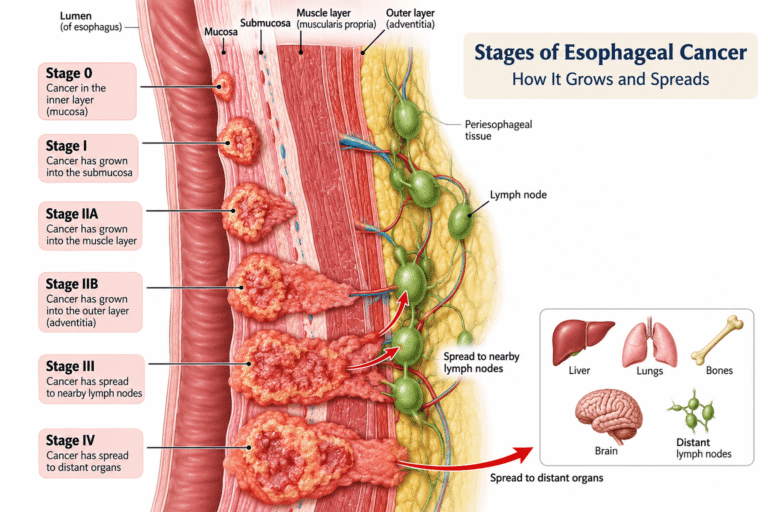
Modern oncology separates cancer spread into local disease, regional lymph node spread and distant metastasis. Regional spread means the cancer has reached nearby lymph nodes or nearby tissues. Distant spread means the cancer has reached distant lymph nodes or organs away from the primary esophageal tumour [1].
Population based research has reported the liver as one of the most common distant metastatic sites in esophageal cancer, followed by distant lymph nodes, lungs, bones and brain. This does not mean every patient will follow the same pattern. The exact spread depends on tumour type, tumour location, biology, lymphatic drainage, blood circulation, immune condition and the stage at which the cancer is diagnosed [2].
Table 1: Where Esophageal Cancer Spreads and What It May Cause
| Site of spread | What the scan may show | Common patient symptoms | Ayurvedic clinical focus | Why this matters | References |
|---|---|---|---|---|---|
| Liver | Liver lesions or hepatic metastasis | Poor appetite, nausea, fatigue, jaundice, itching, abdominal swelling, weight loss | Yakrit, Pitta, Rakta, Agni, Ama and Ojas | Liver function affects digestion, metabolism and treatment tolerance | [1, 2, 7, 9, 16] |
| Lungs | Lung nodules, pleural deposits or pleural fluid | Cough, breathlessness, chest pain, wheezing, low oxygen comfort | Pranavaha Srotas, Udana Vata, Kapha, Ama and Prana | Lung spread can quickly affect sleep, walking and confidence | [2, 7, 10, 16] |
| Bones | Bone lesions, spine involvement or skeletal metastasis | Deep pain, night pain, back pain, fracture risk, leg weakness | Asthi Dhatu, Majja Dhatu, Vata Shamana, Bala and Ojas | Bone spread affects pain, mobility, sleep and fracture safety | [2, 7, 11, 12, 17, 18] |
| Brain | Brain lesion or brain metastasis on MRI | Headache, seizure, vomiting, confusion, weakness, speech or vision change | Majjavaha Srotas, Prana Vata, Sadhaka Pitta, Tarpaka Kapha and Ojas | Brain symptoms can become urgent even when lesions are small | [13, 14, 16] |
| Lymph nodes | Cervical, supraclavicular, mediastinal, abdominal or distant lymph nodes | Neck swelling, chest pressure, worsening swallowing, fever, night sweats, weight loss | Rasa Dhatu, Lasika, Kapha, Ama, Granthi, Apachi and Srotorodha | Lymph node spread shows disease movement through drainage pathways | [1, 2, 4, 5, 20, 22] |
Ayurvedic Understanding of Where Esophageal Cancer Spreads
Ayurveda keeps the patient at the centre, not only the tumour location. In esophageal cancer, the primary pathway is closely connected with Annavaha Srotas, because swallowing, food passage, appetite and nourishment are directly affected. When Agni becomes weak and Ama accumulates, the body may gradually lose its ability to digest, absorb, repair and maintain strength.
From an Ayurvedic clinical view, spread to different organs can be understood through weakness of Srotas, Dhatu depletion, Khavaigunya and loss of Bala. Liver involvement needs attention to Yakrit, Pitta, Rakta and digestion. Lung involvement needs attention to Pranavaha Srotas, Kapha, Vata and breathing strength. Bone spread needs deeper Asthi and Majja Dhatu support, while brain involvement needs careful attention to Majjavaha Srotas, Prana Vata, sleep, cognition and neurological stability.
Why the Site of Spread Changes the Treatment Plan
The site of spread matters because liver, lung, bone, brain and lymph node metastasis produce different clinical risks. Liver spread may affect appetite, jaundice, digestion and liver function. Lung spread may cause cough, breathlessness or pleural fluid. Bone spread may cause deep pain, fracture risk or spinal pressure. Brain spread may cause headache, seizure, confusion, weakness or speech changes.
This is why an Ayurveda centred model should not use the same plan for every metastatic patient. The physician should study the scan report, biopsy, biomarker report, liver and kidney function, blood counts, weight loss, swallowing capacity, pain level, sleep, bowel pattern and current oncology treatment. A convincing Ayurvedic plan must be organ specific, strength preserving and measurable through both clinical symptoms and modern reports.
Classical Ayurvedic Principle for Protecting Strength
This classical reference is directly relevant because metastatic esophageal cancer care must protect the patient’s Bala while addressing growth, swelling, obstruction, pain and tissue weakness.
Sanskrit
ग्रन्थिष्वथामेषु भिषग्विदध्याच्छोफक्रियां विस्तरशो विधिज्ञः ।
रक्षेद्बलं चापि नरस्य नित्यं तद्रक्षितं व्याधिबलं निहन्ति ॥३॥
Transliteration
Granthiṣv athāmeṣu bhiṣag vidadhyāc chopha kriyāṃ vistaraśo vidhijñaḥ; rakṣed balaṃ cāpi narasya nityaṃ tad rakṣitaṃ vyādhibalaṃ nihanti.
Simple English meaning
In growths and swellings, a skilled physician should treat according to the condition and should always protect the patient’s strength. When Bala is protected, the force of disease can be reduced.
Book and verse detail
Sushruta Samhita, Chikitsa Sthana, Chapter 18, Granthi Apachi Arbuda Galaganda Chikitsa, Verse 3 [3].
Practical Message for Patients
The most important point is that where esophageal cancer spreads should guide treatment, but it should not define the patient completely. A scan may show liver lesions, lung nodules, bone deposits, brain involvement or lymph node spread, yet the real treatment strategy must also ask how well the patient is eating, digesting, sleeping, breathing, walking, tolerating treatment and maintaining hope.
In an Ayurveda centred curative model, the goal is to work on the disease terrain and the patient’s strength together. This means correcting Agni, reducing Ama, supporting affected Srotas, nourishing Dhatus, protecting Ojas, improving appetite and monitoring progress with modern investigations.
Where Esophageal Cancer Spreads and What Metastasis Means

When patients ask where esophageal cancer spreads, they are usually trying to understand whether the disease is still near the food pipe or has moved to distant parts of the body. In modern cancer staging, esophageal cancer is called metastatic when it spreads to distant lymph nodes or distant organs such as the liver, lungs, bones or brain. This stage changes the treatment plan, but it does not remove the need to study the whole patient with care, strength and clinical depth [1].
Where Esophageal Cancer Spreads From Local Disease to Distant Disease
Esophageal cancer may first grow deeper into the wall of the esophagus. It can then reach nearby tissues or nearby lymph nodes in the neck, chest or upper abdomen. When the disease moves beyond nearby structures and reaches distant lymph nodes or organs, it is considered distant metastasis [1].
This difference is important because local disease, regional lymph node spread and distant spread are not managed in the same way. A patient with only nearby lymph node involvement may have a different treatment plan from a patient whose scan shows liver lesions, lung nodules, bone deposits or brain involvement. That is why every report must be read carefully rather than judged only by the word “stage” [1].
Ayurvedic Meaning of Metastatic Spread
Ayurveda looks at metastatic spread through the condition of the whole internal system. In esophageal cancer, the main disturbance begins around Annavaha Srotas because swallowing, food movement, digestion and nourishment are directly affected. As the disease advances, weak Agni, Ama, Dhatu depletion, Srotas blockage and loss of Bala may create a weaker internal terrain where the disease becomes harder to contain.
This Ayurvedic understanding is clinically useful because metastatic cancer is rarely only a tumour problem. Many patients also suffer from poor appetite, weight loss, fatigue, pain, disturbed sleep, constipation, anxiety, low immunity and reduced treatment tolerance. An Ayurveda centred plan therefore studies the tumour location and the patient’s strength together.
Why Where Esophageal Cancer Spreads Changes Ayurvedic Planning
The site of spread decides which Srotas and Dhatus need deeper attention. Liver spread needs focus on Yakrit, Pitta, Rakta, digestion and appetite. Lung spread needs focus on Pranavaha Srotas, Kapha, Vata, cough, breathlessness and oxygen comfort. Bone spread needs Asthi Dhatu, Majja Dhatu, Vata Shamana, pain control and structural strength. Brain spread needs Majjavaha Srotas, Prana Vata, sleep, cognition and neurological stability.
Lymph node spread needs special attention to Rasa Dhatu, Lasika, Kapha, Ama, Granthi and Apachi related understanding. This is where classical Ayurveda becomes especially relevant, because tumour like growths, glandular swellings and obstructive changes are discussed under Granthi, Apachi and Arbuda in Sushruta Samhita [3].
Why Metastasis Does Not Mean the Same Thing for Every Patient
Two patients may both have metastatic esophageal cancer, but their real clinical condition may be very different. One patient may have a single liver lesion with good appetite and stable weight. Another may have multiple organ involvement, severe swallowing difficulty, low albumin, breathlessness, pain and rapid weight loss. The scan diagnosis may look similar, but the strength of the patient is not the same.
Ayurveda gives importance to this difference. A patient with better Agni, stronger Bala, stable digestion, good sleep and preserved Ojas usually has more capacity to tolerate treatment and recover strength. A patient with severe weakness first needs careful stabilisation of nutrition, digestion, pain, sleep and organ function. This is why Ayurveda centred cancer care must be individualised and monitored with both clinical observation and modern investigations.
Why Where Esophageal Cancer Spreads Changes the Whole Treatment Plan

Understanding where esophageal cancer spreads is important because each metastatic site affects the patient in a different way. Liver spread may disturb digestion and metabolism. Lung spread may affect breathing. Bone spread may cause pain and weakness. Brain spread may create neurological symptoms. Lymph node spread may show how actively the disease is moving through the body. Ayurveda places all these findings into a wider clinical picture by studying Agni, Ama, Srotas, Dhatu, Bala and Ojas along with the scan report [1, 2].
Where Esophageal Cancer Spreads Through Lymph and Blood
Esophageal cancer can spread through nearby tissues, lymphatic channels and blood circulation. The esophagus has a rich lymphatic network, so lymph node involvement is common in the neck, chest and upper abdomen. When cancer cells enter blood circulation, they may reach distant organs such as the liver, lungs, bones and brain [1, 2].
This pattern matters because metastatic disease is not only about a tumour appearing in another organ. It shows that the internal disease process has become systemic. In Ayurveda, this can be understood through deeper Srotas involvement, Dhatu weakness and reduced capacity of the body to contain disease movement. This is why treatment must focus on both the visible tumour burden and the patient’s internal strength.
Why Liver Spread Needs Digestive and Metabolic Attention
When esophageal cancer spreads to the liver, the patient may develop poor appetite, nausea, fatigue, abdominal heaviness, jaundice, itching, swelling or abnormal liver function tests. The liver is central to metabolism, detoxification, bile flow, protein balance and drug handling, so liver involvement can affect both symptoms and treatment tolerance [2].
Ayurveda gives special importance to Agni, Pitta, Rakta and Yakrit support in this situation. The goal is to protect digestion, improve appetite, reduce heaviness, support bowel movement, maintain strength and monitor liver function carefully. A patient with liver spread should not be pushed into harsh cleansing or extreme fasting because these may weaken Bala when the body already needs nourishment and stability.
Why Lung Spread Needs Pranavaha Srotas Support
When cancer spreads to the lungs or pleura, the patient may experience cough, breathlessness, chest discomfort, repeated fluid collection, low oxygen comfort or reduced walking capacity. Even small respiratory symptoms should be taken seriously because lung function directly affects energy, sleep and daily confidence [2].
In Ayurveda, lung involvement brings attention to Pranavaha Srotas, Udana Vata, Kapha balance and Ojas. Treatment planning should aim to ease breathing, reduce cough tendency, support sleep, preserve energy and avoid mucus increasing food or habits when they worsen symptoms. If breathlessness is severe, oxygen levels are falling, or chest pain is increasing, urgent medical assessment is necessary.
Why Bone Spread Needs Asthi and Majja Dhatu Care
Bone metastasis can cause deep pain, night pain, back pain, rib pain, hip pain, fracture risk or spinal pressure. If there is weakness in the legs, numbness, loss of bladder control or severe back pain, the patient needs urgent evaluation because spinal cord compression can become a medical emergency [2].
Ayurveda views this through Asthi Dhatu, Majja Dhatu and aggravated Vata. The practical aim is to reduce pain, protect sleep, support movement, preserve muscle strength and maintain confidence in daily activities. A stronger plan should also monitor calcium levels, kidney function, vitamin D status, pain score, walking ability and scan findings.
Why Brain Spread Needs Immediate Clinical Attention
Brain metastasis from esophageal cancer is less common than liver, lung, lymph node and bone spread, but it can be serious. Headache, vomiting, seizure, confusion, weakness on one side, speech change, vision change or sudden imbalance should not be ignored [2].
Ayurveda can support the patient through Majjavaha Srotas, Prana Vata, Sadhaka Pitta, Tarpaka Kapha, sleep stability and Ojas protection. At the same time, neurological symptoms need timely modern assessment because brain swelling, seizure risk and pressure effects may require urgent treatment. This balanced message helps patients trust Ayurveda without feeling that urgent medical care is being dismissed.
Why Lymph Node Spread Shows Disease Movement
Lymph node spread is clinically important because it reflects movement through the lymphatic system. Nearby lymph nodes may be involved in earlier stages, while distant lymph node involvement usually suggests metastatic disease. Patients may notice swelling in the neck or collarbone area, chest pressure, swallowing worsening, fever, night sweats, weight loss or persistent weakness [1].
Ayurveda connects this area with Rasa Dhatu, Lasika, Kapha, Ama, Granthi, Apachi and Arbuda related understanding. The goal is to study node size, tenderness, systemic symptoms, digestion, inflammatory signs and overall strength. This is also where classical Ayurvedic tumour and glandular swelling concepts can support a deeper clinical explanation, especially when the treatment plan is individualized and measurable [3].
How Ayurveda Builds a Site Specific Plan
A trustworthy Ayurvedic plan should first identify where esophageal cancer spreads, then ask how that spread is affecting the patient’s daily life. The same medicine plan should not be used blindly for every metastatic patient. A patient with liver involvement needs different priorities from a patient with severe bone pain, lung symptoms or neurological signs.
The central Ayurvedic goal is to protect Agni, reduce Ama, open affected Srotas, nourish weakened Dhatus, preserve Bala and protect Ojas. Modern reports then help measure whether the patient is moving in the right direction. This includes weight, appetite, swallowing, pain score, breathing comfort, sleep, bowel function, blood counts, liver function, kidney function, albumin, calcium and repeat imaging when advised.
Where Esophageal Cancer Spreads to the Liver
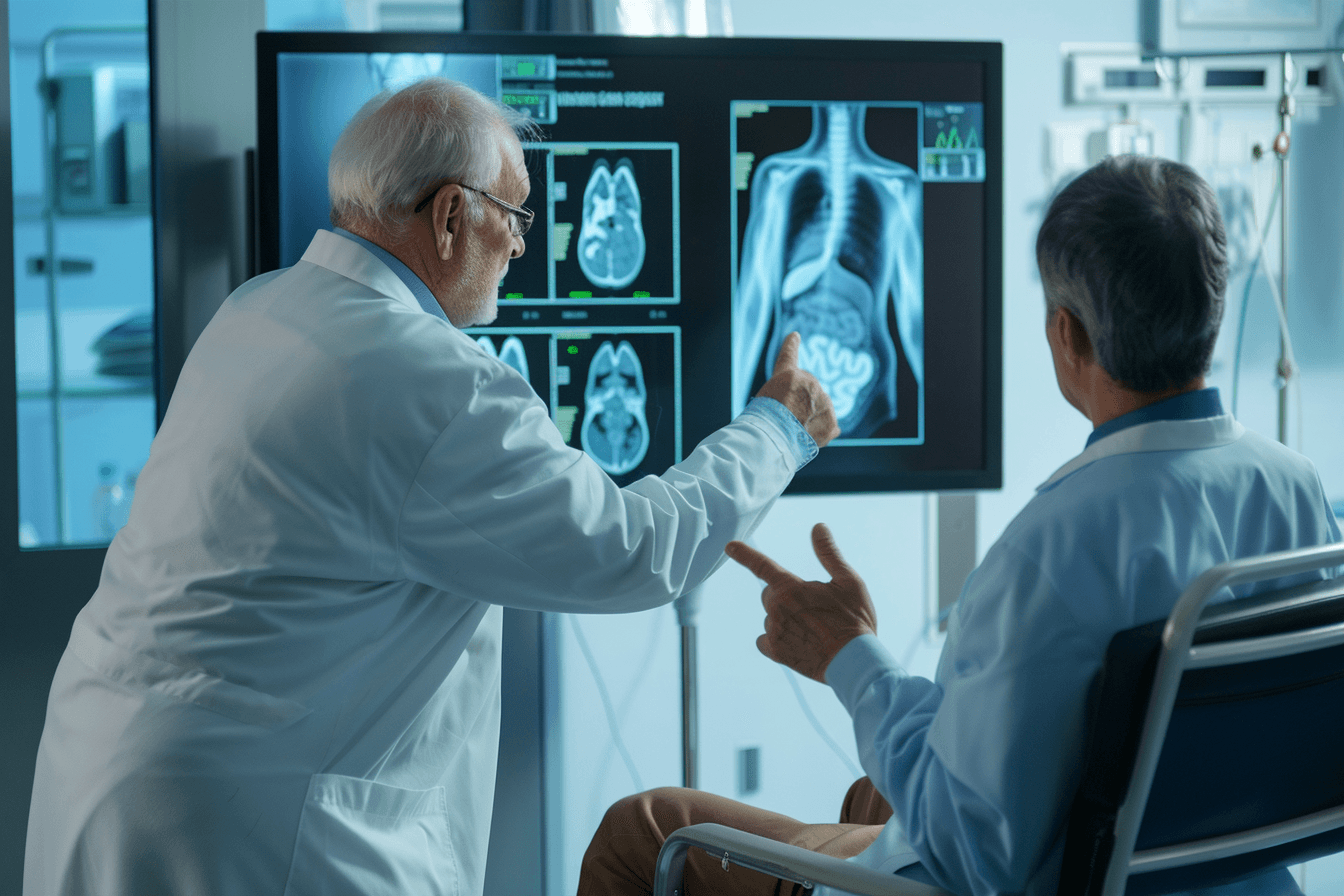
When families ask where esophageal cancer spreads, the liver is one of the most important organs to understand. Research on metastatic esophageal cancer has reported the liver as a common distant metastatic site, and modern staging also recognises liver involvement as distant spread when cancer cells move beyond the esophagus and nearby lymph nodes [1, 2]. Ayurveda keeps this finding at the centre, but it also asks a deeper clinical question: how much has liver involvement affected Agni, appetite, digestion, strength, Pitta, Rakta and Ojas?
Where Esophageal Cancer Spreads and Why the Liver Is Commonly Involved
The liver is a blood rich organ that receives and filters a large amount of circulation from the digestive system. Because esophageal cancer can spread through blood and lymphatic routes, cancer cells may settle in the liver and form metastatic lesions [2]. This is different from primary liver cancer. In this situation, the original cancer is still esophageal cancer, but it has created deposits in the liver.
This distinction matters because treatment is planned according to the original cancer type, biopsy findings, biomarkers, scan pattern and liver function. A patient with esophageal adenocarcinoma and liver metastasis may need a different oncology plan from a patient with squamous cell carcinoma and the same organ involvement. Ayurveda also should not treat every liver lesion in the same way. It must study the patient’s digestion, appetite, bowel movement, weight loss, fatigue, jaundice tendency, pain pattern and treatment tolerance.
Symptoms When Esophageal Cancer Spreads to the Liver
Liver spread may remain silent in the early phase and appear only on PET CT, CT scan or MRI. When symptoms develop, patients may notice poor appetite, nausea, early fullness, right upper abdominal discomfort, fatigue, weight loss, itching, yellow eyes, dark urine, pale stool, abdominal swelling or worsening weakness. Some patients also develop abnormal liver function tests before obvious jaundice appears.
From an Ayurvedic view, these symptoms show that the disease is no longer limited to swallowing difficulty. The digestive fire, bile flow, Rakta related metabolism and tissue nourishment may be disturbed. A patient may eat less, digest poorly and lose strength quickly. This is why an Ayurveda centred plan should first protect Agni and Bala before adding heavy or difficult to digest medicines.
Ayurvedic View of Liver Spread in Esophageal Cancer
In Ayurveda, liver involvement can be studied through Yakrit, Ranjaka Pitta, Rakta Dhatu, Agni, Ama and the strength of Annavaha Srotas. The esophagus is directly related to food passage, but the liver is deeply related to digestion, metabolism, blood formation support and toxin handling. When both areas are affected, the patient may become weak not only because of tumour burden, but also because the body is unable to transform food into stable nourishment.
A practical Ayurvedic assessment should therefore ask whether the patient feels hungry, whether food causes heaviness, whether stool is regular, whether the tongue shows Ama, whether there is burning, nausea, bitterness, yellow discoloration, swelling, sleep disturbance or unexplained exhaustion. This is how Ayurveda brings clinical depth into metastatic care. The scan tells where the disease has reached, but Agni and Bala tell how much strength remains for recovery work.
Ayurveda Centred Treatment Goals for Liver Spread
In liver metastasis, the Ayurvedic goal is to support the patient’s internal terrain while monitoring modern reports carefully. The first aim is to keep food intake possible and digestion stable. The second aim is to reduce Ama and heaviness without using harsh cleansing. The third aim is to support Yakrit, Pitta and Rakta balance so that appetite, energy, bowel function and liver comfort can improve. The fourth aim is to protect Ojas, because advanced cancer patients often decline when nutrition, sleep and emotional strength collapse together.
This approach should be careful and measured. Strong medicines may be useful only when the patient can digest them. If the patient has jaundice, high bilirubin, severe nausea, very low albumin or rapidly worsening liver enzymes, the plan must be adjusted with caution. Western patients trust Ayurveda more when the physician explains these safety decisions clearly and follows blood reports instead of giving the same formula blindly.
Modern Tests That Should Guide Ayurvedic Planning
A liver focused Ayurvedic plan should be guided by modern investigations. PET CT or contrast CT can show the number, size and activity of liver lesions. MRI liver may be useful when CT findings are unclear. Blood tests such as bilirubin, SGOT, SGPT, alkaline phosphatase, GGT, albumin, INR, kidney function, electrolytes and blood counts help judge whether the liver is tolerating disease and treatment.
These reports are not against Ayurveda. They make Ayurvedic care more precise. If appetite improves but bilirubin rises, the plan needs review. If pain reduces but albumin keeps falling, nutrition needs stronger attention. If liver enzymes worsen during chemotherapy, immunotherapy or herbal use, the patient needs coordinated monitoring. This is the type of transparent approach that builds trust and protects safety.
What Patients Should Avoid When the Liver Is Involved
Patients with liver spread should avoid alcohol, aggressive fasting, extreme detox plans, unverified supplements and unsupervised herbal combinations. They should also avoid assuming that every natural product is safe for the liver. In metastatic esophageal cancer, the liver may already be under pressure from tumour burden, poor nutrition, inflammation and modern medicines, so any additional load can become clinically important.
Ayurveda does not require harsh treatment to be powerful. In a weak patient, deep nourishment, correct Agni support, mild Ama reduction, bowel regularity, sleep protection and organ specific Rasayana planning may be more intelligent than forceful cleansing. The aim is to make the body stronger, not exhausted.
When Liver Spread Needs Urgent Medical Attention
Urgent medical review is needed if the patient develops deep yellow eyes, fever with jaundice, severe abdominal pain, repeated vomiting, confusion, bleeding, black stool, sudden swelling of the abdomen or extreme drowsiness. These symptoms may suggest obstruction, infection, bleeding, liver failure or metabolic disturbance. Ayurveda can remain part of the wider plan, but emergency signs should never be managed at home.
Where Esophageal Cancer Spreads to the Lungs

When patients ask where esophageal cancer spreads, the lungs are one of the major organs that need careful attention. Lung involvement may appear as lung nodules, pleural deposits, fluid around the lungs or enlarged chest lymph nodes. Modern research has reported the lungs as an important distant metastatic site in esophageal cancer, while Ayurveda studies lung spread through Pranavaha Srotas, Udana Vata, Kapha, Ama, Bala and Ojas [1, 2].
Where Esophageal Cancer Spreads and Why the Lungs Are Affected
Esophageal cancer can reach the lungs through blood circulation, lymphatic channels or spread within the chest region. Because the esophagus lies close to the airway, lungs, mediastinum and chest lymph nodes, lung related involvement may appear in different forms. Some patients have small nodules found only on CT or PET CT, while others develop cough, breathlessness, chest discomfort or pleural fluid.
This is why lung spread must be interpreted carefully. A lung nodule does not always mean the same thing in every patient. The doctor should study the size, number, location, metabolic activity on PET CT, previous scan comparison, biopsy results when needed and the patient’s symptoms. Ayurveda also looks beyond the scan by asking whether breathing is comfortable, sleep is disturbed, cough is dry or mucus based, appetite is stable, weight is falling and the patient’s stamina is declining.
Symptoms When Esophageal Cancer Spreads to the Lungs
Lung spread may remain silent in the beginning. Many patients first learn about it from a scan report. When symptoms appear, they may include persistent cough, breathlessness on walking, chest pain, wheezing, repeated chest infection like episodes, tiredness, low oxygen comfort, fluid around the lungs or difficulty lying flat.
These symptoms can affect the patient emotionally because breathing difficulty creates fear quickly. A person who was only worried about swallowing may suddenly feel weak while walking, talking or sleeping. In Ayurveda, this change shows that the disease has started disturbing Pranavaha Srotas and the patient’s vital energy. Breathing, sleep, digestion and mental steadiness must therefore be supported together.
Ayurvedic View of Lung Spread in Esophageal Cancer
Ayurveda gives central importance to Prana because breathing is directly connected with life force, strength and clarity of mind. In lung involvement, the clinical focus moves toward Pranavaha Srotas, Udana Vata, Kapha balance, Ama reduction and Ojas protection. If Kapha and Ama dominate, the patient may feel heaviness, mucus, congestion and sluggishness. If Vata is aggravated, the patient may experience dry cough, air hunger, anxiety, disturbed sleep and weakness.
A practical Ayurvedic assessment should ask whether the cough is dry or productive, whether breathlessness increases after food, whether the patient can lie flat, whether mucus is thick, whether there is chest tightness, whether sleep is broken and whether appetite is reducing. These details help the physician decide whether the plan should focus more on Kapha clearing, Vata calming, Prana support, Agni correction or Rasayana nourishment.
Ayurveda Centred Treatment Goals for Lung Spread
The first goal is to keep breathing comfortable and reduce unnecessary respiratory burden. The second goal is to support Agni so that food does not create heaviness, mucus or bloating that worsens breathing. The third goal is to regulate Vata and Kapha so cough, chest discomfort and sleep disturbance can improve. The fourth goal is to protect Bala and Ojas, because advanced cancer patients often decline faster when breathing difficulty, poor sleep and poor nutrition occur together.
In an Ayurveda centred curative model, lung care should not be limited to cough management. The physician should work on the full chain of disease expression. This includes digestion, respiratory comfort, energy, sleep, anxiety, bowel movement, inflammation, strength and treatment tolerance. A patient with stable breathing, better appetite, improved walking capacity and restful sleep is usually in a stronger position to continue deeper cancer care.
Modern Tests That Should Guide Ayurvedic Planning
Lung spread should be monitored with suitable modern investigations. CT chest helps assess nodules, pleural disease, airway pressure and chest lymph nodes. PET CT helps understand whether lung lesions are metabolically active. X ray may help in follow up of pleural fluid. Oxygen saturation, blood counts, inflammatory markers and kidney and liver function tests are also useful when planning treatment.
If pleural fluid is present, doctors may advise fluid analysis to confirm whether it is malignant, infectious or inflammatory. This information matters because infection, fluid overload, tumour spread and treatment reactions may look similar from symptoms alone. Ayurveda becomes more trustworthy when it respects these differences and uses modern testing to refine the plan instead of guessing.
Diet and Daily Care When the Lungs Are Involved
Food should be easy to digest and should not increase heaviness, reflux or mucus. Small warm meals are often better tolerated than large heavy meals. Very cold drinks, smoking exposure, heavy fried food, excess dairy and late night overeating may worsen cough, reflux or breathlessness in some patients. The exact diet should still be personalised because metastatic patients may also have weight loss and cannot be put on restrictive diets blindly.
Daily care should protect breathing and energy. The patient should avoid overexertion, dusty environments, smoke exposure and unmanaged reflux. Gentle breathing awareness may help some patients, but forceful pranayama is not suitable when there is severe breathlessness, low oxygen, pleural fluid, chest pain or marked weakness. In such cases, safety comes first.
When Lung Spread Needs Urgent Medical Attention
Urgent medical care is needed if the patient develops severe breathlessness, bluish lips, sudden chest pain, coughing blood, high fever, confusion, rapidly worsening weakness or oxygen saturation falling below the safe range advised by the treating doctor. These signs may indicate pleural fluid pressure, infection, pulmonary embolism, airway compromise or advanced respiratory distress.
Ayurveda should remain part of the broader care plan, but emergency respiratory symptoms should not be managed at home. A trustworthy Ayurvedic physician should clearly tell patients when hospital support is needed. This protects life, builds confidence and keeps the treatment approach medically responsible.
Where Esophageal Cancer Spreads to the Bones
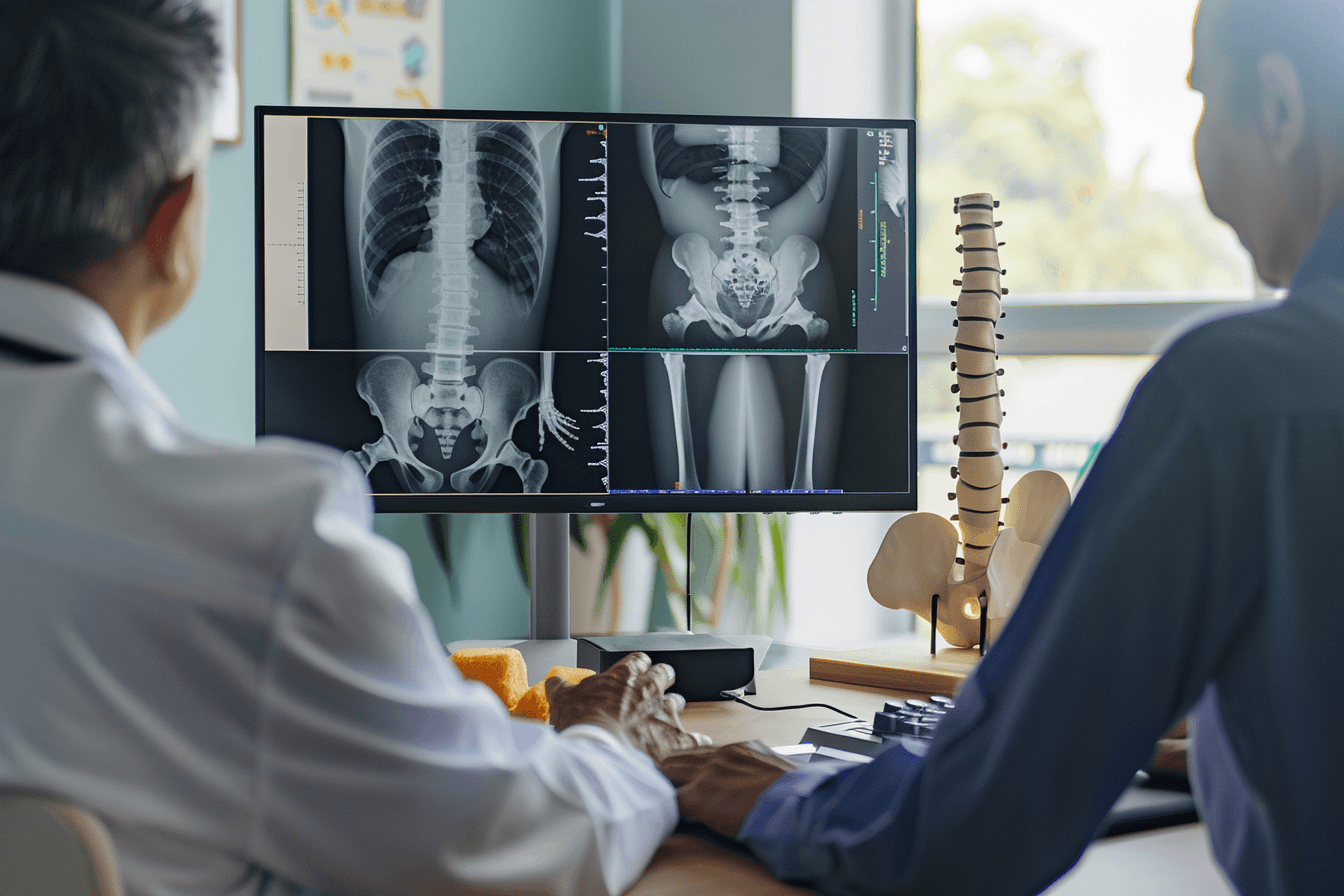
When patients ask where esophageal cancer spreads, bone involvement is one of the most clinically important areas to understand because it can affect pain, sleep, walking, fracture risk and independence. Esophageal cancer may spread to the bones through blood circulation, and studies on metastatic patterns have reported bone as one of the recognised distant metastatic sites [2, 7, 11]. Ayurveda places this situation under deeper Dhatu involvement, especially Asthi Dhatu, Majja Dhatu, Vata aggravation, Bala reduction and Ojas depletion.
Where Esophageal Cancer Spreads and Why Bones Become Painful
Bone spread is different from ordinary body pain. Metastatic deposits can disturb the normal strength and structure of bone, creating deep, persistent pain that may worsen at night or during movement. Some patients feel pain in the spine, ribs, pelvis, hip, shoulder or long bones, while others first discover bone involvement during PET CT, CT scan, bone scan or MRI [11, 12].
From an Ayurvedic perspective, bone pain in metastatic disease reflects deeper involvement of Asthi Dhatu and Majja Dhatu along with aggravated Vata. Vata naturally has a strong relationship with pain, dryness, weakness, instability and degeneration. When cancer has reached the bones, treatment planning must therefore focus not only on tumour control, but also on pain relief, tissue nourishment, sleep protection, movement support and preservation of Bala.
Symptoms When Esophageal Cancer Spreads to the Bones
Bone metastasis may cause dull aching pain, sharp local pain, pain on pressure, night pain, back pain, rib pain, hip pain, difficulty walking or sudden worsening after minor strain. If the spine is involved, the patient may develop leg weakness, numbness, tingling, difficulty standing, loss of balance, bladder change or bowel change. These symptoms need urgent medical assessment because spinal cord pressure can become dangerous if treatment is delayed [16, 17].
Some patients also develop high calcium levels due to bone involvement. This may cause thirst, constipation, nausea, confusion, weakness, drowsiness or irregular heartbeat. Ayurveda can support strength and comfort, but symptoms suggesting spinal cord compression or high calcium should never be managed at home without modern medical evaluation.
Ayurvedic View of Bone Spread in Esophageal Cancer
Ayurveda gives special importance to Asthi Dhatu because it provides structure, stability and physical support. Majja Dhatu is also important because it is closely related to the inner nourishment of bone, nerve strength and deeper vitality. When metastatic esophageal cancer reaches the bones, the patient often shows signs of Vata aggravation, Dhatu kshaya, pain, poor sleep, fear, reduced mobility and falling confidence.
An Ayurveda centred assessment should study the exact pain location, pain timing, sleep quality, walking ability, appetite, bowel movement, muscle loss, weight loss, mental state and current pain medicines. This is important because the same scan finding can affect two patients differently. One patient may walk normally with mild pain, while another may have severe back pain, weakness and high fracture risk. Ayurveda becomes more practical when it studies both the report and the patient’s real functional strength.
Ayurveda Centred Treatment Goals for Bone Spread
The first Ayurvedic goal in bone spread is Vata Shamana because uncontrolled Vata can worsen pain, anxiety, sleeplessness, constipation and weakness. The second goal is Asthi and Majja Dhatu support through nourishing Rasayana planning that the patient can digest. The third goal is Bala protection, because patients with bone metastasis often lose strength quickly when pain prevents sleep, movement and food intake.
This model should be curative in direction but measured in execution. The physician should aim to reduce pain, improve sleep, support appetite, preserve walking ability, reduce dependence on stronger pain medicines where clinically possible and monitor whether the patient’s scan and blood reports remain stable or improve. Strong Ayurvedic medicines should be selected only after studying digestion, liver function, kidney function, calcium level, blood counts and ongoing oncology treatment.
Modern Tests That Should Guide Ayurvedic Planning
Bone involvement should be evaluated with appropriate imaging and blood tests. PET CT can identify metabolically active bone lesions, while MRI is especially important when there is severe back pain, weakness, numbness or suspicion of spinal cord compression. Bone scan, CT and X ray may also be used depending on the clinical situation [11, 12, 17].
Blood tests help complete the picture. Calcium, alkaline phosphatase, vitamin D, kidney function, albumin, complete blood count and inflammatory markers can guide safety and treatment planning. These reports are not separate from Ayurveda. They help the Ayurvedic physician judge whether Asthi and Majja support can be given strongly, whether the plan needs gentler digestion support first, and whether urgent hospital treatment is required.
Daily Care When Bones Are Involved
The daily plan should protect the patient from pain flare ups, falls and avoidable strain. Sudden bending, lifting weight, forceful massage, aggressive stretching and unsupported walking may be unsafe when the spine, hip or weight bearing bones are involved. Gentle movement may help only when the treating doctor confirms that the bones are stable enough.
Diet should be nourishing but easy to digest. Extreme fasting, dry food, irregular meals and excessive restriction can aggravate Vata and weaken Bala. A better Ayurvedic approach is to support Agni with warm, digestible meals while maintaining protein, hydration and bowel regularity. Constipation must be taken seriously because pain medicines, low movement, dehydration and Vata aggravation can make it worse.
When Bone Spread Needs Urgent Medical Attention
Urgent medical care is needed if the patient has severe new back pain, leg weakness, numbness around the groin area, difficulty walking, loss of bladder or bowel control, sudden fracture, confusion, severe constipation with weakness or extreme drowsiness. These signs may suggest spinal cord compression, unstable bone disease or high calcium, and delay can lead to serious harm [16, 17, 18].
A trustworthy Ayurveda centred plan should clearly explain these warning signs. This does not reduce the value of Ayurveda. It shows clinical maturity, protects the patient and allows Ayurvedic care to continue safely alongside necessary emergency treatment.
Where Esophageal Cancer Spreads to the Brain
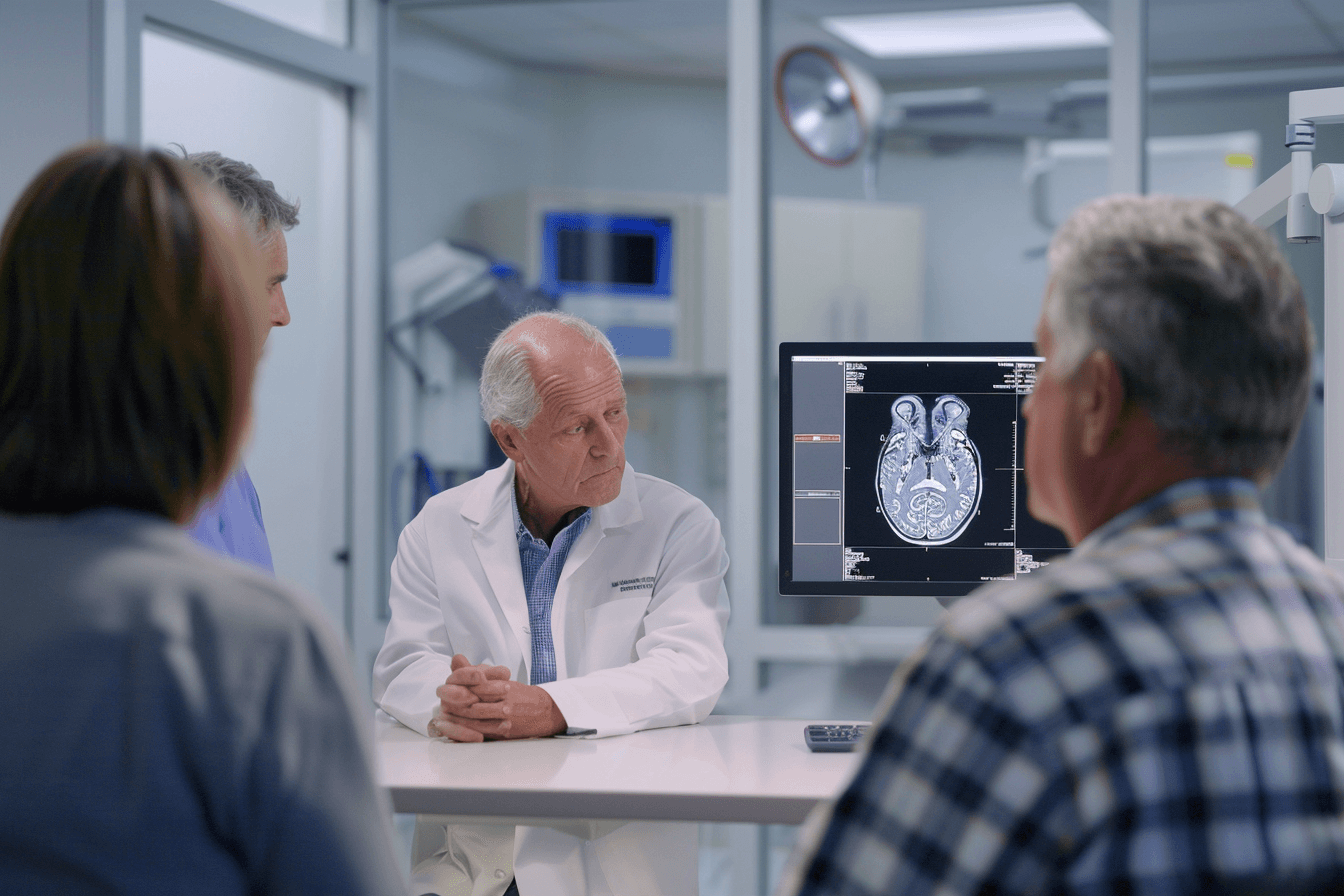
When patients ask where esophageal cancer spreads, brain involvement is less common than liver, lung, lymph node or bone spread, but it needs serious attention because even a small lesion can affect speech, movement, balance, memory, sleep and consciousness. Modern studies describe brain metastasis from esophageal cancer as uncommon but clinically important, with symptoms that may require urgent treatment [13, 14]. Ayurveda keeps the focus on the whole patient by studying Majjavaha Srotas, Prana Vata, Sadhaka Pitta, Tarpaka Kapha, Bala and Ojas along with MRI findings and neurological symptoms.
Where Esophageal Cancer Spreads and Why Brain Involvement Is Serious
The brain controls movement, speech, vision, memory, emotion, balance and awareness. When esophageal cancer spreads to the brain, symptoms may appear suddenly or gradually depending on the size, number and location of lesions. Some patients are diagnosed only after an MRI, while others first develop headache, vomiting, seizure, confusion or weakness on one side of the body [13, 14].
This is why brain spread must never be handled casually. A small metastatic deposit in a sensitive area may produce major symptoms, while a larger lesion in another area may remain silent for some time. The report should be understood with the patient’s symptoms, neurological examination, current medicines, steroid use, seizure history, general strength and overall cancer burden.
Symptoms When Esophageal Cancer Spreads to the Brain
Brain metastasis may cause persistent headache, repeated vomiting, blurred vision, double vision, dizziness, imbalance, seizure, confusion, memory changes, speech difficulty, weakness in one arm or leg, facial deviation or unusual behaviour. Some patients may also become excessively sleepy or mentally slow because of brain swelling, raised pressure, electrolyte imbalance or treatment related effects [16].
Ayurveda reads these symptoms through disturbance of Prana Vata, Majjavaha Srotas and the deeper support systems of the mind and nerves. Prana Vata governs higher neurological control, sensory coordination and mental steadiness. When it becomes disturbed in advanced disease, the patient may experience fear, insomnia, confusion, restlessness, tremor, weakness or altered awareness. This Ayurvedic view helps the physician support neurological stability while also respecting the need for urgent modern care.
Ayurvedic View of Brain Spread in Esophageal Cancer
In an Ayurveda centred model, brain involvement is not seen only as a lesion on MRI. It is studied as a deeper disturbance involving Majja Dhatu, Prana Vata, Sadhaka Pitta, Tarpaka Kapha, sleep quality, mental clarity and Ojas. Majja Dhatu is important because it relates to deeper nourishment, nervous tissue strength and internal stability. Ojas is equally important because patients with brain symptoms often become fearful, sleepless, weak and emotionally exhausted.
The physician should assess headache pattern, seizure history, sleep, memory, speech, limb power, gait, appetite, bowel movement, pain medicines, steroid use, blood sugar, sodium level and overall strength. This makes the Ayurvedic plan safer and more practical. A patient with stable speech and mild headache needs a different plan from a patient with seizure, confusion, severe vomiting or one sided weakness.
Ayurveda Centred Treatment Goals for Brain Spread
The first goal is to protect safety. Seizure, sudden weakness, severe headache, confusion, repeated vomiting or loss of consciousness should be treated as urgent warning signs. Ayurveda can remain central in the long term plan, but emergency neurological symptoms need immediate medical assessment because brain swelling and pressure effects can progress quickly [16].
The second goal is to stabilise Prana Vata and protect sleep. Poor sleep, anxiety and fear can worsen weakness and reduce the patient’s capacity to tolerate treatment. The third goal is to support Majja Dhatu and Ojas through carefully selected Rasayana care that the patient can digest. The fourth goal is to maintain appetite, bowel regularity, calmness, strength and treatment tolerance without adding unnecessary medicine burden.
Modern Tests That Should Guide Ayurvedic Planning
MRI brain with contrast is usually the most useful test for suspected brain metastasis. CT brain may be used in emergencies when quick assessment is needed. Neurological examination, seizure assessment, blood sugar, sodium, calcium, complete blood count, liver function and kidney function help identify whether symptoms are due to brain lesions, swelling, infection, metabolic imbalance or medicine effects [13, 14, 16].
These investigations strengthen Ayurveda rather than reducing its role. They help decide whether the patient needs urgent hospital support, steroid adjustment, anti seizure medicine, radiation planning, surgery in selected cases or closer monitoring. An Ayurvedic physician can then plan support for Prana Vata, Majja Dhatu, sleep, appetite, digestion and Ojas with better safety.
Daily Care When Brain Involvement Is Present
The home environment should be calm, supervised and safe. Patients with seizures, imbalance, confusion or limb weakness should not walk alone, climb stairs without help, drive, cook near fire or stay unsupervised in the bathroom. These precautions protect the patient from falls and injury while treatment is being planned.
Diet should remain light, nourishing and easy to digest. Long fasting, dehydration, alcohol, sedative self medication and unverified supplements should be avoided. If the patient is taking steroids, anti seizure medicines, chemotherapy, immunotherapy or pain medicines, every Ayurvedic medicine should be reviewed carefully so that liver function, kidney function, sleep, blood sugar and mental status remain protected.
When Brain Spread Needs Urgent Medical Attention
Urgent medical care is needed if the patient develops a first seizure, sudden weakness, severe headache, repeated vomiting, confusion, fainting, speech change, vision loss, extreme sleepiness, sudden imbalance or loss of bladder control. These symptoms may suggest brain swelling, bleeding, seizure risk, raised pressure or metabolic disturbance, and delay can be dangerous [16].
A medically responsible Ayurveda centred approach clearly separates emergency care from long term strengthening care. This honesty builds trust with Western patients because it shows that Ayurveda is being used with clinical intelligence, not as a replacement for urgent neurological treatment.
Where Esophageal Cancer Spreads to the Lymph Nodes
When patients ask where esophageal cancer spreads, lymph nodes are one of the most important places to understand because the esophagus has a wide lymphatic network. Cancer cells can move from the primary tumour into nearby lymph nodes in the neck, chest or upper abdomen, and in advanced disease they may also reach distant lymph nodes. Ayurveda studies this pattern through Rasa Dhatu, Lasika, Kapha, Ama, Srotorodha, Granthi, Apachi, Bala and Ojas [1, 2, 20].
Where Esophageal Cancer Spreads Through the Lymphatic System
The lymphatic system works like a drainage and immune surveillance network. Because the esophagus passes through the neck, chest and upper abdomen, cancer cells may travel through lymph channels in more than one direction. This is why lymph nodes may be found in the cervical region, supraclavicular area, mediastinum, paraesophageal region, abdominal region or around the celiac area depending on tumour location and stage [1, 2].
Lymph node involvement does not always mean the same thing for every patient. Nearby lymph node spread may be part of regional disease, while distant lymph node spread usually indicates metastatic disease. This difference affects staging, treatment planning and prognosis, so the scan report should be interpreted carefully rather than judged only by the presence of enlarged nodes [1].
Symptoms When Esophageal Cancer Spreads to the Lymph Nodes
Lymph node spread may not cause symptoms in the beginning. Many patients first learn about it from PET CT, CT scan, endoscopic ultrasound or biopsy. When symptoms appear, they may include swelling in the neck or collarbone area, chest pressure, worsening swallowing difficulty, persistent cough, hoarseness, abdominal discomfort, unexplained fever, night sweats, weight loss or increasing fatigue [4, 5].
In Ayurveda, these symptoms suggest that the disease is not only obstructing food passage but also affecting deeper circulation, nourishment and immune strength. Rasa Dhatu and Lasika need special attention because they are closely connected with fluid movement, tissue nourishment and lymphatic flow. When Kapha and Ama obstruct the channels, the patient may feel heaviness, swelling, sluggish digestion and reduced vitality.
Ayurvedic View of Lymph Node Spread in Esophageal Cancer
Ayurveda gives a strong framework for understanding glandular swellings, nodular growths and obstructive changes through Granthi, Apachi and Arbuda. Sushruta Samhita discusses these conditions in Nidana Sthana Chapter 11, which is useful when explaining tumour like growths and glandular involvement in a classical Ayurvedic context [20, 22].
This does not mean that modern lymph node metastasis should be simplistically equated with one classical term. A trustworthy Ayurvedic physician uses classical principles to understand the patient’s internal terrain while still respecting biopsy, imaging and staging. In practical care, lymph node spread is studied through the size and location of nodes, tenderness, rate of growth, swallowing difficulty, fever pattern, appetite, weight, strength and Ojas.
Ayurveda Centred Treatment Goals for Lymph Node Spread
The first Ayurvedic goal is to correct Agni because weak digestion increases Ama and weakens tissue nourishment. The second goal is to reduce Srotorodha so that heaviness, swelling and stagnation can improve. The third goal is to support Rasa Dhatu, Lasika and Rakta so the body’s circulation, nourishment and repair capacity are protected. The fourth goal is to preserve Bala and Ojas, especially when the patient has weight loss, fatigue, low appetite or poor sleep.
This approach should be individualized. A patient with small metabolically active lymph nodes but stable appetite needs a different plan from a patient with bulky nodes, severe dysphagia, fever, low albumin and rapid weight loss. Ayurveda becomes more convincing when it explains these differences and uses measurable goals such as swallowing comfort, appetite, weight stability, node size, inflammatory markers and repeat imaging.
Modern Tests That Should Guide Ayurvedic Planning
PET CT helps identify metabolically active lymph nodes and distant disease burden. Contrast CT can show node size, location and pressure effect. Endoscopic ultrasound can assess deeper nodes close to the esophagus, and guided biopsy may be used when confirmation is needed. Blood tests such as complete blood count, liver function, kidney function, albumin and inflammatory markers help understand the patient’s strength and treatment tolerance [1, 15].
These reports should be used alongside Ayurvedic assessment. If a node is shrinking but the patient is losing weight, the nutrition plan needs correction. If swallowing is worsening despite stable imaging, local obstruction or inflammation may need review. If fever, night sweats or sudden weakness appear, infection, disease progression or treatment reaction must be considered. This combined method protects patient trust.
Daily Care When Lymph Nodes Are Involved
Daily care should focus on digestion, nourishment and comfort. Soft, warm and easy to digest food is often better tolerated when swallowing is affected. Large meals, dry food, very spicy food, alcohol and late night overeating may worsen reflux, heaviness or swallowing distress in some patients. The plan should not be overly restrictive because metastatic patients need enough calories and protein to preserve strength.
Patients should also avoid forceful massage over swollen lymph nodes, unverified anticancer supplements and aggressive detox routines. In Ayurveda, clearing Ama does not mean weakening the patient. The better approach is to improve Agni, keep bowels regular, reduce heaviness, support sleep and maintain tissue nourishment with carefully selected medicines that the patient can digest.
When Lymph Node Spread Needs Urgent Medical Attention
Urgent medical review is needed if lymph node swelling is rapidly increasing, swallowing becomes impossible, the patient cannot swallow saliva, breathing becomes difficult, fever is persistent, severe chest pressure develops, or there is sudden voice change with choking. These signs may suggest obstruction, infection, airway pressure or disease progression, and they should not be managed at home.
Ayurveda centred care remains valuable, but safety must come first when lymph node spread affects breathing, swallowing or systemic strength. This clear boundary makes the treatment approach more responsible and reassuring for Western patients.
How Doctors Confirm Where Esophageal Cancer Spreads

To understand where esophageal cancer spreads, doctors need more than symptoms alone. A patient may have swallowing difficulty, weight loss, cough, pain or fatigue, but these symptoms cannot accurately show whether the disease has reached the liver, lungs, bones, brain or distant lymph nodes. Modern investigations reveal the location and extent of spread, while Ayurveda studies how that spread is affecting Agni, Bala, Dhatu strength, Srotas function and Ojas [1, 15, 16].
Table 2: Best Tests to Confirm Where Esophageal Cancer Spreads
| Test | Best used for | What it can show | How it helps Ayurvedic planning | References |
|---|---|---|---|---|
| PET CT | Whole body metastatic assessment | Active disease in liver, lungs, bones, lymph nodes and other sites | Helps identify the main disease burden and organ priority | [1, 15] |
| Contrast CT chest and abdomen | Chest, liver, lungs, lymph nodes and abdomen | Tumour size, nodes, liver lesions, lung nodules, pleural fluid | Guides organ specific Srotas and Dhatu planning | [15] |
| MRI brain | Suspected brain involvement | Brain metastasis, swelling and pressure effects | Guides Majjavaha Srotas and Prana Vata support with safety boundaries | [13, 14, 16] |
| MRI spine | Severe back pain or neurological signs | Spine lesions or spinal cord compression | Guides Asthi, Majja and Vata care while avoiding unsafe therapies | [17, 18] |
| Endoscopy with biopsy | Primary tumour confirmation | Cancer type and tissue diagnosis | Helps avoid blind treatment and supports personalised planning | [15] |
| Endoscopic ultrasound | Local depth and nearby lymph nodes | Tumour depth and regional nodes | Helps assess Annavaha Srotas obstruction and local disease burden | [15] |
| Blood tests | Treatment capacity and safety | CBC, LFT, KFT, albumin, calcium, electrolytes | Decides medicine strength, Rasayana timing and safety monitoring | [15, 16] |
Where Esophageal Cancer Spreads on PET CT
PET CT is commonly used to look for active disease in the body. It can help identify spread to distant lymph nodes, liver, lungs, bones and other organs. This is useful because metastatic esophageal cancer may not always produce clear symptoms in the beginning, especially when lesions are small or located deep inside the body [1, 15].
From an Ayurveda centred view, PET CT gives the map of disease activity, but it does not fully explain the patient’s internal strength. Two patients may have similar scan findings, yet one may have good appetite, stable weight and strong sleep, while another may have severe weakness, poor digestion and rapid decline. This is why the scan should be studied together with Agni, Ama, Bala, Ojas, pain, nutrition and daily function.
Where Esophageal Cancer Spreads on CT Scan
A contrast CT scan helps doctors study the chest, abdomen, liver, lungs and lymph nodes in detail. It can show the size of the primary tumour, enlarged lymph nodes, liver lesions, lung nodules, pleural fluid, abdominal disease and pressure effects around nearby structures. CT scan is also useful for comparing whether disease is stable, improving or progressing during treatment [15].
Ayurveda uses this information to make the treatment plan more precise. If CT shows liver involvement, the physician gives more attention to Yakrit, Pitta, Rakta, appetite and liver function. If it shows lung involvement, the plan must support Pranavaha Srotas, breathing comfort, Kapha balance and Udana Vata. If lymph nodes are bulky, the focus shifts toward Rasa Dhatu, Lasika, Ama, Granthi and Srotorodha.
MRI for Brain and Spine Spread
MRI is especially important when symptoms suggest brain or spine involvement. If the patient has headache, seizure, confusion, speech change, weakness on one side, severe back pain, leg weakness, numbness or bladder change, MRI can help detect brain metastasis, spinal lesions or pressure on the spinal cord [13, 14, 17].
In Ayurveda, brain and spine symptoms need careful attention to Majjavaha Srotas, Prana Vata, Asthi Dhatu, Majja Dhatu and Ojas. However, these symptoms should not be managed only with home care. Sudden neurological changes, severe back pain with weakness or bladder and bowel disturbance need urgent medical evaluation. Ayurveda can support the long term plan, but emergency signs need immediate safety first.
Endoscopy and Biopsy in Metastatic Assessment
Endoscopy allows doctors to see the esophageal tumour directly and take a biopsy. Biopsy confirms the cancer type, such as adenocarcinoma or squamous cell carcinoma, and helps guide modern treatment. In selected cases, endoscopic ultrasound may also help assess deeper tumour layers and nearby lymph nodes [15].
This information is also valuable for Ayurveda centred care. The cancer type, tumour location, swallowing obstruction and biopsy details help the physician understand disease behaviour and patient risk. Ayurveda should not treat only the name of the disease. It should study the confirmed diagnosis, the spread pattern and the patient’s strength before deciding the depth, dose and intensity of Rasayana support.
Blood Tests That Show Treatment Capacity
Blood tests do not show every metastatic site directly, but they reveal how the body is tolerating the disease. Complete blood count, liver function, kidney function, albumin, electrolytes, calcium, inflammatory markers and nutritional markers can show anaemia, infection risk, liver stress, kidney weakness, poor nutrition, bone involvement or metabolic imbalance [15, 16].
These tests are very important in an Ayurveda centred model because strong medicines need strong digestion and safe organ function. If albumin is low, the patient needs nutritional strengthening. If bilirubin or liver enzymes are high, medicines must be selected with caution. If calcium is high with bone spread, urgent medical care may be needed. If kidney function is weak, mineral preparations and other medicines require careful supervision.
Why Reports Must Be Read With the Patient
Reports are necessary, but they should not replace clinical judgement. A scan may show where esophageal cancer spreads, while the patient’s body shows how much the disease is affecting life. Appetite, swallowing, weight, bowel movement, sleep, breathlessness, pain, walking ability, mental clarity and treatment tolerance must be reviewed at every stage.
This is where Ayurveda adds practical value. It connects the disease map with the patient’s living condition. The physician should ask whether the patient can eat, digest, sleep, walk, breathe comfortably and maintain emotional steadiness. A treatment plan becomes more trustworthy when it follows both modern investigation and Ayurvedic assessment.
Where Esophageal Cancer Spreads and Why Biomarker Testing Matters

After doctors identify where esophageal cancer spreads, the next important question is what type of cancer biology is driving that spread. A scan can show liver, lung, bone, brain or lymph node involvement, but it cannot show whether the tumour may respond better to chemotherapy, immunotherapy, targeted therapy or a clinical trial. Biomarker testing helps answer this question, while Ayurveda studies the patient’s Agni, Bala, Ojas, tissue strength and treatment tolerance so the care plan remains complete and patient centred [15, 19].
Where Esophageal Cancer Spreads Is Not the Only Treatment Decider
In older treatment planning, metastatic cancer care often depended mainly on tumour location, stage and the patient’s general fitness. Today, the site of spread is still important, but it is not enough. Two patients may both have liver metastasis, yet their treatment choices may differ if one tumour is HER2 positive, another has high PD L1 expression, another shows MSI high status or another has a rare targetable alteration [19].
This is important for patient trust because metastatic esophageal cancer is not one single disease pattern. The behaviour of the tumour depends on histology, grade, molecular markers, immune environment and the patient’s strength. Ayurveda adds another layer by asking whether the patient has enough digestive capacity, nutritional reserve, sleep, organ function and Ojas to tolerate deeper treatment.
Important Biomarkers in Metastatic Esophageal Cancer
Biomarkers are special tumour features found through biopsy tissue or sometimes blood based testing. In metastatic esophageal cancer, doctors may check HER2, PD L1, MSI high or mismatch repair deficiency, NTRK fusion and other markers through broader genomic testing when available. In some gastroesophageal cancers, Claudin 18 point 2 may also be relevant for treatment selection [19].
These markers do not replace the scan. They complete the picture. The scan explains where the cancer has reached, while the biomarker report explains what treatment door may be open. This is why patients should not start a long term plan without asking whether their biopsy has been tested properly, especially when the disease has already spread.
Ayurvedic View of Biomarker Guided Care
Ayurveda does not describe HER2, PD L1 or MSI in classical terminology, and it should not pretend to do so. A trustworthy Ayurveda centred model respects modern biomarker testing and uses it to understand the patient’s treatment pathway more clearly. Ayurveda then focuses on the internal terrain that determines how the patient digests, absorbs, repairs, sleeps, responds and maintains strength during treatment.
From an Ayurvedic view, metastatic disease with weak appetite, poor sleep, constipation, fatigue, anxiety and weight loss shows disturbed Agni, Ama burden, Dhatu kshaya, Vata aggravation and reduced Bala. If the patient is receiving chemotherapy, immunotherapy or targeted therapy, Ayurvedic care should support digestion, nourishment, liver safety, bowel rhythm, pain comfort and Ojas without interfering with the oncology plan.
Why Biomarkers Help Personalise Ayurveda Centred Planning
Biomarker testing helps identify the modern treatment direction, but Ayurveda helps personalise the patient support around that direction. A patient receiving immunotherapy may need careful attention to digestion, inflammation signs, skin changes, bowel symptoms, liver enzymes and fatigue. A patient receiving chemotherapy may need stronger focus on appetite, nausea, blood counts, mouth comfort, sleep and recovery between cycles. A patient receiving targeted therapy may need monitoring for liver function, skin symptoms, diarrhoea, weakness and drug tolerance [15, 19].
This does not mean Ayurveda becomes secondary. It means Ayurveda becomes more precise. When the physician knows the tumour biology and the modern medicines being used, the Ayurvedic plan can be designed with better timing, safer dosing and clearer monitoring. This is especially important for Western patients, who often want an approach that is natural, evidence aware and medically responsible.
Reports Patients Should Keep Ready
Patients should keep the biopsy report, histology report, immunohistochemistry report, biomarker report, PET CT or CT scan, complete blood count, liver function, kidney function, albumin, electrolytes and current medicine list ready before starting an Ayurveda centred plan. These reports show where the disease is active, what treatment options may be available and how strong the body is for treatment.
Ayurvedic assessment should then study swallowing, appetite, weight loss, stool pattern, sleep, pain, breathlessness, emotional state, tongue, pulse, Prakriti, Vikriti, Bala and Ojas. This combined assessment gives a more complete clinical picture than either system alone.
Where Esophageal Cancer Spreads and the Ayurveda Centred Clinical Strategy

After understanding where esophageal cancer spreads, the next step is to build a treatment strategy that studies both the disease map and the patient’s remaining strength. Liver, lung, bone, brain and lymph node spread each create different risks, but Ayurveda keeps the central focus on Agni, Ama, Srotas, Dhatu, Bala and Ojas. This makes the plan more complete because metastatic esophageal cancer is not only a scan diagnosis. It is also a condition that affects swallowing, digestion, weight, pain, sleep, breathing, confidence and treatment tolerance [1, 2, 15].
Where Esophageal Cancer Spreads Decides the First Priority
The first priority should come from the most active or dangerous site of spread. If the liver is involved, digestion, appetite, bile flow, liver function and medicine tolerance need close attention. If the lungs are involved, breathing comfort, cough, pleural fluid and oxygen stability become important. If the bones are involved, pain, sleep, walking safety, fracture risk and calcium level must be studied. If the brain is involved, headache, seizure, weakness, speech, balance and consciousness require urgent clinical monitoring [16].
Ayurveda makes this assessment more patient centred. It does not use the same plan for every metastatic patient. The physician must understand which organ is affected, which Srotas is disturbed, which Dhatu is depleted and how much Bala remains. This is the difference between a general herbal plan and a proper Ayurveda centred clinical strategy.
Correcting Agni Before Strong Rasayana Treatment
In metastatic esophageal cancer, Agni should be assessed before giving heavy Rasayana or mineral based medicines. Many patients have poor appetite, reflux, nausea, early fullness, constipation, loose stool, weight loss or heaviness after food. If digestion is weak, even a good medicine may not be absorbed properly and may increase discomfort.
Ayurveda therefore begins by stabilising food intake, improving digestion, reducing Ama and making the patient capable of receiving deeper treatment. This is especially important when the patient is also receiving chemotherapy, immunotherapy, targeted therapy, radiation or pain medicines, because liver function, kidney function, blood counts and nutrition can influence treatment safety [15, 19].
Reducing Ama Without Weakening the Patient
Ama reduction is important, but metastatic cancer patients should not be pushed into harsh detox, extreme fasting or strong purgation without careful judgement. A weak patient with low weight, poor appetite, low albumin or severe fatigue needs nourishment and stability first. The goal is to reduce heaviness, improve bowel rhythm and clear digestive stagnation without reducing Bala.
This is where clinical maturity matters. Ayurveda is powerful when it is personalised. A patient with Kapha Ama heaviness may need a different approach from a patient with Vata dominance, dryness, pain, insomnia and severe weight loss. The plan should be selected according to Prakriti, Vikriti, strength, digestive power, organ function and current cancer treatment.
Supporting the Affected Srotas According to Spread
The Srotas based plan should follow the site of metastasis. Liver spread requires attention to Annavaha Srotas, Raktavaha Srotas, Yakrit, Pitta and Rakta. Lung spread requires Pranavaha Srotas support with careful regulation of Vata and Kapha. Bone spread needs Asthivaha and Majjavaha support with Vata Shamana and strength preservation. Brain spread needs Majjavaha Srotas, Prana Vata, Sadhaka Pitta, Tarpaka Kapha and Ojas protection. Lymph node spread needs attention to Rasa Dhatu, Lasika, Kapha, Ama, Granthi and Apachi related understanding [20, 22].
This Srotas based thinking makes Ayurveda highly relevant in metastatic esophageal cancer because it connects the scan finding with the patient’s functional suffering. The report may say liver, lung or bone metastasis, but Ayurveda asks how that spread is changing appetite, breathing, pain, sleep, movement, digestion, mental steadiness and strength.
Nourishing Dhatus and Protecting Bala
A central aim of Ayurveda centred care is to protect Dhatus and Bala. In advanced esophageal cancer, patients commonly lose weight, muscle, appetite, sleep and emotional confidence. When Rasa Dhatu and Rakta Dhatu become weak, nourishment and circulation suffer. When Mamsa Dhatu declines, muscle wasting becomes visible. When Asthi and Majja are involved, pain, weakness, nerve symptoms and structural instability may appear.
Classical Ayurveda gives great importance to preserving strength while treating growths and swellings. This principle is especially relevant in metastatic disease because a patient cannot tolerate deeper treatment if Bala collapses [3]. A practical plan should therefore measure appetite, weight, sleep, bowel movement, pain score, walking capacity, energy and treatment tolerance along with scan and blood reports.
Using Modern Reports to Make Ayurveda Safer
A trustworthy Ayurveda centred strategy should use modern reports actively. PET CT or CT helps show where esophageal cancer spreads and whether the disease is stable, improving or progressing. Biopsy and biomarker testing help identify tumour type and treatment options. Blood tests show whether the liver, kidneys, blood counts, albumin, calcium and electrolytes are strong enough for treatment [15, 19].
This approach increases patient trust because it shows that Ayurveda is not working blindly. If liver enzymes rise, the medicine plan may need adjustment. If kidney function is weak, mineral preparations need caution. If calcium is high with bone metastasis, urgent medical care may be required. If breathlessness or neurological symptoms appear, emergency assessment should not be delayed.
Building a Measurable Ayurveda Centred Plan
An Ayurveda centred curative model should have measurable goals. The patient should be reviewed for swallowing comfort, appetite, digestion, stool regularity, nausea, pain, sleep, weight, walking capacity, breathing comfort and emotional stability. Blood reports and scans should be used at suitable intervals to judge whether the internal and external disease picture is moving in the right direction.
This makes the treatment more convincing for Western patients because it avoids vague promises and focuses on visible clinical change. Ayurveda remains at the centre, but progress is followed through both classical assessment and modern monitoring. The patient and family can then understand what is improving, what needs adjustment and what needs urgent attention.
Where Esophageal Cancer Spreads and Diet and Daily Care by Organ Involvement

Understanding where esophageal cancer spreads helps patients choose safer food habits and daily routines. Ayurveda keeps diet at the centre because Agni, appetite, swallowing comfort, bowel movement, sleep and strength decide how well the patient can tolerate any deeper treatment. Modern care identifies whether the disease has reached the liver, lungs, bones, brain or lymph nodes, while Ayurveda uses that information to plan food and routine according to the affected Srotas, Dhatu, Bala and Ojas [1, 2, 16].
How Diet Changes by Where Esophageal Cancer Spreads
Diet in metastatic esophageal cancer should not be the same for every patient. A person with liver involvement may need lighter food that supports digestion and bile flow. A person with lung involvement may need food that does not increase reflux, mucus or breathlessness. A person with bone involvement may need more nourishment to protect muscle, strength and mobility. A person with brain symptoms may need stable hydration, regular meals and close supervision.
Ayurveda gives importance to food that is warm, freshly prepared, soft, easy to swallow and easy to digest. This is practical because many patients already have dysphagia, early fullness, nausea, reflux, weight loss or fatigue. A strict diet that reduces calories too much can weaken Bala. The better approach is to choose food that protects Agni without starving the patient.
Diet When Esophageal Cancer Spreads to the Liver
When esophageal cancer spreads to the liver, food should support digestion without adding heaviness. Small, frequent meals are often better than large meals because the patient may have poor appetite, nausea, abdominal fullness or fatigue. Very oily food, alcohol, heavy fried food and unverified supplements should be avoided because liver function may already be under pressure from disease and treatment [16].
From an Ayurvedic view, liver involvement needs attention to Yakrit, Pitta, Rakta, Agni and Ama. Food should be light but nourishing, with enough calories to prevent rapid weight loss. If jaundice, dark urine, severe itching, fever, vomiting or confusion appears, the patient needs urgent medical review because these signs may show liver stress, obstruction or infection [16].
Diet When Esophageal Cancer Spreads to the Lungs
When lung involvement is present, meals should not worsen reflux, cough, heaviness or breathlessness. Late night eating, very cold drinks, excess dairy, heavy fried food and overeating may increase discomfort in some patients. Warm, soft and digestible meals usually suit better when breathing, sleep and energy are already affected.
Ayurveda studies lung spread through Pranavaha Srotas, Udana Vata, Kapha and Ojas. If the patient has thick mucus, heaviness and cough, the plan should reduce Kapha and Ama without weakening nutrition. If the patient has dry cough, anxiety, disturbed sleep and air hunger, Vata calming and strength preserving care becomes more important. Severe breathlessness, chest pain, coughing blood, high fever or falling oxygen levels need urgent medical attention [16].
Diet When Esophageal Cancer Spreads to the Bones
When bone spread is present, the diet must protect strength, sleep, bowel movement and mobility. Bone metastasis may cause pain, weakness, fracture risk or spinal symptoms, so the patient should not follow extreme fasting or dry, restrictive diets that increase Vata. Nourishing meals that are soft, warm and digestible are usually more suitable than harsh detox plans.
Ayurveda connects bone involvement with Asthi Dhatu, Majja Dhatu and Vata aggravation. The goal is to support tissue strength while keeping digestion active. Constipation should be prevented because pain medicines, low movement, dehydration and Vata aggravation can make it worse. Severe back pain with leg weakness, numbness, difficulty walking or bladder and bowel changes must be treated as urgent warning signs [17, 18].
Diet When Esophageal Cancer Spreads to the Brain
When brain involvement is present, food and daily routine should support calmness, hydration, sleep and neurological safety. Long fasting, dehydration, alcohol, sedative self medication and sudden dietary experiments should be avoided. Regular soft meals are important because weakness, vomiting, confusion or steroid use can disturb blood sugar, digestion and strength.
Ayurveda studies brain spread through Majjavaha Srotas, Prana Vata, Sadhaka Pitta, Tarpaka Kapha and Ojas. The home environment should remain quiet, supervised and safe. If the patient has seizure, sudden weakness, speech change, severe headache, repeated vomiting, confusion or extreme sleepiness, emergency medical care is necessary because brain symptoms can worsen quickly [13, 14, 16].
Diet When Esophageal Cancer Spreads to the Lymph Nodes
When lymph nodes are involved, diet should focus on Agni, Rasa Dhatu, Lasika, Kapha, Ama and Srotas movement. Patients may have swallowing difficulty, neck swelling, chest pressure, fever, fatigue or weight loss. Soft, moist and easy to swallow foods are often more useful than dry or rough foods that irritate swallowing.
Ayurveda explains lymph node related patterns through Granthi, Apachi, Kapha, Ama and obstructed channels, while modern staging separates nearby lymph node disease from distant lymph node spread [1, 20, 22]. The diet should reduce heaviness without reducing strength. Rapidly increasing swelling, inability to swallow saliva, breathing difficulty, persistent fever or choking symptoms need medical review.
Daily Routine After Knowing Where Esophageal Cancer Spreads
Daily care should match the organ involved and the patient’s strength. A patient with lung symptoms should avoid smoke, dust and overexertion. A patient with bone spread should avoid falls, forceful massage, heavy lifting and unsupported walking. A patient with brain symptoms should not drive, climb stairs alone or bathe without supervision if balance, alertness or seizure risk is present. A patient with liver spread should avoid alcohol and unsupervised products that may burden the liver.
Ayurveda gives strong importance to routine because irregular meals, late nights, emotional stress, poor sleep and constipation can disturb Agni, Vata and Ojas. The aim is not to make life rigid. The aim is to create a stable daily rhythm that supports digestion, sleep, pain control, breathing comfort, bowel movement, emotional steadiness and treatment tolerance.
Where Esophageal Cancer Spreads and What Patients Should Avoid

Once patients understand where esophageal cancer spreads, the next step is to avoid choices that can weaken the body, delay urgent care or interfere with treatment. Ayurveda keeps Agni, Bala and Ojas at the centre, but in metastatic esophageal cancer, safety must guide every decision. Liver, lung, bone, brain and lymph node involvement can all create different risks, so diet, medicines, procedures and daily habits should be planned with clinical care rather than fear or experimentation [1, 2, 16].
Avoid Delaying Emergency Care When Symptoms Change
Patients should not wait at home when serious symptoms appear. Severe breathlessness, coughing blood, seizure, sudden weakness, confusion, repeated vomiting, black stool, severe jaundice, inability to swallow saliva or severe back pain with leg weakness need urgent medical attention. These symptoms may suggest lung distress, brain involvement, bleeding, obstruction, liver complications, spinal cord pressure or metabolic imbalance [16, 17, 18].
An Ayurveda centred approach becomes stronger when it clearly recognises these warning signs. Ayurveda can support long term strength, digestion, pain comfort, sleep and Ojas, but emergency symptoms need immediate assessment. This honest boundary protects the patient and builds trust.
Avoid Harsh Detox When Esophageal Cancer Spreads
Many patients search for detox when cancer has spread, but harsh detox is not suitable for a weak metastatic patient. Extreme fasting, strong purgation, aggressive cleansing, dry diets and sudden calorie restriction can reduce Bala, worsen weight loss, disturb Vata and make treatment harder to tolerate. In esophageal cancer, this risk is even higher because swallowing, appetite and nourishment are already affected.
Ayurveda does not require force to be effective. The better approach is to correct Agni gently, reduce Ama without exhaustion, keep bowels regular, support food intake and preserve Ojas. A weak patient needs intelligent cleansing through digestion correction, not depletion.
Avoid Unsupervised Herbal and Mineral Medicines
Natural does not always mean safe for every cancer patient. When esophageal cancer spreads to the liver, kidneys, bones or brain, the body may already be under pressure from disease, poor nutrition, chemotherapy, immunotherapy, targeted therapy, radiation, steroids, pain medicines or anti seizure medicines. Unsupervised herbal combinations, concentrated extracts, online supplements and mineral preparations can become risky if liver function, kidney function and blood reports are not reviewed [15, 19].
Ayurvedic medicines should be selected after studying the patient’s scan, biopsy, biomarkers, liver function, kidney function, blood counts, calcium, albumin, current prescriptions, appetite and digestion. This does not reduce the power of Ayurveda. It makes Ayurveda safer, more precise and more professional.
Avoid Treating Every Metastatic Patient With the Same Formula
The same medicine plan should not be used blindly for every patient. A patient with liver spread and jaundice needs different priorities from a patient with lung spread and breathlessness. A patient with bone pain needs different support from a patient with brain symptoms. A patient with severe weight loss and weak digestion needs a different starting plan from someone with stable appetite and good strength.
Ayurveda is convincing because it is individualised. The physician should study Prakriti, Vikriti, Agni, Ama, Srotas, Dhatu involvement, Bala and Ojas along with modern reports. The treatment should then be adjusted according to the organ involved, symptom severity and the patient’s capacity to digest and tolerate medicines.
Avoid Ignoring Nutrition and Weight Loss
In metastatic esophageal cancer, weight loss should never be treated as a minor symptom. Poor swallowing, low appetite, nausea, reflux, pain, constipation, anxiety and treatment side effects can all reduce food intake. If the patient continues to lose weight, Bala and Ojas decline, and even strong treatment becomes harder to continue.
Ayurveda places food and digestion at the centre of recovery work. Patients should avoid very restrictive diets, fear based food rules and long gaps between meals unless medically advised. The aim is to maintain soft, digestible, nourishing intake that supports Agni without increasing heaviness or reflux.
Avoid Forceful Massage and Strain When Bones Are Involved
When bone metastasis is present, patients should avoid forceful massage, spinal manipulation, heavy lifting, sudden bending, aggressive stretching and unsupported walking. These actions may worsen pain or increase fracture risk when the spine, ribs, pelvis, hip or weight bearing bones are involved [17, 18].
Ayurveda can support Asthi Dhatu, Majja Dhatu, Vata control, pain comfort and sleep, but physical care must be gentle and medically informed. If there is severe back pain, leg weakness, numbness or bladder and bowel change, urgent evaluation is needed before any body therapy is considered.
Avoid Forceful Breathing Practices When the Lungs Are Involved
Breathing practices should not be forced in patients with lung metastasis, pleural fluid, low oxygen, severe cough, chest pain or marked weakness. Strong pranayama, breath holding and intense breathing exercises may increase distress in fragile patients.
Ayurveda values Prana and Pranavaha Srotas, but support should match the patient’s capacity. Gentle breathing awareness, upright posture, calm surroundings and treatment of reflux, cough and sleep disturbance may be safer than forceful exercises. Severe breathlessness or falling oxygen levels should be treated as a medical concern [16].
Avoid Self Medication When Brain Symptoms Are Present
If brain involvement is suspected or confirmed, patients should not self medicate for headache, sleep, anxiety, seizure or vomiting. Brain metastasis can cause swelling, pressure effects, seizures and sudden neurological decline. Medicines such as steroids, anti seizure drugs and pain medicines should be supervised carefully [13, 14, 16].
Ayurveda can support Prana Vata, Majjavaha Srotas, sleep, calmness and Ojas, but neurological safety comes first. Sudden weakness, confusion, speech change, vision change, seizure or repeated vomiting needs urgent medical review.
Practical Message for Patients
Knowing where esophageal cancer spreads helps patients avoid the wrong decisions at the wrong time. Liver spread needs liver safety. Lung spread needs breathing safety. Bone spread needs fracture and spine safety. Brain spread needs neurological safety. Lymph node spread needs careful monitoring of swallowing, swelling and systemic symptoms.
A trustworthy Ayurveda centred model does not encourage panic, harsh detox or blind medicine use. It protects Agni, nourishes Dhatus, preserves Bala, supports Ojas and uses modern reports to keep treatment safe. This is the kind of balanced care that gives metastatic esophageal cancer patients a stronger and more responsible path forward.
Where Esophageal Cancer Spreads and When Hospital Care Is Urgent
Knowing where esophageal cancer spreads helps patients and families understand which symptoms need immediate medical attention. Ayurveda keeps Agni, Bala and Ojas at the centre, but urgent warning signs should never be managed only at home. When metastatic esophageal cancer affects the liver, lungs, bones, brain or lymph nodes, some changes may signal bleeding, obstruction, respiratory distress, spinal pressure, brain swelling, infection or metabolic imbalance [16, 17, 18].
Where Esophageal Cancer Spreads and Why Emergency Signs Differ
Emergency signs depend on the organ involved. Liver spread may create jaundice, confusion, bleeding tendency or severe abdominal swelling. Lung spread may cause sudden breathlessness, chest pain, coughing blood or falling oxygen levels. Bone spread may create severe back pain, leg weakness, numbness or bladder and bowel changes. Brain spread may cause seizure, confusion, sudden weakness, speech change or repeated vomiting [16, 17].
Ayurveda understands these situations as serious disturbance of Srotas, Dhatu, Prana, Bala and Ojas. However, the first duty in such moments is protection of life. Once the emergency is stabilised, Ayurveda can continue to support digestion, strength, sleep, pain comfort, organ function and recovery capacity.
Urgent Signs When Swallowing Suddenly Worsens
A patient with esophageal cancer should seek urgent care if swallowing becomes suddenly worse, liquids cannot be swallowed, saliva cannot be swallowed, choking increases or vomiting occurs after every intake. These symptoms may suggest severe obstruction, inflammation, tumour progression, food impaction or treatment related swelling [1, 15].
From an Ayurvedic view, this is a major disturbance of Annavaha Srotas. The patient may quickly lose hydration, nutrition, confidence and Bala if swallowing is not restored. Ayurveda can support Agni and nourishment, but when the patient cannot swallow even liquids or saliva, hospital assessment is necessary.
Urgent Signs When Breathing Is Affected
Severe breathlessness, sudden chest pain, coughing blood, bluish lips, high fever, confusion or oxygen levels falling below the safe range advised by the treating doctor should be treated urgently. These signs may occur with lung spread, pleural fluid, infection, airway pressure, bleeding or clot related complications [16].
Ayurveda gives great importance to Pranavaha Srotas and Prana Vata, but respiratory distress is not a situation for delayed decisions. The patient needs medical assessment first. After breathing is stabilised, Ayurvedic care may focus on Prana support, Kapha balance, Vata calming, sleep protection and Ojas preservation.
Urgent Signs When Bone or Spine Is Involved
Severe new back pain, pain that wakes the patient at night, weakness in the legs, numbness, difficulty walking, loss of balance, numbness around the groin area or bladder and bowel changes need urgent medical review. These may suggest spinal cord compression, which can lead to serious and sometimes permanent neurological damage if treatment is delayed [17, 18].
Ayurveda views bone and spine involvement through Asthi Dhatu, Majja Dhatu and aggravated Vata. This supports pain management, strength preservation and tissue nourishment, but urgent spine symptoms require immediate modern evaluation. Forceful massage, manipulation, heavy lifting and aggressive stretching should be avoided until the spine is confirmed to be stable.
Urgent Signs When Brain Spread Is Possible
Seizure, sudden weakness on one side, severe headache, repeated vomiting, confusion, fainting, speech change, vision change, unusual behaviour or extreme sleepiness should be treated as urgent warning signs. These symptoms may suggest brain metastasis, swelling, pressure effect, bleeding, seizure activity or metabolic disturbance [13, 14, 16].
Ayurveda can support Prana Vata, Majjavaha Srotas, sleep, calmness and Ojas, but neurological symptoms need fast assessment. A safe Ayurveda centred plan clearly separates emergency neurological care from long term Rasayana and strength building support.
Urgent Signs When Liver Function Declines
Deep yellow eyes, dark urine, pale stool, fever with jaundice, severe itching, repeated vomiting, abdominal swelling, bleeding, black stool, confusion or extreme drowsiness may suggest serious liver involvement, bile flow obstruction, infection, bleeding risk or liver related metabolic disturbance [16].
In Ayurveda, liver related decline involves Yakrit, Pitta, Rakta, Agni, Ama and Ojas. The patient may become weak very quickly when appetite, digestion and liver function decline together. This is why liver warning signs need prompt medical review, and any Ayurvedic medicine should be adjusted only after checking liver function and overall strength.
Urgent Signs When Lymph Nodes Affect Breathing or Swallowing
Rapidly enlarging neck swelling, collarbone swelling with pressure, sudden voice change, choking, noisy breathing, severe chest pressure, persistent fever or inability to swallow saliva should not be ignored. Lymph node spread may sometimes create pressure effects or reflect active systemic disease [1, 4, 5].
Ayurveda studies lymph node involvement through Rasa Dhatu, Lasika, Kapha, Ama, Granthi, Apachi and Srotorodha. This understanding is valuable for long term planning, but acute pressure on breathing or swallowing requires immediate medical attention. Safety must come before any home based treatment.
Why Ayurveda Should Continue After Emergency Stabilisation
Emergency care does not mean Ayurveda has failed or should be stopped permanently. It means the patient needs immediate stabilisation. Once the urgent issue is controlled, Ayurveda centred care can again focus on Agni correction, Ama reduction, Dhatu nourishment, Bala preservation, Ojas protection and organ specific Srotas support.
This approach is more trustworthy because it respects both systems. Modern emergency care protects the patient during crisis. Ayurveda supports the deeper terrain that affects appetite, digestion, sleep, pain, strength, mental steadiness and treatment tolerance.
Where Esophageal Cancer Spreads and How This Connects With the Complete Treatment Guide

Understanding where esophageal cancer spreads helps patients move from fear to a clearer treatment direction. Liver, lung, bone, brain and lymph node involvement each affect the body differently, so the plan should not be based only on the word metastatic. Ayurveda keeps the patient at the centre by studying Agni, Ama, Srotas, Dhatu, Bala and Ojas, while modern reports show the exact site and stage of spread [1, 2, 15].
Where Esophageal Cancer Spreads Is Only the First Part of Treatment Planning
A scan may show liver lesions, lung nodules, bone deposits, brain involvement or distant lymph node spread. These findings are important because they show where the disease has reached, but they do not fully explain how the patient is functioning. The next question is whether the patient can swallow, digest food, maintain weight, sleep properly, breathe comfortably, walk safely and tolerate treatment.
This is where an Ayurveda centred model becomes more useful for the patient. Ayurveda does not look only at the tumour location. It studies the strength of digestion, the burden of Ama, the affected Srotas, the involved Dhatus and the remaining Bala. A patient with stable appetite and good energy needs a different plan from a patient with rapid weight loss, severe pain, breathlessness, poor sleep and low strength.
For the complete treatment framework, patients can read the detailed guide on metastatic esophageal cancer.
Ayurveda Centred Care Studies the Organ and the Patient Together
When esophageal cancer spreads to the liver, the Ayurvedic focus includes Yakrit, Pitta, Rakta, Agni and appetite. Liver involvement may affect digestion, energy, bile flow and medicine tolerance. When the lungs are involved, the focus shifts toward Pranavaha Srotas, Udana Vata, Kapha balance, cough, breathlessness and oxygen comfort.
When the bones are involved, Ayurveda gives deeper attention to Asthi Dhatu, Majja Dhatu, Vata Shamana, pain control, sleep and movement safety. Brain involvement needs careful focus on Majjavaha Srotas, Prana Vata, sleep, cognition and neurological stability. Lymph node spread is studied through Rasa Dhatu, Lasika, Kapha, Ama, Granthi, Apachi and Srotorodha [3, 20, 22].
This organ specific approach makes the treatment more personal and clinically meaningful. The scan shows the map of disease, but Ayurveda studies how that map is affecting the living patient.
Why the Complete Guide Becomes Important After Knowing the Spread
Once patients understand where esophageal cancer spreads, they need to know how that information changes treatment. The complete guide explains how metastatic esophageal cancer is assessed through PET CT, CT scan, biopsy, biomarker testing, blood counts, liver function, kidney function, albumin, calcium, weight changes and current oncology medicines.
Ayurveda then connects these reports with Agni, Ama, Srotas, Dhatu, Bala and Ojas. This is important because strong treatment requires strength in the patient. If digestion is weak, nutrition is poor, liver function is disturbed or sleep is broken, the first step may be stabilisation before deeper Rasayana care is introduced. A trustworthy plan should improve the internal terrain while also monitoring modern clinical markers.
How Biomarkers Guide the Next Treatment Direction
After doctors identify where esophageal cancer spreads, biomarker testing can help decide the modern treatment pathway. HER2, PD L1, MSI status, mismatch repair status and other molecular findings may influence whether chemotherapy, immunotherapy, targeted therapy or clinical trials are considered [15, 19].
Ayurveda does not replace these reports. It uses them wisely. If a patient is receiving chemotherapy, Ayurvedic care may focus on appetite, nausea, blood counts, bowel rhythm, sleep and recovery between cycles. If immunotherapy is used, careful monitoring of bowel symptoms, liver enzymes, skin changes, inflammation signs and fatigue becomes important. This makes Ayurveda centred care safer, more personalised and easier to monitor.
Why This Approach Builds Trust for Western Patients
Western patients usually want clear explanations, safety boundaries and measurable goals. They need to understand what the scan means, which symptoms are urgent, which reports are needed and how Ayurveda will support the body without ignoring modern diagnosis.
A balanced Ayurveda centred curative model gives this clarity. It keeps Ayurveda at the centre by focusing on digestion, tissue nourishment, Srotas function, Bala and Ojas. At the same time, it respects staging, biopsy, biomarkers, emergency symptoms and follow up investigations. This creates a practical treatment path rather than fear based decision making.
Practical Message for Patients
Knowing where esophageal cancer spreads is important, but treatment should not stop at naming the affected organ. The real plan should study how the spread is affecting swallowing, appetite, digestion, pain, breathing, sleep, strength, organ function and daily life.
The complete guide on metastatic esophageal cancer explains this broader Ayurveda centred curative model in detail. It shows how treatment can be personalised, how progress can be monitored and how Agni, Ama, Srotas, Dhatu, Bala and Ojas can be supported while modern reports guide safety and clinical decisions.
FAQ
Where does esophageal cancer usually spread
Esophageal cancer usually spreads to nearby lymph nodes first and may later reach distant organs such as the liver, lungs, bones, brain and distant lymph nodes. Ayurveda studies this spread along with Agni, Srotas, Dhatu strength, Bala and Ojas to understand how deeply the disease is affecting the whole patient.
Where does esophageal cancer spread first
Esophageal cancer often spreads first through the lymphatic system because the esophagus has a wide lymphatic network in the neck, chest and upper abdomen. This is why lymph node assessment is important in staging, treatment planning and Ayurveda centred evaluation.
Can esophageal cancer spread to the liver
Yes, esophageal cancer can spread to the liver. Liver spread may affect appetite, digestion, jaundice, fatigue, weight loss and liver function, so Ayurveda gives special attention to Yakrit, Pitta, Rakta, Agni and Ojas in this situation.
What happens when esophageal cancer spreads to the liver
When esophageal cancer spreads to the liver, the patient may feel poor appetite, nausea, right upper abdominal discomfort, weakness, itching, jaundice or abdominal swelling. Ayurveda focuses on protecting digestion, supporting liver function, reducing Ama and preserving Bala while modern reports monitor safety.
Can esophageal cancer spread to the lungs
Yes, esophageal cancer can spread to the lungs or pleura. Lung spread may cause cough, breathlessness, chest pain, fluid around the lungs or reduced walking capacity, while Ayurveda studies this through Pranavaha Srotas, Udana Vata, Kapha, Ama and Ojas.
What are the symptoms of esophageal cancer spread to the lungs
Symptoms of esophageal cancer spread to the lungs may include persistent cough, breathlessness, chest discomfort, wheezing, fatigue, low oxygen comfort or pleural fluid. Severe breathlessness, coughing blood or falling oxygen levels need urgent medical care.
Can esophageal cancer spread to the bones
Yes, esophageal cancer can spread to the bones. Bone metastasis may cause deep pain, night pain, back pain, rib pain, hip pain, weakness, fracture risk or difficulty walking, and Ayurveda focuses on Asthi Dhatu, Majja Dhatu, Vata Shamana, Bala and Ojas.
What does bone pain from esophageal cancer feel like
Bone pain from esophageal cancer spread is often deep, persistent and may worsen at night or with movement. If back pain is associated with leg weakness, numbness or bladder and bowel changes, urgent medical assessment is needed.
Can esophageal cancer spread to the brain
Esophageal cancer can spread to the brain, although it is less common than liver, lung, bone or lymph node spread. Brain involvement may cause headache, seizure, vomiting, confusion, speech change, vision change or one sided weakness, and urgent medical care is important.
What are the warning signs of brain spread in esophageal cancer
Warning signs of brain spread include severe headache, repeated vomiting, seizure, confusion, sudden weakness, speech difficulty, vision change, imbalance or extreme sleepiness. Ayurveda may support Prana Vata, Majjavaha Srotas, sleep and Ojas, but sudden neurological symptoms should never be ignored.
What does lymph node spread mean in esophageal cancer
Lymph node spread means cancer cells have reached lymphatic tissue near or away from the esophagus. Ayurveda studies lymph node involvement through Rasa Dhatu, Lasika, Kapha, Ama, Srotorodha, Granthi and Apachi while modern staging defines whether the nodes are regional or distant.
Is lymph node spread always metastatic esophageal cancer
Lymph node spread is not always distant metastatic disease. Nearby lymph node involvement may be regional, while distant lymph node involvement usually suggests metastatic spread, so the exact location of the nodes must be studied carefully.
How do doctors check where esophageal cancer spreads
Doctors check where esophageal cancer spreads using PET CT, contrast CT, MRI when needed, endoscopy, biopsy, endoscopic ultrasound and blood tests. Ayurveda uses these reports along with Agni, Ama, Bala, Dhatu strength, symptoms, appetite, sleep and Ojas to plan personalised care.
Why is PET CT important in esophageal cancer spread
PET CT helps identify active cancer spread in lymph nodes, liver, lungs, bones and other areas of the body. For Ayurveda centred planning, PET CT gives the disease map, while clinical assessment shows how much strength, digestion and Ojas the patient still has.
Does the site of spread change treatment in esophageal cancer
Yes, the site of spread changes treatment priorities. Liver spread needs liver safety, lung spread needs breathing support, bone spread needs pain and fracture care, brain spread needs neurological attention, and lymph node spread needs careful staging and swallowing assessment.
Can Ayurveda help when esophageal cancer has spread
Ayurveda can help by placing the whole patient at the centre of care through Agni correction, Ama reduction, Srotas support, Dhatu nourishment, Bala preservation and Ojas protection. A trustworthy Ayurveda centred plan should also use scans, biopsy, biomarkers and blood reports for safe monitoring.
Is the same Ayurvedic treatment suitable for every metastatic esophageal cancer patient
No, the same Ayurvedic treatment should not be used for every patient. A person with liver spread needs different priorities from someone with lung, bone, brain or lymph node spread, so the plan should be personalised according to reports, symptoms, digestion, strength and treatment tolerance.
What should patients avoid when esophageal cancer spreads
Patients should avoid harsh detox, extreme fasting, unsupervised supplements, forceful massage when bones are involved, forceful breathing practices during lung distress and delaying emergency care. Ayurveda should strengthen the patient, not exhaust the body.
When should a metastatic esophageal cancer patient go to hospital
A patient should seek urgent care for severe breathlessness, coughing blood, seizure, confusion, sudden weakness, severe back pain with leg weakness, jaundice with fever, black stool, vomiting blood or inability to swallow saliva. Ayurveda can continue after stabilisation, but emergency signs need immediate medical attention.
What is the most important message about where esophageal cancer spreads
The most important message is that where esophageal cancer spreads guides the treatment plan, but it should not define the patient completely. Ayurveda adds depth by studying digestion, nourishment, pain, sleep, breathing, tissue strength, Bala and Ojas along with modern cancer reports.
References
[1] American Cancer Society. (2025, August 14). Stages of esophageal cancer. American Cancer Society. https://www.cancer.org/cancer/types/esophagus-cancer/detection-diagnosis-staging/staging.html
Brief: Use this for modern staging, stage IVB, M1 disease, distant lymph node spread, and distant organ spread such as liver and lungs.
[2] Wu, S. G., Zhang, W. W., He, Z. Y., Sun, J. Y., Chen, Y. X., & Guo, L. (2017). Sites of metastasis and overall survival in esophageal cancer: A population based study. Cancer Management and Research, 9, 781–788. https://pubmed.ncbi.nlm.nih.gov/29255373/
Brief: Use this as the main evidence for the article topic. The study included 3,218 patients with de novo stage IV esophageal cancer and reported the common distant metastatic sites as liver, distant lymph nodes, lung, bone and brain.
[3] Sushruta. (n.d.). Sushruta Samhita, Chikitsa Sthana, Chapter 18: Granthi Apachi Arbuda Galaganda Chikitsa, Verse 3. Easy Ayurveda. https://www.easyayurveda.com/sushruta-samhita-chikitsasthana-chapter-18-granthi-apaci-arbuda-galaganda-cikitsitam-treatment-of-benign-tumour-goitre-malignant-tumour-and-cervical-lymphadenitis/
Brief: Use this only for the Ayurvedic principle of protecting Bala in growths and swellings. It supports the article’s Ayurveda centred model of protecting strength, Agni and Ojas while managing advanced disease.
References for Spread Pattern and Patient Explanation
[4] Cancer Research UK. (n.d.). What is advanced oesophageal cancer? Cancer Research UK. https://www.cancerresearchuk.org/about-cancer/oesophageal-cancer/advanced-cancer/about-advanced-cancer
Brief: Use this for a patient friendly explanation that advanced oesophageal cancer may spread to common areas such as liver, lungs, lymph nodes and bone.
[5] Cancer Research UK. (n.d.). Symptoms of advanced oesophageal cancer. Cancer Research UK. https://www.cancerresearchuk.org/about-cancer/oesophageal-cancer/advanced-cancer/symptoms-advanced-cancer
Brief: Use this for symptom based sections, especially when explaining that symptoms depend on the organ involved and that liver, lungs and lymph nodes are common spread sites.
[6] American Cancer Society. (2026, January 13). Survival rates for esophageal cancer. American Cancer Society. https://www.cancer.org/cancer/types/esophagus-cancer/detection-diagnosis-staging/survival-rates.html
Brief: Use this for explaining localized, regional and distant categories in simple patient language. It is useful for prognosis context without making the article fear based.
[7] Ai, D., Zhu, H., Ren, W., Chen, Y., Liu, Q., Deng, J., Ye, J., Fan, J., & Zhao, K. (2017). Patterns of distant organ metastases in esophageal cancer: A population based study. Journal of Thoracic Disease, 9(9), 3023–3030. https://jtd.amegroups.org/article/view/15473/html
Brief: Use this for the section explaining major distant organ spread. This SEER based study reported liver as the most common site among liver, lung, bone and brain, followed by lung, bone and brain.
[8] Wu, S. G., Zhang, W. W., Sun, J. Y., Li, F. Y., Lin, Q., & He, Z. Y. (2018). Patterns of distant metastasis between histological types in esophageal cancer. Frontiers in Oncology, 8, Article 302. https://www.frontiersin.org/journals/oncology/articles/10.3389/fonc.2018.00302/full
Brief: Use this when explaining that adenocarcinoma and squamous cell carcinoma may show different metastatic tendencies. It supports tailored, report based planning instead of treating every metastatic patient the same way.
References for Organ Specific Sections
[9] Li, H., Zhang, S., Guo, J., & Zhang, L. (2021). Hepatic metastasis in newly diagnosed esophageal cancer: A population based study. Frontiers in Oncology, 11, Article 644860. https://www.frontiersin.org/journals/oncology/articles/10.3389/fonc.2021.644860/full
Brief: Use this specifically for the liver spread section. It supports statements about hepatic metastasis patterns, predictors and prognosis in newly diagnosed esophageal cancer.
[10] Guo, J., Zhang, S., Li, H., Hassan, M. O. O., Lu, T., Zhao, J., & Zhang, L. (2021). Lung metastases in newly diagnosed esophageal cancer: A population based study. Frontiers in Oncology, 11, Article 603953. https://pmc.ncbi.nlm.nih.gov/articles/PMC7947855/
Brief: Use this specifically for the lung spread section. It supports discussion of lung metastasis, CT and PET CT evaluation, prognosis, and the need for careful respiratory assessment.
[11] Yuan, B., Lu, H., Hu, D., Xu, K., & Xiao, S. (2023). Predictive models for the risk and prognosis of bone metastasis in patients with newly diagnosed esophageal cancer: A retrospective cohort study. Frontiers in Surgery, 9, Article 1014781. https://www.frontiersin.org/journals/surgery/articles/10.3389/fsurg.2022.1014781/full
Brief: Use this for the bone metastasis section, especially for prognosis, risk modelling and why bone involvement needs careful monitoring of pain, fracture risk and structural weakness.
[12] Zhang, J., Ma, W., Wu, H., Wang, J., Lin, Y., Wang, X., & others. (2019). Analysis of homogeneous and heterogeneous factors for bone metastasis in esophageal cancer. Medical Science Monitor, 25, 9416–9425. https://pmc.ncbi.nlm.nih.gov/articles/PMC6924131/
Brief: Use this as an additional bone spread reference when discussing risk factors, clinical variation and why bone metastasis should not be treated as a simple pain condition only.
[13] Cheng, S., Yang, L., Dai, X., Wang, J., & Han, X. (2021). The risk and prognostic factors for brain metastases in esophageal cancer patients: An analysis of the SEER database. BMC Cancer, 21, Article 1057. https://pubmed.ncbi.nlm.nih.gov/34563149/
Brief: Use this for the brain metastasis section. It supports the statement that brain metastases are relatively rare but clinically serious, and it provides SEER based incidence and prognosis data.
[14] Feng, W., Zhang, P., Zheng, X., Chen, M., & Mao, W. M. (2015). Incidence and treatment of brain metastasis in patients with esophageal carcinoma. World Journal of Gastroenterology, 21(19), 5805–5812. https://www.wjgnet.com/1007-9327/full/v21/i19/5805.htm
Brief: Use this as a supporting brain metastasis reference for clinical presentation, treatment discussion and the seriousness of neurological symptoms.
References for Diagnosis, Treatment and Emergency Symptoms
[15] National Cancer Institute. (2025, March 21). Esophageal cancer treatment PDQ: Health professional version. National Cancer Institute. https://www.cancer.gov/types/esophageal/hp/esophageal-treatment-pdq
Brief: Use this for modern treatment options in advanced and metastatic esophageal cancer, including systemic therapy, immunotherapy, chemoimmunotherapy, radiation, stents, clinical trials and supportive care.
[16] National Cancer Institute. (2026, August 17). Metastatic cancer: When cancer spreads. National Cancer Institute. https://www.cancer.gov/types/metastatic-cancer
Brief: Use this for simple organ specific metastatic symptom explanations, including bone pain or fractures, brain symptoms, breathlessness with lung spread, and jaundice or abdominal swelling with liver spread.
[17] Macmillan Cancer Support. (n.d.). Metastatic spinal cord compression MSCC. Macmillan Cancer Support. https://www.macmillan.org.uk/cancer-information-and-support/impacts-of-cancer/metastatic-spinal-cord-compression
Brief: Use this for urgent warning signs in bone or spine spread, especially new back pain, leg weakness, difficulty walking, numbness and bladder or bowel changes.
[18] American Cancer Society. (n.d.). Bone metastases. American Cancer Society. https://www.cancer.org/cancer/supportive-care/advanced-cancer/bone-metastases.html
Brief: Use this for bone metastasis symptoms, especially night pain, constant pain, fracture risk, leg numbness and weakness.
References for Biomarker Guided Care
[19] Alsina Maqueda, M., Teijo Quintáns, A., Cuatrecasas, M., Fernández Aceñero, M. J., Fernández Montes, A., Gómez Martín, C., Jiménez Fonseca, P., Martínez Ciarpaglini, C., Rivera Herrero, F., & Iglesias Coma, M. (2025). Biomarkers in gastroesophageal cancer 2025: An updated consensus statement by the Spanish Society of Medical Oncology and the Spanish Society of Pathology. Clinical and Translational Oncology, 27(9), 3580–3594. https://pubmed.ncbi.nlm.nih.gov/40072752/
Brief: Use this for the biomarker section. It supports HER2, dMMR or MSI, PD L1 and Claudin 18.2 as key biomarkers for modern targeted and personalized treatment planning.
Classical Ayurveda References
[20] Sushruta. (n.d.). Sushruta Samhita, Nidana Sthana, Chapter 11: Granthi Apachi Arbuda Galaganda Nidana. Easy Ayurveda. https://www.easyayurveda.com/sushruta-samhita-nidanasthana-chapter-11-granthi-apaci-arbudam-galaganda-nidanam-benign-tumor-cervical-metastasis-malignant-tumor-and-cervical-lymphadenitis/
Brief: Use this for classical Ayurvedic discussion of Granthi, Apachi, Arbuda and Galaganda. It is most useful in the lymph node, growth, swelling and Ayurveda interpretation sections.
[21] Sushruta. (n.d.). Sushruta Samhita, Chikitsa Sthana, Chapter 18: Granthi Apachi Arbuda Galaganda Chikitsa. Siva.sh. https://www.siva.sh/sushruta-samhita/chikitsa-sthana/18/
Brief: Use this as a second classical source for the same Chikitsa Sthana chapter, especially when you want an alternate readable reference for Granthi, Apachi and Arbuda management principles.
[22] Sushruta. (n.d.). Sushruta Samhita, Nidana Sthana, Chapter 11: Diagnosis of glands, scrofula, tumors and goitre. Siva.sh. https://www.siva.sh/sushruta-samhita/nidana-sthana/11/1-5
Brief: Use this as a supporting classical source for Nidana Sthana Chapter 11 when explaining tumour like growths, glandular swelling and disease classification in a cautious, non literal modern comparison.