


- Natural Treatment for Leukemia: Can Leukemia Be Cured Naturally?
- Natural Treatment for Leukemia: Evidence Across Alternative Approaches
- Natural Treatment for Leukemia Without Chemotherapy: What Is Medically Possible?
- Herbs in Natural Treatment for Leukemia: What Has Actually Been Studied?
- Natural Treatment for Leukemia in CLL: What Patients Should Know
- Diets, Vitamins and Other Natural Treatment Claims for Leukemia
- Natural Treatment for Leukemia: Complementary Approaches for Symptoms and Quality of Life
- Where Ayurveda Fits in Natural Treatment for Leukemia
- How to Assess a Natural Treatment for Leukemia Before Making a Decision
- Frequently Asked Questions
- References
Natural Treatment for Leukemia: Can Leukemia Be Cured Naturally?
At present, general natural remedies should not be presented as a proven standalone cure for leukemia. In carefully selected patients, physician-supervised Ayurveda may be discussed with cure-oriented, remission-supporting, or restorative goals, but the response must be verified through subtype-specific reports such as blood counts, bone marrow findings, cytogenetic results, molecular markers, measurable residual disease testing where relevant, and long-term follow-up. Symptom improvement, appetite recovery, better sleep, weight gain or temporary blood-count changes are clinically valuable, but they cannot alone confirm leukemia control [1–4].
| Natural or Alternative Approach | What Evidence Suggests | Patient Safety Point |
|---|---|---|
| Herbs and plant extracts | Some compounds show laboratory activity, but this does not prove leukemia control in patients. | Do not replace hematology care with herbs or supplements [1]. |
| Green-tea extract | A small CLL study showed biological responses in some patients, but not cure. | Concentrated extracts may affect liver enzymes and require monitoring [5]. |
| Curcumin from turmeric | Mostly laboratory evidence; no proven human leukemia remission benefit. | Food turmeric is different from high-dose curcumin capsules [10]. |
| Special diets and fasting | Nutrition can support strength, but no diet has been shown to cure leukemia. | Restrictive diets may worsen weakness, weight loss or treatment tolerance [7]. |
| IV vitamin C | Studied in cancer care, but not proven to cure leukemia. | Requires medical screening, especially for kidney risk and G6PD deficiency [8]. |
| Cannabis or CBD | May help selected symptoms such as nausea, pain or appetite issues. | Not proven to treat leukemia and may interact with medicines [9]. |
| Mind–body practices | May help anxiety, sleep, fatigue or coping during treatment. | Supportive care only; symptom relief does not prove disease control [1]. |
| Ayurveda | May be considered in selected patients with individualized, report-based monitoring. | Detailed Ayurveda discussion belongs in the pillar article and should not be self-prescribed [1,6]. |
Remission, Symptom Relief and Cure Are Different Outcomes
Feeling stronger, eating better, sleeping normally or experiencing less pain can be meaningful improvements, but these changes do not prove that leukemia cells have been eliminated. Complementary care may improve quality of life without changing the underlying cancer.
A temporary improvement in haemoglobin, platelet count or white blood cell count is also not sufficient to establish a cure. Blood counts can change because of infection, medicines, transfusions, hydration, inflammation or natural variation in the disease. Leukemia response must be assessed through repeated clinical examinations and laboratory investigations, which may include blood-cell measurements, bone-marrow evaluation, cytogenetic testing, molecular testing and measurable residual disease assessment, depending on the leukemia subtype [2–4].
Remission generally means that the signs of leukemia have fallen below defined clinical and laboratory thresholds. It does not always mean that every leukemia cell has disappeared, and relapse may remain possible. A durable cure can only be considered after an appropriate period of disease control and follow-up. The meaning of cure therefore differs between acute and chronic leukemias and cannot be determined from a testimonial, symptom change or single laboratory report.
The Answer Depends on the Type of Leukemia
Leukemia is not one disease. Acute myeloid leukemia can progress rapidly and usually requires prompt specialist treatment. Delaying treatment while testing an unproven natural remedy may allow the abnormal cells to increase, reduce normal blood-cell production and raise the risks of infection, bleeding and organ complications [2].
Chronic lymphocytic leukemia may behave differently. Some patients with early-stage, asymptomatic CLL are monitored through a medically supervised watch-and-wait approach rather than treated immediately. This does not mean the leukemia has been cured naturally. It means clinical evidence has shown that selected patients can be observed until recognised indications for treatment appear [3].
Chronic myeloid leukemia is commonly controlled with targeted medicines known as tyrosine kinase inhibitors. These treatments act on the abnormal molecular pathway driving CML and have transformed long-term disease control. Because they may be taken orally and may not resemble traditional chemotherapy, they are sometimes mistaken for natural or nonmedical treatment, but they remain evidence-based anticancer medicines requiring molecular monitoring [4].
A person searching for a natural cure should therefore first confirm the exact diagnosis, including whether the disease is acute or chronic, the affected cell lineage, genetic or molecular findings and current disease burden. A treatment claim that does not distinguish AML, CLL, CML and other leukemia subtypes is unlikely to reflect how leukemia is diagnosed or managed in clinical practice.
Natural and complementary care may still have a responsible role when the goal is clearly defined. Nutrition support, appropriately modified physical activity, psychological support and selected symptom-management practices may help patients cope with fatigue, anxiety, sleep disturbance or treatment-related discomfort. These supportive benefits should be measured separately from control of the leukemia itself [1].
The clinically responsible answer is therefore that leukemia has not been shown to be curable through natural remedies alone. Complementary approaches may support selected aspects of care, but claims of cure require objective disease measurements, subtype-specific evidence, transparent reporting of other treatments and long-term follow-up.
Natural Treatment for Leukemia: Evidence Across Alternative Approaches

Natural treatment for leukemia may refer to herbal medicines, dietary supplements, special diets, high-dose vitamins, cannabis products, mind–body practices or traditional medical systems. These approaches do not all serve the same purpose. An alternative treatment is used instead of established leukemia care, whereas a complementary treatment is used alongside medical care to support symptoms, function or quality of life. This distinction matters because a practice that may be reasonable for symptom support may be unsafe when used as a substitute for disease-directed treatment [1].
Herbs and Dietary Supplements
Herbal products are often promoted because plant compounds can affect inflammation, oxidative stress, cell signalling or leukemia cells in laboratory experiments. These biological effects do not establish that an oral product will reach the blood or bone marrow at a therapeutic concentration, produce remission or improve survival in patients.
The potential value of an herb must be assessed according to the exact plant species, plant part, extraction method, dose and formulation. Evidence from a purified research compound cannot automatically be applied to a tea, culinary spice or commercial multi-herbal supplement. Products sold under the same herb name may contain very different amounts of active constituents.
Safety also depends on the patient’s blood counts, liver function, kidney function and current medicines. Some herbs and concentrated extracts can alter drug-metabolising enzymes or transport proteins, change exposure to oral anticancer medicines, increase bleeding risk or add liver toxicity. The hematology team should therefore review the complete ingredient list rather than only the product’s principal herb [6].
Diets, Fasting and Detoxification Programmes
Nutrition can help maintain body weight, muscle mass, energy and treatment tolerance, but a diet should not be judged by whether it is described as alkaline, anti-inflammatory, sugar-free or detoxifying. No dietary pattern has been shown to eliminate leukemia cells or replace subtype-specific treatment.
Highly restrictive diets may be particularly risky when leukemia or its treatment has caused poor appetite, nausea, diarrhoea, mouth ulcers, altered taste or unintentional weight loss. Prolonged fasting or juice-only programmes can reduce protein and calorie intake at a time when the body needs adequate nutrition for recovery and normal blood-cell production [7].
Patients with neutropenia or severe immune suppression may also need individualised food-safety advice. Raw juices, unpasteurised products, undercooked foods and improperly handled supplements can introduce avoidable infection risks. Dietary changes should therefore be adapted to the patient’s treatment phase, metabolic needs and local oncology guidance rather than based on a universal cancer diet.
High-Dose Vitamins and Antioxidants
Correcting a documented nutritional deficiency is different from using a vitamin as an anticancer treatment. Standard dietary intake, oral supplementation and pharmacological intravenous administration produce different exposures and cannot be treated as equivalent.
High-dose intravenous vitamin C has been studied in cancer care, but human findings remain limited and inconsistent. It has not been established as a treatment that cures leukemia or reliably improves survival. Patients with kidney disease, iron overload or glucose-6-phosphate dehydrogenase deficiency may face additional risks, making medical screening necessary before intravenous use [8].
Antioxidant supplements may also interact with the intended effects of certain cancer treatments. Whether a vitamin is appropriate depends on the specific leukemia therapy, dose and clinical purpose. Taking several antioxidants together without review may increase exposure without providing evidence of additional benefit [1,6].
Cannabis and Cannabinoid Products
Cannabis, tetrahydrocannabinol and cannabidiol are sometimes considered for nausea, pain, appetite loss, anxiety or sleep problems. Symptom relief in these areas does not demonstrate that a cannabinoid is controlling the leukemia.
Laboratory studies involving cancer cells cannot establish an effective or safe dose for patients. Cannabinoid products vary in composition and may cause sedation, dizziness, anxiety, cognitive impairment or cardiovascular effects. Cannabidiol can also affect enzymes involved in medicine metabolism, creating potential interactions with oral anticancer drugs and supportive medicines [9].
Patients considering cannabis should discuss the intended symptom, product composition, route of administration and current medicines with their clinical team. Inhaled products may be unsuitable for people with respiratory illness or immune suppression, while unregulated products may have inaccurate labels or contaminants.
Mind–Body and Physical Approaches
Mindfulness, relaxation practices, appropriately modified yoga, acupuncture and massage are primarily supportive approaches. Evidence from broader cancer populations suggests that selected practices may help with anxiety, fatigue, pain, nausea, sleep disturbance or quality of life, but these benefits should not be interpreted as an antileukemic effect [1].
The safest form depends on the patient’s condition. Acupuncture may require additional precautions when neutrophil or platelet counts are low. Deep massage may be unsuitable in the presence of bruising, bleeding risk, painful bones or medical devices. Yoga and exercise may need modification for severe anaemia, weakness, neuropathy or infection.
Ayurveda and Other Traditional Medical Systems
Ayurveda and other traditional medical systems should be assessed through the same safety and evidence principles applied to any proposed leukemia intervention. The discussion should begin with the confirmed leukemia subtype, current disease status, blood counts, marrow findings, genetic or molecular markers, liver and kidney function, infection risk, bleeding risk and current medicines.
A traditional rationale can guide individualized care, but it should not be used as a substitute for objective diagnosis or disease monitoring. In suitable patients, Ayurvedic care may be considered with clearly defined goals such as supporting digestion, strength, sleep, treatment tolerance, remission recovery or long-term resilience. When a cure-oriented or remission-supporting goal is discussed, the response must be measured through appropriate medical reports, not only by improvement in appetite, fatigue or general well-being.
The detailed Ayurvedic framework, published case-study discussion, formulation planning and consultation approach are covered separately in the Ayurvedic treatment for leukemia guide. This natural-treatment article should remain focused on comparing broad categories of natural claims, identifying evidence limitations and helping patients understand safety before adding any complementary approach.
Multi-ingredient Ayurvedic preparations require ingredient-level review. The exact herbs, minerals, dose, preparation method, manufacturing quality and possible interactions must be known before use. A formulation should not be bought from the market or prepared at home for leukemia without expert review, because blood counts, treatment phase, liver function, kidney function, glucose control, infection risk and bleeding risk can change what is safe [1,6].
Natural Treatment for Leukemia Without Chemotherapy: What Is Medically Possible?
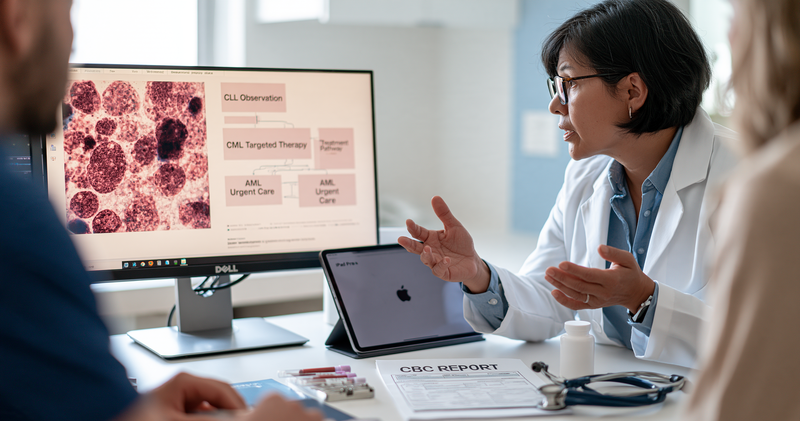
Natural treatment for leukemia is sometimes sought by patients who want to avoid chemotherapy. Some leukemia subtypes can be observed or treated with targeted medicines rather than traditional cytotoxic chemotherapy, but these are still evidence-based medical strategies selected according to the exact diagnosis, genetic findings and disease activity. “Chemotherapy-free” does not mean treatment-free, risk-free or naturally curative [2–4].
Chemotherapy-Free Treatment Is Still Anticancer Treatment
Traditional chemotherapy damages rapidly dividing cells and may affect both leukemia cells and healthy tissues. Targeted therapies are designed to interfere with particular proteins or molecular pathways used by leukemia cells. They may be more selective, but they can still cause clinically significant adverse effects and medicine interactions.
An oral medicine should not be assumed to be milder simply because it is taken at home. Targeted drugs may require regular blood counts, liver and kidney testing, infection monitoring, treatment-response assessment and dose adjustment. Missing doses, combining the medicine with an interacting supplement or stopping it after the blood count improves may reduce disease control.
Stem-cell transplantation should also not be described as a natural or chemotherapy-free shortcut. Transplantation commonly requires conditioning treatment to suppress or replace the patient’s diseased bone marrow, and this may involve chemotherapy, radiation or a reduced-intensity regimen depending on the patient and leukemia subtype [2–4].
CLL May Be Observed or Treated Without Traditional Chemotherapy
Selected patients with asymptomatic chronic lymphocytic leukemia may undergo watchful waiting. This means the hematology team monitors blood counts, symptoms, lymph-node enlargement, spleen size and evidence of disease progression without starting immediate treatment. It is an active medical strategy rather than an opportunity to replace follow-up with natural remedies [3].
A stable white blood cell count during observation does not prove that a supplement is working. CLL can remain stable for extended periods as part of its natural clinical course. Treatment is considered when the disease produces clinically important changes such as worsening blood counts, progressive enlargement of lymph nodes or the spleen, or significant symptoms.
When treatment becomes necessary, many patients can receive targeted regimens rather than conventional chemotherapy. Options may include Bruton tyrosine kinase inhibitors such as acalabrutinib, zanubrutinib or ibrutinib, or the BCL2 inhibitor venetoclax combined with an antibody treatment such as obinutuzumab or rituximab. Treatment selection depends on laboratory and genetic findings, the patient’s general health, previous therapy and the expected adverse-effect profile [3].
These medicines should not be combined casually with concentrated herbal extracts. Even when a patient is not receiving chemotherapy, a supplement may still alter drug metabolism, bleeding risk, liver function or treatment exposure. A chemotherapy-free CLL regimen therefore requires the same disclosure of herbs, vitamins and complementary products as any other cancer treatment.
CML Is Commonly Managed With Oral Targeted Therapy
Chronic myeloid leukemia is usually driven by the BCR::ABL1 fusion gene, which produces an abnormal tyrosine kinase that promotes excessive blood-cell production. Tyrosine kinase inhibitors are designed to suppress this molecular driver. Medicines used for chronic-phase CML include asciminib, imatinib, dasatinib, nilotinib and bosutinib [4].
These medicines allow many patients to avoid traditional chemotherapy, but they are not natural treatments. Their effectiveness must be assessed through scheduled blood testing and molecular monitoring. A normal blood count or disappearance of symptoms does not by itself show that the BCR::ABL1-positive cell population has been adequately suppressed.
Patients should not stop a tyrosine kinase inhibitor because they feel well or because a complementary practitioner recommends replacing it. Decisions to continue, change or discontinue treatment require specialist assessment of repeated molecular results and the individual risk of losing response [4].
Acute Leukemia Usually Requires Prompt Treatment
Acute myeloid leukemia often progresses quickly and commonly requires remission-induction treatment soon after diagnosis. Depending on the subtype, genetic findings, age and general health, the plan may include intensive chemotherapy, lower-intensity therapy, targeted drugs, supportive care or a combination of these approaches [2].
Less-intensive treatment is not the same as no treatment. Some older adults or patients who cannot receive intensive chemotherapy may be offered targeted medicines, low-dose treatment or combined lower-intensity regimens. These choices are intended to control leukemia while accounting for treatment tolerance; they do not validate the use of herbs or supplements as substitutes.
Acute promyelocytic leukemia is an important example of why the exact subtype matters. Low- to intermediate-risk disease may be treated with all-trans retinoic acid and arsenic trioxide, whereas high-risk disease may also require combination chemotherapy. These are regulated anticancer medicines administered with specialist monitoring [2]. Cancer.gov
The medical use of arsenic trioxide does not make arsenic-containing supplements, mineral preparations or traditional remedies equivalent. Pharmaceutical treatment has a defined compound, dose, indication and monitoring protocol. Unregulated arsenic exposure can cause toxicity without reproducing the therapeutic effect.
A patient hoping to avoid chemotherapy should ask whether the diagnosis has been fully classified, whether a targetable molecular abnormality is present, what outcome is expected from the proposed alternative and how treatment response will be measured. A leukemia-specialist second opinion may identify observation, targeted therapy, a lower-intensity regimen or an appropriate clinical trial without delaying necessary care.
Herbs in Natural Treatment for Leukemia: What Has Actually Been Studied?
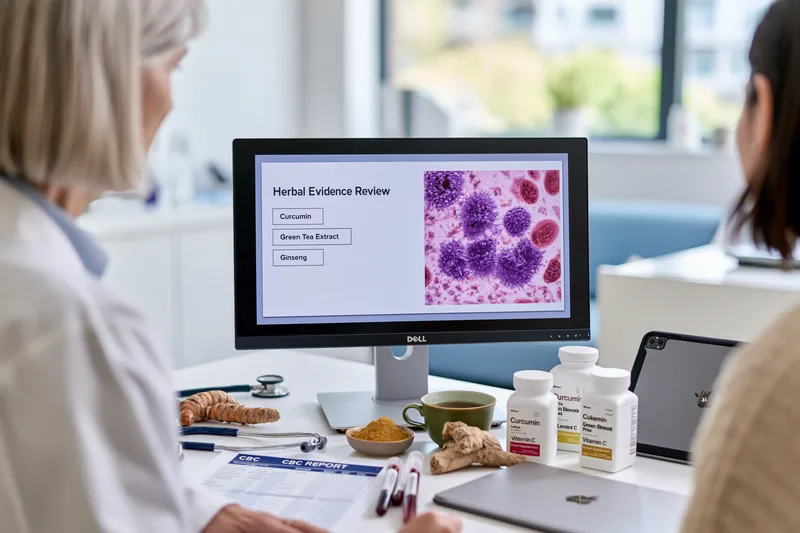
Herbs are among the most frequently promoted forms of natural treatment for leukemia, but laboratory activity should not be mistaken for clinical effectiveness. A plant compound may alter leukemia cells under experimental conditions without reaching the bone marrow at a safe and effective concentration in patients. The relevant question is not whether an herb has an anticancer mechanism, but whether a standardised preparation has produced objective and durable benefit in people with a defined leukemia subtype.
| Herb or Natural Compound | Evidence Level in Leukemia | Practical Patient Guidance |
|---|---|---|
| Curcumin / turmeric | Mostly laboratory and preclinical research in leukemia models. | Do not treat turmeric or curcumin capsules as a proven leukemia treatment [10]. |
| Green-tea extract / EGCG | Limited human evidence in early-stage CLL; not proven curative. | Avoid unsupervised concentrated extracts because liver-enzyme elevation may occur [5]. |
| Ginseng | Mainly experimental evidence; clinical leukemia benefit is unproven. | Use caution with oral targeted medicines and multi-ingredient energy products [6]. |
| St John’s wort | Not a leukemia treatment; known interaction concern. | May reduce exposure to medicines such as imatinib and should be disclosed [6]. |
| Medicinal mushrooms | Often marketed for immunity; leukemia-specific human evidence is limited. | Product quality, contamination risk and immune effects need review. |
| Multi-herbal formulas | Evidence depends on exact ingredients, dose and patient context. | Should not be used without ingredient-level review and blood-report monitoring [1,6]. |
Turmeric and Curcumin
Curcumin is a natural compound found in turmeric. It has been studied for effects on cell signalling, oxidative stress, mitochondrial function and programmed cell death. These mechanisms have generated considerable interest, but they do not establish that culinary turmeric or a curcumin supplement can treat leukemia.
A 2026 systematic review identified 26 studies examining curcumin in acute lymphoblastic leukemia. The included research reported inhibition of leukemia-cell growth and activation of several cell-death pathways. However, most of the evidence came from laboratory experiments, animal evidence was limited and no human clinical studies demonstrating an antileukemic benefit were identified [10].
The review also identified poor bioavailability as an important limitation. Curcumin may be absorbed inadequately, rapidly metabolised or unable to maintain the tissue concentration used in laboratory experiments. Increasing the dose does not automatically overcome this problem and may increase gastrointestinal or other adverse effects.
Turmeric used as a culinary spice is not equivalent to a concentrated curcumin extract. Supplements may contain substantially higher amounts, different delivery systems or additional ingredients intended to increase absorption. Results obtained with one preparation cannot automatically be applied to another product.
Patients should therefore not replace leukemia treatment with turmeric, curcumin capsules or curcumin-containing mixtures. A person already receiving treatment should provide the oncology team with the exact product name, dose, extract strength and full ingredient label before beginning supplementation.
Ginseng
Ginseng and isolated ginsenosides have produced biological effects in laboratory models, including effects on cell growth and treatment sensitivity. Human evidence has not established ginseng as a treatment that induces leukemia remission, prevents progression or improves survival.
The word “ginseng” may refer to different plants and preparations, including Asian ginseng, American ginseng and products containing mixed herbal stimulants. The concentration and composition can therefore vary considerably between teas, capsules, powders and energy drinks.
A published case report described liver toxicity in a patient taking imatinib together with a ginseng-containing energy drink. The presence of other ingredients made it impossible to establish that ginseng alone caused the reaction, but the case illustrates why multi-ingredient products can complicate the assessment of liver injury and treatment interactions [6].
Patients taking imatinib or another oral targeted medicine should not assume that ginseng is safe because it is sold as a general energy or immune-support product. New nausea, dark urine, itching, jaundice, abdominal discomfort or abnormal liver tests after starting an herbal product requires prompt clinical review.
St John’s Wort
St John’s wort is commonly taken for low mood, anxiety or sleep problems, but it can increase the activity of enzymes and transport proteins responsible for clearing many medicines from the body. This may reduce the amount of an anticancer drug available to control the disease.
Human pharmacokinetic studies found that St John’s wort reduced overall exposure to imatinib by approximately 30% and increased its clearance. For a patient with chronic myeloid leukemia, reduced imatinib exposure could compromise molecular response even when the patient feels well and routine blood counts appear stable [6].
This interaction cannot be corrected safely by changing the imatinib dose without specialist supervision. Patients taking imatinib should disclose St John’s wort in tablets, teas, tinctures and combination mood-support products. Similar caution is required with other oral anticancer medicines metabolised through the same pathways.
Stopping St John’s wort may also change medicine exposure as enzyme activity returns toward baseline. The hematology team should therefore be informed both when the herb is started and when it is discontinued.
Multi Ingredient Herbal Products
A multi-herbal formulation cannot be assessed from the name of its principal herb alone. Clinical review requires the exact botanical name of every plant, the plant part used, extraction method, dose, additional vitamins or minerals and any substances added to increase absorption.
Products with proprietary blends may not disclose the quantity of each ingredient. Batch-to-batch variation, contamination, substitution and undeclared pharmaceutical ingredients can further limit safety assessment. Claims such as “immune boosting,” “blood cleansing” or “detoxifying” do not provide evidence that a product is appropriate for leukemia [6].
Safety concerns are greater when a patient has low platelets, severe neutropenia, impaired kidney function, elevated liver enzymes or an upcoming procedure. An herb that affects platelet function may increase bleeding risk, while a contaminated product may introduce infection or toxic exposure during immune suppression.
The complete product label should be reviewed by the hematologist or oncology pharmacist before use. Monitoring should be linked to the expected risk and may include blood counts, liver tests, kidney tests, bleeding symptoms and measurement of treatment response. An herbal product should be stopped and medically reviewed when new symptoms or laboratory abnormalities appear rather than continued on the assumption that they represent a temporary detoxification reaction.
Natural Treatment for Leukemia in CLL: What Patients Should Know

Natural treatment for leukemia has a distinct context in chronic lymphocytic leukemia because some patients can remain under active medical observation for months or years before disease-directed treatment becomes necessary. A stable period during observation should not automatically be attributed to an herb, supplement or dietary change. CLL can remain indolent as part of its natural clinical course, and treatment decisions depend on sustained changes in disease activity rather than a single blood result [3].
| CLL Situation | What It Means | What Not to Assume |
|---|---|---|
| Early CLL under watchful waiting | The doctor monitors the disease without immediate treatment. | Stability does not prove that a supplement is working [3]. |
| Stable lymphocyte count | The disease may be naturally slow-moving or temporarily stable. | A single blood count does not confirm natural disease control. |
| Reduced lymph-node size | This may be clinically meaningful if repeatedly documented. | It does not automatically mean cure or complete remission. |
| Fatigue improves | Sleep, nutrition or emotional support may be helping. | Symptom improvement does not prove leukemia-cell reduction. |
| Treatment becomes necessary | CLL has reached a point where benefits of treatment may outweigh risks. | Starting treatment does not mean watchful waiting failed [3]. |
| Targeted therapy begins | Supplements must be reassessed for interactions. | “No chemotherapy” does not mean no medicine-interaction risk [3,6]. |
Stable CLL During Observation Does Not Prove a Remedy Is Working
Active observation, also called watchful waiting, is a planned medical strategy for selected patients who do not currently have symptoms or other recognised reasons to begin treatment. It generally involves scheduled clinical reviews, complete blood counts, assessment of lymph-node or spleen enlargement and discussion of new symptoms [3].
A stable lymphocyte count while taking a natural remedy does not establish that the remedy is controlling CLL. Similarly, a temporary decline in lymphocytes may reflect normal biological variation, a recent infection, laboratory variation or another change unrelated to the product.
The total lymphocyte count must be interpreted together with haemoglobin, platelet count, symptoms and physical findings. A rising lymphocyte count alone does not always require immediate treatment, particularly when the patient feels well and other findings remain stable. The rate of change and the broader clinical pattern are more important than one isolated value [3].
Patients should also avoid using a supplement as a reason to postpone scheduled monitoring. CLL can progress without producing obvious symptoms at first, and changes in haemoglobin or platelets may be detected before the patient recognises a clinical difference.
An apparent improvement should therefore be documented through consistent testing over an appropriate period. Relevant evidence may include stable or improving blood counts, absence of progressive lymph-node or spleen enlargement and lack of disease-related symptoms. Even when all these findings are favourable, they demonstrate disease stability rather than proof of a natural cure.
What Complementary Care Can Realistically Support
During active observation, complementary care may reasonably focus on maintaining nutrition, physical capacity, sleep and emotional well-being. These goals are valuable because uncertainty about future treatment can cause anxiety even when the leukemia is clinically stable.
Regular activity can be adapted to the patient’s energy level, cardiovascular health, balance and musculoskeletal limitations. Persistent or disproportionate fatigue should not automatically be attributed to CLL. Anaemia, infection, thyroid disease, sleep disturbance, depression, nutritional deficiency and other medical conditions may require separate evaluation.
Nutrition should support adequate calorie and protein intake rather than follow an unnecessarily restrictive anticancer diet. Patients who are maintaining a healthy weight generally do not need aggressive detoxification, prolonged fasting or elimination of multiple food groups. These practices have not been shown to suppress the CLL clone and may cause weakness or nutritional deficiency.
The phrase “immune boosting” is particularly misleading in CLL. The condition involves abnormal B lymphocytes and can impair normal immune function. Stimulating the immune system in a nonspecific manner is not the same as restoring effective immunity or reducing malignant cells. A product marketed for immune support should therefore be assessed according to its ingredients, evidence and interaction risks rather than its advertising language.
Recurrent infections, persistent fever or delayed recovery from infection require medical assessment. They should not be managed only by increasing herbal products or supplements, because CLL-related immune dysfunction may require investigation and specific clinical management [3].
Low Blood Counts Require Investigation Before Supplementation
A fall in haemoglobin or platelets should not automatically be treated with iron, folate, vitamin B12, herbal haematinics or products promoted for blood formation. Low counts may result from nutritional deficiency, bleeding, bone-marrow involvement, immune-mediated destruction or another medical condition.
CLL can be associated with autoimmune haemolytic anaemia and immune thrombocytopenia. In these conditions, the immune system contributes to the destruction of red blood cells or platelets. A general blood-building supplement does not address the underlying mechanism and may delay the investigations needed to identify it [3].
Supplementation is more appropriate when a deficiency has been confirmed and the dose is selected for that specific deficiency. Repeated blood counts and relevant laboratory tests should be used to determine whether the intervention is correcting the intended problem.
Unexplained bruising, bleeding, breathlessness, dizziness, marked weakness or rapidly worsening fatigue should prompt clinical review rather than continued self-treatment.
When Changes May Indicate That CLL Treatment Is Needed
Treatment may become appropriate when CLL causes progressive reduction in normal blood-cell production, clinically significant enlargement of lymph nodes or the spleen, or disease-related symptoms that affect the patient’s health and quality of life [3].
Symptoms requiring reassessment include unexplained weight loss, persistent fever without an identified infection, drenching night sweats, substantial fatigue or progressively enlarging lymph nodes. Recurrent infections or worsening anaemia and thrombocytopenia may also alter the management plan.
Beginning treatment at this point does not mean that observation has failed. The purpose of observation is to avoid unnecessary treatment while the disease is stable and to begin effective therapy when the expected benefits outweigh the risks.
Natural products should not be used to suppress symptoms so that progression appears less evident. For example, repeatedly treating fever, fatigue or night sweats with symptomatic remedies without informing the hematology team can delay recognition of a clinically meaningful change.
Supplements Must Be Reassessed When Targeted Treatment Begins
A product that appeared tolerable during observation may become inappropriate when a targeted medicine is introduced. Many oral anticancer drugs depend on liver enzymes and transport proteins for absorption and clearance. Herbs, concentrated extracts and certain foods can increase or decrease drug exposure, potentially affecting both toxicity and disease control [6].
Separating a supplement and an anticancer medicine by several hours does not necessarily prevent an interaction. Products that alter enzyme activity may continue to affect medicine metabolism throughout the day and for a period after the supplement is stopped.
The early clinical study of standardised green-tea extract in asymptomatic CLL demonstrated biological activity in some participants, but it did not establish a cure or justify routine self-treatment. The study product was administered under clinical monitoring, and liver-enzyme elevations led some participants to discontinue treatment [5].
Before targeted therapy begins, patients should provide the hematology team with every prescription medicine, nonprescription medicine, vitamin, herbal formula, tea, powder and concentrated food extract being used. The review should include the complete label, daily dose and frequency rather than only the product name.
Any complementary product retained during treatment should have a defined purpose, such as addressing a documented deficiency or a specific symptom. The expected benefit, monitoring method and reason for discontinuation should be agreed in advance so that the product is not continued indefinitely without evidence of benefit.
Diets, Vitamins and Other Natural Treatment Claims for Leukemia
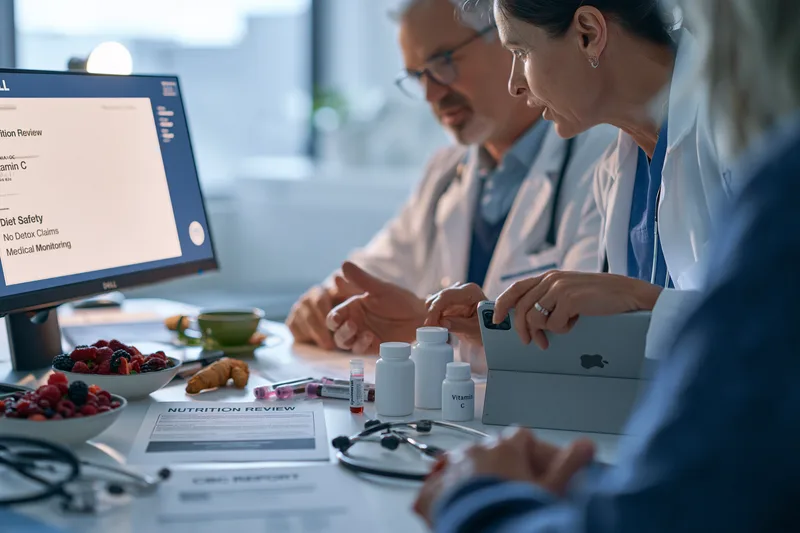
Natural treatment for leukemia is often associated with restrictive diets, fasting, detoxification, high-dose vitamins or cannabis products. These approaches may influence nutrition, symptoms or treatment tolerance, but none has been shown to eliminate leukemia or replace subtype-specific medical care. Their safety depends on the patient’s blood counts, organ function, infection risk and current treatment.
Can Diet, Fasting or Detoxification Treat Leukemia?
A balanced diet can support weight stability, muscle strength, wound healing and tolerance of treatment. These are clinically important benefits, but nutritional support should not be described as an antileukemic treatment. No alkaline diet, ketogenic diet, raw-food programme, juice cleanse or sugar-free diet has been shown to produce remission in leukemia.
The claim that eliminating sugar can starve leukemia is misleading. All cells require energy, and the body maintains blood glucose even when dietary carbohydrate intake is reduced. Removing sweets and highly processed foods may improve overall dietary quality, but severe carbohydrate restriction does not selectively deprive leukemia cells while protecting healthy tissues.
A patient losing weight unintentionally may need additional calories and protein rather than further dietary restriction. Reduced appetite, altered taste, nausea, diarrhoea, mouth ulcers and swallowing discomfort can make adequate nutrition difficult during treatment. In this situation, a rigid anticancer diet may worsen weakness, muscle loss and recovery [7].
Fasting has attracted interest because temporary nutrient restriction can affect metabolism and stress-response pathways in experimental models. However, laboratory and animal findings do not establish that fasting improves leukemia remission or survival in patients. Fasting may be particularly unsafe when the patient has low body weight, diabetes, kidney disease, recurrent infection, low blood pressure or difficulty maintaining hydration.
Patients taking oral targeted medicines should not change meal timing without checking the prescribing instructions. Some drugs must be taken with food, while others have specific fasting requirements. A fasting regimen could therefore alter drug absorption or make treatment-related nausea and dizziness more difficult to manage.
Detoxification programmes are commonly promoted as methods for removing treatment chemicals, environmental toxins or cancer-related waste. The liver, kidneys, gastrointestinal tract and lungs already perform the body’s principal elimination functions. Juice cleanses, colon cleansing and unregulated detox supplements have not been shown to remove leukemia cells or accelerate remission.
Detox products may contain laxatives, diuretics, concentrated herbs or minerals that cause dehydration, electrolyte imbalance, diarrhoea or liver injury. These effects can be more consequential in a patient who already has abnormal blood counts or is receiving medicines that affect kidney or liver function.
Food safety also requires individual assessment. Patients with severe neutropenia or profound immune suppression may be more vulnerable to foodborne infections. Raw or undercooked eggs, meat, seafood and unpasteurised products can create avoidable exposure risks. The appropriate precautions should be based on the treatment centre’s guidance and the patient’s immune status rather than a universal restrictive diet [7].
Intravenous Vitamin C and High-Dose Supplements
Correcting a confirmed vitamin deficiency is different from administering a vitamin as a cancer treatment. Dietary intake, standard oral supplementation and high-dose intravenous therapy produce substantially different concentrations in the body and should not be presented as interchangeable.
Intravenous vitamin C can achieve blood concentrations that are not possible through food or ordinary oral supplements. This pharmacological exposure has produced anticancer effects in laboratory models, but current clinical evidence has not established intravenous vitamin C as a treatment that cures leukemia or consistently improves survival [8].
Intravenous vitamin C can also create specific risks. Patients with glucose-6-phosphate dehydrogenase deficiency may be at risk of severe haemolysis after high-dose administration. Kidney impairment, a history of kidney stones and disorders involving iron overload may also affect suitability and require careful medical evaluation [8].
High-dose antioxidant supplements are often taken with the intention of protecting healthy cells during treatment. However, antioxidants may theoretically alter the oxidative mechanisms used by certain cancer treatments. The clinical significance depends on the drug, antioxidant, dose and timing, so a general statement that antioxidants are always beneficial or always harmful is inappropriate [1].
More is not necessarily better. Combining vitamin C, vitamin E, selenium, glutathione and multiple herbal antioxidants may create high cumulative exposure without evidence of improved leukemia control. Supplement labels may also use different chemical forms and doses, making it difficult to estimate total intake unless every product is reviewed together.
Patients should disclose injectable vitamins, infusion therapies, powders, fortified drinks and over-the-counter supplements. A supplement may be reasonable when it addresses a documented deficiency or a specific treatment-related need, but the clinical purpose and monitoring plan should be clear.
Cannabis and CBD Products
Cannabis products may be considered for selected symptoms such as nausea, pain, reduced appetite or sleep disturbance. Any benefit in these areas should be assessed as supportive symptom management rather than evidence that the leukemia is responding.
Laboratory studies have reported effects of cannabinoids on cancer-cell pathways, but these findings have not established an effective cannabis-based treatment for leukemia in humans. There is no reliable clinical evidence that cannabis, tetrahydrocannabinol or cannabidiol can independently induce leukemia remission or prevent relapse [9].
Cannabis products vary widely in tetrahydrocannabinol and cannabidiol content. Oils, capsules, edible products and inhaled preparations can produce different absorption patterns and effects. Unregulated products may contain inaccurate concentrations, contaminants or ingredients not declared on the label.
Tetrahydrocannabinol may cause sedation, dizziness, impaired concentration, anxiety, altered perception or increased heart rate. These effects may compound fatigue, low blood pressure or cognitive difficulties already associated with illness and treatment.
Cannabidiol is often described as non-intoxicating, but it remains biologically active. It can affect liver enzymes involved in the metabolism of several medicines, potentially changing exposure to oral anticancer drugs, anticoagulants, sedatives and other supportive treatments [6,9].
Inhaled cannabis may be inappropriate for patients with respiratory disease or severe immune suppression. Smoking introduces combustion products, while contaminated plant material may create additional risks for vulnerable patients. Alternative routes avoid smoke exposure but do not eliminate sedation, interaction or dosing concerns.
A cannabis product should therefore be considered only for a clearly defined symptom, with attention to local regulation, product quality, dose and concurrent medicines. Symptom relief should not be used as a reason to reduce or discontinue leukemia treatment, and any new confusion, severe dizziness, palpitations or worsening liver tests requires clinical review.
Natural Treatment for Leukemia: Complementary Approaches for Symptoms and Quality of Life

Natural treatment for leukemia may include non-drug approaches intended to ease fatigue, anxiety, sleep disturbance, nausea, pain or reduced physical function. These measures can be valuable when their purpose is clearly defined, but improvement in symptoms should not be interpreted as evidence that the leukemia burden has decreased. Complementary care is most useful when it supports daily functioning without delaying disease-directed treatment or creating additional bleeding, infection or interaction risks [1].
Anxiety, Sleep Disturbance and Emotional Stress
A leukemia diagnosis can produce persistent worry about treatment, relapse, infection, work, finances and family responsibilities. Patients under active observation may also experience distress because no immediate treatment is being given, even when watchful waiting is the medically appropriate strategy.
Mindfulness-based practices, guided relaxation, controlled breathing and appropriately adapted meditation may help some patients manage anxiety, sleep disturbance and psychological stress. These approaches do not treat leukemia cells, but they may help patients tolerate uncertainty, remain engaged with follow-up and respond more calmly to treatment-related symptoms [1].
The method should be practical for the patient’s energy level. A person with severe fatigue may benefit more from a brief guided breathing exercise than from a long meditation session. Patients experiencing panic, persistent low mood, hopelessness, intrusive thoughts or inability to sleep should receive formal psychological or psychiatric assessment rather than relying only on self-directed relaxation.
Sleep problems should also be evaluated for treatable medical causes. Night sweats, pain, corticosteroid use, anxiety, sleep apnoea, restless legs, medication timing and frequent urination can all disrupt sleep. Treating the underlying cause is more appropriate than repeatedly adding sedating herbal products.
Herbal sleep aids require particular caution when the patient is taking opioids, anti-nausea medicines, antihistamines, anxiety medicines or other sedating drugs. Combining several sedative products can increase dizziness, confusion and fall risk, especially in older adults or patients with anaemia.
Fatigue and Reduced Physical Capacity
Cancer-related fatigue is different from ordinary tiredness and may not improve completely with rest. In leukemia, fatigue can be related to anaemia, infection, inflammation, treatment effects, poor nutrition, sleep disturbance, emotional distress or loss of physical conditioning.
Fatigue should not automatically be treated with stimulants, energy drinks, ginseng or iron supplements. A complete blood count and clinical assessment may reveal anaemia, infection or another cause requiring specific treatment. Iron should be used only when deficiency has been established because not every form of anaemia results from low iron.
Appropriately modified physical activity may help preserve strength, mobility and confidence. The starting level should reflect the patient’s current function rather than a general exercise target. Short, frequent periods of walking or gentle mobility work may be more tolerable than one prolonged session.
Exercise intensity may need to be reduced when haemoglobin is very low or when the patient has fever, active infection, dizziness, breathlessness, chest discomfort or severe weakness. New exertional symptoms require medical review rather than an attempt to overcome them through more training.
Low platelets increase the consequences of falls and physical injury. Contact sports, heavy lifting and exercises with a high fall risk may be inappropriate when thrombocytopenia is severe. Bone pain, neuropathy, balance problems and previous fractures should also influence activity selection.
Patients undergoing stem-cell transplantation or intensive treatment may require supervised rehabilitation because prolonged hospitalisation and corticosteroid exposure can reduce muscle strength rapidly. The purpose of movement in this setting is to maintain function and support recovery, not to force the body through exhaustion.
Nausea, Appetite Changes and Digestive Symptoms
Nausea, altered taste, early fullness, mouth discomfort and bowel changes can reduce food intake during treatment. The first step is to identify whether the symptom is caused by chemotherapy, targeted medicine, infection, constipation, reflux, liver dysfunction or another condition.
Prescribed anti-nausea treatment should be optimised before adding multiple complementary products. Patients should report when nausea prevents eating, causes repeated vomiting or leads to difficulty taking oral leukemia medicines. Inadequate drug intake can affect treatment reliability, while ongoing vomiting can cause dehydration and electrolyte imbalance.
Relaxation practices and selected integrative approaches may help some patients manage treatment-related nausea, but their role is supportive [1]. Acupuncture or acupressure may be considered in suitable patients when performed by a qualified practitioner familiar with cancer care.
Acupuncture requires additional caution when neutrophil or platelet counts are low. Skin puncture may create infection or bleeding risk, and treatment should be postponed when the oncology team considers the blood counts unsafe. Needles should never be placed through irritated, infected or previously irradiated skin.
Appetite loss should not automatically be managed with cannabis, herbal bitters or concentrated digestive supplements. The cause may be mouth ulcers, candidiasis, constipation, medication effects, depression or disease progression. Addressing the cause may restore intake more effectively than attempting to stimulate appetite alone.
Small, nutrient-dense meals may be easier to tolerate than large meals when appetite is poor. Adequate protein and fluid intake are generally more important than following a restrictive cancer diet. Persistent weight loss should prompt assessment by the treatment team or an oncology dietitian [7].
Pain, Neuropathy and Musculoskeletal Discomfort
Pain in a patient with leukemia requires assessment because its cause may include bone-marrow expansion, infection, treatment-related neuropathy, muscle deconditioning, joint disease or an unrelated medical condition. A complementary therapy should not be used to suppress new or rapidly worsening pain before the cause has been evaluated.
Gentle massage may help relaxation and muscular discomfort in selected patients, but deep-tissue pressure may be unsafe when platelets are low, bruising is present or the patient is taking anticoagulant medicine. Massage should avoid central venous access devices, painful lymph nodes, areas of infection and recently treated sites.
Peripheral neuropathy can cause burning, numbness, altered sensation and balance difficulties. Heat treatments, foot baths and heating pads require caution because reduced sensation increases the risk of burns. Patients should inspect numb areas regularly and use stable footwear to reduce the likelihood of injury.
Yoga and stretching can be adapted for stiffness, mild pain and reduced mobility, but forceful postures and intense manipulation are inappropriate when the patient has severe weakness, fragile bones, thrombocytopenia or significant dizziness. Chair-supported movements may be safer for patients with balance limitations.
Pain that is accompanied by fever, weakness, numbness, loss of bladder or bowel control, chest symptoms or difficulty walking requires prompt medical assessment. Increasing herbs, massage or exercise in this situation may delay recognition of infection, spinal compression or another urgent complication.
Complementary symptom care should have a specific goal, such as improving sleep, reducing nausea or preserving mobility. The response should be assessed using the patient’s function and symptom pattern, while blood counts and leukemia response continue to be monitored separately through hematology care.
Where Ayurveda Fits in Natural Treatment for Leukemia
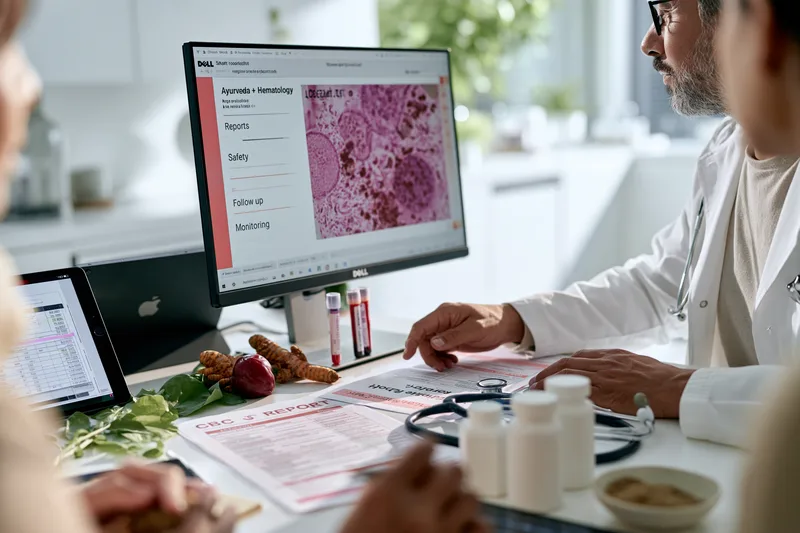
Natural treatment for leukemia may include Ayurveda when patients want a structured, individualized system that considers digestion, appetite, strength, sleep, bowel function, treatment tolerance, blood-count recovery and long-term resilience. Ayurveda should not be reduced to a list of herbs, and it should not be presented as a shortcut that removes the need for diagnosis, subtype classification or objective leukemia monitoring.
Patients who want the complete Ayurvedic framework should read the main guide: Ayurvedic treatment for leukemia: evidence and consultation guide. That article is the better place for detailed discussion of Ayurvedic assessment, published leukemia case reports, Rakta-Majja-focused Rasayana planning, avaleha preparation logic, consultation approach and monitoring.
Ayurveda Should Begin With the Confirmed Diagnosis
Ayurvedic planning should begin with the confirmed modern diagnosis because AML, ALL, CLL and CML behave differently and require different monitoring. The practitioner should review the complete blood count, peripheral smear, bone marrow report, flow cytometry, cytogenetic or molecular findings, liver function, kidney function, infection history, bleeding risk, previous treatment and current medicines.
Classical Ayurvedic concepts can help assess the patient’s strength, digestion, tissue nourishment and recovery capacity, but they should not replace modern diagnostic categories. It is safer to say that Ayurveda offers a whole-person framework for supporting the patient while leukemia response continues to be assessed through accepted medical investigations.
Ayurvedic Goals Must Be Clearly Defined
The treatment goal should be stated before Ayurvedic care is added. In one patient, the goal may be appetite support, bowel regularity, better sleep and recovery from treatment-related depletion. In another, the aim may be remission support, long-term resilience or carefully supervised cure-oriented care in a suitable clinical situation.
A cure-oriented Ayurvedic goal should never be judged from symptom relief alone. The response must be documented through leukemia-appropriate evidence such as blood-count recovery, reduction of abnormal cells, bone marrow response, cytogenetic response, molecular response, measurable residual disease testing where relevant and continued follow-up over time [2–4].
This distinction protects both the patient and the treatment plan. A patient may feel stronger while measurable disease is still present, and another patient may feel weak after intensive treatment even when the leukemia is responding. Supportive improvement and disease response should therefore be recorded separately.
Published Ayurveda Case Reports
Published Ayurveda case reports in leukemia are clinically important because some describe objective findings such as blast reduction, remission status and long disease-free survival in selected patients. These reports support serious clinical interest in Ayurveda for leukemia, especially when treatment is physician-supervised and monitored through reports.
However, case reports do not prove that every patient will respond in the same way. They may involve different leukemia subtypes, previous chemotherapy, supportive medical care, individualized formulations and long follow-up. Their value is strongest when they are presented as documented clinical observations rather than as a universal promise.
Patients should not copy a case-report prescription, purchase market avaleha or prepare a leukemia formulation at home. Leukemia care must be individualized according to subtype, blood counts, marrow findings, organ function, infection risk, bleeding tendency, current medicines and the patient’s strength.
Formulations Require Ingredient-Level Safety Review
An Ayurvedic formulation should be assessed by its complete composition, not only by its traditional name. The review should include every herb, mineral, preparation method, dose, intended duration, manufacturing quality and possible interaction with chemotherapy, targeted therapy, antibody treatment, corticosteroids, antimicrobials or supportive medicines.
This is especially important in patients with low platelets, low neutrophils, elevated liver enzymes, reduced kidney function, diabetes, fatty liver, repeated infections or active treatment toxicity. A medicine that suits one leukemia patient may be unsuitable for another because the disease phase and safety risks are different.
Avaleha or Rasayana-based preparations may be considered in selected patients when nourishment, digestion, strength, blood-tissue recovery and long-term resilience are relevant goals. However, leukemia patients should not use general market avaleha without assessment, because it may not match the subtype, stage, blood counts, liver function, kidney function, glucose status, infection risk or ongoing medicines [1,6].
Ayurveda Should Support Monitoring, Not Replace It
Ayurvedic care becomes more clinically responsible when the monitoring plan is clear. Appetite, sleep, bowel function, weight, strength and treatment tolerance can be followed as supportive outcomes. Leukemia response must continue to be assessed through blood counts, marrow studies and molecular or cytogenetic testing where appropriate.
Any new fever, bleeding, severe bruising, black stools, blood in urine, breathlessness, chest pain, confusion, seizures, jaundice, dark urine, persistent vomiting, severe diarrhoea, swelling, severe rash or sudden collapse should prompt immediate medical review. These symptoms should not be explained as detoxification or normal healing reactions [1,6].
The most balanced position is that Ayurveda may be considered seriously in selected leukemia patients when the plan is individualized, report-based, safety-reviewed and coordinated with appropriate hematology care. For the full Ayurvedic explanation, case-study discussion and consultation pathway, read the Ayurvedic treatment for leukemia: evidence and consultation guide.
How to Assess a Natural Treatment for Leukemia Before Making a Decision
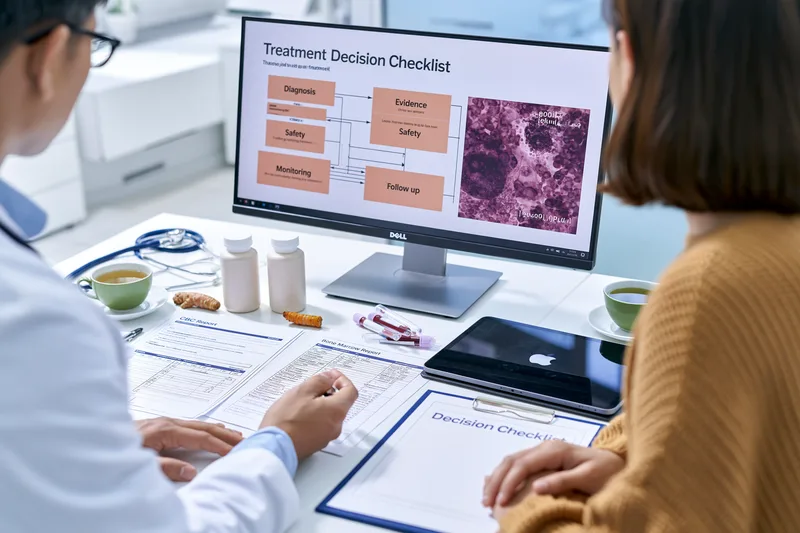
A natural treatment for leukemia should be evaluated with the same care applied to any proposed cancer intervention. The strongest question is not whether the treatment is natural, traditional or supported by testimonials, but whether it has produced objective, reproducible and clinically meaningful benefit in patients with the same leukemia subtype.
| Evidence Type | What It Can Show | What It Cannot Prove |
|---|---|---|
| Laboratory cell study | A compound may damage leukemia cells under controlled conditions. | It cannot prove that the same product cures leukemia in humans. |
| Animal study | It may show early information about dose, toxicity or biological activity. | It cannot confirm human remission, survival benefit or safety. |
| Case report | It may document an unusual patient outcome. | It cannot predict results for other leukemia patients. |
| Small clinical study | It may show biological signals or early safety findings. | It may not prove cure, long-term remission or survival benefit. |
| Randomized clinical trial | It provides stronger evidence by comparing patient groups. | It still must match the patient’s leukemia subtype and treatment phase. |
| Long-term follow-up | It helps judge durability of response and relapse risk. | It cannot be replaced by short-term symptom improvement. |
Confirm That the Diagnosis Is Clearly Defined
A credible treatment claim should identify whether the patients had AML, ALL, CLL, CML or another specific leukemia. It should also report relevant disease characteristics, such as age, stage or risk category, genetic findings, previous treatment and current disease burden.
Claims referring only to “blood cancer” or “leukemia” are difficult to interpret because different subtypes behave differently and require different response measurements. A treatment associated with temporary stability in early CLL cannot be assumed to work in rapidly progressive AML.
The diagnosis should have been established through appropriate medical testing rather than symptoms alone. Fatigue, weight loss, bruising or an abnormal white blood cell count can occur in several conditions and do not independently confirm leukemia.
Check Whether Other Treatments Were Given
A natural product cannot reasonably be credited with the entire outcome when the patient also received chemotherapy, targeted therapy, antibody treatment, corticosteroids, transplantation or blood-product support.
Case reports and testimonials may emphasise the complementary product while giving little attention to the medical treatment administered at the same time. The timeline should show when each treatment began, when objective improvement occurred and whether the medical treatment was continued throughout the reported response.
A patient who improves while receiving a tyrosine kinase inhibitor and an herbal formulation may have benefited from supportive care, but the molecular response cannot automatically be attributed to the herbal product. The same principle applies when symptoms improve after anti-nausea medicines, transfusions, antibiotics or corticosteroids are added.
Ask How the Response Was Measured
Improved appetite, better sleep and increased energy are important outcomes, but they do not demonstrate that leukemia cells have been eliminated. Disease response should be measured using criteria appropriate to the leukemia subtype.
Relevant assessments may include complete blood counts, bone-marrow findings, measurable residual disease, cytogenetic response, molecular response, lymph-node measurements or the duration of remission. The report should state which tests were performed, when they were performed and who interpreted them [2–4].
A single favourable blood count is insufficient because laboratory values can vary and may be affected by infection, transfusion, corticosteroids, hydration or treatment timing. Repeated measurements provide a more reliable picture of whether the disease is improving, stable or progressing.
Terms such as “detoxification,” “blood purification,” “immune restoration” or “cancer reduction” should not substitute for recognised clinical outcomes. A claim becomes more credible when it provides the original diagnostic findings, follow-up results and clearly defined response criteria.
Examine the Study Design and Number of Patients
Evidence from one patient can generate a hypothesis but cannot predict how other patients will respond. Individual outcomes may be influenced by spontaneous variation, concurrent treatment, diagnostic uncertainty or selective reporting.
A larger case series provides more information but may still lack a comparison group. Early-phase studies can help identify dosing, toxicity and possible biological activity, while randomised controlled studies are better suited to determining whether an intervention provides benefit beyond standard care or observation.
The green-tea extract study in early-stage CLL illustrates this distinction. It identified biological activity in some participants, but its small size, selected patient population and absence of a randomised control group prevented it from establishing the extract as a curative treatment [5].
Patients should also check whether the findings were published in a peer-reviewed medical journal, whether the preparation was standardised and whether independent researchers have reproduced the results. Repetition across separate studies strengthens confidence more than multiple reports originating from the same clinic or product manufacturer.
Look for Complete Reporting of Adverse Effects
A claim stating that a treatment has no side effects should be approached cautiously. Biologically active products can produce adverse effects, particularly at concentrated doses or when used with prescription medicines.
Reliable reports describe treatment discontinuations, abnormal laboratory findings, allergic reactions, gastrointestinal effects and suspected drug interactions. They also explain how patients were monitored and what action was taken when toxicity developed.
The absence of reported adverse effects does not necessarily prove safety. Small studies may be unable to detect uncommon complications, while testimonials often omit problems experienced by patients who stopped treatment.
Safety information should include the full ingredient list, dose, duration, manufacturing standards and testing for contaminants. This is especially important for multi-herbal, mineral-containing or proprietary products whose composition may differ between batches.
Be Cautious With Guarantees and Fixed Cure Timelines
Leukemia outcomes vary according to subtype, genetic abnormalities, disease burden, age, general health and response to treatment. A guarantee of cure or a fixed timeline applied to every patient does not reflect this clinical variability.
Particular caution is warranted when a provider claims that medical treatment is unnecessary, advises stopping prescribed medicines before reviewing the records or discourages blood, bone-marrow or molecular monitoring. Similar concern applies when worsening symptoms are routinely described as a healing crisis or detoxification reaction.
Financial pressure can also affect decision-making. Patients should be wary of demands for large advance payments, rapidly escalating product costs or claims that an expensive proprietary ingredient is essential but cannot be independently verified.
A responsible practitioner should be willing to discuss uncertainty, possible interactions, reasons for stopping treatment and the circumstances requiring urgent hematology care. Treatment limitations should be explained as clearly as potential benefits.
Require a Written Monitoring and Safety Plan
Before starting any complementary intervention, the patient should know its intended purpose, expected timeframe, measurable outcome and discontinuation criteria. The plan should also identify which clinician will review blood counts, liver and kidney function, disease-response testing and possible interactions.
The hematology team should receive the complete formulation details, including photographs of labels when necessary. The complementary practitioner should have access to the diagnosis, treatment schedule and recent laboratory results.
A product should be reconsidered when there is no measurable benefit, when toxicity develops, when the leukemia-treatment regimen changes or when the formulation cannot be adequately identified. Continuing indefinitely because a product is natural exposes the patient to cost and risk without establishing value.
The most credible natural-treatment decision is therefore one that preserves evidence-based leukemia care, defines a realistic supportive goal and uses objective monitoring to distinguish symptom improvement from control of the disease itself [1,6].
Frequently Asked Questions
What Kills Leukemia Cells Naturally?
No herb, food, vitamin or supplement has been shown to eliminate leukemia cells safely and consistently in patients. Some natural compounds can damage leukemia cells in laboratory experiments, but this does not prove benefit in the human body. Effective treatment depends on the leukemia subtype and may include targeted medicines, chemotherapy, antibody therapy or stem-cell transplantation.
What Is the Best Natural Herb for Leukemia?
No herb has been clinically proven to be the best treatment for leukemia. Curcumin, green-tea compounds and ginseng-derived substances have shown experimental activity, but evidence of durable benefit in patients remains insufficient. Herbal products should be considered only for a clearly defined supportive purpose and reviewed for possible toxicity and interactions with leukemia medicines.
Can Turmeric or Green Tea Help People With Leukemia?
Curcumin from turmeric has mainly been studied in laboratory models and has not been shown to produce leukemia remission in humans. A standardised green-tea extract produced limited biological responses in a small study involving early CLL, but it did not demonstrate a cure and caused liver-enzyme elevations in several participants.
Can Natural Remedies Improve Low Blood Counts?
Natural remedies may improve a blood count when they correct a confirmed deficiency, such as iron, folate or vitamin B12 deficiency. In leukemia, low haemoglobin, platelets or neutrophils may instead result from bone-marrow involvement, treatment effects, bleeding, infection or immune destruction. The cause should be investigated before any supplement is started.
Can I Take Supplements During Leukemia Treatment?
Some supplements may be appropriate, but safety depends on their ingredients, dose and the patient’s treatment regimen. Herbs and concentrated extracts can alter medicine metabolism, increase bleeding risk or worsen liver and kidney toxicity. The complete product label should be reviewed by the hematologist or oncology pharmacist before use.
Does Stable CLL During Watchful Waiting Mean a Natural Remedy Is Working?
Not necessarily. Early chronic lymphocytic leukemia can remain stable for months or years without immediate treatment. Stability should be evaluated through repeated blood counts, symptoms, lymph-node findings and spleen size. Watchful waiting is an evidence-based monitoring strategy, and disease stability cannot automatically be attributed to an herb, supplement or dietary change.
References
[1] National Center for Complementary and Integrative Health. (2021, October). Cancer and complementary health approaches: What you need to know. https://www.nccih.nih.gov/health/cancer-and-complementary-health-approaches-what-you-need-to-know
Brief: This authoritative patient resource states that no complementary health approach has been shown to cure cancer. It also explains that acupuncture, mindfulness and yoga may help selected symptoms, while herbs and supplements can interfere with cancer treatment or cause harm when used in place of medical care.
[2] PDQ Adult Treatment Editorial Board. (2025, May 16). Acute myeloid leukemia treatment (PDQ®): Patient version. National Cancer Institute. https://www.cancer.gov/types/leukemia/patient/adult-aml-treatment-pdq
Brief: This reference supports the discussion of AML as a rapidly progressing leukemia that generally requires prompt, subtype-specific treatment. It also provides evidence-based information on chemotherapy, lower-intensity regimens, targeted treatment, acute promyelocytic leukemia and stem-cell transplantation.
[3] PDQ Adult Treatment Editorial Board. (2024, October 15). Chronic lymphocytic leukemia treatment (PDQ®): Patient version. National Cancer Institute. https://www.cancer.gov/types/leukemia/patient/cll-treatment-pdq
Brief: This source supports active observation for selected asymptomatic CLL patients, recognised reasons for beginning treatment, autoimmune cytopenias and chemotherapy-free targeted options. It clarifies why prolonged stability during watchful waiting cannot automatically be attributed to a natural remedy.
[4] PDQ Adult Treatment Editorial Board. (2025, April 9). Chronic myeloid leukemia treatment (PDQ®): Patient version. National Cancer Institute. https://www.cancer.gov/types/leukemia/patient/cml-treatment-pdq
Brief: This reference supports the explanation of CML as a molecularly defined leukemia commonly managed with tyrosine kinase inhibitors. It also supports the need for continuing specialist treatment and response monitoring rather than relying only on symptoms or routine blood-count improvement.
[5] Shanafelt, T. D., Call, T. G., Zent, C. S., Leis, J. F., LaPlant, B., Bowen, D. A., Roos, M., Laumann, K., Ghosh, A. K., Lesnick, C., Lee, M.-J., Yang, C. S., Jelinek, D. F., Erlichman, C., & Kay, N. E. (2013). Phase 2 trial of daily, oral Polyphenon E in patients with asymptomatic, Rai stage 0 to II chronic lymphocytic leukemia. Cancer, 119(2), 363–370. https://pmc.ncbi.nlm.nih.gov/articles/PMC3902473/
Brief: This phase II study administered a standardised green-tea extract to 42 patients with untreated, asymptomatic early-stage CLL. Some participants experienced reductions in lymphocyte counts or lymph-node measurements, but the uncontrolled study did not demonstrate cure, improved survival or suitability for unsupervised green-tea extract use.
[6] PDQ Integrative, Alternative, and Complementary Therapies Editorial Board. (2024, April 5). Cancer therapy interactions with foods and dietary supplements (PDQ®): Health professional version. National Cancer Institute. https://www.cancer.gov/about-cancer/treatment/cam/hp/dietary-interactions-pdq
Brief: This clinician-focused review explains how foods, herbs and supplements can alter the absorption, metabolism and elimination of anticancer medicines. It includes clinical evidence concerning St John’s wort and imatinib, a reported imatinib–ginseng liver-toxicity interaction, and possible interactions involving concentrated green-tea compounds.
[7] National Cancer Institute. (2024, October 15). Nutrition during cancer treatment. https://www.cancer.gov/about-cancer/treatment/side-effects/nutrition
Brief: This resource explains that cancer patients may require additional calories and protein to maintain strength, prevent malnutrition and tolerate treatment. It also covers appetite loss, nausea, mouth problems, weight loss, food safety during immune suppression and specialised nutritional support when normal eating is inadequate.
[8] PDQ Integrative, Alternative, and Complementary Therapies Editorial Board. (2024, May 28). Intravenous vitamin C (PDQ®): Patient version. National Cancer Institute. https://www.cancer.gov/about-cancer/treatment/cam/patient/vitamin-c-pdq
Brief: This evidence review distinguishes pharmacological intravenous vitamin C from normal dietary intake or oral supplementation. It explains that research has not established intravenous vitamin C as a curative leukemia treatment and addresses clinically important risks, contraindications and limitations in the available human evidence.
[9] PDQ Integrative, Alternative, and Complementary Therapies Editorial Board. (2023, August 15). Cannabis and cannabinoids (PDQ®): Patient version. National Cancer Institute. https://www.cancer.gov/about-cancer/treatment/cam/patient/cannabis-pdq
Brief: This reference reviews cannabis and cannabinoid research in cancer care, including their possible use for selected symptoms such as nausea, pain and appetite difficulties. It does not establish cannabis, THC or CBD as treatments that induce leukemia remission or eliminate malignant blood cells.
[10] Soh, T. C., Tan, Y. H., Heng, P. H., Isyraqiah, F., Naidu, R., & Pang, K.-L. (2026). Anti-leukemic properties of curcumin on acute lymphoblastic leukemia: A systematic review. Biology, 15(3), 258. https://pmc.ncbi.nlm.nih.gov/articles/PMC12897089/
Brief: This systematic review included 26 studies evaluating curcumin in acute lymphoblastic leukemia. Although curcumin affected several leukemia-cell pathways in laboratory studies, animal evidence was limited, no human treatment studies were identified and poor bioavailability remained a major barrier to clinical application.