



- Ayurvedic Prostate Cancer Case Study With 12-Year Follow-Up and Documented Clinical Evidence
- Reassessing the Ayurvedic Prostate Cancer Case Study
- Ayurvedic Prostate Cancer Case Interpretation
- Treatment Goals in the Ayurvedic Prostate Cancer Case Study
- Nine-Month Ayurvedic Treatment Timeline
- Ayurvedic Formulations Used
- Ayurvedic Prostate Cancer Case Outcomes
- Twelve-Year Follow-Up in the Ayurvedic Prostate Cancer Case Study
- What the Ayurvedic Prostate Cancer Case Study Supports
- Safety in the Ayurvedic Prostate Cancer Case Study
- Urgent Review in the Ayurvedic Prostate Cancer Case Study
- FAQs
- Clinical Perspective
- Mapped References
Ayurvedic Prostate Cancer Case Study With 12-Year Follow-Up and Documented Clinical Evidence
This Ayurvedic prostate cancer case study examines a peer-reviewed report of a 45-year-old South Asian man living in the United States who had biopsy-confirmed prostate adenocarcinoma and was followed for approximately 12 years after receiving an exclusively oral Ayurvedic treatment protocol. The report is clinically important because the outcome was assessed through prostate-specific antigen testing, repeat histopathology, urinary and sexual function, quality-of-life assessment, adverse-event monitoring and long-term follow-up rather than symptoms or personal testimony alone.[1]
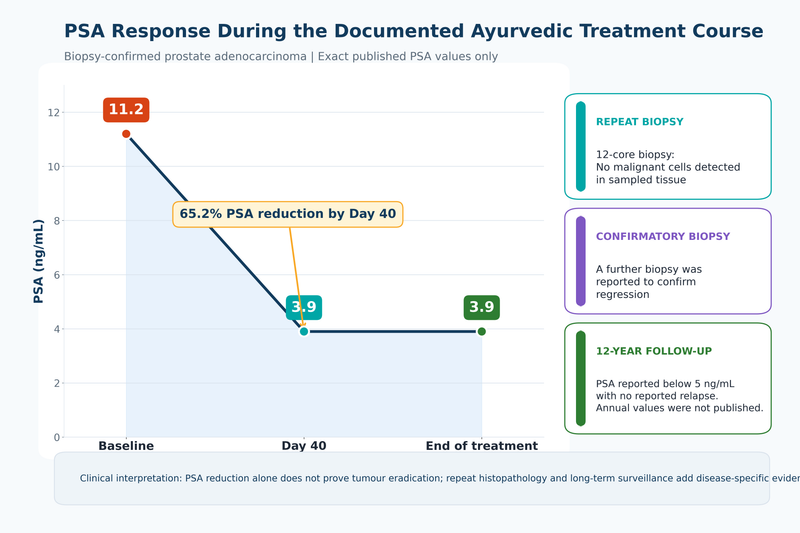
The patient initially sought medical attention after experiencing dysuria, urinary urgency, increased frequency, nocturia, difficulty initiating and maintaining urine flow and a persistent sensation of incomplete bladder emptying. He also had recurrent urinary infections, longstanding constipation, abdominal distension and reduced appetite. Rectal examination identified an enlarged, firm-to-hard prostate with palpable nodules, while the baseline serum PSA was approximately 11.2 ng/mL.[1]
Transrectal ultrasound-guided biopsy identified a 0.06 cm adenocarcinoma in the right mid-region of the prostate. The malignant focus involved approximately 2% of the sampled specimen, with cancer reported in one of two cores from that region. Histopathology assigned a Gleason score of 3 + 3 = 6, corresponding to ISUP Grade Group 1 under current grading terminology. The report classified the tumour as clinical stage T1 and stated that no invasion of surrounding tissues was identified on transrectal ultrasonography.[1,3]
Radical prostatectomy was recommended after the diagnosis. The patient was concerned about undergoing removal of the prostate and sought a second opinion. After receiving information about the potential benefits and risks of conventional and Ayurvedic approaches, he declined the proposed operation and elected to begin Ayurvedic treatment with informed consent. This was an individual treatment decision and should not be interpreted as evidence that surgery, radiation or active surveillance can be safely rejected by another patient with a different stage, grade, tumour volume or risk profile.[1,4]
The Ayurvedic assessment centred on Apāna Vāta Vaiguṇya, a disturbance of the functional principle responsible for downward pelvic activities such as urination, defecation and elimination. This interpretation was used to understand the combination of urinary obstruction, constipation, abdominal distension, impaired appetite and pelvic dysfunction. It did not replace the modern diagnosis of biopsy-confirmed adenocarcinoma, and the classical Ayurvedic findings were used to individualize treatment rather than to equate prostate cancer with one classical disease name.[1]
The treatment was administered for approximately nine months and included seven oral formulations introduced, modified or discontinued according to urinary symptoms, appetite, bowel function and clinical response. These consisted of Chirivilwadi Kashayam, Chukkuchundadi Kashaya, Vasthyamayanthaka Kashaya Churnam, Vasthyamayanthaka Ghrita, Laghu Lokeswara Rasa, Chandraprabha Gutika and Karpoora Silajithu Bhasma. Dietary and lifestyle modifications were also incorporated into the treatment plan.[1]
Objective Evidence Recorded Before and After Treatment
The first major biochemical change was documented after 40 days, when the PSA decreased from approximately 11.2 ng/mL to 3.9 ng/mL. The patient also reported improved appetite and appeared clinically healthier. After a further treatment period, urinary control improved, dysuria and urinary frequency resolved, appetite normalized and the patient became asymptomatic according to the report. His body weight subsequently increased by approximately three kilograms, and he returned to his usual daily activities.[1]
A PSA reduction is clinically relevant, but PSA alone cannot demonstrate that prostate cancer has disappeared. PSA is produced by both malignant and nonmalignant prostate tissue and may be influenced by benign enlargement, prostatitis, urinary infection, urinary retention and prostate instrumentation. This distinction is particularly important in this case because the patient retained his prostate and had a previous history of recurrent urinary infection. The stronger part of the reported outcome therefore comes from the repeat histopathological assessment rather than from the PSA decline alone.[1,5]
A subsequent 12-core prostate biopsy reportedly found benign prostatic hyperplasia in all sampled cores, with no malignant cells detected. Because a negative biopsy can occasionally result from sampling variation, the treating physician requested another biopsy, and the report states that the second biopsy confirmed regression. The most technically accurate interpretation is that no cancer was detected in the sampled repeat biopsy tissue, supported by a second reported confirmatory biopsy.[1]
The authors described this outcome as complete tumour regression. That description is supported within the published record by the disappearance of the previously identified malignant focus from repeat biopsy samples, sustained PSA control and absence of reported clinical relapse. It does not establish that every area of the entire prostate was examined microscopically or that a negative biopsy provides absolute proof that no isolated malignant cell remained elsewhere in the gland. Prostate biopsy samples selected portions of tissue, whereas examination of the entire prostate would normally require a prostatectomy specimen.[1,5]
This distinction does not remove the clinical significance of the result. It allows patients and clinicians to understand precisely what was demonstrated: biopsy-confirmed adenocarcinoma was present before treatment, PSA declined during treatment, malignant cells were not identified in repeat systematic sampling, a further biopsy reportedly confirmed the finding, and the subsequent clinical course was reported to remain free of relapse for approximately 12 years.[1]
Why the 12-Year Follow-Up Matters
An early fall in PSA or temporary improvement in urinary symptoms may not indicate durable control of prostate cancer. Long-term follow-up is therefore one of the most important features of this Ayurvedic prostate cancer case study. The authors reported that the PSA remained below 5 ng/mL, that no clinical relapse occurred and that the patient maintained a high quality of life for approximately 12 years after treatment.[1]
The follow-up also assessed outcomes that directly affect daily life. An Expanded Prostate Cancer Index Composite for Clinical Practice assessment recorded improvement in urinary control, bowel function, erectile firmness and orgasmic function. Before treatment, the patient retrospectively described substantial urinary leakage, frequent dribbling and the need for three or more pads per day. After treatment, the report recorded total urinary control and only a very small residual urinary problem. Bowel urgency and frequent bowel movements reportedly resolved, while erection quality improved from inadequate for sexual activity to firm enough for intercourse.[1]
These patient-reported outcomes add clinical value because prostate cancer decisions involve more than PSA or biopsy findings. Urinary continence, bowel comfort, sexual function, appetite, body weight and the ability to resume normal activities are central to how a patient experiences treatment. However, the pretreatment quality-of-life questionnaire was reconstructed retrospectively, creating a possibility of recall bias. Its findings should therefore be interpreted alongside, rather than above, the objective PSA and biopsy results.[1]
No adverse drug reactions were reported during or after the treatment. This is relevant but does not establish that the same formulations would be safe for every patient. Several medicines used in the protocol were complex herbo-mineral preparations whose safety depends on authentic ingredients, correct purification and processing, appropriate dosage, pharmaceutical quality, organ function, concurrent medicines and qualified clinical supervision.[1]
The report contains several elements emphasized in internationally accepted case-reporting standards, including de-identified patient information, clinical findings, diagnostic assessment, therapeutic interventions, treatment modifications, follow-up results, adverse-event reporting, limitations and written consent for publication.[1,6] These features make the case more informative than an undocumented success claim, although the completeness of the 12-year surveillance must still be judged according to the PSA reports, imaging, pathology and clinical records available for each follow-up interval.
What This Evidence Can and Cannot Establish
This case provides a clinically meaningful signal that a personalized Ayurvedic treatment programme was temporally associated with PSA reduction, disappearance of malignancy from repeat biopsy samples, improvement in urinary and sexual function and prolonged absence of reported relapse in one patient with small-volume Gleason 3 + 3 prostate adenocarcinoma.[1] It justifies further investigation through prospective case registries, standardized imaging, pathology review, predefined surveillance schedules and controlled clinical studies.
It does not establish a universal Ayurvedic cure rate or predict that another patient will obtain the same result. Seven medicines were administered at different stages, together with dietary and lifestyle changes, making it impossible to determine which individual formulation, ingredient or combination produced the reported response. The case-report authors also acknowledged that randomized controlled trials have not established the efficacy of these specific formulations for treating prostate cancer.[1]
The findings cannot be directly extrapolated to men with higher Gleason patterns, cribriform or intraductal carcinoma, extracapsular extension, lymph-node involvement, bone metastases, neuroendocrine disease or castration-resistant prostate cancer. These conditions have different biological behaviour, urgency and treatment requirements. A protocol selected for localized, low-volume Grade Group 1 adenocarcinoma should not be copied for a patient with aggressive or metastatic disease.[3,4]
The early PSA decline may also have been influenced partly by improvement in urinary infection, inflammation, obstruction or other nonmalignant prostate activity. Conversely, such possible confounding does not independently explain why malignant cells were not found in the reported repeat biopsies. The most scientifically responsible interpretation therefore considers the biochemical, histological, symptomatic and long-term findings together while acknowledging the limitations of biopsy sampling and a single-patient design.[1,5]
For patients considering Ayurveda, the principal lesson is not to reproduce the historical prescription without assessment. The clinically valuable model is individualized treatment combined with objective monitoring. Baseline pathology, Gleason pattern, ISUP Grade Group, PSA trend, prostate volume, PSA density, multiparametric MRI, staging investigations, urinary infection assessment, kidney function, liver function and current oncology treatment should be reviewed before therapeutic decisions are made. Apparent improvement should then be verified through scheduled PSA testing, appropriate imaging and repeat histopathology when clinically indicated.[3–5]
Reassessing the Ayurvedic Prostate Cancer Case Study

Reassessing this Ayurvedic prostate cancer case study under current diagnostic standards helps define the patient’s original risk more accurately and clarifies how strongly the reported outcome can be interpreted. The diagnosis was supported by prostate biopsy, but the baseline PSA, palpable examination findings, limited biopsy details and absence of modern multiparametric MRI require careful consideration when comparing the case with present-day prostate cancer pathways.[1,3,5]
Current Risk Classification
The patient had a Gleason score of 3 + 3 = 6, which corresponds to ISUP Grade Group 1. Grade Group 1 usually represents the least aggressive histological category of prostate adenocarcinoma, but cancer risk is not determined by grade alone. PSA level, clinical stage, tumour volume, biopsy findings, PSA density and imaging must also be considered.[3]
The baseline PSA was approximately 11.2 ng/mL. Under current European risk classification, Grade Group 1 disease with a PSA between 10 and 20 ng/mL and a clinical stage between cT1 and cT2b would generally fall within the favourable intermediate-risk category, provided that no additional adverse features are present. The case should therefore not be described simply as low-risk prostate cancer on the basis of the Gleason score.[1,3]
This distinction affects treatment decisions. Some carefully selected men with favourable intermediate-risk disease may be considered for structured active surveillance, while others may be advised to undergo prostatectomy or radiation according to age, life expectancy, tumour burden, MRI findings, PSA density and personal priorities. A 45-year-old man has a long expected period during which an inadequately characterized tumour could progress, making accurate baseline staging particularly important.[3,4]
The reported malignant focus was small, measuring 0.06 cm and involving approximately 2% of the examined specimen. Low tumour volume may support a less aggressive biological profile, but the amount of cancer detected in a biopsy is influenced by how extensively the prostate was sampled. A small focus may represent genuinely limited disease or only the sampled portion of a larger lesion.[1,5]
Clinical Stage and Palpable Findings
The published report classified the tumour as clinical stage T1. Under current tumour-node-metastasis definitions, a T1 prostate tumour is clinically inapparent and not palpable on digital rectal examination. A T1c tumour is detected by needle biopsy, commonly after an elevated PSA result. A tumour that is palpable but remains confined within the prostate is classified within the T2 category.[3]
The same report describes an enlarged prostate with several palpable discrete nodules and a firm-to-hard mass on rectal examination. These findings create uncertainty because the record does not establish whether the palpable abnormalities represented the biopsy-confirmed cancer, benign prostatic enlargement, inflammation or separate nonmalignant nodules.[1]
The reported T1 category may remain correct if the malignant lesion itself was not palpable and the nodules were considered benign. If the palpable abnormality represented the tumour, a T2 category would be more consistent with current staging definitions. The available information does not permit this distinction to be resolved retrospectively.[1,3]
Transrectal ultrasonography reportedly found no invasion into surrounding tissues or adjacent organs. This supports the absence of obvious locally advanced disease on that examination, but ultrasound cannot provide the same local staging detail as contemporary multiparametric MRI. Current clinical T staging is based primarily on digital rectal examination, while MRI findings are recorded separately to describe extracapsular extension, seminal-vesicle involvement and suspicious intraprostatic lesions.[3,5]
Biopsy Sampling and MRI
The report states that one of two cores from the right mid-region contained adenocarcinoma. It does not provide a complete modern biopsy map showing the total number of baseline systematic cores, the percentage of cancer in every core, the location of all sampled regions, perineural invasion, cribriform architecture, intraductal carcinoma or pathological review by a specialist genitourinary pathologist.[1]
Current systematic biopsy protocols generally require sampling across both sides of the prostate from apex to base, with at least 12 cores when no MRI target is used. When multiparametric MRI identifies a suspicious lesion, targeted and perilesional samples are obtained to reduce the risk of missing clinically significant cancer.[5]
The limited baseline sampling information is relevant because Grade Group 1 disease on biopsy can occasionally conceal a higher-grade tumour elsewhere in the prostate. The risk of undergrading is greater when PSA density is elevated, tumour volume is substantial, MRI shows a visible lesion or the number and distribution of biopsy cores are inadequate.[3,5]
The later 12-core biopsy provides broader sampling than the specifically described baseline right mid-region cores. No malignant cells were detected in the follow-up samples, and a further biopsy reportedly confirmed regression. These findings strengthen the reported response, but differences between baseline and follow-up sampling make direct comparison less precise than it would be if both examinations had used the same systematic and MRI-targeted protocol.[1]
A modern reassessment would ordinarily include multiparametric MRI before or during diagnostic confirmation. MRI could document prostate volume, lesion location, PI-RADS category, capsular relationship, seminal-vesicle status and suitability for targeted biopsy. PSA density could then be calculated by dividing the PSA value by prostate volume, helping distinguish a PSA elevation proportionate to gland size from one that remains suspicious despite enlargement.[3,5]
After a negative follow-up biopsy, MRI would also help determine whether the previously involved right mid-region remained radiologically suspicious. A negative systematic biopsy accompanied by a negative or stable MRI would provide stronger evidence of disease control than either test alone. A persistent MRI lesion would usually require targeted reassessment even when systematic cores were benign.[5]
Interpreting the PSA Reduction
The reduction in PSA from approximately 11.2 ng/mL to 3.9 ng/mL within 40 days was substantial. Because the prostate remained intact, however, the post-treatment PSA was not expected to become undetectable. Undetectable PSA is primarily used after radical prostatectomy, when the prostate gland has been removed. In a patient retaining the prostate, PSA continues to be produced by normal and benign prostatic tissue.[1,5]
The patient had a history of recurrent urinary infection, urinary obstruction and incomplete bladder emptying. Infection, prostatitis, urinary retention and recent prostate instrumentation can elevate PSA independently of cancer. Improvement in these conditions could therefore have contributed to part of the early PSA decline.[1,5]
These possible influences do not invalidate the original cancer diagnosis because adenocarcinoma was identified histologically. They affect the interpretation of how much of the PSA reduction can be attributed specifically to regression of malignant tissue. The repeat biopsy findings are therefore more disease-specific than the biochemical response alone.[1]
A complete contemporary assessment would examine whether urinalysis, urine culture or prostatitis evaluation was performed near the baseline PSA test. It would also record prostate volume, free-to-total PSA ratio, recent urinary retention, catheterization, ejaculation, biopsy timing and exposure to finasteride or dutasteride, because these variables may alter PSA interpretation.[5]
The long-term report that PSA remained below 5 ng/mL is clinically reassuring when considered alongside the negative repeat biopsies and absence of reported relapse. The strength of that conclusion depends on the frequency of PSA testing, whether values remained stable or fluctuated, and whether rising values triggered MRI or additional biopsy. A complete serial record is more informative than a single long-term threshold because PSA velocity, doubling time and sustained upward trends can reveal biological change even when the absolute value remains below a fixed limit.[1,4,5]
Ayurvedic Prostate Cancer Case Interpretation

The Ayurvedic prostate cancer case study was interpreted through the patient’s complete clinical pattern rather than through the biopsy result alone. The modern diagnosis remained prostate adenocarcinoma, while the Ayurvedic assessment examined the disturbed urinary flow, chronic constipation, abdominal distension, impaired appetite, recurrent urinary symptoms and loss of pelvic functional control that accompanied the malignancy.[1]
Ayurveda does not contain a single classical term that can be applied automatically to every prostate cancer. The patient’s findings overlapped with descriptions of disturbed Apāna Vāta, Udāvarta, Mūtrakṛcchra, Mūtrāghāta and Mūtragranthi. These concepts helped individualize treatment, but none was used as a substitute for the histopathological diagnosis, Gleason score, PSA result or clinical stage.[1]
Apāna Vāta Disturbance
Apāna Vāta is the downward-moving functional division of Vāta governing urination, defecation, ejaculation and other pelvic eliminative activities. Its normal direction and unobstructed movement are necessary for complete bladder emptying, regular bowel evacuation and coordinated pelvic function.[8]
The patient presented with difficulty initiating urination, reduced ability to maintain urinary flow, urgency, frequency, nocturia and a sensation of incomplete bladder emptying. He also had longstanding constipation, abdominal distension and haemorrhoidal symptoms. This combination indicated that the disturbance extended beyond the prostate lesion and involved the functional relationship between the lower bowel, bladder outlet and pelvic movement of Apāna Vāta.[1]
This interpretation provided a clinically coherent explanation for treating constipation and urinary obstruction together. Persistent bowel loading, straining and abdominal distension can worsen pelvic discomfort and urinary symptoms even when they are not the primary cause of the prostate malignancy. Restoring bowel regularity was therefore relevant to symptom control, medicine tolerance and overall pelvic function, while the cancer itself continued to require objective monitoring through PSA and biopsy.[1]
The Ayurvedic prescription was consequently not limited to herbs commonly associated with the urinary tract. It also addressed appetite, digestion, bowel movement, abdominal distension, tissue strength and the patient’s capacity to tolerate prolonged treatment. The reported improvement in appetite before the introduction of the medicated ghee preparation reflects this staged approach, in which digestive capacity was considered before administering a more nourishing formulation.[1]
Udāvarta and Pelvic Obstruction
Udāvarta describes abnormal or obstructed movement of Vāta in which normal downward functions become impaired or move in an inappropriate direction. Classical descriptions associate it with retention or obstruction of stool, flatus and urine, abdominal distension, pain around the bladder and pelvis, indigestion and the development of palpable abdominal or pelvic abnormalities.[7]
The patient’s chronic constipation, gaseous abdominal distension, reduced appetite, urinary difficulty and incomplete evacuation closely matched several functional features described under Udāvarta. This did not mean that Udāvarta was considered equivalent to prostate adenocarcinoma. It identified a concurrent functional disturbance that could intensify urinary obstruction, reduce appetite and interfere with the patient’s general condition.[1,7]
Treatment directed toward Udāvarta aimed to restore the downward movement of Vāta, improve bowel clearance and reduce pressure within the lower abdomen. This helps explain the initial selection of formulations intended to address constipation, impaired digestion and urinary difficulty simultaneously rather than treating the prostate as an isolated organ.[1]
The early improvement in appetite and bowel function was clinically relevant because persistent constipation and poor digestion can make long-term oral treatment difficult. Better appetite, improved evacuation and reduced distension may also improve sleep, physical activity and willingness to continue surveillance. These benefits remain distinct from tumour regression and were assessed alongside, rather than in place of, PSA and repeat biopsy findings.[1]
Mūtrakṛcchra and Mūtrāghāta
Mūtrakṛcchra refers to painful or difficult urination, while Mūtrāghāta describes obstruction or retention affecting the passage of urine. The patient demonstrated features of both patterns through dysuria, difficulty starting urination, interrupted or weak flow, urgency, nocturia and incomplete emptying.[1]
These urinary patterns can arise from several modern conditions, including benign enlargement, infection, inflammation, bladder dysfunction and prostate cancer. Ayurvedic classification was therefore based on the functional presentation, while the biopsy established the malignant diagnosis. Treating the urinary pattern did not remove the need to determine whether the cancer persisted.[1,5]
The resolution of dysuria, urinary frequency and poor control during treatment demonstrated meaningful functional improvement. Because urinary symptoms do not reliably indicate the biological status of prostate cancer, the reported symptom response gained greater significance only when considered together with PSA reduction and the subsequent absence of malignant cells in repeat biopsy samples.[1]
This distinction is particularly valuable for patients because urinary improvement can occur even when prostate cancer remains present, while some prostate cancers progress without causing urinary symptoms. Continued surveillance is therefore required even when urinary flow, nocturia and bladder control improve substantially.[4,5]
Mūtragranthi
Mūtragranthi describes a fixed nodular or glandular obstruction situated near the bladder outlet or urinary passage. Classical descriptions refer to a small, firm or painful growth that obstructs the normal flow of urine.[9,10]
The patient had an enlarged firm-to-hard prostate with discrete palpable nodules, urinary obstruction and incomplete bladder emptying. These findings created a clinical resemblance to Mūtragranthi, but the term cannot be considered a direct classical synonym for prostate cancer. A nodular obstructive lesion may represent benign enlargement, inflammatory change, another structural disorder or malignancy, and modern pathology is required to distinguish them.[1,9,10]
The Mūtragranthi framework was relevant because it connected the palpable glandular abnormality with impaired urinary flow and pelvic Vāta obstruction. It supported the selection of medicines intended to reduce obstruction, improve urinary passage and restore pelvic function while systemic Rasāyana treatment was continued.[1]
The repeat biopsy reportedly showed benign prostatic hyperplasia without identifiable malignancy. This finding also demonstrates why Mūtragranthi should not automatically be translated as cancer: a nodular or enlarged prostate may remain after malignant cells are no longer detected, and benign glandular enlargement can continue to produce PSA and urinary symptoms.[1]
Arbuda and Granthi
Granthi broadly describes a localized nodular swelling, whereas Arbuda refers to a deeper, persistent and progressively enlarging mass. These classical categories contribute to the Ayurvedic understanding of abnormal tissue growth, but their descriptions do not reproduce the cellular grading, molecular behaviour or metastatic classification used in modern oncology.
The biopsy-confirmed adenocarcinoma could be examined through these broader concepts of abnormal tissue proliferation, tissue obstruction and disturbed Dosha activity. Nevertheless, the treatment record appropriately retained the modern diagnosis rather than claiming that one classical disease name completely explained the tumour.[1]
This combined method allowed the cancer to be assessed through pathology and PSA while Ayurveda addressed the patient’s constitution, digestion, bowel function, urinary obstruction, tissue strength and treatment tolerance. The objective was not merely to reduce urinary discomfort but to pursue measurable change in the disease while maintaining functional recovery.[1]
Mūtravaha Srotas and Treatment Direction
Mūtravaha Srotas refers to the functional channels involved in the formation, transport, storage and elimination of urine. In this patient, impairment was reflected by urgency, frequency, nocturia, dysuria, incomplete emptying and difficulty maintaining urinary flow.[1]
The treatment direction therefore included relieving urinary obstruction, supporting bladder emptying, correcting Apāna Vāta, improving digestion and bowel movement, and providing Rasāyana therapy intended to restore depleted tissue strength. Medicines were modified as appetite, urinary control and constitutional strength changed, demonstrating a sequential rather than fixed prescription model.[1]
The early phase emphasized bowel regulation, appetite and urinary function. After digestive capacity improved, the prescription incorporated a medicated ghee formulation and continued selected Rasāyana and urinary medicines. Later changes were made after urinary symptoms resolved and the patient’s general condition improved.[1]
This individualized progression is central to interpreting the outcome. The case does not demonstrate that one prostate medicine produced the reported regression. It describes a multi-formulation programme adjusted according to changing symptoms and clinical response, followed by objective reassessment through PSA and repeat histopathology.[1]
Treatment Goals in the Ayurvedic Prostate Cancer Case Study

The Ayurvedic prostate cancer case study used a staged treatment strategy designed to address the biopsy-confirmed malignancy together with urinary obstruction, chronic constipation, reduced appetite, abdominal distension and declining pelvic function. The prescription was modified as the patient’s digestion, urinary control and general strength improved, while PSA testing and repeat prostate biopsy were used to determine whether symptomatic recovery was accompanied by measurable disease change.[1]
Restoring Apāna Vāta and Urinary Flow
The initial treatment priority was to restore the normal downward movement of Apāna Vāta and reduce obstruction affecting urination and bowel evacuation. The patient had difficulty starting urine, poor maintenance of flow, urgency, nocturia, incomplete bladder emptying and longstanding constipation. Treating these findings together was clinically relevant because persistent pelvic obstruction may worsen urinary discomfort, sleep disturbance, straining and overall functional decline.[1,7]
Improving urinary flow did not itself establish control of the adenocarcinoma. Prostate cancer may remain biologically active even when urinary symptoms improve, and urinary symptoms may also arise from benign enlargement, infection or inflammation. The treatment therefore pursued functional recovery while preserving objective cancer surveillance as a separate clinical requirement.[1,5]
The reported resolution of dysuria, frequency and poor urinary control indicated that the obstructive and irritative urinary components responded during treatment. These improvements were especially meaningful because they reduced the daily burden of repeated urination, leakage, nocturnal waking and incomplete emptying, all of which can substantially affect independence and quality of life.[1]
Correcting Agni and Bowel Function
Agni refers to digestive and metabolic capacity. The patient entered treatment with reduced appetite, chronic constipation, abdominal distension and impaired bowel regularity. These findings suggested that prolonged treatment with complex oral formulations could be poorly tolerated unless digestion and evacuation were addressed first.[1]
The early prescription therefore included medicines selected to improve appetite, support bowel clearance and reduce abdominal distension while also addressing urinary difficulty. Improvement in appetite was documented before the medicated ghee formulation was introduced. This sequencing indicates that the treatment was adjusted according to the patient’s ability to digest and assimilate a more nourishing preparation rather than administering every medicine from the beginning.[1]
Bowel regulation also had direct patient value. Chronic constipation can increase straining, pelvic pressure, haemorrhoidal discomfort and the sensation of incomplete evacuation. Correcting these factors may reduce part of the functional burden surrounding prostate disease, even though bowel improvement should not be interpreted as evidence that malignant tissue has regressed.[1]
The subsequent increase in body weight and return of appetite suggested improvement in nutritional intake and general condition. These outcomes supported treatment continuation and recovery of daily activity, while the PSA and histopathology remained the principal measures used to evaluate the prostate cancer itself.[1]
Addressing the Urinary Channels
The prescription also targeted dysfunction within the Mūtravaha Srotas, which had already manifested as painful urination, urgency, frequency, nocturia, weak flow and incomplete emptying. The therapeutic direction was intended to reduce obstruction, support more complete bladder evacuation and improve urinary control without relying solely on symptomatic suppression.[1]
Several formulations were selected because of their traditional application in urinary difficulty, pelvic obstruction and disturbed Apāna Vāta. Their use in this patient was determined by the combined presentation rather than by the modern cancer diagnosis alone. The same formulation should therefore not be assumed to suit another patient whose urinary symptoms arise from infection, advanced obstruction, neurological bladder dysfunction, urethral narrowing or metastatic disease.[1]
The treatment record shows that urinary medicines were continued, replaced or added as the clinical pattern changed. This progressive modification is important because Ayurvedic prescribing is based on the patient’s current state rather than on a permanently fixed disease formula. Once urinary symptoms and appetite improved, the prescription moved toward continued disease monitoring and restoration of strength.[1]
Rasāyana and Tissue Recovery
Rasāyana refers to rejuvenative treatment intended to support tissue resilience, recovery and sustained physiological function. In this case, selected Rasāyana and herbo-mineral medicines were included within a broader programme that also addressed digestion, bowel function and urinary obstruction.[1]
The Rasāyana component should not be interpreted as proof that every medicine used has independently established anticancer activity in humans. The patient received several formulations concurrently, and the published report could not determine which medicine, combination or treatment phase was responsible for the PSA reduction and negative repeat biopsies.[1]
Its clinical role within the reported protocol was broader than tumour-directed treatment alone. The patient’s appetite, body weight, urinary function, sexual function and ability to resume ordinary activities were also followed. This multidimensional assessment reflected the need to preserve function during prolonged cancer care rather than considering a laboratory result in isolation.[1]
The reported absence of adverse reactions supported tolerability in this individual. It did not establish that the same Rasāyana or herbo-mineral formulations would be safe for patients with impaired kidney function, liver disease, concurrent oncology medicines or products obtained from an unverified source. Dose, pharmaceutical quality and clinical supervision remain essential when such preparations are used.[1]
Pursuing Measurable Disease Control
The therapeutic objective extended beyond relief of urinary symptoms. The treatment course was followed by serial PSA assessment and repeat prostate biopsy because symptom improvement alone cannot confirm regression of prostate adenocarcinoma.[1,5]
The PSA decrease from approximately 11.2 ng/mL to 3.9 ng/mL provided an early biochemical sign of change. The later absence of malignant cells in a 12-core biopsy supplied more disease-specific evidence, while the reported second confirmatory biopsy strengthened the finding. These results formed the basis for the authors’ conclusion of complete tumour regression.[1]
The clinical interpretation remained dependent on the limitations of prostate sampling. A repeat biopsy examines selected regions rather than the entire gland, and a negative result may occasionally occur when a small residual focus is not sampled. Long-term PSA stability, repeat assessment and absence of clinical relapse therefore became necessary components of the evidence.[1,5]
The approximately 12-year follow-up was important because it extended the observation beyond an early response. The reported maintenance of PSA below 5 ng/mL, sustained quality of life and absence of relapse suggested durable control within the available clinical record.[1]
Preserving Function During Long-Term Follow-Up
The treatment goals included urinary continence, bowel comfort, sexual function, appetite, body weight and the ability to continue normal activity. These outcomes are particularly relevant in prostate cancer because treatment decisions may affect continence, erection, bowel function and long-term independence.[1]
The patient reportedly progressed from substantial urinary leakage and frequent pad use to total urinary control with minimal residual difficulty. Bowel urgency and excessive frequency improved, and erectile firmness became sufficient for intercourse. These changes indicated recovery across several functions that strongly influence a patient’s daily life and psychological well-being.[1]
The pretreatment quality-of-life assessment was reconstructed retrospectively, so the exact magnitude of improvement may have been influenced by recall. The functional changes nevertheless remained clinically relevant when interpreted together with the recorded urinary history, weight gain, return to normal activities, PSA reduction and repeat histopathology.[1]
The treatment model therefore pursued four connected outcomes: improved pelvic and urinary function, restoration of digestion and bowel regularity, recovery of strength and quality of life, and objective evidence of prolonged disease control. None of these outcomes was considered sufficient alone; their combined progression formed the clinical basis of the reported response.[1]
Nine-Month Ayurvedic Treatment Timeline
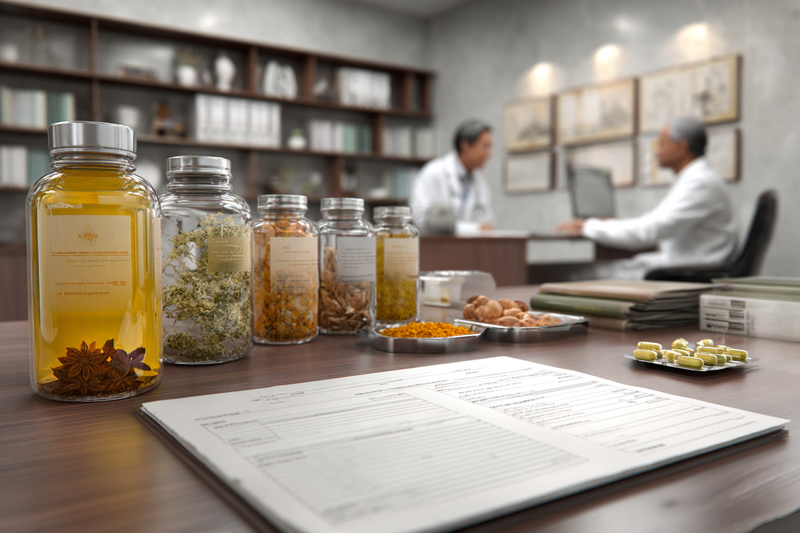
The Ayurvedic prostate cancer case study documented a nine-month and ten-day course of systemic oral treatment, with the prescription modified according to appetite, bowel function, urinary control, PSA response and general clinical status. The published account did not report prostate surgery, radiation, androgen-deprivation therapy or chemotherapy during this treatment period. Each change was made after clinical reassessment rather than administering all seven formulations continuously from the first day.[1]
Initial Treatment for Forty Days
The initial phase addressed the patient’s urinary frequency, urgency, nocturia, incomplete bladder emptying, difficulty initiating and maintaining urine flow, chronic constipation, abdominal distension and reduced appetite. The treatment was selected according to the Ayurvedic principles applied to difficult urination, obstructed Apāna Vāta and disturbed bowel elimination.[1]
Chirivilwadi Kashayam was prescribed in a dose of 96 mL twice daily before meals with rock salt as the adjuvant. The narrative portion of the published report mentions one gram of rock salt, while the detailed treatment chart records two grams. This difference should be retained when documenting the historical prescription because the publication does not explain which quantity represents the final administered dose.[1]
Laghu Lokeswara Rasa was prescribed at 125 mg and mixed with 5 g of Vasthyamayanthaka Kashaya Churnam. The combination was administered twice daily after meals. Karpoora Silajithu Bhasma was given at 500 mg with approximately half a teaspoon, or 3–5 mL, of honey twice daily after meals.[1]
The use of Chirivilwadi Kashayam during this phase was directed toward the accompanying constipation, abdominal distension, impaired appetite, haemorrhoidal symptoms and disturbed downward movement of Vāta. Vasthyamayanthaka Kashaya Churnam and the other prescribed medicines were selected within the broader objective of improving urinary passage, pelvic function and tissue resilience.[1]
The patient was asked to return after 40 days rather than continuing the initial prescription for an indefinite period. This early reassessment was clinically important because it allowed the treating physician to evaluate tolerance, appetite, urinary symptoms and biochemical change before introducing a medicated ghee formulation.[1]
Treatment Changes After Forty Days
At the first follow-up, the patient appeared healthier and reported improved appetite. His PSA had decreased from approximately 11.2 ng/mL to 3.9 ng/mL. This early biochemical change prompted continued treatment, but the prescription was modified according to the improvement in digestive capacity rather than being continued unchanged.[1]
Vasthyamayanthaka Kashaya Churnam was discontinued and replaced with Vasthyamayanthaka Ghrita at 5 g twice daily before meals. The report states that the medicated ghee was introduced after appetite had improved because adequate digestive capacity was considered necessary for its digestion and assimilation.[1]
Laghu Lokeswara Rasa at 125 mg was continued with Vasthyamayanthaka Ghrita. The published narrative identifies this combination as part of the revised treatment plan, although the treatment chart records the dose of the ghee more clearly than the exact administration details of Laghu Lokeswara Rasa during this phase.[1]
Chukkuchundadi Kashaya, also identified in the report as Ardha Bilva Kashaya, was introduced at 96 mL twice daily before meals. The patient was instructed to prepare the decoction at home according to a specified method. Chandraprabha Gutika was added at two tablets twice daily after meals, although the individual tablet weight was not reported.[1]
Chirivilwadi Kashayam was not discontinued at this 40-day review and remained part of the regimen until the subsequent follow-up. Karpoora Silajithu Bhasma was also not recorded as stopped and was later explicitly documented in combination with Vasthyamayanthaka Ghrita.[1]
The patient was instructed to return after a further 60 days. This phase therefore combined continued urinary-directed treatment with a transition from a powdered decoction formulation to medicated ghee after appetite and digestive function had improved.[1]
Review After a Further Sixty Days
At the next follow-up, the patient reported substantial improvement in his urinary symptoms. He had regained greater control of urination, his appetite remained satisfactory and constipation was no longer present. Mild urinary incontinence was recorded during this interval, but the overall clinical assessment described improved urinary control and an asymptomatic state compared with the initial presentation.[1]
Chirivilwadi Kashayam was discontinued because the constipation, abdominal distension, appetite impairment and disturbed Apāna Vāta symptoms for which it had been selected were no longer prominent. Continuing it after those indications had resolved was not considered necessary within the individualized treatment plan.[1]
Laghu Lokeswara Rasa and Vasthyamayanthaka Ghrita were continued. Karpoora Silajithu Bhasma was recorded at 500 mg mixed with 5 g of Vasthyamayanthaka Ghrita and administered twice daily before meals. Chandraprabha Gutika remained prescribed at two tablets twice daily after meals.[1]
Chukkuchundadi Kashaya was no longer listed in the treatment chart after this follow-up. The publication does not provide a separate statement explaining whether it was stopped on the same day or had already completed its intended course. Its absence from the subsequent regimen indicates that it was not part of the documented final treatment phase.[1]
The decision to discontinue symptom-directed formulations while retaining selected Rasāyana and urinary medicines demonstrates that the protocol was not a fixed commercial combination. Medicines were reduced when constipation, poor appetite and urinary difficulty improved, while the remaining treatment continued for long-term disease assessment.[1]
Final Six-Month Treatment Phase
The patient was advised to continue the reduced prescription and return after six months. During this period, the principal documented medicines were Laghu Lokeswara Rasa, Vasthyamayanthaka Ghrita, Karpoora Silajithu Bhasma and Chandraprabha Gutika.[1]
At the six-month review, the patient remained asymptomatic and the PSA was reported as stable at 3.9 ng/mL. All Ayurvedic medicines were then stopped. The complete period from the beginning of treatment to discontinuation was reported as nine months and ten days.[1]
Stopping all medicines after the defined course is clinically important because the subsequent long-term outcome was not attributed to continuous lifelong medication. The report described follow-up after completion of treatment, with PSA remaining below 5 ng/mL and no clinical relapse reported over approximately 12 years.[1]
The case therefore involved an intensive but time-limited treatment period followed by surveillance. Continued absence of symptoms after the medicines were withdrawn provided additional information beyond improvement that occurred only while treatment was being administered.[1]
Timing of the Repeat Biopsies
After completion of the treatment period, repeat prostate biopsy was used to investigate whether the PSA reduction and symptomatic improvement corresponded with histological change. A 12-core biopsy reportedly showed benign prostatic hyperplasia without malignant cells in the sampled tissue.[1]
Because a negative biopsy can miss a small residual focus, the treating physician requested another biopsy rather than relying on the first negative result alone. The report states that the subsequent biopsy again confirmed the absence of detectable malignancy, supporting the authors’ conclusion of complete tumour regression within the limits of prostate sampling.[1]
The exact dates, complete core maps and full histopathology wording for both follow-up biopsies should be considered when interpreting the strength of the result. A biopsy examines selected areas of the gland rather than the entire prostate, but two reported negative assessments provide stronger evidence than a PSA decline or symptom improvement alone.[1]
Clinical Meaning of the Sequential Protocol
The treatment sequence shows that the first phase emphasized urinary obstruction, constipation, abdominal distension and impaired appetite. Once appetite improved, the powdered Vasthyamayanthaka preparation was replaced by its medicated ghee form, and additional urinary formulations were introduced. After bowel and urinary symptoms resolved, the prescription was reduced before all medicines were stopped at the end of the defined course.[1]
This sequencing matters because the reported outcome cannot be assigned to one medicine. Chirivilwadi Kashayam, Chukkuchundadi Kashaya and Vasthyamayanthaka Kashaya Churnam were used only during selected phases, while Laghu Lokeswara Rasa, Vasthyamayanthaka Ghrita, Karpoora Silajithu Bhasma and Chandraprabha Gutika continued later in treatment.[1]
The protocol also cannot be reduced to a standard prostate cancer prescription. The dose selection and timing were linked to the patient’s localized tumour, urinary presentation, bowel dysfunction, appetite, treatment tolerance and evolving clinical condition. A patient with urinary retention, kidney obstruction, high-grade pathology, metastatic spread or concurrent oncology treatment would require a different clinical assessment and should not reproduce this regimen.[1]
The strongest interpretation of the treatment timeline comes from the convergence of several findings: PSA decreased early, urinary and bowel function improved, treatment was completed and withdrawn, repeat biopsy samples showed no detectable malignancy, a second biopsy reportedly confirmed the result and no relapse was reported during approximately 12 years of follow-up.[1]
Ayurvedic Formulations Used
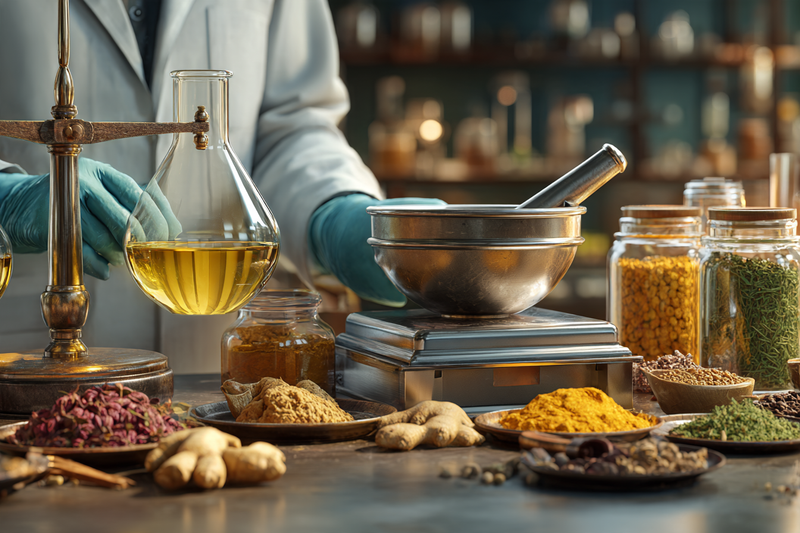
The Ayurvedic prostate cancer case study used seven formulations selected for different phases of the patient’s urinary obstruction, bowel disturbance, impaired appetite and systemic recovery. Four were predominantly polyherbal preparations—Chirivilwadi Kashayam, Chukkuchundadi Kashaya, Vasthyamayanthaka Kashaya Churnam and Vasthyamayanthaka Ghrita—while Laghu Lokeswara Rasa, Karpoora Silajithu Bhasma and Chandraprabha Gutika contained processed mineral components. The formulations were not administered as one fixed prostate cancer package, and no single medicine can be credited independently with the reported PSA, biopsy or functional outcomes.[1]
Chirivilwadi Kashayam
Chirivilwadi Kashayam, also written as Chiruvilwadi Kashayam, is described in Sahasrayogam, Kashaya Prakarana, in the therapeutic context of Arśas, or haemorrhoidal disease, together with impaired digestion, abdominal masses and related bowel dysfunction. Its classical composition contains Chiruvilva stem bark, identified as Holoptelea integrifolia; Punarnava root, Boerhavia diffusa; Chitraka root, Plumbago zeylanica; Haritaki fruit, Terminalia chebula; Pippali fruit, Piper longum; and dried Shunthi rhizome, Zingiber officinale. Saindhava Lavana, or rock salt, is administered as the adjuvant rather than forming part of the decoction ingredients.[11]
The formulation was clinically relevant because the patient had chronic constipation, abdominal distension, reduced appetite, a nonbleeding haemorrhoidal mass and difficult urination in addition to prostate adenocarcinoma. The treating physician used it to improve bowel evacuation, stimulate appetite and correct the disturbed downward function of Apāna Vāta before relying on more nourishing or tissue-directed preparations.[1]
Chirivilwadi Kashayam was discontinued after constipation, appetite impairment and the principal signs of Apāna Vāta disturbance had resolved. This withdrawal demonstrates that its role was linked to a specific phase of the patient’s presentation rather than to indefinite cancer treatment. Its presence in the protocol should not be interpreted as evidence that a digestive or haemorrhoidal formulation independently causes prostate tumour regression.[1]
Several ingredients have pharmacological actions relevant to digestion, inflammation or bowel function, but evidence concerning isolated plant extracts cannot be transferred directly to the complete decoction or to prostate cancer treatment. The clinically relevant evidence in this case comes from the response to the complete individualized programme rather than from laboratory findings for one ingredient.[1]
Laghu Lokeswara Rasa
Laghu Lokeswara Rasa was the principal low-dose Rasaushadhi used throughout much of the treatment period. The case report describes it as a Rasāyana preparation centred on Rasa Sindura, a processed mercury-sulfur compound. The medicine is prepared by placing a small quantity of Rasa Sindura within purified cowrie shells, sealing the shells with processed Tankana and subjecting the preparation to a controlled heating procedure.[1]
A related Lokeswara Rasa is described in Yoga Ratnakara among processed mineral formulations. The classical method combines purified Kaparda, processed Parada and Gandhaka, and purified Tankana, followed by trituration with citrus juice, sealed heating and further processing. The term “Laghu” in the reported medicine identifies the specific pharmacy preparation used in this patient and should not be assumed to represent every Lokeswara formulation found in Rasaśāstra literature.[12]
The patient received Laghu Lokeswara Rasa at 125 mg with Vasthyamayanthaka Kashaya Churnam during the initial phase and later with Vasthyamayanthaka Ghrita. The small dose reflects the concentrated nature of the preparation and distinguishes it from gram-level herbal powders or decoctions.[1]
Its intended role was Rasāyana-oriented, supporting strength and tissue recovery while the accompanying formulations addressed urinary and gastrointestinal dysfunction. The published case does not provide evidence that Laghu Lokeswara Rasa alone reduced PSA or eliminated malignant cells. It remained one component of a changing seven-medicine protocol, and no withdrawal-and-rechallenge assessment was performed to isolate its effect.[1]
Because the preparation involves processed mercury, sulfur, cowrie shell and Tankana, its safety depends on correct purification, pharmaceutical processing, dose control and batch testing. The name of a classical formulation is not sufficient evidence of quality. The actual medicine requires authenticated raw materials, documented preparation procedures, elemental analysis, chemical characterization, microbial testing and traceable dispensing records.
Vasthyamayanthaka Kashaya Churnam and Ghrita
Vasthyamayanthaka formulations are described in Sahasrayogam, Ghrita Prakarana, for difficult urination and disorders affecting the bladder and urinary passages. The name indicates a formulation directed toward disorders of Vasti, the urinary bladder, but its traditional indication does not make it a disease-specific prostate cancer medicine.[11]
The case report identifies Gokshura, Tribulus terrestris; Pashanabheda; Shigru, Moringa oleifera; and Yashtimadhu, Glycyrrhiza glabra, among the important ingredients of Vasthyamayanthaka Kashaya Churnam. The exact botanical identity of Pashanabheda must follow the authenticated pharmacy record because this name has been applied to different regional medicinal plants, including Bergenia ligulata and Aerva lanata.[1,11]
The powdered decoction formulation was used during the initial 40 days with Laghu Lokeswara Rasa. It was selected while the patient still had reduced appetite, constipation and active urinary difficulty. Once appetite improved and the PSA had declined, the powder was discontinued and replaced by Vasthyamayanthaka Ghrita.[1]
Vasthyamayanthaka Ghrita is a substantially more complex preparation than the initial Kashaya Churnam. The classical formula uses ghee processed with a broad urinary and restorative decoction group containing herbs such as Gokshura, Varuna, Pashanabheda, Shigru, Punarnava, Yashtimadhu, Sariva, Draksha, Ikshu, Kokilaksha and selected members of the Brihatyadi group. Its liquid media include milk, tender coconut water and fresh juices of Shatavari, Amalaki, Bimbi, Kushmanda and Urvaruka.[11]
The herbal paste used during ghee processing includes Parushaka, Utpala, Ela, Madhuka flower, Chandana, Devadaru, Haritaki, Bibhitaka, Amalaki, Pippali, Harenuka, Shunthi, Saindhava, Gajapippali, Apamarga, Manjishta, Padmakesara, Musta, Dhanyaka, Lodhra, Ashwagandha, Punarnava, Kapikacchu, Kokilaksha, Kulattha-related material, Karkatashringi and purified Shilajatu. Botanical substitutions and naming differences occur between regional editions and manufacturers, making the pharmacy’s batch formula essential when reproducing the historical treatment.[11]
The ghee was introduced only after appetite and digestive capacity had improved. This sequence was intended to reduce the possibility that a heavy lipid preparation would aggravate poor digestion or be inadequately tolerated. The patient’s improved appetite therefore affected not only his nutritional recovery but also the dosage form selected for the next treatment phase.[1]
Vasthyamayanthaka Ghrita was continued after Chirivilwadi Kashayam had been stopped and was later used as the vehicle for Karpoora Silajithu Bhasma. Its continued use corresponded with the phase in which urinary control, body weight and general strength were improving. The formulation cannot be credited independently with the negative biopsies because Laghu Lokeswara Rasa, Chandraprabha Gutika and Karpoora Silajithu Bhasma were being administered during overlapping periods.[1]
Chukkuchundadi Kashaya
Chukkuchundadi Kashaya, also called Ardhabilva Kashaya in Kerala Ayurvedic practice, is described in the Śopha section of Sahasrayogam. The classical formulation contains Shunthi, Bhunimba, Apamarga, Duralabha and a larger proportion of Punarnava root. The term Ardhabilva in this formulation is associated with the classical quantity used for Punarnava and should not automatically be interpreted as confirming that Aegle marmelos is present in every pharmacy version.[11]
The case report discusses Punarnava and refers to Bilva as important ingredients, while also identifying Dusparsha, Tragia involucrata, in its pharmacological discussion. Classical and regional sources differ in the identification of Duralabha or Dusparsha. Accurate reproduction of the medicine therefore requires the original prescription, authenticated raw-drug identity and the dispensing pharmacy’s preparation record rather than reliance on the English formulation name alone.[1,11]
Chukkuchundadi Kashaya was introduced after the first 40 days, when appetite had improved and the PSA had fallen to 3.9 ng/mL. Its therapeutic context included swelling, impaired elimination and obstruction affecting urine and stool. In this patient, it was used during the intermediate phase when urinary symptoms remained under active assessment but the initial digestive impairment had improved.[1]
Punarnava has experimental evidence relevant to inflammation, smooth-muscle activity and testosterone-induced prostatic enlargement in animal models. Such findings may help explain why it is studied for urinary and prostate symptoms, but they do not demonstrate regression of human prostate adenocarcinoma. The formula’s contribution in this case cannot be separated from the other medicines or from the patient’s dietary and lifestyle changes.[1]
Chukkuchundadi Kashaya was absent from the final six-month prescription, indicating that it was used for a defined clinical phase rather than as continuous maintenance. This sequential use is relevant for patients because it shows that the historical protocol depended on changing symptoms and digestive capacity, not simply on the presence of a prostate cancer diagnosis.[1]
Karpoora Silajithu Bhasma
Karpoora Silajithu Bhasma requires careful identification because its name can be confused with ordinary black resinous Shilajit. The case report identifies the formulation as a processed calcium-based preparation composed predominantly of anhydrous calcium sulfate. It should not be described as equivalent to purified Himalayan Shilajit or assumed to have the same chemical composition.[1,14]
The patient initially received 500 mg with honey after meals. During the later treatment phase, the same dose was administered with Vasthyamayanthaka Ghrita before meals. The change in vehicle accompanied the transition from the initial digestive and urinary phase to the later Rasāyana-oriented treatment phase.[1]
Published experimental work on Karpoora Silajithu Bhasma has examined physicochemical characteristics and activities such as diuresis, antioxidant effects, gastric protection and mast-cell stabilization. These findings are not clinical evidence of antitumour activity in prostate cancer. Research involving calcium nanoparticles, calcium signalling or other calcium compounds also cannot be used as direct proof that orally administered Karpoora Silajithu Bhasma causes tumour regression.[1,14]
Its possible contribution to urinary function must therefore be distinguished from the objective cancer outcome. The formulation was given concurrently with several other medicines, and the case report did not compare it with placebo, omit it from an otherwise identical regimen or measure a formulation-specific biomarker.[1]
The absence of a reported adverse reaction in this patient supports individual tolerability but does not establish universal safety. A calcium sulfate-based Bhasma requires confirmation of mineral identity, purity, processing, crystalline characteristics, dose uniformity and freedom from unintended elemental contamination before clinical administration.
Chandraprabha Gutika
Chandraprabha Gutika, also called Chandraprabha Vati, was introduced after 40 days and continued through the later treatment phase. The formulation is described in Śārṅgadhara Saṃhitā, Madhyama Khanda, Vati Kalpana, Chapter 7, verses 40–49, and the same version is recognized in the Ayurvedic Formulary of India, Part I, Vati and Gutika section 12:10.[13]
The official formulation contains 37 herbal, mineral, salt and resin ingredients. The equal lower-proportion group consists of Chandraprabha or Karpura, Vacha, Musta, Bhunimba, Guduchi, Devadaru, Haridra, Ativisha, Daruharidra, Pippalimula, Chitraka, Dhanyaka, Haritaki, Bibhitaka, Amalaki, Chavya, Vidanga, Gajapippali, Shunthi, Maricha, Pippali, Makshika Bhasma, Yavakshara, Sarjikshara, Saindhava Lavana, Sauvarchala Lavana and Vida Lavana.[13]
Trivrit, Danti, Tejapatra, Tvak, Ela and Vamshalochana are incorporated at higher proportions. Lauha Bhasma is added at a still greater proportion, followed by sugar, while purified Shilajatu and purified Guggulu constitute the largest proportional ingredients in the classical formula.[13]
This composition makes Chandraprabha Gutika more than a simple urinary herb tablet. It combines digestive herbs, urinary medicines, salts, alkaline preparations, Guggulu, Shilajatu and processed mineral ingredients. In the reported patient, its selection corresponded with urinary obstruction, constipation, abdominal distension, impaired digestion and the need for continued systemic treatment after the initial PSA response.[1]
The individual tablet weight was not stated in the published treatment chart, although the patient received two tablets twice daily after meals. Without the tablet weight, manufacturer and batch composition, the total daily exposure cannot be reconstructed precisely. This information is important because Chandraprabha formulations and tablet sizes can differ between manufacturers even when the same classical name appears on the label.[1]
An experimental animal study cited in the case report found reductions in testosterone-induced prostatic enlargement and inflammatory changes after Chandraprabha Vati administration. That model concerns benign prostatic hyperplasia rather than human prostate adenocarcinoma and cannot establish clinical anticancer efficacy. It may be relevant to urinary symptoms or benign glandular enlargement, but the negative repeat biopsies in this patient cannot be attributed to Chandraprabha Gutika alone.[1]
Pharmaceutical Quality and Clinical Safety
The seven formulations differed substantially in dosage form, ingredients and pharmaceutical risk. Herbal decoctions required correct botanical identity, plant-part selection and preparation strength. Vasthyamayanthaka Ghrita required controlled processing of ghee with multiple decoctions, juices and herbal pastes. Laghu Lokeswara Rasa, Karpoora Silajithu Bhasma and Chandraprabha Gutika required additional verification of purified and processed mineral ingredients.[1,11–14]
A reproducible clinical record should identify the manufacturer or dispensing pharmacy, batch number, date of manufacture, complete composition, ingredient proportions, botanical authentication, purification method, heating procedure, finished-product specifications and certificate of analysis. Testing should address microbial contamination, aflatoxins, pesticide residues, unintended toxic elements and the chemical form of intentionally included minerals.
Kidney function, liver function, complete blood count, urinalysis, concurrent medicines and possible herb–drug interactions should be reviewed before and during treatment. This is particularly important for older patients, men receiving androgen-deprivation therapy, anticoagulants or chemotherapy, and patients with urinary obstruction, hydronephrosis, chronic kidney disease or liver impairment.
The published patient reportedly experienced no adverse drug reaction during or after treatment.[1] That observation supports tolerability in one monitored individual but does not justify unsupervised use of the same prescription. The treatment was selected for a localized, low-volume Grade Group 1 tumour accompanied by a specific urinary, digestive and bowel pattern, and each formulation was continued or withdrawn according to the patient’s changing clinical state.
Ayurvedic Prostate Cancer Case Outcomes
The Ayurvedic prostate cancer case study recorded outcomes across PSA response, repeat histopathology, urinary control, bowel function, sexual function, appetite, body weight, daily activity, treatment safety and long-term disease status. These findings were assessed after a nine-month and ten-day oral treatment programme and during approximately 12 years of reported follow-up.[1]
PSA Response
The patient’s PSA was approximately 11.2 ng/mL before treatment. After the first 40 days of Ayurvedic medicines, it had decreased to 3.9 ng/mL, representing an approximate 65% reduction from baseline. The PSA remained at 3.9 ng/mL when the patient was reviewed after the later six-month treatment phase.[1]
The early PSA reduction coincided with improvement in appetite, urinary control and general appearance. It provided an objective biochemical indication that prostate activity had changed during treatment, although it could not independently determine whether the change arose from malignant tissue, benign enlargement, inflammation, urinary infection or a combination of these factors.[1,5]
The prostate remained intact throughout treatment. A PSA of 3.9 ng/mL therefore has a different clinical meaning from the very low or undetectable PSA expected after complete surgical removal of the prostate. Normal and benign prostatic tissue continued to produce PSA, making stability over time more informative than expecting the value to reach zero.[5]
The authors reported that PSA remained below 5 ng/mL during approximately 12 years of follow-up. This long-term pattern is clinically relevant because a temporary PSA decline can occur without durable disease control. The published account does not provide every annual PSA value, so the evidence supports a reported long-term threshold rather than a continuous year-by-year PSA curve.[1]
Repeat Prostate Biopsies
The baseline biopsy had identified a 0.06 cm adenocarcinoma in the right mid-region of the prostate, involving approximately 2% of the sampled specimen, with a Gleason score of 3 + 3 = 6. Objective reassessment after treatment was therefore required to determine whether the biochemical and symptomatic improvements were accompanied by histological change.[1]
A subsequent 12-core prostate biopsy showed benign prostatic hyperplasia in all sampled cores, with no malignant cells identified. This was more disease-specific than the PSA response because histopathology directly examined prostate tissue for the previously documented adenocarcinoma.[1]
The treating physician requested another biopsy to confirm the negative result rather than relying on one post-treatment sampling procedure. The published report states that the second biopsy confirmed regression. The authors consequently described the outcome as complete tumour regression after the Ayurvedic treatment course.[1]
The most precise interpretation is that malignancy was not detected in the sampled tissue from two reported post-treatment biopsy assessments. Prostate biopsy examines selected areas rather than every part of the gland, but a repeated negative result provides stronger evidence than a single negative biopsy, symptomatic improvement or PSA reduction alone.[1,5]
Benign prostatic hyperplasia remained visible in the follow-up tissue. This finding helps explain why PSA could remain measurable despite the absence of cancer in the sampled cores. It also demonstrates that histological regression of the malignant focus did not require the entire prostate gland to become structurally normal.[1]
Urinary Recovery
Urinary dysfunction created a substantial burden before treatment. The patient had dysuria, urgency, increased frequency, nocturia, difficulty beginning urination, difficulty maintaining a steady stream, incomplete emptying and impaired urinary control. The retrospectively completed baseline EPIC-CP assessment described urinary function as a major problem, with frequent dribbling and the use of three or more pads daily.[1]
Improvement occurred progressively rather than immediately. At the follow-up after the intermediate treatment phase, mild urinary incontinence was still recorded, but the patient had regained greater control over urination and no longer reported the broader obstructive and irritative symptom pattern present at baseline.[1]
After treatment, the EPIC-CP responses recorded total urinary control. Pain during urination and increased frequency were classified as no problem, while the overall urinary-function burden had decreased from a major problem to a very small problem.[1]
This recovery had direct functional value because repeated nocturnal urination, leakage, pad dependence, painful voiding and incomplete emptying can disrupt sleep, mobility, work, travel and social confidence. The reported improvement therefore represented more than symptomatic comfort; it reflected restoration of daily independence.[1]
Urinary recovery could not by itself demonstrate regression of prostate cancer because similar improvement may occur when infection, inflammation, benign enlargement or bladder-outlet obstruction improves. Its clinical significance increased when considered together with the PSA response and negative repeat biopsies.[1,5]
Bowel Recovery
Before treatment, the patient had longstanding constipation, abdominal distension, bowel urgency and frequent bowel movements. These symptoms were relevant to the individualized Ayurvedic treatment because disturbed bowel evacuation and pelvic pressure accompanied the urinary dysfunction.[1]
During the early treatment phases, appetite and bowel regularity improved. By the later follow-up, constipation was no longer present, abdominal symptoms had resolved and the patient was considered to have recovered sufficient digestive and eliminative function for the initial bowel-directed medicine to be discontinued.[1]
The pretreatment EPIC-CP assessment recorded moderate bowel problems, particularly urgency and frequent bowel movements. After treatment, these complaints were recorded as no problem.[1]
Improvement in bowel function may have reduced straining, lower abdominal pressure, haemorrhoidal discomfort and interference with urinary control. It also improved the patient’s capacity to eat adequately and tolerate the prolonged oral treatment programme. These benefits remained separate from the histological assessment of the prostate tumour.[1]
Sexual Function
Sexual function was evaluated as part of the EPIC-CP assessment because prostate cancer and its treatments may affect erectile function, orgasm, confidence and intimate relationships. Before treatment, the patient retrospectively rated his ability to reach orgasm as very poor to absent and described erections as insufficient for any sexual activity.[1]
After treatment, orgasm ability was recorded as good, while erection quality improved to a level firm enough for intercourse. The report did not describe the use of erectile-dysfunction medication, testosterone therapy, vacuum devices or other sexual rehabilitation during the Ayurvedic treatment period.[1]
These changes provide evidence of improved sexual function in this patient but do not establish restoration of fertility, normalization of testosterone or preservation of function in every man receiving a similar treatment. Sexual outcomes are influenced by age, vascular health, metabolic disease, psychological state, medication exposure and the location and extent of prostate disease.
The absence of prostatectomy, pelvic radiation and androgen-deprivation therapy during the reported Ayurvedic treatment period is relevant because these interventions can independently affect erection, orgasm and sexual desire. The observed sexual outcome reflects the course of this individual patient and cannot be used to compare the treatment directly with surgery or radiation without controlled data.[1]
Appetite, Weight and Daily Function
The patient entered treatment with reduced appetite and abdominal distension. At the first 40-day review, appetite had improved sufficiently for the physician to replace the powdered Vasthyamayanthaka preparation with Vasthyamayanthaka Ghrita. The change in dosage form was linked to the patient’s improved digestive capacity.[1]
During the subsequent treatment period, the patient gained approximately three kilograms. Weight gain accompanied improved appetite, resolution of constipation, better urinary control and recovery of general strength rather than being reported as isolated fluid retention or treatment-related swelling.[1]
By the final review, the patient had returned to his usual daily activities and remained asymptomatic from the previous visit. Recovery of ordinary activity is clinically meaningful because prostate cancer care must consider physical independence, sleep, nutrition, work capacity and emotional confidence alongside laboratory and pathology findings.[1]
The report did not provide formal performance-status scores, body-composition measurements or serial nutritional laboratory results. The documented increase in weight and resumption of daily activities therefore indicate functional recovery but do not independently measure muscle mass, metabolic health or cancer status.[1]
EPIC-CP Quality-of-Life Findings
The Expanded Prostate Cancer Index Composite for Clinical Practice was used to compare urinary, bowel and sexual function before and after treatment. This instrument is designed to capture prostate cancer-related functional problems that may not be fully represented by PSA or biopsy findings.[1]
The pretreatment EPIC-CP questionnaire was completed retrospectively in August 2011, whereas the post-treatment assessment was recorded in December 2011. The baseline responses therefore represented the patient’s later recollection of his condition before treatment rather than a questionnaire completed prospectively at the moment treatment began.[1]
The retrospective timing does not affect the recorded PSA or histopathology findings, but it limits the precision of the reported change in subjective quality-of-life scores. The strongest patient-reported findings are the categorical changes in urinary control, bowel urgency, erection quality and orgasm ability, interpreted alongside the contemporaneous clinical follow-up.[1]
The combined assessment remains valuable because an apparently favourable biopsy outcome may still leave a patient with incontinence, bowel disturbance or sexual dysfunction. In this case, the report documented improvement across these functional domains rather than disease control accompanied by major persistent functional impairment.[1]
Treatment Safety
No adverse drug reactions were reported during the nine-month treatment period or during the subsequent follow-up described by the authors.[1]
The absence of reported toxicity is particularly relevant because the regimen included both polyherbal and herbo-mineral formulations. It indicates that the prescribed doses were tolerated by this patient under the conditions in which the medicines were prepared, dispensed and monitored.[1]
The report does not provide a complete serial record of blood counts, liver enzymes, kidney function, electrolyte levels or elemental exposure. Absence of a reported clinical reaction therefore cannot establish that every batch, dose or formulation carrying the same name will have an identical safety profile.
Safety depends on authentic raw materials, correct purification and processing, accurate dosing, pharmaceutical testing, kidney and liver function, concurrent medicines and the patient’s clinical condition. A man receiving anticoagulants, androgen-deprivation therapy, chemotherapy or treatment for cardiovascular, renal or hepatic disease may have a different interaction and toxicity risk.
Long-Term Disease Status
The authors reported no relapse for approximately 12 years after completion of the Ayurvedic treatment. PSA reportedly remained below 5 ng/mL, the patient maintained quality of life and no subsequent adverse drug reaction was recorded.[1]
The duration of follow-up is one of the strongest features of the case because Grade Group 1 prostate cancer may follow a prolonged course. A short-term negative biopsy or early PSA response would not be sufficient to demonstrate durable control without continued observation.[1,4]
The published report does not provide a complete annual sequence of PSA measurements, digital rectal examinations, multiparametric MRI findings or scheduled repeat biopsies across all 12 years. The long-term conclusion is therefore based on the authors’ reported absence of relapse and sustained PSA below 5 ng/mL rather than a fully reproduced surveillance record for every interval.[1]
Within the documented evidence, the outcome involved concordant changes across several independent domains: PSA decreased and remained controlled, malignant cells were not detected in the repeat biopsy samples, a second biopsy reportedly confirmed regression, urinary and bowel function improved, sexual function recovered, body weight increased, normal daily activities resumed and no relapse was reported over approximately 12 years.[1]
Twelve-Year Follow-Up in the Ayurvedic Prostate Cancer Case Study
The 12-year follow-up is one of the most clinically important features of this Ayurvedic prostate cancer case study because an early PSA decline or negative repeat biopsy cannot by itself establish durable disease control. Prostate cancer may remain stable for years, recur after an apparently favourable response or progress without producing immediate urinary symptoms. Long-term surveillance was therefore necessary after the nine-month treatment course had ended.[1,4]
Evidence Recorded During Follow-Up
The authors reported that the patient remained free from clinical relapse for approximately 12 years after completing Ayurvedic treatment. His PSA reportedly remained below 5 ng/mL, his quality of life was maintained and no delayed adverse drug reaction was identified during the documented follow-up period.[1]
The medicines had been discontinued after nine months and ten days. The subsequent course therefore represented follow-up without continuous use of the complete treatment protocol. This distinction is important because sustained control after treatment withdrawal carries a different clinical meaning from temporary improvement maintained only while medicines are being taken.[1]
The published account does not reproduce every annual PSA result, laboratory date, digital rectal examination, MRI report or repeat biopsy across the full 12-year period. The evidence consequently supports a reported long-term absence of relapse and PSA below 5 ng/mL rather than a complete year-by-year reconstruction of every surveillance investigation.[1]
For patients, this means that the long follow-up is clinically encouraging but should be described according to the records actually available. A statement that no relapse was reported is not identical to proving that scheduled MRI, biopsy and laboratory surveillance remained completely normal at every interval.
PSA Monitoring With an Intact Prostate
The patient retained his prostate, so measurable PSA was expected after treatment. Unlike the situation after radical prostatectomy, where PSA should fall to a very low or undetectable level, normal prostate tissue and benign prostatic hyperplasia continue to produce PSA when the gland remains present.[1,5]
The reported PSA threshold below 5 ng/mL must therefore be interpreted alongside the patient’s age, prostate volume, PSA density, urinary infection status, digital rectal examination, imaging and previous biopsy findings. A stable value may be reassuring, while a sustained upward trend may require investigation even before it crosses a fixed numerical threshold.[4,5]
PSA velocity and doubling time can help identify a change in biological behaviour, but PSA kinetics alone should not be used to declare progression or select definitive treatment. A concerning rise should prompt reassessment with clinical examination, multiparametric MRI and repeat biopsy when indicated because inflammation, infection, urinary retention and benign enlargement can also alter PSA.[4,5]
The absence of individual annual PSA measurements limits the ability to calculate a reliable doubling time or determine whether temporary rises occurred during the follow-up period. A stronger long-term record would include the date, value, laboratory, assay method and relevant urinary or inflammatory conditions for every PSA measurement.
Histological Surveillance
The two reported negative post-treatment biopsies provided the most direct evidence that the previously identified adenocarcinoma was no longer detected in sampled prostate tissue. Their value was strengthened by the decision to obtain a confirmatory biopsy after the first negative result rather than relying on one sampling procedure.[1]
A negative biopsy does not permanently eliminate the need for surveillance. Small residual or newly developing lesions may be missed between biopsy cores, and Grade Group 1 disease can be upgraded when a more extensive or targeted biopsy samples a different area of the prostate.[4,5]
Modern surveillance uses multiparametric MRI to identify suspicious lesions and guide targeted and perilesional biopsy. When MRI shows a new or enlarging lesion, histological confirmation is generally required before the disease is considered to have progressed. A stable MRI can reduce concern, but it does not automatically replace repeat biopsy in every patient.[4,5]
The published case does not provide a continuous MRI-based record across the 12-year period. The long-term conclusion therefore rests on the reported PSA control, negative repeat biopsies, maintained clinical condition and absence of documented relapse rather than serial radiological proof of complete prostate stability.[1]
Comparison With Structured Active Surveillance
Current active-surveillance pathways for suitable localized prostate cancer use scheduled PSA testing, clinical review, digital rectal examination, repeat biopsy and multiparametric MRI according to individual risk. PSA is generally measured at least every six months, while repeat biopsy and MRI are used to detect grade progression or a previously unsampled clinically significant lesion.[4,5]
The purpose of this surveillance is not simply to confirm that urinary symptoms remain controlled. It is to identify increasing tumour grade, greater cancer volume, extracapsular extension or other changes that may alter the balance between continued monitoring and definitive treatment.[4]
A young patient requires particular attention because a long remaining life expectancy gives an undetected progressive tumour more time to become clinically significant. Even when an early cancer appears to have regressed, surveillance should continue while the patient remains healthy enough to benefit from treatment if clinically important disease later becomes detectable.[3,4]
The published case followed a patient who was only 45 years old at diagnosis. Twelve years without reported relapse is therefore more informative than a brief response, but continued follow-up beyond that period remains appropriate because prostate cancer recurrence or a new malignant focus can become apparent after a prolonged interval.[1,4]
Meaning of No Reported Relapse
Relapse can be assessed through biochemical, histological, radiological and clinical evidence. Biochemical concern involves a confirmed rising PSA pattern; histological relapse requires cancer to be detected again in prostate tissue; radiological progression involves a new or enlarging suspicious lesion or metastatic site; and clinical progression may produce worsening urinary obstruction, haematuria, pelvic symptoms, weight loss or bone pain.[4,5]
The report’s description of no relapse indicates that no recurrent prostate cancer was documented during the stated follow-up period. It does not provide separate annual results for every possible relapse category, so the conclusion should not be expanded beyond the published evidence.[1]
A stable PSA below 5 ng/mL together with negative repeat biopsies and preserved function supports durable clinical control within the available record. It does not create a permanent exemption from future PSA testing, imaging or biopsy because prostate tissue remained in place and the patient continued to have benign prostatic hyperplasia.[1,4,5]
Findings That Require Earlier Reassessment
A sustained PSA increase, a PSA doubling time shorter than three years, a new abnormality on digital rectal examination or progression on multiparametric MRI would justify renewed diagnostic evaluation. These findings should lead to further investigation rather than an assumption that the original Ayurvedic response has necessarily failed or that progression has occurred.[4,5]
New urinary retention, visible blood in urine, recurrent urinary infection, worsening pelvic pain, unexplained weight loss or persistent bone pain would also require prompt medical review. Lower-limb weakness, numbness, loss of bladder control or loss of bowel control may indicate spinal or neurological involvement and requires urgent assessment.
A patient should not wait for urinary symptoms before undergoing surveillance because localized or recurrent prostate cancer can remain asymptomatic. Scheduled testing is necessary even when appetite, continence, sexual function and daily activity remain satisfactory.[4,5]
Clinical Value of the Long-Term Result
Grade Group 1 prostate cancer may have an indolent natural history, particularly when tumour volume is small. The absence of reported relapse cannot therefore be attributed to the Ayurvedic medicines with the certainty that would be possible in a controlled comparative trial.[1,3]
The outcome remains clinically notable because the patient had biopsy-confirmed adenocarcinoma before treatment, a substantial PSA reduction during treatment, no malignancy detected in two reported follow-up biopsies and no reported relapse over approximately 12 years after the medicines were discontinued.[1]
The long follow-up strengthens the case by showing that the reported response was not limited to temporary symptom relief or a single laboratory measurement. Its evidentiary value comes from the convergence of biochemical, histological, functional and longitudinal findings, while its principal limitation remains the absence of a control group and a complete interval-by-interval surveillance record.[1]
For another patient, the appropriate lesson is that apparent regression must be followed by prolonged objective surveillance. Completion of Ayurvedic treatment should mark the transition from active therapy to structured monitoring rather than the end of prostate cancer follow-up.[4,5]
What the Ayurvedic Prostate Cancer Case Study Supports
This Ayurvedic prostate cancer case study supports the existence of a clinically important treatment response in one man with biopsy-confirmed, small-volume Gleason 3 + 3 prostate adenocarcinoma. The evidence extends beyond a subjective testimonial because the diagnosis was established histologically, PSA was measured before and during treatment, repeat prostate tissue was examined, functional outcomes were assessed and approximately 12 years of follow-up were reported.[1]
The case supports further clinical investigation of the individualized Ayurvedic treatment model used in this patient. It does not establish that the same medicines will produce the same result in another man, but it provides sufficient objective evidence to justify prospective documentation, independent pathology review and structured clinical research.
A Biopsy-Confirmed Baseline Diagnosis
The initial diagnosis was not based only on an elevated PSA, urinary symptoms or an enlarged prostate. Adenocarcinoma was identified in tissue obtained through prostate biopsy, with a Gleason score of 3 + 3 = 6 and a small malignant focus in the right mid-region.[1]
This distinction is important because PSA can rise in benign prostatic hyperplasia, urinary infection, prostatitis and urinary retention. Histopathology established that malignant cells were genuinely present before Ayurvedic treatment, even though nonmalignant factors may also have contributed to the baseline PSA of approximately 11.2 ng/mL.[1,5]
The case therefore supports a comparison between malignant tissue documented before treatment and the absence of identifiable malignancy in later biopsy samples. It does not rely on the assumption that lowering PSA alone means that prostate cancer has disappeared.
A Substantial Biochemical Response
The decrease in PSA from approximately 11.2 ng/mL to 3.9 ng/mL after 40 days demonstrated a substantial change in prostate activity during the early treatment phase. The value remained at 3.9 ng/mL during the later treatment review, and the authors reported that it remained below 5 ng/mL during long-term follow-up.[1]
This biochemical response supports the presence of a measurable treatment-associated change. It cannot determine how much of the reduction resulted from malignant tissue regression and how much may have resulted from improvement in inflammation, infection, benign enlargement or urinary obstruction.[1,5]
The PSA result becomes more clinically meaningful when interpreted with the repeat biopsy findings. A fall in PSA accompanied by persistent malignant tissue would have represented a different outcome from a fall in PSA followed by two reported biopsies without detectable cancer.
No Malignancy Detected in Repeat Biopsies
The first post-treatment biopsy included 12 cores and reportedly showed benign prostatic hyperplasia without malignant cells. A further biopsy was requested because one negative biopsy can miss a small focus of prostate cancer, and the published report states that this additional biopsy confirmed regression.[1]
These findings support histological disappearance of the previously identified malignancy from the sampled areas of the prostate. Repeat confirmation reduces the possibility that the result depended entirely on one limited sampling procedure, although it cannot eliminate sampling uncertainty completely.[1,5]
The evidence does not prove that every area of the intact prostate was free from isolated malignant cells. Needle biopsy samples selected regions, whereas complete microscopic examination of the entire gland would require surgical removal. The supported finding is that malignant cells were no longer detected in the reported repeat biopsy material after treatment.[1]
This distinction matters for patients because the phrase “negative biopsy” has a defined clinical meaning. It means that cancer was not identified in the tissue obtained during that procedure. It does not mean that surveillance can stop permanently or that future PSA changes can be ignored.
Improvement Beyond PSA and Pathology
The case also supports meaningful improvement in urinary, bowel and sexual function. The patient initially experienced dysuria, urgency, frequency, nocturia, incomplete emptying, difficulty maintaining urine flow and substantial urinary leakage. Following treatment, the report recorded improved urinary control, resolution of painful and frequent urination and elimination of regular pad dependence.[1]
Bowel urgency, frequent bowel movements, constipation and abdominal distension also improved. Appetite returned, body weight increased by approximately three kilograms and the patient resumed ordinary daily activities.[1]
Sexual outcomes improved from erections reportedly insufficient for sexual activity to erections firm enough for intercourse, together with improvement in orgasmic function. These findings are clinically relevant because prostate cancer management affects not only disease control but also continence, bowel comfort, intimacy, nutrition and independence.[1]
The pretreatment quality-of-life questionnaire was completed retrospectively, which introduces possible recall bias. The functional outcomes should therefore be interpreted with greater caution than the contemporaneous PSA and histopathology findings. They nevertheless provide patient-facing evidence that the reported response was not accompanied by major persistent urinary or sexual impairment.[1]
A Time-Limited Treatment Followed by Long-Term Control
The complete Ayurvedic treatment course lasted approximately nine months and ten days. The medicines were then stopped rather than continued indefinitely, and the reported 12-year follow-up occurred after completion of the treatment programme.[1]
This supports the possibility of a durable response rather than symptom suppression that persisted only while medicines were taken. The reported absence of relapse, maintenance of PSA below 5 ng/mL and preservation of quality of life over approximately 12 years strengthen the clinical significance of the earlier biopsy and PSA findings.[1]
The available publication does not provide a complete annual record of every PSA value, MRI, digital rectal examination or biopsy during those 12 years. The evidence therefore supports a long-term outcome as reported by the authors, not a fully reconstructed surveillance dataset for every follow-up interval.[1]
Individualized Treatment Rather Than One Anticancer Medicine
The case supports an individualized, sequential Ayurvedic model rather than the action of one prostate cancer medicine. Seven formulations were introduced, changed or discontinued according to appetite, bowel function, urinary symptoms and general clinical response.[1]
The early phase addressed constipation, abdominal distension, poor appetite and difficult urination. After digestive function improved, the powdered Vasthyamayanthaka preparation was replaced by a medicated ghee, and additional urinary formulations were introduced. Symptom-directed medicines were later withdrawn while selected Rasāyana and urinary preparations continued for the remaining treatment period.[1]
This sequence supports the Ayurvedic principle that the treatment of a patient with cancer may require simultaneous attention to digestion, elimination, tissue strength and local functional obstruction. It does not establish which formulation was responsible for the PSA decline or negative biopsies because several medicines and lifestyle measures overlapped throughout treatment.[1]
The historical prescription should therefore not be copied as a fixed protocol. A patient with higher-grade cancer, metastatic spread, urinary retention, renal obstruction, liver disease, cardiovascular medicines or concurrent oncology treatment may require a substantially different plan.
Continued Use of Objective Cancer Monitoring
The case supports combining individualized Ayurvedic treatment with modern diagnostic verification. Improvement in urinary symptoms was not accepted as sufficient evidence of cancer regression. PSA testing and repeat histopathology were used to assess whether clinical recovery was accompanied by measurable disease change.[1]
This approach is important because prostate cancer may remain present without causing urinary symptoms, while urinary symptoms may improve because benign enlargement, infection or inflammation has improved. Modern pathology, imaging and PSA monitoring are therefore necessary even when an Ayurvedic clinical assessment identifies meaningful improvement in Apāna Vāta, bowel function and urinary flow.[4,5]
For another patient, objective monitoring should include complete biopsy pathology, ISUP Grade Group, serial PSA values, prostate volume, PSA density, multiparametric MRI and staging investigations appropriate to the level of risk. Changes in treatment should be based on the combined clinical and oncological picture rather than on symptoms alone.[3–5]
A Research Signal Rather Than Population-Level Proof
A detailed case report occupies an important but limited position within the hierarchy of medical evidence. It can document an unusual response, identify a potential therapeutic signal, generate a research hypothesis and provide information that may justify prospective study. It cannot calculate treatment success rates, compare therapies reliably or control for the natural history of the disease.[6]
This case supports further investigation because several findings moved in the same favourable direction: PSA decreased, repeat biopsy samples did not show malignancy, urinary and bowel function improved, sexual function recovered, body weight increased, treatment was discontinued and no relapse was reported over an extended period.[1]
The case does not determine how the outcome would compare with active surveillance. Selected men with Grade Group 1 or favourable intermediate-risk prostate cancer may remain stable for prolonged periods without immediate definitive treatment, particularly when tumour volume is small.[3,4]
The patient’s small malignant focus and favourable Gleason pattern may therefore have contributed to the long-term course. However, indolent biology alone does not fully account for the reported change from biopsy-positive adenocarcinoma to two subsequent biopsies without detectable malignant cells. Both the favourable natural history and the treatment-associated findings must be considered when interpreting the outcome.[1,3,4]
Clinical Relevance for Patient Decisions
The case supports discussing Ayurveda as a monitored, individualized treatment option within a broader decision process for selected patients, but it does not provide sufficient evidence for another man to reject prostatectomy, radiation or structured active surveillance. Treatment decisions depend on tumour grade, clinical stage, MRI findings, PSA density, biopsy volume, genetic risk, age, life expectancy and personal priorities.[3–5]
A patient with localized Grade Group 1 disease may have time to obtain pathology review and compare appropriate options. A patient with high-grade pathology, rapidly rising PSA, lymph-node involvement, bone metastases or neurological symptoms requires a different level of urgency and should not use this case to postpone staging or indicated oncological treatment.
The strongest patient-facing value of the case lies in its documented method: confirm the diagnosis, individualize treatment, measure the response objectively, reassess tissue when appropriate and continue long-term surveillance after medicines have stopped.[1]
Safety in the Ayurvedic Prostate Cancer Case Study
Safety in the Ayurvedic prostate cancer case study cannot be assessed only by noting that the patient reported no adverse reaction. Clinical tolerability, pharmaceutical identity, batch purity, dose accuracy, organ-function monitoring and interaction assessment are separate requirements. This distinction is particularly important because the protocol combined multi-ingredient herbal medicines with processed mineral formulations over nine months.[1]
Meaning of No Reported Adverse Reaction
The patient reportedly completed treatment without a recognized adverse drug reaction and remained clinically well during the subsequent follow-up.[1] This supports tolerability in that individual at the prescribed doses, using the particular products dispensed during the case.
The report does not provide a complete serial record of blood counts, liver enzymes, bilirubin, kidney function, electrolytes or elemental exposure. It therefore cannot establish that every laboratory parameter remained unchanged throughout treatment. A patient may tolerate a medicine without obvious symptoms while developing an early biochemical abnormality detectable only through laboratory monitoring.
The absence of an adverse event in one patient also cannot be transferred automatically to another patient. Age, body weight, kidney function, liver function, hydration, nutritional status, cardiovascular disease, diabetes, concurrent medicines and previous cancer treatment may alter absorption, metabolism and elimination.
A patient with urinary obstruction requires additional caution because persistent retention or hydronephrosis may impair kidney function before severe symptoms develop. Renal impairment can also change the handling of minerals and plant-derived compounds, making a previously tolerated dose inappropriate.
Licensed Manufacturing and Batch Traceability
Ayurvedic medicines used for cancer care should be obtained from a licensed manufacturer operating under applicable Good Manufacturing Practice requirements. Indian regulations require licensed production, quality-control facilities or testing through an approved laboratory, stability data and compliance with pharmacopoeial standards for identity, purity, strength, microbial load, pesticide residues and permissible elemental limits.[21]
GMP status confirms that a manufacturer follows an approved production framework, but clinical use also requires traceability of the actual batch supplied to the patient. The prescription record should include the manufacturer, manufacturing licence, product name, batch number, manufacturing date, expiry date, dose and dispensing source.
A batch-specific certificate of analysis is especially important when treatment is prolonged or supplied internationally. It allows the physician to confirm that the tested sample corresponds to the medicine received by the patient rather than to a different production lot.
Traceability also supports pharmacovigilance. When an unexpected laboratory change or symptom develops, the treating team can identify the relevant batch, review other medicines dispensed from the same lot and report the event accurately.
Quality Testing for Herbal Formulations
Herbal decoctions, powders, tablets and medicated ghee preparations require confirmation of botanical identity before manufacturing. The Sanskrit name alone may be insufficient because one traditional name can refer to different regional species, and substitution may change the chemical profile, potency or safety of the final medicine.
The tested record should identify the accepted botanical name, plant part, source, collection conditions and authentication method. This is particularly relevant for ingredients such as Pashanabheda and Duralabha, whose identities may differ between regions and classical interpretations.
Herbal raw materials should be assessed for foreign matter, moisture, microbial contamination, aflatoxins, pesticide residues and unintended elemental contamination. World Health Organization quality guidance specifically recognizes toxic elements, pesticides, microorganisms and other contaminants as potential risks in medicinal plant materials.[19,20]
Decoction strength also requires standardization. Variations in raw-drug quantity, water volume, boiling time and final reduction can alter the delivered dose even when the formulation name remains unchanged. The historical prescription therefore cannot be reproduced safely by preparing an approximate household mixture from an incomplete ingredient list.
Medicated ghee requires additional control of the lipid base, herbal paste, decoction media, heating process and final moisture. Inadequate processing may affect stability, microbial safety and the concentration of extracted constituents. The batch record should document the classical method actually followed rather than relying only on the name Vasthyamayanthaka Ghrita.
Quality Testing for Herbo-Mineral Medicines
Laghu Lokeswara Rasa, Karpoora Silajithu Bhasma and Chandraprabha Gutika require additional pharmaceutical scrutiny because their reported compositions include processed mineral ingredients.[1,13,14]
Intentional inclusion of a purified and processed mineral should be distinguished from unintended contamination. Testing should confirm that the declared ingredient is present in the expected pharmaceutical form and quantity while also determining whether lead, arsenic, cadmium, mercury or other elements appear unexpectedly or exceed applicable limits.
The raw materials, purification procedure, trituration media, sealed heating process, temperature exposure and number of processing cycles should be documented. A product carrying the same classical name may not be pharmaceutically equivalent when preparation methods or ingredient proportions differ.
Analytical assessment may include elemental composition, crystalline or chemical characteristics, particle distribution, loss on drying, microbial limits and dose uniformity according to the nature of the formulation. The clinically relevant question is not merely whether an element can be detected, but whether the finished medicine matches its authenticated formula, has been processed correctly, contains no unintended contaminants and is administered at the prescribed dose.
Published reports have documented lead, mercury and arsenic toxicity associated with some traditional medicines, including products obtained without adequate quality verification. A systematic review identified cases involving neurological, gastrointestinal, haematological, renal and hepatic manifestations, demonstrating that product origin and clinical monitoring cannot be ignored.[22]
These reports should not be used to assume that every properly manufactured Rasaushadhi is toxic. They establish the need to verify each product rather than relying on assumptions of safety based on traditional use, packaging, price or the word “natural.”
Baseline Clinical Assessment
Before beginning a prolonged Ayurvedic prostate cancer protocol, the physician should review the complete medication history, cancer stage, urinary function and major organ systems. The assessment should include prescribed drugs, nonprescription medicines, herbal supplements, vitamins, protein products and substances used intermittently.
Baseline laboratory evaluation should ordinarily include a complete blood count, serum creatinine with estimated glomerular filtration rate, liver enzymes, bilirubin, albumin and electrolytes. Urinalysis and urine culture are particularly relevant when dysuria, urgency, fever, recurrent infection or incomplete bladder emptying is present.
Men with substantial residual urine, hydronephrosis, recurrent infection or rising creatinine require urological assessment before continuing oral medicines alone. Relief of urinary obstruction may be necessary to protect kidney function irrespective of the chosen cancer-directed treatment.
Baseline blood pressure, body weight, appetite, bowel pattern and performance status help identify changes that may later represent benefit, dehydration, toxicity or disease progression. Unexplained weight loss should not be attributed automatically to impaired Agni, and new oedema should not be interpreted simply as improved body weight.
PSA, prostate volume, PSA density, MRI, biopsy grade and staging investigations establish the cancer baseline. Safety monitoring cannot replace disease monitoring, and favourable liver or kidney results do not show that the tumour is responding.
Monitoring During Treatment
Laboratory monitoring should be repeated according to the patient’s age, organ function, formulation type, treatment duration and concurrent medicines. Testing is particularly important after introducing a herbo-mineral preparation, increasing a dose or adding conventional cancer treatment.
A stable patient may require less frequent testing than a man with chronic kidney disease, liver dysfunction, urinary retention or multiple prescription drugs. The interval should be shortened when symptoms arise or laboratory values begin to change.
Serial results should be compared with the patient’s own baseline rather than judged only against the laboratory reference range. A progressive increase in creatinine or liver enzymes may be clinically important even before the value crosses the upper limit of normal.
Monitoring should distinguish treatment toxicity from cancer-related complications. Anaemia may result from marrow disease, chronic inflammation, bleeding, kidney impairment or medicine exposure. Elevated liver enzymes may arise from fatty liver, metastasis, infection, prescription drugs or an herbal product. Evaluation should examine the complete clinical context rather than attributing every abnormality to one system of treatment.
The dose and formulation should be reviewed whenever kidney or liver function deteriorates. Continuing the same medicine without reassessment may increase exposure, particularly when elimination is impaired.
Interactions With Prostate Cancer Treatment
Herbal products contain biologically active constituents and may interact with prescription medicines through changes in absorption, metabolism, transport proteins, coagulation, blood pressure, glucose control or additive organ toxicity. Oncology patients should disclose every Ayurvedic medicine and supplement to their treating clinicians.[23]
Interaction review becomes essential when a patient receives androgen-deprivation therapy, abiraterone, enzalutamide, chemotherapy, radioligand treatment, anticoagulants, antiplatelet medicines, antihypertensives or diabetes treatment. The absence of a documented interaction does not prove that a complex formulation is interaction-free, especially when its complete composition or dose is uncertain.
A multi-ingredient product creates greater uncertainty than a single authenticated herb because each constituent may have a different pharmacological action. Changes in formulation during treatment should therefore be recorded and communicated to the oncology team rather than treated as minor dietary adjustments.
The timing of medicines may reduce some absorption-related interactions, but separating doses by a few hours does not prevent interactions mediated through liver enzymes, transport proteins, coagulation or hormonal pathways. Timing changes should not replace a formal review of the complete regimen.
Patients receiving hormone-directed treatment also require caution with concentrated products promoted for testosterone, vitality or sexual performance. A supplement intended to increase androgenic activity may conflict with treatment designed to suppress androgen signalling, even when it is marketed as natural.
Symptoms Requiring Immediate Review
Persistent vomiting, severe abdominal pain, marked loss of appetite, jaundice, dark urine, unusual itching or increasing fatigue may indicate hepatic or systemic toxicity and require prompt assessment.
Reduced urine output, worsening leg swelling, flank pain, confusion, new muscle weakness or rapidly increasing blood pressure may indicate renal or electrolyte disturbance. These symptoms are especially concerning in a patient with pre-existing urinary obstruction.
New numbness, tremor, memory disturbance, severe constipation, abdominal colic, unexplained anaemia or weakness may require assessment for elemental exposure when mineral-containing or poorly characterized products have been used.[22]
Fever, chills, painful urination, inability to pass urine or visible blood in urine require urgent evaluation for infection, retention or bleeding. Continuing oral medicines while delaying decompression or antimicrobial treatment may place kidney function and general health at risk.
New severe back pain, lower-limb weakness, numbness around the perineum or loss of bladder or bowel control requires emergency assessment for possible spinal cord or cauda equina compression. These findings should not be managed as a routine Vāta aggravation.
Safety After Completing Treatment
Stopping the medicines at the end of the planned course does not immediately end safety monitoring. Delayed laboratory abnormalities, persistent mineral exposure, recurrent urinary obstruction and interactions with newly introduced medicines may become apparent after the active treatment period.
The final review should document the date each formulation was stopped, the last administered batch, cumulative duration, clinical condition and laboratory results. This creates a clear baseline for subsequent prostate cancer surveillance and for investigating any later symptom.
Unused medicines should not be retained for self-treatment of a future PSA rise. A later increase in PSA may result from infection, benign enlargement, recurrent cancer or a new lesion, and repeating the historical prescription without reassessment may delay appropriate diagnosis.
The safety value of this case lies in the supervised, time-limited and sequential use of authenticated formulations in one patient. Replicating that standard requires licensed manufacturing, batch-level verification, individualized dosing, interaction review, organ-function monitoring and prompt investigation of new symptoms.[1,19–23]
Urgent Review in the Ayurvedic Prostate Cancer Case Study
The Ayurvedic prostate cancer case study involved localized, small-volume prostate adenocarcinoma and should not be used to delay urgent urological or oncological care in a patient with obstruction, infection, bleeding, kidney impairment, neurological symptoms or rapidly progressive disease. These complications require immediate investigation because symptom-directed medicines cannot reverse acute organ damage or safely substitute for decompression, antimicrobial treatment, radiotherapy or other time-sensitive interventions.[1,3–5]
Inability to Pass Urine
Complete inability to urinate, accompanied by a painful or visibly distended lower abdomen and a persistent urge to void, indicates acute urinary retention. This requires urgent medical assessment because prolonged retention can cause severe pain, infection, bladder injury and obstructive kidney damage.[5]
Initial management may require bladder drainage through catheterization, followed by measurement of kidney function, urine testing and assessment of the cause of obstruction. A prostate tumour, benign enlargement, urethral narrowing, blood clot, infection, medication effect or impaired bladder contraction may produce similar symptoms.[5]
Dribbling does not exclude retention. A severely overfilled bladder may leak small quantities of urine while retaining a large residual volume. New overflow incontinence, increasing lower abdominal fullness or repeated attempts to urinate without satisfactory emptying should therefore not be interpreted as ordinary urinary weakness.
Chronic retention may develop less dramatically. Progressive weak flow, increasing post-void dribbling, recurrent infection, persistent incomplete emptying or rising creatinine may indicate significant obstruction even when the patient can still pass some urine. Post-void residual measurement and renal-tract imaging are required when these features are present.[5]
Ayurvedic medicines may be reconsidered after the obstruction has been assessed and the urinary tract has been protected. They should not be continued as the only response when catheterization, drainage or another urological procedure is urgently required.
Fever With Urinary Symptoms
Fever, chills, painful urination, pelvic pain, flank pain, nausea or marked weakness may indicate a urinary infection involving the prostate, bladder or kidneys. Confusion, low blood pressure, rapid breathing or reduced urine output may indicate systemic infection and require emergency assessment.[5]
A urine culture should be obtained when possible before antimicrobial treatment, but collection should not delay urgent care in a severely unwell patient. Blood tests, kidney-function assessment, imaging and intravenous treatment may be required when obstruction, kidney infection or sepsis is suspected.
A rising PSA during urinary infection should not be interpreted immediately as prostate cancer progression. PSA may increase because of inflammation or infection and can be reassessed after the acute condition has been treated. The infection itself must still be managed promptly because an obstructed infected urinary system can deteriorate rapidly.[5]
Fever should not be described as detoxification, temporary aggravation or a routine response to Rasayana treatment. When fever occurs with urinary symptoms, the priority is to exclude infection and obstruction before changing or continuing the Ayurvedic prescription.
New Weakness or Loss of Bladder Control
New leg weakness, difficulty walking, numbness, altered sensation around the buttocks or perineum, severe back pain, or sudden loss of bladder or bowel control may indicate spinal cord or cauda equina compression. In a patient with known or suspected prostate cancer, this must be treated as an oncological emergency.[4]
Emergency imaging is required because compression may result from vertebral metastasis, fracture or tumour extending into the spinal canal. Neurological function can become permanently impaired when diagnosis and treatment are delayed.
Loss of bladder control caused by spinal compression differs from gradual urinary leakage associated with prostate enlargement or pelvic-floor weakness. When incontinence appears suddenly with weakness, numbness or back pain, it should not be treated by increasing urinary herbs or Vāta-directed medicines.
A patient should attend an emergency department immediately rather than waiting for a scheduled consultation or repeat PSA test. Treatment may require corticosteroids, urgent radiotherapy, surgery or another specialist intervention according to the cause and degree of compression.[4]
Severe or Persistent Bone Pain
Persistent pain in the spine, pelvis, hips, ribs or upper legs may require investigation for bone metastasis, particularly when the pain is new, progressively worsening, present at night or unrelated to recent physical activity.[4]
Sudden severe pain, inability to bear weight, loss of mobility or deformity may indicate a pathological fracture. A fracture through bone weakened by cancer requires urgent imaging, pain control and orthopedic or oncological assessment.
Not every episode of back or joint pain in a man with prostate cancer represents metastasis. Degenerative spinal disease, arthritis, muscle strain and osteoporosis are common. The distinction cannot be made reliably from the pain description alone when symptoms are persistent, severe or associated with neurological changes.
Bone pain should not automatically be classified as aggravated Vāta or treated only with oil therapy, massage or analgesic herbs. Massage over an unrecognized metastatic lesion or unstable fracture may worsen pain and delay appropriate stabilization.
Men receiving long-term androgen-deprivation therapy also have an increased risk of bone-density loss and fracture. New skeletal pain in these patients may require evaluation for both metastatic disease and treatment-related osteoporosis.[4]
Visible Blood in Urine
Visible blood in the urine requires urological assessment even when the patient already has a prostate cancer diagnosis. Bleeding may arise from the prostate, bladder, kidneys, urinary infection, stones, radiation injury, anticoagulant use or another urinary-tract tumour.[5]
Blood clots can obstruct the bladder outlet and cause acute retention. Inability to urinate, increasing lower abdominal pain, passage of large clots, dizziness, faintness or marked weakness requires emergency assessment.
Urinalysis, blood count, kidney-function testing and imaging may be necessary. Cystoscopic evaluation may also be required because the source of bleeding cannot be identified reliably from symptoms alone.
Haematuria should not be attributed automatically to tumour breakdown, detoxification or a strong herbal formulation. Continuing treatment without identifying the bleeding source may allow anaemia, obstruction or another urinary disease to progress.
Kidney Impairment and Hydronephrosis
Prostate cancer, benign enlargement or pelvic lymph-node disease may obstruct one or both ureters and cause hydronephrosis. This obstruction may develop without severe urinary pain because the blockage can occur above the bladder outlet.[4,5]
Reduced urine output, new leg swelling, nausea, vomiting, poor appetite, increasing fatigue, confusion or flank discomfort may accompany kidney impairment. Some patients remain relatively asymptomatic until creatinine has increased substantially.
A rising creatinine or falling estimated glomerular filtration rate requires prompt investigation. Renal ultrasound, CT or other imaging may be needed to determine whether urine flow is obstructed and whether drainage through a catheter, ureteric stent or nephrostomy is necessary.
Oral urinary medicines cannot reliably relieve a mechanically obstructed ureter. Continuing diuretic herbs in a patient with significant obstruction or dehydration may also worsen fluid and electrolyte disturbance.
Kidney function must be stabilized before concentrated herbal, ghee-based or herbo-mineral medicines are continued. Reduced renal clearance may alter exposure and increase the risk associated with a previously tolerated dose.
Rapid PSA or Imaging Progression
A confirmed rising PSA pattern requires reassessment, particularly when the increase is sustained across repeated tests or accompanied by a short PSA doubling time. One isolated result should first be reviewed for infection, retention, recent instrumentation and laboratory variation, but repeated progression should not be managed only by changing the Ayurvedic formulation.[4,5]
A new or enlarging lesion on multiparametric MRI, increasing PSA density, extracapsular extension, seminal-vesicle involvement or suspicious lymph nodes indicates that the disease may no longer match the localized pattern described in the published case.[3–5]
Repeat biopsy may be required when imaging changes, PSA rises persistently or the original sampling was limited. Histological upgrading from Grade Group 1 to a higher Grade Group can alter the balance between surveillance and definitive treatment.[3–5]
The discovery of Gleason pattern 4 or 5, cribriform architecture, intraductal carcinoma or neuroendocrine differentiation warrants prompt specialist review. These features may represent more aggressive biology and cannot be managed according to the expectations created by a small-volume Gleason 3 + 3 case.[3–5]
Progression should be evaluated across PSA, imaging, pathology and clinical findings. A temporary reduction in urinary symptoms does not outweigh evidence that tumour grade, volume or extent is increasing.
New Lymph-Node or Metastatic Findings
Newly enlarged pelvic or abdominal lymph nodes, bone lesions, lung abnormalities or liver lesions require oncological staging and confirmation. The treatment strategy for metastatic prostate cancer differs fundamentally from the management of a small tumour confined to the prostate.[3,4]
Unexplained weight loss, persistent appetite loss, increasing fatigue or progressive decline in daily activity may justify earlier reassessment, particularly when accompanied by rising PSA, anaemia, bone pain or abnormal liver tests.
Breathlessness, persistent cough, jaundice or progressive abdominal swelling may have many causes, but in a patient with cancer they require investigation rather than attribution to weak digestion, accumulated Ama or treatment adjustment alone.
Metastatic disease may require androgen-deprivation therapy, chemotherapy, targeted treatment, radioligand therapy, radiation or bone-directed treatment according to tumour characteristics and previous therapy. Ayurveda may be considered within a coordinated plan, but the localized case report does not establish control of metastatic disease.[1,3,4]
Serious Treatment Reactions
Jaundice, dark urine, persistent vomiting, severe abdominal pain, widespread rash, facial swelling, breathing difficulty, confusion or a marked reduction in urine output may indicate a serious adverse reaction and require immediate medical assessment.[21–23]
New bruising, prolonged bleeding, black stools or blood in vomit may indicate a coagulation or gastrointestinal complication. This is particularly important in patients receiving anticoagulants, antiplatelet medicines, corticosteroids, chemotherapy or multi-ingredient herbal formulations.[21–23]
Chest pain, sudden breathlessness, coughing blood or one-sided leg swelling may indicate a cardiovascular or thromboembolic emergency. These symptoms should not be managed by stopping one medicine at home and waiting for improvement.
When a serious reaction is suspected, every Ayurvedic medicine, supplement and prescription drug should be documented with its dose, batch and date of use. Treatment can be reconsidered only after the acute condition has been investigated and the likely cause has been assessed.
High-Grade Cancer at Diagnosis
A newly diagnosed patient with high-grade pathology, extensive core involvement, rapidly increasing PSA, extracapsular disease or metastatic findings requires timely oncology review before beginning a prolonged Ayurvedic-only treatment course.[3–5]
The absence of severe urinary symptoms does not reduce this urgency. Aggressive prostate cancer may progress while producing few local symptoms, particularly when spread occurs through lymphatic or blood-borne routes.
The treatment window should not be consumed by repeated empirical changes in herbs while staging remains incomplete. Pathology review, MRI, appropriate metastatic imaging and discussion of disease-directed options are required before deciding how Ayurveda can be incorporated.
The favourable outcome reported in one patient with small-volume Grade Group 1 disease cannot be used to predict the course of Grade Group 3–5 cancer. The greater the tumour grade and extent, the more important it becomes to avoid delays in treatments capable of reducing the risk of metastasis, organ damage and cancer-related death.[1,3–5]
FAQs
The Ayurvedic prostate cancer case study raises practical questions about diagnosis, treatment, biopsy findings, PSA response and long-term monitoring. The answers below clarify what was documented, what remains uncertain and how the findings may apply to another patient.
Was the prostate cancer diagnosis confirmed by biopsy?
Yes. Prostate tissue showed adenocarcinoma in the right mid-region, with a Gleason score of 3 + 3 = 6. The malignant focus measured approximately 0.06 cm and involved about 2% of the sampled specimen.
What was the PSA before Ayurvedic treatment?
The baseline PSA was approximately 11.2 ng/mL. This value was above the level usually expected for the patient’s age, but PSA alone could not distinguish cancer from benign enlargement, inflammation or urinary infection. The biopsy established the malignant diagnosis.
How quickly did the PSA decrease?
The PSA decreased to 3.9 ng/mL after approximately 40 days of treatment. This was an important biochemical response, but it was not accepted as sufficient proof of tumour regression without repeat prostate biopsy.
Did the PSA become undetectable?
No. The prostate remained intact, so normal and benign prostate tissue continued to produce PSA. An undetectable PSA is generally expected only after complete surgical removal of the prostate, not after treatment that preserves the gland.
How was tumour regression assessed?
Regression was assessed through repeat prostate tissue sampling. A 12-core biopsy reportedly showed benign prostatic hyperplasia without malignant cells, and a further biopsy was obtained to confirm the finding.
Does a negative biopsy prove that every cancer cell has disappeared?
No. A needle biopsy examines selected areas of the prostate rather than the entire gland. A negative biopsy means that malignant cells were not found in the sampled cores. Repeated negative biopsies, stable PSA and prolonged absence of relapse make the finding more persuasive but do not provide whole-gland microscopic certainty.
Why was the second biopsy important?
A small residual tumour can occasionally be missed during one biopsy procedure. The second biopsy reduced reliance on a single sampling event and strengthened the evidence that the previously detected malignant focus was no longer identifiable.
Did the patient undergo prostate surgery?
No prostatectomy was reported during the Ayurvedic treatment period. Radical prostatectomy had been recommended, but the patient declined the proposed operation after considering his treatment options.
Did the patient receive radiation or hormone therapy?
The published treatment history did not report radiation, androgen-deprivation therapy or chemotherapy during the nine-month Ayurvedic programme. This makes the treatment chronology easier to interpret, although it does not prove that Ayurveda was the sole cause of every clinical change.
Was this low-risk prostate cancer?
The Gleason score corresponded to ISUP Grade Group 1, which is the lowest histological grade category. However, the PSA of approximately 11.2 ng/mL entered an intermediate PSA range. Under current risk systems, the case may be considered favourable intermediate risk if the disease was otherwise confined and no adverse findings were present.
Could infection or prostatitis have influenced the PSA?
Yes. The patient had a history of recurrent urinary infection, and inflammation, infection, urinary retention and benign enlargement can elevate PSA. Improvement in these conditions may have contributed to part of the early PSA reduction. They do not explain away the biopsy-confirmed cancer or the later negative biopsy findings.
Were urinary symptoms used as proof of cancer regression?
No. Urinary frequency, urgency, dysuria, nocturia and weak flow improved, but these symptoms can change independently of the cancer. PSA and repeat histopathology provided the more disease-specific evidence.
Which Ayurvedic medicine produced the response?
The case cannot identify one responsible medicine. Seven formulations were used at different stages, together with dietary and lifestyle changes. Their effects overlapped, and no medicine was isolated through a controlled comparison.
Was an Avaleha used in the published treatment?
No. The protocol used decoctions, a medicated ghee, pills and processed herbo-mineral formulations. Varuna–Kanchanara Rasayana Avaleha represents a separate individualized treatment model and was not responsible for the published case outcome.
Were herbo-mineral medicines included?
Yes. Laghu Lokeswara Rasa, Karpoora Silajithu Bhasma and Chandraprabha Gutika contained processed mineral components. Such medicines require authenticated manufacturing, correct processing, exact dosing, batch testing and clinical supervision.
Were any adverse effects reported?
No adverse drug reaction was reported in the patient. This indicates tolerability in that individual but does not prove that the same formulations are safe for every patient or that all laboratory parameters remained unchanged throughout treatment.
Can another patient use the same seven medicines?
The protocol should not be copied without assessment. Another patient may have a different tumour grade, stage, prostate volume, urinary disorder, digestive capacity, kidney function, liver function or concurrent treatment. The original prescription was repeatedly modified according to the patient’s changing condition.
Can this case be applied to metastatic prostate cancer?
No direct conclusion can be drawn for metastatic disease. The reported patient had a small-volume, apparently localized Grade Group 1 tumour. Bone, lymph-node or visceral metastases require a different treatment and monitoring strategy.
Does this case prove that surgery is unnecessary?
No. The outcome shows what was reported in one patient who declined surgery. It does not establish that another patient can safely avoid prostatectomy, radiation or another recommended treatment. The decision depends on pathology, stage, MRI, PSA density, age, life expectancy and personal priorities.
How long was Ayurvedic treatment given?
The complete treatment period was approximately nine months and ten days. Medicines were changed or withdrawn as appetite, bowel function and urinary symptoms improved, and all Ayurvedic medicines were eventually stopped.
Was the patient taking medicines throughout the 12-year follow-up?
The published account describes a defined treatment course followed by long-term observation. The favourable follow-up was therefore not attributed to continuous use of the complete seven-medicine regimen.
What does the 12-year follow-up show?
The authors reported that PSA remained below 5 ng/mL, no clinical relapse was identified and quality of life remained favourable for approximately 12 years. The publication did not provide every annual PSA, MRI and biopsy result, so the finding should be understood as reported long-term control rather than a complete year-by-year surveillance dataset.
Is a PSA below 5 ng/mL proof that cancer is absent?
No. PSA can remain measurable because the prostate is still present. Long-term interpretation requires the PSA trend, prostate volume, PSA density, infection status, MRI findings and repeat biopsy when clinically indicated.
What follow-up is needed after an apparently negative biopsy?
The patient should continue scheduled PSA testing, clinical assessment and multiparametric MRI, with repeat biopsy when changes in PSA, examination or imaging create concern. Normal urinary function does not remove the need for surveillance.
What reports should another patient provide before considering Ayurveda?
The essential records include the complete biopsy report, Gleason pattern, ISUP Grade Group, number and location of positive cores, serial PSA values, prostate volume, PSA density, multiparametric MRI, staging investigations, urine testing, kidney and liver function and a complete list of current treatments.
When should urgent conventional care not be delayed?
Immediate assessment is required for inability to urinate, fever with urinary symptoms, visible blood with clots, worsening kidney function, severe bone pain, new leg weakness, numbness or loss of bladder or bowel control. These complications cannot be managed safely through oral medicines alone.
What is the strongest conclusion from this case?
The strongest conclusion is that one patient with biopsy-confirmed, small-volume prostate adenocarcinoma experienced a substantial PSA decline, no detectable malignancy in two reported follow-up biopsies, functional recovery and approximately 12 years without reported relapse after a personalized Ayurvedic treatment programme. The finding is clinically important and research-worthy but requires confirmation in prospective controlled studies.
Clinical Perspective
This Ayurvedic prostate cancer case study documents a clinically significant long-term outcome in a 45-year-old man with biopsy-confirmed, small-volume Gleason 3 + 3 prostate adenocarcinoma. During a nine-month and ten-day individualized Ayurvedic treatment programme, PSA decreased from approximately 11.2 ng/mL to 3.9 ng/mL, urinary and bowel symptoms improved, and subsequent prostate biopsies reportedly detected no malignant cells. The authors further reported no clinical relapse during approximately 12 years of follow-up.[1]
The strength of the case comes from the combination of objective and patient-centred evidence. The original malignancy was histologically confirmed, treatment was documented sequentially, PSA was reassessed, prostate tissue was re-examined, a second biopsy reportedly confirmed regression, functional outcomes improved and the patient was observed long after the medicines had been discontinued.[1]
The outcome should nevertheless be interpreted within the characteristics of the original disease. The tumour was small volume and Grade Group 1, while the baseline PSA of approximately 11.2 ng/mL requires consideration within a favourable intermediate-risk framework under current classification when the remaining clinical features are favourable. Modern assessment would additionally use multiparametric MRI, PSA density, more comprehensive biopsy mapping and detailed pathological characterization to define risk more precisely.[3–5]
The case does not establish that the seven Ayurvedic medicines will reproduce the same outcome in another patient. Several formulations were used sequentially and concurrently, while diet and lifestyle were also modified. The contribution of an individual medicine cannot therefore be separated from the complete treatment programme, the patient’s favourable tumour biology or other potential influences on PSA and biopsy findings.[1]
The Ayurvedic value of the treatment model lies in its individualization. The prescription addressed disturbed Apāna Vāta, urinary obstruction, chronic constipation, abdominal distension, impaired appetite and reduced functional strength while the malignant disease itself continued to be assessed through modern objective investigations. Medicines were introduced, replaced and discontinued as the patient’s clinical state changed.[1]
This distinction remains important for present-day patients. Improvement in urinary flow, nocturia, appetite, bowel regularity or general strength can provide substantial quality-of-life benefit, but these changes cannot independently establish control of prostate cancer. Disease response must continue to be assessed through serial PSA interpretation, imaging and histopathology when indicated.[3–5]
The approximately 12-year follow-up gives the case greater clinical importance than an isolated short-term PSA response. However, the published report does not provide every annual PSA measurement, MRI examination or biopsy across the entire period. The most accurate conclusion is therefore that prolonged absence of clinical relapse and sustained PSA below 5 ng/mL were reported after treatment, rather than that every year of follow-up contained complete radiological and histological confirmation.[1]
For another patient, treatment should begin with the disease that is actually present rather than with the historical prescription. Complete pathology, Gleason pattern, ISUP Grade Group, PSA trend, prostate volume, PSA density, multiparametric MRI, appropriate staging, urinary assessment, kidney and liver function and current medicines should determine whether an individualized Ayurvedic programme can be considered and how closely the patient resembles the published case.[3–5]
Patients with high-grade cancer, extracapsular disease, lymph-node involvement, bone or visceral metastases, rapidly progressive PSA, urinary obstruction threatening kidney function or neurological complications require a different level of urgency. The favourable outcome of a localized Grade Group 1 case should not be extrapolated to these clinical situations.[1,3–5]
Long-term surveillance remains necessary even after an apparently complete response. An intact prostate continues to produce PSA, repeat biopsy samples only selected areas of the gland, and a new or previously unsampled malignant focus may become detectable later. Continued PSA monitoring, appropriate MRI and repeat histological assessment therefore remain part of responsible long-term care.[4,5]
The published case provides a valuable research signal for Ayurveda in prostate cancer because it connects individualized treatment with measurable biochemical, histological, functional and long-term outcomes.[1] Its next scientific step is prospective validation using standardized pathology, MRI, PSA-density assessment, pharmaceutical quality control, predefined safety monitoring and comparison with contemporary active-surveillance outcomes.[2,6]
For patients, the central clinical principle is equally clear: prostate cancer treatment should pursue measurable disease control while protecting urinary function, bowel function, sexual health, nutritional status and overall quality of life. Ayurveda can be evaluated most rigorously when personalized treatment is accompanied by objective cancer monitoring and long-term follow-up rather than relying on symptoms or PSA alone.[1,3–5]
Mapped References
[1] Anand, S., Anjana, C. S., Mythri, H. S., & Galib, R. (2026). Complete tumor regression with exclusive Ayurvedic treatment in adenocarcinoma of prostate: A case report. Journal of Medical Case Reports, 20, Article 207. PubMed
Brief: Principal source for the patient’s history, baseline PSA, biopsy findings, Gleason score, reported stage, Ayurvedic treatment sequence, repeat biopsies, quality-of-life outcomes and approximately 12-year follow-up. The findings describe one patient’s clinical course.
[2] Jabbari, P., Yazdanpanah, O., Benjamin, D. J., & Rezazadeh Kalebasty, A. (2025). The role of Ayurveda in prostate cancer management. Integrative Cancer Therapies, 24, Article 15347354251330906. PubMed
Brief: Reviews Ayurvedic medicinal plants investigated in prostate cancer, proposed mechanisms and the predominance of preclinical evidence. Identifies the need for appropriately designed human trials.
[3] European Association of Urology. (2026). EAU guidelines on prostate cancer: Classification and staging systems. EAU Guidelines Office. EAU classification and staging
Brief: Covers TNM staging, ISUP Grade Groups and risk classification. Supports interpretation of reported T1 disease, palpable T2 disease and Grade Group 1 cancer with PSA between 10 and 20 ng/mL.
[4] European Association of Urology. (2026). EAU guidelines on prostate cancer: Treatment. EAU Guidelines Office. EAU treatment guidance
Brief: Covers active surveillance, treatment selection, life expectancy, progression assessment and indications for reconsidering definitive treatment.
[5] European Association of Urology. (2026). EAU guidelines on prostate cancer: Diagnostic evaluation. EAU Guidelines Office. EAU diagnostic evaluation
Brief: Covers PSA interpretation, PSA density, multiparametric MRI, PI-RADS, biopsy techniques, pathology reporting and staging investigations.
[6] Gagnier, J. J., Kienle, G., Altman, D. G., Moher, D., Sox, H., Riley, D., & CARE Group. (2014). The CARE guidelines: Consensus-based clinical case report guideline development. Journal of Clinical Epidemiology, 67(1), 46–51. PubMed
Brief: Provides reporting standards for patient information, diagnostic assessment, treatment timelines, outcomes, adverse events, limitations and informed consent in clinical case reports.
[7] Agniveśa. (2020). Charaka Saṃhitā, Cikitsā Sthāna, Trimarmīya Cikitsā Adhyāya, Chapter 26, verses 5–10 (S. N. Ojha & A. Samant, Trans.). Charak Samhita Research, Training and Skill Development Centre. Charaka Saṃhitā, Chapter 26
Brief: Classical reference for Udāvarta and disturbed Apāna Vāta, including retention of urine, stool and flatus, abdominal distension and pelvic discomfort.
[8] Agniveśa. (2020). Charaka Saṃhitā, Cikitsā Sthāna, Vātavyādhi Cikitsā Adhyāya, Chapter 28, verses 10–11. Charak Samhita Research, Training and Skill Development Centre. Charaka Saṃhitā, Chapter 28
Brief: Describes the classical location and functions of Apāna Vāta, including its relationship with the pelvic region and elimination of urine, stool and reproductive products.
[9] Vāgbhaṭa. (n.d.). Aṣṭāṅga Hṛdaya, Nidāna Sthāna, Mūtrāghāta Nidāna, Chapter 9, verse 31. Aṣṭāṅga Hṛdaya, Chapter 9
Brief: Describes Mūtragranthi as a small, fixed nodular lesion near the bladder outlet associated with urinary obstruction. Provides classical context for the article’s discussion of obstructive urinary symptoms.
[10] Suśruta. (n.d.). Suśruta Saṃhitā, Uttara Tantra, Mūtrāghāta Pratiṣedha Adhyāya, Chapter 58, verse 18. Suśruta Saṃhitā, verse 58/18
Brief: Classical description of Mūtragranthi involving a small, fixed and painful obstruction at the bladder opening.
[11] Krishnan Vaidyan, K. V., & Gopala Pillai, S. (2015). Sahasrayogam with Sujanapriya commentary (33rd ed.). Vidyarambham Publishers. Kerala Government reference listing
Brief: Provides the Kerala Ayurvedic formulary background for preparations discussed in the case study. The linked government document is a reference listing for the text.
[12] Prasad, P. K., Rao, S., & Vikram, S. (2019). A review on Pottali Kalpana with special reference to Kaparda Purana Putapaka method of preparation. Journal of Ayurveda and Integrated Medical Sciences, 4(5), 196–200. Journal article
Brief: Reviews pharmaceutical preparation methods for Kaparda-Purana and Pottali formulations, including classical references to Lokeshwara preparations.
[13] Śārṅgadhara. (2018). Śārṅgadhara Saṃhitā with Dīpikā commentary (Madhyama Khaṇḍa, Chapter 7, Vati Kalpanā, verses 40–49). Chaukhambha Orientalia. Chandraprabha Vati reference
Brief: Classical source for Chandraprabha Gutika/Vati and its ingredient proportions, including Shilajatu, Guggulu, mineral preparations, Triphala, Trikatu, salts and Kshara.
[14] Saleem, A. M., Gopal, V., Rafiullah, M. R. M., & Bharathidasan, P. (2006). Chemical and pharmacological evaluation of Karpura Shilajit Bhasma, an Ayurvedic diuretic formulation. African Journal of Traditional, Complementary and Alternative Medicines, 3(2), 27–36. Journal article
Brief: Reports chemical characterisation and experimental diuretic and natriuretic activity of Karpura Shilajit Bhasma. Its relevance is to pharmaceutical composition and preclinical urinary effects.
[15] Choi, Y. H., Han, D. H., Kim, S. W., Kim, M. J., Sung, H. H., Jeon, H. G., Jeong, B. C., Seo, S. I., Jeon, S. S., Lee, H. M., & Choi, H. Y. (2019). A randomized, double-blind, placebo-controlled trial to evaluate the role of curcumin in prostate cancer patients with intermittent androgen deprivation. The Prostate, 79(6), 614–621. PubMed
Brief: Reports effects of curcumin on PSA progression during administration. The trial found no significant improvement in overall off-treatment duration, illustrating the importance of evaluating both biochemical and clinical outcomes.
[16] Passildas-Jahanmohan, J., Eymard, J. C., Pouget, M., Kwiatkowski, F., Van Praagh, I., Savareux, L., Atger, M., Durando, X., Abrial, C., Richard, D., Ginzac Couvé, A., Thivat, E., Monange, B., Chollet, P., & Mahammedi, H. (2021). Multicenter randomized phase II study comparing docetaxel plus curcumin versus docetaxel plus placebo in first-line treatment of metastatic castration-resistant prostate cancer. Cancer Medicine, 10(7), 2332–2340. PubMed
Brief: Evaluates adding curcumin to docetaxel in metastatic castration-resistant prostate cancer. The trial did not demonstrate an improvement in progression-related outcomes.
[17] Kapur, P., Pereira, B. M. J., Wuttke, W., & Jarry, H. (2009). Androgenic action of Tinospora cordifolia ethanolic extract in prostate cancer cell line LNCaP. Phytomedicine, 16(6–7), 679–682. PubMed
Brief: Reports increased proliferation and PSA secretion in androgen-sensitive LNCaP cells exposed to a specific ethanolic Guduchi extract. The findings highlight preparation-specific biological effects.
[18] Wu, C., Mulakaluri, A., Chaurasia, P., Suryanarayana, S., Singh, A., Krauss, N., Tahir, P., Elder, C., Puthiyedath, R., & Dhruva, A. (2024). A scoping review of Ayurvedic Rasayana adaptogens in oncology. Journal of Ayurveda and Integrative Medicine, 15(1), 100879. PubMed
Brief: Maps oncology research involving Ayurvedic Rasayana adaptogens and identifies the predominance of preclinical studies and the need for prospective clinical validation.
[19] World Health Organization. (2011). Quality control methods for herbal materials. WHO publication
Brief: Describes botanical authentication, foreign-matter assessment, physicochemical testing and other quality-control methods for herbal materials.
[20] World Health Organization. (2007). WHO guidelines for assessing quality of herbal medicines with reference to contaminants and residues. WHO guideline
Brief: Covers assessment of pesticides, microorganisms, mycotoxins, toxic elements and other contaminants or residues in herbal medicines.
[21] Central Drugs Standard Control Organization. (2024). Drugs Rules, 1945: Schedule T—Good Manufacturing Practices for Ayurvedic, Siddha and Unani medicines. Ministry of Health and Family Welfare, Government of India. CDSCO Drugs Rules
Brief: Provides manufacturing and quality-control requirements, including raw-material authentication, contamination prevention, processing records and batch documentation.
[22] Mukhopadhyay, S., Abraham, S. E., Holla, B., Ramakrishna, K. K., Gopalakrishna, K. L., Soman, A., Chikkanna, U. C., Bharath, M. M. S., Bhargav, H., Varambally, S., & Gangadhar, B. N. (2021). Heavy metals in Indian traditional systems of medicine: A systematic scoping review and recommendations for integrative medicine practice. Journal of Alternative and Complementary Medicine, 27(11), 915–929. PubMed
Brief: Reviews reported elemental toxicity associated with some traditional medicinal products and discusses manufacturing standards, product testing, prescribing and clinical monitoring.
[23] Yeung, K. S., Gubili, J., & Mao, J. J. (2018). Herb-drug interactions in cancer care. Oncology, 32(10), 516–520. PubMed
Brief: Reviews pharmacokinetic and pharmacodynamic interactions between herbal products and cancer medicines. Supports documenting all herbal and prescription treatments during oncology care.
[24] Śārṅgadhara. (2008). Śārṅgadhara Saṃhitā (B. Tripathi, Ed., Madhyama Khaṇḍa, Chapter 7, verses 95–100). Chaukhambha Surbharati Prakashan. Published source citing the classical formulation
Brief: Classical source for Kanchanara Guggulu and its ingredients. Provides the formulation background cited in relation to the separately designed Varuna–Kanchanara Rasayana Avaleha.
[25] Ayurvedic Pharmacopoeia Committee. (2003). The Ayurvedic Formulary of India: Part I (2nd ed.). Department of Indian Systems of Medicine & Homoeopathy, Ministry of Health and Family Welfare, Government of India. Bibliographic record
Brief: Provides official pharmaceutical definitions and preparation principles for Avaleha, Leha and Pāka, including the use of prescribed decoctions or juices, sweetening agents, powders and suitable lipid media.