



- Medical Review and Evidence Standard
- What is atypical hyperplasia?
- Types of atypical hyperplasia: ADH vs ALH
- Can atypical hyperplasia turn into breast cancer?
- Is atypical hyperplasia cancer, precancer, or a high-risk lesion?
- How much does atypical hyperplasia increase breast cancer risk?
- Future risk vs biopsy upgrade risk: why this distinction matters
- How is atypical hyperplasia found?
- What happens after a biopsy shows atypical hyperplasia?
- Why might surgery be recommended if atypical hyperplasia is not cancer?
- If atypical hyperplasia is removed, am I cured?
- Country-specific notes for the USA, UK, Australia, Singapore, and Canada
- Can medication lower breast cancer risk after atypical hyperplasia?
- Should I have genetic testing after atypical hyperplasia?
- Can lifestyle changes reduce breast cancer risk after atypical hyperplasia?
- Does atypical hyperplasia mean I need a mastectomy?
- Questions to ask your doctor after an atypical hyperplasia diagnosis
- Bottom line: can atypical hyperplasia turn into breast cancer?
- FAQs
- Reference
Atypical hyperplasia is not breast cancer. It is a benign breast condition in which some breast cells grow more than usual and look abnormal under a microscope. However, atypical hyperplasia is important because it is linked with a higher future risk of breast cancer, especially when compared with people who have no atypical changes in the breast. [1,2,3,4]
So, can atypical hyperplasia turn into breast cancer? The careful answer is: it can be associated with the pathway of breast cell changes, but it does not always progress to cancer. Many people with atypical hyperplasia never develop breast cancer. The diagnosis should be understood as a risk warning sign, not as a cancer diagnosis. [3,4]
Doctors take atypical hyperplasia seriously because it may affect your follow-up plan. Depending on whether the finding is atypical ductal hyperplasia (ADH) or atypical lobular hyperplasia (ALH), your biopsy method, imaging results, family history, breast density, and personal risk factors, your healthcare team may recommend closer screening, further tissue sampling, a breast specialist review, or risk-reduction options. [1,2,3]
A useful way to think about atypical hyperplasia is this:
Atypical hyperplasia does not mean you have breast cancer, and it does not mean breast cancer is inevitable. It means your breast cancer risk is higher than average, so your care team may recommend a more personalized screening and prevention plan.
For a deeper understanding of related benign breast changes, symptoms, diagnosis, and supportive care options, read our detailed guide on benign atypia of the breast, symptoms, diagnosis, and Ayurvedic support. It explains how benign atypical breast findings are identified, why biopsy confirmation matters, and how lifestyle and integrative support may fit alongside medical follow-up.
Quick Answer Table: Can Atypical Hyperplasia Turn Into Breast Cancer?
| Patient question | Clear answer |
|---|---|
| Can atypical hyperplasia turn into breast cancer? | Atypical hyperplasia can be linked with the pathway of breast cell changes that may lead to breast cancer in some people, but it does not always turn into cancer. Many people with atypical hyperplasia never develop breast cancer. |
| Is atypical hyperplasia breast cancer? | No. Atypical hyperplasia is not breast cancer. It is a benign breast condition found on biopsy, but it is considered important because it increases future breast cancer risk. |
| Why does atypical hyperplasia increase breast cancer risk? | The breast cells are increased in number and look abnormal under the microscope. These abnormal changes are associated with a higher chance of developing breast cancer later in life. |
| What are the main types? | The two main types are atypical ductal hyperplasia, or ADH, and atypical lobular hyperplasia, or ALH. ADH affects the breast ducts, while ALH affects the lobules. |
| Does ADH or ALH mean cancer is already present? | No. ADH and ALH are not cancer. However, ADH found on needle biopsy may sometimes need more tissue sampling to make sure there is no nearby DCIS or invasive breast cancer. |
| How much does atypical hyperplasia increase risk? | Atypical hyperplasia is often described as raising breast cancer risk to about four times the average risk. Long-term estimates suggest that about 30 out of 100 women may develop breast cancer within 25 years, meaning many do not. |
| Why might surgery be recommended? | Surgery or vacuum-assisted excision may be recommended to check the area more completely. This is usually done to rule out nearby DCIS or invasive breast cancer, not because atypical hyperplasia itself is cancer. |
| Is breast MRI always needed? | No. Breast MRI is not automatically needed for everyone with atypical hyperplasia. It may be considered if overall lifetime breast cancer risk is high, or if there are other risk factors such as strong family history, dense breasts, or genetic risk. |
| Can medication reduce risk? | Yes, in selected patients. Medicines such as tamoxifen, raloxifene, anastrozole, or exemestane may be discussed to reduce future breast cancer risk, depending on menopausal status and medical history. |
| Does atypical hyperplasia mean I need a mastectomy? | Usually, no. Most people with atypical hyperplasia do not need mastectomy. It may be discussed only when atypical hyperplasia occurs with other major risk factors, such as a high-risk gene mutation or very strong family history. |
| What should I do after diagnosis? | Ask your doctor what type of atypical hyperplasia you have, whether the biopsy matched the imaging, whether more tissue needs to be checked, and what screening or prevention plan is right for you. |
| Do guidelines differ by country? | Yes. Follow-up pathways may differ between the USA, UK, Australia, Singapore, and Canada. The meaning of atypical hyperplasia is similar, but screening schedules, MRI use, and specialist pathways can vary. |
Medical Review and Evidence Standard
This article is written for educational purposes and is based on patient-facing cancer guidance, breast screening recommendations, pathology resources, and peer-reviewed medical literature. It uses evidence from recognized cancer and healthcare organizations, including the American Cancer Society, Cancer Research UK, Canadian Cancer Society, National Health Service, National Institute for Health and Care Excellence, U.S. Preventive Services Task Force, American Society of Clinical Oncology, Australian Government health resources, Singapore public health resources, and other specialist breast health references.
Atypical hyperplasia is a biopsy diagnosis, and management can vary depending on the exact pathology result, imaging findings, biopsy method, family history, breast density, genetic risk, menopausal status, and local healthcare guidelines. Screening and follow-up pathways may also differ between the USA, UK, Australia, Singapore, and Canada.
This article does not claim that atypical hyperplasia is cancer. It explains atypical hyperplasia as a benign but higher-risk breast finding that may require personalized follow-up, further tissue assessment in selected cases, and long-term risk-reduction planning.
Where complementary, lifestyle, or integrative health topics are mentioned, they are presented only as supportive risk-reduction or general wellness measures. They should not be used as a substitute for biopsy assessment, mammography, breast MRI when indicated, risk-reducing medication discussions, surgery when recommended, or follow-up with a qualified healthcare professional.
Readers should speak with their breast specialist, surgeon, radiologist, oncologist, GP, family doctor, or healthcare provider before making decisions about screening, surgery, medication, genetic testing, or risk-reduction strategies.
What is atypical hyperplasia?
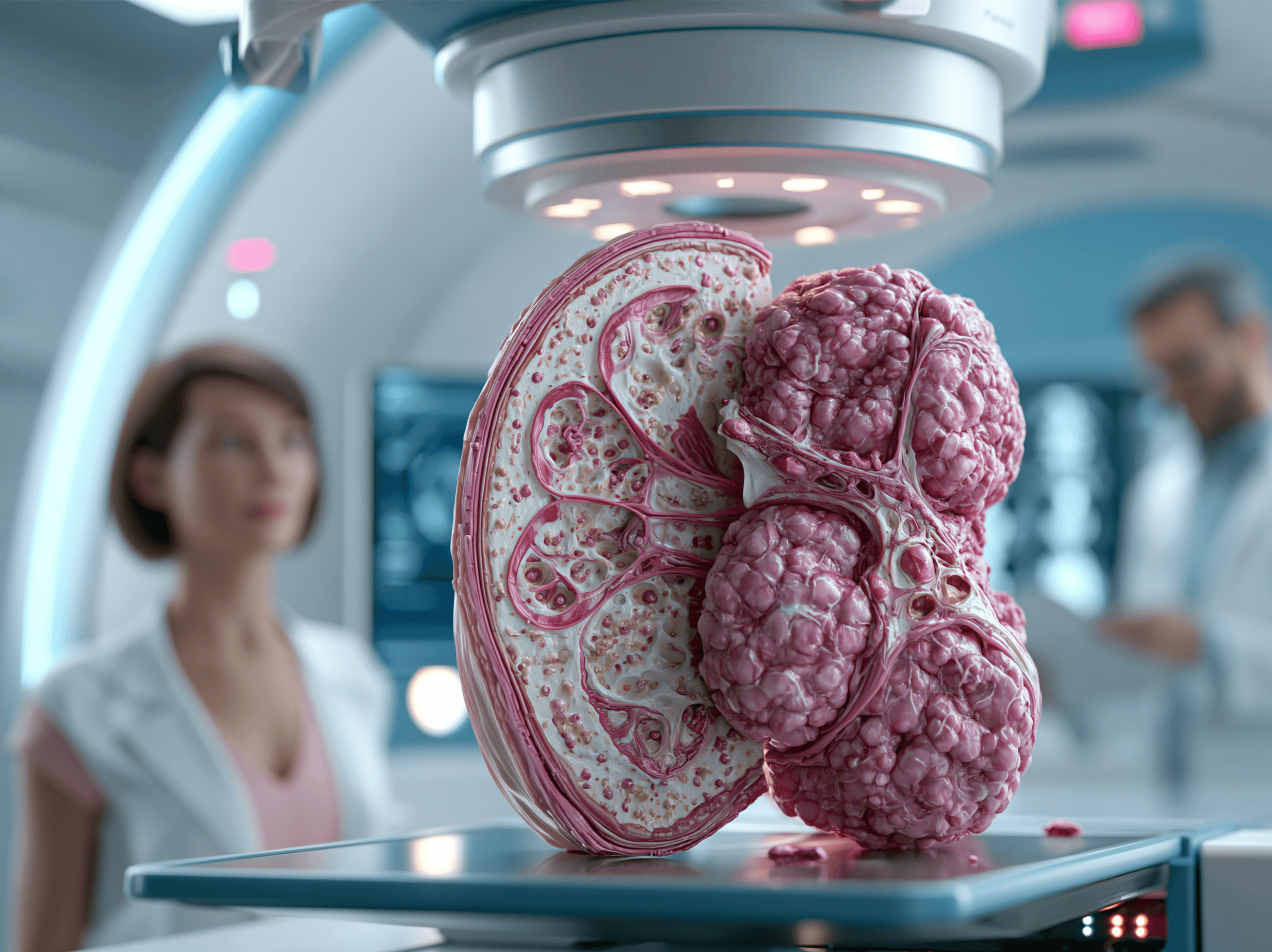
Atypical hyperplasia is a benign breast condition in which there are more cells than usual in part of the breast, and some of those cells look abnormal when examined under a microscope. The word “atypical” means the cells do not look completely typical, while “hyperplasia” means an increased number of cells. [1,3,4,5]
It is different from usual breast hyperplasia. In usual hyperplasia, there are extra cells, but they do not look significantly abnormal. In atypical hyperplasia, the cells are both increased in number and have abnormal features, which is why doctors consider it a higher-risk breast finding. [1,3,4]
Atypical hyperplasia is usually diagnosed after a breast biopsy. Imaging tests such as a mammogram, ultrasound, or breast MRI may show an abnormal area, such as calcifications, but the diagnosis itself is made only when breast tissue is examined by a pathologist. Many people have no symptoms, and the condition is often found during routine breast screening or after investigation of an imaging change. [3,4,5]
Atypical hyperplasia can occur in two main areas of the breast. If the abnormal cells are found in the milk ducts, it is called atypical ductal hyperplasia, or ADH. If the abnormal cells are found in the lobules, the milk-producing glands of the breast, it is called atypical lobular hyperplasia, or ALH. Both ADH and ALH are non-cancerous, but both are linked with a higher future risk of breast cancer. [1,3,4]
For this reason, atypical hyperplasia is often described as a high-risk breast lesion rather than cancer. The diagnosis does not mean breast cancer is already present, and it does not mean cancer is inevitable. Instead, it tells the healthcare team that the person may need a more personalized follow-up plan, which may include closer breast screening, review by a breast specialist, and discussion of ways to reduce future risk. [1,3,4,5]
Types of atypical hyperplasia: ADH vs ALH
Atypical hyperplasia is usually divided into two main types: atypical ductal hyperplasia and atypical lobular hyperplasia. Both are benign breast conditions, meaning they are not breast cancer. However, both are important because they are linked with a higher future risk of developing breast cancer. [1,3,4,6]
ADH vs ALH comparison table
| Feature | Atypical ductal hyperplasia, ADH | Atypical lobular hyperplasia, ALH |
|---|---|---|
| Where it occurs | In the breast ducts | In the breast lobules |
| Is it breast cancer? | No, ADH is not breast cancer | No, ALH is not breast cancer |
| Why it matters | It increases future breast cancer risk and may sometimes be found near DCIS or invasive cancer | It increases future breast cancer risk and may be found incidentally on biopsy |
| Common next step | More tissue sampling or surgical excision may be recommended, especially after needle biopsy | Close follow-up may be enough in some cases if imaging and pathology match |
| Risk meaning | A risk marker and sometimes a reason to check for nearby disease | Mainly a risk marker, depending on the full biopsy and imaging picture |
| Patient message | ADH does not mean cancer, but doctors may want to examine the area more completely | ALH does not mean cancer, but long-term risk assessment is still important |
Atypical ductal hyperplasia, often shortened to ADH, means abnormal-looking cells are found in the breast ducts. The ducts are the small tubes that carry milk toward the nipple. ADH is not cancer, but it can look somewhat similar to low-grade ductal carcinoma in situ, or DCIS, under the microscope. The difference is based on the amount of abnormal tissue, how the cells look, and whether the findings meet the criteria for DCIS. [1,4,6]
Because ADH can sometimes be found near DCIS or invasive breast cancer, doctors may recommend removing more tissue after a needle biopsy. This does not automatically mean the person has cancer. It usually means the biopsy sample was small, and the healthcare team wants to make sure there is no more serious change nearby. [1,6]
Atypical lobular hyperplasia, often shortened to ALH, means abnormal-looking cells are found in the lobules. Lobules are the milk-producing glands of the breast. Like ADH, ALH is not breast cancer, but it is considered a marker of increased breast cancer risk. ALH may be found incidentally during a biopsy done for another breast change. [3,4,6]
The management of ALH can vary. In some cases, especially when the imaging findings and biopsy result match, close follow-up may be recommended rather than surgery. In other cases, more tissue sampling may be advised, particularly if there are other suspicious findings, another high-risk lesion, or uncertainty about whether the biopsy fully explains the imaging result. [1,6]
For patients asking, “Can atypical hyperplasia turn into breast cancer?”, the answer is similar for both ADH and ALH: neither diagnosis means breast cancer is already present, and neither guarantees that breast cancer will develop. Instead, ADH and ALH are warning signs that the person’s future breast cancer risk is higher than average and that a personalized follow-up plan may be needed. [1,3,4,6]
Can atypical hyperplasia turn into breast cancer?
Atypical hyperplasia can be associated with the development of breast cancer, but it does not always turn into breast cancer. This is the most important distinction for patients to understand. Atypical hyperplasia is not a cancer diagnosis. It is a benign breast finding that tells doctors the breast cells have changed in a way that is linked with higher future risk. [2,4,6,7]
In simple terms, atypical hyperplasia may be part of a pathway of breast cell changes. Normal breast cells can sometimes develop abnormal features over time, and in some people, additional changes may eventually lead to ductal carcinoma in situ, or invasive breast cancer. However, this progression is not guaranteed. Many atypical cells never become cancer. Some may remain stable, some may not change further, and some may never cause any future problem. [4,7]
This is why it is more accurate to say that atypical hyperplasia increases breast cancer risk rather than saying it “turns into cancer.” The first statement is medically balanced. The second can make the diagnosis sound more dangerous and more certain than it really is. [2,4,7]
Doctors also distinguish between two different concerns. One concern is future risk, meaning the chance of developing breast cancer years later. The other is upgrade risk, meaning a larger tissue sample may sometimes find ductal carcinoma in situ or invasive breast cancer near the area where atypical hyperplasia was found on needle biopsy. These are not the same thing. A recommendation for more tissue sampling does not automatically mean atypical hyperplasia has already become cancer. It may simply mean the care team wants to make sure the biopsy did not miss a more serious nearby change. [2,6]
For someone asking, “Can atypical hyperplasia turn into breast cancer?”, the most reassuring and accurate answer is:
Atypical hyperplasia is not breast cancer, and breast cancer is not inevitable. It is a warning sign that your future risk is higher than average, so your doctor may recommend closer screening, further biopsy or excision in some cases, and a personalized plan to reduce risk where possible. [2,4,6,7]
Is atypical hyperplasia cancer, precancer, or a high-risk lesion?

Atypical hyperplasia is not breast cancer. It is not invasive breast cancer, and it is not the same as ductal carcinoma in situ, also called DCIS or stage 0 breast cancer. In atypical hyperplasia, the abnormal cells are confined within the breast duct or lobule where they started and do not show the features needed for a cancer diagnosis. [1,2,4,6]
The confusion often happens because atypical hyperplasia sits in a grey area between normal breast changes and cancer. The cells look more abnormal than usual hyperplasia, but they do not meet the full criteria for DCIS or invasive breast cancer. This is why a pathology report may describe it as atypical ductal hyperplasia, atypical lobular hyperplasia, epithelial atypia, or a high-risk breast lesion. [1,2,6]
Some doctors may use the word “precancerous” when explaining atypical hyperplasia. This does not mean cancer is already present. It usually means the cells have abnormal features and may be part of a pathway that can lead to breast cancer in some people. However, many cases of atypical hyperplasia never progress to cancer, so the word “precancer” can sometimes sound more alarming than it should. [2,4]
A more balanced way to describe atypical hyperplasia is: a benign but high-risk breast finding. “Benign” means it is not cancer. “High-risk” means it is linked with a higher chance of developing breast cancer in the future compared with someone who has no atypical changes. [1,4,6]
This distinction is important for anyone asking, “Can atypical hyperplasia turn into breast cancer?” The diagnosis does not mean breast cancer is already there, and it does not mean breast cancer will definitely happen. It means the breast tissue has shown abnormal changes that deserve careful follow-up, risk assessment, and sometimes further tissue sampling to make sure nothing more serious is nearby. [1,2,4,6]
In countries such as the USA, UK, Australia, Singapore, and Canada, the exact wording and management pathway may vary. For example, UK breast screening services may describe some atypical lesions as B3 lesions, meaning lesions of uncertain malignant potential. In patient-facing language, however, the key message remains the same: atypical hyperplasia is not cancer, but it is important because it changes future risk and follow-up planning. [6]
How much does atypical hyperplasia increase breast cancer risk?
Atypical hyperplasia increases the future risk of breast cancer, but it does not mean breast cancer is certain. This is an important point for anyone asking, “Can atypical hyperplasia turn into breast cancer?” The diagnosis means the breast tissue has shown abnormal cell changes that are linked with higher risk, not that cancer is already present. [4,5,7,8]
Many medical sources describe atypical hyperplasia as increasing breast cancer risk by about four times compared with people who do not have atypical hyperplasia. This is called relative risk. Relative risk is useful for doctors, but it can sound frightening if it is not explained with absolute numbers. [5,7]
Absolute risk gives a clearer picture. Some long-term data suggest that about 30 out of 100 women with atypical hyperplasia may develop breast cancer within 25 years. This also means that about 70 out of 100 may not develop breast cancer during that time. In shorter-term estimates, the risk may be described as about 7% at 5 years and about 13% at 10 years, although individual risk can vary. [5,7,8]
The risk is not the same for everyone. A person’s overall risk may be affected by age, menopausal status, family history, breast density, genetic risk, previous breast biopsies, the extent of atypical hyperplasia, and whether other high-risk breast lesions are also present. For example, someone with atypical hyperplasia and a strong family history of breast cancer may need a different follow-up plan than someone with atypical hyperplasia and no other major risk factors. [4,7,8]
It is also important to understand that risk statistics apply to groups of people, not perfectly to one individual. They help doctors decide whether someone may benefit from closer screening, breast MRI, risk-reducing medication, genetic counseling, or lifestyle changes. They do not predict exactly what will happen to one person. [7,8]
A balanced way to explain the risk is:
Atypical hyperplasia raises the chance of developing breast cancer in the future, but most people with this diagnosis do not develop breast cancer. The purpose of follow-up is to understand your personal risk more accurately and create a screening and prevention plan that fits your situation. [4,5,7,8]
Future risk vs biopsy upgrade risk: why this distinction matters
After a diagnosis of atypical hyperplasia, doctors often think about two separate issues: future breast cancer risk and biopsy upgrade risk. These sound similar, but they mean different things. Understanding the difference can help reduce fear and make follow-up recommendations easier to understand. [1,6,9,10]
Future risk means the chance of developing breast cancer later in life. Atypical hyperplasia is linked with a higher future risk because the breast tissue has shown abnormal cell changes. This risk may apply over many years and may affect both breasts, not only the breast where atypical hyperplasia was found. Future risk is the reason your doctor may discuss long-term screening, risk assessment, lifestyle changes, medication options, or referral to a high-risk breast clinic. [1,6,9]
Biopsy upgrade risk is different. It means that when atypical hyperplasia is found on a needle biopsy, a larger tissue sample may sometimes show something more serious nearby, such as ductal carcinoma in situ or invasive breast cancer. This does not mean atypical hyperplasia has already “turned into” cancer. It means the first biopsy may have sampled only part of the abnormal area, and the healthcare team wants to make sure the most serious finding has not been missed. [1,6,9,10]
This is one reason surgery or vacuum-assisted excision may be recommended after a needle biopsy, especially with atypical ductal hyperplasia. The goal is often to examine more tissue and confirm the diagnosis. In some cases, the larger sample confirms only atypical hyperplasia. In other cases, it may find DCIS or invasive cancer close to the original biopsy site. [1,6,9,10]
A helpful way to explain this is:
Future risk asks, “What is my chance of developing breast cancer later?”
Upgrade risk asks, “Could there already be a more serious finding near the area that was sampled?”
These are separate questions, and they may lead to different parts of the care plan. Future risk may lead to long-term screening and prevention discussions. Upgrade risk may lead to more tissue sampling now. [6,9,10]
For patients asking, “Can atypical hyperplasia turn into breast cancer?”, this distinction is important. Atypical hyperplasia is not breast cancer, and it does not mean cancer is inevitable. However, because it can be linked with both future risk and possible nearby unsampled disease, doctors may recommend careful follow-up rather than ignoring the finding. [1,6,9,10]
How is atypical hyperplasia found?

Atypical hyperplasia is usually found after breast imaging shows an area that needs further checking. In many cases, the person does not feel a lump or notice any breast symptoms. The finding may begin with a routine screening mammogram, a diagnostic mammogram, breast ultrasound, or, in some higher-risk patients, breast MRI. [2,3,5,11]
One common reason for further testing is the presence of small calcium deposits in the breast, called calcifications, on a mammogram. Calcifications are common and are often benign, but certain patterns may lead the radiologist to recommend a biopsy. Atypical ductal hyperplasia is often found this way, especially when a biopsy is done to investigate suspicious or indeterminate calcifications. [2,11]
It is important to understand that imaging alone cannot diagnose atypical hyperplasia. A mammogram, ultrasound, or MRI may show an abnormal area, but the actual diagnosis is made only after a tissue sample is examined under a microscope by a pathologist. This is why a biopsy is needed. [2,3,5]
The biopsy may be done with a core needle, a vacuum-assisted biopsy device, or, less commonly, through surgical excision. The choice depends on what was seen on imaging, where the abnormal area is located, how large it is, and the practice used by the breast clinic or hospital. In the USA, UK, Australia, Singapore, and Canada, the names of the services may differ, but the basic process is similar: imaging finds an area of concern, tissue is sampled, and a pathologist confirms the diagnosis. [2,3,5,11]
Atypical hyperplasia may also be found incidentally. This means the biopsy or surgery was done for another breast finding, and the atypical cells were discovered when the tissue was reviewed. For example, a person may have a biopsy for calcifications, a benign lump, or another imaging change, and the pathology report may show atypical hyperplasia. [2,3,5]
For patients asking, “Can atypical hyperplasia turn into breast cancer?”, this section matters because the diagnosis often comes as a surprise. Many people feel well and have no obvious breast change. The concern is not that imaging has already proved cancer, but that the biopsy has found abnormal cells linked with increased future breast cancer risk. That is why the next step is usually to review the biopsy result, confirm whether it is ADH or ALH, and decide whether more tissue sampling or closer follow-up is needed. [2,3,5,11]
What happens after a biopsy shows atypical hyperplasia?

After a biopsy shows atypical hyperplasia, the next step is usually not immediate cancer treatment. Instead, the healthcare team reviews the biopsy result together with the breast imaging findings to decide whether the sample fully explains the abnormal area seen on mammogram, ultrasound, or MRI. This process helps determine whether close follow-up is enough or whether more tissue needs to be removed and examined. [1,6,9,10,11]
The first question is usually: what exact type of atypical hyperplasia was found? The pathology report may say atypical ductal hyperplasia, atypical lobular hyperplasia, or another high-risk breast lesion. This distinction matters because ADH and ALH can have different management pathways, especially when they are found on a needle biopsy. ADH is more commonly followed by a recommendation for additional tissue sampling because it can sometimes be found near ductal carcinoma in situ or invasive breast cancer. [1,6,9,10]
The second question is whether the imaging and pathology findings match. This is often called imaging-pathology concordance. In simpler terms, the doctor wants to know whether the biopsy result makes sense based on what was seen on the scan. If the imaging looked mildly suspicious and the biopsy result explains it well, close follow-up or planned excision may be considered depending on the situation. If the imaging looked more concerning than the biopsy result, the team may recommend another biopsy, vacuum-assisted excision, or surgical excision to avoid missing a more serious nearby finding. [6,9,10,11]
The third question is whether enough tissue has been sampled. A needle biopsy removes only small pieces of tissue from the abnormal area. Sometimes that is enough to guide management, but in other cases, especially with ADH, doctors may recommend removing more tissue to confirm that there is no ductal carcinoma in situ or invasive cancer nearby. This is called assessing for upgrade risk. It does not mean the atypical hyperplasia is cancer; it means the team wants a more complete tissue diagnosis. [1,6,9,10]
In some cases, the next step may be surgical excision, where the abnormal area is removed through an operation. In other cases, the team may recommend vacuum-assisted excision, which removes a larger amount of tissue through a needle-based procedure. If the atypical hyperplasia is considered adequately sampled and the imaging and pathology findings match, close imaging follow-up may be recommended instead. The exact approach can vary between the USA, UK, Australia, Singapore, and Canada, and it can also vary between hospitals or breast clinics within the same country. [6,9,10,11]
After the immediate biopsy question is addressed, the healthcare team usually considers long-term risk. Atypical hyperplasia is a risk marker, so the person may be advised to have a personalized breast cancer risk assessment. This may include age, family history, breast density, previous biopsy history, genetic risk, menopausal status, and other risk factors. The result helps guide whether the person may benefit from closer screening, breast MRI, risk-reducing medication, or referral to a breast specialist or high-risk breast clinic. [1,6,9,10]
For patients asking, “Can atypical hyperplasia turn into breast cancer?”, this stage of care is important because the biopsy result has two meanings. First, doctors need to make sure there is no more serious disease already near the biopsied area. Second, they need to plan for the person’s future breast cancer risk. Both steps are part of careful prevention-focused care, not a sign that breast cancer is inevitable. [1,6,9,10]
Understood. I will decide the depth of each section based on how much explanation a patient needs, especially where confusion or fear is likely. For this topic, the next section needs H3 subheadings because surgery after a “non-cancer” result can feel contradictory.
Why might surgery be recommended if atypical hyperplasia is not cancer?

Surgery may be recommended after atypical hyperplasia, but this does not automatically mean the person has breast cancer. In many cases, surgery is advised because the first biopsy removed only a small sample of tissue, and the healthcare team wants to make sure there is no more serious finding nearby, such as ductal carcinoma in situ or invasive breast cancer. [1,6,9,10]
This is especially common when atypical ductal hyperplasia, or ADH, is found on a needle biopsy. ADH can share some microscopic features with low-grade ductal carcinoma in situ, so doctors may want a larger tissue sample before they are fully confident about the diagnosis. The purpose of surgery is often to confirm the result, not to treat confirmed cancer. [1,6,9,10]
Surgery is often done to check the area more completely
A needle biopsy is very useful, but it samples only part of the abnormal area seen on imaging. If atypical hyperplasia is found in that small sample, doctors may ask whether the biopsy captured the most important part of the lesion. If there is a nearby area with DCIS or invasive cancer that was not included in the sample, it could be missed unless more tissue is examined. [1,6,9,10]
This is known as upgrade risk. An “upgrade” means that after more tissue is removed and studied, the final diagnosis changes from atypical hyperplasia to DCIS or invasive breast cancer. This does not mean atypical hyperplasia suddenly turned into cancer. It means the larger tissue sample found a more serious change that was already nearby. [6,9,10]
For this reason, a recommendation for surgery should not be interpreted as proof that cancer is present. It usually means the team wants a clearer and safer answer.
Surgical excision vs vacuum-assisted excision
The method used to remove more tissue can vary. Some people may be advised to have surgical excision. This is an operation where the abnormal area is removed and sent to the laboratory for detailed examination. If the abnormality cannot be felt as a lump, the radiology team may use a wire, seed, or other localization method to guide the surgeon to the correct area.
In other cases, especially in some breast screening pathways, doctors may recommend vacuum-assisted excision. This is a needle-based procedure that removes a larger amount of tissue than a standard core biopsy. It may be used when the healthcare team thinks the area can be adequately sampled or removed without formal surgery. [6,9,10]
The choice between surgical excision, vacuum-assisted excision, repeat biopsy, and close follow-up depends on several factors. These include the type of atypical hyperplasia, the amount of abnormal tissue, the imaging appearance, whether calcifications were fully removed, whether the pathology and imaging match, and the protocols used by the local breast unit. [6,9,10]
Why ADH is more likely to lead to excision
Atypical ductal hyperplasia often leads to more active management because it can be difficult to separate from low-grade DCIS when only a small sample is available. The distinction may depend on how much of the duct system is involved, how the abnormal cells are arranged, and whether the abnormality meets the size and pattern criteria for DCIS. [1,6,9]
Because of this overlap, many clinicians recommend excision after ADH is found on core needle biopsy. The aim is to rule out nearby DCIS or invasive cancer and to make sure the final diagnosis is accurate. [1,6,9,10]
This can be reassuring for patients to understand. The reason for surgery is not that ADH is cancer. The reason is that ADH sometimes sits close to changes that are more serious, and a larger sample helps clarify the full picture.
Why ALH may sometimes be monitored instead
Atypical lobular hyperplasia, or ALH, may be handled differently from ADH in some cases. If ALH is found incidentally, the imaging and pathology results match, and there are no other suspicious features, some breast teams may recommend close monitoring rather than immediate surgery. [1,6,9]
However, this is not always the case. More tissue sampling may still be recommended if the imaging finding is suspicious, if ALH is extensive, if another high-risk lesion is present, or if the biopsy result does not fully explain what was seen on imaging. [6,9,10]
This is why two people with atypical hyperplasia may receive different recommendations. One person may be advised to have surgery, while another may be advised to have imaging follow-up. The difference is usually based on the full clinical picture, not just the words “atypical hyperplasia.”
Does removing atypical hyperplasia remove the future risk?
Removing the abnormal area may answer the immediate biopsy question, but it may not remove the long-term risk completely. Atypical hyperplasia is also a marker of increased future breast cancer risk. That risk may apply to both breasts and may continue even after the original area has been removed. [6,9]
This is why surgery and long-term follow-up are two different parts of care. Surgery or excision may be used to check the current abnormal area. Risk assessment and screening are used to manage future breast cancer risk.
What patients should understand before surgery
Before surgery or vacuum-assisted excision, it is reasonable for a patient to ask what the procedure is meant to answer. The main questions are usually:
Is the goal to remove the area completely?
Is the goal to check for DCIS or invasive cancer nearby?
Did my imaging and biopsy results match?
What is my estimated upgrade risk?
If the larger sample still shows only atypical hyperplasia, what follow-up will I need?
These questions help patients understand that the recommendation is often about diagnostic certainty and prevention-focused care, not necessarily because cancer has already been found.
For patients asking, “Can atypical hyperplasia turn into breast cancer?”, this section is important because surgery can make the diagnosis feel more frightening than it is. Atypical hyperplasia is not breast cancer. Surgery may be recommended because doctors want to confirm the diagnosis, rule out a nearby cancer or DCIS, and plan the safest long-term follow-up. [1,6,9,10]
If atypical hyperplasia is removed, am I cured?

If atypical hyperplasia is removed, the immediate abnormal area may have been treated or fully assessed, but it is not always accurate to say the person is “cured” in the same way doctors might use that word after removing a simple benign lump. Atypical hyperplasia is not cancer, so the goal is not cancer treatment. The goal is usually to confirm the diagnosis, make sure there is no nearby ductal carcinoma in situ or invasive breast cancer, and reduce uncertainty about the area that was biopsied. [4,6,7,8]
Removing the area answers the current biopsy question
When atypical hyperplasia is found on a needle biopsy, the doctor may recommend surgical excision or vacuum-assisted excision to examine more tissue. If the larger tissue sample shows only atypical hyperplasia and no DCIS or invasive cancer, that is reassuring. It means the suspicious area has been checked more completely and no cancer was found in that sampled area. [6,7,8]
In this situation, many patients feel relieved, but they may still need a long-term follow-up plan. That is because atypical hyperplasia is not only a local finding in one small area of the breast. It is also a marker that the breast tissue has shown abnormal cell changes linked with higher future breast cancer risk. [4,6,7]
The future risk may continue even after removal
Removing the area of atypical hyperplasia may reduce concern about that specific site, but it may not remove the person’s overall increased breast cancer risk. The diagnosis itself remains important in the medical history because people with atypical hyperplasia have a higher risk of developing breast cancer in the future compared with people who have no atypical breast changes. [4,7,8]
This risk can apply over many years. It may also apply to both breasts, not only the breast where atypical hyperplasia was found. This is why follow-up usually focuses not just on the surgical site, but on the person’s overall breast cancer risk profile. [6,7]
A negative excision is reassuring, but it does not erase the diagnosis
If excision shows no cancer, that is good news. It means there was no DCIS or invasive cancer found in the tissue that was removed. However, the previous diagnosis of atypical hyperplasia still matters because it may affect future screening recommendations, risk assessment, and prevention discussions. [6,7,8]
For example, a person may still be advised to have regular mammograms, clinical breast review, risk calculation, or discussion about breast MRI if other risk factors are present. Some people may also be offered a conversation about risk-reducing medication, especially if their overall risk is high enough. [7,8]
Why follow-up is still needed
Follow-up is not recommended because breast cancer is inevitable. It is recommended because atypical hyperplasia identifies someone who may benefit from closer observation and earlier action if a new breast change appears. The aim is prevention and early detection, not alarm. [4,7,8]
The follow-up plan may depend on several factors, including age, ADH or ALH diagnosis, whether the area was completely removed, breast density, family history, genetic risk, menopausal status, and the guidance used in that country or breast clinic. Patients in the USA, UK, Australia, Singapore, and Canada may therefore receive slightly different recommendations, even with a similar biopsy result. [6,7,8]
The clearest way to explain it
For someone asking, “Can atypical hyperplasia turn into breast cancer?”, the answer after removal should be explained carefully:
If the atypical hyperplasia has been removed and no cancer was found, that is reassuring. However, the diagnosis still shows that your future breast cancer risk is higher than average, so you may still need a personalized screening and risk-reduction plan. [4,6,7,8]
In other words, removal may settle the immediate concern, but it does not always remove the need for long-term risk awareness. Atypical hyperplasia is not breast cancer, but it remains an important marker for future breast health planning. [4,6,7,8]
Country-specific notes for the USA, UK, Australia, Singapore, and Canada

Because this article is intended for readers in the USA, UK, Australia, Singapore, and Canada, it should avoid giving one universal screening or treatment pathway. Atypical hyperplasia is understood in a similar medical way across these countries, but the follow-up process may differ depending on the national screening program, local breast clinic, insurance or referral system, and specialist guidelines. [3,5,6,10,12,13,14,18]
The safest patient-facing message is that atypical hyperplasia is not breast cancer, but it should be reviewed in the context of the person’s country, biopsy result, imaging findings, family history, and overall breast cancer risk. A patient in the USA may be referred to a high-risk breast clinic, while a patient in the UK may hear the term B3 lesion, and a patient in Australia may be managed through a BreastScreen-related pathway if the finding was screen-detected. The words may differ, but the purpose is similar: confirm the diagnosis, assess risk, and plan appropriate follow-up. [6,10,12,13,18]
USA
In the USA, follow-up after atypical hyperplasia often involves a breast specialist, breast surgeon, radiologist, medical oncologist, or high-risk breast clinic. The care team may review whether the diagnosis is atypical ductal hyperplasia or atypical lobular hyperplasia, whether more tissue needs to be removed, and whether the person’s lifetime breast cancer risk is high enough to justify enhanced screening. [12,13,15]
For screening, the important point is that atypical hyperplasia alone does not automatically mean every patient needs breast MRI. MRI is usually considered when a person’s overall lifetime breast cancer risk reaches a high-risk threshold, often around 20% to 25% or higher, or when other major risk factors are present. The American Cancer Society notes annual MRI plus mammography for women at high risk, while also stating that evidence is insufficient to recommend for or against yearly MRI for women whose higher risk is based on factors such as ADH or ALH alone. [12,13]
Risk-reducing medication may also be discussed in the USA. For women aged 35 and older who are at increased breast cancer risk and at low risk for medication harms, options such as tamoxifen, raloxifene, or aromatase inhibitors may be considered. Atypical ductal hyperplasia and atypical lobular hyperplasia are among the risk factors that may lead to this discussion. [15]
For the article, the USA section should avoid saying, “You will need MRI” or “You will need medication.” A better wording is: in the USA, atypical hyperplasia may lead to a formal breast cancer risk assessment, possible breast specialist referral, discussion of annual mammography, possible MRI if overall risk is high enough, and possible medication for risk reduction in selected patients. [12,13,15]
UK
In the UK, atypical hyperplasia may be discussed using terms that are less familiar to patients, such as B3 lesion or lesion of uncertain malignant potential. This means the biopsy finding is not cancer, but it may need further assessment because of either possible nearby disease or increased future risk. [6,14,16]
The UK pathway often involves review by a breast multidisciplinary team. Depending on the imaging result, biopsy method, and pathology findings, the team may recommend vacuum-assisted excision, diagnostic surgery, or follow-up. If further tissue sampling does not show DCIS or invasive cancer, some patients may return to routine NHS breast screening rather than needing an intensive long-term pathway. [6]
This matters because patients may assume that a diagnosis of atypical hyperplasia always leads to annual mammograms or MRI. In the UK, that may not always be the case. Routine NHS breast screening usually invites eligible women for mammography every 3 years from around age 50 until the upper screening age, but people with higher-risk features may be managed differently depending on family history, genetic risk, or specialist assessment. [14,16]
For the article, the UK section should say: if you are in the UK, your breast unit may describe atypical hyperplasia as a B3 lesion and your case may be reviewed by a multidisciplinary team. Your next step may include more sampling, excision, follow-up imaging, or return to routine screening, depending on the complete result. [6,14,16]
Australia
In Australia, atypical hyperplasia may be found through BreastScreen Australia or through diagnostic imaging arranged outside the screening program. BreastScreen Australia provides free screening mammograms every 2 years for eligible women, with active invitations generally focused on ages 50 to 74, but atypical hyperplasia is not managed as a simple average-risk screening result. [10,11]
Atypical ductal hyperplasia found on needle core biopsy of a screen-detected lesion is treated as an important finding because of the possibility of under-sampling or upgrade. This means the healthcare team may recommend additional tissue removal or specialist review to make sure there is no nearby DCIS or invasive cancer. [10,11]
Australian readers should be told that ADH is not cancer, but it may need further assessment after biopsy. If the finding was made through a screening mammogram, the patient may be referred for additional imaging, biopsy review, surgical consultation, or multidisciplinary discussion. The exact pathway can vary by state, breast service, and the details of the imaging and pathology. [10,11]
For the article, the Australia section should avoid giving a single national management instruction for every patient. A better approach is: in Australia, atypical hyperplasia, especially ADH found on core biopsy, may require specialist review and possibly more tissue sampling, while long-term screening should be individualized according to the patient’s risk profile and local breast service recommendations. [10,11]
Singapore
In Singapore, atypical hyperplasia may be diagnosed after screening or diagnostic imaging, followed by biopsy and specialist review. Patients may be seen through a breast centre, hospital specialist clinic, or private specialist pathway. [5,17]
Singapore-facing content can clearly state that atypical hyperplasia is not breast cancer, but it is linked with increased future breast cancer risk. SingHealth describes the risk as higher than average and gives patient-friendly long-term risk estimates, which can help readers understand why follow-up is recommended even when the biopsy is not cancer. [5]
Screening advice in Singapore commonly encourages women aged 40 to 49 to discuss mammography with a doctor and consider yearly screening, while women aged 50 and above are generally advised to screen every 2 years. However, a person with atypical hyperplasia may need a more personalized plan rather than only following average-risk screening advice. [5,17]
For the article, the Singapore section should say: if you are in Singapore, atypical hyperplasia should be discussed with your breast specialist or healthcare provider because your follow-up may include regular mammograms, specialist monitoring, and risk-reduction discussion depending on your age, biopsy result, family history, and overall risk. [5,17]
Canada
In Canada, atypical hyperplasia follow-up can vary by province and territory. This is important because breast screening programs and high-risk screening criteria are not identical across the country. A patient in one province may be managed differently from a patient in another province, even with a similar biopsy result. [3,18]
The Canadian Cancer Society describes atypical hyperplasia as a non-cancerous condition that increases breast cancer risk and recommends discussing a personal breast cancer testing plan with a doctor. This is useful patient-facing language because it avoids panic while still making clear that the diagnosis should not be ignored. [3]
For higher-risk screening, Canadian pathways may consider factors such as genetic mutations, family history, prior chest radiation, breast density, and certain biopsy findings, including ADH, ALH, or LCIS, depending on the province or territory. This means the article should not give one Canada-wide MRI or mammography schedule for all patients with atypical hyperplasia. [18]
For the article, the Canada section should say: if you are in Canada, ask your family doctor, breast clinic, or provincial screening program whether atypical hyperplasia changes your screening plan. Your follow-up may depend on your province or territory, your family history, your biopsy result, and your calculated breast cancer risk. [3,18]
Practical guidance for international readers
If you live in the USA, UK, Australia, Singapore, or Canada, the meaning of atypical hyperplasia is broadly similar: it is not breast cancer, but it is linked with increased future breast cancer risk. What may differ is the next step. Some patients may need surgical excision or vacuum-assisted excision, some may need closer mammography, some may be considered for MRI, and some may return to routine screening after adequate sampling. The right plan depends on the full biopsy result, imaging findings, personal risk factors, and local guidelines. [3,5,6,10,12,13,14,18]
Can medication lower breast cancer risk after atypical hyperplasia?

Some people with atypical hyperplasia may be offered medication to lower their future risk of breast cancer. This is called risk-reducing medication, chemoprevention, or preventive endocrine therapy. It is not chemotherapy, and it does not mean the person has breast cancer. The goal is to reduce the chance of developing hormone receptor-positive breast cancer in the future. [14,15,19,20]
This discussion is especially relevant because atypical hyperplasia is linked with increased future breast cancer risk. For patients asking, “Can atypical hyperplasia turn into breast cancer?”, medication may be part of the answer in selected cases. The diagnosis does not mean cancer is inevitable, but it may place the person in a higher-risk group where prevention options are worth discussing. [15,19,20]
Which medicines may be discussed?
The main medicines used for breast cancer risk reduction are hormonal risk-reducing medicines. These may include tamoxifen, raloxifene, anastrozole, or exemestane, depending on the person’s age, menopausal status, medical history, and country-specific guidance. [14,15,19,20]
Tamoxifen may be considered for some premenopausal and postmenopausal women at increased risk. Raloxifene is generally used only after menopause. Aromatase inhibitors, such as anastrozole or exemestane, are also used only after menopause and may be considered in selected higher-risk patients. [14,15,19,20]
These medicines do not remove atypical hyperplasia from the breast. Instead, they reduce the hormonal stimulation that can contribute to the development of some types of breast cancer. Their main preventive benefit is against estrogen receptor-positive breast cancer, which is one of the most common types of breast cancer. [19,20]
Who might be offered risk-reducing medication?
Risk-reducing medication is not automatically recommended for every person with atypical hyperplasia. It is usually considered when the person’s overall breast cancer risk is high enough and the expected benefit is greater than the risk of side effects. [14,15,19,20]
A doctor may consider factors such as:
- age and menopausal status
- whether the diagnosis is ADH or ALH
- family history of breast or ovarian cancer
- breast density
- previous breast biopsies
- personal history of blood clots or stroke
- uterus status, such as whether the person has had a hysterectomy
- bone health
- current medications
- personal preferences and tolerance for possible side effects
This is why two people with atypical hyperplasia may receive different recommendations. One person may be advised to consider tamoxifen, while another may be advised that medication is not necessary or not suitable. [14,15,19,20]
Benefits of risk-reducing medication
For selected higher-risk patients, these medicines can reduce the chance of developing breast cancer. This can be particularly meaningful for someone with atypical hyperplasia, because the diagnosis already suggests a higher-than-average future risk. [15,19,20]
The benefit is usually discussed in terms of absolute risk reduction. For example, a doctor may explain how much the medicine could lower a person’s estimated 5-year, 10-year, or lifetime risk. This is more useful than simply saying the medicine “cuts risk,” because the benefit depends on the person’s starting risk. [15,19,20]
A patient with a higher baseline risk may receive more benefit from medication than someone whose overall risk is only mildly increased. This is why formal risk assessment is an important step before deciding. [14,15,19,20]
Possible side effects and risks
Risk-reducing medication can be helpful, but it is not right for everyone. Tamoxifen can cause side effects such as hot flashes, vaginal discharge, menstrual changes, and, in some patients, increased risk of blood clots or endometrial cancer. Raloxifene may also increase blood clot risk, although it is generally used in postmenopausal women. Aromatase inhibitors can cause joint pains, hot flashes, vaginal dryness, and bone loss in some people. [15,19,20]
These possible side effects do not mean the medicines should be avoided in all cases. They mean the decision should be individualized. A person with a strong risk profile and low risk of medication harms may benefit from preventive treatment, while a person with clotting risk, severe osteoporosis, or low expected benefit may be advised against it. [14,15,19,20]
Does taking medication mean I had cancer?
No. Taking risk-reducing medication after atypical hyperplasia does not mean breast cancer has been found. These medicines are sometimes offered because atypical hyperplasia is a marker of increased future risk. The aim is prevention, not cancer treatment. [15,19,20]
This point is important for patient reassurance. Atypical hyperplasia is not breast cancer, and using preventive medication does not change that. It simply means the healthcare team is considering ways to reduce the chance of breast cancer developing later. [15,19,20]
How this may differ by country
The general concept of risk-reducing medication is used in several countries, but the exact recommendations, prescribing habits, and eligibility criteria may vary between the USA, UK, Australia, Singapore, and Canada. In the USA, clinicians may refer to USPSTF or oncology guidance when discussing medications such as tamoxifen, raloxifene, or aromatase inhibitors. In the UK, NICE guidance supports discussion of chemoprevention for women at increased familial risk, depending on menopausal status and individual risk factors. [14,15,19,20]
In Australia, Singapore, and Canada, patients may be referred to a breast specialist, oncologist, or high-risk breast clinic if preventive medication is being considered. The key message for international readers is that medication is an option to ask about, not an automatic requirement after atypical hyperplasia. [14,19,20]
Questions to ask before starting medication
Patients who are offered preventive medication can ask:
- What is my estimated breast cancer risk without medication?
- How much could this medicine reduce my personal risk?
- Which medicine is most suitable for my menopausal status?
- What side effects should I expect?
- Do I have any risk factors that make this medicine unsafe?
- How long would I need to take it?
- What happens if I cannot tolerate it?
- Will I still need mammograms or MRI while taking it?
These questions help shift the conversation from fear to informed decision-making.
The practical takeaway
Risk-reducing medication may lower breast cancer risk in selected people with atypical hyperplasia, but it is not needed for everyone. The decision depends on the person’s overall risk, menopausal status, medical history, side effect profile, and preferences. [14,15,19,20]
For someone asking, “Can atypical hyperplasia turn into breast cancer?”, the balanced answer is that atypical hyperplasia is not cancer, but it can increase future risk. Medication is one possible tool to reduce that risk, alongside appropriate screening, specialist review, lifestyle measures, and long-term follow-up. [14,15,19,20]
Should I have genetic testing after atypical hyperplasia?

Atypical hyperplasia alone does not automatically mean a person needs genetic testing. Most cases of atypical ductal hyperplasia or atypical lobular hyperplasia are not caused by an inherited cancer gene mutation. However, genetic counseling may be recommended if atypical hyperplasia occurs together with a strong personal or family history of breast cancer or other related cancers. [14,18]
This is an important distinction. Atypical hyperplasia is a breast tissue finding. Genetic testing looks for inherited changes in genes that can increase the risk of breast cancer and sometimes other cancers. The two are connected only when the wider risk picture suggests a possible hereditary cancer pattern. [14,18]
When genetic counseling may be considered
A person with atypical hyperplasia may be advised to consider genetic counseling if they have a family history that suggests inherited breast cancer risk. This may include breast cancer diagnosed at a young age, breast cancer in multiple close relatives, cancer affecting both breasts, ovarian cancer, male breast cancer, pancreatic cancer, prostate cancer at a young age or advanced stage, or a known inherited cancer gene mutation in the family. [14,18]
Genetic counseling may also be considered if the person has Ashkenazi Jewish ancestry and a family history of breast or ovarian cancer, or if there are several cancers on the same side of the family. The purpose is not to create alarm, but to decide whether genetic testing is likely to give useful information. [14]
Genetic counseling is different from genetic testing
Genetic counseling usually comes before genetic testing. A genetic counselor or trained clinician reviews the person’s family history, age at diagnosis of relatives, cancer types, and ancestry. They may also ask whether any relatives have already had genetic testing. [14]
This step matters because genetic testing is most useful when it is targeted to the right person. In many families, testing a relative who has already had breast or ovarian cancer may provide more useful information than testing an unaffected person first. If that is not possible, testing may still be considered based on the family history. [14]
What genes may be discussed?
Many people have heard of BRCA1 and BRCA2, but they are not the only genes linked with inherited breast cancer risk. Depending on the situation, a genetic test may look at several genes, such as BRCA1, BRCA2, PALB2, TP53, PTEN, CHEK2, ATM, or others. The exact panel can vary by country, healthcare system, and clinical situation. [14,18]
A positive result does not mean a person has breast cancer. It means they have inherited a gene change that may increase their risk. A negative result can be reassuring in some situations, but it does not always remove all risk, especially if there is a strong family history or if no affected relative has been tested. [14]
How genetic results can change follow-up
Genetic testing can affect the follow-up plan after atypical hyperplasia. If a high-risk inherited mutation is found, the person may need more intensive breast screening, such as MRI in addition to mammography, and may be referred to a high-risk breast clinic. In selected high-risk situations, risk-reducing surgery or medication may also be discussed. [14,18]
If genetic testing is negative, the person may still need follow-up because atypical hyperplasia itself remains a risk factor. A negative genetic test does not erase the diagnosis of atypical hyperplasia. It simply means that a tested inherited mutation was not found. [14,18]
Why family history still matters even without genetic testing
Family history can affect breast cancer risk even when genetic testing is not done or when genetic testing does not find a mutation. Some families may have shared risk factors that are not fully explained by current genetic tests. For this reason, doctors may still consider family history when deciding whether a person needs closer screening or referral to a specialist risk clinic. [14,18]
This is especially relevant in Canada, where high-risk screening pathways can vary by province and territory, and in the UK, where family history may influence referral into specialist risk assessment pathways. Similar principles apply in the USA, Australia, and Singapore, although the referral systems and testing criteria may differ. [14,18]
Questions to ask your doctor about genetic risk
A patient with atypical hyperplasia can ask:
- Do I need genetic counseling based on my family history?
- Which relatives’ cancer history matters most?
- Should an affected relative be tested first?
- Would genetic testing change my breast screening plan?
- Would a positive result mean I need MRI, medication, or surgery?
- What would a negative result mean for me?
- Should my relatives be informed if a mutation is found?
These questions help patients understand whether genetic testing is relevant to their situation rather than assuming that everyone with atypical hyperplasia needs it.
The practical takeaway
Atypical hyperplasia does not automatically mean a person has an inherited cancer risk. However, when atypical hyperplasia occurs alongside a strong family history or other risk factors, genetic counseling may be an important part of the follow-up plan. [14,18]
For someone asking, “Can atypical hyperplasia turn into breast cancer?”, genetic testing is not about diagnosing cancer. It is about understanding whether the person has inherited risk factors that may change screening, prevention, and family counseling decisions. [14,18]
Can lifestyle changes reduce breast cancer risk after atypical hyperplasia?

Lifestyle changes cannot remove atypical hyperplasia, and they cannot guarantee that breast cancer will never develop. However, they may help lower overall breast cancer risk and support general health. For someone asking, “Can atypical hyperplasia turn into breast cancer?”, lifestyle changes should be presented as one part of a wider risk-reduction plan, not as a replacement for screening, biopsy follow-up, or specialist advice. [14,16,17]
Lifestyle changes are helpful, but they are not a cure
Atypical hyperplasia is a breast tissue diagnosis. It means abnormal cells were found under the microscope. Changing diet, exercise, or alcohol intake will not “reverse” a pathology report or remove the need for medical follow-up. [14,17]
At the same time, breast cancer risk is influenced by many factors, including some that can be modified. This means lifestyle changes may be useful alongside regular mammograms, breast specialist review, risk assessment, and, in selected patients, medication or genetic counseling. [14,16,17]
Lifestyle changes may help reduce risk, but they do not replace the follow-up plan recommended by your healthcare team. [14,16,17]
Limit or avoid alcohol
Alcohol is one of the more important lifestyle factors to discuss because regular alcohol intake is linked with increased breast cancer risk. Patients with atypical hyperplasia do not need to feel blamed for past habits, but they should be told that reducing alcohol intake may be one practical way to lower future risk. [14,17]
For patient-facing wording, use:
If you drink alcohol, ask your doctor what level is appropriate for your personal risk profile. For some people at increased breast cancer risk, reducing or avoiding alcohol may be recommended. [14,17]
This is especially useful for readers who want something actionable after a frightening biopsy result.
Maintain a healthy weight, especially after menopause
Body weight can influence breast cancer risk, particularly after menopause. Fat tissue can affect hormone levels, including estrogen, and this may be relevant because many breast cancers are hormone receptor-positive. [14,17]
This section should avoid shame-based language. Instead of saying “lose weight to prevent cancer,” use a more balanced explanation:
If you are above your healthy weight range, gradual and sustainable weight management may help lower overall breast cancer risk and improve heart, metabolic, and joint health. [14,17]
This keeps the advice medically useful without making patients feel responsible for their diagnosis.
Stay physically active
Regular physical activity may help reduce breast cancer risk and also improves energy, mood, cardiovascular health, insulin sensitivity, and weight management. It can be especially valuable for patients who feel anxious after being told they have atypical hyperplasia. [14,17]
The article does not need to prescribe a strict exercise plan. A patient-friendly approach is:
Aim for regular movement that you can maintain, such as brisk walking, cycling, swimming, strength training, yoga, or another activity approved by your healthcare provider. [14,17]
For people who are inactive, even a gradual increase in movement is a positive step.
Discuss hormone replacement therapy carefully
Menopausal hormone therapy, also called hormone replacement therapy or HRT, may increase breast cancer risk in some situations, depending on the type, dose, duration, and individual risk factors. This is especially important for someone with atypical hyperplasia because their baseline risk is already higher than average. [14,17]
The article should not tell all patients to stop HRT suddenly. Instead, use careful wording:
If you use HRT or are considering it for menopausal symptoms, discuss your atypical hyperplasia diagnosis with your doctor. The decision should balance symptom relief, breast cancer risk, bone health, heart health, and personal preferences. [14,17]
This advice is relevant across the USA, UK, Australia, Singapore, and Canada, although prescribing practices may differ.
Avoid smoking and support overall health
Smoking is not usually discussed as the main driver of atypical hyperplasia-related risk, but avoiding smoking is important for overall cancer prevention, heart health, lung health, and surgical recovery if a procedure is needed. [17]
For this article, smoking should be included briefly rather than overemphasized:
If you smoke, ask your healthcare provider about support to stop. Quitting smoking improves overall health and may reduce the risk of several cancers and other serious diseases. [17]
Breastfeeding and reproductive factors
Some reproductive factors, including breastfeeding, age at first pregnancy, and number of pregnancies, can influence breast cancer risk. However, these factors are not fully within a person’s control and should be discussed sensitively. [14]
For patient-facing content, it is better to avoid making patients feel guilty about reproductive history. Use:
Some reproductive and hormonal factors can affect breast cancer risk, but many of these are personal, complex, or not changeable. Your doctor may include them when estimating your overall risk. [14]
Keep up with recommended breast screening
For someone with atypical hyperplasia, lifestyle changes should never replace breast screening. Even if a person exercises, eats well, avoids alcohol, and maintains a healthy weight, they may still need regular mammograms or other imaging depending on their risk level. [14,16,17]
Screening schedules differ by country. A reader in the UK may follow NHS screening unless their breast team recommends something different. A reader in the USA, Australia, Singapore, or Canada may have a different schedule depending on national guidance, provincial or local programs, insurance, specialist referral, age, and risk score. [14,16,17]
The key message is:
Healthy habits can support risk reduction, but screening is still essential because it helps detect breast cancer early if it does develop. [14,16,17]
The practical lesson
Lifestyle changes can be empowering after an atypical hyperplasia diagnosis, but they should be framed realistically. They may help reduce breast cancer risk, improve general health, and give patients a sense of control, but they cannot guarantee prevention and should not replace medical follow-up. [14,16,17]
For patients asking, “Can atypical hyperplasia turn into breast cancer?”, the balanced answer is that atypical hyperplasia increases future risk, but breast cancer is not inevitable. A strong plan may include appropriate screening, specialist review, possible medication in selected cases, and healthy lifestyle choices such as reducing alcohol, staying active, maintaining a healthy weight, discussing HRT carefully, and remaining breast aware. [14,16,17]
Does atypical hyperplasia mean I need a mastectomy?

Most people with atypical hyperplasia do not need a mastectomy. Atypical hyperplasia is not breast cancer, and it is not usually treated with removal of the whole breast. In most cases, care focuses on confirming the biopsy result, checking whether more tissue needs to be sampled, and creating a long-term screening and risk-reduction plan. [14,16,18]
This is an important reassurance for patients who ask, “Can atypical hyperplasia turn into breast cancer?” The diagnosis can raise future breast cancer risk, but that does not mean breast cancer is already present or that removing the breast is automatically necessary. For many people, the next steps may involve excision of only the abnormal area, mammography follow-up, risk assessment, medication discussion, or specialist monitoring rather than mastectomy. [14,18]
Why mastectomy is not usually recommended
A mastectomy is a major operation that removes breast tissue. Because atypical hyperplasia is a benign finding, removing the whole breast would usually be more treatment than is needed. The increased risk from atypical hyperplasia is real, but most people with this diagnosis still do not develop breast cancer. [14,18]
In many cases, doctors are more concerned with two questions:
- Is there any nearby ductal carcinoma in situ or invasive breast cancer that was missed by the first biopsy?
- What is the person’s future breast cancer risk over time?
These questions are usually addressed with additional tissue sampling, imaging follow-up, risk assessment, and prevention planning. They do not usually require mastectomy. [14,18]
When risk-reducing mastectomy may be discussed
Risk-reducing mastectomy may be discussed only in selected high-risk situations. This is usually when atypical hyperplasia is only one part of a much larger risk picture. For example, a person may have atypical hyperplasia plus a known high-risk inherited gene mutation, a very strong family history of breast cancer, previous breast cancer, or other major risk factors that place them in a much higher-risk category. [14,18]
Even then, risk-reducing mastectomy is not a casual or automatic recommendation. It should involve careful counseling about the expected risk reduction, possible complications, reconstruction options, emotional impact, body image, alternatives, and the person’s values and preferences. In the UK, guidance emphasizes that bilateral risk-reducing mastectomy is appropriate only for a small proportion of women from high-risk families and should be managed by a multidisciplinary team. [14]
Excision is not the same as mastectomy
Patients may hear the word “surgery” and assume it means mastectomy. In atypical hyperplasia, this is usually not the case. When surgery is recommended, it is more commonly surgical excision of the abnormal area, not removal of the whole breast. [14,18]
Surgical excision means the doctor removes the specific area where atypical hyperplasia was found, often to make sure there is no nearby DCIS or invasive breast cancer. Vacuum-assisted excision may also be used in some settings to remove or sample more tissue without a traditional operation. These approaches are very different from mastectomy. [14,18]
How country and risk level affect the discussion
In the USA, UK, Australia, Singapore, and Canada, the overall principle is similar: atypical hyperplasia alone usually does not mean mastectomy is needed. However, the way patients are assessed may differ. Some may be referred to a high-risk clinic, some may be managed by a breast surgeon or breast specialist, and others may be followed through a national or provincial screening program. [14,16,18]
The decision depends less on the words “atypical hyperplasia” alone and more on the complete risk profile. This includes family history, genetic testing results if relevant, age, breast density, prior breast cancer history, other high-risk lesions, and the patient’s personal preferences after counseling. [14,18]
Questions to ask if mastectomy is mentioned
If a doctor raises mastectomy or risk-reducing surgery, the patient should ask why it is being considered. Useful questions include:
- Why is mastectomy being discussed in my case?
- Is it because of atypical hyperplasia alone, or because of other risk factors?
- Do I have a known inherited gene mutation?
- What is my estimated lifetime breast cancer risk?
- What are the alternatives, such as mammography, MRI, medication, or close follow-up?
- How much would surgery reduce my risk?
- What are the physical and emotional risks of the operation?
- Would reconstruction be an option?
- Would I benefit from a second opinion or high-risk breast clinic review?
These questions help make sure the decision is based on personal risk rather than fear.
Bottom message for patients
Atypical hyperplasia does not usually mean you need a mastectomy. For most people, the recommended approach is limited tissue assessment if needed, followed by a personalized plan for screening and risk reduction. Mastectomy may be discussed only when atypical hyperplasia is combined with other major risk factors, such as a high-risk genetic mutation or very strong family history. [14,16,18]
For a patient worried that atypical hyperplasia will definitely become breast cancer, the clearest message is this: atypical hyperplasia raises risk, but it does not make cancer inevitable, and it rarely means that removal of the whole breast is necessary. [14,18]
Questions to ask your doctor after an atypical hyperplasia diagnosis

After being told you have atypical hyperplasia, it is normal to feel anxious or confused. Many patients hear the word “atypical” and worry that it means cancer. The first thing to clarify with your doctor is that atypical hyperplasia is not breast cancer, but it is an important finding because it can affect your future breast cancer risk and follow-up plan. [2,3,5]
The best appointment is one where you leave understanding three things: what exactly was found, whether more tissue needs to be checked, and what your long-term screening plan should be.
Questions about the biopsy result
Start by asking your doctor to explain the pathology report in simple language. The words used in breast biopsy reports can be technical, and small differences in wording can change the next step.
Useful questions include:
- What exactly did my biopsy show?
- Was it atypical ductal hyperplasia, atypical lobular hyperplasia, or another high-risk breast lesion?
- Was there any ductal carcinoma in situ, invasive breast cancer, or lobular carcinoma in situ?
- Were the abnormal cells found in one small area or in several areas?
- Was the atypical hyperplasia completely removed by the biopsy, or is some of the area still present?
- Do I need a copy of my pathology report for future appointments?
These questions matter because ADH, ALH, LCIS, DCIS, and other breast findings can sound similar but may be managed differently. A patient asking, “Can atypical hyperplasia turn into breast cancer?” should first know which exact diagnosis they have. [2,3]
Questions about imaging and biopsy accuracy
Atypical hyperplasia is often found after a mammogram, ultrasound, MRI, or biopsy for calcifications or another imaging change. After the biopsy, the care team should check whether the pathology result explains what was seen on imaging.
Helpful questions include:
- Did my biopsy result match what was seen on the mammogram, ultrasound, or MRI?
- Is this called imaging-pathology concordance?
- Was the most suspicious area sampled?
- Were the calcifications or abnormal area adequately sampled?
- Do I need another biopsy, vacuum-assisted excision, or surgical excision?
- What is my upgrade risk?
An upgrade means that a larger tissue sample may find DCIS or invasive breast cancer near the area where atypical hyperplasia was found. This does not mean atypical hyperplasia has already become cancer. It means the first biopsy may not have sampled the whole abnormal area. [2]
Questions about surgery or further tissue sampling
If your doctor recommends surgery, ask what the procedure is meant to answer. Many patients assume surgery means cancer treatment, but with atypical hyperplasia, surgery is often done to confirm the diagnosis and rule out a more serious nearby finding. [2,3]
Useful questions include:
- Why are you recommending surgery or excision?
- Is the goal to remove the atypical hyperplasia or to check for nearby DCIS or invasive cancer?
- Is surgical excision needed, or could vacuum-assisted excision be an option?
- What happens if the excision shows only atypical hyperplasia?
- What happens if the excision finds DCIS or invasive cancer?
- Will I need a marker clip, wire localization, seed localization, or another method to guide the procedure?
- What are the risks of the procedure?
- How long will recovery take?
These questions can help the patient understand that surgery after atypical hyperplasia is often about diagnostic certainty, not proof that cancer is already present. [2,3]
Questions about future breast cancer risk
Once the immediate biopsy question is addressed, the next issue is long-term risk. Atypical hyperplasia can increase future breast cancer risk, but the level of risk is not identical for every patient. [3,5]
Ask:
- What is my personal breast cancer risk?
- Does my risk apply to one breast or both breasts?
- How does my age affect my risk?
- How does my family history affect my risk?
- Does breast density change my screening plan?
- Do I need a formal risk calculation?
- Should I be referred to a high-risk breast clinic?
- Is my risk high enough to consider breast MRI?
- Would risk-reducing medication be appropriate for me?
These questions are especially important because atypical hyperplasia should not be interpreted in isolation. A person with atypical hyperplasia, dense breasts, and a strong family history may need a different plan from someone with atypical hyperplasia and no other major risk factors. [3,5]
Questions about screening follow-up
The screening plan after atypical hyperplasia may vary between the USA, UK, Australia, Singapore, and Canada. It may also vary depending on whether the patient is managed through a national screening program, a private breast clinic, a high-risk clinic, or a hospital specialist service.
Useful questions include:
- How often should I have mammograms?
- Do I need diagnostic mammograms or routine screening mammograms?
- Should I have breast MRI?
- Should I have ultrasound in addition to mammography?
- When should my next breast imaging be done?
- Will my screening plan change after the first year?
- Who will coordinate my follow-up: my GP, family doctor, breast surgeon, oncologist, radiologist, or screening program?
The key point is that follow-up should be written clearly. Patients should know when the next test is due, what type of test is needed, and who is responsible for arranging it. [3,5]
Questions about medication and prevention
Some people with atypical hyperplasia may be offered a discussion about risk-reducing medication. This does not mean they have cancer. It means their future risk may be high enough to consider preventive treatment.
Ask:
- Am I a candidate for medication to reduce breast cancer risk?
- Which medicine would be considered for me?
- How much would it reduce my personal risk?
- What side effects should I know about?
- Would my menopausal status affect the choice?
- Do I have any medical reasons to avoid these medicines?
- How long would I need to take it?
- What happens if I decide not to take medication?
These questions help patients make a decision based on their own risk, side effect concerns, and preferences rather than fear alone. [3,5]
Questions about genetic risk
Atypical hyperplasia alone does not always mean genetic testing is needed, but family history can change the situation.
Ask:
- Does my family history suggest inherited breast cancer risk?
- Should I see a genetic counselor?
- Should someone in my family be tested first?
- Would genetic testing change my screening plan?
- Would genetic testing change recommendations for my relatives?
This is especially relevant if there is breast cancer at a young age, ovarian cancer, male breast cancer, bilateral breast cancer, multiple affected relatives, or a known inherited mutation in the family. [3]
Symptoms to report after atypical hyperplasia
Atypical hyperplasia often does not cause symptoms, and many people are diagnosed only after screening or biopsy. However, patients should still know which breast changes need medical review. [3,5,17]
Contact a healthcare professional if you notice:
- a new breast lump
- new thickening in part of the breast
- nipple discharge, especially if bloody or clear and one-sided
- a nipple that becomes newly inverted
- skin dimpling, puckering, redness, or thickening
- a change in breast size or shape
- persistent pain in one specific area
- swelling or a lump under the arm
changes that do not settle after your usual menstrual cycle, if you still have periods
These symptoms do not always mean breast cancer. Many breast symptoms are caused by benign conditions. However, because atypical hyperplasia is linked with increased future risk, new or persistent breast changes should be checked rather than ignored. [3,17]
A clear closing message for this section
The most useful question after diagnosis is not only, “Can atypical hyperplasia turn into breast cancer?” It is also, “What does this diagnosis mean for my personal risk, and what should I do next?”
Atypical hyperplasia is not breast cancer, but it should lead to a clear plan. That plan should explain whether more tissue needs to be checked, what your future risk may be, which screening schedule you should follow, and whether prevention options such as medication, genetic counseling, or specialist review are appropriate for you. [2,3,5,17]
Bottom line: can atypical hyperplasia turn into breast cancer?

Atypical hyperplasia is not breast cancer. It is a benign breast finding in which some cells look abnormal under the microscope, but they do not meet the criteria for ductal carcinoma in situ or invasive breast cancer. For this reason, a diagnosis of atypical hyperplasia should not be interpreted as a cancer diagnosis. [1,2,4]
At the same time, atypical hyperplasia should not be ignored. It is linked with a higher future risk of breast cancer, which is why doctors may recommend a more careful follow-up plan. That plan may include reviewing the biopsy result, checking whether more tissue needs to be sampled, estimating personal breast cancer risk, and deciding whether closer screening or risk-reducing options are appropriate. [1,2,6,7,8]
The most accurate answer to “Can atypical hyperplasia turn into breast cancer?” is that it can be associated with the pathway of breast cell changes, but it does not always progress to cancer. Many people with atypical hyperplasia never develop breast cancer. The diagnosis is better understood as a risk marker and, in some cases, a reason to check the sampled area more completely. [4,6,7]
This is also why doctors separate future risk from upgrade risk. Future risk means the chance of developing breast cancer later in life. Upgrade risk means that a larger tissue sample may sometimes find DCIS or invasive breast cancer already near the area that was biopsied. These are different concerns, and both can influence the next step after diagnosis. [2,6,7,8]
For most people, atypical hyperplasia leads to monitoring and prevention-focused care, not cancer treatment. Some patients may need surgical excision or vacuum-assisted excision to confirm the diagnosis. Others may need regular mammograms, breast MRI if their overall risk is high enough, medication discussion, genetic counseling, or lifestyle risk-reduction advice. The exact plan can vary between the USA, UK, Australia, Singapore, and Canada, as well as between individual breast clinics. [6,12,13,14,15]
The most reassuring and medically accurate message is this: atypical hyperplasia does not mean you have breast cancer, and it does not mean breast cancer is inevitable. It means your breast cancer risk is higher than average, so you and your healthcare team have an opportunity to create a clear, personalized plan for screening, prevention, and early detection. [1,4,7,8]
FAQs
Is atypical hyperplasia breast cancer?
No. Atypical hyperplasia is not breast cancer. It is a benign breast condition in which some breast cells are increased in number and look abnormal under a microscope. Even though it is not cancer, it is important because it is linked with a higher future risk of breast cancer.
Can atypical hyperplasia turn into breast cancer?
Atypical hyperplasia can be associated with the pathway of breast cell changes that may lead to breast cancer in some people, but it does not always turn into cancer. Many people with atypical hyperplasia never develop breast cancer. It is more accurate to say that atypical hyperplasia increases future breast cancer risk rather than saying it definitely becomes cancer.
Does atypical hyperplasia always become cancer?
No. Atypical hyperplasia does not always become cancer. Some atypical cells may remain stable, some may not change further, and some may never cause a future problem. The diagnosis means risk is higher than average, not that breast cancer is inevitable.
Is atypical hyperplasia the same as DCIS?
No. Atypical hyperplasia is not the same as ductal carcinoma in situ, or DCIS. DCIS is considered a non-invasive or stage 0 breast cancer. Atypical hyperplasia is a benign high-risk breast lesion. However, atypical ductal hyperplasia can sometimes look similar to low-grade DCIS under the microscope, which is one reason doctors may recommend removing more tissue after a needle biopsy.
What is the difference between ADH and ALH?
ADH stands for atypical ductal hyperplasia. It means abnormal-looking cells are found in the breast ducts. ALH stands for atypical lobular hyperplasia. It means abnormal-looking cells are found in the lobules, which are the milk-producing glands of the breast. Both ADH and ALH are non-cancerous, but both are linked with increased future breast cancer risk.
Is ADH more serious than ALH?
ADH is not necessarily “worse” than ALH, but it is often managed more actively after needle biopsy because it can sometimes be found near DCIS or invasive breast cancer. Doctors may recommend surgical excision or vacuum-assisted excision to check the area more completely. ALH may sometimes be monitored if it was found incidentally and the imaging and biopsy results match, but this depends on the full clinical picture.
How much does atypical hyperplasia increase breast cancer risk?
Atypical hyperplasia is often described as increasing breast cancer risk by about four times compared with people who do not have atypical hyperplasia. Some long-term data suggest that about 30 out of 100 women with atypical hyperplasia may develop breast cancer within 25 years, meaning many do not. Individual risk depends on other factors such as age, family history, breast density, genetics, and previous biopsy findings.
Does the risk apply only to the breast where atypical hyperplasia was found?
No. The increased risk may apply to both breasts, not only the breast where atypical hyperplasia was found. This is why follow-up often focuses on overall breast cancer risk, not only the original biopsy site.
If atypical hyperplasia is removed, is the risk gone?
Not completely. Removing the abnormal area can be reassuring because it helps confirm whether there is any nearby DCIS or invasive cancer. However, atypical hyperplasia remains important in the medical history because it is also a marker of increased future breast cancer risk. A person may still need a personalized screening and prevention plan even after the area has been removed.
Why do doctors recommend surgery if atypical hyperplasia is not cancer?
Surgery may be recommended to check the area more completely, not because atypical hyperplasia is already cancer. A needle biopsy samples only part of the abnormal area. If atypical hyperplasia is found, especially ADH, doctors may want to remove more tissue to make sure there is no nearby DCIS or invasive breast cancer that was not captured in the first sample.
What does “upgrade” mean after atypical hyperplasia?
An upgrade means that a larger tissue sample shows a more serious diagnosis than the original needle biopsy, such as DCIS or invasive breast cancer. This does not mean atypical hyperplasia suddenly changed into cancer. It means the first biopsy may not have sampled the most serious part of the abnormal area.
Do I need breast MRI after atypical hyperplasia?
Not always. Breast MRI is usually considered when atypical hyperplasia is combined with other risk factors, such as a high lifetime breast cancer risk score, strong family history, dense breasts, or a known inherited cancer gene mutation. MRI is not automatically recommended for every person with atypical hyperplasia.
How often should I have mammograms after atypical hyperplasia?
The mammogram schedule depends on personal risk, age, country, biopsy result, and local guidelines. Some people may continue routine screening, while others may be advised to have annual mammography or closer follow-up. Screening pathways can differ between the USA, UK, Australia, Singapore, and Canada, so patients should ask their breast specialist or healthcare provider for a written follow-up plan.
Can medication reduce breast cancer risk after atypical hyperplasia?
Yes, for selected patients. Medicines such as tamoxifen, raloxifene, anastrozole, or exemestane may be discussed to reduce future breast cancer risk. These medicines are not chemotherapy, and they do not mean cancer has been found. They are preventive options for people whose risk is high enough and whose medical history makes the medicine reasonably safe.
Does everyone with atypical hyperplasia need medication?
No. Risk-reducing medication is not needed for everyone. The decision depends on the person’s estimated breast cancer risk, menopausal status, side effect concerns, clotting risk, uterus status, bone health, and personal preferences.
Should I have genetic testing after atypical hyperplasia?
Atypical hyperplasia alone does not automatically mean genetic testing is needed. Genetic counseling may be recommended if there is a strong family history of breast cancer, ovarian cancer, male breast cancer, young-onset breast cancer, bilateral breast cancer, or a known inherited mutation in the family.
Can lifestyle changes reverse atypical hyperplasia?
Lifestyle changes cannot reverse a biopsy diagnosis or remove the need for medical follow-up. However, healthy habits may help reduce overall breast cancer risk. These may include limiting or avoiding alcohol, staying physically active, maintaining a healthy weight, avoiding smoking, discussing hormone replacement therapy carefully, and keeping up with recommended screening.
Does atypical hyperplasia mean I need a mastectomy?
Usually, no. Most people with atypical hyperplasia do not need a mastectomy. Mastectomy may be discussed only in selected high-risk situations, such as when atypical hyperplasia occurs along with a high-risk inherited gene mutation, very strong family history, or other major risk factors.
Can atypical hyperplasia cause symptoms?
Often, atypical hyperplasia does not cause symptoms. It is commonly found after a screening mammogram, diagnostic imaging, or biopsy performed for another breast finding, such as calcifications. New breast symptoms should still be checked, especially a lump, nipple discharge, skin dimpling, nipple inversion, swelling, or a persistent change in one area of the breast.
Should I get a second opinion?
A second opinion can be helpful if the diagnosis is unclear, if surgery has been recommended and the patient wants to understand why, if imaging and pathology do not appear to match, or if the patient has a strong family history or high anxiety about risk. A second opinion from a breast specialist, breast surgeon, breast radiologist, or high-risk breast clinic can help confirm the most appropriate next step.
What should I ask my doctor first?
The most useful first questions are: What type of atypical hyperplasia do I have? Did my biopsy result match the imaging findings? Do I need more tissue removed? What is my future breast cancer risk? What screening plan should I follow? These questions help separate immediate biopsy decisions from long-term risk planning.
What is the main message for patients?
Atypical hyperplasia is not breast cancer, and it does not mean breast cancer is inevitable. It is a benign but high-risk breast finding that may require more tissue assessment, closer screening, risk calculation, and prevention planning. The goal is to understand personal risk and act early, not to assume the worst.
Reference
[1] American Cancer Society. (2024). Breast hyperplasia: Ductal or lobular. American Cancer Society. https://www.cancer.org/cancer/types/breast-cancer/non-cancerous-breast-conditions/hyperplasia-of-the-breast-ductal-or-lobular.html
Brief: Explains that breast hyperplasia is not cancer, separates usual hyperplasia from atypical hyperplasia, and clarifies why ADH or ALH may require further tissue assessment.
[2] American Cancer Society. (2024). Understanding your pathology report: Atypical hyperplasia. American Cancer Society. https://www.cancer.org/cancer/diagnosis-staging/tests/pathology-reports/breast-pathology/atypical-hyperplasia.html
Brief: Useful for explaining biopsy report language, ADH, ALH, and why doctors may recommend removing more tissue after needle biopsy.
[3] Canadian Cancer Society. (n.d.). Atypical hyperplasia of the breast. https://cancer.ca/en/cancer-information/cancer-types/breast/what-is-breast-cancer/non-cancerous-conditions/atypical-hyperplasia
Brief: Clear patient-facing Canadian source defining ADH and ALH, stating that atypical hyperplasia is non-cancerous but linked with higher breast cancer risk.
[4] Cancer Research UK. (n.d.). Atypical hyperplasia of the breast. https://www.cancerresearchuk.org/about-cancer/breast-cancer/types/atypical-hyperplasia-breast-lump
Brief: Very useful for the central fear query because it explains that atypical cells do not always become cancer cells and may not change further.
[5] SingHealth. (n.d.). Atypical hyperplasia. https://www.singhealth.com.sg/symptoms-treatments/atypical-hyperplasia
Brief: Strong Singapore-relevant source giving patient-friendly risk figures: about 7% at 5 years, 13% at 10 years, and around 30% at 25 years.
[6] NHS Breast Screening Programme. (2026). Clinical guidance for breast cancer screening assessment. GOV.UK. https://www.gov.uk/government/publications/breast-screening-clinical-guidelines-for-screening-management/clinical-guidance-for-breast-cancer-screening-assessment
Brief: Important UK guidance explaining B3 lesions, upgrade risk, longer-term cancer risk, multidisciplinary review, vacuum-assisted excision, and return to routine screening in selected cases.
[7] Hartmann, L. C., Degnim, A. C., Santen, R. J., Dupont, W. D., & Ghosh, K. (2015). Atypical hyperplasia of the breast: Risk assessment and management options. The New England Journal of Medicine, 372(1), 78–89. https://pmc.ncbi.nlm.nih.gov/articles/PMC4347900/
Brief: Landmark review explaining that atypical hyperplasia carries about a 30% absolute breast cancer risk at 25 years and requires structured risk assessment.
[8] Menes, T. S., Kerlikowske, K., Lange, J., Jaffer, S., & Rosenberg, R. (2017). Subsequent breast cancer risk following diagnosis of atypical ductal hyperplasia on needle biopsy. JAMA Oncology, 3(1), 36–41. https://jamanetwork.com/journals/jamaoncology/fullarticle/2575022
Brief: Supports discussion of long-term breast cancer risk after ADH diagnosed by needle biopsy and helps explain why follow-up remains important after diagnosis.
[9] Rubio, I. T., et al. (2024). European guidelines for the diagnosis, treatment and follow-up of breast lesions with uncertain malignant potential. European Journal of Surgical Oncology, 50(1), 107292. https://www.sciencedirect.com/science/article/pii/S0748798323009307
Brief: Specialist guideline source for B3 lesions, including ADH, ALH, flat epithelial atypia, papillary lesions, radial scars, upgrade risk, and multidisciplinary management.
[10] Australian Government Department of Health and Aged Care. (2018). Management of women with atypical ductal hyperplasia diagnosed on needle core biopsy of a screen-detected breast lesion. https://www.health.gov.au/resources/publications/management-of-women-with-atypical-ductal-hyperplasia-adh-diagnosed-on-needle-core-biopsy-of-a-screen-detected-breast-lesion
Brief: Australia-specific reference for ADH found on needle core biopsy during screening, useful for country-specific management discussion.
[11] Cancer Council Victoria. (n.d.). Atypical ductal hyperplasia. https://www.cancervic.org.au/about-cancer/prevent-detect-cancer/screening/breasts-health/atypical-ductal-hyperplasia
Brief: Patient-friendly Australian source explaining how ADH may appear as calcifications on mammogram and why core biopsy is commonly used.
[12] American Cancer Society. (2023). American Cancer Society recommendations for the early detection of breast cancer. https://www.cancer.org/cancer/types/breast-cancer/screening-tests-and-early-detection/american-cancer-society-recommendations-for-the-early-detection-of-breast-cancer.html
Brief: Supports MRI and mammography screening discussion, including the 20% to 25% lifetime risk threshold and limits of evidence for MRI in ADH or ALH alone.
[13] Susan G. Komen. (2025). Breast cancer screening tests for women at higher risk. https://www.komen.org/breast-cancer/screening/when-to-screen/high-risk-women/
Brief: Practical high-risk screening summary, including atypical hyperplasia plus 20% or greater lifetime risk, clinical breast exam frequency, mammography, and MRI discussion.
[14] National Institute for Health and Care Excellence. (2023). Familial breast cancer: Classification, care and managing breast cancer and related risks in people with a family history of breast cancer. NICE Guideline CG164. https://www.nice.org.uk/guidance/cg164/chapter/Recommendations
Brief: UK reference for family history assessment, genetic referral, chemoprevention, lifestyle discussion, and risk-reducing surgery in selected high-risk patients.
[15] U.S. Preventive Services Task Force. (2019). Breast cancer: Medication use to reduce risk. https://www.uspreventiveservicestaskforce.org/uspstf/recommendation/breast-cancer-medications-for-risk-reduction
Brief: Supports discussion of tamoxifen, raloxifene, and aromatase inhibitors for women aged 35 and older at increased breast cancer risk, including those with ADH or ALH.
[16] National Health Service. (2024). Who breast screening is for. NHS. https://www.nhs.uk/tests-and-treatments/breast-screening-mammogram/who-breast-screening-is-for/
Brief: UK patient-facing reference for routine NHS breast screening age range and screening interval, useful for explaining why country pathways differ.
[17] HealthHub Singapore. (2024). Breast cancer. https://www.healthhub.sg/health-conditions/breastcancer
Brief: Singapore source for breast cancer screening age guidance, risk factors, symptoms, and when patients should seek medical review.
[18] Canadian Partnership Against Cancer. (2024). Breast cancer screening in Canada: Elevated and high risk. https://www.partnershipagainstcancer.ca/topics/breast-screening-canada-2023-2024/elevated-and-high-risk/high-risk/
Brief: Useful Canada-specific source explaining that high-risk breast screening criteria vary by province and territory.
[19] Nelson, H. D., Fu, R., Zakher, B., Pappas, M., McDonagh, M., & U.S. Preventive Services Task Force Evidence Syntheses. (2019). Medication use for the risk reduction of primary breast cancer in women: Updated evidence report and systematic review for the US Preventive Services Task Force. JAMA, 322(9), 868–886. https://jamanetwork.com/journals/jama/fullarticle/2749220
Brief: Evidence review showing that tamoxifen, raloxifene, and aromatase inhibitors reduce primary invasive breast cancer risk but have different adverse effect profiles.
[20] Visvanathan, K., Fabian, C. J., Bantug, E., et al. (2019). Use of endocrine therapy for breast cancer risk reduction: ASCO clinical practice guideline update. Journal of Clinical Oncology, 37(33), 3152–3165. https://ascopubs.org/doi/10.1200/JCO.19.01472
Brief: Oncology guideline supporting endocrine therapy options for breast cancer risk reduction, including tamoxifen, raloxifene, exemestane, and anastrozole in appropriate patients.