




- Why Breast Biopsy Results Can Be Confusing
- What Is a High-Risk Breast Lesion or B3 Breast Lesion?
- Why Breast Biopsy Words Differ Between Countries
- Global Vocabulary Decoder for Breast Biopsy Results
- What “Upgrade Risk” Means After a Breast Biopsy
- What “Concordance” Means After a Breast Biopsy
- What “With Atypia” Means in Breast Biopsy Results
- ADH Breast Biopsy Result: Atypical Ductal Hyperplasia
- ALH, Classic LCIS and Lobular Neoplasia Breast Biopsy Results
- FEA Breast Biopsy Result: Flat Epithelial Atypia
- Intraductal Papilloma Breast Biopsy Result
- Radial Scar and Complex Sclerosing Lesion Breast Biopsy Results
- What If the Breast Biopsy Was Done for Calcifications?
- What If the Breast Biopsy Was Done for a Mass, Architectural Distortion, MRI Finding, or Nipple Discharge?
- Core Needle Biopsy, Vacuum-Assisted Biopsy, Vacuum-Assisted Excision, and Surgical Excision
- Why Recommendations Differ by Country
- What Follow-Up Looks Like If Surgery Is Not Recommended
- Does Surgery Remove the Future Breast Cancer Risk?
- Risk-Reducing Medication After a High-Risk Breast Biopsy
- Do I Need Genetic Testing After ADH, ALH, FEA, Papilloma, or Radial Scar?
- Questions to Ask Your Breast Specialist After a High-Risk or B3 Breast Biopsy
- When to Get a Second Opinion After a Breast Biopsy Result
- Frequently Asked Questions About Breast Biopsy Results
- Reference
Why Breast Biopsy Results Can Be Confusing
Breast biopsy results explained in simple language can reduce a lot of fear, especially when the report mentions words like ADH, ALH, FEA, papilloma, radial scar, lobular neoplasia, or B3 lesion. Many patients see these terms and immediately think they have breast cancer. In reality, many of these biopsy findings are not cancer, but they are not always “nothing” either. They may need careful review because a needle biopsy samples only part of the abnormal area seen on mammogram, ultrasound, or MRI [1,2,5].
Many breast biopsy results are not cancer, but they still need careful interpretation because they may involve atypia, upgrade risk, imaging-pathology concordance, or future breast cancer risk. To understand the wider background behind benign breast disease, atypia, symptoms, diagnosis, and Ayurvedic support, you can read our detailed pillar guide on Benign Breast Disease and Atypia: Symptoms, Diagnosis, and Ayurvedic Treatment .
This is why breast biopsy results can feel confusing. A report may say “benign,” “atypical,” “high-risk,” “borderline,” or “lesion of uncertain malignant potential.” These words do not always mean the same thing. Some findings are important because they may hide nearby DCIS or invasive breast cancer that was not captured in the first sample. This is called upgrade risk. Other findings are important because they may increase a woman’s future breast cancer risk, even if no cancer is found right now. Some results can involve both concerns at the same time [1,2].
Another reason breast biopsy results need expert interpretation is radiology-pathology concordance. This means the breast imaging and biopsy result must match each other. For example, if a mammogram shows suspicious calcifications but the biopsy result does not clearly explain those calcifications, the result may be considered discordant. In that situation, a breast specialist may recommend repeat biopsy, vacuum-assisted excision, or surgical excision to make sure nothing serious was missed [1,5].
The terminology also differs by country. In the USA, doctors may use the term high-risk breast lesion. In Canada, the term high-risk benign breast lesion is commonly used in clinical guidance. In the UK and Australia, patients may hear the term B3 breast lesion or lesion of uncertain malignant potential. These terms often refer to biopsy findings that are not clearly cancer, but still require a structured decision about further sampling, surgery, or close imaging follow-up [1,2,5].
The purpose of this article is to help you understand what these biopsy words mean before your next appointment. It does not replace advice from your breast surgeon, radiologist, pathologist, or oncology team. Instead, it gives you a clear framework so you can ask better questions, understand why surgery may or may not be recommended, and know whether your result is mainly about upgrade risk, future breast cancer risk, or both.
Table 1: Breast Biopsy Results Explained: Quick Meaning and Next Step
| Breast biopsy result | Is it cancer? | What it usually means | Common next step |
|---|---|---|---|
| ADH | No | Atypical duct cells that may be near DCIS or invasive cancer | Surgical consultation or excision is often discussed |
| ALH | No | Atypical lobular cells, usually a future breast cancer risk marker | Observation or risk assessment if concordant |
| Classic LCIS | No invasive cancer | Lobular neoplasia linked with higher future risk | Risk assessment, screening plan, sometimes medication discussion |
| FEA | No | Mild atypical duct lining change, often found with calcifications | Follow-up if pure, concordant, and well sampled |
| Papilloma without atypia | Usually no | Benign duct growth without abnormal cells | Observation may be possible if asymptomatic and concordant |
| Papilloma with atypia | Not necessarily cancer | Duct growth with abnormal cells and higher upgrade concern | Excision is commonly recommended |
| Radial scar without atypia | Usually no | Benign sclerosing pattern that can mimic cancer | Follow-up may be possible if concordant and well sampled |
| Radial scar with atypia | Not necessarily cancer | Radial scar plus abnormal cells, higher concern | Excision or further tissue assessment is usually advised |
| B3 lesion | Not definite cancer | UK/Australia-style term for uncertain malignant potential | MDT review, VAE, surgery, or follow-up depending on findings |
What Is a High-Risk Breast Lesion or B3 Breast Lesion?

A high-risk breast lesion is a breast biopsy finding that is not invasive breast cancer, but still requires careful attention. These findings are usually discovered after a core needle biopsy, vacuum-assisted biopsy, or image-guided biopsy performed for calcifications, a mass, architectural distortion, nipple discharge, or an MRI abnormality. Common examples include atypical ductal hyperplasia, atypical lobular hyperplasia, flat epithelial atypia, intraductal papilloma, radial scar, complex sclerosing lesion, and lobular neoplasia [1,2,5].
The word “high-risk” can be frightening, but it does not automatically mean cancer. In many cases, it means the tissue has abnormal or unusual changes that need to be interpreted in context. The doctor must look at the biopsy result together with the imaging report, the size of the abnormal area, how much tissue was removed, whether atypia is present, and whether the pathology result fully explains what was seen on imaging [1,2].
In the UK and many UK-style breast screening systems, similar findings may be grouped under the term B3 lesion. B3 means the lesion has uncertain malignant potential. In simple terms, this means the biopsy result is not clearly cancer, but the breast team may still need more tissue or closer follow-up to rule out nearby disease. B3 lesions commonly include atypical epithelial proliferations, lobular neoplasia, flat epithelial atypia, papillary lesions, radial scar, and complex sclerosing lesions [5].
The most important point is that management is not the same for every high-risk or B3 lesion. ADH is often managed more cautiously because it can be associated with nearby DCIS or invasive cancer. ALH and classic LCIS are often treated more as future risk markers when imaging and pathology match. Pure FEA may be monitored if the calcifications were well sampled. A papilloma without atypia may be observed in selected cases, while a papilloma with atypia usually needs removal. A radial scar without atypia may be monitored if concordant and well sampled, but a radial scar with atypia usually leads to excision [1,2,5].
This is why the question should not simply be, “Is my biopsy benign or cancer?” A better question is, “What type of high-risk lesion do I have, is there atypia, is the imaging-pathology result concordant, was the area adequately sampled, and what is my estimated upgrade risk?” These questions help your breast specialist decide whether you need surgical excision, vacuum-assisted excision, repeat biopsy, short-interval imaging follow-up, or long-term breast cancer risk assessment [1,2,5].
For patients, the safest way to understand a high-risk breast lesion or B3 breast lesion is to think of it as a decision point, not a final diagnosis of cancer. It is a signal that the breast team must confirm whether the biopsy has fully explained the imaging abnormality and whether the finding changes your future screening or prevention plan. This approach helps avoid both unnecessary panic and dangerous underestimation of a result that still deserves proper medical follow-up.
Table 4: Breast Biopsy Result by Main Concern
| Breast biopsy result | Main concern | What patients should understand |
|---|---|---|
| ADH | Upgrade risk and future breast cancer risk | ADH is not invasive cancer, but it may be near DCIS or invasive cancer and may also raise long-term risk. |
| ALH | Future breast cancer risk | ALH is usually a risk marker when incidental and concordant, not a cancer diagnosis. |
| Classic LCIS | Future breast cancer risk | Classic LCIS is not invasive cancer, but it may require long-term screening and prevention planning. |
| FEA | Sampling concern | Pure FEA often depends on whether calcifications were adequately sampled and whether imaging matches pathology. |
| Papilloma without atypia | Sampling and symptom concern | It may be monitored if asymptomatic, concordant, and well sampled. |
| Papilloma with atypia | Upgrade risk | Atypia increases concern, so excision is commonly advised. |
| Radial scar without atypia | Imaging mimic concern | It can look like cancer on imaging, but may be monitored if concordant and well sampled. |
| Radial scar with atypia | Upgrade risk | Atypia changes the risk level and usually leads to more tissue assessment. |
| B3 lesion | Uncertain malignant potential | This term means the biopsy result is not definite cancer, but still needs structured review. |
Why Breast Biopsy Words Differ Between Countries
Breast biopsy results explained clearly must include one important point that many patients are not told: the same type of breast biopsy finding may be described differently depending on the country, hospital system, pathology wording, and breast screening pathway. A woman in the USA may be told she has a high-risk breast lesion. A woman in Canada may hear high-risk benign breast lesion. A woman in the UK, Australia, or Singapore may see terms such as B3 lesion, atypia, lesion of uncertain malignant potential, open biopsy, vacuum-assisted excision, or multidisciplinary team review [1,2,5].
This difference in language can create unnecessary fear. Patients often search their biopsy wording online and find mixed explanations from different countries. One website may say surgery is usually recommended, another may say observation is possible, and another may mention vacuum-assisted excision instead of open surgery. These differences do not always mean the doctors disagree. Often, they reflect different national systems, different biopsy techniques, and different ways of grouping borderline or high-risk breast findings [1,5].
In the USA, breast specialists often use terms such as high-risk lesion, excisional biopsy, imaging-pathology concordance, and upgrade risk. The American Society of Breast Surgeons explains that benign and high-risk lesions found on image-guided biopsy should be managed by looking at the exact pathology result, imaging findings, sampling adequacy, patient risk factors, and whether the result is concordant with imaging [1].
In Canada, Ontario Health uses the term high-risk benign breast lesions and gives practical recommendations for when surgical consultation, excision, observation, or follow-up imaging may be appropriate. This is useful for patients because it confirms that not every high-risk breast biopsy result automatically requires surgery, but also that these results should not be ignored [2].
In the UK, many of these findings are grouped under the term B3 lesion. B3 means the biopsy finding has uncertain malignant potential. In simple language, this means the result is not clearly breast cancer, but it is not always safe to dismiss without further assessment. UK guidance includes findings such as atypical intraductal epithelial proliferation, lobular neoplasia, flat epithelial atypia, papillary lesions, radial scar, and complex sclerosing lesion within this broader B3 discussion [5].
In Australia, patients may also come across B3 breast lesion language, especially in BreastScreen-style pathways. Australian practice often uses a similar decision-making approach, where the breast team looks at whether atypia is present, whether imaging and pathology match, whether the lesion was adequately sampled, and whether vacuum-assisted biopsy, vacuum-assisted excision, surgical excision, or surveillance is most appropriate [5,6].
In Singapore, patient-facing hospital information may use simpler terms such as atypical hyperplasia, needle biopsy, open biopsy, surgery, removal, and medication to reduce future breast cancer risk. This wording may feel different from the USA or UK style, but the core concern remains similar: the breast team wants to know whether the abnormal tissue has been fully assessed and whether the patient has a higher future risk that needs prevention or closer screening [8].
Global Vocabulary Decoder for Breast Biopsy Results
| Term on your report | Commonly used in | Plain meaning |
|---|---|---|
| High-risk breast lesion | USA, Canada | Not invasive cancer, but may need further assessment or long-term risk planning |
| High-risk benign breast lesion | Canada | A benign biopsy finding that can still affect surgery, follow-up, or screening decisions |
| B3 breast lesion | UK, Australia, some Commonwealth-style systems | A lesion of uncertain malignant potential that may need more tissue sampling or follow-up |
| Lesion of uncertain malignant potential | UK and B3 guidance | Not clearly cancer, but not always safe to ignore |
| ADH | USA, Canada, Singapore | Atypical ductal hyperplasia, abnormal duct cells with upgrade and future-risk concern |
| AIDEP | UK-style pathology wording | Atypical intraductal epithelial proliferation, often used when a small biopsy cannot confidently separate ADH from low-grade DCIS |
| ALH | USA, Canada | Atypical lobular hyperplasia, usually a future-risk marker when incidental and concordant |
| Lobular neoplasia | USA, UK, Canada | Umbrella term that can include ALH and LCIS |
| FEA | USA, UK, Canada, Australia | Flat epithelial atypia, often found with microcalcifications |
| Papillary lesion | UK, Australia | Includes intraductal papilloma and related papillary breast findings |
| Intraductal papilloma | USA, Canada, Singapore | A small duct growth that may or may not contain atypia |
| Radial scar | USA, UK, Canada, Australia | A benign sclerosing pattern that can look suspicious on imaging |
| Complex sclerosing lesion | USA, UK, Canada, Australia | A larger or related form of radial scar-type lesion |
| Vacuum-assisted excision | UK, Australia, some specialist centers | A larger needle-based removal technique that may avoid open surgery in selected lesions |
| Surgical excision or open biopsy | USA, Canada, Singapore, UK, Australia | Removal of tissue through surgery to confirm whether cancer is present |
The most important lesson is that the wording alone is not enough. A report saying ADH, ALH, FEA, papilloma, radial scar, or B3 lesion must be interpreted with the imaging report, biopsy method, lesion size, presence or absence of atypia, and whether the result is concordant. A small area of pure FEA after well-sampled calcifications may be managed very differently from ADH found in a mass or a papilloma with atypia and nipple discharge [1,2,5].
This is why patients should avoid comparing their biopsy result with another person’s result online. Two people may have the same word on the pathology report, but completely different management plans. One may need surgery because the imaging and pathology do not match. Another may safely enter follow-up because the lesion was small, well sampled, concordant, and without atypia. Another may need long-term breast cancer risk assessment even if surgery shows no cancer [1,2].
A clear breast biopsy explanation should therefore answer four questions. First, what exactly was found under the microscope? Second, does that finding explain the imaging abnormality? Third, is there atypia or another high-risk feature? Fourth, does this result create a need for excision, vacuum-assisted excision, follow-up imaging, or long-term risk reduction? When these questions are answered, confusing biopsy terms become easier to understand and less frightening for patients across the USA, UK, Australia, Canada, and Singapore [1,2,5,8].
What “Upgrade Risk” Means After a Breast Biopsy

Breast biopsy results explained properly must include the meaning of upgrade risk. This is one of the most important terms patients need to understand after a result such as ADH, ALH, FEA, papilloma, radial scar, complex sclerosing lesion, or B3 breast lesion. Upgrade risk does not mean that cancer has already been found. It means there is a possibility that a larger tissue sample, removed later by surgical excision or vacuum-assisted excision, may show DCIS or invasive breast cancer that was not captured in the original needle biopsy [1,2,5].
Table 2: Surgery vs Follow-Up After Breast Biopsy Results
| Situation after biopsy | Surgery or excision more likely | Follow-up more likely |
|---|---|---|
| Atypia present | Higher concern for upgrade, especially ADH, papilloma with atypia, or radial scar with atypia | Only selected low-risk cases after specialist review |
| Imaging and pathology do not match | Repeat biopsy or excision is usually considered | Follow-up alone is less reassuring |
| Lesion was well sampled | Depends on the diagnosis and atypia | More likely if the result is low-risk and concordant |
| Calcifications mostly removed | May still need excision if ADH or discordance is present | More likely in pure FEA or low-risk findings |
| Mass or architectural distortion | More tissue assessment may be advised if pathology does not fully explain imaging | Possible only if clearly concordant and low-risk |
| Papilloma causing nipple discharge | Removal may be advised to rule out hidden disease and relieve symptoms | Less likely if symptomatic |
| Strong future breast cancer risk | Surgery may answer the upgrade question, but not remove long-term risk | Risk assessment and screening plan still needed |
A core needle biopsy is highly useful, but it samples only selected parts of the abnormal area seen on mammogram, ultrasound, or MRI. If the abnormality is large, mixed, difficult to target, or only partly sampled, the small tissue cores may not show the most serious part of the lesion. This is why a pathology report can say “not cancer,” yet the breast specialist may still recommend more tissue evaluation. The concern is not always the cells already seen under the microscope. Sometimes the concern is what may be present nearby but not included in the first biopsy sample [1,5].
For example, ADH is not invasive breast cancer, but it can sometimes be found close to DCIS or invasive cancer. A papilloma without atypia may be low concern in a well sampled, asymptomatic, concordant case, but a papilloma with atypia has a higher chance of upgrade. A radial scar without atypia may be monitored in selected patients, but a radial scar with atypia is treated more cautiously because the upgrade risk is higher. This is why breast biopsy results cannot be understood only by reading the first word on the pathology report. The full context matters [1,2,5].
Upgrade risk is also one reason different doctors may recommend different next steps. If the lesion is small, the imaging and pathology match, the biopsy removed most of the target abnormality, and there is no atypia, observation may be discussed. If the lesion is larger, associated with atypia, linked to a mass or architectural distortion, incompletely sampled, or discordant with imaging, excision is more likely to be recommended [1,2].
Patients often feel confused because they hear, “Your biopsy is not cancer, but we still recommend surgery.” This can sound contradictory, but medically it can make sense. The purpose of surgery in this situation is not always treatment of known cancer. It may be a diagnostic step to make sure the needle biopsy has not missed DCIS or invasive breast cancer. In some cases, vacuum-assisted excision may be used instead of open surgery, especially in UK-style B3 lesion pathways, depending on lesion type, size, sampling, and local expertise [1,5].
It is also important to understand the difference between upgrade risk and future breast cancer risk. Upgrade risk is about whether a more complete tissue sample may reveal cancer right now. Future risk is about whether the biopsy finding increases the chance of developing breast cancer later in life. ADH, ALH, and LCIS are important because they can act as future risk markers, even when no cancer is found at excision. This is why some patients may need long-term breast screening or risk-reduction discussion even after the abnormal area is removed [1,2].
The best question to ask your breast specialist is not only, “Is this cancer?” A stronger question is, “What is my estimated upgrade risk, and what features of my case increase or reduce that risk?” The answer should include your exact biopsy diagnosis, whether atypia is present, whether imaging and pathology are concordant, how much of the abnormality was sampled, and whether the finding was associated with calcifications, a mass, architectural distortion, MRI enhancement, or nipple discharge [1,2,5].
What “Concordance” Means After a Breast Biopsy

Another key term in breast biopsy results explained for patients is concordance. Radiology-pathology concordance means the imaging result and pathology result agree with each other. In simple language, the tissue diagnosis must explain what the radiologist saw on mammogram, ultrasound, or MRI. If the pathology result clearly explains the imaging abnormality, the result is called concordant. If it does not explain the imaging abnormality, the result is called discordant [1,10].
This matters because a benign or borderline biopsy result is only reassuring when it matches the imaging concern. For example, if a mammogram shows suspicious microcalcifications and the biopsy confirms that calcifications were sampled and explains the finding, the result may be concordant. But if the imaging showed a suspicious mass and the biopsy only shows a harmless change that does not explain the mass, the breast team may not accept that result as final. In that situation, repeat biopsy, vacuum-assisted biopsy, or surgical excision may be recommended [1,10].
Concordance is usually decided by the breast radiologist and breast pathologist, often with input from the breast surgeon. This is why many breast biopsy cases are discussed in a multidisciplinary meeting. The team reviews the imaging appearance, biopsy technique, specimen images, pathology slides, and final report. They ask whether the tissue removed truly represents the abnormal area. If the answer is yes, surveillance may be reasonable for selected lesions. If the answer is no, further tissue assessment is usually safer [1,5,10].
A patient may not see the word “concordant” clearly written on the pathology report. Sometimes it appears in the radiology addendum after pathology results are available. This addendum may say that the pathology is concordant with imaging, discordant with imaging, or that further management is recommended. Patients should ask for both the pathology report and the radiology-pathology correlation note, because the final recommendation often depends on both documents, not the pathology report alone [1,10].
Concordance also explains why two patients with the same diagnosis can receive different advice. One woman with FEA after calcifications may be offered follow-up because the calcifications were well sampled and the result matches imaging. Another woman with FEA may be advised to have excision because many calcifications remain, the area is extensive, or the biopsy result does not fully explain the imaging concern. Similarly, one papilloma without atypia may be monitored if it is asymptomatic and concordant, while another may be removed if it causes nipple discharge or appears discordant [1,2,10].
In UK and Australia-style B3 lesion pathways, concordance is also central to deciding whether a patient needs vacuum-assisted excision, surgical excision, or follow-up. B3 lesions are not automatically cancer, but they are not interpreted in isolation. The breast team must decide whether the biopsy has adequately represented the lesion and whether any remaining abnormality requires additional sampling [5,10].
For patients, the safest way to understand concordance is to ask one direct question: “Does my biopsy result fully explain what was seen on imaging?” If the answer is yes, and the lesion is low risk, well sampled, and without concerning features, monitoring may be possible. If the answer is no, more tissue evaluation may be recommended even if the first biopsy did not show cancer [1,10].
Concordance is one of the main reasons breast biopsy results should be reviewed by a specialist breast team. A pathology report gives the microscopic diagnosis, but the final decision depends on whether that diagnosis fits the imaging picture. This is especially important for ADH, FEA, papilloma, radial scar, complex sclerosing lesion, lobular neoplasia, and other high-risk or B3 breast biopsy findings [1,5,10].
What “With Atypia” Means in Breast Biopsy Results
Breast biopsy results explained for patients must clearly define the word atypia. Atypia means that some cells look abnormal under the microscope. These cells are not automatically cancer cells, but they are not completely normal either. This is why a pathology report may describe a result as “benign with atypia,” “papilloma with atypia,” “radial scar with atypia,” “flat epithelial atypia,” or “atypical ductal hyperplasia.” The phrase “with atypia” often changes the next step after a breast biopsy because it may increase upgrade risk and may also affect future breast cancer risk [1,2,5,6].
A biopsy result without atypia is usually less concerning than the same result with atypia. For example, an intraductal papilloma without atypia may be monitored in selected patients if it is asymptomatic, well sampled, and concordant with imaging. However, a papilloma with atypia is usually managed more cautiously because the chance of finding DCIS or invasive breast cancer at excision is higher [1,2].
The same principle applies to radial scar and complex sclerosing lesion. A radial scar without atypia may be observed in selected cases when the imaging and pathology match and the lesion was adequately sampled. A radial scar with atypia is a different situation and usually leads to surgical excision or further tissue assessment because upgrade risk is higher [1,2,5].
Atypia also matters in duct and lobular findings. Atypical ductal hyperplasia, or ADH, involves abnormal duct cells and is often treated as a higher-risk biopsy result. Atypical lobular hyperplasia, or ALH, involves abnormal cells in the breast lobules and is often considered a marker of increased future breast cancer risk, especially when found incidentally and when imaging and pathology are concordant [1,2].
The word atypia can be frightening, but it should not be interpreted in isolation. The breast team must look at the exact diagnosis, the imaging finding, the biopsy method, whether the abnormal area was adequately sampled, whether the result is concordant, and whether there are symptoms such as a palpable lump or nipple discharge. A small, well-sampled, concordant finding without additional high-risk features may be managed differently from a larger lesion with atypia, residual abnormality, or discordant imaging [1,2,5,6].
This is why patients should ask, “Is atypia present, and what type of atypia is it?” A report saying “papilloma” is not the same as “papilloma with atypia.” A report saying “radial scar” is not the same as “radial scar with atypia.” A report saying “flat epithelial atypia” is not the same as ADH or DCIS. These distinctions are important because they guide whether the next step is imaging follow-up, vacuum-assisted excision, surgical excision, or long-term breast cancer risk assessment [1,2,5].
In UK and Australia-style reporting, atypia is also important in B3 breast lesions. B3 lesions are findings of uncertain malignant potential, and the presence of atypia often pushes the case toward more tissue assessment rather than simple reassurance. This may involve vacuum-assisted excision, surgical excision, or discussion at a multidisciplinary team meeting, depending on the lesion type and local breast-screening pathway [5,6].
For patients, the safest way to understand atypia is to remember this: atypia does not necessarily mean breast cancer, but it does mean the result deserves careful specialist interpretation. The next step depends on whether the atypia is limited, whether the imaging and pathology match, whether the target was well sampled, and whether the abnormality creates concern for missed disease or future breast cancer risk [1,2,5,6].
ADH Breast Biopsy Result: Atypical Ductal Hyperplasia

Atypical ductal hyperplasia, commonly called ADH, is one of the most important high-risk findings to understand in breast biopsy results explained for patients. ADH means that some cells inside the breast ducts look abnormal and are growing in an unusual pattern. ADH is not invasive breast cancer, but it is more significant than ordinary benign breast changes because it can be associated with nearby DCIS or invasive cancer that may not have been captured in the first needle biopsy [1,2,9].
ADH is often found when a mammogram shows breast calcifications and a core needle biopsy is performed. It may also be found during biopsy of another imaging abnormality. The key point is that ADH on a needle biopsy can sometimes represent only a small part of a larger abnormal area. Because a needle biopsy samples limited tissue, doctors may recommend surgical excision or further sampling to make sure the surrounding area does not contain DCIS or invasive breast cancer [1,2].
This is the reason many patients are told, “Your biopsy did not show cancer, but we still recommend surgery.” In ADH, surgery is often not treatment for known cancer. Instead, it is a diagnostic step to check whether the biopsy has underestimated the abnormality. If the excision shows only ADH or benign tissue, the surgery has helped rule out a more serious nearby finding. If the excision shows DCIS or invasive cancer, the diagnosis is considered upgraded [1,2,5].
In the USA, the American Society of Breast Surgeons explains that ADH found on core needle biopsy is commonly managed with excision, although carefully selected low-risk ADH cases may be considered for observation after multidisciplinary review. Features that may make ADH lower risk include a small area of calcifications rather than a mass, a small lesion size, larger-volume sampling, substantial removal of the imaging target, a small amount of ADH in the biopsy, and no other high-risk lesion [1].
In Canada, Ontario guidance also treats ADH as a finding that should receive surgical consultation. However, it recognizes that not every case of ADH must automatically be excised. If ADH is not removed, short-interval imaging follow-up may be recommended before returning to annual screening. This reinforces an important patient message: ADH should not be ignored, but management may be individualized based on the full clinical and imaging context [2].
In the UK and some Australia-style B3 pathways, ADH-type findings may be described differently. A report may use the term atypical intraductal epithelial proliferation, sometimes shortened to AIDEP. This wording may be used when the biopsy sample is too limited for the pathologist to confidently separate ADH from low-grade DCIS. In simple terms, the small sample shows atypical duct cells, but more tissue may be needed to understand the full extent of the abnormality [5,6].
ADH also matters because it may increase future breast cancer risk. Even if surgical excision does not find DCIS or invasive cancer, ADH can remain a marker that the patient has a higher-than-average risk of developing breast cancer later. This is why ADH management should include not only the question, “Do I need surgery?” but also, “Do I need a formal breast cancer risk assessment, closer screening, or discussion about risk-reducing medication?” [1,2,9].
The recommendation after ADH depends on several details. These include whether the biopsy was done for calcifications, a mass, architectural distortion, or MRI enhancement; whether the pathology result is concordant with imaging; how much of the abnormal area was removed; whether calcifications were confirmed in the specimen; whether ADH was focal or extensive; and whether there are other high-risk findings such as FEA, ALH, LCIS, papilloma, or radial scar [1,2,5].
Patients with ADH should ask their breast specialist these questions: Was the ADH focal or extensive? Was it found in calcifications, a mass, or another imaging abnormality? Were the imaging and pathology results concordant? Were the calcifications adequately sampled or mostly removed? What is my estimated upgrade risk? Do you recommend surgical excision, vacuum-assisted excision, repeat biopsy, or imaging follow-up? Do I also need long-term breast cancer risk assessment? [1,2].
The most balanced way to understand ADH is this: ADH is not breast cancer, but it is a high-risk breast biopsy result that often needs more careful evaluation. The immediate concern is whether the needle biopsy missed nearby DCIS or invasive cancer. The long-term concern is whether ADH increases future breast cancer risk. A breast specialist can help separate these two issues and recommend the safest next step based on the complete imaging and pathology review [1,2,9].
ALH, Classic LCIS and Lobular Neoplasia Breast Biopsy Results
Breast biopsy results explained for patients should clearly separate ALH, classic LCIS, and lobular neoplasia from invasive breast cancer. These terms can sound alarming because they include words like “atypical,” “lobular,” and sometimes “carcinoma.” However, atypical lobular hyperplasia, or ALH, is not invasive breast cancer. Classic lobular carcinoma in situ, or classic LCIS, is also not the same as invasive lobular breast cancer. These findings are usually important because they may indicate a higher future risk of breast cancer rather than cancer that is already spreading [1,2,9,11].
ALH means that abnormal-looking cells are present in the breast lobules, which are the milk-producing parts of the breast. LCIS means there are more extensive abnormal lobular cells, but in classic LCIS these cells remain within the lobules and do not invade surrounding breast tissue. Pathology reports may use the broader term lobular neoplasia to include both ALH and LCIS. This terminology is common in the USA, UK, Canada, Australia, and other breast pathology systems [1,2,11].
The most important reassurance is this: ALH and classic LCIS are not the same as invasive breast cancer. They do not usually require treatment in the same way invasive breast cancer does. However, they should not be ignored. These findings may increase the chance of developing breast cancer in either breast in the future, which is why your breast specialist may recommend risk assessment, closer screening, lifestyle counseling, or discussion of risk-reducing medication in selected patients [1,2,9].
Management depends heavily on whether the lobular finding is incidental and concordant. Incidental means the ALH or classic LCIS was found by chance in tissue removed for another imaging target, such as calcifications or a benign mass. Concordant means the pathology result matches and explains the imaging abnormality. When ALH or classic LCIS is incidental, classic in type, and concordant with imaging, observation rather than surgical excision may be appropriate in many cases [1,2].
However, not every lobular neoplasia result is managed the same way. Excision or further tissue sampling may be recommended if the imaging and pathology are discordant, if the lobular neoplasia appears to be the main target lesion, if there is a mass or architectural distortion that is not adequately explained, or if another high-risk lesion such as ADH is present. The decision also changes if the pathology report describes non-classic LCIS, such as pleomorphic LCIS or florid LCIS, because these variants are usually treated more cautiously than classic LCIS [1,2].
In the USA, the American Society of Breast Surgeons separates classic ALH/LCIS from non-classic LCIS because the upgrade risk and management approach are different. Classic lobular neoplasia with good radiology-pathology concordance may often be followed, while non-classic LCIS generally needs more aggressive evaluation. This distinction is very important for patients because the word “LCIS” alone is not enough. The report should specify whether it is classic or non-classic [1].
In Canada, Ontario guidance also recognizes that ALH and classic LCIS do not always require excision when imaging has ruled out a more concerning target and the pathology is concordant. However, patients still need a thoughtful follow-up and risk-management plan. The long-term issue is often not immediate cancer at the biopsy site, but the patient’s overall future breast cancer risk [2].
In the UK and Australia-style B3 lesion framework, lobular neoplasia may be discussed as a B3 lesion or lesion of uncertain malignant potential, depending on the context. This does not automatically mean cancer. It means the breast team must decide whether the biopsy result adequately explains the imaging abnormality and whether more tissue assessment is needed. Multidisciplinary review is especially useful when lobular neoplasia is found with calcifications, a mass, radial scar, papilloma, FEA, or ADH-type changes [5,6].
Patients often ask, “Does ALH need to be removed?” The answer is: not always. ALH may not need surgical removal if it is incidental, classic, concordant, and not associated with another higher-risk lesion. But surgery or repeat sampling may be recommended if the result does not match imaging, if the lesion was not adequately sampled, or if the pathologist or radiologist is concerned that a more serious abnormality could be nearby [1,2].
Patients also ask, “Does LCIS mean I have breast cancer?” For classic LCIS, the answer is usually no. Classic LCIS is generally considered a marker of increased future breast cancer risk rather than invasive cancer. However, non-classic LCIS is different and may need excision because it can behave more like a lesion that requires complete evaluation. This is why your report should be reviewed carefully by a breast pathologist and breast specialist [1,11].
A useful way to understand ALH and classic LCIS is to separate two questions. First, is there any concern that the needle biopsy missed DCIS or invasive cancer nearby? This is the upgrade-risk question. Second, does this result increase my future breast cancer risk? This is the long-term risk question. For many patients with ALH or classic LCIS, the second question is more important than the first, but both must be considered [1,2,9].
If your report says ALH, LCIS, or lobular neoplasia, ask your breast specialist: Is this classic or non-classic? Was it incidental or the main biopsy target? Is the result concordant with imaging? Was any ADH, FEA, papilloma, radial scar, or cancer also present? Do I need excision, vacuum-assisted excision, or imaging follow-up? Do I need formal breast cancer risk assessment or high-risk screening? These questions help convert a confusing breast biopsy result into a clear management plan [1,2,11].
FEA Breast Biopsy Result: Flat Epithelial Atypia

Flat epithelial atypia, often shortened to FEA, is another common term patients may see in breast biopsy results. FEA means that the cells lining some breast ducts look mildly abnormal and have a flat or columnar pattern under the microscope. FEA is not invasive breast cancer. It is also not the same as DCIS. However, it matters because it is often found during biopsy of breast microcalcifications, and the breast team must decide whether the abnormal area was adequately sampled [1,2,5].
FEA is frequently discovered after a mammogram shows calcifications. These calcifications may be tiny calcium deposits in the breast tissue, often called microcalcifications. The biopsy removes tissue from the area containing the calcifications, and the pathologist checks whether the calcifications are associated with benign changes, atypia, ADH, DCIS, or invasive cancer. If the result shows pure FEA, meaning FEA without ADH, DCIS, invasive cancer, or another higher-risk lesion, the management may be less aggressive than for ADH [1,2,5].
The phrase pure FEA is important. Pure FEA is different from FEA found together with ADH, ALH, LCIS, papilloma, radial scar, or other atypical changes. When FEA is mixed with another high-risk lesion, the recommendation is usually based on the highest-risk finding. For example, if the report says FEA with ADH, the ADH portion usually drives the management decision. This is why patients should not focus only on the word FEA; the entire pathology report matters [1,2].
In many selected cases, pure FEA may be monitored rather than surgically removed, especially when the imaging and pathology are concordant, the calcifications were well sampled, and most of the target calcifications were removed during biopsy. The American Society of Breast Surgeons notes that pure FEA may often be managed with clinical and imaging follow-up when sampling is adequate and the case is concordant [1].
However, excision or additional sampling may be recommended when FEA is not well sampled, when many calcifications remain, when the calcifications are extensive, when the imaging and pathology do not match, or when another high-risk lesion is present. In these situations, the concern is not that FEA itself is cancer. The concern is that the original needle biopsy may not have captured a nearby area of ADH, DCIS, or invasive cancer [1,2,5].
In the UK and Australia-style B3 lesion system, FEA may be grouped as a B3 breast lesion, meaning a lesion of uncertain malignant potential. This does not mean the patient has breast cancer. It means the breast team must decide whether the biopsy has provided enough tissue to safely explain the imaging abnormality. Depending on local practice, lesion size, residual calcifications, and MDT review, the next step may be surveillance, vacuum-assisted excision, or surgical excision [5,6].
In Canada, Ontario guidance also supports the idea that routine excision is not always required for FEA when the result is concordant and adequately sampled. But it recognizes that excision may be considered when there are residual or extensive calcifications, inadequate sampling, associated atypia, or imaging-pathology discordance. This is a practical and balanced message for patients: FEA is not automatically a surgical diagnosis, but it still requires careful review [2].
Patients commonly ask, “Does flat epithelial atypia need surgery?” The answer is: not always. Pure FEA found in well-sampled calcifications may be followed with imaging in selected patients. But FEA may need excision if the calcifications were not adequately removed, if the abnormality is large, if the result is discordant, or if the pathology report shows additional atypical or high-risk findings [1,2,5].
Another common question is, “Is FEA a precancer?” This wording can be misleading. FEA is best explained as an atypical breast biopsy finding that may be associated with other higher-risk lesions in some cases. It is not invasive cancer, and pure FEA is often managed less aggressively than ADH. The key clinical question is whether the FEA fully explains the mammogram finding and whether enough tissue was sampled to exclude a more significant nearby lesion [1,2].
FEA also raises an important issue about calcifications. Patients should ask whether calcifications were seen in the biopsy specimen, whether the pathology result explains the calcifications, and whether most of the suspicious calcifications were removed. If the biopsy was performed for calcifications but the sample did not contain calcifications, or if the pathology does not explain the imaging appearance, the result may not be considered fully reassuring [1,5].
If your report says FEA, ask your breast specialist: Is this pure FEA or is another high-risk lesion present? Was the biopsy done for calcifications? Were calcifications confirmed in the specimen? How many calcifications remain? Is the result concordant with imaging? Was the area adequately sampled? Do I need surgical excision, vacuum-assisted excision, repeat biopsy, or follow-up imaging? These questions are more useful than asking only whether FEA is benign or cancer [1,2,5,6].
The most balanced way to understand FEA is this: flat epithelial atypia is not invasive breast cancer, and pure FEA may often be monitored when the biopsy is concordant and adequate. But because FEA is commonly found in calcification biopsies, the quality of sampling matters. The decision should be made by reviewing the imaging, pathology, biopsy technique, residual calcifications, and any associated high-risk lesions together [1,2,5].
Intraductal Papilloma Breast Biopsy Result
Intraductal papilloma is another common term patients may see when reading breast biopsy results explained online. A breast papilloma is a small growth inside a milk duct. It is usually benign, but the management depends on several details: whether atypia is present, whether the papilloma is causing symptoms, whether the imaging and pathology are concordant, and whether the lesion was adequately sampled [1,2,5].
A papilloma can be found for different reasons. Some are discovered after a mammogram, ultrasound, or MRI shows a small mass or duct-related abnormality. Others are found because the patient has nipple discharge, especially bloody or clear spontaneous discharge from one duct. Some papillomas are incidental, meaning they are found during biopsy for another reason. These different situations can lead to different recommendations [1,2].
The most important distinction is between papilloma without atypia and papilloma with atypia. These are not the same result. A papilloma without atypia means the growth does not contain abnormal atypical cells in the sampled tissue. A papilloma with atypia means the papilloma contains cells that look abnormal under the microscope. This difference can strongly affect whether the breast specialist recommends observation, vacuum-assisted excision, or surgical excision [1,2,5].
Papilloma Without Atypia
A papilloma without atypia may not always need surgery. In selected patients, observation with imaging follow-up may be reasonable when the papilloma is asymptomatic, the imaging and pathology are concordant, and the biopsy has adequately sampled the lesion. In this situation, the breast team may feel confident that the papilloma explains the imaging finding and that the chance of finding nearby DCIS or invasive breast cancer is low [1,2].
This is why a patient may hear, “Your papilloma is benign, and we can follow it.” That recommendation is usually based on more than the word “benign.” It depends on the imaging appearance, whether the papilloma was the true target of the biopsy, whether there is any atypia, whether there are symptoms, and whether the radiologist and pathologist agree that the result is concordant [1].
However, not every papilloma without atypia is monitored. Excision may be discussed if the papilloma is large, peripheral, multiple, associated with a mass, incompletely sampled, discordant with imaging, or causing symptoms such as nipple discharge. A symptomatic papilloma may be removed both to rule out a more serious nearby lesion and to relieve the symptom [1,2,5].
Patients should also understand that “without atypia” applies only to the tissue that was sampled. If the breast team is concerned that the biopsy may not represent the full lesion, more tissue may be recommended. This is especially relevant when the imaging finding is suspicious, when the lesion was only partly sampled, or when the pathology result does not fully explain the imaging abnormality [1,5].
In the UK and Australia-style B3 lesion framework, papillomas are often discussed as papillary lesions. A papillary lesion on core biopsy may require multidisciplinary review to decide whether the result can be safely followed or whether vacuum-assisted excision or surgical excision is needed. The final plan depends on atypia, symptoms, imaging-pathology concordance, and sampling adequacy [5,6].
In Canada, high-risk benign breast lesion guidance also separates papillary lesions with atypia from those without atypia. This distinction is important because papilloma without atypia may be observed in selected concordant cases, while papilloma with atypia generally receives a more cautious recommendation [2].
A useful way to understand papilloma without atypia is this: it is often benign and may be safely monitored in carefully selected cases, but it should still be interpreted by a specialist breast team. The key question is not only, “Is the papilloma benign?” The better question is, “Is this papilloma asymptomatic, without atypia, concordant, and adequately sampled?” [1,2,5].
Patients with papilloma without atypia should ask their breast specialist: Was atypia present? Was the papilloma causing nipple discharge or a lump? Was the biopsy result concordant with imaging? Was the lesion completely or adequately sampled? Is there any residual imaging abnormality? Do I need surgery, vacuum-assisted excision, or imaging follow-up? These questions help clarify why one papilloma may be observed while another may be removed [1,2].
Papilloma With Atypia
A papilloma with atypia is managed differently from a papilloma without atypia. This result means that the papilloma contains abnormal cells in the sampled tissue. It is not the same as saying invasive breast cancer has been found, but it does raise greater concern because the chance of upgrade to DCIS or invasive breast cancer is higher than with papilloma without atypia [1,2,5].
For this reason, papilloma with atypia is commonly managed with surgical excision or further tissue assessment. The goal is to remove or more completely sample the lesion so the breast team can confirm whether the atypia is limited to the papilloma or whether there is nearby DCIS or invasive cancer that was not captured by the original needle biopsy [1,2].
This is one of the clearest examples of why the phrase “with atypia” matters in breast biopsy results explained for patients. A report that says “intraductal papilloma without atypia” may lead to surveillance in selected situations. A report that says “intraductal papilloma with atypia” usually leads to a stronger recommendation for excision because the upgrade concern is greater [1,5].
Symptoms also matter. If a papilloma with atypia is associated with spontaneous bloody nipple discharge, a palpable lump, or a suspicious imaging finding, the breast specialist is more likely to recommend removal. In this setting, excision may be both diagnostic and therapeutic: it helps rule out a more serious lesion and may also stop the nipple discharge if the papilloma is the cause [1,2].
In UK and Australia-style reporting, a papilloma with atypia may be described as an atypical papillary lesion or a B3 papillary lesion. This wording can sound different from U.S. terminology, but the underlying issue is similar. The breast team must determine whether the lesion has been fully assessed and whether a more serious area has been missed by the initial core biopsy [5,6].
Patients should not panic if the report says papilloma with atypia, but they should also not treat it as a routine benign result. The balanced interpretation is that it is not automatically breast cancer, but it is a higher-concern biopsy result that usually deserves more complete tissue evaluation [1,2,5].
If your report says papilloma with atypia, ask your breast specialist: What type of atypia was found? Is there any ADH, DCIS, or other high-risk lesion in the sample? Was the papilloma completely sampled? Is the imaging concordant? Do I need surgical excision or vacuum-assisted excision? If excision is done and no cancer is found, do I still need long-term breast cancer risk assessment? [1,2,5].
The most practical way to understand papilloma with atypia is this: the papilloma itself may not be invasive cancer, but atypia increases the need to check the surrounding tissue more carefully. This is why excision is often recommended even when the first needle biopsy has not shown cancer [1,2].
Radial Scar and Complex Sclerosing Lesion Breast Biopsy Results
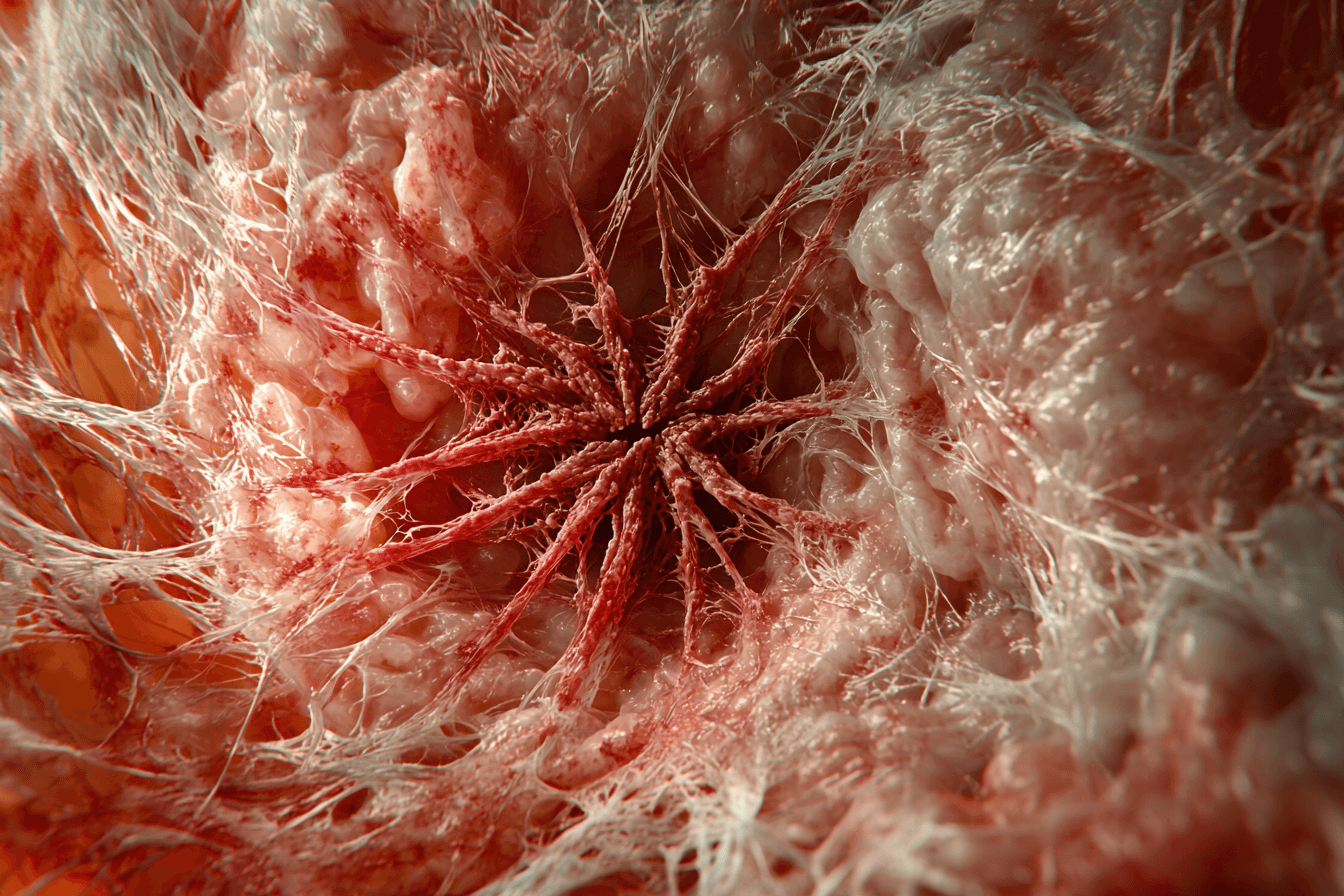
A radial scar is one of the most confusing terms in breast biopsy results explained for patients. Despite the name, a radial scar is usually not a scar caused by injury, trauma, or previous breast surgery. It is a benign sclerosing pattern in breast tissue that can have a star-like appearance and may look suspicious on mammogram or other breast imaging [12].
A complex sclerosing lesion, or CSL, is closely related to radial scar. In many explanations, radial scar is used for a smaller lesion and complex sclerosing lesion for a larger or more complex lesion. In everyday clinical discussions, these terms may overlap. What matters most for management is whether atypia is present, whether the imaging and pathology are concordant, and whether the lesion was adequately sampled [1,2,12].
Radial scar can be alarming because it may mimic breast cancer on imaging. It can sometimes appear as architectural distortion, a spiculated area, or an irregular abnormality. This does not mean the radial scar is cancer. It means the imaging appearance can look suspicious enough to require biopsy. After biopsy, the breast team must decide whether the pathology result fully explains the imaging finding [1,12].
Radial Scar Without Atypia
A radial scar or complex sclerosing lesion without atypia may not always require surgery. In selected patients, imaging follow-up may be considered when the lesion is pure, the result is concordant with imaging, and the biopsy has adequately sampled the abnormality. This approach is more likely when there is no associated ADH, ALH, LCIS, FEA, papilloma with atypia, DCIS, or invasive cancer [1,2].
This is why a patient may be told, “You have a radial scar, but we can monitor it.” That recommendation usually means the breast team believes the biopsy result explains the imaging finding and that the chance of missed DCIS or invasive cancer is low. However, this decision must be individualized because radial scar can look suspicious on imaging and may sometimes coexist with other high-risk findings [1,2,12].
Observation is more reassuring when the lesion was sampled with a larger-volume biopsy technique, when the imaging target was well represented in the tissue sample, and when there is no radiology-pathology discordance. If the biopsy was limited, the lesion is large, or the imaging appearance remains concerning, further tissue sampling or excision may still be recommended [1,5].
In the UK and Australia-style B3 system, radial scar and complex sclerosing lesion are commonly included among B3 breast lesions. The management may involve multidisciplinary team review, vacuum-assisted excision, surgical excision, or surveillance depending on lesion size, atypia, imaging findings, and local protocols [5,6].
In Canada, high-risk benign breast lesion guidance also separates radial scar or complex sclerosing lesion without atypia from those with atypia. This distinction helps avoid unnecessary surgery in some low-risk, concordant cases while still protecting patients whose findings require more complete assessment [2].
A balanced patient explanation is: a radial scar without atypia is usually not cancer, but it is taken seriously because it can resemble cancer on imaging and because the breast team must be sure the biopsy has not missed a nearby higher-risk or malignant area [1,2,12].
Patients with radial scar without atypia should ask: Was atypia present? Was this a pure radial scar or were other high-risk lesions found? Did the pathology result explain the imaging abnormality? Was the lesion adequately sampled? Was it seen as architectural distortion, calcifications, a mass, or MRI enhancement? Do I need excision, vacuum-assisted excision, or imaging surveillance? [1,2,5].
Radial Scar With Atypia
A radial scar with atypia is a different result from radial scar without atypia. When atypia is present, the concern for upgrade is higher, and surgical excision or more complete tissue assessment is usually recommended. The goal is to determine whether there is nearby DCIS or invasive breast cancer that was not captured in the original biopsy sample [1,2,5].
This distinction is essential. A patient should not compare a radial scar without atypia to a radial scar with atypia as if they are the same diagnosis. The presence of atypia changes the level of concern and often changes the next step. This is why pathology reports should be read carefully, including all words after the main diagnosis [1,2].
A radial scar with atypia may be associated with ADH, ALH, LCIS, FEA, or other abnormal epithelial changes. If another high-risk lesion is present, the management plan may be based on the most concerning finding in the specimen. For example, if a radial scar is found with ADH, the ADH may drive the recommendation for excision [1,2,5].
In UK and Australia-style B3 pathways, radial scar with atypia may be discussed at a multidisciplinary meeting and may lead to vacuum-assisted excision or surgical excision depending on the lesion size, imaging abnormality, and local practice. The broader principle is the same: atypia makes the result less suitable for simple reassurance and more likely to need additional tissue assessment [5,6].
Patients may ask, “Is radial scar with atypia cancer?” The answer is: not necessarily. It does not automatically mean invasive breast cancer has been diagnosed. However, it does mean the first biopsy has shown a higher-risk pattern, and the breast team usually wants to examine more tissue to make sure DCIS or invasive cancer is not nearby [1,2].
If your report says radial scar with atypia or complex sclerosing lesion with atypia, ask your breast specialist: What type of atypia is present? Is ADH, ALH, LCIS, FEA, DCIS, or papilloma also present? Is the imaging-pathology result concordant? Was the lesion completely sampled? Is surgical excision recommended? Would vacuum-assisted excision be appropriate? If no cancer is found after excision, do I still need high-risk screening or prevention counseling? [1,2,5,6].
The most balanced way to understand radial scar and complex sclerosing lesion is this: these findings are often benign, but they require careful interpretation because they can look suspicious on imaging and may sometimes coexist with atypia or nearby malignancy. A radial scar without atypia may be monitored in selected concordant cases, while radial scar with atypia is usually managed more cautiously with excision or additional tissue assessment [1,2,5,12].
What If the Breast Biopsy Was Done for Calcifications?
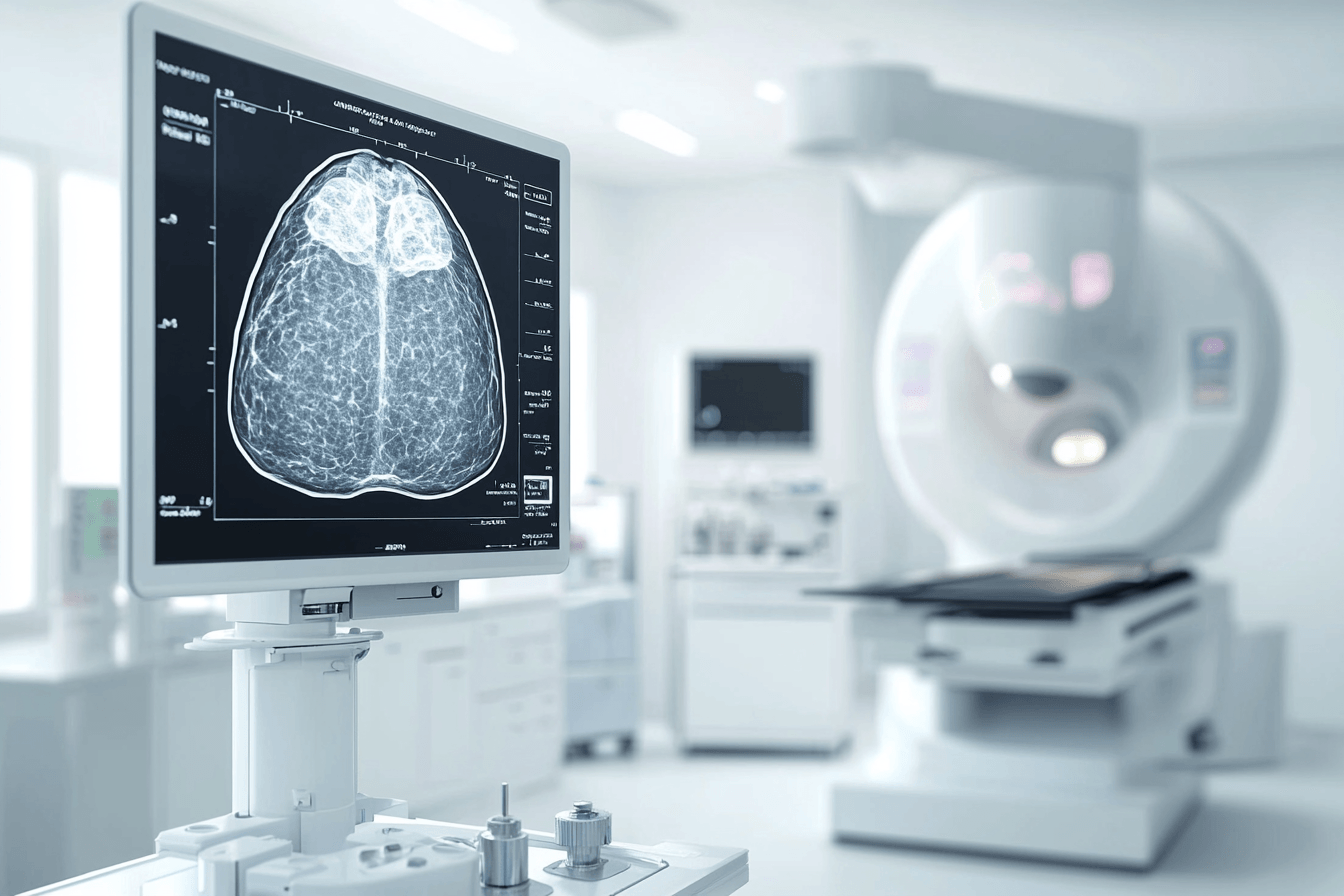
Breast biopsy results explained for patients should always consider why the biopsy was done in the first place. One of the most common reasons is breast calcifications seen on a mammogram. Calcifications are tiny calcium deposits in the breast tissue. Many calcifications are benign, but certain patterns, shapes, or distributions can look suspicious enough for the radiologist to recommend a biopsy [1,2,5].
When a biopsy is done for calcifications, the pathology result must be matched carefully with the mammogram finding. The key question is not only, “What did the biopsy show?” The more important question is, “Did the biopsy actually sample the suspicious calcifications?” If the suspicious calcifications were not present in the biopsy specimen, or if the pathology result does not explain the calcifications seen on mammogram, the result may not be considered fully reassuring [1,5,10].
Calcifications are especially important in biopsy results such as ADH, FEA, and sometimes DCIS. ADH and FEA are often found when mammographic microcalcifications are sampled. In these cases, the amount of calcification removed during biopsy can influence the next step. If the calcifications were well sampled, the result is concordant, and the finding is low risk, observation may be considered in selected patients. If many suspicious calcifications remain or the sampling was limited, the breast specialist may recommend repeat biopsy, vacuum-assisted excision, or surgical excision [1,2,5].
This is why patients may see phrases such as “calcifications present in specimen,” “residual calcifications,” “specimen radiograph confirms calcifications,” or “calcifications associated with atypia.” These details are important. They help the radiologist and pathologist confirm whether the tissue removed during biopsy truly came from the suspicious mammogram area [1,5,10].
For flat epithelial atypia, or FEA, calcification sampling is particularly important. Pure FEA may often be monitored when imaging and pathology are concordant and the calcifications were adequately sampled. However, if calcifications are extensive, residual, or not well represented in the biopsy tissue, further sampling may be recommended to exclude ADH, DCIS, or invasive cancer nearby [1,2,5].
For atypical ductal hyperplasia, or ADH, calcifications also matter. ADH found in a small, well-sampled area of calcifications may be considered lower risk than ADH associated with a mass, architectural distortion, or larger abnormality. However, ADH still commonly leads to surgical consultation because of its known association with upgrade risk and future breast cancer risk [1,2,9].
In UK and Australia-style B3 lesion pathways, calcifications are also central to decision-making. A B3 result found during biopsy of microcalcifications may be discussed at a multidisciplinary meeting to decide whether the patient needs vacuum-assisted excision, surgical excision, or imaging surveillance. The decision depends on the exact pathology, whether atypia is present, the extent of calcifications, and whether imaging and pathology are concordant [5,6].
Patients should not assume that all calcifications are dangerous. Most breast calcifications are not cancer. However, when calcifications are suspicious enough to require biopsy, the final decision depends on whether the biopsy result explains the imaging appearance. A benign or borderline pathology result is most reassuring when the suspicious calcifications were actually sampled and the radiologist confirms concordance [1,5,10].
If your biopsy was done for calcifications, ask your breast specialist: Were the suspicious calcifications seen in the biopsy specimen? Did the pathology result explain the calcifications? Were most of the calcifications removed? Are there residual calcifications that still look suspicious? Is the result concordant? Does the report show ADH, FEA, DCIS, or another high-risk lesion? Do I need excision, vacuum-assisted excision, repeat biopsy, or follow-up mammography? [1,2,5,10].
The most practical way to understand calcification biopsy results is this: the diagnosis matters, but the sampling quality matters just as much. A result such as FEA or ADH cannot be interpreted safely without knowing whether the calcifications were adequately sampled and whether the pathology matches the mammogram finding [1,2,5].
What If the Breast Biopsy Was Done for a Mass, Architectural Distortion, MRI Finding, or Nipple Discharge?
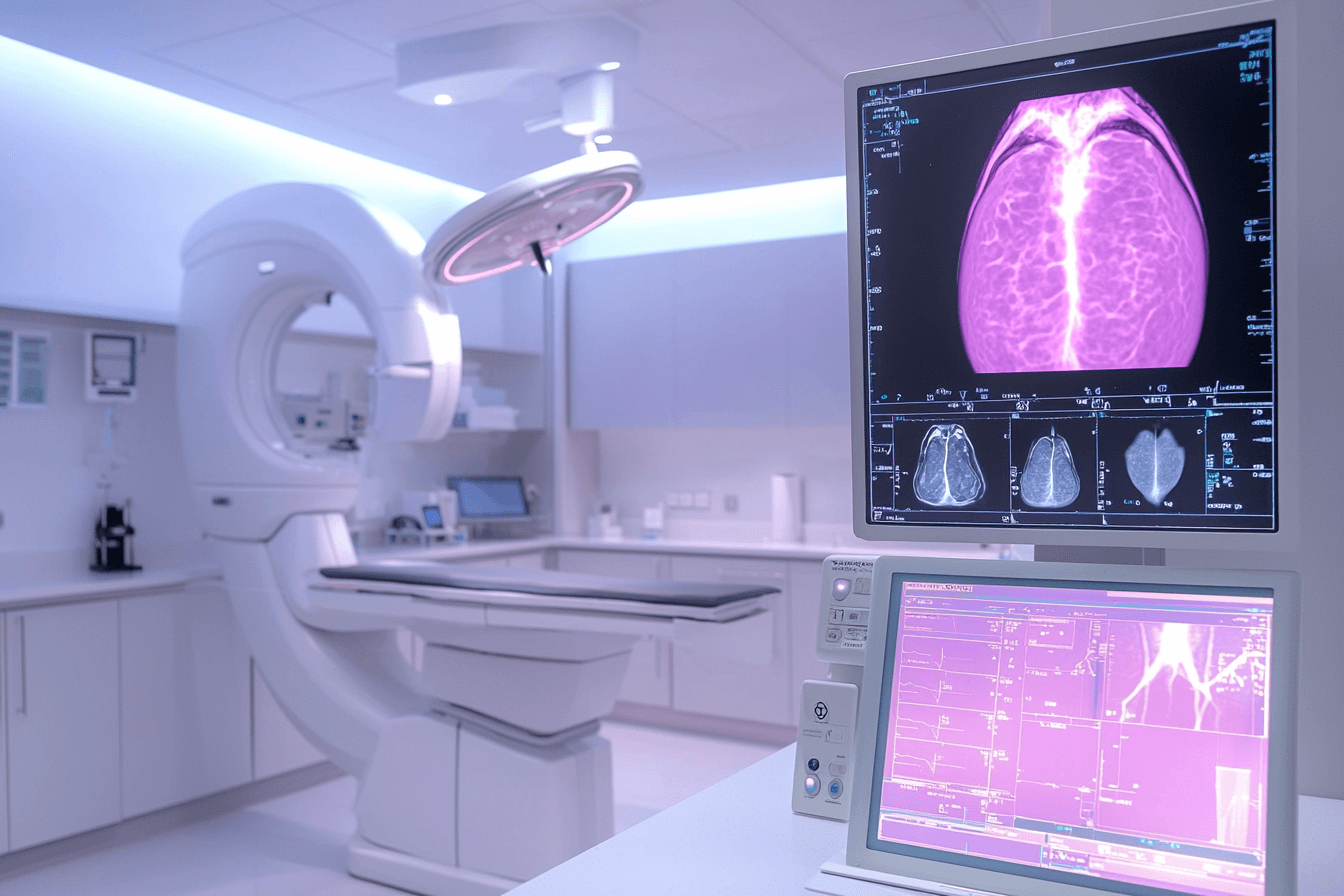
Not all breast biopsies are done for calcifications. Some are done because imaging shows a mass, architectural distortion, asymmetry, MRI enhancement, or because the patient has a symptom such as nipple discharge or a palpable lump. These situations may carry a different level of concern than calcifications alone, and they can change how breast biopsy results are interpreted [1,2,10].
A biopsy result must always explain the original reason for the biopsy. If the imaging showed a suspicious mass, the pathology result should explain that mass. If the imaging showed architectural distortion, the tissue diagnosis should reasonably account for the distortion. If the biopsy was done because of MRI enhancement, the pathology result should match that MRI abnormality. If the biopsy was done for nipple discharge, the breast team must decide whether the result explains the symptom [1,10].
A mass may be sampled by ultrasound-guided core biopsy, stereotactic biopsy, MRI-guided biopsy, or another image-guided method. If the pathology result shows a benign or high-risk lesion, the team must decide whether that result is concordant with the imaging appearance. A benign result that does not explain a suspicious mass may require repeat biopsy or surgical excision, even if the first sample did not show cancer [1,10].
Architectural distortion means the normal breast tissue pattern looks pulled, twisted, or distorted on imaging. Radial scar and complex sclerosing lesion can sometimes present this way, but so can breast cancer. This is why radial scar biopsy results require careful concordance review. If the radial scar explains the distortion and there is no atypia, observation may be considered in selected cases. If the distortion remains suspicious, the lesion is not well sampled, or atypia is present, excision is more likely [1,2,12].
An MRI-guided biopsy may be performed when an abnormal area is seen on breast MRI but not clearly seen on mammogram or ultrasound. MRI findings can be more difficult for patients to understand because the abnormality may be described as enhancement rather than a lump. If the biopsy result shows ALH, LCIS, FEA, papilloma, radial scar, or another high-risk lesion, the team must decide whether that pathology explains the MRI enhancement and whether further tissue evaluation is needed [1,10].
Nipple discharge is another important clinical clue. A papilloma may cause spontaneous nipple discharge, especially clear or bloody discharge from one duct. A papilloma without atypia that is found incidentally on imaging may sometimes be monitored, but a symptomatic papilloma may be removed more often because surgery can both evaluate the lesion more completely and relieve the discharge [1,2].
Symptoms matter because a biopsy result in a symptomatic patient is not always managed the same way as the same result in an asymptomatic patient. For example, a small asymptomatic papilloma without atypia may be followed in a selected concordant case. A papilloma causing bloody nipple discharge may lead to excision even if no atypia is seen in the biopsy sample. The symptom changes the clinical context [1,2,5].
The same principle applies to a palpable lump. If the patient or doctor can feel a lump, and the biopsy result does not adequately explain it, further evaluation may be needed. A pathology report should never be interpreted separately from the physical examination and imaging findings. Breast biopsy results explained properly must include all three: clinical symptoms, imaging appearance, and pathology diagnosis [1,10].
In the UK, Australia, Canada, USA, and Singapore, the wording may differ, but the decision-making principle is similar. A breast team must decide whether the biopsy result explains the abnormality, whether atypia is present, whether the lesion was adequately sampled, and whether the patient needs follow-up, vacuum-assisted excision, surgical excision, or long-term risk assessment [1,2,5].
If your biopsy was done for a mass, distortion, MRI finding, or nipple discharge, ask your breast specialist: What exactly was the imaging abnormality? Did the biopsy result explain it? Is the result concordant or discordant? Was the target lesion adequately sampled? Is there atypia? Is there any residual abnormality? Does my symptom change the recommendation? Do I need repeat biopsy, vacuum-assisted excision, surgical excision, or imaging follow-up? [1,2,10].
The most balanced explanation is this: a breast biopsy result is only reassuring when it answers the original clinical or imaging question. A benign or high-risk result may still need more tissue assessment if it does not fully explain a suspicious mass, distortion, MRI abnormality, or nipple discharge [1,10].
Core Needle Biopsy, Vacuum-Assisted Biopsy, Vacuum-Assisted Excision, and Surgical Excision
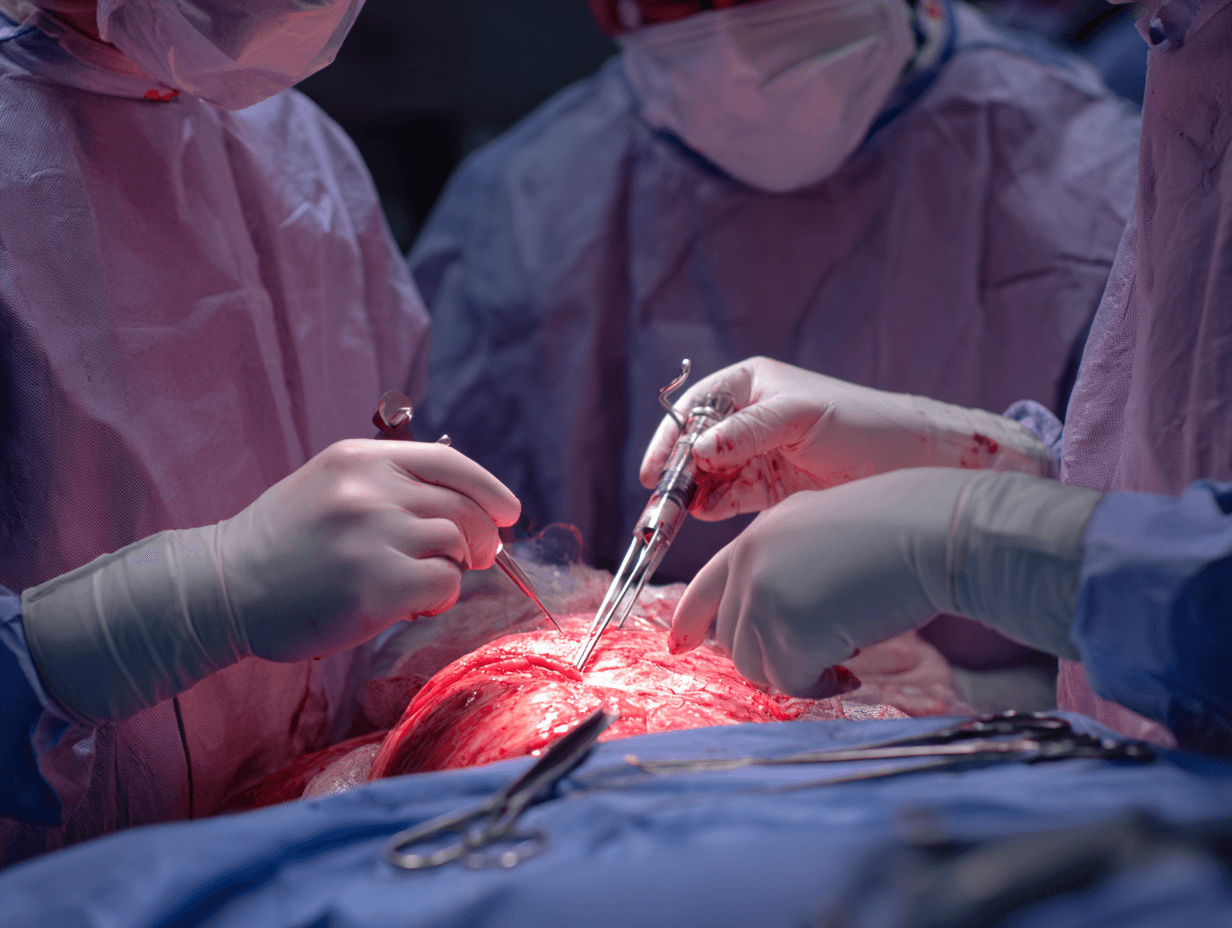
Breast biopsy results explained for patients should also clarify the different biopsy and excision procedures. Many patients are told they need a “biopsy,” “repeat biopsy,” “vacuum-assisted excision,” “surgical excision,” or “open biopsy,” but these terms can be confusing. They all involve taking breast tissue for diagnosis, but they do not remove the same amount of tissue and they are not used in exactly the same situations [1,5,7,13].
A core needle biopsy uses a needle to remove small cylinders of tissue from the breast abnormality. It is commonly performed under mammogram, ultrasound, or MRI guidance. Core needle biopsy is often the first diagnostic step after suspicious imaging. It can diagnose benign changes, high-risk lesions, DCIS, or invasive breast cancer. However, because it samples only part of the abnormal area, some high-risk results may need further tissue assessment [1,5].
A vacuum-assisted biopsy uses a larger needle device with suction to remove more tissue than a standard core needle biopsy. It is often used for calcifications or small imaging abnormalities. Because it removes more tissue, it may give the pathologist a better sample and may sometimes remove much of the imaging target. Sampling adequacy is especially important for results such as FEA, ADH, papilloma, and radial scar [1,5,13].
A vacuum-assisted excision, often called VAE, goes one step further. It is used to remove a larger amount of tissue, and in selected cases it may remove the visible lesion completely. In some UK-style B3 lesion pathways, VAE may be used instead of diagnostic open surgery for selected lesions, depending on the size, imaging appearance, pathology result, and multidisciplinary team recommendation [5,7,13].
VAE is especially relevant for patients in the UK and Australia because B3 lesion pathways often discuss whether a lesion can be managed with vacuum-assisted excision rather than surgical excision. This may apply to selected papillary lesions, radial scars, FEA, or other B3 findings when the lesion is small, accessible, and suitable for removal with a vacuum-assisted device. However, VAE is not appropriate for every lesion or every patient [5,6,7].
A surgical excision, sometimes called an open biopsy or excisional biopsy, is an operation to remove the abnormal area or biopsy site through an incision. It is often recommended when the upgrade risk is higher, when atypia is present, when the lesion is not suitable for vacuum-assisted excision, when imaging and pathology are discordant, or when the breast team needs a more complete tissue diagnosis [1,2,5].
Patients sometimes worry that a recommendation for surgical excision means they definitely have cancer. That is not always true. In many high-risk breast biopsy results, surgery is diagnostic. The purpose is to make sure the needle biopsy has not missed DCIS or invasive breast cancer nearby. If the excision shows no cancer, that result can be reassuring and may guide future follow-up or risk assessment [1,2].
The choice between observation, repeat biopsy, vacuum-assisted excision, and surgical excision depends on several factors. These include the exact pathology diagnosis, whether atypia is present, whether the result is concordant, lesion size, imaging appearance, biopsy method, how much tissue was removed, how much abnormality remains, patient risk factors, symptoms, and local expertise [1,2,5,13].
For example, pure FEA after well-sampled calcifications may be followed in selected patients. ADH may more often lead to surgical consultation or excision. A papilloma without atypia may be monitored if asymptomatic and concordant, while a papilloma with atypia usually needs excision. A radial scar without atypia may be followed in selected concordant cases, while radial scar with atypia is usually managed more cautiously [1,2,5].
Patients should ask: What type of biopsy did I have? Was it core needle, vacuum-assisted biopsy, MRI-guided biopsy, or another method? How much of the abnormal area was removed? Is there residual abnormality? Why are you recommending observation, VAE, or surgery? Is the purpose of the procedure to treat a known cancer, remove a high-risk lesion, or rule out an upgrade? [1,2,5,7].
The simplest way to understand these procedures is this: a core biopsy gives a sample, vacuum-assisted biopsy gives a larger sample, vacuum-assisted excision may remove selected small lesions through a needle-based method, and surgical excision removes tissue through an operation. The right choice depends on the biopsy diagnosis, imaging-pathology match, atypia, sampling adequacy, and the patient’s overall risk [1,2,5,13].
Why Recommendations Differ by Country
Breast biopsy results explained for international readers must include one important reality: recommendations can differ between the USA, UK, Australia, Canada, and Singapore, even when the pathology wording looks similar. This does not always mean that one doctor is right and another is wrong. It often reflects differences in national screening programs, biopsy techniques, access to vacuum-assisted excision, multidisciplinary team pathways, and local clinical guidelines [1,2,5,6,7,8].
In the USA, the discussion often uses terms such as high-risk breast lesion, upgrade risk, radiology-pathology concordance, excisional biopsy, and surveillance. The decision is usually based on the exact biopsy result, whether atypia is present, whether imaging and pathology match, how much of the lesion was sampled, and the patient’s personal breast cancer risk. For example, ADH is often managed with surgical excision, while selected cases of pure FEA, papilloma without atypia, radial scar without atypia, or classic lobular neoplasia may be monitored if the result is concordant and well sampled [1].
In Canada, the phrase high-risk benign breast lesion is commonly used in clinical guidance. Canadian recommendations, such as Ontario Health guidance, emphasize that some findings need surgical consultation or excision, while others may be followed when imaging and pathology are concordant. This is helpful for patients because it avoids two extremes: assuming every high-risk result is cancer, or assuming every benign-sounding result can be ignored [2].
In the UK, many of these findings are discussed as B3 breast lesions, meaning lesions of uncertain malignant potential. This category includes several biopsy results that are not clearly cancer but may still need further assessment. UK-style pathways often rely heavily on multidisciplinary team review, also called MDT or MDM review, where radiologists, pathologists, surgeons, and other specialists decide whether the patient needs vacuum-assisted excision, surgical excision, or follow-up [5,6,7].
In Australia, patients may also encounter B3 lesion terminology, particularly in BreastScreen-style pathways. The decision-making approach is similar: the breast team looks at the pathology result, imaging appearance, atypia, sampling adequacy, and whether the result is concordant. Depending on these factors, the next step may be imaging surveillance, vacuum-assisted biopsy, vacuum-assisted excision, or surgical excision [5,6].
In Singapore, patient-facing information may use simpler terms such as atypical hyperplasia, needle biopsy, open biopsy, surgery, removal, and medications to reduce breast cancer risk. This wording may differ from the USA or UK style, but the core issues are similar. The breast specialist still needs to know whether the abnormality has been fully assessed and whether the biopsy finding changes the patient’s future breast cancer risk [8].
This is why patients should be cautious when comparing advice from different countries. A woman reading a U.S. article about ADH may see surgical excision emphasized. A woman reading a UK article about a B3 lesion may see vacuum-assisted excision discussed. A Canadian guideline may focus on surgical consultation and structured follow-up. These approaches may all be reasonable depending on the lesion type, biopsy method, imaging result, and local expertise [1,2,5,6,7].
The safest way to interpret country-specific recommendations is to focus on the decision-making principles rather than the label alone. The key questions are: What exact lesion was found? Is atypia present? Is the imaging-pathology result concordant? Was the lesion adequately sampled? Is there a meaningful upgrade risk? Does the finding increase future breast cancer risk? Is vacuum-assisted excision available and appropriate? Can the patient reliably complete follow-up? [1,2,5].
A breast biopsy result should therefore be understood within the healthcare system where the patient is being treated. The same pathology word may lead to different next steps in different countries because the available procedures, screening schedules, and national guidelines are not identical. However, the underlying goal is the same everywhere: to avoid missing DCIS or invasive breast cancer while also avoiding unnecessary surgery when careful follow-up is safe [1,2,5,6].
What Follow-Up Looks Like If Surgery Is Not Recommended

Breast biopsy results explained properly should make one point very clear: follow-up does not mean ignoring the result. When a breast specialist recommends observation instead of surgery, it usually means the team believes the biopsy result is concordant, the lesion was adequately sampled, and the chance of missed cancer is low enough for active surveillance. Observation is a planned medical strategy, not a lack of treatment [1,2,5].
Follow-up is most often considered for selected lower-risk situations. Examples may include pure FEA that is concordant and well sampled, papilloma without atypia that is asymptomatic and concordant, radial scar without atypia that was adequately sampled, or incidental classic ALH/LCIS when imaging and pathology match. These examples do not mean every patient with these findings can skip surgery. They mean that some patients may be safely monitored after specialist review [1,2].
In the USA, surveillance after selected high-risk breast biopsy results may involve short-interval diagnostic imaging to confirm stability before returning to routine screening. ASBrS refers to follow-up imaging at intervals such as 6, 12, and 24 months when observation is chosen for selected lesions. The exact schedule may vary depending on the lesion, imaging abnormality, and local practice [1].
In Canada, Ontario Health guidance also uses structured follow-up when excision is not performed. The follow-up schedule may vary by lesion type. For example, non-excised ADH may need closer short-interval imaging, while some other concordant non-excised lesions may have imaging follow-up before returning to annual screening. This reinforces the message that surveillance is an active pathway with defined checkpoints [2].
In the UK, follow-up after B3 lesion assessment may depend on the MDT recommendation and whether vacuum-assisted excision has adequately sampled or removed the lesion. Some patients may return to routine screening after adequate assessment, while others may need additional imaging or further tissue sampling. The plan is usually documented after multidisciplinary discussion [5,6,7].
In Australia, follow-up may similarly depend on BreastScreen or local specialist pathways. A patient with a B3-type result may be managed through surveillance, vacuum-assisted excision, or surgery depending on atypia, lesion type, concordance, and sampling. The practical message for patients is that the follow-up plan should be clearly written and should specify the next imaging test and timing [5,6].
In Singapore, follow-up after atypical or high-risk findings may involve continued specialist review, imaging surveillance, or discussion about prevention strategies depending on the exact biopsy result and the patient’s risk profile. Patient-facing Singapore guidance also emphasizes that atypical hyperplasia can increase future breast cancer risk, so the follow-up plan may include both imaging and risk-reduction counseling [8].
Patients should ask exactly what follow-up means in their case. Important questions include: What imaging test will I need next: mammogram, ultrasound, or MRI? When is my first follow-up scan? Will I need imaging at 6 months, 12 months, or 24 months? What finding would trigger another biopsy or surgery? Am I returning to routine screening, annual screening, or high-risk screening? [1,2,5].
Patients should also ask whether the follow-up is for upgrade risk, future breast cancer risk, or both. Follow-up for upgrade risk is usually focused on the biopsy site and whether the imaging abnormality remains stable. Follow-up for future risk may involve a broader breast cancer risk assessment, discussion of MRI screening, lifestyle risk reduction, or preventive medication in selected patients [1,2,8].
The most practical way to understand follow-up is this: if surgery is not recommended, the breast team should still provide a clear surveillance plan. That plan should include the imaging type, timing, reason for follow-up, warning signs to report, and whether the patient needs long-term breast cancer risk assessment. A patient should never leave the appointment with only the phrase “no surgery needed” and no follow-up instructions [1,2,5].
Does Surgery Remove the Future Breast Cancer Risk?

One of the most common misunderstandings in breast biopsy results explained for patients is the belief that surgery removes all future risk. This is not always true. Surgical excision may answer the immediate question of whether the needle biopsy missed nearby DCIS or invasive breast cancer, but it does not always erase the long-term breast cancer risk associated with some high-risk lesions [1,2,9].
This distinction is especially important for ADH, ALH, and classic LCIS. These lesions may act as markers of increased future breast cancer risk. If surgery removes the sampled area and no cancer is found, that is reassuring for the immediate upgrade question. However, the patient may still have a higher future risk compared with someone who never had atypical hyperplasia or lobular neoplasia [1,2,9].
For example, if ADH is found on core biopsy, surgical excision may be recommended to check whether nearby DCIS or invasive cancer was missed. If the excision shows only ADH and no cancer, the patient may feel that the problem has been completely removed. In one sense, the suspicious area has been evaluated. But ADH may still signal a higher future breast cancer risk, so the patient may still need formal risk assessment and a long-term screening plan [1,2,9].
The same principle applies to ALH and classic LCIS. These findings may not always require surgical excision if they are incidental and concordant, but they may still influence future screening and prevention decisions. A patient may need discussion about annual mammography, breast MRI if lifetime risk is high enough, lifestyle measures, or medications that reduce breast cancer risk in selected cases [1,2,14,15].
For FEA, papilloma without atypia, and radial scar without atypia, the long-term risk discussion may be different. These findings are often more about whether the biopsy adequately sampled the imaging abnormality. However, if they are associated with atypia or another high-risk lesion, the long-term risk plan may change. This is why the complete pathology report matters, not just the main diagnosis [1,2,5].
Patients should therefore separate two questions. The first question is: “Did surgery or further sampling rule out cancer at this site?” The second question is: “Does this biopsy result increase my future risk of developing breast cancer?” These are related, but they are not the same. A patient can have no cancer at excision and still need future risk assessment because of ADH, ALH, LCIS, or other risk factors [1,2,9].
Future breast cancer risk is not based on the biopsy result alone. It may also depend on age, family history, breast density, previous breast biopsies, reproductive history, genetic risk, hormone exposure, and prior chest radiation. This is why many patients with high-risk biopsy results benefit from a formal breast cancer risk assessment rather than a simple “benign” or “not benign” label [1,2,14].
If the risk assessment shows a higher lifetime risk, the breast specialist may discuss enhanced screening or prevention. This can include annual mammography, supplemental MRI in selected high-risk patients, risk-reducing medication, or genetic counseling if personal or family history suggests inherited cancer risk. The exact plan should be individualized [1,2,14,15].
The most balanced message is this: surgery can be very useful for ruling out an upgrade, but it may not remove the biological risk signal created by some high-risk lesions. Patients should ask both about the excision result and about their long-term breast cancer risk plan [1,2,9].
Risk-Reducing Medication After a High-Risk Breast Biopsy
Breast biopsy results explained properly should include the topic of risk-reducing medication, because some biopsy findings do more than raise an immediate upgrade question. Results such as ADH, ALH, and classic LCIS may also increase a person’s future breast cancer risk, even when no DCIS or invasive cancer is found at surgical excision. In these cases, the next discussion is not only, “Was cancer missed?” but also, “Can we lower my future risk?” [1,2,9,14,15].
A high-risk breast lesion or B3 breast lesion should not be understood in isolation. These findings are often part of a wider breast-health pattern involving benign tissue changes, atypia, hormonal influence, inflammatory terrain, glandular sensitivity, and long-term risk assessment. For a broader patient-friendly explanation of benign breast changes, atypia, symptoms, diagnosis, and Ayurvedic interpretation, read Benign Breast Disease and Atypia: Symptoms, Diagnosis, and Ayurvedic Treatment
Risk-reducing medication is not chemotherapy, and it is not given because the biopsy result itself is invasive cancer. It is a prevention strategy used in selected higher-risk patients to reduce the chance of developing mainly estrogen receptor-positive breast cancer in the future. ASBrS states that endocrine therapy should be offered for risk reduction to women with ADH, ALH, or LCIS, and to women who meet certain calculated risk thresholds; listed options include tamoxifen, raloxifene, exemestane, and anastrozole [15].
The most commonly discussed medicines are tamoxifen, raloxifene, and aromatase inhibitors such as anastrozole or exemestane. ASCO’s risk-reduction guideline update includes these endocrine options for appropriate patients, while ASBrS notes that tamoxifen is the risk-reduction option used for premenopausal women, with raloxifene and aromatase inhibitors used in postmenopausal settings [14,15].
This topic is especially relevant after atypical ductal hyperplasia, atypical lobular hyperplasia, or lobular carcinoma in situ. If surgery removes the biopsy site and no cancer is found, that is reassuring for the immediate concern. However, the biopsy result may still mark a higher-risk breast environment. That is why a breast specialist may recommend a formal risk calculation and then discuss whether medication could reduce future risk [1,2,15].
In Singapore-facing patient information, atypical hyperplasia is also discussed as a risk-related diagnosis, and SingHealth notes that medicines such as tamoxifen, raloxifene, and aromatase inhibitors may reduce breast cancer risk in appropriate patients [8].
Medication choice depends on several personal factors. These include age, menopausal status, uterus status, history of blood clots, stroke risk, bone density, joint symptoms, fertility plans, pregnancy possibility, current hormone therapy, and the patient’s tolerance for side effects. A medicine that is reasonable for one patient may not be suitable for another, even when the biopsy diagnosis is the same [14,15,16].
Tamoxifen can be used in both premenopausal and postmenopausal risk-reduction discussions, but it has possible side effects and risks that must be reviewed carefully. These may include hot flashes, vaginal symptoms, menstrual changes, and, in some patients, increased risk of blood clots. In postmenopausal women, tamoxifen can also increase the risk of endometrial cancer, so uterus status and gynecologic history matter [15,16]. ASBrS specifically notes increased venous thromboembolism risk with tamoxifen and raloxifene, and increased endometrial cancer risk with tamoxifen, especially in older patients [15].
Raloxifene is generally discussed for postmenopausal women. It may be considered when a patient needs breast cancer risk reduction and may also have bone-health considerations. However, it is not used for premenopausal women and still carries clot-related risk. This is why the decision should be individualized rather than based only on the pathology report [14,15,16].
Aromatase inhibitors such as anastrozole or exemestane are generally discussed for postmenopausal women. They do not carry the same uterine cancer risk as tamoxifen, but they can cause joint pain, menopausal symptoms, bone loss, and osteoporosis-related concerns. Mayo Clinic notes that aromatase inhibitors can increase osteoporosis risk and may affect the heart, while ASBrS recommends bone-density assessment before starting an aromatase inhibitor and reassessment during treatment [15,16].
Some patients may also hear about low-dose tamoxifen. This may be discussed in selected high-risk or intraepithelial neoplasia situations by specialist teams, especially when standard-dose side effects are a concern. However, this should not be started independently. The dose, duration, benefits, and risks should be reviewed with a breast specialist, medical oncologist, or high-risk breast clinic [15].
Risk-reducing medication is not required for every patient with ADH, ALH, LCIS, FEA, papilloma, or radial scar. It is usually most relevant when the biopsy result is linked to future breast cancer risk, especially ADH, ALH, or LCIS, or when the patient’s calculated risk is high because of family history, breast density, prior biopsies, reproductive factors, or other risk markers [1,2,14,15].
Patients should also understand what these medicines can and cannot do. They may lower the risk of certain hormone-sensitive breast cancers, but they do not remove all breast cancer risk. They do not replace mammography, ultrasound, MRI when indicated, or regular follow-up. They are one part of a broader risk-reduction plan that may include screening, lifestyle changes, and genetic evaluation when appropriate [1,2,14,15].
If your breast biopsy result shows ADH, ALH, LCIS, or another high-risk lesion, ask your specialist: Do I need a formal breast cancer risk calculation? What is my 5-year and lifetime risk? Am I a candidate for tamoxifen, raloxifene, anastrozole, or exemestane? What benefit would I personally get from medication? What side effects matter most in my case? How would my uterus status, menopause status, clot history, and bone density affect the choice? [1,2,14,15,16].
The most balanced explanation is this: risk-reducing medication may be helpful for selected patients after high-risk breast biopsy results, especially ADH, ALH, or LCIS. But it should be based on a full risk assessment, not simply on fear after reading a pathology report. The decision should be shared between the patient and a breast specialist after reviewing benefits, side effects, alternatives, and long-term screening plans [1,2,14,15,16].
Do I Need Genetic Testing After ADH, ALH, FEA, Papilloma, or Radial Scar?

Breast biopsy results explained for patients should also clarify the difference between a high-risk breast lesion and inherited genetic risk. These are related topics, but they are not the same. A biopsy result such as ADH, ALH, FEA, papilloma, radial scar, complex sclerosing lesion, or classic LCIS does not automatically mean the patient has a hereditary cancer gene mutation [1,2].
ASBrS states that the presence of a high-risk lesion alone is not an indication for genetic testing. However, it also states that patients should be evaluated for personal or family history that would make genetic evaluation appropriate [1].
This distinction is very important. A patient may need genetic counseling because of family history, young age at cancer diagnosis in relatives, ovarian cancer in the family, male breast cancer, multiple relatives with breast or related cancers, bilateral breast cancers in the family, or known inherited mutations. But the biopsy result itself is only one part of the risk picture [1,2].
Genetic testing looks for inherited gene changes, such as mutations in genes associated with hereditary breast and ovarian cancer syndromes. A breast cancer risk assessment, on the other hand, estimates a person’s chance of developing breast cancer based on multiple factors. These may include age, family history, breast density, biopsy history, reproductive history, hormone exposure, and high-risk lesions such as ADH, ALH, or LCIS [1,2,14].
This is why patients should not assume either extreme. A high-risk biopsy result does not automatically mean genetic testing is needed. But a benign or borderline biopsy result also does not rule out inherited risk if the personal or family history is concerning. The correct next step is to ask whether your overall history meets criteria for genetic counseling or genetic testing [1,2].
For example, a patient with ADH and no family history may need breast cancer risk assessment and possibly discussion of prevention medication, but not necessarily genetic testing. Another patient with FEA and a strong family history of early breast cancer or ovarian cancer may need genetic counseling even though FEA itself is not cancer. The decision depends on the whole risk profile, not the biopsy word alone [1,2].
Genetic testing can also affect screening recommendations. If a pathogenic mutation is found, the patient may need a different screening plan, such as earlier screening, annual MRI, or specialist prevention counseling. If genetic testing is not indicated or is negative, the patient may still need high-risk screening if her calculated lifetime risk is high because of ADH, ALH, LCIS, dense breasts, or family history [1,2,14,15].
Patients should ask their breast specialist: Does my biopsy result alone indicate genetic testing? Does my family history suggest genetic counseling? Should I complete a formal breast cancer risk assessment? What model will be used to calculate my risk? Does my risk level change my screening plan? Should I be referred to a high-risk breast clinic? [1,2].
The clearest patient message is this: ADH, ALH, FEA, papilloma, radial scar, and B3 breast lesions do not automatically mean there is a hereditary cancer mutation. But every patient with a high-risk biopsy result should have personal and family history reviewed so that genetic counseling is not missed when it is truly appropriate [1,2].
Questions to Ask Your Breast Specialist After a High-Risk or B3 Breast Biopsy
Breast biopsy results explained online can help you prepare, but your final plan should come from your breast specialist after reviewing your imaging, pathology, biopsy technique, symptoms, and personal risk factors. The most useful appointment is one where you ask specific questions rather than only asking, “Is it cancer?” [1,2,10].
Table 5: Questions to Ask Based on Your Breast Biopsy Finding
| If your report says | Ask your breast specialist |
|---|---|
| ADH | Is it focal or extensive? Was it found in calcifications, a mass, or distortion? What is my upgrade risk? |
| ALH | Was it incidental or the biopsy target? Is it concordant with imaging? Do I need risk assessment? |
| Classic LCIS | Is it classic or non-classic LCIS? Does it change my screening or prevention plan? |
| FEA | Is it pure FEA? Were calcifications adequately sampled? Are residual calcifications still present? |
| Papilloma without atypia | Is it symptomatic? Was there nipple discharge? Is observation safe in my case? |
| Papilloma with atypia | What type of atypia is present? Do I need surgical excision or vacuum-assisted excision? |
| Radial scar | Is atypia present? Did the radial scar fully explain the imaging abnormality? |
| Complex sclerosing lesion | Was the lesion adequately sampled? Is excision recommended because of size or atypia? |
| B3 lesion | What exact lesion is included in the B3 category? Will MDT review, VAE, surgery, or follow-up be recommended? |
Start with the exact diagnosis. Ask: What is the precise name of my biopsy result? Is it ADH, ALH, LCIS, FEA, intraductal papilloma, radial scar, complex sclerosing lesion, papillary lesion, or another B3 lesion? Was this finding described as benign, atypical, high-risk, borderline, or a lesion of uncertain malignant potential? [1,2,5].
Ask about atypia. Was atypia present or absent? If atypia was present, what type was it? Was it atypical ductal hyperplasia, atypical lobular hyperplasia, flat epithelial atypia, papilloma with atypia, radial scar with atypia, or another atypical change? This question matters because “with atypia” often changes management [1,2,5,6].
Ask about concordance. Does the pathology result fully explain what was seen on mammogram, ultrasound, or MRI? Is the result radiology-pathology concordant or discordant? Has the radiologist issued a pathology addendum or concordance statement? If the result is discordant, do I need repeat biopsy, vacuum-assisted excision, or surgical excision? [1,10].
Ask about the biopsy target. Was the biopsy performed for calcifications, a mass, architectural distortion, asymmetry, MRI enhancement, nipple discharge, or a palpable lump? If it was performed for calcifications, were the calcifications seen in the specimen? Were most of the suspicious calcifications removed? Are there residual calcifications that still require follow-up? [1,2,5,10].
Ask about sampling adequacy. Was the abnormal area adequately sampled? Was a standard core needle biopsy or vacuum-assisted biopsy used? How many samples were taken? Was the lesion completely removed, mostly removed, or only partly sampled? Does the amount of tissue removed affect my upgrade risk? [1,5,7,13].
Ask about upgrade risk. What is my estimated chance that surgical excision or vacuum-assisted excision could find DCIS or invasive breast cancer? Which factors in my case increase that risk? Which factors make it lower? Is my risk mainly because of the diagnosis itself, because of imaging features, because of atypia, or because of incomplete sampling? [1,2,5].
Ask about the recommended next step. Do you recommend imaging follow-up, repeat biopsy, vacuum-assisted excision, surgical excision, or open biopsy? Is the purpose of the procedure to remove the lesion, rule out an upgrade, relieve symptoms, or treat a known cancer? Are there non-surgical options in my case? [1,2,5,7].
Ask about follow-up if surgery is not recommended. What imaging test will I need next: mammogram, ultrasound, or MRI? When is the first follow-up: 6 months, 12 months, or another interval? How long will I be followed before returning to routine or annual screening? What imaging change would trigger another biopsy? [1,2,5].
Ask about future breast cancer risk. Does this biopsy result increase my future risk, even if no cancer is found? Do I need a formal risk assessment? What is my 5-year risk and lifetime risk? Do I qualify for high-risk screening, breast MRI, or a prevention clinic referral? [1,2,14,15].
Ask about medication prevention. Am I a candidate for tamoxifen, raloxifene, anastrozole, or exemestane? What risk reduction could I expect personally? What side effects are most relevant to me? How do menopause status, blood clot history, uterus status, bone density, and current medications affect the decision? [14,15,16].
Ask about genetic risk. Does my personal or family history suggest genetic counseling or genetic testing? Does this biopsy result alone mean I need genetic testing? If not, what family history features would change that recommendation? [1,2].
Ask about second opinion if the plan is unclear. Should my pathology slides be reviewed by a breast pathologist? Should my imaging be reviewed by a breast radiologist? Was my case discussed at a multidisciplinary meeting? Would another breast center offer vacuum-assisted excision instead of surgery, or surveillance instead of excision? [1,5,10].
The most practical appointment summary is this: after a high-risk or B3 breast biopsy, you need to know the exact diagnosis, whether atypia is present, whether imaging and pathology match, whether the target was adequately sampled, what your upgrade risk is, and whether the result changes your long-term breast cancer risk. These questions turn a confusing biopsy report into a clear management plan [1,2,5,10].
When to Get a Second Opinion After a Breast Biopsy Result
Breast biopsy results explained online can help you understand the wording, but some results deserve specialist review before a final decision is made. A second opinion may be useful when the recommendation is not clear, when different doctors give different advice, or when the result involves a high-risk breast lesion, B3 breast lesion, atypia, or possible imaging-pathology discordance [1,2,5,10].
A second opinion is especially helpful if your report says ADH, papilloma with atypia, radial scar with atypia, non-classic LCIS, or a B3 lesion of uncertain malignant potential. These findings often require careful judgment about whether the next step should be surgical excision, vacuum-assisted excision, repeat biopsy, or imaging surveillance [1,2,5,6].
You may also want a second opinion if your pathology report says one thing but your imaging report sounds more suspicious. For example, if the mammogram, ultrasound, or MRI described a suspicious mass, architectural distortion, or abnormal enhancement, but the biopsy result appears benign or borderline, the key issue is whether the result is concordant. Discordant findings often need repeat tissue sampling or excision, even if the first biopsy did not show cancer [1,10].
A pathology second opinion can be valuable when the distinction between ADH and low-grade DCIS, classic and non-classic LCIS, or papilloma with and without atypia is uncertain. These distinctions can change management. In UK-style B3 pathways, limited core biopsy samples may use terms such as atypical intraductal epithelial proliferation because the pathologist may not be able to confidently classify the full lesion from a small sample alone [5,6].
An imaging second opinion can be helpful when the biopsy was done for calcifications, architectural distortion, MRI enhancement, or a lesion that was difficult to target. The radiologist can review whether the correct area was sampled, whether calcifications were present in the specimen, whether residual abnormality remains, and whether the pathology result fully explains the imaging finding [1,10].
A second opinion does not mean your first doctor was wrong. It means your case may be complex enough to benefit from another breast specialist, breast radiologist, or breast pathologist reviewing the details. This is common for high-risk and B3 breast biopsy results because the safest plan depends on the exact diagnosis, atypia, imaging-pathology match, sampling adequacy, symptoms, and personal risk [1,2,5].
You should consider a second opinion if you are being offered observation but feel unsure whether the lesion was adequately sampled. You should also consider one if you are being advised to have surgery but want to know whether vacuum-assisted excision or surveillance could be reasonable in your case. The goal is not simply to avoid surgery. The goal is to choose the safest option based on your actual upgrade risk and long-term breast cancer risk [1,2,5,7].
Before the second opinion visit, collect your pathology report, radiology report, radiology-pathology concordance addendum, biopsy procedure note, mammogram or ultrasound images, MRI report if applicable, and any specimen radiograph report showing calcifications. If slides can be reviewed by a breast pathologist, that may be especially helpful for borderline or atypical results [1,10].
The most useful second-opinion question is: “Does the biopsy result fully explain the imaging abnormality, and is the recommended plan appropriate for my exact lesion?” This question keeps the discussion focused on concordance, upgrade risk, sampling, and future risk rather than fear alone [1,2,10].
After understanding your specific breast biopsy result, the next step is to understand what it means for your overall breast-health journey. A report showing ADH, ALH, FEA, papilloma, radial scar, LCIS, or a B3 lesion may require not only medical follow-up, but also deeper attention to risk factors, recurrence patterns, hormonal imbalance, tissue sensitivity, and whole-body health. For a complete overview, read our pillar article: Benign Breast Disease and Atypia: Symptoms, Diagnosis, and Ayurvedic Treatment Perspective.
Frequently Asked Questions About Breast Biopsy Results
What does B3 mean on a breast biopsy?
A B3 breast lesion means a biopsy finding of uncertain malignant potential. It is not a definite cancer diagnosis, but it may need further tissue assessment or follow-up because the needle biopsy may not fully represent the whole abnormal area seen on imaging.
Is a B3 breast lesion cancer?
No. A B3 breast lesion is not the same as breast cancer. It means the result is borderline or uncertain, and the breast team must decide whether more tissue is needed to rule out nearby DCIS or invasive breast cancer.
What is the difference between ADH and DCIS?
ADH is not breast cancer, while DCIS is a non-invasive breast cancer inside the breast ducts. ADH means abnormal duct cells are present, but the finding is not enough in amount, pattern, or extent to be diagnosed as DCIS.
Does ADH always need surgery?
Not always. ADH often needs surgical consultation or further tissue assessment because it can be associated with nearby DCIS or invasive cancer. Selected low-risk ADH may be monitored when it is small, well sampled, concordant, and not linked with another high-risk lesion.
Does ALH need to be removed?
ALH does not always need removal. Atypical lobular hyperplasia is often managed as a future breast cancer risk marker when it is incidental, classic, and concordant with imaging. Excision may be advised if imaging and pathology do not match.
Is LCIS breast cancer?
Classic LCIS is not invasive breast cancer. It means abnormal cells are present inside breast lobules but have not invaded surrounding tissue. Classic LCIS is usually treated as a marker of increased future breast cancer risk.
Does flat epithelial atypia need surgery?
Flat epithelial atypia does not always need surgery. Pure FEA may be followed with imaging when the biopsy is concordant, calcifications were adequately sampled, and no ADH, DCIS, invasive cancer, or other higher-risk lesion is present.
What does papilloma with atypia mean?
A papilloma with atypia means a small duct growth contains abnormal-looking cells. It is not automatically invasive breast cancer, but it has a higher upgrade concern than papilloma without atypia, so excision is commonly recommended.
Does a breast papilloma need to be removed?
A breast papilloma does not always need removal. Papilloma without atypia may be monitored when it is asymptomatic, concordant, and adequately sampled. Removal is more likely if there is atypia, nipple discharge, a lump, discordance, or incomplete sampling.
Is a radial scar breast cancer?
No. A radial scar is usually not breast cancer. It is a benign sclerosing breast pattern that can look suspicious on imaging. Management depends on whether atypia is present, whether imaging and pathology match, and whether the lesion was adequately sampled.
What is a complex sclerosing lesion?
A complex sclerosing lesion is a radial scar-type breast lesion that is usually larger or more complex. It is generally benign, but it may need careful review because it can mimic cancer on imaging and may sometimes occur with atypia.
What is upgrade risk after a breast biopsy?
Upgrade risk means the chance that a larger tissue sample will show DCIS or invasive breast cancer after the original needle biopsy showed a benign, atypical, or borderline lesion. This is why some non-cancer biopsy results still need excision.
What does radiology-pathology concordance mean?
Radiology-pathology concordance means the biopsy result explains the imaging abnormality. If the pathology report does not match what was seen on mammogram, ultrasound, or MRI, the result may be discordant and may need repeat biopsy or excision.
What is vacuum-assisted excision?
Vacuum-assisted excision is a needle-based procedure that removes more breast tissue than a standard core needle biopsy. In selected B3 breast lesions, especially in UK-style pathways, it may help avoid open surgical biopsy.
Why do different countries give different breast biopsy recommendations?
Recommendations differ because countries use different terminology, screening pathways, biopsy devices, MDT systems, and clinical guidelines. The USA often uses “high-risk breast lesion,” while the UK and Australia may use “B3 lesion” terminology.
Does removing ADH or ALH remove future breast cancer risk?
Not completely. Removing ADH or ALH can help rule out nearby DCIS or invasive cancer, but these findings may still act as markers of increased future breast cancer risk, requiring long-term screening or prevention planning.
Do I need genetic testing after ADH, ALH, FEA, papilloma, or radial scar?
Not automatically. A high-risk breast biopsy result alone does not always mean genetic testing is needed. Genetic counseling may be appropriate if family history, young cancer diagnosis, ovarian cancer, male breast cancer, or known inherited mutation is present.
Should I take tamoxifen after atypical hyperplasia?
Tamoxifen may be discussed after atypical hyperplasia, especially ADH or ALH, if breast cancer risk is high enough and benefits outweigh risks. The decision depends on age, menopause status, uterus status, clot risk, side effects, and personal preference.
What should I ask my breast surgeon after a high-risk biopsy?
Ask five key questions: What exactly was found? Is atypia present? Is the result concordant? Was the lesion adequately sampled? What is my upgrade risk? Also ask whether you need excision, follow-up, risk assessment, genetic counseling, or prevention medication.
Reference
[1] The American Society of Breast Surgeons. (2024). Resource guide: Surgical management of benign or high-risk lesions. American Society of Breast Surgeons. https://www.breastsurgeons.org/docs/statements/asbrs-high-risk-lesions.pdf
Brief: This is the most important U.S.-based source for the article. It explains management of ADH, lobular neoplasia, FEA, papillary lesions, radial scar/complex sclerosing lesions, concordance, upgrade risk, excision, observation, and follow-up imaging.
[2] Eisen, A., Bane, A., Dent, S., Holloway, C. M. B., Holloway, C. M. B., & Ontario Health (Cancer Care Ontario). (2026). High-risk benign breast lesions: An Ontario Health (Cancer Care Ontario) recommendations report. Current Oncology. https://pmc.ncbi.nlm.nih.gov/articles/PMC12939884/
Brief: This is a key Canadian source. It provides practical recommendations for ADH, ALH, LCIS, FEA, papillary lesions, radial scar/complex sclerosing lesions, surgical consultation, excision, observation, and follow-up schedules.
[3] Schiaffino, S., Massone, E., Gristina, L., Villa, A., Della Pepa, G., Menicagli, L., et al. (2021). Upgrade rate of pure flat epithelial atypia diagnosed at core needle biopsy: A systematic review and meta-analysis. Radiology. https://pubmed.ncbi.nlm.nih.gov/33769905/
Brief: This study is useful for the FEA section. It supports discussion of malignant upgrade risk in pure flat epithelial atypia and helps explain why adequate sampling and calcification removal matter.
[4] Farshid, G., & Buckley, E. (2019). Meta-analysis of upgrade rates in 3163 radial scars excised after needle core biopsy diagnosis. Breast Cancer Research and Treatment, 174(1), 165–177. https://pubmed.ncbi.nlm.nih.gov/30460464/
Brief: This is useful for the radial scar/complex sclerosing lesion section. It supports the distinction between radial scar without atypia and radial scar with atypia, especially regarding upgrade risk.
[5] Pinder, S. E., Shaaban, A., Deb, R., Desai, A., Gandhi, A., Lee, A. H. S., Pain, S., Wilkinson, L., & Sharma, N. (2018). NHS Breast Screening multidisciplinary working group guidelines for the diagnosis and management of breast lesions of uncertain malignant potential on core biopsy. Clinical Radiology, 73(8), 682–692. https://associationofbreastsurgery.org.uk/media/knya1iul/b3-guidance-clin-rad-2018.pdf
Brief: This is a key UK reference for B3 breast lesions. It explains lesions of uncertain malignant potential, including AIDEP/ADH-type lesions, lobular neoplasia, FEA, radial scar/complex sclerosing lesion, and papillary lesions. It also supports the role of vacuum-assisted excision and MDT review.
[6] Association of Breast Surgery. (2024). Consensus guidelines for the management of B3 lesions. Association of Breast Surgery. https://associationofbreastsurgery.org.uk/media/1kmlck4w/b3-guidance-2024.pdf
Brief: This is highly relevant for UK and Australia-style terminology. It provides updated guidance on B3 lesions, VAE, lesion size, surveillance, and management pathways after core biopsy.
[7] UK Government. (2025). Breast screening: How to record vacuum-assisted excisions. GOV.UK. https://www.gov.uk/government/publications/breast-screening-how-to-record-vacuum-assisted-excisions/breast-screening-how-to-record-vacuum-assisted-excisions
Brief: This official UK source explains vacuum-assisted excision in breast screening pathways. It is useful for explaining why some B3 lesions are managed with VAE instead of open surgical biopsy.
[8] SingHealth. (n.d.). Atypical hyperplasia: Conditions and treatments. SingHealth. https://www.singhealth.com.sg/symptoms-treatments/atypical-hyperplasia
Brief: This is useful for Singapore-focused patient language. It explains atypical hyperplasia, biopsy diagnosis, increased lifetime breast cancer risk, surgery/removal, and risk-reducing medications such as tamoxifen, raloxifene, and aromatase inhibitors.
[9] American Cancer Society. (2024). Hyperplasia of the breast: Ductal or lobular. American Cancer Society. https://www.cancer.org/cancer/types/breast-cancer/non-cancerous-breast-conditions/hyperplasia-of-the-breast-ductal-or-lobular.html
Brief: This is a patient-friendly U.S. source explaining usual hyperplasia, atypical ductal hyperplasia, atypical lobular hyperplasia, and increased breast cancer risk. It is useful for clear patient-facing explanations.
[10] The American Society of Breast Surgeons. (2016). Consensus guideline on concordance assessment of image-guided breast biopsies and management of borderline or high-risk lesions. American Society of Breast Surgeons. https://associationofbreastsurgery.org.uk/media/0naeglap/asbs-concordance_and_high-risk-lesions.pdf
Brief: This supports the section on radiology-pathology concordance. It explains why benign or borderline biopsy results must match imaging findings and why discordant results often need repeat biopsy or excision.
[11] Breast Cancer Now. (n.d.). Lobular neoplasia. Breast Cancer Now. https://breastcancernow.org/about-breast-cancer/breast-lumps-and-benign-not-cancer-breast-conditions/lobular-neoplasia/
Brief: This is a patient-friendly UK source for ALH, LCIS, and lobular neoplasia. It is useful for explaining that lobular neoplasia is not invasive breast cancer but may increase future risk.
[12] Breast Cancer Now. (n.d.). Sclerosing lesions of the breast. Breast Cancer Now. https://breastcancernow.org/about-breast-cancer/breast-lumps-and-benign-not-cancer-breast-conditions/sclerosing-lesions-of-the-breast
Brief: This is a useful patient-friendly UK source for radial scar and complex sclerosing lesion. It explains that these are benign sclerosing breast findings that may resemble cancer on imaging.
[13] McLachlan, C., Hodson, J., Gandhi, A., & Sharma, N. (2023). Evaluating the use of vacuum-assisted excisions in the management of B3 breast lesions. British Journal of Radiology, 96(1151), 20230528. https://pmc.ncbi.nlm.nih.gov/articles/PMC10607415/
Brief: This study supports the VAE section. It evaluates vacuum-assisted excision in B3 lesion management and helps explain which lesions may be suitable for VAE and where overtreatment may occur.
[14] Visvanathan, K., Fabian, C. J., Bantug, E., Brewster, A. M., Davidson, N. E., DeCensi, A., et al. (2019). Use of endocrine therapy for breast cancer risk reduction: ASCO clinical practice guideline update. Journal of Clinical Oncology, 37(33), 3152–3165. https://ascopubs.org/doi/10.1200/JCO.19.01472
Brief: This is an authoritative oncology guideline for risk-reducing endocrine therapy. It supports the discussion of tamoxifen, raloxifene, aromatase inhibitors, and patient selection for breast cancer risk reduction.
[15] The American Society of Breast Surgeons. (2023). Resource guide to endocrine therapy for the management and risk reduction of hormone receptor positive breast cancer. American Society of Breast Surgeons. https://www.breastsurgeons.org/docs/statements/asbrs-endocrine-therapy.pdf
Brief: This source supports the risk-reduction medication section. It gives practical details on tamoxifen, low-dose tamoxifen options, contraindications, risks, pregnancy/breastfeeding cautions, and risk-reduction use in high-risk women.
[16] Mayo Clinic. (n.d.). Breast cancer chemoprevention: Drugs that reduce risk. Mayo Clinic. https://www.mayoclinic.org/diseases-conditions/breast-cancer/in-depth/breast-cancer/art-20045353
Brief: This is a patient-friendly support reference for explaining tamoxifen, raloxifene, aromatase inhibitors, benefits, side effects, clot risk, uterine cancer risk, bone effects, and menopause-related medication choices.
[17] Shaaban, A. M., & Sharma, N. (2025). Recent advances in the diagnosis and management of B3 lesions. Diagnostic Histopathology. https://www.sciencedirect.com/science/article/abs/pii/S1756231724002056
Brief: This is useful for advanced discussion of B3 lesions, histology, radiology, updated evidence, and multidisciplinary management. It is better for professional depth than basic patient explanation.
[18] Heller, S. L., Moy, L., & Jochelson, M. S. (2022). Evidence-based pragmatic approach to the management of high-risk breast lesions. American Journal of Roentgenology. https://www.ajronline.org/doi/10.2214/AJR.21.26340
Brief: This can support a radiology-focused discussion of high-risk breast lesions and imaging-based decision-making. Use this if you want to strengthen the article for radiologists and breast imaging readers.
[19] Patel, R., & DeCensi, A. (2025). Low-dose tamoxifen for breast cancer prevention. Seminars in Oncology. https://www.sciencedirect.com/science/article/pii/S1526820924003707
Brief: This can support a deeper section on low-dose tamoxifen, especially for patients with high-risk lesions who are concerned about side effects and adherence.