4.99

Verified by

Breast Cancer

Breast cancer is the most common cancer in women worldwide. Our blog covers early signs, risk factors, diagnostic tools like mammography, and integrative treatment approaches, including Ayurveda. Read now to learn how early action can save lives.

  • Doctor explaining mammogram calcifications and flat epithelial atypia findings to female patient during breast imaging consultation

    Flat Epithelial Atypia: Surgery or Surveillance?

    Flat epithelial atypia on a breast biopsy does not always mean surgery is necessary. Learn when pure FEA may be safely monitored with imaging, when excision is recommended, how upgrade risk is assessed, and what radiology-pathology concordance means for your next steps.
    Breast Cancer

    85 mins read

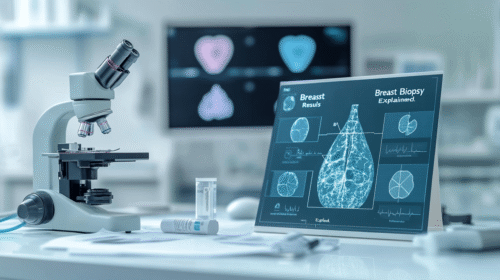
  • Photorealistic medical desk with pathology report, microscope, and mammogram for breast biopsy results explained

    Breast Biopsy Results Explained: ADH, ALH, FEA, Papilloma, and Radial Scar

    Breast biopsy results explained in clear language for patients confused by ADH, ALH, FEA, papilloma, radial scar, complex sclerosing lesion, LCIS, or B3 breast lesions. Learn what these findings mean, when surgery or follow-up may be needed, and what questions to ask your breast specialist.
    Breast Cancer

    89 mins read

  • Woman discussing atypical hyperplasia breast biopsy results with breast specialist in modern clinic

    Can Atypical Hyperplasia Turn Into Breast Cancer?

    Can atypical hyperplasia turn into breast cancer? Learn why atypical hyperplasia is not breast cancer, how ADH and ALH increase future breast cancer risk, when surgery or MRI may be recommended, and what follow-up steps patients in the USA, UK, Australia, Singapore, and Canada should know.
    Breast Cancer

    75 mins read

  • A medical imaging folder and MRI decision pathway shown as a calm healthcare still life

    Dense Breasts and Atypical Hyperplasia MRI: Do You Need It?

    Dense Breasts and Atypical Hyperplasia MRI guide for patients who want a clear answer before their next breast clinic visit. Learn when breast MRI may be considered after dense breast tissue, atypical ductal hyperplasia, atypical lobular hyperplasia, family history, genetic risk, or a high lifetime breast cancer risk score. This patient focused guide helps you understand what to ask your doctor, when MRI may be useful, and when mammography or other follow up may be enough.
    Breast Cancer

    49 mins read

  • Doctor discussing follow-up care after atypical hyperplasia excision with patient in breast clinic

    After Excision of Atypical Hyperplasia, Why Do You Still Need Follow-Up?

    Atypical hyperplasia excision can remove the suspicious tissue, but it does not always remove the future breast cancer risk linked with ADH or ALH. This article explains why follow-up, high-risk screening, risk assessment, and whole-body recovery matter after surgery.
    Breast Cancer

    61 mins read

  • Woman discussing atypical hyperplasia after breast biopsy with breast specialist while reviewing mammogram in clinic

    Atypical Hyperplasia After Breast Biopsy: What Happens Next?

    Atypical hyperplasia after breast biopsy can feel confusing and frightening, especially when you are told it is not cancer but still needs careful follow-up. This article explains what happens next, whether excisional biopsy may be needed, how doctors assess future breast cancer risk, and where safe integrative support may fit into long-term care.
    Breast Cancer

    51 mins read

  • Atypical ductal hyperplasia surgery awareness concept with pink ribbon on woman’s chest

    Do You Need Surgery for Atypical Ductal Hyperplasia?

    Atypical ductal hyperplasia surgery is not always necessary, yet many patients are advised to proceed without fully understanding their risk. This guide explains when surgery is required, when observation may be safe, and how to make a clear, confident decision using both medical insight and a whole-body approach.
    Breast Cancer

    60 mins read

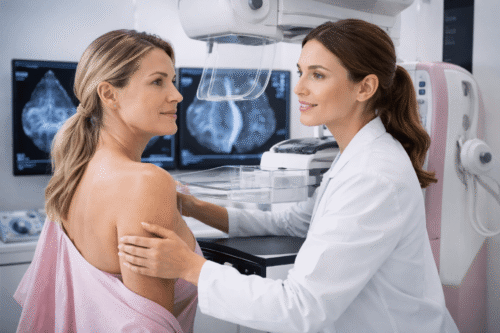
  • Woman undergoing digital mammogram screening in modern clinical radiology center for breast cancer evaluation

    Breast Cancer Integrative Support During Active Treatment & Recurrence Prevention

    Diagnosed and waiting? The waiting period is not passive time. Begin structured metabolic and lifestyle stabilization while your oncology team prepares treatment. Safe, supervised, and designed to work alongside hospital care in USA, UK, Australia, Singapore, and Canada.
    Breast Cancer

    68 mins read

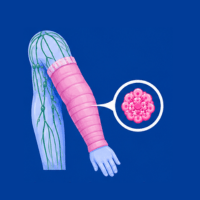
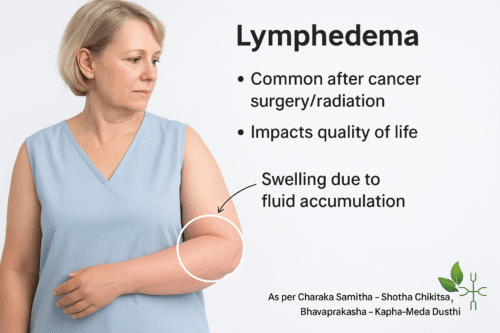
  • Photorealistic medical illustration of lymphedema in a breast cancer survivor showing swelling in the left arm, highlighting symptoms, diagnosis, and Ayurvedic care options.

    Lymphedema in Survivorship- Symptoms, Diagnosis, and Ayurvedic Care

    Lymphedema is a hidden survivorship challenge after cancer. Early care with physiotherapy, compression, Ayurveda, Rasayana, and yoga helps restore vitality.
    Lymphedema and Survivorship

    30 mins read

🩺 Get Help with Herpes Naturally

Medical Ayurveda Books by Dr. Arjun

A research-backed Ayurvedic formula offering hope, combining ancient herbs and modern science for natural, lasting healing.

Loved by thousands

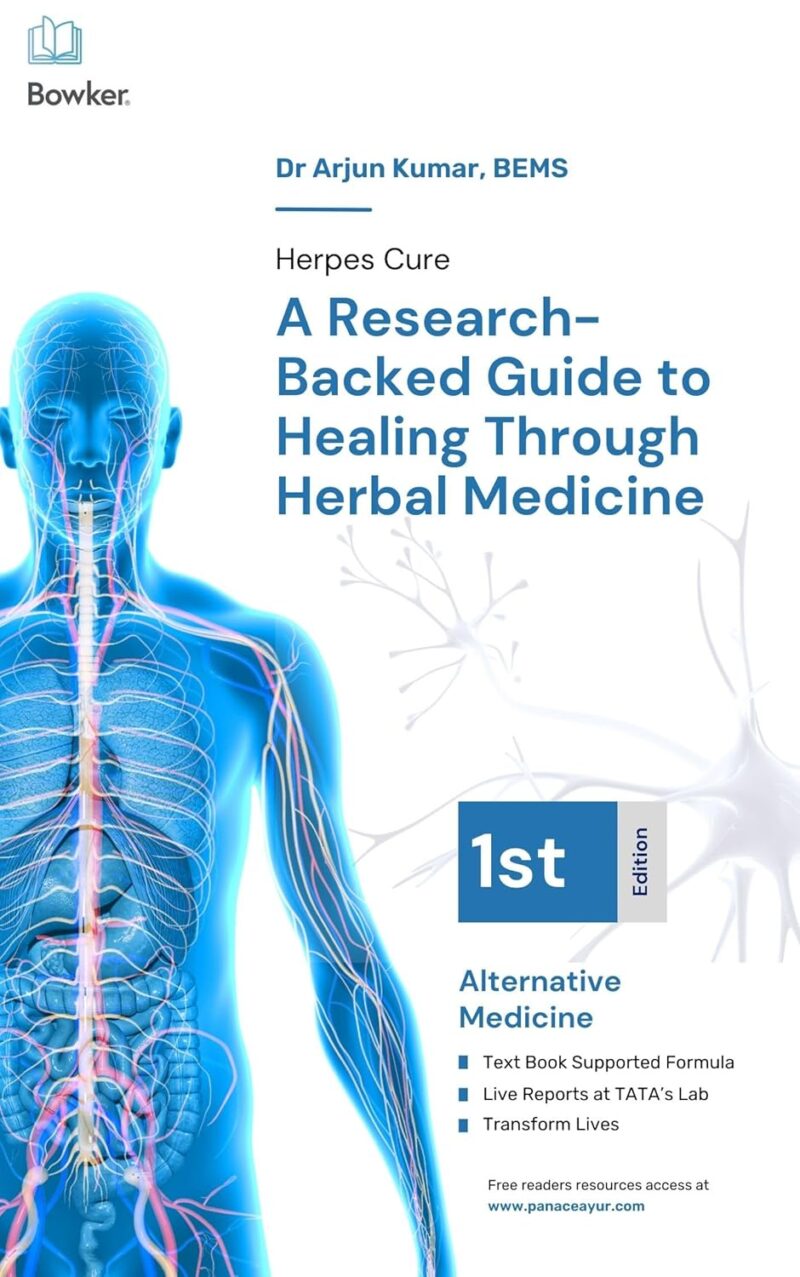
Herpes Cure: A Research-Backed Guide to Healing Through
Herbal Medicine

Struggling with HSV1 or HSV2? Discover a proven herbal formula that heals herpes in just three months, backed by science and real-life success stories. Start your healing journey today.

Herpes Cure-A Research-Backed Guide to Healing Through Herbal Medicine 2nd Edition (Vol-1)

Discover how Ayurveda identifies and eliminates herpes at its root. Volume I reveals HSV behavior, Ayurvedic healing principles, and introduces CMV and EBV. A foundational guide backed by research and classical texts.

Herpes Cure-A Research-Backed Guide to Healing Through Herbal Medicine 2nd Edition (Vol-2)

Includes real IgG lab reports, CMV/EBV/HHV chapters, and advanced Rasayana therapy. Volume II exposes why pharma suppresses cures—and proves Ayurveda doesn’t. Lab reports verifiable via TATA 1mg.

Breast Cancer: Risk Factors, Diagnosis, Treatment & Integrative Support

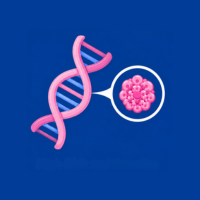
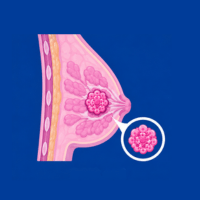
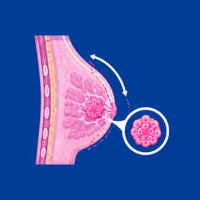
Breast cancer is one of the most commonly diagnosed cancers worldwide and can affect both women and men. It develops when abnormal cells in the breast grow uncontrollably and may form a tumor that can spread to nearby tissues or distant organs if not detected and treated early. Advances in screening, imaging, pathology, surgery, radiation therapy, targeted therapy, immunotherapy, and hormone therapy have significantly improved outcomes for many patients.

This Breast Cancer Resource Center provides evidence-based educational content covering every stage of the patient journey—from risk assessment and screening to diagnosis, treatment planning, recovery, and long-term survivorship. Whether you are newly diagnosed, undergoing treatment, managing a high-risk condition, or seeking answers after an abnormal mammogram or breast biopsy, this section is designed to help you better understand your options.

Topics Covered in This Section

Our breast cancer library includes educational resources on:

  • High-Risk Breast Conditions & Genetic Risk
  • DCIS (Ductal Carcinoma In Situ)
  • Invasive Breast Cancer
  • Breast Biopsy Findings
  • Atypical Ductal Hyperplasia (ADH)
  • Atypical Lobular Hyperplasia (ALH)
  • Flat Epithelial Atypia (FEA)
  • Breast MRI & Screening Decisions
  • Neoadjuvant & Adjuvant Treatment Programs
  • Breast Reconstruction & Oncoplastic Surgery
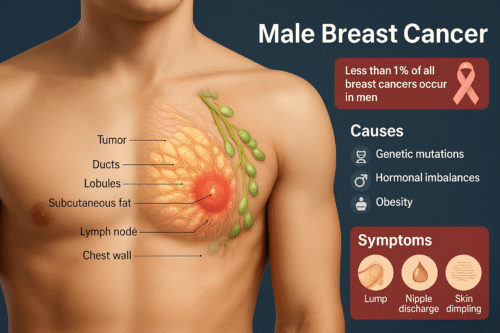
  • Male Breast Cancer
  • Lymphedema & Survivorship Care
  • Recurrence Prevention & Recovery Support

Understanding Breast Cancer

Breast cancer is not a single disease. Different subtypes behave differently and may require personalized treatment strategies. Doctors use imaging, pathology reports, receptor testing, staging, and genetic information to determine the most appropriate treatment plan.

Common warning signs may include:

  • A new breast lump or thickening
  • Changes in breast size or shape
  • Nipple discharge
  • Skin dimpling or puckering
  • Nipple inversion
  • Persistent breast pain
  • Swelling under the arm

However, many breast cancers are discovered through routine mammography before symptoms appear, highlighting the importance of regular screening.

Diagnosis and Treatment

Modern breast cancer management may involve:

  • Mammography
  • Ultrasound
  • Breast MRI
  • Core Needle Biopsy
  • Surgical Treatment
  • Radiation Therapy
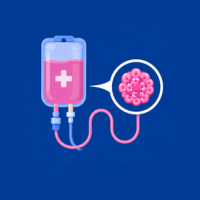
  • Chemotherapy
  • Hormone Therapy
  • Targeted Therapy
  • Immunotherapy

Treatment recommendations depend on cancer subtype, stage, tumor biology, patient age, overall health, and individual risk factors.

Integrative Ayurvedic Support

Many patients explore Ayurveda alongside conventional cancer care to support overall well-being during treatment and recovery. Ayurvedic principles focus on digestion, nutrition, strength, sleep quality, emotional balance, immunity, and long-term wellness through individualized lifestyle and dietary approaches.

Supportive Ayurvedic care may help patients maintain quality of life during cancer treatment when used responsibly under qualified medical supervision and in coordination with their oncology team.

Explore Breast Cancer Resources

Browse the articles below to learn more about breast cancer screening, biopsy results, atypical lesions, treatment planning, survivorship, recurrence prevention, and integrative support options.