


- Leukemia Treatment With Ayurveda and the Question of Cure
- Published Ayurveda Case Studies in Leukemia
- Why Leukemia Treatment Depends on the Exact Diagnosis
- Why Patients Search for Alternative Medicine for Leukemia
- Modern Leukemia Treatment Options Patients Are Usually Offered
- Ayurvedic Understanding of Leukemia
- What Causes Leukemia and How to Reduce Blood Cancer Risk
- How Ayurvedic Treatment for Leukemia Is Planned
- Published Ayurveda Case Studies in Leukemia
- Ayurvedic Treatment Goals in Leukemia
- Leukemia Rasayana Avaleha in Ayurvedic Treatment for Leukemia
- Rakta Majja Rasayana Avaleha (Medicine) for Leukemia
- Why Leukemia Patients Should Not Buy Market Avaleha or Prepare It at Home
- Treatment Monitoring During Ayurvedic Leukemia Care
- Can Ayurveda Cure Leukemia
- Ayurveda With Chemotherapy Targeted Therapy or Stem Cell Transplant
- Diet and Lifestyle During Ayurvedic Leukemia Treatment
- When Leukemia Patients Should Seek Emergency Care
- Frequently Asked Questions
- References
Leukemia Treatment With Ayurveda and the Question of Cure
Leukemia treatment involves more than controlling abnormal blood cells. Patients also want to regain strength, eat comfortably, sleep well, and return to family and working life. Ayurvedic treatment for leukemia can be considered within a coordinated care plan that addresses these concerns through individualized assessment, dietary guidance, daily routines, and careful consideration of medicinal preparations. The purpose of each intervention should be clear, with progress assessed through both the patient’s experience and appropriate medical investigations. [5][7]
The possibility of lasting recovery depends first on the exact diagnosis. Leukemia describes several cancers affecting blood cells and blood forming tissues, including the bone marrow, where new blood cells develop. These diseases differ in their speed of progression, response to treatment, and likelihood of returning. Treatment decisions therefore depend on the leukemia subtype, the characteristics of the abnormal cells, previous treatment, and the person’s overall condition. One patient’s recovery cannot reliably predict another patient’s outcome, even when both have been told they have “blood cancer.” [1][2]
Ayurveda brings a whole person perspective to this assessment rather than focusing exclusively on a laboratory result. Its traditional approach combines medicines with attention to diet, activity, and lifestyle. In someone living with leukemia, an Ayurvedic consultation should consider eating difficulties, digestive symptoms, sleep, fatigue, weight changes, and the ability to manage ordinary activities. Recommendations should reflect the person’s current condition and existing treatment, rather than assuming that one herbal product or preparation is appropriate for everyone. Personalization is a feature of the care process, not by itself evidence that a medicine controls leukemia. [5][7]
Published clinical experience includes encouraging individual outcomes in patients who received Ayurveda alongside cancer treatment. A case report published in 2024 described a man diagnosed with acute leukemia at age 24 who received chemotherapy together with personalized Ayurvedic medicines. The authors reported disease free survival of 19 years and eight months, meaning that no recurrence was reported during that interval, together with improvements in symptoms and daily functioning. This is a meaningful individual recovery. However, because both treatments were used and there was no comparison group, the report cannot establish Ayurveda’s independent contribution, demonstrate that Ayurveda alone caused the recovery, or predict the same result for another patient. [8]
For patients asking whether leukemia has been cured, the distinction between feeling better and achieving remission is important. Remission means that the signs and symptoms of cancer have decreased or disappeared; complete remission does not necessarily mean that no cancer cells remain. In acute myeloid leukemia, assessment includes blood counts and bone marrow findings, with additional testing according to the disease. Improved appetite, reduced fatigue, and a return to normal activities are valuable outcomes, but they should be recorded alongside, not substituted for tests that assess the leukemia itself. [2][6]
An interest in Ayurveda does not require abandoning effective hematology care. The Ayurvedic clinician and hematologist, a specialist in blood disorders, should have access to the same diagnosis, recent results, and complete medication list. Before starting a preparation, its ingredients, dose, and potential interactions need review. Current evidence does not establish Ayurvedic medicines as a replacement for treatment directed at eliminating or controlling leukemia. Coordinating care allows patients to explore appropriate Ayurvedic approaches without losing access to treatments with established benefits. [3][7]
The timing of that assessment matters. Acute myeloid leukemia can worsen quickly without treatment, so an Ayurvedic consultation should not postpone urgent specialist management. Conversely, some patients with chronic lymphocytic leukemia who have no symptoms or other indications for treatment may initially undergo scheduled observation. That decision is based on the leukemia’s behavior and regular examinations and blood tests—not on an assumption that the disease has disappeared or that an Ayurvedic preparation has made treatment unnecessary. [2][4]
Published Ayurveda Case Studies in Leukemia
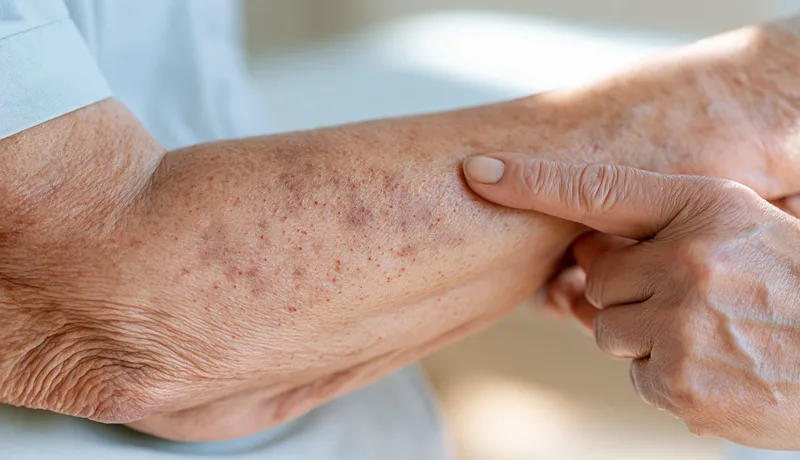
Published Ayurveda case studies show that selected leukemia patients have achieved objective remission with physician-supervised Ayurvedic protocols. These reports are important because they did not rely only on improvement in appetite, energy, or general wellbeing. They included measurable findings such as bone marrow blast percentage, promyelocyte percentage, complete blood count changes, remission status, and long-term disease-free survival.
The strongest published examples are in relapsed acute promyelocytic leukemia and relapsed acute myeloid leukemia. These cases should be presented carefully. They support serious clinical interest in Ayurveda for leukemia, but they do not mean that every leukemia patient will respond in the same way or that patients should buy market medicines or delay urgent hematology care.
Patient Data From Published Ayurveda Leukemia Case Studies
| Case | Patient data before Ayurvedic treatment | Ayurvedic treatment used | Reported outcome |
|---|---|---|---|
| High-risk acute promyelocytic leukemia after second relapse | 47-year-old diabetic male. Diagnosed as high-risk AML-M3/APL. Initial bone marrow showed 96% abnormal promyelocytes. After ATRA and chemotherapy, the disease relapsed twice. At second relapse, bone marrow showed 14% blasts and 85% abnormal promyelocytes. | Navajeevan, Kamadudha Rasa, and Keharuba Pisti with medical supportive care including antibiotics, transfusion, granulocyte colony-stimulating factor, isolation, and calorie-rich diet. | General condition improved early, bone marrow later showed no abnormal cells, and the patient completed about 13 years of survival after Ayurvedic therapy began. [23] |
| Relapsed AML-M0 in a 16-year-old patient | 16-year-old boy with AML-M0. Initial marrow showed 85% blasts. Chemotherapy reduced blasts, but relapse occurred with 6% blasts in peripheral blood and 40% blasts in bone marrow. Further chemotherapy or transplant was declined. | Oral Ayurvedic therapy including Navjeevan, Valapani, Kamdudha Rasa, Prak-20 and supportive infection management when required. | After about six months, bone marrow showed about 1% blasts and no blasts in peripheral blood. The patient completed 12 years of disease-free survival. [24] |
| Relapsed APL with 22-year disease-free survival | 33-year-old male with APML/APL. Initial marrow showed 96% promyelocytes. After ATRA and chemotherapy, relapse occurred with 14% blasts and 50% promyelocytes in bone marrow. | Navajeevan, Kamadudha Rasa, Tulsi leaves, Pancharatni Arka, and other physician-adjusted metal-based Ayurvedic treatment for 340 days. | Fever subsided within 15 days, abnormal promyelocytes gradually reduced, remission was reported, and the patient completed 22 years of disease-free survival. [25] |
| AML with superior vena cava syndrome using adjunct Ayurveda | 24-year-old male with AML and grade 2 superior vena cava syndrome, treated with chemotherapy and personalized Ayurvedic medicines. | Personalized oral Ayurvedic medicines were used alongside chemotherapy and later modified during long-term recovery. | Disease-free survival of 19 years and 8 months was reported, but because chemotherapy and Ayurveda were used together, the individual contribution of each treatment cannot be separated. [8] |
First 30 Days Improvement Details From Published Cases
| Case | First 30 days improvement reported | Later objective improvement |
|---|---|---|
| High-risk APL after second relapse | Within about 15 days, the patient’s general condition started improving, lung infection subsided, and normal body temperature was maintained. After about one month, the differential count started showing a more normal pattern. | Bone marrow examination on later follow-up showed no abnormal cells and long survival was reported. [23] |
| Relapsed AML-M0 in 16-year-old patient | Exact 30-day improvement was not separately reported in the paper. The patient was followed monthly with clinical condition, body weight, CBC, and peripheral smear. | After about six months, bone marrow blasts reduced to about 1%, with no blasts in peripheral blood; 12 years disease-free survival was reported. [24] |
| Relapsed APL with 22-year remission | Fever subsided within 15 days. The reported 35% promyelocytes in peripheral blood smear started reducing gradually. The initial prescription was modified at Day 30, showing that treatment was actively adjusted according to clinical progress. | Bone marrow later showed remission, and the case reported 22 years of disease-free survival. [25] |
| AML with adjunct Ayurveda and chemotherapy | Exact 30-day leukemia-specific response was not separately reported. The patient received chemotherapy and personalized Ayurvedic medicines together. | Long-term follow-up reported 19 years and 8 months disease-free survival, so this is best presented as combined-care evidence, not Ayurveda-alone evidence. [8] |
Brief Case Study Explanation for Article
A published case report described a 47-year-old diabetic male with high-risk acute promyelocytic leukemia who had already received ATRA and chemotherapy and then relapsed twice. At the second relapse, bone marrow showed 14% blasts and 85% abnormal promyelocytes. He declined further chemotherapy and started physician-supervised Ayurvedic treatment with Navajeevan, Kamadudha Rasa, and Keharuba Pisti, along with supportive medical care. Within about 15 days, his general condition improved, lung infection subsided, and fever settled. After about one month, his differential blood count began showing a more normal pattern. Later bone marrow examination showed no abnormal cells, and the report documented long survival after Ayurvedic therapy. [23]
Another published case involved a 16-year-old boy with relapsed AML-M0. At relapse, peripheral blood showed 6% blasts and bone marrow showed 40% blasts. The family declined further chemotherapy and bone marrow transplant, and Ayurvedic therapy was started. The article did not give a separate 30-day leukemia-response result, but monthly follow-up was performed. After about six months, bone marrow blasts had reduced to about 1%, no blast cells were found in peripheral blood, and 12 years of disease-free survival was reported. [24]
A later APL case report described a 33-year-old male who relapsed after ATRA and chemotherapy. At relapse, bone marrow showed 14% blasts and 50% promyelocytes. He received metal-based Ayurvedic treatment under physician supervision. Fever subsided within 15 days, promyelocytes in the blood smear gradually reduced, and the prescription was modified at Day 30 according to clinical progress. The report later documented remission and 22 years of disease-free survival. [25]
Why Leukemia Treatment Depends on the Exact Diagnosis

Leukemia treatment cannot be planned safely from the word “blood cancer” alone. Patients commonly search for leukemia treatment, leukemia cure, leukemia remission, leukemia symptoms, and Ayurvedic treatment for leukemia because they want to know whether the disease can be reversed, controlled, or supported without unnecessary suffering. The answer depends on the exact leukemia subtype, the speed of progression, the blood count pattern, bone marrow findings, genetic markers, previous treatment, current symptoms, infection risk, bleeding risk, and the patient’s strength. In a serious Ayurvedic model, these details decide whether the immediate goal should be urgent stabilization, remission support, blood count recovery, immune rebuilding, relapse risk reduction, marrow support, or long term disease control. [1][2]
Acute Leukemia and Chronic Leukemia
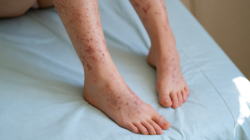
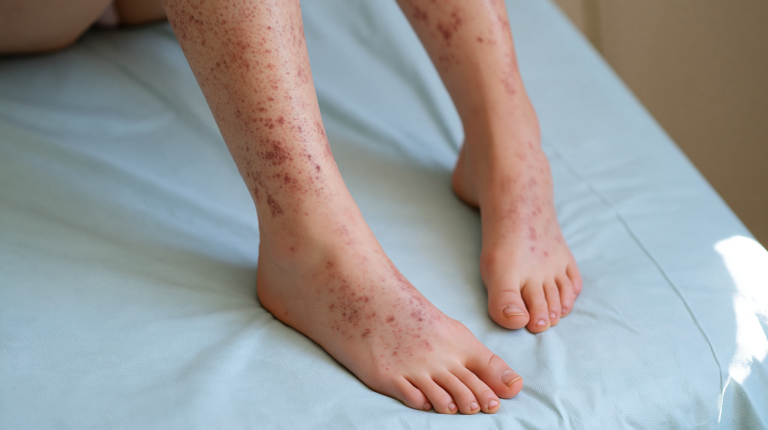
Acute leukemia usually involves immature abnormal blood cells called blasts. These cells multiply in a disordered way and interfere with the formation of healthy blood cells. When healthy red blood cells fall, the patient may develop anemia with tiredness, breathlessness, dizziness, paleness, or reduced stamina. When platelets fall, bruising, gum bleeding, nosebleeds, black stools, blood in urine, or tiny red skin spots can appear. When infection fighting white blood cells are not functioning properly, fever, mouth ulcers, chest infection, urinary infection, skin infection, or repeated illness may occur. These symptoms are especially important in acute myeloid leukemia and acute lymphoblastic leukemia because the disease can worsen quickly if not assessed and treated promptly. [2][9]
Chronic leukemia can progress more slowly, but “chronic” does not mean harmless. Chronic lymphocytic leukemia may sometimes be observed without immediate drug treatment when the patient has no troubling symptoms, no dangerous fall in blood counts, and no major lymph node or spleen enlargement. This approach is called observation or watchful waiting, but it requires scheduled follow up and repeat blood tests. Chronic myeloid leukemia is different because it is commonly linked to the BCR ABL1 genetic change, which creates an abnormal growth signal in blood forming cells. This is why CML is usually evaluated for targeted treatment rather than being managed like stable CLL. [4][10]
The same distinction changes the Ayurvedic plan. A stable chronic leukemia patient with preserved appetite, stable hemoglobin, no bleeding, and reasonable strength does not need the same approach as a patient with rapidly increasing blasts, fever, falling platelets, severe fatigue, and weight loss. Ayurveda assesses Bala, which means strength and resilience; Agni, which means digestive and metabolic capacity; Ojas, which represents deeper vitality and immune stability; Rakta Dhatu, the blood tissue system; and Majja Dhatu, the marrow and nerve related tissue system. These observations help personalize treatment, but they must be read together with CBC, peripheral smear, marrow, and molecular reports.
Myeloid Leukemia and Lymphoid Leukemia
Myeloid and lymphoid leukemia arise from different blood cell lines. The myeloid line normally gives rise to red blood cells, platelets, and several white blood cell types. The lymphoid line gives rise to lymphocytes, including B cells and T cells, which participate in immune defense. Acute myeloid leukemia and chronic myeloid leukemia belong to the myeloid group, while acute lymphoblastic leukemia and chronic lymphocytic leukemia belong to the lymphoid group. These are biologically different diseases, not different names for the same condition. They differ in symptoms, investigations, treatment choices, relapse risk, follow up methods, and expected response. [1][9]
For patients and families, this means that similar symptoms can come from different mechanisms. One person may have fatigue because leukemia has suppressed red blood cell production. Another may feel weak because of chemotherapy recovery, infection, poor nutrition, enlarged spleen, disturbed sleep, or treatment related inflammation. One patient with high white blood cells may have CLL under observation, another may have CML requiring targeted treatment, and another may have AML requiring urgent induction therapy. Ayurvedic treatment becomes stronger when it is built on this clarity rather than on a general diagnosis.
Acute promyelocytic leukemia is a special situation. It is a subtype of AML that can disturb clotting and cause serious bleeding. In suspected APL, delay can be dangerous because early specialist treatment may be lifesaving. A responsible Ayurvedic approach should identify this as a high risk presentation, avoid delay in emergency care, and then consider supportive, restorative, or Rasayana care after stabilization. Rasayana means a rejuvenative Ayurvedic approach intended to support tissue recovery, resilience, and long term strength, but it must be matched to the patient’s condition and reports. [2]
Reports That Shape the Ayurvedic Plan
A complete blood count gives the first practical picture, but it is only the beginning. Hemoglobin reflects oxygen carrying capacity. Platelets show bleeding risk. Neutrophils show one part of infection defense. The differential count shows the pattern of white blood cells. A peripheral smear can reveal abnormal cells. Bone marrow aspiration and biopsy help confirm marrow involvement. Flow cytometry identifies the leukemia cell type. Cytogenetic and molecular tests look for changes such as BCR ABL1, PML RARA, FLT3, NPM1, IDH, TP53, and other markers that influence treatment decisions and prognosis. [10][12]
These reports also guide Ayurvedic formulation selection. A patient with burning, mouth ulcers, loose stools, poor appetite, liver stress, and heat dominant features should not receive the same plan as a patient with coldness, edema, heaviness, low appetite, and deep weakness. A patient with active bleeding risk requires a different strategy from one with post chemotherapy exhaustion or repeated fever. Ayurveda also assesses Srotas, which are functional channels that carry nutrition, fluids, tissue elements, and metabolic activity through the body. In leukemia care, the physician may assess obstruction, depletion, heat, toxicity, tissue weakness, and loss of strength across these channels instead of choosing herbs merely because they are known as immune boosters.
Remission should be judged through reports, not symptoms alone. A patient may feel better while measurable disease remains, and another may feel exhausted after intensive treatment while the leukemia is actually responding. Remission means that signs of cancer have reduced or disappeared, but it does not automatically mean that relapse is impossible. This is why report based follow up is essential when discussing cure, recovery, or long term disease control. [6]
In selected patients, a physician supervised Ayurvedic plan may be used with curative intent or restorative intent, depending on the diagnosis, stage, strength, and treatment history. The aim may include Agni correction, nourishment, Rakta Dhatu support, Majja Dhatu support, blood count recovery, immune rebuilding, post treatment recovery, relapse risk reduction, and sustained remission support. The word cure should be connected with documented response, sustained improvement, and continued follow up, not used as a general promise for every patient. This approach allows Ayurveda to be presented with confidence while keeping the treatment accountable to symptoms, blood reports, marrow findings, and long term observation.
Why Patients Search for Alternative Medicine for Leukemia
A leukemia diagnosis can create two simultaneous needs: reducing the abnormal cell burden and restoring a body weakened by the disease or its treatment. Alternative medicine for leukemia is often considered when conventional leukemia treatment has produced incomplete recovery, side effects are difficult to tolerate, remission is accompanied by fear of relapse, or recurrent disease has reduced the available choices. Ayurvedic treatment for leukemia is also considered when appetite, digestion, sleep, weight, strength, bowel function, and daily independence remain poor despite improvement in blood or bone marrow findings.
Leukemia itself and some chemotherapy regimens can reduce healthy red blood cells, white blood cells, and platelets. The resulting anemia, infection susceptibility, bruising, bleeding, mouth ulcers, nausea, altered taste, and profound fatigue may continue between treatment cycles. Reduced food intake can further weaken muscle mass and physical resilience. Ayurvedic care in this setting gives clinical importance to Agni, nourishment, Bala, Ojas, Rakta Dhatu, and Majja Dhatu rather than treating every complaint as an isolated side effect. [2][13]
Remission does not always bring immediate physical recovery. A patient may have improved marrow findings while continuing to experience weakness, poor appetite, sleep disturbance, recurrent infections, or reduced exercise tolerance. Rasayana care may be used during this period to support tissue rebuilding, digestive stability, gradual restoration of strength, and recovery from prolonged treatment related depletion. Disease status must continue to be assessed through the investigations appropriate to the leukemia subtype because improved energy or appetite alone does not confirm that residual leukemia has disappeared. [2][6]
Relapsed or refractory leukemia can leave patients facing additional chemotherapy, targeted treatment, immunotherapy, transplant assessment, or symptom directed care. Previous toxicity, infection, organ weakness, or poor marrow reserve may make another intensive course difficult. An individualized Ayurvedic approach may then address disease related symptoms, treatment related depletion, food intake, sleep, physical function, and the capacity to tolerate further therapy. When Ayurveda is chosen as the principal treatment in a carefully selected patient, meaningful disease response requires improvement in the relevant blood counts, blast burden, marrow findings, and molecular markers where applicable.
Older or medically frail patients may have limited tolerance for intensive leukemia treatment even when the disease itself requires control. Heart, liver, or kidney impairment, repeated infections, poor nutrition, and reduced mobility can influence the balance between expected benefit and treatment burden. Ayurveda permits these factors to be assessed together rather than reducing the decision to age alone. A patient with preserved Agni and Bala may tolerate a different therapeutic approach from a patient with severe depletion, recurrent fever, edema, poor food intake, or dependence on repeated transfusions. [2][4]
Some patients enter remission but remain concerned about long term stability. Others have stable chronic leukemia and want to preserve blood counts, immunity, digestion, and normal activity for as long as possible. In these circumstances, Ayurvedic treatment may focus on maintaining tissue nourishment, correcting persistent digestive disturbance, rebuilding physical strength, and reducing factors that repeatedly weaken recovery. Changes in symptoms are considered together with serial laboratory results so that temporary symptomatic relief is not mistaken for control of leukemia.
A claim of leukemia cure requires more than feeling better or obtaining one improved blood report. It requires sustained remission confirmed through the investigations appropriate to that leukemia, together with continued follow up showing that the response is stable. A patient receiving active treatment for AML, a patient with stable CLL, and a patient recovering after stem cell transplantation may all report fatigue, yet each requires a different Ayurvedic strategy because the cause, urgency, marrow reserve, immune status, and treatment risks are different.
Modern Leukemia Treatment Options Patients Are Usually Offered

Modern leukemia treatment may involve observation, chemotherapy, targeted medicines, immunotherapy, CAR T cell therapy, radiation therapy, stem cell transplantation, or several of these methods in sequence. The choice depends on the leukemia subtype, disease status, genetic and molecular findings, age, organ function, previous response, infection risk, and overall physical condition. Some acute leukemias are treated with the aim of achieving long term remission or cure, while several chronic leukemias are managed through prolonged disease control. [2][4][10][13]
Chemotherapy and Remission Treatment
Chemotherapy uses medicines that kill rapidly dividing cells or prevent them from multiplying. In AML, treatment commonly begins with remission induction, which aims to reduce leukemia cells in the blood and bone marrow sufficiently to achieve remission. Consolidation treatment follows to destroy remaining cells that could later cause relapse. The intensity and drug combination differ according to age, genetic risk, general health, and whether the patient can tolerate intensive therapy. Less intensive combinations may be used when standard induction treatment would carry excessive risk. [2]
ALL treatment also includes an induction phase followed by consolidation or remission continuation treatment. Medicines may be given into a vein, by mouth, or directly into the cerebrospinal fluid surrounding the brain and spinal cord. This direct treatment is used because leukemia cells can remain within the central nervous system, where some systemically administered medicines may not reach effective concentrations. [13]
Chemotherapy can temporarily suppress normal blood production as it acts against leukemia cells. Red blood cell or platelet transfusions may be needed, while antibiotics or antifungal medicines may be used to prevent or treat infection. The pattern of recovery is followed through blood counts, clinical symptoms, and bone marrow testing when indicated. A falling white blood cell count during treatment does not necessarily mean that the patient is deteriorating, because the result must be interpreted with the blast count, neutrophil count, platelet count, marrow findings, and timing of the chemotherapy cycle. [2][13]
Targeted Therapy
Targeted therapy acts on a defined molecular abnormality or protein that helps leukemia cells survive or multiply. Biomarker testing is therefore central to treatment selection. A medicine that is effective for one molecular subtype may have little value when its target is absent.
CML is commonly treated with tyrosine kinase inhibitors that block the abnormal BCR::ABL1 growth signal. These medicines can suppress the leukemia for many years in responsive patients, while molecular blood testing measures how strongly the BCR::ABL1 signal has fallen. Loss of response may lead to testing for resistance and a change of medicine. Stem cell transplantation is now reserved for selected situations such as treatment resistance, intolerance, or progression to a more advanced phase. [10]
Targeted treatment is also used in AML. Particular medicines may be selected when leukemia cells carry changes involving FLT3, IDH1, IDH2, CD33, or other actionable abnormalities. In CLL, commonly used approaches include medicines that inhibit BTK or BCL2, sometimes combined with monoclonal antibodies. Philadelphia chromosome positive ALL may be treated with a tyrosine kinase inhibitor alongside other leukemia therapy. These treatments can be highly effective, but they may still produce infections, bleeding problems, heart rhythm changes, tumor lysis, liver abnormalities, or other toxicities depending on the medicine. [2][4][13]
Immunotherapy and CAR T Cell Therapy
Immunotherapy helps the immune system recognize or attack leukemia cells. Monoclonal antibodies are laboratory produced proteins designed to bind to a particular target on the cell surface. Some mark leukemia cells for immune destruction, while others carry a toxic medicine directly to the targeted cell. Bispecific antibodies can connect a patient’s T cells to leukemia cells, bringing the immune cell close enough to attack.
CAR T cell therapy uses the patient’s own T cells. The cells are collected from the blood, genetically modified in a laboratory to recognize a specific target on leukemia cells, multiplied, and returned by infusion. Approved CAR T cell therapies are available for selected patients with B cell ALL, including certain children, young adults, and adults whose disease has relapsed or has not responded adequately to previous treatment. CAR T cell therapy is also approved for selected patients with CLL after prior treatment. [13][14]
CAR T cell therapy can produce deep responses in some patients with advanced disease, but it is not suitable for every leukemia or every patient. Cytokine release syndrome can cause high fever and dangerously low blood pressure, while immune effector cell associated neurotoxicity can cause confusion, excessive sleepiness, speech difficulty, or other neurologic symptoms. Treatment is therefore delivered in specialist centres with close monitoring and access to medicines that control these complications. [14]
Stem Cell Transplant and Radiation Therapy
A stem cell transplant restores blood forming cells after high dose chemotherapy, with or without radiation therapy. In an allogeneic transplant, the stem cells come from a matched donor. Donor immune cells may also attack leukemia cells that remain after conditioning treatment, an effect known as graft versus leukemia. This immune effect is one reason transplantation can produce long term disease control in selected high risk or relapsed leukemias. [15]
Transplant eligibility depends on the leukemia type, disease response, donor availability, previous treatment, organ function, infection status, and the patient’s capacity to tolerate intensive conditioning and prolonged recovery. Important risks include severe infection, bleeding, infertility, organ injury, and graft versus host disease, in which donor immune cells attack the patient’s tissues. Immune recovery after an allogeneic transplant may take one to two years even when blood counts have returned to an acceptable range. [15]
Radiation therapy has a more limited role in leukemia than in many solid cancers. It may be used when leukemia has affected a specific site, to reduce symptoms from an enlarged spleen or lymph node mass, to treat or prevent central nervous system involvement in selected ALL cases, or as part of preparation for a stem cell transplant. [2][4][13]
Observation and Supportive Care
Immediate anticancer treatment is not necessary for every leukemia at diagnosis. Some patients with asymptomatic CLL can be monitored with examinations and repeat blood tests until symptoms, progressive organ enlargement, or clinically important changes in blood counts create a reason to begin treatment. Observation does not mean that the leukemia has resolved; it allows treatment to start when its expected benefit becomes greater than its burden. [4]
Supportive care remains essential during active leukemia treatment. Transfusions replace red blood cells or platelets when required, while antimicrobial medicines treat or prevent infections. Medicines may also be used for nausea, pain, mouth ulcers, tumor lysis, or other complications. Clinical trials can provide access to treatments being evaluated for newly diagnosed, resistant, or relapsed leukemia when standard options are unsuitable or have stopped working. [2][4][13]
The Ayurvedic needs differ across these treatment pathways. During intensive therapy, appetite, digestion, bowel function, sleep, mucosal recovery, and physical strength may require close attention. During remission, the emphasis may move toward Rasayana care, Rakta Dhatu and Majja Dhatu recovery, immune stability, and gradual return to normal activity. During observation for stable chronic leukemia, symptoms and laboratory trends remain important because a change in fatigue, infections, lymph node enlargement, spleen discomfort, hemoglobin, or platelets may alter the treatment decision.
Ayurvedic Understanding of Leukemia
Ayurvedic treatment for leukemia begins with the confirmed modern diagnosis because acute myeloid leukemia, acute lymphoblastic leukemia, chronic myeloid leukemia, and chronic lymphocytic leukemia do not behave in the same way. Ayurveda does not contain an exact classical diagnosis that corresponds to every modern leukemia subtype. Blood counts, bone marrow examination, flow cytometry, chromosome analysis, and molecular testing remain necessary for identifying the disease and measuring its response. Ayurveda adds a detailed assessment of blood formation, marrow function, digestion, nourishment, bleeding tendency, fever, recurrent infection, physical strength, sleep, and recovery capacity. [1][2]
Some contemporary Ayurvedic publications compare leukemia with Raktarbuda, meaning an abnormal growth associated with the blood tissue system. Bleeding dominant presentations may also be discussed alongside Raktapitta, a classical disorder in which aggravated heat is associated with abnormal bleeding. These comparisons help describe particular symptoms, but neither term is an exact substitute for a modern leukemia diagnosis. Raktarbuda does not distinguish AML from CLL, while Raktapitta does not identify the malignant cell type, blast percentage, or genetic changes that guide modern leukemia treatment. [16]
Blood and Bone Marrow in Ayurveda
The classical importance of protecting healthy blood is expressed in the following verse:
देहस्य रुधिरं मूलं रुधिरेणैव धार्यते।
तस्माद्यत्नेन संरक्ष्यं रक्तं जीव इति स्थितिः॥
Dehasya rudhiraṃ mūlaṃ rudhireṇaiva dhāryate
Tasmād yatnena saṃrakṣyaṃ raktaṃ jīva iti sthitiḥ.
Blood is the foundation of the body, and the body is sustained by blood. Therefore, blood should be protected carefully because life is dependent upon it.
Classical source: Sushruta Samhita, Sutrasthana, Chapter 14, Verse 44. [18]
Ayurveda describes the functional blood tissue system as Rakta Dhatu. The word Rakta means blood, while Dhatu means a body tissue that supports structure and function. Rakta Dhatu is therefore broader than a single laboratory value. It includes the nourishing and life supporting functions associated with healthy blood. In leukemia, a very high white blood cell count does not necessarily indicate healthy blood because many circulating cells may be abnormal, immature, or unable to perform normal immune functions.
A patient can have excessive abnormal white blood cells while simultaneously developing anemia, low platelets, recurrent infections, bruising, bleeding, and severe weakness. From an Ayurvedic perspective, this represents disturbed blood tissue formation rather than an increase in healthy Rakta Dhatu. Changes in hemoglobin, platelets, neutrophils, lymphocytes, blast cells, and other blood components must therefore be interpreted separately rather than judging recovery from the total white blood cell count alone.
The deeper tissue system associated with the marrow and the contents of bones is called Majja Dhatu. The word Majja is commonly translated as marrow, although the classical concept is not identical to the modern biological description of bone marrow. Modern bone marrow contains stem and developing cells that produce red blood cells, white blood cells, and platelets. Majja Dhatu provides an Ayurvedic framework for understanding deeper tissue nourishment, marrow related weakness, and the loss of normal blood production that can occur when leukemia cells occupy the marrow. [17]
A disturbance involving both Rakta Dhatu and Majja Dhatu may appear as abnormal blood production together with depletion of healthy cells. Paleness and breathlessness may reflect reduced red blood cells. Bruising and bleeding may reflect reduced platelets. Recurrent fever or infection may occur when protective white blood cells are too few or function poorly. Bone discomfort, profound weakness, and delayed recovery may accompany deeper marrow involvement. These findings require confirmation through medical tests because Ayurvedic symptoms alone cannot determine the leukemia subtype or marrow blast percentage.
Digestion, Nourishment, and Treatment Tolerance
The digestive and metabolic capacity described in Ayurveda as Agni influences how well a patient eats, digests, absorbs nourishment, and rebuilds strength. Agni does not refer only to stomach acid or appetite. It represents the wider capacity to process food and support healthy tissue formation. Leukemia, infection, chemotherapy, mouth ulcers, nausea, altered taste, diarrhea, constipation, liver stress, and emotional distress can all weaken food intake and digestion.
Reduced Agni may appear as poor appetite, heaviness after meals, bloating, nausea, irregular bowel movements, loss of taste, or progressive weight loss. A patient who cannot digest or retain adequate nutrition may lose muscle and treatment tolerance even when the leukemia is responding. Ayurvedic care may therefore include gentle digestive support before introducing highly nourishing medicines. Strong digestive herbs are not automatically suitable, particularly when there is active bleeding, severe mouth inflammation, diarrhea, dehydration, or prominent heat symptoms.
Ayurveda uses the term Ama for incompletely processed material associated with disturbed digestion and metabolism. Ama does not mean leukemia cells, blast cells, infection, or a laboratory toxin. It is a clinical Ayurvedic concept considered when poor appetite, a coated tongue, heaviness, nausea, abdominal discomfort, sluggish bowel function, or worsening symptoms after food occur together. Severe weakness and low blood counts do not justify aggressive cleansing merely because Ama is suspected. The degree of anemia, platelet reduction, infection risk, hydration, appetite, and physical reserve must influence the intensity of treatment.
Physical strength and treatment tolerance are described as Bala, while Ojas refers to deeper vitality, stability, and resistance to illness. Repeated infections, prolonged fever, poor sleep, inadequate nutrition, transfusion dependence, and intensive treatment can reduce both Bala and Ojas. A patient with preserved appetite, stable weight, and independent daily activity has greater recovery capacity than a patient with persistent fever, repeated infections, active bleeding, and progressive weight loss.
How the Ayurvedic Pattern Changes Treatment
Ayurveda describes three functional patterns called Doshas. Vata relates mainly to movement, dryness, and depletion. Pitta relates to heat, transformation, inflammation, and bleeding. Kapha relates to structure, stability, heaviness, and accumulation. A leukemia patient may show features of more than one pattern, and the dominant pattern can change during treatment.
Persistent fever, burning, mouth ulcers, excessive thirst, inflammation, or bleeding may indicate stronger Pitta involvement. Weight loss, dry skin, constipation, disturbed sleep, anxiety, pain, and post treatment exhaustion may indicate Vata aggravation and tissue depletion. Heaviness, slow digestion, enlarged lymph nodes, spleen enlargement, fluid retention, or excessive lethargy may show Kapha involvement. These patterns help select supportive Ayurvedic measures, but they do not replace blood counts, marrow findings, or molecular reports.
A patient with active bleeding, severe thrombocytopenia, fever, and burning symptoms requires a different Ayurvedic approach from a patient in documented remission who remains underweight, constipated, sleepless, and weak after chemotherapy. The first presentation may require cooling, stabilizing, and carefully monitored supportive measures after urgent risks are controlled. The second may benefit from gradual nourishment and Rasayana, meaning restorative Ayurvedic care intended to rebuild tissue function, resilience, and long term strength.
The same leukemia subtype can therefore require different Ayurvedic treatment at different stages. Active disease with rapidly changing counts, remission after intensive treatment, stable chronic leukemia, and relapse accompanied by severe depletion cannot be managed with one standard herbal combination. Blood reports, marrow status, infection pattern, bleeding risk, digestive capacity, strength, organ function, and previous treatment determine whether the immediate emphasis is stabilization, digestive correction, nourishment, blood and marrow support, or restorative Rasayana care.
What Causes Leukemia and How to Reduce Blood Cancer Risk

What causes leukemia is rarely one single event. Blood cancer is a broad term that includes leukemia, lymphoma, and myeloma, but leukemia specifically begins in blood forming cells, usually within the bone marrow. A normal blood forming cell acquires changes in its genetic instructions, begins to grow or survive abnormally, and produces many related abnormal cells. These cells gradually interfere with the marrow’s ability to make healthy red blood cells, infection fighting white blood cells, and platelets. [1][2]
How Leukemia Begins in the Bone Marrow
Every blood cell begins from a blood forming stem cell in the bone marrow. These stem cells repeatedly divide and develop into mature red blood cells, white blood cells, or platelets. Each division requires the cell to copy its DNA, the genetic material that contains instructions for growth, repair, maturation, and natural cell death.
Occasional copying errors can occur during this process. Most are repaired or remain harmless. Leukemia can develop when several important changes accumulate in one cell and disturb the systems that normally control cell growth. Some changes keep growth signals permanently active. Others remove the natural brakes that stop excessive division. Additional changes can prevent abnormal cells from maturing or dying when they should.
The first altered cell produces genetically related copies of itself, forming an abnormal group called a clone. In acute leukemia, many of these cells remain immature and multiply quickly. They occupy marrow space without performing the functions of healthy blood cells. In chronic leukemia, the abnormal cells may appear more mature and accumulate more slowly, but their growth and survival remain poorly controlled. [1][2]
The genetic changes found in leukemia are usually acquired during life and are present only in the cancer cells. They are not usually inherited from a parent or passed to children. A smaller proportion of patients have an inherited condition that increases their susceptibility to leukemia, but even in these families an inherited risk does not mean that leukemia will definitely occur.
The development of leukemia is not the patient’s fault. It is not caused by one stressful period, one food, one emotional event, or one ordinary infection. Many patients who develop leukemia have lived healthy lives and have no identifiable exposure that fully explains the disease. In such cases, age related genetic changes, random errors during cell division, individual susceptibility, and factors that are not yet understood may have acted together.
Known Leukemia Causes and Risk Factors
A risk factor increases the probability of disease but does not prove that it caused leukemia in a particular person. Many people with recognized risk factors never develop leukemia, while many patients have no known risk factor.
Age is important because blood forming stem cells have divided many times over a lifetime and have had more opportunities to acquire genetic changes. This helps explain why several leukemias are more common in older adults, although acute lymphoblastic leukemia is also an important childhood cancer.
Previous chemotherapy or radiation treatment can occasionally damage the DNA of healthy marrow cells and lead to treatment related leukemia years later. This risk is usually much smaller than the expected benefit of treating the original cancer. Necessary chemotherapy or radiation should not be refused solely because of this later possibility, but survivors may need appropriate follow up when their previous treatment is associated with marrow risk. [2][21]
Benzene is one of the best established chemical risk factors for leukemia. It can damage blood forming tissues and is linked particularly with acute myeloid leukemia and related marrow disorders. Important exposure can occur in certain petroleum, chemical, rubber, printing, footwear, solvent, paint, and industrial settings. Tobacco smoke is also a source of benzene, and cigarette smoking increases the risk of acute myeloid leukemia. [19][21]
Exposure risk depends on dose, frequency, duration, ventilation, protective equipment, and the way a chemical is handled. Brief contact with a properly used household product is not equivalent to repeated occupational exposure. Workers who regularly handle petrol, solvents, adhesives, degreasers, paints, or industrial chemicals need effective ventilation, suitable gloves and respiratory protection where required, safe storage, and occupational health monitoring.
High dose ionizing radiation can increase leukemia risk because it can damage DNA in blood forming cells. This includes major accidental exposure and some previous cancer treatments. Ordinary medically necessary imaging uses much lower doses. Unnecessary scans should be avoided, but necessary X rays, CT scans, or nuclear medicine tests should not be delayed when they are clinically important.
Certain inherited conditions increase susceptibility because they affect DNA repair, chromosome stability, or normal blood development. These include Down syndrome, Fanconi anemia, Bloom syndrome, and some inherited cancer predisposition syndromes. Existing marrow disorders such as myelodysplastic syndromes and some myeloproliferative neoplasms can also progress to acute leukemia. A strong family history, unusually young age at diagnosis, multiple related cancers, or a known inherited syndrome may justify genetic counselling.
How Ayurveda Explains the Development of Blood Cancer
Ayurveda does not describe DNA mutations, chromosome rearrangements, or modern leukemia subtypes. Its explanation focuses on the sequence through which harmful exposures, impaired regulation, disturbed metabolism, weak tissue nourishment, and individual susceptibility create an internal environment in which serious disease can develop.
The Ayurvedic word Nidana means a cause, contributing factor, or aggravating influence. In leukemia risk, Nidana can include medically recognized hazards such as tobacco smoke, benzene, unnecessary toxic exposure, and previous marrow damaging treatment. It can also include patterns that weaken general health, such as chronically irregular meals, inadequate sleep, repeated overexertion, poor nutrition, or continuing an exposure after its harmful effects are known. These lifestyle factors should not be described as proven independent causes of leukemia, but they can reduce resilience and impair recovery.
The step by step development of disease is called Samprapti. In simple language, Ayurveda examines how a harmful influence enters or affects the body, how the body responds, which functions become disturbed, where vulnerability develops, and which tissues eventually show disease.
Digestive and metabolic capacity is described as Agni. When Agni functions well, food is digested and transformed into usable nourishment. When it is persistently disturbed, food may be poorly digested, appetite may fluctuate, bowel function may become irregular, and the tissues may receive inadequate nourishment. Ayurveda uses the term Ama for incompletely processed material associated with disturbed digestion and metabolism. Ama is not a leukemia cell, genetic mutation, environmental toxin, or measurable blood chemical. It is a functional concept used to describe poor processing and impaired nourishment.
The body’s transport and communication networks are called Srotas. These include the pathways through which nutrients, fluids, blood, metabolic products, and tissue signals move. A weakened or vulnerable area within these networks is sometimes described as Khavaigunya, meaning a site of reduced resistance or impaired function. Khavaigunya is not the same as a genetic mutation. It describes the location where a broader imbalance may become established and produce visible disease.
When digestion, tissue metabolism, and transport remain disturbed, the blood tissue system, called Rakta Dhatu, may no longer be formed or maintained normally. The deeper marrow related tissue system, called Majja Dhatu, may also become impaired. In leukemia, modern testing shows abnormal marrow cells multiplying while healthy red blood cells, protective white blood cells, and platelets become reduced or dysfunctional. Ayurveda interprets this as abnormal tissue formation occurring together with depletion of healthy blood and marrow function.
The three functional patterns called Doshas help describe how the disturbance appears in the patient. Excess heat, persistent fever, inflammation, mouth ulcers, or bleeding may show stronger Pitta features. Weight loss, dryness, constipation, disturbed sleep, pain, or profound exhaustion may show stronger Vata features. Heaviness, slow digestion, enlarged lymph nodes, spleen enlargement, or abnormal accumulation may show stronger Kapha features. These patterns guide individualized supportive treatment, but they cannot identify the leukemia subtype or replace blood and bone marrow tests.
As healthy blood production falls, physical strength and treatment tolerance, called Bala, may decline. Deeper vitality and resistance to illness, called Ojas, may also become depleted. Repeated infections, poor sleep, inadequate nourishment, prolonged fever, active bleeding, and intensive treatment can weaken both. Ayurveda therefore considers disease control and restoration together, while modern testing determines whether the abnormal leukemia cells are actually reducing.
The preventive purpose of Ayurveda is expressed in the classical statement:
प्रयोजनं चास्य स्वस्थस्य स्वास्थ्यरक्षणमातुरस्य विकारप्रशमनं च॥
Prayojanaṃ cāsya svasthasya svāsthyarakṣaṇam āturasya vikārapraśamanaṃ ca.
The purpose of Ayurveda is to preserve the health of the healthy and to relieve disease in the person who is unwell.
Classical source: Charaka Samhita, Sutra Sthana, Chapter 30, Verse 26. [22]
The preventive principle called Nidana Parivarjana means avoiding a known cause or aggravating factor. In leukemia prevention, this supports stopping tobacco, reducing avoidable benzene and solvent exposure, following workplace safety, avoiding contaminated medicines, and not continuing harmful habits that weaken digestion, nourishment, sleep, and recovery.
Can Leukemia Be Prevented
Leukemia prevention is limited because most cases cannot be traced to one controllable cause. No diet, herb, supplement, detoxification program, or cleansing treatment can guarantee protection. The most reliable approach is to reduce established risks and maintain the health of the blood forming system as far as possible. [21] American Society of Hematology
Avoiding tobacco is one of the clearest preventive steps. People who work with benzene, petrol, solvents, paints, adhesives, degreasers, pesticides, rubber, or industrial chemicals should use appropriate protective equipment, maintain ventilation, follow exposure limits, and seek occupational health advice when exposure is repeated or poorly controlled. [19]
Medically unnecessary radiation should be avoided, but clinically necessary imaging and cancer treatment should not be refused. People who have previously received marrow damaging chemotherapy or radiation, have an established marrow disorder, or carry an inherited predisposition may require specialist follow up rather than general population screening.
Ayurvedic protection of blood and marrow health includes regular meals, adequate protein and micronutrient intake, sufficient sleep, moderate physical activity, avoidance of tobacco and intoxicants, and reduction of unnecessary chemical exposure. Food should be fresh, varied, digestible, and appropriate to the person’s appetite and health. Persistent indigestion, severe dietary restriction, repeated fasting, or aggressive cleansing can weaken nourishment rather than protect the blood.
Restorative Ayurvedic care, called Rasayana, may be used under qualified supervision to support general resilience, digestion, tissue nourishment, and recovery. It should not be presented as a proven method of preventing leukemia. Herbal and herbo mineral medicines should come from reliable sources with appropriate identity, contamination, and heavy metal testing because an unverified product can create additional liver, kidney, or marrow stress.
There is no routine leukemia screening test recommended for every healthy person. Unexplained persistent fatigue, recurrent fever, unusual bruising, prolonged bleeding, repeated infections, marked paleness, swollen lymph nodes, bone pain, abdominal fullness, or unintentional weight loss should prompt medical assessment. Early testing cannot prevent the first abnormal cell from developing, but it can reduce delay in diagnosis and allow treatment before severe complications occur.
How Ayurvedic Treatment for Leukemia Is Planned

Ayurvedic treatment for leukemia is planned according to the exact leukemia subtype, current disease activity, blood counts, bone marrow findings, genetic markers, previous treatment, organ function, appetite, physical strength, infection history, bleeding tendency, and capacity for regular follow up. Two patients with the same diagnosis may require very different care because one may have active disease with falling blood counts, while another may be in remission but remain severely depleted after treatment.
Table : Leukemia Stage and Ayurvedic Care Goal
| Patient stage | Ayurvedic care focus | Progress check |
|---|---|---|
| Active or newly diagnosed leukemia | Appetite, sleep, strength, fever pattern, bleeding risk, infection support and treatment tolerance. | CBC, platelets, neutrophils, blast count, marrow findings. [2][12] |
| During chemotherapy or targeted therapy | Digestion, nausea, mouth ulcers, bowel comfort, sleep, nourishment and recovery between cycles. | CBC, liver and kidney tests, side effects and treatment response. [2][7][10] |
| Remission or stable chronic leukemia | Rasayana care, Rakta Dhatu support, Majja Dhatu support, immunity, strength and relapse-risk monitoring. | CBC trend, marrow or molecular tests where needed. [4][6][10] |
| Relapsed or refractory leukemia | Individualized disease-directed or restorative care based on strength, marrow reserve, infection risk and previous treatment. | Blast burden, marrow response, transfusion need and symptoms. [23][24][25] |
The treatment objective also changes with the clinical situation. In a newly diagnosed or actively progressing case, controlling the abnormal blood cell process and protecting healthy marrow function become the immediate concerns. During chemotherapy or targeted therapy, the Ayurvedic plan may concentrate on digestion, nourishment, mouth and bowel comfort, sleep, strength, and recovery between treatment cycles. After remission, greater attention may be given to restoring blood and marrow function, rebuilding resistance to infection, and maintaining long term stability. In relapsed disease, the possibility of further modern treatment, previous toxicity, current disease burden, and remaining marrow reserve must all be considered before deciding the Ayurvedic direction. [2][4][10]
Disease Activity and Treatment Capacity
Disease activity describes how much leukemia is present and how quickly it is changing. It may be assessed through the complete blood count, blast percentage, bone marrow findings, flow cytometry, chromosome studies, and molecular markers. A rapidly rising blast count, worsening anemia, falling platelets, increasing transfusion need, or persistent measurable disease indicates a different level of risk from stable chronic leukemia or documented remission. [2][6][12]
Treatment capacity describes how much illness and treatment the patient can tolerate. Appetite, digestion, weight, muscle strength, sleep, bowel function, mobility, liver and kidney function, recurring infections, and daily independence all influence this capacity. A patient may have an apparently suitable medical treatment option but remain too weak or poorly nourished to tolerate it safely. Another patient may have stable organ function and sufficient strength for a more intensive plan.
Ayurveda gives particular importance to digestion and metabolism, healthy tissue nourishment, physical resilience, and deeper resistance to illness. Poor appetite, nausea, heaviness after food, irregular bowel movements, mouth ulcers, or prolonged weight loss can prevent the body from rebuilding normal tissues. Severe heat, bleeding, dryness, fluid retention, or exhaustion can further alter the choice and timing of medicines. These findings help determine whether digestive correction, cooling and stabilizing care, gradual nourishment, blood tissue support, marrow related support, or restorative treatment should receive priority. [16][17]
A patient with prominent fever, burning, mouth ulcers, or bleeding does not need the same Ayurvedic medicines as a patient with severe dryness, constipation, sleeplessness, and post treatment weakness. Similarly, a patient with heaviness, slow digestion, enlarged lymph nodes, or spleen enlargement may require a different balance of treatment. The formulation must follow the patient’s present pattern rather than being selected only from the leukemia name.
Curative, Remission, and Restorative Treatment Goals
In suitable patients, Ayurvedic treatment may be planned with a curative objective. A curative objective means aiming for sustained control or disappearance of detectable leukemia while restoring healthy blood and marrow function. It cannot be judged only by reduced fatigue, improved appetite, weight gain, or a temporary change in the white blood cell count.
For acute leukemia, meaningful response may include disappearance of circulating blasts, recovery of healthy blood counts, and bone marrow remission according to accepted criteria. In leukemias with measurable molecular markers, treatment response may also require a major reduction or disappearance of the abnormal molecular signal. In chronic leukemia, long term disease control may be assessed through stable blood counts, reduction of disease burden, improvement in organ enlargement, and molecular response where applicable. [2][4][6][10]
Remission support becomes important when the disease has responded but the patient continues to experience weakness, low appetite, sleep disturbance, frequent infections, digestive problems, or reduced physical endurance. Ayurvedic care may then focus on rebuilding strength, supporting healthy blood formation, improving nutrition, and reducing repeated depletion. Remission must continue to be verified through the tests appropriate to the leukemia type because improvement in wellbeing does not by itself confirm that the disease remains controlled.
Restorative treatment is especially relevant after intensive chemotherapy, repeated infections, prolonged hospitalization, or stem cell transplantation. The immediate need may be to restore appetite, digestion, weight, sleep, bowel function, muscle strength, and tolerance for ordinary activity. Restorative treatment can be clinically valuable even when another therapy remains responsible for controlling the leukemia itself.
Selecting Medicines Safely
The same medicine cannot be prescribed to every leukemia patient. The choice depends on platelet count, neutrophil count, liver and kidney function, current medicines, bleeding risk, infection status, digestive tolerance, and the stage of treatment. A strongly heating preparation may be unsuitable when there is active bleeding, mouth inflammation, or severe burning. A heavy nourishing preparation may be difficult to digest when appetite is poor, nausea is present, or the patient has marked heaviness and sluggish bowel function.
Herbal, mineral, and herbo mineral medicines also require careful sourcing, purification where relevant, dose control, and laboratory quality testing. The presence of arsenic, lead, mercury, pesticides, microbes, or incorrect plant material can create additional risk in a patient whose marrow, liver, kidneys, or immunity are already compromised. Ingredients and doses should also be reviewed when chemotherapy, targeted medicines, anticoagulants, antifungal medicines, or other treatments are being used because interactions may alter effectiveness or toxicity. [7]
Measuring Whether the Treatment Is Working
Improvement is assessed through both clinical recovery and disease specific testing. Clinical recovery may include better appetite, stable weight, improved sleep, fewer infections, reduced bruising, less fatigue, greater walking capacity, and reduced transfusion dependence. These changes matter because they reflect how well the patient is functioning.
Disease response requires objective evidence. Depending on the leukemia, this may include complete blood counts, peripheral smear, bone marrow examination, flow cytometry, chromosome testing, or molecular monitoring. A temporary rise in hemoglobin after transfusion does not prove marrow recovery. A lower white blood cell count does not always prove remission. Improved energy does not confirm that abnormal cells have disappeared. [2][6][12]
Sustained improvement over repeated assessments carries more meaning than one favorable report. Stable remission, recovery of healthy blood production, reduction of abnormal cells, and continued wellbeing over time provide a more reliable basis for discussing long term control or cure.
Published Ayurveda Case Studies in Leukemia

Peer reviewed Ayurveda case reports have documented leukemia remission and prolonged disease free survival in a small number of patients using objective findings such as complete blood counts, peripheral blood smears, bone marrow examinations, chromosome studies, and long term follow up. These reports are clinically more meaningful than accounts based only on improved appetite, strength, or quality of life because they record changes in the leukemia itself.
Table : Published Ayurveda Case Studies in Leukemia
| Published case | Disease status | Reported outcome |
|---|---|---|
| High-risk acute promyelocytic leukemia after second relapse | Relapsed APL with abnormal promyelocytes after previous modern treatment. | Bone marrow remission and long survival were reported after supervised herbo-mineral Ayurvedic treatment. [23] |
| Relapsed AML M0 in a 16-year-old patient | Relapsed AML with about 40% marrow blasts after chemotherapy. | Marrow blasts reduced to about 1%, with long disease-free survival reported. [24] |
| Relapsed APL with 22-year remission | Relapsed APL after ATRA and chemotherapy, with further chemotherapy declined. | Long remission and 22 years of disease-free survival were reported with supervised metal-based Ayurvedic treatment. [25] |
| AML with superior vena cava syndrome | AML treated with chemotherapy and personalized Ayurvedic medicines. | Disease-free survival of 19 years and 8 months was reported, but both systems were used together. [8] |
The treatment circumstances differed substantially. Three reports involved active relapsed leukemia after patients declined further chemotherapy or stem cell transplantation. Another patient received personalized Ayurvedic medicines together with chemotherapy. These outcomes therefore cannot be combined into a single success rate, and the result of one protocol cannot be transferred to a different leukemia subtype or formulation.
| Published case | Disease status before Ayurveda | Treatment reported | Objective outcome |
|---|---|---|---|
| High risk APL in a 47 year old man [23] | Initial marrow contained 96% abnormal promyelocytes. After ATRA and several chemotherapy courses, a second relapse showed 14% blasts and 85% abnormal promyelocytes. | After declining further chemotherapy, he received Navajeevan, Kamadudha Rasa, and Keharuba Pisti. Antibiotics, transfusion, granulocyte colony stimulating factor, isolation, and nutritional support were also used initially. | Bone marrow showed no abnormal cells after approximately three months. Later marrow examinations remained in remission, and the report described 13 years of survival after Ayurveda began. ResearchGate |
| Relapsed AML M0 in a 16 year old boy [24] | Marrow contained 85% blasts at diagnosis. Chemotherapy produced remission, but relapse later showed 40% marrow blasts and 6% blasts in peripheral blood. | After declining further chemotherapy and bone marrow transplantation, he received oral Ayurvedic formulations including Navjeevan, Valapani, Kamdhuda Rasa, and Prak 20. Culture guided antibiotics were used when required. | After six months, marrow blasts had fallen to about 1%, with no blasts in peripheral blood. The report documented 12 years of disease free survival. PubMed Central (PMC) |
| Relapsed APL in a 33 year old man [25] | The original diagnosis showed 96% promyelocytes. Following ATRA and chemotherapy, relapse showed 14% blasts and 50% promyelocytes in the marrow. | The reported protocol included Navajeevan, Kamadudha Rasa, Tulsi, distilled herbal preparations, dietary support, isolation, and later treatment adjustments. No further leukemia directed chemotherapy was reported after relapse. | Fever subsided within 15 days. A marrow examination after 15 months showed less than 5% blasts and promyelocytes. Subsequent marrow examinations remained in remission, with 22 years of disease free survival reported. ResearchGate |
| AML with grade 2 superior vena cava syndrome in a 24 year old man [8] | The patient had fever, weight loss, enlarged chest lymph nodes, pleural fluid, and leukemia reported as AML with obstruction of a major chest vein. | Personalized oral herbo mineral Ayurvedic medicines were started with chemotherapy in August 2002 and continued, with changes, until November 2008. Chemotherapy continued through October 2003. | The report described normal recent laboratory findings, a Karnofsky performance score of 100, no recurrence, and disease free survival of 19 years and 8 months. Because both systems were used together, their individual contributions cannot be separated. ResearchGate |
Relapsed Acute Promyelocytic Leukemia After Two Prior Remissions
The 2010 report concerned a 47 year old man with high risk acute promyelocytic leukemia, or APL. Promyelocytes are immature white blood cell precursors that accumulate abnormally in this leukemia. At diagnosis, approximately 96% of the cells in his marrow were abnormal promyelocytes, the myeloperoxidase test was 100% positive, and the characteristic chromosome change called t(15;17) was detected. [23]
He initially received all trans retinoic acid, commonly called ATRA. His blood findings improved, but the chromosome study continued to show leukemia. He subsequently received daunorubicin and cytarabine, achieved remission, relapsed, and then received idarubicin and etoposide. A second remission lasted approximately six months.
At the second relapse in December 1997, the marrow contained 14% blasts and 85% abnormal promyelocytes. He declined another proposed chemotherapy combination and entered an Ayurveda study. At that time, he was febrile, anemic, severely weak, unable to eat normally, and affected by a lung infection and rectal abscess. His hemoglobin was 7 g/dL, and his total white cell count was 1,050 cells per cubic millimetre. [23]
The Ayurvedic treatment consisted of Navajeevan, Kamadudha Rasa, and Keharuba Pisti. Navajeevan was a proprietary formulation rather than an original classical formula presented in a standard Ayurvedic text. The medicines were herbo mineral preparations, meaning that they combined plant ingredients with specially processed mineral substances.
The patient also received antibiotics, blood transfusion, granulocyte colony stimulating factor to help increase white blood cells, protective isolation, and a calorie rich diet. His infection and fever improved within approximately 15 days. On April 1, 1998, about three months after enrolment, the marrow showed normal maturation and no abnormal cells. Repeat marrow investigations in January and November 2000 continued to show remission. Serial blood findings were reported through 2009. [23]
The treatment continued for one year, followed by three months of treatment each year for another five years. The authors reported no detected liver or kidney toxicity during monitoring and documented approximately 13 years of survival after Ayurvedic treatment began. No further leukemia directed chemotherapy was reported after the second relapse, although essential medical supportive care was used during the early high risk period. [23]
Relapsed AML M0 With Forty Percent Marrow Blasts
The 2011 case involved a 16 year old boy with AML M0, an older classification describing acute myeloid leukemia with very little maturation of the abnormal cells. His marrow contained 85% blasts at diagnosis. Two induction chemotherapy cycles using daunomycin and cytarabine reduced the blast count to 14%, but this did not meet complete remission criteria. Two subsequent high dose cytarabine cycles produced remission. [24]
Three months later, the leukemia returned. Peripheral blood contained 6% blasts, while the marrow contained 40% blasts. Further chemotherapy and bone marrow transplantation were discussed, but the family declined both options. Ayurvedic treatment began on September 9, 1997. The published protocol included Navjeevan, Valapani, Kamdhuda Rasa, and Prak 20, with the prescriptions continued and adjusted during follow up. These were study specific medicines and should not be treated as interchangeable with similarly named commercial products. [24]
The patient received modern medical treatment for fever and infection when required, guided by microbial culture and drug sensitivity results. After approximately six months of Ayurveda, his marrow contained about 1% blasts, and no blasts were detected in peripheral blood. Clinical condition, weight, complete blood count, and peripheral smear were subsequently monitored each month. [24]
Ayurvedic treatment continued for five years. The patient then received intermittent maintenance treatment for three months during each of the following two years. At publication, the report described him as healthy and documented 12 years of disease free survival. The report did not include modern measurable residual disease testing or detailed molecular monitoring, which limits comparison with current AML response standards. [24]
Twenty Two Year Remission After Relapsed APL
A separate 2019 case report described a 33 year old man whose marrow initially contained 96% promyelocytes. He received ATRA for 90 days and entered complete remission after approximately three weeks. Four chemotherapy cycles followed. A January 1995 marrow examination showed morphological remission, although 20% of the tested cells still carried the t(15;17) chromosome change, indicating persistent biological evidence of APL. [25]
The disease relapsed in June 1995. The marrow then contained 14% blasts and 50% promyelocytes. Further chemotherapy was advised, but the patient and his family declined. When Ayurvedic treatment began, he had high fever, reductions across several blood cell types, an increased proportion of lymphocytes, and malaria caused by Plasmodium vivax, which was treated separately. [25]
The Ayurveda protocol included the proprietary Navajeevan formulation, Kamadudha Rasa, Tulsi leaves, and Pancharatni Arka, a distilled herbal preparation. The medicines and doses were modified according to the patient’s condition over 340 days. The report also described isolation, adequate sleep, and a diet providing approximately 2,000 calories per day.
Fever subsided within 15 days. Promyelocytes seen in the peripheral blood gradually declined, and an October 1995 blood smear reportedly showed no abnormal cells. Bone marrow examination after 15 months showed less than 5% blasts and promyelocytes, consistent with morphological remission. Subsequent marrow examinations continued to show remission. The publication reported 22 years of disease free survival and no grade II treatment toxicity. [25]
Long Term AML Survival With Ayurveda and Chemotherapy
The 2024 report described a 24 year old man with leukemia reported as AML and grade 2 superior vena cava syndrome. The superior vena cava is the major vein carrying blood from the head, neck, arms, and upper chest toward the heart. Enlarged lymph nodes within the chest were compressing this vessel and were accompanied by pleural fluid. [8]
The patient received several phases of chemotherapy between August 2002 and October 2003, including mercaptopurine, etoposide, high dose cytarabine, daunomycin, and thioguanine. Personalized oral Ayurvedic treatment began in August 2002, at the start of chemotherapy, and continued with periodic modifications until November 2008.
The Ayurvedic medicines were selected for fever, inflammation, swelling, anemia, respiratory involvement, and restorative care. The patient’s rectal burning and weakness reportedly resolved within three months. Follow up included clinical examinations, blood and biochemical investigations, functional assessment, and quality of life measurements. Laboratory findings reported for 2020 to 2022 were within normal ranges, his Karnofsky performance score reached 100, and he remained asymptomatic without documented recurrence. The publication reported disease free survival of 19 years and 8 months. [8]
Because chemotherapy and Ayurveda began together, this case cannot determine how much of the long term outcome resulted from either system independently. It does, however, document prolonged survival, good physical function, and long term use of individualized Ayurveda within a combined leukemia treatment programme.
The published cases show objective marrow remission and unusually long follow up in selected patients, including patients with active relapsed leukemia. They do not establish the percentage of leukemia patients who would respond, identify which ingredient was responsible, or prove that the same medicines will work in other leukemia subtypes. Three reports also came from a related clinical research group and used overlapping proprietary herbo mineral protocols, making independent replication especially important.
These protocols contained mineral and metal based preparations whose safety depends on raw material identity, purification, manufacturing, dose, and monitoring. Their reported results cannot be transferred to an untested market medicine, a different formulation, or a customized leukemia avaleha. APL also carries a serious risk of sudden bleeding, so these historical case outcomes do not remove the need for immediate assessment and stabilization when APL is suspected.
Ayurvedic Treatment Goals in Leukemia

Ayurvedic treatment for leukemia has different goals at different stages of illness. A person with newly diagnosed acute leukemia, a patient receiving chemotherapy, a patient in remission, and a patient with relapsed disease do not require the same treatment intensity or the same type of support. The immediate priorities may include reducing disease activity, protecting healthy blood formation, controlling complications, restoring digestion, rebuilding strength, improving tolerance to treatment, or maintaining long term stability. These goals must follow the confirmed leukemia subtype, blood counts, bone marrow findings, genetic markers, organ function, infection pattern, bleeding risk, and previous response. [2][4][10][13]
Newly Diagnosed or Active Leukemia
Active leukemia can disturb the bone marrow so severely that healthy red blood cells, platelets, and infection fighting white blood cells fall. The patient may develop weakness, breathlessness, fever, bruising, bleeding, recurrent infection, or rapidly changing blood counts. In acute leukemia, immediate control of infection, bleeding, severe anemia, and other complications takes priority because the disease can progress quickly. [2][13]
Ayurvedic care at this stage focuses on the patient’s capacity to withstand both the disease and its treatment. Persistent fever, poor appetite, mouth ulcers, nausea, diarrhea, constipation, weight loss, sleeplessness, and profound weakness can reduce physical reserve before treatment has had time to act. Gentle measures that support digestion, hydration, food intake, bowel comfort, sleep, and strength may help prevent further depletion.
Blood and marrow related Ayurvedic treatment is guided by the pattern already identified in the patient. Prominent bleeding, burning, high fever, and mouth inflammation require a different approach from dryness, constipation, anxiety, weight loss, and severe exhaustion. Heavy nourishing medicines may be poorly tolerated when digestion is weak, while strongly heating medicines may aggravate bleeding or burning. The intensity of treatment must remain proportionate to appetite, organ function, platelet level, infection status, and physical strength.
When Ayurveda is used as the main disease directed treatment in a carefully selected patient, improvement must appear in the leukemia itself. Depending on the subtype, this may include reduction or disappearance of abnormal cells from the blood, recovery of healthy blood counts, improvement in bone marrow findings, and reduction of a known molecular marker. Increased appetite, better sleep, or improved energy are valuable, but they do not independently confirm that active leukemia has entered remission.
During Chemotherapy or Targeted Therapy
Chemotherapy and targeted medicines may reduce leukemia cells while temporarily suppressing normal marrow function. The patient can develop low blood counts, infection risk, nausea, mouth inflammation, altered taste, diarrhea, constipation, fatigue, liver stress, or reduced food intake. Support during this phase must be adjusted to the treatment cycle because the patient’s needs may change considerably between the days immediately after treatment and the period of blood count recovery. [2][10][13]
Ayurvedic care may help maintain digestion and nutrition when appetite and taste are disturbed. Food and medicines need to be easy to digest when nausea, mouth ulcers, or diarrhea are present. More nourishing treatment may be introduced gradually as appetite and bowel function improve. Restorative medicines that are suitable during recovery may be too heavy during active nausea, severe infection, or marked digestive weakness.
Sleep and bowel function also affect recovery. Persistent constipation can worsen abdominal discomfort, reduce appetite, and make weakness more difficult to manage. Repeated diarrhea can cause dehydration and reduce nutrient absorption. Disturbed sleep may intensify fatigue, anxiety, pain sensitivity, and loss of appetite. Correcting these problems can improve daily function even when the anticancer treatment remains responsible for reducing the leukemia burden.
Every Ayurvedic ingredient must be considered alongside the chemotherapy, targeted medicine, antifungal, antibiotic, anticoagulant, or other prescription treatment being used. Some products may alter drug metabolism, increase bleeding risk, aggravate liver injury, or add gastrointestinal irritation. A medicine that was well tolerated before chemotherapy may not remain suitable when platelet counts fall, liver enzymes rise, or severe mouth inflammation develops. [7]
The effectiveness of combined care should be assessed through both treatment tolerance and leukemia response. Fewer interruptions, improved food intake, stable weight, better bowel function, reduced treatment related weakness, and recovery between cycles are useful clinical outcomes. Blood counts, marrow findings, and molecular tests continue to show whether the leukemia itself is responding.
During Remission
Remission shifts the treatment emphasis from immediate disease reduction toward recovery, stability, and prevention of repeated depletion. The marrow may have responded while the patient remains weak, underweight, sleepless, constipated, infection prone, or unable to resume ordinary activity. These problems may persist for months after intensive treatment and can affect confidence, nutrition, mobility, and quality of life.
Restorative Rasayana care may support gradual rebuilding of healthy tissues, digestive stability, sleep, physical endurance, and resistance to repeated illness. The treatment should match the remaining weakness. A patient with poor appetite and heaviness may first need gentle digestive support. A patient who digests well but remains underweight and depleted may tolerate more nourishing medicines. A patient with persistent burning, mouth sensitivity, or loose stools needs a different balance from one with dryness, constipation, anxiety, and muscle loss.
Healthy blood recovery involves more than increasing one laboratory number. Hemoglobin, platelets, neutrophils, total white blood cells, and lymphocytes have different functions and must be interpreted separately. A rise in hemoglobin after transfusion does not prove that the marrow has recovered. A normal total white blood cell count does not exclude small numbers of residual leukemia cells. Bone marrow examination, flow cytometry, chromosome studies, or molecular testing may still be needed according to the leukemia subtype. [2][6][10]
Published Ayurveda case reports have documented prolonged disease free survival in selected patients, including relapsed acute leukemia and AML treated with combined care. These reports support long term follow up rather than judging treatment from a brief improvement. Sustained recovery is more convincing when stable symptoms, normalizing blood production, marrow remission, and continued disease free observation remain consistent over time. [8][23][24][25]
Relapsed or Refractory Leukemia
Relapsed or refractory disease may follow chemotherapy, targeted therapy, or a period of remission. The patient may already have severe fatigue, repeated infections, transfusion dependence, organ weakness, poor appetite, or reduced tolerance for further intensive treatment. Ayurvedic care must reflect both the current leukemia burden and the damage caused by previous illness and treatment.
A patient with sufficient strength and organ reserve may still be eligible for further disease directed therapy, transplant assessment, or another modern treatment. Another patient may be too depleted to tolerate an aggressive approach without first improving food intake, hydration, sleep, bowel function, infection control, and physical stability. Treatment that ignores this depletion may be difficult to continue even when it is biologically appropriate.
When Ayurveda is used with a disease directed objective, the baseline disease burden must be documented before treatment begins. Serial comparison of blood counts, peripheral smear, marrow blast percentage, flow cytometry, chromosome findings, and molecular markers provides evidence of whether the abnormal cell population is falling. Reduced transfusion need, fewer infections, less bleeding, improved appetite, and better daily activity add important functional information but do not replace disease specific testing.
Published relapsed leukemia cases treated with specialized Ayurvedic protocols reported marked reductions in marrow blasts and prolonged disease free survival. These outcomes involved carefully selected patients, physician supervised herbo mineral treatment, medical support when infection or severe blood count problems occurred, and long follow up. The same result cannot be assumed from a similarly named commercial product or a different formulation. [23][24][25]
Stable Chronic Leukemia and Observation
Some patients with chronic lymphocytic leukemia remain stable for long periods without immediate anticancer treatment. Their care may focus on regular blood tests, lymph node or spleen changes, infection frequency, anemia, platelets, fatigue, weight loss, and daily function. Ayurvedic treatment during this period may support digestion, nourishment, sleep, strength, and immune stability while the disease remains under observation. [4]
Chronic myeloid leukemia requires a different approach because molecular testing of BCR::ABL1 helps determine whether treatment is controlling the disease. Ayurvedic improvement in appetite, strength, or wellbeing cannot replace this molecular monitoring. Supportive treatment may improve recovery and daily function, while the molecular result determines whether the leukemia remains adequately suppressed. [10]
A change in fatigue, recurrent infections, unexplained weight loss, increasing lymph node or spleen enlargement, falling hemoglobin, or falling platelets may indicate that the disease is becoming more active. The treatment goal then changes from maintaining stability to reassessing disease control and the need for more active intervention.
Leukemia Rasayana Avaleha in Ayurvedic Treatment for Leukemia

Avaleha is a semisolid Ayurvedic medicine with a thick, jam like consistency. It is prepared by concentrating a herbal decoction or juice with a suitable base and then adding finely powdered herbs, ghee, honey, or other prescribed ingredients. In Ayurvedic treatment for leukemia, an avaleha can combine several treatment needs within one preparation, including digestive support, nourishment, recovery from tissue depletion, blood and marrow related support, fever management, bowel regulation, and restoration of strength.
There is no classical formulation named “Leukemia Rasayana Avaleha” in the Charaka Samhita, Sushruta Samhita, Ashtanga Hridaya, or Sharangadhara Samhita. A leukemia avaleha is therefore a customized, classically inspired preparation. Its pharmaceutical method follows classical avaleha principles, while its ingredients are selected according to the patient’s confirmed leukemia subtype, current blood counts, bone marrow findings, digestive capacity, bleeding risk, infection status, previous treatment, liver and kidney function, and present stage of recovery.
The published Ayurveda leukemia case reports described earlier used specific proprietary herbal and herbo mineral protocols. Those outcomes cannot automatically be attributed to a customized avaleha containing different ingredients. Any leukemia avaleha must be assessed on its own formulation, manufacturing quality, dose, monitoring plan, and documented clinical response. [23][24][25]
How Ingredients Are Selected
The liquid foundation is usually prepared as a herbal decoction, called Kwatha, in which selected plant materials are simmered in water and concentrated. Herbs intended for extraction through prolonged heating are generally placed in this portion. The exact combination changes according to the patient rather than following one fixed recipe.
Guduchi, botanically known as Tinospora cordifolia, may be selected when prolonged fever, poor recovery, weakness, or treatment related depletion is prominent. In classical Ayurveda, it is valued as a restorative herb and for supporting recovery after fever. It should not be described as a proven leukemia killing herb, and its use requires caution when liver enzymes are elevated or when the patient has a history of herb related liver injury.
Amalaki, or Phyllanthus emblica, may be used when nourishment is required together with cooling support. It is traditionally selected for weakness, heat, bleeding tendency, digestive recovery, and restorative care. Its sour and astringent taste may not suit every patient with severe mouth ulcers, acid irritation, or highly sensitive digestion, so the amount and form may need modification.
Sariva, or Hemidesmus indicus, and Manjistha, or Rubia cordifolia, may be considered when heat, burning, skin discoloration, inflammatory symptoms, or blood tissue disturbance are prominent. Their traditional use relates to supporting healthy blood tissue and reducing excessive heat. This does not mean that they directly eliminate leukemia cells or replace marrow directed treatment.
Musta, or Cyperus rotundus, may be included when poor appetite, nausea, loose stools, heaviness after meals, or irregular digestion prevents adequate nourishment. It is generally used in smaller proportions because the aim in a depleted leukemia patient is to improve digestion without producing further dryness or weight loss.
Punarnava, or Boerhavia diffusa, may be selected when swelling, fluid retention, abdominal heaviness, reduced appetite, or liver and spleen related symptoms are present. Its use must be reconsidered when the patient is dehydrated, has low blood pressure, or is receiving medicines that strongly affect fluid and electrolyte balance.
The nourishing portion may include Shatavari, or Asparagus racemosus, Ashwagandha, or Withania somnifera, and Yashtimadhu, or licorice root. Shatavari may be considered when dryness, reduced food intake, weight loss, heat, and prolonged tissue depletion occur together. Ashwagandha may be considered when weakness, reduced muscle strength, sleep disturbance, and post treatment exhaustion are prominent, provided the patient’s digestion and current medicines allow it.
In an open label comparative study of 100 women receiving chemotherapy for breast cancer, those who also received standardized ashwagandha root extract reported lower fatigue and better scores in several quality of life measures. The study was not randomized, did not involve leukemia, and did not establish a marrow protective or leukemia treating effect. It supports symptom focused consideration of ashwagandha in selected cancer patients, not transfer of the result to leukemia remission. [28]
Yashtimadhu may help when mouth sensitivity, throat irritation, gastric discomfort, or treatment related dryness limits food intake. Prolonged or excessive intake can contribute to fluid retention, raised blood pressure, and low potassium in susceptible patients. It therefore requires dose control, particularly in patients receiving corticosteroids, diuretics, blood pressure medicines, or treatments that disturb electrolytes.
Digestive herbs such as dry ginger, long pepper, black pepper, or cardamom may be added in small amounts when digestion is weak and there is no active bleeding, severe mouth inflammation, burning, or diarrhea. These pungent herbs should not be included automatically. A patient with severe platelet reduction, gum bleeding, mouth ulcers, or heat dominant symptoms may require a cooling and less irritating preparation.
A leukemia avaleha should not be marketed as a general immune booster. Leukemia involves abnormal immune and blood forming cells, while chemotherapy, targeted therapy, and stem cell transplantation can alter immunity in different ways. Ingredient selection should support recovery and resistance to infection without assuming that stronger immune stimulation is always beneficial.
Classical Preparation Method
The classical signs of a properly prepared avaleha are described as follows:
सुपक्वे तन्तुमत्त्वं स्यादवलेहोऽप्सु मज्जति।
खरत्वं पीडिते मुद्रा गन्धवर्णरसोद्भवः॥
Supakve tantumattvaṃ syād avaleho’psu majjati
Kharatvaṃ pīḍite mudrā gandhavarṇarasodbhavaḥ.
When an avaleha is properly cooked, it forms a thread like strand, sinks in water, retains an impression when pressed, and develops the expected smell, colour, and taste.
Classical source: Sharangadhara Samhita, Madhyama Khanda, Chapter 8, Verse 3. [26]
Preparation begins with authentication of every raw herb. The correct species, plant part, maturity, cleanliness, and absence of adulteration must be confirmed before processing. Harder roots, stems, and barks are made into coarse pieces rather than fine powder. They are boiled in measured water and reduced gradually to prepare the decoction. The liquid is then filtered carefully so that fibres, grit, and unwanted particles are removed.
The filtered decoction is combined with a suitable sweetening and preserving base. Classical avaleha preparations commonly use jaggery, sugar, or sugar candy. The base is heated gently until it dissolves and reaches the required concentration. Foam and visible impurities are removed during this stage. Continuous stirring helps prevent burning and uneven concentration.
The purpose of the sweet base is pharmaceutical as well as nutritional. It gives the preparation its semisolid form, improves taste, helps preserve the product, and carries powdered ingredients evenly. It should not be assumed that jaggery or honey becomes a direct treatment for leukemia. Patients with diabetes, steroid induced high glucose, obesity, severe fungal infection risk, or poor glucose control may require a modified preparation, a smaller dose, or another dosage form. Reducing the sugar without stability testing can shorten shelf life and increase the risk of fermentation or microbial growth.
When the decoction and base reach the required consistency, finely powdered herbs are added gradually. These finishing powders are sometimes called Prakshepa Dravya, meaning ingredients added near the end of preparation. They may include aromatic, digestive, cooling, or restorative herbs that would lose some of their qualities during prolonged boiling. The mixture is stirred until the powders are distributed evenly and no dry clumps remain.
Ghee may be added when lubrication, nourishment, dryness reduction, or improved tolerance is required. It is not compulsory in every customized avaleha. A patient with marked nausea, very weak digestion, severe heaviness, uncontrolled lipid abnormalities, or difficulty tolerating fatty food may require a lower quantity or a different vehicle.
Honey, when prescribed, is added only after the preparation has cooled sufficiently. It should not be boiled with the mixture. In a patient with severe immune suppression, the honey must meet pharmaceutical and microbiological quality standards rather than being an untested raw household product.
Mineral Ingredients and Quality Control
Some specialist formulations may include Bhasma, a classical mineral or metal preparation produced through prescribed purification and controlled heating processes, or Pishti, a very finely processed mineral preparation made through repeated grinding with specified liquids. Examples may include Mukta Pishti, Pravala Pishti, Abhraka Bhasma, Swarna Bhasma, or other ingredients selected for a particular patient. These substances are not compulsory components of leukemia avaleha and should never be added as raw metal, raw mineral, or unverified powder.
When such ingredients are used, their identity, preparation method, particle characteristics, dose, and contaminant testing require documentation. The finished batch should be assessed for lead, mercury, arsenic, cadmium, pesticide residues, aflatoxins, microbial contamination, and disease causing organisms. Herbal identity, moisture, total solids, pH, extractive values, sugar content, appearance, odour, taste, and batch consistency also require evaluation.
A stability study of Kamsaharitaki Avaleha measured moisture, total solids, ash values, pH, extractives, fats, sugars, microbial growth, and heavy metals during accelerated storage. The estimated shelf life for that specific avaleha was 18 months, while its granule form remained stable for longer. These findings cannot establish the shelf life of a leukemia avaleha, but they show why each customized formulation needs appropriate packaging, storage instructions, microbial assessment, and stability data rather than relying only on a traditional appearance test. [27]
A preparation intended for a person with neutropenia, meaning a low count of infection fighting neutrophils, must receive particularly strict microbiological control. A product that is acceptable for a healthy adult may present greater risk when immunity is severely reduced. Containers should protect the medicine from moisture, heat, repeated contamination, and direct hand contact.
The dose depends on age, appetite, bowel function, glucose control, body strength, treatment stage, and the concentration of the preparation. A large classical dose should not be copied automatically for a modern leukemia patient. Tolerance should be reviewed through appetite, nausea, bowel changes, mouth sensitivity, glucose, liver and kidney tests, platelet count, and current oncology medicines.
Clinical improvement may include better food intake, stable weight, improved bowel function, reduced exhaustion, better sleep, fewer treatment interruptions, and gradual recovery of daily activity. Control of leukemia still requires the appropriate complete blood counts, peripheral smear, marrow examination, flow cytometry, chromosome testing, or molecular monitoring. [2][6][12]
Rakta Majja Rasayana Avaleha (Medicine) for Leukemia
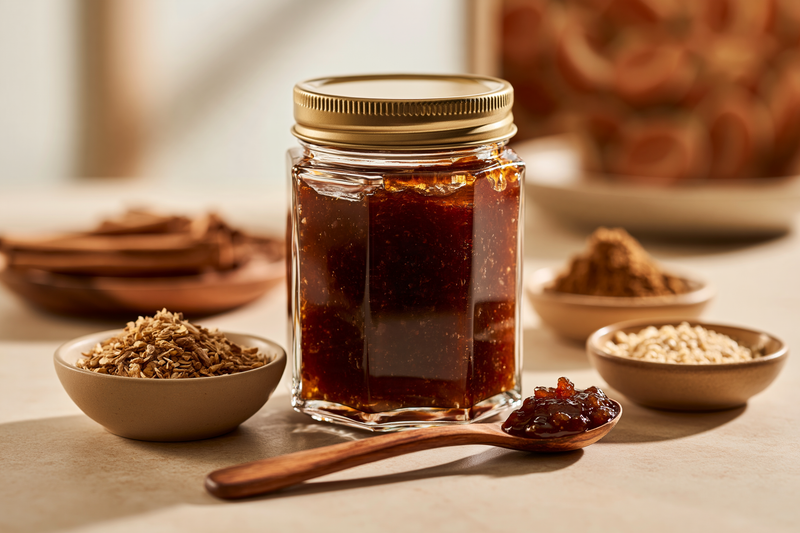
Rakta Majja Rasayana Avaleha is the Ayurvedic avaleha prepared for leukemia care. Rakta means blood, Majja means the marrow and deeper tissue system, Rasayana means restorative treatment for strength and tissue recovery, and Avaleha means a thick semisolid Ayurvedic preparation taken by licking or swallowing.
This is not a ready made classical leukemia formula. It is a classically inspired Rasayana Avaleha designed from classical Ayurvedic principles and adapted to modern leukemia assessment. The formulation is inspired by Chyavanaprasha Avaleha and Brahma Rasayana described in Charaka Samhita, Chikitsa Sthana, Chapter 1, Rasayana Adhyaya, the restorative Rasayana principles described in Ashtanga Hridaya, Uttara Sthana, Chapter 39, Rasayana Vidhi, and the pharmaceutical method of avaleha preparation described in Sharangadhara Samhita, Madhyama Khanda, Chapter 8, Avaleha Kalpana. Chyavanaprasha in Charaka Samhita uses a concentrated herbal base with Amalaki, ghee, honey, sugar base, digestive aromatics, and strengthening herbs; Brahma Rasayana emphasizes deep rejuvenation, strength, tissue nourishment, and long term vitality. The leukemia formulation follows these classical ideas but is individualized according to CBC, bone marrow findings, leukemia subtype, liver function, kidney function, bleeding tendency, infection risk, digestion, and strength. [26][38]
Dose and Thirty Day Quantity
The adult dose is 15 grams twice daily after food, or as adjusted according to digestion, glucose control, bowel function, platelet count, liver function, kidney function, and ongoing chemotherapy or targeted therapy.
For 30 days:
| Dose | Daily quantity | Duration | Finished avaleha required |
|---|---|---|---|
| 15 grams twice daily | 30 grams daily | 30 days | 900 grams |
The finished medicine should therefore be prepared and packed as 900 grams of Rakta Majja Rasayana Avaleha for one adult patient for 30 days.
Professional Batch Composition for 900 Grams Finished Avaleha
This formulation is suitable only for physician supervised compounding. It is not a home recipe and should not be used without reviewing the patient’s leukemia subtype, blood counts, marrow findings, platelet count, neutrophil count, liver and kidney tests, blood glucose, current medicines, and infection status.
| Ingredient | Botanical or classical identity | Weight used for one 900 gram finished batch | Clinical purpose in the formulation |
|---|---|---|---|
| Amalaki fresh pulp | Phyllanthus emblica | 250 g | Cooling Rasayana base, nourishment, antioxidant support, blood tissue recovery |
| Guduchi stem coarse powder | Tinospora cordifolia | 80 g | Fever recovery, immune regulation, strength support |
| Ashwagandha root coarse powder | Withania somnifera | 60 g | Strength, sleep, muscle recovery, post treatment depletion |
| Shatavari root coarse powder | Asparagus racemosus | 60 g | Cooling nourishment, dryness reduction, tissue support |
| Yashtimadhu root coarse powder | Glycyrrhiza glabra | 40 g | Mouth and throat comfort, gastric support, cooling nourishment |
| Manjistha coarse powder | Rubia cordifolia | 40 g | Blood tissue support where heat, discoloration, or inflammation is present |
| Sariva coarse powder | Hemidesmus indicus | 40 g | Cooling blood support, burning tendency, inflammatory heat |
| Haridra coarse powder | Curcuma longa | 30 g | Inflammatory pathway support and metabolic correction |
| Daruharidra coarse powder | Berberis aristata | 30 g | Bitter metabolic support and inflammatory regulation |
| Kalmegha coarse powder | Andrographis paniculata | 20 g | Fever, heat, liver related support, bitter digestive correction |
| Bhumyamalaki coarse powder | Phyllanthus niruri | 30 g | Liver support and metabolic recovery |
| Punarnava root coarse powder | Boerhavia diffusa | 40 g | Swelling, fluid balance, liver and spleen related support |
| Musta rhizome coarse powder | Cyperus rotundus | 25 g | Appetite, nausea, loose stool tendency, digestive balance |
| Vidari coarse powder | Pueraria tuberosa | 50 g | Brimhana, meaning nourishing and strengthening support |
| Bala coarse powder | Sida cordifolia | 40 g | Strength, fatigue recovery, Vata related depletion |
| Shunthi coarse powder | Zingiber officinale | 10 g | Gentle digestive stimulation when no bleeding or burning is present |
| Pippali coarse powder | Piper longum | 8 g | Digestive support and bioavailability support in small quantity |
| Maricha coarse powder | Piper nigrum | 5 g | Digestive support in small quantity |
| Ela powder | Elettaria cardamomum | 5 g | Taste, digestion, palatability |
| Twak powder | Cinnamomum verum | 3 g | Aroma, digestion, palatability |
| Ghee | Cow ghee or tested medicated ghee | 70 g | Nourishment, lubrication, delivery of fat soluble constituents |
| Honey | Pharmaceutical grade honey | 90 g | Added after cooling for palatability and classical avaleha completion |
| Sharkara or sugar candy base | Purified sugar candy or clinically selected base | 270 g | Avaleha consistency, preservation, palatability |
| Mukta Pishti | Purified pearl calcium preparation | Physician calculated only | Cooling support where heat and bleeding tendency are present |
| Pravala Pishti | Purified coral calcium preparation | Physician calculated only | Cooling support, Pitta pacification, bleeding tendency support |
| Abhraka Bhasma | Properly prepared mica ash | Physician calculated only | Rasayana and deep tissue support when indicated |
| Swarna Bhasma | Properly prepared gold ash | Physician calculated only | Specialist Rasayana ingredient in selected patients |
| Heeraka Bhasma | Properly prepared diamond ash | Physician calculated only | Specialist Rasayana ingredient in highly selected cases |
The herbal weights above are the professional starting specification for the decoction, pulp, ghee, honey, and avaleha base. The finished weight is adjusted to 900 grams after boiling, concentration, cooling, and quality testing. Mineral ingredients are deliberately kept as physician calculated only because their safe amount depends on the exact preparation, certificate of analysis, particle characteristics, body weight, platelet count, liver and kidney function, treatment duration, and concurrent medicines. Publishing fixed mineral weights for every leukemia patient would be unsafe because Swarna Bhasma, Abhraka Bhasma, Heeraka Bhasma, Mukta Pishti, and Pravala Pishti are not interchangeable ingredients.
Patient Friendly Preparation Method
The herbs are first authenticated to confirm correct plant identity, plant part, cleanliness, and absence of adulteration. The coarse herbs used for decoction are washed if appropriate, dried properly, and added to purified water. They are simmered slowly until the active water soluble fraction is extracted into the liquid.
The decoction is filtered carefully so that fibres, grit, and unwanted particles are removed. Amalaki pulp is processed separately and then combined with the filtered decoction. The sweet base is added and heated gently with continuous stirring until the mixture starts becoming thick.
Ghee is added while the mixture is still warm and able to absorb it evenly. Fine powders such as Pippali, Maricha, Ela, Twak, and other heat sensitive finishing powders are added later so their aroma and activity are not damaged by excessive boiling. If mineral preparations are prescribed, they are added only after the main cooking is complete and the temperature has reduced enough to protect their quality and allow uniform mixing.
Honey is added only after the avaleha has cooled sufficiently. It should not be boiled. The finished avaleha is mixed until smooth and uniform, then adjusted to a final batch weight of 900 grams. The medicine is packed in clean, dry, airtight containers and protected from moisture, heat, repeated hand contamination, and direct sunlight.
Why These Herbs Are Chosen for Leukemia Support
Amalaki is used as the main Rasayana base because it supports nourishment while remaining cooling and generally suitable when heat, weakness, and tissue depletion are present. In research, Amalaki and related polyphenol rich preparations have shown antioxidant and cellular protective activity, but there is no human leukemia trial proving that Amalaki alone produces remission. Its value in this formulation is as a restorative base, not as a standalone leukemia cure. [35]
Guduchi is selected for fever recovery, weakness, immune regulation, and long treatment related depletion. Modern studies describe anti inflammatory, antioxidant, immunomodulatory, and anticancer related activities for Tinospora cordifolia, but human leukemia remission has not been proven with Guduchi alone. Guduchi also requires caution because published clinical data have linked its use with liver injury in some patients, especially where autoimmune features are present. Liver function should therefore be monitored when it is used in a leukemia patient. [34][35]
Ashwagandha is included for weakness, sleep disturbance, loss of muscle strength, and post treatment exhaustion. Laboratory research shows that withaferin A, a compound found in Withania somnifera, can induce programmed cell death in human leukemia U937 cells through pathways involving Akt and other survival signals. This does not prove that Ashwagandha root powder cures leukemia in humans, but it supports further investigation and helps explain why Ashwagandha is a powerful Rasayana candidate in selected patients. [29]
Shatavari and Vidari are used for nourishment, dryness, weight loss, and tissue rebuilding when digestion is adequate. They are not included as direct leukemia killing herbs. Their role is to support Brimhana, meaning strengthening and nourishing therapy, especially when the patient has lost body mass, appetite, and endurance.
Yashtimadhu is selected when mouth sensitivity, throat irritation, gastric discomfort, dryness, or treatment related inflammation reduces food intake. It must be used carefully in patients with high blood pressure, edema, low potassium, kidney disease, heart disease, or steroid use because excessive licorice can cause fluid retention and electrolyte disturbance.
Manjistha and Sariva are included for blood tissue support when heat, inflammatory symptoms, burning, skin discoloration, or bleeding tendency are present. Their traditional role is to support healthier blood tissue function. They should not be described as proven leukemia cell eliminating herbs because clinical leukemia trials are lacking.
Haridra is included for inflammatory and metabolic support. Curcumin, the best studied compound from turmeric, has shown activity against leukemia models, including cell cycle arrest and programmed cell death in U937 and K562 leukemia cell lines, and anti AML effects through AKT related pathways in laboratory and animal models. These findings support biological plausibility but do not prove that turmeric powder in avaleha form produces leukemia remission in patients. [31][32]
Daruharidra provides berberine containing bitter support. Berberine has shown anticancer related mechanisms in laboratory studies, including effects on leukemia cell migration and survival pathways, but it has not been established as a human leukemia treatment. It can also affect glucose metabolism and drug transport pathways, so it should be reviewed carefully when the patient is taking multiple medicines. [39]
Kalmegha is a strong bitter herb used when fever, heat, poor appetite, liver stress, or inflammatory features are present. Andrographolide, a constituent of Andrographis paniculata, has shown programmed cell death and growth inhibitory effects in leukemia cell models, including HL 60 and T cell acute lymphoblastic leukemia research models. These are preclinical findings and should not be converted into a claim that Kalmegha cures leukemia in humans. [33][40]
Pippali is added in a small amount to support digestion and medicine delivery when there is no active bleeding, mouth ulceration, burning, or diarrhea. Piperlongumine, a compound found in long pepper species, induced programmed cell death and autophagic death in primary myeloid leukemia cells taken from patients with AML, CML, and related marrow disease in laboratory testing. This is one of the more leukemia specific preclinical findings, but it involved isolated cells and a purified compound, not oral Pippali avaleha treatment. [30]
Musta is included to protect digestion when nausea, heaviness, loose stools, or poor appetite prevent nourishment. Punarnava is selected when swelling, abdominal heaviness, liver or spleen related congestion, or fluid imbalance is present. Bhumyamalaki supports liver related recovery. These herbs help the patient tolerate nourishment and long term treatment but are not substitutes for disease response monitoring.
Ghee supports lubrication, nourishment, and delivery of fat soluble herbal constituents. It can be reduced or avoided if the patient has severe nausea, fat intolerance, uncontrolled lipid issues, or very weak digestion. Honey improves palatability and completes the avaleha character when added after cooling, but it must be pharmaceutical grade in patients with reduced immunity.
Research Limitations
Most herb cancer studies are laboratory studies using purified compounds on leukemia cell lines or isolated patient cells. A cell line is a group of cancer cells grown in the laboratory for research. Programmed cell death, also called apoptosis, means a controlled process through which damaged or abnormal cells die.
The strongest clinical Ayurveda evidence in leukemia remains case report evidence from selected patients with relapsed acute leukemia and long follow up. Those reports used physician supervised herbal or herbo mineral protocols and documented marrow or long term disease free outcomes, but they did not test Rakta Majja Rasayana Avaleha as a standardized formulation. Therefore, this avaleha must be evaluated through patient specific response, CBC, peripheral smear, marrow findings, flow cytometry, cytogenetics, molecular markers where applicable, and long term follow up. [23][24][25]
Safety and Monitoring
The formulation should not be started during uncontrolled fever, active severe infection, uncontrolled bleeding, severe vomiting, severe diarrhea, acute liver injury, acute kidney injury, or profound neutropenia without specialist supervision. Platelet count, neutrophil count, hemoglobin, liver enzymes, kidney function, blood glucose, appetite, bowel pattern, bleeding symptoms, infection frequency, and concurrent medicines must be reviewed throughout treatment.
The proper sign of benefit is not only that the patient feels stronger. Meaningful benefit may include improved appetite, better sleep, stable weight, fewer infections, reduced treatment interruptions, improved hemoglobin, platelet recovery, reduced abnormal cells, improved marrow findings, reduced molecular disease where relevant, and sustained disease free follow up.
Why Leukemia Patients Should Not Buy Market Avaleha or Prepare It at Home

A leukemia patient should not buy a general avaleha from the market and expect it to work for blood cancer. Market avaleha is usually prepared for general strength, cough, digestion, rejuvenation, or seasonal immunity, not for a confirmed leukemia subtype with marrow involvement, abnormal blood cells, bleeding risk, infection risk, chemotherapy history, genetic markers, and changing blood counts. Leukemia requires a formulation matched to the patient’s reports and clinical condition. A nonindividualized product may give taste, calories, or temporary strength, but it cannot be assumed to reduce leukemia cells, restore marrow function, support remission, or prevent relapse.
A patient should never prepare leukemia medicine at home without direct supervision from a qualified Ayurvedic doctor experienced in serious blood disorders. Home preparation cannot reliably control herb identity, dose, extraction strength, cooking endpoint, microbial contamination, mineral purification, heavy metal safety, shelf life, drug interactions, or suitability for the patient’s current CBC, platelet count, neutrophil count, liver function, kidney function, and treatment stage. In leukemia, this is not a minor issue because the patient may already have low immunity, low platelets, anemia, organ stress, or active treatment toxicity.
Why Market Avaleha May Not Work in Leukemia
A market avaleha may not match the exact leukemia type. AML, ALL, CML, CLL, APL, and other blood cancers have different biology, speed, risks, and monitoring needs. A preparation that gives general nourishment cannot be expected to suit every form of leukemia. Acute leukemia may require urgent disease control, while stable chronic leukemia may need long term monitoring and support. The same avaleha cannot address all stages safely. [2][4][10][13]
A market product is not selected according to disease stage. Newly diagnosed leukemia, active disease, remission, relapse, refractory disease, post chemotherapy weakness, and post transplant recovery require different treatment aims. A patient with active marrow blasts needs a different level of assessment from a patient in documented remission with only weakness and appetite loss. A standard product cannot judge whether the aim should be disease control, remission support, blood count recovery, relapse risk reduction, or restorative care.
Age changes the response. A child, young adult, middle aged patient, and frail elderly patient cannot be treated with the same strength, dose, mineral content, and nourishing base. Older patients may have reduced liver, kidney, heart, digestive, or marrow reserve. A dose that appears tolerable in one adult may cause heaviness, high sugar, diarrhea, constipation, liver stress, or poor compliance in another.
Common chronic disorders can change safety and effect. Diabetes, fatty liver, chronic kidney disease, hypertension, heart disease, autoimmune disease, thyroid disorders, chronic infections, inflammatory bowel disease, and previous liver injury can all change the suitability of herbs, honey, jaggery, ghee, mineral preparations, and heating digestive ingredients. An avaleha containing sugar or honey may be unsuitable for uncontrolled diabetes or steroid induced high glucose. Licorice containing preparations may worsen fluid retention, blood pressure, or potassium imbalance in susceptible patients.
Disease duration matters. A patient recently diagnosed with preserved strength may respond differently from a patient ill for many months with repeated transfusions, weight loss, infections, poor appetite, or chemotherapy related depletion. Long disease duration may mean greater marrow stress, weaker digestion, reduced muscle mass, lower Bala, and weaker Ojas. Such a patient may first need gentle digestive correction and nourishment before stronger Rasayana treatment is tolerated.
Blood counts change the prescription. Low platelets require caution with heating, irritating, or blood thinning ingredients. Severe neutropenia, meaning low infection fighting neutrophils, requires strict microbiological safety and avoidance of contaminated products. Severe anemia may require urgent correction and monitoring. A market avaleha cannot adapt to daily or weekly changes in hemoglobin, platelets, neutrophils, blasts, or transfusion requirement.
Liver and kidney function affect medicine choice. Many leukemia patients receive chemotherapy, targeted medicines, antifungals, antibiotics, pain medicines, antivirals, or other drugs that already stress the liver or kidneys. Some herbs and concentrated extracts may add risk in susceptible patients. Guduchi, for example, has been associated with liver injury in reported cases, even though it is traditionally valued in Ayurveda. This does not mean Guduchi is always unsafe; it means it must be used with patient selection, dose control, and monitoring. [34]
Drug interactions can reduce safety. A patient may be taking chemotherapy, tyrosine kinase inhibitors, venetoclax, steroids, antifungal medicines, antibiotics, anticoagulants, antivirals, seizure medicines, diabetes medicines, or blood pressure medicines. Some herbal ingredients can alter drug metabolism, bleeding risk, glucose control, blood pressure, bowel function, or liver enzyme levels. Market avaleha labels rarely provide enough information to assess these risks properly. [7]
The ingredient strength may be too weak or too strong. Market products are manufactured for broad public use and often prioritize taste, shelf life, and affordability. A leukemia formulation needs precise selection and proportion of digestive, cooling, nourishing, blood supportive, marrow supportive, liver supportive, and Rasayana ingredients. Too weak a product may do nothing beyond giving calories. Too strong a product may worsen burning, diarrhea, nausea, bleeding tendency, heaviness, or liver stress.
The product may not contain the required herbs in the required proportion. Even when a label lists useful herbs, the actual quantity of each herb may be small, altered, substituted, poorly extracted, or not suitable for the patient’s pattern. A leukemia formulation needs correct herb identity, correct plant part, correct dose, proper extraction, and batch consistency. A general label cannot confirm that the preparation contains the clinically required concentration for a serious marrow disorder.
Mineral preparations require extreme caution. Swarna Bhasma, Abhraka Bhasma, Heeraka Bhasma, Lauha Bhasma, Mukta Pishti, Pravala Pishti, and similar ingredients should not be added casually. Their safety depends on authentic raw material, proper purification, correct classical processing, particle characteristics, dose, and laboratory testing. Market products and home preparations may expose patients to unintended lead, mercury, arsenic, cadmium, microbial contamination, pesticides, or adulterants if quality control is weak. Published investigations of some Ayurvedic products have found concerning metal exposure risks, and official quality frameworks include testing for heavy metals, microbes, aflatoxins, and pesticides for this reason. [36][37]
A market avaleha may be microbiologically unsafe for immunocompromised patients. A healthy person may tolerate minor contamination that could be dangerous for a leukemia patient with neutropenia, recent chemotherapy, mouth ulcers, or post transplant immune suppression. Repeatedly opening a jar, using wet spoons, storing it in heat, or touching the medicine by hand can increase contamination risk.
Sugar, jaggery, honey, and ghee may not suit every patient. These substances help create the avaleha texture and improve palatability, but they can worsen glucose control, heaviness, nausea, fungal risk, or digestive discomfort in some patients. A patient on steroids may already have high blood sugar. A patient with poor appetite or slow digestion may not tolerate a heavy, sweet, oily preparation. The base must be chosen according to the patient, not copied from a commercial formula.
The wrong timing can reduce benefit. A nourishing avaleha may be useful during recovery but unsuitable during severe nausea, vomiting, diarrhea, mouth ulcers, uncontrolled fever, active bleeding, or profound digestive weakness. A heating digestive formula may help one patient but worsen burning, bleeding, or mouth inflammation in another. Timing is as important as the ingredient list.
A market product cannot monitor response. Leukemia improvement must be assessed through CBC, peripheral smear, marrow findings, flow cytometry, chromosome tests, or molecular markers where required. Better appetite or energy can be encouraging but does not prove remission. A patient taking market avaleha without monitoring may falsely assume improvement while abnormal cells continue to increase.
The medicine may fail because the patient’s disease is too advanced, too fast moving, or biologically high risk. Certain leukemias progress quickly, carry dangerous genetic mutations, relapse repeatedly, or produce severe complications. Ayurveda can be planned seriously in suitable patients, but no general avaleha can overcome every disease stage, genetic risk, organ weakness, or emergency complication without individualized treatment and monitoring.
When a Customized Avaleha Is Considered
A customized leukemia avaleha is considered only after reviewing the diagnosis, leukemia subtype, stage, CBC, peripheral smear, bone marrow report, flow cytometry, cytogenetic or molecular findings, liver and kidney function, blood glucose, current medicines, previous chemotherapy, transfusion history, infection pattern, bleeding tendency, appetite, bowel function, sleep, weight, and physical strength. The same patient may need the formula modified as reports change.
The safer principle is simple: do not buy a general market avaleha for leukemia, do not copy an online recipe, and do not prepare herbo mineral medicine at home. A leukemia formulation must be prescribed, compounded, tested, dosed, and monitored under qualified Ayurvedic supervision, with objective medical follow up to confirm whether the patient is improving clinically and whether the leukemia itself is responding.
Treatment Monitoring During Ayurvedic Leukemia Care

Treatment monitoring during Ayurvedic leukemia care must measure two different forms of progress: recovery of the patient and control of the leukemia. Better appetite, improved sleep, weight gain, reduced weakness, and calmer digestion are meaningful signs of recovery, but they do not prove that leukemia cells have reduced. Disease control must be checked through the tests appropriate to the leukemia subtype, such as complete blood counts, peripheral smear, bone marrow assessment, flow cytometry, chromosome studies, or molecular monitoring where relevant. [2][6][10][12]
The starting point is a clear baseline. Before assessing whether Ayurvedic treatment is working, the physician needs the patient’s latest hemoglobin, total white blood cell count, differential count, platelet count, blast percentage if present, neutrophil count, liver function, kidney function, blood glucose, uric acid when relevant, infection history, transfusion need, current medicines, and previous treatment response. A later improvement has meaning only when it is compared with this baseline.
Blood Count Monitoring
The complete blood count remains one of the most practical tools during Ayurvedic leukemia care. Hemoglobin reflects oxygen carrying capacity and helps explain fatigue, breathlessness, dizziness, or reduced walking capacity. Platelets help estimate bleeding risk. Neutrophils are important for infection defense. The differential count shows the distribution of white blood cell types and may reveal whether immature or abnormal cells are present.
A single report should not be overinterpreted. Hemoglobin may rise after transfusion without true marrow recovery. Platelets may temporarily improve after platelet support. White blood cells may fall because leukemia cells are reducing, because chemotherapy has suppressed marrow function, or because infection or medicines have changed the count. The trend over several reports is more useful than one isolated value.
In active leukemia, blood counts may need frequent review because the disease can change quickly. In remission or stable chronic leukemia, the interval may be longer, but monitoring should continue. Any sudden fall in hemoglobin, platelets, or neutrophils, any return of blasts in the blood, or any unexplained rise in abnormal white blood cells needs reassessment. Ayurvedic symptom improvement should not delay testing when the blood picture is worsening. [2][4][10][13]
Bone Marrow and Disease Specific Monitoring
Bone marrow testing is required in many situations because leukemia begins or persists in the marrow even when symptoms improve. A patient may feel stronger while abnormal cells remain detectable. Bone marrow assessment can show whether healthy blood formation is returning, whether blasts have reduced, and whether remission criteria have been met. [2][6][12]
Flow cytometry helps identify small populations of abnormal cells when ordinary microscopy is not enough. Chromosome and molecular tests are especially important in leukemias with known markers. In CML, BCR ABL1 monitoring helps determine whether treatment is producing an adequate molecular response. In APL, PML RARA testing may be required to assess deeper response. In other leukemias, markers such as FLT3, NPM1, IDH, TP53, or other findings may influence risk assessment, treatment choice, and follow up. [2][10][12]
When Ayurvedic treatment is used with a disease directed goal, objective disease monitoring becomes essential. The relevant evidence may include disappearance of circulating blasts, recovery of healthy blood counts, marrow remission, reduction of abnormal cell populations on flow cytometry, or improvement in molecular markers. Appetite, strength, and weight gain are valuable but cannot replace these findings.
Monitoring During Chemotherapy or Targeted Therapy
When Ayurveda is used alongside chemotherapy, targeted therapy, immunotherapy, or steroid based treatment, monitoring must include treatment tolerance and possible interactions. Liver enzymes, kidney function, blood glucose, electrolytes, bleeding symptoms, bowel pattern, mouth ulcers, fever, skin reactions, and infection frequency need attention. Some patients may tolerate an Ayurvedic medicine well during remission but not during intensive chemotherapy, severe nausea, low platelets, or neutropenia. [7]
Timing also matters. A medicine that supports nourishment may be suitable during recovery between cycles but too heavy during vomiting, diarrhea, poor appetite, or mouth inflammation. Heating digestive herbs may help sluggish digestion in one patient but worsen burning, mouth ulcers, bleeding tendency, or loose stools in another. The Ayurvedic prescription should change when the patient’s digestion, blood counts, organ function, and treatment phase change.
The best signs of supportive benefit during modern treatment include improved food intake, stable weight, fewer severe digestive complaints, better sleep, better bowel regularity, reduced treatment interruption, and faster functional recovery between cycles. These outcomes improve patient resilience, but the leukemia response still depends on disease specific testing.
Monitoring During Remission
Remission monitoring protects the patient from false reassurance. A patient may look well, eat well, and resume normal work while small amounts of disease remain detectable through sensitive tests. The follow up plan depends on the leukemia subtype, previous risk markers, treatment received, and duration of remission. [6]
Ayurvedic care during remission often focuses on restoring digestion, nourishment, muscle strength, sleep, bowel function, blood tissue recovery, marrow support, and resistance to recurrent illness. These goals can be monitored through weight stability, appetite, energy, infection frequency, bleeding symptoms, exercise tolerance, and quality of daily activity. At the same time, scheduled blood and disease specific testing should continue.
Sustained improvement is more meaningful than a short period of feeling better. Stable hemoglobin, stable platelets, appropriate white blood cell pattern, absence of abnormal cells, preserved liver and kidney function, improving strength, and continued disease free observation together provide a stronger basis for judging recovery.
Monitoring Safety of Ayurvedic Medicines
Safety monitoring is essential because leukemia patients may have low immunity, low platelets, organ stress, or exposure to several strong medicines. Liver function, kidney function, blood glucose, blood pressure, bowel pattern, mouth symptoms, skin reactions, swelling, bleeding, fever, and new fatigue should be reviewed regularly. Any worsening after starting a formulation must be assessed rather than dismissed as temporary adjustment.
Herbo mineral preparations require additional caution. Their use depends on authentic ingredients, correct purification, manufacturing quality, dose control, and laboratory testing for contaminants. If minerals or metals are used, the patient’s liver and kidney function, symptoms, and blood counts must be followed carefully. Unexplained abdominal pain, yellowing of the eyes, dark urine, swelling, vomiting, confusion, severe weakness, or worsening laboratory results should prompt immediate review.
The monitoring plan should also consider the patient’s age, diabetes, hypertension, kidney disease, fatty liver, autoimmune disease, chronic infection, heart disease, previous chemotherapy toxicity, and current medicines. These factors can change both safety and response. A formulation that appears suitable for a young patient in remission may not suit an elderly patient with frailty, kidney impairment, uncontrolled glucose, or repeated infections.
Treatment response in leukemia should therefore be documented through both clinical recovery and objective disease markers. Ayurvedic improvement is strongest when the patient feels better, tolerates treatment more comfortably, maintains nourishment, shows stable or improving blood counts, and demonstrates appropriate marrow or molecular response over time.
Can Ayurveda Cure Leukemia
Ayurveda can be considered seriously in leukemia care, but cure must be judged by documented disease response rather than by hope, symptom relief, or temporary improvement in strength. Leukemia cure means sustained control or disappearance of detectable disease with recovery of healthy blood formation and continued follow up over time. In suitable patients, Ayurvedic treatment may be planned with a curative aim, remission support, or restorative care, depending on the leukemia subtype, disease stage, blood counts, marrow findings, genetic markers, previous treatment, organ function, infection risk, bleeding risk, appetite, and physical strength. [2][4][6]
What Cure Means in Leukemia
The meaning of cure differs across leukemia types. In acute leukemia, cure related assessment usually requires disappearance of circulating blasts, recovery of healthy blood counts, and bone marrow remission according to accepted criteria. In some patients, deeper testing may also be needed to check whether small numbers of leukemia cells remain. A patient may feel stronger and eat better while abnormal cells are still present, so symptoms alone cannot confirm cure. [2][6][12]
In chronic leukemia, long term control may be a more accurate goal than immediate cure. Some patients with chronic lymphocytic leukemia remain stable for years under observation before treatment is required. Some patients with chronic myeloid leukemia can achieve deep molecular responses with targeted therapy, but ongoing molecular monitoring remains central to decision making. Ayurvedic improvement in energy, digestion, sleep, or immunity can support the person, but it cannot replace disease specific testing. [4][10]
The word cure also requires time. One improved blood report is not enough. Leukemia can return after an apparent response, especially in high risk or relapsed disease. Sustained remission, stable blood counts, appropriate marrow findings, reduction or disappearance of disease markers where measurable, and continued disease free observation carry greater clinical value than a short period of symptomatic improvement.
Where Ayurveda May Have a Curative Role
Published Ayurveda case reports have documented prolonged remission and disease free survival in selected patients with relapsed acute leukemia. In one high risk acute promyelocytic leukemia case after second relapse, a physician supervised herbo mineral Ayurvedic protocol was followed by marrow remission and long survival. Another relapsed AML case reported reduction of marrow blasts from 40 percent to about 1 percent after Ayurvedic treatment, with long disease free follow up. A separate relapsed APL report described long remission after a metal based Ayurvedic protocol. [23][24][25]
These cases matter because the response was not described only as better appetite or reduced fatigue. The reports included objective findings such as bone marrow changes, blood findings, and long term observation. They support the possibility that carefully selected, physician supervised Ayurvedic treatment may contribute to disease directed outcomes in some leukemia patients.
The same reports cannot be converted into a general promise for every patient. The patients had specific leukemia types, previous treatment histories, medical supervision, supportive care when needed, and specialized formulations. A relapsed APL case cannot automatically predict the response of AML, ALL, CML, or CLL. A herbo mineral protocol used in a published case cannot be replaced casually with a market avaleha, home recipe, or similarly named product.
Ayurveda may also support cure related goals indirectly by improving the patient’s capacity to tolerate treatment and recover from depletion. Better digestion, improved food intake, restored sleep, stable weight, fewer treatment interruptions, stronger physical function, and reduced recurrent weakness may help the body endure a long treatment course. These improvements are valuable, especially during chemotherapy, targeted therapy, remission recovery, or chronic leukemia observation. They become part of cure focused care only when the leukemia itself is also controlled through objective reports.
When Ayurveda Is Used With Modern Treatment
Some patients receive Ayurveda alongside chemotherapy, targeted therapy, immunotherapy, or stem cell transplant care. In such cases, long term remission cannot be attributed to Ayurveda alone unless the treatment history clearly supports that conclusion. A published AML case with chemotherapy and personalized Ayurveda reported disease free survival of 19 years and 8 months, but both systems were used, so the independent effect of each treatment cannot be separated. [8]
Combined care may still be clinically valuable. A patient undergoing leukemia treatment may struggle with mouth ulcers, poor appetite, nausea, constipation, diarrhea, sleep disturbance, weakness, infections, and prolonged exhaustion. Ayurvedic care can be adapted to support Agni, Bala, Ojas, Rakta Dhatu, Majja Dhatu, bowel comfort, nourishment, and recovery while modern treatment addresses the leukemia through established disease directed methods.
The safety of combined care depends on timing, ingredients, dose, and monitoring. Some herbs or herbo mineral preparations may be unsuitable during severe neutropenia, active bleeding, liver stress, kidney impairment, mouth inflammation, uncontrolled diarrhea, or intensive chemotherapy. A medicine that helps during remission may not be suitable during a high risk treatment cycle.
When Cure Claims Become Unsafe
A cure claim becomes unsafe when it is made without identifying the leukemia subtype, stage, marrow status, genetic risk, and measurable response. It is also unsafe when it asks a patient with acute leukemia, active bleeding, severe infection, very low platelets, or rapidly worsening counts to delay urgent medical care. Acute leukemia can progress quickly, and acute promyelocytic leukemia can produce dangerous bleeding if not treated promptly. [2]
Cure should not be claimed because a patient feels energetic, gains weight, or has fewer symptoms for a few weeks. These are important recovery signs, but they do not prove that blasts have disappeared from the marrow or that molecular disease has cleared. Similarly, a fall in white blood cells may be helpful in one context and dangerous in another, depending on whether it reflects reduction of abnormal cells, drug effect, infection, marrow suppression, or treatment toxicity.
A responsible Ayurvedic cure claim requires clear baseline reports, a defined treatment plan, repeat blood counts, marrow assessment when indicated, disease specific monitoring, safety checks, and long term observation. The strongest position for a patient is not blind reassurance, but documented recovery: improved symptoms, restored nourishment, stronger daily function, stable or improving blood counts, appropriate marrow response, and sustained remission over time.
Ayurveda With Chemotherapy Targeted Therapy or Stem Cell Transplant

Ayurvedic treatment can be considered alongside chemotherapy, targeted therapy, immunotherapy, or stem cell transplant care when the patient’s diagnosis, treatment phase, blood counts, organ function, infection risk, and medicine list are reviewed carefully. The purpose is not to mix medicines blindly. The Ayurvedic plan must fit the stage of leukemia treatment, the expected side effects, the patient’s digestive capacity, and the safety limits created by low platelets, neutropenia, liver stress, kidney stress, mouth inflammation, fever, or active infection. [2][7]
During Chemotherapy
Chemotherapy can reduce leukemia cells, but it may also temporarily suppress healthy bone marrow activity. During this period, the patient may develop anemia, low platelets, low neutrophils, nausea, vomiting, mouth ulcers, altered taste, diarrhea, constipation, fatigue, fever, and high infection risk. Ayurvedic care during chemotherapy should therefore remain gentle, digestible, and responsive to the treatment cycle. A preparation that is suitable during blood count recovery may be unsuitable during severe nausea, active mouth ulcers, uncontrolled diarrhea, fever, or profound weakness. [2][13]
The first Ayurvedic priority during intensive treatment is often preservation of food intake and digestion. When appetite is low and the mouth is painful, heavy nourishing medicines may sit poorly in the stomach and worsen nausea or heaviness. Light digestive support, soft warm food, mouth soothing measures, bowel regulation, and sleep support may be more useful until the patient can tolerate deeper nourishment. When appetite returns and bowel function stabilizes, restorative Rasayana care may be introduced more gradually.
Platelet count strongly affects the safety of Ayurvedic choices. A patient with severe thrombocytopenia, meaning very low platelets, has a higher bleeding risk. Heating, irritating, or blood thinning herbs and concentrated extracts should be avoided unless the treating physician has a clear reason and monitoring plan. Gum bleeding, nosebleeds, black stools, blood in urine, new bruising, or tiny red skin spots require prompt reassessment rather than simply adjusting herbs at home.
Neutropenia changes the risk of infection. A patient with low neutrophils should not receive medicines prepared in unhygienic conditions, raw honey of uncertain quality, contaminated powders, improperly stored avaleha, or untested herbal products. Even a small microbial contamination can be dangerous when immune defense is low. Any fever during neutropenia needs urgent medical attention because infection can progress quickly. [2][13]
With Targeted Therapy
Targeted therapy acts on specific molecular pathways involved in leukemia cell growth or survival. Examples include medicines used for BCR ABL1 positive CML, FLT3 mutated AML, IDH mutated AML, Philadelphia chromosome positive ALL, and selected CLL pathways. These medicines can be highly effective, but they also have their own side effect profiles, including liver enzyme changes, fluid retention, diarrhea, muscle pain, low blood counts, infection risk, heart rhythm changes, tumor lysis, or bleeding problems depending on the drug. [2][4][10][13]
Ayurvedic medicines used with targeted therapy require interaction screening. Some herbs may affect liver enzymes or transport proteins involved in drug metabolism. Others may influence bleeding tendency, blood pressure, glucose levels, bowel function, sedation, or immune activity. The risk is higher when the patient is also taking antifungal medicines, antibiotics, steroids, anticoagulants, antivirals, seizure medicines, diabetes medicines, or blood pressure medicines. [7]
CML provides a clear example. A patient may feel much stronger with Ayurvedic support, but molecular monitoring of BCR ABL1 remains essential for judging whether targeted therapy is controlling the disease. Improved appetite, better sleep, or weight gain cannot replace molecular response testing. If the molecular marker rises, treatment resistance, poor absorption, missed doses, or drug interactions may need medical review. [10]
CLL also requires disease specific monitoring. A patient may use Ayurveda for digestion, strength, recurrent infections, sleep, or recovery, but rising lymphocyte counts, enlarging lymph nodes, falling hemoglobin, falling platelets, or increasing symptoms can change the need for modern treatment. Ayurvedic improvement in general wellbeing should be read together with the blood count trend and clinical examination. [4]
With Immunotherapy and CAR T Cell Therapy
Immunotherapy can stimulate or redirect immune activity against leukemia cells. CAR T cell therapy uses modified T cells to recognize and attack specific leukemia cells. These treatments can produce deep responses in selected patients, but they can also cause serious inflammatory and neurological complications. Cytokine release syndrome may present with high fever, low blood pressure, breathing difficulty, or organ stress. Neurotoxicity may cause confusion, speech difficulty, drowsiness, tremors, seizures, or changes in alertness. [14]
During immunotherapy or CAR T cell therapy, strong immune stimulating herbs should not be used casually. The immune system is already being deliberately activated or redirected, and complications may arise from excessive inflammatory signalling. Ayurvedic care during this phase should focus on physician approved supportive measures such as digestion, hydration, bowel comfort, sleep, recovery nutrition, and strength after the acute risk period has passed.
Fever after CAR T cell therapy or immunotherapy should not be assumed to be a routine Ayurvedic fever pattern. It may represent cytokine release syndrome, infection, disease activity, or a treatment complication. Neurological symptoms such as confusion, speech difficulty, severe headache, abnormal sleepiness, or seizures require urgent medical evaluation. [14]
Before and After Stem Cell Transplant
Stem cell transplant is one of the most intensive treatments used in selected leukemia patients. Conditioning treatment can severely suppress the bone marrow and immune system before donor or collected stem cells are infused. After transplant, the patient remains vulnerable to infection, bleeding, organ injury, poor appetite, diarrhea, mouth ulcers, fatigue, and delayed immune recovery. In allogeneic transplant, where stem cells come from a donor, graft versus host disease can occur when donor immune cells attack the patient’s tissues. [15]
Ayurvedic medicines should not be introduced around transplant without transplant team awareness. The early transplant period has narrow safety limits because liver function, kidney function, clotting, immune suppression, gut inflammation, infections, and drug levels may change rapidly. Herbal products can complicate the interpretation of liver injury, diarrhea, rash, fever, or kidney changes. Even supportive ingredients may be unsafe if they increase contamination risk, affect drug metabolism, or irritate the gut.
After the high risk period, Ayurvedic care may support gradual recovery when the transplant team permits it. The focus may include improving appetite, rebuilding weight, restoring bowel regularity, supporting sleep, reducing treatment related dryness or weakness, and helping the patient return slowly to normal activity. Rasayana care after transplant must remain gentle and carefully monitored because immune recovery can take a long time, and the patient may still be receiving immunosuppressive medicines. [15]
Practical Safety Rules for Combined Care
Combined care becomes safer when every clinician knows the complete medicine list. The patient should disclose all herbs, avaleha, decoctions, tablets, powders, Bhasma, Pishti, vitamins, minerals, protein supplements, pain medicines, antibiotics, antifungals, antivirals, blood thinners, diabetes medicines, and blood pressure medicines. Hidden use of supplements can make it difficult to identify the cause of bleeding, liver enzyme elevation, kidney stress, rash, diarrhea, sleepiness, or blood count changes. [7]
Timing gaps between medicines may reduce stomach irritation or absorption problems, but a gap alone does not prevent all interactions. Some interactions occur through liver metabolism, kidney clearance, clotting pathways, immune effects, or overlapping toxicity. The safety decision depends on the exact ingredients and drugs, not only on the number of hours between them.
Ayurvedic medicines should be paused and reviewed if the patient develops new jaundice, dark urine, severe vomiting, persistent diarrhea, worsening mouth ulcers, unexplained bleeding, sudden bruising, high fever, breathlessness, confusion, severe weakness, swelling, reduced urine, or a sudden worsening of liver, kidney, platelet, or neutrophil results. These changes may come from leukemia, infection, modern treatment, Ayurvedic medicine, or an interaction, and the cause should be investigated before continuing.
When combined care is used well, Ayurveda can support digestion, nourishment, strength, sleep, bowel function, mucosal recovery, and long term resilience while disease directed treatment is monitored through leukemia specific tests. The safest results come from matching the Ayurvedic plan to the treatment phase, adjusting it when reports change, and judging benefit through both patient recovery and objective disease response.
Diet and Lifestyle During Ayurvedic Leukemia Treatment
Diet and lifestyle during Ayurvedic leukemia treatment should support digestion, blood formation, treatment tolerance, infection protection, and steady recovery. Food cannot cure leukemia by itself, and no special diet can replace disease directed treatment or objective monitoring. The practical purpose is to help the patient maintain strength, tolerate medicines, recover from treatment related depletion, and reduce avoidable complications such as weight loss, dehydration, constipation, diarrhea, mouth irritation, and foodborne infection. [41]
Food That Supports Strength and Recovery
Leukemia and its treatment can increase the body’s need for protein, calories, fluids, and micronutrients while reducing appetite at the same time. Fatigue, nausea, altered taste, mouth ulcers, fever, constipation, diarrhea, and emotional distress can make normal eating difficult. Small, regular meals are often better tolerated than large meals, especially when appetite is poor or nausea is present. A patient who eats too little for many days may lose muscle and treatment tolerance even if the leukemia itself is responding.
Protein should be included in a form the patient can digest. Suitable choices may include well cooked lentils, mung dal, beans if tolerated, tofu, paneer made from pasteurized milk, curd or yogurt made from pasteurized milk, eggs cooked fully, fish, chicken, or lean meat according to the person’s usual diet, digestion, culture, and medical advice. A vegetarian patient may need more careful planning because appetite loss and digestive weakness can make it difficult to meet protein needs through legumes alone.
Ayurveda gives importance to digestive capacity, called Agni, when deciding food quantity and heaviness. A nourishing food is useful only when the patient can digest it. Heavy meals, excessive fried food, very cold food, strong spices, and large late night meals may worsen nausea, heaviness, acidity, loose stools, constipation, or poor sleep in a weakened patient. Warm, freshly prepared, soft, moderately spiced food is often easier to tolerate during active treatment and early recovery.
Food should not be overly restrictive unless there is a clear medical reason. Severe fasting, detox diets, raw juice cleanses, extreme low carbohydrate diets, and unbalanced herbal weight loss plans can weaken the patient when the body needs nourishment. Weight loss during leukemia treatment should be taken seriously because it can reduce strength, wound healing, infection resistance, and the ability to continue treatment. [41]
Food Safety When Immunity Is Low
Food safety becomes especially important when neutrophils are low. Neutrophils are white blood cells that help protect against bacterial and fungal infection. During neutropenia, even ordinary food contamination can become more dangerous. The focus should be on safe handling, proper cooking, clean storage, and avoiding foods with higher contamination risk. [13][42]
Meat, poultry, fish, and eggs should be cooked thoroughly. Unpasteurized milk, unpasteurized juices, raw or undercooked eggs, raw fish, raw shellfish, unsafe street food, spoiled leftovers, mouldy food, and food kept for long periods at room temperature should be avoided. Fruits and vegetables should be washed well, and during severe immune suppression the treating team may advise extra caution with raw salads, buffets, shared food counters, or food prepared in uncertain hygiene conditions.
Avaleha, herbal powders, honey, ghee, and other Ayurvedic preparations must also meet strict hygiene standards. A leukemia patient with low immunity should not consume medicine prepared in an unhygienic home kitchen, stored in a wet container, touched repeatedly by hand, or kept open in heat and moisture. A product that is microbiologically acceptable for a healthy person may not be safe for someone with neutropenia, mouth ulcers, recent chemotherapy, or transplant related immune suppression.
Managing Common Eating Problems
Mouth ulcers and throat soreness need soft, smooth, nonirritating food. Warm soups, soft rice preparations, well cooked porridge, mashed vegetables, lentil soups, smoothies made safely from pasteurized ingredients, and gentle protein preparations may be better tolerated than hard, spicy, acidic, or rough textured food. Citrus, strong chilli, alcohol, and very hot beverages can worsen burning in some patients.
Nausea may improve when food is taken in smaller portions, with mild aromas and less oil. Dry crackers, plain rice, soft khichdi, toast, ginger in a mild form, or simple soups may be tolerated better than rich meals. Strong ginger, pepper, long pepper, or heating digestive herbs are not suitable for every patient, particularly when there is burning, mouth inflammation, loose stools, bleeding tendency, or severe weakness.
Constipation may occur from reduced food intake, low mobility, pain medicines, dehydration, iron therapy, or treatment related bowel slowing. Warm fluids, cooked vegetables, stewed fruits, soft fibre, gentle movement, and adequate hydration may help when platelets and general condition allow normal bowel activity. Forceful purgation should be avoided in a weak leukemia patient unless specifically supervised because dehydration, cramping, bleeding risk, and electrolyte imbalance can become serious.
Diarrhea requires a different approach. Fluids, oral rehydration when advised, soft binding foods, and temporary reduction of heavy, oily, very spicy, or difficult to digest foods may be needed. Persistent diarrhea during chemotherapy, targeted therapy, infection, antibiotic use, or transplant recovery should be assessed medically because dehydration and electrolyte loss can develop quickly. [41]
Ayurvedic Lifestyle Support
Daily routine should protect energy rather than exhaust it. Ayurveda emphasizes preservation of strength, stable digestion, adequate rest, and gradual recovery. During active treatment, the patient may need shorter periods of activity separated by rest. During remission recovery, activity can increase slowly as stamina, blood counts, sleep, and appetite improve.
Gentle walking, stretching, breathing practices, or supervised yoga may help fatigue, mood, sleep, and physical confidence when the patient is medically stable. Exercise should be reduced or postponed during fever, active infection, severe anemia, dizziness, breathlessness, uncontrolled pain, active bleeding, very low platelets, or profound weakness. Cancer related fatigue often improves with appropriately planned physical activity, but the plan should match the patient’s blood counts and treatment stage. [43]
Sleep is part of recovery. Poor sleep can worsen fatigue, anxiety, appetite, pain sensitivity, and emotional resilience. A regular sleep time, reduced screen exposure late at night, gentle evening routines, light dinner, and quiet breathing practices may help. Sedating herbs or sleep supplements should not be used casually with pain medicines, anti nausea medicines, antidepressants, seizure medicines, alcohol, or other sedating drugs.
Mental stress does not by itself explain leukemia, but fear, uncertainty, prolonged treatment, financial pressure, and family strain can reduce appetite, sleep, and treatment tolerance. Counselling, family support, spiritual practice, guided relaxation, prayer, meditation, or gentle breathing can support emotional stability. These practices should be used to strengthen recovery, not to blame the patient for developing cancer.
What to Avoid During Ayurvedic Leukemia Care
Tobacco should be avoided completely, including smoking and smokeless tobacco. Alcohol can worsen liver stress, dehydration, sleep disturbance, mouth irritation, bleeding risk, and medicine interactions, especially during chemotherapy, targeted therapy, antifungal treatment, or liver enzyme elevation. Unverified supplements, bodybuilding products, concentrated extracts, online cancer cures, detox kits, and market avaleha should not be added without review because they can interfere with treatment or add liver, kidney, bleeding, glucose, or infection risk. [7]
Raw or poorly prepared herbal products are especially risky in leukemia. Powdered herbs can be contaminated with microbes, heavy metals, pesticides, or adulterants when sourcing and testing are weak. Herbo mineral preparations require physician supervision, documented purification, correct dosing, and laboratory quality control. A leukemia patient should not prepare strong medicines at home, combine several products independently, or continue a preparation when new bleeding, fever, jaundice, dark urine, severe vomiting, swelling, confusion, or worsening blood reports appear.
Diet and lifestyle are most useful when they follow the patient’s current condition. A strong nourishing plan may help a patient in remission who digests well, but the same plan may worsen heaviness and nausea during active chemotherapy. A light digestive plan may help during nausea, but prolonged light eating can deepen weakness and weight loss. The plan should change as appetite, bowel function, blood counts, infection risk, treatment phase, and physical strength change.
When Leukemia Patients Should Seek Emergency Care
Emergency care is needed when leukemia symptoms suggest infection, bleeding, oxygen shortage, clotting problems, severe anemia, nervous system involvement, treatment toxicity, or rapidly worsening blood counts. During Ayurvedic leukemia treatment, these symptoms should not be interpreted as a normal healing reaction, detoxification, heat release, or temporary weakness. Leukemia can change quickly, and patients receiving chemotherapy, targeted therapy, immunotherapy, stem cell transplant care, or herbo mineral medicines may develop complications that require immediate medical assessment. [2][13]
Table: Emergency Warning Signs in Leukemia
| Warning sign | Why it matters |
|---|---|
| Fever, chills or sweating during low immunity | May indicate neutropenic fever or serious infection requiring urgent care. [44] |
| Nosebleeds, gum bleeding, black stools or blood in urine | May indicate low platelets, clotting problems or internal bleeding. [2][45] |
| Breathlessness, chest pain, fainting or severe weakness | May suggest severe anemia, infection, clotting complications or leukostasis. [45] |
| Confusion, seizures, severe headache or vision changes | May indicate nervous system involvement, infection, bleeding or treatment toxicity. [14][45] |
| Persistent vomiting, severe diarrhea, jaundice or reduced urine | May indicate dehydration, liver stress, kidney stress, infection or medicine toxicity. [7] |
Fever and Infection Risk
Fever is one of the most important emergency signs in leukemia, especially when neutrophils are low. Neutrophils are white blood cells that help fight bacterial and fungal infections. Neutropenic fever means fever occurring when neutrophils are reduced, and it can progress quickly even if the patient does not look severely ill at first. A temperature above 100.4°F or 38°C, chills, sweating, fast heartbeat, dizziness, worsening cough, burning urine, abdominal pain, mouth infection, skin redness, pus, catheter site swelling, or unusual confusion needs urgent medical contact or emergency evaluation. [44]
A leukemia patient should not wait for fever to settle with herbal medicines, home remedies, paracetamol, or observation when neutropenia is possible. Fever may be the only early sign of a serious infection because the body may not produce strong swelling, pus, or pain when white blood cell defense is low. Antibiotic, antiviral, or antifungal treatment may be needed before the exact organism is identified. [13][44]
Bleeding and Low Platelet Symptoms
Low platelets can cause bruising, nosebleeds, gum bleeding, prolonged bleeding from small cuts, heavy menstrual bleeding, black stools, blood in urine, vomiting blood, or tiny red or purple spots under the skin. Any bleeding that does not stop, bleeding from more than one site, sudden severe headache with low platelets, new confusion, vision change, weakness on one side of the body, or blood in vomit or stool requires emergency care. [2][45]
Acute promyelocytic leukemia needs special caution because it can disturb both bleeding and clotting. Nosebleeds that do not stop, oozing from the gums, unexplained bruising, calf swelling, sudden chest pain, or shortness of breath can indicate serious bleeding or clotting complications. These symptoms should not be managed only with cooling herbs, platelet supportive foods, or rest. [2][45]
Breathlessness Chest Pain and Severe Weakness
Shortness of breath at rest, chest pain, fainting, severe dizziness, blue lips, rapid worsening of weakness, inability to stand, or new confusion may indicate severe anemia, infection, clotting problems, lung involvement, heart strain, or very high leukemia cell burden. These symptoms require urgent assessment even when the patient has already started Ayurvedic medicines or feels that appetite and sleep are improving.
Very high numbers of leukemia cells can rarely block small blood vessels, a complication called leukostasis. It may cause breathlessness, severe headache, confusion, sleepiness, slurred speech, weakness on one side of the body, blurry vision, or loss of vision. Leukostasis is a medical emergency and needs rapid hospital treatment. [45]
Neurological Symptoms and Treatment Related Emergencies
Severe headache, seizures, repeated vomiting with headache, trouble walking, facial numbness, blurred vision, slurred speech, sudden weakness, unusual sleepiness, or confusion can occur when leukemia affects the nervous system, when blood becomes too thick with leukemia cells, when infection spreads, or when treatment causes neurological toxicity. These symptoms require emergency care rather than waiting for the next scheduled consultation. [45]
Patients receiving immunotherapy or CAR T cell therapy need additional caution. High fever, low blood pressure, breathing difficulty, confusion, speech difficulty, tremors, excessive sleepiness, seizure, or sudden change in alertness may indicate serious immune related complications. Ayurvedic sedatives, strong immune stimulating herbs, or home observation should not be used to mask these symptoms. [14]
Vomiting Diarrhea Dehydration and Organ Stress
Persistent vomiting, inability to keep fluids down, severe diarrhea, reduced urine, extreme thirst, dizziness, abdominal swelling, severe abdominal pain, yellow eyes, dark urine, new swelling of the legs or face, or sudden worsening of liver or kidney reports needs urgent review. These symptoms may arise from infection, treatment toxicity, dehydration, tumor breakdown, liver injury, kidney stress, or an adverse reaction to medicines. [2][7]
A leukemia patient taking avaleha, decoctions, tablets, powders, Bhasma, Pishti, chemotherapy, targeted medicines, antifungals, antibiotics, or pain medicines should stop self adjustment and seek medical assessment when these symptoms appear. Continuing multiple medicines during vomiting, dehydration, jaundice, severe diarrhea, or kidney stress can worsen toxicity and make it harder to identify the cause.
When Ayurvedic Medicines Should Be Paused and Reviewed
Ayurvedic medicines need immediate review when new fever, bleeding, severe bruising, black stools, blood in urine, breathlessness, chest pain, confusion, seizures, jaundice, dark urine, severe vomiting, persistent diarrhea, swelling, severe rash, mouth ulcer worsening, or sudden collapse occurs. The cause may be leukemia progression, infection, chemotherapy toxicity, targeted therapy side effect, herb related reaction, mineral contamination, organ stress, or an interaction between treatments. [7]
Emergency symptoms should be stabilized first. Ayurvedic treatment can be restarted, modified, reduced, or replaced only after the immediate danger is assessed, blood counts and organ function are reviewed, and the treatment team understands all medicines the patient has been taking.
Frequently Asked Questions
Can Ayurveda cure leukemia?
In suitable patients, Ayurvedic treatment may be planned with a cure oriented or remission supporting goal, but response must be confirmed through reports. Better appetite, sleep, or strength is encouraging, yet leukemia control requires blood count recovery, reduction of abnormal cells, marrow response where needed, and long term follow up.
What is the best Ayurvedic treatment for leukemia?
There is no single best Ayurvedic medicine for every leukemia patient. Acute leukemia, chronic leukemia, remission, relapse, post chemotherapy weakness, and post transplant recovery need different planning. The treatment should match blood counts, marrow findings, genetic markers, liver and kidney function, appetite, strength, bleeding risk, and infection risk.
Can leukemia patients take avaleha?
Avaleha may help selected leukemia patients when nourishment, digestion, strength, blood tissue recovery, and Rasayana support are needed. It should not be bought from the market or prepared at home. The formulation must be customized, hygienically prepared, quality tested, and monitored according to the patient’s reports and treatment stage.
Why should market avaleha be avoided in leukemia?
Market avaleha is usually prepared for general strength, cough, digestion, or seasonal immunity, not for leukemia with marrow involvement. It may not suit the patient’s subtype, stage, platelet count, neutrophil count, liver function, kidney function, glucose control, infection risk, or ongoing medicines. It may also contain unsuitable sugar, herbs, or minerals.
Can Ayurveda be taken with chemotherapy?
Ayurveda may be used with chemotherapy only after reviewing the medicine list, blood counts, platelet level, neutrophil level, liver function, kidney function, mouth ulcers, fever, bowel pattern, and treatment cycle. Some herbs may affect bleeding, digestion, liver enzymes, glucose levels, sedation, or drug metabolism, so supervision is essential.
Can Ayurveda help during leukemia remission?
During remission, Ayurveda may support appetite, digestion, sleep, weight recovery, strength, bowel function, blood tissue recovery, marrow related support, and resistance to repeated depletion. Remission still needs scheduled monitoring because improved energy does not prove that residual disease is absent. The follow up plan depends on the leukemia subtype.
Can Ayurveda help in relapsed leukemia?
Relapsed leukemia needs careful reassessment of disease burden, marrow reserve, previous treatment, genetic risk, organ function, infection history, bleeding tendency, and patient strength. Published Ayurveda case reports describe selected relapsed acute leukemia patients with prolonged disease free survival after supervised protocols, but every relapse case requires individualized evaluation.
What reports are needed before Ayurvedic leukemia treatment?
Useful reports include complete blood count with differential, peripheral smear, bone marrow report, flow cytometry, cytogenetic or molecular findings, liver function, kidney function, blood glucose, infection history, transfusion history, current medicines, chemotherapy summary, transplant history, and present symptoms. These reports guide treatment aim, dose, safety, and monitoring.
Is diet enough to treat leukemia?
Diet supports strength, digestion, treatment tolerance, infection protection, and recovery, but it cannot replace leukemia directed treatment or monitoring. Protein, calories, fluids, and safe food handling are important during low immunity, chemotherapy, mouth ulcers, diarrhea, constipation, and weight loss. Extreme fasting, detox diets, and raw cleanses can weaken recovery.
Can leukemia be prevented naturally?
Most leukemia cannot be prevented with certainty because many cases arise from acquired genetic changes without one identifiable cause. Risk reduction includes avoiding tobacco, reducing benzene and solvent exposure, following workplace chemical safety, avoiding unnecessary radiation, and seeking specialist advice for inherited risk or previous marrow disease.
When should a leukemia patient seek emergency care?
Emergency care is needed for fever during possible neutropenia, uncontrolled bleeding, black stools, blood in urine, severe bruising, breathlessness, chest pain, confusion, seizures, severe headache, persistent vomiting, severe diarrhea, jaundice, dark urine, reduced urine, sudden swelling, or rapid collapse. These symptoms are not detoxification or normal healing reactions.
How long does Ayurvedic leukemia treatment take?
The duration depends on leukemia type, stage, previous treatment, blood count recovery, marrow response, organ function, appetite, strength, and treatment goal. Active disease, relapse, remission recovery, chronic leukemia observation, and post transplant weakness follow different timelines. Progress should be judged through serial symptoms, reports, and long term follow up.
References
[1] National Cancer Institute. (n.d.). Leukemia: Patient version. https://www.cancer.gov/types/leukemia
Brief: A patient-friendly overview of leukemia, including basic disease understanding, types, diagnosis, and treatment direction. Useful for explaining leukemia in simple clinical language.
[2] National Cancer Institute. (n.d.). Acute myeloid leukemia treatment (PDQ®): Patient version. https://www.cancer.gov/types/leukemia/patient/adult-aml-treatment-pdq
Brief: Explains standard AML treatment options for patients, including chemotherapy, targeted therapy, stem cell transplant, and remission-related decision-making.
[3] National Center for Complementary and Integrative Health. (n.d.). Cancer and complementary health approaches: What you need to know. https://www.nccih.nih.gov/health/cancer-and-complementary-health-approaches-what-you-need-to-know
Brief: Provides a balanced safety-focused overview of complementary approaches in cancer care, including the importance of discussing herbs and supplements with oncology teams.
[4] National Cancer Institute. (n.d.). Chronic lymphocytic leukemia treatment (PDQ®): Patient version. https://www.cancer.gov/types/leukemia/patient/cll-treatment-pdq
Brief: Patient-level guidance on CLL treatment, observation, targeted therapies, and clinical decision-making for slow-progressing leukemia.
[5] National Center for Complementary and Integrative Health. (n.d.). Ayurvedic medicine: In depth. https://www.nccih.nih.gov/health/ayurvedic-medicine-in-depth
Brief: Summarizes Ayurveda, its traditional principles, safety concerns, regulation issues, and the need for quality-controlled formulations.
[6] National Cancer Institute. (n.d.). Remission. In NCI dictionary of cancer terms. https://www.cancer.gov/publications/dictionaries/cancer-terms/def/remission
Brief: Defines remission in cancer care. Useful for clarifying the difference between symptom control, remission, relapse risk, and cure-related claims.
[7] Memorial Sloan Kettering Cancer Center. (n.d.). About herbs, botanicals and other products. https://www.mskcc.org/cancer-care/diagnosis-treatment/symptom-management/integrative-medicine/herbs
Brief: A clinical resource on herbs and botanicals, especially useful for discussing herb-drug interactions, safety, and integrative oncology caution.
[8] Sardeshmukh, S., Deshmukh, V., Kulkarni, A., Godse, V., Datar, S., Kulkarni, S., Bhuvad, S., Shingte, A., & Chavan, S. (2024). Long-term disease-free survival of a patient of acute myeloid leukemia with superior vena cava syndrome grade 2 with adjunct Ayurvedic treatment: A case report. Journal of Ayurveda and Integrative Medicine, 15(6), 101027. https://doi.org/10.1016/j.jaim.2024.101027
Brief: A modern Ayurvedic adjunct case report in AML showing long-term disease-free survival. Useful as clinical-supportive evidence, while still being limited to a single case report.
[9] National Cancer Institute. (n.d.). Acute lymphoblastic leukemia treatment (PDQ®): Patient version. https://www.cancer.gov/types/leukemia/patient/adult-all-treatment-pdq
Brief: Patient guidance on ALL treatment, including chemotherapy, targeted therapy, immunotherapy, stem cell transplant, and follow-up care.
[10] National Cancer Institute. (n.d.). Chronic myeloid leukemia treatment (PDQ®): Patient version. https://www.cancer.gov/types/leukemia/patient/cml-treatment-pdq
Brief: Explains CML treatment, especially tyrosine kinase inhibitors, disease monitoring, phases of CML, and long-term management.
[11] National Cancer Institute. (n.d.). Hairy cell leukemia treatment (PDQ®): Patient version. https://www.cancer.gov/types/leukemia/patient/hairy-cell-treatment-pdq
Brief: Patient-level treatment guide for hairy cell leukemia, a rarer chronic leukemia subtype with distinct diagnostic and treatment pathways.
[12] National Cancer Institute. (n.d.). Acute myeloid leukemia treatment (PDQ®): Health professional version. https://www.cancer.gov/types/leukemia/hp/adult-aml-treatment-pdq
Brief: A detailed clinician-level AML treatment reference. Useful for accurate explanation of risk stratification, treatment phases, relapse, and transplant decisions.
[13] National Cancer Institute. (n.d.). Acute lymphoblastic leukemia treatment (PDQ®): Patient version. https://www.cancer.gov/types/leukemia/patient/adult-all-treatment-pdq
Brief: Supports patient explanation of ALL treatment options and the need for subtype-specific leukemia care.
[14] National Cancer Institute. (n.d.). CAR T cells: Engineering patients’ immune cells to treat their cancers. https://www.cancer.gov/about-cancer/treatment/research/car-t-cells
Brief: Explains CAR T-cell therapy in accessible language. Useful for describing advanced immunotherapy options in blood cancers.
[15] National Cancer Institute. (n.d.). Stem cell transplants in cancer treatment. https://www.cancer.gov/about-cancer/treatment/types/stem-cell-transplant
Brief: Provides an overview of stem cell transplantation, including why it is used, how it works, and its role in blood cancer treatment.
[16] Sharma, M., & Porte, S. M. (2016). Role of Ayurveda in management of leukemia: Raktarbuda. International Journal of Pharmaceutical Sciences and Research, 7(2), 520–530. https://doi.org/10.13040/IJPSR.0975-8232.7(2).520-30
Brief: Discusses leukemia from an Ayurvedic perspective using the concept of Raktarbuda. Useful for traditional disease correlation and Ayurvedic rationale.
[17] Charak Samhita Research, Training and Development Centre. (n.d.). Dhatu. In Charak Samhita New Edition. https://www.carakasamhitaonline.com/index.php?title=Dhatu
Brief: Explains the Ayurvedic concept of Dhatu. Useful for describing Rakta Dhatu, Majja Dhatu, tissue nourishment, and systemic weakness in chronic disease.
[18] Sushruta. (n.d.). Sushruta Samhita, Sutrasthana, Shonitavarnaniya Adhyaya, Chapter 14, Verse 44. In K. L. Bhishagratna (Trans.), An English translation of the Sushruta Samhita. https://en.wikisource.org/wiki/Sushruta_Samhita,_Volume_1/Chapter_14
Brief: Classical Ayurvedic reference on Shonita/Rakta. Useful when explaining the Ayurvedic importance of blood tissue and blood-related disorders.
[19] National Cancer Institute. (n.d.). Benzene. https://www.cancer.gov/about-cancer/causes-prevention/risk/substances/benzene
Brief: Explains benzene as a cancer-related exposure. Useful for discussing environmental and occupational leukemia risk factors.
[20] National Cancer Institute. (n.d.). What is cancer? https://www.cancer.gov/about-cancer/understanding/what-is-cancer
Brief: Basic explanation of cancer biology, abnormal cell growth, spread, and treatment principles. Useful for simplifying leukemia as a cancer of blood-forming tissues.
[21] American Society of Hematology. (n.d.). Leukemia. https://www.hematology.org/education/patients/blood-cancers/leukemia
Brief: Hematology-focused patient resource explaining leukemia types, symptoms, diagnosis, and treatment. Useful for strengthening medical credibility.
[22] Agnivesha. (n.d.). Charaka Samhita, Sutra Sthana, Chapter 30, Verse 26: Arthedashmahamooliya Adhyaya. Charak Samhita Online. https://www.carakasamhitaonline.com/index.php?title=Arthedashmahamooliya
Brief: Classical Charaka Samhita reference supporting the central role of health, life, and therapeutic principles in Ayurveda.
[23] Prakash, B., Parikh, P. M., & Pal, S. K. (2010). Herbo-mineral Ayurvedic treatment in a high-risk acute promyelocytic leukemia patient with second relapse: 12 years follow up. Journal of Ayurveda and Integrative Medicine, 1(3), 215–218. https://doi.org/10.4103/0975-9476.72618
Brief: Case report describing long follow-up in a high-risk relapsed acute promyelocytic leukemia patient treated with herbo-mineral Ayurveda. Important but limited case-level evidence.
[24] Prakash, B. (2011). Treatment of relapsed undifferentiated acute myeloid leukemia (AML-M0) with Ayurvedic therapy. International Journal of Ayurveda Research, 2(1), 56–59. https://doi.org/10.4103/0974-7788.83184
Brief: Case report on relapsed AML-M0 managed with Ayurvedic therapy. Useful as supportive evidence, but conclusions must remain cautious due to single-patient design.
[25] Prakash, B., Prakash, S., Sharma, S., & Tiwari, S. (2019). Remission in a relapse case of acute promyelocytic leukaemia for twenty-two years using metal-based Ayurvedic treatment: A case report. Journal of Ayurveda Case Reports, 2(2), 3–8. https://doi.org/10.4103/2667-0593.351387
Brief: Reports long remission in relapsed acute promyelocytic leukemia using metal-based Ayurvedic treatment. Useful for case-based discussion with clear safety and evidence limitations.
[26] Sharangadhara. (n.d.). Sharangadhara Samhita, Madhyama Khanda, Chapter 8: Avaleha Kalpana. https://archive.org/search?query=Sharangadhara%20Samhita%20Madhyama%20Khanda
Brief: Classical Ayurvedic reference for Avaleha preparation. Useful for explaining the traditional basis of medicated herbal jam formulations.
[27] Khemuka, N., Galib, R., Patgiri, B. J., & Prajapati, P. K. (2015). Shelf-life evaluation of Kaṃsaharītakī Avaleha and its granules: A preliminary study. Ancient Science of Life, 35(2), 96–100. https://doi.org/10.4103/0257-7941.171670
Brief: Evaluates shelf life of an Ayurvedic Avaleha and granule preparation. Useful for discussing formulation stability and pharmaceutical quality.
[28] Biswal, B. M., Sulaiman, S. A., Ismail, H. C., Zakaria, H., & Musa, K. I. (2013). Effect of Withania somnifera Ashwagandha on the development of chemotherapy-induced fatigue and quality of life in breast cancer patients. Integrative Cancer Therapies, 12(4), 312–322. https://doi.org/10.1177/1534735412464551
Brief: Clinical study on Ashwagandha in chemotherapy-induced fatigue and quality of life. Useful for supportive-care discussion, not as leukemia-specific curative evidence.
[29] Oh, J. H., Lee, T. J., Kim, S. H., Choi, Y. H., Lee, S. H., Lee, J. M., Kim, Y. H., Park, J. W., & Kwon, T. K. (2008). Induction of apoptosis by withaferin A in human leukemia U937 cells through down-regulation of Akt phosphorylation. Apoptosis, 13(12), 1494–1504. https://pubmed.ncbi.nlm.nih.gov/19002588/
Brief: Laboratory study showing withaferin A effects on human leukemia cells. Useful for mechanistic discussion only; it does not prove clinical benefit in patients.
[30] Xiong, X., Liu, J., Qiu, X., Pan, F., Yu, S., & Chen, X. (2015). Piperlongumine induces apoptotic and autophagic death of the primary myeloid leukemia cells from patients via activation of ROS-p38/JNK pathways. Acta Pharmacologica Sinica, 36(3), 362–374. https://doi.org/10.1038/aps.2014.141
Brief: Laboratory study on piperlongumine effects in primary myeloid leukemia cells. Useful for explaining apoptosis and oxidative-stress pathways in research context.
[31] Zhou, H., Ning, Y., Zeng, G., Zhou, C., & Ding, X. (2021). Curcumin promotes cell cycle arrest and apoptosis of acute myeloid leukemia cells by inactivating AKT. Oncology Reports, 45(4), 11. https://doi.org/10.3892/or.2021.7962
Brief: Experimental study showing curcumin-related AML cell cycle arrest and apoptosis mechanisms. Useful as preclinical evidence, not direct clinical proof.
[32] Chávez-González, A., Merchand-Reyes, G., Sánchez-López, B., Muchiut, C., Delgado, G., & Vázquez, N. (2016). A subpopulation of the K562 cells are killed by curcumin treatment after G2/M arrest and mitotic catastrophe. PLoS ONE, 11(11), e0165971. https://doi.org/10.1371/journal.pone.0165971
Brief: Cell-line study on curcumin effects in K562 leukemia cells. Useful for mechanistic explanation of cell-cycle arrest and mitotic catastrophe.
[33] Cheung, H. Y., Cheung, S. H., Li, J., Cheung, C. S., Lai, W. P., Fong, W. F., & Leung, F. M. (2005). Andrographolide isolated from Andrographis paniculata induces cell cycle arrest and mitochondrial-mediated apoptosis in human leukemic HL-60 cells. Planta Medica, 71(12), 1106–1111. https://pubmed.ncbi.nlm.nih.gov/16395645/
Brief: Laboratory study showing andrographolide-induced apoptosis in leukemia cells. Useful for preclinical discussion of Kalmegh-related active compounds.
[34] Philips, C. A., Ahamed, R., Rajesh, S., George, T., Mohanan, M., Augustine, P., & Rajesh, S. (2022). Tinospora cordifolia Giloy-induced liver injury during the COVID-19 pandemic: A multicenter nationwide study from India. Hepatology Communications. https://pubmed.ncbi.nlm.nih.gov/35037744/
Brief: Safety-focused study reporting Giloy-associated liver injury. Important for balanced discussion, especially in patients with cancer, liver stress, or polypharmacy.
[35] Sharma, P., Dwivedee, B. P., Bisht, D., Dash, A. K., & Kumar, D. (2019). The chemical constituents and diverse pharmacological importance of Tinospora cordifolia. Heliyon, 5(9), e02437. https://doi.org/10.1016/j.heliyon.2019.e02437
Brief: Reviews chemical constituents and pharmacological actions of Tinospora cordifolia. Useful for explaining why Guduchi is widely discussed in Ayurveda and pharmacology.
[36] Saper, R. B., Kales, S. N., Paquin, J., Burns, M. J., Eisenberg, D. M., Davis, R. B., & Phillips, R. S. (2004). Heavy metal content of Ayurvedic herbal medicine products. JAMA, 292(23), 2868–2873. https://doi.org/10.1001/jama.292.23.2868
Brief: Important safety paper on heavy metal contamination in some Ayurvedic products. Useful for emphasizing testing, GMP manufacturing, and medical supervision.
[37] Saper, R. B., Phillips, R. S., Sehgal, A., Khouri, N., Davis, R. B., Paquin, J., Thuppil, V., & Kales, S. N. (2008). Lead, mercury, and arsenic in U.S.- and Indian-manufactured Ayurvedic medicines sold via the Internet. JAMA, 300(8), 915–923. https://doi.org/10.1001/jama.300.8.915
Brief: Demonstrates potential heavy metal risks in online Ayurvedic medicines. Useful for advising patients to avoid unsupervised purchases and choose tested formulations.
[38] Agnivesha. (n.d.). Charaka Samhita, Chikitsa Sthana, Chapter 1: Rasayana Adhyaya. Charak Samhita Online. https://www.carakasamhitaonline.com/index.php/Rasayana_Adhyaya
Brief: Classical source for Rasayana therapy. Useful for explaining rejuvenation, tissue restoration, Bala, Ojas, and long-term supportive Ayurvedic care.
[39] Ortiz, L. M. G., Lombardi, P., Tillhon, M., & Scovassi, A. I. (2014). Berberine, an epiphany against cancer. Molecules, 19(8), 12349–12367. https://doi.org/10.3390/molecules190812349
Brief: Reviews anticancer mechanisms of berberine in experimental research. Useful for discussing phytochemical pathways while avoiding direct cure claims.
[40] Yang, T., Shi, H. X., Wang, Z. T., & Wang, C. H. (2016). Andrographolide inhibits growth of human T-cell acute lymphoblastic leukemia Jurkat cells by downregulation of PI3K/AKT and upregulation of p38 MAPK pathways. Drug Design, Development and Therapy, 10, 1389–1397. https://doi.org/10.2147/DDDT.S96707
Brief: Experimental leukemia-cell study on andrographolide and PI3K/AKT-p38 MAPK pathways. Useful as mechanistic preclinical support.
[41] National Cancer Institute. (2022). Eating hints: Before, during, and after cancer treatment. https://www.cancer.gov/publications/patient-education/eating-hints
Brief: Practical nutrition guidance for cancer patients during treatment. Useful for diet, appetite, nausea, weight loss, and recovery-support sections.
[42] American Cancer Society. (n.d.). Food safety during cancer treatment. https://www.cancer.org/cancer/survivorship/coping/nutrition/weak-immune-system.html
Brief: Explains food safety precautions for patients with weakened immunity. Important for leukemia patients with neutropenia or chemotherapy-related infection risk.
[43] Campbell, K. L., Winters-Stone, K. M., Wiskemann, J., May, A. M., Schwartz, A. L., Courneya, K. S., Zucker, D. S., Matthews, C. E., Ligibel, J. A., Gerber, L. H., Morris, G. S., Patel, A. V., Hue, T. F., Perna, F. M., & Schmitz, K. H. (2019). Exercise guidelines for cancer survivors: Consensus statement from International Multidisciplinary Roundtable. Medicine & Science in Sports & Exercise, 51(11), 2375–2390. https://doi.org/10.1249/MSS.0000000000002116
Brief: Consensus guidance on exercise for cancer survivors. Useful for safe movement, fatigue management, strength preservation, and rehabilitation advice.
[44] Freifeld, A. G., Bow, E. J., Sepkowitz, K. A., Boeckh, M. J., Ito, J. I., Mullen, C. A., Raad, I. I., Rolston, K. V. I., Young, J. A. H., & Wingard, J. R. (2011). Clinical practice guideline for the use of antimicrobial agents in neutropenic patients with cancer: 2010 update by the Infectious Diseases Society of America. Clinical Infectious Diseases, 52(4), e56–e93. https://doi.org/10.1093/cid/cir073
Brief: Clinical guideline for infection prevention and antimicrobial use in neutropenic cancer patients. Important for leukemia safety advice and urgent fever warnings.
[45] American Cancer Society. (n.d.). Signs and symptoms of acute myeloid leukemia. https://www.cancer.org/cancer/types/acute-myeloid-leukemia/detection-diagnosis-staging/signs-symptoms.html
Brief: Patient-friendly explanation of AML symptoms such as fatigue, infections, bleeding, bruising, fever, and weight loss. Useful for early-warning and consultation sections.