


- Ayurvedic Treatment for Psoriasis at a Glance
- Ayurvedic Treatment for Psoriasis Case Study
- Measuring Ayurvedic Treatment for Psoriasis Outcomes
- Ayurvedic Treatment for Psoriasis and Recurrence
- Ayurvedic Treatment for Different Types of Psoriasis
- Ayurvedic Treatment for Psoriasis and Joint Risk
- Diagnosis Before Ayurvedic Treatment for Psoriasis
- Ayurvedic Treatment for Psoriasis Principles
- Why Choose Ayurvedic Treatment for Psoriasis
- Complete Ayurvedic Treatment for Psoriasis
- Khadiradi Kushthahara Rasayana Avaleha ( Medicine)
- Panchakarma in Ayurvedic Treatment for Psoriasis
- Evidence for Ayurvedic Treatment for Psoriasis
- Ayurvedic Treatment for Psoriasis Beyond Skin Plaques
- Diet and Lifestyle in Ayurvedic Treatment for Psoriasis
- Ayurvedic Treatment for Psoriasis Timeline
- Safety in Ayurvedic Treatment for Psoriasis
- Combining Ayurvedic Treatment for Psoriasis With Dermatology
- Personalized Ayurvedic Treatment for Psoriasis
- Ayurvedic Treatment for Psoriasis in Special Groups
- Ayurvedic Treatment by Psoriasis Severity
- Ayurvedic Treatment for Psoriasis Flares
- Frequently Asked Questions
- References
Ayurvedic Treatment for Psoriasis at a Glance
Ayurvedic treatment for psoriasis should begin with a confirmed diagnosis, an assessment of disease severity and a review of every medicine the patient is already using. It should not begin with a generic herbal product or an intensive cleansing programme chosen only from photographs. Psoriasis may affect the skin, scalp, nails and joints, while associated metabolic, cardiovascular and psychological concerns can influence both treatment selection and long-term outcomes. A clinically responsible Ayurvedic plan therefore evaluates the whole patient without treating psoriasis as merely a digestive disorder or assuming that every plaque represents the same Ayurvedic disease pattern.[1][2]
Can Ayurveda Help Psoriasis?
Ayurveda may be considered as an individualized treatment approach for patients seeking more than temporary reduction of itching or scaling. The treatment is selected according to the appearance and activity of the lesions, body areas involved, duration of illness, previous relapses, digestive and bowel patterns, sleep, stress, body weight, metabolic health, joint symptoms, nail changes and previous exposure to corticosteroids, phototherapy, methotrexate, biologics or other systemic medicines.
The Ayurvedic objective may be described as curative intent in suitable patients, meaning that treatment is directed toward complete or near-complete clearance of active lesions, prevention of new plaques and the longest achievable period of remission. Curative intent is not the same as guaranteeing a permanent cure. Psoriasis can relapse, and no responsible clinician can predict an identical outcome for every patient. A claimed cure should be considered credible only when visible clearance is accompanied by objective scoring, standardized photographs and meaningful follow-up after active treatment has been reduced or stopped.
The treatment plan may combine individualized internal medicines, carefully selected external applications, dietary correction, sleep and stress management, bowel regulation and treatment of relevant metabolic factors. Panchakarma, a physician-supervised programme of preparatory and purification procedures, may be considered for selected patients but is neither mandatory nor suitable for everyone. Avaleha, a semisolid oral herbal preparation, may be used during the internal treatment or Rasayana phase when its ingredients, base and dosage are appropriate for the patient.
Ayurvedic treatment should not require a patient to reject dermatology. Topical corticosteroids, vitamin D analogues, phototherapy, systemic medicines and biologics may remain medically necessary, particularly in extensive, rapidly progressive or joint-involving disease. Existing treatment should be reviewed collaboratively, and prescribed medicines should not be stopped abruptly. Withdrawal of systemic corticosteroids and interruption of effective treatment can contribute to severe destabilization in susceptible patients.[1]
What Is the Main Treatment Goal?
The goal is not simply to make the plaques appear lighter for a few days. Treatment should reduce active inflammation, plaque thickness, scaling, itching, burning, cracking and new lesion formation while improving sleep, mobility, confidence and daily functioning. Scalp, genital, palm, sole and nail psoriasis may have a major effect on quality of life even when the total body surface area appears limited.
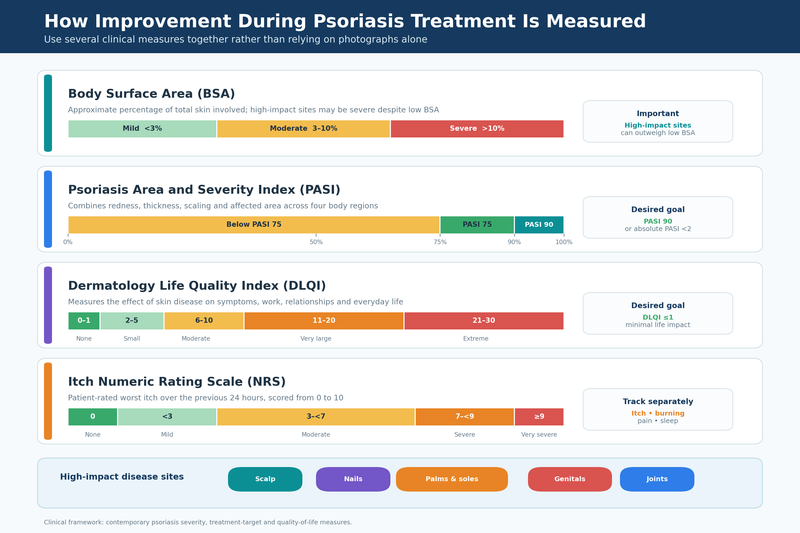
Progress should be recorded from the beginning. Body Surface Area can document how much skin is affected, while a Physician Global Assessment can grade the overall severity of plaques. The Psoriasis Area and Severity Index may be used in specialist or research-oriented monitoring, particularly when disease is extensive. The Dermatology Life Quality Index records how the condition affects clothing, work, relationships, social activity and emotional wellbeing. Itching, pain and sleep disturbance should also be scored because improvement in skin appearance alone may not reflect the patient’s complete response.[1][3]
Current evidence-based psoriasis guidelines identify a 75% improvement in the Psoriasis Area and Severity Index as a minimum treatment target in appropriate systemic-treatment settings. A 90% improvement, an absolute score below two or a Dermatology Life Quality Index of one or less is considered a more desirable outcome.[3] These benchmarks were developed for contemporary dermatological care, but they can also provide a transparent framework for documenting whether an Ayurvedic or integrative programme is producing clinically meaningful change.
For Ayurvedic treatment, the outcome should be assessed at defined intervals rather than judged from day-to-day variation. Early improvement may include less itching, reduced loose scaling, better sleep and fewer new lesions. Later assessment should examine plaque thickness, redness, affected body area, nail growth, scalp activity and recurrence after dose reduction. Nail psoriasis and longstanding thick plaques commonly require longer observation than superficial scaling, while joint symptoms must be assessed independently from skin improvement.
A patient should not be labelled cured merely because redness has temporarily faded or because an edited photograph appears clearer. A more defensible curative outcome requires complete clinical clearance, recovery of function and sustained follow-up without clinically significant recurrence. If lesions return soon after treatment is stopped, the patient may have achieved temporary control rather than durable remission.
What Should Be Assessed Before Treatment Begins?
The first assessment should confirm that the condition is psoriasis and identify its clinical type. Eczema, fungal infection, contact dermatitis, seborrhoeic dermatitis and several less common skin diseases can resemble psoriasis. A dermatologist may recommend a skin biopsy when the appearance or treatment response creates diagnostic uncertainty.[2]
The clinician should examine the scalp, nails, palms, soles, skin folds and other commonly missed sites. Painful or swollen joints, morning stiffness, heel pain, swollen fingers or toes and persistent inflammatory back pain must be specifically investigated. Psoriatic arthritis can occur even when skin disease appears limited, and delayed treatment may lead to irreversible joint damage.[2]
Previous treatment history is equally important. The patient should provide the names, doses and duration of topical steroids, tablets, injections, biologics, supplements and Ayurvedic products already used. This helps distinguish relapse from withdrawal-related worsening, prevents unsafe interactions and identifies medicines that may require laboratory monitoring.
Baseline investigations may be selected according to the proposed treatment and the patient’s medical history. A complete blood count, liver and kidney function tests, fasting glucose or HbA1c and lipid profile may be appropriate when systemic medicines, metabolic risks or herbo-mineral preparations are being considered. Pregnancy status, alcohol intake, smoking, allergies, infection history and existing liver, kidney or cardiovascular disease may materially change the treatment plan.
Any mineral-containing medicine should be prescribed only when there is a clear clinical indication. It should come from a traceable source with documented manufacturing standards and appropriate batch testing. Stronger treatment does not mean adding more metals or minerals. Strength lies in accurate diagnosis, correct formulation, appropriate dose, reliable quality control and repeated measurement of benefit and risk.
When Is Immediate Medical Attention Required?
A patient with widespread redness affecting most of the body, rapidly developing pustules, fever, chills, severe weakness, dehydration, intense skin pain or sudden extensive shedding should seek urgent medical assessment rather than beginning routine outpatient Ayurvedic treatment. Erythrodermic psoriasis and generalized pustular psoriasis can become medically serious and may require hospital-based stabilization.[2]
Urgent review is also appropriate when psoriasis deteriorates rapidly after a medicine has been stopped, when the skin develops signs of infection or when the patient becomes systemically unwell. Ayurveda may be introduced or resumed after the patient is clinically stable and the treating physicians have agreed on a coordinated plan.
Persistent joint swelling, marked morning stiffness, heel pain, reduced movement or a whole finger or toe becoming swollen requires prompt assessment for psoriatic arthritis. Skin clearance does not protect the joints unless the inflammatory joint disease is also recognized and treated. Early collaboration between dermatology, rheumatology and a qualified Ayurvedic physician offers a safer path than treating each symptom in isolation.[1][2]
Ayurvedic Treatment for Psoriasis Case Study
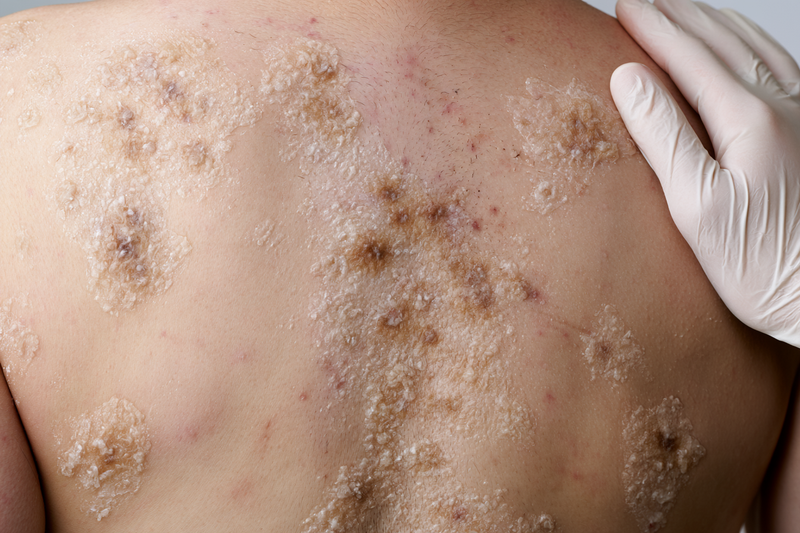
This published Ayurvedic treatment for psoriasis case followed a 36-year-old man with a 16-year history of recurrent disease affecting the trunk, legs, scalp, nails and joints. The treating authors diagnosed a mixed presentation with plaque and erythrodermic features. Management included individualized internal Ayurvedic medicines, an external herbal oil, dietary regulation and repeated follow-up from October 27, 2020, to October 31, 2023.[5]
Patient Profile and Baseline Disease Data
| Clinical parameter | Published patient data |
|---|---|
| Age | 36 years |
| Gender | Male |
| Duration of psoriasis | 16 years |
| Diagnosis recorded by the authors | Psoriasis with combined plaque and erythrodermic features |
| Main sites affected | Front and back of the trunk, both legs, scalp and nail beds |
| Skin appearance | Red-to-pink plaques, peeling erythrodermic areas and raised silvery scales |
| Principal symptoms | Intense itching and intermittent burning |
| Koebner phenomenon | Positive, indicating lesion development at sites of skin injury or trauma |
| Nail involvement | Nail-bed deformity associated with psoriasis |
| Joint involvement | Early manifestations considered suggestive of mild psoriatic arthritis by the treating authors |
| Previous treatment | Topical medicines and systemic immunosuppressive treatment |
| Previous response | Temporary symptomatic relief followed by recurrence |
| Previous adverse effects | Reported by the authors, but the type, severity and responsible medicines were not specified |
| Concomitant illness | No significant coexisting illness was identified |
| Temperature | 98.0°F |
| Pulse | 82 beats per minute |
| Blood pressure | 120/82 mmHg |
| Respiratory examination | No abnormality reported |
| Cardiovascular examination | No abnormality reported |
| Baseline laboratory investigations | Routine investigations were reported as normal, but individual values were not published |
| Skin biopsy | Not reported |
| PASI score | Not reported |
| Body Surface Area | Not reported |
| Dermatology Life Quality Index | Not reported |
| Formal rheumatology assessment | Not reported |
| Follow-up period | Approximately three years |
The diagnosis had previously been made by a dermatologist and was supported by the characteristic plaque appearance, silvery scaling, extensive distribution, nail involvement and positive Koebner phenomenon. The publication did not provide the percentage of body surface affected or a formal severity score, so the baseline burden was documented mainly through clinical examination and photographs.[5]
The authors recorded early joint involvement, but no joint imaging, inflammatory-marker results, rheumatology consultation or validated psoriatic arthritis score was provided. The joint findings should therefore be understood as a clinical observation made during the case rather than a separately confirmed rheumatological diagnosis.[5]
Ayurvedic Clinical Assessment
| Ayurvedic assessment domain | Recorded finding |
|---|---|
| Dosha involvement | Vata, Pitta and Kapha involvement, with Pitta predominance |
| Agni | Mandagni, referring to reduced digestive and metabolic capacity in Ayurvedic assessment |
| Ama | Recorded as part of the disease process; Ama is an Ayurvedic construct associated with incomplete digestion and tissue-level processing |
| Main clinical features | Kandu or itching, Daha or burning, skin discoloration, weakness, joint pain and nail changes |
| Dushya | Rasa, Rakta, Mamsa and Asthi |
| Srotas involvement | Rasavaha, Raktavaha, Mamsavaha and Asthivaha Srotas |
| Principal disease sites | Skin and nails |
| Disease duration classification | Chronic |
| Reported aggravating influence | Heat |
| Reported relieving influence | Cold contact |
| Dietary factors considered relevant | Repeated intake of Apathya Ahara and Viruddha Ahara |
| Treatment approach | Internal medicines, external application, dietary regulation and long-term follow-up |
Apathya Ahara refers to food considered unsuitable for the individual’s condition, while Viruddha Ahara refers to incompatible food combinations within Ayurvedic theory. The published report did not provide a complete dietary history or identify individual foods through a formal elimination and reintroduction process.[5]
The patient’s mixed skin, nail and joint presentation was not restricted to one isolated classical subtype. The treatment was developed from broader Ayurvedic principles addressing chronic skin disease, inflammatory activity, joint symptoms, digestion and recurrence tendency.[5]
Ayurvedic Medicines and Dosage
| Medicine | Published dose | Administration | Approximate total daily dose | Reported treatment pattern |
|---|---|---|---|---|
| Mahatiktaka Ghrita capsules | Three capsules providing 1.5 g | Once daily in the early morning on an empty stomach with warm water | 1.5 g daily | Full dose for approximately one year, followed by dose reduction |
| Kaishore Guggulu | Two tablets of 1 g each | Twice daily after meals with lukewarm water | 4 g daily | Full dose for approximately one year, followed by dose reduction |
| Gandhaka Rasayana | 250 mg | Twice daily with water | 500 mg daily | Full dose for approximately one year, followed by dose reduction |
| Patolakaturohinyadi Kashaya | 20 mL diluted with 50 mL lukewarm water | Twice daily, preferably on an empty stomach | 40 mL of formulation daily | Full dose for approximately one year, followed by dose reduction |
| Punarnavadi Kashaya | 20 mL diluted with 50 mL lukewarm water | Twice daily, preferably on an empty stomach and approximately one hour before Patolakaturohinyadi Kashaya | 40 mL of formulation daily | Full dose for approximately one year, followed by dose reduction |
| Khadirarishta | 20 mL diluted with 40 mL water | Twice daily after meals | 40 mL of formulation daily | Full dose for approximately one year, followed by dose reduction |
| Winsoria oil | Quantity sufficient for affected areas | Applied externally twice daily | Topical application twice daily | Used during the active treatment period |
The original medicine doses were maintained for approximately one year. From the December 7, 2021 follow-up, the doses were reduced by half and continued for another six months. The medicines were subsequently used intermittently according to the patient’s clinical symptoms rather than being continued at the original full doses throughout the entire follow-up period.[5]
The reported protocol combined multiple dosage forms. Mahatiktaka Ghrita was administered as medicated-ghee capsules, Kaishore Guggulu and Gandhaka Rasayana as tablets, Patolakaturohinyadi and Punarnavadi as liquid Kashaya preparations, Khadirarishta as a fermented formulation and Winsoria oil as an external application. The clinical response therefore represents the effect of the complete programme rather than proof that one medicine alone produced the outcome.[5]
Dietary Programme
| Dietary instruction | Published recommendation |
|---|---|
| Salt | Restricted |
| Sour foods | Restricted |
| Curd | Restricted |
| Aged butter | Restricted |
| Milk | Restricted |
| Sweet foods | Restricted |
| Meat | Restricted |
| Fish | Restricted |
| Meal quantity | Overeating was discouraged |
| Reported duration | Approximately three years |
The patient reportedly maintained the prescribed dietary programme during the extended follow-up period. The diet formed part of the complete intervention and continued after the period of continuous full-dose medicines.[5]
These restrictions were prescribed for this individual patient. The case does not establish that every person with psoriasis requires identical food exclusions. Long-term dietary planning should preserve adequate protein, calories, vitamins, minerals and essential fatty acids while accounting for body weight, glucose control, cardiovascular risk, digestive tolerance and individually observed flare patterns.
Treatment Response Timeline
| Date | Approximate time from treatment initiation | Skin response | Itching and burning | Joint symptoms | Nail and laboratory findings | Treatment status |
|---|---|---|---|---|---|---|
| October 27, 2020 | Baseline | Extensive active plaques, erythrodermic changes and scaling over the trunk, legs and scalp | Intense itching and intermittent burning | Joint pain present | Nail-bed deformity present; routine investigations reported as normal | Full-dose treatment started |
| November 17, 2020 | Three weeks | Redness showed mild improvement | Itching reduced mildly | Not separately quantified | No specific nail change reported | Full-dose treatment continued |
| December 22, 2020 | Eight weeks | Skin signs and symptoms improved further | Further symptomatic improvement | Joint pain noticeably reduced | No specific nail change reported | Full-dose treatment continued |
| January 19, 2021 | Approximately twelve weeks | Marked clinical improvement | Itching and burning absent | Joint pain absent | Nail response not separately quantified | Full-dose treatment continued |
| February 23, 2021 | Approximately four months | Principal lesions described as recovered; no erythematous plaques observed | Itching and burning absent | Joint pain absent | Nail-bed deformity improving | Full-dose treatment continued |
| July 5, 2021 | Approximately eight months | Small lesions appeared on the scalp; no recurrence elsewhere | No significant recurrence of the earlier symptoms reported | Joint pain absent | Biochemical profile reported as normal, without published numerical values | Full-dose treatment continued |
| July 27, 2021 | Approximately nine months | Scalp lesions resolved | No active itching or burning reported | Joint pain absent | Nail-bed deformity described as recovered | Full-dose treatment continued |
| December 7, 2021 | Approximately thirteen months | No recurrence of the principal lesions | No recurrence recorded | No joint pain recorded | Stable nail response | Medicine doses reduced by half |
| Follow-up through September 19, 2023 | Extended follow-up | Occasional very fine plaques appeared but reportedly resolved quickly | No persistent recurrence described | Joint pain did not return | Long-term clinical monitoring continued | Medicines used intermittently according to symptoms |
| October 31, 2023 | Final documented follow-up | No active recurrence reported | No active itching or burning reported | No recurrent joint pain reported | Nail condition remained improved | Continued follow-up and dietary regulation |
Figure. Published qualitative clinical course from October 2020 to October 2023. The report did not provide numerical PASI, Body Surface Area or Dermatology Life Quality Index measurements.[5]
Clinical Outcomes
| Outcome domain | Baseline condition | Reported response | Final documented status |
|---|---|---|---|
| Psoriatic plaques | Extensive plaques and erythrodermic changes affecting multiple body areas | Progressive reduction followed by recovery of the principal lesions at approximately four months | No active recurrence reported at the final follow-up |
| Itching | Intense | Mild reduction within three weeks; absent by January 2021 | No active itching reported |
| Burning | Intermittent burning over affected skin | Absent by January 2021 | No active burning reported |
| Scalp psoriasis | Active scalp involvement at baseline | Initial improvement followed by a small localized recurrence in July 2021 | Localized scalp lesions subsequently resolved |
| Nail psoriasis | Nail-bed deformity | Gradual improvement over several months | Nail-bed deformity described as recovered during follow-up |
| Joint pain | Present at baseline | Reduced by December 2020 and absent by January 2021 | No recurrent joint pain reported |
| Recurrence pattern | Recurrent disease for 16 years before treatment | Occasional fine plaques appeared during extended follow-up and resolved quickly | No active recurrence at the final documented assessment |
| Safety | Routine baseline investigations reported as normal | No treatment-related adverse event was reported | Biochemical profile described as normal, although numerical values were not published |
| Quality of life | Physical and emotional distress described | Symptom relief and sustained disease control were reported | No validated quality-of-life score was provided |
The earliest reported change was a mild reduction in itching and redness within approximately three weeks. More substantial improvement in the skin and joint symptoms was recorded at eight weeks. Itching, burning and joint pain were absent by approximately twelve weeks, while recovery of the principal plaques was documented at approximately four months.[5]
Treatment continued after visible lesion recovery. The patient remained on the original doses for approximately one year, followed by six months at reduced doses and later intermittent use according to symptoms. This extended treatment and monitoring period allowed the authors to observe a temporary localized scalp recurrence, occasional fine plaques and the subsequent return to clinical control.[5]
The final follow-up was conducted approximately three years after treatment began. At that assessment, the authors reported no active recurrence of the major plaques, no return of joint pain and sustained improvement in the nail changes.[5]
Clinical Significance
The case demonstrates a progressive response in a patient with long-standing, recurrent psoriasis who had previously obtained only temporary relief from treatment. Improvement was not described as immediate. Early symptomatic relief appeared within weeks, recovery of the principal lesions was recorded after approximately four months and treatment was continued beyond visible clearance before the dose was reduced.[5]
The result represents a single published clinical observation. The report did not include PASI, Body Surface Area, Dermatology Life Quality Index, validated nail scores or formal joint-assessment scores. It also did not publish serial numerical liver, kidney, blood-cell or metabolic results. These limitations prevent an exact comparison with contemporary psoriasis treatment targets.[5]
The clinical value of the case lies in its detailed treatment schedule, serial follow-up, photographic documentation and extended observation of recurrence. It supports the potential role of an individualized, multimodal Ayurvedic programme for selected patients while showing that outcomes should be assessed through visible lesion change, symptom relief, nail and joint response, treatment tolerance and long-term follow-up rather than a short-term testimonial alone.[5]
Measuring Ayurvedic Treatment for Psoriasis Outcomes

Ayurvedic treatment for psoriasis should be evaluated with the same clinical discipline used for any long-term psoriasis therapy. Improvement must be measured from a documented baseline and reviewed at defined intervals rather than judged only from memory, a single photograph or temporary reduction in scaling. The assessment should record visible disease activity, symptoms, quality of life, nail and joint involvement, treatment tolerance and the duration of improvement after medicines are reduced.[1][3]
Baseline Disease Measurement
Before treatment begins, the clinician should document every affected area, including the scalp, ears, nails, palms, soles, skin folds and genital region. Lesions should be assessed for redness, thickness, scaling, cracking, bleeding, pain, burning and signs of infection. The patient’s previous treatment, flare frequency, known triggers and the longest earlier period of remission should also be recorded.
Body Surface Area estimates the proportion of skin affected by psoriasis. The patient’s palm, including the fingers, represents approximately one per cent of total body surface and can be used as a practical clinical guide. This measurement is useful for identifying whether the affected area is decreasing, remaining stable or expanding during treatment.
Limited Body Surface Area does not always mean mild disease. Psoriasis affecting the face, scalp, hands, feet, nails or genital area may cause substantial disability even when the total area involved is small. Severity should therefore be determined from the location of lesions, symptoms, daily-life interference and joint involvement as well as the percentage of skin affected.[1][3]
Standardized photographs should be taken before treatment and at follow-up using the same lighting, camera distance, body position and background. Photographs should include both close views of representative plaques and wider views showing the total affected area. Changes in camera exposure, skin moisturization or image editing can make lesions appear better or worse and should not be used to judge clinical response.
Psoriasis Area and Severity Index
The Psoriasis Area and Severity Index combines the extent of psoriasis with the redness, thickness and scaling of lesions across four body regions. It produces a score from zero to seventy-two, with a higher score indicating more severe disease.
PASI 75 means that the score has improved by at least seventy-five per cent from baseline. PASI 90 represents at least ninety per cent improvement, while PASI 100 indicates complete clearance according to the scoring system. Current psoriasis guidance commonly regards PASI 75 as a minimum meaningful response for systemic treatment and PASI 90 as a more desirable treatment outcome.[3]
An improvement percentage should always be interpreted alongside the final absolute score. A patient beginning with severe psoriasis may achieve a large percentage reduction while still having clinically important plaques. Conversely, a patient with limited disease may have a low absolute PASI despite severe symptoms in functionally important locations.
PASI is less sensitive when only a small area is affected, particularly the nails, scalp, palms, soles or genital skin. In these patients, site-specific examination, symptom scores and quality-of-life assessment may be more informative than PASI alone.
Physician Global Assessment
The Physician Global Assessment provides a simpler clinical rating of overall psoriasis severity. Depending on the scale used, the skin may be graded from clear to severe according to plaque redness, thickness and scaling.
The same scoring method should be used at every visit. Changing from one scale to another can create misleading comparisons. A patient moving from severe or moderate disease to almost clear or clear has achieved a clinically important response, but this should still be confirmed by the affected area, symptoms and photographic evidence.
Itching, Burning and Pain
Visible plaque reduction does not always reflect how the patient feels. Itching, burning, tenderness and skin pain should therefore be scored separately on a numerical scale from zero to ten. Zero represents no symptom, while ten represents the worst symptom the patient can imagine.
Night-time itching should be documented because it may impair sleep, concentration, emotional stability and work performance. Improvement in sleep may be one of the earliest meaningful benefits even before complete plaque clearance occurs.
Cracking and pain are particularly important in palmoplantar psoriasis because a relatively small affected area can interfere with walking, footwear, writing, cooking and employment. Genital and inverse psoriasis may similarly produce major discomfort despite a low total Body Surface Area.
Quality of Life
The Dermatology Life Quality Index measures how a skin condition affects symptoms, clothing, leisure, work, education, relationships and treatment burden. A lower score represents less impairment. A score of zero or one indicates little or no effect on quality of life and is considered a desirable treatment outcome.[3]
Quality-of-life improvement should not be assumed merely because the plaques look lighter. Patients may continue to experience embarrassment, fear of recurrence, sleep disturbance, sexual discomfort or restrictions in clothing and social activity. These concerns should be reviewed directly during follow-up.
The patient’s own treatment priorities should also be recorded. One patient may be most concerned about visible hand lesions, while another may prioritize scalp scaling, sleep, pain or the ability to return to work. Treatment success should include progress toward these personally important goals.
Nail Response
Nail psoriasis may cause pitting, ridging, thickening, discoloration, crumbling or separation of the nail plate from the nail bed. Nail changes should be photographed and recorded individually because improvement is usually slower than skin clearance.
Fingernails may require several months to grow out, while toenails often take considerably longer. Persistent nail changes during the early months do not necessarily indicate treatment failure if new nail growth is healthier and skin disease is improving.
New nail pain, swelling around the nail or progressive separation should be assessed for infection, trauma or fungal disease. Nail psoriasis is also associated with a greater likelihood of psoriatic arthritis and should prompt careful review of joint and tendon symptoms.
Joint and Tendon Assessment
Skin improvement must not be used as evidence that joint inflammation has also resolved. Morning stiffness, swollen joints, heel pain, tendon pain, reduced movement, inflammatory back pain and swelling of an entire finger or toe should be assessed separately.
The duration of morning stiffness and the number of painful or swollen joints should be recorded at baseline and each follow-up. Persistent or worsening joint symptoms require rheumatological assessment because untreated psoriatic arthritis can cause irreversible structural damage.[1][2]
When joint involvement is suspected, clinical examination may be supplemented by inflammatory markers, ultrasound, X-ray or magnetic resonance imaging according to the presentation. Ayurvedic treatment should be coordinated with rheumatological care when active inflammatory arthritis is present.
Thirty, Sixty and Ninety Day Review
The first thirty days should focus on treatment tolerance and early changes in itching, burning, sleep, scaling, plaque activity and new lesion formation. A lack of complete clearance during this period does not automatically indicate failure, particularly in long-standing, extensive, nail or palmoplantar psoriasis.
At approximately sixty days, the clinician should compare photographs, affected body area, plaque thickness, redness and symptom scores with baseline. Continued spread, increasing pain, infection or worsening joint symptoms should trigger reassessment of the diagnosis and treatment plan.
At approximately ninety days, the response should be classified as inadequate, partial, substantial, near-clear or clear. The decision to continue, modify or intensify treatment should be based on objective measurements, patient-reported benefit, safety findings and the clinical importance of any residual disease.
A treatment that produces early symptomatic relief but does not reduce plaque activity or prevent new lesions may require modification. Conversely, slow but consistent improvement accompanied by good tolerance may justify continuation, particularly when nails, scalp, palms or soles are involved.
Remission and Relapse
Clinical clearance means that no active psoriasis plaques are visible at the assessment. Near-clearance means that only minimal residual disease remains. Neither term alone proves that the condition will not return.
Remission refers to sustained control after active disease has settled. Treatment-free remission requires continued control after the principal medicines have been discontinued. The duration of follow-up should be stated whenever remission is reported.
Relapse means that clinically significant psoriasis returns after improvement. A few transient fine plaques are different from widespread recurrence requiring full treatment. The location, severity, trigger and time since dose reduction should be recorded.
A curative outcome should be reserved for a patient who has achieved complete clinical clearance and maintained a meaningful period without clinically important recurrence. Temporary improvement during treatment should not be labelled a cure.
Laboratory and Safety Monitoring
Laboratory monitoring should be selected according to the patient’s age, comorbidities, medicines and proposed Ayurvedic formulations. Complete blood count, liver function, kidney function, glucose and lipid measurements may be appropriate when systemic treatment is used or when metabolic risk is present.
Any formulation containing processed minerals requires reliable identification, validated manufacturing, batch testing and physician supervision. Monitoring should consider the exact ingredients, dose, duration, concurrent medicines and the patient’s liver and kidney status.
New nausea, persistent vomiting, severe diarrhoea, yellowing of the eyes, dark urine, reduced urine output, marked weakness, facial swelling or breathing difficulty requires prompt clinical review. Treatment benefit should never be judged separately from treatment safety.
The published case described earlier recorded substantial clinical improvement but did not provide PASI, Body Surface Area, Dermatology Life Quality Index or serial numerical laboratory values.[5] Future Ayurvedic psoriasis cases should include these measurements so that lesion clearance, symptom relief, quality-of-life improvement, safety and remission duration can be assessed transparently.
Ayurvedic Treatment for Psoriasis and Recurrence

Ayurvedic treatment for psoriasis must account for the fact that psoriasis is a chronic, immune-mediated inflammatory disease with periods of activity, improvement and recurrence. Visible plaques may clear completely while the underlying susceptibility to inflammation remains. Long-term management must therefore address both active lesions and the factors associated with future flares rather than ending treatment as soon as scaling disappears.[1][2]
Psoriasis Is an Immune-Mediated Disease
Psoriasis develops when immune signals accelerate the growth and maturation of skin cells. These cells reach the surface more rapidly than normal, producing raised plaques with redness, thickening and scale. The inflammation may also affect the scalp, nails, joints, tendons and other tissues, which is why psoriasis should not be treated as a superficial skin problem alone.[1][2]
Psoriasis is not caused by poor hygiene and is not contagious. It cannot be transmitted through touching, sharing clothes, sexual contact, swimming or living with an affected person. This distinction is important because fear of transmission can create unnecessary isolation, relationship difficulties and emotional distress.
Genetic susceptibility influences who develops psoriasis, but heredity alone does not determine when the disease will appear or how severe it will become. Immune activity, skin injury, infections, body weight, smoking, alcohol intake, medicines, sleep and psychological stress may influence the timing and intensity of a flare.[1][2]
Why Plaques Return After Clearing
A clear skin examination means that active visible plaques are absent at that time. It does not necessarily mean that the patient’s inflammatory susceptibility has permanently disappeared. When treatment is reduced, stopped or no longer controls the disease sufficiently, inflammation may again become clinically visible.
Recurrence may appear in the same locations or involve new areas. Previously affected sites can remain particularly vulnerable, while scratching, friction, burns, cuts, tattoos or other forms of skin injury may provoke lesions through the Koebner phenomenon. Protecting the skin from repeated trauma is therefore part of relapse prevention rather than only a comfort measure.[2]
Some patients experience a gradual return beginning with scalp scaling, small plaques around the elbows or knees, nail pitting or itching in previously affected areas. Others may deteriorate rapidly after an infection, major stressor or unsuitable alteration of treatment. Recognizing the patient’s early warning pattern allows treatment to be reviewed before the disease becomes extensive.
Recurrence after an initial response does not always mean that the entire treatment has failed. It may indicate that the medicine was stopped too early, maintenance treatment was inadequate, a trigger remained active, the original diagnosis requires review or the disease has become more severe. The location, extent, symptoms and timing of recurrence should be compared with the documented baseline before the treatment plan is changed.
Common Causes of Psoriasis Flares
Skin injury is a well-recognized trigger. Repeated scratching, harsh exfoliation, tight footwear, occupational friction and sunburn can produce new lesions in susceptible patients. Gentle skin care, regular moisturization and early treatment of cracks may reduce avoidable trauma.
Infections can precede or aggravate psoriasis. Throat infections are particularly associated with guttate eruptions, while systemic illness may destabilize established disease. Fever, painful skin, rapidly spreading redness or pustules should not be assumed to be a routine flare and may require urgent medical assessment.[1][2]
Psychological stress does not mean that psoriasis is imaginary or purely emotional. Stress can influence sleep, behaviour, treatment adherence and inflammatory activity. Persistent anxiety about appearance, relationships or recurrence may further intensify the patient’s burden. Stress management should therefore accompany medical treatment without replacing it.
Obesity, smoking, excessive alcohol intake and poor sleep are associated with more difficult psoriasis control in many patients. Weight management may also reduce cardiovascular and metabolic risks that occur more frequently in people with psoriasis. Lifestyle correction should be realistic and progressive rather than based on severe short-term restrictions.[1][2]
Certain medicines can aggravate psoriasis in susceptible individuals. Changes involving corticosteroids, lithium, beta-blockers, antimalarial medicines and some other treatments require medical review. A prescribed medicine should not be stopped solely because psoriasis has worsened, since abrupt withdrawal may create greater risk than supervised adjustment.[1]
Climate may influence symptoms but does not affect every patient in the same way. Cold, dry conditions can increase cracking and scaling, while heat and sweating may aggravate inverse or sensitive-area psoriasis. Sunlight may improve plaques in some patients, but excessive exposure can cause burns and provoke new lesions.
Recurrence in Ayurvedic Assessment
Ayurveda evaluates recurrence by examining the patient’s constitution, current Dosha disturbance, digestive capacity, bowel pattern, sleep, mental stress, lesion characteristics, affected tissues and identifiable aggravating factors. This assessment may guide the choice of internal medicines, external applications, diet and maintenance care, but it should not replace the established immunological explanation of psoriasis.
A patient with red, hot and rapidly spreading lesions may require a different Ayurvedic strategy from a patient with dry, thick and stable plaques. Scalp, nail, palmoplantar and joint involvement may also require separate treatment priorities. Using the same formulation for every patient overlooks clinically important differences in disease activity and safety.
Agni refers to the Ayurvedic concept of digestive and metabolic function. Its assessment may be relevant when the patient has poor appetite, heaviness, irregular bowel movements or intolerance to specific foods. However, psoriasis should not be attributed exclusively to impaired digestion, and normal bowel function alone does not confirm that the disease has been corrected.
Viruddha Ahara refers to food combinations considered incompatible within Ayurvedic theory. Dietary history can help identify repeated patterns associated with symptoms, but extensive restrictions should not be imposed without considering nutrition, body weight, metabolic health and the patient’s actual response. A food should not be declared a universal psoriasis trigger solely because it is restricted in one individual treatment plan.
Preventing Future Flares
Relapse prevention begins before the skin becomes clear. The patient should know which early symptoms to monitor, which medicines must not be stopped abruptly and when photographs or clinical review are required. Treatment adherence, moisturization, sleep, weight management, smoking cessation and control of confirmed triggers can all influence long-term stability.[1][2]
After substantial improvement, the treatment plan may shift from active disease control to a maintenance phase. This can involve dose reduction, adjustment of the formulation, continued external care, dietary moderation and less frequent clinical review. The change should be based on lesion activity, symptoms and safety findings rather than a fixed calendar alone.
Medicine reduction should be gradual when the treatment being used requires supervised tapering. A patient who has cleared after several months may still need observation through seasonal changes, periods of stress or previous high-risk times. Sustained remission is more convincingly demonstrated when clinical control continues beyond the active treatment period.
Small recurrent lesions should be documented early rather than ignored until they spread. Comparing them with baseline photographs, Body Surface Area and symptom scores helps distinguish a limited flare from a major relapse. Early adjustment may prevent the patient from returning to the original level of severity.
The long-term objective is to achieve the greatest possible lesion clearance, protect the nails and joints, reduce the frequency and intensity of flares and extend remission without compromising safety. Complete clearance may be achievable in responsive patients, but its clinical value is greatest when it is accompanied by stable function, improved quality of life and sustained follow-up.
Ayurvedic Treatment for Different Types of Psoriasis
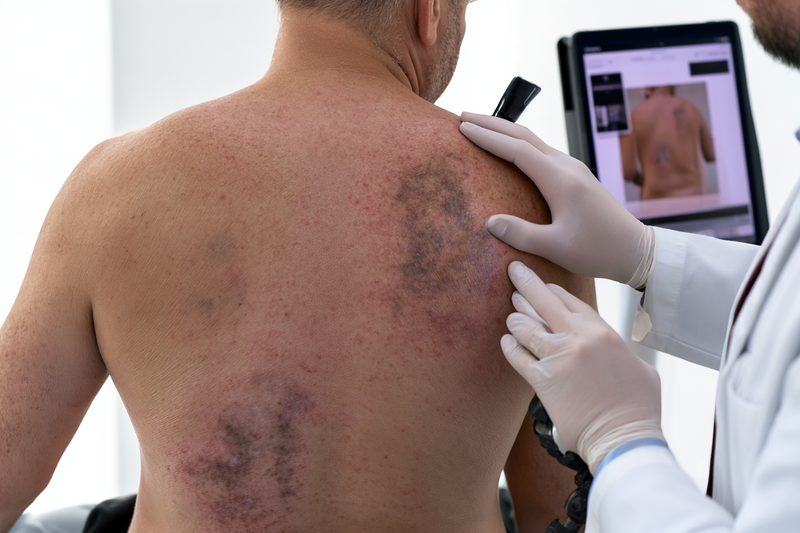
Ayurvedic treatment for psoriasis must be adapted to the clinical type, affected body area, inflammatory activity, lesion thickness, symptoms, previous treatment and risk of complications. Plaque psoriasis, scalp psoriasis, inverse psoriasis, pustular psoriasis and nail psoriasis may occur in the same patient, but they should not automatically receive an identical formulation or external application. A correct diagnosis is essential because eczema, fungal infection, seborrhoeic dermatitis and other inflammatory skin disorders can resemble particular forms of psoriasis.[1][2]
Plaque Psoriasis
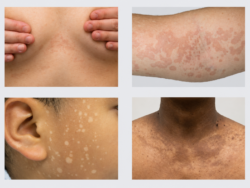
Plaque psoriasis is the most common form. It usually produces clearly defined, raised areas of inflamed skin covered by white or silvery scale. Common locations include the elbows, knees, lower back, trunk and scalp, although plaques may develop anywhere on the body.[2]
The plaques may itch, burn, crack or bleed. Their thickness and colour vary according to skin tone, body site and disease activity. On darker skin, active psoriasis may appear violet, dark brown or grey rather than bright red, and residual pigmentation may remain after the inflammation has settled.
Ayurvedic assessment considers whether the lesions are dry and rough, thick and stable, intensely red, hot, itchy or rapidly spreading. Dry, fissured plaques may require a different balance of internal and external treatment from warm, inflamed or actively expanding lesions. Heavy oil application is not suitable for every stage, particularly when the skin is hot, moist, infected or highly sensitive.
Treatment response should be measured through plaque thickness, scaling, redness, affected body area, symptoms and standardized photographs. A reduction in loose scale without improvement in plaque thickness or new-lesion formation represents only a partial response.
Scalp Psoriasis
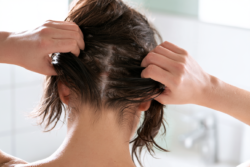
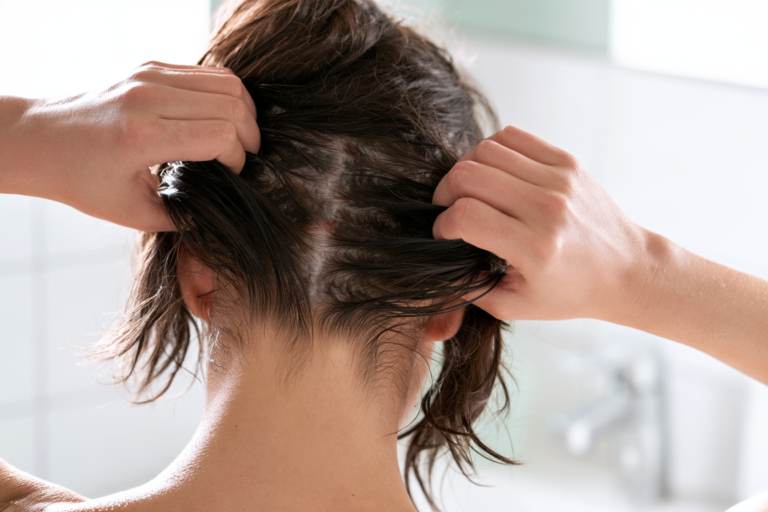
Scalp psoriasis may appear as fine scaling, thick adherent plaques or extensive inflammation extending beyond the hairline. It can affect the forehead, temples, skin behind the ears and back of the neck. Patients may experience intense itching, flaking, tenderness and temporary hair shedding caused by inflammation or repeated scratching.[2]
Scalp psoriasis can resemble dandruff, seborrhoeic dermatitis, fungal infection or allergic contact dermatitis from hair products. Persistent thick scaling, sharply defined plaques or disease extending beyond the hairline should be examined rather than treated indefinitely as ordinary dandruff.
External Ayurvedic treatment should be selected according to scale thickness, heat, sensitivity and hair-care practices. Thick oil application may loosen dry scale in some patients but can worsen folliculitis, discomfort or product accumulation in others. Oils should not be forced under plaques or removed by aggressive scratching.
The scalp should be monitored separately because it may remain active after plaques elsewhere have cleared. Treatment success includes reduced scale, itching and inflammation without causing hair breakage, irritation or infection.
Nail Psoriasis
Nail psoriasis may affect the nail matrix, nail bed or both. Common findings include pitting, ridging, yellow-brown discoloration, thickening, crumbling, white areas and separation of the nail plate from the underlying nail bed.[2]
Nail changes may be painful and can interfere with typing, dressing, footwear and manual work. They can also resemble fungal infection. Nail clippings, microscopy or culture may be required when infection is suspected because psoriasis and fungal disease can coexist.
Improvement should be judged from healthy new nail growth rather than rapid change in the already damaged portion. Fingernails may require several months to grow out, while toenails often require substantially longer. Nail treatment therefore usually needs a longer assessment period than skin-plaque treatment.
Nail involvement increases the importance of screening for joint and tendon symptoms. Morning stiffness, swollen fingers or toes, heel pain and persistent joint pain should not be attributed solely to ageing or physical work.
Guttate Psoriasis
Guttate psoriasis produces numerous small, drop-shaped scaly lesions, commonly over the trunk, arms and legs. It often begins suddenly and may follow a throat or respiratory infection, particularly in children, adolescents and younger adults.[2]
A patient with an abrupt widespread eruption may require examination for streptococcal infection and differentiation from pityriasis rosea, medication reactions and other eruptive disorders. Fever, severe illness or rapidly progressive skin changes require prompt medical assessment.
Some patients experience a single episode that gradually settles, while others later develop chronic plaque psoriasis. The clinical course should therefore be followed even after the initial eruption has improved.
Ayurvedic treatment should not delay investigation or treatment of an active bacterial infection. Internal medicines and dietary measures may be considered after the diagnosis, disease activity and infection status have been assessed.
Inverse Psoriasis
Inverse psoriasis affects skin folds such as the armpits, groin, beneath the breasts, around the buttocks and within abdominal folds. The lesions are often smooth, shiny and inflamed, with less visible scale because moisture and friction prevent the typical dry plaque from forming.[2]
Sweating, rubbing and heat can intensify discomfort. Yeast, fungal or bacterial infection may occur in the same areas and can alter the appearance, smell, pain or response to treatment.
Occlusive oils, thick pastes and strongly irritant herbal applications can aggravate fold psoriasis. External treatment should be gentle, non-irritating and suited to moist, sensitive skin. Keeping the area dry without excessive rubbing and reducing friction from clothing may improve comfort.
Inverse psoriasis should not be assumed to be ringworm or candidiasis solely because it affects a fold. Antifungal treatment is appropriate only when infection is confirmed or clinically suspected.
Genital Psoriasis
Genital psoriasis may affect the penis, scrotum, vulva, pubic area, groin folds and skin around the anus. It often appears smoother and less scaly than plaques on the elbows or knees. Symptoms may include burning, itching, tenderness and pain during sexual activity.
The condition is not sexually transmitted and cannot be passed to a partner through intimacy. However, genital infections, contact dermatitis and other inflammatory conditions can resemble psoriasis, so diagnosis should be confirmed before treatment.
Genital skin absorbs medicines more readily and is more vulnerable to irritation. Concentrated herbal pastes, essential oils, harsh cleansers and unsupervised medicated products may cause burns or worsening inflammation.
Treatment should protect comfort, sexual function and skin integrity. Persistent ulcers, discharge, severe pain or an atypical rash requires medical examination rather than continued self-treatment.
Palmoplantar Psoriasis
Palmoplantar psoriasis affects the palms, soles or both. It may produce thick plaques, scaling, painful fissures and bleeding. Even limited disease can cause substantial disability because it interferes with walking, standing, writing, cooking, driving and employment.
The diagnosis may be confused with hand eczema, allergic contact dermatitis, fungal infection or occupational skin disease. Exposure to detergents, solvents, repeated hand washing, protective gloves, footwear and workplace friction should be reviewed.
Ayurvedic external care should prioritize protection of cracks, reduction of excessive thickness and prevention of secondary infection. Very painful fissures, pus, spreading redness or difficulty walking requires prompt clinical review.
Improvement should be measured through fissure depth, pain, walking ability, hand function and new-lesion formation rather than affected area alone.
Pustular Psoriasis
Pustular psoriasis produces sterile, pus-filled lesions over inflamed skin. It may remain localized to the palms and soles or occur as generalized pustular psoriasis affecting large areas of the body.[2]
Generalized pustular psoriasis can be accompanied by fever, chills, weakness, dehydration, rapid pulse and systemic illness. It is a medical emergency that may require hospital treatment. Routine outpatient herbal treatment should not delay urgent stabilization.
Sudden withdrawal of systemic corticosteroids and changes in certain medicines can contribute to severe destabilization in susceptible patients. Any treatment change should therefore be medically supervised.[1]
Localized palmoplantar pustular disease also requires diagnostic confirmation because bacterial infection, eczema and other pustular conditions may appear similar. Oils and occlusive applications should not be placed over undiagnosed pustules.
Ayurvedic treatment may be considered only after urgent complications and infection have been excluded and the patient is medically stable. The formulation should reflect the heat, tenderness, pustulation and systemic condition rather than follow a standard dry-plaque protocol.
Erythrodermic Psoriasis
Erythrodermic psoriasis causes widespread inflammation, redness or darkening, scaling and shedding over most of the body. The skin may become painful, intensely itchy and unable to regulate temperature and fluid balance normally.[2]
Patients may develop chills, swelling, dehydration, weakness, rapid pulse or other systemic complications. Widespread erythroderma can also have causes other than psoriasis, including medication reactions and other serious skin diseases.
Extensive redness, rapid shedding, fever or systemic illness requires urgent hospital assessment. Strong purification procedures, restrictive fasting or unsupervised internal medicines are inappropriate during an unstable acute presentation.
After medical stabilization, an individualized Ayurvedic programme may be introduced as part of coordinated care. The initial priorities remain restoration of fluid balance, temperature control, infection surveillance, skin-barrier protection and identification of the factor that caused the severe flare.
Mixed and Changing Presentations
A patient may have thick plaques on the elbows, scalp scaling, nail pitting and inverse lesions at the same time. The dominant pattern may also change during treatment. Dry plaques can become inflamed, limited disease can spread or skin clearance can occur while nail or joint activity persists.
Each affected site should therefore be documented separately. A single global description such as “psoriasis improved” may conceal ongoing scalp disease, painful palmoplantar fissures or progressive nail involvement.
Ayurvedic prescribing should change when lesion characteristics and disease activity change. The same medicine, dose or oil should not be continued automatically merely because it was useful during an earlier stage. Treatment should remain guided by current examination, objective response, patient tolerance and the medical risks associated with the specific psoriasis type.
Ayurvedic Treatment for Psoriasis and Joint Risk
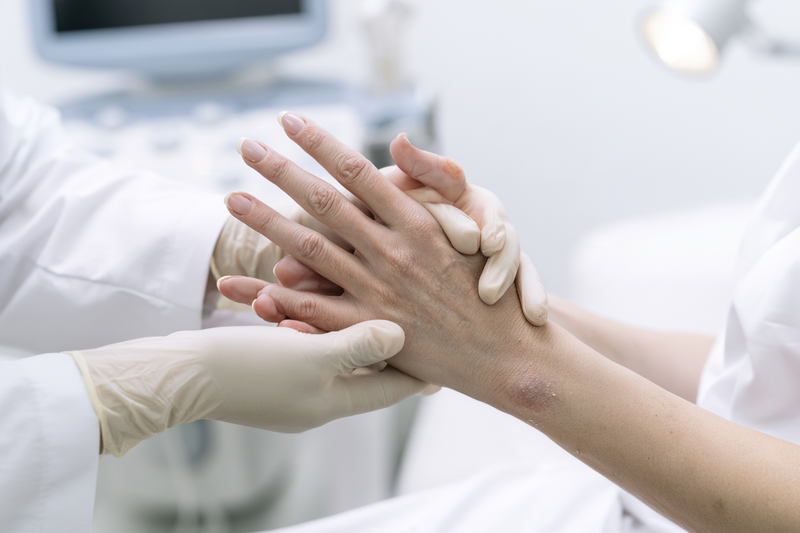
Ayurvedic treatment for psoriasis should include active screening for joint disease and associated inflammatory or metabolic conditions. Psoriasis is not limited to the visible plaques because the same inflammatory process may affect joints, tendons, nails, cardiovascular health, body weight, glucose regulation, liver health, sleep and emotional wellbeing. Treating the skin without reviewing these areas can leave clinically important disease unrecognized.[1][2]
Warning Signs of Psoriatic Arthritis
Psoriatic arthritis is an inflammatory joint condition associated with psoriasis. It may begin before, during or after the appearance of skin lesions. The severity of joint disease does not always match the extent of the skin disease, so a patient with only a few plaques may still develop significant arthritis.[1][2]
Morning stiffness lasting more than a brief period, swollen or tender joints, persistent heel pain, reduced hand function and pain that improves with movement rather than rest should be assessed. Swelling of an entire finger or toe may produce a sausage-like appearance known as dactylitis. Pain where tendons or ligaments attach to bone, particularly around the heel, sole of the foot, elbow or knee, may indicate enthesitis.
Inflammatory back pain may begin gradually, disturb sleep during the second half of the night and improve after getting out of bed. It differs from common mechanical back pain, which is more likely to worsen with physical strain and improve with rest. Persistent back stiffness in a younger patient with psoriasis requires further assessment rather than repeated pain-relief treatment alone.
Nail pitting, nail separation, thickening and crumbling can increase suspicion of psoriatic arthritis, particularly when accompanied by joint or tendon symptoms. Nail disease and joint inflammation may occur even when the skin plaques are relatively controlled.
Joint symptoms should be documented at every follow-up. The number and location of painful or swollen joints, duration of morning stiffness, ability to walk, grip strength and effect on work or sleep provide more useful information than a general statement that pain is present.
Why Early Diagnosis Matters
Untreated inflammatory arthritis can gradually damage cartilage, bone and joint structure. Once structural damage has occurred, complete recovery may not be possible even if inflammation is later controlled. Early recognition and appropriate treatment therefore protect mobility, independence and long-term function.[1][2]
A rheumatology assessment may include examination of the joints, spine, tendons and nails. Blood tests can help evaluate inflammation and exclude other forms of arthritis, but there is no single blood test that confirms psoriatic arthritis. Ultrasound, X-ray or magnetic resonance imaging may be selected according to the symptoms and stage of disease.
Improvement in skin plaques must not be assumed to mean that joint inflammation has also resolved. A patient may achieve clear skin while continuing to experience active arthritis. Joint outcomes should therefore be monitored independently from PASI, Body Surface Area and skin photographs.
Ayurvedic treatment may be integrated with rheumatological care, but prescribed disease-modifying medicines or biologics should not be stopped without specialist supervision. Pain reduction alone is not sufficient evidence that inflammatory joint activity has been controlled. Preservation of joint structure and function remains the primary objective.
Cardiovascular and Metabolic Risk
People with psoriasis, particularly those with more extensive or longstanding disease, have a higher frequency of obesity, high blood pressure, abnormal lipids, insulin resistance, type 2 diabetes and cardiovascular disease.[1][2] These conditions may share inflammatory and behavioural risk factors and should be assessed as part of comprehensive psoriasis care.
Blood pressure, waist circumference, body weight, fasting glucose or HbA1c and lipid measurements may be appropriate according to the patient’s age and medical history. Family history, smoking, alcohol intake, physical activity and existing cardiovascular disease also influence risk.
Weight reduction may improve general health and can make psoriasis treatment more effective in some patients, but extreme dieting is unnecessary and difficult to sustain. A gradual approach based on adequate protein, fibre-rich foods, portion control, regular activity and reduction of highly processed foods is more suitable for long-term management.
Ayurvedic dietary planning should not rely on extensive food prohibition without considering cardiovascular health, diabetes risk and nutritional sufficiency. A patient with obesity or insulin resistance may require a different Avaleha base, dose or dosage form from a lean patient without metabolic disease.
Liver Health and Treatment Selection
Fatty liver disease is more common among people with psoriasis, particularly when obesity, diabetes, abnormal lipids or alcohol use is present. Liver health is also important because several conventional systemic medicines, herbal products and herbo-mineral preparations require careful selection or monitoring in patients with hepatic impairment.
Baseline liver function tests may be appropriate before prolonged systemic Ayurvedic treatment, especially when the patient has fatty liver disease, regular alcohol intake, previous abnormal results or concurrent medicines that affect the liver. New jaundice, dark urine, persistent nausea, upper abdominal discomfort or unusual fatigue requires prompt medical review.
A normal liver test at the beginning of treatment does not establish that every formulation will remain safe indefinitely. Monitoring should be individualized according to the ingredients, dose, duration and the patient’s medical history.
Fermented Ayurvedic preparations may contain naturally generated alcohol. Their use should be reviewed carefully in patients with liver disease, alcohol dependence, pregnancy, alcohol-sensitive medicines or personal reasons for avoiding alcohol.
Mental Health, Sleep and Quality of Life
Psoriasis can affect confidence, relationships, clothing choices, work, exercise and sexual wellbeing. Visible scaling, fear of judgement and repeated recurrence may contribute to anxiety, low mood and social withdrawal. These effects can be substantial even when the affected body area is small.[1][2]
Sleep disturbance may result from itching, burning, pain, joint stiffness or anxiety about the condition. Poor sleep can reduce pain tolerance, impair concentration and make treatment adherence more difficult. Sleep should therefore be reviewed as a clinical outcome rather than treated as an unrelated complaint.
Persistent low mood, loss of interest, severe anxiety, hopelessness or thoughts of self-harm require direct mental-health assessment. Emotional distress should not be dismissed as a normal reaction that the patient must simply tolerate.
Ayurvedic care may include a stable daily routine, relaxation practices, breathing exercises, appropriate physical activity and sleep-supportive measures. These interventions can complement psychological or psychiatric treatment when needed, but they should not replace evidence-based care for major depression or severe anxiety.
Eye and Bowel Symptoms
Psoriasis and psoriatic arthritis can occur alongside inflammatory eye disease. A painful red eye, light sensitivity, blurred vision or sudden change in sight requires urgent ophthalmological assessment. These symptoms should not be treated only with herbal eye preparations because delayed management may threaten vision.
Persistent diarrhoea, blood in the stool, unexplained weight loss, recurring abdominal pain or prolonged bowel urgency may require investigation for inflammatory bowel disease or another gastrointestinal condition. These symptoms should not automatically be attributed to Ama or impaired Agni.
Digestive assessment remains relevant in Ayurveda, but new or persistent gastrointestinal symptoms require modern diagnostic evaluation. The presence of psoriasis does not exclude infection, coeliac disease, inflammatory bowel disease, medication-related effects or another independent diagnosis.
Integrating Ayurveda With Medical Monitoring
Ayurvedic assessment may consider lesion activity, joint symptoms, Agni, bowel pattern, sleep, stress, body weight and the patient’s broader constitutional features. This approach can help individualize diet, internal medicines, external treatment and maintenance care.
The presence of arthritis, diabetes, hypertension, fatty liver disease or cardiovascular risk may alter the selection of an Ayurvedic formulation. Sweet Avaleha bases may require modification in diabetes or severe insulin resistance. Strong heating herbs may be unsuitable when lesions are intensely inflamed, while heavy nourishing preparations may require caution in patients with obesity or impaired digestion.
Herbo-mineral medicines should not be selected solely because the psoriasis is severe. The indication, manufacturing quality, dose, duration, concurrent medicines and laboratory monitoring must be appropriate for the individual patient.
A complete follow-up should assess skin activity, nails, joints, body weight, blood pressure, metabolic health, sleep, emotional wellbeing and treatment safety. Durable psoriasis control is most meaningful when it is accompanied by preserved joint function, improved quality of life and reduced long-term health risk.[1][2][3]
Diagnosis Before Ayurvedic Treatment for Psoriasis
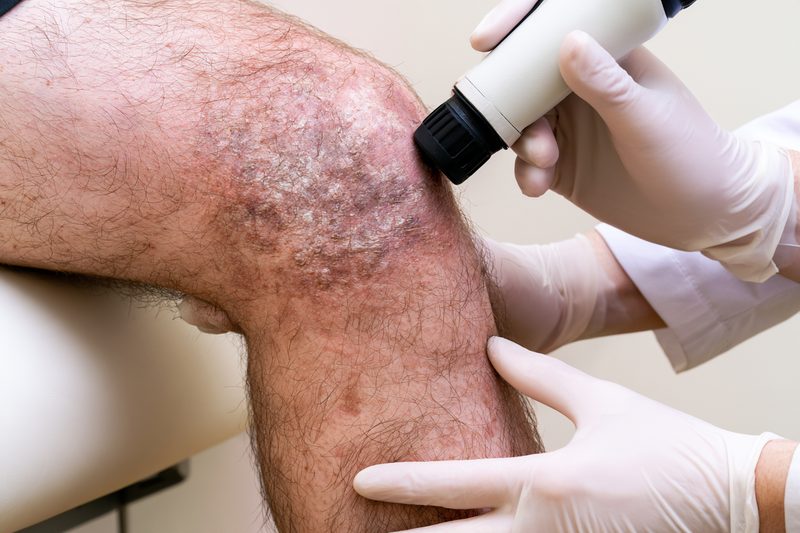
Ayurvedic treatment for psoriasis should begin only after the diagnosis has been clinically confirmed and the disease burden has been documented. Psoriasis can resemble eczema, fungal infection, seborrhoeic dermatitis, contact dermatitis and several less common inflammatory or malignant skin disorders. Treating an uncertain rash as psoriasis may delay the correct diagnosis, expose the patient to unsuitable medicines and make the apparent treatment response difficult to interpret.[1][2]
Clinical Diagnosis
Psoriasis is usually diagnosed by examining the appearance, distribution and behaviour of the lesions. Typical plaque psoriasis produces clearly demarcated raised areas with scale, often affecting the elbows, knees, scalp, lower back and trunk. Examination should also include the ears, navel, skin folds, genital area, palms, soles and nails because clinically important disease may be present in locations the patient has not recognized or mentioned.[1][2]
The clinician should ask when the lesions began, how rapidly they developed, whether they disappear completely between flares and whether scratching or skin injury causes new plaques. A positive Koebner phenomenon, nail pitting and a family history of psoriasis may support the diagnosis, but none of these findings alone is sufficient to confirm it.
Skin colour affects how inflammation appears. Active plaques may look red or pink on lighter skin and violet, dark brown or grey on darker skin. Residual darkening or lightening can remain after active inflammation has settled and should not automatically be classified as persistent psoriasis.
The patient’s photographs, previous prescriptions, pathology reports and responses to earlier treatments should be reviewed. Temporary improvement after corticosteroid application does not confirm psoriasis because eczema and several other inflammatory conditions may also respond to corticosteroids.
Conditions That Can Resemble Psoriasis
Eczema may produce itching, dryness, cracking and inflamed plaques, but its borders, distribution and surface changes may differ from psoriasis. Contact dermatitis should be considered when the eruption follows exposure to cosmetics, hair products, metals, adhesives, footwear, occupational chemicals or topical herbal preparations.
Tinea corporis and other fungal infections may form scaly plaques with a more active edge and partial central clearing. Steroid-containing creams can alter the appearance of fungal infection and create a less typical eruption. Microscopy, fungal culture or other testing may be needed before continuing anti-inflammatory treatment.
Seborrhoeic dermatitis commonly affects the scalp, eyebrows, sides of the nose and skin behind the ears. It usually produces thinner, greasier scale than classic scalp psoriasis, although both conditions may overlap in the same patient.
Inverse psoriasis in the groin, armpits or beneath the breasts may resemble candidiasis, bacterial infection or intertrigo. Genital psoriasis may resemble sexually transmitted infection, lichen planus, lichen sclerosus or irritant dermatitis. Persistent pain, ulceration, discharge or an atypical genital lesion requires direct medical examination.
Palmoplantar psoriasis can resemble chronic hand eczema, allergic contact dermatitis and fungal infection. Nail psoriasis can resemble onychomycosis, trauma and other nail disorders. Because psoriasis and fungal infection may coexist, the presence of one condition does not exclude the other.
When a Skin Biopsy Is Needed
A skin biopsy is not required for every patient with typical psoriasis. It may be considered when the lesions have an unusual appearance, when the distribution is atypical, when treatment repeatedly fails or when another diagnosis cannot be excluded clinically.[2]
The biopsy removes a small sample of skin for microscopic examination. It may help distinguish psoriasis from eczema, cutaneous lymphoma, pityriasis rubra pilaris, lichen planus and other inflammatory or neoplastic disorders.
The biopsy result must be interpreted together with the clinical history and examination. Histological findings may become less typical after prolonged use of corticosteroids, immunosuppressive medicines or repeated topical treatments, so the pathologist should receive an accurate treatment history.
Assessing Disease Severity
Severity should not be determined from Body Surface Area alone. Psoriasis affecting a small area may still be clinically severe when it involves the hands, feet, scalp, face, genital region or nails, or when it causes pain, impaired walking, sleep disturbance, sexual discomfort or inability to work.[1][3]
Body Surface Area estimates the percentage of skin involved. The Psoriasis Area and Severity Index combines lesion extent with redness, thickness and scaling across different body regions. Physician Global Assessment provides an overall clinical severity rating, while the Dermatology Life Quality Index records the effect of psoriasis on symptoms, clothing, work, social activity, relationships and treatment burden.[1][3]
The same measurements should be repeated during follow-up. A patient with extensive plaques may show meaningful improvement before reaching complete clearance, while a patient with limited palmoplantar disease may remain severely disabled despite a low Body Surface Area.
Nail and joint involvement should be recorded separately. A skin score cannot measure nail growth, tendon inflammation or joint damage. Persistent morning stiffness, swollen joints, heel pain, inflammatory back pain or swelling of an entire finger or toe requires additional assessment.
Medical History Before Treatment
The clinician should record every current and recently discontinued medicine, including topical corticosteroids, vitamin D analogues, retinoids, methotrexate, ciclosporin, apremilast, biologics, pain medicines, supplements and previously used Ayurvedic formulations. The exact dose, duration, response and adverse effects should be documented.
Abrupt discontinuation of an effective systemic treatment may allow rapid recurrence or severe destabilization. A transition to Ayurvedic treatment should therefore be coordinated with the prescribing dermatologist or rheumatologist when the patient is receiving systemic immunomodulating therapy.
The medical history should include diabetes, hypertension, obesity, abnormal lipids, fatty liver disease, kidney disease, inflammatory bowel disease, recurrent infection, pregnancy, alcohol intake, smoking and cardiovascular illness. These factors can alter the suitability of particular formulations, dietary restrictions and treatment durations.
A history of throat infection, skin trauma, major stress, seasonal change, weight gain or medicine alteration before previous flares may help identify clinically relevant triggers. Triggers should be documented as individual associations rather than assumed from a universal psoriasis list.
Baseline Investigations
Laboratory testing should be selected according to the patient’s disease severity, age, comorbidities, previous treatment and proposed medicines. A complete blood count, liver function tests, kidney function tests, fasting glucose or HbA1c and lipid profile may be appropriate before prolonged systemic treatment.
Inflammatory markers may be useful when significant joint symptoms or systemic inflammation is suspected, although normal results do not exclude psoriatic arthritis. Additional rheumatological testing and imaging should be based on the clinical presentation.
Pregnancy testing may be required before medicines with potential reproductive risk are started. Screening for infection may be necessary when the patient is receiving, recently received or may require immunosuppressive treatment.
When a herbo-mineral medicine is being considered, the clinician should document the exact formulation, manufacturer, batch, dose and duration. Product quality should be supported by botanical or mineral identity testing, microbial testing and appropriate elemental analysis. Baseline and follow-up laboratory monitoring should reflect the formulation and the patient’s individual risk.
The diagnostic record should include standardized photographs, affected body area, symptom scores, nail findings, joint symptoms and quality-of-life impact. These findings establish whether subsequent improvement represents genuine disease control, partial response, spontaneous fluctuation or treatment-related change.
Ayurvedic Treatment for Psoriasis Principles
Ayurvedic treatment for psoriasis uses the classical framework of Kushtha Chikitsa while retaining psoriasis as the confirmed modern medical diagnosis. Kushtha is a broad Ayurvedic category covering multiple disorders of the skin and should not be translated automatically as psoriasis or leprosy. Charaka Samhita, Chikitsa Sthana, Chapter 7 describes assessing causes, lesion characteristics, affected tissues, relative Dosha dominance, prognosis and patient strength before choosing treatment.[9]
Classical Assessment
The Ayurvedic examination begins with the current appearance and behaviour of the lesions rather than assigning every patient the same formulation. Plaque thickness, scaling, dryness, redness, heat, itching, burning, cracking, discharge, tenderness and rate of spread help identify the dominant clinical pattern.
Charaka states that Kushtha conditions involve more than one Dosha, although one or two may be more prominent at a particular stage. The relative strength of Vata, Pitta and Kapha should therefore be determined from the patient’s present signs rather than assumed from the diagnosis alone.[9]
This distinction has practical value. A patient with dry, rough, fissured plaques may require a different internal and external approach from a patient whose lesions are intensely red, hot and rapidly expanding. Thick, stable and highly elevated plaques may require another strategy. The dominant pattern can also change during treatment, making repeated examination necessary.
The assessment should include the scalp, nails, palms, soles, skin folds and joints because clinically important disease may persist outside the most visible plaques. Age, body strength, disease duration, previous medicines, metabolic health, sleep, stress, bowel pattern and treatment tolerance also influence the choice and intensity of therapy.
Dosha and Tissue Involvement
Vata features may include marked dryness, roughness, fissuring, pain, dark discoloration and variable lesions. Pitta features may include redness, heat, burning, tenderness, rapid inflammatory activity and sensitivity. Kapha features may include thickening, elevation, stability, heaviness, persistent itching and slowly changing plaques. These signs frequently coexist rather than appearing as three completely separate forms.[9]
Charaka Samhita describes the involvement of Twak, Rakta, Mamsa and Ambu in the classical pathogenesis of Kushtha. Twak refers to the skin, Rakta to the blood-associated tissue concept, Mamsa to muscle or supporting tissue and Ambu to the body-fluid component involved in maintaining tissue moisture and transport.[9]
These Ayurvedic tissue concepts guide clinical observation but should not be presented as direct equivalents of keratinocytes, cytokines, immune cells or modern anatomical structures. Psoriasis remains an immune-mediated inflammatory disease, and the Ayurvedic assessment provides an additional treatment framework rather than replacing its established biological explanation.[1][2]
Rakta involvement may be considered particularly relevant when lesions are intensely red, hot, burning or rapidly inflammatory. Mamsa involvement may receive greater attention when plaques are thick, raised and longstanding. Disturbance of moisture regulation may be considered when excessive dryness, scaling, oozing or sweating abnormalities are present.
The treatment emphasis should follow the dominant findings. A formulation selected for thick, cold and stable plaques may aggravate a patient with hot, tender and rapidly spreading lesions. Similarly, excessive drying treatment may worsen fissures, pain and skin-barrier damage in a patient with severe Vata features.
Ekakushtha and Kitibha Patterns
Charaka Samhita describes Ekakushtha as an extensive condition associated with reduced sweating and scale resembling fish skin. Kitibha is described as dark, rough and hard to the touch. These descriptions share selected visible characteristics with some forms of chronic plaque psoriasis, which is why the terms are frequently discussed in Ayurvedic psoriasis literature.[9]
The resemblance does not establish that every patient with psoriasis has Ekakushtha or Kitibha. Modern psoriasis includes plaque, guttate, inverse, pustular, erythrodermic, scalp, nail and palmoplantar presentations, and one patient may show several patterns at the same time.
A patient with extensive dry plaques and prominent scaling may show features resembling Ekakushtha, while dark, thick and rough plaques may resemble aspects of Kitibha. Redness, burning, fissuring, scalp disease, nail changes or joint symptoms may introduce additional Dosha and tissue considerations that cannot be captured by one classical label.
Clinical prescribing should therefore follow the complete presentation. The Ayurvedic diagnosis should record the dominant lesion pattern, Dosha involvement, affected tissues, Agni, Ama, bowel status, strength and associated symptoms rather than relying solely on the name Ekakushtha.
Agni, Ama and Dietary Assessment
Agni and Ama are assessed because appetite, digestion, bowel regularity, post-meal heaviness and food tolerance may influence the choice and dose of internal medicines. A patient with poor appetite, bloating and irregular bowel movements may not tolerate the same rich or concentrated formulation as a patient with stable digestion and normal bowel function.
The classical Kushtha framework discusses incompatible food intake, overeating, eating before the previous meal has been digested and repeated use of unsuitable foods as relevant causative factors.[9] These principles support a structured dietary history, but they do not justify assigning one universal list of prohibited foods to every patient with psoriasis.
The patient’s usual diet should be reviewed for excessive alcohol, highly processed foods, repeated overeating, inadequate protein, nutritional imbalance and individually reproducible flare associations. Body weight, diabetes, abnormal lipids, fatty liver disease and cardiovascular risk should also influence dietary advice.[1][2]
Ama should not be described as a measurable toxin circulating in the blood. Its clinical use is limited to the Ayurvedic assessment of digestion, metabolic processing and associated symptoms. A normal bowel movement does not prove that psoriasis has been cured, while constipation alone cannot be accepted as its cause.
Dietary improvement should be sustainable and nutritionally adequate. Removing multiple food groups without a clear indication can cause protein, iron, vitamin B12, calcium or other nutritional deficiencies. Restrictions should be reviewed when they fail to produce a measurable benefit.
Ayurvedic Disease Pathway
The Ayurvedic disease pathway, or Samprapti, is constructed from the patient’s likely aggravating factors, dominant Dosha pattern, affected tissues, lesion characteristics and chronicity. It explains why the disease is presenting in a particular way in that individual and identifies the points at which treatment may be directed.
In a patient with chronic dry plaques, the pathway may emphasize Vata and Kapha disturbance with persistent involvement of the skin and supporting tissues. In a patient with hot, red and rapidly active lesions, Pitta and Rakta may require greater attention. Thick plaques with severe itching may show prominent Kapha features, while painful cracking may indicate increasing Vata involvement.
Samprapti is not fixed permanently at the first consultation. Redness may decrease while dryness increases, active plaques may flatten while scalp disease persists or skin lesions may improve while nail and joint symptoms remain. Treatment should be modified when the disease pattern changes.
The established immune mechanisms of psoriasis remain clinically important. Inflammatory pathways, genetic susceptibility, skin injury, infection, medicines, smoking, obesity, alcohol, sleep and psychological stress may all contribute to disease activity.[1][2] The Ayurvedic pathway should incorporate relevant patient factors without presenting Dosha disturbance as a replacement for these mechanisms.
Treatment Selection
Ayurvedic treatment may combine Shamana medicines, external applications, dietary regulation, sleep and stress correction, metabolic risk management and a later Rasayana phase. Shamana refers to treatment intended to reduce the currently disturbed Dosha pattern without using an intensive elimination procedure. Rasayana is introduced according to the patient’s condition to support recovery, resilience and longer-term maintenance.
Internal medicine should be selected according to lesion activity, body strength, digestion, associated illness and concurrent treatment. The presence of diabetes may influence the use of sweet Avaleha bases. Liver or kidney impairment may change medicine selection and monitoring. Pregnancy, advanced age, childhood and immunosuppressive treatment require additional caution.
External treatment should match the condition of the skin. Dry, thick and stable plaques may benefit from carefully selected emollient or oil-based applications, while hot, moist, infected or highly sensitive lesions may require a different approach. Genital and skin-fold psoriasis should not receive strongly irritant preparations intended for thick plaques.
The initial objective is to control active inflammation, itching, burning, scaling, cracking and new-lesion formation. As the plaques flatten and symptoms decline, treatment may shift toward consolidation of clearance, repair of the skin barrier and prevention of recurrence.
The Dosha pattern should be reviewed at every meaningful follow-up. Continuing the original medicine unchanged despite new burning, diarrhoea, excessive dryness, worsening plaques or laboratory abnormalities can expose the patient to avoidable harm.
A clinically complete Ayurvedic assessment should result in a written treatment rationale explaining what is being treated, which outcomes will be measured and when the prescription will be reviewed. Changes in PASI, Body Surface Area, itching, sleep, nail findings, joint symptoms, photographs and quality of life should determine whether the selected Ayurvedic strategy is producing meaningful benefit.[1][3]
Why Choose Ayurvedic Treatment for Psoriasis
Ayurvedic treatment for psoriasis is often considered when plaques repeatedly return after short-term improvement, when treatment controls one body area but not another or when the patient wants a structured plan that addresses skin activity, nails, joints, sleep, digestion, metabolic health and relapse risk together. The approach is individualized according to the current disease pattern rather than based solely on the label of psoriasis.
Treatment Is Selected for the Individual
Two patients with similar-looking plaques may require different treatment. One may have intensely red, hot and rapidly spreading lesions, while another has dry, thick and stable plaques with painful fissures. Their age, body strength, digestive tolerance, body weight, diabetes risk, liver health, previous medicines and affected body sites may also differ.
Ayurvedic assessment considers these clinical variations before selecting internal medicines, external applications, diet and treatment intensity. The prescription can be adjusted when redness decreases but dryness increases, when the skin clears while nail disease persists or when joint symptoms remain active despite visible improvement.
This individualized approach is particularly relevant when psoriasis affects sensitive or functionally important areas. Scalp, genital, inverse, nail and palmoplantar psoriasis cannot be managed safely with one external preparation. Thick plaques may tolerate applications that would irritate skin folds or genital skin, while a sweet Avaleha base may require modification in a patient with diabetes or marked insulin resistance.
Treatment Extends Beyond Plaque Suppression
Temporary reduction in redness or scaling can provide valuable relief, but long-term treatment must also examine why disease control is being lost. Repeated scratching, skin injury, infection, stress, poor sleep, smoking, excessive alcohol intake, obesity and changes in prescribed medicines may contribute to recurrence in susceptible patients.[1][2]
Ayurvedic care may combine internal treatment with skin-barrier protection, bowel and digestive assessment, dietary correction, sleep support, stress regulation and management of confirmed aggravating factors. These measures do not replace the immune-based explanation of psoriasis. They broaden the treatment plan to include factors that influence symptoms, adherence, quality of life and future flares.
The patient’s priorities are also considered. A reduction in Body Surface Area may be clinically important, but the patient may be more concerned about night-time itching, visible hand lesions, painful soles, scalp shedding, sexual discomfort or inability to work. Treatment becomes more meaningful when these outcomes are measured directly.
Treatment Changes With Disease Activity
Psoriasis does not remain clinically identical throughout its course. Lesions may be inflamed and expanding during one phase, then become dry, thick and stable during another. Scalp or nail activity may continue after plaques elsewhere have flattened. A formulation that was suitable during the first phase may therefore need modification later.
During active inflammatory disease, the immediate priorities are to reduce itching, burning, redness, plaque expansion and new-lesion formation. As the condition stabilizes, treatment may place greater emphasis on reducing residual thickness, repairing fissures, improving nail growth and consolidating clearance.
After substantial improvement, the plan may shift toward maintenance. This can involve lower doses, a modified formulation, continued external care and monitoring for early recurrence. The transition should be guided by objective response and treatment tolerance rather than stopping all care as soon as the skin appears better.
The Goal Is Durable Remission
The aim of a complete Ayurvedic programme is not merely to produce a temporary cosmetic change. In a responsive patient, treatment may be directed toward complete or near-complete lesion clearance, relief of itching and burning, prevention of new plaques and the longest achievable period of remission.
Published Ayurvedic case reports have described substantial improvement in chronic plaque, erythrodermic and recurrent psoriasis using individualized multimodal treatment. Reported outcomes have included reductions in PASI, itching and quality-of-life burden, as well as prolonged follow-up after visible lesion recovery.[5][6][7][8]
These reports do not establish that every patient will obtain an identical result. They do, however, demonstrate the clinical value of combining individualized prescribing with serial assessment, gradual treatment modification and extended follow-up rather than judging success after a few days of symptom relief.
Durable remission should be documented through standardized photographs, affected body area, plaque severity, symptom scores, nail and joint findings and follow-up after medicines have been reduced. Temporary improvement during treatment should be distinguished from sustained control after the active treatment phase.
Ayurveda Can Be Integrated With Dermatology
Choosing Ayurveda does not require rejecting dermatological diagnosis, laboratory monitoring or established treatment. Patients receiving topical corticosteroids, phototherapy, methotrexate, ciclosporin, apremilast, biologics or other systemic medicines may need coordinated care while an Ayurvedic programme is introduced.
Existing medicines should not be discontinued abruptly. The decision to continue, taper or change them depends on disease severity, treatment duration, risk of rebound, joint involvement and the prescribing specialist’s assessment.[1][2]
Integration is especially important in extensive psoriasis, active psoriatic arthritis, pregnancy, significant liver or kidney disease, recurrent infection and rapidly worsening disease. Modern severity scoring and laboratory monitoring can be used alongside Ayurvedic assessment to document both benefit and safety.
A patient receiving integrated care should have one clear treatment record containing every medicine, dose, formulation, laboratory result and clinical response. This reduces duplication, identifies potential interactions and allows each clinician to understand how the complete programme is affecting the patient.
Treatment Is Built Around Measurable Decisions
A credible Ayurvedic programme defines what improvement should look like before treatment begins. Early goals may include reduced itching, better sleep and fewer new lesions. Later goals may include flatter plaques, lower PASI or Body Surface Area, healthier nail growth, improved mobility and sustained clearance.[1][3]
If the disease continues to spread, joint symptoms worsen or laboratory abnormalities develop, the prescription should be reassessed. Continuing the same treatment without measurable benefit exposes the patient to delay and unnecessary cost.
When improvement is consistent and treatment is well tolerated, the programme can be continued or gradually modified. The decision is based on the patient’s documented response rather than the assumption that a more complex or mineral-heavy formulation is automatically stronger.
The value of Ayurvedic treatment lies in accurate diagnosis, individualized medicine selection, clinically appropriate dosage, reliable product quality, repeated outcome measurement and long-term relapse planning. These elements allow Ayurveda to be used as a structured medical approach directed toward meaningful clearance and durable remission rather than as an unmonitored alternative to conventional care.
Complete Ayurvedic Treatment for Psoriasis
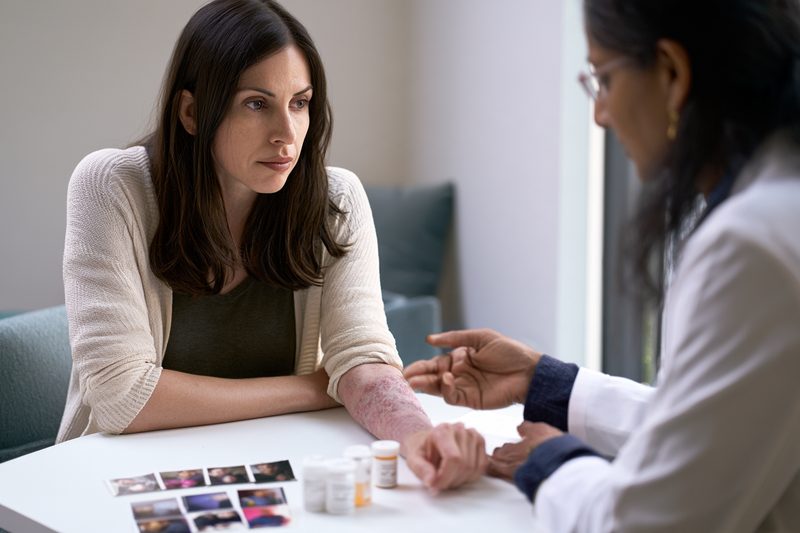
Complete Ayurvedic treatment for psoriasis is planned in stages according to lesion activity, body area, disease duration, digestive tolerance, metabolic health, nail or joint involvement and previous treatment exposure. The immediate objective is to reduce active inflammation, itching, burning, scaling and new-lesion formation. The later objective is to consolidate clearance, restore skin-barrier function and extend remission without compromising safety.
Treatment Priorities at the First Visit
The first prescription should reflect the patient’s current disease state rather than a standard psoriasis package. A patient with rapidly spreading red plaques requires a different initial approach from someone with stable, thick, dry lesions. Scalp, genital, inverse, palmoplantar and nail disease may also require separate local treatment even when the same patient has plaques elsewhere.
The clinician should identify whether the immediate priority is controlling inflammation, relieving severe itching, healing fissures, treating secondary infection, protecting joints or stabilizing disease during a transition from existing medicines. Severe erythrodermic or pustular disease, systemic illness and active inflammatory arthritis may require specialist medical stabilization before a routine outpatient Ayurvedic programme is started.[1][2]
Baseline photographs, affected body area, plaque characteristics, itching severity, sleep disturbance, nail changes and joint symptoms establish the starting point. Liver, kidney, glucose and metabolic investigations may be selected according to the proposed medicines and the patient’s existing health conditions.
A written medicine list is essential when the patient uses topical corticosteroids, phototherapy, methotrexate, ciclosporin, apremilast, biologics, pain medicines or supplements. Ayurvedic treatment should be coordinated with these therapies rather than introduced through unsupervised discontinuation.
Nidana Parivarjana and Trigger Control
Nidana Parivarjana means identifying and correcting avoidable factors that repeatedly aggravate the condition. It does not mean blaming the patient for developing psoriasis or claiming that one food caused an immune-mediated disease.
The assessment should review skin injury, scratching, occupational friction, recurrent infections, smoking, excessive alcohol use, sleep disruption, weight gain, psychological stress and recent medicine changes. The purpose is to identify patterns that are reproducible in that particular patient.
Skin trauma deserves specific attention when the Koebner phenomenon is present. Tight footwear, vigorous scrubbing, aggressive scale removal, tattoos, burns and repeated scratching can provoke new plaques. Regular moisturization, gentle bathing and protection of fissured skin can reduce avoidable injury.
Dietary triggers should be accepted only when the relationship is consistent and clinically credible. Extensive food exclusions without measurable benefit can reduce protein, iron, calcium, vitamin B12 or overall calorie intake. Restrictions should be reviewed regularly and discontinued when they do not improve symptoms or disease activity.
Trigger control does not replace internal treatment when psoriasis is active. It reduces avoidable inflammatory pressure and creates a more stable foundation for the prescribed medicines.
Internal Shamana Treatment
Shamana treatment is intended to reduce the dominant Dosha disturbance and control the current manifestations without relying on intensive elimination procedures. The formulation may use decoctions, medicated ghee, tablets, powders, fermented preparations, Guggulu-based medicines or Avaleha according to the patient’s needs.
Medicine selection should follow the lesion pattern. Red, hot, burning and rapidly active plaques require greater attention to Pitta and Rakta features. Dry, painful and fissured lesions require protection from excessive drying treatment. Thick, elevated and persistent plaques may need a different combination from thin, sensitive lesions affecting the folds or genital region.
Digestive tolerance affects both formulation and dose. A patient with poor appetite, nausea, bloating or loose stools may not tolerate a rich medicated ghee or a large semisolid dose. A patient with diabetes, obesity or fatty liver disease may require modification of an Avaleha base or selection of another dosage form.
Internal treatment may initially focus on active symptoms such as itching, burning, scaling and new-plaque formation. Once disease activity reduces, the formulation can be adjusted toward residual plaque thickness, skin recovery, nail growth and recurrence prevention.
The prescription should not become more complex merely because the disease is severe. Adding multiple medicines or herbo-mineral ingredients increases the need for quality assurance, interaction review and monitoring. Clinical strength comes from correct selection and dose rather than the number of ingredients.
External Treatment and Skin Repair
External treatment should match the temperature, moisture, thickness and sensitivity of the affected skin. Dry, stable plaques may tolerate carefully selected medicated oils or ghee preparations, while hot, tender, moist or infected lesions require a gentler approach.
An external medicine should first be tested on a limited area when the skin is sensitive or the patient has a history of contact reactions. Increasing redness, burning, swelling, blistering or spreading irritation indicates that the application should be reviewed.
Thick scale should be softened gradually rather than forcibly removed. Scraping, vigorous rubbing and aggressive combing can damage the skin and produce new lesions. Scalp applications should loosen scale without creating excessive product build-up, folliculitis or hair breakage.
Palmoplantar treatment should address fissures, pain and functional limitation. Protective emollient care may be needed alongside internal medicine because deep cracks can interfere with walking and manual work. Signs of infection, including pus, warmth, rapidly spreading redness or increasing pain, require medical assessment.
Inverse and genital psoriasis require particularly mild external care. Strong herbal pastes, essential oils and highly concentrated products may cause irritation or burns because the skin in these areas is thinner and more absorptive.
Diet, Digestion and Metabolic Health
The dietary plan should support disease control without causing nutritional deficiency. Meals are usually selected according to digestive tolerance, body weight, glucose status, cardiovascular risk, bowel pattern and the patient’s culturally familiar foods.
Regular meal timing and avoidance of habitual overeating may improve digestive comfort and weight control. Highly processed foods, excessive alcohol and diets dominated by refined sugar or saturated fat may also undermine broader metabolic health.
A patient with obesity, high blood pressure, abnormal lipids, diabetes or fatty liver disease requires a plan that addresses these risks alongside the skin. Weight reduction, when appropriate, should be gradual and based on adequate nutrition rather than prolonged fasting or extreme restriction.[1][2]
Bowel symptoms should be assessed individually. Constipation, diarrhoea, bloating or food intolerance may influence medicine selection, but bowel irregularity should not be presented as the sole cause of psoriasis. Persistent blood in the stool, weight loss or prolonged diarrhoea requires investigation rather than treatment only as an Ayurvedic digestive imbalance.
Sleep is also part of treatment because night-time itching, pain and anxiety can reduce adherence and worsen quality of life. Controlling symptoms before bedtime, maintaining a regular sleep schedule and addressing severe anxiety or depression can improve the patient’s ability to continue long-term care.
Consolidation and Rasayana
After active redness, itching and plaque expansion have reduced, treatment enters a consolidation phase. The purpose is to maintain improvement while residual thickness, pigmentation, nail changes and skin-barrier damage continue to recover.
Rasayana is used in Ayurveda as a restorative and maintenance strategy intended to support resilience and longer-term stability. It should be selected according to the patient’s strength, digestion, metabolic status and remaining disease activity rather than introduced automatically at the beginning of every case.
Heavy nourishing formulations may be poorly tolerated when the patient still has marked inflammation, impaired digestion or metabolic disease. The timing, dose and vehicle should therefore be adjusted as the clinical condition changes.
The medicine dose may eventually be reduced when plaques have flattened, new lesions have stopped appearing and symptom scores remain stable. Reduction should occur gradually when the treatment plan or concurrent medicines require tapering.
Visible clearance is followed by continued observation. Seasonal changes, major stress, infection or alteration of existing medicines may reveal whether the disease is genuinely stable. Maintenance treatment is most valuable when it prevents a small early flare from progressing into widespread recurrence.
Monitoring and Treatment Adjustment
The first follow-up should assess tolerance, itching, burning, sleep, bowel response and any new lesions. Early symptom relief is clinically valuable, but it should be accompanied over time by reduction in plaque activity and affected area.
At later visits, the clinician should compare standardized photographs, Body Surface Area, plaque thickness, redness, scaling, nail growth and joint symptoms with baseline. PASI and Dermatology Life Quality Index may provide additional objective evidence when disease is extensive or the effect on daily life is substantial.[1][3]
The formulation should be reviewed when lesions continue to spread, symptoms intensify, new adverse effects appear or laboratory values become abnormal. A medicine that was suitable during a dry, stable phase may need modification if the skin becomes hot, inflamed or sensitive.
A partial response may justify continuation when improvement is consistent and treatment is well tolerated. Lack of measurable progress, worsening joint symptoms or repeated major relapse requires reassessment of the diagnosis, treatment selection and need for integrated dermatological or rheumatological care.
Published Ayurvedic psoriasis cases have reported clinically meaningful outcomes when internal medicines, external care, diet and long-term follow-up were combined in a structured programme.[5][6][7][8] The practical value of the complete approach lies in adapting treatment to each stage, measuring response objectively and continuing follow-up beyond the first visible improvement.
Khadiradi Kushthahara Rasayana Avaleha ( Medicine)
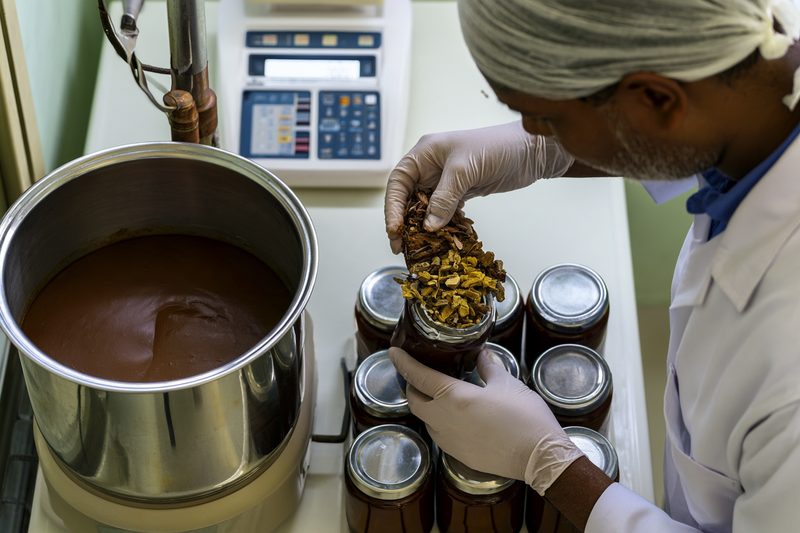
The closest book-based name for this formulation is Khadiradi Avaleha. Sushruta Samhita does not assign it a separate proprietary title; it describes an Avaleha prepared from Khadira, Asana, Nimba, Rajavriksha and Shala in Sushruta Samhita, Chikitsa Sthana, Chapter 10, Verse 9, Mahakushtha Chikitsita.[10] The expanded formulation below is therefore named Khadiradi Kushthahara Rasayana Avaleha and should be identified as a physician-designed formulation inspired by classical Kushtha Chikitsa rather than presented as an unchanged classical recipe. Ayana Ayurveda
Its extended herbal design draws from Charaka Samhita, Chikitsa Sthana, Chapter 7, which describes Triphala, Nimba, Patola, Manjistha, Rohini, Haridra, Khadira and Asana in Kushtha management; Ashtanga Sangraha, Chikitsa Sthana, Chapter 21, which describes Yogaraja Avaleha and Khadira-based combinations for chronic skin disorders; and Sharangadhara Samhita, Madhyama Khanda, Chapter 8, which provides the general pharmaceutical principles of Avaleha preparation.[9][11][12] Carakasamhita Online
The formulation is designed for a confirmed adult psoriasis patient requiring a concentrated internal medicine for active plaque control, itching, scaling, burning, dryness and recurrence tendency. It supplies 900 grams for 30 days at 15 grams twice daily.
Classical Decoction Ingredients
These herbs are coarsely powdered, extracted in water and filtered. Their spent plant material is discarded, so the 500-gram raw decoction weight is not added directly to the final 900-gram Avaleha.
| Ayurvedic ingredient | Botanical identity | Part used | Quantity for decoction | Principal formulation role |
|---|---|---|---|---|
| Khadira | Senegalia catechu (L.f.) P.J.H.Hurter & Mabb. | Heartwood | 60 g | Classical Kushthahara foundation; supports plaque, itching and chronic recurrence management |
| Asana | Pterocarpus marsupium Roxb. | Heartwood | 40 g | Classical partner of Khadira; selected for inflammatory and metabolic involvement |
| Nimba | Azadirachta indica A.Juss. | Stem bark | 40 g | Kushthahara, Kandughna and Tikta component for itching and inflammatory activity |
| Aragvadha or Rajavriksha | Cassia fistula L. | Stem bark | 30 g | Classical component of the Sushruta Avaleha; supports skin and bowel-directed treatment |
| Shala | Shorea robusta C.F.Gaertn. | Heartwood | 30 g | Classical Shalasara-group ingredient used for chronic skin and tissue involvement |
| Guduchi | Tinospora cordifolia (Willd.) Hook.f. & Thomson | Mature stem | 40 g | Tikta Rasayana component selected for recurrent inflammatory activity |
| Manjistha | Rubia cordifolia L. | Root | 40 g | Rakta and skin-focused herb for redness, discoloration and plaque activity |
| Sariva | Hemidesmus indicus (L.) R.Br. ex Schult. | Root | 30 g | Selected for burning, itching and Pitta-Rakta-predominant presentations |
| Patola | Trichosanthes dioica Roxb. | Leaf | 30 g | Tikta herb used when heat, inflammation and Kapha-Pitta features are prominent |
| Katuki | Picrorhiza kurroa Royle ex Benth. | Rhizome | 20 g | Bitter anti-inflammatory component requiring cautious dosing and digestive monitoring |
| Daruharidra | Berberis aristata DC. | Stem | 20 g | Berberine-containing herb selected for inflammatory keratinocyte activity |
| Haritaki | Terminalia chebula Retz. | Fruit pericarp | 15 g | One-third of Triphala; bowel, antioxidant and Rasayana support |
| Bibhitaka | Terminalia bellirica (Gaertn.) Roxb. | Fruit pericarp | 15 g | One-third of Triphala; supports Kapha and metabolic regulation |
| Amalaki | Phyllanthus emblica L. | Fruit pericarp | 15 g | One-third of Triphala; antioxidant and restorative component |
| Musta | Cyperus rotundus L. | Rhizome | 15 g | Supports digestive tolerance and inflammatory regulation |
| Vasa | Justicia adhatoda L. | Leaf | 20 g | Classical Kushtha-associated herb with anti-inflammatory pharmacology |
| Yashtimadhu | Glycyrrhiza glabra L. | Root | 15 g | Protects against excessive dryness and supports inflammatory modulation |
| Vidanga | Embelia ribes Burm.f. | Fruit | 10 g | Deepana-Pachana and antioxidant component |
| Punarnava | Boerhavia diffusa L. | Root | 15 g | Shothahara component for inflammatory swelling and metabolic involvement |
| Total coarse herbs | 500 g |
Fine Powder Ingredients
The following ingredients are added after the decoction and jaggery have reached the required Avaleha consistency.
| Prakshepa ingredient | Botanical or pharmaceutical identity | Part or form | Quantity |
|---|---|---|---|
| Nimba | Azadirachta indica | Leaf powder | 15 g |
| Manjistha | Rubia cordifolia | Root powder | 15 g |
| Haridra | Curcuma longa L. | Rhizome powder | 15 g |
| Daruharidra | Berberis aristata | Stem powder | 10 g |
| Guduchi Satva | Purified aqueous starch fraction of Tinospora cordifolia | Satva | 15 g |
| Amalaki | Phyllanthus emblica | Fruit powder | 15 g |
| Sariva | Hemidesmus indicus | Root powder | 10 g |
| Yashtimadhu | Glycyrrhiza glabra | Root powder | 10 g |
| Pippali | Piper longum L. | Fruit powder | 2 g |
| Shunthi | Zingiber officinale Roscoe | Dried rhizome powder | 2 g |
| Maricha | Piper nigrum L. | Fruit powder | 2 g |
| Vidanga | Embelia ribes | Fruit powder | 5 g |
| Musta | Cyperus rotundus | Rhizome powder | 4 g |
| Total fine powders | 120 g |
Avaleha Base and Mineral Component
| Ingredient | Pharmaceutical role | Quantity |
|---|---|---|
| Purified jaggery | Avaleha base and binding medium | 450 g |
| Cow ghee | Sneha component supporting texture, palatability and dry-plaque presentations | 30 g |
| Honey | Added only after cooling; assists palatability and classical Avaleha administration | 45 g |
| Gandhaka Rasayana | Pharmacopeial processed-sulphur formulation | 15 g |
| Filtered concentrated decoction | Carries extracted constituents from the 500 g decoction group | Quantity adjusted during cooking |
| Final finished weight | Sixty 15 g doses | 900 g |
The 15 grams of Gandhaka Rasayana provide 250 milligrams in each 15-gram dose and 500 milligrams per day. Gandhaka Rasayana was used at 250 milligrams twice daily in a published multimodal Ayurvedic psoriasis case, although that case cannot determine its independent effect because several medicines and an external oil were used together.[5]
Gandhaka Rasayana is the only mineral-containing component included in this standard batch. Swarna Bhasma, Heeraka Bhasma, Rajata Bhasma, Abhraka Bhasma, Lauha Bhasma, Rasamanikya, Manahshila, Hartala and mercury- or arsenic-containing preparations should not be bulk-added merely to make the Avaleha appear stronger. Their use requires a separate patient-specific indication, an independently calculated dose, pharmacopoeial manufacturing, batch-specific elemental testing and appropriate clinical monitoring. Heavy-metal toxicity has been repeatedly documented when traditional products are improperly manufactured, contaminated or inadequately prescribed. PubMed
Patient-Friendly Preparation Method
The formulation should be prepared in a licensed Ayurvedic pharmacy rather than in a domestic kitchen. Each herb must first be authenticated, cleaned and tested for substitution, microbial contamination, pesticides, aflatoxins and relevant elemental contaminants.
The 500 grams of decoction herbs are made into a coarse powder and soaked overnight in approximately 8 litres of potable water. The mixture is heated slowly and reduced to approximately 1 litre. It is then filtered through clean double-layer muslin while warm, and the spent plant material is discarded.
The 450 grams of purified jaggery are dissolved in the filtered decoction. The liquid is filtered once more to remove physical impurities and returned to a clean stainless-steel vessel. It is cooked on gentle heat with continuous stirring until the combined decoction and jaggery syrup weighs 690 grams and shows an Avaleha-like thread consistency without burning.
Thirty grams of cow ghee are incorporated into the warm syrup. The 120 grams of finely sieved Prakshepa powders are then added gradually while the mixture is stirred continuously. This produces 840 grams of herbal Avaleha before the heat-sensitive ingredients are added.
The mixture is allowed to cool below approximately 40°C. Gandhaka Rasayana is first blended geometrically with a small portion of the Avaleha so that it distributes uniformly, and this premix is then blended into the full batch. Honey is added last and must not be cooked.
The completed batch weighs 900 grams and may be packed as two labelled 450-gram jars. The label should state the patient’s name, complete formulation, batch number, manufacturing date, dose, storage conditions and review date. A clean, completely dry spoon must be used. The jar should be kept tightly closed, protected from heat and moisture, and refrigerated after opening when room temperature regularly exceeds 25°C.
Dosage for Thirty Days
The adult dose is 15 grams twice daily after meals, providing a total of 30 grams daily and 900 grams over thirty days. Each 15-gram serving contains approximately 250 milligrams of Gandhaka Rasayana.
The medicine may be followed by 100 to 150 millilitres of lukewarm water. The dose should not be doubled after a missed administration. Children, pregnant or breastfeeding patients, older frail adults and patients with significant liver, kidney or cardiac disease require a separately calculated formulation and dose.
The jaggery and honey together contribute approximately 16.5 grams of sweetening base per day. The standard preparation is therefore unsuitable for uncontrolled diabetes or severe insulin resistance without modification of the dosage form and glucose monitoring.
Research Evidence for the Ingredients
| Ingredient | What modern research suggests | Evidence level for psoriasis |
|---|---|---|
| Khadira | Heartwood extracts contain catechins and epicatechins with antioxidant, TNF-modulating and anti-inflammatory activity. Direct clinical psoriasis trials are not available.[23] | Indirect preclinical and pharmacological evidence PubMed |
| Asana | Pterocarpus marsupium extracts and pterostilbene have demonstrated COX-2 and prostaglandin-modulating activity. This supports an anti-inflammatory rationale but does not prove psoriasis efficacy.[24] | Indirect human pharmacology and preclinical evidence PubMed |
| Nimba | A double-blind study in 50 patients found that oral aqueous neem-leaf extract added to a conventional coal-tar regimen produced a faster and better response than placebo plus the same topical regimen. Neem was not tested as stand-alone therapy.[14] | Direct adjunctive human psoriasis evidence Indian J Dermatology |
| Aragvadha | Clinical and experimental work supports anti-inflammatory and epithelial-repair effects in other inflammatory skin disorders. Direct psoriasis-specific oral evidence is absent. | Indirect dermatological evidence PubMed |
| Shala | Experimental studies found suppression of inflammatory mediators including TNF-α, IL-1β, IL-6, nitric oxide and prostaglandin E2, together with wound-healing activity.[25] | Indirect preclinical evidence PubMed |
| Guduchi | In an imiquimod-induced psoriasis-like model, Guduchi contributed to downregulation of psoriasis-associated cytokines. Human psoriasis evidence remains limited and requires stronger replication.[16] | Direct psoriasis-model evidence, limited human evidence PubMed |
| Manjistha | Rubia cordifolia fractions inhibited abnormal keratinocyte proliferation, promoted differentiation and reduced psoriasiform inflammation in experimental models.[15] | Direct preclinical psoriasis evidence PubMed |
| Sariva | Reviews and experimental studies describe antioxidant and anti-inflammatory effects, including suppression of inflammatory mediators. Direct controlled psoriasis trials are not available.[20] | Indirect preclinical evidence PubMed |
| Patola | Trichosanthes dioica extracts reduced TNF-α, COX-2, NF-κB activity and oxidative stress in experimental inflammation.[21] | Indirect preclinical evidence PubMed |
| Katuki | Experimental research found reductions in TNF-α, IL-1β, IL-6, COX-2, inducible nitric oxide synthase and NF-κB activation.[19] | Indirect anti-inflammatory evidence PubMed |
| Daruharidra | Berberis extract and berberine reduced keratinocyte proliferation and psoriasis-like inflammation through JAK-STAT3, p38 MAPK, NF-κB and inflammasome-related pathways.[17] | Direct preclinical psoriasis evidence PubMed |
| Triphala | Triphala protected human keratinocytes from oxidative injury and increased involucrin and filaggrin expression in vitro. This supports barrier-recovery rationale but is not a human psoriasis trial.[22] | Indirect skin-cell evidence PubMed |
| Musta | Alpha-cyperone from Cyperus rotundus suppressed COX-2, prostaglandin E2, IL-6 and NF-κB signalling.[26] | Indirect preclinical evidence PubMed |
| Vasa | Justicia adhatoda leaf constituents inhibited NF-κB and AP-1 inflammatory signalling and demonstrated antioxidant effects.[27] | Indirect laboratory evidence PubMed |
| Yashtimadhu | Glycyrrhizin improved imiquimod-induced psoriasis-like lesions and reduced keratinocyte inflammatory signalling through NF-κB and MAPK pathways.[18] | Direct preclinical psoriasis evidence PubMed |
| Vidanga | Embelia ribes extracts suppressed nitric oxide, TNF-α and IL-6 in activated macrophages and demonstrated antioxidant activity.[28] | Indirect laboratory evidence PubMed |
| Punarnava | Flavonoids from Boerhavia diffusa reduced lymphocyte proliferation, IL-2, TNF-α, NF-κB and AP-1 activation in experimental systems.[29] | Indirect immunomodulatory evidence PubMed |
| Haridra | Randomized psoriasis studies found that bioavailable oral curcumin used with standard topical treatment produced greater PASI improvement and reduced IL-22 compared with standard treatment alone. A separate early open trial found a low overall response, showing that formulation and bioavailability materially affect results.[13] | Direct human adjunctive psoriasis evidence PubMed |
| Amalaki | Amla extract protected human keratinocytes from oxidative and inflammatory injury by reducing NF-κB, AP-1, prostaglandin E2 and reactive oxygen species.[30] | Indirect human-cell evidence PubMed |
| Pippali and Maricha | Piperine can increase curcumin exposure, but it also inhibits CYP3A4 and P-glycoprotein and may alter the concentrations of medicines such as ciclosporin, simvastatin, nifedipine and other substrates.[31] | Bioavailability role with interaction risk PubMed |
| Shunthi | Ginger constituents have demonstrated suppression of psoriasis-associated cytokines and keratinocyte proliferation in experimental models. Human oral psoriasis evidence is not established. | Direct preclinical psoriasis evidence PubMed |
| Gandhaka Rasayana | A published Ayurvedic psoriasis case used Gandhaka Rasayana at 250 milligrams twice daily within a multimodal programme associated with prolonged clinical improvement. No controlled stand-alone Gandhaka Rasayana psoriasis trial was reported.[5] | Human case-level evidence within combined treatment PubMed Central (PMC) |
The strongest human ingredient-level evidence in this formulation currently applies to curcumin as an adjunctive treatment and neem extract as an adjunct to conventional topical care. Evidence for many other herbs is mechanistic, cellular, animal-based or derived from combined Ayurvedic treatment protocols. These ingredients should therefore be presented as components of a physician-supervised multimodal formulation rather than individually proven psoriasis cures.
Safety and Clinical Monitoring
A baseline complete blood count, liver function test, kidney function test, fasting glucose or HbA1c and complete medicine review should be obtained before a prolonged course when clinically indicated. Psoriasis severity should be recorded with photographs, Body Surface Area, PASI where appropriate, itching score and Dermatology Life Quality Index.
Guduchi should be avoided or used with particular caution in patients with previous unexplained hepatitis, autoimmune hepatitis or active liver-test abnormalities because clinically significant liver injury with autoimmune features has been reported in association with Giloy products, although botanical substitution and product quality remain debated.PubMed
Yashtimadhu requires caution in hypertension, heart failure, kidney disease, low potassium and patients using diuretics or corticosteroids. Persistent glycyrrhizin exposure can raise blood pressure and reduce potassium. PubMed
Pippali and Maricha require interaction review when the patient takes ciclosporin, tacrolimus, anticoagulants, antiepileptic medicines, calcium-channel blockers, statins or other medicines dependent on CYP3A4 or P-glycoprotein. The Ayurvedic and dermatological prescriptions should be reviewed together before this Avaleha is started.
The medicine should be stopped and assessed promptly if the patient develops persistent vomiting, severe diarrhoea, jaundice, dark urine, reduced urination, facial swelling, breathing difficulty, widespread hives or rapidly worsening psoriasis. Existing corticosteroids, methotrexate, ciclosporin, apremilast, biologics or other prescribed psoriasis medicines should not be stopped abruptly when this Avaleha is introduced.
Panchakarma in Ayurvedic Treatment for Psoriasis
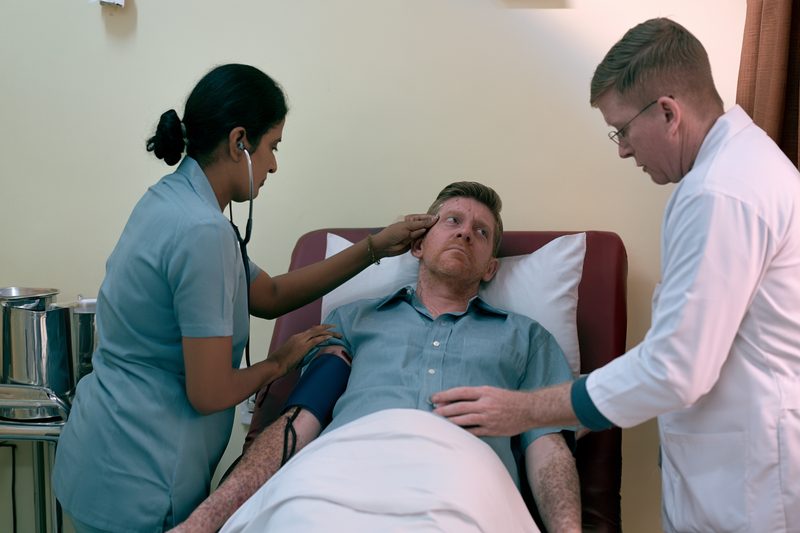
Ayurvedic treatment for psoriasis may include Panchakarma when the disease pattern, patient strength, digestive capacity and medical condition make a supervised procedure appropriate. It is not compulsory for every patient and should not be selected solely because psoriasis is chronic or extensive. The decision depends on lesion activity, psoriasis type, previous treatment, joint involvement, comorbidities and the patient’s ability to complete the preparation, procedure and recovery phases safely.[6][9]
When Panchakarma May Be Considered
Panchakarma may be considered when plaques repeatedly recur despite appropriate internal and external treatment, when the Ayurvedic assessment identifies persistent Dosha aggravation or when a carefully planned procedure may help prepare the patient for subsequent Shamana and Rasayana treatment. The expected benefit should be defined before the procedure begins.
A patient with thick, stable and longstanding plaques may be evaluated differently from someone with hot, tender and rapidly spreading inflammation. Scalp, nail, palmoplantar and joint involvement should be documented separately because improvement in one area does not establish control of the entire disease.
The clinician should review the patient’s age, body strength, appetite, bowel pattern, hydration, blood pressure, glucose control, liver and kidney function, cardiovascular status and current medicines. The patient must be physically capable of completing not only the principal procedure but also the preparatory and post-procedure phases.
Panchakarma should not be used as a substitute for urgent medical stabilization. Widespread erythroderma, generalized pustules, fever, dehydration, severe weakness, rapidly increasing pain or systemic illness requires immediate dermatological or hospital assessment.[1][2]
Assessment Before the Procedure
The diagnosis of psoriasis should be confirmed before treatment begins. A fungal infection, eczema, drug eruption, cutaneous lymphoma or another inflammatory skin disease may resemble psoriasis and could worsen if treated with an unsuitable procedure.
Disease severity should be documented through Body Surface Area, plaque redness, thickness, scaling, itching, pain, sleep disturbance and standardized photographs. PASI and Dermatology Life Quality Index may be used when the disease is extensive or has a substantial effect on daily life.[1][3]
Joint symptoms require separate assessment. Persistent morning stiffness, swollen joints, heel pain, inflammatory back pain or swelling of an entire finger or toe may indicate psoriatic arthritis. A purification procedure should not delay rheumatological treatment when active inflammatory arthritis is suspected.
Current and recently discontinued medicines must be recorded. Topical corticosteroids, methotrexate, ciclosporin, apremilast, retinoids, biologics and other systemic treatments should not be stopped abruptly to prepare for Panchakarma. Any transition should be coordinated with the prescribing dermatologist or rheumatologist.
Baseline investigations may include complete blood count, liver function, kidney function, glucose and electrolytes according to the planned procedure and the patient’s medical history. Additional testing may be required when anaemia, diabetes, hypertension, infection, pregnancy or significant liver, kidney or cardiovascular disease is suspected.
Preparatory Treatment
The preparatory phase is individualized according to appetite, digestion, bowel function, lesion activity and physical strength. Deepana and Pachana medicines may be prescribed when the Ayurvedic assessment identifies poor appetite, heaviness, bloating or other findings associated with impaired digestion.
Snehana refers to the supervised use of oleation, which may be internal, external or both. Internal oleation is not appropriate for every patient. The dose and duration depend on digestive tolerance, body weight, metabolic health and the procedure being planned.
A patient with uncontrolled diabetes, severe obesity, fatty liver disease, nausea, poor appetite or significant lipid abnormalities may require modification or avoidance of intensive internal oleation. Increasing heaviness, vomiting, persistent diarrhoea or marked intolerance requires reassessment before proceeding.
Swedana refers to controlled sudation or heat application used in selected preparatory protocols. Heat can aggravate some patients with intensely red, burning or unstable plaques. The temperature, duration and treated body area should therefore be individualized rather than applied uniformly.
Preparation should not proceed when the patient develops fever, infection, worsening inflammation, dehydration or a rapid increase in psoriasis activity. The clinical condition at the end of preparation determines whether the principal procedure remains appropriate.
Virechana
Virechana is a supervised therapeutic purgation procedure considered in selected patients when Pitta and Rakta features are prominent within the Ayurvedic assessment. Redness, burning and active inflammation may contribute to the treatment rationale, but these findings do not automatically make every patient suitable for the procedure.
The procedure requires preparation, selection of an appropriate purgative medicine, observation of bowel response, hydration monitoring and a structured recovery diet. It should not be attempted at home with over-the-counter laxatives or large doses of herbal products.
Excessive bowel evacuation can cause dehydration, electrolyte disturbance, weakness, dizziness and worsening of existing illness. The procedure should be stopped or medically reviewed when the patient develops persistent vomiting, fainting, severe abdominal pain, blood in the stool, confusion, reduced urination or inability to maintain fluids.
A published case report described a 52-year-old patient with chronic plaque psoriasis for 14 years who underwent supervised Virechana followed by internal and external Ayurvedic treatment. The abstract reported a reduction in PASI from 20.6 to 5.8, Dermatology Life Quality Index from 18 to 4 and itching score from 8 to 2 during follow-up.[6]
The result represents the complete staged protocol rather than the isolated effect of Virechana. Follow-up medicines included Rasamanikya, Vidanga Churna, Kaishore Guggulu, Kamdudha Rasa, Khadirarishta and Punarnavadi Kwatha, with external application of Brihat Marichyadi Taila. The case did not include a control group and cannot establish the expected response for every patient.[6]
Vamana
Vamana is a medically supervised therapeutic emesis procedure considered in selected classical presentations with prominent Kapha features and adequate patient strength. It is not a routine treatment for all plaque psoriasis and should not be performed only because plaques are thick or longstanding.
Suitability depends on cardiovascular and respiratory health, age, hydration, digestive capacity, body strength and the absence of contraindications. The procedure requires direct clinical supervision because uncontrolled vomiting can cause aspiration, dehydration, electrolyte imbalance, oesophageal injury and destabilization of existing illness.
Vamana is generally unsuitable during pregnancy, severe weakness, uncontrolled hypertension, active gastrointestinal disease, significant heart disease, acute infection or unstable systemic illness. Older adults, children and patients with multiple comorbidities require particularly careful risk assessment.
A patient who is not suitable for Vamana may still receive individualized Shamana treatment, external care, diet and maintenance therapy. Lack of eligibility for one procedure does not prevent a structured Ayurvedic treatment programme.
Raktamokshana
Raktamokshana is a classical bloodletting procedure considered separately from the principal Panchakarma procedures. It may be selected in limited circumstances when the Ayurvedic assessment identifies pronounced Rakta involvement and the patient is medically suitable.
It should not be performed routinely over widespread psoriasis, infected skin, actively bleeding lesions or areas with poor healing. Anaemia, anticoagulant treatment, bleeding disorders, uncontrolled diabetes, immunosuppression and vascular disease can increase procedural risk.
Bloodletting does not remove the immune basis of psoriasis from the circulation and should not be described as removing all toxins or permanently cleansing the blood. Any benefit must be demonstrated through measurable improvement in lesion activity and symptoms.
Sterile technique, correct patient identification, infection control, documentation of the treated site and post-procedure observation are essential. Increasing pain, swelling, discharge, fever or delayed wound healing requires medical assessment.
Recovery Diet
Samsarjana Krama is the graduated dietary recovery period prescribed after selected purification procedures. Its purpose is to reintroduce food according to appetite, digestive tolerance and physical recovery rather than returning immediately to heavy meals.
The duration depends on the intensity of the procedure and the patient’s response. Fluids, calorie intake, protein needs and glucose control should be considered, particularly in older adults, underweight patients and people with diabetes.
Prolonged fasting is not required to prove that a procedure has worked. Inadequate nutrition can worsen weakness, delay skin repair and reduce the patient’s ability to continue treatment.
Persistent vomiting, diarrhoea, abdominal pain, dizziness, reduced urination or inability to eat and drink normally after the expected recovery period requires prompt review. These symptoms should not be interpreted automatically as beneficial cleansing reactions.
Treatment After Panchakarma
Panchakarma is followed by reassessment rather than immediate declaration of treatment success. The clinician should compare itching, redness, scaling, plaque thickness, affected body area, sleep and new-lesion formation with the documented baseline.
Shamana medicines may then be selected according to the remaining disease pattern. A patient whose redness and burning have reduced may still require treatment for residual dryness, plaque thickness, scalp activity, nail changes or recurrence tendency.
External care continues according to the condition of the skin. Dry plaques may require barrier-supportive applications, while moist folds, sensitive genital skin and infected lesions need different local management.
Rasayana treatment may be introduced when active inflammation has settled and the patient can tolerate restorative treatment. The formulation should be adjusted for body weight, digestion, diabetes, liver health and the remaining disease activity.
A procedure should not be considered successful only because the expected number of bowel movements or vomiting episodes occurred. Clinical success requires reduced disease activity, improved function, acceptable safety and sustained benefit during follow-up.
Who Should Avoid Intensive Procedures
Intensive Panchakarma is generally unsuitable during acute systemic illness, fever, active infection, severe dehydration, uncontrolled diabetes, significant anaemia, pregnancy, severe malnutrition or unstable heart, liver or kidney disease.
Widespread painful redness, generalized pustulation, rapid skin shedding or systemic weakness may represent severe psoriasis requiring hospital-based care. Purification procedures should not delay fluid management, infection surveillance, temperature control or other urgent treatment.[1][2]
Patients receiving anticoagulants, immunosuppressants or multiple systemic medicines require coordinated evaluation. Medicine interactions, bleeding risk, infection risk and treatment withdrawal must be addressed before any procedure is scheduled.
A patient who cannot complete the preparation, supervised procedure and recovery phase should receive another form of Ayurvedic treatment. Internal Shamana medicines, external care, diet, sleep management and metabolic-risk correction can be used without an intensive procedure when clinically appropriate.
Measuring the Response
The first post-procedure assessment should examine hydration, appetite, bowel recovery, energy, skin sensitivity and adverse symptoms. Psoriasis response should be assessed only after the immediate physiological effects of the procedure have settled.
Subsequent reviews should compare PASI or Body Surface Area, plaque thickness, redness, scaling, itching and standardized photographs with baseline. Nail and joint responses require separate monitoring because they may improve more slowly than skin plaques.
A reduction in itching without improvement in plaque activity represents a partial response. Continued spread, new pustules, infection or worsening joint symptoms requires reassessment rather than repetition of the same procedure.
Published reports describe improvements in psoriasis severity, itching, pain and quality-of-life scores after supervised Ayurvedic programmes that included purification, Shamana and Rasayana treatment.[6][8] These reports are individual clinical observations and do not establish the average benefit or comparative effectiveness of Panchakarma.
The decision to repeat a procedure should depend on the patient’s previous response, recovery, current disease state and safety findings. Repetition based only on a fixed seasonal schedule can expose the patient to unnecessary risk when the clinical indication is no longer present.
Evidence for Ayurvedic Treatment for Psoriasis

Evidence for Ayurvedic treatment for psoriasis includes published clinical case reports describing substantial improvement in chronic plaque, erythrodermic, nail and joint-related manifestations. These reports document outcomes from individualized combinations of internal medicines, external applications, dietary regulation and staged follow-up. They provide clinically useful observations but do not establish an average cure rate or guarantee that every patient will achieve the same result.[5][6][7][8]
Longstanding Plaque and Erythrodermic Psoriasis
A 2025 case report followed a 36-year-old man who had experienced recurrent psoriasis for 16 years. The treating authors diagnosed a mixed presentation with plaque and erythrodermic features affecting the trunk, legs and scalp, together with nail-bed deformity, pronounced itching, intermittent burning and early joint involvement.[5]
The programme combined Mahatiktaka Ghrita, Kaishore Guggulu, Gandhaka Rasayana, Patolakaturohinyadi Kashaya, Punarnavadi Kashaya, Khadirarishta, an external herbal oil and dietary regulation. Full doses were used for approximately one year, followed by reduced doses for six months and later intermittent treatment according to symptoms.[5]
Mild improvement in itching and redness was recorded within approximately three weeks. Skin symptoms and joint pain improved further by eight weeks. By approximately twelve weeks, itching, burning and joint pain were absent, and recovery of the principal plaques was recorded after about four months.[5]
Small scalp lesions appeared during follow-up but subsequently resolved. Nail-bed changes continued to improve, and joint pain did not recur. Occasional fine plaques appeared during extended observation but reportedly settled quickly. At the final documented follow-up on October 31, 2023, no active recurrence of the major lesions was reported.[5]
The report included serial clinical observations and photographs but did not provide PASI, Body Surface Area, Dermatology Life Quality Index or validated joint scores. Its strongest contribution is the prolonged documentation of treatment response, dose reduction and recurrence over approximately three years rather than a single short-term before-and-after comparison.[5]
Chronic Plaque Psoriasis With Measured Improvement
A 2025 case report described a 52-year-old patient with chronic plaque psoriasis for 14 years. The treatment programme included a supervised Virechana procedure followed by internal medicines and an external oil. The reported formulations included Rasamanikya, Vidanga Churna, Kaishore Guggulu, Kamdudha Rasa, Khadirarishta, Punarnavadi Kwatha and Brihat Marichyadi Taila.[6]
The baseline PASI score was 20.6 and decreased to 5.8 during the reported follow-up. This represented a substantial reduction in the measured extent and severity of the plaques, although residual disease remained.[6]
The Dermatology Life Quality Index decreased from 18 to 4, indicating a marked reduction in the effect of psoriasis on daily life. The itching score decreased from 8 to 2, showing that the clinical improvement included symptom relief rather than only visible plaque change.[6]
The outcome reflects the complete protocol rather than the effect of one medicine or procedure. Because the publication described one patient without a comparison group, it cannot determine how much improvement resulted from each treatment component or predict the response of patients with different psoriasis types, comorbidities or previous treatment exposure.[6]
Plaque Psoriasis With Post-Treatment Follow Up
A 2021 case report described individualized Ayurvedic management of chronic plaque psoriasis over approximately one year. The treatment was modified according to the patient’s clinical response rather than being limited to one fixed product.[7]
The authors reported complete clinical resolution of the active lesions during treatment. The patient was then followed for approximately one year after the treatment was stopped, with no recurrence reported during that observation period.[7]
Post-treatment follow-up is particularly important in psoriasis because visible clearance while medicines are being taken does not establish durable remission. Continued control after discontinuation provides stronger clinical evidence than temporary plaque suppression alone.
The report remains an individual clinical observation. The absence of a controlled comparison means that natural fluctuation, avoidance of triggers, dietary changes and the combined treatment programme may all have contributed to the result. The outcome cannot be converted into a universal treatment duration or expected cure rate.[7]
Erythrodermic Psoriasis With Complete Score Reduction
A 2021 case report documented Ayurvedic management of erythrodermic psoriasis using a staged programme of Shodhana, Shamana and Rasayana treatment. Erythrodermic psoriasis is a severe presentation involving widespread skin inflammation and requires careful medical assessment because fluid imbalance, temperature disturbance, infection and systemic complications may occur.[8]
The reported PASI score decreased from 37.4 to 0. The Dermatology Life Quality Index decreased from 11 to 0, and the recorded pain score decreased from 7 to 0 during the treatment period.[8]
A final PASI of zero indicates that no active psoriasis was detected through that scoring method at the reported assessment. The quality-of-life and pain results show that the response extended beyond the visible surface of the skin.[8]
The case demonstrates that complete clinical clearance was documented in one patient, but it does not establish the safety or effectiveness of using the same programme in every erythrodermic presentation. Patients with widespread redness, rapid shedding, fever, dehydration or systemic weakness may first require hospital-based stabilization before any prolonged Ayurvedic treatment is introduced.[1][2][8]
What the Published Outcomes Show
Across these reports, clinically meaningful outcomes included reduction or clearance of plaques, relief of itching and burning, improvement in quality of life, reduction of pain, improvement in nail changes and prolonged periods without major recurrence.[5][6][7][8]
The treatment periods were generally measured in months rather than days. Visible improvement often developed progressively, and medicine was continued beyond the first reduction in symptoms. This pattern is relevant for patients with longstanding plaques, nail involvement or repeated recurrence because early itching relief does not necessarily indicate that the disease process is adequately controlled.
The reported interventions were multimodal. Internal medicines, external applications, dietary regulation, follow-up and treatment modification were used together. The evidence therefore supports evaluation of a complete individualized programme rather than attributing the outcome to one herb, one Bhasma, one oil or one procedure.
The case reports also show the value of measurable outcomes. PASI, itching scores, pain scores and Dermatology Life Quality Index provide more reliable evidence than an undocumented statement that the patient felt better. Long-term photographs and follow-up after dose reduction help distinguish temporary improvement from sustained remission.
Clinical Relevance for Patients
The available evidence supports considering Ayurveda as a structured treatment option for selected patients when diagnosis is confirmed, medicines are individualized, quality is controlled and progress is measured. It does not support purchasing an unverified product based only on the word psoriasis or reproducing a published prescription without examining the patient.
A patient with dry, thick plaques may require a different formulation from one with burning, rapidly active lesions. Diabetes, obesity, fatty liver disease, pregnancy, kidney impairment, existing immunosuppressive treatment and joint involvement can materially change the suitability of a medicine or dosage form.
Clinical improvement should be assessed through plaque severity, affected body area, standardized photographs, itching, sleep, nail growth, joint symptoms and quality of life. Relevant laboratory investigations should be repeated when prolonged systemic or herbo-mineral treatment is used.
The strongest evidence of a successful Ayurvedic outcome is complete or near-complete clearance followed by sustained control during dose reduction and continued follow-up. The published cases demonstrate that such outcomes have been documented in individual patients, while the probability, timing and durability of response must still be determined separately for each person.[5][6][7][8]
Ayurvedic Treatment for Psoriasis Beyond Skin Plaques

Ayurvedic treatment for psoriasis should address more than the visible redness and scaling because the disease can affect sleep, daily function, emotional wellbeing, nails, joints and metabolic health. A patient may show substantial improvement in plaque appearance while continuing to experience severe itching, fatigue, painful fissures, nail damage or inflammatory joint symptoms. These outcomes require separate assessment and treatment rather than being assumed to improve automatically when the skin begins to clear.[1][2]
Itching, Burning and Sleep
Itching may be persistent, episodic or markedly worse at night. Repeated scratching can damage the skin, increase bleeding and provoke new lesions through the Koebner phenomenon. The itching score, timing, affected areas and effect on sleep should be documented before treatment and reviewed at each follow-up.
Ayurvedic prescribing considers whether itching is accompanied by dryness, heat, burning, thick plaques, sweating or moisture. A patient with dry, rough and fissured plaques may require a different internal and external approach from someone with hot, sensitive or inflamed lesions. The treatment should reduce itching without excessively drying or irritating the skin.
Night-time symptoms require specific attention. An external application that softens scale and reduces dryness may be used when appropriate, while internal treatment is directed toward the dominant inflammatory and Ayurvedic pattern. Bedding, room temperature, bathing habits and moisturization may also influence comfort.
Improved sleep is a meaningful treatment outcome. The patient should be asked about time taken to fall asleep, awakening because of itching, total sleep duration and daytime tiredness. Visible skin improvement without better sleep may represent an incomplete response.
Burning requires separate monitoring from itching. Increasing heat, tenderness, rapid redness or pain may indicate active inflammation, irritation from a topical preparation or infection. The medicine should be reassessed rather than assuming that burning is a normal healing reaction.
Digestion and Bowel Function
Digestive and bowel assessment may influence the choice, dose and timing of Ayurvedic medicines. Poor appetite, nausea, bloating, post-meal heaviness, constipation or loose stools can reduce treatment tolerance and make adherence difficult.
These symptoms do not prove that digestion is the sole cause of psoriasis. Psoriasis remains an immune-mediated inflammatory disease influenced by genetic and environmental factors.[1][2] Digestive assessment is used to personalize treatment rather than replace the established medical explanation.
A patient with poor tolerance to oils or rich preparations may require a lower dose or another dosage form. Persistent loose stools may make concentrated decoctions or certain herbs unsuitable, while severe constipation may require separate investigation and treatment rather than repeated use of strong laxatives.
New blood in the stool, unexplained weight loss, prolonged diarrhoea, night-time bowel symptoms or severe abdominal pain requires medical evaluation. These findings should not be attributed only to Ama, dietary incompatibility or medicine adjustment.
Dietary correction should support adequate nutrition. Removing multiple foods without a clear indication can produce protein, iron, calcium, vitamin B12 or other deficiencies. The effect of any restriction should be reviewed through symptoms, disease activity and nutritional status.
Weight and Metabolic Health
Psoriasis is associated with a higher frequency of obesity, insulin resistance, type 2 diabetes, abnormal lipids, hypertension, fatty liver disease and cardiovascular risk.[1][2] These conditions may influence disease severity, medicine selection and long-term health even when they do not directly cause every psoriasis flare.
Body weight, waist circumference, blood pressure, fasting glucose or HbA1c and lipid measurements may be appropriate according to the patient’s age and risk profile. Liver assessment may also be needed when obesity, diabetes, alcohol intake, fatty liver disease or prolonged systemic treatment is present.
A sweet Avaleha base may require modification in a patient with uncontrolled diabetes, severe insulin resistance or substantial obesity. The daily dose, carbohydrate content and total treatment plan should be considered rather than assuming that a traditional dosage form is suitable for every patient.
Weight reduction may improve general health and may contribute to better psoriasis control in some patients. The approach should be gradual and nutritionally complete. Extreme fasting, severe calorie restriction and prolonged elimination diets can reduce strength, disturb medicine tolerance and make long-term adherence unlikely.
Ayurvedic dietary planning should consider appetite, digestive tolerance, body composition and metabolic status together. A lean patient with low appetite and nutritional deficiency requires a different plan from a patient with central obesity, fatty liver disease and elevated glucose.
Stress and Emotional Burden
Psoriasis can affect confidence, relationships, clothing choices, intimacy, work and social participation. Visible plaques, scalp shedding and repeated relapse may produce embarrassment, anxiety or avoidance even when the affected body area is medically classified as limited.[1][2]
Stress does not mean that psoriasis is imaginary or caused only by emotional factors. Psychological stress can influence sleep, scratching, alcohol use, treatment adherence and inflammatory activity. The relationship may also work in the opposite direction, with severe psoriasis creating ongoing stress.
The patient should be asked directly about mood, anxiety, social withdrawal, work limitations and relationship difficulties. The Dermatology Life Quality Index can help document these effects and measure whether treatment is improving the patient’s daily life as well as the skin.[3]
A stable routine, appropriate exercise, breathing practices, meditation and improved sleep timing may support treatment. These measures can be incorporated without presenting them as substitutes for internal medicines, dermatological treatment or mental-health care.
Persistent hopelessness, severe anxiety, loss of interest, panic symptoms or thoughts of self-harm require prompt professional assessment. Emotional suffering should not be dismissed as a minor consequence of a skin condition.
Nail and Joint Protection
Nail psoriasis may persist after skin plaques have improved. Pitting, thickening, crumbling, discoloration and separation from the nail bed should be photographed and followed over time because healthy nail growth is slow.
The response should be judged from new nail growth rather than rapid disappearance of existing damage. Progressive thickening, pain or separation may also require testing for fungal infection because psoriasis and onychomycosis can occur together.
Nail involvement increases the importance of screening for psoriatic arthritis. Morning stiffness, painful or swollen joints, heel pain, reduced movement, inflammatory back pain and swelling of an entire finger or toe require assessment.[1][2]
Ayurvedic treatment may address pain, stiffness and the broader inflammatory pattern, but symptom relief alone does not confirm that joint inflammation is controlled. Persistent or worsening joint symptoms require rheumatological evaluation because delayed treatment can result in structural damage.
Skin, nail and joint outcomes should therefore be recorded separately. Clear skin with continuing joint inflammation is not complete disease control.
Skin Barrier and Daily Function
Psoriatic skin may remain dry, sensitive and vulnerable even after plaque thickness decreases. Regular moisturization and gentle cleansing can reduce cracking, pain and repeated trauma. Very hot bathing, abrasive scrubbing and forceful scale removal can aggravate the skin.
External Ayurvedic preparations should support the condition of the skin at that stage. Dry, stable plaques may tolerate oil-based care, while hot, moist, irritated or infected lesions require a different approach. Skin folds and genital areas need lighter and less irritant applications than thick plaques over the elbows or knees.
Painful palmoplantar disease can severely limit walking, standing, writing, cooking and occupational tasks despite involving a small body area. Treatment outcomes should include fissure healing, pain reduction, walking ability and hand function rather than relying only on Body Surface Area.
Scalp disease should be assessed through itching, scale, redness, tenderness and hair breakage. Improvement elsewhere on the body does not confirm that the scalp is controlled.
The patient should receive clear instructions for bathing, moisturization, scale care, clothing, footwear and protection from skin injury. These measures reduce avoidable discomfort and help preserve improvement achieved through internal treatment.
Long-Term Self-Management
Long-term control improves when the patient can recognize early recurrence. The first warning sign may be scalp scaling, itching in a previously affected area, a small plaque over the elbow, new nail pitting or renewed morning stiffness.
Early lesions should be photographed and compared with the patient’s previous pattern. A limited recurrence may require adjustment of external care or maintenance medicine, while rapid spread, pustules, widespread redness or joint swelling requires prompt medical review.
The patient should keep an accurate record of medicines, doses, treatment changes, laboratory results and adverse symptoms. This is particularly important when Ayurvedic formulations are used alongside dermatological or rheumatological treatment.
Maintenance should be individualized rather than continued indefinitely at the highest dose. When plaques are clear and symptoms remain stable, treatment may be reduced or modified while monitoring for recurrence. The decision should consider disease duration, previous relapse pattern, nails, joints and seasonal changes.
The broader objective is complete or near-complete skin clearance accompanied by better sleep, restored daily function, stable nails and joints, improved quality of life and the longest achievable period without clinically significant recurrence. These outcomes provide a more complete measure of Ayurvedic treatment success than plaque appearance alone.[1][3]
Diet and Lifestyle in Ayurvedic Treatment for Psoriasis
Diet and lifestyle are important parts of Ayurvedic treatment for psoriasis, but no single food plan can clear every patient’s plaques or permanently prevent recurrence. The purpose of dietary treatment is to improve nutritional quality, support metabolic health, reduce individually confirmed aggravating factors and make long-term medicine use easier to tolerate. Food changes should complement internal and external treatment rather than replace necessary dermatological or rheumatological care.[1][2]
Pathya-Based Food Planning
Pathya refers to food and daily habits considered suitable for the patient’s current condition, digestion and treatment stage. The plan should account for appetite, bowel pattern, body weight, glucose control, cardiovascular risk, cultural diet and the activity of the skin lesions.
A practical foundation includes regular meals containing vegetables, whole grains where tolerated, pulses or other suitable protein sources, nuts, seeds and appropriate unsaturated fats. Protein intake is particularly important when extensive scaling, dietary restriction, older age or weight loss increases the risk of nutritional deficiency.
Freshly prepared food may be easier to regulate than a diet dominated by packaged meals, refined carbohydrates, deep-fried foods and frequent sugary snacks. The objective is not to create an unnecessarily narrow diet but to reduce repeated patterns that worsen weight, glucose control, lipid levels or digestive tolerance.
Meal quantity should match appetite and activity. Repeated overeating can increase heaviness, reflux and poor medicine tolerance, while prolonged fasting can reduce strength and make concentrated herbal formulations difficult to tolerate. Regular meal timing is generally more sustainable than alternating between severe restriction and excessive intake.
Ayurvedic dietary planning also reviews Apathya and Viruddha Ahara when these patterns are relevant to the individual. A suspected food-related flare should be documented through repeated exposure and clinical response rather than assumed from a universal prohibited-food list.[9]
Weight and Metabolic Health
Obesity, insulin resistance, type 2 diabetes, abnormal lipids, hypertension and fatty liver disease occur more frequently in people with psoriasis and may complicate long-term treatment.[1][2] Weight management is therefore part of comprehensive care when the patient is overweight or has central obesity.
Weight reduction should be gradual. A sustained calorie deficit, adequate protein, increased vegetable intake and regular physical activity are safer than extreme fasting or repeated detox diets. Rapid weight-loss plans can produce fatigue, nutritional deficiencies, gallbladder problems and poor treatment adherence.
Body weight alone does not describe metabolic risk completely. Waist circumference, blood pressure, fasting glucose or HbA1c, lipid profile and liver health may also require monitoring. A patient whose plaques improve while diabetes or fatty liver disease worsens has not achieved complete health improvement.
An Avaleha containing a substantial sweet base may require dose modification or replacement with another dosage form in a patient with uncontrolled diabetes, severe insulin resistance or marked obesity. The total carbohydrate exposure from medicines and food should be considered together.
Underweight patients need a different strategy. Extensive dietary restriction can worsen weakness, muscle loss and micronutrient deficiency. Their plan may require energy-dense foods, adequate protein and treatment of any underlying gastrointestinal or systemic condition contributing to weight loss.
Gluten, Dairy and Other Commonly Avoided Foods
A gluten-free diet is not required for every patient with psoriasis. It may be appropriate when coeliac disease has been diagnosed or when compatible symptoms and testing indicate gluten-related disease. Removing gluten without a clear reason can reduce fibre, B vitamins and dietary variety while increasing dependence on highly processed gluten-free products.[1]
Persistent diarrhoea, iron deficiency, unexplained weight loss, abdominal bloating or a family history of coeliac disease may justify medical evaluation. Testing should ideally occur before gluten is completely removed because prolonged avoidance can make diagnostic results less reliable.
Dairy products are not universal psoriasis triggers. A patient who experiences reproducible worsening after a particular dairy product may undergo a supervised trial of avoidance, but the response should be reviewed rather than assumed. When dairy is removed, alternative sources of calcium, protein, vitamin B12 and vitamin D may be necessary.
Nightshade vegetables, tomatoes, citrus fruits, fermented foods and spices are frequently blamed for psoriasis without consistent evidence that every patient must avoid them. Individual intolerance can occur, but broad restriction should produce a measurable clinical benefit to justify its continuation.
A food should not be labelled harmful solely because itching happened once after eating it. Psoriasis naturally fluctuates, and symptoms may also be influenced by stress, infection, weather, medicines, skin injury and sleep. A food-and-symptom record can help distinguish a repeated association from coincidence.
Alcohol, Smoking and Processed Foods
Excessive alcohol use can interfere with sleep, weight control, liver health and consistent treatment. It may also increase the risk associated with medicines that affect the liver. Alcohol intake should be documented accurately rather than excluded from the consultation because of embarrassment.[1][2]
Patients using fermented Ayurvedic preparations should be informed that these medicines may contain naturally generated alcohol. Their suitability requires additional consideration in liver disease, pregnancy, alcohol dependence, alcohol sensitivity or when interacting medicines are being used.
Smoking is associated with poorer overall health and may make psoriasis control more difficult. Smoking cessation reduces cardiovascular and cancer risk even when the immediate effect on plaques is not predictable. Nicotine dependence may require structured behavioural support or medical treatment.
Highly processed foods do not need to be completely prohibited, but frequent intake can displace more nutritious meals and contribute to excess calorie, salt, refined carbohydrate and saturated-fat consumption. Reducing these foods is particularly relevant when psoriasis occurs with obesity, hypertension, diabetes or abnormal lipids.
Dietary change should be realistic enough to continue during work, travel and social events. A plan that is impossible to follow often produces repeated cycles of strict adherence, guilt and abandonment without providing reliable information about treatment response.
Meal Timing and Medicine Tolerance
The timing of meals may influence how well the patient tolerates decoctions, medicated ghee, tablets and Avaleha. Medicines prescribed on an empty stomach can cause nausea or discomfort in some patients, while medicines intended after food may be poorly tolerated when taken before meals.
The patient should receive a written schedule showing the relationship between meals and each medicine. Several formulations should not be taken together unless their compatibility and total digestive burden have been considered.
Persistent nausea, reflux, abdominal pain, diarrhoea or constipation should not be accepted as proof that the medicine is cleansing the body. These symptoms may indicate intolerance, excessive dose, unsuitable timing, an interaction or an independent gastrointestinal condition.
Hydration should remain adequate, particularly when the patient has extensive scaling, exercises regularly, lives in a hot climate or experiences loose stools. Excessive water intake is not required, but dehydration may increase fatigue, dizziness and skin discomfort.
Changes in appetite and bowel pattern should be reviewed during follow-up. A treatment that improves plaques but causes continuing digestive symptoms may require dose reduction, formulation change or investigation of another medical problem.
Sleep and Stress Regulation
Stress can contribute to psoriasis flares in some patients, but it is not the sole cause of the disease. The relationship is often bidirectional because visible plaques, pain, itching and fear of recurrence can themselves create substantial stress.[1][2]
A regular sleep schedule can improve energy, concentration, emotional regulation and treatment adherence. Night-time itching, burning, joint pain or anxiety should be treated directly rather than managed only with general advice to sleep earlier.
The patient should be asked how often symptoms cause awakening and whether fatigue affects work, driving or mood. Improvement in sleep may occur before complete plaque clearance and should be recorded as a meaningful clinical outcome.
Meditation, controlled breathing, counselling and relaxation practices may help reduce stress and improve coping. These measures should be selected according to the patient’s preference and should not replace treatment for major depression, severe anxiety or active inflammatory disease.
Persistent hopelessness, loss of interest, panic symptoms, social withdrawal or thoughts of self-harm require prompt mental-health assessment. Psychological symptoms should be included in the treatment record rather than separated from psoriasis care.
Exercise and Daily Movement
Regular physical activity supports cardiovascular health, weight management, glucose regulation, mood and sleep. The type and intensity should reflect the patient’s fitness, joint condition, cardiovascular risk and the location of skin lesions.
Walking, cycling, swimming, resistance exercise and supervised mobility work may all be appropriate. A patient with active psoriatic arthritis, painful soles or severe fissures may require lower-impact activity and assessment before increasing exercise intensity.
Sweat can irritate inverse, genital or scalp psoriasis in some patients. Breathable clothing, prompt changing of damp garments and gentle cleansing after exercise may reduce discomfort. Tight seams and repeated friction should be avoided where the Koebner phenomenon is active.
Swimming may be comfortable for some patients, but chlorine or prolonged water exposure may increase dryness. Rinsing and applying an appropriate moisturizer after swimming can protect the skin barrier.
Exercise should not be abandoned solely because plaques are visible. The plan should be modified to protect painful skin, joints and confidence while preserving the broader health benefits of movement.
Skin Care and Bathing
Daily skin care reduces cracking, pain and avoidable injury. Bathing water should be lukewarm rather than very hot, and prolonged soaking should be avoided when it increases dryness. The skin should be patted dry instead of rubbed vigorously.
A suitable moisturizer should be applied while the skin is still slightly damp. Thick ointments may be useful for dry plaques and fissures, while lighter products may be better tolerated in warm climates, hairy areas or skin folds.
Fragranced products, harsh exfoliants and abrasive scrubs can irritate psoriatic skin. New topical herbal preparations should be tested on a small area when the skin is sensitive or the patient has a history of contact reactions.
Scale should be softened gradually rather than peeled or scraped. Forceful removal can cause bleeding and provoke new lesions. The same principle applies to scalp plaques, where aggressive combing may worsen inflammation and hair breakage.
Controlled phototherapy is different from unsupervised sun exposure. Sunlight may improve some patients but can worsen others, and sunburn can provoke psoriasis through skin injury. Any planned ultraviolet treatment should account for skin type, medicines and skin-cancer risk.[1][2]
Monitoring Dietary and Lifestyle Changes
Dietary and lifestyle interventions should be introduced in a way that allows their effect to be assessed. Changing numerous foods, supplements, medicines and topical products simultaneously makes it difficult to identify what helped or caused an adverse reaction.
The patient may record meals, alcohol intake, sleep, stress, bowel symptoms, itching and new lesions during a defined observation period. The record should be reviewed alongside standardized photographs, Body Surface Area and symptom scores rather than interpreted alone.
A suspected trigger can be removed temporarily when clinically appropriate. If the disease remains stable and the food is nutritionally important, supervised reintroduction may clarify whether the association is reproducible.
Restrictions that do not produce measurable benefit should be reconsidered. Long-term avoidance is justified only when it improves disease control, treats a confirmed medical condition or prevents a clearly documented reaction.
The most effective lifestyle plan is one that supports healthy weight, cardiovascular protection, adequate nutrition, stable sleep, reduced skin injury and consistent treatment. Its value should be judged by improved clinical outcomes and daily function rather than by the number of foods the patient has eliminated.[1][2][3]
Ayurvedic Treatment for Psoriasis Timeline

Ayurvedic treatment for psoriasis should be reviewed through a staged clinical timeline rather than judged after a few doses or continued indefinitely without measurable change. The speed of response depends on psoriasis type, disease duration, plaque thickness, affected body area, nail or joint involvement, previous medicines, metabolic health, treatment adherence and the presence of ongoing triggers. Early symptom relief may occur before visible clearance, while nail, scalp and palmoplantar disease often require longer observation.[1][3][5]
Before Treatment Begins
The baseline assessment should record plaque distribution, redness, thickness, scaling, itching, burning, cracking, pain and new-lesion activity. Standardized photographs should be taken under similar lighting and from the same distance so that later comparisons are reliable.
Body Surface Area, Physician Global Assessment and PASI may be used according to disease extent. The Dermatology Life Quality Index can document how psoriasis affects sleep, clothing, work, relationships and emotional wellbeing. Nail changes, morning stiffness, swollen joints, heel pain and inflammatory back pain should be recorded separately because skin scores do not measure nail or joint disease.[1][3]
The clinician should also document current dermatological medicines, previous treatment response, laboratory findings and any Ayurvedic products already being used. Without this baseline, temporary natural fluctuation may be mistaken for treatment success or failure.
First 30 Days
The first month primarily establishes treatment tolerance and early disease direction. Meaningful changes may include reduced itching, less burning, improved sleep, softer scaling, fewer cracks and a decline in the number of new plaques. These early changes can improve daily comfort even when the older plaques remain visible.
The skin should be examined for increasing redness, tenderness, pustules, infection or rapid spread. Digestive tolerance should also be reviewed because nausea, abdominal pain, persistent diarrhoea, constipation or marked loss of appetite may indicate that the formulation, dose or timing requires adjustment.
External applications should reduce dryness or local discomfort without causing increased heat, folliculitis, blistering or contact irritation. Scalp oil or paste should not be continued unchanged when it increases tenderness, hair breakage or product accumulation.
Complete lesion clearance should not be promised within the first month. In the published long-standing psoriasis case, mild improvement in itching and redness was recorded after approximately three weeks, while more substantial lesion recovery developed over several months.[5]
A patient whose plaques continue to spread rapidly despite treatment requires reassessment. Persistent worsening may reflect an unsuitable formulation, continued exposure to a trigger, infection, diagnostic uncertainty or the need for integrated dermatological treatment.
Days 31 to 60
During the second month, early symptomatic improvement should begin to correspond with visible reduction in disease activity. The clinician should compare plaque redness, elevation, scale thickness, affected body area and new-lesion formation with the documented baseline.
A good early response may include flatter plaques, less adherent scale, reduced itching, fewer night-time awakenings and no significant spread into new areas. Residual pigmentation may remain after active inflammation decreases and should not automatically be classified as persistent plaque activity.
The scalp, nails, palms, soles and skin folds should be reviewed separately. Trunk plaques may improve while scalp or nail disease remains active. Palmoplantar fissures may also require longer treatment because repeated pressure and friction can delay healing.
Joint symptoms must be reassessed independently. Reduced skin redness does not confirm that inflammatory arthritis has settled. Continued morning stiffness, swollen joints, heel pain or reduced movement requires rheumatological evaluation.[1][2]
A published chronic plaque psoriasis case reported improvement in both skin findings and joint pain by approximately eight weeks after treatment began.[5] This represents an individual clinical course rather than a fixed response expected from every patient.
Days 61 to 90
By the third month, the treatment plan should show an objective direction. The response may be classified as inadequate, partial, substantial, near-clear or clear according to lesion activity, affected area, symptoms and quality-of-life change.
A substantial response should include more than reduced itching. Plaques should be flatter, less inflamed and less extensive, with fewer or no newly developing lesions. Standardized photographs and repeat Body Surface Area or PASI measurement can help determine whether the observed change is clinically meaningful.[1][3]
The published case involving a 36-year-old man recorded absence of itching, burning and joint pain at approximately twelve weeks, although complete recovery of the principal lesions was documented later.[5] Another published case reported measurable reductions in PASI, itching and Dermatology Life Quality Index after a combined Ayurvedic programme.[6]
Persistent extensive disease at ninety days requires a structured review. The diagnosis should be reconsidered when plaques have not changed, when treatment worsens the skin or when the clinical pattern no longer resembles psoriasis. Medicine quality, dose, adherence, dietary restrictions, topical irritation and concurrent dermatological treatment should also be reviewed.
A partial but consistent response may justify continuation when the patient is tolerating treatment and objective scores are improving. Continued treatment without measurable progress is less defensible, particularly when the patient is using costly or herbo-mineral medicines.
Three to Six Months
Longstanding plaque psoriasis, nail disease, scalp involvement and palmoplantar lesions may require several months before the full response is visible. The objective during this period is complete or near-complete control of active disease, not indefinite continuation of the same prescription.
The treatment may shift from active inflammatory control to consolidation when plaques have flattened, new lesions have stopped appearing and itching or burning has substantially reduced. The formulation, dose and external care may need modification as the skin becomes less inflamed and more sensitive to excessive drying or heating medicines.
Nail response should be judged by the quality of new nail growth. Existing pitting, thickening or separation cannot disappear immediately because damaged nail must grow out. Toenail improvement generally requires longer observation than fingernail improvement.
Published Ayurvedic cases have documented major lesion improvement over several months, with some patients continuing reduced or maintenance treatment beyond visible clearance.[5][7][8] These reports support longer follow-up but do not establish one universal treatment duration.
Laboratory monitoring should be repeated when indicated by the ingredients, treatment duration, comorbidities or concurrent medicines. A favourable skin response does not justify continuing a medicine when liver, kidney, blood-cell or metabolic abnormalities develop.
Maintenance and Dose Reduction
Medicine reduction may be considered when no new lesions are developing, plaques are clear or nearly clear, symptoms remain stable and nail or joint disease is not progressing. Reduction should be planned rather than performed abruptly.
The maintenance phase may use a lower dose, fewer medicines, a modified Avaleha, external skin care and continued management of confirmed triggers. The objective is to preserve remission while avoiding unnecessary exposure to medicines that were required only during active disease.
Follow-up should continue through seasonal changes, infections, periods of stress and previous high-risk times for recurrence. A patient who remains stable only while taking the full treatment dose has achieved disease control, but treatment-free remission has not yet been demonstrated.
A small localized recurrence should be documented early. Limited scalp scaling or a few fine plaques may respond to timely adjustment, while rapid widespread relapse requires complete reassessment.
When Treatment Needs Earlier Review
Treatment should be reviewed before the planned follow-up when plaques spread rapidly, generalized redness develops, pustules appear or the patient develops fever, weakness, severe pain or dehydration. These findings may indicate severe psoriasis, infection or another urgent condition.[1][2]
Earlier review is also required for new joint swelling, marked morning stiffness, a swollen finger or toe, heel pain or inflammatory back symptoms. Delay can allow irreversible joint damage even when skin lesions appear to be improving.
Persistent vomiting, severe diarrhoea, jaundice, dark urine, reduced urination, facial swelling, breathing difficulty or profound weakness may indicate a treatment-related adverse event or another medical problem. Such symptoms should not be interpreted as expected detoxification.
The treatment timeline should ultimately demonstrate progressive reduction in disease activity, improved function, acceptable safety and sustained control. The most meaningful result is not rapid but temporary plaque fading; it is measurable clearance followed by stable remission during careful dose reduction and continued follow-up.[1][3]
Safety in Ayurvedic Treatment for Psoriasis

Safety in Ayurvedic treatment for psoriasis depends on accurate diagnosis, complete ingredient disclosure, reliable manufacturing, an appropriate dose and continued clinical monitoring. A medicine should not be considered safe merely because it is described as natural, classical or traditionally used. The patient’s age, pregnancy status, digestive tolerance, liver and kidney function, metabolic health, allergies, current medicines and psoriasis severity must be considered before prolonged internal treatment begins.
Medicine Identity and Traceability
Every prescribed product should have a clearly stated formulation name, complete ingredient list, dosage form, manufacturer, batch number, manufacturing date, expiry date and storage instructions. A patient should be able to identify exactly what is being taken and provide that information to a dermatologist, rheumatologist, pharmacist or emergency physician when required.
Unlabelled powders, tablets transferred into anonymous containers and mixtures sold without ingredient disclosure make adverse reactions and medicine interactions difficult to investigate. A personalized medicine should still be traceable even when it is prepared specifically for one patient.
Botanical names and plant parts should be verified because different plants may share similar regional or Sanskrit names. Root, bark, leaf, fruit and seed from the same plant may have different concentrations and clinical uses. Substitution with another species can alter both effectiveness and safety.
The dose should be expressed in measurable units rather than instructions such as one spoon or a small quantity. Household spoons vary considerably, and powders may become compacted during storage. A calibrated measuring spoon or weighing method is preferable when precise dosing is required.
The label should also state whether the medicine contains sugar, honey, ghee, fermented ingredients, Guggulu, processed sulphur or mineral preparations. These details can affect suitability in diabetes, liver disease, pregnancy, allergies, metabolic disorders and concurrent medicine use.
Herbal Product Quality
Herbal quality begins with correct identification and continues through harvesting, cleaning, storage, processing and packaging. Poorly stored plant material may be affected by moisture, insects, fungal growth or microbial contamination before the final formulation is prepared.
The finished medicine should be examined for unexpected changes in smell, colour, texture or container integrity. Mould growth, gas production in a non-fermented preparation, leakage, swelling of the container or an unusually rancid smell requires review before further use.
Decoctions and freshly prepared liquids generally have a shorter usable period than dried powders, tablets or properly prepared Avaleha. Patients should receive clear instructions about refrigeration when required, the period within which the preparation should be consumed and the signs that it is no longer suitable.
An Avaleha should have a uniform consistency so that each prescribed dose contains a similar distribution of ingredients. Separation, crystallization or settling may alter dosing when the formulation has not been prepared or stored correctly.
External oils and pastes can also cause contact dermatitis. A medicine that produces increasing redness, burning, swelling, blistering or a sharply defined new rash should be stopped and examined rather than continued on the assumption that irritation is part of healing.
Herbo Mineral Medicine Safety
Herbo-mineral medicines require greater documentation because their safety depends on the identity of the substance, pharmaceutical processing, dose, duration and manufacturing quality. Their inclusion should follow a specific clinical indication rather than the belief that adding more Bhasmas will make psoriasis treatment stronger.
The prescription should state the exact mineral ingredient and intended daily dose. Adding an unspecified amount of a mineral preparation to a large jar can produce uncertainty unless the ingredient has been distributed uniformly and the total daily exposure has been calculated.
Heeraka Bhasma, Swarna Bhasma, Rajata Bhasma, Abhraka Bhasma and other mineral preparations are not universally required for psoriasis. Disease severity alone does not establish an indication for several mineral ingredients, and expense or rarity does not prove greater effectiveness.
A suitable product should come from a traceable, licensed source with batch-specific quality documentation. The medicine should not be purchased from an anonymous online seller, prepared from raw metals at home or copied from an internet formula without pharmaceutical expertise.
The patient’s liver and kidney health, pregnancy status, age, body weight and concurrent medicines should be reviewed before treatment. Lower doses or alternative herbal formulations may be more appropriate when the expected benefit does not justify the additional monitoring burden.
The Ministry of Ayush has emphasized standardized, evidence-informed diagnosis, treatment and follow-up within recently released traditional-medicine dermatology guidance.[4] Standardization is particularly important when complex or herbo-mineral formulations are used over several months.
Assessment Before Internal Treatment
Baseline assessment should document all prescribed medicines, over-the-counter products, supplements and previous Ayurvedic formulations. The record should include products recently stopped because adverse effects and loss of disease control may appear after discontinuation.
Complete blood count, liver function, kidney function, glucose and lipid measurements may be selected according to the proposed formulation, treatment duration and patient’s medical history. Additional testing may be required when the patient has anaemia, diabetes, fatty liver disease, kidney impairment, recurrent infection or unexplained weight loss.
Pregnancy status should be established when relevant because some herbs, mineral preparations and intensive procedures may be unsuitable during pregnancy. Breastfeeding also changes treatment decisions because ingredients may pass into breast milk or affect the infant indirectly.
The presence of jaundice, reduced urination, persistent digestive symptoms, unexplained weakness or previous medicine-related liver or kidney injury requires investigation before prolonged systemic treatment. A normal result from several years earlier is not an adequate baseline for a new course of medicine.
The psoriasis diagnosis and disease type should also be confirmed. Treating a fungal infection, drug eruption or cutaneous lymphoma as psoriasis exposes the patient to inappropriate treatment while the underlying condition progresses.
Monitoring During Treatment
The first follow-up should assess both clinical response and tolerance. Itching, burning, sleep, plaque activity, new lesions, appetite and bowel changes should be compared with baseline. A medicine that reduces itching but causes persistent nausea, diarrhoea or weakness may require adjustment.
Laboratory monitoring should reflect the formulation and the patient’s risk. A healthy adult using a short course of a simple herbal preparation may not require the same schedule as an older patient using several systemic medicines or a prolonged herbo-mineral formulation.
Repeated laboratory testing is particularly relevant when the patient has existing liver or kidney disease, diabetes, hypertension, fatty liver disease or concurrent medicines requiring monitoring. Normal skin photographs cannot establish internal medicine safety.
The complete blood count may help identify unexpected anaemia or changes in blood cells. Liver and kidney tests can identify developing abnormalities before severe symptoms appear. Glucose monitoring may be necessary when an Avaleha contains a sweet base or when the patient already has diabetes.
Changes in laboratory results should be interpreted with the complete medicine list. Conventional treatment, supplements, alcohol intake, infection and pre-existing illness may also contribute. The response should be coordinated rather than attributing every abnormal value automatically to one medical system.
Treatment should not be continued at the same dose solely because a jar has not been finished. The prescription should be reviewed when the clinical pattern changes, the patient develops new symptoms or the original indication is no longer present.
Combining Ayurveda With Psoriasis Medicines
Topical corticosteroids, vitamin D analogues, phototherapy, methotrexate, ciclosporin, retinoids, apremilast and biologics may remain necessary according to psoriasis severity and joint involvement.[1][2] Starting Ayurvedic treatment does not make these medicines immediately unnecessary.
Existing systemic medicines should not be stopped abruptly. Sudden withdrawal can lead to loss of disease control, and corticosteroid changes may contribute to severe destabilization in susceptible patients. Any planned reduction should be supervised by the clinician who prescribed the treatment.[1][2]
The Ayurvedic physician should know the exact conventional medicine, dose and schedule. Statements such as one injection or one tablet are insufficient because different medicines have different effects on immunity, infection risk, liver function and laboratory monitoring.
Herbal products may influence digestion, blood pressure, glucose, bleeding tendency or the metabolism of other medicines. The absence of a previously reported interaction does not confirm that every combination is safe, particularly when the herbal formulation contains many ingredients.
The safest integrated plan has one current medicine record shared across clinicians. New symptoms, infections, laboratory abnormalities and treatment changes can then be assessed with knowledge of the complete programme.
A patient receiving immunosuppressive or biologic treatment should report fever, persistent cough, painful urination, non-healing wounds or other signs of infection promptly. These symptoms should not be managed only by increasing herbal medicines.
Pregnancy and Breastfeeding
Psoriasis may change during pregnancy, and treatment must protect both the patient and the developing baby. Medicines previously tolerated before conception may no longer be appropriate once pregnancy begins.
Pregnant patients should not use a complex herbal or herbo-mineral formulation without full ingredient review. Products with incomplete labelling are particularly unsuitable because reproductive safety cannot be assessed when the contents are uncertain.
Strong purgative herbs, poorly characterized mineral preparations and medicines with potential uterine effects require avoidance or specialist review. External products should also be assessed because damaged or inflamed skin can absorb medicines differently.
Breastfeeding patients require separate assessment. The infant’s age, feeding pattern, maternal dose and potential transfer of ingredients into breast milk should be considered before prolonged internal treatment.
Pregnancy should not delay urgent dermatological care when psoriasis becomes extensive, pustular or systemically unstable. Treatment decisions should be coordinated with obstetric and dermatological clinicians.
Children and Older Adults
Children require weight-appropriate dosing and a confirmed diagnosis because eczema, infection and other childhood eruptions may resemble psoriasis. Adult doses should not be reduced by estimation without considering the concentration and pharmacological properties of the formulation.
Growth, appetite, school participation and emotional wellbeing should be monitored. A highly restrictive diet can interfere with growth and should not be continued unless there is a clear indication and adequate nutritional replacement.
Older adults may have reduced kidney or liver reserve, multiple medicines and increased sensitivity to dehydration, blood-pressure changes and digestive adverse effects. Lower introductory doses and closer follow-up may be necessary.
Falls, dizziness, weakness and reduced appetite can have serious consequences in older patients even when they appear to be minor medicine-related symptoms. These changes require review rather than reassurance alone.
The medicine schedule should remain practical. Complex regimens involving many daily doses can increase errors, particularly when the patient already manages several prescriptions.
Symptoms Requiring Prompt Review
Persistent vomiting, severe diarrhoea, abdominal pain, yellowing of the eyes, dark urine, reduced urination or marked weakness requires prompt medical assessment. These symptoms should not be described as expected cleansing or detoxification.
Facial swelling, lip or tongue swelling, breathing difficulty, widespread hives or rapidly developing rash may indicate an allergic reaction and requires urgent care.
Fever, painful skin, pus, rapidly spreading redness or increasing warmth may indicate infection. Patients receiving immunosuppressive treatment may not always develop a high fever, so other changes in general health should also be taken seriously.
Generalized redness, widespread pustules, rapid shedding, chills, dehydration or severe skin pain may indicate a serious psoriasis flare requiring hospital assessment rather than continued routine outpatient treatment.[1][2]
New swollen joints, prolonged morning stiffness, a swollen finger or toe, heel pain or inflammatory back pain requires assessment for psoriatic arthritis. Skin improvement should not delay joint evaluation.
Increasing burning or redness limited to the area of an external Ayurvedic product may indicate irritation or contact allergy. The product should be stopped from the affected site until the reaction has been assessed.
Safe Treatment Reduction
Medicine reduction should begin only after the disease has reached a stable clinical state. The absence of itching for a few days is not sufficient when plaques remain active or new lesions continue to appear.
The decision should consider plaque clearance, Body Surface Area, standardized photographs, scalp and nail activity, joint symptoms and previous recurrence patterns. Laboratory safety results should also remain acceptable.
Ayurvedic medicines may be reduced by lowering the dose, reducing the number of formulations or replacing active-phase treatment with a simpler maintenance prescription. The sequence should be documented so that recurrence can be linked to a specific treatment change.
Conventional systemic medicines require their own medically supervised reduction plan. The Ayurvedic prescription should not be used as justification for abrupt withdrawal.
Follow-up should continue after dose reduction because treatment-free remission can be assessed only when the patient remains stable without the full active regimen. Small recurrent lesions should be documented early, while rapid or extensive relapse requires complete reassessment.
Safe psoriasis care balances the aim of complete clearance and durable remission with accurate dosing, transparent ingredients, reliable product quality, appropriate laboratory monitoring and coordinated clinical decisions. A favourable skin response should never be achieved at the cost of unrecognized internal harm.
Combining Ayurvedic Treatment for Psoriasis With Dermatology
Ayurvedic treatment for psoriasis can be integrated with dermatological and rheumatological care when disease severity, existing medicines, joint involvement or diagnostic uncertainty requires coordinated management. Integration allows the patient to receive individualized Ayurvedic medicines, external care, diet and relapse planning while preserving access to rapid control of severe inflammation, laboratory monitoring, imaging and established treatment for psoriatic arthritis.[1][2]
Extensive or Rapidly Progressive Psoriasis
Psoriasis affecting a large body area may require dermatological treatment even when an Ayurvedic programme is being used. Extensive disease can impair sleep, movement, temperature regulation, skin-barrier function and quality of life. The treatment plan should be based on severity, symptoms and functional impact rather than the number of plaques alone.
Rapidly expanding redness, widespread scaling, severe pain or a sudden increase in new lesions requires prompt reassessment. The clinician should determine whether the change represents an ordinary flare, medicine-related destabilization, infection, erythrodermic psoriasis, generalized pustular psoriasis or another skin disorder.
Generalized pustules, fever, chills, dehydration, rapid pulse, profound weakness or extensive skin shedding may require hospital-based treatment. Ayurvedic oral medicines should not delay intravenous fluids, temperature control, infection surveillance or systemic treatment when the patient is medically unstable.[1][2]
Ayurvedic care may be introduced or continued after stabilization, provided that every medicine is reviewed for suitability and interaction. The immediate goal during a severe flare is patient safety and rapid disease control; longer-term constitutional treatment and relapse prevention follow once the acute risk has reduced.
Psoriatic Arthritis and Tendon Inflammation
Joint, tendon and spinal symptoms require separate assessment because skin improvement does not confirm control of psoriatic arthritis. Persistent morning stiffness, swollen joints, heel pain, inflammatory back pain, reduced movement or swelling of an entire finger or toe should prompt rheumatological evaluation.[1][2]
Early diagnosis is important because uncontrolled inflammation can damage cartilage, bone and joint structure. Pain relief alone is not sufficient evidence that joint disease has been controlled. Examination, inflammatory markers and imaging may be required to determine whether active inflammation remains.
Disease-modifying medicines and biologic treatment may be necessary to protect joint function. These medicines should not be stopped because an Ayurvedic treatment has reduced pain temporarily. Any change should be based on rheumatological assessment, structural risk and documented disease activity.
Ayurvedic treatment may be used alongside rheumatological care to address stiffness, sleep, digestive tolerance, metabolic health and the broader clinical pattern. The complete medicine list must be shared across clinicians so that adverse effects, interactions and laboratory findings can be interpreted accurately.
Infection During Psoriasis Treatment
Cracked plaques, scratching and impaired skin-barrier function can increase vulnerability to secondary infection. Increasing pain, warmth, swelling, pus, unpleasant odour or rapidly spreading redness requires medical examination.
Fever, weakness or systemic illness may indicate that infection is no longer confined to the skin. Patients receiving methotrexate, ciclosporin, biologics or other immunomodulating treatment may require earlier investigation because infection can progress while inflammatory signs remain less obvious.
Herbal oils, thick pastes and occlusive applications should not be placed over an undiagnosed infected lesion. They can trap moisture, delay examination and make the local condition more difficult to assess.
Bacterial, fungal or viral infection should receive appropriate treatment. The presence of psoriasis does not make every red or scaly lesion part of the underlying disease. Psoriasis and infection can occur together, and treating only one may leave the other uncontrolled.
Existing Systemic Medicines
Patients already taking methotrexate, ciclosporin, acitretin, apremilast, biologics or other systemic treatment require coordinated planning before Ayurvedic medicines are added. The exact medicine, dose, schedule, duration and laboratory-monitoring requirements should be documented.
An effective systemic treatment should not be stopped abruptly because the patient has started Ayurveda. Sudden withdrawal may allow rapid disease recurrence, and alteration of corticosteroid treatment can contribute to severe destabilization in susceptible patients.[1][2]
Integration may begin by adding an Ayurvedic programme while the existing treatment remains stable. Response and tolerance can then be measured before any reduction is considered. This approach helps distinguish the effect of the new treatment from disease worsening caused by medicine withdrawal.
Dose reduction should be supervised by the clinician responsible for the systemic medicine. Decisions should consider skin severity, joint disease, previous relapse pattern, infection history and the duration of stable clearance.
The purpose of integration is not to keep every medicine indefinitely. It is to reduce disease activity safely, identify the minimum effective long-term treatment and avoid abrupt changes that place the patient at unnecessary risk.
Biologic Treatment
Biologic medicines target specific inflammatory pathways involved in psoriasis and psoriatic arthritis. They can produce substantial skin clearance and protect joint function in appropriately selected patients.[1][2]
A patient receiving a biologic should continue scheduled infection screening, laboratory review and specialist follow-up. Ayurvedic medicines should be disclosed before use because complex formulations may affect the liver, kidneys, glucose control or the interpretation of new symptoms.
Fever, persistent cough, recurrent infection, painful urination, unexplained weight loss or non-healing wounds requires prompt review. These symptoms should not be managed solely by increasing herbal medicines or assuming that they represent a temporary healing response.
Ayurvedic care may address diet, body weight, sleep, stress, digestive tolerance, external skin care and maintenance planning while biologic treatment controls severe inflammatory disease. The clinical objective is coordinated improvement rather than competition between treatment systems.
Any attempt to extend the interval between biologic doses or stop treatment should be directed by the prescribing specialist. Clear skin at one assessment does not establish that the inflammatory disease will remain controlled after unsupervised withdrawal.
Diagnostic Uncertainty
Ayurvedic treatment should not continue indefinitely when the diagnosis is uncertain or the lesions behave differently from typical psoriasis. Lack of response may indicate that the patient has eczema, fungal infection, allergic contact dermatitis, pityriasis rubra pilaris, a drug eruption or another skin disorder.
A skin biopsy may be required when lesions are atypical, treatment repeatedly fails or a less common inflammatory or malignant condition must be excluded. Fungal microscopy or culture may be needed when ringworm, scalp infection or onychomycosis is suspected.
Genital ulcers, persistent discharge, non-healing lesions, unexplained bleeding or severe localized pain requires direct medical examination. These findings should not be treated from photographs alone.
A revised diagnosis may completely change treatment. Continuing a psoriasis formula after evidence points to another condition delays appropriate care and exposes the patient to unnecessary medicine.
Pregnancy and Severe Comorbidity
Pregnancy requires coordinated dermatological, obstetric and Ayurvedic review because psoriasis activity may change and some treatments are unsuitable for the developing baby. Unlabelled herbal mixtures, complex herbo-mineral products and strong procedures should not be used without full ingredient assessment.
Patients with significant liver, kidney or cardiovascular disease may require specialist input before prolonged internal Ayurvedic treatment. The safety margin of a formulation can change when organ function is impaired or several medicines are being taken simultaneously.
Uncontrolled diabetes may delay wound healing, increase infection risk and affect the suitability of sweet Avaleha preparations. Severe obesity, hypertension and fatty liver disease can also influence both psoriasis severity and medicine selection.
The treatment plan should prioritize the condition that creates the greatest immediate risk. Psoriasis care remains important, but it should not interfere with management of unstable cardiac disease, kidney failure, liver injury, pregnancy complications or uncontrolled infection.
Shared Monitoring
Integrated treatment works best when one complete record contains all Ayurvedic and conventional medicines, topical products, supplements, laboratory results and clinical changes. Each prescriber should know what the patient is taking rather than working from an incomplete medicine list.
Baseline and follow-up photographs, Body Surface Area, PASI, itching scores and Dermatology Life Quality Index can document skin response across both systems of care.[1][3] Nail findings, joint symptoms, blood pressure, glucose and relevant laboratory results should be monitored separately.
When improvement occurs, the record should show which treatments were active and whether any doses had recently changed. When an adverse event occurs, the timeline should identify every possible contributor rather than attributing it automatically to Ayurveda or dermatology.
The patient should receive consistent advice about medicine timing, warning symptoms and follow-up. Conflicting instructions increase the risk of missed doses, duplicate treatment and abrupt discontinuation.
A coordinated approach is particularly valuable when the patient seeks complete or near-complete clearance while reducing long-term treatment burden. Ayurveda may provide individualized internal treatment, external care and relapse planning, while dermatology and rheumatology provide diagnostic confirmation, rapid inflammatory control and protection from skin or joint complications.
Personalized Ayurvedic Treatment for Psoriasis
Personalized Ayurvedic treatment for psoriasis brings the confirmed diagnosis, lesion pattern, current medicines, associated health risks and the patient’s treatment goals into one coordinated plan. The prescription is selected only after determining whether the immediate priority is controlling active inflammation, relieving severe symptoms, protecting the nails and joints or consolidating an earlier response.
What the Treatment Plan Should Clarify
The patient should know which psoriasis manifestations are being treated first. Rapid plaque expansion, intense burning, painful fissures, scalp activity, nail damage and inflammatory joint symptoms have different clinical priorities and may not improve at the same rate.
The plan should state which medicines are intended for active plaque control, which external applications are prescribed for particular body sites and which measures are intended to reduce recurrence. The patient should also know which existing dermatological medicines will continue and whether any later reduction requires specialist supervision.
Expected outcomes should be measurable. The first treatment phase may aim to reduce itching, burning, night-time disturbance and new-lesion formation. Later goals may include flatter plaques, lower affected Body Surface Area, improved nail growth, better mobility and complete or near-complete clinical clearance.[1][3]
The review date should be defined when treatment begins. A medicine should not be supplied for several months without deciding when photographs, symptom scores, laboratory findings and clinical response will be reassessed.
How the Prescription Is Personalized
The internal prescription may use a decoction, tablet, powder, medicated Ghrita, fermented formulation or Avaleha. The dosage form is selected according to digestive tolerance, age, body strength, glucose status, body weight, liver and kidney health and the activity of the lesions.
Dry, thick and fissured plaques may require a different internal and external balance from hot, tender or rapidly spreading lesions. Scalp psoriasis may need a preparation that loosens scale without causing folliculitis, while inverse and genital psoriasis require less irritant local treatment.
The prescription should also account for the patient’s present medicines. Methotrexate, ciclosporin, apremilast, biologics, topical corticosteroids and other prescribed treatments may remain necessary while the Ayurvedic programme is introduced.[1][2]
Herbo-mineral ingredients should be included only when their clinical purpose, dose, duration and monitoring requirements are clear. A formulation does not become more effective simply because it contains a greater number of ingredients or expensive Bhasmas.
The treatment should be simplified whenever possible. Each medicine should have a defined role, and unnecessary duplication should be avoided when similar herbs are already present in several formulations.
What the First Course Should Demonstrate
The initial course should establish whether the patient tolerates the prescription and whether psoriasis activity is moving in the intended direction. Reduced itching, improved sleep and softer scale are useful early changes, but they should eventually be accompanied by fewer new lesions and measurable reduction in plaque activity.
A response should not be judged only from one treated area. The scalp, nails, palms, soles, skin folds and joints should be reviewed separately because they may respond more slowly or require a different treatment strategy.
Persistent digestive intolerance, increasing burning, contact irritation or worsening plaques requires prescription review. These effects should not be accepted as necessary signs that the medicine is working.
The patient should not add unrelated herbal products, supplements or topical preparations during the initial evaluation unless they are disclosed. Multiple simultaneous changes make it difficult to determine which treatment produced improvement or an adverse reaction.
A substantial response should be supported by repeat photographs, symptom scores and clinical examination. PASI, Body Surface Area and Dermatology Life Quality Index may provide additional evidence when disease is extensive or significantly affects daily life.[1][3]
When the Plan Should Be Intensified or Changed
The treatment requires reassessment when plaques continue to spread, new body areas become affected or no measurable improvement appears within the agreed observation period. Medicine quality, dose, adherence, diagnosis and continuing aggravating factors should all be reviewed.
Scalp or nail persistence does not necessarily require the entire programme to be abandoned. Site-specific treatment may need to be intensified while a useful internal prescription continues.
New joint swelling, prolonged morning stiffness, heel pain or inflammatory back pain changes the treatment priority. Rheumatological assessment may be required even when the skin is improving because uncontrolled psoriatic arthritis can produce lasting structural damage.[1][2]
Generalized pustules, extensive redness, rapid shedding, fever, dehydration or severe skin pain requires urgent medical care. These findings should not be managed by repeatedly increasing oral Ayurvedic medicines.
Laboratory abnormalities, jaundice, reduced urination, persistent vomiting, severe diarrhoea or allergic symptoms require immediate review of the complete treatment programme. A favourable change in plaque appearance does not justify continuing a medicine that is producing systemic harm.
Moving Into Maintenance
Maintenance begins when new plaques have stopped appearing, established lesions are clear or nearly clear and the main symptoms remain stable. The active prescription may then be reduced, simplified or changed according to residual scalp, nail or skin-barrier needs.
The highest treatment dose should not continue indefinitely without a current indication. Medicines selected for active redness, severe itching or plaque expansion may no longer be necessary after stable clearance has been achieved.
External moisturization and protection from skin injury may continue after internal medicines are reduced. These measures help maintain skin-barrier function but should not be confused with continued systemic treatment.
A small early recurrence should be documented before it becomes extensive. Its timing, body site and relationship to infection, stress, skin injury, seasonal change or medicine reduction can guide a limited treatment adjustment.
The patient should remain under observation long enough to determine whether improvement persists through previous high-risk periods. Stable skin for a few weeks does not provide the same evidence as continued control across several months and treatment changes.
Confirming a Durable Outcome
Complete clearance means that no active plaques are visible at the assessment. It should be distinguished from residual pigmentation, which may remain after inflammation has resolved.
Clinical remission requires continued control after active disease has settled. Treatment-free remission requires stability after the principal internal medicines have been discontinued.
Nail and joint findings must remain stable before the response is considered complete. Clear skin accompanied by progressive nail destruction or active inflammatory arthritis represents incomplete disease control.
Published Ayurvedic case reports have documented substantial improvement, complete clinical clearance and extended follow-up in selected patients receiving individualized multimodal treatment.[5][6][7][8] These outcomes support the value of structured Ayurveda while reinforcing the need to measure every patient independently.
A durable curative outcome is supported by complete clinical clearance, stable nails and joints, improved quality of life and sustained freedom from clinically significant recurrence after active treatment has been reduced. This standard allows personalized Ayurveda to be evaluated through documented clinical evidence rather than temporary symptom relief.
Ayurvedic Treatment for Psoriasis in Special Groups
Ayurvedic treatment for psoriasis requires additional caution in children, adolescents, people planning pregnancy, pregnant or breastfeeding patients and older adults. Differences in growth, reproductive safety, nutritional needs, organ function, concurrent medicines and ability to tolerate treatment can change both the formulation and the monitoring plan. An adult psoriasis prescription should never be transferred automatically to a child, pregnant patient or medically frail older person.
Children With Psoriasis
Psoriasis can begin during childhood, but its appearance may differ from typical adult plaques. Lesions may be thinner, less heavily scaled and more likely to involve the scalp, face, skin folds or diaper area. Eczema, fungal infection, seborrhoeic dermatitis and irritant rashes may appear similar, making diagnostic confirmation particularly important.[1][2]
The assessment should include the child’s age, weight, growth pattern, affected body sites, itching, sleep, school attendance and emotional wellbeing. Scalp scaling, nail changes, heel pain, morning stiffness or swollen joints should be documented rather than attributed automatically to minor childhood complaints.
Ayurvedic doses must be calculated according to age, body weight, digestive tolerance and formulation strength. Reducing an adult dose by estimation is unreliable because concentrated extracts, decoctions, Avaleha and herbo-mineral medicines differ substantially in potency and pharmaceutical form.
The medicine should be easy enough for the child to take consistently. Very bitter decoctions, numerous daily doses or large quantities of semisolid medicine may reduce adherence and create conflict around treatment. A simpler formulation with clearly measured doses is preferable to a complex schedule the child cannot maintain.
Sweet Avaleha preparations require attention to dental health, calorie intake, obesity risk and glucose status. The dose should be included within the child’s overall dietary assessment rather than treated as nutritionally insignificant.
Herbo-mineral medicines should not be prescribed routinely to children merely because psoriasis is extensive or longstanding. Their use requires a specific indication, reliable manufacturing, exact dosing and a monitoring plan appropriate to the child’s age and treatment duration.
External medicines should be selected for the body site and skin sensitivity. Strong herbal pastes, essential oils and irritant preparations may cause burns or contact dermatitis, particularly on the face, folds and genital skin. New applications should be introduced cautiously over a limited area.
Growth and nutrition must remain protected. Restricting dairy, gluten, animal foods or several major food groups can reduce protein, calcium, iron, vitamin B12 and calorie intake. Dietary exclusions should have a clear clinical or diagnostic basis and should be replaced with nutritionally adequate alternatives.
Childhood psoriasis can affect confidence, friendships, sports and school participation. Visible plaques, scalp shedding and fear of being considered contagious may cause embarrassment or bullying. Improvement should therefore be measured through sleep, school attendance, activity and emotional wellbeing as well as plaque appearance.
Moderate or severe childhood psoriasis may require phototherapy, systemic medicines or biologic treatment under pediatric dermatological supervision. Ayurvedic treatment can be integrated with this care, but prescribed medicines should not be stopped without review.[1]
Adolescents With Psoriasis
Adolescents may experience greater psychological and social burden because psoriasis affects appearance, clothing, relationships, sports and emerging sexual confidence. The consultation should allow the adolescent to describe these concerns privately and without assuming that the parent’s treatment priorities are identical.
Irregular sleep, examination stress, smoking, alcohol experimentation, restrictive dieting and inconsistent medicine use can affect disease control. These factors should be discussed directly without blame because secrecy makes treatment response difficult to interpret.
Treatment schedules should fit school, university and social routines. A formulation requiring several doses during school hours may be less practical than a simpler schedule with comparable clinical value.
Genital or inverse psoriasis may remain undisclosed unless the clinician asks sensitively. Adolescents should understand that genital psoriasis is not a sexually transmitted infection, although other genital conditions can coexist and may require examination.
Acne, folliculitis and contact reactions from cosmetics or hair products may complicate scalp and facial treatment. Heavy oils that are useful for dry plaques may worsen follicular problems in susceptible patients.
Joint symptoms should not be dismissed because the patient is young or physically active. Persistent heel pain, swollen fingers or toes, prolonged morning stiffness and inflammatory back pain require assessment for psoriatic arthritis.[1][2]
Planning Pregnancy
Patients planning pregnancy should review every prescription medicine, supplement and Ayurvedic formulation before conception. This review should include the exact ingredients, daily dose, duration and whether the product contains processed minerals, fermented ingredients, concentrated extracts or substances with uncertain reproductive safety.
Some established psoriasis medicines require discontinuation or a defined waiting period before pregnancy, while others may be continued when the expected benefit outweighs the risk. Methotrexate and oral retinoids such as acitretin require strict reproductive precautions and specialist management.[1][3]
The patient should not stop an effective systemic treatment immediately after deciding to conceive. Severe uncontrolled psoriasis or psoriatic arthritis can also affect health during pregnancy. Dermatological, rheumatological and obstetric clinicians should coordinate the safest transition.
Complex Ayurvedic formulas should not be assumed safe because their individual ingredients are traditional. Reproductive safety data are limited for many concentrated herbal combinations and herbo-mineral medicines. A product with incomplete labelling cannot be assessed reliably and should not be used during pregnancy planning.
The preconception assessment should include psoriasis severity, joint activity, nutritional status, body weight, glucose control, blood pressure, liver health and current laboratory findings. The objective is to enter pregnancy with disease as stable as reasonably possible while avoiding medicines that create unacceptable fetal risk.[3]
Pregnancy
Psoriasis may improve, remain stable or worsen during pregnancy. The previous pregnancy pattern does not guarantee the same response in a later pregnancy. Skin and joint activity should therefore be monitored throughout each trimester and after delivery.
Ayurvedic treatment during pregnancy should use the smallest necessary number of well-characterized ingredients at a clearly measured dose. Unlabelled powders, complex herbo-mineral mixtures and medicines copied from another patient’s prescription are unsuitable.
Strong purgative, emetic or dehydrating procedures should not be used during pregnancy. Vomiting, diarrhoea, reduced food intake and fluid loss can create risks for both the pregnant patient and the fetus.
The sweet base of an Avaleha requires additional consideration when gestational diabetes, excessive weight gain or insulin resistance is present. Glucose monitoring and modification of the dosage form may be necessary.
Pregnancy-related nausea, reflux and constipation can alter medicine tolerance. A preparation that was tolerated before conception may become difficult to take. Persistent vomiting, abdominal pain, vaginal bleeding, reduced fetal movement or dehydration requires obstetric assessment rather than adjustment of psoriasis medicine alone.
Topical treatment should also be reviewed because inflamed or damaged skin may absorb medicines differently. Preparations should not be applied over large areas without considering their ingredients, concentration and frequency.
Severe generalized redness, widespread pustules, fever or systemic illness during pregnancy requires urgent hospital assessment. Routine outpatient Ayurveda should not delay dermatological and obstetric stabilization.[1][3]
Breastfeeding
Breastfeeding requires review of both maternal exposure and possible infant exposure through breast milk, skin contact or accidental ingestion. A formulation considered acceptable during pregnancy is not automatically appropriate during lactation.
The infant’s age, prematurity, health status and feeding pattern can influence risk. Newborns and premature infants may be more vulnerable to medicine exposure because their liver and kidney functions are still developing.
Internal Ayurvedic medicines should have a complete ingredient list before use. Complex products with uncertain composition or inadequate quality documentation should be avoided because infant exposure cannot be estimated.
External oils, creams or herbal pastes should not remain on the nipple or areola during feeding unless specifically confirmed as suitable. Any product applied near the breast should be removed according to medical advice before the infant feeds.
The mother should monitor the infant for unusual sleepiness, poor feeding, vomiting, diarrhoea, rash or changes in behaviour after a medicine is introduced. Such findings require pediatric assessment and review of the complete maternal medicine list.
Postpartum psoriasis may flare as hormonal, sleep and treatment patterns change. The treatment plan should account for sleep deprivation, breastfeeding demands and nutritional needs rather than imposing a complex regimen that cannot be followed safely.
Older Adults
Older patients may have thinner skin, slower healing, reduced liver or kidney reserve and a higher likelihood of taking several prescription medicines. The same psoriasis formulation used in a younger adult may therefore produce different effects.
The assessment should document hypertension, diabetes, cardiovascular disease, fatty liver disease, kidney impairment, anticoagulant use and previous medicine reactions. Polypharmacy increases the possibility of interactions and makes a complete medicine list essential.
Lower introductory doses may be appropriate when digestive tolerance, body strength or organ function is reduced. The dose can be adjusted only after clinical response, appetite, bowel function and laboratory findings have been reviewed.
Persistent diarrhoea, dizziness or reduced appetite can quickly lead to dehydration, weakness and falls in an older patient. These symptoms should not be accepted as evidence of cleansing or expected adaptation.
External preparations should account for fragile skin and reduced mobility. A patient may be unable to apply oil safely to the back, scalp or soles without assistance. Greasy applications on the feet or bathroom floor can increase fall risk.
Painful plaques may coexist with osteoarthritis, neuropathy or vascular disease. Foot fissures in a patient with diabetes require particular care because infection and delayed healing can become serious even when the affected area appears small.
New joint pain should not be assumed to be age-related degeneration. Psoriatic arthritis, osteoarthritis, gout and medication-related pain may overlap, and the distinction affects treatment.
Dietary restrictions can increase the risk of protein deficiency, weight loss and frailty. Older patients require adequate calories, protein, calcium, vitamin D and vitamin B12 according to their overall health and diet. A long prohibited-food list is inappropriate when it compromises strength or independence.
Patients With Diabetes or Metabolic Disease
Diabetes, obesity, abnormal lipids and fatty liver disease influence the selection of Avaleha, Ghrita and fermented preparations. The carbohydrate and calorie content of the medicine should be included in the total treatment plan.
Fasting glucose, post-meal glucose or HbA1c may require monitoring when a sweet formulation is prescribed. Rising glucose should lead to dose or dosage-form review rather than reassurance that medicinal sugar has no metabolic effect.
Painful palmoplantar fissures require careful examination in diabetes because neuropathy may reduce pain sensation and delay recognition of infection. Increasing warmth, swelling, discharge or non-healing cracks require prompt medical review.
Fatty liver disease and regular alcohol intake may change the suitability of fermented formulations or medicines requiring hepatic monitoring. A favourable skin response does not justify continuing treatment when liver results deteriorate.
Weight management should be gradual and nutritionally complete. Extreme fasting can destabilize glucose, reduce treatment tolerance and contribute to later overeating.
Patients With Liver or Kidney Disease
Liver or kidney impairment can alter the processing and elimination of medicines. A formulation considered acceptable in a healthy adult may require dose reduction, ingredient modification or avoidance when organ function is impaired.
Baseline numerical laboratory results should be reviewed rather than relying only on the patient’s statement that previous tests were normal. The cause and stage of organ disease also influence treatment decisions.
Herbo-mineral medicines require particular caution because impaired elimination may increase exposure. Their use should be based on a compelling clinical indication, reliable product quality and a monitoring schedule agreed with the patient’s medical team.
Jaundice, dark urine, reduced urination, swelling, persistent nausea, confusion or marked weakness requires prompt medical evaluation. These symptoms should not wait for a routine psoriasis follow-up.
Ayurvedic treatment should remain coordinated with hepatology, nephrology or primary-care management. Psoriasis improvement should not interfere with essential treatment for the organ disease.
Adapting Treatment Safely
Special-group treatment should use the simplest effective prescription, transparent ingredients and clearly defined review intervals. Every additional medicine should have a patient-specific purpose that outweighs its added monitoring burden.
Treatment targets remain measurable: reduced itching and burning, fewer new plaques, improved sleep, lower affected Body Surface Area, healthier nail growth and preserved joint function. The expected pace of improvement should account for age, pregnancy, growth, frailty and associated illness.
Safety monitoring should be proportional to risk. Children require growth and nutritional review, pregnancy requires reproductive and obstetric coordination, breastfeeding requires attention to infant exposure and older adults require closer evaluation of organ function, interactions and functional status.
Complete or near-complete skin clearance may remain a treatment goal, but it must be pursued without compromising growth, pregnancy, infant safety, metabolic control or organ function. In these groups, the safest successful treatment is the one that achieves meaningful psoriasis control while protecting the patient’s broader stage-of-life needs.[1][2][3]
Ayurvedic Treatment by Psoriasis Severity
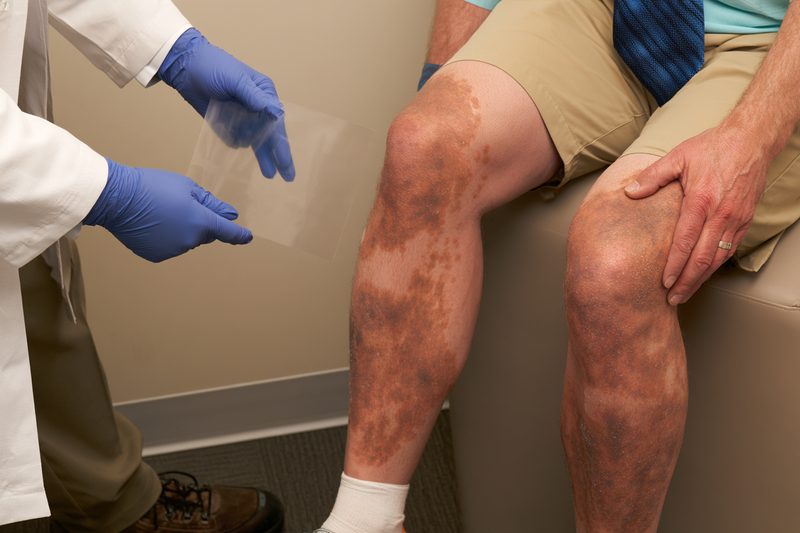
Ayurvedic treatment for psoriasis should be matched to the actual disease burden rather than the number of visible plaques alone. Severity is determined by affected Body Surface Area, plaque activity, difficult body sites, symptoms, quality-of-life impairment, nail involvement, joint risk and response to previous treatment. A patient with a small but painful lesion on the sole may require more intensive care than someone with several asymptomatic plaques hidden beneath clothing.[1][3]
Mild Psoriasis
Mild psoriasis usually affects a limited area and may be controlled with external treatment, skin-barrier care and a relatively simple internal prescription. The diagnosis must still be confirmed because fungal infection, eczema and contact dermatitis can resemble small localized plaques.
The first goals are to reduce itching, scaling, redness and repeated cracking while preventing the disease from spreading into new areas. External medicines should be matched to the body site. Thick plaques over the elbows may tolerate an oil or ointment that would be inappropriate for the face, genital skin or moist folds.
A limited prescription is often preferable to several medicines when the disease burden is low. Treatment may include a selected internal herbal formulation when plaques recur frequently, several sites are involved or external care alone has not provided durable control.
Mild psoriasis should not be underestimated when it affects the scalp, nails, hands, soles, face or genital region. These locations can interfere with sleep, work, walking, sexual comfort and social confidence despite a low Body Surface Area.[1][3]
Treatment response should be measured through lesion size, plaque thickness, itching and new-lesion formation. Complete clearance may be achievable, but continued observation is required because recurrence can begin from a small previously affected site.
Moderate Psoriasis
Moderate psoriasis generally requires coordinated internal and external treatment because the disease is more extensive, repeatedly recurrent or significantly affecting daily life. The plan may use a personalized Avaleha, decoction, tablet, medicated Ghrita or another dosage form according to digestion, glucose status, body weight and lesion activity.
The treatment should address both visible plaques and associated symptoms such as night-time itching, scalp inflammation, painful fissures or nail changes. Diet, sleep, stress, skin injury and metabolic health should be reviewed because they may influence treatment adherence and long-term control.
Body Surface Area, standardized photographs and a consistent physician assessment should be repeated during follow-up. PASI and Dermatology Life Quality Index can provide additional evidence when several body regions are affected or when the disease has a major impact on the patient’s life.[1][3]
A partial response may be clinically meaningful when plaque activity is steadily decreasing, no significant new lesions are appearing and symptoms are improving. Continuing the same prescription is less appropriate when disease extent remains unchanged or increases across repeated assessments.
Existing topical or systemic dermatological treatment may continue during the Ayurvedic programme. Any later reduction should be supervised and based on stable disease control rather than the assumption that moderate psoriasis can always be managed with one treatment system alone.[1][2]
Severe Psoriasis
Severe psoriasis may involve extensive skin disease, major functional impairment, difficult body sites, recurrent treatment failure or active psoriatic arthritis. It requires a more intensive assessment and often benefits from integrated dermatological, rheumatological and Ayurvedic care.
The immediate priority is to determine whether the patient is medically stable. Generalized redness, widespread pustules, rapid shedding, fever, dehydration, severe skin pain or profound weakness may require hospital-based treatment before a routine Ayurvedic programme can begin.[1][2]
When the patient is stable, Ayurvedic treatment may be introduced as part of a coordinated plan. The internal prescription should be selected carefully because severe disease does not justify automatically adding multiple Bhasmas, high doses or numerous overlapping medicines.
A complex formulation requires stronger quality control, clearer dose calculation and closer monitoring. The patient’s liver and kidney function, glucose status, infection risk and concurrent systemic medicines should be reviewed before treatment begins.
Severe psoriasis should be monitored through objective clinical scores, photographs, symptom burden and laboratory findings. Skin clearance is important, but treatment success must also include stable joints, acceptable safety and improved daily function.
Methotrexate, ciclosporin, retinoids, apremilast, biologics or phototherapy may remain necessary to control severe inflammation. Ayurvedic treatment can be used alongside these therapies when the complete medicine list is reviewed and monitoring is coordinated.[1][2]
Difficult-Site Psoriasis
Psoriasis may be classified as clinically significant even when Body Surface Area is low if it affects the scalp, nails, palms, soles, face, genital region or skin folds. These areas frequently require site-specific treatment because their structure, sensitivity and functional role differ from ordinary plaque sites.
Scalp psoriasis should be assessed through scale thickness, redness, itching, tenderness and hair breakage. External treatment must loosen scale without causing folliculitis, excessive product accumulation or aggressive scratching.
Nail psoriasis requires prolonged observation because the damaged nail must grow out. Treatment should be judged from the appearance of new nail growth, while progressive pain, thickening or separation may require testing for fungal infection.
Palmoplantar psoriasis may cause deep fissures and severe pain despite affecting only a small area. Clinical improvement should include easier walking, improved grip, reduced cracking and restored ability to work.
Inverse and genital psoriasis require gentle external care because thin, moist skin is more vulnerable to irritation. Concentrated pastes, essential oils and medicines intended for thick plaques may worsen these areas.
Difficult-site involvement may justify escalation even when the total affected area appears limited. Severity should reflect the effect on function and quality of life rather than Body Surface Area alone.[1][3]
Psoriasis With Nail or Joint Involvement
Nail disease and joint symptoms change the treatment priority because they may indicate a broader inflammatory burden. Nail pitting, separation, thickening and crumbling should be documented separately from skin plaques.
Morning stiffness, swollen joints, heel pain, inflammatory back pain or swelling of an entire finger or toe requires assessment for psoriatic arthritis. Skin improvement does not establish that joint inflammation has been controlled.[1][2]
Ayurvedic treatment may be used to address the patient’s broader clinical pattern, pain, stiffness, sleep and metabolic health. It should not delay rheumatological treatment when active inflammatory arthritis is suspected.
Joint response should be measured through stiffness duration, swelling, movement and functional ability. Imaging or disease-modifying treatment may be necessary to prevent irreversible structural damage.
A patient with clear skin but continuing joint inflammation has not achieved complete disease control. Skin, nail and joint outcomes must remain separate throughout treatment.
When Treatment Intensity Should Increase
Treatment should be intensified or reconsidered when plaques spread into new areas, itching or pain remains severe, nail damage progresses or quality of life continues to deteriorate. Repeated relapse after short courses may also indicate that the active-treatment phase was too brief or that maintenance was insufficient.
The diagnosis should be reviewed before increasing the number or dose of medicines. Fungal infection, contact allergy, poor adherence, product-quality problems and irritation from external applications may all resemble treatment-resistant psoriasis.
A patient who is improving slowly but consistently may continue the current programme with close monitoring. A patient whose disease is unchanged or worsening requires a different strategy rather than repeated supply of the same prescription.
Escalation may involve changing the Ayurvedic formulation, adding site-specific external treatment, improving integration with dermatology or referring the patient for rheumatological assessment. The decision should follow measurable disease activity and safety findings.
The most appropriate treatment intensity is the lowest level capable of producing meaningful clearance, protecting the nails and joints and maintaining daily function without creating avoidable treatment risk.
Ayurvedic Treatment for Psoriasis Flares
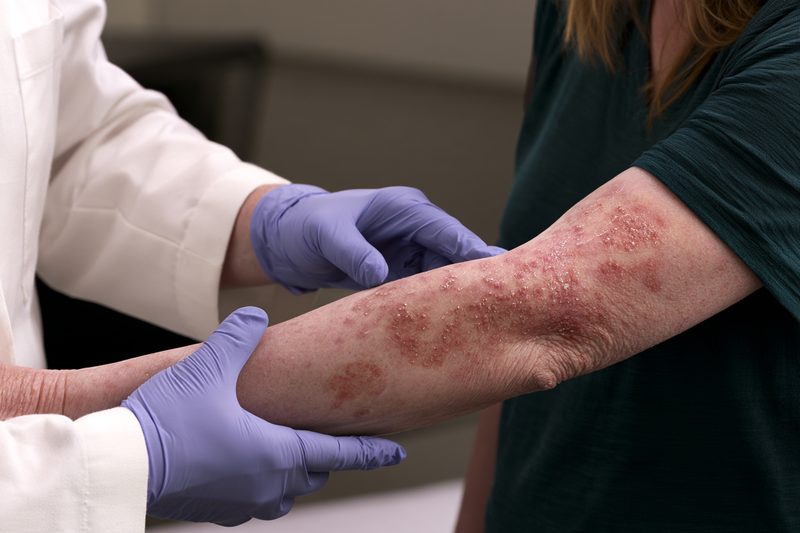
Ayurvedic treatment for psoriasis during a flare should begin by determining whether the recurrence is limited and stable, progressively spreading, related to a treatment change or associated with infection or systemic illness. A flare should not be managed by automatically doubling the existing dose, adding multiple new medicines or applying stronger preparations to inflamed skin. The current lesion pattern, affected area, symptoms, recent triggers, medicine history and overall medical stability must be reassessed before treatment is intensified.
Recognizing an Early Localized Flare
An early flare may begin with itching in a previously affected area, renewed scalp scaling, one or two small plaques, increasing redness at the edge of an old lesion or new nail pitting. Identifying these changes before widespread plaque formation allows treatment to be adjusted while the disease burden remains limited.
The patient should compare the new lesions with baseline and remission photographs. Their number, location, size, redness, thickness and scale should be recorded together with itching, burning, pain and sleep disturbance. Residual pigmentation without elevation, scale or active redness should not be mistaken for a new flare.
A localized recurrence does not necessarily mean that the entire treatment programme has failed. It may reflect seasonal change, skin injury, infection, psychological stress, irregular medicine use or reduction of treatment before the disease was fully stable. In the previously described published case, small scalp lesions appeared during long-term follow-up but later resolved without widespread recurrence elsewhere.[5]
Treatment decisions should reflect the extent of recurrence. A few limited plaques may require modification of external treatment or maintenance medicine, while new lesions appearing across several body regions require a complete reassessment of the internal prescription.
Reassessing the Current Ayurvedic Pattern
The Ayurvedic pattern present during relapse may differ from the pattern observed at the first consultation. Previously dry and stable plaques may become hot, red and rapidly active, while an earlier inflammatory presentation may return as thick, rough and fissured lesions.
The relative involvement of Vata, Pitta and Kapha should therefore be reassessed from the current symptoms. Increasing burning, redness and tenderness may require greater attention to Pitta and Rakta features. Dryness, pain and cracking may indicate greater Vata involvement, while marked thickening, elevation and persistent itching may suggest stronger Kapha features.
Agni, appetite, bowel function, sleep and treatment tolerance should also be reviewed. A medicine that was well tolerated during active disease may become too heavy after the dose has been increased or may no longer suit the patient’s digestive condition.
The earlier prescription should not be repeated automatically merely because it once produced improvement. Treatment remains personalized only when it changes according to the present disease activity, affected tissues, patient strength and response to previous medicines.[9]
Reviewing Triggers and Treatment Changes
A flare assessment should examine events occurring during the preceding days or weeks. Skin injury, scratching, burns, tight footwear, occupational friction and forceful scale removal can trigger new plaques through the Koebner phenomenon.[2]
Recent throat infection, fever, dental infection or infected skin fissures may also contribute to worsening. Infection requires separate diagnosis and treatment rather than repeated escalation of Ayurvedic medicines.
Changes in prescribed psoriasis treatment must be documented precisely. Worsening after missed biologic doses, interruption of methotrexate or ciclosporin, or abrupt alteration of corticosteroid treatment may reflect loss of previous disease control rather than failure of the Ayurvedic programme.[1][2]
The patient should also report any recently started medicine, supplement, cosmetic, hair product or external herbal preparation. A contact reaction may produce burning, swelling or sharply defined redness that resembles a psoriasis flare.
Smoking, excessive alcohol intake, major sleep disruption, significant weight gain and severe psychological stress may contribute to difficult disease control. These factors should be addressed without assuming that every recurrence results from one dietary mistake.
Food should be considered a trigger only when a repeated and clinically credible association is present. Adding more restrictions whenever plaques return can cause nutritional deficiency without correcting the true reason for relapse.
Adjusting Internal Ayurvedic Treatment
When a localized flare occurs during maintenance, the prescription may need to move temporarily from a maintenance strategy back toward active disease control. The choice depends on the lesion pattern, body area, severity, digestion and the medicines already being used.
A patient should not double an Avaleha, decoction, tablet or herbo-mineral medicine without review. Increasing the dose may produce diarrhoea, nausea, reduced appetite, glucose disturbance or excessive exposure without improving plaque control.
A personalized Avaleha may require reformulation rather than simple dose escalation. Ingredients selected for residual dryness and recovery may be inadequate when lesions become intensely red and active. Conversely, a strongly bitter or drying active-phase formula may worsen fissuring when the flare is dominated by dryness and pain.
Patients with diabetes, obesity or fatty liver disease require continued attention to the Avaleha base and total daily quantity. Recurrence should not be managed by increasing a sweet preparation without considering glucose control.
Herbo-mineral ingredients should not be added reflexively during a flare. Gandhaka, Heeraka Bhasma, Swarna Bhasma or another mineral preparation requires a defined indication, known daily dose, traceable manufacturing and an appropriate monitoring plan. A rapidly worsening skin condition may require diagnostic review or dermatological escalation rather than a more complex mineral prescription.
When the patient is already taking systemic dermatological treatment, any Ayurvedic adjustment should account for the complete medicine list. New digestive symptoms, laboratory abnormalities or infection risk should be interpreted across the combined programme.
Modifying External Treatment
External treatment should be changed according to the condition of the skin during the flare. A preparation that was useful for dry, stable plaques may cause discomfort when the skin becomes hot, tender or moist.
Localized dry plaques may benefit from carefully selected barrier-supportive care and prescribed medicated oils. Thick scale should be softened gradually rather than scraped or peeled, because repeated trauma can generate new lesions.
Hot, painful or rapidly inflamed plaques should not be covered automatically with thick oils or occlusive pastes. Occlusion may increase heat, follicular irritation and discomfort and can conceal developing infection.
Scalp recurrence should be managed without forceful combing or aggressive removal of adherent scale. Increasing hair shedding, tenderness, pustules or foul-smelling discharge requires examination for folliculitis or another scalp disorder.
Inverse and genital flares require lighter and less irritant preparations. Concentrated herbal pastes, essential oils and products intended for thick elbow or knee plaques may burn sensitive fold or genital skin.
A new topical medicine can be tested over a limited area before widespread application. Increasing burning, swelling, blistering or sharply worsening redness suggests irritation or allergy and requires the product to be stopped and reviewed.
Managing a Spreading Flare
A flare is more clinically significant when plaques are appearing in several new body areas, existing lesions are expanding quickly or symptoms are interfering with sleep, walking or work. Body Surface Area, plaque activity and standardized photographs should be repeated rather than relying on the patient’s impression alone.
PASI, Physician Global Assessment and Dermatology Life Quality Index may help determine whether the recurrence represents a minor loss of control or a major relapse requiring treatment escalation.[1][3]
The diagnosis should be reconsidered when spreading lesions do not behave like the patient’s previous psoriasis. Fungal infection, medication reaction, eczema or contact dermatitis may alter the appearance and response.
Moderate or severe relapse may require phototherapy, topical prescription treatment or systemic dermatological medicine while the Ayurvedic programme is adjusted. Coordinated treatment can provide faster inflammatory control without abandoning individualized internal medicine, external care, dietary management and relapse prevention.
Joint symptoms must be reviewed during every significant flare. New joint swelling, prolonged morning stiffness, heel pain, inflammatory back pain or swelling of an entire finger or toe requires rheumatological assessment. Increasing skin activity may occur with active psoriatic arthritis, but the severity of skin and joint disease does not always match.[1][2]
Recognizing a Severe Flare
Generalized redness, widespread pustules, rapid skin shedding, severe tenderness, fever, chills, dehydration, rapid pulse or profound weakness may indicate erythrodermic or generalized pustular psoriasis. These presentations can affect fluid balance, temperature regulation and internal health and require urgent hospital assessment.[1][2]
Routine outpatient medicines should not delay intravenous fluids, infection surveillance, temperature control or systemic treatment when the patient is medically unstable. Strong purgation, fasting or unsupervised dose escalation is inappropriate during an acute severe presentation.
Painful warmth, pus, unpleasant odour, expanding swelling or rapidly spreading redness may indicate secondary infection. Thick oil, ghee or paste should not be applied over a suspected infection until the area has been examined.
Severe vomiting, persistent diarrhoea, jaundice, dark urine, reduced urination, facial swelling or breathing difficulty after starting or increasing a medicine requires immediate medical assessment. These symptoms should not be interpreted as evidence that the treatment is removing toxins.
Once the patient has been medically stabilized, the Ayurvedic plan can be reassessed according to the remaining plaque activity, strength, digestion and concurrent dermatological treatment.
Confirming Control After a Flare
A flare is considered controlled when significant new lesions have stopped appearing, active plaque borders are flattening and itching, burning, pain and sleep disturbance are improving. Reduced scale alone is insufficient when the plaques continue to expand.
Follow-up photographs should be compared with both the remission baseline and the peak of the flare. Body Surface Area or PASI can help demonstrate whether the relapse has returned to the previous level of control.[1][3]
Scalp, nail and joint findings should be documented separately. Trunk plaques may settle while scalp inflammation, nail damage or arthritis remains active.
Once stable control has been restored, the intensified prescription should move back toward consolidation rather than continuing indefinitely at the highest dose. Dose reduction should occur only after the skin pattern remains stable and relevant safety findings are acceptable.
The clinical record should document the probable trigger, treatment changes, time required to regain control and whether the recurrence was localized or widespread. This information improves future maintenance planning and allows earlier intervention if the same flare pattern begins again.
Frequently Asked Questions
Can Ayurveda cure psoriasis permanently?
Ayurvedic treatment may aim for complete plaque clearance and long-term remission in suitable patients. A permanent cure cannot be guaranteed because psoriasis can relapse. A durable outcome should be confirmed through clinical examination, standardized photographs, symptom improvement and continued follow-up after active treatment has been reduced.
How does Ayurveda treat psoriasis?
Ayurveda treats psoriasis through an individualized combination of internal medicines, external applications, dietary correction, skin-barrier care, sleep support, stress management and relapse prevention. The prescription depends on plaque redness, thickness, scaling, itching, burning, affected sites, digestion, metabolic health and associated nail or joint symptoms.
How long does Ayurvedic treatment for psoriasis take?
Early improvement in itching, burning, sleep and loose scaling may appear within several weeks. Longstanding plaques, scalp disease, nail changes and painful palmoplantar psoriasis may require several months. Treatment should continue only when objective improvement and acceptable safety are documented during follow-up.
What is Khadiradi Kushthahara Rasayana Avaleha?
Khadiradi Kushthahara Rasayana Avaleha is a physician-designed semisolid Ayurvedic formulation inspired by classical Kushtha Chikitsa and Rasayana principles. It may combine Khadira, Nimba, Manjistha, Guduchi, Sariva, Haridra and other selected ingredients according to the patient’s current psoriasis pattern, digestion and medical history.
Is the same psoriasis Avaleha suitable for every patient?
No. A patient with hot, red and rapidly spreading plaques may require a different formulation from someone with dry, thick and fissured lesions. Diabetes, obesity, fatty liver disease, pregnancy, kidney health, digestion and concurrent medicines may also change the ingredients, base and prescribed dose.
Can Ayurveda treat scalp psoriasis?
Ayurveda may help manage scalp psoriasis through individualized internal treatment and carefully selected external care. Treatment should reduce scale, itching, redness and tenderness without causing folliculitis, hair breakage or irritation. Fungal infection and seborrhoeic dermatitis should be excluded when the diagnosis is uncertain.
Can Ayurveda improve nail psoriasis?
Nail psoriasis may improve, but response is slower because damaged nail must grow out. Progress should be assessed through healthier new nail growth, reduced separation and less thickening. Nail psoriasis should also prompt screening for joint pain, morning stiffness and other signs of psoriatic arthritis.
Is Panchakarma necessary for psoriasis treatment?
Panchakarma is not necessary for every patient. Many patients may receive internal medicines, external treatment, dietary guidance and maintenance care without an intensive procedure. Suitability depends on disease activity, physical strength, digestion, hydration, comorbidities and the patient’s ability to complete supervised preparation and recovery.
Can dermatology medicines continue with Ayurvedic treatment?
Yes. Topical medicines, phototherapy, systemic medicines and biologics may continue when medically necessary. Existing treatment should not be stopped abruptly. The Ayurvedic physician should review the complete medicine list, and any reduction should be coordinated with the prescribing dermatologist or rheumatologist.
What diet is recommended during Ayurvedic treatment for psoriasis?
The diet should be nutritionally complete, practical and adapted to digestion, body weight, glucose control and cardiovascular risk. Regular meals, adequate protein, vegetables and less highly processed food may be useful. Gluten, dairy or other major food groups should not be removed without a clear indication.
Can psoriasis return after Ayurvedic treatment?
Yes. Psoriasis can recur after any treatment because the underlying inflammatory susceptibility may remain. Infection, skin injury, stress, poor sleep, smoking, alcohol, weight gain and abrupt medicine changes may contribute to relapse. Early recognition and a planned maintenance strategy can help prevent widespread recurrence.
How is improvement measured during Ayurvedic treatment?
Improvement should be assessed through fewer new plaques, reduced redness, scaling and thickness, lower affected skin area, improved itching and sleep, healthier nail growth and stable joints. Standardized photographs and consistent clinical scoring make the response more reliable than memory or isolated testimonials.
Are Bhasmas necessary for treating psoriasis?
Bhasmas are not required for every patient with psoriasis. Their use should depend on a clear clinical indication, authenticated manufacturing, accurate dosing and suitable monitoring. Expensive or multiple mineral ingredients should not be added merely to make a formulation appear stronger.
Is Ayurvedic psoriasis treatment safe during pregnancy?
Pregnancy requires a separate treatment plan. Complex herbal combinations, herbo-mineral medicines, strong purgative herbs and inadequately labelled products should not be used without complete ingredient and reproductive-safety review. Dermatological, obstetric and Ayurvedic care should be coordinated throughout pregnancy.
When does psoriasis require urgent medical care?
Widespread redness, generalized pustules, rapid skin shedding, fever, dehydration, severe weakness or intense skin pain requires urgent assessment. Increasing warmth, pus, swelling or rapidly spreading tenderness may indicate infection. New joint swelling or prolonged morning stiffness also needs prompt medical review.
References
[1] American Academy of Dermatology Association. (n.d.). Psoriasis clinical guideline. AAD Psoriasis Clinical Guideline
Brief: Covers psoriasis assessment, topical and systemic treatments, biologics, phototherapy, paediatric care, comorbidities and complementary approaches.
[2] National Institute of Arthritis and Musculoskeletal and Skin Diseases. (n.d.). Psoriasis: Diagnosis, treatment, and steps to take. National Institutes of Health. NIAMS Psoriasis Diagnosis and Treatment
Brief: Provides patient guidance on diagnosis, treatment options, lifestyle measures and triggers. Supports recognising joint symptoms that require assessment for psoriatic arthritis.
[3] Nast, A., Altenburg, A., Augustin, M., Bachmann, F., Boehncke, W. H., Cornberg, M., Geerdes-Fenge, H., Häcker, B., Härle, P., Klaus, J., Köhm, M., Köllner, A., Mrowietz, U., Ockenfels, H. M., Pennitz, A., Philipp, S., Richter, T., Rosenbach, T., Schaberg, T., … Zeyen, C. (2026). S3 guideline for the treatment of psoriasis vulgaris, adapted from EuroGuiDerm—Part 1: Treatment recommendations and monitoring. JDDG: Journal der Deutschen Dermatologischen Gesellschaft, 24(1), 122–137. PubMed
Brief: Supports measuring treatment response using the Psoriasis Area and Severity Index (PASI) and Dermatology Life Quality Index (DLQI). Describes treatment targets and individualised monitoring, including assessment of difficult-to-treat sites.
[4] Ministry of Ayush. (2026). Standard treatment guidelines on management of dermatological disorders: Ayurveda. Government of India. Ayurveda Dermatology Guidelines
Brief: Provides an Ayurvedic framework for dermatological assessment, treatment, follow-up and rehabilitation, including psoriasis. Draws on classical literature, contemporary evidence and expert consensus.
[5] Nille, G. C., Bhuyan, M., Gupta, L. N., & Chaudhary, A. K. (2025). Safe and effective management of psoriasis through Ayurveda: A case report. Journal of Ayurveda and Integrative Medicine, 16(2), 101091. Free Full Text
Brief: Describes a man with longstanding psoriasis treated through a prolonged multimodal Ayurvedic programme. The authors reported substantial clinical improvement and follow-up without reported treatment-related adverse events. A single case cannot establish general effectiveness or safety.
[6] Agalcha, R., Singh, S. K., & Rajoria, K. (2025). Management of chronic plaque psoriasis through Panchkarma: A case report. Journal of Ayurveda and Integrative Medicine, 16(1), 101072. PubMed
Brief: Reports a patient with chronic plaque psoriasis whose PASI decreased from 20.6 to 5.8, DLQI from 18 to 4, and itching score from 8 to 2 following multimodal treatment. These are individual case outcomes.
[7] Nille, G. C., & Chaudhary, A. K. (2021). Potential implications of Ayurveda in psoriasis: A clinical case study. Journal of Ayurveda and Integrative Medicine, 12(1), 172–177. PubMed
Brief: Describes a woman with chronic plaque psoriasis receiving individualised multimodal Ayurvedic treatment. The authors reported clinical resolution after one year and no recurrence during one subsequent year of follow-up. This observation does not establish a general cure rate.
[8] Abhilesh, V. S., Prathibha, C. K. B., & Anandaraman, P. V. S. (2021). Management of erythrodermic psoriasis through Ayurveda: A case report. The Permanente Journal, 25, Article 20.221. Free Full Text
Brief: Reports a patient with erythrodermic psoriasis managed through a staged Ayurvedic programme. The authors documented PASI reduction from 37.4 to 0, DLQI from 11 to 0, and pain score from 7 to 0. Results from one patient cannot predict outcomes for others.
[9] Ojha, S. N., & Samant, A. (2020). Kushtha Chikitsa: Chikitsa Sthana, Chapter 7—Management of Kushtha (skin diseases). In M. S. Baghel, Y. S. Deole, & G. Basisht (Eds.), Charaka Samhita. Charak Samhita Research, Training and Skill Development Centre. Charaka Samhita, Chikitsa Sthana, Chapter 7
Brief: Provides classical principles for assessing and treating Kushtha, including Dosha predominance, tissue involvement, descriptions of Ekakushtha and Kitibha, dietary considerations, internal medicines and external therapies. These classical categories should not be treated as exact equivalents of modern psoriasis diagnoses.