



- Ayurvedic Treatment for ALS at a Glance
- Ayurvedic Treatment for ALS Begins With Diagnostic Clarity
- Ayurvedic Treatment for ALS Through the Vata Vyadhi Framework
- Classical Basis of Ayurvedic Treatment for ALS
- Goals of Ayurvedic Treatment for ALS
- Role of Basti in Ayurvedic Treatment for ALS
- Role of Rasayana in Ayurvedic Treatment for ALS and Motor Neuron Disease
- Snehana Swedana and Brimhana in Ayurvedic Treatment for ALS
- Nutrition and Swallowing in Ayurvedic Treatment for ALS
- Modern ALS Care Alongside Ayurvedic Treatment for ALS
- A Personalised Thirty Day Ayurvedic Treatment Model for ALS
- Measuring Progress in Ayurvedic Treatment for ALS
- Patient Case Study in Ayurvedic Treatment for ALS
- How to Evaluate Recovery in Ayurvedic Treatment for ALS
- Is Ayurvedic Treatment for ALS Suitable for Every Patient?
- Why Intensive Panchakarma May Be Unsuitable in Ayurvedic Treatment for ALS
- Who May Benefit Most From a Personalised Ayurvedic Assessment for ALS
- When Urgent Medical Care Is Needed During Ayurvedic Treatment for ALS
- Frequently Asked Questions
- References
Ayurvedic Treatment for ALS at a Glance
Ayurvedic treatment for ALS is best developed as a personalised Vata centred plan that protects nourishment, digestion, bowel regularity, sleep, physical comfort and rehabilitation capacity. The treatment is adapted to the patient’s pattern of weakness, muscle wasting, stiffness, cramps, swallowing difficulty, respiratory reserve, weight change and ability to tolerate medicines.
Ayurveda does not reduce ALS care to one herb or one standard formulation. The physician studies the degree of tissue depletion, the functions of different types of Vata, the strength of Agni, the presence of obstruction, the patient’s Bala and the safety of each dosage form. This makes it possible to combine Rasayana, Brimhana, Basti, Snehana, diet and daily care according to the patient’s actual condition.
Better appetite, easier bowel movement, improved sleep, reduced dryness, fewer cramps and greater meal tolerance can have meaningful value for a person living with progressive weakness. These changes may help the patient conserve energy, maintain body weight, participate more comfortably in rehabilitation and manage daily care with less physical strain.
Ayurvedic Treatment for ALS Through Vata Vyadhi
Vata Vyadhi is a classical Ayurvedic group of disorders in which the functions governing movement, coordination, speech, respiration, elimination and physical strength become disturbed. Progressive weakness, muscle wasting, stiffness, fasciculations, altered speech and swallowing difficulty allow ALS to be assessed within the wider Vata Vyadhi framework.
Two important Ayurvedic patterns are considered during this assessment. Dhatu Kshaya means progressive depletion of the body tissues, while Avarana means obstruction or interference with the normal movement and function of Vata. These patterns may occur separately or together and require different treatment priorities.
Mamsa Kshaya means depletion of muscle tissue and functional muscle strength. Majja Dhatu is the Ayurvedic tissue concept associated with marrow and deeper structural and neurological nourishment. Majja Dhatu is not identical to a motor neuron, but its assessment helps the physician recognise deeper tissue depletion, loss of coordination and declining physical reserve.
When muscle loss, low body weight, dryness, constipation and exhaustion dominate, the treatment usually gives greater importance to nourishment and Vata pacification. Brimhana means a nourishing and rebuilding approach intended to support weight, tissue nutrition, strength and treatment tolerance.
Some patients may also show features of Kaphavruta Vata, which means that the normal movement of Vata is obstructed by Kapha. Heaviness, excessive coating, sluggish digestion, marked stiffness and poor medicine tolerance may suggest this pattern. In such cases, digestion and obstruction are addressed gently before heavier nourishing medicines are introduced.
Bala means functional strength, resilience and the ability to tolerate food, movement and treatment. Ojas refers to the Ayurvedic concept of deeper vitality, stability and systemic reserve. Protecting Bala and Ojas becomes especially important when the patient is losing weight, tiring during meals or requiring more help with daily activities.
Classical Basis for Basti and Rasayana
Charaka Samhita describes Basti, Rasayana and assessment of Bala as important principles in the management of complex Vata disorders.
सर्वस्थानावृतेऽप्याशु तत् कार्यं मारुते हितम् ।
यापना बस्तयः प्रायो मधुराः सानुवासनाः ॥२४०॥
प्रसमीक्ष्य बलाधिक्यं मृदु वा स्रंसनं हितम् ।
रसायनानां सर्वेषामुपयोगः प्रशस्यते ॥२४१॥
Transliteration
Sarvasthānāvr̥te’pyāśu tat kāryaṁ mārute hitam,
Yāpanā bastayaḥ prāyo madhurāḥ sānuvāsanāḥ.
Prasamīkṣya balādhikyaṁ mr̥du vā sraṁsanaṁ hitam,
Rasāyanānāṁ sarveṣām upayogaḥ praśasyate.
Simple English meaning: When Vata is affected throughout its functional sites, treatment favourable to Vata should be selected. Nourishing Yapana Basti and unctuous Basti may be considered. The patient’s strength must be examined before even mild elimination is used, and Rasayana is recommended as part of treatment.
Source: Charaka Samhita, Chikitsa Sthana, Chapter 28, Vatavyadhi Chikitsa, verses 240 and 241. [1]
This passage supports an individualised strategy rather than a fixed procedure for every patient. The order of treatment depends on Bala, digestion, obstruction, tissue depletion and the patient’s ability to tolerate therapy.
Basti is a physician supervised Ayurvedic procedure in which selected oils, decoctions or nourishing preparations are administered through the rectal route. Within Ayurveda, Basti is used to regulate Vata, support Apana Vata, improve bowel function and create a foundation for wider nourishing treatment.
Rasayana is a personalised approach intended to support nourishment, resilience, tissue maintenance and recovery capacity. It may include internal medicines, suitable food, sleep correction, bowel care, mental support and an appropriate daily routine. Rasayana selection depends on the patient’s constitution, digestion, weight, swallowing ability, respiratory condition, liver and kidney function and present medicines.
What Ayurvedic Treatment for ALS Can Support
The first Ayurvedic priority is often to protect Agni, meaning digestive and metabolic capacity. A patient may receive adequate food but still experience poor appetite, abdominal heaviness, constipation, early fullness or difficulty tolerating nourishing medicines. Improving digestive tolerance allows the patient to use food and Rasayana more consistently.
Weight protection is equally important. Meals may become exhausting because of weak hands, prolonged chewing, swallowing difficulty or breathlessness. Brimhana care may include energy dense foods, appropriate protein, suitable fats, hydration and modified meal textures. Food consistency must match the patient’s swallowing assessment because thin fluids, dry powders and thick Avaleha preparations are not equally safe for every patient.
Constipation can increase abdominal pressure, fatigue and physical strain. Carefully selected diet, fluids, oils and Basti may support easier bowel evacuation without exhausting the patient. The Basti type, dose and schedule are decided according to hydration, bowel condition, mobility, respiratory stability and overall Bala.
Snehana means therapeutic oleation. Gentle external application of suitable medicated oil may support comfort, reduce dryness, maintain joint flexibility and prepare the body for assisted movement. Pressure and duration should be adapted to muscle wasting, pain, fatigue and the patient’s ability to change position.
Swedana means controlled therapeutic warming. Mild warmth may be useful when stiffness and coldness are prominent, but the procedure must preserve hydration and respiratory comfort. A weak or underweight patient generally requires a gentler method than a strong steam treatment.
Rasayana may be planned to support sleep, appetite, bowel function, tissue nourishment, physical resilience and treatment tolerance. The formulation must remain practical. Powders may be difficult to manage when coughing is weak, large tablets may become unsafe with dysphagia, and thick preparations may need adjustment when swallowing takes longer.
Integrating Ayurvedic Treatment for ALS With Neurological Care
The strongest care model combines Ayurvedic assessment with neurology, respiratory support, nutritional care, swallowing management, physiotherapy, occupational therapy and communication support. Multidisciplinary ALS care is associated with better symptom management, maintenance of quality of life and improved survival outcomes. [2,3]
Respiratory monitoring remains essential because weakness of the breathing muscles may initially appear as disturbed sleep, morning headache, daytime sleepiness, breathlessness while lying flat or a weak cough. Non invasive ventilation has demonstrated benefits for survival and quality of life in appropriately selected patients. [4]
Swallowing and nutrition also require early attention. Weight loss may reflect prolonged meals, inadequate calorie intake, aspiration risk, weak chewing or increased energy needs. Prospective research on gastrostomy in ALS supports timely multidisciplinary discussion when oral intake becomes difficult or unsafe. [5]
Ayurvedic medicines can be coordinated with riluzole, edaravone, tofersen for eligible SOD1 associated ALS and symptom specific medicines after reviewing the complete prescription. Liver function, kidney function, digestion, sedation, blood pressure, glucose and swallowing ability may influence the choice and dose of an Ayurvedic formulation.
Measuring the First Thirty Days of Ayurvedic Treatment for ALS
The first thirty days provide a useful period for assessing treatment tolerance and early supportive changes. Appetite, meal duration, bowel movement, sleep, cramps, stiffness, dryness, fatigue, abdominal comfort and medicine tolerance can be recorded before treatment and reviewed during follow up.
Body weight is particularly valuable because a stable or improving weight trend may indicate better calorie intake and meal tolerance. Swallowing safety, cough strength and respiratory symptoms must also be reviewed whenever the medicine form or diet changes.
Functional progress can be followed through the ALS Functional Rating Scale Revised, body weight, walking ability, transfers, hand function, speech, swallowing and respiratory measurements. These measures help distinguish a genuine functional change from temporary variation in energy or mood. [2]
The degree of benefit varies with the type of ALS, duration of symptoms, respiratory reserve, swallowing function, nutritional status, speed of progression and associated medical conditions. A well planned first month establishes a safer routine, identifies which interventions are tolerated and provides a measurable foundation for longer term Ayurvedic and integrative care.
Ayurvedic Treatment for ALS Begins With Diagnostic Clarity

Ayurvedic treatment for ALS begins with a clear neurological diagnosis and a detailed Ayurvedic assessment of the patient’s present condition. Neurological evaluation identifies the pattern of motor neuron involvement and excludes other illnesses with similar symptoms. Ayurvedic evaluation then examines Vata disturbance, tissue depletion, digestion, strength, body weight, swallowing, breathing, sleep and bowel function to determine suitable treatment priorities.
ALS does not present in exactly the same way in every patient. Some people first notice weakness in one hand or foot, while others develop speech, swallowing or breathing difficulty. Establishing the type, distribution and rate of progression helps the Ayurvedic physician plan Rasayana, Brimhana, Basti, diet and external therapies according to the patient’s actual needs rather than relying on a general neurological prescription.
Symptoms That May Lead to ALS Evaluation
ALS often begins with gradually progressive weakness in one part of the body. A person may notice reduced grip strength, difficulty using buttons, frequent dropping of objects, foot dragging, tripping or difficulty climbing stairs. Weakness is commonly asymmetric during the early stage, meaning that one side may be affected before the other. [6,8]
Muscle wasting, visible twitching, cramps and stiffness may accompany the weakness. Twitching alone is common in many harmless conditions, but twitching combined with progressive weakness, loss of muscle bulk or reduced function requires neurological assessment.
Bulbar onset ALS begins with muscles involved in speech and swallowing. The patient may develop slurred or nasal speech, a weaker voice, prolonged chewing, coughing during meals, difficulty controlling saliva or an unexplained change in food intake. These symptoms require early swallowing assessment because reduced nutrition and aspiration can weaken the patient further. [2,6]
Respiratory muscle involvement may appear as breathlessness during activity, difficulty breathing while lying flat, disturbed sleep, morning headache, daytime sleepiness, weak coughing or repeated chest infections. These symptoms may develop even when limb weakness is not advanced and require respiratory testing. [2]
Some patients also experience changes in emotional expression, behaviour, language or decision making. These features may occur as part of the ALS and frontotemporal disorder spectrum and should be assessed because they can influence communication, treatment planning and caregiver support. [2,8]
The presence of weakness does not automatically confirm ALS. Cervical spinal cord compression, peripheral neuropathy, inflammatory nerve disease, myasthenia gravis, muscle disorders, vitamin deficiencies, thyroid disease and other neurological conditions can produce overlapping symptoms. Identifying these possibilities is an essential part of the diagnostic process.
How ALS Is Diagnosed
ALS is diagnosed from the clinical pattern of progressive motor impairment, signs of upper and lower motor neuron dysfunction and the exclusion of another disease that better explains the symptoms. Upper motor neuron findings may include increased muscle tone, exaggerated reflexes and abnormal plantar responses. Lower motor neuron findings may include weakness, muscle wasting, reduced reflexes, cramps and fasciculations. [7,8]
The Gold Coast diagnostic criteria provide a simplified clinical framework. They require progressive motor impairment following a period of previously normal motor function, evidence of upper and lower motor neuron dysfunction in at least one body region or lower motor neuron dysfunction in at least two regions, and appropriate investigations excluding other causes. [7]
The neurological examination remains central because no single blood test, scan or electrophysiological result confirms every case of ALS. The neurologist studies where the weakness began, how it has spread, which muscle groups are involved and whether the findings indicate upper motor neuron involvement, lower motor neuron involvement or both.
Electromyography examines the electrical activity of selected muscles. It can detect active denervation and chronic changes associated with loss of motor nerve supply. Nerve conduction studies assess how electrical signals travel through peripheral nerves and help distinguish ALS from certain neuropathies and disorders of nerve conduction.
Magnetic resonance imaging of the brain or spine may be used to exclude structural conditions such as cervical spinal cord compression, tumours or other disorders that can resemble motor neuron disease. Blood investigations may evaluate thyroid function, vitamin status, inflammation, infection, muscle enzymes, electrolytes and other metabolic causes according to the clinical presentation.
Lumbar puncture, specialised antibody testing, muscle or nerve biopsy and additional imaging are not required for every patient. They are selected when the history, examination or initial investigations suggest another neurological, inflammatory, infectious or muscular condition.
Genetic testing may be discussed even when there is no obvious family history. Identifying a disease associated genetic variant can clarify the diagnosis, support family counselling and determine whether a patient may be eligible for a gene targeted treatment or clinical study. The decision requires appropriate genetic counselling because a result may also have implications for biological relatives. [8]
Why Ayurvedic Treatment for ALS Requires Neurological Confirmation
Neurological diagnosis and Ayurvedic assessment answer different but complementary clinical questions. Neurology determines whether the patient has ALS, another form of motor neuron disease or a condition that requires a different treatment pathway. Ayurveda determines how the disease is affecting Vata, Agni, Dhatus, Bala, Ojas, nutrition, elimination and the patient’s capacity to tolerate therapy.
A confirmed diagnosis also helps distinguish progressive motor neuron disease from potentially reversible contributors to weakness. A patient with vitamin deficiency, thyroid dysfunction, cervical spinal compression or an inflammatory neuropathy may require a substantially different treatment plan. When these conditions coexist with ALS, they still need direct medical management because correcting them may improve the patient’s overall function and treatment tolerance.
The neurological reports provide essential information for Ayurvedic treatment planning. Electromyography findings help clarify the distribution of lower motor neuron involvement. Respiratory measurements indicate whether the patient can safely tolerate procedures that require travel, prolonged positioning or physical exertion. Swallowing assessment determines whether an Avaleha, powder, tablet, oil or liquid medicine can be administered safely.
Baseline body weight, functional ability, speech, swallowing and respiratory status also make follow up more meaningful. Improvements in appetite, sleep, bowel movement, cramps or comfort can be recorded alongside changes in weight, ALS Functional Rating Scale Revised scores and respiratory measurements. This allows supportive benefits to be assessed clearly over time. [2]
What the Ayurvedic Assessment Adds
The Ayurvedic assessment studies whether Dhatu Kshaya, meaning progressive tissue depletion, is the dominant pattern. Muscle wasting and declining strength may be evaluated as Mamsa Kshaya, while deeper functional and neurological depletion may involve the Ayurvedic concept of Majja Dhatu. Majja Dhatu refers to deeper structural and nervous system nourishment and is not identical to an anatomical motor neuron.
The physician also examines whether Avarana, meaning obstruction of the normal activity of Vata, is present with tissue depletion. Features such as heaviness, marked stiffness, poor digestion, excessive coating or reduced tolerance of nourishing foods may indicate an obstructive component. Kaphavruta Vata means that Kapha is interfering with the normal movement and function of Vata. This pattern may require gentle correction of Agni and obstruction before heavier Brimhana or Rasayana medicines are introduced. [1]
Agni means digestive and metabolic capacity. Poor appetite, early fullness, abdominal heaviness, constipation or intolerance to medicines may indicate that Agni requires support. Bala means functional strength and treatment tolerance, while Ojas refers to deeper stability and constitutional reserve. These factors influence the dose, dosage form, number of medicines and intensity of external procedures.
Swallowing, breathing, hydration and mobility are assessed before Basti, Snehana, Swedana or internal Rasayana is selected. A patient with stable breathing, preserved swallowing and adequate Bala may tolerate a broader treatment plan than a patient with bulbar weakness, rapid weight loss or respiratory symptoms.
Diagnostic clarity therefore creates the foundation for safer and more precise Ayurvedic treatment for ALS. The neurological diagnosis identifies the disease and its measurable effects, while the Ayurvedic assessment identifies the individual pattern of Vata disturbance, depletion, obstruction and treatment tolerance. Together, they support a personalised plan centred on nourishment, functional reserve, symptom care and careful long term monitoring.
Ayurvedic Treatment for ALS Through the Vata Vyadhi Framework
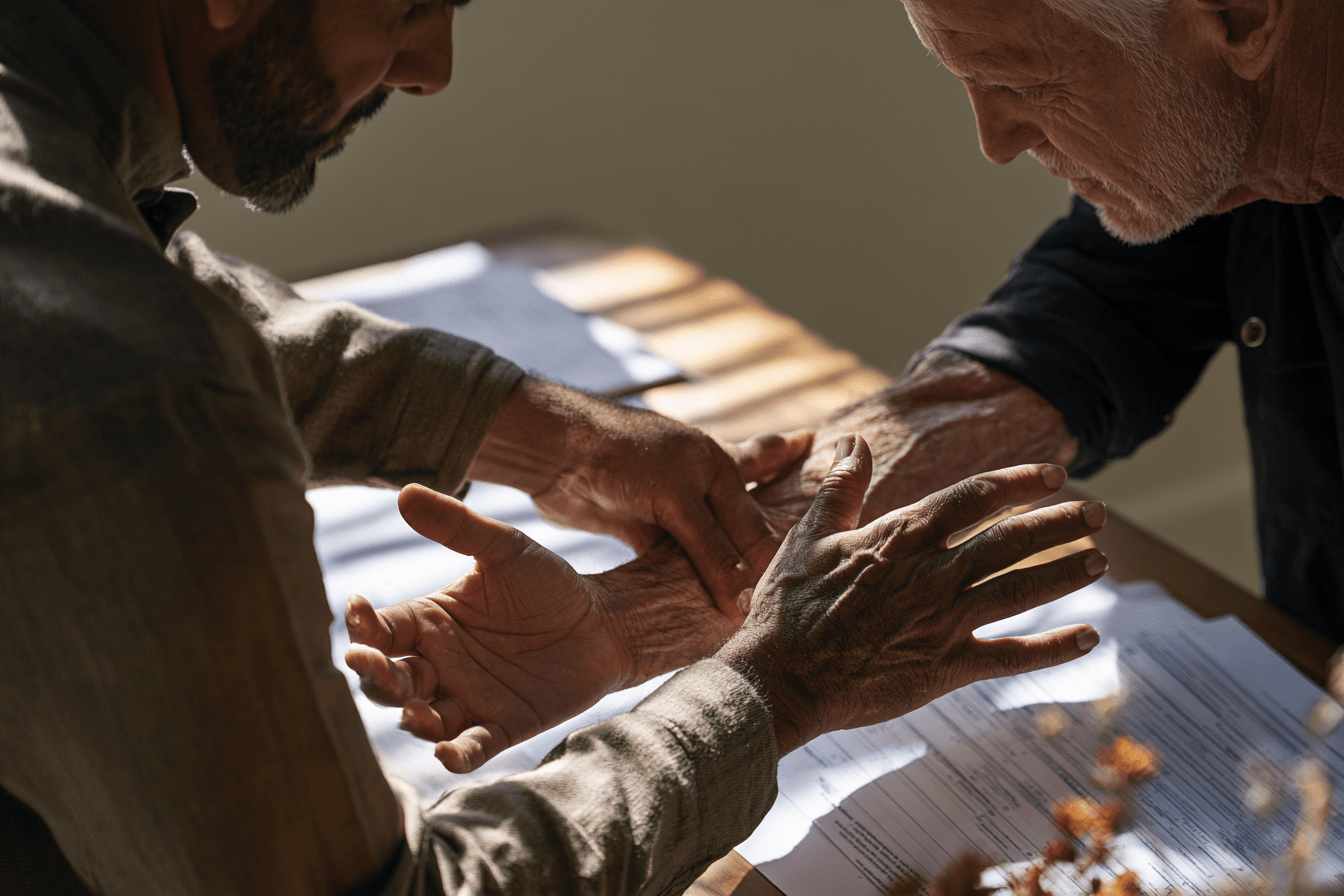
Ayurvedic treatment for ALS is planned through the broader clinical framework of Vata Vyadhi, a group of disorders involving disturbed movement, coordination, speech, respiration, elimination and physical strength. Progressive weakness, muscle wasting, stiffness, cramps, fasciculations, speech changes and swallowing difficulty make Vata assessment especially relevant in motor neuron disease. [1,6]
ALS and Vata Vyadhi are not interchangeable diagnoses. ALS is defined neurologically through progressive motor neuron dysfunction, while Vata Vyadhi explains how the illness is expressed through Dosha imbalance, tissue depletion, obstruction, digestive capacity and declining functional reserve. The two assessments can be used together without treating one as an anatomical translation of the other.
Why Vata Vyadhi Is Relevant to ALS
Vata governs movement, neuromuscular coordination, speech, breathing, circulation, elimination and sensory activity within the Ayurvedic model. When Vata becomes severely disturbed, movement may become weak, irregular, stiff or poorly coordinated. The patient may also develop dryness, constipation, disturbed sleep, reduced appetite, fatigue and loss of tissue nourishment.
Charaka Samhita describes Vata disorders arising mainly through Dhatu Kshaya and Avarana. Dhatu Kshaya means depletion of body tissues and functional reserves. Avarana means obstruction or interference with the normal direction and activity of Vata. These two mechanisms help explain why patients with apparently similar neurological symptoms may require different Ayurvedic treatment priorities. [1]
A patient with severe wasting, low body weight, dryness and exhaustion may show a predominantly depleted Vata pattern. Another patient may have weakness together with heaviness, stiffness, sluggish digestion and poor tolerance of nourishing medicines. The second presentation may contain both depletion and obstruction.
Dhatu Kshaya and Mamsa Kshaya in ALS
Dhatu Kshaya means a progressive reduction in the quality, quantity or functional capacity of the body tissues. In ALS, the most visible expression is often loss of muscle bulk and strength.
Mamsa Kshaya means depletion of muscle tissue. It may appear as thinning of the hands, forearms, shoulders, thighs or facial muscles, depending on the pattern of motor neuron involvement. Weakness can progress even when the patient is eating adequately because the affected muscles are losing effective motor nerve supply. Reduced activity, prolonged meals, swallowing difficulty and increased metabolic demand may further accelerate muscle loss. [6,8]
Ayurvedic treatment addresses the factors that can still be supported, including food intake, digestion, bowel regularity, hydration, sleep and tolerance of rehabilitation. The treatment plan may use nourishing foods, suitable fats, Rasayana medicines, external oleation and carefully selected Basti according to the patient’s swallowing ability, digestion and Bala.
Brimhana means a nourishing and rebuilding approach intended to support body weight, tissue nutrition, strength and treatment tolerance. Brimhana in ALS must remain practical. A heavy diet that causes abdominal discomfort, constipation or early fullness may reduce the patient’s total calorie intake rather than improve it.
Majja Dhatu in Ayurvedic Treatment for ALS
Majja Dhatu is the Ayurvedic tissue concept associated with marrow, deeper structural nourishment and functions connected with the nervous system. It should not be described as an exact synonym for motor neurons, the spinal cord or the brain.
Majja Dhatu assessment becomes relevant when weakness is progressive, coordination is declining and deeper tissue nourishment appears reduced. The physician may study whether the patient has severe fatigue, loss of stability, reduced endurance, sleep disturbance, dryness or poor tolerance of physical activity.
Treatment aimed at supporting Majja Dhatu may include suitable oils, nourishing foods, Rasayana, adequate rest and protection from excessive exertion. The exact prescription depends on Agni, bowel function, swallowing safety, respiratory reserve and associated medical conditions.
Bala and Ojas in Progressive Weakness
Bala means functional strength, resilience and the ability to tolerate food, movement, medicines and therapeutic procedures. Bala is not measured only by muscle power. It also includes the patient’s capacity to complete meals, sit comfortably, sleep adequately, maintain breathing and recover after activity.
A person with preserved appetite, stable weight and adequate respiratory reserve may tolerate a broader Ayurvedic plan. A person with rapid weight loss, prolonged meals, weak coughing or severe fatigue may require a simpler and more conservative approach.
Ojas refers to the Ayurvedic concept of deeper vitality, stability and systemic reserve. Ojas cannot be measured through a single laboratory marker. Clinically, its protection involves maintaining nourishment, sleep, emotional stability, hydration and freedom from excessive treatment burden.
The preservation of Bala and Ojas becomes an important treatment priority when the patient is using increasing energy for breathing, chewing, swallowing, transfers and communication.
Avarana in Ayurvedic Treatment for ALS
Avarana means that the normal movement and function of Vata are restricted by another Dosha, tissue or pathological factor. This can produce complex presentations in which weakness coexists with stiffness, heaviness, sluggish digestion or reduced mobility.
Avarana is not the same as a compressed nerve, blocked artery or obstruction visible on a scan. It is an Ayurvedic functional pattern identified through the patient’s symptoms, digestion, bowel function, tissue condition and response to treatment.
When Avarana is prominent, immediately starting very heavy nourishing medicines may worsen fullness, constipation or poor appetite. The physician may first support Agni and improve treatment tolerance before gradually introducing stronger Brimhana and Rasayana measures.
Kaphavruta Vata and Motor Stiffness
Kaphavruta Vata means that Kapha is obstructing or restricting the normal activity of Vata. The patient may experience heaviness, sluggishness, stiffness, excessive coating, poor appetite or difficulty digesting rich foods.
Kaphavruta Vata does not explain motor neuron degeneration itself. It describes an associated Ayurvedic pattern that can affect mobility, digestion and medicine tolerance.
Treatment usually requires a careful balance. Excessive reduction or cleansing can weaken an already depleted patient, while excessive nourishment can aggravate heaviness and digestive difficulty. Mild Agni support may therefore be combined with gradually introduced Brimhana rather than using a strongly reducing treatment.
Prana Vata in Breathing and Swallowing
Prana Vata is associated with respiration, swallowing and functions of the head, throat and chest. In ALS, difficulty swallowing, weak coughing, breathlessness while lying flat and disturbed sleep require assessment of both Prana Vata and respiratory function.
Prana Vata is a classical functional concept and is not identical to the phrenic nerve, cranial nerves or respiratory motor neurons. Its assessment helps the Ayurvedic physician understand how breathing, swallowing, mental calmness and treatment tolerance are being affected together.
Medicines and foods must be selected according to swallowing safety. Powders, thick Avaleha preparations, oils and large tablets may become difficult to manage when bulbar weakness progresses. Coughing, throat clearing, a wet voice or breathlessness during administration indicate the need for immediate reassessment.
Udana Vata in Speech and Physical Effort
Udana Vata is associated with speech, effort, energy and expression. Changes in voice strength, clarity, speech duration and the ability to speak without becoming breathless may indicate disturbance of Udana Vata.
Ayurvedic care may support hydration, throat comfort, sleep and energy conservation. Communication assessment and assistive technology remain important because speech changes can progress even when general comfort improves. [2,8]
The patient’s ability to speak, chew and breathe during the same period must be considered together. Long conversations or prolonged meals may create substantial fatigue, particularly when respiratory muscles are becoming weaker.
Vyana Vata in Movement and Coordination
Vyana Vata is associated with movement, extension, flexion, circulation and coordinated physical activity throughout the body. Limb weakness, stiffness, reduced hand function, foot dragging and difficulty with transfers can be assessed through this Vata subtype.
Gentle Snehana, supported movement, joint protection and energy conservation may help maintain comfort and reduce secondary stiffness. Snehana means therapeutic oleation using suitable oils internally or externally according to the patient’s condition.
Forceful massage and exhausting exercise are inappropriate when muscles are severely weak or wasted. The amount of movement should be coordinated with physiotherapy so that the patient maintains mobility without creating prolonged fatigue.
How the Vata Pattern Guides Treatment
A predominantly depleted Vata pattern usually requires nourishment, oleation, bowel support, rest and individualised Rasayana. Treatment intensity is adapted to the patient’s weight, digestion, swallowing and respiratory reserve.
A mixed pattern involving Avarana or Kaphavruta Vata may first require gentle support of Agni, meaning digestive and metabolic capacity. The objective is to improve appetite, bowel function and medicine tolerance without reducing calorie intake or weakening the patient.
Basti may be considered when constipation, dryness and Apana Vata disturbance are prominent and the patient has sufficient Bala. Rasayana may be introduced gradually when digestion and swallowing allow. Snehana and mild Swedana may support comfort when adapted to respiratory stability and hydration.
The Vata Vyadhi framework therefore allows Ayurvedic treatment for ALS to remain individualised. It identifies whether depletion, obstruction, poor digestion, weakness or loss of functional reserve is dominant and guides the sequence, dosage form and intensity of treatment accordingly.
Classical Basis of Ayurvedic Treatment for ALS
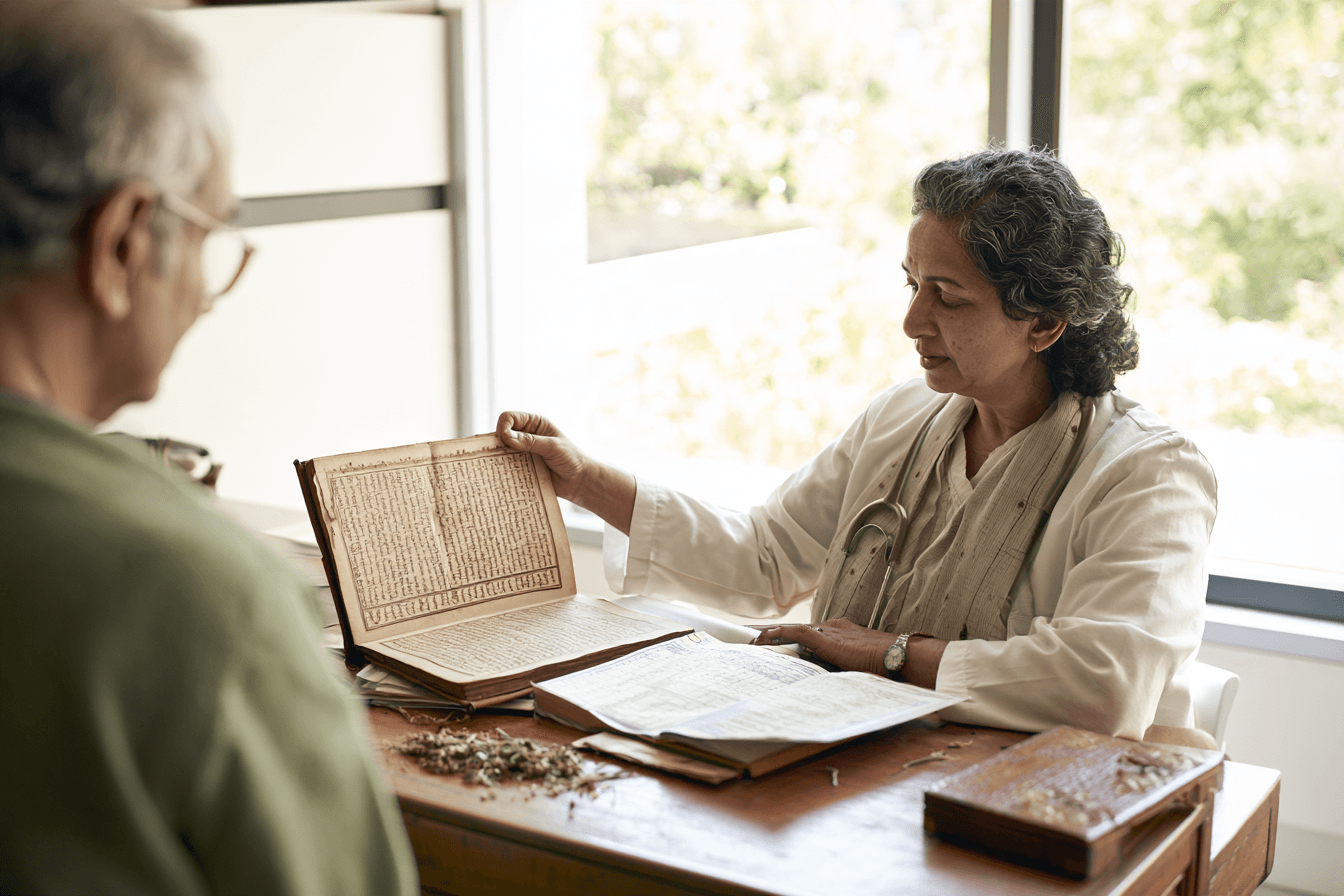
Ayurvedic treatment for ALS draws its main clinical framework from the principles of Vata Vyadhi described in Charaka Samhita. Treatment is selected after examining tissue depletion, obstruction of Vata, digestive capacity, bowel function, body weight, swallowing, respiratory stability and Bala, meaning the patient’s functional strength and ability to tolerate therapy. [1]
The classical approach does not prescribe the same medicine or procedure for every person with progressive weakness. A patient dominated by wasting, dryness and exhaustion requires a different sequence of care from someone who also has heaviness, stiffness, poor digestion and intolerance to nourishing medicines.
Dhatu Kshaya and Avarana in Charaka Samhita
Charaka describes two major pathways through which Vata becomes disturbed: Dhatu Kshaya, meaning depletion of body tissues, and Avarana, meaning obstruction of the normal movement and functions of Vata.
वायोर्धातुक्षयात् कोपो मार्गस्यावरणेन च ।
वातपित्तकफा देहे सर्वस्रोतोऽनुसारिणः ॥५९॥
वायुरेव हि सूक्ष्मत्वाद्द्वयोस्तत्राप्युदीरणः ।
कुपितस्तौ समुद्धूय तत्र तत्र क्षिपन् गदान् ॥६०॥
करोत्यावृतमार्गत्वाद्रसादींश्चोपशोषयेत् ॥६१॥
Transliteration:
Vāyor dhātukṣayāt kopo mārgasyāvaraṇena ca,
Vātapittakaphā dehe sarvasroto’nusāriṇaḥ.
Vāyur eva hi sūkṣmatvād dvayos tatrāpy udīraṇaḥ,
Kupitas tau samuddhūya tatra tatra kṣipan gadān.
Karoty āvṛtamārgatvād rasādīṁś copashoṣayet.
Simple English meaning: Vata may become aggravated because of tissue depletion or obstruction of its pathways. Due to its subtle and mobile qualities, disturbed Vata can influence different channels and tissues, producing disease and further reducing tissue nourishment.
Source: Charaka Samhita, Chikitsa Sthana, Chapter 28, Vatavyadhi Chikitsa, verses 59 to 61. [1] (Charak Samhita)
In a patient with ALS, progressive loss of muscle bulk, reduced body weight, dryness, constipation and declining endurance may form a predominantly Dhatu Kshaya pattern. Mamsa Kshaya, meaning depletion of muscle tissue, is often the most visible feature. Deeper loss of stability, coordination and functional reserve may also be assessed through the Ayurvedic concept of Majja Dhatu, which represents deeper structural and neurological nourishment.
This assessment does not treat Majja Dhatu as an anatomical synonym for the spinal cord or motor neurons. It helps determine how deeply tissue nourishment, strength and functional stability have been affected.
Avarana may be considered when weakness occurs together with marked stiffness, heaviness, sluggish digestion, excessive coating, constipation or poor tolerance of rich food. The patient may require gentle correction of Agni and bowel function before heavier Brimhana or Rasayana medicines can be used comfortably.
The distinction is clinically important. Excessive lightening or cleansing can further weaken a depleted patient, while immediately prescribing heavy nourishing preparations can worsen fullness and poor appetite when obstruction and weak digestion are present.
Brimhana for Tissue Depletion
Brimhana means a nourishing approach intended to support body weight, tissue nutrition, strength and treatment tolerance. Charaka includes oleation, suitable food, milk preparations, nourishing fluids, Basti and other strengthening measures within the broader management of Vata disorders. [1]
Brimhana in ALS is not limited to giving a heavy herbal tonic. It includes protecting calorie intake, providing adequate protein, preventing dehydration, supporting sleep, reducing constipation and adapting food texture to the patient’s swallowing ability.
A nourishing medicine is useful only when the patient can digest and swallow it safely. A thick Avaleha may be difficult for a person with bulbar weakness, while dry powders may trigger coughing or become difficult to clear. The dosage form must therefore change with the patient’s clinical condition.
Brimhana must also preserve comfort. Large meals may cause fatigue, abdominal pressure or breathlessness. Smaller energy rich meals, suitable fats, soft protein sources and carefully selected Rasayana preparations may be better tolerated than forcing large quantities of food.
Why Bala Determines Treatment Intensity
Bala represents more than muscle power. It includes digestive strength, respiratory reserve, weight stability, sleep, mental resilience and the ability to recover after food, movement or treatment.
Charaka places particular importance on examining Bala before prescribing elimination procedures, Basti or Rasayana.
सर्वस्थानावृतेऽप्याशु तत् कार्यं मारुते हितम् ।
यापना बस्तयः प्रायो मधुराः सानुवासनाः ॥२४०॥
प्रसमीक्ष्य बलाधिक्यं मृदु वा स्रंसनं हितम् ।
रसायनानां सर्वेषामुपयोगः प्रशस्यते ॥२४१॥
Transliteration:
Sarvasthānāvṛte’py āśu tat kāryaṁ mārute hitam,
Yāpanā bastayaḥ prāyo madhurāḥ sānuvāsanāḥ.
Prasamīkṣya balādhikyaṁ mṛdu vā sraṁsanaṁ hitam,
Rasāyanānāṁ sarveṣām upayogaḥ praśasyate.
Simple English meaning: When Vata is affected throughout its functional sites, treatment favourable to Vata should be selected. Nourishing Yapana Basti and unctuous Basti may be considered. Even mild elimination is chosen only after examining the patient’s strength, and Rasayana is recommended according to the clinical condition.
Source: Charaka Samhita, Chikitsa Sthana, Chapter 28, Vatavyadhi Chikitsa, verses 240 and 241. [1] (Charak Samhita)
This principle is particularly relevant when ALS has affected mobility, swallowing or breathing. A patient who is underweight, easily exhausted or dependent on assistance for basic activities may require a simpler treatment plan with fewer medicines and gentler procedures.
The dose and intensity are increased only when digestion, bowel function and daily tolerance remain stable. Treatment is reduced or modified when the patient develops loss of appetite, abdominal discomfort, excessive sleepiness, diarrhoea, dehydration or difficulty taking the prescribed medicine.
Bala must be reassessed throughout care because ALS can change over time. A procedure tolerated during an earlier stage may become unsuitable when swallowing, respiratory reserve or mobility declines.
Basti and Rasayana in Ayurvedic Treatment for ALS
Basti has a central place in the classical treatment of Vata Vyadhi. In ALS care, its selection may be considered when constipation, dryness, disturbed Apana Vata and poor tolerance of oral medicines are important parts of the presentation.
Yapana Basti is traditionally designed to provide sustaining and nourishing support. Anuvasana Basti uses an unctuous preparation and may be considered when dryness and constipation are prominent. The specific ingredients, quantity and schedule depend on Agni, bowel condition, hydration and Bala.
Basti is not selected only because ALS has been placed within a Vata Vyadhi framework. Severe weakness, unstable breathing, dehydration, acute gastrointestinal illness and difficulty managing transfers may alter its suitability. The expected benefit must justify the physical effort required from the patient and caregiver.
Rasayana is a wider strategy for nourishment, resilience, tissue support and preservation of functional reserve. It may combine an individualised formulation with food, sleep care, bowel management, gentle external treatment and an appropriate daily routine.
Rasayana selection depends on whether Dhatu Kshaya or Avarana is dominant. A depleted patient with stable digestion may receive a more directly nourishing plan. A patient with poor Agni, heaviness or constipation may first need a gentler formulation that improves tolerance before stronger Brimhana medicines are introduced.
The classical principles therefore support a staged Ayurvedic treatment plan. Dhatu Kshaya identifies the need for nourishment, Avarana identifies factors interfering with treatment tolerance, Bala determines intensity, Basti supports Vata and bowel regulation, and Rasayana provides the longer term framework for maintaining strength, nutrition and daily comfort.
Goals of Ayurvedic Treatment for ALS
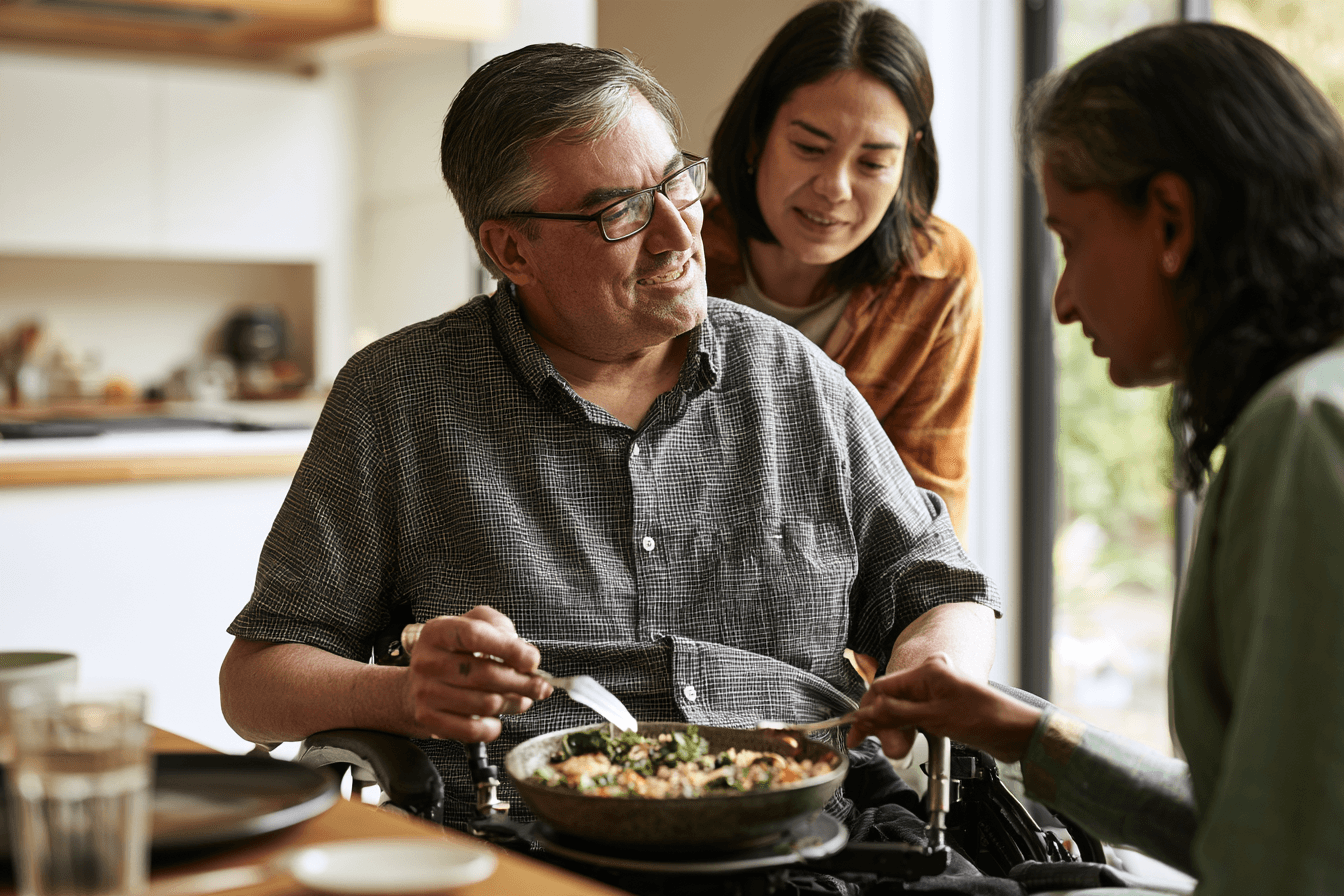
Ayurvedic treatment for ALS focuses on preserving nourishment, supporting digestion, maintaining bowel regularity, protecting functional strength and reducing avoidable physical strain. The plan is adjusted to the patient’s type of weakness, rate of muscle loss, swallowing ability, breathing capacity, body weight, sleep, appetite and tolerance of medicines.
ALS can affect eating, communication, mobility, coughing and breathing at different stages. Ayurvedic care therefore works best when its goals are practical and measurable. Changes in appetite, weight, bowel movement, sleep, cramps, stiffness, meal tolerance and daily comfort can be monitored alongside neurological, respiratory and swallowing assessments. [2,3]
Protecting Nutrition and Body Weight With Ayurvedic Treatment for ALS
Maintaining body weight is a major treatment priority because muscle weakness can make shopping, cooking, lifting utensils, chewing and swallowing increasingly difficult. Meals may take longer, and the patient may stop eating before meeting nutritional needs because of fatigue, breathlessness or fear of choking.
Weight loss may also occur even when food intake appears reasonable. ALS can increase energy requirements in some patients, while reduced mobility, swallowing problems and prolonged meals make it harder to meet those needs. Progressive weight loss can further reduce strength, immunity, respiratory reserve and tolerance of rehabilitation. [2,5]
Ayurvedic treatment assesses weight loss through the concept of Dhatu Kshaya, meaning depletion of body tissues and functional reserves. Mamsa Kshaya refers specifically to loss of muscle tissue and strength. The treatment response may include energy rich foods, appropriate protein, suitable fats, hydration support, bowel regulation and individually selected Rasayana medicines.
Food must remain easy to manage. Small, frequent and energy dense meals may be better tolerated than large meals that create exhaustion, abdominal pressure or breathlessness. The texture of food must follow the patient’s swallowing assessment because soft food, thick liquids and thin liquids do not carry the same swallowing risk for every person.
Supporting Agni Without Reducing Calories
Agni means digestive and metabolic capacity. In ALS, disturbed Agni may present as reduced appetite, early fullness, abdominal heaviness, bloating, constipation, irregular bowel movement or poor tolerance of nourishing medicines.
Supporting Agni does not mean placing an underweight patient on a highly restrictive diet. Excessive fasting, prolonged light diets or aggressive cleansing can reduce calorie intake and weaken Bala. The aim is to make nutrition easier to digest without removing the calories and protein required to preserve body weight.
Warm, moist and freshly prepared foods may be more comfortable for some patients than dry or bulky meals. Suitable fats can increase calorie density without increasing meal volume excessively. Herbs and spices used for digestion must be selected according to dryness, acidity, bowel pattern, liver function and medicine use.
A patient with heaviness and poor appetite may need gentle Agni support before receiving a dense Rasayana or Avaleha. Treatment should be adjusted when a formulation causes nausea, excessive fullness, loose stools, constipation or reduced food intake.
Maintaining Bala and Functional Reserve
Bala means functional strength, resilience and the ability to tolerate food, movement, medicines and therapeutic procedures. In ALS, Bala includes more than muscle power. It also reflects the patient’s ability to complete meals, sit upright, communicate, clear secretions, sleep comfortably and recover after physical activity.
Treatment should conserve energy for essential daily functions. Long therapy sessions, forceful massage, unnecessary travel and complicated medicine schedules may consume energy that the patient needs for eating, breathing, communication and rehabilitation.
A suitable plan may use Brimhana, Rasayana, gentle Snehana, bowel support and carefully paced activity. Brimhana means a nourishing approach intended to support body weight, tissue nutrition and strength. The intensity of Brimhana depends on digestion, swallowing safety, respiratory reserve and the presence of Avarana.
Preserving Bala also requires timely use of mobility aids, seating support, communication devices and respiratory equipment. These measures reduce unnecessary effort and help the patient use remaining strength more effectively. [2,3]
Supporting Sleep Bowel Function and Comfort
Sleep can be disturbed by cramps, stiffness, anxiety, difficulty turning in bed, excess saliva, breathing weakness or discomfort from prolonged positioning. Poor sleep can increase daytime fatigue and reduce the patient’s ability to eat, communicate and participate in therapy.
Ayurvedic treatment may support sleep through a stable routine, appropriate timing of meals and medicines, gentle Snehana and correction of constipation or abdominal discomfort. Sedating herbs require caution when respiratory weakness, daytime sleepiness or other sedative medicines are present.
Constipation is common when mobility declines, fluid intake is reduced or medicines slow bowel movement. Straining can be exhausting and may increase abdominal and respiratory discomfort. Diet, hydration, suitable oils and selected Basti may be used according to the patient’s strength and bowel condition.
Basti is a physician supervised Ayurvedic procedure in which selected medicated preparations are administered through the rectal route. Its purpose may include supporting bowel regularity, reducing dryness and regulating Apana Vata. The formula and quantity must be individualised because dehydration, diarrhoea, rectal disease and medical instability can change its suitability.
Managing Dryness Cramps and Stiffness
Dryness may affect the skin, mouth, bowel movement and general physical comfort. Reduced mobility and prolonged positioning can also contribute to stiffness, pressure discomfort and restricted joint movement.
Snehana means therapeutic oleation. Gentle external oil application may help reduce dryness, support comfort and make assisted movement easier. The pressure should remain mild when muscles are wasted, painful or easily fatigued.
Cramps may interrupt sleep and make movement difficult. Their frequency, duration and triggers should be recorded because dehydration, prolonged positioning, overexertion and medicine effects can contribute. Ayurvedic treatment may address dryness, sleep, bowel function and treatment tolerance while the neurological team evaluates persistent or severe cramps.
Swedana means controlled therapeutic warming. Mild local warmth may support comfort when stiffness and coldness are prominent. Strong steam or prolonged heat can cause dehydration, fatigue and breathing discomfort and is generally unsuitable for weak or underweight patients.
Physiotherapy and Ayurvedic external care should complement each other. Assisted range of motion, positioning and gentle Snehana may support flexibility, while excessive exercise or forceful massage can increase fatigue without improving muscle function.
Supporting Swallowing and Meal Tolerance
Swallowing difficulty can affect food, water and medicines. Coughing during meals, throat clearing, a wet voice, food remaining in the mouth and repeated chest infections may indicate reduced swallowing safety. These changes require prompt assessment because aspiration can occur even when the patient does not experience obvious choking. [2]
The form of Ayurvedic medicine must change as swallowing changes. Dry powders may be difficult to control, large tablets may become unsafe and thick Avaleha preparations may require modification. Oils and liquids are not automatically easier because thin liquids may be aspirated by some patients.
The treatment plan should protect calorie intake without increasing aspiration risk. A speech and swallowing professional can recommend suitable food and fluid consistencies, while the Ayurvedic physician adapts Rasayana, diet and medicine administration to those recommendations.
When oral intake becomes inadequate or unsafe, feeding tube discussion should not be delayed until severe weight loss or respiratory deterioration develops. Enteral nutrition can support calories, hydration and medicine administration while selected oral intake may continue when clinically safe. [2,5]
Supporting Breathing and Energy Conservation
Respiratory muscle weakness may appear as breathlessness while lying flat, disturbed sleep, morning headache, daytime sleepiness, weak coughing or difficulty clearing secretions. These symptoms require respiratory assessment and should not be interpreted only as fatigue or Vata aggravation. [2,4]
Ayurvedic care can support comfort, sleep, hydration and energy conservation, but it must not delay respiratory testing or non invasive ventilation when indicated. Procedures that require prolonged lying flat, excessive heat, fasting or physical exertion should be reconsidered when breathing reserve is reduced.
A simple medicine schedule is often easier for a patient with limited energy. Essential medicines should be prioritised, administration should be coordinated with meals and respiratory equipment, and treatments that repeatedly exhaust the patient should be modified.
Supporting the Patient and Caregiver
ALS gradually changes how the patient eats, moves, communicates and performs personal care. The caregiver may need to manage medicines, feeding, transfers, respiratory equipment, bowel care and medical appointments. A treatment plan that is too complicated can increase stress for both people.
Ayurvedic treatment should therefore be practical enough to follow consistently. Medicine quantities, timing, preparation and administration must be clearly explained. Changes in swallowing, breathing, weight, bowel function or alertness should trigger reassessment rather than automatic continuation of the same prescription.
Emotional support is also important. Loss of independence, communication difficulty and uncertainty about progression can affect sleep, appetite and participation in care. A stable daily routine, clear communication and realistic monitoring goals can reduce unnecessary distress.
The central goals of Ayurvedic treatment for ALS are to protect nutrition, preserve Bala, support Agni, maintain bowel function, improve comfort and help the patient use remaining functional capacity efficiently. These goals should be reviewed regularly because the patient’s swallowing, respiratory reserve and treatment tolerance may change over time.
Role of Basti in Ayurvedic Treatment for ALS
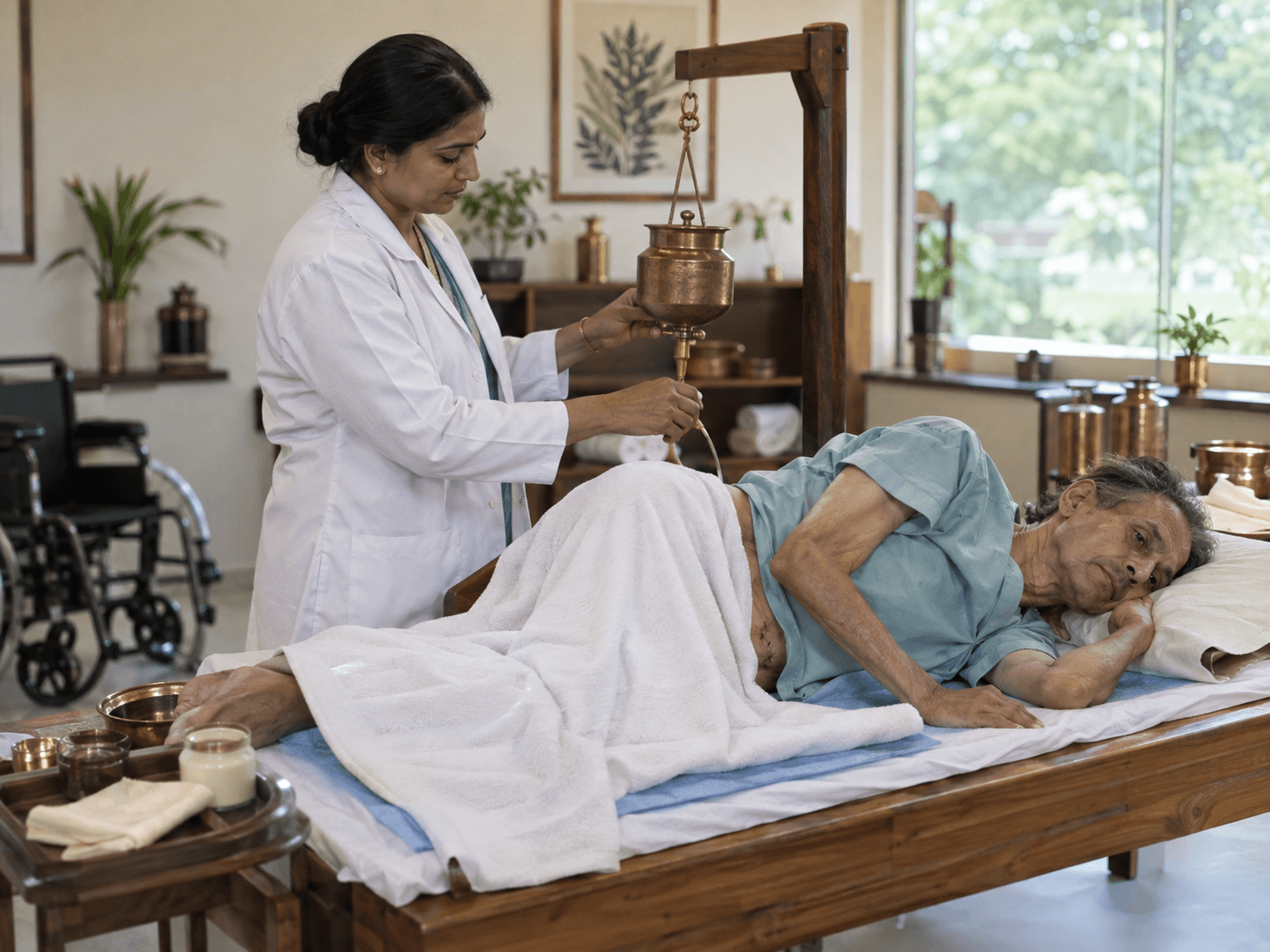
Basti is one of the principal therapies considered in Ayurvedic treatment for ALS when Vata disturbance, constipation, dryness, disturbed Apana Vata and progressive tissue depletion are present. It is a physician supervised procedure in which a carefully prepared medicated oil, decoction or nourishing formulation is administered through the rectal route.
Classical Ayurveda gives Basti a central place in Vata Vyadhi because the colon and pelvic region are regarded as important sites of Vata activity. In ALS care, its practical goals may include improving bowel regularity, reducing straining, supporting hydration and food tolerance, easing dryness and helping the patient maintain a more stable daily routine. [1]
The choice of Basti depends on the patient’s strength, digestion, respiratory condition, mobility, bowel pattern and ability to tolerate the procedure. It is not selected only because the neurological condition has been classified within a Vata Vyadhi framework.
Why Basti Is Considered in Vata Vyadhi
Vata governs movement, elimination, coordination and several functions related to the nervous and musculoskeletal systems within the Ayurvedic model. Disturbed Vata may present with dryness, constipation, irregular bowel movement, stiffness, cramps, disturbed sleep and declining physical resilience.
In ALS, reduced mobility, inadequate fluid intake, weak abdominal muscles and some medicines can further slow bowel movement. Constipation may then increase abdominal pressure, physical strain, fatigue and discomfort during breathing or transfers.
Basti may be considered when bowel disturbance is contributing to the patient’s overall treatment burden. Easier evacuation can reduce straining and conserve energy for eating, communication, breathing and rehabilitation.
Ayurvedic assessment also considers Apana Vata, the functional subdivision of Vata associated with downward movement and elimination. When Apana Vata becomes irregular, the patient may experience constipation, incomplete evacuation, abdominal discomfort or an unpredictable bowel routine.
Regulating Apana Vata is often an early treatment priority because persistent bowel discomfort can reduce appetite and interfere with Rasayana and Brimhana medicines.
How Basti Is Selected in Ayurvedic Treatment for ALS
Basti selection begins with an assessment of Bala, meaning the patient’s functional strength and ability to tolerate therapy. A patient with stable breathing, adequate hydration and manageable mobility may tolerate the procedure differently from someone with rapid weight loss, severe fatigue or respiratory weakness.
The physician evaluates stool frequency, stool consistency, straining, abdominal discomfort, appetite, fluid intake and use of laxatives. The presence of haemorrhoids, fissures, rectal bleeding, previous bowel surgery or active gastrointestinal disease must also be reviewed.
Mobility is particularly important. The patient must be positioned and transferred without excessive exertion. A procedure that requires difficult transfers, prolonged lying flat or repeated bathroom movement may consume more energy than it saves.
Respiratory comfort must be checked before and during treatment. Patients who become breathless while lying flat may require modified positioning or may not be suitable for the procedure at that stage. Respiratory symptoms should be assessed through the neurological and respiratory team rather than interpreted only as Vata disturbance. [2]
The dosage, temperature, volume and timing are individualised. A small oil based Basti may be better tolerated in one patient, while another may require bowel correction through diet, hydration and oral medicines before any rectal procedure is considered.
Matra Basti and Anuvasana Basti
Anuvasana Basti is an oil based form of Basti used primarily for Vata pacification and unctuous support. It may be considered when dryness, hard stool, infrequent bowel movement and tissue depletion are prominent.
Matra Basti is a smaller quantity oil based Basti. It is often selected as a gentler option when the patient requires Vata support but has limited strength or cannot tolerate a more elaborate procedure.
In ALS care, Matra Basti may be considered when constipation and dryness remain significant despite appropriate food, fluids and routine bowel care. The oil, dose and frequency are selected according to Agni, bowel pattern, body weight and overall tolerance.
An oil based Basti may reduce the effort required for evacuation in some patients. It should not produce prolonged diarrhoea, dehydration, abdominal pain or increased weakness. The dose must be reduced or stopped when these symptoms appear.
The presence of bulbar weakness does not automatically make Matra Basti appropriate. Swallowing, breathing, mobility and hydration still determine whether the complete procedure can be performed safely.
Niruha and Asthapana Basti
Niruha Basti, also called Asthapana Basti, is a decoction based preparation that may contain a carefully prepared combination of herbal decoction, oil, paste and other classical components. It has a more active cleansing and regulating action than an oil based Basti.
This type requires greater caution in ALS because excessive evacuation can reduce fluids, electrolytes, appetite and Bala. A patient who is underweight, dehydrated or already struggling to complete meals may not tolerate repeated bowel evacuation.
Niruha Basti may be considered only when the physician identifies a clear indication and the patient has sufficient strength. The procedure must remain mild enough to avoid fatigue, dizziness, diarrhoea or loss of nutritional intake.
Strong cleansing is generally unsuitable when Dhatu Kshaya is the dominant pattern. In such patients, the treatment priority is usually Brimhana and Vata pacification rather than repeated reduction or elimination.
When Avarana, heaviness and poor digestive tolerance are also present, a carefully selected mild Basti may be used as part of a staged plan. The patient’s response determines whether nourishing treatment can then be increased.
Yapana Basti in Ayurvedic Treatment for ALS
Yapana Basti is traditionally designed as a sustaining and nourishing form of Basti. Classical texts discuss it in situations where Vata management, nourishment and preservation of strength are important. [1]
Its purpose is broader than producing bowel evacuation. The formulation is selected to support Vata regulation, tissue nourishment and functional resilience while remaining appropriate for the patient’s Agni and Bala.
Yapana Basti is not a fixed formula for every patient with ALS. Ingredients, quantity and frequency vary according to constitution, tissue depletion, digestive capacity, bowel pattern and associated medical conditions.
A patient with severe weakness may still be unsuitable if the procedure causes difficult transfers, fatigue or respiratory discomfort. The name Yapana does not make the treatment automatically gentle or appropriate in every stage of disease.
The response is judged through practical changes such as bowel regularity, abdominal comfort, appetite, sleep, physical comfort and treatment tolerance. Neurological and respiratory measurements continue separately through the multidisciplinary ALS team. [2,3]
When Basti May Be Helpful
Basti may be considered when constipation remains persistent, stool is dry or difficult to pass and straining consumes substantial energy. It may also be useful when dryness, disturbed sleep and abdominal discomfort are part of a wider Vata dominant pattern.
The patient should be medically stable and able to tolerate positioning and transfers. Hydration should be adequate, and the bowel problem should not be caused by an acute obstruction, infection or bleeding disorder.
The greatest practical benefit may come from reducing the physical burden of bowel evacuation. For a person with weak limbs or breathing muscles, a predictable and comfortable bowel routine can reduce fatigue and caregiver strain.
Basti may also improve the patient’s tolerance of Brimhana and Rasayana when constipation and abdominal fullness have been limiting food or medicine intake. It should be introduced gradually so that bowel changes do not interfere with nutrition.
When Basti Should Be Postponed
Basti should be postponed during acute respiratory deterioration, aspiration pneumonia, fever, severe dehydration, uncontrolled diarrhoea or repeated vomiting. Acute abdominal pain, suspected bowel obstruction, gastrointestinal bleeding and active rectal bleeding also require medical assessment before treatment.
A patient with severe weakness, unstable blood pressure, marked dizziness or rapid clinical deterioration may require stabilisation before any procedure. Recent abdominal or rectal surgery and significant rectal disease need specific medical review.
Use of anticoagulant medicines should be disclosed because rectal procedures may require additional caution when bleeding risk is increased.
Basti should also be reconsidered when the patient cannot tolerate transfers or positioning. A technically correct procedure may still be unsuitable if the physical effort produces prolonged exhaustion or breathing difficulty.
Why Basti Should Not Be Performed at Home Without Supervision
Basti is different from a routine home enema. The oil, decoction, dose, temperature, timing and method are selected according to the patient’s condition.
Incorrect volume or temperature can cause discomfort, cramping or poor retention. An unsuitable preparation may produce diarrhoea, dehydration, rectal irritation or worsening weakness.
ALS can make transfers, positioning and bathroom access more difficult. Weak coughing and respiratory symptoms increase the importance of keeping the patient comfortable and avoiding excessive strain.
Family members should not copy a formula prescribed for another patient. Two people with the same neurological diagnosis may have very different bowel patterns, respiratory reserve, hydration and treatment tolerance.
Home administration may be considered only when the treating Ayurvedic physician has assessed the patient, provided clear instructions and confirmed that the caregiver can perform the procedure safely.
Monitoring the Response to Basti
The response should be recorded through bowel frequency, stool consistency, straining, abdominal comfort and the time required for evacuation. Appetite, sleep, hydration and fatigue should also be reviewed because bowel treatment should not reduce nutritional intake or daily function.
A suitable response may include easier passage of stool, reduced straining, less abdominal heaviness and a more predictable bowel routine. These changes can improve comfort and reduce the amount of energy spent on elimination.
Persistent diarrhoea, severe cramping, rectal bleeding, dizziness, increased weakness, reduced urine output or worsening breathlessness require the treatment to be stopped and reviewed.
Body weight and food intake should remain stable. A Basti schedule that repeatedly reduces appetite, causes fluid loss or leaves the patient exhausted is not serving the goals of Brimhana and Bala preservation.
Basti is most useful in Ayurvedic treatment for ALS when it has a clear clinical purpose, fits the patient’s present strength and can be monitored through practical outcomes. Its role is to regulate Vata, support bowel function and reduce avoidable physical strain while the patient continues neurological, respiratory, nutritional and rehabilitative care.
Role of Rasayana in Ayurvedic Treatment for ALS and Motor Neuron Disease
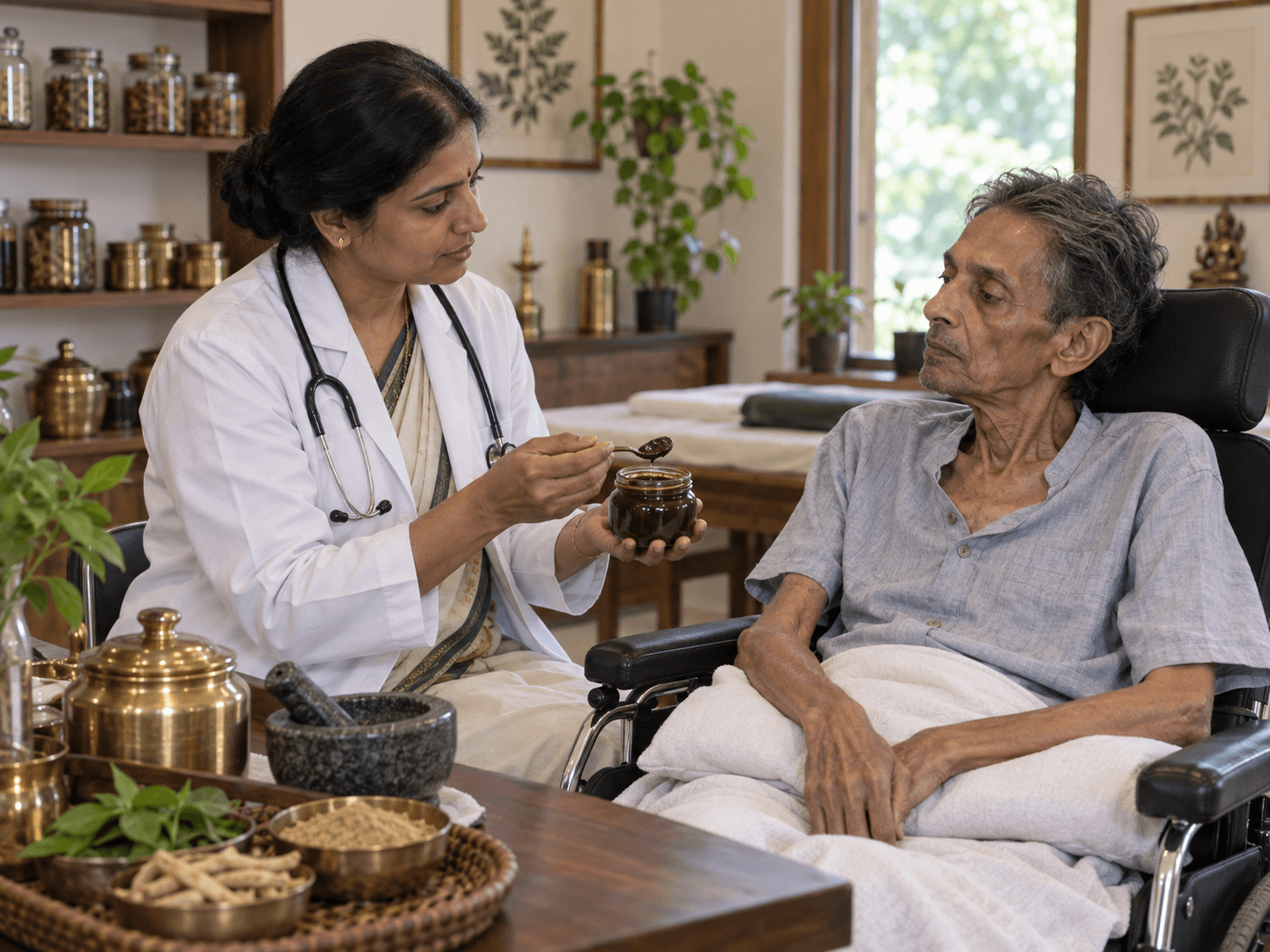
Rasayana is a central part of Ayurvedic treatment for ALS because it provides a structured approach to nourishment, functional strength, digestion, sleep, bowel regularity and treatment tolerance. The plan is personalised according to the patient’s pattern of Vata disturbance, degree of muscle wasting, body weight, swallowing ability, respiratory reserve, Agni, Bala and associated medical conditions.
Rasayana refers to Ayurvedic measures intended to support tissue nourishment, resilience, healthy function and the body’s capacity to tolerate illness. It may include medicines, food, sleep regulation, bowel care, gentle external treatment, emotional support and a practical daily routine. Rasayana is therefore broader than one herb, one tonic or one Avaleha.
In ALS, the treatment is usually developed around Dhatu Kshaya, meaning progressive depletion of body tissues and functional reserves. Mamsa Kshaya, or loss of muscle tissue and strength, may be the most visible feature. The Ayurvedic physician also assesses Majja Dhatu, Ojas, Agni and Bala to understand how deeply the disease is affecting nourishment, stability and daily function. [1]
Why Rasayana Is Relevant to Vata Vyadhi
Vata Vyadhi can involve progressive weakness, wasting, dryness, stiffness, irregular bowel function, disturbed sleep, speech changes and reduced physical endurance. Rasayana is considered when these features are accompanied by declining Bala and poor tissue nourishment.
Rasayana does not work separately from Vata management. The patient may first require support for constipation, poor appetite, abdominal heaviness or dryness before a nourishing formulation can be tolerated comfortably. When Agni is stable and bowel movement is regular, Rasayana can usually be introduced more consistently.
Agni means digestive and metabolic capacity. A formulation that is highly nourishing but causes fullness, nausea, constipation or reduced appetite is not supporting the patient effectively. Rasayana selection therefore depends on how well the patient can digest, absorb and continue the medicine.
Bala means functional strength and the ability to tolerate food, medicines, movement and therapeutic procedures. A patient with stable weight, preserved swallowing and adequate respiratory reserve may tolerate a richer Rasayana plan than someone with rapid weight loss, severe fatigue or advanced bulbar symptoms.
Ojas refers to the Ayurvedic concept of deeper vitality, stability and systemic reserve. Ojas support includes nourishment, sleep, emotional steadiness, hydration and protection from unnecessary physical or therapeutic exhaustion.
How Rasayana Is Selected in Ayurvedic Treatment for ALS
Ayurvedic treatment for ALS requires individual Rasayana selection rather than a standard neurological formula. The physician examines where the weakness began, how rapidly it is progressing and whether limb, bulbar or respiratory functions are most affected.
The degree of muscle loss and weight change influences the strength and calorie density of the treatment. A patient with significant wasting may need a more nourishing plan, but the formulation must remain digestible and easy to administer.
Swallowing ability is equally important. A patient who can swallow normally may tolerate an Avaleha, tablet, medicated ghee or powder. A patient with bulbar weakness may require a smoother, lower volume and easier to control preparation. The medicine form must change when coughing, throat clearing, a wet voice or prolonged swallowing develops.
Liver and kidney function are reviewed because these organs influence medicine metabolism and elimination. Diabetes, thyroid disease, hypertension, reflux, constipation and other associated conditions can also affect the selection of ingredients and dosage.
The complete medicine list must be considered. Riluzole, edaravone, tofersen for eligible SOD1 associated ALS, medicines for cramps, saliva control, sleep, anxiety and pain may already be part of the treatment plan. Rasayana should be coordinated with these medicines to reduce excessive sedation, digestive intolerance and avoidable interactions. [2,3]
Rasayana for Dhatu Kshaya and Mamsa Kshaya
Dhatu Kshaya requires a nourishing approach that the patient can sustain over time. Rasayana may be combined with Brimhana, meaning treatment intended to support body weight, tissue nourishment, strength and tolerance of illness.
Brimhana may include energy rich foods, suitable protein, appropriate fats, adequate fluids and individually selected Ayurvedic medicines. The aim is to provide more nourishment without making meals or medicine administration exhausting.
Mamsa Kshaya in ALS is influenced by loss of motor nerve supply, reduced movement, difficulty eating and changing metabolic needs. Rasayana care therefore addresses the factors that can still be supported, including calorie intake, meal tolerance, digestion, hydration, sleep and bowel regularity.
Changes in muscle bulk should be assessed together with body weight, food intake, mobility and functional measurements. A temporary increase in appetite or energy is useful, but it should not be confused with restoration of lost motor nerve function.
A practical Rasayana plan may help the patient complete meals more comfortably, maintain a stable bowel routine and tolerate physiotherapy or assisted movement with less fatigue. These outcomes can improve daily care even when the underlying neurological weakness continues to require close monitoring.
Ayurvedic Medicines Used Within a Rasayana Plan
Rasayana medicines are selected according to the patient’s constitution, symptoms and treatment goals. Herbs traditionally considered for nourishment, strength, sleep, digestion or tissue support may include Ashwagandha, Bala, Shatavari, Amalaki, Guduchi and Yashtimadhu.
The presence of a herb in classical Rasayana practice does not make it appropriate for every patient. Ashwagandha may not suit a patient who develops excessive sedation, digestive discomfort or thyroid related concerns. Yashtimadhu requires caution in patients with hypertension, fluid retention or electrolyte disturbance. Heavy or sweet formulations may require adjustment in diabetes or poor digestion.
Medicated ghee may be considered when dryness, weight loss and Vata aggravation are prominent and digestion remains adequate. The quantity must be reduced when it causes nausea, reflux, heaviness or reduced food intake.
Avaleha preparations can combine herbs with a nourishing base and may be useful when the patient can swallow the consistency safely. Bulbar weakness, excess saliva, coughing during meals or reduced tongue control may make a thick Avaleha difficult to manage.
The most suitable Rasayana is the formulation that the patient can swallow, digest and continue without reducing regular food intake. A complicated prescription containing many products may increase fatigue and make it difficult to identify which medicine is helping or causing intolerance.
Rasayana in Bulbar ALS
Bulbar ALS affects speech, chewing, swallowing and saliva control. These changes directly influence how Ayurvedic medicines can be administered.
Dry powders may scatter inside the mouth and become difficult to control. Large tablets may remain in the throat, while thick preparations may require repeated swallowing. Thin herbal liquids may also be unsafe for a patient who aspirates thin fluids.
A swallowing assessment helps determine the safest consistency. The Ayurvedic physician can then adapt the formulation to the recommended texture rather than assuming that liquid medicine is always easier.
Medicine should be reviewed when the patient coughs during administration, requires several swallows, develops a wet sounding voice or becomes breathless while taking it. These signs may indicate that the form, quantity or timing is no longer suitable.
A patient with a gastrostomy may still receive selected medicines, but compatibility, tube blockage, absorption and interaction with enteral feeding must be assessed. Herbal powders, thick Avaleha and oily preparations should not be placed through a feeding tube without professional review. [2,5]
Rasayana When Respiratory Strength Is Reduced
Respiratory weakness may cause disturbed sleep, morning headache, daytime sleepiness, difficulty lying flat and reduced cough strength. These symptoms influence the intensity and timing of Rasayana treatment.
A formulation that causes excessive sleepiness may make it harder to recognise worsening respiratory symptoms. Heavy meals or large medicine volumes may also increase abdominal pressure and discomfort while breathing.
Rasayana should therefore be given in manageable quantities and at times that do not interfere with non invasive ventilation, airway clearance or sleep. The treatment schedule may need to be simplified as respiratory effort increases.
Gentle nourishment, hydration, bowel support and energy conservation often become more important than adding multiple medicines. Respiratory monitoring and prescribed breathing support continue alongside Ayurvedic treatment. [2,4]
Achara Rasayana and Daily Routine
Rasayana also includes behaviour and daily routine. Achara Rasayana refers to conduct and habits that support mental steadiness, healthy relationships and a balanced life.
In ALS care, Achara Rasayana may include a regular sleep schedule, calm communication, emotional support, comfortable positioning and sufficient rest between activities. The patient should not be expected to follow a physically demanding routine simply because it is described as healthy.
Speech or hand weakness may make communication frustrating. Allowing more time for the patient to respond and introducing communication devices early can reduce emotional strain. Clear explanations also help the patient remain involved in decisions.
Caregiver wellbeing influences the consistency of the treatment plan. A routine that requires lengthy medicine preparation, frequent procedures and complicated feeding instructions may become difficult to maintain. Rasayana should support the household rather than create an additional treatment burden.
Monitoring the Response to Rasayana
The first stage of Rasayana treatment should assess whether the formulation is safe, digestible and practical. Appetite, meal completion, bowel movement, abdominal comfort, sleep, alertness and medicine tolerance can be reviewed during the first few weeks.
Body weight should be recorded regularly. Stable weight may indicate that calorie intake and meal tolerance are being maintained, while continued weight loss requires reassessment of swallowing, nutrition and respiratory effort.
The patient may also record cramp frequency, stiffness, dryness, fatigue and the amount of assistance required for daily activities. These observations become more useful when compared with baseline measurements.
ALS Functional Rating Scale Revised scores, respiratory tests, swallowing assessments, walking ability, hand function and speech provide wider information about disease status. Rasayana outcomes should be interpreted alongside these measurements rather than through symptoms alone. [2,3]
Laboratory monitoring may include liver and kidney function when several medicines are being used or when treatment continues for a longer period. Blood glucose, thyroid tests or electrolytes may be appropriate when the selected herbs or associated medical conditions make them relevant.
The formulation should be reduced, changed or stopped when it causes persistent nausea, diarrhoea, constipation, excessive sleepiness, reduced appetite, allergic symptoms or difficulty swallowing. Continuing an unsuitable Rasayana can reduce nutrition and Bala rather than improve them.
Quality and Safety of Rasayana Medicines
Rasayana treatment depends on correct botanical identity, clean raw materials, controlled manufacturing and appropriate dosing. Unverified products may contain substituted herbs, microbial contamination, pesticides or unsafe concentrations of heavy metals. [10]
Mineral and metal based preparations require particular care. Their classical preparation, purification, dose and quality testing must be documented. Patients should not combine several proprietary formulations from different sources without disclosing them to both the Ayurvedic physician and neurologist.
The medicine label should provide clear information about ingredients, dosage and manufacturer. The patient’s existing supplements should also be reviewed because several products may contain the same herb or mineral under different names.
Safety monitoring supports longer term use. A medicine that is carefully selected, well tolerated and consistently monitored is more useful than an extensive prescription that becomes difficult to swallow, digest or follow.
Rasayana has its strongest role in Ayurvedic treatment for ALS when it is personalised to Dhatu Kshaya, Agni, Bala, swallowing and respiratory status. It supports nourishment, resilience, daily comfort and treatment tolerance while remaining integrated with neurological, nutritional, respiratory and rehabilitative care.
Snehana Swedana and Brimhana in Ayurvedic Treatment for ALS
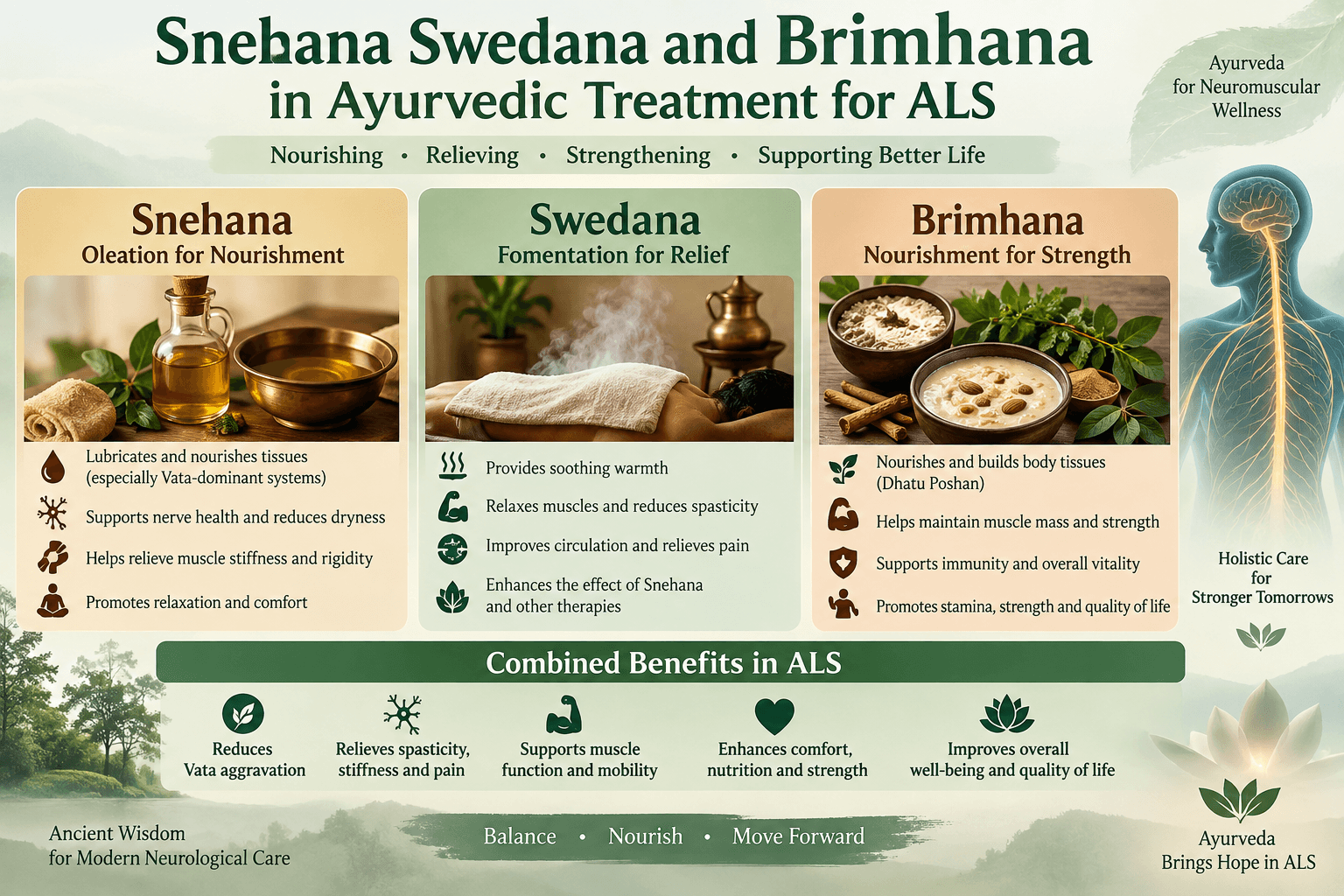
Ayurvedic treatment for ALS may include Snehana, Swedana and Brimhana when they are adapted to the patient’s strength, muscle wasting, joint mobility, respiratory reserve, swallowing ability and nutritional condition. These therapies are selected to reduce dryness and stiffness, improve physical comfort, support tissue nourishment and help the patient tolerate daily movement with less strain.
The intensity of treatment must change as the disease progresses. A person with stable breathing and preserved mobility may tolerate a longer external therapy session, while a patient with severe weakness, difficulty lying flat or rapid fatigue may require brief and gentle care. The purpose is to conserve Bala rather than exhaust the patient.
Snehana in Ayurvedic Treatment for ALS
Snehana means therapeutic oleation using suitable oils or lipid based preparations. It may be given externally through gentle oil application or internally in carefully selected quantities when digestion and swallowing allow.
External Snehana is commonly considered when Vata disturbance is accompanied by dryness, stiffness, discomfort, poor sleep and difficulty with assisted movement. Oil application can help maintain skin comfort, reduce friction during repositioning and make gentle joint movement easier.
The choice of oil depends on the Ayurvedic pattern. A patient with marked dryness, coldness and tissue depletion may require a more nourishing oil. Someone with heaviness, heat sensitivity, skin irritation or poor tolerance of oily preparations may require a lighter application or a different formulation.
External Snehana should not become a forceful massage. Muscles affected by ALS may be weak, wasted and easily fatigued. Deep pressure, vigorous rubbing and prolonged manipulation can increase soreness and leave the patient too tired for meals, communication or physiotherapy.
The hands, feet, shoulders, back and limbs may be treated according to comfort and positioning. Pressure should remain mild over areas with severe wasting, pain, swelling, fragile skin or reduced sensation. The patient’s response during and after treatment determines whether the duration and frequency are suitable.
Snehana for Dryness and Physical Comfort
Dryness may affect the skin, mouth, bowel function and the patient’s general sense of comfort. Reduced movement and prolonged sitting or lying can make the skin more vulnerable to friction and pressure.
Gentle oil application may improve skin softness and make assisted repositioning more comfortable. It does not replace pressure care, regular position changes or examination of areas at risk of pressure injury.
Snehana may also support relaxation before sleep when stiffness or physical discomfort is present. The treatment should not interfere with respiratory equipment, feeding tubes, dressings or medical devices.
Oil should be used cautiously near the mouth and throat when swallowing is impaired. Oral oil administration can create an aspiration risk if the patient cannot control thin liquids safely. Swallowing status must therefore guide both the form and route of Snehana.
Snehana and Assisted Movement
ALS can reduce active movement while joints and connective tissues gradually become stiff. Gentle Snehana may be combined with assisted range of motion under the guidance of a physiotherapist.
The oil application can prepare the limbs for slow movement, while supported exercises help preserve comfort and joint flexibility. Movement should remain within a comfortable range and should stop when it produces pain, breathlessness, tremor or prolonged fatigue.
The patient should not be encouraged to exercise a severely weak muscle repeatedly in an attempt to rebuild it. Energy must be conserved for essential activities such as eating, breathing, communication and transfers. Physiotherapy in ALS is usually directed toward safe mobility, positioning, joint care and prevention of secondary discomfort rather than exhausting strength training. [2,3]
Swedana in Ayurvedic Treatment for ALS
Swedana means controlled therapeutic warming or sudation. It is traditionally used to reduce stiffness, coldness and restricted movement after appropriate Snehana.
In Ayurvedic treatment for ALS, Swedana should usually remain mild and localised. Gentle warmth may help a patient feel more comfortable before assisted movement or during periods of increased stiffness.
Strong steam, prolonged heating and procedures that produce heavy sweating can reduce hydration and increase fatigue. These effects are particularly important when the patient is underweight, has difficulty drinking, experiences low blood pressure or has reduced respiratory reserve.
Swedana should not make the patient breathless, dizzy or exhausted. The room should remain well ventilated, and the patient should be able to communicate discomfort throughout the procedure.
When Swedana Requires Caution
Respiratory weakness can make heat exposure difficult to tolerate. A warm, humid environment may increase the sensation of breathlessness, particularly when the patient already has difficulty lying flat or clearing secretions.
Swedana should be postponed when there is fever, acute chest infection, dehydration, uncontrolled diarrhoea, severe weakness or respiratory deterioration. New breathlessness, morning headache, excessive daytime sleepiness and a weak cough require respiratory assessment rather than an increase in warming therapy. [2]
The position used during Swedana also matters. A patient who cannot lie flat comfortably may require supported sitting or a partially elevated position. Any therapy that interferes with non invasive ventilation, cough assistance or secretion management should be modified.
Skin sensation may be altered in some patients because of associated conditions, immobility or medication effects. Heat must therefore be tested carefully to prevent burns, irritation or excessive redness.
Brimhana in Ayurvedic Treatment for ALS
Brimhana means a nourishing and strengthening approach intended to support body weight, tissue nutrition, functional reserve and treatment tolerance. It is especially relevant when Dhatu Kshaya, Mamsa Kshaya, weight loss, dryness and declining Bala are prominent.
Brimhana is broader than the use of rich food or one nourishing medicine. It combines adequate calories, suitable protein, appropriate fats, hydration, sleep, bowel care, Rasayana and conservation of physical energy.
The patient’s swallowing ability determines how nourishment is delivered. Soft foods may suit one patient, while another may require a specific texture or thickened fluid recommended after swallowing assessment. Thin liquids, dry foods and sticky preparations can each create different difficulties.
A nourishing plan should reduce the amount of effort required to eat. Smaller energy dense meals may be more manageable than large meals that take a long time to chew and swallow. The patient may also require adapted utensils, feeding assistance or rest before meals.
Brimhana for Mamsa Kshaya
Mamsa Kshaya means depletion of muscle tissue and functional muscle strength. In ALS, loss of muscle bulk is strongly influenced by reduced motor nerve supply, lower activity, altered energy requirements and difficulty maintaining food intake.
Brimhana supports the nutritional factors that can still be improved. Maintaining calorie intake, protein, hydration and digestive tolerance may help protect body weight and preserve the patient’s remaining functional reserve.
The response should be measured through weight, meal completion, appetite, bowel function and daily energy. Visible muscle loss may continue despite appropriate nutrition because the neurological process affects the motor supply to the muscles. Nutritional support remains valuable because inadequate intake can add a preventable layer of weakness.
Weight should be recorded regularly under similar conditions. Continued weight loss requires review of calorie intake, swallowing safety, meal duration, respiratory effort and the possibility of enteral nutrition. [2,5]
Brimhana Without Weakening Agni
A heavy formulation is not automatically a successful Brimhana treatment. A medicine that causes fullness, nausea, constipation or loss of appetite may reduce the patient’s total nutritional intake.
Agni means digestive and metabolic capacity. Brimhana should be adjusted to Agni so that nourishment remains digestible and sustainable. Smaller doses, simpler formulations and gradual increases may be better tolerated than immediately giving several dense preparations.
Constipation must also be managed because abdominal fullness can reduce appetite and make breathing less comfortable. Fluids, suitable fats, diet and carefully selected Basti may be combined with Brimhana when bowel movement is difficult.
Patients with reflux, diabetes, liver disease or reduced kidney function require additional modification. The formulation must support nourishment without worsening blood glucose, fluid balance, gastrointestinal symptoms or medicine tolerance.
Combining Brimhana With Rasayana
Rasayana and Brimhana often work together in Ayurvedic treatment for ALS. Brimhana protects calorie intake, body weight and tissue nourishment, while Rasayana supports resilience, digestion, sleep, bowel function and long term treatment tolerance.
The sequence depends on the patient’s condition. A person with stable Agni and significant tissue depletion may begin nourishing Rasayana earlier. A patient with poor appetite, heaviness and constipation may first require gentle support for digestion and bowel regularity.
The dosage form should remain safe as swallowing changes. Avaleha, powders, tablets, oils and medicated ghee may require adjustment when speech and swallowing muscles become weaker. A formulation that was suitable at the beginning of treatment may later become difficult to control in the mouth or throat.
Coughing, throat clearing, a wet voice, food remaining in the mouth or repeated swallowing during medicine administration requires reassessment. The medicine should not be continued in the same form simply because it was previously tolerated.
Coordinating Ayurvedic External Therapy With Rehabilitation
Snehana and mild Swedana can be coordinated with physiotherapy and occupational therapy to support comfort, positioning and safe movement. The timing should allow the patient to participate without excessive fatigue.
A short oil application before assisted joint movement may be useful when stiffness is present. Longer treatments should be avoided before meals, respiratory therapy or activities that require concentration and energy.
Occupational therapy may help reduce the effort needed for dressing, bathing, writing, eating and transfers. Ayurvedic care can support comfort around these activities, while adaptive equipment protects independence and caregiver safety. [2,3]
The patient’s recovery after each session is an important measure. A treatment that leaves the person tired for the rest of the day is too intensive, even when it feels pleasant during the procedure.
Monitoring Snehana Swedana and Brimhana
The response to Snehana can be monitored through skin comfort, stiffness, pain, sleep, ease of assisted movement and fatigue after treatment. Increased soreness, skin irritation, swelling or prolonged exhaustion indicates that the pressure, duration or formulation needs adjustment.
Swedana should be assessed through comfort, hydration, breathing and energy after the session. Dizziness, excessive sweating, weakness, headache or breathlessness are reasons to stop and review the procedure.
Brimhana should be monitored through body weight, appetite, meal completion, bowel regularity, hydration and tolerance of medicines. The patient’s swallowing and respiratory condition should be reviewed whenever food or medicine texture changes.
Snehana, Swedana and Brimhana have their strongest role in Ayurvedic treatment for ALS when they preserve comfort, nutrition and Bala without increasing fatigue or respiratory strain. Their intensity should remain flexible because mobility, swallowing and breathing can change during the course of motor neuron disease.
Nutrition and Swallowing in Ayurvedic Treatment for ALS
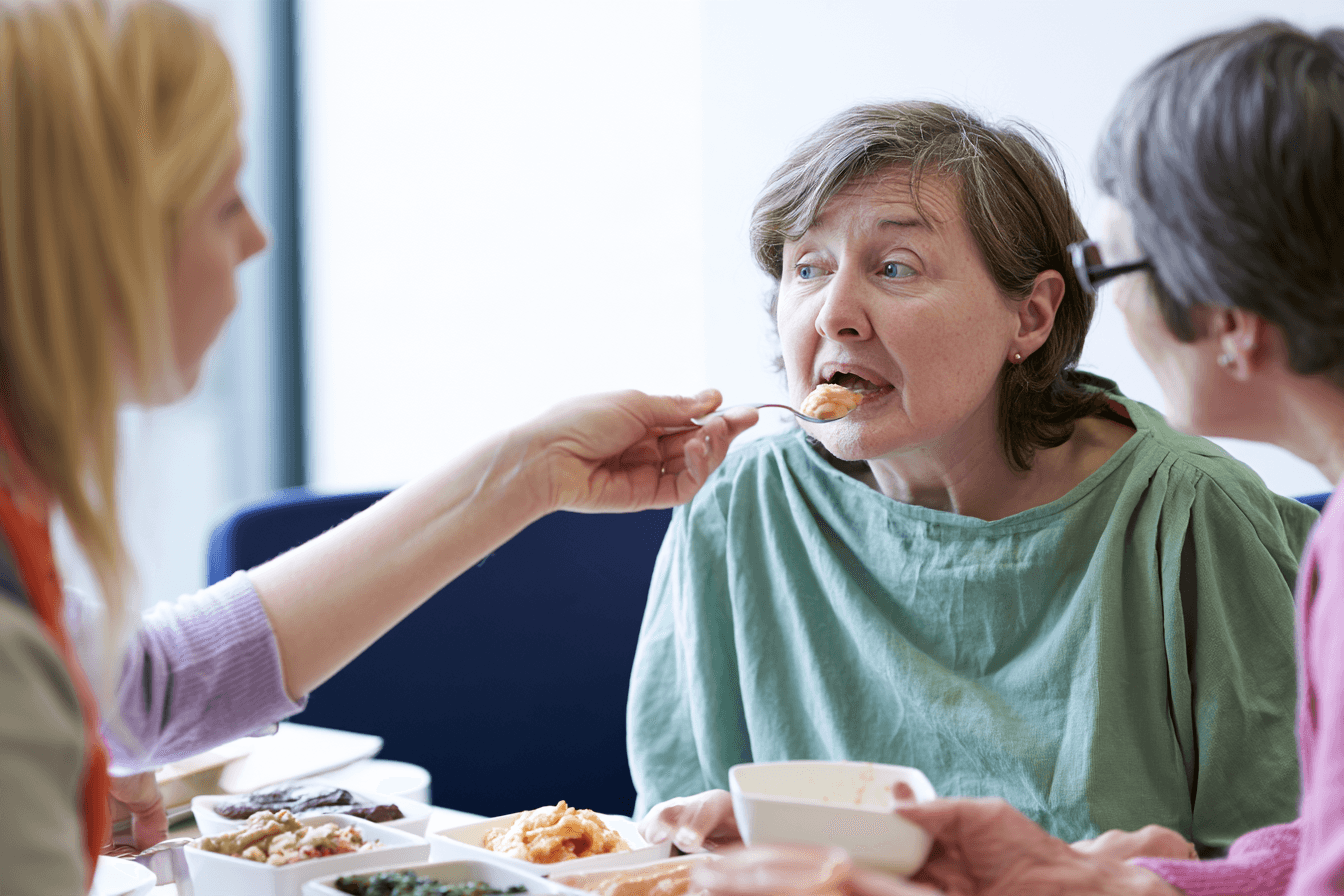
Nutrition and swallowing are central to Ayurvedic treatment for ALS because the patient needs enough energy, protein, fluids and digestive capacity to preserve Bala and tolerate daily care. Weak hands, chewing fatigue, swallowing difficulty, breathlessness and prolonged meals can gradually reduce food intake even when appetite remains present.
Ayurvedic care approaches these changes through Agni, Brimhana, Mamsa Kshaya, Bala and Ojas. Food selection must also follow the patient’s swallowing assessment because a preparation that is nourishing in principle may become difficult or unsafe to consume when bulbar weakness develops.
Why Body Weight Matters in Ayurvedic Treatment for ALS
Weight loss in ALS may result from difficulty shopping, preparing food, lifting utensils, chewing, swallowing or completing a meal before fatigue develops. Some patients also use more energy for breathing and movement while consuming fewer calories.
Within Ayurveda, progressive loss of body weight and muscle bulk may be assessed as Dhatu Kshaya, meaning depletion of body tissues and functional reserves. Mamsa Kshaya refers specifically to loss of muscle tissue and strength.
Brimhana means a nourishing approach intended to support body weight, tissue nutrition, strength and treatment tolerance. Brimhana in ALS includes adequate calories, suitable protein, appropriate fats, hydration, digestive support, bowel care and a food texture that the patient can manage safely.
The patient’s weight should be recorded regularly under similar conditions. Meal duration, portion completion, appetite, fatigue and the amount of assistance required during eating provide additional information. Continued weight loss may indicate that food intake, swallowing, respiratory effort or the method of feeding requires reassessment. [2,5]
A nourishing plan should not depend on very large meals. Smaller portions with greater calorie and protein density may reduce chewing time and physical effort. Rest before meals can also preserve energy for eating rather than using it on another activity immediately beforehand.
Dysphagia and Aspiration Risk in ALS
Dysphagia means difficulty moving food, fluid or medicine safely from the mouth to the stomach. In ALS, weakness of the lips, tongue, jaw, throat and breathing muscles can affect chewing, swallowing and airway protection.
Early changes may include taking longer to eat, avoiding certain foods, needing several swallows for one mouthful, food remaining inside the cheeks, difficulty moving tablets, coughing during meals or a wet sounding voice after swallowing.
Aspiration occurs when food, fluid, medicine or saliva enters the airway. It may cause coughing or choking, but aspiration can also occur without an obvious cough. Recurrent chest congestion, unexplained fever, changes in voice after eating or repeated respiratory infections may indicate reduced swallowing safety.
A clinical swallowing assessment helps identify which food and fluid consistencies are easiest to control. Instrumental assessment may be considered when the cause or severity of swallowing difficulty remains unclear. Swallowing should be reviewed again when speech, coughing, meal duration or respiratory function changes. [2]
Thin liquids are not automatically easier to swallow. Water, juice, herbal decoctions and thin oils may move quickly through the mouth and throat and can be difficult to control. Some patients manage a thicker fluid more safely, while others require a different consistency. The appropriate texture depends on the individual swallowing pattern.
The patient should sit in the position recommended by the swallowing professional. Fatigue during meals must also be considered because swallowing may become less coordinated toward the end of a long meal.
Ayurvedic Food Adaptation for ALS
Ayurvedic food planning begins with Agni, meaning digestive and metabolic capacity. Poor appetite, early fullness, bloating, constipation, reflux or abdominal heaviness may reduce the patient’s ability to tolerate nourishing food.
Supporting Agni does not require reducing calories in a patient who is losing weight. The aim is to make food easier to digest while maintaining sufficient nourishment. Warm, moist and freshly prepared meals may be comfortable for many Vata dominant patients, but their texture must still match the swallowing recommendation.
Soft grains, smooth porridges, blended preparations, well cooked vegetables, suitable fats and easily managed protein sources may be incorporated according to constitution, digestion and dietary needs. A preparation should not remain dry, crumbly, sticky or fibrous when the patient has difficulty controlling that texture.
Protein remains important for general nutrition and tissue maintenance. The chosen source should be easy to chew, digest and swallow. The amount may require modification when kidney disease, digestive intolerance or another medical condition is present.
Suitable fats can increase calorie density without greatly increasing meal volume. Medicated ghee or other oils may be considered when Agni is adequate and the patient can swallow the consistency safely. The quantity should be reduced when it causes reflux, nausea, loose stools, heaviness or reduced appetite.
Very dry diets, prolonged fasting and repeated cleansing regimens can reduce calorie intake and Bala. Bala means functional strength and the ability to tolerate food, activity and treatment. Ojas refers to the Ayurvedic concept of deeper vitality and systemic stability. Protecting Bala and Ojas requires consistent nourishment, hydration, sleep and freedom from unnecessary digestive strain.
Food should remain pleasant and familiar whenever possible. Excessive restrictions can reduce intake and make mealtimes more difficult for both the patient and caregiver.
When Avaleha Powders and Tablets Become Difficult
An Avaleha is a semisolid Ayurvedic preparation commonly used for nourishment and Rasayana delivery. Its thick consistency may be manageable during an earlier stage but may become difficult when tongue movement, throat control or swallowing strength declines.
Dry herbal powders can disperse inside the mouth and may trigger coughing. Mixing powder into a suitable food may make administration easier, but the final texture must remain compatible with the patient’s swallowing plan.
Large tablets or capsules may require repeated swallowing and can become difficult to move from the mouth into the throat. Crushing or opening a tablet is not always appropriate because some medicines have a coating or release mechanism that must remain intact. The pharmacist or prescribing clinician should confirm whether a product can be altered.
Warning signs during Ayurvedic medicine administration include coughing, throat clearing, a wet or gurgling voice, prolonged swallowing, medicine remaining in the mouth, breathlessness or visible distress. The medicine form, quantity and timing should be reassessed when these signs appear.
Liquids and oils are not automatically safer than semisolid preparations. A patient who has difficulty controlling thin fluids may also struggle with herbal decoctions, syrups or oral oils.
Medicines should be given when the patient is alert, comfortably positioned and not already exhausted by a long meal. Several products taken together may increase swallowing effort and reduce the likelihood that the complete treatment can be followed consistently.
When Feeding Tube Discussion Becomes Important
Feeding tube discussion becomes important when oral intake no longer provides enough calories or fluids, meals take excessive time, swallowing becomes unsafe or weight continues to decline despite dietary modification.
The discussion may also be relevant when the patient repeatedly coughs during meals, develops aspiration related chest infections, cannot take essential medicines safely or becomes too fatigued to complete meals.
Respiratory status influences the timing and method of gastrostomy placement. Early discussion allows the patient, family, neurologist, respiratory team, dietitian and swallowing professional to consider the options before nutrition and breathing become severely compromised. [2]
A feeding tube can support calories, hydration and medicine administration while reducing the physical effort required for eating. It does not always mean that all oral intake must stop. Some patients may continue selected foods or drinks for comfort when the swallowing team considers this appropriate.
Tube feeding does not completely remove aspiration risk because saliva or refluxed stomach contents may still enter the airway. Positioning, reflux management, secretion care and respiratory monitoring remain important.
The ProGas study evaluated commonly used gastrostomy methods in ALS and found broadly similar short term safety outcomes among the methods studied. The choice of procedure depends on respiratory function, local expertise, patient preference and clinical condition. [5] (PubMed)
Ayurvedic medicines should not be placed through a feeding tube without checking compatibility. Thick Avaleha, coarse powders and oily preparations may block the tube or interfere with feeding. The Ayurvedic physician, pharmacist and nutrition team should review the formulation, preparation method and timing in relation to enteral nutrition.
Monitoring Nutrition and Swallowing During Ayurvedic Care
Nutrition monitoring should include body weight, appetite, meal duration, portion completion, fluid intake, bowel regularity and digestive tolerance. Changes in voice, coughing, chewing, swallowing or respiratory comfort should also be documented.
The patient’s ability to take Rasayana, Avaleha, tablets, powders and oils may change during the course of ALS. A formulation that was previously manageable may later require a different consistency, smaller volume or another route.
Swallowing function should be reassessed after new choking episodes, repeated chest infections, noticeable weight loss or a change in speech. Early bulbar symptoms may include dysarthria and dysphagia, and their severity can vary considerably between patients. [8] (NCBI)
Ayurvedic follow up examines whether Agni remains stable, whether bowel function supports food intake and whether the plan is preserving Bala without creating heaviness, reflux or exhaustion. Weight stability, improved meal tolerance, regular bowel movement and comfortable medicine administration are useful supportive outcomes.
Nutrition, respiratory function and swallowing influence one another. Poor intake can weaken the patient, respiratory weakness can make meals exhausting, and swallowing difficulty can reduce both food and medicine intake. Ayurvedic treatment for ALS is most effective when Brimhana, Rasayana and Agni support are adapted continuously to these changing clinical needs.
Modern ALS Care Alongside Ayurvedic Treatment for ALS

Ayurvedic treatment for ALS becomes more complete when Vata Vyadhi assessment, Rasayana, Brimhana, Basti, Snehana, nutrition and daily care are coordinated with neurological treatment. Each part of care addresses a different clinical need. Ayurvedic treatment supports Agni, Bala, bowel function, nourishment, sleep and physical comfort, while neurological care provides disease specific medicines, respiratory support, swallowing management, rehabilitation and communication technology. [2,3]
Prescribed ALS medicines should not be stopped when Ayurvedic treatment begins. The neurologist and Ayurvedic physician should both know the complete list of medicines, herbs, supplements and procedures because liver function, swallowing ability, respiratory reserve and treatment schedules can influence what is suitable.
Riluzole Alongside Ayurvedic Treatment for ALS
Riluzole is commonly prescribed after an ALS diagnosis and may provide a modest survival benefit or delay progression toward ventilator dependence in some patients. It is available in different oral forms, allowing the neurologist to select a preparation according to swallowing ability and local availability. [3,9] (PubMed)
Liver function requires monitoring because riluzole can affect liver enzymes. This is particularly important when a patient is also taking concentrated herbal extracts, mineral preparations or several supplements. The Ayurvedic prescription should be simplified when necessary so that any change in liver function, appetite or digestion can be evaluated clearly.
Rasayana should be adapted around riluzole rather than replacing it. If the patient develops nausea, reduced appetite or abdominal discomfort, Agni support, meal timing and the Ayurvedic dosage form can be modified in consultation with the treating clinicians. The patient should not independently reduce or discontinue riluzole because of a temporary digestive symptom.
Swallowing changes may also require adjustment. A tablet may become difficult to manage as bulbar weakness progresses, while another authorised formulation may be easier to administer. The swallowing professional, neurologist and pharmacist can guide this change, while the Ayurvedic physician adapts Avaleha, powders and oils to the same swallowing recommendations.
Edaravone and Ayurvedic Treatment for ALS
Edaravone is used for ALS in several countries, although availability, approved formulations and eligibility differ between healthcare systems. A phase three trial in a selected group with relatively early disease and preserved respiratory function found a smaller decline in ALS Functional Rating Scale Revised scores over twenty four weeks compared with placebo. The results apply most directly to patients resembling the trial population. [3,10] (PubMed)
The neurologist considers disease duration, functional status, respiratory function, treatment burden and local prescribing criteria before recommending edaravone. Depending on the country and formulation, treatment may be given intravenously or orally according to a defined schedule.
Ayurvedic treatment can continue alongside edaravone when the combined plan remains practical and well tolerated. Rasayana, meals, Basti and external therapies should be scheduled so that they do not interfere with medicine administration, infusion appointments, hydration or required dosing instructions.
Fatigue, nausea, reduced appetite or allergic symptoms should be documented rather than automatically attributed to Vata aggravation. The timing of each symptom in relation to edaravone, Ayurvedic medicines, food and procedures helps the clinical team identify the likely cause and adjust treatment safely.
Tofersen for SOD1 Associated ALS
Tofersen is a targeted treatment for people whose ALS is associated with a pathogenic change in the SOD1 gene. It is administered into the fluid surrounding the spinal cord and therefore requires specialist neurological care, repeated lumbar punctures and appropriate monitoring.
In the pivotal trial, tofersen reduced cerebrospinal fluid SOD1 protein and plasma neurofilament concentrations. The primary functional endpoint at twenty eight weeks did not differ significantly from placebo, while follow up during the open label extension suggested more favourable outcomes when treatment was started earlier rather than after delay. These findings led to regulatory approvals for eligible SOD1 associated ALS in several regions. [3,11] (PubMed)
Genetic testing therefore has direct treatment value. A family history is helpful but is not the only reason to discuss testing, because some people with a disease associated variant may not report another affected relative. Genetic counselling helps the patient understand the meaning of the result and its possible relevance to biological family members.
Ayurvedic treatment for a patient receiving tofersen remains focused on the individual Vata pattern, Dhatu Kshaya, Agni, bowel function, nutrition and Bala. Headache, back pain, fever, neurological symptoms or other changes after an intrathecal dose require assessment by the tofersen treatment team rather than being managed only through Ayurvedic medicines.
Basti, massage or travel for Ayurvedic procedures may need to be reduced around lumbar puncture appointments. The patient’s comfort, hydration, mobility and recovery after each treatment cycle should determine the timing of additional therapies.
Noninvasive Ventilation and Respiratory Support
Weakness of the breathing muscles may initially appear as disturbed sleep, morning headache, daytime sleepiness, reduced concentration, difficulty lying flat, breathlessness during speech or a weak cough. Respiratory assessment may include forced vital capacity, slow vital capacity, sniff nasal inspiratory pressure, maximal inspiratory pressure and overnight testing according to the patient’s symptoms and ability to perform the test. [2,3]
Noninvasive ventilation supports breathing through a mask without placing a tube in the windpipe. A randomised study found that noninvasive ventilation improved quality of life and survival, with the clearest survival benefit among participants without severe bulbar impairment. People with marked bulbar symptoms may still experience improvements in sleep related symptoms and respiratory comfort when the equipment can be tolerated. [4] (PubMed)
Ayurvedic therapies should be arranged around ventilation rather than competing with it. Rasayana medicines and meals can be timed for periods when the patient is rested and breathing comfortably. Snehana may be performed in a supported position, while Swedana, prolonged lying flat and physically demanding procedures should be avoided when they increase breathlessness.
Sedating Ayurvedic medicines require particular care because increasing daytime sleepiness or morning headache may also indicate inadequate nighttime ventilation. New respiratory symptoms should prompt reassessment of breathing support before the Ayurvedic medicine is increased.
The patient should continue using prescribed ventilation during sleep, rest or daytime periods recommended by the respiratory team. A feeling of improved energy after Rasayana or better sleep does not provide enough information to reduce ventilation without respiratory reassessment.
Cough and Secretion Management
A strong cough protects the lungs by clearing saliva and respiratory secretions. As respiratory and bulbar muscles weaken, coughing may become quieter, less effective and physically exhausting.
The respiratory team may teach breath stacking, manually assisted coughing or the use of a mechanical cough assistance device. Suction equipment may be considered when oral secretions cannot be cleared effectively. These measures can reduce the effort required from the patient and help caregivers respond more confidently when secretions increase. [2,3]
Ayurvedic care can support hydration, oral comfort and bowel regularity, but oral oils and thin herbal liquids require caution when swallowing is impaired. Steam inhalation and strong Swedana can increase fatigue or make thick secretions more difficult to manage when hydration is inadequate.
Herbal medicines for cough should not be selected from the symptom alone. A weak cough in ALS may reflect reduced respiratory muscle strength rather than throat irritation or excess Kapha. Fever, chest congestion, increasing breathlessness, reduced alertness or a sudden change in secretions requires medical assessment for infection or aspiration.
Nutrition and Gastrostomy Support
Neurological nutrition care remains closely connected with Ayurvedic Brimhana. Both aim to protect calories, hydration, weight and the patient’s capacity to tolerate illness. The food plan should combine adequate nutritional density with the texture recommended after swallowing assessment.
Gastrostomy may be discussed when weight is declining, oral intake is inadequate, meals have become excessively long, swallowing is unsafe or taking essential medicines is becoming difficult. Early discussion allows the patient to consider the procedure before respiratory weakness and malnutrition make placement more difficult. [2,5] (PubMed)
A feeding tube can support nutrition, fluids and suitable medicines while reducing the energy required to complete every meal orally. Selected oral intake may sometimes continue for comfort when the swallowing team considers it safe.
Ayurvedic medicines should not be placed through a feeding tube without checking the ingredients, particle size, viscosity and compatibility. Coarse powders, thick Avaleha and oily preparations may block the tube or interfere with enteral feeding. A tube suitable formulation should be discussed with the medical team and pharmacist.
Brimhana and Rasayana continue to guide the Ayurvedic plan after gastrostomy, but the route and form of treatment may change. The physician can focus on digestive tolerance, bowel function, sleep, hydration and overall Bala while the dietitian adjusts calories, protein and feeding schedules.
Physiotherapy and Occupational Therapy
Physiotherapy supports safe movement, joint flexibility, posture, breathing comfort and prevention of secondary pain. The programme is adapted to the muscles that remain functional and to the patient’s recovery after activity.
Ayurvedic Snehana may be coordinated with gentle range of motion exercises to reduce dryness and improve comfort. The oil application should remain mild, especially over wasted or painful muscles. Strong pressure and prolonged treatment can consume energy needed for meals, communication and breathing.
Exercise should not leave the patient with prolonged exhaustion, marked muscle soreness or reduced ability to perform essential activities. The physiotherapist can guide pacing, stretching, positioning and the appropriate level of activity as strength changes. [2,3]
Occupational therapy reduces the energy required for daily tasks. Adapted utensils, seating, bathing equipment, hand supports, wheelchairs, transfer aids and environmental changes can help the patient use remaining strength more efficiently.
These supports are consistent with the Ayurvedic goal of protecting Bala. Conserving energy is not inactivity. It means directing the patient’s available strength toward meaningful movement, eating, communication and personal care without unnecessary physical strain.
Speech and Communication Support
Speech changes may begin with reduced volume, slurring, nasal quality or fatigue during longer conversations. Early assessment allows the patient to learn communication strategies and consider voice or message banking while speech remains understandable.
Communication devices may later use touch, eye movement or other access methods. Introducing them before speech becomes severely impaired gives the patient and family more time to become comfortable with the technology. [2,3]
Ayurvedic care may support mouth comfort, hydration, sleep and conservation of energy during speech. Udana Vata is associated with voice, expression and physical effort within the Ayurvedic model, but communication technology remains essential when speech muscles weaken.
Repeated speaking exercises should not exhaust the patient. Shorter conversations, additional response time and a reliable alternative communication method can reduce frustration and preserve the patient’s involvement in treatment decisions.
Coordinating Ayurvedic Medicines With ALS Treatment
Every Ayurvedic prescription should be reviewed against the complete neurological treatment plan. Liver function is especially relevant with riluzole, while swallowing ability affects tablets, powders, oils and Avaleha. Sedation, blood pressure, glucose, bowel movement and gastrointestinal tolerance may also change when several medicines are combined.
The safest method is to introduce treatment in a controlled sequence. When multiple herbs, supplements and procedures begin simultaneously, it becomes difficult to identify which intervention improved appetite, caused constipation or produced an adverse effect.
Baseline and follow up monitoring may include body weight, food intake, bowel function, sleep, ALS Functional Rating Scale Revised scores, respiratory measurements, swallowing status, liver function and kidney function. These findings allow the Ayurvedic plan to be adjusted as the patient’s strength and treatment tolerance change.
Modern ALS care and Ayurveda serve different but complementary purposes. Neurological medicines and respiratory, nutritional, rehabilitative and communication support address specific features of ALS. Ayurvedic treatment organises nourishment, Agni, Vata balance, bowel care, sleep, comfort and preservation of Bala around these essential treatments, creating one coordinated plan rather than two disconnected systems.
A Personalised Thirty Day Ayurvedic Treatment Model for ALS
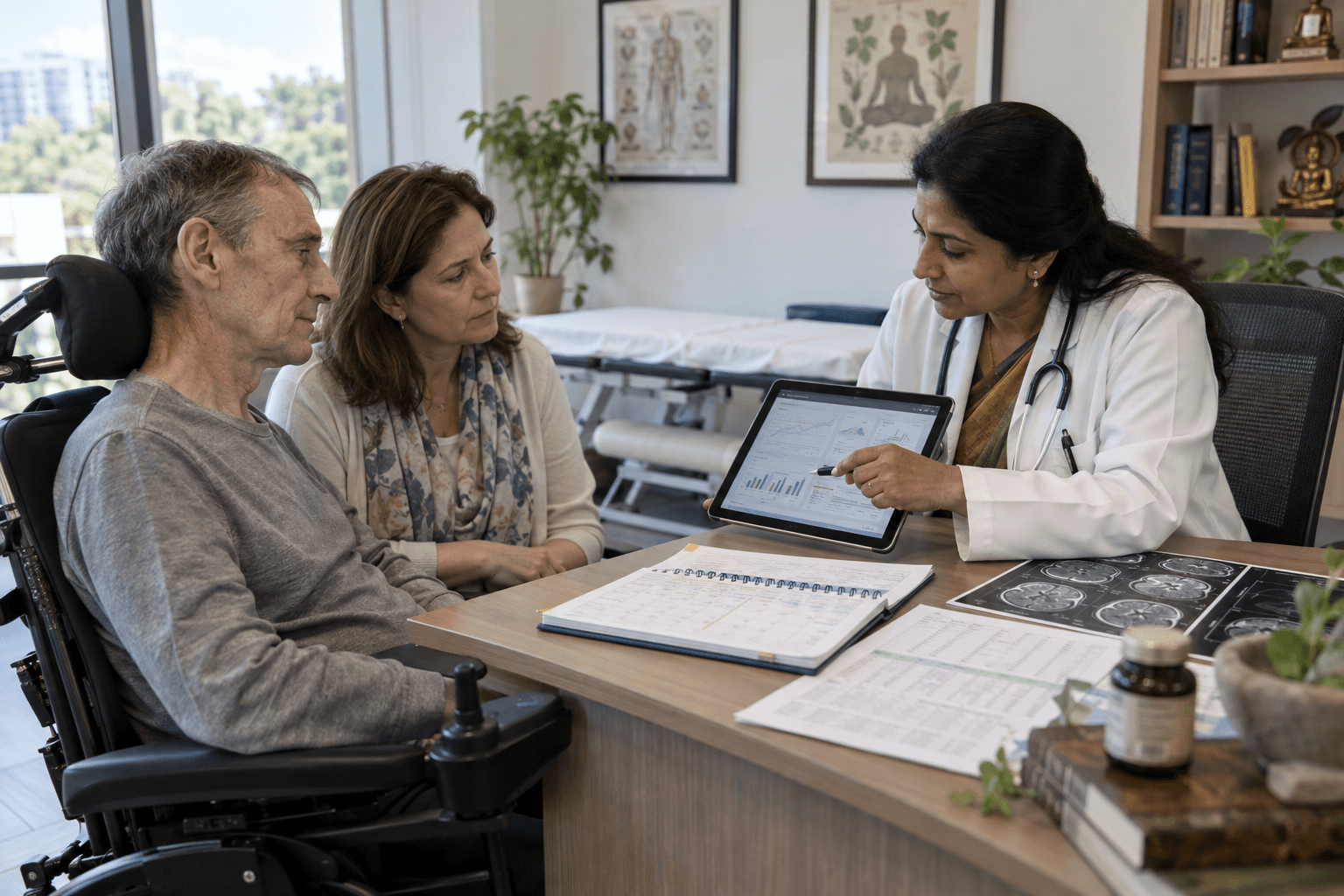
A personalised thirty day plan for Ayurvedic treatment for ALS is designed to establish digestive tolerance, protect nutrition, regulate bowel function, preserve Bala and identify which therapies can be continued safely. The plan is based on the neurological diagnosis, pattern of weakness, body weight, swallowing ability, respiratory reserve, Agni and the relative involvement of Dhatu Kshaya and Avarana.
The first month is not a standard package for every person with motor neuron disease. A patient with stable swallowing, adequate nutrition and preserved respiratory function may tolerate a broader Rasayana and Brimhana plan. A patient with bulbar weakness, rapid weight loss, severe fatigue or breathing difficulty may require fewer medicines, smaller doses and greater attention to nutrition, bowel care and energy conservation.
Essential reading before beginning treatment: ALS and Motor Neuron Disease Treatment: Symptoms, Diagnosis, Modern Care and Ayurvedic Support
This complete pillar guide is essential because it explains how ALS is diagnosed, how progression is measured, which respiratory and swallowing warning signs require urgent care, and how neurological medicines, nutrition, rehabilitation and Ayurveda can be integrated. Reading it helps patients and families understand the complete treatment pathway before judging any medicine, procedure or short term response.
| Treatment period | Main Ayurvedic focus | Clinical monitoring |
|---|---|---|
| Before treatment | Assess Vata pattern, Dhatu Kshaya, Avarana, Agni, Bala and treatment suitability | Diagnosis, medicines, weight, swallowing, respiratory function and laboratory reports |
| Days 1 to 7 | Stabilise digestion, bowel movement, hydration, sleep and medicine routine | Appetite, stool pattern, meal duration, fatigue and medicine tolerance |
| Days 8 to 14 | Introduce or adjust Rasayana and Brimhana according to tolerance | Weight, food intake, swallowing comfort, bloating, constipation and alertness |
| Days 15 to 21 | Consider gentle Snehana or selected Basti when appropriate | Hydration, breathing comfort, bowel response, mobility and fatigue after treatment |
| Days 22 to 30 | Reassess the full plan and modify unsuitable interventions | Weight, ALSFRS R, swallowing, speech, mobility, breathing and supportive symptom changes |
Assessment Before Ayurvedic Treatment for ALS
Ayurvedic treatment begins with a review of the neurologist’s diagnosis, electromyography findings, symptom progression and present medicines. The physician needs to know whether weakness began in a limb, the speech and swallowing muscles, or the respiratory muscles because each presentation creates different treatment priorities.
Respiratory information may include forced vital capacity, slow vital capacity, sniff nasal inspiratory pressure, maximal inspiratory pressure, sleep related symptoms and use of noninvasive ventilation. Swallowing information may include meal duration, coughing, choking, voice changes, food consistency and recommendations from a speech and swallowing professional. [2,3]
Body weight is compared with previous measurements rather than interpreted as a single number. Progressive weight loss may indicate reduced calorie intake, prolonged meals, swallowing difficulty, digestive intolerance, increased energy expenditure or greater effort during breathing.
The Ayurvedic assessment identifies whether Dhatu Kshaya, meaning depletion of body tissues and functional reserves, is dominant. Muscle wasting and declining physical strength may be assessed as Mamsa Kshaya. Reduced appetite, abdominal heaviness, bloating, constipation and poor tolerance of rich preparations indicate that Agni requires support before stronger nourishment is introduced.
Agni means digestive and metabolic capacity. Supporting Agni in an underweight patient does not mean reducing calories or prescribing prolonged light diets. The objective is to improve digestive tolerance while preserving the nourishment needed for weight, strength and daily function.
The physician also assesses Bala, meaning functional strength and the capacity to tolerate food, medicines, movement and procedures. Bala influences the number of medicines, dosage, treatment frequency and suitability of Basti, Snehana or Swedana.
A baseline record should include appetite, meal completion, bowel frequency, sleep, cramps, stiffness, dryness, fatigue, speech, walking, hand function and the amount of assistance required for daily activities. These findings allow later changes to be assessed more accurately.
Days 1 to 7 of Ayurvedic Treatment for ALS
The first week focuses on creating a simple and tolerable routine. Introducing several herbs, dietary changes and procedures at the same time can make it difficult to determine which intervention is helping or causing discomfort.
Agni is supported without restricting calorie intake. The patient may require smaller meals, softer food, appropriate fats and more frequent nourishment rather than a reducing diet. Food and fluid textures must follow swallowing recommendations because thin liquids, dry foods, sticky preparations and mixed textures may create different difficulties for different patients.
Constipation is addressed early because abdominal fullness and straining can reduce appetite, disturb sleep and increase fatigue. Hydration, suitable food, selected oils and gentle bowel support may be used according to the patient’s strength and associated medical conditions.
The medicine schedule should remain practical. A patient who already spends considerable time eating, using respiratory equipment and completing personal care may not tolerate several medicines given repeatedly throughout the day.
During the first week, the patient or caregiver records appetite, bowel movement, abdominal comfort, sleep, alertness and swallowing tolerance. Persistent nausea, diarrhoea, constipation, excessive sleepiness or reduced food intake indicates that the medicine, dose or timing requires modification.
Days 8 to 14 of Ayurvedic Treatment for ALS
Rasayana and Brimhana can be introduced or increased gradually when digestion and bowel function remain stable. Rasayana is an individualised approach supporting nourishment, resilience, sleep, bowel function and treatment tolerance. Brimhana is a nourishing strategy intended to protect body weight, tissue nutrition and Bala.
The selected formulation must match the patient’s swallowing capacity. An Avaleha may suit a patient who can control a semisolid preparation safely, while another person may require a smaller volume or different consistency. Powders, tablets, oils and herbal liquids should be reassessed whenever coughing, throat clearing, a wet voice or prolonged swallowing develops.
Food intake remains the main source of nourishment. Rasayana should not interfere with the patient’s ability to complete regular meals. A formulation that repeatedly produces heaviness, reflux, nausea, constipation or early fullness requires adjustment even when its ingredients are traditionally described as nourishing.
Weight, meal duration and portion completion should be reviewed together. Improved appetite is useful when it leads to greater food intake and better meal tolerance, but appetite alone does not confirm that nutritional requirements are being met.
Sleep and daytime alertness are also monitored. Increasing morning headache, daytime sleepiness, difficulty waking or disturbed nighttime breathing may indicate respiratory muscle weakness and require assessment by the respiratory team. [2]
Days 15 to 21 of Ayurvedic Treatment for ALS
Gentle external treatment or selected Basti may be considered during the third week when the patient is medically stable and has sufficient Bala. These therapies are introduced only when they serve a clear clinical purpose.
Snehana means therapeutic oleation. Mild external oil application may support skin comfort, dryness, stiffness and assisted movement. Pressure and duration should remain gentle because deep or prolonged massage can exhaust weak muscles.
Swedana means controlled therapeutic warming. Mild local warmth may support comfort when coldness and stiffness are prominent. Strong steam and prolonged heating may cause dehydration, dizziness, fatigue or breathing discomfort.
Basti is a physician supervised Ayurvedic procedure in which a selected medicated preparation is administered through the rectal route. It may be considered when constipation, dry stool, straining and disturbed Apana Vata remain important problems.
The choice between Matra Basti, Anuvasana Basti, Yapana Basti or another form depends on hydration, bowel condition, Agni, mobility, respiratory stability and Bala. It is not included automatically in every ALS treatment plan.
The response should be assessed after each procedure. Easier bowel evacuation, reduced abdominal discomfort and better physical comfort may indicate that the treatment is suitable. Diarrhoea, dizziness, loss of appetite, rectal irritation, breathlessness or prolonged fatigue indicates that it should be stopped or modified.
External therapies should be coordinated with physiotherapy and occupational therapy. The patient should retain enough energy for eating, communication, respiratory care and other essential daily activities after each session.
Days 22 to 30 of Ayurvedic Treatment for ALS
The final part of the month compares the patient’s current condition with the baseline. The purpose is to identify which interventions are helpful, which are neutral and which are increasing treatment burden.
Appetite, meal completion, bowel regularity, sleep, cramps, stiffness, dryness, fatigue and medicine tolerance are reviewed. Body weight is compared with the starting measurement, and any change in swallowing, speech, walking, transfers or hand function is documented.
Respiratory symptoms require particular attention. Difficulty lying flat, morning headache, daytime sleepiness, reduced cough strength or increasing breathlessness should be reported to the neurological or respiratory team. Ayurvedic treatment should be adapted around the patient’s respiratory needs rather than allowing routine treatment to delay assessment. [2,3]
The medicine plan may be simplified when several products are being used without a clear individual purpose. A smaller number of well tolerated interventions is often easier for the patient and caregiver to continue consistently.
The Ayurvedic physician reassesses Agni, Bala, bowel function, hydration and the balance between Dhatu Kshaya and Avarana. A patient who has developed greater weakness or swallowing difficulty may require a different dose, formulation or route from the one used at the beginning of the month.
Changes That May Be Observed During Thirty Days
The first month may bring changes in appetite, bowel regularity, sleep, abdominal comfort, dryness, cramp frequency, meal tolerance or medicine tolerance. The patient may feel less exhausted after bowel evacuation or more comfortable during assisted movement.
These changes can have practical value. Better bowel function may reduce straining, improved sleep may support daytime participation, and easier meal tolerance may help preserve calorie intake and body weight.
The degree of benefit varies according to the type and stage of ALS, speed of progression, nutritional condition, respiratory reserve, swallowing function and associated medical conditions. The treatment plan should therefore remain flexible and respond to the patient’s changing condition.
Measuring Progress During Ayurvedic Treatment for ALS
Progress should be documented through both Ayurvedic and neurological measures. Ayurvedic follow up examines Agni, bowel function, sleep, dryness, physical comfort, Bala and tolerance of Rasayana, Brimhana, Basti and external therapies.
Body weight, meal duration, swallowing safety, speech, walking, hand function and respiratory measurements provide additional clinical information. The ALS Functional Rating Scale Revised can be used to monitor speech, salivation, swallowing, handwriting, food handling, dressing, mobility and respiratory function. [2,3]
A daily record may include food intake, bowel movement, sleep, cramps, fatigue, choking episodes and respiratory symptoms. This gives the physician more useful information than relying only on memory during follow up.
Changes should be interpreted in context. Improved energy may follow better sleep, hydration, reduced constipation or greater calorie intake. Repeated measurements over a longer period help distinguish these supportive benefits from changes in the wider neurological condition.
When the Thirty Day Plan Requires Immediate Revision
New choking, repeated aspiration, chest congestion, fever, reduced alertness or inability to swallow fluids requires prompt medical assessment. Rapid weight loss, severe dehydration or a sudden reduction in food intake also requires early review.
Increasing breathlessness, difficulty lying flat, morning headache, daytime sleepiness and inability to clear secretions may indicate declining respiratory muscle strength. These symptoms require respiratory evaluation and possible adjustment of noninvasive ventilation or cough support. [2,4]
Persistent vomiting, diarrhoea, abdominal pain, rectal bleeding or marked weakness after Basti requires the procedure to be stopped. Excessive sleepiness, rash, swelling or a clear decline after starting a Rasayana formulation also requires reassessment.
A personalised thirty day Ayurvedic treatment model establishes which therapies are digestible, practical and sustainable. It creates a measurable foundation for longer term Rasayana, Brimhana, bowel care and symptom support while neurological, respiratory, nutritional and rehabilitative care continues.
Measuring Progress in Ayurvedic Treatment for ALS

Progress during Ayurvedic treatment for ALS should be measured through changes in digestion, nutrition, bowel function, sleep, comfort, strength, swallowing, breathing and daily activity. Ayurvedic assessment shows how Agni, Bala, Dhatu Kshaya, Vata disturbance and treatment tolerance are changing, while neurological measurements show how speech, movement, swallowing and respiratory function are evolving.
A patient may experience better appetite, easier bowel movement or improved sleep before any visible change appears in mobility. These supportive outcomes are clinically valuable because they can reduce fatigue, improve nutritional intake and make daily care more manageable. Functional measurements are recorded alongside them so that every improvement is interpreted accurately.
Complete patient guide: ALS and Motor Neuron Disease Treatment: Symptoms, Diagnosis, Modern Care and Ayurvedic Support
This guide is important because it explains the diagnostic process, respiratory warning signs, swallowing care, ALS medicines, rehabilitation and the role of Ayurveda within the full treatment pathway. Reading it helps patients distinguish improvement in comfort and treatment tolerance from changes in neurological function.
| Area assessed | What should be recorded | Why it matters |
|---|---|---|
| Ayurvedic condition | Agni, Bala, bowel function, sleep, dryness, cramps and treatment tolerance | Shows whether the Ayurvedic plan is digestible, practical and supportive |
| Body weight | Weight trend, meal completion and food intake | Identifies whether nutrition and Brimhana are preserving body mass |
| ALSFRS R | Speech, swallowing, hand function, mobility and breathing related activities | Tracks overall functional change |
| Respiratory function | FVC, SVC, SNIP, MIP, sleep symptoms and cough strength | Detects reduced breathing muscle function |
| Swallowing | Coughing, choking, meal duration, voice change and safe food consistency | Identifies aspiration risk and nutritional difficulty |
| Speech and communication | Voice strength, speech clarity and communication method | Guides early communication support |
| Mobility | Walking, transfers, falls, joint movement and equipment needs | Shows changes in independence and safety |
| Hand function | Writing, utensils, dressing and device use | Tracks upper limb function in daily life |
| Medicine safety | Digestion, alertness, liver function, kidney function and adverse symptoms | Helps maintain safe combined treatment |
Establishing a Baseline Before Ayurvedic Treatment for ALS
A reliable baseline is recorded before medicines, diet changes, Basti or external therapies begin. Without a baseline, it becomes difficult to determine whether appetite, bowel movement, weight, fatigue or function has changed.
The baseline Ayurvedic assessment includes Agni, bowel pattern, sleep, dryness, appetite, food tolerance, cramps, stiffness and Bala. Agni means digestive and metabolic capacity. Bala means functional strength and the ability to tolerate meals, medicines, movement and therapeutic procedures.
Body weight is recorded together with the patient’s previous weight and the time over which any loss occurred. A single measurement gives limited information, while a repeated weight trend can show whether calorie intake and meal tolerance are improving.
The patient’s ability to speak, swallow, walk, use the hands, turn in bed and complete personal activities is also documented. Respiratory symptoms such as difficulty lying flat, morning headache, daytime sleepiness, weak coughing and breathlessness during speech are recorded before treatment begins. [2,3]
Videos of walking, transfers, hand tasks or speech may provide useful comparisons when they are recorded with consent under similar conditions. They should support, rather than replace, clinical examination and formal functional measurements.
Ayurvedic Measures of Progress
Ayurvedic follow up examines whether the treatment is improving digestion, nourishment, elimination, sleep and tolerance without increasing heaviness, fatigue or respiratory strain.
Improved Agni may be reflected in better appetite, reduced bloating, comfortable digestion, regular bowel movement and greater tolerance of Rasayana or Brimhana medicines. The improvement is meaningful when it allows the patient to eat more consistently and maintain body weight.
Changes in Bala may appear as improved tolerance of meals, less exhaustion after bowel evacuation, greater comfort during assisted movement or better recovery after daily activity. Bala is not assessed only through muscle strength because respiratory effort, sleep, nutrition and emotional stability also influence functional resilience.
Ojas refers to the Ayurvedic concept of deeper vitality and systemic stability. Its support may be reflected in more settled sleep, improved treatment tolerance, stable nourishment and greater emotional steadiness. Ojas is not represented by one laboratory test.
Basti is assessed through bowel frequency, stool consistency, straining, abdominal comfort and fatigue after evacuation. Snehana is assessed through dryness, stiffness, skin comfort, ease of assisted movement and recovery after treatment.
Rasayana is assessed through appetite, digestion, sleep, bowel function, body weight and the patient’s ability to continue the formulation. A medicine that repeatedly causes nausea, excessive sleepiness, constipation or reduced food intake requires modification even when it is traditionally classified as nourishing.
Measuring Ayurvedic Treatment for ALS With ALSFRS R
The ALS Functional Rating Scale Revised, commonly called ALSFRS R, is used to follow function in important daily activities. It contains twelve areas covering speech, salivation, swallowing, handwriting, food handling, dressing, turning in bed, walking, climbing stairs, breathlessness, difficulty breathing while lying flat and respiratory support. [2,12]
The total score ranges from zero to forty eight. A higher score indicates greater retained function. The score becomes most useful when it is recorded repeatedly under similar conditions rather than interpreted from one assessment.
ALSFRS R provides a structured overview, but it may not capture every supportive change. Better sleep, reduced constipation or easier meal tolerance can improve the patient’s daily experience without immediately changing the score. Ayurvedic and neurological measures should therefore be reviewed together.
A change in one item can also be clinically important even when the total score changes only slightly. Increased difficulty swallowing or breathing may require urgent modification of care, while a change in handwriting may indicate the need for adaptive equipment.
Monitoring Body Weight and Nutrition
Body weight is one of the most practical measurements during Ayurvedic treatment for ALS. It reflects the combined effects of food intake, swallowing, digestion, bowel function, respiratory effort and changing metabolic needs.
Weight should be measured on the same scale, at a similar time of day and under similar conditions. Daily measurements are usually unnecessary because hydration and bowel changes can produce short term variation. A consistent weekly or clinically appropriate schedule gives a clearer trend.
Meal duration and portion completion should be documented alongside weight. A patient may maintain weight temporarily while meals are becoming progressively longer and more exhausting. This pattern can signal the need for food texture modification, feeding assistance or nutrition review.
Brimhana means a nourishing approach intended to support body weight, tissue nutrition and treatment tolerance. Its effect is assessed through weight stability, calorie intake, appetite, digestive comfort and the patient’s ability to complete meals without excessive fatigue.
Continued weight loss requires review of swallowing safety, meal consistency, calorie density, respiratory effort, constipation and the timing of gastrostomy discussion. [2,5]
Monitoring Respiratory Function
Respiratory monitoring is essential because breathing muscle weakness may progress separately from limb weakness. Symptoms such as morning headache, daytime sleepiness, disturbed sleep, difficulty lying flat, weak coughing and breathlessness during speech can indicate declining respiratory reserve. [2,3]
Forced vital capacity and slow vital capacity measure the amount of air the patient can move. Sniff nasal inspiratory pressure and maximal inspiratory pressure provide additional information about inspiratory muscle strength.
No single respiratory number should be interpreted alone. Symptoms, overnight breathing, cough strength, bulbar function and the patient’s ability to complete the test influence interpretation.
Respiratory measurements are often reviewed every two to three months or more frequently when symptoms change. The clinical team may adjust the interval according to disease stage, test results and respiratory symptoms. [2]
Ayurvedic procedures are modified when respiratory reserve declines. Prolonged lying flat, strong Swedana, exhausting massage and complicated treatment schedules may become unsuitable. Rasayana and meals may need to be given in smaller quantities when breathing effort increases.
Monitoring Swallowing and Speech
Swallowing assessment records coughing, choking, repeated swallowing, food remaining in the mouth, a wet voice, prolonged meals and difficulty taking medicines. These observations help identify when the texture or quantity of food and Ayurvedic medicine must change.
A speech and swallowing professional may recommend particular food and fluid consistencies. The Ayurvedic physician then adapts Avaleha, powders, tablets, oils and dietary preparations to those recommendations.
A previously tolerated formulation may become difficult as bulbar weakness changes. New coughing, throat clearing or breathlessness during medicine administration requires immediate reassessment.
Speech monitoring includes voice volume, clarity, nasal quality, speaking duration and fatigue during conversation. Early changes may indicate the need for communication strategies, voice banking or assistive technology. [2,3]
Communication support preserves the patient’s ability to participate in treatment decisions. Improvement in throat comfort or hydration may make speaking easier, while progressive muscle weakness may still require an alternative communication method.
Monitoring Mobility and Hand Function
Mobility assessment includes walking distance, foot dragging, falls, stair use, turning in bed, transfers and the amount of assistance required. These observations can be documented by the patient, caregiver, physiotherapist and occupational therapist.
Hand function may be followed through writing, fastening clothes, holding utensils, operating a phone and using communication devices. Small changes can significantly affect independence even when walking remains stable.
Snehana and assisted movement may support comfort and joint flexibility. Their effect should be measured through ease of positioning, stiffness, pain and recovery after treatment rather than through forceful strength testing.
A therapy session that leaves the patient exhausted for several hours is too intensive. The patient should retain enough energy for eating, breathing, communication and essential personal care.
Adaptive equipment may improve daily function even when muscle power has not changed. Utensils, seating, transfer aids, wheelchairs and communication devices should therefore be considered part of preserving Bala.
Monitoring Medicine Safety
Ayurvedic and neurological medicines should be reviewed together. Appetite, bowel function, alertness, blood pressure, blood glucose and digestive tolerance may change when several products are combined.
Liver function is particularly relevant when riluzole is used with concentrated herbal extracts or mineral preparations. Kidney function may influence medicine selection and dosage when the patient has renal disease, dehydration or several concurrent medicines.
Excessive sleepiness requires careful interpretation because it may be caused by a sedating medicine, disturbed nighttime breathing or both. Morning headache and daytime sleepiness should prompt respiratory review rather than being managed only by changing the Ayurvedic sleep formulation.
Persistent nausea, vomiting, diarrhoea, constipation, rash, swelling or reduced food intake requires treatment review. The timing of each symptom in relation to medicines, meals and procedures helps identify the likely cause.
Interpreting Stability and Change
A short period of improved appetite, sleep or comfort shows that supportive treatment is helping those specific areas. Repeated assessments are needed to understand how broader function is changing over time.
Stability is interpreted through several measures rather than one symptom. Weight, ALSFRS R, respiratory tests, swallowing, walking, hand function and the level of assistance required provide a more complete picture.
A patient may feel more energetic because sleep, hydration or bowel function has improved. This is a meaningful benefit because it may increase participation in meals, communication and rehabilitation.
Functional measurements may also vary because of fatigue, time of day, infection, emotional stress or testing conditions. Comparing repeated assessments under similar conditions reduces the effect of temporary variation.
The strongest monitoring plan combines Ayurvedic measures of Agni, Bala, bowel function, sleep and treatment tolerance with neurological measures of breathing, swallowing, communication and mobility. This allows Ayurvedic treatment for ALS to remain personalised, measurable and responsive as the patient’s needs change.
Patient Case Study in Ayurvedic Treatment for ALS

A patient case study in Ayurvedic treatment for ALS is most useful when it connects the confirmed neurological diagnosis with the Ayurvedic assessment, treatment timeline and measurable follow up. The case must show what changed in digestion, nutrition, bowel function, sleep, comfort and daily activity while also recording swallowing, respiratory function, mobility and ongoing neurological treatment.
Individual observations can reveal how a personalised plan was tolerated by one patient and which supportive outcomes were recorded. The clinical value becomes stronger when the case includes the starting condition, exact treatment period, concurrent medicines, objective measurements, adverse effects and symptoms that remained unchanged. [13]
Complete ALS and Motor Neuron Disease Treatment Guide
Readers need the complete pillar guide before interpreting an individual case because ALS can affect movement, speech, swallowing, coughing, nutrition and breathing at different rates. The guide explains diagnosis, respiratory warning signs, neurological medicines, nutritional care, rehabilitation and the appropriate place of Ayurveda. This wider context helps a patient distinguish supportive symptom improvement from a broader change in neurological function.
What a Reliable ALS Case Snapshot Shows
A case snapshot allows the reader to understand the patient’s starting condition before reading about treatment outcomes. It also prevents a brief statement such as “the patient improved” from being interpreted without knowing the disease stage, respiratory condition or concurrent medical care.
| Case detail | Information recorded |
|---|---|
| Patient profile | Age, sex and relevant medical conditions |
| Neurological diagnosis | Neurologist confirmed diagnosis and diagnostic criteria |
| Pattern of onset | Limb, bulbar, respiratory or mixed presentation |
| Symptom duration | Time from first symptom to Ayurvedic assessment |
| EMG findings | Distribution of active and chronic motor nerve involvement |
| Baseline function | ALSFRS R score and ability to perform daily activities |
| Nutrition | Body weight, recent weight loss, appetite and meal duration |
| Swallowing | Safe food consistency, choking history and swallowing assessment |
| Respiratory status | FVC, SVC, SNIP, MIP, cough strength and use of ventilation |
| Current treatment | Riluzole, edaravone, tofersen, respiratory support and rehabilitation |
| Ayurvedic assessment | Vata pattern, Dhatu Kshaya, Avarana, Agni, Bala and bowel function |
| Ayurvedic plan | Rasayana, Brimhana, Basti, Snehana, diet and daily routine |
| Follow up period | Dates and duration of observation |
| Recorded outcomes | Symptoms, function, weight, respiratory measures and treatment tolerance |
| Safety findings | Adverse symptoms, laboratory changes and treatment modifications |
A snapshot containing only age, diagnosis and a positive outcome provides too little information to explain the patient’s response. ALS varies substantially in its site of onset, speed of progression, swallowing involvement, respiratory reserve and nutritional condition. These differences influence both treatment selection and outcome interpretation. [2,6]
Confirming the Diagnosis Before Ayurvedic Interpretation
A case described as ALS needs neurological confirmation before the Ayurvedic treatment response can be interpreted. The diagnosis is generally based on progressive motor impairment, upper and lower motor neuron findings and investigations excluding another condition that better explains the symptoms. [7]
The case record includes the neurologist’s opinion, EMG and nerve conduction findings, relevant imaging and investigations used to exclude conditions that may resemble motor neuron disease. This is important because cervical spinal cord compression, neuropathy, inflammatory disease, thyroid dysfunction, vitamin deficiency and muscle disorders may produce overlapping symptoms but require different treatment pathways.
The date of diagnosis is recorded separately from the date of symptom onset. A patient may have experienced weakness for several months before receiving a confirmed diagnosis. This interval affects the interpretation of progression and the timing of any treatment response.
The site of onset is also clinically important. A person with early hand weakness has different immediate risks from someone whose first symptoms involve swallowing or breathing. The Ayurvedic plan, medicine form and monitoring schedule must reflect these differences.
Recording the Ayurvedic Assessment
The Ayurvedic case assessment examines how the neurological condition is affecting Vata, Dhatus, Agni, Bala, Ojas, nutrition, elimination and treatment tolerance.
Vata Vyadhi refers to a group of disorders involving disturbed movement, coordination, speech, respiration, elimination or strength. It provides the main Ayurvedic framework for progressive weakness but does not replace the neurological diagnosis.
Dhatu Kshaya means depletion of body tissues and functional reserves. Mamsa Kshaya refers to loss of muscle tissue and strength. The record may describe visible wasting, body weight, fatigue during activity, ability to complete meals and the assistance required for daily tasks.
Majja Dhatu is the Ayurvedic tissue concept associated with deeper structural and neurological nourishment. It is assessed through the wider pattern of weakness, coordination, stability and tissue depletion rather than treated as an anatomical synonym for motor neurons.
Agni means digestive and metabolic capacity. Appetite, bloating, bowel movement, early fullness, reflux and tolerance of nourishing medicines are recorded because poor digestion can interfere with Brimhana and Rasayana.
Bala means functional strength and the ability to tolerate food, movement, medicine and procedures. Respiratory reserve, swallowing, body weight, mobility and recovery after activity all contribute to Bala assessment.
The physician also evaluates Avarana, meaning obstruction of the normal functions of Vata. Heaviness, stiffness, sluggish digestion, excessive coating or intolerance to rich formulations may suggest an associated obstructive pattern. This can change the order and intensity of treatment.
Documenting the First Thirty Days of Ayurvedic Treatment for ALS
The first thirty days provide information about digestive tolerance, bowel response, swallowing safety, nutrition and the practicality of the treatment schedule. The exact medicines, doses, dosage forms and procedures are documented together with any changes made during follow up.
| Treatment stage | Main observations |
|---|---|
| Baseline | Weight, appetite, bowel pattern, sleep, cramps, swallowing, breathing and function |
| First week | Digestive tolerance, hydration, medicine administration and bowel response |
| Second week | Tolerance of Rasayana, Brimhana and dietary changes |
| Third week | Response to Snehana or selected Basti when appropriate |
| Fourth week | Comparison of symptoms, weight, function and treatment burden with baseline |
The record identifies whether Rasayana was given as an Avaleha, powder, tablet, medicated ghee or another formulation. This matters because the patient’s swallowing ability may determine whether a preparation can be taken safely.
Basti documentation includes the type, ingredients, quantity, frequency, bowel response and any fatigue or discomfort after treatment. Snehana documentation includes the oil used, treatment duration, pressure, positioning and the patient’s recovery after the session.
Modern ALS treatment continues to be recorded throughout the same period. A case response cannot be interpreted accurately without knowing whether riluzole, respiratory support, feeding modification, physiotherapy or another treatment was started or changed during the follow up.
Reporting What Changed During Follow Up
Supportive changes may include improved appetite, easier bowel evacuation, better sleep, reduced dryness, fewer cramps, less abdominal discomfort or greater tolerance of meals and medicines. Each change becomes more informative when it is compared with the baseline.
An improvement in appetite is recorded together with portion completion, meal duration and body weight. Easier bowel movement is documented through stool frequency, consistency, straining and fatigue after evacuation. Better sleep is considered alongside nighttime breathing, morning headache and daytime alertness.
A statement that the patient felt stronger is supported by practical observations. These may include completing a meal with less fatigue, sitting comfortably for longer, using utensils more easily, requiring less assistance with a transfer or recovering more quickly after activity.
Functional changes are also recorded through the ALS Functional Rating Scale Revised. This scale evaluates speech, salivation, swallowing, handwriting, food handling, dressing, turning in bed, walking, stair use and respiratory activities. Repeated scores provide more useful information than a single measurement. [12]
The timing of each change matters. A symptom that improves briefly after better sleep or bowel evacuation may represent a meaningful supportive benefit without indicating the same degree of change in motor function. Longer follow up helps clarify whether the response remains stable.
Recording What Did Not Change
A complete case report includes ongoing symptoms as well as positive changes. Persistent weakness, continued muscle wasting, unchanged speech difficulty or further reduction in walking ability remain part of the clinical record.
This information helps the reader understand the exact area in which the treatment was useful. A patient may experience better appetite and bowel function while hand weakness continues. Another patient may sleep better and tolerate meals more comfortably while respiratory support still requires adjustment.
New symptoms are also documented. Increased choking, breathlessness, daytime sleepiness, falls or weight loss may require immediate changes in neurological, respiratory, nutritional or Ayurvedic care.
Treatment modifications are part of the outcome. An Avaleha may need to be changed when swallowing declines. Basti may be stopped if it produces diarrhoea or fatigue. Snehana duration may be reduced if the patient becomes exhausted after treatment.
Transparent reporting of unchanged or worsening symptoms allows patients to understand the true scope of the observed response.
Measuring Functional Change in an ALS Case Study
Functional progress is assessed through more than one measurement because ALS affects several systems. ALSFRS R provides a structured record of daily function, while respiratory tests, body weight, swallowing assessment and mobility observations provide additional detail. [2,12]
Body weight helps show whether Brimhana and nutrition are maintaining intake. A stable weight becomes more meaningful when meal completion and swallowing remain adequate. Weight loss requires reassessment even when appetite appears improved.
Respiratory follow up may include FVC, SVC, SNIP, MIP, cough strength, nighttime symptoms and use of noninvasive ventilation. A patient’s report of greater energy does not replace these measurements.
Swallowing follow up records coughing, choking, meal duration, voice changes and safe food consistency. Speech assessment records clarity, volume, speaking duration and the need for communication support.
Mobility is measured through walking, transfers, falls, turning in bed and equipment use. Hand function is assessed through writing, dressing, holding utensils and operating communication devices.
Ayurvedic outcomes are recorded alongside these measures. Changes in Agni, Bala, bowel function, dryness, sleep and treatment tolerance explain how the supportive plan is affecting the patient’s daily condition.
Why Results Differ Between Patients
A patient’s response depends on the ALS phenotype, duration of symptoms, rate of progression, nutritional condition, respiratory reserve, swallowing ability, genetics, associated diseases and current neurological treatment.
Ayurvedic patterns also differ. One patient may have severe Dhatu Kshaya with stable digestion, while another has tissue depletion together with poor Agni, constipation and Avarana. These differences influence the formulation, dosage, medicine consistency and suitability of Basti or external therapies.
Results observed in one person do not predict the same response in every patient. A case report provides detailed information about an individual clinical experience, while repeated observations and larger studies are needed to determine how consistently a treatment performs across different patients. [13]
The most useful ALS case study therefore explains who the patient was, how the diagnosis was confirmed, what treatment was given, what other care continued and how outcomes were measured. This allows readers to understand the practical value of Ayurvedic treatment without separating the case from its neurological, respiratory and nutritional context.
How to Evaluate Recovery in Ayurvedic Treatment for ALS

About recovery during Ayurvedic treatment for ALS should be examined through the confirmed diagnosis, baseline disease status, complete treatment timeline and repeated functional measurements. A statement such as “strength improved” becomes clinically meaningful only when the reader can see what improved, how it was measured, how long the change continued and which neurological, nutritional or respiratory treatments were used at the same time.
ALS can progress at different rates and may affect the limbs, speech, swallowing and breathing in different sequences. Better sleep, easier bowel movement, improved appetite or reduced cramps may help the patient feel stronger and participate more comfortably in daily activities. These supportive changes should be recorded clearly alongside motor function, body weight, swallowing and respiratory measurements.
Read the Complete ALS and Motor Neuron Disease Treatment Guide
Patients and families should read this pillar guide before interpreting any ALS recovery claim because it explains how the diagnosis is confirmed, how progression is measured, which breathing and swallowing changes need urgent attention, and how modern treatment, nutrition, rehabilitation and Ayurveda fit together. This background helps readers assess whether a reported change reflects improved comfort, preserved function or a wider change in the neurological condition.
| Information to check | What a reliable report should include | Why it matters |
|---|---|---|
| Confirmed diagnosis | Neurologist’s assessment, EMG findings and investigations excluding similar conditions | Reduces the risk of treating another disorder as confirmed ALS |
| Baseline disease status | ALSFRS R score, weight, swallowing, speech, mobility and respiratory measurements | Shows the patient’s condition before treatment began |
| Treatment timeline | Exact treatment dates, dose changes and follow up duration | Connects reported changes with the actual period of treatment |
| Complete treatment list | Ayurvedic medicines, ALS medicines, ventilation, nutrition and rehabilitation | Identifies other treatments that may influence the outcome |
| Objective measurements | Repeated functional scores, weight, respiratory tests and swallowing assessments | Supports claims with measurable clinical information |
| Supportive outcomes | Appetite, bowel function, sleep, cramps, comfort and meal tolerance | Shows how Ayurveda affected daily wellbeing and treatment tolerance |
| Unchanged symptoms | Weakness, wasting, speech, mobility or respiratory findings that did not improve | Defines the exact limits of the observed response |
| Adverse effects | Digestive intolerance, sedation, laboratory changes or procedural complications | Shows whether the treatment remained safe and sustainable |
| Independent follow up | Neurologist, respiratory team, dietitian or rehabilitation records | Adds clinical confirmation beyond the treatment provider’s observation |
| Length of observation | Repeated reviews over an adequate period | Helps distinguish sustained change from temporary variation |
Confirm the ALS Diagnosis First
A recovery claim begins with confirmation that the patient had ALS or another clearly defined motor neuron disease. The neurological record should show progressive motor impairment, upper and lower motor neuron findings and appropriate investigations excluding another condition that better explains the symptoms. [7]
Electromyography and nerve conduction studies help identify the distribution of lower motor neuron involvement and distinguish ALS from some peripheral nerve disorders. Magnetic resonance imaging, blood tests and other investigations may be used to exclude cervical spinal cord compression, vitamin deficiency, thyroid disease, inflammatory neuropathy, muscle disease and other potentially treatable conditions.
The date of the first symptom, date of diagnosis and date of treatment should be stated separately. A patient may begin Ayurvedic care many months after symptoms started, and the rate of change before treatment is important when later stability or improvement is discussed.
The clinical phenotype should also be recorded. Limb onset ALS, bulbar onset ALS and respiratory onset ALS create different immediate risks and may progress differently. A patient with early swallowing or breathing involvement cannot be compared directly with someone whose symptoms remain limited mainly to one limb.
Record the Baseline Before Ayurvedic Treatment for ALS
Baseline information shows what the patient could and could not do before Ayurvedic treatment began. Without this information, later statements about improvement remain difficult to interpret.
The record should include body weight, appetite, meal duration, bowel function, sleep, cramps, stiffness, walking, hand use, speech, swallowing and the amount of help required for daily activities.
The ALS Functional Rating Scale Revised provides a structured assessment of speech, salivation, swallowing, handwriting, food handling, dressing, turning in bed, walking, climbing stairs and respiratory function. The baseline score becomes more useful when individual item scores are also available because a change in swallowing or breathing may be important even when the total score changes only slightly. [12]
Respiratory baseline measurements may include forced vital capacity, slow vital capacity, sniff nasal inspiratory pressure, maximal inspiratory pressure and symptoms during sleep or while lying flat. Use of noninvasive ventilation, cough assistance or suction should be documented. [2]
The swallowing baseline should identify safe food and fluid textures, choking episodes, coughing during meals, voice changes, food remaining in the mouth and the time required to complete a meal.
Ayurvedic baseline assessment includes Agni, Bala, Dhatu Kshaya, Mamsa Kshaya, bowel pattern, dryness, sleep and the presence of Avarana. This shows why a particular Rasayana, Brimhana, Basti or Snehana plan was selected.
Examine the Complete Treatment Timeline
A reliable claim provides the date each treatment began, the dose, dosage form, frequency and any later modification. The description should identify whether the patient received an Avaleha, powder, tablet, medicated ghee, oil, Basti or external therapy.
The treatment timeline should also include modern ALS care. Riluzole, edaravone, tofersen for eligible SOD1 associated ALS, noninvasive ventilation, feeding support, physiotherapy and communication assistance may all influence the patient’s condition.
Nutrition changes are especially important. A patient may gain energy or maintain weight after receiving higher calorie food, modified meal texture, feeding assistance or gastrostomy support. These changes should be recorded alongside Rasayana and Brimhana rather than assigning the entire outcome to one medicine.
Bowel treatment can also affect daily strength. Relief from severe constipation may improve appetite, sleep and physical comfort. The patient may then describe feeling stronger even when limb power has not changed. This remains a useful result, but the exact mechanism should be described accurately.
The timeline should show when each improvement began and whether it continued after the initial period. A short change lasting several days should be distinguished from a sustained change documented over repeated follow up.
Separate Supportive Improvement From Functional Change
Ayurvedic treatment may produce clinically useful changes in areas that directly affect the patient’s daily experience. These may include better appetite, more regular bowel movement, reduced abdominal discomfort, improved sleep, fewer cramps, less dryness or greater tolerance of meals and medicines.
Functional change refers to what the patient can physically do. Examples include writing more clearly, lifting utensils, walking a greater distance, turning in bed with less help, speaking for longer or completing a meal without increased choking.
A report should state whether a change was subjective, observed or objectively measured. Feeling more energetic is a subjective improvement. Completing a meal in less time is an observable change. A repeated ALSFRS R score or respiratory measurement provides structured clinical data.
Supportive improvement and functional change may occur together, but they are not interchangeable. Better sleep can improve daytime performance, while reduced constipation can make movement and breathing more comfortable. These changes may improve function indirectly without altering the underlying distribution of motor neuron involvement.
Check Whether the Change Was Measured Repeatedly
One examination or one video cannot establish a sustained response. Strength, speech and walking can vary with fatigue, sleep, hydration, infection, emotional state and the time of day.
Repeated assessments should be performed under similar conditions whenever possible. Body weight should be measured on the same scale at a comparable time. Walking or hand tasks should be recorded using the same activity and level of assistance. Respiratory tests should be interpreted by the treating clinical team.
ALSFRS R should be repeated at appropriate intervals rather than used only after a favourable change is noticed. Individual item scores help identify whether stability in one function is occurring alongside decline in another.
Videos may support the clinical record when they show comparable tasks, dates and conditions. A patient walking with assistance after treatment should be compared with a baseline showing the same task and equivalent support.
The duration of follow up should be clearly stated. Thirty days may show treatment tolerance and supportive symptom changes. Longer observation is required to understand whether functional stability continues.
Review Weight Swallowing and Respiratory Measurements
Body weight provides important information because nutritional decline can accelerate weakness and reduce treatment tolerance. A claim of greater strength becomes more meaningful when weight, calorie intake and meal completion are also stable or improving.
Weight gain should be interpreted with hydration and swelling in mind. An increase caused by fluid retention does not represent the same nutritional change as gradual weight gain with improved food intake.
Swallowing outcomes require more than a statement that the patient is eating better. The report should identify whether choking reduced, meal duration changed, food texture became easier to manage or swallowing assessment showed a meaningful difference.
Respiratory measurements remain essential because a patient may experience better digestion or energy while breathing muscle function continues to change. FVC, SVC, SNIP, MIP, cough strength, sleep symptoms and use of noninvasive ventilation provide a broader view of respiratory status. [2]
Changes in respiratory equipment should be stated. Improved sleep after beginning noninvasive ventilation should not be attributed only to a Rasayana medicine started during the same period.
Check Whether Ongoing Treatments Were Disclosed
A complete report lists every relevant intervention used during the observation period. This includes prescription medicines, Ayurvedic formulations, nutritional supplements, feeding support, respiratory equipment, physiotherapy, occupational therapy and speech therapy.
Starting several treatments at the same time makes it difficult to identify the contribution of each one. The report can still describe the combined outcome, but it should not assign the entire change to one component without supporting information.
Dose changes also matter. A patient may feel more alert after a sedating medicine is reduced or may eat better after constipation causing treatment is modified. These changes need to appear in the timeline.
Hospital treatment, antibiotics, fluid replacement or treatment of another medical condition should also be disclosed. Improvement after correction of dehydration, infection, thyroid dysfunction or vitamin deficiency may significantly affect overall strength.
Ayurvedic treatment can remain central to the case while the complete clinical context is presented clearly. This allows readers to understand how Rasayana, Brimhana, Basti and Snehana contributed within the wider treatment plan.
Look for Unchanged or Worsening Features
A trustworthy report explains what did not improve. The patient may experience better sleep, appetite and bowel function while hand weakness continues. Another patient may maintain weight while speech becomes less clear.
Ongoing muscle wasting, reduced walking, increased assistance, worsening swallowing or greater respiratory support should remain part of the record. This does not remove the value of supportive improvement, but it defines the exact area of benefit.
New symptoms should also be documented. Falls, choking, aspiration, daytime sleepiness, breathlessness or reduced cough strength may indicate that the treatment plan and medical support need revision.
A report that presents only favourable changes gives an incomplete picture. Recording both improvement and progression allows the patient, family and clinicians to plan the next stage of care accurately.
Examine Safety and Treatment Tolerance
The report should include digestive symptoms, allergic reactions, excessive sleepiness, blood pressure changes, changes in blood glucose and relevant laboratory results.
Liver function is particularly important when riluzole is taken with concentrated herbal extracts or mineral preparations. Kidney function may also influence dosage and medicine selection.
Basti related monitoring should include bowel response, abdominal pain, diarrhoea, dehydration, rectal irritation and fatigue after treatment. Snehana and Swedana should be assessed for skin irritation, dizziness, breathlessness and prolonged exhaustion.
Swallowing tolerance must be recorded for Avaleha, powders, tablets, oils and liquids. Coughing, throat clearing, a wet voice or breathlessness during medicine administration may require a change in formulation or route.
An intervention that improves one symptom but repeatedly reduces appetite, causes diarrhoea or exhausts the patient may not support Bala over time.
Understand the Value and Limits of an Individual Case
An individual case can provide detailed information about how one patient responded to a personalised Ayurvedic plan. It can show which therapies were tolerated, which supportive symptoms changed and how Ayurveda was coordinated with neurological care.
The case becomes more informative when the diagnosis, baseline, treatment timeline, objective measurements, concurrent care and adverse effects are fully documented. Clinical case reporting standards support this structured approach. [13]
A single case cannot predict the same result for another patient because ALS phenotype, disease duration, respiratory reserve, swallowing, genetics, nutrition and rate of progression differ. Ayurvedic patterns also vary according to Agni, Bala, Dhatu Kshaya and Avarana.
A well documented case therefore helps patients ask better questions. It shows what was observed in one person, which outcomes were measured and which treatment factors may have contributed.
The most dependable ALS recovery claim is not the one with the strongest wording. It is the one that provides a confirmed diagnosis, a clear baseline, a complete treatment timeline, repeated measurements, continued neurological monitoring and transparent reporting of both improvement and ongoing difficulty.
Is Ayurvedic Treatment for ALS Suitable for Every Patient?

Ayurvedic treatment for ALS can be considered at different stages of the disease, but the same medicines and procedures are not suitable for every patient. Treatment must be adapted to the confirmed neurological diagnosis, type of onset, rate of progression, respiratory reserve, swallowing ability, body weight, digestion, bowel function, mobility and current medical care.
A patient with stable breathing and preserved swallowing may tolerate Rasayana, Brimhana, gentle Snehana and selected Basti differently from someone with advanced bulbar weakness, rapid weight loss or respiratory difficulty. Suitability therefore refers not only to whether Ayurveda can be included, but also to which therapies, dosage forms and treatment intensity are appropriate at that particular stage.
Read the Complete ALS and Motor Neuron Disease Treatment Guide
Patients and families should read this pillar guide because it explains how ALS is diagnosed, how progression is measured, which respiratory and swallowing changes require urgent attention, and how medicines, nutrition, ventilation, rehabilitation and Ayurveda can be coordinated. This wider understanding helps readers judge whether a proposed Ayurvedic plan matches the patient’s neurological stage and immediate clinical needs.
| Clinical condition | Main Ayurvedic treatment priority |
|---|---|
| Stable breathing and swallowing | Individualised Rasayana, Brimhana, bowel care and gentle external therapies |
| Limb weakness with preserved nutrition | Support Agni, Bala, mobility, joint comfort and energy conservation |
| Bulbar weakness | Adapt medicine texture, protect swallowing and reduce aspiration risk |
| Respiratory muscle weakness | Simplify treatment and prioritise respiratory comfort and energy conservation |
| Rapid weight loss | Protect calories, meal tolerance, hydration and swallowing safety |
| Persistent constipation | Gentle bowel support and selected Basti when clinically suitable |
| Acute infection or dehydration | Stabilisation before routine Ayurvedic procedures |
| Advanced frailty | Comfort focused care with minimal treatment burden |
Who May Be Suitable for Ayurvedic Treatment for ALS
A patient is more likely to tolerate a structured Ayurvedic plan when the ALS diagnosis has been confirmed, respiratory status is reasonably stable and the patient can safely receive the selected medicine form. Recent neurological records, swallowing information, body weight and respiratory measurements help the Ayurvedic physician decide how intensive the treatment can be.
A stable patient may receive a personalised combination of Rasayana, Brimhana, digestive support, bowel care and gentle external therapy. Rasayana is an individualised approach supporting nourishment, resilience, sleep, bowel function and treatment tolerance. Brimhana means a nourishing strategy intended to protect body weight, tissue nutrition and functional strength.
The presence of weakness does not automatically prevent treatment. The more important question is whether the proposed therapy can be taken without increasing fatigue, swallowing difficulty, respiratory discomfort or digestive burden.
The patient and caregiver should also be able to monitor appetite, body weight, bowel movement, sleep, choking episodes, breathing symptoms and medicine tolerance. Regular observation allows treatment to be modified when the clinical condition changes.
Suitability in Limb Onset ALS
Limb onset ALS may initially affect one hand, arm, foot or leg while speech, swallowing and breathing remain relatively preserved. During this stage, Ayurvedic treatment may focus on Vata regulation, tissue nourishment, bowel regularity, sleep, joint comfort and conservation of physical energy.
Snehana, meaning therapeutic oleation, may be used gently to support skin comfort, reduce dryness and make assisted movement more comfortable. Pressure must remain mild because wasted muscles can become sore or fatigued after forceful massage.
Brimhana and Rasayana may be easier to administer while swallowing remains stable. The patient may tolerate an Avaleha, tablet, powder or medicated ghee, although digestion and individual medical conditions still determine the most suitable form.
Physiotherapy, mobility aids and occupational therapy remain important. Ayurvedic external care can support comfort around movement, while rehabilitation helps preserve safe mobility, positioning and independence. [2,3]
Limb onset does not mean that swallowing and breathing will remain unaffected. New speech fatigue, coughing during meals, weak coughing, disturbed sleep or difficulty lying flat should lead to reassessment of the entire treatment plan.
Suitability in Bulbar ALS
Bulbar ALS affects the muscles involved in speech, chewing, swallowing and saliva control. Ayurvedic treatment may still support digestion, bowel function, nutrition, sleep and physical comfort, but the medicine form becomes a major safety consideration.
Dry powders can spread inside the mouth and become difficult to control. Large tablets may require repeated swallowing, while thick Avaleha preparations may remain in the mouth or throat. Thin herbal liquids and oils may also be difficult for a patient who cannot control thin fluids safely.
The Ayurvedic physician should adapt medicines to the swallowing consistency recommended by the speech and swallowing team. Coughing, throat clearing, a wet voice, prolonged swallowing or breathlessness during medicine administration indicates that the formulation requires immediate review. [2]
Nutrition becomes a central treatment priority. Brimhana must provide adequate calories and protein without increasing meal duration or aspiration risk. Smaller, energy dense portions may be easier to manage than large meals.
When oral intake becomes inadequate or unsafe, gastrostomy discussion may be necessary. Ayurvedic treatment can continue in a modified form, but medicines should not be placed through a feeding tube without checking particle size, viscosity, compatibility and risk of blockage. [2,5]
Suitability When Respiratory Strength Is Reduced
Respiratory muscle weakness may cause difficulty lying flat, disturbed sleep, morning headache, daytime sleepiness, breathlessness during speech and a weak cough. These changes require respiratory evaluation because they can progress independently of limb weakness. [2,3]
Ayurvedic treatment in this stage should remain simple, gentle and easy to tolerate. Long procedures, strong Swedana, prolonged lying flat and repeated travel may consume energy that the patient needs for breathing, eating and communication.
Swedana means controlled therapeutic warming. Mild local warmth may support comfort, but strong steam and prolonged heat can cause dehydration, fatigue and breathing discomfort. The patient’s position must also allow comfortable respiration.
Sedating Ayurvedic medicines require careful review. Daytime sleepiness may result from a medicine, inadequate nighttime breathing or both. Increasing morning headache, excessive sleepiness or reduced alertness should prompt respiratory assessment rather than simply increasing sleep support.
Noninvasive ventilation, cough assistance and secretion management continue according to the respiratory team’s recommendations. Ayurvedic care may support hydration, bowel function, sleep and comfort around these treatments, but it should not interfere with their timing or use. [2,4]
When Medical Stabilisation Comes First
Routine Ayurvedic procedures should be postponed when the patient has an acute respiratory infection, aspiration pneumonia, severe dehydration, uncontrolled diarrhoea, repeated vomiting or sudden clinical deterioration.
New breathlessness at rest, inability to lie flat, reduced alertness, inability to clear secretions or rapidly worsening respiratory symptoms require prompt medical assessment. These symptoms may indicate reduced breathing muscle strength, infection or aspiration.
Repeated choking, inability to swallow fluids, a sudden reduction in food intake or rapid weight loss also require early swallowing and nutrition review. Continuing the same oral medicine form in this situation can increase treatment burden and aspiration risk. [2]
Fever, chest congestion, altered secretions and reduced oxygen levels should not be interpreted only through Kapha or Vata. The patient may require investigation and treatment for infection or respiratory complications.
Ayurvedic treatment can be revised after stabilisation. The next plan may use fewer medicines, smaller volumes, a safer consistency and greater emphasis on bowel care, comfort, sleep and nutritional tolerance.
When Basti Requires Caution
Basti may support bowel regularity, reduce straining and help regulate Apana Vata, but it is not compulsory for every patient with ALS. Suitability depends on hydration, respiratory stability, bowel condition, mobility and Bala.
Bala means functional strength and the ability to tolerate food, medicines, movement and therapeutic procedures. A patient who becomes exhausted during transfers or cannot lie comfortably may not tolerate Basti even when constipation is present.
Basti is generally postponed during uncontrolled diarrhoea, severe dehydration, acute abdominal pain, gastrointestinal bleeding, suspected bowel obstruction or significant rectal disease. Sudden bowel changes require medical assessment before a procedure is selected.
A patient with severe frailty or respiratory weakness may benefit more from simpler bowel measures than from a procedure requiring positioning and repeated transfers. Hydration, suitable food, oral bowel support and caregiver assisted routine may be more practical.
The response to Basti should be measured through stool consistency, straining, abdominal comfort, appetite, hydration and fatigue after evacuation. A procedure that repeatedly causes diarrhoea, reduced appetite or exhaustion does not support Brimhana or Bala.
When Rasayana Requires Modification
Rasayana is selected according to Agni, Bala, swallowing, body weight, liver and kidney function and the complete medicine list. A formulation that suits one stage of ALS may become unsuitable as swallowing or respiratory strength changes.
Agni means digestive and metabolic capacity. A nourishing medicine that causes heaviness, nausea, constipation or reduced appetite may decrease total calorie intake. The formulation, dose or timing should then be modified.
A thick Avaleha may be suitable when swallowing remains stable but difficult when tongue and throat control decline. Powders and tablets may also need to be changed. Medicine consistency must follow present swallowing ability rather than the form used at the beginning of treatment.
Patients taking riluzole or other neurological medicines require coordinated review of liver function, digestion, alertness and possible interactions. Concentrated herbal extracts and mineral preparations should not be added without examining the complete prescription.
A simpler Rasayana programme is often more sustainable than several formulations given repeatedly throughout the day. The patient should have enough time and energy for meals, ventilation, rehabilitation, communication and rest.
Ayurvedic Treatment in Advanced ALS
Advanced ALS does not automatically remove the role of Ayurveda, but the purpose and intensity of treatment usually change. Care may become more focused on comfort, bowel regularity, skin care, sleep, oral comfort, nutrition tolerance and reduction of caregiver burden.
Long procedures and complex medicine schedules may become difficult when the patient depends on respiratory support, feeding assistance or help with transfers. Treatment should preserve energy rather than consume it.
Gentle Snehana may support skin comfort and positioning when pressure and duration remain mild. Strong massage is unsuitable over wasted muscles, painful joints, fragile skin or areas at risk of pressure injury.
Rasayana may continue in a suitable form when it can be administered safely and does not interfere with feeding, breathing or prescribed medicines. The number of products may need to be reduced as swallowing and treatment tolerance change.
Bowel care remains important because constipation can increase abdominal pressure, discomfort and caregiver difficulty. The least burdensome effective approach should be selected.
In advanced disease, improvement may be reflected in easier bowel care, better sleep, reduced dryness, more comfortable positioning or a simpler daily routine. These outcomes can meaningfully improve the patient’s experience and the caregiver’s ability to provide care.
Reassessing Ayurvedic Treatment for ALS Over Time
Suitability is not decided only during the first consultation. ALS can change the patient’s swallowing, breathing, mobility, body weight and medicine tolerance over time. The Ayurvedic plan must change with these developments.
New coughing during meals, a wet voice, longer meal duration or difficulty swallowing medicines should lead to reassessment of food and medicine consistency. Morning headache, daytime sleepiness, weak coughing or difficulty lying flat should lead to respiratory review.
Continued weight loss requires assessment of calorie intake, meal duration, swallowing, constipation and respiratory effort. Increasing the amount of a heavy Rasayana without addressing these factors may worsen digestive burden.
Basti, Snehana and Swedana should also be reviewed when transfers become harder, fatigue increases or respiratory support is introduced. A previously tolerated procedure may later become unnecessarily demanding.
Regular monitoring allows the Ayurvedic physician to retain helpful interventions and remove treatments that no longer match the patient’s needs. This keeps the plan centred on Agni, Bala, nutrition, comfort and safe integration with neurological care.
Request a Personalised ALS Ayurveda Suitability Assessment
A personalised assessment is important because suitability depends on the patient’s diagnosis, respiratory results, swallowing status, body weight, current medicines and functional condition. Reviewing these details before prescribing Rasayana, Basti or external therapy helps create a plan that is practical, measurable and appropriate for the patient’s present stage.
Why Intensive Panchakarma May Be Unsuitable in Ayurvedic Treatment for ALS

Intensive Panchakarma requires careful consideration during Ayurvedic treatment for ALS because progressive weakness, muscle wasting, swallowing difficulty, weight loss and reduced respiratory reserve can limit the patient’s ability to tolerate cleansing procedures. Treatment should preserve Bala, nourishment and hydration rather than consume the energy required for breathing, eating, communication and daily movement.
Panchakarma refers to a group of classical Ayurvedic procedures used to regulate Doshas and remove accumulated pathological factors. The treatment may include preparatory oleation, therapeutic heating and specific elimination procedures. The suitability of each procedure depends on Agni, Bala, age, disease stage, tissue depletion, bowel condition and associated medical problems.
The presence of Vata Vyadhi does not automatically mean that every patient requires complete Panchakarma. In ALS, Dhatu Kshaya, meaning progressive tissue depletion, and Mamsa Kshaya, meaning loss of muscle tissue and strength, are often prominent. Strong cleansing in a severely depleted patient may increase fatigue, reduce appetite and make nutritional recovery more difficult.
Read the Complete ALS and Motor Neuron Disease Treatment Guide
Patients and families should read this pillar guide before considering Panchakarma because it explains how ALS affects breathing, swallowing, nutrition, movement and communication. It also describes the role of neurological medicines, noninvasive ventilation, feeding support and rehabilitation. This wider clinical picture helps determine whether an Ayurvedic procedure supports the patient’s present needs or creates an unnecessary physical burden.
Why Bala Must Be Assessed Before Panchakarma
Bala means functional strength, resilience and the ability to tolerate food, medicines, movement and therapeutic procedures. It includes more than limb strength. Respiratory reserve, swallowing safety, hydration, body weight, sleep, digestion and recovery after activity all contribute to Bala.
A patient may still be able to walk but become exhausted during meals or while speaking. Another patient may have severe limb weakness but stable breathing and digestion. These differences influence which Ayurvedic treatments can be used safely.
Charaka Samhita emphasises that even mild elimination should be selected only after assessing the patient’s strength. This principle is particularly important in ALS because the patient’s condition may change between consultations. A procedure tolerated during an earlier stage may become unsuitable after weight loss, bulbar weakness or respiratory decline develops. [1]
Signs of reduced Bala may include rapid fatigue, poor appetite, prolonged meals, difficulty sitting upright, weak coughing, disturbed sleep, dehydration, increasing dependence for transfers and slow recovery after ordinary activity. These findings usually favour a gentle nourishing plan rather than intensive cleansing.
Risks of Fasting and Restrictive Diets
Preparatory Panchakarma programmes sometimes include fasting, highly restricted food or prolonged use of light diets. These approaches may reduce calorie and protein intake at a time when the patient is already struggling to maintain body weight.
ALS can increase the amount of energy required for breathing and movement. Weak hands, chewing fatigue, swallowing difficulty and long meals can further reduce food intake. A restrictive diet may therefore increase Dhatu Kshaya and reduce Bala. [2,3]
Supporting Agni does not require severe calorie restriction. Agni means digestive and metabolic capacity. It can be supported through appropriate meal size, suitable texture, regular bowel movement and digestible nourishment without removing the calories needed for body weight and daily function.
A patient who develops reduced appetite, dizziness, constipation, weakness or weight loss during a preparatory diet requires immediate reassessment. The diet should support the wider goals of Brimhana and Rasayana rather than work against them.
Risks of Strong Virechana
Virechana is a controlled therapeutic purgation procedure used in classical Ayurveda for selected Dosha patterns. It can produce repeated bowel evacuation and therefore requires adequate strength, hydration and careful supervision.
Strong Virechana may be difficult for a person with ALS who already has reduced mobility, weak abdominal muscles, low body weight or respiratory fatigue. Repeated transfers to the toilet can consume considerable energy and increase fall risk.
Excessive evacuation may contribute to dehydration, dizziness, weakness and reduced appetite. Fluid loss may also make thick secretions more difficult to clear in a patient with a weak cough.
A patient with advanced Dhatu Kshaya, rapid weight loss or poor nutritional intake usually requires a predominantly nourishing approach. Mild bowel correction may still be necessary, but it should not produce prolonged diarrhoea, exhaustion or interruption of regular meals.
Virechana should be postponed during dehydration, uncontrolled diarrhoea, vomiting, acute infection, gastrointestinal bleeding, severe abdominal pain or rapid clinical deterioration. The presence of constipation alone does not justify strong purgation.
Risks of Vamana in ALS
Vamana is a classical therapeutic emesis procedure used for carefully selected Kapha dominant conditions. It requires forceful vomiting and substantial physical effort.
This procedure may place excessive strain on a patient with weak respiratory muscles, impaired coughing or difficulty protecting the airway. Bulbar weakness can increase the risk of aspiration because the patient may not be able to coordinate swallowing, coughing and airway closure effectively.
Vomiting can also lead to fluid loss, fatigue and difficulty resuming adequate nutrition. A patient who already requires considerable effort to complete meals may not recover nutritional intake easily after an intensive procedure.
Vamana is therefore generally unsuitable when swallowing is impaired, coughing is weak, respiratory reserve is reduced or the patient is underweight and physically depleted. Fever, chest infection, aspiration history and dependence on noninvasive ventilation require particular caution. [2,3]
Symptoms interpreted as Kapha, such as excess saliva, chest congestion or a weak cough, require clinical assessment. In ALS, these symptoms may result from impaired swallowing or reduced respiratory muscle strength rather than a simple increase in Kapha.
Risks of Strong Swedana
Swedana means controlled therapeutic warming or sudation. Mild local warmth may support comfort when stiffness and coldness are prominent, but strong whole body steam can be difficult for a patient with reduced respiratory reserve.
Prolonged heat exposure may cause sweating, dehydration, dizziness and fatigue. A warm and humid environment may also increase the sensation of breathlessness in someone who already has difficulty lying flat or clearing secretions.
Strong Swedana becomes especially demanding when the patient cannot change position independently. Transfers into and out of a steam chamber may increase fall risk and caregiver strain.
The patient should remain able to communicate throughout the procedure. New breathlessness, dizziness, headache, reduced alertness or prolonged weakness indicates that the treatment is too intensive.
Mild local warmth may be used instead when it improves comfort without causing sweating or respiratory difficulty. The position should remain supported, and the treatment should not interfere with ventilation, feeding equipment or respiratory care.
Risks of Excessive Snehapana
Snehapana refers to the internal administration of measured quantities of ghee or oil as part of classical oleation. Internal oleation may be appropriate in selected patients, but large or progressively increased quantities can be difficult to tolerate in ALS.
A patient with poor Agni may develop nausea, reflux, abdominal heaviness, loose stools or reduced appetite. These symptoms can interfere with regular meals and lower total calorie intake.
Bulbar weakness creates an additional concern because thin oils may be difficult to control during swallowing. Coughing, throat clearing, a wet voice or breathlessness during administration suggests that the form is unsafe.
Internal oleation should not be continued merely to complete a predetermined schedule. The quantity must be adapted to digestion, swallowing, body weight, bowel response and respiratory comfort.
External Snehana is often easier to modify. Gentle oil application can support skin comfort, dryness and assisted movement without creating the digestive and swallowing burden associated with large oral quantities.
Why Basti Is Different From Intensive Cleansing
Basti is part of the classical Panchakarma system, but every Basti does not act as strong cleansing. Oil based Matra Basti or carefully selected nourishing Basti may be considered when constipation, dryness and disturbed Apana Vata are prominent.
The distinction depends on the formulation, volume, purpose and patient’s condition. A small unctuous Basti may be used to support bowel comfort, while a strong decoction based Basti may produce more active evacuation.
Basti suitability still depends on Bala, hydration, mobility, respiratory stability and bowel condition. A patient who becomes exhausted during transfers or requires substantial effort to reach the toilet may not tolerate even a technically mild procedure.
The expected benefit should be practical and measurable. Easier bowel evacuation, reduced straining, less abdominal discomfort and improved meal tolerance may indicate that the treatment is useful. Diarrhoea, dizziness, reduced appetite or prolonged fatigue indicates that the procedure requires modification.
Basti should be postponed during acute respiratory deterioration, fever, severe dehydration, uncontrolled diarrhoea, gastrointestinal bleeding, bowel obstruction or significant rectal disease.
How Intensive Panchakarma Can Affect Nutrition
Panchakarma preparation and recovery can change meal timing, food quantity, bowel movement and hydration. These changes may become significant in a patient who already requires considerable effort to eat.
Reduced calorie intake can accelerate weight loss and decrease the strength available for breathing, walking and rehabilitation. Repeated bowel evacuation can also make the patient too tired to complete meals or take prescribed medicines.
Brimhana means a nourishing approach intended to protect body weight, tissue nutrition and functional strength. Brimhana is often more relevant when muscle wasting, dryness, low weight and fatigue dominate the presentation.
A nourishing plan may include suitable Rasayana, energy dense food, adequate protein, appropriate fats, hydration, regular bowel care and gentle external treatment. The texture and volume of food and medicine must match the patient’s swallowing ability.
Weight, meal duration, appetite and portion completion should be monitored before and after any Ayurvedic procedure. Continued weight loss indicates that the treatment plan is not adequately protecting nutrition.
How Intensive Panchakarma Can Affect Breathing
Respiratory muscle weakness may initially appear as disturbed sleep, morning headache, daytime sleepiness, difficulty lying flat or a weak cough. These symptoms may be overlooked when limb weakness is more visible. [2,3]
Fasting, dehydration, prolonged heat exposure and exhausting procedures can reduce the patient’s capacity to manage respiratory secretions. Long periods of lying flat may also increase discomfort in patients with diaphragmatic weakness.
Panchakarma should not interfere with noninvasive ventilation, cough assistance, suction or respiratory monitoring. Treatment schedules must be arranged around these essential supports.
A patient who becomes breathless during preparation, positioning or transfer should not be pushed to complete the procedure. Increasing difficulty lying flat, reduced cough strength or new morning headaches requires respiratory assessment.
Ayurvedic treatment may continue in a simplified form while respiratory care is adjusted. Gentle nourishment, bowel regulation, external comfort measures and manageable Rasayana may be more appropriate than a full cleansing programme.
Gentle Panchakarma in Ayurvedic Treatment for ALS
A gentle approach may be considered when the patient is medically stable, adequately hydrated and able to tolerate the proposed procedure without increased fatigue or respiratory strain.
The treatment may include brief external Snehana, mild local Swedana, simple bowel regulation or a carefully selected oil based Basti. The objective is to support Vata, comfort and elimination while preserving strength.
The duration should remain short enough that the patient can still eat, communicate and participate in necessary care afterward. A treatment that causes exhaustion for the remainder of the day is too intensive.
Procedures may also need to be spaced farther apart. Daily treatment is not automatically more effective than less frequent treatment. The correct interval depends on recovery, appetite, bowel response, sleep and functional condition.
The patient’s condition is reassessed before every session. ALS can progress, and a procedure that was suitable a month earlier may need to be reduced or stopped.
When Brimhana and Rasayana Take Priority
Brimhana and Rasayana usually take greater priority when the patient has low body weight, visible muscle wasting, dryness, poor sleep, fatigue and declining functional reserve.
Rasayana is an individualised approach intended to support nourishment, resilience, bowel function, sleep and treatment tolerance. It can include medicines, food, daily routine, emotional support and gentle external therapy.
The formulation should remain digestible and easy to administer. A thick Avaleha, dry powder, large tablet or oral oil may require modification when swallowing changes.
Brimhana and Rasayana are not simply heavy treatment. Their success depends on Agni. A formulation that causes nausea, constipation, reflux or reduced appetite should be reduced or changed.
Bowel regulation can remain part of the nourishing plan. Constipation should be treated, but the method should preserve hydration, appetite and energy.
Signs That Panchakarma Should Be Stopped
Panchakarma should be stopped and reviewed when the patient develops increasing weakness, dizziness, persistent diarrhoea, vomiting, dehydration, reduced urine output, abdominal pain or rectal bleeding.
New coughing, choking, a wet voice or breathlessness during oral medicine or internal oleation requires immediate swallowing reassessment.
Morning headache, excessive daytime sleepiness, increasing difficulty lying flat and inability to clear secretions may indicate declining respiratory function. These symptoms require respiratory evaluation rather than continuation of routine procedures. [2]
Rapid weight loss, reduced appetite and inability to complete meals indicate that the treatment is interfering with nourishment. Fever, chest congestion or altered respiratory secretions may indicate infection or aspiration.
The procedure should also be reconsidered when transfers become unsafe or the patient requires prolonged recovery afterward. Treatment should reduce the burden of illness rather than add another source of exhaustion.
Choosing the Appropriate Ayurvedic Approach
Panchakarma selection begins with the patient’s present condition rather than the name of the disease. The physician assesses whether depletion or obstruction is dominant, whether Agni can tolerate the treatment and whether the patient has enough Bala to recover afterward.
A patient with stable weight, adequate hydration and preserved respiratory reserve may tolerate selected procedures. A patient with severe Mamsa Kshaya, bulbar weakness or respiratory symptoms may benefit more from gentle nourishment, bowel support, Snehana and simplified Rasayana.
The treatment plan should remain flexible. Dosage, duration, frequency and route must change when swallowing, breathing, mobility or digestion changes.
Intensive Panchakarma has a limited role when ALS has already reduced nutrition, respiratory reserve and functional strength. A gentle Vata centred approach based on Brimhana, Rasayana, suitable Basti, comfort and preservation of Bala is often more practical for long term integrative care.
Who May Benefit Most From a Personalised Ayurvedic Assessment for ALS
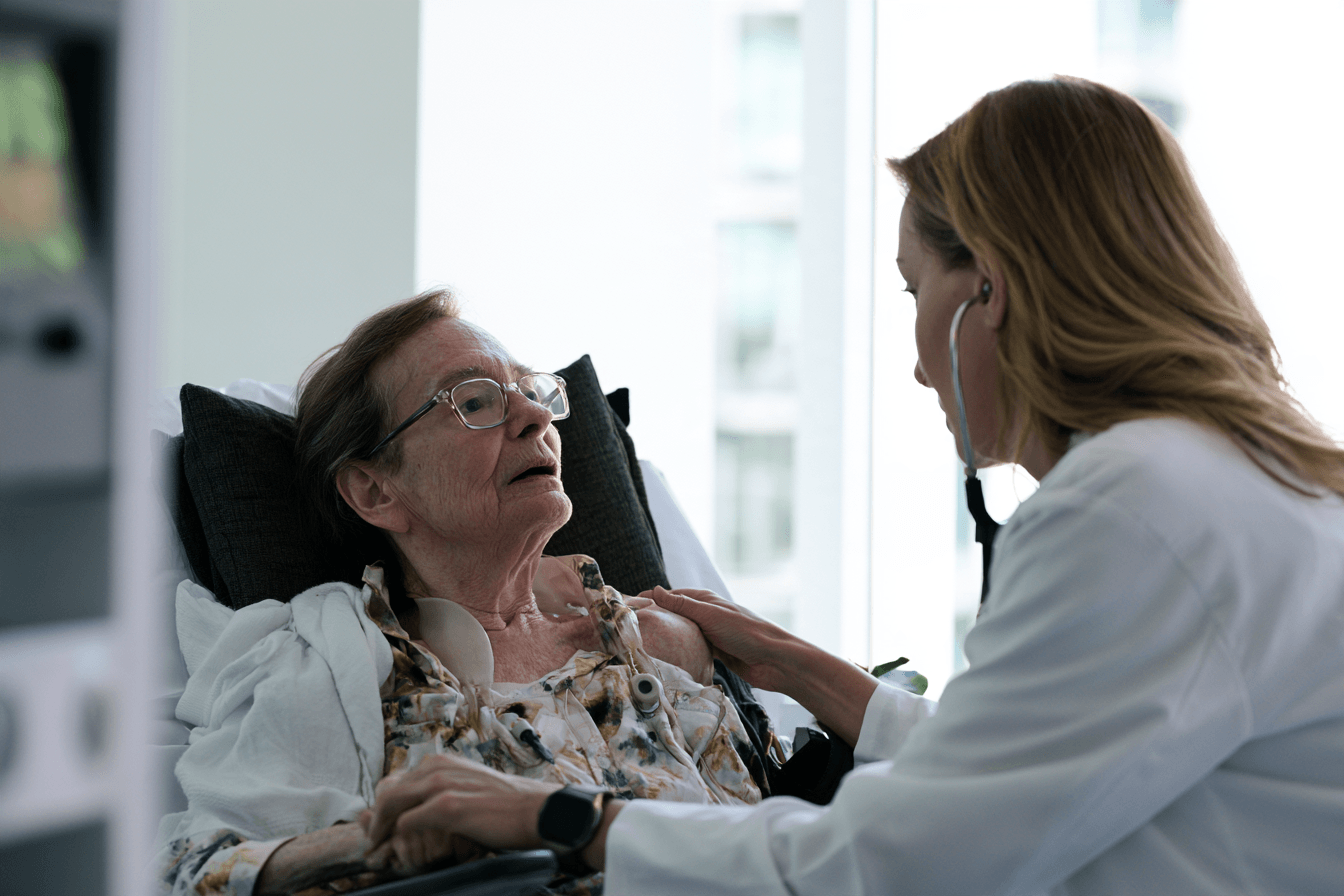
A personalised assessment for Ayurvedic treatment for ALS may be useful when the patient wants structured support for nutrition, digestion, bowel function, sleep, cramps, stiffness, dryness and treatment tolerance alongside neurological care. The assessment helps determine whether Rasayana, Brimhana, Basti or external therapies are suitable for the patient’s present stage.
The plan is based on the confirmed diagnosis, pattern of weakness, body weight, swallowing ability, respiratory reserve, current medicines and laboratory reports. Patients with the same ALS diagnosis may require very different Ayurvedic approaches.
Patients With Progressive Weight or Muscle Loss
Patients experiencing reduced body weight, visible muscle wasting, prolonged meals or declining appetite may benefit from an individualised Brimhana and Rasayana assessment.
Brimhana is a nourishing approach used to support calorie intake, tissue nutrition and functional strength. The food and medicine plan must remain easy to digest and compatible with the patient’s swallowing ability.
Weight loss should also prompt review of meal duration, aspiration risk, respiratory effort and the need for additional nutritional support. [2,5]
Patients With Constipation and Digestive Difficulty
Reduced mobility, low fluid intake and medicines can contribute to constipation, abdominal heaviness and poor appetite. Ayurvedic assessment examines Agni, bowel frequency, stool consistency, straining and the patient’s ability to tolerate nourishing medicines.
Gentle dietary support, suitable oils or selected Basti may be considered when medically appropriate. Basti is not automatically required and may be unsuitable when the patient is dehydrated, medically unstable or unable to tolerate transfers.
Patients With Sleep Cramps and Physical Discomfort
Cramps, stiffness, dryness, difficulty turning in bed and disturbed sleep can increase fatigue and caregiver burden. Gentle Snehana, positioning support, bowel regulation and carefully selected medicines may help improve daily comfort.
Increasing morning headache, daytime sleepiness or disturbed breathing during sleep requires respiratory assessment because these symptoms may reflect reduced breathing muscle strength. [2,4]
Patients Taking Neurological Medicines
Patients taking riluzole, edaravone, tofersen or medicines for sleep, saliva, cramps and pain may benefit from coordinated Ayurvedic prescribing.
The Ayurvedic physician should review the complete medicine and supplement list before selecting Rasayana. Liver function, kidney function, swallowing ability, sedation and digestive tolerance may influence the formulation and dosage.
Neurological medicines and respiratory support continue according to the treating specialist.
Patients With Changing Swallowing Ability
Patients who cough during meals, take longer to swallow or struggle with tablets, powders or Avaleha require an individualised review of medicine consistency.
Thin liquids, thick preparations and dry powders create different swallowing challenges. The Ayurvedic dosage form should follow the recommendations of the speech and swallowing team. [2]
New choking, a wet voice, repeated chest infections or inability to swallow fluids requires prompt medical assessment.
Patients Seeking Measurable Integrative Care
A personalised assessment is particularly useful for patients who want treatment outcomes to be documented. Appetite, body weight, bowel function, sleep, cramps and treatment tolerance can be tracked alongside ALSFRS R scores, swallowing status, mobility and respiratory measurements.
This approach helps distinguish supportive improvement in comfort or nutrition from changes in neurological function.
Complete ALS Treatment Guide
ALS and Motor Neuron Disease Treatment: Symptoms, Diagnosis, Modern Care and Ayurvedic Support
Patients and caregivers should read this pillar guide because it explains diagnosis, ALS medicines, breathing support, swallowing care, nutrition, rehabilitation and the role of Ayurveda within the complete treatment pathway.
When Urgent Medical Care Is Needed During Ayurvedic Treatment for ALS

Ayurvedic treatment for ALS must be adjusted immediately when breathing, swallowing, nutrition or alertness worsens. Symptoms suggesting respiratory weakness, aspiration, infection or dehydration require prompt medical assessment before routine Rasayana, Basti, Snehana or Panchakarma continues. [2,3]
Breathing Changes That Need Urgent Assessment
Increasing breathlessness, difficulty lying flat, morning headache, disturbed sleep, daytime sleepiness, weak coughing or inability to clear secretions may indicate declining respiratory muscle strength. Sudden breathing difficulty, bluish lips, confusion or severe drowsiness requires emergency care. [2,4]
These symptoms should not be interpreted only as Vata disturbance or fatigue. Respiratory testing, noninvasive ventilation, cough assistance or secretion management may need to be started or adjusted.
Ayurvedic medicines that cause sedation should be reviewed because excessive sleepiness can make respiratory decline harder to recognise. Strong Swedana, prolonged lying flat and physically exhausting procedures should be stopped until breathing is reassessed.
Swallowing and Aspiration Warning Signs
Repeated choking, coughing during meals, a wet voice after swallowing, food remaining in the mouth or inability to swallow fluids safely requires urgent swallowing assessment.
Fever, chest congestion, increasing secretions or breathlessness after choking may indicate aspiration pneumonia. Oral Ayurvedic powders, tablets, oils and Avaleha should be paused when they cannot be swallowed safely. [2]
Rapidly prolonged meals, reduced fluid intake and repeated chest infections may indicate that oral feeding is no longer meeting the patient’s needs. Nutrition and gastrostomy discussion should not be delayed until severe weight loss develops. [2,5]
Rapid Weight Loss and Dehydration
Sudden reduction in food intake, continued weight loss, very dark urine, reduced urination, dizziness or increasing weakness may indicate dehydration or inadequate nutrition.
Brimhana and Rasayana require revision when the patient cannot complete meals or digest the prescribed formulation. Strong bowel cleansing, repeated purgation and any treatment causing diarrhoea should be stopped because fluid and calorie loss can further reduce Bala.
Changes After Basti or Ayurvedic Medicines
Persistent diarrhoea, vomiting, abdominal pain, rectal bleeding, severe weakness or dizziness after Basti requires immediate treatment review. Suspected bowel obstruction, gastrointestinal bleeding or acute abdominal illness requires medical assessment before another procedure is performed.
Ayurvedic medicines should also be reviewed when the patient develops rash, facial swelling, excessive sedation, persistent nausea, jaundice, reduced urine output or a clear decline in appetite and strength.
Sudden Neurological or Functional Decline
A sudden change in consciousness, new facial weakness, abrupt loss of movement, seizure or severe new headache is not typical gradual ALS progression and requires urgent medical evaluation.
A rapid increase in falls, inability to transfer safely or sudden loss of hand function also requires reassessment. Infection, dehydration, medicine effects and other treatable problems may worsen function in addition to the underlying motor neuron disease.
Read the Complete ALS and Motor Neuron Disease Treatment Guide
Patients and caregivers should read this pillar guide because it explains respiratory monitoring, swallowing care, nutrition, ALS medicines, rehabilitation and emergency warning signs within the complete treatment pathway. This knowledge helps families recognise when supportive Ayurvedic care can continue and when urgent neurological or hospital care must take priority.
Saved to memory. Future FAQ sections will be concise, SEO focused, schema ready, unnumbered, and free from reference numbers unless specifically requested.
Frequently Asked Questions
What is the role of Ayurvedic treatment for ALS?
Ayurvedic treatment for ALS supports nutrition, digestion, bowel function, sleep, comfort and functional resilience. It is personalised according to Vata Vyadhi, Dhatu Kshaya, Agni, Bala, swallowing and respiratory status.
How is Ayurvedic treatment for ALS personalised?
The physician reviews the neurological diagnosis, EMG findings, respiratory function, swallowing ability, weight history, medicines and laboratory reports. Rasayana, Brimhana, Basti and external therapies are then selected according to the patient’s present condition.
What is Rasayana treatment for ALS?
Rasayana is an individualised Ayurvedic approach that supports nourishment, resilience, sleep, digestion and treatment tolerance. The formulation and dosage form depend on body weight, Agni, Bala, swallowing ability and associated medical conditions.
Is Basti used for every ALS patient?
Basti is selected only when constipation, dryness, straining or disturbed Apana Vata are clinically important. Hydration, respiratory stability, mobility, bowel condition and Bala determine whether it is suitable.
Which Basti may be considered in ALS?
Matra Basti, Anuvasana Basti or a nourishing Yapana Basti may be considered according to the patient’s bowel pattern, strength and treatment goals. The formulation, dose and schedule must be individually prescribed.
Can Ayurvedic treatment support muscle wasting in ALS?
Rasayana and Brimhana support calorie intake, digestion, body weight and nutritional tolerance in Mamsa Kshaya. Progress is monitored through weight, meal completion, daily function and overall treatment tolerance.
Can Ayurvedic medicines be taken with riluzole?
Ayurvedic medicines may be coordinated with riluzole after reviewing liver function, digestion, swallowing and the complete medicine list. Prescribed neurological treatment should continue under the treating specialist.
Is Ayurvedic treatment suitable for bulbar ALS?
Ayurvedic treatment may be adapted for bulbar ALS, but medicine consistency requires careful attention. Powders, thick Avaleha, large tablets and thin oils may become difficult when speech and swallowing muscles weaken.
Can a patient using noninvasive ventilation receive Ayurvedic treatment?
Ayurvedic treatment may continue alongside noninvasive ventilation when medicines and procedures do not interfere with breathing support, sleep or secretion clearance. The treatment plan should become simpler as respiratory effort increases.
Is Panchakarma suitable for advanced ALS?
Intensive Panchakarma may be difficult to tolerate when the patient has severe weakness, weight loss, swallowing difficulty or reduced respiratory reserve. Gentle Snehana, bowel care, Rasayana and Brimhana may be more suitable.
How soon can supportive changes be assessed?
Appetite, bowel regularity, sleep, cramps, dryness and medicine tolerance may be reviewed within two to four weeks. Weight, swallowing, mobility and respiratory function require repeated monitoring over a longer period.
How is progress measured during Ayurvedic treatment for ALS?
Progress is followed through appetite, body weight, bowel function, sleep, swallowing, speech, mobility, hand function and respiratory measurements. Ayurvedic changes in Agni and Bala are reviewed alongside functional assessment.
What reports are needed before starting Ayurvedic treatment for ALS?
Useful records include the neurologist’s diagnosis, EMG and nerve conduction reports, MRI findings, respiratory measurements, swallowing assessment, recent weight history, laboratory reports and complete medicine list.
When should the treatment plan be reviewed urgently?
Urgent review is needed when breathlessness increases, lying flat becomes difficult, choking becomes frequent, fluids cannot be swallowed, weight falls rapidly or alertness declines. Fever, chest congestion and inability to clear secretions also require prompt medical assessment.
References
1. Mangalasseri, P. (2020). Vatavyadhi Chikitsa. In S. N. Ojha, Y. S. Deole, and G. Basisht (Eds.), Charak Samhita new edition: Chikitsa Sthana, Chapter 28. Charak Samhita Research, Training and Skill Development Centre.
Brief: This classical chapter describes Vata Vyadhi, Dhatu Kshaya, Avarana, the five divisions of Vata, Bala assessment and the therapeutic roles of Snehana, Swedana, Basti and Rasayana.
2. National Institute for Health and Care Excellence. (2019). Motor neurone disease: Assessment and management (NICE Guideline NG42).
Brief: This guideline covers respiratory assessment, noninvasive ventilation, swallowing, nutrition, gastrostomy, mobility, communication and multidisciplinary motor neuron disease care.
3. Van Damme, P., Al-Chalabi, A., Andersen, P. M., Chiò, A., Couratier, P., de Carvalho, M., Hardiman, O., Kuźma-Kozakiewicz, M., Ludolph, A. C., McDermott, C. J., Mora, J. S., Petri, S., Probyn, K., Reviers, E., Salachas, F., Silani, V., Tysnes, O. B., van den Berg, L. H., Villanueva, G., and Weber, M. (2024). European Academy of Neurology guideline on the management of amyotrophic lateral sclerosis in collaboration with the European Reference Network for Neuromuscular Diseases. European Journal of Neurology, 31, e16264.
Brief: This European guideline provides recommendations for ALS medicines, respiratory support, dysphagia, nutrition, symptom management, communication and multidisciplinary follow-up.
4. Bourke, S. C., Tomlinson, M., Williams, T. L., Bullock, R. E., Shaw, P. J., and Gibson, G. J. (2006). Effects of non-invasive ventilation on survival and quality of life in patients with amyotrophic lateral sclerosis: A randomised controlled trial. The Lancet Neurology, 5(2), 140–147.
Brief: This randomised trial found that noninvasive ventilation improved quality of life and produced a survival benefit, particularly in participants without severe bulbar dysfunction.
5. ProGas Study Group. (2015). Gastrostomy in patients with amyotrophic lateral sclerosis: A prospective cohort study. The Lancet Neurology, 14(7), 702–709.
Brief: This prospective study evaluated commonly used gastrostomy methods and supports timely feeding-tube discussion when weight, swallowing or oral intake begins to decline.
6. National Institute of Neurological Disorders and Stroke. (n.d.). Amyotrophic lateral sclerosis. National Institutes of Health. Retrieved September 19, 2026.
Brief: This official resource explains ALS symptoms, motor neuron involvement, diagnostic evaluation, disease progression, respiratory complications and available treatments.
7. Shefner, J. M., Al-Chalabi, A., Baker, M. R., Cui, L. Y., de Carvalho, M., Eisen, A., Grosskreutz, J., Hardiman, O., Henderson, R., Matamala, J. M., Mitsumoto, H., Paulus, W., Simon, N., Swash, M., Talbot, K., Turner, M. R., Ugawa, Y., van den Berg, L. H., Verdugo, R., and Kiernan, M. C. (2020). A proposal for new diagnostic criteria for ALS. Clinical Neurophysiology, 131(8), 1975–1978.
Brief: This paper presents the Gold Coast diagnostic criteria based on progressive motor impairment, upper and lower motor neuron dysfunction and exclusion of alternative diagnoses.
8. Siddique, N., and Siddique, T. (2023). Amyotrophic lateral sclerosis overview. In M. P. Adam, S. Bick, G. M. Mirzaa, R. A. Pagon, S. E. Wallace, L. J. H. Bean, K. W. Gripp, and A. Amemiya (Eds.), GeneReviews. University of Washington, Seattle.
Brief: This clinical review covers ALS presentation, genetics, differential diagnosis, management, genetic counselling and SOD1 associated disease.
9. Bensimon, G., Lacomblez, L., and Meininger, V. (1994). A controlled trial of riluzole in amyotrophic lateral sclerosis. The New England Journal of Medicine, 330(9), 585–591.
Brief: This pivotal randomised trial evaluated riluzole and reported a survival benefit during the study period, supporting its continued neurologist-supervised use.
10. Writing Group on Behalf of the Edaravone ALS 19 Study Group. (2017). Safety and efficacy of edaravone in well-defined patients with amyotrophic lateral sclerosis: A randomised, double-blind, placebo-controlled trial. The Lancet Neurology, 16(7), 505–512.
Brief: In a selected population with relatively early ALS and preserved respiratory function, edaravone was associated with less decline in ALSFRS R scores over 24 weeks.
11. Miller, T. M., Cudkowicz, M. E., Genge, A., Shaw, P. J., Sobue, G., Bucelli, R. C., Chiò, A., Van Damme, P., Ludolph, A. C., Glass, J. D., Andrews, J. A., Babu, S., Benatar, M., McDermott, C. J., Cochrane, T., Chary, S., Chew, S., Zhu, H., Wu, F., … Fradette, S. (2022). Trial of antisense oligonucleotide tofersen for SOD1 ALS. The New England Journal of Medicine, 387(12), 1099–1110.
Brief: This trial evaluated intrathecal tofersen in genetically confirmed SOD1 associated ALS. Biomarker reductions occurred, although the primary functional endpoint at 28 weeks was not statistically significant.
12. Cedarbaum, J. M., Stambler, N., Malta, E., Fuller, C., Hilt, D., Thurmond, B., and Nakanishi, A. (1999). The ALSFRS R: A revised ALS functional rating scale that incorporates assessments of respiratory function. Journal of the Neurological Sciences, 169(1–2), 13–21.
Brief: This paper introduced the 12 item ALSFRS R for monitoring speech, swallowing, hand function, mobility and respiratory activities over time.
13. Riley, D. S., Barber, M. S., Kienle, G. S., Aronson, J. K., von Schoen-Angerer, T., Tugwell, P., Kiene, H., Helfand, M., Altman, D. G., Sox, H., Werthmann, P. G., Moher, D., Rison, R. A., Shamseer, L., Koch, C. A., Sun, G. H., Hanaway, P., Sudak, N. L., Kaszkin-Bettag, M., … Gagnier, J. J. (2017). CARE guidelines for case reports: Explanation and elaboration document. Journal of Clinical Epidemiology, 89, 218–235.
Brief: The CARE guidelines support transparent case reporting through a documented diagnosis, timeline, treatment, outcomes, adverse events and patient perspective.
14. National Center for Complementary and Integrative Health. (2019). Ayurvedic medicine: In depth. National Institutes of Health.
Brief: This official safety resource discusses heavy metal exposure and quality concerns reported in some Ayurvedic products, supporting authenticated ingredients and laboratory-tested manufacturing.