



- Can ALS Progression Be Slowed Down With Ayurveda and Modern Care
- What Evidence Shows About Whether ALS Progression Can Be Slowed Down
- Why Can ALS Progression Be Slowed Down Differently in Every Patient
- How ALS Progression Should Be Measured Every 30 Days
- Can ALS Progression Be Slowed Down With Riluzole and Ayurvedic Support
- Can ALS Progression Be Slowed Down With Edaravone and Ayurvedic Support
- Can ALS Progression Be Slowed Down With Tofersen and Ayurvedic Support
- Can ALS Progression Be Slowed Down With NIV Breathing Support and Ayurveda
- Can ALS Progression Be Slowed Down With Nutrition and Ayurvedic Support
- Can ALS Progression Be Slowed Down With Rehabilitation and Ayurvedic Support
- Where Ayurvedic Treatment Fits When ALS Progression Needs to Be Slowed Down
- Can ALS Progression Be Slowed Down With a 30 Day Review Plan
- Can ALS Progression Be Slowed Down When Reports and Daily Changes Are Reviewed Together
- Why Can ALS Progression Be Slowed Down More Safely When Ayurveda Starts Before the Last Stage
- What Patients Need Before Asking Can ALS Progression Be Slowed Down
- What to Do This Week When You Ask Can ALS Progression Be Slowed Down
- When Urgent Medical Care Is Needed While Asking Can ALS Progression Be Slowed Down
- FAQs
- References
Can ALS Progression Be Slowed Down With Ayurveda and Modern Care
Can ALS progression be slowed down is a serious question for patients and caregivers after diagnosis. ALS is usually a progressive motor neuron disease, but the rate of decline, symptom burden and quality of life may improve when care begins early, remains medically supervised and is reviewed through measurable markers. Ayurveda can be included as a structured supportive system for strength, digestion, sleep, bowel movement, cramps, swallowing comfort, nutrition, breathing comfort and daily function, while neurological care continues [1,2,3].
Table : Ayurvedic Terms Explained for ALS Patients
| Ayurvedic term | Simple patient meaning |
|---|---|
| Vata Vyadhi | Disturbed movement, nerve control, strength and coordination. |
| Kaphavruta Vata | Movement restricted by heaviness, stiffness, mucus or sluggishness. |
| Mamsa Kshaya | Loss of muscle tissue, seen as thinning limbs and reduced strength. |
| Majja Dhatu involvement | Deeper nerve and marrow related weakness from an Ayurvedic perspective. |
| Agni impairment | Weak digestion affecting appetite, nutrition, bowel movement and medicine tolerance. |
| Bala reduction | Reduced physical strength, stamina and endurance. |
| Ojas depletion | Reduced vitality, resilience, sleep quality and recovery reserve. |
| Brimhana | Nourishing depleted tissues and supporting strength. |
| Rasayana | Supporting vitality, tissue resilience, sleep, stamina and long term nourishment. |
| Basti | Medicated enema therapy used in selected Vata dominant conditions. |
In Ayurveda, ALS may be assessed through clinical patterns that describe disturbed movement, muscle loss, nerve related weakness, weak digestion, reduced strength and lowered vitality. Vata Vyadhi means a group of conditions where movement, nerve control, strength and coordination are disturbed. You may notice this as weakness, stiffness, tremor, cramps, muscle wasting, speech difficulty or reduced control of the hands and legs. Kaphavruta Vata means Vata movement is restricted by Kapha like heaviness, stiffness, mucus, sluggishness or obstructed function. In an ALS patient, this may be considered when stiffness, saliva difficulty, mucus retention, slow movement or breathing effort is prominent.
Mamsa Kshaya means loss of muscle tissue. This may appear as thinning limbs, weak grip, reduced walking strength and poor stamina. Majja Dhatu involvement refers to deeper nerve and marrow related weakness from an Ayurvedic perspective, especially when coordination, motor control and strength are progressively affected. Agni impairment means weak digestion and reduced metabolic strength, which can affect appetite, nutrition, bowel movement and medicine tolerance. Bala reduction means reduced physical strength and endurance. Ojas depletion means reduced vitality, resilience, sleep quality, immunity and recovery reserve.
ALS affects the nervous system, muscles, swallowing, breathing and daily independence. A responsible Ayurvedic plan begins with diagnosis review, current medicines, breathing status, swallowing ability, nutrition, bowel pattern, sleep and general strength. The practical aim is to support measurable problems such as appetite, sleep, stool regularity, cramps, stiffness, weight stability, swallowing comfort, mucus clearance, walking confidence and caregiver burden.
Why Can ALS Progression Be Slowed Down More Safely When Care Starts Early
ALS care is usually more effective when important decisions are not delayed. Early breathing assessment can detect respiratory weakness before severe breathlessness appears. Early swallowing review can reduce choking and aspiration risk. Early nutrition support can help prevent weight loss. Early rehabilitation can reduce falls, stiffness, contractures and caregiver injury [3,4,5].
Ayurvedic support may also be more useful when the patient still has appetite, swallowing capacity, bowel response, respiratory reserve and some functional strength to preserve. In Ayurveda, early planning often focuses on Vata regulation, which means calming disturbed movement and nerve related imbalance. It may also include Brimhana, which means nourishing depleted tissues and supporting strength. Rasayana means support for vitality, tissue resilience, sleep, recovery capacity and long term stamina. Agni correction means improving digestion so food, medicines and nourishment are better tolerated.
These Ayurvedic goals must be connected to visible patient outcomes. The patient and family should observe whether appetite is better, stool is easier, cramps are reduced, sleep is deeper, food tolerance is better, swallowing is safer and body weight is more stable. In clinical practice, I would not judge ALS support by one symptom or one good day. I would compare function, weight, breathing, swallowing, sleep and caregiver observations over a fixed review period.
Classical Ayurvedic reasoning for progressive weakness and disturbed movement may be drawn from Charaka Samhita, Chikitsa Sthana, Chapter 28, where Vata disorders are discussed in relation to weakness, stiffness, tremor, wasting and functional impairment [1]. This does not mean ALS has one exact classical equivalent. It means Ayurveda provides a structured way to assess movement, nourishment, digestion, strength and vitality while modern neurological diagnosis continues to guide medical decisions.
What Evidence Supports Ayurveda and Modern Care in ALS Progression
Modern ALS care includes several evidence based components. Riluzole is commonly used after diagnosis and has shown a modest survival benefit in ALS [2]. Non invasive ventilation may improve quality of life and survival in suitable patients, especially when respiratory weakness is detected early [3]. Tofersen is relevant only for patients with confirmed SOD1 mutation ALS, so genetic testing may be important in selected cases [4]. Nutrition, swallowing support and rehabilitation are central because weight loss, aspiration, falls, stiffness and respiratory decline can increase complications and reduce quality of life [5].
Ayurvedic evidence in ALS is smaller than modern drug research, so it should be interpreted carefully. Published Ayurvedic case reports have described measurable outcomes using ALSFRS R scoring after treatment plans that included Snehana, Swedana, Basti, Shamana medicines and Rasayana based care [6,7]. Snehana means therapeutic oiling or oleation used to soften tissues, support nourishment and pacify Vata. Swedana means medicated heat or sweating therapy used to reduce stiffness and improve comfort. Basti means medicated enema therapy, classically important in Vata disorders, but it must be selected only after assessing strength, bowel pattern, breathing status and disease stage. Shamana medicines means internal medicines used to pacify symptoms and disease imbalance without strong cleansing procedures.
These reports are not equal to large clinical trials, but they are useful because they document patient changes instead of relying only on general claims. Ayurveda becomes more credible when outcomes are measured through ALSFRS R score, body weight, swallowing safety, speech clarity, sleep quality, cramps, bowel movement, walking confidence, dyspnoea and caregiver burden.
There is also limited supportive research on selected natural compounds. A randomized placebo controlled pilot trial studied nanocurcumin as an add on to riluzole in ALS and suggested possible survival related signals, while also stating that larger studies are needed [8]. This supports antioxidant and inflammation related thinking in selected patients, but it should not be used to claim that any single herb or compound can cure ALS.
How Ayurveda May Support Daily Function in ALS
For the patient, the value of Ayurveda should be judged through comfort, safety and function. The practical questions are whether eating is easier, sleep is better, stool is more regular, choking is less frequent, weight is stable, cramps are less painful, mucus is easier to clear and daily movement is safer. These outcomes matter because ALS affects everyday life long before a family thinks in terms of advanced medical decisions.
A carefully selected Ayurvedic plan may include internal medicines, suitable Anupana, medicated ghee where safe, external oil therapies, gentle strengthening nutrition, bowel regulation and Rasayana support. Anupana means the vehicle taken with medicine, such as warm water, honey, ghee or milk, selected according to digestion, strength, disease stage and safety. Medicated ghee may support nourishment and Vata balance in selected patients, but it is not suitable for everyone, especially when swallowing is unsafe, digestion is weak, liver reports are abnormal or lipid concerns are present.
A patient with bulbar ALS and choking needs a different plan from a patient with early limb onset ALS and preserved swallowing. A patient with weak cough and low respiratory reserve needs different precautions from a patient who is still walking independently. The treatment plan should change according to disease stage, body weight, swallowing ability, breathing function, liver and kidney reports, current medicines, constipation, sleep, appetite and strength.
What You Should Measure Every 30 Days
A 30 day review helps you understand whether the care plan is supporting stability or whether it needs correction. The most useful markers are ALSFRS R score, body weight, meal duration, choking episodes, speech clarity, sleep quality, morning headache, bowel movement, cramps, walking confidence, hand function, breathing comfort and caregiver burden. These markers are simple, but they give the family a more accurate view than memory alone.
The aim in 30 days is not to promise reversal of ALS. The aim is to check whether the patient is losing weight more slowly, sleeping better, swallowing more safely, passing stool more comfortably, having fewer cramps, clearing mucus better, tolerating food and medicines better, or needing urgent review for breathing, nutrition or swallowing support. Some patients may show stability for a period. Some may notice better comfort or daily routine. Some may continue to decline despite careful care because ALS can be biologically aggressive.
A trustworthy plan protects the patient from false hope while still looking for every safe opportunity to improve comfort, nutrition, sleep, breathing support, bowel movement, stiffness, cramps and family confidence. ALS progression should not be approached through one medicine, one herb or one therapy alone. The safest path is a combined plan that respects neurological care and uses Ayurveda carefully, clearly and measurably.
What Evidence Shows About Whether ALS Progression Can Be Slowed Down

Can ALS progression be slowed down depends on the patient’s stage, symptom pattern, breathing strength, swallowing safety, nutrition, genetics and timing of care. ALS usually remains progressive, but some patients can have better stability, fewer complications and better daily comfort when treatment combines neurological care, respiratory support, nutrition, rehabilitation and carefully selected Ayurvedic support. The aim is to protect strength, swallowing, sleep, appetite, bowel movement, breathing comfort, weight and daily function as much as possible.
Table 1: Evidence Snapshot for Slowing ALS Progression
| Care area | Evidence and patient value |
|---|---|
| Ayurvedic support | Supports strength, digestion, sleep, bowel movement, cramps, stiffness, nourishment and daily comfort when selected according to the patient’s stage and measured every 30 days [1,6,7]. |
| Riluzole | Common foundation medicine in ALS with modest survival benefit. It does not replace breathing, nutrition, rehabilitation or Ayurvedic support [2,3]. |
| Edaravone | May help selected early stage ALS patients, but it is not suitable for every patient or every stage [2,4]. |
| Tofersen | Relevant only for confirmed SOD1 mutation ALS. Genetic testing is important before considering it [5,6,9]. |
| NIV or BiPAP | Supports weak breathing muscles, especially during sleep, and may improve comfort and survival in suitable patients [2,7]. |
| Nutrition and swallowing care | Helps protect weight, hydration, medicine intake and aspiration safety. Weight loss should be corrected early [2,8]. |
| Rehabilitation | Helps reduce falls, stiffness, contractures, unsafe transfers and caregiver injury [2]. |
Ayurveda places strong importance on the patient’s functional state. In ALS, this means how well the patient can eat, sleep, speak, swallow, breathe, pass stool, walk, use the hands and manage daily life. This clinical view is useful because ALS affects more than muscle power. It affects nourishment, sleep, digestion, emotional strength, family routine and the patient’s sense of control.
Ayurvedic Evidence and Functional Support in ALS Progression
In Ayurveda, ALS may be assessed through patterns of disturbed movement, tissue depletion and reduced strength. Vata Vyadhi means a group of disorders where movement, nerve control, strength and coordination are disturbed. In a patient, this may appear as weakness, stiffness, tremor, cramps, wasting, poor grip, walking difficulty or speech change. Mamsa Kshaya means loss of muscle tissue, which may appear as thinning limbs, reduced walking power and fatigue. Majja Dhatu involvement refers to deeper nerve and marrow related weakness from an Ayurvedic perspective. Agni impairment means weak digestion and reduced metabolic strength, which can affect appetite, bowel movement, nutrition and medicine tolerance. Ojas depletion means reduced vitality, resilience, sleep quality and recovery reserve.
Classical Ayurvedic care for Vata dominant weakness focuses on nourishment, oil based support, bowel regulation, strength preservation and restoration of functional balance. Charaka Samhita, Chikitsa Sthana, Chapter 28 discusses Vata disorders in relation to weakness, stiffness, tremor, wasting and disturbance of movement [1]. In ALS care, this classical framework supports practical goals such as better appetite, smoother bowel movement, reduced cramps, improved sleep, stable weight, safer swallowing and better daily comfort.
Published Ayurvedic ALS case reports have recorded functional outcomes using ALSFRS R scoring after treatment plans that included Snehana, Swedana, Basti, Shamana medicines and Rasayana care [6,7]. Snehana means therapeutic oiling or oleation used to soften tissues, support nourishment and calm disturbed Vata. Swedana means medicated heat therapy used for stiffness and comfort. Basti means medicated enema therapy, classically important in Vata disorders, with selection based on the patient’s strength, bowel pattern, breathing status and disease stage. Shamana medicines are internal medicines used to pacify symptoms and imbalance without strong cleansing procedures. Rasayana means support for vitality, tissue resilience, strength, sleep and long term nourishment.
These published reports are individual clinical observations, not large trials. Their value lies in measurable tracking of speech, swallowing, walking, breathing difficulty, daily activity and ALSFRS R score. This type of measurement is important because the patient and family need to see whether care is helping in real life.
Modern Evidence for Slowing ALS Progression
Riluzole is one of the most established medicines used after ALS diagnosis. It has shown a modest survival benefit, although it does not reverse established weakness or replace breathing, nutrition and rehabilitation care [2]. For many patients, riluzole becomes part of the baseline neurological plan.
Edaravone has a more selective role. Clinical trial evidence showed benefit in a carefully selected early ALS group, but the same result cannot be assumed for every patient or every stage [5]. Suitability depends on disease duration, breathing reserve, functional score, treatment access, cost, side effects and treatment burden.
Tofersen is relevant only when ALS is linked to a confirmed SOD1 gene mutation [4]. This makes genetic testing important when targeted treatment decisions are being considered. A patient without confirmed SOD1 mutation is not a candidate for tofersen.
Non invasive ventilation, often called NIV or BiPAP, is one of the most important supportive interventions in ALS. It can improve sleep, morning headache, daytime fatigue, breathing comfort and survival in suitable patients [3]. Breathing weakness may begin during sleep before the patient feels severe breathlessness during the day, so respiratory testing is important even when symptoms seem mild.
Nutrition also affects ALS outcomes. Weight loss, low calorie intake, choking, dehydration and long meal time can reduce strength and increase complications. Swallowing review, texture modification, calorie dense food, protein support and timely feeding tube discussion can help maintain nutrition and medicine intake [5].
Can ALS Progression Be Slowed Down With Combined Care
Can ALS progression be slowed down with combined care is best judged through measurable patient changes. The care plan may include riluzole, genetic testing, selected disease specific medicines, NIV, nutrition, swallowing support, rehabilitation, communication planning and Ayurvedic support for Vata disturbance, digestion, nourishment, sleep, bowel movement, cramps and daily comfort.
The same plan does not suit every patient. A patient with bulbar ALS and choking needs careful swallowing, nutrition and aspiration prevention. A patient with early limb onset ALS may need more focus on walking safety, hand function, cramps, strength preservation and fall prevention. A patient with weak cough or low respiratory reserve needs urgent respiratory review, secretion support and NIV planning. Ayurvedic medicines, oils, Basti, Rasayana and diet need selection according to the same clinical details.
In clinical practice, I would compare the patient’s condition every 30 days using ALSFRS R score, body weight, meal duration, choking episodes, speech clarity, sleep quality, morning headache, bowel movement, cramps, walking confidence, hand function, breathing comfort and caregiver burden. These markers give a clearer picture than memory alone.
What A 30 Day Review Can Show
A 30 day review can show whether the patient is stable, declining slowly, declining quickly or improving in comfort and daily routine. Stable weight, safer swallowing, better sleep, easier stool, fewer cramps, improved food tolerance, better mucus clearance, safer walking or improved NIV tolerance can all matter to the patient and family.
These changes do not prove cure, but they can show better support and fewer complications. If weight is falling, choking is increasing, sleep is worsening, breathing is weaker or walking is becoming unsafe, the plan needs early correction. In ALS, delayed correction can lead to preventable complications.
A safer ALS plan respects neurological care and uses Ayurveda in a measured way. Modern care addresses disease specific treatment, breathing, nutrition and rehabilitation. Ayurveda supports strength, digestion, sleep, bowel movement, nourishment, Vata related symptoms and daily comfort. The strongest plan is the one that protects the patient from delay, monitors real changes and adapts treatment according to the patient’s stage.
Why Can ALS Progression Be Slowed Down Differently in Every Patient

Can ALS progression be slowed down in the same way for every patient is a common question, but the answer is no. ALS does not progress with one fixed pattern. One patient may first lose grip strength, another may develop slurred speech, another may lose weight quickly, and another may notice poor sleep or morning headache from early breathing weakness. This is why treatment must be planned according to the patient’s onset pattern, current strength, swallowing safety, breathing reserve, digestion, body weight, sleep, bowel movement and caregiver support.
In Ayurveda, this difference between patients is clinically important. The same diagnosis may show different patterns of imbalance. Vata Vyadhi means disturbed movement, nerve control, strength and coordination. In one patient, it may appear more as foot drop and hand weakness. In another, it may appear as speech difficulty, swallowing fatigue, cramps or stiffness. Mamsa Kshaya means loss of muscle tissue, which becomes important when the limbs are thinning, walking is weaker and body weight is falling. Agni impairment means weak digestion and reduced metabolic strength, which can affect appetite, stool, nutrition and medicine tolerance. These differences help guide individualized Ayurvedic support instead of giving the same plan to every ALS patient.
Limb Onset ALS and Functional Decline
Limb onset ALS usually begins with weakness in the hands, arms, feet or legs. A patient may drop objects, struggle with buttons, trip while walking, develop foot drop or feel one side becoming weaker than the other. At this stage, the patient may still speak and swallow normally, but daily function begins to change. Early care should focus on strength preservation, fall prevention, cramps, stiffness, joint range, hand function and safe movement.
Ayurvedic planning in limb onset ALS often pays close attention to Vata disturbance because movement, coordination and strength are affected. Vata regulation means calming disturbed movement and nerve related imbalance. The practical aim is to support comfort, reduce stiffness, improve bowel regularity, support sleep and preserve daily activity as much as possible. Brimhana means nourishing depleted tissues and supporting strength. This becomes important when the patient is losing muscle bulk or becoming fatigued after small activities.
A patient with limb onset ALS should not wait until walking becomes unsafe before starting rehabilitation. Physiotherapy, occupational therapy, splints, walking aids, home safety changes and caregiver training can reduce falls and preserve independence [1]. Ayurvedic support may be added around digestion, sleep, cramps, muscle nourishment, bowel movement and daily energy, but progress must be reviewed through walking distance, hand use, falls, cramps, body weight and ALSFRS R score.
Bulbar Onset ALS and Swallowing Risk
Bulbar onset ALS affects speech, swallowing, saliva control and cough earlier than limb onset ALS. A patient may notice slurred speech, nasal voice, choking on liquids, coughing during meals, wet voice after eating, drooling, long meal time or unexplained weight loss. This form can be emotionally difficult because speech and eating are closely connected to dignity, family life and confidence.
In Ayurveda, bulbar symptoms may be assessed through disturbed Vata affecting speech and swallowing, along with Kapha related heaviness, saliva, mucus or obstruction. Kaphavruta Vata means Vata movement is restricted by Kapha like heaviness, stiffness, mucus, sluggishness or blocked function. In practical terms, this may be considered when swallowing feels heavy, saliva is difficult to manage, mucus is retained, speech becomes slow or breathing effort increases.
This group needs early swallowing review, nutrition planning and aspiration prevention. Weight loss in ALS is clinically important because poor intake can reduce strength, worsen fatigue and increase complications [5]. The patient may need texture modified food, calorie dense meals, protein support, thickened liquids when advised, posture correction and timely discussion of feeding tube support. A feeding tube is not only a late stage decision. In selected patients, it protects calories, hydration and medicine intake when eating becomes unsafe or exhausting.
Ayurvedic support in bulbar ALS must be especially careful. Heavy oils, thick preparations, powders and large doses may be unsafe if swallowing is weak. The form of medicine, timing, Anupana and texture matter. Anupana means the vehicle used with medicine, such as warm water, honey, ghee or milk, selected according to digestion, swallowing safety and disease stage. The practical Ayurvedic goals are safer nourishment, better digestion, reduced constipation, calmer sleep, easier secretion handling and preserved strength wherever possible.
Respiratory Weakness and Hidden Night Symptoms
Respiratory weakness in ALS may begin before the patient feels obvious breathlessness during the day. Some patients first notice poor sleep, frequent waking, morning headache, daytime drowsiness, anxiety at night, breathlessness while lying flat or a weak cough. These symptoms need attention because breathing support can strongly affect quality of life and survival in suitable patients [3].
Non invasive ventilation, often called NIV or BiPAP, may help selected ALS patients by supporting breathing during sleep and reducing the burden on weak respiratory muscles [3]. Delaying respiratory testing can allow hidden night breathing problems to worsen. FVC, SVC, SNIP, peak cough flow, overnight oximetry and carbon dioxide assessment may help guide timing.
From an Ayurvedic view, breathing weakness is not managed only by naming Vata. The physician must assess strength, sleep, digestion, mucus, cough power, chest comfort, bowel movement and ability to tolerate medicines safely. If mucus is thick, saliva is difficult or cough is weak, treatment must avoid anything that increases heaviness or aspiration risk. If the patient is exhausted, undernourished or constipated, the plan must be gentle and supportive rather than aggressive.
Fast Progression and Slow Progression
Some ALS patients decline quickly, while others remain stable for longer periods. This difference may depend on onset type, age, respiratory involvement, nutrition, genetics, baseline ALSFRS R score, weight loss, infections, sleep quality, access to multidisciplinary care and timing of support [1,4,5]. The patient’s own baseline is more useful than comparison with another patient.
In clinical practice, I would compare the patient with their own previous month rather than another ALS case. The most useful markers are ALSFRS R score, body weight, choking episodes, meal duration, speech clarity, sleep quality, morning headache, walking safety, hand function, cramps, bowel movement, mucus clearance, breathing comfort and caregiver burden. These markers show whether the plan is maintaining function, losing ground slowly or needing urgent correction.
Ayurveda also recognizes that the same condition can behave differently depending on strength, digestion, tissue depletion and vitality. Bala means physical strength and stamina. Ojas means vitality, resilience, sleep quality, immunity and recovery reserve. A patient with better Bala, stable weight, good appetite and preserved sleep may tolerate a stronger nourishing plan. A patient with severe weight loss, poor swallowing, disturbed breathing and low stamina needs a gentler and more cautious plan.
Why Personalization Matters When ALS Progression Needs to Be Slowed Down
Can ALS progression be slowed down safely depends on matching the plan to the patient’s current risks. A patient with limb weakness may need fall prevention and hand function support. A patient with bulbar symptoms may need swallowing and nutrition protection. A patient with night breathing symptoms may need respiratory testing and NIV discussion. A patient with confirmed SOD1 mutation may need review for tofersen eligibility [4]. A patient with constipation, poor sleep, cramps, weak appetite and muscle wasting may need carefully selected Ayurvedic support for Vata regulation, Agni correction, Brimhana and Rasayana.
A safe Ayurvedic plan is never based on diagnosis name alone. It must consider disease stage, swallowing safety, respiratory reserve, liver and kidney reports, current medicines, bowel pattern, body weight, sleep, appetite and caregiver capacity. The same medicine or procedure may help one patient and burden another. This is especially important in ALS because swallowing, breathing and fatigue can change quickly.
The most practical conclusion is that ALS care must be individualized and measured. Modern care provides disease specific treatment, respiratory support, nutrition and rehabilitation. Ayurveda can support digestion, nourishment, sleep, bowel movement, cramps, stiffness, Vata related symptoms and daily comfort when selected carefully. The patient and family should review progress every 30 days so that treatment remains safe, realistic and responsive to the patient’s actual condition.
How ALS Progression Should Be Measured Every 30 Days

Can ALS progression be slowed down cannot be judged only by how the patient feels on one good or bad day. ALS changes gradually, and families may miss small changes until they become serious. A 30 day review gives a clearer picture of strength, swallowing, breathing, weight, sleep, bowel movement, cramps, hand function, walking safety and caregiver burden. This makes the care plan more practical and safer because treatment can be corrected before avoidable complications become severe.
Table 2: Which ALS Patient Needs Which Priority First
| Patient problem | First priority |
|---|---|
| Limb weakness, foot drop or falls | Rehabilitation, walking aid, home safety, Vata regulation, cramp and stiffness support. |
| Slurred speech, choking or wet voice | Swallowing review, food texture change, nutrition planning and safe medicine form. |
| Morning headache or poor sleep | Respiratory testing, NIV or BiPAP review, mucus clearance and sleep support. |
| Weight loss or long meal time | High calorie nutrition, swallowing safety, Agni correction and Brimhana support. |
| Constipation, cramps and stiffness | Vata regulation, bowel support, gentle oil based care and rehabilitation. |
| Confirmed SOD1 mutation | Tofersen eligibility review with neurologist and continued functional tracking. |
| Severe weakness with low stamina | Gentle care, safe nourishment, caregiver support and avoidance of exhausting procedures. |
In Ayurveda, progress is not measured only by disease name. The physician also observes Bala, which means physical strength and stamina, Agni, which means digestion and metabolic strength, and Ojas, which means vitality, resilience, sleep quality and recovery reserve. In ALS, these Ayurvedic markers can be connected to real changes such as appetite, body weight, stool regularity, sleep, fatigue, cramps, swallowing comfort and daily activity. This allows Ayurvedic support to be reviewed through visible patient outcomes rather than assumptions.
ALSFRS R Score for Measuring ALS Progression
ALSFRS R is one of the most useful tools for tracking ALS progression. It is a 48 point functional scale that reviews speech, saliva, swallowing, handwriting, cutting food, dressing, hygiene, turning in bed, walking, climbing stairs and breathing [1]. A falling score may show that the disease is affecting daily function more strongly.
You can record the ALSFRS R score once every 30 days and compare it with the previous score. The aim is not to become anxious about every small change. The aim is to see whether the patient is stable, declining slowly, declining quickly or needing urgent adjustment in breathing, nutrition, swallowing, rehabilitation or Ayurvedic support.
In clinical practice, I would not judge an ALS plan only by one symptom such as weakness or fatigue. I would compare ALSFRS R with body weight, swallowing, sleep, breathing comfort, cramps, bowel movement and caregiver observations. This gives a more complete view of the patient’s real condition.
Breathing Markers in ALS Progression
Breathing strength is one of the most important areas to measure in ALS. The patient may not feel breathless during the day even when night breathing has already become weak. Morning headache, poor sleep, frequent waking, daytime drowsiness, weak cough, breathlessness while lying flat and difficulty clearing mucus can be early signs of respiratory involvement.
Tests such as FVC, SVC, SNIP, peak cough flow, overnight oximetry and carbon dioxide assessment can help identify breathing weakness [1,3]. Non invasive ventilation may improve sleep, breathing comfort and survival in suitable patients, especially when started at the right time [3]. If breathing symptoms are ignored, fatigue, anxiety, poor sleep and chest infections can become worse.
From an Ayurvedic view, weak breathing in ALS needs careful assessment of strength, mucus, digestion, sleep, cough power and swallowing safety. Kaphavruta Vata means Vata movement is restricted by Kapha like heaviness, mucus, stiffness or sluggishness. This pattern may be considered when the patient has mucus retention, heavy breathing, saliva difficulty or slow movement. Treatment must remain gentle and safe when cough is weak or swallowing is unsafe.
Weight and Nutrition Markers in ALS Progression
Body weight should be checked regularly in ALS. Weight loss can reduce strength, worsen fatigue and make the patient more vulnerable to complications [5]. A patient who takes a long time to eat, coughs during meals, avoids liquids, feels tired while chewing or loses appetite may be taking fewer calories than the body needs.
The 30 day review should include body weight, meal duration, appetite, calorie intake, protein intake, choking episodes, hydration, constipation and food tolerance. If weight is falling, the care plan needs early correction. This may include texture modified food, calorie dense meals, swallowing review, dietitian guidance and discussion of feeding support when needed [5].
Ayurveda gives importance to Agni, which means digestive strength. In ALS, weak Agni may appear as poor appetite, bloating, constipation, heaviness after food, poor tolerance of medicines and gradual nutritional decline. Ayurvedic medicines and diet should be selected according to digestion and swallowing safety. A nourishing medicine is not useful if the patient cannot digest it or swallow it safely.
Swallowing and Speech Markers in ALS Progression
Swallowing and speech changes need close attention, especially in bulbar ALS. The patient may develop slurred speech, nasal voice, wet voice after meals, drooling, choking on liquids, coughing while eating or repeated chest infections. These changes can affect nutrition, hydration, confidence and family routine.
A 30 day review should compare speech clarity, voice fatigue, saliva control, coughing during meals, choking episodes and meal duration. If swallowing is becoming unsafe, food texture, posture, liquid thickness and feeding method may need review. Speech therapy and swallowing assessment can reduce risk and guide safer eating.
Ayurvedic support in this stage must be carefully adapted. Thick powders, large tablets, heavy oils or large doses may be difficult for a patient with weak swallowing. Anupana means the vehicle taken with medicine, such as warm water, honey, ghee or milk. In ALS, Anupana should be selected according to swallowing safety, digestion, mucus tendency and respiratory risk.
Walking Hand Function and Daily Activity Markers
ALS progression often becomes visible through daily tasks. The patient may trip more often, hold furniture while walking, struggle with stairs, drop objects, take longer to dress, lose handwriting control or need help turning in bed. These changes matter because they increase fall risk, caregiver burden and loss of independence.
The family can record walking distance, number of falls, stair difficulty, grip strength, handwriting, ability to use utensils, dressing time and transfer safety every 30 days. A short monthly video of walking, speech and hand movement can also help compare function over time. This is not for display or emotion. It is a practical record for clinical review.
Ayurvedic assessment may connect these changes with Vata Vyadhi, which means disturbed movement, nerve control, coordination and strength. Mamsa Kshaya means muscle tissue loss, seen as thinning limbs and reduced power. Supportive care may focus on nourishment, bowel regularity, sleep, stiffness, cramps and daily comfort, while rehabilitation protects movement safety and independence.
Sleep Bowel Movement Cramps and Caregiver Burden
Sleep, bowel movement and cramps are often underreported in ALS, but they affect daily quality of life. Poor sleep may come from breathing weakness, anxiety, pain, stiffness, saliva difficulty or difficulty changing position. Constipation may worsen discomfort, appetite and sleep. Cramps and stiffness can reduce confidence in walking and transfers.
Ayurveda gives importance to daily rhythm, digestion, Vata balance and comfort. Vata regulation means calming disturbed movement, dryness, stiffness, cramps and irregular bowel function. Rasayana means support for vitality, resilience, sleep and tissue nourishment. These goals should be reviewed through actual changes in sleep quality, stool regularity, cramps, pain, appetite and daily energy.
Caregiver burden should also be measured. If feeding, bathing, transfers, night care, mucus clearance or communication is becoming harder, the family needs earlier support. ALS care affects the whole household, and caregiver exhaustion can lead to delayed decisions, unsafe transfers and emotional strain.
What a 30 Day ALS Progress Review Can Show
A 30 day review can show whether the patient is stable, declining slowly, declining quickly or improving in comfort and routine. Stable body weight, safer swallowing, better sleep, fewer cramps, smoother bowel movement, easier mucus clearance, improved food tolerance or safer walking can be meaningful outcomes. These changes do not prove reversal of ALS, but they can show better support and fewer complications.
If the patient is losing weight, choking more often, sleeping poorly, waking with headache, falling repeatedly, clearing mucus poorly or becoming more dependent, the plan needs timely correction. Modern care may need adjustment through neurology, respiratory support, nutrition, swallowing care or rehabilitation. Ayurvedic care may need adjustment in medicines, Anupana, diet, bowel support, oil therapies or Rasayana selection.
Can ALS progression be slowed down is best answered through repeated measurement. The patient’s own baseline is the most important comparison. When ALSFRS R, breathing, weight, swallowing, sleep, bowel movement, cramps, movement and caregiver burden are reviewed every 30 days, the care plan becomes more precise, safer and more responsive to the patient’s real condition.
Can ALS Progression Be Slowed Down With Riluzole and Ayurvedic Support

Can ALS progression be slowed down with riluzole is an important question because riluzole is one of the most commonly prescribed medicines after ALS diagnosis. It has shown a modest survival benefit in ALS, but it does not reverse established weakness or replace breathing support, nutrition, swallowing care, rehabilitation or carefully selected Ayurvedic support [1,2]. A safer plan looks at the whole patient, including strength, appetite, digestion, sleep, bowel movement, cramps, swallowing comfort, body weight, breathing reserve and daily function.
In Ayurveda, the aim is to support the patient’s remaining strength and comfort while neurological care continues. Vata Vyadhi means disturbed movement, nerve control, strength and coordination. In ALS, this may appear as weakness, stiffness, tremor, cramps, wasting, poor grip, walking difficulty or speech change. Mamsa Kshaya means loss of muscle tissue, seen as thinning limbs, reduced strength and poor stamina. Agni impairment means weak digestion, which may reduce appetite, nutrition and medicine tolerance. These areas matter because a patient taking riluzole may still decline if weight, swallowing, sleep, bowel function and breathing are not protected.
How Riluzole Helps When ALS Progression Needs to Be Slowed Down
Riluzole is believed to work mainly by reducing excess glutamate activity around motor neurons. Glutamate is a chemical messenger used by nerve cells, but excessive glutamate activity may contribute to motor neuron stress in ALS. Riluzole does not rebuild damaged motor neurons, but clinical evidence supports a modest survival benefit, which is why it is commonly discussed early after diagnosis [2].
For the patient, this means riluzole can be part of the foundation plan, not the whole treatment. A person may still need respiratory testing, non invasive ventilation, swallowing review, nutrition support, physiotherapy, occupational therapy and communication planning. Ayurveda can be added around functional needs such as appetite, bowel movement, cramps, sleep, nourishment and tissue strength, provided the plan is selected safely.
What You Should Monitor While Taking Riluzole
Riluzole needs medical supervision. Liver function should be checked as advised by the treating neurologist because riluzole can affect liver enzymes in some patients [1]. The patient should also report nausea, fatigue, loss of appetite, abdominal discomfort, unusual weakness, jaundice, dark urine or worsening symptoms after starting treatment.
From an Ayurvedic point of view, medicine tolerance depends strongly on Agni, which means digestive and metabolic strength. If the patient develops poor appetite, heaviness after food, bloating, constipation or nausea, the care plan should be reviewed. Ayurvedic support may focus on improving digestion, protecting nutrition and reducing treatment burden, but it should not interfere with prescribed neurological medicines.
Where Ayurveda Supports Patients Taking Riluzole
Ayurveda can support areas that riluzole alone may not address. A patient may need help with low appetite, constipation, poor sleep, cramps, stiffness, muscle loss, anxiety, fatigue, swallowing comfort and daily strength. Brimhana means nourishing depleted tissues and supporting strength. Rasayana means support for vitality, sleep, recovery capacity, resilience and long term tissue nourishment. These concepts are useful when they are connected to measurable patient outcomes.
If a patient is losing muscle bulk and body weight, the Ayurvedic plan may give more importance to nourishment, digestion and strength preservation. If cramps, stiffness and constipation are prominent, Vata regulation becomes important. Vata regulation means calming disturbed movement, dryness, stiffness, cramps and irregular bowel function. If sleep is poor and fatigue is high, Rasayana support may be considered after checking digestion, swallowing safety, breathing status and current medicines.
Why Riluzole Alone Is Not Enough for ALS Care
Riluzole may modestly slow survival decline, but ALS affects many systems at the same time. A patient can lose function because of respiratory weakness, undernutrition, repeated choking, aspiration, falls, stiffness, poor sleep, constipation, infections and caregiver exhaustion. These problems need active care even when riluzole is being taken correctly.
This is why the question is not only whether riluzole is working. The deeper question is whether the patient is stable in daily life. Is body weight maintained? Is swallowing safer? Is sleep better? Is morning headache absent? Are cramps reduced? Is walking safer? Is stool regular? Is the caregiver able to manage feeding, transfers and night care? These answers often decide the real quality of ALS care.
How I Would Review Progress After 30 Days
In clinical practice, I would review riluzole and Ayurvedic support through measurable markers rather than symptoms alone. The patient’s ALSFRS R score, body weight, meal duration, choking episodes, speech clarity, sleep quality, morning headache, bowel movement, cramps, hand function, walking safety, breathing comfort and caregiver burden should be compared every 30 days.
If the patient is stable, eating better, sleeping better, passing stool more comfortably, choking less often or having fewer cramps, the plan may be supporting daily function. If weight is falling, swallowing is worsening, morning headache appears, mucus clearance becomes weak or walking becomes unsafe, the plan needs timely correction. Can ALS progression be slowed down is best answered by combining evidence based medicine with careful Ayurvedic support and repeated functional measurement.
Can ALS Progression Be Slowed Down With Edaravone and Ayurvedic Support

Can ALS progression be slowed down with edaravone is a practical question when a patient is looking for every possible way to preserve function. Edaravone is used in some countries for ALS because it is believed to reduce oxidative stress, which means chemical stress that can injure cells. Its role is selective because clinical benefit has been clearer in certain early stage patients, while broader guideline recommendations remain cautious [1,5]. Ayurveda can support the same patient through digestion, nourishment, sleep, bowel movement, cramps, stiffness, fatigue, swallowing comfort and daily strength, but the plan must match the patient’s stage and safety needs.
In Ayurveda, oxidative stress can be discussed in relation to tissue depletion, disturbed Vata and reduced vitality. Vata Vyadhi means disturbed movement, nerve control, strength and coordination. Mamsa Kshaya means loss of muscle tissue, which may appear as thinning limbs, weak grip, poor walking power and fatigue. Agni impairment means weak digestion and reduced metabolic strength, which can affect appetite, nutrition and medicine tolerance. Ojas depletion means reduced vitality, resilience, sleep quality and recovery reserve. These patterns help guide supportive care when the patient is weak, undernourished, constipated, sleeping poorly or losing functional confidence.
How Edaravone May Help When ALS Progression Needs to Be Slowed Down
Edaravone works as a free radical scavenger. Free radicals are unstable molecules that can increase cell stress. In ALS, oxidative injury is one of the biological mechanisms discussed in motor neuron damage, so edaravone was developed to reduce this type of stress [5]. This does not mean edaravone repairs damaged motor neurons or reverses advanced ALS. Its possible role is to reduce the speed of functional decline in suitable patients.
In the selected early ALS trial, patients receiving edaravone had less decline in ALSFRS R score over 24 weeks compared with placebo [5]. This finding is important, but patient selection matters. A person with advanced disease, severe respiratory weakness, major swallowing difficulty or rapid decline may not respond in the same way as the selected trial population. For this reason, edaravone decisions usually depend on disease duration, ALSFRS R score, breathing reserve, access, cost, treatment route and patient tolerance.
Why Edaravone Is Not the Whole ALS Plan
A patient taking edaravone still needs complete ALS care. Breathing weakness, weight loss, choking, poor sleep, falls, constipation, cramps, mucus difficulty and caregiver strain can continue even when disease specific medicines are used. Non invasive ventilation, nutrition support, swallowing care, rehabilitation and communication planning remain important parts of care [1,3,5].
Ayurveda may support the areas that edaravone does not directly address. If appetite is poor, Agni correction becomes important because digestion affects nutrition and medicine tolerance. If stiffness, cramps and constipation are prominent, Vata regulation becomes important because Vata governs movement, dryness, nerve activity and bowel rhythm. If muscle loss and fatigue are increasing, Brimhana may be considered. Brimhana means nourishing depleted tissues and supporting strength. If sleep, resilience and long term vitality are low, Rasayana may be considered. Rasayana means support for vitality, tissue resilience, recovery capacity, sleep and stamina.
Edaravone Suitability and Ayurvedic Safety Review
Edaravone may be given as intravenous treatment or oral suspension depending on country availability and prescription status. Treatment can involve repeated cycles, fasting instructions for oral use, monitoring for side effects and practical planning around fatigue, travel, swallowing and feeding support [5]. A patient using a feeding tube, struggling with poor swallowing or losing weight needs special attention before any oral medicine, supplement or Ayurvedic preparation is added.
Ayurvedic safety review should include liver function, kidney function, digestion, constipation, swallowing ability, respiratory reserve, mucus tendency, current medicines, blood thinners, diabetes, blood pressure medicines and supplement use. A thick Avaleha, powder, ghee or tablet may not be suitable for every ALS patient. The form, dose, timing and Anupana matter. Anupana means the vehicle taken with medicine, such as warm water, honey, ghee or milk, chosen according to digestion, strength, swallowing safety and disease stage.
How I Would Measure Progress After Starting Edaravone
In clinical practice, I would not judge edaravone or Ayurvedic support by one symptom alone. I would compare the patient’s condition every 30 days using ALSFRS R score, body weight, meal duration, choking episodes, speech clarity, sleep quality, morning headache, bowel movement, cramps, walking safety, hand function, breathing comfort and caregiver burden.
If the patient is stable, eating better, sleeping better, passing stool more comfortably, choking less often, clearing mucus better or having fewer cramps, the supportive plan may be helping daily function. If weight is falling, swallowing is worsening, morning headache appears, breathing is weaker, falls are increasing or fatigue is severe, the plan needs correction through neurological review, respiratory assessment, nutrition care, rehabilitation and Ayurvedic adjustment.
Can ALS Progression Be Slowed Down Safely With Edaravone and Ayurveda
Can ALS progression be slowed down safely with edaravone and Ayurveda depends on correct patient selection, realistic goals and regular measurement. Edaravone may be relevant for selected patients because it targets oxidative stress. Ayurveda may support digestion, strength, sleep, bowel movement, nourishment, cramps, stiffness and comfort when chosen according to the patient’s stage. The safest result comes when both systems are reviewed through the same practical outcomes: function, breathing, swallowing, weight, sleep, bowel regularity and caregiver confidence.
Can ALS Progression Be Slowed Down With Tofersen and Ayurvedic Support

Can ALS progression be slowed down with tofersen depends mainly on the genetic cause of ALS. Tofersen is not used for every ALS patient. It is meant for patients whose ALS is linked to a confirmed mutation in the SOD1 gene, which is a gene involved in producing the superoxide dismutase 1 enzyme. When this gene is abnormal, the SOD1 protein can misfold and contribute to motor neuron injury in a small group of ALS patients [4,6]. Ayurvedic support remains relevant in these patients because the daily burden still includes weakness, muscle loss, poor sleep, digestion problems, constipation, cramps, swallowing difficulty, respiratory strain and reduced stamina.
Tofersen is an antisense medicine. In simple language, it is designed to reduce the production of harmful SOD1 protein. It is given through intrathecal injection, which means the medicine is delivered into the fluid around the spinal cord by lumbar puncture. This route is very different from a tablet or herbal medicine, so treatment burden, access, cost, monitoring and side effects must be discussed carefully [4,5].
Why Genetic Testing Matters When ALS Progression Needs to Be Slowed Down
Genetic testing is important because tofersen is useful only when SOD1 mutation is confirmed. If you have ALS but your SOD1 test is negative, tofersen is not the right treatment. If SOD1 mutation is present, the neurologist can decide whether tofersen is suitable according to disease stage, symptoms, breathing reserve, functional score, country availability and safety profile [4].
A patient with family history of ALS, younger onset, rapid progression or access to targeted therapy may need genetic testing early. Even when there is no known family history, genetic discussion can still be useful because some ALS mutations may appear without an obvious family pattern [9]. The result can guide treatment decisions, family counselling and future planning.
From an Ayurvedic perspective, the genetic result does not replace patient assessment. A person with SOD1 ALS may still show different patterns of weakness, digestion, sleep, bowel movement, cramps, swallowing difficulty and tissue depletion. Vata Vyadhi means disturbed movement, nerve control, strength and coordination. In ALS, this may appear as weakness, stiffness, tremor, cramps, wasting, poor grip, walking difficulty or speech change. Mamsa Kshaya means loss of muscle tissue, seen as thinning limbs, reduced strength and poor stamina. These patterns help guide supportive Ayurvedic care while the genetic treatment decision remains under neurological supervision.
What Tofersen Evidence Shows in SOD1 ALS
The main tofersen trial showed that the medicine reduced SOD1 protein in cerebrospinal fluid and reduced plasma neurofilament light, a marker linked with nerve injury [6]. Neurofilament light is a protein released when nerve fibres are damaged. Lower levels may suggest reduced nerve injury activity, although clinical response must still be checked through function, strength, breathing, swallowing and daily activity.
The 28 week trial did not show a statistically significant improvement in the main clinical endpoint, which was change in ALSFRS R score, but biomarker changes supported further use and regulatory approval in SOD1 ALS [4,6]. ALSFRS R is a 48 point functional scale that measures speech, saliva, swallowing, handwriting, dressing, walking, stairs and breathing. For a patient, the important question is not only whether a blood marker improves, but whether daily function is more stable over time.
Tofersen received accelerated approval because SOD1 ALS is rare and serious, and because reduction in neurofilament light was considered reasonably likely to predict clinical benefit [4]. This makes follow up essential. The patient’s ALSFRS R score, breathing tests, strength, swallowing, weight and daily function still need repeated review.
Ayurvedic Support Around SOD1 ALS
Ayurvedic treatment in SOD1 ALS should focus on the patient’s current functional state. If the patient has poor appetite, bloating, constipation or weak food tolerance, Agni impairment may be present. Agni means digestion and metabolic strength. When Agni is weak, nourishment becomes difficult, and the patient may lose weight more easily. Supporting digestion can help the patient tolerate food, medicines and Rasayana care better.
If the patient has muscle thinning, fatigue and low stamina, Brimhana becomes important. Brimhana means nourishing depleted tissues and supporting strength. If sleep, vitality and recovery reserve are poor, Rasayana may be considered. Rasayana means support for vitality, tissue resilience, sleep, stamina and long term nourishment. If cramps, stiffness, irregular bowel movement and movement difficulty are prominent, Vata regulation becomes important. Vata regulation means calming disturbed movement, dryness, stiffness, cramps and irregularity.
These Ayurvedic goals must be adapted to swallowing and breathing safety. A patient receiving tofersen may still need careful selection of medicine form, dose, timing and Anupana. Anupana means the vehicle taken with medicine, such as warm water, honey, ghee or milk. In ALS, Anupana is selected according to digestion, mucus tendency, swallowing safety and respiratory risk.
Safety When Tofersen and Ayurveda Are Used Together
Tofersen can cause side effects, including pain, fatigue, muscle or joint pain, changes in cerebrospinal fluid and serious neurological adverse events in some patients [5]. A patient receiving tofersen should remain under specialist neurological monitoring. New headache, fever, severe back pain, confusion, worsening weakness, allergic symptoms or unusual neurological changes need prompt medical review.
Ayurvedic medicines also need safety review. Liver function, kidney function, swallowing ability, respiratory reserve, constipation, current medicines, blood thinners, diabetes medicines, blood pressure medicines and supplements should be checked before treatment selection. Heavy oils, thick Avaleha, large tablets, powders or ghee based medicines may not suit every ALS patient, especially when swallowing is weak or mucus is difficult to clear.
In clinical practice, I would keep the Ayurvedic plan gentle, measurable and stage specific when the patient is also receiving a targeted medicine such as tofersen. The aim is to reduce treatment burden, not add confusion. The patient should be able to understand what each medicine is for and how progress will be reviewed.
How Progress Should Be Reviewed Every 30 Days
A 30 day review is useful because both tofersen and Ayurvedic support need objective tracking. The patient and caregiver should compare ALSFRS R score, body weight, meal duration, choking episodes, speech clarity, sleep quality, morning headache, bowel movement, cramps, walking confidence, hand function, breathing comfort and caregiver burden.
If the patient is more stable, losing less weight, sleeping better, swallowing more safely, passing stool more comfortably or having fewer cramps, the supportive plan may be helping daily life. If swallowing worsens, weight falls, breathing symptoms increase, mucus clearance becomes weak or walking becomes unsafe, the treatment plan needs correction through neurology, respiratory care, nutrition, rehabilitation and Ayurvedic reassessment.
Can ALS progression be slowed down with tofersen and Ayurveda is best answered by genetic eligibility, safety monitoring and repeated functional measurement. Tofersen may help selected SOD1 ALS patients by targeting the genetic disease pathway. Ayurveda may support strength, digestion, sleep, bowel movement, nourishment, cramps, stiffness and daily comfort when chosen carefully. The safest plan is the one that respects the genetic diagnosis, protects breathing and swallowing, and measures real patient outcomes every 30 days.
Can ALS Progression Be Slowed Down With NIV Breathing Support and Ayurveda
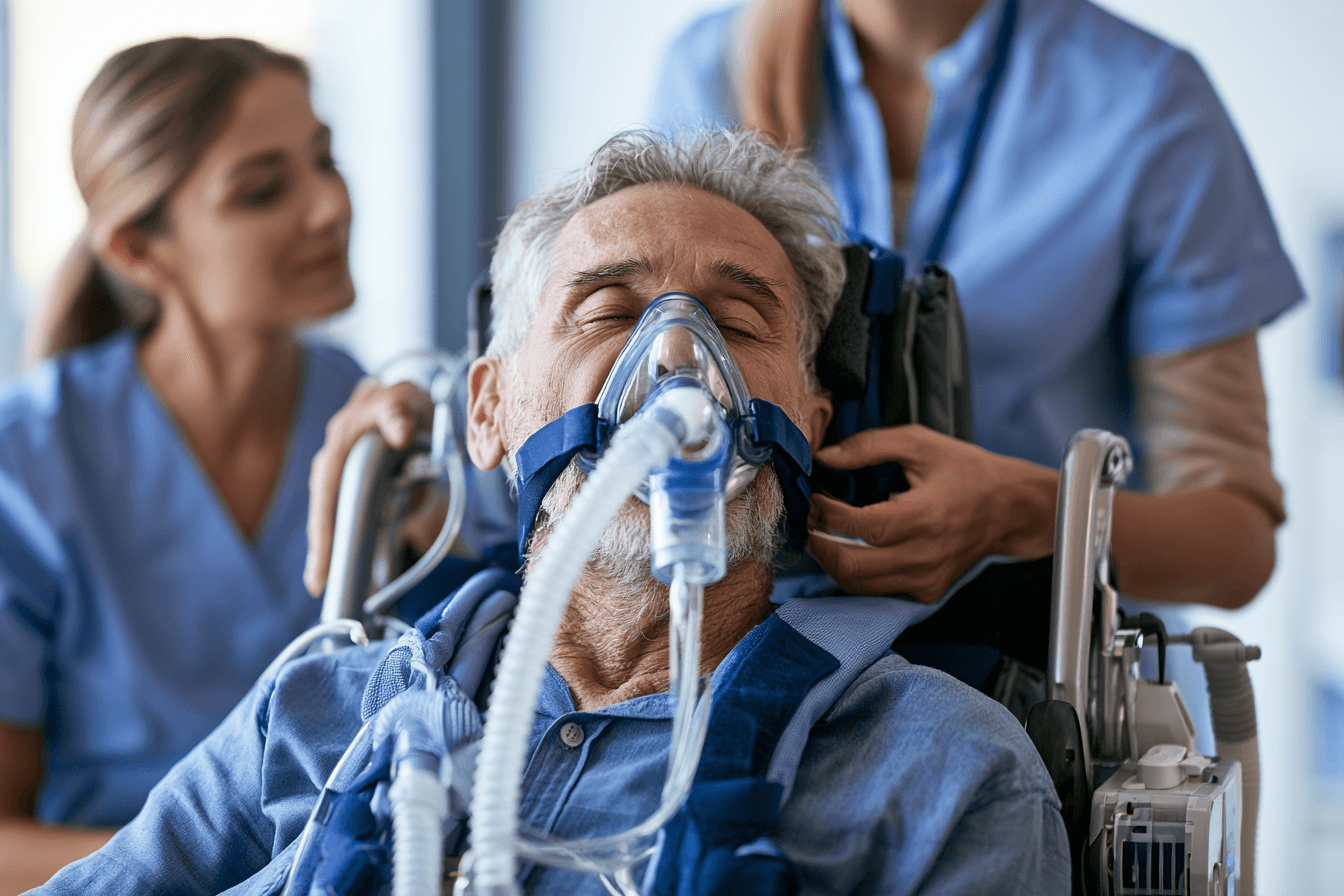
Can ALS progression be slowed down with NIV breathing support is an important question because breathing weakness is one of the most serious parts of ALS. NIV means non invasive ventilation, often used through a mask with a BiPAP machine to support breathing without a surgical airway. It does not cure ALS, but in suitable patients it can improve sleep, morning headache, daytime fatigue, breathing comfort and survival [1,3]. Ayurvedic care may support the same patient by addressing strength, sleep, digestion, mucus balance, bowel movement, cramps, anxiety, nourishment and overall comfort.
Breathing weakness in ALS can begin quietly. A patient may not feel breathless during the day, but night breathing may already be poor. You may notice morning headache, disturbed sleep, frequent waking, daytime drowsiness, breathlessness while lying flat, weak cough, difficulty clearing mucus or unexplained fatigue. These symptoms need early attention because delayed breathing support can increase exhaustion, anxiety, infections and caregiver strain.
In Ayurveda, breathing, speech, effort and vitality are closely connected with Vata function. Prana Vata means the Vata function linked with breathing, inhalation, mental steadiness and life supporting activity. Udana Vata means the Vata function linked with speech, effort, expression, strength and upward movement. Avalambaka Kapha means the Kapha function that supports the chest, lubrication, stability and respiratory comfort. In ALS, these concepts may be clinically relevant when breathing effort, weak speech, fatigue, mucus difficulty and poor sleep occur together.
How NIV Helps When ALS Progression Needs to Be Slowed Down
NIV supports weak respiratory muscles, especially during sleep. In ALS, the diaphragm and other breathing muscles may gradually weaken. When these muscles cannot move air properly at night, carbon dioxide can rise and oxygen levels may fall. The patient may wake tired, anxious or with a heavy head, even after many hours in bed.
Clinical evidence supports NIV in suitable ALS patients. A randomized trial found that NIV improved quality of life and gave a survival benefit in patients without severe bulbar dysfunction [3]. Current ALS guidelines also recommend offering NIV when symptoms, clinical signs or breathing tests show respiratory insufficiency [1]. For the patient, this means NIV should not be delayed until severe daytime breathlessness appears.
NIV can also reduce the work of breathing. When breathing muscles rest better at night, the patient may have better morning comfort, clearer daytime energy and less panic related to breathlessness. The benefit depends on correct timing, mask comfort, pressure setting, secretion control, swallowing status and regular follow up.
When You Should Suspect Breathing Weakness in ALS
Breathing weakness may appear as poor sleep rather than obvious breathlessness. Morning headache, daytime sleepiness, frequent yawning, weak voice, breathlessness while lying flat, shallow breathing, anxiety at night and repeated chest infection can all suggest respiratory involvement. A weak cough is also important because the patient may struggle to clear saliva, mucus or food particles.
Tests such as FVC, SVC, SNIP, peak cough flow, overnight oximetry and carbon dioxide assessment help measure respiratory reserve [1]. FVC means forced vital capacity, which measures how much air the patient can forcefully exhale after a full breath. SVC means slow vital capacity, which may be easier for weak patients. SNIP means sniff nasal inspiratory pressure, which gives information about inspiratory muscle strength. Peak cough flow measures how strongly the patient can cough and clear secretions.
In clinical practice, I would take night symptoms seriously even when the daytime examination looks stable. ALS breathing decline can be missed when the patient is assessed only while sitting upright and awake. A 30 day review should include sleep quality, morning headache, breathlessness while lying down, cough strength, mucus clearance, NIV tolerance and caregiver observations.
Ayurvedic Support for Breathing Comfort in ALS
Ayurvedic care for breathing comfort in ALS must be gentle, stage specific and medically supervised. Vata regulation means calming disturbed movement, dryness, cramps, irregularity and nervous system strain. In respiratory weakness, this may include support for sleep, anxiety, stiffness, bowel movement and overall comfort. Agni correction means improving digestion and metabolic strength so food and medicines are better tolerated. Weak digestion can increase heaviness, bloating, mucus tendency and poor nutrition.
Ojas support means supporting vitality, resilience, sleep quality and recovery reserve. In a patient with ALS, low Ojas may be reflected by exhaustion, disturbed sleep, low stamina, poor recovery after small effort and reduced confidence. Bala support means supporting physical strength and endurance. These Ayurvedic goals do not replace NIV, but they may help the patient tolerate daily care better when selected according to swallowing safety, digestion, mucus tendency and respiratory status.
Mucus needs special caution. A patient with weak cough or swallowing difficulty may worsen if heavy, thick or oily preparations are used without proper assessment. Kapha related heaviness means mucus, sluggishness, coating, congestion or excess heaviness in the body. When Kapha is prominent in the chest or throat, medicine form, Anupana and diet need careful selection. Anupana means the vehicle taken with medicine, such as warm water, honey, ghee or milk. In ALS with respiratory risk, Anupana must be chosen according to swallowing safety, mucus tendency and digestion.
NIV Mask Comfort and Daily Use
Many patients struggle with NIV at first. The mask may feel tight, dry, noisy or uncomfortable. Some patients feel claustrophobic. Others stop using it because of saliva, mucus, air leak, dry mouth or pressure discomfort. These problems can often be improved through mask refitting, humidification, gradual practice while awake, pressure adjustment and respiratory therapist support.
The family plays an important role. Caregivers can observe whether the patient sleeps longer, wakes less often, has fewer morning headaches, looks less exhausted or breathes more comfortably while lying down. They can also notice whether mucus is harder to clear, whether saliva collects during mask use, or whether the patient needs suction support.
Ayurvedic support may focus on sleep rhythm, bowel regularity, digestion, anxiety, cramps and comfort so the patient can tolerate NIV better. A constipated, anxious, sleep deprived or undernourished patient may struggle more with any breathing device. Care becomes safer when respiratory support and Ayurvedic support are adjusted together around the patient’s daily tolerance.
Cough Mucus and Secretion Support
Cough weakness is a serious issue in ALS. When the cough is weak, mucus, saliva or aspirated food particles may remain in the airway and increase infection risk. The patient may need assisted cough techniques, breath stacking, mechanical cough assist, suction, posture support, hydration and respiratory follow up [1].
Ayurvedic planning must avoid increasing heaviness in patients with mucus retention. If the patient has thick secretions, weak cough, drooling, choking or wet voice, medicines and diet should be light enough to digest and safe enough to swallow. Heavy oils, large doses, thick Avaleha or dense milk preparations may not suit every patient at this stage.
Kaphavruta Vata means Vata movement is restricted by Kapha like heaviness, mucus, stiffness or sluggishness. In a respiratory ALS patient, this may be considered when weak movement, mucus difficulty, heaviness in the chest, poor cough and slow function occur together. The practical aim is not to label the patient, but to select safer care for breathing comfort, mucus handling, digestion, sleep and strength.
What to Measure After Starting NIV and Ayurvedic Support
A 30 day review should compare sleep quality, morning headache, daytime drowsiness, breathlessness while lying flat, cough strength, mucus clearance, NIV hours, mask comfort, body weight, swallowing safety, bowel movement, cramps, fatigue and caregiver burden. These markers show whether the patient is tolerating support or needs adjustment.
If the patient sleeps better, wakes with less headache, feels less exhausted, tolerates the mask longer, clears mucus more easily and maintains weight, the care plan is moving in a safer direction. If choking increases, mucus becomes difficult, mask use worsens sleep, morning headache continues, breathlessness increases or cough becomes weaker, the plan needs urgent respiratory review.
Can ALS progression be slowed down with NIV and Ayurveda depends on timing, correct selection and repeated measurement. NIV supports breathing when respiratory muscles weaken. Ayurveda may support sleep, digestion, bowel movement, cramps, mucus balance, nourishment, strength and daily comfort. The safest care protects breathing first, avoids unsafe swallowing risks and reviews real changes every 30 days.
Can ALS Progression Be Slowed Down With Nutrition and Ayurvedic Support

Can ALS progression be slowed down with nutrition is an important question because weight loss, weak swallowing, low appetite and poor food intake can make ALS harder to manage. ALS affects the nerves and muscles, but the patient’s strength also depends on calories, protein, digestion, hydration, bowel movement, sleep and breathing reserve. Ayurveda gives nutrition a central role because food must be digested, absorbed and converted into strength. When nutrition is planned early with swallowing safety, respiratory status and digestion in mind, the patient may have better energy, more stable weight, safer medicine intake and improved daily comfort [1,5].
In Ayurveda, Agni means digestive and metabolic strength. When Agni is weak, the patient may have poor appetite, bloating, heaviness after food, constipation, nausea or poor tolerance of medicines. Mamsa Kshaya means loss of muscle tissue, which may appear as thinning limbs, weak grip, reduced walking power and poor stamina. Brimhana means nourishing depleted tissues and supporting strength. Rasayana means support for vitality, tissue resilience, sleep, recovery capacity and long term nourishment. These principles are important in ALS because the patient often needs food that is nourishing, easy to swallow, easy to digest and suitable for the stage of disease.
Why Nutrition Matters When ALS Progression Needs to Be Slowed Down
Weight loss in ALS is not a small issue. It may occur because of increased effort of breathing, difficulty chewing, swallowing fatigue, long meal times, choking fear, low appetite, constipation, anxiety, depression or poor hand function. Some patients also burn more energy than expected because ALS can create a higher metabolic demand in the body [5].
A patient who loses weight may lose strength faster, tolerate treatment poorly and become more vulnerable to infections, fatigue and pressure sores. If food intake becomes low, the body has less reserve to support breathing muscles, walking, transfers, speech effort and daily activity. This is why nutrition support is a treatment priority, not only a diet discussion.
Ayurvedic assessment looks closely at appetite, tongue coating, thirst, bowel movement, bloating, food tolerance, sleep, strength and tissue loss. If Agni is weak, heavy nourishing food may not help because the patient cannot digest it properly. If Mamsa Kshaya is prominent, nourishment becomes necessary, but it must be given in a form that the patient can safely swallow and digest.
Swallowing Safety Before High Calorie Feeding
Swallowing safety must be checked before increasing food quantity or giving thick medicines. A patient with bulbar ALS may cough during meals, choke on liquids, develop wet voice after eating, take a long time to finish food or avoid eating because of fear. These signs can increase the risk of aspiration, where food, liquid or saliva enters the airway.
Texture modified food, thickened liquids when advised, small frequent meals, correct posture, slow feeding and speech therapist review may reduce risk [1,5]. A soft moist diet is often easier than dry food. Long meals can exhaust the patient, so smaller and more frequent meals may be safer than forcing a large plate.
Ayurvedic medicines must also respect swallowing safety. Large tablets, dry powders, thick Avaleha, heavy ghee preparations or large doses may be difficult for some ALS patients. Anupana means the vehicle taken with medicine, such as warm water, honey, ghee or milk. In ALS, Anupana must be selected according to swallowing ability, mucus tendency, digestion, breathing status and the patient’s comfort.
Ayurvedic Nutrition Goals in ALS
Ayurvedic nutrition in ALS focuses on nourishment without overloading digestion. The food should support strength, bowel regularity, sleep, tissue nourishment and stable energy. Warm, soft, freshly prepared, moist and easy to digest meals are often better tolerated than dry, cold, rough or very heavy food. The exact diet depends on appetite, stool pattern, swallowing ability, body weight, mucus tendency, diabetes, kidney function, liver function and current medicines.
When Vata is aggravated, the patient may have dryness, constipation, cramps, poor sleep, anxiety, stiffness and irregular appetite. Vata regulation means calming these dry, irregular and movement related disturbances. Food may need to be warm, lubricating, nourishing and gentle. When Kapha heaviness is present, the patient may have mucus, coating, heaviness, sluggish digestion or difficulty clearing secretions. In such cases, overly heavy, oily or mucus forming foods may need caution.
The practical goal is not to follow a rigid diet chart. The goal is to help the patient maintain calories, protein, hydration and digestion while reducing choking risk and digestive burden. I would review whether the patient is eating enough, digesting well, passing stool comfortably, sleeping better and maintaining weight before increasing any nourishing medicine.
Feeding Tube Discussion in ALS
A feeding tube does not mean that the patient has reached the last stage. In ALS, a gastrostomy tube may be discussed when swallowing becomes unsafe, meals take too long, weight is falling, hydration is poor, medicines are difficult to take or breathing reserve is declining [1,5]. It can help provide calories, fluids and medicines while reducing the pressure of long exhausting meals.
Some patients may still take small amounts by mouth for taste and comfort if swallowing remains safe, while the tube provides the main nutrition. The timing needs careful medical review because advanced respiratory weakness can increase procedure risk. Early discussion gives the family more options than waiting until the patient is severely undernourished or repeatedly aspirating.
Ayurvedic care can continue in selected patients with feeding tube support, but the form of medicine becomes important. Liquids, decoctions, suitable ghee preparations or other forms need compatibility with the tube, digestion and medical safety. Any medicine given through a tube should be reviewed carefully to avoid blockage, irritation, poor tolerance or interaction with prescribed treatment.
What You Should Measure Every 30 Days
A 30 day nutrition review should include body weight, body mass index, appetite, meal duration, choking episodes, coughing during meals, wet voice, hydration, constipation, bloating, food tolerance, fatigue after meals and caregiver effort during feeding. These measures show whether nutrition is supporting the patient or becoming a hidden problem.
In Ayurveda, Agni, Bala and Ojas can be followed through simple observations. Bala means physical strength and stamina. Ojas means vitality, resilience, sleep quality and recovery reserve. Better appetite, smoother stool, stable weight, deeper sleep, fewer cramps, improved food tolerance and steadier daily energy may suggest better nutritional support. Falling weight, longer meals, more choking, constipation, disturbed sleep, increasing fatigue or weaker cough need early correction.
Can ALS progression be slowed down through nutrition alone is not the right expectation. Nutrition does not cure ALS, but it can reduce avoidable decline from undernourishment, dehydration, constipation, aspiration risk and poor treatment tolerance. A safer plan combines swallowing care, calorie and protein support, respiratory monitoring, rehabilitation and Ayurvedic nutrition principles that are adjusted to the patient’s digestion, strength and stage of disease.
Can ALS Progression Be Slowed Down With Rehabilitation and Ayurvedic Support

Can ALS progression be slowed down with rehabilitation is an important question because ALS gradually affects walking, hand use, posture, speech, swallowing, breathing and independence. Rehabilitation does not cure ALS, but it can reduce avoidable complications such as falls, stiffness, contractures, pain, unsafe transfers, poor posture, fatigue and caregiver injury. Ayurveda can support the same goals through strength preservation, digestion support, bowel regulation, sleep improvement, cramp reduction, nourishment and comfort when the plan is adapted to the patient’s stage [1].
In Ayurveda, Vata Vyadhi means a group of conditions where movement, nerve control, strength and coordination are disturbed. In ALS, this may appear as weak grip, foot drop, stiffness, tremor, cramps, muscle wasting, walking difficulty or speech change. Vata regulation means calming disturbed movement, dryness, stiffness, cramps and irregular bowel function. Mamsa Kshaya means loss of muscle tissue, seen as thinning limbs, reduced stamina and poor walking power. Bala means physical strength and endurance, while Ojas means vitality, resilience, sleep quality and recovery reserve. These Ayurvedic markers help connect rehabilitation with daily function.
Can ALS Progression Be Slowed Down With Safe Exercise
Exercise in ALS must be gentle, measured and adapted to the patient’s strength. The aim is not heavy training or pushing through fatigue. The aim is to maintain joint range, reduce stiffness, prevent contractures, support circulation, improve posture and preserve safe movement for as long as possible. Current ALS guidance supports individualized exercise for maintaining range of movement, reducing stiffness and supporting function [1].
A patient may benefit from assisted stretching, gentle active movement, breathing exercises, posture training and short activity sessions with rest. If exercise causes prolonged fatigue, worsening weakness, breathlessness, cramps or pain, the plan needs adjustment. The body should feel supported after activity, not drained for the rest of the day.
Ayurvedic care can support exercise tolerance by addressing Agni, Vata and tissue depletion. Agni means digestive and metabolic strength. When Agni is weak, the patient may feel heavy, bloated, constipated, nauseous or poorly nourished. Brimhana means nourishing depleted tissues and supporting strength. Rasayana means support for vitality, tissue resilience, sleep, recovery capacity and long term nourishment. When digestion, sleep and bowel movement improve, the patient may tolerate gentle rehabilitation more comfortably.
Physical Therapy for Walking Stiffness and Fall Risk
Physical therapy becomes important when the patient starts tripping, dragging a foot, losing balance, struggling with stairs or becoming afraid of walking. The therapist may assess gait, posture, joint range, muscle tightness, fatigue pattern, transfer safety and need for splints or walking aids. Early use of ankle foot orthosis, cane, walker or wheelchair support can prevent falls and preserve energy.
From an Ayurvedic view, stiffness, cramps, dryness, pain and irregular movement are commonly linked with disturbed Vata. Support may include suitable oil based therapies, gentle heat, bowel regulation, nourishing food and internal medicines selected according to digestion, strength and safety. Snehana means therapeutic oiling or oleation used to soften tissues, support nourishment and calm Vata. Swedana means medicated heat therapy used to reduce stiffness and improve comfort. These procedures need caution when the patient is very weak, breathless, dehydrated, feverish or unable to tolerate heat.
The practical review is simple. The patient and caregiver should observe walking distance, number of falls, stair difficulty, transfer safety, cramps, stiffness, fatigue after walking and confidence while moving. If walking becomes unsafe, preserving independence may mean using assistive devices earlier, not later.
Occupational Therapy for Hand Function and Daily Independence
Occupational therapy helps the patient manage daily activities such as eating, dressing, bathing, writing, toileting, turning in bed and using devices. ALS can weaken the hands and arms before the patient realizes how much extra effort daily tasks require. Small changes such as adaptive utensils, button hooks, raised toilet seats, shower chairs, bed rails, wrist supports and easier clothing can reduce exhaustion and improve safety.
Ayurvedic support can work around hand weakness by addressing cramps, stiffness, sleep, bowel function and nourishment. If the patient has Mamsa Kshaya, the plan gives more attention to tissue nourishment and strength preservation. If constipation, poor sleep and cramps are prominent, Vata regulation becomes more important. The treatment must remain practical because daily independence depends on comfort, energy and safe movement.
A patient with weak hands may also struggle to take tablets, mix powders, hold cups or feed independently. The form of Ayurvedic medicine must match hand function and swallowing safety. Large tablets, dry powders or thick preparations may be difficult for some patients. Treatment is safer when medicine form, dose and timing are adjusted to the patient’s real ability.
Speech Swallowing and Communication Rehabilitation
Speech and swallowing rehabilitation are central when ALS affects the bulbar muscles. The patient may develop slurred speech, weak voice, nasal tone, choking, coughing during meals, wet voice, drooling or long meal time. Speech therapy can help assess communication, swallowing safety, food texture, posture, cough strength and need for assistive communication devices [1,5].
Ayurvedic care in this stage needs extra caution. A patient with choking, saliva difficulty or weak cough may not tolerate thick Avaleha, heavy ghee, dry powders or large tablets. Anupana means the vehicle taken with medicine, such as warm water, honey, ghee or milk. In ALS, Anupana must be selected according to swallowing safety, mucus tendency, digestion and breathing risk.
Communication planning should begin before speech becomes severely affected. Voice banking, communication boards, typing devices and eye gaze systems can protect dignity and reduce panic later. A patient who can still express needs clearly usually feels safer, and the caregiver can respond faster to pain, hunger, breathlessness, choking, anxiety or fatigue.
Posture Pain Sleep and Caregiver Safety
Poor posture can worsen pain, breathing effort, swallowing comfort and sleep. A patient who cannot turn easily in bed may develop shoulder pain, hip stiffness, pressure discomfort and disturbed sleep. Rehabilitation can help with bed positioning, cushions, transfer technique, wheelchair seating, neck support and pressure care.
Ayurveda gives importance to sleep, bowel rhythm, comfort and Vata balance. Disturbed Vata may show as poor sleep, cramps, constipation, restlessness, stiffness and pain. Gentle oil application, suitable warmth, bowel support, calming routine and individualized medicines may improve comfort when selected safely. These measures do not replace rehabilitation, but they can support the patient’s tolerance of daily care.
Caregiver safety also needs attention. Transfers, bathing, toileting and night repositioning can injure family members if they are not trained. A proper rehabilitation plan teaches safe lifting, sliding sheets, transfer boards, wheelchair use and emergency planning. This protects both the patient and caregiver.
What You Should Measure Every 30 Days
A 30 day rehabilitation review should include walking distance, falls, stair ability, transfer safety, hand function, handwriting, feeding ability, dressing time, speech clarity, swallowing safety, cramps, stiffness, pain, sleep, fatigue after activity and caregiver burden. These markers show whether rehabilitation and Ayurvedic support are maintaining function or need correction.
In clinical practice, I would compare the patient with their own previous month rather than with another ALS patient. Stable walking safety, fewer falls, better sleep, reduced cramps, easier transfers, safer feeding or improved posture can be meaningful. These changes do not prove reversal of ALS, but they can reduce suffering and protect daily function.
Can ALS progression be slowed down with rehabilitation and Ayurveda depends on early planning, safe intensity and regular measurement. Rehabilitation protects movement, posture, communication and independence. Ayurveda may support strength, digestion, sleep, bowel movement, cramps, stiffness, nourishment and comfort. The plan is safest when it is gentle enough for the patient’s stage and strong enough to protect function where possible.
Where Ayurvedic Treatment Fits When ALS Progression Needs to Be Slowed Down
Can ALS progression be slowed down with Ayurveda depends on the patient’s stage, strength, digestion, swallowing safety, breathing reserve, weight, sleep, bowel movement and current medical treatment. Ayurveda is most useful when it is planned around measurable functional problems such as muscle wasting, cramps, stiffness, constipation, poor appetite, disturbed sleep, fatigue, choking fear, mucus difficulty and reduced daily confidence. It does not replace neurological care, but it can support the patient’s body, comfort and routine when selected carefully.
In Ayurveda, ALS like progressive weakness may be assessed through Vata Vyadhi, which means disturbed movement, nerve control, strength and coordination. Mamsa Kshaya means loss of muscle tissue, seen as thinning limbs, weak grip, poor walking power and reduced stamina. Majja Dhatu involvement refers to deeper nerve and marrow related weakness from an Ayurvedic perspective. Agni impairment means weak digestion and reduced metabolic strength, which can affect appetite, bowel movement, nutrition and medicine tolerance. Bala reduction means reduced physical strength and endurance. Ojas depletion means reduced vitality, resilience, sleep quality and recovery reserve.
Ayurvedic Treatment Goals When ALS Progression Needs to Be Slowed Down
The main Ayurvedic goals in ALS are strength preservation, nourishment, digestion support, better sleep, bowel regulation, cramp reduction, stiffness control and safer daily function. Vata regulation means calming disturbed movement, dryness, stiffness, cramps, irregular bowel movement and nerve related discomfort. Brimhana means nourishing depleted tissues and supporting strength. Rasayana means supporting vitality, tissue resilience, sleep, recovery capacity and long term nourishment.
These goals become practical only when they are measured. If a patient has better appetite, smoother stool, fewer cramps, deeper sleep, more stable weight, safer swallowing and less fatigue after routine care, the plan is supporting daily life. If the patient continues to lose weight, choke more often, sleep poorly or become weaker quickly, the plan needs early correction.
Classical Ayurvedic reasoning for Vata dominant weakness comes from Charaka Samhita, Chikitsa Sthana, Chapter 28, where Vata disorders are discussed in relation to weakness, wasting, stiffness, tremor and movement disturbance [1]. In ALS care, this framework helps guide nourishment, oil based support, bowel regulation and strength preservation according to the patient’s tolerance.
Internal Ayurvedic Medicines and Patient Safety
Internal Ayurvedic medicines may be considered for digestion, nourishment, cramps, stiffness, sleep, bowel movement, fatigue and tissue support. The medicine form matters as much as the medicine name. A patient who can swallow safely may tolerate Avaleha, tablets, powders or medicated ghee differently from a patient with bulbar ALS, choking, saliva difficulty or weak cough.
Avaleha means a herbal jam like preparation, often used for nourishment and Rasayana support. It may suit some patients because it is palatable and strength supporting, but it may be unsafe if swallowing is poor, mucus is heavy or the patient cannot manage thick textures. Ghrita means medicated ghee. It can support Vata and nourishment in selected patients, but it needs careful use when digestion is weak, swallowing is unsafe, lipids are high or liver concerns are present. Churna means herbal powder, which may be difficult for patients with dry mouth, choking tendency or weak swallowing.
In clinical practice, I would review liver function, kidney function, swallowing safety, respiratory status, bowel pattern, current medicines and food tolerance before selecting internal medicines. A strong medicine is not automatically the right medicine. In ALS, the safest medicine is the one the patient can digest, swallow, tolerate and measure through real outcomes.
Panchakarma Role in Selected ALS Patients
Panchakarma is not one fixed treatment. It includes different procedures, and each one must be selected according to the patient’s strength and disease stage. Snehana means therapeutic oiling or oleation used to soften tissues, reduce dryness and calm Vata. Swedana means medicated heat or sweating therapy used for stiffness, heaviness and comfort. Basti means medicated enema therapy, classically important in Vata disorders, especially when constipation, dryness, stiffness and weakness are present.
In ALS, Panchakarma needs caution. A weak, undernourished, breathless or choking patient may not tolerate strong cleansing or exhausting procedures. Gentle oil therapies, mild heat, bowel support and selected Basti may be considered only after assessing breathing, swallowing, hydration, strength, blood pressure, bowel pattern and fatigue. Published Ayurvedic ALS case reports have described Snehana, Swedana, Basti and Rasayana based care with ALSFRS R tracking, but these are individual clinical observations and results can vary [6,7].
The practical purpose of Panchakarma in ALS is not aggressive detoxification. The safer purpose is Vata support, comfort, bowel regulation, stiffness reduction, sleep support and nourishment when the patient’s strength allows it.
Diet Digestion and Rasayana Support
Diet is central because ALS patients often lose weight due to long meal time, weak chewing, swallowing fatigue, low appetite, constipation or breathing effort. Ayurveda gives importance to Agni because food can support strength only when digestion is able to process it. Weak Agni may appear as poor appetite, bloating, nausea, heaviness, constipation or poor medicine tolerance.
A nourishing plan may include warm, soft, moist, calorie dense and easy to digest meals according to swallowing safety. Dry, cold, rough or very heavy food may worsen discomfort in some patients. If mucus, saliva difficulty or weak cough is present, overly heavy or thick food may need caution. The patient’s nutrition plan should also respect speech therapist advice, texture modification and medical nutrition guidance [5].
Rasayana support can be considered when digestion, swallowing and safety allow it. The practical aim is better stamina, sleep, recovery reserve, tissue nourishment and comfort. Nanocurcumin research as an add on to riluzole has shown limited supportive signals in ALS, but larger studies are needed [8]. This supports careful antioxidant and inflammation related thinking without claiming that one compound can reverse ALS.
What Ayurveda Can Help the Family Track
Ayurvedic treatment becomes more useful when the family tracks changes every 30 days. The patient should record appetite, body weight, bowel movement, sleep quality, cramps, stiffness, swallowing comfort, mucus clearance, fatigue, walking confidence, hand function and caregiver effort. These markers show whether the patient is gaining stability in daily life or needs a change in plan.
For a patient with limb onset ALS, the focus may be walking safety, grip, cramps, stiffness, constipation and muscle nourishment. For a patient with bulbar ALS, the focus may be swallowing safety, saliva, mucus, food texture, weight and medicine form. For a patient with respiratory weakness, the focus may be sleep, morning headache, cough strength, secretion clearance, NIV tolerance and fatigue.
Can ALS progression be slowed down is best judged through this type of repeated observation. Ayurveda may support strength, digestion, sleep, bowel movement, cramps, stiffness, nourishment and comfort, but the plan must remain stage specific, medically supervised and measurable.
Can ALS Progression Be Slowed Down With a 30 Day Review Plan
Can ALS progression be slowed down cannot be answered properly unless the patient’s condition is measured from a clear starting point. ALS often changes slowly from week to week, so families may notice weakness, choking, weight loss, sleep disturbance or breathing difficulty only after the problem has already become serious. A 30 day review plan helps you compare the patient’s current condition with the previous month and adjust neurological care, nutrition, rehabilitation and Ayurvedic support before avoidable complications increase.
Ayurveda gives importance to repeated observation of strength, digestion, sleep, bowel movement, tissue nourishment and vitality. Bala means physical strength and endurance. Agni means digestive and metabolic strength. Ojas means vitality, resilience, sleep quality and recovery reserve. In ALS, these Ayurvedic markers can be followed through practical signs such as body weight, appetite, stool regularity, cramps, sleep, swallowing comfort, mucus clearance, walking safety and daily energy.
Can ALS Progression Be Slowed Down by Recording the Starting Point
The first step is to record the patient’s baseline. This should include ALSFRS R score, body weight, swallowing symptoms, meal duration, choking episodes, speech clarity, breathing symptoms, sleep quality, morning headache, walking ability, hand function, cramps, constipation and caregiver burden. ALSFRS R is a 48 point functional scale used in ALS to assess speech, saliva, swallowing, hand function, dressing, walking, stairs and breathing [1].
The baseline should also include medical reports such as EMG or NCS, MRI, current medicines, liver and kidney function, respiratory tests, genetic testing if available and nutrition history. This helps separate actual ALS progression from treatable problems such as undernutrition, poor sleep, constipation, aspiration risk, medicine intolerance or delayed breathing support.
From an Ayurvedic perspective, the baseline should include appetite, digestion, stool pattern, sleep, dryness, stiffness, cramps, muscle loss, voice strength, swallowing comfort and general stamina. Vata Vyadhi means disturbed movement, nerve control, strength and coordination. Mamsa Kshaya means loss of muscle tissue. Agni impairment means weak digestion. These patterns help guide treatment only when they are connected with measurable patient changes.
Week One Focus on Safety Breathing and Swallowing
The first week should focus on safety. If the patient has breathlessness while lying down, morning headache, disturbed sleep, weak cough, daytime drowsiness or difficulty clearing mucus, breathing assessment should not be delayed. NIV or BiPAP may improve sleep, breathing comfort and survival in suitable ALS patients [3]. Respiratory testing such as FVC, SVC, SNIP, peak cough flow and overnight oxygen or carbon dioxide assessment may be needed.
Swallowing also needs early review if the patient coughs during meals, chokes on liquids, has wet voice after eating, takes too long to finish food or loses weight. Texture modification, posture correction, speech therapist assessment and nutrition support can reduce avoidable risk [5]. In Ayurvedic treatment, medicine form must be selected carefully when swallowing is weak. Thick Avaleha, large tablets, dry powders or heavy ghee may not suit every patient.
Anupana means the vehicle taken with medicine, such as warm water, honey, ghee or milk. In ALS, Anupana must be chosen according to swallowing safety, digestion, mucus tendency and breathing status. The safest plan is the one the patient can swallow, digest and tolerate without increasing choking, heaviness or respiratory discomfort.
Week Two Focus on Digestion Weight and Bowel Movement
The second week should focus on nutrition, digestion and bowel movement. Weight loss in ALS can reduce strength, worsen fatigue and increase the risk of complications [5]. A patient may lose weight because of weak chewing, swallowing fatigue, long meals, low appetite, constipation, anxiety, breathing effort or poor hand function.
Ayurveda places strong importance on Agni because nourishment is useful only when food is digested and absorbed well. Weak Agni may appear as poor appetite, bloating, nausea, heaviness after food, constipation or poor medicine tolerance. In this stage, treatment may focus on improving appetite, stool regularity, food tolerance and calorie intake without overloading the patient.
Brimhana means nourishing depleted tissues and supporting strength. It becomes important when Mamsa Kshaya is present, where muscle tissue is reducing and limbs are becoming thinner or weaker. Brimhana should still be gentle if digestion is weak or swallowing is unsafe. The aim is stable weight, better food tolerance, easier stool and preserved strength rather than forcing heavy foods or medicines.
Week Three Focus on Movement Cramps Sleep and Daily Function
The third week should review walking, hand function, cramps, stiffness, sleep and daily activity. ALS may affect walking through foot drop, imbalance, weakness, fatigue or fear of falling. It may affect hand function through poor grip, dropping objects, difficulty writing, slow dressing or trouble using utensils. Rehabilitation can reduce falls, preserve range of movement, improve transfer safety and support independence [1].
Ayurvedic care may support these goals through Vata regulation. Vata regulation means calming disturbed movement, dryness, stiffness, cramps, irregular bowel movement and nervous system strain. Snehana means therapeutic oiling or oleation used to soften tissues, reduce dryness and calm Vata. Swedana means medicated heat therapy used for stiffness and comfort. These therapies need caution if the patient is very weak, breathless, feverish, dehydrated or unable to tolerate heat.
Sleep should be reviewed closely because poor sleep can come from respiratory weakness, anxiety, cramps, saliva difficulty, pain, stiffness or inability to change position. Rasayana means support for vitality, tissue resilience, sleep, recovery capacity and long term nourishment. In ALS, Rasayana care is more useful when digestion, swallowing and breathing safety are respected.
Week Four Focus on Comparison and Treatment Correction
The fourth week should compare the patient with the baseline. The review should ask whether the patient’s ALSFRS R score is stable or falling, whether weight is maintained, whether choking is less or more frequent, whether sleep is better, whether morning headache is present, whether constipation has improved, whether cramps are reduced, whether walking is safer and whether the caregiver is managing daily care more confidently.
If the patient is stable, the plan may continue with careful monitoring. If weight is falling, swallowing is worsening, sleep is disturbed, breathing symptoms are increasing, falls are happening or mucus clearance is poor, the treatment plan needs correction. This may involve neurologist review, respiratory support, nutrition changes, swallowing assessment, rehabilitation adjustment or Ayurvedic medicine modification.
Ayurvedic review should not depend only on whether the patient feels temporarily better. It should compare Agni, Bala, Ojas, bowel movement, sleep, cramps, stiffness, appetite, weight and daily function. If a medicine is too heavy, difficult to swallow, poorly digested or increasing mucus, it should be changed. If the patient is tolerating care well and showing better comfort, digestion, sleep or weight stability, the plan can be continued with stage specific adjustments.
How a 30 Day Review Helps the Patient and Family
A 30 day review gives the family a calmer way to understand change. ALS can create fear because decline may feel unpredictable. When the same markers are reviewed each month, the family can see whether the patient is stable, slowly declining, quickly declining or improving in comfort and routine.
The review does not promise reversal of ALS. It helps identify correctable problems early. Poor nutrition, unsafe swallowing, delayed NIV, constipation, disturbed sleep, uncontrolled cramps, falls, medicine intolerance and caregiver exhaustion can all worsen daily life. Addressing these problems may not stop the disease completely, but it can protect comfort, dignity and function.
Can ALS progression be slowed down is best judged through this repeated 30 day comparison. Modern care addresses disease specific treatment, breathing, nutrition, swallowing and rehabilitation. Ayurveda supports digestion, nourishment, sleep, bowel movement, cramps, stiffness, strength, vitality and daily comfort. The plan becomes safer when every change is measured against the patient’s own baseline.
Can ALS Progression Be Slowed Down When Reports and Daily Changes Are Reviewed Together

Can ALS progression be slowed down becomes easier to judge when the patient’s medical reports and daily changes are reviewed together. Reports show the diagnosis, nerve involvement, breathing reserve, nutrition risk and treatment options. Daily records show how the patient is actually living with ALS through swallowing, sleep, weight, bowel movement, cramps, walking, hand use, fatigue and caregiver effort. Both are important because ALS care can become unsafe when decisions are made from memory alone.
Ayurveda also depends on careful observation. Vata Vyadhi means disturbed movement, nerve control, strength and coordination. Mamsa Kshaya means loss of muscle tissue. Agni impairment means weak digestion and reduced metabolic strength. Bala reduction means reduced physical strength and stamina. Ojas depletion means reduced vitality, sleep quality, resilience and recovery reserve. These patterns are better understood when the patient brings both clinical reports and simple home observations.
Can ALS Progression Be Slowed Down With a Clear Diagnosis File
A clear diagnosis file helps confirm that the patient is being treated for the right condition. ALS is usually diagnosed through clinical examination, EMG or NCS findings, MRI when needed, blood tests and exclusion of other treatable causes of weakness [1]. The diagnosis file may also show whether the patient has limb onset ALS, bulbar onset ALS, respiratory involvement, upper motor neuron signs, lower motor neuron signs or a possible ALS mimic.
For Ayurvedic planning, this file is not separate from treatment. It helps decide the safety and intensity of care. A patient with strong swallowing and preserved breathing reserve may tolerate medicines differently from a patient with choking, weak cough or low respiratory capacity. A patient with severe fatigue and weight loss may need gentle nourishment before stronger procedures are considered.
The family should keep the diagnosis letter, EMG or NCS report, MRI brain or spine report, blood reports, current medicine list and hospital summaries in one place. This makes each review more accurate and reduces the risk of repeating tests, missing warning signs or choosing unsuitable treatment.
Breathing Reports and Night Symptoms
Breathing reports are very important in ALS because respiratory weakness can begin during sleep before the patient feels breathless in the daytime. FVC, SVC, SNIP, peak cough flow, overnight oximetry and carbon dioxide assessment can help measure breathing reserve [1,3]. Morning headache, poor sleep, daytime drowsiness, breathlessness while lying flat and weak cough should be written down even if the patient appears comfortable during the day.
From an Ayurvedic view, breathing weakness needs careful assessment of strength, sleep, mucus, digestion and cough power. Prana Vata means the Vata function connected with breathing, inhalation, mental steadiness and life supporting activity. Udana Vata means the Vata function connected with speech, effort, expression and upward movement. Kaphavruta Vata means Vata movement is restricted by Kapha like heaviness, mucus, stiffness or sluggishness. These patterns may be considered when breathing effort, speech weakness, mucus difficulty and poor sleep occur together.
A patient with weak cough or mucus retention needs extra caution with thick foods, heavy preparations, large doses and sedating substances. Breathing reports help keep the Ayurvedic plan safe.
Swallowing Nutrition and Weight Records
Swallowing and nutrition records are essential because weight loss can worsen weakness, fatigue and complications in ALS [5]. The family should record body weight, appetite, meal duration, choking episodes, coughing during meals, wet voice after food, hydration, constipation and food tolerance every month. Even a small but continuous weight loss can become important over time.
Ayurveda gives strong importance to Agni, which means digestion and metabolic strength. If Agni is weak, the patient may have poor appetite, bloating, nausea, heaviness after food, constipation or poor tolerance of medicines. Nourishment cannot be forced when digestion is weak. Brimhana means nourishing depleted tissues and supporting strength, but Brimhana works best when food and medicine are digestible and safe to swallow.
For a patient with bulbar ALS, swallowing records may be more important than appetite alone. The patient may want to eat but may not be able to swallow safely. In that situation, food texture, Anupana, medicine form and feeding support need careful review. Anupana means the vehicle taken with medicine, such as warm water, honey, ghee or milk, selected according to swallowing safety, digestion, mucus tendency and respiratory risk.
Medicine and Supplement List
A complete medicine and supplement list protects the patient from duplication, interaction and unnecessary treatment burden. The list should include riluzole, edaravone, tofersen if used, sleep medicines, pain medicines, blood thinners, diabetes medicines, blood pressure medicines, supplements, herbal products and any over the counter remedies. Liver and kidney function reports are also important because both modern and Ayurvedic medicines need proper metabolism and elimination.
In Ayurveda, a strong medicine is not automatically suitable for every patient. A thick Avaleha, medicated ghee, powder, tablet, decoction or Basti plan must be selected according to digestion, swallowing, breathing, bowel movement, strength and current medicines. Avaleha means a herbal jam like preparation. Ghrita means medicated ghee. Churna means herbal powder. Each form may help some patients and burden others.
The patient should bring the exact product names, doses, timings and any side effects noticed after starting them. Poor appetite, nausea, loose stool, constipation, sleepiness, mucus increase, choking difficulty or unusual fatigue after any medicine should be recorded.
Monthly Video Voice and Function Record
A simple monthly video can help show changes that written notes may miss. The family can record the patient speaking a few sentences, walking a short safe distance, lifting the foot, using the hands, holding a cup or showing transfer ability. The video should be short and taken in the same setting each month when possible.
This record can help compare speech clarity, facial effort, walking confidence, balance, hand control, fatigue and breathing comfort. It also helps the family understand whether the patient is stable, declining slowly or changing faster than expected.
Ayurvedic assessment can use the same record to review Vata related changes such as movement control, stiffness, tremor, cramps, fatigue and coordination. The aim is not to judge the patient emotionally. The aim is to measure function in a way that supports safer decisions.
Caregiver Notes and Daily Burden
Caregiver notes are part of clinical reality in ALS. The caregiver often notices changes before the patient can describe them clearly. Feeding time, night waking, choking fear, transfer difficulty, toilet care, mucus clearance, communication difficulty and emotional strain should be recorded. These details show whether the current care plan is manageable at home.
ALS affects the whole household. If the caregiver is exhausted, transfers may become unsafe, feeding may become rushed, medicines may be missed and night symptoms may be ignored. Rehabilitation support, respiratory guidance, swallowing advice and Ayurvedic routine correction can reduce avoidable stress when problems are identified early.
In Ayurvedic terms, the patient’s Bala and Ojas can be affected by poor sleep, fear, undernutrition, constipation, pain and constant distress. Caregiver burden also affects the patient’s routine. A calmer, clearer home plan can support food timing, medicine timing, sleep rhythm, bowel care and safe movement.
How These Records Help the 30 Day ALS Review
When reports and home records are reviewed together, the 30 day ALS review becomes more precise. The patient’s ALSFRS R score, weight, breathing symptoms, swallowing safety, sleep, bowel movement, cramps, walking, hand function and caregiver notes can be compared with the previous month. This helps identify whether the plan is supporting stability, whether complications are developing, or whether urgent correction is needed.
Can ALS progression be slowed down cannot be answered by one report or one symptom. The patient’s own month to month pattern gives the most useful guidance. Modern care provides diagnosis, breathing assessment, medicines, nutrition, rehabilitation and genetic treatment decisions. Ayurveda supports digestion, nourishment, sleep, bowel movement, Vata related symptoms, strength, vitality and daily comfort. The safest review uses both medical evidence and real patient observation.
Why Can ALS Progression Be Slowed Down More Safely When Ayurveda Starts Before the Last Stage

Can ALS progression be slowed down more safely when Ayurveda is started early depends on the patient’s remaining strength, swallowing ability, breathing reserve, digestion, body weight, sleep and bowel response. ALS usually remains progressive, but early supportive care can reduce avoidable suffering and help the family act before weight loss, choking, weak cough, poor sleep, constipation, stiffness and immobility become severe. Ayurveda has greater practical value when the patient still has enough reserve to digest food, tolerate medicines, respond to nourishment and participate in gentle rehabilitation.
In Ayurveda, delayed care can allow weakness and depletion to become deeper. Vata Vyadhi means disturbed movement, nerve control, strength and coordination. In ALS, this may appear as weakness, stiffness, cramps, tremor, wasting, poor grip, walking difficulty, speech change or swallowing difficulty. Mamsa Kshaya means loss of muscle tissue, seen as thinning limbs, poor stamina and reduced walking or hand strength. Agni impairment means weak digestion and reduced metabolic strength, which can reduce appetite, nutrition, bowel regularity and medicine tolerance. Bala reduction means reduced physical strength and endurance. Ojas depletion means reduced vitality, resilience, sleep quality and recovery reserve.
Why Early Ayurveda Matters When ALS Progression Needs to Be Slowed Down
Early Ayurvedic care can focus on preserving what the patient still has. If appetite is present, nutrition can be supported more effectively. If swallowing is still safe, medicine form and nourishing preparations can be selected with fewer restrictions. If breathing reserve is still better, sleep, fatigue and daily comfort can be addressed before respiratory weakness becomes more limiting. If the patient can still walk or use the hands, rehabilitation and Ayurvedic support can work together around stiffness, cramps, bowel movement, sleep and strength preservation.
Vata regulation means calming disturbed movement, dryness, stiffness, cramps, irregular bowel movement and nervous system strain. Brimhana means nourishing depleted tissues and supporting strength. Rasayana means supporting vitality, tissue resilience, sleep, stamina and recovery reserve. These Ayurvedic goals are easier to apply when digestion, swallowing and breathing are still reasonably stable. When the patient comes late with severe choking, low weight, weak cough or marked respiratory difficulty, the plan must become more restricted and cautious.
Early support does not mean aggressive treatment. In ALS, strong cleansing, heavy oils, thick medicines or exhausting procedures may be unsafe for some patients. The safer early plan is usually built around digestion, nourishment, bowel regularity, sleep, cramp control, stiffness reduction, respiratory comfort, swallowing safety and monthly measurement.
What Happens When Ayurveda Is Delayed Until Advanced ALS
When ALS reaches an advanced stage, many practical choices become harder. The patient may have poor swallowing, weak cough, repeated choking, severe constipation, low appetite, marked weight loss, poor sleep, pressure discomfort, inability to turn in bed and reduced breathing reserve. At this stage, even useful medicines may be difficult to swallow, digest or tolerate.
A patient with bulbar ALS may not manage dry powders, large tablets, thick Avaleha or heavy ghee safely. Avaleha means a herbal jam like preparation. It may support nourishment in suitable patients, but it can become difficult when swallowing is weak or mucus is heavy. Ghrita means medicated ghee. It may support Vata and nourishment in selected patients, but it needs caution when digestion is poor, swallowing is unsafe, lipids are high or liver concerns are present. Anupana means the vehicle taken with medicine, such as warm water, honey, ghee or milk, selected according to digestion, mucus tendency, swallowing safety and respiratory status.
Advanced respiratory weakness also changes Ayurvedic planning. A breathless, undernourished or weak coughing patient needs careful selection of diet, medicine texture, oil use, sedating medicines and procedures. Anything that increases heaviness, mucus, choking risk or fatigue can worsen daily comfort. This is why earlier assessment often gives more scope for safe support.
How Early Ayurvedic Care Supports Nutrition Sleep and Bowel Function
Nutrition is one of the most important areas in ALS. Weight loss can reduce strength and increase complications [5]. Ayurveda gives importance to Agni because nourishment is useful only when food is digested and tolerated. If the patient has poor appetite, bloating, nausea, heaviness after food or constipation, food intake may fall even before severe swallowing difficulty develops.
Early Ayurvedic care can support appetite, stool regularity, food tolerance and nourishment. Warm, soft, moist and easy to digest meals may be better tolerated by many patients, especially when Vata symptoms such as dryness, constipation, stiffness and poor sleep are present. The exact diet must still respect swallowing safety, diabetes, kidney function, liver function, mucus tendency and medical nutrition advice.
Sleep and bowel movement also need early attention. Poor sleep may come from anxiety, cramps, stiffness, pain, respiratory weakness, saliva difficulty or inability to change position. Constipation can worsen appetite, abdominal discomfort, sleep and overall distress. Ayurvedic care that improves sleep rhythm, bowel regularity, digestion and comfort can make daily ALS care more manageable.
How Early Ayurveda Works With Rehabilitation and Breathing Support
Rehabilitation becomes more useful when started before severe immobility. Gentle stretching, range of movement, posture care, transfer training, fall prevention and assistive device planning can preserve safety and reduce caregiver injury [1]. Ayurvedic support may help by addressing stiffness, cramps, sleep, bowel movement, pain, fatigue and nourishment.
Breathing support also should not wait for severe breathlessness. ALS related respiratory weakness may begin during sleep, causing morning headache, poor sleep, daytime drowsiness, weak cough and breathlessness while lying flat. Non invasive ventilation can improve comfort and survival in suitable patients [3]. Ayurveda can support sleep, digestion, mucus balance, bowel movement and general comfort, but it cannot replace respiratory testing or NIV when breathing weakness is present.
Prana Vata means the Vata function connected with breathing, inhalation, mental steadiness and life supporting activity. Udana Vata means the Vata function connected with speech, effort, expression and upward movement. These concepts become clinically relevant when breathing effort, weak speech, fatigue and sleep disturbance occur together. Care must remain medically supervised when respiratory symptoms are present.
What Early Progress Should Look Like in 30 Days
The first 30 days should be judged through measurable changes. The patient and caregiver should compare ALSFRS R score, body weight, appetite, meal duration, choking episodes, sleep quality, morning headache, bowel movement, cramps, stiffness, walking safety, hand function, breathing comfort and caregiver burden.
Early Ayurvedic care may show benefit through better appetite, smoother stool, deeper sleep, reduced cramps, improved food tolerance, less stiffness, better comfort, more stable weight or easier daily routine. These changes do not prove reversal of ALS, but they can show that the patient’s support system is improving. If weight is falling, choking is increasing, sleep is worsening, breathing symptoms are appearing or walking is becoming unsafe, the plan needs correction without delay.
Can ALS progression be slowed down is best answered by starting care before preventable problems become severe. Early Ayurveda may support digestion, nourishment, sleep, bowel movement, cramps, stiffness, vitality and daily comfort. Modern care continues to guide diagnosis, medicines, breathing support, nutrition, swallowing safety and rehabilitation. The safest plan begins early, stays measured and adapts to the patient’s actual stage.
What Patients Need Before Asking Can ALS Progression Be Slowed Down

Can ALS progression be slowed down is not only a medical question. It is also a family decision because ALS affects movement, speech, swallowing, breathing, nutrition, sleep, mood, independence and caregiving. A patient needs clear evidence, realistic expectations, safety checks and measurable goals before choosing any treatment plan. Ayurveda can be part of this decision when it is explained through practical outcomes such as strength, appetite, sleep, bowel movement, cramps, swallowing comfort, weight stability, breathing comfort and daily function.
A patient with ALS usually wants more than a list of medicines. You need to know what is suitable for your stage, what is not suitable, what can be measured in 30 days and when urgent medical review is needed. This is especially important because ALS may progress differently in each person. One patient may mainly struggle with foot drop and hand weakness, while another may struggle with speech, choking, weight loss or night breathing symptoms.
Can ALS Progression Be Slowed Down With Clear Proof and Data
Proof matters because ALS is a serious disease and families do not want uncertain promises. Modern evidence shows that riluzole has a modest survival benefit, non invasive ventilation can improve quality of life and survival in suitable patients, and tofersen is relevant only in confirmed SOD1 mutation ALS [2,3,4]. Nutrition and rehabilitation also matter because weight loss, aspiration, falls, stiffness and respiratory decline can worsen daily life [1,5].
Ayurvedic evidence in ALS is smaller, but it has clinical value when outcomes are recorded. Published Ayurvedic case reports have used ALSFRS R scoring to track changes after treatment plans that included oil therapies, heat therapies, Basti, internal medicines and Rasayana care [6,7]. ALSFRS R is a 48 point functional scale that measures speech, saliva, swallowing, hand function, dressing, walking, stairs and breathing. This score helps the patient and family compare function over time instead of depending only on memory.
Natural compound research also needs careful reading. Nanocurcumin has been studied as an add on to riluzole in a pilot randomized trial, with signals that need confirmation in larger studies [8]. This does not mean one herb or compound can reverse ALS. It means selected antioxidant and inflammation related support may be considered within a wider supervised plan.
Can ALS Progression Be Slowed Down With Eligibility Based Decisions
Every treatment is not suitable for every ALS patient. Riluzole is commonly discussed early after diagnosis, but liver function, appetite, nausea, fatigue and current medicines need review [2]. Edaravone may be considered only in selected patients because benefit has been clearer in a defined early ALS group [1]. Tofersen is only for confirmed SOD1 mutation ALS, so genetic testing becomes important when targeted treatment is being considered [4].
Ayurveda also needs eligibility based selection. Vata Vyadhi means disturbed movement, nerve control, strength and coordination. Mamsa Kshaya means loss of muscle tissue. Agni impairment means weak digestion and reduced metabolic strength. Ojas depletion means reduced vitality, resilience, sleep quality and recovery reserve. These patterns help guide treatment, but the patient’s stage decides what is safe.
A patient with bulbar ALS and choking may not tolerate thick Avaleha, large tablets, dry powders or heavy ghee. Avaleha means a herbal jam like preparation. Ghrita means medicated ghee. A patient with weak cough, mucus retention or low breathing reserve needs additional caution. A patient with early limb onset weakness and preserved swallowing may tolerate a different plan. The same Ayurvedic medicine or procedure cannot be assumed safe for all ALS patients.
Safety Checks Before Starting Ayurvedic Support
Safety begins with diagnosis review, current medicines, liver function, kidney function, swallowing ability, breathing status, bowel pattern, appetite, sleep and body weight. These details help decide whether the patient can safely take Avaleha, powders, tablets, decoctions, medicated ghee, oils or Panchakarma procedures.
Anupana means the vehicle taken with medicine, such as warm water, honey, ghee or milk. In ALS, Anupana matters because swallowing safety, digestion, mucus tendency and respiratory reserve can change the patient’s tolerance. A medicine that is suitable with warm water in one patient may be unsuitable with milk or ghee in another patient who has mucus, heaviness or weak swallowing.
Basti means medicated enema therapy, classically used in Vata disorders. It may be considered in selected patients with constipation, dryness, stiffness and Vata dominant symptoms, but it needs caution in very weak, breathless, dehydrated or unstable patients. Snehana means therapeutic oiling or oleation, and Swedana means medicated heat therapy. These therapies can support comfort and stiffness in selected patients, but they must be adjusted to strength, blood pressure, fatigue, hydration and breathing comfort.
What a Patient Can Reasonably Expect in the First Month
The first month is best used to measure stability, comfort and safety. The patient may notice better appetite, smoother bowel movement, improved sleep, fewer cramps, less stiffness, better food tolerance, safer swallowing, easier mucus clearance or a calmer daily routine. Some patients may show stable weight or slower functional decline for a period. Some may continue to progress despite careful care because ALS can be aggressive.
The most useful 30 day markers are ALSFRS R score, body weight, meal duration, choking episodes, speech clarity, sleep quality, morning headache, bowel movement, cramps, walking confidence, hand function, breathing comfort and caregiver burden. If these markers improve or remain stable, the plan may be supporting daily life. If weight falls, choking increases, sleep worsens, morning headache appears, walking becomes unsafe or breathing comfort declines, the plan needs correction.
Ayurvedic markers can be followed through simple patient changes. Bala means physical strength and stamina. Better Bala may appear as safer transfers, better sitting tolerance, steadier walking or less fatigue after routine care. Agni means digestion and metabolic strength. Better Agni may appear as improved appetite, less bloating, better stool and better food tolerance. Ojas means vitality and resilience. Better Ojas may appear as calmer sleep, better recovery after effort and improved daily comfort.
How Families Can Judge Whether the Plan Is Working
Families can judge the plan by comparing the patient with their own previous month. A walking video, speech recording, weight chart, food diary, bowel record, sleep record and choking diary can make the review clearer. These records help separate emotional impressions from actual change.
The plan is moving in a safer direction when the patient is not losing weight, choking is controlled, sleep is better, stool is easier, cramps are reduced, walking is safer, breathing symptoms are not increasing and the caregiver can manage daily care with less distress. The plan needs review when food intake drops, swallowing becomes unsafe, mucus clearance weakens, morning headache appears, falls increase, constipation worsens or the patient becomes exhausted after small activities.
Can ALS progression be slowed down is answered most responsibly through evidence, eligibility, safety and repeated measurement. Modern care supports disease specific treatment, breathing, nutrition, swallowing and rehabilitation. Ayurveda supports digestion, nourishment, sleep, bowel movement, cramps, stiffness, strength, vitality and comfort when selected according to the patient’s stage. The patient and family gain clearer direction when every part of care is connected to measurable change.
What to Do This Week When You Ask Can ALS Progression Be Slowed Down
Can ALS progression be slowed down is easier to answer when the first week after diagnosis is used properly. ALS care should not begin with panic, random supplements or delayed decisions. The first week should create a clear baseline, protect breathing and swallowing, review nutrition, check medicine suitability and plan Ayurvedic support according to strength, digestion, sleep, bowel movement, cramps, weight and daily function.
In Ayurveda, early assessment looks at the patient’s current reserve. Bala means physical strength and endurance. Agni means digestive and metabolic strength. Ojas means vitality, resilience, sleep quality and recovery reserve. In ALS, these markers can be seen through appetite, body weight, stool regularity, sleep, fatigue, swallowing comfort, walking confidence and the patient’s ability to manage daily activities.
Record the Starting Point Before Asking Can ALS Progression Be Slowed Down
The first step is to record the patient’s present condition. This includes ALSFRS R score, body weight, meal duration, choking episodes, speech clarity, walking ability, hand function, sleep quality, morning headache, breathing comfort, constipation, cramps and caregiver effort. ALSFRS R is a functional scale used in ALS to measure speech, saliva, swallowing, hand use, dressing, walking, stairs and breathing [1].
A short video can also help. The patient may speak a few sentences, walk a safe short distance, show hand movement and describe breathing comfort. This record is not for comparison with other patients. It is useful because the same patient can be reviewed again after 30 days.
From an Ayurvedic view, this baseline also shows whether the main concern is disturbed movement, muscle depletion, weak digestion, poor sleep, constipation, stiffness, cramps, mucus difficulty or reduced vitality. Vata Vyadhi means disturbed movement, nerve control, strength and coordination. Mamsa Kshaya means loss of muscle tissue. These patterns guide treatment only when they are connected with the patient’s real symptoms.
Check Breathing Before Severe Breathlessness Appears
Breathing should be checked early, even when the patient does not feel very breathless. ALS related respiratory weakness can begin during sleep. Morning headache, poor sleep, daytime drowsiness, weak cough, breathlessness while lying flat and difficulty clearing mucus need attention. Tests such as FVC, SVC, SNIP, peak cough flow and overnight oxygen or carbon dioxide assessment can help measure respiratory reserve [1,3].
Ayurvedic care must respect breathing safety. Prana Vata means the Vata function linked with breathing, inhalation and life supporting activity. Udana Vata means the Vata function linked with speech, effort and expression. If breathlessness, weak speech, mucus difficulty and fatigue are present together, treatment needs extra caution. Heavy, sedating, thick or mucus increasing medicines may not suit the patient.
Non invasive ventilation, also called NIV or BiPAP, may improve sleep, breathing comfort and survival in suitable patients [3]. Ayurveda may support sleep, digestion, bowel movement, cramps and comfort, but respiratory weakness still needs proper medical monitoring.
Review Swallowing Weight and Food Safety
Swallowing and nutrition should be reviewed in the first week. The patient may cough during meals, choke on liquids, develop wet voice after eating, take a long time to finish food or lose weight without noticing the seriousness of the change. Weight loss can worsen weakness and complications in ALS [5].
A patient with safe swallowing may be able to take a wider range of foods and medicines. A patient with bulbar ALS needs more caution. Bulbar ALS affects speech, swallowing, saliva control and cough. Thick Avaleha, large tablets, dry powders and heavy ghee preparations may be unsafe if swallowing is weak.
Avaleha means a herbal jam like preparation. Ghrita means medicated ghee. Anupana means the vehicle taken with medicine, such as warm water, honey, ghee or milk. In ALS, Anupana should be selected according to swallowing safety, digestion, mucus tendency and breathing status. A nourishing medicine is useful only when the patient can swallow and digest it safely.
Discuss Riluzole Genetic Testing and Medicine Safety
The first week is also the right time to review standard ALS medicines with the neurologist. Riluzole is commonly discussed after diagnosis because it has shown a modest survival benefit [2]. Liver function, nausea, fatigue, appetite and current medicines need monitoring.
Genetic testing may be important when targeted treatment is being considered. Tofersen is relevant only for ALS linked with confirmed SOD1 mutation [4]. Without that mutation, tofersen is not the right option. Edaravone may be discussed in selected patients, but suitability depends on disease stage, breathing reserve, function, access, cost and treatment burden [1].
Ayurvedic medicines should be selected only after reviewing current prescriptions, liver function, kidney function, digestion, bowel pattern, swallowing and breathing status. Strong medicines are not automatically suitable in ALS. The correct medicine is the one that matches the patient’s stage, tolerance and measurable goals.
Start Gentle Rehabilitation and Home Safety Planning
Rehabilitation should begin before major falls or severe stiffness occur. A patient with foot drop, weak grip, imbalance, slow dressing or difficulty rising from a chair needs early support. Physiotherapy can help with stretching, posture, joint range, safe transfers and fall prevention. Occupational therapy can help with utensils, bathing, dressing, toileting, bed movement and home safety [1].
Ayurveda can support rehabilitation by addressing stiffness, cramps, poor sleep, constipation, weakness and tissue depletion. Vata regulation means calming disturbed movement, dryness, stiffness, cramps and irregular bowel function. Brimhana means nourishing depleted tissues and supporting strength. Rasayana means supporting vitality, sleep, tissue resilience and recovery capacity.
The patient should not be pushed into exhausting exercise. Gentle movement that preserves safety is better than heavy activity that causes fatigue, breathlessness or worsening cramps. The plan should protect energy as much as movement.
Set the First 30 Day Ayurvedic and Medical Review
By the end of the first week, the family should know what will be measured after 30 days. The review should compare ALSFRS R score, body weight, meal duration, choking episodes, sleep quality, morning headache, bowel movement, cramps, walking safety, hand function, breathing comfort and caregiver burden.
The Ayurvedic part of the review should look at Agni, Bala and Ojas through visible changes. Better Agni may appear as improved appetite, less bloating, easier stool and better food tolerance. Better Bala may appear as safer transfers, steadier sitting, fewer fatigue crashes or better daily strength. Better Ojas may appear as improved sleep, calmer recovery and better comfort.
Can ALS progression be slowed down is not answered by waiting passively. The first week should create direction. When diagnosis, breathing, swallowing, nutrition, medicines, rehabilitation and Ayurvedic support are reviewed early, the patient has a safer chance to preserve comfort, function and dignity for as long as possible.
When Urgent Medical Care Is Needed While Asking Can ALS Progression Be Slowed Down

Can ALS progression be slowed down safely only when danger signs are recognised early. ALS may worsen gradually, but breathing, swallowing, nutrition, infections, constipation, falls and mucus clearance can sometimes change quickly. Ayurveda can support strength, digestion, sleep, bowel movement, cramps, nourishment and comfort, but urgent symptoms still need prompt medical review. The safest plan is one where the family knows which changes can be monitored at home and which changes need immediate attention.
In Ayurveda, urgent decline may be seen through falling Bala, which means physical strength and endurance, weak Agni, which means digestion and metabolic strength, and reduced Ojas, which means vitality, resilience, sleep quality and recovery reserve. These concepts become clinically important when the patient is losing weight, sleeping poorly, choking more often, struggling to clear mucus, becoming breathless, passing stool with difficulty or losing daily function faster than before.
Can ALS Progression Be Slowed Down When Breathing Warning Signs Appear
Breathing warning signs need early action in ALS. You should take symptoms seriously if the patient has breathlessness at rest, breathlessness while lying flat, morning headache, disturbed sleep, daytime drowsiness, confusion, weak cough, repeated chest infections or difficulty clearing mucus. These symptoms may show respiratory muscle weakness or carbon dioxide retention and need medical assessment [1,3].
Non invasive ventilation, also called NIV or BiPAP, may be needed when breathing tests or symptoms show respiratory insufficiency [3]. Ayurveda may support sleep, digestion, bowel movement, anxiety, cramps and comfort, but it cannot replace respiratory support when breathing muscles are failing. A patient with weak cough or mucus retention also needs careful review because secretions can become dangerous when they cannot be cleared.
Prana Vata means the Vata function connected with breathing, inhalation and life supporting activity. Udana Vata means the Vata function connected with speech, effort and expression. If breathlessness, weak speech, poor sleep and exhaustion appear together, the patient needs both respiratory review and a gentler Ayurvedic plan.
Swallowing Choking and Aspiration Warning Signs
Swallowing changes can become urgent when the patient coughs during meals, chokes on liquids, develops wet voice after eating, has repeated chest infections, drools excessively, avoids food due to fear or takes a very long time to finish meals. These signs may increase the risk of aspiration, where food, saliva or liquid enters the airway [5].
A patient with these symptoms needs swallowing assessment, food texture review and nutrition planning. If weight is falling or hydration is poor, feeding support may need discussion. A feeding tube is not only a last stage decision. In selected patients, it can protect calories, fluids and medicine intake when eating becomes unsafe or exhausting [5].
Ayurvedic medicines must be adjusted when swallowing becomes weak. Avaleha means a herbal jam like preparation, and Ghrita means medicated ghee. These may support nourishment in selected patients, but they may be difficult or unsafe when choking, heavy mucus or weak cough is present. Anupana means the vehicle taken with medicine, such as warm water, honey, ghee or milk. In ALS, Anupana must match swallowing safety, digestion, mucus tendency and breathing status.
Rapid Weight Loss Poor Appetite and Dehydration
Rapid weight loss needs urgent correction because nutrition supports strength, breathing reserve, skin health, immunity and daily function. Warning signs include falling body weight, low appetite, long meal time, fatigue while chewing, reduced fluid intake, dry mouth, dizziness, constipation, dark urine and worsening weakness. Weight loss in ALS is clinically important and should not be ignored [5].
Ayurveda gives strong importance to Agni. When Agni is weak, the patient may have poor appetite, bloating, nausea, heaviness after food, constipation and poor food tolerance. Nourishment becomes difficult if digestion is weak or swallowing is unsafe. Brimhana means nourishing depleted tissues and supporting strength, but Brimhana must be gentle when the patient is undernourished, constipated, nauseous or easily fatigued.
The family should seek review if the patient cannot maintain food or fluid intake. Nutrition support may need changes in food texture, calorie density, protein intake, hydration method, bowel care and medicine form. Ayurvedic support should be adjusted to improve tolerance, not increase heaviness.
Falls Sudden Weakness and Unsafe Transfers
Falls are serious in ALS because they can cause fractures, head injury, fear of walking and sudden loss of independence. Urgent review is needed if the patient falls repeatedly, cannot rise safely from a chair, drags the foot more, loses balance, becomes unable to transfer safely or develops sudden worsening weakness. Rehabilitation, assistive devices and home changes may be needed before another injury occurs [1].
In Ayurveda, Vata Vyadhi means disturbed movement, nerve control, strength and coordination. Mamsa Kshaya means loss of muscle tissue, seen as thinning limbs, weak grip, poor walking strength and low stamina. These patterns help guide support for stiffness, cramps, bowel movement, nourishment and daily comfort, but safety devices should not be delayed when walking becomes unsafe.
A cane, walker, ankle foot orthosis, wheelchair, transfer board or bathroom modification should not be seen as failure. These supports preserve energy, prevent injury and reduce caregiver strain. Ayurvedic treatment can continue alongside rehabilitation when the patient’s strength and safety are reviewed properly.
Constipation Pain Sleep Disturbance and Caregiver Exhaustion
Constipation can become urgent when the patient has severe abdominal pain, bloating, nausea, poor appetite, no stool for several days or worsening discomfort. ALS patients may develop constipation due to reduced movement, low fluid intake, weak diet, medicines, poor digestion and disturbed Vata. Severe constipation can worsen sleep, appetite, breathing comfort and overall distress.
Pain, cramps and stiffness also need attention when they disturb sleep, transfers, sitting, walking or hygiene care. Vata regulation means calming disturbed movement, dryness, stiffness, cramps and irregular bowel function. Snehana means therapeutic oiling or oleation used to reduce dryness and support comfort. Swedana means medicated heat therapy used for stiffness, but heat therapy needs caution when the patient is weak, dehydrated, feverish or breathless.
Caregiver exhaustion is also a warning sign. If the family cannot safely feed, transfer, bathe, reposition, communicate with or support the patient at night, the care plan needs review. ALS care depends on the caregiver’s strength as well as the patient’s strength.
When the Plan Must Be Corrected Immediately
The care plan needs immediate correction when breathlessness increases, morning headache appears, choking becomes frequent, weight falls quickly, mucus cannot be cleared, fever with cough develops, walking becomes unsafe, constipation is severe, sleep collapses or the caregiver cannot manage daily care. These signs may indicate that ALS complications are progressing faster than the current plan can handle.
Can ALS progression be slowed down is not only about adding more treatment. It is also about recognising risk early and removing avoidable harm. Modern care may need respiratory support, swallowing assessment, nutrition change, rehabilitation review or medicine adjustment. Ayurveda may need changes in medicine form, dose, Anupana, diet, bowel support, oil therapy or Rasayana selection.
A safe ALS plan protects the patient from delay. When warning signs are acted on early, the patient has a better chance of preserving comfort, dignity, nutrition, sleep, breathing support and daily safety for as long as possible.
FAQs
Can ALS progression be slowed down?
ALS is usually progressive, but decline may be managed better when care starts early and includes neurological treatment, breathing support, nutrition, rehabilitation and carefully selected Ayurvedic support. The goal is to preserve strength, swallowing, sleep, weight, breathing comfort and daily function as much as possible.
Can Ayurveda help slow ALS progression?
Ayurveda may support ALS care by focusing on digestion, nourishment, sleep, bowel movement, cramps, stiffness, vitality and daily comfort. It should be selected according to the patient’s stage, swallowing safety, breathing reserve, current medicines and measurable progress.
Is riluzole enough for ALS progression?
Riluzole may offer modest survival benefit, but it is not a complete ALS care plan. Patients still need breathing assessment, nutrition support, swallowing care, rehabilitation, caregiver planning and supportive treatment for daily symptoms.
When should NIV or BiPAP be considered in ALS?
NIV or BiPAP should be reviewed when the patient has poor sleep, morning headache, daytime drowsiness, weak cough, breathlessness while lying flat or difficulty clearing mucus. Breathing weakness can begin during sleep before daytime breathlessness becomes obvious.
What can improve in the first month of ALS support?
The first month may show better appetite, smoother bowel movement, improved sleep, fewer cramps, safer swallowing, stable weight, easier mucus clearance or a clearer daily routine. Progress should be checked through function, weight, breathing, swallowing and caregiver observations.
References
[1] Agnivesha. (2016). Charaka Samhita of Agnivesha: Chikitsa Sthana, Vatavyadhi Chikitsa Adhyaya, Chapter 28 (Y. T. Acharya, Ed.; Ayurveda Dipika commentary by Chakrapanidatta). Chaukhamba Surbharati Prakashan.
Used for: Ayurvedic base for Vata Vyadhi, progressive weakness, wasting, stiffness, disturbed movement, Basti relevance and Vata dominant neuromuscular care.
[2] Van Damme, P., Al-Chalabi, A., Andersen, P. M., Chiò, A., Couratier, P., De Carvalho, M., Hardiman, O., Kuźma-Kozakiewicz, M., Ludolph, A., McDermott, C. J., Mora, J. S., Petri, S., Probyn, K., Weber, M., et al. (2024). European Academy of Neurology guideline on the management of amyotrophic lateral sclerosis in collaboration with European Reference Network for Neuromuscular Diseases. European Journal of Neurology, 31(6), e16264. https://pubmed.ncbi.nlm.nih.gov/38470068/
Used for: Overall ALS care framework, disease modifying treatment, NIV, gastrostomy, nutrition, rehabilitation, communication support and symptom management. (PubMed)
[3] Miller, R. G., Mitchell, J. D., & Moore, D. H. (2012). Riluzole for amyotrophic lateral sclerosis/motor neuron disease. Cochrane Database of Systematic Reviews, 2012(3), CD001447. https://pubmed.ncbi.nlm.nih.gov/22419278/
Used for: Riluzole survival benefit, modest disease slowing evidence and patient friendly explanation of why riluzole is a foundation medicine, not a complete ALS plan. (PubMed)
[4] Writing Group; Edaravone (MCI 186) ALS 19 Study Group. (2017). Safety and efficacy of edaravone in well defined patients with amyotrophic lateral sclerosis: A randomised, double blind, placebo controlled trial. The Lancet Neurology, 16(7), 505–512. https://pubmed.ncbi.nlm.nih.gov/28522181/
Used for: Edaravone evidence in selected early ALS patients, ALSFRS R decline data, eligibility discussion and caution that benefit cannot be assumed for every patient. (PubMed)
[5] U.S. Food and Drug Administration. (2023, April 25). FDA approves treatment of amyotrophic lateral sclerosis associated with a mutation in the SOD1 gene. https://www.fda.gov/drugs/news-events-human-drugs/fda-approves-treatment-amyotrophic-lateral-sclerosis-associated-mutation-sod1-gene
Used for: Tofersen approval, SOD1 mutation eligibility, neurofilament light biomarker, intrathecal administration schedule and common adverse effects. (U.S. Food and Drug Administration)
[6] Miller, T. M., Cudkowicz, M. E., Genge, A., Shaw, P. J., Sobue, G., Bucelli, R. C., Chiò, A., Van Damme, P., Ludolph, A. C., Glass, J. D., Andrews, J. A., Babu, S., Benatar, M., McDermott, C. J., Cochrane, T., Chary, S., Chew, S., Zhu, H., Wu, F., Nestorov, I., et al. (2022). Trial of antisense oligonucleotide tofersen for SOD1 ALS. The New England Journal of Medicine, 387(12), 1099–1110. https://pubmed.ncbi.nlm.nih.gov/36129998/
Used for: Tofersen trial details, SOD1 protein reduction, neurofilament light reduction, ALSFRS R findings, slow vital capacity and safety discussion. (PubMed)
[7] Bourke, S. C., Tomlinson, M., Williams, T. L., Bullock, R. E., Shaw, P. J., & Gibson, G. J. (2006). Effects of non invasive ventilation on survival and quality of life in patients with amyotrophic lateral sclerosis: A randomised controlled trial. The Lancet Neurology, 5(2), 140–147. https://pubmed.ncbi.nlm.nih.gov/16426990/
Used for: NIV and BiPAP section, survival benefit, sleep related symptoms, respiratory comfort and quality of life discussion. (PubMed)
[8] Burgos, R., Bretón, I., Cereda, E., Desport, J. C., Dziewas, R., Genton, L., Gomes, F., Jésus, P., Leischker, A., Muscaritoli, M., Poulia, K. A., Preiser, J. C., Van der Marck, M., Wirth, R., Singer, P., & Bischoff, S. C. (2018). ESPEN guideline clinical nutrition in neurology. Clinical Nutrition, 37(1), 354–396. https://pubmed.ncbi.nlm.nih.gov/29274834/
Used for: ALS nutrition, dysphagia, malnutrition, dehydration risk, calorie support, feeding tube discussion and swallowing safety. (PubMed)
[9] Roggenbuck, J., Eubank, B. H. F., Wright, J., Harms, M. B., Kolb, S. J., & the ALS Genetic Testing and Counseling Guidelines Expert Panel. (2023). Evidence based consensus guidelines for ALS genetic testing and counseling. Annals of Clinical and Translational Neurology, 10(11), 2074–2091. https://pubmed.ncbi.nlm.nih.gov/37691292/
Used for: Genetic testing section, SOD1 eligibility for tofersen, C9orf72, SOD1, FUS and TARDBP testing recommendation and family counselling discussion. (PubMed)
[10] Cedarbaum, J. M., Stambler, N., Malta, E., Fuller, C., Hilt, D., Thurmond, B., & Nakanishi, A. (1999). The ALSFRS R: A revised ALS functional rating scale that incorporates assessments of respiratory function. Journal of the Neurological Sciences, 169(1–2), 13–21. https://pubmed.ncbi.nlm.nih.gov/10540002/
Used for: ALSFRS R explanation, 48 point functional tracking, monthly review, speech, swallowing, walking, hand function and respiratory scoring. (PubMed)
[11] Ahmadi, M., Agah, E., Nafissi, S., Jaafari, M. R., Harirchian, M. H., Sarraf, P., Faghihi Kashani, S., Hosseini, S. J., Ghoreishi, A., Aghamollaii, V., Hosseini, M., & Tafakhori, A. (2018). Safety and efficacy of nanocurcumin as add on therapy to riluzole in patients with amyotrophic lateral sclerosis: A pilot randomized clinical trial. Neurotherapeutics, 15(2), 430–438. https://pubmed.ncbi.nlm.nih.gov/29352425/
Used for: Natural compound evidence, antioxidant and inflammation related support, nanocurcumin as add on to riluzole and cautious evidence language. (PubMed)
[12] Jones, M. T., Vasantha, B., Totad, M., Bekal, A., Soorya, P. R., & Rakshitha, J. (2025). An Ayurvedic approach to amyotrophic lateral sclerosis: A case report. Journal of Ayurveda and Integrated Medical Sciences, 9(12), 288–294. https://jaims.in/jaims/article/view/3963
Used for: Ayurvedic ALS case report, Kaphavruta Udana Vata interpretation, Snehana, Swedana, Matra Basti, Shiropichu, Shamana medicines and ALSFRS R change from 23 to 29. (Jaims)
[13] Kharjule, S., Bhaduri, T., Khan, S. K., & Yadav, N. (2025). Ayurvedic approach in the management of ALS MND: A case study. Journal of Ayurveda and Integrated Medical Sciences, 10(4), 289–296. https://jaims.in/jaims/article/view/4236
Used for: Ayurvedic ALS MND case study, Avritta Pakshaghat correlation, 3 month Ayurvedic management and ALSFRS R change from 10 to 30. (Jaims)