


- ALS Motor Neuron Disease Treatment for Patients and Families
- What Is ALS and Why ALS Motor Neuron Disease Treatment Matters
- Why Patients Should Not Wait Passively for ALS Motor Neuron Disease Treatment
- Early Symptoms That Shape ALS Motor Neuron Disease Treatment
- Limb Onset Bulbar ALS and Respiratory Onset in ALS Motor Neuron Disease Treatment
- Conditions That Must Be Ruled Out Before ALS Motor Neuron Disease Treatment
- How ALS Motor Neuron Disease Treatment Begins With Proper Diagnosis
- Modern ALS Motor Neuron Disease Treatment and Its Role With Ayurveda
- The Gap Patients Feel in ALS Motor Neuron Disease Treatment
- Ayurvedic Understanding of ALS Motor Neuron Disease Treatment
- ALS Motor Neuron Disease Ayurveda Treatment
- ALS Motor Neuron Disease Treatment Through a Recovery Focused Ayurvedic Model
- Best Ayurvedic Avaleha for ALS Motor Neuron Disease Treatment
- What Patients Can Expect From ALS Motor Neuron Disease Treatment
- When to Begin ALS Motor Neuron Disease Treatment With Ayurveda
- What Reports Are Needed Before ALS Motor Neuron Disease Treatment
- Integrative Safety in ALS Motor Neuron Disease Treatment
- Published Case Study Evidence in ALS Motor Neuron Disease Treatment
- FAQs
- References
ALS Motor Neuron Disease Treatment for Patients and Families
ALS motor neuron disease treatment should begin with clarity, not fear. When a person is newly diagnosed with ALS or MND, the family usually hears difficult words about progression, muscle weakness, speech changes, swallowing problems and breathing risk. At the same time, many patients still have meaningful strength, appetite, sleep, walking ability, speech or daily independence that can be supported. Ayurveda becomes important here because it does not see the patient only through the disease name. It studies the remaining functional reserve and builds a personalised plan around Vata balance, Agni, Dhatu nourishment, Ojas, strength preservation and measurable improvement. [1, 2, 3, 13, 14]
Table : How We Measure Progress in ALS Motor Neuron Disease Treatment
| Function tracked | Why it matters to the patient | Monthly observation |
|---|---|---|
| Speech clarity | Helps communication and confidence | Clearer, same or weaker |
| Swallowing | Protects nutrition and aspiration safety | Less choking, same or more choking |
| Hand grip | Shows daily independence | Better holding, same or weaker |
| Walking support | Reflects mobility reserve | More stable, same or more dependent |
| Body weight | Shows nourishment and treatment tolerance | Gained, stable or reduced |
| Sleep | Affects energy and recovery capacity | Deeper, same or disturbed |
| Cramps and stiffness | Affects comfort and movement | Reduced, same or increased |
| Breathing comfort | Protects safety | Comfortable, same or warning signs |
Why ALS Motor Neuron Disease Treatment Needs a Wider Approach
ALS affects the motor neurons that control voluntary muscles. This can gradually disturb walking, hand use, speech, swallowing, chewing, coughing and breathing. Modern neurology is essential for diagnosis, respiratory monitoring, nutrition planning, approved medicines and emergency safety. A serious Ayurvedic approach should respect this diagnosis while also asking a deeper clinical question: how much function can still be protected, nourished and supported?
This wider approach matters because ALS does not move in the same way in every patient. Some patients first develop hand weakness or foot drop. Some develop slurred speech, choking or tongue weakness. Some lose weight quickly, while others remain stable for longer. Some sleep poorly, feel anxious, become constipated or develop painful stiffness and cramps. Ayurveda studies these details carefully because they show the condition of Vata, Agni, Mamsa Dhatu, Majja Dhatu and Ojas.
Why Ayurveda Should Be Considered Early
Ayurveda should be considered early because the body usually responds better when strength, digestion, swallowing and breathing are still partly preserved. Waiting until severe wasting, repeated choking, weak cough or major respiratory difficulty can make care more difficult. Early Ayurvedic assessment gives the physician more opportunity to work on nourishment, Vata pacification, sleep, bowel movement, appetite, muscle support and daily function.
This does not mean that every patient will respond in the same way. A trustworthy treatment plan must be honest and measurable. The aim is to create the strongest possible internal environment for stability, strength, better nutrition, calmer sleep and functional recovery support. In many patients, even small improvements in swallowing confidence, weight stability, sleep, cramps, walking support or speech clarity can make daily life more manageable and emotionally stronger.
What Makes a Treatment Plan Trustworthy
A trustworthy ALS treatment plan should never be based only on an online claim or a general medicine list. It should begin with the neurologist’s diagnosis, EMG, nerve conduction study, MRI, current medicines, respiratory status, swallowing safety, weight history and symptom timeline. These reports help confirm the diagnosis, understand the stage and identify urgent safety risks. [3, 5, 6, 11]
After this medical review, Ayurveda adds its own clinical depth. The physician studies whether Vata is aggravated through dryness, wasting, stiffness, twitching, cramps, constipation, poor sleep and loss of coordination. Agni is assessed because weak digestion can reduce the benefit of even strong Rasayana medicines. Mamsa Dhatu and Majja Dhatu are assessed because ALS affects muscle strength, nerve function and daily independence. Ojas is assessed because resilience, stamina and recovery capacity are central in chronic degenerative illness.
Table: Published Ayurvedic Case Study Evidence in ALS Motor Neuron Disease Treatment
| Case | Main symptoms | Ayurvedic approach | Functional score change | Why it matters |
|---|---|---|---|---|
| JAIMS case report | Lower limb weakness, dysphagia, slurred speech, unable to stand without support | Deepana, Pachana, Snehapana, Swedana, Virechana, Basti, Shirodhara, Nasya and Shamana medicines | ALSFRS R improved from 10 to 30 | Shows measurable improvement in speech, swallowing, walking, self care and breathing related function |
| JETIR case report | Difficulty speaking, walking, clenching fist and holding objects | Abhyanga, Swedana, Virechana, Basti, Shirobasti, Nasya, Kavala and oral medicines | ALSFRS R improved from 26 to 39 | Shows improvement in speech, walking, fine motor activity and daily function |
The Role of a Recovery Focused Ayurvedic Model
A recovery focused Ayurvedic model does not treat ALS passively. It works through a structured plan that may include Rasayana support, Vata pacifying medicines, digestive correction, nourishing diet, sleep support, bowel regulation, safe Anupana, external therapies where suitable and monthly functional tracking. The treatment should be adjusted according to the patient’s stage, swallowing ability, breathing reserve, digestion, body weight and tolerance.
The most important point is that progress should be observed in real life. The patient and family should track appetite, weight, sleep, bowel movement, cramps, stiffness, hand grip, walking support, speech clarity, choking frequency, saliva, cough strength and breathing comfort. This gives the treatment a clinical foundation and helps the physician decide whether the plan should be continued, strengthened or modified.
A Balanced Message for Patients
Patients with ALS or motor neuron disease should not be left with hopelessness. They also should not be given careless promises. The better path is a doctor led Ayurvedic plan that is active, personalised, evidence aware and safety focused. Ayurveda can remain at the centre by working on Vata, Agni, Dhatu nourishment, Ojas and functional strength, while modern care continues to protect diagnosis, breathing, swallowing, nutrition and urgent medical needs.
For a patient or family searching for ALS motor neuron disease treatment, the first step is to understand the condition clearly and act while functional reserve is still present. The earlier the body is assessed, the better the treatment can be planned around strength preservation, nourishment, stability and measurable recovery support.
What Is ALS and Why ALS Motor Neuron Disease Treatment Matters
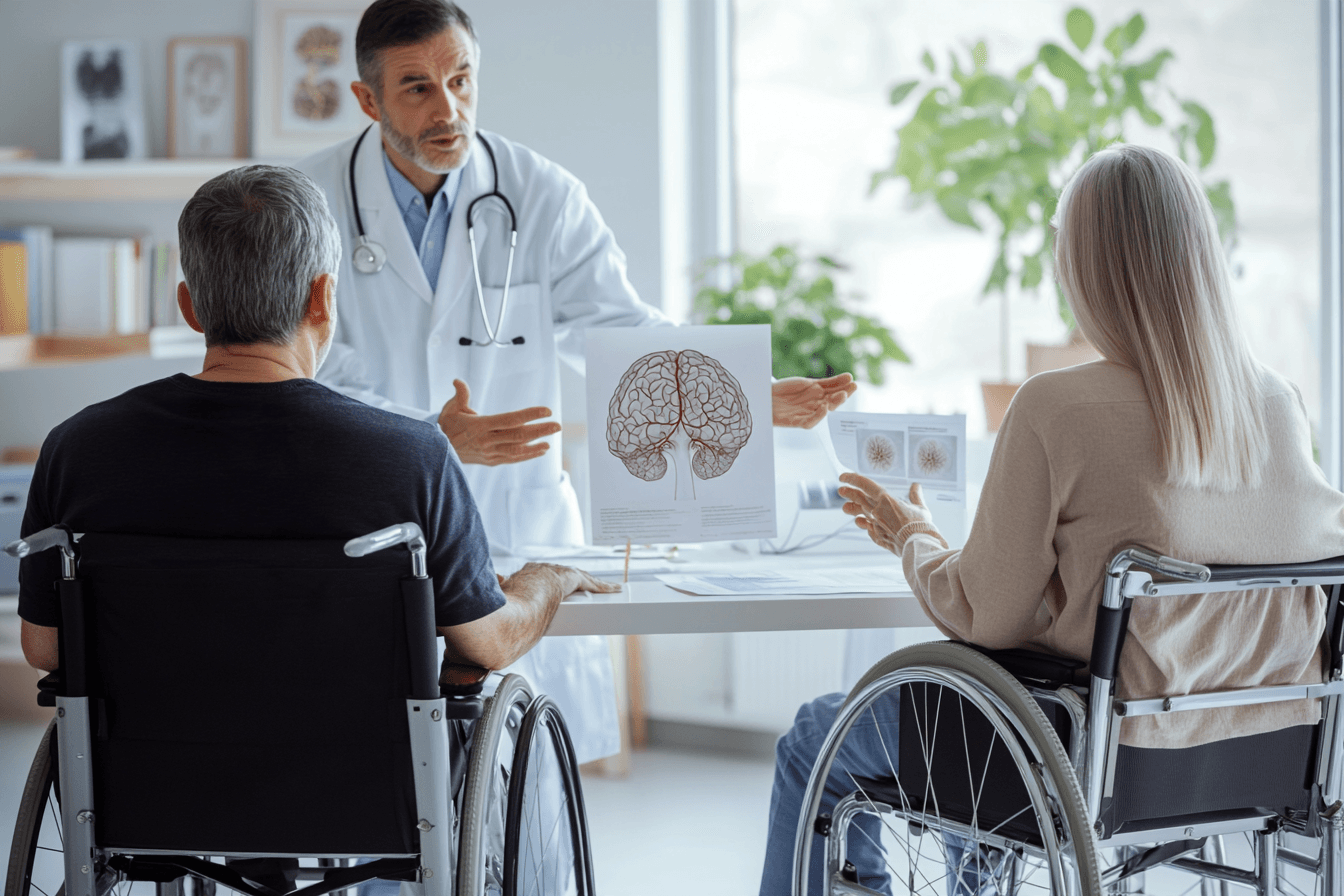
ALS motor neuron disease treatment becomes clearer when the patient first understands what is happening inside the body. ALS, also called amyotrophic lateral sclerosis, is a condition in which the motor neurons gradually lose their ability to control voluntary muscles. These muscles help a person walk, grip, speak, chew, swallow, cough and breathe. When these nerve signals weaken, the muscles may become weak, stiff, wasted or difficult to coordinate. [1, 2, 3]
How ALS Motor Neuron Disease Treatment Begins With Understanding Motor Neurons
Motor neurons are specialised nerve cells that carry movement commands from the brain and spinal cord to the muscles. When these cells are healthy, the body can move with strength and control. When they become damaged, the message from the nervous system to the muscles becomes weak. The patient may then notice hand weakness, foot drop, muscle twitching, cramps, stiffness, slurred speech or difficulty swallowing.
ALS usually affects both upper motor neurons and lower motor neurons. Upper motor neuron involvement may cause stiffness, tightness, exaggerated reflexes and slow movement. Lower motor neuron involvement may cause muscle wasting, weakness, twitching and loss of muscle bulk. This mixed pattern is one reason ALS requires careful neurological assessment before treatment planning. [2, 12]
In Ayurveda, this loss of movement, strength and coordination is viewed through the wider clinical understanding of Vata. Vata governs movement, nerve activity, speech, breathing rhythm, swallowing coordination and muscular function. When Vata becomes aggravated in a depleted body, weakness, wasting, stiffness, tremors, cramps, constipation, dryness and loss of function may appear. This is why Ayurveda studies the patient’s whole condition, not only the neurological label. [13, 14]
ALS and Motor Neuron Disease Are Closely Connected
The words ALS and motor neuron disease are often used together, but their use may vary by country. In many Western countries, ALS is the most common form of motor neuron disease. In the United Kingdom and several other regions, the term MND is commonly used for the wider disease group, and ALS is usually included within it. For patients, the practical concern is the same: the nerves controlling muscle function are gradually affected.
This matters because the treatment plan should not depend only on terminology. Whether the report says ALS, MND, amyotrophic lateral sclerosis, progressive bulbar palsy or a related motor neuron disorder, the physician must study the patient’s real functional status. The most important clinical questions are whether walking is affected, whether hands are weak, whether speech is changing, whether swallowing is safe, whether breathing is comfortable and whether weight is stable.
Ayurveda adds another layer to this assessment by studying Agni, Mamsa Dhatu, Majja Dhatu, Ojas and Bala. Agni shows how well the patient digests and absorbs nutrition. Mamsa Dhatu reflects muscle strength and structure. Majja Dhatu is linked with deeper nervous system nourishment in Ayurvedic understanding. Ojas reflects resilience and vitality. Bala shows practical strength. These factors help decide how deeply the body can be supported through Rasayana and Vata pacifying care.
Why ALS Affects Different Patients Differently
ALS does not begin in the same way in every person. Some patients first notice weakness in one hand, difficulty writing, reduced grip or dropping objects. Some first notice foot drop, tripping, imbalance or difficulty climbing stairs. Others develop bulbar symptoms such as slurred speech, nasal voice, tongue weakness, slow chewing, choking while drinking water or food sticking in the throat. [2, 3]
The speed of progression also differs. One patient may lose strength quickly within months, while another may remain functional for a longer period. Some patients have more stiffness and cramps. Some have more wasting and fatigue. Some have severe anxiety, poor sleep, constipation and loss of appetite. Some maintain appetite but gradually lose muscle control. This variation is clinically important because no responsible treatment should be exactly the same for every patient.
A good Ayurvedic plan studies these differences carefully. A thin, dry, constipated patient with poor sleep and muscle wasting may need stronger Vata pacification, nourishment and Rasayana support. A patient with weak digestion may first need Agni correction before heavier medicines. A patient with bulbar symptoms needs careful attention to medicine texture and swallowing safety. This is where personalised Ayurveda becomes more useful than a general formula.
Why ALS Is More Than Muscle Weakness
ALS is often described as a disease of muscle weakness, but the deeper problem begins in the motor nerve pathways. The muscle becomes weak because the command from the nervous system is disturbed. Over time, the patient may lose confidence in simple daily activities such as walking, dressing, eating, speaking on the phone, turning in bed or coughing strongly. This affects the patient physically, emotionally and socially.
For the family, the disease can feel frightening because small changes may have a large effect on daily life. A weaker hand can reduce independence. Slight swallowing difficulty can create fear during meals. Poor sleep can worsen fatigue. Weight loss can reduce strength. Breathing changes can create urgent safety concerns. This is why treatment must look beyond one symptom and support the patient as a whole. [5, 6]
Ayurveda is valuable here because it naturally works through a whole person model. It studies the body’s strength, digestion, tissue depletion, sleep, bowel movement, mental state, dryness, stiffness, voice, breathing comfort and ability to recover. In ALS motor neuron disease treatment, this wider view helps the physician build a plan that is restorative, practical and closely monitored.
Why Early Understanding Improves Treatment Planning
The earlier ALS or motor neuron disease is understood properly, the better the treatment can be organised. Early diagnosis helps the patient receive neurological care, respiratory monitoring, swallowing assessment, nutrition guidance and approved medicines where suitable. Early Ayurvedic assessment helps identify Vata aggravation, weak Agni, tissue depletion, sleep disturbance, constipation, weight loss and reduced Bala before the body becomes severely depleted. [5, 6, 13, 14]
This combined understanding gives the patient a stronger foundation. Modern care helps confirm the diagnosis and protect safety. Ayurveda works on nourishment, Vata balance, Agni, Dhatu support, Ojas and functional strength. Together, this creates a more complete treatment direction for patients and families who want clarity, action and a serious recovery focused plan.
Why Patients Should Not Wait Passively for ALS Motor Neuron Disease Treatment
ALS motor neuron disease treatment should begin before the patient loses too much functional reserve. Many families wait because they are told that ALS is progressive and difficult to treat. This delay can be costly, because speech, swallowing, breathing, appetite, sleep, bowel movement, muscle strength and weight may change quietly before the decline becomes obvious. Ayurveda gives importance to early action because Vata aggravation, weak Agni, Dhatu depletion and reduced Bala are easier to support when the body still has some strength to respond. [3, 5, 6, 13, 14]
Early ALS Motor Neuron Disease Treatment Protects Functional Reserve
Functional reserve means the strength that is still available in the patient’s body. It includes the ability to walk, hold objects, speak clearly, swallow safely, cough strongly, sleep well, digest food and maintain weight. In ALS and motor neuron disease, this reserve should be protected carefully because even small losses can affect daily independence.
From an Ayurvedic view, early care allows the physician to work on Vata before it becomes deeply destructive. When Vata is aggravated in a depleted body, the patient may develop more dryness, stiffness, wasting, cramps, constipation, disturbed sleep and loss of coordination. If Agni is also weak, nutrition and medicines may not be properly assimilated. This is why the early phase should focus on digestion, nourishment, Vata pacification, sleep correction and strength support together.
Modern care also supports early planning. Neurology review, respiratory assessment, swallowing assessment, nutrition guidance and functional monitoring help identify risks before they become emergencies. Ayurveda can then be placed at the centre of a wider restorative plan, while modern monitoring protects safety. [5, 6, 11]
Waiting Can Allow Weakness to Become More Complex
Many patients first notice mild symptoms such as twitching, cramps, hand weakness, foot dragging, slurred speech or fatigue. These symptoms may look small in the beginning, but they should not be ignored when they are progressive. If the patient waits until walking becomes very difficult, swallowing becomes unsafe or breathing becomes weak, the treatment has fewer areas to support.
In Ayurveda, long waiting can allow Vata to disturb deeper tissues. Mamsa Dhatu may become weaker, muscle bulk may reduce and Majja Dhatu support may become more important. The patient may also lose appetite, sleep poorly, become anxious, develop constipation or lose weight. These changes can make the body less responsive to strong Rasayana unless the physician first rebuilds digestive strength and tolerance.
This is why early Ayurvedic assessment is not only about starting medicine. It is about understanding the direction of decline and correcting the internal factors that may reduce the patient’s ability to recover. The goal is to create a stronger foundation before the disease has taken away too much strength.
Speech Swallowing and Breathing Need Early Attention
Speech, swallowing and breathing symptoms need special attention because they directly affect safety. A patient may begin with a softer voice, unclear speech, slow chewing, coughing while drinking water or food sticking in the throat. These signs can increase fear and reduce nutrition. If they are not addressed early, the patient may lose weight and become weaker. [5, 6]
Ayurvedic care in this stage should be gentle, nourishing and practical. The medicine form, dose and Anupana should match the patient’s swallowing ability. A thick Avaleha may need to be diluted properly. Food consistency may need adjustment. The physician should also watch cough strength, saliva, sleep quality and breathing comfort.
This does not reduce the importance of Ayurveda. It makes the Ayurvedic plan safer and more effective. When swallowing and breathing are protected, the patient can receive nourishment more consistently, tolerate Rasayana better and maintain strength with more confidence.
Early Action Gives the Family a Clear Plan
ALS creates fear not only because of the diagnosis, but because the family often does not know what to do next. Passive waiting makes this fear stronger. A structured Ayurvedic plan gives the family clear areas to observe, including sleep, appetite, bowel movement, weight, cramps, stiffness, walking support, hand grip, speech clarity, choking frequency and breathing comfort.
This type of monitoring changes the conversation. Instead of asking only whether the disease is progressing, the family begins to see whether the body is responding in practical ways. Better sleep, stable weight, reduced cramps, improved appetite, safer swallowing or more confidence in daily movement can be meaningful signs in ALS care.
A monthly review also helps the physician adjust the plan. If digestion improves, Rasayana support may be strengthened. If choking increases, the medicine texture and food plan must change. If breathing symptoms appear, respiratory care must be intensified. This active approach is far better than watching decline without a structured response. [11]
The Right Time to Act Is While Strength Remains
The best time to begin ALS motor neuron disease treatment with Ayurveda is when the patient still has usable strength. This may be early after diagnosis, during mild limb weakness, at the first sign of speech change or when appetite, sleep, weight or bowel movement starts changing. The more functional reserve the patient has, the more carefully Ayurveda can work on Vata, Agni, Mamsa Dhatu, Majja Dhatu, Ojas and Bala.
Advanced patients should not be dismissed. Even when weakness is significant, Ayurveda may still support comfort, digestion, sleep, bowel movement, nourishment, emotional steadiness and caregiver confidence. But the practical opportunity is greater when treatment begins before severe functional loss.
A patient and family should therefore avoid passive waiting. The better path is early assessment, report review, personalised Rasayana planning, swallowing and breathing safety, and monthly functional tracking. This gives the patient a more active, hopeful and medically responsible direction.
Early Symptoms That Shape ALS Motor Neuron Disease Treatment
ALS motor neuron disease treatment should begin when the earliest changes are recognised, not only after severe weakness appears. Early ALS symptoms may look small at first, such as hand weakness, foot dragging, muscle twitching, cramps, stiffness, slurred speech, choking on liquids, poor sleep, constipation or unexplained weight loss. Ayurveda studies these signs closely because they may show rising Vata, weakening Agni, Mamsa Dhatu depletion, Majja Dhatu involvement and reduced Bala before the patient loses major function. [1, 2, 3, 13, 14]
Why Early Symptoms Matter in ALS Motor Neuron Disease Treatment
Early symptoms matter because ALS often begins quietly. A patient may first notice that one hand feels weak, handwriting has changed, buttons are difficult to close, objects slip from the fingers or one foot drags while walking. These signs may come and go in the beginning, but when they slowly increase, they need careful neurological assessment.
From an Ayurvedic view, these early functional changes should not be dismissed as ordinary tiredness. Vata governs movement, coordination, nerve activity, speech and muscle control. When Vata becomes disturbed in a depleted body, the patient may develop weakness, twitching, stiffness, tremor, cramps, dryness, constipation and loss of smooth movement. These signs help the Ayurvedic physician understand where the body is losing balance and where treatment should begin. [14]
Modern diagnosis remains essential because many conditions can imitate ALS in the beginning. A patient with progressive weakness should be assessed by a neurologist and may need EMG, nerve conduction study, MRI, blood tests and other investigations. Ayurveda can then add a deeper personalised plan that supports strength, digestion, tissue nourishment, sleep and functional reserve. [3, 12]
Hand Weakness Foot Drop and Loss of Coordination
Many patients first notice ALS symptoms in the hands or feet. Hand weakness may appear as difficulty writing, typing, holding a cup, opening a bottle, using keys, buttoning clothes or lifting small objects. Foot drop may appear as tripping, dragging one foot, difficulty climbing stairs or feeling that one leg is not responding normally.
These symptoms are important because they show that the nerve signal to the muscles may be weakening. If the problem is progressive, especially on one side at first, it should not be ignored. Early evaluation helps separate ALS from cervical spine disease, neuropathy, vitamin deficiency, muscle disease or other neurological conditions that may require different treatment. [2, 3, 12]
In Ayurveda, these signs are studied through Bala, Mamsa Dhatu and Vata function. If the patient also has fatigue, dryness, constipation, poor appetite, disturbed sleep or weight loss, the plan may need Vata pacification and nourishment from the beginning. If digestion is weak, Agni correction may be required before heavy Rasayana support.
Muscle Twitching Cramps and Stiffness
Muscle twitching is one of the symptoms that often makes patients anxious. Twitching alone does not always mean ALS, but twitching with progressive weakness, wasting, stiffness or loss of function needs medical evaluation. Cramps, tightness and stiffness may also occur, especially when upper motor neuron signs are present. [2, 3]
Ayurveda pays close attention to twitching, cramps and stiffness because these are often Vata dominant signs. Vata aggravation can disturb normal movement, create dryness, increase spasmodic activity and reduce coordination. The treatment direction may include warm nourishing food, bowel regulation, suitable Sneha, Rasayana support, sleep correction and gentle movement support according to the patient’s strength.
The aim is not only to reduce discomfort. Cramps and stiffness can reduce walking confidence, disturb sleep, increase fatigue and make daily care more difficult. When these symptoms are addressed early, the patient may feel more comfortable and more stable during routine activity.
Speech Voice and Swallowing Changes
Bulbar symptoms need special attention because they affect communication, eating and safety. Early signs may include slurred speech, nasal voice, weak voice, tongue heaviness, slow chewing, coughing while drinking water, food sticking in the throat or taking longer to finish meals. These symptoms can be frightening for families because they directly affect nutrition and confidence. [1, 2, 5]
In Ayurveda, speech and swallowing involve the coordinated function of Vata, Prana, Udana, nourishment, throat strength and nervous control. When these functions weaken, the treatment must be planned carefully. A thick Avaleha may need to be diluted. Food consistency may need adjustment. The patient should not be forced to take medicines in a form that increases choking.
If choking, aspiration, repeated cough during meals, chest infections or sudden weight loss occurs, modern swallowing and respiratory assessment should be involved without delay. Ayurvedic treatment can continue as a central restorative support, but it must be adapted to protect safety. [5, 6]
Weight Loss Fatigue and Poor Appetite
Weight loss is a serious sign in ALS and MND care. A patient may eat less because of low appetite, slow chewing, swallowing fear, anxiety, constipation, fatigue or breathing discomfort. Over time, poor nutrition can reduce strength further and make the body less able to tolerate treatment.
Ayurveda gives strong importance to Agni because digestion decides whether food and medicine become useful nourishment. If Agni is weak, the patient may feel bloating, heaviness, low appetite, irregular bowel movement or poor assimilation. In such cases, giving a heavy Rasayana too early may not be ideal. The physician may first support digestion, then gradually introduce deeper Brimhana and Rasayana medicines. [13, 17]
Fatigue is also important. ALS fatigue may come from muscle weakness, poor sleep, anxiety, breathing changes, low nutrition or excessive effort during daily activity. A good Ayurvedic plan studies all these factors together instead of treating fatigue as a single symptom.
Breathing and Cough Warning Signs
Breathing symptoms may appear slowly and may not be obvious in the early stage. A patient may feel tired while speaking, short of breath while lying down, sleepy in the daytime, restless at night or weak while coughing. Morning headache, disturbed sleep, repeated chest infections and weak cough should be taken seriously. [5, 6]
Ayurveda can support strength, sleep, nourishment and Vata balance, but breathing safety must be protected through proper medical monitoring. If respiratory muscles are becoming weak, the patient may need pulmonary review, oxygen saturation monitoring, forced vital capacity testing, cough support or non invasive ventilation advice. Delaying this care can increase risk.
For this reason, a responsible ALS motor neuron disease treatment plan should never look only at limb weakness. It should always ask about breathing comfort, cough strength, sleep quality and ability to lie flat. These signs help decide how urgent and cautious the treatment plan should be.
Ayurvedic Meaning of Early Warning Signs
The early symptoms of ALS can be understood in Ayurveda as a pattern involving Vata aggravation with tissue weakness. Weakness and wasting suggest loss of Bala and Mamsa Dhatu support. Disturbed coordination, speech changes and neuromuscular decline suggest deeper Vata and Majja involvement. Poor appetite, constipation and weight loss suggest weak Agni and poor nourishment. Anxiety and disturbed sleep suggest loss of steadiness and Ojas support. [13, 14]
This understanding helps the physician build a complete treatment plan. The goal is to support the patient before the body becomes deeply depleted. Early Rasayana, Vata pacification, digestive correction, nourishing diet, sleep support and monthly tracking can create a stronger internal foundation for stability and functional recovery support.
When Early Symptoms Should Lead to Consultation
A patient should seek consultation when weakness is progressive, when one hand or foot is losing function, when speech is changing, when swallowing feels unsafe, when weight is falling, when breathing feels weaker or when cramps, stiffness and twitching occur with functional decline. These signs deserve proper neurological diagnosis and a personalised Ayurvedic assessment.
The earlier these symptoms are studied, the more clearly the treatment can be planned. Ayurveda works best when it understands the person deeply, including strength, digestion, tissue depletion, sleep, bowel movement, speech, swallowing and breathing reserve. Early recognition gives the patient and family a more active path instead of waiting for decline to become severe.
Limb Onset Bulbar ALS and Respiratory Onset in ALS Motor Neuron Disease Treatment
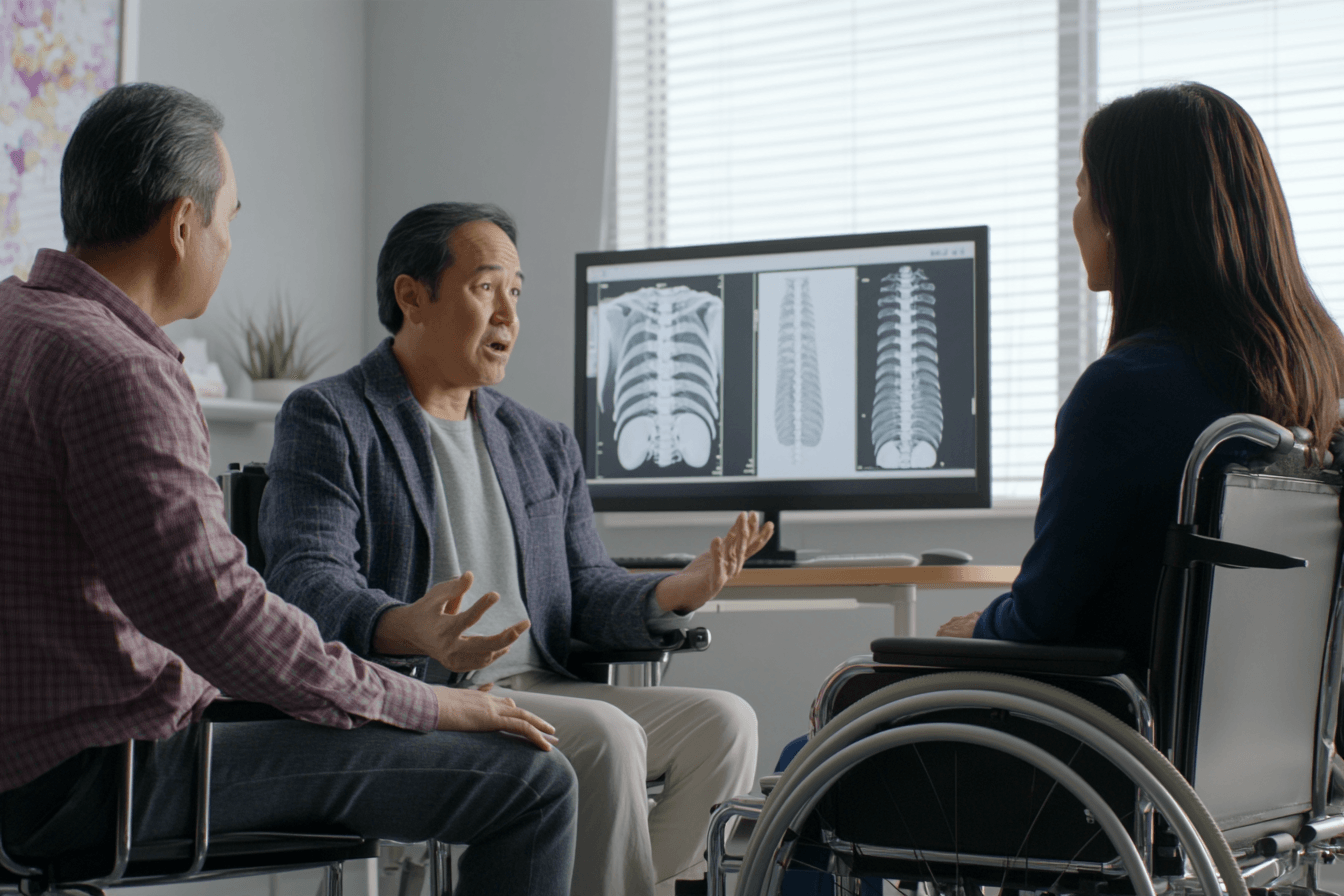
ALS motor neuron disease treatment becomes more precise when the type of onset is understood clearly. Some patients first notice weakness in the hand, arm, foot or leg. Some first develop speech and swallowing changes. A smaller group may first feel breathing weakness, poor sleep, weak cough or discomfort while lying down. Ayurveda studies these patterns carefully because the starting point of the disease helps the physician understand Vata involvement, functional reserve, tissue depletion, swallowing safety, respiratory strength and the urgency of treatment planning. [1, 2, 3, 5, 6, 13, 14]
Why Type of Onset Matters in ALS Motor Neuron Disease Treatment
The type of ALS onset matters because it shows which function is becoming weak first. A patient with early limb weakness may still eat, speak and breathe comfortably, so the Ayurvedic plan can focus strongly on strength preservation, Vata pacification, muscle nourishment, digestion and mobility support. A patient with bulbar symptoms needs more caution because speech, swallowing and nutrition may be affected early. A patient with respiratory symptoms needs immediate safety monitoring because breathing muscles may already be involved.
This is why ALS treatment should not be planned only from the disease name. The physician should ask where symptoms began, how fast they spread and which daily functions are still strong. Ayurveda adds depth by assessing Bala, Agni, Mamsa Dhatu, Majja Dhatu and Ojas. These factors help decide whether the patient needs stronger Rasayana nourishment, digestive preparation, Vata calming, swallowing support or a more cautious integrative plan.
Limb Onset ALS and Ayurvedic Treatment Focus
Limb onset ALS usually begins with weakness in the arms, hands, legs or feet. The patient may drop objects, lose grip strength, struggle with buttons, feel difficulty writing, drag one foot, trip while walking or find stairs harder than before. Muscle twitching, cramps, stiffness and wasting may also appear with time. These symptoms can create fear, but they also give an important opportunity for early functional support when speech, swallowing and breathing are still stable. [2, 3]
In Ayurveda, limb onset disease is studied through Vata disturbance affecting movement, coordination and muscle strength. Mamsa Dhatu support becomes important because the patient may be losing muscle power and confidence in daily activity. If the patient is thin, dry, constipated, anxious or sleeping poorly, Vata pacification and nourishment become even more important.
The Ayurvedic plan may focus on Rasayana, Balya, Brimhana, Agni correction, bowel regulation, sleep support and suitable external oil based therapies where appropriate. The goal is to support the patient’s remaining strength and help maintain practical function such as walking, grip, balance, sitting stability and daily movement. Progress should be reviewed through hand use, walking support, cramps, stiffness, fatigue, appetite, sleep and body weight.
Bulbar ALS and Swallowing Safety
Bulbar ALS begins with symptoms involving speech, voice, tongue movement, chewing or swallowing. The patient may speak unclearly, develop a nasal voice, take longer to chew, cough while drinking water, feel food stuck in the throat or lose confidence while eating. These symptoms need careful attention because nutrition, aspiration risk and emotional distress can become serious concerns. [1, 2, 5, 6]
Ayurveda can support bulbar ALS by working on Vata balance, throat comfort, nourishment, sleep, digestion, strength and Ojas. At the same time, safety must guide every step. A thick Avaleha may not suit every bulbar patient unless it is diluted properly and given in a safe consistency. Food texture, medicine timing and Anupana should be chosen according to the patient’s swallowing ability.
Bulbar ALS treatment should also include modern swallowing assessment when needed. If the patient has repeated choking, weak cough, chest infections, sudden weight loss or fear while eating, medical evaluation should not be delayed. A trustworthy Ayurvedic plan keeps nourishment at the centre, but it also protects the patient from avoidable swallowing and respiratory risk.
Respiratory Onset and Breathing Reserve
Respiratory onset is less common, but it is clinically very important. The patient may feel breathless while lying down, wake frequently at night, feel morning headache, become unusually sleepy in the daytime or notice weak cough. Sometimes breathing weakness is not obvious at first, so the family may only see poor sleep, fatigue or reduced speaking stamina. [5, 6]
In Ayurveda, breathing weakness is studied with attention to Prana, Vata, strength, nourishment and Ojas. The treatment must be gentle and carefully supervised because the patient may not tolerate heavy medicines, excessive exertion or delayed respiratory care. Rasayana support, sleep improvement, digestive correction and Vata pacification may still be useful, but respiratory safety must remain closely monitored.
If breathing symptoms are present, the patient should continue neurologist and respiratory specialist care. Forced vital capacity, cough strength, sleep breathing, oxygen saturation and non invasive ventilation advice may become important. Ayurveda should work alongside this monitoring so that the patient receives internal support without losing medical protection.
Mixed Symptoms and Changing Priorities
Some patients do not fit neatly into one category. A patient may begin with hand weakness and later develop speech changes. Another may begin with bulbar symptoms and later develop limb weakness. A third may have stiffness, cramps, fatigue, weight loss and sleep disturbance across multiple areas. This changing pattern is common in real clinical care and the treatment plan must change with it.
Ayurveda is well suited to this kind of personalised adjustment because it does not depend only on one symptom. If Vata signs increase, the plan may need stronger Vata pacification. If weight is falling, nourishment and Brimhana become more important. If appetite is weak, Agni must be corrected. If swallowing becomes unsafe, medicine form and food consistency must be changed immediately.
This stage wise flexibility is important for ALS motor neuron disease treatment. The patient should not remain on the same plan if speech, swallowing, breathing, digestion or weight changes. Monthly review helps the physician adapt the treatment before the body loses more reserve.
How Onset Type Guides Monthly Monitoring
The onset type also decides what should be watched most closely. In limb onset ALS, walking, grip, stiffness, cramps, balance and daily activity should be reviewed carefully. In bulbar ALS, speech clarity, choking frequency, saliva, eating time, weight and cough strength become central. In respiratory involvement, sleep quality, breathlessness, lying down comfort, morning headache, cough strength and fatigue need close attention. ALSFRS R can also help track practical changes in speech, swallowing, hand function, walking and breathing. [11]
This monitoring makes the Ayurvedic plan more trustworthy. Instead of giving the same answer to every patient, the physician can see which function is at risk and where support is still possible. The family also gains a clearer way to observe progress at home.
A Personalised Path for Each Type of ALS
Limb onset, bulbar ALS and respiratory onset all need different levels of urgency and caution. Ayurveda remains central because it works on Vata, Agni, Dhatu nourishment, Ojas, sleep, strength and functional recovery support. But the treatment must be adapted to the patient’s real presentation, not copied from a general formula.
The best approach is to identify the onset type early, review the reports, assess functional reserve and begin a supervised Rasayana based plan before severe loss occurs. This gives the patient a more active and practical path, while keeping swallowing, breathing, nutrition and modern medical safety properly protected.
Conditions That Must Be Ruled Out Before ALS Motor Neuron Disease Treatment
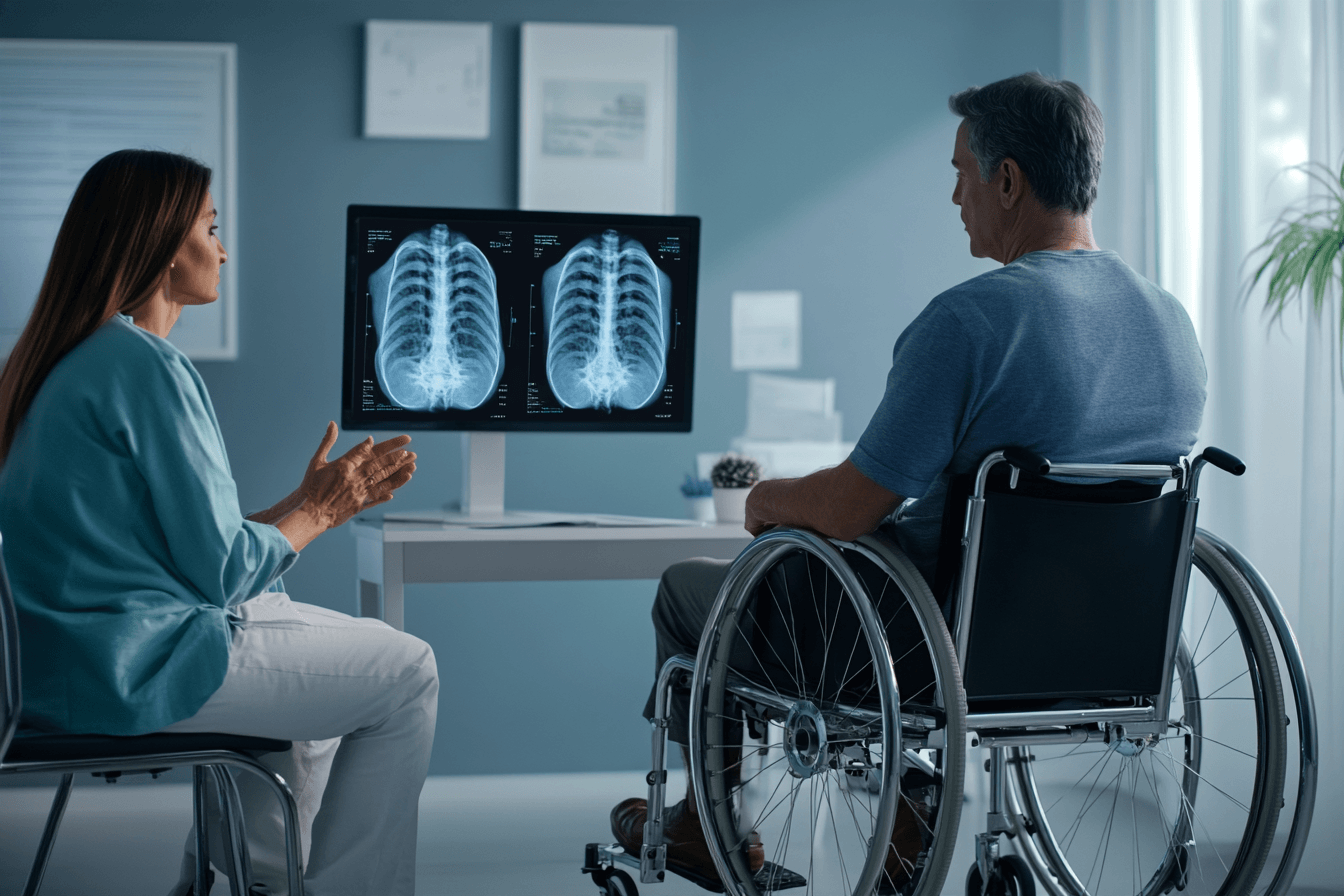
ALS motor neuron disease treatment should not begin from assumption. Progressive weakness, twitching, cramps, stiffness, speech change or swallowing difficulty may suggest ALS, but several other neurological, muscular, metabolic and autoimmune conditions can look similar in the early stage. Ayurveda can support the patient deeply, but a trustworthy Ayurvedic plan should first respect diagnosis, review reports and understand whether the patient truly has ALS or a treatable mimic. [3, 5, 12]
Why ALS Motor Neuron Disease Treatment Needs Careful Diagnosis
A patient may come with fear after reading about ALS online because of muscle twitching, hand weakness or foot dragging. These symptoms should be taken seriously, but they do not confirm ALS by themselves. Diagnosis requires a neurologist’s examination, EMG, nerve conduction study, MRI and blood tests when needed. This careful process protects the patient from wrong treatment direction and unnecessary fear. [3, 12]
From an Ayurvedic view, this step is equally important. Ayurveda does not treat only the name of a disease. It studies the patient’s Bala, Agni, Vata state, Mamsa Dhatu, Majja Dhatu, sleep, digestion, bowel movement and functional reserve. If the diagnosis is not clear, the Ayurvedic plan may still support strength and digestion, but the root medical condition must be properly identified.
Cervical Spine Disease and Spinal Cord Compression
Cervical myelopathy, disc compression and spinal cord disorders can sometimes look like motor neuron disease. A patient may have hand weakness, stiffness, walking imbalance, exaggerated reflexes, numbness, neck pain or bladder changes. These symptoms may overlap with neurological weakness, so MRI of the cervical spine becomes important in many suspected cases. [3, 12]
This distinction matters because spinal cord compression may need a very different treatment approach. Ayurvedic support for Vata, pain, stiffness and strength may still be useful, but the patient should not miss urgent neurological or surgical assessment if compression is significant. A responsible treatment plan should never ignore MRI findings.
Neuropathy and Multifocal Motor Neuropathy
Some nerve disorders can resemble ALS because they cause weakness, wasting or reduced hand function. Multifocal motor neuropathy is especially important because it may cause progressive limb weakness and can sometimes be confused with motor neuron disease. Peripheral neuropathy, diabetic neuropathy and inflammatory neuropathies may also create weakness, numbness, burning, imbalance or fatigue. [3, 12]
The nerve conduction study helps separate these conditions from ALS. This is why reports should be reviewed before beginning a long term Ayurvedic protocol. If the condition is not ALS, the Ayurvedic direction may change completely. The focus may shift toward neuropathy support, inflammation control, metabolic correction, diabetes care, nerve nourishment and Vata pacification according to the actual diagnosis.
Myasthenia Gravis and Muscle Disorders
Myasthenia gravis can cause weakness of speech, chewing, swallowing, eyelids, facial muscles or limbs. The weakness may fluctuate during the day and may worsen with activity. Some muscle diseases can also cause progressive weakness, fatigue and difficulty climbing stairs or lifting objects. These conditions can create confusion, especially when the patient presents with bulbar symptoms or generalized weakness. [3]
This is clinically important because the treatment path is different. Ayurveda may support strength, digestion, sleep and tissue nourishment, but the patient must be correctly diagnosed. Blood tests, antibody testing, EMG patterns and specialist examination may be needed. A careful diagnosis helps avoid delay in conditions that may have specific modern treatment options.
Vitamin Deficiency Thyroid Disease and Metabolic Causes
Not every weakness is ALS. Vitamin B12 deficiency, vitamin D deficiency, thyroid disease, electrolyte imbalance, uncontrolled diabetes, anemia, chronic inflammation and low protein status can worsen weakness, fatigue, cramps, numbness and poor recovery. These problems may not explain every suspected ALS case, but they can make the patient feel much worse and reduce treatment response. [3]
Ayurveda also gives importance to these findings because they reflect the patient’s nutritional state, Agni, Dhatu quality and ability to tolerate Rasayana. If appetite is low, protein is poor, vitamin levels are deficient or thyroid function is disturbed, the patient may need correction before expecting deeper recovery support. A good Ayurvedic plan should therefore include both classical assessment and basic modern blood review.
Kennedy Disease and Genetic Conditions
Kennedy disease and some inherited neuromuscular conditions can resemble motor neuron disease. Patients may have progressive weakness, muscle cramps, tremor, swallowing difficulty or family history. Genetic testing may be advised when the neurologist suspects an inherited condition or when there is a family pattern of motor neuron disease. [3, 9, 10]
This is important because some modern treatments are now linked to genetic subtypes. For example, tofersen is relevant for SOD1 associated ALS and is not meant for all ALS patients. When genetic reports are available, they should be shared before Ayurvedic treatment planning so that the patient does not miss subtype specific medical care. [9, 10]
Why Correct Diagnosis Strengthens Ayurveda
Careful diagnosis does not weaken Ayurveda. It makes Ayurvedic treatment stronger, safer and more credible. When the physician knows whether the patient has ALS, a mimic, a mixed condition or a reversible contributor, the Ayurvedic plan can be more precise. The formulation, dose, Anupana, diet, Rasayana strength and monitoring can then be chosen according to the real clinical picture.
This is especially important for Western patients who expect transparency and evidence aware care. A clinic that reviews EMG, MRI, blood tests, respiratory status, swallowing safety and current medicines builds more trust than a clinic that gives the same medicine to every patient. Ayurveda becomes more convincing when it is personalised, report based and measurable.
Practical Message for Patients and Families
A patient should not panic from one symptom, but should not ignore progressive weakness either. If hand weakness, foot drop, speech change, swallowing difficulty, muscle wasting, stiffness or breathing symptoms are increasing, the diagnosis should be confirmed properly. Once the condition is understood, Ayurveda can be planned around Vata pacification, Agni correction, Mamsa Dhatu support, Majja Dhatu nourishment, Ojas restoration and functional recovery support.
Before starting ALS motor neuron disease treatment, the safest path is to review the diagnosis clearly and rule out conditions that may look similar. This gives the patient a more accurate treatment direction and helps the family move forward with confidence.
How ALS Motor Neuron Disease Treatment Begins With Proper Diagnosis
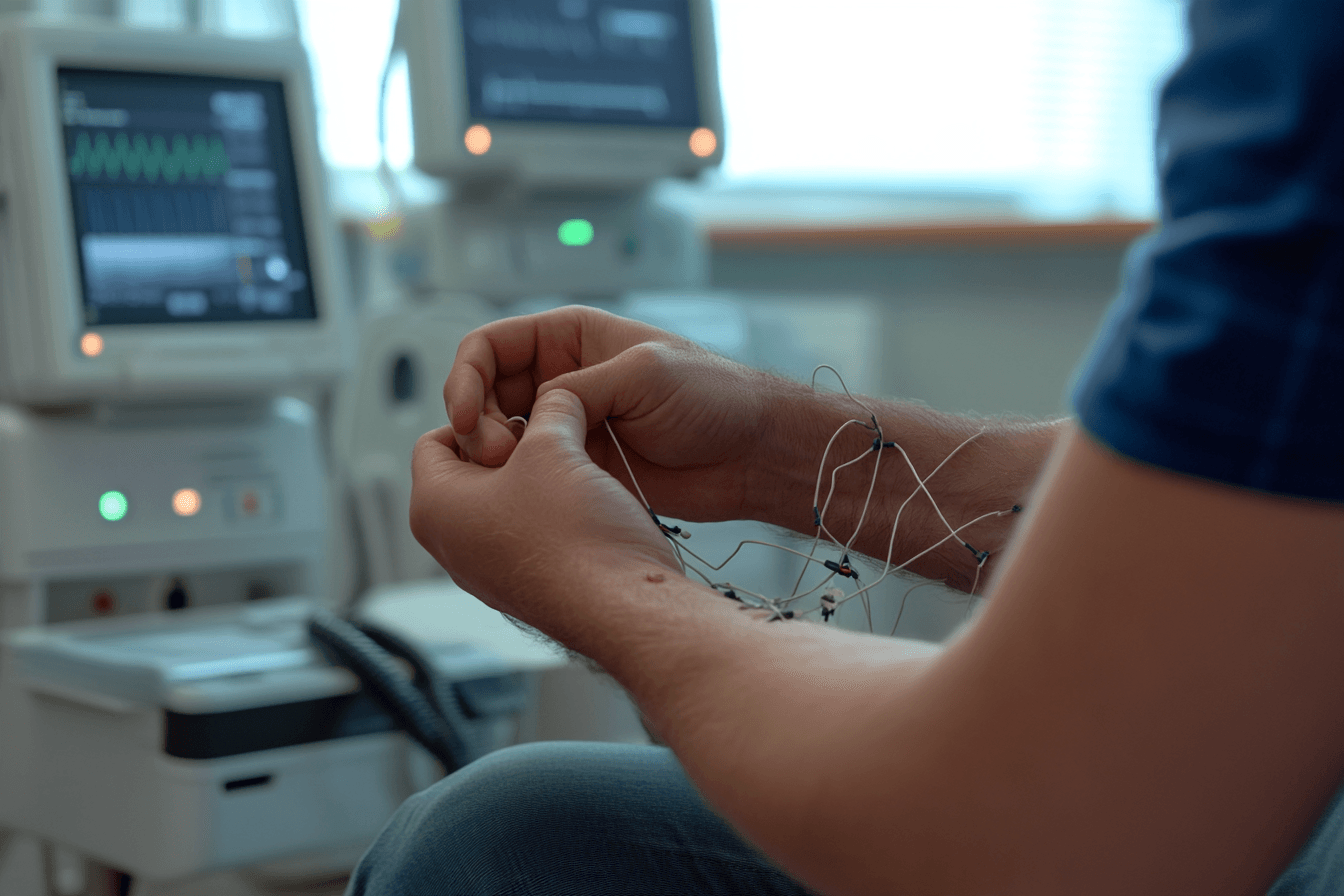
ALS motor neuron disease treatment should begin with a clear diagnosis because progressive weakness, twitching, cramps, stiffness, speech change and swallowing difficulty can have more than one cause. A trustworthy Ayurvedic plan does not ignore neurological investigation. It uses the diagnosis, reports and functional findings to understand the patient more deeply, then connects them with Vata, Agni, Mamsa Dhatu, Majja Dhatu, Ojas and Bala before planning Rasayana based support. [3, 5, 11, 12, 13, 14]
Why Diagnosis Is Important Before ALS Motor Neuron Disease Treatment
ALS is mainly diagnosed through clinical examination supported by investigations. The neurologist looks for signs of upper motor neuron involvement, lower motor neuron involvement, progression over time and exclusion of other diseases that can look similar. This is important because ALS is not confirmed by one symptom or one blood test.
A patient may have muscle twitching and fear ALS, but twitching alone is not enough for diagnosis. Another patient may have hand weakness from cervical spine compression, neuropathy or another treatable condition. This is why a proper diagnosis protects the patient from panic, wrong treatment and delayed care.
Ayurveda also benefits from this clarity. Once the diagnosis is reasonably established, the Ayurvedic physician can study the stage, onset type, speed of decline, strength, digestion, tissue depletion, swallowing safety and breathing reserve. This makes the treatment more precise and more trustworthy.
Neurological Examination and Clinical Pattern
The neurological examination studies muscle strength, tone, reflexes, wasting, fasciculations, stiffness, coordination, speech, swallowing and walking. The doctor checks whether weakness is spreading from one region to another and whether both upper and lower motor neuron signs are present. This clinical pattern helps distinguish ALS from many other conditions. [3, 12]
For Ayurveda, the clinical pattern also has meaning. Stiffness, cramps and tightness suggest strong Vata involvement. Wasting and weakness suggest Mamsa Dhatu depletion and loss of Bala. Speech and swallowing changes suggest deeper neuromuscular coordination involvement. Poor sleep, constipation, low appetite and anxiety show that the patient needs more than local muscle support.
This is why the Ayurvedic assessment should be done after seeing the patient’s neurological pattern. It helps decide whether the first priority is Vata pacification, digestive correction, Rasayana nourishment, sleep support, bowel regulation, bulbar safety or respiratory caution.
EMG and Nerve Conduction Study
EMG and nerve conduction study are among the most important tests in suspected ALS. EMG helps detect active and chronic denervation changes in muscles, while nerve conduction study helps distinguish ALS from neuropathy and other nerve disorders. These tests are useful because ALS affects the motor nerve pathway, and the pattern of electrical change can support the diagnosis. [3, 12]
The reports should be shared before Ayurvedic treatment begins. They help the physician understand which regions are involved and whether the pattern is limb dominant, bulbar dominant or more widespread. They also help identify whether the condition may be a mimic rather than true ALS.
In a report based Ayurvedic model, EMG is not used only for naming the disease. It helps understand disease distribution, severity and progression risk. The Ayurvedic plan can then be adjusted according to the patient’s actual weakness, functional reserve and stage.
MRI Brain and Spine
MRI is commonly used to rule out other conditions that may resemble ALS. Cervical spine disease, spinal cord compression, brain lesions, inflammatory disease and other structural problems may produce weakness, stiffness, imbalance or speech related symptoms. MRI helps prevent misdiagnosis and guides safer treatment planning. [3, 12]
This is especially important when the patient has neck pain, numbness, bladder symptoms, sensory loss or marked imbalance. These symptoms are not typical of classic ALS and may point toward another condition that needs different care.
Ayurveda should respect these findings. If MRI shows significant compression or another serious structural cause, the patient should be guided properly. Ayurvedic medicines may support strength, pain, digestion and recovery, but they should not replace urgent neurological or surgical advice when it is clearly needed.
Blood Tests and Reversible Contributors
Blood tests do not diagnose ALS directly, but they help rule out other causes of weakness and fatigue. Tests such as CBC, ESR, CRP, thyroid profile, vitamin B12, vitamin D, ferritin, electrolytes, liver function, kidney function, fasting sugar, HbA1c and protein levels can reveal deficiencies, inflammation, metabolic disturbance or poor nutritional status. [3]
These findings are also useful in Ayurveda. Low appetite, anemia, vitamin deficiency, poor protein status, constipation, fatigue and weight loss can reduce Bala and weaken the body’s response to Rasayana. If these issues are ignored, the patient may not tolerate strong nourishment or may fail to gain strength even with good medicines.
A practical Ayurvedic plan therefore reviews blood tests carefully. The aim is to improve the internal foundation so that the patient can digest food, assimilate medicine, maintain weight and respond better to long term treatment.
Genetic Testing in Selected Patients
Genetic testing may be advised when there is a family history of ALS, early onset disease or suspicion of a gene associated form. This is becoming more important because some modern treatments are linked to specific genetic subtypes. Tofersen, for example, is used for SOD1 associated ALS and is not meant for every ALS patient. [9, 10]
This does not reduce the value of Ayurveda. It improves the total treatment plan. If a patient has a genetic subtype, the family should know whether any targeted modern option is relevant. Ayurveda can still focus on Vata pacification, Rasayana nourishment, digestion, strength, sleep and functional support, but it should not prevent the patient from receiving subtype specific medical guidance.
For Western patients, this kind of balanced approach builds trust. It shows that Ayurvedic care is not blind to modern science and that treatment is planned with full awareness of diagnosis, subtype and safety.
Swallowing and Respiratory Assessment
Swallowing and breathing assessment are essential in ALS because bulbar and respiratory involvement can affect safety. If the patient coughs while drinking, takes longer to eat, loses weight, has repeated choking, develops weak cough, feels breathless while lying down or wakes with morning headache, further evaluation is needed. [5, 6]
These findings directly change Ayurvedic treatment. A thick Avaleha may need to be diluted. The Anupana may need adjustment. Dose timing may need to change. The patient may need nutrition planning, swallowing therapy or respiratory support while continuing Ayurvedic care in a safer form.
A serious ALS motor neuron disease treatment plan should therefore ask about speech, swallowing, cough strength, sleep breathing and body weight from the first consultation. This protects the patient and helps the physician choose the right treatment intensity.
ALSFRS R and Functional Tracking
ALSFRS R is a functional scale used to monitor areas such as speech, swallowing, handwriting, walking, stair climbing and breathing. It helps show whether the patient is stable, improving in selected daily functions or declining faster than expected. This is useful in both modern and integrative care because ALS must be followed through practical function, not only reports. [11]
Ayurveda can use the same idea in a patient friendly way. The family can track speech clarity, choking episodes, hand grip, walking support, cramps, stiffness, appetite, bowel movement, sleep, body weight and breathing comfort every month. This makes the treatment more measurable.
When improvement is seen, the physician can continue or strengthen the plan. When swallowing, breathing or weight worsens, the plan must be changed quickly and medical support should be intensified. This is how Ayurveda remains active, safe and clinically responsible.
Ayurvedic Assessment After Diagnosis
After modern diagnosis is reviewed, the Ayurvedic physician studies the patient through a deeper constitutional and functional lens. The assessment includes Prakriti, Vikriti, Vata aggravation, Agni, bowel movement, sleep, appetite, dryness, stiffness, wasting, voice strength, mental stress, Ojas and Bala. This decides the actual treatment direction.
A patient with strong Vata symptoms may need deeper Vata pacification. A patient with weak digestion may need Agni correction before heavy Rasayana. A patient with weight loss may need Brimhana and Balya support. A patient with bulbar symptoms may need safer medicine consistency and swallowing precautions. A patient with respiratory symptoms needs more cautious integrative care.
This combined diagnostic approach gives patients a stronger foundation. Modern testing confirms the disease pattern and safety risks, while Ayurveda identifies how the body can still be nourished, stabilised and supported. This is the most practical way to begin ALS motor neuron disease treatment with clarity and confidence.
Modern ALS Motor Neuron Disease Treatment and Its Role With Ayurveda
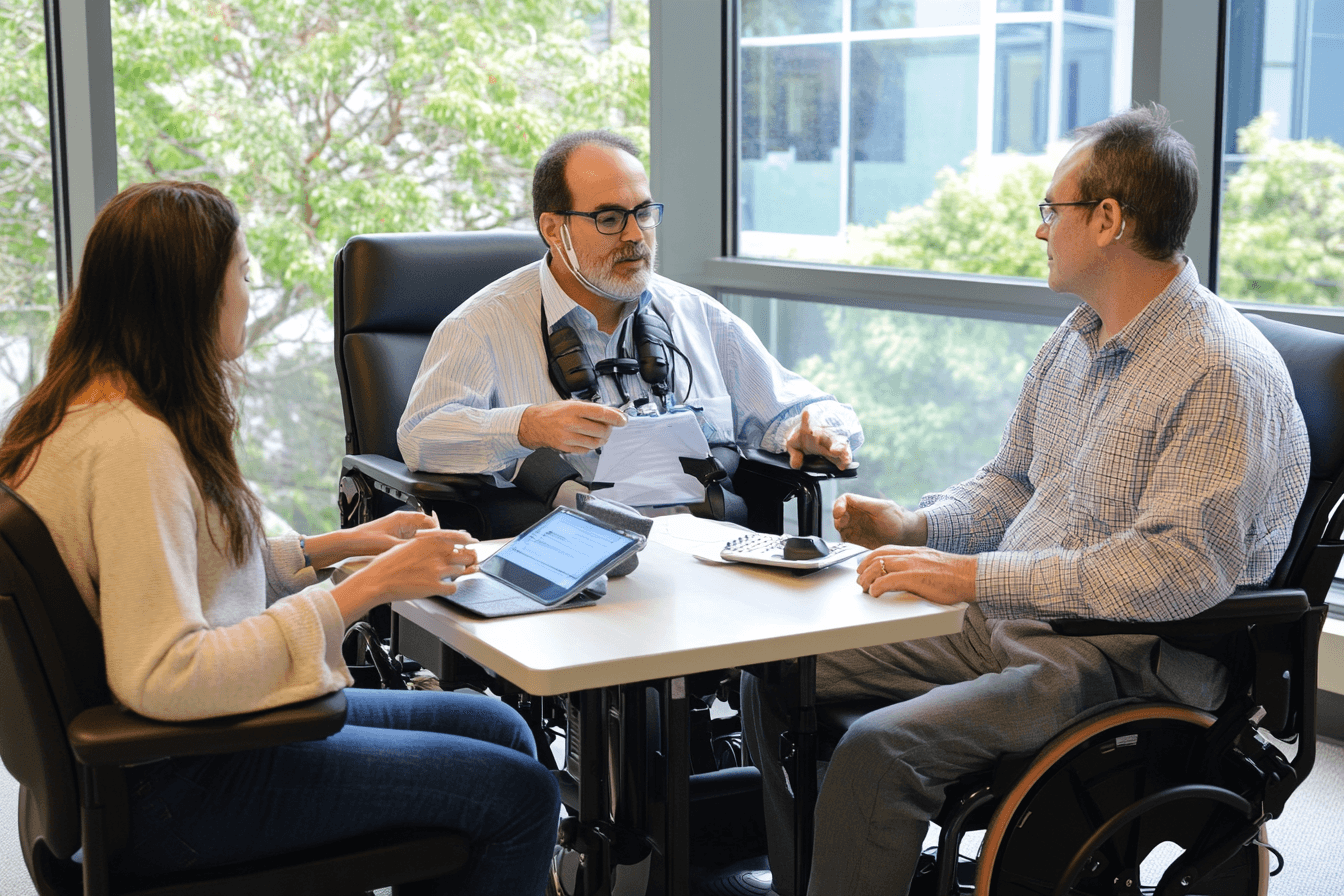
Modern ALS motor neuron disease treatment is important because it helps confirm the diagnosis, monitor progression, protect breathing, support swallowing, maintain nutrition and manage serious symptoms. Ayurveda should remain central for patients who want deeper strength, nourishment, Vata pacification and functional recovery support, but it should not be practiced by ignoring modern neurological care. The most trustworthy path is an integrative plan where modern medicine protects safety and Ayurveda works on the patient’s internal strength, digestion, tissue nourishment, sleep, weight stability and daily function. [2, 5, 6, 7, 8, 9, 10, 11]
Approved Medicines in ALS Motor Neuron Disease Treatment
Riluzole is one of the established medicines used in ALS. It is generally prescribed with the aim of modestly extending survival, but it is not expected to rebuild lost muscle strength by itself. Liver function monitoring is important because the medicine may affect liver enzymes in some patients. For families, the practical message is that riluzole may be useful, but it should be understood as one part of care, not the complete answer. [2, 7]
Edaravone is another medicine used in selected ALS patients. Its evidence is strongest in a carefully defined group of patients who met specific trial criteria. This is why it may not be suitable or equally useful for every patient. A neurologist should decide whether the patient fits the right profile, stage and medical condition for edaravone treatment. [2, 8]
Tofersen is a targeted treatment for patients with SOD1 associated ALS. It is not meant for all ALS patients. It is relevant only when genetic testing confirms a mutation in the SOD1 gene. The FDA approved tofersen under the accelerated approval pathway based on reduction in plasma neurofilament light chain, a biomarker related to nerve injury and neurodegeneration. This makes genetic testing important in selected patients, especially those with family history or early onset disease. [9, 10]
Why Modern Treatment Alone May Not Feel Enough
Many patients take modern medicines and still feel that something is missing. They may ask why weakness is increasing, why weight is falling, why sleep is disturbed, why cramps continue, why speech is changing or why eating has become fearful. These questions are valid because ALS affects the whole person, not only one nerve pathway.
Modern medicines may help slow decline or support selected disease pathways, but daily life still depends on strength, appetite, bowel movement, sleep, swallowing confidence, breathing comfort, emotional steadiness and family support. This is where Ayurveda becomes highly relevant. It studies the patient’s Bala, Agni, Mamsa Dhatu, Majja Dhatu, Vata aggravation and Ojas, then builds a personalised plan to support the body’s remaining functional reserve.
A patient should therefore not see modern treatment and Ayurveda as two opposing sides. The better approach is to use diagnosis, testing and safety monitoring from modern care, while using Ayurveda for deeper nourishment, Vata control, tissue support and recovery focused daily care.
Respiratory Support in ALS Motor Neuron Disease Treatment
Breathing care is one of the most important parts of ALS treatment. Weak cough, breathlessness while lying down, disturbed sleep, morning headache, daytime sleepiness and repeated chest infection can suggest respiratory muscle weakness. These symptoms should not be ignored because breathing decline may develop quietly. [5, 6]
Modern respiratory support may include forced vital capacity testing, sleep breathing assessment, cough support and non invasive ventilation where advised. These interventions can protect safety and reduce distress. Ayurveda can support the same patient through nourishment, sleep correction, Vata pacification, strength support and careful medicine planning, but it should never delay respiratory assessment when warning signs are present.
In an integrative model, breathing is monitored closely while Ayurvedic treatment works on the internal condition of the patient. This gives the family a safer and more complete care pathway.
Nutrition Swallowing and Feeding Support
Swallowing and nutrition are central in ALS motor neuron disease treatment. A patient may begin to eat slowly, cough while drinking water, avoid food, lose weight or feel fear during meals. These signs are especially important in bulbar ALS because poor swallowing can reduce nutrition and increase aspiration risk. [5, 6]
Modern care may include swallowing assessment, speech therapy, diet texture modification, calorie planning and feeding tube discussion when needed. Ayurveda supports this area by improving Agni, appetite, bowel movement, tissue nourishment, throat comfort and strength. The medicine form must be chosen carefully. A thick Avaleha may need to be diluted in warm water or another suitable Anupana if swallowing is weak.
This is where practical wisdom matters. The aim is not only to give medicine, but to make sure the patient can receive nourishment safely and consistently. Without safe nutrition, strength preservation becomes much harder.
Physiotherapy Speech Therapy and Daily Function
Physiotherapy, occupational therapy and speech therapy are important because they help the patient use remaining function safely. Physiotherapy can support mobility, posture, stretching, cramps, stiffness and fall prevention. Occupational therapy can help with hand function, home safety and assistive devices. Speech therapy can help communication, swallowing safety and food consistency planning. [5, 6]
Ayurveda can support these therapies by reducing Vata aggravation, improving sleep, supporting digestion, nourishing tissues and helping the patient feel more stable in daily life. When the patient sleeps better, eats better and has less stiffness or discomfort, participation in therapy may become easier.
A complete plan should not exhaust the patient. ALS patients often have limited energy. Exercise and therapy should be gentle, supervised and adjusted to the stage of disease. Ayurveda also respects this through Bala based planning, where the treatment is matched to the patient’s strength rather than forcing the body beyond capacity.
Symptom Management and Comfort
Modern ALS care may use medicines and supportive measures for saliva, cramps, spasticity, pain, emotional changes, sleep, anxiety and pseudobulbar affect. These symptoms can affect dignity and family life. A patient who cannot sleep, swallow comfortably, speak clearly or control saliva may feel deeply distressed even before major limb weakness appears. [2, 5, 6]
Ayurveda approaches these symptoms through the wider lens of Vata, Agni, Ojas and Dhatu depletion. Sleep support, bowel regulation, warm nourishment, Rasayana, suitable Sneha, Medhya herbs and Vata pacifying care may be considered according to the patient’s condition. The goal is to improve comfort without increasing heaviness, choking risk, drug interactions or digestive burden.
This is why supervision is essential. The same herb or formulation may not suit every ALS patient. The treatment must be adjusted according to swallowing ability, digestion, blood pressure, liver function, kidney function, respiratory status and ongoing medicines.
Why Multidisciplinary Care Strengthens Ayurvedic Results
ALS care becomes stronger when the patient is supported by a team. A neurologist helps confirm diagnosis and monitor disease progression. A respiratory specialist helps protect breathing. A speech and swallowing therapist helps reduce feeding risk. A nutrition expert helps maintain calories and weight. An Ayurvedic doctor works on Vata pacification, Agni, Dhatu nourishment, Ojas, sleep, bowel movement, strength preservation and functional recovery support. [5, 6, 11, 13, 14]
This team based approach does not reduce the importance of Ayurveda. It allows Ayurveda to work with more safety and precision. When reports, symptoms and daily function are reviewed properly, the Ayurvedic formulation can be personalised more intelligently.
For Western patients, this balance builds trust. They can continue necessary medical monitoring while receiving a deeper Ayurvedic plan that actively works on the body’s strength, nourishment and stability.
The Practical Place of Ayurveda Beside Modern ALS Care
The most useful way to understand modern ALS treatment is this: modern care helps monitor the disease and protect critical functions, while Ayurveda works to strengthen the patient from within. Riluzole, edaravone or tofersen may be relevant for selected patients, but they do not replace the need for digestion, nourishment, sleep, bowel movement, weight stability, Vata control and functional support. [2, 7, 8, 9, 10, 13, 14]
A serious ALS motor neuron disease treatment plan should therefore combine clarity with action. The patient should continue neurological follow up, respiratory monitoring and swallowing care, while Ayurveda remains central for Rasayana based nourishment, strength preservation and measurable recovery support. This gives the patient and family a more complete, responsible and hopeful treatment direction.
The Gap Patients Feel in ALS Motor Neuron Disease Treatment
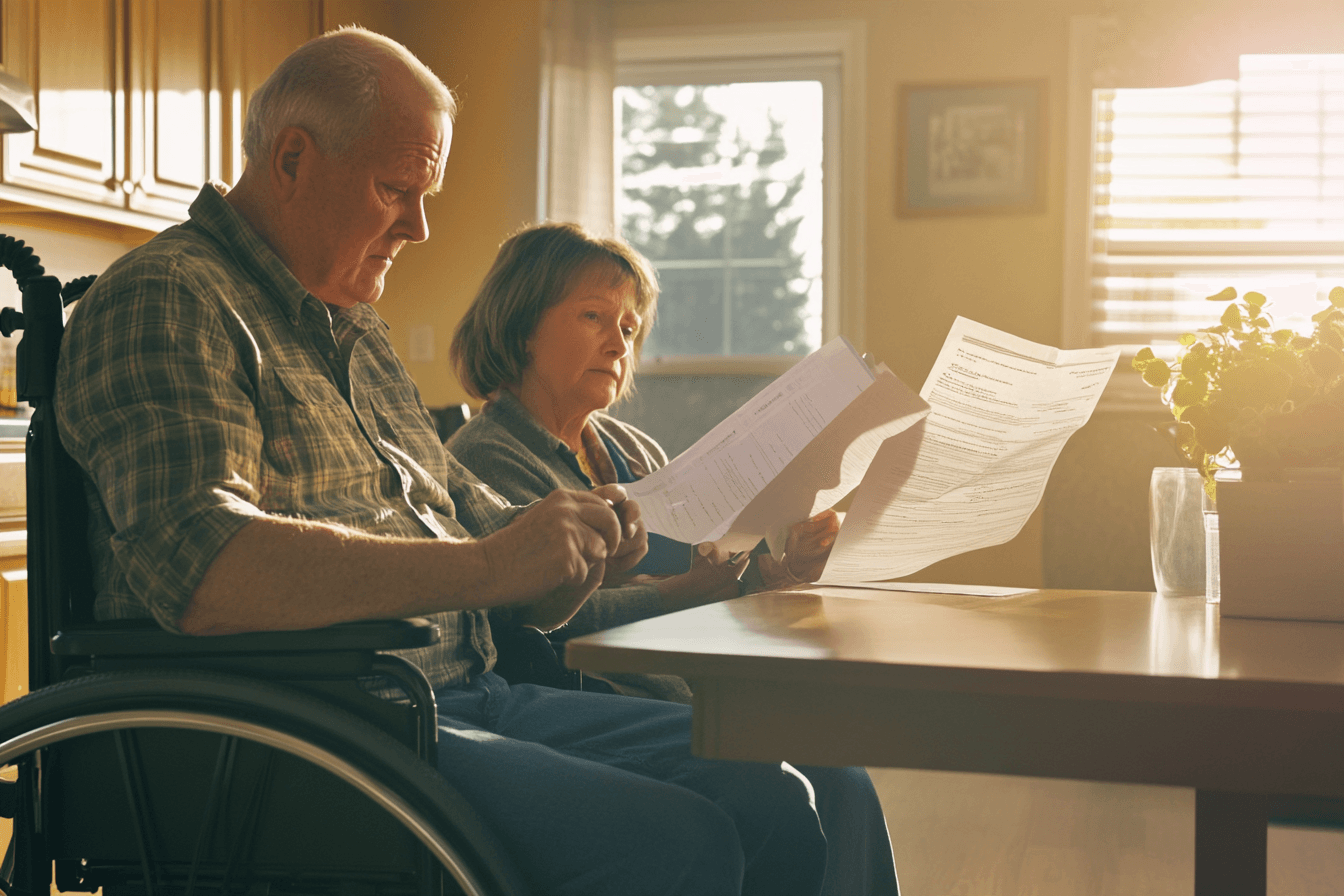
ALS motor neuron disease treatment often gives patients important medical support, but many families still feel that their deeper questions remain unanswered. They want to know how strength can be preserved, how swallowing can be supported, how weight can be maintained, how sleep can improve, how stiffness and cramps can reduce, and how the patient can continue daily life with more confidence. Ayurveda becomes important in this gap because it studies the whole person, including Vata, Agni, Mamsa Dhatu, Majja Dhatu, Ojas, Bala, digestion, sleep, nourishment and functional reserve. [1, 3, 5, 6, 11, 13, 14]
Why ALS Motor Neuron Disease Treatment Must Look Beyond Survival Statistics
When a patient receives an ALS or MND diagnosis, the discussion often turns toward progression, life expectancy, medicines, breathing support and future disability. These discussions are necessary, but they can leave the patient emotionally exhausted. A person does not live only through medical numbers. The patient lives through walking, speaking, eating, sleeping, breathing, communicating, using the hands and depending less on others.
This is where the treatment conversation needs more depth. A patient may ask whether speech clarity can be supported, whether choking can reduce, whether appetite can improve, whether sleep can become calmer, whether stiffness can reduce or whether walking confidence can be preserved. These are not small concerns. They directly affect dignity, independence and family life.
Ayurveda gives a wider clinical frame for these concerns. It does not look only at nerve degeneration. It studies how the body is losing strength, how Vata is disturbing movement, how Agni is handling food, how Mamsa Dhatu is maintaining muscle support, how Majja Dhatu is affected at a deeper level and how Ojas can be protected for resilience.
Why Patients Search for Ayurvedic Treatment for ALS
Many patients search for Ayurvedic treatment for ALS because they want an active plan instead of passive observation. They may already be taking modern medicines, doing physiotherapy or attending neurology follow up, yet still feel that weakness, fatigue, sleep disturbance, constipation, cramps, stiffness or weight loss are not being addressed deeply enough.
This search should be understood with compassion. Patients are not only looking for hope. They are looking for a system that studies their body carefully and gives them a practical recovery direction. Ayurveda can offer that direction when it is practised with diagnosis, supervision, safety and measurable review.
In a serious Ayurvedic model, the treatment does not begin with a general promise. It begins with the patient’s reports, onset type, stage, swallowing safety, breathing reserve, weight, digestion, bowel movement, sleep and functional capacity. This makes the care more personal and clinically grounded.
The Missing Focus on Agni and Nourishment
One major gap in many treatment conversations is digestion and nourishment. ALS patients may lose weight because of poor appetite, slow chewing, swallowing fear, fatigue, anxiety, constipation or increased effort during daily activity. When weight falls, weakness often feels worse, and the patient may lose confidence more quickly. [5, 6]
Ayurveda gives Agni a central role because digestion decides whether food and medicine become useful nourishment. If Agni is weak, strong formulas may not be tolerated properly. The patient may feel heaviness, bloating, mucus, loose stool or poor appetite. For this reason, Ayurvedic treatment often begins by correcting digestion before increasing heavier Rasayana support.
This approach is practical for ALS care. Better appetite, smoother bowel movement, less bloating, improved taste and stable weight can create a stronger foundation for deeper treatment. When nourishment improves, the body may become more receptive to Rasayana, Balya and Brimhana support.
The Missing Focus on Vata and Functional Decline
ALS and MND affect movement, coordination, speech, swallowing and muscle strength. In Ayurveda, these functions are strongly connected with Vata. When Vata becomes aggravated in a depleted body, the patient may experience dryness, stiffness, twitching, cramps, weakness, wasting, constipation, poor sleep, anxiety and loss of smooth movement. [14]
A Vata centred plan does not simply target one symptom. It tries to restore steadiness in the body. Warm nourishment, suitable Sneha, bowel regulation, sleep support, Rasayana medicines, gentle external therapies and carefully planned Anupana may all have a place depending on the patient’s condition.
This is clinically important because functional decline rarely happens in isolation. Poor sleep can worsen fatigue. Constipation can increase discomfort. Weight loss can reduce strength. Stiffness can affect walking. Swallowing fear can reduce food intake. Ayurveda connects these signs and treats the patient as one living system.
Why Measurable Improvement Builds Trust
Patients with ALS should not be asked to believe blindly. Progress should be observed in daily life and recorded honestly. ALSFRS R is used to assess practical functions such as speech, swallowing, handwriting, walking, stairs and breathing. This idea fits well with a responsible Ayurvedic model because improvement should be measured through function, not only through feeling. [11]
A family can track speech clarity, choking frequency, saliva, cough strength, appetite, bowel movement, sleep, cramps, stiffness, hand grip, walking support, body weight and breathing comfort every month. These markers help the physician understand whether the patient is stabilising, responding in selected areas or needing treatment adjustment.
This kind of monitoring makes Ayurvedic care more trustworthy for Western patients. It shows that the clinic is not depending on vague reassurance. The plan is active, documented and adjusted according to the patient’s real condition.
How Ayurveda Fills the Treatment Gap Responsibly
Ayurveda fills the gap by offering a deeper restorative path. It works on Vata pacification, Agni correction, Mamsa Dhatu support, Majja Dhatu nourishment, Ojas protection, sleep, bowel movement, appetite, strength and daily function. This does not require rejecting modern medicine. It requires placing Ayurveda at the centre of recovery support while keeping diagnosis, swallowing, breathing and emergency safety properly monitored. [5, 6, 13, 14, 27]
The strongest Ayurvedic approach is personalised and stage wise. Early limb onset may need more strength preservation and mobility support. Bulbar symptoms need swallowing safety and nourishment planning. Respiratory involvement needs careful monitoring and gentle treatment. Weight loss needs Agni and Brimhana attention. Poor sleep and anxiety need Vata calming and Medhya support.
This is the bridge that many patients are searching for. They want a treatment plan that does not reduce them to a prognosis. They want a plan that studies what is still possible, protects what remains strong and supports the body with seriousness. Ayurveda can provide that wider path when it is practiced with clinical discipline, transparent safety and regular outcome tracking.
Ayurvedic Understanding of ALS Motor Neuron Disease Treatment
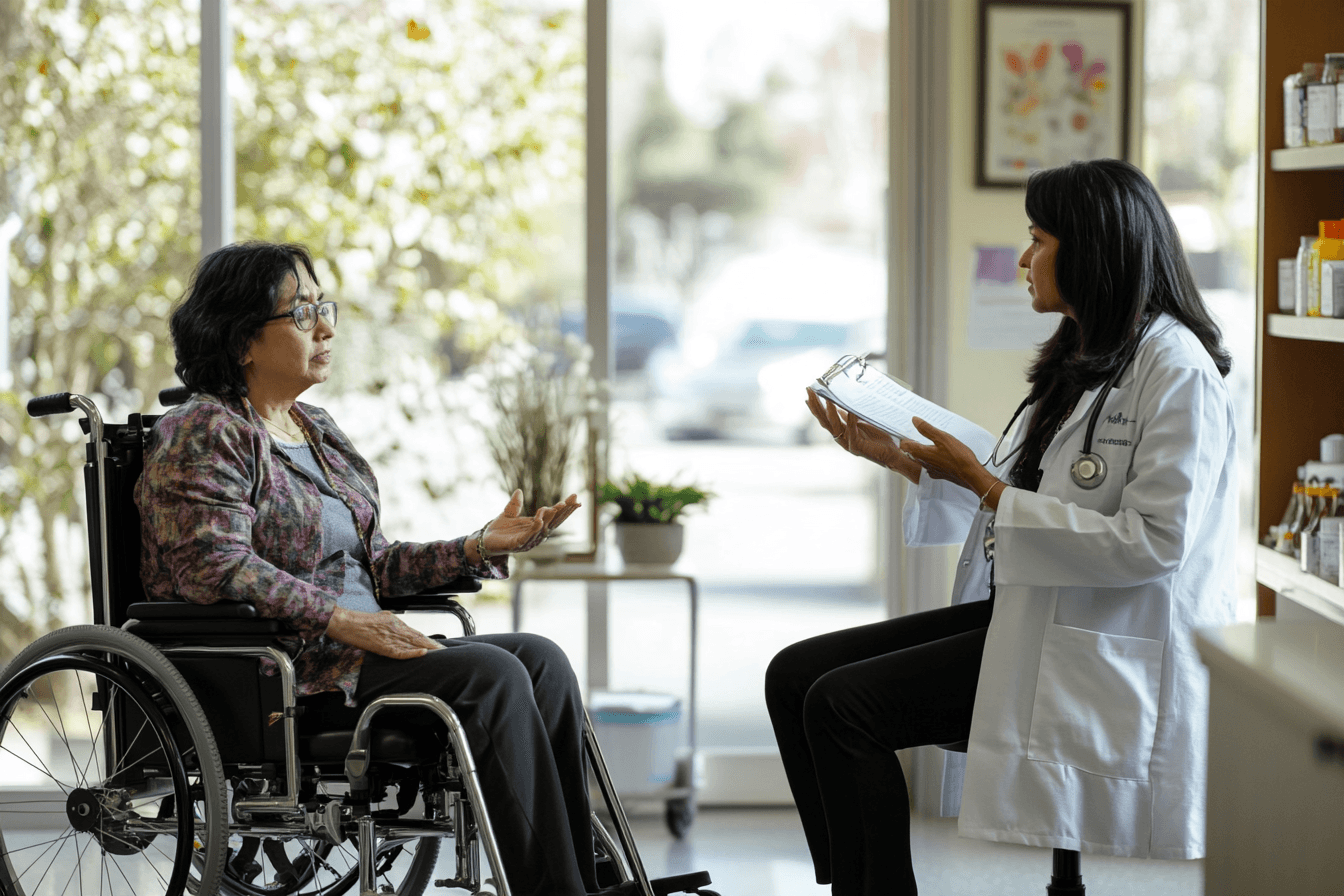
ALS motor neuron disease treatment becomes more meaningful when the patient is not seen only through the diagnosis, but through the remaining strength, swallowing safety, breathing reserve, speech clarity, digestion, sleep, weight, muscle tone and speed of decline. In Ayurveda, this type of neuromuscular weakness is studied through the wider clinical frame of Vatavyadhi, where aggravated Vata can disturb movement, coordination, strength, nourishment and normal function. This does not replace neurological diagnosis, but it helps guide a deeper restorative plan focused on stabilisation, nourishment and measurable functional improvement. [1, 2, 3, 13, 14]
How ALS Motor Neuron Disease Treatment Is Viewed in Ayurveda
Ayurveda does not treat ALS only as a label. A physician studies whether the patient has dryness, wasting, stiffness, tremors, cramps, weakness, poor appetite, constipation, disturbed sleep, anxiety, reduced voice strength, choking tendency or loss of daily independence. These features are clinically important because Vata becomes more destructive when the body is depleted and poorly nourished.
From an Ayurvedic view, ALS and motor neuron disease can be understood through the involvement of Vata, Mamsa Dhatu, Majja Dhatu, Agni and Ojas. Mamsa Dhatu relates to muscle strength and structural support. Majja Dhatu relates to deeper nervous tissue support in the classical Ayurvedic model. Agni decides whether nutrition and medicine are properly absorbed. Ojas reflects deeper resilience, stamina and recovery capacity. When these areas are weak, the treatment must be more than ordinary symptom control.
This is why a serious Ayurvedic plan should begin with stage assessment. A patient with mild limb weakness, good appetite and stable breathing needs a different approach from a patient with bulbar ALS, choking, weight loss or weak cough. In early and moderate stages, the clinical focus is to preserve functional reserve, support tissue nourishment, reduce Vata aggravation and improve the body’s ability to respond.
Classical Basis for a Rasayana Centred Approach
Charaka explains Rasayana as a method for improving the quality of body tissues and supporting strength, vitality, memory, complexion, voice and sense organ strength. This is directly relevant in ALS care because patients and families are not only looking for survival statistics. They want strength, speech, swallowing, walking ability, sleep, appetite, weight stability and dignity in daily life.
Sanskrit
दीर्घमायुः स्मृतिं मेधामारोग्यं तरुणं वयः।
प्रभावर्णस्वरौदार्यं देहेन्द्रियबलं परम्॥
वाक्सिद्धिं प्रणतिं कान्तिं लभते न रसायनात्।
लाभोपायो हि शस्तानां रसादीनां रसायनम्॥
Transliteration
Dīrghamāyuḥ smṛtiṁ medhām ārogyaṁ taruṇaṁ vayaḥ।
Prabhā varṇa svaraudāryaṁ dehendriya balaṁ param॥
Vāk siddhiṁ praṇatiṁ kāntiṁ labhate na rasāyanāt।
Lābhopāyo hi śastānāṁ rasādīnāṁ rasāyanam॥
Simple English meaning
Rasayana supports long life, memory, intelligence, health, youthful strength, radiance, voice, excellence of the body and senses, speech, grace and vitality. It is described as a means of obtaining the best quality of body tissues.
Book, chapter and verse
Charaka Samhita, Chikitsa Sthana, Chapter 1, Rasayana Adhyaya, Verses 7 to 8. [13]
This verse is relevant because ALS care needs a tissue centred and strength centred approach. The practical aim is not to make a casual public claim, but to build a documented clinical pathway where the patient’s body is supported month by month.
Why Vata Pacification Is Central
In Vatavyadhi, Ayurveda gives importance to nourishment, oleation, warmth, digestive correction and strength support. This is clinically logical in ALS because many patients show wasting, stiffness, fatigue, poor sleep, constipation, low appetite and loss of muscle confidence. If the plan only targets one symptom, it may miss the deeper pattern of depletion.
A Vata centred ALS motor neuron disease treatment plan therefore gives importance to warm nourishing diet, carefully selected Rasayana medicines, medicated ghee where suitable, oil based external therapies, bowel regulation, sleep support, respiratory safety and gradual physical support. The plan must be adapted if the patient has swallowing difficulty, liver or kidney concerns, diabetes, aspiration risk or ongoing modern medicines.
What Makes an Ayurvedic Plan Trustworthy
A trustworthy Ayurvedic plan for ALS should be report based and measurable. The doctor should review EMG, nerve conduction study, MRI, neurologist notes, respiratory status, swallowing difficulty, current medicines, weight history and symptom timeline. Progress should be monitored through practical markers such as speech clarity, choking frequency, hand grip, walking support, cramps, stiffness, appetite, bowel movement, sleep, breathing comfort and body weight.
This approach keeps Ayurveda at the centre while respecting medical reality. Modern ALS care, including neurologist monitoring, respiratory support, nutrition guidance, physiotherapy and approved medicines, should not be stopped without medical advice. The stronger path is an integrative one where Ayurveda works on strength, nourishment, Vata control and functional recovery support while medical safety is carefully maintained. [3, 5, 6, 11, 27]
ALS Motor Neuron Disease Ayurveda Treatment
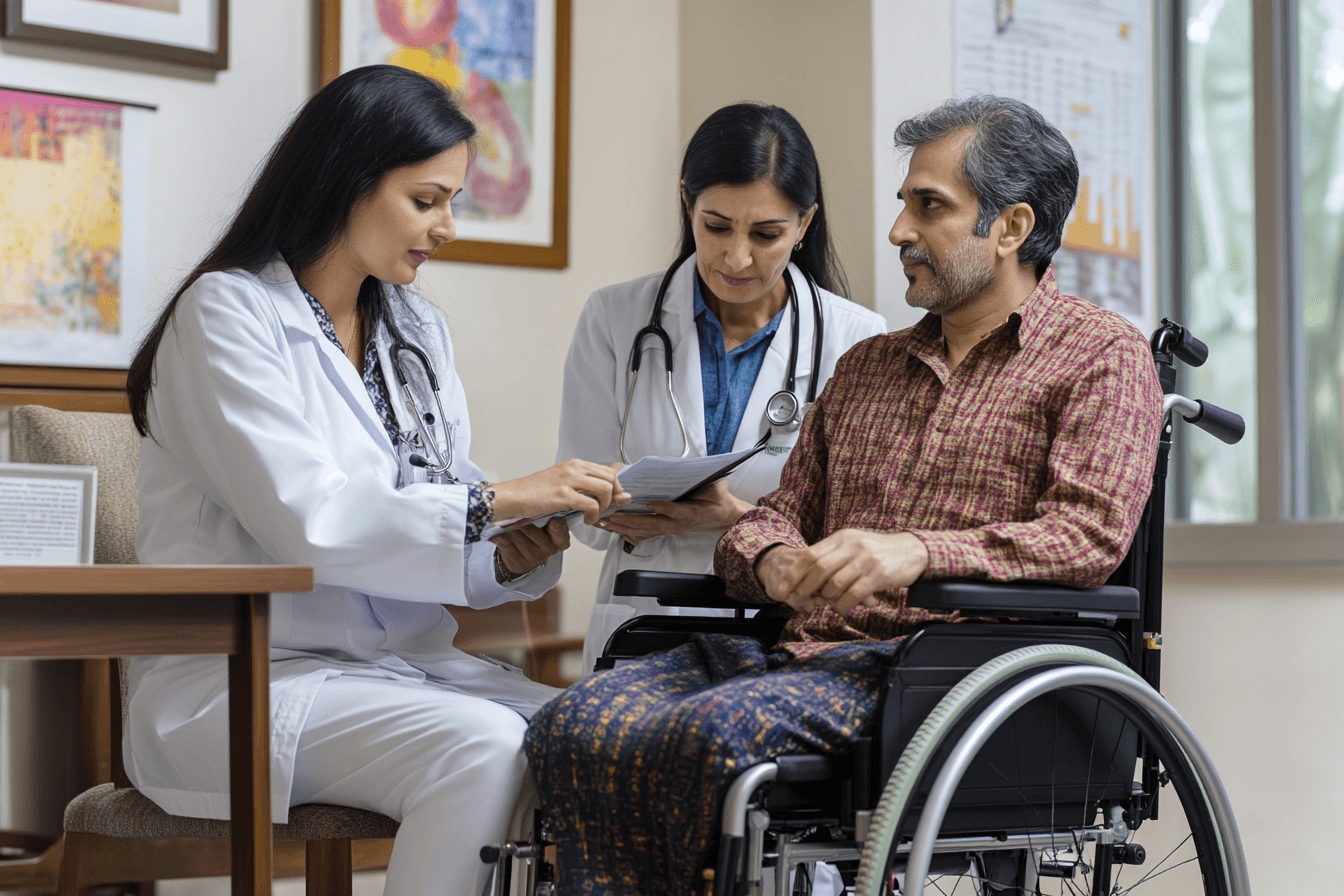
ALS motor neuron disease treatment should not begin with a ready made formula or a general promise. It should begin with a careful study of the patient’s remaining functional strength, because every ALS or MND patient is different. the Ayurvedic approach is centred on understanding how much speech, swallowing, breathing, walking, digestion, sleep, muscle strength and daily independence can still be supported, protected and improved through a structured Rasayana based plan. [3, 5, 11, 13, 14]
Why Our ALS Motor Neuron Disease Treatment Starts With Functional Reserve
In many ALS consultations, patients are told the diagnosis, the expected progression and the available modern medicines. These points are important, but they do not fully answer what the family wants to know in daily life. They want to know whether the patient can walk with more confidence, swallow with less fear, sleep better, maintain weight, reduce cramps, improve energy and preserve independence for as long as possible.
This is why functional reserve becomes the centre of our assessment. A patient who can still walk, speak, eat safely and breathe comfortably needs a different Ayurvedic plan from a patient who has bulbar symptoms, repeated choking, rapid weight loss or weak cough. The treatment direction is decided only after understanding the stage, speed of decline, digestion, tissue strength and risk factors.
Report Based Ayurvedic Neurology Review
A trustworthy Ayurvedic plan should respect medical diagnosis. Before planning treatment, the reports should be reviewed carefully, including EMG, nerve conduction study, MRI, neurologist notes, current medicines, respiratory findings, swallowing difficulty, weight history and symptom timeline. This helps separate true ALS from conditions that may resemble motor neuron disease and also helps identify where the patient needs urgent modern support. [3, 6, 12]
This report based approach builds confidence because the patient is not treated only through the name of the disease. The doctor studies the full clinical picture and then connects it with Ayurvedic assessment of Vata, Mamsa Dhatu, Majja Dhatu, Agni and Ojas. In practical terms, this means the plan is designed for the person, not just for the diagnosis.
Rasayana Centred Personalised Formulation
The main strength of the Panaceayur model is the Rasayana centred approach. In Ayurveda, Rasayana is not just a tonic. It is a deeper method of supporting tissue quality, strength, vitality, nourishment and resilience. In ALS and MND like presentations, this is especially relevant because the patient often needs support for muscle wasting, nerve weakness, fatigue, poor sleep, low appetite, constipation and loss of stamina. [13, 17]
The formulation is prepared according to the patient’s condition. A weak patient with poor digestion may need lighter digestive support first. A patient with weight loss may need stronger Brimhana and Balya support. A patient with stiffness, cramps and dryness may need deeper Vata pacification. A patient with bulbar ALS may need a safer consistency and careful swallowing guidance. This personalisation is a major difference from general market medicines.
Stage Wise Ayurvedic Protocol
ALS motor neuron disease treatment becomes more practical when it is planned stage by stage. In the early stage, the focus is on preserving strength, reducing Vata aggravation, improving digestion, maintaining weight and supporting daily function. In the moderate stage, the focus becomes more protective, especially for swallowing, speech, fatigue, stiffness, sleep and respiratory comfort. In advanced cases, the plan becomes more supportive and safety focused, with special attention to nutrition, aspiration risk, comfort, bowel movement, sleep and caregiver confidence. [5, 6]
This stage wise method makes the treatment more realistic and clinically responsible. It also helps the family understand what should be monitored each month. The aim is to create visible and measurable improvement wherever the patient still has functional reserve, while maintaining safety and medical supervision.
Monthly Tracking of Real Improvement
A serious ALS or MND plan should not depend only on hope. Progress should be measured through real life markers. The patient and family should observe speech clarity, choking episodes, hand grip, walking support, cramps, stiffness, saliva, sleep, appetite, bowel movement, weight, breathing comfort and daily activity. ALSFRS R is also useful because it tracks functional areas such as speech, swallowing, handwriting, walking, stairs and breathing. [11]
This monthly review helps the doctor adjust the formulation, dose, diet and supportive therapies. It also helps the family see whether the body is responding. Even small changes can matter deeply in ALS care when they improve confidence, reduce fear and protect independence.
Integrative Care Without Stopping Modern Support
Panaceayur’s approach keeps Ayurveda at the centre, but it does not ask patients to ignore neurology care. Modern support such as riluzole, edaravone, respiratory monitoring, nutrition guidance, physiotherapy, speech therapy and swallowing assessment may remain important depending on the patient’s stage and reports. Patients should not stop prescribed medicines or respiratory support without medical advice. [5, 6, 8, 27]
The stronger path is integrative and intelligent. Ayurveda works on Vata pacification, Rasayana nourishment, digestion, strength, sleep, weight stability and functional recovery support, while modern care helps monitor diagnosis, breathing safety, swallowing risk and emergency needs. This balanced approach protects trust and gives patients a wider, more practical treatment pathway.
ALS Motor Neuron Disease Treatment Through a Recovery Focused Ayurvedic Model
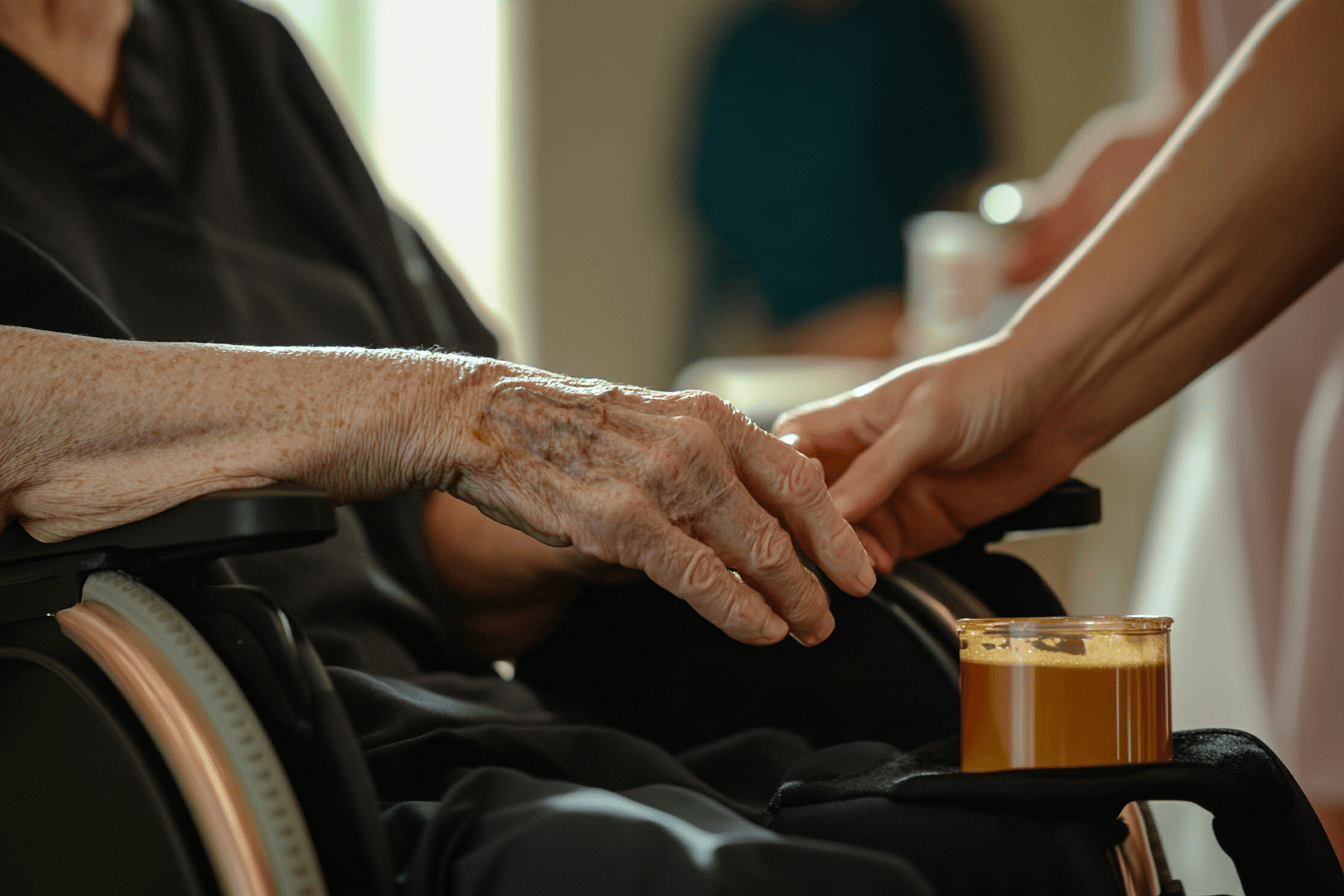
ALS motor neuron disease treatment becomes more practical when it is planned in phases instead of giving the same medicine to every patient. In Ayurveda, the first aim is to understand the patient’s remaining strength, digestive capacity, tissue depletion, Vata aggravation, speech, swallowing, breathing comfort and speed of decline. Once this clinical picture is clear, treatment can be directed toward stabilisation, nourishment, strength preservation and functional recovery support. [3, 5, 11, 13, 14]
How ALS Motor Neuron Disease Treatment Begins With Stabilisation
The first phase is stabilisation. Many ALS or MND patients reach consultation after months of fear, repeated tests, weight loss, disturbed sleep and visible weakness. At this stage, the body is often in a depleted state, and the family may notice that small losses in walking, speech or swallowing create major emotional stress.
Ayurveda approaches this stage by reducing the factors that aggravate Vata and weaken tissue nourishment. The physician studies whether the patient has constipation, dryness, cramps, stiffness, poor appetite, disturbed sleep, anxiety, muscle wasting or rapid fatigue. These signs help decide whether the patient first needs digestive correction, Vata pacification, nourishing Rasayana support or a gentler introductory plan.
Stabilisation does not mean waiting passively. It means creating a clinical pause in the decline wherever the patient has enough reserve to respond. The patient’s food, sleep, bowel movement, swallowing safety, breathing comfort and daily strength are reviewed together, because ALS affects the whole life of the patient, not only one muscle group. [5, 6, 14]
Correcting Agni Before Strong Rasayana
A strong Rasayana formula can help only when the patient can digest and assimilate it. In Ayurveda, Agni is central because weak digestion can turn even nourishing medicine into heaviness, bloating, mucus, loose stools or poor tolerance. This is especially important in ALS patients who already have low appetite, weight loss, constipation or difficulty swallowing.
For this reason, the early plan may include mild Deepana and Pachana support before introducing a heavier Rasayana Avaleha. The aim is to make the digestive system ready for nourishment. When appetite improves, bowel movement becomes regular and heaviness reduces, the patient usually tolerates Brimhana and Rasayana medicines better.
This step is clinically important for Western patients because many are already using multiple medicines, nutritional powders, supplements or feeding support. The Ayurvedic plan should not overload the patient. It should build digestive strength first and then deepen tissue support gradually. [13, 14, 17]
Pacifying Vata and Supporting Neuromuscular Function
Vata is the main Dosha involved in movement, nerve signalling, coordination, dryness, speech, swallowing rhythm and muscle activity. In ALS and MND like presentations, aggravated Vata may be seen through weakness, wasting, stiffness, twitching, cramps, tremor, constipation, sleep disturbance and loss of coordination. This is why Vata pacification is placed at the centre of Ayurvedic management. [14]
The treatment may use warm nourishing diet, suitable medicated ghee, oil based external therapies, Rasayana medicines, bowel regulation and sleep support. In patients with stiffness and cramps, the plan may be more Vata Shamaka. In patients with wasting and low weight, the plan may be more Brimhana and Balya. In patients with anxiety and poor sleep, Medhya Rasayana and calming support become more important.
The purpose is to bring the body toward steadier function. When Vata is better controlled, the patient may feel better sleep, less internal restlessness, improved appetite, more comfort in the body and better ability to participate in daily care. These changes are not small in ALS care because they can support confidence and improve day to day function.
Supporting Mamsa Dhatu and Majja Dhatu
Mamsa Dhatu represents muscle tissue and physical strength in Ayurveda. Majja Dhatu is connected with deeper nervous system nourishment in the classical Ayurvedic understanding. In ALS motor neuron disease treatment, both become important because the disease affects muscle control, muscle bulk, coordination and functional independence.
A Rasayana based plan tries to support tissue quality rather than simply chase symptoms. Balya herbs are used for strength. Brimhana herbs are used for nourishment and weight support. Medhya Rasayana herbs are used for nervous system support, sleep, mental steadiness and resilience. Sneha such as ghee and suitable oils may be used where digestion, swallowing and metabolic status allow.
This is also where treatment must be personalised. A thin, dry, constipated, anxious patient with muscle wasting does not need the same plan as a heavier patient with Kapha dominance, mucus, poor metabolism and swallowing difficulty. The formulation, dose, Anupana and diet should match the patient’s constitution, stage and tolerance.
Protecting Speech Swallowing and Breathing
Bulbar symptoms need special care because speech and swallowing difficulty can increase fear quickly. A patient may cough while drinking water, take longer to eat, develop a nasal voice, lose tongue strength or feel saliva pooling in the mouth. These signs must be assessed seriously because aspiration and poor nutrition can worsen weakness.
Ayurveda can support nourishment, Vata control, throat comfort, sleep, digestion and strength, but it should be combined with proper swallowing and respiratory monitoring. Food consistency, medicine texture and timing become important. A sticky Avaleha may not suit every bulbar ALS patient unless it is properly diluted and given safely.
Breathing comfort also needs careful attention. If the patient has weak cough, breathlessness while lying down, morning headache, disturbed sleep or falling oxygen levels, neurological and respiratory care should be involved without delay. A responsible Ayurvedic model does not ignore these risks. It works around them with safety and supervision. [5, 6, 27]
Measuring Recovery Support Every Month
The recovery focused model is strongest when progress is measured. The patient and family should observe speech clarity, swallowing confidence, choking frequency, hand grip, walking support, cramps, stiffness, sleep, appetite, bowel movement, body weight, breathing comfort and daily activity. ALSFRS R can also help track practical function in areas such as speech, swallowing, handwriting, walking, stairs and breathing. [11]
Monthly review helps the physician understand whether the body is responding. If appetite improves, sleep becomes deeper, cramps reduce, weight becomes stable and walking confidence improves, the plan may be continued or strengthened. If swallowing worsens, breathing changes or weight falls, the treatment must be adjusted quickly and modern support should be intensified where needed.
This is the most trustworthy way to present Ayurvedic ALS care. The patient is not given empty reassurance. The patient is given a structured pathway where Ayurveda remains central, but every meaningful change is observed, recorded and used to guide the next month of treatment.
Best Ayurvedic Avaleha for ALS Motor Neuron Disease Treatment
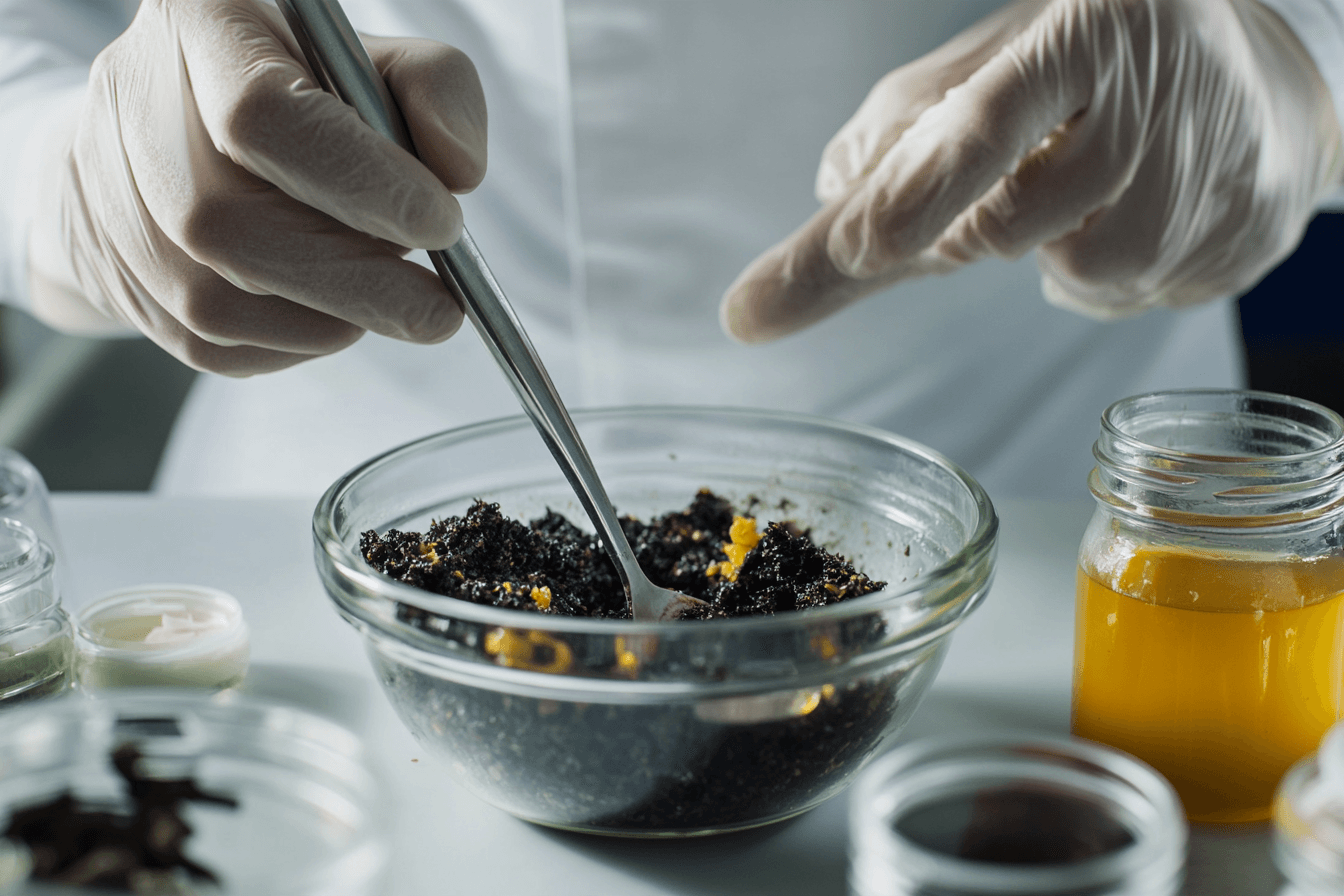
The best Ayurvedic Avaleha for ALS motor neuron disease treatment should be selected through the logic of Rasayana, Balya, Brimhana, Medhya, Vata pacification, Mamsa Dhatu support and Majja Dhatu support. ALS is a modern neurological diagnosis, so no classical text gives a direct formula named for ALS. The most responsible Ayurvedic approach is to prepare a physician supervised Rasayana Avaleha inspired by classical Rasayana and Vatavyadhi principles, then customise it according to the patient’s digestion, swallowing safety, weight, breathing reserve, muscle wasting and stage of disease. [13, 14, 17]
Majja Balya Brahma Rasayana Avaleha for ALS Motor Neuron Disease Treatment
For ALS and motor neuron disease like neuromuscular weakness, a suitable name for the formulation is Majja Balya Brahma Rasayana Avaleha. The name is clinically meaningful because Majja points toward deeper nervous system nourishment in Ayurvedic understanding, Balya points toward strength, Brahma Rasayana connects the formula with the classical Rasayana tradition, and Avaleha makes the medicine easier to administer in a nourishing semi solid form.
This formulation is inspired by Charaka Samhita, Chikitsa Sthana, Chapter 1, Rasayana Adhyaya, where Rasayana is described for strength, vitality, voice, memory, tissue nourishment and resilience. It is also inspired by Charaka Samhita, Chikitsa Sthana, Chapter 28, Vatavyadhi Chikitsa, because ALS like weakness, wasting, stiffness, cramps, tremors and loss of function can be studied through the broad Ayurvedic lens of Vata disorders. The Avaleha format is further supported by the classical and modern understanding of Chyawanprash and Rasayana preparations, where a fruit base, decoction, ghee, oil, honey and multiple herbs are combined for long term nourishment. [13, 14, 17]
Classical Foundation of This Rasayana Avaleha
Charaka explains the purpose of Rasayana in a way that directly supports the logic of treatment in chronic degenerative weakness.
Sanskrit
दीर्घमायुः स्मृतिं मेधामारोग्यं तरुणं वयः।
प्रभावर्णस्वरौदार्यं देहेन्द्रियबलं परम्॥
वाक्सिद्धिं प्रणतिं कान्तिं लभते न रसायनात्।
लाभोपायो हि शस्तानां रसादीनां रसायनम्॥
Transliteration
Dīrghamāyuḥ smṛtiṁ medhām ārogyaṁ taruṇaṁ vayaḥ।
Prabhā varṇa svaraudāryaṁ dehendriya balaṁ param॥
Vāk siddhiṁ praṇatiṁ kāntiṁ labhate na rasāyanāt।
Lābhopāyo hi śastānāṁ rasādīnāṁ rasāyanam॥
Simple English meaning
Rasayana supports long life, memory, intelligence, health, youthful strength, radiance, voice, excellence of the body and senses, speech, vitality and better quality of body tissues.
Book, chapter and verse
Charaka Samhita, Chikitsa Sthana, Chapter 1, Rasayana Adhyaya, Verses 7 to 8. [13]
This verse is relevant because ALS care needs more than symptom management. A patient may need support for voice, strength, tissue quality, stamina, nervous system resilience, digestion, sleep and daily function. Rasayana gives Ayurveda a classical foundation for this deeper restorative approach.
Thirty Day Formula for Majja Balya Brahma Rasayana Avaleha
This formulation is designed as a 900 gram final batch for 30 days. The standard adult dose is 15 grams twice daily after food, which gives a total daily dose of 30 grams. In weak digestion, the dose may start lower and gradually increase. In bulbar ALS, the Avaleha should be mixed with warm water or another suitable Anupana to make swallowing safer.
The formulation should be prepared only under physician supervision. ALS patients may have choking risk, weak cough, aspiration tendency, liver or kidney concerns, diabetes, low appetite, constipation, respiratory weakness or ongoing modern medicines. For this reason, the final prescription, dose and consistency must be adjusted after reviewing the patient.
Kwatha Base for Thirty Days
| Ingredient | Sanskrit name | Part used | Raw weight |
|---|---|---|---|
| Dashamoola coarse powder | Dashamoola | Root group | 50 g |
| Bala | Bala | Root | 20 g |
| Atibala | Atibala | Root | 10 g |
| Ashwagandha | Ashwagandha | Root | 20 g |
| Shatavari | Shatavari | Root | 20 g |
| Vidari | Vidari Kanda | Tuber | 20 g |
| Guduchi | Guduchi | Stem | 20 g |
| Gokshura | Gokshura | Fruit | 10 g |
| Punarnava | Punarnava | Root | 10 g |
| Yashtimadhu | Yashtimadhu | Root | 10 g |
| Amalaki | Amalaki | Fruit | 15 g |
| Haritaki | Haritaki | Fruit | 10 g |
| Eranda Moola | Eranda | Root | 10 g |
| Rasna | Rasna | Root or leaf | 10 g |
| Devadaru | Devadaru | Heartwood | 5 g |
| Total raw Kwatha herbs | 240 g |
These herbs are boiled with 3840 ml water and reduced to about 480 ml. The decoction is filtered and then gently concentrated to about 150 grams for the final Avaleha base. Dashamoola, Bala, Atibala, Rasna and Eranda Moola support the Vata centred logic of the formula, while Ashwagandha, Shatavari, Vidari, Guduchi, Amalaki and Haritaki support Rasayana, nourishment and strength.
Fruit and Nourishing Base
| Ingredient | Sanskrit name | Weight in final batch |
|---|---|---|
| Cooked Amalaki pulp | Amalaki | 100 g |
| Cooked Haritaki pulp | Haritaki | 30 g |
| Draksha paste | Draksha | 25 g |
| Khajura paste | Kharjura | 15 g |
| Total | 170 g |
Amalaki and Haritaki connect the formulation with the Rasayana tradition. Draksha and Khajura make the Avaleha more nourishing and acceptable for weak patients who may have low weight, fatigue and poor appetite. This base also improves taste and helps the patient continue the medicine regularly.
Fine Herbal Powder for Prakshepa
| Ingredient | Sanskrit name | Weight |
|---|---|---|
| Ashwagandha churna | Ashwagandha | 22 g |
| Shuddha Kapikacchu churna | Kapikacchu | 12 g |
| Shatavari churna | Shatavari | 14 g |
| Vidari churna | Vidari | 14 g |
| Guduchi Satva | Guduchi Satva | 8 g |
| Brahmi churna | Brahmi | 12 g |
| Mandukaparni churna | Mandukaparni | 10 g |
| Shankhapushpi churna | Shankhapushpi | 10 g |
| Yashtimadhu churna | Yashtimadhu | 10 g |
| Pippali churna | Pippali | 6 g |
| Maricha churna | Maricha | 3 g |
| Shunthi churna | Shunthi | 5 g |
| Haridra churna | Haridra | 8 g |
| Musta churna | Musta | 4 g |
| Vacha churna | Vacha | 2 g |
| Jatamansi churna | Jatamansi | 4 g |
| Tagara churna | Tagara | 3 g |
| Shuddha Jyotishmati churna | Jyotishmati | 2 g |
| Rasna churna | Rasna | 5 g |
| Shuddha Guggulu fine powder | Guggulu | 6 g |
| Twak churna | Tvak | 2 g |
| Ela churna | Ela | 2 g |
| Nagakesara churna | Nagakesara | 2 g |
| Tulsi churna | Tulasi | 3.5 g |
| Kumkuma | Kesar | 0.5 g |
| Total | 170 g |
This Prakshepa combination gives the Avaleha its deeper clinical character. Ashwagandha, Shatavari, Vidari and Kapikacchu support strength and neuromuscular nourishment. Brahmi, Mandukaparni, Shankhapushpi, Jatamansi and Tagara support Medhya Rasayana, sleep and mental steadiness. Pippali, Maricha, Shunthi and Musta protect digestion so the heavy Rasayana does not become difficult to assimilate.
Sneha Sweet Base and Mineral Rasayana Support
| Ingredient | Weight |
|---|---|
| Mishri or Sharkara | 180 g |
| Guda | 40 g |
| Cow ghee | 70 g |
| Sesame oil | 25 g |
| Honey | 70 g |
| Total | 385 g |
Ghee and sesame oil are important because ALS like weakness often shows a Vata dominated picture with dryness, wasting, stiffness, poor sleep and loss of strength. Honey is added only after the Avaleha cools, because it should not be cooked on high heat. The sweet base supports palatability and nourishment, but the dose must be adjusted in patients with diabetes or poor sugar control.
Herbo Mineral Rasayana Premix
| Ingredient | Weight in 900 g batch | Approximate intake per day at 30 g daily |
|---|---|---|
| Abhraka Bhasma preferably Sahasraputi | 6 g | 200 mg daily |
| Swarna Makshika Bhasma | 2.4 g | 80 mg daily |
| Lauha Bhasma | 1.8 g | 60 mg daily |
| Mandura Bhasma | 1.8 g | 60 mg daily |
| Yashada Bhasma | 1.2 g | 40 mg daily |
| Mukta Pishti | 2.4 g | 80 mg daily |
| Pravala Pishti | 2.4 g | 80 mg daily |
| Akika Pishti | 1.5 g | 50 mg daily |
| Godanti Bhasma | 1.5 g | 50 mg daily |
| Suvarna Bhasma | 0.3 g | 10 mg daily |
| Rajata Bhasma | 0.3 g | 10 mg daily |
| Shuddha Shilajit Ghana | 3.4 g | 113 mg daily |
| Total | 25 g | 833 mg daily |
This premix should be used only when the physician considers it suitable. It must be prepared from authenticated, purified, GMP manufactured, batch tested and heavy metal tested material. Raw minerals, raw metals, uncertified bhasma and internet purchased mineral medicines should not be used. This is especially important for Western patients, because safety, purity, lab testing and documentation strongly influence trust. [27, 28, 29, 30, 31]
Final Weight Calculation
| Component | Final weight |
|---|---|
| Concentrated Kwatha | 150 g |
| Fruit and nourishing paste | 170 g |
| Fine Prakshepa Churna | 170 g |
| Sweet base ghee oil and honey | 385 g |
| Herbo mineral Rasayana premix | 25 g |
| Final Avaleha batch | 900 g |
Patient Friendly Preparation Method
The coarse Kwatha herbs are soaked in water for six to eight hours and then boiled slowly until the liquid reduces. The decoction is filtered and concentrated. Amalaki and Haritaki pulp are cooked separately and mixed with Draksha and Khajura paste. Mishri and Guda are added to the decoction and fruit base, then cooked on mild heat until the mixture starts becoming thick.
Cow ghee and sesame oil are added slowly while stirring. Once the base becomes thicker and smooth, the fine herbal powders are added gradually to avoid lumps. The Avaleha should remain soft, smooth and semi solid, because very hard consistency may not suit ALS patients with swallowing difficulty.
The herbo mineral premix is added only when the Avaleha becomes lukewarm. Honey is added last after cooling. The final batch should be stored in clean glass jars. For better hygiene, it may be stored as three jars of 300 grams each and one jar can be opened at a time.
How Each Main Ingredient Supports ALS Motor Neuron Disease Treatment
| Ingredient | Ayurvedic action | Research or clinical rationale |
|---|---|---|
| Ashwagandha | Balya, Rasayana, Vata pacifying | Withaferin A from Ashwagandha has shown ALS relevant activity in a SOD1 mouse model by reducing misfolded SOD1, neuroinflammation and motor neuron loss. This is preclinical evidence, not human cure evidence. [18] |
| Amalaki | Rasayana, Ojas support, tissue nourishment | Classical Rasayana and Chyawanprash literature support Amalaki as a central fruit base for long term nourishment and vitality. [13, 17] |
| Haritaki | Vata Anulomana, bowel support, Rasayana | Useful in a Vata dominant condition where constipation, poor elimination and dryness may worsen discomfort and weakness. [13, 14] |
| Bala and Atibala | Balya, strength support, Vata pacifying | Chosen for the Ayurvedic logic of strength preservation, depletion support and Vata related neuromuscular weakness. [14] |
| Shatavari and Vidari | Brimhana, nourishment, weight support | Useful where wasting, fatigue, low weight and tissue depletion are important clinical concerns. [13, 17] |
| Guduchi | Rasayana, Agni support, immune balance | Reviewed for traditional and pharmacological roles, but should be used with patient specific safety monitoring. [20] |
| Brahmi | Medhya Rasayana, nervous system support | Human studies support cognitive effects of Bacopa monnieri, though this should not be presented as ALS specific cure evidence. [19] |
| Mandukaparni and Shankhapushpi | Medhya, calmness, mental steadiness | Included to support the classical Medhya Rasayana logic for nervous system resilience, sleep and emotional stability. [13] |
| Pippali and Maricha | Deepana, bioavailability support | Piperine research supports improved curcumin bioavailability, giving a modern rationale for small doses of bioavailability supporting spices. [21] |
| Haridra | Inflammatory and oxidative stress pathway support | Curcumin research supports antioxidant and inflammatory pathway discussion, though ALS specific clinical benefit should not be overstated. [22] |
| Kapikacchu | Neurological support, strength support | Mucuna pruriens has neurological relevance due to natural L DOPA research in Parkinson’s disease, but it is not ALS specific evidence. [23] |
| Shilajit | Yogavahi, Rasayana, strength support | Shilajit is discussed as a phytocomplex with potential neurocognitive relevance, but purification and testing are essential. [24, 27] |
| Guggulu | Channel support, inflammatory pathway support | Guggulu research supports phytochemistry and inflammatory pathway discussion, not direct ALS cure evidence. [25] |
| Yashtimadhu | Nourishing, throat support, voice comfort | Useful for throat comfort and palatability, but blood pressure, potassium and drug interactions must be considered. [26] |
| Abhraka Bhasma and Suvarna Bhasma | Deep Rasayana, Ojas and strength support | Used only in very small supervised quantities when properly purified and tested. Safety and authenticity are essential. [27, 28, 29, 30, 31] |
Dose Anupana and Safety
The usual adult dose is 15 grams twice daily after food. Warm water or warm milk may be used as Anupana when suitable. In weak digestion, the physician may begin with a smaller dose and increase gradually. In bulbar ALS, the Avaleha should be diluted properly and given only when swallowing is safe.
This formulation should not replace neurologist care, respiratory monitoring, nutrition planning, physiotherapy or prescribed ALS medicines. It is best used as part of a supervised integrative plan where Ayurveda remains central and modern safety monitoring continues. The patient should be reviewed every month for weight, appetite, bowel movement, sleep, cramps, stiffness, hand grip, walking support, speech clarity, choking frequency, saliva, cough strength and breathing comfort. [5, 6, 11, 27]
What Patients Can Expect From ALS Motor Neuron Disease Treatment
ALS motor neuron disease treatment should give the patient a clear recovery direction without creating unrealistic fear or false certainty. In Ayurveda, the body is assessed for remaining strength, digestion, tissue nourishment, Vata aggravation, sleep, speech, swallowing, breathing comfort and daily independence. When these areas are addressed early and systematically, some patients may show better stability, better energy, improved appetite, calmer sleep, reduced cramps, safer nutrition and stronger confidence in daily activity. [3, 5, 11, 13, 14]
Realistic Goals in ALS Motor Neuron Disease Treatment
A responsible Ayurvedic plan does not judge progress only by the disease name. It studies what can still be protected and strengthened. In some patients, the first meaningful change may be improved sleep, better bowel movement, improved appetite, less stiffness or better weight stability. In others, the family may observe better walking confidence, clearer speech, fewer choking episodes or more stamina during daily care.
These changes matter because ALS and motor neuron disease affect the whole life of the patient. A small improvement in swallowing can reduce fear at mealtime. Better sleep can improve energy the next day. Stable weight can support strength. Less stiffness can make movement and care easier. Ayurveda gives importance to these practical changes because they reflect Bala, Agni, Dhatu nourishment and Vata control.
Why Every Patient Responds Differently
The response depends on the stage of disease, speed of decline, age, weight loss, respiratory reserve, bulbar involvement, digestion, sleep, emotional stress, current medicines and the patient’s ability to take nourishment safely. A patient with early limb weakness and stable breathing may have more functional reserve than a patient with repeated choking, weak cough or major weight loss.
This is why the treatment must be personalised. A patient with dryness, constipation, wasting and anxiety may need deeper Vata pacification and nourishment. A patient with poor appetite may need digestive correction before strong Rasayana. A patient with bulbar symptoms may need a thinner medicine consistency and strict swallowing precautions. The same formula and dose should not be used blindly for every patient.
Early Signs That the Body Is Responding
In a recovery focused Ayurvedic model, the first signs of response are often seen in daily life before they appear as dramatic neurological change. The patient may sleep better, feel calmer, pass stool more comfortably, tolerate food better, feel less exhausted after small activity or experience fewer painful cramps. These early changes suggest that Agni, Vata and nourishment are moving in the right direction.
As treatment continues, the physician may look for deeper changes such as weight stability, improved voice strength, better swallowing confidence, stronger sitting balance, better hand use, improved walking support or reduced dependence in selected activities. These outcomes should be documented carefully so that the treatment remains clinical and measurable rather than emotional or vague.
Why Monthly Review Is Essential
ALSFRS R is used in modern ALS care to follow practical functions such as speech, swallowing, handwriting, walking, stair climbing and breathing. This type of structured monitoring is also useful in integrative Ayurvedic care because it helps the doctor and family understand whether the patient is stable, improving in selected areas or needing urgent treatment adjustment. [11]
A monthly review should include body weight, appetite, bowel movement, sleep, cramps, stiffness, walking ability, hand grip, speech clarity, choking frequency, saliva, cough strength and breathing comfort. If these markers improve, the same direction may be continued or carefully strengthened. If swallowing, breathing or weight worsens, the plan must be adjusted quickly and modern neurological support should be intensified where needed. [5, 6]
A Trustworthy Recovery Path
Patients should not be left with only fear, but they also should not be given casual promises. A trustworthy ALS motor neuron disease treatment plan should create a clear clinical pathway where Ayurveda remains central and every improvement is observed, recorded and supported. The aim is to give the body the strongest possible internal environment for stability, nourishment, strength preservation and functional recovery support.
This approach is especially important for Western patients and families who want hope, but also want evidence, safety and professional honesty. Ayurveda can offer a deeper restorative direction when it is practised with careful diagnosis, personalised formulation, safe dosing, respiratory awareness, swallowing precautions and regular outcome tracking.
When to Begin ALS Motor Neuron Disease Treatment With Ayurveda
ALS motor neuron disease treatment should be considered as early as possible after diagnosis, especially when the patient still has usable strength, safe swallowing, stable breathing, reasonable appetite and some daily independence. Ayurveda works best when the body still has functional reserve to support. Waiting until severe wasting, repeated choking, major respiratory weakness or extreme exhaustion can make the treatment more difficult, although supportive care may still improve comfort, digestion, sleep and quality of life. [3, 5, 11, 13, 14]
Early ALS Motor Neuron Disease Treatment Gives More Room to Support Strength
In the early stage, the patient may have mild hand weakness, foot drop, muscle twitching, cramps, stiffness or fatigue, but speech, swallowing and breathing may still be stable. This is an important time for Ayurvedic intervention because the body may still respond to Vata pacification, Rasayana nourishment, digestive correction and strength support.
Ayurveda does not wait only for severe disability. It studies the direction in which the disease is moving. If weakness is spreading, sleep is poor, appetite is falling, constipation is increasing or muscle bulk is reducing, these signs show that Vata and tissue depletion need attention. Early support may help the patient preserve independence for a longer period and maintain better confidence in daily life.
Bulbar Symptoms Need Faster Attention
When ALS affects speech, tongue movement, swallowing or saliva control, the family should act quickly. Bulbar symptoms may begin as slurred speech, nasal voice, slow chewing, coughing while drinking water, food sticking in the throat or fear during meals. These symptoms are emotionally distressing and medically important because poor swallowing can affect nutrition and increase aspiration risk. [5, 6]
Ayurvedic support in this stage should focus on nourishment, Vata control, throat comfort, sleep, digestion and strength, but it must be planned with swallowing safety in mind. A thick Avaleha may need to be diluted. Food consistency may need adjustment. Respiratory symptoms should be monitored closely. The aim is to support the patient without increasing choking risk.
Weight Loss and Poor Appetite Should Not Be Ignored
Weight loss in ALS can weaken the patient further. From an Ayurvedic view, falling appetite, poor digestion, constipation, dryness and muscle wasting show that Agni and Dhatu nourishment are disturbed. If the patient cannot digest food properly, even a strong Rasayana may not give the expected benefit.
This is why Ayurvedic treatment often begins by improving appetite, bowel movement and assimilation. Once digestion becomes steadier, deeper Brimhana and Rasayana support can be introduced. For many patients, stable weight, better taste, improved bowel movement and more comfortable eating are meaningful signs that the body is becoming more receptive to treatment.
Breathing Changes Need Integrative Care
Breathing symptoms should always be taken seriously. Breathlessness while lying down, weak cough, disturbed sleep, morning headache, daytime sleepiness or falling oxygen levels need medical review. Ayurveda can support strength, sleep, nourishment and Vata balance, but respiratory safety must be protected through proper neurological and pulmonary care. [5, 6]
In such patients, Ayurvedic treatment should be gentle, supervised and carefully monitored. The goal is not to replace respiratory support, but to strengthen the patient’s internal condition while modern monitoring protects safety. This balanced approach is especially important in advanced ALS or motor neuron disease.
When Families Feel Standard Care Is Not Enough
Many families come to Ayurveda when they feel that standard care is only observing progression. This feeling is understandable. Patients want more than a prescription and a future prediction. They want a plan that actively works on strength, sleep, appetite, speech, swallowing, walking confidence and daily function.
Ayurveda gives this wider treatment direction through Vata pacification, Rasayana, Balya, Brimhana, Medhya support, diet correction and monthly outcome tracking. The best time to begin is when the patient and family are ready to follow a structured plan, share reports honestly and monitor changes with patience.
The Right Time Is Before Severe Functional Loss
The most practical answer is that Ayurvedic support should begin before severe functional loss. If the patient can still eat, communicate, walk with support, sleep reasonably and maintain weight, the treatment has more areas to work with. Even if the disease is already advanced, Ayurveda may still help support comfort, digestion, sleep, bowel movement, mental steadiness and caregiver confidence.
A serious ALS motor neuron disease treatment plan should not be delayed by fear or confusion. It should begin with a full review of diagnosis, stage, swallowing safety, respiratory status, digestion, weight, sleep and current medicines. This gives the physician a clear foundation to build a personalised Ayurvedic plan that is hopeful, practical and medically responsible.
What Reports Are Needed Before ALS Motor Neuron Disease Treatment
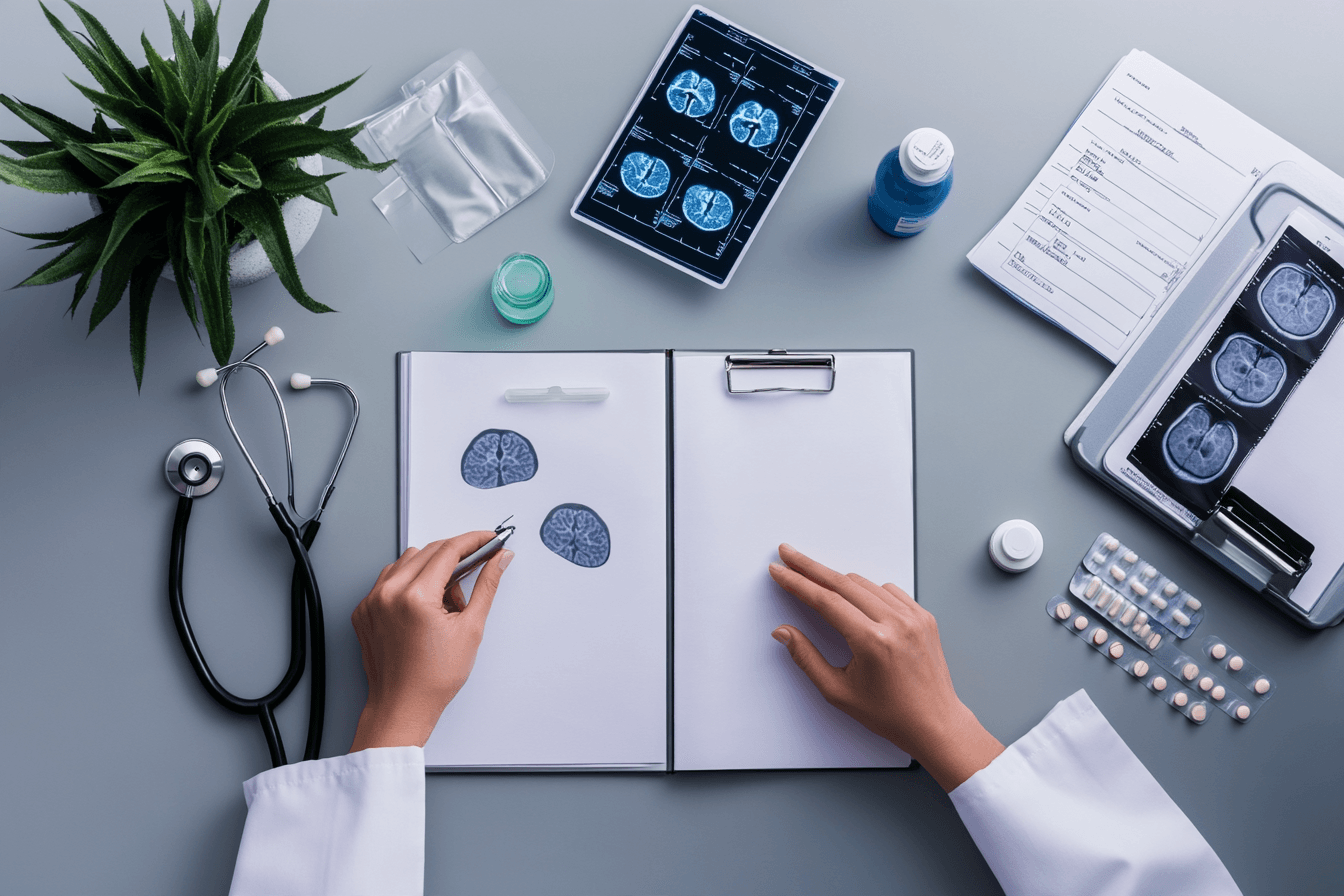
ALS motor neuron disease treatment should begin only after a careful review of diagnosis, stage, symptom pattern and safety risks. In Ayurveda, the medicine is not selected only from the disease name. The physician studies the patient’s neurological reports, functional strength, swallowing safety, breathing reserve, digestion, weight, sleep, bowel movement, current medicines and speed of decline before preparing a personalised Rasayana based plan. [3, 5, 6, 11]
Neurology Reports Needed for ALS Motor Neuron Disease Treatment
The most important documents are the neurologist’s diagnosis notes, EMG report, nerve conduction study, MRI brain and spine reports, and any previous opinion from a motor neuron disease specialist. These reports help confirm whether the weakness is truly due to ALS or whether another condition may be producing similar symptoms. This is important because some disorders can resemble ALS in the beginning, and treatment planning should not be based on assumption. [3, 12]
The EMG and nerve conduction study are especially useful because they show the pattern of nerve and muscle involvement. MRI reports help exclude structural causes such as spinal cord compression, cervical myelopathy or other neurological conditions. If the patient has a family history of ALS or has been advised genetic testing, those reports should also be shared because gene associated ALS may need specific modern treatment discussion. [3, 9, 10]
Functional Assessment Before Ayurvedic Treatment
Ayurveda gives great importance to Bala, which means strength and functional capacity. For ALS and MND patients, this should be assessed in practical daily terms. The doctor should know whether the patient can walk independently, climb stairs, lift objects, write, hold a spoon, turn in bed, speak clearly, swallow safely and breathe comfortably while lying down.
ALSFRS R is useful because it tracks real life functions such as speech, swallowing, handwriting, walking, stairs and breathing. Even when Ayurvedic treatment is central, this kind of functional scoring helps measure whether the patient is stable, improving in selected areas or declining faster than expected. It also helps the family observe progress more clearly instead of depending only on emotion or fear. [11]
Swallowing Breathing and Nutrition Reports
Swallowing and breathing status should never be ignored in ALS motor neuron disease treatment. If the patient coughs while drinking water, takes a long time to eat, has food sticking in the throat, has a weak cough or has frequent choking, the doctor should know this before prescribing an Avaleha or any oral medicine. Bulbar symptoms change the entire treatment plan because the texture, dose and timing of medicine must be safe. [5, 6]
Respiratory reports are also important. If available, the patient should share forced vital capacity, oxygen saturation records, sleep breathing reports, cough strength assessment or pulmonology notes. Breathlessness while lying down, morning headache, disturbed sleep and daytime drowsiness may suggest respiratory involvement. In such cases, Ayurvedic support should be planned carefully along with neurological and respiratory care. [5, 6]
Nutrition details are equally important because weight loss can worsen weakness. The physician should review body weight changes, appetite, food intake, chewing ability, constipation, feeding advice and any use of feeding tube support. From an Ayurvedic view, this helps assess Agni, Dhatu nourishment and the patient’s ability to tolerate Rasayana therapy.
Blood Tests Needed for Safe Ayurvedic Planning
Basic blood tests help make Ayurvedic treatment safer and more precise. CBC, ESR, CRP, liver function, kidney function, fasting sugar, HbA1c, thyroid profile, vitamin B12, vitamin D, ferritin, electrolytes and protein levels can guide treatment selection. These reports are not only for modern diagnosis. They also help the Ayurvedic doctor understand weakness, fatigue, poor recovery, digestion, tissue depletion and medicine tolerance.
If herbo mineral Rasayana support is considered, safety becomes even more important. Liver and kidney function should be reviewed, and the medicines should be prepared only from purified, authenticated and tested ingredients. Western patients are rightly concerned about safety and quality, so a serious Ayurvedic plan should be transparent about testing, sourcing and supervision. [27, 28, 29, 30, 31]
Current Medicines and Supplements
The patient should share every medicine and supplement being used, including riluzole, edaravone, tofersen, sleep medicines, saliva medicines, pain medicines, respiratory medicines, nutritional powders, vitamins, herbs and over the counter supplements. This helps prevent unnecessary overlap, poor tolerance and possible interactions.
This is also important because some Ayurvedic herbs need patient specific caution. For example, Yashtimadhu may not suit every patient with high blood pressure or low potassium risk, and Kapikacchu needs caution in patients using certain neurological or psychiatric medicines. A personalised plan protects the patient and improves trust. [23, 26, 27]
Ayurvedic Case Assessment Beyond Reports
After reviewing reports, the Ayurvedic doctor studies the patient’s constitution, Vata aggravation, Agni, bowel movement, sleep, dryness, stiffness, cramps, wasting, voice strength, mental stress and Ojas. Two patients with the same ALS diagnosis may need different treatment because their digestion, strength, symptoms and disease speed may be completely different.
This is where Ayurveda becomes more individualised. A dry, constipated, anxious and underweight patient may need stronger Vata pacification and nourishment. A patient with weak digestion may need Agni correction before heavy Rasayana. A patient with bulbar symptoms may need diluted medicine and strict swallowing precautions. A patient with stable breathing and early weakness may be suitable for a more strength centred Rasayana protocol.
Integrative Safety in ALS Motor Neuron Disease Treatment
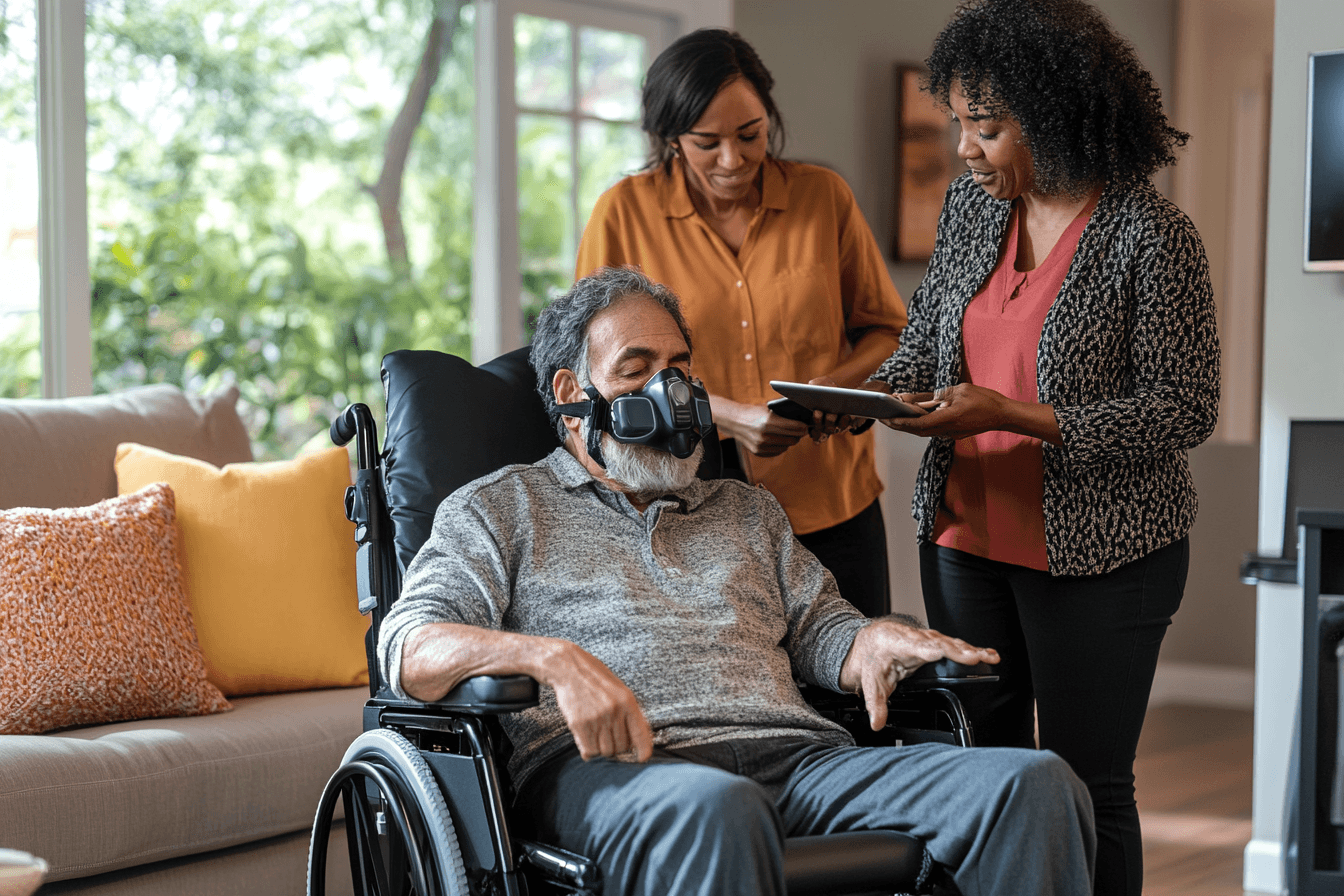
ALS motor neuron disease treatment with Ayurveda should be hopeful, active and restorative, but it must also be medically safe. A patient with ALS or MND may have swallowing difficulty, weak cough, breathing changes, weight loss, fatigue, constipation, poor sleep, anxiety and ongoing modern medicines. Ayurveda can remain at the centre of care, but the plan should be built with clear diagnosis, safe dosing, quality controlled medicines and regular monitoring. [3, 5, 6, 11, 27]
Why ALS Motor Neuron Disease Treatment Should Continue Neurology Care
A serious Ayurvedic approach does not ask the patient to leave neurologist care. Modern assessment helps confirm the diagnosis, check disease pattern, monitor breathing, assess swallowing risk and decide whether approved medicines or respiratory support are needed. This is important because ALS can affect essential functions such as eating, speaking, coughing and breathing. [1, 3, 5, 6]
Patients who are already taking riluzole, edaravone, tofersen or other prescribed medicines should not stop them suddenly without medical advice. Riluzole has evidence for modest survival benefit, edaravone may help a selected group of patients, and tofersen is relevant for SOD1 associated ALS. Ayurveda can work alongside this care by focusing on Vata pacification, Rasayana nourishment, digestion, strength preservation, sleep, bowel movement, weight stability and functional recovery support. [2, 7, 8, 9, 10]
Swallowing Safety Before Oral Ayurvedic Medicines
Swallowing safety is one of the most important parts of ALS care. If a patient coughs while drinking water, takes a long time to eat, has food sticking in the throat, loses voice strength or develops repeated choking, oral medicines must be planned carefully. A thick Avaleha may need to be diluted with warm water or another suitable Anupana so that it becomes easier and safer to swallow. [5, 6]
In bulbar ALS, medicine timing, texture and dose are as important as the medicine itself. The aim is to nourish the patient without increasing choking or aspiration risk. If swallowing becomes unsafe, the family should involve the neurologist, speech therapist or nutrition team without delay. Ayurveda can continue in a safer adjusted form, but it should not ignore these warning signs.
Breathing Monitoring During Ayurvedic Care
Breathing changes can appear slowly and may be missed in the beginning. Breathlessness while lying down, weak cough, disturbed sleep, morning headache, daytime sleepiness or repeated chest infections need careful medical review. These signs may show that respiratory muscles are becoming weak. [5, 6]
Ayurvedic treatment can support sleep, strength, digestion, nourishment and Vata balance, but respiratory monitoring protects the patient from avoidable risk. If the patient is advised non invasive ventilation, cough support or respiratory testing, it should be followed seriously. A balanced plan gives the patient the benefit of Ayurvedic restoration while keeping emergency risks under control.
Liver Kidney and Medicine Safety
Before using strong Rasayana, herbo mineral medicines or long term formulations, liver and kidney function should be reviewed. This is especially important when the patient is taking modern ALS medicines, pain medicines, sleep medicines, supplements or other herbal products. Safe integration depends on knowing what the patient is already using and how the body is tolerating it. [3, 6, 27]
Some herbs also need individual caution. Yashtimadhu may not suit every patient with high blood pressure, low potassium risk, kidney disease or certain medicine interactions. Kapikacchu contains natural L DOPA and needs caution in patients using neurological or psychiatric medicines. Guduchi, Shilajit, Guggulu and mineral preparations should be used only after patient specific assessment. [20, 23, 24, 25, 26, 27]
Quality Control for Rasayana and Bhasma
Western patients are often concerned about the safety of Ayurvedic mineral medicines, and this concern should be respected. If bhasma, pishti or herbo mineral Rasayana is used, it should be purified, authenticated, GMP manufactured, batch tested and checked for heavy metals. Raw metals, raw minerals and uncertified internet purchased medicines should not be used. [27, 28, 29, 30, 31]
This does not weaken Ayurveda. It strengthens trust in Ayurveda. Classical medicines become more acceptable to international patients when the clinic can explain purification, sourcing, testing, dose, supervision and monitoring clearly. Safety documentation is part of professional Ayurvedic care, especially in a serious condition like ALS or motor neuron disease.
Monthly Review Protects the Patient
A recovery focused Ayurvedic plan should be reviewed every month. The doctor should track weight, appetite, bowel movement, sleep, cramps, stiffness, hand grip, walking support, speech clarity, choking frequency, saliva, cough strength and breathing comfort. ALSFRS R can also be used to monitor practical areas such as speech, swallowing, handwriting, walking, stairs and breathing. [11]
This type of monitoring helps the physician adjust the dose, formulation, Anupana, diet and supportive therapies. If the patient improves in appetite, sleep, bowel movement, cramps, weight stability or daily function, the plan can be continued with confidence. If swallowing, breathing or weight worsens, the treatment must be adjusted quickly and modern medical support should be strengthened.
The Safest Path Is Supervised Integrative Care
Ayurveda gives a powerful restorative direction for ALS and motor neuron disease when it is practised with clinical discipline. The treatment should be individualised, report based, stage wise and monitored. The patient should receive nourishment, Vata pacification, Rasayana support and functional recovery care without losing the protection of modern neurological assessment.
This is the safest and most trustworthy path for patients and families. It keeps Ayurveda at the centre while respecting the seriousness of ALS, the importance of diagnosis, and the need for swallowing, breathing, nutrition and medicine safety.
Published Case Study Evidence in ALS Motor Neuron Disease Treatment
ALS motor neuron disease treatment with Ayurveda becomes more convincing for Western patients when it is shown through documented clinical observations, functional scoring and supervised care rather than general claims. Two published case reports are useful because they describe diagnosed ALS or MND patients, explain the Ayurvedic clinical reasoning, record the treatment protocol and measure change with ALSFRS R, a functional scale used to follow speech, swallowing, handwriting, walking and breathing in ALS. (Jaims)
Why Functional Scoring Matters in ALS Motor Neuron Disease Treatment
For a patient and family, the most important question is not only what the diagnosis says, but what the patient can still do. Can the patient speak more clearly, swallow more safely, walk with more confidence, use the hands better, sleep better and breathe comfortably? ALSFRS R is valuable because it follows real daily functions rather than only laboratory values. The original ALSFRS R validation paper states that the scale monitors progression of disability and includes respiratory function, while scores correlate with quality of life. (PubMed)
This is why case studies using functional scoring are more meaningful for patients. They do not simply say that the patient felt better. They show whether speech, salivation, swallowing, hand function, dressing, walking, stairs and breathing changed during treatment. That is the kind of outcome Western patients usually want before deciding whether Ayurveda is worth exploring seriously.
Published Hospital Case From Kolkata India
A 2025 case report in the Journal of Ayurveda and Integrated Medical Sciences described a 50 year old male patient diagnosed with amyotrophic lateral sclerosis in 2022 at SSKM Hospital, Kolkata. The patient had progressive lower limb weakness, later upper limb weakness, dysphagia, slurred speech, difficulty standing or walking without support and right sided hearing difficulty. The report states that he had taken treatment in different hospitals and was on riluzole with physiotherapy and supportive care, but he did not find improvement before presenting for Ayurvedic management. (Jaims)
The clinical examination showed spastic gait, unclear speech, right sided mouth deviation, inability to hold objects, abdominal gas distension and cranial nerve involvement affecting trigeminal, facial, vestibulocochlear, glossopharyngeal, vagus, accessory and hypoglossal nerves. His earlier nerve conduction study showed abnormal findings and the report states that the diagnosis was confirmed as ALS on the basis of previous investigations, symptoms and examination findings. (Jaims)
From an Ayurvedic viewpoint, the authors correlated the condition with Avritta Pakshaghat and Pranavritta Vyana because the patient had weakness, restricted voluntary movement, slurred speech, reduced strength and neuromuscular dysfunction. This is clinically relevant for Ayurveda because Vata governs movement, nerve impulses and communication between body and mind. The treatment aim was to pacify aggravated Vata, nourish depleted tissues and support neuromuscular function. (Jaims)
Treatment Protocol Used in the Kolkata Case
The treatment began with Deepana and Pachana using Panchakola Churna with lukewarm water and Musta Shunthi Phanta to improve Agni and reduce Ama. This was important because a depleted ALS patient may not tolerate stronger nourishment unless digestion is prepared first. The patient then received internal Snehapana with Brahmi Ghrita in increasing doses along with Trikatu Churna. The stated purpose was to nourish and strengthen the nervous system. (Jaims)
The next phase included external Snehan and Swedan using Bala Taila and box fomentation to improve circulation, relax muscles and reduce spasticity. Virechana was performed with Trivritta Avaleha and Triphala Kwath, followed by Samsarjana Krama, meaning a gradual post purification diet plan. The patient then received Kala Basti, including Anuvasana Basti with Balaguduchyadi Taila and Asthapana Basti with Mustadi Yapan Basti, with the stated aim of pacifying aggravated Vata and regulating bowel movement. (Jaims)
The later treatment phase included Shirodhara and Shashtika Shali Pinda Sweda with Bala Ashwagandha Siddha Kshira, followed by Paadabhyanga and Bruhana Nasya using Balaguduchyadi Taila in gradually increasing drops. The Shamana medicines included Bruhat Vata Chintamani Ras, Balarishta, Brahmi Vati, Pathyadi Churna and continued Nasya. The diet was warm, light and nourishing, including khichadi, vegetable soup, meat soup where suitable, ghee, milk and fruits. (Jaims)
Outcome in the Kolkata Case
The patient was assessed weekly during hospital admission and progress was recorded with ALSFRS based functional scoring. The total score improved from 10 before treatment to 19 at midpoint and 30 after treatment. The reported improvements included speech, salivation, swallowing, handwriting, food handling, dressing and personal hygiene, adjusting bed clothes, walking, climbing stairs and breathing. (Jaims)
| Functional area | Before treatment | Midpoint | After treatment |
|---|---|---|---|
| Speech | 2 | 2 | 3 |
| Salivation | 2 | 3 | 4 |
| Swallowing | 2 | 2 | 3 |
| Handwriting | 0 | 1 | 2 |
| Dressing and personal hygiene | 0 | 1 | 2 |
| Adjusting bed clothes | 0 | 1 | 2 |
| Walking | 1 | 2 | 3 |
| Climbing stairs | 0 | 1 | 2 |
| Breathing | 2 | 3 | 4 |
| Total ALSFRS based score | 10 | 19 | 30 |
This case is persuasive because the improvement was not limited to one symptom. It covered bulbar function, hand function, mobility, self care and breathing comfort. For a Western patient, this shows the value of a structured Ayurvedic model that is not limited to herbal tablets, but includes Agni correction, Vata pacification, Basti, Nasya, nourishing therapies, diet and functional monitoring.
The limitation is also important. The paper notes that the patient was not in contact after discharge for further assessment. Therefore, this should be presented as a promising published hospital case observation, not as a universal guarantee for every ALS patient. This honest wording improves trust rather than weakening the case. (Jaims)
Published Hospital Case From Nadiad
Another 2025 case report in JETIR described a 45 year old male patient diagnosed with MND in March 2024. He had difficulty speaking, walking, clenching his fist and holding objects for nine months. He also had wasting and spasticity of both upper and lower limbs, generalized weakness, heaviness in both lower limbs and difficulty with writing, buttoning and dressing hygiene. His history included angiography and angioplasty in 2022 and type 2 diabetes diagnosed one year later. The report states that he had no history of smoking or alcohol use and no significant family history.
The nerve conduction test showed electrophysiological evidence of active and chronic motor neuropathy affecting bilateral cervical, left bulbar and thoracic regions, with early denervation and reinnervation changes in the left lumbosacral region. The EMG was abnormal in both upper and lower limbs with extensive active denervation and regeneration changes. The clinical examination showed scanning speech, upper limb dominant spasticity, weak grip, tongue fasciculation, first dorsal interossei atrophy, spastic gait, brisk deep tendon reflexes and bilateral Babinski sign.
The authors interpreted the condition through Majjakshaya, Dhatukshaya and Vata predominance. Their treatment direction included Shodhana, Brimhana, Rasayana and Vatahara Chikitsa. This is relevant for our pillar article because it supports the same clinical logic used in a Rasayana centred ALS model, where Ayurveda works on Vata, Majja, Mamsa, Bala, Agni and functional reserve.
Treatment Protocol Used in the Nadiad Case
The patient was admitted to P D Patel Ayurveda Hospital and treated first with Sarvanga Abhyanga using Bala Taila and whole body steam with Nirgundi leaves. On the third day, mild Virechana was performed using Eranda Sneha with Dindayala Churna and Draksha Kwath. This was followed by Samsarjana Krama and then oral medicines.
The oral medicines included Balamoola Kwath 40 ml twice daily on an empty stomach, Ashwagandha Churna 3 g twice daily with milk, Balabeeja Churna 3 g twice daily with milk, Brihat Vata Chintamani Rasa one tablet twice daily and Shamanartha Bala Taila 20 to 25 ml twice daily with decoction. The Panchakarma plan included Niruha Basti with Dashamoola Kwath, Matra Basti with Bala Taila, Shirobasti with Bala Taila, Nasya Karma with Bala Taila, Kavala with Ashwagandha Churna, Vacha Churna and Bala Taila, and Sarvanga Mashapinda Swedana.
The dietary plan was also specific. The patient was advised mung, mung bean soup, boiled vegetables such as ridge gourd, sponge gourd, bottle gourd, pointed gourd, ash gourd, drumstick, fenugreek leaves and bitter gourd, along with cow ghee, milk and lukewarm water. The report advised avoiding cold, frozen, sour, fermented, bakery, heavy and unsuitable foods. For Western readers, this is important because it shows that Ayurvedic management was not only medicine based. It included digestion, nourishment, food texture, metabolic state and routine care.
Outcome in the Nadiad Case
The outcome was measured through ALSFRS R. The score improved from 26 before treatment to 39 after treatment and follow up. The report describes marked improvement in speaking, swallowing, walking, climbing stairs, salivation and fine motor activities such as handwriting, buttoning clothes and dressing hygiene.
| Functional area | Before treatment | After treatment |
|---|---|---|
| Speech | 2 | 3 |
| Salivation | 2 | 3 |
| Swallowing | 3 | 4 |
| Handwriting | 0 | 3 |
| Cutting food | 1 | 4 |
| Dress and hygiene | 2 | 3 |
| Turning in bed | 3 | 3 |
| Walking | 2 | 3 |
| Climbing stairs | 0 | 1 |
| Dyspnea | 4 | 4 |
| Orthopnea | 3 | 4 |
| Respiratory insufficiency | 4 | 4 |
| Total ALSFRS R score | 26 | 39 |
The day wise response was also meaningful. After seven days, the patient had better finger movement, could oppose the thumb with other fingers, type on a keyboard, switch lights and fans on and off, change position while lying down, raise the hand and hold a tumbler, mug and pen. After fourteen days, writing quality improved, the patient tried to stand and walk without support, and he attempted routine activities such as brushing and bathing. After twenty one days, he could rotate both arms, eat eight to nine spoons with the right hand, brush, bathe, button clothing and manage dress hygiene. After twenty eight days, he could walk and stand without support.
The treatment timeline also recorded progressive improvement in speaking, walking, holding objects and clenching the fist. By discharge, the case report described significant improvement and advised the patient to continue oral medicines at home with regular follow up.
Why These Case Studies Are for Patients
Patients usually do not decide only from classical theory. The patients were assessed, admitted, treated through a staged protocol and followed through functional outcomes.
The deeper message is that Ayurvedic ALS motor neuron disease treatment should not be reduced to one herb or one tablet. The successful approach in these reports was multimodal. It addressed Agni, Vata, tissue nourishment, bowel regulation, neuromuscular function, sleep, speech, swallowing, mobility, diet and daily care. This matches the logic of a Rasayana centred model, where the goal is to support the patient’s remaining reserve and help the body respond at multiple levels.
These reports also support the importance of early and supervised care. The Nadiad case showed measurable changes within the inpatient treatment period, while the Kolkata case showed a large improvement over a longer supervised protocol. In both cases, the improvements were recorded in daily functions that matter to patients: speaking, swallowing, writing, walking, eating, dressing, hand use and breathing comfort.
How This Should Guide Patient Decision Making
A Western patient should read these cases as a reason to seek a proper Ayurvedic review early, not as a reason to stop neurology care or expect the same result without assessment. ALS and MND vary widely from patient to patient. Response depends on stage, progression speed, bulbar involvement, respiratory reserve, digestion, body weight, current medicines, comorbidities and the patient’s remaining functional strength.
The practical decision is simple. If a patient still has some ability to speak, swallow, walk, use the hands, digest food, sleep and breathe comfortably, there may be meaningful functional reserve to support. Ayurveda should be considered before severe wasting, repeated choking, weak cough or major respiratory decline takes away too much reserve.
A serious consultation should review EMG, nerve conduction study, MRI, neurologist notes, current medicines, ALSFRS R status, swallowing safety, respiratory status, appetite, bowel movement, sleep, weight and symptom timeline. This allows the physician to decide whether the patient needs Agni correction, Vata pacification, Rasayana, Brimhana, Basti, Nasya, external therapies, safer medicine consistency or a more cautious integrative plan.
What These Cases Mean for Treatment Position
These published cases support the rationale of a report based, stage wise and Rasayana centred Ayurvedic approach. They show that selected ALS and MND patients may achieve measurable functional improvement when Ayurveda is applied with clinical discipline. The strongest public message is not a one line claim. The strongest message is that Ayurveda has documented case based evidence for improving meaningful functions in selected patients, and each patient deserves an early, personalised and medically supervised assessment.
For the patient and family, the question should not be whether to believe a miracle. The question should be whether the patient’s remaining strength is being actively supported. These case studies show that Ayurveda can offer a serious recovery focused pathway when treatment is planned deeply, monitored honestly and adjusted according to the patient’s real condition.
FAQs
What is ALS motor neuron disease treatment?
ALS motor neuron disease treatment is a complete care approach for patients with amyotrophic lateral sclerosis or motor neuron disease. It includes neurological diagnosis, symptom management, breathing and swallowing safety, nutrition support, physiotherapy and personalised Ayurvedic care focused on Vata balance, Rasayana nourishment, strength preservation and functional recovery support.
Can Ayurveda help in ALS motor neuron disease treatment?
Ayurveda may help ALS and motor neuron disease patients by supporting digestion, sleep, appetite, bowel movement, muscle nourishment, Vata pacification, weight stability, cramps, stiffness, speech comfort and daily strength. The plan should be personalised, report based and supervised by an experienced Ayurvedic doctor.
What is the Ayurvedic view of ALS and motor neuron disease?
Ayurveda understands ALS and motor neuron disease through the broader framework of Vatavyadhi, especially when weakness, wasting, stiffness, twitching, tremors, constipation, dryness and loss of function are present. The treatment focus is Vata pacification, Agni correction, Mamsa Dhatu support, Majja Dhatu nourishment, Ojas protection and Bala improvement.
What is the best Ayurvedic treatment for ALS?
The best Ayurvedic treatment for ALS is not one common medicine for every patient. It should be a personalised Rasayana based plan after reviewing EMG, MRI, current medicines, swallowing safety, breathing reserve, digestion, body weight, sleep and disease stage. Majja Balya Brahma Rasayana Avaleha may be considered when suitable.
What is Majja Balya Brahma Rasayana Avaleha?
Majja Balya Brahma Rasayana Avaleha is a physician designed Ayurvedic Rasayana formulation inspired by classical Rasayana and Vatavyadhi principles. It is planned to support Majja Dhatu, Mamsa Dhatu, Bala, Ojas, digestion, Vata balance and neuromuscular strength in selected ALS and MND patients under supervision.
Can ALS symptoms improve with Ayurvedic treatment?
Some patients may experience better sleep, appetite, bowel movement, weight stability, reduced stiffness, fewer cramps, improved energy, better swallowing confidence or more stable daily function with supervised Ayurvedic care. Response varies according to stage, progression speed, breathing reserve, bulbar involvement, digestion and overall strength.
When should a patient start Ayurvedic treatment for ALS?
A patient should consider Ayurvedic treatment early after diagnosis, especially when speech, swallowing, breathing, appetite, sleep, weight and walking ability are still partly preserved. Early assessment gives the physician more functional reserve to support through Rasayana, Vata pacification, digestion correction and nourishment.
Is Ayurvedic treatment safe with modern ALS medicines?
Ayurvedic treatment may be used alongside modern ALS care when properly supervised. Patients should not stop riluzole, edaravone, respiratory support, swallowing therapy, nutrition care or neurologist follow up without medical advice. Safety depends on report review, medicine interaction checks, liver and kidney monitoring, and quality controlled formulations.
What reports are needed before ALS treatment in Ayurveda?
Before Ayurvedic treatment for ALS, patients should share neurologist notes, EMG, nerve conduction study, MRI brain and spine, current medicines, blood tests, swallowing status, breathing reports, body weight history and symptom timeline. These reports help the doctor personalise treatment and avoid unsafe assumptions.
Can Ayurveda support bulbar ALS?
Ayurveda supports bulbar ALS by focusing on Vata balance, throat comfort, nourishment, sleep, digestion, strength and safe medicine administration. Swallowing safety is essential. Thick Avaleha may need dilution, and repeated choking, weak cough, weight loss or aspiration signs need urgent medical assessment.
What diet supports ALS motor neuron disease treatment?
An ALS support diet should be warm, nourishing, easy to digest and suitable for the patient’s swallowing ability. Ayurveda focuses on improving Agni while supporting strength and tissue nourishment. Food texture should be modified when chewing or swallowing is weak, and weight loss should be addressed early.
How is progress measured during Ayurvedic ALS treatment?
Progress should be measured through real daily changes such as speech clarity, swallowing comfort, choking frequency, hand grip, walking support, cramps, stiffness, sleep, appetite, bowel movement, body weight, cough strength and breathing comfort. This makes Ayurvedic care more clinical, transparent and trustworthy.
Is ALS the same as motor neuron disease?
ALS is a major form of motor neuron disease. In many countries, especially the United States, ALS is commonly used, while the term motor neuron disease is often used more widely in the United Kingdom and other regions. Both terms refer to disease processes affecting motor neurons that control muscles.
Why do ALS patients lose weight?
ALS patients may lose weight because of muscle wasting, poor appetite, slow chewing, swallowing difficulty, fatigue, anxiety, constipation, increased effort during daily activity or breathing discomfort. Ayurveda gives importance to Agni and nourishment because stable weight can support strength, stamina and treatment tolerance.
What makes Ayurveda’s ALS approach different?
Ayurveda’s ALS approach is report based, stage wise and personalised. The treatment studies diagnosis, functional reserve, Vata aggravation, digestion, sleep, weight, speech, swallowing, breathing and current medicines before preparing a Rasayana centred Ayurvedic plan for strength preservation and measurable functional support.
Can ALS patients take Avaleha if swallowing is weak?
ALS patients with swallowing weakness should take Avaleha only after medical and Ayurvedic review. The Avaleha may need to be diluted with warm water or adjusted into a safer consistency. If the patient coughs, chokes, aspirates or loses weight quickly, swallowing assessment is essential before continuing oral medicines.
Does ALS treatment need monthly review?
Monthly review is important in ALS motor neuron disease treatment because symptoms can change quickly. The doctor should review appetite, weight, sleep, bowel movement, speech, swallowing, choking, walking, hand function, stiffness, cramps, cough strength and breathing comfort to adjust the Ayurvedic plan safely.
Can Ayurveda be used in advanced ALS?
Ayurveda may still support advanced ALS patients by improving comfort, digestion, sleep, bowel movement, nourishment, mental steadiness and caregiver confidence. In advanced disease, treatment must be more cautious and closely integrated with swallowing, nutrition, respiratory and neurological care.
What is the main goal of Ayurvedic ALS care?
The main goal of Ayurvedic ALS care is to support the patient’s remaining functional reserve through Vata pacification, Agni correction, Rasayana nourishment, Mamsa Dhatu support, Majja Dhatu support, Ojas protection and strength preservation. The care should be personalised, supervised and measured through practical daily outcomes.
References
- ALS Association. (n.d.). What is ALS? ALS Association. https://www.als.org/understanding-als/what-is-als
Brief: Official patient resource explaining ALS as a progressive motor neuron disease affecting movement, speech, eating, swallowing, and breathing. - ALS Association. (n.d.). Medications for treating ALS. ALS Association. https://www.als.org/navigating-als/living-with-als/medications
Brief: Official overview of commonly used ALS medicines, including riluzole, edaravone, tofersen/Qalsody, and Nuedexta. - Brotman, R. G., Moreno-Escobar, M. C., Joseph, J., Munakomi, S., & Pawar, G. (2024). Amyotrophic lateral sclerosis. In StatPearls. StatPearls Publishing. https://www.ncbi.nlm.nih.gov/books/NBK556151/
Brief: Clinical review covering ALS symptoms, upper and lower motor neuron signs, diagnosis, EMG/NCS, MRI, genetics, progression, and multidisciplinary care. - MedlinePlus. (2024). Amyotrophic lateral sclerosis. U.S. National Library of Medicine. https://medlineplus.gov/amyotrophiclateralsclerosis.html
Brief: NIH patient-education source explaining ALS symptoms, causes, diagnosis, breathing risk, and treatment support in simple language. - National Institute for Health and Care Excellence. (2016, updated 2019). Motor neurone disease: Assessment and management. NICE Guideline NG42. https://www.nice.org.uk/guidance/ng42
Brief: UK clinical guideline on MND assessment, multidisciplinary care, nutrition, swallowing, breathing, communication, mobility, and care planning. - Miller, R. G., Jackson, C. E., Kasarskis, E. J., England, J. D., Forshew, D., Johnston, W., Kalra, S., Katz, J. S., Mitsumoto, H., Rosenfeld, J., Shoesmith, C., Strong, M. J., Woolley, S. C., & Quality Standards Subcommittee of the American Academy of Neurology. (2009). Practice parameter update: The care of the patient with amyotrophic lateral sclerosis: Drug, nutritional, and respiratory therapies. Neurology, 73(15), 1218–1226. https://pubmed.ncbi.nlm.nih.gov/19822872/
Brief: AAN practice guideline supporting riluzole use, nutrition planning, PEG timing, respiratory monitoring, and non-invasive ventilation in ALS. - Miller, R. G., Mitchell, J. D., & Moore, D. H. (2012). Riluzole for amyotrophic lateral sclerosis/motor neuron disease. Cochrane Database of Systematic Reviews, 2012(3), CD001447. https://pubmed.ncbi.nlm.nih.gov/22419278/
Brief: Cochrane review assessing riluzole in ALS/MND and supporting its modest survival benefit. - Writing Group on behalf of the Edaravone (MCI-186) ALS 19 Study Group. (2017). Safety and efficacy of edaravone in well defined patients with amyotrophic lateral sclerosis: A randomised, double-blind, placebo-controlled trial. The Lancet Neurology, 16(7), 505–512. https://pubmed.ncbi.nlm.nih.gov/28522181/
Brief: Randomized controlled trial supporting edaravone in a selected early-stage ALS subgroup. - U.S. Food and Drug Administration. (2023, April 25). FDA approves treatment of amyotrophic lateral sclerosis associated with a mutation in the SOD1 gene. https://www.fda.gov/drugs/news-events-human-drugs/fda-approves-treatment-amyotrophic-lateral-sclerosis-associated-mutation-sod1-gene
Brief: FDA official source on tofersen/Qalsody approval for adults with SOD1-associated ALS under the accelerated approval pathway. - Miller, T. M., Cudkowicz, M. E., Shaw, P. J., Andersen, P. M., Atassi, N., Bucelli, R. C., Genge, A., Glass, J. D., Ladha, S. S., Ludolph, A. L., Maragakis, N. J., McDermott, C. J., Pestronk, A., Ravits, J., Salachas, F., Trudell, R. G., Van Damme, P., Zinman, L., Bennett, C. F., Lane, R. M., Sandrock, A. W., Runz, H., Graham, D., Houshyar, H., McCampbell, A., Nestorov, I., Chang, I., McNeill, M., Fanning, L., Fradette, S., Ferguson, T. A., & VALOR and OLE Working Group. (2022). Trial of antisense oligonucleotide tofersen for SOD1 ALS. The New England Journal of Medicine, 387(12), 1099–1110. https://pubmed.ncbi.nlm.nih.gov/36129998/
Brief: NEJM clinical trial evaluating tofersen in SOD1 ALS, relevant for genetic ALS and biomarker-based treatment discussion. - Cedarbaum, J. M., Stambler, N., Malta, E., Fuller, C., Hilt, D., Thurmond, B., & Nakanishi, A. (1999). The ALSFRS-R: A revised ALS functional rating scale that incorporates assessments of respiratory function. Journal of the Neurological Sciences, 169(1–2), 13–21. https://pubmed.ncbi.nlm.nih.gov/10540002/
Brief: Foundational ALSFRS-R paper supporting structured monitoring of speech, swallowing, walking, hand function, breathing, and daily activities. - Brooks, B. R., Miller, R. G., Swash, M., & Munsat, T. L. (2000). El Escorial revisited: Revised criteria for the diagnosis of amyotrophic lateral sclerosis. Amyotrophic Lateral Sclerosis and Other Motor Neuron Disorders, 1(5), 293–299. https://pubmed.ncbi.nlm.nih.gov/11464847/
Brief: Diagnostic criteria paper supporting careful ALS classification and exclusion of neurological mimics. - Agniveśa. (n.d.). Charaka Samhita, Chikitsa Sthana, Chapter 1: Rasayana Adhyaya. Charak Samhita Online. https://www.carakasamhitaonline.com/index.php/Rasayana_Adhyaya
Brief: Classical Ayurvedic source for Rasayana principles, Bala, Ojas, Dhatu nourishment, vitality, strength, and restorative care. - Agniveśa. (n.d.). Charaka Samhita, Chikitsa Sthana, Chapter 28: Vatavyadhi Chikitsa. Charak Samhita Online. https://www.carakasamhitaonline.com/index.php/Vatavyadhi_Chikitsa
Brief: Classical Ayurvedic source for Vata disorders involving weakness, wasting, stiffness, tremor, pain, contracture, and loss of function. - Sharma, R. K., & Dash, B. (Trans.). (2014). Charaka Samhita: Text with English translation and critical exposition. Chowkhamba Sanskrit Series Office.
Brief: Standard English translation and exposition used for cross-checking classical Charaka references on Rasayana and Vatavyadhi. - Vāgbhaṭa. (2012). Ashtanga Hridaya of Vagbhata: Text, English translation, notes and appendix (K. R. S. Murthy, Trans.). Chowkhamba Krishnadas Academy.
Brief: Standard English translation used for Vata management, Brimhana, Snehana, Rasayana, and strength-building Ayurvedic principles. - Sharma, R., Martins, N., Kuca, K., Chaudhary, A., Kabra, A., Rao, M. M., & Prajapati, P. K. (2019). Chyawanprash: A traditional Indian bioactive health supplement. Biomolecules, 9(5), 161. https://www.mdpi.com/2218-273X/9/5/161
Brief: Modern review supporting the Avaleha/Rasayana concept, Amalaki base, ghee, sesame oil, honey, and multi-herb formulation logic. - Patel, P., Julien, J.-P., & Kriz, J. (2015). Early-stage treatment with withaferin A reduces levels of misfolded superoxide dismutase 1 and extends lifespan in a mouse model of amyotrophic lateral sclerosis. Neurotherapeutics, 12, 217–233. https://link.springer.com/article/10.1007/s13311-014-0311-0
Brief: Preclinical ALS mouse-model study supporting the mechanistic rationale for Ashwagandha-derived withaferin A in neuroinflammation and SOD1-related pathways. - Kongkeaw, C., Dilokthornsakul, P., Thanarangsarit, P., Limpeanchob, N., & Scholfield, C. N. (2014). Meta-analysis of randomized controlled trials on cognitive effects of Bacopa monnieri extract. Journal of Ethnopharmacology, 151(1), 528–535. https://pubmed.ncbi.nlm.nih.gov/24252493/
Brief: Meta-analysis supporting Brahmi/Bacopa as a Medhya herb with cognitive-support evidence, though not ALS-specific. - Saha, S., & Ghosh, S. (2012). Tinospora cordifolia: One plant, many roles. Ancient Science of Life, 31(4), 151–159. https://pmc.ncbi.nlm.nih.gov/articles/PMC3644751/
Brief: Review supporting Guduchi’s traditional Rasayana use and pharmacological properties. - Shoba, G., Joy, D., Joseph, T., Majeed, M., Rajendran, R., & Srinivas, P. S. (1998). Influence of piperine on the pharmacokinetics of curcumin in animals and human volunteers. Planta Medica, 64(4), 353–356. https://pubmed.ncbi.nlm.nih.gov/9619120/
Brief: Human and animal study showing piperine’s effect on curcumin bioavailability, supporting Pippali/Maricha bioavailability logic. - Hewlings, S. J., & Kalman, D. S. (2017). Curcumin: A review of its effects on human health. Foods, 6(10), 92. https://pmc.ncbi.nlm.nih.gov/articles/PMC5664031/
Brief: Review supporting Haridra/curcumin discussion around antioxidant and inflammatory pathways. - Katzenschlager, R., Evans, A., Manson, A., Patsalos, P. N., Ratnaraj, N., Watt, H., Timmermann, L., Van der Giessen, R., & Lees, A. J. (2004). Mucuna pruriens in Parkinson’s disease: A double-blind clinical and pharmacological study. Journal of Neurology, Neurosurgery & Psychiatry, 75(12), 1672–1677. https://pubmed.ncbi.nlm.nih.gov/15548480/
Brief: Clinical pharmacology study supporting Kapikacchu/Mucuna’s neurological relevance due to natural L-DOPA content; not ALS-specific evidence. - Carrasco-Gallardo, C., Guzmán, L., & Maccioni, R. B. (2012). Shilajit: A natural phytocomplex with potential procognitive activity. International Journal of Alzheimer’s Disease, 2012, 674142. https://pmc.ncbi.nlm.nih.gov/articles/PMC3296184/
Brief: Review supporting Shilajit as a phytocomplex with potential neurocognitive and Rasayana-relevant mechanisms. - Sarup, P., Bala, S., & Kamboj, S. (2015). Pharmacology and phytochemistry of oleo-gum resin of Commiphora wightii Guggulu. Scientifica, 2015, 138039. https://pmc.ncbi.nlm.nih.gov/articles/PMC6087759/
Brief: Review supporting Guggulu phytochemistry, traditional use, and inflammatory-pathway discussion. - National Center for Complementary and Integrative Health. (2019). Licorice root. National Institutes of Health. https://www.nccih.nih.gov/health/licorice-root
Brief: NIH safety source for Yashtimadhu/licorice, including blood pressure, potassium, kidney, heart, and medication-interaction concerns. - National Center for Complementary and Integrative Health. (2019). Ayurvedic medicine: In depth. National Institutes of Health. https://www.nccih.nih.gov/health/ayurvedic-medicine-in-depth
Brief: NIH source supporting safety language on Ayurvedic herbs, minerals, metals, quality control, and coordination with conventional medical care. - Saper, R. B., Phillips, R. S., Sehgal, A., Khouri, N., Davis, R. B., Paquin, J., Thuppil, V., & Kales, S. N. (2008). Lead, mercury, and arsenic in U.S.- and Indian-manufactured Ayurvedic medicines sold via the Internet. JAMA, 300(8), 915–923. https://pubmed.ncbi.nlm.nih.gov/18728265/
Brief: JAMA study supporting the need for authenticated, purified, and heavy-metal-tested Ayurvedic mineral preparations. - Breeher, L., Mikulski, M. A., Czeczok, T., Leinenkugel, K., Fuortes, L. J., & Uhl, S. A. (2015). A cluster of lead poisoning among consumers of Ayurvedic medicine. International Journal of Occupational and Environmental Health, 21(4), 303–307. https://pubmed.ncbi.nlm.nih.gov/26443402/
Brief: Case cluster supporting strict safety checks and avoidance of uncertified mineral-containing Ayurvedic products. - Meiman, J., Thiboldeaux, R., & Anderson, H. (2015). Lead poisoning and anemia associated with use of Ayurvedic medications purchased on the Internet—Wisconsin, 2015. MMWR Morbidity and Mortality Weekly Report, 64(32), 883. https://www.cdc.gov/mmwr/preview/mmwrhtml/mm6432a6.htm
Brief: CDC report supporting warnings against unsupervised internet-purchased Ayurvedic mineral medicines. - Koch, I., Moriarty, M., House, K., Sui, J., Cullen, W. R., Saper, R. B., & Reimer, K. J. (2011). Bioaccessibility of lead and arsenic in traditional Indian medicines. Science of the Total Environment, 409(21), 4545–4552. https://pubmed.ncbi.nlm.nih.gov/21864884/
Brief: Study supporting laboratory testing and safe sourcing of bhasma and pishti ingredients because toxic metal bioaccessibility may vary.