




- What Does Stage 4 Esophageal Cancer Mean?
- Symptoms and Warning Signs
- Survival and Life Expectancy
- Ayurveda Curative Model for Stage 4 Esophageal Cancer
- What Can Treatment Achieve in Stage 4 Esophageal Cancer?
- Eating, Swallowing and Daily Care With Stage 4 Esophageal Cancer
- How Do You Know Whether Stage 4 Esophageal Cancer Treatment Is Working?
- What to Expect if Stage 4 Esophageal Cancer Progresses
- Preparing for an Ayurveda Consultation
- Frequently Asked Questions
- Reference
Stage 4 esophageal cancer means the disease is advanced, but treatment options and life expectancy vary from person to person. One important distinction is whether the diagnosis is stage IVA or stage IVB. Stage IVA involves extensive disease in nearby structures or regional lymph nodes without distant spread. Stage IVB means cancer has spread to distant parts of the body, such as the liver or lungs [2].
This distinction matters because treatment goals can differ. Some patients with stage IVA disease may receive treatment intended to cure the cancer. For stage IVB disease, treatment generally aims to control cancer growth, relieve symptoms, and help patients live longer. Addressing difficulty swallowing is also an important part of care, not something that needs to wait until cancer treatment is finished [1].
Questions about survival are understandable, especially when you are trying to plan for yourself or someone you love. However, survival statistics describe groups of patients rather than predicting an individual’s future. Your cancer type, extent of spread, general health, and response to treatment all help your oncology team explain what you may expect [8].
Considering Ayurveda in Stage 4 Esophageal Cancer Care
An Ayurveda Curative Model needs to be considered in terms of its specific treatments, their safety, and the evidence supporting them. A treatment’s intended goal is not the same as a demonstrated result. Reliable clinical evidence has not established Ayurveda as a cure for metastatic esophageal cancer, and it should not replace or delay recommended oncology care [9].
Before starting Ayurvedic medicines, share the complete ingredient list with your oncologist or oncology pharmacist. Some herbs and supplements can change how cancer medicines work or increase their side effects. Reviewing each proposed preparation helps you make informed decisions without assuming that a natural product is automatically safe during treatment [13].
What Does Stage 4 Esophageal Cancer Mean?

Stage 4 esophageal cancer is classified according to the extent of disease, not tumor size alone. Doctors assess how far the tumor has grown into surrounding tissues, which lymph nodes are affected, and whether cancer has reached distant sites. These findings form the TNM classification, where T describes the primary tumor, N describes regional lymph node involvement, and M describes distant spread [1].
Stage IVA vs. Stage IVB: Understanding the Difference
Stage IVA involves extensive disease around the esophagus or in regional lymph nodes, but no distant metastases. For example, the tumor may have grown into nearby structures such as the airway, or cancer may involve seven or more regional lymph nodes. The absence of distant spread is recorded as M0 in the staging classification [1,2].
Stage IVB means cancer has spread to distant organs or distant lymph nodes and is classified as M1. When esophageal cancer spreads to the lung, the cancer cells there are still esophageal cancer cells. This is metastatic esophageal cancer, rather than a separate lung cancer, and treatment is selected accordingly [1,2].
Lymph node involvement does not automatically mean stage IVB. The location and number of affected nodes matter, so ask your doctor whether the nodes described on your scan are regional or distant [1,2].
How the Biopsy and Scans Clarify the Diagnosis
The biopsy identifies the cancer type, most commonly adenocarcinoma or squamous cell carcinoma. This is different from the stage: the biopsy describes the cancer cells, while staging investigations establish how far the disease has spread. Both influence treatment decisions [1,2].
CT scans help doctors examine the chest and abdomen, while PET-CT may identify additional areas of suspected spread. Endoscopic ultrasound, when appropriate, helps assess how deeply the tumor has grown and whether nearby lymph nodes are involved. Your team considers these findings together rather than determining the stage from swallowing symptoms or the biopsy alone [1,2].
Does Stage 4 Esophageal Cancer Always Mean Terminal Illness?
Stage 4 does not automatically mean someone is in the last days or weeks of life. Selected patients with stage IVA disease may receive treatment intended to cure the cancer. For stage IVB disease, treatment generally aims to control cancer, relieve symptoms, and extend life rather than achieve a cure [1,8].
A useful question is, “Is the goal of my treatment cure, cancer control, or comfort, and what findings support that recommendation?” Understanding the answer gives you a clearer basis for decisions than the stage number alone. Your oncology team should also explain the uncertainty around your prognosis and review expectations as your response to treatment becomes clearer [1,8].
Symptoms and Warning Signs

Stage 4 esophageal cancer symptoms commonly include difficulty swallowing, unintentional weight loss, discomfort behind the breastbone, and persistent fatigue. When cancer has spread, additional symptoms depend on which organs are affected. Not everyone experiences the same problems, and symptoms alone cannot show exactly how far the disease has progressed [3,4].
Changes in swallowing, breathing, or the ability to stay hydrated deserve particular attention. Some problems need a prompt review by your cancer team, while severe breathing difficulty, significant bleeding, or new neurological symptoms require emergency assessment [4–6].
Table: Stage 4 Esophageal Cancer Symptoms: When to Seek Help
| Symptom or change | What it may indicate | What to do |
|---|---|---|
| Increasing difficulty swallowing solid food | Narrowing of the esophagus or another swallowing problem. | Contact your cancer team promptly. Explain which foods still pass and whether eating causes pain or coughing. |
| Unable to swallow liquids or saliva | Severe swallowing impairment or a possible blockage, with difficulty maintaining hydration. | Seek urgent medical assessment now. Do not keep forcing food, drinks, or pills through a suspected blockage. |
| Vomiting blood, especially with dizziness, faintness, or black stools | Bleeding in the upper digestive tract. | Seek emergency care when accompanied by these warning signs. Vomiting blood still needs urgent assessment even when it stops. |
| Severe choking or breathing difficulty | A potentially life-threatening breathing problem. | Call emergency services immediately rather than waiting for a routine appointment. |
| New back pain with leg weakness, numbness, or loss of bladder or bowel control | Possible pressure on the spinal cord. | Treat this as an emergency. Contact the oncology emergency line immediately or attend an emergency department. |
| Continuing weight loss, reduced food intake, or declining strength | Inadequate nutrition, treatment-related eating problems, or cancer-related wasting. | Request an oncology and dietitian review. Additional nutrition support may be needed. |
Difficulty Swallowing and Pain With Stage 4 Esophageal Cancer
Difficulty swallowing, called dysphagia, often develops as the tumor narrows the passage through the esophagus. Food may feel stuck in the throat or behind the breastbone. You might notice that meals take longer, bites become smaller, or foods such as bread and meat become difficult to manage. With increasing narrowing, even soft foods and liquids may become difficult to swallow [3].
Painful swallowing is a separate problem. Food may still pass, but doing so causes discomfort in the throat or chest. The tumor can cause this pain, although cancer treatment can also irritate the lining of the esophagus. New swallowing pain during treatment therefore needs assessment rather than an assumption that the cancer has grown [3,17].
Food or liquid may come back up after swallowing, sometimes with thick saliva. Coughing during meals, choking, or a wet, gurgling voice afterward can indicate a swallowing safety problem. These symptoms need prompt attention because swallowing difficulties can contribute to dehydration and repeated chest infections [3,5].
When speaking with your care team, describe what you can still swallow rather than saying only that eating is difficult. Explain whether the problem affects solid food, soft meals, drinks, or all three, and whether coughing or pain occurs. A dietitian and swallowing specialist can help assess your needs, but changing food texture should not substitute for investigating worsening obstruction [5,16].
Weight Loss, Reduced Appetite, Weakness and Fatigue
Weight loss can develop because swallowing problems make it difficult to eat enough. However, reduced intake is not always the only explanation. Cancer and its treatment can affect appetite, taste, and the body’s ability to maintain weight and muscle. Some patients develop cancer cachexia, a wasting condition involving muscle and weight loss that can occur even when they are trying to eat well [17].
This matters because telling someone simply to “eat more” may not address the problem. Report continuing weight loss, smaller meals, and declining strength to your cancer team. A nutrition assessment considers what you are eating, symptoms that interfere with intake, changes in weight, and your ability to manage daily activities. Support should be tailored to those findings [17].
Cancer fatigue can feel different from ordinary tiredness. Sleep may not restore your energy, and activities such as showering, preparing breakfast, or walking around the house may become exhausting. Cancer itself, treatment, anemia, infection, dehydration, poor nutrition, and disrupted sleep can all contribute. A noticeable change in energy deserves review because some contributing causes can be treated; fatigue alone does not establish cancer progression [20].
Symptoms When Cancer Spreads to the Liver, Lungs or Bones
Spread to the liver may cause discomfort in the upper right abdomen, nausea, reduced appetite, or abdominal swelling. Yellowing of the skin or eyes, called jaundice, can occur when liver or bile drainage function is affected. These changes need medical review [4].
Lung involvement may cause a persistent cough, breathlessness, repeated chest infections, or coughing up blood. Fluid can also collect around a lung and make breathing harder. However, breathlessness should not automatically be attributed to metastases, because other complications may need assessment [4,5].
Bone involvement can cause persistent pain, including back pain that does not improve with rest, and can weaken bones. Some patients develop high blood calcium, which may cause constipation, nausea, dehydration, or confusion. New, persistent bone pain should be reported rather than dismissed as ordinary strain [4].
When Symptoms Need Urgent Medical Attention
If liquids no longer pass, food remains stuck, or repeated regurgitation prevents you from drinking adequately, seek urgent medical assessment rather than waiting for a routine appointment. Inability to swallow your own saliva is particularly concerning. Do not keep trying to force food, drinks, or oral medicines through a suspected blockage. Severe choking or difficulty breathing requires emergency help [5].
Vomiting blood always needs medical attention. Blood may appear bright red, dark brown, or similar to coffee grounds. Seek emergency care when bleeding is accompanied by faintness, confusion, rapid breathing, cold or clammy skin, or black, tarry stools. Even if vomiting blood stops and you otherwise feel well, arrange urgent assessment rather than assuming the problem has resolved [6].
New back pain accompanied by leg weakness, numbness, difficulty walking, or loss of bladder or bowel control may indicate pressure on the spinal cord. This is an emergency because delayed treatment can cause permanent neurological damage. Contact your oncology emergency line immediately or go to the nearest emergency department [4].
For changes that are not immediately life-threatening, contact your cancer team promptly when pain is no longer controlled, swallowing is deteriorating, or eating difficulties are affecting your strength. Record when the problem began, whether it is worsening, and how it affects meals, sleep, or movement. These details help clinicians assess the problem and decide what support is needed [16,19,20].
Swallowing difficulties do not have to be accepted without assessment simply because the cancer is advanced. Depending on the cause and your treatment plan, options such as radiation or an esophageal stent may help relieve obstruction. The appropriate choice depends on your overall condition and goals of care, rather than the symptom alone [1].
Survival and Life Expectancy

Stage 4 esophageal cancer survival depends on the extent of disease, the patient’s health, and how the cancer responds to treatment. For esophageal cancer that has spread to distant sites, current SEER data report a five-year relative survival rate of 5.3%, based on people diagnosed between 2016 and 2022. This figure describes a population, not an individual’s life expectancy, and should not be applied to every stage IVA diagnosis [1,7].
Table:Stage 4 Esophageal Cancer Survival: What the Statistics Mean
| Evidence source | Reported survival | Who the result applies to |
|---|---|---|
| SEER population data | 5.3% five-year relative survival, based on diagnoses from 2016–2022. | People diagnosed with distant esophageal cancer. This is a population estimate, not an individual prediction or a statistic for every stage IVA diagnosis. |
| CheckMate 648 randomized trial, published in 2022 | Median overall survival was 13.2 months with nivolumab plus chemotherapy, compared with 10.7 months with chemotherapy alone. | The overall trial population with previously untreated advanced, recurrent, or metastatic esophageal squamous cell carcinoma. |
| KEYNOTE-590 randomized trial, five-year follow-up published in 2025 | Median overall survival was 12.3 months with pembrolizumab plus chemotherapy, compared with 9.8 months with placebo plus chemotherapy. | Participants with previously untreated advanced esophageal cancer or certain gastroesophageal junction cancers who met the trial’s eligibility criteria. |
| KEYNOTE-590 long-term survival results | Five-year overall survival was 10.6% with pembrolizumab plus chemotherapy, compared with 3.0% with placebo plus chemotherapy. | The same selected trial population. These figures are not directly interchangeable with SEER’s population-based relative survival estimate. |
What the Five-Year Survival Rate Actually Means
Relative survival compares survival among people with cancer with the expected survival of a similar group in the general population. It accounts for the possibility of dying from other causes. A five-year survival rate does not mean that someone has five years to live, and it is not a measure of how many patients have been cured [7,8].
The staging category behind the number also matters. SEER groups esophageal cancers as localized, regional, or distant rather than providing a separate figure for every clinical stage. Its distant category describes metastatic disease. Stage IVA, which does not involve distant spread, includes patients whose treatment options and outlook may differ substantially [1,7].
Survival statistics also take years to collect. Figures based on earlier diagnoses may not fully reflect treatments available to someone starting care today. This does not make the statistics irrelevant, but it means they should be interpreted alongside current treatment evidence [8].
Why Life Expectancy Differs Between Patients
Two people with the same stage can have different prognoses because their cancers and overall health are different. Doctors consider the cancer type, the locations and extent of spread, and the response to treatment. These factors are more informative than the stage number alone [8].
The biopsy and tumor tests help clarify treatment possibilities. Adenocarcinoma and squamous cell carcinoma do not always follow the same treatment pathway. Findings such as PD-L1 expression, a marker assessed in tumor tissue, can help guide immunotherapy decisions. A favorable test result may identify an option, but it cannot guarantee that treatment will work [1].
Physical strength and nutrition also deserve attention. Difficulty swallowing, continuing weight loss, and muscle loss can make daily activities and treatment more demanding. Nutrition support aims to address these problems and help maintain strength; it should not be presented as a way to guarantee longer survival. Report declining intake early so that the team can assess what is causing it and whether additional support is needed [17].
Understanding Median Survival Without Treating It as a Deadline
Treatment studies often report median overall survival rather than an average lifespan. A median of 12 months means that the estimated survival of the study group reaches 50% at that point. Some participants live for a shorter time, while others live considerably longer. The median is not the longest survival achieved in the study [14,15].
The starting point also matters. Population statistics commonly measure survival from diagnosis, while treatment trials may measure it from the date participants are assigned to treatment. Comparing these numbers without checking their definitions can be misleading. They describe different groups and circumstances, not interchangeable estimates of how much time someone has left [7,14,15].
What Treatment Studies Show About Stage 4 Esophageal Cancer Survival
Clinical trials show that some immunotherapy combinations improve survival compared with chemotherapy alone in eligible patients with advanced esophageal cancer. These findings provide evidence for treatment decisions, although they do not mean that every patient will experience the same benefit [14,15].
The CheckMate 648 trial enrolled 970 patients with previously untreated advanced esophageal squamous cell carcinoma. In the overall study population, median overall survival was 13.2 months with nivolumab plus chemotherapy, compared with 10.7 months with chemotherapy alone. This result applies to the studied squamous cell cancer population and should not be treated as a universal estimate for every esophageal cancer subtype [14].
The five-year follow-up of KEYNOTE-590, a randomized trial involving 749 participants with advanced esophageal or certain gastroesophageal junction cancers, also demonstrated longer survival with an immunotherapy combination. Median overall survival was 12.3 months with pembrolizumab plus chemotherapy versus 9.8 months with placebo plus chemotherapy. Five-year overall survival was 10.6% versus 3.0%, respectively [15].
These results show that longer-term survival is possible for a minority of patients with advanced disease. However, KEYNOTE-590 included both locally advanced unresectable and metastatic cancers, and participants met specific health and functional criteria. Its five-year overall survival figures are therefore not directly comparable with SEER’s population-based relative survival statistic [7,15].
The practical question is which evidence best matches your diagnosis and health. Ask your oncologist whether the participants in a study resemble your situation, what benefit is reasonably expected, and how the possible side effects affect that recommendation [26].
Life Expectancy With and Without Cancer Treatment
There is no dependable survival figure that applies to everyone who does not receive cancer-directed treatment. Most survival studies compare one treatment with another rather than comparing treatment with no treatment. Your treating doctor is therefore better placed to discuss an untreated prognosis than a general estimate found online [8].
For someone considering treatment, the discussion should include more than whether a medicine can shrink the tumor. Ask about the likelihood of benefit, the risk of serious side effects, the effect on eating and everyday activities, and how the team will decide whether treatment remains worthwhile. These considerations help connect survival evidence with the patient’s priorities [26].
Choosing not to start, or deciding to stop, a particular anticancer treatment does not mean that care stops. Pain relief, help with nausea or breathlessness, emotional support, and practical assistance remain important. Palliative care can provide this support alongside active cancer treatment or when the focus shifts toward comfort [23].
Talking About Your Prognosis and Planning Ahead
You can ask for as much or as little prognostic information as feels useful. Some patients prefer a broad discussion, while others need more detail to make decisions about family responsibilities, work, or future care. The clinician who knows your case is best placed to explain the uncertainty [8].
A useful way to begin is, “Based on my scans, current health, and treatment options, what range of outcomes should we prepare for?” You can also ask when treatment response will be reviewed and what findings would lead to a change in the plan. The goal is to understand both the possibilities and the limits of treatment while preserving care that matters to you [26].
Ayurveda Curative Model for Stage 4 Esophageal Cancer

Ayurvedic care for stage 4 esophageal cancer considers how illness has affected digestion, nourishment, physical strength, and everyday life. Its traditional approach combines dietary guidance, daily routines, and selected medicines, with treatment choices adapted to the individual rather than determined by the cancer stage alone [10,12].
The term “Ayurveda Curative Model” describes a treatment aim, not an established result. Clinical evidence has not demonstrated that Ayurveda cures metastatic esophageal cancer, so it should not replace or delay recommended oncology treatment. Understanding that distinction allows patients to explore Ayurvedic care without confusing its traditional principles with proven anticancer effects [9].
What Individualized Ayurvedic Care Involves
An Ayurvedic consultation examines the patient’s usual constitution, current symptoms, food tolerance, physical capacity, and response to previous treatment. Prakriti means the person’s underlying constitution, while Vikriti describes the current pattern of disturbance within the Ayurvedic framework. The distinction matters because a person’s needs during serious illness may differ considerably from their usual state of health [12].
Charaka Samhita, Vimana Sthana, Chapter 8, Rogabhishagjitiya Vimana, passage 94, describes assessment of constitution, disease characteristics, tissue quality, body build, body measurements, accustomed habits, mental capacity, food intake and digestion, exercise capacity, and age. These observations help the practitioner judge the patient’s strength and suitability for different treatments [12].
This approach does not mean that every patient needs an elaborate prescription. The same passage cautions against using excessively strong medicines in someone unable to tolerate them. Its practical message is that treatment intensity should match the person’s condition, rather than assuming that a more potent preparation is always a better choice [12].
Agni and Bala: The Classical Basis for Digestion and Strength
Agni is the Ayurvedic principle associated with digestion and the transformation of nourishment. It is broader than appetite alone: the traditional discussion concerns how food contributes to the maintenance of the body. Charaka Samhita explains this relationship in Chikitsa Sthana, Chapter 15, Grahani Chikitsa, verse 3 [11].
The Sanskrit verse reads:
आयुर्वर्णो बलं स्वास्थ्यमुत्साहोपचयौ प्रभा।
ओजस्तेजोऽग्नयः प्राणाश्चोक्ता देहाग्निहेतुकाः॥३॥
Its transliteration is: “Āyurvarṇo balaṃ svāsthyam utsāhopacayau prabhā; ojas tejo’gnayaḥ prāṇāś coktā dehāgnihetukāḥ.”
In simple English, the verse states: “Lifespan, complexion, strength, health, enthusiasm, growth, radiance, vitality, bodily heat, digestive and transformative functions, and life-sustaining processes are described as depending on the body’s Agni.” This is a classical explanation of the importance of digestion and nourishment, not a statement about cancer survival [11].
Bala means strength or capacity. Read together, Agni and Bala explain why an Ayurvedic practitioner pays attention both to food tolerance and to what the patient can comfortably manage. A person’s usual habits are considered alongside changes caused by illness, rather than applying a fixed diet or treatment routine regardless of their condition [11,12].
For someone with esophageal cancer, the practical application must account for the difference between digesting food and being able to swallow it. An Ayurvedic dietary recommendation should fit the swallowing and nutrition plan already established by the cancer team. Maintaining adequate nourishment may require substantial adaptation; describing food as traditionally beneficial does not make it suitable for every patient [5,17].
How Ayurvedic Medicines and Avaleha Fit Into Care
Ayurvedic medicines are one part of the approach, alongside food, activity, and daily habits. Their selection should follow the assessment rather than begin with a standard mixture offered to everyone. The traditional emphasis on individual capacity also argues against adding medicines simply because a preparation is described as especially powerful [10,12].
An avaleha is a semisolid medicinal preparation, commonly understood as a medicinal paste. The term describes its form, not one universal recipe. For a patient with swallowing difficulties, a paste is not automatically easier or safer than another preparation; its consistency must be compatible with the patient’s swallowing assessment [5].
The ingredients and their amounts remain important regardless of the preparation’s form. A customized mixture may contain several active substances, so its suitability cannot be judged from the reputation of one ingredient. The complete formulation needs to be available for a medicine-interaction review [13].
Some Ayurvedic preparations also contain metals or minerals. Potentially toxic amounts of lead, mercury, or arsenic have been found in certain products. This makes product quality a clinical concern, particularly when additional medicines are being considered during cancer treatment [10].
What Research on Ayurvedic Herbs Shows
Research into a herb can address different questions: whether it affects cancer cells in a laboratory, whether patients tolerate it, or whether it helps a particular symptom. These findings are not interchangeable. An experimental effect on cancer cells does not establish that an oral preparation will control metastatic disease [9].
Curcumin, a compound found in turmeric, illustrates the limits of the available evidence. Human cancer studies have used differing products and doses, often with small participant groups and short follow-up. The National Center for Complementary and Integrative Health concludes that there is insufficient evidence to recommend curcumin-containing products as cancer treatment [9].
Researchers have also investigated curcumin for treatment-related problems such as mouth inflammation and radiation-associated skin irritation. Those studies concern symptom management, not proof of longer survival or cure. Their findings also cannot automatically be extended to a different herbal mixture containing turmeric [9,13].
Using Ayurveda Alongside Stage 4 Esophageal Cancer Treatment
Coordination begins before an additional medicine is started. Some herbs and supplements affect the enzymes and transport systems involved in processing cancer medicines. Depending on the combination, this can alter drug exposure or increase adverse effects; separating the products by a few hours does not reliably remove the possibility of an interaction [13].
Your oncologist, oncology pharmacist, and Ayurvedic practitioner should therefore work from the same medicine list. It should include prescription medicines, supplements, and the full composition of any customized preparation. A change in either the cancer treatment or the Ayurvedic prescription may require another review [10,13].
The care plan should remain manageable for the patient. Dietary advice and daily routines need to fit treatment appointments, energy levels, and established nutrition needs, rather than create competing instructions. Ayurveda can then be discussed as a set of specific choices within coordinated care, with decisions based on the patient’s priorities, the evidence for each measure, and its individual risks [10,17,25].
What Can Treatment Achieve in Stage 4 Esophageal Cancer?
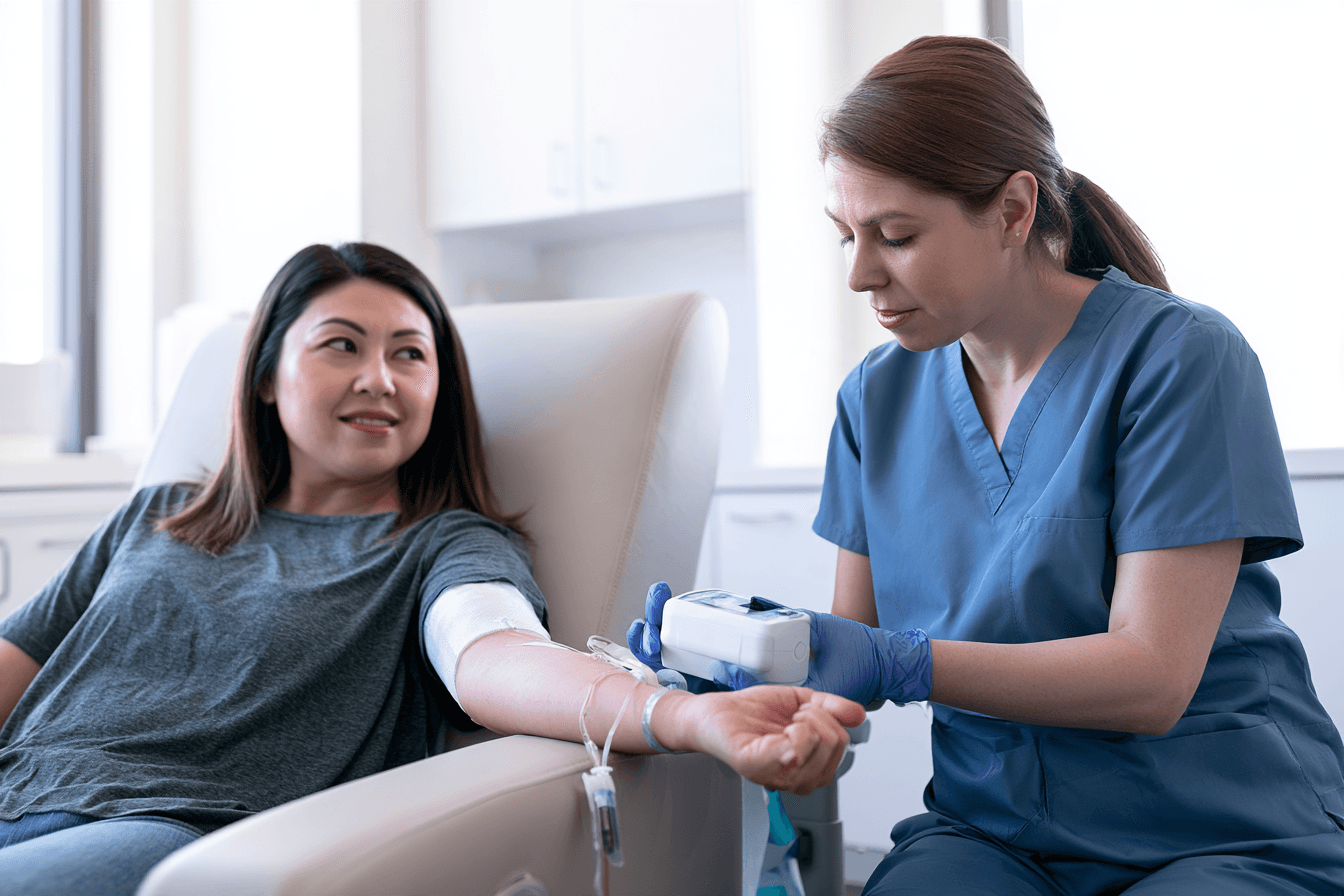
Treatment for stage 4 esophageal cancer can shrink tumors, slow cancer growth, relieve symptoms, and help some patients live longer. The plan may combine medicines that treat cancer throughout the body with procedures that address a specific problem, such as a narrowed esophagus. Understanding the purpose of each treatment helps explain why your team may recommend more than one approach [1,22].
Treatment also needs to fit your priorities. Being able to eat more comfortably, remain independent, or spend less time in hospital may matter alongside the possibility of longer survival. These goals belong in the discussion before treatment begins, rather than being considered only when side effects develop [23,26].
Setting Treatment Goals for Stage 4 Esophageal Cancer
Selected patients with stage IVA disease may receive treatment with a curative aim, sometimes involving chemotherapy, radiation, and surgery. This requires specialist assessment of whether the cancer can be treated in that way and whether the patient can tolerate the proposed treatment. Curative intent describes the goal; it does not guarantee that treatment will succeed [1].
For stage IVB disease, treatment generally aims to control cancer and relieve its effects rather than achieve a cure. Medicines may reduce disease at several sites, while additional treatment addresses problems caused by a particular tumor. A recommendation against surgery does not mean that medicines, radiation, or symptom-relieving procedures have nothing to offer [1].
Your oncologist should explain which benefit is most likely in your situation and what burdens accompany it. A plan intended mainly to relieve difficult swallowing may involve different choices from one intended to control cancer throughout the body [1,26].
Chemotherapy, Immunotherapy and Targeted Treatment
Chemotherapy uses medicines to kill cancer cells or slow their growth. It can reach cancer that has spread beyond the esophagus, which makes it different from an operation or radiation directed at one location. Depending on the regimen, medicines may be given through a vein, by mouth, or through a combination of routes [22].
Treatment commonly follows a cycle, with a period of treatment followed by time for recovery. The schedule depends on the medicines, the treatment goal, and how your body responds. Nausea, fatigue, and mouth soreness are possible side effects, but their severity varies, and the team can provide treatment to help manage them [22].
Immunotherapy helps the immune system attack cancer. For eligible patients, medicines such as nivolumab or pembrolizumab may be combined with chemotherapy. Certain patients with advanced squamous cell carcinoma may instead be considered for nivolumab plus ipilimumab, a combination of two immunotherapy medicines [14,15].
These options are supported by randomized studies rather than being interchangeable choices for everyone. CheckMate 648 found a survival benefit with nivolumab-based combinations in advanced squamous cell carcinoma. KEYNOTE-590 demonstrated a benefit from adding pembrolizumab to chemotherapy in its advanced esophageal cancer population. Both studies also documented treatment-related adverse effects [14,15].
The biopsy subtype and tumor tests, including PD-L1 testing, help guide the choice of immunotherapy. Targeted treatment takes a different approach by acting on particular proteins involved in cancer growth. Its suitability depends on the cancer’s characteristics, and digestive side effects can still occur; “targeted” does not mean that a medicine affects only cancer cells or is automatically easier to tolerate [1,17].
Radiation, Esophageal Stents and Other Options for Swallowing Problems
Radiation can treat a tumor in a particular area and may help relieve swallowing obstruction. An esophageal stent works differently: an expandable tube is placed inside the narrowed passage to hold it open. The stent helps food pass through but does not treat cancer elsewhere in the body [1].
These treatments require separate consideration from the choice of cancer medicines. Ask how the proposed procedure is expected to improve swallowing, how quickly benefit might occur, and what complications or additional care may be involved. The recommendation should reflect the specific obstruction and the rest of your treatment plan [1,26].
Radiation to the chest can itself cause painful or difficult swallowing during treatment. Planning pain relief and nutritional support is therefore important even when the longer-term aim is to make swallowing easier. Report worsening intake rather than assuming you must endure it until the treatment course finishes [17].
When eating remains inadequate, a feeding tube may provide nutrition while the team addresses the underlying problem. It serves a different purpose from a stent: a feeding tube delivers nourishment without necessarily restoring ordinary swallowing. The appropriate route depends on the patient’s condition and expected needs [17].
Making Treatment Manageable in Everyday Life
Before the first treatment, find out what a typical treatment week will involve. Infusion visits, recovery periods, transport, and help at home can affect how manageable a regimen feels. Knowing whether you are likely to need assistance with meals or time away from work makes planning more practical [22,26].
Side effects should be discussed as problems to assess and manage, not simply as an unavoidable price of treatment. The chemotherapy schedule may sometimes need adjustment, including a delay to allow recovery. Such changes should be directed by the oncology team rather than made independently [22].
Palliative care specialists can help with pain, nausea, breathlessness, sleep difficulties, and the emotional strain of treatment. They also support families and help coordinate care when several problems occur together. Their involvement can begin during active cancer treatment, without waiting for a decision to stop it [23].
Clinical Trials and Second Opinions
Clinical trials may offer access to a new treatment or a new combination of existing treatments. Some studies enroll patients before their first treatment, while others are designed for cancer that has progressed after earlier therapy. It is therefore reasonable to ask about trials when discussing the initial plan, not only after several treatments have been tried [1,26].
An investigational treatment is not necessarily better than standard care. A useful trial discussion explains the study’s purpose, the available comparison treatment, the uncertainties, and the additional visits or tests involved. The question is whether the study is suitable for your diagnosis and circumstances, rather than whether it is described as the newest option [26].
A second opinion can also help when the recommended treatment is unclear or you are uncertain about a major decision. Ask your oncologist to arrange review by a specialist experienced in esophageal cancer and to explain how the timing fits with starting care. The review can clarify the reasoning behind the recommendation, even when it confirms the original plan [26].
Eating, Swallowing and Daily Care With Stage 4 Esophageal Cancer

Daily care for stage 4 esophageal cancer should make eating, drinking, and ordinary activities as manageable as possible. The priorities are to follow a suitable swallowing plan, maintain nourishment, and control symptoms that interfere with comfort. A swallowing specialist, dietitian, and symptom-care team can help turn those priorities into a practical routine at home [5,23].
Choosing Food Textures You Can Swallow Safely
When soft foods are recommended, moist dishes may be easier to manage than dry or chewy foods. Fully cooked scrambled eggs, smooth yogurt, mashed potatoes with gravy, or blended soup are possibilities, provided they match your recommended texture. Tough meat, crispy foods, and soft, doughy bread can be particularly difficult to swallow [16].
Eat slowly and chew food thoroughly. Sit upright during meals and remain upright for at least 30 minutes afterward. Follow any specific instructions from your swallowing specialist rather than assuming that a thinner drink or a thicker food is automatically safer [5,16,17].
Maintaining Nutrition With Stage 4 Esophageal Cancer
When appetite is small, concentrate nourishment into the amount you can comfortably manage. Adding milk powder to suitable milk-based foods or cheese to mashed potatoes can increase protein and calories without requiring a much larger serving. A dietitian may recommend oral nutrition drinks when ordinary meals are insufficient, with consistency adapted to your swallowing needs [5,16].
There is no proven diet that cures esophageal cancer. An alkaline diet, juice regimen, or other restrictive plan should not displace foods you can tolerate on the assumption that it will control the disease. Discuss substantial dietary changes with your dietitian, particularly when a plan removes several food groups or replaces meals with supplements [18].
Your food preferences still matter. A vegetarian diet, for example, can be discussed as a personal choice rather than an anticancer treatment. The aim is to find an acceptable way to meet your nutritional needs without attaching unsupported treatment claims to particular foods [18].
Drinking Enough Without Making Meals Harder
When liquids pass safely, small drinks throughout the day may be more manageable than a large amount at once. Drinking most fluids between meals can leave more room for food when you feel full quickly. Your dietitian can help establish an appropriate fluid goal and advise on suitable drinks after vomiting or diarrhea [17].
Do not keep experimenting with different drinks when swallowing causes coughing, choking, or repeated regurgitation. These problems need prompt advice from your cancer or swallowing team, including whether a different consistency is appropriate. An inability to swallow liquids requires urgent assessment rather than waiting for a routine appointment [5].
When Additional Feeding Support Is Needed
Continuing difficulty meeting nutritional needs calls for additional support, not simply larger portions. Tube feeding may supplement oral intake or provide nourishment when eating is unsafe or insufficient. Some people can still eat by mouth while receiving tube feeding, but this depends on their individual assessment [17].
A feeding tube can be managed at home after training. Before discharge, the patient and caregiver should understand how to give the prescribed feed and use the equipment, rather than having to work it out alone [16].
Managing Pain, Reflux and Nausea at Home
Take prescribed pain medicine according to the agreed schedule rather than waiting until pain becomes severe. A brief record of when pain occurs, whether it interrupts meals or sleep, and how well the medicine helps can guide adjustments. New pain or pain that remains uncontrolled needs a review rather than an assumption that nothing more can be done [19].
The plan should also address medicine-related problems such as constipation, nausea, or troublesome drowsiness. Tell the team when these interfere with eating or daily activities, and do not abruptly stop regular pain medicine without advice. A clinician may adjust the medicine or its schedule to improve the balance between relief and side effects [19,20].
Reflux may need acid-reducing treatment rather than food avoidance alone. Explain whether burning or regurgitation occurs after meals or when lying down so the clinician can assess the cause. Symptoms related to reflux should not automatically be managed in the same way as narrowing caused by the tumor [5,16].
Take prescribed anti-nausea medicine as directed, including doses intended to prevent symptoms. Report vomiting that continues despite treatment, particularly when it prevents you from keeping fluids down [17].
Balancing Activity, Rest and Sleep
Save more demanding tasks for the part of the day when your energy is best, and accept help with cooking, shopping, or transport. Short rest periods can be useful, but sleeping for long periods during the day may make nighttime sleep more difficult. The aim is a manageable rhythm, not an expectation that you must maintain your previous activity level [20].
Gentle walking or another activity agreed with your care team may help with fatigue. The type and amount should suit your condition rather than an exercise target designed for someone else. A physical therapist can help adapt movement when weakness or other symptoms make ordinary activity difficult [20].
Persistent sleep problems also deserve attention. Pain, anxiety, disrupted routines, and medicine effects may contribute, so the solution is not always simply spending more time in bed. Explain what is keeping you awake and how it affects the following day so those problems can be addressed [20].
Helping Without Making Every Meal a Struggle
For caregivers, practical support often means taking over a specific task, such as preparing a suitable meal, arranging transport, or helping with household responsibilities. Ask what would be useful today rather than assuming that the same level of help is needed every day. Maintaining some choice and independence should remain part of the conversation [20,23].
Eating difficulties can create tension when everyone is worried about weight loss. Keep meals as calm as possible and bring continuing concerns to the dietitian rather than turning each plate into a test of effort. Counseling can also help when changes in eating are affecting relationships or making shared meals distressing [16].
Caregivers need support as well. When responsibility for medicines, meals, appointments, and personal care becomes overwhelming, a nurse, social worker, or palliative care professional can help identify available services. Asking for assistance allows the family to share the work of care instead of expecting one person to manage everything [23].
How Do You Know Whether Stage 4 Esophageal Cancer Treatment Is Working?
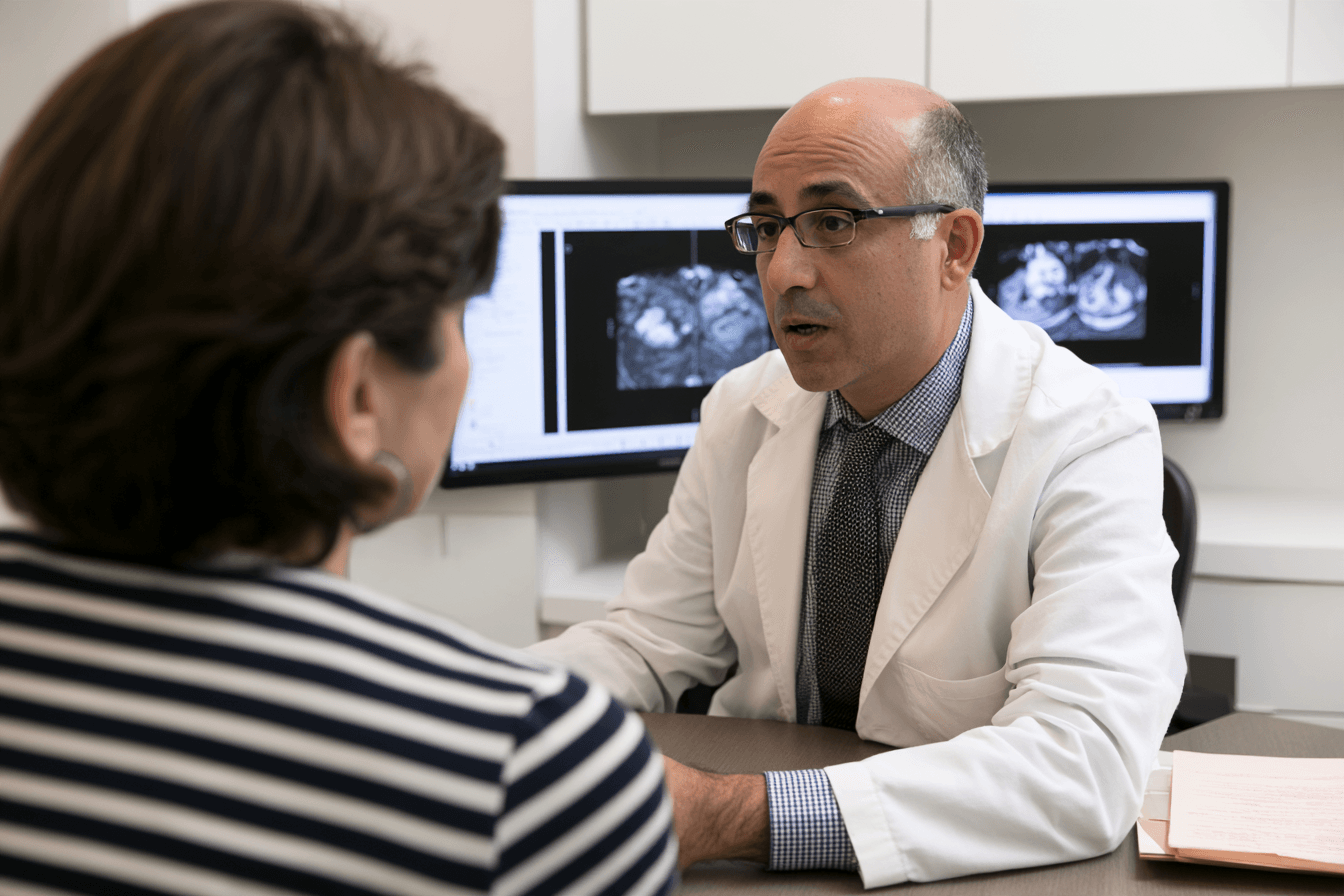
Doctors assess whether stage 4 esophageal cancer treatment is working by comparing follow-up scans with earlier imaging and reviewing your symptoms, examination findings, and blood tests. Feeling better is important, but it does not tell the whole story. The assessment needs to establish both whether the cancer is controlled and whether the treatment’s benefits justify its side effects [21,22,26].
What Follow-Up Scans and Medical Reviews Assess
Scans allow the team to compare known areas of cancer over time and look for new disease. The review considers more than the original esophageal tumor: changes in affected lymph nodes and distant organs also matter. A smaller tumor in one location does not necessarily mean the cancer is responding everywhere [21].
Your doctor may arrange CT scans or other imaging according to the information needed. Blood tests and a physical examination provide additional information, while questions about eating, pain, and daily activities help explain how treatment is affecting you [17,22].
Ask when the first response assessment will take place and how you will receive the results. Also establish which symptoms should prompt contact before that appointment. A scheduled scan is not a reason to postpone reporting a significant change in your condition [26].
Understanding Stage 4 Esophageal Cancer Scan Results
A partial response means the measured cancer has shrunk enough to meet established response criteria, but disease remains. Progressive disease means that assessment shows sufficient growth, clear worsening of existing disease, or new sites of cancer. Doctors may use RECIST, a standardized framework for evaluating solid tumors, to describe these changes consistently [21].
Stable disease means the cancer has neither shrunk enough to qualify as a partial response nor worsened enough to meet the criteria for progression. This does not automatically mean treatment has failed. When the goal is to slow cancer growth, stability may be a worthwhile result, particularly when symptoms and side effects remain manageable [21,22,26].
A complete response means that detectable signs of cancer have disappeared on the assessment being used. This is encouraging, but it is not the same as knowing that every cancer cell has gone or that the disease cannot return. Continued follow-up remains necessary even after a very favorable result [8].
Why Easier Swallowing Does Not Always Mean Tumor Shrinkage
Improved swallowing can make a substantial difference to daily life, but the reason for that improvement matters. An esophageal stent can help food pass by holding the narrowed passage open. That benefit does not, by itself, show that cancer in the liver, lungs, or other distant sites has responded [1].
Similarly, improved appetite or weight may reflect better nutrition support or relief from nausea. These changes are valuable, but they need to be interpreted alongside imaging rather than used as substitutes for it. Symptom relief and cancer control are related treatment goals, not identical outcomes [17,21].
The reverse is also possible: treatment may be controlling cancer while causing fatigue or other side effects. Severe side effects do not prove that chemotherapy is working, and mild side effects do not mean it is ineffective. Their presence tells the team about tolerability, not how much cancer has been destroyed [22].
Tracking Changes Between Appointments
A brief record can make follow-up discussions more useful. Note changes in what you can swallow, how much you are eating, your weight, and the activities you can manage. A description such as “I now need help showering” gives the team more practical information than saying only that you feel weaker [17,20].
Record when symptoms occur in relation to treatment, too. Fatigue that follows a recurring pattern after each treatment may need a different assessment from a sudden, unexplained decline. Your team may investigate contributors such as anemia, infection, or dehydration rather than assuming that reduced energy means the cancer has progressed [20].
Include changes to prescription medicines, Ayurvedic preparations, and other supplements in the same record. This helps clinicians review possible interactions and interpret the timing of symptoms. When several treatments are given together, an improvement cannot reliably be attributed to one preparation simply because it was added most recently [13,26].
When the Treatment Plan Needs to Change
Evidence of cancer growth is one reason to reconsider treatment, but it is not the only one. Persistent eating difficulties, serious side effects, or increasing difficulty managing everyday activities may also change the balance between benefit and harm. A favorable scan does not remove the need to address those problems [17,22,26].
Depending on the findings, your oncologist may discuss a different cancer treatment, an adjustment to the current schedule, or additional symptom support. A treatment delay caused by side effects is not automatically evidence that the cancer has become resistant. Ask what has prompted the change and what the revised plan is intended to achieve [1,22,26].
At the review, a useful question is, “Compared with the start of treatment, what has changed in the cancer, and is the benefit still greater than the burden?” The answer should connect the test results with how you are living and explain why continuing, modifying, or changing treatment is the most appropriate next step [26].
What to Expect if Stage 4 Esophageal Cancer Progresses

If stage 4 esophageal cancer progresses, the care plan needs to reflect the person’s changing health and priorities. Progression does not, by itself, mean that death is imminent. The next discussion should clarify what further treatment might offer, how symptoms will be managed, and what support the patient and family need [8,23,26].
Changes in Swallowing, Energy and Independence
Swallowing difficulties, weight loss, pain, or fatigue may become harder to manage. Other changes depend on where the cancer is growing. There is no fixed sequence that every patient follows, and the pattern of symptoms cannot provide an exact timeline [4,8].
Daily needs may change before the family feels prepared. Someone who previously managed independently may need help getting dressed, preparing meals, or moving around the house. Tell the cancer team when these changes occur so they can discuss suitable equipment, additional support, or a home assessment rather than leaving the family to manage alone [4,20].
Increasing weakness should not automatically be dismissed as unavoidable progression. Anemia, infection, dehydration, and medicine effects can contribute to declining energy. A sudden or substantial change needs medical review because treating a contributing problem may improve comfort or function [20].
Palliative Care During Stage 4 Esophageal Cancer Treatment
Palliative care can be provided alongside chemotherapy, immunotherapy, or other cancer treatment. Its role becomes particularly important when several symptoms occur together or the family needs help making difficult decisions. The team can address physical discomfort, emotional distress, practical concerns, and communication between the people involved in care [23].
For example, a pain medicine may provide relief but leave someone too sleepy to participate in meals or conversations. Explain that tradeoff to the team. A clinician may adjust the medicine, dose, or schedule rather than assuming that either uncontrolled pain or troublesome drowsiness must be accepted [19,20].
Pain that breaks through an existing treatment plan also deserves attention. It can occur even when medicines are taken correctly, and the plan may need reassessment. Needing stronger or different pain relief is a reason to review symptom care, not a reliable measure of how much time someone has left [8,19].
When Hospice or Comfort-Focused Care May Be Discussed
Hospice may become appropriate when life is expected to be limited and the focus shifts from controlling cancer to comfort and quality of life. It is not reserved only for the final days. Discussing it earlier can give the patient and family time to understand the available services and make arrangements [23,24].
Support may be provided at home or in a care facility and can include symptom treatment, nursing care, counseling, and help for caregivers. Ask what the particular service provides, who will coordinate medicines, and what assistance is available when symptoms change outside normal working hours [24,26].
Choosing comfort-focused care does not mean that pain, breathlessness, or other distressing symptoms should go untreated. The purpose of care changes, but the responsibility to relieve suffering continues [23].
Changes When Someone Is Approaching the End of Life
When the clinical team believes someone is nearing the end of life, the person may sleep more, become less interested in food, interact less, or develop changes in breathing. These changes vary, and an individual symptom does not establish that death is close. Ask the team to explain what the overall pattern means in that person’s situation [24].
Nutrition goals may then shift from maintaining weight toward comfort. Food and drinks should not be forced, because this can cause distress or choking. Small amounts may be offered when the person wants them and can swallow safely, while gentle mouth care can help relieve dryness [17].
Decisions about tube feeding, intravenous nutrition, or additional fluids need individual discussion. The expected benefits, possible discomfort, and the patient’s wishes all matter. This approach concerns someone approaching the end of life; it should not be applied automatically to every patient with stage 4 disease or difficulty eating [17].
Planning Ahead While Respecting the Patient’s Wishes
Planning ahead allows the patient to explain their preferences while they can participate fully. This may include documenting care wishes and identifying a trusted person to speak for them if they become unable to make decisions. The healthcare team can help explain how to record those preferences [24].
Discuss where care would feel most comfortable and what support would make that possible. Being at home may be important to one person, while another may feel safer with more immediate professional assistance. Practical circumstances and caregiver capacity belong in this conversation alongside the patient’s preferences [23].
Ask for a clear plan covering whom to contact, which symptoms require urgent help, and what to do if the current medicines are no longer effective. Having these instructions available is more useful than trying to make every decision during a difficult night [19,26].
You can also decide how much information about prognosis you wish to receive and who should be present for those conversations. Some patients prefer detailed discussions, while others want a broader explanation. The aim is to support informed choices without overwhelming the person or excluding them from decisions about their own care [8].
Preparing for an Ayurveda Consultation

Preparing for an Ayurveda consultation with stage 4 esophageal cancer means bringing your medical information and deciding what you need from the discussion. The appointment should clarify what is being recommended, what benefits are realistic, and how any additional care would fit alongside your current treatment. You should leave understanding the choices, not feeling pressured to accept a prescription [10,26].
Reports and Medicine Details to Bring
Have your biopsy report, recent scan reports, tumor-testing results, and oncology treatment summary available. These establish the cancer type, extent of disease, and treatment already given. Include recent blood-test results and discharge summaries where available, and ask the clinic beforehand which records it needs rather than arranging additional investigations yourself [1].
Prepare an accurate medicine list with names, doses, and treatment schedules. Include prescribed medicines, nonprescription products, vitamins, herbal supplements, and anything taken only occasionally. Photographs of labels can help identify products, but a customized preparation needs its complete written composition so that potential interactions can be reviewed [13].
Also explain what you hope the consultation will address. For example, you may want advice about food choices during treatment or clarification about a particular medicine. Identifying your main concern helps keep the appointment focused and gives the practitioner an opportunity to explain whether the proposed approach can reasonably address it [25].
Questions to Ask About Ayurveda for Stage 4 Esophageal Cancer
Ask about the practitioner’s qualifications, experience with patients receiving cancer treatment, and willingness to communicate with your oncology team. The discussion should include who will review the proposed medicines and how recommendations will be shared, especially when care is provided remotely [10,25].
For each proposed treatment, ask what benefit is expected and what evidence supports it. A useful question is, “Has this been studied in patients with my condition, and what did the study actually measure?” Evidence about another illness, or about an individual ingredient, should not be presented as proof that a complete preparation treats metastatic esophageal cancer [10,13].
Ask for the recommendation in writing, including ingredients, doses, intended duration, and any dietary instructions. Your oncology pharmacist needs enough detail to assess the actual combination being considered. Agree who will complete that review before you start, rather than assuming that the absence of a known interaction establishes safety [13].
Understanding Costs and Practical Commitments
Request an itemized estimate covering consultations, medicines, follow-up appointments, and any proposed testing. Ask whether costs may change if the prescription changes, and check coverage directly with your insurer rather than assuming that complementary care will be reimbursed. These questions belong in the initial discussion [25].
Consider the practical burden as well. Travel, appointment frequency, preparation requirements, and help needed at home should fit around your cancer treatment and energy levels. Ask whether the same goals could be addressed with a simpler plan when the proposed routine feels difficult to manage [25,26].
Agreeing on Follow-Up and Reasons to Stop a Medicine
Before starting, agree on the first review date and the specific benefit being assessed. For example, a recommendation intended to help nausea needs a review of nausea, food intake, and adverse effects, not an assumption that continuing the medicine must eventually help. Ask what would count as insufficient benefit and when the plan would be reconsidered [26].
The follow-up plan should also explain which adverse effects require prompt contact, which circumstances require withholding the new preparation, and who will provide that advice. A possible interaction, a suspected adverse reaction, or a change in cancer treatment may require reassessment rather than automatic continuation of the same prescription [13,26].
Keep your oncology team informed of the final plan and any later changes. An Ayurvedic consultation should not postpone scheduled cancer treatment or assessment of a new medical problem. Coordinated care depends on each clinician knowing what you are taking and which decisions have already been made [10].
Frequently Asked Questions
Can Stage 4 Esophageal Cancer Be Cured?
Selected patients with stage IVA esophageal cancer may receive treatment intended to cure the disease because distant spread is absent. Stage IVB cancer is generally treated to control growth, relieve symptoms, and extend life rather than achieve a cure. A complete response does not guarantee that cancer cannot return.
How Long Can Someone Live With Stage 4 Esophageal Cancer?
Life expectancy varies considerably, and the stage alone cannot predict how long someone will live. Cancer type, sites of spread, general health, and response to treatment all influence survival. Your oncologist can discuss a likely range of outcomes, while explaining why survival statistics cannot provide an individual deadline.
Can Immunotherapy Help When Esophageal Cancer Has Spread?
Immunotherapy can help some patients with advanced esophageal cancer live longer, often when combined with chemotherapy. Treatment suitability depends on the cancer subtype, tumor-testing results, previous treatment, and overall health. It does not work for everyone, so the expected benefit must be weighed against possible side effects.
Can Ayurvedic Medicines Be Taken During Cancer Treatment?
Ayurvedic medicines require an ingredient-specific safety review before use during chemotherapy or immunotherapy. Some herbs and supplements can affect cancer medicines or increase adverse effects. Share the complete formulation and doses with your oncologist or oncology pharmacist, because an undocumented interaction is not the same as a proven safe combination.
What Should You Do When a Patient Cannot Swallow Liquids?
Seek urgent medical assessment when a patient cannot swallow liquids or keep drinks down. Do not force food, drinks, or pills through a suspected blockage. Severe choking or breathing difficulty requires emergency help. The care team can assess the swallowing problem and arrange appropriate treatment and nutritional support.
Does Palliative Care Mean Cancer Treatment Has Stopped?
Palliative care can accompany active cancer treatment and does not mean that treatment has stopped. It helps manage pain, nausea, breathlessness, emotional distress, and practical concerns. Hospice is different: it generally focuses on comfort when controlling or curing the disease is no longer the treatment goal.
How Do Doctors Know Whether Cancer Treatment Is Working?
Doctors assess treatment response through follow-up scans, examinations, blood tests, and symptom reviews. Imaging helps establish whether cancer has shrunk, remained stable, or progressed. Feeling better is important, but symptoms and side effects alone cannot show whether treatment is controlling the disease. Report new or worsening problems promptly.
Reference
[1] PDQ Adult Treatment Editorial Board. (2025, March 21). Esophageal cancer treatment (PDQ®)—Health professional version. National Cancer Institute. https://www.cancer.gov/types/esophageal/hp/esophageal-treatment-pdq
Used for: Introduction; What Does Stage 4 Esophageal Cancer Mean?; Stage 4 Esophageal Cancer Survival and Life Expectancy; What Can Treatment Achieve?; FAQs. Supports staging investigations, cancer subtypes, treatment goals, systemic therapies, and procedures used to relieve swallowing difficulties.
[2] National Cancer Institute. (2025, May 12). Esophageal cancer stages. https://www.cancer.gov/types/esophageal/stages
Used for: Introduction; What Does Stage 4 Esophageal Cancer Mean?; FAQs. Explains stage IVA and stage IVB, including the distinction between extensive local or regional disease and spread to distant organs.
[3] American Cancer Society. (2025, August 14). Signs and symptoms of esophageal cancer. https://www.cancer.org/cancer/types/esophagus-cancer/detection-diagnosis-staging/signs-and-symptoms.html
Used for: Stage 4 Esophageal Cancer Symptoms and Warning Signs. Supports discussion of swallowing difficulty, chest discomfort, weight loss, regurgitation, tiredness, and bleeding-related symptoms.
[4] Cancer Research UK. (2023, September 27). Symptoms of advanced oesophageal cancer. https://www.cancerresearchuk.org/about-cancer/oesophageal-cancer/advanced-cancer/symptoms-advanced-cancer
Used for: Stage 4 Esophageal Cancer Symptoms and Warning Signs; What to Expect if the Cancer Progresses. Explains how symptoms can vary according to the organs affected, including the liver, lungs, and bones.
[5] National Health Service. (2023, May 2). Dysphagia (swallowing problems). https://www.nhs.uk/symptoms/swallowing-problems-dysphagia/
Used for: Stage 4 Esophageal Cancer Symptoms and Warning Signs; Eating, Swallowing and Daily Care During Treatment; FAQs. Supports recognition of choking, coughing during meals, dehydration, and swallowing-related breathing problems, together with the need for swallowing assessment and individualized feeding advice.
[6] National Health Service. (2025, August 18). Vomiting blood. https://www.nhs.uk/symptoms/vomiting-blood/
Used for: Stage 4 Esophageal Cancer Symptoms and Warning Signs. Supports urgent-care guidance for vomiting blood, particularly when accompanied by faintness, confusion, abnormal breathing, or black stools.
[7] National Cancer Institute. (n.d.). Cancer stat facts: Esophageal cancer. Surveillance, Epidemiology, and End Results Program. Retrieved September 6, 2026, from https://seer.cancer.gov/statfacts/html/esoph.html
Used for: Stage 4 Esophageal Cancer Survival and Life Expectancy; FAQs. Provides population-based five-year relative survival statistics and the diagnosis years underlying those estimates. Its distant-stage category must not be treated as equivalent to every stage IVA diagnosis.
[8] National Cancer Institute. (2024, May 29). Understanding cancer prognosis. https://www.cancer.gov/about-cancer/diagnosis-staging/prognosis
Used for: Introduction; What Does Stage 4 Esophageal Cancer Mean?; Stage 4 Esophageal Cancer Survival and Life Expectancy; How Will You Know Whether Treatment Is Working?; FAQs. Explains individual prognosis, limitations of survival statistics, and the difference between remission and cure.
[9] National Center for Complementary and Integrative Health. (2021, October). Cancer and complementary health approaches: What you need to know. https://www.nccih.nih.gov/health/cancer-and-complementary-health-approaches-what-you-need-to-know
Used for: Panaceayur’s Ayurveda Curative Model: Approach, Evidence and Safety; FAQs. Supports distinguishing symptom-management evidence from evidence of cancer control or cure, and explains why unproven approaches should not replace or delay effective cancer treatment. This source does not validate Panaceayur’s model as a proven cure.
[10] National Center for Complementary and Integrative Health. (2019, January). Ayurvedic medicine: In depth. https://www.nccih.nih.gov/health/ayurvedic-medicine-in-depth
Used for: Panaceayur’s Ayurveda Curative Model: Approach, Evidence and Safety; Preparing for an Ayurveda Consultation Alongside Oncology Care; FAQs. Supports the overview of Ayurveda, limitations of clinical evidence, and safety concerns involving potentially harmful metals in some preparations.
[11] Patwardhan, K., Ojha, S. N., Upadhyaya, W., & Samant, A. (2020). Grahani chikitsa. In G. Singh, M. Goyal, Y. S. Deole, & G. Basisht (Eds.), Charak Samhita New Edition (Chikitsa Sthana, Chapter 15, verses 3–4). Charak Samhita Research, Training and Skill Development Centre. https://www.carakasamhitaonline.com/index.php/Grahani_Chikitsa
Used for: Panaceayur’s Ayurveda Curative Model: Agni and Bala. Provides the classical textual basis for explaining Agni and its traditional relationship with digestion, strength, and health. These verses support Ayurvedic concepts, not clinical claims of tumor shrinkage or cancer cure.
[12] Dubey, S. D., Singh, A. N., Samant, A., & Deole, Y. S. (2020). Rogabhishagjitiya vimana. In S. K. Khandel, Y. S. Deole, & G. Basisht (Eds.), Charak Samhita New Edition (Vimana Sthana, Chapter 8, verse 94). Charak Samhita Research, Training and Skill Development Centre. https://www.carakasamhitaonline.com/index.php/Rogabhishagjitiya_Vimana
Used for: Panaceayur’s Ayurveda Curative Model: Individualized Assessment; Preparing for an Ayurveda Consultation Alongside Oncology Care. Supports assessment of constitution, disease characteristics, digestion, food intake, physical capacity, age, and patient strength before selecting treatment.
[13] PDQ Integrative, Alternative, and Complementary Therapies Editorial Board. (2024, April 5). Cancer therapy interactions with foods and dietary supplements (PDQ®)—Health professional version. National Cancer Institute. https://www.cancer.gov/about-cancer/treatment/cam/hp/dietary-interactions-pdq
Used for: Panaceayur’s Ayurveda Curative Model: Coordinating Ayurvedic Care With Oncology Treatment; Preparing for an Ayurveda Consultation Alongside Oncology Care; FAQs. Supports reviewing herbs and supplements for interactions that could affect anticancer drug exposure, treatment effectiveness, or toxicity.
[14] Doki, Y., Ajani, J. A., Kato, K., Xu, J., Wyrwicz, L., Motoyama, S., Ogata, T., Kawakami, H., Hsu, C.-H., Adenis, A., El Hajbi, F., Di Bartolomeo, M., Braghiroli, M. I., Holtved, E., Ostoich, S. A., Kim, H. R., Ueno, M., Mansoor, W., Yang, W.-C., … Kitagawa, Y. (2022). Nivolumab combination therapy in advanced esophageal squamous-cell carcinoma. New England Journal of Medicine, 386(5), 449–462. https://pubmed.ncbi.nlm.nih.gov/35108470/
Used for: Stage 4 Esophageal Cancer Survival and Life Expectancy; What Can Treatment Achieve?; FAQs. This randomized phase 3 trial enrolled 970 patients. Median overall survival in the overall population was 13.2 months with nivolumab plus chemotherapy versus 10.7 months with chemotherapy alone, supporting the discussion of immunotherapy benefits in advanced squamous-cell carcinoma.
[15] Metges, J.-P., Kato, K., Sun, J.-M., Shen, L., Enzinger, P. C., Adenis, A., Doi, T., Kojima, T., Li, Z., Kim, S.-B., Cho, B. C., Mansoor, W., Li, S.-H., Sunpaweravong, P., Alsina, M., Buchschacher, G. L., Jr., Hara, H., Tsuji, A., Wu, J., … Shah, M. A. (2025). Pembrolizumab plus chemotherapy versus chemotherapy for advanced esophageal cancer: 5-year extended follow-up for the randomized phase III KEYNOTE-590 study. ESMO Open, 10(12), Article 105854. https://pubmed.ncbi.nlm.nih.gov/41259897/
Used for: Stage 4 Esophageal Cancer Survival and Life Expectancy; What Can Treatment Achieve?; FAQs. The 749-participant trial reported five-year overall survival of 10.6% with pembrolizumab plus chemotherapy versus 3.0% with placebo plus chemotherapy. Supports discussion of long-term treatment outcomes while keeping trial results separate from population-based survival statistics.
[16] Cancer Research UK. (2023, September 25). Eating problems with oesophageal cancer. https://www.cancerresearchuk.org/about-cancer/oesophageal-cancer/living-with/eating
Used for: Eating, Swallowing and Daily Care During Treatment; FAQs. Supports practical guidance about adapting meals, maintaining intake, managing eating difficulties, and involving a dietitian.
[17] National Cancer Institute. (2024, October 15). Nutrition during cancer. https://www.cancer.gov/about-cancer/treatment/side-effects/nutrition
Used for: Eating, Swallowing and Daily Care During Treatment; What to Expect if the Cancer Progresses; FAQs. Supports nutrition assessment, recognition of malnutrition, management of symptoms affecting intake, and individualized decisions about oral, tube, or intravenous nutrition.
[18] National Cancer Institute. (2024, October 30). Diets, supplements, and cancer. https://www.cancer.gov/about-cancer/treatment/cam/diets-supplements
Used for: Eating, Swallowing and Daily Care During Treatment: Maintaining Nutrition Without Restrictive “Cancer Diets.” Supports distinguishing adequate nutrition from unsupported claims that special diets or supplements can cure cancer.
[19] National Cancer Institute. (2024, June 17). Pain and cancer. https://www.cancer.gov/about-cancer/treatment/side-effects/pain
Used for: Eating, Swallowing and Daily Care During Treatment; What to Expect if the Cancer Progresses. Supports pain assessment, monitoring prescribed pain relief, recognizing inadequate symptom control, and discussing the effects of pain on sleep and daily functioning.
[20] National Cancer Institute. (2024, September 20). Cancer fatigue. https://www.cancer.gov/about-cancer/treatment/side-effects/fatigue
Used for: Eating, Swallowing and Daily Care During Treatment; How Will You Know Whether Treatment Is Working?; What to Expect if the Cancer Progresses; FAQs. Explains possible causes of fatigue and why reduced energy alone cannot distinguish cancer progression from treatment effects or other medical problems.
[21] Eisenhauer, E. A., Therasse, P., Bogaerts, J., Schwartz, L. H., Sargent, D., Ford, R., Dancey, J., Arbuck, S., Gwyther, S., Mooney, M., Rubinstein, L., Shankar, L., Dodd, L., Kaplan, R., Lacombe, D., & Verweij, J. (2009). New response evaluation criteria in solid tumours: Revised RECIST guideline (version 1.1). European Journal of Cancer, 45(2), 228–247. https://pubmed.ncbi.nlm.nih.gov/19097774/
Used for: How Will You Know Whether Treatment Is Working?; Panaceayur’s Ayurveda Curative Model: Defining Success. Provides standardized criteria for assessing tumor response in clinical trials. Supports distinguishing measurable tumor change from improvements in appetite, swallowing, or general well-being.
[22] National Cancer Institute. (2025, May 15). Chemotherapy to treat cancer. https://www.cancer.gov/about-cancer/treatment/types/chemotherapy
Used for: What Can Treatment Achieve?; How Will You Know Whether Treatment Is Working?; FAQs. Supports explaining chemotherapy goals, monitoring through examinations and tests, and why the presence or severity of side effects does not establish treatment effectiveness.
[23] National Cancer Institute. (2021, November 1). Palliative care in cancer. https://www.cancer.gov/about-cancer/advanced-cancer/care-choices/palliative-care-fact-sheet
Used for: What Can Treatment Achieve?; Eating, Swallowing and Daily Care During Treatment; What to Expect if the Cancer Progresses; FAQs. Explains symptom relief, emotional and family support, and the role of palliative care alongside active cancer treatment.
[24] National Cancer Institute. (2021, June 28). End-of-life care for people who have cancer. https://www.cancer.gov/about-cancer/advanced-cancer/care-choices/care-fact-sheet
Used for: What to Expect if the Cancer Progresses; FAQs. Supports discussions of hospice, comfort-focused care, advance planning, caregiver concerns, and patient preferences when cancer approaches the end of life.
[25] National Cancer Institute. (2024, October 31). Complementary and alternative medicine. https://www.cancer.gov/about-cancer/treatment/cam
Used for: Panaceayur’s Ayurveda Curative Model: Approach, Evidence and Safety; Preparing for an Ayurveda Consultation Alongside Oncology Care; FAQs. Supports distinguishing complementary from alternative treatment and discussing evidence, practitioner qualifications, safety, and coordination with the oncology team.
[26] National Cancer Institute. (2023, February 22). Questions to ask your doctor about treatment. https://www.cancer.gov/about-cancer/treatment/questions
Used for: What Can Treatment Achieve?; How Will You Know Whether Treatment Is Working?; Preparing for an Ayurveda Consultation Alongside Oncology Care; FAQs. Supports questions about expected benefits, risks, second opinions, clinical trials, treatment monitoring, and disclosure of medicines, herbs, minerals, and supplements.