




- How to Stop Vitiligo From Spreading Begins With Stabilizing Active Disease
- How to Stop Vitiligo From Spreading Requires Knowing Why It Spreads
- How to Stop Vitiligo From Spreading by Recognizing Active Signs Early
- How to Stop Vitiligo From Spreading After Injury Friction and Skin Trauma
- How to Stop Vitiligo From Spreading by Controlling Triggers
- How to Stop Vitiligo From Spreading by Checking Whether It Is Active or Stable
- How to Stop Vitiligo From Spreading Before Focusing on Repigmentation
- How to Stop Vitiligo From Spreading With Ayurvedic and Medical Stabilization
- How to Stop Vitiligo From Spreading With a 30 Day Stabilization Review
- How to Stop Vitiligo From Spreading Through Diet and Lifestyle Stability
- How to Stop Vitiligo From Spreading When Rapid Pigment Loss Needs Medical Review
- How to Stop Vitiligo From Spreading With Evidence Based Ayurvedic Care
- FAQs
- References
How to Stop Vitiligo From Spreading Begins With Stabilizing Active Disease
How to stop vitiligo from spreading starts with one clear clinical decision. The first goal is to control active disease before expecting strong repigmentation. When new vitiligo patches appear, old patches enlarge, or the borders become unclear, the pigment producing cells called melanocytes may still be under immune and oxidative stress. Modern dermatology also recognizes stabilization as a major treatment goal, not only color restoration [1].
In Ayurveda, spreading vitiligo is understood through Shwitra, a condition described under Kushtha Roga, which means a broad group of skin disorders. The skin is not treated as a surface problem alone. Ayurveda studies the role of Dosha, which means functional body forces, Rakta Dhatu, which means blood and vascular tissue, Mamsa Dhatu, which supports skin structure, and Agni, which means digestive and metabolic fire. When these deeper systems remain disturbed, external creams alone may not be enough to stop new vitiligo patches.
Why Active Vitiligo Needs Early Control
Active vitiligo means the disease is still moving. A patient may notice fresh white spots, faster enlargement of old patches, tiny dot like areas near existing patches, itching, redness, or new lesions after friction, cuts, pressure, waxing, shaving, or sunburn. These signs matter because repigmentation is usually slower than disease spread. If treatment starts only after many patches become old and stable, the remaining melanocyte reserve may be weaker, especially in long standing areas or patches with white hair [2].
A clinical study on vitiligo skin biomarkers found that lesions with shorter disease duration responded better than long standing lesions during combined narrow band ultraviolet B and tacrolimus therapy. The same study reported that treatment responsive lesions had a shorter average duration than non responsive lesions, which supports early intervention when the disease is still biologically active [3]. Ayurveda follows a similar practical logic. First reduce the ongoing disturbance. Then strengthen the skin, blood, digestion, immunity, and pigment recovery capacity.
Ayurvedic View of Spreading Shwitra
In Ayurveda, the question is not only why vitiligo is spreading on the skin, but why the body is allowing pigment loss to continue. Agni weakness may produce Ama, which means poorly processed metabolic waste. Ama can disturb channels, affect tissue nutrition, and aggravate inflammatory tendencies. When Rakta Dhatu is affected, the skin may become more reactive to heat, stress, incompatible food, chemicals, and injury. This is why Ayurvedic treatment for active Shwitra begins with cause removal, digestive correction, Rakta support, and carefully selected internal medicine.
Nidana Parivarjana means removing the causes and triggers. It is the first step in stopping active vitiligo from spreading. A patient should avoid repeated skin friction, harsh cosmetic chemicals, sunburn, irregular sleep, digestive overload, and incompatible dietary habits. This does not mean every patient has the same trigger. It means the treatment plan must identify the patient’s personal pattern of spread and remove the factors that are keeping the disease active.
Classical Ayurvedic Reference for Shwitra Stabilization
Book: Charaka Samhita
Section: Chikitsa Sthana
Chapter: Kushtha Chikitsa, Chapter 7
Verse: 162
Sanskrit:
श्वित्राणां सविशेषं योक्तव्यं सर्वतो विशुद्धानाम्।
श्वित्रे स्रंसनमग्र्यं मलपूरस इष्यते सगुडः ॥१६२॥
Transliteration:
Śvitrāṇāṁ saviśeṣaṁ yoktavyaṁ sarvato viśuddhānām।
Śvitre sraṁsanam agryaṁ malapūrasa iṣyate saguḍaḥ॥
Simple English meaning:
In Shwitra, treatment is especially advised after proper purification of the body. Charaka gives importance to cleansing therapy when it is suitable for the patient [4].
This verse is clinically important because it shows that classical Ayurveda does not treat Shwitra as a simple pigmentation defect. It gives priority to internal correction before deeper restorative treatment. In modern patient care, this principle can be understood as stabilization first. The physician must assess digestion, bowel pattern, strength, age, liver condition, skin sensitivity, disease speed, patch location, and general health before deciding whether Shodhana, which means supervised purification therapy, is appropriate.
How This Helps Patients Practically
A patient with spreading vitiligo should not judge progress only by immediate color return. During the first phase, better signs include fewer new patches, slower border expansion, reduced itching, less redness, fewer Koebner patches after friction, and improved digestive and sleep patterns. These changes suggest that the disease activity may be calming, which creates a stronger foundation for repigmentation.
The most strategic approach is to document the disease from day one. Clear photographs under the same light every two weeks can show whether new patches are appearing or old borders are expanding. Dermatologists may also use Wood’s lamp examination and scoring tools such as VASI or VES to assess disease extent and response [1]. In Ayurveda, the same monitoring should be combined with assessment of Agni, bowel movement, appetite, food tolerance, stress load, sleep, skin heat, and trigger exposure.
How to Stop Vitiligo From Spreading Requires Knowing Why It Spreads

How to stop vitiligo from spreading begins with understanding why new patches are forming. Vitiligo spreads when pigment producing cells called melanocytes continue to face immune attack, oxidative stress, local skin injury, chemical irritation, or deeper internal imbalance. In Ayurveda, this active stage is studied under Shwitra, a skin condition linked with disturbed Dosha, affected Rakta Dhatu, weakened Agni, and poor tissue response [5].
Vitiligo Spreads When Melanocytes Remain Under Attack
Melanocytes are the cells that produce melanin, the natural pigment that gives color to the skin, hair, and eyes. In vitiligo, the immune system may wrongly attack these cells. When this immune activity continues, old patches can become larger and new vitiligo patches may appear on other areas of the body [5].
This is why spreading vitiligo is not only a cosmetic skin problem. It is a sign that the pigment system is still unstable. A cream may help the visible patch, but if internal immune activity and external triggers continue, the disease may keep moving. The first clinical goal is therefore to calm the activity before expecting deeper and lasting repigmentation.
Oxidative Stress Can Weaken Pigment Cells
Oxidative stress means the skin cells are facing more cellular damage than they can repair. Research connects oxidative stress with melanocyte injury and immune activation in vitiligo [6]. This matters because pigment cells are delicate. When they are repeatedly exposed to internal inflammation, sunburn, chemical irritation, poor recovery, or metabolic stress, they may become easier targets for immune attack.
Ayurveda explains this through disturbed Agni, which means digestive and metabolic fire. When Agni is weak, Ama may form. Ama means poorly processed metabolic waste that can disturb body channels and tissue nutrition. In Shwitra, this disturbance can affect Rakta Dhatu, meaning blood and vascular tissue, and Tvak, meaning skin. When Rakta and Tvak are not properly nourished and protected, the skin may become more vulnerable to spreading pigmentation loss.
Ayurvedic Reason Why Vitiligo Spread Differs From Patient to Patient
Ayurveda does not treat every case of Shwitra in the same way because the same disease name can show different activity in different people. One person may have slow spreading patches with dryness. Another may have fast spreading patches after sun exposure, stress, friction, itching, or chemical contact. A third person may have long stable patches with white hair, where repigmentation needs a different strategy.
Book: Charaka Samhita
Section: Nidana Sthana
Chapter: Kushtha Nidana, Chapter 5
Verse: 4
Sanskrit:
न च किञ्चिदस्ति कुष्ठमेकदोषप्रकोपनिमित्तम्, अस्ति तु खलु समानप्रकृतीनामपि कुष्ठानां दोषांशांशविकल्पानुबन्धस्थानविभागेन वेदनावर्णसंस्थानप्रभावनामचिकित्सितविशेषः। स सप्तविधोऽष्टादशविधोऽपरिसङ्ख्येयविधो वा भवति। दोषा हि विकल्पनैर्विकल्प्यमाना विकल्पयन्ति विकारान्, अन्यत्रासाध्यभावात्। तेषां विकल्पविकारसङ्ख्यानेऽतिप्रसङ्गमभिसमीक्ष्य सप्तविधमेव कुष्ठविशेषमुपदेक्ष्यामः ॥४॥
Transliteration:
Na ca kiñcid asti kuṣṭham ekadoṣa prakopa nimittam, asti tu khalu samāna prakṛtīnām api kuṣṭhānāṃ doṣāṃśāṃśa vikalpa anubandha sthāna vibhāgena vedanā varṇa saṃsthāna prabhāva nāma cikitsita viśeṣaḥ. Sa saptavidho aṣṭādaśavidho aparisaṅkhyeyavidho vā bhavati. Doṣā hi vikalpanaiḥ vikalpyamānā vikalpayanti vikārān, anyatrāsādhyabhāvāt. Teṣāṃ vikalpa vikāra saṅkhyāne atiprasaṅgam abhisamīkṣya saptavidham eva kuṣṭha viśeṣam upadekṣyāmaḥ.
Simple English meaning:
No Kushtha arises from only one Dosha. Even when skin diseases look similar, differences in Dosha involvement, tissue involvement, location, color, sensation, severity, and treatment response create many clinical patterns [7].
This classical reference is important for spreading vitiligo because it supports individualized care. A patient with rapid new patches needs a stabilization plan. A patient with digestive disturbance needs Agni correction. A patient with burning, redness, sun sensitivity, or inflammatory borders may need stronger Rakta and Pitta balancing. A patient with friction related spread needs strict trigger control along with internal treatment.
Common Triggers That Keep Vitiligo Active
Vitiligo may worsen after sunburn, emotional distress, skin injury, or exposure to certain chemicals [5]. These triggers do not affect every patient in the same way, but they can increase disease activity in people who are already susceptible. Harsh hair dyes, bleaching creams, strong cosmetic acids, repeated sanitizer irritation, industrial chemicals, tattoos, waxing burns, shaving cuts, tight clothing, and repeated scratching can all create local stress on the skin.
Ayurveda gives special importance to Nidana Parivarjana, which means removing the causes and aggravating factors. This is not a minor lifestyle point. It is the first treatment step when the disease is spreading. If a patient continues the same triggers while taking treatment, the skin may not get enough opportunity to stabilize.
Viruddha Ahara, meaning incompatible dietary habits, is also considered important in skin disorders. This does not mean that one food item causes vitiligo in every patient. It means repeated incompatible eating, overeating during indigestion, irregular meals, and food that worsens heat, acidity, heaviness, or bowel disturbance may weaken Agni and disturb Rakta in susceptible patients [8].
Why Stopping Spread Comes Before Repigmentation
When vitiligo is spreading rapidly, the treatment strategy must first protect the remaining melanocytes. Repigmentation requires surviving pigment cells, active hair follicle melanocyte reserve, controlled inflammation, and steady skin recovery. If new patches continue to form every few weeks, repigmentation work becomes less predictable.
In Ayurveda, this is why treatment begins with stabilizing Dosha, correcting Agni, supporting Rakta Dhatu, removing triggers, and then adding deeper Rasayana support. Rasayana means restorative treatment that supports tissue strength, immune balance, vitality, and long term recovery. Once the spread slows and the skin becomes more stable, repigmentation focused treatment has a stronger foundation.
How to Stop Vitiligo From Spreading by Recognizing Active Signs Early
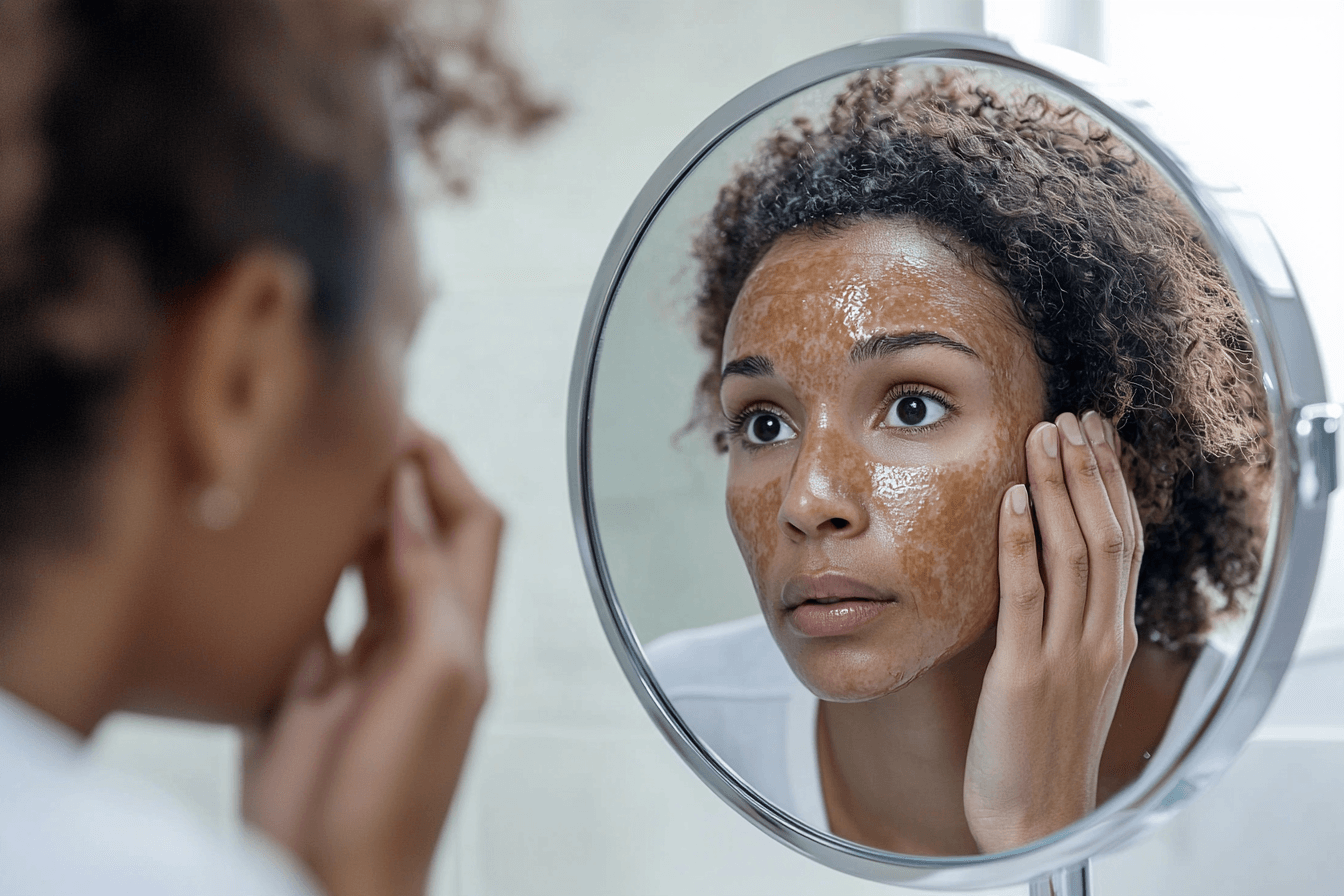
How to stop vitiligo from spreading becomes easier when active signs are identified early. Active vitiligo means the disease is still changing, either through new patches, enlargement of old patches, unclear borders, tiny white dots, itching, redness, or pigment loss after skin injury. These signs show that the melanocytes, which are pigment producing cells, may still be under immune and oxidative stress [9].
Table 1: Active Vitiligo Versus Stable Vitiligo
| Feature | Active Vitiligo | Stable Vitiligo |
|---|---|---|
| New patches | New white patches are appearing | No new patches for several months |
| Old patches | Existing patches are enlarging | Old patches remain the same size |
| Patch borders | Blurry, uneven, spreading, or trichrome | Clearer and unchanged |
| Tiny white dots | Confetti like spots may appear near patches | Usually absent |
| Itching or redness | May be present in active areas | Usually absent |
| Koebner response | New patches may appear after friction, cuts, burns, shaving, or pressure | Less likely after minor injury |
| Main treatment goal | Stop spread and calm disease activity | Strengthen repigmentation |
| Ayurveda focus | Nidana Parivarjana, Agni correction, Rakta support, Dosha balance | Rasayana, tissue nourishment, pigment recovery |
| Repigmentation expectation | Less predictable until activity slows | More focused planning is possible |
In Ayurveda, this stage is seen as active Shwitra, where the disturbance is not limited to the visible skin. The physician assesses Dosha, which means functional body imbalance, Rakta Dhatu, which means blood and vascular tissue, Tvak, which means skin, and Agni, which means digestive and metabolic fire. When these deeper factors remain disturbed, the disease may continue to move even when the patient applies creams or avoids sunlight.
New Vitiligo Patches
New patches are one of the clearest signs that vitiligo may be active. A patient may first notice small pale spots that slowly become milky white. These patches may appear near the lips, eyelids, fingers, feet, elbows, knees, genitals, or areas exposed to pressure and rubbing. When new vitiligo patches appear repeatedly over weeks or months, treatment should focus first on stabilization rather than only repigmentation [10].
From an Ayurvedic view, new patches show that the disease process is still expressing itself through vulnerable skin channels. This is why Nidana Parivarjana, meaning removal of causes and aggravating factors, becomes essential. Without removing triggers such as friction, harsh chemicals, sunburn, poor digestion, irregular sleep, and incompatible food habits, internal medicine may not give its full result.
Old Patches Are Becoming Larger
An old patch that slowly expands at the border suggests that pigment loss is still active. The patient may notice that the white area is increasing, the edge is spreading outward, or the patch is joining with nearby smaller spots. This is clinically important because enlargement means the disease is not fully stable.
Ayurveda looks at this as a continuing disturbance of Dosha and tissue nourishment. If Rakta Dhatu and Tvak remain affected, the skin may not hold pigment properly. In such cases, treatment should not be limited to surface color restoration. The deeper plan should calm activity, improve Agni, reduce Ama, support Rakta, and protect the remaining pigment cells.
Tiny White Dots and Blurry Borders
Tiny white dots around existing patches may suggest active vitiligo. These are often described as confetti like depigmented spots. Some patients may also notice three shades of color in the same area, where normal skin, lighter skin, and white skin appear together. Blurry or irregular borders may also suggest that the patch is still changing [9].
These signs are useful because they help patients avoid delay. A small dot today may become a larger patch later if the disease remains active. Early stabilization gives the skin a better chance to protect surviving melanocytes before deeper pigment loss develops.
Itching Redness and Inflammatory Edges
Vitiligo is often painless, but some patients experience itching, redness, mild burning, or an inflamed border before or during spread. These symptoms do not appear in every patient, but when they occur with new patches or enlarging borders, they may suggest active disease [9].
In Ayurveda, itching and inflammatory change may indicate stronger involvement of Pitta and Rakta. Pitta means the heat and transformation principle in the body. When Pitta and Rakta are aggravated, the skin may become more reactive to heat, stress, sun exposure, spicy food, chemical irritation, and emotional strain. Treatment must then cool, cleanse, and stabilize the skin from within while protecting it externally.
Premature Whitening of Hair
Premature whitening of hair over a vitiligo patch is called leukotrichia. It means the hair in the affected area has also lost pigment. This sign can be important because hair follicles may act as a source of pigment cells during repigmentation. When the hair has turned white, repigmentation may become slower in that area, especially in long standing patches [9].
This does not mean recovery is impossible. It means the treatment plan must be more realistic and more carefully staged. Ayurveda would focus first on stopping activity, then strengthening tissue response through Rasayana. Rasayana means restorative treatment that supports tissue strength, immunity, vitality, and long term recovery.
Changes After Friction Injury or Pressure
Some patients notice new vitiligo patches after cuts, burns, scratching, waxing injury, shaving irritation, tight clothing, footwear pressure, watch straps, tattoos, or repeated rubbing. This is known as the Koebner phenomenon, where skin injury or trauma can trigger new lesions in susceptible people [9].
Ayurveda explains this through Kha Vaigunya, which means a weak or vulnerable site in the body where disease can express more easily. When internal imbalance is present and a local area is repeatedly injured, that area may become a target for new patches. This is why patients with spreading vitiligo should protect the skin from friction, harsh massage, burns, chemical peels, aggressive exfoliation, and repeated scratching.
How Patients Can Track Active Vitiligo at Home
A patient can track active vitiligo by taking clear photographs every two weeks in the same light, from the same distance, and with the same camera angle. The patient should observe whether new patches are appearing, old patches are increasing, borders are changing, hair is turning white, or patches are forming after friction or injury. Serial photographs are also useful in clinical monitoring because they help compare disease activity more accurately over time [11].
In Ayurveda, this visual tracking should be combined with internal assessment. The physician should ask about appetite, bowel movement, bloating, acidity, sleep, stress, sweating, heat sensitivity, food triggers, chemical exposure, skin injury, and family history. This gives a more complete picture of why the disease is spreading and how to stop vitiligo from spreading in that individual patient.
Table 2: Common Vitiligo Triggers and How to Control Them
| Trigger | How it may affect vitiligo | Practical prevention |
|---|---|---|
| Sunburn | Can irritate depigmented skin and worsen active disease | Use shade, protective clothing, and dermatologist advised sunscreen |
| Skin friction | May trigger new patches in active vitiligo | Avoid tight clothing, harsh rubbing, and repeated pressure |
| Cuts and burns | Can create local skin trauma | Protect wounds early and avoid unnecessary injury |
| Waxing and shaving irritation | May trigger patches in sensitive areas | Use gentle methods and avoid aggressive hair removal during active spread |
| Harsh chemicals | Can irritate skin and worsen vulnerability | Avoid bleaching creams, strong acids, harsh dyes, and irritant cosmetics |
| Stress and poor sleep | May worsen immune and inflammatory reactivity | Improve sleep routine, breathing, rest, and emotional support |
| Poor digestion | May disturb Agni and increase Ama in Ayurveda | Correct appetite, bowel movement, bloating, acidity, and heaviness |
| Incompatible food habits | May aggravate Agni and Rakta disturbance | Avoid overeating, irregular meals, and foods that worsen digestion or heat |
How to Stop Vitiligo From Spreading After Injury Friction and Skin Trauma
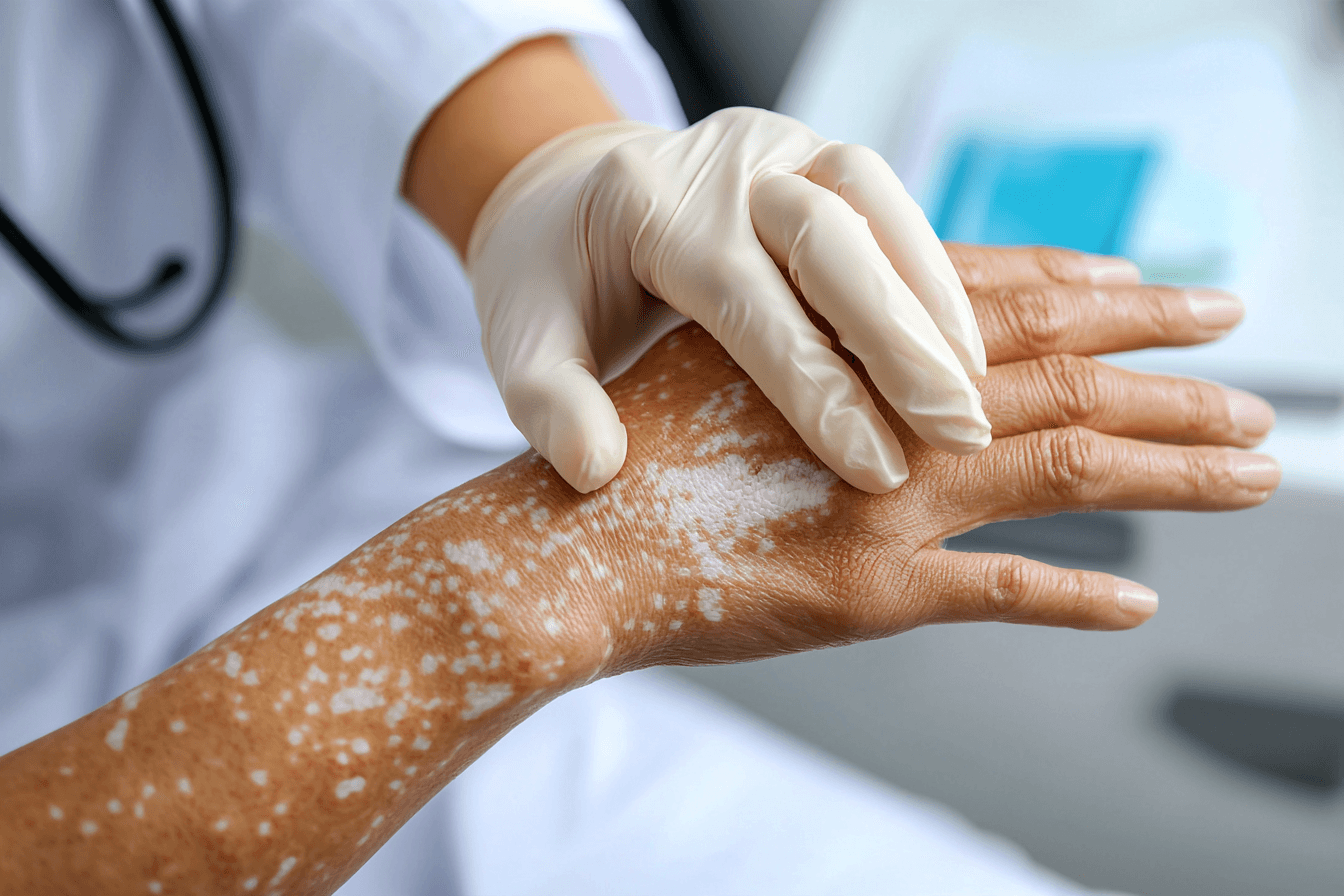
How to stop vitiligo from spreading requires careful protection of the skin from repeated injury, rubbing, pressure, burns, cuts, scratching, and harsh cosmetic procedures. Many patients notice that new vitiligo patches appear exactly where the skin was irritated or damaged. This pattern is known as the Koebner phenomenon, and it is one of the most important warning signs of active vitiligo [12].
In simple terms, the Koebner phenomenon means that vulnerable skin may develop new patches after trauma. The injury does not have to be severe. Tight clothing, footwear pressure, watch straps, shaving irritation, waxing burns, tattoos, repeated scratching, aggressive exfoliation, chemical peels, or sunburn can create enough local stress to trigger pigment loss in susceptible skin [12].
Why Skin Injury Can Trigger New Vitiligo Patches
Skin injury can activate local inflammation, oxidative stress, and immune signals. In vitiligo, melanocytes are already sensitive to immune attack. When the skin is repeatedly irritated, the affected area may become a weaker target, and pigment loss can appear at that exact site [13].
This is why a patient with spreading vitiligo should not treat the skin roughly. Scrubbing, rubbing, frequent waxing, harsh shaving, strong bleaching creams, irritating antiseptics, and repeated cosmetic treatments may look harmless, but they can disturb active vitiligo in sensitive people. The practical goal is to keep the skin calm while internal treatment works on immune balance, Rakta support, Agni correction, and tissue recovery.
Ayurvedic Meaning of Koebner Like Spread
Ayurveda explains this pattern through Kha Vaigunya, which means a weak or vulnerable site where disease can express more easily. When Dosha, meaning functional body imbalance, is disturbed internally and a local skin area is repeatedly injured externally, that site may become more prone to Shwitra expression.
This is clinically important because spreading vitiligo is not always random. A patch near the waistline may be linked with belt friction. A patch on the wrist may follow watch strap pressure. Patches on the feet may worsen from shoe rubbing. Facial patches may spread after threading, shaving, bleaching, or chemical irritation. When the patient and physician identify these patterns early, prevention becomes more precise.
Friction Areas That Need Extra Protection
Vitiligo patches often spread around areas exposed to repeated pressure and rubbing. The elbows, knees, knuckles, ankles, waistline, undergarment borders, watch strap area, footwear contact points, shaving areas, and places where the patient scratches often need special attention. In active vitiligo, even minor daily friction can act as a repeated trigger [12].
Patients should choose soft clothing, avoid tight elastic pressure, reduce unnecessary rubbing, and protect the skin during exercise, travel, and work. The aim is not to make life restrictive. The aim is to reduce repeated injury during the active stage, especially when new patches are still appearing.
Why Scratching and Itching Should Not Be Ignored
Itching can appear before or during vitiligo spread in some patients. When itching leads to scratching, the skin receives repeated microtrauma. This may increase Koebner related spread in people with active disease [14].
From an Ayurvedic view, itching may indicate stronger involvement of Kapha, Pitta, and Rakta Dhatu depending on the patient’s pattern. Kapha can contribute to heaviness and itching, Pitta can contribute to heat and inflammatory sensitivity, and Rakta Dhatu involvement can make the skin more reactive. Treatment should therefore address both the itching and the internal imbalance rather than only advising the patient not to scratch.
Cosmetic Procedures During Spreading Vitiligo
Patients with active vitiligo should be cautious with tattoos, laser hair removal, chemical peels, microneedling, aggressive facials, skin bleaching, strong exfoliation, waxing, threading, and procedures that injure or inflame the skin. These procedures may worsen active disease in susceptible patients, especially when patches are already spreading rapidly [12].
This does not mean every patient must avoid all procedures forever. Stable vitiligo is different from active vitiligo. When the disease has stopped spreading for a sufficient period and the skin is calm, a dermatologist can guide which procedures are safer. During active spread, however, protection is usually wiser than experimentation.
How to Stop Vitiligo From Spreading Through Skin Protection
The skin protection plan should be simple and consistent. The patient should avoid tight clothing, reduce friction, prevent sunburn, use gentle skin care, avoid harsh chemicals, treat itching early, and protect cuts or burns properly. Any new patch that appears at the exact site of injury, shaving, waxing, tattooing, pressure, or scratching should be considered a sign of active disease and reviewed clinically [12].
In Ayurveda, this is part of Nidana Parivarjana, which means removing the causes and aggravating factors. Internal medicine becomes more effective when the patient stops repeatedly provoking the skin. For spreading Shwitra, this combination of trigger control, Agni correction, Rakta support, and Rasayana based recovery gives a stronger foundation for long term stabilization and later repigmentation.
How to Stop Vitiligo From Spreading by Controlling Triggers
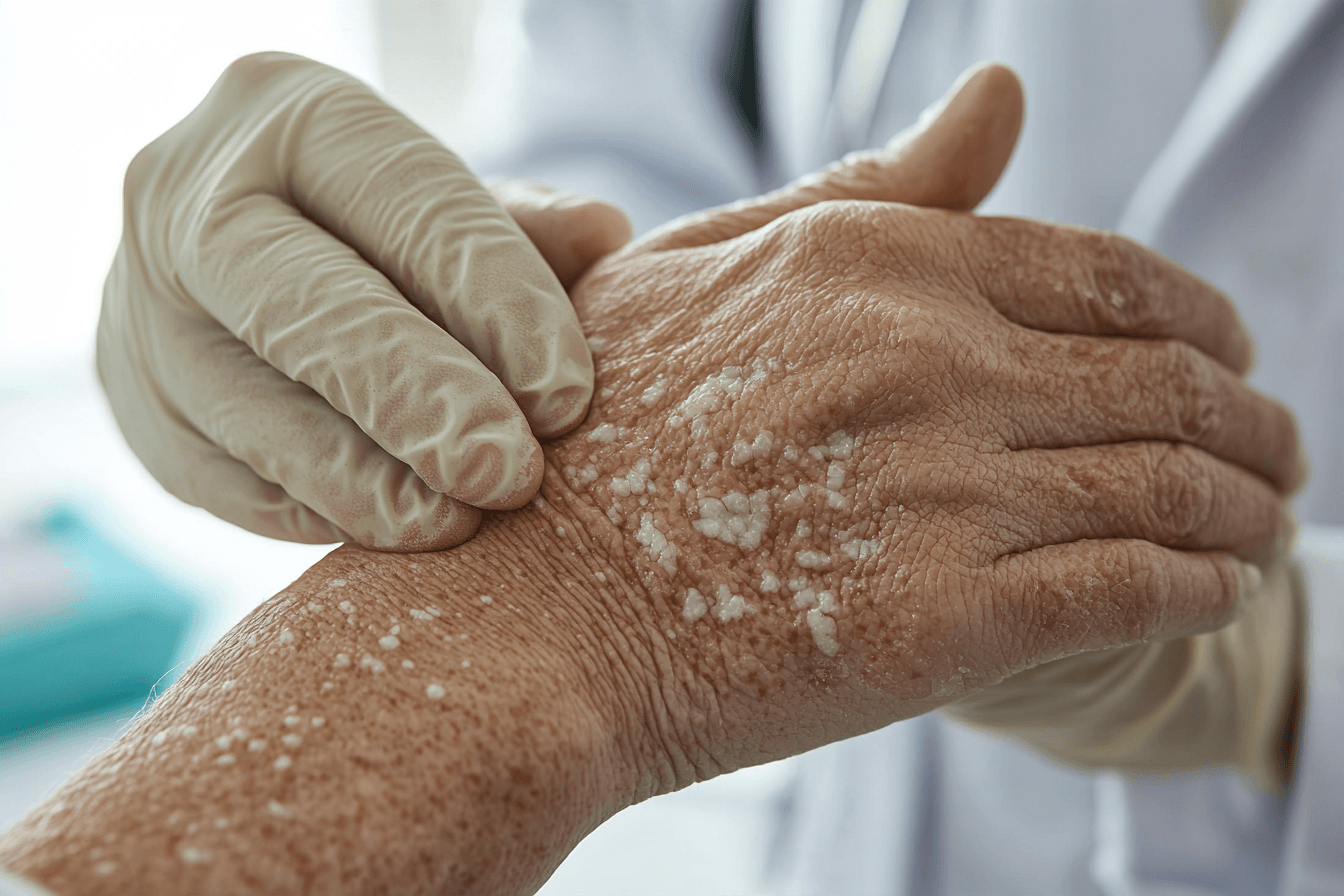
How to stop vitiligo from spreading often depends on how quickly the patient identifies and controls personal triggers. Vitiligo does not spread from one single cause in every patient. In many people, new patches appear when internal susceptibility combines with external stress on the skin, such as sunburn, harsh chemicals, repeated friction, emotional stress, poor sleep, digestive disturbance, or inflammatory load [15].
Ayurveda studies these triggers through Nidana, which means causative and aggravating factors. In active Shwitra, trigger control is not a side instruction. It is a core part of treatment. When Nidana continues every day, the disease may keep receiving the same signal to spread, even when medicines are being taken.
Sunburn Can Aggravate Active Vitiligo
Depigmented skin has less melanin, so it is more vulnerable to sunburn. Sunburn can irritate the skin, increase inflammation, and create local trauma. In susceptible patients, this may worsen active vitiligo or create new patches after injury to the skin [15].
Ayurveda relates this pattern to aggravated Pitta and affected Rakta Dhatu. Pitta means the heat and transformation principle in the body. Rakta Dhatu means blood and vascular tissue. When Pitta and Rakta are disturbed, the skin may become more sensitive to heat, burning, redness, itching, and sunlight. For such patients, strong sun exposure can act as a disease aggravating factor.
A patient should protect the skin with shade, suitable clothing, and dermatologist advised sunscreen. The aim is not complete avoidance of daylight. The aim is to prevent burning, irritation, and sudden inflammatory stress on the skin. Gentle, regular protection is more useful than intense exposure followed by damage.
Chemical Exposure Can Trigger New Vitiligo Patches
Certain chemicals can irritate the skin and may trigger or worsen vitiligo in susceptible people [15]. Patients should be careful with harsh hair dyes, bleaching creams, strong cosmetic acids, industrial chemicals, adhesive chemicals, repeated sanitizer irritation, and untested skin lightening products. Strong products used on the face, lips, hands, neck, and genital area can be especially risky when vitiligo is already spreading.
In Ayurveda, chemical irritation can be understood as a direct disturbance to Tvak, meaning skin, and Rakta Dhatu. When the skin barrier is repeatedly exposed to irritants, local inflammation may increase. If internal Dosha imbalance is already active, the same irritated area may become a weak site for new patches.
Patients should not experiment with strong home remedies, irritant oils, acidic applications, or aggressive herbal pastes without supervision. Even natural substances can burn or inflame the skin if they are too strong, wrongly prepared, or used with sun exposure.
Stress and Poor Sleep May Increase Disease Activity
Emotional stress does not explain every case of vitiligo, but it can act as an aggravating factor in some patients. Stress can affect sleep, immunity, hormones, inflammation, digestion, and daily routine. Modern medical sources recognize emotional distress as a possible event that may trigger or worsen vitiligo in susceptible people [15].
Ayurveda connects stress related spread with Vata and Pitta disturbance. Vata means the movement and nervous system principle in the body. When Vata becomes aggravated, the patient may experience irregular sleep, anxiety, dryness, unstable digestion, and fluctuating symptoms. When Pitta is also involved, stress may increase heat, irritability, acidity, inflammation, and skin sensitivity.
For active vitiligo, stress care should be practical. Regular sleep timing, stable meals, breathing practices, gentle exercise, reduced late nights, and emotional support may help the body respond better to treatment. This does not replace medicine, but it removes one common aggravating load from the system.
Digestive Disturbance and Incompatible Food Habits
Ayurveda gives strong importance to digestion in skin diseases. Agni means digestive and metabolic fire. When Agni is weak or irregular, Ama can form. Ama means poorly processed metabolic waste that may disturb tissue nutrition and body channels. In Shwitra, weak Agni and Ama may affect Rakta Dhatu and Tvak, making the skin less stable.
Viruddha Ahara means incompatible dietary habits. This may include repeated overeating, eating before the previous meal is digested, irregular food timing, heavy food during poor digestion, and food combinations that increase heat, heaviness, acidity, bloating, or bowel disturbance in that patient. The aim is not to frighten patients with a long food restriction list. The aim is to identify what is disturbing digestion and skin activity in that individual case.
When vitiligo is spreading, the diet should support stable digestion, regular bowel movement, good appetite, and reduced inflammatory burden. A patient should observe whether new patches are appearing along with acidity, bloating, constipation, loose stools, poor sleep, or strong food reactions. These details help the Ayurvedic physician design a more accurate stabilization plan.
Why Trigger Control Makes Treatment Stronger
Medicines work better when the disease is not being aggravated every day. If a patient continues sunburn, chemical irritation, friction, late nights, unmanaged stress, and poor digestion, the skin remains under repeated stress. This can reduce the strength of both modern and Ayurvedic treatment.
The Ayurvedic approach is to remove Nidana, correct Agni, support Rakta Dhatu, calm Vata and Pitta, protect the skin, and then build deeper recovery through Rasayana. Rasayana means restorative treatment that supports tissue strength, immunity, vitality, and long term repair. For spreading vitiligo, this sequence is important because stabilization gives repigmentation a stronger foundation.
How to Stop Vitiligo From Spreading by Checking Whether It Is Active or Stable

How to stop vitiligo from spreading depends on knowing whether the disease is active or stable. Active vitiligo means new patches are appearing, old patches are increasing, or the skin is reacting after injury, friction, sunburn, or chemical exposure. Stable vitiligo means the patches have not changed for a meaningful period, and no new lesions are appearing [16].
This distinction is important because treatment priorities are different. In active vitiligo, the first aim is to stop further pigment loss. In stable vitiligo, the focus can shift more strongly toward repigmentation, cosmetic blending, and selected procedures when suitable. Ayurveda follows the same practical sequence in Shwitra. First calm the disease activity, then support deeper tissue recovery and color restoration.
Active Vitiligo Needs Stabilization First
Active vitiligo usually needs early and focused treatment because melanocytes may still be under immune stress. A patient may notice new white spots, patch enlargement, unclear borders, tiny dot like depigmented spots, itching, redness, or white patches appearing after trauma. These signs suggest that the disease is still moving [17].
In Ayurveda, this stage reflects ongoing disturbance in Dosha, Rakta Dhatu, Tvak, and Agni. Dosha means functional body forces. Rakta Dhatu means blood and vascular tissue. Tvak means skin. Agni means digestive and metabolic fire. When these remain disturbed, the body may continue to express Shwitra through new or expanding patches.
The treatment plan should therefore begin with Nidana Parivarjana, which means removal of causes and triggers. Sunburn, friction, harsh chemicals, poor sleep, digestive disturbance, incompatible food habits, and unmanaged stress should be corrected along with internal medicine. This gives the skin a better chance to stop active pigment loss.
Stable Vitiligo Allows Stronger Repigmentation Planning
Stable vitiligo means there are no new patches and old patches are not increasing. The borders are usually clearer, symptoms such as itching or redness are absent, and new patches do not appear after minor friction or injury. Stability does not mean the pigment has returned. It means the disease activity has become calmer.
This stage is more suitable for repigmentation focused care. In modern dermatology, stable disease may allow stronger use of repigmentation treatments, phototherapy planning, and selected surgical procedures in appropriate patients [18]. In Ayurveda, stable Shwitra allows the physician to increase Rasayana support. Rasayana means restorative treatment that supports tissue strength, immunity, vitality, and long term recovery.
The patient should understand that stability itself is a valuable improvement. If no new patches appear for several months, the disease is becoming less aggressive. This can create a better foundation for restoring color, especially when some melanocyte reserve remains in the skin or hair follicles.
Why Surgery Is Usually Avoided During Active Vitiligo
Surgical procedures are generally considered only in carefully selected stable vitiligo cases. When vitiligo is active, procedures that injure the skin may worsen the disease or trigger new patches through the Koebner phenomenon [18]. This is why a patient with rapidly spreading vitiligo should not rush into cosmetic procedures, tattooing, aggressive lasers, or surgical repigmentation without proper assessment.
Ayurveda also supports this cautious approach. When the internal disease activity is still active, external force alone may not give lasting benefit. The body must first become less reactive. After the spread slows, the physician can decide whether stronger repigmentation methods are appropriate.
How Doctors Assess Active Versus Stable Vitiligo
A doctor may assess disease activity by asking when the last new patch appeared, whether old patches are expanding, whether the borders are changing, whether itching or redness is present, and whether new patches have developed after cuts, burns, pressure, or friction. Serial photographs and Wood’s lamp examination can help track changes more accurately [16].
Ayurvedic assessment adds another layer. The physician should ask about appetite, bowel movement, acidity, bloating, sleep, stress, food intolerance, heat sensitivity, sweating, skin itching, chemical exposure, sunburn, and family tendency. These details help identify whether Agni is weak, Rakta is disturbed, Vata is aggravated, or Pitta is increasing skin sensitivity.
A proper assessment prevents wrong treatment timing. A patient with active disease needs stabilization. A patient with stable disease may need repigmentation strengthening. A patient with white hair inside the patch may need a longer and more realistic plan because follicular pigment support may be weaker [17].
Patient Self Check for Disease Activity
A patient can observe disease activity at home, but self checking should not replace medical review. Clear photographs every two weeks under the same light can show whether new patches are appearing or borders are expanding. The patient should also note itching, redness, friction areas, sunburn episodes, chemical exposure, stress periods, digestive flare ups, and sleep disturbance.
If new patches appear repeatedly, the disease should be treated as active. If there is no visible change for several months, the disease may be moving toward stability. This information helps both the dermatologist and Ayurvedic physician choose the right stage of treatment.
Ayurvedic Treatment Direction Based on Activity
When Shwitra is active, Ayurveda gives priority to Nidana Parivarjana, Agni correction, Ama reduction, Rakta and Pitta balance, skin protection, and carefully selected internal medicines. If the patient is suitable, supervised Shodhana may be considered. Shodhana means purification therapy performed under medical supervision. It is not a home detox and should be selected according to strength, age, digestion, disease activity, bowel pattern, liver status, and overall health.
When Shwitra becomes stable, the plan can focus more deeply on Rasayana, skin nourishment, melanocyte support, and long term recurrence prevention. This staged approach is important because the same treatment plan is not suitable for every phase of vitiligo. Active disease needs control. Stable disease needs rebuilding. Repigmentation becomes more meaningful when the disease is no longer spreading quickly.
How to Stop Vitiligo From Spreading Before Focusing on Repigmentation

How to stop vitiligo from spreading should be the first treatment goal when new patches are appearing or old patches are enlarging. Repigmentation is important, but it becomes less predictable when the disease is still active. If melanocytes are still under immune attack, oxidative stress, or repeated trigger exposure, the skin may continue losing pigment even while treatment is being used [19].
In Ayurveda, this is why active Shwitra is not treated as a surface color problem only. The physician first works to calm the disease process through Nidana Parivarjana, which means removing causes and triggers, Agni Deepana, which means improving digestive and metabolic fire, Ama Pachana, which means reducing poorly processed metabolic waste, and Rakta support, which helps stabilize the skin and blood related tissue response.
Why Repigmentation Alone May Not Be Enough
Repigmentation depends on surviving pigment cells, healthy hair follicle melanocyte reserve, controlled inflammation, and steady skin recovery. If new patches keep appearing every few weeks, the body is still in a pigment losing phase. In this stage, applying only color restoring creams or external medicines may not address the deeper activity that is driving the spread.
A patient may feel disappointed if color does not return quickly, but the first improvement in active vitiligo may be different. The earliest positive signs may include fewer new patches, slower border expansion, reduced itching, less redness, fewer friction related patches, better digestion, improved sleep, and lower skin sensitivity. These are important stabilization signs even before visible repigmentation begins.
Ayurvedic Priority in Active Shwitra
Ayurveda gives priority to correcting the internal terrain before expecting lasting color restoration. Agni means digestive and metabolic fire. When Agni is weak or irregular, Ama may form and disturb tissue nutrition. In Shwitra, this disturbance may affect Rakta Dhatu, meaning blood and vascular tissue, and Tvak, meaning skin. If these tissues remain unstable, patches may continue to spread.
The treatment therefore begins with identifying the patient’s pattern. Some patients have Pitta and Rakta aggravation with burning, redness, itching, sun sensitivity, acidity, and inflammatory borders. Some have Vata aggravation with dryness, irregular sleep, stress sensitivity, and unstable digestion. Some have Kapha association with itching, heaviness, sluggish digestion, and slower tissue response. This assessment helps decide whether the first stage should focus more on cooling Rakta, correcting Agni, reducing Ama, calming Vata, or supporting tissue strength.
Stabilization Makes Repigmentation More Meaningful
When disease activity becomes calmer, repigmentation treatment has a stronger foundation. The skin is no longer facing constant new damage, and the remaining melanocytes may respond better to internal and external treatment. Modern dermatology also separates treatment goals into disease stabilization and repigmentation, especially when vitiligo is unstable or rapidly progressive [20].
In Ayurveda, this second stage is supported through Rasayana, which means restorative treatment that supports tissue strength, immune balance, vitality, and long term recovery. Rasayana is more useful when the active fire of disease has been reduced. If Rasayana is given while triggers are still strong and Agni remains disturbed, the response may be incomplete.
What Patients Should Expect in the First Stage
During the first stage, the patient should not expect every patch to fill with color immediately. The first target is to stop the disease from moving. A practical 30 day review should check whether new patches have reduced, old borders are less active, itching has decreased, friction areas are calmer, digestion is better, sleep is steadier, and the patient is tolerating medicines well.
This stage also helps the physician understand disease behavior. If the spread slows, the plan can gradually move toward stronger repigmentation support. If patches continue to appear quickly, the treatment must be reassessed, triggers must be reviewed again, and dermatological evaluation may be needed, especially when the face, genitals, eyelids, lips, hands, or large body areas are involved.
Why Early Treatment Improves the Strategy
Early treatment matters because recent lesions may have better biological potential than very old patches. Long standing areas, especially those with white hair, may respond more slowly because the local melanocyte reserve can be weaker [21]. This is why patients should not wait until vitiligo becomes widespread before seeking care.
Ayurveda supports early intervention because Shwitra is easier to manage when the disease is assessed before deep tissue weakness becomes strong. The aim is not only to restore color, but to reduce the tendency for new patches to keep forming. Once the body becomes more stable, repigmentation can be pursued with a clearer and more realistic plan.
How to Stop Vitiligo From Spreading With Ayurvedic and Medical Stabilization

How to stop vitiligo from spreading requires a staged treatment plan. The first stage is not only to bring color back, but to reduce the disease activity that is causing new patches. Ayurveda gives priority to Shwitra stabilization through trigger removal, Agni correction, Rakta support, careful cleansing when suitable, and Rasayana after the active spread begins to calm. Modern dermatology also separates treatment goals into stabilization and repigmentation, especially when vitiligo is unstable or rapidly progressive [22].
Table 3: Ayurvedic Stabilization Plan for Spreading Vitiligo
| Ayurvedic step | Simple meaning | Purpose in spreading vitiligo |
|---|---|---|
| Nidana Parivarjana | Removing causes and triggers | Reduces daily aggravation from friction, sunburn, chemicals, stress, and poor diet |
| Agni Deepana | Improving digestive and metabolic fire | Supports better digestion, metabolism, and tissue response |
| Ama Pachana | Reducing poorly processed metabolic waste | Helps reduce internal burden that may disturb tissues |
| Rakta Dhatu support | Supporting blood and vascular tissue | Helps manage skin reactivity, heat, itching, and inflammatory tendency |
| Pitta balance | Calming excess heat and inflammation | Useful when patches worsen with sun, burning, redness, acidity, or heat sensitivity |
| Vata balance | Stabilizing nervous system and movement principle | Useful when spread is linked with stress, dryness, poor sleep, or irregular digestion |
| Shamana Chikitsa | Pacifying treatment | Calms disease activity without strong cleansing |
| Shodhana Chikitsa | Supervised purification therapy | Considered only when the patient is suitable |
| Rasayana | Restorative tissue support | Used more strongly after active spread begins to settle |
Ayurvedic Stabilization Comes First in Active Shwitra
In active Shwitra, Ayurveda does not treat the white patch as an isolated skin mark. The physician studies the patient’s digestion, bowel movement, appetite, sleep, stress level, heat sensitivity, itching, patch location, disease speed, food habits, skin trauma, chemical exposure, and family history. This helps identify which internal and external factors are keeping the disease active.
The first step is Nidana Parivarjana, which means removal of causes and aggravating factors. If sunburn, friction, harsh chemicals, poor sleep, incompatible diet, or repeated skin injury continue, the disease may keep spreading even when treatment has started. Stabilization becomes stronger when the skin is protected and the internal imbalance is corrected together.
Agni Correction and Ama Reduction
Agni means digestive and metabolic fire. When Agni is weak or irregular, Ama can form. Ama means poorly processed metabolic waste that may disturb body channels, tissue nutrition, and inflammatory balance. In Shwitra, Ayurveda gives importance to restoring Agni because healthy digestion supports better tissue metabolism and skin recovery.
A patient with spreading vitiligo may also report acidity, bloating, constipation, irregular hunger, heaviness after meals, poor sleep, or food sensitivity. These symptoms are not separate from the skin condition in Ayurvedic assessment. They help the physician understand whether the body is ready for deeper pigment recovery treatment or whether it first needs digestive correction and Ama reduction.
Rakta Dhatu and Pitta Balance
Rakta Dhatu means blood and vascular tissue. Pitta means the heat and transformation principle in the body. When vitiligo spreads with itching, redness, burning, inflammatory borders, sun sensitivity, acidity, irritability, or heat intolerance, Ayurveda may consider stronger Rakta and Pitta involvement.
In such patients, the treatment should calm heat, reduce skin reactivity, support blood tissue balance, and protect the skin from sunburn and chemical irritation. Strong heating herbs, irritant pastes, and unsupervised photosensitizing applications may worsen sensitive skin if used incorrectly. This is why Ayurvedic treatment for active Shwitra should be individualized rather than copied from a general remedy list.
Classical Khadira Support in Shwitra
Khadira is one of the important classical herbs used in Kushtha and Shwitra management. It is valued in Ayurveda for skin support, Rakta correction, and its role in Kushthaghna therapy, which means treatment that helps reduce skin disorders.
Book: Charaka Samhita
Section: Chikitsa Sthana
Chapter: Kushtha Chikitsa, Chapter 7
Verse: 166
Sanskrit:
यच्चान्यत् कुष्ठघ्नं श्वित्राणां सर्वमेव तच्छस्तम्।
खदिरोदकसंयुक्तं खदिरोदकपानग्र्यं वा ॥१६६॥
Transliteration:
Yaccānyat kuṣṭhaghnaṁ śvitrāṇāṁ sarvameva tacchastam।
Khadirōdakasaṁyuktaṁ khadirōdakapānagryaṁ vā॥
Simple English meaning:
Therapies that reduce Kushtha are also beneficial in Shwitra, and Khadira prepared water or Khadira decoction is specially praised [23].
This reference is clinically relevant because it shows that classical Ayurveda gives importance to internal skin stabilization, not only external color correction. Khadira based support may be considered as part of a broader plan, but the final formulation should depend on the patient’s constitution, digestion, disease activity, patch type, and associated symptoms.
Shodhana When the Patient Is Suitable
Shodhana means supervised purification therapy. It may be considered in selected Shwitra patients when the physician finds that the patient has enough strength, suitable digestion, appropriate bowel pattern, and no contraindication. Shodhana is not a home detox and should not be attempted through unsupervised purgation, fasting, or strong cleansing products.
In active vitiligo, the purpose of Shodhana is to reduce the internal load of aggravated Dosha and prepare the body for deeper Shamana and Rasayana treatment. Shamana means pacifying treatment that calms the disease without strong cleansing. Rasayana means restorative treatment that supports tissue strength, immune balance, vitality, and long term recovery.
External Applications Need Careful Supervision
External Ayurvedic applications may support vitiligo treatment, but active spreading disease requires caution. Bakuchi is traditionally used in Shwitra, but it can increase photosensitivity and may irritate the skin if used wrongly. Strong lepa, mineral preparations, herbal oils, and sun exposure based protocols should be used only under proper medical supervision.
This is especially important for facial patches, lip patches, genital patches, children, pregnant women, sensitive skin, history of burns, eczema, liver disease, and patients taking modern medicines. The goal is to stimulate recovery without creating new injury, inflammation, or Koebner related spread.
Modern Dermatology Support for Stabilization
Modern dermatology may use topical corticosteroids, topical calcineurin inhibitors, topical JAK inhibitors, phototherapy, excimer light, and selected systemic treatment in rapidly progressive or unstable vitiligo [22]. These options should be chosen by a dermatologist according to age, disease type, body area, activity level, safety profile, and treatment response.
Ruxolitinib cream is approved in some countries for nonsegmental vitiligo in patients aged twelve years and older, and clinical trial data show that a portion of patients achieve meaningful facial repigmentation after consistent use [24]. Narrow band ultraviolet B phototherapy is also widely used, but it usually requires regular sessions over several months and careful monitoring to avoid burns or irritation [22].
Integrating Ayurveda With Medical Care Safely
Many patients prefer Ayurveda because it looks at digestion, immunity, triggers, tissue strength, and recurrence tendency. This approach can be valuable, but it should not ignore medical assessment. A rapidly spreading case, facial involvement, eyelid patches, genital patches, childhood onset, sudden widespread pigment loss, or symptoms of thyroid disease, diabetes, anemia, alopecia, or other autoimmune conditions should receive dermatological review [25].
The safest strategy is coordinated care. Ayurveda can focus on Nidana Parivarjana, Agni correction, Rakta support, Shamana, Rasayana, and individualized skin stabilization. Dermatology can support diagnosis, Wood’s lamp examination, autoimmune screening when needed, topical treatment, phototherapy planning, and monitoring of rapid progression. This gives the patient a more complete and medically responsible path.
What a Strong Stabilization Plan Should Achieve
A good stabilization plan should reduce the speed of new patches, calm itching or redness, prevent friction related spread, improve digestive stability, protect the skin from sunburn and chemicals, and prepare the body for repigmentation. The patient should track progress with photographs every two weeks and review whether the disease is still moving.
Once the spread slows, treatment can gradually shift toward stronger repigmentation support. In Ayurveda, this is the stage where Rasayana becomes more meaningful because the active disturbance has reduced and the tissues are more ready for recovery. The long term goal is not only to color the skin temporarily, but to reduce the tendency for new vitiligo patches to keep forming.
How to Stop Vitiligo From Spreading With a 30 Day Stabilization Review

How to stop vitiligo from spreading becomes more practical when the patient tracks disease activity for the first 30 days. In active vitiligo, the earliest sign of improvement may not be immediate color return. The first meaningful goal is to see whether new patches are reducing, old patches are expanding more slowly, itching is calming, and the skin is reacting less after friction, sunburn, or injury [26].
Table 4: 30 Day Vitiligo Stabilization Monitoring Plan
| Time point | What to monitor | Positive direction |
|---|---|---|
| Day 1 | Take clear baseline photos of all patches | Accurate starting point |
| Day 7 | Check for new patches, itching, redness, or burning | No new patches or reduced irritation |
| Day 14 | Compare patch borders with baseline photos | Slower border expansion |
| Day 21 | Watch for patches after friction, shaving, pressure, or sun exposure | Less reaction after triggers |
| Day 30 | Review patch count, patch size, itching, sleep, digestion, and trigger control | Spread is slower or inactive |
| After 30 days | Decide whether to continue stabilization or increase repigmentation support | Better treatment direction |
In Ayurveda, this 30 day review helps the physician understand whether Shwitra is moving toward stability. The assessment should not look only at the skin. It should also study Agni, which means digestive and metabolic fire, bowel movement, appetite, sleep, stress, heat sensitivity, skin itching, and exposure to triggers. These details show whether the internal disease activity is calming or still active.
How to Stop Vitiligo From Spreading During the First 7 Days
During the first week, the patient should create a clear baseline. Photographs should be taken in the same lighting, from the same distance, and from the same angle. The patient should record the number of visible patches, the location of each patch, whether the borders are sharp or blurry, and whether any area has itching, redness, burning, or tenderness [26].
From an Ayurvedic view, this first week also identifies the patient’s active Nidana, meaning aggravating causes. Sunburn, tight clothing, cosmetic chemicals, shaving irritation, scratching, poor sleep, acidity, constipation, bloating, stress, and incompatible food habits should be noted. When these causes are visible, the stabilization plan becomes more accurate.
What to Watch Between Day 8 and Day 14
By the second week, the patient should observe whether new tiny white spots are appearing around old patches. Small confetti like spots, unclear borders, and new patches after friction may suggest active disease [27]. The patient should also check whether itching or redness has reduced after avoiding triggers and starting treatment.
In Ayurveda, improvement during this stage may appear as better appetite, lighter digestion, regular bowel movement, reduced acidity, improved sleep, and less skin sensitivity. These changes matter because Shwitra management is not limited to the white patch. When Agni becomes steadier and Rakta Dhatu becomes less reactive, the skin may become more stable.
What to Review Around Day 15 to Day 21
During the third week, the patient should compare photographs with the baseline. The physician should check whether old patches are still enlarging, whether new patches have appeared, and whether the patient is developing lesions after pressure, cuts, burns, waxing, shaving, scratching, or tight clothing. This helps identify Koebner related activity, where new vitiligo patches appear after skin trauma [27].
This is also the right time to reassess treatment tolerance. Ayurvedic medicines should support digestion, energy, bowel movement, and skin stability. If the patient develops excessive heat, burning, loose stools, severe acidity, skin irritation, or worsening itching, the formulation may need adjustment. Active Shwitra requires precision, not aggressive unsupervised treatment.
What to Assess at Day 30
At the end of 30 days, the most important question is whether the speed of spread has reduced. If no new patches have appeared, old borders are calmer, itching has decreased, and friction areas are not producing fresh patches, the disease may be moving toward stabilization. This is a positive clinical direction even if full repigmentation has not yet started.
If vitiligo is still spreading rapidly after 30 days, the case needs deeper review. The physician should reassess hidden triggers, digestion, stress, sleep, chemical exposure, sunburn history, thyroid symptoms, family history, autoimmune tendency, and previous treatment response. Dermatological review may also be needed when patches are spreading quickly or affecting the face, eyelids, lips, genitals, hands, or large body areas [28].
Ayurvedic Meaning of Early Stabilization
Early stabilization means the body is no longer losing pigment at the same speed. In Ayurveda, this suggests that Dosha activity, Rakta disturbance, Agni weakness, and trigger load may be reducing. This is the point where the treatment can gradually move from disease control toward stronger Rasayana support. Rasayana means restorative treatment that supports tissue strength, immune balance, vitality, and long term recovery.
A patient should understand this sequence clearly. Stopping spread is not a small achievement. It protects the remaining melanocytes, improves the possibility of repigmentation, and reduces the risk of repeated new patches. Once the disease becomes calmer, the next phase can focus more strongly on restoring color and preventing relapse.
How to Stop Vitiligo From Spreading Through Diet and Lifestyle Stability

How to stop vitiligo from spreading is not possible through medicine alone if the patient continues daily triggers that disturb digestion, skin recovery, sleep, stress response, and immune balance. In active vitiligo, diet and lifestyle should support stabilization first. The aim is not to promise that one food can cure vitiligo, but to reduce the internal and external stress that may keep the disease active [29].
In Ayurveda, spreading Shwitra is managed by correcting Agni, protecting Rakta Dhatu, avoiding Nidana, and supporting the skin through a steady daily routine. Agni means digestive and metabolic fire. Rakta Dhatu means blood and vascular tissue. Nidana means causative and aggravating factors. When these are corrected together, the body receives a better foundation for disease stabilization and later repigmentation.
Diet Should First Support Agni
A patient with active vitiligo should eat in a way that keeps digestion light, regular, and stable. If meals cause acidity, bloating, heaviness, constipation, loose stools, irregular hunger, or disturbed sleep, the diet may not be supporting Agni properly. Ayurveda gives strong importance to this because weak Agni can produce Ama, which means poorly processed metabolic waste that may disturb tissue nutrition and inflammatory balance.
The best diet for spreading vitiligo is not the same for every patient. A person with heat, acidity, burning, redness, and sun sensitivity may need more Pitta calming food. A person with dryness, anxiety, irregular appetite, and poor sleep may need Vata balancing support. A person with heaviness, itching, sluggish digestion, and excess coating on the tongue may need Kapha reducing correction. This individualized approach is more clinically useful than giving every patient the same food chart.
Avoid Incompatible and Irritating Food Habits
Viruddha Ahara means incompatible dietary habits. In practical terms, this may include eating before the previous meal is digested, overeating at night, irregular meal timing, repeated heavy food during indigestion, and food combinations that clearly worsen acidity, bloating, itching, heat, or bowel disturbance in that patient. Ayurveda considers such habits important in skin disorders because they disturb Agni and affect tissue purity.
Patients should not become fearful of food. Fear itself can increase stress and reduce consistency. The wiser strategy is to identify what repeatedly worsens digestion or skin activity. If a patient notices that new patches, itching, redness, acidity, or disturbed sleep become worse after certain dietary patterns, those patterns should be corrected under medical guidance.
Sun Protection Is Part of Vitiligo Stabilization
Depigmented skin burns more easily because it has less protective melanin. A bad sunburn can worsen vitiligo and may trigger further skin injury in susceptible patients [30]. This is why sun protection is not only cosmetic. It is part of disease stabilization when vitiligo is active.
A patient should avoid burning, tanning beds, harsh midday exposure, and sudden intense sunlight after long indoor periods. Outdoor activity can continue with proper protection, suitable clothing, shade, and dermatologist advised sunscreen. The goal is not to create fear of daylight. The goal is to prevent inflammatory skin injury that may aggravate active vitiligo.
Skin Care Should Be Gentle and Non Irritating
Active vitiligo skin should be treated gently. Harsh scrubbing, bleaching creams, strong cosmetic acids, repeated waxing injury, aggressive shaving, chemical peels, tattoos, and untested home applications can irritate the skin and may trigger new patches through injury related spread [31].
In Ayurveda, this is part of Nidana Parivarjana. Removing skin trauma allows internal treatment to work with less resistance. External herbal applications should also be used carefully. Natural does not always mean safe for every skin type. Bakuchi and other photosensitizing medicines may help selected patients, but they can irritate or burn sensitive skin if used without supervision.
Sleep and Stress Control Support Immune Balance
Vitiligo is an autoimmune condition, and daily lifestyle can influence the patient’s immune and inflammatory state [32]. Stress alone does not explain every case, but emotional strain, poor sleep, anxiety, late nights, and irregular routine may worsen disease activity in some susceptible patients [33].
Ayurveda connects this pattern with Vata and Pitta disturbance. Vata is the movement and nervous system principle. When Vata becomes unstable, sleep, digestion, mood, and skin recovery may become irregular. When Pitta is also high, stress may increase heat, acidity, irritability, inflammation, and skin sensitivity. A stable routine, regular sleep timing, calming breathing, gentle movement, and emotional support can reduce this aggravating load.
Friction Control Protects Vulnerable Skin
Repeated friction is one of the most practical triggers to control. Tight clothing, belts, watch straps, footwear pressure, undergarment borders, scratching, and rough massage may create local skin stress. In patients with active vitiligo, injured or irritated skin may develop new patches through the Koebner phenomenon [31].
Ayurveda explains this through Kha Vaigunya, which means a weak or vulnerable site where disease may express more easily. When internal imbalance is active and the same area is repeatedly rubbed or injured, that skin site may become more prone to pigment loss. Soft clothing, gentle skin care, and protection of pressure points can reduce this risk.
Lifestyle Stability Makes Treatment More Predictable
The strongest stabilization plan combines internal medicine with daily discipline. If the patient takes treatment but continues sunburn, late nights, harsh chemicals, friction, poor digestion, and high stress, the body receives mixed signals. If the same patient corrects these triggers, the skin has a better chance to calm down.
In Ayurveda, this is why Shwitra care moves in stages. First remove Nidana. Then correct Agni and Ama. Then support Rakta Dhatu and calm Dosha. Then use Rasayana, which means restorative treatment for tissue strength, immune balance, vitality, and long term recovery. This sequence gives the patient a more realistic path to stop spread first and pursue repigmentation after the disease becomes calmer.
How to Stop Vitiligo From Spreading When Rapid Pigment Loss Needs Medical Review

How to stop vitiligo from spreading becomes more urgent when the patches are increasing quickly, appearing in sensitive areas, or developing with signs that suggest active inflammation or associated autoimmune disease. Ayurveda can play a central role in stabilizing Shwitra, but rapid pigment loss should not be managed blindly at home. A proper dermatological review helps confirm the diagnosis, assess disease activity, rule out similar conditions, and decide whether urgent medical treatment is needed alongside Ayurvedic care [34].
In Ayurveda, careful examination is also essential before choosing treatment. The physician should assess Dosha, Agni, Rakta Dhatu, patch location, disease speed, skin sensitivity, bowel pattern, strength, age, family history, and trigger exposure. Dosha means functional body imbalance. Agni means digestive and metabolic fire. Rakta Dhatu means blood and vascular tissue. A spreading skin disorder needs a stage based plan, not a single general remedy.
Rapidly Spreading Vitiligo Should Not Be Ignored
Rapidly spreading vitiligo means new patches are appearing frequently or old patches are enlarging over a short period. This can happen over weeks or months. It may involve the face, lips, eyelids, hands, feet, genitals, trunk, or areas exposed to friction. When the disease is moving quickly, the first goal is to stabilize the activity before focusing on strong repigmentation [35].
A patient should seek review if patches are increasing despite avoiding triggers, if new patches appear after minor injury, if the borders are blurry or inflamed, or if tiny white dots appear around existing patches. These signs may suggest active vitiligo. Early assessment is important because treatment response can be better when disease activity is identified and controlled before patches become long standing.
Face Lips Eyelids and Genital Patches Need Special Care
Vitiligo on the face, eyelids, lips, and genital area needs careful treatment because these areas are sensitive. Strong external applications, irritant oils, harsh herbal pastes, chemical products, and unsupervised photosensitizing medicines can burn or inflame the skin. This is especially important when the disease is still active.
In Ayurveda, facial and genital skin should not be treated with aggressive external medicines without assessing Pitta, Rakta sensitivity, skin thickness, and patient tolerance. Pitta means the heat and transformation principle in the body. When Pitta and Rakta are aggravated, the skin may react strongly to heat, sunlight, friction, and irritant applications. The treatment should calm the disease without creating new trauma.
Dermatological Review Helps Confirm the Diagnosis
Not every white patch is vitiligo. Some white or pale patches may be caused by fungal infection, pityriasis alba, post inflammatory hypopigmentation, chemical leukoderma, lichen sclerosus, nevus depigmentosus, idiopathic guttate hypomelanosis, or other skin conditions. A dermatologist may use clinical examination, Wood’s lamp assessment, medical history, and sometimes biopsy when the diagnosis is unclear [34].
This matters because wrong diagnosis leads to wrong treatment. A fungal patch, post inflammatory mark, or chemical induced pigment loss may need a different plan. Ayurveda also requires correct diagnosis before treatment. In classical terms, the physician must understand Roga, meaning disease, and Rogi, meaning the patient, before deciding the medicine and procedure.
Autoimmune Screening May Be Needed in Selected Patients
Vitiligo can be associated with other autoimmune conditions, especially thyroid disease. Some patients may also have type 1 diabetes, pernicious anemia, alopecia areata, or other autoimmune tendencies [36]. This does not mean every patient has these diseases, but selected patients should be screened when symptoms or history suggest risk.
A patient should mention fatigue, weight change, hair fall, cold intolerance, heat intolerance, palpitations, menstrual irregularity, numbness, recurrent mouth ulcers, digestive changes, eye symptoms, patchy hair loss, family history of autoimmune disease, or previous abnormal thyroid reports. These details help the doctor decide which tests are necessary.
Children With Spreading Vitiligo Need Early Assessment
Children with new or spreading vitiligo should be assessed early because the disease can affect confidence, school life, family anxiety, and long term skin planning. Treatment in children must be gentle and age appropriate. Strong topical steroids, photosensitizing herbs, intense sun exposure, and unsupervised home remedies should be avoided unless properly guided.
Ayurveda can support children through careful Agni correction, diet discipline, trigger removal, skin protection, and mild individualized formulations. However, the child’s age, digestion, bowel movement, weight, sleep, immunity, emotional state, and disease speed must be considered. A child should never be treated with adult strength cleansing or strong external irritation.
Eye Symptoms and Mucosal Involvement Need Attention
If vitiligo affects the eyelids or appears with eye redness, pain, light sensitivity, blurred vision, or recurrent eye inflammation, medical review becomes important. Some patients may need ophthalmic evaluation depending on symptoms and clinical findings [34].
Mucosal involvement around the lips, mouth, and genital area also needs careful diagnosis because other inflammatory or autoimmune conditions may resemble or coexist with pigment loss. In these areas, harsh applications can create burning, irritation, and further skin injury. The treatment must protect tissue sensitivity while addressing the underlying activity.
Ayurveda and Dermatology Can Work Together Safely
The safest approach for rapidly spreading vitiligo is not to choose between Ayurveda and dermatology blindly. Dermatology can confirm the diagnosis, assess disease activity, identify associated autoimmune risks, and guide topical or phototherapy based options. Ayurveda can focus deeply on Nidana Parivarjana, Agni correction, Ama reduction, Rakta support, Dosha balance, and Rasayana based recovery.
Nidana Parivarjana means removing the causes and triggers. Ama means poorly processed metabolic waste. Rasayana means restorative treatment that supports tissue strength, immune balance, vitality, and long term recovery. When both systems are used responsibly, the patient receives better monitoring, better safety, and a clearer path from stabilization to repigmentation.
When Immediate Review Is More Important Than Waiting
A patient should not wait when vitiligo is spreading very quickly, appearing on the face or genitals, developing after repeated injury, affecting a child, forming with itching or redness, involving the eyelids, or appearing with symptoms of thyroid disease, diabetes, anemia, alopecia, or other autoimmune problems [34]. In these situations, early review protects the patient from delay and helps choose the correct stage of treatment.
In Ayurveda, early review also prevents unsuitable treatment. Some patients need Shamana, meaning pacifying treatment. Some may need carefully selected Shodhana, meaning supervised purification therapy, only when suitable. Some need cooling Rakta support. Some need Vata stabilization. Some need Rasayana only after active spread slows. The correct plan depends on the stage of disease and the strength of the patient.
How to Stop Vitiligo From Spreading With Evidence Based Ayurvedic Care

How to stop vitiligo from spreading becomes more convincing when Ayurveda is used as a structured clinical system, not as a random home remedy. Published Ayurvedic reports on Shwitra show that treatment is usually planned in stages, beginning with cause removal, digestive correction, internal medicines, supervised purification when suitable, external therapy when safe, and long term Rasayana support [37].
These reports are not the same as large multicentre clinical trials. They are clinical observations. Still, they are useful because they show how Ayurvedic physicians assess disease activity, choose individualized treatment, monitor visible patches, and document outcomes with clinical scoring methods such as VASI or VETI in selected patients [37,38].
Published Ayurvedic Case Observation in Shwitra
One published Ayurvedic case report described an eleven year old female child with widespread Shwitra. The treatment included Shamana and Shodhana Chikitsa. Shamana means pacifying treatment that calms the disease activity. Shodhana means supervised purification therapy chosen according to patient suitability. The report documented improvement in VASI score from 19.85 to 3.2, along with a reported 95 percent subjective improvement [37].
This type of outcome is important for patients because it shows that Ayurveda does not depend only on external pigment stimulation. The treatment approach worked through internal correction, staged care, and clinical monitoring. For spreading vitiligo, this supports the practical strategy of calming disease activity first before expecting stronger repigmentation.
Pilot Clinical Evidence With Bakuchi Khadira and Amalaki Based Care
A pilot clinical study on Switra evaluated an Ayurvedic protocol using Amalaki Khadira Kashaya with Bakuchi and external treatment. The study reported reduction in patch size, number of patches, and VETI score over the treatment period in the patients who completed the study [38].
This is relevant because Khadira, Amalaki, and Bakuchi have long classical use in skin disorders, but their use must still be individualized. Khadira is traditionally valued for Kushthaghna action, meaning support in skin disorders. Amalaki is used as a Rasayana and Pitta balancing medicine. Bakuchi is used in Shwitra, but it can increase photosensitivity and may irritate the skin if used incorrectly. Therefore, the value of such treatment depends on correct patient selection, dose, preparation, skin sensitivity, sun exposure control, and physician supervision.
What These Results Mean for Spreading Vitiligo
Published case reports and pilot studies suggest that Ayurvedic treatment may support stabilization and repigmentation in selected patients, but results can vary. A recent patch without white hair may respond differently from a long standing patch with leukotrichia. A patient with active spreading disease may need a different plan from a patient whose vitiligo has been stable for many months [39].
This is why Ayurvedic treatment should begin with a full assessment of disease activity. The physician should study when the last new patch appeared, how fast old patches are growing, whether patches appear after friction or injury, whether itching or redness is present, and whether digestion, sleep, stress, bowel movement, sun exposure, or chemical exposure is contributing to the spread.
Why Individualization Is Essential
Two patients with vitiligo may look similar but need different treatment. One may need Rakta and Pitta balancing because of burning, redness, acidity, sun sensitivity, and inflammatory borders. Another may need Vata stabilization because of dryness, stress sensitivity, irregular appetite, poor sleep, and rapid fluctuation. Another may need stronger Agni correction because of bloating, heaviness, constipation, poor appetite, and Ama signs.
This is where Ayurveda gives a major clinical advantage. It does not treat Shwitra only by patch color. It studies the patient’s constitution, digestion, tissue strength, trigger pattern, disease stage, and associated symptoms. This makes the treatment more precise and reduces the risk of using strong external applications or heating herbs in the wrong patient.
A Realistic Evidence Based Message for Patients
Patients should understand both possibilities and limitations. Ayurvedic care may help control active spread, improve internal stability, support skin recovery, and prepare the body for repigmentation. However, vitiligo can be unpredictable, and no ethical system should promise the same result for every patient. The outcome depends on disease duration, patch location, activity level, hair color inside the patch, immune tendency, trigger control, age, consistency, and treatment suitability [39].
The most trustworthy approach is to monitor progress clearly. If new patches reduce, old borders stop expanding, itching calms, digestion improves, sleep becomes steadier, and the skin stops reacting strongly after friction, the disease may be moving toward stabilization. Once this stage is achieved, Ayurveda can increase Rasayana based tissue support and repigmentation focused care more confidently.
FAQs
Can vitiligo spreading be stopped?
Vitiligo spreading can often be slowed or stabilized when treatment starts early. The first goal is to control new patches, reduce trigger exposure, protect melanocytes, and stabilize active disease before focusing strongly on repigmentation.
What are the early signs of spreading vitiligo?
Early signs of spreading vitiligo include new white patches, enlargement of old patches, blurry borders, tiny white spots near existing patches, itching, redness, and new patches after skin injury, friction, shaving, waxing, sunburn, or pressure.
Why is my vitiligo spreading suddenly?
Vitiligo may spread suddenly when immune activity, oxidative stress, sunburn, emotional stress, chemical exposure, friction, poor sleep, or digestive imbalance become active together. Ayurveda studies this as active Shwitra involving Dosha, Rakta Dhatu, Tvak, and Agni.
How to stop vitiligo from spreading naturally?
Natural stabilization begins with avoiding sunburn, reducing skin friction, stopping harsh chemical exposure, improving sleep, correcting digestion, managing stress, and following individualized Ayurvedic treatment. Home care should support medical treatment, not replace diagnosis.
Should vitiligo treatment first stop spreading or restore color?
When vitiligo is active, stopping the spread should come first. Repigmentation works better when the skin is calmer, new patches have reduced, old borders are stable, and the remaining pigment cells are protected.
Can Ayurveda help stop vitiligo from spreading?
Ayurveda may help active Shwitra by removing triggers, correcting Agni, reducing Ama, supporting Rakta Dhatu, calming Dosha, protecting the skin, and using Rasayana after disease activity begins to settle. Treatment should be personalized for each patient.
What is the best Ayurvedic approach for spreading vitiligo?
The best Ayurvedic approach is staged care. It begins with Nidana Parivarjana, Agni correction, Ama reduction, Rakta and Pitta balance, skin protection, and physician supervised Shodhana when suitable. Rasayana support becomes stronger after the spread starts calming.
Can stress make vitiligo spread faster?
Stress does not cause every case of vitiligo, but emotional stress may worsen active vitiligo in susceptible patients. Poor sleep, anxiety, acidity, irregular digestion, and inflammation can make the body more reactive and disturb skin stability.
Can sunburn make vitiligo worse?
Yes. Sunburn can irritate depigmented skin and may worsen active vitiligo in some patients. People with spreading vitiligo should avoid burning, protect the skin with clothing and shade, and use dermatologist advised sunscreen.
Does diet stop vitiligo from spreading?
Diet alone cannot reliably stop vitiligo from spreading. In Ayurveda, diet supports Agni, reduces Ama, avoids Viruddha Ahara, and protects Rakta Dhatu. It works best when combined with treatment, trigger control, and proper monitoring.
Is itching a sign that vitiligo is spreading?
Itching can be a sign of active vitiligo in some patients, especially when it appears with new patches, redness, blurry borders, or patch enlargement. Scratching can also create skin trauma and increase the risk of new patches.
Is white hair inside a vitiligo patch serious?
White hair inside a vitiligo patch is called leukotrichia. It may suggest deeper pigment cell involvement and can make repigmentation slower in that area. It does not mean treatment is impossible, but expectations should be realistic.
When should I see a doctor for spreading vitiligo?
A patient should see a doctor when vitiligo spreads quickly, affects the face, eyelids, lips, genitals, hands, or large areas, appears in a child, develops after injury, or occurs with thyroid, diabetes, anemia, hair loss, or eye symptoms.
How long does it take to stop vitiligo from spreading?
The timeline varies. In the first month, the main improvement may be fewer new patches, slower border expansion, less itching, better digestion, steadier sleep, and reduced skin reaction after friction or sun exposure. Repigmentation usually takes longer.
References
[1] National Institute of Arthritis and Musculoskeletal and Skin Diseases. (2022, October). Vitiligo. National Institutes of Health.
https://www.niams.nih.gov/health-topics/vitiligo
Brief: Official NIH patient reference explaining vitiligo as a chronic autoimmune disorder, melanocyte destruction, rapid pigment loss, associated autoimmune risks, and triggers such as sunburn, emotional distress, and chemical exposure.
[2] National Institute of Arthritis and Musculoskeletal and Skin Diseases. (2022, October). Vitiligo: Diagnosis, treatment, and steps to take. National Institutes of Health.
https://www.niams.nih.gov/health-topics/vitiligo/diagnosis-treatment-and-steps-to-take
Brief: Useful for diagnosis, Wood’s lamp examination, autoimmune blood tests, treatment goals, slowing progression, melanocyte regrowth, sun protection, and why surgery is usually avoided when vitiligo is spreading.
[3] Prajapati, V. H., Lui, H., Miller-Monthrope, Y., Ringuet, J., Turchin, I., Hong, H. C., Lynde, C., Papp, K. A., Yeung, J., & Gooderham, M. J. (2025). Canadian consensus guidelines for the management of vitiligo. Dermatology and Therapy, 15(6), 1351–1369.
https://pubmed.ncbi.nlm.nih.gov/40253664
Brief: Important consensus guideline supporting individualized vitiligo care, disease stabilization, repigmentation planning, phototherapy, topical therapies, monitoring with photographs, and screening for autoimmune comorbidities.
[4] van Geel, N., Grine, L., De Wispelaere, P., Mertens, D., Prinsen, C. A. C., & Speeckaert, R. (2019). Clinical visible signs of disease activity in vitiligo: A systematic review and meta-analysis. Journal of the European Academy of Dermatology and Venereology, 33(9), 1667–1675.
https://pubmed.ncbi.nlm.nih.gov/31131483
Brief: Key reference for active vitiligo signs, including Koebner phenomenon, confetti-like depigmentation, trichrome lesions, inflammatory borders, itch, and leukotrichia.
[5] Yang, Q., Zhang, G., Su, M., Leung, G., Lui, H., Zhou, P., Wu, Y., Zhou, J., Xu, J., Zhang, X., & Zhou, Y. (2021). Vitiligo skin biomarkers associated with favorable therapeutic response. Frontiers in Immunology, 12, Article 613031.
https://www.frontiersin.org/journals/immunology/articles/10.3389/fimmu.2021.613031/full
Brief: Supports early treatment strategy by showing that shorter-duration vitiligo lesions were associated with better response to combined narrow-band UVB and tacrolimus therapy.
[6] Wang, Y., Li, S., & Li, C. (2019). Perspectives of new advances in the pathogenesis of vitiligo: From oxidative stress to autoimmunity. Medical Science Monitor, 25, 1017–1023.
https://pmc.ncbi.nlm.nih.gov/articles/PMC6373225
Brief: Strong modern research reference explaining the connection between oxidative stress, melanocyte injury, immune activation, CD8-positive T cells, relapse mechanisms, and vitiligo pathogenesis.
[7] American Academy of Dermatology Association. (2026). Vitiligo: Diagnosis and treatment.
https://www.aad.org/public/diseases/a-z/vitiligo-treatment
Brief: Patient-friendly dermatology reference for diagnosis, Wood’s lamp use, treatment goals, topical medicines, ruxolitinib cream, phototherapy, surgery, diet limitations, and maintenance therapy.
[8] U.S. Food and Drug Administration. (2022, July 19). FDA approves topical treatment addressing repigmentation in vitiligo in patients aged 12 and older.
https://www.fda.gov/drugs/news-events-human-drugs/fda-approves-topical-treatment-addressing-repigmentation-vitiligo-patients-aged-12-and-older
Brief: Official FDA reference for ruxolitinib cream approval in nonsegmental vitiligo for adults and pediatric patients aged 12 years and older, including clinical trial response data and safety points.
[9] Rosmarin, D., Passeron, T., Pandya, A. G., Grimes, P., Harris, J. E., Desai, S. R., Lebwohl, M., Azzaro, M., Kindred, C., Olasz, E., Ritchlin, C. T., Cather, J., Forman, S. B., Gold, M. H., Bhatia, N., Tallman, A. M., Kuo, F. I., Ezzedine, K., & TRuE-V Study Group. (2022). Two phase 3, randomized, controlled trials of ruxolitinib cream for vitiligo. The New England Journal of Medicine, 387(16), 1445–1455.
https://pubmed.ncbi.nlm.nih.gov/36260792
Brief: Core clinical trial reference behind ruxolitinib cream evidence for nonsegmental vitiligo repigmentation.
[10] Sabnis, M. (2012). Viruddha Ahara: A critical view. Ayu, 33(3), 332–336.
https://pmc.ncbi.nlm.nih.gov/articles/PMC3665091
Brief: Ayurvedic reference explaining Viruddha Ahara, or incompatible diet, useful for discussing dietary aggravation, Agni disturbance, and the Ayurvedic logic behind diet correction in skin disorders.
[11] Charaka. (2020). Kushtha Nidana. In Charaka Samhita, Nidana Sthana, Chapter 5. Charak Samhita Research, Training and Skill Development Centre.
https://www.carakasamhitaonline.com/index.php/Kushtha_Nidana
Brief: Classical Ayurvedic reference for Kushtha pathogenesis, explaining involvement of Dosha and tissues such as Tvak, Rakta, Mamsa, and Lasika, supporting individualized assessment in Shwitra.
[12] Charaka. (n.d.). Charaka Samhita, Chikitsa Sthana, Kushtha Chikitsa, Chapter 7, Verse 162. siva.sh.
https://www.siva.sh/caraka-samhita/chikitsa-sthana/7/162
Brief: Classical Shwitra reference describing the importance of proper purification and purgation-based cleansing when suitable for the patient.
[13] Charaka. (n.d.). Charaka Samhita, Chikitsa Sthana, Kushtha Chikitsa, Chapter 7, Verse 166. siva.sh.
https://www.siva.sh/caraka-samhita/chikitsa-sthana/7/166
Brief: Classical reference stating that Kushthaghna therapies are useful in Shwitra and giving special importance to Khadira-prepared water or decoction.
[14] Khandelwal, R., Sharma, C., Singhal, H. K., & Rai, D. K. (2024). Management of Shwitra (Vitiligo) through Ayurveda. International Journal of Ayurveda and Pharma Research, 12(5), 32–38.
https://ijapr.in/index.php/ijapr/article/view/3186
Brief: Ayurvedic case report of an 11-year-old female child with widespread Shwitra treated with Shamana and Shodhana Chikitsa, reporting VASI score improvement from 19.85 to 3.2.
[15] Mandloi, A., & Dash, B. (2023). A clinical evaluation of Bakuchi Hartal Lepa and Amalaki Khadir Kashayam in the management of Switra (Vitiligo): A pilot study. Journal of Ayurveda and Integrated Medical Sciences, 8(9), 40–45.
https://jaims.in/jaims/article/view/2637
Brief: Pilot Ayurvedic clinical study using Amalaki Khadira Kashaya with Bakuchi and external therapy, reporting reduction in hypopigmented patch number and clinical improvement in completed patients.