


- SOD1 ALS and Genetic ALS Why Testing Matters Now
- How SOD1 ALS Connects With ALS Motor Neuron Disease Treatment
- SOD1 ALS and Genetic ALS What The Diagnosis Means
- SOD1 ALS Genetic Testing When Patients Should Test
- SOD1 ALS Genetic Test Results What They Mean
- SOD1 ALS Family Risk And What Relatives Need To Know
- SOD1 ALS And Tofersen What Patients Should Understand
- SOD1 ALS Care Beyond Tofersen
- SOD1 ALS And Ayurvedic Understanding Of Progressive Weakness
- SOD1 ALS Ayurvedic Care Plan For Strength Digestion And Daily Function
- SOD1 ALS Measuring Progress During Ayurvedic And Neurological Care
- SOD1 ALS Patient Decision Pathway
- SOD1 ALS Questions To Ask Your Neurologist And Ayurvedic Physician
- SOD1 ALS When To Consult For Integrative Ayurvedic Support
- Frequently Asked Questions
- References
SOD1 ALS and Genetic ALS Why Testing Matters Now
SOD1 ALS has changed the way patients and families need to think about motor neuron disease because genetic testing is no longer only a research tool. It can help confirm a specific biological subtype of ALS, guide family counseling, and identify whether a patient may be suitable for a gene targeted treatment such as tofersen. At the same time, Ayurveda remains important because the patient is not only a genetic report. Strength, digestion, sleep, weight, bowel rhythm, respiratory comfort, emotional stability, and daily function still need careful, individualized care.
SOD1 ALS Is A Genetic Subtype With Practical Meaning
The SOD1 gene gives instructions for making superoxide dismutase, an enzyme involved in breaking down superoxide radicals inside cells. Mutations in this gene can disturb motor neuron health and are linked with a rare form of ALS marked by progressive weakness, muscle wasting, and loss of voluntary movement [1].
For a patient, the word “genetic” can feel frightening. It may raise immediate questions about children, siblings, and future family risk. A confirmed SOD1 mutation does not automatically explain every detail of the illness, and it does not predict the same speed of progression in every patient. Different SOD1 variants can behave differently, so the report must be interpreted by a neurologist or genetic counselor, not by reading the gene name alone [1,2].
This is where Ayurveda adds a wider clinical lens. Ayurveda does not describe SOD1 mutation as a classical term, but ALS like progressive weakness can be assessed through Vata Vyadhi, a group of disorders where disturbed Vata affects movement, strength, coordination, and neuromuscular function. Charaka Samhita, Chikitsa Sthana, Chapter 28 describes Vata Vyadhi management with attention to strength, nourishment, oil based therapies, bowel regulation, and individualized treatment intensity. In a genetic ALS patient, this does not replace genetic testing, but it helps guide supportive care around the patient’s actual condition.
Why Genetic Testing Should Be Discussed Early In SOD1 ALS
Genetic testing should be discussed early after ALS diagnosis because current consensus guidance recommends that all people with ALS should be offered genetic testing. The minimum panel should include C9orf72, SOD1, FUS, and TARDBP, with genetic counseling before and after testing [2].
This matters even when there is no clear family history. Some patients with apparently sporadic ALS can still have a disease associated genetic variant. Family history may appear negative because relatives died early from other causes, had unrecognized neurological disease, were misdiagnosed, or carried a variant without developing symptoms. A careful family history should include ALS, frontotemporal dementia, other dementias, movement disorders, psychiatric disease, unexplained paralysis, swallowing difficulty, and progressive muscle wasting across at least three generations [2].
From an Ayurvedic clinical perspective, early testing also prevents confusion in care planning. If the patient has SOD1 ALS, the modern medical team can assess eligibility for tofersen or clinical trials, while the Ayurvedic team can plan Vata pacifying, Brimhana, and Rasayana care according to the patient’s strength. Brimhana means nourishing therapy used when tissue depletion and weight loss are prominent. Rasayana means restorative care aimed at supporting resilience, strength, and recovery capacity. These approaches must be adapted when breathing, swallowing, digestion, and body weight are already compromised.
What Tofersen Means For A Patient With SOD1 ALS
Tofersen is an antisense oligonucleotide approved for adults with ALS associated with a SOD1 mutation. It is designed to target SOD1 messenger RNA and reduce production of SOD1 protein. It is given by intrathecal injection, which means it is administered into the cerebrospinal fluid through a spinal procedure by trained healthcare professionals [3].
The approval of tofersen made SOD1 testing more urgent because a patient cannot be considered for this treatment without identifying a relevant SOD1 mutation. The FDA approval was based on reduction in plasma neurofilament light chain, a blood based biomarker associated with nerve injury and neurodegeneration. This approval pathway is important, but it also means patients should understand that tofersen is not the same as a guaranteed cure [3].
In the clinical study used for approval, tofersen reduced neurofilament light chain compared with placebo, and the finding was considered reasonably likely to predict clinical benefit. Continued assessment of clinical benefit remains important, and treatment decisions must be made by an ALS specialist who can review the exact mutation, disease stage, respiratory status, procedure risk, and local availability [3,4].
Why Ayurveda Still Matters After Genetic Testing
A genetic result can identify the biological subtype, but it does not automatically solve the daily suffering of ALS. Many patients continue to struggle with weight loss, constipation, poor sleep, fatigue, anxiety, muscle wasting, reduced appetite, swallowing difficulty, and loss of independence. These are areas where Ayurveda can remain central when applied carefully and transparently.
In SOD1 ALS, Ayurvedic care should focus on preserving strength, supporting Agni, maintaining bowel rhythm, reducing excessive Vata aggravation, nourishing depleted tissues, and preventing unnecessary exhaustion. Agni means digestive and metabolic capacity. Mamsa Kshaya means depletion of muscle tissue. Bala means strength and functional vitality. These concepts are clinically useful because many ALS patients decline faster when nutrition, sleep, digestion, and bowel regularity deteriorate.
Ayurveda should not delay genetic testing, neurologist led ALS care, respiratory assessment, swallowing evaluation, feeding support, or tofersen discussion when appropriate. The safest approach is integrated care, where the genetic diagnosis guides modern treatment decisions and Ayurveda supports the patient’s strength, tolerance, nourishment, comfort, and measurable quality of life.
How SOD1 ALS Connects With ALS Motor Neuron Disease Treatment

SOD1 ALS is one genetic form of ALS, but the patient still needs the complete ALS and motor neuron disease treatment pathway. Genetic testing may explain the subtype and help the neurologist decide whether tofersen is relevant, but the patient still needs care for breathing, swallowing, nutrition, mobility, sleep, bowel rhythm, fatigue, muscle wasting, emotional strength, and daily function. For the complete foundation, read our main guide on ALS Motor Neuron Disease Treatment.
Why This SOD1 ALS Article Is A Cluster Article
This SOD1 ALS article focuses on genetic testing, SOD1 mutation results, family risk, tofersen eligibility, and the meaning of genetic ALS for relatives. These topics need a separate article because they are highly specific and can affect treatment decisions, family counseling, and long term planning.
The main ALS Motor Neuron Disease Treatment guide explains the broader disease journey, including ALS symptoms, diagnosis, modern care, Ayurvedic understanding, Vata Vyadhi assessment, Rasayana support, respiratory monitoring, swallowing care, nutrition, rehabilitation, monthly progress tracking, and patient safety.
When Patients Should Read The Pillar Article
Patients should read the main ALS Motor Neuron Disease Treatment guide when they are newly diagnosed, still confirming the diagnosis, unsure about symptoms, comparing modern care with Ayurveda, or trying to understand the complete treatment journey. It is also useful when the patient does not yet know whether ALS is genetic, SOD1 related, familial, or apparently sporadic.
This SOD1 ALS article becomes more useful when genetic testing is being planned, a SOD1 mutation has been found, tofersen is being discussed, or family members are asking about inherited risk. Both articles work together because genetic clarity is only one part of ALS care. Strength, digestion, sleep, bowel rhythm, breathing, swallowing, nutrition, and quality of life still need continuous support.
How Ayurveda Connects Both ALS Guides
Ayurveda remains central in both the pillar article and this SOD1 ALS cluster article. The pillar article explains the broader Ayurvedic framework of Vata Vyadhi, Bala, Agni, Rasayana, Brimhana, Snehana, Swedana, Basti, Ojas, Mamsa Dhatu, and Majja Dhatu. This SOD1 ALS article applies those principles to a genetic ALS situation where modern genetic testing and tofersen assessment may also be important.
In practical care, the patient should not have to choose between genetic testing and Ayurveda. Genetic testing helps identify the ALS subtype and possible treatment eligibility. Ayurveda supports the patient’s strength, digestion, nourishment, sleep, bowel rhythm, comfort, and day to day resilience. Together, both guides help patients and families understand SOD1 ALS within the complete ALS motor neuron disease treatment plan.
SOD1 ALS and Genetic ALS What The Diagnosis Means

SOD1 ALS is one form of genetic ALS, but genetic ALS does not always mean that many family members have already been diagnosed. A patient may be the first person in the family to receive a clear ALS diagnosis, even when a disease linked gene variant is present. This is why genetic testing, family history, and clinical interpretation must be handled carefully, especially when treatment decisions such as tofersen eligibility may depend on the result [1].
Table: SOD1 ALS, Genetic ALS And Familial ALS: What Is The Difference?
| Term | Simple Meaning | Why It Matters For Patients |
|---|---|---|
| SOD1 ALS | ALS linked with a disease-associated change in the SOD1 gene | It may affect tofersen eligibility, genetic counseling, and family risk discussion |
| Genetic ALS | ALS where a disease-linked gene variant is found | It can occur even when there is no obvious family history |
| Familial ALS | ALS or related neurological disease appears in more than one family member | Relatives may need genetic counseling if a confirmed mutation is found |
| Sporadic ALS | ALS with no known family history | It does not fully rule out a genetic contribution |
| Variant of uncertain significance | A gene change is found, but its disease meaning is not clear | It should not be used alone for family testing or treatment decisions |
Genetic ALS Does Not Always Look Familial
Genetic ALS means that a disease associated change is found in a gene linked with ALS. Familial ALS means that ALS or a related neurological illness appears in more than one family member. Sporadic ALS means there is no known family history, but it does not completely rule out a genetic contribution.
This difference matters because families often assume that “no family history” means “not genetic.” In real practice, the family pattern may be hidden. A parent may have carried a gene variant but never developed symptoms. A relative may have died young from another cause. Another may have been diagnosed with dementia, paralysis, swallowing difficulty, or unexplained nerve weakness without ALS being recognized. For this reason, current ALS genetic testing guidance recommends that all people with ALS should be offered testing that includes C9orf72, SOD1, FUS, and TARDBP at minimum [1].
Why SOD1 ALS Needs Careful Interpretation
SOD1 is a gene that helps the body make superoxide dismutase, an enzyme involved in breaking down harmful oxygen related molecules inside cells. Mutations in SOD1 can damage motor neurons, the nerve cells that control voluntary movement. More than 200 SOD1 mutations have been linked with ALS, and different variants may behave differently [2].
A SOD1 result should never be interpreted only by seeing the gene name on the report. The exact variant, its classification, the patient’s symptoms, disease speed, family history, respiratory strength, swallowing status, and neurological examination all matter. A pathogenic or likely pathogenic SOD1 variant can support the diagnosis of SOD1 related ALS, but a variant of uncertain significance does not carry the same meaning.
From an Ayurvedic perspective, the gene result gives important modern medical information, but the patient’s living condition must still be assessed through strength, tissue depletion, digestion, sleep, bowel rhythm, speech, swallowing, and breathing. ALS like progressive weakness can be understood clinically under Vata Vyadhi, where disturbed Vata affects movement, neuromuscular coordination, and functional strength. In SOD1 ALS, this Ayurvedic assessment helps guide supportive care without ignoring the genetic diagnosis.
Why A Negative Family History Can Be Misleading In SOD1 ALS
A negative family history can happen for many reasons. Some families are small. Some relatives may not have lived long enough to develop symptoms. Some may have had mild or late onset disease. Some may have been diagnosed with another neurological condition instead of ALS. In some families, the gene variant may show incomplete penetrance, meaning a person can carry a disease linked variant without definitely developing the disease during life [1].
This is one reason why the affected patient should be tested first. If a confirmed pathogenic SOD1 variant is found in the patient, adult relatives can then receive proper genetic counseling and decide whether predictive testing is right for them. Testing healthy relatives without first identifying the family’s disease causing variant can create confusion and anxiety.
Ayurvedic care must also be planned with this uncertainty in mind. The focus should remain on the diagnosed patient’s present needs: preserving Bala, supporting Agni, nourishing depleted tissues, and reducing avoidable Vata aggravation. Bala means functional strength and vitality. Agni means digestive and metabolic capacity. When these decline, patients may lose weight, tolerate food poorly, sleep badly, and become more vulnerable to rapid functional decline.
SOD1 ALS Is A Diagnosis For The Whole Care Team
SOD1 ALS should bring the neurologist, genetic counselor, rehabilitation team, respiratory team, nutrition team, caregiver, and Ayurvedic physician into a coordinated plan. The neurologist confirms the diagnosis and assesses modern treatment options. The genetic counselor helps the family understand inheritance and testing choices. The Ayurvedic physician supports strength, digestion, nourishment, sleep, bowel rhythm, and quality of life in a patient specific way.
This integrated approach is important because a gene targeted medicine does not remove the need for daily care. The patient still needs monitoring for walking, hand function, speech, swallowing, breathing, weight, constipation, fatigue, sleep, and emotional strain. Ayurveda remains central when it is used responsibly to support the whole patient, while genetic testing and neurologist led treatment address the molecular and neurological side of SOD1 ALS.
SOD1 ALS Genetic Testing When Patients Should Test

SOD1 ALS genetic testing should be discussed early after an ALS diagnosis because the result can affect treatment options, family counseling, and long term care planning. Testing is especially important now because tofersen is available for adults with ALS linked to a confirmed SOD1 mutation, while Ayurvedic care can begin at the same time to support strength, digestion, sleep, bowel rhythm, nourishment, and daily comfort without delaying neurologist led decisions [1,2].
Why SOD1 ALS Testing Should Not Be Delayed
Many patients wait for genetic testing because there is no strong family history. This delay can create missed opportunities. Current expert guidance recommends that all people with ALS should be offered genetic testing, including C9orf72 testing and sequencing of SOD1, FUS, and TARDBP at minimum [1].
Early testing gives the care team a clearer direction. If a disease causing SOD1 variant is found, the neurologist can assess whether tofersen is suitable and available. If another ALS gene is found, the family can receive more accurate counseling. If no known mutation is found, the patient can still continue standard ALS care and individualized Ayurvedic support without assuming that the disease is not serious or not progressive.
What A Complete SOD1 ALS Genetic Test Should Include
A useful ALS genetic test should not look only for one gene unless a known family mutation has already been identified. A complete first step usually includes C9orf72 repeat expansion testing along with sequencing for SOD1, FUS, TARDBP, and other ALS associated genes when appropriate [1].
C9orf72 needs special attention because it is a repeat expansion and may not be detected properly by ordinary sequencing alone. This is why the laboratory method matters. A report should clearly mention the gene tested, the exact variant, the classification of the variant, the testing method, and whether genetic counseling is advised.
For SOD1 ALS, the exact mutation matters because not all SOD1 variants behave in the same way. Some variants may be associated with faster progression, while others may have a slower course. The result must be matched with the patient’s symptoms, neurological examination, respiratory strength, swallowing status, and family history before any conclusion is made [3].
When Family History Makes SOD1 ALS Testing More Urgent
Testing becomes especially urgent when ALS appears at a younger age, progresses rapidly, or occurs with a family history of ALS, frontotemporal dementia, unexplained paralysis, progressive weakness, swallowing difficulty, or dementia like illness. A careful family history should go beyond asking whether anyone had ALS. Many relatives may have been diagnosed with another neurological condition, especially when older records are incomplete.
The affected patient should usually be tested first. If a pathogenic or likely pathogenic SOD1 variant is confirmed in the patient, adult relatives can meet a genetic counselor and decide whether predictive testing is right for them. Healthy relatives should not be rushed into testing without counseling because the result can affect emotional wellbeing, family planning, insurance concerns, and long term decisions.
How Ayurveda Supports The Patient During Genetic Testing
Genetic testing may take time, but the patient’s care should not wait. Ayurveda can remain central by assessing the person’s Bala, Agni, bowel rhythm, appetite, sleep, muscle wasting, fatigue, anxiety, swallowing comfort, and tolerance to food. Bala means functional strength and vitality. Agni means digestive and metabolic capacity. These two factors are clinically important because patients with ALS often decline faster when appetite, digestion, weight, and sleep deteriorate.
ALS like progressive weakness can be assessed through Vata Vyadhi, described in Charaka Samhita, Chikitsa Sthana, Chapter 28. In this framework, disturbed Vata affects movement, strength, coordination, and neuromuscular control. When Mamsa Kshaya, meaning muscle tissue depletion, and Bala Kshaya, meaning loss of strength, are present, care must be nourishing, gentle, and carefully matched to the patient’s capacity.
Ayurvedic care during genetic testing should focus on preserving weight, improving digestibility, maintaining regular bowel movement, calming excessive Vata, supporting sleep, and reducing exhaustion. Strong Panchakarma, fasting, excessive purgation, or exhausting therapies may be unsuitable when the patient is weak, underweight, breathless, constipated, or unable to swallow safely.
What Patients Should Ask Before And After SOD1 ALS Testing
Before testing, the patient should ask whether the panel includes SOD1 and C9orf72, whether genetic counseling is available, and how long the result may take. After testing, the most important question is whether the result is pathogenic, likely pathogenic, negative, or a variant of uncertain significance.
A pathogenic or likely pathogenic SOD1 result may support a diagnosis of SOD1 related ALS and may open discussion about tofersen. A negative result does not remove the need for ALS care. A variant of uncertain significance should not be treated as a confirmed cause of disease until specialists review the evidence [1].
The safest path is coordinated care. The neurologist interprets the genetic result and reviews tofersen or other ALS treatments. The genetic counselor explains family risk. The Ayurvedic physician supports strength, digestion, nourishment, sleep, bowel rhythm, and daily quality of life in a way that respects the diagnosis and the patient’s current capacity.
SOD1 ALS Genetic Test Results What They Mean

SOD1 ALS genetic test results must be interpreted carefully because the same report can affect treatment eligibility, family counseling, emotional decisions, and long term care planning. A genetic result is important, but it is not the whole diagnosis. The patient’s symptoms, neurological examination, disease speed, breathing, swallowing, weight, strength, and overall Bala must be understood together before making clinical decisions [1].
Table : SOD1 ALS Genetic Test Result Meaning And Next Step
| Genetic Test Result | What It Means | Best Next Step |
|---|---|---|
| Pathogenic SOD1 variant | A disease-causing SOD1 mutation has been confirmed | Discuss tofersen eligibility, family counseling, and integrated care planning |
| Likely pathogenic SOD1 variant | Strong evidence suggests the variant is disease-related | Review with neurologist and genetic counselor before treatment or family decisions |
| Negative SOD1 result | No disease-causing SOD1 variant was found | Check whether C9orf72, FUS, TARDBP, and other ALS genes were also tested |
| Variant of uncertain significance | The gene change is not clearly proven to cause ALS | Do not use it alone for tofersen, family testing, or major life decisions |
| Incomplete genetic panel | Important ALS genes or C9orf72 testing may be missing | Ask for a complete ALS genetic panel and counseling |
Pathogenic SOD1 ALS Result
A pathogenic or likely pathogenic SOD1 variant means that the laboratory has found a gene change with enough evidence to link it with disease. In an ALS patient, this can support the diagnosis of SOD1 related ALS and may allow the neurologist to discuss tofersen, clinical trials, and family risk counseling [1,2].
This result can feel heavy for the patient and family. It may raise questions about children, siblings, and future generations. Still, a positive SOD1 result does not predict the exact course for every patient. The specific mutation, age of onset, speed of weakness, respiratory function, swallowing status, nutrition, sleep, and general strength all influence the clinical picture.
Ayurveda helps bring the focus back to the patient’s present condition. In SOD1 ALS, the genetic result explains one part of the disease, while Ayurvedic assessment looks at Vata aggravation, Agni, Mamsa Kshaya, bowel rhythm, appetite, sleep, fatigue, and the patient’s capacity to tolerate treatment. Agni means digestive and metabolic strength. Mamsa Kshaya means depletion of muscle tissue. These factors matter because poor digestion, constipation, weight loss, disturbed sleep, and exhaustion can worsen daily function in ALS.
Negative SOD1 ALS Result
A negative SOD1 result means that no disease causing SOD1 variant was found in the test performed. It does not mean the ALS diagnosis is wrong, and it does not always mean there is no genetic contribution. Other genes such as C9orf72, FUS, TARDBP, and additional ALS associated genes may still be relevant depending on the test panel and family history [1].
The quality of the test matters. If the report only checked SOD1, then it cannot answer whether another ALS gene is involved. If C9orf72 repeat expansion testing was not included, an important genetic cause may be missed because this type of mutation needs specific testing methods [1].
From an Ayurvedic point of view, a negative SOD1 result does not reduce the need for careful supportive care. ALS like progressive weakness still requires attention to Vata Vyadhi, nourishment, strength preservation, sleep, bowel regularity, and respiratory comfort. Ayurveda should continue to support the patient’s measurable quality of life while the neurologist manages ALS diagnosis, progression monitoring, and modern treatment options.
Variant Of Uncertain Significance In SOD1 ALS Testing
A variant of uncertain significance means that a change was found in the SOD1 gene, but current evidence is not enough to confirm whether it causes ALS. This result should not be treated the same as a pathogenic mutation. It should not be used alone to decide family risk, predictive testing, tofersen eligibility, or major life decisions [1].
This is one of the most emotionally difficult results because families may see the gene name and assume the answer is clear. In reality, the result needs specialist review. The neurologist or genetic counselor may compare the variant with clinical findings, family history, population data, scientific databases, and sometimes testing in affected relatives.
Ayurvedic care should remain steady during this uncertainty. The treatment focus should not depend only on an uncertain gene finding. The physician should assess the patient’s strength, digestion, weight trend, bowel rhythm, sleep, anxiety, muscle wasting, swallowing comfort, and fatigue. A calm and structured care plan helps the patient avoid fear driven decisions while genetic interpretation continues.
Why SOD1 ALS Results May Change Over Time
Genetic science changes as more patients are tested and more evidence becomes available. A variant that is uncertain today may later be reclassified as benign, likely benign, likely pathogenic, or pathogenic. This is why patients should keep a copy of the genetic report and review it with a specialist when new information becomes available [1].
For families, this means that one report should not be read casually or shared without explanation. A genetic counselor can help decide whether relatives need testing, whether the patient’s result is meaningful for the family, and whether repeat interpretation is needed in the future.
In Ayurveda, this also supports the principle of repeated assessment. The care plan for SOD1 ALS should change according to the patient’s Bala, Agni, weight, bowel rhythm, respiratory comfort, swallowing ability, sleep, and daily function. A patient who is strong enough for one therapy today may not tolerate the same intensity later, and a weak patient may first need gentle nourishment before any stronger intervention is considered.
SOD1 ALS Result And Family Decisions
The affected ALS patient should usually be tested first because this gives the clearest information for the family. If a pathogenic SOD1 variant is confirmed, adult relatives can choose genetic counseling and decide whether they want predictive testing. If the patient’s result is negative or uncertain, testing healthy relatives may not give useful answers and may create unnecessary fear [1].
Family members also have the right not to know. Some relatives may want testing for planning, while others may prefer not to test unless symptoms appear. Both choices need respect. Genetic information can affect emotional wellbeing, marriage discussions, family planning, insurance concerns, and long term personal decisions.
The role of integrative care is to keep the patient’s immediate health needs active while the family processes the genetic result. SOD1 ALS requires modern neurological interpretation, but the patient also needs daily support for nourishment, strength, sleep, bowel rhythm, comfort, and dignity. Ayurveda remains valuable when it is used with clarity, caution, and coordination with the ALS care team.
SOD1 ALS Family Risk And What Relatives Need To Know

SOD1 ALS can affect more than one person emotionally, even when only one family member has symptoms. A confirmed SOD1 mutation may raise questions for children, siblings, parents, cousins, and future generations, but family risk should never be guessed from fear. It needs genetic counseling, correct interpretation of the patient’s report, and a calm care plan that protects both the patient’s daily health and the family’s long term decisions [1].
Table: SOD1 ALS Family Risk: Who Should Consider Genetic Counseling?
| Family Situation | Why It Matters | Practical Step |
|---|---|---|
| Adult child of a patient with confirmed SOD1 mutation | The variant may be inherited in some families | Consider voluntary predictive counseling before testing |
| Sibling of a patient with SOD1 ALS | Siblings may share inherited risk depending on the family pattern | Meet a genetic counselor after the patient’s result is confirmed |
| Parent of a patient with SOD1 ALS | The mutation may be inherited or rarely appear without clear history | Review family history with a specialist |
| Relative with unexplained weakness or dementia | Past symptoms may have been misdiagnosed or undocumented | Share the family history with the neurologist |
| Healthy minor child | Adult-onset predictive testing is usually avoided in children | Delay testing unless a specialist genetic team advises otherwise |
| Relative who does not want testing | Some adults prefer not to know future disease risk | Respect the choice and offer counseling access when ready |
SOD1 ALS And Inheritance Risk
Many SOD1 ALS families follow an autosomal dominant inheritance pattern, which means one altered copy of the gene may be enough to increase disease risk. In this type of inheritance, each child of a parent carrying the disease related variant has a 50 percent chance of inheriting that variant [2].
This does not mean every child will definitely develop ALS. Inheritance and disease expression are not always the same. Some SOD1 variants may show incomplete penetrance, meaning a person may carry the variant but may not develop ALS during life. The exact mutation, age, family pattern, and available scientific evidence all matter when estimating risk [1].
For this reason, the genetic result must be discussed with a genetic counselor or ALS specialist. A family should not make serious decisions only by reading the word “SOD1” on a report. The report must show whether the variant is pathogenic, likely pathogenic, uncertain, likely benign, or benign.
Why The Affected Patient Should Be Tested First
The most useful genetic information usually comes from testing the person who already has ALS. If the affected patient has a confirmed pathogenic or likely pathogenic SOD1 variant, relatives can then be offered targeted counseling and testing for that specific family variant.
Testing healthy relatives before the affected patient is tested can create confusion. A negative result may not be meaningful if the family variant has not been identified. A variant of uncertain significance may create anxiety without giving a clear answer. This is why the patient’s genetic report becomes the foundation for responsible family counseling [1].
Ayurveda also begins with the person in front of the physician. In SOD1 ALS, the patient’s Bala, Agni, Mamsa Kshaya, bowel rhythm, sleep, appetite, swallowing comfort, and respiratory strength must be assessed first. Bala means functional strength. Agni means digestive and metabolic capacity. Mamsa Kshaya means muscle tissue depletion. These factors guide the intensity of Ayurvedic care while the genetic team guides family risk decisions.
SOD1 ALS And Children
Parents often ask whether their children should be tested after a SOD1 ALS diagnosis. For adult children, predictive testing may be considered after genetic counseling if a confirmed disease causing family variant is known. The decision should be voluntary and made with emotional readiness, privacy, and future planning in mind.
Testing children for adult onset ALS risk is generally avoided unless a specialist genetic team identifies a rare and specific reason. A child cannot fully understand the emotional, social, and future impact of knowing adult disease risk. Families should focus first on accurate diagnosis in the affected patient, counseling for adults, and maintaining a stable home environment.
The Ayurvedic physician should also recognize the emotional burden carried by the family. Anxiety, disturbed sleep, poor appetite, fear, and caregiver exhaustion can affect the whole household. Supportive routines, nourishing food, regular sleep, gentle oil based care where suitable, and calm communication can help the patient and family remain steady during difficult decisions.
SOD1 ALS And Siblings, Parents And Cousins
Siblings may share risk depending on whether one parent carried the SOD1 variant. Parents may need review if the mutation appears inherited, although some families may not have an obvious history. Cousins, nieces, nephews, and extended relatives usually need counseling only after the inheritance pattern is clarified in the closer family.
A family history should include more than the word ALS. Relatives with frontotemporal dementia, unexplained paralysis, progressive weakness, swallowing difficulty, movement disorders, or severe late life neurological decline may be relevant. Some past diagnoses may have been incomplete, especially if older medical records are unavailable [1].
This careful family mapping helps prevent two mistakes. The first mistake is ignoring a real inherited risk because no one used the word ALS before. The second mistake is frightening distant relatives before the patient’s result has been properly interpreted.
When A Relative Does Not Want Testing
Not every relative will want to know their genetic risk. This choice should be respected. Predictive testing can affect mental health, marriage decisions, family planning, financial planning, insurance concerns, employment fears, and relationships. A person who chooses not to test may still benefit from education about early symptoms and access to medical review if concerns arise.
The patient with SOD1 ALS should not feel responsible for forcing every relative into testing. The responsibility is to share the confirmed information in a respectful way, preferably with guidance from a genetic counselor. Each adult relative can then decide whether testing is right for them.
Ayurveda supports this patient centred approach because health is not only a laboratory result. Fear, grief, disturbed sleep, poor digestion, constipation, and exhaustion can weaken both patient and caregiver. Care should protect Ojas, which means the deeper reserve of vitality, immunity, and resilience described in Ayurveda. In a family facing genetic ALS, preserving emotional steadiness and daily strength is part of responsible care.
Family Risk Does Not Replace Patient Care
Family risk is important, but it should not take attention away from the person already living with ALS. The patient still needs timely neurological care, respiratory monitoring, swallowing assessment, nutrition support, rehabilitation, and discussion about tofersen if a pathogenic SOD1 mutation is confirmed.
Ayurvedic care should continue to focus on measurable needs: maintaining weight, improving digestibility, supporting bowel regularity, calming aggravated Vata, preserving sleep, reducing exhaustion, and adjusting therapy according to strength. In SOD1 ALS, the safest path is not choosing between genetics and Ayurveda. The safest path is a coordinated plan where genetic counseling protects the family and Ayurveda supports the patient’s daily strength, comfort, and dignity.
SOD1 ALS And Tofersen What Patients Should Understand

SOD1 ALS has become especially important because tofersen is one of the first modern treatments designed for a specific genetic form of ALS. It is not meant for every ALS patient. It is considered only when ALS is associated with a confirmed SOD1 mutation, and the decision must be made by an ALS specialist after reviewing the genetic report, disease stage, breathing status, swallowing ability, procedure risk, and overall strength [1].
Table : Tofersen In SOD1 ALS: Eligibility, Benefits, Limits And Safety
| Patient Question | Clear Answer |
|---|---|
| Who may be eligible for tofersen? | Adults with ALS linked to a confirmed SOD1 mutation may be assessed by an ALS specialist |
| Is tofersen used for every ALS patient? | No. It is specific to SOD1-related ALS and is not suitable for all ALS patients |
| How is tofersen given? | It is given through intrathecal injection into the cerebrospinal fluid |
| Does tofersen cure SOD1 ALS? | No. It is a gene-targeted treatment, but it should not be described as a guaranteed cure |
| What should still continue? | Breathing care, swallowing review, nutrition, rehabilitation, sleep support, and daily function monitoring |
| What symptoms need urgent review? | Severe headache, neck stiffness, fever, vision changes, new back pain, limb pain, numbness, or new weakness after treatment |
How Tofersen Works In SOD1 ALS
Tofersen is an antisense oligonucleotide. This means it is designed to bind to SOD1 messenger RNA and reduce the production of SOD1 protein. In simple words, it does not work like a general nerve tonic or antioxidant. It targets the genetic message linked with SOD1 protein production in patients whose ALS is connected to a SOD1 mutation [1].
This makes genetic testing essential. A patient cannot be considered for tofersen only because symptoms look like ALS. The diagnosis needs a confirmed SOD1 mutation, and the result should be classified carefully as pathogenic or likely pathogenic before treatment decisions are made.
Ayurveda looks at this situation from a wider clinical view. The gene targeted medicine addresses one molecular pathway, while Ayurvedic care focuses on the person’s Bala, Agni, Vata aggravation, tissue depletion, sleep, bowel rhythm, appetite, and treatment tolerance. Bala means functional strength, and Agni means digestive and metabolic capacity. In SOD1 ALS, both need close attention because poor digestion, weight loss, constipation, disturbed sleep, and exhaustion can make daily function more difficult.
How Tofersen Is Given In SOD1 ALS
Tofersen is not an oral tablet. It is given as an intrathecal injection, which means the medicine is delivered into the fluid around the spinal cord through a lumbar puncture. The usual dosing schedule is 100 mg per administration, with three loading doses given 14 days apart, followed by maintenance dosing every 28 days [2].
This route of administration matters because some ALS patients may already be weak, underweight, anxious, breathless, or unable to sit comfortably for procedures. The treatment team must assess whether the patient can safely undergo repeated lumbar punctures. The decision should include neurological status, respiratory reserve, spinal anatomy, infection risk, pain tolerance, caregiver support, and access to a centre experienced in intrathecal treatment.
Ayurvedic care should be planned around these realities. Strong purgation, fasting, exhausting Panchakarma, dehydration, or poorly timed therapies may be unsuitable when the patient is receiving repeated spinal procedures. Gentle Vata pacifying care, digestible nourishment, bowel regulation, oil based external support where appropriate, and sleep support may help the patient remain stronger during modern treatment.
What Tofersen Evidence Means For SOD1 ALS
Tofersen received accelerated approval because it reduced plasma neurofilament light chain, a biomarker associated with nerve injury in ALS. The FDA considered this reduction reasonably likely to predict clinical benefit, but accelerated approval also means that ongoing confirmation of clinical benefit remains important [3].
Patients should understand this clearly. Tofersen is a major scientific development, but it should not be described as a guaranteed cure or a guaranteed reversal treatment. It may help selected SOD1 ALS patients, especially when started under specialist guidance, but the patient still needs complete ALS care, including breathing assessment, nutrition support, swallowing review, rehabilitation, communication support, and emotional care.
This is where Ayurveda remains central to the daily treatment plan. Even when tofersen is used, the patient still lives with weakness, fatigue, appetite changes, constipation, anxiety, sleep disturbance, muscle wasting, and loss of independence. Ayurvedic management of Vata Vyadhi, described in Charaka Samhita, Chikitsa Sthana, Chapter 28, supports an individualized approach to strength, nourishment, oil based therapies, bowel rhythm, and treatment intensity according to the patient’s capacity.
Side Effects And Safety In SOD1 ALS Patients Taking Tofersen
Tofersen can cause side effects and needs careful monitoring. Common adverse reactions include pain, fatigue, joint pain, increased white blood cells in cerebrospinal fluid, and muscle pain. Serious risks include myelitis, radiculitis, papilledema, increased intracranial pressure, and aseptic meningitis [2].
Patients should report severe headache, fever, neck stiffness, vomiting, blurred vision, double vision, new numbness, new weakness, severe back pain, or new limb pain after treatment. These symptoms need prompt medical review because they may indicate inflammation, pressure changes, or nerve root irritation related to the treatment or procedure [1,2].
Ayurvedic medicines, supplements, oils, and therapies should be disclosed to the neurologist before tofersen is started. This is especially important if the patient is taking anticoagulants, pain medicines, steroids, respiratory medicines, sedatives, riluzole, edaravone, or medicines for constipation and sleep. Integrated care works best when both teams know what the patient is taking and when procedures are scheduled.
Tofersen Does Not Replace Whole Patient Care In SOD1 ALS
A SOD1 mutation may explain the genetic subtype, and tofersen may address a specific biological target, but ALS care cannot depend on one medicine alone. The patient’s strength, breathing, swallowing, nutrition, sleep, bowel movement, emotional state, and caregiver support still need active management every month.
In Ayurveda, SOD1 ALS can be assessed through Vata Vyadhi with attention to Dhatukshaya, Mamsa Kshaya, and Bala Kshaya. Dhatukshaya means tissue depletion. Mamsa Kshaya means muscle tissue loss. Bala Kshaya means loss of strength and functional vitality. These Ayurvedic concepts are clinically useful because many patients do not suffer only from weakness; they also suffer from wasting, poor appetite, constipation, poor sleep, fear, and reduced tolerance to treatment.
The safest approach is coordinated care. The neurologist decides whether tofersen is suitable and monitors neurological safety. The Ayurvedic physician supports strength, digestion, nourishment, sleep, bowel rhythm, Vata balance, and quality of life without delaying genetic testing, respiratory care, swallowing support, feeding decisions, or emergency treatment when needed.
SOD1 ALS Care Beyond Tofersen
SOD1 ALS care does not end with genetic testing or tofersen. A confirmed SOD1 mutation can guide targeted treatment decisions, but the patient still needs complete care for breathing, swallowing, weight, sleep, bowel rhythm, fatigue, mobility, emotional strength, and daily quality of life. Ayurveda remains central in this whole patient approach because ALS affects more than motor neurons; it affects nourishment, strength, dignity, independence, and the family’s ability to cope.
SOD1 ALS Needs Full Neurological Care
A patient with SOD1 ALS should remain under the care of a neurologist or ALS centre even if tofersen is started. Tofersen targets SOD1 biology, but it does not replace respiratory monitoring, nutrition support, swallowing assessment, rehabilitation, communication planning, and careful medication review [1].
Modern ALS care often includes disease modifying medicines such as riluzole, and in selected patients, edaravone may also be discussed. These treatments do not remove the need for daily strength preservation. The patient’s breathing, cough strength, weight, food tolerance, speech, saliva control, walking ability, hand function, and emotional state should be reviewed repeatedly because ALS progression can change the care plan quickly [2].
Ayurveda fits into this care by observing the same patient through a deeper functional lens. The physician assesses Bala, which means functional strength and vitality, Agni, which means digestive and metabolic capacity, and Vata aggravation, which can affect movement, dryness, sleep, bowel rhythm, anxiety, and neuromuscular control. In SOD1 ALS, this assessment helps decide whether the patient needs nourishing care, gentle bowel support, sleep support, oil based external therapies, or a less intensive approach because of weakness.
Breathing Care In SOD1 ALS
Breathing decline can be silent in ALS. Some patients do not feel severe breathlessness at first, but they may develop morning headache, poor sleep, daytime fatigue, weak cough, shallow breathing when lying down, or repeated chest infections. Respiratory testing such as forced vital capacity, slow vital capacity, cough strength, oxygen and carbon dioxide assessment, and sleep related breathing review may be needed under specialist care [2].
Non invasive ventilation can improve symptoms and may help survival in appropriate ALS patients. This should be assessed by the respiratory or neurology team, especially when sleep becomes disturbed, speech becomes tiring, cough becomes weak, or breathing worsens while lying flat [2].
Ayurvedic care should not exhaust a patient with reduced respiratory reserve. Strong Panchakarma, heavy sweating, fasting, dehydration, excessive purgation, and long procedures may be unsuitable when breathing is weak. In such patients, the safer Ayurvedic focus is to support Vata balance, conserve energy, improve digestibility, maintain bowel rhythm, and preserve strength without overburdening the body.
Swallowing Nutrition And Weight In SOD1 ALS
Weight loss is one of the most important practical problems in SOD1 ALS. A patient may lose weight because chewing becomes slow, swallowing becomes unsafe, appetite reduces, meals take too long, breathing effort increases, or fatigue makes eating difficult. Unplanned weight loss can worsen weakness and reduce tolerance to treatment.
Swallowing assessment is important when the patient coughs during meals, takes longer to eat, avoids certain textures, has wet voice after drinking, loses weight, or develops repeated chest infection. A speech and swallowing therapist can help decide safer food textures, liquid thickness, posture, and feeding strategies. In advanced cases, feeding tube discussion may become necessary, and this decision should be guided by the neurologist and nutrition team [2].
Ayurveda gives strong importance to nourishment in weakness and tissue depletion. In SOD1 ALS, Mamsa Kshaya means muscle tissue depletion, and Dhatukshaya means broader tissue depletion. Brimhana, meaning nourishing therapy, becomes clinically important when the patient is losing weight, becoming dry, constipated, weak, and fatigued. Food and medicine should be easy to digest because nourishment is useful only when Agni can process it.
Bowel Rhythm Sleep And Daily Comfort In SOD1 ALS
Constipation is common in ALS because movement reduces, hydration may fall, diet changes, medicines may slow the bowel, and Vata becomes disturbed. Constipation can increase discomfort, appetite loss, abdominal heaviness, sleep disturbance, and anxiety. Regular bowel movement is not a small issue in ALS care. It directly affects comfort and food tolerance.
Sleep also needs active attention. Patients may sleep poorly because of breathing difficulty, cramps, turning difficulty, pain, anxiety, saliva problems, or fear about the future. Poor sleep can worsen fatigue, irritability, appetite, and caregiver strain.
Ayurvedic care can be valuable here because Vata pacifying routines, suitable oil based external care, warm digestible nutrition, gentle bowel regulation, sleep supportive measures, and careful timing of medicines can improve daily comfort. These measures should be adjusted to swallowing safety, breathing status, body weight, and current medicines.
Rehabilitation And Energy Conservation In SOD1 ALS
Exercise in SOD1 ALS must be gentle and carefully selected. Overexertion can leave the patient exhausted, while complete inactivity can increase stiffness, pain, constipation, and dependence. Physiotherapy, occupational therapy, assisted stretching, joint protection, fall prevention, splints, mobility aids, and home modifications can help preserve safety and independence [2].
Energy conservation is especially important. Patients may need help planning when to walk, when to rest, when to bathe, when to eat, and when to do therapy. Care should protect useful energy rather than spend it on activities that increase fatigue without benefit.
Ayurveda also values this principle. Treatment intensity should match Bala. A strong patient and a weak patient should not receive the same therapy. In SOD1 ALS, the physician must avoid forcing intense procedures when the body shows low strength, poor appetite, breathlessness, severe fatigue, or rapid weight loss.
SOD1 ALS Needs Integrated Monitoring Every Month
Monthly monitoring gives the care team a clearer picture of whether the patient is stable, declining, or tolerating treatment poorly. The most useful markers include body weight, appetite, swallowing comfort, bowel movement, sleep, fatigue, walking, hand function, speech, cough strength, breathing symptoms, cramps, pain, mood, and caregiver burden. ALSFRS R, respiratory tests, and nutrition review should be included when available [2].
Ayurvedic follow up should also be measurable. The physician should track Agni, Bala, bowel rhythm, sleep quality, food tolerance, dryness, cramps, stiffness, anxiety, tissue depletion, and tolerance to medicines or therapies. In ALS, improvement may not always mean reversal of weakness. It may mean stable weight, better appetite, easier bowel movement, improved sleep, less exhaustion, reduced cramps, better comfort, or slower functional decline.
SOD1 ALS care works best when the genetic diagnosis guides modern treatment and Ayurveda supports the living patient. The goal is not to choose one system and ignore the other. The goal is to protect strength, breathing, nutrition, sleep, bowel rhythm, comfort, and dignity while the neurologist manages gene targeted and disease focused treatment decisions.
SOD1 ALS And Ayurvedic Understanding Of Progressive Weakness
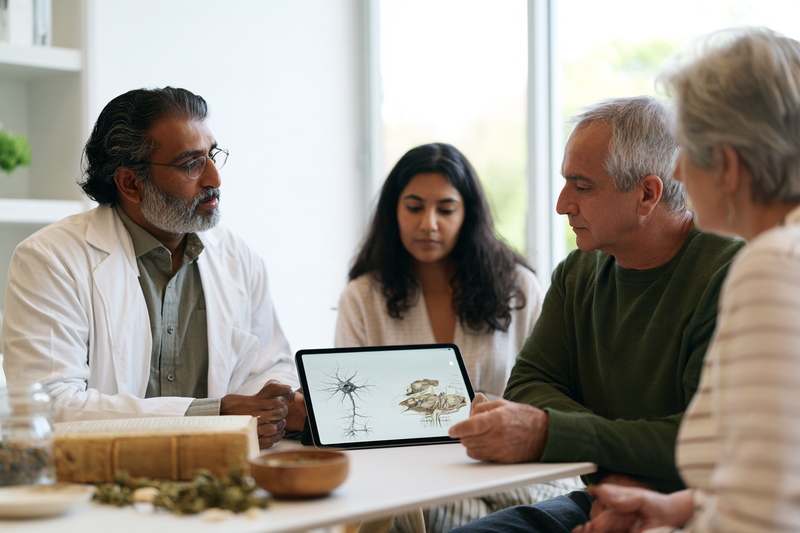
SOD1 ALS is a genetic form of motor neuron disease, but the patient’s suffering is not limited to the gene mutation. The person may face progressive weakness, muscle wasting, fatigue, constipation, poor sleep, loss of appetite, swallowing difficulty, anxiety, and reduced independence. Ayurveda keeps the patient at the centre by assessing how Vata, nourishment, digestion, tissue strength, and daily function are changing throughout the disease.
SOD1 ALS Through The Lens Of Vata Vyadhi
Ayurveda does not describe SOD1 mutation as a classical genetic term. It understands ALS like progressive weakness through the clinical framework of Vata Vyadhi, which refers to disorders where disturbed Vata affects movement, nerve control, coordination, strength, dryness, speech, sleep, bowel rhythm, and functional stability.
This is clinically relevant because ALS affects voluntary movement through progressive motor neuron degeneration. A patient may first notice foot drop, hand weakness, cramps, fasciculations, slurred speech, difficulty swallowing, or breathlessness. Ayurveda observes these changes not only as isolated symptoms but as signs of declining neuromuscular control, reduced tissue nourishment, and disturbed Vata activity.
Charaka Samhita, Chikitsa Sthana, Chapter 28, Vata Vyadhi Chikitsa, gives the classical foundation for managing Vata disorders with therapies such as Snehana, Swedana, Basti, nourishing food, strengthening measures, and individualized treatment according to the patient’s strength and disease stage [5]. In SOD1 ALS, this principle is important because weak patients need gentler care than strong patients, and rapidly progressing patients need protection from exhausting therapies.
Dhatukshaya And Mamsa Kshaya In SOD1 ALS
Many patients with SOD1 ALS develop visible wasting, weight loss, reduced muscle bulk, fatigue, and declining physical endurance. Ayurveda describes this pattern through Dhatukshaya, meaning depletion of body tissues, and Mamsa Kshaya, meaning loss or depletion of muscle tissue.
Mamsa Kshaya is important because ALS patients often suffer not only from nerve dysfunction but also from secondary muscle wasting due to denervation, reduced movement, poor intake, swallowing difficulty, and increased energy demand. When the patient loses weight, digestion weakens, sleep reduces, and constipation increases, Vata tends to become more aggravated. This creates a difficult cycle where weakness and depletion reinforce each other.
Ayurvedic care therefore gives high importance to Brimhana, meaning nourishing and strengthening therapy. Brimhana does not mean simply giving heavy food or strong medicines. It means choosing digestible nourishment, suitable oils, strength preserving routines, and restorative formulations that the patient can tolerate. Charaka Samhita, Sutra Sthana, Chapter 22 explains the importance of Langhana and Brimhana principles, where treatment must be selected according to the patient’s strength, nourishment status, and disease condition [6].
Agni And Nutrition In SOD1 ALS
Agni means digestive and metabolic capacity. In SOD1 ALS, Agni must be protected because nutrition becomes a major part of survival, strength, and treatment tolerance. A patient may be prescribed high calorie intake, modified food texture, swallowing therapy, or feeding support, but the food must still be digested and absorbed well.
When Agni is weak, the patient may feel heaviness, bloating, poor appetite, nausea, constipation, mucus, poor sleep, or fatigue after eating. In such cases, forcing large meals can become difficult. Ayurveda supports nutrition by improving digestibility, meal timing, bowel rhythm, and food tolerance while respecting swallowing safety and modern dietary advice.
This approach is especially useful when the patient is trying to maintain weight. In ALS care, weight loss is not a cosmetic issue. It can reflect reduced intake, swallowing difficulty, respiratory effort, muscle loss, and overall decline. Ayurvedic nutrition should therefore be warm, digestible, nourishing, and adapted to the patient’s swallowing ability, respiratory comfort, bowel pattern, and current medicines.
Ojas And Bala In SOD1 ALS
Bala means strength, stamina, and functional vitality. Ojas refers to the deeper reserve of resilience, nourishment, immunity, and stability described in Ayurveda. In SOD1 ALS, both Bala and Ojas need careful protection because the disease can gradually reduce physical independence and emotional steadiness.
A patient with falling Bala may struggle to walk, speak, hold objects, cough strongly, eat enough, or tolerate procedures. A patient with disturbed Ojas may appear exhausted, anxious, sleepless, fearful, fragile, and less able to recover from stress. Ayurveda pays attention to these signs because they influence what treatment intensity is safe.
This is why every SOD1 ALS patient should not receive the same Ayurvedic plan. A stronger patient with good appetite and stable breathing may tolerate a more active Vata pacifying and nourishing plan. A weak, breathless, underweight, constipated, or swallowing impaired patient may need a gentler plan focused on comfort, bowel rhythm, sleep, digestible nutrition, external oil support, and careful monitoring.
Rasayana In SOD1 ALS
Rasayana means restorative and rejuvenative care that supports strength, tissue quality, resilience, recovery capacity, and long term stability. In SOD1 ALS, Rasayana should be used with clinical maturity. It should not be presented as gene correction or as a replacement for neurologist led care. Its role is to support the patient’s strength, nourishment, sleep, digestion, bowel rhythm, fatigue, and quality of life.
Charaka Samhita, Chikitsa Sthana, Chapter 1, Rasayana Chikitsa, describes Rasayana as a major branch for improving vitality, strength, complexion, longevity, memory, and resistance when used in the right patient and right condition [7]. In ALS, the practical value of Rasayana lies in preserving the patient’s reserves while modern care addresses diagnosis, respiratory function, swallowing, mobility, and disease specific treatment.
Rasayana care must be individualized. A patient with poor swallowing may need a different form than a patient who can swallow safely. A patient with constipation may need bowel regulation before heavier nourishment. A patient on tofersen, riluzole, edaravone, anticoagulants, sedatives, or respiratory medicines needs coordinated monitoring so that herbs, herbo mineral preparations, oils, and procedures are used safely.
Why Treatment Intensity Must Match The Patient
In SOD1 ALS, the most important Ayurvedic decision is not only what to give, but how much the patient can tolerate. Strong Panchakarma, intense sweating, fasting, dehydration, aggressive purgation, or exhausting procedures may be unsuitable when the patient has severe weakness, low body weight, poor appetite, respiratory compromise, swallowing difficulty, or rapid progression.
Classical Ayurveda repeatedly emphasizes patient strength, disease strength, digestion, age, constitution, and tolerance before selecting treatment intensity. This principle is essential in ALS. A therapy that is useful in one Vata disorder may be harmful if applied aggressively to a depleted ALS patient.
The safer Ayurvedic approach is measured, nourishing, and closely monitored. The physician should track appetite, bowel movement, sleep, weight, fatigue, cramps, swallowing comfort, breathing symptoms, walking ability, hand function, emotional state, and tolerance to medicines. In SOD1 ALS, Ayurveda remains most valuable when it protects strength, reduces avoidable suffering, and works beside genetic testing, tofersen assessment, respiratory care, nutrition support, and multidisciplinary ALS management.
SOD1 ALS Ayurvedic Care Plan For Strength Digestion And Daily Function
SOD1 ALS needs a care plan that respects both the genetic diagnosis and the patient’s daily condition. The mutation may guide modern treatment decisions, but Ayurveda focuses on how much strength the patient still has, how well food is digested, whether bowel movement is regular, whether sleep is restorative, and whether the body is losing weight, muscle, and functional reserve. This is why Ayurvedic care in SOD1 ALS should be individualized, measured, and adjusted as the disease changes.
SOD1 ALS Care Begins With Bala And Agni Assessment
The first Ayurvedic assessment should not begin with a strong procedure. It should begin with Bala and Agni. Bala means functional strength, stamina, and tolerance. Agni means digestive and metabolic capacity. In SOD1 ALS, these two factors decide whether the patient can tolerate nourishing formulations, oil based care, Basti, mild Swedana, Rasayana, or only gentle supportive care.
A patient with good appetite, stable weight, regular bowel movement, clear swallowing, and preserved breathing may tolerate a more active Ayurvedic plan. A patient with poor appetite, constipation, choking, breathlessness, low weight, severe fatigue, or rapid decline needs a gentler plan first. In such cases, the immediate aim is to improve digestibility, bowel rhythm, sleep, comfort, and nutrition tolerance before increasing treatment intensity.
This approach follows the classical Ayurvedic principle that treatment should match the patient’s strength, disease strength, digestion, age, constitution, and tolerance. In Charaka Samhita, Vimana Sthana, Chapter 8, the physician is advised to assess the patient carefully before deciding treatment. In ALS like weakness, this principle becomes clinically important because an overtreated weak patient may become more exhausted.
Brimhana In SOD1 ALS For Tissue Nourishment
Brimhana means nourishing and strengthening therapy. It is important in SOD1 ALS because many patients develop Mamsa Kshaya, meaning muscle tissue depletion, and Dhatukshaya, meaning broader tissue depletion. The visible signs may include weight loss, reduced muscle bulk, fatigue, dryness, poor sleep, constipation, and declining physical function.
Brimhana should be digestible, not heavy in a careless way. The aim is to nourish without overloading Agni. Warm, soft, calorie dense, protein supportive, and easy to swallow food may be needed according to modern swallowing advice. Ayurvedic formulations should also be chosen according to the patient’s digestion, bowel pattern, liver and kidney status, current medicines, and ability to swallow safely.
Charaka Samhita, Sutra Sthana, Chapter 22 describes Brimhana as suitable where nourishment and strengthening are needed, while also showing that Langhana and Brimhana must be selected according to the patient’s condition [6]. In SOD1 ALS, this means the physician should not use the same plan for a thin, constipated, breathless patient and a stronger patient with stable digestion.
Snehana In SOD1 ALS For Vata Pacification
Snehana means oleation or therapeutic use of oil and ghee, internally or externally, according to suitability. In SOD1 ALS, external Snehana may help reduce dryness, stiffness, discomfort, disturbed sleep, and Vata aggravation when applied gently. It may also give the patient comfort, warmth, and a sense of bodily support during progressive weakness.
Internal Snehana must be used carefully. Ghee, medicated oils, or unctuous preparations may not suit every ALS patient, especially when digestion is weak, swallowing is unsafe, nausea is present, or the patient has liver, gallbladder, pancreatic, or lipid related concerns. The form, dose, timing, and route must be individualized.
Charaka Samhita, Chikitsa Sthana, Chapter 28 describes Snehana as an important part of Vata Vyadhi care [5]. For SOD1 ALS, the practical meaning is not aggressive oil therapy. It means carefully selected Vata pacifying support that does not worsen heaviness, aspiration risk, indigestion, or fatigue.
Swedana In SOD1 ALS Should Be Mild And Carefully Chosen
Swedana means sudation or therapeutic warmth. In Vata disorders, gentle warmth may reduce stiffness, pain, coldness, and discomfort. In SOD1 ALS, mild localized warmth may be useful in selected patients when there is stiffness, cramps, coldness, or discomfort.
Strong sweating is different. Heavy steam, prolonged heat, dehydration, and exhausting Swedana may be unsuitable when the patient is weak, underweight, breathless, fatigued, or unable to regulate body comfort. ALS patients with respiratory compromise, swallowing difficulty, low stamina, or poor hydration need extra caution.
The safest Ayurvedic use of Swedana in SOD1 ALS is gentle, short, localized, and symptom guided. The patient should feel relaxed after treatment, not drained. If fatigue, dizziness, breathlessness, headache, dehydration, or worsening weakness appears, the therapy intensity is too high.
Basti In SOD1 ALS Must Be Individualized
Basti is one of the most important classical therapies for Vata disorders. It uses medicated enema preparations and is described in Ayurveda as a major treatment for Vata imbalance. Since ALS like progressive weakness can be understood through the Vata Vyadhi framework, Basti may be considered in selected patients after careful assessment.
Basti should not be used casually in SOD1 ALS. The physician must assess strength, bowel pattern, hydration, appetite, weight, respiratory function, mobility, caregiver support, and the ability to tolerate the procedure. A constipated patient with stable strength may need a different approach from a weak, bedbound, dehydrated, or breathless patient.
Charaka Samhita, Siddhi Sthana discusses Basti in detail, and Ashtanga Hridaya, Sutra Sthana, Chapter 19 explains Basti Vidhi, the method and principles of Basti administration [8]. In SOD1 ALS, the classical value of Basti lies in Vata regulation, but the clinical decision must be conservative, patient specific, and coordinated with the patient’s overall neurological condition.
Rasayana In SOD1 ALS For Long Term Support
Rasayana means restorative care that supports vitality, tissue quality, strength, resilience, and recovery capacity. In SOD1 ALS, Rasayana should be used to support the living patient, not to claim genetic correction. The aim is to help preserve strength, appetite, sleep, bowel rhythm, nourishment, treatment tolerance, and quality of life.
Charaka Samhita, Chikitsa Sthana, Chapter 1 describes Rasayana as a major branch for supporting longevity, strength, memory, complexion, vitality, and resistance when used properly [7]. In SOD1 ALS, this principle is relevant because the patient often needs long term strengthening care while modern medicine manages genetic testing, tofersen eligibility, breathing, swallowing, and mobility.
Rasayana should be selected according to Agni and swallowing safety. A heavy Rasayana given to a patient with weak digestion may cause bloating, heaviness, mucus, nausea, or poor tolerance. A well chosen Rasayana plan should feel supportive, digestible, and sustainable.
What Ayurveda Should Not Delay In SOD1 ALS
Ayurveda should remain central to strength, digestion, nourishment, bowel rhythm, sleep, comfort, and daily quality of life, but it should not delay essential neurological care. Genetic testing, tofersen assessment, respiratory monitoring, swallowing evaluation, feeding support, management of aspiration risk, and emergency care for breathing difficulty must continue under the neurologist and ALS team.
This is especially important when the patient has a confirmed SOD1 mutation. Tofersen discussion, if relevant and available, should happen early because eligibility depends on genetic confirmation and specialist assessment [1]. Ayurveda can support the patient during this process, but it should not replace the genetic and neurological decisions.
The best care plan is therefore integrated. Modern medicine identifies the ALS subtype, evaluates gene targeted treatment, monitors breathing and swallowing, and manages disease focused interventions. Ayurveda supports the person’s Bala, Agni, Vata balance, nourishment, sleep, bowel rhythm, emotional steadiness, and comfort. For SOD1 ALS patients and families, this combined approach gives both scientific clarity and daily practical support.
SOD1 ALS Measuring Progress During Ayurvedic And Neurological Care
SOD1 ALS needs regular progress tracking because the disease can change slowly in some patients and quickly in others. A patient may feel better in digestion, sleep, bowel rhythm, appetite, cramps, or energy, while neurological weakness may still need close monitoring. Ayurveda becomes more trustworthy when the care plan is measured through clear signs of Bala, Agni, nourishment, breathing, swallowing, mobility, and daily function.
Why Progress In SOD1 ALS Must Be Measured Carefully
In SOD1 ALS, progress does not always mean dramatic reversal of weakness. In many patients, meaningful progress may mean slower decline, stable weight, better appetite, easier bowel movement, improved sleep, reduced fatigue, fewer cramps, better food tolerance, or improved comfort during daily care. These changes matter because ALS affects the whole body, not only limb strength.
Neurological monitoring remains essential. The care team may track walking, hand function, speech, swallowing, cough strength, breathing, fatigue, sleep, and nutrition. Standard tools such as ALSFRS R can help document functional change over time. Respiratory tests such as forced vital capacity or slow vital capacity may be needed because breathing decline can occur before the patient feels severe breathlessness [1].
Ayurvedic monitoring should run beside modern monitoring. The physician should assess Bala, which means functional strength, Agni, which means digestive and metabolic capacity, Vata aggravation, Mamsa Kshaya, sleep quality, bowel rhythm, appetite, dryness, cramps, stiffness, and tolerance to medicines. This gives a more complete view of the patient’s actual condition.
Thirty Day Tracking In SOD1 ALS
A practical thirty day review can help the patient and family understand whether the treatment plan is supporting daily life. The review should include body weight, appetite, meal duration, swallowing comfort, constipation, sleep hours, fatigue, cramps, pain, walking distance, hand function, speech clarity, breathing symptoms, cough strength, and caregiver burden.
Weight is especially important. A patient who is eating poorly, losing muscle, or taking too long to finish meals may need early nutrition review. If swallowing becomes unsafe, modern swallowing assessment should not be delayed. Ayurveda can support digestibility and nourishment, but it must respect swallowing safety and respiratory risk.
The Ayurvedic review should also ask whether the patient feels lighter, more stable, better nourished, less dry, less constipated, and more comfortable after food and medicines. If the patient feels heavy, bloated, nauseated, more sleepy, more constipated, or more exhausted, the plan may be too heavy, too intense, or poorly matched to Agni.
Measuring Bala In SOD1 ALS
Bala is not only physical power. In SOD1 ALS, Bala includes walking tolerance, hand use, posture, speech endurance, swallowing effort, cough strength, sleep recovery, emotional steadiness, and ability to tolerate treatment. A patient with better Bala may sit longer, eat more comfortably, sleep better, pass stool more regularly, and tolerate therapy without becoming drained.
A fall in Bala needs early attention. Warning signs include sudden fatigue, reduced appetite, more frequent choking, worsening breathlessness, disturbed sleep, rapid weight loss, weak cough, repeated chest infection, reduced urine intake, severe constipation, or inability to tolerate food and medicines. These signs should not be dismissed as normal disease fluctuation.
Ayurveda protects Bala through nourishing but digestible food, suitable Rasayana, gentle Vata pacifying care, bowel regulation, sleep support, and avoidance of exhausting therapies. Strong Panchakarma, heavy sweating, fasting, or aggressive purgation may reduce Bala further in weak SOD1 ALS patients.
Measuring Agni And Nutrition In SOD1 ALS
Agni is central in SOD1 ALS because strength cannot be preserved without digestion. Even high calorie food may not help if the patient cannot digest it, swallow it safely, or tolerate it without bloating and fatigue. Good Agni is seen through appetite, comfortable digestion, regular bowel movement, absence of heaviness, stable energy after meals, and better acceptance of nourishment.
Weak Agni may show as poor appetite, bloating, nausea, heaviness, constipation, mucus, burping, disturbed sleep, or fatigue after meals. In such cases, simply increasing food quantity may worsen discomfort. The Ayurvedic plan should first improve digestibility, meal timing, bowel rhythm, and suitable food texture.
Modern nutrition advice should continue at the same time. If the patient is losing weight, coughing during meals, taking too long to eat, avoiding liquids, or developing chest infections, swallowing and nutrition review become urgent. Ayurveda should support nutrition, not delay feeding decisions when they are clinically needed.
Measuring Vata Symptoms In SOD1 ALS
Vata aggravation in SOD1 ALS may appear as dryness, constipation, disturbed sleep, anxiety, cramps, twitching, stiffness, restlessness, variable appetite, and increased sensitivity to exhaustion. These symptoms may not fully explain the motor neuron disease, but they strongly affect comfort and daily function.
A good Ayurvedic plan should gradually reduce avoidable Vata aggravation. The patient may sleep better, pass stool more easily, feel less dry, tolerate food better, experience fewer cramps, and feel calmer during the day. These improvements are valuable even when neurological weakness still needs ongoing monitoring.
If Vata symptoms worsen after treatment, the plan should be reviewed. Excessive heat, dehydration, fasting, irregular meals, strong cleansing, poor sleep, travel stress, fear, and overexertion can aggravate Vata and reduce the patient’s reserve.
Measuring Safety During SOD1 ALS Treatment
Safety tracking is as important as improvement tracking. The patient and caregiver should watch for worsening swallowing, choking, breathlessness, morning headache, weak cough, fever, chest congestion, sudden decline in walking, severe constipation, urinary difficulty, dehydration, confusion, severe pain, or new neurological symptoms. These changes need medical review.
If the patient is receiving tofersen, safety monitoring becomes even more important. Severe headache, fever with neck stiffness, vision changes, new back pain, new limb pain, new weakness, or sensory changes after intrathecal treatment should be reported promptly because tofersen can be associated with serious neurological adverse reactions in some patients [2].
Ayurvedic medicines and therapies should be adjusted whenever new symptoms, procedures, infections, hospital admissions, or medicine changes occur. A SOD1 ALS patient may tolerate a formulation well in one month and need a different intensity later as strength, breathing, swallowing, and digestion change.
What Realistic Improvement Can Look Like In SOD1 ALS
Realistic improvement in SOD1 ALS may be seen as better appetite, stable weight, improved bowel movement, deeper sleep, reduced cramps, less fatigue, better mood, easier caregiving, improved food tolerance, or slower loss of function. These are meaningful changes because they protect quality of life and treatment tolerance.
At the same time, families should not rely only on subjective feelings. Monthly notes, weight records, swallowing changes, respiratory reports, ALSFRS R scores, and caregiver observations help show whether the patient is truly stable or declining. This protects the patient from both false fear and false reassurance.
The most balanced approach is to measure both modern neurological markers and Ayurvedic functional markers. In SOD1 ALS, genetic testing and tofersen may guide disease targeted decisions, while Ayurveda supports Bala, Agni, nourishment, bowel rhythm, sleep, comfort, and dignity. Progress is strongest when both sides are tracked honestly.
SOD1 ALS Patient Decision Pathway

SOD1 ALS requires a clear step by step care pathway because families often face several decisions at the same time. The patient may need genetic testing, tofersen assessment, respiratory monitoring, swallowing review, nutrition planning, family counseling, and Ayurvedic care for strength, digestion, sleep, bowel rhythm, and daily comfort. A calm pathway helps the family act early without panic and without delaying essential care.
After A New ALS Diagnosis
After a new ALS diagnosis, the first step is to confirm that the patient is under the care of a neurologist or ALS centre. The diagnosis should be supported by clinical examination, nerve testing, imaging when needed, and exclusion of other treatable conditions. Once ALS is confirmed, genetic testing should be discussed early because current expert guidance recommends offering genetic testing to all people with ALS, including SOD1, C9orf72, FUS, and TARDBP at minimum [1].
Ayurveda can begin at this stage without waiting for every report, but the plan should be gentle and assessment based. The Ayurvedic physician should review the patient’s Bala, Agni, weight trend, bowel rhythm, sleep, appetite, muscle wasting, swallowing comfort, speech, breathing, and current medicines. Bala means functional strength and vitality. Agni means digestive and metabolic capacity. These two factors decide whether the patient needs nourishing care, bowel regulation, sleep support, external oil therapy, Rasayana, or a very conservative plan.
After A Positive SOD1 ALS Result
A positive SOD1 ALS result should be reviewed carefully by the neurologist and genetic counselor. The report should confirm whether the variant is pathogenic or likely pathogenic. If the result is confirmed, the neurologist can discuss whether tofersen is suitable, available, and safe for the patient’s current condition [2].
This is also the time to review breathing, swallowing, nutrition, mobility, and caregiver support. A patient who is eligible for tofersen may still need non invasive ventilation assessment, swallowing therapy, calorie support, physiotherapy, communication planning, and monitoring for treatment adverse effects. Gene targeted treatment does not remove the need for whole patient care.
Ayurveda should support the patient’s reserves during this process. The focus should be on preserving weight, improving digestibility, reducing constipation, calming Vata aggravation, improving sleep, reducing exhaustion, and supporting emotional steadiness. If the patient is weak, underweight, breathless, or swallowing poorly, strong Panchakarma, fasting, heavy sweating, and aggressive cleansing should be avoided.
After A Negative Or Uncertain SOD1 ALS Result
A negative SOD1 result does not mean the ALS diagnosis is harmless or non genetic. The patient may have another ALS associated gene, a gene not included in the panel, or a genetic cause that is not yet known. The neurologist should check whether the test included C9orf72 repeat expansion testing and other major ALS genes [1].
A variant of uncertain significance needs even more caution. It should not be treated as a confirmed cause of disease, and it should not be used alone for family testing, tofersen decisions, or major life planning. The family should wait for specialist interpretation and avoid drawing conclusions only from seeing the SOD1 gene name on the report [1].
Ayurvedic care should continue according to the patient’s actual symptoms rather than the uncertainty of the genetic result. The physician should track appetite, bowel movement, sleep, fatigue, cramps, dryness, muscle wasting, swallowing comfort, respiratory symptoms, and treatment tolerance. In ALS, practical improvement may mean stable weight, better food tolerance, easier stool passage, deeper sleep, less exhaustion, fewer cramps, or slower decline.
When Family Members Ask About Testing
Family testing should usually begin only after the affected patient has a confirmed pathogenic or likely pathogenic variant. If a confirmed SOD1 mutation is found, adult relatives can meet a genetic counselor and decide whether predictive testing is right for them. This decision should be voluntary because genetic information can affect emotional wellbeing, marriage planning, children, insurance concerns, and long term personal choices.
Children should generally not be tested for adult onset ALS risk unless a specialist genetic team identifies an exceptional reason. The family should first focus on accurate diagnosis in the affected patient, careful counseling for adults, and practical support for daily care.
Ayurveda also recognizes that the family environment affects the patient. Fear, poor sleep, irregular meals, caregiver exhaustion, and emotional stress can worsen Vata and reduce stability. The patient and caregivers need a routine that supports nourishment, rest, calm communication, and consistent follow up.
When Ayurveda Should Begin In SOD1 ALS
Ayurveda should begin when the patient needs support for strength, digestion, appetite, sleep, bowel rhythm, fatigue, muscle wasting, anxiety, and treatment tolerance. It should not wait until the patient becomes severely weak. Early supportive care is often more useful because the patient may still have better Agni, better swallowing, better mobility, and more reserve.
The Ayurvedic plan should be coordinated with the neurologist when the patient is taking riluzole, edaravone, tofersen, anticoagulants, sedatives, respiratory medicines, pain medicines, or constipation medicines. The neurologist should also know about herbs, herbo mineral preparations, oils, supplements, and procedures because ALS patients may be medically fragile.
The safest pathway is integrated. Genetic testing identifies whether SOD1 ALS or another genetic subtype is present. Neurological care addresses diagnosis, breathing, swallowing, mobility, and disease focused treatment. Ayurveda supports Bala, Agni, Vata balance, nourishment, bowel rhythm, sleep, comfort, and dignity. This gives the patient a care plan that is medically alert and personally supportive.
SOD1 ALS Questions To Ask Your Neurologist And Ayurvedic Physician

SOD1 ALS care becomes safer when the patient and family ask clear questions before making decisions about genetic testing, tofersen, respiratory care, swallowing support, family testing, and Ayurveda. A confirmed mutation can guide modern treatment, but the patient still needs daily support for strength, digestion, nourishment, sleep, bowel rhythm, breathing comfort, and emotional stability.
Questions About SOD1 ALS Genetic Testing
The first question is whether the ALS genetic test includes SOD1 and C9orf72. This matters because SOD1 status may affect tofersen eligibility, while C9orf72 often needs a specific testing method and may not be detected by ordinary sequencing alone [1]. A patient should also ask whether FUS, TARDBP, and other ALS associated genes are included, especially when there is young onset disease, a family history of ALS, frontotemporal dementia, or unexplained neurological illness.
The second question is whether the result is pathogenic, likely pathogenic, negative, or a variant of uncertain significance. This language is important because only a confirmed disease causing or likely disease causing variant should guide major clinical and family decisions. A variant of uncertain significance should not be treated as a confirmed diagnosis without specialist interpretation [1].
The patient should also ask whether genetic counseling is available before and after testing. Genetic results can affect children, siblings, parents, and future family planning. A neurologist can explain the ALS diagnosis, but a genetic counselor can help the family understand inheritance, predictive testing, privacy, emotional impact, and what relatives may need to know.
Questions About Tofersen In SOD1 ALS
If a pathogenic SOD1 mutation is confirmed, the patient should ask whether tofersen is suitable and available. Tofersen is designed for adults with ALS associated with a SOD1 mutation, and it is given through intrathecal injection into the cerebrospinal fluid. It is not an oral medicine, and it requires repeated procedures under specialist care [2].
The patient should ask what benefit is realistic in their individual case. Tofersen has shown reduction in SOD1 related biomarkers and plasma neurofilament light chain, but it should not be described as a guaranteed cure or guaranteed reversal. The neurologist should explain the patient’s disease stage, respiratory reserve, swallowing status, procedure risk, expected monitoring, and how progress will be measured [2,3].
Safety questions are equally important. The patient should ask what symptoms need urgent reporting after treatment, especially severe headache, fever with neck stiffness, vision changes, new back pain, new limb pain, new weakness, sensory changes, or worsening neurological symptoms. These symptoms need prompt review because intrathecal treatment can be associated with serious neurological adverse effects in some patients [2].
Questions About Breathing Swallowing And Nutrition
A patient with SOD1 ALS should ask how breathing will be monitored. Breathing weakness may appear as poor sleep, morning headache, daytime fatigue, weak cough, breathlessness when lying flat, or repeated chest infection. The neurologist may recommend respiratory testing and non invasive ventilation assessment when appropriate [4].
Swallowing and nutrition need the same attention. The patient should ask whether a swallowing assessment is needed, especially when coughing occurs during meals, liquids become difficult, speech becomes wet after drinking, meals take too long, or weight is falling. Nutrition support should begin before severe weight loss because low weight can reduce strength, treatment tolerance, and daily function.
Ayurveda can support digestion and nourishment, but it must respect swallowing safety. Warm, soft, digestible, nourishing food may be useful only when the patient can swallow safely and digest it comfortably. If aspiration risk is present, the food texture and feeding method must follow the advice of the swallowing and nutrition team.
Questions About Ayurveda In SOD1 ALS
The patient should ask the Ayurvedic physician how Bala and Agni will be assessed before treatment. Bala means functional strength and vitality. Agni means digestive and metabolic capacity. These two factors decide whether the patient can tolerate nourishing formulations, oil based care, mild Swedana, Basti, Rasayana, or only gentle supportive care.
The patient should ask how the Ayurvedic plan will support Vata Vyadhi, Mamsa Kshaya, and Dhatukshaya. Vata Vyadhi refers to disorders where disturbed Vata affects movement, strength, coordination, dryness, sleep, bowel rhythm, and neuromuscular function. Mamsa Kshaya means muscle tissue depletion, and Dhatukshaya means broader tissue depletion. These concepts are clinically relevant in SOD1 ALS because many patients struggle with wasting, constipation, fatigue, poor appetite, disturbed sleep, and progressive loss of strength.
The patient should also ask what will be avoided. Strong Panchakarma, fasting, heavy sweating, aggressive purgation, dehydration, and exhausting procedures may be unsuitable when the patient is underweight, breathless, weak, constipated, swallowing poorly, or rapidly declining. A trustworthy Ayurvedic plan should be able to explain both what is being given and what is being avoided.
Questions About Medicines Supplements And Safety
The neurologist should know about all Ayurvedic medicines, herbo mineral preparations, oils, supplements, and therapies being used. This is especially important when the patient is taking riluzole, edaravone, tofersen, anticoagulants, sedatives, pain medicines, respiratory medicines, constipation medicines, or medicines for sleep.
The Ayurvedic physician should also know the patient’s full medical plan. This includes genetic reports, EMG findings, MRI reports, respiratory tests, swallowing assessment, current medicines, liver and kidney status, weight trend, and tofersen schedule if applicable. In SOD1 ALS, safe care depends on both teams seeing the full picture.
The patient should ask how side effects will be recognized. Poor appetite, bloating, nausea, heaviness, loose stools, worsening constipation, excess sleepiness, rash, new pain, breathlessness, or sudden fatigue after starting any treatment should be reviewed. A medicine that is useful in one stage may need dose adjustment or discontinuation if the patient’s strength, digestion, swallowing, or breathing changes.
Questions About Family Risk And Emotional Support
If a pathogenic SOD1 mutation is found, the family should ask who needs genetic counseling and when. Adult relatives may choose predictive testing after counseling, but they should not be pressured. Some relatives may want to know their risk for planning, while others may prefer not to know unless symptoms appear.
The family should also ask how to talk about the result without creating fear. Genetic information can affect marriage discussions, children, insurance concerns, emotional wellbeing, and family relationships. The affected patient should not carry this burden alone. A genetic counselor can help the family share accurate information in a calm and respectful way.
Ayurveda also recognizes the importance of mental steadiness and family support. Fear, grief, poor sleep, irregular food, caregiver exhaustion, and emotional shock can aggravate Vata and reduce resilience. A stable routine, digestible nourishment, regular sleep, gentle supportive care, and clear communication can protect both the patient and caregivers during a difficult diagnosis.
SOD1 ALS When To Consult For Integrative Ayurvedic Support
SOD1 ALS needs early, coordinated care because waiting until severe weakness, weight loss, swallowing difficulty, or breathing decline can reduce the patient’s reserve. An integrative Ayurvedic consultation is most useful when it is started alongside neurologist led care, not after all other options are exhausted. The aim is to support Bala, Agni, nourishment, bowel rhythm, sleep, comfort, and daily function while genetic testing, tofersen assessment, respiratory monitoring, and standard ALS care continue under the specialist team.
SOD1 ALS Patients Who May Need Ayurvedic Review Early
A patient with SOD1 ALS may seek Ayurvedic review when weakness is progressing, appetite is falling, weight is reducing, constipation is frequent, sleep is disturbed, cramps are troublesome, fatigue is increasing, or daily activities are becoming harder. These problems may look small compared with the genetic diagnosis, but they strongly affect strength, treatment tolerance, and quality of life.
Ayurveda assesses these changes through Bala, Agni, Vata aggravation, Mamsa Kshaya, Dhatukshaya, and Ojas. Bala means functional strength and vitality. Agni means digestive and metabolic capacity. Mamsa Kshaya means muscle tissue depletion, and Dhatukshaya means broader tissue depletion. Ojas refers to deeper resilience and vitality. In SOD1 ALS, these concepts help the physician understand whether the patient needs nourishing care, bowel support, sleep support, gentle oil based care, Rasayana, or a more conservative plan.
Early review is also useful when the patient is being considered for tofersen. Tofersen may address SOD1 related biology in eligible patients, but the patient still needs support for digestion, weight, sleep, bowel movement, fatigue, comfort, and emotional steadiness [1]. Ayurvedic care should be adjusted around procedures, current medicines, respiratory status, swallowing safety, and the patient’s strength.
What To Bring For A SOD1 ALS Ayurvedic Consultation
The patient should bring the genetic report, especially if SOD1 mutation testing has been done. The report should show the exact variant and whether it is pathogenic, likely pathogenic, negative, or a variant of uncertain significance. This helps the Ayurvedic physician understand the modern diagnosis without overinterpreting the result.
The patient should also share EMG and nerve conduction reports, MRI reports, neurologist notes, ALSFRS R score if available, breathing test reports, swallowing assessment, current medicines, previous treatments, weight history, appetite pattern, bowel history, sleep pattern, and diet details. If the patient is taking riluzole, edaravone, tofersen, anticoagulants, sedatives, pain medicines, respiratory medicines, laxatives, supplements, or other herbal products, these should be clearly mentioned.
This information helps avoid unsafe assumptions. A patient with good swallowing and stable breathing may tolerate a different plan from a patient with choking, breathlessness, low weight, constipation, or rapid decline. In SOD1 ALS, the same Ayurvedic medicine or therapy should not be used with the same intensity for every patient.
How Ayurveda Plans Care In SOD1 ALS
The Ayurvedic plan should begin with the patient’s current capacity. If Agni is weak, digestion and bowel rhythm may need support before heavier nourishment is given. If the patient is constipated, dry, anxious, sleepless, and losing weight, Vata pacifying and Brimhana care may become important. Brimhana means nourishing and strengthening therapy, especially when tissue depletion and weakness are present.
Rasayana may be used when the patient can digest and tolerate restorative care. Rasayana means rejuvenative and strengthening support, but in SOD1 ALS it should not be presented as gene correction or as a replacement for neurologist led treatment. Its practical role is to support strength, nourishment, sleep, bowel rhythm, fatigue, resilience, and quality of life.
External Snehana, meaning oil based care, may be considered when dryness, stiffness, poor sleep, discomfort, or Vata aggravation is present. Mild Swedana, meaning therapeutic warmth, may help selected patients with stiffness or discomfort, but strong sweating should be avoided in weak, underweight, dehydrated, breathless, or exhausted patients. Basti may be considered only after careful assessment because ALS patients can be medically fragile.
When Ayurvedic Treatment Should Be Gentle
Gentle care is needed when the patient has low weight, poor appetite, severe constipation, breathlessness, choking, weak cough, disturbed sleep, dehydration, repeated infection, severe fatigue, or rapid functional decline. In such cases, aggressive Panchakarma, fasting, heavy sweating, strong purgation, or exhausting procedures may reduce Bala further.
The first aim should be stability. This may mean easier digestion, regular bowel movement, better sleep, improved food tolerance, less dryness, reduced cramps, better comfort, and preservation of body weight. These changes are meaningful because they support the patient’s reserve even when the neurological disease still needs close monitoring.
Ayurveda becomes safer when every therapy is reviewed according to response. If a patient feels heavier, more bloated, more sleepy, more constipated, more breathless, or more fatigued after treatment, the plan needs adjustment. In SOD1 ALS, tolerance is as important as intention.
When Medical Review Should Not Be Delayed
An Ayurvedic consultation should not delay urgent medical care. Sudden worsening of breathing, choking, repeated coughing during meals, fever, chest congestion, morning headache, severe constipation with abdominal distress, dehydration, confusion, new severe weakness, sudden speech decline, or inability to swallow medicines needs prompt medical review.
If the patient is receiving tofersen, severe headache, fever with neck stiffness, vision changes, new back pain, new limb pain, new numbness, new weakness, or unusual neurological worsening after intrathecal treatment should be reported quickly because serious neurological adverse reactions can occur in some patients [1,2].
The safest care is integrated and transparent. The neurologist manages diagnosis, genetic interpretation, tofersen eligibility, breathing, swallowing, and disease focused treatment. Ayurveda supports Bala, Agni, Vata balance, nourishment, sleep, bowel rhythm, comfort, and emotional steadiness. In SOD1 ALS, both are needed because the patient needs molecular clarity and daily strength at the same time.
Frequently Asked Questions
Is SOD1 ALS always inherited?
SOD1 ALS is often linked with inherited genetic risk, but family history may not always be clear. Some relatives may have been undiagnosed, carried the variant without symptoms, or died before ALS appeared. The affected patient should be tested first, and relatives should consider genetic counseling only after the result is confirmed.
Does a SOD1 mutation mean my children will get ALS?
A SOD1 mutation does not mean children will definitely develop ALS. In many families, a child may inherit the variant, but disease expression can vary. Adult children should meet a genetic counselor before predictive testing because the result can affect emotional health, family planning, insurance concerns, and long term decisions.
Should every ALS patient be tested for SOD1 ALS?
Every ALS patient should discuss genetic testing with a neurologist, even without known family history. SOD1 testing is important because a confirmed pathogenic mutation may affect tofersen eligibility, clinical trial options, and family counseling. A complete ALS genetic panel should also include C9orf72, FUS, TARDBP, and other relevant genes.
What is the difference between genetic ALS and familial ALS?
Genetic ALS means a disease associated gene variant is found in the patient. Familial ALS means ALS or a related neurological illness appears in more than one family member. A patient can have genetic ALS without obvious family history, so the genetic report, family history, and neurological findings must be interpreted together.
Who can take tofersen for SOD1 ALS?
Tofersen is considered for adults with ALS linked to a confirmed SOD1 mutation. It is not used for every ALS patient and should be prescribed only by an ALS specialist. The neurologist must review the exact mutation, disease stage, breathing status, swallowing ability, procedure risk, and local availability.
Does tofersen cure SOD1 ALS?
Tofersen is not a guaranteed cure for SOD1 ALS. It is a gene targeted medicine designed to reduce SOD1 protein production in patients with confirmed SOD1 related ALS. Patients still need respiratory monitoring, swallowing review, nutrition support, rehabilitation, emotional care, and supportive Ayurvedic care for strength and comfort.
Can Ayurveda help in SOD1 ALS?
Ayurveda may support strength, digestion, appetite, bowel rhythm, sleep, comfort, and quality of life in SOD1 ALS. It should not replace genetic testing, tofersen assessment, respiratory care, swallowing support, or neurologist led treatment. The Ayurvedic plan should be individualized according to Bala, Agni, breathing status, and disease stage.
What is the Ayurvedic view of SOD1 ALS?
Ayurveda does not describe SOD1 mutation as a classical genetic term. ALS like progressive weakness can be understood through Vata Vyadhi, where disturbed Vata affects movement, strength, coordination, dryness, sleep, bowel rhythm, and neuromuscular control. Care focuses on preserving Bala, supporting Agni, nourishing tissues, and reducing avoidable Vata aggravation.
Is Panchakarma safe in SOD1 ALS?
Panchakarma should not be used aggressively in weak or rapidly progressing SOD1 ALS patients. Strong purgation, fasting, heavy sweating, dehydration, and exhausting procedures may reduce Bala further. If Ayurvedic procedures are used, they should be gentle, individualized, closely monitored, and suitable for the patient’s breathing, swallowing, weight, and strength.
What should I bring for a SOD1 ALS Ayurvedic consultation?
Bring the genetic report, EMG and nerve conduction study, MRI reports, neurologist notes, respiratory tests, swallowing assessment, current medicine list, weight history, diet details, bowel pattern, sleep history, and details of tofersen, riluzole, or edaravone use. This helps the Ayurvedic physician plan safe, coordinated, patient specific care.
What should be tracked every month in SOD1 ALS?
Track body weight, appetite, swallowing comfort, meal duration, bowel movement, sleep, fatigue, cramps, walking ability, hand function, speech, breathing symptoms, cough strength, mood, and treatment tolerance. Ayurvedic follow up should also assess Bala, Agni, Vata symptoms, dryness, constipation, nourishment, and comfort after medicines or therapies.
When should a SOD1 ALS patient seek urgent medical care?
Urgent medical care is needed for worsening breathing, choking, repeated coughing during meals, fever, chest congestion, morning headache, severe constipation with distress, dehydration, confusion, sudden weakness, inability to swallow, or rapid speech decline. After tofersen, severe headache, neck stiffness, vision changes, new pain, numbness, or weakness needs prompt review.
References
- Roggenbuck, J., Eubank, B. H. F., Wright, J., Harms, M. B., Kolb, S. J., & ALS Genetic Testing and Counseling Guidelines Expert Panel. (2023). Evidence-based consensus guidelines for ALS genetic testing and counseling. Annals of Clinical and Translational Neurology, 10(11), 2074–2091.
https://pubmed.ncbi.nlm.nih.gov/37691292/
Brief: Used for ALS genetic-testing recommendations, SOD1 testing, C9orf72 testing, genetic counselling, family-history assessment, and variant interpretation. - National Library of Medicine. (2016, March 1). SOD1 gene. MedlinePlus Genetics.
https://medlineplus.gov/genetics/gene/sod1/
Brief: Used for SOD1 gene function, superoxide dismutase activity, copper and zinc binding, and the association between SOD1 mutations and ALS. - U.S. Food and Drug Administration. (2023, April 25). FDA approves treatment of amyotrophic lateral sclerosis associated with a mutation in the SOD1 gene.
https://www.fda.gov/drugs/news-events-human-drugs/fda-approves-treatment-amyotrophic-lateral-sclerosis-associated-mutation-sod1-gene
Brief: Used for tofersen approval, the SOD1-ALS indication, the accelerated-approval basis, neurofilament light-chain biomarker findings, and the rarity of SOD1-associated ALS. - U.S. Food and Drug Administration. (2023). Qalsody (tofersen) prescribing information.
https://www.accessdata.fda.gov/drugsatfda_docs/label/2023/215887s000lbl.pdf
Brief: Used for tofersen prescribing information, intrathecal administration, the 100 mg dose, loading and maintenance schedules, warnings, adverse reactions, and safety monitoring. - Miller, T. M., Cudkowicz, M. E., Genge, A., Shaw, P. J., Sobue, G., Bucelli, R. C., Chiò, A., Van Damme, P., Ludolph, A. C., Glass, J. D., Andrews, J. A., Babu, S., Benatar, M., McDermott, C. J., Cochrane, T., Chary, S., Chew, S., Zhu, H., Wu, F., Nestorov, I., Graham, D., Sun, P., McNeill, M., Fanning, L., Fradette, S., Ferguson, T. A., & VALOR and OLE Working Group. (2022). Trial of antisense oligonucleotide tofersen for SOD1 ALS. The New England Journal of Medicine, 387(12), 1099–1110.
https://pubmed.ncbi.nlm.nih.gov/36129998/
Brief: Used for the VALOR trial findings, cerebrospinal-fluid SOD1 reduction, plasma neurofilament light-chain reduction, ALSFRS-R interpretation, early-start versus delayed-start findings, and evidence limitations. - Lovett, A., Chary, S., Babu, S., Bruneteau, G., Glass, J. D., Karlsborg, M., Ladha, S., Mayl, K., McDermott, C., Bucelli, R. C., Chiò, A., Ferguson, T. A., Cochrane, T., Fradette, S., Smirnakis, K., Inra, J., Malek, S., & Fanning, L. (2025). Serious neurologic adverse events in tofersen clinical trials for amyotrophic lateral sclerosis. Muscle & Nerve, 71(6), 1006–1015.
https://pubmed.ncbi.nlm.nih.gov/40017137/
Brief: Used for serious neurological adverse events associated with tofersen, including myelitis, radiculitis, aseptic meningitis, intracranial hypertension, papilloedema, and symptoms requiring urgent assessment. - Hamad, A. A., Alkhawaldeh, I. M., Nashwan, A. J., Meshref, M., & Imam, Y. (2025). Tofersen for SOD1 amyotrophic lateral sclerosis: A systematic review and meta-analysis. Neurological Sciences, 46(5), 1977–1985.
https://pubmed.ncbi.nlm.nih.gov/39820998/
Brief: Used for updated evidence concerning tofersen efficacy, biomarker effects, safety, disease progression, and the current strength of evidence for SOD1-associated ALS. - Siddique, N., & Siddique, T. (2023). Amyotrophic lateral sclerosis overview. In GeneReviews. National Center for Biotechnology Information.
https://www.ncbi.nlm.nih.gov/books/NBK1450/
Brief: Used for ALS genetics, familial and apparently sporadic ALS, inheritance patterns, the importance of genetic counselling, and ALS-associated genes. - National Institute for Health and Care Excellence. (2016). Motor neurone disease: Assessment and management (NICE Guideline NG42).
https://www.nice.org.uk/guidance/ng42
Brief: Used for multidisciplinary motor-neurone-disease care, respiratory monitoring, non-invasive ventilation, swallowing assessment, nutritional support, rehabilitation, and care planning. - National Human Genome Research Institute. (n.d.). Autosomal dominant disorder. Genome.gov.
https://www.genome.gov/genetics-glossary/Autosomal-Dominant-Disorder
Brief: Used to explain autosomal-dominant inheritance and the 50% probability of transmitting a disease-associated genetic variant to each child. - Sharma, R. K., & Dash, B. (Trans.). (2014). Agniveśa’s Caraka Saṃhitā: Text with English translation and critical exposition based on Cakrapāṇi Datta’s Āyurveda Dīpikā. Chowkhamba Sanskrit Series Office.
Brief: Used for the Ayurvedic foundations of Vata Vyadhi, Rasayana, Brimhana, Bala, Agni, Dhatu Kshaya, and individualised care. Relevant sections include Charaka Samhita, Chikitsa Sthana, Chapters 1 and 28, and Sutra Sthana, Chapter 22. - Murthy, K. R. S. (Trans.). (2012). Vāgbhaṭa’s Aṣṭāṅga Hṛdayam: Text, English translation, notes, appendix and indices. Chowkhamba Krishnadas Academy.
Brief: Used for Ayurvedic principles concerning Basti, procedural suitability, patient strength, Vata management, and treatment precautions. The relevant section is Ashtanga Hridaya, Sutra Sthana, Chapter 19, Basti Vidhi.