



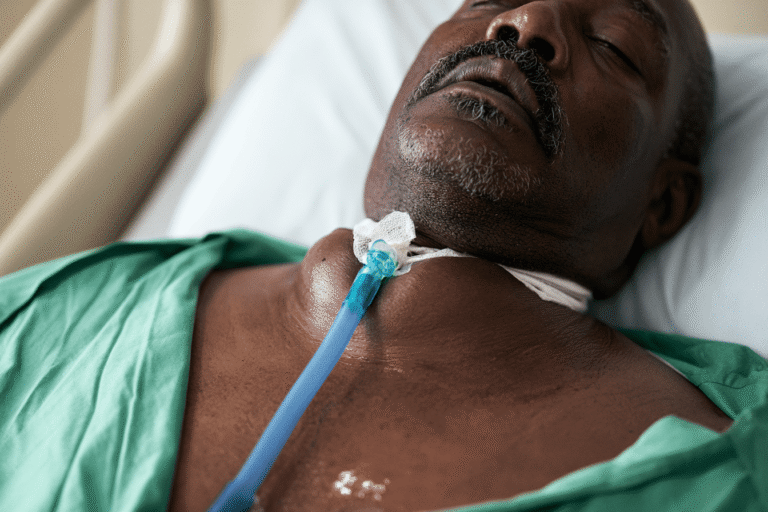
- Why Radiation and Chemotherapy for ATC Must Be Planned Quickly
- Radiation and Chemotherapy for ATC: Understanding the Different Treatments
- When Are Radiation and Chemotherapy for ATC Recommended?
- Potential Benefits of Radiation and Chemotherapy for ATC
- How Radiation Therapy for ATC Is Planned and Delivered
- Chemotherapy Used With Radiation for ATC
- Benefits and Limitations of Concurrent Chemoradiation for ATC
- Radiation Side Effects During Radiation and Chemotherapy for ATC
- Chemotherapy Side Effects During Radiation and Chemotherapy for ATC
- Why Radiation and Chemotherapy for ATC Can Be Harder Together
- Ayurvedic Support During Radiation and Chemotherapy for ATC
- When Radiation and Chemotherapy for ATC May Need to Be Paused or Modified
- Emergency Warning Signs During Radiation and Chemotherapy for ATC
- FAQ
- Reference
Radiation and chemotherapy for ATC may be used to control a rapidly growing tumour in the neck, protect breathing and swallowing, reduce the risk of local regrowth after surgery, or relieve symptoms when the cancer cannot be removed. In selected patients, treatment may shrink the tumour enough for surgeons to reconsider an operation. However, the expected benefit varies considerably and cannot be predicted from the diagnosis alone. It depends on the tumour’s location, whether it has spread, whether surgery is possible, the patient’s overall strength and the results of urgent molecular testing. [1,2]
Anaplastic thyroid cancer behaves differently from more common thyroid cancers. It can grow quickly into the windpipe, voice box, oesophagus, major blood vessels and other structures within the neck. For this reason, treatment planning usually begins as soon as the diagnosis is suspected rather than waiting for every routine investigation to be completed. A team experienced in aggressive thyroid cancer should coordinate biopsy review, imaging, airway assessment, molecular testing and treatment decisions without avoidable delay. [1,3]
Why Radiation and Chemotherapy for ATC May Be Needed Urgently
The most immediate danger from ATC is often uncontrolled growth within the neck. A tumour pressing on the trachea can cause breathlessness, noisy breathing or difficulty lying flat. Involvement of the oesophagus may cause painful swallowing, choking or an inability to swallow food and liquids. The cancer may also affect the nerve controlling a vocal cord, leading to persistent hoarseness or a weak voice. [1,3]
New stridor, which is a harsh or high-pitched breathing sound, rapidly worsening breathlessness, coughing blood, inability to swallow saliva or sudden enlargement of the neck requires emergency hospital assessment. Radiation and chemotherapy cannot be relied upon as an immediate rescue treatment for severe airway obstruction because tumour reduction takes time. Some patients may first need urgent airway stabilisation, endoscopic assessment or another procedure directed by an experienced head-and-neck and airway team. [1,3]
What Radiation for Anaplastic Thyroid Cancer Does
Radiation for anaplastic thyroid cancer usually means external-beam radiation therapy. A treatment machine directs carefully planned high-energy rays toward the tumour and areas at risk within the neck. Radiation damages cancer cells in the treated area and may slow their growth, reduce tumour volume or improve local symptoms. It is mainly a local treatment, meaning that it acts within the planned radiation field rather than throughout the whole body. [1,2]
External-beam radiation is not the same as radioactive iodine. Radioactive iodine is commonly used for some differentiated thyroid cancers, but ATC does not normally absorb or respond to iodine-131 treatment. Patients should therefore not assume that radioactive iodine and external-beam radiation are interchangeable therapies. [2,3]
Radiation may be recommended after surgery when microscopic or visible cancer remains, when the risk of rapid neck recurrence is high, or when the tumour cannot be removed safely. A shorter radiation schedule may also be used to relieve bleeding, pain, pressure or other distressing symptoms when a longer definitive course would be unsuitable. [1,2]
What Chemotherapy for Anaplastic Thyroid Cancer Does
Chemotherapy enters the bloodstream and can reach cancer cells beyond the neck. In ATC, it may be used as systemic treatment, but it is frequently given with radiation as a radiosensitiser. This means the medicine is intended to make tumour cells more vulnerable to the effects of radiation. Taxane medicines such as paclitaxel or docetaxel are commonly considered, sometimes with carboplatin, cisplatin or doxorubicin. The exact combination depends on kidney function, liver function, heart health, blood counts, previous treatment and the patient’s ability to tolerate combined therapy. [1,3]
Chemotherapy does not produce the same response in every patient. It may help control the disease, but its benefits must be weighed against fatigue, infection risk, reduced blood counts, nausea, nerve symptoms and the additional throat and nutritional problems that can occur when it is combined with neck radiation. The oncology team should explain whether chemotherapy is being used to strengthen the effect of radiation, control disease beyond the neck or temporarily bridge the patient while molecular results and the definitive treatment plan are being prepared. [1]
Why Molecular Testing Can Change the Treatment Plan
Rapid testing for the BRAF V600E mutation is an essential part of ATC assessment. When this mutation is present, treatment with the BRAF inhibitor dabrafenib and the MEK inhibitor trametinib may be considered for unresectable or metastatic disease. These medicines are targeted therapies rather than conventional chemotherapy. They act on specific molecular signals that help the cancer grow. [1,2]
A positive BRAF V600E result may change whether radiation, chemotherapy, targeted treatment or surgery is used first. In some carefully selected patients, targeted therapy can shrink an initially inoperable tumour enough for surgical reassessment. This possibility must be confirmed through repeat imaging and multidisciplinary review; symptom improvement alone cannot establish that the tumour has become operable. [1]
When BRAF V600E is absent, broader molecular profiling may identify less common alterations that could support another targeted medicine or clinical trial. Molecular testing should not delay urgent management of a threatened airway. In some cases, local treatment or bridging chemotherapy must begin while the full molecular report is still being completed. [1]
How the Treatment Goal Is Chosen
Radiation and chemotherapy for ATC can be given with different intentions. After complete or near-complete surgery, the goal may be to reduce the chance of cancer regrowing in the neck. For unresectable disease that remains largely confined to the neck, combined treatment may aim for sustained local control and possible surgical reconsideration. When cancer has spread widely or the patient is too frail for intensive treatment, the priority may be symptom relief, preservation of breathing and swallowing, and avoidance of excessive treatment burden. [1,2]
The decision should not be based on age alone. Doctors also consider functional strength, nutrition, weight loss, airway stability, swallowing safety, kidney and liver function, distant metastases, molecular findings, daily travel requirements, caregiver support and the patient’s values. A person who wants the most aggressive available treatment may make a different choice from someone who places greater importance on comfort and time outside the hospital. Both approaches require clear, honest communication about likely benefits, limitations and side effects. [1]
ATC treatment is best planned through a multidisciplinary team that includes medical oncology, radiation oncology, thyroid or head-and-neck surgery, pathology, radiology and airway specialists. Nutrition, speech and swallowing therapy, pain management and palliative care should be introduced according to need. Palliative care may accompany active cancer treatment and should not be understood as giving up treatment. Its purpose is to improve symptom control, communication, daily function and quality of life throughout the illness.
Why Radiation and Chemotherapy for ATC Must Be Planned Quickly

Anaplastic thyroid cancer can progress over days or weeks rather than months. A rapidly enlarging neck tumour may compress the windpipe, affect the vocal cords, narrow the oesophagus or extend into major blood vessels. Radiation and chemotherapy for ATC therefore require urgent planning, particularly when breathing or swallowing is already becoming difficult. Treatment should begin only after the immediate airway risk, disease extent, molecular findings and the patient’s ability to tolerate therapy have been assessed. [1,3]
Speed is important, but hurried treatment without proper coordination can also cause harm. The most effective approach is usually rapid multidisciplinary planning in which diagnostic tests, airway evaluation, molecular testing, nutrition assessment and radiation preparation proceed at the same time rather than one after another.
Airway and Breathing Assessment Before ATC Treatment
The first priority is to determine whether the tumour is narrowing or invading the trachea. A patient may initially notice mild breathlessness, persistent coughing, a change in voice or discomfort when lying flat. As the narrowing progresses, breathing can become noisy, rapid or laboured.
Stridor is a harsh, high-pitched sound caused by restricted airflow through the upper airway. It is an emergency warning sign, especially when accompanied by worsening breathlessness, bluish lips, confusion, inability to speak normally or difficulty swallowing saliva. Radiation does not shrink an ATC tumour immediately, so a patient with critical obstruction may need urgent airway stabilisation before radiation or chemotherapy can safely proceed. [1,4]
Airway management in ATC can be complex because the tumour may surround the trachea or distort normal neck anatomy. A tracheostomy is not automatically required for every patient and may be technically difficult in extensive disease. Decisions should involve clinicians experienced in head-and-neck cancer, anaesthesia and difficult airway management. [1,4]
Swallowing, Voice and Aspiration Assessment
Difficulty swallowing can result from tumour pressure on the oesophagus, impaired movement of the throat or weakness of the vocal cords. Some patients can swallow solid food but cough when drinking water. Others may feel that food is becoming trapped or may be unable to swallow tablets safely.
Coughing after drinking, repeated choking, a wet or gurgling voice, unexplained fever or recurrent chest infection may indicate aspiration. This means food, liquid or saliva is entering the airway instead of passing safely into the oesophagus. Aspiration must be recognised before chemoradiation because throat inflammation during treatment may make swallowing more difficult.
Persistent hoarseness may develop when the tumour affects the recurrent laryngeal nerve, which controls a vocal cord. Voice changes can therefore provide important information about tumour involvement and should not be dismissed as a minor symptom. Examination of the vocal cords and a formal swallowing assessment may be required before treatment begins. [1,3]
Rapid Confirmation of the Diagnosis
ATC should be confirmed through tissue examination because other thyroid tumours, lymphoma, metastatic cancer and severe thyroid inflammation can sometimes produce similar symptoms or imaging findings. A core biopsy is often preferred because it provides more tissue for pathology, immunohistochemistry and molecular analysis.
An expert thyroid pathologist may need to review the specimen, especially when the tumour contains poorly differentiated or unusual cells. Treatment should not be based only on the appearance of a neck mass or a preliminary scan. At the same time, prolonged diagnostic delay should be avoided when the clinical picture strongly suggests aggressive disease. [1,5]
The pathology report should clarify whether the tumour is anaplastic thyroid carcinoma, whether another thyroid cancer component is present and whether sufficient tissue is available for molecular testing. In some patients, additional sampling may be needed if the first biopsy is inconclusive.
Urgent Imaging Before Radiation and Chemotherapy for ATC
Contrast-enhanced CT of the neck and chest is commonly used to assess the primary tumour, lymph nodes, trachea, oesophagus, lungs and major blood vessels. Imaging helps the team determine whether surgery is possible, whether radiation can be delivered safely and whether distant metastases are already present. [1,5]
PET/CT may provide additional information about disease throughout the body, but it should not delay urgent treatment when airway compromise is developing. Brain imaging, bone imaging or other focused tests may be added when symptoms suggest spread to those areas.
The radiation oncologist needs accurate imaging to define the tumour and surrounding structures. If the neck mass changes rapidly, imaging may need to be repeated or the radiation plan adjusted before or during treatment.
Immediate BRAF V600E and Molecular Testing
Testing for the BRAF V600E mutation should be requested as soon as ATC is suspected or confirmed. A positive result may make the patient eligible for dabrafenib and trametinib, which can produce substantial tumour reduction in some patients with unresectable or metastatic disease. [1,2]
Because the result can alter the order of treatment, BRAF testing should not be treated as an optional test to be considered later. Some centres use rapid immunohistochemistry or expedited molecular testing when a full genomic report would take longer.
Broader molecular profiling may identify other alterations that could support targeted treatment or enrolment in a clinical trial. However, molecular testing should not delay emergency management of threatened breathing. Radiation, chemotherapy or airway intervention may need to begin while the complete molecular report is pending. [1]
Assessing Whether the Patient Can Tolerate Combined Treatment
Concurrent chemoradiation can be physically demanding. Before recommending it, the team should assess weight loss, appetite, swallowing safety, muscle strength, daily activity, blood counts, kidney function, liver function and existing medical conditions.
A patient who is already dehydrated, severely malnourished or unable to swallow may deteriorate quickly once throat inflammation develops. Nutrition and swallowing support should therefore begin before severe treatment side effects appear. Early feeding-tube discussion may be appropriate when oral intake is already unsafe or inadequate, although the decision should be individualised.
Performance status is also important. It describes how well a person can carry out normal activities and care for themselves. A patient who remains active and independent may tolerate intensive treatment differently from someone who is mostly confined to bed. The treatment plan should reflect the person’s actual strength rather than age alone. [1]
Multidisciplinary Planning Without Avoidable Delay
ATC treatment decisions should involve medical oncology, radiation oncology, thyroid or head-and-neck surgery, pathology, radiology and airway specialists. Nutrition, speech and swallowing therapy, pain management and palliative care should be added according to the patient’s needs.
These specialists do not need to work in sequence. While the pathology team confirms the diagnosis and molecular profile, the radiation team can begin reviewing scans, the surgeon can assess resectability, and the nutrition and swallowing teams can prepare the patient for treatment. This parallel approach reduces delay without sacrificing safety.
The final plan should clearly state whether treatment is intended to control disease after surgery, shrink an unresectable tumour, protect the airway, relieve symptoms or manage metastatic cancer. When the goal is understood from the beginning, patients and families can make more informed decisions about the expected benefit, side effects and overall treatment burden.
Radiation and Chemotherapy for ATC: Understanding the Different Treatments

Radiation and chemotherapy for ATC are often discussed together, but they do not work in the same way. Radiation mainly treats the tumour and lymph nodes within a carefully planned area of the neck. Chemotherapy circulates through the bloodstream and may reach cancer cells in different parts of the body. When both treatments are given at the same time, the approach is called concurrent chemoradiation. [1,2]
Targeted therapy is another form of systemic treatment, but it is not chemotherapy. It acts against a specific molecular change found in the cancer. The treatment plan may include one of these approaches, a combination of them or a sequence of different treatments depending on the tumour’s molecular profile, location, spread and immediate threat to breathing or swallowing.
How Radiation for Anaplastic Thyroid Cancer Works
External-beam radiation therapy uses a treatment machine positioned outside the body. It sends controlled radiation beams toward the visible tumour and nearby areas where microscopic cancer cells may remain. Radiation damages the genetic material within cancer cells, making it more difficult for them to survive and divide.
Radiation is primarily a local treatment. It may control disease in the neck, reduce pressure on the trachea or oesophagus, relieve bleeding and lower the risk of tumour regrowth after surgery. It does not usually control cancer that has already spread throughout the lungs, bones or other distant organs unless those individual areas are also treated. [1,2]
Modern radiation is commonly delivered with intensity-modulated radiation therapy, known as IMRT. This technique allows the radiation team to shape the dose around the tumour while limiting unnecessary exposure to the spinal cord, salivary glands, oral cavity and other healthy structures. It cannot completely prevent side effects because the thyroid tumour often lies close to the throat, voice box, windpipe and oesophagus.
External-beam radiation should not be confused with radioactive iodine. Most anaplastic thyroid cancers have lost the ability to absorb iodine, so radioactive iodine is generally ineffective against ATC. External-beam radiation does not depend on iodine uptake and is delivered directly to the affected region. [1,2]
How Chemotherapy for Anaplastic Thyroid Cancer Works
Chemotherapy uses cytotoxic medicines that interfere with the growth and division of cancer cells. Because these medicines travel through the bloodstream, they are considered systemic treatments. However, their ability to control widespread ATC may be limited, and responses are not equally strong or durable in every patient.
In ATC, chemotherapy is commonly considered alongside radiation. Taxanes such as paclitaxel or docetaxel may be used, sometimes with carboplatin, cisplatin or doxorubicin. The choice depends on the purpose of treatment, kidney and liver function, blood counts, heart health, neuropathy risk and the patient’s overall condition. [1]
Chemotherapy may also be used temporarily while the team is waiting for urgent molecular results or completing the radiation plan. This is sometimes called bridging treatment. It does not replace molecular testing, and the treatment may be changed once the tumour’s genetic findings become available.
Chemotherapy affects both cancer cells and some rapidly dividing healthy cells. This explains why it can cause low blood counts, infection risk, nausea, fatigue, mouth soreness, hair loss and nerve symptoms. The expected side effects vary according to the individual medicine and dose rather than being identical for every chemotherapy regimen.
What Concurrent Chemoradiation Means
Concurrent chemoradiation means that chemotherapy is administered during the same treatment period as radiation. The chemotherapy may act as a radiosensitiser, making tumour cells more sensitive to radiation damage. This approach aims to strengthen local tumour control when the cancer is concentrated in the neck or when visible or microscopic disease remains after surgery. [1]
The chemotherapy dose and schedule used as a radiosensitiser may differ from a full systemic chemotherapy regimen. Patients should therefore ask whether the medicine is being given mainly to improve radiation response, to control distant cancer or for both purposes.
Chemoradiation may be considered after complete or near-complete surgery, after an operation that leaves visible tumour behind, or when the neck tumour cannot initially be removed. In selected patients, tumour reduction after treatment may allow the surgical team to reassess whether an operation has become possible. This outcome is not guaranteed and must be confirmed through imaging and examination.
Combined treatment can be more demanding than either treatment alone. Radiation may inflame the throat and oesophagus, while chemotherapy can reduce blood counts and impair recovery. Together, they may increase swallowing pain, dehydration, malnutrition, fatigue and the likelihood of treatment interruption. The possible gain in tumour control must therefore be balanced against the person’s nutritional reserve, airway stability and ability to tolerate several weeks of treatment. [1]
How Targeted Therapy Differs From Chemotherapy
Targeted therapy is selected according to a particular molecular abnormality within the cancer. In ATC, the most clinically important example is the BRAF V600E mutation. When this mutation is present, treatment with dabrafenib and trametinib may block signals that support tumour growth. [1,2]
These medicines are tablets rather than intravenous chemotherapy, but oral treatment does not mean that they are mild or free from risk. Dabrafenib and trametinib may cause fever, fatigue, skin reactions, diarrhoea, reduced heart function, eye problems and other adverse effects requiring specialist monitoring.
Targeted treatment can produce meaningful tumour shrinkage in some patients with BRAF V600E-positive ATC. It may be particularly important when the tumour is unresectable or metastatic. In selected cases, it may be given before surgery to reduce tumour volume, followed by repeat imaging and surgical reassessment. [7,8]
A targeted medicine is unlikely to work when the relevant molecular target is absent. This is why treatment should not be chosen from the cancer name alone. BRAF V600E testing should be performed rapidly, and broader molecular profiling may be needed when BRAF is negative.
Why Some Patients Receive More Than One Type of Treatment
ATC often requires a multimodal plan because no single treatment addresses every aspect of the disease. Surgery can remove resectable tumour, radiation can control disease in the neck, chemotherapy may strengthen the effect of radiation, and targeted therapy may treat cancer cells carrying a particular molecular alteration.
A patient with resectable disease may undergo surgery followed by radiation and concurrent chemotherapy. Someone with an unresectable BRAF V600E-positive tumour may begin targeted treatment and later be reassessed for surgery or radiation. A patient with a rapidly threatening neck tumour and extensive distant spread may receive systemic treatment together with focused radiation for breathing, pain, bleeding or swallowing symptoms.
The sequence should be determined by the most urgent clinical problem. A threatened airway may require immediate local planning, while widespread metastatic disease may make systemic therapy the main priority. When the patient is frail or the treatment burden is likely to outweigh the benefit, a shorter course of symptom-directed radiation may be more appropriate than prolonged chemoradiation.
Understanding the purpose of each treatment helps patients make clearer decisions. Radiation mainly addresses disease in a defined area, chemotherapy has systemic and radiosensitising roles, chemoradiation combines local and drug treatment, and targeted therapy depends on a confirmed molecular finding. The oncology team should explain which treatment is being recommended, what it is expected to achieve and how success will be measured.
When Are Radiation and Chemotherapy for ATC Recommended?

Radiation and chemotherapy for ATC may be recommended after surgery, when visible cancer remains, when the tumour cannot be removed safely, or when local disease is threatening breathing and swallowing. The treatment plan depends on whether the cancer is confined mainly to the neck, whether it has spread to distant organs, the tumour’s molecular profile and the patient’s ability to tolerate intensive treatment. [1,2]
These treatments are not automatically suitable for every person with anaplastic thyroid cancer. In some patients, the priority is long-term control of disease in the neck. In others, the main purpose is to relieve pressure, bleeding, pain or airway symptoms. The oncology team should explain the treatment goal clearly before therapy begins.
Radiation and Chemotherapy for ATC After Complete Surgery
After surgery, the pathologist examines the edges of the removed tissue, known as surgical margins. An R0 resection means that no cancer cells are identified at the margins. An R1 resection means that microscopic cancer cells remain at a margin, although the surgeon has removed all visible tumour.
For a patient with good functional strength, no distant metastases and an R0 or R1 resection, postoperative radiation with concurrent systemic treatment may be recommended to reduce the risk of rapid cancer regrowth in the neck. ATC can recur even after apparently complete surgery because microscopic cells may remain in surrounding tissues. Radiation treats the surgical area and nearby lymph-node regions where residual disease is most likely to be present. [1]
Postoperative radiation should be planned promptly once the wound has healed sufficiently. Unnecessary delay may allow an aggressive tumour to regrow. However, treatment should not begin before the patient is medically stable, the surgical wound is suitable and nutrition and swallowing have been assessed.
When Visible Tumour Remains After Surgery
An R2 resection means that visible tumour remains after an operation. This may occur when the cancer surrounds the trachea, major blood vessels, nerves or other structures that cannot be safely removed.
In a patient without extensive distant disease, radiation may be used with chemotherapy to control the remaining tumour. The treatment may aim to prevent further invasion of the airway, oesophagus or surrounding neck tissues. The likely benefit depends on the amount and location of residual cancer, the radiation dose that can be safely delivered and the patient’s overall condition. [1,9]
Visible disease is more difficult to control than microscopic residual cancer. Patients should receive a realistic explanation of what treatment may achieve, including the possibility of partial tumour reduction, temporary stability or symptom improvement rather than complete disappearance.
When Anaplastic Thyroid Cancer Is Inoperable
A tumour may be described as inoperable or unresectable when surgery cannot remove it without causing unacceptable harm. The cancer may involve the trachea, oesophagus, major blood vessels, spinal structures or a wide area of the neck. Inoperability should ideally be determined by a surgeon experienced in advanced thyroid and head-and-neck cancer.
When unresectable disease remains mainly within the neck and the patient is fit enough, definitive-intent radiation with concurrent chemotherapy may be considered. The purpose is to obtain the strongest possible local control without surgery. Treatment may reduce tumour size, slow progression and protect breathing or swallowing for a period of time. [1,2]
In a small group of carefully selected patients, the tumour may shrink sufficiently for surgeons to reconsider an operation. This is sometimes called conversion to resectability. It cannot be predicted with certainty, and surgery should be reconsidered only after repeat imaging and multidisciplinary review.
When BRAF V600E Is Positive
A BRAF V600E mutation can substantially change the treatment sequence. Dabrafenib and trametinib may be recommended for eligible patients with BRAF V600E-positive unresectable or metastatic ATC. These targeted medicines can produce rapid and clinically meaningful tumour shrinkage in some patients. [1,2,7]
For an unresectable BRAF-positive tumour without widespread metastases, the team may consider targeted therapy before surgery or radiation. If the tumour responds, repeat imaging can determine whether surgery has become possible and how radiation should be incorporated.
Radiation may still be required when the neck tumour threatens breathing, swallowing, major blood vessels or other critical structures. Targeted therapy and radiation must be carefully sequenced because the combination can increase toxicity. The decision should be made by specialists familiar with both treatments.
A positive response to dabrafenib and trametinib does not mean that surgery or radiation will always become unnecessary. Residual cancer may remain even when the neck mass becomes smaller, and long-term management usually requires continuing multidisciplinary assessment. [7,8]
When BRAF V600E Is Negative or Not Yet Known
When BRAF V600E is absent, dabrafenib and trametinib are not expected to work through their intended target. Broader molecular profiling may identify another actionable alteration, but the results may take longer to obtain.
If the neck tumour is progressing rapidly, treatment may need to begin before complete genomic testing is available. Radiation with or without chemotherapy may be prioritised when airway obstruction, swallowing difficulty, bleeding or severe local pressure is the immediate concern. Short-term bridging chemotherapy may occasionally be used while molecular results or radiation planning are being completed. [1]
Starting urgent treatment does not remove the need for molecular testing. The results may still influence later therapy if the cancer progresses, spreads or does not respond adequately to the initial approach.
When ATC Has Spread to Distant Organs
When anaplastic thyroid cancer has spread to the lungs, bones, brain or other organs, systemic treatment usually becomes more important because neck radiation cannot treat cancer throughout the body. The presence of distant metastases does not automatically exclude radiation, but it changes the expected purpose of treatment.
Radiation may be used to control a dangerous neck mass even when metastatic disease is present. It may also be directed toward an individual metastasis causing pain, bleeding, neurological symptoms or risk of fracture. In these situations, treatment is often designed to relieve symptoms and preserve function rather than control every cancer site.
A long course of intensive chemoradiation may not provide a reasonable benefit when metastatic disease is extensive and the patient is deteriorating rapidly. Targeted therapy, another systemic treatment, a shorter radiation schedule or symptom-focused care may offer a more proportionate approach. [1,2,6]
When a Shorter Course of Radiation May Be More Appropriate
Definitive radiation is usually delivered through many treatment sessions and can place a considerable burden on a patient who is already weak, losing weight or struggling to swallow. A shorter palliative radiation course may be more suitable when the main goal is relief from pain, bleeding, pressure or impending airway obstruction.
Palliative radiation is still active cancer treatment. The word palliative describes the treatment goal rather than the quality of care. A shorter schedule may reduce travel, hospital time and treatment-related throat toxicity while providing meaningful symptom relief.
The radiation oncologist selects the schedule according to the urgency of symptoms, expected survival, tumour size, previous radiation and the patient’s ability to attend treatment. There is no single palliative schedule that is correct for every person.
When Chemotherapy May Not Be Suitable
Chemotherapy may need to be avoided, reduced or delayed when a patient has severe infection, very low blood counts, poor kidney or liver function, significant heart disease, uncontrolled dehydration or extreme physical weakness. Certain medicines also require caution when the patient already has hearing loss or peripheral neuropathy.
In some cases, radiation can be given without concurrent chemotherapy. This may reduce the intensity of treatment, although it may also reduce the radiosensitising benefit. The decision should reflect the expected improvement in tumour control compared with the risk of serious toxicity.
Being unable to tolerate chemotherapy does not mean that all cancer treatment must stop. Radiation, targeted therapy, symptom-directed procedures, nutrition support and palliative care may still be appropriate.
How Doctors Choose the Most Appropriate Treatment
The treatment team considers the tumour’s resectability, surgical margins, airway involvement, distant metastases, BRAF V600E status, broader molecular findings and the expected speed of progression. They also assess weight loss, swallowing safety, daily activity, organ function, other illnesses and the patient’s treatment preferences.
The most intensive option is not always the best option. A treatment can be technically possible but still create more harm than benefit for a severely frail patient. Conversely, an older adult who remains active, well nourished and medically stable may be able to receive treatment that would be inappropriate for a younger but critically unwell person.
Patients should understand whether radiation and chemotherapy for ATC are being recommended to reduce recurrence after surgery, control an unresectable tumour, create a possibility of later surgery, manage an urgent neck threat or relieve symptoms. A clearly defined purpose allows the patient, family and clinical team to judge whether the expected benefit justifies the treatment burden.
Potential Benefits of Radiation and Chemotherapy for ATC

Radiation and chemotherapy for ATC are mainly used to control aggressive disease in the neck, reduce pressure on vital structures and lower the risk of rapid local regrowth. The greatest potential benefit is usually seen when the tumour remains concentrated in the neck, when microscopic or visible cancer remains after surgery, or when an unresectable tumour is threatening the airway or oesophagus. [1,9]
Treatment does not provide the same benefit for every patient. The outcome depends on tumour size, surgical margins, airway involvement, distant metastases, molecular findings, radiation dose, chemotherapy tolerance and the patient’s overall condition. Radiation is primarily a local treatment, while chemotherapy may strengthen its effect and address some cancer cells outside the radiation field.
How Radiation and Chemotherapy for ATC Can Control the Neck Tumour
Anaplastic thyroid cancer often causes serious problems because it grows directly into tissues surrounding the thyroid. It may involve the trachea, voice box, oesophagus, nerves, lymph nodes or major blood vessels. External-beam radiation is designed to damage cancer cells within this defined region and reduce their ability to continue dividing.
When chemotherapy is given at the same time, it may act as a radiosensitiser. This means that the medicine can make tumour cells more vulnerable to radiation damage. The combined approach is intended to improve locoregional control, which refers to control of the primary tumour and nearby lymph nodes. [1]
Better local control may prevent or delay rapid enlargement of the neck mass. This matters even when complete tumour disappearance is unlikely, because uncontrolled local disease can affect breathing, swallowing, speaking and comfort.
Reducing the Risk of Regrowth After Surgery
Surgery may remove all visible ATC, but microscopic cancer cells can remain within the surgical area. These cells cannot be seen during the operation or on routine imaging. Without further treatment, they may grow quickly and cause recurrence in the neck.
Postoperative radiation treats the thyroid bed, involved lymph-node regions and other areas considered at risk. Concurrent chemotherapy may be added for patients who are sufficiently fit. The aim is to reduce the likelihood of early locoregional recurrence after an R0 or R1 resection. [1,9]
The potential benefit is usually greater when radiation begins promptly after adequate wound healing. However, postoperative recovery, swallowing function, nutrition and airway stability must be assessed before treatment starts.
Protecting the Airway
Airway protection is one of the most important goals of radiation for anaplastic thyroid cancer. A growing tumour can narrow the trachea, push it away from its normal position or invade its wall. If treatment controls or reduces the neck mass, pressure on the airway may decrease and further narrowing may be delayed.
Some patients may notice easier breathing as the tumour responds. Others may achieve stability rather than obvious shrinkage. Preventing further airway compression can still represent a meaningful treatment benefit.
Radiation does not work immediately. A patient with severe breathlessness, stridor or critical tracheal narrowing may require urgent airway management before radiation has time to take effect. Temporary inflammation during treatment can also increase swelling, so the airway must be monitored carefully throughout the course. [1]
Improving Swallowing and Neck Pressure
ATC may press on or invade the oesophagus, making food and liquids difficult to swallow. Tumour control can reduce external pressure and may improve the passage of food in some patients. A reduction in the size or firmness of the neck mass may also relieve tightness, discomfort and the sensation of pressure.
Swallowing can temporarily worsen during radiation because the throat and oesophagus become inflamed. This treatment-related soreness does not necessarily mean that the tumour is progressing. The team must distinguish between cancer-related obstruction and radiation-related inflammation through clinical assessment, swallowing evaluation and imaging when needed.
Nutrition support is important because any improvement in tumour pressure can be offset by painful swallowing, altered taste, reduced appetite or dehydration during treatment.
Relieving Pain, Bleeding and Other Local Symptoms
Radiation may relieve pain caused by tumour pressure, nerve involvement or invasion of surrounding tissues. It can also help control bleeding from a fragile or ulcerated tumour. For some patients, reducing these symptoms improves sleep, daily activity and the ability to eat or communicate.
When symptom relief is the main goal, a shorter palliative radiation course may be used instead of a prolonged definitive schedule. The purpose is to provide useful local control while limiting travel, hospital attendance and treatment burden.
The degree and duration of symptom relief vary. Some patients experience a noticeable improvement, while others achieve temporary stability. The expected benefit should be discussed before treatment so that the patient understands what the chosen radiation schedule is intended to accomplish.
Creating a Possibility of Later Surgery
An unresectable tumour may occasionally shrink after chemoradiation or molecularly targeted treatment. If imaging shows that the cancer has moved away from critical structures or become technically removable, the surgical team may reassess the patient.
This approach is sometimes described as conversion therapy or treatment intended to achieve resectability. It is only suitable for selected patients and cannot be guaranteed. Apparent improvement in neck swelling, breathing or swallowing is encouraging, but it does not prove that surgery has become safe.
Repeat contrast-enhanced imaging and multidisciplinary review are required. Surgeons must determine whether the tumour can be removed with an acceptable risk to the airway, oesophagus, blood vessels and nerves. [1,10]
Supporting Longer Disease Control in Selected Patients
Retrospective studies suggest that patients who can receive multimodal treatment involving surgery, radiation and systemic therapy may achieve better outcomes than those who receive only one treatment. These findings are most relevant to people with disease concentrated in the neck, good functional strength and the ability to complete intensive therapy. [9,11]
Such evidence must be interpreted carefully. Patients selected for aggressive treatment are often healthier and may have less extensive disease than those who cannot receive it. This makes it difficult to determine how much of the observed survival difference is caused by treatment alone.
Radiation and chemotherapy should therefore not be presented as a guaranteed way to prolong survival. Their clearest established purpose is improving local disease control and reducing the risk of severe neck complications.
Providing Benefit When the Cancer Has Spread
A patient with metastatic ATC may still benefit from radiation to the neck. Distant disease does not remove the danger of local airway obstruction, bleeding, pain or swallowing failure. Radiation may be used to control the most threatening neck symptoms while systemic treatment addresses cancer elsewhere.
Radiation can also be directed toward individual metastases that are causing pain, neurological problems, bleeding or risk of bone fracture. In this setting, the treatment is focused on preserving comfort and function rather than eliminating every cancer site.
The likely benefit must be balanced against the burden of treatment. A long chemoradiation course may not be appropriate when distant disease is extensive and the patient is declining rapidly. A shorter schedule may provide more proportionate symptom control.
How Doctors Determine Whether Treatment Is Helping
The benefit of radiation and chemotherapy for ATC should be assessed through both objective and clinical measures. Imaging can show whether the tumour has decreased in size, remained stable or continued to grow. Doctors also examine changes in tracheal compression, lymph nodes, oesophageal involvement and distant disease.
Clinical improvement may include easier breathing, less bleeding, reduced pain, improved swallowing, a softer or smaller neck mass and better daily function. Weight, nutritional intake and performance status also provide useful information.
Symptoms alone cannot confirm tumour regression. Pain may improve because of analgesic treatment, and breathing may change for reasons unrelated to tumour size. Objective imaging and examination remain necessary when deciding whether treatment should continue, change or lead to surgical reassessment.
The most meaningful benefit is not always complete tumour disappearance. In a rapidly progressive cancer, slowing local growth, protecting the airway, maintaining swallowing or relieving pain can be valuable treatment outcomes.
How Radiation Therapy for ATC Is Planned and Delivered
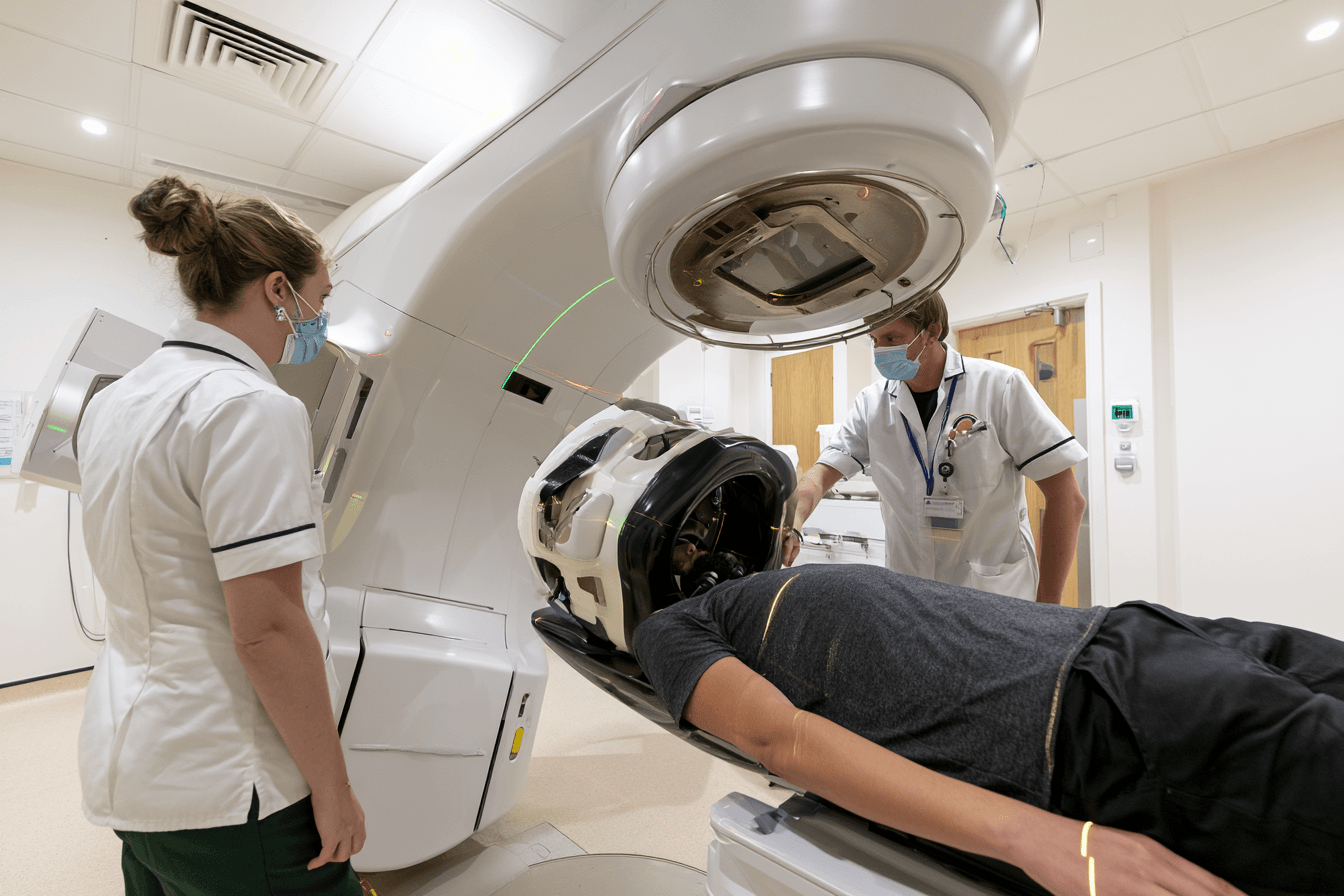
Radiation and chemotherapy for ATC require careful planning because the tumour often lies close to the windpipe, oesophagus, spinal cord, voice box, salivary glands and major blood vessels. The aim is to deliver an effective radiation dose to the cancer while limiting avoidable exposure to healthy tissues. Treatment planning must also account for airway narrowing, swallowing difficulty, recent surgery, rapid tumour growth and the patient’s ability to lie safely on the treatment table. [1,10]
Radiation is not usually started by simply aiming a machine at the visible neck swelling. The radiation oncology team first creates a detailed three-dimensional treatment plan using imaging, measurements and specialised computer software. This preparation is essential because small changes in position can affect which tissues receive radiation.
Radiation Planning Begins With a Clinical Assessment
Before simulation, the radiation oncologist reviews the pathology report, operative findings, molecular results and all available scans. The doctor also examines the neck and assesses breathing, voice, swallowing, pain, weight loss and functional strength.
The team must determine whether radiation is being given after surgery, for visible residual disease, for an unresectable tumour or mainly for symptom relief. This treatment goal influences the dose, number of sessions, area treated and whether chemotherapy is added.
Airway safety must be considered before the patient lies flat for planning. Someone with breathlessness when reclining, severe coughing, stridor or marked tracheal narrowing may need additional airway assessment or stabilisation before simulation can proceed safely. [1]
CT Simulation for Radiation Therapy for ATC
CT simulation is a specialised planning scan performed with the patient positioned as closely as possible to the way they will lie during each radiation session. The scan shows the tumour, lymph nodes, trachea, oesophagus, spinal cord and surrounding structures.
Contrast may be used when medically appropriate because it can improve the visibility of blood vessels, tumour boundaries and involved lymph nodes. Kidney function, allergy history and previous reactions to contrast should be reviewed beforehand.
The simulation scan is not the radiation treatment itself. It provides the images needed to design the treatment. Recent diagnostic CT, MRI or PET/CT findings may also be combined with the planning scan to help define the cancer accurately.
Why a Head-and-Neck Mask Is Used
A personalised thermoplastic mask is commonly made during simulation. The material becomes soft when warmed and is gently shaped around the head, neck and shoulders. Once cooled, it helps the patient remain in the same position during every treatment.
The mask is firm but allows breathing through openings around the nose and mouth. Patients who feel anxious, claustrophobic or unable to tolerate lying flat should tell the team before treatment begins. Adjustments, breathing support, relaxation techniques or prescribed medication may help some patients complete the procedure safely.
Accurate positioning is particularly important in ATC because the tumour may lie only a short distance from the spinal cord, larynx and oesophagus. The mask reduces movement and allows the planned radiation beams to reach the intended area consistently.
How the Radiation Target Is Defined
The radiation oncologist outlines several areas on the planning scan. The gross tumour volume includes cancer that can be seen on imaging or examination. Additional margins may be added to cover microscopic disease and small daily variations in position.
After surgery, the target may include the thyroid bed, areas where the tumour was attached and selected lymph-node regions. When visible cancer remains, the plan must cover the residual tumour while protecting nearby structures as much as possible.
The team also outlines organs at risk, including the spinal cord, oesophagus, larynx, salivary glands, oral cavity and lungs. Computer planning is then used to balance tumour coverage with normal-tissue protection. [1,10]
Intensity-Modulated Radiation Therapy for ATC
Intensity-modulated radiation therapy, or IMRT, is commonly recommended when definitive or postoperative radiation is used for ATC. IMRT divides each radiation beam into smaller sections with different intensities. This allows the dose to follow the shape of an irregular neck tumour more closely than older radiation techniques. [1]
IMRT can reduce unnecessary radiation to some surrounding tissues, but it cannot eliminate all side effects. The tumour may be directly attached to the trachea, oesophagus or voice box, so these structures may still receive a meaningful dose.
The main advantage of IMRT is precision. It helps the treatment team deliver a stronger dose to the tumour while respecting safety limits for the spinal cord and other critical tissues.
How Many Radiation Sessions May Be Needed
A definitive or postoperative radiation course is generally divided into multiple sessions called fractions. Treatment is commonly delivered on weekdays over several weeks, although the exact schedule varies according to the clinical goal, tumour extent, previous treatment and the patient’s condition.
Dividing the total dose into smaller fractions allows healthy tissues some time to repair between sessions. Each visit usually involves positioning, imaging and radiation delivery. The radiation itself is painless, although throat soreness, skin changes and fatigue may develop gradually during the course.
A patient should not compare the number of sessions with another person’s treatment. A longer course is not automatically better, and a shorter course is not necessarily inadequate. The schedule must match the intended purpose of treatment.
Short-Course Palliative Radiation
A shorter radiation schedule may be chosen when the main goal is relief of pain, bleeding, pressure, swallowing difficulty or impending airway symptoms. It may also be more appropriate for a frail patient who cannot tolerate several weeks of intensive treatment.
Palliative radiation uses fewer hospital visits and may reduce the overall treatment burden. The dose and schedule are selected according to the urgency of symptoms, expected benefit, previous radiation exposure and the person’s general health.
Short-course treatment can still provide meaningful local control. However, it is usually designed for symptom relief rather than the same long-term locoregional control expected from a definitive course.
Daily Image Guidance During Treatment
Before many radiation sessions, the treatment machine takes images to confirm the position of the patient and tumour. These images allow the team to make small corrections before delivering the dose.
Daily image guidance is valuable in ATC because the neck mass may change rapidly. Weight loss, reduced swelling or tumour shrinkage can alter the relationship between the skin, mask and internal organs.
The patient must report any sudden increase in neck swelling, new breathing difficulty, inability to lie flat or major change in swallowing. These changes may require medical assessment before the next treatment is delivered.
When the Radiation Plan May Need to Be Changed
An ATC tumour can shrink, enlarge or change shape during treatment. The patient may also lose weight, develop fluid changes or experience a noticeable reduction in neck swelling. If these changes affect treatment accuracy, a new planning scan and revised radiation plan may be needed.
This process is sometimes called adaptive re-planning. It does not necessarily mean that the original plan was incorrect. It reflects the need to adjust treatment to the patient’s changing anatomy.
Repeat planning may also be required if treatment is interrupted for a significant period, if the mask no longer fits correctly or if new imaging reveals disease outside the original treatment area. [10,11]
How Chemotherapy Is Coordinated With Radiation
When chemotherapy is given concurrently, its schedule is coordinated with radiation appointments. The patient may receive chemotherapy weekly or according to another regimen selected by the medical oncologist.
Blood counts, kidney function, liver function, hydration and treatment side effects are reviewed regularly. Chemotherapy may be reduced, delayed or omitted if toxicity becomes unsafe, even when radiation continues.
Patients should understand that modifying chemotherapy does not always require stopping radiation. Each part of the treatment plan can be adjusted separately according to the person’s response and safety.
What Happens During a Radiation Session
The radiation therapists position the patient on the treatment table using the personalised mask and alignment marks. Imaging may be performed to confirm the position before the radiation beams are delivered.
The machine moves around the patient but does not touch the tumour. The treatment does not make the patient radioactive, and there is no radiation left inside the body after external-beam therapy. Patients can usually be near family members, including children, after the session.
The patient must remain still, but they can breathe normally. The treatment team watches through cameras and communicates through an intercom. The radiation delivery itself usually takes only part of the appointment, while positioning and imaging may require additional time.
Monitoring During the Radiation Course
Patients are reviewed regularly during radiation to identify side effects before they become severe. The team monitors skin changes, throat pain, swallowing, hydration, nutrition, weight, blood counts and airway symptoms.
Treatment-related inflammation may become more noticeable as the radiation course progresses. Early pain control, dietary modification, mouth care and nutritional support can help the patient continue therapy safely.
Radiation should not be continued automatically when serious complications develop. Severe dehydration, uncontrolled infection, inability to swallow, aspiration, bleeding or worsening airway obstruction requires urgent reassessment. A temporary interruption or treatment modification may be necessary, although unnecessary gaps should be avoided whenever possible. [1,12]
Preparing for the First Radiation Appointment
Patients should bring an updated list of all prescription medicines, over-the-counter products, supplements and Ayurvedic preparations. The oncology team should know about anticoagulants, diabetes medicines, steroids and any product that may affect bleeding, kidney function, liver function or treatment tolerance.
Creams, oils, herbal pastes and other topical products should not be applied to the radiation area unless approved by the treatment team. Some substances can irritate the skin or interfere with assessment of a developing radiation reaction.
The patient and caregiver should receive clear instructions about whom to contact for fever, rapidly worsening swallowing, reduced urine output, bleeding, new stridor or increasing breathlessness. Careful preparation does not remove every risk, but it makes radiation therapy for ATC more accurate, coordinated and safer.
Chemotherapy Used With Radiation for ATC
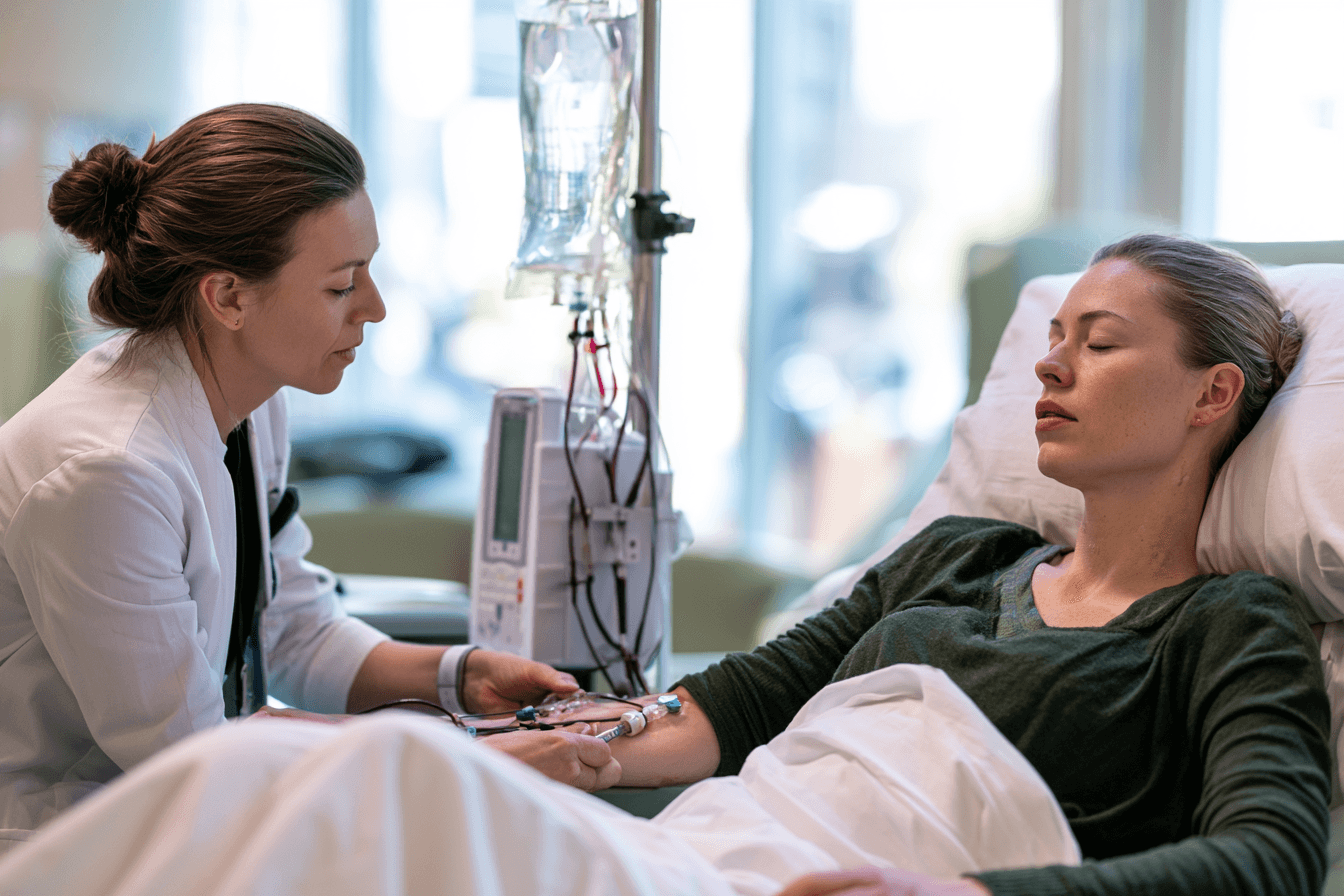
Chemotherapy used with radiation for ATC is intended mainly to strengthen the effect of radiation on the neck tumour. Certain chemotherapy medicines act as radiosensitisers, making cancer cells more vulnerable to radiation damage. Chemotherapy may also reach cancer cells outside the radiation field, although its ability to control widespread anaplastic thyroid cancer is often limited. [1,6]
The choice of medicine depends on the treatment goal, tumour extent, molecular findings and the patient’s physical condition. Blood counts, kidney function, liver function, heart health, hearing, nerve symptoms and nutritional status must be assessed before treatment begins. No single chemotherapy regimen is suitable for every person with ATC.
Why Chemotherapy Is Combined With Radiation for ATC
Radiation treats a defined area, usually the thyroid bed, visible neck tumour and selected lymph-node regions. Chemotherapy circulates through the bloodstream and may increase the sensitivity of tumour cells within that radiation field.
This combined approach may be considered after surgery when microscopic or visible cancer remains. It may also be used when the tumour is unresectable but remains concentrated mainly in the neck. The aim may be to improve local control, protect the airway, delay further invasion of the oesophagus or surrounding structures and, in selected cases, create an opportunity for later surgical reassessment. [1]
The possible benefit must be balanced against greater toxicity. Chemotherapy may reduce the body’s ability to recover from radiation-related inflammation, increasing the risk of painful swallowing, mouth soreness, infection, dehydration and weight loss.
Paclitaxel With Radiation for Anaplastic Thyroid Cancer
Paclitaxel is one of the most frequently considered chemotherapy medicines in ATC. It belongs to a group of drugs called taxanes, which interfere with structures cancer cells need to divide.
Paclitaxel may be given during radiation as a radiosensitiser. Earlier clinical studies showed that some ATC tumours respond to paclitaxel, although responses are not always durable and the evidence comes from relatively small patient groups. [12,13]
Important side effects include low white blood cell counts, infection risk, anaemia, hair loss, fatigue and peripheral neuropathy. Neuropathy may cause tingling, numbness, burning or weakness in the hands and feet. Allergic infusion reactions can also occur, which is why preventive medicines and careful monitoring are often used.
Paclitaxel may not be suitable for a patient with severe pre-existing neuropathy, markedly impaired liver function or blood counts that are already too low. The dose and schedule may need to be adjusted during treatment.
Docetaxel as an Alternative Taxane
Docetaxel is another taxane that may be considered with radiation. It works through a mechanism similar to paclitaxel but has a different dosing pattern and side-effect profile.
Docetaxel may cause neutropenia, fatigue, mouth soreness, hair loss, neuropathy and fluid retention. Liver function is important because impaired drug clearance can increase toxicity. Patients may receive corticosteroids around treatment to reduce certain reactions, although steroids can affect blood glucose, sleep and infection risk.
The decision between paclitaxel and docetaxel depends on institutional experience, the proposed radiation schedule, previous treatment and individual medical factors. Neither medicine should be described as universally superior for ATC.
Carboplatin With a Taxane
Carboplatin may be combined with paclitaxel or another taxane. It damages cancer-cell DNA and can add systemic activity to the regimen.
Compared with cisplatin, carboplatin generally causes less kidney and hearing toxicity, but it can produce significant bone-marrow suppression. Low platelets may increase bleeding risk, while low white blood cells can increase the risk of serious infection.
Kidney function is still important because carboplatin dosing is calculated partly from renal function. Older age alone does not prevent its use, but dehydration, reduced kidney reserve and poor nutrition may increase the risk of complications.
Combining carboplatin, a taxane and neck radiation can be demanding. The expected improvement in tumour control must justify the added risk of cytopenias, fatigue, infection and treatment interruption.
Cisplatin With Radiation for ATC
Cisplatin is a platinum chemotherapy medicine that may also be considered as a radiosensitiser. It is widely used with radiation in several head-and-neck cancers, although the evidence specific to ATC remains limited.
Cisplatin can cause kidney injury, severe nausea, electrolyte disturbances, neuropathy and hearing damage. Treatment usually requires careful hydration and repeated monitoring of kidney function, magnesium, potassium and other blood results.
This medicine may be unsuitable for patients with significant kidney impairment, hearing loss, severe frailty or difficulty maintaining hydration. Carboplatin may sometimes be considered instead, although it has its own risks and is not a direct substitute in every clinical situation.
Doxorubicin in ATC Treatment
Doxorubicin has historically been used in anaplastic thyroid cancer, either alone or with other medicines and radiation. It damages cancer-cell DNA and interferes with cellular processes needed for tumour growth.
Its use is limited by the risk of heart toxicity, bone-marrow suppression, mouth inflammation and tissue injury if the medicine leaks outside the vein. The oncology team must review previous exposure to anthracycline chemotherapy because doxorubicin has a lifetime cumulative dose limit.
Heart assessment may be needed before treatment, especially in patients with cardiac disease, previous chest radiation or earlier anthracycline therapy. Doxorubicin is now only one of several possible cytotoxic options and is not automatically included in every ATC regimen. [1]
How the Chemotherapy Schedule Is Selected
Chemotherapy may be given weekly, every few weeks or according to another schedule chosen by the medical oncologist. When it is used mainly as a radiosensitiser, the dose may differ from a regimen intended primarily for systemic disease.
The schedule must fit the radiation course while allowing sufficient monitoring and recovery. Complete blood counts, kidney function, liver function, electrolytes and clinical symptoms are checked regularly. Weight loss, dehydration, fever, worsening neuropathy and swallowing difficulty can also affect whether treatment continues as planned.
A chemotherapy dose may be reduced, delayed or omitted when toxicity becomes unsafe. Radiation may sometimes continue even if chemotherapy is temporarily withheld. This does not necessarily mean that the entire treatment plan has failed.
Bridging Chemotherapy While Molecular Results Are Pending
Some patients need treatment before complete molecular testing or radiation planning is available. Short-term chemotherapy may then be used as a bridging strategy to slow disease progression while the definitive plan is prepared. [1]
Bridging treatment is not required for every patient. It is most relevant when the tumour is progressing rapidly and waiting without treatment would create an unacceptable risk.
Once BRAF V600E and broader molecular results are available, the plan may change. A patient with an actionable alteration may move to targeted treatment, while another may proceed with chemoradiation, surgery or clinical-trial evaluation.
Chemotherapy for Metastatic ATC
When ATC has spread to distant organs, chemotherapy may be considered as systemic treatment. However, conventional chemotherapy generally produces limited and often temporary responses in advanced ATC.
Molecularly targeted therapy may be preferred when an actionable alteration is present. For example, dabrafenib and trametinib may be used in eligible patients with BRAF V600E-positive disease. Clinical trials should also be considered when available because ATC is uncommon and treatment options continue to evolve. [1,6]
Radiation may still be added to control a dangerous neck tumour or a painful metastatic site. Systemic treatment and local radiation should be coordinated so that toxicity does not become excessive.
When Chemotherapy May Be Unsafe
Chemotherapy may need to be postponed or avoided when the patient has uncontrolled infection, severe dehydration, very low blood counts, major kidney or liver dysfunction, unstable heart disease or extreme physical weakness.
It may also be unsafe when swallowing is so impaired that nutrition and hydration cannot be maintained. In such cases, the immediate priority may be airway protection, feeding support, infection treatment or correction of organ dysfunction.
Some patients can receive radiation without concurrent chemotherapy. Others may be better served by targeted therapy, a shorter palliative radiation course or symptom-focused care. Treatment should be chosen according to likely benefit rather than by assuming that more intensive therapy is always better.
How Patients Are Monitored During Chemotherapy and Radiation
Monitoring should continue throughout the treatment course. The clinical team reviews blood counts, kidney and liver function, hydration, weight, oral intake, throat pain, bowel symptoms and infection risk.
A fever during chemotherapy requires urgent assessment because it may indicate neutropenic infection. Reduced urine output, persistent vomiting, uncontrolled diarrhoea, bleeding, severe weakness or confusion also requires prompt medical attention.
Neuropathy, hearing changes and new cardiac symptoms should be reported early because some chemotherapy-related injuries can become permanent if they are not recognised. Caregivers often notice changes in activity, alertness or food intake before the patient reports them, so their observations can be clinically valuable.
Chemotherapy used with radiation for ATC can improve local treatment intensity, but it also increases the burden on the body. The safest plan is one that clearly defines the treatment goal, uses the least harmful effective regimen and adapts promptly when toxicity begins to outweigh benefit.
Benefits and Limitations of Concurrent Chemoradiation for ATC

Concurrent chemoradiation for ATC combines external-beam radiation with chemotherapy during the same treatment period. Radiation focuses on the tumour and nearby lymph nodes, while chemotherapy may make cancer cells more sensitive to radiation. The main aim is stronger control of aggressive disease within the neck, particularly when microscopic or visible cancer remains after surgery or when the tumour cannot initially be removed. [1]
This approach can be valuable, but it is also physically demanding. Its potential benefit must be weighed against severe throat inflammation, nutritional decline, low blood counts, infection and other complications. Concurrent chemoradiation should therefore be selected according to the individual patient rather than used automatically for everyone with anaplastic thyroid cancer.
How Concurrent Chemoradiation for ATC May Improve Local Control
Radiation damages cancer cells within a precisely defined treatment area. Chemotherapy may intensify this effect by reducing the ability of tumour cells to repair radiation-related damage. This radiosensitising action is one of the main reasons chemotherapy is administered during radiation.
The combined treatment may slow or reduce tumour growth in the thyroid bed, surrounding neck tissues and regional lymph nodes. Better local control can be clinically important because progressive ATC may compress the windpipe, interfere with swallowing, affect the voice or invade major blood vessels.
Complete tumour disappearance is not required for treatment to provide benefit. Stabilising the tumour, delaying further airway compression or reducing bleeding and pain can improve daily function and reduce the risk of an immediate neck-related crisis.
Who May Benefit Most From Concurrent Chemoradiation
The greatest potential benefit is generally expected in patients whose disease remains mainly within the neck and who are physically able to complete intensive treatment. It may be recommended after an R0 or R1 resection to address microscopic cancer cells that could remain despite removal of the visible tumour. [1]
Concurrent treatment may also be considered after an R2 resection, where visible cancer remains, or for an unresectable tumour without extensive distant metastases. In these situations, the goal may be durable local control, protection of the airway or sufficient tumour reduction to permit later surgical reassessment.
A patient with stable breathing, adequate nutrition, reasonable kidney and liver function and good functional strength is more likely to tolerate treatment than someone who is already severely malnourished, dehydrated or mostly confined to bed. Age contributes to the assessment, but it should not determine eligibility by itself.
Why Chemoradiation May Not Control Cancer Throughout the Body
Radiation acts mainly within the planned treatment field. It may control the neck tumour but cannot treat every cancer deposit in the lungs, bones, brain or other distant organs.
Chemotherapy circulates throughout the body, but conventional chemotherapy has shown limited and often temporary systemic activity in ATC. A patient may therefore achieve meaningful improvement in the neck while cancer outside the radiation field continues to progress.
This distinction is particularly important in stage IVC disease. When distant metastases are extensive, targeted therapy, another systemic treatment or a clinical trial may receive greater priority. Neck radiation may still be appropriate when the primary tumour is threatening breathing, swallowing or comfort, but the purpose should be explained clearly.
What Research Shows About the Benefits
Retrospective studies suggest that selected patients receiving multimodal treatment, including surgery, radiation and systemic therapy, may experience better local control and longer survival than patients receiving less intensive treatment. However, these findings are affected by patient selection. People chosen for aggressive treatment are often fitter and may have less extensive disease at the beginning. [9]
An analysis of prospective chemotherapy-based studies involving patients with ATC reported an objective response rate of approximately 21 percent and disease control in approximately 64 percent. Median progression-free survival was about 3.2 months, and median overall survival was approximately six months. These figures came from different treatment combinations and patient populations, so they should not be used to predict one person’s outcome. [14]
Disease control includes both tumour shrinkage and temporary stability. A stable scan may still represent a useful response in anaplastic thyroid cancer because untreated disease can progress rapidly. However, stable disease does not necessarily mean that the cancer has been permanently controlled.
Why More Treatment Does Not Always Produce Better Results
Adding another medicine to chemoradiation may increase toxicity without necessarily improving survival. In the NRG/RTOG 0912 trial, patients received paclitaxel and intensity-modulated radiation with either pazopanib or a placebo. Adding pazopanib did not produce a statistically significant improvement in overall survival, while severe treatment-related adverse effects remained common. [12]
This finding illustrates an important principle in ATC care. A treatment may appear biologically promising but still fail to provide enough clinical benefit to justify its added risks. Treatment intensity should therefore be based on evidence, molecular findings and the patient’s condition rather than the assumption that a larger combination is always more effective.
The oncology team may recommend a simpler regimen when additional medicines are unlikely to improve the outcome. Reducing treatment intensity can sometimes preserve nutrition, organ function and quality of life without removing the most important component of local therapy.
The Treatment Burden of Concurrent Chemoradiation
Radiation to the neck can inflame the throat, oesophagus, skin and surrounding tissues. Chemotherapy may reduce blood counts, impair healing and increase fatigue. When these treatments are given together, their effects may overlap.
Swallowing can become painful, making it difficult to maintain food and fluid intake. Reduced appetite, altered taste, thick saliva, nausea and mouth soreness may further contribute to weight loss. A patient who begins treatment with poor nutritional reserve may become weak or dehydrated within a relatively short period.
Low white blood cell counts can increase the risk of serious infection. Low platelets may increase bleeding, while anaemia may worsen fatigue and breathlessness. Kidney, liver, nerve or heart toxicity may also occur depending on the chemotherapy medicine selected.
Prospective chemotherapy-based ATC studies have reported grade 3 or more severe treatment-related adverse events in a substantial proportion of patients. Grade 3 toxicity generally means that the complication is medically significant and may require intensive treatment, hospital care or interruption of cancer therapy. [14]
How Treatment Interruptions Can Affect the Plan
Radiation is designed around a planned schedule. Repeated or prolonged interruptions may reduce the effectiveness of local treatment by allowing surviving cancer cells more time to recover and divide.
At the same time, continuing treatment through unsafe toxicity can cause serious harm. Severe infection, dehydration, uncontrolled vomiting, inability to swallow, aspiration, major blood-count abnormalities or worsening airway obstruction may require a temporary pause.
The team may continue radiation while delaying chemotherapy, reduce the chemotherapy dose or change supportive medicines. A treatment modification does not automatically mean that therapy has failed. It may be necessary to allow recovery and safely complete the most important parts of the plan.
Why Early Support Can Improve Treatment Tolerance
Supportive care should begin before severe side effects develop. Nutrition assessment, swallowing evaluation, pain control and mouth care can reduce the risk that predictable complications will become treatment-limiting emergencies.
A feeding tube may be discussed when swallowing is already unsafe or when substantial nutritional decline is expected. This does not mean that the cancer treatment has failed. It can provide a temporary route for calories, fluids and medicines while the throat recovers.
Blood tests should be repeated throughout treatment. Weight, hydration, urine output, oral intake, swallowing safety and infection symptoms also require regular review. Caregivers can help by reporting subtle changes in alertness, food intake, breathing or daily activity.
Balancing Local Control With Quality of Life
Concurrent chemoradiation may offer the strongest available local treatment for some patients, but the expected benefit must justify the physical and emotional burden. Several weeks of daily radiation, chemotherapy appointments, blood tests and supportive care can require considerable time in hospital.
For a patient with potentially controllable neck disease and adequate functional reserve, this burden may be reasonable. For someone with rapidly progressive widespread metastases, severe frailty or a very limited ability to tolerate treatment, prolonged chemoradiation may provide little meaningful advantage over a shorter symptom-directed approach.
Palliative care can be introduced alongside chemoradiation. It can help manage pain, breathlessness, anxiety, sleep disturbance, communication difficulties and caregiver stress while active cancer treatment continues.
The patient should understand whether the treatment is intended to reduce recurrence after surgery, achieve definitive local control, make later surgery possible or relieve symptoms. A clearly defined goal helps the patient and family decide whether the expected benefit matches their priorities.
How the Response to Chemoradiation Is Measured
Response should be assessed through examination, imaging and changes in function. CT, MRI or PET/CT may show whether the tumour has decreased, remained stable or progressed. Imaging can also show changes in tracheal compression, lymph nodes, blood-vessel involvement and distant metastases.
Clinical improvement may include easier breathing, reduced bleeding, less pain, improved swallowing or a softer neck mass. These changes are meaningful, but they do not prove complete tumour control.
Symptoms can improve because of steroids, pain medicines, nutritional support or reduced inflammation. Objective imaging is therefore necessary before deciding whether chemoradiation has made surgery possible or whether another treatment should be started.
Concurrent chemoradiation for ATC can improve local treatment intensity and may protect vital structures in appropriately selected patients. Its limitations include substantial toxicity, incomplete control of distant disease and uncertainty about individual survival benefit. The best decision is based on the tumour’s extent, molecular profile, treatment goal, functional condition and the patient’s informed preferences.
Radiation Side Effects During Radiation and Chemotherapy for ATC

Radiation side effects during radiation and chemotherapy for ATC occur because the thyroid tumour lies close to the skin, throat, voice box, windpipe, oesophagus and salivary glands. Modern intensity-modulated radiation therapy can reduce unnecessary exposure to healthy tissues, but it cannot completely protect structures that are touching or surrounded by the tumour. [1,15]
Most early side effects develop gradually rather than after the first session. They may become more noticeable during the second or third week of treatment and can temporarily worsen shortly after the radiation course ends. The severity depends on the radiation dose, treatment area, concurrent chemotherapy, nutritional condition and the patient’s ability to recover.
Throat Pain and Difficulty Swallowing During ATC Radiation
Inflammation of the throat and oesophagus is among the most important side effects of neck radiation. A patient may first notice mild dryness or discomfort when swallowing. This can progress to a burning sensation, pain with solid food or difficulty swallowing liquids and medicines.
Chemotherapy given at the same time may intensify this inflammation. As swallowing becomes painful, the patient may eat less, drink less and begin losing weight. Dehydration and malnutrition can then increase fatigue, reduce treatment tolerance and lead to unplanned hospital admission. [12,16]
Pain control should begin before swallowing becomes severely restricted. The oncology team may prescribe liquid pain medicines, topical treatments, anti-inflammatory medication or treatment for oral infection. Food texture should be adjusted according to swallowing safety rather than forcing the patient to continue a normal diet.
A speech and swallowing specialist may be needed when the patient coughs during meals, develops a wet voice after drinking or repeatedly chokes. These symptoms may indicate aspiration, which occurs when food, liquid or saliva enters the airway.
Temporary Neck and Airway Swelling
Radiation can cause inflammation and temporary swelling within the treatment area. In a patient whose trachea is already narrowed by ATC, even a moderate increase in swelling may worsen breathing.
The radiation and airway teams should assess baseline tracheal compression before treatment begins. Steroids or other medical measures may sometimes be used to control inflammation, but they should be prescribed and monitored by the treating team.
New stridor, rapidly increasing breathlessness, difficulty lying flat, bluish lips or inability to speak normally requires emergency assessment. These symptoms should not be assumed to be routine radiation effects because they may represent critical airway obstruction, tumour progression, infection or severe treatment-related swelling. [1]
Skin Reactions From Radiation for Anaplastic Thyroid Cancer
The skin over the lower neck and upper chest may become red, warm, dry, itchy or tender. With a higher radiation dose, the reaction may progress to peeling, moist skin breakdown or soreness similar to a burn.
The reaction usually develops within the treatment field rather than across the whole body. The radiation team should regularly examine the skin because infection can develop when the surface becomes damaged.
Patients should wash the area gently with lukewarm water and use only creams or dressings approved by the radiation department. Perfumes, heating pads, adhesive tapes, harsh soaps, herbal pastes and unapproved oils may increase irritation or make the reaction more difficult to assess.
The skin may remain darker, more sensitive or firmer after the acute reaction resolves. Protection from excessive sun exposure is usually advised because previously irradiated skin may remain more vulnerable.
Fatigue During Radiation and Chemotherapy for ATC
Fatigue during ATC treatment is usually caused by several factors rather than radiation alone. Daily travel, poor sleep, reduced food intake, dehydration, anaemia, chemotherapy, pain and the emotional stress of a serious diagnosis can all contribute.
Treatment-related fatigue may feel different from ordinary tiredness. A patient may wake without feeling refreshed, require more help with daily activities or become exhausted after minimal effort.
Light activity may help preserve strength when it is medically safe, but the patient should not be encouraged to exercise through dizziness, breathlessness or severe weakness. Blood counts, hydration, nutrition, infection and medicine side effects should be reviewed when fatigue becomes sudden or disabling.
Voice Changes and Laryngeal Irritation
ATC can affect the voice before treatment by involving the recurrent laryngeal nerve or vocal cords. Radiation may temporarily worsen hoarseness because the voice box and surrounding tissues become inflamed.
The voice may sound rough, weak or breathy. Speaking for long periods may become tiring, and some patients may experience throat clearing or coughing.
Persistent or worsening voice changes require assessment because they may reflect tumour involvement, vocal-cord weakness, swelling or aspiration risk. Voice therapy may help selected patients, but the priority is confirming that the airway and swallowing mechanism remain safe.
Dry Mouth, Thick Saliva and Taste Changes
Radiation may affect salivary glands within or near the treatment field. Saliva can become reduced, sticky or unusually thick, making speech, swallowing and oral hygiene more difficult.
Taste may become metallic, dull or unpleasant. Foods that were previously acceptable may suddenly become difficult to tolerate. These changes can reduce appetite at a time when the patient needs additional calories and protein.
Frequent mouth care, adequate hydration, saliva substitutes and texture-modified foods may help. Taste and saliva production often improve after treatment, although some patients experience persistent dryness when a substantial portion of the salivary tissue receives radiation. [15,16]
Mouth Soreness and Infection Risk
Radiation involving the lower throat and oral cavity may cause mucositis, which is painful inflammation of the mucous membranes. Chemotherapy can increase its severity and reduce the body’s ability to heal.
The mouth may become red, swollen or ulcerated. White patches, increasing pain, unpleasant taste or difficulty opening the mouth may indicate fungal or bacterial infection.
Gentle oral hygiene remains important even when the mouth is sore. A soft toothbrush and prescribed rinses may be recommended. Alcohol-containing mouthwashes and irritating home remedies should be avoided because they may worsen dryness and inflammation. [16]
Reduced Appetite, Weight Loss and Dehydration
Painful swallowing, taste changes, nausea, thick saliva and fatigue can make it difficult to maintain adequate nutrition. Weight loss during neck radiation is not merely a cosmetic concern. It can reduce muscle strength, impair recovery and change how the immobilisation mask fits.
The patient’s weight and food intake should be monitored throughout treatment. High-calorie and high-protein foods, oral nutrition supplements or tube feeding may be needed when normal eating is no longer sufficient.
A feeding tube can provide fluids, nutrition and medicines while the throat is inflamed. It may be used temporarily and does not mean that radiation has failed. The decision should be based on nutritional need and swallowing safety rather than waiting until severe weakness develops.
Signs of dehydration include dark urine, reduced urine output, dizziness, dry mouth, confusion and inability to keep fluids down. Intravenous fluids or hospital care may be required when oral hydration is inadequate.
Radiation-Related Cough and Mucus
Inflammation around the throat, larynx and trachea may increase coughing or mucus production. Thick secretions can be difficult to clear, particularly when the patient is weak or has an impaired cough.
Humidification, hydration and prescribed medicines may help manage secretions. Suction support may be needed in selected patients with tracheostomy or severe mucus retention.
A new cough should not automatically be attributed to radiation. Fever, chest pain, worsening breathlessness, foul-smelling sputum or reduced oxygen levels may indicate aspiration or infection and require prompt assessment.
Late Neck Fibrosis and Stiffness
Months after radiation, some patients develop fibrosis, which means that treated tissues become firmer and less flexible. The neck may feel tight, and movement may become restricted.
Fibrosis can affect muscles involved in swallowing, shoulder movement and head rotation. Physiotherapy, swallowing exercises and careful rehabilitation may help preserve function when started at an appropriate stage.
The risk depends on the radiation dose, treated volume, previous surgery and individual healing response. Modern radiation planning can reduce unnecessary tissue exposure, but late fibrosis cannot always be prevented.
Neck Lymphoedema After Radiation
Radiation and surgery can impair lymphatic drainage from the neck. Fluid may collect beneath the chin, around the surgical area or deeper within the throat.
External lymphoedema may appear as soft or firm swelling. Internal lymphoedema can affect the voice box and swallowing structures, causing throat tightness, voice change or difficulty swallowing.
Persistent swelling should be assessed rather than assumed to be cancer recurrence. Examination and imaging may be needed to distinguish lymphoedema, inflammation, infection and tumour progression. Specialist lymphoedema therapy may help selected patients. [17]
Long-Term Swallowing Problems and Oesophageal Narrowing
Some patients develop persistent swallowing difficulty after treatment because of fibrosis, muscle weakness or narrowing of the oesophagus. This may occur gradually after the early throat inflammation has resolved.
Food may feel stuck, meals may take longer or the patient may need repeated sips of liquid to swallow. Progressive difficulty should be investigated because it may result from treatment effects, recurrent cancer or both.
Swallowing therapy, dietary modification, endoscopic assessment or oesophageal dilation may be considered depending on the cause. Long-term exercises may help maintain movement of the swallowing muscles.
Rare but Serious Late Effects
Rare complications may include significant narrowing of the trachea, tissue ulceration, damage to major blood vessels, spinal cord injury or severe swallowing dysfunction. Modern treatment planning is designed to keep the radiation dose to critical structures within accepted safety limits, but the tumour’s proximity to these organs can make complete protection impossible.
Previous radiation to the neck can increase the risk of late complications and may limit the possibility of further radiation. The treatment team must review all earlier radiation records before planning a new course.
When Radiation Side Effects Require Urgent Care
Many radiation effects can be managed through routine oncology review, but some symptoms require urgent medical attention. Rapidly worsening breathing, stridor, inability to swallow saliva, coughing blood, fever during chemotherapy, confusion, repeated vomiting, reduced urine output or sudden severe weakness should be assessed without delay.
Side effects should not be hidden because the patient fears that treatment will be stopped. Early reporting often allows the team to control symptoms, adjust supportive medicines and continue treatment more safely. Delayed reporting can turn a manageable problem into an emergency or cause a longer interruption.
Radiation side effects during radiation and chemotherapy for ATC can be substantial, particularly when the throat and airway are already affected by the tumour. Proactive pain relief, nutrition support, swallowing assessment, skin care and airway monitoring are therefore essential parts of treatment rather than optional additions.
Chemotherapy Side Effects During Radiation and Chemotherapy for ATC

Chemotherapy side effects during radiation and chemotherapy for ATC depend on the medicine, dose, schedule and the patient’s health before treatment. Side effects may be more intense when chemotherapy is given at the same time as neck radiation because both treatments can affect swallowing, nutrition, blood counts and the body’s ability to recover. [12,18]
Not every patient develops every complication. Some effects are mild and manageable, while others may require intravenous fluids, medication changes, hospital care or a temporary treatment interruption. Regular blood tests and early reporting are essential because serious toxicity may begin before the patient feels severely unwell.
Low White Blood Cell Counts and Infection Risk
Chemotherapy can reduce the production of white blood cells in the bone marrow. Neutrophils are particularly important because they help the body fight bacterial and fungal infections. A low neutrophil count is known as neutropenia.
An infection that would normally remain minor can become dangerous during neutropenia. Fever may be the only early warning sign because the body may not produce the usual redness, swelling or pus when immunity is suppressed.
Patients should follow the temperature threshold provided by their oncology centre. A temperature of 100.4°F, or 38°C, or higher during chemotherapy generally requires immediate contact with the treatment team. Chills, confusion, new coughing, breathlessness, painful urination, severe throat pain or sudden weakness also require urgent assessment.
A fever should not be managed only with acetaminophen or another fever medicine before contacting the oncology team. Lowering the temperature can conceal an infection without treating its cause. Blood tests, cultures, intravenous antibiotics or hospital observation may be required.
Anaemia, Tiredness and Breathlessness
Chemotherapy may reduce red blood cell production and cause anaemia. Red blood cells carry oxygen throughout the body, so a lower count can lead to fatigue, dizziness, rapid heartbeat, headache, weakness or shortness of breath.
Breathlessness in someone with ATC must be assessed carefully. It may result from anaemia, but it can also indicate airway narrowing, infection, a blood clot, fluid around the lungs or disease progression. It should not automatically be considered a routine chemotherapy effect.
The oncology team may monitor haemoglobin levels and investigate other causes of anaemia, including bleeding, poor nutrition or chronic inflammation. Treatment may involve addressing the cause, adjusting chemotherapy or providing a blood transfusion when clinically necessary.
Low Platelets and Bleeding Risk
Platelets help the blood clot. Chemotherapy, particularly carboplatin and some combination regimens, can reduce the platelet count. This condition is called thrombocytopenia. [22]
A patient may notice easy bruising, small red or purple spots on the skin, bleeding gums or nosebleeds. Blood in the urine, black stools, vomiting blood or coughing significant blood requires urgent medical attention.
ATC itself can sometimes invade blood vessels or cause bleeding from the neck tumour. The medical team must therefore determine whether bleeding is related to low platelets, tumour involvement, anticoagulant medicines or another cause.
Patients should not begin aspirin, ibuprofen, herbal blood thinners or high-dose supplements without approval. These products may further increase bleeding risk or interact with prescribed treatment.
Nausea and Vomiting During Chemotherapy for ATC
Chemotherapy can activate pathways in the brain and digestive system that cause nausea and vomiting. The risk varies considerably between medicines. Cisplatin has a particularly high potential to cause severe nausea unless effective preventive medication is given. [21]
Antiemetic medicines are usually given before chemotherapy and may continue for several days afterward. They work best when taken according to the prescribed schedule rather than waiting until vomiting becomes severe.
Persistent vomiting can cause dehydration, electrolyte imbalance, kidney injury and inability to take oral medicines. This is especially concerning when the patient already has swallowing difficulty from the neck tumour or radiation.
Reduced urine output, dizziness when standing, confusion, extreme weakness or inability to keep fluids down requires prompt assessment. Intravenous fluids and changes to the antiemetic plan may be necessary.
Loss of Appetite and Unintentional Weight Loss
Chemotherapy can reduce appetite through nausea, taste changes, fatigue, constipation, mouth soreness and general inflammation. Neck radiation may simultaneously make swallowing painful, creating a high risk of rapid nutritional decline.
Loss of muscle is particularly important because it can reduce strength, independence and tolerance of further treatment. The patient may lose significant muscle even when their body weight changes only slightly.
Nutrition support should begin when intake starts falling rather than after severe weight loss has occurred. Softer foods, smaller frequent meals, high-protein drinks and prescribed nutrition supplements may help when swallowing remains safe.
Tube feeding may be needed when oral intake becomes inadequate or aspiration risk is high. It can provide nutrition, fluids and medicines while the throat recovers and does not mean that treatment has failed.
Mouth Sores and Worsening Throat Inflammation
Chemotherapy can damage rapidly dividing cells lining the mouth and digestive tract. This may cause mucositis, which appears as redness, tenderness, ulceration or a burning sensation.
When chemotherapy is combined with neck radiation, mouth and throat inflammation may become more severe. Eating, drinking and swallowing tablets can become difficult, increasing the risk of dehydration and treatment interruption. [12]
White patches, worsening pain, bleeding or an unpleasant taste may suggest oral infection. The oncology team should assess these changes because fungal, bacterial and viral infections may require specific treatment.
Gentle oral hygiene remains important. Alcohol-containing mouthwashes, tobacco, very spicy food and irritating herbal applications can worsen inflamed tissues. Any mouth rinse or topical preparation should be approved by the cancer-care team.
Fatigue and Reduced Physical Strength
Chemotherapy-related fatigue can be persistent and may not improve completely with sleep. It can result from anaemia, inflammation, poor nutrition, dehydration, infection, emotional stress and the cumulative effects of treatment.
The patient may find bathing, dressing, walking or preparing food more difficult. A sudden or severe decline should not be dismissed as expected tiredness because it may indicate infection, electrolyte disturbance, bleeding or worsening airway compromise.
Light movement may help preserve muscle and reduce deconditioning when it is safe. However, exercise should be adjusted to the patient’s breathing, balance, blood counts and overall stability. Someone who feels faint, severely breathless or unusually weak requires clinical assessment before continuing activity.
Peripheral Neuropathy From Paclitaxel or Docetaxel
Paclitaxel and docetaxel may damage peripheral nerves. The patient may experience tingling, numbness, burning, increased sensitivity or weakness in the hands and feet. Paclitaxel is particularly associated with this type of neuropathy. [19,20]
Early symptoms may appear mild but can become persistent with repeated treatment. Numbness can interfere with walking, writing, fastening clothing or handling small objects. Reduced sensation in the feet may also increase the risk of falls or unnoticed injury.
Neuropathy should be reported before the next chemotherapy dose. The oncologist may adjust the dose, delay treatment or change the medicine when symptoms begin affecting daily function.
Neuropathy caused by chemotherapy can improve after treatment, but recovery may be slow and some symptoms may remain. Early recognition provides the best opportunity to prevent further nerve injury.
Infusion and Allergic Reactions
Taxanes and platinum medicines can cause infusion-related or allergic reactions. Symptoms may include flushing, itching, rash, chest tightness, breathlessness, dizziness, back pain or swelling of the face and throat. [19,20,22]
Preventive medicines are often given before paclitaxel or docetaxel. The patient is monitored during the infusion so that treatment can be stopped and emergency medication given if a reaction occurs.
Breathlessness during infusion must be treated urgently because it may be difficult to distinguish an allergic reaction from existing airway obstruction. Patients should immediately tell the nurse about chest discomfort, throat tightness, itching or any sudden change in breathing.
Platinum-related allergic reactions may become more likely after repeated exposure. A patient who previously received cisplatin or carboplatin should ensure that the oncology team knows about any earlier infusion reaction.
Kidney Injury From Cisplatin
Cisplatin can damage the kidneys and reduce their ability to remove waste products from the blood. The risk is higher in patients who are dehydrated, have existing kidney disease or take other medicines that affect renal function. [21]
Hydration is commonly given before and after cisplatin. Kidney function and electrolytes are checked because the medicine can cause loss of magnesium, potassium and other minerals through the urine.
Symptoms of kidney injury may include reduced urine output, swelling, nausea, confusion or unusual weakness. However, early kidney damage may produce no obvious symptoms, which is why laboratory monitoring is necessary.
Severe vomiting, diarrhoea or inability to drink can increase the risk of cisplatin-related kidney injury. The treatment team should be contacted before dehydration becomes advanced.
Hearing Changes From Cisplatin
Cisplatin can affect the inner ear and cause ringing, reduced hearing or difficulty understanding speech. Hearing damage may be permanent in some patients. [21]
A baseline hearing assessment may be considered when cisplatin is planned, particularly for someone with existing hearing problems. New ringing, muffled hearing or difficulty following conversation should be reported promptly.
The risk is influenced by the cumulative dose, kidney function, age and exposure to other medicines that may damage hearing. A change in treatment may be considered when clinically significant hearing loss develops.
Bone-Marrow Suppression From Carboplatin
Carboplatin may cause substantial suppression of the bone marrow. Low platelets are particularly important, although white cells and red cells may also fall. [22]
Blood counts often decline several days after treatment rather than immediately. A patient may feel relatively well after the infusion and then develop weakness, bruising or infection risk later in the cycle.
The next chemotherapy dose may need to be delayed until blood counts recover. Dose modification is a standard safety measure and does not necessarily mean that treatment has become ineffective.
Kidney function is also used when calculating the carboplatin dose. Changes in renal function, weight or hydration may therefore require recalculation before another cycle.
Fluid Retention With Docetaxel
Docetaxel may cause the body to retain fluid. Swelling can develop in the ankles, legs, hands or abdomen. Some patients may experience rapid weight gain or breathlessness if fluid accumulation becomes substantial. [20]
Corticosteroids are often prescribed around docetaxel treatment to reduce fluid retention and allergic reactions. These medicines should be taken exactly as directed.
Steroids can raise blood glucose, disturb sleep, increase appetite and affect infection risk. Patients with diabetes may need closer glucose monitoring while receiving them.
New swelling or breathlessness should be assessed rather than assumed to be a routine side effect. Heart problems, blood clots, kidney dysfunction and cancer-related complications can produce similar symptoms.
Heart Toxicity From Doxorubicin
Doxorubicin can damage heart muscle, particularly as the total lifetime dose increases. The risk may also be greater in patients with existing heart disease or previous radiation involving the chest. [23]
Heart function may be assessed before treatment and monitored when clinically appropriate. Symptoms such as new breathlessness, ankle swelling, persistent coughing, rapid heartbeat or difficulty lying flat should be reported.
The oncology team must know about all previous doxorubicin or related anthracycline treatment because cumulative exposure affects safety. Earlier cancer-treatment records may be needed before another dose is given.
Doxorubicin can also cause severe tissue injury if it leaks outside the vein. Burning, pain or swelling around the intravenous site during infusion should be reported immediately.
Hair, Skin and Nail Changes
Paclitaxel, docetaxel and doxorubicin commonly cause hair thinning or hair loss. The amount varies with the medicine, dose and schedule. Hair usually begins to regrow after treatment, although its initial texture or colour may be different.
Nails may become brittle, ridged, darkened or tender, particularly with taxane treatment. Skin may also become dry or sensitive.
Radiation-related skin changes occur mainly within the treated neck area, while chemotherapy-related changes can appear elsewhere. Products placed over the radiation field should be approved by the radiation team because irritated skin requires careful assessment.
Constipation and Diarrhoea
Chemotherapy, anti-nausea medicines, opioid pain medicines, reduced activity and inadequate fluid intake can cause constipation. Severe constipation may lead to abdominal pain, vomiting or inability to take adequate nutrition.
Diarrhoea may result from chemotherapy, infection, antibiotics, supplements or other medicines. Persistent diarrhoea can cause dehydration and electrolyte loss, particularly in a patient already struggling to drink.
The cause should be assessed before using laxatives, antidiarrhoeal medicines or herbal preparations. A treatment that is appropriate for medicine-related constipation may be harmful when obstruction or infection is present.
How Chemotherapy Side Effects Are Monitored
Complete blood counts, kidney function, liver function and electrolytes are checked according to the chemotherapy regimen. The team also monitors weight, food intake, hydration, temperature, neuropathy, hearing and daily activity.
Laboratory results alone do not show the full effect of treatment. A patient may have acceptable blood counts but still be unable to swallow, remain hydrated or function safely at home. Clinical symptoms and caregiver observations are therefore important.
All prescription medicines, over-the-counter products, vitamins, herbal preparations and Ayurvedic formulations should be disclosed. Natural products can affect bleeding, blood glucose, liver enzymes, kidney function or the way chemotherapy is processed.
When Chemotherapy May Be Delayed or Modified
Chemotherapy may be delayed, reduced or stopped when blood counts are too low, infection is present, organ function has deteriorated or side effects have become unsafe. Treatment may also be modified for severe neuropathy, hearing loss, allergic reactions, heart problems or uncontrolled nutritional decline.
The radiation course may sometimes continue even when chemotherapy is held. Each part of the treatment plan is assessed separately according to its expected benefit and immediate risk.
Patients should not hide symptoms because they are worried that a dose will be cancelled. Early reporting often allows supportive treatment or a smaller adjustment. Waiting until toxicity becomes severe may lead to hospital admission and a longer interruption.
When Chemotherapy Side Effects Require Urgent Care
Fever during chemotherapy, shaking chills, confusion, severe breathlessness, chest pain, uncontrolled bleeding or a sudden allergic reaction requires urgent medical assessment. The same applies to repeated vomiting, inability to drink, markedly reduced urine output or severe diarrhoea.
New stridor, inability to swallow saliva or rapidly worsening neck swelling must be treated as a possible airway emergency rather than assumed to be a chemotherapy side effect.
Chemotherapy used during radiation and chemotherapy for ATC can strengthen local treatment, but it can also cause serious systemic toxicity. Close monitoring, early nutrition support, infection precautions and prompt dose adjustment help reduce avoidable harm while preserving the intended treatment benefit.
Why Radiation and Chemotherapy for ATC Can Be Harder Together
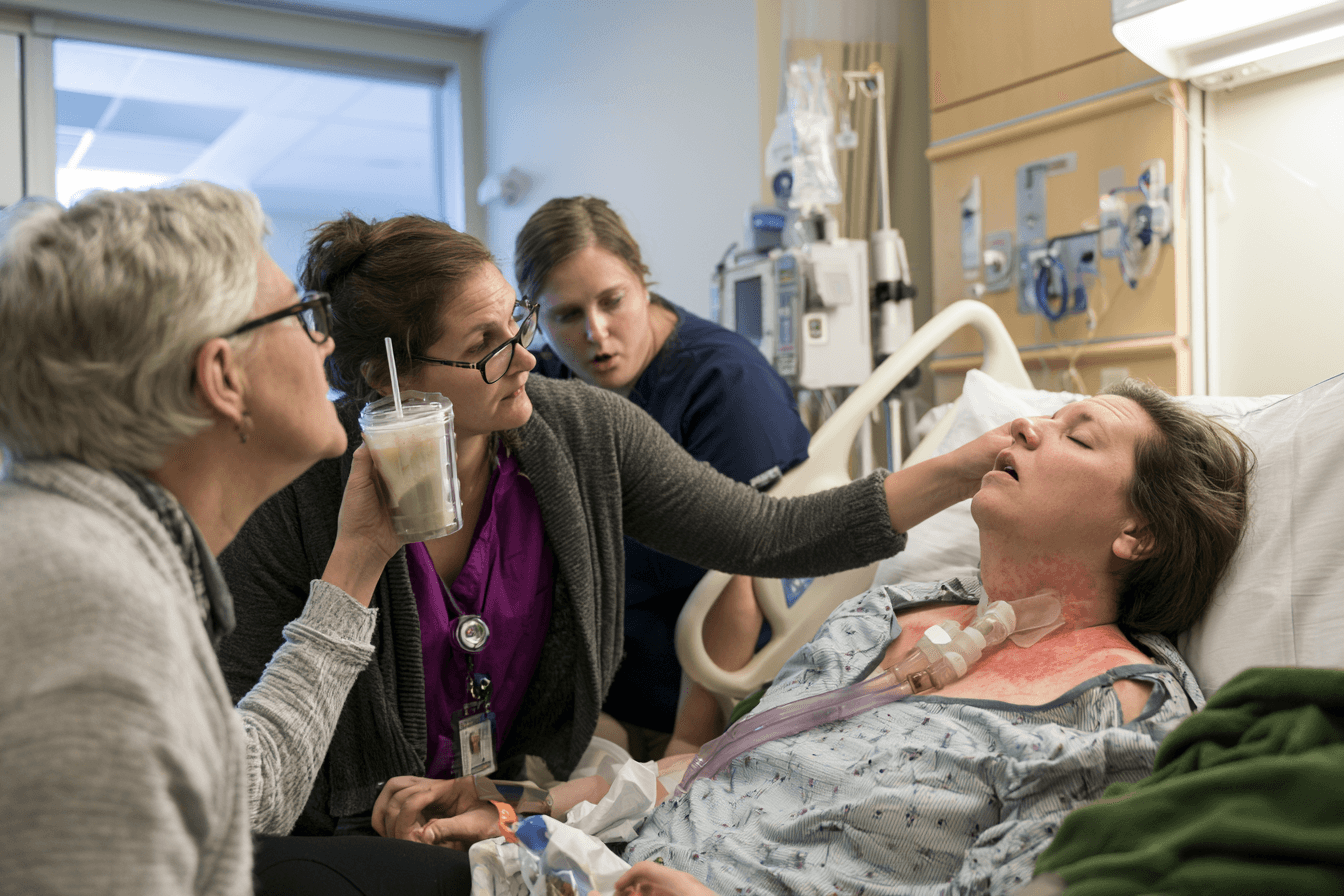
Radiation and chemotherapy for ATC can be more difficult when they are given during the same treatment period because their side effects may overlap. Neck radiation can inflame the throat, oesophagus, skin and airway, while chemotherapy can lower blood counts, increase infection risk and reduce the body’s ability to repair damaged tissues. Concurrent chemoradiation may improve local treatment intensity, but it also creates a greater risk of swallowing problems, dehydration, nutritional decline and hospital admission. [12,14]
The treatment burden often increases gradually. A patient may feel relatively stable during the first few sessions and then develop worsening throat pain, fatigue and reduced food intake as treatment continues. Early monitoring is important because physical decline can become rapid once several side effects occur at the same time.
Overlapping Throat and Swallowing Side Effects
Radiation to the neck can irritate the throat and oesophagus. Chemotherapy may intensify this inflammation and slow healing. The patient may develop pain while swallowing, a burning sensation, thick saliva or difficulty taking tablets.
A person who already has swallowing difficulty because of the tumour is at particular risk. Even a moderate increase in throat inflammation may make food and fluids difficult to manage. Coughing during meals, choking, a wet voice after drinking or repeated chest infections may indicate aspiration and require formal swallowing assessment.
Pain should be treated before it prevents eating and drinking. Waiting until the patient can no longer swallow may lead to severe dehydration, rapid weight loss and an avoidable treatment interruption.
Rapid Nutritional Decline During Chemoradiation
ATC can cause weight loss before treatment through difficulty swallowing, inflammation and the metabolic effects of advanced cancer. Chemoradiation may add nausea, taste changes, mouth soreness, reduced appetite and fatigue.
A patient may therefore consume much less food while the body’s nutritional needs are increasing. Loss of muscle can reduce walking ability, independence, immunity and tolerance of further treatment. It can also make recovery slower after chemotherapy, radiation or surgery. [24,25]
Weight should be monitored regularly, but body weight alone may not reveal early muscle loss. Changes in strength, food intake, clothing fit and daily activity can provide additional information.
High-calorie and high-protein foods, oral nutrition supplements and texture-modified meals may help while swallowing remains safe. Tube feeding may become necessary when oral intake is inadequate or aspiration risk is high. This support can be temporary and should not be interpreted as treatment failure.
Dehydration and Electrolyte Disturbance
Painful swallowing, vomiting, diarrhoea, fever and reduced fluid intake can cause dehydration. Cisplatin and some other chemotherapy medicines can further affect kidney function and electrolyte balance.
Early symptoms may include thirst, dry mouth, dark urine, dizziness and reduced urine output. More severe dehydration can cause confusion, rapid heartbeat, low blood pressure and kidney injury.
A patient who cannot maintain fluids orally may require intravenous hydration. Blood tests may be needed to monitor kidney function, sodium, potassium, magnesium and other electrolytes. Dehydration should be corrected promptly because it can increase chemotherapy toxicity and worsen fatigue.
Greater Infection Risk
Chemotherapy may reduce white blood cell counts, while radiation can damage the protective lining of the mouth and throat. When these effects occur together, bacteria and fungi may enter through inflamed tissues more easily.
A mouth or throat infection can rapidly worsen swallowing and nutrition. A weakened immune system may also make chest infection, aspiration pneumonia or bloodstream infection more dangerous.
Fever during chemotherapy requires urgent assessment. Chills, confusion, worsening cough, shortness of breath, painful urination or sudden weakness should also be reported without delay. The absence of a high fever does not completely exclude infection in someone with severely reduced immunity.
Blood Count Changes and Bleeding
Concurrent treatment may cause anaemia, neutropenia and thrombocytopenia. Anaemia can worsen fatigue, dizziness and breathlessness. Neutropenia increases infection risk, while low platelets can contribute to bruising and bleeding.
Bleeding requires particular attention in ATC because the tumour may involve major blood vessels or ulcerate through the skin or airway. Coughing blood, vomiting blood, black stools or uncontrolled bleeding from the neck is not a routine treatment effect and requires urgent medical care.
Blood counts are usually checked during treatment. Chemotherapy may be reduced or delayed when counts fall to an unsafe level, even if radiation continues.
Temporary Airway Swelling
Radiation can cause inflammation around the tumour and nearby airway structures. Chemotherapy may intensify the local tissue reaction. In a patient whose trachea is already narrowed, even temporary swelling can create serious breathing difficulty.
Increasing breathlessness, stridor, difficulty lying flat, inability to speak normally or bluish lips requires emergency assessment. These symptoms may result from treatment-related swelling, tumour progression, mucus obstruction, bleeding or infection.
The airway should be assessed before treatment begins, and the patient and caregiver should know exactly whom to contact if breathing changes. Chemoradiation cannot be relied upon to rescue an airway that is already critically obstructed.
Fatigue and Loss of Daily Function
Fatigue during combined treatment may result from radiation, chemotherapy, anaemia, pain, poor sleep, dehydration, infection and inadequate nutrition. These factors often reinforce one another.
A patient may gradually need more assistance with bathing, dressing, preparing meals or walking. A sudden decline should be investigated rather than considered an unavoidable part of treatment.
Gentle activity may help preserve muscle and reduce deconditioning when it is safe. However, the level of activity should be adjusted according to breathing, balance, blood counts, nutrition and overall stability.
Higher Risk of Hospital Admission
Concurrent chemoradiation may lead to hospital admission for dehydration, febrile neutropenia, severe swallowing pain, aspiration, uncontrolled nausea, electrolyte disturbance or airway symptoms. Prospective ATC studies have reported substantial rates of severe treatment-related toxicity, although the exact risk varies according to the regimen and the patient population. [12,14]
Hospital admission does not always mean that cancer treatment has failed. It may allow intravenous fluids, antibiotics, nutritional support, pain control and airway monitoring so that treatment can continue more safely.
The clinical team should identify patients at high risk before treatment begins. Severe pretreatment weight loss, unsafe swallowing, poor kidney function, low blood counts and limited caregiver support may increase the likelihood of complications.
Treatment Interruptions and Dose Changes
Chemoradiation is planned according to a specific schedule, but serious toxicity may require modification. Chemotherapy may be delayed, reduced or omitted when blood counts, organ function or nutrition become unsafe.
Radiation may sometimes continue while chemotherapy is held. In other situations, both treatments may need a temporary pause. The decision depends on the seriousness of the complication and the risk of continuing without recovery.
Patients should report symptoms early rather than hiding them to avoid a treatment delay. Early intervention may prevent a minor problem from becoming severe enough to cause a longer interruption.
Practical and Emotional Burden on the Patient
Concurrent treatment may involve daily radiation appointments, chemotherapy visits, blood tests, scans and supportive-care consultations. Travel, waiting time and the need for a caregiver can add substantial stress.
Throat pain and voice changes may make communication difficult. Fatigue may reduce independence, while uncertainty about breathing or swallowing can increase anxiety. Family members may also feel unprepared for sudden changes in the patient’s condition.
Clear written instructions, a reliable contact number and early palliative-care involvement can help manage symptoms and reduce uncertainty. Palliative care can be provided alongside active radiation and chemotherapy and does not mean that cancer-directed treatment has stopped.
Who Is More Likely to Struggle With Combined Treatment
The risk of severe toxicity is generally higher when a patient begins treatment with marked weight loss, dehydration, aspiration, low blood counts or poor kidney and liver function. Severe airway narrowing, uncontrolled infection and limited mobility can also make chemoradiation more difficult.
A patient who lives far from the treatment center or lacks reliable caregiver support may struggle with daily appointments and early recognition of side effects. These practical factors should be considered when choosing between definitive chemoradiation, a modified regimen or shorter symptom-directed treatment.
Age alone does not determine whether a person can tolerate therapy. Functional strength, nutrition, organ function, disease burden and personal priorities are often more important.
How Early Support Can Reduce Treatment Burden
Nutrition, swallowing, pain and airway support should begin before severe toxicity appears. A baseline dietitian assessment can identify recent weight loss and inadequate protein or calorie intake. A swallowing specialist can determine whether liquids and solids are safe.
Preventive anti-nausea medicines, mouth care, skin care and hydration plans should be discussed before treatment starts. Regular blood tests help identify declining counts or kidney function before complications become severe.
Caregivers can monitor temperature, fluid intake, urine output, breathing, alertness and the amount of food consumed. Their observations can help the treatment team recognise deterioration that may not be obvious during a brief clinic appointment.
Balancing Treatment Intensity With Meaningful Benefit
Concurrent chemoradiation may be appropriate when strong local control could protect breathing, swallowing or the possibility of later surgery. However, the most intensive treatment is not automatically the best choice for every patient.
When metastatic disease is extensive, functional strength is poor or severe toxicity is likely, a shorter radiation course or another systemic approach may provide a more reasonable balance between benefit and burden. The treatment goal should be explained clearly so that the patient understands whether therapy is intended to reduce recurrence, control an unresectable tumour, create an opportunity for surgery or relieve symptoms.
Radiation and chemotherapy for ATC can be harder together because the body must manage local tissue injury and systemic drug effects at the same time. Careful patient selection, early nutritional support, swallowing assessment, infection monitoring and prompt treatment modification can reduce avoidable harm while preserving the potential benefit of combined therapy.
Ayurvedic Support During Radiation and Chemotherapy for ATC
Ayurvedic support during radiation and chemotherapy for ATC should be planned around the patient’s immediate needs, including safe swallowing, appetite, digestion, hydration, bowel function, sleep, pain, strength and recovery between treatments. It should be coordinated with the oncology plan and must not delay airway management, surgery, molecularly targeted therapy, chemotherapy or radiation.
The safest integrative approach uses the smallest necessary number of clearly identified medicines. Every ingredient should have a defined purpose, known dose and documented quality. Tumour response must continue to be measured through examination and imaging. Better appetite, sleep or energy may represent valuable supportive improvement, but these changes do not by themselves confirm that the cancer has reduced in size.
What Ayurvedic Support Can Realistically Aim to Improve
During chemoradiation, a patient may struggle with throat pain, nausea, constipation, altered taste, fatigue and anxiety. An appropriately designed Ayurvedic plan may aim to make food easier to tolerate, maintain regular bowel movements, support sleep and reduce unnecessary digestive discomfort.
The plan must remain individualised. A warming digestive formulation may suit a patient with poor appetite and abdominal heaviness but may be unsuitable when severe mucositis, burning, diarrhoea or dehydration is present. A nourishing preparation may help someone who is losing weight but may be difficult to tolerate when nausea, delayed stomach emptying or aspiration risk is severe.
Support should therefore change as the clinical condition changes. A medicine used before radiation may need to be reduced, reformulated or stopped when swallowing becomes painful or liver and kidney results become abnormal.
How Agni, Bala and Ojas Are Assessed
In Ayurveda, Agni refers to the body’s capacity to digest food, process nutrition and maintain metabolic balance. For a Western patient, it can be understood practically through appetite, tolerance of meals, bloating, nausea, bowel pattern and the ability to maintain nutrition. Agni is an Ayurvedic clinical concept and should not be treated as a substitute for laboratory measurements or metabolic testing.
Bala means functional strength and treatment tolerance. It includes physical stamina, muscle strength, voice strength, mobility and the ability to perform daily activities. A patient who can walk, eat and care for themselves generally has greater Bala than someone who is dehydrated, losing muscle and remaining in bed for most of the day.
Ojas describes systemic resilience and recovery reserve within the Ayurvedic framework. Clinically, it may be considered alongside sleep, emotional stability, nutritional status, immunity and the patient’s ability to recover between treatments. Ojas is not a measurable blood marker, and it should not be used to replace blood counts, albumin, kidney tests, liver tests or performance-status assessment.
Pranavaha Srotas refers to the functional pathways associated with breathing, while Annavaha Srotas refers to those associated with food intake and digestion. In ATC, these concepts can help structure supportive assessment, but breathing obstruction and unsafe swallowing must be evaluated through modern airway examination, imaging and swallowing studies.
Classical Ayurvedic Context for Neck Swelling and Recovery
The Sushruta Samhita discusses Granthi, Arbuda and Galaganda in Nidana Sthana, Chapter 11, with related management principles in Chikitsa Sthana, Chapter 18. Granthi broadly refers to a localised swelling or knot-like lesion, Arbuda to a larger abnormal growth, and Galaganda to swelling in the neck region. These classical descriptions can provide a traditional framework, but they are not exact pathological equivalents of anaplastic thyroid carcinoma. ATC must be defined by biopsy, immunohistochemistry, imaging and molecular testing. [31]
Rasayana principles are described in Charaka Samhita, Chikitsa Sthana, Chapter 1. Within this context, Rasayana is concerned with nourishment, strength, resilience and preservation of function. During cancer treatment, these principles may be applied to recovery support, but they do not replace tumour-directed oncology. [32]
Using One Personalised Avaleha During ATC Treatment
When oral swallowing remains safe, one coordinated Avaleha may be easier to monitor than several tablets, powders and decoctions. Avaleha is a semisolid Ayurvedic dosage form, usually prepared from a decoction or herbal base combined with other ingredients to produce a concentrated, palatable preparation.
A clinician may develop a personalised Kanchanara–Varanadi–Ashwagandha Arbuda-Rasayana Avaleha as a proprietary, classically inspired formulation. This name should not imply that the complete formulation appears unchanged in one classical text. It combines principles drawn from several sources and must be presented honestly as a personalised preparation.
Kanchanara Guggulu is described in Sharangadhara Samhita, Madhyama Khanda, Chapter 7, verses 95–100. General Avaleha preparation principles are described in Madhyama Khanda, Chapter 8. Varanadi Gana is described in Ashtanga Hridaya, Sutra Sthana, Chapter 15, while the Rasayana foundation comes from Charaka Samhita, Chikitsa Sthana, Chapter 1. [32–34]
The word Arbuda in the proprietary name reflects a classical treatment context and does not prove clinical activity against ATC. The formulation’s practical purpose during chemoradiation should be clearly defined, such as supporting appetite, bowel regularity, sleep, nutritional intake or recovery between treatment sessions.
How Ingredients Should Be Selected
Ingredients such as Kanchanara, Varuna and properly processed Guggulu may be considered from the traditional perspective of Granthi, Galaganda and localised swelling. Ashwagandha, Amalaki and Shatavari may be considered through Brimhana and Rasayana principles, which focus on nourishment and strength. Yashtimadhu may be selected for throat and digestive comfort in an appropriate patient.
Not every ingredient is suitable for every person. A patient with diarrhoea, severe reflux, diabetes, liver dysfunction or marked throat irritation may require a different composition from someone with constipation, poor appetite and weight loss.
Ashwagandha deserves specific review in a thyroid-cancer patient. It may interact with thyroid hormone medicines and other prescribed drugs, and uncommon cases of liver injury have been reported. Its presence in a classical or proprietary formula does not remove the need for thyroid, liver and medicine-interaction assessment.
Guduchi should also not be added routinely on the assumption that it is always protective for the liver or immunity. Reports have linked Tinospora cordifolia products with clinically significant liver injury in some people. It should be avoided or stopped when liver enzymes rise without explanation, jaundice appears or the patient has active liver disease unless the treating physicians have established a safer plan.
The most appropriate formula is therefore not necessarily the one containing the greatest number of herbs. During chemotherapy and radiation, a simpler preparation is easier to assess if nausea, rash, diarrhoea, abnormal liver tests or another unexpected reaction develops.
Why Swallowing Safety Comes Before Oral Ayurveda
An Avaleha has a thick, sticky consistency. This may be convenient for some patients but unsafe for someone with impaired throat movement or vocal-cord weakness. A patient who coughs immediately after swallowing, develops a wet voice after drinking or repeatedly chokes may be aspirating food or medicine into the airway.
Oral Avaleha should not be given when the patient cannot swallow saliva, has severe stridor, repeatedly aspirates, is vomiting continuously or has been instructed to remain fasting for surgery or another procedure. It should also be reconsidered during severe mucositis when swallowing any semisolid material causes intense pain.
A patient receiving tube feeding should not have a thick formulation placed through the tube without approval from the nutrition and pharmacy teams. The product may block the tube, interact with feeding formulas or deliver an uncertain dose if it does not dissolve uniformly.
Swallowing safety should be determined by the oncology and speech-language pathology teams. Ayurveda should adapt to this assessment rather than asking the patient to force oral medicine despite coughing or choking.
Managing Sugar and Calories in an Avaleha
Traditional Avaleha preparations commonly use jaggery, sugar, honey or another sweet base. This can improve taste and provide calories, but it may be unsuitable for a patient with uncontrolled diabetes, severe oral infection or marked glucose elevation from corticosteroids.
The total carbohydrate content should be documented rather than described only as a small medicinal quantity. Blood glucose may need closer monitoring, particularly when dexamethasone or another steroid is being used with chemotherapy.
A lower-sugar preparation may sometimes be designed, but changing the sweetening base can alter texture, stability and preservation. The revised preparation should still follow appropriate pharmaceutical and microbial-quality standards.
Checking Interactions With Chemotherapy and Targeted Therapy
Every Ayurvedic ingredient should be reviewed against the patient’s oncology regimen. This includes paclitaxel, docetaxel, carboplatin, cisplatin, doxorubicin, dabrafenib, trametinib, corticosteroids, anticoagulants, pain medicines, anti-nausea medicines and levothyroxine.
Herbs and supplements can alter how medicines are absorbed, metabolised or eliminated. They may also add to sedation, bleeding, blood-glucose changes, liver injury or kidney stress. For many combinations, reliable interaction studies are limited, which means that the absence of a documented interaction does not establish safety. The National Cancer Institute advises that foods and dietary supplements can affect both the pharmacokinetics and pharmacodynamics of cancer medicines. [36,37]
Taking an Ayurvedic medicine two or three hours away from chemotherapy does not remove all interaction risk. Time separation may reduce direct absorption interference in some situations, but it cannot prevent effects on liver enzymes, platelets, blood glucose or drug transport pathways.
The complete formulation should be shared with the oncologist or oncology pharmacist. The information should include the botanical name, plant part, extract or preparation method, quantity of each ingredient, daily dose, manufacturer, batch number and certificate of analysis.
High-dose antioxidant supplements should not be started automatically during radiation or chemotherapy. Their effect may vary according to the antioxidant, dose and cancer treatment, and some may interfere with treatment mechanisms. Food-based nutrition and treatment of a confirmed deficiency are different from taking concentrated antioxidant products without oncology review. (Cancer.gov)
Bhasma and Mineral Preparations During Chemoradiation
Mineral and metallic preparations require a higher level of scrutiny during cancer treatment. Some Ayurvedic products have been found to contain lead, mercury or arsenic in potentially toxic amounts. These contaminants or intentionally included metals may be particularly concerning when chemotherapy is already affecting the kidneys, liver or bone marrow. [38] (NCCIH)
A statement that a product is purified or traditionally processed is not a substitute for laboratory testing. The batch should have authenticated ingredients, documented manufacturing, microbial testing and quantitative results for lead, mercury, arsenic and cadmium. The report should identify the tested batch and provide actual results rather than only stating that the product passed.
When a bhasma is intentionally included, the physician should document why it is necessary, the exact dose, expected duration and laboratory-monitoring plan. Introducing several mineral products at the same time makes it difficult to identify the cause if kidney function, liver enzymes or blood counts deteriorate.
During active chemoradiation, it may be safer to postpone a nonessential mineral preparation when the product composition cannot be independently verified or when the patient already has organ dysfunction.
Why Strong Detoxification Should Be Avoided During Treatment
Intensive fasting, Vamana, strong Virechana and other depleting Panchakarma procedures are generally unsuitable during active chemoradiation, severe weight loss, dehydration, mucositis or low blood counts. Vamana means therapeutic emesis, while Virechana means therapeutic purgation. Both can increase fluid and electrolyte loss in an already vulnerable patient.
The immediate priority is usually maintaining hydration, protein intake, muscle strength and treatment tolerance. Mild bowel regulation may be appropriate when constipation is present, but repeated purgation should not be used to create a sense of detoxification.
Steam treatment, vigorous massage and strong nasal procedures may also be inappropriate when the patient has airway compromise, unstable blood pressure, fever or a fragile radiation-treated neck. No oil, paste or herbal application should be placed over the radiation field unless the radiation team has approved it.
Monitoring the Patient While Ayurvedic Support Is Used
A baseline record should be made before introducing the formulation. It should include weight, appetite, swallowing ability, bowel pattern, blood pressure, blood glucose, complete blood count, kidney function and liver function.
The patient should then be reviewed regularly. Useful observations include how much food and fluid can be consumed, whether coughing occurs during swallowing, how frequently bowel movements occur, whether sleep is improving and whether any new nausea, rash or abdominal pain has developed.
Laboratory trends are more informative than a single isolated result. Rising liver enzymes, worsening creatinine, falling blood counts or unexplained electrolyte changes require review of both oncology medicines and complementary products.
Tumour response must be assessed independently through imaging and clinical examination. Reduced neck discomfort or improved appetite may be important, but these changes cannot establish that an ATC mass has become smaller or surgically removable.
When the Ayurvedic Formulation Should Be Paused
The formulation should be paused and medically reviewed if the patient develops jaundice, dark urine, severe itching, markedly reduced urine output, repeated vomiting, persistent diarrhoea, unexplained bleeding or a new widespread rash.
It should also be stopped temporarily during neutropenic fever, severe infection, acute kidney injury, major liver-test deterioration or before a procedure requiring fasting. A new inability to swallow, choking or increasing breathlessness requires urgent airway assessment rather than another oral dose.
Unexpected drowsiness, confusion or weakness may result from dehydration, infection, electrolyte imbalance, prescribed medicines or an interaction. These symptoms should not be attributed automatically to weakness caused by cancer.
Stopping a preparation for safety review does not mean that the entire integrative plan has been abandoned. It allows the team to identify the cause, stabilise the patient and decide whether a simpler or modified approach can be resumed.
Building a Coordinated Patient-Centred Plan
A practical integrative plan begins with the oncology schedule. The Ayurvedic physician should know when chemotherapy is administered, which areas are receiving radiation, which targeted medicines are being used and when blood tests are performed.
Support can then be adjusted around predictable problems. A patient with constipation from anti-nausea and opioid medicines requires a different plan from someone with chemotherapy-related diarrhoea. A person with dry mouth and burning mucositis should not receive the same pungent digestive medicines used for someone with coldness, heaviness and poor appetite.
The patient should have one current medicine list shared by the oncology, nutrition and Ayurvedic teams. Changes should be recorded rather than made informally. This reduces duplication and allows an adverse reaction to be investigated more accurately.
Ayurvedic support during radiation and chemotherapy for ATC is most responsible when it is personalised, measurable and medically coordinated. Its immediate value lies in protecting nutrition, digestion, sleep, bowel function, strength and recovery while urgent cancer-directed treatment continues.
When Radiation and Chemotherapy for ATC May Need to Be Paused or Modified

Radiation and chemotherapy for ATC may need to be paused, reduced or changed when treatment toxicity becomes more dangerous than the expected benefit of continuing without recovery. This can happen because of infection, severe swallowing difficulty, dehydration, unsafe blood counts, organ dysfunction or worsening airway symptoms. A treatment modification is a safety decision and does not automatically mean that the cancer treatment has failed. [1,12]
Radiation and chemotherapy are assessed separately. The medical oncologist may withhold chemotherapy while radiation continues, or the radiation oncologist may temporarily pause treatment when the patient cannot be positioned or treated safely. Decisions are based on the seriousness of the complication, how quickly it can be corrected and the original purpose of treatment.
When Airway Symptoms Worsen During Radiation and Chemotherapy for ATC
New or worsening breathing difficulty requires immediate assessment before the next treatment session. ATC progression, treatment-related swelling, mucus obstruction, bleeding, infection and aspiration can all narrow an already vulnerable airway.
A patient who develops stridor, increasing difficulty lying flat, bluish lips, confusion or inability to speak in full sentences should receive emergency hospital care. The next radiation or chemotherapy appointment should not become the priority until the airway has been stabilised. [1]
Temporary inflammation during neck radiation can sometimes worsen airway pressure before the tumour responds. Steroids or other measures may be considered by the treating team, but severe obstruction may require direct airway intervention rather than continued observation.
Radiation planning may also need to be reviewed if the tumour or neck anatomy has changed substantially. A new simulation scan and adaptive treatment plan may be required when the original positioning or target definition is no longer accurate.
Fever or Infection During Chemotherapy
Chemotherapy can reduce neutrophils, which are white blood cells needed to fight infection. Fever during this period may indicate febrile neutropenia, a potentially life-threatening condition requiring urgent assessment and antibiotics. [18,28]
Patients should follow the temperature instructions provided by their cancer centre. A temperature of 100.4°F, or 38°C, or higher commonly requires immediate contact with the oncology service. Shaking chills, confusion, worsening cough, painful urination, severe weakness or sudden deterioration may also indicate infection even when the temperature is not markedly elevated.
Chemotherapy is usually delayed while a serious infection is investigated and treated. Radiation may sometimes continue after clinical review, but it may also need to pause when the patient is medically unstable, hospitalised or unable to tolerate positioning.
The team may resume treatment after infection control and blood-count recovery. The chemotherapy dose, schedule or supportive medicines may be changed to reduce the risk of another severe episode.
Low Blood Counts and Bone-Marrow Suppression
Chemotherapy may lower white blood cells, red blood cells and platelets. The treatment team reviews a complete blood count before administering another dose because severe bone-marrow suppression can lead to infection, bleeding, profound fatigue or breathlessness.
Chemotherapy may be delayed when neutrophils or platelets fall below the safe range for the prescribed regimen. These thresholds vary according to the medicine, treatment goal and patient’s clinical condition, so one laboratory value should not be applied universally.
Severe anaemia may also require evaluation before treatment continues. A blood transfusion or investigation for bleeding may be needed when haemoglobin falls substantially or the patient develops marked breathlessness, dizziness or weakness.
Radiation does not always need to stop because chemotherapy has been withheld. Continuing radiation without the radiosensitising medicine may be safer than allowing a prolonged interruption in local treatment, particularly when the neck tumour remains the immediate threat.
Severe Throat Pain and Inability to Swallow
Neck radiation can cause oesophagitis and mucositis, while chemotherapy may intensify tissue inflammation and slow recovery. Treatment may need to be reassessed when the patient can no longer swallow fluids, nutrition or essential medicines.
Painful swallowing alone does not always require radiation to stop. Stronger analgesia, intravenous fluids, nutrition support and temporary tube feeding may allow treatment to continue. However, inability to swallow saliva, repeated choking or suspected aspiration requires urgent evaluation.
The team must distinguish treatment-related inflammation from tumour progression, infection or airway compromise. A swallowing assessment, endoscopic examination or repeat imaging may be needed when the cause is unclear.
A short treatment pause may be necessary when severe mucositis causes uncontrolled pain, bleeding, infection or profound nutritional decline. Radiation should resume as soon as it is medically safe because unnecessarily prolonged interruptions may reduce local treatment effectiveness.
Dehydration and Nutritional Deterioration
Radiation and chemotherapy for ATC may need modification when the patient cannot maintain hydration or nutrition. Persistent vomiting, diarrhoea, throat pain, taste changes and tumour-related swallowing obstruction can quickly lead to dehydration and muscle loss.
Reduced urine output, dizziness, low blood pressure, confusion and worsening kidney results may indicate significant fluid depletion. Intravenous hydration and electrolyte replacement may be required before further chemotherapy is given.
A patient who has lost substantial weight may no longer fit the original radiation mask accurately. Major changes in neck shape or body contour can alter dose delivery and may require a repeat planning scan.
Nutrition support should not be delayed until the patient becomes severely weak. Oral supplements, tube feeding or hospital-based support may protect treatment continuity when normal eating is no longer adequate. [24–26]
Kidney Dysfunction During Chemotherapy
Kidney function is especially important when cisplatin or carboplatin is being used. Cisplatin can cause direct kidney injury and electrolyte loss, while carboplatin dosing depends partly on renal function. [21,22]
Chemotherapy may be delayed when creatinine rises, urine output falls or electrolyte abnormalities cannot be corrected safely. Dehydration, vomiting, diarrhoea and other kidney-affecting medicines may worsen the problem.
The team may provide additional hydration, replace magnesium or potassium, reduce the chemotherapy dose or use a different medicine. A platinum drug should not be continued automatically when renal toxicity is progressing.
Radiation may often continue during kidney recovery if the patient is otherwise stable. However, severe kidney injury can cause weakness, confusion and fluid imbalance that make any cancer treatment temporarily unsafe.
Liver Dysfunction and Rising Liver Enzymes
The liver processes several chemotherapy medicines, including taxanes. Impaired liver function can increase drug exposure and raise the risk of serious toxicity. [19,20]
Chemotherapy may need to be delayed or reduced when liver enzymes or bilirubin rise substantially. The team should investigate cancer involvement, infection, dehydration, prescribed medicines, supplements and complementary products as possible causes.
Every herbal, Ayurvedic and over-the-counter product should be reviewed when liver tests deteriorate. A recently introduced preparation should usually be paused while the cause is investigated, particularly when its ingredients or manufacturing quality are uncertain.
Radiation may continue when liver dysfunction does not affect treatment safety, but the overall plan should be reconsidered if the patient develops jaundice, confusion, severe weakness or impaired clotting.
Severe Neuropathy From Taxane Chemotherapy
Paclitaxel and docetaxel can cause numbness, tingling, burning or weakness in the hands and feet. Mild symptoms may be monitored, but treatment modification becomes important when neuropathy interferes with walking, balance, sleep or everyday tasks. [19,20]
Continuing the same dose despite progressive neuropathy may lead to long-lasting or permanent nerve damage. The oncologist may reduce the dose, delay treatment or discontinue the responsible medicine.
The patient should report symptoms before the next infusion rather than waiting until they become disabling. Early recognition gives the team more opportunity to preserve nerve function while maintaining an effective treatment plan.
Radiation can usually continue when chemotherapy is changed because of neuropathy. The local treatment goal remains important even when the radiosensitising regimen must be modified.
Hearing Changes During Cisplatin Treatment
New ringing in the ears, muffled hearing or difficulty understanding speech may indicate cisplatin-related ototoxicity. Hearing injury can become permanent, particularly with increasing cumulative exposure. [21]
Cisplatin may need to be withheld while hearing is assessed. The oncology team may reduce the dose, select another medicine or reconsider the value of continued platinum treatment.
A hearing change should not be dismissed as a minor inconvenience. It can affect communication, independence and quality of life, especially when ATC has already weakened the patient’s voice.
Heart Problems During Doxorubicin Treatment
Doxorubicin can damage heart muscle, and the risk rises with cumulative lifetime exposure. New breathlessness, leg swelling, persistent coughing, rapid heartbeat or difficulty lying flat requires prompt cardiac evaluation. [23]
These symptoms may also result from airway compression, anaemia, infection or fluid around the lungs. Clinical examination and appropriate testing are needed before attributing them to one cause.
Doxorubicin may need to be stopped when significant heart dysfunction develops. The team must also review any previous anthracycline treatment because lifetime exposure affects whether another dose can be given safely.
Radiation to the neck may still continue if cardiac status permits, although severe heart failure can make prolonged daily treatment difficult or unsafe.
Severe Allergic or Infusion Reactions
Paclitaxel, docetaxel, carboplatin and other medicines can cause infusion reactions. Sudden flushing, rash, itching, chest tightness, facial swelling, dizziness or worsening breathlessness requires immediate interruption of the infusion. [19,20,22]
Emergency medicines and supportive treatment may be required. The oncology team will then determine whether the drug can be restarted with additional precautions, given more slowly or permanently replaced.
Breathing symptoms require particular caution in ATC because an infusion reaction may occur in a patient who already has airway narrowing. Any sudden throat tightness or respiratory change should be treated as an emergency until the cause is clear.
Uncontrolled Bleeding or Very Low Platelets
Chemotherapy-related thrombocytopenia can increase bleeding risk. ATC may also invade blood vessels or cause bleeding from the tumour, airway or ulcerated neck skin.
Coughing significant blood, vomiting blood, passing black stools or developing uncontrolled neck bleeding requires emergency care. The oncology team may stop chemotherapy, provide platelet support or investigate whether a procedure is needed to control the bleeding.
Radiation can sometimes help control tumour bleeding, but it should not be delivered without stabilisation when the patient is actively haemorrhaging or medically unstable.
Anticoagulants, antiplatelet medicines and supplements that affect clotting should be reviewed. Patients should not stop prescribed blood thinners independently because doing so may create a serious clotting risk.
Severe Skin or Soft-Tissue Reactions
Radiation may need adjustment when the neck skin develops extensive moist breakdown, infection, uncontrolled pain or tissue injury. Mild to moderate redness and peeling are commonly managed without interrupting treatment, but severe reactions require close assessment.
The radiation team may prescribe dressings, topical treatment and pain relief. A short pause may be considered when continuing would cause unacceptable tissue damage or when infection is present.
Unapproved herbal pastes, oils, heating devices and adhesive products should not be used over the radiation field. These may worsen the reaction or conceal changes that the treatment team needs to examine.
Declining Strength and Performance Status
Treatment may need to be reconsidered when the patient becomes mostly bedbound, unable to care for themselves or too weak to attend daily appointments safely. A decline in functional status can result from treatment toxicity, infection, malnutrition, cancer progression or several factors together.
The team should first identify reversible causes. Intravenous hydration, infection treatment, blood transfusion, pain control or feeding support may restore enough strength for treatment to continue.
When decline results mainly from rapidly progressive metastatic disease, the expected benefit of prolonged chemoradiation may become smaller. A shorter radiation schedule, molecularly targeted treatment or comfort-focused care may then provide a more appropriate balance between benefit and burden.
Changing the treatment goal is not abandonment. It is a response to the patient’s current condition, expected outcome and personal priorities.
When Chemotherapy Can Pause While Radiation Continues
Chemotherapy is often the component most likely to be withheld when blood counts, kidney function or systemic side effects become unsafe. Radiation may continue because completing the local treatment schedule can remain important for airway and neck control.
This decision depends on the original purpose of chemotherapy. When it is being used mainly as a radiosensitiser, temporarily omitting a dose may be safer than stopping the entire radiation course.
The team may restart chemotherapy after recovery, use a lower dose or choose a different medicine. The patient should understand why the change was made and how it affects the expected treatment benefit.
When Radiation May Need Replanning Rather Than Stopping
A rapidly changing ATC tumour can alter the anatomy of the neck during treatment. Tumour shrinkage, progression, reduced swelling or major weight loss may cause the original mask and radiation plan to become less accurate.
In this situation, the team may perform another CT simulation and create an adapted plan. Replanning does not mean that radiation has failed. It allows the treatment to remain accurate as the patient’s anatomy changes.
A new plan may also be required when imaging reveals disease outside the original treatment area or when the patient can no longer tolerate the original position.
Restarting Treatment After a Pause
Before radiation or chemotherapy resumes, the team should confirm that the reason for the pause has improved sufficiently. This may require repeat blood tests, physical examination, hydration assessment or new imaging.
Treatment does not always restart at the original intensity. The dose may be reduced, the schedule changed or chemotherapy removed while radiation continues.
The patient and caregiver should receive a clear explanation of the revised plan. They should understand which symptoms require urgent reporting and how the change may affect both benefit and side-effect risk.
Radiation and chemotherapy for ATC should be delivered with enough intensity to address aggressive disease, but not at the cost of preventable life-threatening toxicity. Prompt reporting, regular monitoring and timely modification allow the treatment team to protect the patient while preserving the most meaningful parts of the cancer plan.
Emergency Warning Signs During Radiation and Chemotherapy for ATC
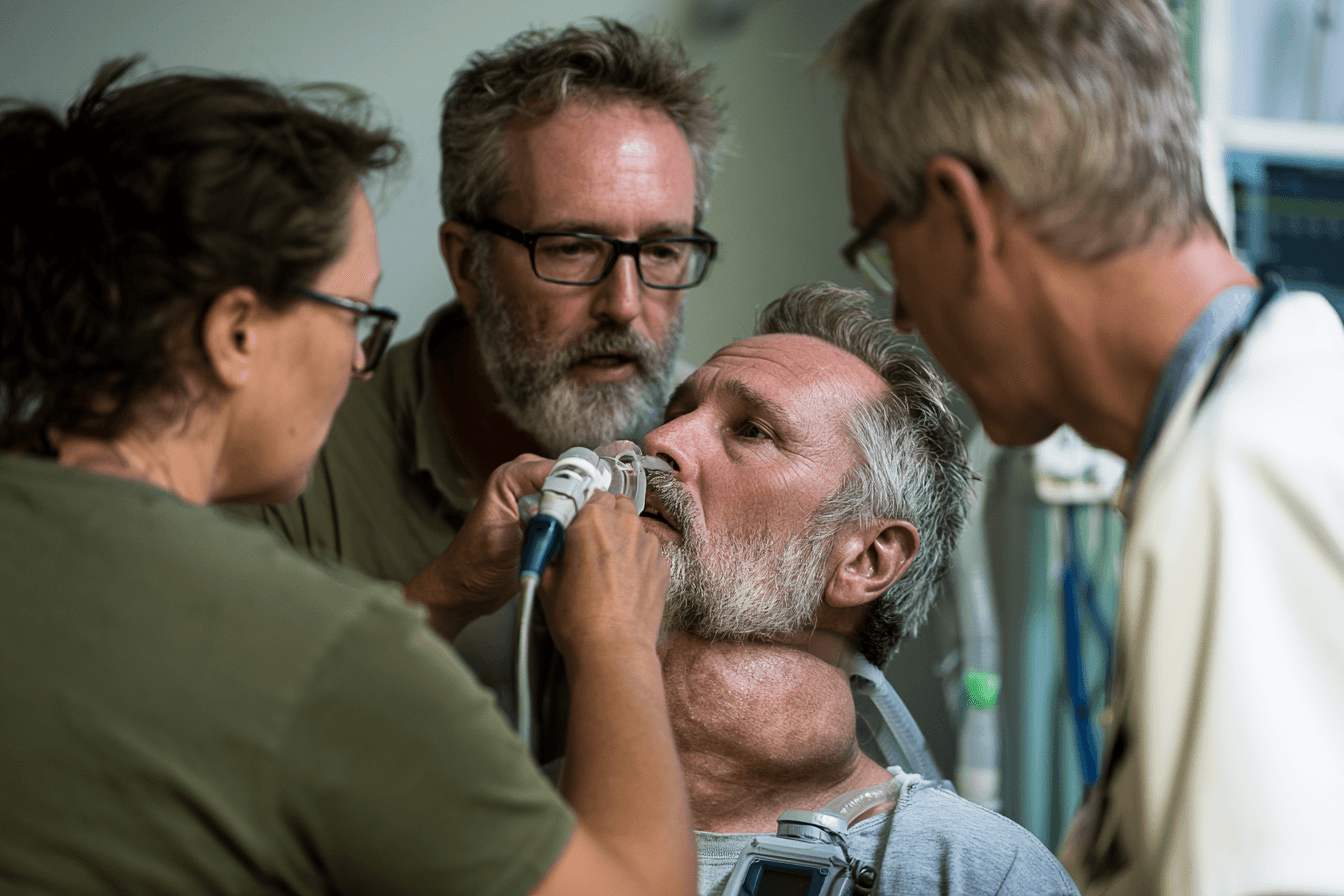
Emergency warning signs during radiation and chemotherapy for ATC must be recognised early because breathing, swallowing, infection and bleeding problems can worsen rapidly. Some symptoms require immediate hospital care rather than waiting for the next oncology appointment or trying to manage the problem at home.
The patient and caregiver should keep the oncology centre’s emergency number available throughout treatment. They should also know which local hospital can manage a difficult airway. When breathing is affected, local emergency services should be called because travelling to hospital without medical support may be unsafe.
New Stridor or Rapidly Worsening Breathlessness
Stridor is a harsh, high-pitched or noisy sound produced when air struggles to pass through a narrowed upper airway. In ATC, it may occur when the tumour, treatment-related swelling, bleeding or thick secretions further narrow the trachea.
New stridor, rapidly worsening breathlessness, inability to speak in complete sentences, bluish lips, confusion or visible effort while breathing requires immediate emergency care. The patient should not wait to see whether the symptom improves after the next medicine or radiation session. ATC-related airway obstruction can become life-threatening, and radiation does not provide immediate tumour shrinkage. [1,4] (PubMed Central (PMC))
The patient may feel more comfortable sitting upright, particularly when lying flat worsens breathing. However, positioning is only a temporary measure and must not delay emergency assessment. Food, liquids, tablets or an Avaleha should not be forced when the patient is struggling to breathe or swallow.
Inability to Swallow Saliva or Repeated Choking
A patient who cannot swallow saliva may drool, repeatedly spit into a container or feel that secretions are collecting in the throat. This can indicate severe obstruction, major swallowing dysfunction or dangerous inflammation around the throat and airway.
Repeated choking, coughing immediately after drinking, a wet or gurgling voice, or food and liquid coming back through the mouth or nose may indicate aspiration. Aspiration means that material is entering the airway instead of passing safely into the oesophagus. It can lead to pneumonia, respiratory failure and further breathing difficulty. [16] (Cancer.gov)
An inability to swallow saliva, choking accompanied by breathlessness or suspected aspiration with reduced oxygen requires emergency assessment. Oral medicines, water, food and Ayurvedic preparations should be withheld until swallowing safety has been reviewed.
Increasing pain while swallowing without breathing difficulty may not always require an ambulance, but it still needs same-day contact with the treatment team when the patient cannot maintain nutrition, hydration or essential medicines.
Coughing Blood or Uncontrolled Bleeding
ATC may invade blood vessels, the trachea or other fragile tissues within the neck. Radiation can also irritate treated tissues, while chemotherapy may reduce platelets and impair normal clotting.
Coughing significant blood, vomiting blood, persistent bleeding from the mouth or neck, black stools or bleeding that does not stop requires emergency hospital care. A rapidly expanding swelling beneath the skin may also represent internal bleeding.
Even a small new episode of blood-stained sputum should be reported to the oncology team because it may precede more serious bleeding. The patient should not independently take aspirin, ibuprofen, herbal blood thinners or additional anticoagulant medicine unless the treating clinician has advised it.
Rapidly Increasing Neck Swelling
Neck swelling may increase because of tumour progression, radiation-related inflammation, infection, bleeding or impaired lymphatic drainage. A gradual mild change may be reviewed by the treatment team, but rapid enlargement is more concerning.
An expanding neck mass accompanied by breathlessness, stridor, voice deterioration, difficulty swallowing saliva, dizziness or visible skin tension requires emergency assessment. The patient should not apply pressure, massage, heat, Ayurvedic oil or herbal paste to the swollen area.
A rapidly changing neck shape may also affect the fit of the radiation mask and the accuracy of treatment. Even when breathing remains stable, a major change should be reported before the next radiation session.
Fever During Chemotherapy
Chemotherapy may reduce neutrophils, which are white blood cells that help fight infection. A relatively minor infection can become life-threatening when the neutrophil count is low.
A temperature of 38°C, approximately 100.4°F, or the specific threshold provided by the oncology centre requires immediate contact with the cancer-care team. Shaking chills, confusion, new coughing, worsening sore throat, painful urination, diarrhoea or sudden severe weakness may also indicate infection. [28] (Cancer.gov)
The patient should not take acetaminophen, ibuprofen or another fever-reducing medicine before contacting the oncology team unless previously instructed. These medicines may lower the temperature and hide an important sign without treating the infection. Blood tests, cultures, intravenous antibiotics or hospital care may be needed.
A normal temperature does not completely exclude infection in a patient with severe immune suppression. Sudden deterioration, confusion, rapid breathing or low blood pressure requires urgent assessment even when fever is absent.
Repeated Vomiting or Inability to Keep Fluids Down
Repeated vomiting can cause dehydration, electrolyte disturbance and kidney injury. It may also prevent the patient from taking pain medicine, targeted therapy or other essential treatment.
Urgent assessment is needed when vomiting continues despite prescribed anti-nausea medicine, the patient cannot retain fluids, urine output becomes very low or dizziness develops on standing. Confusion, severe weakness, fainting or inability to wake normally may indicate advanced dehydration or another serious complication.
Vomiting blood, severe abdominal pain or a swollen abdomen requires immediate emergency care. The patient should not continue forcing oral fluids when swallowing is unsafe or vomiting is persistent.
Severe Diarrhoea and Dehydration
Chemotherapy, targeted medicines, antibiotics, infection and complementary products can all cause diarrhoea. Frequent watery stools may quickly lead to dehydration, particularly when throat pain already limits drinking.
Very low urine output, dark urine, dry mouth, dizziness, rapid heartbeat, confusion or inability to stand safely requires urgent medical review. Severe diarrhoea accompanied by fever, blood in the stool or intense abdominal pain should be assessed immediately rather than treated only with an over-the-counter antidiarrhoeal medicine.
Ayurvedic purgatives, strong laxatives and cleansing procedures should be stopped during diarrhoea and dehydration. Continuing them can worsen fluid and electrolyte loss.
Sudden Chest Pain, Collapse or Severe Weakness
Sudden chest pain, collapse, fainting or unexplained severe breathlessness may indicate a blood clot, heart problem, severe anaemia, infection, airway obstruction or another acute complication. These symptoms require emergency assessment.
New leg swelling or pain accompanied by breathlessness may indicate a blood clot that has travelled to the lungs. A rapid or irregular heartbeat associated with dizziness, chest pressure or fainting should also be treated urgently.
Severe weakness may sometimes be related to expected fatigue, but a sudden decline is different from gradual treatment-related tiredness. It may reflect infection, bleeding, dehydration, electrolyte disturbance or organ dysfunction.
Severe Allergic or Infusion Reaction
Paclitaxel, docetaxel, carboplatin and other medicines can cause acute infusion reactions. Symptoms may include facial swelling, widespread rash, itching, throat tightness, wheezing, chest pressure, dizziness or sudden breathlessness.
When the reaction begins in the infusion unit, the patient should alert the nurse immediately rather than waiting to see whether it settles. The infusion may need to be stopped while emergency medicines and monitoring are provided.
If facial swelling, throat tightness or breathing difficulty develops after the patient has left the clinic, local emergency services should be called. These symptoms can be especially dangerous in someone whose airway is already narrowed by ATC.
New Confusion, Seizure or Neurological Weakness
New confusion, unusual drowsiness, inability to wake normally, seizure, severe sudden headache or weakness affecting one side of the body requires immediate emergency assessment.
These symptoms may result from infection, dehydration, electrolyte disturbance, medication effects, low oxygen, bleeding or cancer involving the brain. They should not be attributed automatically to fatigue, stress or an Ayurvedic concept of reduced strength.
Sudden difficulty speaking may result from a neurological emergency, although ATC can also affect the voice locally. When speech change appears suddenly with facial drooping, limb weakness or confusion, emergency care is necessary.
Severe Mouth or Throat Infection
Mouth sores are common during chemoradiation, but rapidly spreading redness, white patches, foul odour, uncontrolled pain or swelling may indicate infection. A mouth or throat infection can further impair swallowing and may spread when white blood cell counts are low.
Urgent oncology review is required when mouth changes occur with fever, inability to drink, bleeding, confusion or increasing weakness. Severe throat swelling with difficulty breathing or swallowing saliva requires emergency hospital care.
Patients should not apply concentrated herbal powders, caustic preparations or unapproved oils to ulcerated tissues. These products can worsen injury and make it harder to identify the cause.
What the Caregiver Should Do in an Emergency
When calling emergency services, the caregiver should clearly state that the patient has anaplastic thyroid cancer and may have a difficult or narrowed airway. They should mention current radiation, recent chemotherapy, any known tracheal involvement and whether the patient has a tracheostomy or feeding tube.
The caregiver should bring the current medicine list, oncology contact details, recent treatment summary and any available airway information. Oral food, water and medicines should not be given when the patient is choking, unable to swallow saliva or becoming less alert.
A serious symptom should never be concealed because the patient fears that treatment may be interrupted. Early emergency care may allow the complication to be stabilised quickly and can sometimes prevent a longer treatment delay.
Symptoms That Need Same-Day Oncology Contact
Not every worsening symptom requires an ambulance, but reduced food intake, increasing throat pain, new mouth ulcers, persistent nausea, early dehydration, new numbness, hearing changes or a worsening skin reaction should be reported on the same day.
The oncology team can often manage these problems with stronger pain relief, intravenous fluids, nutrition support, infection treatment or chemotherapy modification. Waiting until the next scheduled visit may allow a manageable side effect to become severe.
During radiation and chemotherapy for ATC, the most urgent warning signs are new breathing difficulty, stridor, inability to swallow saliva, significant bleeding, rapidly expanding neck swelling, fever during chemotherapy, severe dehydration, collapse or sudden neurological change. These symptoms require prompt professional assessment rather than home treatment.
FAQ
Can radiation and chemotherapy cure anaplastic thyroid cancer?
Radiation and chemotherapy may achieve long-term disease control in a small group of carefully selected patients, especially when ATC remains confined to the neck and can be removed surgically. For many patients, treatment focuses on controlling the neck tumour, protecting breathing and swallowing, and relieving symptoms.
Is chemotherapy always given with radiation for ATC?
No. Chemotherapy may be added to make tumour cells more sensitive to radiation, but it can also increase side effects. Radiation alone may be chosen when the patient has poor organ function, low blood counts, infection, severe frailty or limited ability to tolerate combined treatment.
How soon should radiation begin after ATC surgery?
Postoperative radiation should begin as soon as the surgical wound has healed sufficiently and the patient is medically stable. When radiation is recommended, it should generally start within six weeks because anaplastic thyroid cancer can regrow rapidly.
Can chemoradiation make inoperable ATC operable?
Chemoradiation may shrink an initially inoperable tumour enough for surgical reassessment in selected patients, but this cannot be guaranteed. Repeat imaging and review by an experienced thyroid or head-and-neck surgeon are necessary before deciding whether surgery has become possible.
How long does radiation treatment for ATC take?
Definitive or postoperative radiation is usually delivered on weekdays over several weeks. A shorter course may be used when the main goal is to relieve pain, bleeding, pressure or airway symptoms. The schedule depends on the treatment goal, tumour extent and the patient’s health.
What are the most serious side effects of ATC chemoradiation?
Serious side effects may include severe swallowing pain, dehydration, malnutrition, infection, low blood counts and temporary airway swelling. New noisy breathing, worsening breathlessness, inability to swallow saliva, significant bleeding or fever during chemotherapy requires urgent medical assessment.
Will I need a feeding tube during ATC treatment?
A feeding tube may be recommended when swallowing is unsafe, substantial weight loss has occurred or throat inflammation prevents adequate food and fluid intake. It can provide nutrition, hydration and medicines temporarily and does not mean that treatment has failed.
Can Ayurvedic medicine be used during radiation and chemotherapy for ATC?
Ayurvedic support may be considered when swallowing is safe and every ingredient has been reviewed for possible interactions. It should support appetite, digestion, bowel function, sleep and strength without delaying airway care, radiation, chemotherapy, surgery or targeted treatment.
How do doctors know whether ATC treatment is working?
Doctors assess response through imaging, physical examination and changes in breathing, swallowing, pain and neck swelling. Symptom relief is valuable, but tumour shrinkage must be confirmed objectively through appropriate scans.
What happens if radiation and chemotherapy do not control ATC?
The oncology team may consider targeted therapy, another systemic treatment, a clinical trial, surgical reassessment or focused radiation for symptoms. The next step depends on molecular findings, where the cancer is progressing and whether the patient can safely tolerate further treatment.
Reference
- Ain, K. B., Egorin, M. J., & DeSimone, P. A. (2000). Treatment of anaplastic thyroid carcinoma with paclitaxel: Phase 2 trial using ninety-six-hour infusion. Thyroid, 10(7), 587–594. https://pubmed.ncbi.nlm.nih.gov/10958311/
Brief relevance: Prospective evidence of paclitaxel activity in ATC. - American Thyroid Association. (n.d.). Anaplastic thyroid cancer. https://www.thyroid.org/anaplastic-thyroid-cancer/
Brief relevance: Patient guidance on symptoms, urgency, and specialist treatment. - Beddok, A., Morvan, J. B., Boudin, L., et al. (2026). The role of external beam radiation therapy in thyroid cancer management: A scoping review. International Journal of Radiation Oncology, Biology, Physics, 124(1), 70–91. https://www.redjournal.org/article/S0360-3016%2825%2906313-8/fulltext
Brief relevance: Current evidence on postoperative and definitive radiation. - Bible, K. C., Kebebew, E., Brierley, J., Brito, J. P., Cabanillas, M. E., Clark, T. J., Jr., Di Cristofano, A., Foote, R., Giordano, T., Kasperbauer, J., Newbold, K., Nikiforov, Y. E., Randolph, G., Rosenthal, M. S., Sawka, A. M., Shah, M., Shaha, A., Smallridge, R., & Wong-Clark, C. K. (2021). 2021 American Thyroid Association guidelines for management of patients with anaplastic thyroid cancer. Thyroid, 31(3), 337–386. https://pmc.ncbi.nlm.nih.gov/articles/PMC8349723/
Brief relevance: Major guideline for diagnosis, staging, airway care, surgery, radiation, and systemic treatment. - Eisenhauer, E. A., Therasse, P., Bogaerts, J., et al. (2009). New response evaluation criteria in solid tumours: Revised RECIST guideline, version 1.1. European Journal of Cancer, 45(2), 228–247. https://pubmed.ncbi.nlm.nih.gov/19097774/
Brief relevance: Standard criteria for measuring tumour response and progression. - Elad, S., Cheng, K. K. F., Lalla, R. V., et al. (2020). MASCC/ISOO clinical practice guidelines for the management of mucositis secondary to cancer therapy. Cancer, 126(19), 4423–4431. https://pubmed.ncbi.nlm.nih.gov/32786044/
Brief relevance: Prevention and management of treatment-related mucositis. - Fan, D., Ma, J., Bell, A. C., et al. (2020). Outcomes of multimodal therapy in a large series of patients with anaplastic thyroid cancer. Cancer, 126(2), 444–452. https://pubmed.ncbi.nlm.nih.gov/31593317/
Brief relevance: Observational outcomes for surgery, radiation, and chemotherapy. - Jacob, J., Vordermark, D., Lorenz, K., & Medenwald, D. (2023). Prognostic factors in radiotherapy of anaplastic thyroid carcinoma: A single-center study over 31 years. Radiation Oncology, 18, Article 71. https://link.springer.com/article/10.1186/s13014-023-02249-w
Brief relevance: Long-term real-world radiotherapy outcomes and toxicity. - Jannin, A., Escande, A., Al Ghuzlan, A., et al. (2022). Anaplastic thyroid carcinoma: An update. Cancers, 14(4), Article 1061. https://www.mdpi.com/2072-6694/14/4/1061
Brief relevance: Updated overview of pathology, molecular testing, and treatment. - Kiss, N., Findlay, M., Frowen, J., et al. (2026). Guidelines for nutrition in adults with head and neck cancer. Journal of Parenteral and Enteral Nutrition, 50(3), 274–338. https://pubmed.ncbi.nlm.nih.gov/41773753/
Brief relevance: Nutrition, swallowing assessment, and feeding support during treatment. - Moyer, K. F., Marcadis, A. R., & Shaha, A. R. (2020). Airway management, symptom relief and best supportive care in anaplastic thyroid cancer. Current Opinion in Otolaryngology & Head and Neck Surgery, 28(2), 74–78. https://pmc.ncbi.nlm.nih.gov/articles/PMC7360336/
Brief relevance: Airway risk, tracheostomy decisions, and supportive care. - Muscaritoli, M., Arends, J., Bachmann, P., et al. (2021). ESPEN practical guideline: Clinical nutrition in cancer. Clinical Nutrition, 40(5), 2898–2913. https://pubmed.ncbi.nlm.nih.gov/33946039/
Brief relevance: Cancer nutrition screening, protein needs, and nutrition support. - National Cancer Institute. (n.d.). Side effects of cancer treatment. https://www.cancer.gov/about-cancer/treatment/side-effects
Brief relevance: General overview of chemotherapy and cancer-treatment adverse effects. - National Cancer Institute. (2020, January 23). Infection and neutropenia during cancer treatment. https://www.cancer.gov/about-cancer/treatment/side-effects/infection
Brief relevance: Infection warning signs and urgent fever assessment. - National Cancer Institute. (2021, November 1). Palliative care in cancer. https://www.cancer.gov/about-cancer/advanced-cancer/care-choices/palliative-care-fact-sheet
Brief relevance: Explains palliative care alongside active cancer treatment. - National Cancer Institute. (2024a, October 31). Complementary and alternative medicine. https://www.cancer.gov/about-cancer/treatment/cam
Brief relevance: Distinguishes complementary care from replacing standard treatment. - National Cancer Institute. (2024b, March 6). Lymphedema and cancer. https://www.cancer.gov/about-cancer/treatment/side-effects/lymphedema
Brief relevance: Recognition and management of treatment-related lymphoedema. - National Cancer Institute. (2024c, October 15). Nutrition during cancer treatment. https://www.cancer.gov/about-cancer/treatment/side-effects/nutrition
Brief relevance: Practical advice on calories, protein, hydration, and food texture. - National Cancer Institute. (2025a, May 15). Radiation therapy side effects. https://www.cancer.gov/about-cancer/treatment/types/radiation-therapy/side-effects
Brief relevance: Acute and delayed effects of radiation therapy. - National Cancer Institute. (2025b, May 9). Thyroid cancer treatment (PDQ®)—Health professional version. https://www.cancer.gov/types/thyroid/hp/thyroid-treatment-pdq
Brief relevance: Evidence-based thyroid cancer treatment options, including ATC. - National Institute of Indian Medical Heritage. (n.d.-a). Caraka Saṃhitā e-Samhita: Cikitsā Sthāna, Chapter 1, Rasāyana Adhyāya. Central Council for Research in Ayurvedic Sciences. https://niimh.nic.in/ebooks/ecaraka/
Brief relevance: Classical concepts of Rasāyana, strength, and recovery reserve. - National Institute of Indian Medical Heritage. (n.d.-b). Suśruta Saṃhitā e-Samhita: Nidāna Sthāna, Chapter 11, Granthi-Apacī-Arbuda-Galagaṇḍa Nidāna; Cikitsā Sthāna, Chapter 18, Granthi-Apacī-Arbuda-Galagaṇḍa Cikitsita. Central Council for Research in Ayurvedic Sciences. https://niimh.nic.in/ebooks/esushruta/
Brief relevance: Classical descriptions of Granthi, Arbuda, and Galagaṇḍa. - National Library of Medicine. (n.d.-a). Carboplatin injection: Prescribing information. DailyMed. https://dailymed.nlm.nih.gov/dailymed/drugInfo.cfm?setid=c3ae9880-44bb-4f4e-93d8-8a5e21708a30
Brief relevance: Carboplatin toxicity, blood-count effects, and renal considerations. - National Library of Medicine. (n.d.-b). Cisplatin injection: Prescribing information. DailyMed. https://dailymed.nlm.nih.gov/dailymed/drugInfo.cfm?setid=b2b029f5-0d7e-4e7f-accc-b722aec34c68
Brief relevance: Cisplatin kidney, hearing, neurological, and electrolyte toxicity. - National Library of Medicine. (n.d.-c). Docetaxel injection: Prescribing information. DailyMed. https://dailymed.nlm.nih.gov/dailymed/lookup.cfm?setid=be3df07d-ea56-453a-25ad-c3cedc22712a
Brief relevance: Docetaxel neutropenia, fluid retention, and liver-related risks. - National Library of Medicine. (n.d.-d). Doxorubicin hydrochloride injection: Prescribing information. DailyMed. https://dailymed.nlm.nih.gov/dailymed/drugInfo.cfm?setid=e0349f98-42fa-4003-b6d8-a1db1401b0ef
Brief relevance: Doxorubicin cardiac, marrow, mucosal, and extravasation risks. - National Library of Medicine. (n.d.-e). Paclitaxel injection: Prescribing information. DailyMed. https://dailymed.nlm.nih.gov/dailymed/drugInfo.cfm?setid=ea28753a-8631-460a-bfdc-b101eb8ac84a
Brief relevance: Paclitaxel marrow, neuropathy, and hypersensitivity risks. - Panaceayur. (n.d.-a). Anaplastic thyroid cancer treatment and Ayurvedic cure. https://panaceayur.com/anaplastic-thyroid-cancer-treatment-ayurvedic-cure/
Brief relevance: Internal integrative-treatment webpage; not independent clinical evidence. - Panaceayur. (n.d.-b). Inoperable anaplastic thyroid cancer and Ayurveda. https://panaceayur.com/inoperable-anaplastic-thyroid-cancer-ayurveda/
Brief relevance: Internal information on unresectable ATC and integrative care. - PDQ Integrative, Alternative, and Complementary Therapies Editorial Board. (2024, April 25). Cancer therapy interactions with foods and dietary supplements (PDQ®)—Patient version. National Cancer Institute. https://www.cancer.gov/about-cancer/treatment/cam/patient/dietary-interactions-pdq
Brief relevance: Potential interactions between supplements and cancer medicines. - PDQ Supportive and Palliative Care Editorial Board. (2024, February 16). Oral complications of cancer therapies (PDQ®)—Health professional version. National Cancer Institute. https://www.cancer.gov/about-cancer/treatment/side-effects/mouth-throat/oral-complications-hp-pdq
Brief relevance: Oral assessment, mucositis, infection, and dental care. - Saba, N. F., Ismaila, N., Adkins, D., et al. (2026). Systemic treatment of thyroid cancer: ASCO guideline. Journal of Clinical Oncology, 44(14), 1349–1372. https://pubmed.ncbi.nlm.nih.gov/41921121/
Brief relevance: Current guideline for systemic and molecularly guided treatment. - Sanders, J. J., Temin, S., Ghoshal, A., et al. (2024). Palliative care for patients with cancer: ASCO guideline update. Journal of Clinical Oncology, 42(19), 2336–2357. https://pubmed.ncbi.nlm.nih.gov/38748941/
Brief relevance: Early palliative care, symptom management, and caregiver support. - Saper, R. B., Phillips, R. S., Sehgal, A., et al. (2008). Lead, mercury, and arsenic in US- and Indian-manufactured Ayurvedic medicines sold via the Internet. JAMA, 300(8), 915–923. https://pubmed.ncbi.nlm.nih.gov/18728265/
Brief relevance: Evidence of heavy-metal risks in some Ayurvedic products. - Śārṅgadhara. (2007). Śārṅgadhara Saṃhitā (B. Tripathi, Ed. & Hindi commentary; Madhyama Khaṇḍa, Chapter 7, verses 95–100; Chapter 8, verses 1–4). Chaukhamba Surbharati Prakashan. https://archive.org/details/dLhu_sharangadhara-samhita-of-sharangadhara-acharya-containing-anjananidana-of-agnive
Chapter record: https://www.scienceopen.com/document?vid=56f2fbe5-40be-4d27-b8d2-65c975f78ac5
Brief relevance: Classical references for Kañcanāra-Guggulu and Avaleha preparation. - Sherman, E. J., Harris, J., Bible, K. C., et al. (2023). Radiotherapy and paclitaxel plus pazopanib or placebo in anaplastic thyroid cancer (NRG/RTOG 0912): A randomised, double-blind, placebo-controlled, multicentre, phase 2 trial. The Lancet Oncology, 24(2), 175–186. https://pubmed.ncbi.nlm.nih.gov/36681089/
Brief relevance: Prospective trial of paclitaxel, IMRT, and pazopanib. - Subbiah, V., Kreitman, R. J., Wainberg, Z. A., et al. (2022). Dabrafenib plus trametinib in patients with BRAF V600E-mutant anaplastic thyroid cancer: Updated analysis from the phase II ROAR basket study. Annals of Oncology, 33(4), 406–415. https://pubmed.ncbi.nlm.nih.gov/35026411/
Brief relevance: Evidence for dabrafenib plus trametinib in BRAF V600E-positive ATC. - Sunny, S. E., & Lakshmi, S. T. (2022). Analytical profile of Kanchanara Guggulu tablets prepared as per references in Sharangadhara Samhita and Bhaishajya Ratnavali. International Journal of Ayurveda and Pharma Research, 10(6), 29–35. https://ijapr.in/index.php/ijapr/article/view/2417
Brief relevance: Quality testing and standardisation of Kanchanara Guggulu. - Vāgbhaṭa. (n.d.). Aṣṭāṅga Hṛdaya (K. R. Srikantha Murthy, Trans.; Vol. 1, Sūtra Sthāna, Chapter 15, Śodhanādi Gaṇa Saṅgraha, including Varanādi Gaṇa). Krishnadas Academy. https://archive.org/details/ashtangahridayavagbhattaenglishtranssrikanthamurthyk.r.vol1chowkambha_413_P
Brief relevance: Classical description of Varanādi Gaṇa. - Wang, B. C., Lin, G. H., Kuang, B. H., & Cao, R. B. (2024). Emerging chemotherapy-based treatments in anaplastic thyroid cancer: An updated analysis of prospective studies. Frontiers in Endocrinology, 15, Article 1385747. https://www.frontiersin.org/journals/endocrinology/articles/10.3389/fendo.2024.1385747/full
Brief relevance: Pooled evidence on chemotherapy response, survival, and toxicity. - Wang, J. R., Zafereo, M. E., Dadu, R., et al. (2019). Complete surgical resection following neoadjuvant dabrafenib plus trametinib in BRAF V600E-mutated anaplastic thyroid carcinoma. Thyroid, 29(8), 1036–1043. https://pmc.ncbi.nlm.nih.gov/articles/PMC6707029/
Brief relevance: Selected initially unresectable tumours may become surgically assessable after targeted therapy.