




- When Symptoms Mean You Should Seek Emergency Care
- Hours 6–24: Move the Case to an ATC-Experienced Team
- Check the Voice, Vocal Cords and Swallowing Ability
- Hours 24–48: Stage the Disease Without Unnecessary Delay
- Hours 24–48: Request Rapid BRAF Testing and Broader Molecular Profiling
- Hours 48–72: Choose and Activate the First Treatment Path
- Eight Questions That Should Be Answered or Actively Pending by Hour 72
- What Cannot Wait and What Can Usually Wait
- The Ayurveda Values System During the First 72 Hours
- Ayurvedic Diagnosis in Anaplastic Thyroid Cancer
- From Ayurvedic Diagnosis to a Safe Support Plan
- Common Mistakes During the First 72 Hours
- What Should Be in Hand by the End of 72 Hours
- Questions to Take to the First Multidisciplinary Consultation
- What Happens After the First 72 Hours
- Final Takeaway: The Patient Does Not Need to Master ATC in Three Days
- Frequently Asked Questions
- Reference
The first 72 hours after an anaplastic thyroid cancer diagnosis can feel frightening and disorganised. You may be asked to meet several specialists, transfer biopsy material, arrange scans and make treatment decisions before you have fully understood the diagnosis. During this period, the aim is not to learn everything about ATC. The immediate aim is to protect breathing and swallowing, confirm the pathology, determine how far the tumour has extended, begin rapid molecular testing and place the case before an experienced multidisciplinary team.
Anaplastic thyroid cancer, commonly called ATC, can grow and invade nearby structures quickly. Because the thyroid lies close to the trachea, voice box, oesophagus, major blood vessels and important nerves, a rapidly enlarging tumour may affect breathing, swallowing or the voice. For this reason, ATC cannot usually follow the slower appointment pathway used for an uncomplicated thyroid nodule. Airway assessment, pathological review, imaging and treatment planning may need to begin together rather than one after another [1,4].
The 72-hour period should be understood as a practical action framework, not as permission to wait for three days. If you develop noisy breathing, breathlessness at rest, rapidly increasing neck tightness, difficulty swallowing saliva, repeated choking, coughing up blood, confusion or sudden deterioration, emergency medical assessment is required immediately. A person with unstable breathing should not wait for a routine clinic appointment, a second opinion or the completion of molecular test results.
This Is a Time for Calm Urgency, Not Panic
Urgency does not mean that every procedure should be performed immediately without proper assessment. It means that important decisions should not remain inactive. A rushed operation without expert review may be as problematic as an unnecessary delay. Similarly, beginning treatment without adequate tissue, staging or molecular information may limit important options.
During these first hours, the medical team must answer several connected questions. Is the airway stable? Has an expert pathologist confirmed that the tumour is truly ATC? Is enough biopsy tissue available for molecular testing? Has the cancer remained within the neck, or has it spread elsewhere? Can it be removed completely with acceptable risk? Is there a targetable alteration such as BRAF V600E? Which treatment needs to begin first?
Current ATC guidance recommends prompt confirmation of the diagnosis, evaluation of the airway and vocal cords, staging, rapid BRAF testing, broader molecular profiling and early multidisciplinary decision-making [1]. The 2026 ASCO guideline also places molecular findings at the centre of systemic-treatment selection because an actionable alteration may substantially change the first treatment pathway [2].
You may not receive every final answer within 72 hours. Broader genomic sequencing, for example, may require more time. However, by the end of this early period, the sample should have reached the correct laboratory, the team should know whether the tissue is adequate, and you should be given an expected reporting date. There must also be a safe treatment plan for the period before all results become available.
Several Clinical Steps Must Move Forward Together
A common mistake is to complete each investigation before arranging the next one. In ATC, this can consume valuable time. While the pathology is being reviewed, the airway can be assessed. While staging scans are being arranged, rapid BRAF testing can begin. While the molecular laboratory processes the tissue, the surgeon, medical oncologist and radiation oncologist can review the case.
The patient should not be left to coordinate all of this alone. One experienced centre or designated clinician should take responsibility for bringing the information together. A family member can help by collecting pathology reports, tissue-block details, scan reports, actual imaging files, laboratory results, current medicines and a written description of changing symptoms.
I would advise the family to ask one practical question repeatedly: “What is being done today that will change the next treatment decision?” This keeps attention on actions that protect life and open treatment options rather than on repetitive consultations that do not move the case forward.
Although every ATC is classified as stage IV, this does not mean that every patient has the same disease extent or the same treatment pathway. Stage IVA, IVB and IVC describe different anatomical situations. Some patients may have disease limited to the thyroid, some may have extensive involvement within the neck, and others may have distant metastases. The exact stage, resectability and molecular findings are therefore more useful than hearing the words “stage IV” alone [3].
The Patient Must Be Assessed, Not Only the Tumour

Modern oncology identifies the cancer through histopathology, imaging, laryngoscopy and molecular testing. These investigations determine what the tumour is, where it has spread and which cancer-directed treatment may be suitable. However, two patients with the same pathological diagnosis may differ greatly in physical strength, swallowing ability, nutritional reserve, digestion, sleep, mental resilience and capacity to tolerate treatment.
This is where a properly structured Ayurvedic assessment can add patient-centred value. It does not replace biopsy, staging or molecular testing. It examines the person who is experiencing the disease.
The Ayurvedic assessment should consider Roga Bala, meaning the strength and severity of the disease, together with Rogi Bala, meaning the patient’s capacity to withstand both the illness and its treatment. It should also assess Agni, the patient’s digestive and metabolic capacity; Ahara Shakti, the ability to consume and digest nourishment; Bala, physical and functional reserve; Satmya, established tolerances and adaptations; and Sattva, mental steadiness and coping capacity [19].
These observations are not interchangeable with cancer stage or performance status, although some may complement modern clinical assessment. For example, a patient may retain reasonable digestive capacity but be unable to eat because the tumour mechanically obstructs swallowing. In such a case, the principal problem is not automatically weak Agni. Swallowing safety, aspiration risk and the route of nutrition must first be examined.
Ayurveda Begins With Values Before It Begins With Medicines
The Ayurvedic role during the first 72 hours should begin with Prana Rakshana, the protection of life and vital functions. In practical terms, this means that breathing and safe swallowing come before an extended Dosha analysis, oral formulation or dietary programme.
The next value is Hita–Ahita Viveka, the ability to distinguish what is beneficial from what may become harmful. A supportive measure may appear useful in isolation but become inappropriate if it delays biopsy, interferes with surgery, increases bleeding risk, interacts with targeted therapy or requires a patient with unsafe swallowing to consume an oral preparation.
Yukti means rational and carefully sequenced clinical planning. It requires the physician to consider the disease, patient, timing, strength, current treatment, organ function and foreseeable risks before recommending an intervention. It would not be consistent with Yukti to prescribe the same programme to every ATC patient simply because the cancer name is the same.
The first Ayurvedic consultation should therefore record the patient’s condition, food and fluid tolerance, sleep, bowel function, pain, fatigue, mental distress, current medicines and planned oncology procedures. It should also identify what must not be given at that stage. Ayurveda gains credibility here not by competing with emergency oncology, but by helping the patient remain nourished, stable, informed and supported while cancer-directed treatment moves forward.
The First 72 Hours Should Produce a Clear Direction
By the end of this early period, you should know whether the airway is stable, whether the pathology has been confirmed, what essential staging has shown, whether rapid BRAF testing and broader molecular profiling are underway, and which specialist is coordinating the case. You should also know what treatment is expected to begin first and what must be done if breathing, swallowing or neck swelling worsens.
The Ayurvedic assessment should separately document the patient’s present strength, nutritional capacity, digestion, sleep, bowel function, emotional state and treatment-related safety restrictions. This creates two connected but distinct clinical pictures: modern oncology describes the tumour, while Ayurveda contributes a structured understanding of the patient’s present capacity and supportive-care needs.
The purpose of the first 72 hours is therefore not to make every future decision. It is to prevent avoidable delay, protect vital functions and establish a coordinated direction. When the tumour pathway and the patient-support pathway are both clearly defined, treatment can proceed with greater safety, personalisation and continuity.
When Symptoms Mean You Should Seek Emergency Care
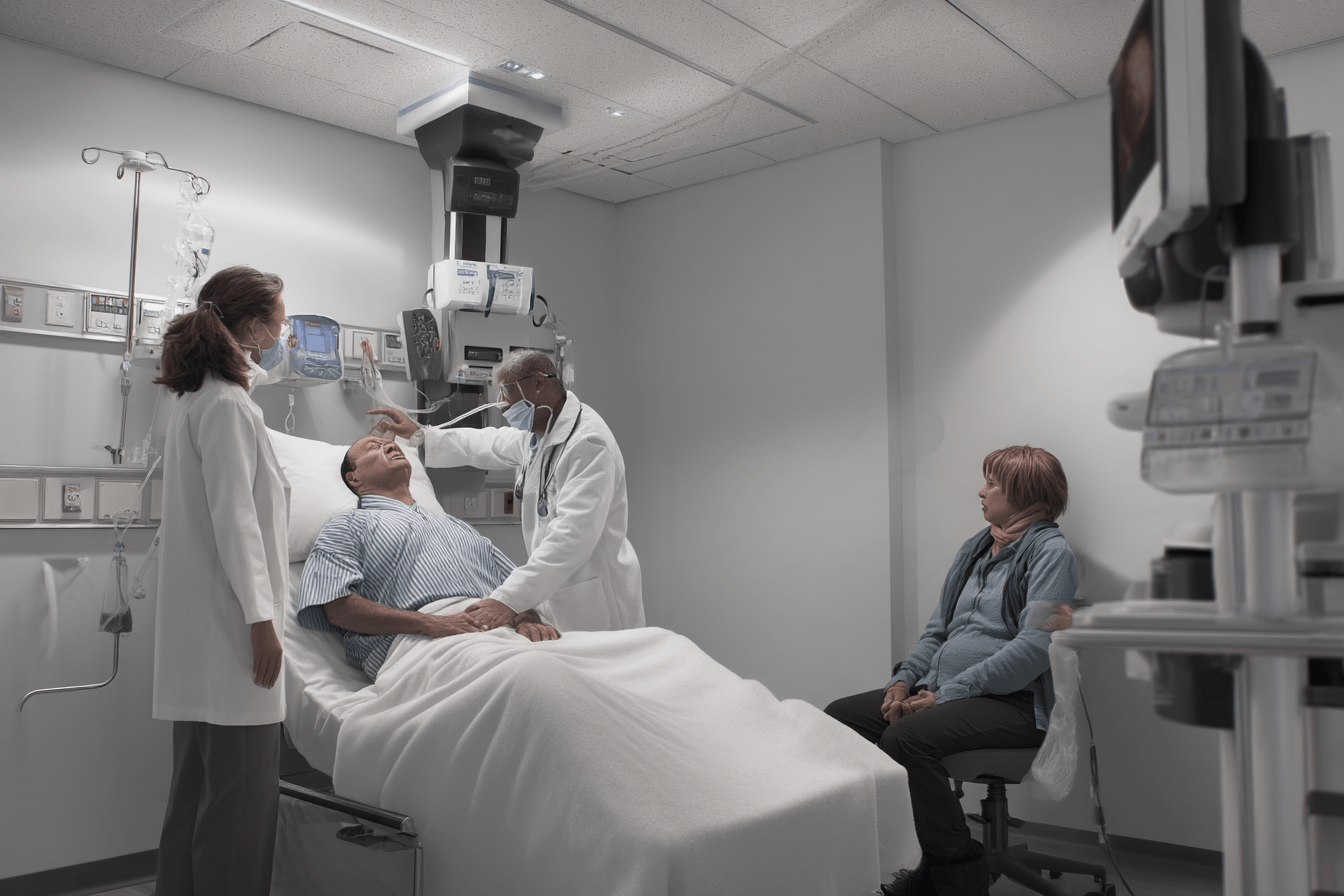
Anaplastic thyroid cancer can affect the trachea, voice box, oesophagus and nearby nerves. A person may appear stable during one consultation and develop worsening breathing or swallowing difficulty later. For this reason, the patient and family should know which changes require immediate hospital assessment rather than waiting for the next scheduled appointment.
New noisy or high-pitched breathing is one of the most important warning signs. This sound may be described as stridor and can indicate narrowing of the upper airway. Breathlessness at rest, increasing effort while breathing, inability to speak a full sentence comfortably or sudden difficulty lying flat should also be treated seriously. These symptoms do not confirm complete airway obstruction, but they may show that the available airway is becoming smaller [1,4].
Difficulty swallowing may also become urgent. If you cannot swallow saliva, repeatedly choke while drinking, cough immediately after taking liquids or develop a wet and gurgling voice after swallowing, the airway may be at risk from aspiration or direct tumour pressure. Food and medicines should not be forced when swallowing is clearly unsafe.
Rapidly increasing neck swelling, coughing up blood, bluish lips, severe drowsiness, confusion, collapse or sudden deterioration require emergency medical assistance. The family should not spend time contacting several clinics for opinions when the patient is struggling to breathe. Emergency stabilisation must come first, and the specialist ATC team can be contacted once the immediate danger is being managed.
A Change in Voice Can Be an Important Warning
Hoarseness is common in ATC because the tumour may affect the recurrent laryngeal nerve or restrict movement of a vocal cord. A voice change by itself does not always mean that the airway is about to close. However, a rapidly worsening voice combined with breathlessness, choking, noisy breathing or inability to swallow requires urgent assessment.
Even when the patient can still speak, one vocal cord may already be weak or immobile. This is why the medical team may recommend flexible laryngoscopy. The examination helps them see how the vocal cords are moving and whether the upper airway appears narrowed [1].
The patient should describe when the voice changed, whether it is becoming weaker, whether speaking causes breathlessness and whether coughing occurs while eating or drinking. These details may influence airway planning, swallowing assessment and treatment sequencing.
What the Emergency Team May Need to Assess
The first concern is whether the patient is receiving enough air and whether the airway can remain stable. The team may examine breathing effort, oxygen level, neck swelling, voice, ability to swallow and the position of the trachea. They may also review recent imaging or arrange urgent imaging when it can be performed safely.
An ENT specialist may examine the vocal cords and upper airway. Anaesthesia and head-and-neck surgery teams may become involved when airway deterioration is possible. Their role is not limited to performing a procedure. They also help create a plan for what should happen if the airway becomes more difficult during transfer, biopsy, sedation or treatment.
The patient should tell the emergency team that ATC has been diagnosed or is strongly suspected. The family should carry the pathology report, available scan reports, current medicine list and contact details of the treating specialists. This can reduce repetition and help the emergency team communicate quickly with the cancer centre.
Why a Tracheostomy Is Not Automatically Required
Not every patient with ATC requires a tracheostomy. The decision depends on the degree and location of airway narrowing, the speed of tumour growth, vocal-cord function, treatment plan, expected tumour response and the patient’s preferences.
A tracheostomy can be technically difficult when a large tumour distorts the normal anatomy of the neck. It may also affect communication, swallowing, secretions and quality of life. Therefore, the decision should be made by an experienced team rather than treated as a routine step for every patient [1,4].
However, this does not mean that airway intervention should be avoided when breathing is genuinely threatened. The correct principle is individualised planning. A stable patient may be closely monitored while treatment is arranged, whereas a patient with actual or impending obstruction may require immediate airway management.
The Family Needs an After-Hours Safety Plan
Before the patient leaves the first hospital or specialist consultation, the family should know which symptoms require emergency attendance, which hospital is best equipped to manage the airway and whom to contact after normal clinic hours.
They should also understand whether the patient can remain safely at home, whether swallowing tablets is still appropriate and whether any position worsens breathing. When a person breathes more comfortably while sitting upright and becomes breathless on lying down, this information should be reported clearly.
I would advise the family to keep one written page near the patient containing the diagnosis, current symptoms, treating doctors, emergency hospital and important contact numbers. In a rapidly changing situation, a simple and accessible plan is more useful than searching through several messages or reports.
Ayurvedic Assessment Must Stop When Prana Is Threatened
In Ayurveda, Prana Rakshana means protection of life and vital functions. When breathing or swallowing is unstable, protecting Prana becomes the first duty. A detailed Prakriti questionnaire, Nadi examination, dietary programme or oral formulation should not delay emergency care.
The Ayurvedic physician should recognise that noisy breathing, inability to swallow saliva, repeated aspiration, rapidly increasing neck pressure and severe breathlessness are not situations for routine outpatient management. At that moment, the correct Ayurvedic value is not to add more treatment. It is to direct the patient immediately toward airway assessment and remain available to coordinate later supportive care.
This approach also reflects Hita–Ahita Viveka, the ability to distinguish what is beneficial from what may become harmful. A medicine may be useful at another stage, but it becomes inappropriate if the patient cannot swallow safely or if it delays urgent intervention.
Once the airway is stable, Ayurvedic assessment can continue in parallel with oncology. The clinician can then evaluate Bala, Agni, Ahara Shakti, sleep, bowel function, pain and emotional distress. The order is important: life-threatening risk is addressed first, and personalised supportive care follows without unnecessary delay.
Hours 6–24: Move the Case to an ATC-Experienced Team

Once breathing and swallowing have been assessed, the next priority is to place the case before a team that has experience managing anaplastic thyroid cancer. ATC is not usually managed well through disconnected appointments in which each specialist sees only one part of the problem. The surgeon, medical oncologist, radiation oncologist, pathologist, radiologist and airway team need to review the same information and agree on the order of treatment [1].
You may already have a local doctor who identified the tumour or arranged the biopsy. That doctor can continue supporting you, but an experienced ATC centre should be involved as early as possible. This does not always mean travelling immediately. Pathology slides, tissue blocks and imaging files can often be transferred for urgent review while airway assessment and essential care continue locally.
The purpose of referral is not simply to obtain another opinion. It is to create one coordinated plan. Someone must take responsibility for deciding which investigations are urgent, whether the tumour appears operable, whether rapid BRAF testing has begun and what should happen if the patient deteriorates before all results are available.
One Coordinator Should Bring the Information Together
Families often contact several hospitals at the same time because they are afraid of losing time. This is understandable, but it can create contradictory advice and repeated investigations. One specialist or centre should therefore become the principal coordinator.
The coordinator should know whether the airway is stable, whether the pathology is definitive, which scans have been completed, whether molecular testing has been ordered and when the multidisciplinary discussion will occur. You should also know whom to contact if breathing, swallowing or neck swelling changes outside normal clinic hours.
I would advise the family to nominate one person to maintain the records and attend important discussions. This person can write down the recommendations, confirm expected report dates and share accurate information with other relatives. The patient should not be expected to remember every technical detail while coping with fear, fatigue and physical symptoms.
Transfer the Actual Medical Material, Not Only the Reports
A written scan report may describe the tumour, but the specialist team often needs to examine the actual images. The DICOM files from CT, MRI or PET imaging should therefore be transferred along with the reports. A photograph of the report on a phone is usually not enough for surgical or radiation planning.
The pathology report should also be accompanied by the original slides or paraffin tissue block when expert review or molecular testing is required. The receiving centre should confirm that the material has arrived and that enough viable tumour is present for further testing.
The family should prepare one complete medical folder containing the pathology report, biopsy details, scan reports, imaging files, recent blood tests, current medicines, allergies and previous thyroid or neck treatment. Herbs, supplements and Ayurvedic preparations must also be included because they may affect anaesthesia, bleeding risk, liver function or systemic cancer treatment.
Expert Pathology Review Should Begin Without Delay
Before major treatment is started, the diagnosis should be confirmed by a pathologist familiar with aggressive thyroid and head-and-neck tumours. ATC can sometimes resemble thyroid lymphoma, poorly differentiated thyroid carcinoma, squamous carcinoma involving the thyroid or cancer that has spread to the thyroid from another organ [1,5].
These conditions may require very different treatments. For this reason, the medical team should not rely only on the appearance of a rapidly growing neck mass. The tissue must be examined carefully, and additional immunohistochemical tests may be required.
If the first sample is too small or contains extensive dead tissue, another biopsy may be necessary. A core biopsy can sometimes provide more material than fine-needle aspiration, particularly when the team needs enough tissue for both diagnostic confirmation and molecular testing.
The patient or family should ask whether the diagnosis is final, whether an expert thyroid pathologist has reviewed it and whether sufficient tissue remains for rapid BRAF testing and broader genomic analysis. These questions can prevent a later delay caused by inadequate tissue.
Do Not Let Repeated Consultations Exhaust the Biopsy Material
Biopsy tissue is limited. If several laboratories perform overlapping tests without coordination, the sample may be exhausted before the most important molecular studies are completed.
The pathology and oncology teams should decide which tests are essential and in what order they should be performed. Rapid BRAF V600E assessment may provide an early treatment direction, while broader sequencing examines additional actionable alterations [1,2,7].
When the sample is insufficient, the team should decide quickly whether another biopsy is safe and necessary. The family should not discover several days later that molecular testing was never started because the tissue failed quality assessment.
The Multidisciplinary Team Should Review More Than Operability
A multidisciplinary meeting should not ask only whether surgery is technically possible. The team should also consider whether complete gross removal is realistically achievable, what effect surgery may have on the airway, voice and swallowing, and whether targeted treatment or radiation should begin first.
The medical oncologist reviews the systemic-treatment pathway and molecular findings. The radiation oncologist assesses whether radiation is required for local control or urgent symptom relief. The surgeon evaluates resectability and the consequences of removing involved structures. The radiologist clarifies the extent of disease, while the pathologist confirms tumour type and tissue adequacy.
Speech and swallowing specialists, dietitians and palliative-care clinicians should also be involved when required. Early supportive care does not mean that active cancer treatment is being stopped. It helps control pain, breathlessness, anxiety, secretions, nutritional difficulty and family distress while treatment continues [12].
Ayurveda Should Follow the Principle of Chikitsa Chatushpada
Ayurveda describes treatment as a coordinated relationship among the physician, therapeutic means, attendant and patient. This principle is known as Chikitsa Chatushpada. In ATC, it is especially relevant because no single clinician or medicine can safely manage every aspect of the disease.
The Ayurvedic physician should not work separately from the oncology team. The planned surgery, radiation, targeted medicines, swallowing status, liver function, kidney function and current symptoms must be known before supportive treatment is selected.
During this phase, the Ayurvedic consultation can begin documenting Rogi Bala, meaning the patient’s present physical and functional strength, and Roga Bala, meaning the severity and speed of the disease. It can also assess appetite, digestion, food tolerance, sleep, bowel function, pain, anxiety and the ability to perform daily activities.
This information helps identify where the patient may need support, but it does not determine whether the tumour is resectable or which molecular treatment is appropriate. Those decisions remain dependent on pathology, imaging and genomic testing.
What Should Be Clear by the End of the First 24 Hours
By the end of the first day, the patient should know which team is coordinating the case, whether the airway is considered stable, whether expert pathology review has begun and whether the biopsy material is adequate.
The team should also have started arranging staging scans, rapid molecular testing and multidisciplinary review. You may not yet have every result, but the process should be active, documented and moving in a clear direction.
The family should leave with more than general reassurance. They should know what is happening next, who is responsible for it and what to do if the patient’s breathing, swallowing or neck symptoms worsen.
Check the Voice, Vocal Cords and Swallowing Ability

Voice and swallowing changes are common in anaplastic thyroid cancer because the tumour lies close to the recurrent laryngeal nerves, voice box, trachea and oesophagus. These symptoms should not be treated as minor discomforts. They can provide important information about local tumour involvement, airway risk, aspiration and the patient’s ability to take food or oral medicines safely [1,6].
A patient may still be able to speak normally even when one vocal cord has become weak or immobile. For this reason, listening to the voice alone is not enough. Vocal-cord movement should usually be examined directly, especially before surgery, airway procedures or radiation planning.
Why Flexible Laryngoscopy May Be Needed
Flexible laryngoscopy allows the ENT or head-and-neck specialist to inspect the upper airway and see whether both vocal cords are moving properly. It can help identify vocal-cord paralysis, narrowing around the voice box, pooled secretions or other changes that may influence treatment planning [1].
The examination also creates a baseline. If the voice or breathing changes later, the team can compare the new findings with the original assessment. This is particularly important when surgery, radiation or rapidly progressive disease may affect the nerves controlling the vocal cords.
You should tell the team when the voice first changed, whether it has become weaker or breathier, and whether talking causes coughing or breathlessness. A sudden change should be reported even if the patient does not yet feel severely unwell.
Swallowing Difficulty Is Not Only a Nutrition Problem
Difficulty swallowing is known as dysphagia. In ATC, it may occur because the tumour presses on the oesophagus, affects the muscles or nerves involved in swallowing, restricts movement of the larynx or causes pain and fear during eating.
A person may struggle with solid food first and later find liquids difficult. Another patient may swallow food but cough immediately afterward. Some patients develop a wet or gurgling voice after drinking, which may suggest that fluid is remaining around the airway.
These symptoms matter because food, liquid or saliva may enter the airway instead of reaching the stomach. This is called aspiration. Repeated aspiration can contribute to chest infection, dehydration, weakness and interruption of cancer treatment [6].
The patient should not be encouraged to force normal food merely to maintain calories. Safe swallowing must come before the quantity of food consumed.
A Swallowing Assessment Should Be Individualised
A speech and swallowing therapist may assess the patient’s voice, cough strength, tongue and throat movement, food-texture tolerance and signs of aspiration. When necessary, the team may use an instrumental swallowing examination to understand what happens as food or liquid passes through the throat [6].
The purpose is not simply to decide whether the patient can eat. It is to determine which textures are safer, whether liquids need modification, how medicines can be taken and whether another route of nutrition may be required.
Swallowing ability can also change rapidly. A recommendation that was safe several days earlier may no longer be appropriate if the neck swelling increases, the voice changes or coughing becomes more frequent.
Oral Cancer Medicines Require Safe Swallowing
Some important ATC treatments are supplied as oral medicines. Before prescribing them, the team must know whether the patient can swallow the dosage form safely and consistently.
Tablets or capsules should not be crushed, opened or mixed into food unless the oncology pharmacist confirms that this is permitted. Altering a medicine may change how it is absorbed, expose caregivers to the drug or reduce treatment accuracy.
If swallowing is unreliable, the medical oncologist, pharmacist and swallowing team should discuss practical alternatives. The patient should not hide swallowing difficulty because of fear that treatment will be delayed. Early disclosure allows the team to create a safer plan.
Nutrition Support Should Begin Early
Weight loss and reduced intake can weaken the patient before treatment has fully started. Pain, anxiety, breathlessness, altered taste, swallowing difficulty and the physical pressure of the tumour may all reduce food consumption.
An oncology dietitian should assess recent weight change, current intake, protein consumption, hydration and the patient’s ability to tolerate different food textures. The aim is to preserve strength and reduce preventable nutritional decline [13–15].
Soft or easy-to-swallow foods may help some patients, but texture advice should follow a swallowing assessment when aspiration is suspected. A soft food is not automatically safe for every person. The appropriate consistency depends on where and how swallowing is impaired [6,16].
When oral intake is no longer sufficient or safe, the team may discuss temporary or longer-term nutritional support. This decision should consider the treatment plan, expected duration of swallowing difficulty, tumour location, patient preference and overall clinical condition.
Ayurveda Must Distinguish Eating Capacity From Digestive Capacity
Ayurveda uses the term Ahara Shakti to describe the patient’s capacity to take and use nourishment. It includes two different aspects. Abhyavaharana Shakti refers to the ability to consume food, while Jarana Shakti refers to the ability to digest it [19].
This distinction is highly relevant in ATC. A patient may feel hungry and digest food reasonably well but be unable to swallow because of mechanical compression or impaired throat movement. That patient should not automatically be diagnosed as having weak Agni.
Similarly, reduced food intake caused by choking or pain should not be treated only with appetite-promoting herbs. The physical cause of swallowing difficulty must first be assessed. Safe food texture, aspiration prevention and the route of nutrition take priority.
The Ayurvedic physician can still record Agni, appetite, nausea, bloating, bowel function and food tolerance. However, these observations should be interpreted alongside the swallowing assessment rather than used to explain every eating problem.
Pranavaha and Annavaha Srotas Should Be Assessed Separately
Within Ayurvedic clinical reasoning, Pranavaha Srotas relates to respiratory function, while Annavaha Srotas relates to the intake and early processing of food. In a patient with ATC, symptoms may overlap because the airway and food passage are anatomically close.
Breathlessness, noisy breathing and difficulty lying flat require immediate attention to Pranavaha function. Choking, food sticking in the throat and inability to swallow medicines require assessment of Annavaha function. Neither concept should be used to replace laryngoscopy, imaging or a formal swallowing evaluation.
The purpose of this Ayurvedic assessment is to understand how the illness is affecting the person’s breathing, nourishment and strength. It is not intended to identify the anatomical site of tumour invasion without modern investigation.
What the Patient and Family Should Understand
By this stage, the family should know whether the vocal cords are moving normally, whether swallowing is safe and which symptoms require urgent reassessment. They should also know which food textures and medicines can be taken safely and whether a dietitian or swallowing therapist is involved.
If the patient develops increasing coughing during meals, a wetter voice after drinking, recurrent choking, inability to swallow saliva or worsening breathlessness, the team should be contacted immediately. These changes may require urgent review rather than a routine dietary adjustment.
Protecting the voice, airway and swallowing function is not separate from cancer treatment. It helps the patient remain strong enough to receive treatment and reduces the risk of avoidable complications.
Hours 24–48: Stage the Disease Without Unnecessary Delay

Once the diagnosis and airway status are being addressed, the team must determine how far the cancer has extended. Staging helps clarify whether the tumour remains mainly within the thyroid, has invaded nearby structures or lymph nodes, or has spread to distant organs. It also influences whether surgery, radiation, targeted treatment or another systemic approach should begin first [1,3].
Contrast-enhanced CT of the neck and chest is commonly important because it shows the relationship of the tumour to the trachea, oesophagus, voice box, major blood vessels and lymph nodes. Additional imaging of the abdomen, pelvis or other areas may be required to look for distant spread. PET/CT or MRI may be used when they can answer a specific clinical question, but urgent treatment should not be delayed merely to complete every possible scan.
Stage IV Does Not Mean the Same Situation for Every Patient
All anaplastic thyroid cancers are classified as stage IV, but they are divided into stage IVA, IVB and IVC [3].
Stage IVA generally means that the tumour remains within the thyroid without regional lymph-node or distant spread. Stage IVB means that the cancer has extended beyond the thyroid and/or involved regional lymph nodes, but no distant metastasis has been identified. Stage IVC means that the cancer has spread to a distant organ.
These differences matter. A patient with stage IVA disease may have a very different treatment pathway from someone with extensive local invasion or distant metastases. Therefore, you should ask for the complete stage rather than accepting the words “stage IV” alone.
Resectability Must Be Judged by an Experienced Team
The important surgical question is not simply whether the tumour can be removed technically. The team must decide whether complete gross removal is realistically possible without causing disproportionate harm to the airway, voice, swallowing or major blood vessels [1].
Routine incomplete debulking does not automatically improve the outcome. Surgery is most useful when the team believes that all visible disease can be removed or when it serves a clearly defined clinical purpose.
A tumour that appears unresectable at diagnosis may occasionally become suitable for reassessment after an effective targeted treatment response. This has been reported particularly in selected patients with BRAF V600E-positive disease, but it is not guaranteed and should be judged individually [10].
Ayurvedic Assessment Should Document Disease Strength and Patient Strength
At this stage, the Ayurvedic physician can record Roga Bala, meaning the severity and speed of the disease, and Rogi Bala, meaning the patient’s ability to tolerate illness and treatment.
Roga Bala may be influenced by rapid tumour growth, airway involvement, swallowing difficulty, local invasion and distant spread. Rogi Bala may be judged through weight loss, food intake, physical activity, organ function, sleep, mental strength and family support.
This assessment can help personalise supportive care, but it cannot determine the cancer stage or whether surgery is possible. Those decisions must remain based on pathology, imaging and multidisciplinary review.
By the end of this period, the patient should know the exact stage, whether the tumour is considered resectable, which anatomical structures are involved and what additional results are still required before treatment begins.
Hours 24–48: Request Rapid BRAF Testing and Broader Molecular Profiling
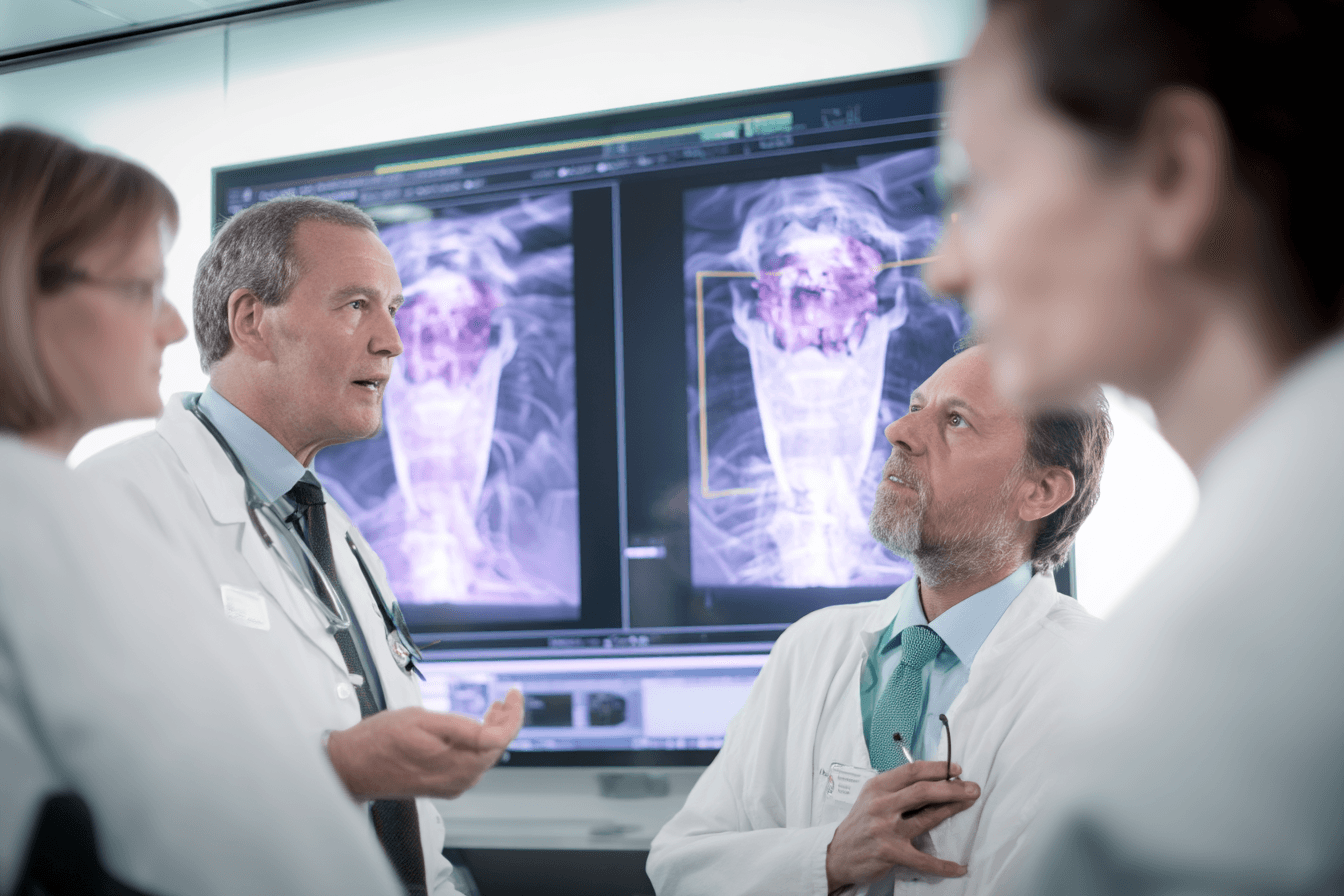
Molecular testing should begin as soon as adequate tumour tissue is available. In anaplastic thyroid cancer, the result can influence the first treatment decision, so it should not be treated as a test that can wait until all other investigations are complete [1,2].
The most urgent alteration to check is BRAF V600E. When this mutation is present, BRAF-directed treatment with dabrafenib and trametinib may become an important option, particularly when the tumour is unresectable, locally advanced or metastatic [2,8,9].
Rapid BRAF Testing and Broad Sequencing Serve Different Purposes
Rapid BRAF testing can provide an early answer while broader molecular profiling is still underway. Some centres may use immunohistochemistry for an initial result and then confirm it through molecular testing according to local laboratory practice [1].
Broader next-generation sequencing should still be requested because ATC may contain other actionable or trial-relevant alterations, including RET or NTRK fusions. The purpose is not to order every available test without direction. It is to identify findings that may change treatment or help determine eligibility for a clinical trial [1,2].
Confirm That the Tissue Is Adequate
The family should not assume that molecular testing has begun merely because it was mentioned during consultation. The team should confirm that the laboratory has received the sample, that enough viable tumour is present and that the expected reporting date is known.
If the biopsy material is insufficient, the clinicians must decide quickly whether another biopsy is required. This decision should consider airway safety, bleeding risk and whether the new sample can provide enough material for both diagnosis and molecular analysis.
The pathology team should also avoid using all available tissue on repeated or low-priority tests. Preserving adequate material for clinically important molecular studies can prevent avoidable delay [1,5,7].
Do Not Wait Passively for the Final Report
Broader sequencing may take longer than 48 or 72 hours. The team should therefore create a parallel treatment plan rather than leaving the patient without direction.
You should ask when the rapid BRAF result is expected, when the broader panel will be reported and what treatment will be considered if the disease progresses before those results arrive. A clear interim plan is especially important when the tumour is affecting breathing, swallowing or other vital structures.
Ayurvedic Diagnosis Cannot Identify a Cancer Mutation
Prakriti assessment, Nadi Pariksha, Dosha evaluation or other Ayurvedic observations cannot determine whether a tumour contains BRAF, RET, NTRK or another molecular alteration. These findings require validated laboratory testing of tumour tissue.
Ayurvedic assessment remains useful for understanding the patient’s Bala, digestion, food tolerance, sleep, bowel function, mental state and ability to tolerate treatment. It helps evaluate the person, while molecular testing evaluates the tumour.
By the end of this period, rapid BRAF testing should be completed or actively underway, broader molecular profiling should have been ordered, tissue adequacy should be confirmed and the team should have a documented plan for the period before all results become available.
Hours 48–72: Choose and Activate the First Treatment Path

By this stage, the team should combine the pathology, airway findings, imaging, resectability assessment and available molecular results. The purpose is not merely to discuss treatment options. A first treatment pathway, expected start date and backup plan should be documented [1,2].
The correct sequence differs from one patient to another. Some patients may proceed toward surgery, while others may need targeted therapy, radiation or another systemic treatment first. The decision depends on disease stage, tumour location, molecular findings, physical condition and the patient’s goals.
When the Tumour Appears Completely Resectable
Surgery may be considered in selected stage IVA or IVB patients when the experienced surgical team believes that all visible disease can be removed with acceptable consequences [1,3].
The patient should understand which structures may be involved and how surgery could affect breathing, speech and swallowing. The team should also explain whether radiation or systemic treatment is likely to follow. Surgery should not be selected simply because the tumour is technically reachable, and incomplete debulking should not be presented as automatically beneficial.
When BRAF V600E Is Present
For unresectable, locally advanced or metastatic BRAF V600E-positive ATC, dabrafenib combined with trametinib may become a central treatment option [2,8,9].
Some tumours may shrink sufficiently for the team to reassess surgery or local treatment later. However, this possibility applies only to selected patients and should not be promised in advance. The response must be monitored through symptoms, examination and imaging [10].
When Another Actionable Alteration Is Found
RET or NTRK fusions and other relevant findings may allow mutation-matched treatment according to current guidelines, medicine availability and the patient’s clinical condition [2].
These results should be reviewed by a molecular tumour board or an oncologist experienced in ATC whenever possible. A molecular finding is useful only when it is correctly interpreted and connected to an available treatment or clinical trial.
When No Immediate Molecular Target Is Identified
The absence of an immediately actionable alteration does not mean that there are no treatment options. The team may consider radiation, systemic therapy, clinical trials or combined approaches according to disease extent, symptoms and the patient’s strength [1,2,11].
Radiation may be particularly important when local tumour growth threatens the airway, causes pain or requires improved control within the neck. Clinical-trial eligibility should be checked early because the patient may lose an opportunity if the search is postponed until several treatments have failed.
Supportive and Palliative Care Should Begin Alongside Treatment
Supportive or palliative care should not be interpreted as surrender. It may begin at the same time as surgery, radiation or systemic treatment to address breathlessness, pain, anxiety, swallowing difficulty, secretions, constipation and family distress [12].
For some patients, the principal goal may become comfort and preservation of meaningful time. This is also an active medical pathway and should be discussed honestly, without abandonment or pressure.
Ayurveda Should Follow Yukti and the Oncology Sequence
At this stage, Yukti means selecting supportive measures according to the actual treatment plan. The Ayurvedic physician should know whether surgery, radiation or systemic therapy is beginning, whether swallowing is safe and whether liver, kidney or blood abnormalities are present.
The initial Ayurvedic priorities may include maintaining Bala, supporting safe nourishment, improving sleep, regulating bowel function and helping the patient manage treatment-related discomfort. Any herb, mineral preparation or procedure that may interfere with surgery, bleeding control or anticancer medicines should be avoided or reviewed before use.
By the end of 72 hours, the patient should know which treatment is planned first, when it is expected to begin, what results are still pending and what the team will do if the condition changes before treatment starts.
Eight Questions That Should Be Answered or Actively Pending by Hour 72
The first 72 hours may not provide every final report, but the patient should not remain without direction. By this stage, eight important issues should either be answered or have a clearly documented reporting date.
The team should confirm whether the diagnosis has been reviewed by an experienced thyroid or head-and-neck pathologist. They should state whether the airway is stable, whether the vocal cords are moving normally and whether swallowing is safe. The patient should also know whether the disease is stage IVA, IVB or IVC and whether complete gross surgical removal appears possible [1,3].
Rapid BRAF V600E testing should be completed or actively underway, and broader molecular profiling should have been sent when sufficient tumour tissue is available. Finally, the team should explain which treatment is planned first, when it is expected to begin and what will happen if breathing, swallowing or neck swelling worsens before treatment starts [1,2,7].
I would advise the family not to leave with vague statements such as “we will review everything later.” It is reasonable for some results to remain pending, but the responsible person, expected date and interim plan should be clear.
What the Patient and Family Should Do in Parallel
Choose One Family Coordinator
A single family member should collect records, attend important discussions and communicate verified updates to other relatives. When several people contact different doctors independently, information may become incomplete or contradictory.
The coordinator should note the name of each specialist, the purpose of each test, the expected reporting date and the next treatment decision. The patient can then focus more on breathing, nourishment, rest and participation in treatment rather than repeatedly explaining the entire history.
Create One Complete Medical Folder
The folder should contain the pathology report, biopsy date, details of the tissue block, imaging reports, actual scan files, recent blood tests and the current medicine list. Previous thyroid surgery, neck radiation, allergies and major medical conditions should also be recorded.
All herbs, supplements, Ayurvedic medicines and mineral-containing preparations must be mentioned. Even products that have been taken safely for years may require review before surgery, anaesthesia, radiation or systemic cancer treatment [28–30].
The family should request actual copies rather than depending only on verbal summaries. A specialist centre may need to examine the original scans and pathology material before giving a meaningful opinion.
Record Symptoms Twice Daily
A short symptom record can help the team understand whether the condition is stable or changing. The family may document breathing at rest, ability to lie flat, voice quality, swallowing, coughing during meals, neck swelling, pain, food intake and daily activity.
The purpose is not to create anxiety around every minor symptom. It is to identify a clear change early. Increasing breathlessness, noisy breathing, inability to swallow saliva or rapidly increasing neck pressure requires urgent medical attention rather than waiting for the next entry in the record.
Address Practical Barriers Early
Travel, accommodation, insurance approval, medicine availability, family responsibilities and transport to the treatment centre can delay care even when the medical plan is correct.
The family should identify which hospital can manage an airway emergency, how the patient will reach it and who will accompany the patient. A small amount of practical planning during the first two days can prevent a major delay when treatment is ready to begin.
What Cannot Wait and What Can Usually Wait

Actions That Cannot Wait
Airway and swallowing assessment cannot wait when symptoms are changing. Expert pathology confirmation, staging, rapid BRAF testing, broader molecular profiling and multidisciplinary treatment planning should also begin without unnecessary delay [1,2].
The first treatment decision does not always require every optional test to be complete. If the tumour is threatening breathing or progressing rapidly, the team may need to begin an appropriate treatment while some broader results are still pending.
The patient should also have an after-hours safety plan. Knowing where to go during an emergency is part of treatment, not an administrative detail.
Actions That Can Usually Wait
Exhaustive internet research can wait until immediate medical decisions are secured. Repeating the same consultation at several centres without transferring records may consume time without adding new information.
Radical fasting, restrictive anticancer diets, nonessential wellness tests and several new supplements should also wait. A patient with swallowing difficulty, weight loss or upcoming treatment may become weaker when food is unnecessarily restricted.
An Ayurvedic consultation can begin during the first 72 hours, but lengthy procedures or oral medicines should not be prioritised ahead of airway safety, diagnostic confirmation and treatment activation. The value of integrative care depends on timing and coordination.
The Ayurveda Values System During the First 72 Hours

Ayurveda should enter this pathway first as a system of clinical values, not merely as a prescription. Its early role is to help protect life, reduce avoidable suffering and personalise support without delaying necessary oncology care.
A classical definition of Ayurveda describes the importance of understanding what supports life and what harms it.
Charaka Samhita, Sutra Sthana, Chapter 1, Deerghanjiviteeya Adhyaya, Verse 41
हिताहितं सुखं दुःखमायुस्तस्य हिताहितम्।
मानं च तच्च यत्रोक्तमायुर्वेदः स उच्यते॥४१॥
Transliteration
Hitāhitaṁ sukhaṁ duḥkham āyustasya hitāhitam,
mānaṁ ca tacca yatrōktam āyurvedaḥ sa ucyate.
Translation
Ayurveda explains what is beneficial and harmful for life, what contributes to comfort or suffering, and how life and its influencing factors should be understood [17].
Hita and Ahita
Hita means beneficial, appropriate and supportive. Ahita means harmful, unsuitable or poorly timed.
In ATC, an action may appear beneficial but become harmful if it delays airway care, interferes with surgery or creates an interaction with cancer treatment. Even a nutritious oral preparation becomes unsuitable when the patient cannot swallow safely.
The Ayurvedic physician should therefore ask not only, “Could this help?” but also, “Is this appropriate at this exact stage?”
Prana Rakshana
Prana Rakshana means protection of vital life functions. In the first hours after an ATC diagnosis, this begins with breathing, airway stability and safe swallowing.
If Prana is threatened, emergency medical care takes priority. This is not a rejection of Ayurveda. It is the correct application of its value system. A routine outpatient examination should stop when the patient has stridor, respiratory distress, repeated aspiration or inability to swallow saliva.
Yukti
Yukti means rational clinical planning. It considers the disease, patient, timing, strength, treatment sequence and foreseeable consequences.
For one patient, early supportive care may focus on nutrition and sleep while surgery is arranged. Another patient may need support during targeted therapy, while a third may require symptom relief during radiation. The same medicine or diet should not be applied to every patient merely because the cancer name is the same.
Chikitsa Chatushpada
Charaka describes four important components of treatment: the physician, the therapeutic means, the attendant and the patient. This framework is called Chikitsa Chatushpada [18].
In modern ATC care, these components must work together. The oncologist, surgeon, radiation oncologist, Ayurvedic physician, nurses, caregivers and patient should not give or receive disconnected instructions.
The Ayurvedic physician must know the current oncology plan. The cancer team should also know which Ayurvedic products are being considered. Coordination protects the patient from duplication, interaction and avoidable confusion.
Satya and Clear Communication
Truthful communication is an important value during a frightening diagnosis. The patient should not be given guarantees that cannot be supported, but the conversation should also not remove hope unnecessarily.
The clinician should explain what is known, what remains uncertain and what action is being taken. The patient should be allowed to ask questions, express treatment preferences and understand the possible effect of treatment on breathing, speech, swallowing and daily life.
Ayurvedic Diagnosis in Anaplastic Thyroid Cancer
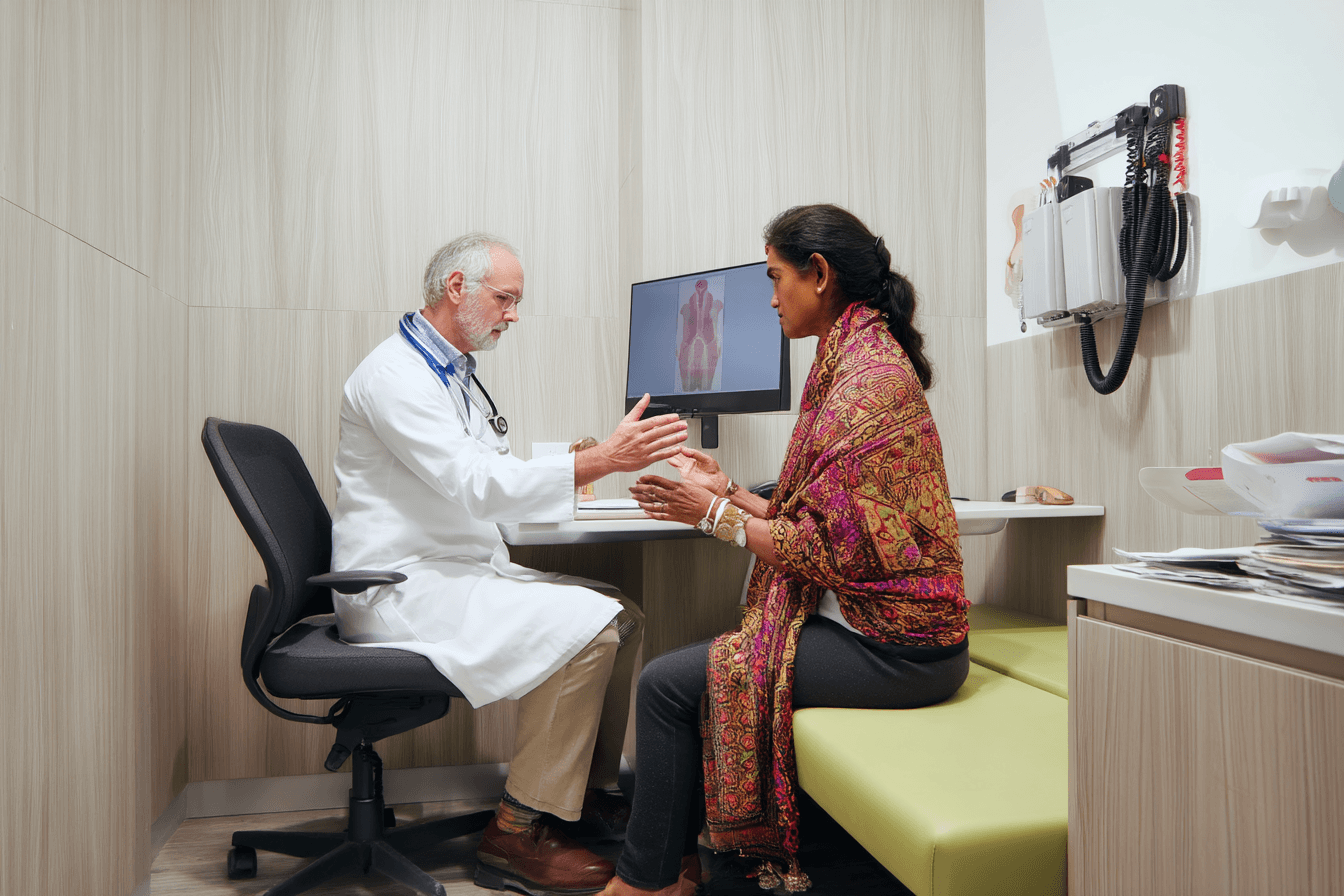
Modern Diagnosis and Ayurvedic Diagnosis Have Different Roles
Modern diagnosis identifies the tumour. Histopathology confirms that it is ATC, imaging determines its extent, laryngoscopy assesses the vocal cords, and molecular testing identifies alterations that may guide treatment [1,2,5].
Ayurvedic diagnosis examines the patient’s constitution, current imbalance, strength, nourishment, digestion, sleep, bowel function and mental state. It helps answer how the person is coping with the disease and treatment.
These two diagnostic systems should not be confused. Ayurveda cannot determine stage IVA, IVB or IVC. It cannot identify BRAF, RET or NTRK alterations, and it cannot establish whether the tumour is surgically removable.
ATC Should Not Be Forced Into One Classical Disease Name
Classical texts describe Granthi, Arbuda, Apachi and Galaganda in relation to nodular, tumour-like or neck swellings [22]. These descriptions can help the Ayurvedic physician observe the site, consistency, growth, pain and tissue involvement.
However, ATC should not be called an exact synonym of Arbuda or Galaganda. Classical categories were based largely on observed clinical features, while ATC is defined through modern histopathology and molecular oncology.
The safer approach is the principle of Anukta Vyadhi, meaning a disease that may not have an exact classical name. Charaka advises that such a condition should be understood through its causes, Dosha involvement, location, manifestations and progression rather than by forcing it into an unsuitable label [20].
Roga Pariksha: Examination of the Disease
Roga Pariksha examines how the disease is presenting in that patient. The Ayurvedic physician may use Nidana Panchaka, which includes Hetu, Purvarupa, Rupa, Upashaya–Anupashaya and Samprapti [21].
Hetu examines relevant precipitating and aggravating factors. Purvarupa considers symptoms that appeared before the disease became fully evident. Rupa records the present manifestations, such as rapidly enlarging neck swelling, pain, hoarseness, swallowing difficulty, breathlessness and fatigue.
Upashaya and Anupashaya examine what improves or worsens the symptoms. For example, breathing may become worse when lying flat, while certain food textures may increase choking. Samprapti then organises the Ayurvedic understanding of the current disease process.
This assessment may help individualise supportive care, but it must not be used to override imaging, pathology or airway findings.
Rogi Pariksha: Examination of the Patient
Rogi Pariksha considers the person living with the disease. Charaka’s Dashavidha Atura Pariksha includes Prakriti, Vikriti, Sara, Samhanana, Pramana, Satmya, Sattva, Ahara Shakti, Vyayama Shakti and Vaya [19].
Prakriti means the patient’s relatively stable constitutional pattern. Vikriti means the present abnormal state. In an acutely ill patient, Vikriti may be strongly influenced by pain, inflammation, reduced intake, anxiety, treatment and disturbed sleep.
Ahara Shakti assesses the ability to consume and digest nourishment. Vyayama Shakti reflects capacity for activity, while Sattva reflects psychological strength and coping. Satmya considers established tolerance to foods, medicines and environmental conditions.
The findings should be written clearly rather than reduced to a vague statement such as “Vata–Pitta imbalance.” A clinically useful assessment should explain what is observed and how it changes the supportive plan.
Roga Bala and Rogi Bala
Roga Bala means the strength and severity of the disease. In ATC, this may be reflected through rapid growth, airway compression, local invasion, distant spread, bleeding, pain and functional deterioration.
Rogi Bala means the patient’s capacity to tolerate the illness and treatment. It may be assessed through weight, muscle reserve, oral intake, organ function, mobility, sleep, mental resilience and caregiver support.
Two patients with the same cancer stage may have very different Rogi Bala. One may be eating, walking and functioning independently, while another may already have severe weight loss, aspiration and weakness. Their supportive plans should therefore not be identical.
Prakriti Is Not a Cancer Test
Prakriti assessment can help understand long-term constitutional tendencies and tolerability. It cannot confirm ATC, predict its stage or identify a mutation.
Modern research has attempted to standardise Prakriti assessment and explore biological associations, but the methods still have important limitations [24–27]. Claims that Nadi or Prakriti alone can diagnose or classify ATC should not be made.
What Should Be Recorded in the Ayurvedic Diagnostic Statement
The Ayurvedic record should first mention the confirmed modern diagnosis, stage, resectability status, airway findings and molecular-testing status.
It should then describe Prakriti, present Vikriti, Roga Bala, Rogi Bala, Agni, Ahara Shakti, Satmya, Sattva, sleep, bowel function, nutritional reserve and current complications.
Finally, it should document safety restrictions. These may include unsafe swallowing, planned surgery, bleeding risk, abnormal liver or kidney function and possible interactions with systemic medicines.
This format keeps the tumour diagnosis and the patient assessment connected but clearly separate.
From Ayurvedic Diagnosis to a Safe Support Plan

During the First 72 Hours
The first Ayurvedic priority is assessment rather than aggressive treatment. The physician should identify whether the patient can swallow safely, whether surgery or radiation is imminent and whether any current product may interfere with the oncology plan.
Strong cleansing procedures, prolonged fasting and unnecessary dietary restriction are generally unsuitable during this unstable period. Oral preparations should not be given when aspiration is suspected.
No named formulation should be presented as appropriate for every patient. The plan must depend on stage, treatment, organ function, Bala, Agni and swallowing ability.
During Active Cancer Treatment
Once the oncology pathway is established, the Ayurvedic support plan may focus on maintaining nourishment, preserving strength, supporting sleep, regulating bowel function and helping the patient tolerate treatment.
These aims should be measurable. Weight, food intake, swallowing ability, sleep, bowel pattern, pain, functional capacity and treatment interruptions can all be monitored.
Any herbal or herbo-mineral preparation should be reviewed for ingredients, dose, manufacturing quality and interaction risk. Natural origin does not automatically establish safety during cancer treatment [28–30].
Common Mistakes During the First 72 Hours
Treating ATC Like a Routine Thyroid Condition
A rapidly growing ATC should not be placed in a routine referral queue. Airway assessment, pathology review and molecular testing require urgent coordination.
Waiting for Each Step to Finish Before Beginning the Next
Pathology, imaging, BRAF testing and specialist review can often proceed together. A strictly sequential approach may cause unnecessary delay.
Assuming Every Stage IV Patient Has the Same Disease
Stage IVA, IVB and IVC are different. The complete stage and anatomical extent should be explained before treatment decisions are made [3].
Rushing Into or Completely Rejecting Surgery
Surgery should be considered according to complete gross resectability and likely consequences. Neither “operate at any cost” nor “stage IV means surgery is useless” is a reliable approach [1].
Waiting Passively for Broad Sequencing
Broad molecular profiling may take time. The team should still create an interim plan using airway findings, stage, rapid BRAF testing and current symptoms.
Forcing Food or Medicines When Swallowing Is Unsafe
Choking and aspiration cannot be corrected simply by insisting that the patient eat more. Safe swallowing and the correct route of nutrition must come first [6].
Beginning Several Unreviewed Supplements
Multiple new products can create interaction, bleeding, liver or perioperative risks. Everything being taken should be disclosed and reviewed [28–30].
Believing That Palliative Care Means Stopping Treatment
Palliative care can begin alongside active treatment. Its purpose is to reduce pain, breathlessness, anxiety, swallowing difficulty and family distress while supporting informed decisions [12].
What Should Be in Hand by the End of 72 Hours

By the end of the first 72 hours, the patient should have a confirmed diagnosis or an urgent expert pathology review in progress. The airway, vocal cords and swallowing status should be documented, and essential staging should be completed or firmly scheduled.
The patient should know whether the tumour appears resectable, whether rapid BRAF testing and broader molecular profiling are underway, and when the results are expected. A first treatment pathway, expected start date and contingency plan should also be available.
The Ayurvedic record should separately document the patient’s constitution, present imbalance, disease strength, patient strength, nutrition, digestion, sleep, bowel function, psychological state and safety restrictions.
Not every answer must be final by hour 72. The essential requirement is that urgent actions are active, responsibilities are clear and the patient is no longer moving through the system without a coordinated direction.
Questions to Take to the First Multidisciplinary Consultation
The first multidisciplinary consultation may involve several specialists and a large amount of information. You do not need to understand every technical term immediately, but you should leave the discussion knowing what threatens the patient now, what treatment is being recommended and why that treatment comes first.
Questions About Breathing and Swallowing
Ask the team whether the airway is currently stable and which symptoms would indicate that it is becoming unsafe. The family should know whether tumour pressure, vocal-cord weakness or tracheal narrowing has been identified and which hospital should manage an emergency.
You should also ask whether swallowing has been formally assessed. If the patient coughs while drinking, cannot swallow tablets or has a wet voice after meals, clarify which food texture and medicine route are safe. The team should explain whether a speech and swallowing therapist or dietitian needs to be involved [1,6].
Questions About the Diagnosis and Stage
Ask whether an expert thyroid or head-and-neck pathologist has confirmed the diagnosis. If the report is still preliminary, find out what further tests are being performed and whether another biopsy is necessary.
The team should explain whether the disease is stage IVA, IVB or IVC and show where it is located. Ask which structures in the neck are involved and whether distant metastases have been found. This is more informative than hearing only that ATC is a stage IV cancer [1,3,5].
Questions About Surgery
Ask whether the tumour is considered completely resectable rather than merely technically operable. The surgeon should explain whether visible disease can be removed and how the procedure may affect the airway, voice, swallowing, oesophagus, nerves or major blood vessels.
You should also ask whether treatment before surgery might improve resectability. In selected BRAF V600E-positive cases, a strong response to targeted treatment may allow later surgical reassessment, but this possibility cannot be guaranteed [10].
Questions About Molecular Testing
Ask whether rapid BRAF V600E testing has been completed and whether broader molecular profiling has been sent. The team should confirm that the sample is adequate and provide the expected reporting date.
If no actionable alteration has been identified yet, ask what treatment will begin while results are pending. You should also know whether the case is suitable for review by a molecular tumour board or whether a clinical trial should be explored early [1,2,7].
Questions About the First Treatment Plan
Ask which treatment is being recommended first and what clinical finding supports that choice. The answer may involve surgery, targeted treatment, radiation, another systemic therapy or a combination of approaches.
The team should provide an expected start date and explain how treatment response will be measured. Ask when the patient will be examined again, when imaging will be repeated and what would cause the team to change the plan [1,2,8–11].
Questions About Supportive and Palliative Care
Ask how breathlessness, pain, anxiety, constipation, secretions, sleep disturbance and swallowing difficulty will be managed during active treatment. Supportive and palliative care can be provided at the same time as cancer-directed treatment and should not be delayed until symptoms become severe [12].
The patient should also be asked what matters most to them. One person may prioritise the most intensive available treatment, while another may place greater importance on speech, swallowing, remaining at home or reducing hospital burden. These preferences should be included in the treatment discussion.
Questions About Ayurveda and Other Complementary Care
Tell the oncology team about every herb, supplement, Ayurvedic medicine and mineral preparation currently being used. Ask whether any product should be stopped before surgery, anaesthesia, radiation or systemic therapy.
The Ayurvedic physician should receive the oncology plan, current medicines, liver and kidney results, swallowing status and expected treatment dates. This allows supportive care to be selected through Yukti, meaning rational and properly timed clinical planning.
Ayurveda should not be added as an undisclosed parallel treatment. It should be coordinated openly, with clearly stated goals such as maintaining nourishment, preserving Bala, supporting sleep, regulating bowel function and helping the patient tolerate treatment [28–30].
What Happens After the First 72 Hours
The first 72 hours create direction, but they do not complete the entire treatment journey. After the immediate plan is activated, the team must continue monitoring the tumour, airway, swallowing, nutrition and treatment tolerance.
ATC can change quickly, so a plan that was appropriate at diagnosis may need revision. New molecular results may open another treatment option. A tumour response may change resectability, while worsening symptoms may require urgent radiation, airway intervention or hospital care.
The patient should receive a clear follow-up schedule. This should include clinical review, blood tests, imaging, nutrition assessment and monitoring for treatment-related adverse effects. The family should know which symptoms can wait for the next clinic visit and which require immediate contact.
Reassess Both the Tumour and the Patient
Modern oncology should reassess tumour size, local invasion, distant disease and treatment response. At the same time, the Ayurvedic assessment should be updated because Prakriti may remain relatively stable, but Vikriti, Bala, Agni, Ahara Shakti and Sattva may change during treatment.
A patient who was eating well before radiation may later develop painful swallowing. Another person may have a good early tumour response but become weak because of poor intake, diarrhoea or disturbed sleep. Supportive care should therefore change according to the patient’s current condition rather than remaining fixed from the first consultation.
Use Measurable Supportive Goals
Ayurvedic support should be assessed through observable outcomes. These may include stable body weight, adequate food and fluid intake, safer swallowing, improved bowel regularity, better sleep, reduced symptom burden and fewer avoidable treatment interruptions.
Claims such as “detoxification,” “Dosha balance” or “improved immunity” should not be used alone to judge progress. The patient and physicians should be able to see what has improved, what has not improved and whether any intervention is causing difficulty.
Continue Honest Communication
The family may hear different opinions as new information becomes available. A change in treatment does not always mean that the earlier plan was wrong. It may reflect new molecular results, tumour response, treatment toxicity or a change in the patient’s strength and preferences.
The patient should be told clearly what is known, what remains uncertain and why the next decision is being recommended. Honest communication protects the patient from both unrealistic promises and unnecessary hopelessness.
Final Takeaway: The Patient Does Not Need to Master ATC in Three Days
The first 72 hours after an ATC diagnosis should not be spent trying to read every study or predict the entire future. The patient and family should focus on a smaller number of urgent goals: protect breathing and swallowing, confirm the diagnosis, determine the disease extent, begin rapid molecular testing and activate a coordinated treatment plan.
Modern oncology identifies the tumour, its stage, resectability and actionable mutations. Ayurveda adds a structured assessment of the person’s strength, digestion, nourishment, sleep, mental resilience and ability to tolerate treatment. These roles should support each other without being confused.
The safest approach is neither delay nor panic. It is calm urgency, clear responsibility and treatment in the correct sequence. When airway safety, tumour-directed care and patient-centred support move forward together, the first 72 hours become a foundation for more organised, individualised and compassionate care.
You are right. For featured snippets, each answer should be direct and approximately 35–50 words.
Frequently Asked Questions
What should happen in the first 72 hours after an ATC diagnosis?
The patient should receive urgent airway and swallowing assessment, expert pathology review, staging scans, rapid BRAF V600E testing and multidisciplinary treatment planning. These steps should proceed in parallel because anaplastic thyroid cancer may progress quickly .
When is anaplastic thyroid cancer an emergency?
Seek emergency care for noisy breathing, breathlessness at rest, rapidly increasing neck swelling, inability to swallow saliva, repeated choking, coughing up blood, blue lips, confusion or collapse. These symptoms may indicate airway obstruction or aspiration.
Is every anaplastic thyroid cancer stage IV?
Yes. ATC is classified as stage IVA, IVB or IVC. Stage IVA is limited to the thyroid, stage IVB involves regional extension without distant metastasis, and stage IVC includes distant spread.
Is surgery always the first treatment for ATC?
No. Surgery is considered when complete tumour removal appears possible with acceptable risk. Unresectable or metastatic disease may require targeted therapy, radiation or systemic treatment first, depending on molecular findings and symptoms.
How quickly should BRAF testing be performed?
Rapid BRAF V600E testing should begin as soon as adequate biopsy tissue is available because a positive result may immediately change treatment. Broader molecular profiling should be ordered at the same time .
Can ATC treatment start before complete molecular results return?
Yes. When the tumour is progressing rapidly or threatening the airway, treatment may begin using the stage, symptoms, resectability and rapid BRAF result while broader sequencing continues .
Does every ATC patient need a tracheostomy?
No. Tracheostomy decisions depend on airway narrowing, vocal-cord function, tumour anatomy, expected treatment response and patient preferences. Actual or impending airway obstruction still requires immediate specialist management .
Can Ayurveda begin during the first 72 hours?
Ayurvedic assessment may begin alongside urgent care to evaluate strength, nourishment, digestion, sleep and treatment tolerance. It must not delay airway management, pathology, molecular testing or cancer treatment, and all products require interaction and swallowing-safety review .
Reference
Modern ATC Diagnosis, Airway, Staging and Treatment References
[1] Bible, K. C., Kebebew, E., Brierley, J., Brito, J. P., Cabanillas, M. E., Clark, T. J., Di Cristofano, A., Foote, R., Giordano, T., Kasperbauer, J., Newbold, K., Nikiforov, Y. E., Randolph, G., Rosenthal, M. S., Sawka, A. M., Shah, M., Shaha, A., Smallridge, R., & Wong-Clark, C. K. (2021). 2021 American Thyroid Association guidelines for management of patients with anaplastic thyroid cancer. Thyroid, 31(3), 337–386.
Link: https://pmc.ncbi.nlm.nih.gov/articles/PMC8349723/
Used for: This is the principal clinical reference for the entire article. It supports urgent pathological confirmation, airway and vocal-cord evaluation, staging, rapid BRAF V600E testing, broader molecular profiling, resectability review, surgery, radiation, systemic treatment, multidisciplinary care, nutrition, palliative care and patient-goal discussions.
[2] Saba, N. F., Ismaila, N., Adkins, D., Agrawal, N., Akhave, N., Blomain, E. S., Cabanillas, M. E., Chen, A., Galloway, T. J., Harada, G., Li, D., Noureldine, S. I., Scharpf, J., Sun, L. L., Tang, M., Wirth, L., Worden, F., Zandberg, D. P., & Beadle, B. M. (2026). Systemic treatment of thyroid cancer: ASCO guideline. Journal of Clinical Oncology, 44(14), 1349–1372.
Link: https://pubmed.ncbi.nlm.nih.gov/41921121/
Used for: Provides the most current systemic-treatment framework for ATC, including urgent molecular profiling, BRAF-, RET- and NTRK-directed treatment pathways, treatment when no immediately actionable alteration is identified and integration of systemic therapy with local treatment.
[3] National Cancer Institute. (2025). Thyroid cancer treatment (PDQ®)–Health professional version.
Link: https://www.cancer.gov/types/thyroid/hp/thyroid-treatment-pdq
Used for: Supports the patient-friendly explanation that all ATC is classified as stage IV while stage IVA, IVB and IVC describe different anatomical situations. It also supports diagnostic, staging, surgical, radiation and systemic-treatment overviews.
[4] Moyer, K. F., Marcadis, A. R., & Shaha, A. R. (2020). Airway management, symptom relief and best supportive care in anaplastic thyroid cancer. Current Opinion in Otolaryngology & Head and Neck Surgery, 28(2), 74–78.
Link: https://pmc.ncbi.nlm.nih.gov/articles/PMC7360336/
Used for: Supports the emergency-warning box, airway examination, individualised tracheostomy decisions, symptom relief, quality-of-life discussions and the need to prepare for airway deterioration without assuming that every patient automatically requires a tracheostomy.
[5] Baloch, Z. W., Asa, S. L., Barletta, J. A., Ghossein, R. A., Juhlin, C. C., Jung, C. K., LiVolsi, V. A., Papotti, M. G., Sobrinho-Simões, M., Tallini, G., & Mete, O. (2022). Overview of the 2022 WHO classification of thyroid neoplasms. Endocrine Pathology, 33, 27–63.
Link: https://pubmed.ncbi.nlm.nih.gov/35288841/
Used for: Supports expert pathological classification and the need to distinguish ATC from poorly differentiated thyroid carcinoma, thyroid lymphoma, squamous carcinoma, metastatic malignancy and other high-grade thyroid neoplasms.
[6] Kuhn, M. A., Gillespie, M. B., Ishman, S. L., Ishii, L. E., Brody, R., Cohen, E., Dhar, S. I., Hutcheson, K., Jefferson, G., Johnson, F., Rameau, A., Sher, D., Starmer, H., Strohl, M., Ulmer, K., Vaitaitis, V., Begum, S., Batjargal, M., & Dhepyasuwan, N. (2023). Expert consensus statement: Management of dysphagia in head and neck cancer patients. Otolaryngology–Head and Neck Surgery, 168(4), 571–592.
Link: https://pubmed.ncbi.nlm.nih.gov/36965195/
Used for: Supports dysphagia screening, aspiration-risk assessment, instrumental evaluation when indicated, speech-language pathology involvement, safe swallowing recommendations and continued surveillance.
[7] U.S. Food and Drug Administration. (2024, January 26). Oncomine™ Dx Target Test–P160045/S025.
Link: https://www.fda.gov/medical-devices/recently-approved-devices/oncominetm-dx-target-test-p160045s025
Used for: Confirms that the test can detect BRAF V600E in ATC tissue and help identify patients who may be eligible for dabrafenib plus trametinib. It supports asking whether adequate tissue has reached the molecular laboratory.
[8] U.S. Food and Drug Administration. (2025). TAFINLAR® (dabrafenib) capsules: Prescribing information.
Link: https://www.accessdata.fda.gov/drugsatfda_docs/label/2025/202806s033%2C217514s006lbl.pdf
Used for: Confirms the current indication for dabrafenib combined with trametinib in locally advanced or metastatic BRAF V600E-positive ATC when satisfactory locoregional treatment options are unavailable. It also supports confirming mutation status before treatment and reviewing administration and safety requirements.
[9] Subbiah, V., Kreitman, R. J., Wainberg, Z. A., Cho, J. Y., Schellens, J. H. M., Soria, J. C., Wen, P. Y., Zielinski, C. C., Cabanillas, M. E., Boran, A., Palanichamy, I., Burgess, P., Romero Salas, T., & Keam, B. (2022). Dabrafenib plus trametinib in patients with BRAF V600E-mutant anaplastic thyroid cancer: Updated analysis from the phase II ROAR basket study. Annals of Oncology, 33(4), 406–415.
Link: https://pubmed.ncbi.nlm.nih.gov/35026411/
Used for: Provides prospective phase II evidence for tumour response and clinical activity of dabrafenib plus trametinib in BRAF V600E-mutant ATC. The article should explain that the study was nonrandomised and involved a small population because ATC is rare.
[10] Zhao, X., Wang, J. R., Dadu, R., Busaidy, N. L., Xu, L., Learned, K. O., Chasen, N. N., Vu, T., Maniakas, A., Eguia, A. A., Diersing, J., Gross, N. D., Goepfert, R., Lai, S. Y., Hofmann, M. C., Ferrarotto, R., Lu, C., Gunn, G. B., Spiotto, M. T., … Zafereo, M. E. (2023). Surgery after BRAF-directed therapy is associated with improved survival in BRAF V600E-mutant anaplastic thyroid cancer: A single-center retrospective cohort study. Thyroid, 33(4), 484–491.
Link: https://pmc.ncbi.nlm.nih.gov/articles/PMC10122263/
Used for: Supports the possibility that selected BRAF V600E-positive tumours initially considered unresectable may be reassessed after a major treatment response. The article must identify this as retrospective single-centre evidence with possible selection bias, not proof that every responding patient should undergo surgery.
[11] Cabanillas, M. E., Dadu, R., Ferrarotto, R., Gule-Monroe, M., Liu, S., Fellman, B., Williams, M. D., Zafereo, M., Wang, J. R., Lu, C., Ning, M., McKinley, B. A., Woodman, S. E., Duose, D., Gunn, G. B., Busaidy, N. L., & Rare Tumor Initiative Team. (2024). Anti–programmed death ligand 1 plus targeted therapy in anaplastic thyroid carcinoma: A nonrandomized clinical trial. JAMA Oncology, 10(12), 1672–1680.
Link: https://pmc.ncbi.nlm.nih.gov/articles/PMC11581602/
Used for: Supports the discussion of emerging mutation-matched targeted treatment combined with immune-checkpoint inhibition. It should be presented as evolving evidence from a nonrandomised trial rather than a universal first-line treatment for every patient.
[12] Sanders, J. J., Temin, S., Ghoshal, A., Alesi, E. R., Ali, Z. V., Chauhan, C., Cleary, J. F., Epstein, A. S., Firn, J. I., Jones, J. A., Litzow, M. R., Lundquist, D., Mardones, M. A., Nipp, R. D., Rabow, M. W., Rosa, W. E., Zimmermann, C., & Ferrell, B. R. (2024). Palliative care for patients with cancer: ASCO guideline update. Journal of Clinical Oncology, 42(19), 2336–2357.
Link: https://pubmed.ncbi.nlm.nih.gov/38748941/
Used for: Supports early specialist palliative-care involvement for uncontrolled physical, psychological, social or spiritual distress; concurrent use with anticancer treatment; caregiver support; communication and patient-goal discussions.
Nutrition and Swallowing-Support References
[13] Muscaritoli, M., Arends, J., Bachmann, P., Baracos, V., Barthelemy, N., Bertz, H., Bozzetti, F., Hütterer, E., Isenring, E., Kaasa, S., Krznaric, Z., Laird, B., Larsson, M., Laviano, A., Mühlebach, S., Oldervoll, L., Ravasco, P., Solheim, T. S., Strasser, F., … Bischoff, S. C. (2021). ESPEN practical guideline: Clinical nutrition in cancer. Clinical Nutrition, 40(5), 2898–2913.
Link: https://www.clinicalnutritionjournal.com/article/S0261-5614%2821%2900079-0/fulltext
Used for: Supports early nutrition screening, repeated assessment, adequate energy and protein intake, dietitian involvement, nutrition counselling and escalation to enteral or parenteral support when clinically appropriate.
[14] National Cancer Institute. (2024, October 15). Nutrition during cancer.
Link: https://www.cancer.gov/about-cancer/treatment/side-effects/nutrition
Used for: Provides clear patient-level information about maintaining calories and protein, involving a registered dietitian, managing treatment-related eating problems and considering tube or intravenous nutrition when oral intake is inadequate.
[15] PDQ Supportive and Palliative Care Editorial Board. (2024). Nutrition in cancer care (PDQ®)–Health professional version. National Cancer Institute.
Link: https://www.cancer.gov/about-cancer/treatment/side-effects/appetite-loss/nutrition-hp-pdq
Used for: Supports assessment of weight loss, malnutrition, muscle loss, reduced functional status, nutrition impact symptoms and selection of appropriate nutrition-support strategies.
[16] National Cancer Institute. (2024, October 15). Easy-to-chew and easy-to-swallow foods.
Link: https://www.cancer.gov/about-cancer/treatment/side-effects/nutrition/easy-chew-swallow
Used for: Provides practical food-texture examples after swallowing safety has been assessed. It should not be used to suggest that texture modification alone is adequate when aspiration or airway compromise is suspected.
Classical Ayurveda Values and Diagnostic References
[17] Agniveśa. (n.d.). Charaka Samhita, Sutra Sthana, Chapter 1, Deerghanjiviteeya Adhyaya, verse 41 (Charaka & Dṛḍhabala, redactors). Charak Samhita New Edition.
Link: https://www.carakasamhitaonline.com/index.php/Deerghanjiviteeya_Adhyaya
Used for: Provides the classical definition of Ayurveda through Hita and Ahita, Sukha and Duhkha, and the factors that support or harm life. It is the principal source for the proposed Ayurveda values system in the article.
[18] Agniveśa. (n.d.). Charaka Samhita, Sutra Sthana, Chapter 9, Khuddakachatushpada Adhyaya, verses 3–5 (Charaka & Dṛḍhabala, redactors). Charak Samhita New Edition.
Link: https://www.carakasamhitaonline.com/index.php/Khuddakachatushpada_Adhyaya
Used for: Supports Chikitsa Chatushpada—the four essential components of treatment: Bhishak, Dravya, Upasthata and Rogi. In this article, it provides the classical basis for coordinated physician, medicine, caregiver and patient participation.
[19] Agniveśa. (n.d.). Charaka Samhita, Vimana Sthana, Chapter 8, Rogabhishagjitiya Vimana, verses 94–123 (Charaka & Dṛḍhabala, redactors). Charak Samhita New Edition.
Link: https://www.carakasamhitaonline.com/index.php/Rogabhishagjitiya_Vimana
Used for: Supports Dashavidha Atura Pariksha, including Prakriti, Vikriti, Sara, Samhanana, Pramana, Satmya, Sattva, Ahara Shakti, Vyayama Shakti and Vaya. It also supports assessing patient strength before selecting the intensity of treatment.
[20] Agniveśa. (n.d.). Charaka Samhita, Sutra Sthana, Chapter 18, Trishothiya Adhyaya, verses 42–45 (Charaka & Dṛḍhabala, redactors). Charak Samhita New Edition.
Link: https://www.carakasamhitaonline.com/index.php/Trishothiya_Adhyaya
Used for: Supports the Anukta Vyadhi principle: a physician should not force every disease into a pre-existing classical name but should understand it through causation, Dosha, site, manifestations and pathogenesis. This is the safest classical framework for discussing ATC.
[21] Mādhavakara. (n.d.). Mādhava Nidāna, Chapter 1, Pañcanidāna Lakṣaṇa. National Institute of Indian Medical Heritage, Central Council for Research in Ayurvedic Sciences.
Link: https://niimh.nic.in/ebooks/madhavanidana/
Used for: Supports Nidana Panchaka and the structured examination of Hetu, Purvarupa, Rupa, Upashaya–Anupashaya and Samprapti. These elements can organise the Ayurvedic history without replacing tumour pathology or staging.
[22] Suśruta. (n.d.). Suśruta Samhita, Nidāna Sthāna, Chapter 11, Granthi–Apacī–Arbuda–Galagaṇḍa Nidāna.
Link: https://www.siva.sh/sushruta-samhita/nidana-sthana/11/1-5
Used for: Provides classical descriptions of Granthi, Apachi, Arbuda and Galaganda in the neck and tumour context. It should be used comparatively and must not be presented as proof that ATC is an exact synonym of one classical condition.
[23] Kaggod, S. (2023). Clinical understanding of Ashtasthana Pareeksha. Journal of Ayurveda and Integrated Medical Sciences, 8(1), 69–77.
Link: https://jaims.in/jaims/article/view/2127
Used for: Describes the eight observational domains of Nadi, Mutra, Mala, Jihva, Shabda, Sparsha, Drik and Akriti attributed to Yogaratnakara. In the article, these observations should remain secondary to histopathology, laryngoscopy, imaging, laboratory testing and molecular profiling.
Modern Research on Ayurveda Assessment and Diagnostic Limitations
[24] Venkatesh, A., Johansson, L., Sivanandan, P. V., Gopakumar, S. P., Sankaranarayanan, K., Kessler, C. S., Ravani, S., & Puthiyedath, R. (2025). Prakriti constitutional typology in Ayurveda: A critical review of Prakriti assessment tools and their scientific validity. Frontiers in Medicine, 12, Article 1656249.
Link: https://pmc.ncbi.nlm.nih.gov/articles/PMC12631390/
Used for: Summarises existing Prakriti-assessment methods and their methodological limitations. It supports stating that Prakriti assessment should be structured and that Prakriti cannot diagnose ATC, determine its stage or identify a molecular alteration.
[25] Kurande, V. H., Bilgrau, A. E., Waagepetersen, R., Toft, E., & Prasad, R. (2013). Interrater reliability of diagnostic methods in traditional Indian Ayurvedic medicine. Evidence-Based Complementary and Alternative Medicine, 2013, Article 658275.
Link: https://pmc.ncbi.nlm.nih.gov/articles/PMC3803118/
Used for: Examines agreement between Ayurvedic practitioners and demonstrates why diagnostic observations should be documented systematically rather than assumed to be automatically reproducible. It supports caution regarding isolated Nadi or Dosha conclusions.
[26] Rastogi, S. (2012). Development and validation of a prototype Prakriti Analysis Tool: Inferences from a pilot study. AYU, 33(2), 209–218.
Link: https://pmc.ncbi.nlm.nih.gov/articles/PMC3611641/
Used for: Provides an early attempt to standardise Prakriti assessment. It is useful for explaining why a structured questionnaire and clinician review are preferable to an undocumented impression, while recognising that a pilot tool does not validate Prakriti for cancer diagnosis.
[27] Govindaraj, P., Nizamuddin, S., Sharath, A., Jyothi, V., Rotti, H., Raval, R., Nayak, J., Bhat, B. K., Prasanna, B. V., Shintre, P., Sule, M., Joshi, K. S., Dedge, A. P., Bharadwaj, R., Gangadharan, G. G., Nair, S., Gopinath, P. M., Patwardhan, B., Kondaiah, P., … Thangaraj, K. (2015). Genome-wide analysis correlates Ayurveda Prakriti. Scientific Reports, 5, Article 15786.
Link: https://pmc.ncbi.nlm.nih.gov/articles/PMC4625161/
Used for: Provides exploratory evidence of genomic associations with carefully selected Prakriti groups. It may be used to explain ongoing Ayurgenomics research but must not be cited as evidence that Prakriti determines ATC mutations, treatment response or prognosis.
Ayurveda Product Safety, Interactions and Integrative-Care References
[28] National Center for Complementary and Integrative Health. (n.d.). Ayurvedic medicine: In depth.
Link: https://www.nccih.nih.gov/health/ayurvedic-medicine-in-depth
Used for: Supports discussion of the limited clinical evidence for many Ayurvedic interventions, possible contamination or heavy-metal exposure, the need to inform all treating clinicians and the warning not to postpone conventional medical evaluation or treatment.
[29] National Center for Complementary and Integrative Health. (n.d.). Herb-drug interactions.
Link: https://www.nccih.nih.gov/health/providers/digest/herb-drug-interactions
Used for: Supports systematic review of herbs and supplements before surgery, anaesthesia, radiation, targeted therapy or other systemic treatment. It also supports acknowledging that interaction evidence is incomplete and that absence of a documented interaction does not automatically prove safety.
[30] National Center for Complementary and Integrative Health. (n.d.). Cancer and complementary health approaches: What you need to know.
Link: https://www.nccih.nih.gov/health/cancer-and-complementary-health-approaches-what-you-need-to-know
Used for: Supports the distinction between complementary care used alongside standard cancer treatment and alternative care used in place of it. It also supports warnings against delaying diagnosis or anticancer treatment and reinforces coordinated disclosure of all complementary products and practices.