



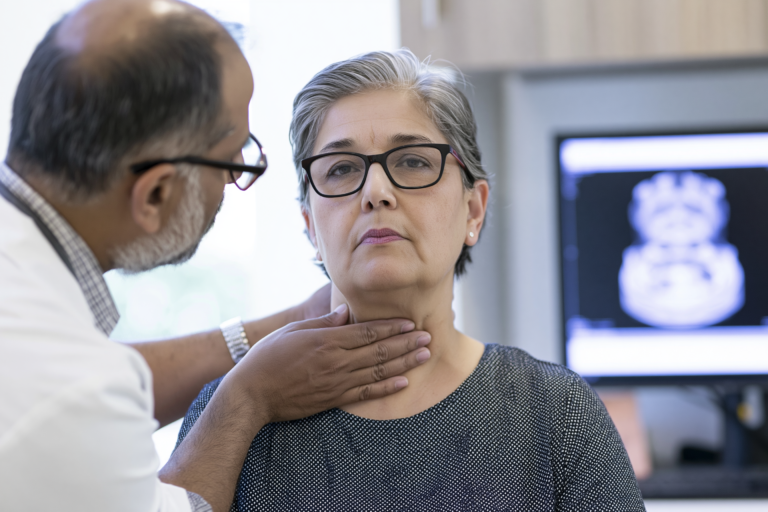
- How Ayurveda Understands Anaplastic Thyroid Cancer
- Ayurvedic Assessment Before Starting the Integrated Avaleha(Medicine)
- The Single 30-Day Integrated Avaleha(Medicine)
- How the 30-Day Avaleha Is Prepared
- What Research Says About the Main Herbs in the Avaleha
- Is Panchakarma Appropriate in Anaplastic Thyroid Cancer?
- Ayurvedic Diet During Anaplastic Thyroid Cancer Treatment
- Can Ayurveda Help When the Tumour Is Declared Inoperable?
- FAQ
- Reference List
Anaplastic thyroid cancer treatment requires immediate diagnosis, airway protection, molecular testing and a carefully coordinated recovery plan. This article explains how modern oncology and personalised Ayurveda may work together to support tumour control, strength, nutrition, treatment tolerance and the possibility of long-term remission.
Anaplastic thyroid cancer is a rare but very aggressive form of thyroid cancer. It can grow quickly, press on your windpipe and food pipe, affect your voice and spread to other organs. Because the disease can change within days or weeks, you should not delay biopsy, airway assessment, imaging, BRAF V600E testing or molecular profiling while searching for an alternative treatment. Early and correctly selected treatment gives you the best chance of tumour control, improved breathing and longer survival [1–8].
When you search for an Ayurvedic cure for anaplastic thyroid cancer, you are usually not looking only for temporary relief. You want to know whether the tumour can reduce, whether an inoperable tumour can become manageable, whether breathing and swallowing can improve and whether you can achieve a long-lasting remission.
A responsible recovery plan must address all these goals together. It should focus on controlling the tumour, protecting your airway, maintaining your weight, supporting treatment tolerance and restoring your strength. Ayurveda may be integrated into this pathway, but it should not replace urgent oncology treatment.
Why Anaplastic Thyroid Cancer Needs Immediate Attention
Anaplastic thyroid cancer is different from common papillary or follicular thyroid cancer. It usually grows faster and may invade the muscles, nerves, windpipe, food pipe and blood vessels around the thyroid. Some patients develop a rapidly enlarging neck swelling, hoarseness, difficulty swallowing, coughing while drinking or shortness of breath [1,3,7].
If you develop noisy breathing, choking, inability to swallow saliva, sudden breathlessness, bluish lips or rapidly increasing neck swelling, you should go to an emergency hospital immediately. You should not wait for an online consultation or for an Ayurvedic medicine to begin working.
Protecting your breathing comes before every other treatment objective.
Can You Achieve Complete Recovery From Anaplastic Thyroid Cancer?
Your possibility of recovery depends on several factors. These include the stage of the disease, whether the tumour has spread, whether it can be removed surgically, your BRAF V600E status, other molecular findings, your general strength and how quickly the tumour responds to treatment [1,2,10–18].
Complete recovery can mean different things. In some patients, the immediate goal may be to reduce the tumour and relieve pressure on the windpipe. In others, treatment may make an initially inoperable tumour suitable for surgery. Selected patients may achieve a complete radiological response or a durable remission, particularly when the tumour carries a targetable alteration and responds well to treatment [14–18].
You should understand that improvement in appetite, energy, sleep or pain does not by itself prove that the tumour has disappeared. A true tumour response should be confirmed through examination and imaging such as CT, MRI or PET/CT, using recognised response criteria [28].
Why BRAF and Molecular Testing Can Change Your Treatment
BRAF V600E is one of the most important molecular alterations tested in anaplastic thyroid cancer. When it is present, medicines such as dabrafenib and trametinib may produce meaningful tumour reduction in selected patients. In some cases, an initially unresectable tumour has become suitable for surgery after targeted treatment [14–18].
If BRAF V600E is absent, wider molecular testing may identify other alterations, including NTRK or RET fusions, that may open additional treatment options [21,22].
You should therefore not begin any long treatment plan without knowing whether adequate tissue has been obtained for rapid molecular testing. This information can directly influence your recovery pathway.
Where Ayurveda Fits Into Your Recovery Plan
Ayurveda looks beyond the visible thyroid mass. It assesses your digestion, appetite, bowel function, sleep, strength, tissue depletion, inflammation, swelling and mental condition. It also considers the involvement of Dosha, Dhatu, Agni, Ama, Srotas, Bala and Ojas.
The classical descriptions of Galaganda, Granthi, Apachi and Arbuda offer a traditional framework for understanding neck swellings and tumour-like conditions. However, these classical terms are not exact substitutes for the modern diagnosis of anaplastic thyroid carcinoma [29–32].
From an Ayurvedic perspective, a rapidly progressive thyroid tumour may show features of all three Doshas. Kapha may contribute to heaviness, density, swelling and obstruction. Pitta may be associated with rapid transformation, heat, inflammation, bleeding or tissue damage. Vata may become prominent when you develop pain, hoarseness, difficulty swallowing, breathlessness, weight loss and declining strength.
This pattern may progressively involve Mamsa, Rakta and Meda Dhatu, obstruct Pranavaha and Annavaha Srotas and reduce Bala and Ojas. This is an Ayurvedic clinical interpretation. It does not replace biopsy, staging or molecular diagnosis.
What an Ayurveda-Centred Recovery Approach Should Aim to Do
A properly designed Ayurvedic plan should not make vague promises. It should have clear and measurable objectives.
The first objective is to support the treatment being used to control the tumour. The second is to protect your appetite, digestion, bowel function and nutritional intake. The third is to reduce avoidable weakness and help you complete surgery, radiation, chemotherapy, targeted therapy or immunotherapy with fewer interruptions.
The plan should also support sleep, emotional stability, voice recovery, swallowing rehabilitation and gradual rebuilding of strength. Once the tumour becomes stable or enters remission, Rasayana principles may be used to support Mamsa Dhatu recovery, Bala, Ojas and long-term rehabilitation [33,40–45].
Ayurveda should therefore be viewed as part of a coordinated recovery system rather than as an isolated medicine taken without monitoring.
Why This Article Uses One Integrated Avaleha
You may find many separate Ayurvedic tablets, powders, Guggulu preparations, decoctions and Bhasma products promoted for thyroid swelling or cancer. Taking many products together can increase the risk of interaction, liver stress, poor adherence and confusion about which medicine is helping or causing an adverse effect.
For this reason, this article discusses one integrated, classically inspired Avaleha rather than several separate medicines. The formulation is designed around Granthi, Galaganda, Arbuda, Varanadi and Rasayana principles. It combines herbs selected for swelling, digestion, inflammation, strength, nutrition, respiratory comfort and treatment recovery.
The proposed Avaleha is intended for 30 days at a dosage of 15 g twice daily. Its suitability must still be checked according to your swallowing capacity, liver and kidney function, diabetes status, current cancer medicines and overall strength.
It should not be prepared at home because it includes a complex decoction process, strict weight control, pharmaceutical testing and a specialist-only mineral phase.
What the Research on Ayurvedic Herbs Actually Shows
Several natural compounds derived from Ayurvedic herbs have shown activity in laboratory models of anaplastic thyroid cancer.
Withaferin A, a compound associated with Ashwagandha, demonstrated experimental activity in combination with sorafenib in thyroid cancer models [46]. Curcumin influenced apoptosis, migration, glucose transport and immune-related pathways in anaplastic thyroid cancer cells [47,48,68]. Berberine affected proliferation, migration, autophagy and apoptosis in thyroid cancer cell models [62,63]. Andrographolide influenced proliferation and glycolysis in 8505C and CAL-62 cells [64]. Experimental research has also examined thymoquinone, resveratrol, ursolic acid and Moringa extracts in thyroid cancer models [61,65–67].
These findings are scientifically interesting, but they are mainly cell-culture or preclinical findings. They do not prove that the whole herb, a commercial capsule or the proposed Avaleha can cure human anaplastic thyroid cancer.
The concentration used in a laboratory dish may not be achievable or safe in your body. An isolated compound may also behave differently from the whole plant. Research findings should therefore guide careful formulation and future study, not become a reason to stop proven treatment.
Why Stronger Does Not Mean More Ingredients
The strongest formulation is not automatically the one containing the highest number of herbs and minerals. A useful formulation should contain only ingredients with a clear purpose, a rational quantity and an acceptable safety profile.
Too many ingredients can make it difficult to identify interactions, adverse effects or the true reason for improvement. The formulation must also remain suitable for a patient who may already be weak, losing weight or taking several prescription medicines.
The strength of an Ayurvedic plan should be judged by its clinical logic, manufacturing quality, compatibility with oncology treatment and measurable outcomes.
How Your Progress Should Be Measured
Your progress should be assessed at three levels.
The first level is the tumour response. This includes changes in tumour size, lymph nodes, tracheal compression, distant lesions and metabolic activity on imaging.
The second level is functional recovery. This includes your breathing, swallowing, voice, walking ability, daily activity and dependence on caregivers.
The third level is systemic recovery. This includes body weight, appetite, digestion, sleep, bowel function, pain, energy, Bala and Ojas.
All three levels matter. Better appetite and strength may help you tolerate treatment, but they should not be described as tumour clearance unless imaging also confirms a response [1,25,28].
The Safe Sequence for Your Treatment
Your treatment should follow a clear sequence.
First, the diagnosis must be confirmed. Next, your airway and swallowing must be assessed. Staging and rapid molecular testing should follow. The most appropriate tumour-directed treatment should then begin without avoidable delay.
Ayurveda may be introduced after reviewing your reports, current medicines, liver and kidney function, nutritional condition and swallowing safety. Every change should be documented, and your progress should be measured objectively.
This approach gives you a safer path toward tumour control, restoration of strength and the possibility of a deeper and more durable recovery.
How Ayurveda Understands Anaplastic Thyroid Cancer
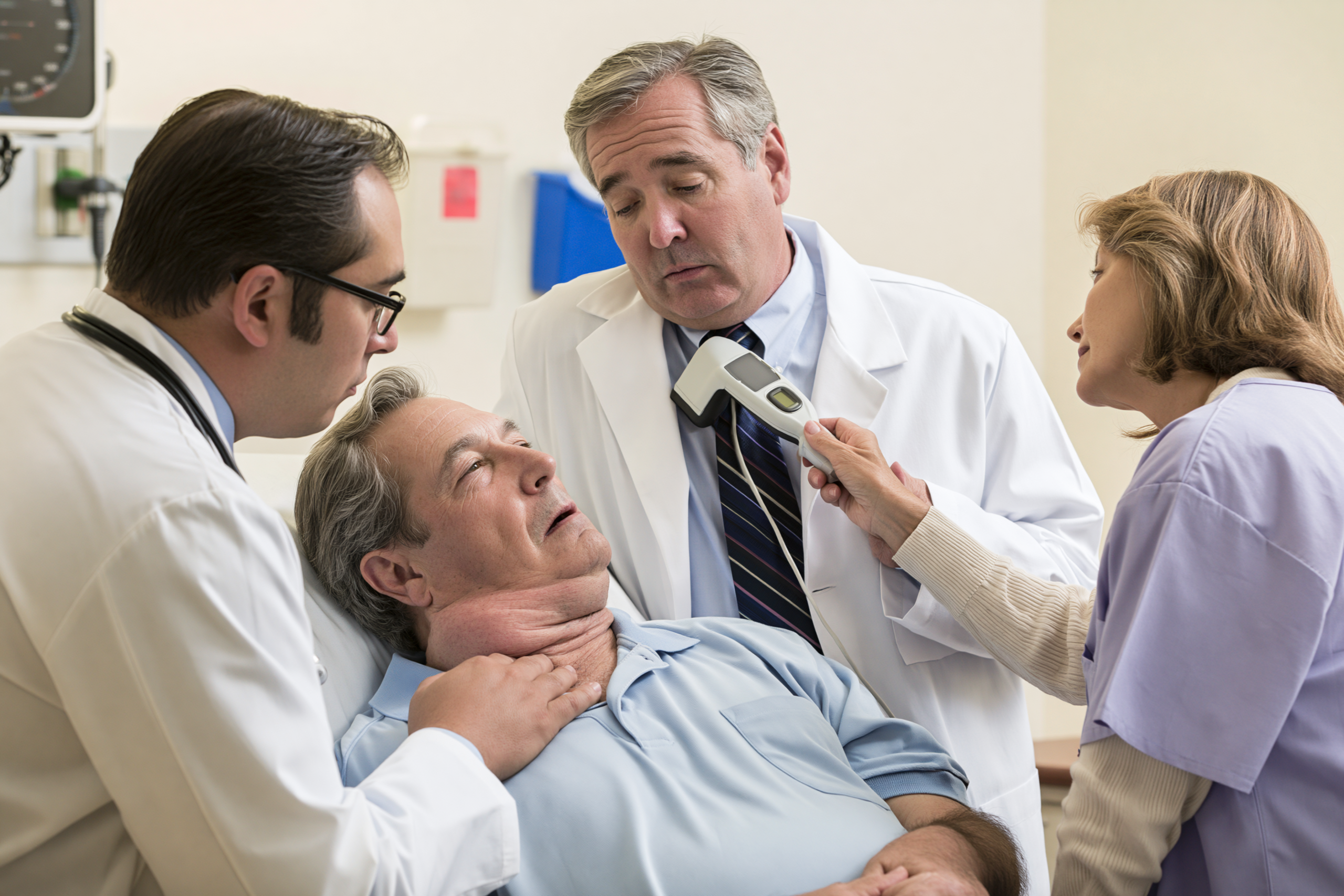
Ayurveda does not contain an exact historical diagnosis that is identical to modern anaplastic thyroid carcinoma. ATC is confirmed through biopsy, histopathology, immunohistochemistry and molecular testing. Classical Ayurvedic terms should therefore help you understand the pattern of disease, but they should not replace the modern diagnosis.
The closest classical concepts are Galaganda, Granthi, Apachi and Arbuda. Galaganda describes a swelling in the neck. Granthi describes a rounded or knotted swelling involving Dosha and Dhatu. Arbuda describes a larger, deeper and more fixed tumour-like growth. Apachi is more relevant when several glandular swellings or cervical nodes are present.
Your condition should not be labelled as only Galaganda because the tumour is situated in the thyroid. Anaplastic thyroid cancer may involve the thyroid, muscles, blood vessels, lymph nodes, nerves, trachea and oesophagus. Its Ayurvedic assessment must therefore consider the location, speed of growth, tissue involvement, obstruction, pain, inflammation, nutritional decline and loss of strength.
Galaganda Describes the Location of the Neck Swelling
Sushruta gives a simple description of Galaganda as a swelling situated in the neck.
Sanskrit
निबद्धः श्वयथुर्यस्य मुष्कवल्लम्बते गले ।
महान् वा यदि वा ह्रस्वो गलगण्डं तमादिशेत् ॥२९॥
Transliteration
Nibaddhaḥ śvayathur yasya muṣkavallambate gale |
Mahān vā yadi vā hrasvo galagaṇḍaṃ tam ādiśet ||29||
Translation
A fixed swelling that hangs or projects in the neck, whether large or small, is described as Galaganda.
Text reference: Sushruta Samhita, Nidana Sthana, Chapter 11, Granthi-Apachi-Arbuda-Galaganda Nidana, Verse 29; Su. Ni. 11/29 [30].
This description helps you understand why Galaganda is commonly discussed in relation to thyroid and neck swellings. However, Galaganda is a broad clinical description. It may include non-cancerous thyroid enlargement and other neck swellings. It cannot by itself identify anaplastic thyroid cancer.
You still require biopsy and imaging because the external appearance of a swelling cannot show whether it is benign, differentiated thyroid cancer, thyroid lymphoma or anaplastic thyroid carcinoma.
Granthi Explains the Formation of a Knotted Swelling
The classical description of Granthi gives greater importance to the relationship between Dosha and the affected tissues.
Sanskrit
वातादयो मांसमसृक् च दुष्टाः सन्दूष्य मेदश्च कफानुविद्धम् ।
वृत्तोन्नतं विग्रथितं तु शोफं कुर्वन्त्यतो ग्रन्थिरिति प्रदिष्टः ॥३॥
Transliteration
Vātādayo māṃsam asṛk ca duṣṭāḥ sandūṣya medaś ca kaphānuviddham |
Vṛttonnataṃ vigrathitaṃ tu śophaṃ kurvanty ato granthir iti pradiṣṭaḥ ||3||
Translation
Vata and the other Doshas, after disturbing Mamsa, Rakta and Meda associated with Kapha, produce a rounded, elevated and knotted swelling. This is described as Granthi.
Text reference: Sushruta Samhita, Nidana Sthana, Chapter 11, Granthi-Apachi-Arbuda-Galaganda Nidana, Verse 3; Su. Ni. 11/3 [30].
This verse gives an important foundation for the Ayurvedic assessment of your tumour. It does not look only at the visible lump. It considers the interaction between Vata, Pitta, Kapha, Mamsa Dhatu, Rakta Dhatu and Meda Dhatu.
Mamsa refers to the muscular and structural tissue involved in the swelling. Rakta becomes relevant when there is heat, inflammation, altered vascularity, bleeding or tissue damage. Meda and Kapha help explain heaviness, density, accumulation and obstruction. Vata becomes increasingly important when you experience pain, hoarseness, difficulty swallowing, breathlessness, dryness, irregular expansion or loss of strength.
The word Granthi should not automatically be translated as benign tumour. It is a classical description of a knot-like or glandular swelling. Modern pathology is still required to identify its exact nature.
Arbuda Describes a Deeper Tumour-Like Growth
Sushruta’s description of Arbuda is more relevant when a swelling becomes large, firm, deep-rooted and difficult to resolve.
Sanskrit
गात्रप्रदेशे क्वचिदेव दोषाः सम्मूर्च्छिता मांसमभिप्रदूष्य ।
वृत्तं स्थिरं मन्दरुजं महान्तमनल्पमूलं चिरवृद्ध्यपाकम् ॥१३॥
कुर्वन्ति मांसोपचयं तु शोफं तमर्बुदं शास्त्रविदो वदन्ति ।
वातेन पित्तेन कफेन चापि रक्तेन मांसेन च मेदसा च ॥१४॥
Transliteration
Gātrapradeśe kvacideva doṣāḥ sammūrcchitā māṃsam abhipradūṣya |
Vṛttaṃ sthiraṃ mandarujaṃ mahāntam analpamūlaṃ ciravṛddhyapākam ||13||
Kurvanti māṃsopacayaṃ tu śophaṃ tam arbudaṃ śāstravido vadanti |
Vātena pittena kaphena cāpi raktena māṃsena ca medasā ca ||14||
Translation
When the Doshas become concentrated in a part of the body and disturb Mamsa, they produce a rounded, fixed, large, deep-rooted and usually non-suppurating swelling. The classical authorities call this Mamsa-related enlargement Arbuda. It may be described according to Vata, Pitta, Kapha, Rakta, Mamsa or Meda involvement.
Text reference: Sushruta Samhita, Nidana Sthana, Chapter 11, Granthi-Apachi-Arbuda-Galaganda Nidana, Verses 13–14; Su. Ni. 11/13–14 [30].
The words Sthira, Mahat and Analpamula are important. Sthira indicates firmness or stability. Mahat indicates a large growth. Analpamula indicates that the swelling is not superficial or narrowly rooted.
The expression Mamsopachaya describes abnormal enlargement of tissue in the classical language. It should not be translated directly as malignant-cell proliferation because the two medical systems use different methods of observation and diagnosis.
There is also an important difference. The classical Arbuda verse includes the feature Ciravriddhi, meaning gradual or prolonged growth. Anaplastic thyroid cancer often grows very rapidly. You should therefore not claim that ATC is exactly the same disease as classical Arbuda. It may be interpreted through an aggressive Granthi-Arbuda framework, but its modern biological behaviour must guide urgent treatment. (PubMed Central (PMC))
Classical Texts Also Recognised Serious Breathing and Voice Signs
Sushruta described difficult breathing, loss of appetite, emaciation and alteration of the voice as unfavourable features in a patient with an advanced neck swelling.
Sanskrit
कृच्छ्राच्छ्वसन्तं मृदुसर्वगात्रं संवत्सरातीतमरोचकार्तम् ।
क्षीणं च वैद्यो गलगण्डिनं तु भिन्नस्वरं चैव विवर्जयेत्तु ॥२८॥
Transliteration
Kṛcchrāc chvasantaṃ mṛdusarvagātraṃ saṃvatsarātītam arocakārtam |
Kṣīṇaṃ ca vaidyo galagaṇḍinaṃ tu bhinnasvaraṃ caiva vivarjayet tu ||28||
Translation
The classical physician regarded Galaganda associated with difficult breathing, marked physical weakness, prolonged disease, loss of appetite, emaciation and an altered voice as having an unfavourable prognosis.
Text reference: Sushruta Samhita, Nidana Sthana, Chapter 11, Granthi-Apachi-Arbuda-Galaganda Nidana, Verse 28; Su. Ni. 11/28 [30].
This verse is highly relevant to the warning signs you may experience in anaplastic thyroid cancer. Breathlessness, a broken or weak voice, loss of appetite and progressive wasting can indicate major local obstruction or advanced disease.
The historical word Vivarjayet should not be used today to deny treatment or abandon you. It shows that classical physicians recognised these features as grave. Modern treatment, airway support, nutrition, palliative care and symptom relief should still be offered according to your needs and treatment goals.
Why Anaplastic Thyroid Cancer May Show a Tridoshaja Pattern
Anaplastic thyroid cancer cannot be understood as only a Kapha disorder. The visible mass may appear Kapha dominant, but the speed, inflammation, obstruction and depletion commonly indicate a Tridoshaja pattern.
Kapha is connected with the density, heaviness and mass-like nature of the swelling. It may also be associated with mucus, sluggish digestion, local obstruction and Meda involvement.
Pitta becomes important when the tumour grows rapidly or is associated with heat, tenderness, redness, inflammation, ulceration, bleeding or tissue breakdown. Pitta and Rakta involvement may also become prominent during radiation, infection or severe mucosal irritation.
Vata becomes more visible as the condition progresses. Pain, hoarseness, vocal-cord dysfunction, difficulty swallowing, irregular breathing, anxiety, insomnia, constipation, dryness, weight loss and weakness suggest increasing Vata involvement.
For this reason, a strongly drying or reducing treatment may not be suitable simply because the swelling appears Kapha dominant. Excessive Langhana, fasting or Rukshana can aggravate Vata and accelerate loss of Mamsa, Bala and Ojas.
Your Ayurvedic plan must balance two needs. It should address the Granthi-Arbuda pattern without weakening the body that must tolerate surgery, radiation, chemotherapy, targeted treatment or immunotherapy.
Which Dhatus May Be Involved?
Mamsa is central because the disease produces a physical mass and may invade nearby muscular and structural tissues.
Rakta becomes important because an aggressive tumour depends upon an altered vascular environment and may be associated with inflammation, bleeding or tissue destruction. In the Ayurvedic model, Rakta involvement also helps explain heat, burning, redness and rapid pathological change.
Meda is relevant to the classical process of abnormal accumulation, density and Kapha-associated obstruction. This does not mean that body fat directly causes anaplastic thyroid cancer.
Rasa becomes affected when your appetite, digestion, hydration and primary tissue nourishment decline. Poor food intake and difficulty swallowing can quickly reduce the nourishment available to the remaining Dhatus.
Ojas may become depleted when aggressive disease, poor nutrition, disturbed sleep, emotional stress and intensive cancer treatment occur together. Ojas Kshaya may be clinically reflected through severe weakness, reduced resilience, repeated illness and poor recovery capacity.
Which Srotas May Become Affected?
Pranavaha Srotas becomes clinically important when the swelling affects your breathing, chest comfort or ability to lie flat.
Annavaha Srotas becomes involved when you have difficulty swallowing, early fullness, choking, poor appetite or reduced food intake.
Rasavaha Srotas may be affected when nutrition, hydration and initial tissue nourishment become poor.
Mamsavaha, Raktavaha and Medovaha Srotas are considered in relation to the tumour mass, local vascular changes and abnormal tissue accumulation.
The word Srotorodha may be used to describe obstruction within this Ayurvedic model. In ATC, however, airway or oesophageal compression is also a physical medical emergency. It cannot be treated only as Dosha obstruction.
Proposed Ayurvedic Samprapti of Anaplastic Thyroid Cancer
The following Samprapti is an interpretive model. It is not a classical statement that specifically describes ATC.
Agni Disturbance and Reduced Tissue Nourishment
When your appetite and digestion become disturbed, the body may struggle to process food and support healthy tissue recovery. This becomes especially important when the tumour or treatment makes eating difficult.
Agni disturbance should not be claimed as the proven cause of the genetic alterations found in ATC. Its practical importance lies in your ability to digest food, maintain weight and tolerate treatment.
Ama and Dosha Disequilibrium
In this framework, Ama represents incompletely processed material and disturbed physiological regulation. It is not another name for a malignant cell or a laboratory toxin.
Ama may be considered when you have poor appetite, heaviness, a coated tongue, disturbed bowel function and reduced clarity or energy. Treatment should still be adjusted carefully because aggressive Ama-reducing methods may be too depleting when you are underweight.
Kapha-Meda Accumulation in the Gala Pradesha
Kapha and Meda help explain the early density, heaviness and accumulation associated with a neck swelling. This stage may resemble a Granthi-Galaganda pattern.
Mamsa and Rakta Dushti
As the pathological process becomes deeper, Mamsa and Rakta involvement may become more important. You may develop firmness, rapid enlargement, inflammation, bleeding, skin changes or invasion into nearby structures.
At this stage, the condition may be understood through an Arbuda-oriented framework rather than as a simple thyroid swelling.
Vata-Driven Expansion and Functional Loss
As obstruction and tissue damage increase, Vata may produce pain, hoarseness, difficulty swallowing, disturbed breathing, insomnia, anxiety and progressive weight loss.
This is a critical stage because the patient may have a large Kapha-like mass but a severely depleted Vata-dominant body. Treatment that only reduces Kapha may worsen the overall condition.
Pranavaha and Annavaha Srotorodha
Pressure on the windpipe may disturb Prana. Pressure on the oesophagus may reduce food and fluid intake. These changes can quickly worsen weakness and treatment tolerance.
Any noisy breathing, inability to swallow saliva or rapidly worsening breathlessness requires emergency care rather than an increase in Ayurvedic medicine.
Bala and Ojas Kshaya
Reduced food intake, cancer-related metabolism, emotional distress and treatment side effects may eventually reduce Bala and Ojas.
The Ayurvedic recovery plan must therefore work in two directions. It should support the effort to control the tumour while preserving your strength, nutrition, sleep, mental stability and ability to complete treatment.
Why Rasayana Becomes Important After Stabilisation
Rasayana is not simply a sweet tonic. It is a broader strategy for restoring the quality of the Dhatus, strength, voice, resilience and functional health.
Sanskrit
दीर्घमायुः स्मृतिं मेधामारोग्यं तरुणं वयः ।
प्रभावर्णस्वरौदार्यं देहेन्द्रियबलं परम् ॥७॥
वाक्सिद्धिं प्रणतिं कान्तिं लभते ना रसायनात् ।
लाभोपायो हि शस्तानां रसादीनां रसायनम् ॥८॥
Transliteration
Dīrgham āyuḥ smṛtiṃ medhām ārogyaṃ taruṇaṃ vayaḥ |
Prabhāvarṇasvaraudāryaṃ dehendriyabalaṃ param ||7||
Vāksiddhiṃ praṇatiṃ kāntiṃ labhate nā rasāyanāt |
Lābhopāyo hi śastānāṃ rasādīnāṃ rasāyanam ||8||
Translation
Rasayana is described as supporting longevity, memory, intellect, health, vitality, complexion, voice and the strength of the body and senses. It is the means by which Rasa and the succeeding Dhatus may attain a better state.
Text reference: Charaka Samhita, Chikitsa Sthana, Chapter 1, Rasayana Adhyaya, Abhaya-Amalakiya Rasayana Pada, Verses 7–8; Ca. Ci. 1/1/7–8 [33].
For you, the purpose of Rasayana is not to replace tumour-directed treatment. It becomes most useful after your airway is protected, treatment has started, digestion is reasonably stable and urgent complications are controlled.
At that stage, Rasayana principles may support appetite, Mamsa recovery, voice rehabilitation, sleep, strength and longer-term recovery. This creates a better foundation for completing treatment and pursuing a deeper, more durable remission.
Ayurvedic Assessment Before Starting the Integrated Avaleha(Medicine)
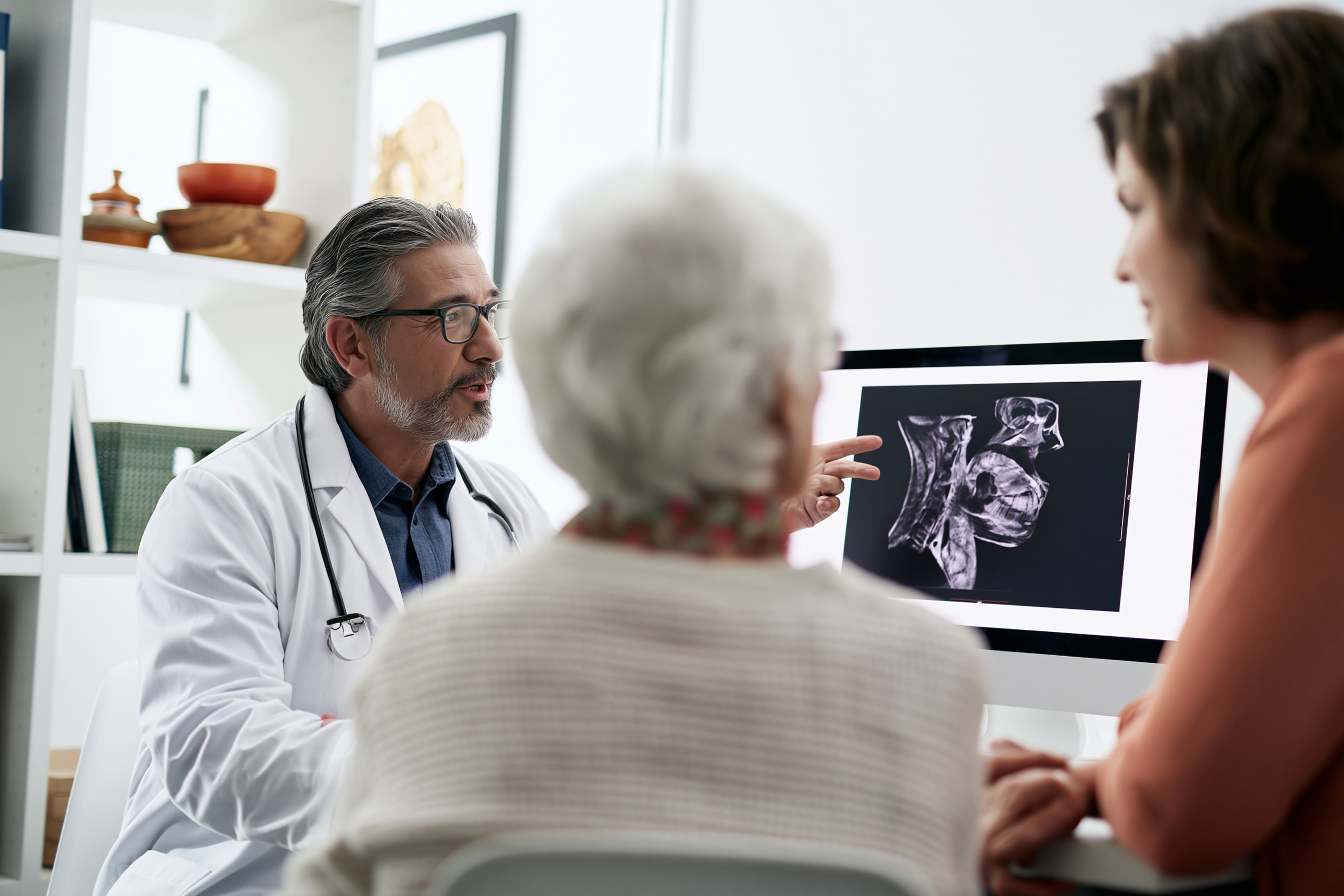
Ayurveda should not select your treatment only from the name “anaplastic thyroid cancer.” Two people with the same biopsy diagnosis may have very different disease stages, swallowing capacity, body strength, digestion, liver function and treatment plans.
One person may have a resectable tumour and good nutritional strength. Another may have an inoperable tumour pressing on the windpipe. A third may already have distant spread, severe weight loss and difficulty swallowing. Giving the same medicine without examining these differences can be unsafe.
Your assessment must therefore study both the disease and the person living with the disease. This is the basis of Roga Pariksha and Rogi Pariksha.
Why Your Modern Reports Must Be Reviewed First
Before an Ayurvedic recovery plan is designed, your diagnosis must be confirmed through histopathology. Your CT, MRI or PET/CT reports should show the size of the tumour, its relationship with the windpipe and food pipe, lymph-node involvement and any distant spread.
Your BRAF V600E result and wider molecular report are also important. These findings may identify targeted treatments capable of producing rapid tumour regression in selected patients [1,2,14–22].
An Ayurvedic examination cannot identify BRAF, RET or NTRK alterations. Nadi Pariksha, tongue examination and Dosha assessment cannot replace biopsy, imaging or molecular testing. They provide a different type of information about your digestion, strength, symptoms and treatment tolerance.
Roga Pariksha: Understanding the Disease
Roga Pariksha means examining the disease itself.
Your Ayurvedic assessment should record how quickly the neck swelling is growing, whether it is painful, fixed or tender, and whether the skin over it has changed. Your voice, breathing, swallowing, cough, neck movement and ability to lie flat should also be assessed.
The clinician should review whether the tumour is confined to the thyroid, invading nearby structures or spreading to distant organs. The presence of tracheal compression, oesophageal compression, vocal-cord paralysis, bleeding, ulceration or severe pain changes the urgency and purpose of treatment.
You should also be asked about fever, night sweats, loss of appetite, recent weight loss, constipation, diarrhoea, sleep disturbance and reduction in daily activity. These findings help explain how strongly the disease is affecting Rasa, Rakta, Mamsa, Agni, Bala and Ojas.
Rogi Pariksha: Understanding Your Individual Condition
Ayurveda gives equal importance to the person receiving treatment. Charaka describes ten important factors for examining the patient’s strength and treatment capacity.
Sanskrit
प्रकृतितश्च विकृतितश्च सारतश्च संहननतश्च प्रमाणतश्च सात्म्यतश्च सत्त्वतश्च आहारशक्तितश्च व्यायामशक्तितश्च वयस्तश्चेति बलप्रमाणविशेषग्रहणहेतोः।
Transliteration
Prakṛtitaś ca vikṛtitaś ca sārataś ca saṃhananataś ca pramāṇataś ca sātmyataś ca sattvataś ca āhāraśaktitaś ca vyāyāmaśaktitaś ca vayastaś ceti balapramāṇaviśeṣagrahaṇahetoḥ.
Translation
The patient should be examined according to Prakriti, present imbalance, tissue excellence, body compactness, body measurements, suitability, mental strength, capacity to take and digest food, capacity for physical activity and age. These factors help determine the person’s strength.
Text reference: Charaka Samhita, Vimana Sthana, Chapter 8, Rogabhishagjitiya Vimana, Verse 94; Ca. Vi. 8/94.
This examination helps determine whether you can tolerate a reducing, digestive or Rasayana-oriented approach.
Your Prakriti shows your natural constitution. Vikriti shows the imbalance currently produced by the tumour, reduced food intake, emotional stress and cancer treatment. Sara and Samhanana help assess the quality of your tissues and physical reserve. Satmya shows which foods and medicines your body tolerates. Satva reflects your psychological strength and ability to cope with the diagnosis.
Ahara Shakti is especially important in anaplastic thyroid cancer. If you cannot swallow properly or have lost a significant amount of weight, your treatment cannot be based mainly on fasting, drying herbs or strong Kapha reduction.
The Recovery Goal Is More Than Reducing the Visible Swelling
Ayurveda describes health as a balanced state involving Dosha, Agni, Dhatu, Mala, mind, senses and inner wellbeing.
Sanskrit
समदोषः समाग्निश्च समधातुमलक्रियः ।
प्रसन्नात्मेन्द्रियमनाः स्वस्थ इत्यभिधीयते ॥४८॥
Transliteration
Samadoṣaḥ samāgniś ca samadhātumalākrayaḥ |
Prasannātmendriyamanāḥ svastha ity abhidhīyate ||48||
Translation
A person whose Doshas and Agni are balanced, whose Dhatus and elimination functions are working properly, and whose mind, senses and inner self are calm and content is described as healthy.
Text reference: Sushruta Samhita, Sutra Sthana, Chapter 15, Doshadhatumalakshaya-Vriddhi Vijnaniya Adhyaya, Verse 48; Su. Su. 15/48.
For you, this means that recovery should not be judged only by a change in the neck swelling. The plan should also support digestion, bowel function, sleep, nutrition, mental stability, voice, swallowing and physical strength.
At the same time, improved wellbeing cannot replace objective tumour assessment. A deeper recovery requires both better functioning and measurable control of the disease.
Assessment of Agni
Agni shows how well you digest food and tolerate medicine.
If your appetite is poor, your abdomen feels heavy after small meals or you have nausea, coating on the tongue and irregular bowel movements, the Avaleha may be difficult to digest. Mild Deepana and Pachana principles may be required, but they should not reduce your food intake.
If you are hungry but cannot swallow because of mechanical compression, increasing digestive herbs will not solve the main problem. You may need an urgent swallowing assessment, texture-modified nutrition or feeding support.
If your appetite is good and your weight is stable, you may tolerate the integrated Avaleha more easily. However, digestion alone does not determine whether the formulation is safe. Your liver, kidney, glucose and medicine-interaction profile must also be reviewed.
Assessment of Ama
Ama is an Ayurvedic description of incomplete processing and disturbed physiological regulation. It should not be described as a malignant cell, tumour toxin or material that can be removed through a short detoxification programme.
Ama may be considered when you experience heaviness, poor appetite, sticky bowel movements, a thick tongue coating, excessive mucus and reduced clarity or energy.
In a strong patient, gentle Ama-related treatment may help improve appetite and medicine tolerance. In a weak patient with severe weight loss, aggressive Langhana or Pachana can worsen Vata, dehydration and tissue depletion.
The purpose is to improve your capacity to receive nutrition and treatment, not to empty or starve the body.
Assessment of Bala
Bala means more than muscle strength. It includes your ability to eat, walk, sleep, recover from treatment and maintain daily activity.
Your recent weight change is very important. A loss of more than a few kilograms within a short period may indicate progressive nutritional depletion. Your clinician should also assess muscle wasting, fatigue, walking capacity and dependence on family members.
A patient with good Bala may tolerate the complete Avaleha more easily. A patient with very low Bala may require stabilisation of nutrition, hydration, bowel function and swallowing before the full preparation is considered.
You should not be given an excessively reducing formula merely because the tumour appears Kapha dominant. A large tumour may coexist with a severely depleted body.
Assessment of Ojas
Ojas represents resilience, stability and the ability to withstand disease and treatment.
Persistent fear, poor sleep, repeated infection, severe exhaustion, reduced appetite and inability to recover between treatment cycles may suggest progressive Ojas depletion within the Ayurvedic framework.
Ojas support does not mean giving only sweet or heavy Rasayana medicines. If your digestion is weak or your swallowing is unsafe, a heavy preparation may increase discomfort.
Ojas must be supported through appropriate nutrition, sleep, psychological care, safe Rasayana, symptom control and reduction of avoidable treatment interruptions.
Assessment of Swallowing and Aspiration Risk
Before you take an Avaleha, you must be able to swallow a semisolid preparation safely.
Coughing immediately after swallowing, a wet or gurgling voice, repeated choking, food remaining in the mouth, unexplained fever or recurrent chest infection may indicate aspiration.
If you cannot swallow saliva, oral Avaleha should not be given. This is not a situation in which the medicine should be diluted and forced through repeated small doses. You require urgent medical assessment.
An Ayurvedic medicine intended to support recovery should never increase the risk of aspiration pneumonia.
Assessment of Liver and Kidney Function
Many herbs and mineral preparations are processed through or monitored by the liver and kidneys. Your baseline liver and kidney reports should therefore be reviewed before starting the Avaleha.
Your assessment should include AST, ALT, alkaline phosphatase, bilirubin, serum creatinine and estimated glomerular filtration rate. Electrolytes, calcium and blood glucose may also be important.
Unexplained jaundice, dark urine, rising creatinine, reduced urine output or marked liver-enzyme elevation requires medical evaluation. These symptoms should not be described as the removal of toxins or a healing crisis.
Guduchi, Ashwagandha, concentrated extracts and herbo-mineral preparations should not be used carelessly when liver function is already abnormal [52–54,56–60].
Assessment of Current Cancer Medicines
Your Ayurvedic clinician should know every medicine you are taking. This includes targeted therapy, chemotherapy, immunotherapy, steroids, anticoagulants, pain medicines, antibiotics, thyroid hormone, antacids and nutritional supplements.
The proposed Avaleha contains herbs associated with compounds such as curcuminoids, withanolides, piperine, berberine, glycyrrhizin and Guggul-related constituents. These may affect drug absorption, metabolism, bleeding, blood pressure, potassium, glucose, thyroid function or liver safety [24].
Keeping a time gap may reduce direct contact in the stomach, but it does not remove every interaction. Some interactions occur because both substances influence the same liver enzymes, transport proteins or physiological pathways.
You should therefore have one combined medicine chart rather than keeping your Ayurvedic and oncology medicines in separate records.
Your Ayurvedic Pattern Must Be Identified
The article uses one integrated Avaleha, but your suitability for it depends on your dominant clinical pattern. The purpose of identifying the pattern is not to give you several different medicines. It is to decide whether the Avaleha is appropriate, whether the mineral phase is safe and how closely you require monitoring.
Kapha–Mamsa–Meda Predominant Pattern
You may show a Kapha–Mamsa–Meda pattern when the swelling feels dense and heavy and is associated with mucus, sluggish digestion, heaviness after meals and relatively preserved body weight.
In this pattern, Kanchanara, Varuna, Guggulu, Triphala-related herbs and selected Deepana ingredients may have a stronger classical rationale.
However, the tumour’s apparent heaviness does not prove that Kapha is the only Dosha involved. Rapid growth, hoarseness and pain may already show Pitta and Vata involvement.
Pitta–Rakta Predominant Pattern
You may show greater Pitta and Rakta involvement when the swelling is tender, hot, inflamed, ulcerated or bleeding. Burning in the throat, excessive thirst, irritability and treatment-associated mucosal inflammation may also be present.
In this situation, strong heating ingredients may worsen discomfort. Your liver function, radiation reaction and risk of bleeding require particular attention.
The Avaleha should not be started automatically when severe mucositis or active bleeding makes oral treatment unsafe.
Vata and Dhatu-Kshaya Predominant Pattern
Vata may become dominant when you have severe weight loss, dryness, constipation, anxiety, insomnia, pain, hoarseness, weakness and difficulty swallowing.
Here, excessive Lekhana, Langhana or Kapha-reducing treatment may reduce your strength further. Nutrition, hydration, Brimhana and Ojas protection become more important.
The purpose of the integrated Avaleha in this pattern is not to make the body lighter. It is to support treatment while preventing further loss of Mamsa and Bala.
Tridoshaja Pattern With Ojas Kshaya
Advanced anaplastic thyroid cancer often produces a mixed pattern. You may have a large Kapha-like mass, Pitta-related inflammation and rapid transformation, together with Vata-related pain, obstruction and wasting.
This Tridoshaja state requires the greatest caution. You may already be receiving several medicines and may have very limited swallowing capacity.
The integrated Avaleha should be considered only when you are medically stable, capable of swallowing and able to complete laboratory monitoring. Aggressive Panchakarma, prolonged fasting and multiple additional formulations should be avoided.
When You Should Not Start the Avaleha
You should not begin the Avaleha during an uncontrolled airway emergency, active choking, inability to swallow saliva, severe aspiration risk, acute kidney injury, unexplained jaundice, severe vomiting or major dehydration.
It should also be withheld before surgery unless your surgical and anaesthesia teams approve its continuation. New fever, rash, diarrhoea, visual disturbance or breathlessness during targeted therapy or immunotherapy requires urgent oncology review.
These symptoms should not be interpreted as temporary Dosha aggravation without excluding treatment toxicity or disease progression.
How This Assessment Supports a Deeper Recovery
The purpose of this detailed examination is to give you the right treatment at the right stage.
When your airway is protected, swallowing is safe, reports are reviewed and your Agni, Bala and Ojas are understood, the Ayurvedic plan becomes more precise. The treatment can then aim to support tumour-control therapy without creating unnecessary weakness or interaction.
Only after this assessment should the proposed single Kanchanara–Varanadi–Ashwagandha Arbuda-Rasayana Avaleha be considered for its intended adult dosage of 15 g twice daily for 30 days.
Why This Uses One Integrated Avaleha
You may find many separate tablets, decoctions, powders, Guggulu preparations and Bhasmas promoted for thyroid cancer. Taking several products together can make swallowing difficult, increase interaction risk and make it hard to identify which medicine is helping or causing a problem.
For this reason, this approach uses only one integrated Avaleha. It combines the main Granthi–Galaganda principles with herbs selected for digestion, inflammation, swelling, strength, nutrition and Rasayana support.
The formulation is called Kanchanara–Varanadi–Ashwagandha Arbuda-Rasayana Avaleha.
It is a proprietary formulation inspired by several classical sources. It is not copied word for word from one Ayurvedic text.
Classical Foundation of the Avaleha
The Granthi, Arbuda and Galaganda concepts are taken from Sushruta Samhita, Nidana Sthana, Chapter 11, and Chikitsa Sthana, Chapter 18.
The Kanchanara and Guggulu principle is inspired by Sharangadhara Samhita, Madhyama Khanda, Chapter 7, verses 95–100.
The Varanadi principle is taken from Ashtanga Hridaya, Sutra Sthana, Chapter 15.
The preparation method follows Avaleha Kalpana principles described in Sharangadhara Samhita, Madhyama Khanda, Chapter 8.
The Rasayana and strength-restoring principles are inspired by Charaka Samhita, Chikitsa Sthana, Chapter 1, Rasayana Adhyaya [30–36].
What the Avaleha Is Designed to Support
The Avaleha is designed to support your main cancer treatment while addressing the Ayurvedic pattern of Granthi, Shotha, Kapha–Meda accumulation, Mamsa–Rakta involvement and progressive loss of Bala and Ojas.
Its purpose is to support appetite, digestion, bowel function, nutrition, strength, voice, respiratory comfort and treatment recovery.
It also includes selected herbs whose isolated compounds or extracts have shown experimental activity in anaplastic thyroid cancer cells. These include Ashwagandha, Haridra, Daruharidra, Kalmegha, Shigru, Draksha, Upakunchika and Tulsi [46–49,61–68].
These laboratory findings do not prove that the complete Avaleha can eliminate human anaplastic thyroid cancer. Your tumour response must still be measured through imaging.
Dose and Duration
The proposed final quantity is 900 g for 30 days.
You take 15 g twice daily, making a total daily dose of 30 g.
The Avaleha is generally taken after breakfast and after the evening meal with a small quantity of lukewarm water, provided that you can swallow safely.
The timing must be changed when it conflicts with targeted therapy, thyroid hormone, chemotherapy or other prescription medicines.
Why the Formula Must Remain Balanced
A powerful formula does not mean adding every available anticancer herb or mineral. Too many heating, drying or reducing ingredients may worsen weight loss, throat irritation, constipation and Vata aggravation.
The formulation must therefore combine Granthi-directed herbs with Brimhana and Rasayana support. It should address the tumour-related Ayurvedic pattern without weakening the body that must complete cancer treatment.
Who Should Not Take an Oral Avaleha
You should not take this Avaleha when you cannot swallow saliva, repeatedly choke while eating, cough immediately after swallowing or have suspected aspiration.
It should also be withheld during an airway emergency, severe vomiting, dehydration, unexplained jaundice, acute kidney injury or before surgery unless your treatment team approves it.
The Avaleha should be manufactured only by a licensed pharmacy. It should not be prepared at home because the decoction, final concentration, ingredient uniformity and specialist mineral phase require pharmaceutical control.
The Single 30-Day Integrated Avaleha(Medicine)
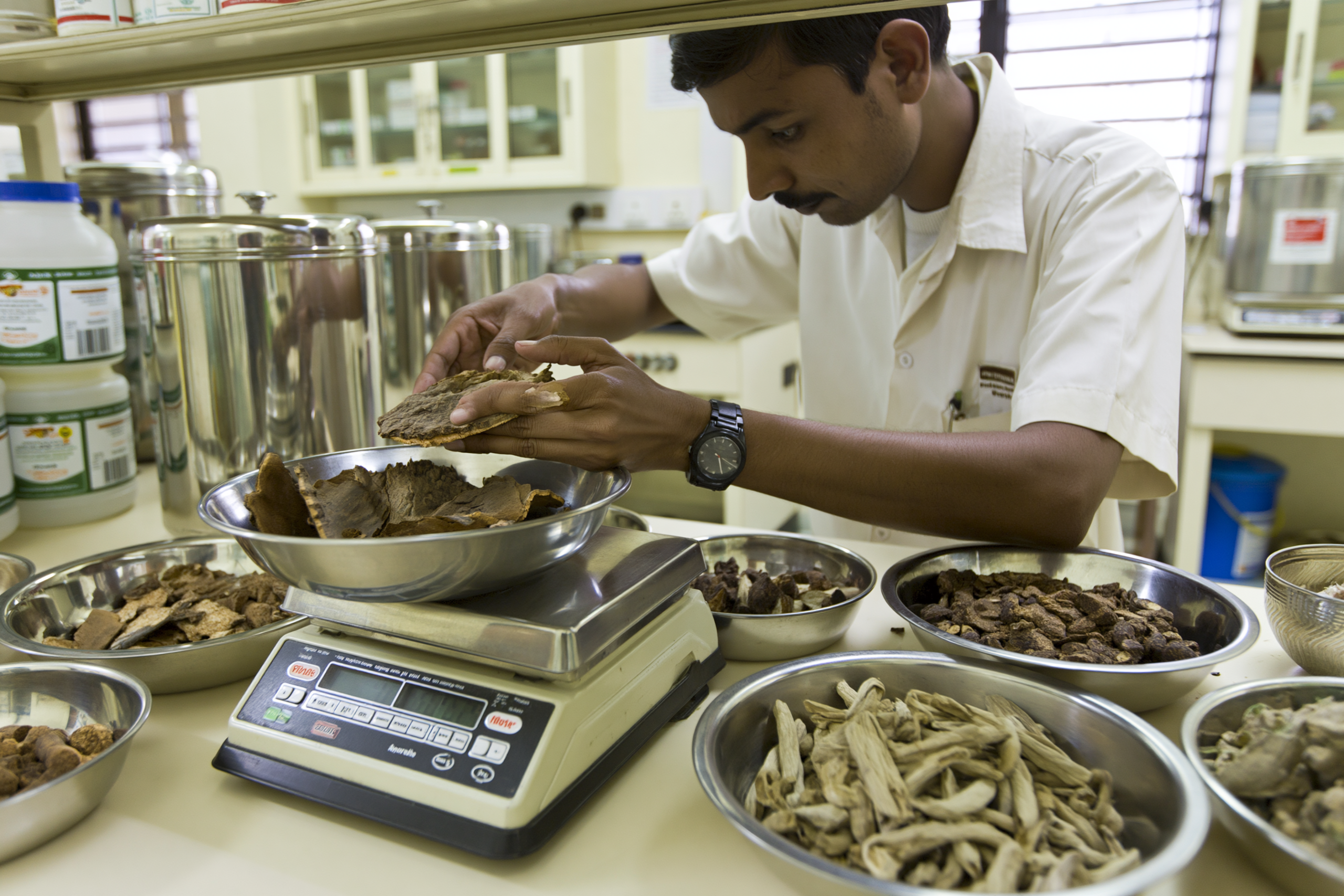
The proposed formulation is called Kanchanara Varanadi Ashwagandha Arbuda-Rasayana Avaleha. It is a proprietary, classically inspired preparation designed to combine Granthi–Galaganda management with Rasayana, digestive, nutritional and strength-restoring support.
The final batch contains 900 g, which provides 15 g twice daily for 30 days. This exact combination is not described in any single classical book, so it should not be presented as a classical formula or supported by an invented Shloka. Its principles are drawn from Sushruta Samhita, Sharangadhara Samhita, Ashtanga Hridaya, Madhava Nidana, Charaka Samhita and relevant Nighantus [30–39].
The formulation should be prepared only by a licensed Ayurvedic pharmacy. You should not prepare it at home because the decoction concentration, ingredient identity, mineral distribution, microbial safety and final weight require pharmaceutical control.
Why These Ingredients Are Combined
Kanchanara, Varuna, Guggulu, Triphala and Trikatu form the main Granthi–Galaganda group. Ashwagandha, Amalaki, Shatavari and selected Rasayana ingredients help prevent the preparation from becoming excessively drying or depleting.
Haridra, Daruharidra, Kalmegha, Shigru, Draksha, Upakunchika and Tulsi are included because their isolated compounds or extracts have shown experimental activity in thyroid-cancer models. The studies involving withaferin A, curcumin and berberine were laboratory or preclinical studies; they did not test this Avaleha in patients with anaplastic thyroid cancer. (PubMed)
The remaining herbs support digestion, bowel function, throat comfort, inflammation control, nutrition and treatment tolerance. Their inclusion should not be described as proof that every ingredient directly destroys cancer cells.
Kwatha Dravya: Herbs Used for the Decoction
These harder roots, stems and barks form the concentrated liquid base of the Avaleha. The total coarse herbal material is 330 g.
| No. | Ingredient | Botanical identity and part used | Weight |
|---|---|---|---|
| 1 | Kanchanara | Bauhinia variegata, stem bark | 60 g |
| 2 | Varuna | Crataeva nurvala, stem bark | 35 g |
| 3 | Guduchi | Tinospora cordifolia, mature stem | 25 g |
| 4 | Punarnava | Boerhavia diffusa, root | 20 g |
| 5 | Manjistha | Rubia cordifolia, root | 20 g |
| 6 | Daruharidra | Berberis aristata, stem | 20 g |
| 7 | Kalmegha | Andrographis paniculata, whole plant | 15 g |
| 8 | Shigru | Moringa oleifera, leaf | 20 g |
| 9 | Nimba | Azadirachta indica, stem bark | 15 g |
| 10 | Bhumyamalaki | Phyllanthus amarus or pharmacopoeially accepted species, whole plant | 15 g |
| 11 | Amalaki | Phyllanthus emblica, fruit pericarp | 20 g |
| 12 | Haritaki | Terminalia chebula, fruit pericarp | 15 g |
| 13 | Bibhitaki | Terminalia bellirica, fruit pericarp | 15 g |
| 14 | Yashtimadhu | Glycyrrhiza glabra, root | 10 g |
| 15 | Musta | Cyperus rotundus, rhizome | 10 g |
| 16 | Devadaru | Cedrus deodara, heartwood | 15 g |
| Total | 330 g |
Kanchanara is kept at the highest quantity because it forms the main classical Granthi–Galaganda foundation. Varuna supports the Varanadi concept, while Guduchi, Punarnava, Manjistha and the remaining ingredients broaden the formulation toward inflammation, digestion, liver monitoring, swelling and systemic recovery.
Guduchi should not be used casually when you have unexplained liver-test abnormalities. Yashtimadhu also requires caution when you have high blood pressure, low potassium, oedema, kidney disease or cardiac rhythm problems [53–55].
Prakshepa Dravya: Fine Powders Added After Cooking
The fine powders are added after the decoction and jaggery base has been concentrated. This reduces prolonged heating of the more delicate ingredients and helps maintain the intended pharmaceutical character of the Avaleha.
| No. | Ingredient | Form used | Weight |
|---|---|---|---|
| 1 | Ashwagandha | Root powder | 35 g |
| 2 | Haridra | Rhizome powder | 20 g |
| 3 | Shuddha Guggulu | Purified resin powder | 30 g |
| 4 | Kanchanara | Stem-bark powder | 20 g |
| 5 | Amalaki | Fruit powder | 15 g |
| 6 | Shatavari | Root powder | 15 g |
| 7 | Draksha | Dry fruit powder or standardised extract | 10 g |
| 8 | Upakunchika | Seed powder | 10 g |
| 9 | Tulsi | Leaf powder | 10 g |
| 10 | Katuki | Rhizome powder | 8 g |
| 11 | Shallaki | Standardised gum-resin extract | 15 g |
| 12 | Pippali | Fruit powder | 8 g |
| 13 | Shunthi | Dry rhizome powder | 8 g |
| 14 | Maricha | Fruit powder | 4 g |
| 15 | Chitraka | Root powder | 5 g |
| 16 | Pushkarmoola | Root powder | 7 g |
| 17 | Vasa | Leaf powder | 5 g |
| 18 | Kantakari | Whole-plant powder | 5 g |
| 19 | Twak | Bark powder | 3 g |
| 20 | Ela | Seed powder | 2 g |
| 21 | Tejapatra | Leaf powder | 2 g |
| 22 | Nagakesara | Stamen powder | 3 g |
| Total | 240 g |
Ashwagandha is used for Bala, sleep, stress and Rasayana support. The ATC-related study involved isolated withaferin A rather than ordinary Ashwagandha root powder, so you should not assume that both have identical anticancer effects [46].
Haridra is included because curcumin influenced apoptosis and other pathways in experimental ATC models. Daruharidra supplies the classical source associated with berberine, while Kalmegha, Upakunchika, Draksha, Shigru and Tulsi have separate experimental rationales [47–49,61–68].
Pippali and Maricha may affect drug-metabolising enzymes and transport proteins. Guggulu may also affect thyroid physiology and medicine metabolism. These ingredients require special review when you are taking dabrafenib, trametinib, anticoagulants, immunotherapy, chemotherapy or thyroid hormone [24].
Avaleha Base
The base gives the preparation its semisolid consistency and helps deliver the herbal powders in one measured dose.
| Base ingredient | Quantity |
|---|---|
| Purified water for decoction | 2.64 L |
| Decoction retained after reduction | Approximately 660 mL |
| Tested old jaggery or Purana Guda | 250 g |
| Authenticated cow’s ghee | 45 g |
| Tested honey | 90 g |
| Final Avaleha quantity | 900 g |
The honey should be added only after the Avaleha has cooled below approximately 40°C. It should not be boiled with the preparation.
If you have uncontrolled diabetes, severe hyperglycaemia or poor tolerance to the sweet base, this formulation may require professional reformulation rather than simple dose reduction.
Specialist-Controlled Mineral Microblend
The mineral phase should never be added merely to make the Avaleha appear more powerful. Each ingredient requires pharmaceutical authentication, batch testing, content uniformity and individual clinical justification.
| Mineral preparation | Quantity in the 30-day batch | Approximate daily amount |
|---|---|---|
| Abhraka Bhasma, Sahasraputi | 3.00 g | 100 mg |
| Suvarna Bhasma | 0.30 g | 10 mg |
| Heeraka Bhasma | 0.06 g | 2 mg |
| Yashada Bhasma | 1.50 g | 50 mg |
| Lauha Bhasma | 1.50 g | 50 mg |
| Mukta Pishti | 1.50 g | 50 mg |
| Pravala Pishti | 1.50 g | 50 mg |
| Swarna Makshika Bhasma | 1.50 g | 50 mg |
| Total mineral phase | 10.86 g | 362 mg |
These amounts are a proposed pharmacy-controlled formulation model, not validated human ATC doses. No reliable human clinical study has shown that Suvarna Bhasma, Heeraka Bhasma, Abhraka Bhasma or this mineral combination cures anaplastic thyroid cancer.
Lauha should be omitted when your iron status does not justify it. Yashada should be reviewed against your zinc status, kidney function and other supplements. Mukta and Pravala may interfere with the absorption of thyroid hormone or other medicines when taken too closely.
The mineral phase should be excluded when validated elemental testing, identity testing and dose-uniformity testing are unavailable. It should also be withheld in acute kidney injury, unexplained liver dysfunction, pregnancy, severe neurological symptoms or when proper laboratory follow-up cannot be completed [56–60].
Why Some Potent Minerals Are Deliberately Excluded
Rasa Sindura, Hingula, Haratala, Manashila, Naga Bhasma, Vanga Bhasma, Tamra Bhasma, Rasamanikya, Vatsanabha, Bhallataka and Jayapala are not included in this proposed formulation.
Adding more toxicologically complex ingredients would not create stronger evidence of benefit. It would increase the difficulty of controlling elemental exposure, liver injury, kidney injury, gastrointestinal irritation and interactions with cancer treatment.
The strength of this Avaleha should therefore be judged by its classical logic, authenticated ingredients, careful preparation, compatibility with your treatment and measurable clinical outcomes, not by the number or price of its minerals.
What You Should Understand Before Using This Formula
This Avaleha is designed as one integrated adjunctive preparation. It should not replace surgery, radiotherapy, molecularly targeted treatment, chemotherapy, immunotherapy or emergency airway management.
Its most realistic objectives are to support your appetite, digestion, nutrition, bowel function, strength, sleep and treatment tolerance while your tumour response is monitored objectively. Any claim of tumour reduction must be confirmed through examination and imaging rather than symptom improvement alone [1,24,28].
How the 30-Day Avaleha Is Prepared
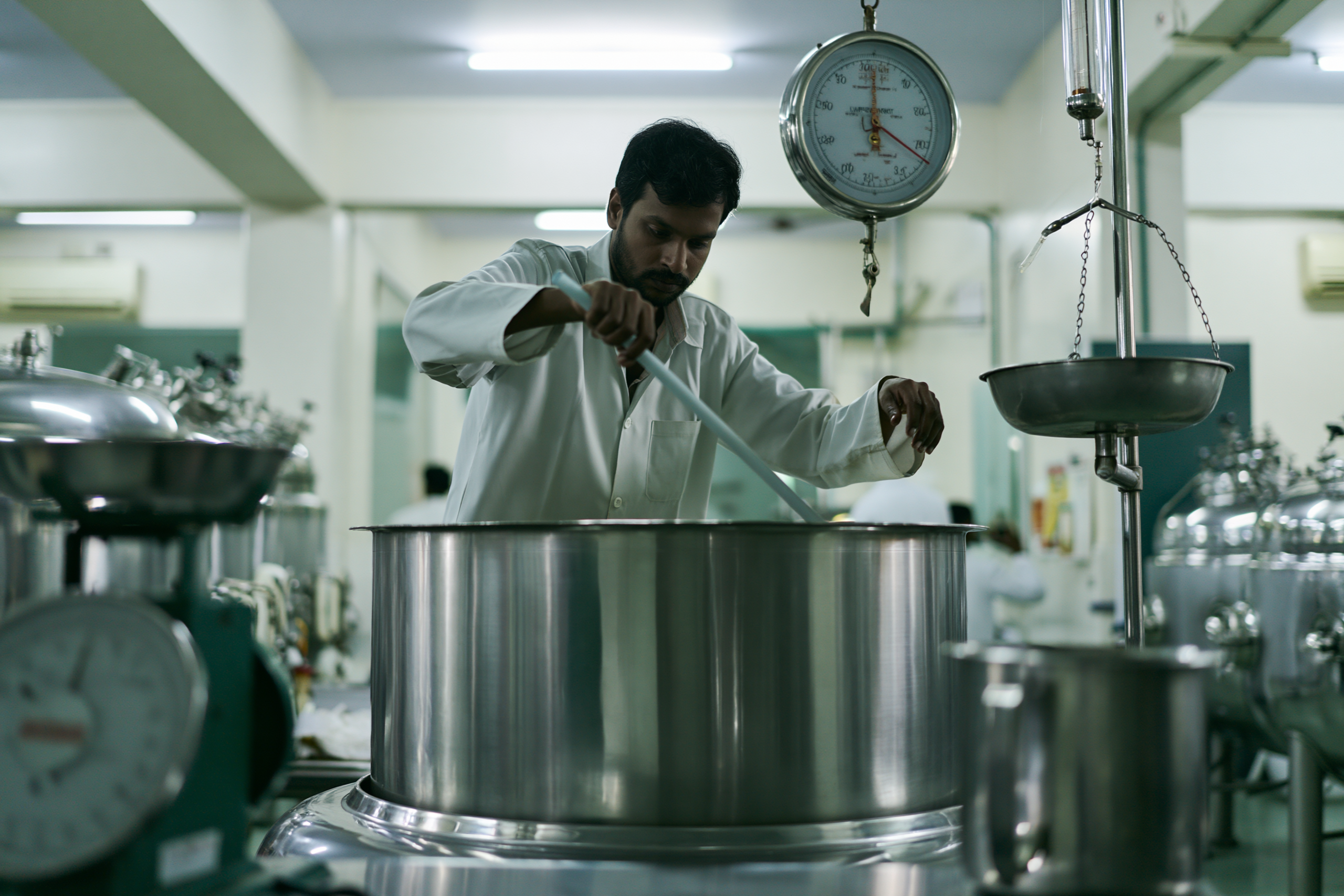
The Kanchanara–Varanadi–Ashwagandha Arbuda-Rasayana Avaleha should be prepared by a licensed, GMP-compliant Ayurvedic pharmacy. The method below helps you understand how your medicine is made, but it is not intended for home preparation because the formula contains concentrated herbs and a specialist-controlled mineral phase.
The finished batch should weigh exactly 900 g. At a dosage of 15 g twice daily, it provides 60 measured doses for 30 days.
Classical Signs of a Properly Prepared Avaleha
Acharya Sharangadhara describes the qualities that appear when an Avaleha has reached the correct stage of preparation.
Sanskrit
सुपक्वे तन्तुमत्त्वं स्यादवलेहोऽप्सु मज्जति ।
खरत्वं पीडिते मुद्रा गन्धवर्णरसोद्भवः ॥३॥
Transliteration
Supakve tantumattvaṃ syād avaleho’psu majjati |
Kharatvaṃ pīḍite mudrā gandha-varṇa-rasodbhavaḥ ||3||
Translation
When an Avaleha is properly cooked, it develops a thread-like consistency and sinks when placed in water. When pressed, it retains an impression, and its characteristic aroma, colour and taste become clearly developed.
Text reference: Sharangadhara Samhita, Madhyama Khanda, Chapter 8, Avaleha Kalpana, Verse 3; Sha. Sa. Ma. Kha. 8/3 [34].
These classical signs help the pharmacist avoid an undercooked, watery preparation or an overcooked, hard and poorly usable product.
Step 1: Authentication and Cleaning of the Herbs
The pharmacy first verifies the botanical identity and plant part of every ingredient. Kanchanara stem bark, Varuna bark, Guduchi stem, Ashwagandha root and other ingredients should not be accepted only by their common market names.
The raw materials should be checked for insects, mould, foreign matter, excess moisture and substitution. Ingredients such as Guduchi, Bhumyamalaki, Daruharidra and Guggulu need particular attention because incorrect species or poor processing can change both safety and activity.
The 16 Kwatha ingredients are then cleaned and converted into coarse pieces. They should not be ground into a very fine powder because fine material becomes difficult to filter from the decoction.
Step 2: Soaking the Decoction Ingredients
The complete Kwatha group weighs 330 g. The coarse herbs are placed in a clean stainless-steel vessel and 2.64 litres of purified water is added.
The mixture is allowed to soak for about eight hours or overnight. This helps the water enter the harder bark, roots and stems before heating begins, allowing a more uniform extraction.
The vessel used for this preparation should be non-reactive, clean and large enough to prevent overflowing during boiling.
Step 3: Preparing the Concentrated Decoction
After soaking, the mixture is heated slowly. It should simmer gently rather than boil violently because excessive heat may cause uneven extraction, burning or rapid loss of water.
The liquid is reduced from 2.64 litres to approximately 660 mL. The herbs should be stirred from time to time so that the material at the bottom does not stick or burn.
The pharmacy should measure the remaining liquid rather than estimate it only by appearance. This helps maintain consistency between different batches.
Step 4: Filtering the Decoction
The warm decoction is filtered through a clean pharmaceutical-grade cloth or suitable filtration system. The soaked herbal mass is pressed carefully so that the retained liquid is recovered.
The filtered decoction should not contain coarse bark, fibres or visible particles. Poor filtration can make the final Avaleha gritty and may interfere with uniform dosing.
The exhausted coarse herbs are discarded according to the pharmacy’s waste-management procedure.
Step 5: Preparing the Jaggery and Ghee Base
The filtered decoction is returned to the clean cooking vessel. 250 g of tested old jaggery or Purana Guda is added and dissolved over gentle heat.
The liquid should be filtered again if the jaggery releases visible impurities. After filtration, 45 g of authenticated cow’s ghee is added gradually while the mixture is stirred continuously.
The decoction, jaggery and ghee are then cooked slowly until the base reaches the required concentration. For this 900 g formulation, the cooked base should weigh approximately 559.14 g before the fine powders, mineral blend and honey are added.
The pharmacist should confirm this weight with a calibrated scale. Depending only on thickness or colour may produce an Avaleha that is too wet, too dry or incorrectly dosed.
Step 6: Adding the Fine Herbal Powders
The vessel is removed from direct heat and allowed to cool to approximately 50–55°C. The complete Prakshepa group weighs 240 g.
Ashwagandha, Haridra, purified Guggulu, Kanchanara, Amalaki, Shatavari, Draksha, Upakunchika, Tulsi, Katuki, Shallaki, Trikatu and the remaining fine powders are added gradually.
The powders should be added in small portions while the mixture is stirred continuously. Adding the entire quantity at once can produce lumps and uneven distribution.
The pharmacy should continue mixing until the Avaleha has a uniform colour and consistency, without visible pockets of powder or Guggulu.
Step 7: Adding the Mineral Microblend
The specialist mineral phase weighs 10.86 g for the complete 30-day batch. It should be added only after the Avaleha has cooled below approximately 45°C.
Before addition, the mineral ingredients must be individually authenticated and combined through geometric dilution. In this process, a small amount of mineral powder is mixed repeatedly with gradually increasing quantities of the herbal base. This prevents Suvarna Bhasma, Heeraka Bhasma and other low-dose ingredients from collecting in only one part of the container.
The blend should first be mixed into a small portion of the Avaleha. That portion is then returned to the main batch and mixed thoroughly.
You should not use the mineral version when the pharmacy cannot provide batch identity, elemental analysis, microbial testing and content-uniformity documentation. Traditional reputation or a high price cannot replace pharmaceutical verification [56–60].
Step 8: Adding Honey Safely
The Avaleha is allowed to cool below approximately 40°C. Only then is 90 g of tested honey added.
Honey should not be boiled with the formulation. It is mixed slowly into the cooled Avaleha until the texture becomes completely uniform.
The Avaleha should now have a smooth semisolid consistency. It should neither flow like a liquid nor become so hard that a measured dose cannot be removed easily.
Step 9: Confirming the Final Weight
The finished formulation must weigh exactly 900 g.
The final calculation is:
The concentrated decoction, jaggery and ghee base weighs 559.14 g. The fine herbal powders add 240 g, the specialist mineral blend adds 10.86 g, and the honey adds 90 g. Together, these components produce a final weight of 900 g.
If the final weight is higher, the pharmacy should investigate the cooking process rather than continue heating the completed Avaleha after honey and minerals have been added. If the weight is lower, the batch should not be corrected casually by adding water, honey or jaggery.
Step 10: Quality Testing and Packing
Before release, the Avaleha should be examined for colour, smell, taste, texture, moisture, microbial limits and dose uniformity. The herbal raw materials should be tested for pesticides, aflatoxins and contamination where required.
When the mineral phase is included, batch-specific elemental analysis should verify the preparation and screen for unsafe levels of lead, mercury, arsenic and other contaminants. Uniform distribution is particularly important because Suvarna and Heeraka are used in very small quantities.
The final medicine may be packed as two containers of 450 g each. The label should show the full composition, batch number, manufacturing date, recommended storage, dosage, safety warnings and the contact details for reporting an adverse reaction.
You should always use a clean, dry measuring spoon and close the container immediately after use.
How You Take the Avaleha
The proposed adult dose is 15 g after breakfast and 15 g after the evening meal for 30 days. You may take a small quantity of lukewarm water afterward when your swallowing has been assessed as safe.
The timing must be adjusted around dabrafenib, trametinib, levothyroxine, chemotherapy and other prescription medicines. A simple time gap does not remove every possible interaction, so your combined medicine schedule should be reviewed by your treating team.
You should not swallow the Avaleha when you are choking, unable to swallow saliva, coughing immediately after food or suspected of aspirating. In these situations, swallowing safety and airway protection must be addressed before any oral Ayurvedic preparation is given.
How the Avaleha Should Be Stored
Keep the container tightly closed in a cool and dry place, away from direct sunlight, heat and moisture. Do not place a wet spoon inside the container because water may encourage microbial growth and shorten stability.
Changes in smell, visible fungal growth, gas formation, unusual separation or marked alteration in taste should be reported to the pharmacy. You should not continue using a visibly altered preparation simply because the expiry date has not been reached.
What Research Says About the Main Herbs in the Avaleha
The Avaleha combines classical Granthi–Galaganda herbs with plants whose isolated compounds or extracts have been studied in anaplastic thyroid cancer models. These studies help explain why certain herbs were selected, but they do not prove that the whole formulation can eliminate the tumour in a patient.
Most available evidence comes from cancer cells grown in a laboratory. The concentration used in these experiments may not be reached safely after taking an oral Avaleha. Your recovery should therefore be judged through imaging, breathing, swallowing, weight, strength and treatment tolerance rather than laboratory research alone.
Kanchanara for the Granthi–Galaganda Foundation
Kanchanara is the principal herb in this formulation because it has a strong classical relationship with Granthi and Galaganda. It is traditionally used when Kapha and Meda contribute to a firm or glandular swelling.
The Kanchanara Guggulu principle is described in Sharangadhara Samhita, Madhyama Khanda, Chapter 7, verses 95–100. The formulation traditionally combines Kanchanara bark with Triphala, Trikatu, Guggulu and aromatic herbs [34,35].
There is no reliable human clinical trial showing that Kanchanara reduces an anaplastic thyroid tumour. Its role in this Avaleha is based mainly on classical reasoning, while your actual tumour response must be confirmed through imaging.
Ashwagandha and Withaferin A
Ashwagandha is included for Bala, sleep, stress tolerance, muscle preservation and Rasayana support. These functions are particularly important when you are losing weight or struggling to complete intensive treatment.
A laboratory study examined withaferin A, a naturally occurring compound associated with Ashwagandha, together with sorafenib in papillary and anaplastic thyroid cancer models. The combination showed stronger experimental activity than either compound used alone [46].
This finding does not mean that Ashwagandha root powder behaves like purified withaferin A. The concentration, absorption and metabolism are different. Ashwagandha should therefore be described as a research-informed supportive ingredient rather than a proven ATC cure.
It also requires caution when you have liver dysfunction, excessive thyroid activity, autoimmune disease or medicines that cause sedation or affect thyroid function [51,52].
Haridra and Curcumin
Haridra is included for its classical relationship with Shotha, Kapha–Pitta imbalance and disturbed tissue response. Curcumin is one of its most widely researched compounds.
In one laboratory study, curcumin increased docetaxel-associated apoptosis in 8505C anaplastic thyroid cancer cells [47]. Other experimental studies reported effects on cell migration, glucose transport and immune-related pathways involving AKT, mTORC1, STAT3 and PD-L1 [48,68].
These findings suggest that curcumin can influence several pathways involved in experimental ATC biology. However, laboratory concentrations cannot be converted directly into a safe oral dose, and human ATC benefit has not been established.
Curcumin may also affect bleeding, drug metabolism and gastrointestinal tolerance. You should not add separate high-dose curcumin capsules to the Avaleha without an interaction review.
Daruharidra and Berberine
Daruharidra is included for its Kapha–Pitta, Rakta and inflammatory-pattern rationale. Berberine is one of the major compounds associated with Berberis species.
Experimental thyroid-cancer research found that berberine affected cell proliferation, migration, mitochondrial apoptosis, cell-cycle activity and PI3K–AKT and MAPK signalling [62]. A later study using CAL-62 and BHT-101 anaplastic thyroid cancer cells reported activation of autophagy and apoptosis [63].
These findings provide direct laboratory interest in ATC. However, a Daruharidra decoction is not the same as purified berberine, and no human trial has shown that either treatment produces reliable ATC remission.
Berberine-related compounds can affect glucose, blood pressure, intestinal absorption and drug-metabolising pathways. This is important when you are taking targeted therapy, anticoagulants, diabetes medicines or other systemic treatment.
Kalmegha and Andrographolide
Kalmegha is traditionally used in Pitta, Ama and hepatobiliary patterns. Its main researched compound, andrographolide, has been studied in 8505C and CAL-62 anaplastic thyroid cancer cells.
The study reported reduced proliferation and migration, increased apoptosis and changes in glycolytic activity [64]. This is relevant because aggressive tumour cells often alter the way they use glucose and energy.
The evidence remains laboratory based. Kalmegha should not be described as a clinical tumour-eradicating medicine. It can also worsen poor appetite, nausea, diarrhoea or weight loss in a weak patient, so its quantity must remain controlled.
Draksha and Resveratrol
Draksha is included in a small amount to support palatability, nourishment and recovery. Grapes also contain variable quantities of resveratrol.
Experimental research found that resveratrol suppressed the growth of HTh7 and 8505C anaplastic thyroid cancer cells and increased selected differentiation markers through Notch1-related signalling [61].
Differentiation research is important because anaplastic thyroid cancer cells have lost many characteristics of normal thyroid cells. However, eating grapes or taking a small quantity of Draksha powder cannot be assumed to reproduce the concentration used in the laboratory.
Draksha therefore provides nutritional and research-informed support, not a standalone curative effect.
Upakunchika and Thymoquinone
Upakunchika, commonly known as black seed, contains thymoquinone. It is included in a modest quantity because of its Kapha-related traditional use and experimental research.
In CAL-62 anaplastic thyroid cancer cells, thymoquinone was associated with reduced cell viability and changes in hTERT, VEGF-A, NF-κB, PTEN, p21 and apoptosis-related activity [65].
These findings involve isolated thymoquinone rather than ordinary black-seed powder. The quantity naturally present in the Avaleha may be much lower than the concentration used in laboratory research.
Upakunchika may also influence blood glucose, blood pressure and drug metabolism. Additional black-seed oil or concentrated extract should not be taken automatically with this formula.
Shigru and Moringa Leaf Research
Shigru leaf is included as a nutrient-dense supportive herb with experimental interest. A preliminary 2026 study examined Moringa oleifera leaf extract in primary anaplastic thyroid cancer cell cultures.
The researchers reported concentration-related inhibition of cell proliferation. The experiment was small and preliminary, and it did not evaluate oral treatment in patients [66].
This evidence supports further research but does not show that Moringa leaf can reverse advanced ATC. Its role in the Avaleha remains supportive and exploratory.
Tulsi and Ursolic Acid
Tulsi is included for its traditional Kapha–Vata, respiratory and stress-supportive properties. Ursolic acid, a compound found in Tulsi and several other plants, has shown antiproliferative and differentiation-related effects in an older thyroid-cancer cell model [67].
This evidence is weaker than modern human clinical evidence and should be interpreted carefully. The amount of ursolic acid in Tulsi leaf varies according to the plant, growing conditions and extraction method.
Tulsi may support general recovery, but it should not be presented as a proven tumour-clearing herb.
Guduchi as a Rasayana Support
Guduchi is included for Rasayana, appetite, recovery and inflammatory-pattern support. It does not have reliable direct human evidence for anaplastic thyroid cancer regression.
Its purpose is to support your wider recovery rather than to act as the main tumour-directed ingredient. However, suspected cases of liver injury have been reported with some Tinospora or Giloy products [53,54].
For this reason, the species must be authenticated and your liver tests should be monitored. Jaundice, dark urine, severe nausea or rising liver enzymes should not be treated as a detoxification reaction.
Punarnava for Shotha and Fluid Balance
Punarnava is traditionally used when Shotha and abnormal fluid accumulation are present. It may support fluid balance and reduce heaviness in selected patients.
A reduction in oedema around the neck or elsewhere should not be confused with a reduction in malignant tumour tissue. Imaging is needed to distinguish true tumour regression from changes in inflammation or fluid retention.
Punarnava should be reviewed carefully when you have dehydration, kidney disease, low blood pressure or medicines that increase urine output.
Manjistha and Nimba for Rakta–Pitta Support
Manjistha and Nimba are included for Rakta, Pitta, Kapha and inflammatory-pattern support. Both plants have shown broad experimental biological activity in different cancer models, but direct human ATC evidence is unavailable.
Their main role is to support the classical design of the formulation when inflammation, heat, tissue irritation or Rakta involvement is present. They should not be described as herbs that independently destroy an anaplastic thyroid tumour.
Triphala Herbs for Digestion and Bowel Support
Amalaki, Haritaki and Bibhitaki form the Triphala group. They support bowel regularity, digestion, Rasayana and balanced Kapha–Vata management.
Amalaki also helps prevent the formulation from becoming excessively heating or drying. Haritaki may support constipation, while Bibhitaki contributes to Kapha-related regulation.
Triphala research in cancer remains largely experimental. In this Avaleha, its most practical role is to support digestion, elimination and long-term tissue recovery rather than to provide a direct ATC cure.
Yashtimadhu for Throat and Mucosal Comfort
Yashtimadhu is traditionally described as Kanthya and is included to support your throat, voice and mucosal comfort. This may be useful when you experience dryness or irritation during treatment.
It does not reduce mechanical compression of the windpipe or food pipe. Increasing breathlessness, choking or inability to swallow requires urgent medical assessment.
Glycyrrhizin from licorice may increase blood pressure, reduce potassium and cause fluid retention. Yashtimadhu must therefore be used carefully when you have hypertension, kidney disease, cardiac problems, oedema or corticosteroid treatment [55].
Shatavari and Amalaki for Brimhana and Rasayana
Shatavari and Amalaki help balance the stronger reducing herbs in the formula. They are included to support nourishment, hydration, Pitta balance and recovery of Bala.
This is important because you may have a large Kapha-like tumour but a weak and depleted body. A formula that only reduces Kapha may worsen weight loss, dryness and treatment intolerance.
These herbs support the recovery environment, but they do not have human evidence proving direct ATC elimination.
Guggulu, Trikatu and Drug-Interaction Risk
Purified Guggulu, Pippali, Maricha and Shunthi support the classical Kanchanara Guggulu framework and help with Agni and Kapha-related obstruction.
Their presence also requires caution. Piperine and Guggulu-related compounds may influence drug-metabolising enzymes, transport proteins and thyroid physiology [24].
You should not take this Avaleha close to dabrafenib, trametinib, levothyroxine or other prescription medicines without a reviewed schedule. Even a wide time gap cannot remove every possible interaction.
What This Research Means for Your Recovery
The strongest research-linked ingredients in the Avaleha are Ashwagandha-derived withaferin A, curcumin, berberine, andrographolide, resveratrol, thymoquinone and selected plant extracts. Their findings support biological interest in pathways related to proliferation, apoptosis, metabolism, migration and differentiation [46–49,61–68].
However, none of these studies proves that the complete Avaleha cures human anaplastic thyroid cancer. The formula should be viewed as a carefully designed adjunct intended to support your strength, digestion, nutrition and ability to complete tumour-directed treatment.
A meaningful recovery pathway requires both improved wellbeing and measurable tumour control. Your response should therefore be documented through clinical examination, imaging and recognised treatment-response criteria [1,28].
Is Panchakarma Appropriate in Anaplastic Thyroid Cancer?
Panchakarma is not automatically suitable because anaplastic thyroid cancer is considered an aggressive and rapidly changing disease. You may already have difficulty swallowing, reduced body weight, dehydration, airway pressure or severe weakness. Strong purification at this stage may further reduce your Bala and make it harder to complete surgery, radiotherapy, targeted therapy or chemotherapy.
Ayurveda itself does not support using powerful treatment without examining the patient’s strength, disease stage and capacity to tolerate it.
Sanskrit
यथा विषं यथा शस्त्रं यथाऽग्निरशनिर्यथा ।
तथौषधमविज्ञातं विज्ञातममृतं यथा ॥१२४॥
औषधं ह्यनभिज्ञातं नामरूपगुणैस्त्रिभिः ।
विज्ञातं चापि दुर्युक्तमनर्थायोपपद्यते ॥१२५॥
Transliteration
Yathā viṣaṃ yathā śastraṃ yathāgnir aśanir yathā |
Tathauṣadham avijñātaṃ vijñātam amṛtaṃ yathā ||124||
Auṣadhaṃ hy anabhijñātaṃ nāma-rūpa-guṇais tribhiḥ |
Vijñātaṃ cāpi duryuktam anarthāyopapadyate ||125||
Translation
A medicine used without proper knowledge may harm like poison, a weapon, fire or a thunderbolt. When its identity, properties and correct use are properly understood, the same medicine may act like nectar.
Text reference: Charaka Samhita, Sutra Sthana, Chapter 1, Dirghanjivitiya Adhyaya, Verses 124–125; Ca. Su. 1/124–125.
This principle is especially important when you have an aggressive cancer. A procedure should not be selected merely because it is described as detoxifying or powerful. It must suit your strength, swallowing ability, hydration, blood counts, organ function and active oncology treatment.
Why Strong Shodhana Is Usually Avoided
Vamana can increase the physical stress placed on your throat, neck and airway. It may also cause dehydration, electrolyte disturbance and aspiration. For these reasons, it should not be performed when you have a large neck mass, breathing difficulty, severe weakness or swallowing impairment.
Strong Virechana may worsen diarrhoea, dehydration, loss of weight and electrolyte imbalance. It is particularly unsuitable when you are receiving systemic cancer treatment or struggling to maintain nutrition.
Prolonged fasting, strong Rukshana and repeated cleansing should also be avoided. A large Kapha-like swelling does not mean that your whole body has excess nourishment. You may have a dense tumour while your muscles, weight, strength and Ojas are rapidly declining.
Your recovery depends on controlling the disease without exhausting the body that must withstand treatment.
Can Gentle Ayurvedic Procedures Be Used?
After medical stabilisation, gentle procedures may be considered for comfort, sleep and Vata regulation. These may include mild Pada Abhyanga, gentle oil application away from the neck and radiation field, guided relaxation or other non-depleting measures.
They should be stopped if you feel dizzy, breathless, unusually tired or uncomfortable. No procedure should delay treatment, laboratory testing or imaging.
Forceful neck massage, deep pressure over the tumour, strong heat, irritant herbal paste, Agnikarma or bloodletting over the neck should not be performed. Manipulating an invasive thyroid mass cannot dissolve it and may increase pain, bleeding or local injury.
How the Avaleha Fits Into Your Cancer Treatment
The integrated Avaleha is not intended to compete with modern treatment. Its purpose is to help you maintain digestion, nutrition, sleep, bowel function and functional strength while the disease is treated through the most appropriate tumour-directed method.
Your exact schedule depends on whether you are preparing for surgery, recovering after surgery, receiving radiotherapy, taking targeted medicines or participating in a clinical trial. Anaplastic thyroid cancer treatment often requires several specialists to work together because the tumour can affect the airway, voice, swallowing, nutrition and distant organs [1,2].
Before Surgery
Before surgery, the priority is to improve hydration, nutrition, bowel function, sleep and general strength without increasing bleeding or anaesthesia risk. You should give your surgical team the complete Avaleha composition, including every herb and mineral.
The Avaleha should be withheld according to the instructions of the surgeon and anaesthetist. There is no single withdrawal period suitable for every patient because bleeding risk, liver function, operation type and current medicines differ.
You should not apply any oil, paste or herbal preparation over the tumour before surgery unless the surgeon specifically approves it.
After Surgery
After surgery, you may experience throat discomfort, voice weakness, reduced neck movement, altered swallowing and poor appetite. The Avaleha should not be restarted merely because you have returned home.
Your surgeon should first confirm that you can swallow safely and that the wound is stable. Liver and kidney function, bowel activity and current medicines should also be reviewed.
When oral intake becomes safe, the Avaleha may be reconsidered as part of your recovery plan. Its role is to support appetite, bowel regularity, sleep, strength and preparation for the next treatment phase. It should not be placed directly over the wound or mixed with wound-care products.
During Radiotherapy
Radiotherapy may cause throat pain, dry mouth, taste changes, mucosal irritation, skin reaction and progressive swallowing difficulty. Your oral intake may become more difficult as treatment continues.
The Avaleha should be continued only while you can swallow it safely and tolerate its spices, Guggulu and herbal powders. Chitraka, Trikatu and other heating ingredients may become irritating when severe mucositis develops.
The oncology and Ayurveda teams should review the preparation if you develop painful swallowing, mouth ulcers, repeated coughing after food or rapid weight loss. The goal is to maintain your treatment without increasing throat irritation or aspiration risk.
Concentrated antioxidant products should not be added separately without approval. The effect of high-dose antioxidants during radiotherapy is not predictable enough to assume that more is always beneficial [24].
During Chemotherapy
During chemotherapy, the Avaleha may be considered only after checking your blood counts, liver function, kidney function, bowel pattern and current medicines. Nausea, diarrhoea, mouth ulcers and loss of appetite may change your ability to tolerate it.
If your white blood cells become severely reduced, every oral preparation must meet strict microbial standards. A contaminated herbal product may create additional risk when your immune defence is low.
The Avaleha should be stopped and reviewed if you develop persistent vomiting, severe diarrhoea, jaundice, bleeding or a sudden fall in urine output. These symptoms should not be interpreted as Ama leaving the body.
During Dabrafenib and Trametinib Treatment
Dabrafenib and trametinib may produce rapid tumour reduction in selected BRAF V600E-positive patients. This can sometimes improve resectability, but the medicines require close monitoring for fever, dehydration, rash, bleeding, cardiac effects, eye problems and changes in glucose or liver function [14–18].
Fever while taking dabrafenib and trametinib must not be called a cleansing reaction. It may require temporary treatment interruption, hydration and urgent guidance from your oncology team.
The Avaleha contains Pippali, Maricha, Guggulu, Haridra, Daruharidra and several other pharmacologically active herbs. These may theoretically affect drug absorption or metabolism. A time gap is useful for scheduling, but it cannot remove every interaction.
Your prescription medicines must remain the priority. The Avaleha schedule should be built around them rather than changing the targeted-therapy schedule to accommodate Ayurveda.
During Immunotherapy
Immunotherapy can produce inflammation in healthy organs as the immune system becomes activated. New diarrhoea, breathlessness, jaundice, severe rash, unusual weakness, headache or endocrine disturbance may represent an immune-related adverse effect.
These symptoms should not be managed only as Pitta aggravation or Ama. They require prompt oncology assessment.
The Avaleha may support appetite, sleep and bowel regularity when you remain clinically stable, but its herbs should not be described as immune stimulants that can freely be combined with checkpoint inhibitors. The immune effects of whole herbal mixtures are not sufficiently predictable.
Ayurvedic Diet During Anaplastic Thyroid Cancer Treatment

Food is part of your treatment because it supports body weight, muscle, immunity, wound recovery and the ability to complete therapy. Diet should never be used to starve the tumour while your own body loses strength.
Charaka explains the close relationship between food, the body and disease.
Sanskrit
आहारसम्भवं वस्तु रोगाश्चाहारसम्भवाः ।
हिताहितविशेषाच्च विशेषः सुखदुःखयोः ॥४५॥
Transliteration
Āhārasambhavaṃ vastu rogāś cāhārasambhavāḥ |
Hitāhitaviśeṣāc ca viśeṣaḥ sukhaduḥkhayoḥ ||45||
Translation
The body is sustained through food, and diseases may also arise in relation to food. The difference between wholesome and unwholesome intake contributes to the difference between wellbeing and suffering.
Text reference: Charaka Samhita, Sutra Sthana, Chapter 28, Vividhashitapitiya Adhyaya, Verse 45; Ca. Su. 28/45.
This verse does not mean that food alone causes or cures anaplastic thyroid cancer. It means that appropriate nutrition can support your body, while unsuitable food practices may worsen weakness, digestion and treatment tolerance.
Your First Dietary Goal Is to Prevent Further Weight Loss
Cancer-related weight loss is not always corrected simply by eating more. The tumour, inflammation, swallowing difficulty and treatment may all affect nutrition.
You should therefore monitor your weight every week. A continuous fall in weight, reduced muscle strength or inability to finish meals should be addressed early.
Cancer nutrition guidelines recommend regular assessment and timely nutritional support because malnutrition can interfere with treatment and recovery [25].
A strict Kapha-reducing diet may be unsuitable when you are already underweight. Your meals should provide adequate energy and protein while remaining easy to digest and safe to swallow.
Food Must Match Your Swallowing Ability
Your diet should be based on what you can swallow safely, not only on your Dosha. A speech and swallowing professional may recommend a normal, soft, minced, puréed or liquid-modified diet after examining you.
| Your swallowing condition | Safer dietary direction |
|---|---|
| Normal swallowing with stable weight | Regular balanced meals with adequate protein and energy |
| Difficulty with dry solid food | Soft, moist food with sauces, soups or appropriate gravies |
| Difficulty chewing or managing pieces | Minced or puréed meals according to professional advice |
| Coughing with thin liquids | Formal swallowing assessment before changing liquid thickness |
| Repeated choking or wet voice | Stop unsupervised oral feeding and seek urgent assessment |
| Inability to swallow saliva | Emergency hospital evaluation; do not give oral Avaleha |
Thickened liquids are not suitable for everyone and should not be started only from online advice. The correct texture depends on the type and severity of dysphagia [26].
How You Can Maintain Energy and Protein
You may find small meals easier than three large meals. Soft rice preparations, well-cooked grains, lentil preparations, smooth soups, soft vegetables, suitable dairy products and other tolerated protein sources may be used according to your diet, digestion and swallowing advice.
Food should be moist and easy to move through the mouth and throat. Dry roti, hard bread, raw fibrous vegetables and crumbly foods may be difficult when swallowing is impaired.
The diet should remain vegetarian only when you can still obtain enough protein and energy from tolerated foods. Severe restriction should not be imposed during rapid weight loss.
Your Ayurvedic diet should support Agni without reducing calories. Mild spices may improve taste and appetite, but strong chilli, excessive pepper, sour food and very hot food can worsen mucosal pain during radiotherapy.
Diet According to the Dominant Ayurvedic Pattern
When Kapha and Meda features are present but your weight remains stable, meals may be warm, freshly cooked and moderately light. Excessively oily, stale and very heavy food may worsen fullness and sluggish digestion.
When Pitta and Rakta features are prominent, very spicy, acidic and fried food may increase burning and throat irritation. Soft, mildly seasoned and well-cooked food is generally easier to tolerate.
When Vata and Dhatu Kshaya dominate, greater attention should be given to nourishment, moisture and regularity. Dry fasting, raw diets and repeated cleansing may worsen constipation, anxiety, sleep and weight loss.
In a Tridoshaja state, your diet should be guided primarily by swallowing safety, nutritional needs and treatment tolerance. Dosha theory should refine the plan, not override urgent medical nutrition.
Food Practices That Can Move You Away From Recovery
Juice-only regimens, prolonged fasting, repeated detoxification and severe carbohydrate restriction may accelerate weight and muscle loss. Large amounts of raw food may also become difficult to digest or swallow.
Herbal tea should not replace meals. You should not consume several litres of fluid rapidly when swallowing is impaired or when heart and kidney function are uncertain.
The useful diet is the one that helps you remain strong enough to pursue the deepest achievable tumour response. A diet that makes you weaker cannot be called curative simply because it is restrictive.
How to Take the Avaleha With Food
The proposed dose is 15 g after breakfast and 15 g after the evening meal. Taking it after food may reduce gastric irritation from Guggulu, Trikatu, Chitraka and other active ingredients.
You may take a small amount of lukewarm water afterward when swallowing is safe. You should not mix the Avaleha into a large glass of water if thin liquids cause coughing or aspiration.
If your morning medicine includes levothyroxine, dabrafenib or another treatment requiring an empty stomach, the Avaleha schedule should be kept outside the required fasting period. Your oncologist, endocrinologist or pharmacist should approve the final timing.
The jaggery and honey base also contributes carbohydrate. Your blood glucose should be monitored when you have diabetes, steroid-related hyperglycaemia or treatment-related glucose disturbance.
The 30-Day Monitoring Plan
The first month should be treated as a monitored therapeutic period rather than as an automatic course that continues without review.
| Time | What should be assessed |
|---|---|
| Before the first dose | CBC, liver function, kidney function, electrolytes, glucose, thyroid profile, body weight, swallowing safety, complete medicine list and baseline symptoms |
| Days 3–7 | Digestion, bowel function, rash, fever, blood pressure, swelling, sleep, swallowing and any new symptom |
| Day 14 | Weight, appetite, CBC, liver and kidney tests when minerals or active systemic treatment are present |
| Day 21 | Functional ability, treatment adherence, oral intake, hydration and adverse effects |
| Day 30 | Full clinical review, laboratory safety, Ayurvedic reassessment and decision on whether to stop, modify or continue |
| Imaging | According to the oncology schedule and disease urgency, not simply because 30 days have passed |
A 30-day Avaleha course does not guarantee that meaningful imaging change will occur within exactly one month. The timing of CT, MRI or PET/CT should follow your oncology treatment plan.
How to Know Whether Your Recovery Is Real
Your progress should be examined at four levels. Looking at only one level can create a misleading picture.
Tumour Response
The most important disease-level evidence is a measurable change in the primary tumour, lymph nodes, tracheal compression or distant lesions. Your oncology team may describe the result as complete response, partial response, stable disease or progression [28].
A smaller neck circumference can be encouraging, but it may also result from reduced inflammation or fluid. Imaging is needed to confirm whether the malignant mass has actually changed.
Breathing, Voice and Swallowing
You should record whether you can breathe comfortably, lie flat, speak clearly and swallow liquids or solid food. A stronger voice or easier swallowing may indicate reduced pressure or improved function, but the reason should still be assessed medically.
A sudden worsening in any of these functions is more important than a temporary improvement in appetite. Airway changes require urgent attention.
Weight, Nutrition and Physical Function
Your weekly body weight, food intake, walking ability and dependence on caregivers provide practical information about recovery.
Gaining strength and maintaining weight may help you complete treatment. However, weight gain alone cannot show that the tumour has reduced, particularly when steroids or fluid retention are present.
Agni, Bala and Ojas
Ayurvedic monitoring should include appetite, digestion, bowel movement, sleep, pain, tongue coating, mental steadiness and daily energy.
These findings help show whether the Avaleha is supporting your overall condition. They should be recorded alongside modern outcomes rather than used in place of them.
What Counts as a Meaningful Ayurvedic Benefit?
A meaningful supportive benefit may include better appetite, regular bowel function, improved sleep, reduced non-emergency discomfort, stable body weight and fewer avoidable interruptions to cancer treatment.
A deeper disease response requires measurable tumour control. If your symptoms improve while imaging shows progression, the plan cannot be described as a complete recovery pathway.
Similarly, a stable scan with improved strength may be an important result in advanced disease. Recovery should be understood according to your stage and treatment goals rather than through one fixed promise.
Can Ayurveda Help When the Tumour Is Declared Inoperable?
“Inoperable” does not have only one meaning. Your tumour may be surrounding major blood vessels, invading the windpipe or oesophagus, extending deeply into the chest or accompanied by distant metastasis. In other cases, your general condition may make major surgery unsafe.
The term may also describe the tumour’s condition at one particular time. Some BRAF V600E-positive tumours have responded to dabrafenib and trametinib and later become suitable for surgical reassessment [17,18].
This possibility comes from targeted treatment and multidisciplinary planning, not from the Avaleha alone. The Ayurvedic role is to support nutrition, strength, bowel function, sleep and treatment tolerance while the tumour-directed treatment is given.
The Recovery Goal in Inoperable Disease
Your immediate goal may be to reduce pressure on the airway, preserve swallowing, control distant disease and improve functional life. If the tumour responds, surgery may be reconsidered by an experienced team.
When surgery remains unsuitable, recovery may mean sustained tumour control, better breathing, reduced pain, maintained independence and longer survival with acceptable quality of life.
This is not a lesser goal. It is a realistic treatment pathway shaped around your disease, values and response.
Why You Should Still Seek a Rapid Second Opinion
A second opinion from an ATC-experienced centre may clarify whether the tumour is truly unresectable, whether molecular testing is complete and whether a clinical trial or neoadjuvant approach is available.
The second opinion should not create a long delay. Anaplastic thyroid cancer can progress while reports and appointments are being arranged.
Ayurveda should be coordinated during this period, but it should not become a reason to postpone a potentially important treatment decision.
Rasayana After the Tumour Becomes Stable
Rasayana becomes more useful after your airway is stable, acute treatment has started and digestion can support nourishment. It should not be interpreted as a separate sweet tonic added to an already complex medicine schedule.
The integrated Avaleha already contains Ashwagandha, Amalaki, Shatavari, Guduchi and other Rasayana-supportive ingredients. Additional formulations should not be added automatically.
At the end of 30 days, the same Avaleha should be reviewed rather than continued indefinitely. Your next plan depends on your reports, imaging, appetite, weight, treatment stage and laboratory safety.
Restoring Mamsa and Bala
After surgery, radiation or systemic treatment, you may lose muscle even when the tumour is responding. Rasayana-oriented recovery should therefore include adequate protein, gradual activity, physiotherapy and sleep support.
The goal is to restore your ability to walk, speak, swallow, work and perform daily tasks. This functional recovery is one of the clearest signs that treatment is supporting your life rather than only changing a scan.
Protecting Voice and Swallowing
Voice and swallowing rehabilitation may require a speech-language professional. Ayurveda can support throat comfort, nutrition and general recovery, but it cannot replace structured rehabilitation when nerves or muscles have been affected.
You should not repeatedly practise forceful swallowing exercises without guidance, especially when aspiration is suspected.
Supporting Long-Term Remission
A remission-supportive routine includes regular imaging, clinical follow-up, stable nutrition, sleep, physical activity and early reporting of new symptoms.
Rasayana should support this routine rather than encourage you to stop surveillance because you feel well. No evidence of disease at one time does not remove the need for future monitoring.
Satvavajaya and Mental Recovery
Anaplastic thyroid cancer can create intense fear because it affects the neck, breathing, voice and swallowing. You may feel frightened even when you are not currently breathless because you worry that the airway could suddenly worsen.
Satvavajaya aims to strengthen mental steadiness through correct understanding, supportive communication, self-awareness and disciplined attention. It does not mean suppressing fear or pretending that the disease is minor.
Managing Fear Without Ignoring Danger
You should know the difference between anxiety and an airway warning sign. Anxiety may cause a feeling of tightness, but noisy breathing, inability to swallow saliva, bluish lips or rapidly increasing swelling requires emergency assessment.
A written emergency plan can reduce fear because you know which hospital to attend, whom to call and which reports to carry.
Sleep and Emotional Stability
Pain, steroids, anxiety and breathing discomfort may disturb sleep. The cause should be identified before adding sedative herbs because some substances can worsen drowsiness, aspiration risk or medicine interactions.
A calm routine, guided relaxation, counselling, spiritual support according to your beliefs and clear communication with your family may help improve sleep and emotional stability.
Positive thinking is valuable for coping, but it should never be presented as a method that directly controls tumour biology.
Supporting Your Caregiver
Your caregiver may need to manage medicines, food, appointments, emergency symptoms and communication between several specialists. This can create exhaustion and confusion.
The medicine list, treatment schedule, emergency numbers and monitoring record should be kept in one place. Decisions should not depend on the caregiver remembering every detail during a crisis.
Caregiver distress also deserves professional support. Early palliative-care involvement can help both you and your family manage symptoms, communication and difficult decisions [27].
Palliative Care Is Part of Active Recovery
Palliative care does not mean that surgery, radiation, targeted therapy or Ayurveda has stopped. It can begin while active treatment is continuing.
The palliative-care team can help control pain, breathlessness, cough, secretions, anxiety, constipation, nausea and sleep disturbance. It may also help you discuss airway procedures, advance directives and the type of care you would choose if the disease changes.
ATC guidance supports early discussion of airway management, symptom relief and treatment goals because emergencies can develop rapidly [1,27].
When the Goal Changes
There may be a time when further tumour-directed treatment is unlikely to produce meaningful benefit or becomes too difficult for your body. Changing the goal toward comfort and dignity is not failure.
Ayurvedic care may still support mouth comfort, bowel function, gentle nutrition, sleep and emotional calm. The Avaleha should be continued only if it remains easy to swallow and provides a clear benefit without creating burden.
A patient who cannot swallow safely should not be forced to continue oral medicine merely to complete a prescribed course.
When You Must Stop the Avaleha and Seek Review
You should stop the preparation and obtain medical advice if you develop jaundice, dark urine, reduced urine output, persistent vomiting, severe diarrhoea, significant bleeding, severe rash, confusion, tremor, unusual weakness or new tingling and burning sensations.
You should also seek urgent oncology advice for fever during targeted therapy, new breathlessness during immunotherapy or rapidly worsening pain. These changes may come from treatment toxicity, infection or progression.
They should not be explained as a temporary healing crisis without medical assessment.
When You Need Emergency Hospital Care
Noisy breathing, sudden shortness of breath, choking, inability to swallow saliva, bluish lips, coughing blood, confusion or rapidly increasing neck swelling requires emergency hospital care.
You should not increase the Avaleha dose, perform steam inhalation, massage the neck or wait for an Ayurvedic consultation when these signs appear.
The first step toward deeper recovery is always to protect life. Airway safety, nutrition, tumour-directed treatment and carefully monitored Ayurveda must work together rather than compete with one another.
FAQ
Can anaplastic thyroid cancer be cured?
Complete recovery is difficult, but selected patients may achieve major tumour regression or long-term remission. The outcome depends on the stage, molecular profile, resectability and response to treatment.
Can Ayurveda cure anaplastic thyroid cancer?
Ayurveda may support strength, nutrition, digestion and treatment tolerance. It should be integrated with urgent oncology treatment because Ayurveda alone has not been clinically proven to eradicate anaplastic thyroid cancer.
Can an inoperable anaplastic thyroid tumour become operable?
Yes, in selected patients. BRAF-targeted treatment or another neoadjuvant approach may reduce the tumour enough for an experienced surgical team to reconsider surgery.
Why is BRAF V600E testing important?
A positive BRAF V600E result may make you eligible for dabrafenib and trametinib, which can produce meaningful tumour reduction in some patients.
Can Kanchanara Guggulu reduce anaplastic thyroid cancer?
Kanchanara Guggulu is traditionally used for Granthi and Galaganda, but human clinical evidence proving that it reduces anaplastic thyroid cancer is unavailable.
What is the dosage of the integrated Ayurvedic Avaleha?
The proposed adult dosage is 15 g twice daily for 30 days. It should be prescribed only after reviewing swallowing safety, liver and kidney function, glucose levels and current cancer medicines.
How can you know whether the treatment is working?
Better appetite, sleep and strength show supportive improvement, but tumour regression must be confirmed through clinical examination and imaging such as CT, MRI or PET/CT.
Which symptoms require emergency hospital care?
Noisy breathing, sudden breathlessness, choking, inability to swallow saliva, bluish lips or rapidly increasing neck swelling requires immediate emergency treatment.
Reference List
Modern ATC Diagnosis, Treatment and Prognosis
[1] Bible, K. C., Kebebew, E., Brierley, J., Brito, J. P., Cabanillas, M. E., Clark, T. J., et al. (2021). 2021 American Thyroid Association guidelines for management of patients with anaplastic thyroid cancer. Thyroid, 31(3), 337–386.
https://pmc.ncbi.nlm.nih.gov/articles/PMC8349723
Used for: The principal reference for urgent diagnosis, airway assessment, pathology, staging, BRAF testing, surgery, radiotherapy, chemotherapy, targeted treatment, palliative care and multidisciplinary management.
[2] Saba, N. F., Ismaila, N., Adkins, D., Agrawal, N., Akhave, N., Blomain, E. S., Cabanillas, M. E., Chen, A., Galloway, T. J., Harada, G., Li, D., Noureldine, S. I., Scharpf, J., Sun, L. L., Tang, M., Wirth, L., Worden, F., Zandberg, D. P., & Beadle, B. M. (2026). Systemic treatment of thyroid cancer: ASCO guideline. Journal of Clinical Oncology, 44(14), 1349–1372.
https://pubmed.ncbi.nlm.nih.gov/41921121
Used for: Current systemic-treatment recommendations, molecular testing, mutation-directed treatment, immunotherapy, clinical trials and modern management of advanced thyroid cancers.
[3] National Cancer Institute. (2019). Anaplastic thyroid cancer.
Used for: Patient-friendly information on rapid growth, neck swelling, hoarseness, breathing difficulty, diagnosis, treatment and historical prognosis.
[4] National Cancer Institute. (2025). Thyroid cancer treatment (PDQ®): Health professional version.
https://www.cancer.gov/types/thyroid/hp/thyroid-treatment-pdq
Used for: ATC staging, surgery, external-beam radiotherapy, systemic therapy, prognosis and the limited role of radioactive iodine.
[5] National Cancer Institute. (2025). Thyroid cancer treatment (PDQ®): Patient version.
https://www.cancer.gov/types/thyroid/patient/thyroid-treatment-pdq
Used for: Simple explanations of stages IVA, IVB and IVC, treatment options, targeted therapy, tracheostomy and clinical trials.
[6] Silver Karcioglu, A., Slough, C., Jordan, S. V., Brown, T. D., Reece, M. K. J., Campbell, D. T., et al. (2026). Anaplastic thyroid carcinoma: A contemporary review of challenges and advances. Endocrine Practice, 32(1), 118–126.
https://pubmed.ncbi.nlm.nih.gov/40850497
Used for: Contemporary ATC epidemiology, diagnostic challenges, molecular alterations, multidisciplinary care, targeted therapy and current treatment advances.
[7] Pavlidis, E. T., Galanis, I. N., & Pavlidis, T. E. (2023). Update on current diagnosis and management of anaplastic thyroid carcinoma. World Journal of Clinical Oncology, 14(12), 570–583.
https://pmc.ncbi.nlm.nih.gov/articles/PMC10762533
Used for: Clinical presentation, pathology, differential diagnosis, molecular testing, surgery, radiotherapy, targeted therapy and prognosis.
[8] Jannin, A., Escande, A., Al Ghuzlan, A., Blanchard, P., Hartl, D., Chevalier, B., et al. (2022). Anaplastic thyroid carcinoma: An update. Cancers, 14(4), 1061.
https://pmc.ncbi.nlm.nih.gov/articles/PMC8869821
Used for: ATC biology, invasion, metastasis, genomic alterations, radiation, systemic treatment and emerging research.
[9] Volante, M., Lam, A. K., Papotti, M., & Tallini, G. (2021). Molecular pathology of poorly differentiated and anaplastic thyroid cancer: What do pathologists need to know? Endocrine Pathology, 32(1), 63–76.
https://pmc.ncbi.nlm.nih.gov/articles/PMC7960587
Used for: Histopathology, immunohistochemistry, tumour evolution, molecular diagnosis and differentiation from other aggressive thyroid malignancies.
[10] Mascaró-Baselga, P., et al. (2026). Real-world outcomes and prognostic factors in anaplastic thyroid cancer: Evidence from the REGETNE-Thyroid cohort. The Oncologist, 31(7), Article oyag158.
https://academic.oup.com/oncolo/article/31/7/oyag158/8692456
Used for: Current real-world evidence on molecular testing, BRAF-directed treatment, immunotherapy, tyrosine kinase inhibitors and survival. The study is retrospective and should not be interpreted as proof of causation.
[11] Jannin, A., Giudici, F., de la Fouchardière, C., et al. (2023). Factors associated with survival in anaplastic thyroid carcinoma: A multicenter study from the ENDOCAN-TUTHYREF network. Thyroid, 33(10), 1190–1200.
https://pubmed.ncbi.nlm.nih.gov/37855745
Used for: Stage, treatment, performance status and other factors associated with survival in real-world ATC care.
[12] Xu, B., Zhang, L., Setoodeh, R., Mohanty, A. S., Landa, I., Balzer, B., et al. (2022). Prolonged survival of anaplastic thyroid carcinoma is associated with resectability, low tumor-infiltrating neutrophils/myeloid-derived suppressor cells, and low peripheral neutrophil-to-lymphocyte ratio. Endocrine, 76(3), 612–619.
https://pmc.ncbi.nlm.nih.gov/articles/PMC10173871
Used for: Characteristics associated with long-term survival, including resectability, surgery, inflammatory markers and the tumour microenvironment.
[13] Maniakas, A., Dadu, R., Busaidy, N. L., Wang, J. R., Ferrarotto, R., Lu, C., et al. (2020). Evaluation of overall survival in patients with anaplastic thyroid carcinoma, 2000–2019. JAMA Oncology, 6(9), 1397–1404.
https://pmc.ncbi.nlm.nih.gov/articles/PMC7411939
Used for: Changes in survival during the multidisciplinary and targeted-treatment era and the value of rapid referral to an experienced centre.
Targeted Therapy, Immunotherapy and Molecular Treatment
[14] Subbiah, V., Kreitman, R. J., Wainberg, Z. A., Cho, J. Y., Schellens, J. H. M., Soria, J. C., et al. (2018). Dabrafenib and trametinib treatment in patients with locally advanced or metastatic BRAF V600-mutant anaplastic thyroid cancer. Journal of Clinical Oncology, 36(1), 7–13.
https://pubmed.ncbi.nlm.nih.gov/29072975
Used for: Initial clinical evidence supporting combined BRAF and MEK inhibition in BRAF V600E-positive ATC.
[15] Subbiah, V., Kreitman, R. J., Wainberg, Z. A., et al. (2022). Dabrafenib plus trametinib in patients with BRAF V600E-mutant anaplastic thyroid cancer: Updated analysis from the phase II ROAR basket study. Annals of Oncology, 33(4), 406–415.
https://pmc.ncbi.nlm.nih.gov/articles/PMC9338780
Used for: Objective response, progression-free survival, overall survival and safety findings for dabrafenib plus trametinib.
[16] U.S. Food and Drug Administration. (2024). Tafinlar (dabrafenib) prescribing information.
https://www.accessdata.fda.gov/drugsatfda_docs/label/2024/202806s030lbl.pdf
Used for: Approved ATC indication, fasting administration, adverse effects, fever, cardiomyopathy, bleeding, ocular toxicity, glucose changes and drug-interaction monitoring.
[17] Wang, J. R., Zafereo, M. E., Dadu, R., Ferrarotto, R., Busaidy, N. L., Lu, C., et al. (2019). Complete surgical resection following neoadjuvant dabrafenib plus trametinib in BRAF V600E-mutated anaplastic thyroid carcinoma. Thyroid, 29(8), 1036–1043.
https://pmc.ncbi.nlm.nih.gov/articles/PMC6707029
Used for: Selected initially unresectable BRAF-positive tumours becoming suitable for surgery after targeted treatment.
[18] Zhao, X., Wang, J. R., Dadu, R., et al. (2023). Surgery after BRAF-directed therapy is associated with improved survival in BRAF V600E-mutant anaplastic thyroid cancer: A single-center retrospective cohort study. Thyroid, 33(4), 484–491.
https://pmc.ncbi.nlm.nih.gov/articles/PMC10122263
Used for: Neoadjuvant BRAF-directed treatment, reassessment of resectability and outcomes after subsequent surgery.
[19] Capdevila, J., Wirth, L. J., Ernst, T., Ponce Aix, S., Lin, C.-C., Ramlau, R., et al. (2020). PD-1 blockade in anaplastic thyroid carcinoma. Journal of Clinical Oncology, 38(23), 2620–2627.
https://pmc.ncbi.nlm.nih.gov/articles/PMC7476256
Used for: Clinical evidence regarding spartalizumab, PD-1 blockade and response according to PD-L1 expression.
[20] Hamidi, S., Iyer, P. C., Dadu, R., et al. (2024). Checkpoint inhibition in addition to dabrafenib/trametinib for BRAF V600E-mutated anaplastic thyroid carcinoma. Thyroid, 34(3), 336–346.
https://pubmed.ncbi.nlm.nih.gov/38226606
Used for: Emerging retrospective evidence concerning pembrolizumab added to dabrafenib and trametinib.
[21] U.S. Food and Drug Administration. (2025). Vitrakvi (larotrectinib) prescribing information.
https://www.accessdata.fda.gov/drugsatfda_docs/label/2025/211710s010lbl.pdf
Used for: NTRK-fusion solid-tumour treatment, patient selection, liver monitoring, neurological adverse effects and CYP3A4 interactions.
[22] U.S. Food and Drug Administration. (2024, June 12). FDA approves selpercatinib for RET fusion-positive thyroid cancer.
Used for: RET-fusion targeted treatment and the value of broader molecular testing when BRAF V600E is absent.
Integrative Care, Nutrition, Swallowing and Monitoring
[23] National Cancer Institute. (2024). Complementary and alternative medicine.
https://www.cancer.gov/about-cancer/treatment/cam
Used for: The distinction between complementary treatment used alongside standard care and alternative treatment used instead of standard care.
[24] National Cancer Institute. (2024). Cancer therapy interactions with foods and dietary supplements (PDQ®): Health professional version.
https://www.cancer.gov/about-cancer/treatment/cam/hp/dietary-interactions-pdq
Used for: Herb–drug interactions involving absorption, cytochrome P450 enzymes, P-glycoprotein, pharmacokinetics, pharmacodynamics and cancer medicines.
[25] Muscaritoli, M., Arends, J., Bachmann, P., Baracos, V., Barthelemy, N., Bertz, H., et al. (2021). ESPEN practical guideline: Clinical nutrition in cancer. Clinical Nutrition, 40(5), 2898–2913.
https://pubmed.ncbi.nlm.nih.gov/33946039
Used for: Malnutrition screening, energy and protein requirements, weight preservation, oral nutritional support and enteral nutrition.
[26] Yang, S., Park, J. W., Min, K., et al. (2023). Clinical practice guidelines for oropharyngeal dysphagia. Annals of Rehabilitation Medicine, 47(Supplement 1), S1–S26.
https://pmc.ncbi.nlm.nih.gov/articles/PMC10405672
Used for: Swallowing assessment, aspiration risk, texture modification, thickened liquids, feeding support and swallowing rehabilitation.
[27] Sanders, J. J., Temin, S., Ghoshal, A., Alesi, E. R., Ali, Z. V., Chauhan, C., et al. (2024). Palliative care for patients with cancer: ASCO guideline update. Journal of Clinical Oncology, 42(19), 2336–2357.
https://pubmed.ncbi.nlm.nih.gov/38748941
Used for: Early palliative care, symptom management, communication, caregiver support, advance-care planning and hospice discussions.
[28] Schwartz, L. H., Litière, S., de Vries, E., Ford, R., Gwyther, S., Mandrekar, S., et al. (2016). RECIST 1.1—Update and clarification: From the RECIST Committee. European Journal of Cancer, 62, 132–137.
https://pmc.ncbi.nlm.nih.gov/articles/PMC5737828
Used for: Complete response, partial response, stable disease and progressive disease terminology. It supports separating symptom improvement from measurable tumour response.
[29] National Institute of Indian Medical Heritage. (n.d.). Suśruta Saṃhitā e-Samhita.
Classical Ayurvedic Sources
https://niimh.nic.in/ebooks/esushruta
Used for: Authoritative searchable access to the Sanskrit text of the Suśruta Saṃhitā, including Granthi, Arbuda, Galaganda and health-definition passages.
[30] Suśruta. (n.d.). Granthi-Apachi-Arbuda-Galaganda Nidāna (Suśruta Saṃhitā, Nidāna Sthāna, Chapter 11).
https://www.siva.sh/sushruta-samhita/nidana-sthana/11/1-5
Used for: The classical description of Granthi involving Dosha, Mamsa, Rakta and Meda, together with the chapter’s Arbuda, Apachi and Galaganda descriptions.
For verses 13–14:
https://www.siva.sh/sushruta-samhita/nidana-sthana/11/11-15
For verses 28–29:
https://www.siva.sh/sushruta-samhita/nidana-sthana/11/26-30
[31] Suśruta. (n.d.). Treatment of Granthi, Apachi, Arbuda and Galaganda (Suśruta Saṃhitā, Cikitsā Sthāna, Chapter 18).
https://www.wisdomlib.org/hinduism/book/sushruta-samhita-volume-4-cikitsasthana/d/doc142922.html
Used for: Historical treatment principles for Granthi, Apachi, Arbuda and Galaganda. These procedures should not be transferred directly into modern ATC management without safety assessment.
[32] Mādhavakara. (n.d.). Galaganda, Gandamala, Apachi, Granthi and Arbuda Nidāna (Mādhava Nidāna, Chapter 38).
https://niimh.res.in/ebooks/madhavanidana
Used for: Classical differentiation among neck swelling, glandular disease, nodular growth and tumour-like conditions.
[33] Caraka. (n.d.). Rasāyana Adhyāya (Caraka Saṃhitā, Cikitsā Sthāna, Chapter 1).
https://www.carakasamhitaonline.com/index.php/Rasayana_Adhyaya
Used for: Rasayana, Ayu, Bala, Arogya, Swara, tissue nourishment and rehabilitation after stabilisation.
[34] Śārṅgadhara. (2007). Kāñcanāra Guggulu (Śārṅgadhara Saṃhitā, Madhyama Khaṇḍa, Vaṭaka Kalpanā Adhyāya, Chapter 7, verses 95–100).
https://www.scienceopen.com/document?vid=56f2fbe5-40be-4d27-b8d2-65c975f78ac5
Used for: The textual source, ingredients and traditional Granthi-Galaganda context of Kanchanara Guggulu.
[35] Sunny, S. E., & Lakshmi, S. T. (2022). Analytical profile of Kanchanara Guggulu tablets prepared as per references in Sharangadhara Samhita and Bhaishajya Ratnavali. International Journal of Ayurveda and Pharma Research, 10(6), 29–35.
https://ijapr.in/index.php/ijapr/article/view/2417
Used for: Ingredient comparison, pharmaceutical preparation, physicochemical testing and analytical standardisation of Kanchanara Guggulu.
[36] Vāgbhaṭa. (n.d.). Śodhanādi Gana Saṅgraha Adhyāya (Aṣṭāṅga Hṛdaya, Sūtra Sthāna, Chapter 15).
https://www.easyayurveda.com/group-of-herbs-used-in-panchakarma-ashtangahrudayam-sutrasthana-15
Used for: Varanadi Gana and its traditional relationship with Kapha, Meda, Mandagni, Gulma and obstructive conditions.
[37] Krishnapriya, S., & Hameed, A. S. (2023). A critical review on Varanadi Gana of Vagbhata. Kerala Journal of Ayurveda, 2(4), 43–49.
https://keralajournalofayurveda.org/index.php/kja/article/download/218/111/1102
Used for: Varanadi Gana ingredients, classical indications, botanical identity and available research on its constituent herbs.
[38] Sapkota, Y. R., Bedarkar, P., Galib, Shukla, V. J., & Prajapati, P. K. (2016). An impact of Mardana: A comparative study on Arogyavardhini Rasa. Journal of Phytopharmacology, 5(6), 242–247.
https://phytopharmajournal.com/Vol5_Issue6_07.pdf
Used for: Pharmaceutical processing and analytical characteristics of Arogyavardhini Rasa. It is not evidence of ATC treatment efficacy.
[39] Central Council for Research in Ayurvedic Sciences. (2023). Programme-wise list of CCRAS publications.
https://ccras.nic.in/wp-content/uploads/2023/09/Programme-wise_publication_list.pdf
Used for: Identification of official CCRAS technical publications concerning the quality and safety of Arogyavardhini Vati, Tamra Bhasma, Swarna Bhasma and other Rasa preparations.
Ayurveda and Integrative-Oncology Frameworks
[40] Balachandran, P., & Govindarajan, R. (2005). Cancer—An Ayurvedic perspective. Pharmacological Research, 51(1), 19–30.
https://pubmed.ncbi.nlm.nih.gov/15519531
Used for: Granthi, Arbuda, historical Ayurvedic cancer concepts and selected medicinal plants. It does not establish an Ayurvedic cure for ATC.
[41] Dhruva, A., Hecht, F. M., Miaskowski, C., Kaptchuk, T. J., Bodeker, G., Abrams, D., Lad, V., & Adler, S. R. (2014). Correlating traditional Ayurvedic and modern medical perspectives on cancer: Results of a qualitative study. Journal of Alternative and Complementary Medicine, 20(5), 364–370.
https://pmc.ncbi.nlm.nih.gov/articles/PMC4011424
Used for: Ayurvedic practitioner interpretations of Agni, Ama, Dosha, Dhatu and whole-person cancer care.
[42] Arnold, J. T. (2023). Integrating Ayurvedic medicine into cancer research programs: Part 1—Ayurveda background and applications. Journal of Ayurveda and Integrative Medicine, 14(2), 100676.
https://pmc.ncbi.nlm.nih.gov/articles/PMC10307688
Used for: Prakriti, Dosha, Agni, Ama, Ayurvedic assessment, mind–body care and integrative research frameworks.
[43] Arnold, J. T. (2023). Integrating Ayurvedic medicine into cancer research programs: Part 2—Ayurvedic herbs and research opportunities. Journal of Ayurveda and Integrative Medicine, 14(1), 100677.
https://pmc.ncbi.nlm.nih.gov/articles/PMC10307689
Used for: Research involving Ashwagandha, curcumin, Triphala and other Ayurvedic interventions, together with evidence limitations.
[44] Dhruva, A., Wu, C., Miaskowski, C., Hartogensis, W., Rugo, H. S., Adler, S. R., et al. (2020). A 4-month whole-systems Ayurvedic medicine nutrition and lifestyle intervention is feasible and acceptable for breast cancer survivors: Results of a single-arm pilot clinical trial. Global Advances in Health and Medicine, 9, 2164956120964712.
https://pmc.ncbi.nlm.nih.gov/articles/PMC7716077
Used for: Feasibility of personalised whole-systems Ayurvedic nutrition and lifestyle support in cancer survivorship. It is not an active-ATC tumour trial.
[45] Patwardhan, B. (2014). Bridging Ayurveda with evidence-based scientific approaches in medicine. EPMA Journal, 5, 19.
https://pmc.ncbi.nlm.nih.gov/articles/PMC4230501
Used for: Evidence hierarchy, reverse pharmacology, quality assurance and scientifically responsible evaluation of classical Ayurvedic knowledge.
Ashwagandha, Curcumin and Other Supportive Research
[46] Cohen, S. M., Mukerji, R., Timmermann, B. N., Samadi, A. K., & Cohen, M. S. (2012). A novel combination of withaferin A and sorafenib shows synergistic efficacy against both papillary and anaplastic thyroid cancers. American Journal of Surgery, 204(6), 895–900.
https://pubmed.ncbi.nlm.nih.gov/23231932
Used for: Preclinical ATC-related research on isolated withaferin A. It does not show that ordinary Ashwagandha powder produces the same effect.
[47] Hong, J. M., Park, C. S., Nam-Goong, I. S., Kim, Y. S., Lee, J. C., Han, M. W., et al. (2014). Curcumin enhances docetaxel-induced apoptosis of 8505C anaplastic thyroid carcinoma cells. Endocrinology and Metabolism, 29(1), 54–61.
https://pmc.ncbi.nlm.nih.gov/articles/PMC3970277
Used for: Laboratory evidence that curcumin influenced docetaxel-associated apoptosis in an ATC cell line.
[48] Zheng, J., Liu, W., Wang, X., Li, H., Wang, Z., & Ai, Z. (2025). Curcumin enhances anti-tumor immunity in anaplastic thyroid carcinoma by elevating CD8+ T-cell function and downregulating the AKT/mTORC1/STAT3/PD-L1 axis. Pathology Research and Practice, 269, 155898.
https://pubmed.ncbi.nlm.nih.gov/40101549
Used for: Experimental evidence involving curcumin, CD8-positive T cells and PD-L1-related signalling. It is not proof of clinical benefit with human immunotherapy.
[49] Li, Y., Zhang, J., Zhou, H., & Du, Z. (2022). Anticancer effects of natural phytochemicals in anaplastic thyroid cancer: A review. Oncology Reports, 48(3), 156.
https://pmc.ncbi.nlm.nih.gov/articles/PMC9471558
Used for: Review of natural compounds studied in ATC models and confirmation that most phytochemical evidence remains preclinical.
[50] Biswal, B. M., Sulaiman, S. A., Ismail, H. C., Zakaria, H., & Musa, K. I. (2013). Effect of Withania somnifera on the development of chemotherapy-induced fatigue and quality of life in breast cancer patients. Integrative Cancer Therapies, 12(4), 312–322.
https://pubmed.ncbi.nlm.nih.gov/23142798
Used for: Human supportive-care evidence involving fatigue and quality of life during chemotherapy. It was not an ATC tumour-response trial.
[51] Tandon, N., & Yadav, S. S. (2020). Safety and clinical effectiveness of Withania somnifera (Linn.) Dunal root in human ailments. Journal of Ethnopharmacology, 255, 112768.
https://pubmed.ncbi.nlm.nih.gov/32201301
Used for: Review of human Ashwagandha evidence, preparation differences, safety and research limitations.
[52] National Institutes of Health, Office of Dietary Supplements. (2025). Ashwagandha: Health professional fact sheet.
https://ods.od.nih.gov/factsheets/Ashwagandha-HealthProfessional
Used for: Ashwagandha safety, liver concerns, thyroid effects, pregnancy precautions and medication interactions.
[53] Kulkarni, A. V., Hanchanale, P., Prakash, V., Kalal, C., Sharma, M., Kumar, K., et al. (2022). Tinospora cordifolia–induced liver injury during the COVID-19 pandemic: A multicenter nationwide study from India. Hepatology Communications, 6(6), 1289–1300.
https://pmc.ncbi.nlm.nih.gov/articles/PMC9134809
Used for: Reported liver injury associated with some Tinospora products and the need for species authentication and liver monitoring.
[54] National Institute of Diabetes and Digestive and Kidney Diseases. (2025). Tinospora. In LiverTox: Clinical and research information on drug-induced liver injury.
https://www.ncbi.nlm.nih.gov/books/NBK608429
Used for: Clinical patterns, latency, severity and management of suspected Tinospora-associated liver injury.
[55] National Center for Complementary and Integrative Health. (n.d.). Licorice root: Usefulness and safety.
https://www.nccih.nih.gov/health/licorice-root
Used for: Glycyrrhizin safety, hypertension, low potassium, fluid retention, cardiac rhythm risk and corticosteroid interactions.
[56] Saper, R. B., Phillips, R. S., Sehgal, A., Khouri, N., Davis, R. B., Paquin, J., Thuppil, V., & Kales, S. N. (2008). Lead, mercury, and arsenic in U.S.- and Indian-manufactured Ayurvedic medicines sold via the Internet. JAMA, 300(8), 915–923.
https://pubmed.ncbi.nlm.nih.gov/18728265
Used for: Documented elemental findings in sampled Ayurvedic products and the need for independent, batch-specific testing.
[57] U.S. Food and Drug Administration. (2025, December 2). FDA warns about heavy metal poisoning associated with certain unapproved Ayurvedic drug products.
Used for: Regulatory warnings and possible neurological, gastrointestinal, renal and cardiovascular consequences of heavy-metal exposure.
[58] Centers for Disease Control and Prevention. (2004). Lead poisoning associated with Ayurvedic medications—Five states, 2000–2003. Morbidity and Mortality Weekly Report, 53(26), 582–584.
https://www.cdc.gov/mmwr/preview/mmwrhtml/mm5326a3.htm
Used for: Documented clinical cases of lead poisoning associated with Ayurvedic medicines and the need to investigate compatible symptoms.
[59] Soman Pillai, D., & Karavettekudy Ranjit, A. (2025). Abhraka Bhasma (mica-based nanomedicine): An Ayurvedic herbomineral perspective in breast cancer management. Frontiers in Pharmacology, 16, 1656846.
https://pmc.ncbi.nlm.nih.gov/articles/PMC12757690
Used for: Preparation, physicochemical features and preclinical cancer-related hypotheses involving Abhraka Bhasma. The review explicitly notes the absence of human randomised or cohort evidence.
[60] Pharmacopoeia Commission for Indian Medicine & Homoeopathy. (n.d.). Official pharmacopoeial standards portal.
Used for: Official Indian pharmacopoeial and formulary standards for raw-material identity, purity, analytical testing and quality control.
Additional ATC-Specific Plant and Compound Research
[61] Yu, X. M., Jaskula-Sztul, R., Ahmed, K., Harrison, A. D., Kunnimalaiyaan, M., & Chen, H. (2013). Resveratrol induces differentiation-marker expression in anaplastic thyroid carcinoma via activation of Notch1 signalling and suppresses cell growth. Molecular Cancer Therapeutics, 12(7), 1276–1287.
https://pmc.ncbi.nlm.nih.gov/articles/PMC3707971
Used for: Experimental evidence that resveratrol suppressed ATC-cell growth and influenced selected differentiation markers.
[62] Li, L., Wang, X., Sharvan, R., Gao, J., & Qu, S. (2017). Berberine could inhibit thyroid carcinoma cells by inducing mitochondrial apoptosis, G0/G1 cell-cycle arrest and suppressing migration via PI3K–AKT and MAPK signalling pathways. Biomedicine & Pharmacotherapy, 95, 1225–1231.
https://pubmed.ncbi.nlm.nih.gov/28931215
Used for: Experimental berberine effects on thyroid-cancer proliferation, apoptosis, cell-cycle activity, migration and signalling pathways.
[63] Shi, X. Z., Zhao, S., Wang, Y., Wang, M. Y., Su, S. W., Wu, Y. Z., et al. (2023). Antitumor activity of berberine by activating autophagy and apoptosis in CAL-62 and BHT-101 anaplastic thyroid carcinoma cell lines. Drug Design, Development and Therapy, 17, 1889–1906.
https://pmc.ncbi.nlm.nih.gov/articles/PMC10312214
Used for: Direct ATC-cell evidence involving berberine, autophagy, mitochondrial function and apoptosis.
[64] Yang, K., Wu, K., Feng, J., Li, Y., Zhu, X., & Xu, D. (2021). Study on the antitumor effect and glycolysis of andrographolide in anaplastic thyroid carcinoma. Evidence-Based Complementary and Alternative Medicine, 2021, 5526581.
https://pmc.ncbi.nlm.nih.gov/articles/PMC8298147
Used for: Experimental andrographolide effects on proliferation, migration, apoptosis, cell-cycle activity and glycolysis in 8505C and CAL-62 cells.
[65] Ozturk, S. A., Alp, E., Yar Saglam, A. S., Konac, E., & Menevse, E. S. (2018). The effects of thymoquinone and genistein treatment on telomerase activity, apoptosis, angiogenesis, and survival in thyroid cancer cell lines. Journal of Cancer Research and Therapeutics, 14(2), 328–334.
https://pubmed.ncbi.nlm.nih.gov/29516914
Used for: Experimental thymoquinone findings involving CAL-62 cells, hTERT, VEGF-A, NF-κB, PTEN, p21 and apoptosis-related activity.
[66] Assaye, M. A., Fallahi, P., Volterrani, D., Ferrari, S. M., Barozzi, E., Patrizio, A., et al. (2026). Antiproliferative activity of Moringa oleifera (L.) Lam. and Moringa stenopetala (Bak.) Cufod. leaf extracts against selected cancer cells in primary cell culture. Scientific Reports, 16, Article 3557.
https://www.nature.com/articles/s41598-025-33559-6
Used for: Preliminary primary-cell-culture evidence involving Moringa leaf extracts and ATC cells. It is not an animal or human treatment study.
[67] Bonaccorsi, I., Altieri, F., Sciamanna, I., Oricchio, E., Grillo, C., Contartese, G., & Galati, E. M. (2008). Endogenous reverse transcriptase as a mediator of ursolic acid’s antiproliferative and differentiating effects in human cancer cell lines. Cancer Letters, 263(1), 130–139.
https://pubmed.ncbi.nlm.nih.gov/18282657
Used for: Experimental effects of isolated ursolic acid in cancer-cell lines, including an ARO anaplastic thyroid-cancer model.
[68] Heydarzadeh, S., Moshtaghie, A. A., Daneshpour, M., & Hedayati, M. (2025). A novel approach to regulate glucose uptake in an anaplastic thyroid cancer cell line. Endocrine Connections, 14(2), e240336.
https://pmc.ncbi.nlm.nih.gov/articles/PMC11728915
Used for: Experimental evidence that curcumin influenced viability, migration, GLUT1 and GLUT3 expression and glucose uptake in SW1736 ATC cells.
Additional Classical References Used for the Shlokas
[69] Śārṅgadhara. (n.d.). Avaleha Kalpanā (Śārṅgadhara Saṃhitā, Madhyama Khaṇḍa, Chapter 8).
Used for: The classical method of Avaleha preparation and Avaleha Siddhi Lakshana, including thread consistency, water test, retained impression, aroma, colour and taste.
[70] Caraka. (n.d.). Dīrghañjīvitīya Adhyāya (Caraka Saṃhitā, Sūtra Sthāna, Chapter 1, verses 124–125).
https://www.siva.sh/caraka-samhita/sutra-sthana/1/121-125
Used for: The warning that medicine used without proper knowledge can cause harm, while properly understood and correctly used medicine may act beneficially.
[71] Caraka. (n.d.). Rogabhiṣagjitīya Vimāna (Caraka Saṃhitā, Vimāna Sthāna, Chapter 8, verse 94).
https://www.siva.sh/caraka-samhita/vimana-sthana/8/91-95
Used for: Dashavidha Rogi Pariksha, including Prakriti, Vikriti, Sara, Samhanana, Pramana, Satmya, Satva, Ahara Shakti, Vyayama Shakti and Vaya. The passage also warns against giving excessively potent treatment to a weak patient.
[72] Suśruta. (n.d.). Doṣa-Dhātu-Mala-Kṣaya-Vṛddhi Vijñānīya Adhyāya (Suśruta Saṃhitā, Sūtra Sthāna, Chapter 15, verse 48 in some editions; verse 41 in other numbering systems).
https://niimh.nic.in/ebooks/esushruta
Used for: The classical definition of health through balanced Dosha, Agni, Dhatu, Mala, mind, senses and inner wellbeing. The verse number should follow the edition used in the article.
[73] Caraka. (n.d.). Vividhāśitapītīya Adhyāya (Caraka Saṃhitā, Sūtra Sthāna, Chapter 28, verse 45).
https://www.siva.sh/caraka-samhita/sutra-sthana/28/41-45
Used for: The relationship of food with the maintenance of the body, disease and the distinction between wholesome and unwholesome intake.
[74] Caraka. (n.d.). Khuḍḍākacatuṣpāda Adhyāya (Caraka Saṃhitā, Sūtra Sthāna, Chapter 9, verse 3).
https://www.siva.sh/caraka-samhita/sutra-sthana/9/1-5
Used for: The four supports of treatment: physician, medicine, attendant and patient.
[75] Caraka. (n.d.). Rasāyana Adhyāya, Abhayāmalakīya Rasāyana Pāda (Caraka Saṃhitā, Cikitsā Sthāna, Chapter 1, Section 1, verses 7–8).
https://www.siva.sh/caraka-samhita/chikitsa-sthana/1/1/6-10
Used for: The classical benefits of Rasayana involving longevity, memory, intellect, health, vitality, voice, body strength, sensory strength and improved qualities of Rasa and the succeeding Dhatus.