

- Published Case Study Snapshot
- What Does Inoperable Anaplastic Thyroid Cancer Actually Mean?
- The Most Important Question After Surgery Is Declined
- What Should Be Checked Within the First 24 to 72 Hours?
- Should the Family Seek an Urgent Second Opinion?
- Can an Inoperable Tumour Become Operable Later?
- What Treatment Options Remain When Surgery Is Not Possible?
- Where Can Ayurveda Enter the Treatment Plan?
- Can Ayurveda Shrink an Inoperable Thyroid Tumour?
- What Ayurvedic Mineral Research Helps Us Understand
- Which Herbs and Classical Formulations May Be Considered?
- Why One Cancer Formula Cannot Be Given to Every Patient
- Six Patient Situations and Their Problem-Solving Treatment Pathways
- Symptom-by-Symptom Support for the Patient
- What Should the Patient Eat When Swallowing Is Difficult?
- Can Ayurvedic Medicines Be Taken with Targeted Therapy, Radiation or Chemotherapy?
- How Will the Patient Know Whether the Tumour Is Shrinking?
- What Does “Cure from the Root” Mean in This Article?
- When Can Surgery Become Unnecessary?
- Why Some Oncologists Ask Detailed Questions About Ayurveda
- Questions You Should Ask Before Starting Ayurvedic Treatment
- Reports Needed for an Urgent Integrative Ayurvedic Review
- How an Urgent Integrative Case Review Should Work
- Request an Urgent Integrative Ayurvedic Case Review
- Ayurvedic Case Study of Metastatic Thyroid Cancer With Reported Brain Involvement
- Frequently Asked Questions
- Reference List
When “Inoperable” Feels Like the End
Inoperable anaplastic thyroid cancer can make you and your family feel that every treatment option has ended. You may have been told that the tumour is too large, has entered important structures in the neck, has spread to other organs, or cannot be removed safely. The word “inoperable” is frightening, but it does not always mean that the patient is untreatable. It describes the present surgical situation and not necessarily the final outcome.
Published Case Study Snapshot
| Detail | Case Summary |
|---|---|
| Published case | Shardaben Kadiya, File No. 1223, Divyajyot Ayurvedic Research Foundation |
| Patient condition | A 55-year-old woman with thyroid cancer and reported brain metastasis. The thyroid-cancer subtype was not disclosed. |
| Treatment approach | Institution-supervised Ayurvedic treatment began in October 1995. Exact medicines, doses and concurrent treatments were not published. |
| Reported outcome | Improvement was reported within six months, followed by an asymptomatic period lasting until September 2000. |
| Possible benefits within 30 days | Appetite, digestion, bowel function, sleep, energy, pain, nutritional intake and treatment tolerance may be assessed. Tumour reduction requires imaging. |
| Decision value for patients | The case supports further evaluation of supervised Ayurvedic care in advanced thyroid cancer, but it cannot predict the outcome of another patient. |
Reference: Divyajyot Ayurvedic Research Foundation thyroid cancer case record
Note: Case reports are individual clinical observations rather than controlled trials. Results may vary according to the cancer subtype, stage, tumour spread, molecular findings, concurrent treatment and individual health condition.
Anaplastic thyroid cancer can grow quickly and may affect the windpipe, food pipe, vocal cords, major blood vessels and surrounding tissues. Therefore, the first priority is to protect breathing and swallowing. Increasing breathlessness, noisy breathing, repeated choking, inability to swallow saliva, coughing blood or rapidly increasing neck pressure requires immediate hospital assessment. Ayurvedic medicines, dietary changes or an online consultation must never delay emergency airway care. [1,2]
What Should You Do After Surgery Is Declined?
You should first ask why the tumour has been declared inoperable. One patient may have extensive involvement of the trachea, while another may have distant metastases or may be too weak for major surgery. These situations are different and should not be managed through the same plan.
The diagnosis should be confirmed through biopsy, histopathology and appropriate immunohistochemistry. The patient should also undergo suitable imaging, assessment of the vocal cords, evaluation of swallowing and urgent molecular testing. Testing for the BRAF V600E mutation is particularly important because it can directly change the treatment plan. [1–3]
Some selected patients with initially unresectable BRAF V600E-positive anaplastic thyroid cancer have responded to dabrafenib and trametinib sufficiently to undergo surgery later. This does not happen in every case, but it shows why a patient should not accept “nothing can be done” before molecular testing and multidisciplinary reassessment have been completed. [4,5]
Why Patients Begin Searching for Ayurveda
At this stage, many patients do not search for Ayurveda merely to improve appetite or sleep. They want to know whether Ayurveda can help control the disease, reduce the tumour burden, preserve their strength and possibly prevent further deterioration. These are understandable questions, especially when surgery has been refused or when the patient is unable to tolerate aggressive treatment.
Ayurveda may be explored through an individualised and carefully monitored plan. However, a serious cancer cannot be treated responsibly by selecting one herb, one Bhasma or one ready-made formulation from the internet. The treatment must be based on the patient’s pathology, tumour location, molecular findings, breathing, swallowing, appetite, weight loss, liver and kidney function, blood counts, current medicines, Agni, Bala, Dhatu condition and Ojas.
Heeraka Bhasma, Swarna Bhasma, Abhraka Bhasma, Kanchanara, Guggulu, Haridra, Ashwagandha, Guduchi, Amalaki and other specialised medicines may be considered in selected patients. Their suitability, combination and dose cannot be decided from the cancer name alone. Heeraka Bhasma should not be presented as a medicine that every cancer patient can safely take, and no patient should purchase or consume such mineral preparations without expert Rasa Shastra supervision and proper product-quality assessment.
How I Would Review an Inoperable Case
When I review such a patient, I do not begin only by asking which medicine may reduce the tumour. I first ask whether the airway is safe, whether the diagnosis is fully confirmed, why surgery was declined, whether BRAF and broader molecular testing have been completed, and what other treatment options remain.
I also examine whether the patient can swallow safely, how much weight has been lost, whether the patient is dehydrated, whether appetite and bowel movements are normal, and whether the liver, kidneys and blood counts can support the proposed treatment. The complete list of targeted medicines, chemotherapy, pain medicines, anticoagulants, supplements and Ayurvedic preparations must be reviewed because herbs and minerals may interact with anticancer medicines. [11–14]
Only after this assessment can a patient-specific Ayurvedic plan be designed. The purpose should be clearly defined. It may include attempting to influence the disease process, preserving oral intake, strengthening digestion, preventing further Dhatu depletion, supporting sleep and recovery, improving treatment tolerance, and protecting the patient’s available strength.
How Tumour Shrinkage Should Be Proven
A patient may experience better appetite, less pain, improved sleep or greater strength after starting treatment. These improvements are valuable, but they do not prove that the tumour has become smaller.
Tumour reduction must be demonstrated through comparable CT, MRI or PET-CT examinations. The baseline tumour dimensions should be recorded before treatment, and the same lesions should be measured again during follow-up. The result should be described accurately as complete response, partial response, stable disease or progressive disease according to recognised tumour-response principles. [15,16]
When Ayurveda is claimed to have contributed to tumour reduction, the complete treatment history must also be disclosed. Targeted therapy, radiation, chemotherapy, surgery or other simultaneous interventions should not be hidden. This transparency protects patients and helps genuine Ayurvedic clinical outcomes receive serious scientific attention.
Can Ayurveda Cure the Disease from Its Root?
In Ayurveda, treating the root means understanding and interrupting the complete disease process rather than suppressing one symptom. It may involve Nidana Parivarjana, Samprapti Vighatana, correction of Agni, management of Dosha and Srotas, protection of the Dhatus and preservation of Ojas.
In modern oncology, the word “cure” usually requires durable absence of disease over meaningful follow-up. A scan showing no measurable tumour is an important result, but it is initially described as a complete response or no evidence of disease. Continued surveillance is still required because disappearance of visible cancer does not always guarantee that it will never return. [17,18]
This article will therefore examine both possibilities and limitations honestly. You will learn what “inoperable” actually means, which urgent investigations may change the treatment pathway, how Ayurveda may be considered, where Heeraka Bhasma and other medicines may fit, how treatment interactions should be prevented, and how any claimed tumour response must be measured.
The purpose is not to take hope away from you. It is to replace fear, delay and vague promises with a clear, patient-specific plan that protects life while every reasonable treatment possibility is examined.
What Does Inoperable Anaplastic Thyroid Cancer Actually Mean?
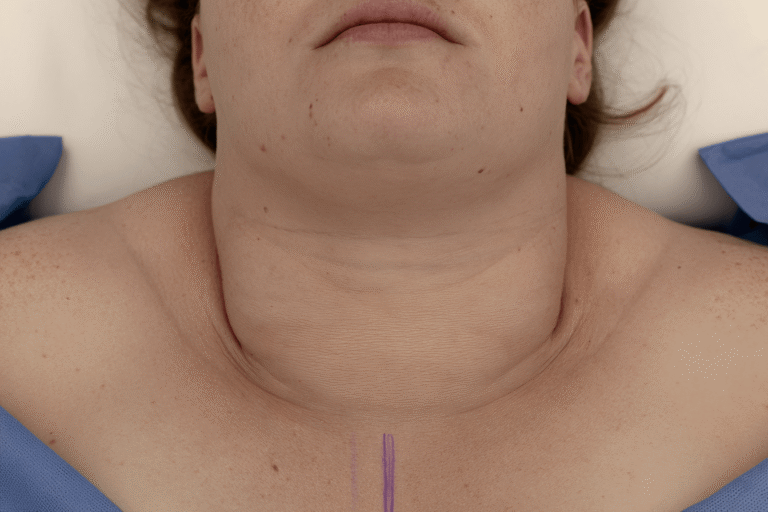
The word “inoperable” can sound final, but it does not have one single meaning. In some patients, the tumour has entered structures that are difficult to remove safely. In others, the disease has spread beyond the neck, the patient is too weak for major surgery, or the surgeon believes that an operation would not provide enough benefit compared with its risks. [1,2]
You should therefore ask the treating team to explain the exact reason surgery has been declined. A tumour that is technically difficult to remove is different from a tumour that has spread widely. A patient who is temporarily too weak for surgery is also different from one whose tumour surrounds major blood vessels or extensively involves the windpipe.
This distinction matters because the next treatment step depends on the reason for inoperability.
When the Tumour Involves Vital Neck Structures
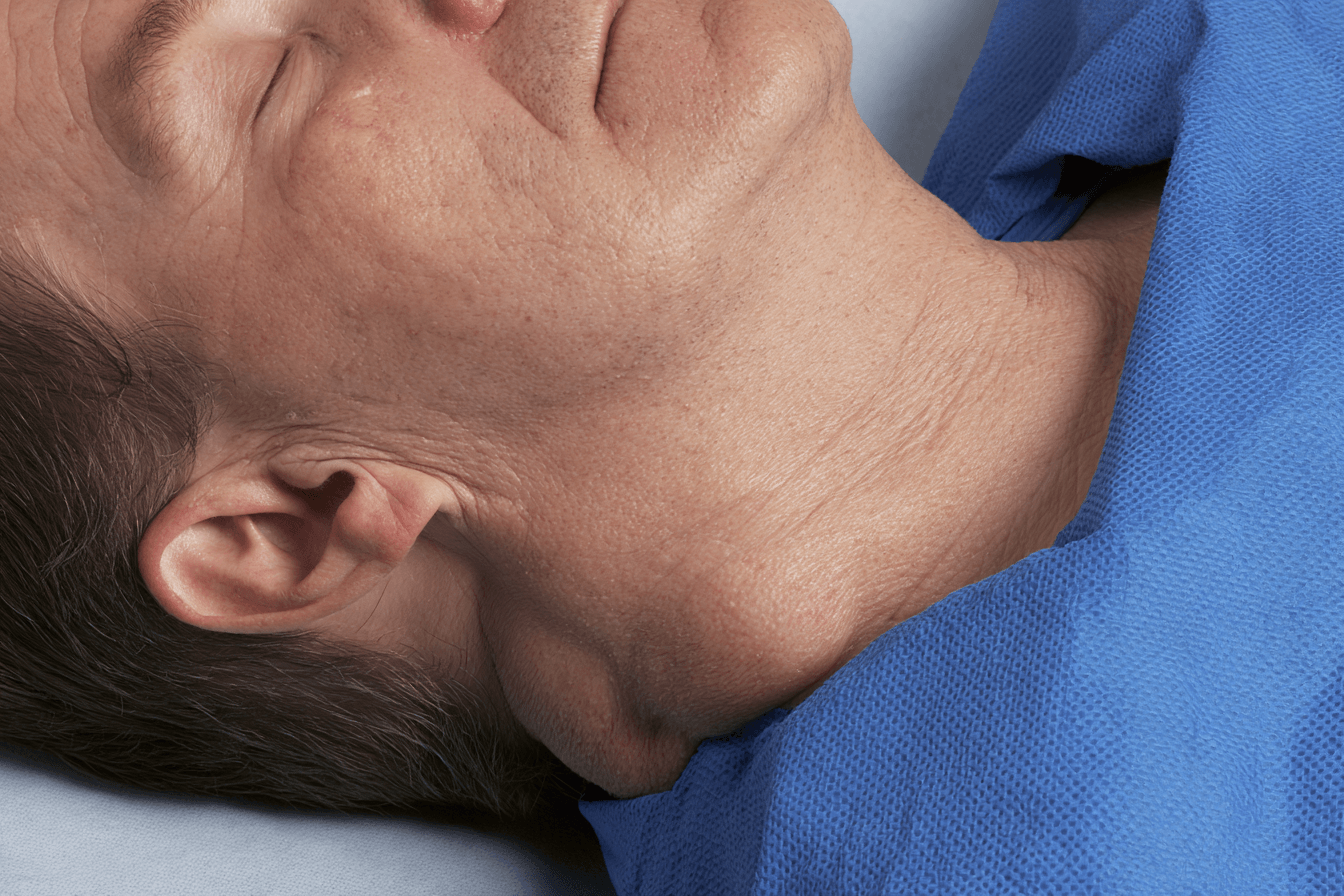
Anaplastic thyroid cancer can grow into the trachea, oesophagus, recurrent laryngeal nerve, muscles of the neck or major blood vessels. When this happens, complete removal may be difficult or may cause serious complications. [1]
Sometimes the tumour can be reduced with another treatment and then reassessed. In selected BRAF V600E-positive patients, targeted treatment has reduced tumour burden sufficiently for surgery to become possible later. This does not happen in every patient, but it shows that the initial surgical decision may change after a documented treatment response. [4–6]
When the Cancer Has Spread Beyond the Neck
Some patients are declared unsuitable for surgery because the cancer has already spread to the lungs, bones, brain or other organs. In this situation, removing the neck tumour may not control the whole disease.
However, the patient may still need treatment to reduce local pressure, protect breathing, control pain or slow progression. Targeted treatment, radiation, systemic treatment, clinical trials and supportive care may still be considered according to the molecular findings and general condition of the patient. [1,2,4,7]
When the Patient Is Too Weak for Surgery
A patient may have severe weight loss, dehydration, poor food intake, infection, anaemia, uncontrolled heart or lung disease, or very low functional strength. These problems can make a major operation unsafe.
In such a case, the immediate goal may be to stabilise the patient, improve nutrition, correct dehydration, manage infection and review organ function. Ayurveda may have a supportive role in improving appetite, digestion, sleep, bowel function and strength, but these measures must be coordinated with urgent medical care.
A weak patient should not be labelled permanently inoperable without understanding whether the weakness can be corrected.
When Surgery Is Unlikely to Provide Enough Benefit
Sometimes surgery is technically possible but is not recommended because complete removal is unlikely, the disease is progressing rapidly elsewhere, or the risks are greater than the expected benefit.
This does not mean that the patient should receive no treatment. It means that the treatment objective may shift toward tumour control, airway protection, symptom relief, preservation of strength and quality of life.
The family should ask whether radiation, molecularly targeted treatment, immunotherapy, chemotherapy, clinical trials or an integrative Ayurvedic plan can still be considered.
The Most Important Question After Surgery Is Declined
You should ask:
“What is the exact medical reason that this tumour is considered inoperable, and can treatment change that decision?”
The answer should be clear and preferably documented in the medical record. It should explain whether the reason is tumour location, distant spread, poor health, airway risk or low expected surgical benefit.
Once this is understood, the patient can move from fear to a practical treatment plan.
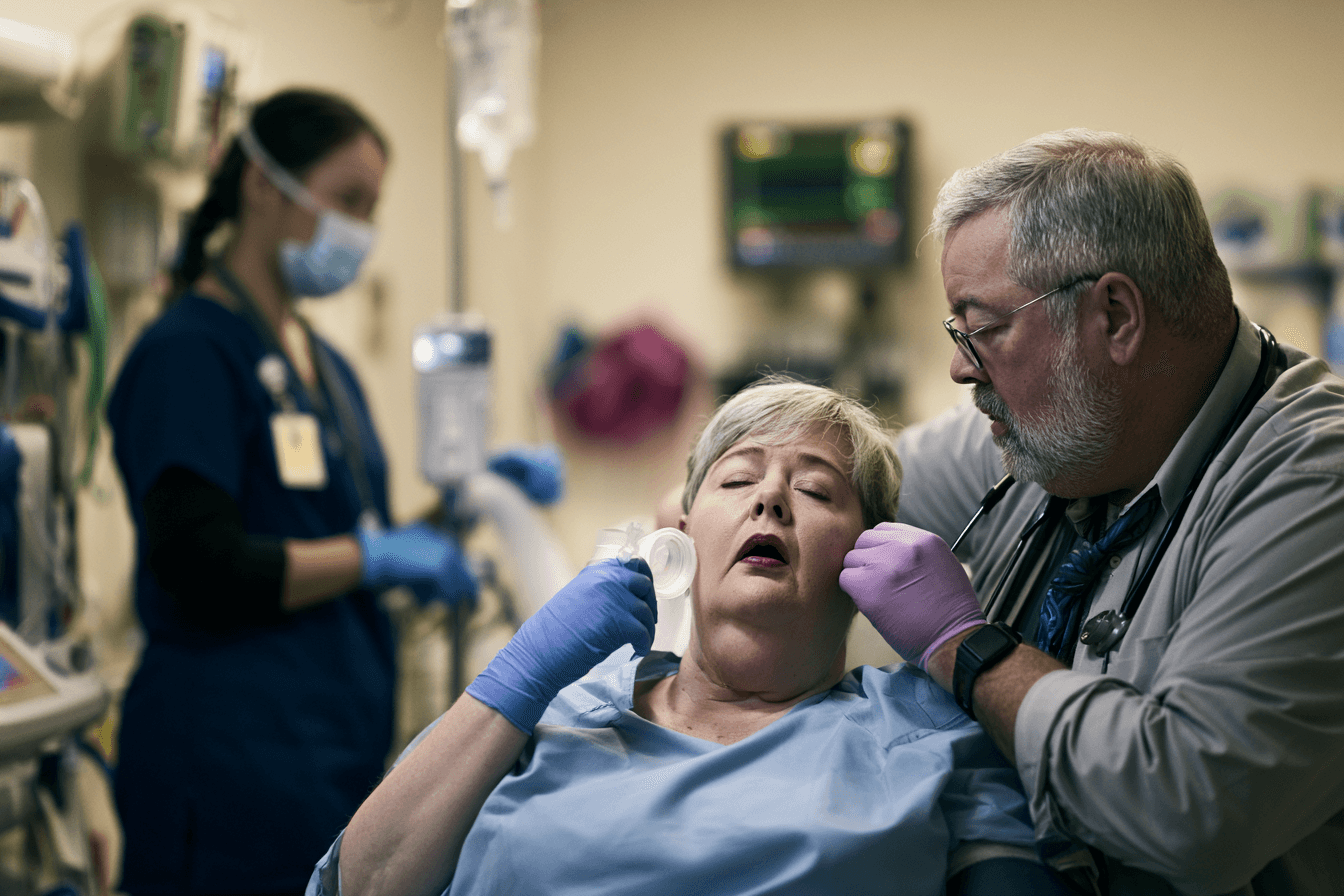
First Check: Is Breathing or Swallowing in Immediate Danger?
Before discussing Heeraka Bhasma, herbs, radiation, targeted treatment or any long-term plan, the patient’s airway must be assessed.
Anaplastic thyroid cancer can grow quickly around the windpipe and food pipe. A patient who appears stable in the morning may develop greater breathing or swallowing difficulty within a short period. This is why airway symptoms must never be treated casually. [1,8]
Breathing Symptoms That Require Immediate Hospital Care
Noisy breathing, stridor, rapidly increasing breathlessness, difficulty speaking because of shortness of breath, bluish lips, sudden confusion, severe neck pressure or coughing blood require urgent hospital assessment.
These symptoms may indicate narrowing of the airway, bleeding, infection or rapid tumour progression.
The patient should not wait for an online appointment or try to manage these symptoms only with steam, herbal powders, oils or home remedies. Ayurveda cannot mechanically open a dangerously compressed airway.
Swallowing Symptoms That Need Urgent Assessment
Difficulty swallowing solid food is common in advanced neck tumours, but inability to swallow liquids or saliva is more serious. Repeated choking, coughing during drinking, wet voice after swallowing, food entering the airway, rapid dehydration or severe weakness should be evaluated promptly.
The doctor may need to assess the vocal cords, swallowing muscles, aspiration risk and degree of oesophageal compression.
If the patient cannot eat safely, continuing to force oral food can increase the risk of aspiration and chest infection.
Voice Change Is Not Only a Minor Symptom
A weak, hoarse or altered voice may indicate pressure on or involvement of the recurrent laryngeal nerve. This nerve controls vocal-cord movement and is closely related to the thyroid.
Voice change should therefore be documented, especially when it appears suddenly or worsens together with breathing difficulty. Laryngoscopy may be required to assess vocal-cord movement. [1]
What I Would Prioritise First
When I assess an inoperable anaplastic thyroid cancer case, I first determine whether the patient can breathe, swallow and speak safely. Only after these functions are stable can a meaningful Ayurvedic treatment plan be considered.
A medicine may support Agni, Bala or Ojas, but it cannot replace emergency airway management. If the airway is unsafe, hospital intervention must come first.
What Should Be Checked Within the First 24 to 72 Hours?
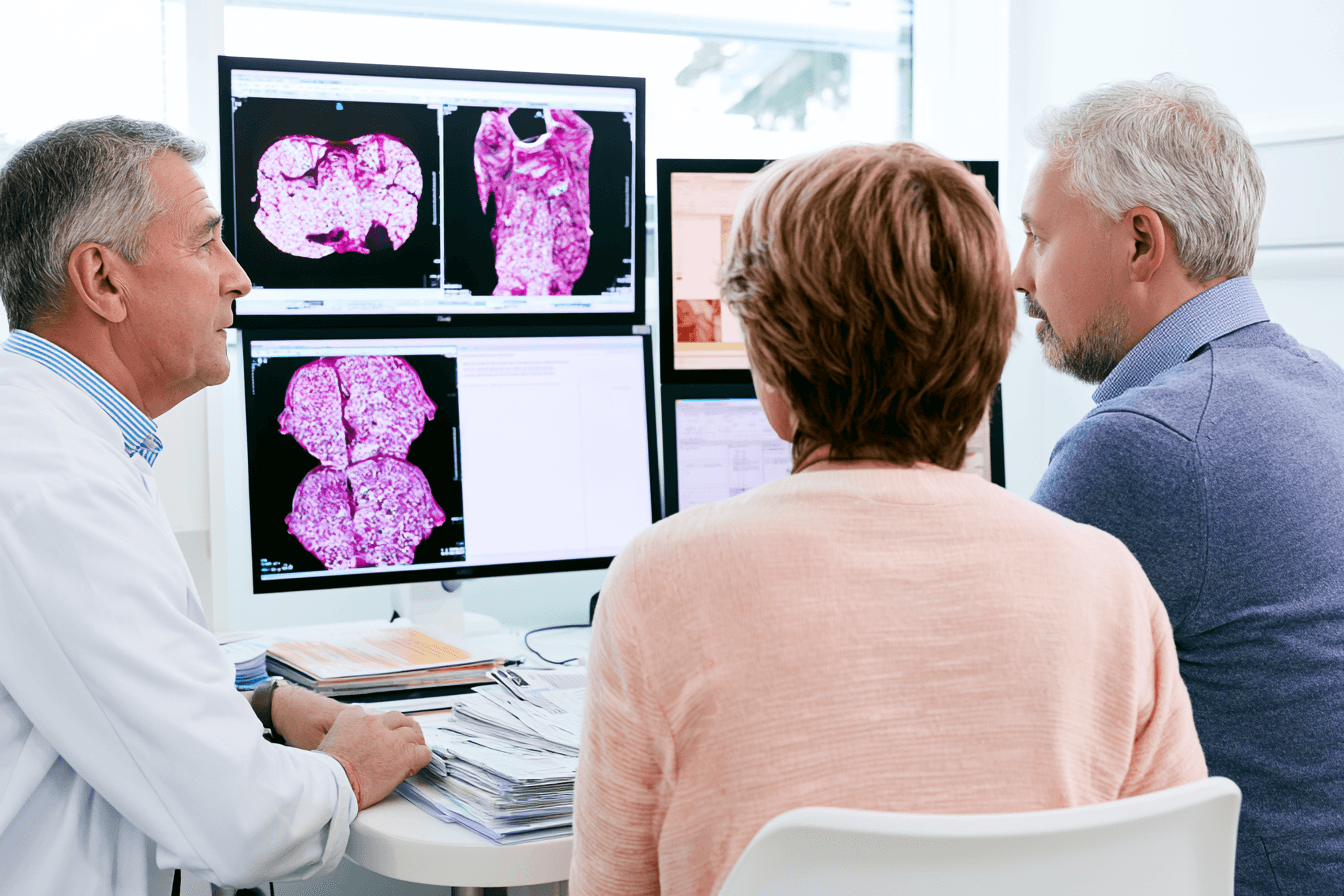
Once breathing and swallowing are stable, the next step is to confirm that all essential investigations have been completed. Anaplastic thyroid cancer progresses quickly, so the family should avoid unnecessary delays between diagnosis, molecular testing and treatment planning. [1,2]
Confirm the Pathology
The diagnosis should be based on an adequate tissue sample, histopathology and appropriate immunohistochemistry. Poorly differentiated thyroid cancer, lymphoma, metastatic cancer and other neck tumours may sometimes resemble anaplastic thyroid carcinoma.
An expert pathology review may be useful when the diagnosis is uncertain or when the treatment decision depends on confirming the exact tumour type.
Review the Disease Extent
The patient usually requires imaging of the neck and chest. Depending on the clinical situation, PET-CT, MRI or additional imaging may also be considered.
The report should clearly describe the tumour size, tracheal involvement, oesophageal involvement, major blood-vessel involvement, lymph nodes and distant metastases.
These details are essential for deciding whether surgery, radiation, targeted treatment or another treatment is suitable.
Complete Rapid Molecular Testing
BRAF V600E testing should be completed urgently because a positive result may open an important targeted-treatment option. Broader molecular profiling may identify other actionable alterations in selected patients. [1–4]
The family should not assume that molecular testing is optional. In an aggressive cancer, a molecular result can directly change the treatment plan.
Assess the Patient’s Strength and Organ Function
The patient’s condition cannot be judged only from the scan. Weight loss, appetite, hydration, swallowing ability, sleep, bowel function, pain, mobility, blood counts, liver function and kidney function must also be reviewed.
These findings help determine whether the patient can tolerate treatment and whether Ayurvedic herbs or mineral preparations can be used safely.
The aim is to treat both the disease and the person carrying the disease. A large tumour requires tumour-directed planning, while a weakened patient also requires nutritional, digestive, functional and emotional support.
Should the Family Seek an Urgent Second Opinion?
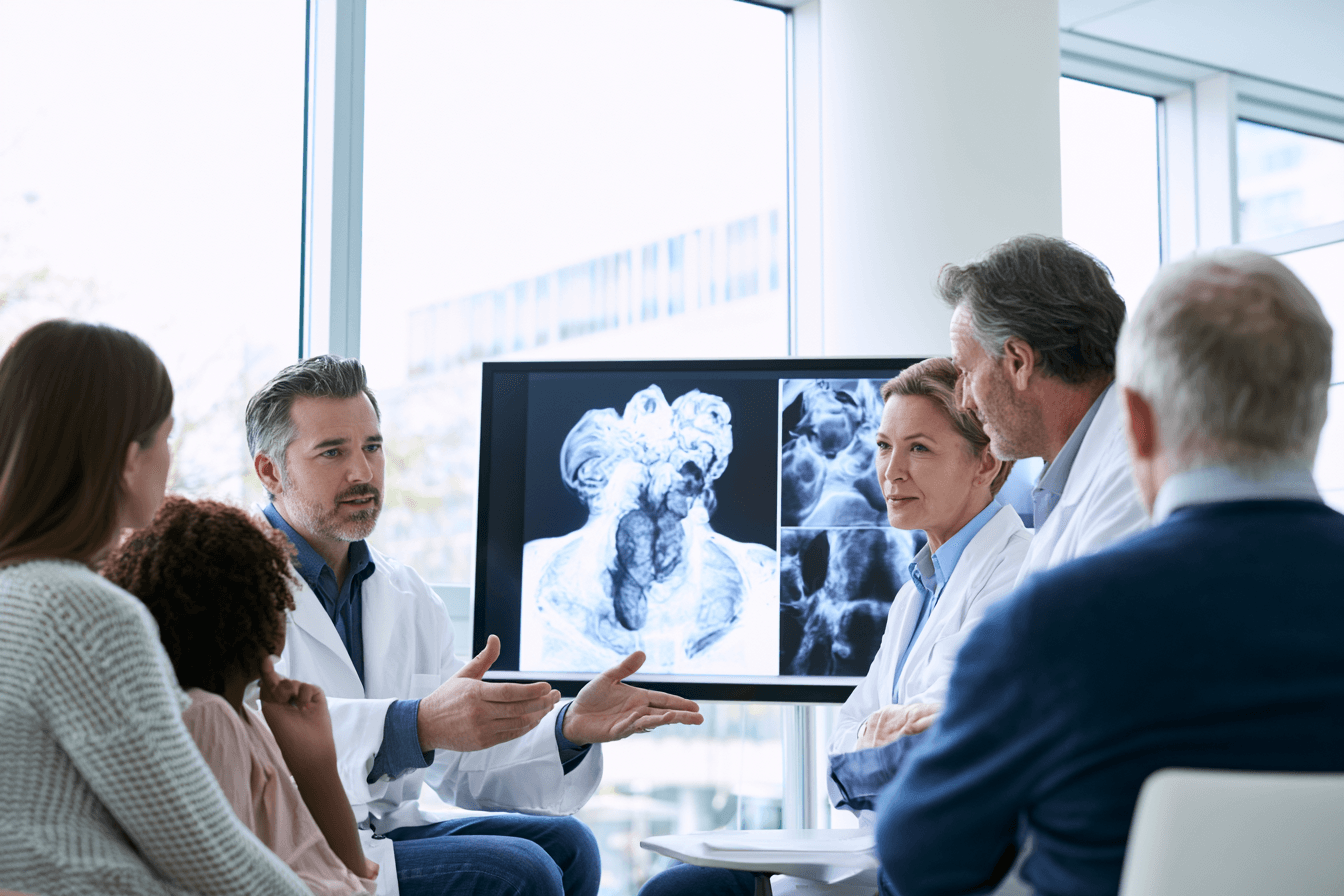
A second opinion can be important when anaplastic thyroid cancer is declared inoperable, but it must be obtained quickly. This cancer can progress within a short period, so the family should not spend weeks moving from one hospital to another without beginning a treatment plan. [1,2]
The purpose of a second opinion is not to challenge the first surgeon emotionally. It is to confirm whether the tumour is truly unresectable, whether another treatment may reduce it, and whether an experienced thyroid or head-and-neck cancer team would approach the case differently.
Who Should Review the Case?
The case should preferably be reviewed by a multidisciplinary team that has experience in aggressive thyroid cancers. This team may include a thyroid or head-and-neck surgeon, medical oncologist, radiation oncologist, pathologist, radiologist, airway specialist, nutrition professional and palliative-care physician. [1]
One doctor may focus mainly on surgery, while another may recognise that targeted treatment or radiation should be started first. A combined review can therefore give the patient a more complete plan.
What Reports Should Be Sent?
The reviewing team should receive the biopsy and histopathology report, immunohistochemistry findings, CT or PET-CT reports and images, laryngoscopy findings, BRAF V600E result, broader molecular report where available, recent blood tests and the written reason surgery was declined.
Sending only a brief scan summary is often not enough. The actual images may show details that are not fully described in the written report.
What Questions Should You Ask?
You should ask whether the tumour is technically unresectable, whether it may become operable after another treatment, whether the airway is at risk, whether radiation can control the neck disease and whether molecularly targeted treatment or a clinical trial is available.
You should also ask what may happen if treatment is delayed. This helps the family understand which decision is urgent and which can be considered more slowly.
When a Second Opinion Should Not Delay Care
If the patient has increasing breathlessness, repeated choking, inability to swallow or rapidly worsening weakness, emergency treatment should not wait for another opinion.
Similarly, when molecular testing has already identified a treatment-sensitive alteration and the cancer team recommends urgent treatment, the family should avoid delaying it while searching for a guaranteed alternative.
The safest approach is often to begin necessary stabilising care while the second review is taking place.
Can an Inoperable Tumour Become Operable Later?
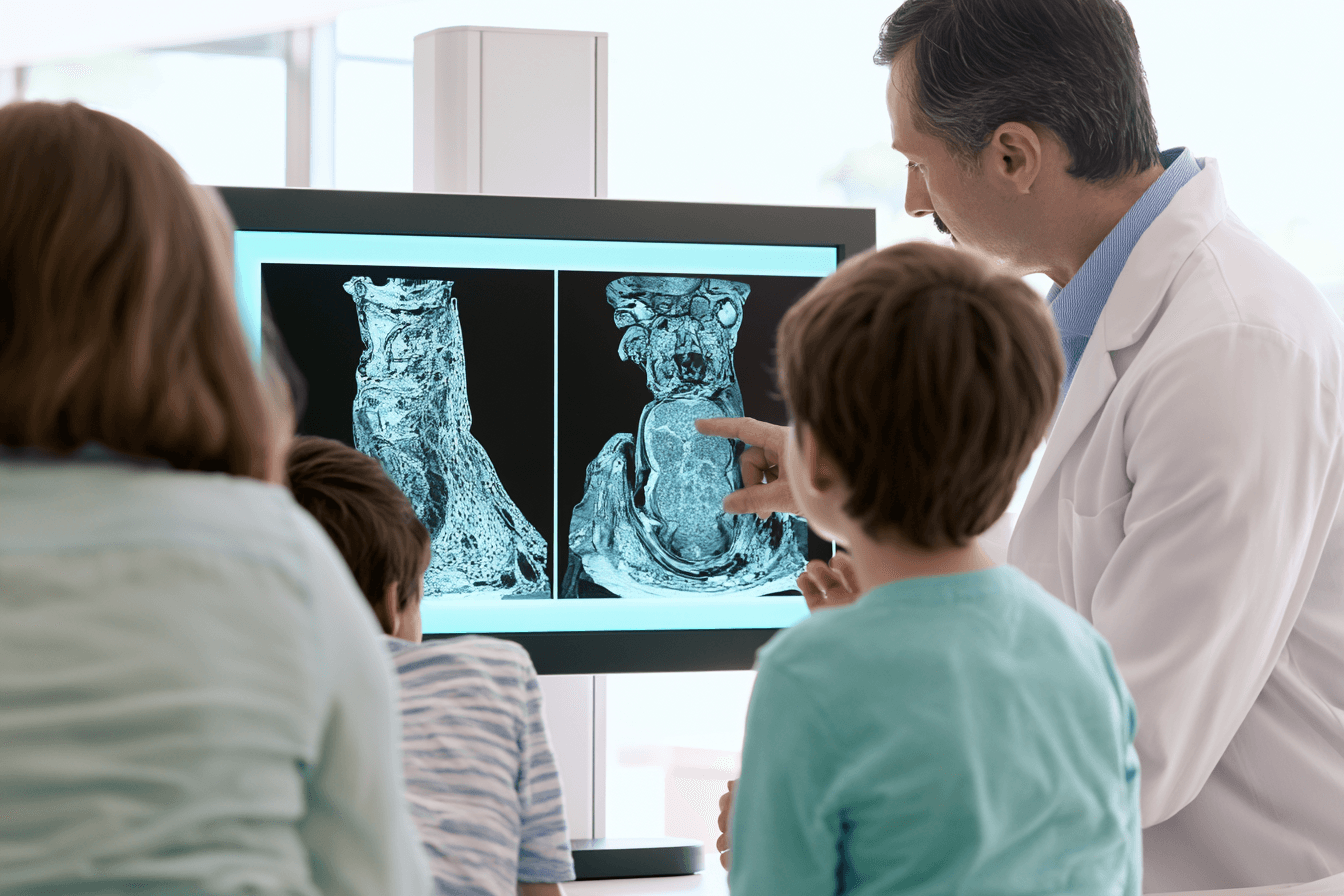
Yes, the surgical situation can sometimes change, but this depends on the tumour biology, molecular findings, treatment response and the patient’s general condition.
An inoperable tumour is not always permanently inoperable. If treatment reduces its size or separates it from critical structures, the surgical team may reassess the patient. However, this possibility is not the same as a promise that every tumour will become removable.
Why BRAF V600E Testing Matters
A proportion of anaplastic thyroid cancers carry the BRAF V600E mutation. When this mutation is present, treatment with dabrafenib and trametinib may produce a meaningful tumour response in suitable patients. [3,4]
This is why BRAF testing should be completed rapidly. Waiting too long for molecular testing may cause the patient to lose valuable treatment time.
A positive BRAF result does not guarantee complete tumour disappearance, but it can open a treatment option that may not otherwise be available.
What Published Evidence Shows
In a published series, six patients with initially unresectable BRAF V600E-positive anaplastic thyroid cancer received dabrafenib and trametinib before surgery. All six later underwent complete surgical resection as part of a multimodal treatment programme. [5]
Another retrospective study also reported improved outcomes in selected patients who underwent surgery after responding to BRAF-directed treatment. [6]
These results are important because they show that resectability can change. However, they involved carefully selected patients treated by specialised teams. They should not be presented as a result that every patient will achieve.
How the Tumour Should Be Reassessed
The tumour should be reassessed through comparable imaging, airway findings, swallowing status and multidisciplinary review.
The surgeon needs to know whether the tumour still surrounds major vessels, involves the trachea or oesophagus, has spread elsewhere, or can be removed with an acceptable level of risk.
The patient’s strength also matters. A tumour may become technically operable, but the patient may still be too weak for major surgery. Nutrition, infection, organ function and functional capacity must therefore be reviewed at the same time.
Can the Tumour Shrink Enough That Surgery Is Not Needed?
A tumour response does not automatically mean that surgery is unnecessary. In some cases, surgery may still provide the best chance of controlling the remaining disease. In other cases, the multidisciplinary team may decide that continued non-surgical treatment is more appropriate.
The decision depends on the amount of remaining tumour, metastatic spread, airway risk, treatment response, expected surgical benefit and the patient’s wishes.
A patient should not reject surgery solely because symptoms have improved or the neck swelling feels smaller. The decision must be based on objective imaging and specialist review.
What Treatment Options Remain When Surgery Is Not Possible?
When surgery cannot be performed, the treatment plan should not end. Several options may still be considered, depending on the patient’s molecular findings, disease extent, symptoms and strength. [1,2]
The goal may be to reduce tumour burden, slow progression, protect breathing and swallowing, relieve pain, preserve strength or improve quality of life.
Targeted Treatment
Targeted treatment acts on a specific molecular change in the tumour. Dabrafenib and trametinib are important for suitable patients with BRAF V600E-positive anaplastic thyroid cancer. [3,4]
Broader molecular testing may identify other changes that can sometimes be matched with specific medicines or clinical trials.
The patient should not assume that all ATC cases are biologically identical. Molecular testing helps explain why one patient may respond to a particular medicine while another may not.
Radiation Treatment
External-beam radiation may be used when the tumour cannot be surgically removed. It may help control the disease in the neck, reduce pressure, relieve pain or protect the airway. [1,2]
Radiation can also cause throat pain, difficulty swallowing, dryness, fatigue and reduced food intake. These problems should be anticipated and managed early.
An Ayurvedic plan may be considered for carefully selected supportive goals, but any herb or mineral used during radiation should be reviewed for safety, irritation and interaction risk.
Chemotherapy or Chemoradiation
Chemotherapy may be used alone or with radiation in selected patients. The choice depends on the treatment goal, tumour features and the patient’s ability to tolerate therapy. [1,2]
The family should ask what benefit is expected, how quickly response will be assessed and which side effects require urgent attention.
When the patient is already very weak, the treating team may recommend a modified approach. Treatment intensity should be based on the individual patient rather than fear or pressure.
Immunotherapy and Clinical Trials
Immunotherapy and combination approaches are being studied in anaplastic thyroid cancer. Some selected patients may be considered for immune-checkpoint treatment, targeted combinations or clinical trials. [7]
A clinical trial is not a guarantee of success, but it may provide access to a treatment that is not otherwise available. Eligibility depends on molecular findings, previous treatment, organ function and performance status.
Airway and Swallowing Procedures
Some patients require procedures to protect breathing or maintain nutrition even when the cancer itself is being treated.
Airway stenting, tracheostomy, swallowing assessment or feeding support may be considered according to the patient’s condition. These procedures are not signs that treatment has failed. They may protect the patient while tumour-directed treatment is taking effect.
Palliative Care Alongside Active Treatment
Palliative care can be started while the patient continues targeted therapy, radiation, chemotherapy or Ayurveda. It focuses on pain, breathlessness, anxiety, sleep, communication and family support. [36]
It should not be confused with giving up. Early symptom control can help the patient tolerate treatment and make clearer decisions.
A patient with severe symptoms should not be asked to wait until all tumour-directed options are exhausted before receiving comfort-focused care.
Where Can Ayurveda Enter the Treatment Plan?
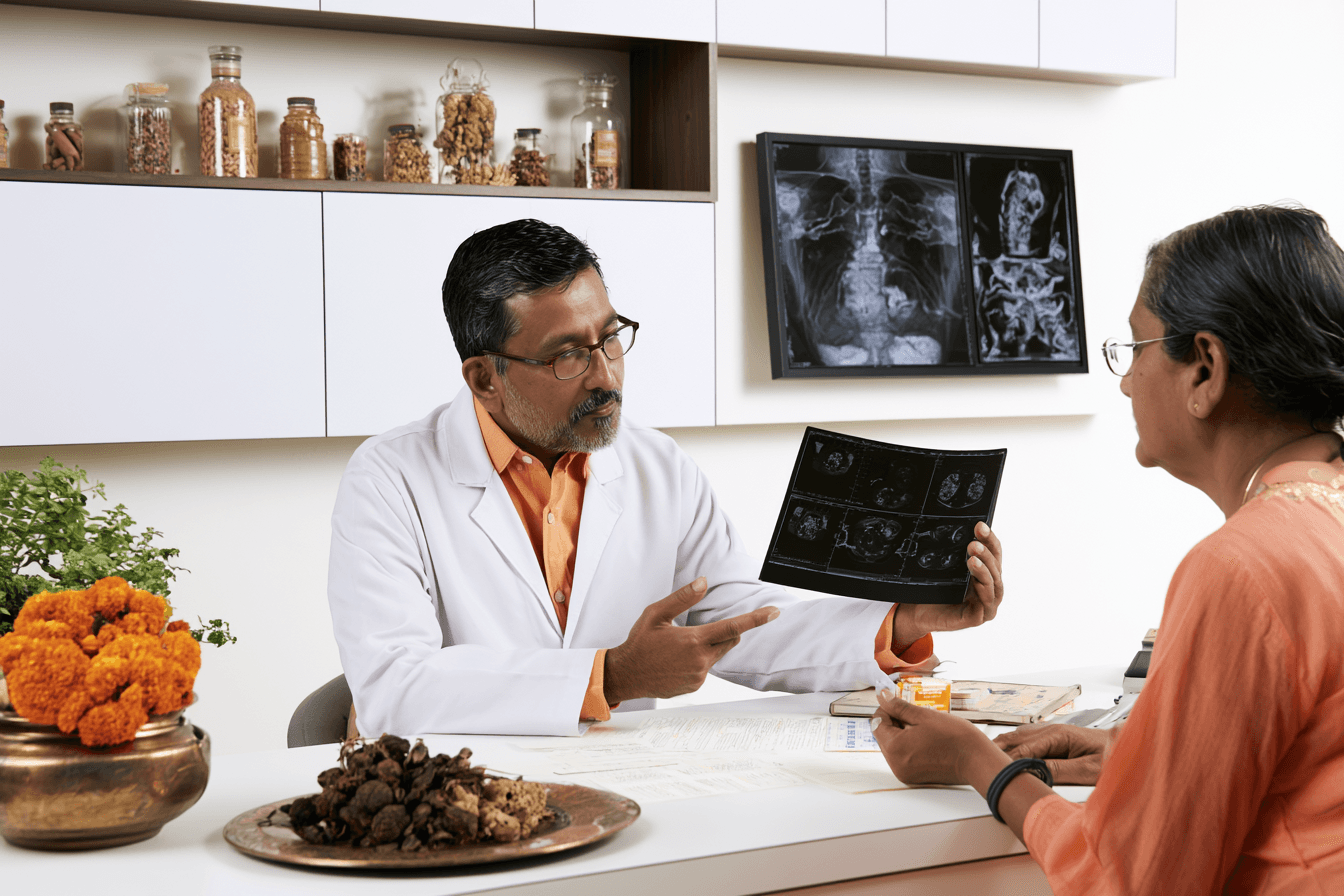
Ayurveda can be considered after urgent risks have been identified and the complete medical picture has been reviewed. It should not begin with a ready-made cancer formula given to every patient.
The Ayurvedic physician must understand the diagnosis, molecular findings, tumour location, airway condition, swallowing ability, current oncology treatment, organ function and nutritional status.
The First Objective Is to Understand the Patient
Two patients may have the same cancer name but very different needs.
One patient may have a large neck tumour but still eat and walk normally. Another may have a smaller tumour but severe weight loss, poor appetite, constipation, insomnia and difficulty swallowing. Their Ayurvedic plans cannot be identical.
I would therefore assess Agni, Bala, Prakriti, Vikriti, Koshta, Satmya, Dhatu depletion, Srotas involvement and Ojas together with the modern medical reports.
Tumour-Directed and Patient-Directed Goals
The treatment plan may have two parallel goals.
The tumour-directed goal may be to attempt to influence abnormal growth, inflammation, tissue environment and disease progression. Any success in this area must be verified through imaging.
The patient-directed goal may be to preserve appetite, digestion, strength, sleep, bowel function, hydration and treatment tolerance.
Both goals are important. A patient cannot benefit fully from any treatment when severe malnutrition, dehydration or uncontrolled symptoms are ignored.
Ayurveda Must Not Create a Dangerous Delay
Ayurvedic care should not postpone airway management, molecular testing, radiation planning or targeted therapy when these are urgently indicated.
A patient can receive an Ayurvedic review while the cancer team completes essential treatment planning. The two processes do not always need to compete.
The responsible aim is to protect every reasonable chance of survival rather than forcing the patient to choose blindly between medical systems.
Can Ayurveda Shrink an Inoperable Thyroid Tumour?
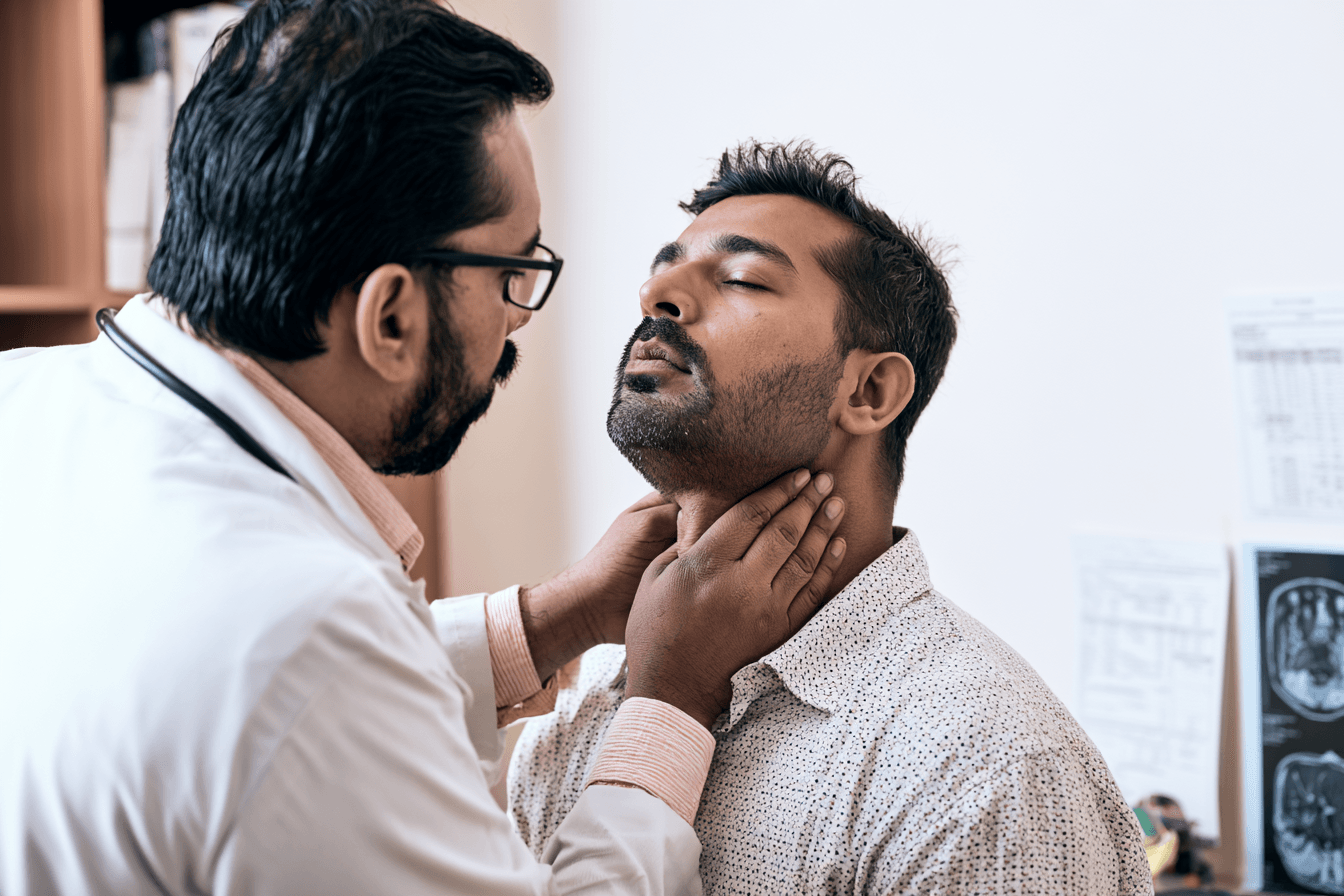
This is one of the most important questions asked by patients after surgery has been declined. The patient is not only looking for relief from weakness, pain or poor appetite. He or she wants to know whether the tumour itself can reduce, whether pressure on the windpipe and food pipe can decrease, and whether life can be protected without a major operation.
Ayurveda may be used with the clinical objective of reducing tumour burden, slowing further growth, improving the tissue environment and preserving the patient’s strength. However, this objective must be connected with measurable medical evidence. When a tumour responds, the change should be visible on comparable CT, MRI or PET-CT examinations.
The name of one herb or Bhasma cannot predict the entire result. The outcome depends on the tumour’s biology, molecular profile, extent of local invasion, previous treatments, the patient’s digestive capacity, organ function, tissue strength and the way the complete Ayurvedic protocol is designed.
Why Laboratory Research and Clinical Ayurveda Are Different
A laboratory experiment usually studies one isolated compound under controlled conditions. Researchers may take curcumin from Haridra or withaferin A from Ashwagandha and expose cancer cells directly to a measured concentration.
In this setting, the compound reaches the cancer cells without passing through the patient’s mouth, stomach, intestines, liver and bloodstream. The laboratory can maintain a concentration around the cells for a fixed period and then observe changes in their behaviour.
A real patient is different. When you consume an herb, it must first be digested. Its active constituents must be released from the formulation, absorbed through the intestine, processed by the liver, carried through the blood and distributed to different tissues. Some constituents may be rapidly metabolised, while others may remain available for longer periods.
This is why a concentration that produces an effect in a laboratory dish cannot be compared directly with the amount of an herb given to a patient. The route, absorption, metabolism, tissue distribution and duration of exposure are different.
This difference does not make the laboratory study unimportant. The study helps us understand which biological pathways may respond to a plant compound. Clinical Ayurveda then asks a broader question: can a properly selected and prepared formulation influence the disease in a living patient while also supporting digestion, strength, nutrition and recovery?
Why an Isolated Compound Is Not the Same as the Whole Herb
Curcumin is one important constituent of Haridra, but Haridra is not composed of curcumin alone. The whole rhizome contains several curcuminoids, volatile oils and other natural constituents.
These components may affect solubility, absorption, metabolism and biological activity. The therapeutic behaviour of the whole herb may therefore differ from that of isolated curcumin.
The same principle applies to Ashwagandha. Withaferin A is one widely studied withanolide, but Ashwagandha contains several withanolides, alkaloids, polysaccharides and other constituents. A laboratory study using purified withaferin A does not represent the complete clinical behaviour of Ashwagandha root.
Ayurveda also changes the way an herb is delivered. An herb may be used as Churna, Kashaya, Ghrita, Avaleha or another Kalpana. Each preparation changes how the medicine is consumed, digested and tolerated.
The formulation may also be administered with an appropriate Anupana. The purpose of Anupana is not simply to improve taste. In classical therapeutic reasoning, it helps guide the medicine, supports digestion and makes the formulation more suitable for the patient’s condition.
Therefore, when we discuss Haridra or Ashwagandha in cancer care, we should not say that the whole herb will produce exactly the same result as a purified laboratory compound. We should explain that laboratory findings reveal potentially useful biological activity, while the clinical Ayurvedic formulation must be evaluated as a complete therapeutic system.
What Curcumin Research Means for anaplastic Thyroid Cancer
Curcumin has been studied in anaplastic thyroid cancer cell models. Researchers have reported effects on cell proliferation, migration, apoptosis and cancer stem-like characteristics. [22–24]
These scientific terms should be explained clearly.
Cell proliferation means the process through which cancer cells repeatedly divide and produce more cancer cells. When a compound reduces proliferation in a laboratory model, it means the cells are making new copies more slowly under those experimental conditions.
Cell migration refers to the ability of cancer cells to move from their original position. Migration is important because aggressive cancer cells may invade nearby tissues and eventually spread to other areas.
Apoptosis is the body’s programmed cell-death process. Normal cells that become damaged may undergo apoptosis. Cancer cells often develop ways to escape this natural process. A compound that encourages apoptosis may help damaged cancer cells move toward controlled cell death in an experimental setting.
Cancer stem-like cells are a smaller group of cells believed to contribute to treatment resistance, tumour regrowth and recurrence. When a substance affects stem-like behaviour, it may provide a useful direction for future treatment research.
These findings help explain why Haridra and curcumin attract interest in aggressive thyroid cancer research. They suggest that curcumin can influence several processes associated with tumour growth.
However, Ayurvedic treatment does not consist of giving laboratory curcumin alone. The physician must decide the form of Haridra, its quantity, accompanying herbs, method of preparation, Anupana and suitability for the patient’s Agni and current treatment.
In a patient with poor digestion, severe throat irritation or very limited oral intake, the same preparation may not be suitable in the same way as it would be for a stronger patient. Clinical Ayurveda therefore converts experimental knowledge into an individualised treatment decision rather than copying a laboratory concentration.
What Ashwagandha Research Means
Withaferin A has shown experimental activity in thyroid cancer models, including studies in which it was combined with sorafenib. [25]
This research suggests that withaferin A may influence pathways involved in cancer-cell survival and treatment response. It also provides a reason to study Ashwagandha-related compounds further in aggressive thyroid cancers.
Yet whole Ashwagandha has a wider clinical role than one isolated constituent. In Ayurveda, Ashwagandha may be selected to support Bala, sleep, tissue nourishment, recovery and the patient’s ability to tolerate prolonged illness.
These supportive effects are not separate from cancer care. A patient who sleeps poorly, eats very little and continues losing muscular strength may struggle to tolerate any treatment. By supporting the patient’s remaining strength, an appropriately selected Rasayana strategy may help the person continue the overall treatment plan more effectively.
Therefore, Ashwagandha may have two levels of clinical interest. The first comes from experimental research on its constituents. The second comes from its traditional Rasayana role in supporting the weakened patient.
Both levels must be considered together, but the dose and formulation should be decided according to the patient rather than from a laboratory paper alone.
Why Ayurveda Uses a Complete Formulation Rather Than One Molecule
A tumour affects more than one biological pathway. It may involve abnormal cell division, inflammation, altered immunity, local invasion, tissue destruction, poor nutrition and progressive weakness.
For this reason, a complete Ayurvedic plan may contain medicines with different purposes.
One group may be selected to address the Granthi or Arbuda-oriented disease process. Another may support Agni and the digestion of food and medicine. A Rasayana group may help preserve Bala, Dhatus and Ojas. Separate medicines may be selected for swallowing, throat discomfort, constipation, sleep or treatment-related fatigue.
This does not mean that adding more ingredients automatically makes a formulation stronger. The value comes from selecting ingredients that perform different but connected functions in the same patient.
For example, a tumour-oriented medicine may have limited practical value when the patient cannot digest it. Similarly, a nourishing Rasayana may not provide its intended benefit when severe Agnimandya prevents proper digestion.
The clinical art lies in balancing disease-directed treatment with patient-directed support.
What Ayurvedic Mineral Research Helps Us Understand
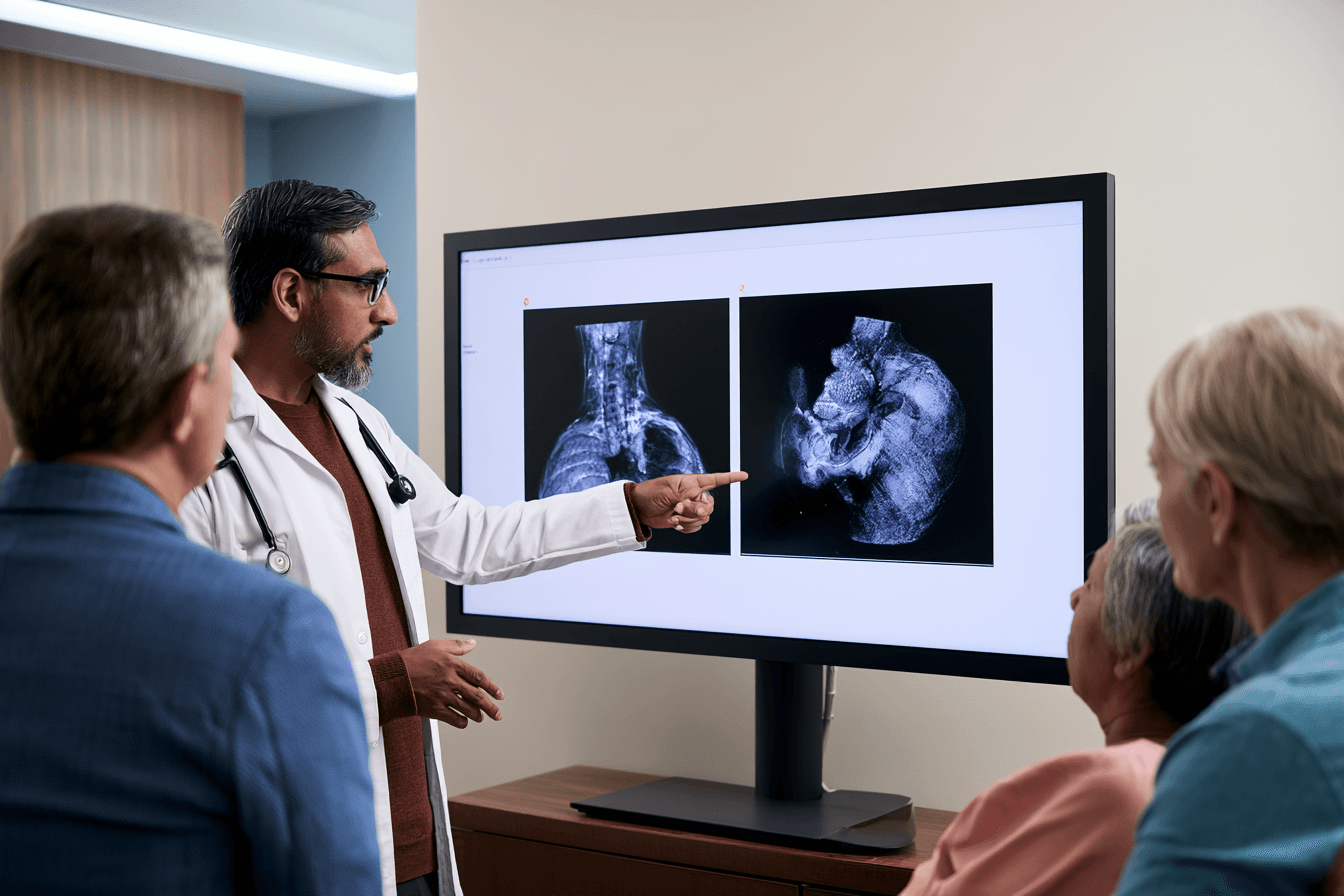
Ayurvedic Bhasmas are not used in the same way as ordinary mineral powders. They undergo classical pharmaceutical procedures intended to transform the raw substance into a therapeutically usable form.
The procedures of Shodhana, Marana and repeated Puta are central to Bhasma preparation. These processes can change particle characteristics, chemical composition and interaction with biological systems.
Therefore, the clinical effect of a properly prepared Bhasma cannot be understood by considering only the original raw mineral.
What Heeraka Bhasma Research Suggests
A nanoscale Heeraka Bhasma formulation has been examined in an experimental mouse lymphoma model. Researchers reported immunomodulatory activity, reduction in tumour growth and improvement in survival. [26]
Immunomodulation means influencing the way the immune system responds. The immune system does not only attack infections. It also identifies abnormal cells, produces signalling molecules and helps organise the body’s response to damaged tissues.
Cancer can alter or suppress these immune responses. A substance showing immunomodulatory activity may help researchers understand how the immune environment around a tumour can be influenced.
Reduction in tumour growth in an animal model means that the experimental tumour increased more slowly or became smaller in the treated animals compared with the comparison group.
Improved survival means that the treated animals lived longer during the observation period.
These findings are important because they provide a scientific direction for understanding Heeraka Bhasma beyond its classical Rasayana description. The study suggests that the formulation may influence both the tumour and the host’s immune response.
The experimental model involved lymphoma, while anaplastic thyroid cancer develops from thyroid tissue. The value of the study is therefore not that both diseases are identical. Its value lies in showing potentially relevant actions that can be examined further in other cancers and documented clinical cases.
Why the Nanoscale Nature Is Important
The physical form of a medicine can influence how it interacts with cells and tissues. Very small particles have a larger surface area in relation to their total mass. This can affect their reactivity, dispersion and contact with biological structures.
Research describing Heeraka Bhasma as a nanoscale formulation helps explain why it should not be compared with ordinary raw diamond particles.
The classical pharmaceutical process is intended to transform the material. Modern characterisation can then examine particle size, elemental composition, surface properties and structural changes.
This creates a useful bridge between Rasa Shastra and modern material science. Classical processing explains how the medicine is prepared, while modern analysis helps describe what that processing has produced.
What Abhraka Bhasma Research Suggests
Research on Shataputi Abhraka Bhasma has examined its effects on several cancer cell lines. The study reported differences in antiproliferative activity according to the number of Puta used during preparation. [27]
This is clinically interesting because repeated Puta are not merely ceremonial steps. They repeatedly expose the material to processing, trituration and controlled heating.
These procedures may gradually change particle size, chemical bonding and the physical behaviour of the final medicine. Therefore, Shataputi and Sahasraputi preparations are distinguished from preparations receiving fewer Puta.
When laboratory activity changes according to processing, it supports the Ayurvedic principle that the method of preparation can influence the therapeutic character of a Bhasma.
In clinical practice, this means the physician should not consider every product labelled “Abhraka Bhasma” to be identical. The preparation method, number of Puta, manufacturer, batch and quality analysis are relevant to understanding what has actually been given to the patient.
Symptom Improvement and Tumour Reduction Should Both Be Measured
A patient may notice less neck pressure, better swallowing, improved appetite, deeper sleep or greater physical strength during treatment.
These improvements are important because they directly affect daily life. Better swallowing can increase calorie and protein intake. Improved appetite can help reduce further weight loss. Better sleep can improve energy, emotional stability and treatment tolerance.
At the same time, symptom improvement and tumour response answer two different clinical questions.
Symptoms tell us how the patient is functioning. Imaging tells us how the measurable disease is behaving.
For example, neck pressure may reduce because inflammation or local swelling has decreased. Swallowing may improve because tissue irritation has reduced or the patient’s strength has improved. The tumour itself may also have reduced, but imaging is needed to measure that change.
This is why both sets of outcomes should be recorded. The patient’s experience tells us whether daily life is improving, while the scan tells us whether the tumour burden is reducing, remaining stable or progressing.
Why Stable Disease Can Also Be Meaningful
Patients often believe that only complete disappearance of the tumour represents success. In a rapidly growing cancer such as ATC, preventing further enlargement for a meaningful period can also be clinically important.
Stable disease means that the tumour has not reduced enough to qualify as a partial response, but it has also not increased enough to be called progressive disease. [15,16]
When the tumour is threatening the airway, even a period of stability may help preserve breathing, swallowing and time for further treatment decisions.
A partial response means that the measurable tumour burden has reduced according to recognised criteria.
A complete response means that all detectable disease has disappeared at that particular assessment. [15–17]
Each of these outcomes has a different meaning, and all should be reported accurately.
How a Genuine Ayurvedic Response Should Be Documented
When I assess whether an Ayurvedic treatment is helping, I do not rely only on how the neck looks from outside. I compare the complete clinical picture.
The baseline record should show the biopsy diagnosis, tumour stage, exact reason surgery was declined, measurable tumour dimensions, airway involvement, lymph nodes, distant metastases and molecular findings.
The treatment record should include the exact Ayurvedic medicines, formulation method, dose, Anupana, treatment dates, dietary plan and all other treatments received by the patient.
The follow-up record should compare tumour dimensions, new lesions, airway involvement, swallowing, weight, performance status and organ function.
This type of documentation helps the patient understand what has actually changed. It also allows a radiologist, oncologist or another Ayurvedic physician to review the response objectively.
Can Tumour Reduction Remove the Need for Surgery?
When a tumour reduces substantially, the surgical situation may change.
A tumour that previously surrounded the windpipe or major blood vessels may become more clearly separated from those structures. Pressure on the food pipe may decrease. The surgeon may then reassess whether an operation has become possible.
In some patients, surgery may be reconsidered after tumour reduction. In others, the multidisciplinary team may decide to continue a non-surgical approach because the response is strong, the residual disease is limited, or the expected benefit of surgery is small.
Therefore, the purpose of measuring tumour reduction is not only to say that a medicine has worked. It is to help decide the next life-saving step.
Heeraka Bhasma in Inoperable Anaplastic Thyroid Cancer
Heeraka Bhasma may become an important component of a specialised Rasa Shastra plan in selected patients with aggressive disease, severe Dhatu depletion and reduced Bala.
It is not viewed merely as a mineral ingredient. It is considered within a broader Rasayana and disease-oriented strategy.
Why Heeraka Bhasma May Be Selected
An aggressive tumour places pressure on both the local tissues and the entire body. The patient may experience rapid weight loss, poor appetite, reduced muscular strength, disturbed sleep and declining resilience.
In such a situation, the treatment objective is not only to influence the tumour. It is also to preserve the patient’s ability to eat, move, sleep, think clearly and tolerate treatment.
Heeraka Bhasma may be considered where the physician believes that a potent Rasayana component is required within the complete formulation. Its experimental immunomodulatory and tumour-related findings provide additional research interest. [26]
The medicine should be selected according to Roga Bala and Rogi Bala. A strong disease may require a powerful approach, but the patient’s remaining strength determines how that approach is designed and supported.
Why Heeraka Bhasma Is Usually Part of a Broader Plan
Heeraka Bhasma may act as one central component, while other medicines perform complementary functions.
Swarna Bhasma may be selected within a Rasayana strategy intended to support Ojas, Bala and recovery.
Abhraka Bhasma may be considered where there is severe Dhatu depletion, respiratory weakness or the need for deeper Rasayana support.
Vaikranta Bhasma may be included by an experienced Rasa Shastra physician according to the disease condition and the structure of the formulation.
Kanchanara, Varuna and Guggulu may be considered within the classical Granthi and Galaganda-oriented framework.
Haridra may be selected because of its classical properties and the experimental interest surrounding curcumin.
Ashwagandha may support Bala, sleep and tissue recovery while also carrying research interest through its withanolide constituents.
Guduchi and Amalaki may be used within Rasayana and restorative planning according to the patient’s Agni and Dosha.
Pippali, Shunthi and Maricha may be considered where Agni and formulation delivery require support. Their role is not merely to add heat. They may help the physician structure digestion and utilisation of the complete formulation according to the patient’s condition.
The purpose of combining these medicines is to create a coordinated plan in which tumour-oriented, digestive, Rasayana and symptom-supportive components work toward the same clinical objective.
Why Preparation Quality Strengthens the Treatment
A well-documented formulation should identify the source of each ingredient, the classical processing method, manufacturer, batch and relevant quality findings.
For Bhasmas, the number of Puta and method of preparation may influence the character of the finished medicine. For herbs, species identity, plant part, storage and processing can affect the final formulation.
Monitoring CBC, liver function, kidney function, body weight, swallowing and imaging also strengthens the treatment process. These records show how the patient is tolerating the formulation and whether the intended clinical goals are being achieved.
How I Would Explain This to a Patient
I would tell you that Heeraka Bhasma is not being selected simply because its name is associated with diamond. It is selected because of its place within a carefully designed Rasayana and disease-oriented strategy.
I would also explain that the complete formulation matters more than one famous ingredient. Your digestion, strength, tumour location, molecular report, swallowing ability and current treatment help determine how the medicines are combined.
Finally, I would show you how progress will be measured. Better appetite, sleep and strength will be recorded as patient-centred improvement. Changes in the tumour will be measured separately through imaging.
This approach allows Ayurveda to be presented neither as a vague supportive therapy nor as a one-medicine promise. It becomes a structured, personalised and measurable treatment system.
Which Herbs and Classical Formulations May Be Considered?
Ayurvedic treatment for an inoperable thyroid tumour should not be understood as a random collection of herbs. Each medicine should have a clear purpose within the complete plan.
One group may be selected to address the abnormal growth and local tissue involvement. Another group may support digestion and the absorption of medicines. A third group may help protect physical strength, nutrition and recovery. Additional medicines may be selected for swallowing difficulty, throat irritation, constipation, poor sleep or treatment-related weakness.
This is why the complete formulation is more important than one famous ingredient.
Kanchanara and the Granthi-Galganda Framework
Kanchanara is one of the principal herbs traditionally considered in Granthi and Galganda conditions.
Granthi refers to a localised nodular or gland-like swelling produced by disturbed Doshas and affected body tissues. Galganda refers to a swelling in the neck region, including the classical description of thyroid-like enlargement.
These classical terms help the Ayurvedic physician understand the location, consistency and tissue involvement of a neck swelling. They do not replace biopsy or modern cancer staging, but they help guide the Ayurvedic treatment approach.
Kanchanara is commonly described as having Lekhana and Kapha-Medohara actions. Lekhana means a reducing or scraping action directed toward excessive, thick or accumulated tissue. Kapha-Medohara means helping reduce pathological heaviness, congestion and excessive fatty or glandular accumulation associated with aggravated Kapha and Meda Dhatu.
Meda Dhatu means the body tissue responsible for fat, lubrication and energy storage. When Meda and Kapha become abnormally accumulated, tissues may feel heavy, enlarged or congested.
In a patient with a firm neck mass, Kanchanara may therefore be selected as part of a broader disease-oriented strategy. Its role is considered together with the tumour’s location, texture, rate of growth and the patient’s overall condition.
Kanchanara Guggulu as a Classical Formulation
Kanchanara Guggulu is described in the Sharangadhara Samhita, Madhyama Khanda, Chapter 7, verses 95–100. [35]
The classical formulation combines Kanchanara with Guggulu, Triphala, Trikatu, Varuna, Tvak, Ela and Patra.
Guggulu is the purified resin of Commiphora mukul. In Ayurvedic language, it is valued for reaching deeper tissues, reducing stagnation and supporting the movement of other ingredients within the formulation.
Triphala combines Haritaki, Bibhitaki and Amalaki. It is used to support digestion, bowel regularity, metabolic balance and the gradual elimination of accumulated waste.
Trikatu combines Shunthi, Maricha and Pippali. Its role is to support Agni, meaning the patient’s digestive and metabolic capacity. Agni determines how well food and medicines are digested, absorbed and transformed into useful nutrition.
Varuna is traditionally considered in glandular swellings, abnormal tissue accumulations and obstructed channels.
Tvak, Ela and Patra are aromatic ingredients that support digestion, circulation and the balanced delivery of the complete formulation.
Kanchanara Guggulu is therefore not only a mixture intended to act upon a swelling. It combines disease-oriented herbs with medicines that support digestion, bowel function and formulation delivery.
Why Kanchanara Guggulu Is Not Used in the Same Way for Every Patient
A strong patient with stable swallowing and good digestion may tolerate a different form and dose from a weak patient who has severe throat pain and poor food intake.
A patient receiving neck radiation may have dryness, mucosal sensitivity and burning. In that situation, the formula may need to be modified with soothing and nourishing components.
Another patient may have marked Kapha symptoms, including heaviness, thick mucus, sluggish digestion and a firm mass. Such a patient may require a more Kapha-reducing approach.
This individualisation is one of the main strengths of Ayurveda. The classical formulation provides the foundation, while the final treatment is adjusted according to the person.
Varuna and Guggulu
Varuna is traditionally selected where there is obstruction, glandular enlargement or a deep localised swelling. It may be considered as part of a Granthi-oriented plan when the physician wants to address both the abnormal tissue and the surrounding channels.
Srotas means the body’s functional channels. These include the pathways through which nutrition, fluids, metabolic products and physiological signals move.
When Ayurveda describes Srotorodha, it means obstruction or impaired flow within these channels. Around a rapidly growing neck tumour, the patient may experience pressure, restricted movement, impaired swallowing and local congestion. The classical Srotas concept helps the physician understand these functional disturbances.
Guggulu may be combined with Varuna and Kanchanara because it is traditionally used to reduce stagnation and carry other medicines deeper into the affected tissues.
Purified Guggulu is also used according to the patient’s Agni and Koshta. Koshta means the nature of the digestive tract and bowel response. One patient may have hard constipation, another may have loose stools, and a third may have sensitive digestion. The formulation should reflect these differences.
Haridra and the Meaning of Curcumin Research
Haridra, commonly known as turmeric, may be considered for its classical Kapha-Pitta balancing, Shothahara and tissue-supportive properties.
Shothahara means helping reduce pathological swelling and inflammatory changes. In a neck tumour, inflammation may contribute to pressure, pain and local tissue discomfort.
Modern studies have examined curcumin, one of the important constituents of Haridra, in anaplastic thyroid cancer models. The research has reported effects on cancer-cell division, migration, programmed cell death and tumour-related immune pathways. [22–24]
This research helps explain why Haridra is scientifically interesting, but clinical Ayurveda considers much more than curcumin alone.
The whole Haridra rhizome contains curcuminoids, volatile oils and several natural constituents. These substances may work together and influence digestion, absorption and tissue response.
The final effect also depends on how Haridra is prepared. A water-based decoction, an Avaleha, a medicated ghee or a concentrated extract will not behave identically in the body.
Avaleha means a semisolid herbal preparation, similar to a medicated herbal jam. It allows herbs, decoctions, powders and selected supporting ingredients to be combined in a form that may be easier for some patients to consume.
Ghrita means medicated ghee. In Ayurveda, it may be used as a carrier for selected medicines where nourishment, tissue penetration and Pitta balance are required.
The physician therefore does not simply ask, “Does curcumin affect cancer cells?” The physician asks, “Which form of Haridra is suitable for this patient, how will it be absorbed, and how should it be combined with the rest of the treatment?”
Ashwagandha, Bala and Tissue Recovery
Ashwagandha is widely known as a Rasayana and Balya herb.
Rasayana means a restorative and rejuvenative therapeutic approach intended to support tissue quality, resistance, recovery and functional longevity.
Balya means strength-promoting. Bala is not limited to muscular power. It includes the patient’s ability to eat, walk, sleep, tolerate treatment, maintain mental stability and recover after physical stress.
Withaferin A, a constituent studied from Ashwagandha, has shown experimental activity in thyroid cancer models. [25]
The clinical use of whole Ashwagandha is broader than the laboratory study of withaferin A. The herb may be selected where the patient has reduced strength, disturbed sleep, muscular wasting or difficulty recovering between treatments.
Mamsa Dhatu means the muscular tissue system. A patient who continues losing weight may also lose Mamsa Dhatu, resulting in weakness, poor mobility and reduced ability to tolerate further treatment.
Ashwagandha may therefore be included both for its experimental biological interest and for its traditional role in protecting Bala and Mamsa Dhatu.
Guduchi and the Support of Recovery
Guduchi is commonly used in Rasayana-based treatment. It may be selected where the patient needs support for digestion, recovery, tissue stability and resistance during prolonged illness.
Guduchi is often described as Deepana and Rasayana.
Deepana means stimulating or improving digestive capacity. It does not simply mean increasing hunger. It means helping the body process food and medicines more effectively.
Pachana means supporting the digestion and metabolic processing of incompletely transformed material.
When a patient has poor Agni, even nourishing food may produce heaviness, bloating or discomfort. Guduchi may be selected to support digestion without relying only on very heating ingredients.
In a weakened cancer patient, this balance is important. The physician wants to improve digestion while preserving hydration and preventing further irritation of the throat or stomach.
Amalaki, Haritaki and Bibhitaki
Amalaki is considered a Rasayana with nourishing and Pitta-balancing qualities. It may be used where the patient needs support for digestion, tissue recovery and general resilience.
Haritaki is traditionally associated with bowel regulation, Vata balance and the proper movement of waste.
Bibhitaki is often considered in Kapha-related congestion and excessive mucus.
Together, these three fruits form Triphala.
Triphala may support bowel regularity, but its value extends beyond constipation. Regular elimination can reduce abdominal discomfort, improve appetite and help the patient tolerate other medicines more comfortably.
A patient who has not passed stool properly for several days may feel nauseated, heavy and unable to eat. Correcting bowel function may therefore improve nutrition and treatment tolerance.
Pippali, Shunthi and Maricha
Pippali, Shunthi and Maricha form Trikatu. They are selected primarily to support Agni and improve the utilisation of the complete formulation.
Pippali is traditionally valued for respiratory support, digestion and Rasayana use in selected patients.
Shunthi, or dry ginger, may support digestion, circulation and the reduction of heaviness.
Maricha, or black pepper, is used in small, appropriate quantities to support digestion and formulation delivery.
The concept of Yogavahi is relevant here. Yogavahi refers to a substance that helps carry or enhance the action of other medicines without losing its own therapeutic properties.
The purpose of Trikatu is therefore not merely to make a formulation spicy. It helps prepare the digestive system so that the patient may utilise the other ingredients more effectively.
In a patient with strong burning, throat irritation or radiation-related sensitivity, the combination and amount may be adjusted. The objective remains the same, but the formulation is made suitable for the patient’s current condition.
Punarnava for Swelling and Fluid Balance
Punarnava may be considered when the patient has swelling, heaviness, fluid retention or impaired fluid balance.
Its name suggests renewal or restoration. Clinically, it may be selected to support the movement of fluids and reduce excessive swelling.
This does not mean that every neck tumour is caused by retained fluid. The solid tumour and the surrounding oedema are different. However, reducing associated swelling may help lessen pressure and improve comfort in selected patients.
Punarnava may also support kidney-related fluid regulation when chosen according to the patient’s laboratory results and overall condition.
Yashtimadhu for Throat and Mucosal Support
Yashtimadhu, or licorice, may be selected where the patient has throat dryness, burning, irritation or difficulty consuming food because of mucosal discomfort.
Mucosa means the soft protective lining inside the mouth, throat and digestive tract. Radiation, dehydration and repeated coughing may damage or irritate this lining.
Yashtimadhu may help provide a soothing and coating effect. This can be particularly useful when the treatment goal is to help the patient swallow more comfortably and maintain oral intake.
Its role is supportive but important. A patient who can swallow food more comfortably may preserve weight, hydration and Bala more effectively.
Shatavari, Vidari, Bala and Jivanti
These herbs may be considered where the patient requires a more nourishing or Brimhana approach.
Brimhana means building, nourishing and restoring depleted tissues. It is used when the patient has lost weight, muscular strength and tissue reserve.
Shatavari may support nourishment, hydration and Pitta balance.
Vidari may be used where the patient requires calorie support, tissue nourishment and restoration.
Bala, as its name suggests, is associated with physical strength and recovery.
Jivanti may be considered within restorative formulations intended to support tissue vitality and resilience.
A nourishing approach is not simply the opposite of tumour-directed treatment. The patient may need both. One part of the formulation may address abnormal growth, while another protects the person from becoming too weak to continue treatment.
Nimba and Tulsi
Nimba may be selected where there is Pitta-Kapha involvement, inflammatory change or a need for a more cleansing and tissue-balancing approach.
Tulsi may support respiratory function, digestion and general resilience. It may also be included where mucus, sluggish digestion or stress-related symptoms are present.
These herbs are not included only because they are commonly known as immunity herbs. The physician should connect each herb with a specific problem in the individual patient.
Why One Cancer Formula Cannot Be Given to Every Patient

The diagnosis may be the same, but the patients are never identical.
One patient may have a rapidly enlarging tumour but strong digestion and stable weight. Another may have severe swallowing difficulty, dehydration and loss of muscular strength. A third may be receiving targeted treatment and experiencing diarrhoea, skin reactions or fatigue.
The Ayurvedic formulation must change according to these differences.
Prakriti and Vikriti
Prakriti means the patient’s natural constitutional pattern. It reflects the person’s long-term physical and functional tendencies.
Vikriti means the current disturbance created by disease, stress, diet, treatment and other factors.
A naturally Vata-dominant person may become extremely dry, weak and constipated during cancer treatment. Another person may develop strong Pitta symptoms, including burning, thirst and irritability. A Kapha-dominant patient may experience mucus, heaviness and sluggish digestion.
Treatment is based more on the present Vikriti and clinical condition than on Prakriti alone.
Satmya and Patient Tolerance
Satmya means what is suitable, familiar and well tolerated by the patient.
A medicine may be theoretically useful but difficult for the patient to digest. Another preparation may be well tolerated and allow consistent treatment.
This is why the physician considers taste, texture, swallowing ability, digestive response and previous medicine tolerance.
A patient with difficulty swallowing tablets may receive an Avaleha or another suitable form. A patient with poor sugar tolerance may require a different base. A patient with severe throat dryness may need a smoother preparation.
Roga Bala and Rogi Bala
Roga Bala means the strength of the disease. It includes tumour size, rate of growth, invasion, metastases and symptoms.
Rogi Bala means the strength of the patient. It includes nutrition, mobility, digestion, sleep, organ function and emotional stability.
A strong tumour in a weak patient requires careful balance. The physician must address the disease without exhausting the patient’s remaining strength.
When I design a plan, I therefore ask two questions: how aggressive is the disease, and how much treatment can this patient utilise effectively?
Treatment May Change in Phases
The first phase may focus on restoring digestion, bowel movement, hydration and food intake.
The second phase may introduce a stronger disease-oriented formulation after the patient becomes more stable.
A later phase may emphasise Rasayana, tissue restoration and long-term monitoring after the tumour has reduced or stabilised.
This phased approach helps match the treatment with the patient’s changing condition.
The Form of Medicine Also Matters
A Kashaya is a herbal decoction prepared by boiling herbs in water.
A Churna is a fine herbal powder.
An Avaleha is a semisolid preparation in which decoctions and powders are combined into an easy-to-administer form.
A Ghrita is a medicated ghee preparation.
A Vati or Gutika is a tablet or pill.
The same herb can act differently depending on its form, concentration and accompanying ingredients. The physician chooses the form according to Agni, swallowing capacity, treatment objective and patient tolerance.
Personalisation Is the Core Strength of Ayurveda
Ayurveda does not treat only the tumour report. It treats the patient who carries the tumour.
The tumour’s size, molecular behaviour and anatomical involvement are reviewed alongside digestion, strength, nutrition, sleep, bowel function, mental state and current medicines.
This allows the treatment plan to remain disease-directed while still protecting the person’s ability to continue the journey.
The purpose of personalisation is not to make the treatment complicated. It is to make every ingredient meaningful, every dose suitable and every outcome measurable.
Six Patient Situations and Their Problem-Solving Treatment Pathways
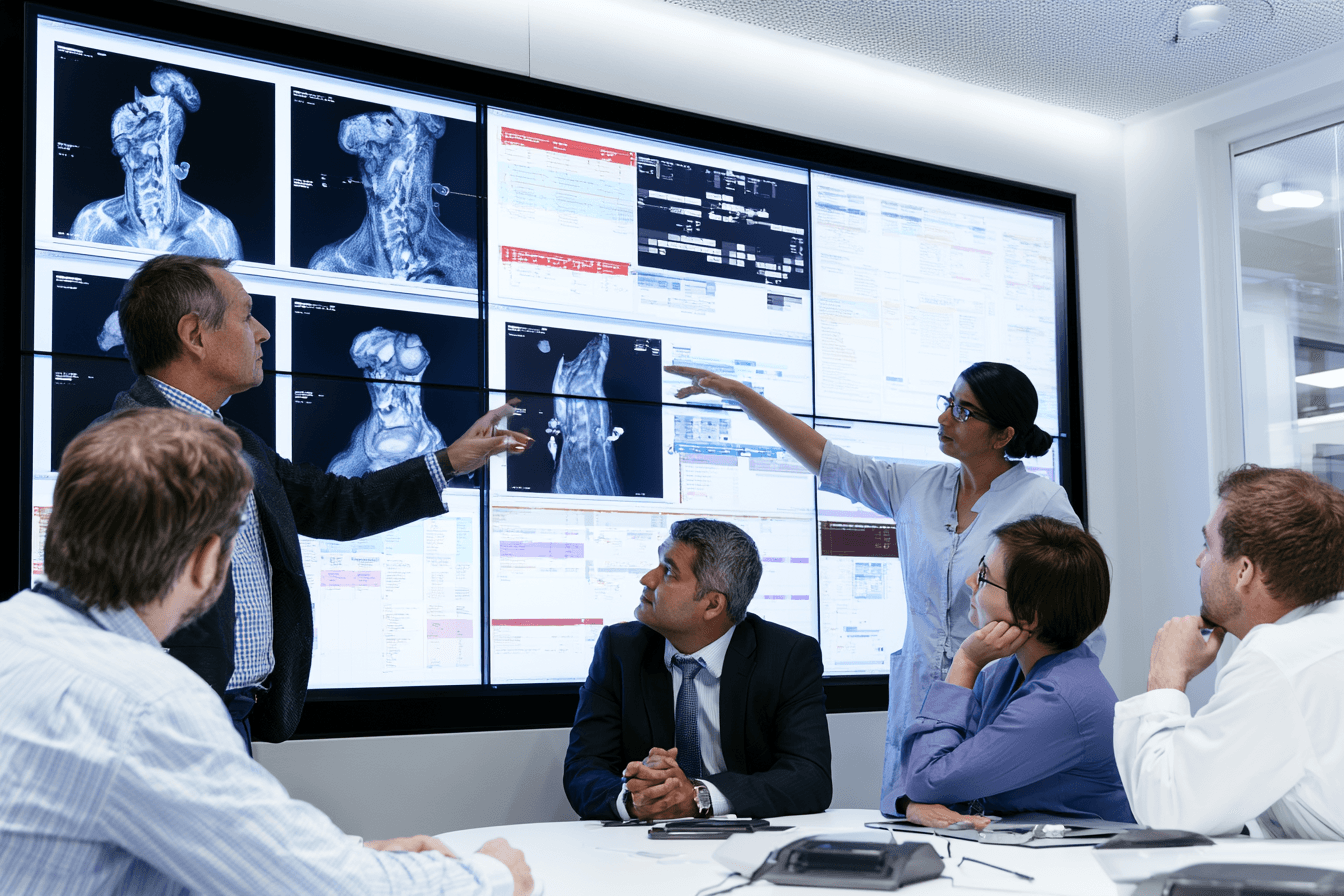
Every patient with inoperable anaplastic thyroid cancer does not arrive at the same stage or with the same difficulty. One person may still be eating and breathing comfortably, while another may already be losing weight, choking during meals or receiving targeted treatment. The treatment plan should therefore begin with the patient’s present problem rather than with a fixed list of medicines.
In Ayurveda, this is understood through Roga Bala and Rogi Bala. Roga Bala means the present strength and aggressiveness of the disease, including tumour growth, local invasion and spread. Rogi Bala means the patient’s remaining physical and functional strength, including the ability to eat, walk, sleep, digest food and tolerate treatment.
When the Airway Is Stable but the Molecular Report Is Pending
Some patients have a large or inoperable tumour but can still breathe, swallow and speak without serious difficulty. Their BRAF V600E or broader molecular report may still be pending, leaving the family uncertain about the next medical treatment.
During this period, the patient should not remain without a structured plan. The oncology team may continue imaging review, radiation planning or other assessments while the molecular report is being completed. At the same time, an Ayurvedic physician can evaluate digestion, food intake, bowel movement, sleep, weight loss, strength and the medicines already being used. [1–3]
The Ayurvedic objective during this phase is often to protect Agni, Bala and Dhatu. Agni means the digestive and metabolic capacity that helps the patient digest food and medicines. Bala means the physical and functional strength needed to continue treatment. Dhatu means the body tissues, including plasma, blood, muscle, fat, bone, nervous and reproductive tissues, which may gradually become depleted during severe disease.
The patient may receive a carefully selected plan intended to maintain appetite, regular bowel movement, hydration and daily activity while the definitive treatment pathway is being finalised. This period should also be used to establish baseline tumour measurements, body weight, swallowing ability and blood investigations so that future changes can be assessed clearly.
When the Patient Is BRAF V600E-Positive and Starting Targeted Treatment
A BRAF V600E-positive patient may be offered dabrafenib with trametinib. These medicines act on specific pathways used by the cancer cells for growth and survival, and some patients can experience meaningful tumour reduction. [3–5]
Ayurvedic care during this phase should be designed around the patient’s response to the targeted treatment. The purpose is not simply to add more medicines. It is to understand which problems are developing and which supportive measures can help the patient remain stable.
Some patients may experience reduced appetite, bowel disturbance, fever, fatigue, skin changes or disturbed sleep. The Ayurvedic plan may then focus on maintaining Agni, protecting hydration, supporting food intake and preventing unnecessary loss of Bala.
A mild digestive-support approach may be selected when food feels heavy or remains poorly digested. A Brimhana approach may be introduced when the patient is losing weight and muscle. Brimhana means a nourishing and rebuilding method intended to restore depleted tissues and strength.
The complete medicine list should be reviewed so that the timing and combination of Ayurvedic and targeted medicines remain organised. Progress should be measured through scans, blood investigations, symptoms, body weight and the patient’s ability to perform normal activities.
When BRAF V600E Is Negative or No Actionable Mutation Is Found
A negative BRAF result does not mean that every treatment option has ended. The oncology team may still consider radiation, chemotherapy, other molecular findings, immunotherapy-based approaches or clinical trials according to the patient’s condition. [1,2,7]
From an Ayurvedic perspective, the absence of a currently actionable mutation does not remove the need to assess the whole disease process. The physician still reviews the tumour’s location, speed of growth, airway involvement, digestion, tissue depletion, pain, sleep and functional strength.
The Ayurvedic formulation may include Granthi-oriented herbs, Rasayana medicines, digestive support and selected herbomineral preparations according to the patient’s condition. Granthi refers to a localised abnormal swelling or nodular growth in the classical Ayurvedic framework. Rasayana refers to a restorative approach intended to support tissue quality, resilience and recovery during prolonged illness.
The treatment objective may include attempting to slow progression, support the patient’s internal strength and preserve breathing, swallowing and nutrition for as long as possible. Any tumour-directed result should still be assessed through imaging rather than through symptoms alone.
When the Patient Has Severe Swallowing Difficulty and Weight Loss
A patient who cannot swallow properly may begin surviving on tea, juice, water or very small amounts of food. This can rapidly lead to calorie deficiency, protein deficiency, muscle loss, dehydration and reduced treatment tolerance. [8–10]
The first problem to solve is whether swallowing is safe. The difficulty may result from mechanical compression, vocal-cord dysfunction, pain, inflammation, aspiration or involvement of the food pipe. Aspiration means that food, liquid or saliva enters the airway instead of passing safely into the stomach.
After swallowing safety is assessed, the treatment plan should focus on maintaining nutrition in a form the patient can manage. Soft, smooth, moist or semiliquid food may be more suitable than dry or coarse food. The required texture depends on the patient’s swallowing assessment and should not be decided only from personal preference.
Ayurvedic treatment may support Agni and Ahara Shakti. Ahara Shakti means the patient’s capacity to take, digest and utilise food. It includes appetite, swallowing, digestion and the ability to convert food into useful nutrition.
Where there is severe tissue loss, the physician may use a Brimhana or nourishing strategy with carefully selected herbs and an appropriate medicine form. An Avaleha may be useful for some patients because it is a semisolid herbal preparation that can be swallowed more easily than dry powders or several tablets. However, the consistency should still match the patient’s swallowing ability.
Weight, daily food intake, hydration, choking episodes and muscular strength should be monitored regularly. Improvement in food intake is important because it may help the patient regain enough strength to continue tumour-directed treatment.
When the Patient Is Receiving Radiation to the Neck
Neck radiation may help control local disease, but it can also affect the mouth, throat and food pipe. The patient may develop dryness, pain, altered taste, difficulty swallowing, fatigue or reduced desire to eat. [1,2,9]
The Ayurvedic plan during radiation should be adjusted according to the patient’s present tissue condition. Strongly heating or irritating formulations may not be suitable when the throat lining is already sensitive.
The soft inner lining of the mouth and throat is called the mucosa. When the mucosa becomes inflamed, the condition may be described as mucositis. It can make swallowing painful and may reduce the patient’s calorie and fluid intake.
Soothing and nourishing medicines may be considered to support the mucosa, appetite and hydration. This is a Shamana approach, meaning a method intended to calm or pacify the present disturbance without overburdening the patient.
Yashtimadhu, Amalaki, Guduchi or other suitable medicines may be selected according to the patient’s Dosha and symptoms. Dosha refers to the functional principles of Vata, Pitta and Kapha that influence movement, transformation, stability and tissue behaviour. The selection should be personalised because a patient with burning and dryness requires a different balance from someone with thick mucus and heaviness.
The patient’s weight, fluid intake, mouth condition, swallowing ability and blood investigations should be followed throughout radiation. Early support can help prevent a small reduction in food intake from becoming severe weakness.
When the Disease Has Spread and the Patient Is Very Weak
A patient with metastatic disease may experience marked weakness, pain, loss of appetite, reduced mobility, anxiety and disturbed sleep. Metastatic disease means that the cancer has spread from the thyroid to distant organs such as the lungs, bones or other tissues.
The treatment objective should remain realistic and compassionate. Tumour-directed treatment may continue, but the patient also needs help with comfort, nutrition, sleep, bowel movement and emotional stability.
In Ayurveda, severe progressive weakness may be understood as Dhatu Kshaya and reduced Ojas. Dhatu Kshaya means depletion of the body tissues caused by disease, inadequate nutrition or treatment stress. Ojas refers to the patient’s overall resilience, stability and capacity to withstand illness.
Supporting Ojas does not mean giving one tonic and expecting complete recovery. It requires coordinated attention to food intake, digestion, hydration, sleep, pain relief, mental comfort and suitable Rasayana support.
The family may notice that a small improvement in sleep or appetite changes the patient’s entire day. The patient may speak more clearly, eat more willingly and participate in treatment decisions with greater confidence. These improvements should be valued even while tumour response is assessed separately.
Symptom-by-Symptom Support for the Patient

Patients often need help with problems that are affecting them today. A discussion about future scans is important, but the patient may presently be struggling to swallow breakfast, sleep at night or breathe comfortably.
A patient-focused plan therefore addresses both the tumour and the daily symptoms produced by the disease or its treatment.
Difficulty Swallowing
Difficulty swallowing is called dysphagia. It may begin with solid food but later involve soft food, liquids or even saliva. The patient may take a long time to finish a meal, cough while drinking or feel that food is stuck in the throat.
The cause should be identified because the solution depends on whether the problem comes from tumour pressure, nerve involvement, mucosal irritation, muscle weakness or aspiration.
Ayurvedic support may focus on soothing the throat, improving Ahara Shakti and selecting food and medicine forms that are easier to swallow. The treatment may also include measures intended to improve Agni so that even a smaller amount of food can be digested and used more effectively.
A patient should not be forced to consume large meals. Smaller, frequent and nutritionally concentrated meals may be more manageable. The texture should remain smooth enough to reduce effort and discomfort.
Breathlessness, Mucus and Choking
Breathlessness may result from airway compression, vocal-cord dysfunction, chest involvement, infection, weakness or anxiety. Each cause requires a different response, so the symptom should not automatically be attributed to mucus.
When the patient has thick secretions but a stable airway, Ayurvedic treatment may be directed toward Kapha balance. Kapha is the functional principle associated with structure, stability, moisture and mucus. When aggravated, it may contribute to heaviness, excessive secretions and sluggishness.
Pippali, Shunthi, Tulsi or other respiratory-supportive herbs may be considered according to the patient’s throat condition and digestive strength. Their purpose may include reducing heaviness, improving the movement of secretions and supporting respiratory comfort.
When noisy breathing, severe breathlessness or repeated choking appears, the immediate priority changes from mucus management to airway assessment. In such situations, hospital treatment protects the patient while the broader plan continues.
Voice Change and Vocal-Cord Weakness
A change in voice may occur when the tumour affects the recurrent laryngeal nerve, which controls the movement of the vocal cords. The voice may become hoarse, weak, breathy or difficult to sustain.
The patient may also feel emotionally distressed because the voice is central to communication. A person who cannot speak clearly may struggle to explain pain, fear or treatment preferences.
After the vocal cords have been assessed, supportive Ayurvedic care may focus on throat comfort, hydration and the reduction of local irritation. Yashtimadhu or suitable medicated preparations may be considered according to the patient’s condition.
Voice improvement should be documented separately from tumour response. The voice may improve because inflammation has decreased, nerve function has changed or the patient has regained strength. Imaging and laryngoscopy help show what has changed anatomically.
Poor Appetite and Progressive Weight Loss
Poor appetite is not always caused by weak digestion alone. It may result from swallowing pain, constipation, nausea, altered taste, anxiety, infection, treatment toxicity or the body’s metabolic response to advanced cancer.
The Ayurvedic physician assesses Agni, but Agni should be understood as more than hunger. It represents the patient’s ability to digest food, transform it and distribute its nutrition to the tissues.
When Agni is low, the patient may feel full after a few bites, develop bloating or avoid meals because eating creates discomfort. Gentle Deepana and Pachana medicines may be selected. Deepana means supporting digestive capacity, while Pachana means helping process material that has remained incompletely digested.
Once digestion improves, the plan may gradually move toward Brimhana or nourishment. This sequence is important because heavy nourishment given before the patient can digest it may produce more discomfort.
The family should record the patient’s daily food intake and weight rather than relying only on appearance. Even small changes become easier to understand when they are measured.
Constipation and Abdominal Discomfort
Constipation may develop because of low food intake, dehydration, reduced movement, pain medicines or disturbed Vata.
Vata is the functional principle responsible for movement, nerve activity, breathing and elimination. When Vata becomes disturbed, the patient may experience dryness, gas, hard stool, anxiety or irregular sleep.
A regular bowel movement can improve appetite and reduce nausea and abdominal pressure. Haritaki, Triphala, medicated ghee or another suitable approach may be considered according to the patient’s hydration, strength and stool pattern.
The treatment should not be excessively purgative in a weak patient. The objective is comfortable and regular elimination while preserving fluids and strength.
Pain and Pressure in the Neck
Pain may result from local tissue invasion, inflammation, nerve involvement or pressure on nearby structures. Rapidly increasing pain can also indicate a change in the disease and may require imaging or clinical reassessment.
Ayurvedic treatment may include Shothahara and Vedanasthapana approaches. Shothahara means helping reduce inflammatory swelling. Vedanasthapana means helping relieve or regulate pain.
Pain relief is important because uncontrolled pain affects sleep, appetite, breathing and emotional stability. The patient may avoid food or movement because every action increases discomfort.
Ayurvedic support can be combined with prescribed pain treatment. The objective is to maintain comfort without allowing pain to dominate the patient’s entire day.
Fear, Anxiety and Disturbed Sleep
A patient with inoperable cancer may remain awake because of fear, pain, breathing discomfort or repeated thoughts about death. The family may also become anxious and unintentionally transfer that fear to the patient.
Sleep is part of the patient’s recovery system. Poor sleep can reduce appetite, increase pain sensitivity and weaken emotional control.
Ayurveda may assess disturbed Vata, reduced Bala and mental exhaustion. Gentle Rasayana, calming medicines, oil application, breathing support or sleep-oriented treatment may be considered according to the patient’s physical condition.
Satvavajaya is the Ayurvedic approach to strengthening the mind through reassurance, clear understanding, emotional discipline and supportive communication. It does not mean asking the patient to think positively while ignoring the seriousness of the disease. It means helping the patient regain mental stability so that decisions are made with less fear.
When the patient understands the next step, knows how progress will be measured and feels heard by the family, anxiety may become more manageable. A clear treatment plan can itself become an important part of emotional support.
What Should the Patient Eat When Swallowing Is Difficult?
Food becomes part of the treatment when an anaplastic thyroid tumour presses on the throat or food pipe. The patient may require more energy and protein than before, yet swallowing may become slower, painful or frightening. A general “healthy cancer diet” is therefore not enough. The food must be selected according to what the patient can swallow safely, digest comfortably and consume consistently. [9,10]
The purpose is not to force large meals. It is to provide adequate nutrition in a smaller, smoother and more manageable form so that the patient can preserve body weight, muscular strength and treatment tolerance.
Food Texture Should Be Decided First
A patient who struggles with dry chapati, raw vegetables or solid pieces may tolerate soft, moist or blended food more comfortably. The correct texture depends on whether the difficulty is caused by tumour pressure, throat pain, weak vocal-cord movement or aspiration.
Aspiration means food, liquid or saliva entering the windpipe instead of passing safely into the food pipe. A patient who repeatedly coughs during meals, develops a wet voice after drinking, or experiences frequent chest infections may require a formal swallowing assessment.
Soft food is not automatically safe for everyone. Thin liquids may move too quickly for a patient with weak swallowing control, while thick food may become difficult when the throat is severely narrowed. The food consistency should therefore follow the patient’s actual swallowing ability.
Why Juices Alone Are Usually Insufficient
Many families begin giving fruit juice, coconut water or vegetable juice because these are easier to swallow. They may provide fluids, vitamins and some carbohydrates, but they usually contain too little protein and energy to maintain the patient’s muscles.
A person may appear to be consuming something throughout the day while still receiving inadequate nutrition. The body may then begin breaking down muscular tissue to meet its energy requirements.
This loss of muscle is particularly serious in advanced cancer because the patient needs muscular strength for breathing, swallowing, walking and recovering from treatment. Nutrition should therefore include concentrated sources of energy and protein in a texture the patient can manage.
Ahara Shakti: The Capacity to Take and Use Food
Ayurveda describes the patient’s food-related capacity through Ahara Shakti. Ahara means food, while Shakti means capacity or power.
Ahara Shakti includes two connected abilities. The first is the ability to eat an adequate quantity of food. The second is the ability to digest and utilise that food after it has been consumed.
A patient may feel hungry but be unable to swallow. Another may swallow normally but feel full after a few bites because digestion has weakened. A third may consume sufficient food but continue losing weight because the disease has altered metabolism and tissue utilisation.
The Ayurvedic physician should therefore assess swallowing, appetite, digestion, bowel movement, weight and muscular condition together rather than treating poor appetite as an isolated symptom.
Agni and the Utilisation of Nutrition
Agni means the digestive and metabolic capacity that transforms food into usable nourishment. It includes digestion in the gastrointestinal tract and the later utilisation of nutrients by the body tissues.
When Agni is weak, the patient may experience early fullness, bloating, heaviness, nausea, irregular stool or loss of appetite. Even nutritious food may become difficult to tolerate.
The initial Ayurvedic plan may therefore use a gentle Deepana-Pachana approach. Deepana means supporting digestive capacity, while Pachana means helping the body process material that has remained incompletely digested.
The objective is not to give very hot or irritating herbs to every patient. It is to make digestion more effective so that the limited food the patient can consume produces greater nutritional benefit.
Brimhana: Rebuilding Depleted Tissues
Once digestion becomes more stable, the patient may require Brimhana. Brimhana means nourishing, building and restoring depleted body tissues.
This approach becomes important when the patient has lost weight, muscle, energy and functional strength. It may include easily digestible calorie-dense food, suitable fats, protein-containing preparations and nourishing Ayurvedic herbs selected according to the patient’s condition.
Brimhana is not simply “feeding heavily.” Heavy food given to a patient with very weak digestion may increase discomfort and reduce intake further. The nourishing plan must match the patient’s Agni, swallowing capacity and current treatment.
A successful Brimhana plan allows the patient to receive more nutrition without creating excessive fullness, mucus, reflux or bowel disturbance.
Pathya: Food That Supports the Treatment Objective
Pathya means food and daily practices that support recovery and do not obstruct the treatment goal. It is not one universal diet for all cancer patients.
For a patient with difficulty swallowing, Pathya may include soft khichadi blended to the required texture, well-cooked lentil preparations, smooth vegetable soups enriched with protein, soft rice preparations, suitable dairy or plant-based protein where tolerated, and semisolid nourishing foods.
The correct choice depends on the patient’s digestive pattern, diabetes status, food tolerance, cultural diet and aspiration risk. A person with severe mucus and heaviness may require a different balance from a patient with dryness, burning and tissue depletion.
Food should be warm or comfortably lukewarm rather than extremely hot or cold. The patient should be seated upright, given adequate time and allowed to eat without pressure. Rushing can increase fear and choking.
Why Small and Frequent Meals Often Work Better
A large meal may exhaust a patient who already has weak swallowing and reduced appetite. Smaller portions given more frequently may allow the patient to consume a greater total amount over the day.
Each serving should be nutritionally meaningful. A small bowl containing protein, calories and suitable fat may provide more benefit than a large volume of thin soup.
The family should record what the patient actually finishes rather than what was served. This gives a more accurate understanding of intake and helps identify whether weight loss is caused by swallowing difficulty, poor appetite or inadequate nutritional density.
Anupana and the Delivery of Ayurvedic Medicine
Anupana means the accompanying substance taken with or after an Ayurvedic medicine. It may influence how the formulation is swallowed, digested and directed toward a particular therapeutic purpose.
Depending on the patient, an Anupana may be warm water, an appropriate decoction, ghee, honey or another physician-selected substance. It should not be chosen from a general internet recommendation because the correct Anupana depends on the patient’s Dosha, Agni, throat condition, blood sugar and treatment objective.
For a person with swallowing difficulty, the Anupana can also help make the medicine easier to consume. The quantity and consistency should remain compatible with the swallowing assessment.
When Oral Nutrition Is No Longer Enough
Sometimes the patient cannot consume sufficient nutrition despite texture modification and concentrated meals. Weight may continue falling, dehydration may develop and treatment may become difficult to tolerate.
At this stage, the family should discuss formal nutritional support with the medical team. Feeding support is not an abandonment of natural eating. It may preserve the patient’s strength while tumour-directed treatment attempts to reduce the obstruction.
Ayurvedic care can continue to support digestion, bowel function, comfort and tissue recovery while the appropriate medical nutrition method is used.
Can Ayurvedic Medicines Be Taken with Targeted Therapy, Radiation or Chemotherapy?
Ayurveda and modern cancer treatment do not always need to compete. A patient may receive targeted therapy, radiation or chemotherapy while also receiving a carefully structured Ayurvedic plan. The important requirement is that the complete treatment should be coordinated rather than added randomly. [3,11–14]
The Ayurvedic physician should know the exact cancer medicines, doses, treatment dates and side effects. The oncology team should also know what Ayurvedic formulations the patient is taking. This creates one visible treatment plan instead of two hidden plans.
Why the Complete Combination Matters
A medicine does not act in isolation after entering the body. It must be dissolved, absorbed, transported, metabolised and finally removed.
The stomach and intestine influence absorption. The liver transforms many medicines. Proteins in the blood transport them. The kidneys and bile help remove them from the body.
An herb or Bhasma may also pass through some of these pathways. Therefore, the clinical effect depends not only on whether each medicine is individually useful, but also on how the body handles the complete combination.
This is why treatment coordination is more meaningful than simply keeping two medicines a few hours apart. Time separation may help with stomach tolerance, but it does not automatically change how the liver or other tissues process them later.
Why the Form of an Herb Changes Its Clinical Behaviour
The same herb may be given as a whole powder, decoction, Avaleha, medicated ghee or concentrated extract. These forms do not produce identical exposure inside the body.
A decoction extracts mainly water-soluble constituents. A medicated ghee may carry fat-soluble constituents. A concentrated extract may provide a much larger amount of selected compounds in a small dose. An Avaleha combines decoction, herbal powders and a semisolid base that may alter taste, swallowing and digestion.
Therefore, a research paper about one concentrated extract cannot automatically predict the effect of every traditional preparation made from the same plant.
Clinical Ayurveda uses the form of medicine deliberately. The physician selects it according to Agni, Bala, swallowing ability, tissue depletion and the therapeutic purpose.
Why Dosage Is More Than a Number
The same quantity may not suit every patient. A dose tolerated by a well-nourished adult may be too strong for someone with severe weight loss, poor kidney function or weak digestion.
Ayurveda considers Matra, meaning the appropriate dose. Matra is decided according to age, strength, digestive capacity, disease intensity, season, medicine form and patient tolerance.
The treatment may begin at one level and change after the physician observes appetite, stool, sleep, energy, laboratory findings and tumour response. This allows the formulation to remain clinically active without ignoring the changing condition of the patient.
Supporting the Patient During Targeted Therapy
Dabrafenib and trametinib may produce a meaningful response in BRAF V600E-positive ATC, but the patient may also experience fever, fatigue, skin symptoms, reduced appetite or bowel disturbance. [3,4]
The Ayurvedic plan may be designed to support hydration, digestion, food intake, sleep and recovery while tumour-directed treatment continues.
When the patient develops poor appetite and heaviness, a gentle Agni-supporting approach may be selected. When weight and muscle are declining, Brimhana and Rasayana may receive greater attention.
Rasayana means a restorative strategy intended to support the quality of the body tissues, resilience, recovery and functional strength. It is not merely a tonic and should be selected according to the patient’s actual needs.
Supporting the Patient During Radiation
Radiation to the neck may produce dryness, burning, throat pain, altered taste and difficulty swallowing. The Ayurvedic plan should then become more soothing, nourishing and mucosa-supportive.
Mucosa means the soft protective lining inside the mouth, throat and digestive tract. When it becomes inflamed, swallowing may become painful and nutritional intake may fall.
The formulation may be adjusted toward Pitta-calming and tissue-soothing medicines. Pitta is the Ayurvedic functional principle associated with transformation, heat and metabolism. When disturbed, it may be reflected through burning, excessive heat, irritation and inflammation.
The aim is to help the patient maintain oral intake and comfort while the radiation continues to address the tumour.
Supporting the Patient During Chemotherapy
Chemotherapy may affect appetite, digestion, bowel movement, blood counts, energy and sleep. An Ayurvedic plan may therefore change according to the treatment cycle.
During periods of nausea and poor digestion, the focus may remain on gentle Deepana-Pachana and hydration. During recovery between cycles, the plan may become more nourishing and Rasayana-oriented.
This phased approach reflects the fact that the patient’s condition is not the same every day. The formulation should follow the treatment phase rather than remaining unchanged merely because the original prescription was written earlier.
Why Regular Blood Tests Strengthen Integrative Treatment
CBC, liver-function and kidney-function tests help both medical systems understand how the patient is tolerating treatment.
CBC means complete blood count. It measures haemoglobin, white blood cells and platelets. These findings help assess anaemia, infection risk and bleeding capacity.
Liver-function tests show how the liver is processing the treatment burden. Kidney-function tests help assess fluid balance and removal of metabolic waste.
Monitoring does not weaken the Ayurvedic approach. It gives the physician objective information for adjusting dose, formulation and treatment intensity. A measurable system is safer, more convincing and easier for the patient to understand.
How Will the Patient Know Whether the Tumour Is Shrinking?
A visible reduction in neck swelling can be encouraging, but the external appearance alone cannot show the complete tumour response. The portion visible from outside may reduce while deeper tissue remains involved, or inflammation may decrease without an equivalent reduction in cancer tissue.
The response should therefore be assessed through imaging, symptoms and functional changes together. [15–17]
Why a Baseline Scan Is Essential
The baseline scan is the reference point taken before or near the beginning of treatment. It should document the main tumour dimensions, involved lymph nodes, airway pressure, food-pipe involvement and distant disease.
Without a clear baseline, later improvement becomes difficult to measure. The family may remember that the swelling looked larger, but this cannot replace recorded dimensions.
The scan date should also be close enough to the beginning of treatment to represent the tumour’s actual starting condition.
Why Comparable Follow-Up Imaging Matters
A follow-up scan is most useful when it uses a comparable imaging method and measures the same lesions in the same anatomical direction.
For example, a CT report should not be compared casually with an ultrasound measurement because the imaging methods view tissue differently. The same radiology centre is not compulsory, but access to the earlier images helps the radiologist make a more accurate comparison.
The report should describe not only the main tumour but also lymph nodes, tracheal involvement, oesophageal pressure and any distant lesions.
What Partial Response Means
A partial response means that measurable tumour burden has decreased sufficiently according to recognised response criteria. [15,16]
For the patient, this may mean less pressure on the throat, improved swallowing or a reconsideration of surgery. However, the clinical meaning depends on where the remaining tumour is located.
A smaller tumour may still be important if it continues to involve the windpipe or major blood vessels. Therefore, percentage reduction and anatomical change should both be reviewed.
Why Stable Disease Can Be Valuable
Stable disease means the tumour has not reduced enough to qualify as a partial response, but it has also not increased enough to be considered progression.
In a rapidly growing cancer, stopping or slowing further enlargement for a meaningful period can protect breathing, swallowing and functional strength. Stability may also provide time for nutrition, additional treatment or reassessment.
This is why a stable scan should not automatically be described as treatment failure. Its value depends on the natural speed of the disease, symptom control and duration of stability.
What Complete Response Means
A complete response means that no detectable disease is visible at that assessment. [17]
This is an important outcome, but the patient still requires continued follow-up. Microscopic disease cannot always be seen on a scan, and the durability of the response becomes clearer only with time.
The correct wording may therefore be that the patient achieved a complete radiological response or had no evidence of measurable disease at the specified follow-up.
Why Symptoms Should Be Recorded Separately
Symptoms show how the patient is living, while imaging shows how the measurable tumour is behaving.
Improved swallowing, reduced pain, better appetite, weight gain, improved voice and increased activity are meaningful patient-centred outcomes. They show that treatment is improving daily function.
These changes should be documented separately from tumour dimensions. When both the scan and the patient’s condition improve, the treatment response becomes more complete and clinically meaningful.
How I Would Review Progress
I would compare the baseline and follow-up scans, tumour dimensions, airway involvement and distant disease. I would also review body weight, food intake, swallowing, voice, pain, sleep, bowel movement, daily activity and blood investigations.
This allows us to answer two important questions. The first is whether the cancer is reducing, stabilising or progressing. The second is whether the patient is becoming stronger and more functional during treatment.
A successful plan should attempt to improve both wherever the disease condition allows.
What Does “Cure from the Root” Mean in This Article?
Patients often hear the phrase “cure from the root” and understand it as complete and permanent removal of the disease. In Ayurveda, the meaning is broader. Root-oriented treatment does not focus only on reducing the visible swelling. It also examines how the disease developed, which tissues are involved, what is allowing it to progress and why the patient is steadily losing strength.
The tumour is one visible expression of a much larger disease process. The patient may also have poor digestion, progressive weight loss, disturbed sleep, constipation, inflammation, pain, reduced immunity and severe tissue depletion. A complete Ayurvedic plan therefore aims to address both the abnormal growth and the internal condition that may be supporting continued disease progression.
Nidana Parivarjana: Removing Factors That Continue to Weaken the Patient
Nidana means the causes or aggravating factors associated with a disease. Parivarjana means avoiding or removing them.
In a cancer patient, Nidana Parivarjana does not mean claiming that one particular food or habit alone caused the tumour. It means identifying factors that continue to weaken digestion, nutrition, sleep, metabolism and recovery after the diagnosis.
For example, the patient may be eating very little because of throat pressure, remaining dehydrated, sleeping poorly, taking several uncoordinated supplements or consuming food that repeatedly causes bloating and discomfort. Each of these factors can reduce the patient’s ability to tolerate treatment.
Removing these ongoing burdens creates a better foundation for the medicines to work. It may also help the patient preserve strength while tumour-directed treatment continues.
Samprapti: Understanding How the Disease Is Progressing
Samprapti means the complete pathway through which a disease begins, develops, affects the tissues and produces symptoms.
In a patient with an inoperable thyroid tumour, Samprapti assessment may include abnormal tissue growth, local pressure, inflammation, impaired swallowing, poor food intake, digestive weakness, muscular loss and declining functional strength.
The physician does not view these as unrelated problems. Difficulty swallowing reduces food intake. Reduced food intake weakens the body tissues. Weakness decreases movement and appetite. Constipation and poor sleep may then further disturb digestion and recovery.
Ayurveda attempts to understand this chain and interrupt it at several points rather than treating only one symptom.
Samprapti Vighatana: Interrupting the Disease Pathway
Samprapti Vighatana means breaking or interrupting the mechanism through which the disease is continuing.
A complete treatment plan may attempt to influence the abnormal growth, reduce associated swelling, improve digestion, restore bowel movement, strengthen nutrition and protect the patient from further tissue loss.
This approach explains why one medicine is rarely expected to perform every function. Heeraka Bhasma may be considered within a specialised Rasayana and disease-oriented strategy, while Kanchanara, Guggulu, Varuna or other medicines may be selected for the Granthi-Galganda framework. Separate herbs may support digestion, nourishment, sleep, throat comfort and recovery.
The value of the formulation comes from how these medicines are combined around the patient’s actual disease pathway.
Dosha, Dhatu and Srotas: What These Terms Mean for the Patient
Dosha refers to the three functional principles known as Vata, Pitta and Kapha.
Vata governs movement, nerve activity, breathing, swallowing and elimination. Pitta governs transformation, metabolism, heat and inflammatory activity. Kapha governs structure, stability, moisture and tissue cohesion.
A large neck tumour may show features of more than one Dosha. Firmness and tissue enlargement may relate to Kapha. Rapid progression, inflammation and tissue destruction may involve Pitta. Pain, nerve symptoms, swallowing difficulty and progressive weakness may involve Vata.
Dhatu means the body tissues. These include nutritional fluid, blood, muscle, fat, bone, nervous tissue and reproductive tissue. In advanced cancer, muscle and nutritional reserves may decline rapidly, leading to visible weight loss and reduced strength.
Srotas means the functional channels through which food, fluids, air, nutrients, metabolic products and physiological signals move. When a neck tumour compresses the windpipe or food pipe, it produces a physical obstruction. Ayurveda also examines how digestion, circulation, elimination and tissue nourishment are becoming disturbed throughout the body.
The treatment plan should therefore address the tumour, the affected tissues and the impaired functional pathways together.
Agni: Restoring the Ability to Use Food and Medicine
Agni means the digestive and metabolic capacity of the body. It determines how effectively food and medicines are digested, absorbed, transformed and used by the tissues.
When Agni becomes weak, the patient may experience early fullness, bloating, nausea, constipation, heaviness or loss of appetite. Even when the family provides nutritious food, the patient may remain unable to utilise it properly.
Supporting Agni can therefore improve more than appetite. Better digestion may help the patient consume medicine regularly, maintain bowel movement and receive greater benefit from a smaller amount of food.
A strong tumour-directed formulation may not provide its full intended value when the patient cannot digest or tolerate it. This is why digestive support is often integrated into the treatment rather than added as an unrelated remedy.
Bala: Protecting the Patient’s Functional Strength
Bala means strength, but it is not limited to muscular power. It includes the ability to walk, eat, sleep, communicate, tolerate treatment and recover after physical stress.
A patient may have a radiological response but remain extremely weak because nutrition and functional recovery were not addressed. Another patient may feel stronger but still have progressive disease on imaging.
The treatment objective should therefore include both tumour response and restoration of Bala. When the patient becomes stronger, he or she may eat more consistently, tolerate treatment better and participate more actively in medical decisions.
Ojas: Preserving Resilience During Severe Disease
Ojas refers to the patient’s overall resilience, stability and capacity to withstand disease. It is expressed through physical endurance, mental clarity, emotional steadiness and the ability to recover.
Preserving Ojas does not mean giving one general tonic. It requires coordinated support for digestion, nutrition, hydration, sleep, pain, emotional stability and suitable Rasayana medicines.
When these areas improve together, the patient may regain confidence and functional strength even while the tumour continues to be monitored.
Rasayana: More Than Rejuvenation
Rasayana is often translated as rejuvenation, but in serious disease it has a more practical meaning. It is a restorative strategy intended to improve tissue quality, recovery, resistance and long-term functional strength.
Heeraka Bhasma, Swarna Bhasma, Abhraka Bhasma, Ashwagandha, Guduchi, Amalaki and other medicines may be considered within a Rasayana framework according to the patient’s condition.
Rasayana is not necessarily started in the same way for every patient. A person with severe digestive weakness may first require Agni support. A patient with marked weight and muscle loss may need a more nourishing approach. Another patient may require a carefully balanced combination of tumour-oriented and restorative medicines from the beginning.
What Cure from the Root Should Mean Clinically
For the patient, root-oriented care should produce measurable changes. The treatment may aim to reduce tumour size, prevent further progression, relieve pressure, improve swallowing, restore appetite, stabilise weight and protect functional strength.
These outcomes should be recorded separately because they answer different questions. Imaging shows what is happening to the tumour. Symptoms and functional assessments show what is happening to the patient.
When follow-up imaging shows no detectable tumour, the result may be described as a complete radiological response at that assessment. When the patient remains disease-free over continued follow-up, the durability of the response becomes clearer. [15–18]
This is the most meaningful way to explain cure from the root. It connects Ayurvedic principles with measurable tumour response, restoration of the patient’s internal strength and continued observation over time.
When Can Surgery Become Unnecessary?
The purpose of shrinking an inoperable tumour is not only to make surgery possible. In selected patients, a strong and sustained treatment response may also change whether surgery is expected to provide additional benefit.
The decision depends on the residual tumour, involvement of the windpipe and food pipe, lymph nodes, distant metastases, molecular response and the patient’s general condition. The multidisciplinary team may decide that surgery should be reconsidered, continued non-surgical treatment is preferable, or close surveillance is appropriate.
A reduction in visible neck swelling alone cannot answer this question. The deeper tumour boundaries, involved structures and remaining disease must be reviewed through imaging.
When surgery is not performed after a documented response, the reason should be explained clearly. The record should state whether the tumour is no longer measurable, whether the risks of surgery exceed the expected benefit, or whether continuing the present treatment offers a more suitable path.
This approach allows the patient to understand that avoiding surgery is not simply a personal preference. It is a clinical decision based on the actual behaviour of the tumour.
How Successful Ayurvedic Cases Should Be Presented
A successful case becomes more convincing when the reader can see what happened before treatment, what was given and how the result was measured.
A testimonial may describe hope and personal experience, but a clinical case explains the diagnosis, treatment and outcome in a way that another doctor can understand. This is especially important when the patient was declared inoperable or later avoided surgery.
The Condition Before Ayurvedic Treatment
The case should begin with the patient’s age, symptoms, biopsy diagnosis, stage and exact reason the tumour was considered inoperable.
The baseline imaging should show the tumour dimensions, airway involvement, food-pipe involvement, lymph nodes and distant spread. BRAF V600E and other molecular findings should also be included where available.
The patient’s weight, swallowing ability, voice, food intake, pain and physical strength should be recorded. This allows the reader to understand how severe the condition was before treatment began.
The Complete Treatment Timeline
The Ayurvedic treatment record should identify the herbs, mineral preparations, method of preparation, dose, Anupana and treatment dates.
Anupana means the substance taken with or after the medicine to support its delivery, digestion and suitability. It may vary according to the formulation and the patient’s condition.
The treatment record should also explain why Heeraka Bhasma, Swarna Bhasma, Abhraka Bhasma or particular herbs were selected. The reader should understand the function of each major component rather than seeing only a long ingredient list.
Diet, sleep support, bowel management, nutritional care and other patient-specific measures should also be documented because these may influence the patient’s overall recovery.
Other Treatments Must Be Included in the Timeline
When the patient also receives targeted therapy, radiation, chemotherapy, surgery or another medical intervention, these treatments should appear in the same timeline.
This does not reduce the value of Ayurveda. It makes the case more transparent and helps the reader understand how the combined treatment was delivered.
In a patient receiving Ayurveda alone, the record should state that clearly. In a patient receiving integrative care, the contribution of each treatment should be described without hiding any part of the clinical history.
How Tumour Reduction Should Be Shown
The follow-up scan should be compared with the baseline scan using the same lesions and anatomical measurements wherever possible.
The report should describe whether the tumour showed partial response, complete response, stable disease or progression. It should also mention whether pressure on the airway or food pipe changed and whether new lesions appeared. [15,16]
Images from before and after treatment can help the reader understand the change, but they should be accompanied by dates and radiological measurements.
A photograph of the external neck may support the case, but it cannot replace CT, MRI or PET-CT findings because the deeper tumour cannot be measured accurately from the surface.
How Patient Recovery Should Be Recorded
Tumour response is only one part of the outcome. The case should also explain whether the patient’s swallowing, voice, appetite, weight, sleep, pain and daily activity improved.
For example, a patient who previously survived on liquids may later tolerate soft food. Another patient may regain weight, sleep more comfortably or return to normal walking.
These are patient-centred outcomes because they show how the person’s daily life changed. They should be documented with the same care as the scan findings.
Why Follow-Up Duration Matters
A scan taken after a few weeks may show an early response, but long-term follow-up shows whether the benefit continued.
The case should therefore report the patient’s status at later intervals whenever available. Continued imaging, symptoms, weight and functional ability help show whether the disease remained controlled.
The longer the documented follow-up, the more clearly the reader can understand the durability of the response.
Why CARE-Based Case Reporting Is Valuable
The CARE framework provides a structured method for reporting an individual clinical case. It encourages the author to include diagnosis, clinical findings, treatment details, timeline, follow-up, outcomes and patient consent. [19,20]
Using this structure can transform an informal success story into a clinically useful case report.
When several consecutive patients are reported together, the method should show how all patients were selected and what happened to each of them. This allows the results to be understood as a clinical series rather than a collection of only the best outcomes. [21]
How Ayurveda and Oncology Can Work Together Around the Patient
Patients should not feel that they must conceal one treatment from the other doctor. A visible and coordinated plan allows both systems to contribute more effectively.
Modern oncology provides pathology, molecular classification, imaging, airway management, radiation, surgery and tumour-response measurement. Ayurveda examines the patient’s digestion, strength, tissue depletion, sleep, bowel function, nutrition, treatment tolerance and individual suitability for herbs and mineral preparations.
These areas can support each other when communication remains clear.
Why Medicine Details Help Both Doctors
The Ayurvedic physician should know the exact targeted therapy, chemotherapy, pain medicines and other treatments being used.
The oncology team should know the name, composition, dose and timing of the Ayurvedic formulations.
This information helps both sides understand the patient’s symptoms, laboratory changes and treatment response. It also prevents one medicine from being stopped unnecessarily when the actual cause of a symptom is something else.
Why Objective Monitoring Builds Trust
CBC, liver-function tests, kidney-function tests, body weight and imaging give both doctors a common language.
When the patient’s strength improves and the tumour reduces on imaging, the response becomes visible to everyone involved. When a laboratory value changes, the treatment plan can be adjusted more intelligently.
Objective monitoring does not make Ayurveda less traditional. It allows classical treatment principles to be connected with measurable patient outcomes.
The Patient Should Remain at the Centre
The purpose of cooperation is not to prove that one system is superior. The purpose is to protect the patient’s life, preserve every useful treatment opportunity and reduce unnecessary suffering.
The patient should understand what each treatment is intended to achieve, how progress will be measured and what the next decision will be if the tumour reduces, remains stable or progresses.
When the plan is clear, the patient and family can make decisions with greater confidence rather than moving between conflicting opinions.
Why Some Oncologists Ask Detailed Questions About Ayurveda

Some oncologists may ask patients to explain exactly which Ayurvedic medicines they are taking. This should not automatically be understood as opposition to Ayurveda. In many cases, the doctor wants to understand how the complete treatment may affect the patient’s blood counts, liver function, kidney function, appetite, fever, bleeding tendency or response to anticancer medicines. [11–14]
A patient may be receiving targeted therapy, radiation, pain medicines, antibiotics, nutritional supplements and an Ayurvedic formulation at the same time. When a new symptom appears, the treating doctors need to know which treatment may be contributing to it and which treatment should be adjusted.
Clear information allows Ayurveda to be considered more seriously. When the composition, dose, preparation method, treatment objective and monitoring plan are available, the discussion moves away from general assumptions and toward the actual patient.
Why Published Evidence and Clinical Experience May Look Different
Modern cancer research often studies one medicine or one isolated compound at a time. The researchers may compare a treatment group with a control group and measure a defined outcome.
Clinical Ayurveda may use several carefully selected herbs and mineral preparations together because each component is intended to solve a different part of the patient’s condition. One medicine may be selected for the abnormal growth, another for digestion, another for tissue depletion and another for sleep or throat discomfort.
This creates an important difference between research and daily clinical practice.
A laboratory study may explain how curcumin affects a cancer-cell pathway. It does not explain the complete effect of an Ayurvedic formulation containing Haridra, Kanchanara, Guggulu, Rasayana herbs and properly prepared Bhasmas.
The laboratory asks whether a specific compound affects a particular cell process. Clinical Ayurveda asks whether a complete formulation can be digested, absorbed and utilised by a living patient while also improving strength, food intake and functional recovery.
Both forms of knowledge can support each other. Laboratory research explains possible mechanisms, while carefully documented clinical cases show what happens in real patients.
Why a Herb Cannot Be Judged Only by One Chemical Constituent
A whole herb contains many natural compounds. Some may improve solubility, some may influence absorption, and some may work on different biological pathways.
For example, Haridra contains curcumin, but it also contains other curcuminoids, volatile oils and naturally occurring substances. Ashwagandha contains withaferin A, but it also contains many other withanolides, alkaloids and polysaccharides.
When these herbs are combined with other ingredients, the final clinical behaviour may change further. The formulation form also matters. A decoction, powder, Avaleha, medicated ghee and concentrated extract do not deliver the herb in exactly the same way.
This is why the evidence for one isolated chemical should not be used to define the entire herb. At the same time, the whole herb should not be expected to produce exactly the same concentration achieved in a laboratory experiment.
The most meaningful clinical approach is to understand the research, select the appropriate classical preparation and then measure the patient’s actual response.
Why Bhasma Preparation Must Be Explained Properly
A Bhasma should not be described merely as a metal or mineral powder. Classical Rasa Shastra uses specific pharmaceutical processes to transform the raw substance.
Rasa Shastra is the branch of Ayurveda concerned with the purification, processing and therapeutic use of minerals, metals and specialised substances.
Shodhana means purification and controlled processing intended to remove unsuitable qualities and prepare the substance for further transformation.
Bhavana means repeated grinding or processing with herbal liquids or other prescribed media. This may influence the physical and therapeutic character of the material.
Marana means the controlled incineration process through which the substance is transformed into Bhasma.
Puta refers to a measured heating cycle used during Bhasma preparation. Repeated Puta may change particle size, structure and chemical characteristics. Research on Abhraka Bhasma has shown that the number of Puta can influence observed laboratory activity. [27]
These explanations help non-Ayurvedic doctors and patients understand that a properly prepared Bhasma is not being used in its raw form. They also show why the processing method, manufacturer and batch details are clinically relevant.
Why Documentation Makes Ayurvedic Outcomes More Convincing
A doctor who has not previously worked with Ayurveda may be more willing to understand the treatment when the records are clear.
The Ayurvedic prescription should explain the name and function of each major ingredient. The patient’s baseline condition should be documented through pathology, scans, symptoms, weight and laboratory values. Follow-up should show whether the tumour reduced, remained stable or progressed.
When a patient reports improved appetite, this should be recorded. When the scan shows tumour reduction, the dimensions should be compared. When the patient regains weight or begins swallowing more comfortably, these changes should also be measured.
This kind of documentation makes the result understandable across medical systems and helps genuine Ayurvedic work receive greater scientific attention.
Questions You Should Ask Before Starting Ayurvedic Treatment
A patient with inoperable anaplastic thyroid cancer should understand the treatment plan before beginning it. The purpose of asking questions is not to test the physician. It is to ensure that the patient, family and doctor share the same objective.
What Is the Main Treatment Goal in My Case?
You should ask whether the plan is intended to reduce tumour burden, slow progression, improve swallowing, restore appetite, increase strength or support another ongoing treatment.
The answer may include more than one objective, but the priorities should remain clear. For example, the immediate goal may be to restore food intake and stabilise weight, while the longer-term goal is to evaluate tumour response through imaging.
A clear objective prevents confusion. It also helps the patient understand why different medicines are being combined.
Why Have These Particular Herbs and Minerals Been Selected?
The physician should be able to explain why Heeraka Bhasma, Swarna Bhasma, Abhraka Bhasma, Kanchanara, Guggulu, Haridra, Ashwagandha or another ingredient is relevant to the patient.
The explanation should connect each medicine with a clinical purpose. One may be selected as a specialised Rasayana, another for the Granthi-oriented disease process, another for Agni and another for tissue nourishment.
Granthi-oriented treatment means a classical strategy directed toward an abnormal localised swelling or nodular growth.
Rasayana means a restorative approach intended to support tissue quality, resilience and recovery.
Agni support means improving the patient’s capacity to digest and utilise food and medicines.
When the role of each ingredient is understood, the formulation becomes more meaningful to the patient.
How Will the Treatment Be Personalised?
You should ask how your swallowing ability, body weight, digestion, bowel movement, liver function, kidney function, molecular report and current medicines have influenced the prescription.
A truly individualised plan should not depend only on the cancer name. It should reflect the patient’s present condition and treatment tolerance.
The physician may also explain Prakriti and Vikriti.
Prakriti means the patient’s natural constitutional pattern.
Vikriti means the current imbalance created by disease, stress, diet and treatment.
In serious cancer care, the present Vikriti, organ function and clinical condition are usually more important than Prakriti alone.
How Will We Know Whether the Treatment Is Working?
The patient should know when symptoms, weight, food intake, laboratory values and imaging will be reviewed.
Improved sleep, appetite and energy can show that the patient is becoming stronger. A follow-up scan shows whether the tumour itself is reducing or remaining stable.
The physician should explain which outcome is expected first. In some patients, appetite and bowel function improve before a measurable scan change. In others, the neck pressure may decrease while the patient still requires nutritional support.
The treatment becomes easier to understand when progress is assessed in stages.
What Will Change If the Patient Becomes Stronger or Weaker?
Ayurvedic treatment should not remain unchanged when the patient’s condition changes.
If Agni improves, the physician may increase nourishment or introduce another medicine. If the patient develops severe dryness or throat irritation, the preparation may be modified toward a more soothing approach. If weight continues falling, Brimhana may receive greater attention.
Brimhana means a nourishing and rebuilding approach intended to restore depleted body tissues and functional strength.
The patient should understand that modification is part of personalised treatment rather than a sign that the original plan had no purpose.
Questions to Ask the Oncology Team
The patient should also ask the oncology team for a clear explanation of the present medical position.
The family should know why the tumour has been declared inoperable, whether the reason is local invasion, distant spread, poor physical condition or low expected surgical benefit.
They should ask whether BRAF V600E and broader molecular testing have been completed, whether targeted treatment may reduce the tumour and whether surgery could be reconsidered after treatment response.
The airway plan should also be clear. The patient should know what to do if breathing, swallowing or voice symptoms worsen.
When the oncology team and Ayurvedic physician understand the same reports and treatment goals, the patient receives a more organised plan.
Reports Needed for an Urgent Integrative Ayurvedic Review
An accurate Ayurvedic cancer assessment requires more than a brief description of the illness. The physician needs to see the disease, the patient’s strength and the current treatment together.
Biopsy and Pathology Reports
The biopsy report confirms what type of cancer is present. Histopathology describes the microscopic appearance of the tumour, while immunohistochemistry uses special markers to help confirm the tissue of origin and tumour type.
These reports are essential because a thyroid lymphoma, poorly differentiated cancer and anaplastic thyroid carcinoma do not follow the same treatment pathway.
The pathology slides or tissue blocks may also be useful when an expert review is required.
CT, MRI or PET-CT Reports and Images
The written radiology report provides important information, but the actual images may reveal additional details about the tumour boundaries and surrounding structures.
The physician should review the tumour dimensions, tracheal involvement, oesophageal involvement, blood-vessel involvement, lymph nodes and distant disease.
A baseline scan allows later imaging to be compared accurately. Without this starting point, claims of tumour reduction remain difficult to verify.
BRAF and Molecular Reports
The BRAF V600E result can directly change the modern treatment pathway. Broader molecular testing may identify other genetic alterations that influence treatment selection. [1–4]
A molecular alteration means a change within the cancer cell’s genes or signalling pathways. Some alterations allow particular targeted medicines to work more effectively.
These findings also help the Ayurvedic physician understand the full clinical context and coordinate treatment timing more carefully.
Airway, Voice and Swallowing Reports
Laryngoscopy shows how the vocal cords are moving. Swallowing assessment helps determine whether food or liquids are entering the airway.
These reports help the physician decide which medicine form and food texture are suitable. A patient with weak swallowing control may require a different preparation from someone who can safely consume semisolid food.
Breathing, swallowing and voice should be considered functional outcomes and not merely secondary symptoms.
Blood Investigations
CBC, liver-function tests, kidney-function tests, electrolytes and other relevant investigations help assess the patient’s capacity to tolerate treatment.
CBC means complete blood count. It includes haemoglobin, white blood cells and platelets.
Liver-function tests show how the liver is processing medicines and maintaining important metabolic functions.
Kidney-function tests help assess the removal of metabolic waste and the regulation of fluids.
Electrolytes are minerals such as sodium and potassium that support nerve, muscle and fluid balance.
These reports help the physician determine Matra, meaning the appropriate dose, and whether the formulation should begin gently or more intensively.
Current Medicine Details
The complete list should include targeted therapy, chemotherapy, pain medicines, blood thinners, antibiotics, steroids, supplements and all Ayurvedic products.
The dose, timing and start date of each medicine should be recorded. This helps the physician understand whether a symptom began before or after a particular treatment and how the entire combination is being handled by the patient.
Weight, Food Intake and Daily Function
The family should provide the patient’s present weight, earlier weight, approximate daily food intake and ability to perform normal activities.
Daily function includes whether the patient can walk, bathe, communicate, sleep and eat independently.
These details help assess Rogi Bala, meaning the patient’s remaining physical and functional strength. A treatment plan for a fully mobile patient should not be identical to the plan for someone who is bed-bound and unable to swallow.
How an Urgent Integrative Case Review Should Work
The purpose of an urgent review is to organise the available information and identify what can still be done. It should not consist only of recommending a formulation after reading one report.
The physician should first review airway stability, pathology, tumour extent, molecular findings and present treatment. The patient’s digestion, nutrition, weight loss, sleep, bowel function, organ function and functional strength should then be assessed.
The Ayurvedic plan can be developed only after these parts are connected.
The First Phase Should Solve the Most Immediate Problem
For one patient, the first problem may be poor swallowing and dehydration. For another, it may be severe constipation and inability to eat. A third patient may be stable but waiting for molecular treatment.
The treatment sequence should follow the patient’s immediate need. Supporting digestion and food intake may come before introducing a stronger Rasayana formulation. In another patient, the disease-oriented and restorative components may begin together.
This phased design makes treatment more practical and allows the physician to observe how the patient responds.
The Second Phase Should Measure Both Tumour and Patient Response
Once treatment begins, progress should be measured through symptoms, weight, food intake, blood investigations and scheduled imaging.
The patient should understand that these measurements answer different questions. The scan shows whether the tumour is reducing. The functional assessment shows whether the person is becoming stronger.
When both improve, the treatment response becomes more complete.
Request an Urgent Integrative Ayurvedic Case Review
If anaplastic thyroid cancer has been declared inoperable, the next step should not be based only on fear, delay or an unverified promise. The pathology, imaging, molecular findings, airway status, present treatment and Ayurvedic suitability should be reviewed together.
You should prepare the complete records before the consultation so that the physician can understand both the tumour and the patient’s remaining strength.
The purpose of this review is to identify which problems must be solved first, whether an individualised Ayurvedic strategy can be designed, which herbs and mineral preparations may be appropriate, and how the response will be measured.
A patient-specific plan provides more value than a standard cancer package because it connects every ingredient with a clear therapeutic objective.
Ayurvedic Case Study of Metastatic Thyroid Cancer With Reported Brain Involvement
A publicly available case record from the Divyajyot Ayurvedic Research Foundation describes a woman with advanced thyroid cancer who reportedly experienced substantial clinical improvement and remained asymptomatic for nearly five years while receiving Ayurvedic treatment. The case is identified as File No. 1223 in the institution’s collection of cancer cases.
The public record identifies the condition as thyroid cancer with brain metastasis, but it does not provide the histopathological subtype. Therefore, the case represents advanced metastatic thyroid cancer and cannot be specifically classified as anaplastic thyroid carcinoma.
Case Summary at a Glance
| Clinical detail | Information reported in the original record |
|---|---|
| Patient name | Shardaben Kadiya |
| Sex | Female |
| Age | 55 years |
| Case file number | 1223 |
| First attendance | October 1995 |
| Treatment centre | Divyajyot Ayurvedic Research Foundation |
| Primary diagnosis | Cancer of the thyroid |
| Metastatic disease | Brain metastasis reported |
| Initial treatment response | Reported to be out of immediate danger within six months |
| Longer follow-up | Reportedly remained asymptomatic until September 2000 |
| Duration of symptom-free period | Nearly five years from the start of Ayurvedic care |
| Later course | Brain metastatic disease was subsequently mentioned and treatment was continued |
| Exact Ayurvedic prescription | Not disclosed in the public record |
| Serial CT or MRI measurements | Not provided |
| Histopathological subtype | Not provided |
| Final survival status | Not reported |
Initial Presentation
Shardaben Kadiya was 55 years old when she attended the outpatient department of the Divyajyot Ayurvedic Research Foundation in October 1995. The institutional case entry recorded her diagnosis as cancer of the thyroid associated with brain metastasis.
The record does not describe the symptoms that led to her diagnosis. It does not state whether she initially had a rapidly increasing neck mass, hoarseness, difficulty swallowing, breathlessness, headache, vomiting, weakness, seizures, visual symptoms or another neurological complaint.
Her initial body weight, nutritional condition, functional status, thyroid-hormone levels and general medical history were also not published. No details were provided regarding diabetes, hypertension, heart disease or other associated conditions.
Diagnostic Information
The publicly available case entry identifies the disease as thyroid cancer but does not reproduce the patient’s biopsy, cytology or histopathology report. It does not specify whether the tumour was:
Papillary thyroid carcinoma, follicular thyroid carcinoma, medullary thyroid carcinoma, poorly differentiated thyroid carcinoma or anaplastic thyroid carcinoma.
The record also does not provide the dimensions of the primary thyroid tumour, cervical lymph-node status, local extension into the trachea or oesophagus, or the number and dimensions of the reported brain lesions.
No baseline CT, MRI, thyroid ultrasound, radioactive iodine scan, chest imaging or laboratory results are displayed in the public case summary. The diagnosis of anaplastic thyroid cancer requires tissue sampling and pathological examination; consequently, the label ATC cannot be added to this case without the missing pathology evidence. (Cancer.gov)
Disease Stage
The presence of reported brain involvement would place the patient in a metastatic thyroid cancer category. However, the original entry does not provide enough staging information to reconstruct the TNM stage accurately.
The location, number and size of the brain lesions were not recorded on the webpage. It is also not stated whether the disease had spread to the lungs, bones, liver or other organs.
The absence of these details means that the case cannot be restaged retrospectively using current thyroid-cancer staging systems.
Treatment Before Ayurveda
The case record does not state whether the patient had undergone thyroid surgery, radioactive iodine therapy, external-beam radiotherapy, chemotherapy or treatment for the brain lesions before attending the Ayurvedic centre.
It also does not disclose whether she had been declared inoperable, whether conventional treatment had been completed or whether Ayurveda was used alone or alongside another treatment.
No details are available regarding corticosteroids, anticonvulsants, thyroid-hormone replacement, analgesics or medicines used to control neurological symptoms.
Ayurvedic Treatment
The patient reportedly began Ayurvedic treatment through the Divyajyot Ayurvedic Research Foundation in October 1995. However, the individual case entry does not publish the exact treatment protocol.
The source does not identify:
The names of the herbal formulations, the ingredients, quantities, daily doses, timing of administration, Anupana, duration of individual medicines, use of Bhasma, use of herbal juices, Panchakarma procedures, dietary plan or changes made during follow-up.
It also does not provide an Ayurvedic assessment of Prakriti, Vikriti, Dosha predominance, Agni, Ama, Dhatu involvement, Srotas, Bala or Ojas.
Therefore, no specific medicine or dose can be attributed to this patient from the public evidence. The only verifiable statement is that she received Ayurvedic treatment from the named institution.
Response During the First Six Months
The case record states that the patient was out of immediate danger within six months of beginning treatment.
This would place the first major reported improvement around April 1996, assuming treatment started in October 1995. The description suggests that the treating institution observed substantial clinical stabilisation during the first half-year.
The source does not define “out of immediate danger.” It does not explain whether this meant:
Improvement in neurological symptoms, reduction of the thyroid swelling, easier breathing or swallowing, improvement on brain imaging, stabilisation of the cancer, better general strength or reduced need for supportive medicines.
No six-month CT or MRI measurements were provided. The response therefore represents an institution-reported clinical outcome rather than a documented radiological complete response or partial response.
Nearly Five Years of Reported Symptom-Free Follow-Up
The most notable part of the case is the statement that the patient remained asymptomatic until September 2000.
From October 1995 to September 2000, this represents approximately four years and eleven months of follow-up. For a patient described as having thyroid cancer with brain involvement, such a prolonged period without reported symptoms is clinically noteworthy.
The source does not specify whether “asymptomatic” meant that she had no neurological complaints, no neck symptoms or no symptoms from either the primary and metastatic disease. It also does not state whether treatment continued continuously throughout this entire period or was modified according to the patient’s condition.
No serial investigation table was published to show changes in:
The thyroid tumour, cervical lymph nodes, brain lesions, lung lesions, thyroid function, body weight, performance status or quality of life.
Consequently, the case supports a report of prolonged symptomatic stability, but it does not independently document complete disappearance of all malignant disease.
Later Brain Metastatic Disease
The later portion of the case entry reports that the patient developed brain metastasis and returned to or continued treatment. At the time the record was written, she was reportedly receiving treatment, with further improvement expected.
This creates an ambiguity in the source. The beginning of the case describes thyroid cancer with brain metastasis at the first attendance in October 1995, while the later text appears to describe brain metastasis as a subsequent development.
The available information does not clarify whether:
The original brain lesion had resolved and later recurred, new brain lesions appeared after September 2000, an earlier lesion progressed, the initial phrase referred to suspected rather than confirmed metastasis, or the webpage contains a chronological wording error.
No later brain MRI, neurological findings or treatment details were published to resolve this point.
Reported Clinical Timeline
| Time | Reported clinical event |
|---|---|
| October 1995 | Shardaben Kadiya, aged 55, attended the Ayurvedic centre with thyroid cancer and reported brain involvement |
| First six months | The institution reported significant improvement and stated that she moved out of immediate danger |
| Approximately April 1996 onward | Treatment and follow-up reportedly continued |
| Up to September 2000 | The patient was reported to have remained asymptomatic |
| Later follow-up | Brain metastatic disease was mentioned again, and treatment was reportedly continuing |
| Final outcome | The webpage did not publish a final scan result, date of last follow-up, survival status or cause of death |
Ayurvedic Interpretation of the Case
Within an Ayurvedic clinical framework, a thyroid-region tumour may be examined through the concepts of Galaganda, Granthi and Arbuda, although none of these terms is an exact histopathological synonym for thyroid carcinoma.
A large or progressive thyroid tumour may involve Mamsa, Rakta and Meda Dhatu, together with Kapha-related mass formation, Pitta-related rapid transformation and Vata-related pain, neurological involvement or systemic depletion.
Reported brain involvement would require consideration of deeper Dhatu involvement, Vata aggravation and progressive loss of Bala and Ojas. However, the original case record does not publish the treating physicians’ Ayurvedic diagnosis, so a patient-specific Samprapti cannot be reconstructed reliably.
Reported Outcome
The institution reported three principal outcomes.
The patient showed meaningful clinical improvement within the first six months of Ayurvedic treatment. She reportedly moved beyond the immediate danger period and remained asymptomatic until September 2000, representing nearly five years of reported symptomatic stability. The record later mentioned brain metastatic disease and continued treatment, but it did not publish a final clinical or radiological outcome.
The publicly available account therefore documents a prolonged institution-reported clinical response in metastatic thyroid cancer. It does not provide enough information to determine whether the result represented complete radiological remission, partial response, stable disease, recurrence after remission or control of symptoms despite persistent disease.
What Was and Was Not Documented
| Documented in the source | Not documented in the source |
|---|---|
| Patient name | Histopathology report |
| Age and sex | Thyroid-cancer subtype |
| Case file number | Confirmation of anaplastic thyroid carcinoma |
| Month and year treatment began | Exact primary tumour dimensions |
| Thyroid cancer diagnosis | Number and dimensions of brain lesions |
| Reported brain metastasis | Serial CT or MRI reports |
| Improvement within six months | Exact Ayurvedic medicines and doses |
| Asymptomatic period until September 2000 | Conventional treatments received |
| Continued treatment after later brain disease | Laboratory results |
| Institutional follow-up statement | Independent oncology assessment |
| Date and status at final follow-up |
Case Conclusion
This case describes a 55-year-old woman with institution-reported thyroid cancer and brain involvement who began Ayurvedic care in October 1995. The treating foundation reported that she moved out of immediate danger within six months and remained asymptomatic until September 2000.
The nearly five-year period of reported symptomatic stability is the central finding of the case. The later mention of brain metastatic disease indicates either recurrence, progression, a new metastatic event or an inconsistency in the brief source chronology. Because pathology, medicines, scans and laboratory findings were not published, the case cannot be classified as confirmed anaplastic thyroid cancer or presented as documented radiological cure.
Original Case Reference
Divyajyot Ayurvedic Research Foundation. (n.d.). Case studies: File No. 1223, Shardaben Kadiya—Cancer of thyroid with brain metastasis. DARF.
Read the original Ayurvedic thyroid-cancer case record
Frequently Asked Questions
Does Inoperable Anaplastic Thyroid Cancer Mean That Nothing Can Be Done?
No. Inoperable means that surgery is not currently considered safe, complete or beneficial under the present circumstances. Targeted treatment, radiation, systemic therapy, clinical trials, supportive care and an individualised Ayurvedic assessment may still be considered according to the patient’s condition.
Can Ayurveda Reduce the Size of an Anaplastic Thyroid Tumour?
Tumour reduction may be reported in individual patients, but it should be demonstrated through comparable scans. Improved appetite, sleep or neck comfort can show patient improvement, while CT, MRI or PET-CT confirms what is happening to the tumour.
Why Is Heeraka Bhasma Considered in Serious Cancer Care?
Heeraka Bhasma may be selected as a specialised Rasayana component in patients with aggressive disease, tissue depletion and reduced strength. Experimental research has reported tumour-related and immunomodulatory effects in an animal model, which provides a scientific direction for further clinical study.
Can Heeraka Bhasma Be Used Alone?
A complete cancer plan usually requires more than one ingredient because the tumour, digestion, nutrition, swallowing, tissue depletion and recovery may all need attention. Heeraka Bhasma may be one important component, while other herbs and minerals perform complementary functions.
Can Ayurveda Be Taken with Dabrafenib and Trametinib?
An Ayurvedic plan may be considered alongside targeted treatment when the complete medicine list, organ function and treatment response are reviewed. The timing, formulation and monitoring should be organised around the patient’s current therapy.
How Long Does It Take to Know Whether the Treatment Is Working?
Some functional changes, such as appetite, sleep, bowel movement or energy, may appear before the next scan. Tumour response should be assessed at the imaging interval recommended for the patient’s disease and treatment plan.
Does Better Swallowing Mean That the Tumour Has Shrunk?
Better swallowing may result from reduced pressure, reduced inflammation, improved strength or a change in throat function. It is an important improvement, but imaging is required to confirm tumour reduction.
Can Surgery Become Unnecessary After Tumour Reduction?
In selected patients, a major response may change whether surgery is expected to add further benefit. The decision depends on residual disease, airway involvement, metastases, patient strength and multidisciplinary review.
What Does Stable Disease Mean in a Rapidly Growing Cancer?
Stable disease means that the tumour has not reduced enough to qualify as a partial response but has also not increased enough to be called progression. In a rapidly growing tumour, meaningful stability can preserve time, breathing, swallowing and treatment options.
What Does Cure from the Root Mean in Ayurveda?
It means addressing the complete disease pathway rather than treating only the visible swelling. This includes interrupting progression, supporting Agni, preserving Dhatus, restoring Bala and protecting Ojas while the tumour response is measured objectively.
Agni means digestive and metabolic capacity. Dhatus are the body tissues. Bala means physical and functional strength. Ojas means the patient’s overall resilience and ability to withstand disease.
Which Reports Are Most Important Before an Ayurvedic Review?
The most important records include biopsy, histopathology, immunohistochemistry, CT or PET-CT images and reports, BRAF and molecular findings, airway and swallowing assessments, blood investigations and the complete medicine list.
How Should a Successful Ayurvedic Case Be Proven?
A convincing case should show pathology confirmation, baseline tumour measurements, exact treatment details, all simultaneous therapies, follow-up scans, patient-centred improvements and the duration of the response.
Reference List
Modern ATC Diagnosis, Treatment and Patient Safety
[1] Bible, K. C., Kebebew, E., Brierley, J., Brito, J. P., Cabanillas, M. E., Clark, T. J., Jr., Di Cristofano, A., Foote, R., Giordano, T., Kasperbauer, J., Newbold, K., Nikiforov, Y. E., Randolph, G., Rosenthal, M. S., Sawka, A. M., Shah, M., Shaha, A., Smallridge, R., & Wong-Clark, C. K. (2021). 2021 American Thyroid Association guidelines for management of patients with anaplastic thyroid cancer. Thyroid, 31(3), 337–386.
Link: https://pubmed.ncbi.nlm.nih.gov/33728999/
Free full text: https://pmc.ncbi.nlm.nih.gov/articles/PMC8349723/
Used for: Principal clinical guideline for pathology confirmation, airway assessment, staging, molecular testing, surgery, radiotherapy, systemic treatment, supportive care and multidisciplinary ATC management.
[2] National Cancer Institute. (2025). Thyroid cancer treatment (PDQ®)–Health professional version. U.S. Department of Health and Human Services, National Institutes of Health.
Link: https://www.cancer.gov/types/thyroid/hp/thyroid-treatment-pdq
Used for: ATC staging, treatment of unresectable disease, BRAF V600E testing, dabrafenib plus trametinib, radiation, systemic therapy and patient-management principles.
[3] National Library of Medicine. (n.d.). TAFINLAR—Dabrafenib mesylate capsule and tablet for suspension: Prescribing information. DailyMed.
Link: https://dailymed.nlm.nih.gov/dailymed/drugInfo.cfm?setid=fee1e6b1-e1a5-4254-9f2e-a70e0f8dbdea
Used for: Official prescribing information, BRAF V600E confirmation, approved treatment context, dosage administration, warnings, adverse effects and laboratory monitoring.
[4] Subbiah, V., Kreitman, R. J., Wainberg, Z. A., Cho, J. Y., Schellens, J. H. M., Soria, J. C., Wen, P. Y., Zielinski, C. C., Cabanillas, M. E., Boran, A., Ilankumaran, P., Burgess, P., Romero Salas, T., & Keam, B. (2022). Dabrafenib plus trametinib in patients with BRAF V600E-mutant anaplastic thyroid cancer: Updated analysis from the phase II ROAR basket study. Annals of Oncology, 33(4), 406–415.
Link: https://pubmed.ncbi.nlm.nih.gov/35026411/
Free full text: https://pmc.ncbi.nlm.nih.gov/articles/PMC9338780/
Used for: Human clinical evidence for response rate, response duration, progression-free survival, overall survival and adverse events with BRAF and MEK inhibition in BRAF V600E-mutant ATC.
[5] Wang, J. R., Zafereo, M. E., Dadu, R., Ferrarotto, R., Busaidy, N. L., Lu, C., Ahmed, S., Gule-Monroe, M. K., Williams, M. D., Sturgis, E. M., Goepfert, R. P., Gross, N. D., Lai, S. Y., Gunn, G. B., Phan, J., Rosenthal, D. I., Fuller, C. D., Morrison, W. H., Iyer, P., & Cabanillas, M. E. (2019). Complete surgical resection following neoadjuvant dabrafenib plus trametinib in BRAF V600E-mutated anaplastic thyroid carcinoma. Thyroid, 29(8), 1036–1043.
Link: https://pubmed.ncbi.nlm.nih.gov/31319771/
Free full text: https://pmc.ncbi.nlm.nih.gov/articles/PMC6707029/
Used for: Selected patients with initially unresectable BRAF V600E-mutant ATC who underwent complete surgical resection following targeted therapy within a multimodal treatment programme.
[6] Zhao, X., Wang, J. R., Dadu, R., Busaidy, N. L., Xu, L., Learned, K. O., Chasen, N. N., Vu, T., Maniakas, A., Eguia, A. A., Diersing, J., Gross, N. D., Goepfert, R., Lai, S. Y., Hofmann, M. C., Ferrarotto, R., Lu, C., Gunn, G. B., Spiotto, M. T., . . . Zafereo, M. E. (2023). Surgery after BRAF-directed therapy is associated with improved survival in BRAF V600E-mutant anaplastic thyroid cancer: A single-center retrospective cohort study. Thyroid, 33(4), 484–491.
Link: https://pubmed.ncbi.nlm.nih.gov/36762947/
Used for: Reassessment of resectability after BRAF-directed treatment and the observed association between surgery after treatment response and survival in a retrospective cohort.
[7] Cabanillas, M. E., Dadu, R., Ferrarotto, R., Gule-Monroe, M., Liu, S., Fellman, B., Williams, M. D., Zafereo, M., Wang, J. R., Lu, C., Ning, M., McKinley, B. A., Woodman, S. E., Duose, D., Gunn, G. B., & Busaidy, N. L. (2024). Anti-programmed death ligand 1 plus targeted therapy in anaplastic thyroid carcinoma: A nonrandomized clinical trial. JAMA Oncology, 10(12), 1672–1680.
Link: https://pubmed.ncbi.nlm.nih.gov/39446377/
Free full text: https://pmc.ncbi.nlm.nih.gov/articles/PMC11581602/
Used for: Contemporary human evidence concerning immune-checkpoint treatment combined with mutation-matched targeted therapy in ATC, including response and survival findings and the limitations of a nonrandomized study.
[8] Moyer, K. F., Marcadis, A. R., & Shaha, A. R. (2020). Airway management, symptom relief and best supportive care in anaplastic thyroid cancer. Current Opinion in Otolaryngology & Head and Neck Surgery, 28(2), 74–78.
Link: https://pubmed.ncbi.nlm.nih.gov/32022733/
Free full text: https://pmc.ncbi.nlm.nih.gov/articles/PMC7360336/
Used for: Airway obstruction, stridor, breathing difficulty, tracheostomy decision-making, symptom relief and supportive care in ATC.
Nutrition, Integrative Safety and Monitoring
[9] Agate, L., Minaldi, E., Basolo, A., Angeli, V., Jaccheri, R., Santini, F., & Elisei, R. (2022). Nutrition in advanced thyroid cancer patients. Nutrients, 14(6), Article 1298.
Link: https://pubmed.ncbi.nlm.nih.gov/35334955/
Free full text: https://pmc.ncbi.nlm.nih.gov/articles/PMC8951395/
Used for: Weight loss, malnutrition, cachexia, appetite impairment, nutritional screening and nutrition-oriented management in advanced thyroid cancer.
[10] National Cancer Institute. (2024). Nutrition in cancer care (PDQ®)–Health professional version. U.S. Department of Health and Human Services, National Institutes of Health.
Link: https://www.cancer.gov/about-cancer/treatment/side-effects/appetite-loss/nutrition-hp-pdq
Used for: Cancer-related malnutrition, appetite loss, food-texture adaptation, oral nutrition, enteral nutrition, nutritional assessment and management of reduced intake.
[11] National Cancer Institute. (2024). Cancer therapy interactions with foods and dietary supplements (PDQ®)–Health professional version. U.S. Department of Health and Human Services, National Institutes of Health.
Link: https://www.cancer.gov/about-cancer/treatment/cam/hp/dietary-interactions-pdq
Used for: Pharmacokinetic and pharmacodynamic interactions between anticancer medicines, herbs, foods and dietary supplements, including effects on metabolic enzymes and transport proteins.
[12] National Cancer Institute. (2024). Complementary and alternative medicine. U.S. Department of Health and Human Services, National Institutes of Health.
Link: https://www.cancer.gov/about-cancer/treatment/cam
Used for: Distinguishing complementary care used alongside standard treatment from alternative care used instead of it, and explaining why “natural” does not automatically mean safe.
[13] U.S. Food and Drug Administration. (2025). FDA warns about heavy metal poisoning associated with certain unapproved Ayurvedic drug products.
Used for: Product-quality concerns, lead, mercury and arsenic exposure, contaminant testing, batch verification and medical monitoring of herbomineral products.
[14] Ministry of Ayush, Government of India. (n.d.). Ayush Suraksha: Pharmacovigilance platform for Ayurveda, Siddha, Unani and Homoeopathy drugs.
Link: https://suraksha.ayush.gov.in/
Used for: Indian pharmacovigilance procedures, adverse drug reaction reporting and safety monitoring for Ayurveda, Siddha, Unani and Homoeopathy medicines.
Objective Tumour Response and Outcome Reporting
[15] Eisenhauer, E. A., Therasse, P., Bogaerts, J., Schwartz, L. H., Sargent, D., Ford, R., Dancey, J., Arbuck, S., Gwyther, S., Mooney, M., Rubinstein, L., Shankar, L., Dodd, L., Kaplan, R., Lacombe, D., & Verweij, J. (2009). New response evaluation criteria in solid tumours: Revised RECIST guideline, version 1.1. European Journal of Cancer, 45(2), 228–247.
Link: https://pubmed.ncbi.nlm.nih.gov/19097774/
Used for: Standard definitions and measurement principles for complete response, partial response, stable disease and progressive disease in solid tumours.
[16] Schwartz, L. H., Litière, S., de Vries, E., Ford, R., Gwyther, S., Mandrekar, S., Shankar, L., Bogaerts, J., Chen, A., Dancey, J., Hayes, W., Hodi, F. S., Hoekstra, O. S., Huang, E. P., Lin, N., Liu, Y., Therasse, P., Wolchok, J. D., & Seymour, L. (2016). RECIST 1.1—Update and clarification: From the RECIST committee. European Journal of Cancer, 62, 132–137.
Link: https://pubmed.ncbi.nlm.nih.gov/27189322/
Free full text: https://pmc.ncbi.nlm.nih.gov/articles/PMC5737828/
Used for: Practical clarification of measurable lesions, target-lesion assessment, new lesions and interpretation of tumour response.
[17] National Cancer Institute. (n.d.). Complete response. NCI Dictionary of Cancer Terms.
Link: https://www.cancer.gov/publications/dictionaries/cancer-terms/def/complete-response
Used for: Explaining that disappearance of all signs of cancer is called complete response, but does not necessarily establish permanent cure.
[18] National Cancer Institute. (2024). Understanding cancer prognosis. U.S. Department of Health and Human Services, National Institutes of Health.
Link: https://www.cancer.gov/about-cancer/diagnosis-staging/prognosis
Used for: Prognostic uncertainty, remission, cure, population statistics and why an individual patient’s outcome cannot be predicted solely from average survival data.
[19] Gagnier, J. J., Riley, D., Altman, D. G., Moher, D., Sox, H., Kienle, G., & CARE Group. (2013). The CARE guidelines: Consensus-based clinical case reporting guideline development. Deutsches Ärzteblatt International, 110(37), 603–608.
Link: https://pubmed.ncbi.nlm.nih.gov/24078847/
Free full text: https://pmc.ncbi.nlm.nih.gov/articles/PMC3784031/
Used for: Transparent case-report structure, clinical timeline, diagnostic assessment, intervention details, follow-up, adverse events and informed consent.
[20] CARE Group. (2013). CARE checklist.
Link: https://www.care-statement.org/checklist
Used for: Practical item-by-item checklist for preparing publishable clinical case reports containing sufficient diagnostic, treatment and follow-up information.
[21] von Elm, E., Altman, D. G., Egger, M., Pocock, S. J., Gøtzsche, P. C., Vandenbroucke, J. P., & STROBE Initiative. (2008). The Strengthening the Reporting of Observational Studies in Epidemiology statement: Guidelines for reporting observational studies. Journal of Clinical Epidemiology, 61(4), 344–349.
Link: https://pubmed.ncbi.nlm.nih.gov/18313558/
Free full text: https://pmc.ncbi.nlm.nih.gov/articles/PMC2034723/
Used for: Transparent reporting of observational cohorts and consecutive case series, including participant selection, missing data, outcomes, confounding and limitations.
Experimental Research on Curcumin, Ashwagandha and Ayurvedic Minerals
[22] Kocdor, M. A., Cengiz, H., Ates, H., & Kocdor, H. (2019). Inhibition of cancer stem-like phenotype by curcumin and deguelin in CAL-62 anaplastic thyroid cancer cells. Anti-Cancer Agents in Medicinal Chemistry, 19(15), 1887–1898.
Link: https://pubmed.ncbi.nlm.nih.gov/31584382/
Used for: In-vitro effects of curcumin and deguelin on ATC-cell proliferation, migration, apoptosis and cancer stem-like characteristics. This is not human clinical evidence.
[23] Hong, J. M., Park, C. S., Nam-Goong, I. S., Kim, Y. S., Lee, J. C., Han, M. W., Choi, J. I., Kim, Y. I., & Kim, E. S. (2014). Curcumin enhances docetaxel-induced apoptosis of 8505C anaplastic thyroid carcinoma cells. Endocrinology and Metabolism, 29(1), 54–61.
Link: https://pubmed.ncbi.nlm.nih.gov/24741455/
Free full text: https://pmc.ncbi.nlm.nih.gov/articles/PMC3970277/
Used for: In-vitro investigation of curcumin combined with docetaxel in an ATC cell line. It cannot be used as proof of clinical effectiveness in patients.
[24] Zheng, J., Liu, W., Wang, X., Li, H., Wang, Z., & Ai, Z. (2025). Curcumin enhances anti-tumor immunity in anaplastic thyroid carcinoma by elevating CD8-positive T-cell function and downregulating the AKT/mTORC1/STAT3/PD-L1 axis. Pathology–Research and Practice, 269, Article 155898.
Link: https://pubmed.ncbi.nlm.nih.gov/40101549/
Used for: Cellular and mouse-model evidence concerning curcumin, CD8-positive T-cell function, PD-L1 signalling and tumour immunity in ATC. It was not a human clinical trial.
[25] Cohen, S. M., Mukerji, R., Timmermann, B. N., Samadi, A. K., & Cohen, M. S. (2012). A novel combination of withaferin A and sorafenib shows synergistic efficacy against both papillary and anaplastic thyroid cancers. American Journal of Surgery, 204(6), 895–900.
Link: https://pubmed.ncbi.nlm.nih.gov/23231932/
Used for: Preclinical evidence involving withaferin A and sorafenib in thyroid-cancer models. It does not prove that whole Ashwagandha cures human ATC.
[26] Paladhi, A., Rej, A., Sarkar, D., Singh, R., Bhattacharyya, S., Sarkar, P. K., Kar, P. K., Manna, P. P., & Hira, S. K. (2022). Nanoscale diamond-based formulation as an immunomodulator and potential therapeutic for lymphoma. Frontiers in Pharmacology, 13, Article 852065.
Link: https://pubmed.ncbi.nlm.nih.gov/35444547/
Free full text: https://pmc.ncbi.nlm.nih.gov/articles/PMC9014173/
Used for: Experimental Heeraka Bhasma findings involving immune activity, tumour growth and survival in a mouse Dalton’s lymphoma model. It was not a human ATC study.
[27] Tamhankar, Y. L., & Gharote, A. P. (2020). Effect of Puta on in vitro anticancer activity of Shataputi Abhrak Bhasma on lung, leukemia and prostate cancer cell lines. Journal of Ayurveda and Integrative Medicine, 11(2), 118–123.
Link: https://pubmed.ncbi.nlm.nih.gov/30391122/
Free full text: https://pmc.ncbi.nlm.nih.gov/articles/PMC7329716/
Used for: Laboratory evidence concerning Abhraka Bhasma processing and antiproliferative activity in non-thyroid cancer cell lines. It does not establish clinical efficacy in ATC.
[28] Das, S., Das, M. C., & Paul, R. (2012). Swarna Bhasma in cancer: A prospective clinical study. AYU, 33(3), 365–367.
Link: https://pubmed.ncbi.nlm.nih.gov/23723642/
Free full text: https://pmc.ncbi.nlm.nih.gov/articles/PMC3665104/
Used for: Preliminary clinical observations involving Swarna Bhasma in a heterogeneous cancer population. The study was not ATC-specific and does not prove tumour eradication.
[29] Narula, A., Porte, S., & Sharma, A. (2025). Standalone Ayurvedic management of carcinoma of vocal cord: A case report. Journal of Ayurveda and Integrative Medicine, 16(6), Article 101204.
Link: https://pubmed.ncbi.nlm.nih.gov/41106206/
Free full text: https://pmc.ncbi.nlm.nih.gov/articles/PMC12554104/
Used for: A single non-ATC case involving Heeraka Bhasma, Swarna Bhasma, Vaikranta Bhasma and herbal preparations. It may illustrate case documentation but cannot be generalised to ATC.
[30] Bendale, Y. N., Birari-Gawande, P., Patil, A., & Kadam, A. (2024). Ayurveda Rasayana Therapy leads to tumor regression and increased survival in chemo-intolerance high-grade stage IV follicular lymphoma: A case study. Clinical Case Reports, 12(6), Article e8076.
Link: https://pubmed.ncbi.nlm.nih.gov/38827936/
Free full text: https://pmc.ncbi.nlm.nih.gov/articles/PMC11139640/
Used for: A single non-ATC Rasayana case reporting tumour regression and survival. It may support discussion of clinical documentation but cannot establish an ATC treatment effect.
[31] National Cancer Institute. (2025). Curcumin and cancer (PDQ®)–Health professional version. U.S. Department of Health and Human Services, National Institutes of Health.
Link: https://www.cancer.gov/about-cancer/treatment/cam/hp/curcumin-pdq
Used for: Human research limitations, formulation differences, bioavailability, adverse effects and the absence of adequate evidence to recommend curcumin as an established cancer treatment.
Classical Ayurvedic References
[32] Suśruta. (n.d.). Suśruta Saṃhitā: Nidāna Sthāna, Chapter 11, Granthi-Apaci-Arbuda-Galagaṇḍa Nidāna.
Used for: Classical diagnostic, etiological and Samprapti framework for Granthi, Apachi, Arbuda and Galganda. These concepts should not be declared exact synonyms for modern ATC.
[33] Suśruta. (n.d.). Suśruta Saṃhitā: Cikitsā Sthāna, Chapter 18, Granthi-Apaci-Arbuda-Galagaṇḍa Cikitsā.
Link: https://www.siva.sh/sushruta-samhita/chikitsa-sthana/18/1
Used for: Classical treatment principles applied to Granthi, Arbuda, Apachi and Galganda, including patient-specific therapeutic reasoning.
[34] Agniveśa, Caraka, & Dṛḍhabala. (n.d.). Caraka Saṃhitā: Cikitsā Sthāna, Chapter 1, Rasāyana Adhyāya.
Link: https://www.carakasamhitaonline.com/index.php/Rasayana_Adhyaya
Used for: Rasayana, Bala, Agni, Dhatu nourishment, longevity, disease resistance and preservation of functional strength and Ojas.
[35] Śārṅgadhara. (n.d.). Śārṅgadhara Saṃhitā: Madhyama Khaṇḍa, Chapter 7, Vaṭaka or Guṭikā Kalpanā, verses 95–100: Kañcanāra Guggulu.
Used for: Classical source, ingredients and traditional indication framework of Kanchanara Guggulu in Granthi, Galaganda and related conditions. It should not be cited as clinical proof against human ATC.
Palliative Care and Broader Phytochemical Review
[36] National Cancer Institute. (2021). Palliative care in cancer. U.S. Department of Health and Human Services, National Institutes of Health.
Link: https://www.cancer.gov/about-cancer/advanced-cancer/care-choices/palliative-care-fact-sheet
Used for: Palliative care alongside active cancer treatment, pain and symptom management, emotional support, caregiver support and the distinction between palliative care and hospice.
[37] Li, Y., Zhang, J., Zhou, H., & Du, Z. (2022). Anticancer effects of natural phytochemicals in anaplastic thyroid cancer: Review. Oncology Reports, 48(3), Article 156.
Link: https://pubmed.ncbi.nlm.nih.gov/35856443/
Free full text: https://pmc.ncbi.nlm.nih.gov/articles/PMC9471558/
Used for: Overview of plant-derived compounds investigated in ATC laboratory and preclinical models, relevant molecular pathways and major evidence gaps. It does not establish human Ayurvedic treatment efficacy.