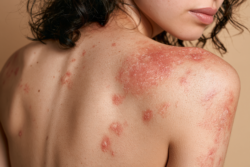



- Thalassemia Symptoms and the Tests That Confirm the Diagnosis
- Can Thalassemia Be Cured? Ayurveda and Individualized Treatment Options
- The Proposed Ayurvedic Curative Model for Thalassemia
- Drakshadi Rasayana Avaleha in the Ayurvedic Curative Model for Thalassemia
- Ayurvedic Case Studies in Thalassemia: Amlavetasa and Published Patient Outcomes
- Iron Overload, Nutrition and Medicine Quality During Thalassemia Treatment
- Frequently Asked Questions
- References
Thalassemia is an inherited blood condition that affects how your body makes hemoglobin, the protein in red blood cells that carries oxygen. Some people have no noticeable symptoms, while others develop anemia that requires regular treatment. The diagnosis alone does not tell you how severely you or your child will be affected. Understanding the specific type is the first step toward choosing appropriate care. (Centers for Disease Control and Prevention, 2024).
Thalassemia passes from parents to children through genes. A parent may carry the trait without knowing it, particularly when symptoms are absent or mild. Being a carrier is different from having a form of thalassemia that requires ongoing specialist treatment. (Centers for Disease Control and Prevention, 2024).
Alpha Thalassemia and Beta Thalassemia
The main form of adult hemoglobin contains alpha and beta protein chains. Alpha thalassemia reduces the production of alpha chains, while beta thalassemia reduces the production of beta chains. These names identify which part of hemoglobin production is affected. Neither name, by itself, tells you how severe the condition is. (Centers for Disease Control and Prevention, 2024).
In alpha thalassemia, severity depends partly on how many alpha globin genes are affected and the particular genetic changes involved. Silent carriers usually have no symptoms, while people with alpha thalassemia trait may have mild anemia. Hemoglobin H disease can cause more substantial anemia. The most severe form, alpha thalassemia major, can cause serious anemia before birth and requires highly specialized care. (Thalassaemia International Federation, 2023).
Beta thalassemia also ranges from a carrier state to severe disease. A related condition, Hb E beta thalassemia, occurs when a person inherits a hemoglobin E variant from one parent and a beta thalassemia variant from the other. Its severity varies, so the diagnosis must be considered alongside symptoms and blood results. (Thalassaemia International Federation, 2025).
Thalassemia Trait, Intermedia and Major
Thalassemia trait, also called thalassemia minor, generally describes a carrier state. Many carriers remain healthy, although their red blood cells may be smaller and their hemoglobin slightly lower than average. Thalassemia trait does not turn into thalassemia major. However, carriers can pass the relevant genetic variant to their children, which makes partner testing and genetic counseling important when planning a pregnancy. (National Health Service, 2022).
Intermedia and major are traditional terms used particularly for beta thalassemia. Intermedia describes disease that may not initially require regular transfusions. Major usually describes severe disease requiring regular transfusions from early childhood. These are clinical categories, not successive stages that every patient passes through. (Thalassaemia International Federation, 2025).
Why Blood Transfusion Requirements Matter
Doctors also distinguish between thalassemia that requires regular transfusions and forms that do not. Some people need ongoing transfusion support, while others need transfusions only during particular circumstances, such as illness or worsening anemia. These requirements can change over time. (Thalassaemia International Federation, 2025).
Not needing regular transfusions does not mean that clinically significant thalassemia needs no monitoring. Complications can still develop. Your care plan should therefore reflect your confirmed diagnosis, symptoms, blood results and organ health rather than the condition’s name alone. (Thalassaemia International Federation, 2025).
Table 1: Types of Thalassemia Explained Simply
| Type | What it means | Usual severity | Common patient situation | Key point |
|---|---|---|---|---|
| Silent carrier | One mild alpha gene change | Usually no symptoms | Found during family screening or pregnancy testing | Usually no treatment needed |
| Alpha thalassemia trait | Two alpha gene changes | Mild anemia possible | Small red blood cells, often mistaken for iron deficiency | Important for partner testing |
| Hemoglobin H disease | Three alpha gene changes | Moderate to severe | Anemia, jaundice, enlarged spleen, possible crises | Needs monitoring and specialist care |
| Alpha thalassemia major | Four alpha gene changes | Very severe | Severe anemia before birth | Requires highly specialized care |
| Beta thalassemia trait | One beta gene change | Usually mild | Mild anemia or no symptoms | Trait does not become major |
| Beta thalassemia intermedia | Two beta gene changes with moderate effect | Variable | May not need regular transfusions at first | Monitoring remains important |
| Beta thalassemia major | Two severe beta gene changes | Severe | Regular transfusions often start in early childhood | Long-term treatment is essential |
| Hb E beta thalassemia | Hemoglobin E plus beta thalassemia variant | Highly variable | May range from mild to transfusion dependent | Individual assessment is necessary |
Thalassemia Symptoms and the Tests That Confirm the Diagnosis

Thalassemia symptoms can range from no noticeable changes to persistent anemia and complications affecting other organs. Many people with thalassemia trait feel well and discover it through routine blood testing. The less common and rare problems described below mainly concern clinically significant forms of thalassemia, not the usual carrier state, and do not develop in every patient (National Heart, Lung, and Blood Institute, 2022; National Health Service, 2022).
Table 2 : Common, Less Common and Rare Symptoms of Thalassemia
| Symptom group | Possible symptoms | More likely in | What the patient should do |
|---|---|---|---|
| Common anemia symptoms | Tiredness, weakness, pale skin, dizziness, breathlessness, headache | Trait, intermedia or major depending on severity | Get CBC, iron studies and hemoglobin testing |
| Symptoms in young children | Poor feeding, irritability, poor weight gain, paleness, delayed growth | Severe beta thalassemia, some significant alpha forms | Pediatric hematology assessment |
| Liver and spleen symptoms | Enlarged abdomen, left upper abdominal fullness, early satiety, jaundice | Clinically significant thalassemia | Examination, ultrasound and blood review |
| Bone and growth symptoms | Delayed puberty, bone changes, bone pain, short stature | Inadequately controlled severe disease or complications | Endocrine and bone health assessment |
| Iron overload symptoms | Fatigue, abdominal discomfort, hormone problems, heart symptoms | Repeated transfusions or increased absorption | Ferritin and organ iron monitoring |
| Heart and lung warning symptoms | Chest discomfort, worsening breathlessness, palpitations, ankle swelling | Advanced complications | Urgent medical review |
| Rare emergency symptoms | Sudden weakness, dark urine, severe jaundice, collapse, stroke-like symptoms | Hemolytic crisis, clotting or severe anemia | Emergency care |
Common Symptoms of Anemia
Persistent tiredness, weakness, pale skin, headaches and dizziness are among the more familiar symptoms. You may notice that ordinary activities require more effort, or that you become breathless when walking uphill, climbing stairs or exercising. These symptoms occur because the blood cannot deliver oxygen as effectively as the body needs (National Heart, Lung, and Blood Institute, 2022).
Some people also notice a faster or pounding heartbeat as the heart works harder to circulate blood. However, tiredness and palpitations have many possible causes. A change from your usual energy level or exercise tolerance deserves assessment rather than being automatically attributed to thalassemia (Walker & Farmakis, 2025).
Symptoms in Babies and Young Children
Severe beta thalassemia commonly becomes apparent between six and 24 months of age. Parents may notice increasing paleness, feeding difficulties, irritability, poor weight gain or slower growth. The child may also develop mild jaundice or an enlarged abdomen because the liver and spleen have become larger (Langer, 2026).
These findings need pediatric assessment, but they do not establish the diagnosis by themselves. Timely transfusion treatment and appropriate iron management can support growth and development in children with severe disease. Feeding problems or poor growth should therefore prompt investigation rather than a period of observation without medical guidance (Langer, 2026).
Jaundice, Dark Urine and Abdominal Discomfort
Yellowing of the whites of the eyes or skin is called jaundice. In thalassemia, increased breakdown of red blood cells can raise bilirubin, the pigment responsible for this change. Dark urine can also occur, particularly during episodes of increased red cell destruction. A sudden change in urine color accompanied by increasing weakness or jaundice needs prompt assessment (National Heart, Lung, and Blood Institute, 2022; Songdej & Fucharoen, 2023).
An enlarged spleen may cause discomfort beneath the left ribs or make you feel full after eating only a small amount. Enlargement of the liver or spleen can also make the abdomen appear swollen. These findings are assessed through examination and, when appropriate, an ultrasound scan (Aydinok et al., 2025).
Gallstones are another possible complication of increased red cell breakdown. They may cause pain in the upper right abdomen, sometimes after a substantial meal, with nausea or vomiting. Abdominal pain accompanied by fever or worsening jaundice requires urgent medical assessment because a blocked or infected bile duct needs treatment (Aydinok et al., 2025; National Institute of Diabetes and Digestive and Kidney Diseases, 2017).
Growth Problems and Bone Changes
In inadequately treated severe disease, the bone marrow can expand as it attempts to produce more blood cells. Over time, this may change the shape of the forehead, cheekbones or upper jaw and affect the bones of the legs. These are complications of significant disease, not expected features of thalassemia trait (Langer, 2026).
Reduced bone strength can develop for several reasons, including hormonal problems and iron overload. Osteoporosis often causes no symptoms until a fracture occurs. A spinal fracture may produce back pain, loss of height or a more curved posture, while other fractures may follow relatively minor injuries (Casale et al., 2025).
Delayed Puberty, Hormonal Changes and Diabetes Symptoms
In children and adolescents with significant thalassemia, slower growth or delayed puberty may indicate an endocrine complication. Iron overload can affect glands that regulate growth and sexual development. In adults, related hormonal problems may cause absent or irregular menstrual periods, reduced sexual desire, erectile difficulties or impaired fertility (Casale et al., 2025).
An underactive thyroid may cause worsening fatigue, constipation and reduced physical or mental performance. If diabetes develops, symptoms can include unusual thirst, frequent urination and unexplained weight loss. Less commonly, low calcium associated with parathyroid dysfunction can cause tingling, muscle cramps or spasms. These symptoms require appropriate testing rather than being treated as ordinary anemia (Casale et al., 2025).
Heart and Lung Symptoms
New or worsening breathlessness should not always be explained by a low hemoglobin level. In clinically significant thalassemia, iron overload can damage the heart and contribute to abnormal rhythms or heart failure. Cardiac iron can accumulate before obvious symptoms develop, which is why scheduled monitoring remains important even when you feel well (Walker & Farmakis, 2025).
Another possible complication is pulmonary hypertension, meaning increased pressure in the blood vessels supplying the lungs. It can cause worsening breathlessness during activity, chest discomfort, dizziness, a pounding heartbeat or swelling around the ankles. Persistent chest pain, collapse or severe breathing difficulty requires emergency care rather than waiting for a routine appointment (Walker & Farmakis, 2025; National Heart, Lung, and Blood Institute, 2023; National Health Service, 2024).
Less Common Skin, Bleeding and Infection Problems
Painful leg ulcers can occur, particularly in some adults with thalassemia who do not receive regular transfusions. These wounds may heal slowly or return after healing. Persistent sores need assessment of circulation, anemia and other contributing problems (Aydinok et al., 2025).
An overactive enlarged spleen can lower platelet or white blood cell counts, sometimes contributing to bleeding or recurrent infections. Fever after spleen removal requires urgent medical assessment, because serious infection can progress rapidly. Fever should not be accepted as a routine symptom of thalassemia (Aydinok et al., 2025).
Sudden Worsening of Anemia
People with hemoglobin H disease can develop a sudden increase in red blood cell destruction, often during or after an infection. This is called a hemolytic crisis. Warning signs include rapidly increasing paleness, marked weakness, worsening jaundice and dark urine. A substantial fall in hemoglobin can occur quickly, so these changes require emergency assessment (Songdej & Fucharoen, 2023).
A less common problem is an aplastic crisis, in which blood cell production temporarily falls, sometimes following parvovirus B19 infection. It can also cause a rapid deterioration in anemia. Blood tests, including a reticulocyte count that measures newly produced red cells, help distinguish reduced production from increased destruction (Songdej & Fuchucharoen, 2023).
Rare Blood Clot and Neurological Complications
Blood clots are a recognized complication in some forms of clinically significant thalassemia, particularly after spleen removal. Pain and swelling in one leg may indicate a clot. Sudden breathlessness, chest pain that worsens with breathing or coughing up blood may indicate that a clot has reached the lungs and requires emergency assessment (Walker & Farmakis, 2025; National Health Service, 2023).
Sudden facial drooping, weakness in an arm or leg, or difficulty speaking can indicate a stroke. Call your local emergency number immediately, even if the symptoms improve. These are emergency warning signs, not ordinary manifestations of anemia (National Health Service, 2024).
Rarely, tissue that produces blood cells can form outside the bone marrow and press on the spinal cord. This process is called extramedullary hematopoiesis. It may cause back pain with new leg weakness, numbness, difficulty walking or loss of bladder or bowel control. These symptoms require urgent hospital assessment because prolonged compression can cause lasting neurological damage (Taher et al., 2023).
Blood Counts, Hemoglobin Analysis and Genetic Testing
The first investigation is usually a complete blood count. It measures hemoglobin and provides information about the number and size of blood cells. Thalassemia often produces smaller red blood cells, but this finding also occurs in iron deficiency. A blood film allows the laboratory to examine cell appearance and identify additional clues (National Heart, Lung, and Blood Institute, 2022).
Hemoglobin analysis measures the different types of hemoglobin in your blood. Methods include electrophoresis and high performance liquid chromatography. The pattern helps identify beta thalassemia and other inherited hemoglobin conditions, but the result must be interpreted alongside the blood count, iron status and clinical history (ARUP Laboratories, 2026).
Genetic testing may be needed to clarify uncertain findings or identify the specific inherited changes. A normal hemoglobin electrophoresis result does not exclude alpha thalassemia trait. This is particularly important when small red blood cells persist despite adequate iron stores (ARUP Laboratories, 2025, 2026).
Tell your doctor about recent transfusions before testing is interpreted. Donated red blood cells can affect hemoglobin analysis, so transfusion dates and earlier laboratory reports may influence the next diagnostic step. Additional tests for organ complications are selected according to the confirmed diagnosis and clinical findings, rather than being required for every carrier (ARUP Laboratories, 2026; Walker & Farmakis, 2025).
Thalassemia or Iron Deficiency: Why the Difference Matters
Thalassemia and iron deficiency can both cause tiredness, low hemoglobin and small red blood cells. Ferritin and other iron studies help distinguish them. A low ferritin usually supports iron deficiency, but inflammation can raise ferritin and complicate interpretation. The two conditions can also occur together (ARUP Laboratories, 2026).
Table 3: Thalassemia or Iron Deficiency Anemia?
| Feature | Thalassemia trait | Iron deficiency anemia | Why it matters |
|---|---|---|---|
| Cause | Inherited hemoglobin production change | Low iron stores | Treatment is different |
| Red blood cell size | Often small | Often small | CBC alone may not separate them |
| Ferritin | Often normal unless another issue exists | Usually low | Helps assess iron stores |
| Hemoglobin electrophoresis | May show beta thalassemia pattern | Usually does not show thalassemia pattern | Useful for beta thalassemia |
| Alpha thalassemia trait | May have normal electrophoresis | Not applicable | Genetic testing may be needed |
| Iron supplement response | Does not correct the inherited condition | Can improve anemia when deficiency is present | Avoid unnecessary iron |
| Pregnancy relevance | Partner testing may be important | Nutritional correction may be needed | Both can affect pregnancy planning |
Low hemoglobin does not automatically mean that you need iron supplements. Iron treatment is appropriate when deficiency has been established, but it does not correct the inherited problem with hemoglobin production. Unnecessary supplementation can be harmful when iron stores are already adequate or excessive (National Health Service, 2022).
The purpose of testing is therefore not simply to attach a name to the anemia. It is to confirm the type of thalassemia, identify any additional cause of symptoms and determine which treatment or monitoring is appropriate for you or your child (National Heart, Lung, and Blood Institute, 2022).
Can Thalassemia Be Cured? Ayurveda and Individualized Treatment Options

Thalassemia treatment should help you feel stronger, maintain healthy growth and protect your health over time. For some patients, stem cell transplantation can provide a cure, while gene therapies offer another potentially curative option for eligible people with beta thalassemia. Ayurveda brings an individualized approach to symptoms and nourishment, with small clinical studies reporting improvements in selected symptoms during continued medical care (Pinto et al., 2025; Locatelli & Algeri, 2025; Singh et al., 2010).
Understanding these different treatment outcomes helps you make informed decisions. Relief from fatigue, improved appetite, reduced transfusion requirements and sustained transfusion independence each deserve careful assessment using the patient’s experience and medical records.
Ayurveda’s Individualized Treatment Model
Ayurvedic assessment considers appetite, digestion, physical strength and the pattern of symptoms affecting the individual. Within the classical discussion of Pandu, treatment is selected according to the patient’s presentation. This provides a traditional foundation for individualized care, while blood tests and specialist assessment establish the precise form of thalassemia and its treatment needs (Charaka Samhita, Chikitsa Sthana, Chapter 16; Singh et al., 2010).
For the proposed treatment model, the first step is to identify practical goals. These might include evaluating persistent fatigue, investigating poor appetite or improving comfort during everyday activities. The Ayurvedic physician and hematologist should consider these priorities alongside transfusion history, iron measurements, organ health and current medicines.
Dhatri Avaleha: The Classical Passage and Its Relevance
Dhatri Avaleha is described in Charaka Samhita, Chikitsa Sthana, Chapter 16, Pandu Roga Chikitsa, verses 100 and 101. The passage identifies the ingredients and preparation of this medicinal paste.
द्विपलांशां तुगाक्षीरीं नागरं मधुयष्टिकाम्।
प्रास्थिकीं पिप्पलीं द्राक्षां शर्करार्धतुलां शुभाम्॥१००॥
धात्रीफलरसद्रोणे चूर्णितं लेहवत् पचेत्।
शीतं मधुप्रस्थयुतं लिह्यात् पाणितलं ततः॥१०१॥
Transliteration
Dvipalāṃśāṃ tugākṣīrīṃ nāgaraṃ madhuyaṣṭikām।
Prāsthikīṃ pippalīṃ drākṣāṃ śarkarārdhatulāṃ śubhām॥100॥
Dhātrīphalarasadroṇe cūrṇitaṃ lehavat pacet।
Śītaṃ madhuprasthayutaṃ lihyāt pāṇitalaṃ tataḥ॥101॥
Simple English translation
Take two pala each of bamboo silica, dried ginger and licorice, one prastha each of long pepper and raisins, and half a tula of good quality sugar. Cook the powdered ingredients in one drona of amla juice until a thick medicinal paste forms. After cooling, add one prastha of honey. The text describes taking a traditional palm sized measure.
Pala, prastha, tula and drona are historical measurement units. This passage explains the classical preparation; a present day prescription should specify the actual formulation and an individually assessed dose.
Its relevance to thalassemia is specific. Researchers subsequently selected Dhatri Avaleha for a clinical study in children with the condition. The classical passage establishes the formulation’s traditional foundation, while the clinical study describes the outcomes observed in those children. Together, they allow patients to understand both the Ayurvedic rationale and the available human evidence (Singh et al., 2010).
What Clinical Studies Have Reported
A study published in 2010 enrolled 19 children with thalassemia. Eight children receiving Dhatri Avaleha and six children in the comparison group completed treatment and observation. Treatment lasted 60 days, followed by a further two months of observation. Researchers reported improvements in fatigue, abdominal discomfort, pallor and appetite in the Ayurvedic treatment group during ongoing transfusion care (Singh et al., 2010).
These findings provide preliminary evidence of symptom benefits in a small group of children. For a patient or parent, their practical relevance lies in the specific concerns assessed, such as tiredness and appetite, and in the opportunity to evaluate those concerns systematically during treatment (Singh et al., 2010).
A separate study published in 2014 investigated Triphaladi Avaleha as a research formulation for thalassemia. Of 32 children enrolled, 24 completed treatment. During the 12 week treatment period, the investigators reported improvements in selected symptom scores, including pallor and joint pain. Both groups continued transfusion care (Patalia et al., 2014).
The published findings support further investigation of Ayurvedic symptom care. Larger studies with longer observation can clarify how consistently these benefits occur and which patients are most likely to experience them (Singh et al., 2010; Patalia et al., 2014).
Matching Treatment to Your Type of Thalassemia
People with thalassemia trait generally require explanation of their diagnosis and appropriate family planning advice rather than treatment for the carrier state itself. When iron deficiency is confirmed, it can be treated as a separate condition. Iron supplementation should therefore follow an assessment of iron status (National Health Service, 2022).
For clinically significant thalassemia, blood transfusions provide functioning red blood cells and support oxygen delivery, growth and physical activity. Iron chelation removes excess iron and helps protect the heart, liver and other organs. These treatments address different needs and form the medical foundation for many patients receiving additional individualized care (Shah et al., 2025; Porter et al., 2025).
Continue prescribed transfusions and chelation while Ayurvedic treatment is being evaluated. The hematologist should direct any adjustment using blood results, transfusion records, iron measurements and clinical wellbeing. Share the complete ingredient list of every preparation so that the treatment team can review the plan together.
Stem Cell Transplantation and Gene Therapy as Cure Options
Stem cell transplantation uses blood forming cells from a suitable donor to establish effective blood production. Successful treatment can provide lasting freedom from regular transfusions. Suitability depends on donor compatibility, age, organ health and treatment history. The specialist assessment also considers infection, immune complications and effects on fertility (Pinto et al., 2025).
Gene therapies use the patient’s own blood forming stem cells, which are modified before being returned to the body. Depending on the treatment, the aim is to introduce functioning beta globin production or increase fetal hemoglobin. These approaches can achieve sustained transfusion independence in responding patients with beta thalassemia (Locatelli & Algeri, 2025).
Both approaches require intensive preparation and continued follow up. Discussing them with a specialist helps patients understand their eligibility while maintaining attention to present symptoms, nutrition and daily wellbeing.
Measuring Progress During Ayurvedic and Hematology Care
A useful treatment review combines how you feel with what your medical records show. Appetite, fatigue, comfort and activity can be recorded alongside hemoglobin measured before transfusion, the amount of blood received, growth in children and iron assessments. Recording concurrent treatments also helps the team interpret changes accurately (Shah et al., 2025; Porter et al., 2025).
A meaningful reduction in transfusion requirements means maintaining adequate hemoglobin and clinical wellbeing while receiving less transfused blood. Your hematologist should confirm that any change meets these goals and remains appropriate over time (Shah et al., 2025).
For Ayurvedic care, this creates a practical assessment process: a clearly identified preparation, individualized prescribing, agreed clinical goals and scheduled reviews. Each recommendation can then be considered according to its documented contribution to the patient’s health.
The Proposed Ayurvedic Curative Model for Thalassemia
Ayurvedic care for thalassemia begins with understanding how the condition affects you or your child. Appetite, physical strength, digestive comfort, growth and participation in daily life deserve attention alongside blood results. The proposed Ayurvedic curative model brings these concerns into an individualized treatment framework. Here, curative describes a research goal, while the available clinical findings concern preliminary improvements in selected symptoms during continued transfusion care (Singh et al., 2010; Patalia et al., 2014).
Table 4: Ayurvedic Curative Model for Thalassemia
| Ayurvedic focus | Practical clinical meaning | What the doctor assesses | Measurable progress |
|---|---|---|---|
| Agni | Digestive and metabolic strength | Appetite, bloating, stool, food tolerance | Better appetite, less heaviness, improved intake |
| Rasa Dhatu | Primary nourishment | Weight, hydration, fatigue, tissue support | Improved energy and nutritional status |
| Rakta Dhatu | Blood-related vitality | Pallor, stamina, hemoglobin trend | Better strength and stable blood parameters |
| Ojas | Resilience and vitality | Immunity, recovery, sleep, emotional strength | Better daily function and fewer exhaustion episodes |
| Yakrit and Pliha support | Liver and spleen balance | Liver enzymes, spleen size, abdominal fullness | Better comfort and stable organ monitoring |
| Rasayana therapy | Rejuvenative, strengthening care | Age, constitution, disease stage, tolerance | Improved wellbeing and sustained follow-up gains |
| Pathya and diet | Supportive nutrition | Iron status, appetite, weight, diabetes risk | More suitable food plan and safer supplementation |
Understanding Thalassemia Through Ayurvedic Principles
Contemporary Ayurvedic researchers have discussed thalassemia through the concept of Beejadushtijanya Pandu. This interpretation considers inherited factors alongside features such as pallor and weakness. It represents a modern application of Ayurvedic reasoning to thalassemia, with the specific diagnosis established through hematological assessment and appropriate genetic testing (Patalia et al., 2014; Thalassaemia International Federation, 2025).
For patients, the practical value of this perspective is an assessment that considers several concerns together. Someone experiencing fatigue and poor appetite may need different treatment priorities from someone whose main concerns are abdominal discomfort and difficulty maintaining weight. The proposed approach therefore begins with the individual’s presentation and medical history.
The Classical Principle Behind Individualized Treatment
Charaka emphasizes understanding the nature of an illness, where it is affecting the body and its particular causes before selecting treatment. This principle appears in Charaka Samhita, Sutra Sthana, Chapter 18, Trishothiya Adhyaya, verse 46.
तस्माद्विकारप्रकृतीरधिष्ठानान्तराणि च।
समुत्थानविशेषांश्च बुद्ध्वा कर्म समाचरेत्॥४६॥
Transliteration
Tasmād vikāraprakṛtīr adhiṣṭhānāntarāṇi ca।
Samutthānaviśeṣāṃś ca buddhvā karma samācaret॥46॥
Simple English translation
Treatment should be undertaken after understanding the nature of the disorder, its locations in the body and its particular causes.
Applied to this proposed model, the verse supports a reasoned assessment before prescribing. The physician should establish the form of thalassemia, understand the patient’s current difficulties and identify a clear purpose for each recommendation. This is an application of the classical principle to present day care.
Assessing Digestion, Nutrition and Physical Strength
The assessment should explore appetite, meal patterns, digestive symptoms, weight changes and the effort required for everyday activities. In children, growth records and feeding difficulties deserve particular attention. International thalassemia guidance recommends regular assessment of nutritional status and individualized advice, including the involvement of a dietitian when appropriate (Fung & Angastiniotis, 2025).
Within Ayurvedic reasoning, agni describes digestive and metabolic function. In practical care, concerns expressed through this concept can be explored through specific questions about eating, appetite and digestive comfort. Any proposed intervention should have a defined purpose, such as evaluating whether appetite or abdominal symptoms improve during treatment (Singh et al., 2010).
Nutritional recommendations should provide sufficient energy and a varied intake suited to the patient’s needs. Supplements should address an identified requirement, with iron status and existing treatment taken into account. This keeps nourishment connected to the individual’s clinical circumstances (Fung & Angastiniotis, 2025).
Rasayana Within Coordinated Thalassemia Care
Rasayana provides an Ayurvedic rationale for considering nourishment and physical wellbeing within treatment. Small pediatric studies have investigated this approach and reported improvements in selected symptoms during ongoing transfusion care. Their findings provide an initial basis for evaluating individual preparations and treatment goals through further clinical research (Singh et al., 2010; Patalia et al., 2014).
In the proposed model, each prescription should document the preparation, complete ingredient list, dose, intended outcome and review schedule. Selection should take account of age, current medicines, liver and kidney health, and relevant product quality testing. This information should be shared with the treating medical team.
Prescribed transfusions and iron chelation should continue throughout the assessment of Ayurvedic care. The hematologist should direct adjustments using hemoglobin results, transfusion requirements, iron measurements and clinical wellbeing (Thalassaemia International Federation, 2025).
Defining Progress Before Treatment Begins
Treatment goals should be specific enough to review. A patient concerned about fatigue might record daily activity and the need for rest. A parent concerned about poor appetite might record food intake alongside the child’s growth assessments. These observations should be considered with blood results and the timing of transfusions, which can themselves substantially influence symptoms (Shah et al., 2025).
For patients receiving regular transfusions, the medical record should include hemoglobin measured before transfusion and the amount of blood received over comparable periods. A meaningful reduction in transfusion requirements preserves adequate hemoglobin, activity and clinical wellbeing. Any change should be confirmed and supervised by the hematology team (Shah et al., 2025).
This gives the proposed Ayurvedic model a practical structure: understand the person, select interventions for defined goals and review the results alongside established medical care. The patient’s experience and documented clinical progress guide each subsequent decision.
Drakshadi Rasayana Avaleha in the Ayurvedic Curative Model for Thalassemia
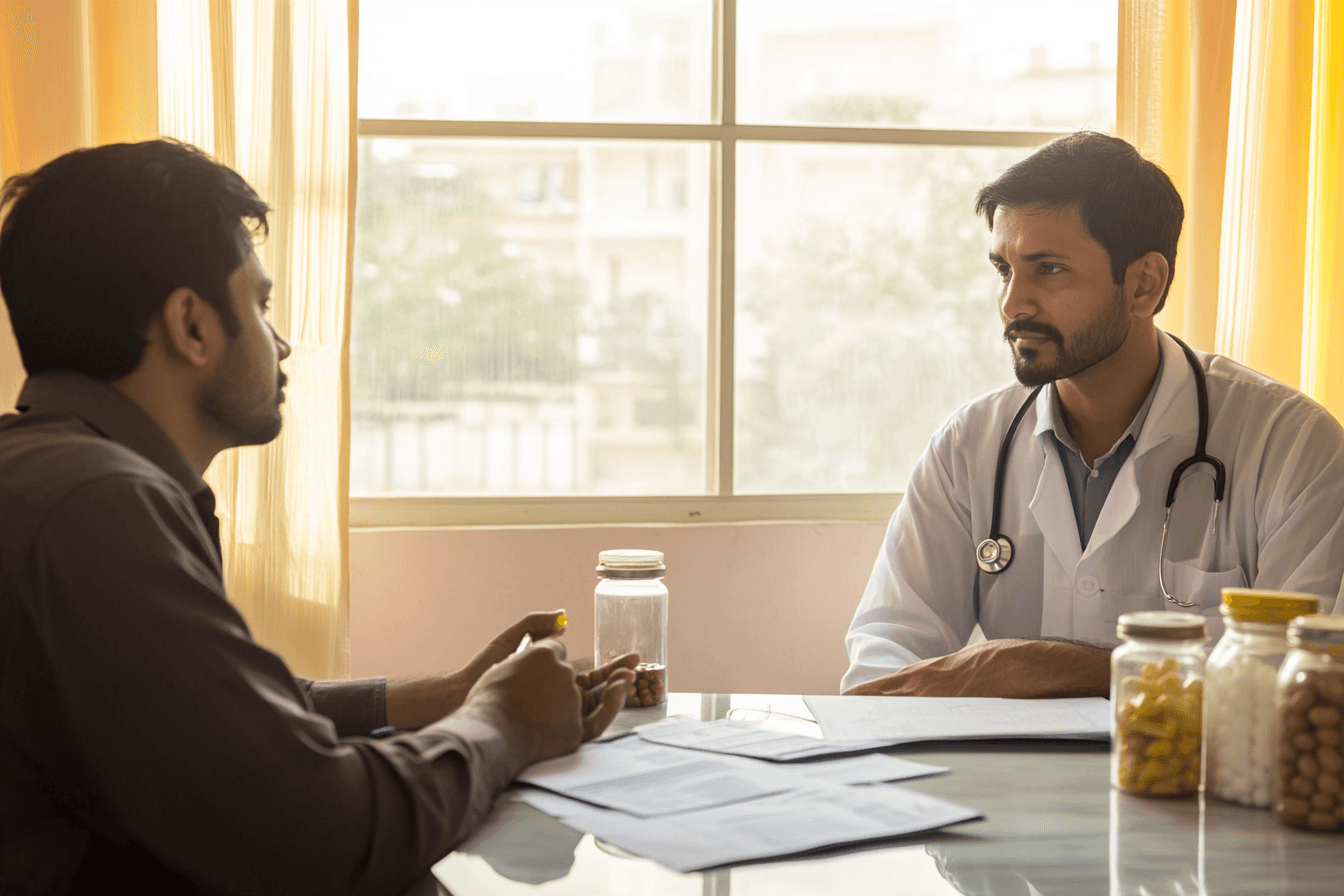
Drakshadi Rasayana Avaleha should be presented as a serious, classical inspired Ayurvedic formulation within a complete thalassemia care model. In a practical clinic, the discussion should not begin only with hemoglobin. It should begin with the child or adult sitting in front of the physician: fatigue, appetite, growth, abdominal heaviness, spleen or liver enlargement, transfusion history, ferritin trend, digestion, sleep, stamina, mood and the family’s long term concern about recovery.
Ayurveda becomes powerful in this situation because it does not look at the blood report in isolation. It studies the person, the strength of digestion, the quality of nourishment, the state of Rakta Dhatu, the burden on channels, the strength of Ojas and the patient’s capacity to respond to treatment. In this article, the name Drakshadi Rasayana Avaleha is used for a physician guided Rasayana formulation inspired by the classical Drakshadi Leha or Drakshavaleha described in Ayurvedic books for Pandu, Kamala and Halimaka. The curative direction is to support deeper strength, better nourishment, improved clinical stability and measurable progress during monitored thalassemia care.
Classical Book Reference for Drakshadi Leha
The classical foundation comes from Ashtanga Hridaya, Chikitsa Sthana, Chapter 16, Pandu Chikitsitam Adhyaya, verses 29 to 31. In this chapter, Acharya Vagbhata describes Drakshadi Leha, also known as Drakshavaleha, in the treatment context of Pandu, Kamala and Halimaka. These conditions are not word for word descriptions of modern thalassemia, but the clinical bridge is rational because thalassemia patients commonly present with pallor, weakness, poor nourishment, fatigue, liver and spleen burden, jaundice tendency and chronic blood related depletion. The verse gives the classical base; the physician applies it intelligently according to present day diagnosis and reports.
द्राक्षाप्रस्थं कणाप्रस्थं शर्करार्धतुलां तथा ॥२९॥
द्विपलं मधुकं शुण्ठीं त्वक्क्षीरीं च विचूर्णितम् ।
धात्रीफलरसद्रोणे तत्क्षिप्त्वा लेहवत्पचेत् ॥३०॥
शीतान्मधुप्रस्थयुताद् लिह्यात्पाणितलं ततः ।
हलीमकं पाण्डुरोगं कामलां च नियच्छति ॥३१॥
Transliteration
Drākṣāprasthaṃ kaṇāprasthaṃ śarkarārdhatulāṃ tathā.
Dvipalaṃ madhukaṃ śuṇṭhīṃ tvakkṣīrīṃ ca vicūrṇitam.
Dhātrīphalarasadroṇe tat kṣiptvā lehavat pacet.
Śītān madhuprasthayutād lihyāt pāṇitalaṃ tataḥ.
Halīmakaṃ pāṇḍurogaṃ kāmalāṃ ca niyacchati.
Simple English translation
Take one prastha of Draksha, one prastha of Kana, half tula of sugar, and two pala each of Madhuka, Shunthi and Tvakkshiri. Powder them well, add them to one drona of Dhatri fruit juice and cook until it becomes a leha. After cooling, add one prastha of honey. A palm sized dose is then taken. The formulation is described for Halimaka, Pandu Roga and Kamala.
This reference is important because it shows that the formulation is not a random mixture. It is a documented classical avaleha from Ashtanga Hridaya, placed in a chapter dealing with pallor, weakness, anemia like conditions, jaundice and deeper systemic depletion. The practical Ayurvedic intelligence is to use this classical base as inspiration, then adapt the final prescription to the patient’s age, appetite, bowel habit, ferritin level, transfusion frequency, liver function, spleen status, diabetes risk and current medicines.
Why This Avaleha Makes Clinical Sense in Thalassemia
In thalassemia, the patient may receive transfusions and iron chelation, yet still struggle with fatigue, poor appetite, reduced physical capacity, slow growth, abdominal fullness, recurrent infections or emotional exhaustion. These are the areas where a Rasayana based Ayurvedic model becomes clinically meaningful. A physician should ask how the patient is eating, whether digestion is comfortable, whether the child is growing, whether the abdomen feels heavy, whether jaundice appears, whether activity is improving and whether the reports are moving in a stable direction.
Draksha gives the formulation a nourishing, cooling and strengthening base. In clinical language, it is useful where weakness, dryness, poor stamina and tissue depletion dominate the presentation. Kana, commonly understood as Pippali, supports deepana and pachana, helping appetite, assimilation and medicine penetration in the Ayurvedic framework. Dhatri, or Amalaki, gives a strong Rasayana direction and supports the logic of tissue nourishment, antioxidant protection and Pitta balance. Madhuka, or Yashtimadhu, contributes soothing, nourishing and restorative properties. Shunthi supports digestion and helps prevent heavy avaleha from becoming difficult to digest. Tvakkshiri adds cooling and nourishing support. Madhu acts as a yogavahi, helping the formulation carry its action deeper when properly prepared and used.
This is why Drakshadi Rasayana Avaleha should not be explained only as a sweet paste. It should be explained as a classical nourishment vehicle designed to support Agni, Rasa Dhatu, Rakta Dhatu, Ojas and strength together. In a thalassemia patient, the practical aim is to improve the terrain in which blood formation, nourishment, organ protection and daily functioning are being assessed.
How a Doctor Should Apply It in a Real Patient
In a child with thalassemia who has poor appetite, pallor, low stamina and slow weight gain, the physician should first review the confirmed diagnosis, recent hemoglobin pattern, transfusion dates, ferritin, liver enzymes, spleen size and current chelation medicine. Then the Ayurvedic assessment should examine appetite, stool, sleep, sweating, thirst, abdominal comfort, tongue, body strength and tolerance to previous medicines. The formulation can then be designed around nourishment without ignoring iron status.
In an adult with thalassemia intermedia or transfusion dependent thalassemia, the decision is different. The physician should look for fatigue pattern, breathlessness, abdominal heaviness, ferritin trend, liver iron assessment where available, heart monitoring, endocrine problems, menstrual history in women, sexual health in men, bone pain, sleep quality and work capacity. The same avaleha name may be used, but the practical formulation logic, dose, anupana and review schedule should be individualized.
This is the difference between ordinary prescribing and a curative Ayurvedic model. Ordinary prescribing says that one medicine is given for one disease name. A curative model studies the disease, the person, the reports, the strength of the body and the clinical direction. The medicine is then used with a defined purpose, such as improving appetite, strengthening digestion, supporting weight, reducing fatigue, improving tolerance to ongoing care, supporting liver and spleen balance, and documenting whether the patient’s treatment burden improves safely over time.
Research Direction Supporting the Avaleha Model
Published Ayurvedic thalassemia studies support the rationality of avaleha based care. Dhatri Avaleha was evaluated in children with thalassemia, and the researchers reported improvements in fatigue, abdominal discomfort, pallor and appetite, along with a potential increase in transfusion interval during continued medical care. This is clinically relevant because these are real problems that thalassemia patients and parents report in daily practice. (PubMed)
Triphaladi Avaleha was studied in Beejadushtijanya Pandu, clinically correlated with thalassemia. The study reported relief in several signs and symptoms and discussed a decrease in iron overload markers in the treatment group. For an Ayurvedic physician, this strengthens the idea that avaleha preparations can be designed for more than taste and nutrition; they can become structured therapeutic vehicles for Rasayana, Rakta support, digestion and systemic stability. (PubMed Central (PMC))
Drakshadi Avaleha itself has been clinically studied in Pandu Roga, particularly in children with iron deficiency anemia. The study selected Drakshadi Avaleha for iron deficiency anemia and reported improvement in parameters such as reduced appetite, pallor, body pain, sleepiness, hemoglobin and general blood picture. This research is not the same as thalassemia research, but it supports the classical Pandu rationale and the practical use of Drakshadi Avaleha as a child friendly, nourishment oriented formulation. (IJSR)
Intelligent Customization for Thalassemia
A pro doctor should never copy the formula mechanically. The original classical verse gives the foundation, but the final thalassemia preparation should be report guided. If ferritin is high, the physician should prepare the formula with special attention to iron status and should avoid unnecessary iron enrichment unless there is a separate confirmed need. If the patient has diabetes or high blood sugar, the sugar and honey content must be considered. If the patient has hypertension, kidney disease or low potassium tendency, the quantity and duration of Yashtimadhu should be reviewed. This is not against Ayurveda; this is Ayurveda applied with clinical intelligence.
Thalassemia patients often require monitoring for iron overload because excess iron can come from repeated transfusions and increased absorption, and iron can affect the liver, heart and endocrine organs. This is why ferritin trends, liver iron assessment, cardiac review and chelation history should remain part of the assessment while Ayurvedic Rasayana care is being planned. (NCBI)
In practical terms, the physician should document the formulation name, ingredients, dose, preparation method, batch quality, duration and review points. The family should know what is being monitored. A good review after one to three months should not depend only on a verbal feeling of improvement. It should compare appetite, energy, sleep, school attendance, work capacity, abdominal comfort, growth in children, pre transfusion hemoglobin, transfusion volume, transfusion interval, ferritin and liver function where relevant.
How Drakshadi Rasayana Avaleha Fits the Curative Model
In the curative model, Drakshadi Rasayana Avaleha should be positioned as a classical inspired base medicine for nourishment, strength and Rakta support. Its role is strongest when it is not used alone, but as part of a personalized protocol that may include other Rasayana, organ support, digestion support, diet correction and careful report based follow up.
The patient should understand that cure in an Ayurvedic framework is not a casual promise. It is a disciplined clinical process. The body is assessed repeatedly. The prescription is refined according to response. The reports are watched. The family is educated. The hematologist’s essential care is respected. The Ayurvedic physician works to improve the inner terrain of the patient so that strength, vitality, nourishment and clinical stability can progressively improve.
This makes the section convincing because it speaks like a doctor, not like a product seller. It explains the book, the verse, the formulation logic, the patient selection, the safety intelligence, the research direction and the measurable review method. Readers who want a broader explanation of thalassemia types, symptoms, diagnosis, treatment options, iron overload, gene therapy and Ayurveda’s role should read Panaceayur’s detailed article on curing thalassemia, fact, fiction and future for more information.
Ayurvedic Case Studies in Thalassemia: Amlavetasa and Published Patient Outcomes
For patients and parents, meaningful evidence connects how someone feels with measurable changes in blood results, growth and treatment requirements. A useful case report should explain these outcomes alongside the medical care received throughout observation.
The Published Case of a Child With Hb E Beta Thalassemia
Ray and colleagues described a girl aged eight with reported Hb E beta thalassemia and 17 previous transfusions. She had weakness, poor appetite, jaundice and an enlarged spleen. At an Ayurvedic research institute in Kolkata, she received Amlavetasa fruit pulp, identified as Garcinia pedunculata, as additional care (Ray et al., 2018).
The report describes 10 g daily, with reviews approximately every two months. This records the study regimen rather than a prescription for other children (Ray et al., 2018).
Recorded Changes in Ferritin, Weight and Symptoms
According to the results narrative, ferritin fell from 875.2 to 311.12 and then 168.71 ng/mL. Weight increased from 17 to approximately 20 kg, and weakness and nausea improved. Her family reported almost two months without transfusion (Ray et al., 2018).
The later hemoglobin was 5.6 g/dL, while bilirubin increased from 2.17 to 4.4 mg/dL. The publication contains discrepancies in starting hemoglobin, ferritin units and observation dates. Verification against the original laboratory records would clarify these differences and allow a more reliable interpretation (Ray et al., 2018).
Additional Findings From a Series of 79 Children
A separate retrospective series in AYUHOM covered 79 children aged six to 14 with reported beta thalassemia major. Amlavetasa was added to their existing medical care for six months, with other prescribed treatments continuing (Mitra et al., 2021).
Average hemoglobin increased from 6.42 g/dL initially to 6.94 g/dL at three months and 6.99 g/dL at six months. The overall increase was 0.57 g/dL. Average weight changed from 24.29 to 25.23 kg (Mitra et al., 2021).
The authors also reported a reduction in monthly transfusion use from 1.48 to 0.95 units. The paper describes this measure as both frequency and units, so it should be understood as the authors’ reported measure rather than a standardized reduction in blood volume (Mitra et al., 2021).
This series provides observations from more children, while its retrospective design and absence of a comparison group mean that the changes describe combined care. A controlled study would help establish how much benefit came specifically from Amlavetasa (Mitra et al., 2021).
Understanding the Ferritin Results
Ferritin helps clinicians follow iron trends, but inflammation and liver injury can also influence its concentration. A reduction therefore needs to be considered alongside the amount of blood transfused, prescribed chelation, infections and other changes in the patient’s health (Porter et al., 2025).
Where appropriate, MRI assessment provides additional information about iron stored in the liver and heart. These measurements help establish whether a laboratory trend corresponds to a meaningful change in organ iron burden. A reduction in ferritin alone does not measure how much iron a particular treatment has removed (Porter et al., 2025).
For Ayurvedic research, a stronger assessment would record these factors consistently throughout treatment. This would help distinguish an encouraging observation from a reproducible effect attributable to the preparation being studied.
Interpreting Transfusion Changes Alongside Hemoglobin
For most patients receiving regular transfusions, international guidance recommends maintaining hemoglobin before transfusion between 9.5 and 10.5 g/dL, with adjustments for individual circumstances. The purpose is to support growth, physical activity and effective control of excessive bone marrow activity (Shah et al., 2025).
The hemoglobin values reported in these studies indicate continuing anemia. A meaningful reduction in transfusion requirements preserves adequate hemoglobin, growth and daily wellbeing. Assessment should therefore include the volume of blood received over comparable periods, the timing of blood tests and the patient’s clinical condition (Shah et al., 2025).
What These Findings Mean for Individualized Ayurvedic Care
These publications identify practical questions for further investigation: whether a defined Amlavetasa preparation improves particular symptoms, whether any blood changes remain consistent over time, and how those changes relate to concurrent treatment. A useful clinical assessment should establish these questions before treatment begins.
For a patient considering Ayurvedic care, the plan should document the preparation, intended outcomes and review schedule. Continue prescribed transfusions and iron chelation, with the hematologist directing any adjustments. This allows additional care to be evaluated while maintaining effective treatment of anemia and iron overload (Shah et al., 2025; Porter et al., 2025).
Iron Overload, Nutrition and Medicine Quality During Thalassemia Treatment
Iron overload is one of the most important concerns in thalassemia care. It can happen when repeated blood transfusions add more iron than the body can naturally remove. In some patients who receive fewer transfusions, iron can also rise because the intestine absorbs more iron over time. A complete treatment plan must therefore assess both anemia and iron burden together (Porter et al., 2025).
Table 5: Iron Overload Monitoring in Thalassemia
| Monitoring area | Why it matters | Common test or assessment | Practical patient question |
|---|---|---|---|
| Ferritin trend | Gives a general picture of iron burden | Serum ferritin | Is my ferritin rising or falling over time? |
| Liver iron | Liver stores excess iron | Liver iron concentration by MRI | Is iron affecting my liver? |
| Heart iron | Cardiac iron can be dangerous | Cardiac T2 star MRI | Is my heart protected? |
| Liver health | Iron and medicines can affect the liver | Liver function tests | Are my liver enzymes stable? |
| Endocrine health | Iron can affect hormones | Thyroid, glucose, puberty and fertility assessment | Are hormones being monitored? |
| Chelation response | Shows whether iron removal is effective | Ferritin, MRI and clinical review | Is my chelation dose working? |
| Ayurvedic medicine safety | Ensures compatibility with long-term care | Ingredient review and quality testing | Is this preparation suitable with my current treatment? |
Why Iron Overload Needs Separate Attention
Anemia means the blood is carrying less oxygen than the body needs. Iron overload means excess iron is collecting in tissues and organs. A person with thalassemia can have both problems at the same time, especially when regular transfusions are needed for growth, strength and survival.
Excess iron can affect the liver, heart, pancreas and hormone glands. Over time, it may contribute to liver problems, diabetes, delayed puberty, fertility concerns, irregular heart rhythm or heart weakness. Regular monitoring is important because organ iron can rise before symptoms become obvious (Porter et al., 2025).
This is why a patient who feels better after transfusion still needs planned follow up. Improved energy is valuable, but it does not show whether iron is controlled. Hemoglobin, ferritin, liver health, heart assessment, growth, appetite and daily activity should be reviewed together.
Ferritin, Organ Iron and Chelation Review
Ferritin is a useful blood test for following iron trends. A rising pattern may suggest increasing iron burden, while a falling pattern can support better control. Ferritin should be interpreted with the patient’s full clinical picture because infection, inflammation and liver stress can influence the result (Porter et al., 2025).
MRI based assessment can estimate iron in important organs, especially the liver and heart. Liver iron concentration and cardiac T2 star testing help doctors understand organ iron more clearly than ferritin alone. These results guide chelation decisions and help protect organs before complications become advanced (Porter et al., 2025).
Chelation medicines help remove excess iron. Commonly used options include deferasirox, deferiprone and deferoxamine. The choice depends on age, iron burden, liver and kidney function, heart findings, tolerance and the patient’s treatment history. Dose changes should be made through specialist review so that iron removal remains effective and well tolerated.
Nutrition Without Confusing Thalassemia With Iron Deficiency
Nutrition should support growth, strength, immunity and recovery. Many families hear the word anemia and immediately think of iron supplements. In thalassemia, this needs careful interpretation. Iron should be used when iron deficiency is confirmed and the treating doctor considers it appropriate (Fung and Angastiniotis, 2025).
A balanced diet is usually more practical than an extreme low iron diet. Patients should be careful with iron tonics, iron fortified health drinks and multivitamins containing iron unless these are specifically advised after assessment. Reading labels is especially important for children’s supplements, pregnancy products and general energy tonics (Fung and Angastiniotis, 2025).
Protein, calcium, vitamin D, folate, zinc and other nutrients may need attention depending on age, diet, growth, bone strength and laboratory results. This fits well with an Ayurvedic approach because diet is assessed through the patient’s appetite, digestion, strength and clinical need rather than through one generic food list.
Ayurvedic Diet Principles in Thalassemia Care
Ayurveda gives strong importance to digestion, nourishment and strength. In thalassemia care, this can be applied through practical attention to appetite, meal tolerance, bowel comfort, energy and recovery after daily activities. These are important concerns for children and adults living with chronic anemia.
A patient friendly Ayurvedic diet should be nourishing, easy to digest and suited to the individual. Children need enough calories and protein for growth. Adults need a sustainable pattern that supports energy without adding unnecessary iron supplementation. When appetite is weak, the treatment plan should first make food easier to tolerate and improve digestive comfort.
Amla based preparations, Rasayana support and individualized dietary planning may be considered by the Ayurvedic physician according to the patient’s condition. When a patient has high iron burden or is receiving chelation, the complete plan should be reviewed carefully, including vitamin C intake, liver status and current medicines. This makes Ayurvedic care more precise and clinically responsible.
Medicine Quality in Ayurvedic Thalassemia Care
Ayurvedic medicines used in chronic blood disorders should be selected with seriousness and transparency. The prescription should clearly mention the formulation name, ingredients, dose, duration and review schedule. For international patients, ingredient clarity and batch quality records increase confidence and make coordination with the hematology team easier.
Herbal preparations should be made from verified raw materials. Mineral and bhasma based preparations require proper purification, classical processing and laboratory quality checks. Testing for lead, mercury, arsenic, cadmium and microbial contamination supports safe use, especially in children and in patients with liver or kidney concerns (National Center for Complementary and Integrative Health, 2019).
This quality focused approach strengthens the credibility of Ayurveda. It shows that individualized Ayurvedic care is a structured clinical process where the formulation, dose, patient selection and monitoring all matter.
Coordinating Ayurveda With Hematology Care
A strong thalassemia plan should bring the Ayurvedic physician, hematologist and family into one clear review pathway. The hematologist manages transfusion targets, chelation and organ iron surveillance. The Ayurvedic physician can focus on individualized symptom care, appetite, digestion, strength, treatment tolerance and patient progress.
Parents and patients can record appetite, fatigue, sleep, abdominal comfort, infections, school attendance, work capacity and physical activity. The medical record should include hemoglobin before transfusion, transfusion volume, ferritin trends, liver and heart iron assessment when available, current chelation and any new symptoms.
This creates a practical model that is favorable to Ayurveda and useful for patients. Ayurveda is evaluated through lived improvement, while hematology results confirm that anemia and iron overload are being managed safely. When both are tracked together, care becomes more transparent, more individualized and more convincing for Western patients.
Frequently Asked Questions
Patients and parents usually want clear answers before choosing any long term treatment plan. These questions should be answered honestly, but in a way that respects Ayurveda as a serious clinical system and helps the reader understand how an Ayurvedic curative model can be assessed with proper records, follow up and coordination.
Can Ayurveda Cure Thalassemia Permanently?
Ayurveda approaches thalassemia through individualized correction of strength, digestion, nourishment, tissue support and symptom pattern. In this article, Ayurveda can be explained as a proposed curative model because the intention is deeper correction of the patient’s health, rather than short term symptom control alone.
Published Ayurvedic studies on Dhatri Avaleha and Triphaladi Avaleha reported improvements in selected symptoms in children with thalassemia during continued medical care. These findings support a structured Ayurvedic treatment model where patient improvement is documented through both symptoms and medical records (Singh et al., 2010; Patalia et al., 2014).
Can Ayurvedic Treatment Reduce Blood Transfusion Requirements?
A reduction in transfusion burden is one of the most important goals for many families. Published Ayurvedic studies have reported encouraging observations related to symptoms and transfusion intervals, especially with Dhatri Avaleha and Amlavetasa based care (Singh et al., 2010; Ray et al., 2018; Mitra et al., 2021).
A longer transfusion interval becomes clinically meaningful when the patient maintains strength, adequate hemoglobin and overall wellbeing. This is why Ayurvedic care should be assessed through a shared review between the Ayurvedic physician and hematologist.
Is Thalassemia Minor the Same as Thalassemia Major?
Thalassemia minor usually means a carrier state. Many people with thalassemia minor live normally and discover the condition only through blood testing. They may have small red blood cells or mild anemia, but they usually do not need the same treatment required by patients with severe thalassemia.
Thalassemia major is a serious form that often requires regular transfusions from childhood. It needs specialist monitoring for anemia, growth, iron overload and organ health. The difference matters because the treatment plan for a carrier is very different from the plan for a child or adult with transfusion dependent disease (National Health Service, 2022; Thalassaemia International Federation, 2025).
Can Children Take Ayurvedic Medicines Alongside Thalassemia Treatment?
Children can be assessed for Ayurvedic care, but the plan should be individualized and supervised. The physician must consider the child’s age, weight, appetite, digestion, current medicines, transfusion schedule, ferritin levels, liver health and kidney health.
Parents should share the complete Ayurvedic prescription with the child’s hematologist. This includes formulation names, ingredients, dose, duration and review schedule. This approach makes the care transparent and helps the family track improvement with confidence.
In pediatric thalassemia studies, Ayurvedic formulations were evaluated while children continued their required medical care. This supports a coordinated model where Ayurveda contributes to strength, appetite, comfort and clinical progress while essential monitoring continues (Singh et al., 2010; Patalia et al., 2014).
Should Iron Supplements Be Taken for Low Hemoglobin in Thalassemia?
Low hemoglobin in thalassemia does not automatically mean that the body needs iron. Thalassemia is primarily related to inherited hemoglobin production, while iron deficiency is a separate condition. Some patients can have both, so iron status should be checked before deciding on supplements.
This is especially important in patients receiving repeated transfusions, because transfusions add iron to the body. Ferritin and other iron studies help the doctor understand whether iron is low, adequate or excessive. Iron supplements should therefore be used only when proper testing supports their need (Fung and Angastiniotis, 2025).
Can Diet Help in Thalassemia?
Diet can support strength, growth, digestion, immunity and recovery. A good diet plan should be nourishing and practical, especially for children who struggle with appetite or weight gain. Ayurveda gives special importance to digestion and food tolerance, which makes diet an important part of individualized care.
The diet should not be based only on the word anemia. Patients should avoid casual use of iron tonics or iron rich supplements unless testing confirms a need. Protein, calcium, vitamin D, folate, zinc and general nutrition may require attention depending on age, diet pattern, growth and laboratory results (Fung and Angastiniotis, 2025).
References
[1] Centers for Disease Control and Prevention. (2024). About thalassemia.
Brief: Use for the basic definition of thalassemia, inherited nature, alpha and beta thalassemia, and broad severity categories.
Link: https://www.cdc.gov/thalassemia/about/index.html
[2] National Heart, Lung, and Blood Institute. (2022). Thalassemia.
Brief: Use for patient friendly explanation of hemoglobin, anemia symptoms, inheritance, serious childhood presentation, and treatment overview.
Link: https://www.nhlbi.nih.gov/health/thalassemia
[3] National Health Service. (2022). Thalassaemia carriers.
Brief: Use for carrier status, thalassemia trait, mild anemia, partner testing, genetic counseling, and iron supplement caution.
Link: https://www.nhs.uk/conditions/thalassaemia/carriers/
[4] Amid, A., Lal, A., Coates, T. D., & Fucharoen, S. (Eds.). (2023). Guidelines for the management of α thalassaemia. Thalassaemia International Federation.
Brief: Use for alpha thalassemia classification, Hemoglobin H disease, alpha thalassemia major, diagnosis, monitoring, and treatment distinctions.
Link: https://www.ncbi.nlm.nih.gov/books/NBK602223/
[5] Origa, R., Sheth, S., Sollaino, M. C., & Rivella, S. (2025). Genetic basis, pathophysiology, and diagnosis. In A. T. Taher, D. Farmakis, J. B. Porter, M. D. Cappellini, & K. M. Musallam (Eds.), Guidelines for the management of transfusion dependent β thalassaemia (5th ed.). Thalassaemia International Federation.
Brief: Use for beta thalassemia classification, Hb E beta thalassemia, diagnosis, pathophysiology, and interpretation of severity.
Link: https://www.ncbi.nlm.nih.gov/books/NBK614253/
[6] National Heart, Lung, and Blood Institute. (2022). Thalassemia: Diagnosis.
Brief: Use for CBC, hemoglobin testing, genetic testing, family history, and diagnostic pathway.
Link: https://www.nhlbi.nih.gov/health/thalassemia/diagnosis
[7] ARUP Laboratories. (2026). Thalassemias: Choose the right test.
Brief: Use for modern laboratory diagnosis, hemoglobin electrophoresis, HPLC, HbA2, HbF, alpha thalassemia testing, and genetic testing indications.
Link: https://arupconsult.com/content/thalassemias
[8] Shah, F. T., Wood, J. C., & Maggio, A. (2025). Blood transfusion. In Guidelines for the management of transfusion dependent β thalassaemia (5th ed.). Thalassaemia International Federation.
Brief: Use for transfusion goals, pre transfusion hemoglobin targets, growth, activity, transfusion scheduling, and interpreting transfusion reduction safely.
Link: https://www.ncbi.nlm.nih.gov/books/NBK614240/
[9] Centers for Disease Control and Prevention. (2024). Treatment of thalassemia.
Brief: Use for patient level overview of treatment depending on type and severity, transfusion, iron overload, and ongoing care.
Link: https://www.cdc.gov/thalassemia/treatment/index.html
[10] National Heart, Lung, and Blood Institute. (2022). Thalassemia: Treatment.
Brief: Use for transfusions, iron chelation, medicines, and blood or marrow stem cell transplant as a cure option in selected patients.
Link: https://www.nhlbi.nih.gov/health/thalassemia/treatment
[11] Porter, J. B., Wood, J. C., & Coates, T. D. (2025). Iron overload and chelation. In Guidelines for the management of transfusion dependent β thalassaemia (5th ed.). Thalassaemia International Federation.
Brief: Use for iron overload, ferritin interpretation, liver iron, cardiac iron, chelation principles, and organ protection.
Link: https://www.ncbi.nlm.nih.gov/books/NBK614244/
[12] Fung, E. B., & Angastiniotis, M. (2025). Nutrition. In Guidelines for the management of transfusion dependent β thalassaemia (5th ed.). Thalassaemia International Federation.
Brief: Use for nutrition, growth support, dietary assessment, micronutrients, and avoiding casual iron supplementation unless clinically indicated.
Link: https://www.ncbi.nlm.nih.gov/books/NBK614250/
[13] Casale, M., Baldini, M., Giusti, A., Grandone, A., & Poggi, M. (2025). Growth abnormalities, endocrine, and bone disease. In Guidelines for the management of transfusion dependent β thalassaemia (5th ed.). Thalassaemia International Federation.
Brief: Use for delayed puberty, growth concerns, diabetes, thyroid issues, fertility concerns, osteoporosis, and bone complications.
Link: https://www.ncbi.nlm.nih.gov/books/NBK614252/
[14] Aydinok, Y., Kattamis, A., Delaporta, P., Bou Fakhredin, R., & Taher, A. T. (2025). Other complications. In Guidelines for the management of transfusion dependent β thalassaemia (5th ed.). Thalassaemia International Federation.
Brief: Use for gallstones, splenomegaly, hypersplenism, leg ulcers, infection risk, extramedullary hematopoiesis, and other complications.
Link: https://www.ncbi.nlm.nih.gov/books/NBK614245/
[15] Pinto, V. M., Gambella, M., Sodani, P., Oevermann, L., & Angelucci, E. (2025). Haematopoietic cell transplantation. In Guidelines for the management of transfusion dependent β thalassaemia (5th ed.). Thalassaemia International Federation.
Brief: Use for stem cell transplantation as a potentially curative treatment, donor selection, eligibility, risks, and long term follow up.
Link: https://www.ncbi.nlm.nih.gov/books/NBK614242/
[16] Locatelli, F., & Algeri, M. (2025). Gene manipulation. In Guidelines for the management of transfusion dependent β thalassaemia (5th ed.). Thalassaemia International Federation.
Brief: Use for gene addition, gene editing, fetal hemoglobin induction, and the role of gene therapy in beta thalassemia.
Link: https://www.ncbi.nlm.nih.gov/books/NBK614241/
[17] U.S. Food and Drug Administration. (n.d.). ZYNTEGLO.
Brief: Use for FDA approved indication of betibeglogene autotemcel for adult and pediatric patients with beta thalassemia requiring regular red blood cell transfusions.
Link: https://www.fda.gov/vaccines-blood-biologics/zynteglo
[18] U.S. Food and Drug Administration. (n.d.). CASGEVY.
Brief: Use for FDA approved indication of exagamglogene autotemcel for transfusion dependent beta thalassemia and current regulatory details.
Link: https://www.fda.gov/vaccines-blood-biologics/casgevy
[19] Locatelli, F., Lang, P., Wall, D., Meisel, R., Corbacioglu, S., Li, A. M., de la Fuente, J., Shah, A. J., Carpenter, B., Kwiatkowski, J. L., Mapara, M., Liem, R. I., Cappellini, M. D., Algeri, M., Kattamis, A., Sheth, S., Grupp, S., Handgretinger, R., Kohli, P., . . . Frangoul, H. (2024). Exagamglogene autotemcel for transfusion dependent beta thalassemia. The New England Journal of Medicine, 390(18), 1663–1676.
Brief: Use for clinical trial data on exa cel, transfusion independence, hemoglobin outcomes, and follow up duration.
Link: https://www.nejm.org/doi/full/10.1056/NEJMoa2309673
[20] U.S. Food and Drug Administration. (2026). FDA approves first oral treatment for anemia in thalassemia, an inherited blood disorder.
Brief: Use for mitapivat, marketed as Aqvesme, and its approval for anemia in adults with alpha or beta thalassemia.
[21] U.S. Food and Drug Administration. (2020). REBLOZYL prescribing information.
Brief: Use for luspatercept indication in adults with beta thalassemia requiring regular red blood cell transfusions and safety information.
Link: https://www.accessdata.fda.gov/Drugsatfda_docs/Label/2020/761136orig2lbl.Pdf
[22] Charaka Samhita. (n.d.). Sutra Sthana, Chapter 18, Trishothiya Adhyaya, verse 46.
Brief: Use only when explaining the classical principle of assessing disease nature, location, and causes before treatment. Keep this reference only if that verse remains in the final article.
Link: https://www.siva.sh/caraka-samhita/sutra-sthana/18/46
[23] Charaka Samhita. (n.d.). Chikitsa Sthana, Chapter 16, Pandu Roga Chikitsa.
Brief: Use for the Ayurvedic foundation of Pandu Chikitsa and Dhatri Avaleha. For Dhatri Avaleha, cite Chapter 16, verses 100 and 101 when discussing the classical formulation source.
Link: https://www.carakasamhitaonline.com/index.php/Pandu_Chikitsa
[24] Singh, R., Patel, K. S., & Anand, I. P. (2010). Evaluation of Dhatri Avaleha as adjuvant therapy in thalassemia. AYU, 31(1), 19–23.
Brief: Use for Dhatri Avaleha in children with thalassemia, symptom improvement, appetite, fatigue, pallor, abdominal discomfort, and transfusion interval observations.
Link: https://pmc.ncbi.nlm.nih.gov/articles/PMC3215316/
[25] Jadhav, S. B., Anand, I. P., & Patel, K. S. (2010). Effect of Triphaladi Avaleha as an adjuvant therapy in the management of thalassemia. AYU, 31(4), 403–409.
Brief: Use for Triphaladi Avaleha as an Ayurvedic add on formulation in thalassemia care and early clinical observations.
Link: https://pubmed.ncbi.nlm.nih.gov/22048530/
[26] Patalia, A. Y., Kori, V. K., Patel, K. S., & Rajagopala, S. (2014). Efficacy of Triphaladi Avaleha on Beejadushtijanya Pandu, thalassemia. AYU, 35(1), 15–21.
Brief: Use for Triphaladi Avaleha in Beejadushtijanya Pandu, thalassemia, including symptom score improvement and iron related assessment.
Link: https://pmc.ncbi.nlm.nih.gov/articles/PMC4213961/
[27] Ray, C., Mitra, A., Ravte, R. K., & Hazra, J. (2018). Role of Amlavetasa, Garcinia pedunculata Roxb. ex Buch. Ham., an Ayurvedic drug in E beta thalassaemia: A case study. Indian Journal of Traditional Knowledge, 17(3), 598–601.
Brief: Use for the published Hb E beta thalassemia case study, Amlavetasa use, ferritin change, symptom improvement, weight gain, and transfusion interval observation.
Link: https://nopr.niscpr.res.in/handle/123456789/44571
[28] Mitra, A., Tripathi, A., Ravte, R. K., Hazra, K., & Prasad, P. V. V. (2021). Ayurvedic add on therapy for beta thalassemia major cases on quality of life: A case series. AYUHOM, 8(2), 97–100.
Brief: Use for the 79 child Amlavetasa add on case series, hemoglobin trend, ferritin trend, weight change, transfusion use, and quality of life observations.
Link: https://doi.org/10.4103/AYUHOM.AYUHOM_36_21
[29] National Center for Complementary and Integrative Health. (2019). Ayurvedic medicine: In depth.
Brief: Use for responsible discussion of Ayurvedic medicine quality, ingredient transparency, testing, and safe integration for international patients.
Link: https://www.nccih.nih.gov/health/ayurvedic-medicine-in-depth
[30] National Center for Complementary and Integrative Health. (n.d.). Licorice root.
Brief: Use only if the article discusses Dhatri Avaleha ingredient considerations, especially licorice, blood pressure, potassium, kidney health, or medication review.