


- Bone Marrow Transplant for Thalassemia at a Glance
- Bone Marrow Transplant for Thalassemia Eligibility
- Pretransplant Tests Before Bone Marrow Transplant for Thalassemia
- Reports to Bring for a Bone Marrow Transplant Consultation
- Donor Matching for Bone Marrow Transplant for Thalassemia
- Bone Marrow Transplant Process for Thalassemia
- Bone Marrow Transplant Success Rate for Thalassemia
- Risks of Bone Marrow Transplant for Thalassemia
- Bone Marrow Transplant Recovery Timeline for Thalassemia
- The First 100 Days After Bone Marrow Transplant for Thalassemia
- When Urgent Medical Care Is Needed After Bone Marrow Transplant for Thalassemia
- Does Bone Marrow Transplant for Thalassemia Remove Existing Iron Overload?
- Bone Marrow Transplant for Thalassemia in Children Versus Adults
- What Happens When No Fully Matched Donor Is Available for Bone Marrow Transplant for Thalassemia?
- Bone Marrow Transplant for Thalassemia Versus Gene Therapy
- Ayurveda Centred Recovery Around Bone Marrow Transplant for Thalassemia
- How Bone Marrow Transplant for Thalassemia Fits Into the Complete Cure Pathway
- Questions to Ask a Bone Marrow Transplant Centre for Thalassemia
- Frequently Asked Questions
- References
Bone Marrow Transplant for Thalassemia at a Glance
A bone marrow transplant for thalassemia can provide a lasting cure for eligible patients with transfusion dependent beta thalassemia when healthy donor stem cells successfully establish stable blood formation. Eligibility depends on the type of thalassemia, donor compatibility, age, iron burden, organ health, infection status and ability to tolerate conditioning treatment. [1–3]
A successful transplant can end regular red blood cell transfusions, but it carries important risks, including graft failure, graft versus host disease, severe infection, infertility and treatment related mortality. The decision should be made by a specialist thalassemia transplant centre after reviewing the patient, donor and treatment plan together. [1–3]
| Patient question | Clear clinical answer |
|---|---|
| Can transplantation cure thalassemia? | Yes. Stable donor stem cell engraftment can replace ineffective blood formation and provide lasting transfusion independence. |
| Who is usually considered? | Patients with transfusion dependent beta thalassemia and selected severe non transfusion dependent cases may be evaluated. |
| What is the preferred donor? | A medically suitable HLA identical sibling is generally the preferred donor when available. |
| What if no matched sibling exists? | A matched unrelated donor, cord blood, haploidentical family donor or gene based therapy may be considered. |
| What affects the success rate? | Age, HLA compatibility, iron burden, organ health, conditioning, stem cell dose and centre experience all matter. |
| What are the main risks? | Graft failure, graft versus host disease, infection, conditioning toxicity, infertility and transplant related mortality. |
| How long does recovery take? | Hospitalisation often lasts several weeks, the first 100 days require close monitoring and immune recovery may continue for one to two years. |
| Does transplantation remove stored iron? | No. Previous iron overload may still require therapeutic phlebotomy or prescribed chelation after stable engraftment. |
| What is the role of Ayurveda? | Ayurveda can support digestion, nutrition, strength, sleep and rehabilitation when coordinated with transplant medicines and laboratory monitoring. |
Who Should Seek an Early Transplant Evaluation?
Early specialist evaluation is appropriate when a child or adult has confirmed transfusion dependent beta thalassemia, particularly when a healthy sibling may be available for HLA testing. Patients without a matched sibling should also be evaluated because unrelated donors, haploidentical relatives, cord blood and gene based therapies may provide alternative curative pathways. [1,3,6,7]
The evaluation should not wait until severe symptoms appear. Liver iron, cardiac iron, endocrine dysfunction and fibrosis can develop before a patient notices a major change in daily health. Early assessment provides time for donor testing, organ optimisation, fertility counselling and informed comparison of curative options.
Reports to Prepare Before a Personalised Review
Patients should prepare their molecular genetic report, haemoglobin analysis, recent complete blood count, transfusion history, red cell antibody record, ferritin trend, liver iron MRI, cardiac T2 star MRI, liver fibrosis assessment, HLA typing results, infection screening and complete medicine list.
A coordinated consultation can then assess nutritional reserve, digestive health, current strength, residual iron risk and supportive Ayurveda requirements while the transplant centre determines eligibility, donor suitability, conditioning and graft management.
A bone marrow transplant for thalassemia can provide a lasting cure when healthy donor stem cells successfully establish new blood formation in the recipient. The medical term is allogeneic hematopoietic cell transplantation, which means that blood forming stem cells are obtained from another person. It is an established curative treatment for transfusion dependent beta thalassemia, particularly when transplantation is performed before severe iron related organ damage develops. [1] PubMed Central (PMC)
Thalassemia develops because inherited gene changes reduce or prevent the production of normal globin chains needed to make haemoglobin. In severe beta thalassemia, the bone marrow produces large numbers of abnormal red blood cell precursors, but many of these cells are destroyed before reaching the circulation. The resulting anaemia may require regular lifelong blood transfusions.
A successful transplant replaces this ineffective blood forming system with donor derived stem cells capable of producing functional red blood cells. The transplant does not change every cell or gene in the patient’s body. It establishes a new source of healthy blood production within the bone marrow.
How Bone Marrow Transplant for Thalassemia Creates Healthy Blood Formation
Before donor stem cells are infused, the patient receives a conditioning regimen. Conditioning suppresses the existing marrow and immune response, creates space for donor cells and reduces the likelihood that the recipient’s immune system will reject the graft.
The donor stem cells are then administered through a vein. They travel to the bone marrow, settle within the marrow spaces and begin producing new blood cells. This process is called engraftment. The procedure is therefore closer to a specialised blood infusion than an operation in which bones or marrow are surgically replaced.
As donor stem cells multiply, they produce red blood cells containing functional haemoglobin. When donor blood formation becomes stable, the patient may no longer need regular red blood cell transfusions. Current guidelines recommend considering transplantation early in transfusion dependent beta thalassemia when a suitable human leukocyte antigen matched donor is available. [1] PubMed Central (PMC)
What Cure Means After Bone Marrow Transplant for Thalassemia
Cure means that the transplanted donor cells maintain effective blood production over the long term. Doctors assess this through haemoglobin levels, blood counts, transfusion requirements and chimerism testing. Chimerism describes the proportion of blood forming cells that originate from the donor.
Complete donor chimerism is not always necessary for transfusion independence. Some patients remain clinically well with stable mixed chimerism, in which donor and recipient blood forming cells coexist. What matters is whether donor derived blood production remains sufficient and stable without a return to transfusion dependent anaemia.
A patient may be considered cured of the blood disorder when there is sustained engraftment, effective haemoglobin production and lasting freedom from regular transfusions. Continued follow up remains necessary because graft failure, graft rejection or a gradual reduction in donor chimerism can occasionally occur.
The genetic change responsible for thalassemia remains present in nonblood tissues and reproductive cells. A person cured through transplantation can therefore still pass a thalassemia gene to future children. Genetic counselling remains relevant during adult life and family planning.
Does Cure Reverse Previous Thalassemia Complications?
Ending transfusion dependence prevents the continuing accumulation of transfusional iron, but it does not immediately remove iron already stored in the liver, heart, pancreas or endocrine organs. Serum ferritin, liver iron concentration and cardiac iron may therefore require continued monitoring after successful engraftment.
Some patients need therapeutic phlebotomy or carefully supervised iron chelation after transplant. The chosen method depends on haemoglobin stability, graft function, liver health, kidney function and the amount of residual iron.
Existing complications may also require separate care. Liver fibrosis, diabetes, thyroid dysfunction, delayed puberty, reduced fertility, low bone density, impaired growth or cardiac injury may improve, remain stable or continue to need treatment. A successful transplant cures the abnormal blood production, while recovery of previously injured organs depends on the type, severity and duration of damage.
Who Is Most Likely to Achieve a Transplant Cure?
The most favourable circumstances generally include transplantation at a younger age, a closely matched healthy donor, well controlled iron overload and preserved liver, heart, lung and kidney function. A human leukocyte antigen identical sibling is often the preferred donor. Bone marrow or cord blood from an identical sibling may be used, while a carefully selected fully matched unrelated donor can also be considered at an experienced transplant centre. [1] PubMed Central (PMC)
Age is not the only deciding factor. Adolescents and adults may also receive curative transplantation, but accumulated iron exposure, liver fibrosis, cardiac health, endocrine complications, fertility concerns and overall treatment tolerance require more detailed evaluation.
Thalassemia trait or thalassemia minor does not ordinarily require transplantation because it usually causes no symptoms or only mild anaemia. Transplantation is principally considered for transfusion dependent disease and selected severe cases in which the expected benefit justifies the risks.
Why a Bone Marrow Transplant Cure Is Not Guaranteed
A transplant can cure thalassemia only when the donor graft establishes stable and effective blood formation. Graft rejection, primary graft failure or later loss of donor cells can result in continued or renewed transfusion dependence.
Conditioning treatment can also cause serious complications, including severe infection, mouth and intestinal inflammation, liver injury, infertility and temporary failure of normal blood cell production. Donor immune cells may attack the recipient’s tissues, producing graft versus host disease involving the skin, digestive tract, liver, lungs, eyes or other organs.
Individual risk is influenced by donor compatibility, age, iron burden, existing organ injury, previous infections, donor specific antibodies, conditioning protocol and the experience of the transplant centre. For this reason, current guidance recommends that transplantation for thalassemia be undertaken by centres with expertise in both hematopoietic transplantation and comprehensive thalassemia care. [1] PubMed Central (PMC)
Ayurveda Within the Thalassemia Transplant Recovery Pathway
Ayurveda can provide an individualised framework for preparing the patient, maintaining nutritional strength and supporting recovery around the transplant journey. The curative biological step remains successful donor stem cell engraftment, while Ayurveda addresses the patient’s digestion, nourishment, strength, sleep, bowel function and gradual restoration of daily wellbeing.
Before transplantation, assessment may include Agni, meaning digestive and metabolic capacity, and Bala, meaning functional strength and resilience. Nutritional correction, suitable meals, sleep regulation and gentle daily routines can help improve general preparedness without interfering with transplant planning.
During conditioning, severe immune suppression and early engraftment, every herbal, mineral or Rasayana preparation requires approval from the transplant haematologist and clinical pharmacist. Liver and kidney function can change rapidly during this period, while interactions with antifungal medicines, antiviral medicines, antibiotics and immunosuppressive therapy may alter safety.
After stable engraftment and transplant specialist clearance, an Ayurveda centred recovery plan may use appropriately selected dietary care, Brimhana, meaning nourishing and tissue building support, and Rasayana, meaning restorative care intended to strengthen recovery and resilience. The plan should be adjusted according to blood counts, donor chimerism, liver and kidney tests, infection risk, residual iron overload and concurrent medicines.
This coordinated approach preserves the curative purpose of transplantation while supporting the patient’s strength, digestion, nutrition and long term rehabilitation.
Bone Marrow Transplant for Thalassemia Eligibility
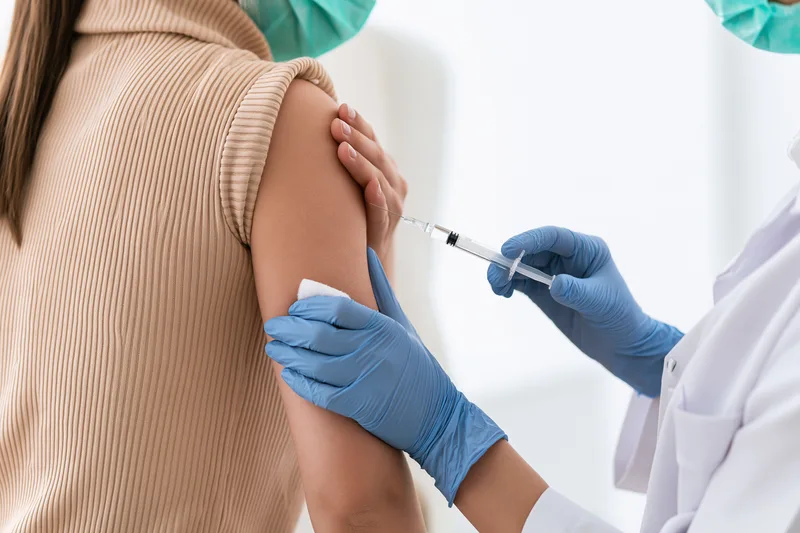
Eligibility for a bone marrow transplant for thalassemia is based on the patient’s disease severity, donor compatibility, iron burden, organ health and ability to tolerate conditioning treatment. It is not decided by age, ferritin or donor availability alone. The complete assessment determines whether transplantation offers a favourable chance of permanent transfusion independence with an acceptable level of risk.
Current Thalassaemia International Federation guidance recommends discussing haematopoietic cell transplantation early in transfusion dependent beta thalassemia, preferably before iron overload causes substantial organ damage and when a suitable human leukocyte antigen matched donor is available. The assessment should be completed jointly by a thalassemia specialist and a transplant centre experienced in nonmalignant blood disorders. [1,2]
Confirmed Type and Severity of Thalassemia
A transplant evaluation begins by confirming the exact diagnosis. The haematologist reviews haemoglobin analysis, molecular genetic testing, age at diagnosis, transfusion history, pretransfusion haemoglobin levels and clinical complications. This prevents a patient with thalassemia trait or a mild phenotype from being exposed to a treatment whose risks would exceed the expected benefit.
Transfusion dependent beta thalassemia is the clearest established indication. Current guidance describes transfusion dependent disease as a clinical pattern involving six or more red blood cell units within six months with no transfusion free period longer than six weeks, or frequent transfusions continuing for more than one year. The clinical phenotype remains important because genotype alone cannot show the complete effect of the disease on the individual patient. [1]
The transplant team also examines growth, pubertal development, spleen size, bone changes, extramedullary blood formation, previous splenectomy, transfusion reactions and red cell antibodies. A child who needs regular transfusions from early life may benefit from prompt evaluation even when current organ function appears normal.
Thalassemia minor does not ordinarily require bone marrow transplantation because it usually causes no anaemia or only mild anaemia. A person with non transfusion dependent thalassemia requires individual assessment when the disease has produced severe anaemia, recurrent transfusion requirements, pulmonary hypertension, progressive spleen enlargement, extramedullary blood formation or serious iron related complications. The diagnostic label alone should not determine the decision.
Age and Timing of Bone Marrow Transplant for Thalassemia
There is no single age that automatically makes every patient eligible or ineligible. Younger children often have a more favourable transplant profile because they have usually received fewer transfusions and have had less time to accumulate iron related liver, heart and endocrine damage.
For a child with transfusion dependent beta thalassemia and an HLA identical sibling donor, evaluation should begin early rather than waiting for complications to appear. Earlier transplantation may provide more years without transfusions and may reduce prolonged exposure to transfusional iron. [1,2]
Adolescents and adults may also be eligible. In adults, chronological age is considered together with liver fibrosis, cardiac function, diabetes, endocrine health, iron burden, infection history, fertility goals and physical reserve. Current guidance gives special attention to adults because long exposure to transfusion related iron may increase tissue vulnerability during conditioning. Age itself may be less important than the degree of established organ injury. [2]
A patient should therefore not be rejected only because adulthood has been reached. The transplant centre must determine whether the heart, liver, lungs, kidneys and general health can tolerate the proposed conditioning regimen.
Donor Compatibility and HLA Matching
A suitable donor is central to eligibility. Human leukocyte antigen typing examines inherited immune markers that influence graft acceptance, rejection and graft versus host disease. It is different from ordinary blood group matching.
Full biological siblings are usually tested first because an HLA identical brother or sister is generally the preferred donor. Bone marrow or umbilical cord blood from an HLA identical sibling may be used when the donor is healthy and the stem cell source is suitable. [1,2]
When no matched sibling is available, a fully matched unrelated donor may provide another curative route. High resolution compatibility across relevant HLA class I and class II markers is required. Current registry evidence indicates that carefully selected fully matched unrelated donors can produce outcomes approaching those achieved with matched sibling donors when treatment is performed in an experienced centre. [1,2]
A half matched parent, child or sibling may be considered through a haploidentical transplant protocol. These procedures require specialised conditioning, graft preparation and graft versus host disease prevention. Current international guidance recommends restricting this approach to highly experienced centres using structured protocols because results depend strongly on the method and clinical expertise. [1,2]
Donor selection also considers donor age, general health, infectious screening, donor specific antibodies in the recipient, stem cell source and expected cell dose. Finding a possible donor is therefore the beginning of donor assessment rather than confirmation that the transplant can proceed.
Iron Overload and Liver Health
Iron overload is one of the most important parts of transplant eligibility. Repeated transfusions introduce iron that the body cannot naturally remove in sufficient amounts. Over time, reactive iron can injure the liver, heart, pancreas and endocrine glands and may reduce the patient’s ability to tolerate conditioning.
Serum ferritin is reviewed as a trend rather than as a single value. Ferritin may be influenced by inflammation, infection and liver injury, so it cannot provide a complete measurement of tissue iron. Liver iron concentration measured by MRI gives a more direct assessment of hepatic iron, while cardiac T2 star MRI evaluates iron within the heart muscle. [1,2]
The liver assessment may include liver enzymes, bilirubin, albumin, coagulation testing, viral hepatitis screening, ultrasound and transient elastography. A liver biopsy may be considered when MRI and elastography do not provide enough information or when significant fibrosis requires clarification. The current transplant guideline recommends assessment of liver fibrosis by transient elastography or liver biopsy for transplant candidates. [2]
An enlarged liver, high liver iron concentration or fibrosis does not always exclude transplantation. These findings help the team estimate risk, improve iron management and select the most appropriate conditioning approach. Advanced fibrosis, portal hypertension or impaired liver function requires particularly careful review.
Heart Lung Kidney and Endocrine Function
Conditioning treatment places temporary but substantial stress on several organs. Cardiac assessment may include an electrocardiogram, echocardiogram and cardiac MRI when iron overload is present or suspected. The team evaluates ventricular function, cardiac rhythm, pulmonary pressure and the patient’s ability to tolerate fluid shifts and intensive treatment.
Lung function testing may be required to identify restrictive disease, reduced respiratory reserve or other conditions that could increase the risk of respiratory complications. Kidney assessment generally includes serum creatinine, estimated filtration rate, electrolytes, urine examination and a review of previous chelator related kidney effects.
Endocrine testing is especially relevant in patients who have received transfusions for many years. Glucose regulation, thyroid function, growth, puberty, adrenal health and gonadal function may already be affected by iron deposition. Current guidance specifically recommends assessing fasting glucose, thyroid function and other endocrine effects of iron overload before transplantation. [2] NCBI
An abnormal result may lead to treatment and reassessment rather than immediate exclusion. Diabetes may need tighter control, thyroid deficiency may require correction and nutritional deficiencies may need treatment before conditioning begins. The purpose is to enter transplantation with the strongest achievable organ reserve.
Infection Control and General Fitness
Active infection can become dangerous when conditioning suppresses the immune system. The transplant centre therefore completes detailed infectious screening and reviews previous bacterial, viral and fungal infections. The evaluation may include hepatitis, cytomegalovirus, Epstein Barr virus, HIV and tuberculosis testing according to the patient’s history, country of residence and institutional protocol.
Dental infection, untreated skin infection, persistent fever or another uncontrolled source of infection usually requires treatment before conditioning. Vaccination history is also reviewed because immunity may be altered by both thalassemia care and transplantation.
General fitness includes weight, muscle strength, mobility, nutritional status, oral intake and the ability to perform ordinary daily activities. Significant malnutrition, dehydration or uncontrolled gastrointestinal symptoms can reduce treatment tolerance. These problems may be corrected through nutritional support and medical care before the transplant date is finalised.
Fertility and Family Readiness
Myeloablative conditioning can damage ovarian or testicular function. Fertility counselling should therefore occur before treatment rather than after reproductive injury has developed. Depending on age and circumstances, options may include sperm banking, oocyte or embryo preservation, ovarian tissue preservation and specialist counselling for younger patients. Current TIF guidance recommends fertility assessment and access to preservation options during the pretransplant evaluation. [2] NCBI
The patient and family must also understand hospitalisation, isolation precautions, central line care, infection monitoring, immunosuppressive medicines and the need to remain close to the transplant centre after discharge. Reliable medication use and rapid access to emergency care are essential parts of readiness.
Psychological preparation is equally relevant. Children need age appropriate explanations, while parents require a clear understanding of graft failure, graft versus host disease, infertility, severe infection and transplant related mortality. Informed consent should reflect the expected benefit and risk for that patient and donor rather than a general success percentage.
Ayurveda Centred Preparation Before Transplant
Ayurveda centred preparation works alongside the haematology and transplant evaluation. The assessment includes Agni, meaning digestive and metabolic capacity, and Bala, meaning functional strength and resilience. Appetite, bowel function, sleep, weight, energy, muscle condition and tolerance of current medicines help define the patient’s supportive needs before admission.
The immediate aim is to improve nutritional stability and daily strength without placing additional stress on the liver, kidneys or immune system. Easily digested meals, adequate protein and energy intake, regular sleep, gentle movement and correction of constipation or poor appetite can support pretransplant readiness when planned around the patient’s laboratory results and medical restrictions.
A patient preparing for myeloablative conditioning generally requires nourishing and stabilising care rather than depleting measures. Intensive fasting, strong purgation or other physically demanding procedures close to transplantation may reduce hydration, weight and treatment tolerance. Brimhana, meaning nourishing and tissue building care, can be adapted to the patient’s digestion and nutritional requirements.
Every herbal, mineral or Rasayana medicine should be reviewed with the transplant haematologist and clinical pharmacist. This is particularly important when liver enzymes, kidney function, clotting, infection risk or concurrent medicines could alter safety. Products used during this period require reliable identity, microbial quality and contaminant testing.
Ayurvedic preparation can therefore strengthen digestion, nutrition, sleep and functional recovery while the transplant team manages donor selection, conditioning and graft related care. The biological cure depends on stable donor stem cell engraftment, and supportive Ayurveda helps the patient enter that process in the strongest practical condition.
How the Final Eligibility Decision Is Made
The final decision is made after the patient, donor and transplant plan have been assessed together. A medically suitable patient may still require additional chelation, infection treatment, nutritional correction, fertility preservation or further donor testing before proceeding.
Eligibility can also change. A patient who is temporarily deferred because of uncontrolled infection, severe nutritional weakness or incompletely assessed iron overload may become a suitable candidate after those problems are addressed. Conversely, progressive organ injury may increase risk if evaluation is delayed.
The transplant team must decide whether the expected chance of durable donor engraftment and transfusion independence justifies the immediate and long term risks for that individual. Current guidelines recommend that transplantation be performed by a thalassemia expert transplant centre working closely with a specialist thalassemia service. [1,2] PubMed Central (PMC)
Pretransplant Tests Before Bone Marrow Transplant for Thalassemia

Pretransplant testing before a bone marrow transplant for thalassemia determines whether the patient can tolerate conditioning, whether a proposed donor is immunologically suitable and which complications require correction before admission. The assessment combines thalassemia specific testing with the standard evaluation used for allogeneic haematopoietic cell transplantation.
Bone Marrow Transplant Eligibility Checklist for Thalassemia
This checklist helps families prepare for a bone marrow transplant for thalassemia eligibility assessment. It does not determine final eligibility. The transplant centre must review the diagnosis, donor compatibility, iron burden, organ function, infection status, fertility considerations and ability to tolerate conditioning. [1]
Diagnosis and Transfusion History
☐ The type of thalassemia has been confirmed through haemoglobin analysis and molecular genetic testing.
☐ The patient’s transfusion dependence has been documented.
☐ The age at which regular transfusions began is available.
☐ The usual transfusion interval and pretransfusion haemoglobin are recorded.
☐ The approximate number of red blood cell units received during the previous twelve months is known.
☐ Previous transfusion reactions have been documented.
☐ Red cell antibody reports and difficult crossmatching records are available.
☐ Previous splenectomy, spleen enlargement or extramedullary blood formation has been recorded.
Donor Matching Information
☐ Full biological siblings have been identified for possible HLA testing.
☐ High resolution HLA typing has been completed or requested.
☐ The patient and proposed donor have undergone confirmatory typing using separate samples.
☐ The proposed donor has completed haemoglobin analysis and a general medical assessment.
☐ Donor specific HLA antibody testing has been discussed.
☐ A matched unrelated donor search has been considered when no HLA identical sibling is available.
☐ Cord blood and haploidentical family donor options have been reviewed when relevant.
☐ The family understands that blood group matching is different from HLA matching.
Iron Overload Assessment
☐ Serial serum ferritin results are available rather than only one recent value.
☐ The most recent liver iron concentration MRI report is available.
☐ Cardiac T2 star MRI has been completed when indicated by age, transfusion burden or previous findings.
☐ The current iron chelation medicine, dose and adherence history are documented.
☐ Previous chelation side effects involving the kidneys, liver, hearing or vision are recorded.
☐ The transplant team knows whether the patient has experienced difficulty maintaining iron control.
Liver Assessment
☐ Liver function tests have been completed.
☐ Bilirubin, albumin and coagulation results are available.
☐ Liver ultrasound findings are available.
☐ Liver fibrosis has been assessed through elastography or another recommended method.
☐ Hepatitis B and hepatitis C screening has been completed.
☐ Any previous liver biopsy, portal hypertension or cirrhosis report is available.
Heart Lung and Kidney Assessment
☐ An electrocardiogram has been completed when advised.
☐ An echocardiogram report is available.
☐ Cardiac iron assessment has been completed when required.
☐ Breathlessness, palpitations, fainting or reduced exercise tolerance has been reported.
☐ Kidney function tests and electrolytes are available.
☐ Urine testing has been completed when indicated.
☐ Pulmonary function testing has been completed when requested by the transplant centre.
Infection and Dental Assessment
☐ The patient has no uncontrolled fever or active infection.
☐ Hepatitis, HIV and other required infection screening has been completed.
☐ Cytomegalovirus, Epstein Barr virus, herpes viruses and toxoplasma testing has been performed when required.
☐ Tuberculosis assessment has been completed when clinically relevant.
☐ Dental examination has been arranged before conditioning.
☐ Untreated dental infection, skin infection, urinary infection or respiratory illness has been reported.
☐ Vaccination records are available for review.
Endocrine Growth and Bone Health
☐ Fasting glucose or an oral glucose tolerance test has been completed when indicated.
☐ Thyroid function has been assessed.
☐ Height, weight and growth velocity have been documented for children.
☐ Pubertal development has been assessed in adolescents.
☐ Reproductive hormones have been checked when clinically indicated.
☐ Vitamin D, calcium and bone health have been reviewed.
☐ Previous fractures, persistent bone pain or low bone density have been documented.
Fertility Preservation
☐ The possible effect of conditioning on fertility has been explained.
☐ Fertility preservation has been discussed before the transplant date is finalised.
☐ Sperm banking has been considered for eligible male patients.
☐ Oocyte, embryo or ovarian tissue preservation has been discussed for eligible female patients.
☐ The family understands that successful transplantation does not remove the inherited thalassemia variant from reproductive cells.
Nutrition and Physical Readiness
☐ Recent weight change has been documented.
☐ Appetite, food intake and digestive tolerance have been assessed.
☐ Persistent vomiting, diarrhoea, constipation or swallowing difficulty has been reported.
☐ Muscle strength and ordinary activity tolerance have been reviewed.
☐ Nutritional deficiencies are being corrected where possible.
☐ A transplant dietitian has reviewed energy, protein and food safety needs when required.
Medicines and Ayurveda Disclosure
☐ A complete list of prescription medicines is available.
☐ Iron chelators, antibiotics, antiviral medicines and endocrine treatments are included.
☐ All nonprescription medicines and supplements are listed.
☐ Every Ayurvedic herbal, mineral and Rasayana formulation has been disclosed.
☐ The complete ingredient list, dose, frequency and manufacturer are available.
☐ Product testing for microbial contamination, heavy metals and adulterants can be provided when an Ayurvedic formulation is being considered.
☐ The transplant haematologist and clinical pharmacist have reviewed possible interactions before conditioning.
Family and Practical Readiness
☐ A primary caregiver has been identified.
☐ The family understands that the patient may need to remain close to the transplant centre after discharge.
☐ Emergency transport and twenty four hour contact arrangements have been discussed.
☐ The caregiver can manage medicines, temperature checks, food precautions and central line instructions.
☐ Financial planning includes hospitalisation, medicines, accommodation and possible treatment complications.
☐ School, employment and caregiver leave have been planned.
☐ The patient and family understand graft failure, infection, graft versus host disease, infertility and recovery expectations.
Reports to Bring for a Bone Marrow Transplant Consultation
Place this shorter box immediately after the complete checklist. It provides a conversion focused action step for patients preparing to contact the hospital.
Prepare These Reports Before Your Review
Diagnostic records: Molecular genetic report, haemoglobin electrophoresis or high performance liquid chromatography report, complete blood count and reticulocyte count.
Transfusion records: Transfusion dates, units received, pretransfusion haemoglobin, blood group, red cell antibody screen and previous transfusion reactions.
Iron records: Serial ferritin results, liver iron MRI, cardiac T2 star MRI and current chelation prescription.
Organ assessment: Liver function, kidney function, echocardiogram, electrocardiogram, lung testing, liver elastography and relevant ultrasound reports.
Infection screening: Hepatitis B, hepatitis C, HIV, cytomegalovirus, Epstein Barr virus, tuberculosis and other tests requested by the centre.
Donor records: HLA reports for the patient and potential donors, donor haemoglobin analysis and donor specific antibody results.
Endocrine and fertility records: Glucose testing, thyroid profile, reproductive hormones, growth records, bone density and fertility consultation reports.
Treatment list: Every prescription medicine, supplement and Ayurvedic formulation with the complete ingredients, dose and frequency.
No single blood test can confirm transplant readiness. A patient with a suitable donor may still need better iron control, treatment of an infection, nutritional restoration or further heart and liver assessment before conditioning begins. The transplant team interprets the results together rather than using one ferritin value, one scan or chronological age as the final decision. [1,2]
Confirming the Thalassemia Diagnosis and Transfusion History
The transplant centre first confirms the type and clinical severity of thalassemia. The evaluation usually includes a complete blood count, red cell indices, haemoglobin analysis and molecular genetic testing. Genetic confirmation identifies the affected globin genes and helps distinguish beta thalassemia from other inherited haemoglobin disorders.
The clinical pattern remains as important as the genetic result. The team records the age at which transfusions began, the number of red cell units received, the usual interval between transfusions and the haemoglobin level immediately before each transfusion. This information shows how dependent the patient is on transfusion support and how much cumulative iron exposure may have occurred.
Previous transfusion reactions, difficult crossmatching, red cell antibodies and any history of delayed haemolysis must be documented. These findings affect transfusion planning during conditioning and the early period before donor marrow begins producing sufficient blood cells.
A bone marrow biopsy is not routinely required merely to reconfirm genetically established beta thalassemia. It may be considered when blood findings are atypical, another marrow disorder is suspected or the diagnosis remains uncertain.
HLA Typing and Donor Compatibility Tests
Human leukocyte antigen typing is central to donor selection. High resolution testing compares inherited immune markers in the patient and potential donor. These markers influence graft acceptance, graft failure and graft versus host disease.
A matched sibling assessment usually compares HLA markers inherited from both parents. For an unrelated donor, matching commonly evaluates HLA A, HLA B, HLA C, HLA DRB1 and HLA DQB1 at high resolution. Additional markers, including HLA DPB1, may influence final donor selection according to the transplant protocol. [1,2]
Patient and donor typing should be confirmed using a separate sample before conditioning begins. This reduces the possibility of identification or laboratory errors and ensures that the selected donor is the person whose compatibility was originally established.
Blood group testing is also completed, but an identical ABO blood group is not essential for a successful stem cell transplant. ABO and Rh results help the laboratory plan red cell and platelet support. HLA compatibility remains the more important immunological factor in donor selection.
Donor Specific Antibody Testing
Patients who have received repeated transfusions may develop antibodies against foreign HLA markers. When an antibody is directed against an HLA marker carried by the proposed donor, it is called a donor specific antibody.
Clinically significant donor specific antibodies can interfere with donor stem cell engraftment and increase the risk of primary graft failure. Testing is especially important when a mismatched unrelated donor, umbilical cord blood unit or half matched family donor is being considered. [2,3]
When donor specific antibodies are detected, the transplant team evaluates their strength, complement binding activity and relevance to the chosen donor. The findings may lead to selection of another donor, repeated testing or a specialised antibody reduction protocol before transplant.
The test should be performed sufficiently close to conditioning because antibody levels can change after further transfusions, pregnancy or other immune exposures. The transplant centre determines whether repeat testing is necessary immediately before admission.
Blood Counts and Transfusion Compatibility
A complete blood count measures haemoglobin, white blood cells and platelets. The result establishes the patient’s baseline marrow and splenic effects before conditioning.
A reticulocyte count helps assess current red blood cell production. A peripheral blood smear may show characteristic red cell changes and can identify unexpected findings that require further evaluation.
The blood bank performs ABO and Rh typing, an antibody screen and extended red cell compatibility testing when indicated. Patients with thalassemia may have antibodies against red cell antigens following years of transfusion. Identifying these antibodies before admission reduces delays when compatible blood is urgently needed.
Coagulation tests assess the blood’s clotting ability. Prothrombin time, activated partial thromboplastin time and fibrinogen may be reviewed with liver function and previous bleeding or thrombosis history. Patients who have undergone splenectomy may require additional assessment because splenectomy can alter platelet counts and thrombotic risk.
Iron Overload Tests Before Bone Marrow Transplant for Thalassemia
Iron assessment should extend beyond a single serum ferritin result. Ferritin is useful when reviewed over time, but infection, inflammation and liver injury can raise it independently of total body iron.
Liver iron concentration measured by magnetic resonance imaging provides a more direct estimate of hepatic iron storage. It helps the transplant team assess cumulative transfusion exposure, liver vulnerability and whether iron management should be strengthened before conditioning. [1,4]
Cardiac T2 star magnetic resonance imaging evaluates iron within the heart muscle. This test is particularly important in adolescents and adults, patients with a long transfusion history and anyone with symptoms or previous evidence of cardiac iron.
A normal echocardiogram does not exclude myocardial iron accumulation. Echocardiography measures heart structure and function, while cardiac T2 star imaging examines iron deposition. Both may therefore be required because they answer different clinical questions.
Ferritin, liver iron concentration and cardiac T2 star results are interpreted together with transfusion history, chelation adherence and organ function. Significant iron loading does not automatically exclude transplantation, but it may alter the conditioning plan and the level of monitoring required.
Liver Function and Fibrosis Assessment
The liver evaluation usually includes alanine aminotransferase, aspartate aminotransferase, bilirubin, alkaline phosphatase, gamma glutamyl transferase, albumin and coagulation testing. These tests show different aspects of liver-cell injury, bile flow and synthetic function.
Ultrasound can identify liver enlargement, spleen enlargement, gallstones, altered liver texture, portal vein abnormalities and signs of portal hypertension. Magnetic resonance imaging provides a more reliable measurement of liver iron.
Transient elastography may be used to assess liver stiffness and the possibility of fibrosis. A liver biopsy is considered when noninvasive tests do not provide sufficient information or when the extent of fibrosis will materially affect the transplant decision. [1]
Screening for hepatitis B and hepatitis C is essential because chronic viral hepatitis and iron overload can act together to accelerate liver injury. Any active infection or significant liver disease requires evaluation before conditioning.
The transplant team must understand both the amount of iron in the liver and the degree of tissue injury it has produced. Two patients with similar ferritin values may have very different liver iron levels and fibrosis risks.
Heart Lung and Kidney Assessment
Cardiac testing commonly includes an electrocardiogram and echocardiogram. These tests assess heart rhythm, ventricular function, valve function and pulmonary pressure. Cardiac magnetic resonance imaging is added when myocardial iron needs to be measured.
Symptoms such as reduced exercise tolerance, breathlessness, palpitations, fainting or chest discomfort require careful assessment even when previous tests were reassuring. Conditioning, infection, fluid administration and some transplant medicines can place additional stress on the cardiovascular system.
Pulmonary function testing may include spirometry, lung volumes and gas transfer capacity. These measurements identify restricted lung function or reduced respiratory reserve that may not be apparent during an ordinary examination.
Kidney assessment includes serum creatinine, estimated filtration rate, electrolytes and urine testing. Urine protein or albumin measurement may be added when renal injury is suspected. Long term chelation exposure, diabetes, iron related organ injury and previous medicines can affect renal function.
Tubular kidney function may require particular attention when there is a history of electrolyte loss or previous chelator related toxicity. Abnormalities in potassium, phosphate, bicarbonate or glucose in the urine may change fluid and medicine planning during transplantation.
Infection and Immunity Screening
Conditioning temporarily weakens immune protection, so active infection must be identified and treated before transplant. Screening generally includes hepatitis B, hepatitis C and HIV. Testing for syphilis and tuberculosis is performed according to the patient’s history, local prevalence and transplant centre protocol.
Cytomegalovirus, Epstein Barr virus, herpes simplex virus, varicella zoster virus and toxoplasma testing help the team estimate reactivation risk and plan preventive treatment. These tests often show previous exposure rather than active disease, so the results must be interpreted correctly.
A patient with fever, cough, diarrhoea, urinary symptoms or another possible infection may need cultures, molecular testing or imaging. Respiratory viral testing may be performed close to admission because an active viral illness can require postponement of conditioning.
Dental examination is also important. Untreated dental infection can become serious during neutropenia, when the white blood cell count is extremely low. Necessary dental treatment should be completed with enough time for healing before conditioning begins.
Vaccination records are reviewed, although many vaccines will need to be repeated after transplantation once immune recovery is sufficient. The transplant centre determines the timing of any vaccine required before admission and the later revaccination schedule.
Endocrine Growth and Bone Assessment
Iron can accumulate in endocrine organs and affect glucose regulation, thyroid function, growth, puberty and reproductive health. Pretransplant testing establishes which problems already exist so that they are not incorrectly attributed to conditioning later.
The assessment may include fasting glucose, an oral glucose tolerance test, thyroid stimulating hormone, free thyroxine, calcium, phosphate and vitamin D. Glycated haemoglobin may be difficult to interpret in regularly transfused patients because donor red cells and altered red cell survival can affect the result.
For children and adolescents, height, weight, growth velocity, pubertal stage and bone age may be reviewed. Delayed growth or puberty may indicate endocrine injury, chronic anaemia, inadequate nutrition or a combination of these factors.
Bone mineral density testing may be considered in adolescents and adults with fracture history, bone pain, delayed puberty, prolonged endocrine deficiency or other risk factors for low bone density. Existing bone disease does not usually prevent transplantation, but it requires ongoing management during recovery.
Fertility Assessment Before Conditioning
Conditioning medicines can impair ovarian and testicular function. Fertility assessment and preservation planning should therefore be completed before treatment begins.
For postpubertal males, the assessment may include reproductive hormone testing and semen analysis. Sperm banking is usually discussed before conditioning when collection is possible.
For females, evaluation may include menstrual history, reproductive hormones, anti Müllerian hormone and ultrasound assessment of ovarian reserve. Oocyte, embryo or ovarian tissue preservation may be considered according to age, pubertal development, available time and local expertise. [1,5]
A pregnancy test is required before conditioning in patients who could be pregnant. Fertility counselling should also explain that successful transplantation does not remove the inherited thalassemia gene from reproductive cells, so genetic counselling remains important for future family planning.
Nutritional and Functional Assessment
Weight, height, body mass index, recent weight change, muscle condition and food intake provide practical information about treatment reserve. Children require assessment against appropriate growth charts rather than adult body mass index alone.
Albumin, electrolytes and selected micronutrient tests may be used alongside clinical assessment. Albumin is influenced by inflammation and liver function, so it should not be treated as an isolated measure of nutrition.
The dietitian evaluates energy, protein and fluid needs before admission. Poor appetite, swallowing difficulty, dental problems, chronic diarrhoea, constipation or food intolerance should be addressed before conditioning whenever possible.
Functional assessment examines mobility, exercise tolerance and the ability to complete ordinary daily activities. A patient who enters transplantation with better muscle strength, nutritional stability and physical reserve may tolerate prolonged hospitalisation more effectively.
Donor Health Assessment
A donor must be medically suitable as well as HLA compatible. Donor evaluation includes a health history, physical examination, complete blood count, liver and kidney tests, infection screening and assessment of anaesthetic or collection risk.
Haemoglobin analysis is particularly important for related donors from a family affected by thalassemia. A healthy thalassemia carrier may be considered in selected circumstances, but suitability depends on haemoglobin level, general health, stem cell collection safety and the transplant centre’s protocol.
The donor is evaluated independently so that consent remains voluntary and donor welfare is protected. Pregnancy, uncontrolled infection, significant organ disease or another medical concern may make donation unsuitable or require postponement.
The collection team also determines whether bone marrow, peripheral blood stem cells or umbilical cord blood is the most appropriate graft source. The decision depends on donor type, recipient age, cell dose and the transplant protocol.
Ayurveda Centred Preparation Guided by Test Results
Pretransplant results allow Ayurvedic care to be individualised according to measurable organ function and treatment demands. The assessment includes Agni, meaning digestive and metabolic capacity, and Bala, meaning functional strength and resilience.
The immediate Ayurvedic priority is to preserve appetite, bowel regularity, sleep, hydration, body weight and nutritional reserve. Brimhana, meaning nourishing and tissue building care, can be planned according to digestion, glucose control, liver function, kidney function and the patient’s ability to tolerate food.
Iron studies guide the choice of ingredients and prevent an unnecessary increase in dietary or medicinal iron. Liver and kidney tests help determine whether a formulation can be used safely, whether its dose requires adjustment or whether it should be deferred until stable engraftment.
Every herbal, mineral and Rasayana formulation should be reviewed by the transplant haematologist and clinical pharmacist before conditioning. Verified identity, microbial quality, heavy metal testing and complete ingredient disclosure are essential because the patient will receive antifungal, antiviral, antibacterial and immunosuppressive medicines with narrow safety requirements.
As conditioning approaches, Ayurvedic preparation remains gentle and restorative. Nourishing food, regular sleep, emotional steadiness and maintenance of digestive function support the patient without reducing hydration or physical reserve. More intensive procedures are planned only when they are compatible with the transplant schedule and approved by the treating team.
How the Transplant Team Uses the Test Results
The completed workup creates an individual transplant risk profile. The team reviews the severity of thalassemia, donor compatibility, donor specific antibodies, iron burden, liver fibrosis, cardiac health, lung reserve, kidney function, infection status, endocrine complications, fertility planning and nutritional readiness.
Some findings require treatment before transplantation rather than permanent exclusion. Iron management may be intensified, an infection may be treated, nutrition may be restored or a different donor may be selected. Testing is then repeated when necessary to confirm that the patient can proceed safely.
The final decision establishes whether the expected chance of stable donor engraftment and transfusion independence outweighs the anticipated risks. It also provides the baseline against which graft function, organ recovery, iron removal and long term health will be measured after transplantation.
Donor Matching for Bone Marrow Transplant for Thalassemia

Donor matching is one of the most important decisions in a bone marrow transplant for thalassemia. The transplant team must identify stem cells that can establish healthy blood formation while producing the lowest practical risk of graft rejection, graft failure and graft versus host disease. Compatibility is determined primarily through human leukocyte antigen testing rather than ordinary blood group matching.
The preferred donor is usually a healthy human leukocyte antigen identical sibling. When no such sibling is available, the team may evaluate a fully matched unrelated volunteer, suitable umbilical cord blood or a half matched family donor. The safest choice depends on the quality of the match, the patient’s antibodies, donor health, stem cell source, cell dose and the transplant centre’s experience with that donor category. [1,2]
What HLA Matching Means
Human leukocyte antigens are proteins found on the surface of most cells. They help the immune system distinguish the body’s own cells from cells that appear foreign. The genes controlling these markers are inherited from both biological parents.
In allogeneic transplantation, the patient’s immune system may recognise poorly matched donor cells as foreign and reject them. Donor immune cells may also recognise the patient’s tissues as foreign and cause graft versus host disease. Close HLA compatibility reduces these risks, although even a fully matched transplant cannot remove them completely.
High resolution HLA typing examines several class I and class II markers. For a conventional ten out of ten match, laboratories commonly compare HLA A, HLA B, HLA C, HLA DRB1 and HLA DQB1, with two inherited versions assessed at each location. HLA DPB1 and other immunological factors may also influence final donor selection. [2,3]
HLA typing is completed using a blood sample or cheek swab. A potential match identified on the first test must be confirmed with a separate sample before conditioning begins. This confirmation ensures that the donor identity and laboratory results are correct.
Why Blood Group Is Not the Main Donor Match
ABO blood group and HLA type are separate biological systems. A person with group A blood is not automatically a better stem cell donor for another person with group A blood. A donor with a different blood group may still be an excellent HLA match and may be selected for transplantation.
ABO compatibility remains relevant to transfusion planning. A major or minor blood group difference may influence red cell processing, transfusion support and the speed at which the recipient’s new blood group becomes established. It does not usually carry the same weight as HLA compatibility when choosing the donor.
After a successful transplant, the recipient may gradually acquire the donor’s blood group because the new marrow produces donor derived red blood cells. The blood bank monitors this transition and selects suitable red cells and platelets during the period when recipient and donor blood characteristics may coexist.
HLA Identical Brother or Sister
A healthy HLA identical brother or sister is generally the preferred donor for bone marrow transplant for thalassemia. Full biological siblings inherit one HLA group from each parent. Each full sibling has approximately a one in four probability of inheriting the same two HLA groups as the patient. About half will share one group and be half matched, while the remaining siblings may share neither complete group. [3]
All full siblings should be considered for HLA testing when transplantation is being evaluated. Physical resemblance, sex, age and blood group cannot predict which sibling will be HLA identical.
An HLA identical sibling may provide bone marrow or, in selected circumstances, stored umbilical cord blood. Current thalassemia guidance recognises both bone marrow and sibling cord blood as suitable stem cell sources when compatibility, cell dose and graft quality meet transplant requirements. [1] PubMed Central (PMC)
The donor must be healthy enough to undergo collection. The assessment includes blood counts, haemoglobin analysis, infection screening, liver and kidney tests, medical history and evaluation of anaesthetic or collection risk. A sibling who has transfusion dependent thalassemia cannot provide the healthy blood forming system required for curative transplantation.
Can a Thalassemia Carrier Become a Donor
A sibling with beta thalassemia trait may have mild microcytosis and a lower haemoglobin level while remaining otherwise healthy. Carrier status does not provide the same blood forming profile as transfusion dependent thalassemia, but it requires careful evaluation before donation.
The transplant team assesses the donor’s haemoglobin, iron status, symptoms, body weight, general health and ability to tolerate marrow collection or stem cell mobilisation. A medically healthy carrier may be considered by some specialist centres when the person is an excellent HLA match and collection is considered safe.
The decision is individual. A carrier should not be accepted merely because the HLA result is favourable. The donor physician must protect the donor’s health independently of the recipient’s need for treatment.
Genetic testing also confirms that the potential donor does not have an unrecognised clinically significant thalassemia phenotype. The purpose is to transplant stem cells capable of producing sufficient functional haemoglobin over the long term.
Fully Matched Unrelated Donor
When no HLA identical sibling is available, the transplant centre may search national and international registries for an unrelated volunteer. A fully matched unrelated donor is commonly described as a ten out of ten match when the main HLA markers match at high resolution.
Current Thalassaemia International Federation guidance permits the use of a matched unrelated donor when strict compatibility criteria for both class I and class II HLA markers are satisfied. Registry evidence also indicates that outcomes with carefully selected ten out of ten unrelated donors can approach those achieved with matched siblings in highly specialised thalassemia transplant centres. [1] PubMed Central (PMC)
An unrelated donor search should not rely only on the first apparent registry match. Confirmatory HLA typing, donor availability, donor health, age, infectious screening and collection readiness must be established before the conditioning schedule is finalised.
A younger healthy donor is often preferred when several unrelated volunteers have equivalent HLA compatibility. Younger donor age has been associated with more favourable transplant outcomes across allogeneic transplantation, although the complete donor and recipient profile remains more important than one characteristic alone. [2,3]
People are more likely to share HLA patterns with individuals who have a similar ancestral background because HLA genes are inherited. Patients from underrepresented populations may therefore have greater difficulty finding a fully matched unrelated volunteer. Modern donor searches may evaluate alternative donors early when the probability of locating a complete registry match is low. [2,4] PubMed
Umbilical Cord Blood Donor Matching
Umbilical cord blood contains blood forming stem cells collected from the placenta and umbilical cord after birth. Cord blood may come from an HLA identical sibling or a suitably selected public cord blood unit.
Cord blood cells are immunologically less mature than stem cells obtained from an adult donor. This can permit transplantation with a different matching framework, but HLA compatibility remains important. Modern selection also considers high resolution typing, unit quality and the number of viable stem cells available for the recipient.
Cell dose is especially important because a single cord blood collection contains a limited number of stem cells. A unit that may be adequate for a small child may not contain enough cells for an older child or adult. Low cell dose can contribute to delayed engraftment or graft failure.
Stored sibling cord blood should not be assumed to be suitable without testing. The transplant laboratory must confirm HLA compatibility, cell count, viability, sterility and storage quality. A cord blood unit from a child affected by the same severe thalassemia cannot provide the healthy stem cells needed for correction of the disease.
Haploidentical Parent or Family Donor
A haploidentical donor shares one inherited HLA group with the patient. A biological parent is ordinarily a half match for the child because the child inherits one HLA group from that parent. Children, parents and many siblings can therefore become potential haploidentical donors.
Half matched transplantation has expanded access for patients who do not have a matched sibling or fully matched unrelated donor. Specialised protocols are used to control rejection and graft versus host disease. These may involve graft processing, targeted removal of particular immune cells or medicines given after transplantation to suppress harmful donor immune reactions.
For thalassemia, haploidentical transplantation requires particular expertise because the patient has a functioning immune system before conditioning and may have developed immune sensitisation after repeated transfusions. These features can increase the risk of graft rejection compared with transplantation for some malignant diseases.
Current thalassemia guidance describes haploidentical transplantation as promising but recommends that it be performed in highly experienced transplant centres within carefully structured clinical protocols. Families should ask the centre for outcomes specifically involving thalassemia and the same haploidentical method being proposed. [1] PubMed Central (PMC)
A parent should therefore not be described as a guaranteed donor simply because every child inherits half of that parent’s HLA markers. The team must still assess donor specific antibodies, donor age, health, stem cell collection, cell dose and the centre’s experience.
Donor Specific Antibodies and Graft Rejection Risk
Repeated blood transfusions can expose the patient’s immune system to unfamiliar HLA markers. Pregnancy can produce a similar immune exposure in some adult patients. The immune system may respond by producing HLA antibodies.
A donor specific antibody is an antibody directed against an HLA marker carried by the proposed donor. If the antibody is clinically significant, it may attack donor cells and increase the risk that the graft will not establish healthy blood formation.
Donor specific antibody testing is particularly important when the proposed donor is mismatched, haploidentical or selected from cord blood. It is also relevant in heavily transfused patients with thalassemia because repeated transfusions can increase immune sensitisation. [2,3]
When a significant donor specific antibody is found, the team may select another donor who does not carry the targeted marker. When no alternative is available, a specialist centre may consider an antibody reduction protocol and close monitoring. The appropriate response depends on antibody strength, complement activity, donor category and the transplant method.
Antibody testing may need to be repeated near the transplant date, especially after additional transfusions. A donor who appears suitable on HLA typing alone may become less favourable when the recipient’s antibody profile is considered.
Donor Health and Infection Screening
A close HLA match does not complete donor selection. The donor must be medically fit and able to provide an adequate number of stem cells without unreasonable personal risk.
The assessment includes blood counts, haemoglobin analysis, liver and kidney function, pregnancy testing when applicable, infection screening and review of heart, lung, bleeding and anaesthetic risks. The donor is also tested for transmissible infections according to national regulations and transplant centre policy.
Donor consent must be voluntary. The medical team caring for the donor should evaluate donor safety separately from the team’s desire to treat the recipient. This is particularly important when a parent or young sibling feels emotional pressure to donate.
The donor’s body weight and blood volume matter because they influence how much marrow or how many circulating stem cells can be collected safely. A small child may be a complete HLA match but may not always provide an adequate graft for a much larger recipient without a detailed collection plan.
Bone Marrow Peripheral Blood or Cord Blood
The donor and patient may be well matched, but the transplant team must also choose the most suitable stem cell source. The principal sources are bone marrow, peripheral blood stem cells and umbilical cord blood.
Bone marrow is collected from the pelvic bones under anaesthesia. In children and nonmalignant conditions such as thalassemia, marrow is frequently preferred because it can provide effective engraftment with a lower chronic graft versus host disease risk than peripheral blood in several transplant settings. Donor and recipient characteristics may still lead a centre to recommend another source. [3]
Peripheral blood stem cells are collected by apheresis after the donor receives medicine that moves stem cells from the marrow into the bloodstream. Peripheral blood generally provides a higher stem cell dose and may produce faster engraftment, but it can also carry a higher burden of donor immune cells.
Cord blood is available without requiring later donor collection and may permit greater flexibility in matching. Its main limitations include restricted cell dose and potentially slower blood count recovery.
The best graft source is therefore not determined by convenience alone. It must fit the donor category, patient size, conditioning regimen, rejection risk, graft versus host disease prevention method and experience of the centre.
How the Best Donor Is Selected
The transplant team first considers HLA compatibility and whether the patient has antibodies against the proposed donor. It then examines donor age, health, availability, infectious status, body size, relationship to the patient and the expected stem cell dose.
When two donors have similar HLA compatibility, a younger donor may be preferred. Cytomegalovirus status, sex, pregnancy history, blood group and collection logistics may contribute to the decision, although their importance varies according to the recipient and transplant protocol.
The most suitable donor is not always the person with the simplest family relationship or the same blood group. A younger fully matched unrelated donor may sometimes be more appropriate than an older family donor with additional medical concerns. A half matched parent may be selected when no full match exists and the centre has strong experience with the required protocol.
Families should receive a clear explanation of why a particular donor and graft source were chosen. The discussion should include the expected chance of engraftment, graft failure risk, graft versus host disease risk and the centre’s experience with comparable thalassemia patients.
Ayurveda During the Donor Search and Transplant Preparation
Ayurveda supports the patient’s preparation while HLA testing and transplant medicine determine donor compatibility. The period of donor search may be used to strengthen Agni, meaning digestive and metabolic capacity, and Bala, meaning functional strength and resilience.
The plan should respond to the patient’s appetite, bowel function, sleep, weight, muscle condition, liver health, kidney function and iron burden. Brimhana, meaning nourishing and tissue building care, can support nutritional reserve when it is matched to digestion, glucose control and the medical diet.
The donor may also benefit from balanced meals, adequate protein, regular sleep and correction of nutritional deficiencies before collection. Herbal or mineral preparations should not be given to a donor without reviewing haemoglobin, liver function, kidney function and the scheduled collection method.
Every Ayurvedic formulation used by the patient must be disclosed to the transplant haematologist and clinical pharmacist before conditioning. Ingredient identity, microbial purity, heavy metal testing and possible interactions require particular attention because antifungal, antiviral, antibacterial and immunosuppressive medicines will be used during transplantation.
Once a suitable donor is confirmed, Ayurvedic care remains gentle, nourishing and coordinated. The purpose is to help the patient enter conditioning with stable digestion, hydration, body weight and strength while the transplant team protects donor safety and prepares for durable engraftment.
Bone Marrow Transplant Process for Thalassemia
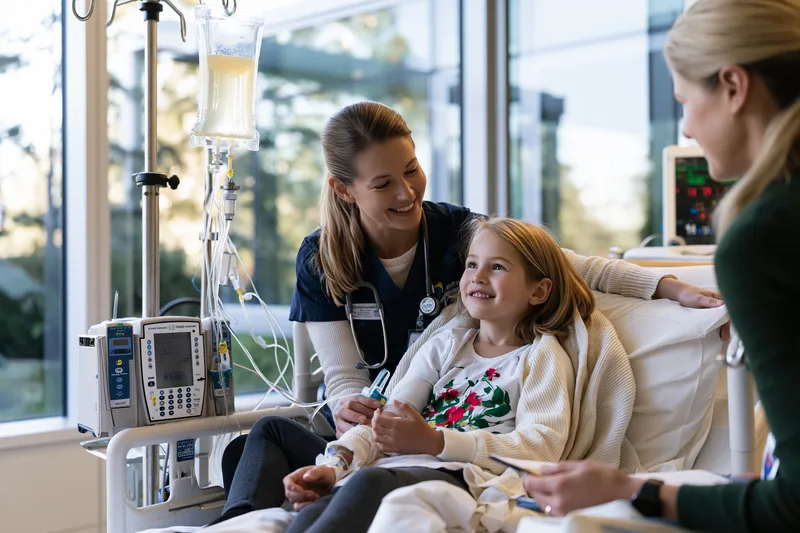
The bone marrow transplant process for thalassemia replaces the patient’s ineffective blood forming system with healthy stem cells from a compatible donor. The medical term is allogeneic haematopoietic cell transplantation. The process includes preparation before admission, conditioning treatment, donor stem cell infusion, engraftment, infection protection and long term monitoring of donor derived blood formation.
The transplant itself provides the curative biological mechanism by establishing healthy donor marrow. Ayurveda centred care supports the patient’s digestion, nutritional reserve, sleep, strength and rehabilitation before and after transplantation. Both systems must be coordinated because the period of conditioning and early engraftment involves profound immune suppression and substantial changes in liver, kidney and gastrointestinal function.
The complete process may extend over several months, although the donor stem cells are usually infused on a single day. Current thalassemia guidance recommends myeloablative conditioning for standard transplantation and emphasises that treatment should be performed by a centre experienced in both thalassemia and haematopoietic cell transplantation. [1,2,3] NCBI
Preparing for Bone Marrow Transplant for Thalassemia
Preparation begins after the patient has been declared medically eligible and the donor has completed confirmatory HLA typing and health assessment. The transplant team reviews the patient’s transfusion history, iron burden, liver fibrosis, cardiac function, kidney function, lung reserve, infection status and endocrine health.
Any active infection should be treated before conditioning. Dental infection, uncontrolled fever, respiratory illness, urinary infection or significant gastrointestinal infection may require the transplant date to be postponed until the patient is stable.
Iron overload is evaluated through ferritin trends, liver iron measurement and cardiac T2 star magnetic resonance imaging when clinically indicated. The results help determine the patient’s risk and guide conditioning selection. They do not simply decide whether the patient is accepted or rejected.
Red cell antibodies and donor specific HLA antibodies are reviewed because they can affect transfusion support and graft acceptance. The blood bank prepares compatible red cells and platelets for the period when the patient’s own marrow has been suppressed but the donor graft has not yet produced sufficient blood cells.
Fertility preservation should be completed before conditioning whenever possible. Depending on age and reproductive maturity, this may include sperm banking, oocyte preservation, embryo preservation or ovarian tissue preservation. Conditioning can permanently impair ovarian or testicular function, so fertility counselling should not be delayed until after transplantation. [1,2]
The family also receives practical training about central line care, food safety, infection prevention, medicines, emergency symptoms and the expected period of hospitalisation. A responsible caregiver and rapid access to the transplant centre are usually needed after discharge.
Admission and Central Venous Catheter Placement
The patient is generally admitted before conditioning begins. A central venous catheter is placed into a large vein, commonly in the chest or upper arm, according to the patient’s age and the centre’s protocol.
The catheter allows chemotherapy, fluids, blood products, antibiotics, immunosuppressive medicines and donor stem cells to be administered without repeated needle insertion. It is also used to collect frequent blood samples.
Central line care is essential because the catheter can become a source of bloodstream infection. The insertion site is examined regularly for redness, pain, swelling, discharge or damage. Dressings are changed using sterile technique, and blood cultures are taken promptly when fever or another sign of infection appears.
Baseline blood counts, liver tests, kidney tests, electrolytes, clotting tests and infection screening are repeated close to conditioning. Pregnancy testing is required when applicable. The transplant team also reviews every prescription medicine, supplement, herbal preparation and mineral formulation being used.
Conditioning Before Bone Marrow Transplant for Thalassemia
Conditioning is the intensive treatment given before donor stem cell infusion. Its first purpose is to suppress or remove the patient’s thalassemia affected marrow. Its second purpose is to weaken the recipient’s immune response sufficiently to allow donor cells to survive and establish themselves.
Transfusion dependent thalassemia is a nonmalignant disease, but the patient usually has an active immune system capable of rejecting donor cells. Conditioning must therefore provide adequate marrow ablation and immune suppression without causing unnecessary organ toxicity.
Current guidance supports myeloablative conditioning for standard thalassemia transplantation. Regimens may be based on busulfan or treosulfan combined with immunosuppressive medicines such as fludarabine or cyclophosphamide. The exact regimen depends on the patient’s age, donor type, iron burden, liver condition, previous treatment and transplant centre protocol. [2,3] NCBI
Busulfan exposure may be monitored through blood testing so that the dose remains within the intended therapeutic range. Insufficient exposure may increase the risk of graft rejection, while excessive exposure can increase toxicity. Treosulfan based conditioning may be considered for selected patients when reduced toxicity outside the marrow is an important clinical objective.
Conditioning is usually administered over several days before transplant day. These days are commonly numbered backwards. The day before transplant is day minus one, while the day on which donor cells are infused is day zero.
Nausea, vomiting, reduced appetite, mouth inflammation, diarrhoea, fatigue and hair loss may occur during conditioning. The treatment can also affect the liver, kidneys, lungs, nervous system and reproductive organs. Preventive medicines, hydration, laboratory monitoring and dose adjustments are used to reduce avoidable complications.
Collecting the Donor Stem Cells
The donor stem cells may be collected from bone marrow, peripheral blood or previously stored umbilical cord blood. The selected source depends on donor type, patient size, cell dose, graft rejection risk and the transplant protocol.
Bone marrow is collected from the donor’s pelvic bones under anaesthesia. Needles are inserted into the back of the pelvic bone to withdraw marrow containing blood forming stem cells. The spinal cord is not involved.
The collected marrow is filtered, measured and processed before infusion. The laboratory assesses the total cell dose, stem cell content and compatibility requirements. The donor may experience temporary pelvic soreness, fatigue or reduced haemoglobin after collection and receives separate medical follow up.
Peripheral blood stem cells are collected through apheresis. The donor first receives medicine that encourages stem cells to move from the marrow into the bloodstream. Blood then passes through an apheresis machine, which separates the required cells and returns the remaining blood components to the donor.
Umbilical cord blood is thawed and prepared in the transplant laboratory. Before use, the team confirms HLA compatibility, cell dose, viability, sterility and storage quality. A cord blood unit suitable for a small child may not contain enough cells for a larger adolescent or adult.
Bone marrow is often preferred in thalassemia because an antitumour immune effect is not required and limiting chronic graft versus host disease is important. Peripheral blood and sibling cord blood may also be used when their expected advantages fit the patient’s transplant plan. [2]
Transplant Day and Donor Stem Cell Infusion
The day of donor stem cell infusion is called transplant day or day zero. The procedure does not involve surgically removing the patient’s bones or replacing the marrow through an operation.
The donor stem cells are administered through the central venous catheter in a process resembling a blood transfusion. The patient remains awake unless sedation is required for another reason. The infusion may take less than an hour or several hours depending on the graft volume, stem cell source and laboratory preparation.
Blood pressure, temperature, pulse, breathing and oxygen levels are monitored throughout the infusion. Medicines may be given beforehand to reduce fever, allergic reactions, nausea or other infusion related symptoms.
Some patients experience flushing, chills, fever, nausea, breathing discomfort, changes in blood pressure or an unusual taste or smell during the infusion. The transplant team slows or pauses the infusion and provides treatment when necessary.
Once infused, the stem cells circulate through the bloodstream and migrate to the marrow spaces. They do not need to be injected directly into every bone. The cells settle within the marrow environment and begin the process of producing new blood cells.
The Low Blood Count Period After Transplant
Conditioning suppresses the patient’s existing marrow before the donor cells are able to produce sufficient new blood cells. This creates a period of very low white blood cells, red blood cells and platelets.
A low neutrophil count leaves the patient highly vulnerable to bacterial and fungal infection. A low platelet count increases the risk of bleeding, while reduced red cell production can cause anaemia and fatigue.
The patient remains in a protected hospital environment during this period. Blood counts, temperature, fluid balance, liver function, kidney function and electrolytes are checked frequently. Red cell and platelet transfusions are provided according to clinical need and the centre’s transfusion thresholds.
Preventive antibacterial, antiviral and antifungal medicines may be used according to the transplant protocol. Any fever during profound neutropenia is treated as a medical emergency because serious infection can progress before a clear source becomes visible.
Mouth care is important because conditioning may damage the lining of the mouth and digestive tract. Painful mucositis can interfere with drinking, eating and swallowing medicines. Analgesia, mouth care, intravenous fluids, enteral nutrition or temporary intravenous nutrition may be required.
Diarrhoea, abdominal pain and vomiting are assessed carefully because they may result from conditioning, infection, medicines or graft versus host disease. The cause cannot be determined from symptoms alone.
Engraftment After Bone Marrow Transplant for Thalassemia
Engraftment occurs when donor stem cells settle in the marrow and begin producing measurable numbers of new blood cells. Neutrophil recovery is usually the first major sign, followed by more stable platelet and red cell production.
The time required varies according to stem cell source, cell dose, conditioning regimen, donor type, infection and individual recovery. Bone marrow and peripheral blood grafts may recover at different rates, while cord blood can take longer to produce adequate cell counts.
Engraftment is not confirmed by one improved blood count. The team looks for sustained recovery over consecutive measurements and assesses whether blood production is coming from the donor.
Platelet recovery may occur later than neutrophil recovery. Red cell transfusions may also remain necessary for a period after neutrophil engraftment, particularly when blood group differences, infection, medicines or delayed red cell production are present.
A rising neutrophil count reduces infection risk but does not mean that the immune system has fully recovered. Adaptive immunity develops more slowly, and the patient remains vulnerable to viral reactivation and other infections for months after transplantation.
Donor Chimerism and Graft Function
Chimerism testing measures the proportion of blood forming cells derived from the donor and the proportion remaining from the recipient. It is performed at planned intervals after transplantation and may be repeated more frequently when graft stability is uncertain.
Complete donor chimerism means that the measured blood forming cells are predominantly donor derived. Mixed chimerism means that donor and recipient cells coexist.
Stable mixed chimerism can sometimes produce enough healthy red blood cells to maintain transfusion independence. A falling donor proportion, however, may indicate increasing rejection risk and requires prompt assessment.
The team interprets chimerism together with haemoglobin, reticulocyte count, transfusion requirements, blood cell recovery and clinical condition. One result should not be considered separately from its trend.
When donor cell levels begin declining, management may include adjustment of immunosuppression or other transplant specific intervention. The correct response depends on the timing, cell lineage involved, donor type and risk of graft versus host disease.
Preventing Graft Versus Host Disease
Graft versus host disease develops when immune cells within the donor graft recognise the recipient’s tissues as foreign. It can affect the skin, digestive tract, liver, mouth, eyes, lungs and other organs.
Preventive treatment begins around the time of transplantation. The medicine combination depends on whether the donor is a matched sibling, matched unrelated donor or half matched family donor and whether the graft comes from marrow, peripheral blood or cord blood.
Common approaches include a calcineurin inhibitor combined with another immunosuppressive medicine. Some alternative donor protocols use cyclophosphamide after the stem cell infusion to reduce harmful donor immune reactions. These medicines require close monitoring because they can affect the kidneys, liver, blood pressure, nervous system and infection risk.
A new rash, persistent diarrhoea, abdominal cramping, jaundice, dry mouth or unexplained liver test abnormalities require prompt investigation. Infection and medicine toxicity may cause similar findings, so graft versus host disease should be diagnosed and graded by the transplant team.
Immunosuppressive medicines must not be stopped suddenly without medical instruction. Rapid withdrawal can increase the risk of graft versus host disease or destabilise graft function.
Ayurveda Centred Care During Conditioning and Engraftment
Ayurveda centred support begins before admission by assessing Agni, meaning digestive and metabolic capacity, Bala, meaning functional strength and resilience, and Ojas, meaning the broader state of vitality and resistance described in Ayurveda.
Before conditioning, the practical priorities are stable nutrition, regular bowel function, adequate hydration, restorative sleep and preservation of body weight. Brimhana, meaning nourishing and tissue building care, may be adapted to the patient’s digestion, glucose regulation, liver function and kidney function.
Heavy meals or highly concentrated preparations should not be used merely to increase body weight. Food should remain digestible, nutritionally adequate and compatible with the diet prescribed by the transplant centre. Protein, energy, electrolyte and fluid requirements are determined according to age, body composition and organ function.
During conditioning and profound immune suppression, strong cleansing procedures, fasting, therapeutic vomiting, purgation and intensive sweating are unsuitable because they can worsen dehydration, electrolyte imbalance, weight loss and treatment tolerance.
Herbal, mineral and Rasayana medicines should not be started or continued during this period unless the complete formulation has been reviewed and approved by the transplant haematologist and clinical pharmacist. Immunosuppressive medicines, antifungal drugs and antiviral drugs can interact with botanical constituents, while liver and kidney function may change rapidly.
Microbial purity becomes especially important when neutrophil counts are extremely low. Raw powders, fermented preparations, unpasteurised products and formulations without reliable contamination testing may expose the patient to avoidable infection.
When appetite becomes poor, Ayurveda centred dietary planning can support tolerance through small, freshly prepared and easily digested meals that comply with the centre’s neutropenic food policy. The treating dietitian determines whether oral feeding, tube feeding or intravenous nutrition is medically required.
After engraftment, Ayurvedic care is reintroduced gradually rather than according to a fixed calendar. The decision depends on blood counts, donor chimerism, infection status, liver and kidney function, graft versus host disease, oral intake and current immunosuppression.
Rasayana, meaning restorative care intended to support recovery and resilience, may be considered only after the transplant team confirms that the graft is stable and the proposed ingredients are compatible with current medicines. This approach keeps Ayurveda centred on personalised recovery without interfering with engraftment, infection prevention or graft versus host disease management.
Hospital Discharge After Transplant
Discharge is considered when the patient has achieved adequate blood count recovery, remains medically stable and can take essential medicines and nutrition outside the hospital. The patient should be free from uncontrolled fever, severe infection, major bleeding, unstable organ dysfunction and uncontrolled graft versus host disease.
The family must be able to manage medicines, central line care, food precautions and temperature monitoring. A clear emergency plan is required because fever, diarrhoea, vomiting, rash, jaundice or breathing difficulty may require immediate return to the transplant centre.
Many patients need to remain within rapid travelling distance of the hospital for the early recovery period. Follow up visits may initially be several times each week and include blood counts, liver and kidney tests, medicine levels, infection surveillance and chimerism testing.
Discharge does not mean that immune recovery is complete. Crowded environments, people with contagious illness, unsafe food, untreated water and unnecessary infection exposure may remain restricted according to the centre’s protocol.
Confirming Cure After Bone Marrow Transplant for Thalassemia
The transplant is not declared successful only because donor cells were infused or because the patient has left the hospital. Cure is established through sustained donor derived blood formation and continued freedom from regular thalassemia transfusions.
The team evaluates haemoglobin stability, transfusion independence, donor chimerism, reticulocyte production and the absence of graft failure. Monitoring continues because graft rejection may occur early or, less commonly, after initial engraftment.
A successful graft corrects the ineffective blood formation responsible for transfusion dependent thalassemia. It does not immediately reverse liver iron, cardiac iron, endocrine injury, delayed growth, reduced bone density or fertility impairment that developed before transplantation.
Long term care therefore continues after cure of the blood disorder. It includes removal of residual iron when appropriate, endocrine review, growth and puberty monitoring, vaccination, fertility care, organ assessment and coordinated Ayurvedic rehabilitation after medical clearance. [1,2]
Bone Marrow Transplant Success Rate for Thalassemia

The bone marrow transplant success rate for thalassemia depends on more than whether the donor stem cells initially engraft. A successful result means that the patient remains alive, develops stable donor derived blood formation, becomes independent of regular red blood cell transfusions and avoids severe long term transplant complications.
No single percentage can predict the result for every patient. Age, donor compatibility, iron burden, liver and heart health, conditioning treatment, donor specific antibodies, stem cell dose, infection control and transplant centre experience all influence the outcome. A percentage reported by one study or hospital should therefore be interpreted according to the patient group, donor type, transplant period and definition of success used in that report. [1–3]
What the Bone Marrow Transplant for Thalassemia Success Rate Means
Overall survival describes the proportion of patients who remain alive after a defined period following transplantation. It does not confirm that every surviving patient is free from thalassemia or regular transfusions.
Thalassemia free survival describes patients who remain alive with a functioning donor graft and without recurrence of transfusion dependent thalassemia. This measure is closer to the result that patients and families usually mean when they ask about the transplant cure rate.
A patient may survive transplantation but experience graft failure and return to regular transfusions. Overall survival can therefore be higher than thalassemia free survival.
Thalassemia and graft versus host disease free survival is a stricter measure. It generally describes patients who remain alive, retain effective donor derived blood formation and avoid clinically significant graft versus host disease. This outcome provides a clearer picture of survival combined with freedom from two major causes of long term illness after transplantation.
A centre may also report engraftment rate, graft failure rate, transplant related mortality and chronic graft versus host disease separately. These measurements cannot be replaced by one general success percentage because each describes a different part of the transplant result.
Current Bone Marrow Transplant for Thalassemia Outcomes
A large Turkish national study evaluated 1,469 patients with thalassemia major who received their first haematopoietic stem cell transplant at 25 paediatric centres between 1988 and 2020. At five years, overall survival was 92.3 percent, thalassemia free survival was 82.1 percent and thalassemia and graft versus host disease free survival was 80.8 percent. [2]
These figures should not be presented as an individual patient’s predicted result. The study included several decades of transplant practice, different donor categories, different conditioning regimens and patients with varying levels of risk. Outcomes were significantly better after 2010, showing that improvements in donor selection, conditioning, infection prevention and supportive care have changed transplant results over time. [2]
The same study found better thalassemia free survival and graft versus host disease free survival among children transplanted before seven years of age and at centres that had completed more than 100 thalassemia transplants. These findings support early evaluation and treatment at a centre with substantial disease specific experience, but seven years should not be treated as a universal eligibility limit. [2]
Earlier international transplant guidance reported that more than 90 percent of patients survived transplantation and that disease free survival was approximately 80 percent across worldwide experience available at that time. Contemporary outcomes may be higher for carefully selected young patients with an HLA identical sibling donor, good iron control and preserved organ function. [4]
The 2025 Thalassaemia International Federation guidelines describe excellent clinical outcomes in children up to 14 years of age receiving a transplant from an HLA identical sibling. The guidelines also state that fully matched unrelated donor transplantation can produce results comparable to matched sibling transplantation when stringent HLA compatibility criteria are met and treatment is provided at a highly specialised centre. [1]
Success With an HLA Identical Sibling Donor
A healthy HLA identical brother or sister remains the preferred donor for many patients with transfusion dependent beta thalassemia. Close immunological compatibility generally supports reliable engraftment and lowers the risk of severe graft versus host disease compared with a poorly matched donor.
The most favourable results are usually seen in younger patients who receive an adequate marrow or cord blood graft from an HLA identical sibling before substantial iron related organ injury has developed. Current international guidance recommends offering transplant evaluation early when such a donor is available. [1]
Sibling status alone does not guarantee success. The donor must be medically healthy, the graft must contain an adequate cell dose and the recipient must receive conditioning strong enough to permit stable donor engraftment. Donor specific antibodies, active infection and advanced liver or cardiac injury can still increase risk despite complete sibling matching.
The centre’s own outcomes should be reviewed according to the proposed conditioning regimen, stem cell source and patient risk group. Results from young, medically stable children should not be applied without adjustment to adults or patients with established organ complications.
Success With a Fully Matched Unrelated Donor
A fully matched unrelated donor can provide a curative option when no HLA identical sibling is available. High resolution matching commonly examines HLA A, HLA B, HLA C, HLA DRB1 and HLA DQB1, producing what is usually called a ten out of ten match.
Current evidence supports fully matched unrelated donor transplantation at experienced centres when strict class I and class II HLA compatibility is confirmed. Outcomes in carefully selected patients can approach those achieved with HLA identical sibling donors, although immune mediated complications remain an important part of the consent discussion. [1,3]
The result depends on more than the ten out of ten label. HLA DPB1 compatibility, donor age, donor availability, recipient antibodies, graft source, stem cell dose and the centre’s graft versus host disease prevention protocol may influence the final donor choice.
Outcomes from partially mismatched unrelated donors should not be combined with those from fully matched unrelated donors. Even one clinically important HLA difference can alter graft rejection, graft versus host disease and mortality risk. Families should request results for the exact degree of matching proposed for the patient.
Success With a Haploidentical Family Donor
A haploidentical transplant uses stem cells from a half matched family donor, commonly a parent, child or sibling. This approach can make a donor available to many patients who lack a matched sibling or unrelated volunteer.
Modern graft processing and immune control methods have improved haploidentical transplantation, but results depend heavily on the protocol used. Some centres remove selected donor immune cells before infusion, while others use medicines after transplantation to reduce harmful donor immune reactions.
The 2025 international guidance describes haploidentical transplantation for thalassemia as promising but recommends that it be undertaken by highly experienced centres within carefully designed clinical programmes. A general haploidentical success percentage should not be applied to an individual patient without knowing the exact conditioning, graft processing method and experience of the treating centre. [1]
The centre should provide separate figures for overall survival, thalassemia free survival, graft failure, acute graft versus host disease and chronic graft versus host disease under the specific haploidentical protocol being proposed.
Why Age Influences the Transplant Success Rate
Age affects transplant outcome largely through cumulative disease exposure rather than through age alone. A young child may have received fewer transfusions, accumulated less tissue iron and developed fewer liver, cardiac, endocrine and skeletal complications.
Earlier transplantation can also provide more years of life without regular transfusions and continuing transfusional iron accumulation. This is why donor testing and transplant counselling should begin early after transfusion dependent beta thalassemia is confirmed.
Adolescents and adults may still achieve transfusion independence after transplantation. Their assessment requires greater attention to liver fibrosis, cardiac iron, diabetes, thyroid function, fertility, previous infections, kidney health and physical reserve.
An adult with well controlled iron and preserved organ function may have a more favourable profile than a younger patient with severe organ injury. Chronological age should therefore be interpreted together with biological health and donor suitability.
How Iron Overload and Organ Health Affect Success
Iron overload can injure the liver, heart, pancreas, pituitary gland and other endocrine tissues. Conditioning treatment and early transplant complications place additional stress on these organs, so the amount of iron and the damage it has already caused influence treatment tolerance.
Serum ferritin provides useful trend information but cannot independently define transplant risk. Liver iron concentration measured by magnetic resonance imaging, cardiac T2 star imaging, liver fibrosis assessment and direct organ function testing provide a more complete picture.
A patient with high ferritin but preserved cardiac and hepatic function may have a different risk profile from a patient with a lower ferritin value but advanced liver fibrosis or myocardial iron. Transplant estimates should therefore be based on organ specific findings rather than one laboratory number.
Effective chelation before transplant can improve iron control, but established fibrosis, endocrine injury or cardiac damage may continue to influence risk. A successful transplant stops the continuing transfusion requirement, while previously stored iron must still be removed after stable engraftment.
How Conditioning Influences Thalassemia Free Survival
Conditioning suppresses the patient’s marrow and immune response so that donor stem cells can establish healthy blood formation. If conditioning is insufficient, residual recipient immunity may reject the graft. Excessive drug exposure can increase liver, neurological, gastrointestinal and other organ toxicity.
Busulfan based and treosulfan based regimens are commonly adapted according to the patient’s risk profile and the centre’s protocol. Drug exposure can vary between patients even when weight based doses appear similar. Pharmacokinetic monitoring may therefore be used to adjust exposure and balance reliable engraftment against treatment toxicity.
A 2024 study of treosulfan based transplantation found that lower treosulfan exposure was associated with graft rejection and reduced thalassemia free survival. This supports individualised conditioning rather than assuming that the same calculated dose produces the same exposure in every patient. [5]
Conditioning success cannot be assessed from the drug name alone. Dose intensity, accompanying immune suppression, donor type, stem cell dose and patient organ function must be interpreted as one transplant plan.
Engraftment Chimerism and Long Term Cure
Early neutrophil recovery shows that the graft has begun producing white blood cells, but it does not independently confirm a lasting cure. Platelet recovery, haemoglobin production, transfusion requirements and donor chimerism must also be followed.
Chimerism testing measures the proportion of blood forming cells originating from the donor. Complete donor chimerism indicates that the measured blood formation is predominantly donor derived. Mixed chimerism means that donor and recipient cells coexist.
Stable mixed chimerism can sometimes produce sufficient healthy red blood cells for lasting transfusion independence. A progressive decline in donor chimerism may indicate developing graft rejection and requires prompt specialist assessment.
Thalassemia free survival is confirmed through sustained donor blood formation and continuing freedom from regular transfusions. One satisfactory chimerism test or one month without transfusion is not enough to establish the long term result.
Graft Failure and Return to Transfusion Dependence
Primary graft failure occurs when donor cells do not establish adequate blood formation. Secondary graft failure occurs when initial engraftment is followed by loss of donor derived blood production.
Graft failure may result in continued or renewed transfusion dependence. Management depends on blood counts, chimerism, immune suppression, infection, donor availability and the timing of graft loss. Some patients require further cell therapy or a second transplant.
The graft failure rate should always accompany a centre’s reported survival figure. A high overall survival percentage can coexist with a lower cure rate when some surviving patients have rejected the graft and returned to transfusions.
Repeated transfusions, donor specific antibodies, inadequate conditioning, low stem cell dose and substantial HLA incompatibility can increase rejection risk. Testing and correcting modifiable factors before conditioning can improve the chance of stable engraftment.
Graft Versus Host Disease and Quality of Survival
Graft versus host disease occurs when immune cells from the donor recognise the recipient’s tissues as foreign. Acute disease commonly affects the skin, gastrointestinal tract and liver, while chronic disease may involve the skin, mouth, eyes, lungs, joints and other organs.
A patient can remain alive and free from thalassemia while living with chronic graft versus host disease. Overall survival and thalassemia free survival alone may therefore overestimate the quality of the final result.
Thalassemia and graft versus host disease free survival provides a more demanding outcome because it includes cure of the blood disorder without a major chronic immune complication. In the large Turkish cohort, this five year outcome was 80.8 percent across the entire study population. [2]
The risk is influenced by HLA matching, graft source, donor age, recipient age, immune cell content and the prevention regimen. Bone marrow may be preferred over peripheral blood in some nonmalignant transplant settings because limiting chronic graft versus host disease is a major treatment objective.
Why Transplant Centre Experience Changes Outcomes
Thalassemia transplantation requires expertise beyond performing general bone marrow transplants. The centre must understand iron related organ injury, transfusion antibodies, graft rejection in a nonmalignant disease, donor chimerism and long term thalassemia complications.
The Turkish multicentre study found better thalassemia free and graft versus host disease free survival at centres that had completed more than 100 thalassemia transplants. This association reflects the value of disease specific donor selection, conditioning, infection management, transfusion support and early recognition of graft instability. [2]
Current international guidance recommends that transplantation be performed only by thalassemia expert transplant centres working closely with a specialist thalassemia service. [1]
Families should ask for the centre’s results in patients of similar age, risk profile and donor type. Outcomes for leukaemia, aplastic anaemia or all transplant recipients combined cannot replace thalassemia specific data.
Ayurveda Centred Support Around Transplant Success
Ayurveda centred care supports the patient’s preparation and rehabilitation while donor compatibility, conditioning, graft infusion and immune management establish the curative transplant result. The supportive plan should be based on blood counts, iron burden, liver and kidney function, nutritional status and the transplant schedule.
Before admission, assessment of Agni, meaning digestive and metabolic capacity, helps identify poor appetite, irregular bowel function and difficulty tolerating food. Bala, meaning functional strength and resilience, guides the intensity of nourishment, movement and daily activity. Ojas, meaning the broader state of vitality and resistance described in Ayurveda, provides a framework for restoring sleep, emotional stability and sustained recovery.
Brimhana, meaning nourishing and tissue building care, can help prepare a patient who has low body weight, reduced muscle strength or poor nutritional reserve. The diet should provide adequate energy and protein while remaining compatible with glucose control, liver health, kidney function and the transplant dietitian’s recommendations.
During conditioning, profound immune suppression and early engraftment, every herbal, mineral and Rasayana preparation requires review by the transplant haematologist and clinical pharmacist. Complete ingredient disclosure, reliable microbial testing, heavy metal assessment and medicine interaction review protect the patient while antifungal, antiviral, antibacterial and immunosuppressive treatments are being used.
After stable engraftment, Rasayana, meaning carefully selected restorative care, may be introduced gradually according to donor chimerism, blood counts, liver and kidney tests, infection status and current medicines. The recovery plan can address appetite, sleep, physical strength, bowel function and gradual return to daily activity.
HLA compatibility, conditioning exposure, adequate stem cell dose and specialist immune management determine graft acceptance. Ayurveda contributes through individualised nutritional preparation, maintenance of digestive tolerance and structured recovery after transplant.
How to Interpret a Transplant Centre’s Success Rate
A meaningful estimate should identify the period over which outcomes were measured. One year survival, five year survival and long term thalassemia free survival answer different questions.
The estimate should also specify whether the donor was an HLA identical sibling, a fully matched unrelated volunteer, a mismatched donor, umbilical cord blood or a haploidentical relative. Combining these groups into one percentage can conceal important differences.
Families should obtain the centre’s overall survival, thalassemia free survival, graft failure rate, transplant related mortality, acute graft versus host disease rate and chronic graft versus host disease rate. These results should be provided for patients resembling the person being evaluated.
A reported overall survival of 95 percent does not automatically mean that 95 percent achieved durable transfusion independence. The thalassemia free survival figure shows how many patients remained alive with a functioning graft and without return to transfusion dependent disease.
The most accurate individual estimate combines the centre’s recent results with the patient’s age, donor match, liver and cardiac findings, iron burden, infection history, donor specific antibodies and proposed conditioning regimen. This personalised assessment gives the family a clearer understanding of the likelihood of cure, the principal risks and the expected recovery pathway.
Risks of Bone Marrow Transplant for Thalassemia
A bone marrow transplant for thalassemia can establish healthy donor blood formation and provide lasting transfusion independence, but it also carries significant short term and long term risks. These risks arise from conditioning treatment, profound immune suppression, donor immune reactions and the possibility that the transplanted cells may not establish stable blood production.
The level of risk is different for every patient. Age, donor compatibility, accumulated iron, liver fibrosis, cardiac function, infection history, donor specific antibodies, conditioning exposure and transplant centre experience must be considered together. Current international guidance recommends transplantation in a thalassemia expert centre connected with a specialist thalassemia service because prevention and early treatment of complications directly influence the outcome. [1]
Why Transplant Risk Differs Between Patients
A young child with preserved heart and liver function, controlled iron overload and a healthy HLA identical sibling donor generally has a different risk profile from an adult with cardiac iron, liver fibrosis, diabetes or a mismatched donor. The name of the transplant procedure may be the same, but the biological starting point is not.
Long exposure to transfusional iron can make tissues more vulnerable to conditioning toxicity. Liver iron concentration, cardiac T2 star magnetic resonance imaging, liver fibrosis, kidney function and endocrine status therefore provide more useful information than chronological age or serum ferritin alone.
Donor type also changes risk. An HLA identical sibling usually provides the most established donor pathway. A fully matched unrelated donor can offer comparable results in carefully selected patients, while haploidentical transplantation requires specialised conditioning and immune control. The experience of the centre with the proposed donor type is therefore clinically important. [1]
The final risk estimate should come from the centre’s recent outcomes in patients of similar age, organ condition and donor category. A general survival percentage cannot replace an individual assessment.
Graft Failure After Bone Marrow Transplant for Thalassemia
Graft failure occurs when donor stem cells do not establish sufficient and lasting blood production. Primary graft failure means that adequate donor blood formation never develops. Secondary graft failure means that the graft initially functions but is later lost.
A patient with graft failure may continue to need transfusions or may return to transfusion dependence after a period of improvement. Blood counts may remain low, donor chimerism may decline and the patient’s original thalassemia blood formation may gradually become dominant again.
Thalassemia presents a particular graft acceptance challenge because the patient usually has an active immune system before conditioning. Unlike transplantation for some blood cancers, there is no malignant marrow suppressing normal immune activity. Conditioning must therefore suppress recipient immunity sufficiently to prevent rejection while limiting organ toxicity.
Risk factors may include significant HLA mismatch, donor specific antibodies, an inadequate stem cell dose, insufficient conditioning exposure, repeated transfusion related immune sensitisation and certain infections. These factors are assessed before transplantation whenever possible.
Chimerism testing helps identify early graft instability. Stable mixed chimerism can sometimes maintain adequate haemoglobin and transfusion independence because even a proportion of healthy donor red cell production may have a strong clinical effect. A progressive reduction in donor cells, however, requires prompt specialist review. [1]
Treatment depends on the timing and cause of graft failure. The team may adjust immunosuppressive treatment, provide additional donor cells or consider another transplant. These decisions carry their own risks and are made according to blood counts, chimerism, donor availability, infection status and organ function.
Acute Graft Versus Host Disease
Acute graft versus host disease develops when immune cells within the donor graft recognise the recipient’s tissues as foreign and attack them. Close HLA matching and preventive immunosuppressive medicines reduce the risk but cannot remove it completely.
The skin, digestive tract and liver are commonly affected. Skin involvement may begin with redness, itching or a spreading rash. Intestinal involvement can cause nausea, vomiting, abdominal pain or watery diarrhoea. Liver involvement may produce jaundice or abnormal liver tests.
Symptoms can range from mild and localised to severe and life threatening. Diarrhoea after transplantation must not automatically be labelled as graft versus host disease because conditioning toxicity, medicines and infection can produce similar symptoms. Blood tests, stool investigations, imaging or tissue biopsy may be needed to determine the cause.
Treatment commonly uses corticosteroids and other medicines that suppress donor immune activity. Additional immune suppression can control tissue injury but may also increase vulnerability to bacterial, viral and fungal infections.
Preventive treatment is selected according to the donor, graft source and transplant protocol. Medicines may include a calcineurin inhibitor with another immunosuppressive agent, while some alternative donor protocols use cyclophosphamide after stem cell infusion. Drug levels and kidney, liver and neurological function require close monitoring. [1,2]
Chronic Graft Versus Host Disease
Chronic graft versus host disease can develop later and may affect one or several organs. It can involve the skin, mouth, eyes, liver, lungs, digestive tract, muscles, joints and genital tissues.
The skin may become dry, thickened, tight or painful. The mouth may develop dryness, ulcers, sensitivity or difficulty eating. Eye involvement can cause dryness, irritation and visual discomfort. Lung involvement may present with persistent cough, breathlessness or reduced exercise capacity.
Chronic graft versus host disease can continue after thalassemia has been corrected. A patient may therefore be transfusion independent but still require prolonged immune suppressive treatment and rehabilitation.
Treatment depends on the affected organs and severity. Corticosteroids, targeted immune medicines, topical treatments, physiotherapy, respiratory care and nutritional support may be required. Prolonged immune suppression increases infection risk and can affect blood pressure, glucose regulation, bone health and kidney function.
Quality of survival is therefore an important transplant outcome. Overall survival and thalassemia free survival should be considered together with freedom from clinically significant graft versus host disease.
Infection During Immune Suppression
Infection is a major risk before engraftment and throughout immune recovery. Conditioning causes profound neutropenia, which means that the patient temporarily has very few neutrophils available to control bacterial and fungal infection.
Fever during neutropenia is treated as a medical emergency. A serious infection may progress rapidly even when there is no obvious source. Blood cultures and other investigations are collected promptly, but antimicrobial treatment often begins before the organism has been identified.
The central venous catheter can become a source of bloodstream infection. The mouth and intestinal lining can also be damaged by conditioning, allowing bacteria to enter the bloodstream through injured tissues.
Fungal infections can affect the lungs, sinuses, bloodstream or other organs, particularly when neutropenia is prolonged or graft versus host disease requires additional immune suppression. Preventive antifungal treatment is selected according to the patient’s risk and the medicines used by the centre.
Viruses that have remained inactive in the body may reactivate when immune protection is reduced. Cytomegalovirus, Epstein Barr virus, herpes simplex virus, varicella zoster virus, adenovirus and other viruses may require scheduled molecular monitoring or preventive treatment.
Engraftment does not immediately restore normal immunity. White blood cell counts may improve before immune function has fully recovered. Following an allogeneic transplant, broader immune recovery can take many months and may extend beyond a year, particularly when graft versus host disease or prolonged immune suppression is present. [2]
Conditioning Toxicity
Conditioning creates space in the marrow and suppresses the recipient’s immune response so donor stem cells can establish themselves. The same treatment can injure healthy tissues.
Common early effects include nausea, vomiting, loss of appetite, diarrhoea, mouth ulcers, hair loss, fatigue and temporary inability to maintain adequate oral nutrition. Severe mouth and intestinal inflammation can require intravenous fluids, tube feeding or temporary intravenous nutrition.
Busulfan based and treosulfan based regimens are used according to the patient’s risk profile and centre protocol. Exposure to conditioning medicines can vary between patients even when doses are calculated from body weight. Drug monitoring may be used to reduce the risk of inadequate immune suppression or excessive toxicity.
Conditioning can affect the liver, kidneys, lungs, heart and nervous system. Existing iron related organ injury may reduce the patient’s ability to tolerate these effects. This is why liver iron, cardiac iron, fibrosis and organ function are assessed before treatment rather than after complications appear.
The balance is precise. Conditioning that is too weak may increase graft rejection, while excessive exposure may increase organ injury, severe infection and transplant related mortality.
Liver Injury and Sinusoidal Obstruction Syndrome
The liver is particularly important in thalassemia transplantation because many patients have accumulated hepatic iron before treatment. Viral hepatitis, fibrosis, previous chelation difficulties and long term iron related oxidative stress can further affect liver reserve.
Sinusoidal obstruction syndrome is a serious early transplant complication in which small blood vessels within the liver become injured and obstructed. It may cause rapid weight gain, fluid retention, painful liver enlargement, increasing bilirubin and abdominal swelling.
Risk assessment begins before transplant with liver function tests, liver iron measurement and fibrosis evaluation. Conditioning selection, medicine exposure, fluid balance and early recognition of symptoms help reduce the risk of severe liver injury.
Not every rise in liver enzymes after transplant is caused by conditioning. Infection, medicines, graft versus host disease, iron overload and viral reactivation may produce similar abnormalities. The cause must be identified because treatment differs.
Residual iron remains relevant after successful transplantation. Once the graft is stable and immune suppressive treatment has been completed, excess iron may require removal through phlebotomy or chelation under specialist supervision. [1]
Bleeding and Delayed Blood Count Recovery
Conditioning temporarily suppresses platelet production, increasing the risk of bruising and bleeding. Platelet transfusions may be required until the donor marrow produces adequate platelets.
Bleeding can occur from the nose, gums, digestive tract, urinary tract, central line site or injured mouth lining. Severe bleeding is less common with careful transfusion support, but low platelets combined with infection, liver dysfunction or abnormal clotting can increase risk.
Red blood cell production also takes time to recover. The patient may continue to require transfusions after donor cells have been infused and even after neutrophils begin to recover.
Blood group differences between donor and recipient can sometimes delay red cell recovery or complicate transfusion selection. The blood bank manages this period by choosing products that remain compatible as the patient’s blood production changes from recipient derived to donor derived.
Delayed count recovery may result from infection, medicines, inadequate stem cell dose, graft dysfunction or immune complications. Blood counts must therefore be interpreted alongside chimerism and the patient’s clinical condition.
Kidney Heart Lung and Neurological Complications
Kidney function can be affected by conditioning medicines, antibiotics, antifungal drugs, antiviral treatment and immunosuppressive medicines. Dehydration, infection and low blood pressure can add further stress.
The team monitors creatinine, electrolytes, urine output and medicine levels. Some patients develop magnesium, potassium or phosphate disturbances that require replacement. Persistent kidney injury may require medicine adjustment and specialist care.
Cardiac complications may arise from previous myocardial iron, infection, fluid overload, anaemia, conditioning toxicity or abnormal heart rhythm. A patient with preserved cardiac function before transplant has greater reserve, but close monitoring remains necessary throughout treatment.
Lung problems can result from infection, fluid accumulation, inflammation, graft versus host disease or conditioning related tissue injury. New breathlessness, cough or reduced oxygen levels require immediate assessment because several causes may occur at the same time.
Neurological complications can include confusion, seizures, headache or altered consciousness. Possible causes include infection, high blood pressure, electrolyte imbalance, medicine toxicity, liver or kidney dysfunction and complications affecting the brain’s circulation.
These risks explain why pretransplant heart, lung, kidney and neurological assessment is followed by repeated monitoring during admission rather than treated as a one time eligibility test.
Infertility and Reproductive Effects
Conditioning can damage ovarian follicles and the cells responsible for sperm production. The degree of fertility impairment depends on age, pubertal development, conditioning medicines, cumulative exposure and reproductive health before transplant.
Infertility may be temporary or permanent. Menstrual cycles can stop, ovarian reserve can fall and testosterone or sperm production can be impaired. Puberty may be delayed or interrupted in younger patients.
Fertility preservation should be discussed before conditioning. Sperm banking, oocyte preservation, embryo preservation or ovarian tissue preservation may be considered according to age, maturity, medical stability and available expertise. [1]
Successful transplantation does not remove the thalassemia gene from reproductive cells. Genetic counselling remains important for future family planning because a person cured of transfusion dependent disease may still pass a thalassemia variant to a child.
Growth Endocrine and Bone Effects
Many patients already have endocrine complications from iron overload before transplantation. These may include delayed growth, delayed puberty, diabetes, thyroid dysfunction and reduced sex hormone production.
Conditioning and prolonged steroid treatment can add further effects. Steroids may reduce bone formation, increase glucose levels and weaken muscle. Reduced activity and nutritional difficulty during recovery can contribute to bone and muscle loss.
Children require continued measurement of height, weight, growth velocity and pubertal development. Adults may require follow up of thyroid function, glucose regulation, reproductive hormones, bone density and vitamin D status.
A successful graft can stop continuing transfusion related iron accumulation, but it does not guarantee that existing endocrine injury will reverse. Long term endocrinology care remains part of recovery.
Secondary Cancers and Other Long Term Risks
A small long term risk of secondary cancer exists after allogeneic transplantation because conditioning damages cellular DNA and prolonged immune suppression alters immune surveillance. The level of risk depends on conditioning exposure, radiation use when applicable, graft versus host disease, immune suppression and length of follow up.
Long term surveillance may include skin, oral, thyroid, liver and age appropriate cancer assessment. Persistent mouth changes, unusual skin lesions, unexplained weight loss or other new symptoms should be reviewed rather than attributed automatically to previous treatment.
Cataracts, chronic lung disease, bone weakness, metabolic disorders and organ dysfunction can also occur after transplantation. Continued follow up remains necessary even when the patient has stable donor chimerism and no further transfusion requirement. General stem cell transplant guidance recognises infertility, cataracts, secondary cancers and liver, kidney, lung and heart injury among possible long term complications. [2]
Transplant Related Mortality
Transplant related mortality means death caused by complications of the procedure rather than by thalassemia itself. Possible causes include severe infection, graft versus host disease, graft failure, liver injury, bleeding and failure of one or more organs.
The risk is not represented accurately by one international percentage. It changes with age, donor category, organ health, conditioning protocol, time period and centre experience.
A recent centre specific estimate is more useful than a historical figure covering several decades. Families should ask how the centre defines transplant related mortality and whether its results apply to patients with the same donor type and risk profile.
The consent discussion should include overall survival, thalassemia free survival, graft failure, acute and chronic graft versus host disease and treatment related mortality. This provides a clearer understanding than a single statement that the transplant has a particular success rate.
Emotional and Family Effects
Hospital isolation, uncertainty about engraftment and fear of infection can affect both the patient and family. Children may experience separation anxiety, sleep disturbance, procedural fear or difficulty understanding changes in their body.
Parents and caregivers may experience exhaustion, financial strain and fear while managing medicines, food precautions, central line care and repeated hospital visits. Adults may face interruption of work, education, relationships and fertility plans.
Psychological preparation should begin before admission and continue during recovery. Clear explanations, age appropriate communication, family counselling and predictable daily routines can reduce distress and improve participation in care.
Fatigue and reduced concentration may continue after blood counts recover. Return to school, work and normal social activity should be gradual and guided by immune recovery, physical strength and the demands of the patient’s environment.
How Transplant Teams Reduce Risk
Risk reduction begins with accurate patient and donor selection. High resolution HLA matching, donor specific antibody testing, organ assessment, infection screening, fertility planning and measurement of iron related tissue injury allow the team to identify problems before conditioning.
Conditioning is adjusted according to donor type and patient vulnerability. Drug exposure monitoring, seizure prevention when required, liver protection, hydration and electrolyte management help limit toxicity.
Antibacterial, antiviral and antifungal strategies protect the patient during immune suppression. Blood products are selected carefully, central line care follows sterile technique and fever is investigated immediately.
Graft versus host disease prevention begins around transplantation and is adjusted according to the graft source. Medicine levels, kidney function and blood pressure are monitored because preventive treatment can produce its own complications.
After infusion, regular blood counts and chimerism testing show whether the graft is establishing stable blood formation. Early changes can be addressed before complete graft loss develops.
Current guidance emphasises that thalassemia transplantation should be performed in experienced centres and that follow up must include both transplant complications and the patient’s pre existing thalassemia related organ problems. [1]
Ayurveda Centred Support During Transplant Risk Management
Ayurveda provides an individualised framework for maintaining digestion, nourishment, sleep, emotional stability and gradual restoration of strength during the transplant pathway. These priorities are guided by Agni, meaning digestive and metabolic capacity, Bala, meaning functional strength and resilience, and Ojas, meaning the broader state of vitality and resistance described in Ayurveda.
Before conditioning, Ayurveda centred preparation focuses on stable appetite, regular bowel function, adequate hydration, restorative sleep and maintenance of muscle and body weight. Brimhana, meaning nourishing and tissue building care, is adapted to liver function, kidney function, glucose regulation, iron burden and the diet prescribed by the transplant team.
During profound neutropenia, food must meet the centre’s infection safety requirements. Meals should be freshly prepared, nutritionally adequate and easy to digest. Raw or unpasteurised foods and products with uncertain microbial quality can create avoidable risk when immune protection is severely reduced.
Intensive fasting, therapeutic purgation, strong emesis, bloodletting and physically demanding detoxification procedures are not appropriate during conditioning and early engraftment. Hydration, electrolytes, nutrition and organ stability are essential during this phase.
Every herbal, mineral and Rasayana medicine requires review by the transplant haematologist and clinical pharmacist. The complete ingredient list, dose, microbial testing, heavy metal analysis and manufacturing quality should be available because transplant medicines can interact with botanical and mineral constituents.
Ayurvedic care does not replace antimicrobial treatment, chimerism monitoring, immunosuppression or management of graft versus host disease. Its clinical role is to support nutritional tolerance, digestive comfort, sleep, functional strength and structured rehabilitation while transplant medicine protects the graft and manages immune complications.
After stable engraftment, Rasayana, meaning restorative care intended to support recovery and resilience, may be introduced gradually with transplant specialist approval. Selection depends on blood counts, chimerism, liver and kidney function, infection status, graft versus host disease and current medicines.
This coordinated model keeps the curative transplant process protected while placing the patient’s strength, digestion and long term recovery at the centre of supportive care.
Bone Marrow Transplant Recovery Timeline for Thalassemia
The bone marrow transplant recovery timeline for thalassemia begins on transplant day and continues long after the patient leaves the hospital. Blood counts may recover within the first few weeks, but immune recovery, physical strength, vaccination, iron removal and treatment of previous thalassemia complications can continue for one to two years or longer.
Recovery does not follow the same schedule for every patient. Donor type, stem cell source, conditioning regimen, age, organ health, infection, graft versus host disease and donor chimerism can all change the pace. The transplant centre therefore uses clinical milestones rather than a fixed calendar to decide when the patient can leave hospital, reduce medicines, return to school or work and begin longer term rehabilitation. [1,2]
What Recovery Means After Bone Marrow Transplant for Thalassemia
Recovery has several separate components. The donor stem cells must first establish blood production. White blood cells, platelets and red blood cells then recover at different rates. Donor chimerism must remain stable, infections must remain controlled and graft versus host disease must be prevented or treated.
The patient must also regain appetite, body weight, muscle strength, sleep quality and emotional confidence. Even when the haemoglobin becomes stable and regular transfusions stop, the immune system may remain vulnerable for many months.
Recovery from thalassemia itself also requires continued attention. Iron accumulated before transplantation may remain in the liver, heart and endocrine organs. Diabetes, thyroid dysfunction, delayed puberty, reduced bone density, growth impairment or fertility problems may still need specialist treatment after the graft has cured the abnormal blood formation.
A patient is therefore not considered fully recovered simply because the stem cells were infused or the blood count has improved. Recovery means stable donor derived blood production combined with progressive restoration of immune, nutritional, physical and organ health.
Transplant Day to Day 30
The day donor stem cells are infused is called day zero. During the following days, the cells travel to the bone marrow and begin establishing new blood production.
The blood count is usually very low during this phase because conditioning has suppressed the patient’s original marrow and the donor cells have not yet produced enough new cells. The patient may need red blood cell and platelet transfusions while awaiting engraftment.
Neutrophil recovery commonly occurs within the first few weeks, although the timing varies with the graft source and stem cell dose. Peripheral blood stem cells may produce faster count recovery than bone marrow, while umbilical cord blood can take longer.
This is one of the most medically intensive phases. Fever, mouth inflammation, diarrhoea, nausea, poor appetite, fatigue and weakness are common. The transplant team monitors blood counts, temperature, fluid balance, liver function, kidney function, electrolytes and medicine levels.
Antibacterial, antiviral and antifungal medicines are used according to the transplant protocol. A fever during severe neutropenia requires immediate assessment because serious infection can progress before the source becomes obvious.
Engraftment is an important milestone, but it does not mean that the immune system has fully recovered. The patient remains vulnerable to infection and immune complications even after the neutrophil count begins to rise. [2]
Hospital Discharge After Bone Marrow Transplant for Thalassemia
Hospital discharge is considered when the patient has adequate blood count recovery, can take essential medicines, maintains sufficient nutrition and hydration and has no uncontrolled infection, bleeding, organ injury or graft versus host disease.
The exact discharge day varies. Some patients leave hospital within several weeks, while others need longer admission because of delayed engraftment, infection, severe mouth or intestinal inflammation, liver complications or difficulty taking food and medicines.
Before discharge, the patient and caregiver must understand the medicine schedule, central line care, food safety, temperature monitoring and symptoms requiring urgent review. Reliable transport and rapid access to the transplant centre are essential during early recovery.
Leaving hospital does not mean returning immediately to normal daily life. Follow up may initially be required several times each week. Blood counts, chimerism, liver and kidney function, infection markers and immunosuppressive medicine levels are monitored closely.
Patients who travelled for transplantation may need to remain near the transplant centre through the early recovery period. The treating centre decides when it is safe to return home based on graft stability, infection risk and access to suitable medical care.
Days 30 to 100
Between day 30 and day 100, blood counts often become more stable, but immune protection remains limited. The patient may continue antiviral, antifungal and other preventive medicines while the transplant team watches for viral reactivation, graft instability and graft versus host disease.
Donor chimerism is checked at planned intervals. A stable or increasing donor proportion supports effective engraftment. A declining donor proportion can indicate developing graft rejection and may require early intervention.
The frequency of red blood cell and platelet transfusions usually decreases as donor blood production improves. Some patients become transfusion independent during this period, while others need longer because of delayed red cell recovery, infection, blood group incompatibility or graft related complications.
Appetite and physical strength generally begin to improve, although fatigue may remain considerable. The patient may tire after short periods of activity and may need daytime rest. Recovery should be progressive rather than forced.
The central venous catheter may remain in place until the team is confident that frequent intravenous treatment and transfusions are no longer required. It is removed only when graft function and the clinical condition are sufficiently stable.
The first 100 days are closely monitored because acute graft versus host disease, serious infection, graft failure and organ toxicity can occur during this period. A stable day 100 assessment is an important milestone, but it is not the end of transplant recovery. [2,3]
Months Three to Six
Between three and six months, many patients gradually become more independent in daily activities. Appetite, sleep, walking capacity and concentration may improve, but recovery remains uneven. A patient may feel energetic on one day and unusually tired on the next.
Blood counts and chimerism continue to be monitored. Immunosuppressive medicines may be reduced gradually when there is no active graft versus host disease and the graft remains stable. These medicines must never be reduced or stopped without the transplant team’s instruction.
Infection risk remains higher than normal. Viral reactivation can still occur, and immune suppressive treatment may prolong vulnerability. Crowded places, contact with people who have contagious illness and unsafe food or water may remain restricted.
Children may begin structured home education or a gradual return to school when blood counts, immune recovery and local infection exposure allow. Adults may begin limited work from home before returning to a workplace. The timing depends on the environment, travel requirements, physical demands and the patient’s ability to avoid infection.
Gentle physical activity becomes increasingly important. Walking, stretching and supervised strength exercises can help rebuild muscle, balance and stamina. Activity should increase gradually because prolonged hospitalisation, steroid treatment, nutritional loss and previous thalassemia complications can all reduce physical reserve.
Months Six to Twelve
During the second half of the first year, the patient may regain greater physical independence. Stable haemoglobin, sustained transfusion independence and reassuring donor chimerism indicate that the graft is continuing to perform its curative function.
Immune recovery continues, and preventive medicines may be reduced according to infection risk, graft versus host disease and current immunosuppression. Some patients recover more quickly, while those with chronic graft versus host disease or prolonged immune suppression may require a much longer protective period.
A revaccination programme is usually started according to the transplant centre’s schedule. Previous vaccine immunity may be reduced or lost after conditioning and transplantation. Inactivated vaccines are introduced when immune recovery is considered adequate, while live vaccines are deferred until strict safety criteria are met. [3]
Growth, puberty, thyroid function, glucose regulation, fertility and bone health should be reviewed during this period. These assessments are particularly important for children, adolescents and patients with substantial iron overload before transplantation.
Return to school, work and wider social activity should be gradual. Being free from transfusions does not automatically mean that the patient can immediately resume full physical or occupational demands. Fatigue, reduced concentration, sleep disturbance and fear of infection may continue even when blood results appear satisfactory.
Recovery After the First Year
After the first year, many patients have stable donor blood formation and substantially improved daily functioning. Immune recovery after an allogeneic transplant can nevertheless take one to two years, and it may take longer when graft versus host disease or ongoing immune suppression is present. [2,3]
Long term follow up examines more than the graft. It includes liver, heart, kidney, lung, endocrine, reproductive, bone and psychological health. Blood pressure, glucose, thyroid function, growth, puberty, bone density and fertility may require continued monitoring.
The transplant team continues to assess haemoglobin and donor chimerism when clinically indicated. Late graft failure is less common than early graft failure, but unexplained anaemia, falling blood counts or renewed transfusion need requires prompt investigation.
The patient also requires lifelong health surveillance because conditioning and immune suppression can produce late complications. These may include cataracts, bone weakness, chronic lung disease, infertility, metabolic problems and a small increased risk of secondary cancer.
A successful transplant ends the ongoing ineffective blood formation of transfusion dependent thalassemia. Long term care then shifts towards protecting the new graft, removing previous iron accumulation and restoring the best possible organ function and quality of life.
Blood Count Recovery and Donor Chimerism
White blood cells, platelets and red blood cells do not recover at the same time. Neutrophils commonly recover first, followed by platelets and more stable red blood cell production.
A rising neutrophil count reduces the immediate risk of bacterial infection but does not confirm complete immune recovery. Lymphocyte function, antibody responses and broader immune memory recover more slowly.
Platelet transfusions may continue until the donor marrow produces sufficient platelets. Red blood cell transfusions may also remain necessary for a period after neutrophil engraftment.
Chimerism testing shows whether blood formation comes from donor cells, recipient cells or a combination of both. Complete donor chimerism is reassuring, but stable mixed chimerism can sometimes maintain normal haemoglobin and transfusion independence.
The direction of change is important. Stable mixed chimerism may remain clinically successful, while a progressive reduction in donor cells can indicate increasing rejection risk. Chimerism is therefore interpreted with haemoglobin, reticulocyte count, transfusion requirements and the patient’s clinical condition.
When Regular Blood Transfusions Usually Stop
Regular thalassemia transfusions stop when donor red blood cell production becomes sufficient to maintain a stable haemoglobin. The timing varies and cannot be predicted from the transplant date alone.
Some patients become independent of red blood cell transfusions during the early weeks after engraftment. Others require support for a longer period because donor red cell production develops more slowly than neutrophil recovery.
Blood group differences between donor and recipient can delay the transition. Infection, inflammation, medicines, graft dysfunction and immune related red blood cell destruction may also prolong transfusion requirements.
The transplant team decides whether a transfusion is needed according to haemoglobin, symptoms, heart function, oxygen delivery and the stage of recovery. Withholding a medically required transfusion does not make the graft establish more quickly.
Transfusion independence becomes more meaningful when it is sustained and supported by stable haemoglobin and donor chimerism. A short period without transfusion is encouraging but does not alone confirm a lasting cure.
Immune Recovery and Revaccination
Conditioning removes much of the patient’s existing immune memory. The donor immune system must then develop within the recipient and relearn protection against many infections.
Neutrophil recovery occurs relatively early, but T cell, B cell and antibody recovery take longer. The process is affected by age, graft source, donor type, graft versus host disease, infection and the duration of immune suppressive treatment.
Preventive medicines may continue for months. The team may monitor cytomegalovirus, Epstein Barr virus or other viruses through molecular testing according to the transplant protocol.
Vaccines received before transplant may no longer provide reliable protection. A planned revaccination programme is therefore required. The timing and sequence are determined by the transplant centre rather than by the ordinary childhood or adult schedule.
Live vaccines require particular caution and are introduced only after adequate immune recovery, absence of active graft versus host disease and completion of relevant immune suppression. Household contacts may also need vaccination advice to reduce avoidable exposure.
Residual Iron After Successful Transplantation
A successful transplant stops the continuing need for chronic transfusions, but it does not immediately remove iron already accumulated in the body. Liver iron, cardiac iron and endocrine iron may remain clinically important after cure of the blood disorder.
Iron status is reassessed after the graft has stabilised. Serum ferritin is interpreted with liver iron measurement, liver function and the previous transfusion burden. Ferritin alone cannot show how much iron remains in individual organs.
Therapeutic phlebotomy may be used when haemoglobin and graft function are stable. A measured amount of blood is removed at planned intervals, allowing the body to use stored iron to make replacement red blood cells.
Chelation may be considered when phlebotomy is unsuitable or cannot remove iron efficiently. The selected medicine and timing depend on kidney function, liver function, blood counts and current transplant medicines.
Iron removal is usually a gradual process. It should not compete with early engraftment, nutritional recovery or management of graft versus host disease. Current thalassemia guidance recommends continued assessment and treatment of residual iron after successful transplantation. [1]
Return to School Work Exercise and Travel
Return to ordinary activities is based on immune recovery and functional capacity rather than a fixed number of days. The patient should be medically stable, able to take medicines correctly and capable of managing the physical demands of the planned activity.
Children may begin with home learning or shorter school hours. The transplant team may advise avoiding school during outbreaks of influenza, chickenpox, measles or other contagious illnesses.
Adults may begin with remote or part time work. Jobs involving crowds, young children, soil, animals, construction dust, healthcare exposure or strenuous physical activity may require a longer delay or additional precautions.
Exercise usually begins with short walks and simple mobility work. Resistance training and more demanding activity can be added as blood counts, bone health, heart function and muscle strength improve.
Travel requires access to safe food, clean water, medicines and appropriate medical care. International travel may be delayed until immune recovery is sufficient and the transplant team has reviewed infection exposure and vaccination requirements.
Factors That Can Delay Recovery
Delayed engraftment, graft failure, infection and graft versus host disease can extend hospitalisation and slow the return of normal activity. Cord blood grafts may also take longer to produce adequate blood counts than marrow or peripheral blood grafts.
Liver fibrosis, cardiac iron, diabetes, kidney dysfunction and poor nutritional reserve may reduce treatment tolerance. Severe mouth or intestinal inflammation can delay nutritional recovery and cause loss of muscle and body weight.
Corticosteroids and prolonged immune suppression may contribute to muscle weakness, sleep disturbance, high glucose, bone loss and recurrent infection. Chronic graft versus host disease can affect the mouth, eyes, lungs, skin, digestive tract and joints, creating a longer rehabilitation pathway.
Psychological factors also influence recovery. Fear of infection, disrupted sleep, low mood, anxiety and loss of confidence may continue after the patient is medically stable. Psychological and family support should remain part of long term care.
A slower recovery does not automatically mean that the graft has failed. The transplant team distinguishes expected variation from complications by reviewing blood counts, chimerism, organ tests, infection studies and physical progress.
Ayurveda Centred Recovery After Bone Marrow Transplant for Thalassemia
Ayurveda centred recovery is planned according to the patient’s current transplant phase rather than the diagnosis alone. The main clinical considerations are Agni, meaning digestive and metabolic capacity, Bala, meaning functional strength and resilience, and Ojas, meaning the broader state of vitality and resistance described in Ayurveda.
During the early period of immune suppression, the Ayurvedic approach is gentle, nourishing and compatible with transplant precautions. The immediate aims are to maintain digestion, hydration, bowel regularity, sleep, body weight and tolerance of prescribed nutrition.
Food should be freshly prepared, easy to digest and consistent with the transplant centre’s infection safety policy. The quantity and texture are adjusted when mouth ulcers, nausea, diarrhoea or poor appetite are present.
Brimhana, meaning nourishing and tissue building care, becomes increasingly important after appetite begins to recover. It supports gradual restoration of muscle, weight and physical endurance while remaining appropriate for liver function, kidney function, glucose control and residual iron overload.
The early recovery period is not the time for physically depleting procedures. The suitable Ayurvedic direction is restoration through stable nutrition, rest, gentle movement and carefully graded digestive support.
Every herbal, mineral or Rasayana medicine must be reviewed by the transplant haematologist and clinical pharmacist. Product identity, microbial purity, heavy metal testing and possible interactions require particular attention while antifungal, antiviral and immunosuppressive medicines are being used.
After stable engraftment and specialist clearance, Rasayana, meaning restorative care intended to support recovery and resilience, may be introduced gradually. Selection is based on blood counts, donor chimerism, liver and kidney function, graft versus host disease, infection status, appetite and current medicines.
Ayurvedic rehabilitation may then address fatigue, reduced appetite, disturbed sleep, loss of muscle strength and slow return to daily activity. The plan is reviewed as immune suppression decreases and physical capacity improves.
The curative transplant outcome depends on durable donor blood formation. Ayurveda contributes by strengthening nutrition, digestion, sleep and functional recovery while preserving the safety of the graft and the transplant medicines.
How Complete Recovery Is Assessed
Complete recovery cannot be confirmed by one blood test. The transplant team looks for sustained transfusion independence, stable haemoglobin, adequate blood counts and durable donor chimerism.
The absence of active infection, graft failure and clinically significant graft versus host disease is also important. Liver, heart, kidney and lung function should remain stable while immune suppressive medicines are reduced.
The patient’s physical recovery is assessed through appetite, body weight, growth, muscle strength, activity tolerance, school or work participation and emotional wellbeing.
Long term recovery also includes management of residual iron, endocrine health, fertility, bone strength and vaccination. A patient may be cured of transfusion dependent thalassemia while still receiving care for complications that developed before transplantation.
The recovery timeline is therefore a progression from engraftment to immune restoration, organ protection and normal daily functioning. Regular transplant follow up and coordinated Ayurveda centred rehabilitation help convert successful donor engraftment into durable health and improved quality of life.
The First 100 Days After Bone Marrow Transplant for Thalassemia
The first 100 days after a bone marrow transplant for thalassemia are the most closely monitored part of early recovery. During this period, donor stem cells must establish stable blood formation while the patient recovers from conditioning, profound immune suppression and temporary loss of normal marrow function.
Doctors monitor blood count recovery, donor chimerism, infection, graft versus host disease, medicine toxicity and organ function. Thalassaemia International Federation guidance recommends that post transplant care address both transplant complications and the liver, heart, endocrine, iron and other health problems associated with thalassemia. [1]
Day 100 is an important clinical milestone, but it is not the point at which every risk disappears. Blood counts may recover during the first few weeks, while broader immune recovery after an allogeneic transplant can take one to two years. [2,3]
Why the First 100 Days Matter
Conditioning suppresses the patient’s original marrow and immune response so that healthy donor stem cells can establish themselves. This creates a temporary period during which white blood cells, platelets and red blood cells may be extremely low.
Low neutrophils increase vulnerability to bacterial and fungal infection. Low platelets increase bleeding risk, while inadequate red blood cell production can cause anaemia, weakness and continued need for transfusion support.
The donor immune system is also beginning to function within the recipient. During this transition, the graft may be rejected, donor immune cells may attack the patient’s tissues or latent viruses may reactivate. Liver, kidney, lung and neurological complications can also develop from conditioning, infection, immune medicines or pre-existing iron related organ damage.
The first 100 days therefore combine three clinical goals. The donor graft must establish healthy blood production, serious complications must be prevented or treated promptly, and the patient’s nutrition and physical strength must be protected throughout recovery.
Day 0 to Day 30 After Bone Marrow Transplant for Thalassemia
The day on which donor stem cells are infused is called day zero. The cells enter through the central venous catheter, circulate in the bloodstream and migrate to the marrow spaces, where they begin establishing new blood formation.
During the days immediately after infusion, the patient’s blood counts are generally at their lowest. Red blood cell and platelet transfusions may be needed until the donor marrow produces adequate cells. Preventive antibacterial, antiviral and antifungal medicines are administered according to the transplant protocol.
Blood counts, temperature, fluid balance, liver function, kidney function and electrolytes are checked frequently. The central line is examined for pain, redness, swelling or discharge because catheter related infection can progress quickly during severe immune suppression.
Conditioning may damage the lining of the mouth and digestive tract. Mouth ulcers, painful swallowing, nausea, vomiting, diarrhoea and poor appetite can make it difficult to maintain nutrition. Pain control, mouth care, intravenous fluids, tube feeding or temporary intravenous nutrition may be required when oral intake is insufficient.
Engraftment usually becomes evident when donor stem cells begin producing a sustained neutrophil count. The exact timing depends on the stem cell source, cell dose, conditioning regimen, donor type, infection status and individual response. Blood count improvement confirms that donor marrow activity has started, but it does not yet establish complete immune recovery or a permanent cure. [2,3]
Day 30 to Day 60 After Bone Marrow Transplant for Thalassemia
By this stage, many patients have achieved neutrophil engraftment and may be preparing for discharge or attending frequent outpatient reviews. Platelet and red blood cell recovery may continue more slowly, so some patients still require transfusion support.
The transplant team continues to monitor complete blood counts, donor chimerism, liver and kidney function, electrolytes and levels of immunosuppressive medicines. Viral surveillance may be performed for cytomegalovirus, Epstein Barr virus and other infections according to the patient’s donor status and transplant protocol.
A patient can feel considerably better while remaining immunologically vulnerable. Improved appetite, stable temperature and rising blood counts do not mean that infection precautions or preventive medicines can be stopped.
Follow up appointments may initially occur several times each week. Patients who travelled for treatment may need to remain near the transplant centre so that fever, diarrhoea, rash, bleeding or a change in graft function can be assessed without delay.
Fatigue is common during this period. Short walks, gentle movement and regular rest can support circulation and muscle recovery, but activity should increase according to blood counts, balance, heart function and the patient’s overall strength.
Day 60 to Day 100 After Bone Marrow Transplant for Thalassemia
Between day 60 and day 100, the transplant team looks for evidence that donor blood formation is becoming durable. Haemoglobin, platelets, neutrophils, reticulocytes, transfusion requirements and donor chimerism are reviewed together.
Immunosuppressive medicines may be continued, adjusted or gradually reduced according to donor type, graft stability and the presence of graft versus host disease. These medicines must not be reduced or stopped by the patient because an inappropriate change can destabilise the graft or provoke an immune complication.
Appetite, body weight and physical endurance often improve during this period, although recovery may remain uneven. Sleep disturbance, reduced concentration, muscle weakness and emotional anxiety can persist after the immediate hospital phase.
Infection prevention remains important because immune recovery is incomplete. Preventive antiviral, antifungal or other medicines may continue beyond day 100, particularly when the patient is still receiving immunosuppression or has experienced graft versus host disease.
The day 100 assessment commonly reviews graft function, chimerism, infection history, organ function, current medicines and the patient’s nutritional and physical recovery. A reassuring assessment indicates that the patient has passed an important early milestone, but long term monitoring remains necessary. [2,3]
Blood Counts and Donor Chimerism During the First 100 Days
A complete blood count shows whether the donor marrow is producing white blood cells, platelets and red blood cells. The results are interpreted as trends because temporary changes can occur during infection, medicine exposure or inflammation.
Neutrophil recovery is commonly the first major engraftment milestone. Platelets may recover later, while stable donor red blood cell production can take additional time. A patient may therefore stop needing platelet transfusions before becoming fully independent of red blood cell transfusions, or the reverse may occasionally occur.
Chimerism testing measures the proportion of blood forming cells derived from the donor. Complete donor chimerism means that the measured blood formation is predominantly donor derived. Mixed chimerism means that donor and recipient cells are both present.
Stable mixed chimerism can sometimes produce sufficient healthy red blood cells to maintain transfusion independence in thalassemia. A progressive reduction in donor cells is more concerning because it may indicate developing graft rejection.
One chimerism result should not be interpreted alone. The direction of change, haemoglobin stability, reticulocyte production, blood counts and transfusion requirement together show whether the graft is functioning effectively.
Infection Protection During the First 100 Days
The transplant centre provides specific infection precautions based on the patient’s blood counts, medicines and local clinical protocol. These instructions take priority because the degree and duration of immune suppression differ between patients.
Hand hygiene remains one of the most important protective measures. The patient should avoid close contact with anyone who has fever, cough, vomiting, diarrhoea, chickenpox, shingles or another contagious illness.
Food should be prepared and stored safely. Meat and eggs should be thoroughly cooked, pasteurised products should be selected and raw ingredients should be washed according to the transplant dietitian’s advice. Food that has remained unrefrigerated or has uncertain hygiene should be avoided.
Water safety depends on the local supply and the centre’s protocol. Safe drinking water, clean utensils and careful kitchen hygiene reduce exposure to organisms that may be harmless to healthy people but dangerous during immune suppression.
Gardening, digging soil, handling compost and exposure to construction dust may increase contact with fungal spores. Pet care also requires precautions, particularly around litter boxes, animal waste and sick animals. The transplant team should provide practical guidance that fits the patient’s home environment.
Fever after transplantation requires immediate communication with the transplant centre. Patients should use the temperature threshold supplied by their own team rather than waiting for additional symptoms to appear.
Graft Versus Host Disease During the First 100 Days
Graft versus host disease occurs when immune cells from the donor recognise the recipient’s tissues as foreign. The skin, digestive tract and liver are commonly affected during early recovery.
A new rash may begin as redness, itching or small areas of skin change and then become more widespread. Digestive involvement can cause persistent nausea, vomiting, abdominal pain or watery diarrhoea. Liver involvement may produce jaundice, dark urine or abnormal liver tests.
These symptoms can also result from infection, conditioning or medicine toxicity. The patient should therefore report them promptly rather than attempting to identify the cause at home.
Graft versus host disease is classified according to its clinical features rather than the calendar alone. Symptoms can begin before or after day 100, so reaching the day 100 milestone does not remove the need for continued observation.
Preventive immunosuppressive medicines reduce risk but cannot eliminate it completely. Early diagnosis allows treatment to begin before tissue injury becomes more extensive. [2,3]
Medicines During the First 100 Days
The medicine schedule after a bone marrow transplant for thalassemia may include immunosuppressive treatment, infection prevention, stomach protection, electrolyte replacement and medicines for nausea, pain or blood pressure.
Some immunosuppressive medicines require regular blood level testing. A dose that is too low may provide insufficient protection against graft versus host disease, while an excessive level may contribute to kidney injury, high blood pressure, tremor, electrolyte imbalance or neurological symptoms.
Doses should be taken at the prescribed times. When a blood level test is planned, the transplant team may give special instructions about whether the morning dose should be taken before or after the blood sample.
Every prescription, nonprescription medicine, nutritional supplement and Ayurvedic formulation should be disclosed to the transplant haematologist and clinical pharmacist. Botanical and mineral ingredients can affect the absorption or metabolism of immunosuppressive, antifungal and antiviral medicines.
Vomiting or severe diarrhoea can reduce medicine absorption. The transplant centre should be contacted when an essential dose cannot be retained or when the patient is unable to swallow prescribed treatment.
Nutrition and Digestive Recovery
Nutrition during the first 100 days supports tissue healing, blood formation, immune recovery and restoration of muscle strength. The patient may need increased energy and protein while simultaneously experiencing reduced appetite, nausea, altered taste or painful swallowing.
Meals are usually better tolerated when they are freshly prepared, moderate in quantity and distributed through the day. The dietitian may adjust food texture and nutrient concentration when mouth ulcers, diarrhoea or early fullness are present.
Persistent diarrhoea requires medical evaluation because it may result from infection, medicines, intestinal graft versus host disease or conditioning injury. Restricting food without identifying the cause can worsen weight loss and nutritional weakness.
Hydration must be balanced with kidney, heart and electrolyte status. Water, prescribed oral rehydration or intravenous fluids may be required, but the quantity should follow the transplant team’s guidance when organ function or fluid retention is a concern.
Body weight should be monitored as a clinical trend. Rapid weight loss may reflect inadequate intake, while sudden weight gain can indicate fluid retention rather than nutritional improvement.
Central Line Care and Home Monitoring
The central venous catheter may remain in place after discharge when frequent blood tests, transfusions or intravenous medicines are still required. The dressing and catheter connections must be managed according to the centre’s sterile care protocol.
Pain, redness, swelling, discharge, leakage or damage around the line requires prompt assessment. Fever or chills occurring during line flushing may indicate a bloodstream infection and should be reported immediately.
At home, the caregiver may record temperature, medicine times, fluid intake, bowel movements, weight and new symptoms. This record can help the transplant team identify subtle changes between appointments.
A reliable caregiver is especially important during early outpatient recovery. Fatigue, nausea and reduced concentration can make it difficult for the patient to manage a complex medicine schedule alone.
The family should keep emergency contact numbers readily available and know which hospital to attend outside normal clinic hours. Delaying care while waiting for the next routine appointment can allow an infection or immune complication to progress.
Urgent Symptoms During the First 100 Days
The transplant centre should be contacted immediately when the patient develops fever at or above the threshold provided by the treating team. Chills, breathing difficulty, chest pain, confusion, fainting or a sudden decline in alertness also require urgent assessment.
Persistent vomiting, frequent watery diarrhoea, severe abdominal pain, inability to drink or inability to take essential medicines can rapidly cause dehydration and alter drug levels.
New rash, jaundice, dark urine, reduced urine output or rapid weight gain may indicate graft versus host disease, liver injury, kidney dysfunction or fluid retention. These findings require laboratory and clinical assessment rather than home treatment alone.
Unusual bruising, bleeding from the mouth or nose, blood in urine or stool, severe headache and central line bleeding may occur when platelets or clotting function are abnormal.
A patient should also seek urgent guidance when an essential medicine dose is missed, vomited or taken incorrectly. The safest correction depends on the medicine and the time elapsed, so an additional dose should not be taken without instruction.
Ayurveda Centred Care During the First 100 Days
Ayurveda centred care during the first 100 days is protective, restorative and coordinated with the transplant team. Its purpose is to preserve digestion, nutrition, sleep, emotional balance and physical strength while donor engraftment and immune recovery remain under specialist supervision.
The Ayurvedic assessment considers Agni, meaning digestive and metabolic capacity, Bala, meaning functional strength and resilience, and Ojas, meaning the broader state of vitality and resistance described in Ayurveda. These factors are reassessed because conditioning, infection, medicines and reduced food intake can change rapidly during recovery.
When Agni is reduced, food can be adjusted through smaller quantities, appropriate texture and simple preparation while still meeting protein and energy requirements. The transplant dietitian’s food safety instructions remain essential because microbial exposure carries greater risk during immune suppression.
Brimhana, meaning nourishing and tissue building support, becomes important when the patient has weight loss, reduced muscle strength or prolonged fatigue. Nourishment should be gradual and compatible with liver function, kidney function, glucose regulation, residual iron overload and current gastrointestinal tolerance.
Rasayana, meaning restorative care intended to support recovery and resilience, may be introduced only after the proposed formulation has been reviewed by the transplant haematologist and clinical pharmacist. The timing depends on engraftment, donor chimerism, blood counts, liver and kidney function, infection status, graft versus host disease and concurrent medicines.
Formulations require complete ingredient disclosure, reliable microbial testing, heavy metal assessment and controlled manufacturing. These quality measures are particularly important while neutrophil function and broader immunity remain impaired.
The appropriate Ayurvedic strategy during this period is gentle restoration. Intensive Shodhana procedures are deferred until the graft, hydration, nutrition and organ function are sufficiently stable and the transplant team has confirmed that the proposed care is compatible with recovery.
Regular sleep, a calm daily routine, gentle movement, freshly prepared meals and carefully supervised restorative care allow Ayurveda to support the whole patient without interfering with immunosuppression, antimicrobial treatment or chimerism monitoring.
What the Day 100 Assessment Means
The day 100 assessment determines how securely the patient has completed early transplant recovery. Doctors review haemoglobin, neutrophils, platelets, reticulocytes, transfusion requirements, donor chimerism, infection history, graft versus host disease and liver and kidney function.
A patient with stable donor blood formation, improving blood counts and no active major complication has reached an important stage toward durable transfusion independence. Current TIF guidance requires post transplant care to continue addressing both transplant related and thalassemia related complications. [1]
Day 100 does not by itself confirm that monitoring can stop. Immunosuppressive and preventive medicines may continue, vaccinations may not yet have restarted and residual iron overload may still require later treatment.
The next phase focuses on sustained graft stability, immune reconstitution, gradual reduction of medicines when appropriate, restoration of physical strength and management of previous liver, cardiac, endocrine, bone and reproductive complications. A successful first 100 days creates the foundation for long term cure, but continuing follow up protects that result.
When Urgent Medical Care Is Needed After Bone Marrow Transplant for Thalassemia
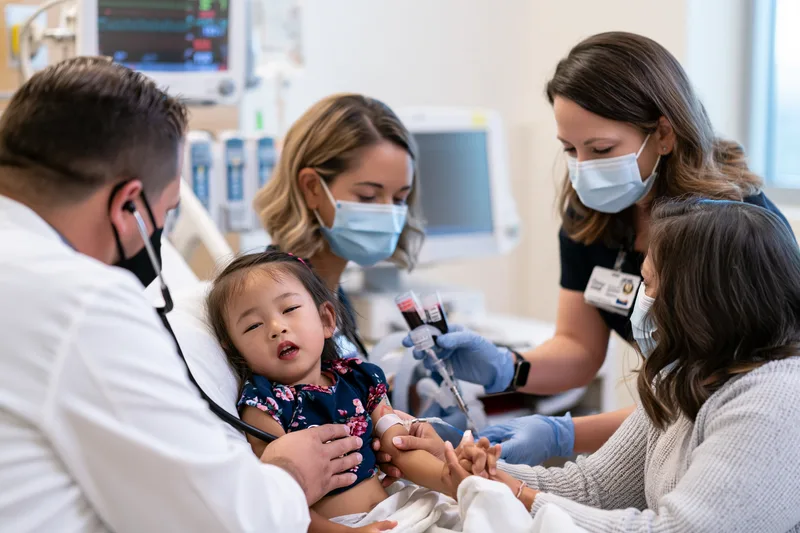
After a bone marrow transplant for thalassemia, fever, breathing difficulty, persistent diarrhoea, a new rash, jaundice, bleeding or a sudden change in alertness requires prompt medical assessment. These symptoms may indicate infection, graft versus host disease, graft dysfunction, medicine toxicity or injury to the liver, kidneys, lungs or nervous system.
Early symptoms can appear mild even when the underlying condition is progressing rapidly. The patient and caregiver should therefore follow the transplant centre’s emergency instructions rather than waiting to see whether the problem settles at home. The centre should provide a twenty four hour contact number, an agreed temperature threshold and clear instructions about where the patient must attend during an emergency. [1,2]
Fever After Bone Marrow Transplant for Thalassemia
Fever after bone marrow transplant for thalassemia should be treated as an urgent clinical warning. During neutropenia and early immune recovery, infection can spread before local symptoms such as redness, pus, cough or painful urination become obvious.
Many transplant centres instruct patients to call immediately when the temperature reaches 38°C or 100.4°F, although the treating centre may use a different threshold or measurement method. The patient should follow the written instructions supplied by the transplant team.
Chills, shaking, unexplained sweating or a sudden feeling of severe illness may also indicate infection even when the measured temperature is below the stated threshold. Corticosteroids and other immunosuppressive medicines can reduce the usual fever response, so the absence of a high temperature does not always exclude serious infection.
The transplant centre should be contacted before taking paracetamol, acetaminophen or another fever reducing medicine unless the team has already provided a specific plan. Lowering the temperature before assessment can conceal an important change and delay recognition of infection.
The patient may require blood cultures, urine testing, respiratory testing, chest imaging or cultures from the central venous catheter. Intravenous antimicrobial treatment may begin before the responsible organism has been identified because delay can be dangerous during severe immune suppression. [2,3]
Breathing Difficulty Chest Pain and Reduced Oxygen
New breathlessness, rapid breathing, chest pain, wheezing or reduced oxygen levels requires urgent assessment. Possible causes include bacterial or fungal infection, viral pneumonia, fluid overload, blood clot, heart dysfunction, lung inflammation or graft versus host disease involving the respiratory system.
A mild cough should also be reported when it is persistent, worsening or accompanied by fever, chest discomfort or reduced activity. Patients receiving immunosuppression may not develop the same strong cough or fever that would be expected in a person with normal immunity.
Severe breathing difficulty, blue or grey discoloration of the lips, fainting or inability to speak normally requires immediate emergency care. The patient should use the local emergency service rather than travelling without medical support.
Previous cardiac iron overload can reduce the heart’s reserve during infection, anaemia or rapid fluid changes. The transplant team should therefore know about palpitations, swelling of the legs, sudden weight gain, difficulty lying flat or unusual breathlessness during sleep.
Confusion Seizure and Severe Headache
Confusion, marked drowsiness, difficulty waking, seizure, fainting or a sudden change in behaviour requires emergency assessment. These symptoms may arise from severe infection, high blood pressure, electrolyte disturbance, kidney or liver dysfunction, medicine toxicity or a neurological complication of transplantation.
A new severe headache is also important, particularly when accompanied by vomiting, visual disturbance, weakness, imbalance, neck stiffness or altered consciousness. Immunosuppressive medicines can occasionally contribute to high blood pressure or neurological toxicity, while low platelets can increase concern about bleeding.
The caregiver should not give an additional dose, withhold an essential medicine or attempt to correct the problem without instruction. The transplant team needs an accurate record of the medicines taken, recent blood pressure readings, vomiting, diarrhoea and any missed doses.
New Rash After Bone Marrow Transplant for Thalassemia
A new rash after bone marrow transplant for thalassemia may be related to graft versus host disease, infection, medicine sensitivity or another inflammatory reaction. The cause cannot be determined reliably from appearance alone.
The rash may begin as redness, small raised areas, itching, tenderness or changes resembling sunburn. It may appear on the palms, soles, face, ears, chest or back before spreading to other areas. Changes may be more difficult to recognise on darker skin, making warmth, texture, tenderness and photographs taken in consistent lighting useful.
The transplant centre should be contacted when a new rash appears, even when it is not painful. Urgent assessment is particularly important when the rash spreads quickly, forms blisters, peels, affects the mouth or eyes, or occurs with fever, diarrhoea, jaundice or breathing difficulty.
Creams, antihistamines or herbal applications should not be started before the transplant team has reviewed the skin change. Treatment can alter the appearance of the rash and delay diagnosis. When a topical treatment is prescribed, the exact product and affected areas should be documented.
Persistent Diarrhoea Vomiting and Abdominal Pain
Persistent or increasing diarrhoea after transplantation requires prompt review because it may result from infection, conditioning injury, medicine toxicity or intestinal graft versus host disease. These conditions can appear similar but require different treatment.
The caregiver should record the number of bowel movements, approximate volume, presence of blood, colour, abdominal pain and whether the patient can drink and take prescribed medicines. This information helps the transplant team assess severity and determine which tests are needed.
Frequent watery stools can rapidly cause dehydration, electrolyte loss and impaired absorption of immunosuppressive medicines. Reduced absorption may destabilise medicine levels and increase the risk of graft versus host disease or drug toxicity.
Repeated vomiting, inability to retain fluids or vomiting immediately after an essential medicine also requires urgent guidance. The patient should not automatically repeat the dose because the correct action depends on the medicine, the time between taking it and vomiting, and the risk of receiving too much.
Severe abdominal pain, abdominal swelling, blood in the stool, black stool or inability to pass stool or gas requires immediate medical assessment. These symptoms may indicate significant intestinal inflammation, bleeding, infection or another abdominal complication. [2,4]
Jaundice Dark Urine and Liver Warning Signs
Yellowing of the skin or whites of the eyes, dark urine, pale stools, increasing abdominal swelling or pain over the liver should be reported urgently. These findings may reflect medicine toxicity, infection, graft versus host disease, sinusoidal obstruction syndrome or another form of liver injury.
Liver complications are particularly important in thalassemia because transfusional iron may already have affected hepatic tissue before transplantation. A previously stable patient can develop a clinically significant liver problem even when earlier tests were reassuring.
Rapid weight gain, fluid retention, painful liver enlargement and rising bilirubin during early recovery may indicate sinusoidal obstruction syndrome. Early recognition is important because the condition can progress to severe liver and multiorgan dysfunction.
Jaundice should not be attributed automatically to previous thalassemia, iron overload or diet. The transplant team may need to check bilirubin, liver enzymes, coagulation, viral studies, drug levels, ultrasound findings and fluid balance before identifying the cause.
Reduced Urine Swelling and Rapid Weight Gain
Reduced urine output may indicate dehydration, kidney injury, infection, low blood pressure or toxicity from transplant medicines. Swelling of the face, legs or abdomen and rapid weight gain may indicate fluid retention rather than nutritional improvement.
Kidney function can change quickly during treatment with immunosuppressive, antiviral, antifungal and antibacterial medicines. Vomiting and diarrhoea can further reduce kidney perfusion and disturb potassium, magnesium, sodium and phosphate levels.
The transplant centre should be contacted when urine becomes markedly reduced, unusually dark or painful to pass. Blood in the urine, severe back pain or inability to urinate requires urgent assessment.
Daily weight may be requested during early recovery. A noticeable increase over a short period should be reported because it can reveal fluid retention before breathlessness or visible swelling becomes severe.
Bleeding Bruising and Low Platelet Warning Signs
New bleeding from the nose, gums, mouth, central line or urinary tract should be reported. Blood in vomit, stool or urine and black tarry stool require urgent medical evaluation.
Small skin spots or unexplained bruising may appear when platelets are low. A rapidly increasing number of spots, large bruises or bleeding that does not stop with gentle pressure requires immediate contact with the transplant team.
A severe headache after a fall or head injury is particularly concerning when the platelet count is low. The patient should be assessed even when there is no visible external bleeding.
Medicines such as aspirin, ibuprofen and other anti inflammatory drugs may increase bleeding or kidney risk and should be used only when specifically approved by the transplant team. The same applies to herbal products that can influence platelet activity or coagulation.
Central Line Infection and Catheter Problems
The central venous catheter must be checked regularly for redness, swelling, warmth, tenderness, discharge, leakage or damage. Fever or chills occurring during line flushing or infusion may indicate a catheter related bloodstream infection.
A loose dressing, exposed insertion site or broken catheter requires immediate advice. The family should follow the temporary safety instructions provided during discharge training and contact the transplant centre without delay.
The patient or caregiver should not apply powders, oils, pastes or nonsterile products around the catheter. Line care requires the sterile technique and dressings approved by the transplant service.
Unexpected resistance during flushing, pain during infusion or swelling of the arm, neck or chest may indicate blockage, displacement or thrombosis. The line should not be forced because this can damage the catheter or surrounding vessel.
Missed Medicines and Inability to Take Treatment
Immunosuppressive medicines must be taken according to the prescribed schedule. Missing doses can reduce protection against graft versus host disease, while taking an extra dose may cause kidney, neurological or other toxicity.
The transplant team should be contacted when a dose is missed, vomited, taken twice or given at the wrong time. The patient should not make an independent correction unless a written instruction already covers that exact situation.
Difficulty swallowing, severe mouth ulcers, persistent nausea or loss of consciousness may prevent oral medicines from being taken safely. Alternative administration or hospital treatment may be required.
A complete current medicine list should accompany the patient during every emergency visit. It should include prescription medicines, nonprescription products, supplements and all Ayurvedic formulations.
Signs of Graft Dysfunction or Graft Failure
Increasing fatigue, pallor, breathlessness, unexplained bruising, recurrent infection or renewed transfusion need may indicate falling blood counts or impaired graft function. These changes require blood testing rather than observation alone.
Donor chimerism may need to be assessed when haemoglobin, neutrophils or platelets decline unexpectedly. A decreasing donor cell proportion can indicate developing graft rejection, although infection, medicines and other complications can also reduce blood counts.
The return of anaemia does not automatically mean that thalassemia has returned. Haemolysis, viral infection, nutritional deficiency, blood group related complications or marrow suppression may produce similar findings.
Early investigation allows the transplant team to identify whether immunosuppression, infection treatment, transfusion support or another graft specific intervention is required.
Symptoms That Require Emergency Services
Severe breathing difficulty, chest pain with collapse, uncontrolled bleeding, seizure, inability to awaken, sudden weakness on one side of the body, severe confusion or blue discoloration of the lips requires immediate emergency assistance.
The family should call the local emergency service and inform the responders that the patient has received an allogeneic stem cell transplant. The transplant centre should also be contacted as soon as practical so that it can communicate with the emergency department.
The patient should carry a transplant identification card or written summary containing the transplant date, donor type, current medicines, allergies, central line details and emergency contact numbers.
Emergency clinicians may not have immediate access to the transplant record, particularly when the patient is travelling. A concise medical summary can prevent harmful delay and help the local team contact the transplant specialist quickly.
Ayurveda Centred Recognition and Support During Urgent Symptoms
Ayurveda centred care during transplant recovery begins with close observation of appetite, bowel function, urine output, sleep, strength, skin changes and mental clarity. Changes in Agni, meaning digestive and metabolic capacity, and Bala, meaning functional strength and resilience, can help identify that the patient’s condition is deteriorating before severe weakness develops.
A sudden loss of appetite, repeated vomiting, watery stools, marked fatigue or reduced alertness should be documented and communicated to the transplant team. In this setting, careful observation and timely coordination are essential parts of personalised Ayurvedic care.
Urgent transplant symptoms require medical examination and appropriate laboratory testing before restorative treatment is adjusted. Ayurveda supports this process by preserving hydration, nutrition, sleep and emotional steadiness according to the transplant team’s instructions.
Herbal, mineral and Rasayana preparations should be reviewed when a new symptom develops because liver function, kidney function, medicine absorption and drug metabolism may have changed. The full formulation and dose should be shared with the transplant haematologist and clinical pharmacist.
After infection, graft versus host disease, organ toxicity or graft dysfunction has been assessed and treated, Ayurvedic care can be adapted to the patient’s current Agni, Bala, blood counts and organ function. Brimhana, meaning nourishing and tissue building support, and Rasayana, meaning restorative care intended to strengthen recovery and resilience, are introduced or modified according to medical stability.
This coordinated approach places Ayurveda at the centre of whole patient recovery while ensuring that fever, breathing difficulty, bleeding, jaundice, persistent diarrhoea and neurological changes receive the urgent transplant care they require.
Does Bone Marrow Transplant for Thalassemia Remove Existing Iron Overload?

A successful bone marrow transplant for thalassemia can stop the need for regular red blood cell transfusions, but it does not automatically remove iron already stored in the body. Iron accumulated before transplantation may remain in the liver, heart, pancreas, pituitary gland and other tissues even after donor stem cells establish healthy blood formation.
The patient may also receive additional red blood cell transfusions during conditioning and early engraftment. This can temporarily add to the existing iron burden. Once donor blood production becomes stable, the focus shifts from preventing further transfusional iron accumulation to actively removing stored iron and monitoring organs that were exposed before transplantation. [1,2]
Why Iron Remains After Bone Marrow Transplant for Thalassemia
Each unit of transfused red blood cells introduces a substantial amount of iron. The human body has no natural pathway capable of removing large quantities of transfusional iron. Small amounts are lost through skin, intestinal cells and bleeding, but these losses are not sufficient to correct the burden created by years of regular transfusions.
Before transplantation, transfusion dependent beta thalassemia also causes ineffective blood formation. This can suppress hepcidin, the hormone that controls intestinal iron absorption, and may increase the amount of iron absorbed from food.
A successful graft corrects the ineffective blood formation and usually ends the continuing requirement for regular transfusions. Iron regulation may gradually improve, but the iron already deposited within tissues remains until it is removed through therapeutic phlebotomy, prescribed chelation or natural utilisation during growth in selected children.
Children may use some stored iron as their blood volume and body tissues grow. This natural reduction is rarely sufficient when the pretransplant iron burden is moderate or severe. Long term studies have shown that clinically important iron overload can persist for years after curative transplantation when no active iron removal programme is provided. [2,3]
How Iron Overload Is Assessed After Transplantation
Post transplant iron assessment begins after the patient has achieved stable engraftment and the immediate transplant complications are controlled. The timing depends on donor chimerism, blood counts, transfusion requirements, liver and kidney function, infection status and immunosuppressive treatment.
Serum ferritin is usually measured because it is widely available and useful for following trends. A persistently high ferritin level may indicate continued iron overload, but it cannot show precisely where the iron is stored or how much organ damage has developed.
Ferritin can rise because of infection, inflammation, graft versus host disease, liver injury or recent transfusion. A single high result shortly after transplantation should therefore not be interpreted as an exact measure of body iron.
Serial ferritin measurements are more informative than one result. The transplant team examines whether ferritin is progressively falling, remaining unchanged or continuing to rise. The trend is interpreted with transfusion history, inflammatory markers, liver tests and imaging findings.
Why Liver Iron MRI Remains Important
Magnetic resonance imaging can measure liver iron concentration without requiring a liver biopsy. The liver contains a large proportion of the body’s excess iron, so liver iron concentration provides a more direct estimate of total iron burden than ferritin alone.
A patient can have a high ferritin because of inflammation but only a moderate liver iron concentration. Another patient may have a seemingly acceptable ferritin while still retaining clinically important tissue iron. MRI helps distinguish these situations and prevents treatment from being based on an unreliable laboratory value.
Cardiac T2 star magnetic resonance imaging is used when there was substantial iron exposure before transplantation, previous evidence of cardiac iron or symptoms suggesting cardiac involvement. Cardiac iron does not always correlate with liver iron or serum ferritin.
A patient may therefore have a relatively improved ferritin while myocardial iron remains present. Cardiac imaging, electrocardiography and echocardiography may be combined to assess iron deposition, heart rhythm and cardiac function.
Pancreatic and pituitary iron can contribute to diabetes, delayed puberty and reproductive hormone disturbance. These complications are often monitored through glucose testing, thyroid assessment, growth measurements, pubertal evaluation and reproductive hormone testing rather than through ferritin alone.
When Iron Removal Can Begin
Iron removal is usually considered after the donor graft is stable, the patient is no longer dependent on regular transfusions and blood counts have recovered sufficiently. The patient should also be free from uncontrolled infection, major bleeding, severe graft versus host disease and unstable liver or kidney dysfunction.
There is no universal post transplant day on which every patient should begin treatment. Some patients may become suitable within a few months, while others require a longer period because of anaemia, poor platelet recovery, active immunosuppression or transplant complications.
Starting too early may interfere with recovery when haemoglobin, nutrition or organ function remains unstable. Delaying treatment for several years can allow persistent iron to continue exposing the liver, heart and endocrine tissues to oxidative injury.
The decision is made through repeated assessment of haemoglobin, reticulocytes, platelets, donor chimerism, ferritin, liver iron concentration, cardiac findings and current medicines. The treatment plan is then adapted to the patient’s iron burden and ability to tolerate iron removal. [1,2]
Therapeutic Phlebotomy After Bone Marrow Transplant for Thalassemia
Therapeutic phlebotomy removes a measured volume of blood at planned intervals. The body responds by producing replacement red blood cells, using stored iron to make new haemoglobin. Repeated sessions gradually lower excess tissue iron.
Phlebotomy becomes possible after a successful transplant because the donor marrow can produce healthy red blood cells. Before transplantation, routine phlebotomy would worsen anaemia in a patient whose thalassemia already requires transfusion support.
The patient needs stable haemoglobin, adequate graft function and sufficient platelet recovery. Reliable venous access and the ability to tolerate temporary blood volume reduction are also required.
The amount removed and the interval between sessions are individualised. A small child, an adult with cardiac disease and a patient with borderline haemoglobin cannot follow the same schedule. Blood pressure, symptoms, haemoglobin and reticulocyte response are reviewed before subsequent sessions.
A landmark cooperative study in patients cured of thalassemia through bone marrow transplantation showed that repeated phlebotomy could substantially reduce iron stores. The treatment also improved markers of liver injury in many patients, supporting active iron removal after stable donor blood formation had been achieved. [3]
Phlebotomy does not usually cause iron deficiency when it is correctly monitored and stopped at the appropriate point. Excessive or poorly supervised removal can lower haemoglobin, cause fatigue and deplete normal iron reserves, so treatment must remain under haematology supervision.
Iron Chelation After Bone Marrow Transplant for Thalassemia
Iron chelation uses medicine that binds excess iron and allows it to leave the body through urine or stool. It may be considered when phlebotomy is difficult because of anaemia, poor venous access, distress during repeated procedures, a large iron burden or another medical limitation.
Chelation is not restarted automatically at the same dose used before transplantation. The patient’s transfusion requirement has changed, and liver function, kidney function, body weight and concurrent medicines may be different after the transplant.
Oral deferasirox has been studied after haematopoietic stem cell transplantation. It can reduce ferritin and MRI measured liver iron, but it can also cause gastrointestinal symptoms and changes in creatinine, urine protein or liver enzymes. These effects require particular attention when the patient is also taking medicines that affect the kidneys or liver.
A prospective randomised trial compared one year of deferasirox with therapeutic phlebotomy in children with beta thalassemia who had undergone curative stem cell transplantation. Both treatments reduced serum ferritin and MRI measured liver iron concentration. The deferasirox group had a greater liver iron reduction among patients who began with ferritin of at least 1000 ng per mL, although the study included only 26 patients and cannot establish one treatment as universally preferable. [4]
A prospective adult study also found that deferasirox reduced both serum ferritin and liver iron after allogeneic transplantation. Changes in creatinine and liver enzymes confirmed the need for regular kidney, urine and liver monitoring during therapy. [5]
Other chelating medicines may be considered according to the iron distribution, organ function, previous response and local transplant protocol. Chelation should be selected by a clinician experienced in both thalassemia and post transplant medicine.
How Doctors Choose Between Phlebotomy and Chelation
Phlebotomy is often preferred when haemoglobin is stable, graft function is strong and venous access is practical. It removes iron without exposing the patient to daily chelation medicine and can be continued until iron stores approach the intended range.
Chelation may be more suitable when haemoglobin remains insufficient for regular blood removal, venous access is difficult or repeated procedures create substantial distress. It may also be selected when the transplant team needs greater flexibility in the rate of iron removal.
A large iron burden does not automatically mean that faster treatment is safer. Excessive chelation can cause kidney, liver or gastrointestinal toxicity, while overly frequent phlebotomy can produce symptomatic anaemia.
Some patients may move from one method to another as recovery progresses. Chelation may be used initially when haemoglobin is borderline, followed by phlebotomy once donor blood production becomes stronger. Another patient may begin with phlebotomy and later require an alternative because of venous access or tolerance.
The choice is based on haemoglobin, reticulocyte response, liver iron concentration, cardiac iron, kidney and liver function, graft stability, current medicines and patient preference. Regular reassessment is necessary because the safest method can change during recovery.
Can Liver Iron Improve After Transplantation?
Liver iron can fall substantially when transfusions stop and an effective iron removal programme is followed. Liver enzymes may also improve as stored iron and iron related oxidative stress decrease.
Improvement in liver iron does not mean that established fibrosis has disappeared. Mild or moderate fibrosis may regress gradually after the cause of injury is controlled, but advanced fibrosis and cirrhosis may require lifelong surveillance.
Hepatitis B, hepatitis C, fatty liver disease, diabetes, alcohol exposure and medicine toxicity can continue affecting the liver independently of iron. Persistent elevation of liver enzymes should therefore be investigated rather than attributed automatically to residual iron.
When liver tests remain abnormal, the transplant team may review MRI findings, viral studies, metabolic factors, current medicines and graft versus host disease. Elastography or biopsy may be considered when the extent or cause of liver injury remains unclear.
Can Cardiac and Endocrine Complications Improve?
Cardiac iron can decrease after regular transfusions stop and appropriate iron removal begins. Improvement may occur over time, but the rate depends on the initial myocardial iron burden, heart function and effectiveness of treatment.
A person with severe cardiac iron requires specialist monitoring even when haemoglobin and liver iron are improving. Cardiac iron can follow a different pattern from liver iron and may take longer to clear.
Endocrine complications are less predictable. Diabetes control may improve when iron burden falls, but pancreatic injury can persist. Thyroid dysfunction, delayed puberty, reduced fertility and pituitary damage may continue after the blood disorder has been cured.
Children and adolescents require ongoing measurement of height, growth velocity and pubertal development. Adults may need continued assessment of thyroid function, glucose regulation, reproductive hormones, fertility and bone density.
The transplant cures the abnormal blood formation when donor engraftment remains stable. Recovery of each organ depends on how much reversible function remained before transplantation.
Diet and Supplements During Iron Removal
Diet alone cannot remove the large iron burden created by years of transfusions. Severe restriction of nutritious foods is therefore not an alternative to phlebotomy or chelation.
The patient still needs adequate protein, energy, vitamins and minerals for immune recovery, muscle restoration and organ healing. The diet should be adapted to liver function, glucose control, kidney health and current gastrointestinal tolerance.
Routine iron supplementation should not be taken unless laboratory testing confirms a separate clinical need and the transplant team approves it. Fatigue after transplantation does not automatically mean iron deficiency. It may arise from immune recovery, endocrine dysfunction, infection, medicine effects, reduced muscle strength or sleep disturbance.
Vitamin C can increase intestinal iron absorption and can influence the mobilisation of iron during chelation. High dose supplementation should therefore be discussed with the haematologist rather than used independently.
Ayurveda Centred Recovery While Excess Iron Is Removed
Ayurveda centred recovery supports the patient’s digestion, nutrition, sleep, strength and gradual restoration of daily function while the haematology team removes excess iron. The plan is guided by Agni, meaning digestive and metabolic capacity, Bala, meaning functional strength and resilience, and Ojas, meaning the wider state of vitality and resistance described in Ayurveda.
A patient undergoing phlebotomy may experience temporary fatigue, light headedness or reduced exercise tolerance. Nourishing meals, adequate fluids, regular sleep and carefully graded activity can support recovery between sessions. The diet remains compatible with haemoglobin, glucose, liver and kidney findings.
Brimhana, meaning nourishing and tissue building care, is used according to the patient’s actual nutritional state. It aims to restore muscle, stable body weight and physical endurance without adding unnecessary iron or overloading impaired digestion.
Iron containing mineral ingredients are not added automatically during an active iron reduction programme. Their use requires a clear indication based on blood tests and joint review by the Ayurvedic physician, transplant haematologist and clinical pharmacist.
Herbal and mineral formulations also require evaluation for interactions with chelating medicines, immunosuppressive treatment and other post transplant drugs. Complete ingredient disclosure, verified manufacturing, microbial testing and contaminant assessment remain essential.
Rasayana, meaning restorative care intended to strengthen recovery and resilience, may be introduced after stable engraftment with attention to liver enzymes, kidney function, donor chimerism, infection status and current treatment. The formulation and dose are reviewed whenever chelation or phlebotomy intensity changes.
The central medical iron removal treatment remains prescribed phlebotomy or chelation. Ayurveda strengthens the recovery environment by supporting appetite, bowel function, sleep, muscle restoration, emotional steadiness and tolerance of the long rehabilitation process.
When Iron Removal Is Considered Complete
Iron removal is not stopped because ferritin falls after one or two measurements. The team reviews serial ferritin, transferrin saturation, haemoglobin, liver iron concentration and cardiac T2 star findings when relevant.
The desired endpoint is a safe body iron level without producing iron deficiency or compromising graft function. The exact target depends on age, organ health, the initial iron burden and the method used to assess tissue iron.
Phlebotomy or chelation is reduced or stopped when iron stores have reached the intended range and the patient remains transfusion independent. Ferritin and organ health continue to be monitored because inflammation can alter ferritin and occasional transfusions may be required during later illness or treatment.
Successful bone marrow transplant for thalassemia stops the continuing cause of transfusional iron accumulation when the graft remains stable. Active assessment and removal of stored iron then protect the liver, heart and endocrine organs and complete an essential part of long term curative recovery.
Bone Marrow Transplant for Thalassemia in Children Versus Adults

A bone marrow transplant for thalassemia can provide a cure in both children and adults when healthy donor stem cells establish stable blood formation. Children are often evaluated earlier because they usually have a lower cumulative transfusion burden and less iron related damage to the liver, heart and endocrine organs. Adults may also be eligible, but their assessment generally requires more detailed evaluation of organ health, fertility, previous infections and treatment tolerance.
Age should not be used as the only transplant criterion. Donor compatibility, liver fibrosis, cardiac iron, kidney and lung function, endocrine health, nutritional reserve and the experience of the transplant centre may be more important than chronological age alone. Current international guidance supports early transplantation in suitable children while also recognising transplantation as a curative option for carefully selected adults. [1,3]
Why Bone Marrow Transplant for Thalassemia Is Often Considered Early in Children
Children with transfusion dependent beta thalassemia usually begin receiving red blood cell transfusions during infancy or early childhood. Every transfusion introduces additional iron, and the cumulative burden increases with time unless chelation removes it effectively.
A younger child may have received fewer lifetime transfusions and may have less iron stored in the liver, heart, pancreas and endocrine glands. Liver fibrosis, diabetes, thyroid dysfunction, delayed puberty, cardiac iron and other long term complications are therefore less likely to be established when transplant evaluation begins early.
The immune system of a child with thalassemia is still capable of rejecting a donor graft, so childhood transplantation is not biologically simple or free from risk. Conditioning, infection, graft failure and graft versus host disease remain important concerns. The advantage is that the child may enter transplantation before years of transfusion exposure have reduced organ reserve.
The 2025 Thalassaemia International Federation guidance reports particularly favourable outcomes in children up to 14 years of age who undergo transplantation with an HLA identical sibling donor. This does not mean that 14 years is an absolute upper limit. It identifies a group in whom transplant results have generally been more favourable when other clinical factors are also suitable. [1,3]
What Is the Best Age for Bone Marrow Transplant for Thalassemia?
There is no single age that is best for every child. The preferred time is generally after transfusion dependent thalassemia has been confirmed, a suitable donor has been identified and the child is medically stable enough to tolerate conditioning.
Transplantation is often considered during the early years of life when an HLA identical sibling donor is available. The purpose is to establish healthy donor blood formation before substantial iron related tissue injury develops.
A large multicentre Turkish study involving 1,469 patients found more favourable thalassemia free and graft versus host disease free survival among children transplanted before seven years of age. Outcomes were also more favourable in centres with extensive experience in thalassemia transplantation. These findings support early referral, but seven years should not be treated as a strict eligibility cutoff. [2]
A child who is older than seven or fourteen years may still be an appropriate candidate. The decision depends on donor match, iron burden, liver and cardiac findings, previous chelation, infection history and the transplant method proposed by the treating centre.
Waiting solely because the child currently appears well can allow transfusional iron to accumulate silently. A child may have normal daily activity while liver iron, endocrine injury or early cardiac iron is developing. Early transplant consultation allows the family to understand available curative options without committing immediately to the procedure.
Transplant Evaluation in Children
A paediatric transplant assessment confirms the genetic diagnosis, transfusion dependence and clinical severity of thalassemia. The team reviews the age at which transfusions began, transfusion frequency, pretransfusion haemoglobin, red cell antibodies, spleen size, growth and previous complications.
Iron assessment includes ferritin trends and magnetic resonance measurement of liver iron. Cardiac T2 star magnetic resonance imaging may be required according to age, transfusion burden and previous results. Liver function, kidney function, infection status and nutritional health are evaluated before conditioning.
Growth is assessed through height, weight and growth velocity. Pubertal development and endocrine tests become increasingly important in older children and adolescents because iron can affect the pituitary gland, thyroid, pancreas and gonads.
The psychological assessment should reflect the child’s developmental age. Younger children may need simple explanations about hospitalisation, central line care and separation from home. Older children should be involved directly in discussions about fertility, body changes, graft complications and the expected recovery period.
The donor assessment is completed separately. An HLA identical sibling may be young and physically smaller than the recipient, so donor weight, blood volume and the number of stem cells that can be collected safely must be considered. Donor welfare remains essential even when transplantation could cure the affected child.
Growth Puberty and Fertility in Children
Successful transplantation can stop ongoing transfusion dependence and prevent further transfusional iron accumulation. It may therefore protect future growth and endocrine health when performed before irreversible tissue injury develops.
Transplant conditioning can itself affect growth and reproductive function. Busulfan and other conditioning medicines may injure ovarian follicles or sperm producing cells. Younger children may not be able to bank sperm or oocytes, making fertility preservation more complex.
Ovarian tissue or testicular tissue preservation may be discussed at specialist centres according to the child’s age, pubertal development and available evidence. Postpubertal adolescents may have access to sperm, oocyte or embryo preservation before conditioning.
Parents should receive clear counselling that successful transplantation does not guarantee normal puberty or fertility. Pre-existing iron related endocrine damage and conditioning related gonadal injury can both influence the final outcome.
Height, pubertal development, thyroid function, glucose regulation, reproductive hormones, vitamin D and bone health require long term monitoring. These assessments continue even when donor chimerism is stable and the child no longer needs transfusions.
School Emotional Health and Family Preparation
A child undergoing transplantation may miss several months of ordinary school attendance. Home education or remote learning may be needed during immune suppression and early recovery.
Reduced concentration, fatigue, sleep disturbance and anxiety can continue after blood counts improve. Return to school should therefore be gradual and based on immune recovery, physical stamina and the infection exposure within the school environment.
Children may worry about pain, hair loss, isolation and whether the transplant will work. Age appropriate explanations and regular psychological support can reduce fear and help the child participate in daily care.
Parents may experience considerable emotional and financial stress while managing hospitalisation, medicines, nutrition and repeated follow up. The transplant plan should identify the primary caregiver, emergency transport, temporary accommodation near the hospital and support for other children in the family.
Long term quality of life can improve substantially after successful transplantation. A study of 221 paediatric transplant recipients found that children more than four years after transplantation had quality of life scores that were not significantly different from healthy peers, although chronic graft versus host disease and multiple health complications reduced quality of life. [5]
Can Adults Have Bone Marrow Transplant for Thalassemia?
Adults with transfusion dependent beta thalassemia can undergo bone marrow transplant when the expected chance of durable donor engraftment justifies the risks. Adulthood does not automatically make a patient ineligible.
The adult assessment is generally more complex because years of transfusion exposure may have produced liver fibrosis, myocardial iron, diabetes, thyroid dysfunction, reduced fertility, bone disease or kidney injury. Previous splenectomy, infections and red cell or HLA antibodies may also influence the transplant plan.
An adult who has followed effective chelation and has preserved liver, heart and kidney function may have a more favourable risk profile than a younger person with advanced organ damage. Biological health is therefore more informative than age alone.
Historical adult transplant studies often reported less favourable outcomes than paediatric studies, partly because adults had accumulated more iron related injury before undergoing transplantation. More recent conditioning approaches and improved supportive care have expanded the possibility of transplantation in selected adults, but adult evidence remains smaller and more varied than paediatric evidence. [4,6] PubMed Central (PMC)
Adult Organ Assessment Before Transplant
Adult evaluation includes magnetic resonance measurement of liver iron and cardiac iron, liver fibrosis assessment, echocardiography, electrocardiography, kidney testing and pulmonary function testing. Diabetes, thyroid disease, adrenal function, gonadal health and bone density may also require assessment.
Ferritin should not be used alone to determine adult transplant risk. A patient with a moderate ferritin level may still have clinically important liver fibrosis or myocardial iron. Another patient with a higher ferritin level may have preserved organ function and a more favourable overall profile.
Adults with liver fibrosis require careful assessment of liver reserve, portal pressure and previous viral hepatitis. Cardiac iron, rhythm disturbance or reduced ventricular function can increase vulnerability during conditioning, infection and rapid fluid changes.
Kidney function affects the safe use of conditioning medicines, antimicrobial treatment and immunosuppressive therapy. Diabetes and other endocrine conditions should be stabilised before admission because infection, corticosteroids and nutritional changes can make glucose control more difficult.
These findings do not automatically exclude the patient. They allow the transplant team to modify conditioning, strengthen supportive care and provide a realistic estimate of treatment risk.
Conditioning in Children and Adults
Conditioning must suppress the recipient’s marrow and immune response sufficiently to allow donor stem cells to engraft. The required intensity depends on donor type, previous transfusions, immune sensitisation and the transplant protocol.
Children with preserved organ function may tolerate myeloablative conditioning more effectively than adults with established liver, cardiac or endocrine disease. Drug doses still require careful adjustment because children can process medicines differently at different ages and body sizes.
Busulfan exposure may vary considerably between patients. Therapeutic drug monitoring can help prevent exposure that is too low for reliable engraftment or too high for safe organ tolerance.
Treosulfan based conditioning has been used in children, adolescents and selected adults to reduce toxicity outside the marrow while maintaining adequate immune suppression. The choice between busulfan based and treosulfan based treatment cannot be made from age alone. Donor type, graft source, organ health and the centre’s experience must be considered together.
Adults with a high cumulative disease burden may require a risk adapted regimen. A less toxic regimen is not automatically safer when it provides insufficient immune suppression and increases the possibility of graft rejection. Conditioning must balance organ protection with the need for durable donor engraftment.
Donor Choice in Children and Adults
A healthy HLA identical sibling remains the preferred donor for many children and adults with transfusion dependent thalassemia. A fully matched unrelated donor may also provide a curative route when stringent compatibility requirements are met.
Children may have sibling donors who are too young or too small to provide the intended cell dose without a carefully planned collection. Adults may have older sibling donors with medical conditions that affect donation safety.
When no fully matched donor is available, the centre may consider a haploidentical parent, child or sibling. A biological parent is ordinarily a half match for a child, while an adult patient may have both parents, siblings and adult children who can undergo donor assessment.
Donor specific HLA antibodies are particularly important in heavily transfused adolescents and adults. A donor who appears suitable through HLA typing may become less favourable when the recipient has an antibody directed against that donor’s HLA markers.
The final donor is chosen through the combined assessment of HLA compatibility, antibodies, donor age, donor health, cell dose, graft source and the centre’s outcomes with that donor category.
Recovery Differences Between Children and Adults
Children often regain activity gradually after engraftment, but their recovery must include growth, education, emotional development and family reintegration. Nutritional recovery and return to school are important measures alongside blood counts and donor chimerism.
Adults may need a longer period to rebuild muscle and physical endurance when chronic anaemia, endocrine disease, cardiac limitations or bone weakness were present before transplantation. Returning to employment may also depend on occupational infection exposure and physical demands.
Both children and adults remain vulnerable to infection after blood count recovery. Immunity develops over months, and revaccination follows a transplant specific schedule.
Children may require particular monitoring for growth delay, interrupted puberty and learning difficulties. Adults may require greater attention to fertility, sexual health, employment, metabolic disease and established organ injury.
The pace of recovery should not be compared directly between two patients. Donor type, graft source, graft versus host disease, infection and immunosuppression can influence recovery more strongly than age itself.
Ayurveda Centred Preparation for Children
Ayurveda centred preparation in children focuses on digestion, nutrition, sleep, emotional security and preservation of healthy growth. Agni, meaning digestive and metabolic capacity, is assessed through appetite, bowel function, food tolerance and the child’s ability to maintain adequate nutrition.
Bala, meaning functional strength and resilience, is evaluated through activity, muscle condition, growth and recovery after ordinary exertion. The plan should support the child’s development without introducing treatments that reduce hydration, appetite or body weight before conditioning.
Brimhana, meaning nourishing and tissue building care, may be adapted to the child’s age, digestion, glucose control, liver function and nutritional requirements. Meals should provide adequate energy and protein while following the transplant dietitian’s guidance.
Herbal, mineral and Rasayana preparations require complete disclosure to the transplant haematologist and clinical pharmacist. Doses cannot be calculated by simply reducing an adult preparation because children differ in body size, metabolism, organ maturity and medicine sensitivity.
During conditioning and early immune suppression, food and formulations must meet strict microbial safety standards. Every preparation is reviewed for identity, contaminants, heavy metals and possible interaction with antifungal, antiviral and immunosuppressive medicines.
Ayurveda Centred Preparation for Adults
Ayurveda centred preparation in adults addresses digestive capacity, nutritional reserve, sleep, fatigue, bowel function and the effects of long term thalassemia care. The plan is individualised according to liver iron, fibrosis, cardiac function, kidney health, diabetes and current medicines.
Brimhana is used when the patient has reduced muscle mass, low body weight or poor nutritional reserve. Nourishment should remain easy to digest and compatible with glucose control and organ function.
Adults with significant liver or kidney impairment require particular caution with concentrated herbal extracts, mineral formulations and medicines with uncertain metabolism. Ingredient quality and dose become especially important when conditioning and transplant medicines are being planned.
Rasayana, meaning restorative care intended to support resilience and recovery, is introduced according to the transplant phase. Before conditioning, the aim is to improve nutritional and functional readiness. After transplantation, Rasayana is considered only after stable engraftment and specialist review of chimerism, liver function, kidney function, infection status and immunosuppressive medicines.
Strong cleansing or physically depleting procedures are not used during conditioning, profound immune suppression or unstable recovery. Ayurveda remains centred on nourishment, digestive tolerance, sleep, emotional steadiness and gradual restoration of strength.
How Age Is Used in the Final Transplant Decision
Age helps estimate cumulative transfusion exposure and the likelihood of established organ injury, but it does not make the decision by itself. The transplant team considers whether the patient has a suitable donor, whether the organs can tolerate conditioning and whether the expected chance of transfusion independence outweighs the immediate and long term risks.
For a young child with an HLA identical sibling and preserved organ function, the balance may favour early transplantation before complications develop. For an adolescent or adult, the decision requires more detailed comparison between transplant risk, current health, donor options, conventional treatment and available gene based therapies.
A delayed referral can reduce options if iron related liver, heart or endocrine injury progresses. Early referral does not require the family to accept transplantation immediately. It allows complete donor testing, organ assessment, fertility planning and an informed discussion while the patient remains clinically stable.
Children and adults can both achieve a curative result through durable donor engraftment. The safest timing is the point at which diagnosis, donor compatibility, organ health and patient readiness provide the strongest individual balance between cure and transplant risk.
What Happens When No Fully Matched Donor Is Available for Bone Marrow Transplant for Thalassemia?

The absence of a fully matched family donor does not end the possibility of a bone marrow transplant for thalassemia or another curative treatment. The transplant team can search for a fully matched unrelated volunteer, assess stored sibling cord blood, evaluate a half matched family donor and review eligibility for gene based therapy.
More than half of patients who need transplantation do not have a suitable HLA identical sibling. Donor selection therefore follows a structured process rather than stopping after the brothers and sisters have been tested. The safest pathway depends on HLA compatibility, donor specific antibodies, patient age, organ health, stem cell source and the centre’s experience with the proposed treatment. [1,2] NCBI
Confirming the Family Donor Search
All available full biological siblings should undergo high resolution HLA typing when a bone marrow transplant for thalassemia is being considered. Blood group, physical resemblance and carrier status cannot predict whether a brother or sister is HLA identical.
The initial typing result should be confirmed using a new sample before conditioning is planned. The donor must also complete blood counts, haemoglobin analysis, infection screening and a separate medical assessment to establish whether stem cell collection is safe.
A healthy sibling with thalassemia trait may be considered by some specialist centres when the person is HLA identical and has adequate haemoglobin. Carrier status does not automatically confirm or exclude donation. The donor physician must assess whether marrow or peripheral stem cell collection can be completed without creating an unreasonable risk to the donor.
A sibling with transfusion dependent thalassemia cannot provide the healthy blood forming system required to correct the recipient’s disease. Genetic and haemoglobin testing therefore remains important even when a sibling appears healthy.
Parents are ordinarily half matched with their biological child because the child inherits one HLA group from each parent. This makes a parent a potential haploidentical donor, but not a fully matched donor in most families.
Searching for a Fully Matched Unrelated Donor
When no HLA identical sibling is available, the transplant centre can search national and international volunteer donor registries. The search compares the patient’s HLA type with millions of registered donors and identifies volunteers who may provide a high resolution match.
A fully matched unrelated donor is often described as a ten out of ten match. This generally means matching at HLA A, HLA B, HLA C, HLA DRB1 and HLA DQB1, with both inherited versions assessed at each location. Additional markers, including HLA DPB1, may influence the final selection.
Current international thalassemia guidance supports the use of a matched unrelated donor when stringent compatibility criteria for both HLA class I and class II markers are satisfied. The decision should be made by a centre with substantial experience in thalassemia transplantation because conditioning, rejection prevention and graft versus host disease management require disease specific expertise. [1,2] Wiley Online Library
A 2026 Spanish multicentre study also reported that fully matched unrelated donor transplantation provided a curative opportunity for paediatric patients with transfusion dependent thalassemia who lacked a matched sibling donor. The investigators reported favourable survival and thalassemia free outcomes with low rates of severe acute and chronic graft versus host disease. These findings support the option but should not be converted into a universal prediction for every child or transplant centre. [3] PubMed
An apparent registry match is not accepted immediately. The donor must provide a confirmatory sample, remain willing and available, complete medical screening and provide an adequate stem cell collection.
Donor age, health, infection status, body size and expected cell dose are considered alongside HLA compatibility. When several volunteers are equally matched, a younger healthy donor may be preferred, although the complete donor and recipient profile determines the final choice.
Why an Unrelated Donor Search May Take Time
The first registry search estimates how likely it is that a suitable donor can be identified. Potential donors then undergo confirmatory HLA typing and a detailed health assessment.
Some registered volunteers may no longer be contactable, medically eligible or willing to donate. A donor may also appear matched on basic typing but show an important difference when higher resolution testing is completed.
The search should begin early enough to allow careful donor verification without permitting avoidable progression of iron related organ injury. The patient continues regular transfusions, chelation and organ monitoring while the search is underway.
A prolonged donor search should not lead the family to accept a poorly matched donor without understanding the additional risks. The team should compare the best available unrelated donor with cord blood, haploidentical transplantation and gene therapy before recommending a curative pathway.
Can Sibling Cord Blood Be Used?
Umbilical cord blood from an HLA identical healthy sibling can be used as a stem cell source for thalassemia. Current international guidelines recognise both bone marrow and cord blood from an HLA identical sibling as established transplant options. [1] Wiley Online Library
Stored cord blood must be assessed before it is considered suitable. The transplant laboratory confirms HLA compatibility, total cell number, viable stem cell dose, sterility, storage quality and whether the unit is large enough for the recipient.
Cell dose is particularly important because one cord blood unit contains fewer stem cells than a typical bone marrow or peripheral blood collection. A unit that may be adequate for a young child may not provide enough cells for a larger adolescent or adult.
A healthy sibling’s stored cord blood should not be described as an automatic match merely because it is available. Full HLA testing and graft quality assessment remain necessary.
A patient’s own cord blood generally contains the same inherited thalassemia related gene variants and cannot provide an unmodified healthy donor graft. It therefore does not function like cord blood obtained from an unaffected compatible sibling.
Unrelated Cord Blood as an Alternative Stem Cell Source
A public cord blood bank may contain a unit that provides acceptable HLA compatibility when no adult donor is available. Cord blood cells are immunologically less mature than adult donor cells, which can permit some flexibility in matching.
This flexibility does not remove the need for careful selection. Cell dose, unit quality, viability and donor specific antibodies remain important. A low cell dose can delay blood count recovery and increase the risk of graft failure.
Slow engraftment can extend the period of severe neutropenia, infection vulnerability and transfusion support. These concerns are particularly important in thalassemia because durable donor blood formation is required to prevent a return to transfusion dependence.
An unrelated cord blood transplant should therefore be considered only after a thalassemia transplant centre has assessed the complete unit and compared it with available unrelated or haploidentical donors. The experience of the centre with cord blood transplantation is an important part of the decision.
Haploidentical Bone Marrow Transplant for Thalassemia
A haploidentical donor shares one inherited HLA group with the patient. A biological parent is ordinarily a half match for the child, while children, parents and many siblings may become potential haploidentical donors for an adult patient.
This approach greatly expands donor availability because most patients have at least one family member who shares half of their HLA markers. A parent may therefore become a possible donor when no HLA identical sibling or fully matched unrelated volunteer can be found.
Haploidentical transplantation requires specialised methods to control graft rejection and graft versus host disease. Some protocols process the graft to remove selected immune cells. Other protocols use medicines after the stem cell infusion to suppress donor cells that are most likely to attack the recipient.
The exact method matters because haploidentical transplantation is not one standardised procedure. Conditioning intensity, graft source, cell processing and graft versus host disease prevention vary between centres.
Current thalassemia guidance describes haploidentical transplantation as promising but recommends that it be undertaken only in highly experienced centres within carefully designed clinical programmes. Families should obtain the centre’s outcomes for thalassemia patients treated with the same protocol being proposed. [1,2] Wiley Online Library
Risks With a Half Matched Donor
A greater degree of HLA difference can increase the challenge of achieving stable donor engraftment. Graft rejection, graft failure, graft versus host disease and delayed immune recovery remain important considerations.
Patients with thalassemia usually have an active immune system before conditioning. Many have also received years of transfusions, which can expose the immune system to foreign antigens and contribute to sensitisation. These factors may increase the difficulty of establishing a mismatched donor graft.
A parent being available does not mean that transplantation can proceed immediately. The centre must compare both parents and any other half matched relatives, assess donor health and determine whether the patient has antibodies against a proposed donor.
A younger donor may sometimes be preferred when other factors are similar. Donor health, body size, relationship, previous pregnancies, cytomegalovirus status and the ability to provide a sufficient cell dose may also influence selection.
Donor Specific Antibodies Can Change the Donor Choice
Repeated transfusions can lead to the formation of antibodies against HLA markers. Pregnancy can create similar immune sensitisation in some adult patients.
A donor specific antibody is directed against an HLA marker carried by the proposed donor. A clinically significant antibody may attack the infused donor cells and increase the risk of graft failure.
This testing is especially important when considering a half matched relative, mismatched unrelated donor or cord blood unit. A family member who appears acceptable through HLA typing may become a less suitable choice when donor specific antibody results are examined.
When a significant antibody is detected, the centre may select another family member who does not carry the targeted HLA marker. When no alternative donor exists, a specialised antibody reduction programme may be considered before conditioning.
Antibody results can change after additional transfusions. Testing may therefore need to be repeated close to the transplant date rather than relying only on a sample obtained at the beginning of the donor search.
How Alternative Donor Options Are Compared
The transplant team compares the best available unrelated donor, cord blood unit and haploidentical relative rather than selecting whichever option is identified first.
The quality of the HLA match, donor specific antibodies, donor age, stem cell dose and expected speed of availability all influence the decision. The patient’s age, liver fibrosis, cardiac iron, kidney function, infection history and fertility goals must also be considered.
A fully matched unrelated donor may offer the closest established alternative to an HLA identical sibling when high resolution compatibility is confirmed. A haploidentical family donor may be available more quickly, but the result depends heavily on the specialised protocol used by the treating centre.
Cord blood may be useful when a suitable unit has adequate cells and acceptable HLA compatibility. Its immediate availability can be helpful, but delayed engraftment and limited cell dose require careful consideration.
No donor source is selected from the match label alone. The best option is the graft that provides the strongest individual balance between durable engraftment, immune complications, treatment timing and centre specific experience.
Gene Therapy When No Suitable Donor Is Available
Gene therapy provides another potentially curative pathway for selected patients who do not have an HLA identical family donor. It uses the patient’s own blood forming stem cells, which are collected, genetically modified and returned after conditioning.
Because the cells originate from the patient, an external HLA matched donor is not required and graft versus host disease from donor cells is avoided. Conditioning is still necessary, and eligibility depends on age, organ health, ability to collect sufficient stem cells, product availability and local regulatory access.
Current international guidance identifies gene therapy as an important option for patients aged 14 years and older and for patients who do not have an HLA identical family donor. The decision requires a centre experienced in both thalassemia and cellular therapy because gene addition and gene editing have their own eligibility, fertility, conditioning and long term monitoring requirements. [1] Wiley Online Library
The absence of a matched donor should therefore trigger a complete curative treatment review rather than an assumption that only lifelong transfusion care remains possible. The next decision may involve a matched unrelated donor, a specialised haploidentical transplant or autologous gene based treatment.
Continuing Thalassemia Care During the Donor Search
Regular transfusions should continue according to the prescribed schedule while donor options are assessed. Reducing transfusion support in anticipation of a future transplant can allow severe anaemia, marrow expansion, spleen enlargement and extramedullary blood formation to progress.
Iron chelation also continues unless the treating haematologist changes it for a specific medical reason. The donor search may take several months, and uncontrolled iron accumulation during this period can reduce liver, heart and endocrine reserve.
Ferritin trends, liver iron concentration and cardiac T2 star findings should be reviewed according to the patient’s existing monitoring plan. Liver function, kidney function, glucose regulation, thyroid health, growth and puberty also remain part of preparation.
Transfusion reactions and newly detected red cell antibodies should be documented because compatible blood will be needed during conditioning and early engraftment. Any additional transfusion can also affect HLA antibody status, making communication between the transfusion service and transplant centre essential.
Fertility counselling should begin before a final donor is selected because both allogeneic transplantation and gene therapy usually require conditioning that can damage ovarian or testicular function.
Ayurveda Centred Care While the Donor Search Continues
Ayurveda centred care can strengthen the patient’s preparation while transplant specialists evaluate donor and gene based options. The assessment includes Agni, meaning digestive and metabolic capacity, Bala, meaning functional strength and resilience, and Ojas, meaning the broader state of vitality and resistance described in Ayurveda.
The immediate priorities are stable appetite, regular bowel function, restorative sleep, adequate body weight and preservation of muscle strength. These factors influence how well the patient enters conditioning and tolerates prolonged hospital care.
Brimhana, meaning nourishing and tissue building care, can be individualised according to age, digestion, glucose regulation, liver function, kidney function and iron burden. Nourishment should support strength without adding unnecessary medicinal iron or creating difficulty in glucose and liver management.
The donor search period also allows correction of nutritional deficiencies and the development of a practical recovery diet. Food remains compatible with transfusion care, chelation, organ findings and the recommendations of the transplant dietitian.
Every herbal, mineral and Rasayana formulation should be disclosed to the transplant haematologist and clinical pharmacist before the conditioning plan is finalised. The complete ingredient list, dose, manufacturing quality, microbial testing and contaminant assessment are reviewed because liver and kidney reserve and medicine interactions can influence transplant safety.
Rasayana, meaning restorative care intended to strengthen recovery and resilience, is planned according to the treatment phase. Before transplantation, the focus remains on digestive stability, nutrition, sleep and strength. During conditioning and early engraftment, formulations are continued or paused according to organ function, infection risk and compatibility with antimicrobial and immunosuppressive medicines.
Ayurvedic preparation does not depend on which relative becomes the donor. It supports the patient throughout the search, maintains readiness for a curative procedure and provides an individualised foundation for rehabilitation after stable engraftment.
How the Final Treatment Decision Is Made
The final decision is made after the transplant team has reviewed all reasonable donor and gene based options. A family should receive a clear explanation of why a particular graft source is being recommended and how the centre’s own results apply to that donor category.
The discussion should include the expected chance of durable donor engraftment, thalassemia free survival, graft failure, acute and chronic graft versus host disease, treatment related mortality and the likely recovery period.
When a fully matched unrelated donor is available, the team evaluates whether that donor provides the strongest established transplant pathway. When no full match exists, haploidentical transplantation may be considered at an expert centre using a structured protocol. Gene therapy may provide another curative route for an eligible patient with access to an approved programme.
The patient continues optimised transfusion, chelation, organ protection and Ayurveda centred preparation until the chosen treatment begins. The absence of a fully matched family donor changes the pathway, but it does not remove the possibility of achieving transfusion independence through an appropriately selected curative treatment.
Bone Marrow Transplant for Thalassemia Versus Gene Therapy

A bone marrow transplant for thalassemia and gene therapy can both provide a curative pathway for selected patients with transfusion dependent beta thalassemia. Bone marrow transplant uses blood forming stem cells from a healthy donor, while gene therapy uses the patient’s own stem cells after they have been modified in a specialised laboratory.
The choice is not simply between an older treatment and a newer treatment. Donor availability, age, organ health, iron burden, fertility priorities, approved eligibility criteria, treatment access and the experience of the treating centre all influence which pathway may be appropriate. Both treatments require stem cell collection or donation, intensive conditioning, hospital admission and prolonged follow up. [1–3]
How Bone Marrow Transplant for Thalassemia Works
Bone marrow transplant for thalassemia is an allogeneic haematopoietic cell transplant. Allogeneic means that the stem cells come from another person.
The donor cells enter the patient’s bloodstream through a central venous catheter and travel to the bone marrow. When engraftment is successful, these cells establish a new blood forming system capable of producing red blood cells with functional haemoglobin.
The patient’s original thalassemia gene variants remain in other tissues and reproductive cells, but the circulating blood cells are produced by the healthy donor marrow. Stable donor blood formation can remove the need for regular transfusions and cure the ineffective blood production caused by severe beta thalassemia.
A healthy HLA identical brother or sister is generally the preferred donor. A fully matched unrelated volunteer, suitable cord blood unit or half matched family member may also be considered according to compatibility, donor specific antibodies and the transplant centre’s experience.
Bone marrow transplant has several decades of follow up in thalassemia. This long clinical experience provides established information about engraftment, graft failure, graft versus host disease, fertility, organ recovery and long term survival. [1]
How Gene Therapy for Thalassemia Works
Gene therapy uses autologous stem cells, meaning that the cells are collected from the patient rather than from another person. The patient receives medicines that move blood forming stem cells from the marrow into the bloodstream, and the cells are then collected through apheresis.
The collected CD34 positive stem cells are sent to a specialised manufacturing laboratory. They are modified using either gene addition or gene editing technology and then tested before being returned to the treatment centre.
The patient receives myeloablative conditioning to suppress the existing marrow and create space for the modified cells. The prepared stem cells are then infused through a vein and must engraft within the marrow before they can produce sufficient functional haemoglobin.
Gene therapy is therefore not a simple injection that directly repairs every cell in the body. It is an autologous stem cell transplant in which selected blood forming stem cells are modified outside the body before being returned.
Approved availability, age criteria and clinical eligibility differ between countries and products. Treatment must be provided through an authorised centre with experience in stem cell collection, conditioning, cellular therapy and long term gene therapy surveillance. [2–4]
Gene Addition and Gene Editing Are Different Approaches
Gene addition introduces a functional form of the beta globin gene into the patient’s blood forming stem cells. Betibeglogene autotemcel is an example of this approach. It uses a lentiviral vector to add a modified functional beta globin gene, allowing the resulting red blood cells to produce functional adult haemoglobin.
The added gene becomes integrated into the modified stem cells and is intended to remain active as those cells multiply and produce future generations of blood cells. The patient’s original beta thalassemia variants remain present, but the added functional gene may provide enough haemoglobin to eliminate regular transfusions.
Gene editing does not add the same type of beta globin gene. Exagamglogene autotemcel uses CRISPR based editing of a regulatory region associated with BCL11A. This reduces suppression of fetal haemoglobin within developing red blood cells and allows the body to produce higher levels of fetal haemoglobin after birth.
Fetal haemoglobin can compensate for deficient beta globin production and improve total haemoglobin. The clinical aim of both approaches is durable transfusion independence, but they reach that goal through different biological mechanisms. [3–5]
The Source of Stem Cells Creates the Main Difference
Bone marrow transplant depends on stem cells from a compatible donor. The patient receives both the donor’s blood forming stem cells and immune cells contained within the graft.
These donor immune cells can help establish a new marrow, but they can also recognise the patient’s tissues as foreign and cause graft versus host disease. The patient’s immune system may also reject the donor graft, particularly when compatibility is incomplete or donor specific antibodies are present.
Gene therapy uses the patient’s own stem cells. HLA matching is not required, and donor derived graft versus host disease is not expected because the infused cells originated from the patient.
Using autologous cells does not remove every treatment risk. The patient must produce enough stem cells for collection, the manufacturing process must generate a product that meets release standards and the modified cells must engraft after conditioning.
A backup collection of unmodified stem cells may be stored before conditioning. These cells can provide rescue treatment if the manufactured product cannot be used or if engraftment fails. The need for backup cells reflects the seriousness of the conditioning process rather than an expectation that treatment will fail. [2]
Donor Availability Can Guide the Treatment Pathway
A young patient with an HLA identical healthy sibling and preserved organ function may have a well established transplant pathway. The donor is available within the family, the degree of compatibility is known and long term outcomes with matched sibling transplantation are supported by decades of clinical experience.
A patient without an HLA identical sibling may still undergo transplantation using a fully matched unrelated donor or another carefully selected graft. The risks depend on the quality of the match, donor antibodies, stem cell source and the protocol used by the treatment centre.
Gene therapy removes the need to find an HLA matched donor. This can be particularly important for patients from ancestral populations that are underrepresented in international donor registries or for patients who have clinically significant antibodies against available donors.
The absence of a donor does not automatically make gene therapy suitable. The patient must satisfy the product’s clinical and regulatory criteria, have adequate liver, heart, kidney and lung function, and be able to undergo stem cell mobilisation, apheresis and myeloablative conditioning.
The treating centre should compare all realistic options rather than assuming that every matched sibling transplant is preferable or that every patient without a donor should receive gene therapy.
Conditioning Is Required for Both Treatments
Both bone marrow transplant and currently approved stem cell based gene therapies require conditioning. This is one of the most important facts for patients who assume gene therapy avoids chemotherapy.
Conditioning suppresses the existing marrow and creates space for the incoming donor or modified stem cells. Busulfan based myeloablative conditioning has been used in major gene therapy trials and approved treatment protocols. Drug exposure may be monitored to balance adequate marrow ablation against toxicity.
Conditioning can cause severe neutropenia, low platelets, anaemia, mouth ulcers, nausea, vomiting, diarrhoea, hair loss and temporary inability to maintain normal nutrition. It can also affect the liver, kidneys, lungs, nervous system and reproductive organs.
The patient remains vulnerable to bacterial, viral and fungal infection until blood counts and immune function recover. Red blood cell and platelet transfusions may be required during this period.
Gene therapy avoids donor derived graft versus host disease, but it does not avoid conditioning related infection, mucositis, infertility, organ toxicity or the need for hospital based engraftment care. [2–5]
Transfusion Independence After Transplant or Gene Therapy
The central treatment goal is durable transfusion independence with stable production of functional haemoglobin. The way this result is measured differs slightly between clinical programmes.
After donor transplantation, doctors examine haemoglobin, transfusion requirements and donor chimerism. Chimerism determines how much blood production originates from the donor. Complete donor chimerism is reassuring, although stable mixed chimerism can sometimes provide enough healthy red blood cell production to maintain transfusion independence.
After gene therapy, the cells remain genetically the patient’s own, so donor chimerism is not the main measure. Doctors assess engraftment, total haemoglobin, transfusion requirements and the amount of therapeutic haemoglobin produced through the added or edited genetic pathway.
In the studies supporting the United States approval of betibeglogene autotemcel, 32 of 36 evaluable participants achieved transfusion independence, defined as maintaining a weighted average haemoglobin of at least 9 g per decilitre without red blood cell transfusion for at least 12 continuous months. The two phase 3 studies included selected patients who met detailed organ and treatment criteria. [2]
In the phase 3 study of exagamglogene autotemcel, 32 of 35 participants with sufficient follow up achieved transfusion independence under a similar definition. The study population was selected for treatment and received dose adjusted busulfan conditioning before infusion of the edited cells. [4]
These gene therapy percentages should not be compared directly with transplant percentages from separate studies. The patients, age ranges, donor categories, organ health, definitions and duration of follow up differ. There has not been a randomised trial assigning comparable patients with transfusion dependent beta thalassemia to donor transplant or gene therapy.
Graft Failure and Graft Versus Host Disease
Bone marrow transplant can fail when donor cells do not establish sufficient blood formation or when an initially functioning graft is later lost. Graft failure may lead to prolonged low blood counts, severe infection or a return to regular transfusions.
The risk is influenced by HLA compatibility, donor specific antibodies, conditioning exposure, stem cell dose and immune activity within the recipient. Chimerism monitoring helps identify declining donor blood formation before complete graft loss occurs.
Graft versus host disease is specific to allogeneic transplantation because it is caused by donor immune cells reacting against the recipient’s tissues. It can affect the skin, digestive tract, liver, mouth, eyes, lungs and other organs.
Gene therapy uses autologous cells and therefore does not produce donor derived graft versus host disease. Long term immune suppression is generally not required solely to maintain an autologous gene therapy graft.
Autologous treatment can still be followed by delayed platelet recovery, neutrophil engraftment failure or prolonged low blood counts. These complications require close monitoring and may require use of the stored backup stem cell collection. [2]
Risks Specific to Gene Addition
Gene addition uses a viral vector to insert a functional gene into blood forming stem cells. The vector is designed so that it cannot reproduce like an ordinary virus, but the added genetic material integrates into the patient’s stem cell DNA.
Integration creates a potential risk that insertion could alter the activity of a nearby gene and contribute to abnormal blood cell growth. This is described as insertional oncogenesis.
The prescribing information for betibeglogene autotemcel requires long term surveillance for haematological malignancy. Monitoring includes blood assessment for at least 15 years, with further investigation when blood counts or symptoms raise concern. [2]
This potential risk should be discussed accurately. It does not mean that every patient will develop cancer, but it explains why gene addition therapy requires specialised lifelong follow up rather than being treated as a completed intervention after hospital discharge.
Manufacturing failure is another consideration. The patient’s cells must be collected, transported, modified, tested and returned as a patient specific product. A second collection may be needed when the first collection does not provide enough cells or when the manufactured product does not meet release standards.
Risks Specific to Gene Editing
Gene editing changes a selected regulatory region in the patient’s collected stem cells. Exagamglogene autotemcel edits the erythroid specific enhancer region of BCL11A to increase fetal haemoglobin production.
The intended edit is performed outside the body, and the manufactured cells undergo quality testing before release. Even with this testing, long term monitoring remains necessary because the edited stem cell population is intended to persist and produce blood cells for life.
Clinical follow up examines blood counts, haemoglobin production, engraftment, clonal blood cell changes and late complications. The available clinical follow up is encouraging but remains shorter than the decades of experience available for matched sibling transplantation.
Gene editing also depends on successful cell collection and manufacturing. The modified product must be available and confirmed suitable before myeloablative conditioning begins.
The principal early toxicities in the phase 3 exagamglogene autotemcel study were generally consistent with busulfan conditioning and autologous stem cell transplantation. This finding does not make the treatment risk free because conditioning remains intensive and long term surveillance continues. [4,5]
Fertility Is an Important Consideration With Both Treatments
Myeloablative conditioning can damage ovarian follicles and sperm producing cells. Infertility can therefore occur after either donor transplantation or autologous gene therapy.
Fertility counselling should be completed before conditioning begins. Options may include sperm banking, oocyte preservation, embryo preservation or ovarian tissue preservation according to age, pubertal development, available time and specialist expertise.
The use of the patient’s own genetically modified blood stem cells does not mean that the thalassemia variant is removed from reproductive cells. The genetic change responsible for beta thalassemia can still be passed to future children after either treatment.
Genetic counselling remains important for family planning. A partner’s carrier status and the patient’s own variants determine the reproductive risk, even when the patient has achieved normal haemoglobin and no longer requires transfusions.
Iron Overload Remains After Either Curative Treatment
Successful donor transplantation or gene therapy can stop the continuing need for regular transfusions, but neither immediately removes iron already stored in the body.
Liver iron, cardiac iron and endocrine iron may remain clinically important after transfusion independence is achieved. Serum ferritin, liver iron concentration, cardiac T2 star imaging and organ function continue to guide follow up.
Therapeutic phlebotomy may become possible when haemoglobin and blood formation are stable. Chelation may be used when phlebotomy is unsuitable or when the iron burden requires another approach.
The timing differs between patients. Early priorities are engraftment, blood count recovery, infection control and organ stability. Iron removal is introduced when the treating team considers the patient sufficiently recovered.
A curative blood treatment and removal of previous tissue iron are therefore separate stages. Achieving transfusion independence prevents further chronic transfusional loading, while phlebotomy or chelation addresses the iron already accumulated.
Long Term Evidence Differs Between the Two Treatments
Allogeneic transplantation has been used to cure thalassemia for several decades. Its long term benefits and complications are documented across childhood and adult life.
This experience includes information about late graft failure, chronic graft versus host disease, fertility, endocrine health, organ function, secondary cancers and quality of life. Outcomes have also improved over time through better HLA matching, conditioning, infection prevention and supportive care.
Gene addition and gene editing have shown high rates of transfusion independence in selected clinical trial populations. Their shorter follow up means that continued surveillance is necessary to determine durability and identify uncommon late effects.
Shorter follow up does not mean that gene therapy is ineffective. It means that patients and families should understand the difference between strong early and intermediate results and the longer historical experience available for donor transplantation.
The decision should compare the patient’s immediate transplant risk with the known and still developing evidence for the gene therapy product available in that country.
Access and Treatment Logistics
A donor transplant requires a medically suitable donor, high resolution HLA testing, stem cell collection and a specialist transplant centre. An unrelated donor search can add time, and suitable donors may be difficult to find for some patients.
Gene therapy does not need an external donor, but the process is logistically complex. It requires mobilisation, one or more apheresis procedures, cell transport, specialised manufacturing, product testing, conditioning and infusion at an authorised treatment centre.
Manufacturing takes place specifically for one patient. The treatment schedule must account for cell collection, product preparation and the possibility that another collection may be needed.
Availability and funding vary widely between countries and health systems. Regulatory approval does not mean that every eligible patient has immediate access. Insurance authorisation, government funding, treatment centre capacity and manufacturing availability may influence when and where treatment can be provided.
Regular transfusions, chelation and organ monitoring must continue during donor searching or gene therapy preparation. Reducing standard thalassemia care while waiting for a curative procedure can allow anaemia and iron related damage to progress.
Ayurveda Centred Preparation for Either Curative Pathway
Ayurveda centred care prepares the patient’s digestion, nutrition, sleep, physical strength and emotional stability while the haematology team plans transplantation or gene therapy. The supportive plan is based on current organ function and the stage of treatment rather than on the diagnosis alone.
Agni, meaning digestive and metabolic capacity, is assessed through appetite, bowel function, food tolerance and the ability to maintain nutrition. Bala, meaning functional strength and resilience, is evaluated through body weight, muscle condition, ordinary activity and recovery after exertion. Ojas, meaning the broader state of vitality and resistance described in Ayurveda, provides a framework for supporting sleep, emotional steadiness and gradual restoration.
Brimhana, meaning nourishing and tissue building care, may be used before conditioning when the patient has low body weight, poor appetite or reduced muscle reserve. Nourishment must remain appropriate for glucose regulation, liver function, kidney function and residual iron overload.
The period before treatment is used to establish a stable daily routine, regular bowel function, adequate protein and energy intake, restorative sleep and gentle physical activity. These measures can improve practical readiness for conditioning and prolonged hospitalisation.
Intensive fasting, strong purgation, therapeutic vomiting and other physically depleting procedures are not used during conditioning, severe neutropenia or unstable engraftment. These procedures can worsen dehydration, electrolyte disturbance, weight loss and treatment tolerance.
Every herbal, mineral and Rasayana preparation must be disclosed to the cellular therapy haematologist and clinical pharmacist. Ingredient identity, microbial quality, heavy metal testing and interactions with conditioning, antifungal, antiviral and immunosuppressive medicines require review.
After stable engraftment and specialist clearance, Rasayana, meaning restorative care intended to strengthen recovery and resilience, may be introduced gradually. Selection depends on blood counts, liver and kidney function, infection status, current medicines and the presence of graft versus host disease after donor transplantation.
Ayurveda supports digestion, nourishment, sleep, bowel comfort, muscle restoration and return to daily activity. Donor engraftment or successful engraftment of genetically modified autologous cells remains the biological process that establishes transfusion independence.
How the Final Choice Is Made
A healthy young patient with an HLA identical sibling, low iron related organ injury and access to an experienced thalassemia transplant centre may have a highly established donor transplant pathway.
A patient without a suitable donor may be evaluated for a fully matched unrelated transplant, haploidentical transplantation or gene therapy. Gene therapy can remove the donor matching barrier and avoids donor derived graft versus host disease, but it still requires successful cell collection, manufacturing, myeloablative conditioning and long term surveillance.
The decision becomes more complex when an adult has liver fibrosis, cardiac iron, diabetes, reduced fertility or another established complication. These factors may increase the risk of both donor transplantation and gene therapy because both depend on conditioning and adequate organ reserve.
The treatment centre should provide an individual estimate of transfusion independence, graft or engraftment failure, acute toxicity, fertility effects, long term surveillance and recovery. The discussion should also explain how closely the patient resembles the people treated in the centre’s transplant programme or the clinical trials supporting the proposed gene therapy.
Bone marrow transplant and gene therapy should therefore be viewed as two distinct curative strategies rather than competing versions of the same procedure. The appropriate pathway is the one that provides the strongest balance of durable blood correction, treatment safety, long term evidence and practical access for that individual patient.
Ayurveda Centred Recovery Around Bone Marrow Transplant for Thalassemia

Ayurveda centred recovery around a bone marrow transplant for thalassemia focuses on preparing the patient for intensive treatment, preserving nutrition during hospital care and rebuilding strength after donor stem cells establish healthy blood formation. The transplant provides the curative replacement of the affected blood forming system, while Ayurveda supports digestion, nourishment, sleep, physical resilience and long term rehabilitation.
The Ayurvedic plan must change according to the transplant phase. Care that may be suitable several weeks before admission may be unsuitable during conditioning, neutropenia or early engraftment. Blood counts, donor chimerism, infection status, liver and kidney function, graft versus host disease and current medicines therefore guide every decision.
Ayurveda Before Bone Marrow Transplant for Thalassemia
The period before a bone marrow transplant for thalassemia provides an opportunity to improve nutritional and functional readiness. The assessment includes appetite, bowel regularity, sleep, body weight, muscle condition, fatigue, glucose control, liver health, kidney function and the patient’s ability to tolerate ordinary meals.
Agni means digestive and metabolic capacity in Ayurveda. A patient with reduced Agni may experience poor appetite, early fullness, bloating, irregular bowel movements or difficulty maintaining body weight. Correcting these problems before conditioning can help the patient enter hospital with greater nutritional reserve.
Bala means functional strength and resilience. It is assessed through activity tolerance, muscle mass, recovery after exertion and the ability to complete ordinary daily activities. Bala may be reduced by chronic anaemia, repeated transfusions, endocrine dysfunction, poor sleep, iron related organ injury and prolonged inactivity.
Ojas describes the broader state of vitality, stability and resistance recognised in Ayurveda. In practical recovery planning, Ojas is supported through regular sleep, appropriate nourishment, emotional steadiness, a predictable daily routine and avoidance of unnecessary physical depletion.
The pretransplant plan should remain gentle and measurable. The aim is not to undertake an intensive cleansing programme immediately before conditioning. The aim is to improve appetite, bowel function, hydration, body weight, sleep and physical reserve without placing additional stress on the liver, kidneys or cardiovascular system.
Brimhana Before Transplantation
Brimhana means nourishing and tissue building care. It is described in the Charaka Samhita, Sutra Sthana, Chapter 22, traditionally known as Langhana Brimhaniya Adhyaya. In a transplant candidate, Brimhana is adapted to modern nutritional requirements and the patient’s medical condition.
A patient with low body weight, reduced muscle mass or prolonged fatigue may need increased energy and protein intake. Nourishment should remain easy to digest and compatible with diabetes, fatty liver, kidney function, heart health and residual iron overload.
Brimhana does not mean indiscriminate use of heavy food, excessive fats or concentrated preparations. Overfeeding can worsen nausea, glucose regulation, fatty liver and digestive discomfort. The quantity, texture and timing of meals should match the patient’s Agni and the dietitian’s assessment.
Children require nourishment that supports growth and development. Adults may need a greater focus on restoring muscle, correcting weight loss and improving physical endurance. In both groups, nutrition should be measured through body weight, growth, muscle condition, food intake and laboratory findings rather than through appetite alone.
Ayurvedic Medicines Before Conditioning
Every Ayurvedic medicine should be disclosed to the transplant haematologist and clinical pharmacist before the conditioning schedule is confirmed. The complete ingredient list, dose, frequency, source and manufacturing quality should be available for review.
This is especially important when a formulation contains multiple herbs, minerals, concentrated extracts or ingredients that may affect the liver, kidneys, platelets, blood glucose or drug metabolism. Transplant medicines often have narrow therapeutic ranges, and changes in their absorption or metabolism can affect graft protection and organ safety.
The clinical team may advise stopping selected formulations before conditioning. This decision can depend on liver enzymes, kidney function, clotting, infection risk, gastrointestinal tolerance and the immunosuppressive or antifungal medicines expected during transplantation.
A formulation used safely during ordinary thalassemia care may not remain appropriate during profound immune suppression. The patient’s physiology, medicine exposure and vulnerability to contamination change substantially during the transplant period.
Ayurveda During Conditioning and Early Engraftment
Conditioning suppresses the patient’s existing marrow and immune response so that donor stem cells can establish themselves. During this period, the patient may develop severe neutropenia, thrombocytopenia, mouth inflammation, nausea, diarrhoea, poor appetite and significant fatigue.
Ayurvedic care during conditioning is therefore centred on protection, nourishment and symptom adapted support. Strong cleansing procedures are not suitable when the patient is dehydrated, immunosuppressed, thrombocytopenic or medically unstable.
Therapeutic vomiting, strong purgation, prolonged fasting, bloodletting and intensive sweating can worsen fluid loss, electrolyte disturbance, weight reduction and treatment tolerance. These procedures are also unsuitable when platelet counts are low or infection risk is high.
Food should be freshly prepared, safely stored and consistent with the transplant centre’s infection prevention policy. Raw foods, unpasteurised products, untreated water and preparations with uncertain microbial quality can create avoidable risk during neutropenia.
The transplant dietitian determines whether the patient requires oral nutrition, modified food texture, tube feeding or temporary intravenous nutrition. Ayurveda supports this process by adapting meals to current Agni, nausea, mouth ulcers, diarrhoea and the ability to digest the prescribed nutritional intake.
Maintaining Agni During Hospital Recovery
Conditioning medicines, antibiotics, antifungal treatment and immunosuppressive medicines can alter taste, appetite, bowel function and gastrointestinal comfort. Agni may change from one day to the next, so the dietary plan should remain flexible.
Small and frequent meals may be easier to tolerate than large portions. Food texture may need modification when mouth ulcers or painful swallowing are present. Simple preparations may be better tolerated during nausea, while diarrhoea requires investigation before the diet is restricted.
Persistent vomiting, abdominal pain or watery diarrhoea must be reported to the transplant team. These symptoms may result from conditioning, infection, medicine toxicity or intestinal graft versus host disease. Dietary modification alone cannot determine or treat the underlying cause.
Hydration should be guided by kidney function, heart function, urine output and electrolyte results. Excess fluid can be harmful when the patient has fluid retention or cardiac vulnerability, while inadequate fluid can worsen kidney injury and medicine toxicity.
Microbial Safety of Ayurvedic Preparations
Microbial quality is especially important during neutropenia and early immune recovery. A healthy person may tolerate environmental organisms that can cause severe infection in a patient whose immune system is profoundly suppressed.
Raw herbal powders, fermented preparations and products stored under uncertain conditions require particular caution. A preparation should not be used during severe immune suppression unless its identity, microbial quality, manufacturing process and storage conditions are reliable and the transplant team has approved it.
The product should also be assessed for heavy metals, pesticides, adulterants and undeclared pharmaceutical ingredients. These contaminants can add liver, kidney or neurological stress during a period when the patient is already receiving multiple intensive medicines.
Home prepared herbal mixtures should not be introduced during early transplant recovery because their concentration, sterility and interaction profile cannot be assessed reliably. A controlled and fully documented formulation is necessary whenever Ayurvedic treatment is considered.
Ayurveda After Stable Engraftment
Ayurvedic recovery can be expanded gradually after donor stem cells have established stable blood formation. The appropriate time depends on blood counts, donor chimerism, infection status, liver and kidney function, oral intake and the presence or absence of graft versus host disease.
An improving neutrophil count does not mean that immune recovery is complete. Broader immune protection may take many months, particularly when the patient remains on immunosuppressive medicines.
The first goals after engraftment are restoration of appetite, regular bowel function, adequate sleep, gradual weight recovery and improved physical endurance. Treatment intensity should increase only as the patient demonstrates stable tolerance.
Ayurvedic medicines are reviewed whenever transplant medicines are changed. A formulation that appears compatible at one stage may require adjustment when immunosuppression is reduced, chelation is restarted or liver and kidney function change.
Rasayana After Bone Marrow Transplant for Thalassemia
Rasayana means restorative care intended to support vitality, tissue recovery and resilience. Its classical principles are described in the Charaka Samhita, Chikitsa Sthana, Chapter 1, known as Rasayana Adhyaya.
Rasayana after bone marrow transplant for thalassemia should not be introduced according to a fixed number of days. It is considered after the graft is stable and the proposed ingredients have been reviewed for medicine interactions, organ safety and microbial quality.
The choice depends on the patient’s Agni, Bala, blood counts, donor chimerism, liver and kidney tests, residual iron overload and current immunosuppressive treatment. A patient with ongoing diarrhoea, active graft versus host disease or unstable liver enzymes requires a different plan from a patient with stable engraftment and improving appetite.
The purpose of post transplant Rasayana is to support recovery of appetite, sleep, muscle strength, stamina and general wellbeing. It does not replace chimerism monitoring, antimicrobial prevention, vaccination, graft versus host disease treatment or other transplant follow up.
Ayurveda During Immunosuppressive Treatment
Immunosuppressive medicines protect against graft versus host disease but can affect the kidneys, liver, blood pressure, electrolytes and nervous system. Some also interact with medicines and botanicals that influence the same metabolic pathways.
Any new Ayurvedic formulation should therefore be reviewed before it is started. The transplant pharmacist may assess whether an ingredient could change the blood level of an immunosuppressive medicine or increase the risk of kidney, liver or neurological toxicity.
Medicine levels are sometimes monitored closely because even modest changes can affect safety. The patient should not assume that a natural ingredient is free from pharmacological activity. The therapeutic value of a botanical preparation arises from active constituents, and those constituents may also influence other medicines.
Vomiting and diarrhoea can alter the absorption of both transplant medicines and Ayurvedic preparations. When gastrointestinal symptoms are present, the priority is to maintain essential transplant treatment and determine the cause of the symptoms.
Ayurveda and Residual Iron Overload
A successful transplant can stop the continuing requirement for regular transfusions, but it does not immediately remove iron already stored in the body. Liver iron, cardiac iron and endocrine iron may remain clinically important after engraftment.
Ayurvedic nutritional planning should therefore avoid unnecessary medicinal iron unless laboratory testing confirms a separate indication. Fatigue after transplantation does not automatically mean that the patient is iron deficient.
Therapeutic phlebotomy or prescribed chelation remains the principal method of removing clinically significant transfusional iron after stable engraftment. Ayurveda supports this phase by maintaining appetite, bowel function, hydration, sleep and recovery between treatments.
A patient undergoing phlebotomy may experience temporary tiredness or light headedness. Nourishing meals, appropriate fluids and graded activity can support recovery, but haemoglobin and blood pressure must determine whether the next session can proceed.
When chelation is prescribed, Ayurvedic medicines are reviewed for renal and hepatic compatibility. Liver enzymes, kidney function, urine findings and gastrointestinal tolerance help determine whether the combined treatment remains safe.
Restoring Muscle and Physical Strength
Prolonged hospitalisation, reduced activity, corticosteroids, poor appetite and infection can cause substantial loss of muscle strength. Recovery therefore requires more than improvement in haemoglobin.
Brimhana is combined with gradual physical rehabilitation. Early activity may consist of short walks, breathing exercises and simple mobility work. Strength exercises are introduced according to platelet count, bone health, balance and cardiovascular tolerance.
Activity should not be increased merely because the patient feels better on one day. Recovery is often uneven, and excessive exertion can worsen fatigue or increase injury risk.
Children require activity that supports normal movement and development. Adults may need a structured programme to restore muscle, endurance and confidence before returning to employment or independent travel.
Adequate protein and energy intake are important, but they must be matched to kidney function, liver health, glucose regulation and the patient’s ability to digest food. Nutritional restoration should be measured through muscle recovery, body weight, activity tolerance and clinical progress.
Sleep and Emotional Recovery
Sleep may be disturbed by hospital routines, corticosteroids, pain, anxiety, isolation and uncertainty about graft function. Poor sleep can worsen appetite, fatigue, concentration and emotional resilience.
Ayurveda supports a regular daily rhythm through consistent sleep and waking times, calm evening routines, appropriate daytime activity and reduction of avoidable stimulation before sleep. Any herbal sleep preparation requires review because sedative effects and medicine interactions may complicate transplant care.
Children may experience fear of procedures, separation anxiety or difficulty returning to school. Adults may face concerns about employment, fertility, finances and the possibility of graft complications.
Psychological counselling, family support and clear communication with the transplant team should be integrated with Ayurvedic recovery. Emotional health is part of Bala and Ojas and affects the patient’s ability to eat, sleep, take medicines and participate in rehabilitation.
When Ayurvedic Treatment Should Be Paused or Reassessed
An Ayurvedic medicine should be reviewed when the patient develops fever, jaundice, rising liver enzymes, reduced urine output, worsening kidney function, persistent diarrhoea, vomiting, new rash or neurological symptoms.
The same review is needed when immunosuppressive, antifungal, antiviral or chelation treatment changes. A new prescription may alter the safety or metabolism of an existing Ayurvedic formulation.
Treatment should also be reassessed when the patient cannot maintain oral intake, develops active graft versus host disease or requires readmission. Continuing every previous medicine without review can make it more difficult to identify the cause of a new symptom.
Pausing a formulation during medical instability does not end the Ayurveda centred recovery plan. It allows the treatment to be adapted to the patient’s current Agni, Bala, organ function and transplant medicines.
Long Term Ayurveda Centred Rehabilitation
Long term rehabilitation begins after blood counts and graft function become stable. The plan addresses nutrition, sleep, physical strength, bowel function, emotional wellbeing and gradual return to school, work and social life.
Existing thalassemia complications continue to require monitoring. Liver fibrosis, diabetes, thyroid dysfunction, delayed puberty, low bone density and fertility impairment may remain after the blood disorder has been corrected.
Ayurvedic care is adjusted according to these complications. A patient with diabetes requires a different Brimhana plan from a child with growth delay or an adult undergoing therapeutic phlebotomy.
Rasayana is reviewed periodically rather than continued unchanged. Blood counts, donor chimerism, liver and kidney function, iron studies, endocrine health and current medicines determine whether the formulation, dose or timing should be modified.
A successful bone marrow transplant for thalassemia establishes healthy donor blood formation. Ayurveda centred rehabilitation helps the patient convert that biological cure into stronger digestion, restored nutrition, improved sleep, greater physical capacity and a more complete return to daily life.
How Bone Marrow Transplant for Thalassemia Fits Into the Complete Cure Pathway
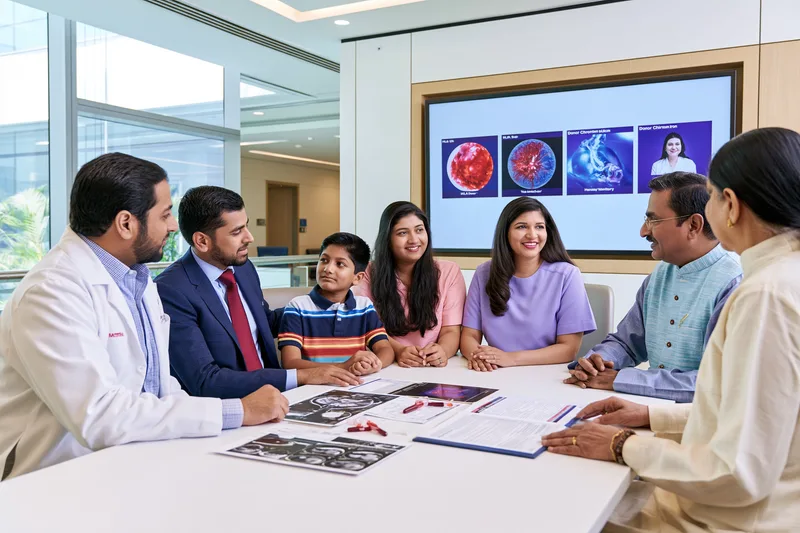
A bone marrow transplant for thalassemia is one of the established curative treatments for transfusion dependent beta thalassemia. It replaces the patient’s ineffective blood forming system with healthy donor stem cells capable of producing functional haemoglobin. The complete cure pathway, however, begins before transplantation and continues long after donor cells have engrafted.
Accurate diagnosis, safe transfusion support, control of iron overload, donor matching, organ assessment, fertility preservation and long term rehabilitation all influence the final result. Ayurveda remains central to nutritional preparation, digestive stability, preservation of strength and structured recovery, while transplantation provides the biological replacement of the affected blood forming system.
The most appropriate pathway differs between patients. A young child with an HLA identical sibling and preserved organ function may proceed toward early transplantation. An adolescent or adult with liver fibrosis, cardiac iron or no matched donor may require further organ optimisation and comparison with unrelated donor transplantation, haploidentical transplantation or gene based therapy. [1,2]
Confirming the Diagnosis Before Planning a Cure
The cure pathway begins by confirming the exact form and clinical severity of thalassemia. A complete blood count, red cell indices, haemoglobin analysis and molecular genetic testing help distinguish transfusion dependent beta thalassemia from thalassemia trait, non transfusion dependent disease and other inherited haemoglobin disorders.
The diagnosis must be interpreted together with the patient’s clinical history. The team reviews the age at which transfusions began, the number of red cell units received, the usual pretransfusion haemoglobin and the longest interval the patient can remain safely without transfusion.
Thalassemia minor does not ordinarily require transplantation because it usually causes no anaemia or only mild anaemia. Bone marrow transplant is mainly considered for transfusion dependent disease and selected severe non transfusion dependent cases in which the expected curative benefit justifies the treatment risks.
Genetic confirmation also supports family counselling. It identifies the inherited variants carried by the patient and helps determine whether siblings or future children may be affected or carry a thalassemia gene.
Maintaining Safe Transfusions While Curative Treatment Is Planned
Regular transfusions remain essential while the patient is being evaluated for transplantation or gene therapy. They maintain adequate haemoglobin, suppress ineffective marrow expansion and reduce complications such as bone changes, growth impairment, severe spleen enlargement and extramedullary blood formation.
Transfusions should not be reduced or delayed simply because curative treatment is being considered. Donor searches, organ testing, fertility preservation and treatment authorisation may take several months. Inadequate transfusion support during this period can weaken the patient and reduce readiness for conditioning.
The blood bank documents ABO and Rh type, extended red cell antigens, previous reactions and red cell antibodies. Compatible transfusion support will continue during conditioning and early engraftment, when the donor marrow has not yet produced enough blood cells.
Each transfusion adds iron to the body. Safe transfusion care must therefore remain connected with effective chelation and regular measurement of tissue iron throughout the pretransplant period.
Controlling Iron Overload Before Transplantation
Iron overload is a major link between long term thalassemia care and transplant eligibility. Repeated transfusions introduce more iron than the body can naturally remove, allowing iron to accumulate in the liver, heart, pancreas, pituitary gland and other tissues.
Serum ferritin is useful for following trends, but it cannot independently determine transplant risk. Infection, inflammation and liver injury can alter ferritin without accurately reflecting the amount of iron stored in individual organs.
Magnetic resonance measurement of liver iron concentration provides a more direct estimate of hepatic iron burden. Cardiac T2 star magnetic resonance imaging assesses iron within the heart muscle. Liver fibrosis, cardiac function, endocrine health and kidney function are interpreted alongside these measurements.
Effective chelation before transplantation helps protect organ reserve. It does not remove the need for transplant assessment, but it can improve the condition in which the patient enters conditioning.
A patient with severe tissue iron or established organ injury may need a period of intensified medical management before transplantation. The goal is to reduce avoidable risk without delaying curative treatment until further damage develops.
Beginning HLA Testing Early
Human leukocyte antigen typing should begin early when transfusion dependent beta thalassemia is confirmed and transplantation is being considered. Full biological siblings are usually tested first because a healthy HLA identical sibling remains the preferred donor for many patients.
A sibling has approximately a one in four probability of inheriting the same complete HLA combination as the affected child. Blood group, sex and physical resemblance cannot predict the match.
When no matched sibling is available, the centre may search for a fully matched unrelated donor. Suitable sibling cord blood, unrelated cord blood and half matched family donors may also be assessed according to the patient’s age, antibodies, cell dose and the experience of the centre.
Donor specific antibody testing is important because repeated transfusions can sensitise the recipient to foreign HLA markers. A donor who appears suitable through typing may be less favourable when the patient has a clinically significant antibody against that donor.
The donor search should proceed while transfusion, chelation and organ monitoring continue. Curative planning does not replace the medical care required to keep the patient stable during the search.
Assessing Whether the Patient Can Tolerate Conditioning
Both allogeneic transplantation and currently available stem cell based gene therapies require conditioning. Conditioning suppresses the patient’s existing marrow and creates space for donor or genetically modified stem cells.
The assessment therefore examines whether the liver, heart, lungs, kidneys and nervous system can tolerate intensive treatment. It also identifies infection, nutritional weakness, endocrine dysfunction and other problems that require correction before admission.
Liver evaluation may include biochemical tests, liver iron measurement, ultrasound, elastography and biopsy when the degree of fibrosis remains uncertain. Cardiac testing may include an electrocardiogram, echocardiogram and cardiac T2 star imaging.
Kidney function, lung reserve, glucose regulation, thyroid health, growth, puberty and reproductive function are also reviewed. An abnormal result does not always exclude curative treatment. It may lead to medical optimisation, a modified conditioning plan or more intensive monitoring.
The patient’s practical readiness is equally important. The family must understand hospitalisation, central line care, infection precautions, medicines, emergency symptoms and the need for frequent follow up after discharge.
Preserving Fertility Before Curative Treatment
Conditioning can damage ovarian follicles and sperm producing cells. Fertility counselling should therefore occur before transplantation or gene therapy rather than after reproductive injury has developed.
Postpubertal males may be offered sperm preservation. Females may be assessed for oocyte, embryo or ovarian tissue preservation according to age, pubertal development and available time.
Younger children require specialist discussion because conventional fertility preservation may not yet be possible. Tissue preservation techniques may be available at selected centres, but the evidence, procedure and future use should be explained clearly.
Successful transplantation does not remove the thalassemia gene from reproductive cells. A patient cured through donor stem cell transplantation can still pass a thalassemia variant to future children. Genetic counselling remains necessary during adult life and family planning.
Selecting the Curative Treatment Pathway
The curative pathway is chosen after diagnosis, donor availability, organ health and treatment access have been considered together. Bone marrow transplant is not selected solely because a donor exists, and gene therapy is not selected solely because no donor is available.
A healthy HLA identical sibling can provide a well established curative route, particularly for a child with preserved organ function. A fully matched unrelated donor may provide another option when stringent compatibility is confirmed and the treatment is delivered at an experienced thalassemia transplant centre.
Haploidentical transplantation can use a half matched parent, child or sibling. This approach has expanded donor availability, but its results depend strongly on conditioning, graft processing, immune control and the experience of the centre.
Gene therapy uses the patient’s own stem cells after genetic modification. It removes the need for an HLA matched donor and avoids donor derived graft versus host disease, but it still requires stem cell collection, specialised manufacturing, myeloablative conditioning and long term surveillance.
The decision should compare durable transfusion independence, graft or engraftment failure, conditioning toxicity, fertility effects, immune complications, long term evidence, treatment access and the centre’s outcomes in similar patients. [1,3,4]
How Bone Marrow Transplant Produces the Cure
Bone marrow transplant provides cure by establishing a healthy donor derived blood forming system. Conditioning suppresses the recipient’s marrow and immune response, after which donor stem cells are infused through a central venous catheter.
The donor cells migrate to the marrow spaces and begin producing white blood cells, platelets and red blood cells. This process is called engraftment.
As donor red blood cell production becomes effective, the patient’s transfusion requirement decreases. Stable haemoglobin, transfusion independence and sustained donor chimerism confirm that the graft is performing its curative function.
Complete donor chimerism is not always required for clinical success. Some patients remain transfusion independent with stable mixed chimerism, in which donor and recipient blood forming cells coexist.
A declining donor proportion can indicate graft instability. Chimerism must therefore be followed as a trend and interpreted with haemoglobin, reticulocyte production, blood counts and transfusion requirements.
Why Curative Treatment Does Not End All Thalassemia Care Immediately
Curing the abnormal blood production does not instantly reverse every complication that developed before transplantation. Iron already stored in the liver, heart and endocrine organs can remain after regular transfusions stop.
Liver fibrosis, diabetes, thyroid dysfunction, delayed puberty, low bone density, impaired growth and fertility problems may continue to require specialist care. The degree of recovery depends on how early each complication was recognised and how much irreversible tissue damage occurred.
Residual iron may be removed through therapeutic phlebotomy after haemoglobin and graft function become stable. Chelation may be used when phlebotomy is unsuitable or when the treating team considers medicine based removal more appropriate.
Vaccination must also be restarted according to a transplant specific schedule because previous immune memory may be reduced or lost. Infection precautions and preventive medicines may continue for many months after blood counts recover.
The cure pathway therefore extends from donor engraftment into organ protection, immune restoration and long term rehabilitation.
Ayurveda Before the Curative Procedure
Ayurveda prepares the patient for transplantation through individualised attention to digestion, nourishment, sleep, bowel function and physical strength. These factors influence how well the patient tolerates conditioning and prolonged hospital care.
Agni means digestive and metabolic capacity. It is assessed through appetite, digestion, bowel regularity and the ability to maintain adequate nutrition. Bala means functional strength and resilience and is assessed through muscle condition, ordinary activity and recovery after exertion.
Ojas describes the wider state of vitality, stability and resistance recognised in Ayurveda. In practical preparation, Ojas is supported through appropriate nourishment, restorative sleep, emotional steadiness and a regular daily routine.
Brimhana means nourishing and tissue building care. Before transplantation, Brimhana may be used to support body weight, muscle strength and nutritional reserve when it is compatible with liver function, kidney health, glucose regulation and residual iron overload.
The pretransplant period is not suitable for unnecessarily depleting treatment. Intensive fasting, strong purgation or physically demanding procedures close to conditioning can reduce hydration, weight and treatment tolerance.
Ayurveda During Transplantation and Early Recovery
During conditioning, severe neutropenia and early engraftment, Ayurvedic care becomes gentle and protective. The main priorities are nutritional tolerance, hydration, bowel comfort, sleep and preservation of functional strength.
Every herbal, mineral and Rasayana formulation requires review by the transplant haematologist and clinical pharmacist. Transplant medicines may have narrow therapeutic ranges, and botanical or mineral constituents can influence absorption, drug metabolism, liver function, kidney function or bleeding risk.
Microbial quality is critical during profound immune suppression. Raw powders, fermented products, unpasteurised preparations and formulations with uncertain manufacturing standards may expose the patient to avoidable infection.
Food should comply with the transplant centre’s infection prevention policy. The patient may require modified texture, small frequent meals, tube feeding or temporary intravenous nutrition according to mucositis, nausea, diarrhoea and oral intake.
Ayurveda remains centred on the patient throughout this phase, but it operates within the safety requirements of engraftment, infection prevention and immune management.
Ayurveda After Stable Engraftment
After donor blood formation becomes stable, Ayurvedic rehabilitation can be expanded gradually according to blood counts, chimerism, liver and kidney function, infection status and current medicines.
Rasayana means restorative care intended to support vitality, tissue recovery and resilience. Post transplant Rasayana is selected according to the patient’s current condition rather than introduced on a fixed day.
The early goals include restoration of appetite, regular bowel function, improved sleep, gradual weight recovery and return of muscle strength. Treatment is modified when graft versus host disease, persistent diarrhoea, unstable liver enzymes or active infection is present.
Brimhana may support rebuilding of muscle and physical endurance after prolonged hospitalisation. It must remain appropriate for diabetes, fatty liver, renal function and the ongoing removal of residual iron.
Ayurveda does not replace chimerism testing, immunosuppression, antimicrobial treatment, vaccination or management of graft complications. Its role is to strengthen digestion, nutrition, sleep and functional recovery so that the biological cure develops into better long term health.
Measuring Recovery Beyond Transfusion Independence
Transfusion independence is a central curative outcome, but it is not the only measure of recovery. The patient’s progress should also be evaluated through haemoglobin stability, donor chimerism, immune recovery, organ function and quality of daily life.
Children require continued assessment of growth, puberty, school participation, learning and emotional development. Adults may need monitoring of employment capacity, fertility, sexual health, bone strength and metabolic disease.
The liver, heart, kidneys, lungs and endocrine organs should be followed according to previous iron exposure and transplant complications. Residual iron removal should continue until the intended tissue iron targets are achieved.
Ayurvedic assessment adds appetite, bowel regularity, sleep, strength, exercise tolerance and restoration of ordinary daily function. These clinical observations help individualise nourishment and rehabilitation while laboratory testing confirms graft and organ stability.
A durable cure is achieved when healthy blood formation remains stable and the patient progressively regains immune, nutritional, physical and emotional wellbeing.
Continuing Through the Complete Thalassemia Cure Pathway
Bone marrow transplant for thalassemia belongs within a wider pathway that begins with accurate diagnosis and continues through transfusion support, iron control, donor assessment, conditioning, engraftment and long term rehabilitation.
Patients without a matched sibling may still have curative options through matched unrelated donors, specialised haploidentical transplantation or gene based therapy. The choice depends on individual eligibility, donor availability, organ health, treatment access and the outcomes achieved by the treating centre.
The curative procedure corrects the blood forming defect. Long term medical monitoring and individualised Ayurvedic rehabilitation protect the result, address previous organ damage and help the patient move from transfusion dependence toward sustained health and functional recovery.
Questions to Ask a Bone Marrow Transplant Centre for Thalassemia

Before proceeding with a bone marrow transplant for thalassemia, the patient and family should understand how the centre selects candidates, chooses donors, prevents graft failure and manages recovery. A transplant centre’s general reputation does not show how much experience it has with transfusion dependent beta thalassemia, alternative donors, iron related organ injury or long term donor chimerism.
The consultation should produce an individual treatment plan rather than a general success percentage. Age, donor type, HLA compatibility, liver fibrosis, cardiac iron, donor specific antibodies, conditioning regimen and centre experience can substantially change the expected outcome. [1,2]
How Many Thalassemia Transplants Has the Centre Performed?
Families should ask how many patients with transfusion dependent thalassemia the centre has transplanted and how many are treated each year. Experience with leukaemia or other malignant diseases does not automatically provide the same expertise required for thalassemia.
Thalassemia is a nonmalignant condition. The patient usually enters transplantation with an active immune system, a history of repeated transfusions and possible immune sensitisation. The team must also understand tissue iron, liver fibrosis, red cell antibodies and the risk of graft rejection.
The centre should explain whether it has experience with patients of the same age, donor type and organ risk profile. A centre that regularly treats young children with HLA identical sibling donors may have less experience with adults, haploidentical donors or patients with advanced iron related complications.
Published multicentre evidence has associated greater thalassemia transplant experience with more favourable thalassemia free and graft versus host disease free survival. Treatment volume does not guarantee an individual result, but it helps show whether the centre has developed disease specific systems for donor selection, conditioning and complication management. [2]
What Outcomes Has the Centre Achieved in Similar Patients?
The centre should provide recent results for patients who resemble the person being evaluated. Outcomes from all transplant recipients combined are less useful because donor type, disease and patient health differ greatly.
Overall survival shows how many patients remain alive after a defined period. It does not confirm that every surviving patient has a functioning donor graft or remains free from regular transfusions.
Thalassemia free survival shows how many patients remain alive with effective donor blood formation and without return to transfusion dependent thalassemia. This measure is more closely connected to the curative purpose of transplantation.
Families should also ask about graft failure, transplant related mortality, acute graft versus host disease, chronic graft versus host disease and the need for a second transplant. These outcomes provide a clearer picture than one headline success rate.
The centre should identify the follow up period used for each result. One year survival, five year survival and long term thalassemia free survival answer different questions. Results should also be separated according to matched sibling, matched unrelated, cord blood and haploidentical donors. [1,2]
How Does the Centre Decide Whether the Patient Is Eligible?
Eligibility should be based on disease severity, donor availability, tissue iron, organ health and the patient’s ability to tolerate conditioning. Age alone should not determine whether a patient is accepted or rejected.
The centre should explain how it assesses liver iron, liver fibrosis, cardiac iron, heart function, kidney function and lung reserve. Serum ferritin alone does not provide a complete measurement of transplant risk.
For children, the assessment should include growth, puberty, nutrition and developmental needs. For adults, the team should examine cumulative transfusion exposure, diabetes, thyroid health, fertility, bone disease and established organ complications.
The family should ask whether any current finding requires treatment before transplantation. Infection control, intensified chelation, nutritional restoration, endocrine treatment or further cardiac evaluation may improve readiness without permanently excluding the patient.
The centre should also explain why transplantation is being recommended now rather than continued transfusion care, gene therapy or another curative option. The reasoning should reflect the patient’s individual findings and not only the availability of a donor.
Which Donor Is Being Recommended and Why?
The family should receive a clear explanation of the proposed donor’s HLA compatibility. A full match should be described using high resolution HLA results rather than the informal statement that the donor is a brother, sister or close relative.
A healthy HLA identical sibling is commonly preferred when available. When no matched sibling exists, the centre may consider a fully matched unrelated donor, cord blood or a half matched family donor.
The team should explain why the chosen donor is preferable to the other available options. Relevant factors include HLA compatibility, donor age, health, stem cell source, cell dose, donor availability and the patient’s donor specific antibodies.
Blood group should not be presented as the principal matching factor. ABO compatibility affects transfusion planning, but HLA compatibility is more important for graft acceptance and immune complications.
When a thalassemia carrier is being considered as a donor, the centre should explain how donor haemoglobin, iron status and collection safety have been evaluated. Donor health must remain an independent priority.
Has the Patient Been Tested for Donor Specific Antibodies?
Repeated transfusions can expose the patient’s immune system to foreign HLA markers. The patient may then produce antibodies directed against markers carried by a proposed donor.
A clinically significant donor specific antibody can increase the risk of graft rejection or primary graft failure. This assessment is particularly important before a haploidentical, mismatched unrelated or cord blood transplant.
The family should ask when the test was performed and whether it needs to be repeated after further transfusions. Antibody levels can change, so an early result may not always represent the patient’s status immediately before conditioning.
When a donor specific antibody is present, the centre should explain whether another donor is available. When no alternative exists, the team should describe the proposed antibody reduction treatment, how response will be measured and how graft failure risk will be monitored.
Which Stem Cell Source Will Be Used?
Donor stem cells may be collected from bone marrow, peripheral blood or umbilical cord blood. The centre should explain why one source is being recommended for this patient.
Bone marrow is frequently used in nonmalignant conditions because it can provide effective engraftment with a lower burden of donor immune cells than peripheral blood. Peripheral blood may provide a higher cell dose and faster blood count recovery, but it can also influence graft versus host disease risk.
Cord blood may offer greater flexibility in donor matching, but the available cell dose must be sufficient for the patient’s body size. Delayed engraftment can prolong infection risk and transfusion support.
The family should ask how many stem cells are expected, whether the planned dose is adequate and what will happen if the collected graft does not meet the intended target.
Which Conditioning Regimen Will Be Used?
Conditioning suppresses the patient’s existing marrow and immune response before donor stem cells are infused. The centre should provide the names of the conditioning medicines, the planned duration and the reason that the regimen suits the patient’s risk profile.
Busulfan based and treosulfan based regimens may be used according to age, donor type, organ health and institutional protocol. The medicine name alone does not determine safety. Exposure, combination therapy and supportive care also matter.
When busulfan is used, the family should ask whether pharmacokinetic monitoring will guide dose adjustment. Insufficient exposure can increase graft rejection risk, while excessive exposure can increase organ toxicity.
The team should explain how liver iron, fibrosis, cardiac health and kidney function influenced the conditioning choice. A regimen used successfully in a young child with preserved organs may not be appropriate for an adult with substantial tissue injury.
The expected effects on fertility should be discussed before conditioning begins. Fertility preservation requires planning and cannot usually be arranged after myeloablative treatment has started. [1,3]
How Will Graft Failure Be Prevented and Detected?
The centre should explain the patient’s estimated graft rejection risk and the factors contributing to it. HLA mismatch, donor specific antibodies, an inadequate stem cell dose, immune sensitisation and conditioning exposure may all influence graft acceptance.
The monitoring plan should include blood counts, reticulocytes, transfusion requirements and donor chimerism. Chimerism testing shows the proportion of blood formation coming from donor and recipient cells.
The family should ask when chimerism will first be measured and how frequently it will be repeated. A single result provides less information than the direction of change over time.
Stable mixed chimerism can sometimes maintain effective haemoglobin and transfusion independence. A progressive decline in donor cells may indicate developing rejection and requires early assessment.
The centre should explain what action it takes when donor chimerism begins to fall. Management may involve modification of immunosuppression or another graft directed intervention, depending on timing, donor type and the risk of graft versus host disease.
How Will Graft Versus Host Disease Be Prevented?
The family should know which medicines will be used to prevent graft versus host disease and how long they may be required. The prevention strategy depends on donor type, graft source and transplant protocol.
The centre should explain the common symptoms of acute disease, including rash, watery diarrhoea, abdominal pain and abnormal liver tests. Chronic disease may involve the skin, mouth, eyes, lungs, joints or other organs.
Families should ask how often immunosuppressive medicine levels, kidney function, liver function and blood pressure will be checked. Some preventive medicines require close monitoring because low exposure may reduce protection, while excessive exposure may cause toxicity.
The team should also explain how it distinguishes graft versus host disease from infection, conditioning injury or medicine effects. Similar symptoms can arise from different causes, and treatment depends on the correct diagnosis.
How Does the Centre Prevent and Monitor Infection?
The centre should describe its antibacterial, antiviral and antifungal strategy before conditioning, during neutropenia and after discharge. The plan should reflect the patient’s infection history, donor status and degree of immune suppression.
The family should ask which viral infections will be monitored through regular blood testing. Cytomegalovirus and Epstein Barr virus surveillance may be required according to donor and recipient exposure.
The centre should provide a written fever threshold and a twenty four hour emergency contact number. The family must know which hospital to attend and whether the transplant team should be contacted before travelling to the emergency department.
Food, water, central line and household precautions should be explained clearly. Instructions should be practical for the patient’s home rather than limited to general advice about avoiding infection.
The team should also explain how long preventive medicines and infection precautions are expected to continue. Blood count recovery does not immediately restore complete immune protection.
How Will Existing Iron Overload Be Managed?
A successful transplant can stop the continuing need for chronic transfusions, but previously accumulated iron remains in the body. The centre should explain when liver iron, cardiac iron and ferritin will be reassessed after engraftment.
The family should ask whether therapeutic phlebotomy or iron chelation is likely to be used. Phlebotomy may become possible after haemoglobin and graft function are stable, while chelation may be selected when regular blood removal is unsuitable.
Iron treatment should not begin according to ferritin alone. Liver iron concentration, cardiac findings, haemoglobin, kidney function, liver function and current medicines must be considered together.
Patients with liver fibrosis, cardiac iron, diabetes or endocrine complications require continued specialist follow up even after transfusion independence has been achieved. The transplant corrects the blood forming disorder but does not instantly reverse established tissue injury.
What Fertility Preservation Is Available?
The centre should discuss fertility before conditioning. Myeloablative treatment can impair sperm production, ovarian reserve and reproductive hormone function.
Postpubertal males may be able to store sperm. Females may be assessed for oocyte, embryo or ovarian tissue preservation according to age, time and medical suitability.
Younger children require referral to a fertility preservation team familiar with paediatric oncology and transplant care. Available methods, experimental limitations and future use should be explained clearly.
The family should also ask how puberty, reproductive hormones and fertility will be monitored after transplantation. Successful donor engraftment does not guarantee preservation of reproductive function.
How Long Will Hospitalisation and Recovery Take?
The centre should provide an expected recovery range rather than an exact discharge date. Engraftment speed, infection, mouth inflammation, graft versus host disease and organ complications can change the duration of hospitalisation.
The family should ask how long the patient must remain close to the transplant centre after discharge. Patients who travel internationally may need accommodation nearby until graft function and emergency access are considered safe.
The early follow up schedule should be explained. Visits may initially occur several times each week and include blood counts, chimerism, organ tests, infection surveillance and medicine level monitoring.
The team should describe when the patient may return to school, work, public places, exercise and travel. These decisions depend on immune recovery, current medicines and the environment to which the patient will return.
Which Symptoms Require Immediate Medical Review?
The family should receive written instructions covering fever, chills, breathing difficulty, new rash, persistent diarrhoea, repeated vomiting, jaundice, bleeding, reduced urine and sudden neurological changes.
The centre should specify the temperature threshold that requires an urgent call. Patients should not depend on general internet advice because transplant centres may use different thresholds and protocols.
The plan should explain what to do when an essential medicine is vomited, missed or taken twice. The patient should not repeat or alter immunosuppressive medicine without direct guidance.
Emergency instructions should remain accessible to every caregiver. A transplant identification card containing the transplant date, donor type, current medicines and emergency contact details can help local clinicians coordinate rapidly with the transplant centre.
What Long Term Follow Up Does the Centre Provide?
The follow up plan should extend beyond the first 100 days. Donor chimerism, immune recovery, vaccination, residual iron, endocrine function, fertility, growth, bone health and organ complications may require monitoring for years.
The centre should explain whether long term care will remain at the transplant hospital or be shared with a local haematologist. Responsibilities for blood tests, chimerism, vaccinations and urgent complications should be clearly assigned.
Children require continued assessment of height, puberty, education and emotional development. Adults may require monitoring of employment capacity, fertility, bone health, thyroid function and metabolic disease.
The family should also ask how the centre monitors late complications of conditioning and immunosuppression. These may include cataracts, chronic lung disease, kidney injury, endocrine problems and a small increased risk of secondary cancer. [1,3]
How Will Ayurveda Be Coordinated With Transplant Care?
A centre caring for a patient who uses Ayurveda should be willing to review the complete treatment plan without dismissing or concealing any formulation. The patient should provide the full ingredient list, dose, manufacturer and laboratory quality information for every herbal, mineral or Rasayana medicine.
The transplant haematologist and clinical pharmacist should assess potential effects on liver function, kidney function, platelets, glucose regulation and drug metabolism. This is particularly important when immunosuppressive, antifungal, antiviral and antibacterial medicines are being used.
The family should ask which Ayurvedic medicines must be paused before conditioning and what findings would allow them to be reconsidered after engraftment. The decision should depend on blood counts, chimerism, infection status, graft versus host disease, organ function and current medicines.
Ayurveda centred care can support Agni, meaning digestive and metabolic capacity, Bala, meaning functional strength and resilience, and Ojas, meaning the broader state of vitality and resistance described in Ayurveda.
Brimhana, meaning nourishing and tissue building care, can support nutritional reserve before transplantation and gradual restoration of strength after stable engraftment. Rasayana, meaning restorative care intended to support recovery and resilience, is introduced according to medical stability rather than a fixed post transplant day.
The family should ask whether the centre’s dietitian, pharmacist, transplant physician and Ayurvedic doctor can share relevant clinical information. Coordinated care helps protect essential transplant medicines while preserving individualised support for appetite, bowel function, sleep, nutrition and rehabilitation.
What Costs and Practical Arrangements Should Be Clarified?
The family should request a clear estimate covering pretransplant testing, donor testing, stem cell collection, conditioning, hospitalisation, medicines, blood products and early follow up.
The estimate should explain which costs may increase if the patient develops infection, graft versus host disease, delayed engraftment or requires intensive care. International patients should also clarify accommodation, travel, visa, interpreter and local caregiver requirements.
The family should ask whether fertility preservation, donor registry searches, donor travel, cord blood procurement and long term medicines are included. These services may be billed separately from the transplant package.
Financial planning should also include the period during which the patient and caregiver cannot work, the need to remain near the centre and repeated travel for follow up.
How Should the Final Decision Be Made?
The family should leave the consultation knowing why the patient is eligible, why a specific donor was selected and which conditioning regimen is recommended. The team should provide individual estimates for survival, thalassemia free survival, graft failure, graft versus host disease and transplant related mortality.
The proposed transplant should also be compared with continued transfusion and chelation, gene therapy and other available curative pathways. The comparison must reflect the patient’s age, donor options, organ health, treatment access and personal priorities.
A second opinion may be useful when the donor is mismatched, the patient has substantial organ injury or the centre has limited experience with the proposed protocol. The purpose is to clarify the treatment plan and ensure that the expected benefit and risk have been assessed from a thalassemia specific perspective.
The final decision should be based on informed consent, documented donor suitability, measurable organ health and a clear recovery plan. Ayurveda centred preparation and rehabilitation can then be coordinated with the transplant team to support nutrition, digestion, sleep and strength throughout the curative pathway.
Frequently Asked Questions
Can Bone Marrow Transplant Completely Cure Thalassemia?
Yes. A successful bone marrow transplant can cure transfusion dependent beta thalassemia by replacing ineffective blood formation with healthy donor stem cells. Cure means stable donor engraftment, sustained haemoglobin production and lasting freedom from regular transfusions. Existing iron overload or organ damage may still need separate treatment.
Does Thalassemia Minor Require Bone Marrow Transplant?
No. Thalassemia minor or trait does not ordinarily require bone marrow transplant because it usually causes no symptoms or only mild anaemia. Transplantation is mainly considered for transfusion dependent beta thalassemia and selected severe cases where the expected curative benefit justifies the risks of conditioning and transplantation.
What Is the Best Age for Bone Marrow Transplant in Thalassemia?
Earlier transplantation is often preferred after transfusion dependent thalassemia is confirmed and a suitable donor is available. Younger patients generally have less accumulated iron and fewer organ complications. However, donor compatibility, liver and heart health, infection status and transplant centre experience are more important than a single age cutoff.
Can an Adult With Thalassemia Have a Bone Marrow Transplant?
Yes. Carefully selected adults can undergo curative bone marrow transplant. Their evaluation usually includes detailed assessment of liver fibrosis, cardiac iron, diabetes, thyroid function, kidney health, fertility and previous infections. Adulthood alone does not exclude transplantation when organ function and donor suitability support treatment.
Does the Bone Marrow Donor Need the Same Blood Group?
No. The donor does not need the same blood group as the patient. Human leukocyte antigen compatibility is more important because it influences graft acceptance, rejection and graft versus host disease. Blood group differences affect transfusion planning but do not automatically prevent a successful transplant.
What Is a Ten Out of Ten HLA Match?
A ten out of ten HLA match means the donor and patient match at both inherited copies of five major human leukocyte antigen markers. It represents close immune compatibility, but donor age, health, antibodies, stem cell dose and additional HLA characteristics may still affect the final donor choice.
Can a Parent Donate Bone Marrow to a Child With Thalassemia?
Yes, a parent may donate through a haploidentical or half matched transplant programme. Biological parents usually share half of their child’s HLA markers. This approach requires specialised conditioning and immune control and should be performed at a centre experienced in haploidentical transplantation for thalassemia.
Can a Thalassemia Carrier Become a Bone Marrow Donor?
A healthy person with thalassemia trait may be considered as a donor in selected cases. The transplant team must assess haemoglobin, iron status, symptoms, general health and collection safety. Carrier status does not automatically confirm or exclude donation, even when the person is an excellent HLA match.
What Happens if No Fully Matched Donor Is Found?
The transplant centre may search for a matched unrelated volunteer, evaluate suitable cord blood or consider a half matched family donor. Eligible patients may also be assessed for gene based therapy. Regular transfusions, iron chelation and organ monitoring should continue while these curative options are investigated.
How Long Does Bone Marrow Transplant for Thalassemia Take?
Conditioning usually lasts several days, followed by stem cell infusion and several weeks of hospital monitoring. Blood count recovery often begins within the first few weeks, but immune recovery and physical rehabilitation take much longer. Complete recovery may extend over one to two years.
Is Bone Marrow Transplant a Surgical Operation?
No. The recipient does not undergo surgery to remove or replace the bones. Donor stem cells are infused through a central venous catheter in a process similar to a blood transfusion. The cells travel to the marrow spaces and begin producing new blood cells after engraftment.
When Do Blood Transfusions Stop After Bone Marrow Transplant?
Transfusions stop when donor stem cells produce enough healthy red blood cells to maintain a stable haemoglobin. Some patients become transfusion independent within the early weeks after engraftment, while others require support for longer. Blood results, symptoms and donor chimerism determine the timing.
Can Thalassemia Return After Bone Marrow Transplant?
Yes, thalassemia can return clinically if the donor graft fails or donor blood formation is gradually lost. The patient may then develop anaemia and require transfusions again. Regular blood counts and donor chimerism testing help identify graft instability before complete graft loss occurs.
Does Mixed Chimerism Mean the Transplant Has Failed?
No. Mixed chimerism means donor and recipient blood forming cells are both present. Some patients maintain normal haemoglobin and remain transfusion independent with stable mixed chimerism. A progressive reduction in donor cells is more concerning because it may indicate developing graft rejection.
What Is the Success Rate of Bone Marrow Transplant for Thalassemia?
The success rate depends on age, donor type, HLA compatibility, iron burden, organ health, conditioning and transplant centre experience. Families should ask separately about overall survival, thalassemia free survival, graft failure, graft versus host disease and treatment related mortality rather than relying on one general percentage.
What Are the Main Risks of Bone Marrow Transplant?
The main risks include severe infection, graft failure, graft versus host disease, liver or kidney injury, infertility and transplant related mortality. The individual risk depends on donor matching, accumulated iron, existing organ damage, conditioning intensity and the experience of the treating transplant centre.
How Long Does Full Recovery Take After Bone Marrow Transplant?
Blood counts may begin recovering within the first few weeks, while appetite, weight and physical strength improve over several months. Broader immune recovery may take one to two years and can take longer when graft versus host disease, infection or prolonged immunosuppressive treatment occurs.
Does Bone Marrow Transplant Remove Existing Iron Overload?
No. Successful transplantation stops the continuing need for regular transfusions, but previously accumulated iron remains in the liver, heart and endocrine organs. After stable engraftment, excess iron may be removed through therapeutic phlebotomy or prescribed chelation according to haemoglobin and organ findings.
Can a Child Return to School After Bone Marrow Transplant?
Yes. A child can return to school after the transplant team confirms adequate immune and physical recovery. Many children begin with home learning, reduced attendance or shorter school days. Timing depends on blood counts, current medicines, graft versus host disease and infection exposure at school.
Can an Adult Return to Work After Bone Marrow Transplant?
Yes. Most adults can return to work after sufficient immune recovery and restoration of strength. Remote or part time work may begin first. Work involving crowds, healthcare exposure, children, soil, animals, construction dust or heavy physical activity may require a longer recovery period.
Is Bone Marrow Transplant Better Than Gene Therapy for Thalassemia?
Neither treatment is universally better for every patient. Bone marrow transplant has longer clinical experience but requires a suitable donor and carries graft related risks. Gene therapy avoids donor matching but still requires stem cell collection, intensive conditioning and long term monitoring. Eligibility, organ health and access guide the choice.
Can Ayurveda Replace Bone Marrow Transplant in Transfusion Dependent Thalassemia?
Ayurveda supports digestion, nutrition, strength, sleep and rehabilitation, while successful donor stem cell engraftment provides the established transplant mechanism for correcting transfusion dependent blood formation. Ayurvedic care should remain coordinated with transplantation and should not replace conditioning, infection management, chimerism monitoring or treatment of graft complications.
When Can Rasayana Begin After Bone Marrow Transplant?
Rasayana may be considered after stable engraftment and approval from the transplant team. Timing depends on blood counts, donor chimerism, infection status, liver and kidney function, graft versus host disease and current medicines. It should not be introduced according to a fixed post transplant date.
How Can Ayurveda Support Recovery After Bone Marrow Transplant?
Ayurveda can support Agni, meaning digestive and metabolic capacity, Bala, meaning functional strength, and Ojas, meaning vitality and resilience. Individualised nutrition, Brimhana, restorative sleep and gradual rehabilitation may help recovery when coordinated with blood results, organ function and transplant medicines.
Is Lifelong Follow Up Needed After a Successful Transplant?
Yes. Long term follow up remains important after transfusion independence. Monitoring may include graft function, residual iron, liver and heart health, thyroid function, growth, puberty, fertility, bone density, vaccination and late effects of conditioning. The frequency usually decreases as recovery becomes stable.
References
1. Current International Thalassemia Guideline
Taher, A. T., Farmakis, D., Porter, J. B., Cappellini, M. D., & Musallam, K. M. (Eds.). (2025). Guidelines for the management of transfusion-dependent β-thalassaemia (TDT) (5th ed.). Thalassaemia International Federation.
https://www.ncbi.nlm.nih.gov/books/NBK614251/
Study brief: This is the principal current guideline for transfusion dependent beta thalassemia. It covers diagnosis, transfusion care, iron overload, donor transplantation, gene manipulation, fertility, endocrine health and long term monitoring.
Used for: Cure eligibility, early transplant referral, pretransplant tests, organ assessment, HLA matched donors, conditioning, fertility preservation, gene therapy comparison, residual iron and post transplant follow up.
2. Large Thalassemia Transplant Outcome Study
Yesilipek, M. A., Uygun, V., Kupesiz, A., Karasu, G., Ozturk, G., Ertem, M., Şaşmaz, İ., Daloğlu, H., Güler, E., Hazar, V., Fisgin, T., Sezgin, G., Kansoy, S., Kuşkonmaz, B., Akıncı, B., Özbek, N., İnce, E. Ü., Öztürkmen, S., Küpesiz, F. T., … Antmen, A. B. (2022). Thalassemia free and graft versus host disease free survival: Outcomes of hematopoietic stem cell transplantation for thalassemia major, Turkish experience. Bone Marrow Transplantation, 57(5), 760–767.
https://doi.org/10.1038/s41409-022-01613-w
Study brief: This national multicentre study included 1,469 patients undergoing their first transplant for thalassemia major. It evaluated overall survival, thalassemia free survival and survival without clinically significant graft versus host disease. Younger age and greater centre experience were associated with more favourable outcomes.
Used for: Success rate, importance of early evaluation, differences between children and adults, value of high volume thalassemia transplant centres and interpretation of overall versus thalassemia free survival.
3. Matched Related and Unrelated Donor Outcomes
Li, C., Mathews, V., Kim, S., George, B., Hebert, K., Jiang, H., Li, C., Zhu, Y., Keesler, D. A., Boelens, J. J., Dvorak, C. C., Agarwal, R., Auletta, J. J., Goyal, R. K., Hanna, R., Kasow, K., Shenoy, S., Smith, A. R., Walters, M. C., & Eapen, M. (2019). Related and unrelated donor transplantation for β-thalassemia major: Results of an international survey. Blood Advances, 3(17), 2562–2570.
https://doi.org/10.1182/bloodadvances.2019000291
Study brief: This international analysis compared transplantation using related and unrelated donors. It supports the use of carefully selected fully matched unrelated donors when an HLA identical sibling is unavailable, while showing the importance of donor compatibility and patient risk factors.
Used for: HLA matching, matched sibling transplantation, matched unrelated donor selection, donor hierarchy, alternative donor counselling, graft failure risk and centre specific outcome discussions.
4. Long Term Survival and Late Effects After Transplant
Santarone, S., Angelini, S., Natale, A., Vaddinelli, D., Spadano, R., Casciani, P., Papola, F., Di Lembo, E., Iannetti, G., & Di Bartolomeo, P. (2022). Survival and late effects of hematopoietic cell transplantation in patients with thalassemia major. Bone Marrow Transplantation, 57, 1689–1697.
https://doi.org/10.1038/s41409-022-01786-4
Study brief: This study followed 137 patients for a median of approximately 30 years after transplantation. It demonstrated durable cure in many patients while documenting the continuing importance of endocrine, reproductive, liver, cardiac and other late effects.
Used for: Long term cure, late graft outcomes, fertility, endocrine follow up, organ surveillance, secondary complications, differences between cure of the blood disorder and reversal of established organ damage, and lifelong monitoring.
5. Iron Removal After Curative Transplantation
Inati, A., Kahale, M., Sbeiti, N., Cappellini, M. D., Taher, A. T., Koussa, S., Nasr, T. A., Musallam, K. M., Abbas, H. A., & Porter, J. B. (2017). One year results from a prospective randomized trial comparing phlebotomy with deferasirox for the treatment of iron overload in pediatric patients with thalassemia major following curative stem cell transplantation. Pediatric Blood & Cancer, 64(1), 188–196.
https://doi.org/10.1002/pbc.26213
Study brief: This prospective randomized study compared therapeutic phlebotomy with deferasirox after curative transplantation. Both approaches reduced iron burden, supporting active assessment and treatment of residual iron after stable engraftment.
Used for: Persistent iron overload after cure, post transplant ferritin and liver iron monitoring, therapeutic phlebotomy, deferasirox, selection of an iron removal method and the distinction between transfusion independence and complete iron clearance.
6. Betibeglogene Autotemcel Gene Addition Therapy
Locatelli, F., Thompson, A. A., Kwiatkowski, J. L., Porter, J. B., Thrasher, A. J., Hongeng, S., Sauer, M. G., Thuret, I., Lal, A., Algeri, M., Schneiderman, J., Olson, T. S., Carpenter, B., Amrolia, P. J., Anurathapan, U., Schambach, A., Chabannon, C., Schmidt, M., Labik, I., … Walters, M. C. (2022). Betibeglogene autotemcel gene therapy for non β0/β0 genotype β-thalassemia. The New England Journal of Medicine, 386(5), 415–427.
https://doi.org/10.1056/NEJMoa2113206
Study brief: This phase 3 study evaluated autologous stem cells modified using lentiviral beta globin gene addition. A high proportion of selected patients achieved sustained transfusion independence after conditioning and infusion of the modified cells.
Used for: Bone marrow transplant versus gene therapy, gene addition, autologous stem cell collection, conditioning, transfusion independence, absence of donor derived graft versus host disease and the need for long term gene therapy surveillance.
7. Exagamglogene Autotemcel Gene Editing Therapy
Locatelli, F., Lang, P., Wall, D., Meisel, R., Corbacioglu, S., Li, A. M., de la Fuente, J., Shah, A. J., Carpenter, B., Kwiatkowski, J. L., Mapara, M., Liem, R. I., Cappellini, M. D., Algeri, M., Kattamis, A., Sheth, S., Grupp, S., Handgretinger, R., Kohli, P., … Frangoul, H. (2024). Exagamglogene autotemcel for transfusion dependent β-thalassemia. The New England Journal of Medicine, 390(18), 1663–1676.
https://doi.org/10.1056/NEJMoa2309673
Study brief: This phase 3 study examined CRISPR based editing of the erythroid BCL11A enhancer to increase fetal haemoglobin production. Most evaluable participants achieved the study definition of transfusion independence, although conditioning and long term monitoring remained necessary.
Used for: Gene editing, fetal haemoglobin reactivation, comparison with donor transplantation, lack of HLA donor requirement, conditioning related risks, eligibility and the developing long term evidence for gene based cure.
8. International Long Term Transplant Survivorship Recommendations
Rotz, S. J., Bhatt, N. S., Hamilton, B. K., Duncan, C., Aljurf, M., Atsuta, Y., Beebe, K., Buchbinder, D., Burkhard, P., Carpenter, P. A., Chaudhri, N., Elemary, M., Elsawy, M., Guilcher, G. M. T., Hamad, N., Karduss, A., Peric, Z., Purtill, D., Rizzo, D., … Phelan, R. (2024). International recommendations for screening and preventative practices for long term survivors of transplantation and cellular therapy: A 2023 update. Bone Marrow Transplantation, 59(6), 717–741.
https://doi.org/10.1038/s41409-023-02190-2
Study brief: These international recommendations cover post transplant surveillance in children and adults. They address immune recovery, revaccination, endocrine health, fertility, cardiovascular risk, lung health, bone health, secondary cancers, psychological health and return to ordinary life.
Used for: Recovery timeline, first 100 days, immune recovery, vaccination, school and work return, long term organ surveillance, late complications, survivorship planning and the need for coordinated lifelong follow up.
9. Classical Brimhana Reference
Agniveśa. (2020). Langhanabrimhaniya Adhyaya: Reduction and nourishing therapies (K. N. Murthy & Y. S. Deole, Trans. & comms.; R. B. Dwivedi, Y. S. Deole, & G. Basisht, Eds.; Sūtra Sthāna, Chapter 22). Charak Samhita Research, Training and Skill Development Centre.
https://doi.org/10.47468/CSNE.2020.e01.s01.024
Classical text details: Charaka Saṃhitā, Sūtra Sthāna, Chapter 22, Langhanabṛṃhaṇīya Adhyāya. Verses 9 and 10 define Langhana and Bṛṃhaṇa, while verses 25 to 28 describe Bṛṃhaṇa substances, indications and supportive measures.
Used for: The classical definition of Brimhana, meaning nourishing and tissue building care, and its application to reduced strength, emaciation and recovery. This reference provides the Ayurvedic conceptual foundation and is not evidence for donor engraftment or transplant efficacy.
10. Classical Rasayana Reference
Agniveśa. (2020). Rasayana Chikitsa Adhyaya: Rejuvenation therapy (R. H. Singh, J. S. Sodhi, & U. Dixit, Trans. & comms.; U. Dixit, Y. S. Deole, & G. Basisht, Eds.; Cikitsā Sthāna, Chapter 1). Charak Samhita Research, Training and Skill Development Centre.
https://doi.org/10.47468/CSNE.2020.e01.s06.002
Classical text details: Charaka Saṃhitā, Cikitsā Sthāna, Chapter 1, Rasāyana Adhyāya. Verses 5 and 6 distinguish promotive and disease alleviating therapeutics, while verses 7 and 8 describe the aims and benefits of Rasayana.
Used for: The classical basis of Rasayana as restorative and promotive care directed toward strength, tissue quality and healthy function. It supports the Ayurvedic recovery framework but does not establish that Rasayana replaces conditioning, donor engraftment, chimerism monitoring, antimicrobial treatment or graft versus host disease care.