



- What Is Gallbladder Cancer?
- Symptoms and Warning Signs
- Causes, Risk Factors, and Ayurvedic Root Causes
- Diagnosis and Reports We Review
- Ayurvedic Understanding of Gallbladder Cancer
- Ayurveda Recovery When Surgery Is Not Possible or Not Preferred
- Cancer-Specific Ayurvedic Avaleha Protocol
- Cancer-Specific Ayurvedic Avaleha
- Ayurveda After Surgery to Reduce Recurrence Risk and Improve Prognosis
- Integrative Support With Chemotherapy, Immunotherapy, Radiation, Stenting, or Palliative Care
- Stage-Wise Ayurvedic Support
- Report-Based Monitoring and Patient Outcomes
- Frequently Asked Questions
- Reference
Gallbladder cancer treatment requires more than removing the tumor. It also involves improving your digestion, liver-bile function, nutrition, strength, treatment tolerance, and long-term recovery. Ayurveda can provide personalized supportive care before surgery, after surgery, or when surgery is not possible by focusing on Agni, liver-bile balance, inflammation control, Ojas, recovery, and quality of life alongside appropriate oncology treatment. Throughout this guide, you will learn how stage-wise Ayurvedic support, a customized Avaleha protocol, diet, lifestyle, and report-based monitoring can complement modern cancer care safely and responsibly.
What Is Gallbladder Cancer?
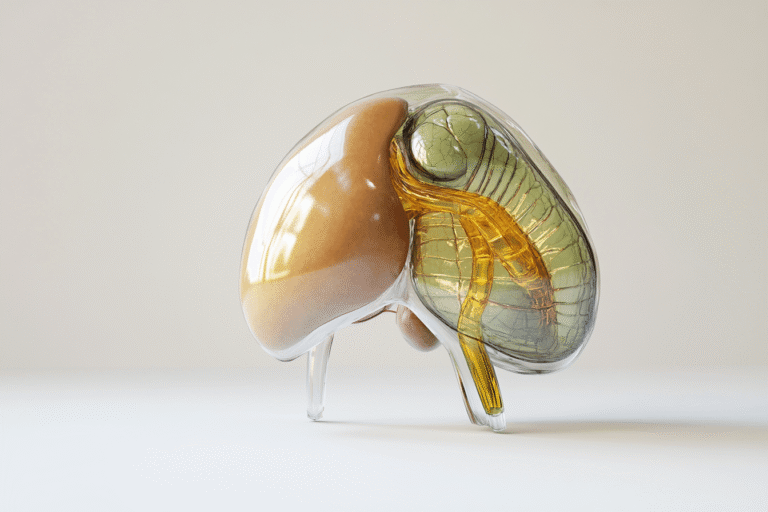
Gallbladder cancer is a malignant tumor that begins in the tissues of the gallbladder, a small bile-storing organ located under the liver. It is part of the hepato-pancreato-biliary cancer group and is usually classified under biliary tract cancers. Although it is uncommon, it is clinically serious because the gallbladder lies close to the liver, bile ducts, lymph nodes, and digestive organs, allowing the disease to spread silently before it is detected. [1,2] (National Cancer Institute)
A Rare but Aggressive Cancer
Gallbladder cancer is considered rare, but it is one of the most aggressive cancers of the biliary system. The National Cancer Institute notes that cancer arising in the gallbladder is uncommon, yet its usual symptoms, such as jaundice, abdominal pain, and fever, often appear only when the disease has already advanced. In the United States, the estimated number of new cases of gallbladder and other biliary cancers in 2025 was 12,610, with an estimated 4,400 deaths. [1,2] (National Cancer Institute)
Why Gallbladder Cancer Is Often Detected Late
Gallbladder cancer is difficult to detect early because the gallbladder is hidden beneath the liver and early symptoms often resemble common digestive or gallstone-related problems. Many patients may experience vague indigestion, right upper abdominal discomfort, nausea, appetite loss, or weakness for a long time before cancer is suspected. In some patients, cancer is found incidentally after gallbladder removal done for gallstones or chronic cholecystitis. [1,2,13] (National Cancer Institute)
When very superficial disease is found only after gallbladder removal, the outcome may be much better. However, when gallbladder cancer is already causing symptoms before surgery, it is often more advanced and may not be completely removable. This is why early investigation, careful report review, and stage-wise planning are extremely important. [1,2,4] (National Cancer Institute)
How Gallbladder Cancer Spreads
Gallbladder cancer can grow from the inner lining of the gallbladder into the deeper wall layers. From there, it may spread directly into the liver, bile ducts, lymph nodes, peritoneum, stomach, duodenum, colon, pancreas, or distant organs. Staging is mainly based on how deeply the tumor has invaded, whether lymph nodes are involved, and whether distant metastasis is present. [2,4] (National Cancer Institute)
Survival Depends Strongly on Stage
The prognosis of gallbladder cancer depends heavily on the stage at diagnosis. According to American Cancer Society survival data for gallbladder cancer diagnosed between 2015 and 2021, the 5-year relative survival rate is about 67% for localized disease, 29% for regional disease, and 4% for distant metastatic disease. These numbers are population averages and cannot predict the exact outcome for an individual patient, but they clearly show why early detection and proper stage-based care are critical. [3,4] (Cancer.org)
Global Burden of Gallbladder Cancer
Globally, gallbladder cancer shows major geographic variation. It is more common in certain regions and populations, including parts of South America, East Asia, and North India. Epidemiological reviews describe gallbladder cancer as a relatively rare cancer overall, but one with a higher mortality burden because it is often diagnosed late and progresses silently. [12,13] (PubMed)
Why a Root-Cause Supportive Approach Is Needed
Gallbladder cancer affects more than one organ. It disturbs the liver-bile-digestion axis and may lead to jaundice, poor appetite, weight loss, weakness, inflammation, bile obstruction, and reduced quality of life. This is why care should not focus only on the tumor. Patients also need structured support for digestion, liver-bile balance, strength, nutrition, immune resilience, symptom relief, and recovery before surgery, after surgery, or when surgery is not possible. [1,2,3,12,13] (National Cancer Institute)
Symptoms and Warning Signs

Gallbladder cancer often does not cause clear symptoms in the early stage. This is one reason it is frequently detected late or discovered unexpectedly after gallbladder removal done for another reason. When symptoms do appear, they may look similar to gallstones, gastritis, liver disease, bile duct obstruction, or common digestive disorders. The National Cancer Institute states that the most common symptoms caused by gallbladder cancer are jaundice, pain, and fever, and it also notes that when patients present with symptoms, the tumor is rarely diagnosed before surgery and often cannot be completely removed. [1] (National Cancer Institute)
Symptoms and Warning Signs Table
| Symptom or Sign | What It May Suggest | What You Should Review |
|---|---|---|
| Right upper abdominal pain | Gallbladder irritation, liver involvement, bile obstruction, or local tumor pressure | Ultrasound, CT scan, MRI/MRCP, liver function tests |
| Jaundice | Blocked bile flow, bile duct involvement, liver stress, or advanced disease | Bilirubin, ALP, GGT, AST, ALT, MRCP, stent/ERCP report |
| Fever or chills | Infection, cholangitis, inflammation, or bile duct obstruction | CBC, bilirubin, blood culture if advised, imaging, urgent medical review |
| Dark urine | Raised bilirubin and bile flow obstruction | Bilirubin, liver function tests, MRCP |
| Pale or clay-colored stools | Poor bile flow into the intestine | Bilirubin, bile duct imaging, stent evaluation |
| Itching | Bile salt accumulation due to jaundice or obstruction | Bilirubin, ALP, GGT, bile duct imaging |
| Poor appetite | Digestive weakness, liver-bile stress, cancer-related inflammation, or treatment side effects | Weight, albumin, liver function, treatment history |
| Weight loss | Poor intake, poor absorption, cancer cachexia, jaundice, or treatment burden | Weight trend, albumin, CBC, appetite, diet tolerance |
| Nausea or vomiting | Bile disturbance, liver stress, obstruction, chemotherapy effect, or poor digestion | Treatment schedule, liver tests, imaging, hydration status |
| Bloating and fat intolerance | Poor bile handling, post-cholecystectomy change, jaundice, or weak Agni | Diet review, stool pattern, bilirubin, surgery history |
Common Symptoms of Gallbladder Cancer
The most common warning signs are jaundice, pain in the upper abdomen, and fever. Jaundice may appear as yellowing of the skin or eyes and is usually related to bile flow obstruction or liver-bile involvement. Upper abdominal pain is often felt on the right side or above the stomach and may be mistaken for gallbladder stones, acidity, indigestion, or liver-related pain. Fever may occur when there is inflammation, infection, cholangitis, or bile duct blockage. [1] (National Cancer Institute)
Many patients also experience poor appetite, nausea, vomiting, bloating, indigestion, early fullness after eating, and progressive weakness. Cancer Research UK notes that many people with gallbladder cancer lose their appetite and some may lose weight. These symptoms are clinically important because loss of appetite and weight loss can reduce strength, immunity, treatment tolerance, and post-surgery recovery capacity. [9] (Cancer Research UK)
Symptoms Related to Jaundice and Bile Obstruction
Jaundice is one of the most important warning signs in gallbladder cancer because it may indicate obstruction of bile flow. The patient may notice yellow eyes, yellow skin, dark urine, pale or clay-colored stools, itching, heaviness after fatty meals, nausea, and poor digestion. Blood tests often show raised bilirubin when the gallbladder, bile ducts, or liver are affected. The American Cancer Society explains that bilirubin is the chemical responsible for jaundice and that problems in the gallbladder, bile ducts, or liver can raise bilirubin levels. [6] (Cancer.org)
Jaundice can also affect nutrition. Cancer Research UK explains that when a patient has jaundice, the body may have difficulty taking in fat from the diet, and the patient may need calorie support or may need to avoid fatty foods until jaundice is relieved. This is important in gallbladder cancer because poor bile flow can worsen weight loss, weakness, loose stools, and poor absorption of nutrients. [9] (Cancer Research UK)
Digestive and Nutritional Warning Signs
Gallbladder cancer patients may complain of reduced hunger, inability to digest heavy or oily food, nausea after meals, abdominal bloating, gas, loose stools, diarrhea, or unexplained weight loss. These symptoms may become worse after gallbladder surgery or when bile flow is disturbed. Cancer Research UK notes that after gallbladder removal, diarrhea may occur because bile is no longer stored in the gallbladder and flows directly from the liver into the small bowel. [9] (Cancer Research UK)
Loss of appetite and weight loss should not be ignored, especially when they appear with jaundice, right upper abdominal pain, fever, or persistent digestive discomfort. In cancer care, these symptoms are not only diagnostic clues; they also reflect the patient’s declining nutritional reserve, which can directly affect recovery, treatment tolerance, and quality of life. [9] (Cancer Research UK)
Rare or Less Common Symptoms
Less common symptoms may include a lump or swelling in the abdomen, fluid build-up in the abdomen, pain radiating to the back or right shoulder, recurrent chills, persistent itching, severe fatigue, unexplained anemia-like weakness, or symptoms caused by spread to nearby organs. The American Cancer Society notes that during physical examination, doctors may check the abdomen for lumps, tenderness, or fluid build-up, and may also check lymph nodes because gallbladder cancer can sometimes spread to them. [6] (Cancer.org)
Some rare symptoms are not caused by the gallbladder tumor alone but by complications such as bile duct blockage, infection, liver involvement, or advanced spread. For this reason, symptoms such as worsening jaundice, fever with chills, severe abdominal pain, persistent vomiting, sudden weight loss, or increasing abdominal swelling should be treated as urgent warning signs requiring medical evaluation. [1,6] (National Cancer Institute)
Tumor Markers Are Not Symptoms and Cannot Confirm Cancer Alone
CA 19-9 and CEA are sometimes discussed by patients as “cancer levels,” but they are not symptoms and they cannot diagnose gallbladder cancer by themselves. The American Cancer Society states that people with gallbladder cancer may have high blood levels of CEA and CA 19-9, but these levels are usually high only when the cancer is advanced and can also rise in other cancers or non-cancer health conditions. [6] (Cancer.org)
These markers are more useful after diagnosis, especially when they are elevated at baseline. In such cases, they may be followed over time to understand treatment response or disease activity. However, a normal CA 19-9 or CEA does not rule out gallbladder cancer, and an elevated value does not prove cancer without imaging, clinical assessment, and pathology when required. [6] (Cancer.org)
When Symptoms Should Not Be Ignored
A patient should seek proper evaluation when right upper abdominal pain, jaundice, fever, loss of appetite, weight loss, nausea, vomiting, bloating, dark urine, pale stools, itching, or unexplained weakness persists or worsens. Gallbladder cancer symptoms often overlap with ordinary digestive problems, but the combination of jaundice, right upper abdominal pain, fever, weight loss, and poor appetite is especially concerning and should prompt liver function tests, bilirubin testing, imaging, and medical review. [1,6,9] (National Cancer Institute)
Causes, Risk Factors, and Ayurvedic Root Causes
Gallbladder cancer does not usually develop from one single cause. It is more often linked with a long-standing disease environment in the gallbladder and bile system, especially chronic irritation, bile stagnation, gallstones, repeated inflammation, infection, metabolic imbalance, and genetic or geographic susceptibility. From a modern medical view, these factors can gradually injure the gallbladder lining and contribute to a sequence of chronic inflammation, cellular change, dysplasia, and cancer. From an Ayurvedic view, the same process can be understood as a deeper disturbance of Agni, Pitta, Ama, Dhatu health, Srotas flow, and Ojas. [7,8,12,13,15,16,54,55,56] (Cancer.org)
Gallstones and Chronic Gallbladder Inflammation
Gallstones are the most important and most commonly recognized risk factor for gallbladder cancer. The American Cancer Society states that gallstones are the most common risk factor and that up to 4 out of 5 people with gallbladder cancer have gallstones at the time of diagnosis. However, gallstones are very common and gallbladder cancer is rare, so most people with gallstones never develop gallbladder cancer. This distinction is important because gallstones increase risk, but they do not mean that cancer will definitely occur. [7,12,13] (Cancer.org)
The main concern is not the stone alone, but the long-term irritation and inflammation caused by stones, sludge, repeated cholecystitis, poor gallbladder emptying, and constant mucosal injury. Cancer Research UK reports that gallstones and cholecystitis are the most common risk factors and that people with a history of gallbladder conditions, mainly gallstones, have around a five-times higher risk of gallbladder cancer compared with people without such history. [8] (Cancer Research UK)
Bile Stagnation and Repeated Mucosal Injury
The gallbladder stores bile, concentrates it, and releases it during digestion. When bile becomes thick, stagnant, infected, or chronically irritating, the gallbladder lining may remain under repeated stress. Reviews on gallbladder cancer describe chronic inflammation as a central pathway in carcinogenesis, especially when gallstones, infection, abnormal bile composition, or long-standing cholecystitis are present. In India-focused epidemiology, gallstones are described as promoting chronic inflammation through mechanical injury, bacterial colonization, and incomplete gallbladder emptying. [14,15,16] (Chinese Clinical Oncology)
This is where modern pathology and Ayurvedic thinking meet. Modern medicine describes chronic mucosal injury and inflammatory signaling. Ayurveda would interpret the same internal terrain as disturbed Pitta, impaired bile metabolism, weak Agni, Ama accumulation, and obstruction of the liver-gallbladder channels. This does not mean Ayurveda should be presented as a replacement for cancer treatment; it means the patient’s internal terrain deserves clinical attention along with oncology care. [54,55,56] (ResearchGate)
Female Sex, Age, and Hormonal-Metabolic Risk
Gallbladder cancer is more common in women than men. Cancer Research UK reports that 71 out of 100 people diagnosed with gallbladder cancer are women, while the American Cancer Society notes that, in the United States, gallbladder cancer occurs three to four times more often in women than in men. This may partly relate to the higher frequency of gallstones and gallbladder inflammation among women. [7,8,14] (Cancer Research UK)
Age also matters. Gallbladder cancer is more often diagnosed in older adults, although in high-incidence regions such as parts of India, patients may present at a younger age than in Western countries. The American Cancer Society reports that the average age at diagnosis in the United States is 72 years, while India-focused data describe common presentation in the fifth and sixth decades in Indian patients. [7,14] (Cancer.org)
Obesity, Diabetes, Diet, and Metabolic Inflammation
Obesity is a recognized risk factor for gallbladder cancer and may act through multiple pathways, including gallstone formation, hormone changes, insulin resistance, abnormal lipid metabolism, and chronic low-grade inflammation. Cancer Research UK explains that being overweight or obese increases the risk of gallbladder cancer and also increases the likelihood of gallstones. The American Cancer Society also notes that patients with gallbladder cancer are more likely to have excess body weight than people without the disease. [7,8,15] (Cancer Research UK)
From an integrative perspective, this is highly relevant because obesity, abnormal lipid metabolism, diabetes, and poor diet are not only statistical risk factors; they also create a chronic inflammatory and metabolic terrain. Sumantran and Tillu discuss links between diet, obesity, abnormal lipid metabolism, type 2 diabetes, chronic inflammation, and Ayurvedic concepts such as weakened Agni and Ama. In gallbladder cancer support, this makes digestion, metabolism, bowel regularity, bile handling, and inflammation control central clinical targets. [15,55] (PMC)
Geographic and Indian Risk Factors
Gallbladder cancer has strong geographic variation. Cancer Research UK notes that higher rates are seen in Latin America and Asia, while lower rates occur in countries such as the UK, USA, France, and Norway. Indian epidemiology is especially important because India is a high-incidence region and contributes about 10% of the global gallbladder cancer burden. Within India, the disease burden is higher in North, North-East, Central, and Eastern India, and lower in South and West India. [8,12,13,14] (Cancer Research UK)
Dutta’s review reports that gallbladder cancer is one of the three leading cancers among women in North and North-East India, with age-standardized rates of 11.8 per 100,000 in women of North India and 17.1 per 100,000 in women of North-East India. It also reports that India accounts for 10% of the global burden of gallbladder cancer and that China, Japan, India, Republic of Korea, and Bangladesh together represent 88% of gallbladder cancer cases seen in Asia. [14]
Chronic Infection and Bacterial Risk
Chronic infection is another important risk factor, especially in areas where typhoid and chronic biliary infection are more common. The American Cancer Society states that people chronically infected with Salmonella, the bacterium that causes typhoid, and Helicobacter pylori are more likely to develop gallbladder cancer, probably because infection can cause gallbladder inflammation. [7,14,17]
This is clinically relevant because bacteria may persist in the gallbladder, especially when stones are present. India-focused data describe gallstones as increasing bacterial colonization and mechanical injury, which may promote chronic inflammation. In Ayurveda language, this may be interpreted as Dushti of the liver-bile digestive channel, Ama accumulation, and Srotas obstruction, especially when digestion, bile flow, bowel movement, and immune strength are weak. [14,55]
Porcelain Gallbladder, Polyps, and Bile Duct Abnormalities
Porcelain gallbladder is a condition in which calcium deposits build up in the gallbladder wall after long-standing inflammation. Cancer Research UK states that people with porcelain gallbladder have an increased risk of gallbladder cancer, although the condition itself is rare. The American Cancer Society also links porcelain gallbladder with long-term inflammation and higher cancer risk. [7,8,17]
Gallbladder polyps, choledochal cysts, abnormal pancreaticobiliary duct junction, and primary sclerosing cholangitis are additional structural or inflammatory risk factors. These conditions may increase cancer risk by causing abnormal bile flow, persistent irritation, precancerous changes in the biliary lining, or exposure of the bile ducts and gallbladder to refluxed pancreatic juice. [7,8,17]
Environmental, Lifestyle, and Host Susceptibility Factors
Gallbladder cancer risk is also influenced by environmental exposure, lifestyle, diet, socioeconomic conditions, ethnicity, genetics, and host susceptibility. Reviews describe gallbladder cancer as a disease with marked geographic and ethnic variation, suggesting that local environmental factors and genetic predisposition may interact with gallstones, inflammation, infection, and diet. [12,13,14,15,17]
This explains why two patients with gallstones may have very different outcomes. One patient may have simple stones for decades without cancer, while another may develop severe chronic inflammation, dysplasia, or malignancy due to a combination of stone burden, bile toxicity, infection, immune weakness, metabolic stress, geography, and inherited susceptibility. [12,13,14,16,17]
Ayurvedic Root Causes of Gallbladder Cancer
In Ayurveda, gallbladder cancer can be understood as a deep disease process involving disturbed Agni, aggravated Pitta, Ama accumulation, Dhatu weakness, Srotas obstruction, and Ojas depletion. This is not a one-to-one replacement for modern staging or pathology, but it helps explain why a patient may develop chronic digestive weakness, bile disturbance, inflammation, poor tissue repair, fatigue, weight loss, and reduced recovery capacity. [54,55,56]
Agni represents digestive and metabolic fire. When Agni becomes weak or irregular, food is not properly digested and tissues are not properly nourished. In cancer-related Ayurvedic literature, weak Agni is discussed as a foundation for Ama, which is described as a toxic, pro-inflammatory waste product of improper digestion. This concept is useful in gallbladder cancer because many patients already suffer from indigestion, poor appetite, bloating, weight loss, and bile-related digestive dysfunction. [55,56]
Pitta is closely related to heat, bile, liver metabolism, digestion, and inflammatory transformation. In gallbladder cancer, long-standing Pitta Dushti may be reflected clinically as bile irritation, burning digestion, inflammatory tendency, jaundice, liver-bile stress, and intolerance to heavy or fatty food. When Pitta becomes obstructed by Kapha-like stagnation or Ama, the bile channels may become sluggish, thick, inflamed, or toxic in their effect on tissues. This is an Ayurvedic interpretation of terrain and should be used to guide supportive care, not to replace medical diagnosis. [54,55,56]
Srotas obstruction is another key Ayurvedic concept. In gallbladder cancer, the affected channels include the liver-bile-digestion axis, the channels of nutrition, the channels of waste elimination, and the deeper tissue channels. When bile flow, digestion, stool movement, lymphatic drainage, and tissue metabolism are impaired, the patient may experience heaviness, bloating, jaundice, itching, poor appetite, fatigue, and loss of strength. [54,55,56]
Dhatu weakness and Ojas depletion explain why many gallbladder cancer patients become progressively weak even before intensive treatment begins. Poor digestion, chronic inflammation, weight loss, infection, jaundice, surgery, chemotherapy, radiation, and emotional distress can all reduce strength and resilience. Arnold and colleagues emphasize that Ayurvedic modalities should not substitute for allopathic cancer treatment, but may serve as an integrative component for prevention, restoration of strength, immunity, and post-treatment recovery. [56]
The Root-Cause Clinical Message
The practical message is that gallbladder cancer risk is not only about a tumor appearing suddenly. In many patients, the background has been developing for years through gallstones, chronic cholecystitis, bile irritation, infection, obesity, diabetes, poor digestion, inflammatory diet, environmental exposure, and immune weakness. Ayurveda adds a useful terrain-based framework by focusing on Agni correction, Ama reduction, Pitta-bile balance, Srotas cleansing, Dhatu nourishment, and Ojas support. [7,8,12,13,14,15,16,17,54,55,56] (Cancer.org)
This section should always be written responsibly. Ayurvedic root-cause correction should not be presented as a guaranteed cure or a replacement for surgery, chemotherapy, immunotherapy, stenting, or oncology care. It should be presented as a structured supportive approach aimed at correcting the internal terrain that contributes to inflammation, digestive weakness, bile imbalance, poor strength, reduced immunity, and compromised recovery. [54,55,56]
Diagnosis and Reports We Review

Gallbladder cancer diagnosis should not depend on symptoms alone because early symptoms are often absent or nonspecific, and many symptoms overlap with gallstones, cholecystitis, gastritis, jaundice, liver disease, and bile duct obstruction. The National Cancer Institute explains that tests examining the gallbladder and nearby organs are used together to detect, diagnose, and stage gallbladder cancer, and that diagnosis and staging are often performed at the same time. [1] (National Cancer Institute)
Diagnosis and Reports We Review Table
| Report | Why It Matters | How It Guides Your Ayurvedic Plan |
|---|---|---|
| Ultrasound | Shows gallstones, gallbladder wall thickening, mass, sludge, bile duct dilatation, and liver changes | Helps decide whether your support should focus on stones, bile flow, jaundice, digestion, or further imaging |
| CT scan | Shows tumor extent, liver invasion, lymph nodes, peritoneal disease, distant spread, and resectability | Helps stage your disease and decide whether your plan is surgical recovery, advanced support, or palliative care |
| MRI/MRCP | Shows bile ducts, liver involvement, obstruction, vascular relation, and biliary anatomy | Guides liver-bile support, jaundice care, and stent/drainage-related planning |
| Biopsy or histopathology | Confirms cancer type, grade, tumor depth, margins, lymphovascular invasion, and perineural invasion | Helps estimate recurrence risk and personalize post-surgery support |
| Operative notes | Shows what surgery was done and whether liver, bile ducts, or lymph nodes were removed | Guides post-surgery digestion, tissue healing, and bile adaptation support |
| ERCP or stent report | Shows bile duct blockage, drainage status, and stent placement | Helps adjust support for jaundice, itching, digestion, and infection risk |
| Bilirubin | Shows jaundice and bile flow disturbance | Decides whether your Avaleha and herbs should be gentle, modified, or paused |
| AST, ALT, ALP, GGT | Show liver and bile duct stress | Helps monitor liver safety during herbs, chemotherapy, immunotherapy, and recovery |
| CA 19-9 and CEA | May help monitor disease activity when elevated at baseline | Used with imaging and symptoms, not as a stand-alone diagnosis |
| CBC, albumin, kidney function | Shows anemia, infection risk, nutrition, strength, and drug safety | Helps adjust dose, diet, Rasayana, Avaleha, and treatment tolerance support |
Why Proper Diagnosis Is Important
The purpose of diagnosis is not only to confirm whether cancer is present. It must also clarify where the tumor is located, whether it has entered the liver, whether bile ducts are blocked, whether lymph nodes are involved, whether distant spread is present, and whether surgery is possible. This is important because treatment planning changes completely depending on whether the cancer is localized, locally advanced, unresectable, metastatic, recurrent, or incidentally found after gallbladder removal. [1,18,20,21] (National Cancer Institute)
Medical History and Physical Examination
Diagnosis usually begins with a detailed history and physical examination. The doctor checks symptoms such as jaundice, right upper abdominal pain, fever, nausea, vomiting, appetite loss, weight loss, itching, dark urine, pale stools, abdominal swelling, and weakness. The American Cancer Society notes that physical examination may focus on abdominal lumps, tenderness, fluid build-up, jaundice, and enlarged lymph nodes. [6] (Cancer.org)
Blood Tests and Liver Function Tests
Blood tests are essential because gallbladder cancer often affects the liver-bile system. Bilirubin is especially important because raised bilirubin may indicate bile duct obstruction, liver involvement, or disturbed bile drainage. The American Cancer Society explains that bilirubin is the chemical responsible for jaundice and that problems in the gallbladder, bile ducts, or liver can raise bilirubin levels. [6] (Cancer.org)
Liver function tests help assess the condition of the liver, gallbladder, and bile ducts. These usually include bilirubin, albumin, alkaline phosphatase, AST, ALT, GGT, and other blood chemistry markers. These reports are important before surgery, chemotherapy, immunotherapy, radiation, stenting, or Ayurvedic supportive care because they show how much burden the liver-bile system is already carrying. [6,18] (Cancer.org)
Tumor Markers: CA 19-9 and CEA
CA 19-9 and CEA are commonly checked in gallbladder cancer, but they cannot confirm cancer by themselves. The American Cancer Society explains that these markers may be high in gallbladder cancer, but they are usually elevated only when the disease is advanced and can also rise in other cancers or non-cancer conditions. [6] (Cancer.org)
StatPearls reports that CA 19-9 and CEA are frequently elevated but remain nondiagnostic because of limited specificity and sensitivity. It reports CA 19-9 specificity of 92.7% and sensitivity of 50%, while CEA is reported with specificity of 79.2% and sensitivity of 79.4%. This means these markers are useful for baseline assessment and monitoring after diagnosis, but they should never replace imaging, pathology, and clinical judgment. [18] (NCBI)
Ultrasound
Ultrasound is often the first imaging test used when a patient has jaundice, right upper abdominal pain, suspected gallstones, or gallbladder disease. The American Cancer Society notes that abdominal ultrasound is often the first imaging test in people with symptoms such as jaundice or right upper abdominal pain, and it can help assess the gallbladder wall, suspicious masses, and nearby lymph nodes. [6] (Cancer.org)
From a report-review perspective, the ultrasound report helps identify gallstones, gallbladder wall thickening, polyps, a mass lesion, bile duct dilatation, liver lesions, sludge, inflammation, and obstruction. However, ultrasound alone may not be enough for full staging, especially when liver invasion, lymph node spread, bile duct involvement, or metastatic disease is suspected. [6,18] (Cancer.org)
CT Scan
Contrast-enhanced CT scan is one of the most important investigations for staging gallbladder cancer. It helps define the primary tumor, liver invasion, lymph node involvement, peritoneal disease, distant metastasis, and relationship with nearby organs and blood vessels. The American Cancer Society states that CT can help diagnose gallbladder cancer, stage the disease, show spread to nearby organs such as the liver, detect lymph node or distant spread, guide biopsy, and help assess whether surgery is an option. [6] (Cancer.org)
StatPearls also notes that CT provides excellent anatomical detail and can identify local invasion, lymphadenopathy, and metastatic disease. This is why CT findings are central for deciding whether the patient is suitable for curative-intent surgery, needs further staging, requires systemic therapy, or needs supportive/palliative care. [18] (NCBI)
MRI and MRCP
MRI provides detailed soft-tissue imaging and is especially useful for assessing the gallbladder, liver, bile ducts, vascular involvement, and local disease extent. The American Cancer Society explains that MRI can be helpful in seeing the gallbladder, nearby bile ducts, and other organs, and that MRCP can be used to look specifically at the bile ducts. [6] (Cancer.org)
MRCP is particularly important when there is jaundice, raised bilirubin, suspected bile duct blockage, or concern about tumor spread into the biliary tree. It helps show whether bile ducts are narrowed, dilated, blocked, or compressed by tumor. StatPearls notes that MRI may help assess disease extent more accurately and identify unresectable tumors with hepatoduodenal ligament invasion, vascular encasement, and lymph node involvement. [18,19] (NCBI)
CT and MRI Patterns That Raise Suspicion
Gallbladder cancer may appear in different forms on imaging. A 2024 imaging review describes three major CT or MRI patterns: asymmetric focal or diffuse gallbladder wall thickening, a solid mass replacing the gallbladder, and an intraluminal mass. This matters because not every gallbladder cancer appears as a simple obvious tumor; some cases look like inflammatory thickening, chronic cholecystitis, or complicated gallstone disease. [19] (PubMed)
Biopsy and Pathology Report
A biopsy or pathology report is needed when tissue confirmation is required, especially before systemic therapy or when the diagnosis is uncertain. The National Cancer Institute explains that biopsy involves removal of cells or tissues so they can be examined under a microscope by a pathologist, and that biopsy may be done after surgery or by needle when the tumor clearly cannot be removed by surgery. [1] (National Cancer Institute)
Pathology is also critical in incidental gallbladder cancer. The American Cancer Society notes that some gallbladder cancers are found only after the gallbladder has been removed for gallstones or chronic inflammation, and that removed gallbladders are examined under a microscope to check for cancer cells. [6] (Cancer.org)
Staging Through Imaging and Reports
Staging defines the actual seriousness of the disease. It shows whether the cancer is limited to the gallbladder wall, has entered the liver, has reached lymph nodes, has blocked bile ducts, or has spread to distant organs. Imaging is also used to decide whether surgery is possible, whether additional treatment is needed, or whether the goal should shift toward symptom control and quality of life. [1,6,18,20,21] (National Cancer Institute)
The ESMO Clinical Practice Guideline for biliary tract cancer covers clinical and pathological diagnosis, staging, risk assessment, treatment, and follow-up, making it an important reference for structured report-based decision-making. The Pan-Asian adapted ESMO guideline also provides regionally relevant guidance for biliary tract cancer diagnosis, treatment, and follow-up across Asian populations, which is especially important because gallbladder cancer has a meaningful burden in India and other Asian regions. [20,21] (ScienceDirect)
Reports We Review Before Planning Ayurvedic Support
Before planning Ayurvedic or integrative support, the patient’s reports must be reviewed carefully because gallbladder cancer support cannot be generic. We review ultrasound, CT scan, MRI, MRCP, PET/CT if available, biopsy report, histopathology report, operative notes if surgery was done, ERCP or stent reports if present, liver function tests, bilirubin, CBC, kidney function, albumin, CA 19-9, CEA, current medicines, chemotherapy or immunotherapy details, radiation history, and any previous discharge summary. [1,6,18,20,21] (National Cancer Institute)
These reports help us understand the patient’s stage, liver-bile status, degree of jaundice, obstruction, inflammation, nutritional reserve, treatment tolerance, recurrence risk, and overall strength. For example, a patient with high bilirubin, poor appetite, bile duct obstruction, and weight loss needs a different supportive plan than a patient who has already undergone curative surgery and is seeking recovery support and recurrence-risk reduction. [6,18,20,21] (Cancer.org)
Report-Based Monitoring During Treatment and Recovery
Monitoring is important during all phases of gallbladder cancer care, including before surgery, after surgery, during chemotherapy, during immunotherapy, after stenting, in recurrent disease, and in advanced-stage supportive care. Imaging can be used to assess treatment response and check for recurrence, while CA 19-9 or CEA may be followed when they were elevated at baseline. The American Cancer Society states that imaging can help determine spread, guide treatment decisions, assess whether treatment is working, and look for signs of cancer returning after treatment. [6] (Cancer.org)
ESMO guidance for biliary tract cancer states that during systemic or locoregional therapy for advanced disease, follow-up is commonly conducted every 8 to 12 weeks, and CT or MRI imaging may be combined with CA 19-9 or CEA monitoring when one or both markers are known to be secreted by the tumor. [20]
Why Diagnosis Guides Ayurvedic Personalization
Ayurvedic care for gallbladder cancer should be report-based, not assumption-based. The same diagnosis can appear very different in two patients. One may have early incidental cancer after cholecystectomy, another may have liver invasion, another may have obstructive jaundice requiring stenting, and another may have metastatic or recurrent disease. Each situation requires a different plan for Agni, Pitta, bile flow, nutrition, liver support, inflammation control, Ojas support, Avaleha suitability, safety monitoring, and integration with oncology care. [1,6,18,20,21] (National Cancer Institute)
Ayurvedic Understanding of Gallbladder Cancer
Ayurveda does not describe gallbladder cancer as a single direct equivalent of the modern biomedical diagnosis “carcinoma of the gallbladder.” Instead, it understands such a serious disease through a deeper assessment of the patient’s internal terrain, including Agni, Ama, Pitta, Rakta and Mamsa Dhatu disturbance, Srotas obstruction, Ojas depletion, digestion, bile metabolism, inflammation, strength, and mind-body resilience. This is why the Ayurvedic approach to gallbladder cancer should be written as supportive, integrative, report-based care rather than as a replacement for surgery, chemotherapy, immunotherapy, stenting, radiation, or oncology supervision. NCCIH describes Ayurveda as a holistic medical system using products, diet, exercise, and lifestyle, while NCI clearly distinguishes complementary care used with standard treatment from alternative care used instead of standard treatment. [46,52,53]
Ayurveda Views the Patient, Not Only the Tumor
The strongest Ayurvedic message for gallbladder cancer is that the patient is not just a tumor report. The disease affects digestion, bile flow, appetite, liver function, bowel movement, nutrition, immunity, emotional stability, and recovery capacity. NCCIH defines integrative health as coordinated care that brings conventional and complementary approaches together and emphasizes the whole person rather than one organ system alone. This is exactly how the Ayurvedic gallbladder cancer section should be positioned for Western, Gulf, and global patients. [52,53]
For Gulf patients, this message can be expressed clearly in Urdu and Arabic. Urdu lipi: آیوروید کے مطابق پتّے کے سرطان میں صرف رسولی نہیں دیکھی جاتی، بلکہ ہاضمہ، صفرا، جگر، سوزش، طاقت، اوجس اور مریض کی مجموعی کیفیت کو سمجھا جاتا ہے۔ Arabic lipi: في الأيورفيدا لا يُنظر إلى سرطان المرارة على أنه ورم فقط، بل يُفهم من خلال الهضم، والصفراء، والكبد، والالتهاب، والقوة، والأوجاس، وحالة المريض ككل.
Classical Foundation: Health Means Balance of Dosha, Agni, Dhatu, Mala, Mind, Senses, and Spirit
Text: Sushruta Samhita. Sthana: Sutra Sthana. Chapter: 15, Dosha Dhatu Mala Kshaya Vriddhi Vijnaniya Adhyaya. Verse: 41.
Sanskrit: समदोषः समाग्निश्च समधातुमलक्रियः । प्रसन्नात्मेन्द्रियमनाः स्वस्थ इत्यभिधीयते ॥
Transliteration: sama-doṣaḥ samāgniś ca sama-dhātu-mala-kriyaḥ | prasannātmendriya-manāḥ svastha ity abhidhīyate ||
Translation: A person is called healthy when Dosha, Agni, Dhatu, and Mala are balanced, and the soul, senses, and mind are peaceful.
Urdu lipi: صحت وہ حالت ہے جس میں دوش، اگنی، دھات، مل، آتما، حواس اور من سب متوازن اور پرسکون ہوں۔
Arabic lipi: الصحة هي حالة توازن الدوشات، والأغني، والأنسجة، والإخراج، مع صفاء النفس والحواس والعقل.
This verse is important for gallbladder cancer because it supports the whole-person model. A patient may have surgery or chemotherapy, but if digestion remains weak, appetite is poor, bile flow is disturbed, sleep is poor, weight is falling, and emotional fear is high, recovery remains incomplete. Ayurveda therefore focuses on the full recovery terrain, not only on the visible tumor.
Agni: The Digestive and Metabolic Fire Behind Strength, Recovery, and Tissue Nourishment
Text: Charaka Samhita. Sthana: Chikitsa Sthana. Chapter: 15, Grahani Dosha Chikitsa. Verses: 3–5.
Sanskrit: आयुर्वर्णो बलं स्वास्थ्यमुत्साहोपचयौ प्रभा । ओजस्तेजोऽग्नयः प्राणाश्चोक्ता देहाग्निहेतुकाः ॥३॥ शान्तेऽग्नौ म्रियते, युक्ते चिरं जीवत्यनामयः । रोगी स्याद्विकृते, मूलमग्निस्तस्मान्निरुच्यते ॥४॥ यदन्नं देहधात्वोजोबलवर्णादिपोषकम् । तत्राग्निर्हेतुराहारान्न ह्यपक्वाद्रसादयः ॥५॥
Transliteration: āyurvarṇo balaṁ svāsthyam utsāhopacayau prabhā | ojas tejo’gnayaḥ prāṇāś coktā dehāgni-hetukāḥ ||3|| śānte’gnau mriyate, yukte ciraṁ jīvaty anāmayaḥ | rogī syād vikṛte, mūlam agnis tasmān nirucyate ||4|| yad annaṁ deha-dhātv-ojo-bala-varṇādi-poṣakam | tatrāgnir hetur āhārān na hy apakvād rasādayaḥ ||5||
Translation: Longevity, complexion, strength, health, enthusiasm, tissue growth, radiance, Ojas, Tejas, various Agnis, and life depend on Dehagni. When Agni stops, life ends; when Agni is balanced, a person lives long and healthy; when Agni is disturbed, disease develops. Food can nourish tissues, Ojas, strength, and complexion only when Agni functions properly.
Urdu lipi: آیوروید میں اگنی کو زندگی، طاقت، صحت، اوجس اور بافتوں کی پرورش کی بنیاد مانا گیا ہے۔ جب اگنی کمزور ہو جائے تو غذا صحیح طرح جذب نہیں ہوتی اور مریض کمزور ہوتا جاتا ہے۔
Arabic lipi: في الأيورفيدا تُعدّ الأغني أساس الحياة والقوة والصحة والأوجاس وتغذية الأنسجة. عندما تضعف الأغني لا يتحول الطعام إلى تغذية صحيحة، فيزداد الضعف والهزال.
In gallbladder cancer, Agni is clinically important because many patients suffer from poor appetite, nausea, bloating, indigestion, weight loss, weakness, poor assimilation, and post-surgery digestive disturbance. Therefore, Agni correction is not cosmetic wellness language; it is central to nutritional recovery, strength, treatment tolerance, and quality of life.
Ama: The Toxic, Inflammatory Terrain Created by Weak Digestion
Text: Ashtanga Hridaya. Sthana: Sutra Sthana. Chapter: 13, Doshopakramaniya Adhyaya. Verses: 25–27.
Sanskrit: ऊष्मणोऽल्पबलत्वेन धातुमाद्यमपाचितम् । दुष्टमामाशयगतं रसमामं प्रचक्षते ॥२५॥ अन्ये दोषेभ्य एवातिदुष्टेभ्योऽन्योऽन्यमूर्छनात् । कोद्रवेभ्यो विषस्येव वदन्त्यामस्य सम्भवम् ॥२६॥ आमेन तेन सम्पृक्ता दोषा दूष्याश्च दूषिताः । सामा इत्युपदिश्यन्ते ये च रोगास्तदुद्भवाः ॥२७॥
Transliteration: uṣmaṇo’lpa-balatvena dhātum ādyam apācitam | duṣṭam āmāśaya-gataṁ rasam āmaṁ pracakṣate ||25|| anye doṣebhya evāti-duṣṭebhyo’nyonya-mūrchanāt | kodravebhyo viṣasyeva vadanty āmasya sambhavam ||26|| āmena tena sampṛktā doṣā dūṣyāś ca dūṣitāḥ | sāmā ity upadiśyante ye ca rogās tadudbhavāḥ ||27||
Translation: When digestive heat is weak, the first tissue essence is not properly processed and remains in an immature, vitiated state; this is called Ama. Some authorities say Ama can also arise from the mutual interaction of severely vitiated Doshas, similar to poison developing in stored grain. Doshas and tissues mixed with Ama are called Sama, and diseases arising from this state are also called Sama.
Urdu lipi: کمزور اگنی سے کچی، خراب اور زہریلی کیفیت پیدا ہوتی ہے جسے آما کہا جاتا ہے۔ آما دوش اور دھات کو متاثر کر کے بیماری کی زمین تیار کر سکتا ہے۔
Arabic lipi: عندما تضعف الأغني تتكوّن حالة غير ناضجة وسامة تُسمى آما. اختلاط آما بالدوشات والأنسجة يهيئ أرضية المرض والالتهاب.
This verse supports the root-cause explanation of chronic inflammation, poor digestion, metabolic toxicity, and tissue weakness. Modern Ayurvedic cancer literature also discusses Ama as a toxic, pro-inflammatory waste product of improper digestion and explores its possible link with chronic inflammation, metabolic dysfunction, obesity, diabetes, and cancer-related inflammatory pathways. [55]
Pitta, Bile, Liver-Gallbladder Heat, and Inflammatory Transformation
In gallbladder cancer, Pitta must be understood carefully. Pitta is not identical to bile in a modern biochemical sense, but it is closely associated with heat, digestion, transformation, liver function, bile metabolism, and inflammatory activity. When Pitta becomes aggravated and obstructed, the patient may present with burning digestion, bitter taste, nausea, jaundice, yellow urine, itching, inflammatory tendency, and intolerance to oily or heavy food. This Ayurvedic interpretation should be used to explain the patient’s terrain and supportive needs, not to replace imaging, biopsy, staging, or oncology treatment.
Urdu lipi: پتّے کے سرطان میں پِتّ کا عدم توازن صفرا، جگر، سوزش، یرقان، بھوک، ہاضمہ اور جسمانی طاقت سے جڑا ہوا سمجھا جا سکتا ہے۔
Arabic lipi: في سرطان المرارة يمكن فهم اضطراب بيتّا كخلل مرتبط بالصفراء والكبد والالتهاب واليرقان والشهية والهضم وقوة الجسم.
Modern integrative cancer discussions support the idea that Ayurveda can contribute a whole-person framework to cancer care, including restoration of balance, digestion, strength, and symptom support. However, such support must remain complementary and evidence-conscious. [54,55,56]
Srotas: Channels of Nutrition, Bile Flow, Detoxification, and Tissue Communication
Text: Charaka Samhita. Sthana: Vimana Sthana. Chapter: 5, Srotovimana Adhyaya. Verses: 3 and 24.
Sanskrit: स्रोतांसि खलु परिणाममापद्यमानानां धातूनामभिवाहीनि भवन्त्ययनार्थेन ॥३॥ अतिप्रवृत्तिः सङ्गो वा सिराणां ग्रन्थयोऽपि वा । विमार्गगमनं चापि स्रोतसां दुष्टिलक्षणम् ॥२४॥
Transliteration: srotāṁsi khalu pariṇāmam āpadyamānānāṁ dhātūnām abhivāhīni bhavanty ayanārthena ||3|| atipravṛttiḥ saṅgo vā sirāṇāṁ granthayo’pi vā | vimārga-gamanaṁ cāpi srotasāṁ duṣṭi-lakṣaṇam ||24||
Translation: Srotas are the channels that carry transforming tissues for their movement and nourishment. The signs of Srotas disturbance include excessive flow, obstruction, nodular formations, and movement in abnormal pathways.
Urdu lipi: سروتس جسم کے وہ راستے ہیں جن سے غذا، دھات، صفرا، فضلات اور توانائی کی ترسیل ہوتی ہے۔ رکاوٹ، غیر معمولی بہاؤ، گلٹیاں اور غلط سمت میں حرکت سروتس دوش کی نشانیاں ہیں۔
Arabic lipi: السروتس هي قنوات انتقال التغذية والأنسجة والصفراء والفضلات والطاقة. الانسداد، أو الإفراط في الجريان، أو التكتلات، أو السير في مسار غير طبيعي تُعدّ علامات اضطراب السروتس.
This concept is very useful for gallbladder cancer because the disease commonly affects the bile-flow system. In practical language, Srotas Dushti may be used to explain bile obstruction, poor digestion, jaundice-related symptoms, heaviness, itching, stool and urine color changes, swelling, poor nutrition, and systemic weakness. This is a conceptual Ayurvedic interpretation; modern blockage must still be assessed through bilirubin, LFT, ultrasound, CT, MRI/MRCP, ERCP, stent reports, and oncology evaluation.
Dhatu Dushti: Tissue-Level Weakness and Abnormal Growth Environment
Text: Sushruta Samhita. Sthana: Sutra Sthana. Chapter: 15, Dosha Dhatu Mala Kshaya Vriddhi Vijnaniya Adhyaya. Verse: 3.
Sanskrit: दोषधातुमलमूलं हि शरीरं, तस्मादेतेषां लक्षणमुच्यमानमुपधारय ॥३॥
Transliteration: doṣa-dhātu-mala-mūlaṁ hi śarīraṁ, tasmād eteṣāṁ lakṣaṇam ucyamānam upadhāraya ||3||
Translation: The body is rooted in Dosha, Dhatu, and Mala; therefore, their features and states must be understood.
Urdu lipi: جسم کی بنیاد دوش، دھات اور مل پر ہے؛ اس لیے بیماری کو سمجھنے کے لیے ان کی کیفیت کا جائزہ ضروری ہے۔
Arabic lipi: يقوم الجسد على الدوشات والأنسجة والإخراج؛ لذلك يجب فهم حالتها عند دراسة المرض.
In gallbladder cancer, Dhatu Dushti may involve Rakta Dhatu through inflammatory and blood-related disturbance, Mamsa Dhatu through tissue growth and tumor burden, Meda Dhatu through obesity and metabolic inflammation, and Rasa Dhatu through appetite, nourishment, fatigue, and weight loss. This helps explain why Ayurvedic support must include digestion, tissue nourishment, inflammation control, and recovery of strength.
Ojas: Strength, Immunity, Resilience, and Recovery Capacity
Text: Sushruta Samhita. Sthana: Sutra Sthana. Chapter: 15, Dosha Dhatu Mala Kshaya Vriddhi Vijnaniya Adhyaya. Verses: 19 and 21–23.
Sanskrit: तत्र रसादीनां शुक्रान्तानां धातूनां यत् परं तेजस्तत् खल्वोजस्तदेव बलमित्युच्यते ॥१९॥ ओजः सोमात्मकं स्निग्धं शुक्लं शीतं स्थिरं सरम् । विविक्तं मृदु मृत्स्नं च प्राणायतनमुत्तमम् ॥२१॥ देहः सावयवस्तेन व्याप्तो भवति देहिनः । तदभावाच्च शीर्यन्ते शरीराणि शरीरिणाम् ॥२२॥
Transliteration: tatra rasādīnāṁ śukrāntānāṁ dhātūnāṁ yat paraṁ tejas tat khalv ojas tad eva balam ity ucyate ||19|| ojaḥ somātmakaṁ snigdhaṁ śuklaṁ śītaṁ sthiraṁ saram | viviktaṁ mṛdu mṛtsnaṁ ca prāṇāyatanam uttamam ||21|| dehaḥ sāvayavas tena vyāpto bhavati dehinaḥ | tad-abhāvāc ca śīryante śarīrāṇi śarīriṇām ||22||
Translation: Ojas is the supreme essence of all tissues from Rasa to Shukra and is called Bala, or strength. Ojas is cooling, nourishing, stable, clear, soft, and is a supreme seat of life. It pervades the body; without it, the body deteriorates.
Urdu lipi: اوجس تمام دھاتوں کا نچوڑ اور جسم کی طاقت، قوت برداشت، زندگی اور بحالی کی بنیاد سمجھا جاتا ہے۔
Arabic lipi: الأوجاس هو خلاصة الأنسجة وقاعدة القوة والمناعة والقدرة على التحمل والتعافي.
This is highly relevant for gallbladder cancer patients because advanced disease, jaundice, poor appetite, surgery, chemotherapy, radiation, infection, pain, insomnia, fear, and weight loss can all reduce strength and resilience. Ayurveda after surgery, Ayurveda during oncology treatment, and Ayurveda when surgery is not possible should all include Ojas support as a central recovery goal.
Ayurvedic Interpretation of Gallbladder Cancer Samprapti
From an Ayurvedic perspective, gallbladder cancer can be explained as a chronic Samprapti in which Agni becomes weak or irregular, Ama accumulates, Pitta and bile metabolism become disturbed, Srotas become obstructed, Rakta and Mamsa Dhatu are affected, and Ojas gradually declines. Clinically, this may appear as poor appetite, jaundice, nausea, right upper abdominal pain, itching, dark urine, pale stools, fatigue, weight loss, low immunity, poor treatment tolerance, and emotional fear.
Urdu lipi: آیورویدک سمپراپتی کے مطابق پتّے کے سرطان میں کمزور اگنی، آما، پِتّ دوش، صفراوی رکاوٹ، دھات دوش، سوزش اور اوجس کی کمی ایک ساتھ دیکھی جاتی ہے۔
Arabic lipi: بحسب سامبرابتي الأيورفيدا، قد يشمل سرطان المرارة ضعف الأغني، وتراكم آما، واضطراب بيتّا، وانسداد القنوات الصفراوية، واضطراب الأنسجة، والالتهاب، ونقص الأوجاس.
This framework is not used to deny modern diagnosis. It is used to personalize supportive care according to the patient’s digestion, bilirubin, liver function, weight, appetite, bowel movement, sleep, pain, treatment history, and recovery goals. Modern research on Ayurveda and cancer also frames Ayurvedic care around wholeness, Agni, Ama, mind-body health, and restoration of strength, while emphasizing the need for scientific validation and careful integration. [54,55,56]
Ayurveda Recovery When Surgery Is Not Possible or Not Preferred

If you have gallbladder cancer and surgery is not possible, not advised, or not preferred, you still need active, structured, compassionate care. In this situation, the purpose of Ayurveda is to support your digestion, liver-bile balance, appetite, strength, inflammation control, Ojas, symptom comfort, treatment tolerance, and quality of life. This approach should be understood as integrative supportive care, not as a replacement for oncology treatment, because the National Cancer Institute states that complementary medicine is used with standard medical treatment, while alternative medicine is used instead of standard medical treatment. [53]
Surgery Decision and Ayurveda Support Table
| Your Situation | Medical Meaning | Ayurveda Support Focus |
|---|---|---|
| Surgery is advised and possible | Your cancer may be removable with curative intent | Improve appetite, sleep, bowel movement, strength, and surgical readiness |
| Surgery has already been done | Visible tumor has been removed, but recovery and recurrence monitoring are needed | Support digestion, bile adaptation, tissue healing, Ojas, fatigue recovery, and surveillance |
| Cancer was found after gallbladder removal | Incidental gallbladder cancer may need pathology review and possible re-resection | Support post-cholecystectomy recovery, emotional stability, and readiness for further surgery if advised |
| Surgery is not possible | Cancer may be unresectable, metastatic, recurrent, or medically unsafe for surgery | Support appetite, jaundice-related comfort, digestion, strength, symptom relief, and quality of life |
| You do not prefer surgery | Personal, emotional, financial, spiritual, or fear-related reasons may influence your decision | Support you respectfully while encouraging report review, safety monitoring, and urgent care when needed |
| You are too weak for surgery | Poor nutrition, low albumin, jaundice, infection, frailty, or organ weakness may increase risk | Focus on nourishment, Agni, bowel comfort, liver-bile support, Ojas, and strength preservation |
| You are receiving chemotherapy instead | Systemic therapy may be used for unresectable, metastatic, or recurrent disease | Support treatment tolerance, appetite, nausea, sleep, fatigue, and recovery between cycles |
| You need stenting or drainage | Bile flow may be blocked and jaundice may be clinically important | Do not delay urgent drainage; support digestion, appetite, and bile-related recovery afterward |
| You are in palliative care | Comfort, symptom control, dignity, and quality of life become central | Support pain-related comfort, sleep, appetite, bowel movement, emotional steadiness, and family care |
Why Surgery May Not Be Possible
Surgery may not be possible when gallbladder cancer has spread too far, entered both sides of the liver, involved the lining of the abdomen, reached distant organs, or surrounded major blood vessels. The American Cancer Society explains that surgery is the main treatment whenever complete removal is possible, but unresectable cancer means the disease has spread too far or is located in a place where it cannot be fully removed. Your overall health, organ function, and ability to tolerate a major operation also affect whether surgery is safe for you. [5]
You may also be advised against surgery if you have severe jaundice, poor liver function, major bile duct obstruction, low albumin, severe weight loss, frailty, poor heart or lung function, kidney disease, uncontrolled diabetes, active infection, poor performance status, or high anesthesia risk. You may personally decide not to undergo surgery because of fear of complications, concern about quality of life, previous surgical trauma, financial limitations, lack of access to advanced HPB surgery, family circumstances, or personal and spiritual reasons. Your reason matters, and your care plan should respect your clinical reality and your decision.
When the Disease Is Advanced or Metastatic
Advanced gallbladder cancer may be locally advanced, meaning it has spread in and around the gallbladder, or metastatic, meaning it has spread to distant organs such as the lungs, bones, peritoneum, liver, or distant lymph nodes. Cancer Research UK notes that most people with gallbladder cancer already have advanced disease when diagnosed because early symptoms are usually absent or vague. [11]
This is why your treatment goal must be clear from the beginning. In early disease, the aim may be cure through surgery. In unresectable, metastatic, or recurrent disease, the goal usually shifts toward controlling disease activity where possible, relieving obstruction, improving symptoms, maintaining strength, supporting treatment tolerance, and preserving quality of life. The National Cancer Institute states that unresectable, metastatic, and recurrent gallbladder cancers are not curable, but symptoms can be significantly improved when biliary obstruction is relieved. [2]
Why Supportive Care Becomes So Important
When surgery is not possible, your body still has to manage jaundice, poor appetite, nausea, abdominal pain, itching, fatigue, weight loss, disturbed sleep, anxiety, bowel changes, and weakness. The American Cancer Society reports that the 5-year relative survival rate for distant-stage gallbladder cancer diagnosed between 2015 and 2021 was 4%, compared with 67% for localized disease and 29% for regional disease. These numbers do not predict your individual outcome, but they show why supportive care, symptom control, and quality of life must become central parts of your plan. [3]
Ayurveda recovery support in this setting focuses on the part of care that is often under-addressed: your appetite, digestion, bowel movement, liver-bile function, nutritional strength, inflammation burden, emotional stability, sleep, and day-to-day comfort. If you are weak, losing weight, unable to digest food, or struggling with jaundice-related symptoms, your recovery plan should not only ask what treatment can attack the cancer; it should also ask how your body can remain strong enough to live, eat, tolerate therapy, and maintain dignity.
Ayurvedic Goals When You Do Not Undergo Surgery
If you cannot or do not want to undergo surgery, Ayurveda aims to support your internal terrain. Your plan may focus on improving Agni so that food is digested better, reducing Ama-like toxic and inflammatory burden, calming aggravated Pitta in the liver-bile system, supporting Yakrit-Pittashaya function, improving appetite, maintaining bowel regularity, reducing heaviness and bloating, strengthening Ojas, and supporting your energy and resilience.
Support Alongside Chemotherapy, Immunotherapy, or Targeted Therapy
If you are suitable for systemic therapy, your oncologist may recommend chemotherapy, immunotherapy, targeted therapy, radiation, clinical trials, or a combination of these. The National Cancer Institute states that cisplatin plus gemcitabine is the reference chemotherapy backbone for unresectable, metastatic, or recurrent gallbladder cancer, and that adding a checkpoint inhibitor such as durvalumab or pembrolizumab to first-line therapy has become standard of care by extrapolation from TOPAZ-1 and KEYNOTE-966 biliary tract cancer data. [2,28,29,30]
The evidence also shows why your strength and treatment tolerance matter. In the ABC-02 phase III study, gemcitabine plus cisplatin improved median overall survival to 11.7 months compared with 8.1 months with gemcitabine alone in advanced biliary tract cancer, including a gallbladder cancer subgroup. In TOPAZ-1, durvalumab plus gemcitabine-cisplatin improved median overall survival to 12.9 months compared with 11.3 months with placebo plus chemotherapy. In KEYNOTE-966, pembrolizumab plus gemcitabine-cisplatin improved median overall survival to 12.7 months compared with 10.9 months with placebo plus chemotherapy. [28,29,30]
Ayurveda can be positioned here as supportive care to help you maintain appetite, digestion, sleep, bowel function, hydration, energy, and emotional steadiness during oncology treatment. Your herbs, Avaleha, diet, and supportive therapies must be selected carefully, especially if you are receiving chemotherapy, immunotherapy, blood thinners, pain medicines, diabetes medicines, antibiotics, or liver-metabolized drugs.
Support After First-Line Treatment or Disease Progression
If your cancer progresses after first-line treatment and you remain fit enough for further therapy, second-line treatment may be considered by your oncology team. The ABC-06 trial showed that adding FOLFOX to active symptom control improved median overall survival to 6.2 months compared with 5.3 months with active symptom control alone in advanced biliary tract cancer, although side effects were also higher in the chemotherapy arm. [31]
This data is important because it shows that advanced gallbladder cancer care is not only about choosing treatment; it is also about whether your body can tolerate treatment. Ayurveda recovery support may help you protect strength, appetite, digestion, sleep, and recovery between cycles, while your oncology team monitors blood counts, liver function, kidney function, infection risk, and treatment response.
Biliary Obstruction, Jaundice, and Comfort Care
If you have jaundice because bile is blocked, drainage can become urgent. Cancer Research UK explains that a stent may be placed to keep the bile duct or bowel open and reduce jaundice, and the National Cancer Institute states that biliary obstruction relief is warranted when symptoms such as itching and liver dysfunction outweigh other symptoms. [2,11]
Ayurveda should not delay stenting, ERCP, drainage, antibiotics, or urgent hospital care when you have worsening jaundice, fever with chills, severe itching, vomiting, abdominal pain, confusion, bleeding, or signs of cholangitis. After bile flow is medically addressed, Ayurvedic support can focus on appetite, digestion, bowel movement, fatigue, Pitta balance, liver-bile recovery, and nutrition.
Palliative Support Is Not Giving Up
If your cancer is advanced, palliative care should not be seen as defeat. It is a medical and supportive care approach that helps you control pain, nausea, fatigue, appetite loss, emotional distress, sleep problems, family stress, and quality-of-life concerns. Cancer Research UK notes that advanced gallbladder cancer treatment may include treatment to control symptoms, and ASCO’s 2024 palliative care guideline update supports early palliative care involvement, especially when you have uncontrolled symptoms or quality-of-life concerns. [11,57]
Ayurveda fits best here when it is coordinated with your medical care. Your plan should help you eat better, digest better, sleep better, feel less depleted, maintain bowel regularity, reduce heaviness, support emotional calm, and preserve dignity. It should also help your family understand how to care for you without confusion, false promises, or unnecessary suffering.
How Your Ayurveda Recovery Plan Is Personalized
Your Ayurveda plan should be based on your reports, not only your diagnosis name. Your CT, MRI/MRCP, PET/CT if done, biopsy, bilirubin, liver enzymes, albumin, CBC, kidney function, CA 19-9, CEA, stent report, chemotherapy history, immunotherapy status, pain level, appetite, weight loss, sleep, stool, urine color, itching, and energy level all guide the plan.
If your bilirubin is high and you cannot digest food, your plan must be gentle and bile-conscious. If you are losing weight, the focus must shift toward nourishment, Agni support, and strength preservation. If you are on chemotherapy, your herbs and Avaleha must be screened for safety and interaction risk. If you are receiving only comfort care, the focus becomes symptom relief, dignity, sleep, appetite, pain support, bowel comfort, family support, and Ojas preservation.
The Core Message for You
If surgery is not possible or not preferred, you should not feel abandoned. You still deserve a serious care plan. Modern oncology may offer chemotherapy, immunotherapy, targeted therapy, stenting, radiation, clinical trials, or palliative support depending on your condition. Ayurveda can support you by working on digestion, liver-bile balance, appetite, strength, inflammation, Ojas, symptom comfort, treatment tolerance, and quality of life. The safest and most responsible path is integrative care, where Ayurveda supports your body and mind while necessary medical care is respected. [2,5,11,52,53,57]
Cancer-Specific Ayurvedic Avaleha Protocol
Cancer-specific Ayurvedic Avaleha protocol is designed to support you through the difficult biological terrain of gallbladder cancer: weak digestion, poor appetite, bile disturbance, liver burden, inflammation, fatigue, weight loss, low strength, treatment intolerance, and post-treatment recovery needs. Avaleha is not presented as a proven curative treatment for gallbladder cancer. It is used as a personalized Ayurvedic supportive-care formulation, built around classical pharmaceutics, polyherbal formulation logic, Rasayana-style recovery support, ingredient-level research, safety screening, and report-based monitoring. [39,40,41,42,43,44,45,46,47,48,49,50,51]
What Is Avaleha?
Avaleha is a classical semi-solid Ayurvedic dosage form, often understood as a herbal linctus or herbal jam. In Ayurvedic pharmaceutics, it is usually prepared by processing herbal decoctions or extracts with suitable sweetening agents such as jaggery, sugar, or sugar candy, along with herbal powders and other supportive media depending on the formulation. A review on Avaleha Kalpana describes Avaleha as a widely used secondary Ayurvedic dosage form known for easy administration, palatability, and longer shelf life. [39]
Text: Sharangadhara Samhita. Section: Madhyama Khanda. Chapter: 8, Avaleha Kalpana. Verse: 1.
Sanskrit: क्वाथादीनां पुनः पाकाद् घनत्वं सा रसक्रिया । सोऽवलेहश्च लेहस्य तन्मात्रा स्यात् पलोन्मिता ॥
Transliteration: kvāthādīnāṁ punaḥ pākād ghanatvaṁ sā rasakriyā | so’valehaś ca lehasya tanmātrā syāt palonmitā ||
Translation: When a decoction or similar liquid preparation is cooked again until it becomes thick, it is known as Rasakriya or Avaleha; the usual dose of Leha is described as one Pala.
Urdu lipi: جب جڑی بوٹیوں کے جوشاندے کو دوبارہ پکا کر گاڑھا کیا جاتا ہے تو اسے آیوروید میں اوَلیہ یا لیہ کہا جاتا ہے، جو چاٹ کر استعمال کی جانے والی نیم ٹھوس دوا ہے۔
Arabic lipi: عندما يُطبخ مغلي الأعشاب مرة أخرى حتى يصبح كثيفًا، يُعرف في الأيورفيدا باسم أفاليها أو ليها، وهو مستحضر شبه صلب يؤخذ باللعق.
Why Avaleha Is Important for You in Gallbladder Cancer
Gallbladder cancer often affects your ability to eat, digest, absorb, and maintain strength. You may struggle with loss of appetite, nausea, bloating, jaundice-related fat intolerance, weight loss, weakness, disturbed bowel movement, poor sleep, and low stamina. In this situation, a bitter decoction or multiple tablets may not be easy for you to tolerate. Avaleha gives your physician a more patient-friendly delivery form that can be taken in small quantities, adjusted to your digestion, and designed to support Agni, liver-bile balance, nourishment, and Ojas.
This is where Avaleha becomes a key differentiator. It is not only a “sweet herbal paste.” It is a dosage strategy. The semi-solid form allows herbs, decoctions, powders, and carriers to be combined into one preparation that is easier for weak patients to take. The Avaleha Kalpana review notes that Avaleha has been used across disorders and is valued for palatability, ease of administration, and shelf-life advantages. [39]
The Classical Logic Behind a Polyherbal Avaleha
A cancer-support Avaleha is not designed around one herb alone. Ayurveda often uses polyherbal formulations because different herbs can be combined for different therapeutic directions, such as Deepana, Pachana, Pitta balance, Yakrit support, Rasayana, Srotas support, and Ojas nourishment. A review on polyherbal formulation explains that Ayurvedic literature, including Sharangadhara Samhita, highlights polyherbalism as a way to achieve broader therapeutic efficacy. [41]
For you, this matters because gallbladder cancer is not a single-symptom condition. You may need digestive support, liver-bile support, anti-inflammatory support, strength support, appetite support, sleep support, bowel support, treatment-tolerance support, and post-surgery recovery support at the same time. A carefully designed Avaleha allows the formulation to address this whole terrain instead of chasing only one symptom.
Rasayana-Style Recovery Support
Avaleha preparations are closely connected with the Ayurvedic idea of Rasayana, especially when the goal is recovery of strength, vitality, nourishment, tissue resilience, and Ojas. Chyawanprash is the best-known classical Avaleha-type Rasayana example. Reviews describe Chyawanprash as an Ayurvedic preparation with a long traditional history, used for health, immunity, and strength support, while also noting that many available clinical studies are small or short and that stronger trials are needed. [42,43]
Text: Charaka Samhita. Section: Chikitsa Sthana. Chapter: 1, Rasayana Adhyaya. Pada: 1. Verses: 7–8.
Sanskrit: दीर्घमायुः स्मृतिं मेधामारोग्यं तरुणं वयः । प्रभावर्णस्वरौदार्यं देहेन्द्रियबलं परम् ॥ वाक्सिद्धिं प्रणतिं कान्तिं लभते ना रसायनात् । लाभोपायो हि शस्तानां रसादीनां रसायनम् ॥
Transliteration: dīrgham āyuḥ smṛtiṁ medhām ārogyaṁ taruṇaṁ vayaḥ | prabhā-varṇa-svaraudāryaṁ dehendriya-balaṁ param || vāk-siddhiṁ praṇatiṁ kāntiṁ labhate nā rasāyanāt | lābhopāyo hi śastānāṁ rasādīnāṁ rasāyanam ||
Translation: Through Rasayana, one may gain long life, memory, intelligence, health, youthful vitality, radiance, complexion, voice, excellence of body and senses, strength, clarity of speech, grace, and brightness. Rasayana is the means of obtaining the best quality of Rasa and other tissues.
Urdu lipi: رسائن کا مقصد جسم کی طاقت، بافتوں کی پرورش، اوجس، قوت برداشت، صحت اور بحالی کو سہارا دینا ہے۔
Arabic lipi: يهدف الراسايانا إلى دعم القوة، وتغذية الأنسجة، والأوجاس، والقدرة على التحمل، والصحة، والتعافي.
In your gallbladder cancer care, Rasayana does not mean a promise of cancer cure. It means your recovery plan should protect digestion, nutrition, tissues, strength, immunity, sleep, and resilience while your medical condition is monitored through reports.
How Our Avaleha Is Personalized for Gallbladder Cancer
Your Avaleha should not be generic. It should be planned according to your stage, bilirubin level, liver enzymes, appetite, stool pattern, urine color, itching, weight loss, albumin, pain, fatigue, current medicines, surgery status, chemotherapy status, immunotherapy status, radiation history, stent history, and overall strength.
If your bilirubin is high, your Avaleha must be gentle and liver-bile conscious. If your appetite is poor, the formulation should support Agni without creating excess heat. If you are losing weight, the focus should shift toward nourishment and strength preservation. If you are after surgery, the plan should support digestion after gallbladder removal, tissue recovery, bile adaptation, Ojas, and recurrence-risk factor correction. If you are on chemotherapy or immunotherapy, every herb must be screened for interaction risk before use.
What the Avaleha Is Designed to Support
Your cancer-specific Avaleha is designed to support the recovery terrain around gallbladder cancer. It may support Agni, appetite, digestion, bile handling, liver-bile comfort, bowel regularity, strength, sleep, fatigue recovery, inflammatory balance, Ojas, and treatment tolerance. It may also be adjusted after surgery to support digestion, liver function, tissue recovery, and long-term vitality.
The purpose is supportive and integrative. It should not be described as clinically proven to shrink gallbladder tumors, cure metastatic disease, replace surgery, replace chemotherapy, or guarantee that cancer will not return. NCI’s curcumin cancer summary gives a useful model for responsible language: early-phase data on curcumin-containing products are not enough to recommend them as cancer treatment or as adjunct cancer treatment, although some early studies have explored cancer-treatment-related symptoms and quality-of-life outcomes. [44,45]
Ingredient-Level Evidence Must Be Used Responsibly
Some herbs used in Ayurvedic cancer-support formulations may have laboratory, preclinical, pharmacological, or early human data related to inflammation, oxidative stress, immunity, digestion, liver protection, or treatment-side-effect support. This evidence can help explain why an ingredient may be selected, but it cannot be stretched into a claim that the ingredient cures gallbladder cancer.
Curcumin is a good example. NCI reports that curcuminoids have been studied for effects on multiple cell-signaling pathways, including inflammation, proliferation, apoptosis, angiogenesis, and metastasis-related pathways, but also states that current evidence is inadequate to recommend curcumin-containing products for cancer treatment or as adjunct cancer treatment. [44,45]
This is the same standard your Avaleha section should follow. Your formulation can be explained through classical Ayurvedic logic and ingredient-level supportive research, but you should receive it as part of a monitored supportive-care plan, not as a standalone cancer cure.
Why Palatability and Administration Matter
When you are weak, nauseated, jaundiced, or losing weight, compliance becomes a real clinical issue. A medicine that is theoretically useful but impossible for you to take regularly is not practical. Avaleha is useful because it can be more palatable than many decoctions, easier to administer in small amounts, and more acceptable for patients who cannot tolerate multiple pills. The Avaleha Kalpana review specifically highlights easy administration, palatability, and longer shelf life as reasons for its popularity. [39]
This is especially important in gallbladder cancer because you may need long-term support before surgery, after surgery, during chemotherapy, during immunotherapy, after stenting, or in advanced supportive care. A palatable formulation helps you continue care consistently, provided it is clinically suitable and safely monitored.
Shelf-Life, Stability, and Formulation Quality
Avaleha stability depends on formulation composition, preparation method, moisture content, storage, packaging, microbial safety, and quality control. A shelf-life study on Kamsaharitaki Avaleha found a shelf life of 18 months for the Avaleha and 27 months for its granule form, showing that stability can vary by dosage form and formulation design. [40]
For you, this means your Avaleha should not be prepared casually. It should be manufactured or compounded with attention to consistency, moisture control, storage conditions, contamination control, and batch quality. If the preparation is poorly made, stored improperly, or contaminated, it can create risk instead of support.
Safety With Chemotherapy, Immunotherapy, and Other Medicines
If you are receiving chemotherapy, immunotherapy, targeted therapy, antibiotics, pain medicines, blood thinners, diabetes medicines, heart medicines, or liver-metabolized medicines, your Avaleha must be screened carefully. NCCIH warns that herbal supplements can carry risks such as direct toxicity, contamination, active pharmaceutical adulteration, and herb-drug interactions, and it specifically notes that special attention is needed for drugs with a narrow therapeutic index, including cancer chemotherapeutic agents. [47,48]
NCI also states that foods, herbs, dietary supplements, and cancer drugs may interact through pharmacokinetic or pharmacodynamic mechanisms, including effects on cytochrome P450 enzymes and P-glycoprotein. This is why your Avaleha should be reviewed against your oncology medicines rather than added blindly. [49]
Heavy Metal, Microbial, Pesticide, and Contamination Safety
Your Avaleha must come from a quality-controlled source. NCCIH warns that some Ayurvedic preparations may contain lead, mercury, or arsenic in toxic amounts and reports safety concerns from studies and case reports involving elevated heavy metal exposure. [46]
WHO quality-control guidance for medicinal plant materials includes testing methods for identity, foreign matter, chromatography, ash, extractable matter, pesticide residues, arsenic and heavy metals, microorganisms, and radioactive contamination. These standards are directly relevant to any serious Avaleha protocol because gallbladder cancer patients may already have compromised liver function, weak immunity, jaundice, poor nutrition, or chemotherapy-related vulnerability. [50]
The Ministry of AYUSH also states that manufacturers must follow licensing requirements, proof of safety and effectiveness, GMP compliance, and pharmacopoeial quality standards, while PCIM&H lays down pharmacopoeial and formulary specifications for Ayurveda, Siddha, Unani, and Homoeopathy medicines. [51]
When Avaleha Must Be Modified or Avoided
Your Avaleha must be modified if you have diabetes, uncontrolled blood sugar, severe jaundice, vomiting, loose motions, liver failure, kidney disease, mouth ulcers, severe infection, very poor appetite, intolerance to sweet preparations, or active chemotherapy-related toxicity. Classical Avaleha preparations often use sugar, jaggery, honey, or similar sweet media, so your formulation must be adapted when sugar load is unsafe for you. [39,46,49]
If you develop worsening jaundice, high fever, chills, severe abdominal pain, persistent vomiting, bleeding, confusion, severe diarrhea, or rapid decline, Avaleha should not delay urgent medical evaluation. In these situations, your safety comes first, and medical assessment of bile obstruction, infection, liver failure, dehydration, or treatment toxicity is essential.
Avaleha Before Surgery
If surgery is planned, your Avaleha should be used only when it is safe with your surgeon’s and physician’s instructions. The pre-surgery goal is to improve digestion, appetite, bowel regularity, sleep, strength, and nutritional reserve without increasing bleeding risk, liver burden, or anesthesia-related concerns. Any herbs with anticoagulant, sedative, hepatotoxic, nephrotoxic, or drug-interaction potential should be reviewed before surgery. [47,48,49]
Avaleha When Surgery Is Not Possible or Not Preferred
If you cannot undergo surgery or you choose not to undergo surgery, your Avaleha becomes part of your structured supportive-care plan. The goal is to help you eat better, digest better, maintain bowel movement, support bile-related comfort, preserve weight, reduce weakness, support Ojas, and improve quality of life. This must be coordinated with your oncology plan, especially if you are receiving chemotherapy, immunotherapy, stenting, antibiotics, or pain medicines.
Avaleha After Surgery
After gallbladder cancer surgery, your body may need support for digestion after gallbladder removal, liver-bile adjustment, appetite, tissue healing, bowel regularity, fatigue, sleep, strength, and fear of recurrence. Avaleha can be designed as a post-surgery Rasayana-style support when your surgeon allows oral intake and your liver function, bowel function, and recovery status are suitable.
The goal is to support the recovery terrain that matters after surgery: Agni, nutrition, liver-bile metabolism, inflammatory balance, Ojas, strength, treatment tolerance, and long-term quality of life.
Report-Based Monitoring During Avaleha Use
Your Avaleha should be monitored through your symptoms and your reports. Appetite, weight, nausea, vomiting, stool color, urine color, itching, sleep, pain, bowel movement, fatigue, energy, bilirubin, AST, ALT, ALP, GGT, albumin, CBC, kidney function, CA 19-9, CEA, imaging, chemotherapy tolerance, and overall quality of life should be reviewed over time.
This makes your care measurable. If your bilirubin rises, your appetite worsens, your liver enzymes increase, your chemotherapy tolerance declines, or your symptoms change, your Avaleha should be reassessed. A serious Ayurvedic protocol should adapt to your reports, not ignore them.
The Core Promise of Avaleha Protocol
Avaleha protocol is not a generic herbal jam. It is a patient-specific Ayurvedic supportive formulation designed around your gallbladder cancer stage, liver-bile status, digestion, appetite, strength, treatment history, surgery status, recurrence risk, and safety needs. It combines classical Avaleha Kalpana, polyherbal formulation logic, Rasayana-style recovery support, ingredient-level evidence awareness, quality-control standards, herb-drug interaction screening, and report-based monitoring.
Its purpose is to support your digestion, liver-bile balance, inflammation control, strength, Ojas, treatment tolerance, post-surgery recovery, and quality of life while your oncology care and medical reports remain central to decision-making. [39,40,41,42,43,44,45,46,47,48,49,50,51]
Cancer-Specific Ayurvedic Avaleha

Yakrit-Pittashaya Arbuda Raksha Rasayana Avaleha
Sanskrit name: यकृत्-पित्ताशय अर्बुद रक्षा रसायन अवलेह
Transliteration: Yakṛt-Pittāśaya Arbuda Rakṣā Rasāyana Avaleha
Patient meaning: A liver-gallbladder Rasayana Avaleha designed to support your strength, digestion, bile balance, inflammation control, Ojas, and recovery terrain in gallbladder cancer.
This name is suitable because gallbladder cancer commonly affects your liver-bile-gallbladder axis, appetite, digestion, bilirubin, strength, weight, and recovery capacity. The word Arbuda is used because classical Ayurveda discusses tumor-like pathologies under Arbuda and Granthi, while Rasayana reflects nourishment, strength, Ojas, and tissue recovery support. Sushruta Samhita discusses Granthi, Apachi, Arbuda, and Galaganda in Nidana Sthana, Chapter 11 and their treatment in Chikitsa Sthana, Chapter 18. Avaleha Kalpana is classically described as a semi-solid dosage form in Sharangadhara Samhita, Madhyama Khanda, Chapter 8, and Rasayana principles are described in Charaka Samhita, Chikitsa Sthana, Chapter 1.
Inspired by Classical Ayurvedic Texts
This formulation is inspired by Sharangadhara Samhita, Madhyama Khanda, Chapter 8, Avaleha Kalpana, for the semi-solid Avaleha dosage form; Charaka Samhita, Chikitsa Sthana, Chapter 1, Rasayana Adhyaya, for strength, Ojas, tissue nourishment, and recovery; Charaka Samhita, Chikitsa Sthana, Chapter 15, Grahani Chikitsa, for Agni and digestion-centered recovery; Sushruta Samhita, Nidana Sthana, Chapter 11, for Arbuda and Granthi understanding; Sushruta Samhita, Chikitsa Sthana, Chapter 18, for classical treatment discussion of tumor-like conditions; and Bhavaprakasha Nighantu, especially Haritakyadi Varga, Guduchyadi Varga, Karpuradi Varga, and Dhatu-Upadhatu-related sections, for Dravya selection. (Charak Samhita)
30-Day Formula: Yakrit-Pittashaya Arbuda Raksha Rasayana Avaleha
Final Batch Size and Dose
This batch is designed for 30 days.
| Item | Quantity |
|---|---|
| Finished Avaleha quantity | 900 g |
| Daily dose | 30 g/day |
| Morning dose | 15 g after food |
| Evening dose | 15 g after food |
| Duration | 30 days |
| Anupana | Warm water, or as adjusted according to digestion, bilirubin, nausea, and bowel pattern |
You should not take this Avaleha during active vomiting, severe diarrhea, uncontrolled diabetes, acute cholangitis, severe jaundice without medical evaluation, liver failure, kidney failure, active bleeding, or immediately before surgery unless your physician allows it.
Ingredient Formula for 900 g Finished Avaleha
Kwatha Dravya: Decoction Base
These herbs are boiled and filtered. They provide the liver-bile, digestion, Srotas, inflammation, and strength-supporting foundation of the Avaleha.
| Ingredient | Botanical / Common Name | Part Used | Weight for 30 Days |
|---|---|---|---|
| Guduchi | Tinospora cordifolia | Stem | 60 g |
| Bhumyamalaki | Phyllanthus amarus / niruri | Whole plant | 45 g |
| Punarnava | Boerhaavia diffusa | Root / whole plant | 45 g |
| Amalaki | Phyllanthus emblica | Fruit | 45 g |
| Kanchanara | Bauhinia variegata | Bark | 45 g |
| Haritaki | Terminalia chebula | Fruit | 30 g |
| Bibhitaki | Terminalia bellirica | Fruit | 30 g |
| Kutki | Picrorhiza kurroa | Rhizome | 30 g |
| Kalmegha | Andrographis paniculata | Whole plant | 30 g |
| Daruharidra | Berberis aristata | Stem / root | 30 g |
| Varuna | Crataeva nurvala | Bark | 30 g |
| Tulsi | Ocimum sanctum / tenuiflorum | Leaf | 15 g |
| Water for decoction | Clean potable water | 16 times total herbs | 6.96 L |
| Target reduction | Reduced decoction | Filtered liquid | Approx. 1.74 L |
Avaleha Base
This base converts the decoction into a patient-friendly semi-solid Avaleha. Classical Avaleha preparations commonly use sweetening agents such as jaggery, sugar, or sugar candy, and the dosage form is valued for palatability, easy administration, and shelf-life advantages. (IJAPR)
| Ingredient | Purpose | Weight |
|---|---|---|
| Sharkara / Mishri | Classical Avaleha base, palatability, Pitta-friendly sweetness | 250 g |
| Guda | Avaleha body, palatability, nourishment | 150 g |
| Go-ghrita | Yogavahi, nourishment, Pitta-Vata support | 60 g |
| Madhu | Added after cooling, palatability and Avaleha finishing | 100 g |
| Finished weight adjustment | Gentle evaporation only | q.s. to 900 g |
Prakshepa Dravya: Fine Powders Added After Cooking
These are added after the Avaleha base is prepared and slightly cooled, so that volatile and heat-sensitive components are better protected.
| Ingredient | Botanical / Common Name | Role | Weight for 30 Days |
|---|---|---|---|
| Haridra | Curcuma longa | Inflammation, bile-liver terrain, gallbladder cancer cell-line rationale | 60 g |
| Ashwagandha | Withania somnifera | Rasayana, strength, fatigue, stress, withaferin-A research rationale | 45 g |
| Shallaki | Boswellia serrata | Inflammation support, boswellic acid research rationale | 45 g |
| Shuddha Guggulu | Commiphora mukul | Granthi-Arbuda terrain, inflammation, guggulsterone research rationale | 30 g |
| Yashtimadhu | Glycyrrhiza glabra | Mucosal comfort, Pitta balance, inflammation support | 30 g |
| Pippali | Piper longum | Deepana, bioavailability support, digestion | 12 g |
| Shunthi | Zingiber officinale | Agni support, nausea-bloating support | 12 g |
| Maricha | Piper nigrum | Deepana, bioavailability support | 3 g |
| Ela | Elettaria cardamomum | Taste, aroma, digestion, palatability | 3 g |
| Shuddha Shilajit | Purified mineral resin | Rasayana mineral component, strength and recovery support | 7.5 g |
The mineral component in this public formulation is limited to purified Shilajit only. You should not add Tamra Bhasma, Swarna Bhasma, Rasasindura, Makaradhwaja, Hartala, Manahshila, or any heavy-metal/mineral Rasaushadhi into a gallbladder cancer Avaleha unless the patient is individually examined, the medicine is classically purified, batch-tested, and prescribed by a qualified physician with liver, kidney, and oncology-drug safety monitoring.
Patient-Friendly Preparation Method
Step 1: Clean and Verify the Raw Materials
You should use only authenticated herbs from a GMP-compliant source. Each raw material should be checked for identity, purity, moisture, fungal contamination, pesticide residues, heavy metals, and microbial load. WHO quality-control guidance for medicinal plant materials includes testing for pesticide residues, arsenic and heavy metals, microorganisms, and radioactive contamination; AYUSH quality standards require manufacturers to follow pharmacopoeial standards and GMP requirements. (World Health Organization)
Step 2: Prepare the Decoction
Take all Kwatha Dravya in coarse form and add 6.96 L water. Soak for one hour if possible. Boil gently on low to medium heat until the liquid reduces to approximately 1.74 L. Filter through clean muslin cloth. This filtered decoction becomes the medicinal liquid base of the Avaleha.
Step 3: Prepare the Avaleha Base
Add 250 g Mishri/Sharkara and 150 g Guda to the filtered decoction. Cook on low heat while stirring continuously. The mixture should slowly become thicker, glossy, and jam-like. Avoid burning, overheating, or caramelizing the mixture.
Step 4: Add Ghrita
When the mixture becomes semi-solid, add 60 g Go-ghrita slowly and continue stirring until it blends evenly. Ghrita should not float separately after proper mixing.
Step 5: Add Prakshepa Powders
When the Avaleha becomes warm rather than very hot, add the fine powders of Haridra, Ashwagandha, Shallaki, Shuddha Guggulu, Yashtimadhu, Pippali, Shunthi, Maricha, and Ela. Mix thoroughly until the powders are uniformly distributed.
Step 6: Add Shilajit and Honey After Cooling
When the preparation is below high heat and comfortably warm, add 7.5 g purified Shilajit and 100 g honey. Mix well. Honey should not be cooked on direct heat.
Step 7: Adjust Final Weight
Check the finished batch weight. The final Avaleha should be 900 g. If it is more than 900 g, reduce gently on very low heat before adding honey and Shilajit. If it is too thick or dry, adjust carefully with a small quantity of reserved decoction before final finishing.
Step 8: Pack and Store
Pack the Avaleha in clean, dry, amber glass jars. Label it with formulation name, batch date, ingredients, dose, storage instructions, patient cautions, and expiry according to pharmacy standards. Store away from heat, moisture, and direct sunlight. Avaleha shelf life depends on formulation, moisture, processing, packaging, and testing; one Kaṃsaharītakī Avaleha shelf-life study found an estimated shelf life of 18 months for the Avaleha and 27 months for its granule form, showing why stability should be formulation-specific rather than assumed. (PMC)
How Each Ingredient Supports the Gallbladder Cancer Terrain
Haridra: Curcumin-Rich Inflammation and Gallbladder Cancer Cell-Line Rationale
Haridra is the most important research-backed herb in this formula for gallbladder cancer biology. A gallbladder carcinoma cell-line study reported that curcumin induced apoptosis in the GBC-SD gallbladder carcinoma cell line, and another study reported anti-proliferative and apoptosis-inducing activity in gallbladder adenocarcinoma cells. Curcumin has also been studied in biliary cancer cells for effects on proliferation, apoptosis, NF-κB, and STAT3 pathways. However, NCI states that evidence is still inadequate to recommend curcumin-containing products as cancer treatment or adjunct cancer treatment. Therefore, Haridra is used here as supportive rationale, not as a cancer cure claim. (PMC)
Shuddha Guggulu: Guggulsterone and Gemcitabine-Relevant Gallbladder Cancer Data
Shuddha Guggulu is included because guggulsterone has direct gallbladder cancer preclinical relevance. A gallbladder cancer study reported that guggulsterone enhanced the antitumor activity of gemcitabine through suppression of NF-κB activation, with inhibition of cell proliferation and invasion in gallbladder cancer cells. This does not mean Guggulu replaces chemotherapy; it means the ingredient has a biologically relevant research rationale and must be screened carefully if you are receiving chemotherapy or blood-thinning medicines. (PMC)
Daruharidra: Berberine, IL-6/STAT3, and Gallbladder Cancer Rationale
Daruharidra is selected for its berberine content and Pitta-Kapha-Srotas relevance. A 2025 gallbladder cancer cell study reported that berberine hydrochloride inhibited proliferation and metastasis of p53-mutant gallbladder cancer cells by regulating the IL-6/STAT3 pathway. Berberine has also been studied in cholangiocarcinoma models for migration, invasion, and STAT3-related signaling. This supports a preclinical rationale for Daruharidra in the biliary cancer terrain, but it is not proof that Daruharidra cures gallbladder cancer in patients. (PMC)
Guduchi: Liver Support, Immunomodulation, and Jaundice-Relevant Support
Guduchi is included for Rasayana, immune resilience, and liver-supportive terrain. A 2024 narrative review reported traditional use of Tinospora cordifolia in jaundice and described hepatoprotective activity in the literature. Other reviews describe antioxidant, hepatoprotective, immunomodulatory, antimicrobial, and metabolic activities. Because gallbladder cancer commonly affects bilirubin, liver-bile flow, appetite, and strength, Guduchi fits the supportive terrain, but it must be used carefully in liver disease and autoimmune conditions. (PubMed)
Bhumyamalaki: Hepatic Terrain and Bile-Liver Support
Bhumyamalaki is included for liver-bile support, digestive terrain, and classical use in hepatobiliary conditions. Reviews on the genus Phyllanthus describe traditional use in hepatic disorders and pharmacological properties related to liver and metabolic support. In this Avaleha, Bhumyamalaki is not used as an anticancer claim; it is used to support the liver-bile environment that is often disturbed in gallbladder cancer, jaundice, bile obstruction, and treatment-related weakness. (PMC)
Kutki: Hepatoprotective and Pitta-Bile Support
Kutki is included in a moderate amount because gallbladder cancer patients often have liver-bile stress, high bilirubin, poor appetite, and Pitta-Ama features. A comprehensive review of Picrorhiza kurroa reported that kutkin is a principal active component for liver protection and that hepatoprotective activity is linked with suppression of oxidative and inflammatory damage. Kutki is potent and bitter, so it should be used cautiously in weak patients, diarrhea, severe cachexia, pregnancy, or unstable liver function. (PMC)
Kalmegha: Andrographolide, Inflammation, and Anticancer Pathway Rationale
Kalmegha is included for Pitta-Kapha-Ama terrain, liver-bile support, and its andrographolide content. Reviews report that andrographolide can affect cancer-related pathways, including cell-cycle arrest, suppression of proliferation, oxidative stress modulation, and apoptosis in preclinical models. This supports its role as a research-rationale herb in a supportive formula, not as a proven gallbladder cancer treatment. (PMC)
Punarnava: Hepatic, Renal, Edema, and Inflammation Support
Punarnava is included because advanced gallbladder cancer patients may struggle with weakness, fluid imbalance, liver stress, poor appetite, swelling, and treatment-related burden. Reviews describe Boerhaavia diffusa as having reported anticancer, hepatoprotective, antioxidant, anti-inflammatory, renoprotective, and Rasayana-related properties. Its role here is supportive terrain correction, especially when liver-kidney-metabolic stress is present. (PMC)
Amalaki: Rasayana, Antioxidant, Pitta Balance, and Tissue Support
Amalaki is included as a Rasayana and Pitta-balancing fruit that supports digestion, nourishment, and antioxidant defense. Reviews describe Phyllanthus emblica as rich in bioactive compounds and report anti-inflammatory, antioxidant, hepatometabolic, and cancer-prevention pathway research. In this formula, Amalaki supports post-surgery recovery, appetite, tissue nourishment, and Ojas rather than acting as a direct gallbladder cancer treatment. (PMC)
Haritaki and Bibhitaki: Triphala-Based Digestion, Bowel, and Cancer-Pathway Rationale
Haritaki and Bibhitaki, together with Amalaki, create a Triphala foundation. Triphala is useful here because gallbladder cancer patients frequently need bowel regularity, digestive lightness, anti-inflammatory support, and detoxification support without harsh purgation. Research on Triphala extract has reported suppression of proliferation and induction of apoptosis in colon cancer stem cells via Wnt pathway-related mechanisms, and reviews describe antioxidant, anti-inflammatory, immunomodulatory, and anticancer pathway research. This evidence is not gallbladder-cancer clinical proof, but it supports the digestive and inflammatory terrain rationale. (PMC)
Kanchanara: Granthi-Arbuda Terrain and Cytotoxicity Research
Kanchanara is classically important for Granthi, glandular swelling, and mass-like conditions. It is included here for the Arbuda-Granthi terrain, lymphatic support, Kapha-Meda involvement, and tissue-channel obstruction. A study on Bauhinia variegata leaf extracts reported phytochemical profiling with antimicrobial, antioxidant, and anticancer activities. This supports Kanchanara as a classical-plus-research ingredient, but not as a stand-alone cancer therapy. (PMC)
Varuna: Srotas, Inflammation, and Channel Support
Varuna is included for Srotas support, Kapha obstruction, abdominal channel disturbance, and inflammatory terrain. Recent research on Crataeva nurvala reported anti-inflammatory potential through reduction of pro-inflammatory cytokines in experimental settings, while other studies describe antioxidant and organ-protective effects. In this formula, Varuna supports channel clearance and inflammatory balance rather than direct gallbladder tumor treatment. (PMC)
Tulsi: Immune, Stress, and Anticancer Pathway Support
Tulsi is included for immune resilience, stress adaptation, inflammation support, and respiratory-digestive comfort. A 2023 review focused on the anticancer potential of Ocimum sanctum and its phytoconstituent eugenol across cancer-related pathways, while broader reviews discuss antioxidant, anti-inflammatory, antimicrobial, hepatoprotective, and wound-healing properties. In gallbladder cancer, Tulsi is supportive for resilience and inflammatory terrain, not a substitute for oncology care. (PMC)
Ashwagandha: Rasayana, Fatigue, Stress, and Withaferin-A Research
Ashwagandha is included because gallbladder cancer often causes weakness, sleep disturbance, anxiety, weight loss, and low recovery reserve. Withaferin A, a major bioactive compound of Withania somnifera, has been reviewed as a pleiotropic anticancer agent with preclinical effects on cell-cycle arrest, apoptosis, angiogenesis, and metastasis-related pathways. This does not prove Ashwagandha cures gallbladder cancer, but it supports its selection for Rasayana-style recovery, strength, and cancer-biology research rationale. (PMC)
Shallaki: Boswellic Acids and Inflammatory Pathway Support
Shallaki is included to support inflammatory balance, pain-related terrain, and chronic inflammatory pathways. Reviews on boswellic acids describe broad preclinical anticancer mechanisms, including apoptosis and effects on cellular signaling, while also emphasizing the need for further clinical translation. In gallbladder cancer, Shallaki is most responsibly positioned for inflammation support and quality-of-life terrain, not as a proven anticancer treatment. (MDPI)
Yashtimadhu: Mucosal Comfort, Pitta Balance, and Anti-Inflammatory Support
Yashtimadhu is included for mucosal comfort, burning, appetite difficulty, and Pitta-related irritation. A comprehensive review of Glycyrrhiza glabra describes anti-inflammatory, antimicrobial, liver-related, and anticancer pharmacological activities attributed to compounds such as glycyrrhizin and related constituents. It must be used cautiously in hypertension, edema, kidney disease, low potassium, heart disease, and steroid use. (PMC)
Pippali, Maricha, and Shunthi: Agni, Digestion, Nausea-Bloating, and Bioavailability Support
Pippali, Maricha, and Shunthi are used in small amounts because your formula needs Agni support but should not aggravate Pitta in a jaundiced or inflamed patient. Piperine research shows bioavailability-enhancing effects, including relevance to curcumin delivery, but piperine may also affect drug metabolism and transport. This is why these herbs are kept moderate and must be reviewed if you are on chemotherapy, targeted therapy, immunotherapy, anticoagulants, or liver-metabolized drugs. (PMC)
Ela: Palatability, Digestion, and Patient Compliance
Ela is included in a small amount to improve taste, aroma, belching, heaviness, and compliance. In gallbladder cancer care, palatability is not a minor detail. If you are nauseated, weak, or losing appetite, a formula that you cannot tolerate will fail practically even if it is theoretically strong. Avaleha is valued partly because it improves palatability and ease of administration compared with many bitter decoctions. (IJAPR)
Shuddha Shilajit: Mineral Rasayana Component
Shuddha Shilajit is the only mineral component selected for this patient-facing Avaleha. It is included at 7.5 g per 900 g batch, giving approximately 250 mg/day at the prescribed dose. Reviews describe Shilajit as a humic and fulvic acid-containing herbo-mineral Rasayana with antioxidant, anti-inflammatory, and preclinical anticancer research interest. However, Shilajit quality varies, and contamination risk is a major concern, so it must be purified and tested for heavy metals, microbes, mycotoxins, and adulteration. (Experts@Minnesota)
Safety Screening Before You Use This Avaleha
Reports You Should Review First
Before starting this Avaleha, you should review bilirubin, AST, ALT, ALP, GGT, albumin, CBC, kidney function, blood sugar, CA 19-9 if being monitored, CEA if being monitored, CT/MRI/MRCP reports, biopsy or histopathology, chemotherapy details, immunotherapy details, anticoagulant use, diabetes medication, pain medication, antibiotics, stent reports, and surgical plans.
When You Should Not Use This Formula Without Modification
You should not use this exact Avaleha without modification if you have uncontrolled diabetes, very high bilirubin with active obstruction, acute cholangitis, persistent vomiting, severe diarrhea, advanced liver failure, kidney failure, severe edema, low potassium, uncontrolled hypertension, active bleeding, planned surgery within the next 7–14 days, pregnancy, lactation, known allergy to any ingredient, or active chemotherapy toxicity. Herbal supplements can interact with cancer drugs and other narrow-therapeutic-index medicines, so you should disclose every herb and supplement to your oncology team. (NCCIH)
Quality-Control Requirements for This Avaleha
Minimum Testing Standard
Your Avaleha should be prepared only from authenticated raw materials and should pass quality testing for identity, foreign matter, moisture, ash values where applicable, microbial load, yeast and mold, aflatoxins, pesticide residues, arsenic, lead, mercury, cadmium, and relevant marker compounds when available. WHO quality-control methods and AYUSH/PCIM&H standards support this type of identity, purity, strength, and safety-based testing for herbal and ASU medicines. (World Health Organization)
Ayurveda After Surgery to Reduce Recurrence Risk and Improve Prognosis

After gallbladder cancer surgery, your visible tumor may have been removed, but your recovery is not complete on the day of discharge. Your body still needs support for digestion, liver-bile adjustment, tissue healing, appetite, weight, bowel movement, strength, sleep, immunity, inflammation control, and emotional stability. Surgery remains the main curative-intent treatment when gallbladder cancer can be completely removed, but long-term recovery depends on much more than the operation alone. [5,22]
Ayurveda After Surgery Table
| Post-Surgery Concern | Why It Matters | Ayurveda Support Focus |
|---|---|---|
| Weak digestion | Gallbladder removal changes bile handling and may cause heaviness, bloating, or loose stools | Agni support, warm food, bowel regulation, light nourishment |
| Fat intolerance | Bile is no longer stored in the same way after cholecystectomy | Smaller meals, adjusted fat intake, Pitta-bile support |
| Fatigue | Surgery, anesthesia, cancer burden, and adjuvant therapy can reduce strength | Rasayana, Ojas support, sleep, nutrition, gradual activity |
| Weight loss | Poor intake and poor absorption can affect immunity and treatment tolerance | Easy-to-digest protein, small frequent meals, appetite support |
| Liver stress | Liver resection, bile duct surgery, jaundice, or chemotherapy can burden liver function | Bilirubin and liver enzyme monitoring, gentle liver-bile support |
| Recurrence concern | Gallbladder cancer can recur after curative-intent surgery | Surveillance, inflammation control, Agni correction, Ojas restoration |
| Adjuvant chemotherapy | Capecitabine or other therapy may be advised after surgery | Support nausea, bowel changes, appetite, fatigue, and recovery between cycles |
| Emotional fear | Fear of recurrence is common after cancer surgery | Sleep support, counseling, family support, daily routine, mind-body steadiness |
| Long-term quality of life | Recovery includes strength, digestion, mobility, mood, and function | Diet, activity, Avaleha when suitable, report-based follow-up |
Why Post-Surgery Care Is Critical in Gallbladder Cancer
Gallbladder cancer has a high risk of recurrence even after curative-intent surgery. This is why your post-surgery plan must focus on both medical follow-up and whole-body recovery. Studies on recurrence after gallbladder cancer surgery show that recurrence can occur in the liver, lymph nodes, peritoneum, surgical bed, lungs, or multiple sites. One multi-institutional study found that more than one-third of patients developed recurrence after curative-intent resection, and other recurrence-pattern studies describe recurrence after resection as a major clinical challenge. [35,36,37,38]
Ayurveda after surgery is therefore not simply “general wellness.” It is structured recovery support focused on correcting the internal terrain that may remain disturbed after surgery, including weak Agni, Pitta-bile imbalance, Ama accumulation, Srotas obstruction, Dhatu depletion, low Ojas, inflammation, poor nutrition, and reduced resilience. This approach may help you improve recovery quality, strengthen your body for adjuvant therapy when needed, and support long-term recurrence-risk reduction factors. It should not be understood as a guarantee that recurrence will never happen.
Surgery Removes the Tumor, but Recovery Must Rebuild the Patient
Gallbladder cancer surgery may involve simple cholecystectomy, extended cholecystectomy, liver wedge resection, segment IVb/V liver resection, lymph node dissection, bile duct resection, or additional procedures depending on the stage and spread. Surgical guidelines support simple cholecystectomy for very early T1a disease, while more advanced localized disease often requires extended surgery with liver resection and lymphadenectomy. [22]
After this kind of operation, your digestion, bile flow, appetite, bowel function, and strength may change significantly. Your gallbladder is no longer storing and releasing bile in the same way, and if part of the liver or bile duct system was involved, your recovery may be more complex. Ayurveda focuses on helping your body adapt to this new digestive and liver-bile condition through Agni support, Pitta balance, gentle nourishment, bowel regulation, and Ojas restoration.
Ayurveda After Incidental Gallbladder Cancer Surgery
Many patients first learn they have gallbladder cancer only after gallbladder removal done for stones or chronic cholecystitis. This is called incidental gallbladder cancer. In such cases, your pathology report becomes extremely important because it shows the tumor depth, grade, margin status, lymphovascular invasion, perineural invasion, and whether further surgery may be advised. [23,24]
If your incidental gallbladder cancer is beyond a very superficial stage, your surgical team may consider re-resection to remove possible residual disease in the liver bed and regional lymph nodes. Ayurveda can support you during this stressful period by improving appetite, digestion, sleep, anxiety control, bowel movement, strength, and surgical readiness. If re-resection is completed, the Ayurvedic plan shifts toward post-operative healing, liver-bile recovery, inflammation control, Ojas rebuilding, and long-term surveillance support. [23,24]
Lymph Nodes, Margins, and Prognosis
Your pathology report after surgery gives key information about prognosis. Margin status shows whether the visible cancer was removed completely. Lymph node status shows whether cancer has spread through the lymphatic system. Adequate lymph node evaluation is important for staging and treatment planning, and lymphadenectomy studies support the importance of proper nodal assessment in gallbladder cancer. [25]
If your lymph nodes are positive, margins are close or positive, the tumor is poorly differentiated, or lymphovascular or perineural invasion is present, your recurrence risk may be higher. In this setting, Ayurveda should focus on strengthening your body while your oncology team decides on adjuvant chemotherapy, radiation, or surveillance. Your recovery plan should never ignore high-risk pathology features; it should respond to them with more careful monitoring, safer formulation choices, and stronger supportive care.
Adjuvant Chemotherapy and Ayurveda Support
After surgery, your oncologist may recommend adjuvant chemotherapy to reduce recurrence risk. The BILCAP trial studied capecitabine after resection of biliary tract cancer, including gallbladder cancer, and helped establish adjuvant capecitabine as an important post-surgery option in suitable patients. In the trial, median overall survival was longer with capecitabine compared with observation in sensitivity and per-protocol analyses, supporting its role after curative-intent resection. [26,27]
If you are receiving capecitabine or any other adjuvant therapy, Ayurveda can support your treatment tolerance by helping with appetite, nausea, bowel changes, fatigue, sleep, mouth discomfort, digestion, weight maintenance, and recovery between cycles. Your herbs and Avaleha must be selected carefully because some herbs may affect drug metabolism, bleeding risk, liver function, or chemotherapy tolerance. Your Ayurvedic plan should be coordinated with your reports, blood counts, liver function, kidney function, and oncology medicines.
Reducing Recurrence Risk Factors Through Ayurvedic Terrain Correction
After surgery, recurrence risk is influenced by tumor biology, stage, lymph node status, margin status, grade, vascular invasion, perineural invasion, and response to adjuvant treatment. Ayurveda cannot change the original stage of the tumor, but it can support the internal recovery terrain that affects your strength, nutrition, inflammation burden, digestion, metabolism, immunity, sleep, and quality of life.
From an Ayurvedic perspective, post-surgery recurrence-risk reduction focuses on Agni Deepana, Ama Pachana, Pitta-bile balance, Srotas Shodhana, Rakta and Mamsa Dhatu support, Meda-metabolic correction when needed, and Ojas restoration. This means your plan should help you digest better, absorb nutrition better, reduce chronic inflammatory triggers, maintain healthy bowel movement, preserve muscle and weight, improve sleep, and rebuild resilience.
Avaleha After Gallbladder Cancer Surgery
A cancer-specific Ayurvedic Avaleha can be useful after surgery when your digestion is stable, oral intake is allowed, and your liver function and bowel function are suitable. In this stage, Avaleha may support appetite, Agni, liver-bile adaptation, tissue repair, strength, Ojas, fatigue recovery, and long-term nourishment.
Your Avaleha should be adjusted according to your surgery type, bilirubin level, liver enzymes, bowel pattern, appetite, nausea, blood sugar, weight loss, chemotherapy status, and recurrence risk. If you have diabetes, high bilirubin, loose stools, vomiting, active infection, severe liver dysfunction, or ongoing chemotherapy toxicity, the formula may need modification or temporary withholding. The goal is not to overload your liver or digestion but to support gradual, safe recovery.
Digestive Recovery After Gallbladder Removal
After gallbladder removal, bile flows more continuously from the liver into the intestine instead of being stored and released by the gallbladder. Some patients tolerate this well, while others experience bloating, loose stools, heaviness after meals, indigestion, fat intolerance, nausea, or irregular bowel movement. Post-cholecystectomy diet guidance commonly emphasizes smaller meals, gradual fat adjustment, lean proteins, vegetables, fruits, whole grains, and avoidance of heavy fried foods when they worsen symptoms. [60]
Ayurveda supports this phase through light, warm, freshly prepared meals, Agni correction, gentle Pitta balance, bowel regularity, and avoidance of foods that create heaviness, Ama, acidity, bloating, or loose stools. Your diet should be adjusted to your actual symptoms. If fatty food causes diarrhea or heaviness, it should be reduced. If you are losing weight, your diet should become more nourishing but still easy to digest.
Nutrition, Weight, and Strength Rebuilding
Weight loss and weakness after gallbladder cancer surgery are important because poor nutrition can affect wound healing, immunity, treatment tolerance, and quality of life. Cancer survivorship guidelines support healthy eating, physical activity as tolerated, and maintaining a healthy body weight after cancer treatment. [58,59]
Your Ayurvedic nutrition plan should focus on rebuilding strength without burdening digestion. You may need small frequent meals, warm cooked foods, easily digestible proteins, controlled healthy fats, digestive spices as tolerated, hydration, bowel support, and gradual rebuilding of muscle and stamina. If you are underweight, the priority is nourishment and strength. If you are overweight, diabetic, or insulin resistant, the priority is metabolic correction, inflammation reduction, and safe weight control without crash dieting.
Inflammation Control After Surgery
Gallbladder cancer often develops in a background of chronic inflammation, gallstones, bile irritation, infection, and metabolic stress. After surgery, the same inflammatory terrain may still need correction. Ayurveda focuses on reducing Pitta aggravation, Ama accumulation, and inflammatory triggers through diet, herbs, bowel regulation, sleep correction, stress reduction, and liver-bile support.
Your plan should avoid extremes. Very heavy Rasayana too early may worsen digestion, while harsh detoxification may weaken you after surgery. The correct approach is staged recovery: first restore digestion and bowel function, then rebuild strength, then deepen Rasayana and recurrence-risk reduction support.
Physical Activity and Survivorship Recovery
Physical activity after surgery should be gradual and medically appropriate. Cancer survivorship guidelines support regular physical activity and healthy lifestyle habits after cancer treatment because they help improve fatigue, function, body composition, and overall health. [58,59]
You should begin with what your surgeon allows. Early recovery may involve breathing exercises, short walks, gentle mobility, and avoiding strain. As healing improves, your activity can gradually progress to walking, stretching, light strengthening, and routine movement. In Ayurveda, this supports Vata regulation, Agni, circulation, mood, bowel movement, and Ojas, but overexertion must be avoided during weakness, anemia, chemotherapy, pain, poor sleep, or weight loss.
Monitoring After Surgery
Your follow-up should be report-based. Your medical team may monitor symptoms, physical examination, liver function tests, bilirubin, CBC, albumin, kidney function, CA 19-9 or CEA if they were elevated, and imaging when advised. Recurrence studies show that recurrence may occur early in some patients after apparently complete resection, so regular surveillance is important, especially when high-risk pathology features are present. [35,36,37,38]
Your Ayurvedic monitoring should include appetite, weight, digestion, stool pattern, urine color, itching, nausea, pain, fatigue, sleep, mood, strength, chemotherapy tolerance, and quality of life. If your pain worsens, jaundice returns, weight drops quickly, appetite collapses, fever appears, or tumor markers rise, your Ayurvedic plan should be reassessed along with urgent medical review.
Supporting Prognosis-Related Factors
Your prognosis is affected by cancer stage, margin status, lymph node status, tumor grade, liver invasion, recurrence pattern, overall health, nutrition, performance status, and ability to tolerate recommended treatment. Ayurveda cannot promise to change the cancer’s biology, but it can support prognosis-related factors that matter in daily life: digestion, strength, appetite, weight, sleep, bowel movement, inflammation balance, emotional stability, Ojas, and treatment tolerance.
This is why Ayurveda after surgery should begin early enough to support recovery but safely enough to avoid interactions or complications. Your plan should be personalized to your pathology report, operative notes, current medicines, liver function, chemotherapy plan, diet tolerance, and recovery speed.
Long-Term Ayurveda Survivorship Care
After your surgical wound heals and oncology treatment is completed or stabilized, your long-term plan should focus on recurrence-risk factor reduction, digestive stability, liver-bile support, metabolic correction, inflammation control, sleep, stress resilience, physical activity, and periodic medical follow-up. Survivorship nutrition and physical activity guidance supports healthy diet patterns, weight management, and regular movement after cancer treatment. [58,59]
Your long-term Ayurvedic care may include seasonal Agni correction, gentle detox support when appropriate, Rasayana Avaleha, liver-bile supportive herbs, bowel regulation, stress management, and diet discipline. The plan should remain flexible because your needs after one month, three months, six months, and one year after surgery may be very different.
The Core Message for You After Surgery
After gallbladder cancer surgery, you should not stop care once the tumor is removed. You need a structured recovery plan that supports digestion, bile adaptation, liver function, tissue healing, inflammation control, strength, Ojas, nutrition, treatment tolerance, emotional stability, and recurrence surveillance. Surgery addresses the visible cancer when complete removal is possible; Ayurveda supports the patient who must recover, rebuild, and stay strong afterward. [5,22,23,24,26,27,35,36,37,38,58,59,60]
Integrative Support With Chemotherapy, Immunotherapy, Radiation, Stenting, or Palliative Care

When you have gallbladder cancer, your care may include chemotherapy, immunotherapy, radiation therapy, biliary stenting, drainage procedures, targeted therapy, molecular testing, palliative care, or Ayurvedic supportive care depending on your stage, symptoms, reports, liver function, and overall strength. Integrative support means Ayurveda is used with medical care in a coordinated way to support your digestion, appetite, liver-bile balance, strength, treatment tolerance, symptom relief, emotional stability, and quality of life. It should not be used to delay or replace chemotherapy, immunotherapy, radiation, stenting, emergency care, or oncology advice. [2,47,52,53]
Chemotherapy Support in Advanced Gallbladder Cancer
If your gallbladder cancer is unresectable, metastatic, or recurrent, chemotherapy may be recommended to control disease activity and improve survival. The National Cancer Institute describes cisplatin plus gemcitabine as the reference chemotherapy backbone for unresectable, metastatic, or recurrent gallbladder cancer. The ABC-02 phase III trial showed that gemcitabine plus cisplatin improved median overall survival to 11.7 months compared with 8.1 months with gemcitabine alone in advanced biliary tract cancer. [2,28]
Ayurvedic support during chemotherapy focuses on helping you tolerate treatment better. You may need support for appetite loss, nausea, vomiting tendency, bloating, mouth discomfort, bowel irregularity, fatigue, disturbed sleep, low stamina, poor taste, weight loss, and emotional stress. Your Ayurvedic Avaleha, herbs, diet, and lifestyle plan should be adjusted according to your blood counts, bilirubin, liver enzymes, kidney function, appetite, bowel movement, and chemotherapy schedule.
Immunotherapy Support With Durvalumab or Pembrolizumab
If you are suitable for immunotherapy, your oncologist may recommend adding a checkpoint inhibitor such as durvalumab or pembrolizumab to gemcitabine-cisplatin. NCI states that, by extrapolating from TOPAZ-1 and KEYNOTE-966 biliary tract cancer data, adding durvalumab or pembrolizumab to first-line gemcitabine-cisplatin has become a standard-of-care approach in advanced biliary tract cancer, including gallbladder cancer treatment planning. [2,29,30]
In TOPAZ-1, durvalumab plus gemcitabine-cisplatin improved median overall survival to 12.9 months compared with 11.3 months with placebo plus chemotherapy, and the estimated 24-month overall survival rate was higher in the durvalumab group. In KEYNOTE-966, pembrolizumab plus gemcitabine-cisplatin improved median overall survival to 12.7 months compared with 10.9 months with placebo plus chemotherapy. These results show that immunotherapy can add benefit, but your body still needs strong supportive care to manage fatigue, appetite, digestion, inflammation, sleep, immune-related side effects, and quality of life. [29,30]
Ayurvedic Safety During Immunotherapy
If you are receiving immunotherapy, your Ayurvedic plan must be selected carefully. Immune checkpoint inhibitors can sometimes cause immune-related inflammation in the liver, bowel, lungs, skin, thyroid, pancreas, kidneys, or other organs. Because gallbladder cancer patients may already have liver-bile involvement, jaundice, abnormal bilirubin, or raised liver enzymes, your herbs and Avaleha must be monitored with extra caution.
You should not take strong immune-stimulating, hepatotoxic, poorly sourced, or untested herbal products during immunotherapy without medical supervision. Your plan should support digestion, sleep, fatigue, bowel comfort, and strength while your oncology team monitors liver function, bilirubin, thyroid function, bowel symptoms, skin reactions, breathing symptoms, and other immune-related warning signs. [47,48,49]
Second-Line Support With FOLFOX or Other Treatment
If your cancer progresses after first-line gemcitabine-cisplatin-based treatment and you are still strong enough for further therapy, your oncologist may consider second-line chemotherapy. The ABC-06 trial showed that adding FOLFOX to active symptom control improved median overall survival to 6.2 months compared with 5.3 months with active symptom control alone in advanced biliary tract cancer. This benefit was modest, but it established FOLFOX as an evidence-based second-line option for selected patients. [31]
In this phase, your strength and treatment tolerance become very important. Ayurveda may support you by helping preserve appetite, digestion, hydration, bowel movement, sleep, stamina, and emotional resilience. If you are becoming too weak, losing weight quickly, developing repeated infections, or struggling with severe chemotherapy side effects, your supportive care plan should shift toward comfort, nourishment, symptom control, and quality of life.
Molecular Profiling and Targeted Therapy Support
If you have advanced or metastatic gallbladder cancer, molecular testing may help identify actionable changes in the tumor. Updated biliary tract cancer guidance supports molecular profiling before or during first-line therapy, with attention to markers such as HER2, BRAF, NTRK, RET, BRCA1/2, PALB2, MSI/dMMR, and other relevant alterations depending on the testing panel and local availability. [32]
This matters because some patients may benefit from biomarker-directed treatment when standard chemotherapy is not enough or when the tumor has a targetable alteration. Ayurveda does not replace molecular testing or targeted therapy. Instead, it can support the terrain around treatment by helping with digestion, liver-bile comfort, appetite, fatigue, inflammation balance, bowel function, sleep, and quality of life while your oncology team decides whether a targeted drug is appropriate. [32,47,49]
Radiation Therapy Support
Radiation therapy may be used in selected gallbladder cancer patients, especially for local control, pain relief, symptom relief, or after surgery in certain high-risk situations depending on margin status, local disease pattern, and oncology assessment. If you receive radiation, you may experience fatigue, nausea, poor appetite, abdominal discomfort, bowel changes, skin irritation, or worsening weakness depending on the treatment field and your baseline health. [2,5]
Ayurvedic support during radiation should focus on gentle digestion, hydration, Pitta balance, bowel comfort, sleep, tissue recovery, appetite, and fatigue management. Strong detoxification, harsh purgation, overheating herbs, fasting, or unmonitored supplements should be avoided when your body is already under treatment stress. Your plan should be adjusted according to your symptoms, blood reports, bilirubin, liver enzymes, bowel pattern, and radiation schedule.
Biliary Stenting and Drainage Support
If your bile duct is blocked, you may develop jaundice, dark urine, pale stools, itching, nausea, poor appetite, fever, chills, and worsening liver function. In this situation, stenting, ERCP, percutaneous drainage, antibiotics, or hospital-based treatment may be necessary. NCI states that relief of biliary obstruction is warranted when symptoms such as itching and liver dysfunction outweigh other symptoms, especially in unresectable, metastatic, or recurrent gallbladder cancer. [2]
Ayurveda should not delay stenting or drainage when obstruction is clinically significant. After bile flow is medically managed, Ayurvedic support may help you rebuild appetite, improve digestion, regulate bowel movement, reduce weakness, support Pitta balance, and improve nutrition. If you develop fever with chills, worsening jaundice, severe abdominal pain, persistent vomiting, confusion, bleeding, or rapid decline, you need urgent medical evaluation rather than home-based herbal management. [2,47]
Palliative Care and Quality-of-Life Support
If your gallbladder cancer is advanced, palliative care can help you control pain, nausea, vomiting, itching, fatigue, appetite loss, sleep problems, anxiety, constipation, diarrhea, breathlessness, family stress, and quality-of-life concerns. Palliative care does not mean that you are abandoned. It means your comfort, dignity, strength, and daily function are treated as central goals of care. ASCO’s palliative care guideline supports early palliative care involvement for patients with cancer, especially when symptoms, distress, or quality-of-life problems are present. [57]
Ayurveda can work well in this setting when it is coordinated with your medical team. Your plan may focus on warm digestible food, appetite support, bowel comfort, gentle liver-bile support, sleep, pain-supportive care, emotional calm, Ojas preservation, and family guidance. If your treatment goal becomes comfort-focused, Ayurveda should help reduce suffering and improve day-to-day quality of life without creating false promises or delaying essential symptom-relief procedures. [52,53,57]
Herb-Drug Interaction Safety
Your Ayurvedic medicines must be screened carefully when you are taking chemotherapy, immunotherapy, targeted therapy, antibiotics, blood thinners, diabetes medicines, pain medicines, steroids, anti-nausea drugs, heart medicines, or liver-metabolized medicines. NCCIH warns that some herbs and supplements may interact with cancer treatment, and NCI explains that dietary supplements, herbs, foods, and cancer drugs may interact through effects on absorption, metabolism, transport proteins, cytochrome P450 enzymes, and P-glycoprotein. [47,48,49]
This is especially important in gallbladder cancer because your liver-bile system may already be compromised. A formula that is safe for one patient may not be safe for another patient with high bilirubin, blocked bile ducts, low albumin, kidney dysfunction, infection, chemotherapy toxicity, or active jaundice. Your Ayurvedic Avaleha and herbs should therefore be matched to your reports, current medicines, treatment cycle, and symptom pattern. [47,48,49]
How Ayurveda Supports Treatment Tolerance
Your integrative plan should support the parts of your health that determine whether you can continue treatment safely. These include appetite, digestion, bowel movement, bilirubin, liver enzymes, kidney function, blood counts, weight, albumin, sleep, fatigue, nausea, pain, emotional stability, and hydration. When these areas are neglected, you may become too weak for chemotherapy, immunotherapy, radiation, or further treatment.
Ayurveda focuses on Agni, Pitta-bile balance, Ama reduction, Srotas flow, Dhatu nourishment, and Ojas restoration. In practical terms, this means your care should help you eat, digest, sleep, pass stool comfortably, maintain weight, reduce heaviness, manage fatigue, tolerate medicines better, and recover between cycles. This is supportive care, not a claim that Ayurveda directly replaces cancer treatment. [47,52,53]
Avaleha During Oncology Treatment
Your cancer-specific Ayurvedic Avaleha may be used during chemotherapy, immunotherapy, radiation, stenting recovery, or palliative care only when it is clinically suitable. If you are nauseated, weak, losing appetite, or unable to tolerate bitter decoctions, Avaleha can be a more acceptable form because it is semi-solid, palatable, and easier to administer in small doses. However, the ingredients must be checked for sugar load, liver safety, bleeding risk, immune effects, bowel effects, and drug-interaction potential.
If you have uncontrolled diabetes, very high bilirubin, active cholangitis, severe vomiting, severe diarrhea, liver failure, kidney failure, active bleeding, or chemotherapy-related toxicity, your Avaleha may need to be modified, paused, or avoided temporarily. Your formulation should never be added blindly during active cancer therapy. [47,48,49]
Monitoring During Integrative Care
Your integrative plan should be monitored through both symptoms and reports. Your medical monitoring may include CBC, bilirubin, AST, ALT, ALP, GGT, albumin, kidney function, electrolytes, CA 19-9 or CEA when relevant, CT or MRI response assessment, stent function, and treatment side effects. Your Ayurvedic monitoring should include appetite, taste, nausea, stool, urine color, itching, sleep, pain, fatigue, weight, mood, strength, and ability to complete daily activities.
If your bilirubin rises, fever develops, pain worsens, appetite collapses, weight drops rapidly, diarrhea becomes severe, vomiting persists, blood counts fall, or treatment side effects increase, your plan must be reassessed immediately. Integrative care works best when it is dynamic, report-based, and coordinated rather than fixed and generic. [2,47,48,49,57]
The Core Message for You
If you are receiving chemotherapy, immunotherapy, radiation, stenting, targeted therapy, or palliative care, Ayurveda can support your body without opposing your oncology treatment. Your plan should help you preserve digestion, appetite, liver-bile balance, strength, sleep, Ojas, emotional stability, symptom comfort, and treatment tolerance. The safest approach is coordinated integrative care, where your medical treatment addresses the cancer directly and Ayurveda supports the patient who must live through the treatment. [2,28,29,30,31,32,47,48,49,52,53,57]
Stage-Wise Ayurvedic Support

Gallbladder cancer support should change according to your stage, surgery status, recurrence risk, liver-bile condition, symptoms, strength, and oncology treatment plan. A patient with early localized disease after surgery does not need the same Ayurvedic plan as a patient with obstructive jaundice, metastatic disease, or recurrence after treatment. Modern staging separates gallbladder cancer according to tumor depth, lymph node involvement, and distant spread, while treatment planning often depends on whether the disease is localized, regional, distant, resectable, unresectable, recurrent, or incidentally discovered after cholecystectomy. [2,4,5,20]
Stage-Wise Ayurvedic Support Table
| Disease Stage or Situation | Main Medical Focus | Ayurvedic Support Focus |
|---|---|---|
| Very early disease | Surgery may be curative in selected cases | Prepare your body for surgery and support recovery afterward |
| Localized disease | Curative-intent surgery when removable | Agni, appetite, liver-bile balance, strength, Ojas, and post-surgery healing |
| Incidental gallbladder cancer | Pathology review and possible re-resection | Recovery after cholecystectomy, emotional support, readiness for further treatment |
| Regional disease | Surgery, lymph node evaluation, adjuvant therapy when advised | Treatment tolerance, digestion, inflammation balance, strength, and surveillance support |
| High-risk post-surgery disease | Close follow-up and adjuvant therapy consideration | Recurrence-risk factor correction, Ojas, nutrition, liver-bile support |
| Unresectable disease | Systemic therapy, stenting, radiation, or symptom control | Appetite, jaundice-related comfort, digestion, bowel support, strength |
| Metastatic disease | Chemotherapy, immunotherapy, targeted therapy, palliative support | Quality of life, sleep, energy, appetite, symptom comfort, family support |
| Recurrent disease | Restaging, systemic treatment, targeted options, or palliation | Rebuild plan based on new reports, symptoms, and treatment tolerance |
| Palliative stage | Comfort, dignity, pain relief, symptom control | Gentle Agni care, sleep, bowel comfort, Ojas preservation, emotional support |
Localized Gallbladder Cancer
If your cancer is localized, the disease is limited to the gallbladder or nearby tissue without distant spread. This is the stage where curative-intent surgery may be possible. The American Cancer Society reports a 5-year relative survival rate of about 67% for localized gallbladder cancer, which is much better than advanced-stage disease. [3]
Ayurvedic support in localized gallbladder cancer should focus on preparing your body for surgery or helping you recover after surgery. Your plan may support Agni, appetite, digestion, bowel regularity, liver-bile balance, sleep, emotional calm, strength, and Ojas. If surgery is planned, herbs must be selected carefully to avoid bleeding risk, anesthesia concerns, or drug interactions. If surgery has already been completed, the Ayurvedic focus shifts toward tissue healing, post-cholecystectomy digestion, liver support, inflammation control, and recurrence-risk factor correction. [5,20,22]
Very Early Disease and T1 Gallbladder Cancer
Very early gallbladder cancer may sometimes be discovered when the tumor is limited to the inner gallbladder layers. Surgical guidance generally supports simple cholecystectomy as adequate for T1a disease, while T1b disease is more debated and may require individualized surgical judgment. For T2 or deeper disease, extended surgery is often considered because of higher risk of spread beyond the gallbladder wall. [22]
If you are diagnosed at this early stage, Ayurveda should not be used to delay curative-intent surgery when your surgical team recommends it. Your Ayurvedic plan should strengthen your digestion, reduce Ama-like metabolic burden, support Pitta-bile balance, maintain nutrition, improve sleep, and prepare you physically and emotionally for treatment. After surgery, your plan should focus on recovery, digestive adaptation, Rasayana-style support, and careful follow-up.
Incidental Gallbladder Cancer
Incidental gallbladder cancer means your cancer was found unexpectedly after gallbladder removal, usually done for gallstones or chronic cholecystitis. This situation requires careful review of your histopathology report, tumor depth, margin status, grade, lymphovascular invasion, perineural invasion, and whether cancer was present at the cystic duct margin. Depending on the T stage and risk features, your surgical team may advise re-resection to remove possible residual disease in the liver bed and regional lymph nodes. [23,24]
Ayurveda can support you during this uncertain period by helping you recover from the first surgery, improve appetite, digest food better, sleep better, manage anxiety, preserve strength, and prepare for further treatment if advised. If re-resection is needed, your Ayurvedic support should be gentle, report-based, and surgical-safety conscious. If no further surgery is advised, your plan should focus on long-term digestion, liver-bile balance, inflammation control, Ojas, lifestyle discipline, and recurrence surveillance. [23,24]
Regional Gallbladder Cancer
Regional gallbladder cancer means the disease has spread beyond the gallbladder to nearby structures or regional lymph nodes, but not to distant organs. The American Cancer Society reports a 5-year relative survival rate of about 29% for regional gallbladder cancer. This stage often needs more intensive treatment planning, including surgery when complete removal is possible, lymphadenectomy, and adjuvant therapy when advised. [3,4,5,20]
Your Ayurvedic support at this stage should be stronger but still safe. The goal is to support your liver-bile system, appetite, digestion, albumin, weight, bowel movement, fatigue, sleep, and treatment tolerance. If lymph nodes are involved or margins are high-risk, your oncology team may recommend additional treatment. Ayurveda should support your body through this process without interfering with chemotherapy, radiation, or follow-up imaging.
After Curative-Intent Surgery
After curative-intent surgery, your visible disease may have been removed, but recurrence remains a real concern. A multi-institutional study found that more than one-third of patients developed recurrence after curative-intent resection for gallbladder cancer. Recurrence may occur in the liver, lymph nodes, peritoneum, surgical bed, lungs, or multiple sites. [35,36]
Ayurvedic support after surgery should focus on rebuilding the patient, not only celebrating removal of the tumor. Your plan should support Agni, post-cholecystectomy digestion, bile adaptation, liver recovery, wound healing, strength, sleep, bowel comfort, nutrition, inflammation control, Ojas, and emotional recovery. If you are receiving adjuvant chemotherapy, herbs and Avaleha should be screened carefully for safety and adjusted according to your blood counts, liver enzymes, bilirubin, kidney function, appetite, and bowel pattern. [20,35,36,38]
High-Risk Post-Surgery Disease
You may be considered higher risk after surgery if your pathology report shows positive lymph nodes, positive or close margins, deeper tumor invasion, poor differentiation, liver invasion, lymphovascular invasion, perineural invasion, or other aggressive features. Early recurrence after apparently complete resection is a known challenge in gallbladder cancer, and recurrence-risk prediction studies emphasize the importance of careful follow-up in high-risk patients. [35,36,38]
In this situation, Ayurveda should be more structured and closely monitored. Your plan should focus on recurrence-risk factor correction through digestion, metabolic health, inflammation balance, liver-bile support, healthy bowel movement, weight stability, sleep, stress control, and Ojas restoration. This does not mean Ayurveda can guarantee that recurrence will not occur. It means your recovery terrain should be actively supported while your oncology team manages surveillance and adjuvant treatment decisions.
Unresectable Gallbladder Cancer
Unresectable gallbladder cancer means surgery cannot completely remove the disease because of local spread, vascular involvement, extensive liver involvement, peritoneal spread, distant disease, poor general condition, or other medical reasons. The National Cancer Institute describes unresectable, metastatic, and recurrent gallbladder cancer as difficult settings where systemic therapy and palliative procedures may be used to control disease and relieve symptoms. [2]
If your disease is unresectable, Ayurveda should focus on supportive recovery, treatment tolerance, and quality of life. Your plan may support appetite, nausea control, digestion, bowel regularity, jaundice-related comfort, liver-bile function, pain-related comfort, sleep, energy, emotional steadiness, and Ojas. If you are receiving chemotherapy, immunotherapy, radiation, stenting, or drainage, your herbs and Avaleha must be coordinated with your reports and medicines. [2,20]
Distant or Metastatic Gallbladder Cancer
Distant-stage gallbladder cancer means the disease has spread to distant organs or tissues. The American Cancer Society reports a 5-year relative survival rate of about 4% for distant-stage gallbladder cancer. This number is a population average, not a prediction for your individual case, but it shows why symptom relief, strength preservation, nutrition, emotional support, and quality of life become central. [3,4]
Ayurvedic support in metastatic gallbladder cancer should be realistic, compassionate, and active. Your plan should help you eat better, digest better, sleep better, maintain bowel comfort, reduce heaviness, support strength, manage fatigue, and preserve dignity. If you are receiving systemic therapy, Ayurveda should support treatment tolerance. If you are not fit for systemic therapy, Ayurveda should support comfort, appetite, sleep, bowel movement, pain-related distress, and family-centered care. [2,5,20]
Recurrent Gallbladder Cancer
Recurrent gallbladder cancer means the disease has returned after previous treatment. Recurrence may be local, regional, distant, or multifocal. Studies describe recurrence after gallbladder cancer resection as a major issue, with recurrence patterns involving the liver, peritoneum, lymph nodes, lungs, and multiple sites. [35,36,38]
If your cancer has recurred, your Ayurvedic plan should be rebuilt from the beginning rather than continued blindly. Your new CT, MRI, PET/CT if available, bilirubin, liver enzymes, albumin, CBC, CA 19-9, CEA, symptoms, weight, appetite, pain, and current oncology options should guide the plan. The focus may shift from post-surgery recovery to systemic treatment support, biliary obstruction support, palliative symptom care, or quality-of-life care depending on your recurrence pattern and strength. [2,20,35,36,38]
Palliative and Comfort-Focused Stage
If the cancer is advanced and disease control is limited, palliative care becomes central. Palliative care does not mean giving up. It means your pain, nausea, itching, appetite, sleep, bowel movement, fatigue, anxiety, family stress, and dignity are treated as serious medical priorities. In advanced gallbladder cancer, NCI describes the importance of relieving biliary obstruction when symptoms such as itching and liver dysfunction are significant. [2]
Ayurveda can support you in this stage through gentle Agni care, warm digestible food, bowel comfort, sleep support, emotional steadiness, Ojas preservation, and symptom-guided Avaleha when suitable. If you have fever with chills, worsening jaundice, severe abdominal pain, persistent vomiting, bleeding, confusion, dehydration, or rapid decline, urgent medical care must take priority. Ayurvedic support should reduce suffering, not delay necessary hospital care. [2,20]
Stage-Wise Avaleha Personalization
Your Avaleha should change according to your stage. In localized disease, it may be used to support surgical preparation or post-surgery recovery. In incidental gallbladder cancer, it may support recovery after cholecystectomy and readiness for re-resection if advised. In regional disease, it may support digestion, liver-bile balance, strength, and adjuvant therapy tolerance. In metastatic or unresectable disease, it may support appetite, energy, comfort, bowel movement, sleep, and quality of life. In recurrent disease, it should be redesigned according to the new disease pattern and current reports.
Avaleha is especially useful when you are weak, nauseated, losing appetite, unable to tolerate bitter decoctions, or needing long-term supportive care. However, it should be modified or avoided if you have uncontrolled diabetes, severe vomiting, severe diarrhea, active cholangitis, very high bilirubin without medical evaluation, advanced liver failure, kidney failure, active bleeding, or active chemotherapy toxicity.
Stage-Wise Monitoring
Your monitoring should match your stage. If you are post-surgery and high-risk, surveillance should focus on recurrence signs, liver function, tumor markers when relevant, and imaging as advised. If you are unresectable or metastatic, monitoring should focus on bilirubin, liver enzymes, kidney function, blood counts, treatment response, stent function, appetite, weight, pain, fatigue, and quality of life. If you are in palliative care, monitoring should focus on comfort, sleep, bowel movement, pain, nausea, itching, hydration, family needs, and dignity. [2,20,35,36,38]
From an Ayurvedic perspective, every stage should also monitor Agni, Ama signs, Pitta-bile symptoms, stool, urine color, appetite, body weight, sleep, energy, mental steadiness, and Ojas. This allows your plan to remain practical and personalized instead of becoming a fixed formula.
The Core Message for You
Your gallbladder cancer stage should guide your Ayurvedic care. If your disease is localized, Ayurveda supports surgery preparation, recovery, and recurrence-risk factor correction. If it is incidental, Ayurveda supports recovery, report review, and readiness for re-resection when advised. If it is regional, Ayurveda supports treatment tolerance and strength. If it is unresectable, metastatic, recurrent, or palliative, Ayurveda supports digestion, liver-bile comfort, appetite, Ojas, symptom relief, emotional steadiness, and quality of life. The right plan changes with your reports, your stage, your strength, and your treatment journey. [2,3,4,5,20,22,23,24,35,36,38]
Report-Based Monitoring and Patient Outcomes

Report-based monitoring makes your gallbladder cancer care measurable, safer, and more personalized. Your symptoms are important, but symptoms alone cannot show the full picture of tumor activity, liver-bile obstruction, treatment response, recurrence risk, nutritional decline, or quality of life. This is why your Ayurvedic and integrative plan should be guided by your medical reports, imaging, tumor markers, liver function, symptoms, strength, digestion, and treatment history. [6,18,20,21]
Why Monitoring Matters in Gallbladder Cancer
Gallbladder cancer can progress silently, and recurrence can occur even after curative-intent surgery. Studies on recurrence after gallbladder cancer resection show that recurrence may appear in the liver, lymph nodes, peritoneum, surgical bed, lungs, or multiple sites. One multi-institutional recurrence study reported that more than one-third of patients developed recurrence after curative-intent resection, which shows why follow-up should not be casual or symptom-only. [35,36,38]
Your monitoring plan should answer practical questions. Is your bilirubin improving or worsening? Are your liver enzymes stable? Is your appetite returning? Is your weight falling? Is CA 19-9 or CEA rising or falling? Is imaging showing response, stability, or progression? Are you tolerating chemotherapy, immunotherapy, radiation, stenting, or Avaleha safely? Are your pain, nausea, itching, sleep, bowel movement, and fatigue improving? These answers help your care plan change at the right time. [6,18,20,21,57]
Baseline Reports Before Starting Ayurvedic Support
Before your Ayurvedic plan begins, your baseline reports should be reviewed carefully. These include your ultrasound, CT scan, MRI or MRCP, PET/CT if done, biopsy or histopathology report, operative notes if surgery was done, ERCP or stent report if present, CBC, bilirubin, AST, ALT, ALP, GGT, albumin, kidney function, CA 19-9, CEA, current oncology medicines, chemotherapy or immunotherapy schedule, radiation details, pain medicines, blood thinners, diabetes medicines, and discharge summaries. [6,18,20,21]
This baseline is important because the same diagnosis can mean very different things in different patients. If you have high bilirubin and obstructive jaundice, your plan must be liver-bile conscious and should not delay stenting or drainage when medically needed. If you are post-surgery, your plan must focus on healing, digestion, surveillance, and recurrence-risk factors. If you are metastatic or recurrent, your plan must focus more strongly on treatment tolerance, symptoms, quality of life, strength, and comfort. [6,18,20,21,57]
CA 19-9 and CEA Monitoring
CA 19-9 and CEA are commonly used tumor markers in gallbladder cancer, but they should be understood correctly. They cannot diagnose gallbladder cancer by themselves. The American Cancer Society explains that CA 19-9 and CEA may be elevated in gallbladder cancer, but they can also rise in other cancers and non-cancer conditions, and they are often more useful after diagnosis for monitoring than for diagnosis. [6]
If your CA 19-9 or CEA was high at baseline, your doctor may follow it over time to understand disease activity, treatment response, or possible recurrence. A falling marker may support improvement when it matches imaging and symptoms. A rising marker may raise concern, especially when it is accompanied by worsening pain, jaundice, weight loss, appetite loss, abnormal liver tests, or suspicious imaging. A normal marker does not rule out disease, and an abnormal marker does not prove progression without clinical correlation. [6,18,20,21]
Bilirubin and Liver Function Monitoring
Bilirubin is one of the most important reports in gallbladder cancer because it reflects jaundice, bile flow, liver-bile obstruction, and treatment safety. Raised bilirubin may occur when the bile duct is blocked, the liver is involved, the gallbladder-bile system is inflamed, or drainage is inadequate. Liver function reports such as AST, ALT, ALP, GGT, albumin, and total protein help show how much stress your liver and bile system are carrying. [6,18]
Your Ayurvedic Avaleha and herbal plan should be adjusted according to these reports. If your bilirubin is high, your digestion is poor, your urine is dark, your stool is pale, or your itching is severe, the plan must be gentle and medically coordinated. If your liver enzymes rise during chemotherapy, immunotherapy, antibiotics, or herbal use, the plan should be reassessed. If albumin is low and weight is falling, your priority becomes nourishment, protein support, appetite, digestion, and strength recovery. [6,18,20,21]
Imaging-Based Monitoring
Imaging is central to gallbladder cancer follow-up. CT, MRI, MRCP, ultrasound, and PET/CT when advised can help assess tumor extent, liver involvement, lymph nodes, bile duct obstruction, metastatic disease, treatment response, and recurrence. ESMO guidance for biliary tract cancer supports structured imaging-based assessment and follow-up, especially during systemic or locoregional therapy. [20,21]
During active systemic treatment for advanced disease, imaging is commonly used at regular intervals to assess whether the cancer is responding, stable, or progressing. ESMO guidance notes that follow-up during systemic or locoregional therapy is often conducted every 8 to 12 weeks, using CT or MRI along with CA 19-9 or CEA when the tumor secretes these markers. Your exact schedule should follow your oncology team’s advice, but your Ayurvedic plan should always be aligned with these imaging results. [20,21]
Post-Surgery Recurrence Monitoring
After gallbladder cancer surgery, recurrence monitoring is essential. Recurrence studies show that disease can return locally, regionally, or distantly, and early recurrence after apparently complete resection is a known clinical problem. High-risk features such as deeper tumor invasion, lymph node involvement, positive or close margins, liver invasion, lymphovascular invasion, perineural invasion, and aggressive tumor biology make careful follow-up even more important. [35,36,38]
Your post-surgery monitoring should include symptoms, physical condition, liver function, bilirubin, nutritional status, tumor markers if they were elevated, and imaging as advised. Your Ayurvedic monitoring should also include appetite, digestion, stool pattern, urine color, itching, sleep, fatigue, body weight, pain, emotional stability, and ability to tolerate adjuvant therapy. If jaundice returns, appetite suddenly drops, weight falls quickly, pain increases, fever appears, or tumor markers rise, your plan must be reviewed promptly with medical imaging and oncology input. [35,36,38]
Monitoring During Chemotherapy, Immunotherapy, or Radiation
If you are receiving chemotherapy, immunotherapy, or radiation, monitoring becomes more intensive. Your oncology team may track blood counts, kidney function, liver enzymes, bilirubin, electrolytes, infection risk, treatment side effects, and imaging response. Your Ayurvedic plan should track how you are actually tolerating treatment: appetite, nausea, vomiting, mouth discomfort, diarrhea, constipation, fatigue, sleep, pain, weight, mood, and recovery between cycles. [20,21]
This is especially important because supportive care can influence whether you remain strong enough to continue treatment. If your appetite collapses, weight falls, bilirubin rises, blood counts decline, or fatigue becomes severe, your Ayurveda plan should shift toward gentle Agni support, nutrition, rest, bowel regulation, symptom comfort, and Ojas preservation rather than strong detoxification or heavy formulations. [20,21,57]
Palliative and Quality-of-Life Outcomes
If your disease is advanced, recurrent, metastatic, or not suitable for curative treatment, your outcomes should not be measured only by scans. Your comfort, sleep, appetite, pain control, nausea relief, itching relief, bowel comfort, emotional steadiness, family support, dignity, and daily function are also important outcomes. ASCO’s palliative care guidance supports early palliative care involvement for patients with cancer, especially when symptoms, distress, or quality-of-life concerns are present. [57]
Ayurveda can support quality-of-life outcomes by helping you eat better, digest better, sleep better, feel less depleted, maintain bowel regularity, reduce heaviness, support emotional calm, and preserve strength. In advanced disease, even small improvements in appetite, sleep, pain comfort, bowel movement, and fatigue can make a meaningful difference in daily life. [57]
Patient Outcomes We Track in Ayurveda
Your Ayurvedic outcomes should be practical and measurable. Your improvement may be seen through better appetite, less nausea, improved digestion, reduced bloating, better stool pattern, less itching, improved sleep, better energy, stable or improved weight, reduced heaviness, improved mood, better treatment tolerance, and stronger day-to-day function. These outcomes should be interpreted alongside your reports, not separately from them. [6,18,20,21,57]
From an Ayurvedic perspective, this monitoring reflects Agni, Ama, Pitta-bile balance, Srotas flow, Dhatu nourishment, and Ojas. From a medical perspective, the same changes may relate to liver-bile function, nutrition, inflammation burden, treatment side effects, disease activity, and quality of life. Your best care happens when both views are integrated responsibly. [20,21,57]
How Monitoring Changes Your Plan
Your plan should not remain fixed if your reports or symptoms change. If bilirubin rises, your liver-bile support needs reassessment. If CA 19-9 or CEA rises, you may need imaging review. If CT or MRI shows progression, the treatment goal may shift toward systemic therapy, targeted therapy, symptom control, or palliative care. If liver enzymes rise during herbal use or chemotherapy, the formulation may need to be modified or paused. If appetite and weight improve, Rasayana and strength-building support may be gradually increased. [6,18,20,21]
This report-based approach protects you from generic treatment. It allows your Ayurvedic Avaleha, diet, herbs, lifestyle plan, and supportive care to be adjusted according to your stage, treatment response, liver-bile status, recurrence risk, and personal strength.
The Core Message for You
Your gallbladder cancer care should be tracked through both reports and real-life outcomes. CA 19-9, CEA, bilirubin, liver enzymes, albumin, CBC, kidney function, CT, MRI, MRCP, recurrence surveillance, treatment response, symptoms, appetite, weight, sleep, pain, bowel movement, fatigue, and quality of life all matter. Your Ayurvedic plan should be guided by these findings so that your care remains safe, measurable, personalized, and aligned with your oncology journey. [6,18,20,21,35,36,38,57]
Frequently Asked Questions

What is gallbladder cancer?
Gallbladder cancer is a cancer that starts in the gallbladder, the small organ under your liver that stores bile. It is uncommon but aggressive because early symptoms are often vague, and the disease may spread to the liver, bile ducts, lymph nodes, or abdomen before diagnosis.
What are the early warning signs of gallbladder cancer?
Early gallbladder cancer may cause no clear symptoms. Warning signs can include right upper abdominal pain, jaundice, fever, nausea, poor appetite, weight loss, dark urine, pale stools, itching, bloating, and weakness. These symptoms should be evaluated with blood tests and imaging.
Can Ayurveda cure gallbladder cancer?
Ayurveda should not be presented as a guaranteed cure for gallbladder cancer. Ayurvedic care can support your digestion, liver-bile balance, appetite, strength, inflammation control, Ojas, treatment tolerance, post-surgery recovery, and quality of life alongside proper oncology care.
What if you cannot undergo gallbladder cancer surgery?
If surgery is not possible because the cancer is advanced, metastatic, unresectable, or your health is too weak for surgery, Ayurveda can still support you through structured care. The focus becomes appetite, digestion, jaundice-related comfort, liver-bile support, strength, symptom relief, and quality of life.
What if you do not want gallbladder cancer surgery?
If you do not want surgery because of fear, age, frailty, financial limits, personal choice, or concern about complications, you should still review your reports with qualified doctors. Ayurveda can support your body, but it should not delay urgent treatment, stenting, infection care, or oncology guidance.
How does Ayurvedic Avaleha help in gallbladder cancer support?
A cancer-specific Ayurvedic Avaleha is a semi-solid herbal preparation designed to support your Agni, appetite, liver-bile balance, inflammation control, strength, Ojas, and recovery. It is easier to take than bitter decoctions for many weak patients, but it is supportive care, not a proven cancer cure.
Can Ayurveda help after gallbladder cancer surgery?
After surgery, Ayurveda can support digestion after gallbladder removal, liver-bile adjustment, tissue healing, appetite, weight, strength, sleep, bowel comfort, inflammation balance, and Ojas. It may help reduce recurrence-related risk factors, but it cannot guarantee that cancer will not return.
Can Ayurveda be taken with chemotherapy or immunotherapy?
Ayurveda may support appetite, nausea, fatigue, digestion, sleep, bowel function, and strength during chemotherapy or immunotherapy. However, herbs and Avaleha must be checked carefully for safety because some herbs may interact with cancer drugs, blood thinners, diabetes medicines, or liver-metabolized medicines.
Which reports are needed before starting Ayurvedic support?
You should share your ultrasound, CT, MRI/MRCP, biopsy or histopathology report, surgery notes, ERCP or stent report, bilirubin, liver function tests, CBC, kidney function, albumin, CA 19-9, CEA, current medicines, chemotherapy details, immunotherapy details, and radiation history.
What diet is best for gallbladder cancer patients?
Your diet should be light, warm, freshly prepared, easy to digest, and adjusted to jaundice, surgery status, appetite, bowel pattern, and weight loss. Small frequent meals, gentle proteins, cooked vegetables, hydration, and reduced fried or greasy foods often help support digestion and liver-bile comfort.
Reference
- National Cancer Institute. Gallbladder Cancer Treatment (PDQ®) – Health Professional Version.
Used for: Definition of gallbladder cancer, symptoms, diagnosis, staging, resectable vs unresectable disease, surgery, chemotherapy, immunotherapy, biliary drainage, and overall treatment recommendations.
https://www.cancer.gov/types/gallbladder/hp/gallbladder-treatment-pdq - National Cancer Institute. Gallbladder Cancer Treatment (PDQ®) – Patient Version.
Used for: Patient-friendly explanation of symptoms, diagnosis, treatment options, and supportive care.
https://www.cancer.gov/types/gallbladder/patient/gallbladder-treatment-pdq - American Cancer Society. Survival Rates for Gallbladder Cancer.
Used for: Five-year survival rates according to localized, regional, and distant-stage disease.
https://www.cancer.org/cancer/types/gallbladder-cancer/detection-diagnosis-staging/survival-rates.html - American Cancer Society. Gallbladder Cancer Stages.
Used for: TNM staging system and explanation of stage progression.
https://www.cancer.org/cancer/types/gallbladder-cancer/detection-diagnosis-staging/staging.html - American Cancer Society. Treatment Options Based on the Extent of Gallbladder Cancer.
Used for: Surgical management, unresectable disease, chemotherapy, radiation therapy, and treatment according to stage.
https://www.cancer.org/cancer/types/gallbladder-cancer/treating/treating-by-stage.html - American Cancer Society. Tests for Gallbladder Cancer.
Used for: Diagnostic investigations including ultrasound, CT, MRI, biopsy, CA 19-9, CEA, and liver function tests.
https://www.cancer.org/cancer/types/gallbladder-cancer/detection-diagnosis-staging/diagnosis.html - American Cancer Society. Risk Factors for Gallbladder Cancer.
Used for: Gallstones, chronic inflammation, obesity, age, sex, and other established risk factors.
https://www.cancer.org/cancer/types/gallbladder-cancer/causes-risks-prevention/risk-factors.html - Cancer Research UK. Risks and Causes of Gallbladder Cancer.
Used for: Geographic distribution, obesity, gallbladder polyps, porcelain gallbladder, PSC, smoking, and lifestyle risk factors.
https://www.cancerresearchuk.org/about-cancer/gallbladder-cancer/risks-causes - Cancer Research UK. Eating Problems and Gallbladder Cancer.
Used for: Appetite loss, jaundice-related fat digestion problems, nutritional advice, and weight management.
https://www.cancerresearchuk.org/about-cancer/gallbladder-cancer/living-with/eating-problems - Cancer Research UK. Follow-up After Gallbladder Cancer Treatment.
Used for: Surveillance schedule, follow-up investigations, recurrence monitoring, and survivorship care.
https://www.cancerresearchuk.org/about-cancer/gallbladder-cancer/treatment/follow-up - Cancer Research UK. Advanced Gallbladder Cancer.
Used for: Advanced disease management, symptom relief, chemotherapy, immunotherapy, targeted therapy, and palliative care.
https://www.cancerresearchuk.org/about-cancer/gallbladder-cancer/advanced-gallbladder-cancer - Rawla, P., Sunkara, T., Thandra, K. C., & Barsouk, A. (2019). Epidemiology of Gallbladder Cancer. Clinical and Experimental Hepatology, 5(2), 93–102.
Used for: Global incidence, epidemiology, geographical variation, and disease burden.
https://pmc.ncbi.nlm.nih.gov/articles/PMC6728871/ - Hundal, R., & Shaffer, E. A. (2014). Gallbladder Cancer: Epidemiology and Outcome. Clinical Epidemiology, 6, 99–109.
Used for: Disease epidemiology, prognosis, gallstones, inflammation, and outcomes.
https://pmc.ncbi.nlm.nih.gov/articles/PMC3952897/ - Dutta, U. Epidemiology of Gallbladder Cancer in India.
Used for: Indian epidemiology and high-risk geographic regions.
https://cco.amegroups.org/article/view/28518/html - Pérez-Moreno, P., et al. (2022). Environmental and Lifestyle Risk Factors in the Carcinogenesis of Gallbladder Cancer.
Used for: Diet, obesity, sedentary lifestyle, and environmental risk factors.
https://pmc.ncbi.nlm.nih.gov/articles/PMC8877116/ - Espinoza, J. A., et al. (2018). The Inflammatory Inception of Gallbladder Cancer.
Used for: Chronic inflammation, inflammatory pathways, and carcinogenesis.
https://pmc.ncbi.nlm.nih.gov/articles/PMC6287912/ - Rakic, M., et al. Gallbladder Cancer.
Used for: Chronic Salmonella infection, porcelain gallbladder, gallbladder polyps, congenital biliary anomalies, and risk factors.
https://hbsn.amegroups.org/article/view/4726/html - StatPearls. Gallbladder Carcinoma.
Used for: Clinical presentation, diagnosis, staging, tumor markers, and imaging.
https://www.ncbi.nlm.nih.gov/books/NBK442002/ - Neculoiu, D., et al. (2024). The Many Hidden Faces of Gallbladder Carcinoma on CT and MRI.
Used for: CT scan, MRI, MRCP, liver invasion, and radiological diagnosis.
https://pmc.ncbi.nlm.nih.gov/articles/PMC10931291/ - Vogel, A., et al. (2023). ESMO Clinical Practice Guideline for Biliary Tract Cancer.
Used for: Diagnosis, molecular testing, treatment, follow-up, and multidisciplinary management.
https://www.annalsofoncology.org/article/S0923-7534(22)04699-3/fulltext - Chen, L. T., et al. (2024). Pan-Asian Adapted ESMO Clinical Practice Guidelines for Biliary Tract Cancer.
Used for: Asian practice recommendations, diagnosis, systemic therapy, biomarkers, and follow-up.
https://pmc.ncbi.nlm.nih.gov/articles/PMC11410730/ - Lee, S. E., et al. (2015). Practical Guidelines for the Surgical Treatment of Gallbladder Cancer.
Used for: Surgical approach according to T stage, lymphadenectomy, and liver resection.
https://pmc.ncbi.nlm.nih.gov/articles/PMC4214932/ - Zaidi, M. Y., et al. (2021). Evaluation and Management of Incidental Gallbladder Cancer.
Used for: Incidental gallbladder cancer after cholecystectomy and re-resection.
https://pmc.ncbi.nlm.nih.gov/articles/PMC8289444/ - Feo, C. F., et al. (2022). Current Management of Incidental Gallbladder Cancer.
Used for: Radical re-resection, residual disease, and recurrence after incidental diagnosis.
https://www.sciencedirect.com/science/article/pii/S1743919122000115 - Leigh, N. L., et al. (2020). Staging Gallbladder Cancer With Lymphadenectomy.
Used for: Number of lymph nodes recommended for accurate staging.
https://www.sciencedirect.com/science/article/pii/S1365182X19304988 - Primrose, J. N., et al. (2019). BILCAP Trial.
Used for: Adjuvant capecitabine after curative surgery.
https://pubmed.ncbi.nlm.nih.gov/30922733/ - Bridgewater, J., et al. (2022). Long-Term Outcomes of the BILCAP Trial.
Used for: Long-term evidence supporting adjuvant chemotherapy.
https://pubmed.ncbi.nlm.nih.gov/35316080/ - Valle, J., et al. (2010). ABC-02 Trial.
Used for: Gemcitabine plus cisplatin as first-line chemotherapy.
https://pubmed.ncbi.nlm.nih.gov/20375404/ - Oh, D. Y., et al. (2024). TOPAZ-1 Trial.
Used for: Durvalumab with gemcitabine-cisplatin in advanced biliary tract cancer.
https://pubmed.ncbi.nlm.nih.gov/38319896/ - Kelley, R. K., et al. (2023). KEYNOTE-966 Trial.
Used for: Pembrolizumab with gemcitabine-cisplatin.
https://pubmed.ncbi.nlm.nih.gov/37075781/ - Lamarca, A., et al. (2021). ABC-06 Trial.
Used for: Second-line FOLFOX chemotherapy.
https://pubmed.ncbi.nlm.nih.gov/33798493/ - Vogel, A., et al. (2025). ESMO Interim Guideline Update.
Used for: HER2, BRAF, MSI, RET, NTRK, BRCA, molecular profiling, and targeted therapy.
https://pmc.ncbi.nlm.nih.gov/articles/PMC11846563/ - Roa, I., et al. HER2/neu Overexpression in Gallbladder Cancer.
Used for: HER2-targeted therapy discussion.
https://pmc.ncbi.nlm.nih.gov/articles/PMC4007675/ - Chen, L., et al. (2022). HER2 Positivity in Gallbladder Carcinoma.
Used for: HER2 expression and molecular testing.
https://www.frontiersin.org/articles/10.3389/fgene.2021.831318/full - Margonis, G. A., et al. (2016). Rates and Patterns of Recurrence After Curative-Intent Resection.
Used for: Recurrence after surgery and prognosis.
https://pmc.ncbi.nlm.nih.gov/articles/PMC5094487/ - Catalano, G., et al. (2025). Recurrence Patterns After Gallbladder Cancer Surgery.
Used for: Early recurrence, metastatic recurrence, and survival after recurrence.
https://www.sciencedirect.com/science/article/abs/pii/S1091255X25000563 - Yuan, Z., et al. (2022). Postoperative Recurrent Patterns of Gallbladder Cancer.
Used for: Recurrence sites and recurrence prediction.
https://pmc.ncbi.nlm.nih.gov/articles/PMC9264693/ - Peng, D. Z., et al. Prediction of Early Recurrence After R0 Resection.
Used for: High-risk recurrence and postoperative surveillance.
https://www.dovepress.com/prediction-of-early-recurrence-after-r0-resection-for-gallbladder-carc-peer-reviewed-fulltext-article-CMAR - Mahesh, S., et al. A Critical Review on Avaleha Kalpana.
Used for: Classical Avaleha dosage form, preparation method, advantages, and therapeutic applications.
https://ijapr.in/index.php/ijapr/article/view/834 - Khemuka, N., et al. Shelf-Life Evaluation of Avaleha.
Used for: Stability and shelf-life of Avaleha formulations.
https://pmc.ncbi.nlm.nih.gov/articles/PMC4728871/ - Parasuraman, S., et al. Polyherbal Formulation: Concept of Ayurveda.
Used for: Scientific basis of polyherbal formulations.
https://pmc.ncbi.nlm.nih.gov/articles/PMC4127824/ - Sharma, R., et al. Chyawanprash: A Traditional Indian Bioactive Health Supplement.
Used for: Rasayana and Avaleha formulation principles.
https://www.mdpi.com/2218-273X/9/5/161 - Narayana, D. B. A., et al. Chyawanprash Review.
Used for: Classical Rasayana and supportive health benefits.
https://www.sciencedirect.com/science/article/abs/pii/S037887411630513X - National Cancer Institute. Curcumin and Cancer (PDQ®).
Used for: Evidence-based discussion on curcumin and limitations of current cancer evidence.
https://www.cancer.gov/about-cancer/treatment/cam/hp/curcumin-pdq - National Cancer Institute. Curcumin and Cancer (Patient Version).
Used for: Patient education regarding curcumin safety and evidence.
https://www.cancer.gov/about-cancer/treatment/cam/patient/curcumin-pdq - National Center for Complementary and Integrative Health. Ayurvedic Medicine: In Depth.
Used for: Ayurveda overview, safety, and heavy metal precautions.
https://www.nccih.nih.gov/health/ayurvedic-medicine-in-depth - National Center for Complementary and Integrative Health. Cancer and Complementary Health Approaches.
Used for: Safe integration of Ayurveda with oncology care.
https://www.nccih.nih.gov/health/cancer-and-complementary-health-approaches-what-you-need-to-know - National Center for Complementary and Integrative Health. Herb–Drug Interactions.
Used for: Herb-drug interaction precautions during chemotherapy and immunotherapy.
https://www.nccih.nih.gov/health/providers/digest/herb-drug-interactions - National Cancer Institute. Cancer Therapy Interactions With Foods and Dietary Supplements (PDQ®).
Used for: Supplement and herbal interaction with cancer therapy.
https://www.cancer.gov/about-cancer/treatment/cam/hp/dietary-interactions-pdq - World Health Organization. Quality Control Methods for Medicinal Plant Materials.
Used for: Heavy metal testing, microbial testing, pesticide residues, and quality assurance.
https://apps.who.int/iris/handle/10665/41986 - Ministry of AYUSH, Government of India. Standardization and Quality Control of AYUSH Drugs.
Used for: GMP, pharmacopoeial standards, and quality assurance of Ayurvedic medicines.
https://pib.gov.in/PressReleaseIframePage.aspx?PRID=1883102 - National Center for Complementary and Integrative Health. Complementary, Alternative, or Integrative Health.
Used for: Definition of integrative medicine and evidence-based complementary care.
https://www.nccih.nih.gov/health/complementary-alternative-or-integrative-health-whats-in-a-name - National Cancer Institute. Complementary and Alternative Medicine for Patients.
Used for: Difference between complementary, alternative, and integrative medicine.
https://www.cancer.gov/about-cancer/treatment/cam/patient - Dhruva, A., et al. Correlating Traditional Ayurvedic and Modern Medical Perspectives on Cancer.
Used for: Integrating Ayurvedic concepts with modern oncology.
https://pmc.ncbi.nlm.nih.gov/articles/PMC4011424/ - Sumantran, V. N., & Tillu, G. Cancer, Inflammation, and Insights From Ayurveda.
Used for: Agni, Ama, inflammation, Dosha imbalance, and cancer biology.
https://pmc.ncbi.nlm.nih.gov/articles/PMC3398688/ - Arnold, J. T., et al. Integrating Ayurvedic Medicine Into Cancer Research Programs.
Used for: Research framework for Ayurveda in oncology and integrative cancer care.
https://pmc.ncbi.nlm.nih.gov/articles/PMC10307689/ - Sanders, J. J., et al. (2024). ASCO Guideline Update: Palliative Care for Patients With Cancer.
Used for: Symptom management, quality of life, supportive care, and early palliative care integration.
https://ascopubs.org/doi/10.1200/JCO.24.00542 - Rock, C. L., et al. (2022). American Cancer Society Nutrition and Physical Activity Guideline for Cancer Survivors.
Used for: Nutrition, physical activity, survivorship, recovery, and quality of life.
https://pubmed.ncbi.nlm.nih.gov/35294043/ - American Cancer Society. Nutrition and Physical Activity During and After Cancer Treatment.
Used for: Diet during treatment, maintaining body weight, fatigue, and healthy lifestyle recommendations.
https://www.cancer.org/cancer/survivorship/be-healthy-after-treatment/nutrition-and-physical-activity-during-and-after-cancer-treatment.html - Mayo Clinic. Gallbladder Removal Diet: What to Eat and Skip.
Used for: Post-cholecystectomy diet, meal planning, fat restriction, and digestive recovery.
https://www.mayoclinic.org/tests-procedures/cholecystectomy/expert-answers/gallbladder-removal-diet/faq-20057813