

- Published Ayurveda Case Study Snapshot
- What Causes Small Cell Lung Cancer? Modern and Ayurvedic Understanding
- Small Cell Lung Cancer Symptoms: Modern Warning Signs and Ayurvedic Interpretation
- How Small Cell Lung Cancer Is Diagnosed: Modern Tests and Ayurvedic Assessment
- Ayurvedic Samprapti of Small Cell Lung Cancer
- Small Cell Lung Cancer Stages: Limited-Stage and Extensive-Stage Disease
- Modern Treatment for Small Cell Lung Cancer and Integrative Ayurvedic Care
- Why Small Cell Lung Cancer Often Returns After Treatment
- Can Ayurveda Help in Small Cell Lung Cancer?
- Personalized Avaleha as the Main Ayurvedic Medicine in Small Cell Lung Cancer
- Prāṇa–Agni–Bala Rasāyana Avaleha: A Three-Axis Medicine for Small Cell Lung Cancer Care
- Diet, Appetite, Weight Loss and Cancer Cachexia in Small Cell Lung Cancer
- A Real Published Case of Metastatic Small Cell Lung Cancer
- Frequently Asked Questions
- Reference
Small cell lung cancer is a fast-growing form of lung cancer that can spread earlier than many other lung cancers. It usually begins in the larger airways and may reach the lymph nodes, liver, bones, adrenal glands or brain before it produces obvious symptoms. For this reason, a confirmed diagnosis requires prompt staging and treatment planning, but it does not mean that every patient will have the same response or survival outcome.[1–4]
Many patients and their families feel overwhelmed when they hear terms such as limited-stage disease, extensive-stage disease, chemotherapy, immunotherapy and brain metastasis. You may also come across survival figures that appear frightening. These figures describe groups of patients treated in previous years; they cannot accurately predict how long one individual will live or how that person will respond to present-day treatment.[2,31]
Small cell lung cancer often responds quickly to chemotherapy and radiation, especially during the first phase of treatment. The greater challenge is maintaining this response and reducing the risk of recurrence. Newer treatment approaches, including immunotherapy and maintenance treatment for eligible patients, have improved the available options, although the disease still requires close monitoring.[1,2,21–29]
Published Ayurveda Case Study Snapshot
| Published case | Patient condition | Treatment approach | Reported outcome |
|---|---|---|---|
| Metastatic small cell neuroendocrine carcinoma case report | A 58-year-old man with cancer involving the right lung, cervical and mediastinal lymph nodes, both lungs and multiple bones | One reported cycle of carboplatin and etoposide, followed by physician-supervised Ayurvedic Rasaushadhi treatment | Follow-up PET-CT showed complete metabolic regression in cervical lymph nodes, partial response in chest disease and reduced metabolic activity in bone lesions. Appetite, weakness and haemoglobin also improved |
What This Case Helps Patients Understand
| Decision value | Important limitation |
|---|---|
| The case shows that integrative treatment can be followed objectively through biopsy, PET-CT, symptoms and laboratory reports | Chemotherapy and Ayurveda were both used, so the cancer response cannot be attributed to Ayurveda alone |
| Improvement was documented rather than based only on a testimonial | This was one patient without a control group |
| Regular laboratory monitoring identified a serious rise in blood lead | The same metal-containing prescription should not be copied for another patient |
Possible Benefits to Assess Within 30 Days
| Area to assess | Possible measurable benefit |
|---|---|
| Appetite | Better hunger and increased meal intake |
| Weakness | Greater ability to sit, walk and complete daily activities |
| Treatment recovery | Fewer days of severe fatigue after chemotherapy |
| Respiratory comfort | Less exhausting cough or easier breathing |
| Nutrition | Stabilization of weight and reduced further muscle loss |
| Sleep | Longer and less disturbed sleep |
| Digestion | Reduced nausea, heaviness or constipation |
| Safety | Stable liver, kidney, blood-count and electrolyte reports |
Clinical note: Case reports are individual clinical observations, and results may vary from patient to patient. Benefits during the first 30 days should be measured through symptoms, food intake, weight, functional strength, laboratory safety and treatment tolerance. Tumour response must be assessed separately through scheduled oncology imaging.
Reference: Solanki, S. M., Vadhel, M. V., Bhatt, A. M., & Mundadiya, Y. D. (2024). Ayurvedic management of metastatic small cell neuroendocrine carcinoma using Rasaushadhi: A case report. Frontiers in Health Informatics, 13(8), 8004–8017.
Why Treatment Should Begin Without Unnecessary Delay
Because small cell lung cancer can progress rapidly, a prolonged delay between biopsy, staging and cancer-directed treatment may allow the disease to spread further. The oncology team usually reviews the biopsy, chest imaging, brain MRI, blood reports, overall strength and other medical conditions before selecting treatment.[1,2,15–17]
Ayurvedic care should not delay this process. In our approach, modern oncology and Ayurveda have different but coordinated responsibilities. Oncology confirms the type of cancer, identifies where it has spread and measures tumour response. Ayurveda evaluates how deeply the disease and its treatment are affecting the person’s breathing, appetite, digestion, body tissues, sleep, strength and ability to recover.
I do not assess a patient only by the size of the tumour. Two people with the same stage may have very different levels of breathlessness, weight loss, digestive capacity and physical strength. One may still be eating and walking independently, while another may already have severe weakness, poor appetite and muscle loss. These differences directly influence how an individualized Ayurvedic treatment plan and Avaleha should be prepared.
The Ayurvedic View of the Patient
The classical Ayurvedic texts do not describe small cell lung cancer as a separate modern disease. Therefore, it should not be directly equated with Kasa, Shwasa or Arbuda. However, Ayurveda provides useful clinical frameworks for understanding the patient’s symptoms and declining strength.
Persistent cough may be examined through Kasa, while breathlessness may be understood through Shwasa and disturbance of Pranavaha Srotas. Reduced appetite and poor digestion are assessed through Agni, progressive weight and muscle loss through Dhatu Kshaya, and declining functional capacity through Bala and Ojas.[8,9,13,14,33]
In simple terms, Agni refers to your ability to feel hunger, digest food, tolerate meals and use nutrition properly. Bala refers to your physical and functional strength, including whether you can walk, eat, sleep, complete treatment and recover between cycles. Ojas represents deeper resilience and stability; it should not be described merely as immunity or equated with a laboratory value.
The purpose of this integrated approach is not to replace chemotherapy, radiation or immunotherapy. It is to support the patient’s respiratory comfort, appetite, nourishment, strength and treatment tolerance while the cancer response continues to be measured through scans, laboratory reports and oncological assessment.
A personalized Avaleha becomes the main Ayurvedic medicine in this programme. It is not selected from the diagnosis alone. Its ingredients, base, dose and timing are modified according to the patient’s cough, mucus, breathlessness, digestion, weight loss, diabetes, liver and kidney function, current oncology medicines and ability to swallow. The objective is to treat the whole disease burden affecting the person and create the strongest possible conditions for recovery, stability and sustained treatment response.
What Causes Small Cell Lung Cancer? Modern and Ayurvedic Understanding
Small cell lung cancer develops when cells in the lung acquire genetic changes that allow them to grow uncontrollably. Tobacco smoking is by far the most important known risk factor. Second-hand smoke, radon, air pollution and occupational exposure to substances such as asbestos, arsenic, chromium, nickel, silica and diesel exhaust may also contribute to lung-cancer risk.[1–3,6]
However, a risk factor is not the same as a definite cause in an individual patient. Some people with heavy exposure never develop lung cancer, while a smaller number of people with little or no smoking history do. Modern medicine explains much of this difference through the amount and duration of carcinogen exposure, accumulated DNA damage, age and individual biological susceptibility.[3,4]
Ayurveda approaches the same patient from another direction. It does not describe cigarette-induced mutations or small cell lung cancer as a distinct classical diagnosis. Instead, the physician asks what repeated exposures have affected the respiratory system, what symptoms developed over time and how much the patient’s digestion, nourishment and strength have deteriorated.
Smoking, Dust and Fumes: Why the Exposure History Matters
When I evaluate a patient with small cell lung cancer, smoking history is important, but it is not the only question. Previous exposure to second-hand smoke, industrial dust, fumes, chemicals, biomass smoke and occupational pollutants should also be explored. Continuing tobacco exposure after diagnosis should be stopped because smoking cessation remains beneficial even after lung cancer has developed.[6,7]
Interestingly, classical Ayurveda recognized smoke and dust as important aggravating factors for respiratory illness long before the modern mechanisms of carcinogenesis were known. Charaka discusses Dhooma (smoke) and Raja (dust) among factors associated with disturbance of breathing and the development of Shwasa.[8]
This does not mean that Charaka described tobacco-induced small cell lung cancer. Rather, it shows that repeated inhalational exposure was recognized as capable of disturbing respiratory health.
Pranavaha Srotas: Looking Beyond the Tumour Alone
Ayurveda describes Pranavaha Srotas as an important functional system associated with respiration and the movement of Prana. In a patient with SCLC, this concept becomes clinically useful when examining cough, breathlessness, wheezing, chest discomfort, mucus, exercise tolerance and the ability to speak or sleep comfortably.[8,9]
If a tumour narrows an airway, causes lung collapse or produces pleural fluid, Ayurveda cannot determine the anatomical problem. CT, PET-CT, bronchoscopy and other investigations are required for that purpose.[1,2,15] The Ayurvedic assessment instead helps us understand how severely the respiratory disturbance is affecting the individual and what supportive strategy may be appropriate.
Is Small Cell Lung Cancer a Kapha Disease?
It would be inaccurate to describe every small cell lung cancer simply as a Kapha disorder. Different patients can show very different patterns.
A patient with abundant mucus, heaviness, reduced appetite and sluggish digestion may show prominent Kapha features. Another patient may have a dry exhausting cough, chest pain, insomnia, severe weight loss and weakness, suggesting stronger Vata involvement. Blood-stained sputum, burning sensations or inflammatory features may require consideration of Pitta and Rakta involvement.[8,13,14]
As the illness progresses, these patterns can also change. Chemotherapy, radiation, infection, nutritional depletion and other medicines may substantially alter the patient’s condition. Therefore, the Ayurvedic prescription should not remain unchanged merely because the cancer diagnosis remains the same.
Agni, Dhatu Kshaya and Bala: Why Some Patients Become Weaker Faster
Cancer affects more than the organ in which the tumour began. Loss of appetite, nausea, difficulty swallowing and treatment-related adverse effects may progressively reduce nutritional intake. This can lead to loss of body weight and muscle, fatigue and reduced treatment tolerance.[40–42]
Ayurveda evaluates this deterioration through Agni, Dhatu Kshaya and Bala. When Agni is impaired, the patient may lose hunger, tolerate food poorly or feel uncomfortable after eating. Continued inadequate nourishment can contribute to Dhatu Kshaya, while progressive weakness is reflected in declining Bala.[14,18,33]
This is important when planning the Avaleha. A severely weakened patient with poor digestion should not automatically receive the same heavy nourishing preparation as a patient who has good appetite and digestive capacity. The medicine has to be adapted to what that individual can actually tolerate and utilize.
Does Ayurveda Consider Arbuda the Same as Lung Cancer?
Sushruta describes Granthi and Arbuda while discussing abnormal masses and the involvement of Doshas and body tissues.[10] These classical concepts are useful when explaining the Ayurvedic understanding of abnormal tissue growth, but Arbuda should not be translated directly as small cell lung cancer.
Small cell lung cancer is a specific pathological diagnosis. Only tissue examination can establish that diagnosis, and imaging determines its anatomical extent.[1,2,15,16]
The Ayurvedic value begins after this information is integrated with the condition of the person. We examine not only the tumour but also Kasa, Shwasa, Agni, nutritional depletion, bowel function, sleep, Bala and the patient’s ability to withstand treatment.
Why Understanding the Cause Changes the Treatment Strategy
For me, identifying causative and aggravating factors is not merely theoretical. Continuing smoke exposure should be removed, nutritional depletion should be addressed, respiratory symptoms require attention, and the patient’s digestive capacity must be protected while cancer-directed treatment proceeds.
This principle is consistent with the Ayurvedic concept of Nidana Parivarjana, or avoiding factors that continue to aggravate disease. It does not mean that removing an exposure will make an established SCLC tumour disappear. Once cancer has developed, eliminating the original risk factor alone is not sufficient.
The practical objective is broader: remove continuing harmful exposures, protect respiratory function, preserve Agni, limit further tissue depletion and maintain Bala while oncology directly treats and monitors the tumour. This combined assessment then becomes the foundation for deciding whether an Avaleha is appropriate and how it should be individualized for that particular patient.[18,33]
Small Cell Lung Cancer Symptoms: Modern Warning Signs and Ayurvedic Interpretation
Small cell lung cancer may remain unnoticed during its early development because its first symptoms can resemble smoking-related cough, bronchitis, asthma or a common chest infection. As the tumour grows, it may narrow an airway, press on nearby structures or spread to distant organs. The symptoms therefore depend not only on the size of the primary tumour but also on its location, stage and effect on the rest of the body.[1,2,11]
A persistent or changing cough, breathlessness, chest discomfort, wheezing, hoarseness, blood in sputum, repeated chest infections, loss of appetite, fatigue and unexplained weight loss are among the important warning signs.[1,11] None of these symptoms alone proves that a person has small cell lung cancer, but a persistent or worsening pattern should not be ignored.
Ayurveda helps us examine how these symptoms are affecting the individual patient. Cough may be assessed through Kasa, breathing difficulty through Shwasa, loss of appetite through Aruchi and Agnimandya, and progressive weakness through Daurbalya, Dhatu Kshaya and reduced Bala.[8,9,13,14] This assessment helps individualize care, but it cannot replace chest imaging, biopsy or staging.
Table : Small Cell Lung Cancer Symptoms and Ayurvedic Interpretation
| Small cell lung cancer symptom | Possible modern medical concern | Ayurvedic clinical interpretation | What the patient should do |
|---|---|---|---|
| Persistent or worsening cough | Airway irritation, tumour pressure, infection or bronchial obstruction | Kasa; assessed according to dryness, mucus, pain, burning and exhaustion | Arrange medical evaluation if the cough persists, changes or worsens |
| Breathlessness or wheezing | Airway narrowing, pleural fluid, infection, anaemia or pulmonary embolism | Shwasa and disturbance of Pranavaha Srotas | Check oxygen status and seek urgent care if breathing worsens suddenly |
| Blood in sputum | Bleeding from the tumour, airway or infection | Rakta-yukta Kasa with possible Pitta–Rakta involvement | Report every episode; significant bleeding requires emergency care |
| Chest pain or heaviness | Pleural involvement, tumour pressure, infection, bone spread or another chest condition | Urahshoola with variable Vata, Pitta or Kapha features | Sudden severe chest pain requires urgent assessment |
| Hoarseness | Pressure on the nerve controlling the vocal cord | Swarabheda and possible Udana Vata disturbance | Persistent voice change requires anatomical investigation |
| Poor appetite or early fullness | Cancer effects, nausea, constipation, medicines or emotional distress | Aruchi and Agnimandya | Assess food intake, digestion, nausea and bowel function |
| Weight and muscle loss | Cancer cachexia, reduced intake or altered metabolism | Karshya, Mamsa Dhatu Kshaya and reduced Bala | Begin early nutrition and muscle-preservation support |
| Facial or neck swelling | Possible superior vena cava obstruction | Shotha, but not an ordinary Kapha symptom | Seek urgent hospital assessment |
| Headache, confusion or weakness | Brain metastasis, low sodium or treatment toxicity | Neurological disturbance requiring immediate investigation | Obtain urgent neurological assessment and brain imaging |
| Bone pain or difficulty walking | Possible bone metastasis, fracture or spinal involvement | Asthi Shoola | Persistent focal pain requires imaging and medical review |
Persistent or Changing Cough
A cough is one of the most common symptoms of lung cancer. It may begin as a mild irritation and gradually become more frequent, deeper or more exhausting. A person who already has a smoker’s cough may notice that its sound, intensity or timing has changed. The cough may also become painful or interfere with speaking, eating and sleeping.[1,11]
Modern medicine investigates whether the cough is caused by airway irritation, partial bronchial obstruction, lung collapse, infection, pleural involvement or the tumour itself. A cough may also continue because of chronic obstructive pulmonary disease, acid reflux or medicines unrelated to the cancer.
Ayurveda examines cough through the framework of Kasa. The physician asks whether it is dry or productive, whether mucus is thick or thin, whether it becomes worse at night, and whether it is accompanied by chest pain, burning, thirst, weakness or blood. The effort required to cough and the exhaustion that follows are also important because a repeated forceful cough can further reduce the strength of an already weakened patient.[13]
A dry, painful and exhausting cough may show stronger Vata features. A heavy cough with abundant mucus and chest congestion may show greater Kapha involvement. Burning, irritation or blood-stained sputum may require careful consideration of Pitta and Rakta involvement. These are clinical patterns used to personalize treatment; they do not identify the tumour type or stage.
Breathlessness and Wheezing
Breathlessness may develop when the tumour narrows an airway, reduces the functioning portion of the lung, causes fluid around the lung or contributes to infection. Anaemia, pulmonary embolism, heart disease and treatment-related lung inflammation can also produce breathing difficulty.[1,2]
Some patients feel breathless only while climbing stairs or walking. Others may struggle while speaking, eating, lying flat or performing ordinary daily activities. A sudden increase in breathlessness requires urgent assessment because it may indicate infection, airway obstruction, pleural fluid, blood clot or treatment toxicity.
Ayurveda assesses breathlessness through Shwasa and the functional condition of Pranavaha Srotas. I would ask whether the difficulty is worse during exertion, after meals, at night or while lying down. The presence of mucus, dryness, wheezing, anxiety, chest tightness and physical weakness also changes the interpretation.[8,9]
In practical terms, your respiratory assessment should include oxygen saturation, respiratory rate, walking capacity, the ability to speak full sentences and whether supplemental oxygen is required. Ayurveda can support respiratory comfort and strength, but it should never be used to conceal worsening oxygen levels or delay drainage of pleural fluid, treatment of infection or emergency airway care.
Chest Pain or Heaviness
Chest discomfort in small cell lung cancer may feel dull, sharp, burning, aching or constricting. It can become worse during deep breathing, coughing or movement. The pain may arise from the tumour, the lining around the lung, enlarged lymph nodes, repeated coughing, infection or spread to the ribs and other bones.[1,11]
Ayurvedically, the physician may assess this symptom through the broader concept of Urahshoola, or pain in the chest region. The quality of pain is important. A shifting, pricking or movement-related pain may show Vata characteristics, while burning may suggest Pitta involvement and heaviness may accompany Kapha obstruction.
However, chest pain should not automatically be attributed to Dosha imbalance. Sudden severe pain, sweating, faintness or acute breathlessness may also indicate a heart problem or pulmonary embolism and requires emergency medical evaluation.
Blood in Sputum
Blood may appear as small streaks mixed with mucus or, less commonly, as a larger amount of bleeding. Even a small amount should be reported, particularly when it recurs or accompanies a persistent cough, chest pain, weakness or breathlessness.[1,11]
Ayurveda may describe blood-stained coughing as Rakta-yukta Kasa. The physician considers the colour and amount of blood, associated burning, dryness, fever, chest pain and general weakness. Pitta and Rakta involvement may be considered in the Ayurvedic assessment, but this terminology should never reduce the urgency of investigating the actual source of bleeding.
Coughing up more than a few streaks of blood, passing clots, feeling faint or becoming suddenly breathless requires urgent hospital assessment. An Avaleha or home remedy should not be given as the first response to active airway bleeding.
Hoarseness and Voice Change
Persistent hoarseness can occur when the tumour or enlarged lymph nodes affect the nerve controlling the vocal cord. A patient may notice a weak, rough or unusually low voice that does not improve with routine throat treatment.[1,2]
Ayurveda may assess this through Swarabheda and disturbance of Udana Vata, particularly when voice change is associated with dryness, repeated coughing, mucus or throat irritation. This assessment may guide the selection of soothing ingredients in the personalized Avaleha.
However, a persistent voice change requires anatomical investigation. Ayurveda cannot determine whether hoarseness is caused by nerve pressure, vocal-cord disease, infection or treatment-related irritation.
Difficulty Swallowing
Difficulty swallowing may develop when a chest tumour or enlarged lymph nodes press on the oesophagus. Radiation-related inflammation, mouth ulcers, fungal infection, severe dryness and neurological problems can also make swallowing difficult.[1,2]
The patient may feel that food is becoming stuck, experience pain while swallowing or begin avoiding solid foods. This can quickly worsen nutritional depletion because the person may eat less even when appetite remains present.
Ayurvedic evaluation considers dryness, mucus, throat discomfort, Agni, food tolerance and the consistency of meals that the patient can manage. The Avaleha texture and dose may need modification, but a patient who cannot swallow liquids safely should not be asked to continue an oral semisolid medicine. Aspiration risk, obstruction and dehydration must be evaluated first.
Loss of Appetite and Early Fullness
Loss of appetite may be caused by the cancer, chemotherapy, infection, taste changes, nausea, constipation, emotional distress or pressure within the abdomen. Some patients feel hungry but become full after a few mouthfuls, while others develop a strong aversion to food.[40,41]
Ayurveda evaluates these changes through Aruchi and Agnimandya. Agni is not merely stomach acid. In practical clinical use, it refers to the patient’s ability to feel hunger, digest food, tolerate meals and maintain comfortable bowel function.
When Agni is severely reduced, immediately giving a dense and highly nourishing Avaleha may produce heaviness, nausea or loose stools. The formulation may first require a lighter base and carefully selected digestive support. When appetite and digestion improve, the nourishing component can be increased gradually.
Unexplained Weight and Muscle Loss
Small cell lung cancer can cause progressive loss of body weight and muscle. This may occur even when the patient is making a reasonable effort to eat because cancer can alter metabolism and increase tissue breakdown. Chemotherapy-related nausea, swallowing problems and reduced physical activity may worsen the process.[40–42]
Ayurveda interprets this decline through Karshya, Dhatu Kshaya and reduced Bala. The person may lose not only body weight but also muscle strength, walking capacity and the ability to recover after treatment.
When I assess such a patient, I would not rely on body weight alone. Appetite, protein intake, arm and thigh muscle loss, grip strength, walking capacity and the ability to perform daily activities should also be documented. The treatment objective is to preserve functional tissue and help the patient continue necessary cancer treatment rather than simply increasing the number shown on a weighing scale.
Fatigue and Progressive Weakness
Cancer-related fatigue is deeper than ordinary tiredness and may not improve fully after sleep. It may result from anaemia, infection, malnutrition, low sodium, treatment toxicity, pain, poor sleep or the cancer itself.[2,12,41]
Ayurveda may assess this through Daurbalya, reduced Bala, Agni disturbance, Dhatu Kshaya and declining Ojas. Ojas should be understood as whole-body resilience and stability, not as a direct synonym for immunity or white blood-cell count.
The cause of fatigue should still be investigated. A patient with severe weakness may require a complete blood count, electrolyte testing, liver and kidney assessment, infection screening or treatment for another reversible problem. Calling every episode of fatigue “low Ojas” can delay important medical care.
Repeated Chest Infections
A tumour that partially blocks an airway can interfere with normal drainage of mucus and increase the risk of repeated pneumonia. A patient may develop fever, worsening cough, foul or discoloured sputum and increasing breathlessness.[1,11]
Ayurvedically, mucus accumulation and obstruction may suggest Kapha predominance and Srotorodha, but infection requires medical confirmation and appropriate treatment. Fever during chemotherapy is particularly serious because the white-cell count may be dangerously low.
The Avaleha may need to be paused during severe vomiting, swallowing difficulty, suspected aspiration or acute infection until the patient has been medically assessed.
Facial or Neck Swelling
Small cell lung cancer can sometimes compress the superior vena cava, the large vein returning blood from the upper body to the heart. This may cause swelling of the face, neck or arms, visible veins over the chest, headache, dizziness, cough and worsening breathlessness.[1,2]
Ayurveda may describe swelling through Shotha, but facial swelling in a patient with lung cancer must not be treated as an ordinary fluid or Kapha problem. Superior vena cava obstruction can become an emergency and may require urgent radiation, chemotherapy, a vascular procedure or other hospital treatment.
Symptoms When Cancer Reaches the Brain
Brain metastases may cause persistent headache, vomiting, confusion, personality change, weakness on one side, altered vision, difficulty speaking, loss of balance, seizures or unusual sleepiness.[1,2]
Ayurveda can record changes in cognition, speech, movement and the functions associated with Prana, Udana and Vyana Vata. However, these concepts cannot confirm or exclude brain metastasis. A brain MRI and neurological assessment are required.
You should seek urgent care when a patient develops a new seizure, sudden weakness, confusion, difficulty walking or severe headache. Such symptoms should not be observed at home while waiting for an Ayurvedic medicine to act.
Bone and Liver Symptoms
When SCLC spreads to bone, the patient may experience persistent localized pain, tenderness, difficulty walking or a fracture after minor strain. Liver involvement may cause right upper abdominal discomfort, appetite loss, nausea, jaundice, dark urine or increasing weakness.[1,2,11]
Ayurveda may document bone pain as Asthi Shoola and evaluate liver-related symptoms through Pitta, Rakta and Agni disturbance. These interpretations may contribute to symptom management, but only imaging and laboratory investigations can determine whether cancer has reached the bone or liver.
Hormone-Related and Paraneoplastic Symptoms
Small cell lung cancer can produce substances that disturb hormones, electrolytes, muscles or nerves even when the tumour is not directly present in those tissues. These are called paraneoplastic syndromes.[2,12]
Low sodium caused by inappropriate antidiuretic hormone secretion may produce headache, nausea, confusion, muscle cramps, seizures or excessive sleepiness. Ectopic ACTH production can lead to high blood pressure, high blood sugar, swelling, muscle weakness and low potassium. Lambert–Eaton syndrome may cause weakness in the hips and thighs, dry mouth and difficulty rising from a chair. Other immune-related effects may disturb coordination, speech or balance.[12]
These symptoms must not be labelled simply as Vata imbalance, weakness or low Ojas. Electrolytes, hormones and neurological function require proper medical evaluation.
How Symptoms Guide the Personalized Avaleha
The same Avaleha should not be given to every patient with small cell lung cancer. A person with a dry exhausting cough, poor sleep and severe weight loss requires a different emphasis from someone with thick mucus, chest heaviness and weak digestion.
A patient with blood in sputum requires urgent investigation and avoidance of unnecessarily heating ingredients. A diabetic patient may not tolerate a conventional sweet Avaleha base. Someone with painful swallowing may need a smoother texture and smaller divided doses, while a patient with severe liver or kidney dysfunction may require a simpler and more restricted formulation.
The aim is to understand the complete symptom pattern, protect Agni, reduce further Dhatu Kshaya and preserve Bala. At the same time, worsening symptoms must continue to be assessed through oxygen measurements, blood reports, examination and imaging. Symptom improvement can be meaningful, but it must never be used alone to claim that the tumour has reduced or disappeared.[1,2,15–17]
How Small Cell Lung Cancer Is Diagnosed: Modern Tests and Ayurvedic Assessment
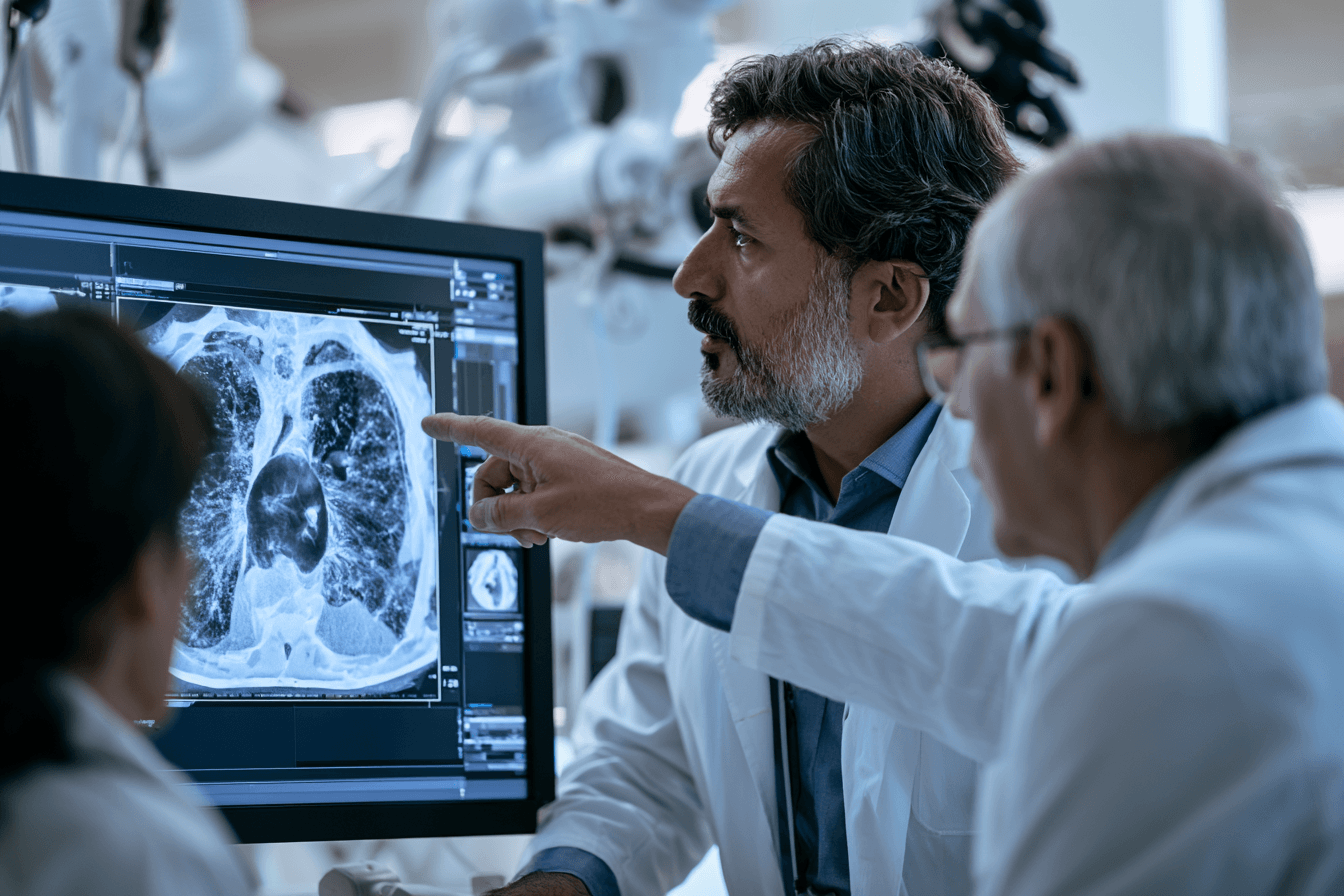
Small cell lung cancer cannot be diagnosed from symptoms alone. A persistent cough, breathlessness, weight loss or blood in sputum may raise suspicion, but similar symptoms can also occur in infections, chronic lung disease and other cancers. The diagnosis must therefore be confirmed by examining a tissue or fluid sample under a microscope.[1,2,15,16]
Modern oncology and Ayurveda answer different questions during this process. Modern investigations determine whether the tumour is small cell lung cancer, where it is located and how far it has spread. Ayurvedic assessment examines how the illness is affecting the patient’s breathing, digestion, nourishment, tissues, strength and ability to tolerate treatment.
Both forms of assessment can be used together, but Ayurveda cannot replace biopsy, pathology, brain imaging or formal cancer staging.
The First Medical Evaluation
The medical evaluation usually begins with a detailed history and physical examination. The doctor asks about the duration of cough, breathlessness, chest pain, blood in sputum, weight loss, appetite, weakness and neurological symptoms. Smoking history, second-hand smoke exposure and previous contact with industrial dust or chemicals are also important.[1,2,6]
The physician may examine the chest, lymph nodes, oxygen saturation, respiratory rate, body weight and general functional condition. Facial swelling, prominent chest veins, weakness on one side, confusion or severe breathlessness may indicate an urgent complication requiring immediate investigation.
When I review a patient for integrative Ayurvedic care, I also need to know how quickly the symptoms developed, whether the person can eat normally, how far they can walk and how long they take to recover after ordinary activity. These details do not diagnose SCLC, but they help reveal the patient’s present Bala, respiratory reserve and nutritional condition.
Chest X-Ray and CT Scan
A chest X-ray may be the first investigation performed when a person has persistent respiratory symptoms. It can sometimes show a lung mass, lung collapse, enlarged lymph nodes or fluid around the lung. However, a normal or uncertain X-ray does not completely exclude lung cancer.[1,15]
A contrast-enhanced CT scan provides much more detailed information. It can show the position and size of the lung mass, its relationship with the airways and blood vessels, enlarged lymph nodes, pleural fluid and possible spread to the liver, adrenal glands or other structures.[1,2,15]
The CT scan may strongly suggest small cell lung cancer, but it cannot confirm the cellular type. A tissue diagnosis is still required whenever it can be obtained safely.
Why a Biopsy Is Essential
A biopsy provides a small sample of tissue that a pathologist examines under a microscope. Small cell lung cancer has a characteristic appearance, but it may sometimes resemble other neuroendocrine tumours, lymphoma or poorly differentiated non-small cell lung cancer. Accurate pathology is essential because the treatment plans for these diseases are different.[2,4,16]
The biopsy may be collected through bronchoscopy, endobronchial ultrasound, a CT-guided needle procedure or biopsy of an accessible lymph node or metastatic site. If fluid has accumulated around the lung, the fluid may also be examined for malignant cells.[1,15]
The safest method depends on the location of the tumour, the patient’s breathing condition and the accessibility of the suspected cancer. A person with severe respiratory difficulty may require a different diagnostic approach from someone whose condition is stable.
What the Pathology Report May Show
The pathology report may use the term small cell carcinoma or, less commonly, combined small cell carcinoma. Combined small cell carcinoma contains a small cell component together with another form of lung carcinoma.[2,16]
The report may also mention neuroendocrine markers such as synaptophysin, chromogranin and CD56. TTF-1 may be positive in many cases, while the Ki-67 proliferation index is often high because these cancer cells divide rapidly.[4,16]
Patients sometimes focus on one marker and assume that it confirms the entire diagnosis. In practice, the pathologist evaluates the cell shape, tissue pattern and immunohistochemistry together. No single marker should be interpreted without the complete pathology report.
If the report is unclear or the sample is very small, the oncology team may request additional staining, pathology review or another biopsy.
PET-CT and Assessment of Spread
PET-CT may help identify metabolically active disease in the lung, lymph nodes, bones and other organs. It can be particularly helpful when determining whether the cancer can be included within a limited radiation field.[2,17]
However, PET-CT does not replace biopsy, and not every area of increased uptake is cancer. Infection and inflammation may also appear active. The findings must be interpreted together with CT images, pathology and the patient’s clinical condition.
PET-CT is also less reliable for detecting very small brain metastases. For this reason, brain imaging is assessed separately.
Why Brain MRI Is Important
Small cell lung cancer has a significant tendency to spread to the brain. Brain metastases may be present even when the patient does not have headache, weakness, seizure or confusion.[1,2]
Brain MRI is generally preferred because it can identify smaller lesions more clearly than a routine CT scan. When MRI cannot be performed, a contrast-enhanced brain CT may be considered according to the clinical situation.[2,17]
You should inform the doctor promptly if there is new headache, vomiting, imbalance, altered vision, speech difficulty, weakness or unusual behaviour. These symptoms require urgent assessment and should not be attributed only to stress, weakness or Vata disturbance.
Blood Tests Before Treatment
Blood tests do not diagnose small cell lung cancer, but they provide essential information about the patient’s readiness for treatment. A complete blood count shows haemoglobin, white blood cells, neutrophils and platelets. Liver and kidney tests help determine whether chemotherapy and other medicines can be administered safely.[1,2]
Sodium is particularly important because SCLC may occasionally cause inappropriate antidiuretic hormone secretion, leading to low sodium. Severe low sodium can produce headache, confusion, vomiting, muscle cramps, seizures or excessive sleepiness.[2,12]
Albumin, blood glucose, potassium and other biochemical findings may also influence treatment planning. These reports are equally important when an Ayurvedic Avaleha is being considered because liver dysfunction, kidney impairment, diabetes and electrolyte abnormalities may require major changes in its ingredients, base and dosage.
How the Stage Is Established
Once the biopsy confirms SCLC, the medical team determines whether the disease is limited-stage or extensive-stage. CT, PET-CT, brain MRI and other investigations are considered together to identify the full extent of the cancer.[1,2,17,20]
Limited-stage disease generally refers to cancer that can be included within a tolerable radiation field on one side of the chest, although nearby lymph nodes may also be involved. Extensive-stage disease has spread beyond that area or reached distant organs.[1,2,20]
The patient may also receive a TNM stage from stage I to stage IV. These systems provide related but not identical information. The practical treatment decision depends on the full imaging picture rather than one stage label alone.
What Ayurveda Can and Cannot Diagnose
Ayurvedic examination cannot determine whether a lung mass is malignant, distinguish small cell from non-small cell lung cancer or identify brain, liver, bone or adrenal metastasis. It cannot replace histopathology, immunohistochemistry, CT, PET-CT or MRI.
Ayurveda also cannot determine from the pulse, tongue or Dosha pattern whether the tumour is responding to chemotherapy. Tumour response must be assessed through scans, oncology examination and standard response criteria.[1,2,15–17]
The Ayurvedic diagnosis has a different purpose. It identifies how the confirmed disease and its treatment are affecting the individual patient. This includes the condition of Pranavaha Srotas, Agni, Dosha, Dhatu, Bala, Satva and Ojas.[9,18,19,33]
Roga Pariksha: Examining the Disease Process
Roga Pariksha means examination of the disease. In this article, the confirmed modern diagnosis remains small cell lung cancer, while Ayurvedic examination studies its individual expression.
The physician considers the relevant exposures, the order in which symptoms appeared, the present cough and breathlessness, aggravating factors, relieving factors and the progressive effect on digestion, tissues and strength. This follows the broader diagnostic framework of Nidana Panchaka.[19]
Nidana refers to causative or aggravating factors. Purvarupa refers to early or incomplete symptoms. Rupa refers to clearly developed clinical features. Upashaya and Anupashaya describe factors that improve or worsen the condition. Samprapti refers to the individualized sequence through which Dosha, Dhatu, Srotas, Agni and Bala have become affected.[19]
This framework does not explain the genetic mutations of SCLC. Its value lies in understanding why one patient has severe mucus and poor digestion while another has dryness, wasting, insomnia and an exhausting cough.
Rogi Pariksha: Examining the Individual Patient
Rogi Pariksha means examining the person who has the disease. Charaka describes a detailed patient-assessment framework in the Rogabhishagjitiya Vimana chapter of Charaka Samhita.[18]
The physician evaluates the patient’s constitution, present imbalance, tissue quality, body build, food tolerance, psychological resilience, ability to eat, capacity for physical effort and age-related strength. These findings help determine how intensive or nourishing the Ayurvedic treatment should be.
For example, an active patient who has maintained body weight and appetite may tolerate a different Avaleha from a person who is bedridden, nauseated and losing muscle rapidly. Giving both people an identical formulation simply because they share the same cancer diagnosis would not be a genuinely individualized Ayurvedic approach.
Assessment of Kasa, Shwasa and Pranavaha Srotas
The respiratory assessment records the nature of the cough, mucus, wheezing, chest pain, breathlessness and voice changes. It should also document oxygen saturation, breathing rate, walking capacity and whether the patient can sleep comfortably or speak complete sentences.[8,9,13]
A mucus-dominant cough with heaviness may require a different formulation from a dry, painful and exhausting cough. However, the Ayurvedic interpretation must always remain connected to the known anatomical cause. An obstructed airway, pleural fluid, infection or pulmonary embolism may require urgent medical treatment that an Avaleha cannot provide.
Assessment of Agni and Food Tolerance
Agni is assessed through hunger, digestion, nausea, taste, bloating, bowel pattern, early fullness and the patient’s response after eating. This is one of the most important considerations before prescribing an Avaleha.
A patient with good appetite but progressive tissue loss may benefit from a more nourishing approach. A patient with severe nausea, coated tongue, abdominal heaviness and poor food tolerance may not initially manage a dense semisolid medicine.
I therefore do not select the Avaleha only according to the tumour stage. I also consider whether the patient can digest, absorb and tolerate the proposed preparation.
Assessment of Dhatu Kshaya, Bala and Ojas
Progressive weight loss, muscle loss, fatigue and reduced activity suggest that the disease is affecting the patient beyond the respiratory system. Ayurveda evaluates this through Dhatu Kshaya and declining Bala.[14,18,33]
Bala should be assessed practically. The physician should document whether the person can walk independently, climb stairs, bathe, eat, sleep and recover between treatment cycles. Weight, muscle condition, grip strength and performance status can make this assessment more objective.
Ojas refers to deeper resilience and stability. It should not be equated directly with white blood cells, antibodies or immunity. A patient may have a normal white-cell count but still have poor appetite, severe weakness and low functional reserve.
Roga Bala and Rogi Bala
Roga Bala refers to the strength or burden of the disease, while Rogi Bala refers to the strength of the patient.
A person with extensive-stage SCLC may still retain reasonable appetite, mobility and organ function. Another person with more localized disease may be severely weakened by pneumonia, malnutrition, anaemia or treatment toxicity. The stage is important, but it does not provide the complete picture of the individual.
The Avaleha should therefore be designed after evaluating both the disease burden and the patient’s remaining reserve. The dose must also be reviewed as the treatment progresses because Bala, Agni and organ function can change rapidly.
How Diagnosis Guides the Personalized Avaleha
The final formulation should be based on the biopsy, stage, metastatic sites, current cancer treatment, symptoms, blood reports and Ayurvedic examination.
A patient with thick mucus, heaviness and weak appetite may require a lighter preparation with carefully selected digestive and respiratory ingredients. A person with dry cough, loss of muscle and relatively preserved digestion may require a more soothing and nourishing formulation.
Blood in sputum, severe liver dysfunction, kidney impairment, diabetes, painful swallowing and immunotherapy use require additional caution. In some situations, the Avaleha may need to be modified, reduced, temporarily paused or avoided.
The purpose of this combined diagnostic process is not to give an Ayurvedic name to a modern cancer. Its purpose is to understand the confirmed tumour and the affected person together. Modern investigations identify and measure the cancer, while Ayurvedic assessment guides how respiratory comfort, Agni, nourishment, Bala and recovery can be supported safely.[1,2,9,18,19,33]
Ayurvedic Samprapti of Small Cell Lung Cancer
Ayurveda does not describe small cell lung cancer as a separate disease with the same pathology, staging system or microscopic features used in modern oncology. Therefore, an Ayurvedic physician should not claim that SCLC is exactly the same as Kasa, Shwasa, Granthi or Arbuda.
The Ayurvedic concept of Samprapti is used for a different purpose. It helps us understand how the confirmed cancer, its symptoms and its treatment are affecting the individual patient. The physician studies the possible aggravating factors, dominant Doshas, affected functional channels, tissue depletion, digestive capacity, strength and complications. This working model then helps guide the personalized Avaleha and other supportive measures.[8–10,18,19]
Modern oncology explains the biological development of SCLC through carcinogen exposure, genetic damage, abnormal cell division, tumour growth and metastasis. Ayurveda does not replace this explanation. It adds a whole-patient assessment that asks why one person has severe mucus and poor appetite, another develops a dry exhausting cough and rapid wasting, and a third retains reasonable strength despite extensive disease.
Nidana: Factors That May Aggravate the Disease Burden
In Ayurveda, Nidana refers to causative or aggravating factors. In a patient with SCLC, the modern causes and risks must first be acknowledged, particularly tobacco smoking, second-hand smoke, radon and occupational exposure to harmful dust, fumes or chemicals.[1–3,6]
The Ayurvedic history also examines factors that may continue to disturb respiratory function or weaken recovery. These may include ongoing smoke exposure, polluted air, recurrent respiratory infections, inadequate nutrition, prolonged fasting, disturbed sleep and continued exposure to workplace irritants.
Classical Ayurvedic descriptions of Shwasa recognize smoke and dust among important respiratory aggravating factors.[8] This is relevant to the clinical understanding of repeated inhalational injury, but it should not be interpreted as evidence that classical Ayurveda described cigarette-related genetic mutations or the modern development of SCLC.
The first practical step is Nidana Parivarjana, or removal of avoidable aggravating factors. A patient should stop smoking, avoid second-hand smoke and reduce exposure to dust, fumes and indoor biomass smoke. This does not remove an established tumour, but it can prevent continuing respiratory injury and may improve the person’s capacity to tolerate treatment.
Dosha Involvement Is Not Identical in Every Patient
Small cell lung cancer should not automatically be called a Kapha disease. Although Kapha may contribute to mucus, heaviness and obstruction, many patients also develop strong Vata and Pitta features.
Vata involvement may become prominent when the patient has a dry or painful cough, breathlessness, chest pain, anxiety, disturbed sleep, constipation, progressive weight loss and declining muscle strength. Vata may become increasingly dominant as the disease advances or after repeated chemotherapy, radiation, reduced food intake and tissue depletion.
Kapha involvement may appear through thick mucus, chest heaviness, reduced appetite, sluggish digestion, drowsiness, swelling and a feeling of obstruction during breathing. When mucus accumulates behind a narrowed airway, the patient may also experience recurrent infection and worsening cough.
Pitta and Rakta involvement may require consideration when there is burning, thirst, fever, inflammatory irritation, blood in sputum, mouth ulcers, jaundice or treatment-related liver disturbance. However, blood in sputum should never be managed only as a Pitta or Rakta imbalance. The source and severity of bleeding require medical investigation.
In many patients, the pattern is mixed. Vata may produce dryness and weakness, Kapha may contribute to mucus and obstruction, and Pitta may become involved through inflammation, bleeding or treatment toxicity. The dominant pattern can also change during the course of illness, which is why the Avaleha should be reviewed rather than prescribed as one fixed formula for the entire treatment period.
Pranavaha Srotas: The Main Functional System Affected
The most obvious Ayurvedic involvement is often seen in Pranavaha Srotas, the functional pathways associated with respiration and the movement of Prana.[8,9]
In practical terms, the physician evaluates cough, breathlessness, wheezing, chest tightness, respiratory rate, oxygen saturation, exercise tolerance and the ability to speak or sleep comfortably. Mucus, dryness, hoarseness and pain during breathing are also recorded.
Pranavaha Srotas disturbance may be expressed through abnormal movement of air, obstruction, dryness, weakness or a combination of these patterns. A tumour narrowing a bronchus may produce an anatomical obstruction, while mucus and inflammation can further increase the symptom burden.
Ayurveda can help describe how this disturbance appears in the person, but CT, bronchoscopy and other medical investigations are required to identify the anatomical cause. An Avaleha cannot reopen a critically obstructed airway, drain pleural fluid or treat a pulmonary embolism.
Kasa and Shwasa as the Main Symptom Expressions
Persistent cough may be examined through Kasa, while breathing difficulty may be assessed through Shwasa.[8,13] These are symptom frameworks and should not be used as substitute diagnoses for SCLC.
In Kasa assessment, I examine whether the cough is dry or productive, painful or painless, occasional or continuous, and whether it causes exhaustion. Mucus colour, blood, burning, thirst, appetite and sleep disturbance help identify the dominant pattern.
In Shwasa assessment, the physician asks whether breathlessness appears only during exertion or also at rest. Breathing difficulty while lying flat, speaking or eating may indicate a more severe problem. Mucus, wheezing, anxiety, chest heaviness and reduced physical strength are assessed together.
For you as a patient, the important point is that the symptom name alone does not decide the medicine. Two patients may both have Kasa and Shwasa, but one may need a lighter Kapha-reducing approach while another requires greater soothing and nourishment because dryness and wasting are dominant.
Rasa and Rakta Dhatu Involvement
Rasa Dhatu is considered in relation to nourishment, hydration and the distribution of nutritional support throughout the body. Poor appetite, nausea, dehydration, fatigue and reduced food intake may indicate that the patient’s nutritional foundation is becoming weak.
Rakta Dhatu is relevant when there is anaemia, blood in sputum, reduced oxygen-carrying capacity, inflammatory symptoms or liver involvement. Ayurveda does not equate Rakta Dhatu directly with a complete blood count, but the clinical assessment should always be supported by haemoglobin, platelet count and other laboratory findings.
A patient with severe anaemia may feel breathless and weak even when the tumour has not suddenly increased in size. This is why worsening symptoms should not automatically be attributed to cancer progression or Dosha imbalance without reviewing the blood reports.
Mamsa Dhatu and Progressive Muscle Loss
Loss of muscle is one of the most important signs of declining reserve in cancer. A person may lose weight, but the more serious change is often reduced strength in the legs, arms and respiratory muscles.[40–42]
Ayurveda evaluates this through Mamsa Dhatu Kshaya and reduced Bala. The patient may struggle to rise from a chair, walk to the bathroom, climb stairs or recover after chemotherapy.
This is clinically important because cancer treatment requires physical reserve. A patient with severe muscle depletion may experience greater fatigue, more treatment interruptions and slower recovery.
The personalized Avaleha may therefore require a nourishing and Rasayana emphasis when Agni is sufficient. If digestion is severely impaired, heavy nourishment may first worsen nausea or heaviness. The sequence of treatment must be decided according to the patient’s capacity.
Agni: The Foundation of Tolerance and Nourishment
Agni is central to the Ayurvedic Samprapti because even a carefully prepared medicine cannot provide its intended benefit if the patient cannot tolerate or digest it.
In practical language, Agni is assessed through hunger, taste, food tolerance, nausea, bloating, bowel function, early fullness and comfort after meals. Chemotherapy, radiation, infection, pain medicines and emotional distress can all disturb these functions.
When Agni declines, the patient may eat less and progressively lose Rasa and Mamsa support. This can lead to greater weakness, reduced treatment tolerance and slower recovery. The physician must therefore decide whether the immediate priority is improving digestion, reducing nausea, supporting bowel function or introducing deeper nourishment.
A conventional sweet and dense Avaleha may not be appropriate for every patient. Someone with severe Agnimandya, diabetes, vomiting or painful swallowing may require a modified base, smaller dose or different dosage form.
Ama Should Not Be Described as Cancer
Ama is sometimes incorrectly presented online as the direct cause of every cancer. This oversimplifies both Ayurveda and oncology.
In Ayurvedic clinical practice, Ama may describe a pattern of poor digestion, heaviness, coated tongue, nausea, mucus, reduced appetite and general malaise. It can influence how well a patient tolerates food and medicine.
Ama should not be called the tumour, cancer toxin or scientific cause of SCLC. The tumour is a malignant cellular disease confirmed through pathology. Ama assessment helps determine whether the patient can tolerate a nourishing Avaleha or first requires a lighter digestive strategy.
Srotorodha and Abnormal Functional Movement
Srotorodha means obstruction within a functional pathway. In an SCLC patient, this concept may help describe mucus congestion, airway narrowing, heaviness and impaired respiratory movement.
However, the actual obstruction may be caused by the tumour, enlarged lymph nodes, inflammation, mucus, pleural fluid or another complication. Ayurveda can assess the symptom pattern, but imaging and examination must identify the physical cause.
There may also be abnormal movement rather than simple obstruction. Persistent cough, disturbed breathing, vomiting, constipation and insomnia may reflect disordered Vata function. The treatment strategy must therefore consider both obstruction and progressive depletion.
Dhatu Kshaya, Bala Kshaya and Ojas
As appetite declines and the disease progresses, the patient may experience widespread tissue depletion. Ayurveda describes this through Dhatu Kshaya, with visible effects on weight, muscle, energy and recovery.[14,33]
Bala Kshaya refers to declining physical and functional strength. This can be assessed through walking ability, daily activities, appetite, body weight, grip strength, sleep and recovery after each treatment cycle.
Ojas refers to deeper stability and resilience. It should not be translated simply as immunity, white blood cells or antibodies. A person can have a reasonable blood count but still possess poor appetite, low muscle strength and limited functional reserve.
The goal of Rasayana-oriented care is to protect nourishment, strength and recovery capacity. It should not be described as proof that Rasayana directly eradicates SCLC cells.
Granthi and Arbuda: Their Limited but Relevant Role
Sushruta discusses Granthi and Arbuda in relation to abnormal masses and the involvement of Doshas and tissues.[10] These concepts provide a traditional framework for discussing persistent tissue growth, but they do not establish a direct equivalence with small cell lung cancer.
SCLC is diagnosed by its characteristic microscopic appearance and immunohistochemical profile.[2,16] Its stage is established through imaging and clinical evaluation.
The Arbuda concept can be used only as a broad Ayurvedic reference for abnormal tissue growth. It should not be used to claim that a classical formulation mentioned for Arbuda has been proven to treat modern SCLC.
Roga Bala and Rogi Bala
The final Samprapti assessment must examine both Roga Bala, the burden and aggressiveness of the disease, and Rogi Bala, the remaining strength of the patient.[18]
Roga Bala is influenced by tumour extent, metastatic sites, respiratory compromise, neurological involvement, complications and speed of progression. Rogi Bala is assessed through appetite, organ function, body weight, muscle strength, mobility, psychological resilience and capacity to complete treatment.
A patient with extensive-stage disease may still have useful strength and reasonable organ function. Another patient with limited-stage disease may be severely weakened by pneumonia, anaemia or malnutrition. The cancer stage and patient strength must therefore be considered together.
A Practical Ayurvedic Working Model
The Ayurvedic disease process may be understood as repeated respiratory exposure and individual susceptibility affecting Pranavaha Srotas, followed by Kasa, Shwasa and progressive functional disturbance. As appetite and Agni decline, nourishment becomes insufficient and Dhatu Kshaya develops. Continued respiratory burden, treatment toxicity and tissue depletion may then reduce Bala and Ojas.[8,9,13,14,18,19,33]
This is a clinical model used to organize Ayurvedic assessment. It is not a molecular explanation of how SCLC begins or spreads.
How Samprapti Determines the Avaleha
The Avaleha is prepared according to the dominant stage of the patient’s Ayurvedic Samprapti rather than according to the cancer name alone.
A patient with thick mucus, chest heaviness and weak appetite may require a lighter formulation that supports respiration without further burdening digestion. A person with dry cough, severe tissue loss and relatively good Agni may need greater soothing, nourishing and Rasayana support.
When Pitta and Rakta features are prominent, excessively heating ingredients should be avoided. When diabetes is present, the Avaleha base must be reconsidered. Liver or kidney impairment may require a simpler formulation and closer monitoring. During immunotherapy, ingredients with uncertain immune or liver effects require particular caution.
I would also review the formulation when the patient’s condition changes. The Avaleha used during initial chemotherapy may not remain appropriate during radiation-related swallowing pain, acute infection, liver dysfunction or post-treatment recovery.
The objective is to reduce the individual symptom burden, protect Agni, limit further Dhatu Kshaya and preserve Bala while oncology continues to treat and measure the cancer. In this way, Samprapti becomes a practical bridge between the confirmed medical diagnosis and a genuinely personalized Ayurvedic treatment plan.
Small Cell Lung Cancer Stages: Limited-Stage and Extensive-Stage Disease
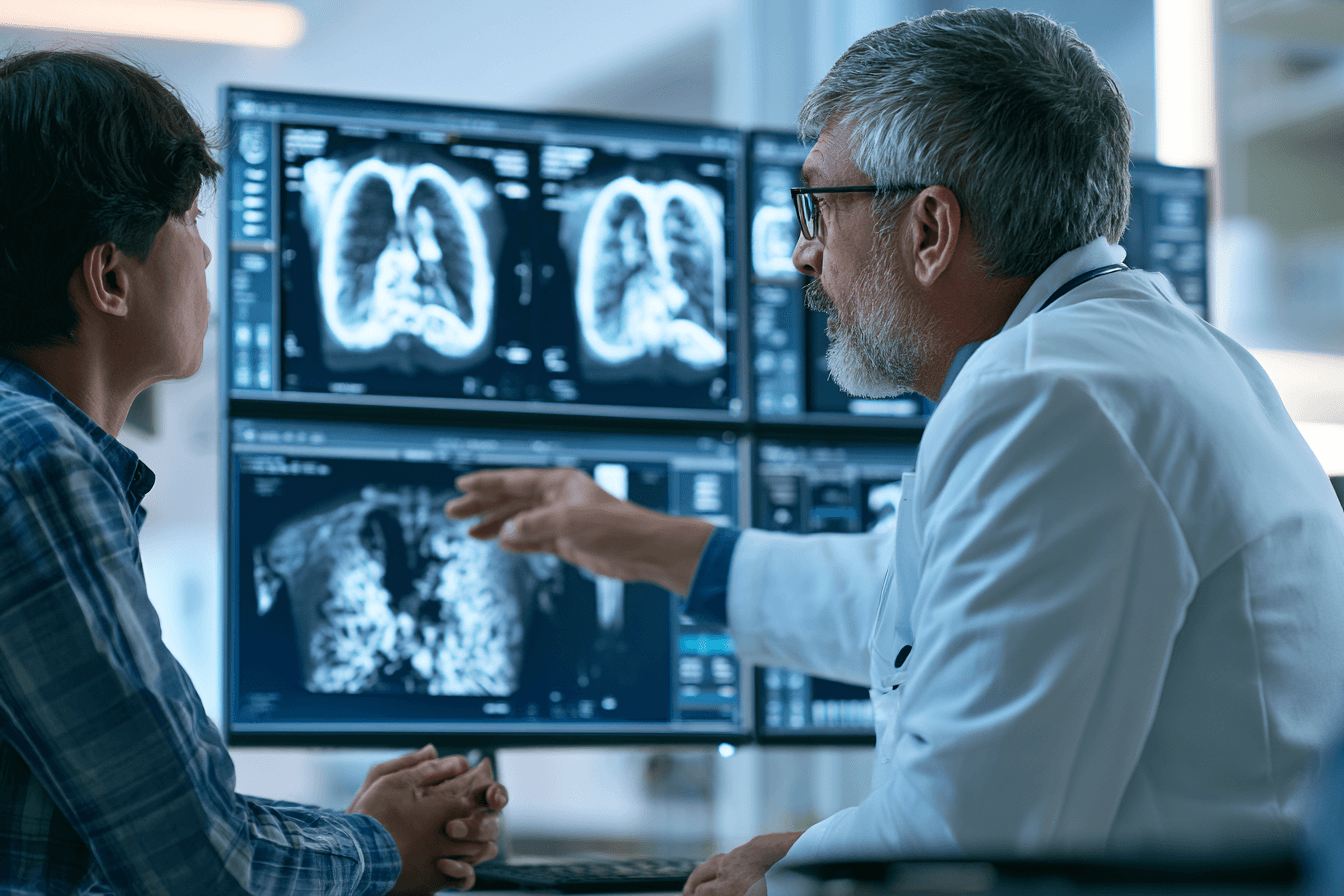
The stage of small cell lung cancer describes how far the cancer has spread at the time of diagnosis. Staging is essential because it helps the oncology team decide whether chest radiation can be given with chemotherapy, whether immunotherapy is appropriate and whether treatment should also address the brain, bones or other organs.[1,2,20]
Small cell lung cancer is commonly divided into limited-stage and extensive-stage disease. Doctors may also record a TNM stage from stage I to stage IV, but the two-stage system remains widely used because it directly influences treatment planning.
Ayurveda does not have a classical staging system equivalent to limited-stage or extensive-stage SCLC. Therefore, the cancer stage must be determined through CT, PET-CT, brain MRI, pathology and oncological evaluation. Ayurvedic assessment adds another layer by examining how strongly the disease has affected breathing, appetite, tissues, organ function, Bala and the patient’s ability to recover.
What Is Limited-Stage Small Cell Lung Cancer?
Limited-stage small cell lung cancer generally means that the known cancer is confined to one side of the chest and nearby lymph-node regions in a pattern that can be included within a tolerable radiation field.[1,2,20]
The disease may involve one lung, nearby lymph nodes or lymph nodes in the centre of the chest. In some patients, lymph nodes above the collarbone may still be considered part of limited-stage disease when the radiation oncologist can safely include all known cancer within one treatment plan.
The word “limited” can be misleading. It does not mean that the disease is minor or that treatment can be delayed. SCLC can still behave aggressively, and microscopic cancer cells may exist beyond what current scans can detect. However, limited-stage disease offers a greater possibility of prolonged control because chemotherapy and thoracic radiation can often be directed at all visible disease.[1,2]
For many suitable patients, treatment involves platinum-based chemotherapy with etoposide given together with chest radiation. Durvalumab may be considered after successful concurrent chemoradiation when the disease has not progressed and the patient meets the required clinical criteria.[21–23]
Can Early Small Cell Lung Cancer Be Removed Surgically?
Surgery is considered only in an uncommon group of patients with a very small, apparently localized tumour and no evidence of lymph-node or distant spread. Even in these early cases, careful staging of the chest, brain and other organs is required before surgery.[1,2]
Chemotherapy is generally required after surgery because SCLC has a strong tendency to spread microscopically. Radiation may also be advised according to the lymph-node findings and other pathological features.
A scan that appears to show a small lung tumour does not automatically make surgery appropriate. The diagnosis, lymph-node status, brain imaging, physical condition and surgical risk must all be assessed by a multidisciplinary team.
What Is Extensive-Stage Small Cell Lung Cancer?
Extensive-stage small cell lung cancer means that the disease has spread beyond the area that can reasonably be included within a single tolerable chest-radiation field. This may include cancer in the opposite lung, distant lymph nodes, pleural fluid, brain, liver, bones, adrenal glands or other organs.[1,2,20]
Most patients are diagnosed after the disease has already become extensive. This happens partly because SCLC can grow and spread rapidly and partly because its early symptoms may resemble common respiratory problems.
Extensive-stage disease is serious, but it is still treatable. The initial treatment commonly includes platinum-based chemotherapy with etoposide and immunotherapy, such as atezolizumab or durvalumab, when the patient is eligible.[21,24,25] Radiation may also be used to relieve pain, control brain metastases, reduce airway pressure or treat other symptomatic areas.
Treatment goals usually include reducing the tumour burden, improving symptoms, extending survival and preserving daily function. These goals should be discussed honestly, but an average survival figure should never be used as an exact prediction for one individual.
Is Stage IV the Same as Extensive-Stage SCLC?
Stage IV small cell lung cancer is generally classified as extensive-stage disease because stage IV indicates distant spread or specific forms of metastatic involvement.[1,2,20]
However, limited-stage and extensive-stage disease are not exact replacements for every TNM category. Some stage III cancers may be considered limited-stage when all known disease can be included safely in the radiation field, while another stage III tumour may be considered extensive because its distribution is too broad for a tolerable radiation plan.
The final classification is therefore based on the complete imaging pattern and treatment feasibility, not merely on the Roman numeral written in the report.
Where Does Small Cell Lung Cancer Commonly Spread?
Small cell lung cancer commonly spreads to the brain, liver, bones, adrenal glands, opposite lung, pleura and distant lymph nodes.[1,2] The symptoms produced by metastasis depend on the affected organ.
Brain involvement may cause headache, confusion, weakness, visual changes, imbalance or seizures. Bone metastases may produce persistent pain or increase fracture risk. Liver involvement may cause appetite loss, abdominal discomfort, jaundice or abnormal liver tests, although early liver metastases may produce no obvious symptoms.
The absence of symptoms does not prove that distant spread is absent. This is why brain MRI, chest and abdominal imaging, and other stage-appropriate investigations are necessary even when the patient feels relatively well.
How Ayurveda Understands the Difference Between Stage and Patient Strength
Ayurveda should not attempt to rename limited-stage disease as one Dosha condition and extensive-stage disease as another. A higher cancer stage does not automatically mean that one specific Dosha has become dominant.
Instead, the Ayurvedic physician assesses Roga Bala, meaning the burden and strength of the disease, and Rogi Bala, meaning the remaining strength of the person. These two assessments are related but not identical.[18]
A patient with limited-stage disease may still have severe cough, pneumonia, major weight loss and poor treatment tolerance. Another patient with extensive-stage disease may retain good appetite, mobility and organ function at the beginning of treatment. The modern stage identifies the anatomical extent of cancer, while the Ayurvedic assessment identifies how deeply the patient’s overall function has been affected.
When I evaluate a patient, I therefore review both the stage and the person. I examine breathing difficulty, oxygen requirement, appetite, weight loss, muscle strength, sleep, bowel function, emotional resilience and recovery after each treatment cycle. This combined assessment helps determine whether the Avaleha should be lighter, more nourishing, more respiratory-focused or temporarily withheld.
Ayurvedic Assessment in Limited-Stage Disease
In limited-stage SCLC, the Ayurvedic objective is often to help the patient preserve strength while completing intensive chemotherapy and chest radiation. Concurrent treatment can affect appetite, swallowing, blood counts, energy, digestion and sleep.
The Avaleha may be individualized to support respiratory comfort, food intake, bowel regularity and recovery between treatment cycles. However, radiation-related swallowing pain, severe nausea, infection or liver dysfunction may require the formulation to be changed or paused.
The Ayurvedic physician must also understand that the absence of distant disease on current imaging does not guarantee that the cancer has been permanently removed. Follow-up scans and oncology assessment remain necessary after treatment.
Ayurvedic Assessment in Extensive-Stage Disease
In extensive-stage disease, the patient may experience a wider range of symptoms because several organs can be affected. The Ayurvedic plan should therefore be based on the actual metastatic sites, organ function, current cancer medicines and dominant clinical problems.
A patient with liver metastases or abnormal liver tests requires careful restriction of ingredients that may place additional stress on the liver. Someone with brain metastases may be taking corticosteroids, anticonvulsants or other medicines that must be reviewed for interactions. Bone involvement may affect mobility and increase the need to preserve muscle strength, while pleural fluid or airway obstruction may require urgent hospital procedures rather than oral medicine alone.
The Avaleha should not be presented as a replacement for these treatments. Its role is to address the individual burden of Kasa, Shwasa, Agni disturbance, tissue depletion and declining Bala while the oncology team directly treats and monitors the cancer.
Why the Same Avaleha Cannot Be Used at Every Stage
Cancer stage influences the treatment schedule, symptom burden, organ involvement and interaction risk. For this reason, one fixed “lung cancer Avaleha” cannot be appropriate for every patient.
A person receiving concurrent chest radiation may need a soothing preparation that does not irritate the throat. A patient with extensive-stage disease and poor appetite may require a lighter formulation that can be tolerated in small divided doses. Someone with severe wasting and preserved digestion may need greater nourishing and Rasayana support.
Diabetes can make a conventional sweet Avaleha base unsuitable. Liver and kidney impairment may require fewer ingredients and closer monitoring. Severe swallowing difficulty, uncontrolled vomiting, confusion or respiratory instability may make an oral Avaleha temporarily unsafe.
The formula should therefore be reviewed whenever the stage, treatment, blood reports, symptoms or organ function changes.
Does Extensive-Stage Disease Mean That Nothing Can Be Done?
Extensive-stage SCLC is usually not considered curable with currently established treatments, but that does not mean that care has no value. Many patients experience tumour reduction and symptom improvement after initial chemotherapy and immunotherapy, although the duration of response varies.[2,21,24,25]
Further options may be available if the disease later progresses, including tarlatamab, lurbinectedin, selected chemotherapy, radiation and clinical trials according to the patient’s previous treatment and overall condition.[28–30]
At every stage, treatment should address both the cancer and the person living with it. Oncology aims to control the tumour and its spread. Personalized Ayurvedic care can focus on maintaining appetite, respiratory comfort, muscle strength, sleep, digestion and the capacity to continue treatment safely.
How Stage and Bala Guide the Treatment Plan
The most useful approach is to consider the modern stage, Roga Bala and Rogi Bala together. The scans show where the cancer is present, while the clinical assessment reveals what the patient can tolerate and where support is most urgently required.
For you as a patient, this means the treatment plan should not be copied from another person with the same stage. Your symptoms, organ function, current medicines, nutrition, physical strength and treatment response must all be considered.
An improvement in cough, appetite or strength is valuable, but it does not prove that the cancer stage has changed. Only repeat imaging and oncological assessment can show whether the tumour has reduced, remained stable or progressed.[1,2,15–17]
Modern Treatment for Small Cell Lung Cancer and Integrative Ayurvedic Care
The treatment of small cell lung cancer depends mainly on whether the disease is limited-stage or extensive-stage. The oncology team also considers the patient’s general health, breathing capacity, organ function, symptoms, previous treatment and ability to manage possible adverse effects. Chemotherapy, radiation and immunotherapy may be used alone or in combination according to these findings.[1,2,21]
Modern oncology directly treats and monitors the cancer. Ayurvedic care has a different but complementary purpose. It examines how the disease and its treatment are affecting your cough, breathing, appetite, digestion, sleep, body weight, muscle strength and recovery between treatment cycles. An individualized Avaleha may then be prepared to support these areas without replacing or delaying cancer-directed treatment.
How the Treatment Plan Is Selected
The oncologist first reviews the stage, biopsy, metastatic sites, brain imaging, blood counts, liver and kidney function, oxygen level and performance status. Performance status describes how independently the patient can walk, eat, work and perform ordinary daily activities.
A person who is active and eating reasonably well may tolerate a more intensive treatment plan than someone who is bedridden, severely malnourished or experiencing major organ dysfunction. Age alone should not determine whether treatment is possible. The patient’s functional condition, existing illnesses and personal preferences are equally important.[1,2,21]
When I assess the same patient from an Ayurvedic perspective, I examine Roga Bala and Rogi Bala together. Roga Bala reflects the burden of cancer, while Rogi Bala reflects the patient’s remaining physical and functional strength. This assessment does not decide which chemotherapy or radiation schedule should be used, but it helps determine whether an Avaleha is appropriate and how strongly it should emphasize digestion, respiratory comfort or nourishment.[18,33]
Treatment for Limited-Stage Small Cell Lung Cancer
For most medically suitable patients with limited-stage SCLC, the standard treatment is platinum-based chemotherapy with etoposide given together with chest radiation. Cisplatin is commonly used, although carboplatin may be selected when kidney function, hearing, age, frailty or other medical factors make cisplatin less suitable.[1,2,21]
Giving chemotherapy and radiation during the same treatment period is called concurrent chemoradiation. Chemotherapy treats cancer cells throughout the body, while thoracic radiation directly treats the visible tumour and involved lymph nodes within the chest. This combined approach offers a better chance of prolonged disease control than chemotherapy alone for suitable limited-stage patients.[1,2,21] (Cancer.gov)
Radiation planning must be precise because the tumour may be close to the healthy lung, heart, oesophagus or spinal cord. The radiation oncologist selects the dose, treatment field and schedule after reviewing the imaging and the patient’s ability to tolerate treatment.
When Surgery May Be Considered
Surgery is not the usual treatment for SCLC because the disease often spreads microscopically before it is detected. It may be considered only in a small group of patients with a very early tumour, no lymph-node involvement and no distant spread after complete staging.[1,2]
Even after complete surgical removal, chemotherapy is normally required because surgery treats only the visible local tumour. Radiation may also be considered according to the surgical findings, lymph-node status and final pathology.
A person should not assume that surgery is the best treatment simply because the tumour appears small on one scan. Brain imaging, lymph-node evaluation and review by a multidisciplinary lung-cancer team are required before that decision is made.
Durvalumab After Chemotherapy and Radiation
Durvalumab is an immunotherapy that may be used for eligible adults with limited-stage SCLC whose disease has not progressed following concurrent platinum-based chemotherapy and radiation. The FDA approved this indication in the United States on December 4, 2024.[22,23]
In the ADRIATIC trial, median overall survival was 55.9 months with durvalumab compared with 33.4 months with placebo in the selected trial population. These results do not mean that every patient will live for the median period, but they show that treatment after chemoradiation can meaningfully improve outcomes for eligible patients.[22,23] (U.S. Food and Drug Administration)
Durvalumab is not suitable for everyone. The oncology team considers previous treatment response, lung condition, autoimmune disease, organ function and the risk of immune-related adverse effects. Access, approval and reimbursement may also differ between countries.
Brain Radiation and MRI Surveillance
Small cell lung cancer has a strong tendency to spread to the brain. Preventive brain radiation, known as prophylactic cranial irradiation, may be discussed when a patient has responded well to initial treatment and has no visible brain metastasis.[1,2]
The possible benefit must be balanced against fatigue, memory changes and other neurological effects. Age, cognitive condition, response to treatment and access to regular brain MRI can influence the decision. In some situations, close MRI surveillance may be considered instead of preventive radiation.
Ayurveda cannot prevent or detect brain metastasis. Headache, confusion, weakness, speech difficulty, imbalance, visual change or seizure requires medical evaluation and brain imaging, even when the patient is already taking an Ayurvedic medicine.
Treatment for Extensive-Stage Small Cell Lung Cancer
The first treatment for many eligible patients with extensive-stage SCLC includes platinum chemotherapy, etoposide and immunotherapy. Atezolizumab or durvalumab may be combined with chemotherapy and then continued as maintenance treatment when the disease responds or remains stable.[1,2,21,24,25]
The purpose of the initial treatment is to reduce the cancer burden throughout the body, improve symptoms and achieve the longest possible period of control. Many patients experience an early tumour response, but the duration of that response differs considerably from one person to another.
The treatment plan may be adjusted when the patient has poor kidney function, severe weakness, uncontrolled infection, major liver dysfunction or another condition that increases treatment risk. A dose reduction or modified schedule does not automatically mean that treatment has failed; it may be necessary to keep the patient safe enough to continue therapy.
Maintenance Treatment After the Initial Response
Maintenance treatment is given after the first cycles of therapy when the cancer has not progressed. Its purpose is to prolong the period of disease control without repeating the full initial chemotherapy regimen.
Atezolizumab or durvalumab may be continued as maintenance after the initial chemotherapy and immunotherapy combination, depending on the regimen used and the patient’s response.[21,24,25]
In October 2025, the FDA also approved lurbinectedin with atezolizumab as maintenance treatment for selected adults with extensive-stage SCLC whose disease had not progressed after induction treatment with atezolizumab, carboplatin and etoposide.[26,27]
In the IMforte trial, median overall survival measured from maintenance randomisation was 13.2 months with lurbinectedin plus atezolizumab and 10.6 months with atezolizumab alone. Availability and reimbursement for this strategy may vary outside the United States.[26,27] (U.S. Food and Drug Administration)
The Role of Radiation in Extensive-Stage Disease
Radiation can remain valuable even when SCLC has spread outside the chest. It may be used to treat brain metastases, painful bone lesions, spinal involvement, airway pressure, bleeding or other symptoms caused by a specific tumour site.[1,2]
Selected patients who respond well to initial systemic treatment may also be considered for chest radiation when residual thoracic disease remains. This decision depends on the extent of disease, previous response, general strength and ability to tolerate further treatment.
Radiation used to reduce pain, bleeding or obstruction is not a sign that the medical team has stopped treating the patient. It is an active treatment intended to improve comfort, protect function and prevent serious complications.
What Happens When Small Cell Lung Cancer Returns?
Small cell lung cancer commonly responds to the first treatment but may later return. The time between completion of platinum treatment and recurrence helps the oncologist decide which treatment may be useful next.[1,2,21]
When the cancer remains controlled for a longer period after platinum chemotherapy, the patient may sometimes receive a similar platinum-based combination again. When progression occurs during treatment or soon after it, another approach is usually considered.
Further treatment options may include tarlatamab, lurbinectedin, topotecan, selected chemotherapy, radiation or a clinical trial. The choice depends on previous treatment, organ function, performance status, symptoms and availability in the patient’s country.[21,28–30]
Tarlatamab After Platinum-Based Treatment
Tarlatamab is a DLL3-directed T-cell engager used for eligible patients whose extensive-stage SCLC has progressed on or after platinum-based chemotherapy. It works by bringing the patient’s T cells close to DLL3-expressing cancer cells.
The FDA granted traditional approval for this indication on November 19, 2025. In the DeLLphi-304 trial, median overall survival was 13.6 months with tarlatamab compared with 8.3 months with the standard chemotherapy options used in the study.[28,29] (U.S. Food and Drug Administration)
Tarlatamab requires careful medical monitoring because it can cause cytokine-release syndrome and neurological toxicity. Fever, low blood pressure, breathing difficulty, confusion, weakness, tremor or difficulty speaking after treatment must be reported immediately.
An Avaleha should never be used to manage suspected cytokine-release syndrome or neurological toxicity at home. These complications require urgent assessment by the treating oncology team.
Common Effects of Chemotherapy
Platinum–etoposide chemotherapy may reduce white blood cells, haemoglobin and platelets. It can also cause nausea, appetite loss, fatigue, constipation, diarrhoea, mouth irritation and increased infection risk.[1,2,21]
Cisplatin may affect kidney function, hearing, nerves and electrolytes, while carboplatin may have a stronger effect on blood-cell counts in some patients. The medical team monitors blood reports and organ function before each cycle and adjusts treatment when necessary.
A person receiving chemotherapy should urgently report fever, uncontrolled vomiting, severe diarrhoea, bleeding, extreme weakness, reduced urine output or rapidly worsening breathlessness. These symptoms should not be assumed to be a normal cleansing response or temporary Dosha aggravation.
Common Effects of Chest Radiation
Chest radiation may cause fatigue, painful swallowing, throat irritation, cough, skin changes and reduced appetite. Radiation-related inflammation of the lung can sometimes develop during or after treatment and may produce cough, breathlessness or fever.[1,2,21]
Painful swallowing can quickly reduce food and fluid intake. The texture, dose and timing of the Avaleha may therefore need modification. A thick or strongly spiced preparation may be unsuitable when the oesophagus is inflamed.
Worsening cough or breathlessness during or after radiation should be medically assessed because it may result from radiation pneumonitis, infection, pulmonary embolism, pleural fluid or cancer progression. It should not automatically be interpreted as the tumour being expelled from the body.
Possible Effects of Immunotherapy
Immunotherapy can help the immune system recognize and attack cancer cells, but it can also cause the immune system to inflame healthy organs. The lungs, liver, bowel, skin, thyroid, adrenal glands, kidneys and nervous system may be affected.[21–29]
New diarrhoea, jaundice, severe rash, unusual fatigue, persistent headache, confusion, muscle weakness or worsening breathlessness should be reported promptly. Some immune-related reactions can progress quickly and may require corticosteroids or other medical treatment.
For this reason, I avoid using the vague term “immune booster” when planning Ayurveda during immunotherapy. The objective should be safe recovery support and immune balance, not indiscriminate stimulation of immune activity.
How Ayurveda Can Be Integrated During Chemotherapy
During chemotherapy, the personalized Avaleha may focus on maintaining appetite, digestion, bowel regularity, respiratory comfort, sleep and functional strength. The formula should be based on the patient’s current Agni, cough pattern, mucus, weight loss and blood reports rather than on the cancer name alone.[18,33–36]
A patient with nausea, heaviness and poor appetite may require a lighter preparation in small divided doses. Someone with a dry exhausting cough, tissue loss and preserved digestion may tolerate a more soothing and nourishing formulation.
Every ingredient should be checked for possible effects on drug metabolism, liver function, kidney function, platelets, blood sugar and sedation. The Avaleha should not be started or continued merely because all of its ingredients are natural.[32,38,39]
How Ayurveda Can Be Integrated During Radiation
During chest radiation, the Ayurvedic plan should pay particular attention to swallowing, throat irritation, appetite, hydration and cough. The Avaleha may require a smoother texture and avoidance of ingredients that are excessively pungent, heating or irritating.
If swallowing becomes painful, the patient may need smaller doses or a temporary change in dosage form. If liquids cannot be swallowed safely, oral Ayurvedic medicines should be paused until aspiration risk and oesophageal obstruction have been assessed.
The purpose of Ayurveda during radiation is to support the patient’s comfort and nutritional capacity, not to interfere with radiation timing or claim that the Avaleha can replace the prescribed radiation field.
How Ayurveda Can Be Integrated During Immunotherapy
Ayurvedic treatment during immunotherapy requires additional caution. Ingredients with strong or uncertain immune effects should not be added without reviewing the exact immunotherapy, liver reports, autoimmune history and other medicines.[32,38,39]
The Avaleha may still be designed around appetite, digestion, bowel function, respiratory comfort and tissue nourishment, but new symptoms must not automatically be managed by changing Doshas or adding more herbs.
For example, diarrhoea during immunotherapy may indicate immune-related colitis, while cough and breathlessness may indicate immune-related pneumonitis. Jaundice may reflect hepatitis, and severe weakness may be associated with thyroid, adrenal, muscular or neurological toxicity. These conditions require oncology assessment before the Ayurvedic formulation is continued.
When the Avaleha Should Be Paused and Reviewed
The Avaleha should be reviewed or temporarily paused when the patient develops neutropenic fever, uncontrolled vomiting, severe diarrhoea, inability to swallow, suspected aspiration, jaundice, acute kidney injury, unexplained confusion, a new seizure, significant bleeding or sudden respiratory deterioration.
It should also be reassessed after hospital admission, a change in chemotherapy, the introduction of immunotherapy, a new anticoagulant, an anticonvulsant or a major change in liver or kidney function.
Pausing the medicine in such situations does not mean that Ayurveda has failed. It means that the patient’s condition has changed and the formulation may no longer be appropriate or safe in its existing form.
How Treatment Response Should Be Measured
Improved appetite, sleep, breathing comfort and physical strength are valuable outcomes. They may help the patient complete treatment and maintain daily function. However, symptom improvement alone cannot prove that the tumour has reduced.
Cancer response must be determined through follow-up CT, PET-CT or MRI, together with the oncology team’s assessment. The report may describe complete response, partial response, stable disease or progressive disease.[1,2]
I would therefore record both forms of progress separately. One record should document cough, breathlessness, appetite, weight, sleep, activity and treatment tolerance. Another should document tumour size, metastatic sites and scan-based response.
This distinction allows us to speak honestly about meaningful patient improvement without confusing symptom relief with proven tumour control.
The Goal of Combined Care
Modern treatment and Ayurveda should not compete for control of the patient. Chemotherapy, radiation, immunotherapy and newer medicines directly target the cancer according to stage and previous response. Ayurvedic care can focus on the individual’s Agni, Kasa, Shwasa, Dhatu Kshaya, Bala and recovery capacity.
For you as a patient, the most useful treatment plan is one in which every medicine is disclosed, every possible interaction is reviewed and every change in symptoms is taken seriously. The Avaleha should evolve with your treatment, reports and functional condition rather than remain a fixed formula.
The objective is to help the patient remain nourished, mobile and strong enough to receive appropriate cancer treatment while tumour response continues to be measured objectively. This coordinated approach treats the cancer as a serious biological disease while also caring for the person who must live through its treatment.
Why Small Cell Lung Cancer Often Returns After Treatment
Small cell lung cancer often responds rapidly to the first course of chemotherapy and radiation. A tumour may become much smaller, symptoms may improve and scans may show a partial or even complete response. However, this early sensitivity does not always produce permanent control because a small population of treatment-resistant cancer cells may survive.[2–4]
These remaining cells may be too small to appear on a CT or PET-CT scan. Over time, they can begin growing again in the original chest area or at a distant site such as the brain, liver, bones or adrenal glands. This is why regular follow-up remains important even when the patient feels well and the initial scan is encouraging.[1–4]
Ayurveda does not have a classical term that is exactly equal to modern SCLC recurrence. A returning tumour should not be explained only as unresolved Dosha, Ama or weak immunity. Recurrence is a biological event that must be confirmed through imaging, clinical examination and, in selected cases, repeat biopsy.
Why the First Treatment May Work Well Initially
Small cell lung cancer cells usually divide rapidly. Chemotherapy and radiation are particularly effective against rapidly dividing cells, which explains why many patients experience a noticeable early response.[2–4]
The cough may reduce, breathing may become easier and enlarged lymph nodes may shrink. These improvements are meaningful, but they do not prove that every malignant cell has disappeared. A scan can show that no measurable disease remains while microscopic resistant cells are still present.
For you as a patient, this distinction is important. Feeling better after treatment is a positive outcome, but scheduled imaging and oncology follow-up should continue even when there are no obvious symptoms.
How Cancer Cells Become Resistant
A tumour is not always made of one identical type of cancer cell. Different groups of cells may behave differently and respond differently to the same medicine. Treatment may destroy the most sensitive cells while a smaller resistant group survives.[3,4]
These surviving cells can adapt under treatment pressure. When they begin growing again, the recurrent cancer may not respond as strongly to the medicine that worked during the first course.
This process is called treatment resistance. It does not mean that the patient caused the recurrence through diet, stress or one missed dose of an Ayurvedic medicine. It reflects the aggressive biology and cellular diversity of small cell lung cancer.
Where Small Cell Lung Cancer May Return
Recurrence may occur in the lung, chest lymph nodes or another part of the body. The brain, liver, bones, adrenal glands and opposite lung are among the important sites that may be affected.[1,2]
A recurrence in the chest may cause a returning cough, chest pain, breathlessness, hoarseness or repeated infection. Brain involvement may cause headache, weakness, imbalance, confusion or seizure. Bone involvement may produce persistent pain, while liver involvement may affect appetite, energy and liver function.
Some recurrences are found on a scheduled scan before symptoms develop. This is why the absence of pain or cough cannot guarantee that the cancer remains controlled.
What Is the Difference Between Relapse and Progression?
The word relapse usually means that the cancer returned after it had responded or remained controlled for a period. Progression means that the cancer continued growing during treatment or began growing again despite treatment.
Doctors also consider how much time passed between the completion of platinum chemotherapy and the return of disease. A longer treatment-free interval may indicate that platinum-based chemotherapy could work again in a selected patient. Progression during treatment or soon after treatment usually suggests stronger resistance and may require a different medicine.[1,2,21]
These categories help guide treatment, but they do not completely predict how one person will respond.
Does Recurrence Mean That No Further Treatment Is Possible?
Recurrence does not automatically mean that treatment must stop. Further options may include tarlatamab, lurbinectedin, topotecan, repeat platinum-based chemotherapy in selected cases, radiation or a clinical trial.[21,28–30]
The treatment choice depends on the time since the first therapy, previous adverse effects, sites of recurrence, liver and kidney function, blood counts, performance status and the patient’s treatment goals.
Radiation may be particularly useful when recurrence causes brain symptoms, bone pain, airway pressure, bleeding or spinal involvement. Supportive and palliative care should also begin early because it can improve symptom control and quality of life while cancer-directed treatment continues.
Can a Repeat Biopsy Be Needed?
A repeat biopsy is not required for every recurrence, but it may be considered when the new lesion behaves unexpectedly, the diagnosis is uncertain or the result could change treatment.
In some patients, a recurrent tumour may contain a mixed or different cellular pattern. Additional tissue may also be useful when the oncology team is considering a clinical trial or another targeted treatment strategy.[3,4,16]
The decision depends on whether the biopsy can be obtained safely and whether it is likely to provide clinically useful information.
The Ayurvedic View After Recurrence
When SCLC returns, the Ayurvedic assessment should also be repeated. The patient’s condition after several months of chemotherapy or radiation may be very different from the condition present at the first consultation.
Agni may have weakened, body weight and muscle may have declined, and the patient may have developed dryness, constipation, sleep disturbance or greater breathlessness. Liver function, kidney function, blood counts and current medicines may also have changed.
I would not continue the original Avaleha without reviewing these changes. A formulation that was suitable during the first treatment cycle may become too heavy, too heating or too complex after recurrence.
Roga Bala and Rogi Bala After Recurrence
Recurrence may increase Roga Bala because the disease has demonstrated its ability to survive previous treatment. At the same time, Rogi Bala may have declined because of weight loss, repeated hospital visits, infections or treatment-related toxicity.
However, this is not identical in every person. Some patients retain good appetite, mobility and organ function at recurrence, while others become considerably weaker.
The next plan should therefore consider both the behaviour of the cancer and the remaining reserve of the patient. The aim is not to give the strongest possible medicine at any cost. It is to select a treatment that the patient can safely tolerate and complete.
How the Avaleha May Change After Recurrence
A patient with severe tissue loss and preserved digestion may require greater nourishing and Rasayana support. Someone with thick mucus, chest heaviness and weak appetite may need a lighter formulation with more attention to respiratory obstruction and Agni.
Liver metastases or abnormal liver tests require careful restriction of potentially hepatotoxic ingredients. Brain metastases may require corticosteroids or anticonvulsants, which must be reviewed for interactions. Low platelets, anticoagulant use or active bleeding also affect ingredient selection.
The Avaleha may need to be reduced, simplified or temporarily paused when the patient has severe vomiting, difficulty swallowing, jaundice, acute kidney injury, neutropenic fever, confusion or sudden respiratory deterioration.
Can Ayurveda Prevent Small Cell Lung Cancer From Returning?
Yes Ayurveda stop reoccurrence however individual results vary.
The practical role of individualized Ayurvedic care is to support appetite, digestion, respiratory comfort, sleep, tissue nourishment and functional strength. These outcomes may help the patient recover between treatments and continue appropriate medical care.
Warning Signs That Require Reassessment
A returning or worsening cough, new breathlessness, blood in sputum, persistent bone pain, severe headache, imbalance, weakness, jaundice, facial swelling or unexplained weight loss should be reported promptly.
These symptoms do not always mean that the cancer has returned. Infection, treatment toxicity, anaemia, low sodium, radiation-related inflammation and blood clots can produce similar problems. Medical reassessment is necessary to identify the actual cause.
For this reason, I would never advise a patient to increase the Avaleha dose simply because symptoms have returned. The first step is to determine whether the problem represents recurrence, an adverse effect or another treatable complication.
How Recurrence Should Be Measured
Recurrence and progression are assessed through CT, PET-CT, brain MRI, laboratory reports and oncology examination. The reports may describe new lesions, enlargement of existing disease or spread to another organ.[1,2,15–17]
Ayurvedic outcomes should be recorded separately. These may include appetite, body weight, cough severity, breathlessness, sleep, bowel function, walking ability and recovery after treatment.
A patient can feel stronger even while the tumour remains stable, and symptoms can occasionally worsen for reasons other than cancer growth. Keeping cancer-response outcomes separate from whole-person outcomes allows the treatment plan to remain honest and clinically useful.
The Goal of Care When SCLC Returns
When small cell lung cancer returns, the aim is to identify the most appropriate next cancer treatment while protecting the patient’s remaining strength. The disease should be treated actively where further therapy is suitable, and symptoms should be controlled from the beginning rather than only during the final stage.
Modern oncology determines the treatment for the recurrent tumour. Personalized Ayurveda may support Kasa, Shwasa, Agni, Dhatu Kshaya, sleep and Bala while every ingredient is reviewed against the new treatment plan.
Recurrence is a serious development, but it is not a reason to abandon the patient. The treatment strategy should remain realistic, measurable and focused on both disease control and the person’s ability to live with strength and dignity.
Can Ayurveda Help in Small Cell Lung Cancer?

Patients with small cell lung cancer are usually looking for more than another explanation of chemotherapy, radiation or survival statistics. They want to know whether anything can help them breathe more comfortably, eat better, maintain strength, tolerate treatment and improve their overall possibility of recovery.
Ayurveda can address these needs through an individualized treatment plan, but it should not be positioned as a replacement for biopsy, staging, chemotherapy, radiation, immunotherapy or emergency care. Modern oncology determines the type, location and spread of the cancer. Ayurveda examines how the disease and its treatment are affecting the whole person, including breathing, appetite, digestion, nourishment, sleep, bowel function, muscle strength and mental resilience.[1,2,18,33]
The intention is not limited to temporary symptom suppression. We try to identify and correct the factors contributing to respiratory distress, poor digestion, progressive tissue depletion and declining treatment tolerance. At the same time, any change in the tumour must continue to be measured objectively through scans and oncological assessment.
Ayurveda Does Not Treat Every Lung Cancer Patient in the Same Way
Small cell lung cancer is one medical diagnosis, but it does not affect every patient in the same way. One person may have thick mucus, chest heaviness and poor appetite. Another may have a dry exhausting cough, severe weight loss, insomnia and constipation. A third patient may be eating reasonably well but experiencing breathlessness and extreme weakness after chemotherapy.
Giving the same herbal combination to all three patients would not be individualized Ayurveda. The prescription must be based on the cancer stage, current oncology treatment, symptoms, organ function, Agni, Dosha pattern, Dhatu condition and Bala.
When I examine a patient, I review the biopsy and scans before deciding whether Ayurvedic treatment is appropriate. I also study the complete blood count, liver and kidney function, sodium, potassium, albumin, blood glucose, body weight and current medicine list. These details help determine which ingredients may be suitable and which ones should be avoided.
Small Cell Lung Cancer Has No Exact Classical Ayurvedic Name
The classical Ayurvedic texts do not describe small cell lung cancer as a separate microscopic or molecular disease. Therefore, it should not be directly renamed as Kasa, Shwasa, Granthi or Arbuda.
Kasa helps us examine the nature of the cough. Shwasa helps us understand the pattern of breathing difficulty. Pranavaha Srotas provides a functional framework for respiratory disturbance. Granthi and Arbuda offer broader classical concepts concerning abnormal tissue growth, but they do not identify the histological type or stage of a modern cancer.[8–10,13]
The value of Ayurveda lies in connecting these findings with Agni, Dhatu Kshaya, Bala and Ojas. This allows us to treat the patient’s complete clinical condition rather than selecting a medicine only from the cancer name.
Rasayana as the Foundation of Recovery-Oriented Care
Rasayana is one of the most relevant Ayurvedic principles for a patient experiencing weight loss, fatigue, reduced appetite and declining functional strength. It is concerned with maintaining nourishment, tissue quality, resilience and the ability to recover.[33]
Charaka explains the broader purpose of Rasayana as follows:
Sanskrit
दीर्घमायुः स्मृतिं मेधामारोग्यं तरुणं वयः।
प्रभावर्णस्वरौदार्यं देहेन्द्रियबलं परम्॥
वाक्सिद्धिं प्रणतिं कान्तिं लभते ना रसायनात्।
लाभोपायो हि शस्तानां रसादीनां रसायनम्॥
Transliteration
Dīrgham āyuḥ smṛtiṃ medhām ārogyaṃ taruṇaṃ vayaḥ,
prabhā-varṇa-svaraudāryaṃ dehendriya-balaṃ param.
Vāk-siddhiṃ praṇatiṃ kāntiṃ labhate nā rasāyanāt,
lābhopāyo hi śastānāṃ rasādīnāṃ rasāyanam.
Translation
Through Rasayana, a person seeks longevity, memory, intellect, health, youthfulness, radiance, healthy complexion, excellence of voice and superior strength of the body and sense organs. Rasayana is described as a means of obtaining the best qualities of Rasa and the subsequent body tissues.
Classical reference: Charaka Samhita, Chikitsa Sthana, Chapter 1, Rasayana Adhyaya, Abhaya-Amalakiya Rasayana Pada, verses 1/1/7–8.[33]
This classical statement explains the aim of Rasayana therapy. It should not be interpreted as clinical proof that Rasayana increases survival or removes small cell lung cancer. In the present context, its practical relevance lies in supporting nourishment, strength, appetite, recovery and functional capacity while the patient continues stage-appropriate oncology treatment.
Protecting Agni During Cancer Treatment
Agni is central to the Ayurvedic treatment plan because a patient cannot benefit from food or medicine that cannot be tolerated or digested properly.
Chemotherapy, radiation, infection, pain medicines and emotional stress may cause nausea, taste changes, constipation, loose stools, bloating, early fullness and loss of appetite. These problems can quickly reduce food intake and contribute to further weight and muscle loss.[40–42]
In simple terms, I assess whether the patient feels hungry, how much food can be eaten, whether meals produce discomfort and how the bowel is functioning. The treatment plan then aims to restore food tolerance without using an unnecessarily heavy or irritating formulation.
A patient with strong nausea and severe Agnimandya may first need a lighter approach. A person with reasonable digestion but major weight loss may tolerate greater nourishment. This is why the Avaleha base, dose and ingredient combination must be individualized.
Reducing Kasa and Supporting Respiratory Comfort
Persistent cough can be physically exhausting. It may disturb sleep, worsen chest pain, reduce appetite and make the patient fearful that the disease is progressing.
Ayurvedic assessment through Kasa examines whether the cough is dry or productive, painful or painless, occasional or continuous. Mucus, blood, burning, throat irritation and post-cough exhaustion are also considered.[13]
The Ayurvedic formulation may include carefully selected ingredients intended to soothe the throat, improve mucus clearance or reduce excessive dryness. However, an oral medicine cannot replace treatment for a blocked airway, lung collapse, pleural fluid, pulmonary embolism or severe infection.
When the cough suddenly becomes worse, the correct response is not simply to increase the Avaleha dose. The patient should first be evaluated for progression, infection, radiation-related lung inflammation or another medical complication.
Supporting Shwasa and Pranavaha Srotas
Breathlessness is one of the most frightening symptoms for a patient with SCLC. It may result from airway obstruction, pleural fluid, infection, anaemia, reduced lung capacity or treatment toxicity.[1,2]
Ayurveda evaluates this through Shwasa and Pranavaha Srotas.[8,9] The physician studies whether the breathing difficulty occurs during exertion or rest, whether it is associated with mucus or dryness, and whether the patient can speak, eat and sleep comfortably.
Our objective is to support respiratory comfort and reduce the additional burden created by mucus, poor digestion, anxiety and physical weakness. However, oxygen saturation, respiratory rate and imaging findings must continue to guide medical decisions.
A patient with falling oxygen levels, facial swelling, sudden chest pain or rapidly worsening breathlessness requires urgent medical care. Ayurveda should not be used to postpone drainage, oxygen support, antibiotics, radiation or another required procedure.
Limiting Dhatu Kshaya and Muscle Loss
Weight loss in cancer is not always caused only by eating less. The disease can alter metabolism and increase the breakdown of muscle and other tissues. Chemotherapy-related nausea, reduced activity and swallowing difficulty may worsen this process.[40–42]
Ayurveda evaluates progressive depletion through Dhatu Kshaya, particularly when the patient loses weight, muscle strength and the ability to perform ordinary activities. Mamsa Dhatu is especially relevant when the arms and legs become thinner or the patient struggles to rise from a chair.
The treatment objective is not simply to increase body weight. We aim to preserve functional tissue, food intake, mobility and recovery capacity. These changes should be measured through weight, muscle condition, walking ability, food intake and treatment tolerance.
A nourishing Avaleha may be useful when Agni is adequate. If digestion is poor, nourishment must be introduced gradually so that the medicine does not produce heaviness, nausea or diarrhoea.
Preserving Bala During Chemotherapy and Radiation
Bala means more than general energy. It includes the patient’s ability to walk, eat, sleep, perform daily activities, tolerate treatment and recover between cycles.
A patient may have a favourable scan response but become too weak to complete the planned therapy. Another patient may retain strength despite extensive disease. This is why modern stage and Ayurvedic Bala should be assessed separately.
I would record how far the patient can walk, whether assistance is needed for bathing or eating, how quickly fatigue develops and how many days are required to recover after each treatment cycle. This makes the concept of Bala practical and measurable.
Ayurvedic treatment may be revised before, during or after a chemotherapy cycle according to blood counts, nausea, appetite and weakness. A fixed formula should not continue unchanged when the patient’s clinical condition has altered.
Ojas Should Not Be Reduced to “Immunity”
Ojas is often translated loosely as immunity, but this is incomplete. It represents deeper stability, resilience and coordination of the body’s functions.
A normal white blood-cell count does not necessarily mean that a patient has good Ojas. The person may still have poor appetite, severe weakness, disturbed sleep and reduced functional capacity. Similarly, low white blood cells after chemotherapy are a medical finding that requires oncology monitoring and cannot be corrected merely by claiming to increase Ojas.
During immunotherapy, I avoid promising an “immune boost.” Excessive or poorly understood immune stimulation may be undesirable because immunotherapy itself can trigger inflammation in healthy organs. The safer objective is balanced recovery, adequate nourishment and careful monitoring for immune-related adverse effects.[21–29,38,39]
Avaleha as the Main Ayurvedic Medicine
The personalized Avaleha is the central Ayurvedic medicine in this treatment model. Avaleha is a semisolid preparation traditionally made by concentrating a prescribed herbal decoction or expressed liquid with a suitable base and then adding finely powdered and heat-sensitive ingredients at appropriate stages.[34–36]
This dosage form allows several treatment objectives to be combined within one preparation. The formula may be designed around cough, mucus, throat irritation, appetite, digestion, tissue depletion, sleep and functional weakness.
The medicine is not selected from a ready-made “lung cancer formula.” Its ingredients and base are determined only after reviewing the patient’s symptoms, reports, current cancer treatment and organ function.
A patient with diabetes may require modification of the conventional sweet base. Someone with mouth ulcers or radiation-related swallowing pain may require a smoother and less irritating preparation. Liver dysfunction, kidney impairment, low platelets and anticoagulant use may require certain ingredients to be restricted or removed.
Why the Avaleha Must Change With the Patient
The condition of an SCLC patient can change quickly. Appetite may decline after chemotherapy, swallowing may become painful during radiation and liver tests may change during immunotherapy.
An Avaleha that was suitable at the beginning may no longer be appropriate after an infection, hospital admission or treatment change. I therefore review the formula according to the patient’s progress rather than prescribing the same preparation for the entire treatment period.
The medicine may become lighter when digestion is weak, more nourishing during recovery or more restricted when organ function is impaired. It may also need to be temporarily paused when the patient develops severe vomiting, diarrhoea, jaundice, confusion, bleeding or inability to swallow.
Ayurveda Should Aim Beyond Temporary Symptom Masking
The objective of personalized Ayurveda is not merely to quiet the cough for a few hours or increase appetite for a few days. We aim to improve the internal conditions required for recovery by protecting Agni, supporting nourishment, reducing avoidable respiratory burden and preserving Bala.
This does not mean that the Avaleha has been clinically proven to eliminate SCLC. The tumour remains a malignant biological disease, and its response must be measured by imaging.
However, a patient who is eating, sleeping, walking and recovering better may be in a stronger position to complete appropriate oncology treatment. These improvements are clinically meaningful and should be documented honestly.
How Improvement Should Be Measured
Patient improvement should be assessed through both subjective and objective findings. Cough, breathlessness, appetite, nausea, bowel function, sleep and fatigue can be recorded at regular intervals.
Weight, muscle condition, walking capacity, oxygen requirement, blood counts, liver function and kidney function provide additional objective information. Treatment delays, hospital admissions and the ability to complete planned chemotherapy or radiation should also be recorded.
Tumour response must be documented separately through CT, PET-CT, MRI and oncology reports. A better appetite does not prove that the tumour has reduced, and a smaller tumour does not always mean that the patient feels physically stronger.
Keeping these outcomes separate allows Ayurveda to demonstrate its actual contribution without making unsupported claims.
When Ayurveda Should Not Be Started or Continued
Ayurvedic treatment should not delay urgent care for coughing up significant blood, severe breathlessness, facial swelling, new neurological symptoms, neutropenic fever, uncontrolled vomiting, jaundice or acute kidney dysfunction.
The Avaleha may also be unsuitable when the patient cannot swallow safely or has a significant aspiration risk. In such situations, the immediate medical problem must be stabilized first.
Every herbal, mineral and nutritional ingredient should be disclosed to the oncologist. Natural origin does not guarantee safety, and interaction screening is necessary during chemotherapy, immunotherapy, anticoagulant treatment and anticonvulsant use.[32,38,39]
Who May Consider This Integrative Approach?
An integrative Ayurvedic evaluation may be considered by a patient who is beginning chemotherapy, radiation or immunotherapy and wants structured support for appetite, digestion, cough, weakness and recovery.
It may also be considered during treatment when the person is losing weight, struggling to eat, sleeping poorly or requiring longer recovery after each cycle. Patients with recurrent disease may benefit from reassessment because their symptoms, organ function and treatment plan may have changed substantially.
The patient should provide the biopsy report, latest scans, brain imaging, current oncology prescription and recent blood reports. This allows the Ayurvedic treatment to be designed around the actual medical condition rather than assumptions.
The Central Aim of Integrative Ayurvedic Care
Small cell lung cancer requires timely and effective oncology treatment.
Our integrative objective is to support breathing, digestion, nourishment, sleep, muscle strength and treatment recovery together. The personalized Avaleha becomes the main Ayurvedic medicine, but it remains connected to the patient’s reports, treatment stage and changing clinical condition.
Personalized Avaleha as the Main Ayurvedic Medicine in Small Cell Lung Cancer
A personalized Avaleha is the principal Ayurvedic medicine in our integrative approach to small cell lung cancer. It is selected because one semisolid preparation can be designed to address several connected problems, including cough, mucus, breathing discomfort, poor appetite, disturbed digestion, weight loss, reduced muscle strength, sleep difficulty and slow recovery after cancer treatment.
This does not mean that one standard Avaleha is suitable for every person with lung cancer. The preparation must be designed after examining the biopsy, cancer stage, sites of spread, current chemotherapy or immunotherapy, blood reports, organ function and the patient’s individual Ayurvedic condition.
Our aim is not merely to suppress one symptom temporarily. We try to improve the internal conditions needed for deeper recovery by protecting Agni, supporting Pranavaha Srotas, limiting Dhatu Kshaya and preserving Bala while modern oncology continues to treat and measure the tumour.
What Is an Avaleha?
Avaleha is a semisolid Ayurvedic dosage form traditionally prepared by concentrating a herbal decoction, expressed herbal juice or another prescribed liquid with an appropriate base. Fine herbal powders, ghee, honey or other prescribed substances may be incorporated at specific stages according to the formulation.[34–36]
The classical pharmaceutical principles of Avaleha preparation are described in Sharngadhara Samhita, Madhyama Khanda, Chapter 8, Avaleha Kalpana.[34] This chapter provides the foundation for preparing the dosage form, but the personalized SCLC Avaleha itself should be described as an individualized proprietary formulation rather than a classical formula copied from one text.
The semisolid consistency can be convenient for a patient who is already taking several tablets and capsules. It may also allow respiratory, digestive and nourishing ingredients to be combined in one medicine. However, an Avaleha is not automatically suitable for someone with severe swallowing difficulty, uncontrolled vomiting or aspiration risk.
Why Avaleha Is Selected as the Central Medicine
Patients receiving chemotherapy, radiation or immunotherapy often experience several problems at the same time. A person may have a persistent cough, throat irritation, poor appetite, nausea, constipation and severe fatigue during the same treatment cycle.
Giving a separate medicine for every symptom may increase the treatment burden. A personalized Avaleha allows the physician to combine carefully selected ingredients around the patient’s most important needs while keeping the prescription manageable.
The preparation can also be revised as the patient’s condition changes. During chemotherapy, the priority may be appetite, bowel function and recovery between cycles. During chest radiation, the emphasis may shift toward throat comfort, swallowing and respiratory irritation. After treatment, greater attention may be given to nutrition, muscle strength and Rasayana support.
The advantage is therefore not simply convenience. The Avaleha provides a flexible therapeutic base that can evolve with the patient rather than remaining fixed throughout the illness.
Why There Is No Universal Lung Cancer Avaleha
Two patients with the same stage of SCLC may require completely different formulations.
One patient may have a dry, painful and exhausting cough with insomnia, constipation and severe weight loss. This pattern may require greater soothing, nourishment and Vata-sensitive support.
Another patient may have thick mucus, chest heaviness, nausea, a coated tongue and poor appetite. Giving the same heavy nourishing preparation may worsen discomfort. This patient may initially require a lighter Avaleha with careful attention to Kapha, mucus and Agni.
A third patient may have blood-stained sputum, burning sensations, mouth ulcers or liver dysfunction. Heating and irritating ingredients may be unsuitable, and the bleeding or liver abnormality must first be medically evaluated.
The medicine is therefore prepared for the person who has SCLC, not only for the cancer name written in the report.
Reports Reviewed Before Preparing the Avaleha
Before prescribing the Avaleha, I would review the histopathology, immunohistochemistry, limited or extensive stage, metastatic sites and present oncology treatment. The latest CT, PET-CT or MRI findings are important because brain, liver, bone or pleural involvement can change both the symptoms and the safety requirements.
The complete blood count, liver function, kidney function, sodium, potassium, albumin, blood glucose and other relevant findings must also be examined. These reports help us determine the patient’s treatment reserve and whether any ingredient may create an unnecessary risk.
The entire medicine list should be disclosed. Chemotherapy, immunotherapy, corticosteroids, anticoagulants, anticonvulsants, pain medicines, diabetes medicines and other supplements can influence the selection and timing of the Avaleha.[32,38,39]
I would not prepare the medicine from the cancer report alone. A direct clinical history of appetite, digestion, bowel function, cough, mucus, breathlessness, sleep, body weight and functional strength is equally necessary.
Respiratory Support Through Kasa and Shwasa Assessment
The respiratory component of the Avaleha is selected according to the nature of Kasa and Shwasa. A dry cough requires a different strategy from a mucus-dominant cough. Breathlessness caused by weakness may also feel different from breathing difficulty associated with airway obstruction or pleural fluid.
Traditionally used respiratory herbs such as Vasa, Kantakari, Bharangi or Yashtimadhu may be considered according to the individual pattern. Their inclusion is not automatic, and their dose, suitability and possible interactions must be examined.
For example, Yashtimadhu may not be appropriate without caution in a patient with uncontrolled hypertension, fluid retention or low potassium. Strongly heating respiratory ingredients may be unsuitable when the patient has blood in sputum, severe burning or radiation-related mucosal irritation.
The purpose of the respiratory component is to support comfort, mucus balance and throat condition. It cannot replace bronchoscopy, pleural drainage, antibiotics, oxygen support or emergency treatment when these are required.
Protecting Agni and Food Tolerance
Agni determines whether the patient can tolerate both food and medicine. If appetite and digestion are severely impaired, a dense Avaleha may produce heaviness, nausea, bloating or loose stools.
The physician therefore examines hunger, taste, nausea, early fullness, abdominal discomfort and bowel pattern. A lighter digestive-supportive formulation may be used initially when Agni is weak. Nourishing ingredients can then be increased gradually as the patient begins tolerating food better.
Traditional ingredients such as Shunthi or Musta may be considered according to the clinical pattern, but they are not universally suitable. Excessively pungent substances may irritate a patient with mouth ulcers, gastritis, haemoptysis or radiation-related oesophagitis.
The purpose is not to stimulate appetite artificially for a few hours. The deeper aim is to improve the patient’s ability to receive, digest and use nutrition consistently.
Limiting Dhatu Kshaya and Supporting Nourishment
Progressive loss of weight and muscle is a major concern in SCLC. The patient may become weaker even before the weighing scale shows a dramatic change.
When Agni permits, the Avaleha may include nourishing and Rasayana-oriented ingredients selected to support Rasa, Mamsa and Bala. Amalaki, Draksha, Ashwagandha or Shatavari may be considered in suitable patients, but they should not be added simply because they are popularly described as rejuvenating herbs.
The choice depends on digestion, diabetes, liver function, kidney function, hormone-sensitive conditions and the current oncology medicines. During immunotherapy, every ingredient with possible immune activity requires additional caution.
The objective is to help preserve food intake, muscle function, mobility and recovery. These outcomes should be measured through weight, appetite, walking ability, muscle condition and treatment tolerance rather than assumed from the presence of Rasayana ingredients.
Supporting Bala and Recovery Between Treatment Cycles
Bala refers to the patient’s practical capacity to function. It includes the ability to walk, eat, sleep, perform daily activities and recover after chemotherapy or radiation.
The Avaleha may be adjusted according to how many days the patient remains weak after each treatment cycle. If the patient is recovering slowly, the physician should first investigate anaemia, infection, low sodium, dehydration, poor nutrition or organ dysfunction.
Ayurvedic medicine should not be used to hide an untreated medical problem. Once urgent and reversible causes have been addressed, the formulation can focus on appetite, sleep, digestion, respiratory comfort and gradual restoration of strength.
A patient who reports improved energy should also show some practical benefit, such as better food intake, longer walking capacity, greater independence or faster recovery after treatment.
The Avaleha Base Must Also Be Personalized
Traditional Avaleha preparations often use sugar, jaggery or sugar candy as part of the pharmaceutical base.[34–36] These substances contribute to consistency, palatability and preservation, but the conventional base may not be suitable for every cancer patient.
A person with diabetes, steroid-induced high blood glucose, severe nausea or intolerance to sweetness may require a modified preparation. The physician should clearly state when the formulation has been altered from a classical Avaleha method.
Ghee may be included when clinically appropriate and tolerated, but it should not be added automatically in a patient with severe nausea or poor fat digestion. Honey, when prescribed, should be incorporated only at the appropriate cooled stage rather than subjected to excessive heat.
The vehicle is part of the treatment decision. It should be selected as carefully as the herbs themselves.
Herbal and Herbo-Mineral Ingredients Require Separate Safety Review
A personalized Avaleha may be purely herbal or may include properly prepared Ayurvedic mineral ingredients when there is a clear clinical reason. Herbo-mineral substances should never be included only to make the formula appear more powerful.
Every such ingredient must come from a licensed source and should be supported by batch documentation and appropriate quality testing. Heavy metals, microbial contamination, pesticides and adulteration are genuine safety concerns when manufacturing is poorly controlled.[32,37]
The patient should never purchase loose or unlabelled mineral preparations and mix them into the Avaleha at home. The exact source, purification and incineration process, dose and laboratory quality must be known.
A more complex formula is not necessarily a better formula. In a patient receiving chemotherapy or immunotherapy, a simpler and well-monitored prescription may be safer than an unnecessarily large combination.
Why Dosage Cannot Be the Same for Every Patient
There is no single Avaleha dose suitable for every SCLC patient. The dose depends on age, body strength, Agni, swallowing ability, blood glucose, organ function, formulation strength and current treatment schedule.
A patient with good digestion may tolerate a larger dose than someone experiencing nausea or oesophageal irritation. Smaller divided doses may be more suitable during chemotherapy. A patient with severe weakness may still require a cautious beginning because low Bala does not always mean that heavy nourishment can be digested.
The timing in relation to meals and oncology medicines should also be individualized. Adequate spacing may be required to reduce interaction uncertainty, although spacing alone cannot prevent all herb–drug interactions.[38,39]
The dose should be reviewed after each treatment cycle rather than continued mechanically.
What Improvement From the Avaleha Should Look Like
The expected areas of improvement may include better appetite, easier bowel movement, reduced throat irritation, improved sleep, less exhausting cough, more comfortable breathing and greater functional strength.
These changes should be documented regularly. The patient can record meal intake, cough frequency, breathlessness during walking, body weight, sleep duration and recovery time after chemotherapy.
Laboratory reports should also be reviewed. Liver and kidney function, blood counts, electrolytes and glucose may reveal changes that are not yet producing obvious symptoms.
Tumour response must remain a separate outcome. A patient may feel better because nutrition and symptom control have improved, while the tumour remains stable. Only follow-up imaging can determine whether the cancer has reduced, remained unchanged or progressed.[1,2]
When the Avaleha Should Be Modified or Paused
The preparation should be reviewed when there is a major change in symptoms, cancer treatment or organ function. It may need to be modified after the introduction of immunotherapy, anticoagulants, anticonvulsants or high-dose corticosteroids.
The Avaleha should usually be paused during uncontrolled vomiting, severe diarrhoea, inability to swallow, suspected aspiration, neutropenic fever, jaundice, acute kidney injury, active significant bleeding, unexplained confusion or sudden respiratory deterioration.
Pausing the medicine in these circumstances is a safety decision. The urgent medical problem must be identified and stabilized before the Ayurvedic plan is resumed.
Why the Avaleha Is Not a Home Preparation for Cancer
Although general Avaleha preparation principles are described in classical texts, a personalized cancer formulation should not be prepared at home from an online ingredient list.
The strength of the decoction, stage of concentration, quality of raw materials, final moisture level and addition of heat-sensitive ingredients all influence the finished medicine. Incorrect preparation can lead to fermentation, microbial contamination, excessive concentration or loss of stability.
The formulation also depends on medical reports and possible drug interactions. A home recipe cannot account safely for low platelets, liver dysfunction, kidney impairment, immunotherapy toxicity or changing chemotherapy schedules.
For this reason, the preparation should take place through a controlled clinical-pharmacy process with authenticated raw materials, documented manufacturing and batch-specific testing.[34–37]
The Main Purpose of the Personalized Avaleha
The central purpose of the Avaleha is to bring respiratory, digestive, nutritional and recovery support into one individualized medicine. It aims to improve the conditions in which the patient receives cancer treatment rather than offering a fixed formula for every tumour.
For you as a patient, the medicine should be connected to your reports, symptoms and treatment schedule. For the Ayurvedic physician, every ingredient should have a clear purpose. For the oncology team, the full formulation should remain available for interaction and safety review.
This is how Avaleha becomes more than a general herbal tonic. It becomes a carefully designed component of a coordinated treatment programme intended to protect Agni, reduce further Dhatu Kshaya, preserve Bala and support the deepest possible recovery while the tumour continues to be treated and measured objectively.[1,2,33–39]
Prāṇa–Agni–Bala Rasāyana Avaleha: A Three-Axis Medicine for Small Cell Lung Cancer Care
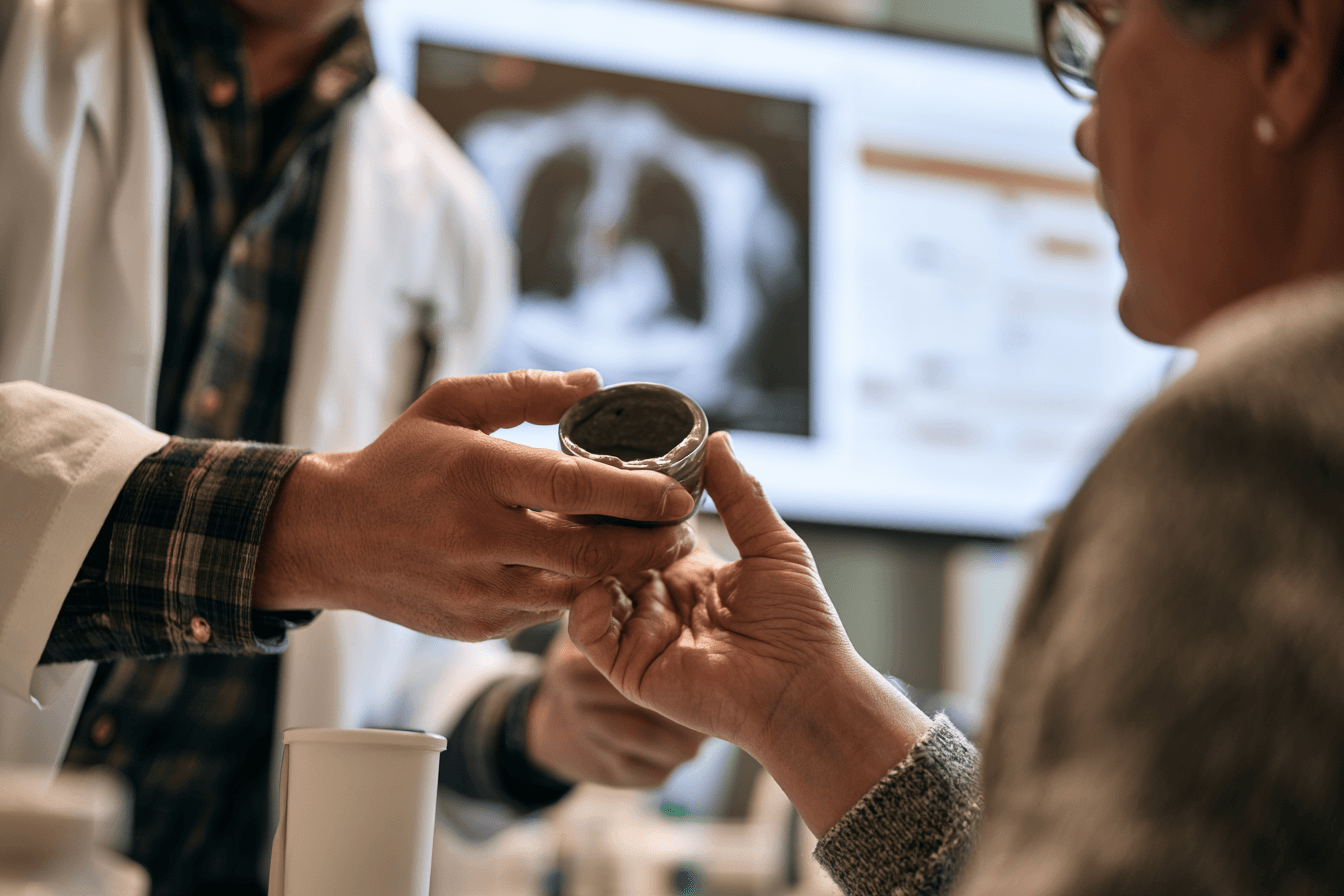
Most cancer formulations are presented as a long list of powerful ingredients. This formulation is designed differently. It is built as a clinical system that addresses three areas commonly affected during small cell lung cancer and its treatment: Prāṇa, representing respiratory function; Agni, representing appetite and the ability to tolerate food and medicine; and Bala, representing physical strength, tissue reserve and recovery between treatment cycles.
The most suitable proprietary name is Prāṇa–Agni–Bala Rasāyana Avaleha. It is not the name of an unchanged classical formulation. It is a physician-developed Avaleha inspired by the principles of Kasa Chikitsa, Hikka–Shwasa Chikitsa, Rasāyana, Chyavanaprasha, Haritaki-based Leha and classical Avaleha Kalpana.
Its central idea is simple:
One medicine should not merely quiet the cough. It should support breathing, protect digestion and preserve the strength required to complete cancer treatment.
This formulation is intended for supervised integrative care alongside appropriate oncology treatment. Its effectiveness should be assessed through appetite, weight, respiratory comfort, strength, treatment tolerance and laboratory findings, while CT, PET-CT or MRI continues to determine what is happening to the cancer itself.
Why This Name Is More Meaningful Than a Generic “Lung Cancer Avaleha”
Prāṇa represents the patient’s breathing capacity, respiratory comfort, voice, cough pattern and ability to perform ordinary activities without severe breathlessness.
Agni represents whether the patient can feel hunger, tolerate meals, digest the medicine and maintain comfortable bowel function. Without workable Agni, even an expensive Rasāyana formula may become an additional burden.
Bala represents more than energy. It includes body weight, muscle strength, walking ability, treatment tolerance, independence and the speed of recovery after chemotherapy or radiation.
Rasāyana represents the treatment intention of protecting nourishment, tissue quality and functional reserve. It should not be interpreted as proof that the formulation eradicates SCLC or guarantees longer survival.
The Classical Blueprint Behind the Formulation
Prāṇa–Agni–Bala Rasāyana Avaleha draws from four classical streams.
Charaka Samhita, Chikitsa Sthana, Chapter 17, Hikka–Shwasa Chikitsa provides the framework for assessing breathlessness, Vata–Kapha disturbance and obstruction affecting respiratory function.[8]
Charaka Samhita, Chikitsa Sthana, Chapter 18, Kasa Chikitsa provides the framework for examining dry cough, mucus-dominant cough, painful cough, blood-stained cough and cough associated with progressive tissue depletion.[13]
Charaka Samhita, Chikitsa Sthana, Chapter 1, Rasāyana Adhyāya provides the foundation for preserving nourishment, tissue quality, strength and resilience. Chyavanaprasha is relevant as a classical example of bringing respiratory and Rasāyana ingredients together in an Avaleha form.[33]
Sharngadhara Samhita, Madhyama Khanda, Chapter 8, Avaleha Kalpana provides the pharmaceutical foundation for decoction preparation, sweetening base, controlled Pāka, addition of fine powders, completion signs and final semisolid consistency.[34,35]
A Relevant Classical Principle From Kasa Chikitsa
The following verse is relevant because it describes a Leha-style combination that brings together digestive, respiratory and nourishing substances for Kasa and Shwasa. It is used here as pharmaceutical inspiration, not as evidence of a cancer treatment.
Sanskrit
चित्रकं त्रिफलाजाजी कर्कटाख्या कटुत्रिकम्।
द्राक्षां च क्षौद्रसर्पिर्भ्यां लिह्यादद्याद्गुडेन वा॥१७३॥
Transliteration
Citrakaṃ triphalājājī karkaṭākhyā kaṭutrikam,
drākṣāṃ ca kṣaudra-sarpirbhyāṃ lihyād dadyād guḍena vā.
Translation
Chitraka, Triphala, Ajaji, Karkatashringi, Trikatu and Draksha may be administered as a Leha with honey and ghee or prepared with jaggery for conditions of Kasa and Shwasa.
Classical reference: Charaka Samhita, Chikitsa Sthana, Chapter 18, Kasa Chikitsa, verse 173.[13]
This verse supports the logic of combining respiratory, digestive and nourishing ingredients in a semisolid medicine. It does not state that this combination treats small cell lung cancer.
The Out-of-the-Box Design: One Core Avaleha With a Precision Slot
The strongest formulation is not necessarily the one containing the greatest number of ingredients. An overcrowded formula can become difficult to digest, difficult to standardize and difficult to assess for interactions.
Prāṇa–Agni–Bala Rasāyana Avaleha therefore uses a core-plus-precision design.
The core portion remains consistent and supports the respiratory, digestive and Rasāyana objectives. A smaller precision portion is selected according to the patient’s dominant pattern. A dry, depleted patient should not receive the same final combination as a patient with abundant mucus and severe Agnimandya.
This approach creates one personalized 900-gram batch without adding every possible herb indiscriminately.
Proposed 30-Day Herbal Manufacturing Template
The following is a physician-development template for a 900-gram finished herbal Avaleha. It is not an unchanged classical formula and should not be dispensed without reviewing the patient’s reports, treatment and contraindications.
Kwatha or Decoction Group
| Ingredient | Botanical name | Raw weight |
|---|---|---|
| Vasa | Justicia adhatoda | 60 g |
| Kantakari | Solanum virginianum | 50 g |
| Bharangi | Clerodendrum serratum | 35 g |
| Pushkaramula | Inula racemosa | 25 g |
| Yashtimadhu | Glycyrrhiza glabra | 30 g |
| Haritaki | Terminalia chebula | 45 g |
| Amalaki | Phyllanthus emblica | 55 g |
| Draksha | Vitis vinifera | 50 g |
| Musta | Cyperus rotundus | 25 g |
| Ashwagandha | Withania somnifera | 35 g |
| Shatavari | Asparagus racemosus | 25 g |
| Total coarse herbal material | 435 g | |
| Purified water for decoction | 6,960 mL | |
| Target filtered decoction after reduction | Approximately 1,740 mL |
The water quantity follows a 16-times starting proportion and is reduced to approximately one-fourth. The actual reduction must be controlled by measured volume rather than visual estimation.
Avaleha Base
| Base ingredient | Weight |
|---|---|
| Purana Guda or an appropriate pharmaceutically standardized sweetening base | 460 g |
| Go-ghrita, when clinically suitable | 45 g |
| Honey, added only after sufficient cooling | 90 g |
The conventional base is not appropriate for every patient. Diabetes, steroid-induced hyperglycaemia, severe nausea or intolerance to sweetness requires a modified base and closer glucose monitoring.
Fixed Prakshepa Group
| Fine powder | Weight |
|---|---|
| Haridra | 20 g |
| Karkatashringi | 10 g |
| Vanshlochan | 10 g |
| Ela | 5 g |
| Tvak | 5 g |
| Total fixed Prakshepa | 50 g |
Thirty-Gram Precision Slot
Only one dominant module should normally occupy the 30-gram precision slot. The modules are alternatives, not ingredients to be combined automatically.
| Dominant clinical pattern | Precision ingredients | Total |
|---|---|---|
| Dry cough, poor sleep, tissue loss and preserved digestion | Ashwagandha 12 g, Shatavari 10 g, Yashtimadhu 8 g | 30 g |
| Thick mucus, chest heaviness and weak appetite | Pippali 8 g, Shunthi 8 g, Musta 8 g, Bharangi 4 g, Maricha 2 g | 30 g |
| Throat burning, radiation irritation or Pitta-sensitive pattern | Yashtimadhu 10 g, Amalaki 8 g, Vasa 8 g, Draksha 4 g | 30 g |
Blood in sputum should not be managed merely by selecting the Pitta-sensitive module. Haemoptysis requires medical assessment before the Avaleha is started or continued.
After the selected precision ingredients are incorporated, the medicine is concentrated and standardized to a final finished weight of 900 grams.
Why All Three Precision Modules Should Not Be Added Together
The three modules address different clinical states. The mucus-reducing module contains more pungent and stimulating ingredients, while the dry-depletion module is more nourishing and soothing. Combining them all may dilute the therapeutic direction and increase irritation or digestive burden.
This is one of the main differences between a personalized formulation and a generic “strong cancer medicine.” Potency comes from choosing the correct therapeutic direction, not from adding opposing substances merely to lengthen the label.
A Separate Mineral Precision Layer
Potent minerals should not be hidden inside the complete 900-gram Avaleha. Keeping them separate is a safer and more advanced pharmaceutical design because the physician can stop, reduce or change the mineral component without discarding the entire herbal batch.
A separate mineral layer may be considered only after reviewing the specific indication, oncology treatment, CBC, liver function, kidney function, electrolytes, iron profile, calcium, blood glucose and all concurrent medicines.
| Mineral preparation | Appropriate position in the treatment model |
|---|---|
| Swarna Bhasma | A separate, traceable Rasāyana micro-dose may be considered in a carefully selected patient; there is no validated human SCLC dose or survival evidence. |
| Heeraka Bhasma | Should not be automatically added because the diagnosis is cancer. Any use requires separate prescription, batch testing and documented clinical reasoning. |
| Abhraka Bhasma Sahasraputi | May be considered separately within a respiratory or Rasāyana strategy, but classical use does not establish SCLC tumour control. |
| Mukta Pishti or Pravala preparations | Consider only for a defined Pitta, mucosal or calcium-related clinical indication after reviewing kidney function and serum calcium. |
| Lauha or Mandura Bhasma | Should be considered only after haemoglobin, ferritin and transferrin saturation have been reviewed. Anaemia of inflammation is not automatically an indication for iron. |
| Tamra Bhasma | Should not be included in a universal SCLC formulation because of its narrow safety considerations and absence of human SCLC evidence. |
| Rasasindura or mercury-containing medicines | Should not be placed inside a general international cancer Avaleha without highly controlled regulatory, laboratory and patient-specific justification. |
| Manahshila or Haritala preparations | Arsenic-containing substances should not be included in a universal public formula or dispensed without stringent elemental analysis and documented medical necessity. |
There is no scientifically established “correct universal weight” for Swarna, Heeraka, Abhraka or other Bhasmas in SCLC. The correct quantity, where a mineral is used at all, belongs in the patient’s separate prescription and batch record. Publishing one fixed mineral dose for every chemotherapy or immunotherapy patient would create false precision and could expose patients with liver, kidney or electrolyte abnormalities to avoidable risk.
Some Ayurvedic products have been found to contain potentially toxic amounts of lead, mercury or arsenic, making authenticated sourcing and batch-specific testing essential.[32]
What Modern Research Shows About the Main Ingredients
The research should be presented in evidence levels. A laboratory finding in an SCLC cell line is not equal to a human clinical result, and a compound isolated from an herb is not pharmacologically identical to the whole herb used in an Avaleha.
Evidence Level 1: Direct Preclinical SCLC Research
Haridra has the most directly relevant laboratory evidence among the proposed ingredients. Curcumin was studied in NCI-H446 small cell lung cancer cells. One study reported apoptosis through a reactive oxygen species-mediated mitochondrial pathway. Another found effects on proliferation, migration, invasion, angiogenesis, cell cycle and JAK–STAT3 signalling.[44,45]
These are meaningful laboratory findings, but they do not establish that 20 grams of Haridra within a 900-gram Avaleha will reproduce the same concentration inside a human tumour. No human SCLC trial has yet shown that oral turmeric or curcumin reduces tumour size or increases survival.
Evidence Level 2: Lung-Cancer Laboratory or Animal Research
| Ingredient | Research finding | What it does not prove |
|---|---|---|
| Vasa | Vasicinone reduced viability and activated apoptotic pathways in A549 lung carcinoma cells.[46] | A549 is an NSCLC model, not SCLC, and the study does not establish an Avaleha dose. |
| Ashwagandha | Withaferin A produced reactive oxygen species-associated apoptosis in A549 NSCLC cells.[47] | Withaferin A is not identical to whole Ashwagandha decoction, and no SCLC tumour response was shown. |
| Pippali | Piperlongumine showed activity in cisplatin-resistant A549 cells and animal experiments through ROS and Akt-related mechanisms.[49] | Piperlongumine concentration cannot be converted directly into grams of Pippali powder. |
| Yashtimadhu | Glycyrrhizin inhibited growth in selected lung adenocarcinoma cells and an animal model.[50] | This was not a human SCLC study, and licorice may raise blood pressure or lower potassium. |
| Haridra | Curcumin has also been studied with several lung-cancer pathways and combination strategies.[44,45] | Preclinical synergy does not establish safety with a particular chemotherapy or immunotherapy regimen. |
The Vasa, Ashwagandha, Pippali and Yashtimadhu findings are largely preclinical and mostly relate to NSCLC or lung adenocarcinoma models rather than SCLC.[46,47,49,50]
Evidence Level 3: Human Supportive-Care Research
A small study of Ashwagandha in breast-cancer patients reported possible improvement in chemotherapy-related fatigue and quality of life, but it was not an SCLC trial and does not establish a tumour-directed effect.[48]
A preliminary controlled study involving patients with several different cancers reported improvement in nausea, appetite loss, constipation, fatigue and quality-of-life measures among groups receiving selected Ayurvedic herbo-mineral combinations. The haemogram did not show a significant difference, and the authors stated that larger, site-specific studies were needed.[56] This supports further research into adjunctive care but cannot be used as proof that the present Avaleha treats SCLC.
Evidence Level 4: Classical and Symptom-Oriented Ingredients
Kantakari, Bharangi, Pushkaramula, Karkatashringi and Vanshlochan are included mainly through classical respiratory reasoning. Musta is included for food tolerance and bowel stability. Haritaki, Amalaki and Draksha contribute to the classical Leha and Rasāyana design. Shatavari is considered when dryness and tissue depletion are prominent.
These herbs do not have reliable human evidence showing that they shrink small cell lung cancer, prevent recurrence or improve SCLC survival. Their inclusion should therefore be explained through Kasa, Shwasa, Agni, throat comfort, bowel function and Bala rather than described as direct cancer-killing therapy.
Patient-Friendly Preparation Method
Step 1: The Formula Is Finalized From the Reports
Before manufacturing begins, the physician reviews the biopsy, stage, metastatic sites, current chemotherapy, immunotherapy or radiation schedule, CBC, liver and kidney function, electrolytes, glucose and the complete medicine list.
The respiratory pattern, appetite, bowel function, swallowing ability, weight loss and functional strength determine which 30-gram precision module is selected.
Step 2: The Herbs Are Authenticated
Every herb is checked for its correct botanical identity, plant part, appearance, odour and storage condition. Material showing mould, insect damage, substitution or excessive moisture is rejected.
Supplier details and raw-material batch numbers should remain traceable. This is especially important because the patient may be taking the Avaleha during treatment that already places pressure on the liver, kidneys or blood-cell production.
Step 3: The Decoction Is Prepared
The 435 grams of coarse herbs are combined with 6,960 millilitres of purified water. The mixture is heated gradually and reduced to approximately 1,740 millilitres.
The liquid is filtered carefully so that coarse fibres and residue do not remain in the finished Avaleha.
Step 4: The Base Is Added
Purana Guda or the selected pharmaceutical base is dissolved, filtered and combined with the prepared decoction. The mixture is heated under controlled conditions with continuous stirring.
A diabetic patient may require a modified base. Such a preparation should be described accurately as a physician-modified semisolid formulation rather than as an unchanged classical Avaleha.
Step 5: The Correct Pāka Is Achieved
The mixture is concentrated until the required Avaleha consistency develops. Excessive heating may burn the medicine or damage sensitive substances, while inadequate concentration may leave too much moisture and increase the risk of fermentation.
The pharmacist assesses classical completion signs such as Tantumatva, or thread-like consistency, Pidita Mudra, in which an impression can be retained, and the appropriate development of aroma, colour, taste and texture.[34,35]
Step 6: Ghee and Fine Powders Are Incorporated
The prescribed ghee is incorporated when the formulation and patient’s digestion permit. The fixed Prakshepa powders and the selected 30-gram precision module are then mixed uniformly at an appropriate temperature.
The powder should not remain as visible lumps or settle unevenly within the jar.
Step 7: Honey Is Added After Cooling
Honey, when prescribed, is added only after the Avaleha has cooled sufficiently. It should not be boiled with the preparation.
The completed medicine is homogenized and brought to a measured final finished weight of exactly 900 grams.
Step 8: The Batch Is Tested
The finished Avaleha should be checked for appearance, odour, consistency, moisture, pH and microbial limits. Testing should also address pesticides, aflatoxins and elemental contaminants according to the ingredients and applicable standards.
Indian manufacturing requirements include licensing, pharmacopoeial standards and Good Manufacturing Practices under Schedule T for Ayurvedic medicines.[37]
Step 9: The Medicine Is Packed as Measured Doses
The most precise packaging is sixty 15-gram sachets. Three 300-gram containers are another option, but sachets reduce dose-estimation errors and repeated exposure of the main batch to moisture.
Each package should carry the patient’s name, formulation version, batch number, manufacturing date, dose, storage advice and review date.
Dosage for the 30-Day Course
| Dosage instruction | Quantity |
|---|---|
| Morning dose | 15 g |
| Evening dose | 15 g |
| Total daily dose | 30 g |
| Duration | 30 days |
| Total finished Avaleha | 900 g |
| Total unit doses | 60 |
The intended dose is 15 grams twice daily for 30 days. The exact timing in relation to food and cancer medicines should be decided after reviewing nausea, digestion, swallowing and possible interactions.
Simply separating herbs and anticancer medicines by two hours does not eliminate every pharmacokinetic or pharmacodynamic interaction. Herbal products may affect drug absorption, metabolism, transport or toxicity, so the complete formulation must be reviewed with the treatment plan.[39] (Cancer.gov)
The 30-Day Clinical Dashboard
The Avaleha should be judged by recorded outcomes rather than by the number of ingredients it contains.
At baseline and during the course, the physician should document cough severity, breathlessness during walking, appetite, meal intake, nausea, bowel pattern, sleep, body weight and ability to perform daily activities. Oxygen saturation should be recorded where respiratory symptoms require it.
CBC, liver function, kidney function, sodium, potassium and glucose should be reviewed according to the oncology schedule and the patient’s condition.
A review on approximately day 7 can identify intolerance, nausea, heaviness, diarrhoea, blood-pressure change or worsening cough. A second review around day 15 can evaluate appetite, bowel function, sleep, weight and recovery after treatment. At day 30, the formula should be continued, modified or stopped according to measured findings.
A scan should not be ordered merely to prove that the Avaleha is working. Imaging should follow the oncology schedule and remain the method used to assess tumour response.
Why This Design Is Stronger Than an Ingredient-Heavy Formula
The strength of Prāṇa–Agni–Bala Rasāyana Avaleha lies in its structure.
The respiratory component is selected according to the actual cough and breathing pattern. The digestive component is modified according to what the patient can tolerate. The Rasāyana component is increased only when Agni can support nourishment. The mineral layer remains separate so that it can be independently prescribed, monitored or stopped.
Every ingredient has a defined purpose. Every potential risk has a monitoring gate. Every claimed improvement has an outcome that can be measured.
This is more clinically powerful than adding every reputed anticancer herb and mineral into one jar and hoping that the patient can tolerate the combination.
Diet, Appetite, Weight Loss and Cancer Cachexia in Small Cell Lung Cancer
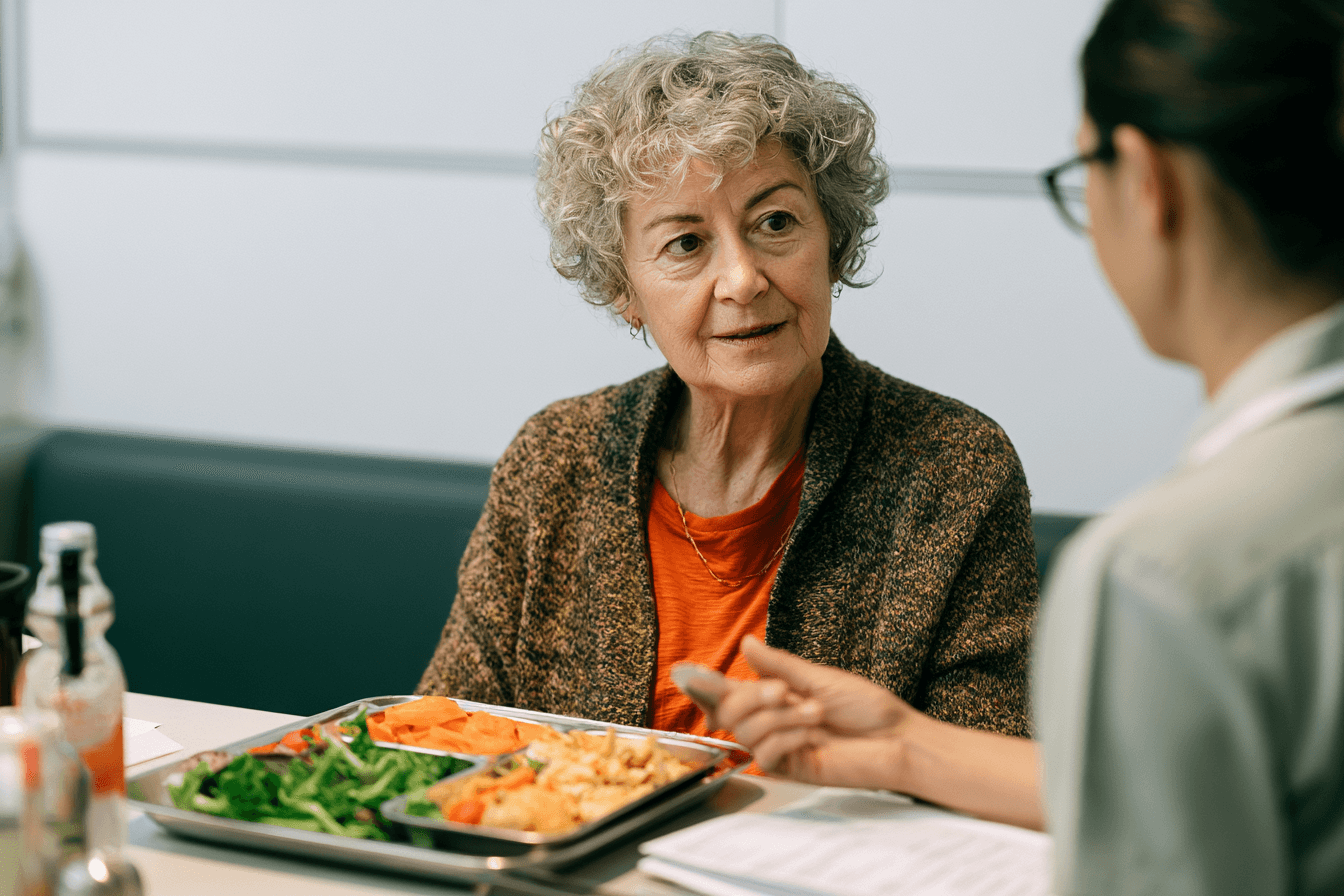
Nutrition is not an optional part of small cell lung cancer treatment. The patient needs adequate energy, protein, fluids and micronutrients to maintain muscle strength, recover between treatment cycles and tolerate chemotherapy, radiation or immunotherapy. When food intake declines for several weeks, weakness can progress quickly and may eventually interfere with the planned cancer treatment.[40–42]
Many patients are advised to avoid numerous foods, follow a strict detoxification plan or survive mainly on juices. Such restrictions may sound healthy, but they can be harmful when the person is already losing weight and muscle. The immediate nutritional objective is not to create a perfect diet. It is to help the patient eat enough, digest comfortably and preserve the physical reserve required for treatment.
Ayurveda adds an individualized understanding through Agni, Aruchi, Ahara Shakti, Dhatu Kshaya and Bala. The Ayurvedic physician examines whether the patient is hungry, whether food is tolerated, how the bowel is functioning and whether nourishment is translating into practical strength. The personalized Avaleha is then adjusted around this nutritional condition rather than being prescribed independently of it.
Why Weight Loss in SCLC Is More Serious Than It Appears
A patient with small cell lung cancer may lose weight because of poor appetite, nausea, swallowing difficulty, pain, anxiety or treatment-related changes in taste and smell. The cancer itself can also alter metabolism and increase the breakdown of fat and muscle.[40–42]
This means that weight loss is not always corrected simply by asking the patient to eat more. A person may be trying to eat but still lose muscle because inflammation and altered metabolism are increasing tissue breakdown.
The most concerning change is often not the number on the weighing scale but the decline in function. The patient may notice thinner arms and legs, difficulty rising from a chair, slower walking, reduced grip strength or longer recovery after treatment. These changes can indicate cancer-related muscle depletion even when the total body weight has not fallen dramatically.
Ayurveda may understand this progressive decline through Karshya, Mamsa Dhatu Kshaya and reduced Bala. These concepts should be assessed through measurable findings rather than appearance alone.
What Cancer Cachexia Means
Cancer cachexia is a complex condition involving involuntary weight loss, muscle loss, reduced appetite and altered metabolism. It is not simply starvation and cannot always be completely reversed by increasing calories alone.[41,42]
This distinction is important because patients and families may feel that they have failed when weight continues to fall despite careful feeding. The weight loss is not necessarily caused by inadequate effort or poor discipline.
Early nutritional intervention is still valuable. It may slow further decline, improve food tolerance and help preserve physical function. Management may include symptom control, nutritional counselling, suitable exercise, treatment of reversible causes and, when necessary, medical nutrition support.[40–42]
Ayurvedic care can contribute by addressing Aruchi, nausea, bowel disturbance, poor digestion and the patient’s individual food tolerance. However, an Avaleha should not be advertised as a guaranteed cure for cachexia.
Agni: The Practical Foundation of Nutrition
Agni is often described only as digestive fire, but the patient needs a more practical explanation. It refers to the ability to feel hunger, receive food, digest it without excessive discomfort and maintain a regular bowel pattern.
When Agni is reasonably preserved, the patient may be able to tolerate protein-rich meals and a more nourishing Avaleha. When Agni is weak, even small meals may produce nausea, early fullness, bloating, heaviness or loose stools.
I would therefore assess how much the patient eats, when hunger appears, which foods are tolerated and what happens after meals. The tongue, bowel pattern and abdominal symptoms can contribute to the Ayurvedic assessment, but they should be considered alongside the cancer treatment and medical reports.
A person receiving chemotherapy may have reduced appetite for several days and recover before the next cycle. Another may experience continuous food aversion. The Avaleha should be adjusted according to this pattern rather than remaining unchanged throughout the month.
Aruchi and Loss of Interest in Food
Aruchi refers to a reduced desire or inability to enjoy food. The patient may feel no hunger, dislike the smell of meals or find that familiar foods suddenly taste metallic, bitter or unusually sweet.
Chemotherapy, dry mouth, oral infection, mouth ulcers, constipation, anxiety and pain can all contribute. A patient may also stop eating because every meal has become associated with nausea.
The first step is to identify the dominant reason. Treating constipation may improve appetite. Controlling mouth pain may make swallowing possible. Changing the temperature or smell of food may reduce nausea.
The Ayurvedic approach should not force strong digestive stimulants into a patient with mouth ulcers, haemoptysis or radiation-related oesophagitis. The medicine must be selected according to the actual cause and tissue sensitivity.
Protein Is Essential for Maintaining Muscle
Protein provides the building material required for muscle maintenance, immune function, tissue repair and recovery. Cancer patients who are losing weight usually require deliberate attention to protein intake.[40,41]
Suitable sources may include well-cooked lentils, mung dal, paneer where tolerated, curd or yoghurt when appropriate, tofu, soy products, eggs, fish, poultry or other foods compatible with the patient’s preferences and medical condition.
Ayurveda does not require every cancer patient to follow the same vegetarian or non-vegetarian diet. The selection should consider digestion, cultural preference, treatment-related symptoms and the need for adequate nourishment.
A patient who cannot tolerate large meals may obtain better results from smaller protein-containing meals distributed throughout the day. The objective is regular intake rather than forcing one heavy meal.
Energy Intake Should Not Be Reduced Unnecessarily
Some patients eliminate grains, fats, fruits and other calorie-containing foods because they fear that sugar will feed the cancer. This can lead to severe calorie deficiency and faster muscle loss.
All cells use glucose, including healthy cells. Avoiding every carbohydrate does not selectively starve the tumour. A highly restrictive diet may instead weaken the patient and reduce treatment tolerance.
Refined sweets and excessive sugary drinks do not need to dominate the diet, but nourishing carbohydrates such as rice, oats, millet, potatoes, sweet potatoes and well-tolerated fruits may provide useful energy.
Healthy fats can help increase calorie intake without requiring a very large food volume. Ghee, olive oil, nut pastes or other suitable fats may be considered according to digestion, nausea and metabolic condition.
The diet should be judged by whether it supports weight, strength and blood glucose rather than by a rigid fear of one nutrient.
Small and Frequent Meals
A patient with early fullness may tolerate five or six smaller meals more comfortably than three large meals. Food should be offered when appetite is best rather than according to a fixed household schedule.
The meal with the highest protein and energy content may be placed during the part of the day when nausea is least severe. If morning nausea is prominent, the patient should not be forced to take a heavy breakfast immediately after waking.
Dry foods, cold foods or room-temperature foods may be easier when cooking smells trigger nausea. In other patients, warm soups and soft porridges may be more comfortable.
The Ayurvedic plan should remain flexible. Warm food is commonly preferred, but a patient receiving chemotherapy should not be forced to consume a food temperature that worsens nausea.
Diet During Chemotherapy-Related Nausea
Nausea should be treated early because repeated vomiting can cause dehydration, electrolyte imbalance and rapid decline in food intake. Prescribed anti-nausea medicines should be used according to the oncology plan.
The patient may tolerate small sips of fluid, rice preparations, lightly seasoned soups, soft khichadi, toast, potatoes, bananas or other bland foods. Strong smells, excessive oil and very spicy meals may worsen symptoms.
Shunthi or other digestive herbs should not be recommended automatically. Ginger may be helpful in selected patients, but it can irritate some people and requires caution when platelets are low, bleeding is present or anticoagulants are being used.
If vomiting continues, the Avaleha should be paused. A semisolid medicine cannot correct significant dehydration, electrolyte loss or bowel obstruction.
Diet During Mouth Ulcers and Painful Swallowing
Chemotherapy and chest radiation may cause mouth ulcers, throat irritation or oesophageal inflammation. Acidic, very hot, dry, rough and strongly spiced foods may become painful.
Soft foods such as porridge, smooth soups, mashed vegetables, soft rice, custard-like preparations or blended protein-rich meals may be easier to swallow. The temperature should be comfortable rather than extremely hot.
The Avaleha should have a smooth, uniform texture without coarse particles. Pungent ingredients and concentrated powders may require reduction when the mucosa is inflamed.
When liquids cause coughing, food remains stuck or the patient cannot swallow saliva comfortably, oral intake may be unsafe. Medical assessment is required before continuing the Avaleha.
Breathlessness Can Reduce Food Intake
A person who is severely breathless may become exhausted while chewing or swallowing. Large meals can also increase abdominal fullness and make breathing feel more difficult.
Smaller meals, soft textures and rest before eating may reduce this burden. Oxygen support should be used during meals when prescribed by the medical team.
The patient should eat slowly and avoid lying flat immediately after food. However, severe breathlessness during meals may indicate worsening respiratory disease and requires medical review.
Improving nutrition does not replace treatment for pleural fluid, infection, airway obstruction or low oxygen saturation.
Constipation During Cancer Treatment
Constipation may result from reduced food intake, dehydration, inactivity, opioid pain medicines, anti-nausea drugs or calcium abnormalities. It can worsen nausea, appetite and abdominal discomfort.
Ayurvedic assessment considers the bowel pattern, stool consistency, straining, gas and abdominal pain. Haritaki may be suitable in selected patients, but it should not be added without considering diarrhoea risk, bowel obstruction and overall weakness.
Adequate fluids, tolerated fibre, movement and prescribed medicines may be required. A patient with severe abdominal pain, vomiting and inability to pass stool or gas needs urgent assessment rather than stronger laxative herbs.
Diarrhoea Requires Identification of the Cause
Diarrhoea may occur because of chemotherapy, antibiotics, infection, an Avaleha ingredient or immunotherapy-related colitis. These causes require different treatment.
Persistent diarrhoea during immunotherapy can become serious and should not be described as detoxification or removal of Ama. It requires prompt oncology assessment.
The Avaleha should be paused during severe or persistent diarrhoea. Fluids and electrolytes must be replaced, and the cause should be identified before the formulation is restarted.
When the bowel has stabilized, the next batch may require a lighter base, fewer ingredients or a smaller initial dose.
Food Safety During Low White-Cell Counts
A patient with reduced neutrophils has a greater risk of severe infection. Food should be freshly prepared, properly cooked and stored safely.
Raw eggs, undercooked meat, unpasteurized milk products, spoiled food and unhygienically prepared street food should be avoided. Fruits and vegetables should be washed carefully, and drinking water should come from a safe source.
The kitchen and utensils should remain clean, but an excessively restrictive “neutropenic diet” should not remove safe and nutritious foods without a clear reason. The main objectives are hygiene, proper cooking and avoidance of contamination.
Fever during neutropenia is an emergency. No diet or Avaleha can replace immediate medical treatment.
Why Juice-Only Diets Are Inadequate
Fruit and vegetable juices may provide fluids, taste and some micronutrients, but they contain little protein and often insufficient total energy. Using juices as the main diet can accelerate muscle loss.
Juicing also removes much of the fibre from whole fruits and vegetables. Large quantities may raise blood glucose, especially in a patient receiving corticosteroids or using a sweet Avaleha base.
A small amount of fresh juice may be included when tolerated, but it should not replace protein-containing meals. Packaged or unpasteurized juices may also create additional sugar or infection concerns.
The patient needs a complete nutrition plan rather than a cleansing programme.
Why Prolonged Fasting Is Usually Unsuitable
Fasting may have religious, cultural or personal importance, but prolonged fasting during active SCLC treatment can worsen weakness, dehydration and tissue loss.
There is no established evidence that unsupervised fasting cures SCLC. Laboratory research on fasting and cancer metabolism cannot be converted directly into advice for a patient receiving platinum chemotherapy, radiation or immunotherapy.
A patient who wishes to fast should first discuss the plan with the oncologist, dietitian and treating Ayurvedic physician. The decision should consider blood glucose, kidney function, body weight, treatment schedule and current food intake.
Ayurveda should protect Agni and Bala, not create further depletion through an unnecessarily severe regimen.
Diabetes and the Avaleha Diet Plan
Diabetes requires special attention because traditional Avaleha preparations often contain sugar, jaggery, honey or other carbohydrate-rich substances.
The patient’s fasting glucose, post-meal glucose and HbA1c should be reviewed. Corticosteroids used during cancer treatment may significantly raise blood glucose even in a person whose diabetes was previously controlled.
The Avaleha base and the rest of the diet must be planned together. Reducing rice while giving an uncontrolled amount of jaggery-based medicine would not be a coherent strategy.
A modified Avaleha may be required, but changes in the base can affect preservation and consistency. The formulation should therefore be prepared professionally rather than modified by the patient at home.
Liver and Kidney Involvement
Liver metastases, jaundice or abnormal liver tests can reduce appetite and alter the metabolism of medicines. Very rich, highly complex or poorly standardized preparations may be difficult to evaluate safely in this setting.
Kidney impairment can affect fluids, electrolytes and the suitability of certain foods. Protein, potassium, sodium and fluid intake may require individualized advice.
There is no universal cancer diet suitable for every patient with organ dysfunction. The oncology team and dietitian should guide medical restrictions, while the Ayurvedic plan is adjusted around Agni, symptoms and the permitted diet.
The patient should not begin aggressive herbal detoxification when the liver or kidneys are already under stress.
Using the Avaleha as Part of Nutrition, Not as a Meal Replacement
Prāṇa–Agni–Bala Rasāyana Avaleha may contribute some calories and may support appetite or food tolerance, but it is not a replacement for complete meals.
The patient still requires adequate protein, energy, fluids and micronutrients. Taking the Avaleha while eating very little may not prevent muscle depletion.
I would assess whether the medicine helps the person eat better, not merely whether the 15-gram dose is being completed. Improvement should be visible through increased meal intake, more stable weight, better bowel function and greater daily activity.
If the Avaleha reduces appetite because of sweetness, heaviness or nausea, the formulation should be changed rather than forcing the patient to continue.
Ayurvedic Food Selection Should Follow the Patient’s Pattern
A mucus-dominant patient with heaviness and weak appetite may tolerate lighter, warm and less oily food. A dry, depleted patient with constipation and preserved digestion may require more moisture, nourishment and suitable fats.
A person with burning, mouth ulcers or radiation irritation may need milder food with less pungency and acidity. A patient with diarrhoea may temporarily require simpler and more binding meals.
These patterns can help personalize the diet, but they should not become rigid Dosha menus that ignore protein needs, blood glucose or organ function.
The patient’s actual response to food remains more important than an abstract list of permitted and prohibited items.
Measuring Nutritional Progress
Nutritional progress should be assessed at baseline and regularly during treatment. Body weight is useful, but it should not be the only measure.
Food intake, protein consumption, muscle appearance, grip strength, walking capacity, bowel function and recovery after treatment provide a broader picture. Albumin and other laboratory findings may add information, although they can also be influenced by inflammation and organ function.
The patient or family can keep a simple daily record of appetite, number of meals, approximate protein intake, nausea, stool pattern and body weight.
This record helps us decide whether the current diet and Avaleha are improving practical nourishment or merely adding another medicine to the treatment schedule.
When Medical Nutrition Support May Be Needed
Some patients cannot meet nutritional needs through ordinary food because of severe swallowing problems, persistent vomiting, bowel dysfunction or advanced weakness.
Oral nutrition supplements may help when regular meals are insufficient. In selected cases, tube feeding or intravenous nutrition may be considered according to the expected benefit, disease condition and patient’s wishes.[40,41]
The decision should be made with the oncology and nutrition teams. It should not be delayed because the patient is waiting for an Ayurvedic appetite medicine to work.
Ayurveda can remain involved in symptom and recovery support while appropriate medical nutrition is provided.
The Central Nutritional Goal
The purpose of nutrition in SCLC is not to starve the tumour or force the patient to follow a perfect diet. It is to prevent avoidable depletion and preserve the strength required for treatment and daily life.
Modern nutritional care provides adequate energy, protein, symptom management and food-safety guidance. Ayurveda adds individualized evaluation of Agni, Aruchi, bowel function, Dhatu Kshaya and Bala.
Prāṇa–Agni–Bala Rasāyana Avaleha should support this plan rather than replace it. The best result is achieved when the patient can eat more comfortably, maintain muscle and recover more effectively while cancer treatment continues according to the oncology plan.[14,33,40–42]
Published Integrative Ayurveda Case Study in Metastatic Small Cell Lung Cancer
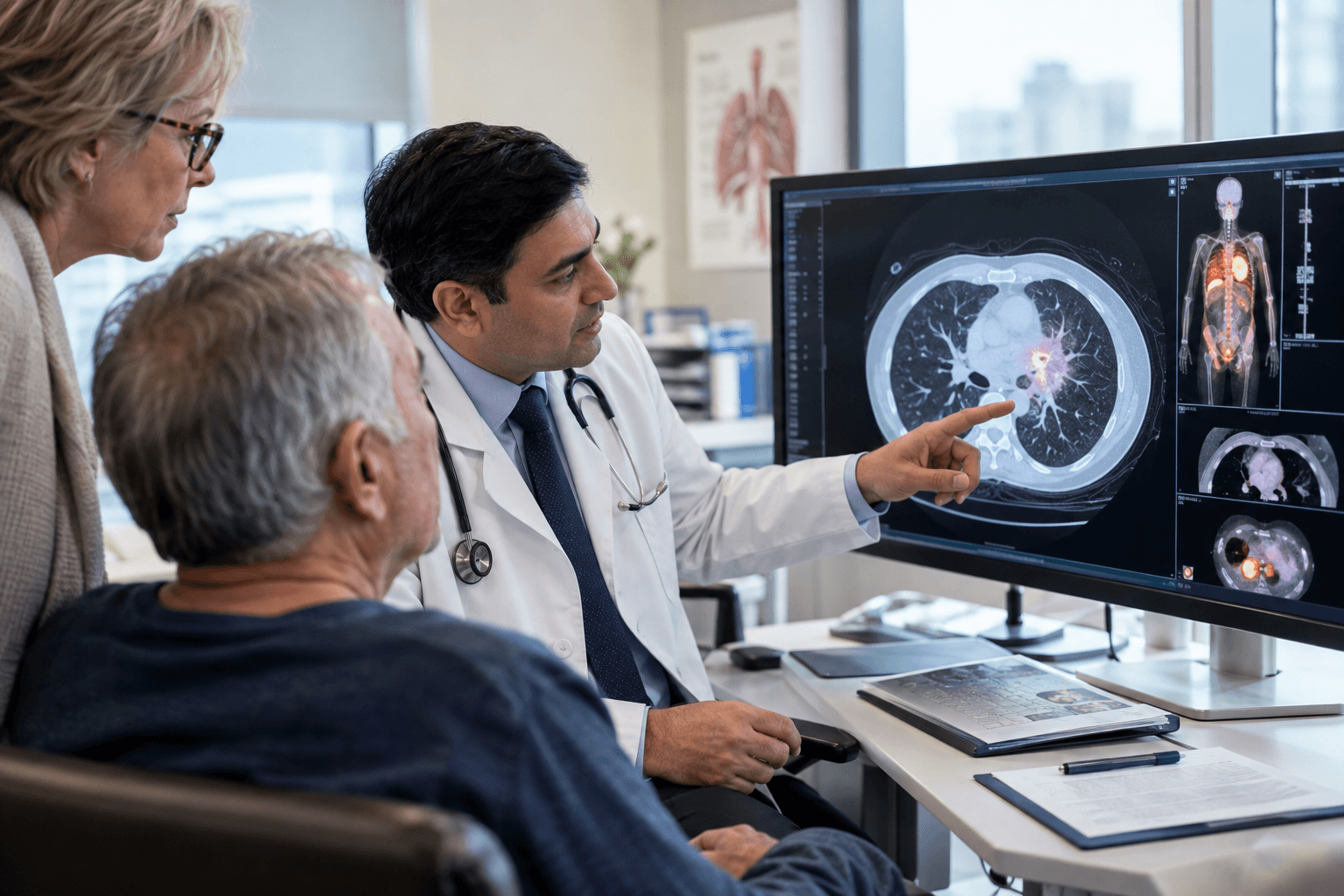
A Real Published Case of Metastatic Small Cell Lung Cancer
A published open-access case report described a 58-year-old man with biopsy-confirmed metastatic small cell neuroendocrine carcinoma arising from the lower lobe of the right lung. At diagnosis, the disease involved cervical and mediastinal lymph nodes, both lungs and several bones. The patient received one reported cycle of platinum-based chemotherapy followed by a physician-supervised Ayurvedic Rasaushadhi formulation, with the response measured through serial blood tests and whole-body PET-CT scans.
The case is directly relevant because it involved pulmonary small cell carcinoma rather than lung adenocarcinoma. However, it was a single uncontrolled integrative case in which chemotherapy and Ayurveda were both used. The observed response therefore represents the result of the combined treatment course and cannot be assigned to Ayurveda alone. (Health Informatics Journal)
Patient’s Condition at Presentation
The patient registered for treatment on 28 May 2022 with weakness of approximately one week and swelling on both sides of the neck. His recorded weight was 61 kilograms, blood pressure was 154/108 mmHg and pulse rate was 113 beats per minute.
His medical history was complex. He had diabetes mellitus, hypertension and coronary artery disease. A coronary angioplasty with stent placement had been performed approximately two months earlier. He was also living with only one functioning kidney because the right kidney had been surgically removed 12 years earlier.
The medicines recorded in the report included treatment for diabetes and hypertension, along with antiplatelet medicines following coronary stent placement. These existing conditions made renal, metabolic, cardiovascular and bleeding-related monitoring particularly important.
A chest X-ray taken on 28 May 2022 was reported as normal. However, an ultrasound examination of the neck identified several enlarged cervical lymph nodes. The largest right-sided level V lymph node measured approximately 15 × 11 mm, while the largest left-sided level IV node measured approximately 14 × 8 mm. Fine-needle aspiration cytology from a neck node was positive for malignancy. (Health Informatics Journal)
How Small Cell Carcinoma Was Confirmed
A biopsy of the left cervical lymph node was performed at the end of May 2022. Histopathology initially described a poorly differentiated malignant round-cell tumour and advised immunohistochemistry for definitive classification.
Immunohistochemistry subsequently showed positive pancytokeratin, chromogranin and synaptophysin. These results supported epithelial origin with neuroendocrine differentiation. TTF-1 was focally positive, which supported a pulmonary or neuroendocrine origin. P40 and CK7 were negative, while the Ki-67 proliferation index was approximately 40%, indicating active cellular proliferation.
After the microscopic appearance and immunohistochemical findings were considered together, the final pathological impression was metastatic small cell carcinoma. (Health Informatics Journal)
Extent of Cancer on the Baseline PET-CT
The baseline whole-body PET-CT was performed on 31 May 2022. The report documented metastatic disease in several anatomical regions.
| Disease site | Baseline PET-CT findings |
|---|---|
| Cervical lymph nodes | Multiple bilateral level III, IV, right level V and pre-laryngeal nodes; largest right level V node approximately 15 × 14 mm with SUVmax 5.1 |
| Mediastinal and hilar lymph nodes | Paratracheal, bilateral hilar, prevascular, subcarinal and aortopulmonary-window nodes; largest right paratracheal node approximately 19 × 11 mm with SUVmax 8.2 |
| Right lung primary site | The report identified the primary tumour in the lower lobe of the right lung |
| Both lungs | Multiple subcentimetre bilateral pulmonary and pleural nodules with SUVmax approximately 2.7 |
| Lower oesophagus | Focal asymmetric thickening extending toward the gastro-oesophageal junction, approximately 19 mm long and 7 mm thick, with SUVmax 2.9 |
| Skeleton | Lesions involving the manubrium, left second and eighth ribs, right seventh rib, D12, L1, right sacral ala and left pubic bone; the sacral lesion had SUVmax 4.4 |
| Brain | Both cerebral hemispheres were reported as normal on this examination |
| Abdomen and pelvis | Previous right nephrectomy and a small liver cyst were recorded, without abdominal lymphadenopathy |
The combination of biopsy-confirmed cervical-node disease, mediastinal involvement, bilateral pulmonary nodules and multiple skeletal metastases established a widely metastatic small cell carcinoma. (Health Informatics Journal)
Conventional Treatment Received
The report states that the patient received one cycle of platinum-based combination chemotherapy. The reported intravenous medicines were carboplatin 200 mg and etoposide 100 mg. Zoledronic acid 4 mg was also administered to address complications associated with skeletal metastases.
Chemotherapy was therefore given before the Ayurvedic treatment course. This is clinically important because small cell lung cancer can show a substantial initial response to platinum and etoposide. The subsequent PET-CT changes cannot be scientifically separated into a chemotherapy effect, an Ayurvedic effect or a combined effect from this single case. (Health Informatics Journal)
Ayurvedic Formulation Used in the Case
The Ayurvedic treatment was not an Avaleha. It was a 250 mg Rasaushadhi Gutika containing three ingredients.
| Ingredient | Form described in the report | Quantity in each Gutika |
|---|---|---|
| Naga Bhasma | Processed lead-based Bhasma | 62.5 mg |
| Rasasindura | Processed mercuric sulphide preparation | 62.5 mg |
| Guduchi Satva | Aqueous starch extract of Tinospora cordifolia | 125 mg |
| Total Gutika weight | 250 mg |
One 250 mg Gutika was reportedly administered once daily with lukewarm water, preferably in the morning after food. This was the dose used in the reported patient and should not be interpreted as a universal prescription for another person with small cell lung cancer.
The patient was advised to avoid sour, heavy, fermented and processed foods. Light, freshly prepared and easily digestible meals were emphasized during the treatment period. (Health Informatics Journal)
Ayurvedic Treatment Timeline
The first Ayurvedic course began on 21 September 2022 and continued for 30 days. This was followed by a seven-day period without Ayurvedic medicine.
A second 30-day course was administered from 28 October to 26 November 2022, followed by another seven-day break. A third course began on 4 December 2022 but was stopped after approximately 18 days when a marked elevation in the patient’s blood lead level was detected.
| Treatment phase | Duration | Reported treatment |
|---|---|---|
| First Ayurvedic cycle | 30 days | One 250 mg Gutika once daily |
| First washout period | 7 days | No Ayurvedic medicine |
| Second Ayurvedic cycle | 30 days | One 250 mg Gutika once daily |
| Second washout period | 7 days | No Ayurvedic medicine |
| Third Ayurvedic cycle | Approximately 18 days | Started at the same dose and then discontinued |
| After lead elevation | Continued follow-up | Naga Bhasma was withheld; Ghrutkumari and Haridra were introduced |
The report therefore documents two completed 30-day cycles and part of a third cycle. (Health Informatics Journal)
Follow-Up PET-CT Findings
A follow-up whole-body PET-CT was performed on 4 January 2023, approximately seven months after the baseline scan and after the reported chemotherapy and Ayurvedic treatment courses.
The most striking finding was complete metabolic regression of the cervical lymph-node disease. This was important because the cervical lymph node had been the biopsy-confirmed site of metastatic small cell carcinoma.
The mediastinal lymph nodes showed reduced metabolic activity. A residual subcarinal lymph node measured approximately 22 × 18 mm with SUVmax 2.5, compared with the more metabolically active mediastinal disease at baseline. The authors classified this as a partial response.
The paper reported regression at the known primary site in the lower lobe of the right lung. The follow-up table also described a moderately FDG-avid cavitating right lower-lobe lesion measuring approximately 35 × 29 mm, together with bilateral pulmonary nodules with SUV around 3. The lung findings were therefore categorized as a partial response rather than a complete response.
The skeletal lesions had become sclerotic and largely non-FDG-avid, with average SUV below 1. The authors interpreted this as metabolic response or stabilization of the bone metastases. No new metabolically active lesions were reported, and no FDG-avid brain lesion was identified. (Health Informatics Journal)
PET-CT Response Summary
| Disease region | Baseline status | Follow-up status |
|---|---|---|
| Cervical lymph nodes | Multiple metabolically active bilateral metastatic nodes | Complete metabolic regression |
| Mediastinal lymph nodes | Multiple active nodes with SUVmax up to 8.2 | Reduced size or activity; residual node SUVmax approximately 2.5 |
| Right lower-lobe primary | Known pulmonary primary site | Regression reported, with residual cavitating lesion |
| Bilateral pulmonary nodules | Multiple small FDG-avid nodules | Residual bilateral nodules; partial response |
| Skeletal metastases | Multiple metabolically active bone lesions | Sclerotic, largely non-FDG-avid lesions indicating metabolic response |
| Brain | No abnormal lesion reported | No FDG-avid lesion identified |
| New metastatic sites | Existing widespread disease | No new metabolically active lesions reported |
The follow-up scan did not show whole-body complete remission. It documented complete metabolic regression in the cervical region, partial response in the chest and metabolic stabilization or response in the bones. (Health Informatics Journal)
Changes in Haemoglobin, Appetite and Strength
The patient’s haemoglobin was 9.1 g/dL on 19 September 2022, shortly before the Ayurvedic treatment began. It increased to 10.1 g/dL one week later but fell again to 9.3 g/dL in October. By 9 January 2023, haemoglobin had increased to 13.4 g/dL, and it reached 14.4 g/dL in April 2023.
The report also describes marked improvement in appetite and reduction in weakness during and after the treatment courses. These improvements were clinically meaningful because weakness and anorexia had been major presenting complaints.
However, the patient’s recovery occurred after chemotherapy, supportive treatment, dietary modification and Ayurveda. The report did not use a control group or standardized symptom questionnaire capable of determining how much improvement was attributable to each component. (Health Informatics Journal)
Other Laboratory Findings
The patient developed transient leukocytosis, with a white-cell count of 15,720/µL, and thrombocytosis, with a platelet count of 602,000/cmm. The report interpreted these findings as possibly reactive to inflammation, infection or anaemia.
C-reactive protein increased from 4.26 mg/L in September to 33 mg/L in October 2022, indicating an inflammatory episode during treatment. Mild elevation of ALT was also recorded, reaching 58.7 U/L in December 2022 and remaining mildly elevated at 52 U/L in April 2023.
Diabetes remained poorly controlled. Random blood glucose was 238 mg/dL in March 2023, and HbA1c was 8.9% in April. Uric acid also increased, reaching 8.43 mg/dL in March 2023. These findings show why metabolic and organ-function monitoring cannot be separated from an Ayurvedic cancer protocol. (Health Informatics Journal)
The Major Safety Finding: Blood Lead Elevation
The patient’s blood lead level was 3.3 µg/dL on 20 September 2022, before Ayurvedic treatment. By 21 December 2022, it had risen to 71.5 µg/dL. The report recognized this as a marked treatment-associated lead exposure and immediately withheld Naga Bhasma.
The authors reported no obvious classical clinical signs of lead toxicity. Burton’s line on the gums was absent, and the patient did not show abdominal colic, peripheral neuropathy, encephalopathy or basophilic stippling. However, the absence of visible symptoms does not make a markedly elevated blood lead level harmless. The World Health Organization states that no level of lead exposure is known to be without harmful effects and identifies the kidneys, nervous system, blood and cardiovascular system among the organs that may be affected. (Health Informatics Journal)
After Naga Bhasma was stopped, the report states that a daily oral combination of Ghrutkumari, or Aloe vera, and Haridra, or turmeric, was introduced. The paper does not provide exact quantities for these two substances.
The recorded blood lead trend was:
| Date | Blood lead level |
|---|---|
| 20 September 2022, before Ayurveda | 3.3 µg/dL |
| 21 December 2022 | 71.5 µg/dL |
| 9 January 2023 | 45.7 µg/dL |
| 20 March 2023 | 46.1 µg/dL |
| 23 June 2023 | 17.6 µg/dL |
| 19 December 2023 | 6.3 µg/dL |
The reduction followed withdrawal of the lead-containing medicine and the reported use of Aloe vera and turmeric. Because both changes occurred together, the case cannot establish that Aloe vera and turmeric acted as effective human chelation therapy. (Health Informatics Journal)
Kidney Function During Follow-Up
Renal monitoring was especially important because the patient had only one kidney and had also received platinum-based chemotherapy.
Serum creatinine was 0.84 mg/dL in October 2022 and increased progressively to 1.23 mg/dL in November. By 29 January 2023, it had reached 1.65 mg/dL, with an estimated glomerular filtration rate of approximately 45 mL/min/1.73 m².
Kidney function later improved. Creatinine was 1.14 mg/dL with eGFR 70.1 in June 2023. By December 2023, creatinine was 1.31 mg/dL with eGFR approximately 59.7.
The paper could not determine whether the temporary decline was caused by chemotherapy, Naga Bhasma, diabetes, the patient’s single-kidney status or a combination of these factors. (Health Informatics Journal)
What Makes This Case Clinically Important
This case included several objective elements that are often missing from informal cancer testimonials. The diagnosis was confirmed through biopsy and immunohistochemistry. The extent of disease was documented through baseline PET-CT. The response was compared with a follow-up PET-CT, and blood, kidney, liver, glucose and toxicology findings were recorded over time.
The case showed complete metabolic regression of biopsy-confirmed cervical disease, partial regression in mediastinal and pulmonary disease, metabolic response in skeletal lesions, improved haemoglobin, better appetite and reduced weakness after an integrative treatment course.
At the same time, the patient had received carboplatin and etoposide before the Ayurvedic treatment. The authors explicitly acknowledged that tumour regression could not be attributed separately to the Ayurvedic formulation or chemotherapy because there was no control group. Only one post-treatment PET-CT was presented, and the report did not establish long-term remission, recurrence-free survival or a reproducible response in other patients. (Health Informatics Journal)
What This Case Means for a Patient With SCLC
This published case provides an encouraging clinical signal that integrative Ayurvedic treatment can be studied in patients with advanced small cell lung cancer using biopsy reports, PET-CT comparisons, symptom changes and laboratory monitoring. It demonstrates that even when disease is widespread, changes in tumour activity, appetite, haemoglobin and functional strength can be followed objectively.
It does not prove that Naga Bhasma, Rasasindura or Guduchi Satva independently caused tumour regression, and it does not validate the same prescription for every patient. The serious rise in blood lead also shows why “stronger” does not always mean safer and why metal-containing medicines require precise selection, verified manufacturing and toxicological monitoring.
The most convincing lesson is not a promise based on one medicine. It is the value of a report-guided integrative model in which oncology treats and measures the cancer, Ayurveda addresses the patient’s complete clinical condition, and every benefit and adverse effect is documented rather than assumed.
Hyperlinked Primary Reference
Solanki, S. M., Vadhel, M. V., Bhatt, A. M., & Mundadiya, Y. D. (2024). Ayurvedic management of metastatic small cell neuroendocrine carcinoma using Rasaushadhi: A case report. Frontiers in Health Informatics, 13(8), 8004–8017.
Used for: The biopsy and immunohistochemistry findings, baseline and follow-up PET-CT results, chemotherapy details, Ayurvedic formulation, dosage schedule, haemoglobin response, appetite and weakness outcomes, kidney-function monitoring and documented blood lead elevation.
Used for: Independent safety context concerning the systemic effects of lead exposure and the absence of a known harmless level of lead exposure.
Frequently Asked Questions
What is small cell lung cancer?
Small cell lung cancer is a fast-growing type of lung cancer that usually begins in the larger airways. It can spread early to the lymph nodes, brain, liver, bones, adrenal glands or other organs. Prompt biopsy, staging and treatment planning are therefore important.
What are the early symptoms of small cell lung cancer?
Early symptoms may include a persistent or changing cough, breathlessness, wheezing, chest discomfort, hoarseness, repeated chest infections, reduced appetite, fatigue and unexplained weight loss. Blood in sputum, facial swelling or new neurological symptoms require urgent medical evaluation.
How quickly does small cell lung cancer spread?
Small cell lung cancer can grow and spread more rapidly than most non-small cell lung cancers. The speed varies between patients, but unnecessary delay after a confirmed diagnosis may allow further progression. Staging and cancer-directed treatment should therefore begin promptly.
What causes small cell lung cancer?
Tobacco smoking is the most important known risk factor. Second-hand smoke, radon, air pollution and occupational exposure to substances such as asbestos, arsenic, chromium, nickel, silica and diesel exhaust may also increase lung-cancer risk. Some patients develop SCLC without an obvious single cause.
How is small cell lung cancer diagnosed?
Diagnosis requires a biopsy or examination of malignant cells from tissue or fluid. CT, PET-CT and brain MRI help determine how far the disease has spread. Ayurvedic examination may assess breathing, appetite, digestion, tissue depletion and strength, but it cannot replace pathology or imaging.
What is the difference between limited-stage and extensive-stage SCLC?
Limited-stage SCLC is generally confined to an area that can be treated within one tolerable chest-radiation field. Extensive-stage SCLC has spread beyond that region or reached distant organs. This distinction strongly influences chemotherapy, radiation and immunotherapy planning.
Is stage 4 small cell lung cancer the same as extensive-stage disease?
Stage IV small cell lung cancer is generally classified as extensive-stage because the cancer has reached a distant site or has a pattern of spread beyond a limited radiation field. The complete imaging findings are more important than the stage number alone.
Is small cell lung cancer curable?
A minority of patients with appropriately treated limited-stage SCLC may achieve long-term disease control. Extensive-stage disease is usually not considered curable with currently established treatment, but it remains treatable. Chemotherapy, immunotherapy, radiation and newer medicines may reduce tumour burden, improve symptoms and extend survival.
What is the survival rate for small cell lung cancer?
Published five-year relative survival estimates are approximately 34% for localized disease, 20% for regional disease and 4% for distant disease. These figures describe previously diagnosed groups and cannot predict the outcome of one patient. Newer treatments may not be fully reflected in older survival datasets.
Why does small cell lung cancer often return?
SCLC may respond strongly at first, but a small group of treatment-resistant cancer cells can survive. These cells may later grow again in the chest, brain, liver, bones or another organ. Follow-up scans remain necessary even when symptoms improve or the first treatment response is encouraging.
What treatments are used for small cell lung cancer?
Limited-stage disease is commonly treated with platinum–etoposide chemotherapy and chest radiation. Eligible patients may receive durvalumab after chemoradiation. Extensive-stage treatment commonly includes platinum–etoposide with atezolizumab or durvalumab. Recurrent disease may be treated with tarlatamab, lurbinectedin, selected chemotherapy, radiation or a clinical trial.
Can Ayurveda help in small cell lung cancer?
Ayurveda may support respiratory comfort, appetite, digestion, sleep, nutrition, muscle strength and recovery during cancer treatment. It should be individualized according to symptoms, blood reports, organ function and the oncology plan. Ayurveda must not delay biopsy, chemotherapy, radiation, immunotherapy or emergency treatment.
Reference
Modern SCLC Overview, Biology and Risk Factors
1. PDQ Adult Treatment Editorial Board. (2025, May 8). Small cell lung cancer treatment (PDQ®)–Patient version. National Cancer Institute.
Used for: Patient-friendly information on SCLC definition, risk factors, symptoms, diagnostic procedures, limited and extensive stages, treatment options, recurrence and follow-up. It is the principal patient-facing source for the article. Cancer.gov
2. PDQ Adult Treatment Editorial Board. (2025, May 14). Small cell lung cancer treatment (PDQ®)–Health professional version. National Cancer Institute.
Used for: Detailed clinical information on SCLC pathology, staging, prognostic factors, treatment, paraneoplastic syndromes, recurrence and evidence from major clinical trials. It should support the more research-oriented sections. Cancer.gov
3. Rudin, C. M., Brambilla, E., Faivre-Finn, C., & Sage, J. (2021). Small-cell lung cancer. Nature Reviews Disease Primers, 7(1), Article 3. PubMed record | Free full text
Used for: SCLC biology, neuroendocrine origin, molecular changes, early metastasis, treatment sensitivity, resistance, recurrence and future therapeutic directions. PubMed
4. Megyesfalvi, Z., Gay, C. M., Popper, H., Pirker, R., Ostoros, G., Heeke, S., et al. (2023). Clinical insights into small cell lung cancer: Tumor heterogeneity, diagnosis, therapy, and future directions. CA: A Cancer Journal for Clinicians, 73(6), 620–652. PubMed record
Used for: Tumour heterogeneity, pathology, clinical presentation, diagnostic challenges, treatment resistance, prognosis and emerging treatment strategies. PubMed
5. American Cancer Society Medical and Editorial Content Team. (2024, January 29). What is lung cancer? American Cancer Society.
Used for: A simple explanation of SCLC versus non-small cell lung cancer, lung anatomy, rapid growth and spread, treatment responsiveness and recurrence. Cancer.org
6. Centers for Disease Control and Prevention. (2026, May 18). Lung cancer risk factors.
Used for: Cigarette smoking, second-hand smoke, radon, workplace exposure, diesel exhaust, silica, chromium, arsenic, air pollution, family history, HIV infection and previous chest radiation. CDC
7. Parsons, A., Daley, A., Begh, R., & Aveyard, P. (2010). Influence of smoking cessation after diagnosis of early stage lung cancer on prognosis: Systematic review of observational studies with meta-analysis. BMJ, 340, b5569. PubMed record | Free full text
Used for: The clinical importance of stopping smoking after lung-cancer diagnosis, including evidence concerning recurrence and survival in limited-stage SCLC. The article should describe this as observational and modelling evidence rather than a randomized trial. PubMed
Classical Ayurvedic References for Causes and Respiratory Involvement
8. Agniveśa. (n.d.). Hikka-Shwasa Chikitsa. In Charaka Samhita, Chikitsa Sthana, Chapter 17. Siva.sh.
Used for: The classical understanding of Shwasa, disturbed respiratory function, Vata–Kapha involvement and the Ayurvedic interpretation of respiratory-channel obstruction. It should not be represented as a classical description of lung cancer. siva.sh
9. Agniveśa. (n.d.). Sroto Vimana. In Charaka Samhita, Vimana Sthana, Chapter 5. Siva.sh.
Used for: Srotas, Pranavaha Srotas and the broader Ayurvedic framework of channels responsible for transport, transformation and bodily function. This reference supports the Srotodushti and Pranavaha assessment sections. siva.sh
10. Suśruta. (n.d.). Granthi–Apachi–Arbuda–Galaganda Nidana. In Suśruta Saṃhitā, Nidāna Sthāna, Chapter 11. Easy Ayurveda.
Used for: Classical concepts relating to Granthi, Arbuda and abnormal masses. The article must clarify that Arbuda is a broad classical concept and is not histologically equivalent to SCLC. The linked page is an online explanatory rendering; any Sanskrit quotation should be verified against a recognized printed edition. Easy Ayurveda Hospital
Symptoms and Ayurvedic Symptom Interpretation
11. American Cancer Society Medical and Editorial Content Team. (2025, February 27). Signs and symptoms of lung cancer. American Cancer Society.
Used for: Persistent cough, blood in sputum, breathlessness, hoarseness, chest pain, appetite loss, weight loss, fatigue, recurrent infection and symptoms caused by distant spread. Cancer.org
12. Soomro, Z., Youssef, M., Yust-Katz, S., Jalali, A., Patel, A. J., & Mandel, J. (2020). Paraneoplastic syndromes in small cell lung cancer. Journal of Thoracic Disease, 12(10), 6253–6263. PubMed record | Free full text
Used for: SIADH-related low sodium, ectopic ACTH and Cushing syndrome, Lambert–Eaton myasthenic syndrome and neurological paraneoplastic syndromes associated with SCLC. PubMed
13. Agniveśa. (n.d.). Kasa Chikitsa. In Charaka Samhita, Chikitsa Sthana, Chapter 18. Siva.sh.
Used for: The Ayurvedic interpretation of cough as Kasa, including Vataja, Pittaja, Kaphaja, Kshataja and Kshayaja patterns. It supports symptom assessment but does not determine the anatomical cause of cough in SCLC. siva.sh
14. Agniveśa. (n.d.). Rajayakshma Chikitsa. In Charaka Samhita, Chikitsa Sthana, Chapter 8. Siva.sh.
Used for: Classical principles concerning emaciation, progressive wasting, diminished nourishment, loss of tissue strength and declining vitality. Rajayakshma must not be presented as synonymous with SCLC. siva.sh
Modern Diagnosis, Pathology and Staging
15. American Cancer Society Medical and Editorial Content Team. (2024, January 29). Tests for lung cancer. American Cancer Society.
Used for: Chest X-ray, CT, MRI, PET-CT, bronchoscopy, endobronchial ultrasound, needle biopsy, thoracentesis, sputum cytology, pathology review and pulmonary-function assessment. Cancer.org
16. Nicholson, A. G., Tsao, M. S., Beasley, M. B., Borczuk, A. C., Brambilla, E., Cooper, W. A., et al. (2022). The 2021 WHO classification of lung tumors: Impact of advances since 2015. Journal of Thoracic Oncology, 17(3), 362–387. PubMed record
Used for: Modern pathological classification of lung tumours, neuroendocrine neoplasms, morphology, immunohistochemistry and differentiation of SCLC from other lung cancers. PubMed
17. de Groot, P. M., Chung, J. H., Ackman, J. B., Berry, M. F., Carter, B. W., Colletti, P. M., et al. (2019). ACR Appropriateness Criteria® noninvasive clinical staging of primary lung cancer. Journal of the American College of Radiology, 16(5S), S184–S195. PubMed record | Journal full text
Used for: Appropriate use of CT, PET-CT, brain MRI and other noninvasive imaging in lung-cancer staging. PubMed
Ayurvedic Diagnostic Framework
18. Agniveśa. (n.d.). Rogabhishagjitiya Vimana. In Charaka Samhita, Vimana Sthana, Chapter 8. Siva.sh.
Used for: Dashavidha Atura Pariksha and individualized evaluation of Prakriti, Vikriti, Sara, Samhanana, Pramana, Satmya, Satva, Ahara Shakti, Vyayama Shakti and Vaya. siva.sh
19. Sawant, V., Ashu, Parida, A., & Prasad, N. A. (2019). Nidana Panchaka—A tool of diagnosis in Ayurveda. Journal of Ayurveda and Integrated Medical Sciences, 4(1), 61–65. Full article page
Used for: The five-part Ayurvedic diagnostic framework of Nidana, Purvarupa, Rupa, Upashaya–Anupashaya and Samprapti. It supports construction of the patient-specific Ayurvedic disease model. Jaims
20. American Cancer Society Medical and Editorial Content Team. (2024, January 29). Small cell lung cancer stages. American Cancer Society.
Used for: Limited-stage and extensive-stage classification, the relationship between the Veterans Administration two-stage system and TNM stages, and patient-friendly explanations of stage I through stage IV. Cancer.org
Current Treatment Evidence
21. Khurshid, H., Ismaila, N., Bian, J., Dabney, R., Das, M., Ellis, P., et al. (2023). Systemic therapy for small-cell lung cancer: ASCO–Ontario Health (Cancer Care Ontario) guideline. Journal of Clinical Oncology, 41(35), 5448–5472. PubMed record
Used for: Evidence-based systemic treatment of limited-stage, extensive-stage and recurrent SCLC, including chemotherapy, immunotherapy and treatment selection after relapse. PubMed
22. Cheng, Y., Spigel, D. R., Cho, B. C., et al. (2024). Durvalumab after chemoradiotherapy in limited-stage small-cell lung cancer. New England Journal of Medicine, 391(14), 1313–1327. PubMed record
Used for: The ADRIATIC phase 3 trial, including overall survival, progression-free survival and safety of durvalumab following concurrent chemoradiation in limited-stage SCLC. PubMed
23. U.S. Food and Drug Administration. (2024, December 4). FDA approves durvalumab for limited-stage small cell lung cancer.
Used for: The official United States indication, eligible population, approval date, ADRIATIC efficacy findings and major adverse reactions. U.S. Food and Drug Administration
24. Horn, L., Mansfield, A. S., Szczęsna, A., et al. (2018). First-line atezolizumab plus chemotherapy in extensive-stage small-cell lung cancer. New England Journal of Medicine, 379(23), 2220–2229. PubMed record
Used for: The IMpower133 trial supporting atezolizumab with carboplatin and etoposide as a first-line extensive-stage SCLC treatment strategy. PubMed
25. Paz-Ares, L., Dvorkin, M., Chen, Y., et al. (2019). Durvalumab plus platinum–etoposide versus platinum–etoposide in first-line treatment of extensive-stage small-cell lung cancer: A randomised, controlled, open-label, phase 3 trial. The Lancet, 394(10212), 1929–1939. PubMed record
Used for: The CASPIAN trial supporting durvalumab combined with platinum–etoposide for first-line extensive-stage SCLC. PubMed
26. Paz-Ares, L., Borghaei, H., Liu, S. V., Peters, S., Herbst, R. S., Stencel, K., et al. (2025). Efficacy and safety of first-line maintenance therapy with lurbinectedin plus atezolizumab in extensive-stage small-cell lung cancer: A randomised, multicentre, open-label, phase 3 trial. The Lancet, 405(10495), 2129–2143. PubMed record
Used for: The IMforte phase 3 trial examining lurbinectedin plus atezolizumab maintenance after initial atezolizumab, carboplatin and etoposide. PubMed
27. U.S. Food and Drug Administration. (2025, October 2). FDA approves lurbinectedin in combination with atezolizumab or atezolizumab and hyaluronidase-tqjs for extensive-stage small cell lung cancer.
Used for: The official United States maintenance indication, eligible patient group, IMforte efficacy outcomes and safety information. Regulatory availability should still be checked separately for each country. U.S. Food and Drug Administration
28. Mountzios, G., Sun, L., Cho, B. C., et al. (2025). Tarlatamab in small-cell lung cancer after platinum-based chemotherapy. New England Journal of Medicine, 393(4), 349–361. PubMed record
Used for: The DeLLphi-304 phase 3 trial, including survival outcomes for tarlatamab compared with standard chemotherapy following platinum-based treatment. Research Explorer
29. U.S. Food and Drug Administration. (2025, November 19). FDA grants traditional approval to tarlatamab-dlle for extensive-stage small cell lung cancer.
Used for: The official post-platinum indication and safety warnings, including cytokine-release syndrome and neurological toxicity. U.S. Food and Drug Administration
30. U.S. Food and Drug Administration. (2020, June 15). FDA grants accelerated approval to lurbinectedin for metastatic small cell lung cancer.
Used for: Lurbinectedin as an option for metastatic SCLC with progression on or after platinum-based chemotherapy and for explaining its role in recurrent disease. U.S. Food and Drug Administration
Survival
31. American Cancer Society Medical and Editorial Content Team. (2025, June 27). Lung cancer survival rates. American Cancer Society.
Used for: Five-year relative survival estimates for localized, regional, distant and all-stage SCLC. The article should mention that these historical SEER categories do not exactly equal limited-stage and extensive-stage disease and may not fully reflect newer therapies. Cancer.org
Ayurveda Scope, Evidence and Safety
32. National Center for Complementary and Integrative Health. (2019, January). Ayurvedic medicine: In depth.
Used for: The limited amount of high-quality clinical evidence for many Ayurvedic uses, possible contamination or toxicity risks, the importance of product quality and the rule that Ayurveda should not postpone conventional assessment or treatment. NCCIH
33. Agniveśa. (n.d.). Rasayana Adhyaya. In Charaka Samhita, Chikitsa Sthana, Chapter 1. Siva.sh.
Used for: Classical Rasayana principles relating to nourishment, tissue quality, strength, resilience and preservation of function. This reference supports recovery-oriented Ayurvedic care but does not prove anticancer activity in SCLC. siva.sh
Avaleha and Its Preparation
34. Śārṅgadhara. (2017). Śārṅgadhara Saṃhitā (B. Tripathi, Hindi commentary). Chaukhambha Surbharati Prakashan. Madhyama Khanda, Chapter 8, Avaleha Kalpana.
Used for: The principal classical pharmaceutical reference for Avaleha, including the semisolid dosage form, preparation base, Paka, Siddhi Lakshana, incorporation of powders and administration principles. The article should specifically cite Madhyama Khanda, Chapter 8. Internet Archive
35. Phunde, R. D., Chikurte, S. N., Patil, P. A., & Chokhar, S. (2019). Avaleha Kalpana—A review. Journal of Ayurveda and Integrated Medical Sciences, 4(3), 89–91. Full article page
Used for: A modern review of Avaleha as a semisolid preparation made from prescribed herbal juice or decoction with sugar, jaggery or sugar candy and other prescribed components. It also references Śārṅgadhara Saṃhitā, Madhyama Khanda 8/1 onward. Jaims
36. Bhinde, S. M., Bhinde, S. S., Kori, V. K., & Patel, K. S. (2020). A compendious review of Chitraka Haritaki Avaleha—A polyherbal Ayurveda formulation for bronchial asthma. AYU, 41(1), 12–18. PubMed record | Free full text
Used for: Avaleha as a respiratory dosage form, variation in classical preparation methods, organoleptic assessment, pH, physicochemical parameters and the need for pharmaceutical standardization. This is not evidence that Chitraka Haritaki Avaleha or another Avaleha treats SCLC. PubMed
37. Press Information Bureau, Government of India. (2022, December 13). Steps taken to assure quality control of Ayush drugs.
Used for: Indian requirements concerning licensing, Schedule T good manufacturing practices, pharmacopoeial standards, quality-control laboratories, pharmacovigilance and regulatory responsibility for Ayurvedic medicines. Press Information Bureau
Herb–Drug and Supplement Interactions
38. Allegra, S., Chiara, F., Abbadessa, G., Di Pietro, A., Caudana, M., & De Francia, S. (2025). Interactions between phytotherapeutics and chemotherapeutics: The current evidence. Expert Opinion on Drug Metabolism & Toxicology, 21(7), 831–845. PubMed record
Used for: Potential interactions between medicinal plants and chemotherapy, including effects on drug metabolism, transport, exposure, toxicity and treatment efficacy. It supports mandatory ingredient-by-ingredient interaction screening. PubMed
39. PDQ Integrative, Alternative, and Complementary Therapies Editorial Board. (2024, April 25). Cancer therapy interactions with foods and dietary supplements (PDQ®)–Patient version. National Cancer Institute.
Used for: Variability among supplements, possible effects on cancer treatment, liver toxicity, the importance of disclosing all products and the need to discuss complementary treatments with the oncologist or pharmacist. Cancer.gov
Nutrition, Weight Loss and Cachexia
40. Muscaritoli, M., Arends, J., Bachmann, P., et al. (2021). ESPEN practical guideline: Clinical nutrition in cancer. Clinical Nutrition, 40(5), 2898–2913. PubMed record
Used for: Nutrition screening, adequate energy and protein intake, preservation of muscle, management of nutrition-impact symptoms, exercise and early nutritional intervention during cancer treatment. PubMed
41. PDQ Supportive and Palliative Care Editorial Board. (2024, September 20). Nutrition in cancer care (PDQ®)–Health professional version. National Cancer Institute.
Used for: Cancer malnutrition, anorexia, cachexia, sarcopenia, treatment-related taste changes, mucositis, dysphagia, nausea, bowel changes and the relationship between nutrition, treatment tolerance and quality of life. Cancer.gov
42. Roeland, E. J., Bohlke, K., Baracos, V. E., Bruera, E., Del Fabbro, E., Dixon, S., et al. (2020). Management of cancer cachexia: ASCO guideline. Journal of Clinical Oncology, 38(21), 2438–2453. PubMed record
Used for: Evidence-based management of cancer cachexia, nutritional counselling, limitations of dietary intake alone and avoidance of unsupported claims that one medicine or food can completely reverse cancer-related wasting. PubMed
Palliative and Whole-Person Care
43. Sanders, J. J., Temin, S., Ghoshal, A., Alesi, E. R., Ali, Z. V., Chauhan, C., et al. (2024). Palliative care for patients with cancer: ASCO guideline update. Journal of Clinical Oncology, 42(19), 2336–2357. PubMed record
Used for: Early integration of palliative care alongside active cancer treatment, management of physical and psychological symptoms, family support, communication and improvement of quality of life. Palliative care should be explained as additional active care rather than withdrawal of treatment.