



- Gene Therapy for Beta Thalassemia Compared With Other Treatments
- Casgevy Gene Therapy for Beta Thalassemia
- Zynteglo Gene Therapy for Beta Thalassemia
- Aqvesme for Adults Considering Gene Therapy for Beta Thalassemia
- Luspatercept as an Alternative to Gene Therapy for Beta Thalassemia
- Complete Thalassemia Recovery Beyond Gene Therapy
- Ayurvedic Care Alongside Gene Therapy for Beta Thalassemia
- Choosing Gene Therapy for Beta Thalassemia
- Frequently Asked Questions
- Reference
Gene Therapy for Beta Thalassemia: What Patients Should Understand First
Gene therapy for beta thalassemia can help selected patients live without regular blood transfusions. Casgevy and Zynteglo aim to establish lasting production of functional hemoglobin, the oxygen-carrying protein inside red blood cells. For someone whose life revolves around transfusion appointments, this offers a different treatment goal from temporarily correcting anemia. The decision is whether the likelihood of sustained benefit justifies the intensive treatment, recovery period and long-term monitoring required. [1,3]
Beta thalassemia care extends beyond selecting a gene therapy. Patients may also need coordinated transfusion support, iron chelation, organ monitoring, nutrition, fertility planning, genetic counselling and individualized recovery care. For the complete clinical pathway, read our thalassemia recovery and cure options guide.
Beta thalassemia is an inherited condition in which the body makes too little beta globin, a component of adult hemoglobin. The resulting imbalance damages developing red blood cells and shortens the survival of others. This causes anemia, meaning the blood has insufficient hemoglobin to carry oxygen effectively. People with transfusion-dependent beta thalassemia require regular red blood cell transfusions to maintain their health, rather than occasional transfusions during illness or other periods of increased need. [5]
Gene therapy changes how the body produces blood. Treatment begins with collecting the patient’s own blood-forming stem cells, which can generate new blood cells over many years. These cells normally live in the bone marrow, the soft tissue inside bones. After modification in a laboratory, they are returned through an intravenous infusion. Using the patient’s own cells removes the need to find a matched donor, but it does not remove the need for chemotherapy before the infusion. [1,3]
The two gene therapies work differently. Casgevy uses CRISPR gene editing, a technique that changes a targeted region of DNA, to increase fetal hemoglobin. This is the form of hemoglobin normally produced before birth, and it can compensate for deficient adult hemoglobin. Zynteglo uses gene addition, introducing functional copies of a modified beta-globin gene into the collected stem cells. Both approaches aim to help future generations of red blood cells carry oxygen more effectively. [1,3]
Can Gene Therapy Stop Regular Blood Transfusions?
Sustained freedom from transfusions is possible, but treatment success must be measured over time. A higher hemoglobin result shortly after treatment does not establish that someone will remain transfusion independent. In clinical research, this outcome requires a defined period without transfusions while maintaining an adequate hemoglobin level. It is different from needing fewer transfused units or extending the interval between appointments. [2,3]
In the pivotal Casgevy study published in 2024, 52 patients aged 12 to 35 received treatment. Among the 35 patients with sufficient follow-up for the primary evaluation, 32 achieved transfusion independence. The endpoint required at least 12 consecutive months without red blood cell transfusions while maintaining a weighted average hemoglobin of at least 9 g/dL. These results came from a selected clinical trial population, not everyone assessed for treatment, and the study did not directly compare Casgevy with Zynteglo or donor stem cell transplantation. [2]
For an individual patient, the question is therefore not simply whether gene therapy can produce a good blood count. It is whether the modified cells establish themselves successfully, maintain adequate blood production and remain effective during follow-up. Some patients continue to require transfusions. Others achieve transfusion independence but still need treatment for previously accumulated iron and monitoring for delayed complications. Freedom from transfusions does not mean that every consequence of thalassemia has immediately resolved. [1,3]
How Gene Therapy Differs From Other New Treatments
Aqvesme and luspatercept are not gene therapies. Aqvesme, also called mitapivat, is an oral medicine approved in the United States for anemia in adults with alpha or beta thalassemia. Luspatercept, sold as Reblozyl, is an injection that helps developing red blood cells mature; its U.S. thalassemia indication covers adults who require regular transfusions. Neither involves collecting and genetically modifying stem cells. Their treatment goals include improving anemia or reducing transfusion requirements, depending on the medicine and the patient’s circumstances. [5,6]
These medicines may be relevant when a patient is not proceeding with gene therapy, but they are not automatically suitable substitutes. Aqvesme requires particular attention to liver safety. Luspatercept requires monitoring that includes blood pressure and clotting risk. Response is assessed using blood results and transfusion records, rather than assuming that taking a newer medicine will eliminate transfusions. Neither should replace a transfusion when immediate correction of anemia is necessary. [5,6]
Gene therapy involves a different level of treatment commitment. Before the modified cells are infused, conditioning chemotherapy prepares the marrow to receive them. During recovery, low white blood cell counts increase infection risk, while low platelet counts increase bleeding risk. Platelets are the blood components that help form clots. Conditioning can also impair fertility, so discussions about preserving the possibility of having biological children belong before treatment begins, not after recovery. [1,3]
Suitability depends on more than age or transfusion frequency. The specialist team must assess heart, liver and kidney health, infection status and the ability to tolerate conditioning. Severe iron accumulation or established organ damage can affect treatment risk. Approval for a particular age group does not mean every patient in that group is a suitable candidate; the assessment must consider the person’s overall health and available treatment alternatives. [1,3]
Cost and access also require an individual assessment. Before arranging treatment, establish which specialist center can provide it and what insurance or other funding will cover. Ask for an explanation of costs associated with the treatment process, not only the gene therapy product. For care away from home, the practical plan should also address accommodation, caregiver support and follow-up appointments. Patient support services may help clarify treatment-center access and insurance benefits, but assistance and coverage need confirmation for the individual patient. [12]
Gene Therapy for Beta Thalassemia Compared With Other Treatments

Comparing gene therapy for beta thalassemia with Aqvesme or luspatercept starts with your transfusion records, not simply your latest hemoglobin result. A blood count taken soon after a transfusion can look reassuring even when the body still produces insufficient hemoglobin. Your specialist needs to know how much blood you receive, how frequently you receive it and whether those requirements are increasing. These measurements help establish which treatments are appropriate and provide a baseline against which improvement can be assessed. [1,3,5,6]
Casgevy Compared With Zynteglo
For someone considering Casgevy or Zynteglo, a small difference between published success percentages should not determine the choice. Their pivotal studies enrolled different patient groups and were not direct comparisons between the two treatments. Differences in participants, follow-up and the number of patients ready for evaluation affect the reported results. Your treatment team should explain how closely your circumstances resemble those of the studied patients, including your age, inherited gene changes and existing complications. [1,3]
The treatments also have different genetic safety considerations. With Zynteglo, insertion of the added gene carries a potential risk of promoting abnormal cell growth, which is why monitoring for blood cancers continues lifelong, with specified blood-count surveillance for at least 15 years. Casgevy carries a different uncertainty: unintended DNA changes outside the intended editing site cannot be ruled out, and their possible clinical significance remains unknown. These distinctions matter when discussing long-term follow-up; they do not establish that one treatment is universally safer than the other. [1,3]
Treatment planning also differs between centers and products. Your specialist must establish whether enough suitable stem cells can be collected and whether the manufactured treatment meets the requirements for infusion. Both approaches require a backup collection of unmodified stem cells in case rescue treatment becomes necessary. The comparison therefore includes the entire collection and manufacturing pathway, rather than only the final infusion or the mechanism used to modify the cells. [1,3]
Aqvesme Compared With Luspatercept
For adults considering medication instead of an immediate gene therapy procedure, transfusion status helps narrow the options. Aqvesme’s U.S. indication includes anemia in adults with alpha or beta thalassemia, including patients who do not require regular transfusions. Luspatercept’s U.S. thalassemia indication is restricted to adults needing regular transfusions. In the European Union, luspatercept is also authorized for adults with non-transfusion-dependent beta thalassemia. Consequently, an appropriate treatment discussion can differ between countries even when the diagnosis is the same. [5,6,13]
The practical commitment is different: Aqvesme is taken twice daily, whereas luspatercept is administered by injection every three weeks. However, convenience alone is not a sufficient reason to choose between them. Aqvesme requires liver testing before treatment and every four weeks during the first 24 weeks, and its prescribing information advises avoiding use in patients with cirrhosis, meaning established liver scarring. With luspatercept, previous blood clots or removal of the spleen make assessment of clotting risk particularly important. [6,14]
Their clinical trial response rates also measure different outcomes. In the adult transfusion-dependent Aqvesme trial, the principal response required a reduction of more than 50% in transfused units, with at least two fewer units, during any consecutive 12-week period within 48 weeks. In the adult beta thalassemia BELIEVE trial, luspatercept’s primary endpoint required a reduction of at least 33%, with at least two fewer units, during weeks 13–24. A higher percentage in one trial therefore cannot, by itself, establish that one medicine is more effective than the other. [5,7]
Medication treatment also allows a planned assessment of whether continuing it is worthwhile. Luspatercept has a defined stopping rule when transfusion requirements have not decreased after an adequate trial at the maximum recommended dose. Aqvesme should likewise be reassessed when laboratory results and clinical condition show no benefit. These are supervised treatment decisions based on the overall response, rather than a single disappointing blood count or a brief fluctuation in fatigue. [6,14]
Where Ayurvedic Care Fits in the Comparison
Ayurvedic adjunctive care addresses a different set of questions from choosing between these medicines or gene therapies. A small clinical study assessed fatigue, appetite, abdominal symptoms and transfusion intervals while conventional treatment continued. Such observations can inform symptom-focused care, but they do not establish that improvements in appetite or energy make it safe to stop transfusions. During Ayurvedic care, changes in daily function should be recorded alongside hemoglobin and transfusion requirements, rather than used as substitutes for them. [9]
The complete ingredient list of any Ayurvedic preparation should also be available to the hematology team. This becomes particularly important when starting Aqvesme, whose prescribing information identifies several clinically relevant drug interactions, or preparing for gene therapy, when medication timing must be coordinated around collection and conditioning. Adding supportive care requires checking compatibility with the existing treatment plan, not assuming that a herbal preparation is automatically free of interactions. [1,3,14]
Casgevy Gene Therapy for Beta Thalassemia
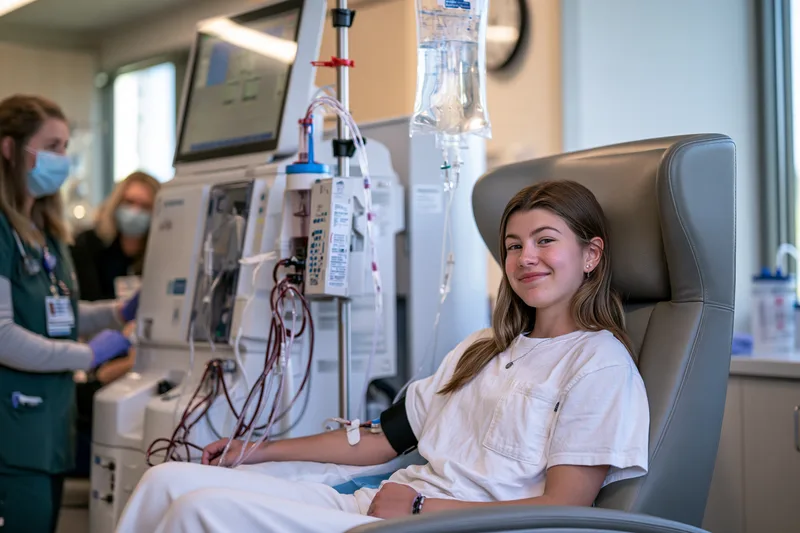
Casgevy gene therapy for beta thalassemia, also called exagamglogene autotemcel or exa-cel, changes a control switch for hemoglobin production rather than repairing each patient’s inherited beta-globin mutation. Its target is a regulatory region associated with BCL11A, a protein that normally helps suppress fetal hemoglobin after birth. Editing this region reduces that suppression in developing red blood cells, allowing them to produce more fetal hemoglobin. The treatment therefore works around deficient beta-globin production rather than restoring the original gene to normal. [1,2]
Who Can Receive Casgevy?
As of October 2026, the U.S. approval includes patients aged two years and older with transfusion-dependent beta thalassemia, following an expansion in July 2026. European Union eligibility remains different: patients must be at least 12 years old, suitable for stem cell transplantation and without an available, appropriately matched related stem cell donor. Families considering treatment abroad need an assessment under the rules of the country providing treatment, rather than assuming that U.S. eligibility applies everywhere. [1,15]
For younger children, the distinction between approved use and direct clinical experience deserves particular attention. The current U.S. prescribing information states that Casgevy has not been studied directly in children younger than five. Approval for children aged two to four relies on extrapolation, meaning that findings in older patients were used to support treatment in this younger group. Parents should discuss how the available experience applies to their child’s age and ability to undergo the treatment process. [1]
The treatment is intended for transfusion-dependent disease, not simply a positive beta thalassemia genetic test. Someone who carries a beta thalassemia variant but does not require regular transfusions does not meet that indication. Equally, being transfusion dependent does not establish suitability on its own: the transplant team must confirm that treatment using the patient’s own modified stem cells is appropriate before collection begins. [1]
What Clinical Results Show Beyond Transfusion Independence
The adult and adolescent trial provides information about the quality of blood production after treatment, not only whether transfusions stopped. Among participants who achieved transfusion independence, the mean total hemoglobin was 13.1 g/dL, and mean fetal hemoglobin was 11.9 g/dL. Fetal hemoglobin was present across most circulating red blood cells. These findings indicate that the restored fetal-hemoglobin pathway supplied most of the hemoglobin supporting these patients after treatment. They are study averages, not a promised blood result for an individual patient. [2]
The evidence in younger children comes from a smaller group. In the pediatric study described in the current U.S. prescribing information, 15 children aged five to 11 received Casgevy. The primary efficacy assessment included nine children, of whom eight achieved the defined 12-month transfusion-independence endpoint. That assessment also included a child who died before reaching the usual follow-up milestone. The result should therefore not be interpreted as successful treatment in every child who received the infusion. [1]
The pediatric research also identified serious risks from the treatment regimen. Two children with beta thalassemia developed severe veno-occlusive liver disease, a complication in which injury to small blood vessels obstructs blood flow through the liver. Investigators attributed these cases to busulfan conditioning, and one child died. For parents, discussions about Casgevy must therefore address the safety of conditioning as well as the expected benefit from the edited cells. [16]
What Happens During Casgevy Treatment?
Collection begins with mobilization, in which medicines move stem cells from the marrow into the bloodstream. The cells are then collected by apheresis, a procedure that separates the required cells from blood passing through a machine. More than one collection may be necessary. The collected cells are sent for manufacturing, which may take up to six months, so the collection appointment and the treatment admission can be separated by a substantial interval. [1]
Before infusion, patients receive busulfan to prepare the marrow for the edited cells. In the clinical studies, busulfan exposure was monitored through blood sampling so that dosing could be adjusted. This is more than a routine dose calculated from body weight: the team needs to control how much chemotherapy exposure the patient receives while preparing the marrow for treatment. Casgevy is infused after this conditioning stage has been completed. [2,16]
After infusion, the edited cells must establish themselves in the marrow and begin producing blood cells, a process called engraftment. The expected hospital stay after Casgevy is commonly around four to six weeks, although recovery may take longer. Manufacturing time, hospital admission and recovery are therefore separate parts of the treatment schedule. A discharge date depends on the patient’s clinical progress, not simply the number of days since infusion. [1]
Recovery and Monitoring After Casgevy
Blood transfusions may still be needed during early recovery while the treated marrow becomes established. Receiving a transfusion during this period does not, by itself, mean Casgevy has failed. The specialist team follows blood production over time, and the trial assessment of transfusion independence deliberately allows for transfusions used during the immediate recovery period. Decisions about further transfusions remain based on the patient’s blood results and clinical condition. [1,2]
After discharge, fever, chills, unusual bruising or unexplained bleeding require immediate contact with the treatment team. A new severe headache or bleeding that does not stop also needs urgent assessment. These symptoms can occur while blood counts are still recovering and should not be left until the next scheduled appointment. Before leaving hospital, patients and caregivers need the center’s direct contact details and instructions for obtaining urgent care locally. [1]
Long-term surveillance continues after the initial recovery. Casgevy trial participants are followed for a total of 15 years to assess durability and delayed safety outcomes. Patients also receive a permanent restriction against donating blood, organs, tissues or cells after treatment. These requirements remain relevant even when hemoglobin is stable and regular transfusions are no longer needed. [1]
Zynteglo Gene Therapy for Beta Thalassemia

Zynteglo gene therapy for beta thalassemia, also called betibeglogene autotemcel or beti-cel, uses an engineered delivery vehicle called a lentiviral vector to introduce functional beta-globin genes into the collected stem cells. The vector is designed so that it cannot reproduce itself. After the treated cells establish themselves in the marrow, their red blood cell descendants can produce a functional form of adult hemoglobin called HbAᵀ⁸⁷Q. This provides an additional source of beta globin rather than switching on fetal hemoglobin. [3]
Who Is Eligible for Zynteglo?
The U.S. indication covers adults and children with beta thalassemia who require regular red blood cell transfusions. However, the pivotal studies treated patients aged four to 34, and the prescribing information states that safety and effectiveness have not been established in children younger than four. For a young child, the distinction between the broad pediatric indication and the ages directly studied needs to be addressed during the specialist assessment. [3]
The U.S. indication is not restricted to patients who retain some natural beta-globin production. The supporting trials included people with β0/β0 disease, meaning that neither inherited copy of the beta-globin gene produces beta globin, as well as people with other genetic combinations. A severe genotype therefore does not automatically exclude treatment. The specialist must still assess whether the person can safely undergo the required stem cell procedure. [3]
European availability is different. Zynteglo’s European Union marketing authorization was withdrawn on March 24, 2022, following the manufacturer’s decision to discontinue marketing for commercial reasons. This was not a finding that the treatment had failed to work. Nevertheless, older information describing European approval should not be treated as evidence of current routine availability. Patients considering treatment abroad need confirmation from the proposed treatment center before making travel or financial commitments. [4]
How Often Does Zynteglo Achieve Transfusion Independence?
In the combined pivotal studies, 32 of 36 evaluable patients, approximately 89%, achieved transfusion independence. A total of 41 patients had received treatment, but not everyone was ready for the primary assessment at that analysis. Among those achieving independence, the median weighted average hemoglobin was 11.5 g/dL. This demonstrates that stopping regular transfusions does not necessarily mean reaching the same hemoglobin level as every healthy person of the same age and sex. [3]
Longer follow-up provides a clearer picture of durability. A study published in 2026 followed 63 participants from the early and phase 3 trials for a median of 5.9 years, with follow-up ranging from 2.9 to 10.1 years. Among the 41 phase 3 participants, 37, or 90.2%, achieved transfusion independence, which was maintained through their last recorded follow-up. The longest observation periods included participants from the earlier trials; these figures do not mean that every phase 3 patient had been followed for ten years. [17]
The amount of treatment-derived hemoglobin can also be measured separately from other hemoglobin types. In the phase 3 studies, HbAᵀ⁸⁷Q generally increased after infusion and stabilized at approximately six months. Following this measurement alongside total hemoglobin and transfusion records helps the team assess how much blood production is coming from the modified cells. A single early blood count cannot provide the same information. [3]
What Is Different About the Zynteglo Treatment Schedule?
Manufacturing and testing typically take approximately 70 to 90 days after stem cell collection, although the interval can vary. The hospital admission occurs later, for conditioning and infusion, followed by approximately three to six weeks of inpatient monitoring. These are separate stages, so the expected time away from work, school or home should be based on the center’s complete schedule rather than the duration of the infusion alone. [18]
An important safeguard is that conditioning must not begin until the full Zynteglo dose has arrived at the treatment center and the backup stem cell collection is available. This prevents the patient from undergoing marrow-clearing chemotherapy while the personalized treatment is still awaiting manufacture or delivery. A delay before conditioning may therefore reflect a necessary safety check rather than a problem with the patient’s response. [3]
Platelet recovery can remain slow after other aspects of recovery improve. In the pivotal studies, approximately 15% of patients still had severely reduced platelet counts on or after day 100. Consequently, feeling stronger or having an improved hemoglobin level does not establish that bleeding risk has resolved. Decisions about returning to activities that could cause injury need to account for platelet recovery as well as energy and stamina. [3]
What Follow Up Is Needed After Zynteglo?
The 2026 follow-up study reported no cancers or insertion-related cancers among its 63 participants. This is reassuring, but a small study cannot exclude a rare delayed complication. Blood-count surveillance therefore continues, and specialist testing may examine where the added genetic material has integrated into cells when clinically indicated. The absence of symptoms is not a reason to discontinue scheduled monitoring. [3,17]
Iron treatment may eventually become less burdensome. Across the early and phase 3 studies, 38 of the 52 participants who achieved transfusion independence had discontinued chelation by their last follow-up, without an increase in liver iron concentration. This was a monitored outcome, not an instruction to stop chelation immediately after infusion. For suitable patients with adequate blood production, the specialist may use therapeutic phlebotomy, the controlled removal of blood to reduce excess iron, instead of continued chelation. [3,17]
Zynteglo also has a specific implication for future HIV testing. Genetic sequences associated with the vector can cause a false-positive result with some molecular tests, even though Zynteglo does not cause HIV infection. Tell any clinician arranging HIV testing that you have received this treatment so an appropriate testing method can be selected. An unexpected result requires proper assessment rather than either assuming infection or dismissing it without confirmation. [18]
Aqvesme for Adults Considering Gene Therapy for Beta Thalassemia

Aqvesme gives adults considering gene therapy for beta thalassemia a different way to address anemia: improving energy metabolism within red blood cells. Mitapivat activates pyruvate kinase, an enzyme involved in releasing energy from glucose. This approach aims to improve blood cell function and survival rather than alter DNA. Treatment is intended to continue long term when it provides sufficient benefit. [14]
Can Aqvesme Improve Anemia Without Regular Transfusions?
In the ENERGIZE trial, 194 adults with alpha or beta thalassemia who did not require regular transfusions were randomly assigned to mitapivat or placebo for 24 weeks. Participants had a baseline hemoglobin of 10 g/dL or lower. A hemoglobin response occurred in 55 of 130 patients receiving mitapivat, approximately 42%, compared with one of 64 receiving placebo, approximately 2%. Response meant an increase of at least 1 g/dL in average hemoglobin during weeks 12–24 compared with baseline. [19]
This endpoint did not require hemoglobin to reach a normal level. For example, an average increase from 8 to 9 g/dL could meet the response threshold while anemia remained. The result therefore describes improvement, not complete correction in every responder. Because the trial included both alpha and beta thalassemia, its overall response percentage should not be presented as a response rate specific to beta thalassemia. [19]
Patients taking Aqvesme also reported greater improvement in fatigue than those taking placebo. For an adult who does not attend regular transfusion appointments but struggles with exhaustion, this adds a functional measure of benefit. Follow-up can record fatigue and its effect on daily activities alongside the change in hemoglobin. [5]
Can Aqvesme Reduce Blood Transfusions?
In ENERGIZE-T, involving 258 adults requiring regular transfusions, 52 of 171 receiving mitapivat, approximately 30%, achieved the trial’s transfusion-reduction endpoint, compared with 11 of 87 receiving placebo, approximately 13%. The endpoint required at least a 50% reduction in transfused units, with at least two fewer units, during any consecutive 12-week period within 48 weeks. These percentages describe how many patients responded, not the average reduction in everyone’s transfusion requirement. [20]
A smaller group went without transfusions for at least eight consecutive weeks: 17 patients receiving mitapivat, compared with one receiving placebo. This was a separate secondary outcome. An eight-week interval without transfusions does not establish permanent independence, and the treatment was still being taken. The practical question is whether fewer transfusions can be sustained while maintaining adequate blood counts and daily function. [20]
Aqvesme Dose and Liver Monitoring
The usual dose is 100 mg twice daily, with or without food. Tablets should be swallowed whole. A dose missed by no more than four hours can be taken when remembered; after a longer delay, skip it and wait for the next scheduled dose. Do not double the next dose to compensate. [5,14]
Liver testing is required before treatment, every four weeks during the first 24 weeks, and subsequently as clinically indicated. Tests include liver enzymes and bilirubin, a pigment produced during red blood cell breakdown. Aqvesme should be avoided in patients with cirrhosis. Improved hemoglobin does not remove this monitoring requirement. In the United States, access is restricted through a Risk Evaluation and Mitigation Strategy, or REMS, because of the risk of serious liver injury. [14]
Headache and difficulty sleeping are common side effects. New or worsening yellowing of the eyes or skin, dark urine, pain in the upper right abdomen, nausea or loss of appetite require prompt contact with the prescriber. Do not wait for the next routine blood test; suspected drug-related liver injury requires assessment and may require treatment interruption. [5,21]
Medication Interactions and Pregnancy Planning
Aqvesme can reduce the effectiveness of hormonal contraception. Levonorgestrel-containing intrauterine systems are an exception, but other hormonal methods need review. Use an appropriate alternative method, or additional nonhormonal contraception when advised, throughout treatment and for 28 days after stopping. Pregnancy and breastfeeding plans also need discussion because there is insufficient information about effects on pregnancy or a breastfed baby. [21]
Luspatercept as an Alternative to Gene Therapy for Beta Thalassemia

For adults considering gene therapy for beta thalassemia, luspatercept offers an ongoing treatment aimed at reducing transfusion requirements. It binds selected signaling proteins involved in the later stages of red blood cell development, helping more cells reach maturity. The benefit is measured by how much donor blood is still needed while treatment continues, rather than by a permanent change to the patient’s stem cells. [7]
Complete Thalassemia Recovery Beyond Gene Therapy
Gene therapy can change how the body produces hemoglobin, but successful treatment does not immediately remove every effect of long-standing beta thalassemia. Previously accumulated iron may remain in the liver, heart or endocrine organs after transfusions stop. Some patients continue to need chelation or supervised removal of blood, while others require ongoing monitoring for fertility, bone health, liver function, cardiac health and delayed treatment-related complications. Recovery therefore involves more than reaching a stable hemoglobin result.
Ayurvedic care can address patient concerns that remain outside the direct genetic action of Casgevy or Zynteglo. Agni, the Ayurvedic concept of digestive and metabolic capacity, is assessed when poor appetite, bloating, irregular digestion or difficulty maintaining nourishment affects strength. Rasa and Rakta Dhatu refer to the nourishing fluid and blood-related tissue systems considered during the evaluation of fatigue, pallor and tissue depletion. Bala describes functional strength, while Ojas represents resilience and the capacity to tolerate prolonged physical stress.
These concepts do not replace genetic testing, transfusion decisions, chelation, conditioning chemotherapy or specialist follow-up. They help organize supportive care around appetite, digestive tolerance, sleep, fatigue, physical function and recovery. Any Ayurvedic formulation used before or after gene therapy should have a complete ingredient list and appropriate quality testing. The hematology team should review it because herbs, minerals and other medicines may affect liver function, blood counts or prescribed treatment.
Published Ayurvedic evidence in thalassemia remains limited. A small study evaluated Dhatri Avaleha alongside conventional treatment and reported improvement in selected symptoms, including fatigue and appetite. Its findings do not establish transfusion independence and cannot be transferred to a different customized Avaleha or Rasayana preparation. Individual response should be assessed through symptoms, functional capacity, hemoglobin, transfusion history, ferritin, liver tests and organ iron measurements. [9]
Patients seeking a broader review of diagnosis, transfusion care, iron overload, Ayurvedic interpretation, published clinical observations, diet and long-term recovery may read the complete guide to thalassemia recovery, cure options and Ayurvedic care.
An integrative consultation is most useful when the patient provides recent complete blood counts, transfusion records, ferritin trends, liver and kidney tests, liver iron imaging, cardiac T2* results when available, genetic findings, current medicines and previous treatment complications. This allows supportive care to be planned around the patient’s actual disease burden rather than anemia symptoms alone.
How Much Can Luspatercept Reduce Transfusions?
The original BELIEVE trial enrolled 336 adults with transfusion-dependent beta thalassemia. In the initial analysis published in 2020, 21.4% of patients receiving luspatercept achieved the primary transfusion-reduction endpoint, compared with 4.5% receiving placebo. This required at least a one-third reduction in transfused blood, including at least two fewer units, during weeks 13–24. Both groups continued to receive conventional supportive care. The result represents a reduction in treatment burden, not a proportion of patients cured. [7]
Longer follow-up showed that additional patients experienced periods of benefit. In the final BELIEVE analysis published in 2025, 173 of the 224 patients originally assigned to luspatercept, approximately 77%, achieved at least a one-third reduction during some consecutive 12-week period. A smaller proportion, 52%, achieved that reduction over a consecutive 24-week period. Median follow-up was just over three years. These figures do not mean that 77% stopped transfusions or maintained the same reduction throughout treatment. [22]
The longer study allowed participants initially receiving placebo to switch to luspatercept. Because treatment duration differed between groups, comparative analyses were not performed after week 96. For a patient responding to treatment, the findings support the possibility of sustained benefit with continued therapy, but they do not establish that improvement will persist after injections stop. [22]
Luspatercept Dosing and Assessment of Response
For transfusion-dependent beta thalassemia, treatment starts at 1 mg per kilogram of body weight every three weeks, given under the skin by a healthcare professional. Under the U.S. prescribing schedule, the specialist may increase the dose to 1.25 mg/kg when there has been no reduction in transfusion requirements after at least two consecutive doses, covering six weeks. This is the maximum recommended dose for this indication. [6]
Treatment should be discontinued when there is still no reduction in transfusion requirements after three consecutive doses at the maximum dose, covering nine weeks. A single injection is therefore insufficient to judge the overall response, but treatment should not continue indefinitely without measurable benefit. Unacceptable side effects can require earlier interruption or discontinuation. [6]
Hemoglobin, transfusion records and blood pressure are reviewed before injections. When a transfusion has recently occurred, the pretransfusion hemoglobin helps guide dosing. A rapid rise in hemoglobin or a sufficiently high level without transfusion can require a dose reduction or temporary pause. Consequently, a delayed injection does not necessarily mean treatment has failed; it may reflect the need to avoid an excessive response. [6]
Luspatercept Side Effects and Symptoms Requiring Assessment
Bone pain, joint pain, dizziness and increased blood pressure occurred more frequently with luspatercept than placebo in BELIEVE. Bone pain was generally mild and short-lived. Nevertheless, persistent or worsening pain should be discussed with the treatment team rather than automatically attributed to an expected treatment effect. [7]
Blood clots are an important concern, particularly after spleen removal or with certain hormonal treatments. Sudden breathlessness, chest pain, new weakness affecting one side of the body or difficulty speaking require emergency assessment. A newly painful or swollen leg also needs urgent medical review rather than waiting for the next injection appointment. [23]
Another concern is extramedullary hematopoietic masses, collections of blood-forming tissue outside the marrow. These can occur in thalassemia and have been reported during luspatercept treatment. Growth near the spine can compress the spinal cord. Severe back pain accompanied by limb weakness, numbness or loss of bladder or bowel control requires immediate assessment; it should not be treated as ordinary medication-related bone pain. [6,23]
Pregnancy planning needs attention before treatment starts. People who can become pregnant should have a pregnancy test and use effective contraception throughout treatment and for at least three months after the final dose. Breastfeeding should also be avoided during treatment and for three months afterward. These precautions differ from Aqvesme’s contraception interval, so instructions must be reviewed when changing medicines. [23]
Ayurvedic Care Alongside Gene Therapy for Beta Thalassemia

For patients considering gene therapy for beta thalassemia, Ayurvedic care can focus on problems affecting daily life, including poor appetite, digestive discomfort and persistent fatigue. Rasayana describes traditional care directed toward nourishment and maintenance of strength. Agni refers to the Ayurvedic understanding of digestion and metabolic function, while Bala describes strength and functional capacity. These concepts guide assessment of the person’s condition; they do not measure genetic correction or successful stem cell engraftment. [9,10]
What Published Ayurvedic Research Shows
Dhatri Avaleha, a semisolid herbal preparation, has been investigated as an addition to conventional thalassemia care. Its classical description appears in the therapeutics section, Chapter 16, verses 100–102, within the discussion of Pandu, a traditional group of conditions characterized by pallor and related symptoms. This clinical framework is broader than the modern diagnosis of inherited beta thalassemia. [9,11]
How Ayurvedic Care Fits Alongside Gene Therapy for Beta Thalassemia
Gene therapy, hematology care and Ayurveda address different clinical needs. Symptom improvement should be assessed alongside hemoglobin, transfusion requirements, iron status and organ function rather than being treated as evidence that the inherited blood disorder has been corrected. [1,3,9,25]
| Patient concern | Hematology and gene therapy role | Ayurvedic supportive focus |
|---|---|---|
| Regular transfusion dependence | Measures hemoglobin production and determines whether transfusions can be reduced or stopped | Supports appetite, digestion, nourishment and functional strength |
| Iron overload | Monitors ferritin, liver iron, cardiac iron and chelation requirements | Supports digestive tolerance and individualized diet without adding unconfirmed iron |
| Fatigue and reduced stamina | Assesses anemia, heart health, thyroid function, endocrine complications and iron burden | Evaluates Agni, Bala, sleep, nourishment and gradual recovery |
| Recovery after conditioning | Monitors infection, bleeding, liver function, blood counts and fertility-related concerns | Supports digestion, appetite and strength only after specialist approval |
| Ongoing medicine safety | Reviews prescribed medicines, liver tests, kidney tests and treatment interactions | Uses fully disclosed, quality-tested formulations with coordinated monitoring |
A small study enrolled 19 children aged one to 15 years; 14 completed the study, comprising eight receiving Dhatri Avaleha and six controls. Treatment lasted 60 days. Researchers reported improvements in fatigue, appetite and abdominal discomfort in the treated group. The first measured transfusion interval increased, but subsequent intervals and laboratory outcomes did not show statistically significant improvement. The findings concern adjunctive symptom management, not established long-term transfusion independence or recovery after gene therapy. [9]
Individualized Formulations and Treatment Safety
A customized preparation must be assessed on its own ingredients and intended use. Drakshadi Rasayana Avaleha is a physician-customized, classically inspired preparation, not the Dhatri Avaleha formulation evaluated in that study. Findings from one cannot establish the effectiveness of the other. Its proposed role in nourishment and recovery requires assessment through the patient’s symptoms, daily function and clinical results, rather than assuming that a classical rationale predicts an individual outcome. [9,10,24]
Ingredient selection matters particularly when anemia coexists with excess iron. Iron should not be added simply because hemoglobin is low; a genuine deficiency requires confirmation. This principle also applies to iron-containing Ayurvedic preparations. For any herbal or mineral product, request the complete composition and quality-testing information, including testing for potentially toxic metals, and have the treatment team review it before use. [25,26]
Our broader guide to thalassemia recovery and treatment choices discusses the Ayurvedic approach to digestion, nourishment and fatigue, alongside iron-overload awareness and published clinical observations. It also describes the customized Avaleha approach, helping patients distinguish its intended supportive role from the transfusion-independence outcomes measured in gene therapy trials. [24]
Choosing Gene Therapy for Beta Thalassemia
A decision about gene therapy for beta thalassemia should distinguish being unsuitable for treatment from needing further preparation. When iron accumulation or another medical problem affects eligibility, the specialist may recommend addressing that problem before reassessment. The consultation should establish what needs to improve, how improvement will be measured and whether a realistic route to treatment remains available. [32]
A donor stem cell transplant also deserves consideration, particularly for a child with a well-matched sibling. This is an allogeneic transplant, meaning the cells come from another person. It has a longer clinical history than the currently approved gene therapies but introduces different immune-related risks. Comparing these options requires an experienced transplant team, rather than assuming that the newest treatment is automatically preferable. [32]
Family planning involves more than preserving fertility before conditioning. Gene therapy modifies blood-forming cells, not the inherited DNA in sperm or eggs. Successful treatment therefore does not remove the possibility of passing a thalassemia variant to a biological child. Partner screening and genetic counseling remain relevant after transfusions stop. The risk depends on both parents’ genetic results, and counseling can explain options such as testing during pregnancy or testing embryos before implantation. [1,3,33]
Financial arrangements also need to cover the complete treatment pathway. Confirmation that the gene therapy product is funded should not be assumed to include every associated expense. Written clarification should address collection, conditioning, hospital care, fertility preservation and follow-up. For treatment away from home, accommodation and caregiver expenses also need consideration before a treatment date is accepted. [32,33]
For patients returning to another city or country, follow-up responsibilities should be agreed before treatment begins. The local hematologist and treatment center need a shared plan for blood testing, iron management and assessment of unexpected findings. The discharge information should identify the treatment received, the conditioning regimen and any unresolved complications. Stable hemoglobin does not replace this handover: the clinician providing ongoing care needs access to the treatment history and a direct route back to the specialist team. [1,3]
Frequently Asked Questions
Is gene therapy for beta thalassemia a permanent cure?
Gene therapy for beta thalassemia can help selected patients live without regular transfusions for long periods, but long-term follow-up is still required. Previous iron overload, fertility concerns, organ monitoring and delayed safety checks may continue even when hemoglobin production improves.
Which is better for beta thalassemia Casgevy or Zynteglo?
Casgevy and Zynteglo work in different ways. Casgevy increases fetal hemoglobin through gene editing, while Zynteglo adds functional beta-globin gene activity. The better option depends on age, genotype, organ health, availability, treatment-center experience and individual risk assessment.
Can gene therapy stop blood transfusions completely?
Gene therapy can stop regular transfusions in many carefully selected patients, but not in everyone. Some patients may still need transfusions during early recovery while modified stem cells establish themselves. Long-term success is assessed through hemoglobin levels, transfusion records and specialist follow-up.
Is Aqvesme a gene therapy for beta thalassemia?
Aqvesme is not gene therapy. It is the brand name for mitapivat, an oral medicine used for anemia in adults with alpha or beta thalassemia. It may improve hemoglobin or reduce transfusion burden in selected adults, but it does not genetically modify stem cells.
Is luspatercept the same as gene therapy?
Luspatercept is not gene therapy. It is an injectable medicine that supports later-stage red blood cell maturation. In adults with transfusion-dependent beta thalassemia, it may reduce transfusion burden while treatment continues, but it does not correct the inherited beta-globin defect.
How long does beta thalassemia gene therapy take?
The full gene therapy process can take several months. It includes eligibility assessment, stem cell mobilization, cell collection, laboratory manufacturing, conditioning chemotherapy, infusion and hospital recovery. The infusion itself is only one stage of a longer treatment pathway.
What are the major risks of gene therapy for beta thalassemia?
Major risks include low blood counts, infection, bleeding, liver complications, fertility impairment and delayed safety concerns. Zynteglo requires long-term monitoring for possible blood cancer risk linked to gene insertion. Casgevy requires monitoring for gene-editing uncertainty and delayed treatment effects.
Can children receive gene therapy for beta thalassemia?
Some children may be eligible for gene therapy, depending on country, product approval, age, transfusion dependence and overall health. A specialist gene therapy or transplant center must confirm suitability. Approval for a child’s age group does not automatically mean the treatment is appropriate for that child.
Will iron overload disappear after successful gene therapy?
Iron overload does not disappear immediately after transfusions stop. Previously accumulated iron may still need chelation or supervised iron-removal treatment. Ferritin, liver iron and heart iron monitoring remain important after transfusion independence because stored iron can persist for years.
Can Ayurvedic care replace gene therapy or transfusion care?
Ayurvedic care should not replace transfusions, chelation, gene therapy assessment or hematology monitoring. It may support digestion, appetite, fatigue, nourishment and recovery when coordinated safely with conventional care.
Reference
[1] U.S. Food and Drug Administration. (2026, July 2). Casgevy. https://www.fda.gov/vaccines-blood-biologics/casgevy
Brief use: Supports the current U.S. indication for Casgevy, including treatment of transfusion-dependent beta thalassemia in patients aged 2 years and older.
[2] Locatelli, F., Lang, P., Wall, D., Meisel, R., Corbacioglu, S., Li, A. M., de la Fuente, J., Shah, A. J., Carpenter, B., Kwiatkowski, J. L., Mapara, M., Liem, R. I., Cappellini, M. D., Algeri, M., Kattamis, A., Sheth, S., Grupp, S., Handgretinger, R., Kohli, P., … Frangoul, H. (2024). Exagamglogene autotemcel for transfusion-dependent β-thalassemia. The New England Journal of Medicine, 390(18), 1663–1676. https://doi.org/10.1056/NEJMoa2309673
Brief use: Provides the pivotal Casgevy trial results, including transfusion independence, hemoglobin outcomes, conditioning and adverse events.
[3] U.S. Food and Drug Administration. (2022, August 17). Zynteglo. https://www.fda.gov/vaccines-blood-biologics/zynteglo
Brief use: Supports the U.S. approval, indication and regulatory information for Zynteglo in patients requiring regular red blood cell transfusions.
[4] European Medicines Agency. (2022). Zynteglo. https://www.ema.europa.eu/en/medicines/human/EPAR/zynteglo
Brief use: Confirms withdrawal of the European Union marketing authorization and clarifies that the withdrawal followed a commercial decision.
[5] U.S. Food and Drug Administration. (2025, December 24). FDA approves first oral treatment for anemia in thalassemia, an inherited blood disorder. https://www.fda.gov/drugs/news-events-human-drugs/fda-approves-first-oral-treatment-anemia-thalassemia-inherited-blood-disorder
Brief use: Supports Aqvesme approval, adult eligibility, ENERGIZE and ENERGIZE-T outcomes, liver precautions and REMS requirements.
[6] Bristol Myers Squibb. (2026). Reblozyl® (luspatercept-aamt) prescribing information. https://packageinserts.bms.com/pi/pi_reblozyl.pdf
Brief use: Supports luspatercept dosing, dose escalation, stopping rules, blood pressure monitoring, thrombosis risk and pregnancy precautions.
[7] Cappellini, M. D., Viprakasit, V., Taher, A. T., Georgiev, P., Kuo, K. H. M., Coates, T., Voskaridou, E., Liew, H. K., Pazgal-Kobrowski, I., Forni, G. L., Perrotta, S., Khelif, A., Lal, A., Kattamis, A., Vlachaki, E., Origa, R., Aydinok, Y., Bejaoui, M., Ho, P. J., … Piga, A. (2020). A phase 3 trial of luspatercept in patients with transfusion-dependent β-thalassemia. The New England Journal of Medicine, 382(13), 1219–1231. https://doi.org/10.1056/NEJMoa1910182
Brief use: Supports the original BELIEVE trial results and the reduction in transfusion burden with luspatercept.
[8] Guo, C.-J., Arora, U. P., Cheng, X., Xu, W., Cato, L. D., Li, R., Lu, H. Y., Lee, A. J., Yu, F., Agarwal, G., Lyu, P., Ye, T., Antoszewski, M., Wissmann, M., Mkumbe, B. S., Ekwattanakit, S., Deelen, P., Mwita, L., Sangeda, R., … Sankaran, V. G. (2026). Human genetics implicates a BACH2–NRF2 axis in fetal haemoglobin activation. Nature. Advance online publication. https://doi.org/10.1038/s41586-026-11113-2
Brief use: Supports the future-treatment discussion on BACH2, NRF2 and emerging fetal-hemoglobin activation pathways.
[9] Singh, R., Patel, K. S., & Anand, I. P. (2010). Evaluation of Dhatri Avaleha as adjuvant therapy in thalassemia: Anukta Vyadhi in Ayurveda. AYU, 31(1), 19–23. https://doi.org/10.4103/0974-8520.68199
Brief use: Provides the small clinical study of Dhatri Avaleha used in the Ayurveda adjunctive-care section.
[10] Singh, R. H., Sodhi, J. S., & Dixit, U. (2020). Rasayana Adhyaya. In U. Dixit, Y. S. Deole, & G. Basisht (Eds.), Charak Samhita New Edition (Chikitsa Sthana, Chapter 1). Charak Samhita Research, Training and Skill Development Centre. https://www.carakasamhitaonline.com/index.php?title=Rasayana_Adhyaya
Brief use: Supports the classical explanation of Rasayana, nourishment, strength, Bala and long-term health maintenance.
[11] Agnivesha. (n.d.). Charaka Samhita: Chikitsa Sthana, Chapter 16, Pandu Chikitsa. Charak Samhita Online. https://www.carakasamhitaonline.com/index.php/Pandu_Chikitsa
Brief use: Supports the classical Pandu framework and the cited location of Dhatri Avaleha, while keeping Pandu distinct from inherited beta thalassemia.
[12] Vertex Pharmaceuticals Incorporated. (n.d.). Patient support program for Casgevy. https://www.casgevy.com/beta-thalassemia/patient-support-program
Brief use: Supports treatment-center access, insurance investigation, patient support and practical treatment-planning discussions.
[13] European Medicines Agency. (2024). Reblozyl. https://www.ema.europa.eu/en/medicines/human/EPAR/reblozyl
Brief use: Supports the European indication for luspatercept in transfusion-dependent and non-transfusion-dependent beta thalassemia.
[14] National Library of Medicine. (2026). DailyMed label: Aqvesme, mitapivat tablet, film coated. https://dailymed.nlm.nih.gov/dailymed/drugInfo.cfm?setid=1d4e2654-1636-0d01-e063-6394a90af303
Brief use: Supports Aqvesme dosing, missed-dose instructions, liver monitoring, interactions, contraception and cirrhosis precautions.
[15] European Medicines Agency. (2024). Casgevy. https://www.ema.europa.eu/en/medicines/human/EPAR/casgevy
Brief use: Supports current European eligibility, transplant suitability and matched-donor requirements for Casgevy.
[16] Vertex Pharmaceuticals Incorporated. (2026). Casgevy® exagamglogene autotemcel prescribing information. https://pi.vrtx.com/files/uspi_exagamglogene_autotemcel.pdf
Brief use: Supports current Casgevy administration, pediatric information, mobilization, conditioning, safety warnings and long-term follow-up.
[17] Kwiatkowski, J. L., Thompson, A. A., Schneiderman, J., Thuret, I., Kulozik, A. E., Yannaki, E., Cavazzana, M., Hongeng, S., Olson, T. S., Sauer, M. G., Thrasher, A. J., Lal, A., Rasko, J. E. J., Kunz, J. B., Kinney, M. A., Chawla, A., Ali, S., Tao, G., Thakar, H. L., … Locatelli, F. (2026). Long-term efficacy and safety results of betibeglogene autotemcel gene therapy for transfusion-dependent β-thalassemia. Blood, 147(19), 2203–2214. https://doi.org/10.1182/blood.2025029196
Brief use: Supports long-term Zynteglo transfusion-independence durability, iron-management outcomes and long-term safety findings.
[18] bluebird bio, Inc. (2022). Zynteglo® betibeglogene autotemcel prescribing information. https://www.fda.gov/media/160991/download
Brief use: Supports the Zynteglo mechanism, eligibility, manufacturing, delayed platelet recovery, malignancy surveillance and HIV-testing interference.
[19] Taher, A. T., Al-Samkari, H., Aydinok, Y., Besser, M., Boscoe, A. N., Dahlin, J. L., et al. (2025). Mitapivat in adults with non-transfusion-dependent α-thalassaemia or β-thalassaemia: ENERGIZE, a phase 3, international, randomised, double-blind, placebo-controlled trial. The Lancet, 406(10498), 33–42. https://doi.org/10.1016/S0140-6736(25)00635-X
Brief use: Supports hemoglobin response and fatigue outcomes with mitapivat in adults who were not regularly transfused.
[20] Cappellini, M. D., Sheth, S., Taher, A. T., Al-Samkari, H., Antmen, A. B., Beneitez, D., Cannas, G., Coates, T., Czapla, L., Dahlin, J. L., Estepp, J. H., Feenstra, E., Georgiev, P., Gheuens, S., Price, G. M., Glenthøj, A., Musallam, K. M., Osman, K., Porter, J. B., et al. (2026). Efficacy and safety of mitapivat in adults with transfusion-dependent α-thalassaemia or β-thalassaemia: ENERGIZE-T, a double-blind, randomised, multicentre, placebo-controlled, phase 3 trial. The Lancet, 408(10559), 1010–1018. https://doi.org/10.1016/S0140-6736(26)00874-3
Brief use: Supports Aqvesme transfusion-reduction outcomes in adults with transfusion-dependent alpha or beta thalassemia.
[21] Agios Pharmaceuticals, Inc. (2026). Aqvesme® patient information and medication guide. https://www.aqvesme.com
Brief use: Supports patient-facing information on liver symptoms, contraception, pregnancy, breastfeeding and safe use.
[22] Cappellini, M. D., Viprakasit, V., Georgiev, P., et al. (2025). Long-term efficacy and safety of luspatercept for the treatment of anaemia in patients with transfusion-dependent β-thalassaemia: Final results from the BELIEVE phase 3 randomised trial. The Lancet Haematology, 12(3), e180–e189. https://doi.org/10.1016/S2352-3026(24)00376-4
Brief use: Supports the final long-term BELIEVE analysis, including sustained transfusion reductions over 12-week and 24-week periods.
[23] Bristol Myers Squibb. (n.d.). Reblozyl® patient information. https://www.reblozyl.com
Brief use: Supports patient-facing warnings for blood clots, pregnancy, breastfeeding and symptoms needing urgent assessment.
[24] Panaceayur. (n.d.). Curing thalassemia: Fact, fiction and future. https://panaceayur.com/curing-thalassemia-fact-fiction-and-future/
Brief use: Serves as the internal Ayurveda pillar page for broader discussion of thalassemia, Rasayana care and patient recovery.
[25] Farmakis, D., Porter, J., Taher, A., Cappellini, M. D., Angastiniotis, M., & Eleftheriou, A. (Eds.). (2021). Guidelines for the management of transfusion-dependent thalassaemia (4th ed.). Thalassaemia International Federation. https://www.ncbi.nlm.nih.gov/books/NBK614251/
Brief use: Supports transfusion, chelation, iron-overload monitoring, organ assessment and comprehensive thalassemia management.
[26] Saper, R. B., Phillips, R. S., Sehgal, A., Khouri, N., Davis, R. B., Paquin, J., Thuppil, V., & Kales, S. N. (2008). Lead, mercury, and arsenic in US and Indian-manufactured Ayurvedic medicines sold via the Internet. JAMA, 300(8), 915–923. https://doi.org/10.1001/jama.300.8.915
Brief use: Supports the need for ingredient disclosure, quality assurance and heavy-metal testing of Ayurvedic preparations.
[27] Lai, Y., Liu, R., Wang, L., Ma, X.-K., Li, Y., Yang, G., Shi, L., Guo, Y.-L., Wei, Z., Zhou, X., Xu, W., Hou, Y., Miccio, A., Yang, B., Mou, X., Yang, L., & Chen, J. (2026). Clinical application of base editing for treating β-thalassaemia. Nature, 653(8115), 923–932. https://doi.org/10.1038/s41586-026-10342-9
Brief use: Supports the early clinical results of CS-101 base editing in patients with transfusion-dependent beta thalassemia.
[28] Liu, R., Lai, Y., Wang, L., Qian, X., Ma, X.-K., et al. (2026). Clinical base editing for β-hemoglobinopathies across different genetic backgrounds. Cell Stem Cell. Advance online publication. https://doi.org/10.1016/j.stem.2026.08.009
Brief use: Supports early clinical base-editing findings across different beta-hemoglobinopathy genetic backgrounds.
[29] Murray, J., Einhaus, T., Radtke, S., et al. (2026). Engraftment of gene-edited hematopoietic stem cells after antibody-drug conjugate conditioning in nonhuman primates. Blood Advances, 10(4), 1094–1105. https://doi.org/10.1182/bloodadvances.2025017838
Brief use: Supports the preclinical discussion of targeted conditioning as a possible alternative to conventional busulfan conditioning.
[30] Du, J., Luo, Z., Xie, D., Chen, Y., Yang, M., Li, Q., Wang, L., Han, L., Zhang, Y., Li, H., Lan, Z., Shi, H., Li, Y., Cheng, Q., Dong, F., Gao, Y., Yao, Y., Cheng, T., Wei, T., & Rao, S. (2026). Engineered lipid nanoparticles for in vivo and durable editing of haematopoietic stem cells within humanized mice. Nature Biomedical Engineering. Advance online publication. https://doi.org/10.1038/s41551-026-01765-w
Brief use: Supports the experimental discussion of in vivo editing and targeted delivery to human blood-forming cells in animal models.
[31] U.S. National Library of Medicine. (n.d.). ClinicalTrials.gov: Beta thalassemia studies. https://clinicaltrials.gov/search?cond=Beta%20Thalassemia
Brief use: Supports the section explaining how patients can identify and evaluate active beta thalassemia clinical trials.
[32] Angelucci, E., Matthes-Martin, S., Baronciani, D., et al. (2014). Hematopoietic stem cell transplantation in thalassemia major and sickle cell disease: Indications and management recommendations from an international expert panel. Haematologica, 99(5), 811–820. https://doi.org/10.3324/haematol.2013.099747
Brief use: Supports comparison with donor stem cell transplantation, donor availability, treatment selection and transplant-related risks.
[33] Langer, A. L. (2024). Beta-thalassemia. In M. P. Adam, J. Feldman, G. M. Mirzaa, R. A. Pagon, S. E. Wallace, L. J. H. Bean, K. W. Gripp, & A. Amemiya (Eds.), GeneReviews. University of Washington, Seattle. https://www.ncbi.nlm.nih.gov/books/NBK1426/
Brief use: Supports inheritance, genotype, reproductive counseling, partner testing, diagnosis and the natural history of beta thalassemia.