Explore Panaceayur’s health and Ayurveda blog for informative articles on diseases, wellness, nutrition, preventive care, Ayurvedic principles, and integrative health approaches.
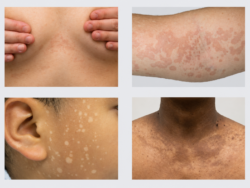
White patches on skin can look alike but need different treatment. Learn how vitiligo differs from tinea versicolor by colour, scale, itching, location and diagnostic tests, and discover when an expert assessment can prevent delayed or unsuitable treatment.
39 mins read
Thalassemia major vs minor vs intermedia differ in symptom severity, blood-test patterns, transfusion dependence, iron-overload risk, inheritance and treatment. This patient guide explains CBC, HPLC, HbA2 and HbF findings, compares available treatment approaches and shows when specialist review is needed.
168 mins read
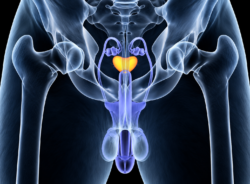
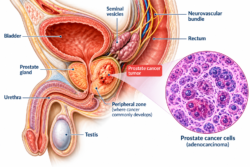
Prostate cancer PSA levels can indicate when further assessment is needed, but no single result confirms cancer, grade or stage. Understand PSA risk ranges, age-related interpretation, benign causes, free PSA, PSA density, MRI, biopsy, treatment follow-up, published Ayurvedic case evidence and personalised clinical assessment.
100 mins read
Discover who may be eligible for nonsurgical treatment for prostate cancer based on biopsy Grade Group, PSA pattern, MRI, stage, symptoms and overall health. Compare active surveillance, radiotherapy, focal treatment, hormone therapy and individualized Ayurvedic care before requesting a records-based eligibility review.
82 mins read
Can prostate cancer be treated without surgery? Learn which patients may avoid prostatectomy through active surveillance, radiation, hormone or systemic therapy, focal treatment, or carefully monitored Ayurvedic curative-intent care, with clear guidance on staging, PSA, imaging, biopsy, safety, and long-term follow-up.
144 mins read
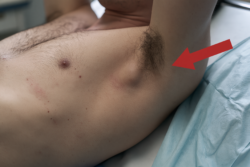
Desmoid tumor symptoms can include a firm or deep lump, persistent pain, restricted movement, abdominal pressure, bloating, constipation and nerve-related changes. Learn which warning signs need urgent assessment, how diagnosis is confirmed and when specialist care may be appropriate.
96 mins read
Thalassemia symptoms may be absent in carriers or include fatigue, pallor, breathlessness, poor growth and abdominal swelling in more significant disease. Understand early signs in children and adults, how thalassemia differs from iron deficiency, which tests help confirm the diagnosis and when to seek urgent care. Prepare for a personalised consultation about your reports and supportive Ayurvedic care alongside haematology treatment.
111 mins read
A leukemia survival rate describes outcomes in a defined patient population, not a personal deadline. Explore survival by type and age, the difference between remission and cure, and how treatment response shapes prognosis. Find practical questions for your hematologist and guidance on discussing coordinated supportive care.
78 mins read
Bulbar ALS symptoms can change how you speak, swallow, manage saliva and maintain nutrition. Understand early warning signs, communication aids, feeding-tube decisions, breathing support and practical ways to monitor your care.
118 mins read
Is leukemia genetic, hereditary or usually caused by changes acquired during life? This patient guide explains family risk, germline testing, leukemia family history, screening of children and siblings, and when to speak with a hematologist or genetic counsellor before choosing a related stem-cell donor.
67 mins read
A research-backed Ayurvedic formula offering hope, combining ancient herbs and modern science for natural, lasting healing.
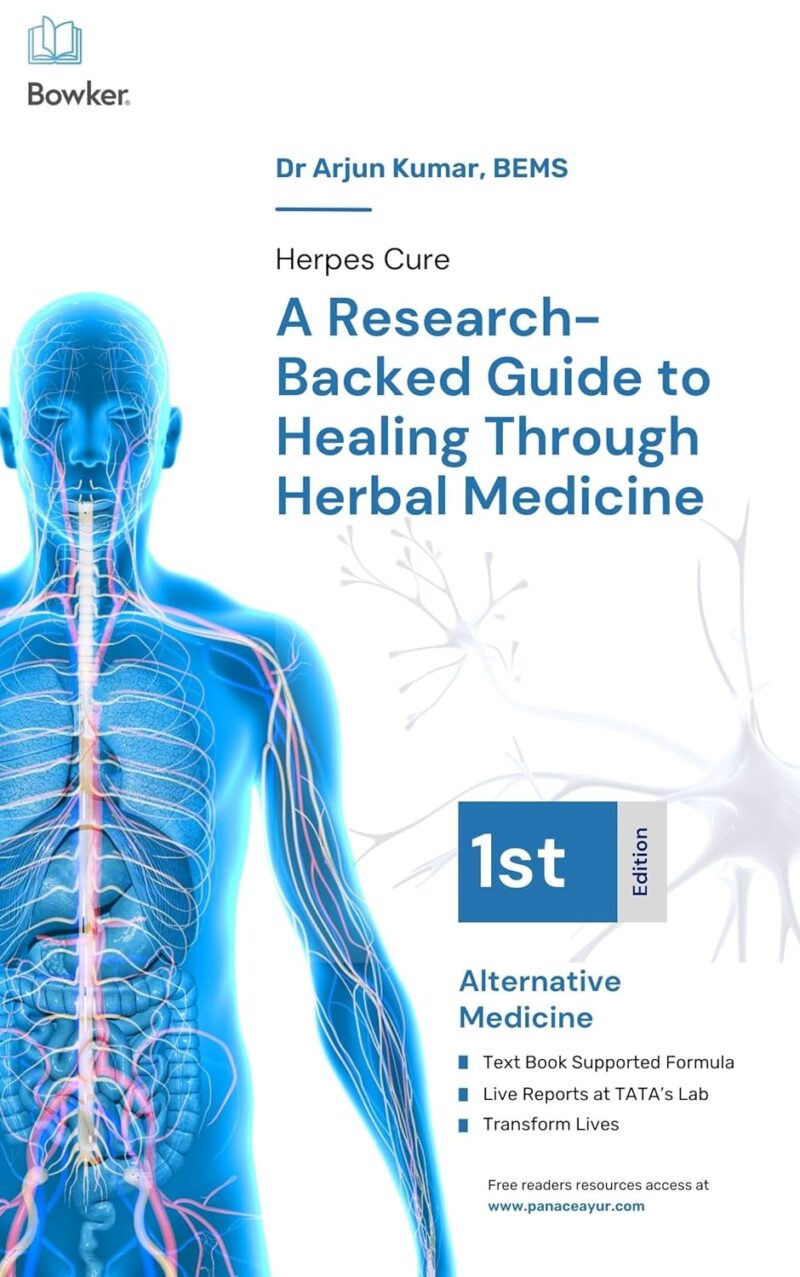
Struggling with HSV1 or HSV2? Discover a proven herbal formula that heals herpes in just three months, backed by science and real-life success stories. Start your healing journey today.
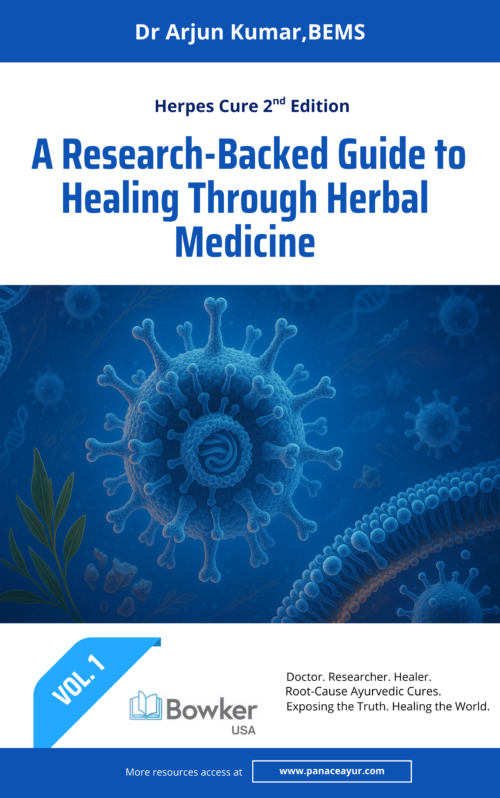
Discover how Ayurveda identifies and eliminates herpes at its root. Volume I reveals HSV behavior, Ayurvedic healing principles, and introduces CMV and EBV. A foundational guide backed by research and classical texts.
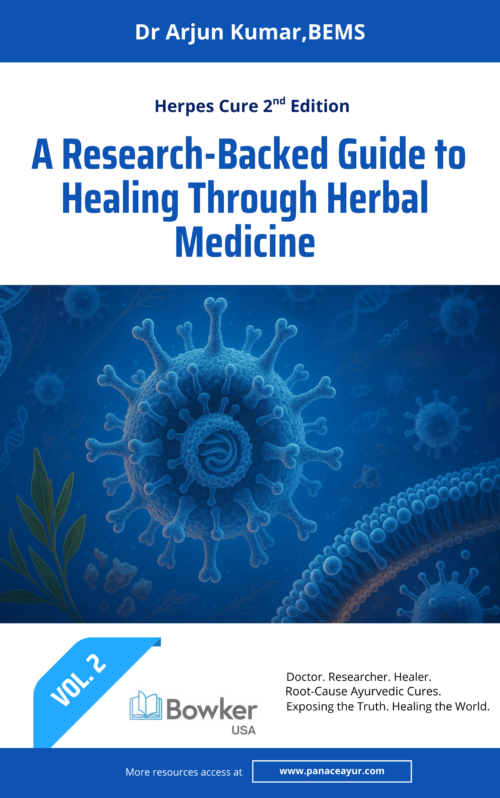
Includes real IgG lab reports, CMV/EBV/HHV chapters, and advanced Rasayana therapy. Volume II exposes why pharma suppresses cures—and proves Ayurveda doesn’t. Lab reports verifiable via TATA 1mg.
The Panaceayur Blog brings together informative content covering Ayurveda, disease awareness, preventive health, nutrition, wellness, and integrative healthcare. The goal is to help readers understand health conditions and explore different approaches to supporting overall wellbeing.
Our articles discuss common and complex health concerns, Ayurvedic concepts, lifestyle practices, nutrition, herbal traditions, diagnostic awareness, and supportive care. Where appropriate, topics are explained alongside modern medical perspectives so readers can better understand the condition and the available healthcare pathways.
Health information can vary significantly from person to person. Our blog is designed for education and awareness and should not replace diagnosis or treatment from a qualified healthcare professional. Readers with an existing condition should discuss any Ayurvedic or complementary approach with their treating medical team.
A. The blog covers Ayurveda, diseases, wellness, nutrition, preventive health, lifestyle, and integrative healthcare topics.
A. No. The content is educational and should not replace professional medical diagnosis or treatment.
A. Selected topics explain Ayurvedic approaches alongside relevant modern healthcare information.
A. Treatment decisions should be made with a qualified healthcare professional who understands your individual medical situation.
A. No. Some articles focus primarily on disease awareness, symptoms, diagnosis, prevention, or general health information.