


- What Do “Small Cell” and “Non-Small Cell” Mean?
- Which Lung Cancer Spreads Faster?
- Staging Differences Between Small Cell and Non-Small Cell Lung Cancer
- Symptoms Shared by Small Cell and Non-Small Cell Lung Cancer
- How Doctors Confirm Small Cell or Non-Small Cell Lung Cancer
- Modern Oncology Treatment for Small Cell and Non-Small Cell Lung Cancer
- Why Surgery Is Common in NSCLC but Rare in SCLC
- Brain Metastases in Small Cell vs Non-Small Cell Lung Cancer
- Treatment Response, Resistance, and Recurrence
- Ayurveda Curative-Intent Model for Small Cell and Non-Small Cell Lung Cancer
- Classical Ayurvedic Foundation
- Prāṇavaha Arbuda Bala-Rasāyana Avaleha (Medicine)
- Essential Allopathic Compatibility Rules
- Personalized Ayurvedic Avaleha for Small Cell and Non-Small Cell Lung Cancer
- Why This Is a Curative Model Rather Than Only Supportive Care
- Small Cell vs Non-Small Cell Lung Cancer Survival
- Frequently Asked Questions About Small Cell vs Non-Small Cell Lung Cancer
- References
Small cell vs non-small cell lung cancer differs in how quickly it grows, where it spreads, how doctors stage it, and which treatments are most likely to help.
The comparison emphasis reflects current clinical distinctions in growth, spread, staging, and treatment between SCLC and NSCLC.
Small cell lung cancer and non-small cell lung cancer are two different groups of lung cancer. The word “small” describes how the cancer cells look under a microscope. It does not mean the tumor is small, early, or less dangerous.
Non-small cell lung cancer, called NSCLC, is the more common type. It includes adenocarcinoma, squamous cell carcinoma, large cell carcinoma, and several less common forms. Small cell lung cancer, called SCLC, is less common but usually grows and spreads more quickly.
Table: Small Cell vs Non-Small Cell Lung Cancer at a Glance
| Comparison point | Small cell lung cancer | Non-small cell lung cancer |
|---|---|---|
| Abbreviation | SCLC | NSCLC |
| How common it is | Less common | Accounts for most lung cancer diagnoses |
| Main pathological forms | Small cell carcinoma and combined small cell carcinoma | Adenocarcinoma, squamous cell carcinoma, large cell carcinoma and less common subtypes |
| Typical growth pattern | Usually grows rapidly | Highly variable |
| Pattern of spread | Often spreads early through lymphatic channels and blood | May remain localized or spread early, depending on subtype and biology |
| Main staging system | Limited-stage or extensive-stage; TNM may also be recorded | TNM stages 0 through IV |
| Role of surgery | Rare and limited to carefully staged, very early disease | Important for many operable early-stage tumors |
| Role of chemotherapy | Central to treatment at most stages | Used according to stage, histology, surgery and molecular findings |
| Role of radiation | Commonly combined with chemotherapy in limited-stage disease | Used for early inoperable, locally advanced, metastatic or symptom-causing disease |
| Role of immunotherapy | Used in selected limited-stage and extensive-stage pathways | Used before surgery, after chemoradiation or in advanced disease when appropriate |
| Role of targeted therapy | Limited routine role at present | Central when an actionable molecular alteration is identified |
| Brain-metastasis concern | Particularly high | Important, but risk varies by subtype and stage |
| General outlook | Usually less favorable because of early spread and recurrence | More variable and generally better when diagnosed while localized |
How Quickly They Grow and Spread
Small cell lung cancer often spreads early through the lymphatic system and bloodstream. It may reach nearby lymph nodes, the other lung, the brain, liver, bones, adrenal glands, or other organs before the patient develops clear symptoms.
Non-small cell lung cancer has a wider range of behavior. Some tumors grow slowly and remain in one area long enough for surgery or focused radiation. Others grow rapidly or have already spread when they are diagnosed. The exact subtype, stage, and molecular features help doctors understand how an individual tumor may behave.
How Doctors Stage Them
Doctors commonly divide small cell lung cancer into limited-stage and extensive-stage disease. Limited-stage SCLC is generally confined to an area that can be treated within one chest-radiation plan. Extensive-stage SCLC has spread beyond that area or to distant organs.
Doctors mainly stage non-small cell lung cancer from stage 0 to stage IV. These stages are based on the size and location of the tumor, involvement of lymph nodes, and whether the cancer has spread to distant organs.
Extensive-stage SCLC and stage IV NSCLC both describe advanced cancer, but they are not identical classifications. The two cancers have different biology and follow different treatment pathways.
How Treatment Differs
Chemotherapy is central to the treatment of most small cell lung cancers because the disease may have spread beyond the visible tumor. Limited-stage SCLC is commonly treated with chemotherapy and chest radiation. Additional immunotherapy may follow when appropriate.
Extensive-stage SCLC is usually treated with chemotherapy and immunotherapy. Radiation may also be used to control disease in the chest, brain, bones, or other symptomatic areas. Surgery is considered only for a small number of patients with very early disease and no confirmed lymph-node involvement.
Treatment for non-small cell lung cancer depends more heavily on the stage, tumor subtype, and biomarker results. Early NSCLC may be treated with surgery or focused radiation. Some patients also receive chemotherapy, immunotherapy, or targeted medicine before or after surgery.
Advanced NSCLC may be treated with targeted therapy when the tumor contains a specific molecular change. When no suitable target is found, treatment may include immunotherapy, chemotherapy, or a combination of both. This is why adequate biopsy tissue and molecular testing are especially important in NSCLC.
Why Brain Imaging and Biomarker Testing Matter
Small cell lung cancer has a strong tendency to spread to the brain. Brain MRI is therefore an important part of staging and follow-up. Doctors may also discuss preventive brain radiation or regular MRI surveillance in selected patients.
Brain metastases can also occur in NSCLC. Some targeted medicines can control certain molecular types of NSCLC in both the body and brain. Treatment may also include stereotactic radiation, surgery, or whole-brain radiation, depending on the number, size, location, and symptoms of the brain lesions.
Biomarker testing plays a much larger routine role in NSCLC than in SCLC. It can identify molecular changes that make a patient eligible for a specific targeted treatment. PD-L1 testing may also help guide immunotherapy decisions.
What This Means for the Patient
Small cell lung cancer usually requires rapid treatment because it can progress quickly. Non-small cell lung cancer may require detailed biomarker testing before the final treatment plan is selected, although urgent treatment may still be necessary in some situations.
Neither cancer type should be judged by its name alone. A patient with localized NSCLC may have a very different treatment plan and outlook from someone with metastatic NSCLC. In the same way, limited-stage SCLC may be treated with curative intent, while extensive-stage disease usually requires long-term disease control.
The pathology report, exact stage, brain imaging, molecular results, breathing capacity, weight, organ function, and overall strength should all be considered together. These details provide a more accurate picture of treatment options and expected outcomes than the terms “small cell” or “non-small cell” alone.
What Do “Small Cell” and “Non-Small Cell” Mean?
The Names Describe How the Cells Look
The terms small cell and non-small cell describe how lung cancer cells appear when a pathologist examines them under a microscope. They do not describe the physical size of the tumor.
A large tumor can still be small cell lung cancer, while a small tumor can be non-small cell lung cancer. The diagnosis depends on the shape, size, arrangement, and biological features of the cancer cells.
What Is Small Cell Lung Cancer?
Small cell lung cancer is made of small, closely packed cancer cells with very little visible material around the nucleus. These cells usually divide quickly and often have neuroendocrine features, which means they can produce hormone-like substances.
The main form is small cell carcinoma. A less common form, called combined small cell carcinoma, contains both small cell and non-small cell components. This mixed pattern can affect treatment decisions because the small cell component often behaves more aggressively.
Small cell lung cancer is strongly associated with tobacco exposure, although a diagnosis should never be used to blame the patient. The immediate priority is to identify the stage and begin the most appropriate treatment.
What Is Non-Small Cell Lung Cancer?
Non-small cell lung cancer is a broad group that includes several different diseases. The three main subtypes are adenocarcinoma, squamous cell carcinoma, and large cell carcinoma.
Adenocarcinoma often begins in the outer areas of the lung. It is the most common form of NSCLC and is also the subtype most often associated with molecular changes that may respond to targeted medicines.
Squamous cell carcinoma commonly begins near the larger airways. It is strongly associated with smoking, although it may occur in people with different exposure histories. Its location and biological features can influence surgery, radiation, and medicine selection.
Large cell carcinoma is less common. It is usually diagnosed when the tumor does not fit clearly into the adenocarcinoma or squamous categories. Additional laboratory testing may be needed to classify poorly differentiated tumors accurately.
Why the Exact Subtype Matters
The exact subtype helps doctors choose the safest and most effective treatment. Surgery may be appropriate for some early non-small cell cancers, while chemotherapy and radiation are usually central to small cell treatment.
In NSCLC, subtype also influences the choice of chemotherapy and targeted therapy. Some medicines are suitable mainly for nonsquamous tumors, while others may be used differently in squamous disease.
The pathology report should therefore do more than simply state “lung cancer.” It should identify whether the tumor is SCLC or NSCLC, describe the subtype, and report any mixed or unusual features.
How Pathologists Confirm the Diagnosis
A pathologist examines tissue obtained through bronchoscopy, needle biopsy, lymph-node sampling, pleural fluid testing, or surgery. The cells are assessed for their appearance and may also be tested with special stains called immunohistochemistry.
These stains help distinguish small cell carcinoma from adenocarcinoma, squamous carcinoma, other neuroendocrine tumors, and cancers that have spread to the lung from another organ. Adequate tissue is important because a very small sample may not show every component of a mixed tumor.
Can the Diagnosis Change Later?
The original diagnosis may occasionally need to be reviewed if the cancer begins to behave differently. A repeat biopsy may be recommended when the disease progresses unusually quickly, stops responding to treatment, or develops features that do not match the original pathology.
In a small group of patients, especially those with certain EGFR-mutated adenocarcinomas, NSCLC can transform into small cell lung cancer after targeted therapy. This is not common, but it is important because the treatment plan usually changes after transformation.
For the patient, the most useful documents are the complete pathology report, immunohistochemistry findings, molecular-test results, and any later biopsy reports. Together, these records explain what type of lung cancer is present and why a particular treatment has been recommended.
Which Lung Cancer Spreads Faster?
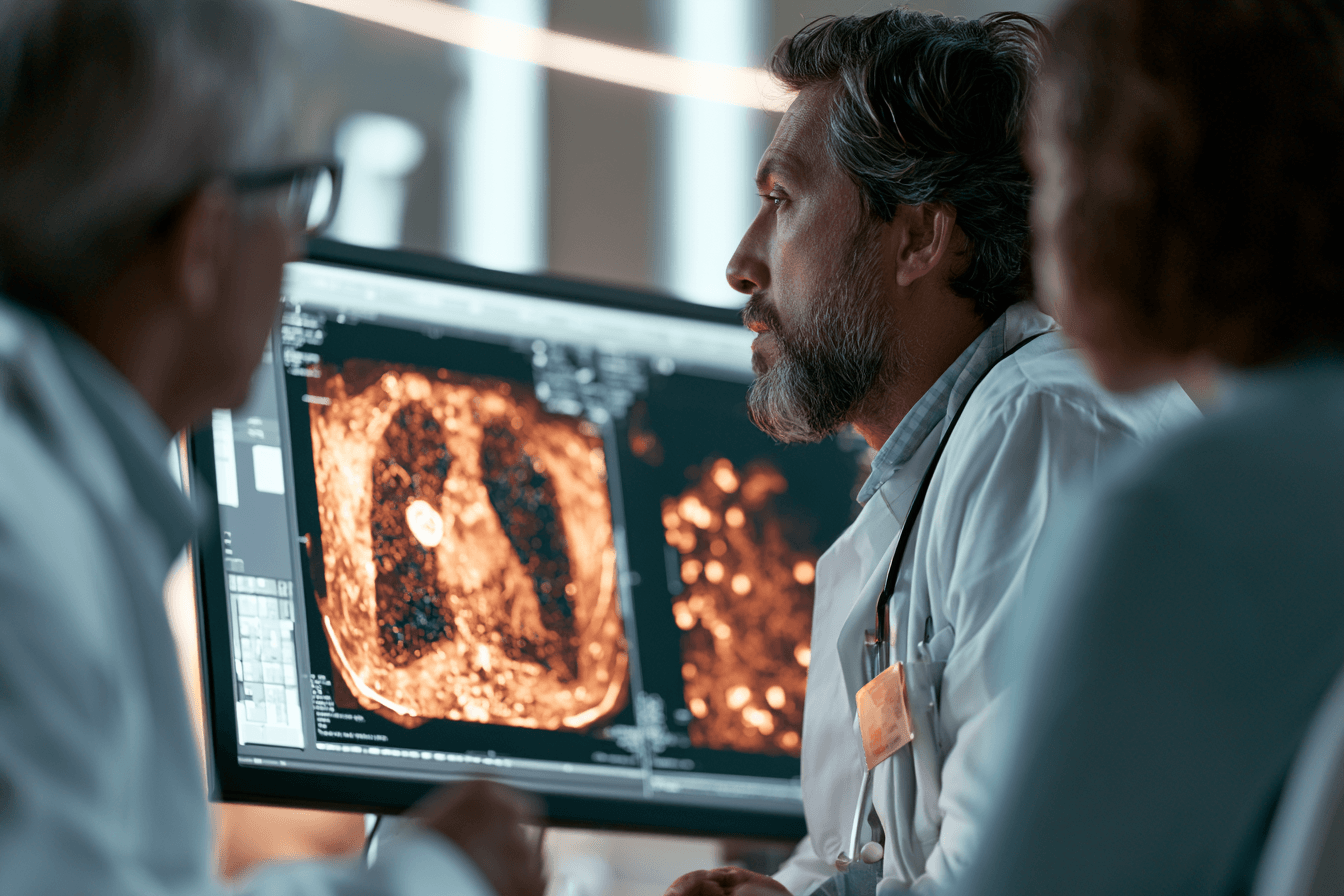
Small Cell Lung Cancer Usually Spreads Earlier
Small cell lung cancer usually grows and spreads faster than non-small cell lung cancer. Its cells divide quickly and may travel through the lymphatic system or bloodstream before the tumor causes clear symptoms.
At diagnosis, small cell lung cancer is often found in lymph nodes or organs outside the lung. Common sites include the brain, liver, bones, adrenal glands, the opposite lung, and the tissue surrounding the lungs.
This does not mean that every patient has widespread cancer at diagnosis. A smaller group has limited-stage disease that remains mainly within the chest and can be treated with curative intent.
Non-Small Cell Lung Cancer Has More Variable Behavior
Non-small cell lung cancer does not follow one fixed pattern. Some tumors grow slowly and remain limited to the lung for a considerable time. These cancers may be suitable for surgery or focused radiation.
Other non-small cell tumors are more aggressive and may spread early. Their behavior can depend on the subtype, stage, molecular changes, tumor location, and the patient’s general health.
Adenocarcinoma, squamous cell carcinoma, and other NSCLC subtypes can therefore behave differently. The term “non-small cell” alone does not show how quickly an individual cancer will progress.
How Lung Cancer Reaches Other Organs
Lung cancer can spread by growing directly into nearby tissues. It may reach the chest wall, major airways, blood vessels, heart covering, or the tissue between the lungs.
Cancer cells can also enter nearby lymphatic channels and move into lymph nodes within the chest. From there, they may travel to more distant lymph nodes or enter the bloodstream.
Once cancer cells enter the blood, they can settle in distant organs. The brain, liver, bones, and adrenal glands are among the most common locations for lung cancer metastases.
Why Small Cell Lung Cancer Is Treated as a Systemic Disease
Doctors usually assume that small cell lung cancer may extend beyond the visible tumor, even when scans show disease mainly inside the chest. Microscopic cancer cells may already be present elsewhere but remain too small to appear on imaging.
For this reason, chemotherapy is central to most small cell lung cancer treatment plans. In limited-stage disease, chemotherapy is usually combined with chest radiation. Immunotherapy may follow in suitable patients after the cancer has responded or remained stable.
Surgery alone is rarely enough for SCLC. It may be considered only when the tumor is found very early, lymph nodes appear clear, and detailed staging has excluded disease elsewhere.
Why Local Treatment Is More Common in NSCLC
Some non-small cell lung cancers remain localized long enough for treatment directed at the tumor itself. Surgery may remove an early operable tumor and nearby lymph nodes. Focused radiation may be used when surgery is not suitable.
As NSCLC becomes more advanced, treatment usually includes medicines that circulate throughout the body. These may include chemotherapy, immunotherapy, or targeted therapy selected according to molecular-test results.
This difference explains why an accurate biopsy and stage are so important. A treatment plan that is appropriate for localized NSCLC may not be suitable for SCLC or metastatic NSCLC.
Does a Small Tumor Mean the Cancer Has Not Spread?
Tumor size does not always show how far lung cancer has travelled. A relatively small tumor may already have reached lymph nodes, the brain, or another organ. A larger tumor may sometimes remain mainly within the chest.
Doctors therefore consider more than the size of the primary tumor. They assess lymph nodes, nearby structures, distant organs, and brain imaging before assigning the stage.
CT, PET-CT, brain MRI, biopsy, and lymph-node sampling may all contribute to this assessment. No single scan or measurement provides the complete picture.
Does Faster Spread Always Mean a Worse Outcome?
Faster spread generally makes cancer more difficult to control, but it is not the only factor that affects survival. Small cell lung cancer may respond quickly to chemotherapy and radiation, especially during the first treatment.
The main difficulty is that SCLC often returns after an initial response. Some cancer cells may survive treatment and later develop greater resistance.
Non-small cell lung cancer may grow more slowly in some patients, but advanced NSCLC can also be serious. Its outlook depends on stage, molecular features, brain involvement, treatment options, and how well the cancer responds.
What Patients Should Understand
Small cell lung cancer usually requires rapid staging and treatment because delays may allow further progression. Non-small cell lung cancer may require additional time for molecular and PD-L1 testing, particularly when targeted therapy or immunotherapy is being considered.
A person should not judge the seriousness of lung cancer only by its name or tumor size. The exact pathology, lymph-node findings, brain MRI, distant spread, molecular profile, and response to treatment provide a much clearer understanding of the disease.
Staging Differences Between Small Cell and Non-Small Cell Lung Cancer
Why Lung Cancer Staging Matters
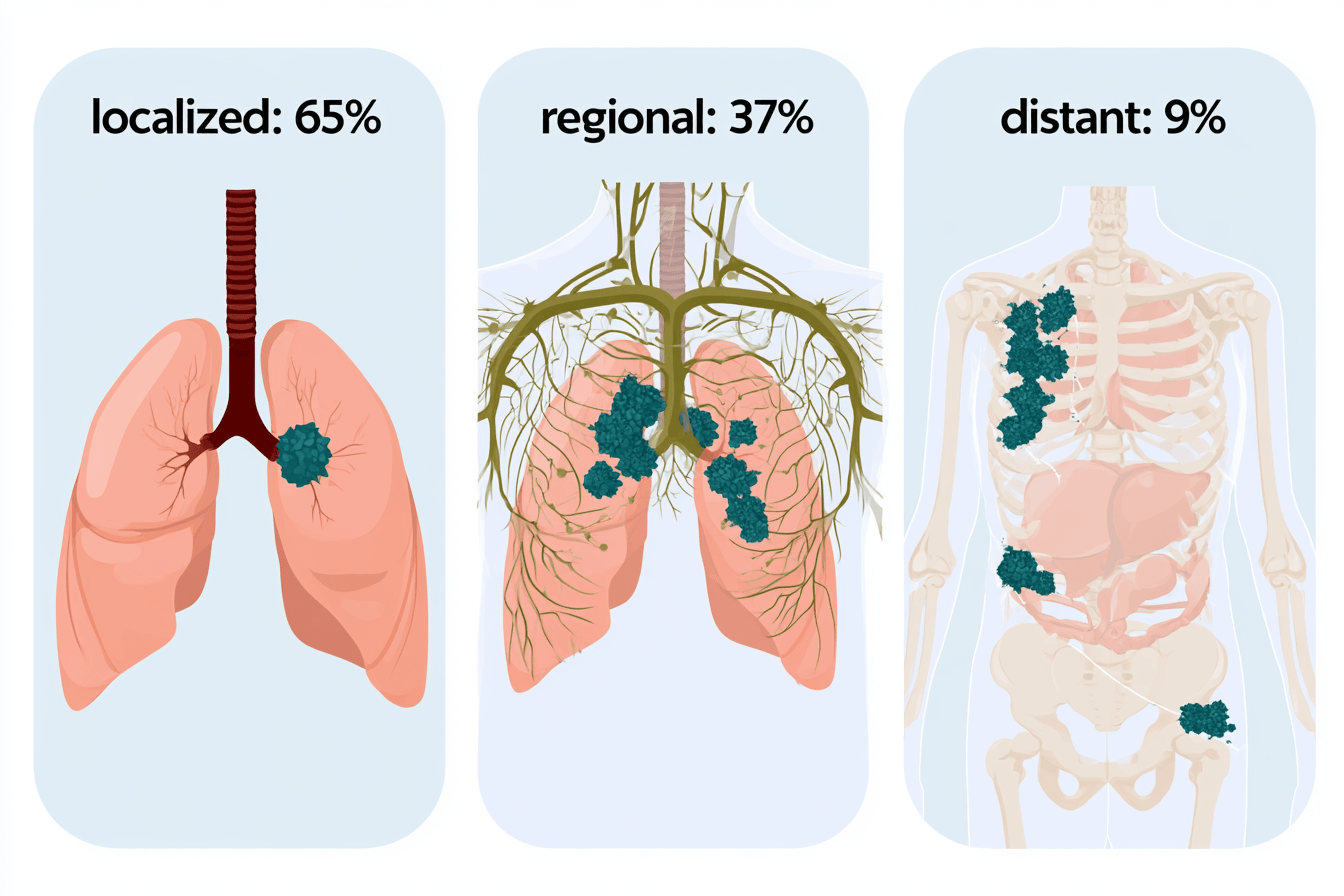
Staging describes where the cancer is located, how far it has grown, whether lymph nodes are involved, and whether it has spread to distant organs. The stage helps doctors choose treatment and estimate the likely course of the disease.
Small cell and non-small cell lung cancer are not usually described with the same staging language. Small cell lung cancer is commonly divided into limited-stage and extensive-stage disease. Non-small cell lung cancer is mainly classified from stage 0 to stage IV.
What Is Limited-Stage Small Cell Lung Cancer?
Limited-stage small cell lung cancer is generally confined to one side of the chest and nearby lymph nodes. The disease must be located within an area that can be treated safely with one planned chest-radiation field.
Limited-stage disease may include the main lung tumor and lymph nodes near the affected lung or between the lungs. In some patients, lymph nodes above the collarbone may also be included if they can be treated within the same radiation plan.
Limited-stage SCLC does not necessarily mean that the tumor is small. It also does not mean the disease is equivalent to stage I lung cancer. Many patients with limited-stage SCLC have lymph-node involvement but no confirmed distant metastases.
This stage is usually treated with chemotherapy and chest radiation given during the same treatment period. Additional immunotherapy may follow when the cancer has not progressed and the patient is medically suitable.
What Is Extensive-Stage Small Cell Lung Cancer?
Extensive-stage SCLC has spread beyond the area that can be safely included within one chest-radiation field. It may involve the opposite lung, fluid around the lung containing cancer cells, distant lymph nodes, or organs outside the chest.
Common distant sites include the brain, liver, bones, adrenal glands, and bone marrow. A patient may have one distant area of spread or several involved organs.
Extensive-stage disease is mainly treated with medicines that circulate throughout the body. The first treatment commonly includes chemotherapy and immunotherapy. Radiation may still be used to control chest disease, brain metastases, bone pain, spinal pressure, or other symptoms.
Is the TNM System Used for Small Cell Lung Cancer?
Doctors may also record a TNM stage for SCLC. TNM describes the primary tumor, lymph-node involvement, and distant metastases.
The letter T describes the size and local extent of the lung tumor. The letter N describes whether nearby lymph nodes contain cancer. The letter M describes whether the disease has spread to a distant part of the body.
TNM staging is particularly useful when SCLC is found at a very early stage and surgery is being considered. It may also be used for radiation planning, prognosis, medical records, and clinical trials.
Most patients will still hear the terms limited-stage or extensive-stage because these categories directly help guide the usual SCLC treatment pathway.
How Non-Small Cell Lung Cancer Is Staged
Non-small cell lung cancer is mainly staged through the TNM system. The TNM findings are combined to place the cancer into stages ranging from stage 0 to stage IV.
Stage 0 means abnormal cancer cells are limited to the surface lining of an airway and have not invaded deeper tissue. This is an uncommon and very early diagnosis.
Stage I NSCLC is generally confined to the lung without confirmed lymph-node involvement. Many stage I tumors can be treated with surgery or focused radiation.
Stage II disease may involve a larger tumor, nearby structures, or certain lymph nodes close to the affected lung. Surgery may still be possible, but treatment often includes chemotherapy, immunotherapy, or another medicine before or after the operation.
Stage III NSCLC is locally advanced. It may involve lymph nodes in the central chest, structures near the lung, or a combination of tumor and nodal findings. Some stage III cancers remain operable, while others are treated with chemotherapy and radiation followed by additional systemic treatment.
Stage IV NSCLC has spread to a distant organ, the opposite lung, distant lymph nodes, or certain areas outside the original lung. Cancer cells found in fluid around the lung or heart may also place the disease in an advanced stage.
Stage IV NSCLC is not one uniform condition. A patient with one distant lesion may have a different treatment plan from someone with cancer in several organs. Molecular test results can also change treatment significantly.
Is Extensive-Stage SCLC the Same as Stage IV NSCLC?
Extensive-stage SCLC and stage IV NSCLC both describe advanced lung cancer, but they are not identical classifications. They arise from different staging systems and involve cancers with different biological behavior.
Some extensive-stage SCLC may be considered metastatic under TNM staging, while other cases are classified as extensive because the chest disease cannot be included safely within one radiation field. The exact TNM category should therefore be reviewed separately when greater detail is needed.
Treatment also differs. Extensive-stage SCLC is usually treated first with a platinum medicine, etoposide, and immunotherapy. Stage IV NSCLC treatment depends heavily on the subtype, molecular profile, PD-L1 result, previous treatment, and sites of spread.
Which Tests Are Used to Determine the Stage?
Doctors usually begin with a contrast-enhanced CT scan of the chest and upper abdomen. PET-CT may help identify active lymph nodes, bone disease, adrenal involvement, or other areas that require further investigation.
Brain MRI is especially important in SCLC because this cancer has a strong tendency to spread to the brain. Brain imaging is also commonly needed in more advanced NSCLC or when neurological symptoms are present.
Bronchoscopy, endobronchial ultrasound, needle biopsy, pleural-fluid testing, or surgical lymph-node sampling may be used to confirm whether suspicious areas contain cancer. Imaging alone cannot always distinguish cancer from infection, inflammation, or another condition.
Can the Stage Change After Treatment Begins?
The original stage is usually based on findings available at diagnosis. It remains part of the medical record even when treatment causes the cancer to shrink or disappear from scans.
Doctors may later describe the disease as responding, stable, progressing, recurrent, or in remission. These terms explain what has happened since treatment began, but they do not erase the original stage.
The treatment plan may still change if new information becomes available. A new biopsy, previously unseen brain lesion, positive pleural fluid test, or newly detected distant metastasis can alter the understanding of disease extent.
What the Stage Means for the Patient
The stage helps define whether treatment is aimed at cure, reducing recurrence risk, long-term disease control, or relief of symptoms. It does not predict exactly how long one person will live.
Two patients with the same stage may have different outcomes because of tumor biology, molecular findings, brain involvement, general health, weight, organ function, and response to treatment.
Patients should ask for the exact stage in writing, the staging system used, the sites involved, and the tests that confirmed the stage. This information makes it easier to understand why surgery, chemotherapy, radiation, immunotherapy, targeted therapy, or a combination has been recommended.
Why Symptoms Cannot Identify the Cancer Type
Small cell and non-small cell lung cancer often cause the same symptoms. A cough, chest pain, or shortness of breath cannot show whether a person has SCLC or NSCLC. The cancer type can only be confirmed by examining tissue or cells from a biopsy.
Symptoms also vary according to the tumor’s location, size, stage, and effect on nearby organs. Some people develop noticeable breathing problems early, while others have few symptoms until the cancer has spread.
A Persistent or Changing Cough
A new cough that does not improve should be medically assessed, especially when it continues for several weeks. A long-standing cough may also change by becoming more frequent, deeper, painful, or productive.
A cough is common and is usually caused by conditions other than cancer. However, it should not be ignored when it occurs with unexplained weight loss, blood in the mucus, increasing breathlessness, or repeated chest infections.
Coughing Up Blood
Lung cancer can cause blood-streaked mucus or, less commonly, heavier bleeding. Even a small amount of blood should be evaluated because it may come from the airways, lungs, throat, or another part of the respiratory system.
Heavy bleeding, dizziness, severe breathlessness, or rapidly increasing blood in the sputum requires urgent medical care. Herbal medicines or cough suppressants should not be used to hide this symptom before its cause has been investigated.
Shortness of Breath and Wheezing
A tumor can narrow or block an airway, reduce normal airflow, or contribute to collapse of part of the lung. Cancer may also cause fluid to collect around the lung, making it more difficult for the lung to expand.
Some patients notice breathlessness only during activity. Others may feel short of breath while resting or lying down. Wheezing can occur when air moves through a narrowed airway, but wheezing alone does not confirm lung cancer.
Sudden breathlessness may also be caused by infection, a blood clot in the lung, fluid buildup, heart problems, treatment-related inflammation, or progression of the cancer. A sudden or severe change should be assessed promptly.
Chest, Shoulder, or Upper-Back Pain
Lung cancer may cause a dull ache, pressure, burning sensation, or sharp pain in the chest. The discomfort may become worse during coughing, deep breathing, or movement.
Pain can develop when the tumor affects the chest wall, ribs, lining around the lung, nerves, or nearby structures. Pain in the shoulder or upper back may occasionally occur when a tumor develops near the upper part of the lung.
Chest pain has many possible causes. New severe pain, pressure in the center of the chest, sweating, faintness, or pain spreading to the jaw or arm requires urgent medical assessment because it may be related to the heart.
Hoarseness and Difficulty Swallowing
A lung tumor or enlarged lymph node can press on the nerve that controls the voice box. This may cause a weak, rough, or hoarse voice that does not improve.
Difficulty swallowing may occur when a tumor or enlarged lymph node presses on the esophagus. Some patients feel that food is sticking in the chest or that swallowing has become painful.
Persistent hoarseness or swallowing difficulty should be investigated because these symptoms can affect nutrition, hydration, and the ability to tolerate treatment.
Repeated Chest Infections
A tumor that partly blocks an airway can prevent mucus from draining normally. This may lead to repeated pneumonia or bronchitis in the same area of the lung.
An infection may improve temporarily with antibiotics and then return. Repeated infections in the same location, especially in an older adult or someone with a smoking history, may lead the doctor to order further imaging.
Fever, chills, worsening cough, confusion, low oxygen levels, or increasing breathlessness during cancer treatment may indicate a serious infection and should not be managed only at home.
Weight Loss, Poor Appetite, and Weakness
Both SCLC and NSCLC can cause loss of appetite, unintentional weight loss, weakness, and reduced muscle mass. These problems may develop because of inflammation, increased energy use by the body, difficulty swallowing, pain, nausea, anxiety, or treatment side effects.
Weight loss is clinically important because it can reduce strength and make chemotherapy, radiation, surgery, or immunotherapy harder to tolerate. Early nutritional assessment may help preserve weight, muscle function, and treatment capacity.
Improved appetite after treatment is encouraging, but it does not prove that the tumor has disappeared. Tumor response must still be assessed through imaging and other appropriate tests.
Fatigue
Cancer-related fatigue is more than ordinary tiredness. A person may feel exhausted even after sleeping or resting. Everyday activities such as bathing, walking, preparing food, or holding a conversation may become difficult.
Fatigue can be caused by the cancer, anemia, infection, poor sleep, pain, low nutrition, depression, treatment, or changes in thyroid, liver, kidney, or hormone function. New or worsening fatigue should therefore be assessed rather than accepted as unavoidable.
Symptoms Caused by Spread to Other Organs
Lung cancer that reaches the brain may cause persistent headache, seizures, confusion, personality change, speech difficulty, weakness on one side, balance problems, or changes in vision.
Spread to the bones may cause persistent pain, fractures, weakness, or high calcium levels. Liver involvement may cause poor appetite, abdominal discomfort, swelling, dark urine, pale stools, or yellowing of the eyes and skin.
These symptoms do not always mean that the cancer has spread. Imaging and clinical assessment are needed to determine the cause.
Paraneoplastic Symptoms Associated With Small Cell Lung Cancer
Small cell lung cancer can sometimes release substances that affect organs far from the lung. These are known as paraneoplastic syndromes.
One example is inappropriate release of antidiuretic hormone, which can cause a low blood sodium level. The patient may develop nausea, headache, confusion, weakness, drowsiness, or seizures.
Another condition involves excess production of ACTH, which can raise cortisol levels. This may cause muscle weakness, swelling, high blood pressure, high blood sugar, easy bruising, or changes in body shape.
Small cell lung cancer can also be associated with Lambert-Eaton myasthenic syndrome. This may cause weakness in the hips or shoulders, difficulty rising from a chair, dry mouth, or changes in reflexes.
These syndromes are not present in every patient with SCLC. When they occur, treating the cancer and correcting the hormonal or neurological problem may both be necessary.
When Symptoms Need Urgent Medical Attention
A patient should seek urgent assessment for coughing up a large amount of blood, severe or sudden breathlessness, a new seizure, one-sided weakness, confusion, fainting, chest pressure, rapidly worsening pain, or a sudden fall in oxygen level.
During treatment, fever, severe diarrhea, jaundice, new neurological symptoms, or rapidly increasing breathlessness may indicate infection, medication toxicity, immune-related inflammation, or cancer progression. These symptoms should be reported promptly rather than managed only with home remedies.
Symptoms can help doctors identify urgent problems, but they cannot confirm the cancer type or measure treatment success. Pathology, imaging, laboratory results, and clinical follow-up remain necessary for an accurate diagnosis and treatment plan.
How Doctors Confirm Small Cell or Non-Small Cell Lung Cancer

Imaging Shows Where the Cancer May Be
Doctors usually begin with a contrast-enhanced CT scan of the chest and upper abdomen. This shows the size and position of the lung mass, enlarged lymph nodes, fluid around the lung, and possible spread to the liver or adrenal glands.
A PET-CT scan may be used to look for active cancer in lymph nodes, bones, or other parts of the body. Brain MRI is especially important in small cell lung cancer because this cancer has a greater tendency to spread to the brain. It may also be required in advanced non-small cell lung cancer or when neurological symptoms are present.
Scans can strongly suggest lung cancer, but they cannot reliably confirm whether the tumor is small cell or non-small cell. Tissue or cancer cells must be examined before the final diagnosis is made.
A Biopsy Confirms the Cancer Type
A biopsy removes a small sample of tissue or cells for laboratory examination. The most suitable method depends on the tumor’s location, the patient’s breathing capacity, and which lymph nodes or distant areas need to be tested.
Bronchoscopy may be used when the tumor is close to a major airway. A thin flexible camera is passed through the mouth or nose into the lungs so that tissue can be collected.
Endobronchial ultrasound allows the doctor to take samples from lymph nodes inside the chest. This procedure can confirm the diagnosis and help determine whether the cancer has spread to regional lymph nodes.
A CT-guided needle biopsy may be used for a tumor near the outer part of the lung. Tissue may also be collected from an enlarged lymph node, liver lesion, bone lesion, or another accessible area if this provides a safer way to confirm metastatic disease.
When fluid has collected around the lung, doctors may remove and examine it for cancer cells. A surgical biopsy is sometimes required when less invasive tests do not provide enough tissue.
Pathology Identifies Small Cell or Non-Small Cell Cancer
A pathologist examines the biopsy under a microscope. The appearance, size, arrangement, and internal structure of the cancer cells help distinguish small cell lung cancer from non-small cell lung cancer.
Special laboratory stains called immunohistochemistry may also be used. These tests help separate small cell carcinoma from adenocarcinoma, squamous cell carcinoma, other neuroendocrine tumors, and cancers that have spread to the lung from another organ.
The pathology report should identify the exact type whenever possible. It may also describe whether the tumor contains both small cell and non-small cell components.
Why the Biopsy Sample Must Be Large Enough
A very small sample may confirm cancer but still be insufficient for full classification and molecular testing. This can delay treatment or require another procedure.
Doctors try to collect enough tissue for diagnosis, immunohistochemistry, biomarker testing, and possible future testing. At the same time, they must choose the safest procedure for a patient who may already have breathing difficulty or other medical problems.
Patients should ask whether the sample is adequate for all recommended tests before treatment begins.
Molecular Testing Is Especially Important in NSCLC
Molecular testing looks for changes inside the cancer cells that may respond to targeted medicines. It is particularly important in advanced non-small cell lung cancer, especially adenocarcinoma and other nonsquamous tumors.
The results may show that a targeted medicine is more appropriate than standard chemotherapy. Some targeted treatments can also control cancer that has spread to the brain.
The exact testing panel depends on the tumor subtype, stage, available tissue, previous treatment, and current treatment guidelines. Broad testing is often more useful than checking only one or two molecular changes.
Small cell lung cancer does not currently use routine biomarker-matched treatment as widely as NSCLC. However, adequate tissue may still be valuable for confirming mixed histology, reviewing an unusual diagnosis, or considering a clinical trial.
PD-L1 Testing Helps Guide Immunotherapy
PD-L1 is a protein that may help cancer cells avoid immune attack. Testing its level can help doctors decide whether immunotherapy should be used alone or combined with chemotherapy in some patients with NSCLC.
A high PD-L1 result does not guarantee that immunotherapy will work. A low result also does not always mean that immunotherapy has no role. The result must be interpreted together with the cancer subtype, molecular findings, stage, symptoms, and general health.
PD-L1 testing is not used in the same way for routine treatment selection in small cell lung cancer.
Liquid Biopsy May Be Useful When Tissue Is Limited
A liquid biopsy looks for cancer-related genetic material in a blood sample. It may be helpful when tissue cannot be collected safely, when the original sample is too small, or when doctors are investigating resistance to targeted therapy.
A positive liquid-biopsy result may identify a useful treatment target. A negative result does not always exclude a molecular change because some tumors release very little genetic material into the bloodstream. Tissue testing may still be needed.
When a Repeat Biopsy May Be Necessary
Doctors may recommend another biopsy if the original sample was inadequate, the cancer progresses unexpectedly, or the treatment response does not match the original diagnosis.
Repeat testing can identify new resistance changes after targeted therapy. It can also detect transformation from non-small cell lung cancer into small cell lung cancer in a small group of patients.
A new lesion should not automatically be assumed to be the same cancer. Infection, inflammation, treatment effects, or another tumor may sometimes produce a similar appearance on imaging.
What the Patient Should Request
The patient should keep copies of the pathology report, immunohistochemistry findings, molecular-test results, PD-L1 report, scan reports, and documented stage.
These records show exactly how the diagnosis was confirmed and why surgery, chemotherapy, radiation, immunotherapy, or targeted therapy has been recommended. They are also important when seeking a second opinion or planning an integrated treatment approach.
Modern Oncology Treatment for Small Cell and Non-Small Cell Lung Cancer

Why the Exact Diagnosis Comes First
Modern oncology treatment, sometimes called conventional or allopathic treatment, is not the same for every lung cancer. Doctors must first confirm whether the tumor is small cell lung cancer or non-small cell lung cancer. They also need the stage, biopsy findings, brain imaging, general health, and organ function before choosing treatment.
For NSCLC, molecular and PD-L1 test results may completely change the plan. For SCLC, the limited-stage or extensive-stage classification usually determines whether treatment centers on combined chest chemoradiation or systemic chemotherapy and immunotherapy.
Treatment for Limited-Stage Small Cell Lung Cancer
Limited-stage SCLC is usually treated with platinum-based chemotherapy and chest radiation. The most common chemotherapy combination includes cisplatin or carboplatin with etoposide. When the patient is medically fit, chemotherapy and radiation are often given during the same treatment period because this provides a stronger chance of long-term disease control than using either treatment alone.
After successful concurrent chemoradiation, durvalumab immunotherapy may be given when the cancer has not progressed and the patient is suitable. This approach is intended to control cancer cells that may remain after the main treatment. Durvalumab was approved for this use after evidence showed longer survival compared with observation alone.
Surgery has only a small role in SCLC. It may be considered when the tumor is found very early, lymph nodes are confirmed to be clear, and complete staging shows no disease elsewhere. Chemotherapy is still usually required after surgery because SCLC can spread microscopically before it becomes visible on a scan.
Brain MRI is an important part of treatment planning and follow-up. Some patients may discuss preventive brain radiation, while others may be followed with regular MRI scans. The decision depends on age, response to treatment, cognitive health, and personal preferences.
Treatment for Extensive-Stage Small Cell Lung Cancer
Extensive-stage SCLC has spread beyond the area that can be treated safely with one chest-radiation plan. The usual first treatment combines platinum chemotherapy, etoposide, and immunotherapy with either atezolizumab or durvalumab. If the cancer responds or remains stable, immunotherapy may continue as maintenance treatment.
In selected patients whose disease has not progressed after induction treatment with carboplatin, etoposide, and atezolizumab, maintenance treatment may include lurbinectedin with atezolizumab. This is a specific treatment pathway and is not automatically suitable for every person with extensive-stage SCLC. Blood counts, liver function, previous side effects, and overall strength must be considered.
Radiation may still be useful even when SCLC is extensive. It can be used for selected remaining chest disease or to relieve symptoms caused by cancer in the brain, bones, spine, airways, or other locations. The purpose may be longer disease control, symptom relief, or protection of an organ at risk.
Treatment When Small Cell Lung Cancer Returns
SCLC often shrinks during the first treatment, but it may return later. The next treatment depends on how long the cancer remained controlled, which medicines were previously used, the location of recurrence, blood counts, organ function, and the patient’s ability to tolerate more treatment.
When the cancer returns after a longer treatment-free period, the original platinum-based chemotherapy may sometimes be used again. Other options can include lurbinectedin, topotecan, tarlatamab, radiation, or a clinical trial.
Tarlatamab is an immune-based treatment for extensive-stage SCLC that has progressed during or after platinum chemotherapy. It can cause cytokine-release syndrome, which may produce fever, low blood pressure, breathing difficulty, or a rapid heart rate. It can also cause neurological effects, so treatment follows a structured monitoring plan, especially during early doses.
The purpose of treatment after recurrence may be to shrink the cancer, control symptoms, extend survival, or preserve independence. The doctor should explain the expected benefit and possible burden of each option before treatment begins.
Treatment for Early-Stage Non-Small Cell Lung Cancer
Surgery is an important treatment for many patients with early NSCLC. The operation may remove a lobe, a smaller lung segment, or occasionally a larger part of the lung. Nearby lymph nodes are also examined because hidden nodal disease can change the stage and the need for additional treatment.
A patient must be medically fit enough for surgery. Lung function, heart health, tumor location, and the amount of lung that would remain after the operation all influence the decision. When surgery is unsafe or unsuitable, stereotactic body radiation can deliver a high radiation dose directly to a small localized tumor.
Some patients receive chemotherapy, immunotherapy, or both before surgery. This is called neoadjuvant treatment. Medicine may also be given after surgery to reduce the risk that microscopic cancer cells will later cause recurrence.
The final pathology report helps determine whether additional chemotherapy or immunotherapy is needed. Patients with eligible EGFR-mutated tumors may receive adjuvant osimertinib, while eligible patients with ALK-positive cancer may receive adjuvant alectinib. This is why biomarker testing can be important even when the visible tumor has been completely removed.
Treatment for Stage III Non-Small Cell Lung Cancer
Stage III NSCLC is complex and should be reviewed by a team that includes a medical oncologist, radiation oncologist, thoracic surgeon, pulmonologist, radiologist, and pathologist. The first decision is whether the cancer can be removed completely and safely.
Some resectable stage III tumors are treated with chemotherapy and immunotherapy before surgery, followed by surgery and, in selected cases, further treatment afterward. Other tumors cannot be removed because of their location, lymph-node involvement, or the patient’s health.
Unresectable stage III NSCLC is commonly treated with platinum-based chemotherapy and chest radiation. When possible, these treatments are given during the same period. Patients whose disease has not progressed may then receive consolidation treatment.
Durvalumab is commonly used after chemoradiation in appropriate patients. However, eligible patients whose tumors contain an EGFR exon 19 deletion or exon 21 L858R mutation may receive osimertinib after chemoradiation. This difference shows why molecular testing should not be overlooked in stage III disease.
Treatment for Metastatic Non-Small Cell Lung Cancer
Metastatic NSCLC has spread beyond the original lung and nearby regional structures. Treatment is usually systemic, meaning that medicine travels throughout the body. However, the correct medicine cannot be chosen from the stage alone.
Broad molecular testing should be completed whenever clinically possible before the first systemic treatment. Doctors may test for changes involving EGFR, ALK, ROS1, BRAF, MET, RET, NTRK, KRAS, and HER2 or ERBB2. The exact panel continues to develop as new treatments become available.
When an actionable molecular change is found, targeted therapy is often preferred because it attacks a specific feature of the cancer. Examples include osimertinib for certain EGFR mutations and alectinib for ALK-positive disease. Other targeted medicines are available for selected ROS1, RET, MET, BRAF, KRAS, NTRK, and HER2-altered cancers. Some can also control disease inside the brain.
When no suitable driver alteration is found, PD-L1 results, tumor subtype, symptoms, and general health guide treatment. A person with high PD-L1 expression may be eligible for immunotherapy alone in some situations. Many patients receive immunotherapy combined with platinum chemotherapy.
Chemotherapy selection also depends on whether the tumor is squamous or nonsquamous. Pemetrexed-based treatment is generally used for appropriate nonsquamous disease, while other chemotherapy combinations are selected for squamous cancer.
The Role of Radiation and Local Procedures
Radiation is used differently according to the cancer type and stage. It may be used with chemotherapy to treat limited-stage SCLC or unresectable stage III NSCLC. It may replace surgery for a small early NSCLC tumor when an operation is unsafe.
Radiation can also treat a limited number of metastatic areas or relieve pain, bleeding, airway pressure, spinal compression, and brain symptoms. Stereotactic radiosurgery can treat selected brain metastases with focused radiation, while larger or more numerous lesions may require surgery, whole-brain radiation, systemic treatment, or a combination.
Lung cancer can also block an airway or cause fluid to collect around the lung. Bronchoscopy, laser treatment, airway stenting, fluid drainage, pleurodesis, or an indwelling pleural catheter may improve breathing in selected patients. These procedures manage a specific problem but do not replace systemic cancer treatment.
Supportive Treatment Is Part of Cancer Care
Supportive care should begin alongside tumor-directed treatment rather than being reserved for the final stage of illness. Antinausea medicines, pain relief, nutritional care, breathing support, sleep management, and physical rehabilitation can help a patient complete treatment.
Chemotherapy may reduce white blood cells, red blood cells, or platelets. Some patients need antibiotics, growth-factor injections, blood transfusion, platelet transfusion, dose adjustment, or a temporary treatment delay. Kidney function, liver function, electrolytes, and blood counts are checked regularly.
Fluid around the lung may need drainage. Low sodium caused by SCLC may require urgent correction. Brain swelling may require corticosteroids, while a seizure may require anticonvulsant treatment. These medical treatments address complications that can become dangerous if care is delayed.
Smoking cessation remains helpful even after a lung cancer diagnosis. It may improve breathing, wound healing, treatment tolerance, and general health while reducing the risk of another tobacco-related cancer.
How Treatment Side Effects Are Monitored
Chemotherapy can cause nausea, fatigue, infection risk, anemia, appetite loss, nerve symptoms, kidney injury, or hearing changes. The exact risks depend on the medicines used. Doctors may adjust the dose or change the regimen when toxicity becomes unsafe.
Immunotherapy can cause the immune system to inflame healthy organs. New breathlessness, severe diarrhea, jaundice, unusual weakness, severe rash, vision changes, or symptoms of thyroid or adrenal dysfunction should be reported quickly. Immune-related side effects are often manageable when recognized early but can become serious when ignored.
Targeted medicines have their own side-effect patterns. These may include rash, diarrhea, liver-test abnormalities, swelling, changes in heart function, lung inflammation, or changes in the electrical rhythm of the heart. The treatment team may use blood tests, heart tests, eye examinations, or scans according to the medicine prescribed.
Using Ayurveda Alongside Modern Oncology
A patient who plans to use an Ayurvedic Avaleha should give the oncology team the complete ingredient list, doses, and batch information. Herbal ingredients can affect liver function, bleeding, blood pressure, immune activity, or the way oral cancer medicines are absorbed and broken down.
An Avaleha should be adjusted around surgery, chemotherapy, radiation, immunotherapy, and targeted therapy. It should not delay a potentially curative operation or chemoradiation plan. Nonessential herbal products may need to be stopped temporarily if the patient develops liver injury, severe infection, low blood counts, immune-related toxicity, or an unexpected neurological reaction.
The safest integrated plan keeps the modern treatment pathway clear while using Ayurveda in a transparent and monitored manner. Tumor response must continue to be assessed through scans, pathology, and accepted oncology criteria rather than symptom improvement alone.
Understanding the Purpose of Treatment
Before treatment begins, the patient should understand whether the goal is cure, reduction of recurrence risk, long-term disease control, or relief of symptoms. These goals can change if the cancer responds, progresses, or causes a new medical problem.
A clear plan should state which treatment comes first, how response will be measured, which side effects require urgent attention, and what will happen if the cancer does not respond. This allows the patient and family to make informed decisions without confusing a temporary improvement in symptoms with complete control of the disease.
Why Surgery Is Common in NSCLC but Rare in SCLC
The Main Reason
Surgery is more commonly used for non-small cell lung cancer because many NSCLC tumors are found before they have spread beyond the lung or nearby lymph nodes. When the cancer is localized and the patient is fit for an operation, removing the tumor may offer the best chance of long-term control or cure.
Small cell lung cancer usually behaves differently. It often spreads through the bloodstream and lymphatic system at an early stage. Even when scans show one main tumor in the lung, microscopic cancer cells may already be present elsewhere in the body. Removing only the visible tumor may therefore leave untreated disease behind.
When Surgery May Be Used for NSCLC
Surgery is often considered for stage I and selected stage II non-small cell lung cancers. Some stage III tumors may also be operable after careful review by a thoracic cancer team.
The type of operation depends on the tumor’s size, location, and the patient’s lung function. A surgeon may remove one lobe of the lung, a smaller lung segment, or, less commonly, an entire lung. Nearby lymph nodes are also removed or sampled to determine whether the cancer has spread.
The final pathology report may show more disease than the scans suggested. If cancer is found in lymph nodes or if the tumor has other high-risk features, chemotherapy, immunotherapy, targeted therapy, or radiation may be recommended after surgery.
Why Surgery Alone May Not Be Enough for NSCLC
Even when the surgeon removes all visible cancer, microscopic cells may remain in the body. These cells can later cause recurrence.
Additional treatment is therefore chosen according to the pathological stage, surgical margins, lymph-node findings, and molecular results. Some patients receive chemotherapy after surgery. Others may receive immunotherapy or a targeted medicine when the tumor has an eligible biomarker.
This does not mean that surgery failed. The purpose of additional treatment is to reduce the risk that hidden cancer cells will grow again.
Why Surgery Is Rare in Small Cell Lung Cancer
Most patients with SCLC are diagnosed after the disease has reached lymph nodes or distant organs. Small cell lung cancer also grows quickly, so delaying systemic treatment for an unnecessary operation may allow the disease to progress.
Chemotherapy can reach cancer cells throughout the body. This is why it remains central to SCLC treatment, even when the main tumor appears limited to the chest. Chest radiation is usually added in limited-stage disease because it treats the primary tumor and involved lymph nodes more effectively than surgery in most patients.
For extensive-stage SCLC, surgery does not usually have a role because the cancer has already spread beyond the area that could be removed.
When Surgery May Be Considered for SCLC
Surgery may be considered for a very small group of patients with a single, early lung tumor and no confirmed lymph-node involvement. Detailed staging must first show that the cancer has not spread elsewhere.
The patient may need PET-CT, brain MRI, and invasive lymph-node assessment before surgery is approved. If hidden lymph-node or distant disease is found, treatment usually changes to chemotherapy with or without radiation.
Even after complete removal of early SCLC, chemotherapy is generally required. Chest radiation may also be considered if the surgical findings show lymph-node involvement or incomplete removal.
How Doctors Decide Whether a Patient Can Have Surgery
The cancer stage is only one part of the decision. Doctors also assess breathing capacity, heart health, kidney and liver function, physical strength, and other medical conditions.
Pulmonary-function tests help estimate how well the patient is likely to breathe after part of the lung is removed. Heart testing may be needed when there is a history of heart disease or limited exercise tolerance.
The surgeon must also decide whether the entire tumor can be removed with clear margins while preserving enough healthy lung. A technically removable tumor may still be unsuitable for surgery if the operation would create an unacceptable health risk.
What Happens When Surgery Is Not Possible
A patient with early NSCLC who cannot safely undergo surgery may receive stereotactic body radiation. This treatment delivers a high dose of radiation directly to the tumor while limiting exposure to nearby healthy tissue.
Locally advanced NSCLC may be treated with chemotherapy and radiation, sometimes followed by immunotherapy or targeted treatment. SCLC is usually treated with chemotherapy, immunotherapy, radiation, or a combination selected according to the stage.
Not being offered surgery does not mean that no effective treatment is available. It usually means that another approach is more likely to control the disease safely.
What the Patient Should Ask
The patient should ask whether the cancer is technically removable, whether lymph nodes have been adequately assessed, and whether the operation is intended to cure the disease. It is also important to ask what treatment may be needed before or after surgery.
A second opinion from a thoracic surgeon can be valuable when operability is uncertain. The final decision should involve the surgeon, medical oncologist, radiation oncologist, pulmonologist, radiologist, and pathologist whenever the case is complex.
Brain Metastases in Small Cell vs Non-Small Cell Lung Cancer

Why the Brain Is Checked in Lung Cancer
Lung cancer can spread to the brain through the bloodstream. This is called brain metastasis. The cancer cells in the brain still come from the lung, so they are treated as lung cancer rather than as a new primary brain cancer.
Brain metastases can occur in both small cell and non-small cell lung cancer. However, the risk, timing, and treatment approach are not always the same. The lung cancer type, number of brain lesions, molecular test results, symptoms, and condition of the cancer elsewhere in the body all affect the plan.
Why Brain Metastases Are a Major Concern in SCLC
Small cell lung cancer has a strong tendency to spread to the brain. Brain involvement may already be present when the lung cancer is diagnosed, even when the patient has no neurological symptoms.
Brain MRI is therefore an important part of initial SCLC staging. It is more sensitive than a routine CT scan for finding small brain lesions and can prevent a patient from being placed in the wrong treatment group.
A patient with limited-stage SCLC may still have brain metastases that are not causing symptoms. Finding them early changes the treatment plan because the disease can no longer be managed as chest-only cancer.
Brain Metastases in NSCLC
Non-small cell lung cancer can also spread to the brain, but the risk varies more widely. It depends on the stage, subtype, molecular features, and how long the disease has been present.
Some molecular forms of NSCLC have a greater tendency to involve the brain. This is one reason broad biomarker testing is important in advanced disease. Certain targeted medicines can control eligible lung cancer in both the body and the brain.
Brain MRI is commonly used when NSCLC is locally advanced or metastatic, when neurological symptoms are present, or when the treatment team needs complete staging before surgery or definitive radiation.
Symptoms That May Suggest Brain Involvement
Brain metastases do not always cause symptoms. When symptoms occur, they depend on the size, number, location, and swelling around the lesions.
A patient may develop a persistent or worsening headache, nausea, vomiting, confusion, memory change, personality change, weakness on one side, difficulty speaking, poor balance, blurred vision, or unusual sleepiness.
A seizure may be the first sign of brain involvement. Sudden weakness, a new seizure, severe confusion, loss of consciousness, or rapidly worsening headache requires urgent medical assessment.
These symptoms can also have other causes, including infection, stroke, medication effects, low sodium, or treatment toxicity. Imaging is needed to identify the cause.
How Brain Metastases Are Diagnosed
Brain MRI with contrast is usually the preferred test. It can show the number, size, and location of lesions and the amount of swelling around them.
A CT scan may be used in an emergency or when MRI is not possible, but it may miss smaller lesions. If the appearance is unusual, doctors may sometimes need additional imaging, follow-up scans, or tissue confirmation.
The treatment team also reviews the cancer outside the brain. A patient with one small brain lesion and well-controlled lung cancer may need a different approach from someone with many brain lesions and rapidly progressing disease elsewhere.
Immediate Treatment for Swelling and Seizures
Brain metastases can cause swelling in the surrounding brain tissue. Corticosteroids may be given when this swelling causes headache, weakness, vomiting, confusion, or pressure-related symptoms.
Steroids can improve symptoms quickly, but they do not remove the cancer itself. The dose is usually reduced gradually once the swelling is controlled and definitive treatment has begun.
Anti-seizure medicine may be prescribed after a seizure. It is not routinely required for every patient who has a brain metastasis but has never had a seizure.
Stereotactic Radiosurgery
Stereotactic radiosurgery is a highly focused form of radiation. It does not involve an operation or surgical cut despite its name.
This treatment can deliver a strong radiation dose to selected brain metastases while limiting exposure to surrounding brain tissue. It is often considered when the number and total volume of lesions are suitable.
The patient may receive one treatment or several closely spaced treatments. Follow-up MRI is needed because treated lesions can change over time and new lesions may appear elsewhere in the brain.
Surgery for Brain Metastases
Surgery may be considered when there is one large or accessible brain lesion, especially if it is causing pressure, severe symptoms, or uncertainty about the diagnosis.
Removing a lesion can quickly reduce pressure and provide tissue for examination. Surgery is more likely to be useful when the patient is medically fit and the cancer outside the brain is reasonably controlled.
Radiation is often recommended after surgery to reduce the chance of cancer returning at the surgical site. Surgery alone may not control microscopic cells around the treated area.
Whole-Brain Radiation
Whole-brain radiation treats the entire brain rather than only visible lesions. It may be considered when there are many metastases, widespread microscopic risk, or disease that cannot be managed adequately with focused treatment alone.
This treatment can improve neurological symptoms and control known and unseen disease. However, it can also affect memory, concentration, energy, and hair growth.
Doctors now consider the expected benefit, overall prognosis, age, cognitive health, number of lesions, and available systemic treatments before recommending it. In selected patients, treatment methods or medicines may be used to reduce cognitive effects.
Preventive Brain Radiation in SCLC
Small cell lung cancer is unusual because preventive brain radiation may be discussed even when MRI shows no visible brain metastases. This is called prophylactic cranial irradiation.
The purpose is to reduce the chance that microscopic SCLC cells will later grow in the brain. It has been used most often after a good response to initial treatment.
Preventive brain radiation is not automatically suitable for every patient. Age, memory, general health, response to treatment, access to regular MRI, and personal preference should be considered.
Some patients may choose regular MRI surveillance instead. This approach aims to detect brain metastases early and treat them promptly if they appear.
Systemic Treatment That Can Work in the Brain
Some lung cancer medicines can control disease inside the brain as well as elsewhere in the body. This is particularly important in NSCLC with an actionable molecular alteration.
Certain targeted medicines used for EGFR, ALK, ROS1, and other eligible molecular changes have meaningful activity in the central nervous system. The choice depends on the exact mutation, previous treatment, symptoms, and size of the brain lesions.
Immunotherapy and chemotherapy may also help control brain disease in selected patients. However, a patient with severe symptoms, major swelling, or a large threatening lesion may still need urgent surgery or radiation rather than waiting for systemic medicine to work.
How Treatment Differs Between SCLC and NSCLC
In SCLC, brain management is closely connected to the cancer’s early tendency to spread. Baseline MRI, follow-up imaging, preventive radiation, and treatment of visible brain disease are therefore major parts of care.
In NSCLC, treatment depends more heavily on the number of lesions, molecular profile, available CNS-active targeted therapy, and whether the cancer outside the brain is controlled.
A patient with molecularly driven NSCLC and small symptom-free brain lesions may sometimes begin a CNS-active targeted medicine. Another patient with a large symptomatic lesion may need surgery or focused radiation first.
Follow-Up After Brain Treatment
Regular brain MRI is needed after surgery, stereotactic radiation, whole-brain radiation, or systemic treatment. Follow-up shows whether treated lesions are shrinking, stable, or growing and whether new lesions have appeared.
Radiation can sometimes cause changes that resemble tumor growth on a scan. Doctors may compare several MRIs, use advanced imaging, or occasionally recommend surgery to distinguish treatment effect from active cancer.
New symptoms should be reported even when a recent scan was reassuring. Brain metastases and treatment-related swelling can change between scheduled appointments.
What This Means for the Patient
Brain metastases are serious, but they are treatable. Treatment may reduce symptoms, preserve neurological function, control individual lesions, and extend the period during which the disease remains manageable.
The patient should ask how many lesions are present, where they are located, whether swelling is present, and whether surgery, focused radiation, whole-brain radiation, systemic treatment, or a combination is recommended.
It is also important to ask how treatment may affect memory, mobility, driving, work, and independence. The most appropriate plan should balance control of the brain disease with the patient’s overall health, cancer status outside the brain, and personal priorities.
Treatment Response, Resistance, and Recurrence
What Treatment Response Means
Treatment response describes how the cancer changes after surgery, chemotherapy, radiation, immunotherapy, or targeted therapy. Doctors compare new scans with the images taken before treatment began.
A complete response means that no measurable cancer can be seen on the current scans. A partial response means that the tumors have become smaller, but some visible disease remains. Stable disease means that the cancer has not reduced enough to qualify as a response, but it has also not grown significantly. Progressive disease means that existing tumors have grown or new cancer has appeared.
A complete response on imaging is encouraging, but it does not always mean that every cancer cell has been eliminated. Microscopic disease may remain below the level that a scan can detect. Continued treatment or surveillance may therefore be necessary.
Why Small Cell Lung Cancer Often Shrinks Quickly
Small cell lung cancer is usually sensitive to chemotherapy and radiation during the first course of treatment. Many patients experience a noticeable reduction in the lung tumor, lymph nodes, and symptoms within a relatively short period.
Cough, breathlessness, chest pressure, appetite, and energy may improve as the cancer responds. These changes are valuable, but the response must still be confirmed through imaging.
The difficulty with SCLC is not usually the absence of an initial response. The greater challenge is that a population of resistant cancer cells may survive treatment. These cells can later grow and cause the disease to return.
Why Small Cell Lung Cancer Commonly Returns
Small cell lung cancer can spread microscopically before it becomes visible on imaging. Chemotherapy may destroy most sensitive cells while leaving a smaller group that is less responsive to treatment.
Over time, these surviving cells may develop further biological changes. The recurrent cancer may then respond less completely or for a shorter period than it did during the first treatment.
The chance and timing of recurrence vary. Limited-stage SCLC may return in the chest, brain, liver, bones, adrenal glands, or another location. Extensive-stage disease may progress in an existing site or appear in a new organ.
How the Timing of SCLC Recurrence Affects Treatment
Doctors consider how long the cancer remained controlled after platinum chemotherapy. A longer treatment-free period may mean that the tumor could respond again to the original platinum-based medicines.
When the cancer returns quickly, it is more likely to have strong resistance to the previous treatment. A different medicine, immune-based treatment, radiation, or clinical trial may then be considered.
The choice also depends on blood counts, liver and kidney function, neurological health, previous side effects, and the patient’s general strength. A medicine that is suitable for one patient may be too burdensome for another.
Why NSCLC Response Is More Variable
Non-small cell lung cancer includes several different diseases. Its response depends on the stage, pathological subtype, molecular profile, PD-L1 level, treatment selected, and biological differences within the tumor.
An early NSCLC may be removed completely with surgery. Another tumor may respond strongly to targeted therapy because it contains a specific molecular alteration. A different NSCLC may respond to chemotherapy and immunotherapy but later develop resistance.
Even within one patient, separate tumor areas may not behave in the same way. One lesion may shrink while another remains unchanged or begins to grow. This is called a mixed response and may lead to further testing or local treatment of the resistant area.
How Resistance to Targeted Therapy Develops
Targeted medicines work by blocking a particular molecular change that helps the cancer grow. They can produce deep and prolonged responses in eligible NSCLC, but resistance may develop over time.
The cancer may acquire a new molecular change that prevents the medicine from binding effectively. It may activate another growth pathway or change its internal structure so that it no longer depends on the original target.
Resistance does not always mean that all treatment options have ended. A new blood test, tissue biopsy, or molecular analysis may reveal another target or help the doctor select the next medicine.
Can NSCLC Change Into Small Cell Lung Cancer?
A small proportion of non-small cell lung cancers can transform into small cell lung cancer during treatment. This is most clearly recognized in some EGFR-mutated adenocarcinomas after targeted therapy.
The cancer may begin to grow much faster, spread in a different pattern, or stop responding unexpectedly. A repeat biopsy may then show that the tumor’s microscopic appearance has changed.
This transformation is not common, and most NSCLC does not become SCLC. When it occurs, the treatment plan usually changes because the transformed cancer often behaves more like small cell lung cancer.
Why Immunotherapy May Stop Working
Immunotherapy helps the immune system recognize and attack cancer cells. Some patients have long-lasting responses, while others receive little benefit or develop resistance after an initial period of control.
Cancer cells may reduce the signals that allow immune cells to recognize them. The tumor environment may also suppress immune activity or prevent immune cells from entering the cancer effectively.
Apparent growth on an early scan does not always mean that immunotherapy has failed. In uncommon situations, inflammation caused by immune activity can make a lesion appear temporarily larger. Doctors interpret this carefully by considering symptoms, later scans, and the overall pattern of disease.
Recurrence After Surgery
Recurrence can occur even after an NSCLC tumor has been completely removed. Cancer may return near the surgical site, in chest lymph nodes, or in a distant organ.
This happens when microscopic cells were already present but could not be detected at the time of surgery. Chemotherapy, immunotherapy, or targeted therapy may be recommended before or after surgery to reduce this risk.
Follow-up imaging remains important even when the surgical margins are clear and the patient feels well. Early recurrence may cause no symptoms.
Local, Regional, and Distant Recurrence
Local recurrence means that cancer has returned near the original lung tumor or surgical area. Regional recurrence usually involves nearby lymph nodes or structures within the chest.
Distant recurrence means that cancer has appeared in another organ, such as the brain, liver, bones, adrenal glands, or the opposite lung. The location and number of recurrent areas strongly influence treatment.
A small local recurrence may sometimes be treated with surgery, focused radiation, or another local procedure. Widespread recurrence usually requires systemic medicine, although radiation may still be used for specific painful or dangerous areas.
How Doctors Monitor Treatment Response
CT scans are commonly used to measure lung tumors, lymph nodes, and distant lesions. PET-CT may help in selected situations, while brain MRI is important when there is a known risk or history of brain involvement.
Doctors also review symptoms, weight, breathing, performance status, oxygen needs, and laboratory results. These findings show how the patient is functioning and whether treatment is causing harm.
Tumor markers in the blood are not reliable enough to replace imaging in most lung cancers. A change in a laboratory value should be interpreted with the clinical condition and scan findings.
Why Symptoms and Scans Must Be Assessed Separately
A patient may feel better even when the tumor has not changed significantly. Pain medicines, drainage of pleural fluid, treatment of infection, improved nutrition, or reduced inflammation can improve symptoms without reducing the cancer.
The opposite can also happen. Scans may show that the cancer is shrinking while fatigue, nausea, weakness, or breathlessness continue because of treatment side effects or another medical condition.
Improved appetite, sleep, energy, or cough should therefore not be used alone to declare that the cancer has disappeared. Objective imaging and, when relevant, pathology are still required.
When a Repeat Biopsy Is Helpful
A repeat biopsy may be recommended when the cancer behaves differently from what doctors expected. It can clarify whether the disease has transformed, developed a new molecular target, or become resistant through another mechanism.
A new lesion may not always represent cancer progression. Infection, inflammation, radiation changes, or a second cancer can sometimes look similar on a scan.
The decision to repeat a biopsy depends on whether the result is likely to change treatment and whether the procedure can be performed safely.
What Recurrence Means for the Patient
Recurrence does not mean that there are no further options. Treatment may still shrink the cancer, slow its growth, relieve symptoms, and preserve independence.
The next plan should be based on the cancer type, previous response, time since treatment, current sites of disease, molecular findings, and the patient’s general health. Clinical trials may also provide access to treatments that are not yet widely available.
The patient should ask whether the cancer has returned locally or distantly, whether repeat biopsy or molecular testing is needed, and how the next response will be measured. A clear comparison between previous and current scans can help the patient understand why the treatment plan is changing.
Ayurveda Curative-Intent Model for Small Cell and Non-Small Cell Lung Cancer

What the Curative-Intent Model Means
An Ayurveda curative-intent model does not use one herbal formula for every person with lung cancer. It combines the most appropriate modern cancer treatment with a personalized Ayurvedic plan based on the cancer type, stage, current medicines, symptoms, digestion, weight, strength, and organ function.
The purpose is not limited to reducing nausea, fatigue, or poor appetite. The model addresses the visible tumor, the risk of microscopic cancer remaining after treatment, the patient’s ability to complete treatment, and the possibility of recurrence.
However, a patient should not be declared cured because breathing, appetite, sleep, or energy has improved. Cure or remission must be assessed through pathology, scans, treatment response, and continued follow-up.
Why Small Cell and Non-Small Cell Cancer Need Different Plans
Small cell lung cancer usually grows quickly and may spread before all cancer deposits become visible on scans. Treatment often needs to begin rapidly. Chemotherapy, radiation, immunotherapy, or a combination remains central because these treatments can reach cancer cells throughout the body.
Non-small cell lung cancer is more varied. An early tumor may be removed with surgery or treated with focused radiation. Advanced NSCLC may require chemotherapy, immunotherapy, or a targeted medicine selected through molecular testing.
The Ayurvedic plan must therefore change according to the modern treatment pathway. A person receiving intensive chemoradiation for SCLC does not have the same needs or interaction risks as a person taking long-term targeted therapy for EGFR-mutated NSCLC.
The First Target Is the Visible Cancer
The visible tumor must be treated with the method most likely to remove, destroy, or control it. This may include surgery, chemotherapy, radiation, immunotherapy, targeted therapy, or several treatments used together.
In limited-stage SCLC, the main curative opportunity usually comes from chemotherapy and chest radiation, followed by further treatment when appropriate. Ayurveda should be organized around this schedule without delaying it.
In localized NSCLC, surgery or stereotactic radiation may provide the main chance of cure. Ayurveda may be used before and after treatment to support recovery, but it should not replace a medically suitable operation or definitive radiation plan.
The Avaleha is designed around the treatment rather than asking the patient to choose between Ayurveda and oncology.
The Second Target Is Microscopic Residual Disease
Even when surgery removes all visible cancer or scans show a complete response, a small number of cancer cells may remain below the level that imaging can detect. These cells can later cause recurrence.
Modern oncology may address this risk with chemotherapy, immunotherapy, targeted therapy, radiation, or consolidation treatment. The exact approach depends on the cancer type, stage, pathology, and molecular findings.
The Ayurvedic component focuses on correcting the patient-specific disease pattern, rebuilding strength, maintaining digestion, and supporting long-term recovery. It should be presented as part of an integrated recurrence-control strategy, not as proof that invisible cancer cells have already been eliminated.
The Third Target Is the Patient’s Treatment Capacity
Cancer treatment works best when the patient can receive it safely and with as few interruptions as possible. Poor nutrition, weight loss, dehydration, constipation, disturbed sleep, infection, anemia, and severe fatigue can reduce treatment tolerance.
Ayurveda describes digestive and metabolic capacity as Agni. When Agni is impaired, the patient may lose appetite, feel heavy after eating, develop nausea, or struggle to maintain weight. The plan should therefore protect digestion without using harsh cleansing methods in a weak or unstable patient.
Bala means physical and functional strength. It includes the ability to walk, eat, sleep, breathe, and complete treatment. Ojas refers to deeper vitality, stability, and resistance to exhaustion. These concepts are used to understand the whole patient, but they do not replace blood tests, scans, or performance-status assessment.
The Fourth Target Is Long-Term Recurrence Surveillance
A curative-intent model must continue after the first treatment has ended. Lung cancer can return in the chest, lymph nodes, brain, liver, bones, adrenal glands, or another organ.
The patient should continue scheduled CT scans, brain MRI when indicated, laboratory tests, and oncology follow-up. New symptoms such as persistent headache, bone pain, jaundice, worsening cough, unexplained weight loss, or sudden weakness should be investigated promptly.
The Ayurvedic plan should also be reviewed over time. Ingredients suitable during recovery may not remain suitable if the patient begins immunotherapy, targeted therapy, anticoagulation, corticosteroids, or treatment for recurrent cancer.
How the Model Differs for Small Cell Lung Cancer
Small cell lung cancer often requires an intensive treatment period with little room for delay. The Ayurvedic priority is to preserve food intake, digestion, hydration, bowel function, respiratory comfort, blood-count recovery, and general strength while the patient receives chemotherapy and radiation.
The formula should remain simple enough to identify adverse effects clearly. If liver enzymes rise, blood counts fall, fever develops, or breathing suddenly worsens, nonessential herbal products may need to be stopped while the cause is investigated.
During immunotherapy, the plan should avoid vague claims of “boosting” the immune system. Immunotherapy can already activate the immune response strongly. The safer aim is treatment compatibility, balanced recovery, and early recognition of immune-related problems.
How the Model Differs for Non-Small Cell Lung Cancer
The NSCLC plan depends heavily on whether the cancer is operable and whether it contains an actionable molecular alteration.
Before surgery, Ayurveda may support nutrition, breathing exercises, sleep, bowel regularity, and physical preparation. After surgery, the focus may shift to wound recovery, respiratory rehabilitation, appetite, strength, and tolerance of additional chemotherapy or targeted treatment.
For a patient taking an oral targeted medicine, every Ayurvedic ingredient must be reviewed for effects on liver enzymes, drug absorption, and drug metabolism. Ingredients that alter CYP enzymes or P-glycoprotein may change the level of a targeted medicine in the bloodstream.
For a patient receiving immunotherapy, new diarrhea, jaundice, severe rash, marked fatigue, or worsening breathlessness should never be assumed to be a normal healing reaction. These symptoms may represent immune-related toxicity and require prompt medical assessment.
The Role of a Personalized Avaleha
The Avaleha is the central Ayurvedic dosage form in this model, but it should not be a hidden or universal formula. Each ingredient should be disclosed by its Ayurvedic name, botanical name, plant part, purpose, evidence level, and known treatment precautions.
The formula may include separate components for respiratory symptoms, digestion, bowel function, weight loss, fatigue, mucosal irritation, and long-term restoration. Not every patient requires every component.
The ingredient list should also explain why certain herbs were not used. An ingredient may be excluded because of liver-test abnormalities, low platelets, hypertension, immune-related toxicity, oral targeted therapy, or an upcoming operation.
This transparency allows the patient, oncologist, pharmacist, and Ayurvedic physician to review the same information.
Why Harsh Detoxification Is Usually Inappropriate
A patient with severe weight loss, dehydration, low blood counts, infection, uncontrolled breathlessness, or poor organ function may not tolerate aggressive purification procedures.
The early priority is usually stabilization, adequate nutrition, correction of dehydration, control of infection, and continuation of essential cancer treatment. Strong purgation, fasting, or intensive cleansing may further reduce strength and delay necessary care.
Any Panchakarma procedure should be considered only after the patient’s stage, treatment status, blood counts, heart and lung function, and overall stability have been reviewed.
How Success Should Be Measured
The cancer response should be measured through CT, PET-CT, MRI, pathology, or another appropriate oncology method. Doctors may describe the disease as showing complete response, partial response, stable disease, or progression.
The patient’s recovery should be measured separately. Weight, appetite, sleep, breathing, physical activity, pain, treatment completion, hospital admissions, and quality of life all provide useful information.
Ayurvedic observations such as Agni, Bala, bowel regularity, sleep, respiratory comfort, and tissue depletion may help guide treatment changes. They should be documented alongside modern clinical outcomes rather than used as substitutes for them.
What the Patient Should Expect
Before the plan begins, the practitioner should review the pathology report, exact stage, latest scans, brain imaging, molecular and PD-L1 findings, current oncology medicines, blood counts, liver and kidney tests, weight, symptoms, and performance status.
The patient should receive the full Avaleha ingredient list, the reason for each ingredient, the daily amount, interaction precautions, and the laboratory-monitoring plan.
This creates a clear integrated pathway. Modern oncology addresses the cancer according to its stage and biology, while Ayurveda addresses the patient’s individual disease pattern, treatment capacity, recovery, and long-term surveillance within a measurable curative-intent model.
Classical Ayurvedic Foundation

Lung Cancer Is Not Reduced to One Classical Diagnosis
Ayurvedic texts do not describe small cell and non-small cell lung cancer by modern names. For this reason, lung cancer should not be presented as a direct equivalent of one classical disease.
The physician studies the tumor together with cough, breathing difficulty, bleeding, weight loss, digestion, pain, weakness, tissue depletion, and the organs involved. The Ayurvedic assessment may therefore include the concepts of Arbuda, Granthi, Kasa, Shwasa, Pranavaha Srotas, Agni, Dhatu, Bala, and Ojas.
These concepts help describe the patient’s pattern of illness. They do not replace biopsy, staging, molecular testing, brain imaging, or modern oncology treatment.
Arbuda and Granthi
Arbuda is the classical term most often discussed in relation to a large, firm, deep-seated, and slowly resolving abnormal growth. Granthi generally refers to a more localized nodular swelling or gland-like mass.
Sushruta discusses Granthi and Arbuda in the Sushruta Samhita, Nidana Sthana, Chapter 11. Treatment principles are described in Chikitsa Sthana, Chapter 18.
These descriptions provide a classical framework for studying abnormal tissue growth. They should not be used to claim that every modern lung tumor follows the same Dosha pattern or requires the same medicine.
A patient with rapid SCLC spread, severe weight loss, and neurological symptoms may have a very different Ayurvedic presentation from a patient with localized NSCLC and good physical strength. The treatment plan must reflect this difference.
Pranavaha Srotas and Respiratory Function
Pranavaha Srotas is the Ayurvedic functional system related to breathing, movement of Prana, chest function, and the body’s ability to maintain life-supporting respiration.
Charaka discusses Srotas in the Charaka Samhita, Vimana Sthana, Chapter 5, known as Srotovimana. In a lung cancer patient, Pranavaha Srotas assessment may include cough, breathlessness, chest discomfort, voice changes, reduced exercise tolerance, and the effect of the tumor on normal breathing.
Pranavaha Srotas should not be described as identical to the lungs, bronchi, or blood vessels. It is a broader functional concept that helps the Ayurvedic physician understand how respiratory disease affects the whole person.
Sudden breathlessness, coughing up blood, low oxygen, chest pain, or neurological symptoms still require urgent modern medical evaluation.
Agni, Ama, and Treatment Tolerance
Agni refers to the patient’s ability to digest food, process nutrients, and maintain normal metabolic function. Cancer, chemotherapy, radiation, infection, pain, and emotional stress can all disturb appetite and digestion.
A patient with impaired Agni may experience nausea, heaviness after food, poor appetite, constipation, diarrhea, bloating, or continued weight loss. These problems can reduce the ability to complete cancer treatment.
Ama is used to describe poorly processed metabolic material associated with impaired digestion and disturbed tissue function. It should not be described as a measurable tumor toxin or as the sole cause of cancer.
The clinical aim is to improve digestion gently while maintaining calories, protein, hydration, and body weight. Strong fasting, purgation, or detoxification is usually inappropriate in a weak, dehydrated, or undernourished patient.
Dhatu and Progressive Tissue Depletion
Dhatus are the major tissue systems described in Ayurveda. In advanced lung cancer, the physician may assess changes involving Rasa, Rakta, Mamsa, Meda, Asthi, Majja, and Shukra or reproductive vitality.
This does not mean that each Dhatu directly represents one modern tissue or organ. The system helps describe patterns such as poor nutrition, anemia, muscle wasting, weakness, bone involvement, and progressive loss of resilience.
A patient losing weight and muscle may require a Brimhana approach, meaning nourishment and tissue restoration. This must be combined with dietetic care, symptom control, and treatment of the cancer itself.
Bala and Ojas
Bala means strength, but it includes more than muscle power. It reflects the person’s ability to eat, walk, sleep, breathe, recover, resist infection, and tolerate treatment.
Ojas represents deeper stability, vitality, and resilience. In practical cancer care, declining Ojas may be reflected through severe fatigue, poor recovery, disturbed sleep, loss of appetite, repeated illness, and reduced functional independence.
A classical verse directly supports the importance of preserving strength during serious illness:
रक्षेद्बलं चापि नरस्य नित्यं तद्रक्षितं व्याधिबलं निहन्ति॥
Transliteration: Rakṣed balaṃ cāpi narasya nityaṃ, tad rakṣitaṃ vyādhibalaṃ nihanti.
Simple English translation: The physician should always protect the patient’s strength because preserved strength helps overcome the strength of disease.
Text reference: Verse 3, Chapter 18, Chikitsa Sthana, Sushruta Samhita.
This principle is especially relevant when a patient must complete chemotherapy, radiation, surgery, immunotherapy, or prolonged targeted treatment. Preserving Bala does not mean avoiding effective treatment. It means helping the patient remain strong enough to receive it safely.
The Role of Rasayana
Rasayana is the Ayurvedic approach to restoring tissue quality, strength, recovery, and long-term resilience. Its classical foundation is described in the Charaka Samhita, Chikitsa Sthana, Chapter 1, Rasayana Adhyaya.
In lung cancer care, Rasayana should not be reduced to giving one tonic throughout every stage. The appropriate timing depends on digestion, blood counts, liver and kidney function, current medicines, infection risk, and whether the patient is receiving surgery, chemotherapy, radiation, immunotherapy, or targeted therapy.
During an unstable phase, the priority may be hydration, nutrition, infection control, bowel regulation, and treatment tolerance. A deeper Rasayana programme may become more appropriate after the patient is medically stable and the main tumor-directed treatment has begun or been completed.
How the Classical Framework Is Used Safely
The classical framework helps the Ayurvedic physician understand the whole patient rather than treating only the scan. It guides decisions about digestion, respiratory symptoms, nourishment, strength, sleep, bowel function, and recovery.
Modern oncology remains necessary to define the cancer type, stage, molecular profile, and measurable response. Ayurveda adds a personalized framework for the patient’s internal condition and treatment capacity.
A responsible integrated plan therefore connects Arbuda and Granthi assessment with pathology, Pranavaha Srotas with respiratory evaluation, Agni with nutrition, Bala with performance status, and Rasayana with monitored recovery.

Recommended Name
Prāṇavaha Arbuda Bala-Rasāyana Avaleha
Patient-facing description: A personalized Agastya–Chyavana-inspired Ayurvedic Avaleha for patients receiving treatment for small cell or non-small cell lung cancer.
This is a classically inspired personalized formulation, not a classical medicine copied word for word from one book. The name reflects its three clinical aims: supporting Pranavaha Srotas and respiratory function, addressing the individualized Arbuda or abnormal-growth pattern, and protecting Bala during intensive cancer treatment.
The respiratory framework is inspired by Agastya Haritaki, described in Charaka Samhita, Chikitsa Sthana, Chapter 18, verses 57–62. The Rasayana and tissue-restoration framework is inspired by Chyavanaprasha, described in Charaka Samhita, Chikitsa Sthana, Chapter 1, Abhaya-Amalakiya Rasayana Pada. The pharmaceutical method follows Avaleha Kalpana in Sharangadhara Samhita, Madhyama Khanda, Chapter 8. The assessment of Arbuda and protection of Bala are drawn from Sushruta Samhita, Nidana Sthana, Chapter 11, and Chikitsa Sthana, Chapter 18.
Clinical-use note: This is a physician and pharmacy formulation-development template. It should not be prepared or taken by a patient without review of the pathology, stage, current chemotherapy, immunotherapy, targeted medicines, anticoagulants, blood counts, liver function, kidney function, blood pressure and blood sugar.
Quantity and Dose
The prescribed dose is 15 g twice daily, giving a total daily intake of 30 g.
For 30 days:
30 g daily × 30 days = 900 g of finished Avaleha
The pharmacy should dispense exactly 900 g, preferably in three separate 300 g airtight jars. A small manufacturing overage may be prepared for processing loss and quality-control sampling, but it should not be included in the patient’s prescribed quantity.
Exact Herbal Formula for a 30-Day Batch
Decoction Ingredients
| Ayurvedic ingredient | Accepted botanical identity | Part used | Weight |
| Vasa | Justicia adhatoda L. | Leaf | 40 g |
| Kantakari | Solanum virginianum L. | Whole plant | 30 g |
| Bharangi | Clerodendrum serratum (L.) Moon | Root | 25 g |
| Pushkarmula | Inula racemosa Hook.f. | Root | 15 g |
| Haritaki | Terminalia chebula Retz. | Fruit pericarp | 30 g |
| Amalaki | Phyllanthus emblica L. | Dried fruit | 30 g |
| Punarnava | Boerhavia diffusa L. | Root | 25 g |
| Kanchanara | Bauhinia variegata L. | Stem bark | 20 g |
| Tulsi | Ocimum tenuiflorum L. | Leaf | 10 g |
| Total coarse herbs | 225 g | ||
| Purified water | 3,600 mL |
The water is reduced to approximately 900 mL and then filtered. This follows the practical 16-part water and one-quarter reduction principle commonly used for a decoction made from hard or coarse herbal materials.
Fine Powders Added After Decoction Concentration
| Ayurvedic ingredient | Accepted botanical identity | Part used | Weight |
| Ashwagandha | Withania somnifera (L.) Dunal | Root | 45 g |
| Yashtimadhu | Glycyrrhiza glabra L. | Root and stolon | 30 g |
| Haridra | Curcuma longa L. | Rhizome | 20 g |
| Shunthi | Zingiber officinale Roscoe | Dried rhizome | 12 g |
| Karkatashringi | Pistacia integerrima J.L. Stewart ex Brandis | Gall | 15 g |
| Ela | Elettaria cardamomum (L.) Maton | Seed | 5 g |
| Tvak | Cinnamomum verum J. Presl | Bark | 5 g |
| Total fine powders | 132 g |
Conditional Pippali Component
| Ingredient | Botanical identity | Part used | Weight |
| Pippali | Piper longum L. | Fruit | 8 g |
Pippali should be added only when the complete medicine list has been reviewed. It should usually be omitted in patients taking oral targeted medicines that depend on CYP3A4 or P-glycoprotein transport. Piperine can inhibit both systems and may alter the blood concentration of prescription medicines.
When Pippali is omitted, the final weight should be standardized with reserved concentrated decoction. It should not be replaced automatically with another bioavailability-enhancing ingredient.
Avaleha Base
| Base ingredient | Weight |
| Purified jaggery or pharmaceutical-grade raw sugar | 300 g |
| Cow’s ghee | 50 g |
| Tested honey | 80 g |
| Concentrated filtered decoction | As prepared |
| Final finished weight | 900 g |
A conventional sweetened Avaleha is not suitable for every patient with diabetes or steroid-induced hyperglycemia. Such patients need a separately designed low-carbohydrate granule, paste or capsule form rather than simply reducing the prescribed dose.
Patient-Friendly Preparation Method
Step 1: Authenticate and Clean the Herbs
Every herb should be confirmed by its botanical identity and correct plant part. The raw materials should be free from visible mold, insects, foreign matter and excessive moisture.
The material should undergo pharmacopoeial identity testing and quality assessment for microorganisms, pesticides, aflatoxins, lead, arsenic, mercury and cadmium. WHO guidance specifically includes testing for pesticide residues, arsenic, toxic metals and microbial contamination in herbal materials.
Step 2: Prepare the Decoction
The nine decoction herbs should be coarsely powdered and mixed. Add the complete 225 g herbal mixture to 3,600 mL of purified water.
Allow the herbs to soak for approximately six to eight hours. This improves wetting and extraction, particularly from roots, bark and dried fruits.
Heat slowly in a covered stainless-steel vessel until gentle boiling begins. Continue simmering without strong boiling until approximately 900 mL remains.
Filter the hot decoction through a suitable pharmaceutical filter or clean multilayer muslin. Pressing should be standardized so that each batch is extracted in the same way.
Step 3: Prepare the Sweet Base
Return the filtered decoction to the cleaned vessel. Add 300 g of purified jaggery or pharmaceutical-grade raw sugar.
Heat gently while stirring continuously. Remove any visible foam or impurity that rises to the surface.
Continue heating until the mixture becomes thick and reaches a soft Avaleha consistency. A cooled drop should remain cohesive rather than dispersing immediately in water. The preparation should not be overcooked into a hard mass.
Step 4: Add Ghee
Add 50 g of cow’s ghee gradually while the mixture remains warm. Stir until the ghee is evenly incorporated and no free oily layer remains.
Ghee should not be added simply to make the product richer. It is part of the semisolid vehicle and must be included consistently in each batch.
Step 5: Add the Fine Powders
Remove the vessel from direct heat. When the temperature has fallen sufficiently to avoid burning the powders, add Ashwagandha, Yashtimadhu, Haridra, Shunthi, Karkatashringi, Ela and Tvak slowly.
Pippali is added at this stage only when the interaction review permits it.
The powders should be added in small portions with continuous mixing to prevent lumps. Mechanical homogenization is preferable for a clinical batch because every 15 g dose should contain a reasonably uniform proportion of the herbal powders.
Step 6: Add Honey After Cooling
Allow the preparation to cool below approximately 40°C before adding 80 g of tested honey.
Mix thoroughly until the honey is distributed throughout the Avaleha. Honey should not be boiled with the formulation.
Step 7: Standardize the Final Weight
Weigh the finished preparation after mixing. If it is above 900 g, continue very gentle controlled concentration before the honey is added.
If the quantity is below the target before honey addition, use a small amount of reserved concentrated decoction. Do not add plain water to the completed Avaleha because this may reduce stability and increase microbial risk.
The final net quantity for the patient must be 900 g.
Step 8: Pack and Label
Divide the finished Avaleha into three 300 g pharmaceutical-grade airtight containers. This reduces repeated contamination of the full monthly quantity.
The label should state the complete ingredients, botanical names, quantity per batch, dose, manufacturing date, batch number, storage instructions and allopathic interaction notes.
A clean, dry spoon should be used. The jar should be kept tightly closed and protected from heat, moisture and direct sunlight. In a hot or humid environment, refrigerated storage may be appropriate after stability assessment.
How the Ingredients Relate to Lung Cancer Care
Vasa
Vasa is included primarily for the Pranavaha, Kasa and Shwasa components of the formulation. Vasicine acetate isolated from Adhatoda vasica showed cytotoxic activity against A549 lung adenocarcinoma cells in a laboratory study. This is preclinical evidence and does not establish that Vasa treats lung cancer in patients.
Vasa should never be used to conceal hemoptysis. New or increasing blood in the sputum requires urgent medical investigation.
Kantakari
Kantakari supports the classical respiratory component of the formula. Nonpolar extracts of Solanum xanthocarpum, a synonym commonly used in older research for Kantakari, showed substantial cytotoxicity against HOP-62 lung cancer cells in vitro. The study used laboratory extracts and does not prove an antitumor effect from an oral Avaleha. (
Bharangi
Bharangi is included mainly for airway inflammation, Kapha-associated respiratory obstruction and cough. Experimental studies have reported anti-inflammatory effects in airway models, while Bharangyadi combinations have demonstrated bronchodilator, antihistamine and mast-cell-stabilizing activity in preclinical work. Direct human lung-cancer response data are not available.
Pushkarmula
Pushkarmula provides a classical respiratory and chest-discomfort component. An extract of Inula racemosa was screened against several cancer cell lines, including lung cancer cells, and its active fractions produced apoptosis-related effects in laboratory models. The strongest mechanistic work was not performed in lung-cancer patients.
Haritaki
Haritaki provides the Agastya Haritaki connection and supports Anulomana, bowel regularity and Rasayana planning. A Terminalia chebula fruit extract produced cytotoxic and apoptosis-related effects in A549 lung cancer cells in vitro. This remains laboratory evidence and cannot be translated directly into a clinical cancer dose.
Amalaki
Amalaki is central to the Chyavanaprasha and Rasayana framework. Experimental research found that tannins from Phyllanthus emblica improved cisplatin activity in lung-cancer models by increasing endoplasmic-reticulum stress and immunogenic cell death. Other animal work has examined Amalaki polyphenol delivery systems in Lewis lung-cancer models. These studies used specialized extracts or delivery systems rather than a standard Avaleha.
Punarnava
Punarnava is used for individualized Shotha, fluid-balance and recovery considerations. Punarnavine and Boerhavia diffusa extracts have reduced metastatic behavior in experimental animal cancer models. The studies were not human lung-cancer trials and should be described as antimetastatic research rather than clinical proof.
Kanchanara
Kanchanara is included conditionally for the Granthi and Kapha-Meda component of the Ayurvedic assessment. Bauhinia variegata extract increased survival and improved some tumor-associated findings in mice bearing Dalton’s ascitic lymphoma. This is an animal lymphoma study, not evidence of efficacy in SCLC or NSCLC.
Tulsi
Tulsi adds a research-informed inflammatory and tumor-biology component. Ocimum sanctum extract induced apoptosis in A549 lung-cancer cells and reduced Lewis lung-carcinoma growth in an animal model. Other preclinical studies have examined antimetastatic and antiangiogenic effects in lung-cancer cells. Human lung-cancer trials are still lacking.
Ashwagandha
Ashwagandha is included mainly for Bala, fatigue, sleep, muscle loss and recovery. A human study in breast-cancer patients receiving chemotherapy reported improvement in fatigue and quality of life, but it was not a lung-cancer tumor-response trial.
Withaferin A, a constituent associated with Withania somnifera, enhanced checkpoint-blocker activity in experimental NSCLC models. A standardized Ashwagandha root preparation cannot be assumed to produce the same exposure or clinical effect.
Ashwagandha should be held when unexplained jaundice or liver-test abnormalities develop because clinically apparent liver injury has been reported.
Haridra
Haridra is included for the individualized Shotha, Pitta-Kapha and abnormal-tissue-growth framework. Curcumin induced apoptosis in NCI-H446 small-cell lung-cancer cells and has also shown antiproliferative effects in NSCLC cell models. These are preclinical findings, not evidence that ordinary oral turmeric cures either cancer type.
Concentrated turmeric and curcumin preparations have been associated with rare but clinically significant liver injury. Haridra should be withheld when jaundice or unexplained liver-test elevation develops.
Shunthi
Shunthi is included primarily for nausea, reduced Agni and poor food tolerance. In a randomized study involving 576 patients, ginger at 0.5 to 1 g daily reduced the severity of acute chemotherapy-associated nausea when used with prescribed antiemetic treatment.
It should not replace ondansetron, olanzapine, dexamethasone, an NK1 antagonist or another prescribed antiemetic regimen. Its use should be reviewed in patients with active bleeding, very low platelets or anticoagulant treatment.
Yashtimadhu
Yashtimadhu is included for throat, esophageal and mucosal comfort. Clinical studies in patients receiving chemoradiation for head and neck cancer reported less severe mucositis and fewer treatment interruptions when Yashtimadhu was added to standard care. These studies support a mucosal role, not an effect on the lung tumor.
Yashtimadhu should be removed in uncontrolled hypertension, edema, hypokalemia, important heart or kidney disease or clinically significant corticosteroid exposure. Glycyrrhizin can cause serious cardiovascular and electrolyte effects in susceptible people.
Pippali
Piperlongumine has shown cytotoxic and sensitizing effects in EGFR-TKI-resistant NSCLC laboratory models. However, isolated piperlongumine research does not prove that Pippali powder has the same clinical effect.
Piperine can inhibit CYP3A4 and P-glycoprotein. Pippali should therefore usually be omitted when the patient takes osimertinib, alectinib or another oral medicine with a narrow or metabolism-dependent therapeutic range unless an oncology pharmacist approves the combination.
Karkatashringi, Ela and Tvak
Karkatashringi is included for its classical Kasa and respiratory role, particularly when cough and tissue depletion coexist. Charaka’s Kasa framework refers to Karkatashringi in nourishing respiratory preparations.
Ela and Tvak are used in small quantities to improve palatability, aroma and digestive acceptance. They should not be marketed as proven lung-cancer treatments.
Mineral and Bhasma Module
Why Minerals Are Not Mixed Automatically Into This 900 g Batch
The potent mineral ingredients most often considered in an advanced Rasayana model are Shataputi or Sahasraputi Abhraka Bhasma, Suvarna Bhasma and Heeraka Bhasma.
They are not omitted from discussion, but a universal exact weight should not be published as though it were safe for every SCLC or NSCLC patient. Their suitability depends on the manufacturing method, elemental composition, particle characteristics, kidney and liver function, concurrent chemotherapy, immune treatment and the reliability of the individual batch.
A low-dose mineral dispersed throughout a large semisolid batch also requires validated homogenization. Without content-uniformity testing, one 15 g spoon may not contain the same mineral quantity as another.
How a Mineral Should Be Used When Clinically Selected
When a qualified Rasashastra physician decides that a mineral is appropriate, it should be prescribed as a separate measured unit dose, not hidden inside the Avaleha.
The patient should receive the exact name, manufacturer, batch number, classical preparation reference, amount per unit, Shodhana and Marana documentation and a certificate of analysis.
Testing should include total elemental assay, arsenic, lead, mercury and cadmium, together with appropriate particle and phase characterization. WHO quality guidance supports defined testing for arsenic, toxic metals, microorganisms and pesticide contamination.
Dosage and Administration
The prescribed adult quantity is:
15 g after breakfast and 15 g after the evening meal
The Avaleha may be followed by approximately 50 to 100 mL of warm water if this is comfortable for the patient.
It should not be taken at the same time as an oral targeted cancer medicine. More importantly, simple time separation does not eliminate a CYP, transporter, liver or immune interaction. The complete formula must first be approved for compatibility.
The dose should not be continued automatically during severe diarrhea, persistent vomiting, jaundice, significant bleeding, new neurological symptoms, high fever during cancer treatment or rapidly worsening breathlessness. These findings require medical evaluation before the Avaleha is restarted.
Essential Allopathic Compatibility Rules

During Platinum and Etoposide Chemotherapy
CBC, kidney function, liver function, hydration, nausea and infection risk should be monitored. The Avaleha should be simplified or temporarily held during severe mucositis, uncontrolled vomiting, acute kidney injury, marked thrombocytopenia or neutropenic fever.
During Durvalumab, Atezolizumab or Another Checkpoint Inhibitor
Guduchi is intentionally excluded from the standard formula. Tinospora cordifolia has been associated with immune-pattern liver injury, including severe cases, and may complicate the assessment of checkpoint-inhibitor toxicity.
New diarrhea, jaundice, severe rash, worsening cough, breathlessness or profound fatigue should be investigated as possible immune-related toxicity rather than called detoxification.
During Oral Targeted Therapy
Pippali should generally be omitted. High-bioavailability curcumin products should also be avoided unless the oncology pharmacist has reviewed them.
The Avaleha should never be described as a method for increasing absorption of osimertinib, alectinib or another targeted medicine. Uncontrolled bioenhancement may increase toxicity as well as drug exposure.
With Anticoagulants or Low Platelets
Shunthi and Haridra require individual review. Active hemoptysis, clinically important thrombocytopenia or anticoagulation changes the risk-benefit decision.
With Hypertension, Edema or Low Potassium
Yashtimadhu should be omitted or replaced with a non-glycyrrhizin mucosal strategy.
With Diabetes
The sweetened Avaleha described above should not be used unchanged. A lower-carbohydrate dosage form must be prepared, and the carbohydrate content per dose should be measured and disclosed.
Evidence Statement for Patients
This Avaleha combines classical respiratory and Rasayana ingredients with herbs that have human supportive-care evidence or experimental lung-cancer findings.
The human evidence is currently strongest for treatment-related outcomes such as nausea, mucositis, fatigue and quality of life. Most claims concerning direct effects on lung-cancer cells come from laboratory or animal research.
The formulation should therefore be presented as a personalized component of a measurable curative-intent model, not as proof that an Avaleha alone can eradicate SCLC or NSCLC. Tumor response must continue to be assessed through pathology, CT, PET-CT, brain MRI and accepted oncology response criteria.
References
1.Agniveśa, Caraka, & Dridhabala. (n.d.). Caraka Saṃhitā, Cikitsāsthāna, Chapter 18: Kāsa Cikitsā. Charak Samhita New Edition. (Caraka Samhita Online)
Agniveśa, Caraka, & Dridhabala. (n.d.). Caraka Saṃhitā, Cikitsāsthāna, Chapter 1: Rasāyana Adhyāya. Charak Samhita New Edition. (Caraka Samhita Online)
Duraipandiyan, V., Al-Dhabi, N. A., Balachandran, C., Ignacimuthu, S., Sankar, C., & Balakrishna, K. (2015). Antimicrobial, antioxidant, and cytotoxic properties of vasicine acetate synthesized from vasicine isolated from Adhatoda vasica L. BioMed Research International, 2015, Article 727304. (PubMed)
Kumar, S., & Pandey, A. K. (2014). Medicinal attributes of Solanum xanthocarpum fruit consumed by several tribal communities as food: An in vitro antioxidant, anticancer and anti-HIV perspective. BMC Complementary and Alternative Medicine, 14, Article 112. (PubMed)
Shendge, A. K., Sarkar, R., & Mandal, N. (2020). Potent anti-inflammatory Terminalia chebula fruit showed in vitro anticancer activity on lung and breast carcinoma cells through the regulation of Bax/Bcl-2 and caspase-cascade pathways. Journal of Food Biochemistry, 44(12), e13521. (PubMed)
Khalil, R., Green, R. J., Sivakumar, K., et al. (2023). Withaferin A increases the effectiveness of immune checkpoint blocker for the treatment of non-small cell lung cancer. Cancers, 15(12), Article 3089. (PubMed)
Yang, C. L., Ma, Y. G., Xue, Y. X., Liu, Y. Y., Xie, H., & Qiu, G. R. (2012). Curcumin induces small cell lung cancer NCI-H446 cell apoptosis via the reactive oxygen species-mediated mitochondrial pathway. DNA and Cell Biology, 31(2), 139–150. (PubMed)
Ryan, J. L., Heckler, C. E., Roscoe, J. A., et al. (2012). Ginger reduces acute chemotherapy-induced nausea: A URCC CCOP study of 576 patients. Supportive Care in Cancer, 20(7), 1479–1489. (PubMed)
Mamgain, R. K., Gupta, M., Mamgain, P., et al. (2020). The efficacy of an Ayurvedic preparation of Yashtimadhu on radiation-induced mucositis in head-and-neck cancer patients: A pilot study. Journal of Cancer Research and Therapeutics, 16(3), 458–462. (PubMed)
Tamhankar, Y. L., & Gharote, A. P. (2020). Effect of Puta on in vitro anticancer activity of Shataputi Abhraka Bhasma on lung, leukemia and prostate cancer cell lines. Journal of Ayurveda and Integrative Medicine, 11(2), 118–123. (PubMed)
Paladhi, A., Rej, A., Sarkar, D., et al. (2022). Nanoscale diamond-based formulation as an immunomodulator and potential therapeutic for lymphoma. Frontiers in Pharmacology, 13, Article 852065. (PubMed)
World Health Organization. (2011). Quality control methods for herbal materials. (Iris)
Personalized Ayurvedic Avaleha for Small Cell and Non-Small Cell Lung Cancer

Why Avaleha Is Central to the Ayurvedic Model
Avaleha is a concentrated semisolid Ayurvedic preparation made from carefully selected herbal extracts, fine powders, and an appropriate base. The classical method is described in Sharangadhara Samhita, Madhyama Khanda, Chapter 8, Avaleha Kalpana.
In lung cancer care, Avaleha can bring several treatment goals into one personalized preparation. It may be designed around breathing difficulty, cough, poor appetite, weight loss, fatigue, bowel disturbance, treatment-related irritation, and long-term restoration of strength.
The formula should never be presented as one standard product for every patient. A person with limited-stage small cell lung cancer receiving chemotherapy and chest radiation needs a different preparation from someone recovering after NSCLC surgery or taking a long-term targeted medicine.
Why Every Ingredient Should Be Disclosed
A patient should know exactly what is present in the Avaleha. The label should show the Ayurvedic name, botanical name, plant part, reason for inclusion, quantity used, and any important treatment precautions.
This allows the patient to independently search each ingredient and review the available classical and modern information. It also allows the oncologist or pharmacist to identify possible interactions with chemotherapy, immunotherapy, blood thinners, steroids, or targeted medicines.
A transparent ingredient list is more trustworthy than a hidden proprietary blend. It shows that the treatment has been constructed for a defined clinical purpose rather than supplied as a general cancer tonic.
The patient should also be told why a commonly used herb has been excluded. An ingredient may be unsuitable because of abnormal liver tests, low platelets, high blood pressure, diarrhea, an upcoming operation, or a possible interaction with an oral cancer medicine.
Information Reviewed Before the Avaleha Is Prepared
The formula should be designed only after reviewing the pathology report, exact stage, latest scans, brain imaging, molecular findings, and current oncology treatment.
Blood counts, liver function, kidney function, electrolytes, blood sugar, body weight, appetite, bowel movements, sleep, breathing, and functional strength also influence the formulation.
The Ayurvedic assessment includes Agni, Bala, Dosha predominance, Dhatu depletion, Pranavaha Srotas involvement, bowel pattern, and tolerance to food and medicines.
These findings help determine whether the preparation should focus mainly on respiratory symptoms, digestion, nourishment, mucosal protection, treatment recovery, or long-term Rasayana care.
The Respiratory Component
Vasa, known botanically as Justicia adhatoda, may be considered when cough, thick mucus, airway irritation, or a tendency toward blood-streaked sputum is present. It has a classical role in Kasa, Shwasa, and Raktapitta-related patterns.
Vasa should not be used to conceal unexplained coughing of blood. Even a small amount of blood requires proper medical assessment because it may arise from the tumor, infection, damaged airways, or treatment-related injury.
Kantakari, or Solanum virginianum, may be used in selected Kapha-Vata respiratory patterns involving cough, wheezing, chest congestion, or difficulty clearing mucus.
Bharangi, or Clerodendrum serratum, may be considered when respiratory obstruction, inflammation, and heaviness are prominent. Its use is based mainly on classical practice and preclinical research rather than direct human lung cancer trials.
Pushkarmula, or Inula racemosa, may be considered when breathlessness, chest discomfort, and Vata-Kapha features are present. It should be reviewed carefully in patients with heart disease or multiple cardiovascular medicines.
These herbs do not replace oxygen, antibiotics, bronchodilators, fluid drainage, radiation, or emergency treatment. Their role is determined only after dangerous causes of breathing difficulty have been excluded.
The Digestion and Bowel Component
Cancer and its treatment commonly disturb Agni. The patient may develop nausea, loss of appetite, heaviness after food, constipation, diarrhea, bloating, or difficulty maintaining weight.
Haritaki, or Terminalia chebula, may be included when bowel regulation, Anulomana, and gentle digestive support are needed. It also has a classical place in Agastya Haritaki, described in Charaka Samhita, Chikitsa Sthana, Chapter 18, Kasa Chikitsa.
Haritaki may not be suitable when the patient has persistent diarrhea, dehydration, severe weakness, or significant electrolyte disturbance. The amount must be adjusted according to bowel function rather than used routinely.
Shunthi, or dried ginger from Zingiber officinale, may help selected patients with nausea, poor digestion, abdominal heaviness, or reduced appetite. Human research has also examined ginger for chemotherapy-associated nausea.
Higher amounts require caution when the patient has very low platelets, active bleeding, or takes anticoagulant medicines. It should support, not replace, prescribed anti-nausea treatment.
Pippali, or Piper longum, has a classical role in Agni, Kasa, Shwasa, and respiratory Rasayana formulations. However, it should not be added automatically.
Piperine-related compounds may influence enzymes and transport proteins involved in drug metabolism. For this reason, Pippali may be reduced or excluded when a patient is taking oral targeted medicines whose blood levels must remain carefully controlled.
The Strength and Tissue-Restoration Component
Amalaki, or Phyllanthus emblica, may be used as a Rasayana ingredient when the patient has weakness, reduced appetite, tissue depletion, or prolonged recovery after treatment.
Amalaki is an important ingredient in classical Chyavanaprasha, described in Charaka Samhita, Chikitsa Sthana, Chapter 1, Rasayana Adhyaya. Its role in the personalized Avaleha is connected with nourishment, restoration, and maintenance of Bala.
A concentrated antioxidant preparation should still be reviewed during chemotherapy or radiation. The clinical team should know the amount being used and the timing in relation to treatment.
Ashwagandha, or Withania somnifera, may be considered when fatigue, poor sleep, loss of muscle, weakness, or prolonged treatment-related depletion is prominent.
Human research has examined Ashwagandha for fatigue and quality of life during chemotherapy in breast cancer patients. Laboratory research has also examined withaferin A, one of its constituents, in lung cancer models.
These findings do not prove that Ashwagandha removes lung cancer in patients. Its practical role in the Avaleha is more closely related to Bala, sleep, recovery, and tissue preservation.
Ashwagandha should be withheld or reviewed when liver enzymes rise without explanation, jaundice appears, or the patient has significant liver disease.
The Inflammation and Abnormal-Growth Component
Haridra, or Curcuma longa, may be considered when inflammation, Kapha-Meda involvement, tissue swelling, or an Arbuda-related pattern is present.
Curcumin has shown effects on cell death, inflammatory pathways, and tumor biology in laboratory studies, including experiments involving small cell lung cancer cells. These results are scientifically interesting but do not prove that oral turmeric cures SCLC.
Concentrated turmeric or curcumin products may affect bleeding risk or liver function in some patients. The amount should be reviewed when the patient has low platelets, uses anticoagulants, or develops abnormal liver tests.
Kanchanara, or Bauhinia variegata, may be considered in selected Granthi and Kapha-Meda patterns involving firm or gland-like growths. Its use is mainly based on classical reasoning and preclinical research.
It should not be presented as a proven lung cancer medicine. Its inclusion must be justified by the individual Ayurvedic assessment rather than by the presence of a tumor alone.
The Mucosal-Protection Component
Radiation, chemotherapy, infection, reflux, and reduced saliva can cause soreness of the mouth, throat, or esophagus. This may make swallowing difficult and reduce food intake.
Yashtimadhu, or Glycyrrhiza glabra, may be considered when throat irritation, hoarseness, painful swallowing, or treatment-related mucosal discomfort is present.
Small clinical studies have examined Yashtimadhu for mucosal problems during cancer treatment. This supports a symptom-focused role but does not establish an effect on the lung tumor.
Yashtimadhu may be unsuitable in patients with high blood pressure, fluid retention, low potassium, heart disease, kidney disease, or prolonged corticosteroid use. The patient’s complete medical history must be reviewed before it is included.
Why Guduchi Is Not Automatically Added
Guduchi, or Tinospora cordifolia, is often described as a Rasayana herb. However, it should not be included automatically in every cancer formula.
When a patient is receiving immunotherapy, unexplained liver inflammation, jaundice, severe fatigue, diarrhea, or other immune-related symptoms must be assessed carefully. Guduchi may complicate the interpretation of immune or liver toxicity in such situations.
It may therefore be excluded when liver tests are abnormal, when checkpoint-inhibitor toxicity is suspected, or when the treating team needs a simplified medicine list to identify the cause of an adverse event.
This illustrates an important principle of personalization. A well-known Ayurvedic herb is not necessarily suitable for every patient or every treatment phase.
How the Formula Changes for Small Cell Lung Cancer
Small cell lung cancer often requires rapid chemotherapy, radiation, and immunotherapy. The Avaleha used during this phase should usually be simpler and easier to monitor.
The main priorities may be maintaining appetite, bowel regularity, hydration, weight, respiratory comfort, sleep, and Bala. Ingredients with uncertain effects on liver function, immune activity, bleeding, or drug metabolism may be withheld.
During platinum and etoposide treatment, blood counts, kidney function, nausea, infection risk, and nutritional intake require close monitoring. The Avaleha should be modified if the patient develops severe vomiting, diarrhea, kidney injury, neutropenia, or thrombocytopenia.
During durvalumab or atezolizumab treatment, new breathlessness, diarrhea, jaundice, severe rash, or marked weakness must be medically assessed. These symptoms should not be described as detoxification or a healing reaction.
When tarlatamab is being used, fever, low blood pressure, confusion, tremor, speech difficulty, or neurological changes may require urgent hospital care. Nonessential herbal preparations may need to be stopped during evaluation.
How the Formula Changes for Non-Small Cell Lung Cancer
The NSCLC formulation depends on whether the patient is preparing for surgery, recovering from an operation, receiving chemoradiation, taking immunotherapy, or using a targeted medicine.
Before surgery, the Avaleha may focus on nutrition, bowel regularity, sleep, and respiratory preparation. Nonessential herbs may need to be stopped before the operation according to the surgeon and anesthetist.
After surgery, the formula may be redesigned around appetite, wound recovery, breathing exercises, pain-related constipation, sleep, and gradual restoration of strength.
A patient taking osimertinib, alectinib, or another oral targeted medicine requires an interaction-minimal preparation. Pippali, concentrated black pepper, and other ingredients that may influence drug metabolism should be used only after careful review.
A patient receiving pembrolizumab, nivolumab, durvalumab, atezolizumab, or another checkpoint inhibitor should not receive a formula described simply as an immune booster. The aim should be balanced recovery and compatibility, not uncontrolled immune stimulation.
Why a Sugar-Heavy Avaleha Is Not Suitable for Everyone
Traditional Avaleha preparations often use sugar, jaggery, or honey as part of the base. This may not be suitable for a patient with diabetes, steroid-induced high blood sugar, severe metabolic disturbance, or difficulty tolerating sweet preparations.
The carbohydrate content should be disclosed per dose. A lower-sugar semisolid preparation or another dosage form may be more appropriate when glucose control is difficult.
The dosage form should serve the patient’s clinical needs rather than forcing every person to use the same traditional base.
How the Avaleha Should Be Standardized
The quality of the finished preparation depends on the quality of every raw ingredient. The botanical species, plant part, supplier, and batch should be documented.
Raw herbs should be examined for identity, foreign matter, moisture, microbial contamination, pesticide residues, and aflatoxins. Testing for lead, arsenic, cadmium, and mercury is especially important in a preparation intended for prolonged use.
The finished Avaleha should have a batch number, manufacturing date, recommended storage conditions, and defined shelf life. Analytical testing may include HPTLC or HPLC fingerprinting and suitable marker compounds.
The patient should be able to request the certificate of analysis. This is particularly important when the preparation is being used alongside medicines that can also affect the liver, kidneys, blood counts, or immune system.
Herbo-Mineral Ingredients Must Be Declared Separately
A Bhasma or other herbo-mineral ingredient should never be concealed under the term proprietary blend.
When one is used, the patient should receive its exact name, classical reference, manufacturer, batch number, amount per dose, reason for inclusion, and laboratory testing information.
The practitioner should also document the Shodhana and Marana standards, elemental analysis, contaminant results, and monitoring plan.
A herbo-mineral ingredient should not be added merely to make the formulation appear stronger. Its use must have a clear clinical reason and a level of quality control appropriate for a patient receiving cancer treatment.
How the Patient Can Judge the Avaleha
A credible Avaleha plan should answer clear questions. The patient should know what is in the preparation, why each ingredient was selected, which ingredients were intentionally excluded, and how the formula fits with current oncology treatment.
The patient should also know which symptoms require stopping the preparation and seeking medical assessment. These include jaundice, severe diarrhea, fever during low blood counts, unusual bleeding, sudden breathlessness, confusion, severe rash, or a new neurological problem.
Symptom improvement should be documented, but the cancer response must continue to be assessed through scans, pathology, and oncology review.
The strength of the Avaleha model lies in personalization, ingredient transparency, treatment compatibility, quality testing, and measurable follow-up.
Why This Is a Curative Model Rather Than Only Supportive Care

The Difference Between Supportive Care and Curative Intent
Supportive care focuses mainly on reducing symptoms such as nausea, fatigue, pain, poor appetite, constipation, sleep disturbance, or treatment-related weakness. These benefits are important, but they do not by themselves remove the cancer or prevent it from returning.
A curative-intent model has a broader purpose. It addresses the visible tumor, possible microscopic disease, treatment completion, recovery of strength, and long-term surveillance. The Ayurvedic plan is therefore connected to the complete cancer pathway rather than being used only when side effects appear.
The term curative intent must still be used honestly. Localized NSCLC and limited-stage SCLC may be treated with the aim of achieving long-term remission or cure. Extensive-stage SCLC and metastatic NSCLC are usually treated primarily for disease control, although some patients may achieve deep and prolonged responses.
Modern Oncology Treats the Visible Cancer
The visible cancer must be treated with the method most likely to remove or destroy it. Depending on the diagnosis, this may involve surgery, chemotherapy, radiation, immunotherapy, targeted therapy, or a combination of treatments.
In early NSCLC, surgery may remove the primary tumor and involved lymph nodes. When surgery is not possible, stereotactic radiation may be used to treat a localized tumor with high precision.
Limited-stage SCLC is usually treated with chemotherapy and chest radiation because microscopic spread may already be present. Additional immunotherapy may be used after chemoradiation when the cancer has not progressed and the patient is suitable.
For advanced NSCLC, molecular testing may identify a targeted medicine that acts against a specific cancer-driving alteration. When no suitable target is found, treatment may include chemotherapy, immunotherapy, or both.
The Ayurvedic Avaleha is designed around these treatments. It should never delay surgery, chemoradiation, brain treatment, or a biomarker-matched medicine that offers the patient a meaningful clinical benefit.
The Model Also Addresses Microscopic Residual Disease
A scan can show that the tumor has disappeared, and a surgeon can remove all visible disease, but microscopic cancer cells may still remain. These cells may be too small to detect and can later cause recurrence.
Modern oncology addresses this risk through adjuvant chemotherapy, immunotherapy, targeted therapy, radiation, or consolidation treatment. The choice depends on the cancer type, pathological stage, lymph-node findings, molecular profile, and response to initial treatment.
The Ayurvedic component is used during this period to maintain Agni, Bala, nutrition, bowel function, sleep, respiratory capacity, and tissue recovery. It also aims to correct the patient-specific Ayurvedic disease pattern while the medical team continues objective surveillance.
The Avaleha should not be described as having proven that every microscopic cancer cell has been destroyed. Its value must be judged through treatment completion, recovery, scan findings, time without progression, and duration of remission.
Treatment Capacity Is Part of the Curative Strategy
A potentially effective treatment may provide less benefit if the patient becomes too weak to complete it. Severe weight loss, infection, dehydration, low blood counts, poor digestion, uncontrolled nausea, or organ injury can lead to treatment delays and dose reductions.
For this reason, preserving treatment capacity is not merely comfort care. It can be an important part of the overall curative pathway.
The personalized Avaleha may be designed to improve appetite, bowel regularity, food tolerance, sleep, respiratory comfort, and physical strength. Modern supportive medicines remain equally important and may include anti-nausea treatment, antibiotics, blood transfusion, growth-factor support, nutritional therapy, pain control, or management of low sodium.
Ayurveda and modern supportive care should work together. A herb should not replace an antibiotic during infection, a transfusion during severe anemia, corticosteroids for brain swelling, or urgent treatment for an immune-related complication.
The Model Changes With the Cancer Type
Small cell lung cancer usually needs a rapid and highly structured treatment plan. During chemotherapy and radiation, the Ayurvedic focus may be on maintaining hydration, nutrition, bowel function, respiratory comfort, blood-count recovery, and Bala.
The Avaleha should often remain relatively simple during this period. A simpler formula makes it easier to identify the cause if liver enzymes rise, diarrhea develops, blood counts fall, or breathing worsens.
NSCLC requires a more varied approach. A patient preparing for surgery may need nutritional and respiratory prehabilitation. After surgery, the plan may focus on wound recovery, breathing exercises, appetite, constipation, sleep, and gradual restoration of strength.
A patient receiving long-term targeted therapy requires an interaction-minimal formula. Herbs that may alter drug metabolism, absorption, liver function, or heart rhythm should be reviewed carefully.
A patient receiving checkpoint immunotherapy needs a different level of caution. New diarrhea, jaundice, severe rash, worsening breathlessness, or extreme fatigue may indicate immune-related toxicity and should not be described as detoxification or a healing response.
The Avaleha Is Disease-Directed and Patient-Directed
The Avaleha is not limited to symptom relief, but it should also not be presented as a universal tumor-destroying product. It is constructed for the individual patient after reviewing the pathology, stage, treatment plan, current medicines, organ function, nutritional condition, and Ayurvedic assessment.
The respiratory part of the formula may address Kasa, Shwasa, mucus, or chest discomfort after urgent causes have been excluded. The digestive part may address reduced Agni, nausea, poor appetite, constipation, or bloating.
The Brimhana and Rasayana components may be used for weight loss, muscle depletion, fatigue, sleep disturbance, and prolonged recovery. Other ingredients may be selected according to the Granthi, Arbuda, Shotha, Kapha, Pitta, Vata, Dhatu, and Srotas pattern identified in that patient.
This combination makes the treatment both disease-directed and patient-directed. The cancer is treated according to modern pathology and stage, while Ayurveda addresses the individual biological and functional condition in which the disease and treatment are occurring.
Recurrence Prevention Requires More Than One Medicine
Recurrence cannot be prevented by a single herb, Avaleha, supplement, or scan. It requires a long-term strategy that includes appropriate medical treatment, scheduled surveillance, smoking cessation, physical recovery, nutrition, and early investigation of new symptoms.
After active treatment, the Ayurvedic plan may shift toward Rasayana, respiratory rehabilitation, maintenance of Agni, restoration of tissue strength, and preservation of functional independence.
The patient must still attend oncology follow-up. CT scans, brain MRI when indicated, blood tests, molecular reassessment, and repeat biopsy may be needed if the cancer behaves differently or returns.
A new cough, persistent headache, bone pain, jaundice, unexplained weight loss, or neurological change should not be managed only by changing the Avaleha. These symptoms require proper investigation.
Why Ingredient Transparency Is Essential
A curative-intent model must be open to medical review. The patient should know the exact ingredients, botanical names, plant parts, amounts, clinical purpose, and known precautions.
This information allows the oncology team to check for possible interactions. It also allows the patient to distinguish classical evidence, supportive-care research, laboratory findings, and human cancer-treatment evidence.
The formula should explain why an ingredient was included and why another was excluded. A herb may be withheld because of abnormal liver tests, low platelets, diarrhea, hypertension, immunotherapy toxicity, targeted therapy, or an upcoming operation.
Transparency does not weaken the Ayurvedic model. It strengthens it by showing that the treatment is personalized, testable, and medically accountable.
How the Curative Model Is Judged
Success must be measured at both the tumor level and the patient level. The tumor response is assessed through imaging, pathology, lymph-node findings, brain MRI, and accepted oncology response criteria.
The patient’s recovery is assessed through weight, appetite, breathing, pain, sleep, physical activity, treatment completion, laboratory safety, hospital admissions, and quality of life.
Ayurvedic changes such as improved Agni, Bala, bowel function, sleep, and Pranavaha comfort are also documented. These findings help guide the formulation, but they do not replace evidence from scans or pathology.
A patient may feel stronger while the cancer remains unchanged. Another patient may have tumor shrinkage but continue to feel weak because of treatment toxicity. Both outcomes must be evaluated separately.
A Responsible Definition of Cure
Cure should not be declared after one good scan or a temporary improvement in symptoms. A complete response means that no measurable cancer is currently visible, but continued surveillance is still necessary.
For surgically treated NSCLC, cure may become increasingly likely when the tumor has been completely removed and no recurrence appears during long-term follow-up. For limited-stage SCLC, durable remission may follow successful chemoradiation and appropriate consolidation treatment, although recurrence risk remains important.
In metastatic disease, the more accurate initial goal is usually deep response and prolonged control. Exceptional long-term remission can occur, but it cannot be promised before treatment begins.
The strength of this curative-intent model is that it does not separate the tumor from the patient. Modern oncology treats the cancer according to its biology, while the personalized Ayurvedic Avaleha supports the internal conditions required for treatment, recovery, and sustained follow-up.
Small Cell vs Non-Small Cell Lung Cancer Survival
Why Survival Is Different Between the Two Types
Small cell lung cancer generally has a lower survival rate than non-small cell lung cancer because it grows rapidly, spreads early, and often returns after an initial response to treatment.
Non-small cell lung cancer has a wider range of outcomes. Some early tumors can be removed with surgery or treated with focused radiation. Certain advanced tumors may also respond for long periods to targeted therapy or immunotherapy.
The cancer type is important, but it is not the only factor. Stage, molecular findings, brain involvement, general health, treatment response, and the ability to complete treatment all affect the individual outlook.
Understanding Five-Year Relative Survival
Five-year relative survival describes the percentage of people with a particular cancer who are alive five years after diagnosis compared with people of the same age and sex who do not have that cancer.
It does not mean that a patient will live for exactly five years. Some people live for a shorter period, while others remain well for many years beyond that point.
Survival statistics are based on patients treated in previous years. They may not fully reflect newer immunotherapies, targeted medicines, radiation methods, surgical techniques, or improved supportive care.
Survival in Localized Non-Small Cell Lung Cancer
Localized NSCLC has the most favorable outlook because the cancer remains within the lung and may be treated before it reaches distant organs.
Surgery may provide the best chance of cure when the tumor can be removed completely and the patient is medically fit. Stereotactic body radiation may provide an effective local treatment when surgery is not suitable.
Some patients also receive chemotherapy, immunotherapy, or targeted therapy before or after surgery. These treatments are intended to reduce the risk that microscopic cancer cells will later cause recurrence.
Long-term outcome still depends on the final pathology, lymph-node findings, surgical margins, molecular profile, and whether the cancer returns during follow-up.
Survival in Regional or Stage III NSCLC
Regional NSCLC has spread to nearby lymph nodes or structures within the chest. The outlook is more serious than for localized disease, but some patients can still be treated with curative intent.
Treatment may include chemotherapy and immunotherapy before surgery, followed by removal of the tumor in selected patients. Unresectable stage III disease is often treated with chemotherapy and chest radiation, followed by additional immunotherapy or targeted treatment when appropriate.
The exact location of the lymph nodes, response to chemoradiation, molecular findings, and ability to complete treatment can produce very different outcomes among patients with the same broad stage.
Survival in Metastatic NSCLC
Metastatic NSCLC has spread to another lung, distant lymph nodes, the brain, liver, bones, adrenal glands, or another organ.
It is usually treated as a long-term systemic disease rather than with the expectation that surgery alone will cure it. However, modern treatment has changed the outlook for selected patients.
A patient whose tumor contains an actionable molecular alteration may experience prolonged control with targeted therapy. Some patients receiving immunotherapy also develop deep and durable responses.
A person with one or a few metastatic areas may sometimes receive focused radiation or surgery in addition to systemic treatment. This approach is not suitable for everyone, but it can improve control in carefully selected cases.
Survival in Limited-Stage Small Cell Lung Cancer
Limited-stage SCLC is mainly confined to the chest and can usually be included within a definitive radiation plan. It may be treated with curative intent.
The usual treatment combines platinum-based chemotherapy with chest radiation. Additional immunotherapy may follow when the disease has not progressed and the patient is suitable.
Small cell lung cancer often responds quickly to the first treatment. A complete or major response can lead to a meaningful period of remission.
The main concern is recurrence. Even when scans show no visible cancer, microscopic cells may survive and later appear in the chest, brain, liver, bones, or another organ. Continued imaging and brain surveillance are therefore important.
Survival in Extensive-Stage Small Cell Lung Cancer
Extensive-stage SCLC has spread beyond the area that can be treated within one chest-radiation plan or has reached distant organs.
Treatment usually combines chemotherapy and immunotherapy. Many patients experience rapid tumor shrinkage and symptom improvement during the first treatment.
The disease commonly develops resistance over time, which makes later control more difficult. Newer medicines and clinical trials have expanded treatment choices after recurrence, but outcomes remain less favorable than in limited-stage disease.
The number and location of metastases, brain involvement, liver involvement, blood counts, weight loss, and performance status all affect the expected course.
Why Small Cell Lung Cancer Often Has a Lower Survival Rate
Small cell lung cancer may spread before the primary tumor becomes large or before the patient develops clear symptoms. This reduces the number of patients who are diagnosed while the disease remains confined to the chest.
Although SCLC is often sensitive to chemotherapy and radiation at first, resistant cancer cells may remain. These cells can later grow rapidly and may respond less strongly to another course of treatment.
Surgery is also available to only a very small group of patients because most SCLC has already spread microscopically by the time it is found.
Why Some NSCLC Patients Have Longer Survival
Non-small cell lung cancer is more often found at a stage when surgery or definitive radiation remains possible.
NSCLC also has a larger range of biomarker-matched treatments. A tumor with an eligible EGFR, ALK, ROS1, RET, MET, BRAF, KRAS, NTRK, or HER2 alteration may respond to a medicine designed for that specific molecular change.
Checkpoint immunotherapy has also produced long-lasting control in some patients. These advances mean that older survival statistics may underestimate the outlook for certain modern treatment groups.
However, not every NSCLC has a useful molecular target or responds to immunotherapy. Advanced NSCLC can still progress rapidly and should not be described as a mild or slow cancer.
Factors That Affect an Individual Patient’s Outlook
The exact stage remains one of the strongest influences on survival. A tumor confined to the lung usually has a better outlook than cancer involving the brain, liver, bones, or several organs.
The pathological subtype and molecular profile may affect treatment sensitivity. Brain metastases, liver metastases, severe weight loss, low blood sodium, reduced organ function, and declining physical independence may make treatment more difficult.
A patient who maintains nutrition, remains physically active, and completes the planned treatment may have more options than someone who develops severe infection, organ injury, or progressive weakness.
These factors should never be used to blame the patient. They help the clinical team choose realistic treatment and provide the support needed to preserve strength.
How Treatment Response Changes Prognosis
A patient whose cancer disappears or becomes much smaller after treatment usually has a better outlook than someone whose disease continues to grow.
The duration of response is also important. A strong response lasting several years has a different meaning from improvement lasting only a few weeks.
For surgically treated NSCLC, clear margins and cancer-free lymph nodes are favorable findings. A major pathological response after preoperative treatment may also indicate that the cancer was highly sensitive to therapy.
For SCLC, a complete response after chemoradiation is encouraging, but the patient still needs close surveillance because recurrence risk remains significant.
Can Early Lung Cancer Be Cured?
Some localized NSCLCs can be cured through surgery or definitive radiation, sometimes followed by chemotherapy, immunotherapy, or targeted treatment.
Limited-stage SCLC can also be treated with curative intent through combined chemotherapy and radiation, followed by appropriate consolidation treatment.
The word cure should be used carefully. A favorable scan immediately after treatment is called a response or remission. The likelihood of cure becomes clearer only when the patient remains free of recurrence during long-term follow-up.
How Ayurveda Fits Into Survival-Focused Care
The Ayurvedic curative-intent model should not replace surgery, chemotherapy, radiation, immunotherapy, or targeted treatment that offers a meaningful chance of remission.
Its role is to address Agni, nutrition, respiratory comfort, Bala, tissue depletion, sleep, bowel function, treatment tolerance, and recovery through an individualized and transparent plan.
A personalized Avaleha may help the patient maintain food intake, weight, strength, or treatment continuity. These outcomes can be clinically valuable, but they must be measured separately from tumor response.
Claims that Ayurveda has improved survival should be based on documented pathology, stage, concurrent oncology treatment, scan results, follow-up duration, and complete reporting of unsuccessful as well as successful cases.
How Patients Should Use Survival Statistics
Survival statistics can help a patient understand the general seriousness of the diagnosis, but they cannot predict an exact personal outcome.
A more useful discussion should include the precise cancer type, stage, molecular findings, sites of spread, treatment goal, expected response, and available next-line options.
Patients should ask whether treatment is intended to cure the cancer, reduce recurrence risk, control advanced disease, or relieve symptoms. They should also ask how response will be measured and what findings would lead to a change in treatment.
The most accurate outlook develops over time as the medical team sees how the cancer responds, how long that response lasts, and how well the patient remains able to continue treatment.
Frequently Asked Questions About Small Cell vs Non-Small Cell Lung Cancer

What Is the Main Difference Between Small Cell and Non-Small Cell Lung Cancer?
Small cell lung cancer usually grows and spreads faster, while non-small cell lung cancer is more common and has more varied behavior. SCLC is mainly treated with chemotherapy, immunotherapy, and radiation. NSCLC may also be treated with surgery or biomarker-matched targeted therapy.
Which Lung Cancer Is More Aggressive, Small Cell or Non-Small Cell?
Small cell lung cancer is generally more aggressive because it divides rapidly, spreads early, and often returns after treatment. Some non-small cell lung cancers can also be aggressive, so the exact stage, subtype, molecular profile, and treatment response remain important.
Which Lung Cancer Spreads Faster?
Small cell lung cancer usually spreads faster than non-small cell lung cancer. It may reach lymph nodes, the brain, liver, bones, adrenal glands, or other organs before causing clear symptoms. However, certain NSCLC tumors can also progress rapidly.
Which Lung Cancer Is More Common?
Non-small cell lung cancer is more common and accounts for most lung cancer diagnoses. It includes adenocarcinoma, squamous cell carcinoma, and large cell carcinoma. Small cell lung cancer is less common but generally grows and spreads more quickly.
Does Small Cell Mean the Lung Tumor Is Small?
No. The term small cell describes how the cancer cells look under a microscope. It does not describe the physical size of the tumor, its stage, or its seriousness. A large tumor can still be small cell lung cancer.
Is Small Cell Lung Cancer Always Stage 4?
No. Small cell lung cancer may be limited-stage or extensive-stage. Limited-stage disease is mainly confined to an area that can be treated within one chest-radiation plan. Extensive-stage disease has spread beyond that area or to distant organs.
Is Extensive-Stage SCLC the Same as Stage 4 NSCLC?
Not exactly. Both describe advanced lung cancer, but they come from different staging systems. Extensive-stage SCLC is defined by how widely the cancer has spread and whether it fits within one radiation field, while stage IV NSCLC follows the TNM system.
Can Small Cell Lung Cancer Be Cured?
Limited-stage small cell lung cancer may be treated with curative intent using chemotherapy and chest radiation, followed by additional treatment when appropriate. Cure cannot be confirmed from one favorable scan because recurrence remains possible and continued surveillance is necessary.
Can Non-Small Cell Lung Cancer Be Cured?
Localized non-small cell lung cancer may be cured with surgery or definitive radiation. Some patients also need chemotherapy, immunotherapy, or targeted therapy before or after local treatment to reduce the risk of recurrence.
Why Is Surgery Rarely Used for Small Cell Lung Cancer?
Surgery is rarely used because small cell lung cancer often spreads microscopically before diagnosis. Chemotherapy can reach cancer cells throughout the body. Surgery is considered only for a small group with a very early tumor and no confirmed lymph-node or distant spread.
Why Is Surgery More Common in Non-Small Cell Lung Cancer?
Surgery is more common in NSCLC because many early tumors remain localized long enough to be removed. The operation usually removes the tumor and nearby lymph nodes. Additional treatment may be recommended according to the final pathology and biomarker results.
Does Small Cell Lung Cancer Respond Well to Chemotherapy?
Small cell lung cancer often responds quickly to initial chemotherapy, and tumors may shrink substantially. The main challenge is that resistant cancer cells can remain and cause recurrence. Later treatment may therefore produce a shorter or less complete response.
Why Is Biomarker Testing Important in NSCLC?
Biomarker testing can identify molecular changes that respond to specific targeted medicines. These results may influence the first treatment and later options after resistance develops. PD-L1 testing may also help guide the use of immunotherapy.
Is Biomarker Testing Important in Small Cell Lung Cancer?
Biomarker testing currently has a smaller routine role in small cell lung cancer because fewer established targeted treatments are available. Tissue testing may still be useful for confirming the diagnosis, identifying mixed histology, or considering a clinical trial.
Which Lung Cancer Spreads to the Brain More Often?
Small cell lung cancer has a particularly strong tendency to spread to the brain. Brain MRI is therefore important during staging and follow-up. NSCLC can also spread to the brain, especially in advanced disease and certain molecular subtypes.
Can NSCLC Change Into Small Cell Lung Cancer?
Yes, but it is uncommon. Some EGFR-mutated lung adenocarcinomas can transform into small cell lung cancer after targeted therapy. Unexpectedly rapid progression may lead doctors to recommend another biopsy because treatment usually changes after transformation.
Can One Lung Tumor Contain Both Small Cell and Non-Small Cell Cancer?
Yes. Combined small cell carcinoma contains small cell cancer together with a non-small cell component. A small biopsy may not capture every part of the tumor, so repeat sampling or specialist pathology review may sometimes be required.
Which Has Better Survival, SCLC or NSCLC?
Non-small cell lung cancer generally has better population-level survival, particularly when found early. Small cell lung cancer usually has lower survival because it spreads earlier and frequently recurs. Individual outcomes depend on stage, molecular findings, treatment response, and overall health.
Can Ayurveda Be Used for Small Cell and Non-Small Cell Lung Cancer?
Ayurveda may be included within a curative-intent integrative model alongside stage-appropriate oncology treatment. The plan may address Agni, Bala, nutrition, breathing, tissue depletion, treatment tolerance, and recovery. Tumor response must still be verified through imaging and pathology.
What Is an Ayurvedic Avaleha for Lung Cancer?
An Avaleha is a concentrated semisolid Ayurvedic preparation made from selected herbal extracts and powders. In lung cancer care, it should be personalized according to pathology, stage, symptoms, current medicines, blood tests, organ function, Agni, Bala, and Pranavaha Srotas.
Does an Ayurvedic Avaleha Replace Chemotherapy or Radiation?
No. A personalized Avaleha should be designed around surgery, chemotherapy, radiation, immunotherapy, or targeted therapy rather than replacing them. It must not delay a treatment that offers a meaningful chance of remission or disease control.
Can an Avaleha Be Taken During Chemotherapy?
An Avaleha may be used during chemotherapy only after reviewing every ingredient for safety and interactions. Blood counts, liver function, kidney function, hydration, and digestive symptoms should be monitored. It may need to be stopped during serious infection or toxicity.
Can an Avaleha Be Taken With Immunotherapy?
It may be possible, but the formula should not be described simply as an immune booster. New diarrhea, jaundice, rash, severe fatigue, or worsening breathlessness may indicate immune-related toxicity and require prompt medical assessment.
Can an Avaleha Be Taken With Targeted Therapy?
Every ingredient must be checked before combining an Avaleha with an oral targeted medicine. Pippali, concentrated black pepper, and some extracts may affect drug metabolism or transport. Taking them at a different time does not remove every interaction risk.
Why Might Pippali Be Removed From a Lung Cancer Avaleha?
Pippali may be removed because piperine-related compounds can affect CYP3A4 and P-glycoprotein, which help process some prescription medicines. This may alter the blood level of certain targeted therapies and increase the risk of toxicity.
Why Might Guduchi Be Avoided During Immunotherapy?
Guduchi may be avoided when liver tests are abnormal or immune-related liver inflammation is suspected. Removing nonessential ingredients can help doctors identify whether jaundice, fatigue, or laboratory changes are caused by immunotherapy, another medicine, or the herbal preparation.
Can a Patient With Diabetes Take an Avaleha?
A traditional sugar-rich Avaleha may not be suitable for diabetes or steroid-induced high blood sugar. The carbohydrate content should be disclosed, and a lower-carbohydrate semisolid or another dosage form may be required.
How Are Avaleha Ingredients Tested for Safety?
The herbs should be authenticated by botanical species and plant part. Raw materials and the finished Avaleha should be tested for microorganisms, pesticides, aflatoxins, lead, arsenic, mercury, and cadmium. The patient should receive batch and manufacturing information.
How Will a Patient Know Whether Lung Cancer Treatment Is Working?
Treatment response is measured through CT, PET-CT, brain MRI, pathology, and accepted oncology criteria. Better appetite, breathing, sleep, or energy is valuable but does not prove that the tumor has disappeared. Symptoms and tumor response must be recorded separately.
References
- World Health Organization. (2026, April 16). Lung cancer. https://www.who.int/news-room/fact-sheets/detail/lung-cancer
Used for: Lung cancer frequency, major types, symptoms, risk factors, aggressiveness and broad treatment differences. - PDQ Adult Treatment Editorial Board. (2025, May 8). Small cell lung cancer treatment (PDQ®)—Patient version. National Cancer Institute. https://www.cancer.gov/types/lung/patient/small-cell-lung-treatment-pdq
Used for: Patient-friendly information on SCLC symptoms, staging, diagnosis, treatment and follow-up. - PDQ Adult Treatment Editorial Board. (2025, May 16). Non-small cell lung cancer treatment (PDQ®)—Patient version. National Cancer Institute. https://www.cancer.gov/types/lung/patient/non-small-cell-lung-treatment-pdq
Used for: Patient-friendly information on NSCLC subtypes, stages and treatment options. - PDQ Adult Treatment Editorial Board. (2025, May 14). Small cell lung cancer treatment (PDQ®)—Health professional version. National Cancer Institute. https://www.cancer.gov/types/lung/hp/small-cell-lung-treatment-pdq
Used for: Detailed SCLC staging, chemotherapy, radiation, immunotherapy, rare surgery and recurrent-disease treatment. - PDQ Adult Treatment Editorial Board. (2025, May 15). Non-small cell lung cancer treatment (PDQ®)—Health professional version. National Cancer Institute. https://www.cancer.gov/types/lung/hp/non-small-cell-lung-treatment-pdq
Used for: Detailed NSCLC surgery, chemoradiation, immunotherapy, targeted therapy and stage-specific management. - American Cancer Society. (2024, January 29). Small cell lung cancer stages. https://www.cancer.org/cancer/types/lung-cancer/detection-diagnosis-staging/staging-sclc.html
Used for: Limited-stage, extensive-stage and TNM staging explanations for SCLC. - American Cancer Society. (2025, June 9). Non-small cell lung cancer stages. https://www.cancer.org/cancer/types/lung-cancer/detection-diagnosis-staging/staging-nsclc.html
Used for: TNM stages 0 through IV and the role of tumor, lymph-node and metastatic findings in NSCLC. - American Cancer Society. (2025, February 27). Lung cancer signs and symptoms. https://www.cancer.org/cancer/types/lung-cancer/detection-diagnosis-staging/signs-symptoms.html
Used for: Respiratory, systemic, neurological and metastatic symptoms shared by SCLC and NSCLC. - American Cancer Society. (2024, January 29). Tests for lung cancer. https://www.cancer.org/cancer/types/lung-cancer/detection-diagnosis-staging/how-diagnosed.html
Used for: CT, PET-CT, MRI, bronchoscopy, biopsy, cytology, biomarker testing and PD-L1 testing. - American Cancer Society. (2025, June 27). Lung cancer survival rates. https://www.cancer.org/cancer/types/lung-cancer/detection-diagnosis-staging/survival-rates.html
Used for: Localized, regional, distant and overall five-year relative survival estimates for SCLC and NSCLC. - National Cancer Institute, Surveillance, Epidemiology, and End Results Program. (n.d.). Cancer stat facts: Lung and bronchus cancer. Retrieved August 31, 2026, from https://seer.cancer.gov/statfacts/html/lungb.html
Used for: Population-level lung cancer incidence, mortality and survival interpretation. - College of American Pathologists. (2025). Protocol for the examination of resection specimens from patients with primary non-small cell carcinoma, small cell carcinoma, or carcinoid tumors of the lung: Version 5.1.0.0. https://www.cap.org/wp-content/uploads/protocols/Lung_5.1.0.0.REL_CAPCP.pdf
Used for: Pathological subtype, mixed histology, lymph-node, margin and surgical-stage reporting. - Lindeman, N. I., Cagle, P. T., Aisner, D. L., Arcila, M. E., Beasley, M. B., Bernicker, E. H., Colasacco, C., Dacic, S., Hirsch, F. R., Kerr, K., Kwiatkowski, D. J., Ladanyi, M., Nowak, J. A., Sholl, L., Temple-Smolkin, R., Solomon, B., Souter, L. H., Thunnissen, E., Tsao, M. S., & Yatabe, Y. (2018). Updated molecular testing guideline for the selection of lung cancer patients for treatment with targeted tyrosine kinase inhibitors. Archives of Pathology & Laboratory Medicine, 142(3), 321–346. https://meridian.allenpress.com/aplm/article/142/3/321/103064/Updated-Molecular-Testing-Guideline-for-the
Used for: Comprehensive NSCLC molecular testing, tissue adequacy, liquid biopsy and retesting after resistance. - College of American Pathologists. (2024). PD-L1 and TMB testing of patients with lung cancer for immunooncology therapies. https://www.cap.org/cap-guidelines/pd-l1-and-tmb-testing-of-patients-with-lung-cancer-for-immunooncology-therapies/
Used for: Appropriate PD-L1 testing and interpretation before immunotherapy selection. - Rudin, C. M., Brambilla, E., Faivre-Finn, C., & Sage, J. (2021). Small-cell lung cancer. Nature Reviews Disease Primers, 7, Article 3. https://pmc.ncbi.nlm.nih.gov/articles/PMC8177722/
Used for: SCLC biology, neuroendocrine features, rapid spread, treatment sensitivity, recurrence and prognosis. - Cheng, Y., Spigel, D. R., Cho, B. C., et al. (2024). Durvalumab after chemoradiotherapy in limited-stage small-cell lung cancer. The New England Journal of Medicine, 391(14), 1313–1327. https://www.nejm.org/doi/abs/10.1056/NEJMoa2404873
Used for: ADRIATIC trial evidence supporting durvalumab after chemoradiation in limited-stage SCLC. - U.S. Food and Drug Administration. (2024, December 4). FDA approves durvalumab for limited-stage small cell lung cancer. https://www.fda.gov/drugs/resources-information-approved-drugs/fda-approves-durvalumab-limited-stage-small-cell-lung-cancer
Used for: Approved durvalumab indication and ADRIATIC survival results. - Horn, L., Mansfield, A. S., Szczęsna, A., et al. (2018). First-line atezolizumab plus chemotherapy in extensive-stage small-cell lung cancer. The New England Journal of Medicine, 379(23), 2220–2229. https://www.nejm.org/doi/full/10.1056/NEJMoa1809064
Used for: IMpower133 evidence supporting atezolizumab with platinum-etoposide in extensive-stage SCLC. - U.S. Food and Drug Administration. (2019, March 18). FDA approves atezolizumab for extensive-stage small cell lung cancer. https://www.fda.gov/drugs/drug-approvals-and-databases/fda-approves-atezolizumab-extensive-stage-small-cell-lung-cancer
Used for: Approved first-line atezolizumab combination and reported survival benefit. - U.S. Food and Drug Administration. (2025, October 2). FDA approves lurbinectedin in combination with atezolizumab for extensive-stage small cell lung cancer. https://www.fda.gov/drugs/resources-information-approved-drugs/fda-approves-lurbinectedin-combination-atezolizumab-or-atezolizumab-and-hyaluronidase-tqjs-extensive
Used for: Maintenance treatment, survival outcomes, myelosuppression and hepatotoxicity precautions. - U.S. Food and Drug Administration. (2025, November 19). FDA grants traditional approval to tarlatamab-dlle for extensive-stage small cell lung cancer. https://www.fda.gov/drugs/resources-information-approved-drugs/fda-grants-traditional-approval-tarlatamab-dlle-extensive-stage-small-cell-lung-cancer
Used for: Post-platinum tarlatamab treatment, survival results and cytokine-release and neurological warnings. - Spigel, D. R., Faivre-Finn, C., Gray, J. E., et al. (2022). Five-year survival outcomes from the PACIFIC trial: Durvalumab after chemoradiotherapy in stage III non-small-cell lung cancer. Journal of Clinical Oncology, 40(12), 1301–1311. https://ascopubs.org/doi/10.1200/JCO.21.01308
Used for: Durvalumab consolidation after chemoradiation in unresectable stage III NSCLC. - Lu, S., Kato, T., Dong, X., et al. (2024). Osimertinib after chemoradiotherapy in stage III EGFR-mutated NSCLC. The New England Journal of Medicine, 391(7), 585–597. https://www.nejm.org/doi/abs/10.1056/NEJMoa2402614
Used for: LAURA trial evidence supporting osimertinib after chemoradiation in eligible EGFR-mutated stage III NSCLC. - U.S. Food and Drug Administration. (2024, September 25). FDA approves osimertinib for locally advanced, unresectable stage III non-small cell lung cancer following chemoradiation. https://www.fda.gov/drugs/resources-information-approved-drugs/fda-approves-osimertinib-locally-advanced-unresectable-stage-iii-non-small-cell-lung-cancer
Used for: Approved post-chemoradiation osimertinib indication and progression-free-survival results. - Tsuboi, M., Herbst, R. S., John, T., et al. (2023). Overall survival with osimertinib in resected EGFR-mutated NSCLC. The New England Journal of Medicine, 389(2), 137–147. https://www.nejm.org/doi/full/10.1056/NEJMoa2304594
Used for: Adjuvant osimertinib and treatment of microscopic residual-disease risk after NSCLC surgery. - Wu, Y. L., Dziadziuszko, R., Ahn, J. S., et al. (2024). Alectinib in resected ALK-positive non-small-cell lung cancer. The New England Journal of Medicine, 390(14), 1265–1276. https://www.nejm.org/doi/abs/10.1056/NEJMoa2310532
Used for: Adjuvant alectinib after resection of eligible ALK-positive NSCLC. - Vogelbaum, M. A., Brown, P. D., Messersmith, H., et al. (2022). Treatment for brain metastases: ASCO-SNO-ASTRO guideline. Journal of Clinical Oncology, 40(5), 492–516. https://ascopubs.org/doi/10.1200/JCO.21.02314
Used for: Surgery, stereotactic radiosurgery, whole-brain radiation and systemic treatment for brain metastases. - Simone, C. B., II, Bogart, J. A., Cabrera, A. R., et al. (2020). Radiation therapy for small cell lung cancer: An ASTRO clinical practice guideline. Practical Radiation Oncology, 10(3), 158–173. https://www.practicalradonc.org/article/S1879-8500%2820%2930053-9/fulltext
Used for: Thoracic radiation, prophylactic cranial irradiation and brain surveillance in SCLC. - Marcoux, N., Gettinger, S. N., O’Kane, G., et al. (2019). EGFR-mutant adenocarcinomas that transform to small-cell lung cancer and other neuroendocrine carcinomas: Clinical outcomes. Journal of Clinical Oncology, 37(4), 278–285. https://ascopubs.org/doi/abs/10.1200/JCO.18.01585
Used for: NSCLC-to-SCLC transformation and the need for repeat biopsy after unexpected progression. - George, J., Maas, L., Abedpour, N., et al. (2024). Evolutionary trajectories of small cell lung cancer under therapy. Nature, 627, 880–889. https://www.nature.com/articles/s41586-024-07177-7
Used for: SCLC tumor evolution, heterogeneity and development of treatment-resistant clones. - Kumaraswamy, B. V. (2020). Understanding the etiopathogenesis and diagnosis of malignancy in the framework of Ayurveda: A review based on experience of working in an institute of oncology. AYU, 41(1), 58–65. https://pubmed.ncbi.nlm.nih.gov/34566386/
Used for: Individualized Ayurvedic interpretation of malignancy rather than equating every cancer only with Arbuda. - Suśruta. (n.d.). Suśruta Saṃhitā, Cikitsāsthāna 18/3. Siva. Retrieved August 31, 2026, from https://www.siva.sh/sushruta-samhita/chikitsa-sthana/18/3
Used for: Classical principle of protecting Bala during treatment of serious disease. - Agniveśa, Caraka, & Dridhabala. (n.d.). Caraka Saṃhitā, Vimānasthāna, Chapter 5: Srotovimāna. Charak Samhita New Edition. Retrieved August 31, 2026, from https://www.carakasamhitaonline.com/index.php/Sroto_Vimana
Used for: Srotas and Prāṇavaha Srotas assessment in the Ayurvedic framework. - Agniveśa, Caraka, & Dridhabala. (n.d.). Caraka Saṃhitā, Cikitsāsthāna, Chapter 1: Rasāyana Adhyāya. Charak Samhita New Edition. Retrieved August 31, 2026, from https://www.carakasamhitaonline.com/index.php/Rasayana_Adhyaya
Used for: Rasāyana, Bala, Ojas, tissue restoration and the classical basis of Chyavanaprāśa. - Agniveśa, Caraka, & Dridhabala. (n.d.). Caraka Saṃhitā, Cikitsāsthāna, Chapter 18: Kāsa Cikitsā. Charak Samhita New Edition. Retrieved August 31, 2026, from https://www.carakasamhitaonline.com/index.php/Kasa_Chikitsa
Used for: Kāsa, Śvāsa and the classical reference for Agastya Harītakī Avaleha. - Suśruta. (n.d.). Suśruta Saṃhitā, Nidānasthāna, Chapter 11: Granthi-Apacī-Arbuda-Galagaṇḍa Nidāna. Siva. Retrieved August 31, 2026, from https://www.siva.sh/sushruta-samhita/nidana-sthana/11/1-5
Used for: Classical concepts of Granthi, Arbuda and abnormal tissue growths. - Śārṅgadhara. (n.d.). Śārṅgadhara Saṃhitā, Madhyama Khaṇḍa, Chapter 8: Avaleha Kalpanā. Internet Archive. https://archive.org/details/dLhu_sharangadhara-samhita-of-sharangadhara-acharya-containing-anjananidana-of-agnive
Used for: Classical preparation, consistency and pharmaceutical principles of Avaleha. - Ayurvedic Pharmacopoeia Committee. (2003). The Ayurvedic formulary of India: Part I (2nd rev. English ed.). Government of India, Ministry of Health and Family Welfare. https://archive.org/details/b32232184
Used for: Official Ayurvedic formulation names, ingredients and classical formulation standards. - World Health Organization. (2011). Quality control methods for herbal materials. https://iris.who.int/items/acf98bbd-8408-449b-a3d4-e6ce38bb217f
Used for: Botanical identity, microbial, pesticide, arsenic and toxic-metal quality testing. - National Medicinal Plants Board. (n.d.). e-Charak knowledge resources. Ministry of AYUSH, Government of India. Retrieved August 31, 2026, from https://echarak.ayush.gov.in/knowledge_resources
Used for: Botanical names, medicinal plant parts and ingredient-disclosure information. - Koch, A. K., Patel, M., Gupta, S., Wullenkord, R., Jeitler, M., & Kessler, C. S. (2024). Efficacy and safety of the Ayurvedic herbal preparation Maharishi Amrit Kalash: A systematic review of randomized controlled trials. Frontiers in Medicine, 11, Article 1325037. https://www.frontiersin.org/journals/medicine/articles/10.3389/fmed.2024.1325037/full
Used for: Human evidence concerning appetite, vomiting, weight, performance status and treatment tolerance. - Ryan, J. L., Heckler, C. E., Roscoe, J. A., Dakhil, S. R., Kirshner, J., Flynn, P. J., Hickok, J. T., & Morrow, G. R. (2012). Ginger reduces acute chemotherapy-induced nausea: A URCC CCOP study of 576 patients. Supportive Care in Cancer, 20(7), 1479–1489. https://pmc.ncbi.nlm.nih.gov/articles/PMC3361530/
Used for: Clinical evidence concerning ginger and acute chemotherapy-associated nausea. - Biswal, B. M., Sulaiman, S. A., Ismail, H. C., Zakaria, H., & Musa, K. I. (2013). Effect of Withania somnifera on the development of chemotherapy-induced fatigue and quality of life in breast cancer patients. Integrative Cancer Therapies, 12(4), 312–322. https://journals.sagepub.com/doi/10.1177/1534735412464551
Used for: Ashwagandha, chemotherapy-associated fatigue and quality-of-life rationale. - Das, D., Agarwal, S. K., & Chandola, H. M. (2011). Protective effect of Yaṣṭimadhu against side effects of radiation and chemotherapy in head and neck malignancies. AYU, 32(2), 196–199. https://pmc.ncbi.nlm.nih.gov/articles/PMC3296340/
Used for: Conditional Yaṣṭimadhu use for treatment-associated oral and throat mucosal symptoms. - Yang, C. L., Ma, Y. G., Xue, Y. X., Liu, Y. Y., Xie, H., & Qiu, G. R. (2012). Curcumin induces small cell lung cancer NCI-H446 cell apoptosis via the reactive oxygen species-mediated mitochondrial pathway. DNA and Cell Biology, 31(2), 139–150. https://pubmed.ncbi.nlm.nih.gov/21711158/
Used for: Preclinical curcumin mechanisms in an SCLC cell model. - Khalil, R., Green, R. J., Sivakumar, K., Varandani, P., Bharadwaj, S., Mohapatra, S. S., & Mohapatra, S. (2023). Withaferin A increases the effectiveness of immune checkpoint blocker for the treatment of non-small cell lung cancer. Cancers, 15(12), Article 3089. https://pmc.ncbi.nlm.nih.gov/articles/PMC10295988/
Used for: Preclinical withaferin A and checkpoint-blockade findings in NSCLC models. - Modi, S. R., & Andey, T. (2024). Piperlongumine in combination with EGFR tyrosine kinase inhibitors against resistant non-small cell lung cancer. Oncology Research, 32(11). https://www.techscience.com/or/v32n11/58382
Used for: Experimental piperlongumine activity in EGFR-TKI-resistant NSCLC models. - Bhardwaj, R. K., Glaeser, H., Becquemont, L., Klotz, U., Gupta, S. K., & Fromm, M. F. (2002). Piperine inhibits human P-glycoprotein and CYP3A4. Journal of Pharmacology and Experimental Therapeutics, 302(2), 645–650. https://pubmed.ncbi.nlm.nih.gov/12130727/
Used for: Potential interaction concerns involving piperine, CYP3A4, P-glycoprotein and oral medicines. - National Center for Complementary and Integrative Health. (n.d.). How herbs can interact with medicines. Retrieved August 31, 2026, from https://www.nccih.nih.gov/health/tips/tips-how-herbs-can-interact-with-medicines
Used for: General herb-drug interaction assessment during chemotherapy, immunotherapy and targeted therapy. - National Institute of Diabetes and Digestive and Kidney Diseases. (2024, December 3). Ashwagandha. In LiverTox: Clinical and research information on drug-induced liver injury. National Library of Medicine. https://www.ncbi.nlm.nih.gov/books/NBK548536/
Used for: Ashwagandha-associated liver-injury precautions and laboratory monitoring. - National Institute of Diabetes and Digestive and Kidney Diseases. (2025, June 16). Turmeric. In LiverTox: Clinical and research information on drug-induced liver injury. National Library of Medicine. https://www.ncbi.nlm.nih.gov/books/NBK548561/
Used for: Turmeric and concentrated curcumin liver-safety precautions. - National Institute of Diabetes and Digestive and Kidney Diseases. (2025, June 27). Tinospora. In LiverTox: Clinical and research information on drug-induced liver injury. National Library of Medicine. https://www.ncbi.nlm.nih.gov/books/NBK608429/
Used for: Guduchi-associated liver-injury concerns and exclusion during suspected immune-mediated toxicity. - National Center for Complementary and Integrative Health. (n.d.). Licorice root. Retrieved August 31, 2026, from https://www.nccih.nih.gov/health/licorice-root
Used for: Yaṣṭimadhu precautions in hypertension, edema, low potassium, heart disease and kidney disease. - Central Council for Research in Ayurvedic Sciences. (n.d.). Drug standardization research. Ministry of AYUSH, Government of India. Retrieved August 31, 2026, from https://ccras.nic.in/services/drug-standardization-research/
Used for: Ayurvedic raw-material authentication, analytical standardization and formulation quality control. - Khemuka, N., Galib, R., Patgiri, B. J., & Prajapati, P. K. (2015). Shelf-life evaluation of Kaṃsaharītakī Avaleha and its granules: A preliminary study. Ancient Science of Life, 35(2), 96–100. https://pmc.ncbi.nlm.nih.gov/articles/PMC4728871/
Used for: Avaleha stability, physicochemical testing, microbial evaluation and shelf-life assessment. - Eisenhauer, E. A., Therasse, P., Bogaerts, J., et al. (2009). New response evaluation criteria in solid tumours: Revised RECIST guideline, version 1.1. European Journal of Cancer, 45(2), 228–247. https://pubmed.ncbi.nlm.nih.gov/19097774/
Used for: Objective classification of complete response, partial response, stable disease and progression. - European Organisation for Research and Treatment of Cancer. (n.d.). EORTC quality-of-life questionnaires. Retrieved August 31, 2026, from https://qol.eortc.org/questionnaires/
Used for: Validated measurement of cancer-related quality of life and patient-reported outcomes. - Koller, M., Shamieh, O., Hjermstad, M. J., et al. (2020). Psychometric properties of the updated EORTC module for assessing quality of life in patients with lung cancer, QLQ-LC29: An international observational field study. The Lancet Oncology, 21(5), 723–732. https://www.thelancet.com/journals/lanonc/article/PIIS1470-2045%2820%2930093-0/abstract
Used for: Validation of the lung-cancer-specific EORTC QLQ-LC29 instrument. - Gagnier, J. J., Kienle, G., Altman, D. G., Moher, D., Sox, H., & Riley, D. (2013). The CARE guidelines: Consensus-based clinical case-reporting guideline development. Journal of Medical Case Reports, 7, Article 223. https://pmc.ncbi.nlm.nih.gov/articles/PMC3822203/
Used for: Transparent reporting of diagnosis, treatment chronology, concurrent therapies, outcomes and adverse events.