


- Small Cell Lung Cancer Treatment at a Glance
- Why a Curative Model Must Address More Than the First Tumour Response
- Complete Disease Mapping Before Small Cell Lung Cancer Treatment Begins
- Limited-Stage Small Cell Lung Cancer Treatment
- Extensive-Stage Small Cell Lung Cancer Treatment
- Chemotherapy for Small Cell Lung Cancer
- Immunotherapy for Small Cell Lung Cancer
- Radiation Therapy for Small Cell Lung Cancer
- Treatment for Recurrent or Resistant Small Cell Lung Cancer
- Ayurvedic Curative-Intent Model for Small Cell Lung Cancer
- How the Ayurvedic Curative-Intent Model Changes by Disease Stage
- Coordinating Ayurveda With Chemotherapy, Immunotherapy and Radiation
- Metabolic, Nutritional and Tissue Restoration Within the Curative Pathway
- Warning Signs Requiring Immediate Medical Assessment
- Frequently Asked Questions
- Reference
Small cell lung cancer treatment often needs to begin quickly because this cancer can grow rapidly and spread beyond the lung at an early stage. Chemotherapy, immunotherapy and radiation can reduce the visible cancer, control symptoms and extend survival, but the treatment plan must also consider microscopic disease, resistant cancer cells, metastatic sites and the possibility of recurrence. The correct approach depends on whether the disease is limited stage, extensive stage, residual, recurrent or resistant to previous treatment [1–6].
When you receive a diagnosis of small cell lung cancer, it is natural to focus only on the main lung tumour. However, your doctor must evaluate much more than the primary mass. The complete assessment includes the biopsy, immunohistochemistry, tumour size, lymph-node involvement, brain MRI, CT or PET CT findings, liver and kidney function, blood counts, oxygen level, body weight and functional strength. This information helps determine how far the cancer has spread and which treatment sequence is most appropriate [1–3, 6].
Small cell lung cancer is biologically complex. Different cancer cells within the same tumour may not respond in exactly the same manner. Some cells may be highly sensitive to chemotherapy, while other resistant cells may survive and later become responsible for renewed growth or metastasis. Modern molecular research has also identified several biological subtypes of SCLC with different patterns of immune activity and treatment vulnerability [10–13].
What Chemotherapy, Immunotherapy and Radiation Are Expected to Do
Chemotherapy circulates through the bloodstream and acts against cancer cells in the lung, lymph nodes and distant organs. It can produce a rapid reduction in tumour burden, particularly during the first treatment cycles. However, an early response does not always mean that every malignant cell has been eliminated, which is why follow-up scans and continued treatment planning remain necessary [1, 3–6].
Immunotherapy helps the immune system recognise and attack cancer cells that may be hiding from normal immune surveillance. Atezolizumab and durvalumab are commonly used with platinum and etoposide in extensive-stage SCLC, while durvalumab may also be used after chemoradiation in eligible patients with limited-stage disease. These treatments can prolong disease control, but not every patient responds in the same way [3–5].
Radiation is used to treat defined areas of disease. In limited-stage SCLC, thoracic radiation is commonly combined with chemotherapy to improve control of the lung tumour and involved lymph nodes. Radiation may also be used for brain metastases, painful bone lesions, spinal disease, airway obstruction or other threatening tumour sites. Because radiation acts within a planned anatomical field, disease elsewhere in the body must continue to be evaluated separately [1, 6, 7].
Why Tumour Shrinkage Is Only One Part of the Curative Objective
A smaller tumour on a scan is an important sign, but it is not the only treatment goal. A complete curative-intent strategy must also assess whether lymph nodes have reduced, metastatic lesions have disappeared or stabilized, new lesions have developed and affected organs are recovering.
Doctors use standardized radiological criteria to classify the response as complete response, partial response, stable disease or progressive disease. These categories are based on measurable changes in the tumour and metastatic lesions, not only on how the patient feels [44].
You may feel stronger, breathe more comfortably or regain appetite before the scan shows a major tumour response. The opposite may also occur, where symptoms improve temporarily while imaging shows that some lesions remain active. For this reason, clinical improvement and radiological improvement must always be interpreted together.
Panaceayur’s Ayurvedic Curative-Intent Model
At Panaceayur, I do not assess small cell lung cancer only as a lung mass or only through a list of symptoms. The Ayurvedic curative-intent model begins with the modern diagnosis and complete disease map. I review the biopsy, stage, tumour measurements, metastatic organs, previous treatment response, blood investigations, organ function, respiratory condition, appetite, weight and remaining physical strength before preparing an individualized treatment pathway [49].
The Ayurvedic assessment then studies Prakṛti, Vikṛti, Doṣa, Dūṣya, Agni, Āma, Srotas, Dhātu, Bala and Ojas. These factors help explain how the disease is affecting metabolism, tissue formation, circulation, respiration, strength and the patient’s ability to recover. The treatment is directed toward the active tumour burden, metastatic pattern, treatment resistance, organ-specific involvement, Dhātu depletion and recurrence tendency.
The model is designed to pursue measurable disease reduction rather than relying only on changes in cough, appetite, sleep or energy. CT, PET CT, MRI, blood investigations, oxygen stability, weight and performance status are reviewed to determine whether the cancer and the patient are improving together. The Ayurvedic prescription is modified when the disease stage, scan findings, organ function or treatment response changes [44, 49].
This curative-intent approach does not mean that the same outcome can be guaranteed for every patient. The achievable result depends on the stage, tumour burden, metastatic sites, biological resistance, previous treatment, organ function and remaining Bala. The purpose is to establish a structured disease-directed pathway that works toward tumour reduction, control of metastatic progression, restoration of healthy tissue function and the deepest durable remission achievable in the individual patient.
Small Cell Lung Cancer Treatment at a Glance

Treatment Changes According to the Stage and Behaviour of the Cancer
Small cell lung cancer treatment is not the same for every patient. The appropriate plan depends on whether the cancer is very early, limited stage, extensive stage, residual after treatment, recurrent or resistant to previous medicines. Your age, kidney function, liver function, hearing, blood counts, oxygen level, performance status and metastatic sites also influence the final decision [1–6].
Modern oncology uses chemotherapy, immunotherapy, radiation and, in uncommon early cases, surgery. Each treatment acts differently. Chemotherapy reaches cancer cells throughout the body, immunotherapy helps immune cells recognise malignant cells, and radiation controls cancer within a defined anatomical area. The Panaceayur Ayurvedic curative-intent model studies what disease remains after or during these treatments and prepares an individualized strategy for the complete tumour and metastatic pattern [7, 14–38, 49].
| Disease situation | Principal modern treatment | Main curative-intent focus at Panaceayur |
|---|---|---|
| Very early node-negative SCLC | Surgery followed by chemotherapy, with radiation considered according to the surgical findings | Remaining microscopic disease risk, affected tissues, recovery of organ function and prevention of recurrence |
| Limited-stage SCLC | Platinum and etoposide chemotherapy with thoracic radiation, followed by durvalumab in eligible patients | Primary lung tumour, involved lymph nodes, residual thoracic disease, respiratory function and recurrence pathway |
| Extensive-stage SCLC | Platinum and etoposide with atezolizumab or durvalumab, followed by maintenance treatment | Systemic tumour burden, lymph nodes, brain, liver, bone, adrenal and other metastatic sites |
| Residual disease | Continued systemic treatment, radiation, maintenance treatment or surveillance according to findings | Identification of resistant lesions and modification of treatment according to the remaining disease map |
| Recurrent SCLC | Tarlatamab, topotecan, selected chemotherapy, platinum rechallenge, radiation or a clinical trial | Complete reassessment of new tumour sites, altered Samprāpti, organ function and remaining Bala |
| Treatment-resistant SCLC | Alternative systemic treatment, focused radiation or clinical trials | Redesign of the tumour-directed and organ-specific Ayurvedic strategy according to the changed disease behaviour |
Treatment for Very Early Small Cell Lung Cancer
Surgery has a limited role in small cell lung cancer because most patients already have lymph-node involvement or microscopic spread at diagnosis. It may be considered when the tumour is small, confined to one lung and no lymph-node disease is found after careful staging. Chemotherapy is normally required after surgery because removing the visible tumour does not reliably eliminate microscopic malignant cells elsewhere in the body [1, 6, 14].
In such a patient, the Ayurvedic curative-intent plan does not end with postoperative recovery. I examine the pathology findings, surgical margins, lymph nodes, remaining respiratory capacity, tissue depletion and recurrence risk. The treatment direction is toward addressing the residual disease pathway, restoring healthy Dhātu function and maintaining the deepest measurable response achieved.
Treatment for Limited-Stage Small Cell Lung Cancer
Limited-stage SCLC is generally confined to one side of the chest and can usually be included within a tolerable radiation field. The main treatment for a medically fit patient is platinum and etoposide chemotherapy given with thoracic radiation. Durvalumab may be considered after chemoradiation when the cancer has not progressed and the patient remains eligible [1, 3–7, 19, 20].
The purpose is to obtain the greatest possible control of the lung tumour and involved lymph nodes. However, the disease may still recur in the chest, brain or another organ. The Panaceayur model therefore assesses the response of every measurable lesion, the remaining thoracic disease, brain-metastasis risk, respiratory function, blood counts, Agni, Dhātu condition, Bala and residual Samprāpti [44, 49].
Treatment for Extensive-Stage Small Cell Lung Cancer
Extensive-stage SCLC has spread beyond the area that can be treated within one radiation field. Cancer may be present in the opposite lung, distant lymph nodes, brain, liver, bones, adrenal glands or other organs. Treatment must therefore act throughout the body [1–6].
Platinum and etoposide chemotherapy combined with atezolizumab or durvalumab is a common first-line approach. Immunotherapy may continue as maintenance when the disease responds or remains stable and side effects are manageable. Radiation may also be required for brain metastases, painful bone disease, spinal involvement, airway obstruction or another threatening lesion [22–30].
When I evaluate extensive-stage disease, I do not prepare treatment only for the primary lung mass. Each metastatic organ is assessed separately and then connected to the complete systemic disease pattern. The Ayurvedic curative-intent strategy is designed around the total tumour burden, rate of progression, organ damage, treatment resistance, Doṣa–Dūṣya involvement, Agni, Srotas, Dhātu depletion, Bala and Ojas [49].
Treatment for Residual, Recurrent or Resistant SCLC
Residual disease means that part of the cancer remains after initial treatment. Recurrent disease means that the cancer has returned after a period of response, while resistant disease continues to grow despite treatment. These conditions require new imaging and a fresh treatment decision rather than automatic continuation of the previous plan [1, 3–6].
Options may include tarlatamab, topotecan, selected chemotherapy, platinum rechallenge, radiation or a clinical trial. The choice depends on how soon the cancer returned, which treatments were previously used, where the disease is now located and how much physical strength and organ function remain [31–38].
The Ayurvedic prescription must also be redesigned after recurrence or progression. A formula prepared for the original disease pattern may no longer match the new metastatic sites, resistance pattern or altered condition of Agni and Dhātu. The latest CT, PET CT, MRI and laboratory reports are therefore used to remap the disease and establish the next curative-intent objective.
Why the Complete Treatment Map Matters
You should understand not only which treatment is being given but also what it is expected to achieve. A good plan clearly identifies the measurable tumour targets, metastatic sites, treatment sequence, expected toxicities and the method of evaluating response.
At Panaceayur, the same clarity is applied to the Ayurvedic curative-intent pathway. The objective is to pursue reduction of active disease, prevent new lesions, restore affected tissues and organs, rebuild functional strength and maintain the response through continued scan and laboratory monitoring. The treatment is modified whenever the disease or the patient’s condition changes [44, 49].
Why a Curative Model Must Address More Than the First Tumour Response

Why the First Tumour Response Is Not the End of Treatment
Small cell lung cancer often responds quickly to chemotherapy and radiation. A lung mass may become smaller, enlarged lymph nodes may reduce, breathing may improve and the patient may feel stronger within the first few treatment cycles. This early response is encouraging, but it does not always mean that every cancer cell has been eliminated [1, 3–6].
SCLC contains different groups of malignant cells. Some cells may be highly sensitive to the first treatment, while others may survive because of biological resistance. These remaining cells may be too small to appear clearly on a scan, yet they may later multiply and cause the cancer to return. Research has also shown that SCLC is not one completely uniform disease. It contains molecular subtypes with different patterns of growth, immune activity and treatment vulnerability [10–13].
For this reason, a curative-intent plan must look beyond the first reduction in tumour size. It must examine what disease remains, where it remains, whether any new lesion has appeared and whether the response is continuing over time.
What Complete Response and Partial Response Really Mean
Doctors commonly use standardized imaging criteria to describe how a solid tumour is responding. A complete response means that all measurable target lesions have disappeared on the assessment scan. A partial response means that the total measured tumour burden has reduced substantially, but visible disease remains. Stable disease means that the cancer has neither reduced enough to qualify as a partial response nor increased enough to qualify as progression. Progressive disease means that the measurable tumour burden has increased significantly or that new lesions have appeared [44].
These terms describe what is visible and measurable at a particular point in time. Even a complete radiological response does not provide an absolute guarantee that no microscopic malignant cells remain anywhere in the body. It is therefore followed by continued treatment where indicated, scheduled surveillance and careful reassessment of any new symptoms.
When you receive a favourable scan report, you should ask which lesions have disappeared, which have only reduced and whether any site remains unchanged. You should also ask how the result compares with the original baseline scan. This gives you a more accurate understanding than simply being told that the treatment is “working.”
Why Residual Disease Requires a New Treatment Decision
Residual disease is the cancer that remains after the initial treatment phase. It may be present in the primary lung tumour, mediastinal lymph nodes, liver, brain, bones, adrenal glands or another metastatic location.
The remaining lesions may not behave like the original tumour. A lesion that has reduced only slightly may contain a larger proportion of treatment-resistant cells. A metastatic site may also respond differently from the primary lung mass. This is why every measurable lesion should be reviewed individually rather than judging the entire disease from only one tumour measurement [10–13, 44].
The next treatment decision may involve continuing immunotherapy, giving maintenance treatment, using focused radiation, changing systemic treatment or considering a clinical trial. The correct choice depends on the stage, previous response, time to progression, organ function and the patient’s remaining physical capacity [1, 3–6].
The Ayurvedic plan must also change when the disease map changes. Continuing the same formulation without reviewing the latest imaging may fail to address the resistant lesion, new metastatic organ or altered condition of the patient.
Why Feeling Better Does Not Always Mean the Cancer Has Disappeared
A patient may experience less cough, improved sleep, better appetite or reduced pain before a major radiological response is seen. These improvements are valuable because they indicate better daily function, but they cannot independently confirm that the tumour has disappeared.
Symptoms can improve for several reasons. Radiation may reduce pressure on an airway, steroids may decrease inflammation, pain medicines may control bone pain and nutritional correction may improve energy. These changes can occur even when some measurable cancer remains.
The reverse can also happen. A scan may show tumour reduction while the patient continues to lose weight, develop anaemia or experience severe weakness. In this situation, the cancer and the patient are not improving at the same rate.
A meaningful curative-intent response should therefore include both measurable disease control and restoration of the patient’s functional condition. Imaging, blood investigations, oxygen level, body weight, muscle strength, appetite and performance status must be assessed together [40, 41, 44].
How Treatment Resistance Develops
Cancer treatment places pressure on malignant cells. Sensitive cells may die, while cells with resistant characteristics may survive. These surviving cells can adapt, multiply and become the dominant population during recurrence.
Small cell lung cancer is especially challenging because of its rapid growth, genomic instability and cellular plasticity. These features help explain why a strong initial response can sometimes be followed by rapid progression [10–13].
Resistance may appear as growth of the original lung tumour, enlargement of lymph nodes, development of new liver or bone lesions, brain metastases or progression at several sites simultaneously. The pattern and speed of recurrence help doctors decide whether the original platinum treatment may be used again or whether a different treatment is required [1, 3–6].
From the Ayurvedic perspective, recurrence also indicates that the complete Samprāpti has not remained interrupted. Visible disease may have reduced, but the internal conditions associated with abnormal tissue growth, Srotoduṣṭi, impaired Agni, Dhātu disturbance and loss of Bala may continue or become active again.
How Panaceayur Reassesses the Disease After the First Response
At Panaceayur, I compare the latest CT, PET CT or MRI with the original baseline investigation. I review the primary tumour, involved lymph nodes and every previously documented metastatic lesion. I also check whether new lesions have appeared and whether any site is responding less than the others [44, 49].
The next assessment examines blood counts, liver function, kidney function, electrolytes, oxygen stability, body weight, appetite and performance status. These findings show whether the patient has enough physiological strength to continue the present treatment plan and whether organ-specific changes require modification.
The Ayurvedic reassessment includes Agni, Āma, Doṣa, Dūṣya, Srotas, Dhātu, Bala and Ojas. The dominant disease pattern may change after chemotherapy, immunotherapy or radiation. For example, tumour reduction may occur alongside severe tissue depletion, altered digestion, respiratory weakness or liver dysfunction. The prescription must therefore reflect both the remaining cancer and the patient’s new physiological state [49].
The treatment objective is then revised according to measurable findings. In progressive disease, the immediate aim is to stop further increase and prevent new lesions. In stable disease, the aim is to move toward measurable reduction. In partial response, the aim is to address the residual tumour and pursue a deeper response. After complete radiological response, the focus moves toward maintaining remission, restoring healthy tissue function and preventing renewed activation of the disease pathway.
Why Durable Remission Matters More Than One Favourable Scan
A single favourable scan is an important milestone, but durable remission requires the response to remain stable over time. The patient must continue with scheduled imaging, laboratory monitoring and clinical review even when symptoms have improved considerably.
The duration of response is important because a tumour that reduces briefly and then progresses has not been controlled in the same way as a response that remains stable for months or years. Long-term evaluation therefore considers whether the tumour remains absent or reduced, whether new lesions develop and whether the patient preserves organ function and daily activity.
The Panaceayur curative-intent model is structured around this longer pathway. Its direction is not limited to producing temporary relief or relying on one favourable report. The objective is to pursue measurable reduction of active disease, control metastatic progression, restore healthy Dhātu function, rebuild Bala and Ojas and maintain the deepest response achievable in the individual patient [49].
Curative intent describes the direction and objective of treatment. It does not guarantee the same result for every person. The achievable outcome depends on the stage, tumour biology, metastatic burden, previous treatment response, organ function and remaining strength. Honest monitoring allows the treatment to be changed when necessary and prevents temporary symptom improvement from being mistaken for complete disease control.
Complete Disease Mapping Before Small Cell Lung Cancer Treatment Begins
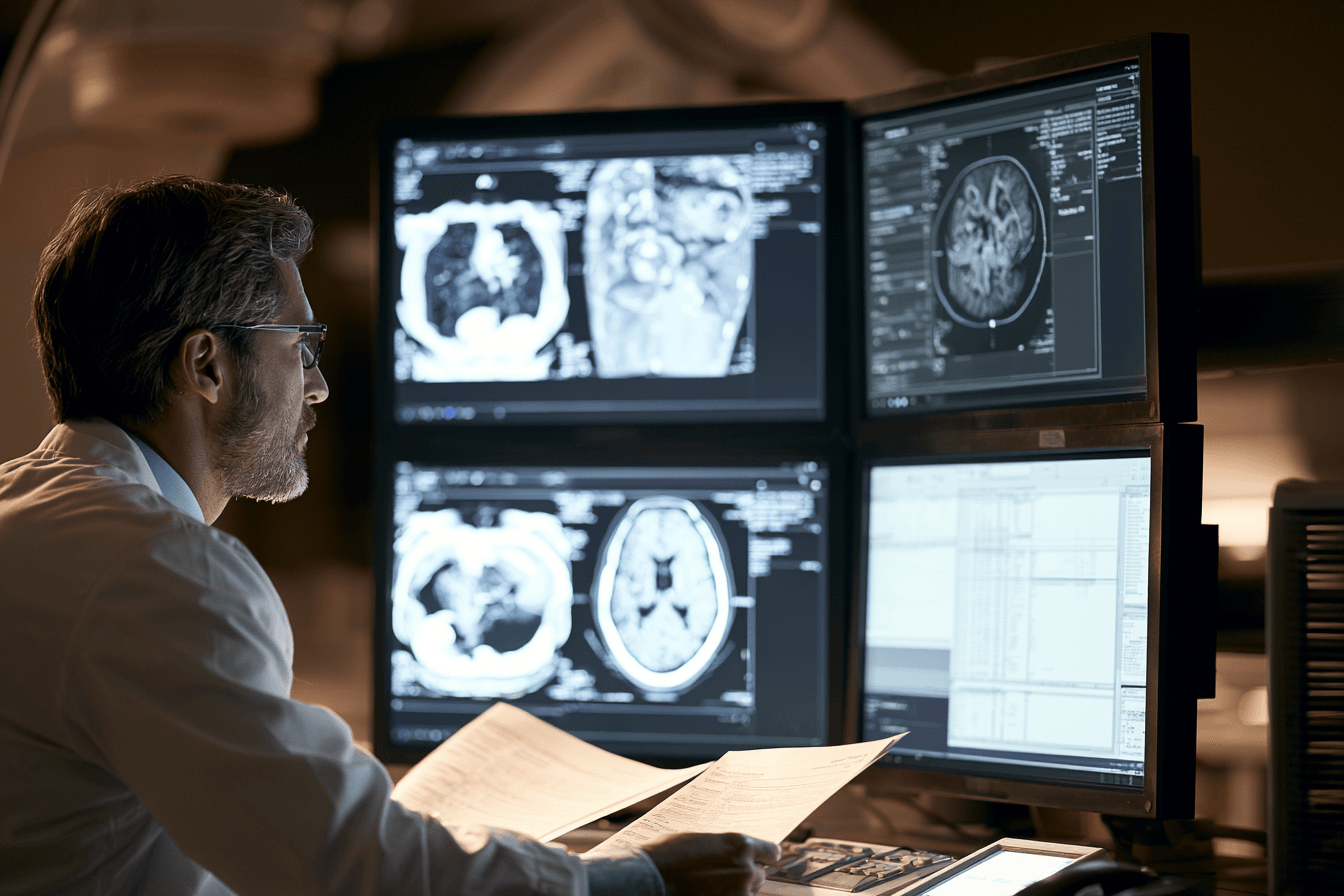
Complete Disease Mapping Before Treatment Begins
Small cell lung cancer treatment should not begin from the lung scan alone. Before selecting chemotherapy, immunotherapy, radiation or an individualized Ayurvedic curative-intent protocol, the complete disease must be mapped. This means confirming what type of cancer is present, where it has spread, how quickly it is affecting the body and how much functional strength the patient still has [1–3, 6].
When you are diagnosed with SCLC, several reports may arrive within a short period. It can be difficult to understand why the doctor needs a biopsy, CT scan, brain MRI and multiple blood tests before finalizing treatment. Each investigation answers a different question, and together they create the disease map that guides treatment.
At Panaceayur, I review the modern diagnostic findings first. The Ayurvedic assessment is then connected to the confirmed stage, tumour burden, metastatic organs, treatment history, Agni, Dhātu condition, Bala and Ojas. This prevents the disease from being judged only by symptoms or by a general Doṣa label [44, 49].
Confirming the Diagnosis Through Biopsy
A biopsy is necessary to confirm that the tumour is small cell lung cancer. Symptoms and imaging may create suspicion, but they cannot reliably distinguish SCLC from non-small cell lung cancer, lymphoma, infection or another pulmonary condition.
The pathologist studies the size, shape and arrangement of the tumour cells. Immunohistochemistry may then be used to confirm neuroendocrine differentiation and distinguish SCLC from other tumours. Markers such as synaptophysin, chromogranin, INSM1, CD56 and the tumour proliferation index may contribute to the pathological interpretation, although no single marker should be read in isolation [8].
The report should also state whether the tumour is pure SCLC or combined SCLC. Combined SCLC contains both small cell and non-small cell components, which may affect treatment planning and the interpretation of disease behaviour.
I do not prepare the final Ayurvedic disease strategy from a scan impression that says only “suspicious lung mass.” The confirmed pathology is required because the expected speed of growth, metastatic behaviour and treatment response differ considerably among lung cancer types.
Determining Limited Stage or Extensive Stage Disease
The next step is to determine how far the cancer has spread. SCLC is commonly divided into limited-stage and extensive-stage disease, although TNM staging may also be recorded [1, 6, 9].
Limited-stage SCLC is generally confined to one side of the chest and can usually be included within a tolerable radiation field. It may involve the primary lung tumour and regional lymph nodes. The treatment plan often combines chemotherapy with thoracic radiation because both the visible chest disease and microscopic systemic disease must be addressed.
Extensive-stage SCLC has spread beyond the area that can be treated within one radiation field. It may involve the opposite lung, distant lymph nodes, brain, liver, bones, adrenal glands or other organs. Systemic treatment becomes central because cancer cells may be present in several parts of the body.
A patient should not assume that a small lung mass means early disease. A relatively small primary tumour can sometimes be accompanied by distant metastases. In the same way, a larger thoracic tumour may still be classified as limited stage when all known disease can be treated within an acceptable radiation plan.
Mapping the Primary Tumour and Lymph Nodes
The primary lung tumour must be described according to its size, exact location and relationship with nearby structures. The report should identify whether it is close to a major bronchus, pulmonary artery, heart, oesophagus, pleura or chest wall.
This information matters because the tumour may cause airway narrowing, collapse of part of the lung, recurrent infection, coughing of blood or pressure on major vessels. A central tumour may also produce significant breathing difficulty even when its longest measurement is not very large.
Lymph-node involvement must also be mapped carefully. Enlarged hilar, mediastinal, supraclavicular or distant lymph nodes can change the stage and radiation field. The response of these nodes should later be compared with the original measurements rather than assessing only the main lung mass [44].
At Panaceayur, the primary tumour and each important lymph-node group are treated as measurable disease targets. The later scan is reviewed to determine which lesions have disappeared, which have reduced, which remain unchanged and whether any new lymph node has appeared.
CT and PET CT for Whole-Body Assessment
Contrast-enhanced CT of the chest and abdomen commonly forms the main anatomical map of SCLC. It helps identify the primary tumour, lymph nodes, pleural disease, liver lesions, adrenal involvement and other areas of possible spread [1–3].
PET CT can provide additional information about metabolically active disease. It may help clarify uncertain lymph nodes or distant lesions, particularly when limited-stage treatment with curative intent is being considered. However, PET CT does not replace biopsy when tissue confirmation is required, and it is not the preferred investigation for detecting small brain metastases.
The baseline scan must be preserved for future comparison. Without the original tumour measurements, it becomes more difficult to determine whether later treatment has produced a complete response, partial response, stable disease or progression.
When previous and current scans are performed at different centres, the reports should still be compared directly. Whenever possible, the treating team should review the actual images rather than relying only on a short written summary.
Why Brain MRI Is Important
Small cell lung cancer has a strong tendency to spread to the brain. Brain metastases may be present even when a patient has no headache, weakness, seizure or memory problem. A contrast-enhanced brain MRI is therefore an important part of the initial staging assessment [1, 6, 7].
The result can change the entire treatment plan. A patient with no visible brain disease may be considered for surveillance or prophylactic cranial irradiation in an appropriate clinical setting. A patient with confirmed brain metastases requires a treatment plan directed at visible intracranial disease.
You should report new headache, vomiting, confusion, imbalance, weakness, altered speech, personality change or seizure immediately. These symptoms should not be observed at home or interpreted only as Vāta disturbance before urgent neurological assessment.
Assessing the Liver, Bones, Adrenal Glands and Other Organs
The disease map must record every metastatic organ rather than simply stating that the cancer is extensive stage. A liver lesion, brain metastasis and spinal metastasis do not create the same risks and cannot be approached in the same manner.
Liver involvement may affect bilirubin, liver enzymes, albumin, appetite and the metabolism of medicines. Bone metastases may cause pain, fractures, high calcium or spinal cord compression. Adrenal involvement may remain silent or may contribute to hormonal and metabolic disturbance. Pleural disease can produce fluid accumulation and increasing breathlessness.
Each organ is therefore assessed for both tumour burden and functional impact. The treatment plan must determine which lesion is immediately dangerous, which can be monitored and which requires radiation, systemic treatment or another urgent intervention.
The Ayurvedic curative-intent model also changes according to the involved organ. Treatment prepared for thoracic disease alone cannot be continued unchanged when new brain, liver, bone or adrenal metastases are identified.
Blood Tests and Organ Function Before Treatment
A complete blood count provides information about haemoglobin, white blood cells, neutrophils and platelets. These values help determine whether the patient can safely receive chemotherapy and whether the bone marrow is already affected by disease, infection, nutritional deficiency or previous treatment [1–4].
Kidney function is important when cisplatin or carboplatin is being considered. Liver tests help assess metastatic involvement, bile obstruction, medicine metabolism and the safety of further treatment. Electrolytes are also essential because SCLC can be associated with low sodium, which may cause weakness, confusion, seizures or reduced consciousness.
Albumin, body weight and nutritional status provide additional information about the patient’s ability to tolerate treatment and recover. Thyroid and other endocrine tests may later be required during immunotherapy, especially when fatigue, low blood pressure or unexplained metabolic changes appear.
At Panaceayur, I also use these investigations to decide whether an Ayurvedic medicine should be started, modified, temporarily withheld or replaced. The same preparation should not be continued during severe neutropenia, significant liver injury, acute kidney dysfunction or a rapidly changing clinical condition.
Performance Status, Oxygen Level and Functional Strength
Two patients with the same tumour stage may not have the same ability to tolerate treatment. One may remain active and independent, while another may spend most of the day in bed because of breathlessness, infection, weight loss or widespread metastases.
Performance status describes how well the patient can manage daily activities. Oxygen saturation, walking ability, food intake, muscle strength and the need for assistance provide practical information about remaining physiological reserve.
In Ayurveda, this assessment is closely connected with Rogi Bala, Dhātu Bala and Ojas. However, these concepts should not be judged only from pulse examination or appearance. Body weight, haemoglobin, albumin, oxygen level, muscle loss, daily activity and organ function provide measurable information that strengthens the clinical assessment.
The treatment objective must match the patient’s actual capacity. A very weak patient with severe respiratory distress may first require hospital stabilization, oxygen, infection treatment, drainage of pleural fluid or another urgent procedure before a longer curative-intent protocol can be implemented.
Preparing the Ayurvedic Disease Map
After reviewing the confirmed diagnosis and modern staging, I assess Prakṛti and the present Vikṛti. The examination includes Doṣa predominance, Dūṣya involvement, Agni, Āma, Koṣṭha, Srotas, Dhātu, Bala and Ojas [45–49].
Agni is assessed because digestion, absorption and healthy tissue formation influence the patient’s ability to receive and respond to treatment. Āma and Srotoduṣṭi are considered where metabolism, transport and tissue regulation appear disturbed. Dhātu assessment helps identify whether Rasa, Rakta, Māṃsa, Asthi or Majjā are significantly affected by the disease, metastases or previous treatment.
The respiratory assessment includes cough, sputum, chest pressure, breathlessness, voice change, oxygen requirement and recurrent infection. The systemic assessment includes appetite, weight loss, bowel pattern, sleep, pain, fever, mental stability and daily function.
This information does not replace biopsy, imaging or modern staging. It adds an individualized Ayurvedic map to the confirmed medical diagnosis and helps determine how the disease-directed treatment should be structured.
The Five Questions That Guide the Curative-Intent Plan
Before treatment begins, the physician must understand where the cancer is present and which site creates the greatest immediate risk. The rate of progression must also be estimated from symptoms, imaging and previous reports.
The next question is how the disease is affecting organ function, blood formation, respiration, nutrition and functional strength. Treatment cannot be planned safely without knowing what the patient’s body can currently tolerate.
The physician must then identify which measurable findings will be used to judge success. These may include tumour dimensions, lymph-node size, metastatic-lesion count, oxygen stability, blood investigations, body weight and performance status.
Finally, the complete plan must explain when treatment will be reviewed and what findings would require modification. At Panaceayur, the curative-intent protocol is not considered permanent or fixed. It is changed according to the latest scans, laboratory reports, disease behaviour and the patient’s evolving condition [44, 49].
Complete disease mapping protects the patient from incomplete treatment decisions. It ensures that chemotherapy, immunotherapy, radiation and individualized Ayurvedic treatment are planned from the actual cancer burden rather than from assumptions, isolated symptoms or one report.
Limited-Stage Small Cell Lung Cancer Treatment
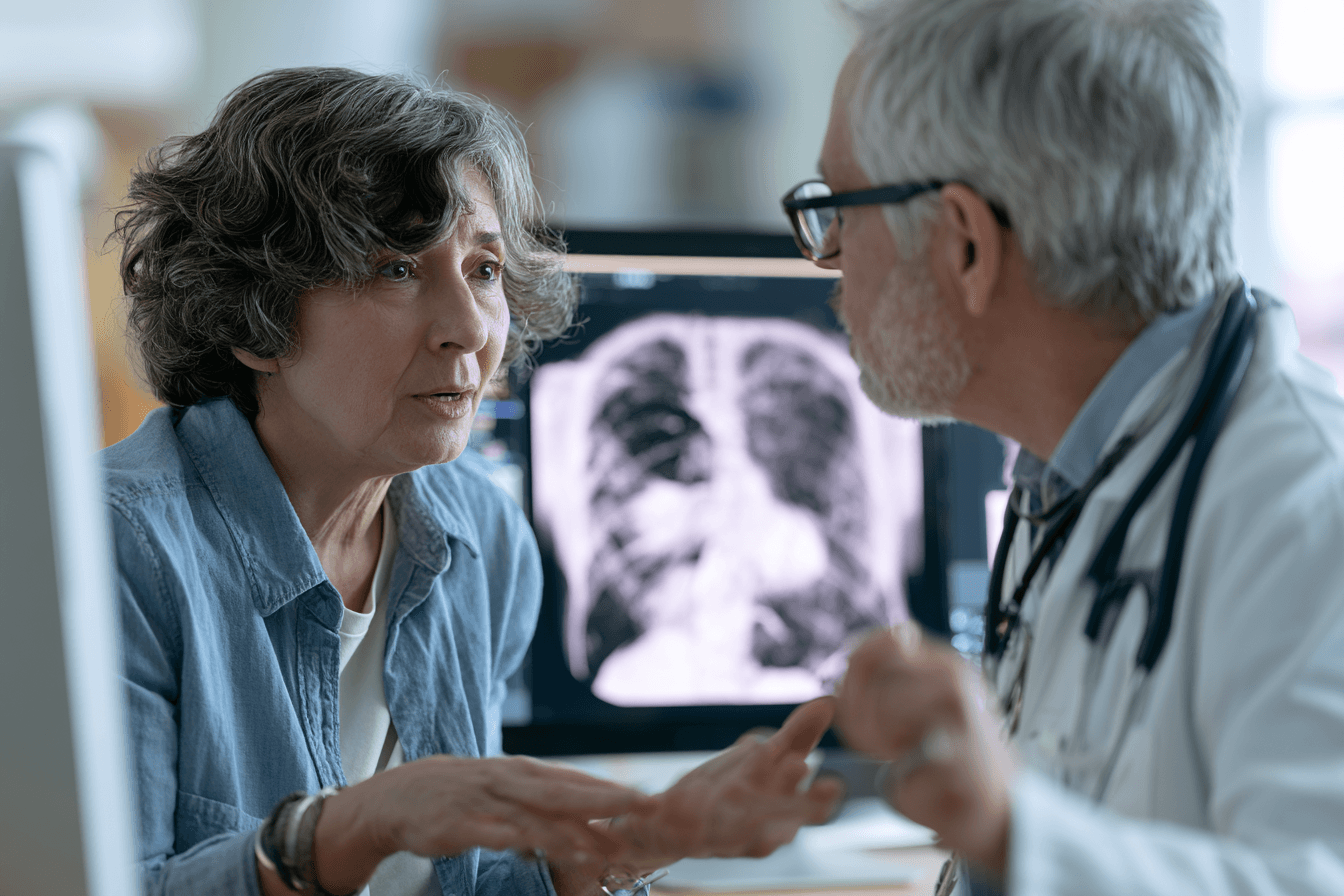
Limited-stage small cell lung cancer is generally confined to one side of the chest and can usually be included within a tolerable radiation field. The disease may involve the primary lung tumour and nearby lymph nodes, but it has not spread widely to distant organs. Treatment is commonly planned with curative intent because long-term remission remains possible in selected patients [1, 3, 6, 7].
The main treatment is platinum-based chemotherapy combined with thoracic radiation. Chemotherapy acts throughout the body, while radiation acts directly on the visible tumour and involved lymph nodes in the chest. Using both treatments together addresses the known thoracic disease and malignant cells that may have travelled beyond what can be seen on imaging [1, 3–7].
A patient should understand that limited stage does not mean harmless or slow-growing disease. Small cell lung cancer can progress quickly, so unnecessary delays between diagnosis, staging and treatment may reduce the opportunity to achieve the deepest possible response.
Concurrent Chemotherapy and Thoracic Radiation
Concurrent chemoradiation means that chemotherapy and chest radiation are delivered during the same overall treatment period. For a medically fit patient, radiation commonly begins during an early chemotherapy cycle because early thoracic treatment may improve control of the primary tumour and lymph nodes [1, 6, 7, 16–18].
Etoposide with either cisplatin or carboplatin is commonly used. Radiation is directed toward the lung tumour and involved lymph-node regions while attempting to protect the healthy lung, heart, spinal cord and oesophagus.
The treatment schedule is individualized according to tumour size, lymph-node involvement, respiratory capacity, age, blood counts and overall physical condition. A patient with severe weakness, major weight loss, infection or poor organ function may require stabilization or modification of the treatment schedule before concurrent treatment can be delivered safely.
Chemoradiation can cause significant side effects because chemotherapy and radiation are acting at the same time. These may include fatigue, low blood counts, nausea, loss of appetite, painful swallowing, cough and temporary worsening of general weakness. New fever, severe breathlessness, chest pain, dehydration or inability to swallow requires prompt medical review.
Cisplatin or Carboplatin With Etoposide
Cisplatin and carboplatin belong to the platinum group of chemotherapy medicines. Both are combined with etoposide because the combination acts against rapidly dividing SCLC cells and has been used extensively in limited-stage treatment [1, 3–6, 15].
Cisplatin may be selected for a fit patient with adequate kidney function, hearing and hydration capacity. It can cause kidney injury, hearing damage, nerve symptoms, nausea and electrolyte disturbance, so careful monitoring is required.
Carboplatin may be considered when age, kidney function, hearing problems, frailty or hydration difficulties make cisplatin less suitable. Carboplatin may cause greater bone-marrow suppression in some patients, particularly reductions in platelets, neutrophils and haemoglobin.
One drug is not automatically best for every person. Your oncologist selects the platinum medicine after reviewing kidney function, hearing, blood counts, neurological symptoms, performance status and other health conditions [15].
At Panaceayur, I also review the selected chemotherapy regimen before planning the Ayurvedic curative-intent protocol. The formulation and timing must reflect the patient’s kidney function, liver function, blood counts, appetite, bowel pattern, Agni, Dhātu condition and treatment schedule.
Once-Daily or Twice-Daily Chest Radiation
Thoracic radiation may be delivered once daily or in smaller doses twice daily. The twice-daily approach has important historical evidence, while modern once-daily schedules may also be used according to the radiation centre, patient condition, tumour volume and practical feasibility [17, 18].
Twice-daily radiation requires the patient to attend two sessions on the same treatment day with an adequate interval between them. It may be difficult for a person who lives far from the radiation centre, has severe weakness or needs significant assistance.
Once-daily radiation may be easier to complete and is used in many centres. The oncologist and radiation oncologist should explain the planned dose, duration, expected benefit and possible complications before treatment begins.
Radiation planning is based on a dedicated simulation scan. The team identifies the tumour, involved lymph nodes and nearby healthy structures so that radiation can be delivered accurately while limiting unnecessary exposure.
Durvalumab After Chemoradiation
Durvalumab may be considered after concurrent platinum-based chemotherapy and thoracic radiation when limited-stage SCLC has not progressed and the patient remains medically eligible. It is an immune checkpoint inhibitor that helps immune cells recognize and attack cancer cells that use the PD-L1 pathway to avoid immune destruction [19, 20].
In the ADRIATIC trial, median overall survival was 55.9 months with durvalumab and 33.4 months with placebo. Median progression-free survival was 16.6 months with durvalumab and 9.2 months with placebo [19, 20].
These results show that treatment after chemoradiation can influence how long disease control is maintained. However, individual outcomes vary according to tumour biology, treatment response, age, organ function and treatment-related complications.
Durvalumab can cause immune-related adverse effects. New breathlessness, persistent cough, diarrhoea, jaundice, severe rash, unusual weakness, headache, confusion or hormonal disturbance must be reported promptly because the immune system may begin attacking healthy organs.
At Panaceayur, I do not describe this phase as a period for general “immune boosting.” The Ayurvedic curative-intent plan is reassessed according to the post-treatment scan, remaining tumour burden, respiratory condition, liver and thyroid function, blood investigations, Agni, Dhātu, Bala and Ojas. Any new symptom must first be investigated for disease progression, infection, radiation injury or immune-related toxicity.
Prophylactic Cranial Irradiation and Brain MRI Surveillance
Small cell lung cancer has a high tendency to spread to the brain. Even after a strong response in the chest, microscopic malignant cells may later develop into visible brain metastases.
Prophylactic cranial irradiation means that radiation is given to the brain when no visible brain metastasis is present. Its purpose is to reduce the risk of future brain metastases in appropriately selected patients who have responded to initial treatment [21].
The decision is not identical for every patient. Age, memory, neurological condition, treatment response, existing medical problems and access to regular brain MRI must be considered.
Some patients may be offered close MRI surveillance instead of preventive brain radiation. This approach requires reliable access to scheduled brain imaging so that any new metastasis can be identified and treated early [7, 21–23].
A patient should ask whether a recent contrast-enhanced brain MRI has been performed, what the personal risk of brain metastasis is and how cognitive effects will be monitored. Preventive radiation and treatment of visible brain metastases are different decisions and should not be confused.
When Surgery May Be Considered
Surgery is uncommon in small cell lung cancer because many patients already have lymph-node or microscopic systemic disease at diagnosis. It may be considered when the tumour is very small, confined to the lung and careful mediastinal staging shows no lymph-node involvement [1, 6, 14].
Surgery alone is usually not considered sufficient. Chemotherapy is generally required afterward because malignant cells may remain outside the surgically removed area even when the operation has successfully removed the visible tumour.
Radiation may also be considered according to the surgical margins, lymph-node findings and final pathology. The complete decision should be made by a multidisciplinary team that includes a thoracic surgeon, medical oncologist and radiation oncologist.
The Ayurvedic curative-intent plan after surgery is prepared from the final pathology rather than from the fact that the visible mass has been removed. I review the margins, lymph nodes, pathological stage, postoperative scans, respiratory capacity, blood investigations and recurrence risk before defining the next treatment objective.
How Treatment Response Is Measured
A response assessment is usually performed after a planned phase of treatment. The current CT, PET CT or brain MRI is compared with the baseline imaging so that the primary tumour, lymph nodes and any other measurable lesions can be evaluated [44].
Complete response means that all measurable target lesions have disappeared. Partial response means that the total measurable disease has reduced substantially, but visible disease remains. Stable disease means that the cancer has not reduced enough to be called a partial response and has not increased enough to be classified as progression. Progressive disease means that the tumour burden has increased or new lesions have appeared [44].
Symptom improvement should also be assessed, but it cannot replace imaging. Easier breathing, reduced cough and improved appetite are valuable changes, yet they do not prove that all malignant disease has disappeared.
The patient’s blood counts, liver and kidney function, oxygen level, body weight and performance status must also be reviewed. A strong curative response means that the measurable cancer burden is reducing while the patient’s organs and functional strength remain stable or improve.
Panaceayur’s Curative-Intent Model for Limited-Stage SCLC
At Panaceayur, I study limited-stage SCLC as a complete thoracic and systemic disease process. The plan is not prepared only for cough, fatigue or the side effects of chemoradiation. It is directed toward the primary lung tumour, involved lymph nodes, possible microscopic spread, residual disease, respiratory impairment and recurrence pathway [49].
The modern disease map is connected with the Ayurvedic assessment of Doṣa, Dūṣya, Agni, Āma, Srotas, Dhātu, Bala and Ojas. Kapha-related accumulation and obstruction, Vāta-related dissemination and tissue depletion, and Pitta-Rakta-related inflammation or injury are assessed according to the individual presentation rather than assumed to be identical in every patient.
After chemoradiation, I compare the latest scan with the baseline report. If the disease is progressing, the immediate objective is to prevent further increase and reassess treatment resistance. If the disease is stable, the objective is to pursue measurable reduction. If there is a partial response, the remaining tumour and lymph nodes become the principal disease targets. After a complete radiological response, the focus shifts toward residual Samprāpti, restoration of healthy Dhātu regulation and prevention of renewed progression [44, 49].
Agni, food tolerance, body weight, blood formation, respiratory strength, Bala and Ojas are treated as essential parts of the curative pathway. A severely depleted patient may be unable to absorb medicines, complete treatment or maintain a favourable response. Restoration is therefore connected to disease control rather than treated as a separate wellness objective.
The Ayurvedic protocol is modified according to imaging, blood counts, organ function, treatment phase and changing symptoms. One fixed formulation cannot represent the complete needs of every limited-stage patient.
A curative-intent model pursues the deepest and most durable remission achievable, but it cannot guarantee the same outcome for all patients. Stage, tumour biology, lymph-node burden, treatment response, organ function and remaining physical strength continue to influence the final result.
Extensive-Stage Small Cell Lung Cancer Treatment

Extensive-stage small cell lung cancer means that the disease has spread beyond the lung and nearby chest region that could be covered safely within one radiation field. Cancer may be present in the opposite lung, distant lymph nodes, brain, liver, bones, adrenal glands, pleura or other organs. Because several parts of the body may be involved, treatment must address the whole disease rather than only the primary lung mass [1–6].
The principal modern treatment is platinum and etoposide chemotherapy combined with immunotherapy. Radiation may also be used for selected residual chest disease, brain metastases, painful bone lesions, spinal involvement, airway obstruction or another threatening tumour site [1, 3–7, 22–30].
When you are diagnosed with extensive-stage SCLC, the first objective is usually to reduce the total cancer burden quickly. The next objectives are to maintain the response, control metastatic disease and prevent or delay further progression. At Panaceayur, I connect these objectives with an individualized Ayurvedic curative-intent model that includes the primary tumour, every metastatic organ, treatment resistance, Agni, Srotas, Dhātu, Bala and Ojas [44, 49].
Why Extensive-Stage SCLC Requires Systemic Treatment
A local treatment cannot reach cancer cells distributed throughout the body. Surgery removes only the tissue within the operation, while radiation acts mainly within the planned radiation field. Chemotherapy and immunotherapy are therefore central because they can act against disease in the lung, lymph nodes and distant organs.
This does not mean that every metastatic lesion responds equally. The primary lung tumour may reduce considerably while a liver or bone lesion responds less. Brain metastases may also require a separate radiation decision because the brain has its own clinical risks and treatment considerations.
The complete response assessment must therefore include every previously documented site. A treatment should not be judged only from the reduction of the largest lung mass when active disease remains in another organ.
Platinum and Etoposide With Atezolizumab
Atezolizumab is an immune checkpoint inhibitor that is commonly combined with carboplatin and etoposide for first-line extensive-stage SCLC. Chemotherapy produces rapid cancer-cell destruction, while atezolizumab blocks the PD-L1 pathway that some cancer cells use to weaken the immune response [25, 26].
In the IMpower133 trial, median overall survival was 12.3 months with atezolizumab, carboplatin and etoposide, compared with 10.3 months with chemotherapy alone. Median progression-free survival was 5.2 months and 4.3 months respectively [25].
These figures describe the middle result within a large study group. They do not predict exactly how long an individual patient will live. Some people progress earlier, while a smaller proportion maintain disease control for several years. The result depends on tumour biology, metastatic burden, organ function, physical condition and response to treatment.
Atezolizumab is usually started with chemotherapy. When the initial chemotherapy cycles have been completed and the disease has not progressed, atezolizumab may continue as maintenance treatment. The treatment is reviewed regularly through scans, laboratory tests and assessment of possible immune-related adverse effects.
Platinum and Etoposide With Durvalumab
Durvalumab is another PD-L1 inhibitor used with etoposide and either cisplatin or carboplatin. It may continue as maintenance after the planned chemotherapy cycles when the patient remains eligible and the disease has not progressed [27, 28].
The CASPIAN trial showed that adding durvalumab to platinum and etoposide improved overall survival compared with chemotherapy alone. Median overall survival was approximately 13 months with durvalumab and 10.3 months with chemotherapy alone [27].
The choice between atezolizumab and durvalumab depends on the approved treatment pathway in the patient’s country, the chemotherapy regimen, existing health conditions and the oncology team’s clinical decision. These medicines should not be viewed as interchangeable without medical review.
You should inform your treating doctor about autoimmune disease, previous organ transplantation, long-term steroid use, chronic infection and every medicine or herbal preparation you are taking. This information may affect immunotherapy selection and monitoring.
How Cisplatin and Carboplatin Are Selected
Cisplatin or carboplatin may be combined with etoposide and durvalumab, while the established atezolizumab induction regimen uses carboplatin and etoposide. The platinum choice depends on kidney function, hearing, nerve symptoms, blood counts, hydration capacity, age and performance status [15, 25–28].
Cisplatin can cause kidney injury, hearing damage, severe nausea, nerve symptoms and electrolyte disturbance. It generally requires more intensive hydration and close kidney monitoring.
Carboplatin is often easier to administer when kidney function, hearing, age or frailty makes cisplatin difficult. However, it may cause greater suppression of platelets, neutrophils and haemoglobin in some patients.
At Panaceayur, I review the exact chemotherapy medicine rather than recording only that the patient is receiving chemotherapy. Kidney function, liver function, blood counts, treatment dates, appetite, bowel pattern and Agni influence the timing and composition of the Ayurvedic curative-intent protocol.
What Happens After the Initial Chemotherapy Cycles
The first treatment phase is called induction. During this period, chemotherapy and immunotherapy are given together to reduce the cancer burden and establish whether the disease is responding.
After the planned induction cycles, the patient usually undergoes repeat imaging. The oncologist compares the lung tumour, lymph nodes and metastatic lesions with the baseline scan. The result may be classified as complete response, partial response, stable disease or progressive disease [44].
If the disease has reduced or remained stable, immunotherapy may continue as maintenance. Chemotherapy is generally not continued indefinitely because repeated cycles can cause increasing bone-marrow and organ toxicity. The maintenance phase attempts to preserve the disease control achieved during induction.
If the cancer progresses during induction, the treatment plan must be reconsidered. Continuing an ineffective regimen without reassessment may allow resistant disease to advance.
The Ayurvedic protocol must also be reviewed after the induction scan. A formulation prepared before treatment may no longer match the residual tumour, changed metastatic pattern, blood-count suppression or altered organ function.
Atezolizumab and Lurbinectedin Maintenance
In October 2025, the United States FDA approved lurbinectedin with atezolizumab for maintenance treatment in eligible adults with extensive-stage SCLC. This pathway applies when the cancer has not progressed after first-line induction with atezolizumab, carboplatin and etoposide [29, 30].
In the IMforte trial, median overall survival from maintenance randomization was 13.2 months with lurbinectedin and atezolizumab, compared with 10.6 months with atezolizumab alone. Median progression-free survival was 5.4 months and 2.1 months respectively [29, 30].
This is not a universal maintenance option for every SCLC patient. It is linked to a specific induction regimen and requires consideration of blood counts, organ function, previous toxicity and local regulatory approval.
Lurbinectedin can suppress the bone marrow. Reduced neutrophils, platelets or haemoglobin may increase the risks of infection, bleeding, breathlessness and weakness. Blood counts and clinical symptoms must therefore be monitored closely.
At Panaceayur, the maintenance-stage Ayurvedic plan is not treated as a fixed continuation of the induction-stage prescription. I reassess the remaining lesions, bone-marrow condition, liver and kidney function, Agni, food intake, Dhātu depletion and Bala before deciding the next curative-intent direction.
Radiation for Residual Disease in the Chest
Some patients respond well to systemic treatment but continue to have visible disease in the chest. Thoracic radiation may be considered in selected patients to improve control of the remaining lung tumour or mediastinal lymph nodes [7, 24].
The decision depends on the degree of systemic response, size and location of residual thoracic disease, previous radiation, lung function, performance status and disease outside the chest. Radiation is not automatically required for every patient with extensive-stage SCLC.
Radiation may reduce the local risk of airway obstruction, bleeding, collapse of lung tissue or renewed thoracic growth. However, it cannot be assumed to eliminate microscopic disease outside the treated field.
The Panaceayur disease map therefore continues to include the chest tumour, distant metastases and systemic Samprāpti. Local improvement in the irradiated area must be interpreted alongside the response of the whole disease.
Brain Metastases and Brain Radiation
The brain is a common site of SCLC spread. Brain metastases may cause headache, vomiting, confusion, seizures, balance problems, altered behaviour, speech difficulty or weakness on one side of the body. Some patients have no neurological symptoms when metastases are first found.
Contrast-enhanced brain MRI is important because the result may change the treatment sequence. Visible brain metastases may be treated with whole-brain radiation or, in selected circumstances, focused stereotactic radiation. The decision depends on the number, size and location of lesions, neurological symptoms, previous brain treatment and overall cancer burden [6, 7].
Prophylactic cranial irradiation may be discussed when the patient has responded to systemic treatment and no brain metastases are visible. Regular MRI surveillance may also be considered in selected patients who can reliably undergo scheduled imaging [7, 22, 23].
New confusion, seizure, severe headache, vomiting, speech change or limb weakness requires urgent medical assessment. These findings must not be interpreted only as aggravated Vāta before brain metastasis, swelling, bleeding or electrolyte disturbance has been excluded.
Liver Metastases
Liver metastases may be found on CT, PET CT or another abdominal investigation. A patient may initially have no liver-related symptoms, but increasing disease can cause poor appetite, upper abdominal discomfort, jaundice, itching, dark urine, low albumin or abnormal liver enzymes.
The liver is also responsible for processing many medicines. Significant liver dysfunction can therefore change the safety and dosing of chemotherapy, immunotherapy, pain medicines and Ayurvedic preparations.
When I assess a patient with liver metastases, I review the number and size of lesions, bilirubin, liver enzymes, albumin, clotting status, appetite and abdominal symptoms. The Ayurvedic curative-intent plan must address the liver involvement without using preparations that could place additional stress on impaired liver function.
A reduction in the lung mass cannot be considered a complete systemic response when liver lesions are enlarging. Each organ must be evaluated separately and then included in the complete disease assessment.
Bone and Spinal Metastases
Bone metastases may cause persistent pain, reduced mobility, fractures or increased calcium levels. Disease within the spine can compress the spinal cord and produce weakness, numbness, difficulty walking or loss of bladder and bowel control.
Radiation may be used to control painful or dangerous bone lesions. Surgery, bone-stabilizing treatment or emergency spinal management may also be required according to the location and severity of the disease.
New leg weakness, numbness around the groin, difficulty passing urine or loss of bowel control is an emergency. The patient should not wait for an ordinary follow-up consultation because delay can lead to permanent neurological damage.
The Ayurvedic plan for bone involvement must be connected to the actual imaging, fracture risk, calcium level, mobility and marrow condition. Pain reduction alone does not prove that the metastatic lesion has resolved.
Adrenal, Pleural and Other Metastatic Sites
Adrenal metastases may remain silent, but extensive bilateral involvement can affect hormonal and metabolic function. Pleural disease may cause fluid around the lung, increasing breathlessness, chest pressure and reduced oxygen capacity.
Pleural fluid may require drainage and laboratory examination. Repeated accumulation may need a catheter or another procedure. Ayurvedic medicines should not be used as a reason to delay drainage when fluid is causing respiratory distress.
Other metastatic sites are assessed according to their organ-specific risks. The complete treatment plan must identify which site is immediately threatening, which requires local intervention and which can be followed during systemic treatment.
Immune-Related Adverse Effects Must Be Recognized Early
Atezolizumab and durvalumab can sometimes cause the immune system to attack healthy organs. This may produce pneumonitis, hepatitis, colitis, thyroid dysfunction, adrenal dysfunction, skin reactions or neurological problems [39].
New breathlessness may result from immune-related pneumonitis, infection, pulmonary embolism, pleural fluid, airway obstruction or cancer progression. Persistent diarrhoea may represent immune-mediated colitis. Jaundice may result from liver metastases, bile obstruction, medicine toxicity or immune hepatitis.
These symptoms must be investigated before they are interpreted through Doṣa assessment. Prompt treatment of immune-related toxicity can prevent severe organ damage.
I do not use the phrase “immune boosting” when planning Ayurveda during checkpoint-inhibitor treatment. The protocol is prepared from the confirmed cancer status, organ function, immunotherapy schedule and possibility of treatment-related immune toxicity.
How Response Is Measured in Extensive-Stage Disease
The follow-up scan should compare every measurable disease site with the baseline imaging. The assessment includes the primary lung tumour, lymph nodes, liver lesions, adrenal lesions, bone disease where measurable and any other documented metastasis [44].
A complete response requires disappearance of all target lesions according to standardized radiological criteria. A partial response means substantial measurable reduction, while stable disease means there has not been enough reduction or increase to meet the other categories. Progressive disease includes significant tumour growth or the appearance of new lesions [44].
A patient may have a mixed response. This means that some lesions reduce while another site remains stable or grows. Mixed response can indicate biological differences or emerging resistance and may require a revised treatment strategy.
Blood counts, liver function, kidney function, electrolytes, oxygen level, body weight and performance status are reviewed with imaging. The most meaningful result occurs when the total tumour burden reduces, no new lesions appear, affected organs stabilize and the patient maintains or regains functional strength.
Panaceayur’s Systemic Curative-Intent Model for Extensive-Stage SCLC
At Panaceayur, I do not prepare treatment only for the lung tumour when cancer is present throughout the body. The Ayurvedic curative-intent model begins with a separate assessment of the primary tumour, lymph nodes and each metastatic organ. These findings are then connected to one systemic disease map [49].
The Ayurvedic assessment includes Prakṛti, present Vikṛti, Doṣa, Dūṣya, Agni, Āma, Srotas, Dhātu, Bala and Ojas. Kapha-related accumulation and obstruction, Vāta-related dissemination and depletion, and Pitta-Rakta-related inflammation and tissue injury are assessed according to the individual presentation.
The treatment objective is defined from the latest measurable disease. In progressive disease, the immediate direction is to stop further increase and prevent new lesions. In stable disease, the objective is to move toward measurable reduction. In partial response, the residual tumour and metastatic lesions remain active targets. After a complete radiological response, treatment moves toward restoration of healthy Dhātu regulation, interruption of the remaining Samprāpti and prevention of recurrence [44, 49].
The formulation must change when the disease changes. New brain involvement, rising bilirubin, falling blood counts, kidney injury or new bone metastases cannot be managed by continuing the previous protocol without reassessment.
Agni, body weight, blood formation, respiratory capacity, muscle strength, Bala and Ojas are also treated as essential parts of the curative pathway. Severe depletion may reduce medicine absorption, limit treatment completion and weaken the patient’s ability to maintain a favourable response.
The Panaceayur curative-intent model is designed to pursue measurable tumour reduction, control of metastatic progression, organ restoration and the deepest durable remission achievable for the individual patient. It does not guarantee the same result in every case because stage, tumour biology, metastatic burden, previous treatment response and remaining physiological strength continue to influence the outcome.
Chemotherapy, immunotherapy, radiation and emergency medical procedures should not be stopped or delayed without the treating oncology team’s advice. The Ayurvedic treatment is revised from the patient’s actual scans, laboratory findings, treatment schedule and changing disease condition rather than from assumptions or temporary symptom improvement.
Chemotherapy for Small Cell Lung Cancer
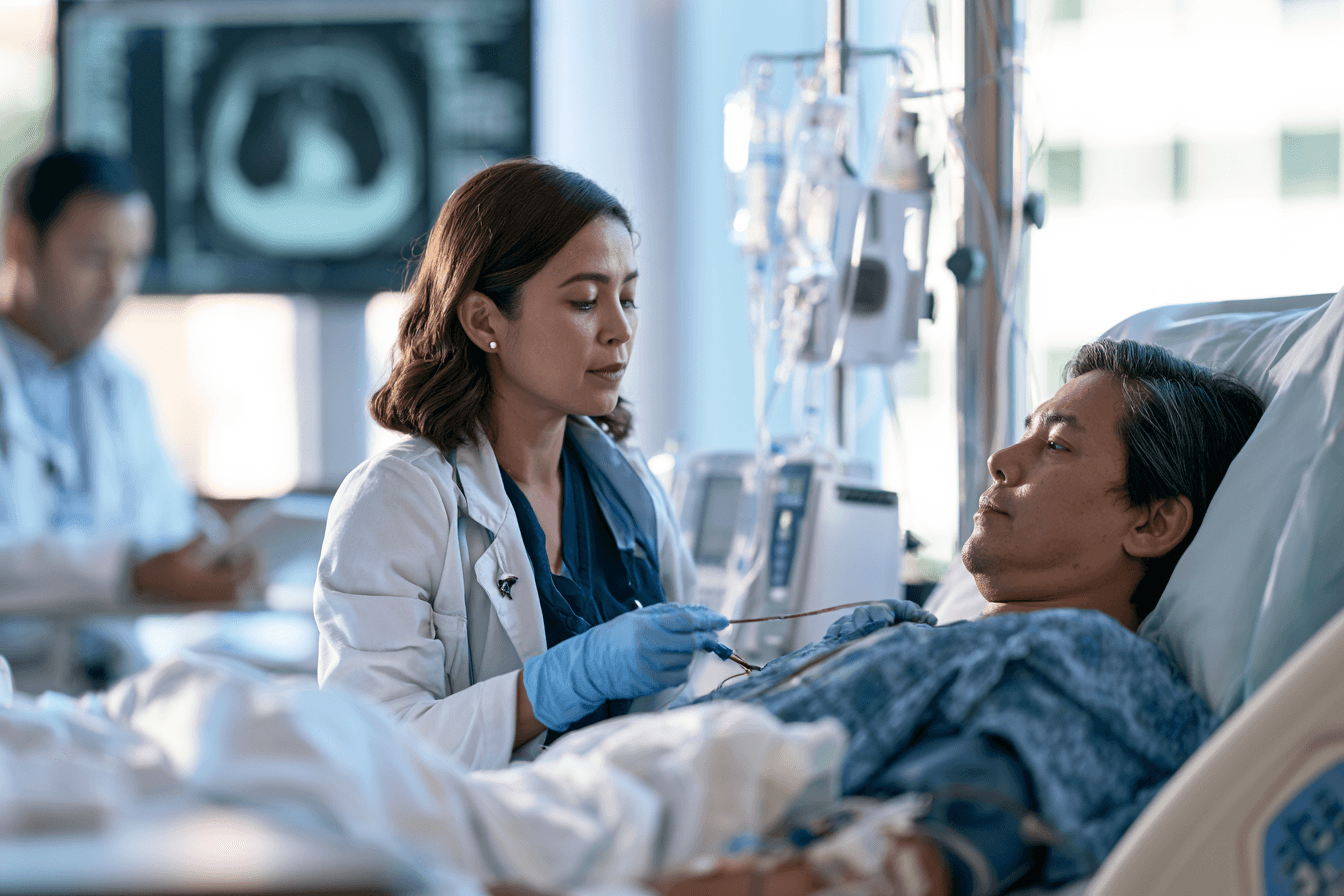
Chemotherapy remains one of the main treatments for small cell lung cancer because SCLC commonly spreads beyond the visible lung tumour at an early stage. The medicine travels through the bloodstream and can reach cancer cells in the lung, lymph nodes and distant organs that surgery or local radiation may not reach [1, 3–6].
Small cell lung cancer is often highly sensitive to the first course of chemotherapy. The tumour may shrink quickly, breathing may improve and enlarged lymph nodes may reduce. However, some resistant cancer cells may survive, which explains why recurrence can occur even after an apparently strong initial response [10–13].
The purpose of chemotherapy depends on the disease stage. In limited stage SCLC, chemotherapy is commonly combined with thoracic radiation as part of a curative intent oncology plan. In extensive stage disease, chemotherapy is usually combined with immunotherapy to reduce systemic cancer burden, control metastatic disease and prolong survival [1, 3–6].
At Panaceayur, I do not judge chemotherapy only by the number of cycles completed. I compare the pretreatment and follow up scans, assess every measurable lesion and examine how chemotherapy has affected the patient’s blood formation, organ function, Agni, Dhātu, Bala and complete disease pattern.
How Chemotherapy Acts Against SCLC Cells
Cancer cells divide in an uncontrolled manner. Platinum medicines damage the genetic material within these cells, while etoposide interferes with an enzyme that cancer cells need to copy and repair their DNA. When the damage becomes too great, the malignant cell can no longer divide normally and may die.
Chemotherapy can affect malignant cells throughout the body, including microscopic cells that are not visible on a CT or PET CT scan. This systemic action is especially important in SCLC because the cancer may spread through blood and lymphatic pathways before distant lesions become large enough to detect.
Chemotherapy also affects some healthy cells that divide rapidly. This is why treatment can temporarily reduce blood cells, irritate the digestive tract, cause hair loss and produce fatigue. The oncology team balances the required anticancer dose against the patient’s ability to recover between cycles.
A rapid reduction in tumour size does not prove that every malignant cell has disappeared. Follow up imaging is essential because the visible tumour response, resistant lesions and development of new metastases determine the next treatment decision [44].
Platinum and Etoposide Chemotherapy
The most established chemotherapy combination for SCLC contains etoposide with either cisplatin or carboplatin. This combination is used in both limited stage and extensive stage disease, although the accompanying radiation or immunotherapy plan differs according to the stage [1, 3–6].
Etoposide acts against rapidly dividing cancer cells and is usually given over several treatment days within each cycle. It may cause reduced white blood cells, anaemia, reduced platelets, infection risk, nausea, appetite loss, hair loss and fatigue.
Cisplatin and carboplatin are both platinum medicines, but their toxicity profiles are different. The oncologist selects the medicine after reviewing kidney function, hearing, nerve symptoms, blood counts, hydration capacity, age and performance status [15].
The treatment dose is calculated from the patient’s body size, kidney function and selected regimen. It should not be copied from another patient because even people with the same disease stage may have different organ reserve and treatment tolerance.
Cisplatin and Carboplatin Are Not Identical
Cisplatin may be selected for a relatively fit patient with adequate kidney function, hearing and hydration capacity. It has a long history of use with etoposide during concurrent chemoradiation for limited stage SCLC.
Cisplatin can cause kidney injury, hearing damage, nerve symptoms, severe nausea and electrolyte disturbance. Patients often require intravenous hydration before and after treatment, along with medicines to prevent vomiting.
Carboplatin generally requires less intensive hydration and may be preferred when age, kidney vulnerability, hearing problems or general frailty makes cisplatin difficult. However, carboplatin may produce greater suppression of platelets and other blood cells in some patients.
Evidence comparing the two medicines suggests that their overall anticancer effectiveness can be broadly similar in appropriately selected patients, although their side effects differ [15]. The correct choice is therefore based on the individual clinical condition rather than the assumption that one platinum medicine is always superior.
At Panaceayur, I review whether the patient is receiving cisplatin or carboplatin because this influences the Ayurvedic treatment plan. Kidney function, hydration, hearing symptoms, blood counts, electrolyte changes and digestive tolerance must be considered before the formulation and dose are finalized.
Chemotherapy in Limited Stage SCLC
In limited stage SCLC, chemotherapy is commonly given with thoracic radiation. Etoposide with cisplatin is a widely established regimen, although carboplatin may be selected when cisplatin is unsuitable [1, 3–7].
Chemotherapy acts against malignant cells throughout the body, while radiation treats the visible lung tumour and involved chest lymph nodes. Giving both during the same overall treatment period can improve thoracic disease control, but it can also increase fatigue, blood count suppression and painful swallowing.
The first chemotherapy cycles are important because SCLC may progress quickly if treatment is ineffective. The oncology team assesses symptoms, blood counts and organ function during treatment, while follow up imaging determines whether the tumour and lymph nodes are reducing.
When chemoradiation is completed and the disease has not progressed, eligible patients may receive durvalumab. The post treatment scan becomes an important point for redefining both the oncology plan and the Panaceayur curative intent strategy [19, 20].
Chemotherapy in Extensive Stage SCLC
In extensive stage disease, platinum and etoposide chemotherapy is commonly combined with atezolizumab or durvalumab. Chemotherapy provides rapid reduction of cancer burden, while immunotherapy attempts to maintain immune pressure against the disease [25–28].
The initial combined treatment period is known as induction. After the planned chemotherapy cycles, immunotherapy may continue as maintenance when the disease has reduced or remained stable and the patient has not developed unacceptable toxicity.
The response must be assessed throughout the body. A reduction in the lung tumour cannot be considered sufficient when liver, brain, bone or adrenal lesions are growing. Each previously documented site should be compared with the baseline investigation.
Some patients have a mixed response in which the primary tumour reduces but one metastatic site continues to progress. This finding may indicate treatment resistance and requires a fresh treatment decision rather than automatic continuation of the same plan.
At Panaceayur, extensive stage disease is approached through a complete systemic curative intent map. I assess the primary tumour, lymph nodes, every metastatic organ, the speed of progression, chemotherapy response, organ injury, Agni, Dhātu depletion, Bala and Ojas before modifying treatment.
How Many Chemotherapy Cycles Are Given
Chemotherapy is delivered in cycles. Each cycle includes treatment days followed by a recovery period that allows blood cells and healthy tissues to rebuild before the next dose.
The total number of cycles depends on the stage, selected regimen, tumour response, blood counts, kidney function, liver function, radiation schedule and treatment related toxicity. A fixed number should not be prescribed for every SCLC patient.
In many first line regimens, a limited series of platinum and etoposide cycles is planned rather than indefinite chemotherapy. Continuing treatment beyond the intended course may increase bone marrow and organ toxicity without providing equal additional benefit.
A cycle may be delayed when neutrophils or platelets remain too low, kidney function worsens, infection develops or the patient has not recovered adequately. A delay or dose modification does not automatically mean that the treatment has failed. It may be necessary to prevent serious complications and allow safe continuation.
You should ask how many cycles are planned, when the first response scan will be performed and what findings would lead to continuation, dose adjustment or a change in treatment.
Blood Tests Before Each Chemotherapy Cycle
A complete blood count is commonly checked before treatment. The report shows haemoglobin, white blood cells, neutrophils and platelets, all of which influence whether chemotherapy can be given safely.
Low neutrophils increase the risk of serious infection. Low platelets can increase bleeding risk, while low haemoglobin may worsen fatigue, weakness and breathlessness.
Kidney function is particularly important before platinum treatment. Liver function, electrolytes and hydration status may also influence treatment safety and dosing.
SCLC can sometimes be associated with low serum sodium. Severe sodium reduction can cause weakness, confusion, seizures or reduced consciousness, so new neurological symptoms require urgent medical assessment rather than home observation.
At Panaceayur, these laboratory reports are not treated as separate from the curative pathway. Blood formation, liver function, kidney function and electrolyte stability determine whether the Ayurvedic formulation can continue unchanged or requires immediate modification.
Common Chemotherapy Side Effects
Fatigue, nausea, reduced appetite, taste change, hair loss and temporary weakness are common during platinum and etoposide treatment. Blood count suppression may also occur, particularly several days after chemotherapy.
Kidney injury, hearing changes and nerve symptoms are more strongly associated with cisplatin. Carboplatin may produce greater platelet or bone marrow suppression in some patients.
The digestive tract can also be affected. Nausea, vomiting, constipation or diarrhoea may reduce food intake and produce dehydration, weight loss and further weakness.
These effects should not be ignored simply because they are known complications of treatment. Severe toxicity can interrupt the planned regimen, damage organ function and reduce the patient’s ability to maintain the tumour response.
The patient should report persistent vomiting, inability to drink, uncontrolled diarrhoea, severe constipation, reduced urine output, hearing changes, unusual bleeding or worsening weakness. Early treatment is usually more effective than waiting until the condition becomes severe.
Warning Signs That Require Immediate Medical Attention
Fever during chemotherapy can indicate infection during neutropenia and may become life threatening quickly. A patient with fever, chills or sudden deterioration should contact the oncology team immediately rather than waiting for the next scheduled appointment.
New or rapidly worsening breathlessness may result from infection, pulmonary embolism, pleural fluid, airway obstruction, pneumonitis, anaemia or cancer progression. It requires medical evaluation because these conditions cannot be distinguished safely from symptoms alone.
Coughing blood, confusion, seizure, severe headache, facial swelling, chest pain, uncontrolled vomiting or sudden limb weakness also require urgent assessment. These findings should not be attributed only to treatment weakness, aggravated Vāta or temporary detoxification.
When Chemotherapy Is Delayed or the Dose Is Reduced
The oncologist may delay treatment or reduce the dose when the patient develops severe blood count suppression, infection, kidney injury, liver dysfunction, neuropathy, hearing damage or marked physical decline. The decision is based on the seriousness of the toxicity and the expected benefit of continuing the current regimen.
A lower dose does not always mean inadequate treatment. A dose that the patient cannot tolerate may lead to hospitalization, organ damage or complete discontinuation, while an adjusted regimen may allow treatment to continue more safely.
The reason for every modification should be explained clearly. The patient should understand whether the change is temporary, whether another medicine will be used and how the tumour response will be reassessed.
The Ayurvedic prescription also requires modification when chemotherapy is delayed. I reassess why the delay occurred and whether the problem involves marrow suppression, infection, kidney injury, liver dysfunction, poor intake, Agni disturbance or severe Dhātu depletion.
How Chemotherapy Response Is Measured
The response scan is compared with the pretreatment baseline. The radiologist and oncologist review the primary tumour, involved lymph nodes and measurable metastatic lesions [44].
A complete response means that all measurable target lesions have disappeared. A partial response means that the total measured tumour burden has reduced substantially, although visible disease remains.
Stable disease means that the tumour has neither reduced enough to qualify as a partial response nor increased enough to be called progression. Progressive disease means that measurable disease has increased significantly or new lesions have appeared.
Clinical improvement is also important, but it cannot replace imaging. Reduced cough, easier breathing, improved appetite and greater activity are encouraging, yet they cannot establish that residual malignant disease has disappeared.
The strongest result occurs when the tumour burden reduces, no new lesions appear, blood and organ function remain stable and the patient regains weight, muscle strength and daily function.
What Happens When Chemotherapy Stops Working
SCLC may become resistant during treatment or return after an initial response. The time between completion of platinum treatment and recurrence helps the oncologist decide whether the original platinum combination might be used again or whether a different treatment is required [1, 3–6].
Progression may appear as renewed growth of the lung tumour, enlargement of lymph nodes or new disease in the brain, liver, bones or other organs. The latest imaging must therefore be compared with the original and most recent scans.
The next treatment may involve tarlatamab, topotecan, another chemotherapy regimen, selected platinum rechallenge, radiation or a clinical trial. The choice depends on previous treatment, interval to relapse, tumour sites, organ function and performance status [31–38].
The Ayurvedic protocol must also be redesigned after progression. Continuing the same formulation without considering the new resistance pattern, metastatic site and physiological condition would not represent an individualized curative intent approach.
Panaceayur’s Curative Intent Model During and After Chemotherapy
At Panaceayur, I view chemotherapy response as one stage within the complete curative pathway. Chemotherapy may produce rapid tumour reduction, but the remaining task is to identify residual disease, resistant lesions, metastatic activity and the physiological damage caused by both cancer and treatment [44, 49].
The modern assessment includes CT, PET CT or MRI findings, tumour measurements, lymph node response, metastatic lesions, blood counts, kidney function, liver function, electrolytes, oxygen level, body weight and performance status.
The Ayurvedic assessment includes Prakṛti, present Vikṛti, Doṣa, Dūṣya, Agni, Āma, Srotas, Dhātu, Bala and Ojas. These factors help define how the disease and chemotherapy have altered metabolism, absorption, tissue formation, circulation, respiration and the patient’s capacity to maintain a response.
The immediate objective depends on the latest scan. When the disease is progressing, the direction is to stop further increase and prevent new lesions. When the disease is stable, the objective is to pursue measurable reduction. During partial response, the remaining tumour and metastatic lesions continue to be active disease targets. After complete radiological response, the emphasis moves toward interruption of residual Samprāpti, restoration of healthy Dhātu regulation and prevention of recurrence.
Agni correction is important because poor digestion and absorption may affect food intake, medicine tolerance and healthy tissue formation. However, it must not be presented as the complete cancer treatment. It is one component of a broader tumour directed and metastasis focused strategy.
Dhātu restoration, Bala and Ojas are also part of the curative pathway. A severely depleted patient may be unable to continue treatment, rebuild blood cells, preserve respiratory strength or maintain a favourable tumour response.
The Ayurvedic medicines are not continued as one fixed formula throughout every chemotherapy cycle. The protocol is reviewed when blood counts fall, kidney or liver function changes, infection develops, the tumour responds, a new lesion appears or chemotherapy is replaced.
Patients must disclose every Ayurvedic medicine, Bhasma, herb and nutritional product to the oncology team. Foods, herbs and supplements can sometimes alter the absorption, metabolism or toxicity of anticancer medicines, so treatment compatibility must be assessed carefully [42].
Panaceayur’s curative intent model is designed to pursue measurable reduction of the primary tumour, control of metastatic disease, restoration of organ and tissue function and the deepest durable remission achievable in the individual patient. The term curative intent describes the therapeutic direction and measurable objectives, but it does not guarantee an identical result for every person.
Chemotherapy should not be stopped, delayed or reduced without the treating oncologist’s decision. The Panaceayur protocol is planned from the patient’s actual chemotherapy schedule, scans, laboratory reports, treatment response and changing disease condition.
Immunotherapy for Small Cell Lung Cancer
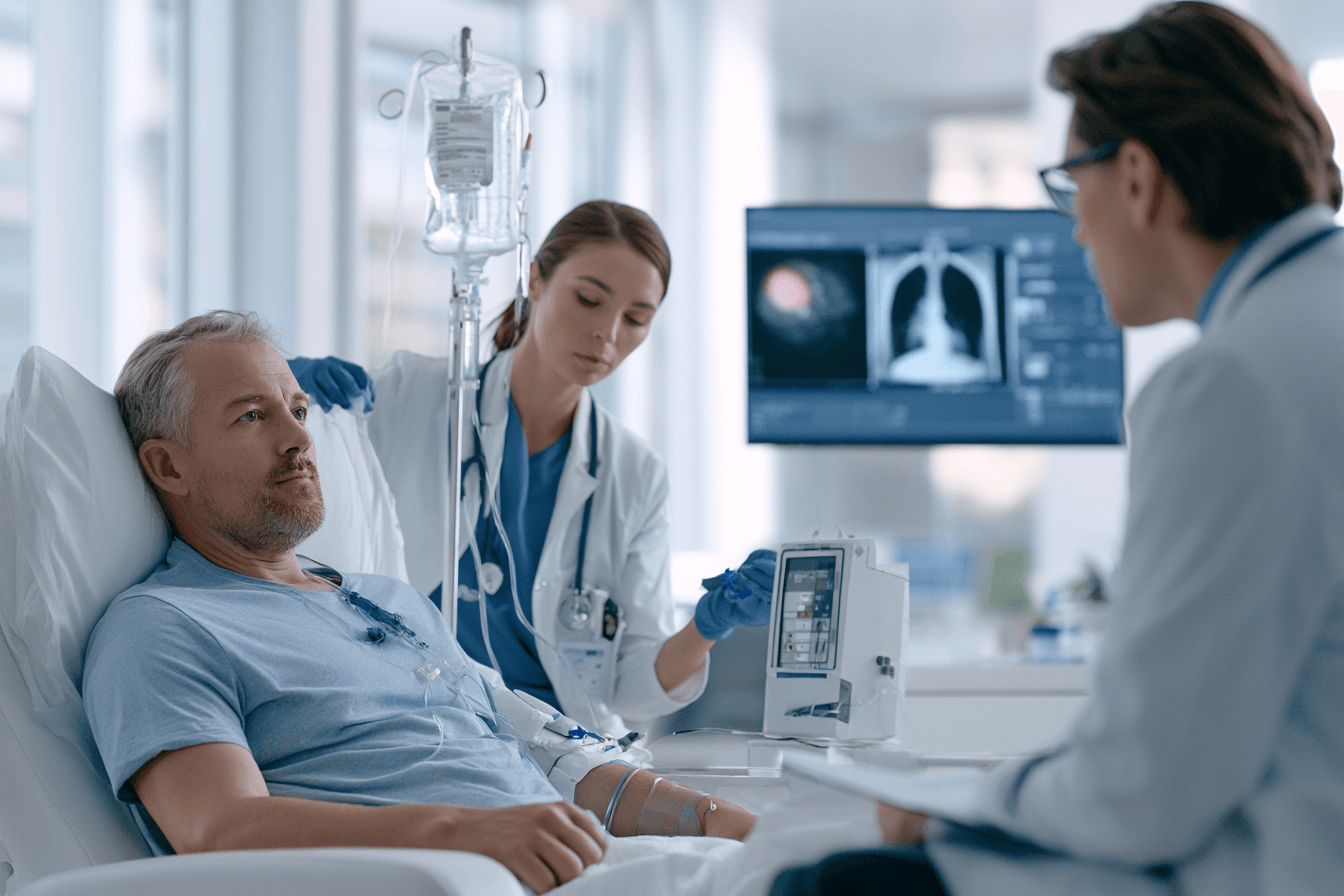
Immunotherapy has changed the treatment pathway for small cell lung cancer, particularly for extensive-stage disease. Unlike chemotherapy, which directly damages rapidly dividing cells, immunotherapy helps the patient’s immune system recognise and attack cancer cells that have learned to hide from normal immune surveillance.
Atezolizumab and durvalumab are immune checkpoint inhibitors used in different stages of SCLC. They are commonly combined with platinum and etoposide chemotherapy in extensive-stage disease. Durvalumab may also be given after concurrent chemotherapy and radiation in eligible patients with limited-stage SCLC [19, 20, 25–28].
Immunotherapy can extend disease control, but it does not produce the same response in every patient. Some cancers reduce considerably, some remain stable for a period, and others continue to progress. The treatment must therefore be assessed through imaging, laboratory investigations, clinical examination and careful monitoring for immune-related toxicity.
At Panaceayur, I do not describe immunotherapy as a simple method of “boosting immunity.” The immune system is highly regulated, and excessive or misdirected immune activity can damage healthy organs. The Ayurvedic curative-intent plan is prepared according to the tumour response, metastatic pattern, organ function, treatment schedule, Agni, Dhātu, Bala and Ojas.
How Immune Checkpoint Inhibitors Work
The immune system contains T cells that can recognise abnormal cells and destroy them. However, cancer cells may activate protective signals that prevent T cells from attacking them effectively.
One of these signals involves the PD-1 and PD-L1 pathway. PD-L1 may be present on cancer cells or other cells within the tumour environment. When it binds with PD-1 on immune cells, the immune response becomes weaker.
Atezolizumab and durvalumab block PD-L1. This can remove part of the signal that protects the cancer and allow immune cells to act more effectively against malignant cells.
The response is not immediate in every patient. Chemotherapy may reduce the cancer burden quickly, while immunotherapy may help maintain longer immune pressure against the remaining disease. This is why chemotherapy and immunotherapy are commonly started together in extensive-stage SCLC [25–28].
Immunotherapy does not directly prove that every microscopic cancer cell has disappeared. CT, PET CT or MRI findings are still required to determine whether the disease is reducing, stable or progressing [44].
Atezolizumab for Extensive-Stage SCLC
Atezolizumab is commonly given with carboplatin and etoposide as first-line treatment for extensive-stage small cell lung cancer. The chemotherapy portion is administered for a planned number of cycles, while atezolizumab may continue as maintenance when the disease has not progressed and the patient remains medically eligible [25, 26].
In the IMpower133 trial, median overall survival was 12.3 months with atezolizumab, carboplatin and etoposide, compared with 10.3 months with chemotherapy alone. Median progression-free survival was 5.2 months and 4.3 months respectively [25].
These figures represent the middle outcome within a large study population. They do not predict the exact result for an individual patient. Some people experience early progression, while others maintain disease control for considerably longer.
Your response depends on the tumour biology, metastatic burden, organ function, physical strength, previous medical history and development of treatment-related complications. A person should therefore not compare their expected outcome directly with another patient receiving the same medicine.
After the initial treatment cycles, the follow-up scan should review the primary lung tumour, lymph nodes, liver, adrenal glands, brain and every other documented disease site. A reduction in the lung tumour alone is not enough when another metastatic lesion is increasing.
Durvalumab for Extensive-Stage SCLC
Durvalumab may be combined with etoposide and either cisplatin or carboplatin in first-line extensive-stage SCLC. It may continue as maintenance treatment after chemotherapy when the disease has not progressed and side effects remain manageable [27, 28].
The CASPIAN trial showed that adding durvalumab to platinum and etoposide improved overall survival compared with chemotherapy alone. Median overall survival was approximately 13 months with durvalumab and 10.3 months with chemotherapy alone [27].
The choice between atezolizumab and durvalumab is made by the oncology team. It depends on the approved regimen in the patient’s country, platinum medicine, organ function, autoimmune history and other clinical factors.
Patients should disclose any history of autoimmune disease, organ transplantation, chronic infection, long-term steroid use or previous immune-related illness before treatment begins. These conditions may influence the decision to use immunotherapy and the level of monitoring required.
At Panaceayur, I also require the exact immunotherapy name and treatment dates. The Ayurvedic protocol cannot be planned safely from a statement that the patient is receiving “immunity medicine.” Atezolizumab, durvalumab and tarlatamab work differently and carry different risks.
Durvalumab After Limited-Stage Chemoradiation
Durvalumab may also be used after concurrent platinum-based chemotherapy and thoracic radiation in eligible patients with limited-stage SCLC whose disease has not progressed [19, 20].
In the ADRIATIC trial, median overall survival was 55.9 months with durvalumab and 33.4 months with placebo. Median progression-free survival was 16.6 months and 9.2 months respectively [19].
This treatment begins after chemoradiation rather than at the same time as the initial chemotherapy. The doctor reviews the post-treatment scan, respiratory condition, radiation-related toxicity and organ function before deciding whether durvalumab is appropriate.
Breathlessness during this phase requires careful assessment. It may result from infection, tumour progression, pulmonary embolism, radiation pneumonitis or immune-related pneumonitis. These conditions can appear similar to the patient but require different treatments.
A new respiratory symptom should therefore not be assumed to be an ordinary cough, aggravated Vāta or temporary treatment reaction. Medical investigation is necessary before the Ayurvedic prescription is changed.
Atezolizumab and Lurbinectedin Maintenance
Eligible patients who complete induction treatment with atezolizumab, carboplatin and etoposide without disease progression may be considered for maintenance treatment with atezolizumab and lurbinectedin [29, 30].
In the IMforte trial, median overall survival from maintenance randomisation was 13.2 months with lurbinectedin and atezolizumab, compared with 10.6 months with atezolizumab alone. Median progression-free survival was 5.4 months and 2.1 months respectively [29, 30].
Lurbinectedin is a chemotherapy medicine rather than an immune checkpoint inhibitor. Combining it with atezolizumab maintains both direct anticancer treatment and immune-directed treatment after the induction phase.
This combination can cause significant bone-marrow suppression. Neutrophils, platelets and haemoglobin must be monitored because reduced blood counts can lead to infection, bleeding, fatigue and breathlessness.
The maintenance Ayurvedic plan must therefore be prepared from the latest CBC, liver function, kidney function and imaging. A medicine selected during the induction phase should not be continued automatically when the patient moves into maintenance treatment.
Tarlatamab After Platinum-Based Treatment
Tarlatamab is used in previously treated extensive-stage SCLC after progression during or after platinum-based chemotherapy. It is different from atezolizumab and durvalumab because it is a DLL3-directed bispecific T-cell engager [31–33].
DLL3 is commonly found on the surface of small cell lung cancer cells. Tarlatamab connects the cancer cell with a T cell, bringing the immune cell close enough to attack the malignant cell.
In the DeLLphi-304 trial, median overall survival was 13.6 months with tarlatamab and 8.3 months with standard chemotherapy after progression on platinum-based treatment [32].
Tarlatamab requires specialist administration because it may cause cytokine-release syndrome and neurological toxicity. Step-up dosing and clinical monitoring are used to reduce and identify these risks [31–33].
Fever, low blood pressure, breathlessness, confusion, tremor, weakness, speech change or reduced consciousness after treatment requires immediate medical assessment. These findings should not be treated at home as fever, weakness or disturbed Vāta without excluding a serious treatment reaction.
At Panaceayur, I treat tarlatamab as a separate treatment phase. The Ayurvedic protocol is reassessed according to the latest progression scan, previous chemotherapy exposure, neurological status, liver and kidney function, blood counts, Agni, Dhātu depletion and remaining Bala.
Immune-Related Adverse Effects
Immune checkpoint inhibitors can sometimes cause immune cells to attack healthy tissues. These reactions may occur during treatment or even after several doses have been completed [39].
Immune-related pneumonitis can cause new cough, chest discomfort or breathlessness. Immune-related colitis can cause persistent diarrhoea, abdominal pain, blood in the stool or dehydration.
Immune-related hepatitis may cause increased liver enzymes, jaundice, dark urine or severe weakness. Immunotherapy can also disturb the thyroid, adrenal glands or pituitary gland, leading to fatigue, weight change, low blood pressure, headache, altered sodium levels or hormonal imbalance.
Skin reactions may appear as rash, itching, blistering or painful inflammation. Less commonly, neurological toxicity may cause weakness, numbness, confusion, difficulty speaking or altered consciousness.
You should report new or worsening symptoms promptly, even when they appear mild. Early recognition can prevent severe organ damage and may allow appropriate treatment to continue after the problem is controlled.
Steroids or other immune-suppressing medicines may be required for significant immune-related toxicity. They should not be avoided merely because the patient is following an Ayurvedic curative-intent treatment plan.
Why “Immune Boosting” Is the Wrong Approach
The phrase “immune boosting” is often used casually, but it is not an accurate treatment objective during checkpoint-inhibitor therapy. The immune system requires balance, regulation and correct targeting rather than continuous stimulation.
An unreviewed herb, concentrated extract or supplement may affect liver enzymes, blood clotting, inflammation or the metabolism of anticancer medicines. It may also make it more difficult to determine whether a symptom is caused by cancer, immunotherapy or the additional product [42, 43].
I therefore do not prescribe an identical immune-stimulating combination to every patient. The Ayurvedic treatment is selected according to the actual disease burden, organ involvement, immune-related risks, Agni, Dhātu, Bala and current treatment phase.
Patients should disclose every Ayurvedic medicine, Bhasma, herb, vitamin and nutritional product to both treatment teams. Concealing one treatment from the other can increase avoidable risk and make toxicity more difficult to identify.
How Immunotherapy Response Is Measured
The follow-up scan is compared with the pretreatment baseline. The primary lung tumour, lymph nodes and measurable metastatic lesions are reviewed according to standardized response criteria [44].
Complete response means that all measurable target lesions have disappeared. Partial response means that the total tumour burden has reduced substantially, but visible disease remains.
Stable disease means that the cancer has not reduced enough to qualify as a partial response and has not increased enough to be called progression. Progressive disease means that measurable disease has increased or that new lesions have appeared.
Immunotherapy can occasionally produce unusual response patterns. A lesion may appear larger because of immune-cell activity rather than true tumour growth, although genuine progression is more common and must not be ignored. The oncology team may use repeat imaging and the complete clinical picture when the first assessment is uncertain.
Symptoms alone cannot confirm response. Improved appetite, reduced cough or better energy is valuable, but the disease must still be measured through CT, PET CT or MRI.
Blood counts, liver function, kidney function, thyroid function, electrolytes, oxygen level, weight and performance status should also be reviewed. The cancer and the patient must improve together for the response to be considered clinically meaningful.
What Happens When the Cancer Progresses During Immunotherapy
Progression may appear as enlargement of the primary tumour, growth of lymph nodes, worsening metastatic lesions or development of new disease sites. The pattern may involve one organ or several parts of the body.
The oncologist considers how quickly the disease is progressing, which treatments have already been used and how much organ function and physical strength remain. Treatment may change to tarlatamab, chemotherapy, radiation or a clinical trial according to the individual case [1, 3–6, 31–38].
The Ayurvedic treatment must also be redesigned after progression. Continuing the same formulation without reviewing the latest scan would not represent a disease-directed curative approach.
I reassess the new tumour locations, organ-specific risks, rate of progression, blood investigations, Agni, Srotas, Dhātu, Bala and Ojas. The next therapeutic objective is then defined from the current disease rather than the original diagnosis.
Panaceayur’s Curative-Intent Model During Immunotherapy
At Panaceayur, immunotherapy is assessed as one part of the complete disease pathway. I review which lesions have responded, which remain active and whether any new metastatic site has appeared [44, 49].
The modern evaluation includes CT, PET CT or MRI findings, primary tumour measurements, lymph-node response, metastatic lesions, blood counts, liver function, kidney function, thyroid function, oxygen level, weight and performance status.
The Ayurvedic evaluation includes Prakṛti, present Vikṛti, Doṣa, Dūṣya, Agni, Āma, Srotas, Dhātu, Bala and Ojas. These findings help determine how the tumour, metastases, immunotherapy and previous chemotherapy have changed the patient’s complete physiological condition.
When the disease is progressing, the immediate objective is to prevent further increase, identify resistant sites and revise the treatment map. When the disease is stable, the objective is to move toward measurable reduction. During a partial response, the residual tumour and metastatic lesions remain active disease targets.
After a complete radiological response, the direction changes toward maintaining remission, restoring healthy Dhātu regulation, stabilising Agni and preventing renewed activation of the disease pathway. Scheduled scans remain necessary because symptom improvement cannot establish that microscopic disease has been eliminated.
Bala and Ojas are not treated as vague concepts of general wellness. They are evaluated through measurable findings such as weight, muscle strength, food intake, oxygen stability, blood formation, organ function and daily activity.
The Ayurvedic protocol may be modified when immunotherapy toxicity develops, liver enzymes rise, thyroid function changes, blood counts fall, new neurological symptoms appear or imaging shows progression. One fixed formula cannot remain appropriate throughout every treatment phase.
Panaceayur’s curative-intent model is designed to pursue measurable tumour reduction, metastatic disease control, restoration of organ and tissue function and the deepest durable remission achievable in the individual patient [49].
The term curative intent describes the objective and direction of the treatment. It does not guarantee an identical outcome for every patient. Disease stage, tumour biology, metastatic burden, treatment resistance, organ function and remaining strength continue to influence the result.
Immunotherapy should not be stopped, delayed or altered without the treating oncology team’s advice. The Ayurvedic protocol must be planned from the patient’s actual treatment schedule, scan findings, laboratory reports and changing clinical condition.
Radiation Therapy for Small Cell Lung Cancer
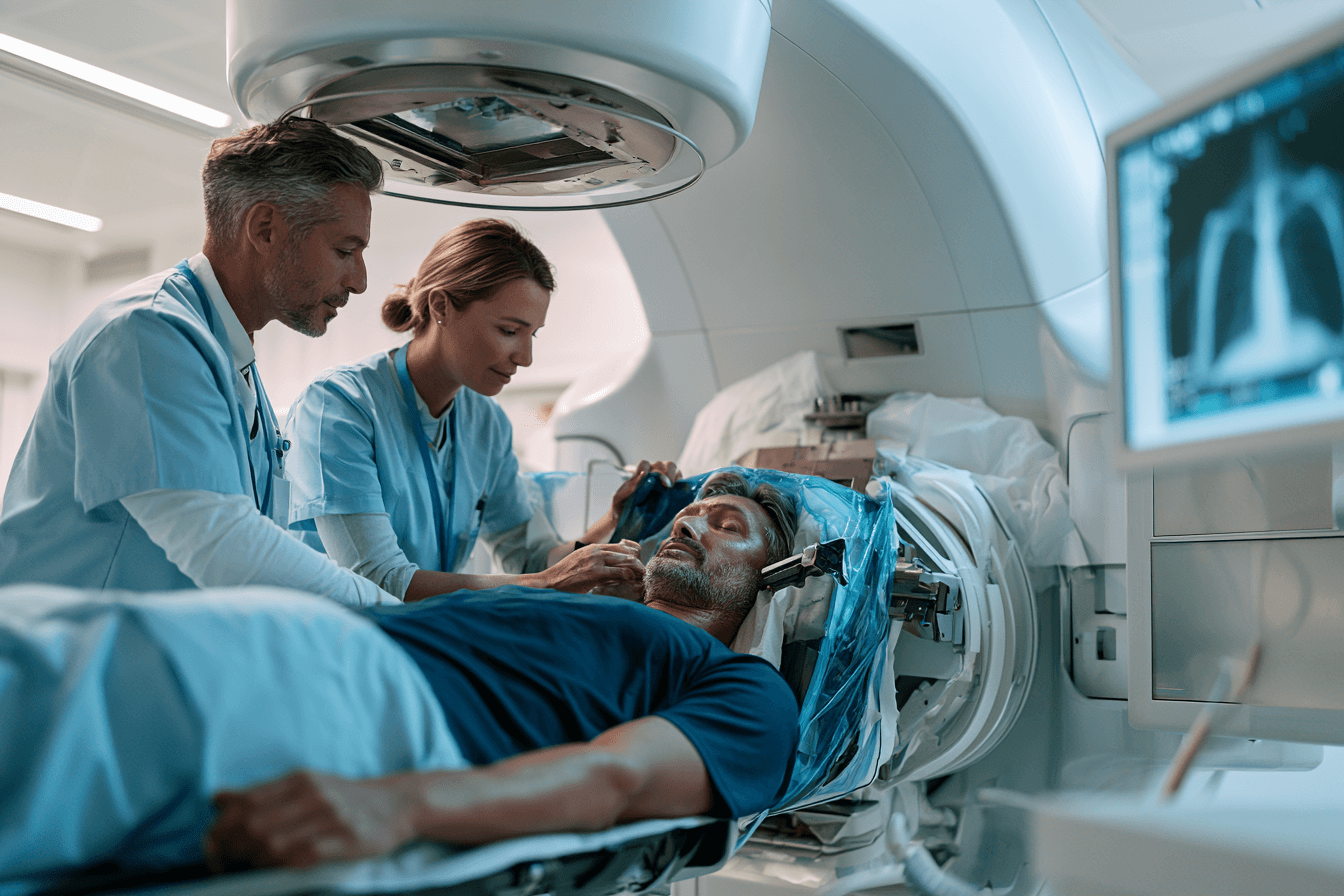
Radiation therapy uses high energy beams to damage the genetic material of cancer cells within a precisely planned area. It is an important part of small cell lung cancer treatment because SCLC often grows quickly, involves lymph nodes early and can spread to the brain, bones or other organs.
Radiation is a local treatment. It can control cancer within the treated field, but it does not automatically reach malignant cells elsewhere in the body. This is why thoracic radiation is commonly combined with chemotherapy in limited stage SCLC, while radiation in extensive stage disease is selected according to the location, symptoms and risk created by individual lesions [1, 3, 6, 7].
When you are advised to receive radiation, you should understand which area will be treated, whether the goal is long term disease control or relief of an urgent complication, how many sessions are planned and which side effects require immediate attention.
At Panaceayur, I do not consider the response of the irradiated lesion as the complete response of the disease. I review the treated area, disease outside the radiation field, metastatic sites, respiratory function, organ damage, Agni, Dhātu, Bala and the remaining Samprāpti before modifying the Ayurvedic curative intent plan [44, 49].
Why Radiation Is Important in Limited Stage SCLC
In limited stage small cell lung cancer, the disease is usually confined to one side of the chest and can be included within a tolerable radiation field. Thoracic radiation is commonly given with platinum and etoposide chemotherapy because the two treatments act in different ways.
Chemotherapy circulates throughout the body and acts against visible and microscopic cancer cells. Radiation directs a concentrated treatment toward the primary lung tumour and involved chest lymph nodes.
A major analysis showed that adding thoracic radiation to chemotherapy improved local tumour control and survival in limited stage SCLC [16]. This is why radiation is not usually treated as an optional addition when a medically fit patient can receive combined treatment.
The timing of radiation also matters. It is commonly started during an early chemotherapy cycle so that the visible thoracic disease is treated before resistant cancer cells have more time to develop.
The final schedule depends on tumour size, lymph node involvement, lung function, age, performance status, blood counts and the patient’s ability to attend treatment regularly [1, 3, 6, 7].
How Thoracic Radiation Is Planned
Before treatment begins, the patient undergoes a radiation planning scan. This is often called simulation. The radiation team positions the patient carefully and records the exact area that must be treated.
The primary tumour, involved lymph nodes and nearby healthy organs are mapped. The treatment plan attempts to deliver an effective radiation dose to the cancer while limiting unnecessary exposure to the healthy lung, heart, spinal cord and oesophagus.
The patient may be asked to lie in the same position during every session. A customized support device may be used to reduce movement and improve accuracy.
Radiation itself is usually painless while it is being delivered. The patient does not feel the beams entering the body. Side effects commonly develop gradually because healthy tissues within or near the treatment field also receive some radiation exposure.
You should attend the planned sessions consistently unless the radiation team advises otherwise. Repeated unnecessary interruptions can reduce treatment effectiveness.
Once Daily and Twice Daily Radiation
Thoracic radiation for limited stage SCLC may be delivered once daily or twice daily. Both schedules are used, although their total dose, number of sessions and treatment duration differ.
A major trial established twice daily radiation as an effective treatment when given with cisplatin and etoposide [17]. In this schedule, smaller radiation doses are delivered twice on the same treatment day with an adequate interval between sessions.
The CONVERT trial later compared a modern once daily schedule with twice daily treatment. It did not show that the once daily schedule was superior, but it confirmed that both approaches may be used according to clinical judgement, centre experience and patient circumstances [18].
Twice daily treatment may be difficult for a patient who lives far from the hospital, has severe weakness or needs assistance for travel. Once daily treatment may be more practical in these situations.
The correct schedule should be selected by the radiation oncologist. Patients should not decide between the two approaches only on the basis of convenience because tumour volume, healthy tissue exposure and treatment timing also matter.
Why Chemotherapy and Radiation Are Given Together
Chemotherapy can make cancer cells more sensitive to radiation. Giving the treatments during the same overall period can therefore improve control of the tumour and involved lymph nodes.
The combined approach is more intensive than giving chemotherapy and radiation separately. It may increase fatigue, low blood counts, painful swallowing, reduced appetite and risk of infection.
The oncology team checks whether the patient has enough kidney function, bone marrow reserve, lung capacity and physical strength to receive concurrent treatment. A very weak patient may need stabilization, dose modification or a different sequence.
At Panaceayur, I review the exact radiation dates, chemotherapy medicines, blood counts, food intake and respiratory condition before changing the Ayurvedic protocol. The treatment must reflect the actual combined toxicity and the current tumour response rather than follow a fixed formula.
Radiation After Extensive Stage Treatment
Radiation may also be considered in selected patients with extensive stage SCLC. It is not automatically given to every person because systemic chemotherapy and immunotherapy remain the main treatments when cancer is present in several parts of the body.
Some patients have a good response outside the chest but continue to have visible disease in the lung or mediastinal lymph nodes. Thoracic radiation may then be considered to improve control of the remaining chest disease.
The CREST trial examined thoracic radiation after chemotherapy in extensive stage SCLC and found that selected patients may gain better thoracic disease control and longer term benefit [24].
The decision depends on how well the cancer responded to systemic treatment, how much disease remains in the chest, whether cancer is progressing elsewhere, previous radiation exposure, lung function and performance status.
Thoracic radiation can reduce the risk of local tumour growth, airway obstruction, bleeding or collapse of part of the lung. However, control of the chest tumour does not mean that microscopic or metastatic disease elsewhere has disappeared.
The Panaceayur curative intent plan therefore continues to include the complete systemic disease map even when chest radiation produces a strong local response.
Radiation for Brain Metastases
The brain is a common site of spread in small cell lung cancer. Brain metastases may be discovered during staging, after initial treatment or when neurological symptoms develop.
Possible symptoms include persistent headache, vomiting, confusion, seizures, speech changes, imbalance, personality change, memory disturbance or weakness on one side of the body. Some patients have no symptoms when brain metastases are first detected.
Contrast enhanced brain MRI is generally the preferred investigation because it can detect small lesions more clearly than routine brain imaging.
Whole brain radiation has traditionally been used when several brain metastases are present. Focused stereotactic radiation may be considered in selected patients according to the number, size and position of lesions, previous brain treatment and overall disease status [6, 7].
The treatment decision must be made quickly when the patient has neurological symptoms, swelling around the metastasis or increased pressure within the skull.
New seizure, severe headache, repeated vomiting, confusion, speech difficulty or limb weakness requires urgent hospital assessment. These symptoms should not be treated only as aggravated Vāta or temporary weakness.
At Panaceayur, I include the number and size of brain lesions, neurological symptoms, steroid requirement, brain radiation plan and complete systemic tumour burden within the curative intent assessment. Improvement in headache alone cannot establish that the brain lesions have resolved. Follow up MRI remains necessary.
Prophylactic Cranial Irradiation
Prophylactic cranial irradiation means preventive radiation to the brain when no visible brain metastases are present. It is considered because microscopic SCLC cells may already have travelled to the brain even when MRI does not show a definite lesion.
A major analysis found that prophylactic cranial irradiation reduced the risk of brain metastases and improved survival in appropriately selected patients who achieved a complete response [21].
The decision requires balance. Preventive brain radiation may reduce future brain metastasis risk, but it can also cause fatigue, hair loss, memory changes or other cognitive concerns.
Age, neurological health, treatment response, previous medical conditions and access to regular brain MRI should be considered. A patient who is unlikely to attend reliable MRI surveillance may face a different decision from a patient who can undergo scheduled brain imaging.
In extensive stage disease, evidence has produced different findings depending on whether regular brain MRI was included. One trial supported prophylactic cranial irradiation after chemotherapy response, while another trial using scheduled MRI surveillance did not show the same survival advantage [22, 23].
This is why prophylactic cranial irradiation should not be presented as compulsory for every SCLC patient. The radiation oncologist should explain the personal brain metastasis risk, possible cognitive effects and surveillance alternatives.
Radiation for Painful Bone Metastases
Bone metastases can cause severe pain, reduced mobility and risk of fracture. Radiation may be directed toward a painful lesion to reduce tumour activity and relieve pressure within the bone.
The treatment may be delivered in one session or over several sessions according to the location, fracture risk, previous radiation and expected clinical need.
Radiation can reduce pain, but pain improvement does not prove that all metastatic disease has disappeared. Follow up imaging may still be required, particularly when the lesion is located in a weight bearing bone or near the spinal cord.
A patient with persistent pain in the hip, thigh, shoulder or spine should be assessed for fracture risk. Some lesions require surgical stabilization or bone directed medicines in addition to radiation.
At Panaceayur, I review the exact bone involved, lesion size, calcium level, marrow condition, mobility and fracture risk. An Ayurvedic medicine should not be used as a reason to delay radiation or stabilization when the bone is structurally unsafe.
Radiation for Spinal Cord Compression
Cancer within the spine can compress the spinal cord or the bundle of nerves below it. This is an emergency because delayed treatment can cause permanent weakness, paralysis or loss of bladder and bowel control.
Warning symptoms include new severe back pain, leg weakness, numbness, difficulty walking, altered sensation around the groin, difficulty passing urine or loss of bowel control.
The patient usually requires urgent MRI, steroids and rapid assessment for radiation or surgery. The choice depends on the location of compression, spinal stability, neurological condition and overall disease status.
These symptoms should never be observed at home while waiting for an ordinary consultation. Ayurvedic treatment may be reassessed after emergency stabilization, but it cannot replace immediate decompression or radiation when the spinal cord is threatened.
Radiation for Airway Obstruction, Bleeding and Other Urgent Problems
A central lung tumour may narrow or block a major airway. This can cause severe breathlessness, collapse of part of the lung, repeated infection or low oxygen levels.
Radiation may reduce the obstructing tumour. Some patients also require bronchoscopy, airway stenting, laser treatment or another procedure to restore airflow quickly.
Radiation can also be used when the tumour causes bleeding, severe chest pain or pressure on nearby structures. The schedule may be shorter when the immediate purpose is rapid control of a threatening symptom.
Facial swelling, neck swelling, enlarged chest veins, headache and worsening breathlessness may suggest superior vena cava obstruction. This requires urgent medical assessment because the tumour may be compressing a major vein returning blood to the heart.
At Panaceayur, I first identify whether the problem requires emergency local treatment. The curative intent pathway cannot be built safely if a life threatening airway, vascular or neurological complication remains untreated.
Common Side Effects of Chest Radiation
Fatigue is common during thoracic radiation and may gradually increase as treatment continues. Chemotherapy, anaemia, poor sleep and reduced food intake can make it more severe.
Radiation to the chest may irritate the oesophagus and cause pain or difficulty while swallowing. Food may feel stuck, and the patient may begin avoiding meals.
Reduced intake can quickly lead to dehydration, weight loss, muscle loss and further weakness. Soft foods, adequate fluids, prescribed pain control and nutritional intervention may be required.
Skin over the treated area may become dry, sensitive or darker. The patient should follow the radiation team’s skin care instructions and avoid applying unapproved oils, herbal pastes or irritant products immediately before treatment.
Cough may temporarily increase during or after radiation. The cause may be tumour irritation, infection, mucus, radiation inflammation or another lung condition. Persistent or worsening symptoms should be assessed rather than assumed to be expected.
Radiation Pneumonitis
Radiation pneumonitis is inflammation of lung tissue that can develop after chest radiation. It may cause dry cough, breathlessness, fever, chest discomfort or reduced oxygen levels.
These symptoms can resemble infection, cancer progression, pulmonary embolism or immune related pneumonitis. The diagnosis therefore requires clinical assessment and usually imaging.
The timing of symptoms, radiation field, immunotherapy use and scan findings help the doctor determine the cause. Steroids may be required when significant radiation pneumonitis is confirmed.
New breathlessness should not be treated only with respiratory herbs while medical evaluation is delayed. The cause must first be identified because infection, embolism and pneumonitis require different treatments.
When pneumonitis develops, I reassess the Ayurvedic curative intent protocol. Medicines that could irritate the respiratory tract, worsen reflux or place additional stress on the liver may require modification.
Swallowing Difficulty and Nutritional Decline
Radiation oesophagitis can make swallowing painful. Some patients reduce food and fluid intake because every swallow causes discomfort.
This can produce dehydration, weight loss, electrolyte disturbance and severe Dhātu depletion. The problem should be treated early with prescribed medicines, texture modification, nutritional drinks or intravenous fluids when necessary.
Agni should not be judged only from hunger during this phase because the patient may want to eat but avoid food due to pain. The cause of reduced intake must be separated into true digestive disturbance, nausea, swallowing pain, obstruction or severe weakness.
At Panaceayur, I include swallowing ability, daily calorie intake, body weight, albumin, bowel pattern and hydration within the curative intent assessment. Restoration of food intake is necessary for maintaining blood formation, tissue strength and treatment continuity.
Possible Cognitive Effects of Brain Radiation
Brain radiation may cause short term fatigue, hair loss, nausea or headache. Some patients also report memory or concentration changes during later follow up.
The risk depends on age, radiation dose, treated brain volume, previous neurological condition, vascular disease and other treatments.
Modern radiation planning and selected medicines may help reduce cognitive risk in appropriate patients. Regular neurological review is important when the patient or family notices memory decline, confusion, personality change or difficulty performing normal activities.
These symptoms should not automatically be attributed to ageing or treatment weakness because recurrent brain metastases, electrolyte disturbance, infection and medicine effects may produce similar changes.
How Radiation Response Is Measured
The response of the irradiated tumour is assessed through follow up imaging. The current CT, PET CT or MRI is compared with the baseline study and the radiation treatment area [44].
A treated lesion may reduce gradually. Inflammation and scar tissue can sometimes make interpretation difficult shortly after radiation, so the timing of the scan matters.
The oncologist examines whether the primary tumour and lymph nodes have reduced, whether brain or bone lesions are controlled and whether any new disease has appeared outside the treated field.
A complete response requires disappearance of all measurable target lesions. A partial response means that measurable disease has reduced substantially, while stable disease means that it has not changed enough to meet the other response categories. New lesions or significant growth indicate progression [44].
A local radiation response should not be confused with complete systemic remission. The chest tumour may reduce while liver or bone metastases progress. Every known disease site must therefore be reviewed.
Panaceayur’s Curative Intent Model During and After Radiation
At Panaceayur, I assess radiation as an important local treatment within the complete cancer pathway. I review what area was treated, the radiation dose and schedule, the response of the treated lesion and the condition of disease outside the radiation field [49].
The modern assessment includes CT, PET CT or MRI findings, primary tumour measurements, lymph node response, brain lesions, bone lesions, liver and adrenal disease, blood counts, liver function, kidney function, oxygen level, weight and performance status.
The Ayurvedic assessment includes Prakṛti, present Vikṛti, Doṣa, Dūṣya, Agni, Āma, Srotas, Dhātu, Bala and Ojas. These findings help explain how the cancer, radiation and previous systemic treatment have altered respiration, digestion, tissue formation and functional strength.
When the irradiated lesion is progressing, the treatment map must be reconsidered immediately. When it is stable, the objective is to pursue further disease reduction where possible. During a partial response, the residual lesion remains an active treatment target.
After complete local response, the Ayurvedic curative intent plan continues to address disease outside the radiation field, microscopic disease risk, residual Samprāpti, tissue restoration and prevention of renewed progression.
Radiation related injury is also incorporated into the complete plan. Oesophageal pain, pneumonitis, nutritional decline, skin reaction and severe fatigue can reduce Bala, disturb Agni and contribute to Dhātu depletion. These problems must be treated without losing focus on the remaining tumour and metastatic burden.
The formulation is modified when swallowing becomes painful, blood counts fall, liver or kidney function changes, pneumonitis develops, new metastases appear or the radiation phase is completed. One fixed medicine cannot remain appropriate throughout every stage.
Panaceayur’s curative intent model is designed to connect local tumour control with systemic disease assessment, organ restoration, measurable tumour response and the deepest durable remission achievable for the individual patient [44, 49].
Curative intent describes the treatment direction and objective. It does not guarantee the same outcome for every patient. Stage, tumour biology, metastatic burden, previous treatment response, radiation sensitivity, organ function and remaining physical strength continue to influence the final result.
Radiation should not be stopped, delayed or altered without the treating radiation oncologist’s advice. Ayurvedic treatment must be planned from the patient’s actual radiation field, treatment schedule, scan findings, laboratory reports and changing clinical condition.
Treatment for Recurrent or Resistant Small Cell Lung Cancer
Recurrent small cell lung cancer means that the disease has returned after responding to an earlier treatment. Resistant SCLC means that the cancer did not respond adequately, progressed during treatment or returned soon after treatment ended.
Recurrence may develop in the original lung tumour, chest lymph nodes, brain, liver, bones, adrenal glands or another organ. The treatment plan must therefore begin with new imaging and a complete reassessment rather than assuming that the disease remains the same as it was at diagnosis [1, 3–6].
When your cancer returns, the next treatment depends on which medicines you previously received, how long the response lasted, where the cancer is now present and how well your organs and body strength have recovered. At Panaceayur, I also rebuild the complete Ayurvedic disease map because recurrence indicates that the tumour behaviour and Samprāpti may have changed [44, 49].
What Recurrent, Resistant and Refractory SCLC Mean
Recurrent SCLC returns after a period during which the cancer had reduced or remained controlled. The recurrence may be discovered on a scheduled scan or after new symptoms such as cough, breathlessness, pain, headache, weakness or weight loss appear.
Treatment resistant SCLC either responds for only a short period or returns soon after the first treatment. Refractory SCLC does not produce a meaningful response to the initial treatment or continues to progress while chemotherapy, immunotherapy or radiation is being given.
These terms help the oncologist estimate whether the original platinum chemotherapy may work again. They also indicate how urgently a different treatment pathway should be considered [1, 3–6].
A patient should not assume that recurrence means there are no remaining treatment options. Tarlatamab, topotecan, selected chemotherapy, platinum rechallenge, radiation and clinical trials may still be considered according to the disease pattern and physical condition [1, 3–6, 31–38].
Why the Time to Recurrence Matters
The response to first line treatment helps predict the likely response to later chemotherapy. NCI describes sensitive recurrence as disease that initially responded and remained controlled for more than 90 days after chemotherapy ended [1].
Resistant recurrence develops within 90 days after the completion of treatment. Refractory disease does not respond or progresses during the original treatment.
A longer treatment free interval may make reuse of the original platinum and etoposide combination more reasonable. A very short interval usually suggests that the surviving cancer cells are resistant and that repeating the same regimen is less likely to produce a durable response [1, 3–6].
The 90 day division is a clinical guide rather than the only factor used in decision making. The oncologist must also consider previous toxicity, kidney function, hearing, blood counts, performance status, metastatic sites and the availability of newer treatment options.
The Disease Must Be Remapped Before Treatment Changes
A new CT or PET CT is required to identify where the cancer has returned and how much it has progressed. Brain MRI is important when the patient has neurological symptoms or when intracranial disease must be reassessed.
The latest investigation should be compared with the original baseline scan and the best previous response. This comparison shows which lesions have returned, which have remained controlled and whether new organs are now involved [44].
Blood counts, liver function, kidney function, electrolytes, oxygen saturation, body weight and performance status must also be reviewed. These findings determine whether the patient can receive another intensive treatment and whether the dose or treatment schedule requires modification.
At Panaceayur, I do not continue the previous Ayurvedic prescription automatically after recurrence. I review the new tumour locations, rate of progression, treatment resistance, organ function, Agni, Āma, Srotas, Dhātu, Bala and Ojas before defining the next curative intent objective [49].
Tarlatamab After Platinum Based Treatment
Tarlatamab is a newer treatment for adults with extensive stage SCLC that has progressed during or after platinum based chemotherapy. It is a DLL3 directed bispecific T cell engager and works differently from ordinary chemotherapy [31–33].
DLL3 is commonly found on small cell lung cancer cells. Tarlatamab connects a T cell with a DLL3 expressing cancer cell so that the immune cell can attack the malignant cell more directly.
In the DeLLphi 304 trial, median overall survival was 13.6 months with tarlatamab and 8.3 months with standard chemotherapy. The study involved patients whose disease had progressed during or after platinum based treatment [32, 33].
Tarlatamab is not taken as a routine home medicine. It requires step up dosing and specialist observation because cytokine release syndrome and neurological toxicity may occur, particularly during the early doses.
Cytokine release syndrome may cause fever, low blood pressure, rapid heartbeat, breathlessness or reduced oxygen levels. Neurological toxicity may cause confusion, weakness, tremor, difficulty speaking, altered handwriting, sleepiness or reduced consciousness.
These symptoms require immediate medical assessment. They must not be managed at home as ordinary fever, treatment weakness or aggravated Vāta.
At Panaceayur, I treat the start of tarlatamab as a new treatment phase. The Ayurvedic protocol is reassessed according to the latest progression scan, neurological condition, blood counts, liver and kidney function, treatment dates, Agni, Dhātu depletion and remaining Bala.
Topotecan for Recurrent SCLC
Topotecan is an established chemotherapy option for recurrent small cell lung cancer. It may be given intravenously or orally according to the treatment plan, drug availability and patient condition [34, 35].
Topotecan interferes with the ability of cancer cells to copy and repair their genetic material. It can reduce recurrent disease in some patients, although responses are often limited by the aggressive nature of resistant SCLC.
The principal risks include reduced neutrophils, anaemia, reduced platelets, infection, bleeding, fatigue, nausea and diarrhoea. A complete blood count is therefore required before and during treatment.
Oral topotecan may be considered when intravenous treatment is difficult, but oral treatment is not automatically easier or safer. The patient still requires careful blood count, hydration and symptom monitoring [35].
At Panaceayur, I examine the patient’s bone marrow reserve, food intake, bowel pattern, liver and kidney function before preparing the treatment protocol around topotecan. Severe neutropenia, infection or diarrhoea may require immediate modification of the Ayurvedic medicines.
The Updated Position on Single Agent Lurbinectedin
Single agent lurbinectedin received accelerated FDA approval in 2020 for adults with metastatic SCLC that had progressed during or after platinum based chemotherapy. The decision was based on a phase 2 study rather than a randomized confirmatory trial [36, 37].
In that study, the overall response rate was 35 percent and the median duration of response was 5.3 months. Response was more common in chemotherapy sensitive disease than in resistant disease [36].
However, the regulatory position has changed. On August 3, 2026, the manufacturer announced that, following the LAGOON trial results and in alignment with the FDA, it planned to submit a labelling supplement seeking removal of the second line lurbinectedin indication [38].
This announcement does not mean that the indication had already completed formal withdrawal on that date. The current regulatory status must be checked in the patient’s country when treatment is being considered.
This second line development must not be confused with lurbinectedin combined with atezolizumab as first line maintenance treatment. The manufacturer stated that the maintenance indication would not be affected, and that separate use remains supported by the IMforte evidence and maintenance approval [29, 30, 38].
Patients and writers should therefore avoid describing single agent lurbinectedin as an unquestioned current second line standard. The exact indication, availability and regulatory status require verification at the time of treatment.
When Platinum and Etoposide May Be Used Again
Platinum rechallenge means using cisplatin or carboplatin with etoposide again after the cancer has returned. It is generally considered when the first treatment produced a good response and the disease remained controlled for a meaningful period [1, 3–6].
The longer the treatment free interval, the more likely the tumour may respond again. However, the patient must also have enough kidney function, hearing, blood marrow reserve and physical strength to tolerate another platinum course.
Previous toxicity is important. A patient who developed significant kidney damage, hearing loss, neuropathy or severe bone marrow suppression may not be suitable for the same regimen even when the original response was favourable.
The oncologist may select carboplatin instead of cisplatin or use another regimen according to the current condition. The decision should not be made only from the time interval since the first treatment.
The Ayurvedic treatment plan also changes during platinum rechallenge. I reassess whether previous chemotherapy produced kidney injury, low blood counts, poor food intake, Agni disturbance or severe Dhātu depletion before deciding the formulation and timing.
Radiation for Local or Threatening Recurrence
Radiation may be used when recurrent disease is limited to one area or when a lesion creates an urgent risk. It may treat brain metastases, painful bone disease, spinal cord compression, airway obstruction, bleeding or a rapidly growing tumour that is pressing on an important organ [1, 6, 7].
Brain recurrence may require whole brain radiation or focused stereotactic radiation according to the number, size and location of lesions. New headache, seizure, confusion, vomiting, speech change or limb weakness requires urgent neurological assessment.
Spinal recurrence can cause severe back pain, weakness, numbness or loss of bladder and bowel control. These symptoms require emergency MRI and assessment for steroids, radiation or surgery.
A recurrent central lung tumour may obstruct a major airway. Radiation, bronchoscopy, laser treatment or airway stenting may be needed to restore breathing and prevent collapse of part of the lung.
Ayurvedic treatment should not delay an urgent procedure when the brain, spinal cord, airway or major blood vessel is threatened. After the emergency problem is stabilized, the complete curative intent plan can be revised according to the new disease map.
Why Clinical Trials Are Important After Recurrence
Recurrent SCLC can develop resistance quickly, and the benefit of later chemotherapy may be limited. Clinical trials may provide access to new DLL3 directed medicines, antibody drug conjugates, bispecific antibodies, cellular therapies or new treatment combinations.
A clinical trial is not the same as receiving no treatment. It is a structured medical pathway with eligibility rules, scheduled monitoring and defined methods for measuring benefit and toxicity.
Patients should ask whether a suitable trial is available before their physical condition declines substantially. Many trials require adequate liver, kidney, blood marrow and performance status at the time of enrolment.
At Panaceayur, participation in a clinical trial does not prevent a complete Ayurvedic assessment. However, every medicine must be disclosed to the research team because some trial protocols restrict herbs, supplements or other concurrent treatments.
How Doctors Know Whether the New Treatment Is Working
The first assessment begins with the new baseline scan performed around the time recurrent treatment starts. Every measurable lesion should be recorded so that later changes can be evaluated accurately [44].
A complete response means that all measurable target lesions have disappeared. A partial response means that the total tumour burden has reduced substantially, although visible disease remains.
Stable disease means that there has not been enough change to qualify as either response or progression. Progressive disease means that measurable lesions have increased significantly or that new lesions have appeared.
A mixed response may occur when some lesions reduce while another tumour site grows. This pattern may show that different cancer populations have different levels of treatment resistance.
Symptoms, oxygen level, body weight, blood counts, organ function and daily activity should be assessed with imaging. Reduced pain or improved appetite is valuable, but it cannot establish that recurrent tumour sites have disappeared.
Warning Signs During Recurrent SCLC Treatment
Fever during chemotherapy may indicate neutropenic infection and requires immediate oncology contact. Sudden breathlessness may result from infection, pulmonary embolism, airway obstruction, pleural fluid, treatment toxicity or cancer progression.
Severe headache, seizure, confusion, new weakness or repeated vomiting may indicate brain involvement. Severe back pain with limb weakness, numbness or bladder changes may indicate spinal cord compression.
Coughing blood, facial swelling, uncontrolled pain, jaundice, reduced urine output or inability to eat and drink also require urgent medical assessment. These findings should not be observed at home while waiting for routine Ayurvedic follow up.
Panaceayur’s Curative Intent Model for Recurrent or Resistant SCLC
At Panaceayur, recurrence is treated as a new disease phase rather than as a simple continuation of the original diagnosis. I do not repeat the former prescription merely because it produced symptom improvement or because it was used during the first treatment period [49].
The new curative intent plan begins with the latest CT, PET CT or MRI. I compare the current findings with the original scan and the best previous response to identify newly active lesions, resistant tumour sites and changes in metastatic organs [44, 49].
The modern assessment includes blood counts, liver function, kidney function, electrolytes, oxygen level, body weight, treatment history and performance status. The Ayurvedic assessment includes Prakṛti, present Vikṛti, Doṣa, Dūṣya, Agni, Āma, Srotas, Dhātu, Bala and Ojas.
Recurrence may show that the earlier Samprāpti has become active again or that a changed disease pathway has developed. New brain, liver, bone or adrenal involvement requires an organ specific strategy rather than continuation of a lung focused protocol.
When the disease is progressing, the immediate objective is to stop further increase, prevent new lesions and protect threatened organs. When the disease becomes stable, the objective moves toward measurable reduction of the remaining cancer.
During partial response, residual lesions continue to be active disease targets. After complete radiological response, the treatment direction moves toward restoration of healthy Dhātu regulation, maintenance of Bala and Ojas and prevention of renewed progression.
Agni is assessed because severe digestive disturbance, poor food intake and reduced absorption can weaken both medicine tolerance and tissue restoration. However, correcting Agni is one component of the complete tumour and metastasis directed strategy, not the entire cancer treatment.
Bala and Ojas are assessed through measurable findings such as body weight, muscle strength, oxygen stability, blood formation, organ function and daily activity. They are part of the curative pathway because a severely depleted patient may be unable to continue treatment or maintain a favourable response.
The Ayurvedic formulation is modified when a new organ becomes involved, blood counts fall, liver or kidney function changes, treatment toxicity appears or the oncology regimen is replaced. One fixed formula cannot remain appropriate throughout recurrent and resistant disease.
Panaceayur’s curative intent model is designed to pursue measurable reduction of recurrent tumour burden, control of resistant and metastatic disease, restoration of affected organ function and the deepest durable remission achievable in the individual patient [49].
Curative intent describes the direction, structure and measurable objective of treatment. It does not guarantee the same outcome for every patient because tumour resistance, metastatic burden, organ function, previous treatment exposure and remaining physical strength continue to influence the result.
Tarlatamab, chemotherapy, radiation, emergency procedures or clinical trial treatment should not be stopped or delayed without the treating oncology team’s advice. The Ayurvedic protocol must be developed from the patient’s actual treatment, latest imaging, laboratory findings and changing clinical condition.
Ayurvedic Curative-Intent Model for Small Cell Lung Cancer

Ayurvedic curative-intent model does not view small cell lung cancer only as a mass inside the lung. SCLC is assessed as a rapidly changing systemic disease that may involve the primary tumour, lymph nodes, brain, liver, bones, adrenal glands, blood formation, respiration, digestion, nutrition and the patient’s remaining physical strength.
At Panaceayur, I begin with the confirmed medical diagnosis. I review the biopsy, immunohistochemistry, stage, CT or PET CT, brain MRI, metastatic sites, tumour measurements, previous treatment response, blood investigations and organ function. The Ayurvedic assessment is then connected with these findings through Prakṛti, Vikṛti, Doṣa, Dūṣya, Agni, Āma, Srotas, Dhātu, Bala and Ojas [44–49].
The purpose is not limited to reducing cough, breathlessness, fatigue or appetite loss. These changes remain clinically important, but the central curative-intent objective is to pursue measurable reduction of active tumour burden, control metastatic progression, protect involved organs, restore healthy tissue regulation and prevent renewed activation of the disease pathway.
Classical Ayurvedic Understanding of Arbuda
Suśruta describes Arbuda as an abnormal tissue growth arising when disturbed Doṣas affect Māṃsa and produce a firm, deep-rooted and gradually growing swelling. This description provides a classical framework for studying abnormal tissue accumulation, Doṣa–Dūṣya interaction and local obstruction [46].
Suśruta Saṃhitā, Nidāna Sthāna, Chapter 11, verses 13–14
Sanskrit
गात्रप्रदेशे क्वचिदेव दोषाः सम्मूर्च्छिता मांसमभिप्रदूष्य ।
वृत्तं स्थिरं मन्दरुजं महान्तमनल्पमूलं चिरवृद्ध्यपाकम् ॥१३॥
कुर्वन्ति मांसोपचयं तु शोफं तमर्बुदं शास्त्रविदो वदन्ति ।
वातेन पित्तेन कफेन चापि रक्तेन मांसेन च मेदसा च ॥१४॥
Transliteration
Gātrapradeśe kvacideva doṣāḥ sammūrcchitā māṃsamabhipradūṣya,
vṛttaṃ sthiraṃ mandarujaṃ mahāntamanalpamūlaṃ ciravṛddhyapākam.
Kurvanti māṃsopacayaṃ tu śophaṃ tamarbudaṃ śāstravido vadanti,
vātena pittena kaphena cāpi raktena māṃsena ca medasā ca.
Translation
When disturbed Doṣas affect Māṃsa in a part of the body, they may produce a round, firm, deep-rooted, slowly enlarging and generally non-suppurating swelling. Scholars describe this abnormal increase of tissue as Arbuda and associate its different patterns with Vāta, Pitta, Kapha, Rakta, Māṃsa and Meda.
Arbuda is a classical Ayurvedic tumour concept. It is not a direct histopathological synonym for small cell lung cancer. SCLC must be confirmed through biopsy, immunohistochemistry and modern staging. The classical description is used to understand the individual disease process and to construct Samprāpti-Bhaṅga, not to replace the modern diagnosis.
Small Cell Lung Cancer Is Not Assessed as a Lung Mass Alone
SCLC may begin in the lung, but its clinical effects can extend throughout the body. The primary tumour can obstruct an airway, compress major vessels or affect normal lung expansion. Lymph-node disease may involve the mediastinum or supraclavicular region, while distant cancer may develop in the brain, liver, bones, adrenal glands or other organs.
The Ayurvedic disease map therefore includes Prāṇavaha Srotas because respiration is affected, Rasavaha and Raktavaha Srotas because circulation, nutrition and blood formation may change, and Māṃsavaha Srotas because abnormal tissue growth is present. Asthivaha and Majjāvaha involvement may become important when the cancer affects bones or bone marrow.
The physician must also examine Agni, food tolerance, body weight, muscle loss, sleep, bowel function, oxygen stability, pain, mental clarity and daily activity. These findings show how strongly the disease has affected the patient and whether the body can sustain an intensive curative-intent pathway.
Constructing the Individual SCLC Samprāpti
Samprāpti describes the complete process through which a disease develops, spreads, damages tissues and becomes established. In SCLC, the proposed Ayurvedic interpretation begins with long-standing causative exposure and tissue injury, followed by disturbances in Agni, Doṣa and tissue regulation.
Agnimāndya may contribute to impaired digestion, metabolism and healthy Dhātu formation. Āma and Srotoduṣṭi may represent disturbed processing and movement of nutrients, metabolic products and tissue signals. Doṣas then interact with vulnerable Dūṣyas and affected Srotas, producing obstruction, abnormal tissue accumulation, inflammation, depletion and loss of normal function.
Kapha may be associated with abnormal accumulation, heaviness, mucus and obstruction. Pitta and Rakta may be associated with inflammation, rapid tissue damage, bleeding or liver-related changes. Vāta may become dominant during rapid spread, pain, neurological involvement, breathlessness, dryness, weight loss and advanced Dhātu depletion.
This interpretation is individualized. Every person with SCLC does not have the same Doṣa pattern, even when the stage and oncology regimen are similar. The latest symptoms, scans, blood tests, involved organs and treatment history determine the present Vikṛti.
Immediate Risks Are Addressed Before the Longer Curative Pathway
Before beginning or modifying an Ayurvedic protocol, I determine whether the patient has an urgent complication. Severe breathlessness, low oxygen, coughing blood, facial or neck swelling, confusion, seizure, sudden weakness, spinal symptoms, persistent fever, jaundice or uncontrolled pain may require immediate hospital treatment.
A blocked airway may require bronchoscopy or a stent. Spinal cord compression may require steroids, radiation or surgery. Brain swelling may require urgent neurological treatment, while pleural fluid causing respiratory distress may need drainage.
These procedures are not separate from the curative objective. They protect vital organs and create the stability required for the broader disease-directed plan. Ayurvedic medicines should not be used to postpone emergency treatment when the brain, airway, spinal cord, major blood vessel or another vital structure is threatened.
The Active Disease-Reduction Phase
The first major Ayurvedic objective is directed toward the active and measurable disease. The primary lung tumour, involved lymph nodes and every metastatic lesion are identified as treatment targets.
When the cancer is progressing, the immediate objective is to stop further increase and prevent new lesions. When the disease becomes stable, the next objective is to move toward measurable reduction. During partial response, the remaining tumour and metastatic lesions continue to be treated as active disease.
The formulation is selected according to the stage, rate of progression, involved organs, previous chemotherapy, immunotherapy or radiation, current organ function and dominant Samprāpti. It is not prepared from the diagnosis name alone.
The same formula cannot be used indefinitely. Treatment must change when a lesion reduces, a new metastasis appears, blood counts fall, liver or kidney function deteriorates or the patient moves from induction treatment into maintenance or recurrence treatment.
Organ-Specific Treatment Planning
A patient with lung and mediastinal disease requires assessment of airway obstruction, cough, sputum, breathlessness, recurrent infection and respiratory reserve. The treatment direction must include the local tumour while preserving normal breathing and oxygen stability.
Brain involvement requires a different level of urgency. The number and size of lesions, neurological symptoms, brain swelling, steroid use and radiation plan must be reviewed. Improvement in headache cannot establish that brain metastases have disappeared, so follow-up MRI remains necessary.
Liver metastases require assessment of tumour burden, bilirubin, liver enzymes, albumin, jaundice, appetite and medicine metabolism. Bone disease requires evaluation of pain, fracture risk, calcium levels, mobility and spinal stability. Adrenal involvement requires attention to hormonal and metabolic changes.
At Panaceayur, every metastatic organ is assessed separately before it is connected with the whole-body Samprāpti. A lung-focused prescription cannot remain sufficient when the disease has entered the brain, liver, bones or another organ.
Agni and Treatment Readiness
Agni is important because digestion, absorption and tissue metabolism influence how the patient receives food and medicine. Severe nausea, vomiting, constipation, diarrhoea, swallowing pain or poor appetite can weaken the patient rapidly.
However, Agni correction is not presented as the complete treatment for SCLC. It is one necessary part of a wider tumour-directed pathway. Restoring digestion without measuring the cancer cannot establish disease control.
When you cannot eat properly, lose weight continuously or develop severe treatment-related digestive symptoms, I first identify the cause. Reduced intake may result from radiation oesophagitis, chemotherapy toxicity, liver involvement, infection, intestinal disturbance or tumour pressure. The treatment is then adjusted according to the actual cause rather than applying one digestive formula to every patient.
Dhātu, Bala and Ojas Restoration as Part of Curative Treatment
SCLC and its treatments can produce marked loss of body weight, muscle, blood cells and organ reserve. A patient may show tumour reduction but remain too depleted to continue treatment or maintain the response.
Dhātu restoration is therefore included within the curative pathway. Healthy Rasa formation affects nutrition, Rakta affects oxygen transport and blood stability, Māṃsa affects muscle and respiratory strength, while Asthi and Majjā become important when bones or bone marrow are involved.
Bala and Ojas are not judged only through subjective feelings. Body weight, muscle strength, food intake, haemoglobin, neutrophils, platelets, albumin, oxygen stability, organ function and daily activity provide measurable information about the patient’s remaining reserve.
The tumour and the patient must improve together. Better strength without tumour reduction is not enough, and tumour reduction with severe continuing depletion is also incomplete.
Rasāyana Is Introduced at the Correct Stage
Rasāyana is not used as an ordinary tonic given without considering active disease, Āma, Agni or Srotorodha. Its selection and timing depend on the tumour burden, treatment phase, residual disease, organ function and the patient’s ability to digest and assimilate the formulation.
Charaka Saṃhitā, Cikitsā Sthāna, Chapter 1, Rasāyana Pāda 1, verses 7–8
Sanskrit
दीर्घमायुः स्मृतिं मेधामारोग्यं तरुणं वयः ।
प्रभावर्णस्वरौदार्यं देहेन्द्रियबलं परम् ॥७॥
वाक्सिद्धिं प्रणतिं कान्तिं लभते ना रसायनात् ।
लाभोपायो हि शस्तानां रसादीनां रसायनम् ॥८॥
Transliteration
Dīrghamāyuḥ smṛtiṃ medhāmārogyaṃ taruṇaṃ vayaḥ,
prabhāvarṇasvaraudāryaṃ dehendriyabalaṃ param.
Vāksiddhiṃ praṇatiṃ kāntiṃ labhate nā rasāyanāt,
lābhopāyo hi śastānāṃ rasādīnāṃ rasāyanam.
Translation
Rasāyana is described as a means of promoting longevity, memory, intelligence, health, vitality, radiance and the strength of the body and senses. It is the pathway through which excellence of Rasa and the succeeding Dhātus is attained.
Within the SCLC curative-intent model, Rasāyana is connected with healthy Dhātu reconstruction, preservation of functional strength and maintenance of a favourable response. It is not presented as proof that a tumour has disappeared, and it does not replace objective imaging.
Objective Monitoring Determines Whether Treatment Is Working
The Panaceayur model requires comparison of the baseline and follow-up CT, PET CT or MRI. The primary tumour, lymph nodes and metastatic lesions are measured, and the development of new lesions is recorded [44, 49].
A complete response means that measurable target lesions have disappeared. A partial response means that the tumour burden has reduced substantially but visible disease remains. Stable disease means that there has not been enough change to qualify as either response or progression, while progressive disease means that the tumour has increased or new lesions have appeared [44].
Blood counts, liver function, kidney function, electrolytes, oxygen level, body weight and performance status are reviewed with the imaging. Symptom improvement is valuable, but it cannot replace radiological assessment.
I modify the treatment when the objective findings change. A protocol that is appropriate during progression may not remain appropriate during partial response, complete response or recurrence.
The Recurrence-Prevention Phase
A favourable scan is an important milestone, but it is not the end of treatment. Microscopic disease may remain even when no measurable tumour is visible. The patient therefore continues with scheduled imaging, laboratory monitoring and individualized reassessment.
After a major response, the treatment direction gradually shifts toward interruption of residual Samprāpti, stable Agni, healthy Dhātu regulation, organ restoration, Bala, Ojas and prevention of renewed abnormal tissue growth.
New cough, pain, neurological symptoms, weight loss or laboratory abnormalities must be investigated promptly. They should not be assumed to be ordinary Doṣa fluctuation when recurrence or treatment toxicity is possible.
Durable remission means that the favourable response remains present over time, no new lesions appear, affected organs remain stable and the patient preserves functional strength.
What Curative Intent Means for the Patient
Panaceayur uses the term curative intent to describe the direction, structure and measurable objectives of the individualized Ayurvedic treatment pathway. The model is designed to pursue tumour reduction, metastatic disease control, restoration of affected physiological functions and the deepest durable remission achievable in the individual patient [49].
It does not mean that the same outcome can be guaranteed for every person. The result depends on the stage, tumour biology, metastatic burden, treatment resistance, previous therapies, organ function and remaining Bala.
When I prepare a treatment plan, I explain what findings will be measured, when the next scan is required and what changes would lead to modification of the protocol. This creates an honest curative pathway based on the patient’s actual disease rather than temporary symptom change or an unverified promise.
Chemotherapy, immunotherapy, radiation and urgent medical procedures should not be stopped or delayed without the treating oncology team’s advice. The Ayurvedic curative-intent protocol must be developed from the patient’s confirmed diagnosis, current cancer treatment, latest imaging, laboratory findings and changing clinical condition.
How the Ayurvedic Curative-Intent Model Changes by Disease Stage

Small cell lung cancer does not remain biologically or clinically identical throughout its course. A newly diagnosed limited-stage tumour, widespread metastatic disease, residual cancer after treatment and recurrent SCLC represent different disease conditions. The Ayurvedic curative-intent plan must therefore change according to the current stage, tumour burden, metastatic sites, treatment response, organ function and remaining Bala [1, 3, 6, 44, 49].
At Panaceayur, I do not prescribe one fixed formulation for every SCLC patient. I first identify the present disease phase and establish measurable treatment objectives for that phase. The protocol is then reviewed after every major scan, treatment change or deterioration in organ function.
| Disease phase | Principal Ayurvedic curative-intent objective | Main monitoring requirement |
|---|---|---|
| Newly diagnosed limited-stage SCLC | Address the primary lung tumour, involved chest lymph nodes, respiratory obstruction and early recurrence pathway | CT or PET CT, brain MRI, CBC, organ function, oxygen level and performance status |
| Newly diagnosed extensive-stage SCLC | Address total systemic tumour burden and every organ-specific metastatic site | Lung tumour, lymph nodes, brain, liver, bone, adrenal and other measurable lesions |
| Residual disease after treatment | Identify resistant lesions and pursue deeper measurable disease reduction | Comparison with baseline imaging and standardized response assessment |
| Stable disease | Prevent further growth and move toward partial response | Serial imaging, new-lesion surveillance and organ-function monitoring |
| Partial response | Continue targeting visible residual tumour and metastatic lesions | Measurements of every remaining lesion and duration of response |
| Complete radiological response | Maintain remission, restore healthy Dhātu regulation and prevent recurrence | Scheduled scans, blood investigations, weight, oxygen and functional status |
| Recurrent SCLC | Remap the changed disease and redesign the complete treatment pathway | Latest CT, PET CT or MRI, new metastatic sites and previous treatment history |
| Treatment-resistant SCLC | Address rapid progression, resistant disease sites and threatened organs | Progression rate, organ failure risk, treatment toxicity and remaining Bala |
Newly Diagnosed Limited-Stage SCLC
Limited-stage SCLC is generally confined to one side of the chest and can usually be included within a tolerable radiation field. The visible disease may involve the primary lung tumour and regional lymph nodes, but microscopic malignant cells may already exist beyond what is visible on imaging [1, 3, 6].
The modern treatment commonly includes platinum and etoposide chemotherapy with thoracic radiation. Durvalumab may follow chemoradiation in eligible patients whose disease has not progressed.
The Ayurvedic curative-intent plan begins with the exact thoracic disease map. I review the tumour location, airway involvement, lymph-node stations, lung collapse, pleural changes, oxygen level and respiratory symptoms. The assessment also includes Agni, food intake, blood formation, Dhātu depletion, Bala and Ojas.
During this phase, the principal objectives are to pursue reduction of the primary tumour and lymph nodes, protect respiratory function, prevent progression beyond the chest and prepare the body to sustain the complete treatment pathway.
You should not judge the result only by reduced cough or easier breathing. These symptoms may improve before the tumour has disappeared. The follow-up CT or PET CT must establish whether the measurable thoracic disease is reducing [44].
Newly Diagnosed Extensive-Stage SCLC
Extensive-stage SCLC requires a systemic treatment map because the disease has spread beyond one tolerable radiation field. Cancer may be present in the opposite lung, distant lymph nodes, brain, liver, bones, adrenal glands or other organs [1–6].
The Ayurvedic curative-intent protocol cannot focus only on the largest lung mass. Every metastatic organ must be assessed separately and then connected to the complete Samprāpti.
Brain disease requires review of neurological symptoms, lesion number, swelling, steroid use and the radiation plan. Liver involvement requires assessment of bilirubin, liver enzymes, albumin, jaundice and medicine metabolism. Bone involvement requires attention to pain, fracture risk, calcium levels, mobility and possible spinal compression.
In this phase, Vāta-associated dissemination and Dhātu depletion may become prominent, although the final Doṣa interpretation differs between patients. Kapha-related obstruction and abnormal accumulation or Pitta-Rakta-associated inflammation and tissue injury may remain important according to the clinical presentation.
The immediate curative-intent objective is to reduce the complete measurable tumour burden, prevent new lesions, protect threatened organs and preserve enough functional strength for continued treatment.
Residual Disease After Chemotherapy, Immunotherapy or Radiation
Residual disease means that visible cancer remains after the initial treatment phase. It may be found in the primary lung tumour, mediastinal lymph nodes or a distant metastatic organ.
The remaining disease may contain a greater proportion of treatment-resistant cancer cells. A lesion that has reduced only slightly may behave differently from another lesion that has almost disappeared. This is why the response of each tumour site must be reviewed rather than judging the disease from one overall statement [10–13, 44].
At Panaceayur, I compare the latest imaging with the original baseline scan. I identify which lesions have disappeared, which have reduced, which remain stable and whether any new lesion has developed.
The Ayurvedic prescription is then revised according to the remaining tumour pattern. The same protocol used before chemotherapy or radiation may not remain appropriate after major tumour reduction, marrow suppression, liver injury or severe weight loss.
The objective during residual disease is to pursue a deeper measurable response while restoring the physiological functions required to maintain that response.
Stable Disease
Stable disease means that the cancer has not reduced enough to qualify as a partial response, but it has also not grown enough to be classified as progressive disease [44].
For an aggressive cancer such as SCLC, temporary stability can be clinically meaningful. However, stable disease should not be mistaken for elimination of the cancer because measurable lesions remain present.
During this phase, the first Ayurvedic curative-intent objective is to preserve control and prevent development of new lesions. The next objective is to move the disease from stability toward measurable reduction.
I review whether stability is present in every organ or only in the main tumour. A stable lung mass with enlarging liver lesions is not complete disease stability. The entire scan and every documented tumour site must be assessed.
Agni, blood counts, organ function and Bala are also reviewed. A patient who has stable imaging but rapidly declining weight, oxygen level or performance status requires reassessment because the body may be deteriorating despite the apparent radiological stability.
Partial Response
Partial response means that the total measurable tumour burden has reduced substantially, but visible cancer remains [44]. It is an important improvement, yet the remaining lesions continue to represent active disease.
The curative-intent protocol during partial response is directed toward the residual lung tumour, lymph nodes and metastatic deposits. The objective is to pursue the deepest response achievable without allowing severe organ injury or Dhātu depletion to undermine treatment continuity.
A partial response may be uniform or mixed. In a uniform response, most measurable lesions reduce together. In a mixed response, some lesions shrink while another remains unchanged or grows.
Mixed response requires careful attention because it may indicate a resistant cancer population. The treatment plan may need organ-specific radiation, a change in systemic therapy or redesign of the Ayurvedic protocol.
You should ask which lesions remain visible and whether their measurements are continuing to decrease. The words “good response” are not enough unless the actual scan findings are understood.
Complete Radiological Response
Complete radiological response means that all measurable target lesions have disappeared according to standardized imaging criteria [44]. This is a major milestone, but it does not provide an absolute guarantee that no microscopic malignant cells remain.
The Ayurvedic curative-intent model therefore does not end when the scan becomes clear. The treatment direction changes from visible disease reduction toward remission maintenance, healthy Dhātu regulation, stable Agni, organ recovery, Bala, Ojas and prevention of renewed Samprāpti.
Follow-up CT, PET CT or MRI remains necessary. Blood counts, liver and kidney function, oxygen level, body weight and performance status should also remain stable.
At this stage, I review whether the patient has recovered from chemotherapy, immunotherapy or radiation injury. A clear scan accompanied by severe weight loss, marrow suppression or respiratory weakness requires continued physiological restoration.
Rasāyana may be considered according to Agni, residual symptoms, organ function and the absence or presence of Āma and Srotorodha. It is not introduced as an ordinary tonic or used as a substitute for surveillance imaging.
Recurrent Small Cell Lung Cancer
Recurrent SCLC means that the cancer has returned after a period of response. The recurrence may appear in the original lung site, lymph nodes, brain, liver, bones or a completely new organ.
The previous Ayurvedic prescription should not be repeated automatically. Recurrence shows that the disease has changed or that a resistant population has become active.
I begin again with the latest CT, PET CT or brain MRI. The current findings are compared with the original diagnosis and the best previous response. Previous chemotherapy, immunotherapy, radiation, toxicity and duration of disease control are also reviewed.
The Ayurvedic reassessment includes the changed Doṣa pattern, Agni, Āma, Srotas, newly involved Dhātus, Bala and Ojas. A recurrence involving the brain or liver requires a different treatment structure from an isolated thoracic recurrence.
The immediate objective is to control renewed progression, prevent additional metastases and protect organs at risk. When stability is achieved, the treatment direction moves again toward measurable disease reduction.
Treatment-Resistant SCLC
Treatment-resistant SCLC progresses during treatment or returns shortly after treatment. This phase may involve rapidly enlarging lesions, new metastatic organs and declining physical strength.
The physician must identify whether one site is progressing or whether the entire disease is resistant. A single resistant lesion may sometimes be approached with focused radiation, while widespread progression generally requires a new systemic strategy.
At Panaceayur, I reassess the speed of progression, threatened organs, previous toxicity, blood counts, liver and kidney function, oxygen level, food intake and remaining Bala. The Ayurvedic curative-intent protocol is then redesigned according to the present disease rather than the original plan.
A patient with treatment-resistant SCLC may also need tarlatamab, another systemic medicine, radiation or a clinical trial. These options should not be delayed while an ineffective formulation is continued.
The curative-intent objective remains disease directed, but it must be realistic and measurable. The first aim may be to stop rapid progression, protect vital organs and regain stability before a deeper response can be pursued.
Why the Protocol Must Change After Every Major Scan
A scan is not only a report of success or failure. It provides a new map for the next treatment phase.
When lesions reduce, the remaining tumour burden and physiological condition change. When new lesions appear, the disease pathway and organ-specific risks change. When the disease becomes radiologically absent, the treatment priority shifts toward remission maintenance and recurrence prevention.
At Panaceayur, I use the latest imaging, blood investigations, symptoms and functional condition to decide whether the formulation, dose, timing and therapeutic objective should change [44, 49].
One fixed formula cannot accurately address newly diagnosed, residual, recurrent and resistant SCLC. Individualization means that the treatment evolves with the disease.
The Patient Must Know the Objective of the Current Phase
You should know whether your present treatment is attempting to stop progression, obtain stability, reduce residual tumour, deepen a partial response or maintain complete remission.
This clarity helps you understand why the medicine may change even when you are feeling better. It also prevents temporary symptom relief from being mistaken for complete tumour control.
The Panaceayur curative-intent model uses measurable objectives for every disease phase. The direction is toward reduction of active tumour burden, control of metastatic disease, restoration of affected physiological functions and the deepest durable remission achievable in the individual patient [49].
Curative intent does not guarantee the same result for everyone. The achievable outcome depends on stage, tumour biology, metastatic burden, treatment resistance, organ function, previous treatment response and remaining physical strength.
Chemotherapy, immunotherapy, radiation and urgent medical procedures should not be stopped or delayed without the treating oncology team’s advice. The Ayurvedic protocol must change according to the patient’s actual disease stage, current oncology treatment, latest imaging and laboratory findings.
Coordinating Ayurveda With Chemotherapy, Immunotherapy and Radiation

Small cell lung cancer treatment may involve several therapies given at different stages. A patient may begin with chemotherapy, receive radiation during an early cycle, continue with immunotherapy and later require maintenance treatment or another medicine after recurrence. The Ayurvedic curative-intent protocol must therefore be coordinated with the complete oncology schedule rather than prescribed as an isolated or fixed treatment [1, 3–7, 49].
At Panaceayur, I review the exact chemotherapy medicines, infusion dates, radiation field, immunotherapy name, previous toxicities and latest scan findings before preparing or modifying the Ayurvedic treatment. This coordination helps ensure that the protocol remains directed toward the current tumour burden, metastatic sites, treatment resistance, organ condition and remaining Bala.
The objective is not to give the same Ayurvedic medicines throughout every phase. The disease changes after chemotherapy, immunotherapy and radiation, and the patient’s blood counts, liver function, kidney function, digestion and physiological strength may also change. The protocol must evolve with these findings.
Complete Treatment Disclosure Is Essential
You should provide the complete list of medicines you are receiving. This includes chemotherapy, immunotherapy, steroids, antibiotics, anticoagulants, pain medicines, anti-nausea medicines, nutritional products, vitamins, herbs, Bhasma preparations and any medicine taken without prescription.
A medicine may appear harmless because it is natural, traditional or available without prescription. However, concentrated herbal extracts, minerals and supplements can affect drug metabolism, blood clotting, liver function, kidney function or the absorption of anticancer medicines [42, 43].
The oncology team should know what Ayurvedic medicines you are taking, and I should know every oncology medicine and infusion date. When information is hidden from either team, it becomes difficult to identify the cause of a new symptom or abnormal laboratory result.
For example, increased liver enzymes may result from liver metastases, immunotherapy-related hepatitis, chemotherapy toxicity, infection or another medicine. The correct cause cannot be determined safely when part of the treatment history is missing.
Why the Exact Oncology Regimen Must Be Known
The term “chemotherapy” is not enough for individualized planning. Cisplatin, carboplatin, etoposide, topotecan and lurbinectedin have different toxicity patterns and may affect the patient in different ways.
Cisplatin requires close attention to kidney function, hydration, hearing and electrolytes. Carboplatin and etoposide may produce significant bone-marrow suppression. Topotecan may cause severe reductions in neutrophils, haemoglobin and platelets [1, 3–6, 15, 34, 35].
Immunotherapy must also be identified by name. Atezolizumab and durvalumab are checkpoint inhibitors, while tarlatamab is a DLL3-directed bispecific T-cell engager. Their treatment schedules, mechanisms and risks are not the same [19, 20, 25–33].
Radiation details are equally important. The Ayurvedic protocol may differ when the patient is receiving thoracic radiation, whole-brain radiation, focused brain radiation, spinal radiation or treatment for a painful bone lesion.
I therefore review the prescription, dose schedule and treatment summary rather than relying only on the patient’s memory of the treatment name.
Planning Ayurveda Around Chemotherapy Cycles
Chemotherapy is delivered in cycles, and the patient’s condition may change significantly between the infusion day and the recovery period. Blood counts may remain normal immediately after treatment and then fall several days later.
The Ayurvedic protocol should reflect this cycle pattern. Medicines selected before chemotherapy may require modification when nausea, vomiting, severe constipation, diarrhoea, kidney dysfunction or bone-marrow suppression develops.
A patient with adequate blood counts and stable organ function may continue the planned protocol. A patient with severe neutropenia, thrombocytopenia, infection, acute kidney injury or significant liver dysfunction requires immediate reassessment.
The objective is not merely to help the patient tolerate chemotherapy. The larger curative-intent plan continues to assess whether the primary tumour, lymph nodes and metastatic lesions are reducing. At the same time, the patient must retain enough blood formation, organ reserve and functional strength to continue disease-directed treatment.
After the response scan, the Ayurvedic formulation may need substantial revision. The protocol used during active progression may not remain appropriate after partial response, complete response or development of a resistant lesion.
Coordinating Ayurveda During Immunotherapy
Immunotherapy can produce reactions that resemble symptoms of cancer, infection or Doṣa disturbance. New cough and breathlessness may indicate pneumonitis. Diarrhoea may represent immune-mediated colitis, while jaundice may result from immune-related hepatitis [39].
Severe weakness may arise from thyroid, adrenal or pituitary dysfunction. Confusion, tremor, speech difficulty or altered consciousness after tarlatamab may indicate neurological toxicity or cytokine-release syndrome [31–33].
These symptoms require medical investigation before the Ayurvedic prescription is changed. Treating them only as aggravated Vāta, Pitta or digestive disturbance can delay recognition of a serious treatment complication.
I do not use a generalized immune-stimulating formula during checkpoint-inhibitor treatment. The immune system is already being modified by the oncology medicine, and uncontrolled immune activation is not the objective.
The Ayurvedic curative-intent protocol is planned from the tumour response, organ function, immunotherapy schedule, current toxicity, Agni, Dhātu, Bala and Ojas. When immune-related toxicity is suspected, the oncology team’s evaluation takes priority, and the Ayurvedic medicines are reviewed immediately.
Coordinating Ayurveda During Radiation
Radiation acts within a defined anatomical area. The Ayurvedic plan must therefore consider both the treated site and the cancer that may remain outside the radiation field.
During chest radiation, the patient may develop painful swallowing, cough, fatigue, reduced food intake or radiation pneumonitis. During brain radiation, neurological symptoms, memory changes, headache or nausea may require assessment. Radiation to bones or the spine may be used to control pain or protect neurological function [6, 7].
The Ayurvedic protocol should not contain medicines or local applications that irritate the skin, oesophagus or respiratory tract during radiation. Unapproved oils, herbal pastes or other products should not be applied over the radiation area without permission from the radiation team.
When swallowing becomes painful, reduced food intake may lead to rapid weight loss and Dhātu depletion. The cause should be treated directly, and the Ayurvedic medicines may need to be changed to a form that the patient can take safely.
After radiation, the treated lesion must be reassessed through imaging. Reduced pain, cough or pressure is valuable, but it does not confirm that the irradiated tumour has disappeared or that disease outside the radiation field is controlled.
Laboratory-Guided Ayurvedic Treatment Modification
The Ayurvedic curative-intent protocol should be reviewed with current laboratory reports. The most important tests commonly include the complete blood count, liver function, kidney function, electrolytes, albumin and other investigations required by the oncology regimen.
Low neutrophils increase the risk of severe infection. Low platelets increase bleeding risk, while anaemia can worsen fatigue, breathlessness and reduced physical activity.
Increased bilirubin or liver enzymes may change the safety of both oncology and Ayurvedic medicines. Rising creatinine or electrolyte disturbance may require immediate modification, particularly during platinum chemotherapy.
A patient should not continue the same formulation merely because it was prescribed for one month. Laboratory changes may require a reduction, temporary withdrawal, replacement or complete redesign of the protocol.
At Panaceayur, laboratory monitoring is part of the curative model because organ failure, severe marrow suppression and metabolic instability can prevent continuation of disease-directed treatment. The cancer and the patient’s physiological systems must be assessed together.
Scan-Guided Treatment Modification
The latest CT, PET CT or MRI provides the most important information about the direction of the cancer. It shows whether the disease is reducing, stable, progressing or appearing in a new organ [44].
When the scan shows progression, I identify which lesion is growing, whether the progression is local or systemic and whether a vital organ is threatened. The Ayurvedic formulation and treatment objective are then redesigned according to the new disease map.
When the scan shows stable disease, the immediate aim is to preserve control and pursue measurable reduction. During partial response, the remaining visible lesions continue to be active targets.
After complete radiological response, the protocol changes toward maintenance of remission, restoration of healthy Dhātu regulation, stabilization of Agni, preservation of Bala and prevention of renewed Samprāpti.
A scan-guided model prevents the treatment from continuing mechanically. It ensures that the Ayurvedic protocol follows the actual behaviour of the cancer rather than temporary changes in symptoms.
When Ayurvedic Medicines May Need to Be Temporarily Withheld
There are situations in which an Ayurvedic medicine may need to be stopped temporarily. Severe vomiting, inability to swallow, acute liver injury, kidney dysfunction, uncontrolled diarrhoea, neutropenic infection or admission to intensive care may make oral treatment unsafe.
A medicine may also need to be withheld when the cause of a new symptom is uncertain. Continuing several preparations during an unexplained liver, kidney or neurological problem can make diagnosis more difficult.
Temporary withdrawal does not mean that the curative-intent model has been abandoned. It means that the immediate medical risk must first be stabilized so that the complete disease pathway can continue safely.
Once the urgent condition has been controlled, the Ayurvedic protocol is reassessed according to the new laboratory findings, organ function and cancer treatment schedule.
Emergency Oncology Treatment Must Not Be Delayed
Some SCLC complications require immediate hospital treatment. These include severe breathlessness, low oxygen, coughing blood, facial or neck swelling, seizure, confusion, sudden weakness, spinal cord compression, persistent fever, jaundice and uncontrolled pain.
An airway obstruction may require bronchoscopy or a stent. Pleural fluid may require drainage, while brain swelling may require steroids and radiation. Spinal cord compression may require urgent imaging, surgery or radiation.
Ayurvedic treatment should not be used as a reason to postpone these procedures. Protecting the brain, spinal cord, airway, liver or another vital organ is necessary for the patient to continue the broader curative-intent pathway.
After emergency stabilization, I review what changed, how much disease remains and whether the Ayurvedic treatment requires a new organ-specific strategy.
How Treatment Decisions Are Shared
The medical oncologist decides the chemotherapy and immunotherapy regimen. The radiation oncologist plans the radiation field, dose and schedule, while the surgeon decides whether an operation is appropriate in the uncommon early-stage patient.
As the Ayurvedic physician, I prepare the curative-intent protocol from the confirmed diagnosis, stage, oncology treatment, measurable disease, organ function and Ayurvedic disease assessment. I also identify when laboratory changes or symptoms require urgent conventional medical review.
The patient and family have an important role. You should maintain an updated treatment list, preserve every scan and blood report, record new symptoms and ask what the current treatment is expected to achieve.
Coordination does not mean that every treatment becomes identical. It means that each treatment decision is made with awareness of the other medicines, procedures, risks and measurable disease objectives.
The Panaceayur Coordination Model
At Panaceayur, the treatment pathway begins with complete disease mapping. The primary tumour, lymph nodes, metastatic organs, treatment history and present tumour response are reviewed before the Ayurvedic prescription is finalized [49].
The modern findings are connected with Prakṛti, Vikṛti, Doṣa, Dūṣya, Agni, Āma, Srotas, Dhātu, Bala and Ojas. The protocol is then planned according to the disease stage and current oncology treatment.
During chemotherapy, the plan is reviewed with blood counts, kidney function, liver function and response imaging. During immunotherapy, immune-related toxicity and endocrine function receive close attention. During radiation, the treated site, tissue reaction, food intake and disease outside the radiation field are assessed.
The formulation changes when the cancer changes. It may be redesigned after partial response, complete response, mixed response, progression, recurrence or development of a new metastatic organ.
This model keeps Ayurveda directed toward measurable tumour reduction, control of metastatic progression, organ restoration and prevention of recurrence. It is not a fixed herbal package and is not limited to temporary symptom control.
What the Patient Should Understand
You should know the name and purpose of every treatment you are receiving. You should also know when the next blood test or scan is required and which symptoms need urgent medical attention.
The Ayurvedic curative-intent protocol must be planned from your actual cancer treatment rather than used without reference to chemotherapy, immunotherapy or radiation. Every treatment change, hospital admission and new report should be shared before the next prescription is prepared.
Chemotherapy, immunotherapy, radiation, steroids or emergency medical procedures should not be stopped, delayed or altered without the treating oncology team’s advice. The Ayurvedic treatment must remain coordinated with the patient’s current regimen, latest imaging, laboratory results and changing clinical condition.
Curative intent describes the objective of pursuing measurable tumour reduction, metastatic disease control, restoration of affected physiological functions and the deepest durable remission achievable in the individual patient. It does not guarantee the same outcome for every person because stage, tumour biology, treatment resistance, organ function and remaining Bala continue to influence the result.
Metabolic, Nutritional and Tissue Restoration Within the Curative Pathway

Small cell lung cancer can change appetite, digestion, body weight, muscle strength and blood formation within a short period. Chemotherapy, immunotherapy and radiation may add nausea, swallowing pain, taste changes, diarrhoea, constipation or severe fatigue. When these problems continue, the patient may lose the physiological strength needed to complete treatment and maintain a favourable tumour response [40, 41].
Nutrition and tissue restoration should therefore not be treated as secondary wellness goals. Within Panaceayur’s curative-intent model, they are directly connected with medicine absorption, respiratory strength, bone-marrow recovery, organ function, daily activity and the patient’s capacity to continue disease-directed treatment [45, 49].
When I assess a patient, I do not look only at how many kilograms have been lost. I review food intake, appetite, swallowing, nausea, bowel pattern, muscle loss, albumin, haemoglobin, oxygen level, liver function, kidney function and performance status. These findings help identify why the patient is becoming weak and what must be corrected without losing focus on the measurable cancer burden.
Why Weight and Muscle Loss Matter in SCLC
Cancer-related weight loss is not always caused only by eating less. SCLC can alter inflammation, energy use, protein metabolism and muscle breakdown. A patient may continue eating but still lose weight because the disease is changing how the body uses nutrients [40, 41].
Loss of skeletal muscle can reduce walking capacity, coughing strength and the ability to breathe comfortably during activity. It may also increase the risk of treatment interruption, hospitalization and prolonged recovery.
Body weight alone does not show the complete condition. Fluid retention, pleural effusion or swelling can make the weight appear stable even while muscle is being lost. The physician should therefore examine muscle strength, mobility, food intake, physical appearance and recent changes in daily activity.
When you notice that clothes are becoming loose, climbing stairs is becoming difficult or ordinary activities require more rest, these changes should be reported. They may indicate progressive Dhātu depletion even before a major change appears on the weighing scale.
Agni Must Be Assessed According to the Actual Cause
In Ayurveda, Agni is connected with digestion, assimilation, metabolism and healthy Dhātu formation. However, reduced food intake should not automatically be labelled as weak Agni without identifying the medical cause.
A patient may avoid food because chest radiation has made swallowing painful. Another patient may have nausea from chemotherapy, early fullness from liver enlargement, constipation from pain medicines or altered taste from treatment.
The treatment differs in each situation. Painful swallowing may require medical treatment for radiation oesophagitis, while persistent vomiting may require anti-nausea medicines and intravenous fluids. Severe constipation may require urgent evaluation when obstruction is possible.
At Panaceayur, I first determine whether the problem arises from impaired appetite, swallowing difficulty, nausea, intestinal disturbance, organ involvement, medicine toxicity or advanced tumour burden. The Ayurvedic prescription is then adjusted according to the actual cause and the present Agni.
Correcting Agni is an important part of the curative pathway because food and medicines cannot be used effectively when digestion and assimilation are severely disturbed. However, improvement in appetite does not prove that the cancer has reduced. Imaging and objective investigations remain necessary [44, 49].
Adequate Energy and Protein Are Essential
A patient with active SCLC generally requires enough energy to prevent continued weight loss and enough protein to preserve muscle, blood formation and tissue repair. The exact requirement depends on body weight, kidney function, liver function, inflammation, activity and current treatment [40].
Protein may be obtained from eggs, dairy products, pulses, lentils, soy, fish, poultry or other suitable foods according to the patient’s diet, digestion and medical condition. No single food is mandatory for every patient.
When normal meals become difficult, smaller and more frequent meals may be easier to manage. The patient may also require softer foods, higher-calorie preparations or medically advised nutritional drinks.
The diet should not become so restrictive that the patient loses more weight. Removing sugar, grains, fruits, fats and several protein foods at the same time can leave the patient with inadequate nutrition.
At Panaceayur, the diet is individualized according to Agni, Koṣṭha, current symptoms, blood glucose, kidney function, liver condition and food tolerance. A patient with diarrhoea, painful swallowing or jaundice cannot be given the same diet as a patient who is eating normally.
Swallowing Pain During Chest Radiation
Thoracic radiation can irritate the oesophagus and make swallowing painful. The patient may describe burning, chest discomfort, food sticking or pain while drinking water.
When swallowing becomes difficult, food intake can decline rapidly. Dehydration, weight loss, weakness and electrolyte disturbance may follow if the problem is not treated early.
Soft and moist foods may be easier to swallow than dry or rough foods. Very hot, spicy, acidic or coarse foods may increase irritation in some patients. The radiation team may prescribe medicines to reduce pain and inflammation.
The form of Ayurvedic medicine may also require modification. A large tablet, strongly irritant powder or medicine that worsens reflux may be unsuitable during severe oesophagitis.
I review swallowing ability, daily intake, hydration, body weight and the radiation schedule before continuing the same protocol. The aim is to protect nutrition and treatment continuity while the tumour-directed plan remains active.
Nausea, Vomiting and Taste Changes
Platinum chemotherapy can cause significant nausea and vomiting, although modern anti-nausea medicines reduce this problem in many patients. Persistent vomiting can lead to dehydration, kidney injury, electrolyte disturbance and rapid loss of strength.
Taste may also change during chemotherapy. Foods may taste metallic, bitter or unusually strong, and familiar smells may trigger nausea.
The patient should not wait until severe dehydration develops. Reduced urine output, dizziness, inability to drink or repeated vomiting requires prompt medical review.
Meals may be adjusted according to the time of greatest nausea. Small portions, mild aromas and foods served at a tolerable temperature may be easier to take.
At Panaceayur, I examine whether nausea is related to chemotherapy, liver involvement, constipation, infection, brain metastasis or another cause. Repeated morning vomiting with headache or neurological symptoms must not be treated only as digestive disturbance because brain involvement may require urgent assessment.
Constipation and Diarrhoea Require Different Treatment
Constipation may occur because of reduced food intake, dehydration, inactivity, anti-nausea medicines, pain medicines or electrolyte disturbance. Severe constipation can increase abdominal discomfort, nausea and loss of appetite.
Diarrhoea may result from infection, chemotherapy, antibiotics or immune-mediated colitis. Persistent diarrhoea during immunotherapy requires particular attention because delayed recognition of immune-related colitis can lead to severe complications [39].
The same bowel-cleansing treatment should not be used for every patient. Strong purgation may worsen dehydration, low sodium, kidney injury and physical depletion.
I assess stool frequency, abdominal pain, blood in the stool, fever, hydration and current medicines before modifying the Ayurvedic protocol. When infection or immune-related colitis is suspected, medical investigation takes priority.
Stable bowel function is important for food intake, medicine administration and Agni, but bowel improvement must remain connected with the complete tumour and organ assessment.
Hydration Must Be Individualized
Adequate fluid intake is important during chemotherapy, particularly when the patient is receiving cisplatin or experiencing vomiting and diarrhoea. However, one fixed quantity of water should not be advised to every person.
A patient with heart failure, kidney dysfunction, low sodium, pleural fluid or severe swelling may require a carefully controlled fluid plan. Excessive water intake can worsen electrolyte imbalance or fluid overload in susceptible patients.
The correct amount depends on body size, kidney function, urine output, blood pressure, sodium level, vomiting, diarrhoea and the oncology treatment schedule.
You should report reduced urine output, dizziness, increasing swelling, confusion or sudden weight gain. These changes may indicate dehydration, kidney injury, electrolyte disturbance or fluid retention.
At Panaceayur, hydration is assessed through symptoms, urine output, electrolytes, kidney function and the patient’s medical condition rather than through a universal daily target.
Food Safety During Low Blood Counts
Chemotherapy may reduce neutrophils and weaken the body’s ability to fight infection. During significant neutropenia, food hygiene becomes especially important.
Food should be freshly prepared, stored safely and cooked properly. Raw eggs, undercooked meat, unpasteurized milk and visibly spoiled foods can increase infection risk.
Fresh fruits and vegetables should be washed carefully. The patient should avoid food that has remained at room temperature for long periods or has been handled in an unhygienic environment.
A highly restrictive neutropenic diet is not automatically required for every patient, but safe food preparation is essential. The oncology team should advise according to the actual neutrophil count and treatment protocol.
Ayurvedic preparations must also be prepared and stored hygienically. A contaminated herbal product can be dangerous for a patient with severe neutropenia.
Why Fasting and Aggressive Detoxification Can Be Harmful
Some patients begin fasting or severe dietary restriction after a cancer diagnosis because they believe that food directly feeds the tumour. This can lead to rapid loss of muscle, reduced blood formation and worsening treatment tolerance.
Prolonged fasting may also aggravate weakness, dehydration, low blood pressure and electrolyte disturbance. A patient who is already losing weight should not begin an aggressive detoxification programme without a complete clinical assessment.
Strong emesis, purgation or dehydration-producing procedures may be unsafe during chemotherapy, radiation, severe anaemia, thrombocytopenia or metastatic disease.
Śodhana decisions in an advanced cancer patient cannot be copied from a general seasonal programme. They require consideration of Roga Bala, Rogi Bala, organ function, blood counts, treatment phase and immediate clinical risks.
At Panaceayur, I do not use aggressive cleansing merely because Āma or Srotorodha is suspected. The treatment intensity must match the patient’s actual strength and current disease condition.
Blood Formation and Bone-Marrow Recovery
Chemotherapy and metastatic disease can reduce haemoglobin, neutrophils and platelets. These changes affect oxygen delivery, infection defence and bleeding control.
Anaemia may worsen breathlessness, fatigue and reduced activity. Neutropenia increases infection risk, while low platelets may produce bruising or bleeding.
Blood counts must be monitored rather than judged from symptoms alone. A patient may feel relatively stable despite a dangerously low neutrophil count.
The Ayurvedic curative-intent protocol is modified according to the CBC. Severe marrow suppression, fever or bleeding requires immediate oncology assessment and may require growth factors, transfusion, antibiotics or treatment delay.
Rakta and Majjā assessment is connected with these measurable findings. Ayurvedic terminology should not replace the laboratory value but should help individualize the broader tissue-restoration plan.
Liver and Kidney Function Influence Nutrition
The liver processes nutrients and many medicines. Liver metastases, bile obstruction, inflammation or treatment toxicity may cause poor appetite, nausea, jaundice and reduced albumin.
Kidney dysfunction may alter fluid balance, electrolytes and the safe amount of protein or certain medicines. Cisplatin treatment can add further kidney risk.
The diet must therefore change when liver or kidney function changes. A high-protein or high-fluid plan that is appropriate for one patient may be unsuitable for another with significant organ impairment.
Albumin should be interpreted carefully because it may fall due to inflammation, liver dysfunction, fluid changes and poor intake. It should not be treated as a nutrition marker in isolation.
At Panaceayur, I review liver enzymes, bilirubin, albumin, creatinine, electrolytes and urine output before changing the diet or formulation.
Physical Activity and Muscle Preservation
Complete bed rest can increase muscle loss, stiffness and reduced exercise capacity. When medically safe, light activity may help preserve mobility, breathing function and independence [40, 41].
The amount of activity should match the patient’s oxygen level, bone-metastasis risk, heart condition, blood counts and physical capacity. A patient with unstable spinal disease or a high fracture risk requires specialist advice before exercise.
Walking within tolerance, sitting out of bed and simple movement may be appropriate for some patients. Others may require supervised physiotherapy or respiratory rehabilitation.
You should stop and seek advice if activity causes severe breathlessness, chest pain, dizziness, new bone pain or neurological symptoms.
Within the curative-intent model, muscle preservation is connected with Māṃsa Dhātu, respiratory strength, performance status and the ability to continue treatment.
Sleep and Mental Stability Affect Recovery
Pain, breathlessness, anxiety, steroids, hospital visits and fear of progression can disturb sleep. Persistent sleep loss can worsen fatigue, appetite, concentration and daily function.
The cause should be identified before treatment is selected. Night-time breathlessness may indicate pleural fluid, airway obstruction, infection or heart-related problems rather than simple insomnia.
Steroids may also cause wakefulness, agitation or mood changes. Brain metastases, low sodium and medicine toxicity can cause confusion or altered behaviour.
At Panaceayur, I assess sleep as part of the complete disease map. However, a sedating medicine should not be used to hide new neurological or respiratory symptoms that require investigation.
Mental stability, communication and family involvement are important because the patient must understand treatment decisions and report changes promptly.
Dhātu Restoration Is a Measurable Process
Dhātu restoration should not be described only through abstract language. It must be connected with observable and measurable improvement.
Rasa restoration may be reflected in better hydration, food intake and nutritional stability. Rakta restoration is assessed through haemoglobin and blood findings. Māṃsa restoration is reflected in muscle strength, mobility and weight stability.
Asthi and Majjā become especially important when the cancer affects bones or bone marrow. Their condition must be evaluated through imaging, blood counts, calcium levels, pain and fracture risk.
Bala is assessed through walking ability, respiratory capacity, daily activity and treatment tolerance. Ojas is interpreted within the wider picture of physiological stability rather than claimed from one subjective symptom.
When the tumour reduces while weight, blood formation and organ function improve, the cancer and the patient are moving in the same favourable direction.
How Panaceayur Integrates Nutrition With the Curative-Intent Model
At Panaceayur, I begin with the current tumour and metastatic map. I then assess how the cancer and its treatments are affecting Agni, food intake, blood formation, muscle, organ function, Bala and Ojas [45, 49].
The diet and Ayurvedic formulation change according to the treatment phase. A patient receiving concurrent chest radiation may require a different approach from a patient receiving maintenance immunotherapy or treatment for recurrent disease.
The plan is reviewed when weight falls, swallowing becomes painful, blood counts decline, liver or kidney function changes or the patient develops diarrhoea, vomiting or severe constipation.
Nutrition is not used as a substitute for measuring the tumour. A patient may regain weight while active lesions remain, and another may show tumour reduction while continuing to lose muscle.
The complete curative-intent objective is to pursue measurable disease reduction while preserving and restoring the physiological functions needed to sustain that response. This includes stable food intake, healthy Dhātu formation, blood and organ recovery, respiratory strength, Bala and Ojas.
Curative intent does not mean that nutrition or Rasāyana alone can guarantee elimination of SCLC. The achievable result depends on stage, metastatic burden, tumour biology, previous treatment response, organ function and remaining physical strength.
Chemotherapy, immunotherapy, radiation, prescribed nutrition and urgent medical treatment should not be stopped or altered without the treating oncology team’s advice. The Panaceayur protocol must remain connected with current scans, laboratory investigations, treatment schedules and the patient’s changing clinical condition [40, 41, 49].
Warning Signs Requiring Immediate Medical Assessment
Small cell lung cancer and its treatments can sometimes cause complications that become serious within hours. A patient should not wait for the next routine consultation when breathing, neurological function, circulation, infection risk or organ function suddenly worsens.
Some warning signs may result from cancer progression, while others may be caused by chemotherapy, immunotherapy, radiation, infection, blood clots or metabolic disturbances. Because several conditions can produce similar symptoms, the cause must be investigated medically before it is interpreted only through Doṣa, Agni or Dhātu assessment [1–3, 6, 7, 39].
At Panaceayur, I treat emergency stabilization as part of the curative-intent pathway. Protecting the brain, lungs, spinal cord, liver, kidneys and blood circulation creates the stability required for further disease-directed treatment.
| Warning sign | Possible cause | Required action |
|---|---|---|
| Fever during chemotherapy | Neutropenic infection or sepsis | Contact the oncology team immediately and follow emergency instructions |
| Sudden or worsening breathlessness | Infection, pulmonary embolism, pneumonitis, pleural fluid, airway obstruction or disease progression | Seek urgent hospital assessment |
| Coughing blood | Tumour bleeding, airway injury or infection | Obtain immediate medical evaluation |
| Facial or neck swelling | Superior vena cava obstruction | Seek urgent hospital treatment |
| Severe headache, confusion or seizure | Brain metastasis, brain swelling, bleeding, low sodium or treatment toxicity | Obtain emergency neurological assessment |
| New leg weakness or bladder changes | Spinal cord compression | Seek emergency imaging and treatment |
| Persistent diarrhoea during immunotherapy | Immune-mediated colitis or infection | Contact the oncology team promptly |
| Jaundice or dark urine | Liver metastasis, bile obstruction, medicine toxicity or immune-mediated hepatitis | Obtain urgent liver assessment |
| Reduced urine output | Dehydration, kidney injury or treatment toxicity | Seek prompt medical evaluation |
| Severe swallowing pain | Radiation oesophagitis, infection or tumour obstruction | Inform the radiation and nutrition teams immediately |
| Fever, low blood pressure or confusion after tarlatamab | Cytokine-release syndrome or neurological toxicity | Seek immediate specialist assessment |
| Unusual bleeding or widespread bruising | Severe platelet reduction or clotting disturbance | Obtain urgent blood tests and medical review |
Fever During Chemotherapy
Chemotherapy can reduce neutrophils, which are white blood cells that help protect the body from infection. When the neutrophil count is low, an infection that would normally remain mild can become life-threatening very quickly.
Fever, chills, shaking, unusual weakness or sudden deterioration during chemotherapy requires immediate contact with the treating oncology team. The patient should not wait for an ordinary appointment or attempt to manage the fever only with herbs, antipyretics or home remedies.
The hospital may perform a complete blood count, blood cultures, chest imaging and other investigations. Intravenous antibiotics may be required when neutropenic infection is suspected.
At Panaceayur, I temporarily reassess oral Ayurvedic medicines during serious infection or severe neutropenia. The immediate objective is to stabilize the patient, protect organ function and preserve the possibility of continuing tumour-directed treatment.
Sudden or Worsening Breathlessness
Breathlessness in SCLC can result from several different problems. The tumour may obstruct an airway, pleural fluid may compress the lung, infection may reduce oxygen exchange or a blood clot may block circulation within the lungs.
Breathlessness can also develop from radiation pneumonitis or immune-related pneumonitis. These conditions may initially resemble an ordinary cough or chest infection but can progress rapidly without the correct treatment [7, 39].
You should seek urgent assessment when breathlessness appears suddenly, worsens at rest, reduces oxygen saturation or is associated with chest pain, fever, confusion or blue discoloration of the lips.
The cause may require oxygen, antibiotics, anticoagulants, steroids, drainage of pleural fluid, bronchoscopy, radiation or another urgent procedure. Respiratory herbs should not be used as a reason to delay investigation.
Coughing Blood
A small streak of blood in sputum may occur from airway irritation, but repeated or increasing bleeding can indicate tumour-related injury, infection or damage to a major blood vessel.
Heavy bleeding can obstruct the airway and rapidly reduce oxygen levels. The patient should seek emergency treatment when the amount of blood increases, breathing becomes difficult or dizziness and weakness develop.
The medical team may use imaging, bronchoscopy, radiation, embolization or another intervention depending on the source of bleeding. Ayurvedic treatment can be reconsidered after the immediate cause has been identified and controlled.
Facial or Neck Swelling
A tumour or enlarged lymph nodes in the chest may compress the superior vena cava, which is the major vein carrying blood from the head, neck and upper body back to the heart.
This condition may cause facial swelling, neck swelling, enlarged veins over the chest, headache, cough and increasing breathlessness. Symptoms may become worse when the patient lies flat.
Superior vena cava obstruction requires urgent medical assessment because blood flow is being restricted. Treatment may include radiation, chemotherapy, a vascular stent or another procedure according to the cause and severity.
At Panaceayur, I do not treat this condition only as Kapha obstruction or Srotorodha. The mechanical compression must be assessed and relieved urgently before the longer curative-intent protocol continues.
Severe Headache, Confusion or Seizure
Small cell lung cancer frequently spreads to the brain. Brain metastases may cause headache, repeated vomiting, confusion, speech changes, weakness, imbalance, personality changes or seizures [1, 6].
Similar symptoms may also result from low sodium, infection, medicine toxicity, brain swelling or bleeding. The patient requires urgent neurological assessment because these causes cannot be distinguished safely at home.
A contrast-enhanced brain MRI, blood tests and neurological examination may be required. Steroids, anti-seizure medicines, radiation or another emergency treatment may be started according to the findings.
These symptoms should not be interpreted only as aggravated Vāta or mental stress. Ayurvedic assessment can continue after the immediate neurological risk has been investigated and stabilized.
New Back Pain, Limb Weakness or Bladder Changes
Cancer within the spine can compress the spinal cord or nearby nerves. Early symptoms may include new severe back pain, pain spreading around the chest or abdomen, leg weakness, numbness or difficulty walking.
Loss of bladder control, inability to pass urine, altered bowel control or numbness around the groin are particularly serious signs. Delay can lead to permanent neurological damage.
The patient usually requires urgent MRI and assessment for steroids, radiation, surgery or spinal stabilization. Pain reduction from medicine does not remove the need for imaging when spinal cord compression is possible.
Protecting neurological function is part of the complete curative-intent plan. Ayurvedic medicines must not delay emergency decompression or radiation.
Persistent Diarrhoea During Immunotherapy
Diarrhoea during immunotherapy may be caused by infection, food-related illness, antibiotics or immune-mediated inflammation of the intestine. Immune-related colitis can become severe and may cause dehydration, bleeding or bowel injury [39].
You should report persistent diarrhoea, abdominal pain, fever or blood in the stool promptly. The oncology team may order blood tests, stool investigations or imaging before deciding whether immunotherapy should be delayed and steroids started.
Strong purgation or self-prescribed bowel-cleansing medicines may worsen dehydration and electrolyte disturbance. I review the complete clinical cause before modifying the Ayurvedic protocol.
Jaundice or Dark Urine
Yellow discoloration of the eyes, dark urine, pale stool, itching or increasing abdominal swelling may indicate liver metastases, bile-duct obstruction, medicine toxicity or immune-related hepatitis.
The patient requires urgent liver-function tests and imaging because these conditions need different treatments. Immune-related hepatitis may require steroids, while bile obstruction may require drainage or another procedure.
Ayurvedic medicines should also be reviewed because impaired liver function can change the metabolism and safety of several preparations. A formulation used when liver tests were normal may no longer remain suitable after bilirubin or liver enzymes rise.
The curative-intent plan is revised after the exact cause and degree of liver dysfunction are known.
Reduced Urine Output
Reduced urine output may indicate dehydration, kidney injury, urinary obstruction or severe systemic illness. Platinum chemotherapy, particularly cisplatin, can increase the risk of kidney damage.
The patient should report reduced urine, swelling, dizziness, confusion or rapidly increasing weakness. Kidney function, electrolytes, blood pressure and hydration status may require immediate assessment.
Simply increasing water intake without reviewing heart function, kidney function and serum sodium can sometimes be harmful. The correct fluid plan must be individualized.
At Panaceayur, kidney changes require immediate review of the Ayurvedic medicines, dose and formulation. Continued treatment must be based on the latest creatinine, electrolytes and urine output.
Severe Swallowing Pain
Chest radiation can inflame the oesophagus and make swallowing painful. Infection, tumour pressure or severe reflux may produce similar symptoms.
When the patient cannot swallow food, fluids or medicines, dehydration and Dhātu depletion can develop quickly. The radiation team should be informed so that pain treatment, nutritional modification and hydration can be started.
The form of the Ayurvedic medicine may also need to change. Strong powders, large tablets or preparations that increase irritation should not be continued mechanically during severe swallowing difficulty.
Cytokine-Release Syndrome and Neurological Toxicity After Tarlatamab
Tarlatamab can cause cytokine-release syndrome, particularly during early doses. Warning signs may include fever, low blood pressure, rapid heartbeat, breathlessness, reduced oxygen or marked weakness [31–33].
Neurological toxicity may cause confusion, tremor, speech difficulty, reduced attention, weakness, abnormal handwriting or altered consciousness. These symptoms require immediate specialist assessment.
The patient should follow the observation and step-up dosing schedule prescribed by the treatment centre. Fever or confusion after tarlatamab should not be treated at home as ordinary treatment weakness.
Unusual Bleeding or Bruising
Chemotherapy may reduce platelets, while liver dysfunction, infection and other medicines may also affect blood clotting. Warning signs include nosebleeds, bleeding gums, blood in urine, black stool, widespread bruising or bleeding that does not stop.
A complete blood count and clotting assessment may be required urgently. Platelet transfusion, treatment delay or another medical intervention may be necessary according to severity.
Ayurvedic medicines, herbs and supplements that may influence bleeding must be reviewed immediately. The treatment should not continue unchanged merely because it was previously tolerated.
How Panaceayur Responds to an Emergency Change
When an urgent complication develops, I do not judge the situation only from the previous prescription or the patient’s earlier disease stage. I review the new symptoms, hospital findings, imaging, blood investigations and organ function before deciding whether the Ayurvedic treatment should continue, change or pause.
Emergency stabilization does not weaken the curative-intent model. It protects the patient from avoidable organ damage and preserves the opportunity for continued disease-directed treatment.
After the immediate problem is controlled, the cancer is remapped. The primary tumour, metastatic sites, treatment toxicity, Agni, Srotas, Dhātu, Bala and Ojas are reassessed according to the patient’s new condition.
Chemotherapy, immunotherapy, radiation, steroids, antibiotics, anticoagulants and emergency procedures should not be delayed or stopped without the treating medical team’s advice. The Ayurvedic curative-intent protocol must remain responsive to every major clinical change rather than continue as a fixed formula.
Frequently Asked Questions

What is the main treatment for limited stage small cell lung cancer?
Limited stage small cell lung cancer is commonly treated with platinum and etoposide chemotherapy given with thoracic radiation. Eligible patients whose cancer has not progressed after chemoradiation may also receive durvalumab. The aim is to obtain the deepest possible control of the lung tumour, involved lymph nodes and microscopic disease.
Can limited stage small cell lung cancer be cured?
Long term remission and cure are possible in some patients with limited stage SCLC, particularly when the cancer responds completely to chemoradiation. However, recurrence can still develop in the chest, brain or another organ. Continued scans are required even when the first treatment produces a complete response.
What is the first treatment for extensive stage SCLC?
Extensive stage SCLC is commonly treated with platinum and etoposide chemotherapy combined with atezolizumab or durvalumab. Chemotherapy reduces the cancer burden quickly, while immunotherapy may help maintain disease control. Immunotherapy may continue after chemotherapy when the cancer has reduced or remained stable.
Which chemotherapy medicines are commonly used for SCLC?
Etoposide combined with cisplatin or carboplatin is the most widely used chemotherapy for small cell lung cancer. The platinum medicine is selected according to kidney function, hearing, blood counts, hydration capacity, age and overall physical condition. Other medicines may be considered when the cancer returns.
Is cisplatin better than carboplatin for SCLC?
Neither medicine is best for every patient. Cisplatin may cause more kidney injury, hearing damage, nausea and electrolyte disturbance. Carboplatin may cause greater bone marrow suppression in some patients. The oncologist chooses the medicine according to the expected benefit, organ function and the patient’s ability to tolerate treatment.
How many chemotherapy cycles are given for small cell lung cancer?
The number of chemotherapy cycles depends on the stage, selected regimen, tumour response, blood counts, organ function, radiation schedule and treatment toxicity. Chemotherapy is usually given for a planned course rather than continued indefinitely. Treatment may be delayed or modified when the body has not recovered adequately.
Which immunotherapy medicines are used for SCLC?
Atezolizumab and durvalumab are commonly used with chemotherapy for extensive stage SCLC. Durvalumab may also be given after chemoradiation in eligible patients with limited stage disease. Tarlatamab is a different immune directed treatment used after the cancer progresses during or after platinum based chemotherapy.
Is durvalumab used after limited stage chemoradiation?
Durvalumab may be given when limited stage SCLC has not progressed after concurrent platinum based chemotherapy and chest radiation. The patient must be assessed for lung condition, organ function and possible immune related side effects before treatment begins. Regular scans are required to confirm that disease control is continuing.
What is atezolizumab and lurbinectedin maintenance treatment?
This maintenance combination may be considered for eligible patients whose extensive stage SCLC has not progressed after induction with atezolizumab, carboplatin and etoposide. It continues anticancer treatment after the initial chemotherapy phase. Blood counts and organ function require close monitoring because bone marrow suppression can occur.
When is radiation used in small cell lung cancer?
Radiation is commonly combined with chemotherapy in limited stage disease. It may also treat brain metastases, painful bone lesions, spinal disease, airway obstruction, bleeding or residual cancer in the chest. Radiation controls a defined area, so cancer elsewhere in the body must still be assessed separately.
What is prophylactic cranial irradiation?
Prophylactic cranial irradiation is preventive brain radiation given when no visible brain metastases are present. Its purpose is to reduce the risk of SCLC spreading to the brain. The decision depends on treatment response, age, neurological health, cognitive concerns and access to regular brain MRI surveillance.
What happens when small cell lung cancer returns?
Recurrent SCLC requires new imaging and a complete reassessment. Treatment may include tarlatamab, topotecan, selected chemotherapy, platinum rechallenge, radiation or a clinical trial. The choice depends on how quickly the cancer returned, previous treatments, metastatic sites, organ function and remaining physical strength.
What is tarlatamab?
Tarlatamab is a DLL3 directed bispecific T cell engager used after SCLC progresses during or after platinum based treatment. It brings immune cells close to cancer cells so they can attack them. Specialist monitoring is required because cytokine release syndrome and neurological toxicity may occur.
How is the Panaceayur curative intent model different from general herbal treatment?
Panaceayur does not use one standard herbal package for every patient. The treatment is planned from the biopsy, stage, scans, metastatic organs, previous response, blood reports, respiratory condition, Agni, Srotas, Dhātu, Bala and Ojas. The objective is measurable disease reduction, organ restoration and durable remission.
How does Panaceayur measure tumour response?
The latest CT, PET CT or MRI is compared with the pretreatment scan. The primary tumour, lymph nodes and metastatic lesions are reviewed. Blood counts, liver and kidney function, oxygen level, body weight and performance status are also assessed before the Ayurvedic curative intent protocol is continued or modified.
Does feeling better mean that the cancer has disappeared?
Feeling stronger, breathing more easily or eating better is encouraging, but it does not prove that the cancer has disappeared. Symptoms may improve because of medicines, radiation, pleural fluid drainage or better nutrition. Follow up imaging is necessary to confirm whether measurable tumour and metastatic lesions have reduced.
Can Ayurvedic treatment be planned during chemotherapy or immunotherapy?
An individualized Ayurvedic curative intent protocol may be planned during chemotherapy or immunotherapy, but the exact oncology medicines, infusion dates, scans, blood counts and organ function must be reviewed. Every herb, Bhasma and supplement should be disclosed so that interactions and overlapping toxicity can be assessed.
Why must Ayurvedic treatment change after every major scan?
The disease changes during treatment. A progressing tumour, stable disease, partial response, complete response and recurrence each require a different therapeutic objective. New metastatic sites or organ dysfunction may also change the prescription. Panaceayur modifies the formulation, dose and treatment direction according to the latest measurable findings.
What happens after a complete radiological response?
A complete radiological response means that measurable target lesions have disappeared on imaging. Microscopic disease may still remain below the detection limit of scans. Treatment therefore moves toward maintaining remission, restoring healthy Dhātu regulation, stabilizing Agni, preserving Bala and preventing renewed activation of the disease pathway.
How long does recurrence prevention continue?
There is no single duration suitable for every patient. The plan depends on the original stage, metastatic burden, depth of response, previous recurrence pattern, organ recovery and continued scan findings. A clear scan is an important milestone, but durable remission requires repeated confirmation over time.
Can Ayurveda replace chemotherapy, immunotherapy or radiation?
Panaceayur follows a disease directed Ayurvedic curative intent model, but prescribed oncology treatment should not be stopped or delayed without medical advice. Chemotherapy, immunotherapy, radiation and urgent procedures may be essential in rapidly growing or organ threatening SCLC. The complete plan must remain connected with current reports.
Does curative intent mean that cure is guaranteed?
Curative intent describes the direction and measurable objective of treatment. It means that the protocol is designed to pursue tumour reduction, metastatic disease control, restoration of affected functions and the deepest durable remission achievable. The final outcome still depends on stage, tumour biology, resistance, organ function and remaining Bala.
Reference
SCLC Guidelines, Diagnosis, Staging and Biology
1. PDQ Adult Treatment Editorial Board. (2025, May 14). Small cell lung cancer treatment (PDQ®): Health professional version. National Cancer Institute.
Used for: The principal comprehensive source for SCLC pathology, staging, diagnostic investigations, prognostic factors, limited-stage treatment, extensive-stage treatment, chemoradiation, surgery, immunotherapy, recurrent disease and follow-up.
2. PDQ Adult Treatment Editorial Board. (2025, May 8). Small cell lung cancer treatment (PDQ®): Patient version. National Cancer Institute.
Used for: Patient-friendly descriptions of SCLC, symptoms, limited and extensive stages, chemotherapy, radiation, immunotherapy, recurrence and questions patients may discuss with their cancer team.
3. Ganti, A. K. P., Loo, B. W., Jr., Badiyan, S., Bassetti, M., Bestvina, C., Chiang, A., Choudhury, N., D’Avella, C. A., Daly, M., Dowlati, A., Edelman, M., Florsheim, C., Gold, K. A., Goldman, J. W., Grecula, J. C., Hann, C., Khalil, M., Lee, R., Malhotra, J., … Ramakrishnan, S. (2026). NCCN Guidelines® Insights: Small cell lung cancer, Version 2.2026. Journal of the National Comprehensive Cancer Network, 24(1), Article e260002.
Used for: Current 2026 NCCN updates on diagnosis, staging, first-line systemic treatment, maintenance therapy, radiation, relapsed disease and subsequent treatment selection.
4. Khurshid, H., Ismaila, N., Bian, J., Dabney, R., Das, M., Ellis, P., Feldman, J., Hann, C. L., Kulkarni, S., Laskin, J., Manochakian, R., Mishra, D. R., Preeshagul, I., Reddy, P., Saxena, A., Weinberg, F., & Kalemkerian, G. P. (2023). Systemic therapy for small-cell lung cancer: ASCO–Ontario Health guideline. Journal of Clinical Oncology, 41(35), 5448–5472.
Used for: Evidence-based systemic treatment recommendations for limited-stage, extensive-stage and recurrent SCLC, including platinum therapy, immunotherapy and subsequent-line treatment.
5. Kalemkerian, G. P., Khurshid, H., Ismaila, N., & Systemic Therapy for Small Cell Lung Cancer Guideline Expert Panel. (2025). Systemic therapy for small cell lung cancer: ASCO guideline rapid recommendation update. Journal of Clinical Oncology, 43(1), 101–105.
Used for: Updated ASCO treatment recommendations incorporating newer systemic-treatment evidence and changes in limited-stage and previously treated SCLC.
6. Dingemans, A.-M. C., Früh, M., Ardizzoni, A., Besse, B., Faivre-Finn, C., Hendriks, L. E., Lantuejoul, S., Peters, S., Reguart, N., Rudin, C. M., De Ruysscher, D., Van Schil, P. E., Vansteenkiste, J., & Reck, M. (2021). Small-cell lung cancer: ESMO Clinical Practice Guidelines for diagnosis, treatment and follow-up. Annals of Oncology, 32(7), 839–853.
Used for: International guidance on diagnosis, staging, surgery, chemoradiation, systemic treatment, brain imaging, prophylactic cranial irradiation, recurrent disease and surveillance.
7. Simone, C. B., II, Bogart, J. A., Cabrera, A. R., Daly, M. E., DeNunzio, N. J., Detterbeck, F., Faivre-Finn, C., Gatschet, N., Gore, E., Jabbour, S. K., Kruser, T. J., Schneider, B. J., Slotman, B., Turrisi, A., Wu, A. J., Zeng, J., & Rosenzweig, K. E. (2020). Radiation therapy for small cell lung cancer: An ASTRO clinical practice guideline. Practical Radiation Oncology, 10(3), 158–173.
Used for: Current practice recommendations concerning thoracic radiation, radiation timing and fractionation, stereotactic radiation in early disease, prophylactic cranial irradiation, MRI surveillance and selected thoracic radiation in extensive-stage SCLC.
8. Nicholson, A. G., Tsao, M. S., Beasley, M. B., Borczuk, A. C., Brambilla, E., Cooper, W. A., Dacic, S., Jain, D., Kerr, K. M., Lantuejoul, S., Noguchi, M., Papotti, M., Rekhtman, N., Scagliotti, G., van Schil, P., Sholl, L., Yatabe, Y., Yoshida, A., & Travis, W. D. (2022). The 2021 WHO classification of lung tumors: Impact of advances since 2015. Journal of Thoracic Oncology, 17(3), 362–387.
Used for: Histopathological classification of SCLC, combined SCLC, neuroendocrine differentiation and distinction from other pulmonary neuroendocrine tumours.
9. Nicholson, A. G., Chansky, K., Crowley, J., Beyruti, R., Kubota, K., Turrisi, A., Eberhardt, W. E. E., van Meerbeeck, J., & Rami-Porta, R. (2016). The International Association for the Study of Lung Cancer Lung Cancer Staging Project: Proposals for the revision of the clinical and pathologic staging of small cell lung cancer in the eighth edition of the TNM classification. Journal of Thoracic Oncology, 11(3), 300–311.
Used for: TNM staging, prognostic classification and the relationship between TNM stages and the traditional limited-stage or extensive-stage system.
10. Rudin, C. M., Brambilla, E., Faivre-Finn, C., & Sage, J. (2021). Small-cell lung cancer. Nature Reviews Disease Primers, 7(1), Article 3.
Used for: SCLC epidemiology, pathology, rapid growth, metastatic behaviour, molecular biology, initial treatment sensitivity, recurrence and treatment resistance.
11. George, J., Lim, J. S., Jang, S. J., Cun, Y., Ozretić, L., Kong, G., Leenders, F., Lu, X., Fernández-Cuesta, L., Bosco, G., Müller, C., Dahmen, I., Jahchan, N. S., Park, K. S., Yang, D., Karnezis, A. N., Vaka, D., Torres, A., Wang, M. S., … Thomas, R. K. (2015). Comprehensive genomic profiles of small cell lung cancer. Nature, 524(7563), 47–53.
Used for: TP53 and RB1 loss, genomic heterogeneity, NOTCH alterations and the biological basis of SCLC aggressiveness and treatment resistance.
12. Rudin, C. M., Poirier, J. T., Byers, L. A., Dive, C., Dowlati, A., George, J., Heymach, J. V., Johnson, J. E., Lehman, J. M., MacPherson, D., Massion, P. P., Minna, J. D., Oliver, T. G., Quaranta, V., Sage, J., Thomas, R. K., Vakoc, C. R., & Gazdar, A. F. (2019). Molecular subtypes of small cell lung cancer: A synthesis of human and mouse model data. Nature Reviews Cancer, 19(5), 289–297.
Used for: ASCL1, NEUROD1 and POU2F3-associated subtypes, biological diversity and the rationale for individualized and biology-aware treatment research.
13. Gay, C. M., Stewart, C. A., Park, E. M., Diao, L., Groves, S. M., Heeke, S., Nabet, B. Y., Fujimoto, J., Solis, L. M., Lu, W., Xi, Y., Cardnell, R. J., Wang, Q., Fabbri, G., Cargill, K. R., Vokes, N. I., Ramkumar, K., Zhang, B., Della Corte, C. M., … Byers, L. A. (2021). Patterns of transcription factor programs and immune pathway activation define four major subtypes of SCLC with distinct therapeutic vulnerabilities. Cancer Cell, 39(3), 346–360.e7.
Used for: SCLC-A, SCLC-N, SCLC-P and SCLC-I subtypes, immune activation, cellular plasticity and differing therapeutic vulnerabilities.
Surgery, Chemotherapy and Radiation Evidence
14. Wakeam, E., Acuna, S. A., Leighl, N. B., Giuliani, M. E., Finlayson, S. R. G., Varghese, T. K., Jr., & Darling, G. E. (2017). Surgery versus chemotherapy and radiotherapy for early and locally advanced small cell lung cancer: A propensity-matched analysis of survival. Lung Cancer, 109, 78–88.
Used for: The possible role of surgery in carefully selected early-stage SCLC and the importance of accurate nodal staging and postoperative systemic treatment.
15. Rossi, A., Di Maio, M., Chiodini, P., Rudd, R. M., Okamoto, H., Skarlos, D. V., Früh, M., Qian, W., Tamura, T., Samantas, E., Shibata, T., Perrone, F., Gallo, C., Gridelli, C., Martelli, O., & Lee, S. M. (2012). Carboplatin- or cisplatin-based chemotherapy in first-line treatment of small-cell lung cancer: The COCIS meta-analysis of individual patient data. Journal of Clinical Oncology, 30(14), 1692–1698.
Used for: Comparison of cisplatin and carboplatin efficacy and toxicity and explanation of why selection should depend on kidney function, hearing, bone-marrow reserve and patient fitness.
16. Pignon, J.-P., Arriagada, R., Ihde, D. C., Johnson, D. H., Perry, M. C., Souhami, R. L., Brodin, O., Joss, R. A., Kies, M. S., & Lebeau, B. (1992). A meta-analysis of thoracic radiotherapy for small-cell lung cancer. The New England Journal of Medicine, 327(23), 1618–1624.
Used for: Foundational evidence that adding thoracic radiation to chemotherapy improves local control and survival in limited-stage SCLC.
17. Turrisi, A. T., III, Kim, K., Blum, R., Sause, W. T., Livingston, R. B., Komaki, R., Wagner, H., Aisner, S., & Johnson, D. H. (1999). Twice-daily compared with once-daily thoracic radiotherapy in limited small-cell lung cancer treated concurrently with cisplatin and etoposide. The New England Journal of Medicine, 340(4), 265–271.
Used for: The evidence supporting twice-daily thoracic radiation combined with cisplatin and etoposide in limited-stage SCLC.
18. Faivre-Finn, C., Snee, M., Ashcroft, L., Appel, W., Barlesi, F., Bhatnagar, A., Bezjak, A., Cardenal, F., Fournel, P., Harden, S., Le Péchoux, C., McMenemin, R., Mohammed, N., O’Brien, M., Pantarotto, J., Surmont, V., Van Meerbeeck, J. P., Woll, P. J., Lorigan, P., & Blackhall, F. (2017). Concurrent once-daily versus twice-daily chemoradiotherapy in patients with limited-stage small-cell lung cancer: The CONVERT trial. The Lancet Oncology, 18(8), 1116–1125.
Used for: Comparison of modern once-daily and twice-daily thoracic chemoradiation schedules and their efficacy and toxicity.
19. Cheng, Y., Spigel, D. R., Cho, B. C., et al. (2024). Durvalumab after chemoradiotherapy in limited-stage small-cell lung cancer. The New England Journal of Medicine, 391(14), 1313–1327.
Used for: ADRIATIC trial evidence. Median overall survival was 55.9 months with durvalumab and 33.4 months with placebo after chemoradiation. Median progression-free survival was 16.6 months and 9.2 months respectively.
20. U.S. Food and Drug Administration. (2024, December 4). FDA approves durvalumab for limited-stage small cell lung cancer.
Used for: The exact U.S. indication for durvalumab in adults with limited-stage SCLC whose disease has not progressed after concurrent platinum-based chemotherapy and radiation.
21. Aupérin, A., Arriagada, R., Pignon, J.-P., Le Péchoux, C., Gregor, A., Stephens, R. J., Kristjansen, P. E., Johnson, B. E., Ueoka, H., Wagner, H., & Aisner, J. (1999). Prophylactic cranial irradiation for patients with small-cell lung cancer in complete remission. The New England Journal of Medicine, 341(7), 476–484.
Used for: Meta-analytic evidence that prophylactic cranial irradiation reduces brain-metastasis risk and improves survival in appropriately selected patients who achieve complete remission.
22. Slotman, B., Faivre-Finn, C., Kramer, G., Rankin, E., Snee, M., Hatton, M., Postmus, P., Collette, L., Musat, E., & Senan, S. (2007). Prophylactic cranial irradiation in extensive small-cell lung cancer. The New England Journal of Medicine, 357(7), 664–672.
Used for: Historical randomized evidence concerning prophylactic cranial irradiation in extensive-stage SCLC after response to chemotherapy.
23. Takahashi, T., Yamanaka, T., Seto, T., Harada, H., Nokihara, H., Saka, H., Nishio, M., Kaneda, H., Takayama, K., Ishimoto, O., Takeda, K., Yoshioka, H., Tachihara, M., Sakai, H., Goto, K., & Yamamoto, N. (2017). Prophylactic cranial irradiation versus observation in patients with extensive-disease small-cell lung cancer. The Lancet Oncology, 18(5), 663–671.
Used for: Evidence supporting discussion of regular brain MRI surveillance as an alternative to prophylactic cranial irradiation in selected extensive-stage patients with a negative baseline brain MRI.
24. Slotman, B. J., van Tinteren, H., Praag, J. O., Knegjens, J. L., El Sharouni, S. Y., Hatton, M., Keijser, A., Faivre-Finn, C., Senan, S., & Use of Thoracic Radiotherapy for Extensive Stage Small-Cell Lung Cancer Investigators. (2015). Use of thoracic radiotherapy for extensive-stage small-cell lung cancer: A phase 3 randomized controlled trial. The Lancet, 385(9962), 36–42.
Used for: The CREST trial evidence concerning consolidative thoracic radiation in selected extensive-stage patients who respond to systemic treatment.
Immunotherapy, Maintenance and DLL3-Directed Treatment
25. Horn, L., Mansfield, A. S., Szczęsna, A., et al. (2018). First-line atezolizumab plus chemotherapy in extensive-stage small-cell lung cancer. The New England Journal of Medicine, 379(23), 2220–2229.
Used for: IMpower133 trial evidence. Atezolizumab with carboplatin and etoposide improved median overall survival to 12.3 months, compared with 10.3 months with chemotherapy alone.
26. U.S. Food and Drug Administration. (2019, March 18). FDA approves atezolizumab for extensive-stage small cell lung cancer.
Used for: The exact FDA-approved first-line indication for atezolizumab with carboplatin and etoposide in adults with extensive-stage SCLC.
27. Paz-Ares, L., Dvorkin, M., Chen, Y., Reinmuth, N., Hotta, K., Trukhin, D., Statsenko, G., Hochmair, M. J., Özgüroğlu, M., Ji, J. H., Voitko, O., Poltoratskiy, A., Ponce, S., Verderame, F., Havel, L., Bondarenko, I., Kazarnowicz, A., Losonczy, G., Conev, N. V., … Goldman, J. W. (2019). Durvalumab plus platinum-etoposide versus platinum-etoposide in first-line treatment of extensive-stage small-cell lung cancer: The CASPIAN trial. The Lancet, 394(10212), 1929–1939.
Used for: Phase 3 evidence that adding durvalumab to platinum and etoposide improves overall survival in first-line extensive-stage SCLC.
28. U.S. Food and Drug Administration. (2020, March 27). Durvalumab approval for extensive-stage small cell lung cancer.
Used for: The exact approved indication for durvalumab with etoposide and either carboplatin or cisplatin as first-line treatment of adults with extensive-stage SCLC.
29. Paz-Ares, L., Borghaei, H., Liu, S. V., et al. (2025). First-line maintenance lurbinectedin plus atezolizumab in extensive-stage small-cell lung cancer: The IMforte trial. The Lancet, 405(10495), 2129–2143.
Used for: Maintenance-treatment evidence. Median overall survival from maintenance randomization was 13.2 months with lurbinectedin plus atezolizumab and 10.6 months with atezolizumab alone. Median progression-free survival was 5.4 months and 2.1 months respectively.
30. U.S. Food and Drug Administration. (2025, October 2). FDA approves lurbinectedin in combination with atezolizumab or atezolizumab and hyaluronidase-tqjs for extensive-stage small cell lung cancer.
Used for: The exact maintenance indication in adults whose extensive-stage SCLC has not progressed after first-line induction with atezolizumab, carboplatin and etoposide. It also provides survival, progression and toxicity information.
31. Ahn, M.-J., Cho, B. C., Felip, E., et al. (2023). Tarlatamab for patients with previously treated small-cell lung cancer. The New England Journal of Medicine, 389(22), 2063–2075.
Used for: Phase 2 evidence of antitumour activity from the DLL3-directed bispecific T-cell engager tarlatamab and early characterization of cytokine-release syndrome and neurological toxicity.
32. Mountzios, G., Sun, L., Cho, B. C., et al. (2025). Tarlatamab in small-cell lung cancer after platinum-based chemotherapy. The New England Journal of Medicine, 393(4), 349–361.
Used for: DeLLphi-304 phase 3 evidence. Median overall survival was 13.6 months with tarlatamab and 8.3 months with physician-selected chemotherapy after progression on platinum-based treatment.
33. U.S. Food and Drug Administration. (2025, November 19). FDA grants traditional approval to tarlatamab-dlle for extensive-stage small cell lung cancer.
Used for: The current FDA indication for tarlatamab after progression on or after platinum chemotherapy and the required warnings concerning cytokine-release syndrome and neurological toxicity.
Recurrent SCLC and Lurbinectedin Regulatory Status
34. von Pawel, J., Schiller, J. H., Shepherd, F. A., et al. (1999). Topotecan versus cyclophosphamide, doxorubicin, and vincristine for the treatment of recurrent small-cell lung cancer. Journal of Clinical Oncology, 17(2), 658–667.
Used for: Comparative evidence supporting topotecan in recurrent SCLC and historical information concerning response and symptom outcomes after relapse.
35. O’Brien, M. E. R., Ciuleanu, T. E., Tsekov, H., et al. (2006). Phase III trial comparing supportive care alone with supportive care with oral topotecan in patients with relapsed small-cell lung cancer. Journal of Clinical Oncology, 24(34), 5441–5447.
Used for: Evidence concerning oral topotecan in relapsed SCLC when further intravenous chemotherapy may not be suitable. The phrase “supportive care” appears only because it is the official comparator in the published trial title; it does not describe the Ayurveda model used in this article.
36. Trigo, J., Subbiah, V., Besse, B., et al. (2020). Lurbinectedin as second-line treatment for patients with small-cell lung cancer: A single-arm, open-label, phase 2 basket trial. The Lancet Oncology, 21(5), 645–654.
Used for: Historical phase 2 response-rate, duration-of-response and safety evidence that formed the basis of the 2020 accelerated approval of single-agent lurbinectedin.
37. U.S. Food and Drug Administration. (2020, June 15). FDA grants accelerated approval to lurbinectedin for metastatic small cell lung cancer.
Used for: Historical documentation of the 2020 accelerated approval for adults with metastatic SCLC progressing on or after platinum chemotherapy. This reference must now be read together with the August 2026 update in reference 38.
38. Jazz Pharmaceuticals plc. (2026, August 3). Jazz Pharmaceuticals announces second quarter 2026 financial results.
Used for: The August 2026 announcement that Jazz planned to submit a labelling supplement to remove the second-line lurbinectedin indication following LAGOON, while confirming that the first-line maintenance indication would not be affected.
Toxicity, Nutrition, Interactions and Response Assessment
39. Schneider, B. J., Naidoo, J., Santomasso, B. D., et al. (2021). Management of immune-related adverse events in patients treated with immune checkpoint inhibitor therapy: ASCO guideline update. Journal of Clinical Oncology, 39(36), 4073–4126.
Used for: Recognition and management of immune-related pneumonitis, colitis, hepatitis, endocrine disorders, skin reactions, neurological toxicity and other adverse events caused by checkpoint inhibitors.
40. Muscaritoli, M., Arends, J., Bachmann, P., et al. (2021). ESPEN practical guideline: Clinical nutrition in cancer. Clinical Nutrition, 40(5), 2898–2913.
Used for: Nutritional screening, calorie and protein requirements, management of reduced intake, muscle loss and individualized nutrition during cancer treatment.
41. Roeland, E. J., Bohlke, K., Baracos, V. E., et al. (2020). Management of cancer cachexia: ASCO guideline. Journal of Clinical Oncology, 38(21), 2438–2453.
Used for: Evaluation and management of cancer-related weight loss, loss of skeletal muscle, poor food intake and functional decline.
42. PDQ Integrative, Alternative, and Complementary Therapies Editorial Board. (n.d.). Cancer therapy interactions with foods and dietary supplements (PDQ®): Health professional version. National Cancer Institute.
Used for: Evidence that foods, herbs and supplements can alter anticancer-drug absorption, metabolism, elimination or toxicity. Use it when explaining why every Ayurvedic medicine must be reviewed against the oncology regimen.
43. National Center for Complementary and Integrative Health. (n.d.). Cancer and complementary health approaches: What you need to know.
Used for: Patient-facing information concerning disclosure of herbs and supplements, possible interactions, product-quality concerns and the importance of coordinated medical decision-making.
44. Eisenhauer, E. A., Therasse, P., Bogaerts, J., Schwartz, L. H., Sargent, D., Ford, R., Dancey, J., Arbuck, S., Gwyther, S., Mooney, M., Rubinstein, L., Shankar, L., Dodd, L., Kaplan, R., Lacombe, D., & Verweij, J. (2009). New response evaluation criteria in solid tumours: Revised RECIST guideline, version 1.1. European Journal of Cancer, 45(2), 228–247.
Used for: Standard definitions of complete response, partial response, stable disease and progressive disease and the correct method of measuring target lesions on follow-up imaging.
Classical Ayurveda, Modern Ayurvedic Interpretation and Panaceayur Model
45. National Institute of Indian Medical Heritage. (n.d.). Carakasaṃhitā e-Saṃhitā. Central Council for Research in Ayurvedic Sciences, Ministry of AYUSH, Government of India.
Used for: Primary classical source for Charaka Saṃhitā, Cikitsā Sthāna, Chapter 1 on Rasāyana, Chapter 8 on Rājayakṣmā, Chapter 17 on Hikkā and Śvāsa and Chapter 18 on Kāsa. These chapters support discussion of Rasāyana, respiratory dysfunction, wasting, Agni, Dhātu, Bala and Ojas.
46. National Institute of Indian Medical Heritage. (n.d.). Suśrutasaṃhitā e-Saṃhitā. Central Council for Research in Ayurvedic Sciences, Ministry of AYUSH, Government of India.
Used for: Primary classical source for Suśruta Saṃhitā, Nidāna Sthāna, Chapter 11 on Granthi, Apacī, Arbuda and Galagaṇḍa and Cikitsā Sthāna, Chapter 18 on their treatment principles.
47. Balachandran, P., & Govindarajan, R. (2005). Cancer: An Ayurvedic perspective. Pharmacological Research, 51(1), 19–30.
Used for: A modern review of classical Ayurvedic cancer concepts and experimental research involving medicinal plants. It supports historical and conceptual interpretation but does not independently prove clinical efficacy in SCLC.
48. Sumantran, V. N., & Tillu, G. (2012). Cancer, inflammation, and insights from Ayurveda. Evidence-Based Complementary and Alternative Medicine, 2012, Article 306346.
Used for: Conceptual discussion connecting chronic inflammation, tissue environment and Ayurvedic principles. It is suitable for translational hypotheses concerning Āma, tissue disturbance and disease progression but is not direct clinical evidence of SCLC remission.
49. Kumar, A. (2026, August 25). Ayurvedic treatment for small cell lung cancer: A patient-centred curative-intent model. Panaceayur.
Used for: Panaceayur’s disease-directed curative-intent framework, including complete disease mapping, Samprāpti-Bhaṅga, active tumour-reduction objectives, organ-specific treatment planning, Agni and Dhātu restoration, Bala and Ojas, objective imaging, treatment modification and recurrence prevention.