



- Biomarker Testing That Guides Metastatic Esophageal Cancer Treatment
- First-Line Metastatic Esophageal Cancer Treatment for Squamous Cell Carcinoma
- First-Line Metastatic Esophageal Cancer Treatment for Adenocarcinoma
- What to Expect During Metastatic Esophageal Cancer Treatment
- Second-Line Metastatic Esophageal Cancer Treatment and Further Options
- Radiation and Swallowing Relief in Metastatic Esophageal Cancer Treatment
- Nutrition and Strength During Metastatic Esophageal Cancer Treatment
- Ayurveda Curative Model in Metastatic Esophageal Cancer Treatment
- Coordinating Ayurveda With Metastatic Esophageal Cancer Treatment
- How Doctors Assess Response to Metastatic Esophageal Cancer Treatment
- Preparing for a Personalized Metastatic Esophageal Cancer Treatment Review
- Frequently Asked Questions
- References
Metastatic esophageal cancer treatment is selected according to the cancer’s cell type, biomarker results, where it has spread, and your overall health. These findings help your oncologist choose chemotherapy, immunotherapy, targeted therapy, or an appropriate combination. The goals are to control cancer, relieve symptoms, extend survival, and preserve quality of life [1–3].
Confirming Squamous Cell Carcinoma or Adenocarcinoma
Your biopsy report identifies whether the cancer is squamous cell carcinoma or adenocarcinoma, the two main types of esophageal cancer. This distinction guides treatment because the medicines and combinations supported by clinical studies differ between these types. Establishing the diagnosis helps your team select a treatment pathway appropriate for your cancer [1, 2].
The original tumor’s location also matters, particularly when adenocarcinoma develops near the gastroesophageal junction, where the esophagus meets the stomach. Some treatments are studied or approved for specific esophageal, junctional, or gastric cancer populations. Your team considers these distinctions when interpreting the evidence and recommending treatment [1, 12].
Understanding Where the Cancer Has Spread
Staging scans help establish the extent of cancer and provide a baseline for assessing treatment response. Your oncologist reviews the original tumor, lymph nodes, and any distant sites involved. Nearby lymph-node involvement and spread to distant organs have different implications for treatment planning [1].
When cancer has spread to distant sites, systemic treatment generally forms the main treatment approach. These medicines travel through the bloodstream to reach cancer throughout the body. Radiation or an esophageal stent may also be considered for a specific problem, such as difficulty swallowing, alongside treatment directed at the cancer itself [1, 17].
Matching Metastatic Esophageal Cancer Treatment to Your Needs
Biomarker testing examines particular proteins or genetic features in the tumor. Results can help identify suitable targeted medicines, guide immunotherapy decisions, or establish eligibility for a clinical trial. This explains why two people with the same cancer diagnosis may receive different treatment recommendations [3].
Your ability to manage everyday activities, previous treatment, nutritional condition, and other health needs also shape the plan. Swallowing difficulties and changes in food intake deserve early attention so that nutritional support can accompany cancer treatment. The approach should reflect both the cancer’s characteristics and your current physical condition [1, 2, 19].
Your priorities are part of the decision. Discuss the expected benefits, possible side effects, appointment schedule, and effect on daily life. Asking, “Which findings make this treatment appropriate for me, and how will we measure its benefit?” helps connect the recommendation with a clear follow-up plan [29].
Biomarker Testing That Guides Metastatic Esophageal Cancer Treatment

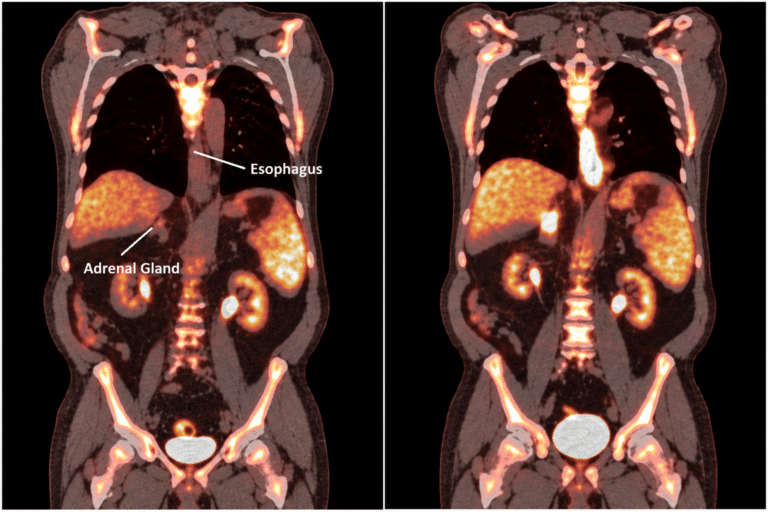
Biomarker testing helps match metastatic esophageal cancer treatment to specific features of your tumor. It can show whether a targeted medicine or particular immunotherapy approach is appropriate. Testing often uses tissue collected during your biopsy, although another sample may sometimes be needed. The most useful tests depend on whether you have squamous cell carcinoma or adenocarcinoma and where the cancer began [3, 4].
Table 1: Biomarker Tests That Can Change Metastatic Esophageal Cancer Treatment
| Biomarker or Test | What the Result Shows | Treatment It May Help Guide | Most Relevant Cancer Type |
|---|---|---|---|
| PD-L1 | Measures expression of an immune-related protein using a medicine-specific scoring method | Selection of certain pembrolizumab, nivolumab, or tislelizumab-based immunotherapy approaches | Esophageal squamous cell carcinoma and adenocarcinoma |
| HER2 IHC | Measures HER2 protein expression; IHC 3+ is strongly positive | HER2-directed treatment, including eligible zanidatamab-based first-line combinations | Esophageal, gastroesophageal junction, and gastric adenocarcinoma |
| HER2 ISH | Checks HER2 gene amplification when additional confirmation is required | Helps establish HER2 eligibility when the tumor is IHC 2+ | Adenocarcinoma |
| MSI / MMR | Identifies MSI-high or mismatch-repair-deficient tumors | Can identify eligibility for certain biomarker-directed immunotherapy approaches | Multiple solid tumors, including selected esophageal cancers |
| CLDN18.2 | Detects claudin 18.2 expression in tumor cells | Zolbetuximab plus chemotherapy for eligible HER2-negative disease | Gastric and gastroesophageal junction adenocarcinoma |
| Broader molecular profiling / NGS | Examines many cancer-associated genes simultaneously | May reveal uncommon actionable alterations or clinical-trial opportunities | Selected advanced esophageal cancers |
How PD-L1 Guides Metastatic Esophageal Cancer Treatment
PD-L1 is a protein involved in how cancer interacts with the immune system. Testing its expression helps guide the selection of certain immunotherapy treatments. Your report may include a combined positive score, or CPS, which considers PD-L1 staining in cancer cells and certain nearby immune cells [5].
Other treatment pathways may use tumor-cell staining or a tumor-area score. These measurements use different methods, so the number should be interpreted alongside the test name and proposed medicine. Ask your oncologist to explain the actual result rather than describing it simply as “positive” [5–7].
The required threshold also depends on the treatment combination and previous therapy. For example, current FDA prescribing criteria for pembrolizumab use CPS of at least 1 for eligible chemotherapy combinations, while single-agent treatment after previous therapy in esophageal squamous cell carcinoma requires CPS of at least 10 [5].
HER2 Testing in Esophageal Adenocarcinoma
HER2 is a protein that can help drive cancer-cell growth. In metastatic esophageal adenocarcinoma, identifying excess HER2 can establish eligibility for HER2-directed treatment. Testing usually begins with immunohistochemistry, abbreviated as IHC, which measures protein expression in the tumor sample [4].
An IHC result of 3+ indicates HER2 positivity. A result of 2+ requires further assessment using in situ hybridization, or ISH, which checks for additional copies of the HER2 gene. An IHC 2+ result with positive ISH also identifies HER2-positive disease [4].
Keeping the complete result matters because eligibility differs between treatment combinations. Current zanidatamab-based options, for example, distinguish between tumors with IHC 3+ and those with IHC 2+/ISH-positive findings when determining which combination is appropriate [9].
MSI-High and Mismatch Repair Testing
Mismatch repair is the system cells use to correct certain errors when copying DNA. Testing can identify deficient mismatch repair, called dMMR, or a related pattern of genetic changes called high microsatellite instability, or MSI-high. These findings provide information that is different from a PD-L1 score [5].
An MSI-high or dMMR result can identify an immunotherapy option independently of PD-L1 expression. For example, pembrolizumab has an approval for certain advanced MSI-high or dMMR solid tumors that have progressed after previous treatment when satisfactory alternatives are unavailable. Your oncologist interprets the finding alongside your treatment history and the medicine’s specific eligibility requirements [5].
CLDN18.2 Testing for Gastroesophageal Junction Adenocarcinoma
CLDN18.2, also called claudin 18.2, is a protein that can serve as a treatment target in certain gastric and gastroesophageal junction cancers. The gastroesophageal junction is where the esophagus meets the stomach. In eligible HER2-negative adenocarcinoma at these sites, a qualifying CLDN18.2-positive result can support treatment with zolbetuximab and chemotherapy [11].
The original tumor location is important here. This approval applies specifically to gastric or gastroesophageal junction adenocarcinoma, rather than every cancer arising in the esophagus. Your team checks the pathology, tumor location, HER2 status, and CLDN18.2 test result together before recommending this approach [11].
Broader Tumor Profiling and Additional Treatment Opportunities
Broader molecular profiling, often called next-generation sequencing, examines multiple genes for changes that may influence treatment. It can sometimes identify another targeted treatment or a relevant clinical trial. Each finding needs interpretation because some changes have established treatment implications, while others are still being studied [3].
Your team may also consider updated testing later because a tumor’s molecular features can change over time. During your treatment review, ask which biomarker results are complete and whether any additional test could change the recommendation. A copy of the full report helps keep these findings available for subsequent treatment discussions [3].
First-Line Metastatic Esophageal Cancer Treatment for Squamous Cell Carcinoma
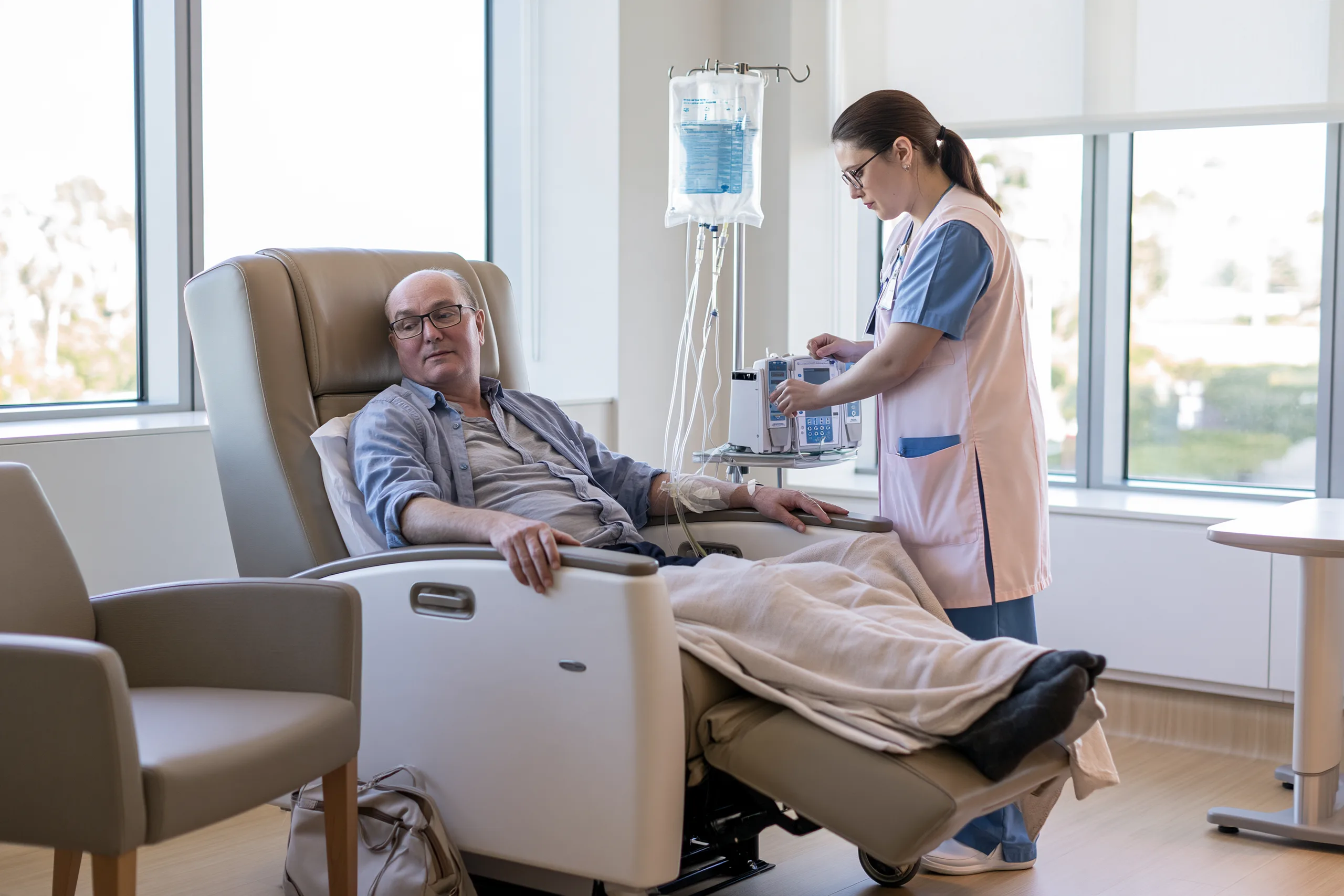
For squamous cell carcinoma, metastatic esophageal cancer treatment often starts with immunotherapy plus chemotherapy when biomarker results and clinical assessment support that combination. Nivolumab with ipilimumab offers another approach for eligible patients. “First-line” means the initial systemic treatment selected for advanced disease, with medicines that act throughout the body [1, 5–7].
Immunotherapy Combined With Chemotherapy
Pembrolizumab, nivolumab, and tislelizumab are immunotherapy medicines used in established first-line combinations. They help the immune system act against cancer by blocking signals that restrain immune-cell activity. Each medicine is paired with an appropriate chemotherapy regimen according to its clinical evidence and prescribing criteria [5–7].
Pembrolizumab and nivolumab are used with platinum-containing and fluoropyrimidine-containing chemotherapy. Cisplatin and fluorouracil, commonly called 5-FU, are examples of these chemotherapy medicines. Tislelizumab is also combined with platinum-containing chemotherapy; its supporting study included combinations with a fluoropyrimidine or paclitaxel [5–7].
These approaches are supported by randomized clinical trials. KEYNOTE-590 demonstrated a survival benefit from adding pembrolizumab to chemotherapy in its studied advanced esophageal cancer population. RATIONALE-306 demonstrated improved survival with tislelizumab plus chemotherapy in advanced esophageal squamous cell carcinoma. Your oncologist applies these findings alongside the current eligibility criteria for the proposed medicine [5, 7].
Nivolumab and Ipilimumab for Eligible Patients
Nivolumab and ipilimumab combine two immunotherapy medicines that act on different immune checkpoints. This provides a chemotherapy-free first-line option for eligible patients with PD-L1-positive advanced esophageal squamous cell carcinoma [6].
CheckMate 648 enrolled 970 patients and compared nivolumab plus chemotherapy, nivolumab plus ipilimumab, and chemotherapy alone. Both nivolumab-containing combinations improved overall survival compared with chemotherapy. The trial evaluated each combination against chemotherapy, so these findings should inform an individualized discussion rather than a simple ranking of the two approaches [8].
This chemotherapy-free option still requires careful monitoring. Immune-related inflammation can affect the lungs, bowel, liver, or hormone-producing glands and may require prompt treatment. Your team should explain which symptoms to report and arrange the appropriate blood tests and clinical reviews [6].
Choosing Your Metastatic Esophageal Cancer Treatment
Your PD-L1 result helps establish which combinations are appropriate, but the score must be interpreted using the method and threshold relevant to the medicine. Current FDA criteria specify a combined positive score of at least 1 for pembrolizumab with chemotherapy. Nivolumab-based combinations and first-line tislelizumab also require qualifying PD-L1 expression under their respective prescribing criteria [5–7].
Clinical suitability matters alongside the biomarker result. Your oncologist reviews your medical history, current medicines, organ function, and ability to manage treatment. Autoimmune conditions, previous organ transplantation, or medicines that suppress immunity deserve particular attention when considering immunotherapy [5–7].
Chemotherapy alone remains an established treatment option when it is the more appropriate choice. Before starting, ask how the recommended combination fits your results, what benefits are reasonably expected, and how treatment will be adjusted if your needs change [1, 29].
First-Line Metastatic Esophageal Cancer Treatment for Adenocarcinoma

Metastatic esophageal cancer treatment for adenocarcinoma is guided largely by HER2 status, PD-L1 expression, and the tumor’s original location. These findings help determine whether chemotherapy should be combined with targeted therapy, immunotherapy, or both. For cancers arising at the gastroesophageal junction, where the esophagus meets the stomach, CLDN18.2 testing can identify an additional treatment option [5, 6, 9–11].
Table 2: Metastatic Esophageal Cancer Treatment Options by Cancer Type
| Cancer Type or Finding | Treatment Approach That May Be Considered | Why the Finding Matters |
|---|---|---|
| Esophageal squamous cell carcinoma | Immunotherapy plus chemotherapy for eligible patients | Histology and PD-L1 findings help determine the appropriate regimen |
| Eligible squamous cell carcinoma | Nivolumab plus ipilimumab | Provides a dual-immunotherapy approach for an appropriate patient |
| HER2-positive esophageal adenocarcinoma: IHC 3+ or IHC 2+/ISH+ | Zanidatamab + tislelizumab + fluoropyrimidine/platinum chemotherapy | HER2 positivity creates a specific first-line targeted-treatment opportunity |
| HER2-positive esophageal adenocarcinoma: IHC 3+ | Zanidatamab + fluoropyrimidine/platinum chemotherapy | Current FDA approval also provides a zanidatamab regimen without tislelizumab |
| HER2-negative adenocarcinoma | Chemotherapy with an appropriate immunotherapy approach when eligibility criteria are met | PD-L1 and tumor location can influence treatment choice |
| HER2-positive gastric/GEJ adenocarcinoma with qualifying PD-L1 | Pembrolizumab + trastuzumab + chemotherapy | Combines HER2-directed treatment with immunotherapy and chemotherapy |
| HER2-negative, CLDN18.2-positive gastric/GEJ adenocarcinoma | Zolbetuximab + fluoropyrimidine/platinum chemotherapy | CLDN18.2 identifies a separate targeted-treatment pathway |
| Cancer progressing after first-line treatment | Different chemotherapy, biomarker-directed therapy, selected immunotherapy, or clinical trial | Previous treatment and updated tumor information guide the next step |
HER2-Directed Metastatic Esophageal Cancer Treatment
On August 25, 2026, the FDA approved zanidatamab with tislelizumab and fluoropyrimidine- and platinum-containing chemotherapy for eligible HER2-positive esophageal, gastroesophageal junction, or gastric adenocarcinoma. This combination is available for tumors with HER2 IHC 3+ or IHC 2+/ISH-positive findings [9].
Zanidatamab with chemotherapy, without tislelizumab, is also approved for the IHC 3+ group. These are distinct treatment combinations, so your complete HER2 result helps establish which option applies. Treatment planning also includes attention to heart function, diarrhea, and infusion-related reactions [9].
The randomized HERIZON-GEA-01 trial provides the evidence behind these approvals. Median overall survival was 26.4 months with zanidatamab, tislelizumab, and chemotherapy, compared with 19.2 months with trastuzumab and chemotherapy. These findings came from a combined population of gastric, junctional, and esophageal adenocarcinomas. They describe outcomes across study groups rather than predicting an individual person’s survival [9].
Immunotherapy and Chemotherapy for HER2-Negative Disease
For eligible HER2-negative adenocarcinoma, nivolumab or pembrolizumab may be combined with chemotherapy. Current FDA eligibility includes qualifying PD-L1 expression, with pembrolizumab requiring a combined positive score of at least 1 for its esophageal chemotherapy combination. Your oncologist interprets the score alongside the proposed medicine and your clinical circumstances [5, 6].
Nivolumab’s supporting CheckMate 649 trial included patients with advanced gastric, gastroesophageal junction, and esophageal adenocarcinoma. It demonstrated improved overall survival with nivolumab plus chemotherapy compared with chemotherapy alone in the PD-L1-positive populations assessed. This supports selecting immunotherapy through the tumor profile rather than assuming the same benefit for every patient [6].
Chemotherapy combinations used with nivolumab include FOLFOX, containing fluorouracil, leucovorin, and oxaliplatin, and CAPOX, containing capecitabine and oxaliplatin. Capecitabine is taken by mouth, whereas fluorouracil is administered intravenously. Discussing swallowing difficulties before choosing the regimen helps your team plan a practical method of treatment [6, 19].
Trastuzumab-Based Treatment for Gastroesophageal Junction Adenocarcinoma
For HER2-positive gastric or gastroesophageal junction adenocarcinoma with a PD-L1 combined positive score of at least 1, pembrolizumab with trastuzumab and chemotherapy is an established first-line option. Trastuzumab targets HER2, while pembrolizumab acts through an immune checkpoint [5, 10].
In KEYNOTE-811, adding pembrolizumab improved overall survival and the time before cancer progression compared with trastuzumab and chemotherapy alone in the qualifying population. This approval specifically covers gastric and gastroesophageal junction adenocarcinoma. Your team should explain how the documented origin of your tumor matches the treatment being recommended [10].
Zolbetuximab for CLDN18.2-Positive Junctional Tumors
Zolbetuximab with chemotherapy is another first-line option for eligible HER2-negative gastric or gastroesophageal junction adenocarcinoma that tests positive for CLDN18.2. Its approved use is specific to these tumor locations, making the pathology report and original tumor site important parts of the decision [11].
The randomized SPOTLIGHT and GLOW trials found that adding zolbetuximab improved overall survival and delayed cancer progression compared with chemotherapy alone in the studied populations. SPOTLIGHT used a modified FOLFOX regimen, while GLOW used CAPOX. Nausea and vomiting require particular attention during treatment, especially when eating and drinking are already difficult [11].
What to Expect During Metastatic Esophageal Cancer Treatment

Metastatic esophageal cancer treatment with chemotherapy and immunotherapy usually involves scheduled clinic visits, blood tests, and monitoring between appointments. Many treatments are given without an overnight hospital stay. Before starting, ask your team to explain the treatment schedule, medicines you will take at home, and symptoms that need prompt attention [7, 13, 14].
How Treatment Cycles, Infusions, and Review Visits Work
Chemotherapy is commonly given in cycles, with treatment followed by time for recovery. The schedule depends on the medicines prescribed and how your body responds. Treatment may involve an intravenous line, a port placed beneath the skin, or a portable pump that delivers chemotherapy at home. Some combinations include tablets taken on specified days [13].
Blood tests and symptom reviews help your team decide whether to proceed with the next treatment or adjust the plan. Monitoring can include blood counts, kidney function, and liver function. During immunotherapy, thyroid testing and other assessments may also be needed because changes can develop before you notice symptoms [7, 13].
Ask how much time to allow for the whole appointment rather than the infusion alone. Blood sampling, assessment, and treatment preparation may be separate parts of the visit, so understanding the process helps you arrange transport and support [7, 13].
Planning Metastatic Esophageal Cancer Treatment Around Swallowing
Tell your team whether swallowing food, liquids, or tablets has become difficult. Eating problems deserve attention throughout treatment, rather than only when weight loss becomes noticeable. A dietitian can help adapt food texture and nutritional intake, while your clinical team assesses whether additional feeding support is appropriate [19].
The plan should also account for changing energy levels. Arranging help with transport, meals, and household responsibilities can make treatment days more manageable. Your experience may vary between cycles, so discuss how you are functioning at home rather than reporting only the symptoms present during your appointment [13].
Managing Side Effects and Maintaining Comfort
Nausea, mouth soreness, changes in appetite, and bowel symptoms can affect eating and drinking. Your team can prescribe medicines to prevent or control nausea and recommend appropriate mouth care and nutritional adjustments. Report symptoms early, especially when they interfere with fluid intake or meals [19].
Immunotherapy requires particular attention because it can cause inflammation in otherwise healthy organs. New or worsening cough, breathlessness, diarrhea, marked tiredness, or yellowing of the skin should be reported promptly. These effects can occur during treatment or after it has ended, so tell any clinician assessing you that you have received immunotherapy [7, 14].
Contact your oncology team urgently for fever or significant new symptoms rather than waiting for the next appointment. Severe breathing difficulty or chest pain warrants emergency assessment. Before leaving your treatment center, make sure you know whom to contact outside normal clinic hours [7, 14].
Your oncologist may adjust chemotherapy doses, change the schedule, or pause treatment while a side effect is assessed and managed. These decisions are based on your clinical needs. The intensity of chemotherapy side effects does not show how effectively the treatment is controlling cancer; benefit is assessed through clinical review and appropriate scans [7, 13].
Second-Line Metastatic Esophageal Cancer Treatment and Further Options

Metastatic esophageal cancer treatment may change when the cancer grows during the first regimen or side effects make continuing it unsuitable. The next treatment approach is called second-line therapy. Options can include different chemotherapy, selected immunotherapy, biomarker-matched targeted treatment, or a clinical trial. The choice depends on your previous medicines, cancer type, test results, and current health [1, 7, 12].
How Previous Treatment Guides the Next Step
Your oncologist reviews which medicines you received, how the cancer responded, and which side effects need consideration. Recent scans help establish what has changed, while blood tests and your ability to manage daily activities help determine which treatments are suitable. The next recommendation should reflect this reassessment rather than follow a fixed sequence for everyone [1, 12].
Previous immunotherapy is particularly important. Several studies supporting second-line checkpoint inhibitors enrolled patients who had received chemotherapy without immunotherapy. Their findings therefore apply to a different situation from cancer that has already progressed during a checkpoint inhibitor [1, 7].
Chemotherapy, Immunotherapy, and Targeted Treatment Options
Further chemotherapy may include paclitaxel, docetaxel, or irinotecan, depending on the cancer type and medicines already used. For gastroesophageal junction adenocarcinoma, paclitaxel with ramucirumab is an established option after appropriate first-line treatment. The RAINBOW trial found that this combination improved overall survival compared with paclitaxel alone in previously treated gastric or junctional adenocarcinoma [1, 12].
For squamous cell carcinoma previously treated with chemotherapy without a checkpoint inhibitor, nivolumab or tislelizumab may be appropriate. Pembrolizumab is another option for eligible previously treated squamous tumors with a PD-L1 combined positive score of at least 10. These treatments have distinct prescribing criteria, making the previous treatment record as important as the biomarker report [1, 5–7].
HER2-positive disease may provide an opportunity for trastuzumab deruxtecan. Its gastric and gastroesophageal junction indication includes patients who previously received trastuzumab-based treatment. A separate FDA approval covers qualifying HER2 IHC 3+ solid tumors, which can include esophageal cancer, after previous systemic treatment when satisfactory alternatives are unavailable. Your team must match the recommendation to the exact tumor location, HER2 result, and treatment history [12, 15].
Trastuzumab deruxtecan requires careful monitoring for lung inflammation. New cough, breathlessness, or fever should be reported promptly so that your team can assess the symptoms and decide whether treatment needs to pause [15].
When Repeat Biopsy or Updated Tumor Profiling Can Help
Tumor characteristics can change over time. Your oncologist may recommend another biopsy or updated molecular testing when the findings could influence the next treatment. This can help clarify whether an established treatment target remains relevant or whether another clinically meaningful change is present [3].
Sometimes a blood-based liquid biopsy can provide additional molecular information. It does not answer every question that tissue testing can address, so the choice depends on the information needed and the sample available. Before further testing, ask which result could change your treatment and how the team would act on it [3].
Considering Clinical Trials During Metastatic Esophageal Cancer Treatment
Clinical trials evaluate new medicines, treatment combinations, and other approaches to cancer care. They can be discussed during treatment planning rather than reserved for a particular point in the illness. Biomarker testing may help identify a study investigating a treatment matched to your tumor [3, 16].
Ask how the proposed trial compares with established options, what additional visits or tests it involves, and which benefits and risks remain uncertain. A useful discussion should connect the scientific rationale with practical considerations, including travel, monitoring, symptom care, and your priorities for daily life [16, 29].
Radiation and Swallowing Relief in Metastatic Esophageal Cancer Treatment
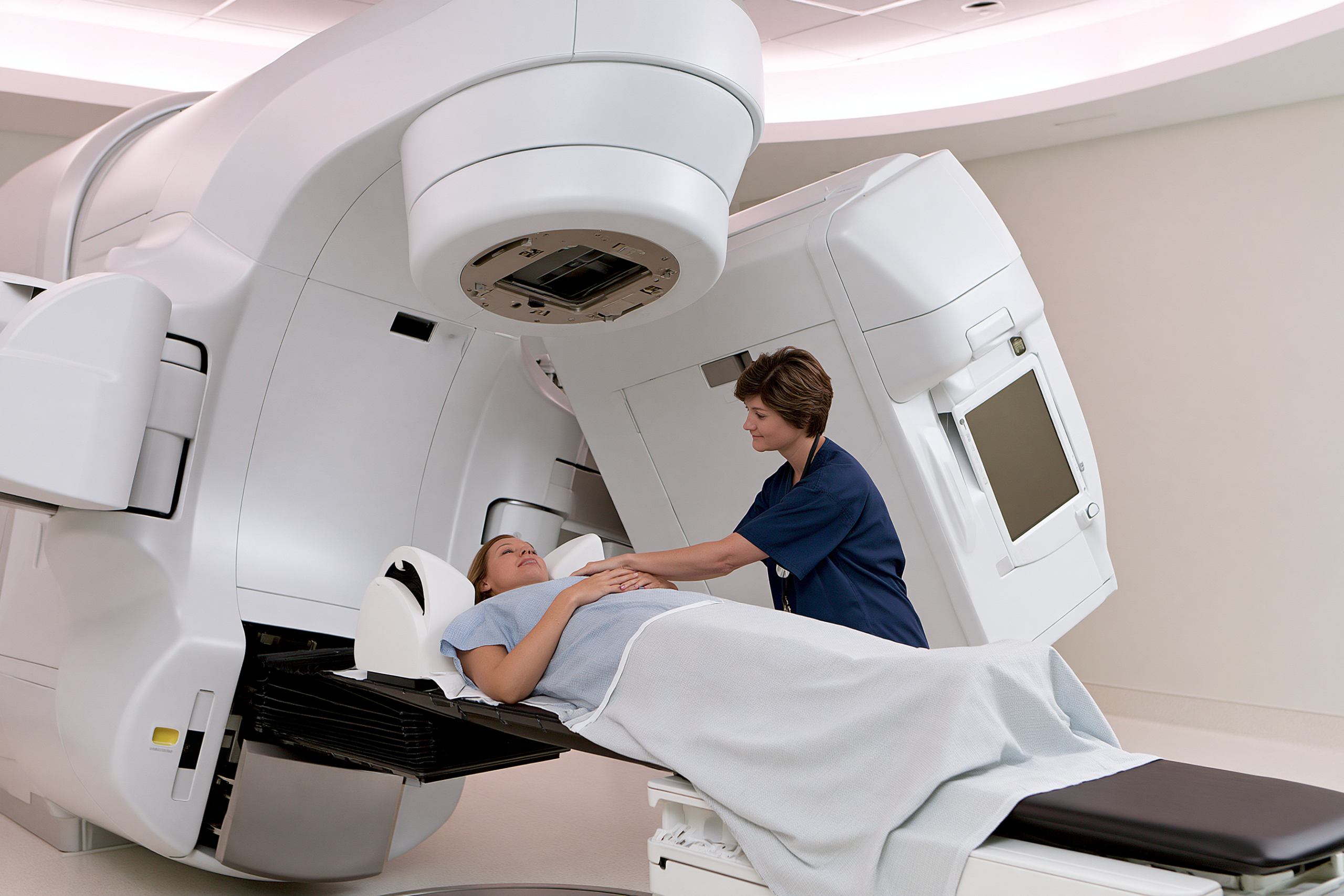
Metastatic esophageal cancer treatment can include radiation or endoscopic procedures when the tumor makes swallowing difficult or causes other local symptoms. These treatments address a particular area, while systemic medicines act throughout the body. Choosing the right approach depends on how urgently relief is needed, the tumor’s location, and your overall treatment plan [1, 17, 18].
Radiation Therapy for Local Symptoms and Selected Metastases
External beam radiation uses a machine to direct treatment at a defined area. It can shrink an esophageal tumor to help relieve swallowing difficulties or treat another tumor site causing troublesome symptoms. Your radiation oncologist plans treatment around the area involved, nearby organs, and any radiation you have previously received [1, 18].
Improvement develops over time rather than immediately. Radiation damages cancer cells, which may continue to die after the treatment course finishes. Before starting, discuss when relief is reasonably expected and how swallowing, hydration, and comfort will be managed while treatment takes effect [18].
Brachytherapy is another option available in some specialist centers. It delivers radiation close to the tumor from inside the esophagus. For appropriately selected patients, it can provide more lasting swallowing relief than a stent, although the benefit develops more gradually. Suitability depends on the clinical circumstances and available expertise [17, 18].
Esophageal Stents to Improve Swallowing
An esophageal stent is an expandable tube placed across the narrowed passage. It holds the esophagus open so food and fluids can pass more easily. Swallowing may improve within one to two days, making stenting useful when relatively rapid relief is needed [17].
A stent opens the passage mechanically rather than treating cancer throughout the body. Possible problems include reflux, chest discomfort, bleeding, or renewed narrowing. Your team should explain the expected benefit, follow-up arrangements, and what to do if swallowing becomes more difficult again [1, 17].
Other endoscopic treatments may be considered in particular circumstances. The choice should reflect the cause and location of the obstruction rather than assuming that every swallowing problem needs the same procedure [1, 17].
Coordinating Local Procedures With Metastatic Esophageal Cancer Treatment
Your oncology and endoscopy teams should agree on the timing of local treatment. External beam radiation to an area containing an esophageal stent needs particular caution because complications can increase. Radiation and stenting are therefore not automatically combined simply because both can help swallowing [17].
Surgery to remove the esophagus is generally considered for localized or selected locally advanced disease. When cancer has spread to distant organs, systemic treatment and procedures directed at specific symptoms usually take priority. A surgical review should clarify the intended benefit and how the operation would fit with treatment for cancer elsewhere [1].
The practical question is which approach can address your current problem with an appropriate balance of benefit, recovery time, and treatment burden. Discussing the purpose of each procedure helps distinguish relief of swallowing obstruction from treatment intended to control the wider cancer [1, 17, 18].
Nutrition and Strength During Metastatic Esophageal Cancer Treatment

Nutrition is an important part of metastatic esophageal cancer treatment, particularly when swallowing difficulties or a reduced appetite affect eating. Early assessment can identify practical ways to maintain intake and support physical function. Your care team should review food intake, weight changes, and muscle strength throughout treatment rather than waiting for substantial weight loss [19, 20].
Adapting Food Texture, Protein, and Calories to Swallowing Ability
When swallowing remains safe, smaller, more frequent meals may be easier to manage than large portions. Soft, moist foods such as scrambled eggs, yogurt, and appropriately prepared blended meals can provide nourishment with less chewing. The right texture depends on your swallowing assessment; a liquid diet is not automatically suitable for everyone [19].
An oncology dietitian can recommend ways to increase protein and calories without greatly increasing portion size. Nutritional drinks may help when ordinary meals are insufficient. The aim is to meet your individual needs through foods and supplements you can comfortably manage, while treating symptoms that interfere with eating [19].
Discuss restrictive diets or fasting with your team before making changes. When weight or muscle is being lost, maintaining adequate nourishment takes priority over reducing calories or eliminating broad food groups [20].
When Feeding Support Can Help
If eating and nutritional drinks cannot meet your needs, your team may discuss a feeding tube. This delivers nutrition into the stomach or small intestine, depending on the most appropriate route. Intravenous nutrition may be considered when feeding through the digestive tract is unsuitable or insufficient [19, 20].
The decision should account for the expected benefit, your preferences, and the overall treatment plan. After a prolonged period of very low intake, nutrition may need to increase gradually with blood monitoring to prevent refeeding syndrome, a potentially serious disturbance in blood mineral levels [20].
Maintaining Strength During Metastatic Esophageal Cancer Treatment
Nutrition and appropriately tailored movement work together to support muscle function. Short walks or individualized strength exercises may be suitable, depending on your condition. Ask your oncology team or physical therapist which activities are appropriate, rather than trying to meet a fixed exercise target [20].
Cancer can also change how the body uses nutrients, contributing to muscle loss even when someone is making a genuine effort to eat. This needs clinical assessment rather than simply encouraging larger meals. Tracking physical function alongside weight gives your team a fuller picture of your needs [19].
Early Supportive and Palliative Care Alongside Active Treatment
Palliative care provides additional help with symptoms, emotional concerns, and practical difficulties while cancer treatment continues. It can address pain, nausea, breathlessness, sleep problems, and the strain experienced by family caregivers. A referral can be made according to your needs at any stage [21].
Palliative care is distinct from hospice care and can accompany chemotherapy, immunotherapy, or targeted treatment. Its purpose is to help you feel and function as well as possible while supporting informed decisions. Discussing what matters most in everyday life helps the team tailor that support to you [21].
Ayurveda Curative Model in Metastatic Esophageal Cancer Treatment

Metastatic esophageal cancer treatment should consider the cancer itself alongside your nutritional needs, physical strength, and everyday comfort. Panaceayur’s Ayurveda Curative Model draws on classical principles of individualized assessment and Rasayana. These texts explain its traditional rationale; human clinical evidence has not established Ayurveda as a cure for metastatic esophageal cancer. Ayurvedic care should therefore be coordinated with your oncology treatment [19, 22–25].
Classical Guidance on Individualized Assessment
Charaka Samhita describes assessing the person before choosing a treatment. The following excerpt comes from Vimana Sthana, Chapter 8, Rogabhishagjitiya Vimana, text 94. It is a classical prose passage rather than a metrical shloka [22].
Sanskrit excerpt:
तस्मादातुरं परीक्षेत प्रकृतितश्च, विकृतितश्च, सारतश्च, संहननतश्च, प्रमाणतश्च, सात्म्यतश्च, सत्त्वतश्च, आहारशक्तितश्च, व्यायामशक्तितश्च, वयस्तश्चेति, बलप्रमाणविशेषग्रहणहेतोः॥९४॥
Transliteration:
Tasmād āturaṃ parīkṣeta prakṛtitaś ca, vikṛtitaś ca, sārataś ca, saṃhananataś ca, pramāṇataś ca, sātmyataś ca, sattvataś ca, āhāraśaktitaś ca, vyāyāmaśaktitaś ca, vayastaś ceti, balapramāṇaviśeṣagrahaṇahetoḥ.
Simple English translation: The patient should be examined for constitution, the present illness, tissue quality, physical build, body measurements, suitability of accustomed foods and habits, mental strength, capacity to eat and digest, exercise capacity, and age, to understand the person’s strength [22].
This passage supports a practical principle: treatment should suit the person’s current condition. Within an Ayurvedic consultation, it provides a framework for discussing eating, digestion, activity, and tolerance of proposed interventions. Pathology, biomarker testing, and scans retain their separate roles in diagnosing and assessing cancer [3, 22].
Rasayana, Nourishment, and Strength
The classical description of Rasayana appears in Charaka Samhita, Chikitsa Sthana, Chapter 1, Rasayana Chikitsa, first quarter, Abhayamalakiya Rasayana Pada, verses 7–8. These connected shlokas describe the traditional aims of Rasayana [23].
Sanskrit:
दीर्घमायुः स्मृतिं मेधामारोग्यं तरुणं वयः।
प्रभावर्णस्वरौदार्यं देहेन्द्रियबलं परम्॥७॥
वाक्सिद्धिं प्रणतिं कान्तिं लभते ना रसायनात्।
लाभोपायो हि शस्तानां रसादीनां रसायनम्॥८॥
Transliteration:
Dīrgham āyuḥ smṛtiṃ medhām ārogyaṃ taruṇaṃ vayaḥ |
Prabhāvarṇasvaraudāryaṃ dehendriyabalaṃ param || 7 ||
Vāksiddhiṃ praṇatiṃ kāntiṃ labhate nā rasāyanāt |
Lābhopāyo hi śastānāṃ rasādīnāṃ rasāyanam || 8 ||
Simple English translation: The text describes Rasayana as a means of attaining longevity, memory, understanding, health, youthfulness, radiance, excellence of complexion and voice, strength of the body and senses, effective speech, respect, and attractiveness. It defines Rasayana as a means of promoting the healthy condition of rasa and the other bodily tissues [23].
These verses explain why nourishment and strength receive attention within Ayurvedic care. Their relevance here is the traditional emphasis on the person’s overall condition. They describe general therapeutic aims rather than evidence that a particular preparation treats metastatic esophageal cancer [23–25].
Applying Ayurveda During Metastatic Esophageal Cancer Treatment
A proposed Ayurvedic intervention should have a specific purpose that you and your care team can discuss. Its complete ingredients, preparation, quality testing, and available clinical evidence should be reviewed alongside your cancer medicines. Some herbs and supplements can alter how cancer drugs are processed, making an interaction assessment important before treatment begins [24, 26].
Follow-up should distinguish daily well-being from cancer response. Swallowing comfort, food intake, weight, and physical activity describe how you are managing, while scans assess changes in the cancer. Improvements in either area deserve attention, but they answer different clinical questions [19, 27, 28].
Connecting With the Complete Ayurveda Curative Model
Our pillar article, Metastatic Esophageal Cancer: Treatment, Survival and the Ayurveda Curative Model, develops the broader traditional framework. Read that discussion alongside the biomarker-guided options explained here to prepare for a consultation focused on your reports, priorities, and proposed care [31].
The practical starting point is an agreed purpose for each intervention and a documented review plan. This allows your oncologist and Ayurvedic practitioner to coordinate care while keeping treatment decisions grounded in your clinical findings [24, 26].
Coordinating Ayurveda With Metastatic Esophageal Cancer Treatment

Adding Ayurveda to metastatic esophageal cancer treatment requires a shared plan for medicines, product quality, and follow-up. Before starting a preparation, your oncologist or oncology pharmacist should review its ingredients alongside your current prescriptions. This helps establish which aspects of complementary care are appropriate for your treatment plan [24, 26].
Reviewing Every Medicine, Herb, and Supplement
Bring a complete record of prescription medicines, over-the-counter products, herbal preparations, vitamins, and nutritional supplements. Include the dose, frequency, and intended purpose of each product. For a customized Ayurvedic preparation, provide the written ingredient list rather than relying on its name alone [24, 26, 29].
Human research illustrates why this matters. A small study summarized by the National Cancer Institute found that St. John’s wort reduced exposure to docetaxel, a chemotherapy medicine. This finding applies to that particular combination; it supports reviewing individual products rather than assuming that all herbs behave alike [26].
Taking a preparation several hours apart from chemotherapy does not automatically resolve an interaction. Some interactions involve enzymes that process medicines, so the oncology pharmacist should assess the combination before recommending whether or how it can be used [26].
Checking Formulation Identity and Product Quality
Ask for the ingredient names, quantities, manufacturer or dispensing pharmacy, and batch details. Available laboratory documentation should relate to the actual preparation supplied. These details help your clinicians assess its composition and distinguish it from other products sold under a similar name [24, 26].
Herbal-mineral preparations require particular attention because some Ayurvedic products contain harmful amounts of lead, mercury, or arsenic. Product testing and a review of the proposed daily dose are therefore important. Quality documentation helps assess the preparation, while evidence of clinical benefit and compatibility with cancer medicines requires separate evaluation [24, 26].
Monitoring During Metastatic Esophageal Cancer Treatment
The monitoring schedule should follow your cancer regimen and individual health needs. Pembrolizumab, for example, requires liver-enzyme, kidney-function, and thyroid assessments before treatment and periodically during treatment. These checks remain necessary when complementary care is added [5].
Record when each preparation starts, its dose, and any subsequent changes. Share this information when reviewing blood tests or new symptoms, because your team needs to consider all possible contributors. Persistent diarrhea, new breathlessness, or yellowing of the eyes warrants prompt oncology assessment rather than waiting for a routine Ayurvedic follow-up [5, 26].
Keeping Your Care Team Connected
Ask your oncologist and Ayurvedic practitioner to exchange the current treatment plan, relevant laboratory results, and proposed prescriptions with your permission. Agree on who will review potential interactions, arrange additional testing when necessary, and respond to symptoms between appointments [24, 26, 29].
Repeat the medicine review whenever your cancer treatment or Ayurvedic formulation changes. A preparation considered appropriate with one regimen may need reassessment with another. Any decision to pause or modify prescribed cancer treatment should remain with the oncology team responsible for that treatment [5, 24, 26].
How Doctors Assess Response to Metastatic Esophageal Cancer Treatment
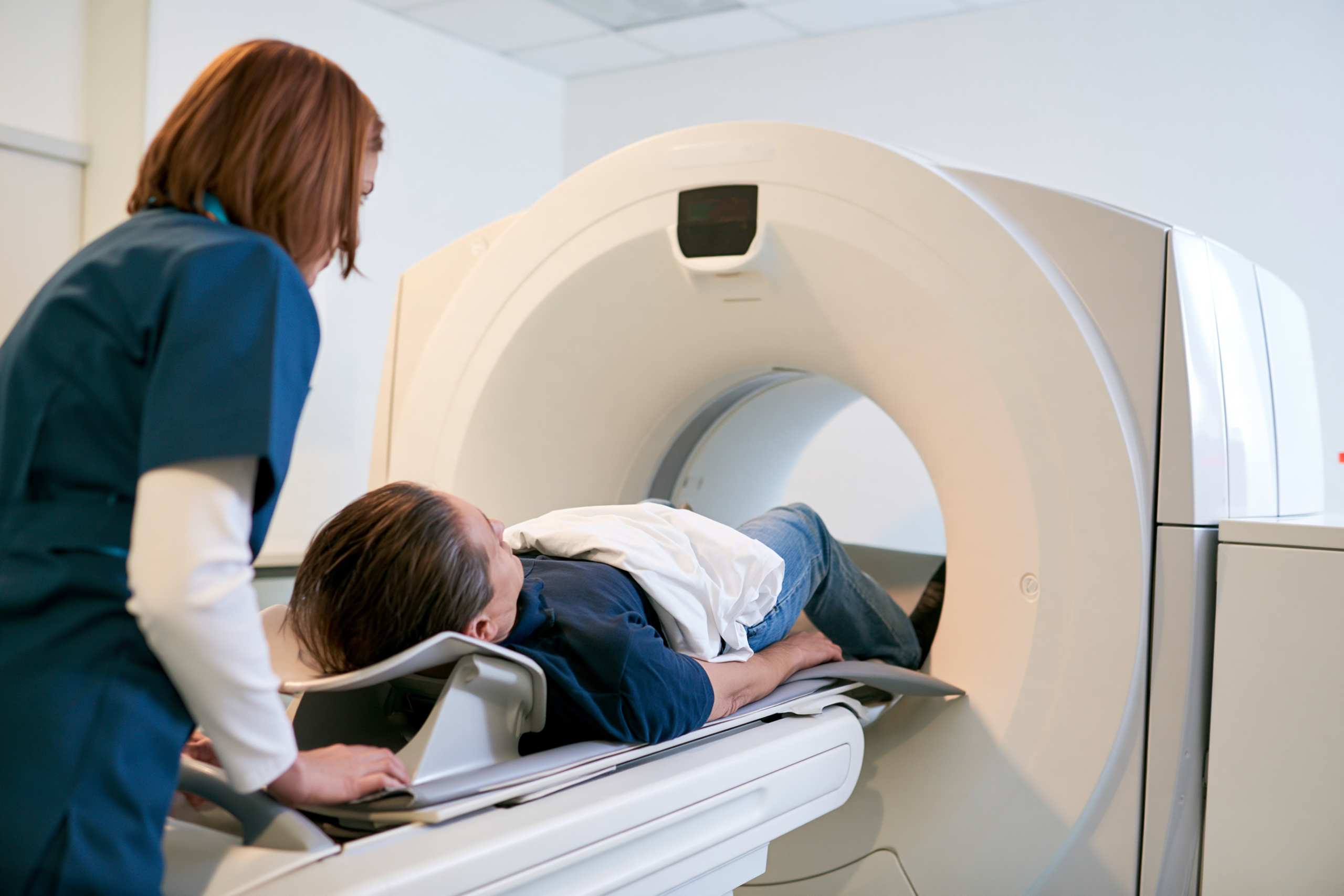
Metastatic esophageal cancer treatment is assessed through follow-up scans, clinical examinations, blood tests, and changes in symptoms. These assessments help your team understand whether the cancer is responding and how well you are managing treatment. Feeling better matters, while imaging provides separate information about changes in the cancer’s size and extent [13, 27, 28].
Table 3: How Doctors Know Whether Metastatic Esophageal Cancer Treatment Is Working
| What Is Monitored | How It Is Assessed | What It Helps Doctors Understand |
|---|---|---|
| Tumor size | CT or other appropriate follow-up imaging compared with baseline scans | Whether measurable tumors are shrinking, stable, or growing |
| New cancer sites | Follow-up imaging and clinical assessment | Whether disease has appeared in additional locations |
| Swallowing | Patient history and structured symptom assessment | Whether eating and drinking are becoming easier or more difficult |
| Body weight and nutrition | Weight trends, dietary intake, and nutritional assessment | Whether nutritional needs are being met during treatment |
| Physical function | Ability to walk, work, perform daily activities, and remain independent | How treatment and cancer are affecting everyday functioning |
| Blood counts | CBC and other laboratory tests | Bone-marrow effects and treatment tolerance |
| Liver and kidney function | Blood tests | Organ function and suitability for continuing or modifying treatment |
| Treatment side effects | Clinical review and patient reporting | Whether supportive medicines, treatment pauses, or dose changes are needed |
| Quality of life | Patient-reported symptoms and validated questionnaires | How the overall treatment plan is affecting daily well-being |
Comparing Follow-Up Scans With the Baseline Assessment
Scans taken before treatment provide a baseline for comparison. Your radiologist tracks selected measurable tumors and reviews other known cancer sites, including any new findings. Using a consistent imaging method helps make these comparisons reliable [27].
The assessment considers the overall pattern rather than a single tumor measurement. One area may shrink while another changes differently, so your oncologist should explain what the findings mean together. Ask when your first response scan is planned and how its results will influence the next treatment decision [27, 29].
Understanding Tumor Shrinkage, Stable Disease, and Duration of Response
RECIST 1.1 is a standardized framework for measuring how solid tumors respond to treatment. Under these criteria, a partial response generally requires at least a 30% reduction in the combined diameters of selected measurable tumors compared with baseline, without new lesions or clear progression elsewhere. This percentage refers to the combined measurements, rather than requiring every tumor to shrink equally [27].
Stable disease means the findings meet neither the criteria for a partial response nor those for progression. The cancer may have changed slightly without crossing either threshold. Stability can represent useful disease control, with its significance depending on how long it lasts and your overall clinical condition [27].
A complete response means that all signs of cancer have disappeared on the relevant assessments. It is an important treatment outcome, although continued follow-up remains necessary and the finding alone does not establish a cure. Duration of response describes the time from a documented response until cancer progression or recurrence is identified [27].
Tracking Swallowing, Weight, and Quality of Life
Your treatment review should also cover what you can eat, whether swallowing is comfortable, and how you manage everyday activities. Structured questionnaires, such as the EORTC QLQ-OES18, help assess esophageal cancer symptoms consistently over time. These patient-reported findings complement the information obtained from scans [19, 28].
Weight needs interpretation alongside food intake and physical function. Fluid retention can conceal weight loss, and a stable weight does not necessarily mean that muscle has been maintained. Your team therefore considers nutritional intake, strength, and changes in body composition when reviewing your progress [19].
Using Metastatic Esophageal Cancer Treatment Results to Plan the Next Step
Your oncologist brings together scan findings, blood results, side effects, and your priorities before recommending whether to continue or adjust treatment. The decision should account for both cancer control and the effect of treatment on your daily life [13, 29].
During the review, ask, “What has changed since my previous assessment, and why does that support the next step?” Also discuss when reassessment will take place and which symptoms should prompt an earlier call. This helps turn the results into a clear plan rather than leaving you to interpret the scan report alone [29].
Preparing for a Personalized Metastatic Esophageal Cancer Treatment Review

A metastatic esophageal cancer treatment review brings together your diagnosis, test results, previous treatments, and personal priorities. Preparing the relevant records helps your specialist assess the options appropriate for you, whether you are choosing an initial treatment, reviewing your current plan, or seeking a second opinion [29, 30].
Bringing Your Biopsy, Biomarker, and Scan Reports
Gather your biopsy report, available biomarker results, recent scan reports, and treatment summaries. Ask the reviewing clinic whether it also needs the original scan images or pathology slides. Your current hospital can help arrange the transfer of these materials so the specialist has the information needed to review your case [30].
Provide complete biomarker reports rather than a summary describing a result as positive or negative. The findings can influence treatment selection and clinical-trial eligibility. Note any tests still being processed, and ask whether those results could change the recommendation or its timing [3].
Sharing Previous Treatments and a Complete Medicine List
Prepare a brief treatment history showing the medicines received, treatment dates, and reasons for any changes. Include relevant hospital discharge summaries and describe side effects that still affect daily life. Sharing the underlying records allows the reviewing specialist to assess the previous care rather than relying on memory alone [30].
Bring a current medicine list with doses, including prescriptions, over-the-counter products, vitamins, herbs, and Ayurvedic preparations. For customized formulations, provide the complete ingredient information. This supports an assessment of potential interactions before another medicine or complementary preparation is introduced [26, 29].
Agreeing on Your Metastatic Esophageal Cancer Treatment Plan
Explain what matters most to you alongside cancer control. This may include eating more comfortably, remaining independent, continuing work, or reducing travel for appointments. Ask how the recommended treatment fits these priorities and what benefits and side effects are reasonably expected [29].
Discuss practical arrangements before committing to the plan. Appointment frequency, transport, help at home, insurance coverage, and out-of-pocket costs can affect how treatment fits into everyday life. The treatment center’s support staff can help clarify available services and financial arrangements [29, 30].
Before the consultation ends, ask for a written summary of the recommendation, any outstanding tests, the intended start date, and the follow-up arrangements. For a complementary Ayurveda consultation, share the same records and current oncology prescription. The discussion should establish the purpose of each proposed intervention and how its suitability will be reviewed alongside your cancer treatment [26, 29].
Frequently Asked Questions
What Is the Best Metastatic Esophageal Cancer Treatment?
Metastatic esophageal cancer treatment is personalized according to cancer type, biomarker results, previous treatment, and overall health. Options include chemotherapy, immunotherapy, and targeted medicines. Your oncologist selects an appropriate combination to control cancer, relieve symptoms, and support daily functioning.
Which Biomarker Tests Can Guide Treatment?
Biomarker testing examines tumor features that may guide immunotherapy or targeted treatment. Relevant tests can include PD-L1, HER2, and mismatch repair or microsatellite instability testing. Your cancer type and tumor location determine which tests are useful and how the results influence treatment.
How Does PD-L1 Affect Immunotherapy Selection?
PD-L1 testing helps determine whether certain immunotherapy treatments are appropriate. The required score depends on the medicine, treatment combination, and previous therapy. Your oncologist interprets the complete report alongside your health history rather than relying only on a positive or negative result.
What Does a HER2-Positive Result Mean?
A HER2-positive result identifies a tumor feature that HER2-directed medicines can target. In eligible esophageal adenocarcinoma, this can provide additional treatment options alongside chemotherapy. The exact laboratory findings matter because different combinations have different eligibility requirements.
What Are the Zanidatamab-Based Treatment Options?
FDA-approved options include zanidatamab with tislelizumab and chemotherapy, or zanidatamab with chemotherapy alone, for eligible HER2-positive gastric, gastroesophageal junction, or esophageal adenocarcinoma. These combinations have different HER2 testing requirements, so the complete pathology report helps determine which approach applies.
Can Treatment Improve Swallowing?
Yes, treatment can improve swallowing by reducing the tumor or opening a narrowed esophagus. Radiation treats the tumor locally, while an esophageal stent holds the passage open. Your team selects an approach according to the obstruction, urgency, and overall treatment plan.
Can Ayurveda Be Used Alongside Cancer Treatment?
Ayurvedic care may be considered alongside oncology after reviewing every preparation for ingredients, product quality, and potential interactions. Its intended purpose and monitoring should be clearly defined. Human clinical evidence has not established Ayurveda as a cure for metastatic esophageal cancer.
How Will Doctors Know Whether Treatment Is Working?
Doctors assess treatment through scans, examinations, blood tests, and changes in symptoms. Comparing results over time helps determine whether to continue or adjust treatment. Side effects do not indicate treatment effectiveness, and feeling better alone does not confirm tumor shrinkage.
References
[1] PDQ Adult Treatment Editorial Board. (2025, March 21). Esophageal cancer treatment (PDQ®)—Health professional version. National Cancer Institute.
Link: https://www.cancer.gov/types/esophageal/hp/esophageal-treatment-pdq
Used for: Treatment selection, first-line and subsequent treatment, swallowing relief, and FAQs. Provides the principal clinical overview of histology-specific systemic therapy and local symptom management.
[2] Obermannová, R. L., & Leong, T. (2025). ESMO Clinical Practice Guideline interim update on the treatment of locally advanced oesophageal and oesophagogastric junction adenocarcinoma and metastatic squamous-cell carcinoma. ESMO Open, 10(2), Article 104134.
Link: https://www.esmoopen.com/article/S2059-7029%2825%2900002-X/fulltext
Used for: Treatment selection, first-line squamous cell carcinoma treatment, and further treatment options. Supports evidence-based treatment pathways and the interpretation of major immunotherapy trials.
[3] National Cancer Institute. (2021, December 14). Biomarker testing for cancer treatment.
Link: https://www.cancer.gov/about-cancer/treatment/types/biomarker-testing-cancer-treatment
Used for: Biomarker testing, personalized treatment selection, repeat tumor profiling, consultation preparation, and FAQs. Explains how molecular findings can identify treatment options or relevant clinical trials.
[4] College of American Pathologists. (n.d.). HER2 testing and clinical decision making in gastroesophageal adenocarcinoma.
Link: https://www.cap.org/cap-guidelines/her2-testing-and-clinical-decision-making-in-gastroesophageal-adenocarcinoma/
Used for: HER2 testing and biomarker-related FAQs. Supports initial immunohistochemistry testing, additional in situ hybridization for equivocal results, and gastroesophageal-specific interpretation of HER2 positivity.
[5] Merck Sharp & Dohme LLC. (2026, July). Keytruda (pembrolizumab) injection, for intravenous use [Prescribing information].
Link: https://www.merck.com/product/usa/pi_circulars/k/keytruda/keytruda_pi.pdf
Used for: PD-L1 and MSI-high/dMMR testing, pembrolizumab treatment options, treatment monitoring, Ayurveda coordination, and FAQs. Specifies current eligibility and summarizes KEYNOTE-590 and other supporting clinical studies.
[6] Bristol-Myers Squibb Company. (2026, August). Opdivo (nivolumab) injection, for intravenous use [Prescribing information].
Link: https://packageinserts.bms.com/pi/pi_opdivo.pdf
Used for: First-line squamous cell carcinoma and adenocarcinoma treatment, selected subsequent therapy, and monitoring. Details nivolumab combinations, current PD-L1 requirements, and CheckMate 648 and CheckMate 649 findings.
[7] BeOne Medicines USA, Inc. (2026, August). Tevimbra (tislelizumab-jsgr) injection, for intravenous use [Prescribing information]. DailyMed, U.S. National Library of Medicine.
Link: https://dailymed.nlm.nih.gov/dailymed/drugInfo.cfm?setid=08ef1e3e-496f-4b0b-94ee-fbba3cc1985a
Used for: PD-L1 interpretation, first-line and subsequent squamous cell carcinoma treatment, infusion expectations, and monitoring. Summarizes RATIONALE-306 and RATIONALE-302 and specifies the relevant treatment-history requirements.
[8] Doki, Y., Ajani, J. A., Kato, K., Xu, J., Wyrwicz, L., Motoyama, S., Ogata, T., Kawakami, H., Hsu, C.-H., Adenis, A., El Hajbi, F., Di Bartolomeo, M., Braghiroli, M. I., Holtved, E., Ostoich, S. A., Kim, H. R., Ueno, M., Mansoor, W., Yang, W.-C., … Kitagawa, Y. (2022). Nivolumab combination therapy in advanced esophageal squamous-cell carcinoma. The New England Journal of Medicine, 386(5), 449–462.
Link: https://www.nejm.org/doi/full/10.1056/NEJMoa2111380
Used for: First-line squamous cell carcinoma treatment. CheckMate 648 randomized 970 patients and demonstrated overall-survival benefits with nivolumab plus chemotherapy and nivolumab plus ipilimumab compared with chemotherapy.
[9] U.S. Food and Drug Administration. (2026, August 25). FDA approves zanidatamab-hrii and tislelizumab-jsgr for HER2-positive gastric, gastroesophageal junction, or esophageal adenocarcinoma.
Link: https://www.fda.gov/drugs/resources-information-approved-drugs/fda-approves-zanidatamab-hrii-and-tislelizumab-jsgr-her2-positive-gastric-gastroesophageal-junction
Used for: HER2 testing, first-line adenocarcinoma treatment, and zanidatamab FAQs. HERIZON-GEA-01 reported median overall survival of 26.4 versus 19.2 months for the zanidatamab–tislelizumab combination versus the trastuzumab-based comparator, each with chemotherapy.
[10] U.S. Food and Drug Administration. (2025, March 19). FDA approves pembrolizumab for HER2 positive gastric or gastroesophageal junction adenocarcinoma expressing PD-L1 (CPS ≥1).
Link: https://www.fda.gov/drugs/resources-information-approved-drugs/fda-approves-pembrolizumab-her2-positive-gastric-or-gastroesophageal-junction-adenocarcinoma
Used for: Trastuzumab-based first-line treatment and relevant FAQs. KEYNOTE-811 demonstrated improved overall and progression-free survival with pembrolizumab added to trastuzumab and chemotherapy in the qualifying gastric or junctional population.
[11] U.S. Food and Drug Administration. (2024, October 18). FDA approves zolbetuximab-clzb with chemotherapy for gastric or gastroesophageal junction adenocarcinoma.
Link: https://www.fda.gov/drugs/resources-information-approved-drugs/fda-approves-zolbetuximab-clzb-chemotherapy-gastric-or-gastroesophageal-junction-adenocarcinoma
Used for: CLDN18.2 testing, first-line junctional adenocarcinoma treatment, and FAQs. Summarizes SPOTLIGHT and GLOW, which demonstrated improved progression-free and overall survival in eligible CLDN18.2-positive, HER2-negative disease.
[12] PDQ Adult Treatment Editorial Board. (2025, February 21). Gastric cancer treatment (PDQ®)—Health professional version. National Cancer Institute.
Link: https://www.cancer.gov/types/stomach/hp/stomach-treatment-pdq
Used for: Relevant gastric and gastroesophageal junction treatment pathways, including trastuzumab-based treatment, ramucirumab with paclitaxel, and subsequent HER2-directed treatment. Findings are applied according to the studied tumor location and population.
[13] National Cancer Institute. (2025, May 15). Chemotherapy to treat cancer.
Link: https://www.cancer.gov/about-cancer/treatment/types/chemotherapy
Used for: Treatment cycles, infusion arrangements, dose adjustments, response assessment, and FAQs. Explains how chemotherapy is delivered and why the intensity of side effects does not indicate treatment effectiveness.
[14] National Cancer Institute. (2023, February 16). Immunotherapy side effects.
Link: https://www.cancer.gov/about-cancer/treatment/types/immunotherapy/side-effects
Used for: What to expect during treatment and when to contact the oncology team. Explains immune-related effects, individual variability, and the possibility of symptoms developing during or after treatment.
[15] U.S. Food and Drug Administration. (2024, April 5). FDA grants accelerated approval to fam-trastuzumab deruxtecan-nxki for unresectable or metastatic HER2-positive solid tumors.
Link: https://www.fda.gov/drugs/resources-information-approved-drugs/fda-grants-accelerated-approval-fam-trastuzumab-deruxtecan-nxki-unresectable-or-metastatic-her2
Used for: Biomarker-matched subsequent treatment. Defines tumor-agnostic eligibility for previously treated HER2 IHC 3+ solid tumors and summarizes response evidence and important monitoring considerations, including lung inflammation.
[16] National Cancer Institute. (2024, November 3). What are clinical trials?
Link: https://www.cancer.gov/research/participate/clinical-trials/what-are-clinical-trials
Used for: Further treatment options and clinical-trial discussions. Explains how studies evaluate new treatments, treatment combinations, and approaches to symptom management and quality of life.
[17] Spaander, M. C. W., van der Bogt, R. D., Baron, T. H., Albers, D., Blero, D., de Ceglie, A., Conio, M., Czakó, L., Everett, S., Garcia-Pagán, J.-C., Ginès, A., Jovani, M., Repici, A., Rodrigues-Pinto, E., Siersema, P. D., Fuccio, L., & van Hooft, J. E. (2021). Esophageal stenting for benign and malignant disease: European Society of Gastrointestinal Endoscopy (ESGE) guideline—Update 2021. Endoscopy, 53(7), 751–762.
Link: https://www.esge.com/esophageal-stenting-for-benign-and-malignant-diseaseesge-esge-guideline-update-2021
Used for: Swallowing relief, stent selection, brachytherapy, procedure coordination, and FAQs. Provides recommendations for malignant dysphagia and explains circumstances requiring additional caution with stenting.
[18] National Cancer Institute. (2025, May 15). Radiation therapy to treat cancer.
Link: https://www.cancer.gov/about-cancer/treatment/types/radiation-therapy
Used for: Radiation and local symptom relief. Explains external beam radiation, brachytherapy, treatment planning, and why clinical improvement may develop gradually rather than immediately.
[19] PDQ Supportive and Palliative Care Editorial Board. (2024, September 20). Nutrition in cancer care (PDQ®)—Health professional version. National Cancer Institute.
Link: https://www.cancer.gov/about-cancer/treatment/side-effects/appetite-loss/nutrition-hp-pdq
Used for: Nutritional assessment, swallowing-related dietary changes, feeding support, treatment comfort, and response reviews. Supports monitoring food intake, weight, muscle loss, and symptoms that interfere with eating.
[20] Muscaritoli, M., Arends, J., Bachmann, P., Baracos, V., Barthelemy, N., Bertz, H., Bozzetti, F., Hütterer, E., Isenring, E., Kaasa, S., Krznaric, Z., Laird, B., Larsson, M., Laviano, A., Mühlebach, S., Oldervoll, L., Ravasco, P., Solheim, T. S., Strasser, F., … Bischoff, S. C. (2021). ESPEN practical guideline: Clinical nutrition in cancer. Clinical Nutrition, 40(5), 2898–2913.
Link: https://www.espen.org/files/ESPEN-Guidelines/ESPEN-practical-guideline-clinical-nutrition-in-cancer.pdf
Used for: Nutrition and physical strength during treatment. Provides recommendations on nutritional screening, protein and energy intake, feeding support, refeeding precautions, and appropriately adapted physical activity.
[21] National Cancer Institute. (2021, November 1). Palliative care in cancer.
Link: https://www.cancer.gov/about-cancer/advanced-cancer/care-choices/palliative-care-fact-sheet
Used for: Supportive care, daily well-being, and the whole-person care discussion. Explains how palliative care accompanies active treatment and addresses physical symptoms, emotional concerns, and caregiver needs.
[22] Dubey, S. D., Singh, A. N., Samant, A., & Deole, Y. S. (2020). Rogabhishagjitiya vimana. In S. K. Khandel, Y. S. Deole, & G. Basisht (Eds.), Charak Samhita New Edition (Vimana Sthana, Chapter 8, text 94). Charak Samhita Research, Training and Skill Development Centre.
Link: https://www.carakasamhitaonline.com/index.php/Rogabhishagjitiya_Vimana
Used for: Classical individualized assessment in the Ayurveda section. Text 94 supports examining constitution, illness, strength, dietary suitability, digestive capacity, exercise tolerance, and age. The quoted passage is prose, rather than a metrical shloka.
[23] Singh, R. H., Sodhi, J. S., & Dixit, U. (2020). Rasayana chikitsa adhyaya. In U. Dixit, Y. S. Deole, & G. Basisht (Eds.), Charak Samhita New Edition (Chikitsa Sthana, Chapter 1, first quarter, Abhayamalakiya Rasayana Pada, verses 7–8). Charak Samhita Research, Training and Skill Development Centre.
Link: https://www.carakasamhitaonline.com/index.php/Rasayana_Adhyaya
Used for: The Rasayana shlokas and their traditional rationale. Verses 7–8 describe nourishment, strength, health maintenance, and other classical aims; they are textual references rather than clinical evidence of cancer treatment efficacy.
[24] National Center for Complementary and Integrative Health. (2019, January). Ayurvedic medicine: In depth.
Link: https://www.nccih.nih.gov/health/ayurvedic-medicine-in-depth
Used for: The Ayurveda model, coordinated care, product-quality review, and FAQs. Summarizes Ayurvedic practice, available research, evidence limitations, and concerns about potentially harmful substances in some preparations.
[25] Cancer Research UK. (2022, June 14). Ayurvedic medicine.
Link: https://www.cancerresearchuk.org/about-cancer/treatment/complementary-alternative-therapies/individual-therapies/ayurvedic-medicine
Used for: Interpreting Ayurveda research within cancer care. Distinguishes traditional use and laboratory findings from clinical treatment evidence and supports an accurate explanation of Ayurveda’s proposed complementary role.
[26] PDQ Integrative, Alternative, and Complementary Therapies Editorial Board. (2024, April 5). Cancer therapy interactions with foods and dietary supplements (PDQ®)—Health professional version. National Cancer Institute.
Link: https://www.cancer.gov/about-cancer/treatment/cam/hp/dietary-interactions-pdq
Used for: Coordinating Ayurveda with oncology, ingredient review, medicine reconciliation, and consultation preparation. Summarizes clinically relevant interactions, including human pharmacokinetic evidence involving St. John’s wort and docetaxel.
[27] Eisenhauer, E. A., Therasse, P., Bogaerts, J., Schwartz, L. H., Sargent, D., Ford, R., Dancey, J., Arbuck, S., Gwyther, S., Mooney, M., Rubinstein, L., Shankar, L., Dodd, L., Kaplan, R., Lacombe, D., & Verweij, J. (2009). New response evaluation criteria in solid tumours: Revised RECIST guideline (version 1.1). European Journal of Cancer, 45(2), 228–247.
Link: https://pubmed.ncbi.nlm.nih.gov/19097774/
Used for: Treatment-response assessment, the Ayurveda follow-up framework, and FAQs. Defines standardized tumor measurements and response categories, including partial response, stable disease, and progression.
[28] European Organisation for Research and Treatment of Cancer. (n.d.). Oesophageal cancer: EORTC QLQ-OES18 [Questionnaire].
Link: https://qol.eortc.org/questionnaire/qlq-oes18/
Used for: Tracking swallowing, eating-related symptoms, and patient-reported well-being. Supports assessing esophageal cancer symptoms separately from imaging-based tumor response.
[29] National Cancer Institute. (2023, February 22). Questions to ask about cancer treatment.
Link: https://www.cancer.gov/about-cancer/treatment/questions
Used for: Shared treatment decisions, consultation preparation, medicine disclosure, and follow-up planning. Provides questions about treatment goals, expected benefits, side effects, practical arrangements, and interactions.
[30] National Cancer Institute. (2024, August 28). Finding cancer care.
Link: https://www.cancer.gov/about-cancer/managing-care/finding-cancer-care
Used for: Preparing for a personalized treatment review or second opinion. Supports specialist selection, medical-record transfer, and discussions about treatment centers, support services, and care arrangements.
[31] Kumar, A. (2026, September 2). Metastatic esophageal cancer: Treatment, survival and the Ayurveda curative model. Panaceayur.
Link: https://panaceayur.com/metastatic-esophageal-cancer/
Used for: Connecting the treatment cluster to the pillar article and identifying Panaceayur’s description of its Ayurveda model. This is an internal navigation and practice-description source, not independent clinical evidence of efficacy.