


- A Different Ayurvedic Approach to Cholangiocarcinoma
- Understanding Cholangiocarcinoma
- Signs and Symptoms of Cholangiocarcinoma
- Diagnosis and Staging of Cholangiocarcinoma
- Conventional Treatment Overview
- Why Patients Look for Ayurveda After Diagnosis
- Ayurvedic Understanding of Cholangiocarcinoma
- Ayurvedic Treatment Principles
- Treatment Goals at Different Cancer Stages
- The First 30 Days Matter Most
- What Improvement Patients Commonly Notice
- Monitoring Recovery Scientifically
- Ayurvedic Diet for Cholangiocarcinoma
- Lifestyle and Daily Routine
- Important Ayurvedic Herbs and Classical Medicine
- Yakrit-Arbuda Rasayana Avaleha- Main Medicine
- Clinical Monitoring During 30 Days
- Important Warning: Do Not Buy Cholangiocarcinoma Avaleha from the Market
- Integrative Cancer Care
- Ayurveda Before Surgery
- Ayurveda After Surgery
- Recovery After Surgery
- Managing Chemotherapy Side Effects Naturally
- Quality of Life Improvement
- Can Cholangiocarcinoma Come Back?
- Data Snapshot: Recurrence After Surgery
- Why Does Cholangiocarcinoma Come Back?
- Integrative Message
- Scientific Research Behind Ayurvedic Support
- International Relevance
- Frequently Asked Questions
- References
Ayurvedic treatment for cholangiocarcinoma should begin with the patient, not only the tumor. Cholangiocarcinoma, also called bile duct cancer, is a rare cancer that begins in the bile ducts, the small tubes that carry bile from the liver and gallbladder to the intestine. Because bile is closely connected with digestion, liver function, fat metabolism, appetite, and bowel health, many patients do not experience this disease only as a tumor. They experience it as weakness, loss of appetite, poor digestion, jaundice, itching, weight loss, fatigue, anxiety, and a gradual decline in daily strength. Authoritative cancer resources describe cholangiocarcinoma as a difficult cancer that may be intrahepatic, perihilar, or distal extrahepatic depending on where it develops in the bile duct system.
Why Recovery Support Matters
For many patients and families in the USA, UK, Australia, Singapore, and Canada, the search for Ayurvedic treatment for cholangiocarcinoma begins after they realize that medical treatment alone may not fully address appetite, digestion, energy, sleep, weight loss, emotional strength, or quality of life. Surgery, chemotherapy, immunotherapy, targeted therapy, radiation therapy, and biliary stenting may be advised depending on the stage and location of the cancer, but the patient’s day-to-day recovery also needs careful attention. The National Cancer Institute explains that treatment decisions in bile duct cancer depend on whether the cancer can be removed surgically and whether it is resectable, unresectable, metastatic, or recurrent.
Where Ayurveda Fits in Bile Duct Cancer Recovery
Ayurveda looks at cholangiocarcinoma recovery through the condition of Agni, Pitta, Rakta, Yakrit, Srotas, Bala, Ojas, digestion, nourishment, and the patient’s overall strength. In practical terms, this means that Ayurveda for bile duct cancer should not be limited to giving herbs. It should focus on how well the patient is eating, digesting, sleeping, walking, tolerating treatment, maintaining weight, passing stool, managing jaundice-related discomfort, and recovering confidence. This is why a thoughtful Ayurvedic approach to cholangiocarcinoma is most useful when it is individualized, doctor-supervised, and guided by medical reports.
Herbal Treatment for Cholangiocarcinoma Should Be Individualized
Many patients search online for herbal treatment for cholangiocarcinoma, natural treatment for bile duct cancer, or Ayurvedic herbs for bile duct cancer because they want a gentler and more whole-body approach. This interest is understandable, but cholangiocarcinoma is a serious cancer, and herbal treatment should not be random, self-selected, or used as a replacement for essential oncology care. A systematic review on herbal medicine in cholangiocarcinoma reported growing research interest in herbs and herb-derived compounds, while also showing that stronger clinical evidence is still needed before such approaches can be presented as proven cancer treatment.
The First Signs of Recovery Are Often Seen in the Patient Before the Reports
In cholangiocarcinoma, meaningful recovery is often first noticed in simple daily changes: the patient feels more hungry, digestion becomes lighter, sleep improves, nausea reduces, walking becomes easier, fatigue becomes less heavy, and the family can see better alertness and confidence. These early changes do not replace scans, tumor markers, liver function tests, or oncology assessment, but they matter deeply because they show whether the body is responding in a healthier direction. Patient-centred recovery should therefore observe both the person and the reports.
A Responsible Integrative Direction
The purpose of Ayurvedic treatment for cholangiocarcinoma is to support the patient as a whole while standard cancer care continues under the guidance of the oncology team. This includes recovery of appetite, strength, digestion, liver-bile balance, treatment tolerance, emotional stability, and quality of life. For a cancer that often affects the liver, bile flow, digestion, and energy so profoundly, the most convincing approach is not aggressive promotion, but careful observation, individualized care, and measurable follow-up through symptoms and reports.
A Different Ayurvedic Approach to Cholangiocarcinoma

A meaningful Ayurvedic approach to cholangiocarcinoma should begin with one simple understanding: the patient is not only fighting a tumor. The patient is also trying to recover appetite, digestion, strength, sleep, confidence, liver function, bile flow, and the ability to tolerate ongoing medical treatment. This is why Ayurveda for cholangiocarcinoma must be more structured than general wellness care or random herbal use. It should be guided by the patient’s symptoms, stage of disease, liver function reports, oncology treatment history, digestive capacity, and overall strength.
Why General Herbal Treatment Is Not Enough
Many patients in the USA, UK, Australia, Singapore, and Canada search for herbal treatment for cholangiocarcinoma, natural treatment for bile duct cancer, alternative treatment for cholangiocarcinoma, and Ayurvedic treatment for bile duct cancer. These searches usually come from a genuine need: the patient wants something that supports the whole body, not only the cancer diagnosis. However, cholangiocarcinoma is a complex disease involving the liver, bile ducts, digestion, inflammation, nutrition, and often jaundice. Because of this, herbal treatment should not be the same for every patient.
A patient with high bilirubin, itching, poor appetite, and bile duct obstruction needs a different Ayurvedic plan from a patient recovering after surgery. A patient receiving chemotherapy needs a different plan from a patient with metastatic disease and severe weakness. A patient with good digestion but low energy needs different support from a patient who cannot eat, sleep, or pass stool comfortably. This is where individualized Ayurveda becomes important.
The Focus Should Be Recovery, Not Only Disease Names
In modern oncology, treatment decisions are based on tumor location, stage, resectability, imaging, biopsy, molecular testing, and the patient’s general condition. The National Cancer Institute explains that bile duct cancer treatment depends strongly on whether the cancer is resectable, unresectable, metastatic, or recurrent. This medical framework is important, but from the patient’s point of view, recovery also depends on daily strength, food intake, digestion, liver function, treatment tolerance, sleep, pain, and emotional stability. (cancer.gov)
Ayurveda adds value when it observes these recovery signs carefully. If appetite improves, digestion becomes lighter, sleep becomes deeper, fatigue reduces, bowel movement improves, walking becomes easier, and the patient feels mentally stronger, then the body may be moving toward better functional recovery. These signs should not be used as a replacement for scans or blood tests, but they are important because they show how the patient is responding in real life.
Report-Based Ayurvedic Care Is More Convincing Than Claims
A responsible Ayurvedic approach to cholangiocarcinoma should not depend only on verbal reassurance. It should be monitored through both clinical symptoms and medical reports. In the first one to two weeks, the focus is often on appetite, digestion, nausea, fatigue, sleep, bowel movement, pain, and walking ability. Around thirty days, reports such as liver function test, bilirubin, ALP, GGT, SGOT, SGPT, CBC, kidney function test, albumin, inflammatory markers, CA 19-9, and imaging where appropriate may help evaluate the direction of recovery.
This approach is more patient-centred because it does not ask the patient to believe blindly. It allows the patient, family, and doctor to observe whether the body is improving, stable, or declining. In a disease like cholangiocarcinoma, where jaundice, weakness, poor appetite, and liver dysfunction can change quickly, regular monitoring is essential.
Ayurveda Must Be Personalised to the Patient’s Stage and Strength
The same Ayurvedic formulation cannot be suitable for every cholangiocarcinoma patient. Ayurveda traditionally places great importance on Prakriti, Vikriti, Agni, Bala, Ojas, Srotas, Dosha involvement, Dhatu status, and the patient’s digestive strength. In cholangiocarcinoma, these principles become clinically relevant because the patient may be weak, jaundiced, underweight, constipated, inflamed, post-surgical, or undergoing chemotherapy.
A strong patient may tolerate deeper correction and Rasayana support, while a fragile patient may first need gentle Agni support, nourishment, bowel regulation, sleep support, and liver-bile care. A patient with severe nausea may need a different starting approach from a patient whose main problem is pain or fatigue. This is why individualized Ayurvedic treatment is more rational than a fixed “cancer herb” formula.
Early Improvement Should Be Observed Carefully
Patients and families often notice early recovery through small but meaningful changes. The patient may ask for food again, tolerate meals better, feel less abdominal heaviness, sleep longer, walk with less support, speak with more energy, or show improved mental clarity. In serious cancers, these early signs can be emotionally powerful because they give the family visible evidence that the patient’s body is responding.
Still, early improvement should be understood correctly. Feeling better in one or two weeks does not automatically mean the cancer has disappeared. It means the patient’s functional health may be improving. That improvement is valuable because better strength, digestion, nutrition, sleep, and confidence can influence quality of life and may help the patient tolerate ongoing treatment more effectively.
Integrative Care Should Be Safe and Transparent
Ayurveda should be used with careful awareness of the patient’s current oncology treatment. If the patient is receiving chemotherapy, immunotherapy, targeted therapy, radiation, antibiotics, blood thinners, pain medicines, or biliary stenting, the Ayurvedic plan should be reviewed with safety in mind. Herb-drug interactions, liver burden, kidney function, bleeding risk, infection risk, and nutritional status must be considered.
Integrative oncology guidelines support the role of carefully selected complementary approaches for symptom burden, fatigue, anxiety, sleep disturbance, and quality of life, but they also emphasize that such care should be evidence-informed and used safely alongside cancer treatment rather than replacing necessary oncology care. (integrativeonc.org)
The Real Difference Is a Measurable Recovery Mindset
The most convincing Ayurvedic approach to cholangiocarcinoma is not built on loud promises. It is built on close observation, individualized treatment, patient comfort, safety, and measurable follow-up. For patients searching for natural treatment for cholangiocarcinoma or herbal treatment for bile duct cancer, the more mature question is not “Which herb cures this cancer?” but “Which carefully designed Ayurvedic plan can support this patient’s appetite, digestion, liver-bile function, strength, sleep, treatment tolerance, and quality of life while reports are monitored?”
This patient-centred mindset creates a different standard of care. It respects modern diagnosis, understands the seriousness of cholangiocarcinoma, uses Ayurvedic principles deeply, and focuses on what matters most to patients and families: visible improvement, safer recovery, and a clear way to track progress.
Understanding Cholangiocarcinoma
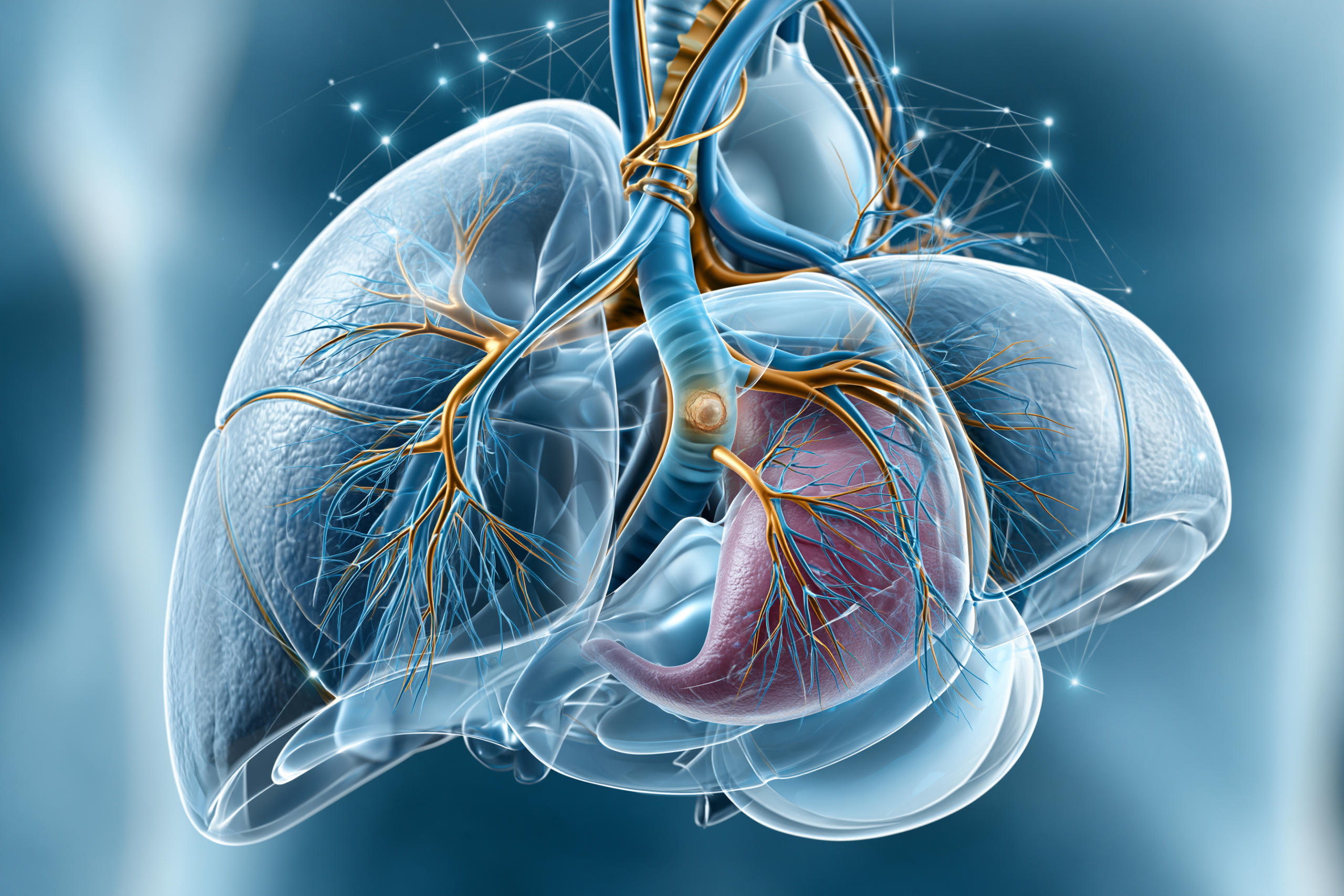
Cholangiocarcinoma, also known as bile duct cancer, is a cancer that begins in the bile ducts. These ducts form a drainage system that carries bile from the liver and gallbladder to the small intestine, where bile helps digest fats. Because the bile ducts are directly connected with liver function, digestion, appetite, stool colour, urine colour, jaundice, itching, and overall strength, cholangiocarcinoma can affect the whole body, not only one organ [1], [3]. The National Cancer Institute describes cholangiocarcinoma as a rare cancer and classifies it according to the part of the bile duct where it develops.
Table : Quick Overview of Cholangiocarcinoma
| Patient Question | Clear Answer |
|---|---|
| What is cholangiocarcinoma? | Cholangiocarcinoma is bile duct cancer. It begins in the ducts that carry bile from the liver and gallbladder to the small intestine. |
| Why does it affect digestion? | Bile helps digest fats and supports normal digestion. When bile flow is blocked, appetite, stool colour, urine colour, digestion, and energy may be affected. |
| Commonly affected areas | It may occur inside the liver, near the liver hilum, or in the lower bile duct near the pancreas. |
| Common symptoms | Jaundice, itching, dark urine, pale stool, appetite loss, nausea, weight loss, fatigue, abdominal pain, and weakness. |
| Main medical treatments | Surgery, biliary stenting, chemotherapy, immunotherapy, targeted therapy, radiation therapy, and palliative care may be advised depending on stage. |
| Where Ayurveda may support | Ayurveda may support appetite, digestion, liver-bile function, strength, fatigue, sleep, treatment tolerance, and quality of life. |
| Important safety point | Ayurvedic care should be doctor-supervised and report-guided. It should not replace urgent oncology treatment or emergency medical care. |
What Is Cholangiocarcinoma?
Cholangiocarcinoma develops when cells lining the bile ducts become abnormal and grow in an uncontrolled way. In many patients, the disease is not detected early because symptoms may be vague in the beginning or may appear only when bile flow becomes blocked. This is one reason why many people search for terms such as cholangiocarcinoma symptoms, bile duct cancer treatment, herbal treatment for cholangiocarcinoma, and Ayurvedic treatment for cholangiocarcinoma after the diagnosis has already created physical weakness and emotional fear [1], [4].
From a patient’s point of view, cholangiocarcinoma is difficult because it can disturb digestion, reduce appetite, cause fatigue, and affect liver-related blood reports. When bile does not flow properly, the body may show signs such as yellow discoloration of the eyes or skin, dark urine, pale stool, itching, nausea, abdominal discomfort, and weight loss. These symptoms are especially common when the cancer blocks the bile ducts [1], [4], [12].
Types of Cholangiocarcinoma
Cholangiocarcinoma is commonly divided into three main types: intrahepatic, perihilar, and distal extrahepatic. This classification is important because the symptoms, treatment options, surgical possibility, and recovery challenges may differ depending on where the cancer is located [1], [3].
Table : Types of Cholangiocarcinoma and Patient Impact
| Type | Location | Common Patient Impact | Recovery Support Focus |
|---|---|---|---|
| Intrahepatic cholangiocarcinoma | Bile ducts inside the liver | May appear as a liver mass; jaundice may not appear early. Patients may have fatigue, weight loss, appetite loss, and abnormal liver reports. | Liver function support, appetite improvement, strength, nutrition, fatigue management, and report monitoring. |
| Perihilar cholangiocarcinoma | Where right and left hepatic ducts join near the liver hilum | Often causes bile duct obstruction, jaundice, itching, dark urine, pale stool, poor digestion, and weakness. | Bile-flow awareness, jaundice monitoring, digestion support, itching observation, and urgent care if fever or worsening jaundice appears. |
| Distal extrahepatic cholangiocarcinoma | Lower bile duct near the pancreas and small intestine | May cause obstructive jaundice, nausea, appetite loss, digestive difficulty, and weight loss. | Post-stenting or post-surgery recovery, digestion support, bowel regulation, nutrition, and strength rebuilding. |
Intrahepatic Cholangiocarcinoma
Intrahepatic cholangiocarcinoma begins in the bile ducts inside the liver. It may behave like a liver mass and may not cause jaundice in the early stage. Some patients first notice vague abdominal discomfort, unexplained weight loss, weakness, abnormal liver function tests, or a lesion found on imaging. Because this type develops within the liver, the patient’s liver reserve, nutrition, inflammation, and general strength become very important during treatment and recovery [1].
Perihilar Cholangiocarcinoma
Perihilar cholangiocarcinoma develops near the area where the right and left hepatic ducts join as they leave the liver. It is also called a Klatskin tumor. This type is clinically important because even a small tumor in this location can obstruct bile flow and cause jaundice, itching, pale stools, dark urine, appetite loss, and digestive difficulty. The National Cancer Institute describes perihilar tumors as cancers arising near the liver hilum, where the bile ducts come together [1].
Distal Extrahepatic Cholangiocarcinoma
Distal extrahepatic cholangiocarcinoma develops in the lower part of the bile duct closer to the pancreas and small intestine. Because of its location, it may present with obstructive jaundice and may sometimes resemble pancreatic head cancer in its clinical presentation. Patients may experience yellow eyes, itching, poor digestion, nausea, weight loss, abdominal pain, and weakness. Treatment planning depends on staging, imaging, surgical fitness, and whether the tumor can be removed [1], [3], [4].
Why Bile Duct Cancer Affects Digestion, Jaundice, Appetite, and Strength
Bile has an important role in digestion, especially fat digestion. When cholangiocarcinoma blocks or narrows the bile ducts, bile may not drain normally into the intestine. This can disturb digestion, reduce appetite, cause heaviness after meals, change stool colour, increase bilirubin, and create itching or jaundice. The patient may gradually lose weight because food intake decreases, digestion weakens, and the body remains under the stress of cancer and inflammation [1], [12].
This is why recovery support in cholangiocarcinoma must look beyond the tumor. A patient may need help with appetite, digestion, bowel movement, sleep, pain, emotional strength, liver function, and treatment tolerance. For readers searching for natural treatment for bile duct cancer or Ayurveda for bile duct cancer, the most important point is that any supportive approach should be individualized, medically supervised, and guided by both symptoms and reports.
Why Understanding the Type Matters Before Choosing Any Treatment
The type and stage of cholangiocarcinoma influence every treatment decision. Surgery may be possible in selected patients, while others may require chemotherapy, immunotherapy, targeted therapy, biliary stenting, radiation therapy, or palliative care. A supportive Ayurvedic plan should therefore not be based only on the word “cancer.” It should consider whether the cancer is intrahepatic, perihilar, or distal; whether jaundice is present; whether bile duct obstruction has been relieved; whether the patient is receiving chemotherapy; and whether liver function reports are stable [1], [4].
This understanding protects the patient from random herbal use and supports a more responsible recovery plan. In cholangiocarcinoma, the safest and most convincing approach is to understand the diagnosis clearly, monitor the reports carefully, and support the patient’s strength, digestion, liver-bile function, appetite, and quality of life in a structured way.
Signs and Symptoms of Cholangiocarcinoma
Cholangiocarcinoma symptoms can be subtle in the beginning and more obvious when bile flow becomes blocked. This is one reason bile duct cancer is often diagnosed late. Many patients first experience vague symptoms such as tiredness, poor appetite, abdominal discomfort, indigestion, nausea, or unexplained weight loss. These symptoms may appear slowly and may be mistaken for acidity, liver weakness, gallbladder disease, digestive disturbance, or general fatigue [1], [4], [12].
When the bile duct becomes narrowed or obstructed, symptoms usually become more visible. The patient may develop yellow discoloration of the eyes or skin, dark urine, pale or clay-coloured stool, itching, reduced appetite, nausea, abdominal heaviness, and progressive weakness. These are among the most commonly searched bile duct cancer symptoms by patients and families in the USA, UK, Australia, Singapore, and Canada because they are often the first signs that something is wrong with liver and bile drainage [1], [13].
Early Symptoms May Be Vague
In the early stage, cholangiocarcinoma may not produce strong or specific symptoms. A patient may feel tired, eat less than usual, lose interest in food, feel bloated after meals, or notice mild discomfort in the upper abdomen. Sometimes liver function tests become abnormal before the patient develops major symptoms. In other cases, the cancer is found during imaging done for another reason.
This vague beginning makes early suspicion very important. A person with unexplained weight loss, persistent digestive discomfort, abnormal liver function tests, or repeated jaundice-like symptoms should not ignore the condition. Early medical evaluation can help identify whether the symptoms are due to bile duct cancer, gallstones, hepatitis, pancreatic disease, bile duct narrowing, or another liver-related condition [1], [4].
Jaundice Is an Important Warning Sign
Jaundice is one of the most important signs of bile duct obstruction. It occurs when bilirubin builds up in the blood because bile is not draining properly. The eyes may become yellow first, followed by yellowing of the skin. Urine may become dark, stool may become pale, and itching may become intense. In cholangiocarcinoma, jaundice is more common when the tumor affects the extrahepatic bile ducts, especially perihilar or distal bile duct tumors [1], [13].
Jaundice should always be taken seriously. It does not automatically mean cancer, but it means the liver or bile drainage system needs urgent evaluation. In patients already diagnosed with cholangiocarcinoma, worsening jaundice may indicate increasing obstruction, stent blockage, infection, disease progression, or liver stress. This is why bilirubin, ALP, GGT, SGOT, SGPT, and other liver function markers are commonly monitored during treatment and recovery.
Itching, Dark Urine, and Pale Stool
Itching in cholangiocarcinoma is often related to cholestasis, where bile flow is reduced or blocked. This itching may be severe, persistent, and worse at night. It may not respond well to ordinary skin creams because the problem is not only on the skin; it is related to bile salts and liver-bile imbalance inside the body.
Dark urine and pale stool are also important signs. Dark urine may occur because excess bilirubin is being passed through the urine. Pale or clay-coloured stool may occur because bile is not reaching the intestine properly. When these symptoms appear together with jaundice, appetite loss, nausea, and weight loss, medical assessment should not be delayed [4], [13].
Loss of Appetite and Weight Loss
Loss of appetite is one of the most distressing symptoms for both patients and families. The patient may feel full after a few bites, develop nausea after food, dislike oily meals, or feel abdominal heaviness after eating. Over time, poor intake can lead to weight loss, muscle loss, weakness, and reduced ability to tolerate surgery, chemotherapy, immunotherapy, radiation, or other medical treatment.
From an Ayurvedic perspective, appetite and digestion are central signs of recovery. When Agni becomes weak, nourishment declines and Bala reduces. From a modern clinical perspective, appetite loss and weight loss also matter because nutrition, performance status, muscle strength, liver reserve, and immune resilience influence quality of life and treatment tolerance. This is why any discussion on Ayurvedic treatment for cholangiocarcinoma should include appetite, digestion, weight, and strength as important clinical observations, not minor symptoms.
Abdominal Pain and Heaviness
Some patients experience pain or heaviness in the right upper abdomen, upper middle abdomen, back, or shoulder region. The pain may be dull, persistent, or associated with bloating and poor digestion. In intrahepatic cholangiocarcinoma, symptoms may resemble liver-related discomfort. In distal bile duct cancer, symptoms may sometimes overlap with pancreatic or gallbladder-related disease [1], [12].
Pain should be evaluated carefully. Mild discomfort may occur due to indigestion, liver enlargement, bile obstruction, inflammation, or treatment-related causes. Severe or worsening pain may indicate infection, obstruction, disease progression, or another urgent complication. Pain assessment should include its location, severity, duration, relation to food, fever, vomiting, jaundice, bowel movement, and current cancer treatment.
Fever, Chills, and Cholangitis
Fever with chills in a patient with jaundice or bile duct obstruction can suggest cholangitis, an infection of the bile ducts. This can become serious and may require urgent medical treatment. A patient with cholangiocarcinoma who develops fever, shaking chills, worsening jaundice, confusion, low blood pressure, severe weakness, or abdominal pain should seek immediate medical care [1], [13].
This point is especially important for patients with biliary stents. A stent may improve bile drainage, but it can sometimes become blocked or infected. In such cases, symptoms may return quickly. Families should watch for sudden fever, darkening urine, increasing yellow discoloration, worsening itching, abdominal pain, and rapid decline in strength.
Symptoms According to Tumor Location
Intrahepatic cholangiocarcinoma may remain silent for longer because it begins inside the liver. Jaundice may not appear early unless the disease affects major bile flow. Patients may present with liver mass, vague abdominal discomfort, tiredness, weight loss, appetite loss, or abnormal liver function reports [1].
Perihilar cholangiocarcinoma often causes symptoms related to bile duct obstruction because it develops near the junction of the right and left hepatic ducts. Even a relatively small tumor in this area can disturb bile drainage and lead to jaundice, itching, dark urine, pale stool, and digestive difficulty [1].
Distal extrahepatic cholangiocarcinoma occurs lower in the bile duct near the pancreas and small intestine. Because of this location, it may also cause obstructive jaundice, digestive disturbance, nausea, weight loss, and symptoms similar to pancreatic or gallbladder disease. Imaging and specialist evaluation are needed to understand the exact location and treatment options [1], [3].
Symptoms During Treatment
Symptoms may also change during treatment. After surgery, the patient may experience weakness, poor digestion, reduced appetite, pain, weight loss, and slow recovery. During chemotherapy, symptoms may include nausea, vomiting, mouth ulcers, fatigue, low blood counts, altered taste, constipation, diarrhoea, and reduced food intake. During immunotherapy or targeted therapy, fatigue, liver enzyme changes, digestive symptoms, skin symptoms, or other treatment-related effects may occur.
Because of these changes, symptom tracking becomes important. A patient’s appetite, sleep, stool, pain, weight, energy, walking capacity, itching, urine colour, and mental confidence should be observed along with medical reports. This creates a more complete picture of recovery than relying only on a scan or tumor marker.
Warning Signs That Need Immediate Medical Attention
Certain symptoms should not be managed at home without medical advice. Rapidly worsening jaundice, fever with chills, severe abdominal pain, persistent vomiting, confusion, severe dehydration, black stool, blood vomiting, sudden drowsiness, very low urine output, breathing difficulty, or sudden extreme weakness require urgent medical evaluation. In a patient with cholangiocarcinoma, these symptoms may suggest infection, bile duct blockage, liver dysfunction, bleeding, dehydration, or another serious complication [1], [13].
Ayurveda can play an important role in supporting appetite, digestion, strength, sleep, bowel function, and quality of life, but emergency signs must be handled through urgent medical care. A responsible integrative approach protects the patient by knowing when recovery support is appropriate and when immediate hospital care is necessary.
Why Symptom Awareness Matters for Recovery
Recognizing symptoms early helps patients and families make better decisions. In cholangiocarcinoma, small changes can be meaningful. Improved appetite, lighter digestion, better sleep, reduced nausea, less itching, improved walking strength, stable weight, clearer urine, better stool colour, and improved confidence may suggest that the body is responding in a healthier direction. On the other hand, worsening jaundice, fever, rapid weight loss, uncontrolled pain, or increasing weakness may signal the need for urgent reassessment.
For patients searching for natural treatment for bile duct cancer, herbal treatment for cholangiocarcinoma, or Ayurveda for bile duct cancer, symptom awareness is essential. The goal should not be blind use of herbs, but careful observation of the patient’s body, medical reports, and treatment tolerance. In a serious disease like cholangiocarcinoma, understanding symptoms is the first step toward safer, more structured, and more patient-centred recovery care.
Diagnosis and Staging of Cholangiocarcinoma
Cholangiocarcinoma diagnosis should be clear, detailed, and report-based before any treatment plan is considered. Because bile duct cancer can develop inside the liver, near the liver hilum, or in the lower bile duct near the pancreas, diagnosis is not only about confirming cancer. It is also about understanding the exact location, stage, bile duct obstruction, liver function, surgical possibility, spread of disease, and the patient’s overall strength [1], [4], [14]. The National Cancer Institute describes diagnostic and staging evaluation as a combination of laboratory tests and radiographic imaging, including liver function tests, ultrasound, CT, MRI, and MRCP [1].
Why Accurate Diagnosis Matters Before Starting Ayurvedic Support
For a patient searching for Ayurvedic treatment for cholangiocarcinoma, diagnosis should never be vague. A responsible Ayurvedic plan depends on the patient’s confirmed medical diagnosis, bilirubin level, liver enzymes, imaging findings, biopsy result where available, current cancer stage, appetite, digestion, weakness, weight loss, and ongoing oncology treatment. A patient with bile duct obstruction and high bilirubin requires a different recovery approach from a patient whose bilirubin is normal but who has weakness after surgery or chemotherapy.
This is why reports are central in cholangiocarcinoma care. Ayurveda can assess Agni, Bala, Ojas, Pitta, Rakta, Yakrit, Srotas, appetite, stool, sleep, and strength, but these observations should be understood together with medical investigations. When both clinical symptoms and reports are studied together, the treatment direction becomes safer and more patient-centred.
Blood Tests and Liver Function Test
Blood tests are usually among the first investigations when bile duct cancer is suspected. A liver function test can show changes in bilirubin, alkaline phosphatase, GGT, SGOT, SGPT, albumin, and other markers. In obstructive jaundice, bilirubin, ALP, and GGT may rise because bile is not draining properly. These tests do not confirm cholangiocarcinoma by themselves, but they help doctors understand whether the liver and bile drainage system are under stress [1], [14].
From a recovery point of view, liver function tests are also important after treatment begins. If appetite improves but bilirubin continues to rise, the patient still needs careful medical reassessment. If digestion improves and liver markers begin moving in a healthier direction, the recovery plan can be evaluated more confidently. This is why symptoms and reports should be read together.
Tumor Markers: CA 19-9 and CEA
CA 19-9 is one of the commonly used tumor markers in cholangiocarcinoma and other biliary tract cancers. CEA may also be checked in some patients. These markers may help with assessment and follow-up, but they cannot diagnose bile duct cancer alone. CA 19-9 can also rise in non-cancerous conditions such as bile duct obstruction, cholangitis, and jaundice, so the result must be interpreted carefully with imaging, symptoms, bilirubin level, and clinical context [1], [4].
For patients and families, it is important not to panic over one isolated tumor marker value. The trend is often more meaningful than a single number. A responsible follow-up looks at whether CA 19-9 is rising, falling, or stable along with bilirubin, liver enzymes, weight, appetite, pain, jaundice, imaging, and the patient’s general condition.
Ultrasound as an Initial Test
Ultrasound is often used as an early imaging test when a patient has jaundice, abdominal pain, abnormal liver function tests, or suspected bile duct obstruction. It may show bile duct dilatation, gallbladder changes, liver lesions, or signs that further imaging is needed. Ultrasound is usually not enough to fully stage cholangiocarcinoma, but it can be a useful first step in identifying a liver-bile problem [1], [14].
If ultrasound shows bile duct dilatation or a suspicious lesion, more detailed imaging is usually required. This may include CT, MRI, MRCP, or other procedures depending on the patient’s condition and the suspected location of the tumor.
CT Scan in Bile Duct Cancer Diagnosis
A CT scan helps doctors understand the size and location of the tumor, involvement of nearby structures, liver lesions, lymph nodes, blood vessels, and possible spread to other organs. CT is commonly used for staging and surgical planning because it gives a broader view of the abdomen and sometimes the chest. In cholangiocarcinoma, CT findings can help decide whether the disease appears resectable, locally advanced, metastatic, or uncertain [1], [4].
For patients considering herbal treatment for cholangiocarcinoma or integrative support, CT findings are important because they show the structural condition of the disease. Ayurveda may support strength, digestion, liver-bile function, and quality of life, but the tumor location and disease spread must be understood through proper imaging.
MRI and MRCP
MRI and MRCP are especially valuable in cholangiocarcinoma because they can show the bile ducts in greater detail. MRCP, or magnetic resonance cholangiopancreatography, helps visualize the biliary tree and can show narrowing, blockage, duct dilatation, and the relationship of the tumor to bile duct anatomy. The National Cancer Institute includes MRI and MRCP among important diagnostic and staging investigations for bile duct cancer [1].
In perihilar cholangiocarcinoma, MRCP can be particularly useful because treatment planning depends on the exact level and extent of bile duct involvement. In intrahepatic cholangiocarcinoma, MRI can help characterize liver lesions and assess the liver more clearly. In distal cholangiocarcinoma, MRI and MRCP may help distinguish bile duct involvement from pancreatic or ampullary disease.
ERCP, Biliary Drainage, and Tissue Sampling
ERCP is a procedure that allows doctors to examine the bile ducts from inside the digestive tract. It may be used to take brushings or biopsy samples, place a stent, or relieve bile duct obstruction. In a patient with jaundice, itching, pale stool, dark urine, or infection risk, biliary drainage may become an important part of care. Cancer Research UK and NHS patient resources describe tests and procedures such as scans, endoscopy-based assessment, and biopsy as part of the diagnostic pathway for bile duct cancer [4], [14].
This is clinically important because a patient with blocked bile flow may not recover well until drainage is improved. Appetite, digestion, itching, bilirubin, sleep, and treatment tolerance may all be affected by unresolved obstruction. Ayurvedic support should therefore be planned with full awareness of whether a stent has been placed, whether bilirubin is improving, and whether infection or cholangitis is present.
Biopsy and Pathology
A biopsy helps confirm the diagnosis by allowing a pathologist to examine the cells or tissue. Tissue may be obtained through ERCP, EUS-guided biopsy, percutaneous biopsy, or during surgery, depending on the tumor location and clinical plan. In some complex surgical or transplant-related situations, the biopsy route must be chosen carefully by the specialist team to avoid complications or treatment limitations.
Pathology is important because it confirms whether the tumor is cholangiocarcinoma and may provide information about tumor type, grade, and other features. In advanced disease, tissue may also be used for molecular profiling, which can guide targeted therapy or clinical trial options.
Molecular Profiling and Precision Oncology
Modern cholangiocarcinoma care increasingly includes molecular testing, especially in unresectable, recurrent, or metastatic disease. Molecular profiling may look for changes such as IDH1 mutation, FGFR2 fusion or rearrangement, HER2 alteration, MSI-H or mismatch repair deficiency, BRAF mutation, NTRK fusion, RET fusion, and other actionable markers. This is important because some patients may become eligible for targeted therapy, immunotherapy, or clinical trials depending on the molecular result [15], [20], [21], [22].
For patients seeking natural treatment for bile duct cancer, molecular testing may seem separate from Ayurveda, but it is still important. A complete understanding of the disease allows better coordination between oncology care and supportive Ayurvedic recovery. The more accurately the cancer is understood, the more carefully recovery support can be individualized.
Understanding Staging in Simple Language
Cholangiocarcinoma staging describes how far the cancer has grown or spread. Staging usually considers the size and extent of the primary tumor, whether nearby lymph nodes are involved, and whether the cancer has spread to distant organs. Doctors may also describe the disease as resectable, borderline resectable, unresectable, locally advanced, metastatic, or recurrent. These terms often matter more to patients because they directly influence treatment options [1].
Resectable disease means surgery may be possible with the aim of removing all visible cancer. Unresectable disease means surgery cannot safely or completely remove the cancer. Metastatic disease means the cancer has spread to distant parts of the body. Recurrent disease means the cancer has returned after previous treatment. Each situation requires a different medical strategy and a different recovery-support approach.
Resectability Is Not the Same as Stage Alone
In cholangiocarcinoma, surgical possibility depends not only on tumor size, but also on location, bile duct involvement, blood vessel involvement, liver reserve, lymph nodes, spread of disease, and the patient’s fitness for major surgery. The National Cancer Institute notes that complete resection with negative surgical margins offers the only chance of cure for bile duct cancer, but many tumors are difficult to remove because of their location and involvement of nearby structures [1].
This is why patients should avoid making treatment decisions based only on one report summary. A specialist hepatobiliary team often needs to review imaging, blood reports, surgical fitness, and possible bile drainage before deciding whether surgery is realistic.
Why Staging Matters for Ayurvedic Planning
Staging also matters in Ayurveda because the patient’s needs change according to the disease stage. A patient before surgery may need support for digestion, strength, liver function, and preparation. A patient after surgery may need recovery support, appetite restoration, tissue nourishment, bowel regulation, and strength rebuilding. A patient receiving chemotherapy may need support for nausea, fatigue, appetite, sleep, blood counts, and treatment tolerance. A patient with advanced or metastatic cholangiocarcinoma may need a gentler approach focused on strength, comfort, digestion, sleep, pain support, and quality of life.
This stage-wise thinking prevents the mistake of using the same herbal formula for every patient. In serious cancer care, personalization is not optional. It is the foundation of responsible treatment.
Diagnosis Should Lead to a Clear Recovery Baseline
Before beginning any structured Ayurvedic support, the patient should ideally have a clear baseline. This includes diagnosis, tumor location, stage, bilirubin, ALP, GGT, SGOT, SGPT, albumin, CBC, kidney function, CA 19-9 where relevant, imaging findings, current medicines, stent status, surgery history, chemotherapy or immunotherapy plan, weight, appetite, bowel pattern, pain level, sleep, fatigue, and daily activity.
This baseline helps the doctor and family understand what is changing over time. If the patient improves in appetite, digestion, sleep, and strength within one to two weeks, those changes can be documented. Around thirty days, reports can be compared with the baseline to see whether liver function, inflammatory status, tumor markers, or imaging direction have changed. This creates a more honest and convincing recovery model than relying only on hope or fear.
The Patient Should Understand the Reports
Many patients receive reports but do not fully understand them. They may know that bilirubin is high or CA 19-9 is raised, but not what it means in the context of obstruction, inflammation, cancer activity, stent function, or treatment response. Clear explanation reduces anxiety and helps the family make better decisions.
A patient-centred approach should explain the diagnosis in simple language: where the tumor is, whether bile flow is blocked, whether jaundice is improving, whether surgery is possible, whether chemotherapy or immunotherapy is planned, and which reports need follow-up. When patients understand their reports, they become more active participants in recovery.
A Responsible Diagnosis-Based Approach
The safest approach to cholangiocarcinoma is to combine accurate diagnosis, proper staging, oncology guidance, symptom observation, and report-based recovery monitoring. Ayurvedic treatment should be built on this foundation. It should not ignore CT, MRI, MRCP, biopsy, liver function tests, CA 19-9, stent status, or oncology treatment. Instead, it should use this information to support the patient more precisely.
For readers searching for Ayurvedic treatment for cholangiocarcinoma, cholangiocarcinoma diagnosis, bile duct cancer diagnosis, or herbal treatment for cholangiocarcinoma, the message is clear: first understand the disease properly, then support the body intelligently. In cholangiocarcinoma, the best recovery decisions begin with accurate reports and continue with careful observation of the whole patient.
Conventional Treatment Overview
Bile duct cancer treatment depends on the type of cholangiocarcinoma, stage of disease, location of the tumor, liver function, bile duct obstruction, spread to lymph nodes or distant organs, and the patient’s general strength. The treatment plan for intrahepatic cholangiocarcinoma may be different from perihilar or distal extrahepatic cholangiocarcinoma because each type affects the liver and bile duct system differently [1], [3], [15]. The National Cancer Institute describes treatment options according to whether the cancer is resectable, unresectable, metastatic, or recurrent, with surgery, adjuvant therapy, chemotherapy, immunotherapy, targeted therapy, radiation, and palliative drainage considered according to clinical condition [1].
Surgery
Surgery is considered the main potentially curative option for selected patients with cholangiocarcinoma. The goal of surgery is to remove the cancer completely with clear margins, but this is possible only when the tumor location, liver reserve, vascular involvement, lymph node status, and general health of the patient allow safe removal [1]. Intrahepatic cholangiocarcinoma may require liver resection, perihilar cholangiocarcinoma may require complex bile duct and liver surgery, and distal extrahepatic cholangiocarcinoma may require pancreaticoduodenectomy, commonly known as the Whipple procedure [1], [15].
From a patient’s perspective, surgery is not only a technical operation. It is a major event that can affect digestion, appetite, liver function, bowel movement, energy, weight, and emotional confidence. Even when surgery is successful, recovery may take time. This is one reason many patients later search for Ayurvedic treatment after bile duct cancer surgery or natural recovery support after cholangiocarcinoma surgery, especially when appetite, strength, digestion, and sleep remain disturbed.
Liver Resection
Liver resection may be advised in selected cases of intrahepatic cholangiocarcinoma when the tumor can be removed and enough healthy liver can remain after surgery. The decision depends on tumor size, number of lesions, vascular involvement, liver function, future liver remnant, and whether the cancer has spread outside the liver. Some patients may need procedures such as portal vein embolization before surgery to increase the safety of liver resection [1].
After liver resection, the patient’s recovery depends on liver regeneration, nutrition, infection control, bile drainage, digestion, and gradual rebuilding of physical strength. Appetite and protein intake become very important. A patient who is not eating well after surgery can lose weight quickly, and this can delay recovery. This is where a supportive recovery plan becomes clinically meaningful.
Whipple Procedure for Distal Bile Duct Cancer
Distal extrahepatic cholangiocarcinoma may be treated with a Whipple procedure in selected patients. This surgery removes the lower bile duct along with nearby structures, often including part of the pancreas, duodenum, gallbladder, and regional lymph nodes. Because this operation affects digestion deeply, patients may experience reduced appetite, altered digestion, weight loss, weakness, and difficulty returning to normal food intake.
For patients and families, recovery after a Whipple procedure is often one of the most challenging phases. The cancer may have been removed, but the body still needs digestive rehabilitation, nutritional support, bowel regulation, strength rebuilding, and careful follow-up. Search terms such as Ayurveda after Whipple surgery, herbal support after bile duct cancer surgery, and natural treatment for digestion after cholangiocarcinoma surgery are common because patients want help with daily recovery, not only cancer surveillance.
Liver Transplant in Selected Cases
Liver transplant may be considered only in very selected situations, usually under strict specialist protocols. It is not a routine option for most cholangiocarcinoma patients. In some carefully chosen patients with early perihilar cholangiocarcinoma, transplant-based protocols may be considered at specialized centres, often after neoadjuvant treatment. The decision requires expert hepatobiliary and transplant-team evaluation [1], [15].
For most patients, it is important to understand that liver transplant is not a general solution for cholangiocarcinoma. Suitability depends on strict medical criteria, absence of spread, tumor characteristics, response to treatment, and transplant-centre protocol. Any supportive Ayurvedic care in such patients must be coordinated very carefully because transplant candidates or transplant recipients may be on complex medicines, including immunosuppressants.
Chemotherapy
Chemotherapy is commonly used when cholangiocarcinoma is unresectable, metastatic, recurrent, or when treatment is needed after surgery. For many years, gemcitabine and cisplatin formed the backbone of first-line treatment in advanced biliary tract cancer. More recent treatment approaches often combine chemotherapy with immunotherapy in eligible patients [15], [16], [17]. The ESMO guideline update highlights first-line immune checkpoint inhibitor recommendations and molecular testing developments in biliary tract cancer [15].
Chemotherapy can help control cancer growth, but it may also cause fatigue, nausea, vomiting, poor appetite, altered taste, low blood counts, mouth ulcers, diarrhoea, constipation, neuropathy, infection risk, and emotional exhaustion. These side effects can directly affect the patient’s ability to eat, walk, sleep, and maintain strength. For this reason, patients often search for Ayurvedic support during chemotherapy for cholangiocarcinoma or natural treatment for chemotherapy weakness, especially when the main struggle becomes daily survival and treatment tolerance.
Immunotherapy
Immunotherapy has become an important part of advanced biliary tract cancer treatment in selected patients. Clinical trials such as TOPAZ-1 and KEYNOTE-966 support the use of immune checkpoint inhibitors with gemcitabine and cisplatin in advanced biliary tract cancers [16], [17]. These developments are important because they show that bile duct cancer treatment is moving beyond chemotherapy alone.
However, immunotherapy also requires careful monitoring. Some patients may develop immune-related side effects affecting the liver, intestines, skin, lungs, thyroid, or other organs. In cholangiocarcinoma, where liver function may already be compromised, any new rise in liver enzymes, bilirubin, diarrhoea, severe fatigue, fever, rash, or breathing difficulty should be assessed medically. Ayurvedic support during immunotherapy should therefore be cautious, individualized, and report-guided.
Targeted Therapy and Molecular Testing
Targeted therapy is used when the cancer has specific molecular changes. Some cholangiocarcinoma patients may have actionable alterations such as IDH1 mutation, FGFR2 fusion or rearrangement, HER2 positivity, BRAF mutation, MSI-H or mismatch repair deficiency, NTRK fusion, RET fusion, or other biomarkers. This is why molecular profiling has become increasingly important, especially in unresectable, recurrent, or metastatic cholangiocarcinoma [15], [20], [21], [22].
Ivosidenib has evidence in IDH1-mutant cholangiocarcinoma, and FGFR inhibitors have shown benefit in FGFR2-altered intrahepatic cholangiocarcinoma [20], [21]. HER2-directed treatment has also become relevant for selected HER2-positive biliary tract cancers [22]. These treatments are not suitable for every patient, but they show why modern cholangiocarcinoma care should not ignore molecular testing.
For patients interested in Ayurvedic treatment for cholangiocarcinoma, this does not reduce the role of Ayurveda. Instead, it makes individualized care more important. If oncology treatment is based on tumor biology, Ayurvedic support should also be based on patient biology: digestion, liver function, strength, weight, inflammation, sleep, bowel pattern, treatment tolerance, and overall vitality.
Radiation Therapy
Radiation therapy may be used in selected patients depending on tumor location, margin status after surgery, local disease control needs, pain, or palliative goals. In some cases, radiation may be combined with chemotherapy. The role of radiation varies according to the type and stage of cholangiocarcinoma, and decisions are usually made by a multidisciplinary team [1], [15].
Radiation may cause fatigue, appetite loss, nausea, abdominal discomfort, skin changes, liver-related effects, or digestive disturbance depending on the treated area. Patients receiving radiation often need careful nutritional support, hydration, bowel care, rest, and symptom monitoring. Ayurveda may be considered as supportive care for digestion, fatigue, sleep, appetite, and tissue recovery when used safely and with medical awareness.
Biliary Stenting and Drainage
Biliary stenting or drainage may be needed when the tumor blocks bile flow. This is especially important in patients with jaundice, itching, dark urine, pale stool, cholangitis, high bilirubin, or poor digestion due to bile obstruction. Drainage may be done through ERCP or percutaneous methods depending on tumor location and technical feasibility [1], [14]. The goal is to restore bile flow, reduce bilirubin, relieve symptoms, and make further treatment safer when possible.
This part of treatment is very important for recovery. If bile is not draining, the patient may feel extremely weak, itchy, nauseated, and unable to eat. High bilirubin may also delay chemotherapy or other treatments. When drainage improves, patients may gradually notice better appetite, less itching, improved urine and stool colour, and better energy. Supportive care should always consider whether obstruction has been relieved or whether the patient still needs urgent biliary intervention.
Palliative Care
Palliative care does not mean giving up. In cholangiocarcinoma, palliative care means controlling symptoms, maintaining dignity, improving quality of life, managing pain, supporting digestion, reducing jaundice-related discomfort, treating nausea, improving sleep, supporting the family, and helping the patient make informed decisions. The NCI lists palliative therapy among treatment options for unresectable, metastatic, and recurrent bile duct cancer [1].
Palliative care may include stenting, pain medicines, anti-nausea medicines, nutrition support, psychological care, infection treatment, drainage procedures, radiation for symptom relief, and family counselling. Ayurveda can be relevant here when it focuses on appetite, bowel movement, sleep, comfort, strength, calmness, and quality of life. In advanced disease, even small improvements can be meaningful when they help the patient eat, sleep, communicate, walk, and feel less distressed.
Why Conventional Treatment Alone May Not Fully Address Recovery
Modern oncology focuses on tumor control, surgery, chemotherapy, immunotherapy, targeted therapy, radiation, and procedures. These are essential parts of cholangiocarcinoma care. However, patients often continue to suffer from weakness, poor appetite, digestive difficulty, nausea, disturbed sleep, weight loss, itching, anxiety, and reduced daily activity even while receiving appropriate medical treatment.
This is the point where many families begin exploring Ayurveda for bile duct cancer, herbal treatment for cholangiocarcinoma, or natural recovery support for cholangiocarcinoma. The most responsible answer is not to reject modern treatment or to make exaggerated promises. The better approach is to support the patient’s recovery while respecting the diagnosis, stage, reports, oncology plan, and safety needs.
Why Patients Look for Ayurveda After Diagnosis

Ayurveda for cholangiocarcinoma is often searched by patients and families when the diagnosis has already changed daily life. The patient may have started losing appetite, strength, sleep, weight, confidence, and independence. Family members may feel that the medical reports explain the tumor, but not always the patient’s complete suffering. This is why the search for Ayurveda, herbal treatment, natural treatment, and integrative care often begins after the patient experiences a gap between cancer treatment and whole-body recovery.
Table 3: What Patients Commonly Want Help With
| Patient Concern | Why It Happens in Bile Duct Cancer | Ayurvedic Recovery Focus |
|---|---|---|
| Poor appetite | Bile obstruction, jaundice, chemotherapy, surgery, nausea, pain, or anxiety may reduce hunger. | Agni support, nausea reduction, light diet, meal tolerance, and gradual nourishment. |
| Weak digestion | Reduced bile flow can disturb fat digestion and cause heaviness, bloating, nausea, or altered stool. | Agni correction, Ama pachana, bowel regulation, and easy-to-digest food planning. |
| Fatigue and weakness | Cancer burden, low intake, weight loss, anemia, chemotherapy, liver dysfunction, and poor sleep may contribute. | Bala and Ojas support, nutrition, sleep improvement, gentle walking, and report monitoring. |
| Jaundice and itching | Bilirubin may rise when bile ducts are blocked or drainage is poor. | Yakrit-Pitta support with strict bilirubin monitoring and urgent medical review if symptoms worsen. |
| Weight loss | Poor appetite, weak digestion, inflammation, treatment side effects, and muscle loss may reduce body weight. | Digestive recovery first, then nourishment, protein planning, Rasayana timing, and weight tracking. |
| Chemotherapy side effects | Chemotherapy may cause nausea, fatigue, mouth ulcers, low blood counts, constipation, diarrhoea, and poor appetite. | Gentle supportive care for appetite, digestion, sleep, fatigue, bowel function, and treatment tolerance. |
| Emotional fear | Rare cancer diagnosis, uncertain prognosis, repeated scans, and report anxiety affect mental health. | Calm routine, sleep support, family education, breathing practices, and measurable recovery tracking. |
The Patient Wants to Feel Better, Not Only Receive Treatment
In cholangiocarcinoma, a patient may be receiving technically correct treatment but still feel extremely weak. The scan may be reviewed, chemotherapy may be planned, and stenting may be done, but the patient may still ask: “Why am I not hungry?” “Why am I so tired?” “Why am I losing weight?” “Why am I not sleeping?” “Why do I feel heavy after eating?” “Why is my confidence going down?”
These questions matter. They show that the patient is not only looking for tumor control. The patient is looking for recovery of life. Research on quality of life in biliary tract cancers shows that patients may experience major burdens from fatigue, pain, digestive symptoms, appetite loss, psychological distress, and reduced functioning [6], [7]. When these problems remain unresolved, families naturally look for additional support.
Slow Recovery After Surgery
Surgery for cholangiocarcinoma can be physically demanding. Liver resection, bile duct surgery, or a Whipple procedure may affect digestion, strength, food intake, bowel habits, and overall stamina. Some patients recover steadily, but others struggle with weakness, loss of appetite, low mood, slow weight gain, or difficulty tolerating normal meals.
After surgery, patients may search for Ayurvedic treatment after cholangiocarcinoma surgery because they want help with tissue healing, appetite restoration, digestive strength, bowel regularity, energy, and confidence. In Ayurveda, this phase can be understood through Agni, Bala, Dhatu nourishment, Ojas restoration, and Rasayana support. However, any support must be planned according to surgical recovery, liver function, wound status, current medicines, and the treating surgeon’s advice.
Chemotherapy-Related Weakness and Appetite Loss
Chemotherapy can be an important part of bile duct cancer treatment, but it can also be difficult for the body. Patients may experience nausea, vomiting, altered taste, mouth ulcers, fatigue, low blood counts, constipation, diarrhoea, reduced food intake, and emotional distress. If these symptoms become severe, the patient may lose weight and strength, making it harder to continue treatment comfortably.
This is one of the most common reasons patients search for natural treatment for chemotherapy side effects, Ayurvedic support during chemotherapy, or herbal treatment for cancer weakness. The aim should be supportive and safe: improving appetite, digestion, sleep, bowel movement, fatigue, and treatment tolerance without interfering with oncology medicines. Integrative oncology guidelines support selected supportive approaches for symptom burden and quality of life, while emphasizing safety and evidence-informed use [8], [9], [10].
Jaundice, Itching, and Liver-Bile Disturbance
Jaundice can be one of the most uncomfortable symptoms in cholangiocarcinoma. Yellow eyes, dark urine, pale stool, itching, nausea, poor appetite, and abdominal heaviness can make the patient feel deeply unwell. Even after biliary stenting, recovery may take time depending on obstruction, infection risk, liver function, and the stage of disease.
Patients often look for Ayurveda for jaundice in bile duct cancer or herbal support for liver function because liver-bile symptoms are central to their suffering. In Ayurveda, this may be viewed through Yakrit dushti, Pitta dushti, Rakta involvement, Agnimandya, and Srotorodha. Clinically, however, jaundice must always be monitored with bilirubin, ALP, GGT, SGOT, SGPT, fever status, stent function, and infection signs. Ayurveda should support recovery, not delay urgent biliary drainage or hospital care when needed.
Weight Loss and Muscle Loss
Weight loss is frightening for families because it visibly shows the patient becoming weaker. In cholangiocarcinoma, weight loss may happen due to low appetite, poor digestion, cancer-related inflammation, bile flow disturbance, treatment side effects, pain, anxiety, or reduced protein intake. Loss of muscle strength can reduce walking ability and increase dependence on caregivers.
Ayurveda places strong importance on nourishment, digestion, tissue strength, and Ojas. For cancer patients, this makes practical sense. If digestion is weak, simply increasing food may not help. The patient must be able to digest, absorb, and tolerate nourishment. A recovery-focused Ayurvedic approach therefore pays attention to hunger, meal tolerance, stool, bloating, nausea, taste, sleep, weight, and strength.
Fear of Recurrence and Disease Progression
Even after surgery or treatment response, many patients live with fear of recurrence. They worry before every scan, every CA 19-9 test, and every liver function report. This anxiety can disturb sleep, appetite, digestion, and family peace. In advanced disease, fear may become stronger because the patient and family may feel that options are limited.
Patients search for natural treatment for cholangiocarcinoma recurrence, Ayurvedic treatment for bile duct cancer recurrence, or holistic support for cancer recovery because they want a sense of active participation. They want to do something daily that supports the body, not only wait for the next report. This emotional need should be respected, but it must be guided responsibly. Follow-up scans, tumor markers, liver function tests, and oncology review remain essential.
The Need for a More Complete Recovery Language
Many patients feel that conventional cancer language is technical: tumor size, margins, nodes, metastasis, bilirubin, chemotherapy cycles, progression, response, and survival. These words are important, but they do not fully describe the patient’s lived experience. Ayurveda offers another language: Agni, Bala, Ojas, Pitta, Yakrit, Srotas, Rasayana, nourishment, digestion, and strength.
This language can be comforting because it describes what the patient feels every day. A patient knows when hunger returns. A family knows when sleep improves. Everyone notices when the patient walks better, speaks with more energy, or eats without nausea. These changes may not replace tumor response, but they are real signs of functional recovery.
Why the Search for Ayurveda Should Become Structured
The search for herbal treatment for cholangiocarcinoma can become risky if the patient starts taking random herbs, internet formulas, high-dose supplements, or unverified cancer remedies without medical supervision. Cholangiocarcinoma patients may already have liver dysfunction, high bilirubin, low appetite, infection risk, chemotherapy exposure, or complex medicines. In such cases, unmonitored herbal use can create confusion or harm.
A structured approach is safer. It begins with diagnosis, stage, reports, current treatment, symptoms, appetite, digestion, strength, sleep, and safety review. It observes the patient weekly and reassesses reports after a defined period. This allows Ayurveda to become a disciplined recovery system rather than a blind experiment.
Ayurvedic Understanding of Cholangiocarcinoma
Ayurvedic understanding of cholangiocarcinoma begins with the idea that disease develops not only in one organ, but through disturbance of digestion, Dosha, Dhatu, Srotas, Agni, Bala, Ojas, and organ-specific function. Although the exact modern term “cholangiocarcinoma” is not found in classical Ayurvedic texts, its clinical features can be interpreted through concepts such as Arbuda, Granthi, Yakrit dushti, Pitta dushti, Rakta dushti, Kamala, Agnimandya, Ama, Srotorodha, Bala kshaya, and Oja kshaya [23], [24], [25], [26], [27].
Arbuda and Granthi
In Ayurveda, Arbuda and Granthi are important concepts used to understand abnormal growths and tumor-like conditions. Sushruta Samhita, Nidana Sthana, Chapter 11, discusses Granthi and Arbuda, providing a classical foundation for understanding deep-seated, progressively enlarging, and structurally abnormal growths [27]. Cholangiocarcinoma can be studied through this lens because it involves abnormal growth within the bile duct system and may obstruct normal flow.
This does not mean that Arbuda is identical to modern cancer in every scientific detail. Rather, Arbuda gives an Ayurvedic framework to understand growth, obstruction, Dosha involvement, tissue disturbance, and chronic progression. For a serious cancer like cholangiocarcinoma, this classical framework should be integrated with modern diagnosis, imaging, biopsy, staging, and report monitoring.
Yakrit Dushti
Yakrit refers to the liver, and in cholangiocarcinoma the liver is often deeply affected. In intrahepatic cholangiocarcinoma, the tumor arises within the liver bile ducts. In perihilar and distal cholangiocarcinoma, bile obstruction can disturb liver function and raise bilirubin, ALP, GGT, SGOT, and SGPT. From an Ayurvedic perspective, Yakrit dushti can be considered when liver-bile function, digestion, Pitta regulation, and Rakta-related processes become disturbed [25].
A patient with Yakrit involvement may show poor appetite, nausea, heaviness, jaundice, weakness, altered stool and urine colour, and reduced tolerance to food. This is why Ayurvedic care in cholangiocarcinoma should pay close attention to liver function reports along with appetite, bowel movement, skin colour, itching, sleep, and strength.
Pitta Dushti and Kamala-Like Features
Bile duct cancer often produces symptoms related to bile obstruction. Jaundice, yellow eyes, dark urine, pale stool, itching, nausea, and poor digestion are clinically important signs. In Ayurveda, these features can be understood through Pitta dushti and Kamala-like presentations. Charaka Samhita, Chikitsa Sthana, Chapter 16, discusses Pandu and Kamala, giving a classical basis for understanding jaundice-like conditions, Pitta-Rakta involvement, and digestive-liver disturbance [25].
In cholangiocarcinoma, Pitta is not simply “heat.” It represents digestive transformation, bile-related function, metabolism, colour changes, inflammatory tendency, and liver-bile regulation. When bile flow is obstructed, Pitta-related imbalance may appear externally as jaundice and internally as disturbed digestion, appetite loss, and systemic weakness.
Rakta Dushti and Inflammatory Burden
Rakta is closely connected with Pitta and Yakrit in Ayurvedic thinking. Chronic inflammation, abnormal tissue metabolism, and malignant transformation can be understood through Rakta dushti, especially when the disease involves liver-bile pathways. Modern cancer biology also recognizes the role of chronic inflammation, cellular injury, fibrosis, and tumor microenvironment in many hepatobiliary cancers.
For practical care, Rakta dushti can be considered when the patient has inflammatory symptoms, burning sensation, poor liver function, abnormal complexion, weakness, weight loss, or systemic distress. Ayurvedic management should therefore not focus only on reducing a mass, but also on improving the internal environment in which digestion, tissue nourishment, inflammation, and strength are disturbed.
Pittavaha Srotas and Srotorodha
Srotas are channels of circulation, nourishment, metabolism, and elimination. Charaka Samhita, Vimana Sthana, Chapter 5, describes Srotas and Srotodushti, which are central to Ayurvedic pathology [26]. In cholangiocarcinoma, the bile duct itself can be viewed as a pathway where obstruction has clinical consequences. When bile flow is blocked, the patient may develop jaundice, itching, dark urine, pale stool, poor digestion, nausea, and heaviness.
Srotorodha, or obstruction of channels, is therefore a key Ayurvedic idea in bile duct cancer. The obstruction is visible medically through imaging and bile duct dilatation, and it is visible clinically through symptoms. This makes cholangiocarcinoma a disease where the Ayurvedic concept of impaired flow becomes highly relevant. However, mechanical obstruction must never be ignored. If a patient needs stenting or drainage, that decision belongs to specialist medical care.
Agnimandya and Ama
Agnimandya means weakened digestive and metabolic fire. In cholangiocarcinoma, Agnimandya may appear as loss of appetite, bloating, heaviness after food, nausea, altered taste, constipation, loose stool, low energy, and inability to tolerate normal meals. When digestion remains weak, nourishment declines, weight loss increases, and Bala falls.
Ama refers to improperly processed metabolic waste or toxic burden arising from weak digestion and impaired metabolism. In cancer recovery, the idea of Ama is useful because patients often feel heavy, coated, nauseated, dull, and weak. The first step in Ayurvedic recovery may therefore be gentle Agni correction rather than heavy nourishment. If the patient cannot digest, strong Rasayana or heavy foods may not be tolerated.
Bala Kshaya and Oja Kshaya
Bala refers to strength, resistance, and functional capacity. Ojas represents deeper vitality, stability, immunity, endurance, and resilience. In cholangiocarcinoma, patients may show Bala kshaya and Oja kshaya through fatigue, weight loss, low confidence, disturbed sleep, poor treatment tolerance, recurrent infection, emotional fragility, and inability to perform daily activities.
A recovery-focused Ayurvedic approach should therefore include Bala and Ojas restoration. This does not mean forcing strong medicines on a weak patient. It means gradually restoring digestion, nourishment, sleep, bowel movement, mental calmness, and tissue strength. When appetite returns and sleep improves, Bala often begins to improve. When the patient feels mentally stable and physically supported, Ojas-like recovery becomes visible.
Samprapti of Cholangiocarcinoma in Ayurvedic Language
The Ayurvedic samprapti of cholangiocarcinoma may be understood as a chronic disturbance beginning with Agnimandya, Pitta and Rakta dushti, Yakrit involvement, and Srotas obstruction. Over time, tissue-level abnormality may develop as Granthi-Arbuda-like pathology, leading to bile flow disturbance, jaundice, digestive weakness, weight loss, Bala kshaya, and Oja kshaya.
This samprapti should be used as a clinical reasoning model, not as a replacement for modern diagnosis. The patient still needs imaging, biopsy where appropriate, liver function tests, tumor markers, staging, and oncology evaluation. Ayurveda adds another layer by explaining why the patient’s digestion, strength, liver-bile function, and vitality must be restored alongside cancer-directed care.
Ayurvedic Treatment Principles
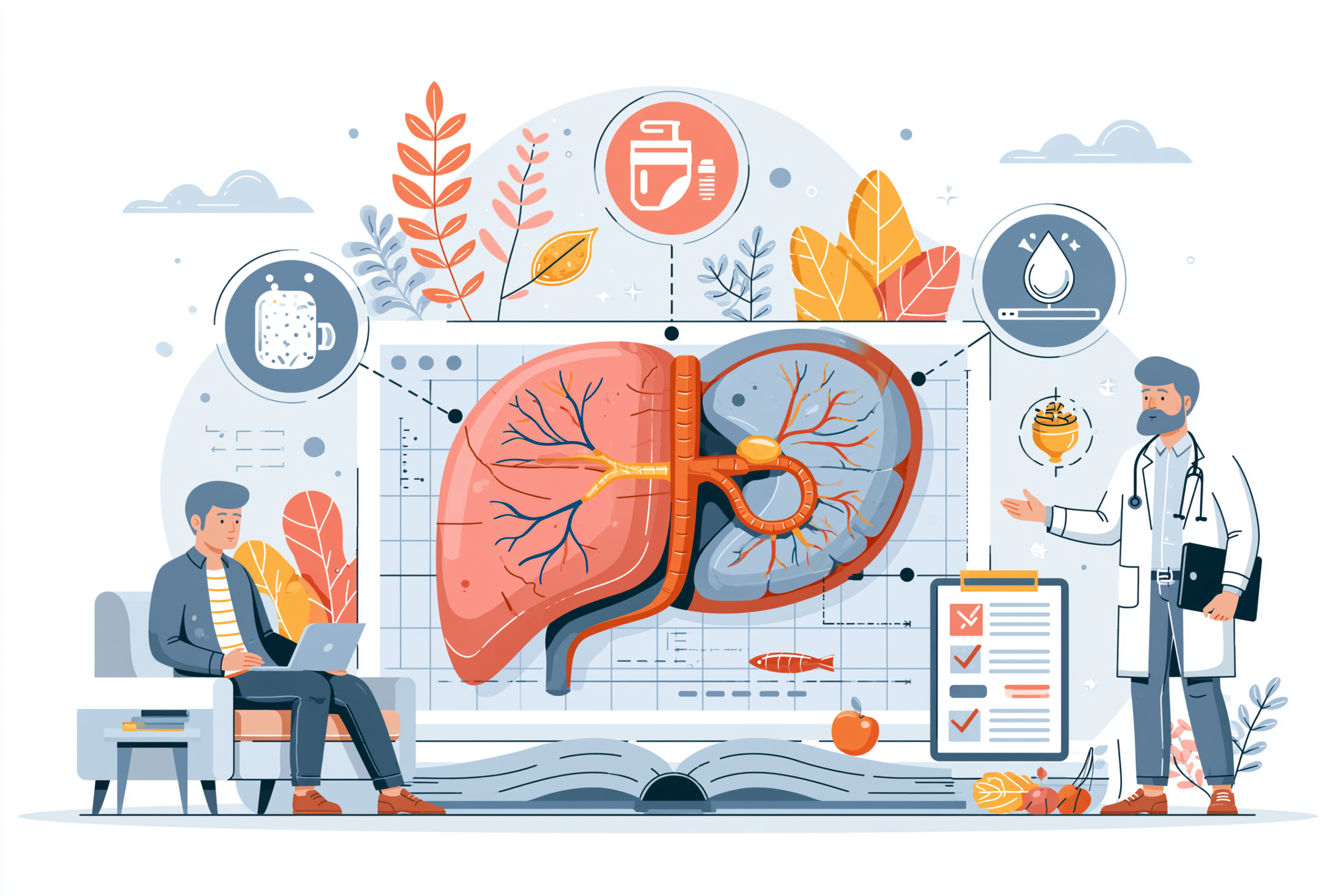
Ayurvedic treatment principles for cholangiocarcinoma should be individualized, stage-wise, and guided by both symptoms and medical reports. The aim is to support the patient’s appetite, digestion, liver-bile function, strength, sleep, treatment tolerance, emotional stability, and quality of life. In Ayurveda, treatment is not based only on the disease name. It is based on the patient’s Prakriti, Vikriti, Agni, Bala, Dosha involvement, Dhatu status, Srotas, age, strength, disease stage, and capacity to digest medicine [23], [24], [25], [26], [27], [28].
Individualized Assessment
Every cholangiocarcinoma patient is different. One patient may have high bilirubin and severe itching. Another may have normal bilirubin but metastatic disease with weight loss. One patient may be recovering after surgery, while another is undergoing chemotherapy or immunotherapy. One patient may have constipation and poor appetite, while another has loose stool, nausea, and food intolerance.
This is why the same herbal treatment for cholangiocarcinoma cannot be used for all patients. Individualized assessment should include medical diagnosis, tumor location, stage, LFT, CBC, kidney function, CA 19-9, imaging, stent status, surgery history, chemotherapy plan, current medicines, appetite, digestion, sleep, stool, urine, pain, weight, and daily activity. Ayurvedic assessment should then study Agni, Dosha, Bala, Ojas, Ama, and Srotas.
Agni Restoration
Agni is central to Ayurvedic recovery. If Agni is weak, the patient cannot digest food, absorb nourishment, tolerate medicine, maintain weight, or rebuild strength. In cholangiocarcinoma, Agni may be disturbed by bile obstruction, jaundice, chemotherapy, surgery, infection, anxiety, pain, or cancer-related inflammation.
Agni restoration does not always mean stimulating appetite aggressively. In a fragile patient, it may mean reducing nausea, clearing heaviness, improving taste, supporting bowel movement, giving small digestible meals, and using gentle formulations that the patient can tolerate. Once digestion improves, nourishment and Rasayana can be introduced more effectively.
Ama Pachana
Ama pachana is important when the patient has heaviness, nausea, coated tongue, bloating, indigestion, foul stool, sluggishness, and poor appetite. In cholangiocarcinoma, these symptoms may be related to weak digestion, bile flow disturbance, medication effects, infection, or poor metabolism. Ayurveda uses the idea of Ama to guide gentle correction before deeper nourishment.
A patient with Ama-like features may not tolerate heavy tonics or rich foods. The treatment may first need to make digestion lighter and more comfortable. When nausea reduces and appetite begins to return, the patient’s body becomes more prepared for tissue nourishment and strength-building therapy.
Yakrit and Pitta Support
Because cholangiocarcinoma affects the bile ducts and may disturb liver function, Yakrit and Pitta support are important principles. The plan should consider bilirubin, ALP, GGT, SGOT, SGPT, albumin, itching, urine colour, stool colour, appetite, and nausea. In Ayurveda, Pitta correction should not be too harsh in a weak patient. It must be balanced with digestion, nourishment, and strength.
If jaundice is worsening, fever is present, or bilirubin is rapidly rising, medical reassessment is essential. Ayurvedic liver support should never delay drainage, antibiotics, hospital care, or oncology decisions when these are needed. A mature Ayurvedic approach supports liver-bile recovery while respecting the seriousness of obstruction and infection risk.
Srotoshodhana
Srotoshodhana means improving the clarity and function of channels. In cholangiocarcinoma, Srotas involvement may be understood through bile duct obstruction, impaired digestion, sluggish bowel movement, poor circulation of nourishment, and tissue-level stagnation. The principle of Srotoshodhana should be applied carefully according to the patient’s strength.
For a weak patient, aggressive cleansing is not suitable. Gentle channel support may include improving bowel movement, reducing heaviness, supporting bile-related digestion, improving appetite, and helping the patient feel lighter. When channels function better, the patient may experience less bloating, better stool, improved appetite, and more energy.
Rasayana Therapy
Rasayana is an important Ayurvedic principle for recovery, tissue nourishment, strength, longevity, and Ojas restoration. Charaka Samhita, Chikitsa Sthana, Chapter 1, gives the classical basis for Rasayana therapy [23]. In cholangiocarcinoma, Rasayana may be considered after assessing Agni, liver function, digestion, weight, strength, ongoing treatment, and tolerance.
Rasayana should not be given blindly or too early when the patient has severe indigestion, nausea, high Ama, uncontrolled jaundice, infection, or poor bowel clearance. The sequence matters. First digestion must become capable. Then nourishment and strength can be supported. This is especially important in patients with poor appetite and liver-bile dysfunction.
Bala and Ojas Restoration
Bala and Ojas restoration is one of the most important goals in cancer recovery. Patients and families often notice improvement first through better walking, clearer speech, stronger voice, improved sleep, more interest in food, reduced fear, and better participation in daily life. These signs may seem simple, but they are deeply meaningful in serious illness.
Ayurvedic support for Bala and Ojas may include digestible nutrition, sleep correction, emotional calmness, gentle Rasayana, bowel regulation, and symptom relief. In a patient undergoing chemotherapy or immunotherapy, this support should also consider blood counts, liver enzymes, kidney function, fatigue level, nausea, infection risk, and current medicines.
Pathya and Apathya
Diet and routine are part of treatment, not separate from it. A patient with cholangiocarcinoma may not tolerate heavy, oily, fried, spicy, processed, or difficult-to-digest foods, especially during jaundice, chemotherapy, or post-surgical recovery. Pathya should be selected according to appetite, digestion, stool, bilirubin, nausea, weight, and treatment phase.
A light but nourishing diet is often more useful than a theoretically healthy but difficult-to-digest diet. Small meals, warm freshly prepared food, adequate protein where tolerated, hydration, and digestive comfort are important. Food should support recovery rather than burden the liver and digestion.
Safety and Herb-Drug Interaction Awareness
Safety is essential in any Ayurvedic treatment for cholangiocarcinoma. Patients may be taking chemotherapy, immunotherapy, targeted therapy, antibiotics, pain medicines, anticoagulants, anti-nausea medicines, steroids, diabetes medicines, or blood pressure medicines. Some patients may have high bilirubin, low albumin, kidney stress, low platelets, low WBC count, or infection risk.
Because of this, herbal treatment should be supervised and adjusted. The dose, timing, formulation, liver safety, kidney safety, and interaction risk should be considered. The purpose is to support recovery without adding unnecessary burden to the patient’s already stressed system.
Monitoring as Part of Ayurvedic Treatment
In serious disease, observation is treatment. Appetite, digestion, nausea, stool, sleep, fatigue, pain, itching, urine colour, stool colour, weight, walking ability, and mood should be tracked. Medical reports such as LFT, CBC, KFT, albumin, bilirubin, ALP, GGT, SGOT, SGPT, CA 19-9, and imaging where appropriate should be reviewed at suitable intervals.
This report-based approach makes Ayurvedic care more disciplined and trustworthy. It also helps avoid both false hope and unnecessary fear. If the patient is improving clinically, that should be recorded. If reports are worsening, the plan should be reassessed promptly. In cholangiocarcinoma, the body’s signals and the laboratory reports must be studied together.
Treatment Goals at Different Cancer Stages

Cholangiocarcinoma recovery goals change according to stage, treatment phase, liver function, bile flow, and the patient’s strength. A patient with early-stage disease may need support before and after surgery. A patient on chemotherapy may need support for treatment tolerance. A patient with advanced or metastatic disease may need a gentler plan focused on appetite, comfort, strength, sleep, and quality of life. A responsible Ayurvedic approach should therefore be stage-wise rather than identical for every patient [1], [5], [6], [15], [16].
Early-Stage Cholangiocarcinoma
In early-stage cholangiocarcinoma, surgery may be considered if the tumor is resectable and the patient is medically fit. The Ayurvedic goal at this stage is not to delay curative-intent treatment. The goal is to support the patient’s digestion, strength, liver function, nutrition, sleep, and mental stability before definitive treatment.
Good appetite, stable weight, better bowel movement, and stronger energy may help the patient face surgery or oncology treatment with better resilience. Any Ayurvedic support before surgery should be disclosed to the surgical team, especially if herbs may affect bleeding risk, liver function, blood sugar, or anesthesia planning.
After Surgery
After surgery, the patient may need support for wound recovery, digestion, liver regeneration, bowel function, appetite, protein intake, sleep, and physical strength. If the patient has undergone liver resection, the remaining liver must adapt. If the patient has undergone a Whipple procedure, digestion can be significantly affected.
The Ayurvedic goal after surgery is gradual rebuilding. Agni should be restored gently, food should be digestible, bowel movement should be regular, and fatigue should be reduced step by step. Rasayana support may be considered only when digestion and surgical recovery are stable. Reports such as LFT, CBC, albumin, weight, and imaging follow-up remain important.
During Chemotherapy
During chemotherapy, the main recovery goals are nausea control, appetite support, fatigue reduction, bowel regulation, sleep improvement, blood count support where possible, and prevention of excessive weight loss. The patient’s ability to continue planned treatment often depends on how well the body tolerates each cycle.
Ayurvedic support during chemotherapy should be gentle, compatible, and carefully monitored. The plan should consider chemotherapy dates, liver function, kidney function, blood counts, mouth ulcers, diarrhoea, constipation, infection risk, taste changes, and current medications. Strong detoxification or harsh cleansing is generally unsuitable for weak patients during chemotherapy.
During Immunotherapy
During immunotherapy, the goal is to support strength, digestion, sleep, and quality of life while carefully watching for immune-related adverse effects. New diarrhoea, severe fatigue, skin rash, breathing difficulty, jaundice, thyroid symptoms, or sudden liver enzyme changes should be evaluated medically. Immunotherapy can affect many organs, and liver-related monitoring is especially important in cholangiocarcinoma.
Ayurvedic care during immunotherapy should avoid anything that confuses the clinical picture or adds liver burden. The plan should remain conservative, report-guided, and symptom-aware. The aim is patient support, not interference with immune-based cancer treatment.
During Radiation Therapy
During radiation therapy, the patient may experience fatigue, appetite loss, nausea, abdominal discomfort, bowel changes, or local tissue irritation depending on the treatment field. The Ayurvedic goal is to maintain digestive comfort, hydration, sleep, bowel regularity, and energy.
Food should be easy to digest and adjusted according to nausea, stool pattern, and appetite. Gentle supportive care may help the patient maintain daily strength and reduce treatment-related distress. Medical monitoring remains important throughout radiation.
Locally Advanced Cholangiocarcinoma
Locally advanced cholangiocarcinoma may not be immediately removable by surgery. Treatment may involve chemotherapy, immunotherapy, radiation, biliary drainage, or other specialist approaches. The recovery goal is to maintain strength, reduce symptom burden, improve appetite, support digestion, and prevent rapid decline.
In this stage, the patient’s functional status matters greatly. If the patient becomes too weak, treatment options may become harder to tolerate. Ayurveda can be valuable when it helps the patient eat better, sleep better, walk better, maintain weight, and remain mentally stable. However, worsening jaundice, fever, pain, vomiting, or sudden weakness should trigger medical review.
Metastatic Cholangiocarcinoma
In metastatic cholangiocarcinoma, the cancer has spread to distant organs. The medical goal may be disease control, symptom relief, survival extension, and quality of life improvement. Systemic therapy, immunotherapy, targeted therapy, molecular testing, biliary drainage, pain control, and palliative care may all be relevant depending on the case [1], [15], [16], [17], [20], [21].
The Ayurvedic goal in metastatic disease should be realistic and compassionate. Appetite, digestion, sleep, bowel movement, pain comfort, mental calmness, strength, and family confidence become very important. Even when the cancer is advanced, improving the patient’s daily comfort and strength can be meaningful.
Palliative Stage
In the palliative stage, the focus is comfort, dignity, symptom relief, and quality of life. The patient may need help with pain, itching, nausea, constipation, diarrhoea, sleep disturbance, anxiety, breathlessness, weakness, and poor appetite. Families also need guidance and emotional support.
Ayurveda can support palliative care when used gently and safely. The goal is not aggressive intervention, but comfort, digestion, sleep, calmness, and preservation of dignity. If the patient can eat a little better, sleep better, pass stool comfortably, feel less restless, or communicate peacefully with family, those outcomes are valuable.
Why Stage-Wise Goals Are More Responsible
Stage-wise goals prevent unrealistic expectations and improve safety. A post-surgery patient does not need the same plan as a jaundiced patient with obstruction. A chemotherapy patient does not need the same plan as a palliative patient. A strong patient with stable liver function does not need the same approach as a weak patient with high bilirubin and poor appetite.
For readers searching for Ayurvedic treatment for cholangiocarcinoma, the key message is that effective support must match the patient’s condition. The question is not only “Which herb is good for bile duct cancer?” The deeper question is “What does this patient need today, according to stage, reports, digestion, strength, and treatment plan?”
The First 30 Days Matter Most

Ayurvedic treatment for cholangiocarcinoma becomes more meaningful when the first month is observed carefully. In bile duct cancer, the patient’s condition can change quickly because appetite, digestion, bile flow, jaundice, liver function, fatigue, sleep, pain, and emotional strength are closely connected. The first 30 days should therefore not be treated as a waiting period. It should be treated as an active observation window where both the patient’s symptoms and medical reports are watched with discipline [6], [7], [11].
Table : First 30-Day Recovery Monitoring Plan
| Timeline | What to Observe | Why It Matters |
|---|---|---|
| Day 0 baseline | Diagnosis, stage, tumor location, bilirubin, LFT, CBC, KFT, CA 19-9 where relevant, imaging, weight, appetite, digestion, sleep, pain, and walking ability. | Establishes the starting point before Ayurvedic recovery support begins. |
| First 7 days | Appetite, nausea, digestion, stool, sleep, pain, itching, urine colour, fatigue, and food tolerance. | Early improvement is often first noticed in daily symptoms before reports change. |
| First 14 days | Energy, walking ability, meal size, bowel comfort, sleep quality, mental confidence, and weight stability. | Shows whether the patient’s functional health is improving. |
| Around 30 days | Repeat LFT, CBC, KFT, bilirubin, ALP, GGT, SGOT, SGPT, albumin, CA 19-9 where useful, and imaging if advised. | Helps compare symptoms with objective reports and adjust the treatment direction. |
| Urgent reassessment anytime | Fever with chills, worsening jaundice, severe pain, persistent vomiting, confusion, black stool, bleeding, dehydration, very low urine, or sudden extreme weakness. | These may indicate infection, bile duct blockage, liver dysfunction, bleeding, or another serious complication. |
Why the First Month Can Reveal the Direction of Recovery
The first month often shows whether the body is moving toward better stability or deeper weakness. In many patients, early changes appear first in daily life before they appear clearly in reports. The patient may begin eating slightly better, feel less nausea, sleep more peacefully, pass stool more comfortably, walk with more confidence, or feel mentally less fearful. These signs may look small, but in cholangiocarcinoma recovery they are important because they reflect the patient’s functional response.
This does not mean that one or two weeks of improvement should be misunderstood as complete disease control. Cholangiocarcinoma remains a serious cancer and must be monitored through oncology evaluation, imaging, blood tests, liver function tests, tumor markers where relevant, and clinical examination. However, early improvement in appetite, digestion, sleep, fatigue, and daily strength can show that the patient’s body is responding better to supportive care.
The First Consultation Should Establish a Clear Baseline
Before any Ayurvedic recovery plan is started, the patient’s baseline should be clearly understood. This baseline includes the type of cholangiocarcinoma, stage, surgery status, chemotherapy or immunotherapy plan, stent status, bilirubin level, liver enzymes, kidney function, blood counts, CA 19-9 where relevant, imaging findings, weight, appetite, stool pattern, pain, sleep, energy, and walking ability.
In Ayurveda, the baseline also includes Agni, Bala, Ojas, Prakriti, Vikriti, Dosha involvement, Ama, Srotas, appetite, digestion, tongue, bowel movement, urine, sleep, mental state, and the patient’s capacity to tolerate medicines. When both medical and Ayurvedic baselines are recorded, the progress after one week, two weeks, and thirty days becomes easier to judge.
The First Week: Restoring Comfort and Digestive Confidence
During the first week, the main goal is often to make the patient more comfortable. In cholangiocarcinoma, many patients struggle with poor appetite, nausea, bloating, heaviness after meals, constipation, itching, sleep disturbance, and tiredness. If the patient cannot eat, digest, or sleep, deeper recovery becomes difficult.
A gentle Ayurvedic approach in the first week usually focuses on improving Agni, reducing heaviness, supporting bowel movement, calming nausea, improving sleep, and helping the patient tolerate food better. The improvement may be simple: the patient asks for food, finishes a small meal, sleeps longer, feels lighter after eating, or walks a little more than before. These changes are worth recording because they show the earliest direction of recovery.
The Second Week: Watching for Visible Functional Improvement
By the second week, the patient and family may begin to notice whether strength is returning. The patient may speak with more energy, sit for longer, walk more steadily, show interest in food, feel less abdominal heaviness, sleep better, or appear more emotionally stable. For families, these changes are often deeply reassuring because they are visible in daily life.
This is also the time to observe whether any symptoms are worsening. Increasing jaundice, fever, chills, severe abdominal pain, persistent vomiting, confusion, rapid weight loss, very dark urine, pale stool, or sudden decline in strength should never be ignored. These signs may indicate bile duct obstruction, infection, stent blockage, liver dysfunction, dehydration, or disease progression and require medical reassessment [1], [13].
Why Weekly Symptom Tracking Is Important
Symptom tracking gives structure to recovery. Without tracking, families may rely only on memory, fear, or hope. With tracking, the patient’s condition becomes clearer. Appetite, nausea, digestion, stool, sleep, pain, itching, urine colour, stool colour, fatigue, walking ability, mood, and weight can be observed weekly.
This type of tracking is especially useful for patients searching for herbal treatment for cholangiocarcinoma or natural treatment for bile duct cancer because it prevents blind use of herbs. The question becomes practical: is the patient eating better, digesting better, sleeping better, walking better, and feeling stronger? If yes, the current direction may be supportive. If no, the plan must be reconsidered.
Why Reports Are Usually Reviewed Around 30 Days
Around 30 days, clinical observation should be supported by report-based reassessment. Depending on the patient’s condition, this may include CBC, liver function test, kidney function test, bilirubin, ALP, GGT, SGOT, SGPT, albumin, CRP or ESR where relevant, CA 19-9 where clinically useful, and imaging when advised by the treating doctor.
The 30-day review is important because symptoms alone are not enough. A patient may feel better, but bilirubin or liver enzymes may still be worsening. Another patient may feel weak because of chemotherapy, but reports may show stable disease or improving obstruction. The purpose of reviewing reports is to understand the patient more accurately and adjust the recovery plan responsibly.
How Liver Function Guides the Recovery Plan
Liver function is central in cholangiocarcinoma because the disease involves the bile ducts and may directly affect bile flow. Bilirubin helps indicate jaundice and bile drainage status. ALP and GGT often reflect cholestasis or bile duct stress. SGOT and SGPT show liver-cell irritation or injury. Albumin gives information about nutrition and liver synthetic function.
From an Ayurvedic perspective, these reports help interpret Yakrit dushti, Pitta involvement, Agni status, nourishment, and systemic strength more responsibly. If bilirubin is high, digestion is poor, and itching is severe, the plan must be different from a patient whose bilirubin is normal but who has fatigue and weight loss after chemotherapy. Report-guided Ayurveda is more convincing because it respects both classical reasoning and modern clinical reality.
How CA 19-9 Should Be Understood Carefully
CA 19-9 may be useful in cholangiocarcinoma follow-up, but it should not be interpreted alone. It can rise due to cancer activity, but it can also be affected by bile duct obstruction, cholangitis, inflammation, and jaundice. A single CA 19-9 value can create fear if it is not understood in context.
The trend is often more helpful than one number. A responsible 30-day review should compare CA 19-9 with bilirubin, liver enzymes, imaging, appetite, weight, pain, jaundice, stent status, and overall clinical condition. This helps prevent unnecessary panic and supports more balanced decision-making.
How Treatment Is Modified After Reassessment
After the first 30 days, the Ayurvedic plan should not remain fixed if the patient’s condition has changed. If appetite, digestion, sleep, strength, and reports are improving, the plan may continue with suitable adjustments. If the patient is still weak but digestion has improved, gentle Rasayana and nourishment may be considered more confidently. If jaundice is worsening, fever appears, or liver function deteriorates, the priority becomes urgent medical review and safety reassessment.
This flexibility is important. A serious disease like cholangiocarcinoma cannot be managed with a rigid formula. Treatment must move with the patient’s condition. The plan should become lighter, stronger, more nourishing, more digestive, more palliative, or more supportive depending on what the patient needs at that time.
The First 30 Days Should Build Trust Through Observation
For a patient and family, trust does not come only from promises. It comes from visible changes and honest monitoring. If the patient eats better, sleeps better, walks better, feels less nausea, has better bowel movement, and shows improved energy, the family can see recovery beginning. If reports also move in a better direction around 30 days, confidence becomes stronger.
This is why the first month matters so much. It gives the patient, family, and doctor a practical way to understand whether Ayurvedic support is helping the body recover. In cholangiocarcinoma, where fear is high and health can decline quickly, a structured first-month observation model gives clarity, direction, and hope without ignoring medical reality.
What Improvement Patients Commonly Notice

Ayurvedic treatment for cholangiocarcinoma should be judged not only by what is written in reports, but also by what changes in the patient’s daily life. In bile duct cancer, recovery is often first seen through appetite, digestion, sleep, energy, walking ability, bowel movement, mental clarity, and the patient’s willingness to participate in normal activities again. These changes may appear small from outside, but for a weak cancer patient and family, they can be deeply meaningful [6], [7], [11].
Appetite May Be the First Sign of Recovery
Loss of appetite is one of the most disturbing problems in cholangiocarcinoma. The patient may feel full after a few bites, avoid food because of nausea, feel heaviness after meals, or lose interest in eating completely. When appetite begins to improve, the family often notices it immediately. The patient may ask for food, tolerate a larger portion, feel less nausea, or show interest in simple meals again.
From an Ayurvedic view, appetite reflects Agni. When Agni improves, the patient’s ability to digest food, absorb nourishment, and rebuild strength may also improve. In modern recovery language, appetite matters because nutrition influences weight, muscle strength, immunity, treatment tolerance, and quality of life. This is why appetite should be recorded carefully during the first one to two weeks of any structured Ayurvedic recovery plan.
Digestion Becomes More Comfortable
Many cholangiocarcinoma patients struggle with indigestion, bloating, nausea, heaviness after meals, altered taste, constipation, loose stool, or intolerance to oily food. These symptoms may worsen when bile flow is obstructed or when the patient is undergoing chemotherapy, immunotherapy, antibiotics, pain medicines, or post-surgical recovery.
When digestion improves, the patient may feel lighter after eating, pass stool more comfortably, experience less nausea, and tolerate food with less fear. For patients searching for herbal treatment for cholangiocarcinoma or natural treatment for bile duct cancer, this point is important: herbs alone are not enough if digestion remains weak. The first aim should be to make food and medicine digestible for the patient’s present condition.
Energy and Walking Ability May Improve
Fatigue in cholangiocarcinoma can be heavy and disabling. The patient may feel tired even after rest, avoid walking, need help for routine activities, or remain in bed for most of the day. Research on biliary tract cancer quality of life shows that fatigue, pain, appetite loss, and reduced function can significantly affect daily living [6], [7].
When recovery begins, energy may improve gradually. The patient may sit for longer, walk a few more steps, speak with more strength, or participate more actively in daily life. These functional changes are important because they show whether the patient’s body is gaining usable strength, not only temporary stimulation. Walking ability, sitting time, and daily activity should therefore be tracked as part of recovery monitoring.
Sleep and Mental Calmness Matter
Cancer does not affect only the body. It affects the mind, family, decision-making, and emotional stability. Many patients with cholangiocarcinoma experience fear, disturbed sleep, anxiety before reports, sadness, irritability, or loss of hope. Poor sleep can worsen fatigue, appetite, pain perception, digestion, and overall recovery.
When sleep improves, the patient often feels more stable during the day. Better sleep may also help appetite, energy, pain tolerance, and emotional balance. Ayurveda gives importance to mental calmness, Ojas, and the patient’s overall stability. Integrative oncology resources also recognize the importance of supportive approaches for anxiety, fatigue, sleep disturbance, and quality of life in cancer care [8], [9], [10], [11].
Weight Stabilization Is an Important Milestone
In cholangiocarcinoma, weight loss may happen because of poor appetite, weak digestion, cancer-related inflammation, jaundice, bile flow disturbance, surgery, chemotherapy, or emotional distress. When weight loss slows or stabilizes, it may suggest that the patient’s intake and digestion are improving.
Weight gain is not always immediate, especially in advanced cancer, but stopping rapid weight loss can itself be valuable. A patient who is eating better, digesting better, sleeping better, and losing less weight may be in a stronger position than before. This is why weight should be monitored along with appetite, stool, energy, albumin, hemoglobin, and overall functional status.
Liver-Bile Symptoms May Change Gradually
Patients with bile duct obstruction may have jaundice, itching, dark urine, pale stool, nausea, and poor digestion. If bile flow improves after stenting, drainage, oncology treatment, or supportive recovery, the patient may notice reduced itching, better urine colour, improved stool colour, lighter digestion, and better appetite. However, these symptoms must be interpreted carefully with bilirubin, ALP, GGT, SGOT, SGPT, fever status, and stent function [1], [13], [14].
Ayurveda may support liver-bile recovery through Yakrit, Pitta, Agni, Rakta, and Srotas-based treatment principles, but worsening jaundice or fever requires medical reassessment. A responsible recovery plan never ignores signs of obstruction, cholangitis, or liver deterioration.
Daily Confidence Can Return Before Major Reports Change
One of the most powerful signs of early recovery is confidence. The patient may speak more positively, ask about food, sit with family, walk independently, sleep with less fear, or show interest in normal life again. Families often notice this change before any scan is repeated.
This emotional improvement should not be dismissed as minor. In serious illness, confidence can influence food intake, treatment cooperation, sleep, movement, and family morale. Still, emotional improvement must be followed by medical monitoring. The ideal recovery model observes both visible patient improvement and objective report trends.
Monitoring Recovery Scientifically

Monitoring recovery in cholangiocarcinoma is essential because symptoms alone cannot show the full picture. A patient may feel better while bilirubin is still rising, or the patient may feel weak during chemotherapy even when cancer control is stable. This is why an intelligent Ayurvedic approach should combine daily symptom observation with medical reports such as CBC, liver function test, kidney function test, bilirubin, ALP, GGT, SGOT, SGPT, albumin, CA 19-9, CEA, and imaging when advised [1], [4], [12], [14].
Why Reports Are Necessary in Ayurvedic Cancer Support
Ayurveda studies the patient through Agni, Bala, Ojas, Dosha, Srotas, appetite, stool, sleep, pain, urine, strength, and mental state. Modern investigations study the disease through blood reports, scans, biopsy, tumor markers, liver function, staging, and treatment response. In cholangiocarcinoma, both views are valuable.
A patient-centred approach should not separate these two systems. If appetite improves, that is meaningful. If liver function also improves, confidence becomes stronger. If the patient feels better but reports worsen, the plan needs urgent reassessment. If reports improve but the patient feels weaker, nutrition, digestion, anemia, sleep, pain, and treatment side effects must be reviewed.
CBC: Understanding Blood Strength
CBC, or complete blood count, helps evaluate hemoglobin, white blood cells, and platelets. Hemoglobin is important for oxygen-carrying capacity and fatigue. White blood cells are important for infection risk, especially during chemotherapy. Platelets are important for bleeding risk and treatment safety.
In cholangiocarcinoma patients undergoing chemotherapy, CBC monitoring becomes especially important because low blood counts may delay treatment or increase infection risk. From a recovery viewpoint, fatigue, breathlessness, fever, bruising, bleeding, and severe weakness should be interpreted with CBC results.
Liver Function Test: The Central Report in Bile Duct Cancer
Liver function test is one of the most important report groups in cholangiocarcinoma. Bilirubin helps assess jaundice and bile drainage status. ALP and GGT may reflect cholestasis or bile duct stress. SGOT and SGPT may show liver-cell irritation or injury. Albumin reflects nutrition, inflammation, and liver synthetic function.
For patients exploring Ayurveda for bile duct cancer, liver function test should not be ignored. Ayurvedic concepts such as Yakrit dushti, Pitta dushti, Kamala-like features, Agni weakness, and Srotorodha become more clinically meaningful when interpreted alongside bilirubin, ALP, GGT, SGOT, SGPT, and albumin [25], [26].
Kidney Function Test and Electrolytes
Kidney function test is important because cancer patients may become dehydrated, may receive chemotherapy, may take pain medicines, antibiotics, contrast scans, or multiple supportive medicines. Creatinine, urea, and electrolytes help assess whether the patient can safely tolerate ongoing treatment.
Ayurvedic medicines should also be planned with kidney safety in mind. A weak patient with poor intake, vomiting, diarrhoea, dehydration, or kidney stress needs a gentler plan. Safe integrative care depends on knowing not only the cancer stage, but also the patient’s organ function.
CA 19-9 and CEA Should Be Interpreted Carefully
CA 19-9 is commonly followed in cholangiocarcinoma, but it should not be understood in isolation. It may rise due to cancer activity, but it may also rise with jaundice, bile duct obstruction, cholangitis, or inflammation. CEA may also be checked in some patients, but it is not a standalone diagnostic tool [1], [4].
The trend matters more than a single number. A falling CA 19-9 may be encouraging, but it should be interpreted with bilirubin, imaging, symptoms, weight, appetite, and treatment history. A rising CA 19-9 should be discussed medically, especially if accompanied by worsening jaundice, pain, weight loss, fever, or imaging progression.
Imaging Follow-Up
CT, MRI, MRCP, ultrasound, and PET-CT may be used depending on the case. Imaging helps assess tumor size, bile duct obstruction, liver lesions, lymph nodes, vascular involvement, and spread of disease. MRCP is particularly useful for bile duct mapping, while CT and MRI are commonly used for staging and follow-up [1], [14].
A patient may feel better symptomatically before imaging changes are visible. This is why symptom improvement should be respected but not overinterpreted. Imaging remains important for understanding structural disease. A balanced approach observes both functional improvement and imaging findings.
Performance Status and Daily Activity
Performance status describes how well the patient can function in daily life. ECOG performance status or Karnofsky score may be used in oncology to assess activity level, independence, and treatment fitness. Even without formal scoring, families can record whether the patient is bed-bound, sitting, walking inside the house, walking outside, eating independently, or needing help for daily activities.
In Ayurvedic recovery, Bala and Ojas can be practically observed through these daily functions. A patient who walks better, eats better, sleeps better, and participates more in life is showing meaningful functional recovery. This should be documented along with reports.
A Practical 30-Day Recovery Review
A useful 30-day review should compare the patient’s baseline with current status. Appetite, digestion, nausea, stool, sleep, pain, itching, urine colour, stool colour, fatigue, walking ability, mood, weight, LFT, CBC, KFT, albumin, CA 19-9 where relevant, and imaging where advised should be reviewed together.
This creates a more honest recovery picture. The goal is not to force a positive interpretation, but to understand the direction. If the patient is clearly improving, the plan can be continued or strengthened carefully. If improvement is partial, the plan can be adjusted. If the patient is worsening, medical reassessment becomes urgent.
Ayurvedic Diet for Cholangiocarcinoma
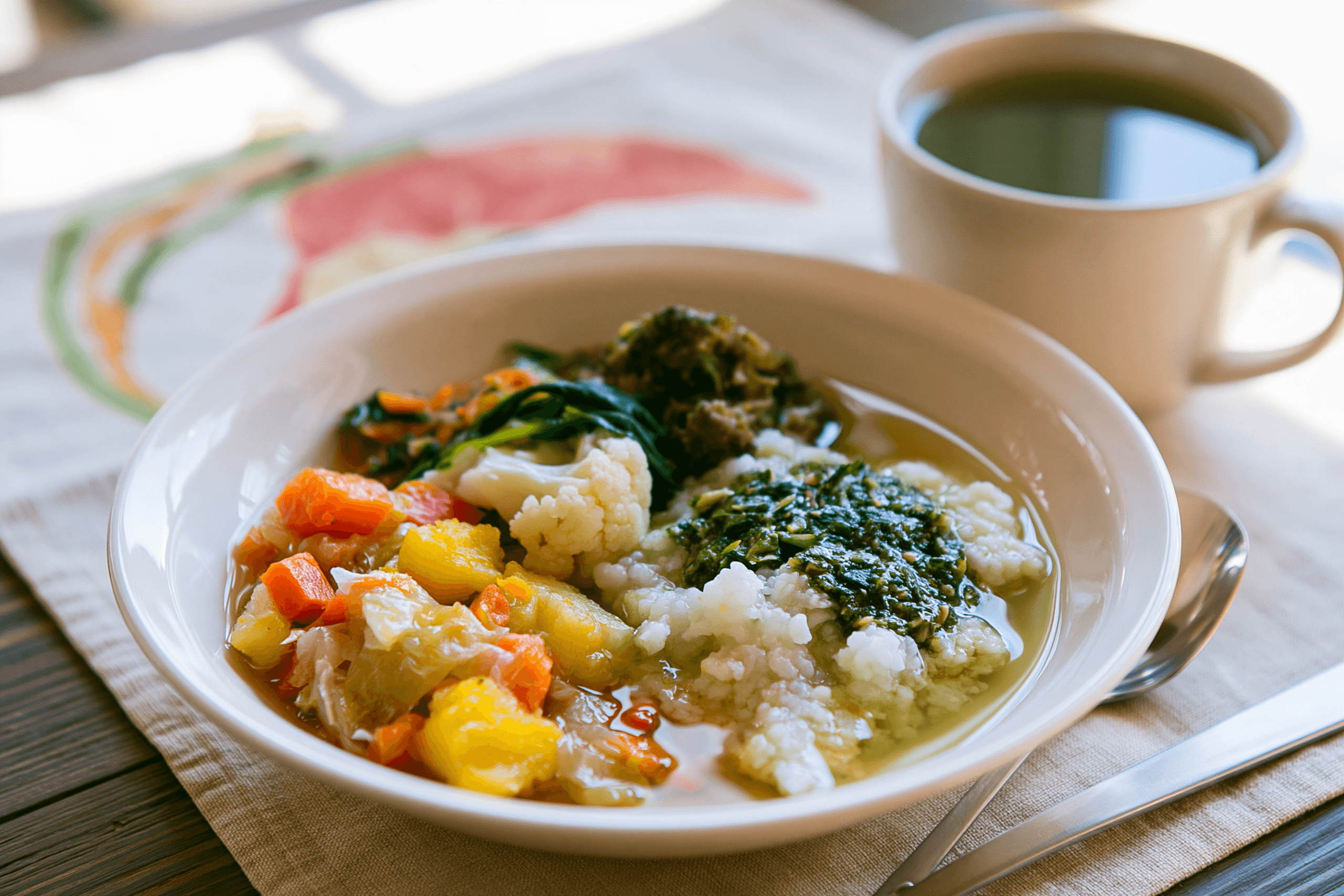
Ayurvedic diet for cholangiocarcinoma should support digestion, appetite, liver-bile function, nourishment, and strength without overloading the body. In bile duct cancer, food can become difficult because the patient may have jaundice, nausea, poor appetite, altered taste, constipation, loose stool, abdominal heaviness, post-surgical digestion changes, or chemotherapy-related side effects. A good diet is not simply a list of healthy foods. It must match the patient’s Agni, stage, symptoms, bilirubin level, treatment phase, and tolerance [6], [9], [28].
Food Should Be Light, Nourishing, and Digestible
Many cancer patients are advised to eat more, but in cholangiocarcinoma the real question is whether the patient can digest what is eaten. Heavy, oily, fried, stale, processed, very spicy, or difficult-to-digest food may worsen nausea, bloating, heaviness, and discomfort. When digestion is weak, even nutritious food may become a burden.
A better approach is small, freshly prepared, warm, simple meals that the patient can digest comfortably. Food should help the patient feel lighter, not heavier. The aim is to rebuild appetite and strength gradually rather than force large meals that cause nausea or discomfort.
During Jaundice, Digestion Needs Special Care
When bilirubin is high or bile flow is obstructed, fat digestion may become difficult. The patient may feel nauseated after oily food, develop heaviness after meals, or pass pale stool. During this phase, food should be gentle, low in digestive burden, and suited to the patient’s current liver-bile condition.
Jaundice with fever, chills, severe pain, or worsening weakness should not be managed through diet alone. It requires medical assessment because bile duct obstruction or cholangitis may need urgent treatment [1], [13]. Diet can support comfort, but it cannot replace biliary drainage or emergency care when these are required.
Protein Should Be Planned According to Tolerance
Protein is important for muscle preservation, healing, immunity, albumin, and strength. However, protein must be selected according to digestion, appetite, liver function, kidney function, treatment phase, and patient preference. Some patients tolerate soft lentil preparations, soups, curd preparations where suitable, or easily digestible protein better than heavy meals.
The goal is not to overload digestion, but to prevent progressive weakness. If the patient is losing weight or muscle, nutritional planning becomes very important. Diet should be coordinated with medical advice when the patient has severe liver dysfunction, kidney dysfunction, ascites, vomiting, diarrhoea, or post-surgical complications.
Hydration Supports Comfort and Recovery
Dehydration can worsen fatigue, constipation, dizziness, kidney stress, and treatment intolerance. Patients with nausea, fever, vomiting, diarrhoea, poor intake, or chemotherapy-related side effects need careful hydration. Warm water, suitable herbal water, thin soups, rice gruel, or other gentle fluids may be used according to tolerance.
However, fluid intake must be individualized in patients with ascites, kidney disease, low sodium, severe vomiting, or advanced liver dysfunction. In such cases, the treating doctor’s advice is important.
Food During Chemotherapy
During chemotherapy, taste changes, nausea, mouth ulcers, constipation, diarrhoea, and loss of appetite are common. The patient may tolerate small frequent meals better than large meals. Soft, mild, warm, non-irritating foods may be easier during nausea or mouth sensitivity.
From an Ayurvedic perspective, chemotherapy can disturb Agni and Bala. Therefore, food should protect digestion while supporting nourishment. If the patient develops severe vomiting, diarrhoea, fever, mouth ulcers, dehydration, or inability to eat, medical care should be sought promptly.
Food After Surgery
After liver resection, bile duct surgery, or Whipple procedure, diet must be introduced according to surgical recovery and medical advice. The patient may need gradual progression from liquids to soft food and then more complete meals. Digestion may remain sensitive for weeks or months, especially after major hepatobiliary or pancreatic surgery.
Ayurvedic dietary care after surgery should focus on easy digestion, bowel regularity, nourishment, and gradual rebuilding of strength. Heavy Rasayana foods or rich preparations may not be suitable at the beginning if Agni is weak. The sequence should be gentle first, nourishing later.
Foods That May Be Difficult for Many Patients
Many cholangiocarcinoma patients do poorly with fried foods, very oily meals, heavy sweets, processed foods, alcohol, excessive red meat, stale food, very spicy food, and overeating. These foods may worsen heaviness, nausea, acidity, poor digestion, bowel disturbance, or liver-bile discomfort.
The goal is not to create fear around food, but to make eating easier. A patient who can eat simple food comfortably is often better supported than a patient trying to follow an extreme diet that causes weakness or stress.
Diet Should Be Adjusted Weekly
Diet in cholangiocarcinoma should not remain fixed if the patient’s condition changes. A jaundiced patient, a post-surgery patient, a chemotherapy patient, and an advanced-stage weak patient need different food plans. If appetite improves, the diet can become more nourishing. If nausea worsens, it may need to become lighter. If constipation appears, bowel-supportive foods may be needed. If diarrhoea occurs, the plan changes again.
This is why diet should be part of weekly recovery observation. Appetite, stool, bloating, nausea, weight, sleep, and energy should guide food adjustments along with reports.
Lifestyle and Daily Routine

Lifestyle support in cholangiocarcinoma should be simple, gentle, and realistic. Cancer patients are often told to exercise, meditate, eat well, and stay positive, but these instructions can feel impossible when the patient is weak, jaundiced, nauseated, or exhausted. A better approach is to create a daily routine that protects energy, supports digestion, improves sleep, reduces anxiety, and encourages safe movement [8], [9], [10], [29].
Sleep Is a Core Part of Recovery
Sleep affects fatigue, appetite, pain tolerance, mood, immunity, and overall strength. Many cholangiocarcinoma patients sleep poorly because of anxiety, itching, pain, hospital stress, nausea, or frequent urination. Improving sleep can make the patient feel more stable and better able to eat, walk, and tolerate treatment.
A supportive routine may include fixed sleep timing, light evening food, reduced screen exposure before sleep, gentle breathing, comfortable bedding, itching control, pain management, and calm family communication. If sleep disturbance is severe, medical advice should be taken because uncontrolled pain, itching, anxiety, or medication effects may need treatment.
Gentle Walking Helps Maintain Strength
Walking is one of the simplest ways to monitor and support functional recovery. The patient does not need intense exercise. Even short, safe walks inside the room or house may help circulation, bowel movement, mood, sleep, and muscle preservation. The walking plan should match the patient’s strength and medical condition.
If the patient has dizziness, severe anemia, fever, uncontrolled pain, low blood pressure, breathlessness, high fall risk, or extreme weakness, walking should be supervised or postponed until medically safe. Recovery is not measured by forcing activity. It is measured by gradual improvement without harm.
Yoga Should Be Gentle and Patient-Specific
Yoga for cholangiocarcinoma should not mean difficult postures or physical strain. In weak cancer patients, yoga may simply mean gentle stretching, supported sitting, relaxed breathing, and body awareness. Postures should be avoided if they increase pain, pressure, dizziness, fatigue, surgical discomfort, or abdominal strain.
Patients after surgery, with stents, ascites, bone metastasis, severe weakness, or active treatment side effects need special caution. The safest yoga is individualized, mild, and guided by the patient’s comfort.
Pranayama and Breathing Practices
Gentle breathing practices may help anxiety, sleep, emotional calmness, and fatigue perception. Slow breathing, relaxed abdominal breathing where comfortable, or simple breath awareness may be useful. Strong or forceful pranayama should be avoided in weak, breathless, post-surgical, or severely fatigued patients.
Breathing practices are not a cancer treatment by themselves, but they may support the mind-body recovery environment. When the patient feels calmer, food intake, sleep, pain tolerance, and family communication may improve.
Stress Reduction Is Not Optional
A cholangiocarcinoma diagnosis creates fear for the patient and family. Every report, scan, symptom, and treatment decision can create emotional pressure. Chronic stress can reduce appetite, disturb sleep, worsen fatigue, and make decision-making harder.
A recovery-supportive environment should include calm communication, clear explanations, realistic hope, and avoidance of frightening or contradictory advice. The patient should not be overloaded with internet information, miracle claims, or negative survival stories. Emotional safety is part of medical recovery.
Bowel Care Is Very Important
Constipation can worsen abdominal heaviness, appetite loss, nausea, pain, sleep disturbance, and restlessness. It may occur due to poor food intake, dehydration, low movement, pain medicines, chemotherapy, or digestive weakness. Loose stool or diarrhoea can also weaken the patient and cause dehydration.
Ayurveda gives strong importance to bowel function because it reflects digestion, Vata balance, and systemic comfort. In cholangiocarcinoma, bowel care should be gentle. Severe constipation, persistent diarrhoea, black stool, blood in stool, or dehydration requires medical assessment.
Daily Routine Should Preserve Energy
Cancer patients often have limited energy. A good routine protects that energy. Meals, medicines, rest, walking, bathing, reports, and family visits should be organized so the patient is not exhausted. Too many visitors, too much talking, irregular meals, late nights, or emotional stress can weaken recovery.
A simple rhythm is often best. The patient should eat at comfortable times, rest after meals, walk gently when energy is better, sleep regularly, and avoid unnecessary strain. This type of routine may seem basic, but in serious illness it can make recovery more stable.
Important Ayurvedic Herbs and Classical Medicine
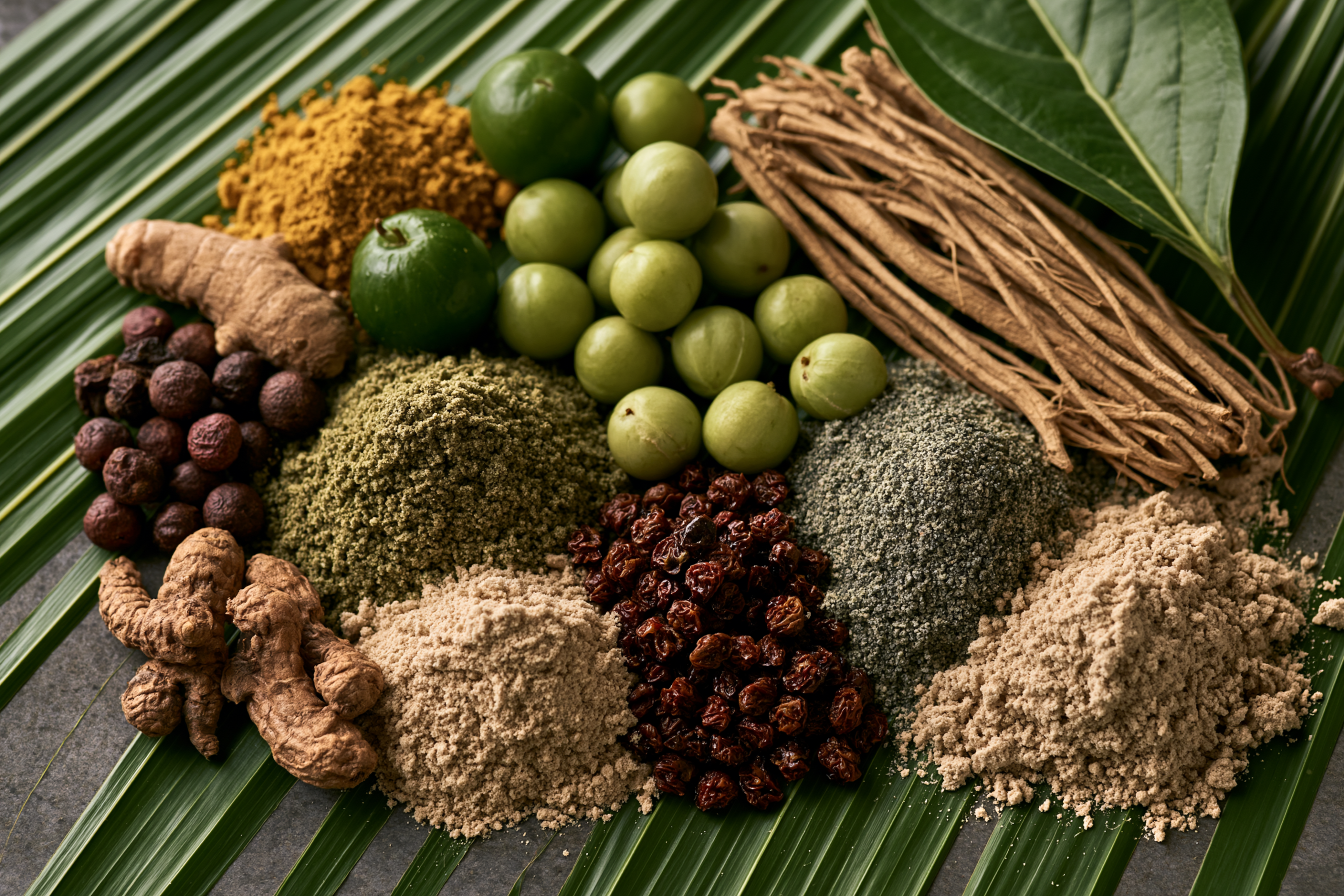
Ayurvedic herbs for cholangiocarcinoma should never be selected casually. Patients often search for herbal treatment for cholangiocarcinoma, best herbs for bile duct cancer, liver cancer Ayurvedic medicine, or natural treatment for bile duct cancer. This interest is understandable, but cholangiocarcinoma is a serious hepatobiliary cancer, and herbs must be chosen according to the patient’s stage, liver function, bilirubin, digestion, strength, ongoing chemotherapy or immunotherapy, kidney function, and current medicines [28], [29], [30], [31].
Why Every Patient Should Not Receive the Same Formula
Ayurveda is not a one-formula system. A patient with high bilirubin and itching needs different support from a patient with post-surgical weakness. A patient with severe nausea needs a different plan from a patient with constipation and weight loss. A patient on chemotherapy needs different monitoring from a patient on targeted therapy or palliative care.
Classical Ayurvedic thinking considers Prakriti, Vikriti, Agni, Bala, Dosha, Dhatu, Srotas, age, season, strength, and disease stage. In cholangiocarcinoma, this individualized approach becomes even more important because the liver and bile ducts are directly involved. The wrong herb, wrong dose, or wrong timing can burden digestion or confuse clinical monitoring.
Yakrit-Arbuda Rasayana Avaleha- Main Medicine
Classical Inspiration Behind This Avaleha
Yakrit-Arbuda Rasayana Avaleha is a doctor-supervised Ayurvedic avaleha concept for cholangiocarcinoma recovery support. The formulation is inspired by the classical principles of Rasayana, Yakrit-Pitta correction, Kamala chikitsa, Srotoshodhana, Granthi-Arbuda understanding, Agni restoration, Bala restoration, and Ojas support.
This formulation is inspired by Charaka Samhita, Chikitsa Sthana, Chapter 1, Rasayana Chikitsa, especially the avaleha and Rasayana principles seen in Amalaki-based Rasayana and Chyavanaprasha-style preparation. It is also inspired by Charaka Samhita, Chikitsa Sthana, Chapter 16, Pandu-Kamala Chikitsa, for liver-bile, Pitta, Rakta, and jaundice-like understanding; Charaka Samhita, Vimana Sthana, Chapter 5, Srotovimana, for Srotas and Srotorodha; and Sushruta Samhita, Nidana Sthana, Chapter 11, for Granthi and Arbuda understanding. The avaleha preparation method follows the broad pharmaceutical logic of Avaleha Kalpana described in classical Bhaishajya Kalpana traditions and represented in classical formulations such as Chyavanaprasha Avaleha and Kushmanda Avaleha.
This is not a single classical formula copied from one book. It is a cholangiocarcinoma-focused Rasayana avaleha adaptation based on classical Ayurvedic principles and modern research on cholangiocarcinoma-relevant herbs.
Purpose of the Formulation
The purpose of this avaleha is to support patients with cholangiocarcinoma by focusing on Agni, appetite, digestion, liver-bile function, Pitta regulation, Rakta support, Srotas clarity, inflammation balance, strength, fatigue, sleep, treatment tolerance, and quality of life. Modern cholangiocarcinoma treatment may include surgery, chemotherapy, immunotherapy, targeted therapy, radiation, biliary stenting, and palliative care depending on stage and clinical condition [5], [6]. This avaleha is designed as supportive Ayurvedic care, not as a substitute for urgent oncology treatment, biliary drainage, chemotherapy, immunotherapy, targeted therapy, or emergency care.
Final Avaleha Name
Panaceayur Yakrit-Arbuda Rasayana Avaleha
Alternative Sanskrit-style name for internal documentation:
Yakrit-Pittavaha Srotas Arbuda Rasayana Avaleha
Patient-friendly name:
Ayurvedic Liver-Bile Cancer Recovery Avaleha
Dose
15 grams twice daily after food
The usual 30-day dose is 30 grams per day.
Total quantity required for 30 days is 900 grams.
Anupana
It may be taken with lukewarm water after meals. In patients with burning, acidity, severe Pitta symptoms, or mouth ulcers, the anupana may be adjusted by the physician. It should not be taken with hot water if honey has been added to the avaleha.
Total Batch Size
900 grams final avaleha
This quantity is sufficient for one patient for 30 days at 15 grams twice daily.
Formula Composition for 900 Grams
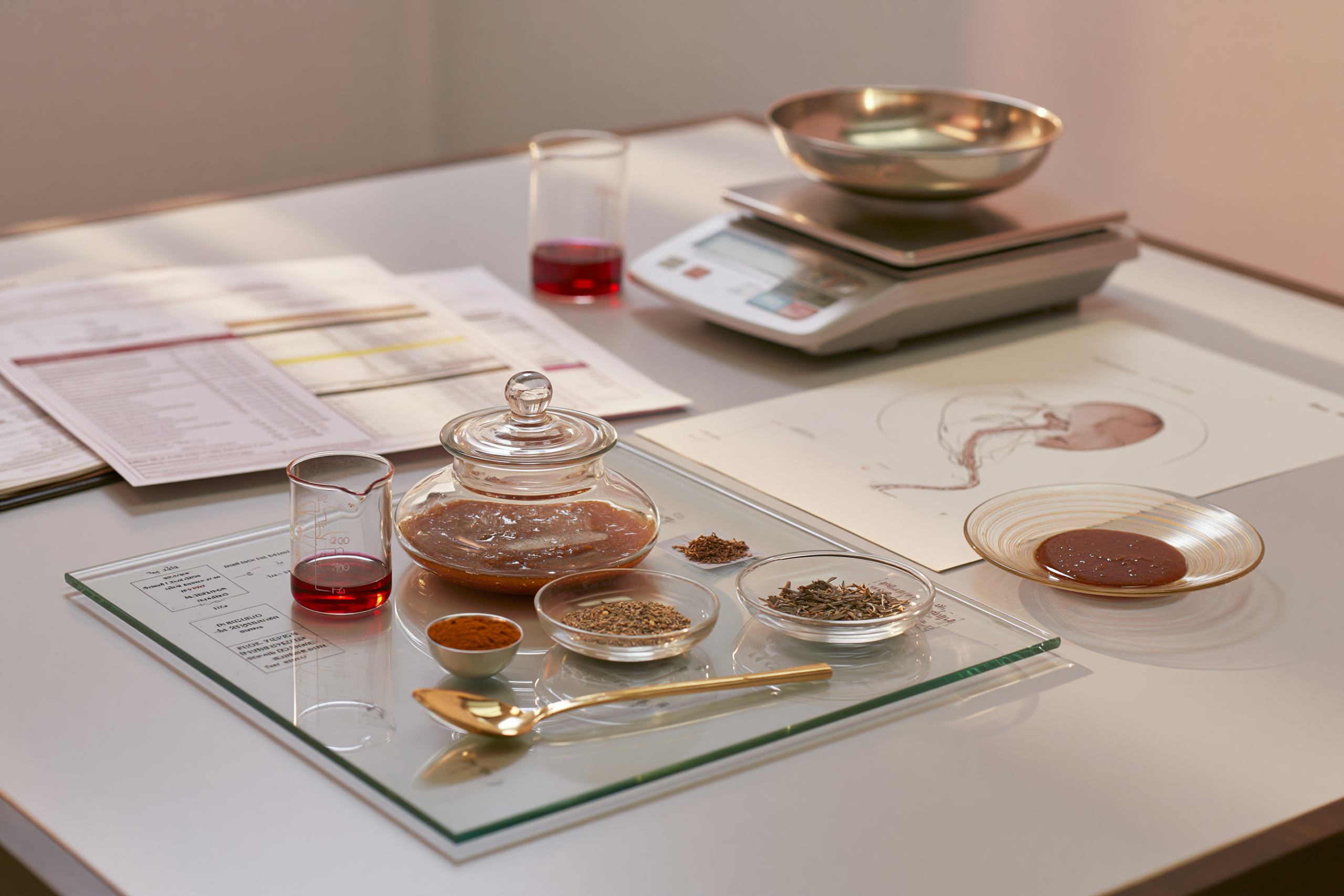
A. Avaleha Base
| Ingredient | Sanskrit Name | Botanical/Material Name | Quantity |
| Fresh Amalaki pulp | Amalaki | Phyllanthus emblica / Emblica officinalis | 135 g |
| Ash gourd pulp | Kushmanda | Benincasa hispida | 90 g |
| Black raisin paste | Draksha | Vitis vinifera | 60 g |
| Thick decoction extract | Kwatha Ghana | Prepared from herbs listed below | 125 g |
| Mishri / Khand / Sharkara | Sharkara | Purified sugar base | 155 g |
| Cow ghee | Go-ghrita | Clarified butter | 45 g |
| Honey | Madhu | Honey, added only after cooling | 70 g |
Subtotal: 680 g
B. Decoction Herbs for Preparing 125 g Thick Kwatha Ghana
These herbs are boiled in water, filtered, and reduced to a thick extract. The final thick extract used in the avaleha is 125 g.
| Ingredient | Sanskrit Name | Botanical Name | Coarse Powder Quantity |
| Guduchi stem | Guduchi | Tinospora cordifolia | 50 g |
| Punarnava root | Punarnava | Boerhaavia diffusa | 40 g |
| Bhumyamalaki whole plant | Bhumyamalaki | Phyllanthus niruri | 40 g |
| Kanchanara bark | Kanchanara | Bauhinia variegata | 40 g |
| Kalmegha whole plant | Kalmegha | Andrographis paniculata | 30 g |
| Daruharidra stem | Daruharidra | Berberis aristata | 30 g |
| Varuna bark | Varuna | Crataeva nurvala | 25 g |
| Yashtimadhu root | Yashtimadhu | Glycyrrhiza glabra | 25 g |
| Patola leaf | Patola | Trichosanthes dioica / Trichosanthes cucumerina group | 20 g |
| Mustaka rhizome | Mustaka | Cyperus rotundus | 20 g |
| Kutki rhizome | Katuki / Kutki | Picrorhiza kurroa | 15 g |
Total coarse herbs for decoction: 335 g
Water: 5.3 litres
Reduction target: reduce to approximately 650–700 ml, filter, then further reduce slowly to obtain 125 g thick decoction extract.
C. Fine Prakshepa Powders
These should be added after the avaleha base is cooked and slightly cooled, while still warm enough to mix evenly.
| Ingredient | Sanskrit Name | Botanical Name | Fine Powder Quantity |
| Haritaki | Haritaki | Terminalia chebula | 12 g |
| Bibhitaki | Vibhitaki | Terminalia bellirica | 12 g |
| Amalaki powder | Amalaki | Phyllanthus emblica | 14 g |
| Turmeric | Haridra | Curcuma longa | 18 g |
| Daruharidra | Daruharidra | Berberis aristata | 12 g |
| Kalmegha | Kalmegha | Andrographis paniculata | 10 g |
| Kutki | Katuki | Picrorhiza kurroa | 6 g |
| Guduchi satva or fine powder | Guduchi | Tinospora cordifolia | 15 g |
| Ashwagandha | Ashwagandha | Withania somnifera | 15 g |
| Shatavari | Shatavari | Asparagus racemosus | 7 g |
| Punarnava | Punarnava | Boerhaavia diffusa | 10 g |
| Bhumyamalaki | Bhumyamalaki | Phyllanthus niruri | 10 g |
| Yashtimadhu | Yashtimadhu | Glycyrrhiza glabra | 8 g |
| Pippali | Pippali | Piper longum | 6 g |
| Maricha | Maricha | Piper nigrum | 3 g |
| Shunthi | Shunthi | Zingiber officinale | 6 g |
| Chitraka | Chitraka | Plumbago zeylanica | 3 g |
| Ela | Ela | Elettaria cardamomum | 2 g |
| Tvak | Tvak | Cinnamomum verum / Cinnamomum zeylanicum | 2 g |
| Tejapatra | Tamalapatra | Cinnamomum tamala | 1 g |
| Shuddha Guggulu | Guggulu | Commiphora mukul / Commiphora wightii | 7 g |
| Shallaki | Shallaki | Boswellia serrata | 7 g |
| Upakunchika / Kalonji | Upakunchika | Nigella sativa | 5 g |
Subtotal fine powders: 191 g
D. Physician-Only Mineral and Rasayana Support Group
These ingredients should be used only if they are properly purified, GMP-manufactured, heavy-metal-tested, microbial-tested, and prescribed by a qualified Ayurvedic physician. They should not be prepared at home. In international markets such as the USA, UK, Australia, Singapore, and Canada, regulatory and safety restrictions must be checked before use.
| Ingredient | Sanskrit Name | Material | Quantity in 900 g Batch |
| Purified Shilajit | Shuddha Shilajatu | Purified asphaltum mineral pitch | 12 g |
| Abhraka Bhasma | Abhraka Bhasma | Purified incinerated mica preparation | 3 g |
| Swarna Bhasma | Swarna Bhasma | Purified incinerated gold preparation | 1.2 g |
| Praval Pishti | Praval Pishti | Processed coral calcium preparation | 5 g |
| Mukta Pishti | Mukta Pishti | Processed pearl calcium preparation | 2 g |
| Lauha Bhasma | Lauha Bhasma | Purified incinerated iron preparation | 3 g |
| Yashada Bhasma | Yashada Bhasma | Purified incinerated zinc preparation | 2.8 g |
Subtotal mineral group: 29 g
Final batch total: 680 g + 191 g + 29 g = 900 g
Patient-Friendly Preparation Method
Step 1: Prepare the Decoction Extract
Take all decoction herbs listed in the decoction table. Crush them into coarse powder. Add 5.3 litres of clean water. Boil on mild flame until the liquid is reduced to about 650–700 ml. Filter through a clean cotton cloth.
After filtering, continue heating the liquid on low flame until it becomes a thick extract weighing around 125 g. Keep it aside.
Step 2: Prepare the Fruit Base
Take fresh Amalaki pulp, Kushmanda pulp, and Draksha paste. Cook them slowly in a thick-bottomed stainless-steel vessel. Add cow ghee and stir gently until the mixture becomes smooth and aromatic.
Step 3: Add Sharkara
Add 155 g Mishri, Khand, or Sharkara to the fruit-ghee base. Cook slowly until the mixture becomes semi-solid. The flame should remain low to medium. The avaleha should not burn at the bottom.
Step 4: Add the Thick Decoction Extract
Add the prepared 125 g Kwatha Ghana to the avaleha base. Stir continuously until the mixture becomes uniform.
Step 5: Check Avaleha Consistency
The avaleha is ready for the next step when it becomes thick, glossy, and semi-solid. A small portion taken between the fingers should form a soft thread-like consistency. It should not be watery.
Step 6: Add Fine Powders
Turn off the flame. Allow the mixture to cool slightly. When it is warm but not very hot, add all fine powders slowly and mix continuously. The powders should be added gradually to avoid lumps.
Step 7: Add Mineral Group
When the mixture is warm and comfortable to touch, add the physician-approved mineral group. Mix thoroughly so that the bhasma and pishti are evenly distributed.
Step 8: Add Honey Only After Cooling
When the avaleha has cooled below body-warm temperature, add 70 g honey. Honey should not be heated. Mix well until the avaleha becomes smooth and uniform.
Step 9: Final Weight Adjustment
The final weight should be 900 g. If the batch is slightly heavier because of extra moisture, continue gentle heating before adding honey and mineral ingredients. If the batch is slightly lower, adjust only with physician-approved honey or Draksha paste after cooling.
Step 10: Storage
Store in a clean, dry, airtight glass jar. Use a dry spoon every time. For cancer patients, fresh 30-day batches are preferable. Refrigeration is recommended if the climate is hot or humid.
Research Rationale for the Main Herbs
Haridra: Curcuma longa
Haridra is included for Pitta-Rakta modulation, inflammation balance, and direct preclinical relevance to cholangiocarcinoma. Curcumin has been shown to suppress proliferation and induce apoptosis in human biliary cancer cells through modulation of NF-κB, STAT3, and related signaling pathways . Curcumin derivatives have also shown apoptosis-like cell death in human cholangiocarcinoma cell models .
Prakobwong, S., et al. (2011). Curcumin suppresses proliferation and induces apoptosis in human biliary cancer cells through modulation of multiple cell signaling pathways. Carcinogenesis. https://pmc.ncbi.nlm.nih.gov/articles/PMC3165121/
Alhasawi, M. A. I., et al. (2022). Curcumin and its derivatives induce apoptosis in human cholangiocarcinoma cells. Molecules. https://pubmed.ncbi.nlm.nih.gov/36364236/
Triphala Group: Haritaki, Bibhitaki, Amalaki
Haritaki, Bibhitaki, and Amalaki are included for Rasayana, Agni support, bowel regulation, antioxidant activity, and research relevance to cholangiocarcinoma cell lines. A study on Terminalia chebula, Terminalia bellirica, and Phyllanthus emblica extracts reported anti-cholangiocarcinoma activity through inhibition of cell proliferation and induction of apoptosis in cholangiocarcinoma cell lines . Amalaki also provides the Rasayana foundation of the avaleha and links this formula to Amalaki-based Rasayana traditions.
Chekdaengphanao, P., et al. (2022). Anticancer activity of Terminalia chebula, Terminalia bellirica, and Phyllanthus emblica extracts on cholangiocarcinoma cell proliferation and induction of apoptosis. Journal of Ayurveda and Integrative Medicine. https://www.sciencedirect.com/science/article/abs/pii/S2210803322000513
Daruharidra: Berberis aristata
Daruharidra is included because its major alkaloid berberine has direct cholangiocarcinoma research relevance. Berberine has been shown to inhibit growth, induce G1 cell-cycle arrest, and promote apoptosis in human cholangiocarcinoma cells . Another study reported that low-dose berberine suppressed epithelial-mesenchymal transition and aggressiveness of cholangiocarcinoma cells, partly through effects on EGFR-related kinase signaling .
He, W., et al. (2012). Berberine inhibits growth and induces G1 arrest and apoptosis in human cholangiocarcinoma QBC939 cells. Journal of Pharmacological Sciences. https://pubmed.ncbi.nlm.nih.gov/22850597/
Obchoei, S., et al. (2022). Low dose berberine suppresses cholangiocarcinoma cell aggressiveness. Molecules. https://pmc.ncbi.nlm.nih.gov/articles/PMC9924321/
Kalmegha: Andrographis paniculata
Kalmegha is included for Tikta rasa, Pitta-Kapha correction, liver-bile support, and direct preclinical relevance. Andrographis paniculata extracts and andrographolide have been studied in liver and bile duct cancer cell models. Research reports that Andrographis extracts inhibited growth of liver and bile duct cancer cells, and andrographolide inhibited cholangiocarcinoma cell migration through suppression of signaling pathways involved in invasion and metastasis .
Suriyo, T., et al. (2014). Andrographis paniculata extracts and major constituent andrographolide inhibit growth of liver and bile duct cancer cells. Planta Medica. https://pubmed.ncbi.nlm.nih.gov/24782229/
Pearngam, P., et al. (2019). Andrographolide inhibits cholangiocarcinoma cell migration by suppressing pathways related to invasion. International Journal of Molecular Sciences. https://pmc.ncbi.nlm.nih.gov/articles/PMC6669233/
Guggulu: Commiphora mukul / Commiphora wightii
Shuddha Guggulu is included for Granthi-Arbuda-inspired reasoning, Srotas support, inflammation modulation, and modern research on guggulsterone. A study on human cholangiocarcinoma cell lines reported that guggulsterone significantly inhibited cell growth and induced apoptosis . Reviews also describe guggulsterone’s anticancer potential through modulation of apoptosis, inflammation, and tumor progression pathways.
Zhong, F., et al. (2015). Guggulsterone inhibits human cholangiocarcinoma cell growth by inducing apoptosis. Oncology Reports. https://pmc.ncbi.nlm.nih.gov/articles/PMC4533301/
Gupta, M., et al. (2023). Anti-cancer activity of guggulsterone by modulating apoptotic and inflammatory signaling pathways. Molecules. https://pmc.ncbi.nlm.nih.gov/articles/PMC10185795/
Upakunchika / Kalonji: Nigella sativa
Upakunchika is included in a small quantity because thymoquinone, a major bioactive compound of Nigella sativa, has direct cholangiocarcinoma research relevance. Thymoquinone has been reported to inhibit proliferation, induce cell-cycle arrest, and promote apoptosis in cholangiocarcinoma cells through PI3K/Akt pathway modulation . It is included in low quantity because the formula is already potent and the patient population may have sensitive digestion.
Xu, D., et al. (2014). Thymoquinone induces G2/M arrest, inactivates PI3K/Akt, and induces apoptosis in cholangiocarcinoma cells. Oncology Reports. https://pubmed.ncbi.nlm.nih.gov/24603952/
Pippali and Maricha
Pippali and Maricha are included for Deepana, Pachana, bioavailability enhancement, and Agni correction. Piperine, found in Piper longum and Piper nigrum, has been shown in human pharmacokinetic research to markedly improve curcumin bioavailability
Shoba, G., et al. (1998). Influence of piperine on the pharmacokinetics of curcumin in animals and human volunteers. Planta Medica. https://pubmed.ncbi.nlm.nih.gov/9619120/. This is important because curcumin is one of the most relevant cholangiocarcinoma-studied natural compounds, but its oral absorption is naturally limited.
Shunthi: Zingiber officinale
Shunthi is included for Agni, nausea support, digestive comfort, and anti-inflammatory action. Ginger and gingerol compounds have been reviewed for anticancer mechanisms involving apoptosis, oxidative stress modulation, anti-inflammatory activity, and effects on tumorigenic pathways . In cholangiocarcinoma patients, Shunthi is especially useful from an Ayurvedic perspective when nausea, heaviness, low appetite, or Agnimandya are present, but it should be reduced in strong burning or severe Pitta symptoms.
de Lima, R. M. T., et al. (2018). Gingerol in cancer: A comprehensive review. Critical Reviews in Food Science and Nutrition. https://pubmed.ncbi.nlm.nih.gov/30009484/
Guduchi: Tinospora cordifolia
Guduchi is included for Rasayana, Bala, Ojas, immune modulation, inflammation balance, and recovery support. Reviews describe Tinospora cordifolia as having immunomodulatory, anti-inflammatory, and anticancer-related pharmacological actions through modulation of pathways related to inflammation and cell proliferation. In this formula, Guduchi is positioned mainly as a recovery and immune-modulating Rasayana rather than a direct proven cholangiocarcinoma treatment.
Saha, S., & Ghosh, S. (2012). Tinospora cordifolia: One plant, many roles. Ancient Science of Life. https://pmc.ncbi.nlm.nih.gov/articles/PMC3644751/
Yates, C. R., et al. (2022). Tinospora cordifolia: A review of its immunomodulatory properties. Journal of Dietary Supplements. https://pubmed.ncbi.nlm.nih.gov/33480818/
Punarnava: Boerhaavia diffusa
Punarnava is included for Yakrit support, Shotha, fluid balance, and recovery in patients with heaviness, edema tendency, or liver stress. Reviews describe Boerhaavia diffusa as having hepatoprotective, anti-inflammatory, immunomodulatory, and anticancer-related properties in experimental models. In cholangiocarcinoma, its role is supportive, especially when liver function, swelling, appetite, and strength need monitoring.
Mishra, S., et al. (2014). Boerhaavia diffusa Linn.: A review. Journal of Ayurveda and Integrative Medicine. https://pmc.ncbi.nlm.nih.gov/articles/PMC4053255/
Gunaseelan, D., et al. (2022). Biochemical and molecular anticancer approaches for Boerhaavia diffusa. Phytotherapy Research. https://pubmed.ncbi.nlm.nih.gov/36510972/
Bhumyamalaki: Phyllanthus niruri
Bhumyamalaki is included for liver-bile support, Pitta-Rakta balance, and hepatoprotective activity. Studies and reviews report hepatoprotective, antioxidant, anti-inflammatory, and liver-cell protective effects of Phyllanthus niruri extracts . In this avaleha, it supports the Yakrit-Kamala aspect of cholangiocarcinoma recovery rather than acting as a standalone cancer medicine.
Sowjanya, K., et al. (2021). Efficacy of Phyllanthus niruri on improving liver functions in patients with liver disorders. Journal of Clinical and Experimental Hepatology. https://pmc.ncbi.nlm.nih.gov/articles/PMC8764976/
Ezzat, M. I., et al. (2020). In-depth hepatoprotective mechanistic study of Phyllanthus niruri. Journal of Ethnopharmacology. https://pmc.ncbi.nlm.nih.gov/articles/PMC6961881/
Kutki: Picrorhiza kurroa
Kutki is included in a controlled low quantity because it is strong, bitter, Pitta-Kapha reducing, and traditionally used in liver-related conditions. A pharmacological and clinical review describes Picrorhiza kurroa as a traditionally and scientifically studied herb for dyspepsia, hepatitis, and liver-related disorders . Because Kutki can be strong and is not suitable for all weak patients, the dose in this avaleha is conservative.
Almeleebia, T. M., et al. (2022). Pharmacological and clinical efficacy of Picrorhiza kurroa. Plants. https://pmc.ncbi.nlm.nih.gov/articles/PMC9738980/
Yashtimadhu: Glycyrrhiza glabra
Yashtimadhu is included for mucosal support, Pitta soothing, liver support, and patient comfort. Glycyrrhizic acid and licorice preparations have been reviewed for biological activity and medical applications in liver diseases . Licorice-derived compounds have also been reviewed for anticancer-related mechanisms, but in this formula its main purpose is supportive: appetite comfort, mucosal protection, and Pitta moderation.
Li, J. Y., et al. (2014). Glycyrrhizic acid in the treatment of liver diseases: Literature review. BioMed Research International. https://pmc.ncbi.nlm.nih.gov/articles/PMC4052927/
Wahab, S., et al. (2021). Glycyrrhiza glabra: A comprehensive review on phytochemistry and pharmacological activity. Molecules. https://pmc.ncbi.nlm.nih.gov/articles/PMC8703329
Ashwagandha: Withania somnifera
Ashwagandha is included for Bala, fatigue, stress resilience, muscle strength, and Rasayana support. Withaferin A, a constituent of Withania somnifera, has been widely reviewed for anticancer mechanisms in preclinical models, including effects on apoptosis, proliferation, inflammation, and tumor signaling . In cholangiocarcinoma patients, Ashwagandha should be used carefully if the patient is on immunotherapy, sedatives, thyroid medicine, or has severe liver dysfunction.
Atteeq, M., et al. (2022). Evaluating anticancer properties of Withaferin A. Frontiers in Pharmacology. https://pmc.ncbi.nlm.nih.gov/articles/PMC9629854/
Shatavari: Asparagus racemosus
Shatavari is included in low quantity for Pitta-shamana, nourishment, mucosal comfort, and Rasayana support. It is not included as a direct cholangiocarcinoma-targeting herb. Its role is to soften the overall formula and protect the patient from excessive Tikta-Katu-Ruksha intensity, especially when appetite, weight, and mucosal tolerance are poor.
Kanchanara and Varuna
Kanchanara and Varuna are included in the decoction group for Granthi-Arbuda-inspired Srotas reasoning, Kapha-Meda involvement, and channel support. Kanchanara is classically relevant in Granthi-type reasoning, while Varuna has anti-inflammatory and antioxidant research support in experimental models. Their role in this formula is supportive and traditional rather than directly proven against
Cholangiocarcinoma.
Krishna, K. N., et al. (2024). Development of anti-inflammatory drug from Crataeva nurvala. Inflammopharmacology. https://pmc.ncbi.nlm.nih.gov/articles/PMC11174216/
Chitraka
Chitraka is included in a very small quantity for Agni Deepana and Srotas activation. Plumbagin, a constituent of Plumbago zeylanica, has been reviewed for anticancer mechanisms and has shown activity in multiple cancer models, including references to cholangiocarcinoma-related experimental activity . However, Chitraka is strong and heating, so the dose is intentionally low.
Yin, Z., et al. (2020). Anticancer effects and mechanisms of action of plumbagin. Frontiers in Pharmacology. https://pmc.ncbi.nlm.nih.gov/articles/PMC7725562/
Shallaki: Boswellia serrata
Shallaki is included for inflammation balance, pain support, and cancer-related inflammatory pathway relevance. Reviews describe boswellic acids as having anti-inflammatory and anticancer properties in experimental cancer models. LiverTox notes that Boswellia serrata extract has not been convincingly linked to clinically apparent liver injury, though human prospective data remain limited.
Trivedi, V. L., et al. (2023). Anti-cancer properties of boswellic acids. Pharmaceuticals. https://pmc.ncbi.nlm.nih.gov/articles/PMC10434769/
National Institute of Diabetes and Digestive and Kidney Diseases. (2020). Boswellia serrata. LiverTox. https://www.ncbi.nlm.nih.gov/books/NBK563692/
Shilajit
Shuddha Shilajit is included as a Rasayana-mineral support for fatigue, mitochondrial energy, tissue strength, and recovery. Preclinical research suggests Shilajit and humic substances may have multi-target anticancer activity in experimental models, but this is not specific proof for cholangiocarcinoma . Only purified and tested Shilajit should be used because raw or contaminated Shilajit may contain harmful impurities.
Jambi, E. J., et al. (2022). Shilajit potentiates the effect of chemotherapeutic drugs and mitigates metastasis-induced liver and kidney damage in osteosarcoma. Biomedicines. https://pmc.ncbi.nlm.nih.gov/articles/PMC9358466/
Swarna Bhasma
Swarna Bhasma is included as an optional physician-only Rasayana mineral in micro-quantity. Published exploratory research has evaluated Swarna Bhasma in cancer-related contexts, including a prospective clinical study in solid malignancies and preclinical liver-protection/cancer-marker research . The evidence is not sufficient to claim that Swarna Bhasma treats cholangiocarcinoma, but it may be considered in traditional Rasayana logic when quality, dose, and safety are strictly controlled.
Joshi, N., et al. (2025).
Swarna Bhasma reduces tumor-specific signatures and protects from hepatocellular damages in Ehrlich ascites mice model. Journal of Ayurveda and Integrative Medicine. https://pmc.ncbi.nlm.nih.gov/articles/PMC12309017/
Das, S., et al. (2012). Swarna Bhasma in cancer: A prospective clinical study. AYU. https://pmc.ncbi.nlm.nih.gov/articles/PMC3665104/
Clinical Monitoring During 30 Days

Before starting the avaleha, the patient’s baseline should include appetite, digestion, nausea, stool, sleep, pain, itching, urine colour, stool colour, weight, fatigue, walking ability, bilirubin, SGOT, SGPT, ALP, GGT, albumin, CBC, kidney function, CA 19-9 where relevant, and imaging status.
After 7 days, the main observations should be appetite, nausea, digestion, stool, sleep, pain, and fatigue.
After 14 days, the main observations should be appetite, walking ability, energy, weight stability, itching, sleep, and daily activity.
Around 30 days, the physician may reassess CBC, LFT, KFT, bilirubin, ALP, GGT, SGOT, SGPT, albumin, CA 19-9 where relevant, and imaging if advised by the oncology team.
Important Warning: Do Not Buy Cholangiocarcinoma Avaleha from the Market
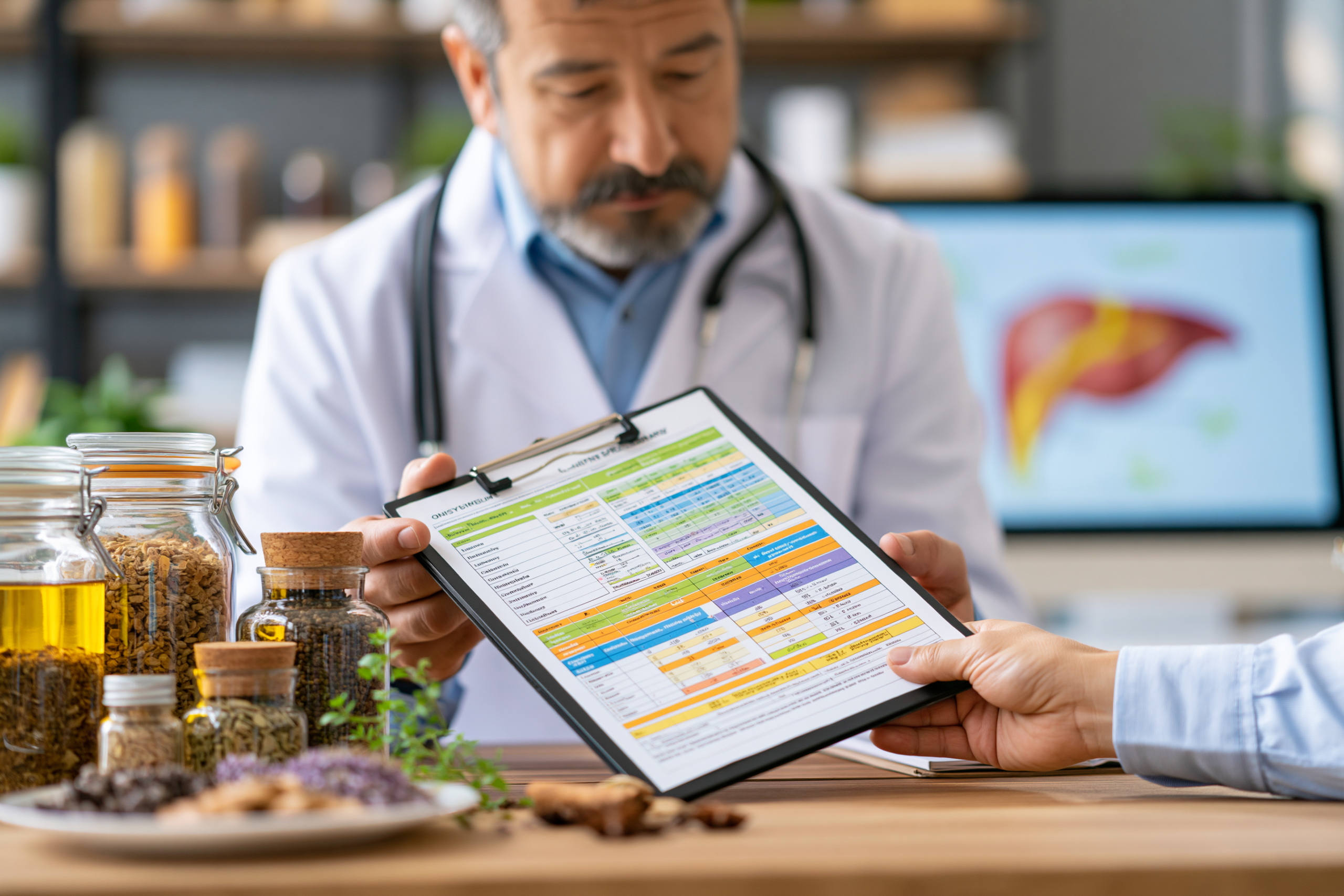
A patient with cholangiocarcinoma must not buy any avaleha, herbal cancer medicine, liver tonic, Rasayana, or “bile duct cancer cure” product directly from the market or online and start using it without an Ayurvedic doctor’s supervision. Cholangiocarcinoma is a serious hepatobiliary cancer, and the patient’s liver, bile ducts, digestion, blood counts, immunity, kidney function, appetite, weight, and ongoing oncology treatment must be assessed before any Ayurvedic formulation is prescribed.
Table : Why Generic Market Avaleha May Not Work
| Reason | Why It Matters in Cholangiocarcinoma |
|---|---|
| Cancer stage is different | Early, post-surgical, locally advanced, metastatic, recurrent, and palliative cases need different Ayurvedic goals. |
| Tumor location differs | Intrahepatic, perihilar, and distal bile duct cancers affect symptoms, digestion, jaundice, and surgery differently. |
| Bilirubin may be high | A patient with rising bilirubin may need urgent medical assessment, stenting, drainage, or infection management. |
| Stent status is ignored | A blocked or infected stent can cause fever, worsening jaundice, itching, abdominal pain, and rapid weakness. |
| Liver function may be unstable | Herbs must be selected carefully when SGOT, SGPT, ALP, GGT, bilirubin, albumin, or INR are abnormal. |
| Age affects tolerance | Older patients may have weaker digestion, frailty, kidney stress, diabetes, heart disease, constipation, or multiple medicines. |
| Chronic diseases change safety | Diabetes, hypertension, kidney disease, cirrhosis, hepatitis, ulcerative colitis, anemia, ascites, or low platelets can change the formula. |
| Chemotherapy or immunotherapy may interact | Herbs must be reviewed with CBC, LFT, KFT, treatment cycle, side effects, and current medicines. |
| Digestive capacity may be weak | A heavy avaleha may not work if the patient has severe nausea, bloating, vomiting, poor appetite, or weak Agni. |
| Quality cannot be verified | Market products may vary in herb quality, freshness, potency, testing, contamination status, and preparation method. |
| No monitoring is included | Without tracking appetite, digestion, sleep, weight, LFT, CBC, bilirubin, and CA 19-9, the family cannot judge progress safely. |
A market avaleha will usually not work in cholangiocarcinoma because it is not designed according to the patient’s tumor type, stage, bilirubin level, liver function, bile duct obstruction, stent status, chemotherapy schedule, immunotherapy status, age, strength, digestion, chronic illnesses, and current medicines. In some patients, unsupervised herbal or herbo-mineral products may also create safety concerns. Regulatory and research reports have documented contamination and heavy-metal concerns in some Ayurvedic products, especially when products are unapproved, untested, imported from unreliable sources, or purchased online without medical supervision [7], [8], [9]. The FDA has warned consumers about heavy-metal poisoning linked to certain unapproved Ayurvedic products, and published investigations have found lead, mercury, and arsenic contamination in some Ayurvedic preparations. (U.S. Food and Drug Administration)
Never Prepare This Medicine at Home Without an Ayurvedic Doctor
This avaleha should never be prepared at home by a patient, family member, local vendor, or non-qualified person. A cholangiocarcinoma-focused avaleha is not like a household Chyawanprash or general health tonic. It requires correct diagnosis, correct herb selection, correct dose, proper purification of ingredients where needed, quality-tested raw materials, careful cooking temperature, correct avaleha consistency, safe addition of honey, and strict monitoring of the patient’s reports.
If minerals, bhasma, pishti, Shilajit, Guggulu, Kutki, Chitraka, Pippali, or strong Tikta-Katu herbs are used incorrectly, they may not suit weak digestion, high Pitta, jaundice, chemotherapy stress, kidney dysfunction, low platelets, or advanced liver-bile obstruction. Therefore, the formulation must be prepared only under the supervision of an experienced Ayurvedic doctor with cancer-care knowledge and with proper quality-control testing.
Why Market Avaleha Usually Does Not Work in Cholangiocarcinoma
Market avaleha is usually made for general use, not for a rare and complex cancer such as cholangiocarcinoma. A patient may buy a product labeled as liver support, immunity booster, Rasayana, turmeric avaleha, Triphala avaleha, herbal cancer support, or Ayurvedic bile duct medicine, but that does not mean it is suitable for bile duct cancer.
Cholangiocarcinoma treatment support must be individualized because the disease behaves differently in every patient. One patient may have intrahepatic cholangiocarcinoma with a liver mass. Another may have perihilar cholangiocarcinoma with severe jaundice. Another may have distal bile duct cancer after Whipple surgery. Another may have metastatic disease with poor appetite, weight loss, chemotherapy toxicity, and low blood counts. A single market product cannot address these different clinical situations.
Wrong Disease Stage
A market avaleha does not know whether the patient has early-stage, locally advanced, metastatic, recurrent, post-surgical, obstructive, or palliative-stage cholangiocarcinoma. The stage changes the treatment goal completely. A patient after surgery may need gentle digestive and Rasayana support. A patient with high bilirubin may need urgent evaluation of bile duct obstruction. A patient receiving chemotherapy may need nausea, fatigue, blood count, and liver safety monitoring. A patient in palliative care may need comfort-focused care.
If the stage is not understood, the medicine may be too weak, too strong, wrongly selected, or clinically irrelevant.
Tumor Location Is Different in Every Patient
Intrahepatic, perihilar, and distal extrahepatic cholangiocarcinoma do not behave exactly the same. Intrahepatic disease may present as a liver mass. Perihilar disease often causes bile duct obstruction and jaundice. Distal disease may affect digestion and may require Whipple-type surgery in selected cases [1], [3]. A market avaleha cannot adjust itself according to tumor location, bile flow, surgical history, or digestive changes.
This is one of the main reasons generic herbal treatment for cholangiocarcinoma often fails.
Bilirubin and Jaundice Status Are Not Considered
Bilirubin is one of the most important markers in bile duct cancer. If bilirubin is high, the patient may have bile duct obstruction, stent blockage, cholangitis, liver dysfunction, or disease progression. In such cases, the priority may be medical evaluation, drainage, antibiotics, imaging, or hospital care [1], [13], [14].
A market avaleha does not check bilirubin. It does not know whether the patient’s jaundice is improving or worsening. If the patient continues taking a general herbal product while obstruction is increasing, valuable time may be lost.
Stent Status Is Ignored
Many cholangiocarcinoma patients undergo biliary stenting or drainage. A stent can become blocked or infected. Warning signs may include fever, chills, worsening jaundice, dark urine, pale stool, itching, abdominal pain, and sudden weakness.
A market avaleha cannot identify stent blockage or cholangitis. If the family assumes that itching or jaundice can be managed only with herbs, the patient may miss urgent medical treatment.
Liver Function May Be Too Weak
Cholangiocarcinoma patients often have abnormal liver reports such as bilirubin, ALP, GGT, SGOT, SGPT, albumin, and INR changes. Some patients also have chronic liver disease, fatty liver, viral hepatitis, cirrhosis, primary sclerosing cholangitis, or previous bile duct disease [12]. A general avaleha may not be safe for all liver conditions.
Some herbs are heating, bitter, scraping, metabolism-stimulating, or liver-processed. In the wrong patient, they may worsen discomfort or complicate interpretation of liver enzymes. Herbal and dietary supplements have been associated with liver injury in some contexts, so liver-vulnerable patients need extra caution. (NCBI)
Age Changes the Medicine Response
A 38-year-old patient and a 78-year-old patient cannot be treated in the same way. Older patients may have weaker digestion, lower muscle mass, more medicines, kidney stress, heart disease, diabetes, constipation, poor sleep, or frailty. They may not tolerate strong herbs, heating ingredients, mineral preparations, or high sugar content in avaleha.
Market products usually provide one fixed dose for everyone. That is not suitable for cholangiocarcinoma patients.
Chronic Disorders Can Change the Safety of the Formula
Many cholangiocarcinoma patients also have diabetes, hypertension, kidney disease, heart disease, fatty liver, cirrhosis, hepatitis B, hepatitis C, primary sclerosing cholangitis, ulcerative colitis, thyroid disease, anemia, low platelets, low albumin, ascites, edema, or previous surgery. These conditions change the choice of herbs, dose, anupana, diet, and monitoring.
For example, a sugar-based avaleha may not suit uncontrolled diabetes. Licorice-containing formulas may require caution in hypertension, edema, low potassium, or heart disease. Heating herbs may not suit severe Pitta symptoms. Mineral ingredients require caution in kidney or liver dysfunction. A market product cannot make these decisions.
Ongoing Chemotherapy or Immunotherapy May Interact with Herbs
A patient receiving chemotherapy, immunotherapy, targeted therapy, antibiotics, blood thinners, pain medicines, steroids, anti-nausea medicines, diabetes medicines, or blood pressure medicines needs careful herb-drug safety review. Some herbs may affect bleeding risk, liver metabolism, blood sugar, blood pressure, sedation, bowel movement, or immune activity.
Market avaleha does not adjust according to chemotherapy cycle, low WBC count, low platelets, nausea, mouth ulcers, liver enzyme rise, kidney stress, or immunotherapy-related adverse effects. This is why patients should never combine strong herbal formulations with cancer drugs without professional supervision.
Disease Duration Matters
A newly diagnosed patient, a patient after six months of chemotherapy, and a patient with three years of recurrent disease need different treatment priorities. Long disease duration may bring cachexia, muscle loss, low albumin, emotional exhaustion, digestive weakness, chemotherapy toxicity, neuropathy, anemia, and reduced performance status.
A market avaleha does not understand how long the patient has suffered or how much strength has been lost. Without this understanding, the formulation may not match the patient’s actual recovery needs.
Digestive Capacity May Be Too Weak
Avaleha is usually sweet, semi-solid, and nourishing. It can be useful when Agni can digest it. But many cholangiocarcinoma patients have nausea, bile obstruction, heaviness, low appetite, bloating, constipation, loose stool, or post-surgical digestive changes. In such patients, a heavy avaleha may not digest properly.
If Agni is weak, even a good formulation may not work. The patient may first need gentle Deepana, Pachana, nausea control, bowel correction, and light diet before a stronger Rasayana avaleha is suitable.
Post-Surgery Anatomy May Be Different
After liver resection, bile duct surgery, or Whipple procedure, digestion and absorption may change. The patient may tolerate only small meals, may have altered bowel habits, may need enzyme support, or may lose weight quickly. A general market avaleha does not consider surgical anatomy or post-operative digestive capacity.
This is especially important after Whipple surgery, where digestion can remain sensitive for a long time.
Cachexia and Severe Weight Loss Need Special Care
Some cholangiocarcinoma patients develop severe weight loss and muscle wasting. In such patients, the treatment goal is not only anti-inflammatory or liver support. The patient needs digestion restoration, protein planning, appetite support, sleep improvement, bowel care, fatigue support, and gradual Bala-Ojas rebuilding.
A market avaleha may be too generic to correct cancer-related cachexia. It may also be too heavy if digestion is very poor.
Infection and Cholangitis Can Be Missed
Fever with chills, worsening jaundice, severe abdominal pain, confusion, vomiting, or sudden weakness can suggest cholangitis or infection. This can become serious and may require urgent medical care [1], [13].
No avaleha should be used as a substitute for emergency treatment. Market products are dangerous when they give families false confidence and delay hospital care.
The Formula May Not Be Fresh or Properly Prepared
Avaleha quality depends on correct raw herbs, correct identification, proper cleaning, correct decoction reduction, proper cooking stage, correct addition of powders, correct cooling before honey, and correct storage. Market avaleha may be old, overcooked, undercooked, contaminated, oxidized, adulterated, or prepared with poor-quality ingredients.
In cancer patients, quality cannot be casual. The patient’s body may be weak, immunocompromised, and sensitive to contamination.
Raw Herb Quality May Be Poor
Herbs may vary in potency depending on source, season, storage, age, part used, drying method, adulteration, pesticide exposure, fungal contamination, and heavy-metal contamination. A formula that looks correct on the label may not have therapeutic strength if the herbs are old or poorly sourced.
This is one reason market products may fail even when the ingredient names sound appropriate.
The Dose May Be Wrong
A fixed market dose does not account for body weight, age, digestion, bilirubin, liver function, kidney function, chemotherapy status, diarrhea, constipation, diabetes, edema, or weakness. In one patient, 15 grams twice daily may be suitable. In another, even 5 grams may be too heavy at the beginning. In another, the formulation may need to be paused entirely.
Dose is a clinical decision, not a label instruction.
Mineral Ingredients May Be Unsafe Without Testing
If a formulation contains bhasma, pishti, Shilajit, or herbo-mineral ingredients, safety testing becomes essential. Heavy-metal contamination, improper purification, adulteration, and poor manufacturing can create serious risks. Published reports and regulatory warnings have documented toxic metal contamination and severe liver injury associated with some Ayurvedic and herbo-mineral products [7], [8], [9]. The Australian Therapeutic Goods Administration has also issued safety alerts about imported Ayurvedic products containing dangerous heavy metals. (Therapeutic Goods Administration (TGA))
This does not mean every Ayurvedic medicine is unsafe. It means cancer patients must use only physician-supervised, quality-tested, traceable preparations.
No Monitoring Means No Direction
A market avaleha cannot monitor appetite, nausea, stool, sleep, pain, itching, urine colour, stool colour, weight, fatigue, walking ability, bilirubin, ALP, GGT, SGOT, SGPT, CBC, kidney function, CA 19-9, or imaging. Without monitoring, the family may not know whether the patient is improving, stable, or declining.
In cholangiocarcinoma, monitoring is not optional. It is part of safe treatment.
The Patient May Need a Different Formulation First
Some patients are not ready for avaleha at the beginning. A patient with severe nausea, vomiting, poor digestion, high Ama, uncontrolled jaundice, acute infection, diarrhea, or very low appetite may need a lighter preparation first. This may include carefully selected decoction, tablet, powder, liquid extract, or diet correction before avaleha is introduced.
A market avaleha fails because it assumes the patient is ready for Rasayana, when the patient may first need Agni correction and symptom stabilization.
Why Doctor Supervision Is Essential
An Ayurvedic doctor must review the patient’s diagnosis, stage, reports, symptoms, ongoing oncology treatment, chronic illnesses, age, strength, digestion, and medicine list before prescribing any avaleha. The doctor must decide whether the formulation is suitable, whether the dose should be full or reduced, whether mineral ingredients should be avoided, whether the patient needs lighter support first, and when reports should be repeated.
The doctor must also know when to stop the medicine. If jaundice worsens, fever appears, vomiting persists, diarrhea becomes severe, pain increases, bleeding occurs, urine reduces, confusion develops, or reports deteriorate, the formulation should be paused and the patient should be medically reviewed.
Patient Safety
Patients with cholangiocarcinoma should never buy avaleha, Rasayana, liver tonic, herbal cancer medicine, or herbo-mineral product from the market and start it on their own. They should never prepare this medicine at home without the direct supervision of a qualified Ayurvedic doctor. Cholangiocarcinoma requires individualized, report-guided Ayurvedic care because the patient’s age, cancer stage, tumor location, disease duration, bilirubin level, stent status, liver function, kidney function, digestion, weight loss, chronic disorders, chemotherapy, immunotherapy, targeted therapy, and current medicines all change the treatment plan.
The safest Ayurvedic approach is not a market product. It is a doctor-supervised formulation prepared with correct ingredients, correct dose, correct method, proper testing, and regular monitoring through symptoms and reports.
Integrative Cancer Care

Integrative cancer care for cholangiocarcinoma means supporting the whole patient while standard oncology treatment continues under medical supervision. It does not mean replacing surgery, chemotherapy, immunotherapy, targeted therapy, radiation therapy, biliary stenting, or emergency care. In bile duct cancer, integrative care becomes important because the disease often affects digestion, appetite, bile flow, liver function, strength, sleep, emotional balance, and quality of life at the same time [1], [7], [10], [11].
Ayurveda Before Surgery
Before surgery, the patient’s strength matters. A patient who is eating better, sleeping better, passing stool comfortably, and maintaining weight may be better prepared for major treatment than a patient who is already weak, nauseated, undernourished, or emotionally exhausted. In cholangiocarcinoma, surgery may involve liver resection, bile duct surgery, or Whipple procedure depending on the tumor location [1], [15].
Ayurveda before surgery should focus on gentle digestive support, appetite improvement, bowel regularity, sleep, calmness, and nutritional preparation. It should not include strong cleansing, unverified herbs, or anything that may increase bleeding risk, disturb anesthesia planning, or interfere with medicines. Any herbal medicine being used before surgery should be disclosed to the surgical team so that patient safety remains the priority
If You Do Not Want Surgery: The Ayurvedic Root-Level Path
In cholangiocarcinoma, surgery may be advised when the tumor is considered resectable and the patient’s condition allows a major operation. Depending on the location of the cancer, surgery may involve bile duct removal, partial liver resection, or a Whipple procedure. Modern oncology also uses biliary drainage or stenting, chemotherapy, immunotherapy, targeted therapy, radiation therapy, and palliative care depending on the stage, symptoms, and fitness of the patient.
However, not every patient is ready for surgery. Some patients are afraid of a major operation. Some are elderly or physically weak. Some have high bilirubin, poor appetite, weight loss, low albumin, low hemoglobin, infection risk, liver dysfunction, or other medical problems. Some are worried about cost, recovery time, quality of life, family responsibilities, or the possibility that surgery may not fully solve the disease. Some patients simply feel, deep inside, that they do not want to undergo surgery.
If surgery has been advised but you feel that you do not want to go for surgery for any reason, do not remain confused, do not wait silently, and do not depend on random home remedies, internet powders, WhatsApp prescriptions, or unverified “cancer cure” claims. You must consult a qualified and experienced Ayurvedic doctor as early as possible, with all medical reports, scans, blood tests, biopsy details, oncology notes, current medicines, and the surgeon’s opinion.
Arabic message for Gulf patients:
إذا نُصِحتَ بالجراحة ولا تريد إجراءها لأي سبب، فلا تؤخر العلاج ولا تعتمد على وصفات عشوائية. استشر طبيب أيورفيدا مؤهلاً وخبيراً مع جميع التقارير الطبية.
If surgery has been advised and you do not want it for any reason, do not delay treatment and do not depend on random remedies. Consult a qualified and experienced Ayurvedic doctor with all medical reports.
Urdu message for Gulf and South Asian patients:
اگر آپ کسی بھی وجہ سے سرجری نہیں کروانا چاہتے، تو خاموش نہ بیٹھیں اور گھریلو یا سوشل میڈیا علاج پر بھروسہ نہ کریں۔ اپنی تمام رپورٹس کے ساتھ فوراً کسی ماہر آیوروید ڈاکٹر سے مشورہ کریں۔
If you do not want surgery for any reason, do not sit silently and do not rely on home or social-media remedies. Consult an expert Ayurvedic doctor immediately with all your reports.
Ayurveda should be accepted at this stage not as a casual alternative, but as a serious, individualized, root-level medical strategy. The Ayurvedic doctor does not look only at the tumor name. A proper Ayurvedic assessment studies the patient’s Agni, appetite, digestion, stool, sleep, bala, ojas, dosha involvement, dhatu status, srotas obstruction, ama, liver-bile function, jaundice, itching, urine color, weight loss, fatigue, pain, mental strength, and the patient’s capacity to tolerate treatment. This is where Ayurveda becomes deeply relevant: it treats the patient’s entire disease terrain, not merely one isolated report.
Classical Ayurveda gives a strong foundation for this approach. Sushruta Samhita discusses Granthi and Arbuda, showing that abnormal growths, deep-seated swellings, and tumor-like conditions were clinically recognized and analyzed through dosha, dhatu, srotas, chronicity, depth, mobility, pain, and prognosis.
Sushruta Samhita, Nidana Sthana, Chapter 11, Verses 1–2
Sanskrit:
अथातो ग्रन्थ्यपच्यर्बुदगलगण्डानां निदानं व्याख्यास्यामः ॥१॥
यथोवाच भगवान् धन्वन्तरिः ॥२॥
Transliteration:
athāto granthy-apacy-arbuda-galagaṇḍānāṁ nidānaṁ vyākhyāsyāmaḥ ||1||
yathovāca bhagavān dhanvantariḥ ||2||
Translation:
“Now we shall explain the diagnosis of Granthi, Apachi, Arbuda, and Galaganda, as taught by Lord Dhanvantari.”
Sushruta further describes Arbuda as a deep, stable, slowly growing, large swelling involving vitiated doshas and tissue pathology.
Sushruta Samhita, Nidana Sthana, Chapter 11, Verses 13–14
Sanskrit:
गात्रप्रदेशे क्वचिदेव दोषाः सम्मूर्च्छिता मांसमभिप्रदूष्य ।
वृत्तं स्थिरं मन्दरुजं महान्तमनल्पमूलं चिरवृद्ध्यपाकम् ॥१३॥
कुर्वन्ति मांसोपचयं तु शोफं तमर्बुदं शास्त्रविदो वदन्ति ॥१४॥
Transliteration:
gātrapradeśe kvacideva doṣāḥ sammūrcchitā māṁsam abhipradūṣya |
vṛttaṁ sthiraṁ mandarujam mahāntam analpamūlaṁ ciravṛddhy-apākam ||13||
kurvanti māṁsopacayaṁ tu śophaṁ tam arbudaṁ śāstravido vadanti ||14||
Translation:
“When vitiated doshas localize in any part of the body and deeply vitiate the muscle tissue, they produce a round, fixed, mildly painful, large, deep-rooted, slowly growing swelling that does not suppurate. Those learned in the science call this Arbuda.”
This classical description is important because it shows that Ayurveda does not treat such conditions superficially. It examines depth, rooting, growth pattern, tissue involvement, dosha-dhatu pathology, and prognosis. For a cholangiocarcinoma patient who refuses surgery, this is exactly why a casual herbal approach is dangerous and why a qualified Ayurvedic doctor becomes essential.
Ayurveda is also not against surgery. Sushruta himself is the great authority of Shalya Tantra. Therefore, the Ayurvedic position is not emotional rejection of surgery. The Ayurvedic position is intelligent decision-making. If surgery is necessary and the patient is fit, it should be considered seriously. If the patient is not fit, not willing, or not ready, Ayurveda should not be delayed. The patient should immediately move into a structured Ayurvedic plan rather than wasting precious time.
Charaka Samhita makes it clear that successful treatment depends on four pillars: the physician, the medicine, the attendant, and the patient.
Charaka Samhita, Sutra Sthana, Chapter 9, Verse 3
Sanskrit:
भिषग्द्रव्याण्युपस्थाता रोगी पादचतुष्टयम् ।
गुणवत् कारणं ज्ञेयं विकारव्युपशान्तये ॥३॥
Transliteration:
bhiṣag-dravyāṇy-upasthātā rogī pāda-catuṣṭayam |
guṇavat kāraṇaṁ jñeyaṁ vikāra-vyupaśāntaye ||3||
Translation:
“The physician, medicine, attendant, and patient are the four pillars of treatment. When these four are endowed with proper qualities, they become the cause for alleviation of disease.”
This is why the right doctor matters. The patient should not merely ask, “Which medicine is good for cholangiocarcinoma?” The real question is: “Which doctor can understand my reports, my strength, my digestion, my bilirubin, my liver function, my current medicines, my stage of disease, and my personal capacity?” Charaka describes the ideal physician as one who has scriptural knowledge, practical experience, skill, and purity.
Charaka Samhita, Sutra Sthana, Chapter 9, Verse 6
Sanskrit:
श्रुते पर्यवदातत्वं बहुशो दृष्टकर्मता ।
दाक्ष्यं शौचमिति ज्ञेयं वैद्ये गुणचतुष्टयम् ॥६॥
Transliteration:
śrute paryavadātatvaṁ bahuśo dṛṣṭakarmatā |
dākṣyaṁ śaucam iti jñeyaṁ vaidye guṇa-catuṣṭayam ||6||
Translation:
“The four qualities of a good physician are deep knowledge of the science, extensive practical experience, skill, and purity of conduct.”
For cancer care, this verse is extremely important. It means the patient should not run after the cheapest medicine, the loudest advertisement, or the most dramatic promise. The patient should look for a doctor who is knowledgeable, clinically experienced, careful with reports, honest about limitations, and capable of adjusting treatment according to the changing condition of the patient.
Charaka also describes the highest physician as one who understands the cause, symptoms, treatment, and prevention of recurrence or re-manifestation.
Charaka Samhita, Sutra Sthana, Chapter 9, Verse 19
Sanskrit:
हेतौ लिङ्गे प्रशमने रोगाणामपुनर्भवे ।
ज्ञानं चतुर्विधं यस्य स राजार्हो भिषक्तमः ॥१९॥
Transliteration:
hetau liṅge praśamane rogāṇām apunarbhave |
jñānaṁ caturvidhaṁ yasya sa rājārho bhiṣaktamaḥ ||19||
Translation:
“The best physician, fit even for a king, is one who has fourfold knowledge: the cause of disease, its signs and symptoms, its treatment, and prevention of recurrence.”
This is the real meaning of root-level Ayurveda. It is not merely giving turmeric, ashwagandha, cow urine, ghee, or any single famous herb to every cancer patient. Root-level treatment means identifying the patient’s causative pattern, disease expression, digestive collapse, tissue depletion, toxic load, obstruction, weakness, inflammation, mental distress, and recurrence tendency. The treatment must be designed according to that individual patient.
Rasayana is another important Ayurvedic concept in this context. Rasayana does not mean giving heavy tonics blindly to every cancer patient. Classical Rasayana is a sophisticated approach for improving the quality of body tissues, strength, vitality, memory, complexion, voice, immunity, and overall resilience.
Charaka Samhita, Chikitsa Sthana, Chapter 1, Rasayana Adhyaya, Verses 7–8
Sanskrit:
दीर्घमायुः स्मृतिं मेधामारोग्यं तरुणं वयः ।
प्रभावर्णस्वरौदार्यं देहेन्द्रियबलं परम् ॥७॥
वाक्सिद्धिं प्रणतिं कान्तिं लभते ना रसायनात् ।
लाभोपायो हि शस्तानां रसादीनां रसायनम् ॥८॥
Transliteration:
dīrgham āyuḥ smṛtiṁ medhām ārogyaṁ taruṇaṁ vayaḥ |
prabhā-varṇa-svaraudāryaṁ dehendriya-balaṁ param ||7||
vāk-siddhiṁ praṇatiṁ kāntiṁ labhate nā rasāyanāt |
lābhopāyo hi śastānāṁ rasādīnāṁ rasāyanam ||8||
Translation:
“Through Rasayana, one attains longevity, memory, intelligence, health, youthfulness, excellence of complexion and voice, strength of body and senses, brilliance, and vitality. Rasayana is the means of attaining excellence of rasa and other dhatus.”
For a cholangiocarcinoma patient who does not want surgery, this principle must be used with clinical maturity. The first step is not always strong Rasayana. If the patient has poor appetite, high bilirubin, nausea, constipation, loose stools, mouth ulcers, severe weakness, or liver stress, the first step may be Agni correction, ama reduction, bowel regulation, liver-bile support, sleep correction, nutrition planning, and strength preservation. Rasayana becomes more meaningful when digestion and elimination are stable.
There are many reasons why such a patient should accept Ayurvedic consultation early:
First, doing nothing is not a treatment plan. If surgery is refused, the disease still needs a structured medical response.
Second, random herbs can harm the patient. Cancer patients may already be taking chemotherapy, immunotherapy, antibiotics, blood thinners, pain medicines, diabetes medicines, blood pressure medicines, steroids, or anti-nausea drugs. Herbs and supplements can interact with medicines, and major cancer centers advise patients to inform their doctors about all supplements because interactions and adverse effects are possible.
Third, a proper Ayurvedic doctor studies the patient, not only the disease name. Two cholangiocarcinoma patients may have completely different conditions: one may have obstructive jaundice and itching, another may have post-stent infection risk, another may have chemotherapy-related weakness, another may be post-Whipple with altered digestion, and another may be elderly, cachectic, and unable to tolerate strong medicines. Ayurveda is valuable because it can individualize.
Fourth, Ayurveda focuses on the body’s internal terrain: Agni, dosha, dhatu, mala, srotas, ojas, sleep, appetite, stool, emotional state, strength, and recovery capacity. This is especially important in bile duct cancer because the disease commonly affects digestion, liver-bile flow, nutrition, weight, sleep, energy, and quality of life.
Fifth, Ayurveda can give the patient an active role. Many cancer patients feel helpless after hearing the word “surgery” or “advanced stage.” Ayurveda gives a disciplined path: what to eat, what to avoid, how to support digestion, how to sleep, how to monitor stool and urine, how to preserve strength, and how to measure progress.
Sixth, Ayurveda can be integrated intelligently. It does not need to fight with modern diagnostics. Blood reports, imaging, biopsy, bilirubin, liver enzymes, kidney function, CBC, albumin, CA 19-9 where relevant, and clinical symptoms can all be used to guide safer Ayurvedic care.
Seventh, Ayurveda respects the whole person. For many Gulf families, treatment decisions are not only medical; they are emotional, spiritual, financial, family-centered, and dignity-centered. Ayurveda can fit into this reality because it gives importance to food, routine, digestion, mental steadiness, family support, and patient comfort.
At the same time, this message must be responsible: urgent medical problems must not be ignored. If the patient has high fever, chills, severe jaundice, confusion, uncontrolled vomiting, severe abdominal pain, black stools, bleeding, sudden weakness, breathlessness, very low urine, or suspected cholangitis, emergency medical care is necessary. Biliary stenting or drainage may be required to relieve obstruction and prevent serious complications. NCI describes stenting and percutaneous biliary drainage as options to drain bile and relieve symptoms when the bile duct is blocked.
Therefore, the best message to the patient is:
If you accept surgery, use Ayurveda to prepare the body before surgery and rebuild strength after surgery. If you do not accept surgery, do not waste time. Consult the right Ayurvedic doctor immediately. Ayurveda should begin early, be individualized, be report-guided, and be monitored carefully.
Message Arabic line:
الأيورفيدا ليست وصفة عشوائية، بل علاج فردي من الجذور عندما يقوده طبيب مؤهل ويفهم التقارير والحالة العامة للمريض.
Ayurveda is not a random remedy; it is individualized root-level care when guided by a qualified doctor who understands the reports and the patient’s full condition.
Message Urdu line:
آیوروید کوئی عام نسخہ نہیں ہے؛ یہ جڑ سے علاج کا منظم طریقہ ہے، بشرطیکہ صحیح ڈاکٹر مریض کی رپورٹس، طاقت، ہاضمہ، جگر، بائل فلو اور مکمل حالت کو سمجھ کر علاج کرے۔
Ayurveda is not an ordinary remedy; it is a structured root-level approach, provided the right doctor understands the patient’s reports, strength, digestion, liver function, bile flow, and complete condition.
For patients searching for Ayurvedic treatment for cholangiocarcinoma, herbal treatment for bile duct cancer, or natural treatment for cholangiocarcinoma, the safest and strongest message is this: do not choose fear, delay, or random treatment. Choose a qualified Ayurvedic doctor, full report-based assessment, individualized root-level care, and continuous monitoring.
Points to remember
- “Refusing surgery is still a medical decision.”
If the patient refuses surgery, that decision must be supported by a structured medical plan, not by waiting. - “Ayurveda is not one medicine for one cancer.”
The right Ayurvedic doctor treats the patient’s complete condition: digestion, liver-bile function, strength, appetite, sleep, stool, immunity, and mental state. - “Reports are not against Ayurveda.”
A good Ayurvedic doctor uses reports intelligently. CBC, LFT, KFT, bilirubin, albumin, CA 19-9, scans, biopsy, and stent status help make Ayurvedic care safer. - “The right doctor is the real medicine.”
This is directly supported by Charaka Samhita, which places the physician as the most important pillar of treatment. - “Do not lose the golden time.”
The time after diagnosis is critical. If surgery is refused or delayed, Ayurvedic treatment should start early under expert supervision. - “Natural does not mean automatically safe.”
In cancer patients, herbs must be selected according to liver function, kidney function, platelets, WBC count, bilirubin, medicines, and treatment stage. - “Ayurveda works at the level of the disease terrain.”
This phrase is safer and stronger than saying “guaranteed cure.” It communicates depth without making legally or medically unsafe promises.
Ayurveda After Surgery

After surgery, the body needs time to recover. The patient may struggle with poor appetite, early fullness, altered digestion, constipation, fatigue, wound discomfort, weight loss, and emotional stress. In liver resection, the remaining liver must adapt. In Whipple surgery, digestion may change significantly. In bile duct surgery, bile drainage and liver function must be monitored carefully.
Ayurveda after surgery should be gradual. The first goal is not heavy Rasayana or strong herbal treatment. The first goal is to restore Agni, improve food tolerance, support bowel movement, reduce heaviness, encourage sleep, and rebuild strength slowly. Once digestion becomes stable, nourishment and Rasayana-oriented support can be considered more appropriately according to the patient’s reports and recovery stage [23], [29].
Ayurveda After Surgery: Rebuilding the Patient from the Root
Surgery in cholangiocarcinoma may remove the visible tumor, but the patient still needs deep recovery. After bile duct surgery, liver resection, or Whipple surgery, the body is not the same as before. Digestion may become weak, appetite may reduce, stool pattern may change, bile flow may need monitoring, liver function may fluctuate, strength may decline, sleep may be disturbed, and the mind may remain fearful about recurrence or further treatment. In modern care, resectable bile duct cancer may be treated with surgery, and chemotherapy or radiation may be considered after surgery depending on the case.
This is where Ayurveda becomes highly valuable. Ayurveda after surgery should not be presented as “just herbal support.” It should be presented as a structured recovery science that rebuilds Agni, restores digestion, improves nutrition, supports wound recovery, preserves strength, stabilizes bowel movement, calms the mind, and prepares the patient for the next stage of treatment if chemotherapy or radiation is advised.
The strongest message is simple:
Surgery removes what is visible. Ayurveda rebuilds what surgery cannot rebuild: Agni, Bala, Ojas, digestion, sleep, appetite, tissue nourishment, emotional steadiness, and long-term recovery capacity.
Why Ayurveda Is Needed After Surgery
After cholangiocarcinoma surgery, many patients believe that the operation is the end of treatment. In reality, surgery is often only one major milestone. The post-surgical period is a delicate window. If this window is handled properly, the patient may regain appetite, weight, strength, sleep, bowel rhythm, and confidence faster. If this window is ignored, the patient may remain weak, undernourished, constipated, nauseated, fearful, and unprepared for further treatment.
After a partial hepatectomy, the remaining liver must adapt and take over liver functions. Memorial Sloan Kettering describes partial hepatectomy as removal of part of the liver surrounding the cancer, after which the remaining liver takes over the organ’s functions and may grow back toward normal size over weeks. After a Whipple procedure, digestion may change because part of the bile duct, stomach, small intestine, and pancreatic head may be removed, and the remaining stomach, bile duct, and pancreas are joined to the small intestine so bile and pancreatic enzymes can mix with food.
Therefore, Ayurvedic post-surgical care should focus first on functional recovery, not aggressive treatment. The first question is not, “Which strong cancer medicine should be given?” The first question is, “Can the patient digest food, pass stool, sleep, walk, maintain weight, tolerate medicines, and regain strength?”
Classical Ayurvedic Foundation: Sushruta’s Post-Surgical Wisdom
Ayurveda has a very strong surgical tradition. Sushruta Samhita is not only a text of surgery; it also gives clear importance to post-operative care. The 19th chapter of Sushruta Samhita, Sutra Sthana, is called Vranitopasaniya Adhyaya, meaning the chapter on the care of the wounded or operated patient.
Sushruta Samhita, Sutra Sthana, Chapter 19, Verses 1–2
Sanskrit:
अथातो व्रणितोपासनीयमध्यायं व्याख्यास्यामः ॥१॥
यथोवाच भगवान् धन्वन्तरिः ॥२॥
Transliteration:
athāto vraṇitopāsanīyam adhyāyaṁ vyākhyāsyāmaḥ ||1||
yathovāca bhagavān dhanvantariḥ ||2||
Translation:
“Now we shall explain the chapter on the care of the wounded person, as taught by Lord Dhanvantari.”
This is extremely important for post-cancer surgery care. Sushruta does not stop at the operation. He gives equal importance to the patient’s room, cleanliness, food, rest, discipline, wound protection, emotional support, and physician-guided recovery. This becomes the Ayurvedic foundation for post-surgical cholangiocarcinoma care.
The First Rule: Do Not Start Heavy Rasayana Immediately
After surgery, many patients ask for Rasayana, immunity boosters, herbal tonics, or strong anti-cancer herbs. This is a common mistake. Immediately after surgery, the body may not be ready for heavy medicines. The digestive fire may be weak. The liver may be under stress. The wound may still be healing. The patient may be taking antibiotics, pain medicines, anticoagulants, anti-nausea medicines, diabetes medicines, blood pressure medicines, or later chemotherapy.
Therefore, the first Ayurvedic strategy after surgery is not aggressive Rasayana. The first strategy is Agni restoration and safe recovery.
Charaka Samhita gives Agni central importance.
Charaka Samhita, Chikitsa Sthana, Chapter 15, Verse 3
Sanskrit:
आयुर्वर्णो बलं स्वास्थ्यमुत्साहोपचयौ प्रभा।
ओजस्तेजोऽग्नयः प्राणाश्चोक्ता देहाग्निहेतुकाः ॥३॥
Transliteration:
āyur varṇo balaṁ svāsthyam utsāhopacayau prabhā |
ojas tejo’gnayaḥ prāṇāś cokta dehāgni-hetukāḥ ||3||
Translation:
“Life span, complexion, strength, health, enthusiasm, proper nourishment, glow, ojas, vitality, and life itself are said to depend on the body’s Agni.”
This verse should be the core of the post-surgical Ayurvedic argument. In cholangiocarcinoma recovery, if Agni is weak, the patient cannot digest food, cannot build strength, cannot tolerate further treatment, and cannot restore tissue quality. Therefore, Ayurveda after surgery begins with Agni.
Strategic Post-Surgery Ayurvedic Plan
Ayurvedic care after cholangiocarcinoma surgery should be divided into clear stages.
Stage 1: Immediate Recovery Phase
This phase usually begins after the surgeon allows oral intake and the patient is medically stable. The Ayurvedic doctor should not interfere with hospital care, wound care, antibiotics, drainage tubes, pain medicines, anticoagulants, or post-operative instructions. The first Ayurvedic role is to guide safe food, digestion, bowel movement, sleep, and emotional steadiness.
In this phase, the focus should be:
Restoring appetite slowly, preventing constipation, reducing heaviness, supporting sleep, avoiding gas-forming foods, preventing unnecessary herbal burden, protecting the wound, and keeping the patient calm.
Sushruta gives great importance to environment, discipline, and food in wound recovery. He advises the wounded person to stay in a clean, protected space and remain under the guidance of the physician.
Sushruta Samhita, Sutra Sthana, Chapter 19, Verses 35–37
Sanskrit:
दिवा न निद्रावशगो निवातगृहगोचरः।
व्रणी वैद्यवशे तिष्ठञ् शीघ्रं व्रणमपोहति ॥३५॥
एवंवृत्तसमाचारो व्रणी सम्पद्यते सुखी।
आयुश्च दीर्घमाप्नोति धन्वन्तरिवचो यथा ॥३७॥
Transliteration:
divā na nidrāvaśago nivāta-gṛha-gocaraḥ |
vraṇī vaidya-vaśe tiṣṭhan śīghraṁ vraṇam apohati ||35||
evaṁ-vṛtta-samācāro vraṇī sampadyate sukhī |
āyuś ca dīrgham āpnoti dhanvantari-vaco yathā ||37||
Translation:
“The wounded person who avoids day sleep, stays in a protected place free from strong wind, and remains under the physician’s guidance heals quickly. By following this proper conduct, the wounded person becomes comfortable and attains long life, as stated by Dhanvantari.”
For cholangiocarcinoma patients, this can be explained in modern language: recovery requires discipline, medical supervision, clean surroundings, proper rest, safe food, and regular monitoring.
Stage 2: Digestive Reconstruction Phase
Once the patient is discharged and eating orally, digestion becomes the central battlefield. After Whipple surgery, patients may feel full quickly, have delayed stomach emptying, nausea, bloating, loose stools, fat intolerance, altered bowel movement, and difficulty maintaining weight. MSK advises smaller, more frequent meals, focus on protein, hydration, slow eating, careful chewing, avoiding foods that cause discomfort, and monitoring bowel changes after Whipple surgery.
This aligns beautifully with Ayurveda. Ayurveda would describe this phase as manda Agni, vata disturbance, dhatu kshaya, mala irregularity, and srotas sensitivity. The treatment should be light, warm, digestible, individualized, and adjusted according to appetite and stool.
Sushruta gives a direct post-wound dietary principle.
Sushruta Samhita, Sutra Sthana, Chapter 19, Verses 32–35
Sanskrit:
जीर्णशाल्योदनं स्निग्धमल्पमुष्णं द्रवोत्तरम्।
भुञ्जानो जाङ्गलैर्मांसैः शीघ्रं व्रणमपोहति ॥३२॥
शक्तून् विलेपीं कुल्माषाञ्जलं चापि शृतं पिबेत् ॥३५॥
Transliteration:
jīrṇa-śālyodanaṁ snigdham alpam uṣṇaṁ dravottaram |
bhuñjāno jāṅgalair māṁsaiḥ śīghraṁ vraṇam apohati ||32||
śaktūn vilepīṁ kulmāṣāñ jalaṁ cāpi śṛtaṁ pibet ||35||
Translation:
“Old rice prepared as warm, slightly unctuous, liquid-dominant food in small quantity, along with suitable nourishing foods, helps wounds heal quickly. Gruel-like preparations and boiled water are also beneficial.”
This is a master stroke for patient education. Instead of saying only “take herbs,” the Ayurvedic doctor can say: our classics already understood that after surgery, the body needs warm, light, digestible, liquid-dominant, strength-supporting food.
Stage 3: Strength-Building Phase
Once appetite improves, stool becomes regular, nausea reduces, and the wound is stable, the next goal is rebuilding strength. This does not mean overeating. It means planned nourishment. The patient should be guided toward small, frequent, digestible, protein-supportive meals suitable to the surgery type, liver function, pancreatic function, stool pattern, and medical advice.
Modern cancer nutrition guidance supports early nutrition counseling to manage symptoms and encourage protein- and energy-rich food intake in cancer patients. ASCO’s cancer cachexia guideline also states that dietary counseling may be offered to help patients and caregivers manage cachexia.
Ayurveda adds another layer: food should not merely provide calories; it should become properly digested rasa dhatu. If digestion is weak, even good food can produce heaviness, nausea, bloating, constipation, loose stools, or ama. Therefore, the Ayurvedic doctor must decide whether the patient needs deepana, pachana, mridu anulomana, grahi support, liver-bile support, or nourishment.
Stage 4: Preparing for Adjuvant Therapy
Many cholangiocarcinoma patients are advised chemotherapy after surgery. NCI states that adjuvant therapy after resectable bile duct cancer may include chemotherapy, radiation therapy, or clinical trials. ASCO recommends that patients with resected biliary tract cancer should be offered adjuvant capecitabine chemotherapy for six months, and patients with extrahepatic cholangiocarcinoma or gallbladder cancer with a positive microscopic margin may be offered chemoradiation through shared decision-making.
This is a critical point for integrative care. Ayurveda should not be used to frighten the patient away from medically advised adjuvant treatment. Instead, Ayurveda should prepare the patient to tolerate it better, where appropriate.
The Ayurvedic goals before adjuvant therapy are:
Improve appetite, stabilize stool, support sleep, improve hemoglobin and albumin where possible, reduce constipation or diarrhoea tendency, improve walking capacity, reduce fear, and ensure that liver and kidney function are monitored. The Ayurvedic doctor should review CBC, bilirubin, SGOT, SGPT, ALP, GGT, albumin, creatinine, electrolytes, weight, wound status, infection risk, and current medicines before prescribing anything.
What Ayurveda Should Avoid After Surgery
The post-operative period is not the time for careless experimentation. The patient should avoid strong purgation, unsupervised fasting, harsh detoxification, heavy oils, strong heat-producing herbs, alcohol-based preparations when contraindicated, excessive bitter medicines in a weak patient, and any herb that may interfere with bleeding, anesthesia recovery, antibiotics, anticoagulants, pain medicines, chemotherapy, or liver function.
This point should be written firmly. Major cancer centers advise patients to disclose herbs and supplements because active ingredients can interact with medicines, and MSK states that people undergoing cancer treatment should not receive dietary supplements unless prescribed by a doctor or given as part of an approved clinical trial. NCCIH also warns that complementary approaches should not replace or delay medical cancer treatment and that some herbs may interfere with cancer treatments.
Therefore, the safest Ayurvedic position is:
No random herbs. No social-media prescriptions. No “one formula for all cancer patients.” No heavy Rasayana until Agni, liver function, wound status, and bowel movement are stable.
The Gulf Patient :
For Gulf patients and families, the message should be direct, respectful, and reassuring.
Arabic:
بعد الجراحة، لا يكون الهدف هو تناول أعشاب قوية فوراً. الهدف الأول هو استعادة الهضم، الشهية، القوة، النوم، التئام الجرح، وحركة الأمعاء بطريقة آمنة وتحت إشراف طبيب أيورفيدا مؤهل.
Meaning:
After surgery, the first goal is not to take strong herbs immediately. The first goal is to restore digestion, appetite, strength, sleep, wound healing, and bowel movement safely under the supervision of a qualified Ayurvedic doctor.
Urdu:
سرجری کے بعد آیوروید کا مقصد فوراً طاقتور دوائیں دینا نہیں ہے۔ اصل مقصد ہاضمہ، بھوک، نیند، طاقت، زخم کی بحالی، پاخانہ کی روانی اور جسم کی برداشت کو محفوظ طریقے سے بحال کرنا ہے۔
Meaning:
After surgery, the aim of Ayurveda is not to immediately give strong medicines. The real aim is to safely restore digestion, appetite, sleep, strength, wound recovery, bowel regularity, and the body’s tolerance.
This emotional connection is important because many patients after surgery feel abandoned. They are told the tumor has been removed, but they still cannot eat, sleep, pass stool properly, or regain strength. Ayurveda should speak to this suffering clearly.
The Message to the Patient
After surgery, the patient should be told:
You have crossed one major step, but your recovery is still incomplete. Your reports may say that surgery is done, but your body still needs rebuilding. If your appetite is poor, digestion is weak, stool is irregular, sleep is disturbed, weight is falling, wound recovery is slow, or you feel too weak for chemotherapy, consult a qualified Ayurvedic doctor early.
Do not wait until the body becomes very weak. Do not take random herbs. Do not assume that all natural medicines are safe. Bring your discharge summary, surgery notes, histopathology report, liver function test, kidney function test, CBC, bilirubin, albumin, medication list, stent details if any, and oncology plan.
The right Ayurvedic doctor will not treat only the word “cholangiocarcinoma.” The right doctor will treat the whole post-surgical condition: Agni, Bala, Ojas, liver-bile function, digestion, appetite, wound status, stool, sleep, pain, fatigue, emotional state, and treatment tolerance.
When Rasayana Can Be Considered
Rasayana has an important place after surgery, but only at the right time. When appetite is stable, bowel movement is comfortable, wound healing is satisfactory, liver and kidney reports are acceptable, and the patient can digest food properly, Rasayana-oriented care may be considered.
Charaka describes Rasayana as a means of improving longevity, health, tissue quality, strength, and vitality.
Charaka Samhita, Chikitsa Sthana, Chapter 1, Rasayana Adhyaya, Verses 7–8
Sanskrit:
दीर्घमायुः स्मृतिं मेधामारोग्यं तरुणं वयः।
प्रभावर्णस्वरौदार्यं देहेन्द्रियबलं परम् ॥७॥
वाक्सिद्धिं प्रणतिं कान्तिं लभते ना रसायनात्।
लाभोपायो हि शस्तानां रसादीनां रसायनम् ॥८॥
Transliteration:
dīrgham āyuḥ smṛtiṁ medhām ārogyaṁ taruṇaṁ vayaḥ |
prabhā-varṇa-svaraudāryaṁ dehendriya-balaṁ param ||7||
vāk-siddhiṁ praṇatiṁ kāntiṁ labhate nā rasāyanāt |
lābhopāyo hi śastānāṁ rasādīnāṁ rasāyanam ||8||
Translation:
“Through Rasayana, one attains longevity, memory, intelligence, health, youthfulness, excellence of complexion and voice, strength of body and senses, brilliance, and vitality. Rasayana is the means of attaining excellence of rasa and other dhatus.”
For cholangiocarcinoma patients, Rasayana should be introduced intelligently. It should not be forced when the patient has nausea, jaundice, diarrhoea, constipation, fever, infection, poor appetite, high bilirubin, or poor liver function. First correct Agni. Then nourish. Then build resilience.
Red-Flag Symptoms After Surgery
Ayurveda after surgery must be safe and alert. The patient should be referred back to the surgeon or emergency care immediately if there is fever, chills, worsening jaundice, increasing abdominal pain, persistent vomiting, black stool, bleeding, wound discharge, severe weakness, confusion, breathlessness, very low urine, sudden swelling, uncontrolled diarrhoea, or inability to eat or drink.
This protects the patient and also strengthens the credibility of the Ayurvedic doctor. Responsible Ayurveda does not hide complications. Responsible Ayurveda recognizes when emergency care is needed.
Final Message For Patients or Care Taker
Ayurveda after surgery is not a casual add-on. It is a strategic recovery system. It helps the patient rebuild from the root by restoring Agni, digestion, appetite, bowel movement, sleep, wound recovery, strength, ojas, emotional balance, and treatment tolerance. Surgery may remove the visible disease, but post-surgical recovery determines how strongly the patient can move forward.
The safest and strongest approach is this: after cholangiocarcinoma surgery, consult a qualified Ayurvedic doctor early, carry all reports, continue follow-up with the oncology and surgical team, avoid random herbs, measure progress regularly, and rebuild the body step by step. The goal is not only to survive the operation. The goal is to recover strength, dignity, digestion, confidence, and long-term resilience.
Ayurveda During Chemotherapy
Chemotherapy may help control cholangiocarcinoma, but it can also create fatigue, nausea, vomiting, taste changes, appetite loss, mouth ulcers, constipation, diarrhoea, low blood counts, and weakness. These effects may reduce food intake and make the patient feel that the body is losing strength even while treatment is continuing [16], [17], [19].
Ayurvedic support during chemotherapy should focus on treatment tolerance, not interference with treatment. The aim is to support appetite, digestion, bowel comfort, sleep, fatigue, and emotional stability. The Ayurvedic plan must consider chemotherapy dates, liver function, kidney function, CBC, bilirubin, platelet count, white blood cell count, nausea severity, mouth ulcers, infection risk, and all current medicines.
Ayurveda During Immunotherapy
Immunotherapy is now used in selected patients with advanced biliary tract cancer, often with chemotherapy in first-line treatment settings [16], [17]. This has changed the modern treatment landscape, but it also requires careful monitoring because immune-related side effects may affect the liver, bowel, lungs, thyroid, skin, and other organs.
Ayurvedic support during immunotherapy should be cautious and report-guided. If the patient develops new diarrhoea, worsening jaundice, sudden liver enzyme rise, severe fatigue, breathing difficulty, skin rash, fever, or unexplained weakness, medical evaluation is necessary. In this phase, Ayurveda should support digestion, sleep, appetite, and strength without masking important warning signs or adding unnecessary liver burden.
Ayurveda During Radiation Therapy
Radiation therapy may be used in selected cholangiocarcinoma patients depending on local disease status, surgical margins, pain, or palliative goals [1], [15]. The patient may experience fatigue, appetite loss, nausea, abdominal discomfort, bowel disturbance, or tissue sensitivity depending on the treatment area.
Ayurvedic care during radiation should remain gentle. Digestive comfort, hydration, sleep, mild nutrition, bowel regulation, and fatigue support become important. Strong heat-producing herbs, harsh detoxification, and aggressive routines may not suit a patient already under treatment stress. The safest approach is to support the patient’s recovery capacity while the oncology team monitors treatment response and side effects.
Safety Monitoring in Integrative Care
Safety is the foundation of integrative care. Cholangiocarcinoma patients may already have high bilirubin, abnormal liver enzymes, low albumin, low hemoglobin, low platelets, low white blood cells, kidney stress, infection risk, or biliary stents. They may also be taking chemotherapy, immunotherapy, targeted therapy, antibiotics, pain medicines, blood thinners, steroids, anti-nausea medicines, diabetes medicines, or blood pressure medicines.
This means herbal treatment for cholangiocarcinoma should never be random. The medicine, dose, timing, duration, and combination must be selected according to the patient’s condition. Liver function test, CBC, kidney function test, bilirubin, ALP, GGT, SGOT, SGPT, albumin, CA 19-9 where relevant, and imaging should be reviewed at appropriate intervals [1], [14].
Why Oncology Treatment Should Not Be Stopped Without Medical Advice
Some patients become frightened by chemotherapy side effects or advanced-stage reports and begin searching for alternative treatment for cholangiocarcinoma. The desire for a natural approach is understandable, but stopping oncology treatment without medical advice can be dangerous. Surgery, stenting, chemotherapy, immunotherapy, targeted therapy, radiation, antibiotics, and pain control may be essential at different stages of bile duct cancer [1], [15], [16], [17].
A responsible Ayurvedic approach respects modern diagnosis and treatment while supporting the body more deeply. The goal is not conflict between systems. The goal is intelligent coordination, where the patient receives cancer-directed treatment when appropriate and whole-body recovery support for appetite, digestion, strength, sleep, liver-bile function, emotional balance, and quality of life.
Integrative Care Should Be Measured
The value of integrative care becomes clearer when recovery is measured. Appetite, nausea, digestion, stool, sleep, pain, itching, urine colour, weight, fatigue, walking ability, mental state, and daily activity should be observed regularly. Reports should be compared at suitable intervals. This creates a more honest model than depending only on patient hope or doctor reassurance.
For patients searching for Ayurvedic treatment for cholangiocarcinoma, herbal treatment for bile duct cancer, or natural treatment for cholangiocarcinoma, the safest message is that integrative care should be individualized, transparent, medically aware, and measurable.
Recovery After Surgery

Recovery after cholangiocarcinoma surgery is often a long process because surgery may involve the liver, bile ducts, pancreas, intestine, lymph nodes, or surrounding tissues depending on tumor location. Even when the tumor is removed successfully, the patient may still need help with appetite, digestion, wound recovery, fatigue, bowel movement, sleep, weight loss, and emotional confidence [1], [15], [18].
Surgery Removes Disease, but the Body Still Needs Rebuilding
For many patients, surgery is seen as the major milestone. Families may feel relieved when the operation is completed, but the recovery phase can bring new challenges. The patient may feel weak, eat very little, lose weight, struggle with digestion, feel abdominal discomfort, or become anxious about recurrence.
This is where recovery support becomes important. The body needs nourishment, rest, digestive correction, gradual movement, emotional reassurance, and report-based monitoring. In Ayurvedic language, this phase involves Agni restoration, Dhatu nourishment, Bala rebuilding, Ojas support, and careful Rasayana planning when the patient is ready [23].
Liver Regeneration and Liver Function
After liver resection, the remaining liver must adapt and regenerate. Liver function reports such as bilirubin, SGOT, SGPT, ALP, GGT, albumin, and INR where advised help doctors understand recovery. The patient’s appetite, digestion, stool, urine colour, swelling, fatigue, and jaundice symptoms should also be observed carefully.
Ayurvedic liver-bile support after surgery should be gentle and guided by reports. If bilirubin rises, fever appears, jaundice worsens, or abdominal pain increases, medical evaluation is needed. Ayurvedic care should support recovery, not delay detection of surgical complications, bile leak, infection, obstruction, or liver dysfunction.
Digestive Recovery After Bile Duct or Whipple Surgery
Patients who undergo bile duct surgery or Whipple procedure may experience major digestive changes. Food may feel heavy, appetite may remain low, bowel habits may change, and the patient may lose weight. Some patients may tolerate only small meals for a long time.
Ayurveda can support this phase by focusing on Agni, meal tolerance, bowel regularity, nausea reduction, and gradual nourishment. The patient should not be forced to eat large quantities if digestion is weak. Small, warm, freshly prepared, digestible meals are often more useful than heavy meals that create nausea and bloating.
Preventing Muscle Loss
Muscle loss after surgery can reduce walking ability, immunity, confidence, and treatment tolerance. A patient who remains in bed for long periods may lose strength quickly. Protein intake, calorie adequacy, gentle walking, breathing exercises, sleep, and gradual activity are important.
From an Ayurvedic perspective, muscle and strength rebuilding require proper digestion first. If Agni is weak, nourishment may not translate into strength. Therefore, the recovery plan should first help the patient digest food comfortably, then slowly increase nourishment according to tolerance.
Bowel Movement and Comfort
Constipation after surgery may occur due to anesthesia, pain medicines, low food intake, dehydration, reduced walking, and digestive weakness. Constipation can worsen nausea, abdominal discomfort, appetite loss, and sleep disturbance. Loose stool can also occur in some patients, especially after major digestive surgery.
Bowel care should be gentle and individualized. The patient’s stool pattern, pain level, hydration, food intake, medicines, and surgical recovery must be considered. Severe constipation, persistent diarrhoea, black stool, blood in stool, fever, vomiting, or severe abdominal pain requires medical attention.
Emotional Recovery After Surgery
Cancer surgery affects the mind as much as the body. Patients may worry about pathology reports, margins, lymph nodes, recurrence, chemotherapy, and future scans. This emotional load can reduce appetite, disturb sleep, and slow recovery.
A calm routine, clear explanation of reports, family reassurance, gentle breathing, adequate sleep, and gradual physical activity can help the patient regain confidence. Ayurveda places importance on mental stability and Ojas; in practical recovery, this means the patient should feel safe, supported, and not overwhelmed by fear.
When Rasayana Support Becomes Appropriate
Rasayana is valuable in post-surgical recovery, but timing matters. If the patient has nausea, fever, jaundice, severe indigestion, poor bowel movement, or surgical complications, heavy Rasayana may not be appropriate at the beginning. First, Agni and comfort must be restored.
Once the patient eats better, digests better, sleeps better, and reports are stable, Rasayana-based support can be considered for strength, tissue nourishment, immunity, and long-term recovery. This staged approach is safer than giving the same tonic to every patient immediately after surgery.
Monitoring Recovery After Surgery
Post-surgical recovery should be monitored through symptoms and reports. Appetite, food intake, nausea, stool, sleep, pain, walking distance, wound healing, weight, fever, jaundice, urine colour, and emotional state should be observed. Reports such as CBC, LFT, kidney function, albumin, and imaging where advised help complete the picture.
For patients searching for Ayurvedic treatment after cholangiocarcinoma surgery, the most responsible approach is not aggressive herbal use, but structured recovery support. Surgery may remove visible disease, but the patient still needs careful rebuilding of digestion, strength, liver function, nourishment, and confidence.
Managing Chemotherapy Side Effects Naturally

Natural support for chemotherapy side effects in cholangiocarcinoma should focus on helping the patient tolerate treatment better while remaining medically safe. Chemotherapy can be useful in bile duct cancer, especially in advanced, recurrent, or post-surgical settings, but it may also create fatigue, nausea, vomiting, mouth ulcers, appetite loss, low blood counts, constipation, diarrhoea, sleep disturbance, and emotional exhaustion [15], [16], [17], [19].
Fatigue
Fatigue during chemotherapy is different from ordinary tiredness. The patient may feel heavy, weak, sleepy, emotionally low, or unable to perform normal activities even after resting. Fatigue may be related to chemotherapy, anemia, poor food intake, dehydration, sleep disturbance, infection, liver dysfunction, pain, or cancer burden [6], [9].
Ayurvedic support for fatigue should begin by understanding the cause. If the patient is not eating, digestion must be supported. If sleep is poor, rest must be improved. If hemoglobin is low, CBC must be reviewed. If fever or infection is present, medical care is required. Bala and Ojas cannot be restored by stimulants alone; they require digestion, nourishment, sleep, and stability.
Nausea and Vomiting
Nausea and vomiting can reduce food intake quickly. The patient may fear meals, reject medicines, become dehydrated, and lose weight. Chemotherapy-related nausea should be managed with oncology-prescribed anti-nausea medicines when needed. Ayurvedic support may focus on gentle digestion, meal timing, mild foods, taste correction, and reducing heaviness.
Strong-smelling foods, oily meals, large portions, and forcing food may worsen nausea. Small, warm, easy-to-digest meals may be better tolerated. Persistent vomiting, inability to drink fluids, dizziness, reduced urine, or severe weakness requires medical attention.
Appetite Loss
Appetite loss is one of the main reasons families search for Ayurvedic support during chemotherapy. If the patient does not eat, weakness increases and treatment tolerance may decline. Ayurveda gives central importance to Agni because hunger, digestion, nourishment, and strength depend on it.
The first goal is to make food acceptable again. The patient may need small portions, simple meals, taste correction, bowel care, nausea control, and emotional reassurance. Appetite should be recorded daily because even small improvement can indicate recovery of digestive confidence.
Mouth Ulcers and Taste Changes
Chemotherapy may cause mouth ulcers, dryness, burning, altered taste, and difficulty swallowing. These symptoms can make eating painful and reduce nutrition. Soft, non-spicy, non-acidic, gentle foods may be easier during this phase. Oral hygiene and oncology guidance are important.
Ayurvedic support should avoid irritating substances when the mouth is inflamed. If ulcers are severe, bleeding, infected, or preventing food and fluid intake, medical review is necessary.
Constipation
Constipation during chemotherapy may be caused by anti-nausea medicines, pain medicines, low food intake, dehydration, reduced walking, and Vata aggravation. Constipation can worsen abdominal heaviness, nausea, appetite loss, and sleep disturbance.
A gentle plan may include warm fluids where suitable, digestible fibre according to tolerance, light movement, bowel-supportive foods, and medically appropriate laxatives if prescribed. Strong purgation is not suitable for weak chemotherapy patients unless carefully supervised and medically appropriate.
Diarrhoea
Diarrhoea can weaken the patient quickly and may lead to dehydration, electrolyte imbalance, weight loss, and treatment delay. It may be caused by chemotherapy, antibiotics, infection, bile changes, pancreatic enzyme issues after surgery, or immune-related toxicity if the patient is on immunotherapy.
Persistent diarrhoea, blood in stool, fever, severe abdominal pain, dizziness, or dehydration requires medical care. Ayurvedic support should be cautious and should not delay treatment of infection or immune-related colitis.
Low Blood Counts
Chemotherapy can reduce white blood cells, hemoglobin, and platelets. Low white blood cells increase infection risk. Low hemoglobin worsens fatigue and breathlessness. Low platelets increase bleeding risk. This is why CBC monitoring is essential during chemotherapy [19].
Ayurvedic support should be planned around blood count status. Fever during low white blood cell periods can be an emergency. Bleeding, black stool, unusual bruising, or severe weakness should be assessed medically. Supportive Ayurveda may help the patient’s overall strength, but it cannot replace urgent management of severe cytopenias.
Sleep Disturbance and Anxiety
Chemotherapy cycles can create fear before each session and anxiety before each report. Steroids, pain, nausea, itching, hospital stress, and uncertainty may disturb sleep. Poor sleep worsens fatigue and emotional distress.
Gentle breathing, predictable routine, calm food timing, family reassurance, and symptom control can help. Integrative oncology guidelines recognize supportive approaches for anxiety, fatigue, sleep, and quality-of-life concerns in cancer care [8], [9], [10]. In Ayurveda, better sleep supports Ojas and recovery stability.
A Natural Approach Should Still Be Scientific
Natural support during chemotherapy should be measured. Appetite, nausea, vomiting, stool, mouth ulcers, fatigue, sleep, pain, walking ability, weight, CBC, LFT, kidney function, and chemotherapy tolerance should be reviewed. If the patient improves, the plan can continue. If side effects worsen, the plan should be adjusted and the oncology team should be informed.
For readers searching for herbal treatment for chemotherapy side effects, Ayurveda during chemotherapy for cholangiocarcinoma, or natural treatment for bile duct cancer weakness, the safest approach is supervised, gentle, individualized, and report-guided care. The goal is to help the patient stay stronger during treatment without compromising cancer-directed therapy.
Quality of Life Improvement

Quality of life in cholangiocarcinoma is one of the most important parts of patient-centred care. A patient may have advanced reports, ongoing chemotherapy, post-surgical weakness, jaundice, appetite loss, pain, or emotional distress, but the daily question remains very personal: can the patient eat better, sleep better, walk better, feel less afraid, tolerate treatment better, and live with more comfort? In bile duct cancer, quality of life is not a secondary issue. It is central to recovery, dignity, and family confidence [6], [7], [10], [11].
Physical Strength and Daily Function
Cholangiocarcinoma can reduce physical strength very quickly. The patient may move from normal daily activity to dependence on family members within a short time. Fatigue, weight loss, jaundice, poor appetite, pain, anemia, low protein, chemotherapy side effects, and emotional fear can all reduce daily function.
A meaningful recovery approach should observe the patient’s real life. Can the patient sit longer? Can the patient walk without support? Can the patient bathe with less help? Can the patient climb a few steps? Can the patient eat independently? These practical changes show whether Bala is improving. In modern clinical language, they also reflect functional status and treatment tolerance.
Appetite, Digestion, and Nourishment
Quality of life often begins with food. When a cancer patient cannot eat, the whole family becomes anxious. In cholangiocarcinoma, appetite may be affected by bile duct obstruction, jaundice, nausea, chemotherapy, surgery, pain, constipation, emotional stress, and altered taste. If the patient begins eating better, the family often feels the first real sign of hope.
Ayurveda places Agni at the centre of recovery. When Agni improves, food becomes more acceptable, digestion feels lighter, stool becomes more regular, and the patient may gradually regain strength. In a serious cancer such as cholangiocarcinoma, appetite should not be treated as a minor symptom. It is one of the most visible signs of the body’s recovery direction.
Pain and Physical Comfort
Pain may occur due to tumor burden, liver capsule stretch, bile duct obstruction, surgery, inflammation, digestive disturbance, or treatment-related causes. Pain reduces sleep, appetite, mood, movement, and the patient’s willingness to engage with life. Proper pain control is therefore essential.
Ayurvedic support may help comfort through digestion correction, bowel regulation, sleep support, gentle routines, and patient-specific formulations, but uncontrolled pain must be medically assessed. Integrative care should not ask the patient to tolerate severe pain in the name of natural healing. Comfort is part of dignity.
Sleep and Emotional Stability
Sleep disturbance is common in cholangiocarcinoma patients. The causes may include anxiety, itching, pain, nausea, steroids, hospital stress, fear of reports, or uncertainty about survival. Poor sleep worsens fatigue, appetite, mood, pain sensitivity, and treatment tolerance.
A patient who sleeps better often feels more stable the next day. Better sleep may improve appetite, speech, walking, patience, and family interaction. Ayurveda considers sleep essential for strength and Ojas. In integrative oncology, sleep and emotional wellbeing are also important parts of supportive cancer care [8], [9], [10].
Mental Health and Fear
Cholangiocarcinoma creates deep fear because it is rare, aggressive, and often diagnosed late. Patients may fear jaundice returning, CA 19-9 rising, chemotherapy failing, surgery not being possible, or the cancer coming back. Families may search continuously for bile duct cancer treatment, cholangiocarcinoma survival, herbal treatment for cholangiocarcinoma, and natural treatment for bile duct cancer because they want hope and direction.
Mental health support should be honest and calming. False promises can create temporary excitement but later disappointment. A better approach is to give the patient measurable goals: eat better, digest better, sleep better, walk better, maintain weight, reduce symptom burden, monitor reports, and make informed decisions. This gives hope without denying reality.
Family Quality of Life
Cancer affects the family as much as the patient. Caregivers often manage food, medicines, hospital appointments, reports, finances, emotional breakdowns, and late-night symptoms. When the patient improves even slightly, the family feels relief. When the patient declines, the entire household becomes tense.
A patient-centred recovery plan should include the family. They should know what symptoms to track, which warning signs need urgent medical care, which reports matter, how food should be adjusted, and how to support the patient emotionally without creating pressure. Family confidence improves when recovery becomes structured rather than chaotic.
Returning to Normal Life Where Possible
For some patients, quality of life means returning to work. For others, it means walking in the house, eating with family, sleeping peacefully, attending a family event, or living without constant nausea. Every patient’s recovery goal is different.
Ayurvedic treatment for cholangiocarcinoma should respect these personal goals. The aim is not only to discuss disease but to help the person regain meaningful parts of life. Even in advanced disease, improved comfort, appetite, sleep, and emotional calm can be valuable outcomes.
Can Cholangiocarcinoma Come Back?

Yes. Cholangiocarcinoma can come back even after surgery, even after an initial good response, and even when the visible tumor has been removed. The National Cancer Institute states that long-term prognosis after surgical resection depends on tumor extent, surgical margin status, lymph node involvement, and other pathological features, and also notes that most patients who undergo resection eventually develop recurrent disease, usually within the hepatobiliary system and less commonly at distant sites.
This is why recurrence should not be treated as a rare possibility. It should be discussed as a major clinical risk after cholangiocarcinoma treatment. In published surgical series, recurrence rates are commonly reported in the range of 55% to 70% for intrahepatic cholangiocarcinoma, around 76% to 77% for perihilar cholangiocarcinoma in long-term follow-up cohorts, and around 54% to two-thirds for distal cholangiocarcinoma after pancreaticoduodenectomy.
Data Snapshot: Recurrence After Surgery
| Cholangiocarcinoma type | Data from studies | Clinical meaning |
| Intrahepatic cholangiocarcinoma | A meta-analysis of resected intrahepatic cholangiocarcinoma reported recurrence rates ranging from 55.7% to 70.84%. Another review notes recurrence may reach 60% to 70% after curative resection. | Even after liver resection, recurrence is common; surgery alone may not be enough for many patients. |
| Intrahepatic recurrence pattern | In a large study of resected intrahepatic cholangiocarcinoma, recurrences within 24 months most often involved the liver (82.7%), while recurrences after 24 months were more often strictly extrahepatic (61.1%). | The first two years need especially close liver-focused surveillance, but later recurrence outside the liver is also possible. |
| Perihilar cholangiocarcinoma | A perihilar cholangiocarcinoma study reported an estimated overall recurrence rate of 76% at 8 years; even after being recurrence-free for 5 years, 28% of patients developed recurrence in the next 3 years. | Follow-up should not stop too early; late recurrence can occur even after several disease-free years. |
| Perihilar cholangiocarcinoma, early recurrence | In a 335-patient perihilar cholangiocarcinoma cohort, 258 patients, or 77.0%, developed recurrence; 136 patients, or 40.6%, developed early recurrence. Median overall survival was 15 months in the early recurrence group versus 36 months in the late recurrence group. | Early recurrence is a serious prognostic sign and requires closer monitoring in high-risk patients. |
| Distal cholangiocarcinoma | A study of distal bile duct cancer reported recurrence in 93 of 173 patients, or 54%, with a median time to recurrence of 21 months. | More than half of distal cholangiocarcinoma patients may relapse after surgery, often within the first two years. |
| Distal cholangiocarcinoma after Whipple surgery | A multicentre cohort reported that about two-thirds of patients developed recurrence after pancreaticoduodenectomy for distal cholangiocarcinoma, and most recurrences occurred within 3 years. | Post-Whipple recovery must include both nutritional rebuilding and recurrence surveillance. |
| Adjuvant chemotherapy data | In the BILCAP phase 3 trial, 280 of 447 patients, or 63%, had disease recurrence. Median recurrence-free survival was 24.4 months with capecitabine versus 17.5 months with observation in the intention-to-treat analysis. | Recurrence remains common even with modern adjuvant treatment, but adjuvant therapy may improve recurrence-free survival in selected patients. |
Why Does Cholangiocarcinoma Come Back?
Cholangiocarcinoma can recur because microscopic cancer cells may remain even after removal of the visible tumor, or because the disease biology is aggressive from the beginning. Risk is higher when there is lymph node involvement, positive or close surgical margins, vascular invasion, lymphatic invasion, perineural invasion, poor differentiation, multifocal disease, satellite lesions, high CA 19-9, advanced stage, or poor response to treatment. NCI specifically identifies tumor extent, margin status, lymph node involvement, and additional pathological features as important prognostic factors after resection.
In perihilar cholangiocarcinoma, one study found that poor pathological differentiation, perineural invasion, and high preoperative CA 19-9 were independent risk factors for early recurrence after resection. The same study also found that vascular invasion, positive margin status, N stage, TNM stage, and perineural invasion differed significantly among early recurrence, late recurrence, and no recurrence groups.
In distal cholangiocarcinoma, studies have reported lymphatic invasion, lymph node metastasis, perineural invasion, vascular invasion, positive margin status, and higher stage as recurrence-associated features. One distal cholangiocarcinoma study specifically found lymphatic invasion to be a significant predictor of early recurrence.
When Does Recurrence Usually Happen?
The highest-risk period is usually the first 2 to 3 years after surgery, but recurrence can occur later. In intrahepatic cholangiocarcinoma, early recurrence within 24 months often involves the liver, while later recurrence may be more extrahepatic. In distal cholangiocarcinoma, a multicentre study found that most recurrences occurred within 3 years after pancreaticoduodenectomy. In perihilar cholangiocarcinoma, late recurrence is still possible because 28% of patients who were recurrence-free for 5 years developed recurrence in the next 3 years.
How Should Follow-Up Be Done?
Follow-up should be regular, report-based, imaging-based, and symptom-aware. NCCN patient guidance describes surveillance as testing to watch for recurrence and recommends imaging every 3 to 6 months for 2 years, then every 6 to 12 months for up to 5 years, or as clinically needed; the same guidance also mentions CA 19-9 and CEA as part of surveillance in relevant patients.
Follow-up should usually include clinical examination, symptom review, liver function tests, bilirubin, CBC, kidney function, albumin, CA 19-9 where relevant, CEA where relevant, and CT or MRI according to the oncology plan. This is especially important because bile duct cancer may cause obstructive symptoms such as jaundice, weight loss, abdominal pain, fever, and itching.
Integrative Message

Because recurrence rates are high, post-surgical care should not stop at wound healing. The patient needs a structured plan to rebuild digestion, appetite, weight, strength, sleep, bowel regularity, liver-bile function, emotional stability, and treatment tolerance while continuing oncology surveillance. The data clearly show that cholangiocarcinoma recurrence is common; therefore, Ayurveda after surgery should also be measurable, report-guided, and coordinated with oncology follow-up, not based only on hope or symptoms.
Cholangiocarcinoma can come back even after successful surgery. Therefore, every patient should follow a strict surveillance plan, review reports regularly, and begin structured post-surgical recovery care early. The goal is not only to remove the tumor, but also to monitor recurrence risk and rebuild the patient’s strength from the root.
Understanding Recurrence
Recurrence means the cancer has returned after previous treatment. It may come back near the original site, within the liver, in lymph nodes, in the peritoneum, lungs, bones, or other distant sites. Some patients may have recurrence detected on imaging before symptoms appear. Others may first notice weight loss, pain, jaundice, fatigue, appetite loss, fever, or abnormal liver function tests.
For patients, the fear of recurrence can be emotionally exhausting. Every scan and tumor marker test may create anxiety. This fear is understandable, but it should lead to disciplined monitoring rather than panic. Follow-up gives the best chance to identify changes early and adjust treatment decisions appropriately.
Why Follow-Up Is Necessary After Surgery
Even after successful surgery, follow-up remains essential. Surgery may remove visible disease, but microscopic disease risk depends on pathology factors such as margins, lymph nodes, vascular invasion, tumor grade, and stage. In some patients, adjuvant therapy may be recommended after surgery to reduce recurrence risk or improve outcomes [18].
After surgery, follow-up may include clinical examination, liver function tests, tumor markers such as CA 19-9 where useful, and imaging according to the oncologist’s plan. Ayurvedic support during this phase should focus on recovery, digestion, strength, liver-bile function, sleep, weight maintenance, and long-term resilience while medical surveillance continues.
Symptoms That May Suggest Recurrence or Progression
Symptoms that may require reassessment include unexplained weight loss, returning jaundice, dark urine, pale stool, itching, abdominal pain, back pain, fever, worsening fatigue, reduced appetite, nausea, increasing abdominal swelling, or declining daily strength. These symptoms do not always mean recurrence, but in a patient with cholangiocarcinoma history, they should not be ignored [1], [4], [13].
A responsible recovery approach teaches the family to observe symptoms without becoming fearful of every small change. The pattern, persistence, severity, and report correlation matter. Sudden fever with jaundice, severe pain, confusion, persistent vomiting, or rapid decline should be treated as urgent.
CA 19-9 and Recurrence Monitoring
CA 19-9 may be used during follow-up in some cholangiocarcinoma patients, but it must be interpreted carefully. It can rise because of cancer recurrence, but it can also rise due to bile duct obstruction, cholangitis, inflammation, or jaundice. Therefore, CA 19-9 should be compared with bilirubin, liver enzymes, symptoms, imaging, and clinical assessment [1], [4].
Patients should avoid drawing conclusions from one isolated tumor marker value. A trend over time is often more useful. If CA 19-9 rises along with worsening symptoms or imaging changes, further evaluation may be needed. If CA 19-9 rises during jaundice or infection, the interpretation may be different.
Ayurveda After Completion of Treatment
Many patients search for Ayurvedic treatment after cholangiocarcinoma treatment because they want to reduce weakness, improve digestion, rebuild immunity, restore appetite, and reduce fear of recurrence. Ayurveda can be valuable in this survivorship or post-treatment phase when it is focused on Agni, Bala, Ojas, Rasayana, nutrition, sleep, bowel health, liver-bile support, and emotional stability.
This does not mean that Ayurveda replaces follow-up scans or oncology review. The best approach is parallel: continue medical surveillance while supporting the body’s recovery. A patient who is stronger, eating better, sleeping better, and maintaining weight may experience a better quality of life during long-term follow-up.
Long-Term Monitoring Builds Confidence
Long-term monitoring should include both reports and patient experience. Appetite, digestion, stool, sleep, weight, walking ability, pain, jaundice symptoms, emotional health, LFT, CBC, CA 19-9 where relevant, and imaging should be reviewed at suitable intervals. When the patient sees stable reports and feels stronger, confidence naturally improves.
For patients searching for natural treatment for cholangiocarcinoma recurrence or Ayurveda for bile duct cancer recurrence, the most responsible message is that long-term recovery should be structured. The goal is to support the patient while remaining alert to medical changes.
Scientific Research Behind Ayurvedic Support

Scientific research on Ayurvedic support in cholangiocarcinoma is still developing. Modern oncology has stronger evidence for surgery, chemotherapy, immunotherapy, targeted therapy, molecular testing, and biliary drainage than for Ayurveda as a direct cancer treatment. However, integrative oncology and Ayurvedic supportive care have growing relevance in areas such as appetite, fatigue, quality of life, treatment tolerance, sleep, emotional wellbeing, digestion, and recovery monitoring [8], [9], [10], [11], [28], [29].
What Modern Research Says About Cholangiocarcinoma Treatment
Modern cholangiocarcinoma research has changed significantly in recent years. Advanced biliary tract cancer treatment now includes chemotherapy with immunotherapy in eligible patients, and molecular profiling has become important for identifying targeted therapy options such as IDH1, FGFR2, HER2, MSI-H, and other actionable alterations [15], [16], [17], [20], [21], [22].
This modern progress should be respected. A serious article on Ayurvedic treatment for cholangiocarcinoma should not reject oncology research. Instead, it should explain how Ayurveda may support the patient’s body during or after these treatments, especially when symptoms, weakness, appetite loss, and quality of life remain major concerns.
Research on Quality of Life and Supportive Care
Studies on biliary tract cancer show that patients can experience significant quality-of-life burden, including fatigue, appetite loss, pain, digestive symptoms, emotional distress, and reduced daily function [6], [7]. This supports the need for care that goes beyond tumor measurement.
Integrative oncology guidelines also support selected complementary approaches for symptoms such as fatigue, anxiety, depression, sleep disturbance, pain, and treatment-related side effects in cancer care [8], [9], [10]. Although these guidelines are not specific to cholangiocarcinoma Ayurveda, they support the broader principle that whole-patient care has a legitimate role in oncology.
Herbal Medicine Research in Cholangiocarcinoma
A systematic review on herbal medicine in cholangiocarcinoma reported growing scientific interest in herbs, herbal compounds, and experimental models related to cholangiocarcinoma control [28]. Some laboratory studies have explored plant-derived compounds and Ayurvedic ingredients in cholangiocarcinoma cell lines [30].
These findings are useful for research direction, but they must be presented correctly. Laboratory or preclinical results do not prove that an herb cures cholangiocarcinoma in humans. They suggest possible biological activity and the need for stronger clinical studies. Responsible Ayurvedic writing should clearly separate traditional use, preclinical evidence, clinical supportive care, and proven cancer treatment.
Ayurvedic Classical Evidence
Classical Ayurvedic references provide the conceptual foundation for understanding tumor-like growth, jaundice-like symptoms, liver-bile disturbance, digestion, obstruction, weakness, and Rasayana. Sushruta Samhita describes Granthi and Arbuda, Charaka Samhita discusses Kamala, Gulma, Srotas, and Rasayana principles, and these frameworks can help interpret cholangiocarcinoma through Ayurvedic samprapti [23], [24], [25], [26], [27].
Classical evidence should be used with intellectual honesty. The classical texts do not describe modern cholangiocarcinoma with imaging, biopsy, TNM staging, molecular profiling, or chemotherapy. They provide principles for understanding disease processes and guiding individualized care. Modern diagnosis and classical reasoning should therefore be integrated rather than confused.
Why Personalized Treatment Matters
Personalized treatment is central in both modern oncology and Ayurveda. Modern oncology personalizes care through tumor location, stage, biomarkers, performance status, liver function, and treatment response. Ayurveda personalizes care through Prakriti, Vikriti, Agni, Bala, Dosha, Dhatu, Srotas, Ojas, Ama, digestion, and patient strength.
In cholangiocarcinoma, this overlap is powerful. A patient with high bilirubin, severe itching, poor appetite, and stent blockage needs a different plan from a patient with stable reports but chemotherapy-related fatigue. A patient after Whipple surgery needs a different approach from a patient with intrahepatic metastatic disease. Personalized care is not a luxury; it is necessary for safety and effectiveness.
Why Report-Based Monitoring Is Needed
Ayurvedic support becomes more credible when it is monitored through both symptoms and reports. Patient-reported improvement in appetite, digestion, sleep, fatigue, and walking ability is important. Laboratory and imaging follow-up give another layer of clarity. In cholangiocarcinoma, bilirubin, ALP, GGT, SGOT, SGPT, albumin, CBC, kidney function, CA 19-9, and scans may all help evaluate the direction of recovery [1], [14].
This type of monitoring also protects patients from exaggerated claims. If improvement is present, it can be documented. If deterioration occurs, it can be addressed. The goal is not to prove a belief, but to observe the patient honestly.
Future Research Directions
Future research should include prospective observational studies, case registries, quality-of-life assessments, symptom-score tracking, LFT trend analysis, chemotherapy tolerance studies, post-surgical recovery studies, and integrative care safety audits in cholangiocarcinoma patients. Stronger research could help identify which patients benefit most, what outcomes improve earliest, and how Ayurveda can be integrated safely with oncology care.
The most useful future research would not only ask whether an herb affects cancer cells. It would ask whether a structured Ayurvedic recovery system improves appetite, digestion, fatigue, sleep, weight stability, treatment tolerance, liver-bile symptoms, quality of life, and patient confidence while maintaining safety.
International Relevance
Ayurvedic treatment for cholangiocarcinoma is searched internationally because patients in the USA, UK, Australia, Singapore, and Canada often want supportive care that addresses weakness, appetite loss, digestion, liver-bile function, treatment side effects, and quality of life. Cholangiocarcinoma is rare, and many patients feel overwhelmed by medical terminology, late diagnosis, complex treatment decisions, and limited access to highly specialized hepatobiliary care [2], [3], [4], [32], [33], [34].
USA
In the USA, patients often search for bile duct cancer treatment, cholangiocarcinoma treatment options, integrative oncology, herbal treatment for cholangiocarcinoma, and natural treatment for bile duct cancer. Many patients receive care through academic cancer centres, community oncology practices, or specialist hepatobiliary teams. The American Cancer Society notes that bile duct cancer is rare in the United States, which can make awareness and early recognition challenging [2].
For American patients, the key need is often structured integrative support that respects oncology treatment while helping the patient manage fatigue, appetite loss, nausea, weight loss, sleep disturbance, and emotional stress. Because advanced care may include chemotherapy, immunotherapy, molecular testing, targeted therapy, and clinical trials, Ayurvedic support must be carefully coordinated and safety-aware.
United Kingdom
In the UK, many patients move through NHS pathways involving GP referral, imaging, specialist review, hepatobiliary MDT discussion, oncology treatment, and palliative support where needed. Patients and families may search for Ayurveda for bile duct cancer, herbal treatment for cholangiocarcinoma, or complementary support during chemotherapy because they want help beyond hospital appointments.
The UK context makes patient education important. Clear information about symptoms, jaundice, diagnosis, surgery, chemotherapy, and follow-up helps patients understand their condition better. Ayurvedic support should be framed as patient-centred recovery care focused on appetite, digestion, strength, sleep, and quality of life, while medical treatment and NHS follow-up continue.
Australia
Australia has a large geography, and some patients may live far from specialist hepatobiliary centres. This can make rare cancer care feel more stressful. Patients may search online for natural treatment for bile duct cancer, Ayurvedic cancer support, or integrative care because they want ongoing guidance between hospital visits.
For Australian patients, remote recovery monitoring can be useful when it is structured around symptoms and reports. Appetite, weight, digestion, fatigue, sleep, LFT, CBC, imaging, stent status, and oncology treatment plan should be reviewed carefully. Rural or regional patients especially need clear guidance on warning signs such as fever with jaundice, worsening weakness, dehydration, or severe pain.
Singapore
Singapore is an important medical hub in Asia, with strong oncology, hepatobiliary, and specialist healthcare services. Patients in Singapore and surrounding regions may search for Ayurvedic treatment for cholangiocarcinoma, natural treatment for bile duct cancer, and herbal support for liver cancer recovery because they want integrative support along with advanced medical care.
In Singapore, the emphasis should be on precision, safety, and measurable recovery. Patients may be receiving advanced oncology treatment, and therefore any Ayurvedic support must consider liver function, drug interactions, immunotherapy effects, chemotherapy timing, and report monitoring. Multilingual patient education may also help families understand symptoms, diet, and recovery signs more clearly.
Canada
In Canada, patients may receive care through provincial cancer systems, academic centres, and community oncology networks. Because of geography and provincial differences in access, patients may search for remote Ayurvedic support for cholangiocarcinoma, natural treatment for bile duct cancer, and integrative oncology guidance. Canadian Cancer Society data shows that intrahepatic bile duct cancer is tracked specifically, while extrahepatic bile duct cancer may be grouped differently in reporting [33].
For Canadian patients, clear communication and report-based follow-up are important. A patient-centred Ayurvedic approach should help families understand appetite, digestion, liver function, weight, sleep, fatigue, treatment tolerance, and warning signs while respecting ongoing medical care.
Why International Patients Search for Structured Ayurvedic Recovery
Across these countries, the reason for searching is often similar. Patients do not want vague wellness advice. They want structured help for real problems: poor appetite, weakness, jaundice discomfort, chemotherapy side effects, post-surgical recovery, weight loss, anxiety, and declining quality of life.
The most convincing international message is not aggressive promotion. It is a calm, medically aware, report-guided Ayurvedic recovery approach that supports the patient while respecting modern diagnosis and treatment. This is especially important in cholangiocarcinoma, where the disease is rare, complex, and often emotionally overwhelming for families.
Corrected version below: fewer FAQs, no numbering, no reference numbers inside answers, and each answer is short enough for featured-snippet style.
Frequently Asked Questions
Can Ayurveda help in cholangiocarcinoma?
Ayurveda may help cholangiocarcinoma patients by supporting appetite, digestion, strength, sleep, fatigue, liver-bile function, treatment tolerance, and quality of life. It should be individualized and guided by medical reports. Ayurveda should not replace surgery, chemotherapy, immunotherapy, stenting, or emergency care when these are medically required.
What is the best Ayurvedic approach for cholangiocarcinoma?
The best Ayurvedic approach for cholangiocarcinoma is doctor-supervised, personalized, and report-guided. It should consider the cancer type, disease stage, bilirubin level, liver function, stent status, digestion, appetite, age, strength, ongoing cancer treatment, and other chronic health conditions before selecting any medicine.
Can herbal treatment cure cholangiocarcinoma?
No single herb or market herbal product should be presented as a proven cure for cholangiocarcinoma. Some herbs have laboratory or supportive-care research, but cancer patients need individualized medical assessment. Herbal treatment should be used carefully to support recovery, not as a replacement for essential oncology treatment.
Can Ayurveda be taken during chemotherapy for bile duct cancer?
Ayurvedic support may be considered during chemotherapy when supervised by an experienced Ayurvedic doctor. The aim is to support appetite, nausea, digestion, fatigue, sleep, bowel function, and strength. Liver function, kidney function, blood counts, bilirubin, chemotherapy schedule, and side effects should be monitored carefully.
Can Ayurveda help after cholangiocarcinoma surgery?
Ayurveda may support recovery after cholangiocarcinoma surgery by helping digestion, appetite, bowel movement, sleep, fatigue, tissue nourishment, and strength. Post-surgical Ayurvedic care should be gentle, medically aware, and adjusted according to the type of surgery, liver function, wound recovery, and food tolerance.
Why should cholangiocarcinoma patients avoid market avaleha?
Market avaleha is not prepared according to the patient’s cancer stage, bilirubin, stent status, liver function, digestion, chemotherapy, immunotherapy, age, diabetes, kidney function, or other medicines. In cholangiocarcinoma, a general product may be unsuitable, ineffective, or unsafe without Ayurvedic doctor supervision.
What improvement may patients notice with Ayurvedic support?
Patients may notice better appetite, lighter digestion, improved sleep, reduced nausea, better bowel movement, more energy, improved walking ability, less heaviness, and better confidence. These early changes are meaningful, but they should be monitored along with medical reports and oncology follow-up.
Which reports should be monitored during Ayurvedic care?
Commonly monitored reports include CBC, liver function test, kidney function test, bilirubin, ALP, GGT, SGOT, SGPT, albumin, CA 19-9, CEA where relevant, and imaging such as ultrasound, CT, MRI, or MRCP when advised. Symptoms and reports should be interpreted together.
What diet is suitable for cholangiocarcinoma patients?
A suitable diet is usually light, warm, freshly prepared, nourishing, and easy to digest. Food should be adjusted according to appetite, jaundice, bile flow, surgery status, chemotherapy side effects, bowel pattern, weight, and liver function. Small frequent meals are often better tolerated than heavy meals.
When should a cholangiocarcinoma patient seek urgent medical care?
Urgent medical care is needed for fever with chills, worsening jaundice, severe abdominal pain, persistent vomiting, confusion, black stool, bleeding, dehydration, very low urine output, breathing difficulty, or sudden extreme weakness. These signs may indicate infection, bile duct blockage, liver dysfunction, or another serious complication.
References
- National Cancer Institute. (2025). Bile duct cancer/cholangiocarcinoma treatment (PDQ®): Health professional version. https://www.cancer.gov/types/liver/hp/bile-duct-treatment-pdq
Brief: Authoritative medical source for cholangiocarcinoma classification, symptoms, staging, surgery, systemic therapy, biliary drainage, and palliative care. - American Cancer Society. (2024). Key statistics for bile duct cancer. https://www.cancer.org/cancer/types/bile-duct-cancer/about/key-statistics.html
Brief: Useful for explaining rarity, U.S. incidence, age pattern, and why the disease is often under-recognized. - American Cancer Society. (2024). What is bile duct cancer? https://www.cancer.org/cancer/types/bile-duct-cancer/about/what-is-bile-duct-cancer.html
Brief: Simple patient-friendly explanation of bile ducts, cholangiocarcinoma location, and major types. - Cancer Research UK. (2025). Bile duct cancer. https://www.cancerresearchuk.org/about-cancer/bile-duct-cancer
Brief: Helpful for symptoms, causes, diagnosis, and patient-facing explanation in clear language. - Cancer Research UK. (2025). Survival for bile duct cancer. https://www.cancerresearchuk.org/about-cancer/bile-duct-cancer/survival
Brief: Supports the article’s explanation that prognosis depends on stage, tumor site, surgery possibility, and general health. - Hunter, L. A., Soares, H. P., & Quality of life authors. (2021). Quality of life and symptom management in advanced biliary tract cancers. Frontiers in Oncology, 11, 708282. https://pmc.ncbi.nlm.nih.gov/articles/PMC8533827/
Brief: Important for explaining fatigue, pain, appetite loss, nausea, emotional burden, and why recovery support matters. - Bibeau, K., et al. (2024). Diagnostic journey and life impact of cholangiocarcinoma. Future Oncology. https://www.tandfonline.com/doi/full/10.2217/fon-2023-0151
Brief: Useful for explaining how cholangiocarcinoma affects daily life, diagnosis delay, family stress, and quality of life. - Lyman, G. H., et al. (2018). Integrative therapies during and after breast cancer treatment: ASCO endorsement of the SIO clinical practice guideline. Journal of Clinical Oncology, 36(25), 2647–2655. https://pubmed.ncbi.nlm.nih.gov/29889605/
Brief: Although breast-cancer focused, this is a high-quality integrative oncology guideline showing accepted roles of integrative therapies for symptom and adverse-effect management. - Bower, J. E., et al. (2024). Management of fatigue in adult survivors of cancer: ASCO–Society for Integrative Oncology guideline update. Journal of Clinical Oncology. https://ascopubs.org/doi/10.1200/JCO.24.00541
Brief: Supports fatigue, exercise, mindfulness, and supportive recovery sections. - Society for Integrative Oncology. (2023). SIO practice guidelines. https://integrativeonc.org/practice-guidelines/
Brief: Useful for showing that integrative oncology is a recognized field for symptom relief, quality of life, anxiety, depression, and fatigue support. - Cholangiocarcinoma Foundation. (2025). Integrative medicine. https://www.cholangiocarcinoma.org/integrative-medicine/
Brief: Patient-friendly source explaining integrative approaches for fatigue, anxiety, nausea, pain, sleep disturbance, and emotional distress. - Mayo Clinic. (2025). Cholangiocarcinoma: Symptoms and causes. https://www.mayoclinic.org/diseases-conditions/cholangiocarcinoma/symptoms-causes/syc-20352408
Brief: Useful for risk factors such as primary sclerosing cholangitis, chronic liver disease, choledochal cysts, and liver-fluke infection. - NHS. (2023). Bile duct cancer: Symptoms. https://www.nhs.uk/conditions/bile-duct-cancer/
Brief: Simple symptom reference for jaundice, dark urine, pale stools, itching, abdominal pain, and unexplained weight loss. - NHS. (2023). Bile duct cancer: Tests and next steps. https://www.nhs.uk/conditions/bile-duct-cancer/tests-and-next-steps/
Brief: Useful for explaining blood tests, scans, biopsy, staging, and specialist referral. - Vogel, A., Bridgewater, J., Edeline, J., et al. (2025). ESMO Clinical Practice Guideline interim update on the management of biliary tract cancer. ESMO Open. https://www.esmoopen.com/article/S2059-7029(24)01773-3/fulltext
Brief: Modern guideline-level reference for systemic treatment, immunotherapy, molecular testing, and advanced biliary tract cancer management. - Oh, D.-Y., He, A. R., Qin, S., et al. (2022). Durvalumab plus gemcitabine and cisplatin in advanced biliary tract cancer. NEJM Evidence, 1(8). https://evidence.nejm.org/doi/full/10.1056/EVIDoa2200015
Brief: TOPAZ-1 trial; supports current first-line immunotherapy plus chemotherapy discussion. - Kelley, R. K., Ueno, M., Yoo, C., et al. (2023). Pembrolizumab in combination with gemcitabine and cisplatin compared with gemcitabine and cisplatin alone for advanced biliary tract cancer: KEYNOTE-966. The Lancet, 401(10391), 1853–1865. https://www.thelancet.com/journals/lancet/article/PIIS0140-6736(23)00727-4/fulltext
Brief: Supports pembrolizumab plus chemotherapy as another major immunotherapy-based treatment approach. - Primrose, J. N., Fox, R. P., Palmer, D. H., et al. (2019). Capecitabine compared with observation in resected biliary tract cancer: BILCAP. The Lancet Oncology, 20(5), 663–673. https://pubmed.ncbi.nlm.nih.gov/30922733/
Brief: Key adjuvant-treatment study after surgical resection. - Lamarca, A., Palmer, D. H., Wasan, H. S., et al. (2021). Second-line FOLFOX chemotherapy versus active symptom control for advanced biliary tract cancer: ABC-06. The Lancet Oncology, 22(5), 690–701. https://pubmed.ncbi.nlm.nih.gov/33798493/
Brief: Supports second-line chemotherapy discussion after first-line treatment failure. - Abou-Alfa, G. K., Macarulla, T., Javle, M. M., et al. (2020). Ivosidenib in IDH1-mutant, chemotherapy-refractory cholangiocarcinoma: ClarIDHy. The Lancet Oncology, 21(6), 796–807. https://pubmed.ncbi.nlm.nih.gov/32416072/
Brief: Supports molecular profiling and IDH1-targeted therapy discussion. - Goyal, L., Meric-Bernstam, F., Hollebecque, A., et al. (2023). Futibatinib for FGFR2-rearranged intrahepatic cholangiocarcinoma. The New England Journal of Medicine, 388, 228–239. https://www.nejm.org/doi/full/10.1056/NEJMoa2206834
Brief: Supports FGFR2 testing and targeted treatment relevance in intrahepatic cholangiocarcinoma. - U.S. Food and Drug Administration. (2024). FDA grants accelerated approval to zanidatamab-hrii for previously treated unresectable or metastatic HER2-positive biliary tract cancer. https://www.fda.gov/drugs/resources-information-approved-drugs/fda-grants-accelerated-approval-zanidatamab-hrii-previously-treated-unresectable-or-metastatic-her2
Brief: Useful for explaining why HER2 testing is clinically relevant in selected biliary tract cancers. - Agnivesha. (Reprint editions vary). Charaka Samhita, Chikitsa Sthana, Chapter 1: Rasayana Chikitsa.
Brief: Classical basis for Rasayana, Bala, Ojas, tissue nourishment, recovery, and long-term strength restoration. - Agnivesha. (Reprint editions vary). Charaka Samhita, Chikitsa Sthana, Chapter 5: Gulma Chikitsa.
Brief: Useful for abdominal mass-like pathology, vata-pitta-kapha involvement, abdominal pain, digestion, and obstruction-oriented clinical reasoning. - Agnivesha. (Reprint editions vary). Charaka Samhita, Chikitsa Sthana, Chapter 16: Pandu-Kamala Chikitsa.
Brief: Classical support for jaundice, pitta-rakta involvement, yakrit-related pathology, digestion, and bile-related derangement. - Agnivesha. (Reprint editions vary). Charaka Samhita, Vimana Sthana, Chapter 5: Srotovimana.
Brief: Classical basis for Srotas, Srotodushti, obstruction, impaired flow, and systemic disease development. - Sushruta. (Reprint editions vary). Sushruta Samhita, Nidana Sthana, Chapter 11: Granthi-Apachi-Arbuda-Galaganda Nidana.
Brief: Primary classical reference for Granthi and Arbuda concepts, useful for Ayurvedic interpretation of tumor-like pathology. - Na-Bangchang, K., & Karbwang, J. (2023). The role of herbal medicine in cholangiocarcinoma control: A systematic review. Journal of Cancer Research and Clinical Oncology, 149, 8723–8741. https://pubmed.ncbi.nlm.nih.gov/35468650/
Brief: Important modern review specifically discussing herbs, herbal compounds, and preclinical cholangiocarcinoma research. - Metri, K., Bhargav, H., Chowdhury, P., & Koka, P. S. (2013). Ayurveda for chemo-radiotherapy induced side effects in cancer patients. Journal of Stem Cells, 8(2), 115–129. https://pubmed.ncbi.nlm.nih.gov/24698988/
Brief: Supports Ayurvedic supportive-care discussion for chemotherapy/radiotherapy-related side effects. - Chekdaengphanao, P., et al. (2022). Anticancer activity of Terminalia chebula, Terminalia bellirica, and Phyllanthus emblica extracts on cholangiocarcinoma cell lines. Journal of Ayurveda and Integrative Medicine. https://www.sciencedirect.com/science/article/abs/pii/S2210803322000513
Brief: Preclinical study relevant to Triphala-related ingredients and cholangiocarcinoma cell-line research; should be presented carefully as laboratory evidence, not human proof. - Ahmad, A. V. D., et al. (2025). Emerging therapeutic approaches for cholangiocarcinoma: Current status and future perspectives. Discover Oncology. https://link.springer.com/article/10.1007/s44345-025-00014-y
Brief: Useful for discussing new research directions, natural compounds, targeted therapy, immunotherapy, and experimental approaches. - Cancer Australia. (2025). Liver cancer statistics. https://www.canceraustralia.gov.au/cancer-types/liver-cancer/liver-cancer-australia-statistics
Brief: Useful for Australia-specific cancer context, though it combines liver and intrahepatic bile duct cancer data. - Canadian Cancer Society. (2024). Statistics for bile duct cancer. https://cancer.ca/en/cancer-information/cancer-types/biliary-tract-gallbladder-and-bile-duct/statistics
Brief: Canada-specific reference for intrahepatic bile duct cancer incidence and mortality. - National Cancer Centre Singapore. (2024). Cancer statistics. https://www.nccs.com.sg/your-care/about-cancer/cancer-statistics
Brief: Singapore cancer-statistics source useful for international relevance and regional cancer context.