



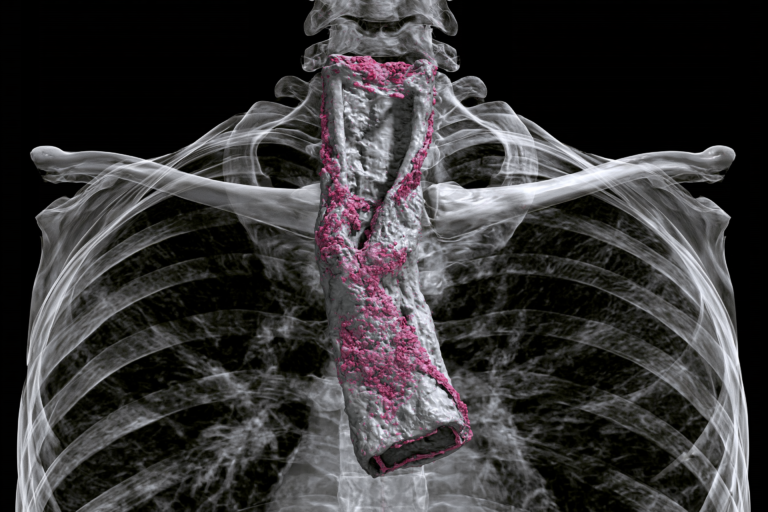
- Ayurvedic and Integrative Support for Esophagus and GEJ Cancer
- Evidence Informed Ayurvedic Cancer Care With International Safety Standards
- Why Patients With Esophagus or GEJ Cancer Search for Ayurveda
- Who This Page Is For
- Do Not Delay Emergency or Oncology Care in These Situations
- What Is Esophagus or GEJ Cancer?
- Symptoms Patients Should Not Ignore
- Risk Factors: Modern View and Ayurvedic View
- Diagnosis and Report Review Before Ayurvedic Planning
- Understanding the Stage Without Creating Fear
- Modern Allopathy Treatment Options Patients Should Understand
- Biomarker and Precision Medicine: Why the Biopsy Should Be Tested Before Treatment Decisions
- The Hidden Problem: Swallowing, Weight Loss, and Strength Collapse
- Why Ayurveda Matters in Esophagus and GEJ Cancer
- Ayurvedic Understanding of Esophagus and GEJ Cancer
- How Ayurveda Supports the Healing Pathway
- Where Ayurveda Fits in the Cancer Journey
- Anna-Ojas Kanchnar Rasayana Avaleha Medicine for Esophagus and GEJ Cancer
- Why Patients Must Not Buy This Avaleha From the Market
- Ayurvedic Treatment Pillars
- Clinical Trials and Second Opinion
- International Patient Sections
- Medical Review and Evidence Standard
- FAQ
- Reference
Esophagus cancer Ayurvedic treatment support is searched by many patients and families who want a safe, integrative way to strengthen digestion, swallowing, appetite, immunity, treatment tolerance, and recovery during esophageal cancer, oesophageal cancer, food pipe cancer, GEJ cancer, or GOJ cancer.
For patients in the USA, UK, Singapore, Canada, and Australia, the medical terms may differ, but the concerns are often the same: difficulty swallowing, rapid weight loss, weakness, fear of surgery, uncertainty about chemotherapy or radiation, anxiety about recurrence, and the question every family silently asks ,how can the body become strong enough to fight, tolerate treatment, and recover?
This article is written for patients and families who are looking for a safe, evidence-informed, and Ayurvedic approach to esophagus and GEJ cancer care. It explains both sides clearly: the role of modern oncology and the role of Ayurveda in supporting digestion, swallowing, appetite, strength, immunity, treatment tolerance, recovery, and long-term wellness.
Modern treatment for esophageal or oesophageal cancer may include surgery, chemotherapy, radiation therapy, chemoradiation, immunotherapy, targeted therapy, stents, feeding support, and supportive or palliative care depending on the cancer type, stage, spread, tumour location, biomarkers, and overall health of the patient [1,2,4,8]. These treatments focus on controlling or removing the cancer where medically possible.
Ayurveda adds a whole-person healing approach. Instead of looking only at the tumour, Ayurveda studies the patient’s Agni digestive strength, Ahara nutrition, Anna Vaha Srotas food and nourishment channels, Dhatu tissue strength, Ama accumulation, Dosha imbalance, Rasayana recovery potential, and Ojas vitality. This helps create a personalised plan to support the body’s inner healing environment during the cancer journey [16,18,19,20].
Our approach is not based on generic herbs or unsupported promises. It begins with proper report review, including endoscopy, biopsy, histopathology, CT or PET-CT scans, staging details, blood reports, previous cancer treatment records, and biomarker reports where available. The Ayurvedic plan is then designed according to the patient’s cancer stage, swallowing ability, appetite, weight loss, digestion, strength, sleep, emotional state, current medicines, and treatment goal.
Patients often search for Ayurveda because they do not want only tumour-focused treatment; they want body-focused recovery. They want to know whether Ayurveda can help them eat better, digest better, sleep better, maintain weight, reduce weakness, tolerate chemotherapy or radiation, recover after surgery, and rebuild confidence after a frightening diagnosis.
The purpose of this article is to help patients understand how Ayurveda may support the body during different stages of esophagus and GEJ cancer care before chemotherapy, during radiation, after surgery, during immunotherapy or targeted therapy, in advanced or recurrent cancer, and after completion of treatment.
The goal is not to replace responsible oncology care. The goal is to support the patient behind the cancer: the digestion, nourishment, strength, immunity, sleep, mental steadiness, and recovery capacity that are essential for healing-focused care.
For suitable patients, Ayurvedic and integrative care may support remission-focused recovery, long-term disease control where medically achievable, better treatment tolerance, improved quality of life, and the path toward rebuilding strength after cancer treatment. Every plan must be personalised, medically supervised, and guided by both modern reports and Ayurvedic assessment.
Ayurvedic and Integrative Support for Esophagus and GEJ Cancer
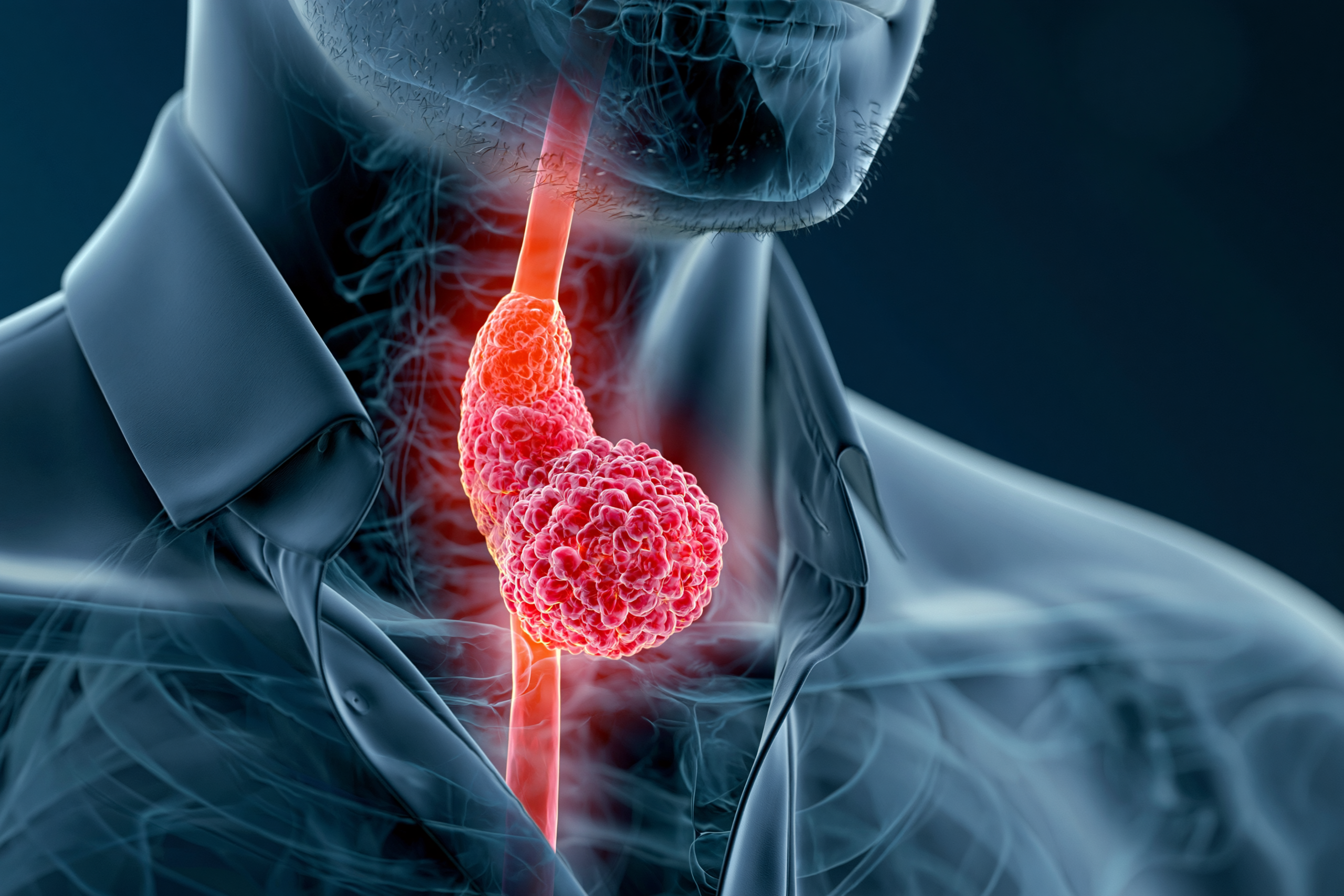
Rebuilding the Body That Must Fight and Recover
Esophagus cancer and GEJ cancer can change a patient’s life very quickly. Eating becomes difficult, weight begins to fall, strength reduces, sleep becomes disturbed, and the family may feel overwhelmed by medical reports, treatment choices, surgery discussions, chemotherapy plans, radiation schedules, and the fear of recurrence.
At this stage, patients need more than general cancer information. They need to understand what is happening inside the body, why swallowing and weight loss matter so much, how modern treatment works, and how Ayurveda may support strength, digestion, nourishment, recovery, and quality of life during the cancer journey.
Modern oncology focuses on identifying the cancer type, stage, spread, tumour location, biomarkers, and treatment options. Depending on the patient’s condition, treatment may include surgery, chemotherapy, radiation therapy, chemoradiation, immunotherapy, targeted therapy, stents, feeding support, and supportive care [1,2,4,8].
Ayurveda adds another important dimension. It asks how strong the patient’s body is to receive food, digest properly, absorb nourishment, tolerate treatment, recover after treatment, rebuild tissue strength, and maintain Ojas. In Ayurveda, healing is not viewed only through the tumour. The patient’s Agni, Ahara, Anna Vaha Srotas, Dhatu strength, Ama, Dosha balance, sleep, emotional state, and recovery capacity are also studied before planning care [16,18,19,20].
Why This Integrative Understanding Matters
In esophagus and GEJ cancer, the food pathway itself is affected. When swallowing becomes difficult, the patient may slowly reduce food intake without realising how quickly the body is becoming weaker. This can lead to weight loss, muscle loss, fatigue, low confidence, poor treatment tolerance, and delayed recovery.
This is why nutrition, digestion, and strength cannot be treated as secondary issues. They are central to the patient’s ability to continue treatment and rebuild health.
Ayurvedic support in this condition focuses on the foundations that cancer and cancer treatment often disturb. The aim is to support appetite, digestion, food tolerance, swallowing comfort, bowel regularity, sleep, emotional steadiness, tissue nourishment, Ojas, and strength. In suitable patients, this can become part of a remission focused recovery plan or a long term disease control strategy where medically achievable.
A responsible integrative approach does not begin with generic herbs. It begins with understanding the patient clearly. The plan should consider endoscopy findings, biopsy results, scan reports, stage, current oncology treatment, swallowing capacity, body weight, appetite, digestion, bowel pattern, blood reports, liver and kidney function, sleep, emotional condition, and overall Bala.
The Patient Behind the Cancer Report
Cancer reports describe the disease, but they do not fully describe the patient.
Two patients may have the same diagnosis but very different strength, digestion, appetite, weight, sleep, emotional stability, treatment tolerance, and recovery capacity. Ayurveda gives importance to these differences because the body that receives treatment must also have the strength to repair and rebuild.
A patient with good appetite, stable digestion, better sleep, maintained weight, and stronger mental steadiness may experience the cancer journey differently from a patient who is unable to eat, losing weight rapidly, sleeping poorly, and feeling constantly anxious.
This is where Ayurveda becomes meaningful. It studies the living condition of the patient, not only the medical label of the cancer.
What This Page Will Help Patients Understand
This article explains esophagus cancer, oesophageal cancer, food pipe cancer, GEJ cancer, and GOJ cancer in a way that patients and families can understand. It also explains why swallowing difficulty should not be ignored, why weight loss needs urgent attention, how modern treatment options are selected, and how Ayurveda may support the patient before, during, and after cancer treatment.
It will also discuss the importance of medical reports, staging, biomarkers, nutrition support, herb safety, supportive care, advanced disease care, recovery after surgery, and long term monitoring.
The purpose is to help patients make informed decisions with clarity, not fear. Ayurveda should be understood as a personalised, supervised, and safety aware system of care that supports digestion, strength, nourishment, Ojas, recovery, and quality of life alongside appropriate medical guidance.
Safe and Responsible Use of Ayurveda in Cancer Care
Ayurveda should be used carefully in cancer care. Patients should not stop, delay, or replace surgery, chemotherapy, radiation therapy, immunotherapy, targeted therapy, feeding support, emergency care, or prescribed medicines without guidance from their treating doctors.
This is especially important during active chemotherapy, radiation, immunotherapy, targeted therapy, after surgery, or when the patient has low blood counts, bleeding risk, liver or kidney concerns, severe swallowing difficulty, dehydration, or rapid weight loss.
NCCIH advises that complementary health approaches should not replace or delay conventional cancer treatment and should be discussed with healthcare providers [5]. WHO also supports the responsible use of traditional and integrative medicine with attention to evidence, safety, quality, and appropriate safeguards [6].
A careful Ayurvedic plan should therefore be personalised, report based, quality controlled, and monitored. The goal is to support the body’s healing environment while maintaining patient safety and respecting the seriousness of cancer care.
Evidence Informed Ayurvedic Cancer Care With International Safety Standards

Why Evidence and Safety Matter in Cancer Care
Esophagus and GEJ cancer are serious conditions that require accurate diagnosis, biopsy confirmation, staging, oncology evaluation, nutritional assessment, and regular monitoring. Because the disease can affect swallowing and nourishment, patients may become weak before treatment even begins. This makes safety, timing, and proper coordination especially important.
Ayurveda can offer meaningful support for digestion, appetite, strength, sleep, emotional steadiness, treatment recovery, and quality of life. At the same time, cancer care should never be based on vague claims, random herbal use, or fear of modern treatment. A responsible Ayurvedic approach must respect the seriousness of cancer and should be guided by medical reports, clinical condition, current medicines, and the patient’s strength.
This article follows an evidence informed structure by referring to recognised international cancer and integrative health sources, including NCCIH, WHO, ASCO, NICE, NCI, NHS, Cancer Council Australia, Canadian Cancer Society, and Singapore cancer resources.
Role of NCCIH in Complementary Cancer Safety
NCCIH is an important reference for patients who are considering complementary or integrative health approaches during cancer care. It explains that complementary approaches should not be used as a reason to replace or delay conventional cancer treatment. It also advises patients to discuss herbs, supplements, and other complementary therapies with their healthcare providers, especially when they are receiving chemotherapy, radiation therapy, immunotherapy, targeted therapy, surgery, or prescription medicines [5].
This point is important for esophagus and GEJ cancer because patients may already be weak from poor swallowing, low food intake, weight loss, dehydration, or treatment side effects. Adding herbs or supplements without medical supervision can create risks, including interactions with cancer medicines, bleeding concerns, liver burden, kidney burden, or changes in treatment tolerance.
Role of WHO in Traditional and Integrative Medicine
WHO recognises that traditional, complementary, and integrative medicine is used by many people across the world. Its position highlights the need for evidence, safety, quality, regulation, scientific evaluation, and responsible integration into health systems [6].
For patients, this means traditional medicine should not be dismissed, but it should also not be used carelessly. Ayurveda becomes more credible when it is practised with proper diagnosis, physician supervision, quality controlled medicines, safety screening, and measurable follow up.
In cancer care, the value of Ayurveda should be explained through patient centred outcomes such as digestion, nourishment, strength, sleep, symptom support, recovery, and quality of life, while avoiding exaggerated or guaranteed claims.
Role of ASCO in Modern Oncology Standards
ASCO provides evidence based oncology guidance for cancer treatment decisions. In gastroesophageal cancers, including advanced esophageal and GEJ cancers, modern treatment may depend on tumour type, disease stage, previous treatment, performance status, and biomarkers such as HER2, PD L1, MSI, MMR, CLDN18.2, and other molecular findings where appropriate [7].
This is important because patients should understand that not all esophagus or GEJ cancers are treated in the same way. Some patients may be considered for surgery, some for chemotherapy and radiation, some for immunotherapy, some for targeted therapy, and some for supportive or palliative treatment focused on swallowing, comfort, and quality of life.
Ayurvedic assessment does not replace biomarker testing or oncology staging. Instead, it adds another layer of personalisation by studying Agni, Ama, Dosha, Dhatu strength, Srotas involvement, Ojas, appetite, sleep, bowel pattern, weight loss, and recovery capacity.
Role of NICE in Oesophago Gastric Cancer Care
NICE guidance is especially important for UK patients, but its principles are useful internationally because it covers assessment and management of oesophago gastric cancer, including radical treatment, palliative treatment, nutritional support, and follow up [8].
This is highly relevant to esophagus and GEJ cancer because treatment is not limited to tumour removal or tumour control. Many patients need nutrition planning, swallowing support, symptom management, rehabilitation, and long term monitoring. These areas are also central to Ayurvedic thinking, where Ahara, Agni, Bala, Dhatu nourishment, and Ojas are considered essential for recovery.
How These Standards Strengthen Ayurvedic Cancer Education
The purpose of referring to NCCIH, WHO, ASCO, and NICE is not to claim that these organisations endorse any Ayurvedic hospital, medicine, formulation, or cancer treatment. Their role is to provide a safety and evidence framework for patient education.
A strong Ayurvedic cancer article should clearly separate four types of information.
Evidence supported information explains diagnosis, staging, symptoms, modern treatment options, biomarkers, nutrition support, and safety warnings using recognised cancer sources.
Integrative supportive care information explains how Ayurveda may support digestion, appetite, swallowing comfort, sleep, fatigue, treatment tolerance, emotional steadiness, recovery, and quality of life.
Ayurvedic rationale explains concepts such as Agni, Ama, Dosha, Anna Vaha Srotas, Dhatu Kshaya, Rasayana, and Ojas using classical Ayurvedic understanding.
Clinical observation should be presented carefully as experience based support, not as guaranteed cancer cure.
This distinction helps patients understand Ayurveda with clarity. It also protects them from misinformation, unrealistic promises, unsafe self medication, and delayed cancer care.
In cancer education, words matter. Patients need hope, but they also need honesty. Phrases such as remission focused recovery, treatment tolerance, strength rebuilding, long term disease control where medically achievable, improved quality of life, and support for the body’s healing capacity are more responsible than guaranteed cure claims.
This approach allows Ayurveda to be presented with confidence and dignity. It respects both classical Ayurvedic wisdom and modern cancer safety standards, while keeping the patient’s wellbeing at the centre of the discussion.
Why Patients With Esophagus or GEJ Cancer Search for Ayurveda

The Search Usually Begins With Fear, Weakness, and Unanswered Questions
Patients with esophagus or GEJ cancer often begin searching for Ayurveda when the disease starts affecting daily life in a visible and frightening way. Swallowing becomes difficult. Food may feel stuck in the chest or throat. Meals become smaller. Weight begins to fall. Energy reduces. Sleep becomes disturbed. The family may notice that the patient is becoming physically weaker and emotionally more anxious.
At the same time, modern treatment discussions can feel overwhelming. Patients may hear words such as surgery, chemotherapy, radiation therapy, chemoradiation, immunotherapy, targeted therapy, stent, feeding tube, recurrence, and palliative care. Even when these treatments are medically necessary, the patient may still wonder how the body will tolerate them and how strength can be protected during the process.
This is one of the main reasons patients look toward Ayurveda. They are not always rejecting modern medicine. Many are searching for a way to support the body so that digestion, appetite, sleep, strength, emotional steadiness, and quality of life do not collapse during cancer care.
Table : Esophagus Cancer Ayurvedic Treatment Support at Each Stage
| Cancer Journey Stage | What Patients Usually Face | How Ayurvedic Support May Help |
|---|---|---|
| Newly diagnosed esophagus or GEJ cancer | Fear, confusion, swallowing difficulty, biopsy reports, scan reports, and uncertainty about treatment choices. | Ayurvedic review focuses on Agni, appetite, digestion, sleep, strength, Ojas, nutrition status, and safe planning after reviewing reports. |
| Before chemotherapy, radiation, or surgery | Weight loss, poor appetite, anxiety, weakness, reflux, and fear of treatment side effects. | Ayurveda may support treatment readiness through digestion correction, soft Ahara planning, sleep support, strength preservation, and emotional steadiness. |
| During chemotherapy or chemoradiation | Nausea, fatigue, low appetite, mouth ulcers, painful swallowing, bowel changes, low strength, and poor sleep. | Physician-supervised Ayurveda may support appetite, bowel regularity, sleep, fatigue recovery, digestion, hydration, and treatment tolerance. |
| During radiation therapy | Burning in the food pipe, painful swallowing, reflux, appetite loss, fatigue, and reduced food intake. | Ayurvedic care may focus on gentle, non-irritating food planning, Pitta-calming support, hydration, Agni protection, and strength maintenance. |
| After esophagus or GEJ surgery | Reflux, early fullness, reduced meal size, weight loss, fatigue, fear of eating, and digestive changes. | Ayurveda may support gradual food tolerance, reflux-sensitive Ahara, Agni correction, bowel function, sleep, strength rebuilding, and Ojas support. |
| During immunotherapy or targeted therapy | Fatigue, immune-related monitoring, liver, thyroid, bowel, skin, or inflammatory concerns. | Ayurveda may support digestion, appetite, sleep, fatigue, and emotional balance only after careful herb-drug safety review. |
| Advanced, metastatic, or recurrent cancer | Swallowing difficulty, weakness, pain, weight loss, emotional distress, and family anxiety. | Ayurveda may support comfort, appetite, sleep, digestion, dignity, emotional peace, family confidence, and quality of life alongside oncology care. |
| After completion of treatment | Weakness, fear of recurrence, poor digestion, low stamina, sleep issues, and slow recovery. | Ayurveda may support remission-focused recovery, Rasayana where suitable, Ojas, fatigue recovery, digestion, strength, and long-term wellness. |
Patients Want Support for the Body, Not Only Treatment for the Tumour
Modern oncology studies the tumour through biopsy, stage, scan reports, biomarkers, spread, and treatment response. This information is essential. However, patients also experience cancer through the body. They experience it as loss of appetite, burning, reflux, difficulty swallowing, weight loss, fatigue, disturbed sleep, anxiety, and reduced confidence.
Ayurveda becomes meaningful because it studies the person behind the diagnosis. It considers Agni, Ahara, Ama, Dosha balance, Srotas, Dhatu nourishment, Bala, Ojas, sleep, bowel function, mental state, and recovery capacity. These factors matter because the patient must not only receive treatment, but also digest food, maintain strength, tolerate therapy, recover between treatment cycles, and rebuild after treatment.
In esophagus and GEJ cancer, this whole body view is especially important because the disease affects the food pathway itself. If nourishment becomes weak, the entire body can become weak.
Difficulty Swallowing Creates a Nutrition Crisis
For many patients, the first major fear is not the scan report. It is the inability to eat normally. When swallowing becomes difficult, patients may avoid solid food, eat slowly, drink more liquids, or reduce meals without realising how quickly nutrition is declining.
This can lead to weight loss, muscle loss, fatigue, weakness, and reduced treatment tolerance. Supportive care sources describe swallowing problems and weight loss as important concerns in esophageal cancer care [10,11,27]. Some patients may need nutritional support, swallowing support, stents, feeding tubes, soft food planning, or liquid nutrition depending on the severity of obstruction and medical assessment.
Ayurveda gives central importance to Ahara and Agni. Food is not viewed only as calories. It is the foundation of strength, tissue nourishment, immunity, recovery, and Ojas. When the food pathway is disturbed, the Ayurvedic plan must be gentle, practical, and suitable for the patient’s swallowing capacity.
Fear of Treatment Side Effects Is Another Major Reason
Patients may search for Ayurveda before chemotherapy or radiation because they fear nausea, vomiting, fatigue, mouth ulcers, burning while swallowing, appetite loss, low blood counts, weakness, and loss of independence. After surgery, they may worry about reflux, food restriction, weight loss, slow recovery, and changes in eating habits.
These fears are real. They should not be dismissed. The correct response is not to frighten the patient away from modern treatment, but to help the patient understand how the body can be supported safely during treatment.
Ayurvedic support may focus on digestion, appetite, bowel regularity, sleep, fatigue recovery, emotional steadiness, and nourishment. During chemotherapy, radiation, immunotherapy, or targeted therapy, this must be done with clinical caution because herbs and supplements may interact with cancer medicines or affect bleeding risk, liver function, kidney function, or blood counts [5].
Patients Also Search Because They Fear Recurrence
Even after surgery, chemoradiation, or completion of treatment, many patients live with fear that cancer may return. This fear can disturb sleep, appetite, digestion, confidence, and family life. A patient may appear medically stable but still feel emotionally unsafe.
Ayurveda can help patients understand recovery as a longer process. After active treatment, the body may need support for digestion, tissue rebuilding, fatigue, sleep, mental steadiness, and lifestyle correction. Rasayana and Ojas focused care may be considered only after proper assessment of the patient’s stage, strength, digestion, current medicines, and medical follow up.
This does not mean Ayurveda guarantees that cancer will never return. A responsible approach is to support long term wellness, follow up discipline, strength rebuilding, and remission focused recovery where medically achievable.
Advanced Cancer Patients Search for Comfort, Dignity, and Strength
Some patients come to Ayurveda when cancer is advanced, metastatic, or recurrent. They may have difficulty swallowing, pain, severe weight loss, weakness, anxiety, or loss of hope. In this stage, the goal may be different for each patient. Some may continue chemotherapy, immunotherapy, targeted therapy, radiation, or stent based care. Others may focus more on comfort, symptom control, nourishment, sleep, and quality of life.
Supportive and palliative care should not be understood as giving up. It is care that helps the patient live with better comfort, better symptom control, and more dignity [27]. Ayurveda can be positioned here as supportive care for appetite, digestion, sleep, emotional peace, strength, and family steadiness, while medical care continues according to the patient’s condition.
Healing in advanced disease may not always mean disappearance of disease. It may mean being able to swallow better, sleep better, feel less anxious, maintain dignity, reduce suffering, and spend meaningful time with family.
The Right Question Is Not Ayurveda or Allopathy
Many patients think they must choose only one path. This can create confusion and fear. In serious cancers such as esophagus and GEJ cancer, the safer question is different.
The right question is how the patient can receive necessary cancer care while also protecting digestion, nutrition, strength, sleep, emotional balance, and quality of life.
A responsible Ayurvedic approach does not ignore biopsy reports, scans, staging, oncology advice, or emergency warning signs. It uses this information to understand the seriousness of the disease and then applies Ayurvedic principles in a personalised and safety aware manner.
This is why patients search for Ayurveda. They are looking for a system that sees the whole person, supports the body during a difficult treatment journey, and helps restore strength when cancer has weakened the foundations of life.
Who This Page Is For

This page is written for patients and families who are facing esophagus cancer, oesophageal cancer, food pipe cancer, GEJ cancer, or GOJ cancer, and who want to understand how Ayurveda may be used safely and intelligently alongside modern cancer care.
It is especially for patients who do not want a one-sided answer. They want to understand surgery, chemotherapy, radiation, immunotherapy, targeted therapy, nutrition, and supportive care — but they also want to know how Ayurveda can support digestion, swallowing, appetite, strength, Ojas, sleep, emotional steadiness, and recovery.
Modern esophageal cancer care may include surgery, chemotherapy, radiation therapy, chemoradiation, and supportive care depending on the stage and condition of the patient [1]. NCI describes multimodality treatment options for esophageal cancer, while NICE guidance for oesophago-gastric cancer includes radical treatment, palliative treatment, nutritional support, follow-up, and service organisation [1,8].
1. Newly Diagnosed Patients
This page is for patients who have recently received an endoscopy, biopsy, CT scan, PET-CT scan, or staging report and are trying to understand what the diagnosis means.
At this stage, patients often feel shocked and confused. They may not yet know whether the cancer is early, locally advanced, metastatic, or recurrent. They may also not understand the difference between adenocarcinoma, squamous cell carcinoma, esophageal cancer, and GEJ cancer.
For these patients, the purpose of the article is to create clarity. The patient should understand what reports are needed, why staging matters, why biomarker testing may be important, and how an Ayurvedic plan should be created only after reviewing the full medical picture.
2. Patients Advised Surgery
This page is also for patients who have been advised esophagectomy or oesophagectomy.
Many patients fear surgery because it can change eating, swallowing, reflux, weight, stamina, and daily routine. Some patients are told that surgery may be part of a treatment plan aimed at removing all detectable disease. Others may need chemotherapy or chemoradiation before surgery, depending on stage and fitness.
Ayurveda can be explained here as support for preparation and recovery, not as a careless replacement for surgery. The Ayurvedic focus may include improving appetite, digestion, sleep, strength, bowel regularity, nutrition, and post-surgical rebuilding after medical clearance.
3. Patients Advised Chemotherapy, Radiation, or Chemoradiation
This page is for patients who are preparing for chemotherapy, radiation therapy, or combined chemoradiation.
These patients usually worry about nausea, vomiting, burning in the food pipe, painful swallowing, loss of appetite, fatigue, weakness, weight loss, and low immunity. Their central question is often:
“How will my body tolerate this treatment?”
Ayurvedic support can be positioned as a supervised way to help the patient maintain digestion, appetite, bowel function, sleep, emotional steadiness, and strength during treatment. However, it must be made clear that herbs and supplements should be reviewed carefully because some may interact with cancer medicines or affect liver function, kidney function, bleeding risk, or blood counts. NCCIH advises that complementary health approaches should not replace or delay conventional cancer treatment [5].
4. Patients Receiving Immunotherapy or Targeted Therapy
This page is for patients who are receiving or considering immunotherapy or targeted therapy.
These patients may have biomarker reports such as HER2, PD-L1, MSI/MMR, CLDN18.2, or NGS. They may be on advanced oncology medicines and want to know whether Ayurveda can be added safely.
The article explains that Ayurveda during immunotherapy or targeted therapy must be highly cautious and medically supervised. The Ayurvedic physician should review liver function, kidney function, thyroid status, inflammatory symptoms, blood counts, current drugs, and possible herb–drug interactions before prescribing.
5. Patients Recovering After Esophagus or GEJ Surgery
This page is for patients who have already completed surgery and are now trying to rebuild life.
After esophagus surgery, patients may struggle with reflux, early fullness, difficulty maintaining weight, altered food habits, fatigue, fear of eating, weakness, sleep disturbance, and emotional stress. Modern cancer care recognises the importance of nutrition and follow-up in oesophago-gastric cancer [8].
Ayurveda can be positioned as post-treatment recovery support. The focus may include gradual food tolerance, Agni correction, reflux-sensitive Ahara, strength rebuilding, sleep restoration, emotional steadiness, and Rasayana-based recovery where suitable.
6. Patients With Swallowing Difficulty and Weight Loss
This page is very important for patients whose main problem is not only the cancer report, but the inability to eat.
In esophagus cancer, swallowing difficulty can rapidly lead to reduced food intake, weight loss, muscle loss, fatigue, and poor treatment tolerance. Canadian Cancer Society notes that many people with esophageal cancer lose significant weight, and this may happen because of swallowing problems caused by the tumour or treatment [10,11].
For these patients, Ayurveda must focus strongly on Ahara and Agni. The diet plan should be soft, warm, nourishing, easy to swallow, reflux-sensitive, and adjusted to the patient’s medical condition. When swallowing is severely affected, the article should also educate patients about modern supportive options such as stents, feeding tubes, or liquid nutrition when advised by the oncology team.
7. Patients With Advanced, Metastatic, or Recurrent Cancer
This page is for patients who have been told that the cancer has spread, returned, or cannot be removed surgically.
These patients and families often search for Ayurveda because they want comfort, dignity, strength, better eating, better sleep, reduced suffering, and renewed hope. Some may still be receiving chemotherapy, immunotherapy, targeted therapy, radiation, or stent-based care. Others may be focusing mainly on supportive or palliative care.
8. Patients Who Want Ayurveda but Do Not Want Unsafe Claims
This page is also for serious, educated patients who want Ayurveda but do not trust exaggerated promises.
Many patients from the USA, UK, Canada, Australia, and Singapore will not trust a hospital that says every cancer can be cured in a fixed time. They are more likely to trust a centre that explains Ayurveda with responsibility, safety, evidence awareness, report review, herb–drug screening, and outcome monitoring.
This section should make the hospital’s position clear:
Ayurveda is not used blindly. Ayurveda is personalised according to the patient’s reports, stage, strength, digestion, current oncology treatment, symptoms, safety risks, and recovery goals.
9. International Patients Looking for a Report-Based Ayurvedic Review
This page is for international patients who cannot immediately travel but can share reports online.
Patients from the USA, UK, Singapore, Canada, and Australia may already be under an oncologist’s care. They may be looking for a second layer of support: Ayurvedic guidance for digestion, appetite, treatment tolerance, weakness, recovery, emotional stability, and long-term wellness.
The article should invite them to share:
- Endoscopy report
- Biopsy report
- Histopathology report
- CT or PET-CT report
- Stage details
- Biomarker reports
- Current treatment plan
- Blood reports
- Weight-loss history
- Current medicines
- Swallowing status
- Nutrition problems
10. Patients Who Need Clarity Before Making a Treatment Decision
Many patients are not ready to decide immediately. They are comparing options. They are afraid of making the wrong choice. They may be asking:
- Should I take chemotherapy first?
- Should I go for surgery?
- Can I take Ayurveda with radiation?
- Can Ayurveda help me recover after surgery?
- What if the cancer has spread?
- What if I cannot swallow properly?
- What if I am too weak for treatment?
This page should guide such patients from confusion to clarity. It should help them understand both modern treatment and Ayurvedic support, without creating false hope or unnecessary fear.
11. Who This Page Is Not For
This page is not for patients looking for unsafe self-medication, unverified online herbs, aggressive detox without assessment, or advice to stop prescribed cancer treatment.
It is also not for patients who want to delay urgent oncology care despite serious warning signs such as inability to swallow liquids, vomiting blood, black stools, severe dehydration, fever during chemotherapy, chest pain, breathing difficulty, confusion, or rapid weight loss.
A responsible Ayurvedic cancer page should protect the patient first. NCCIH explains that complementary medicine is used together with standard medical treatment and should not be confused with replacing medical cancer care [3,5].
Do Not Delay Emergency or Oncology Care in These Situations

A responsible Ayurvedic cancer article must clearly tell patients when they should not wait for an Ayurvedic consultation, home remedy, herbal medicine, diet change, or online opinion. Esophagus and GEJ cancer can sometimes worsen quickly, especially when swallowing, bleeding, hydration, infection, breathing, or nutrition are affected. Patient safety must always come first.
Patients should seek urgent medical care if they suddenly cannot swallow liquids, if food or water is not going down, or if swallowing becomes rapidly worse. Difficulty swallowing and weight loss are recognised warning symptoms of esophageal or oesophageal cancer, and NHS advises medical review when swallowing problems, noticeable weight loss, persistent heartburn, or worsening symptoms are present [2]. NCI also lists painful or difficult swallowing and weight loss among important signs and symptoms of esophageal cancer [1].
Vomiting blood, coughing blood, black stools, bloody stools, or very dark tar-like stools should never be ignored. These symptoms may suggest bleeding from the food pipe or upper digestive tract and need urgent medical assessment. Cancer Research UK notes that blood may appear in vomit if the oesophagus is bleeding, and Australian patient resources list blood in vomit or black stools among important symptoms of stomach and oesophageal cancers [4,13].
Rapid weight loss, inability to maintain food intake, severe weakness, persistent vomiting, dizziness, reduced urination, dry mouth, or signs of dehydration also require medical attention. In esophageal cancer, swallowing difficulty can lead to major weight loss, and the Canadian Cancer Society explains that severe weight loss, also called cachexia, may occur when tumour-related or treatment-related swallowing problems reduce nutrition [10,11].
Patients receiving chemotherapy should treat fever as urgent. During chemotherapy, infection can become dangerous because white blood cell counts may fall. The CDC advises cancer patients to call their doctor immediately for a temperature of 100.4°F or 38°C or higher, and the ASCO/IDSA guideline addresses fever and neutropenia as a serious cancer-treatment complication requiring prompt clinical management.
Chest pain, breathing difficulty, confusion, fainting, severe drowsiness, severe uncontrolled pain, new severe weakness, or sudden deterioration should also be treated as urgent medical problems. These symptoms should not be managed with herbs, Panchakarma, fasting, detox therapy, or diet correction alone. The patient should contact the oncology team, emergency service, or nearest hospital immediately.
Yes. Subsections are necessary.
The previous version became too continuous because I treated “no bullet points” as “full prose only.” That was not the best strategy. A strong patient article should have subsections without bullet points. This improves readability, SEO, patient trust, mobile scanning, and conversion.
The correct strategy is:
Use one main H2 section, then divide it into emotionally logical H3 subsections. Each subsection should answer one patient question. The writing should remain paragraph-based, not bullet-based. This gives the article structure without making it look like notes.
For this topic, every section should follow this pattern:
First, connect with the patient’s fear or confusion. Then explain the modern medical meaning in simple language. Then bring in the Ayurvedic interpretation. Then explain why this matters for treatment decisions. Finally, close with a trust-building sentence that encourages report-based consultation.
So the section should not look like this:
“What is Esophagus Cancer?” followed by one long explanation.
It should look like this:
What Is Esophagus or GEJ Cancer?
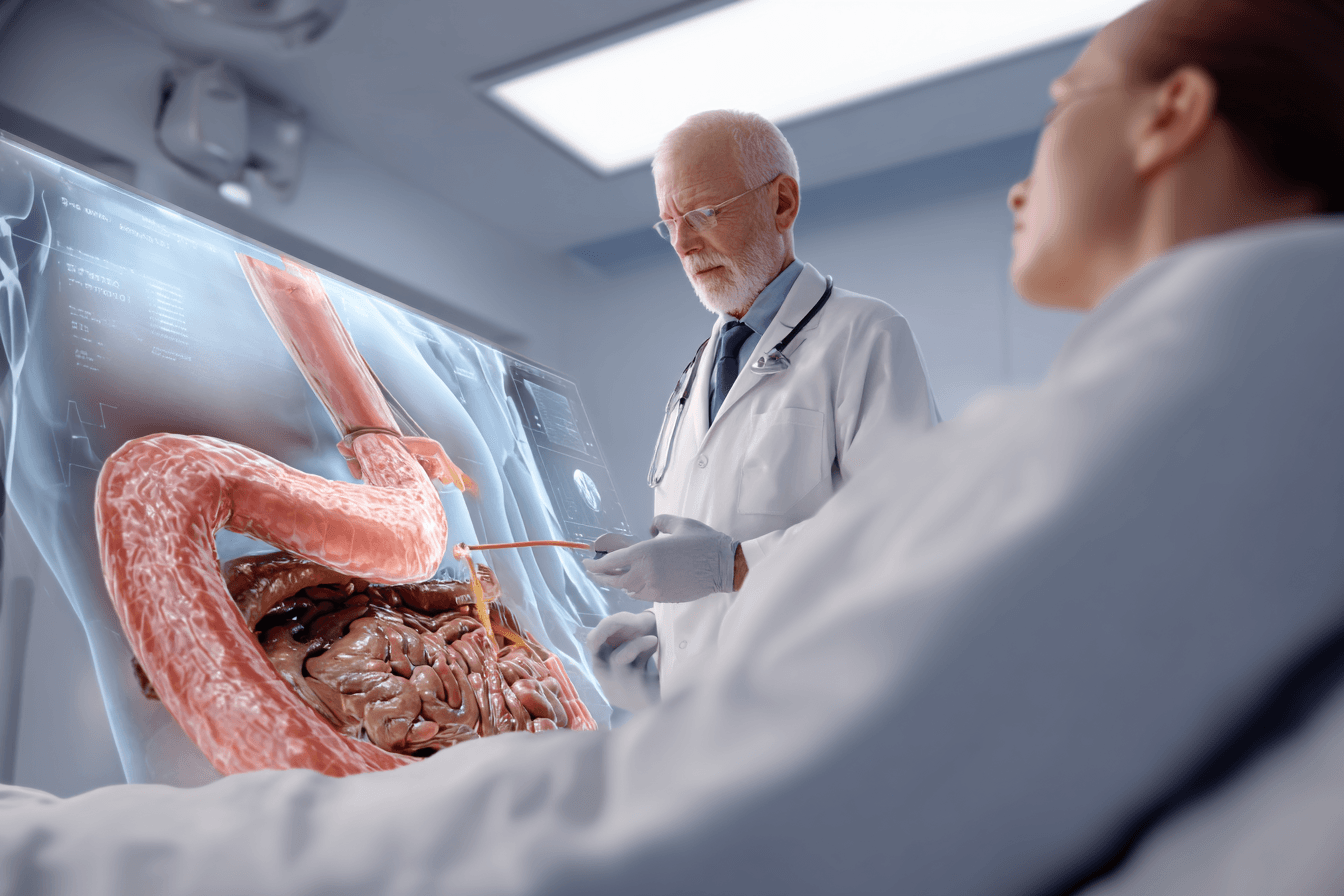
The Food Pipe and Why This Cancer Affects Eating
The esophagus, also called the oesophagus or food pipe, is the muscular tube that carries food and liquids from the throat to the stomach. When cancer develops in this tube, it is called esophageal cancer, oesophageal cancer, or food pipe cancer. Patients from the USA and Canada usually see the term “esophageal cancer,” while patients from the UK, Australia, and Singapore may more often see “oesophageal cancer.” Both words refer to the same organ.
Because this cancer affects the food pathway, many patients first notice difficulty swallowing, food feeling stuck, reduced food intake, or unexplained weight loss. This makes esophagus cancer different from many other cancers because it can quickly disturb nourishment, strength, confidence, and daily life [1,2,4].
What GEJ or GOJ Cancer Means
GEJ cancer means gastroesophageal junction cancer. GOJ cancer means gastro-oesophageal junction cancer. This cancer develops at the meeting point where the lower end of the esophagus joins the upper part of the stomach.
This location is clinically important because treatment planning may overlap with both esophageal cancer and stomach cancer principles. Some reports may describe the tumour as lower esophageal cancer, some as gastroesophageal junction cancer, and some as oesophago-gastric cancer. Patients should not become confused by these terms. The exact tumour location, biopsy findings, stage, lymph node involvement, spread, and biomarker results help decide the treatment pathway [1,8,9].
How Esophagus Cancer Starts and Spreads
Esophagus cancer usually begins in the inner lining of the food pipe. Over time, it may grow deeper into the wall of the esophagus, involve nearby lymph nodes, or spread to distant organs. This is why endoscopy, biopsy, CT scan, PET-CT scan, endoscopic ultrasound, and staging are important before treatment decisions are made [1,15].
Modern oncology uses these reports to understand the tumour’s behaviour and spread. Ayurveda also respects these reports, but adds another layer of assessment by studying the patient’s Agni, appetite, digestion, weight loss, sleep, bowel pattern, Bala, Ojas, and treatment tolerance.
The Main Types of Esophagus Cancer
The two main types are adenocarcinoma and squamous cell carcinoma.
Adenocarcinoma usually develops in the lower part of the esophagus or near the gastroesophageal junction. It is often associated with long-term reflux, Barrett’s esophagus, obesity, and chronic irritation of the lower food pipe. Squamous cell carcinoma begins in the flat squamous cells lining the esophagus and may occur in the upper, middle, or lower part of the food pipe [4,9,12].
Knowing the type is important because adenocarcinoma, squamous cell carcinoma, and GEJ adenocarcinoma may behave differently. Their modern treatment options, biomarker testing needs, surgery planning, chemotherapy choices, radiation approach, and immunotherapy or targeted therapy decisions may also differ.
Why Patients Should Understand the Exact Location
The location of the cancer affects swallowing, treatment planning, surgery decisions, radiation planning, and nutritional support. A tumour in the upper esophagus may create different symptoms and treatment challenges than a tumour near the gastroesophageal junction.
For GEJ or GOJ cancer, the report should be reviewed carefully because the oncology team may decide whether the disease should be managed more like esophageal cancer, gastric cancer, or gastroesophageal junction cancer. This is also why patients should ask whether biomarker testing has been done, especially in advanced or recurrent disease [7,23,24].
Why Swallowing and Weight Loss Become Major Problems
For many patients, the most frightening part of esophagus or GEJ cancer is not only the word “cancer.” It is the feeling that food is no longer passing normally. Meals become stressful. Solid food may be avoided. Liquids may become necessary. Weight may fall rapidly.
This creates a nutrition crisis. When the patient cannot eat properly, the body loses strength, muscle, immunity, and treatment tolerance. This is why swallowing support, diet planning, liquid nutrition, stents, feeding support, and close monitoring may become necessary in modern care [10,11,13,27].
In Ayurveda, this is understood through the importance of Ahara, Agni, Anna Vaha Srotas, Dhatu nourishment, Bala, and Ojas. If nourishment is disturbed, the entire recovery pathway becomes weaker.
Ayurvedic View of Esophagus and GEJ Cancer
From an Ayurvedic perspective, this region is closely connected with Anna Vaha Srotas, the channel related to food intake and nourishment. When this pathway becomes obstructed, inflamed, narrowed, irritated, or weakened, the patient’s digestion, nourishment, tissue strength, and vitality can be affected.
Classical Ayurvedic texts discuss tumour-like growths and abnormal masses under concepts such as Arbuda and Granthi. These should not be used as direct substitutes for a modern cancer diagnosis, but they help explain Ayurveda’s understanding of abnormal growth, obstruction, Dosha imbalance, tissue disturbance, and loss of natural harmony [16,17].
In esophagus and GEJ cancer, the Ayurvedic physician may consider Pitta-related burning and inflammation, Kapha-related obstruction and abnormal growth tendency, Vata-related pain, dryness, anxiety, weight loss, and Dhatu depletion. The treatment approach therefore cannot be one formula for every patient. It must depend on the patient’s stage, strength, digestion, symptoms, current oncology treatment, and safety profile [18,19,20].
Why This Understanding Changes the Treatment Plan
A responsible Ayurvedic plan should begin with clarity. The patient should know the cancer type, location, stage, lymph node status, spread, biomarker profile, swallowing ability, nutrition status, and current oncology plan.
Once this is understood, Ayurveda can be used more precisely to support digestion, appetite, food tolerance, nourishment, Ojas, sleep, strength, treatment tolerance, recovery, and long-term wellness. In early or locally controlled disease, the focus may support remission-focused recovery and rebuilding after active treatment. In advanced disease, the focus may include swallowing comfort, nutrition, symptom relief, strength, dignity, emotional steadiness, and quality of life.
You are right. The section needs a proper opening paragraph immediately under the H2, before any subsection begins. Use this corrected version.
Symptoms Patients Should Not Ignore

When esophagus or GEJ cancer begins to disturb the food pipe, the body often gives warning signs before the patient fully understands what is happening. These symptoms may look like acidity, reflux, indigestion, throat discomfort, or poor appetite in the beginning, but when they continue or worsen, they should not be ignored.
The most important warning sign is a change in swallowing. If food feels stuck, swallowing becomes painful, meals become smaller, or weight begins to fall without clear reason, the patient should seek medical evaluation. In esophagus and GEJ cancer, symptoms are not only signs of disease; they can also quickly affect nutrition, strength, immunity, sleep, emotional confidence, and the ability to tolerate treatment.
Table : Symptoms of Esophagus and GEJ Cancer That Need Attention
| Symptom | Why It Matters | Ayurvedic View | Action for Patients |
|---|---|---|---|
| Difficulty swallowing solids | Often one of the earliest warning signs of food pipe narrowing. | Disturbance of Anna Vaha Srotas and food movement. | Seek medical evaluation, especially if progressive or repeated. |
| Food feeling stuck | May suggest narrowing, obstruction, inflammation, or tumour-related blockage. | Srotas obstruction with disturbed movement of Ahara. | Do not rely only on antacids or home remedies. Endoscopy may be needed. |
| Difficulty swallowing liquids | Can indicate more serious obstruction or rapid worsening. | Severe disturbance of the nourishment pathway. | Urgent medical attention is needed. |
| Unexplained weight loss | May reduce immunity, muscle strength, surgery fitness, and treatment tolerance. | Dhatu Kshaya, reduced Bala, weakened Agni, and Ojas depletion. | Request nutrition assessment and report-based Ayurvedic support. |
| Persistent reflux or heartburn | Long-term reflux and Barrett’s esophagus may increase cancer risk. | Pitta aggravation, Amlapitta tendency, and Agni disturbance. | Persistent or worsening reflux should be medically checked. |
| Painful swallowing | May occur due to tumour, inflammation, radiation irritation, or ulceration. | Pitta irritation with Vata-related pain. | Needs medical evaluation before starting strong medicines or detox. |
| Vomiting or regurgitation | Can quickly cause dehydration, weakness, and nutrition loss. | Agni disturbance and obstruction in food movement. | Seek medical care if persistent or associated with weight loss. |
| Black stools or vomiting blood | May suggest bleeding from the upper digestive tract. | Emergency condition, not suitable for delay. | Seek urgent medical care immediately. |
| Hoarseness, cough, or choking | May suggest unsafe swallowing, aspiration, or nearby structure involvement. | Disturbed movement and upper-channel irritation. | Medical evaluation is needed, especially with weight loss or dysphagia. |
Ayurveda gives deep importance to the food pathway, Agni, Ahara, Dhatu nourishment, Bala, and Ojas. However, when swallowing difficulty, bleeding, rapid weight loss, or persistent vomiting is present, the first step must be proper diagnosis through medical assessment, endoscopy, biopsy, and staging where required. After the cause is clear, Ayurveda can be planned more safely and precisely to support digestion, nourishment, strength, treatment tolerance, and recovery [1,2,4,10,11].
Difficulty Swallowing Is Often the First Sign
Difficulty swallowing is one of the most important warning symptoms of esophagus or GEJ cancer. In the beginning, the patient may notice that solid food does not pass as smoothly as before. Rice, bread, chapati, meat, dry food, or large bites may feel stuck in the throat, chest, or behind the breastbone.
Many patients unconsciously adjust their eating habits. They begin eating slowly, drinking water after every bite, chewing more than usual, avoiding hard foods, or shifting to soft meals. These adjustments may give temporary relief, but they can also hide the seriousness of the symptom.
As the food pipe becomes narrower, swallowing may become difficult even with soft food or liquids. This can make every meal stressful. NHS and NCI list difficulty swallowing and weight loss among important symptoms of oesophageal or esophageal cancer [1,2].
Food Feeling Stuck Should Be Taken Seriously
Many patients describe the symptom in simple words: “Food is getting stuck.” This may happen occasionally at first, but if it becomes repeated or progressive, it should not be dismissed as acidity, ageing, stress, or ordinary indigestion.
In esophagus and GEJ cancer, the tumour may narrow the food passage or disturb the normal movement of food toward the stomach. This is why endoscopy or gastroscopy is often required to directly examine the food pipe and take a biopsy if an abnormal area is seen.
From an Ayurvedic perspective, this symptom reflects disturbance in Anna Vaha Srotas, the channel connected with food intake and nourishment. However, Ayurveda should not be started blindly when there is obstruction. The cause must be properly diagnosed first.
Painful Swallowing, Burning, and Reflux Can Be Misleading
Some patients feel pain while swallowing. Others feel burning, irritation, sour belching, reflux, or heat in the chest and throat. These symptoms can resemble acidity, Amlapitta, GERD, or chronic reflux, so many patients continue antacids, home remedies, or herbal preparations without investigation.
Long-term reflux and Barrett’s esophagus are recognised risk factors for adenocarcinoma of the lower esophagus and gastroesophageal junction [4,9,12]. Therefore, persistent reflux, worsening heartburn, or burning that changes in pattern should not be ignored.
Ayurveda can later support Agni correction, Pitta balance, reflux-sensitive Ahara, and digestive discipline. But when burning or reflux is associated with difficulty swallowing, weight loss, vomiting, or food sticking, modern diagnosis should come first.
Unexplained Weight Loss Is a Serious Signal
Weight loss in esophagus or GEJ cancer can happen because the patient cannot swallow properly, eats less, avoids meals, vomits, or develops cancer-related metabolic weakness. Sometimes the family notices the weight loss before the patient accepts that food intake has reduced.
This weight loss is not only about body size. It can reduce muscle strength, immunity, treatment tolerance, wound healing, and recovery capacity. Canadian Cancer Society highlights weight loss and swallowing difficulty as major supportive-care concerns in esophageal cancer [10,11].
In Ayurveda, loss of body mass and strength may be understood through Dhatu Kshaya, reduced Bala, disturbed Agni, and depletion of Ojas. For this reason, unexplained weight loss should always be treated as a serious warning sign.
Persistent Indigestion Should Not Be Managed Casually
Many patients with lower esophagus or GEJ cancer have a history of indigestion, reflux, heartburn, sour belching, or upper abdominal discomfort. These symptoms are common, but they become more concerning when they are persistent, worsening, associated with weight loss, linked with swallowing difficulty, or appearing in a new pattern after years of stability.
A patient should not continue only with antacids, diet changes, home remedies, or self-prescribed herbs when symptoms are changing. Early diagnosis may give patients more treatment choices and better opportunity for long-term control.
Ayurveda has a valuable role in correcting Agni, reducing Ama, calming Pitta aggravation, and supporting food discipline. But responsible Ayurvedic care begins after understanding whether the symptom is simple reflux, Barrett’s esophagus, inflammation, narrowing, or cancer.
Vomiting and Regurgitation Can Weaken the Body Quickly
Some patients vomit after eating because food is not passing properly. Others may bring food back up soon after meals. In GEJ cancer, the junction between the food pipe and stomach may be affected, which can disturb normal entry of food into the stomach.
When vomiting or regurgitation continues, the patient may become dehydrated, weak, and nutritionally depleted. This needs medical attention, especially if the patient cannot keep liquids down or is losing weight rapidly.
Ayurvedic diet support must be adapted to the patient’s swallowing ability and medical condition. Heavy, dry, hard, spicy, fried, or difficult-to-swallow food should not be forced because it may increase discomfort and reduce intake further.
Hoarseness, Cough, Choking, or Repeated Chest Infection Need Evaluation
Some patients develop hoarseness of voice, chronic cough, choking during meals, or repeated chest infections. These symptoms can occur when swallowing becomes unsafe, food or liquid enters the airway, or the cancer affects nearby structures.
These symptoms can have many causes, but they deserve careful evaluation when they occur along with swallowing difficulty, weight loss, reflux, or chest discomfort. From an Ayurvedic viewpoint, such symptoms may reflect disturbed movement, irritation, weakness, or obstruction in the upper channels. Still, the priority is to rule out serious disease and prevent aspiration, dehydration, and malnutrition.
Blood in Vomit or Black Stools Requires Urgent Care
Vomiting blood, coughing blood, black stools, or tar-like stools should never be ignored. These may suggest bleeding from the food pipe, stomach, or upper digestive tract. The patient should not wait for Ayurvedic medicine, diet correction, Panchakarma, or online consultation in such situations.
Urgent medical care is necessary when bleeding symptoms appear. Ayurveda can support healing and recovery, but active bleeding requires immediate medical assessment.
Why Many Patients Delay Diagnosis
Many patients delay diagnosis because early symptoms can feel like acidity, reflux, gastritis, stress, or normal ageing. Some patients keep changing food habits, taking antacids, drinking more water with meals, or avoiding solid food. Others delay because they fear endoscopy or fear hearing the word cancer.
This delay can reduce treatment choices. The earlier the disease is diagnosed, the more clearly the treatment team can decide whether the patient needs endoscopic treatment, surgery, chemotherapy, radiation, chemoradiation, immunotherapy, targeted therapy, stenting, feeding support, or integrative supportive care.
A responsible Ayurvedic approach should encourage timely investigation, not delay it.
Ayurvedic Meaning of These Symptoms
In Ayurveda, difficulty swallowing, burning, reflux, poor appetite, vomiting, weight loss, fatigue, dryness, anxiety, and weakness may be understood through Agni disturbance, Ama accumulation, Pitta aggravation, Kapha-related obstruction, Vata-related depletion, Anna Vaha Srotas dysfunction, Dhatu Kshaya, and reduced Ojas.
This does not mean every case of reflux or swallowing difficulty is cancer. It means the body is giving signals that should be assessed carefully. Ayurveda becomes more precise and safer after the medical diagnosis, stage, biopsy type, nutrition status, and treatment plan are known.
When the Patient Should Seek Medical Review
A patient should seek medical review if swallowing difficulty is new, repeated, or progressive. Medical review is also important when food feels stuck, weight is falling without explanation, reflux or indigestion is persistent or worsening, vomiting occurs after meals, swallowing is painful, voice changes appear, coughing or choking happens during eating, or there is blood in vomit or black stools.
After proper medical assessment, Ayurveda can be planned according to the patient’s condition. The aim is not only to respond to symptoms, but to protect nourishment, digestion, strength, Ojas, treatment readiness, recovery capacity, and long-term wellness.
Risk Factors: Modern View and Ayurvedic View

Risk factors help patients understand why esophagus or GEJ cancer may develop, but they should never be used to blame the patient. Many people with risk factors never develop cancer, and some patients develop cancer without any obvious risk factor. The purpose of understanding risk is to recognise warning signs early, correct harmful lifestyle patterns, protect digestion, and create a stronger foundation for treatment and recovery.
Modern medicine explains risk through factors such as reflux, Barrett’s esophagus, smoking, alcohol, obesity, diet, age, sex, family history, and chronic irritation of the food pipe. Ayurveda looks deeper into the internal terrain of the body, especially Agni, Ama, Dosha imbalance, Anna Vaha Srotas, Dhatu nourishment, Bala, and Ojas. Both views are valuable because esophagus and GEJ cancer affect not only the tumour site, but also swallowing, digestion, nourishment, strength, and treatment tolerance.
Long-Term Acid Reflux and GERD/GORD
Long-term acid reflux, called GERD in the USA and Canada and often called GORD in the UK, Australia, and Singapore, is an important risk factor for adenocarcinoma of the lower esophagus and gastroesophageal junction. When acid repeatedly flows back from the stomach into the food pipe, it can irritate the lining over many years. This chronic irritation may contribute to changes in the lower esophagus, especially in patients with Barrett’s esophagus [4,9,12,14].
From an Ayurvedic perspective, long-standing reflux may be understood through disturbed Agni, Amlapitta tendency, aggravated Pitta, improper eating habits, irregular meal timing, and weakness of digestive regulation. Ayurveda does not treat reflux casually when swallowing is changing or weight is falling. Persistent reflux with difficulty swallowing, vomiting, food sticking, or unexplained weight loss needs medical investigation before Ayurvedic treatment is planned.
Barrett’s Esophagus
Barrett’s esophagus, also called Barrett’s oesophagus, is a condition in which the lining of the lower food pipe changes after long-term reflux exposure. Not every patient with Barrett’s esophagus develops cancer, but it increases the risk of esophageal adenocarcinoma, especially when abnormal cellular changes are present [4,9,12,14].
Patients with Barrett’s esophagus should not depend only on symptom relief. They may need regular endoscopic surveillance according to their doctor’s advice. Ayurvedic care may support digestion, reflux-sensitive food discipline, Pitta balance, and lifestyle correction, but it should not replace recommended endoscopic monitoring.
Smoking and Tobacco Use
Smoking and tobacco use are major risk factors for esophageal cancer. Tobacco exposes the lining of the food pipe to harmful chemicals and may contribute to chronic irritation, inflammation, cellular damage, and cancer development. Tobacco is linked especially with squamous cell carcinoma, but it may also increase risk in other forms of esophageal cancer [4,12,14].
In Ayurveda, tobacco use can be understood as a repeated injury to the body’s channels, Agni, Prana, Rakta, and Ojas. For a patient already diagnosed with cancer, stopping tobacco is not only a prevention step; it is part of treatment support. Continued smoking may worsen healing capacity, breathing strength, tissue recovery, surgical fitness, and overall resilience.
Alcohol Use
Alcohol use is another recognised risk factor, particularly for squamous cell carcinoma of the esophagus. The risk becomes stronger when alcohol and tobacco are used together because both can repeatedly irritate and damage the lining of the upper digestive tract [4,12,14].
From an Ayurvedic viewpoint, regular alcohol intake may aggravate Pitta, disturb Agni, weaken tissue nourishment, increase dryness or irritation, and reduce Ojas over time. In a patient with esophagus or GEJ cancer, alcohol can worsen reflux, burning, appetite disturbance, dehydration, sleep problems, and general weakness. Avoiding alcohol becomes an important part of a recovery-focused plan.
Obesity and Metabolic Imbalance
Obesity is strongly linked with reflux and is a recognised risk factor for adenocarcinoma of the lower esophagus and GEJ region. Excess body weight can increase pressure on the stomach, promote reflux, and contribute to chronic irritation of the lower food pipe [4,9,12,14].
Ayurveda views obesity not only as excess weight, but as a deeper metabolic and channel-related disturbance involving Mandagni, Ama, Meda imbalance, Kapha aggravation, and Srotas obstruction. In the context of GEJ cancer, the goal is not harsh weight loss or fasting. The goal is to restore healthy digestion, reduce reflux burden, improve metabolic balance, and protect strength without weakening the patient.
Poor Diet and Chronic Digestive Disturbance
A diet low in fresh fruits and vegetables and high in irritating, processed, very hot, smoked, fried, or unhealthy foods may contribute to esophageal cancer risk. Cancer Council Australia lists low intake of fresh fruits and vegetables among risk factors for oesophageal cancer [4].
Ayurveda gives great importance to Ahara because food directly influences Agni, Ama, Dosha balance, Dhatu formation, and Ojas. Long-term intake of incompatible, irregular, excessively spicy, dry, stale, processed, or digestion-disturbing food can weaken the body’s internal terrain. In esophagus and GEJ cancer, diet must be especially careful because the food pipe is directly involved. The patient needs food that is nourishing, easy to swallow, reflux-sensitive, and suitable for current strength and digestion.
Older Age and Male Sex
Esophageal cancer is more common in older adults and occurs more often in men than women. These factors cannot be changed, but they help identify patients who should take symptoms more seriously, especially if swallowing difficulty, reflux, weight loss, vomiting, or food sticking begins after middle age [12,14].
Ayurveda recognises that ageing is associated with gradual decline in Bala, Agni, Dhatu strength, and Ojas. In older patients, treatment planning must consider strength, digestion, nutrition, sleep, bowel pattern, heart and lung fitness, previous illnesses, and the ability to tolerate surgery, chemotherapy, radiation, or other therapies. Ayurvedic support should therefore be gentle, personalised, and strength-preserving.
Family History and Inherited Risk
A family history of esophageal cancer or certain inherited conditions may increase risk in some patients. Family history does not mean a person will definitely develop cancer, but it should make patients more alert to persistent reflux, swallowing changes, unexplained weight loss, or repeated upper digestive symptoms [4,14].
From an Ayurvedic perspective, inherited tendency may be considered along with constitution, family food habits, lifestyle patterns, Agni strength, and long-term Dosha tendencies. Ayurveda does not treat heredity as destiny. It focuses on what can be corrected: digestion, diet, routine, sleep, stress, tobacco, alcohol, obesity, reflux patterns, and recovery strength.
Chronic Irritation of the Food Pipe
Any long-term irritation of the food pipe can become important. This may include repeated acid reflux, tobacco exposure, alcohol exposure, very hot beverages, chronic inflammation, or other conditions that repeatedly disturb the lining of the esophagus. Over time, repeated injury may affect cellular health and increase cancer risk in vulnerable patients [12,14].
Ayurveda understands chronic irritation through repeated aggravation of Dosha, disturbance of Agni, accumulation of Ama, and injury to Srotas. In the food pipe region, this may appear as burning, dryness, obstruction, pain, regurgitation, poor appetite, or difficulty swallowing. Correcting these patterns early is important, but warning signs must first be medically evaluated.
The Ayurvedic View: Why the Inner Terrain Matters
Modern oncology asks where the tumour is, what type it is, how deep it has grown, whether lymph nodes are involved, whether it has spread, and which biomarkers are present. Ayurveda asks another important question: why has the patient’s internal terrain become weak, irritated, obstructed, depleted, or unable to maintain normal balance?
In Ayurvedic understanding, long-term Mandagni may lead to poor digestion and improper tissue nourishment. Ama may burden the channels and disturb normal function. Pitta aggravation may contribute to burning, acidity, inflammation, and irritation. Kapha imbalance may contribute to heaviness, stagnation, abnormal growth tendency, and obstruction. Vata disturbance may contribute to dryness, pain, anxiety, irregular movement, depletion, and weight loss. When Anna Vaha Srotas is disturbed, the pathway of food and nourishment becomes compromised. When Dhatu and Ojas are weakened, the patient’s strength, immunity, recovery capacity, and treatment tolerance may suffer [18,19,20].
Risk Factors Are a Call for Early Action, Not Fear
Patients should not read risk factors with guilt or panic. Risk factors are a call for awareness and early action. A person with long-term reflux, Barrett’s esophagus, tobacco use, alcohol use, obesity, persistent indigestion, or family history should be more careful if swallowing changes, food feels stuck, weight falls, or vomiting begins.
For patients already diagnosed with esophagus or GEJ cancer, understanding risk factors helps shape a stronger recovery plan. Tobacco and alcohol should be stopped. Reflux should be managed. Nutrition must be protected. Agni should be supported. The diet should be adjusted to swallowing capacity. Strength and Ojas must be rebuilt carefully. Modern treatment and Ayurvedic support should both be planned according to stage, safety, and the patient’s overall condition.
A Responsible Ayurvedic Approach to Risk Correction
Ayurveda does not simply ask what caused the disease. It asks what can still be corrected now. Even after diagnosis, many factors remain important: food habits, reflux control, sleep, stress, tobacco cessation, alcohol avoidance, bowel regularity, appetite, digestion, strength, and emotional steadiness.
The goal is to create a body environment that is better prepared for treatment, better able to tolerate therapy, and better supported for recovery. In early or locally controlled disease, this may support remission-focused recovery and long-term wellness. In advanced disease, it may help protect comfort, nourishment, dignity, and quality of life.
Diagnosis and Report Review Before Ayurvedic Planning

A responsible Ayurvedic cancer plan should begin with clarity, not guesswork. In esophagus and GEJ cancer, the treatment approach can change completely depending on the tumour type, stage, location, lymph node involvement, spread, swallowing status, nutritional strength, biomarker profile, and current oncology treatment plan.
Ayurveda should not be given as a generic formula for every patient with food pipe cancer. A newly diagnosed patient, a patient advised surgery, a patient receiving chemoradiation, a patient on immunotherapy, and a patient with advanced metastatic disease all need different levels of support. This is why proper report review is the first step before Ayurvedic medicines, Rasayana, Panchakarma, diet, or supportive therapies are planned.
Modern diagnosis helps identify the cancer. Ayurvedic assessment helps understand the patient. When both are studied together, the care plan becomes safer, more personalised, and more useful for the patient’s real condition [1,8,15].
Why Endoscopy and Biopsy Are Essential
Endoscopy, also called gastroscopy or upper GI endoscopy, allows the doctor to directly see the food pipe, gastroesophageal junction, and upper stomach. If an abnormal growth, narrowing, ulcer, or suspicious area is seen, a biopsy is taken. The biopsy confirms whether cancer is present and identifies the type of cancer.
This step is essential because symptoms alone cannot confirm cancer. Difficulty swallowing, reflux, burning, vomiting, or weight loss may suggest a serious problem, but the diagnosis must be confirmed through proper testing. Without biopsy confirmation, no responsible cancer treatment plan should be finalised [1,9,15].
For Ayurvedic planning, the biopsy report is equally important. It tells whether the patient has adenocarcinoma, squamous cell carcinoma, GEJ adenocarcinoma, high-grade dysplasia, or another pathology. Ayurveda may support digestion, nourishment, strength, and recovery, but the exact disease type must first be known.
Why Histopathology Details Matter
The histopathology report gives more detail than simply saying “cancer.” It may describe the cancer type, grade, depth of involvement, margin status after surgery, lymphovascular invasion, perineural invasion, and other microscopic features. These details help the oncology team understand how aggressive the cancer may be and what treatment sequence may be needed.
For the Ayurvedic physician, histopathology helps define the seriousness of the disease and the stage of intervention. A patient with early disease may need support for recovery and recurrence-risk reduction after modern treatment. A patient with residual disease after surgery may need a different supportive approach. A patient with aggressive pathology, poor nutrition, or advanced spread may require a more strength-preserving and symptom-focused plan.
This is why patients should share the complete pathology report, not only a short diagnosis summary.
Why CT Scan, PET-CT, and Staging Reports Are Needed
After biopsy, imaging is usually required to understand how far the cancer has spread. CT scan, PET-CT scan, and sometimes endoscopic ultrasound help assess the depth of tumour involvement, nearby lymph nodes, distant spread, and whether surgery may be possible. In selected GEJ or stomach-side tumours, additional tests may be used to check the abdomen more carefully [1,8,15].
Staging is important because stage decides the goal of treatment. Early disease may be treated with removal of all detectable disease in mind. Locally advanced disease may require chemotherapy, radiation, and surgery in sequence. Advanced or metastatic disease may need systemic therapy, swallowing support, symptom control, nutrition support, and quality-of-life care.
Ayurveda also changes according to stage. In early or locally controlled disease, the focus may include treatment readiness, digestion, strength, Rasayana-based recovery where suitable, and long-term wellness. In advanced disease, the focus may include swallowing comfort, appetite, sleep, fatigue, pain support, emotional steadiness, dignity, and quality of life.
Why Biomarker Testing Should Be Reviewed
In advanced, recurrent, or GEJ adenocarcinoma cases, biomarker testing can be important. Patients should ask whether the tumour has been tested for markers such as HER2, PD-L1, MSI-H or dMMR, CLDN18.2, and broader genomic testing where appropriate. These results may influence decisions about immunotherapy, targeted therapy, or modern treatment combinations [7,23,24].
Ayurveda does not replace biomarker testing. Biomarkers guide modern oncology treatment selection. Ayurvedic assessment guides the patient’s digestive strength, nutritional needs, Ojas support, treatment tolerance, sleep, recovery, and safety considerations.
For example, a patient receiving immunotherapy may need careful monitoring of liver function, thyroid function, inflammatory symptoms, bowel changes, and fatigue. A patient receiving targeted therapy may need review of current drugs, appetite, digestion, blood reports, and possible herb–drug interaction risks. This makes biomarker and treatment review essential before Ayurvedic medicines are prescribed.
Why Blood Reports Are Important Before Ayurvedic Medicines
Blood reports help assess whether the patient is fit for certain treatments and whether any supportive therapy needs caution. Hemoglobin, white blood cell count, platelet count, liver function, kidney function, electrolytes, albumin, inflammatory markers, thyroid function, and blood sugar may all become relevant depending on the patient’s treatment plan.
This is especially important for patients receiving chemotherapy, radiation, immunotherapy, targeted therapy, blood thinners, steroids, pain medicines, diabetes medicines, or antibiotics. Ayurvedic medicines and supplements should not be added casually when blood counts are low, liver enzymes are abnormal, kidney function is weak, bleeding risk is present, or the patient is severely dehydrated.
A safe Ayurvedic hospital should review blood reports before starting medicines and continue monitoring them during treatment when necessary.
Why Current Oncology Treatment Must Be Disclosed
Patients should clearly inform the Ayurvedic physician about all ongoing and planned treatments. This includes chemotherapy drugs, radiation schedule, surgery date, immunotherapy, targeted therapy, steroids, pain medicines, anti-nausea medicines, blood thinners, antibiotics, diabetes medicines, heart medicines, and any supplements already being taken.
This is not a formality. It is a safety requirement. Some herbs, minerals, supplements, and even strong detox procedures may be unsuitable during active cancer treatment. They may affect bleeding risk, liver function, kidney function, blood counts, inflammation, drug metabolism, or treatment tolerance [5,25,26].
A responsible Ayurvedic approach does not hide from modern oncology. It works with awareness of the patient’s current medical treatment so that supportive care remains safe and personalised.
Why Nutrition and Swallowing Status Must Be Assessed
In esophagus and GEJ cancer, swallowing status is as important as the scan report. The patient should be asked whether they can swallow solids, soft food, semi-solid food, thick liquids, thin liquids, or only small sips. The degree of swallowing difficulty helps decide diet, nutrition support, urgency of medical care, and whether a stent or feeding support has been discussed.
Weight-loss history is also essential. A patient who has lost significant weight may be weak even before treatment begins. Canadian Cancer Society highlights weight loss and swallowing problems as major supportive-care issues in esophageal cancer [10,11]. Ayurveda gives deep importance to Ahara, Agni, Dhatu nourishment, Bala, and Ojas, so nutrition assessment must be central to the Ayurvedic plan.
The diet should not be generic. A patient with painful swallowing during radiation, a patient after esophagectomy, a patient with reflux after surgery, and a patient with an obstructing tumour all require different food planning.
Why Ayurvedic Assessment Is Still Necessary After Modern Reports
Modern reports explain the cancer, but they do not fully explain the patient’s internal condition. Ayurveda adds a personalised assessment of Prakriti, Vikriti, Agni, Ama, Dosha involvement, Srotas disturbance, Dhatu status, Bala, Ojas, appetite, bowel pattern, sleep, pain, anxiety, fatigue, and treatment tolerance.
Two patients with the same stage may not need the same Ayurvedic plan. One may have strong digestion but severe anxiety. Another may have burning reflux and poor appetite. Another may have marked weight loss and Vata depletion. Another may have nausea, constipation, low sleep, and low strength during chemotherapy.
This is why Ayurvedic cancer care must be individualised. The report shows the disease pathway. The Ayurvedic assessment shows the patient’s healing capacity.
Why Panchakarma Should Not Be Planned Without Report Review
Many patients ask for Panchakarma because they believe detoxification will remove cancer from the body. This idea can be dangerous if used without assessment. Strong Panchakarma may be unsuitable in patients with severe weight loss, dehydration, low blood counts, active chemotherapy, active radiation side effects, recent surgery, bleeding, advanced weakness, liver dysfunction, kidney dysfunction, or inability to eat.
In such patients, gentle supportive care, diet correction, Agni support, sleep support, symptom care, and strength preservation may be more appropriate than aggressive cleansing. Panchakarma, if considered at all, should be planned only after reviewing the cancer stage, treatment status, strength, nutrition, blood reports, and clinical safety risks.
Ayurveda is not powerful because it is aggressive. Ayurveda is powerful when it is precise.
The Reports Patients Should Share for Ayurvedic Cancer Review
Patients should share the endoscopy or gastroscopy report, biopsy report, histopathology report, CT scan, PET-CT scan, endoscopic ultrasound report if available, staging details, blood reports, liver and kidney function tests, hemoglobin and blood counts, weight-loss history, current medicines, chemotherapy records, radiation records, surgery records, immunotherapy or targeted therapy details, biomarker reports, and nutrition assessment.
For international patients, scanned reports and recent medical summaries are usually enough for the first review. The Ayurvedic physician can then decide what additional information is needed before creating a personalised plan.
How Report-Based Planning Builds Patient Trust
Patients from the USA, UK, Singapore, Canada, and Australia are often cautious about alternative cancer claims. They are more likely to trust an Ayurvedic hospital that asks for biopsy, scans, staging, biomarkers, blood reports, current medicines, and nutrition status before giving treatment advice.
This approach shows that Ayurveda is being practised responsibly. It tells the patient that the hospital is not offering one formula for every cancer, not ignoring oncology reports, and not making careless promises. Instead, the hospital is building a personalised integrative plan based on disease stage, patient strength, digestion, treatment status, safety, and recovery goals.
The Purpose of Diagnosis Before Ayurveda
The purpose of diagnosis is not to frighten the patient. It is to make the treatment pathway clearer. Once the cancer type, stage, spread, biomarkers, swallowing ability, nutritional status, and ongoing treatment plan are understood, Ayurveda can be used more intelligently.
For some patients, the Ayurvedic focus may be treatment preparation. For others, it may be support during chemotherapy or radiation. For some, it may be recovery after surgery. For advanced cancer patients, it may be comfort, swallowing support, appetite, sleep, strength, dignity, and quality of life. For patients after completion of treatment, it may be digestion, Rasayana-based recovery where suitable, Ojas support, fatigue recovery, and long-term wellness.
A proper report review protects the patient, improves safety, and allows Ayurveda to support the healing journey with greater precision.
Understanding the Stage Without Creating Fear

Cancer stage is not a label of hopelessness. It is a medical map that helps doctors understand how deep the cancer has grown, whether lymph nodes are involved, whether the disease has spread to distant organs, and what treatment goal is realistic for the patient. In esophagus and GEJ cancer, staging helps decide whether the main plan should focus on removing all detectable disease, combining treatments for stronger control, improving swallowing and nutrition, reducing recurrence risk, or preserving comfort and quality of life.
Patients often feel frightened when they hear words like “locally advanced,” “metastatic,” or “recurrent.” These words are serious, but they should not be understood without explanation. The same stage can feel different in different patients depending on age, strength, nutrition, swallowing ability, tumour biology, biomarker profile, and response to treatment. This is why a responsible Ayurvedic and integrative plan should never be based only on the word “stage.” It should be based on the full medical picture and the patient’s current Bala, Agni, Ahara capacity, Dhatu status, Ojas, and treatment tolerance [1,8,15].
Why Staging Is Important Before Treatment Starts
Staging helps the oncology team decide the treatment sequence. Some patients may need endoscopic treatment or surgery. Some may need chemotherapy, radiation, or chemoradiation before surgery. Some may need immunotherapy or targeted therapy if the cancer is advanced and biomarkers support those options. Some may need swallowing support, stents, feeding support, or symptom-relief treatment before stronger therapy can begin [1,15].
For Ayurveda, staging is equally important because the support plan changes with the disease situation. A patient with very early disease may need recovery, digestion support, and long-term wellness planning. A patient undergoing chemoradiation may need help with appetite, burning, fatigue, sleep, bowel function, and strength preservation. A patient with advanced disease may need comfort, swallowing support, nutrition, pain support, emotional steadiness, and dignity-focused care.
How Doctors Understand the Stage
Modern oncology commonly looks at three major questions. The first is how deeply the tumour has grown into the wall of the esophagus or GEJ. The second is whether nearby lymph nodes are involved. The third is whether the cancer has spread to distant organs such as the liver, lungs, distant lymph nodes, bones, or other sites. These details are usually assessed through biopsy, endoscopy, CT scan, PET-CT scan, endoscopic ultrasound, surgical findings, and pathology after surgery where applicable [1,15].
Patients should ask their doctor to explain the stage in simple language. They should understand whether the cancer is limited to the lining, has grown deeper, has reached lymph nodes, has become locally advanced, has become unresectable, or has spread to distant organs. This understanding reduces panic and helps the patient make decisions with clarity.
Very Early Disease and High-Grade Dysplasia
Some patients are diagnosed at a very early stage, sometimes when abnormal cells or cancer are limited to the inner lining. In selected patients, modern treatment may include endoscopic removal, ablation, or surgery depending on the exact findings, depth, grade, and risk features [1,15].
In this stage, Ayurveda may support the patient’s recovery, digestion, reflux correction, tissue healing, Ojas, food discipline, and long-term wellness after the appropriate medical treatment is completed or while surveillance is ongoing. The Ayurvedic plan should not delay a treatment that has been recommended to remove or destroy early disease. Instead, it should support the body’s healing environment and help the patient rebuild strength and digestive balance.
Stage I Localised Cancer
Stage I cancer is generally more localised than later stages. Depending on the tumour depth, type, location, and patient fitness, treatment may include endoscopic treatment in selected cases or surgery, sometimes with additional therapy if risk features are present [1,15].
This is a stage where patients often ask whether they can avoid major treatment. The safer answer is that decisions must be made after expert review of biopsy, scans, depth of invasion, lymph node risk, and surgical fitness. Ayurveda may be used to support Agni, reduce reflux burden, maintain nutrition, improve sleep, prepare the body for treatment, and support recovery after medical intervention. When disease is localised, the language may carefully focus on removal of detectable disease, reducing recurrence risk, and remission-focused recovery where medically achievable.
Stage II and Stage III Locally Advanced Cancer
Stage II and Stage III disease usually means the cancer has grown deeper into the esophagus wall and may involve nearby lymph nodes. Many patients in this group require a combined treatment approach. This may include chemotherapy, radiation therapy, chemoradiation, surgery, or a planned sequence of treatments depending on cancer type, tumour location, patient fitness, and local guideline-based practice [1,8,15].
This is where patients often become very anxious because treatment may sound intense. Ayurveda can have a meaningful supportive role when used safely. The goal may be to help the patient maintain appetite, digestion, bowel regularity, weight, sleep, emotional steadiness, and treatment tolerance. The Ayurvedic physician should also monitor for burning, painful swallowing, fatigue, nausea, constipation, diarrhoea, weakness, anxiety, and nutrition decline during treatment.
The patient should understand that strong treatment may be recommended because the medical team is trying to control the disease more deeply. Ayurvedic care should support the body during this journey, not interrupt treatment without medical reason.
Locally Advanced Unresectable Cancer
Sometimes the cancer has not spread widely to distant organs, but it may be too extensive or too close to important structures to be safely removed by surgery at diagnosis. This may be called locally advanced unresectable disease. In such cases, treatment may include chemoradiation, chemotherapy, immunotherapy in selected settings, symptom relief, nutritional support, or clinical trial consideration depending on the patient’s condition and guideline-based oncology review [1,8,15].
Patients may feel discouraged when they hear that surgery is not possible. However, unresectable does not mean untreatable. The treatment goal may still include disease control, swallowing improvement, symptom relief, maintaining strength, and improving quality of life. In selected cases, response to treatment may change future options, so regular reassessment is important.
Ayurveda in this stage should be realistic and strength-preserving. The focus may include Ahara planning, Agni support, reducing treatment-related weakness, supporting sleep, improving comfort, maintaining bowel function, and protecting Ojas. Aggressive detoxification or strong Panchakarma is generally unsuitable in weak or actively treated patients unless carefully assessed.
Stage IV or Metastatic Cancer
Stage IV or metastatic esophagus or GEJ cancer means the cancer has spread to distant organs or distant lymph nodes. This is a serious stage, but it should not be presented to patients as hopeless. Modern treatment may still help slow the disease, improve swallowing, reduce symptoms, support nutrition, extend meaningful time, and improve quality of life. Depending on the tumour type and biomarker profile, options may include chemotherapy, immunotherapy, targeted therapy, radiation for symptoms, stenting, feeding support, and palliative or supportive care [1,8,15].
In this stage, the goal of care must be honest and compassionate. Some patients may be fit for active systemic treatment. Others may need more symptom-focused care. Ayurveda can support appetite, digestion, sleep, bowel function, comfort, emotional peace, strength, dignity, and family stability. Healing in advanced cancer may mean eating better, sleeping better, feeling calmer, reducing suffering, maintaining independence, and spending meaningful time with loved ones.
Ayurveda should not be presented as a guaranteed replacement for oncology care in metastatic disease. It should be presented as personalised integrative support that helps the patient’s body, mind, and family during a difficult stage.
Recurrent Esophagus or GEJ Cancer
Recurrent cancer means the disease has returned after previous treatment. It may return near the original site, in lymph nodes, or in distant organs. The treatment plan depends on where it has returned, what treatment was given before, how long the disease remained controlled, the patient’s current strength, and whether biomarkers or clinical trials offer additional options [1,15].
Patients with recurrence often feel emotionally shaken because they believed the disease was behind them. This fear must be handled gently. A second opinion, biomarker review, scan review, nutrition assessment, and supportive care review can help create a clearer path.
Ayurveda may support recurrence care by focusing on strength, digestion, sleep, treatment tolerance, symptom relief, emotional steadiness, and recovery from previous treatment burden. If active oncology treatment is planned again, herb–drug safety review becomes essential.
Why the Same Stage Does Not Mean the Same Patient
Two patients with the same stage may have very different needs. One patient may be eating well and walking daily. Another may be unable to swallow solid food and may have lost significant weight. One may have strong blood counts and good liver and kidney function. Another may be weak after chemotherapy, dehydrated, constipated, anaemic, anxious, and unable to sleep.
This is where Ayurveda adds value. It studies the patient’s Bala, Agni, Ama, Dosha status, Dhatu nourishment, Ojas, sleep, bowel function, appetite, emotional state, and treatment tolerance. The stage describes the disease. Ayurvedic assessment describes the patient’s capacity to fight, tolerate, recover, and rebuild.
Treatment Goals Should Be Explained Clearly
Patients should ask their doctor what the treatment goal is. In some cases, the goal may be to remove all detectable disease. In some cases, it may be to reduce the risk of recurrence after surgery. In others, it may be to control disease for as long as possible, improve swallowing, reduce pain, support nutrition, or improve quality of life.
The Ayurvedic plan should match this goal. If the medical goal is cure-intent treatment, Ayurveda may focus on treatment preparation, strength preservation, recovery, and remission-focused wellness. If the goal is disease control, Ayurveda may support treatment tolerance, appetite, digestion, fatigue, sleep, and emotional steadiness. If the goal is symptom relief, Ayurveda may support comfort, nourishment, dignity, and quality of life alongside medical care.
How Ayurveda Should Respond to Each Stage
Ayurveda should be stage-aware. In very early and localised disease, it may support recovery, digestion, reflux correction, Ojas, and long-term wellness after appropriate medical treatment. In locally advanced disease, it may support the patient through chemotherapy, radiation, surgery preparation, and post-treatment recovery. In advanced disease, it may support comfort, swallowing, nutrition, strength, sleep, and emotional peace.
This stage-aware approach is much more credible than claiming one fixed Ayurvedic formula for all patients. Esophagus and GEJ cancer care must be personalised because the disease, the patient, the treatment plan, and the safety risks differ from case to case.
The Stage Is a Starting Point, Not the Whole Story
The stage helps guide treatment, but it does not define the patient’s entire future. Response to treatment, nutrition, strength, mental resilience, biomarker profile, quality of care, family support, and timely monitoring all matter.
A patient should not hide from the stage out of fear, and should not panic after hearing the stage without understanding it. Once the stage is clear, the care team can create a more precise plan. Ayurveda can then support the body’s healing capacity through digestion, nourishment, strength, Ojas, treatment tolerance, recovery, and quality of life.
Modern Allopathy Treatment Options Patients Should Understand

Patients who are searching for Ayurveda should still understand the modern treatment options for esophagus and GEJ cancer. This knowledge does not weaken Ayurveda; it makes the patient’s decision stronger, safer, and more informed. Esophagus and GEJ cancer can behave differently from patient to patient, so modern treatment is usually planned according to tumour type, tumour location, stage, lymph node involvement, spread, biomarker results, nutritional condition, swallowing ability, and overall fitness.
For some patients, modern treatment may aim to remove or destroy all detectable disease. For others, the goal may be disease control, swallowing relief, nutrition support, symptom reduction, or quality of life. NCI explains that esophageal cancer treatment depends on the extent of disease and may include surgery, radiation therapy, chemotherapy, chemoradiation, and supportive care [1]. NICE also covers oesophago-gastric cancer care across radical treatment, palliative treatment, nutritional support, and follow-up, with treatment decisions depending on cancer type, stage, and location [8].
Why Ayurveda Patients Should Understand Modern Treatment
Many patients come to Ayurveda because they are afraid of surgery, chemotherapy, radiation, or feeding tubes. Some fear side effects. Some fear losing the ability to eat. Some fear recurrence. Some feel that modern treatment focuses only on the tumour and not enough on digestion, strength, sleep, appetite, emotional stability, and recovery.
These concerns are real, but the answer is not to ignore modern oncology. A responsible Ayurvedic cancer plan should respect biopsy, staging, scans, biomarkers, and emergency medical needs. When the modern treatment plan is understood clearly, Ayurveda can be added more intelligently to support Agni, Ahara, Bala, Dhatu nourishment, Ojas, treatment tolerance, and recovery.
The strongest approach is not blind rejection of modern medicine. The strongest approach is report-based, safety-aware, personalised integrative care.
Table: Modern Oncology Treatment and Ayurvedic Support Goals
| Modern Treatment | Purpose in Esophagus or GEJ Cancer | Common Patient Concerns | Ayurvedic Support Focus |
|---|---|---|---|
| Endoscopic treatment | May be used in selected very early disease or high-grade dysplasia. | Fear of recurrence, reflux, food discipline, and follow-up anxiety. | Agni support, reflux-sensitive Ahara, Ojas, recovery, and long-term wellness. |
| Surgery or esophagectomy | Removes part of the food pipe and lymph nodes in suitable patients. | Eating changes, reflux, weight loss, fatigue, recovery time, and fear of surgery. | Post-surgical Agni correction, soft diet progression, bowel support, sleep, strength rebuilding, and Ojas. |
| Chemotherapy | Treats cancer cells through systemic medicines. | Nausea, vomiting, fatigue, appetite loss, low blood counts, and weakness. | Digestion, appetite, bowel regularity, sleep, fatigue recovery, and supervised herb-drug safety. |
| Radiation therapy | Targets the cancer area or relieves symptoms. | Painful swallowing, burning, fatigue, nausea, and reduced food intake. | Gentle Ahara, Pitta-calming support, hydration, Agni protection, sleep, and strength preservation. |
| Chemoradiation | Combines chemotherapy and radiation for stronger treatment effect. | Food pipe irritation, weakness, low appetite, fatigue, and weight loss. | Soft food planning, swallowing-aware nutrition, bowel support, sleep, fatigue care, and Ojas protection. |
| Immunotherapy | Helps the immune system recognise cancer in selected patients. | Immune-related side effects, fatigue, bowel issues, thyroid or liver concerns. | Careful monitoring, appetite, digestion, sleep, emotional steadiness, and oncology-informed safety review. |
| Targeted therapy | Acts on specific tumour markers such as HER2 or CLDN18.2 in selected cases. | Side effects, drug combinations, fatigue, digestion changes, and safety questions. | Digestion, strength, Ojas, recovery, and safety review according to the exact medicine. |
| Stent or feeding support | Helps swallowing or nutrition when the food pipe is blocked or intake is poor. | Fear, discomfort, diet confusion, reflux, and dependence on liquid food. | Food texture guidance, Agni support, nourishment, reflux management, and strength preservation. |
| Supportive or palliative care | Improves comfort, swallowing, pain, nutrition, sleep, and quality of life. | Fear of “giving up,” symptom burden, family distress, and weakness. | Comfort, appetite, sleep, digestion, emotional peace, dignity, and family support. |
Endoscopic Treatment for Very Early Disease
Some very early esophageal cancers or high-grade dysplasia may be treated with endoscopic procedures when the disease is limited to the inner lining and has suitable features. These procedures may include endoscopic mucosal resection, endoscopic submucosal dissection, or ablation depending on the case and specialist decision.
This is important because not every patient with esophagus cancer immediately needs major surgery. However, suitability for endoscopic treatment depends on exact depth, grade, location, size, lymph node risk, and pathology review. Ayurveda should not delay recommended early treatment. In such cases, Ayurvedic support may focus on reflux-sensitive diet, Agni correction, tissue recovery, sleep, strength, Ojas, and long-term wellness after medical clearance.
Surgery for Esophagus and GEJ Cancer
Surgery for esophagus cancer is called esophagectomy or oesophagectomy. It may involve removing part of the esophagus, nearby lymph nodes, and sometimes part of the stomach depending on tumour location. The digestive pathway is then reconstructed so that food can pass again. Surgery may be open, minimally invasive, robotic, or hybrid depending on the centre, surgeon expertise, disease location, and patient fitness.
For selected early or locally advanced patients, surgery may be part of a treatment plan designed to remove all visible disease. Some patients may receive chemotherapy or chemoradiation before surgery to shrink the tumour or improve disease control. Some may need additional treatment after surgery depending on the pathology report.
Patients often fear surgery because eating can change afterwards. They may experience reflux, early fullness, smaller meal capacity, weight loss, fatigue, coughing, altered bowel pattern, or difficulty rebuilding strength. This is where Ayurveda may support post-surgical recovery after medical clearance by focusing on gradual food tolerance, Agni, reflux-sensitive Ahara, bowel regularity, sleep, strength, and Ojas.
Chemotherapy
Chemotherapy uses medicines that travel through the body to kill cancer cells or stop them from dividing. It may be used before surgery, with radiation, after surgery in selected cases, or in advanced disease to slow cancer growth, reduce symptoms, and support disease control. NCI describes chemotherapy as systemic treatment that can reach cancer cells throughout the body when given by mouth, vein, or muscle [1].
Patients may worry about nausea, vomiting, weakness, fatigue, appetite loss, taste change, mouth ulcers, low blood counts, neuropathy, constipation, diarrhoea, or infection risk. Ayurveda may be useful as supervised supportive care during chemotherapy, but only after safety review. The Ayurvedic physician should know the chemotherapy drugs, cycle dates, blood counts, liver function, kidney function, current medicines, and side effects before prescribing herbs, Rasayana, diet, or supportive therapies.
The goal of Ayurvedic support during chemotherapy is not to interfere with cancer medicines. The goal is to help the patient maintain digestion, appetite, bowel function, sleep, energy, emotional steadiness, and recovery between cycles where safely possible.
Radiation Therapy
Radiation therapy uses focused energy to treat the cancer area. It may be used before surgery, with chemotherapy, instead of surgery in selected cases, or for symptom relief in advanced disease. External beam radiation is commonly used, where a machine outside the body directs radiation toward the cancer area [1].
In esophagus and GEJ cancer, radiation can sometimes cause painful swallowing, burning, inflammation of the food pipe, fatigue, nausea, appetite reduction, skin irritation, cough, or later narrowing. These side effects can directly affect food intake and strength.
Ayurveda during radiation should be gentle and clinically supervised. The focus may include soft and soothing food planning, Agni support without irritation, hydration, bowel regularity, sleep, fatigue support, and emotional steadiness. Strong, heating, harsh, scraping, fasting-based, or aggressive detox approaches may not be suitable when the food pipe is inflamed or the patient is weak.
Chemoradiation
Chemoradiation means chemotherapy and radiation are given together. The purpose is to make treatment stronger by combining systemic and local effects. NCI describes chemoradiation as combining chemotherapy and radiation therapy to increase the effects of both [1].
Chemoradiation may be used before surgery in locally advanced disease, as definitive treatment in selected patients, or for disease control depending on tumour type, location, stage, and patient fitness. Some squamous cell carcinoma patients may receive chemoradiation as a major treatment approach when surgery is not suitable or not preferred after oncology review.
This treatment can be demanding because it may affect swallowing, appetite, energy, blood counts, digestion, and emotional strength at the same time. Ayurvedic support must therefore be planned carefully. The patient may need a soft diet, liquid nutrition, reflux-sensitive meals, fatigue support, sleep support, bowel support, and close monitoring of weight and hydration.
Immunotherapy
Immunotherapy helps the immune system recognise and attack cancer cells more effectively. In esophagus, GEJ, and advanced gastroesophageal cancers, immunotherapy may be considered in selected patients depending on cancer type, stage, previous treatment, and biomarker results such as PD-L1 and MSI/MMR status. ASCO’s advanced gastroesophageal cancer guidance addresses immunotherapy and targeted therapy decisions using biomarkers including PD-L1, MSI/MMR, HER2, and CLDN18.2 [7,23].
Patients should understand that immunotherapy is not suitable for everyone. It can also cause immune-related side effects because the immune system may attack normal organs. These may involve the thyroid, liver, lungs, bowel, skin, adrenal or pituitary glands, kidneys, or other tissues.
Ayurveda during immunotherapy must be especially cautious. The Ayurvedic physician should review liver function, kidney function, thyroid function, bowel changes, skin symptoms, fatigue, fever, inflammation, steroid use, and the oncologist’s monitoring plan. Herbs should not be added casually because any new symptom during immunotherapy may need urgent medical interpretation.
Targeted Therapy
Targeted therapy is treatment directed at specific features of the cancer cells. In GEJ and gastroesophageal adenocarcinoma, HER2 testing may guide HER2-directed treatment in selected patients. CLDN18.2 testing has also become important in selected advanced gastric or GEJ adenocarcinoma.
In October 2024, the FDA approved zolbetuximab-clzb with fluoropyrimidine- and platinum-containing chemotherapy for adults with locally advanced unresectable or metastatic HER2-negative gastric or GEJ adenocarcinoma whose tumours are CLDN18.2-positive by an FDA-approved test [24].
This is why patients should ask whether biomarker testing has been completed. A small detail in the biopsy report can change the modern treatment pathway. Ayurveda does not replace targeted therapy testing. Ayurveda supports the patient’s internal strength, digestion, recovery, food tolerance, and quality of life while modern oncology addresses tumour biology.
Stents for Swallowing Relief
When the food pipe becomes narrowed and swallowing is severely affected, a stent may be placed to help keep the passage open. A stent is a tube-like device inserted into the esophagus to improve the passage of food or liquids. It may be considered in selected patients when swallowing obstruction is affecting nutrition and comfort.
A stent does not treat the whole cancer, but it may help the patient swallow better, maintain nutrition, reduce distress around meals, and improve quality of life. Ayurveda can support the patient after stent placement by adjusting diet texture, improving digestion, reducing reflux sensitivity, supporting appetite, and helping maintain strength. Food must be chosen carefully, and the patient should follow the stent diet instructions given by the medical team.
Feeding Tubes and Liquid Nutrition
Some patients cannot maintain enough nutrition by mouth. In such cases, the oncology or surgical team may discuss feeding support. This may include a feeding tube, nutritional drinks, liquid diet, or other methods depending on the patient’s swallowing ability, stage, treatment plan, and expected recovery.
Patients should not see feeding support as failure. In esophagus and GEJ cancer, nutrition can decide whether the patient has enough strength to receive treatment, recover from surgery, complete chemotherapy or radiation, and maintain dignity. NICE includes nutritional support as part of oesophago-gastric cancer management [8].
Ayurveda gives deep importance to Ahara, but when swallowing is unsafe or insufficient, medical nutrition support may be necessary. Ayurvedic Ahara planning should work with the patient’s swallowing status and not force foods that increase choking, reflux, pain, or obstruction.
Supportive and Palliative Care
Supportive and palliative care should not be understood as giving up. It is care that helps patients eat better, breathe better, sleep better, manage pain, reduce nausea, control reflux, improve comfort, and maintain quality of life. NICE includes palliative management and nutritional support in oesophago-gastric cancer care [8].
In advanced esophagus or GEJ cancer, supportive care may include radiation for pain or bleeding, stenting for swallowing, feeding support, pain medicines, nausea control, reflux management, emotional support, family counselling, and symptom-focused care. Ayurveda can support this phase by focusing on appetite, digestion, bowel comfort, sleep, anxiety, fatigue, Ojas, and dignity.
A compassionate cancer plan should not ask whether the patient is being treated or supported. It should do both whenever appropriate.
Clinical Trials
Clinical trials test new treatment approaches or new combinations of existing treatments. In esophagus and GEJ cancer, trials may involve chemotherapy combinations, immunotherapy, targeted therapy, biomarker-selected treatment, radiation strategies, surgical approaches, supportive care methods, or integrative symptom management.
A clinical trial is not always a last resort. For some patients, especially those with advanced, recurrent, or biomarker-specific disease, a trial may provide access to carefully monitored treatment options. Patients should ask their oncology team whether clinical trials are suitable for their cancer type, stage, biomarker profile, previous treatments, and overall fitness.
Ayurveda can still be part of the supportive care discussion, but the clinical trial team must be informed about any herbal medicines, supplements, Rasayana, or Panchakarma because trials often have strict safety and interaction rules.
Why Treatment Sequence Matters
In esophagus and GEJ cancer, the order of treatment matters. Some patients may need chemotherapy or chemoradiation before surgery. Some may need surgery first. Some may need immunotherapy after surgery in selected settings. Some may need systemic therapy first because the disease has spread. Some may need urgent swallowing or nutrition support before any strong cancer treatment can begin.
This is why patients should not rush into an Ayurvedic plan without understanding the oncology sequence. Ayurveda should be fitted around the patient’s actual treatment pathway. The same herbs, diet, Rasayana, or procedures may not be suitable before surgery, during chemotherapy, during radiation, after surgery, or during immunotherapy.
How Ayurveda Can Work Alongside Modern Treatment
Ayurveda can support the patient’s body during the modern cancer journey when used carefully. Before treatment, Ayurveda may support appetite, digestion, sleep, and strength. During chemotherapy or radiation, it may support treatment tolerance, bowel function, fatigue recovery, and nourishment. After surgery, it may support Agni, gradual food tolerance, reflux-sensitive diet, strength rebuilding, and Ojas. In advanced disease, it may support comfort, dignity, appetite, sleep, and quality of life.
The central principle is safety. Patients should not stop, delay, or replace recommended surgery, chemotherapy, radiation, immunotherapy, targeted therapy, feeding support, or emergency care without consulting their treating doctors. Ayurvedic medicines should be personalised after report review, current medicine review, blood report review, and herb–drug interaction screening.
A Balanced Understanding Creates Better Decisions
Patients seeking Ayurveda often want hope, but they also need clarity. Modern treatment helps define what is medically possible against the cancer. Ayurveda helps support the body that must go through diagnosis, treatment, recovery, and long-term rebuilding.
When both are understood properly, the patient can move away from panic and toward a clearer plan. The goal is not to create fear of allopathy or blind faith in Ayurveda. The goal is to create a safe, personalised, healing-focused pathway that respects modern diagnosis while strengthening digestion, nourishment, Bala, Ojas, treatment tolerance, recovery, and quality of life.
Biomarker and Precision Medicine: Why the Biopsy Should Be Tested Before Treatment Decisions

In esophagus and GEJ cancer, the biopsy does more than confirm the diagnosis. It can also reveal biological features of the tumour that may influence modern treatment decisions, especially in advanced, metastatic, unresectable, or recurrent disease. This is called biomarker testing or molecular testing.
Patients often think treatment is decided only by stage, but modern gastroesophageal cancer care is increasingly shaped by tumour biology. Two patients may both have advanced GEJ cancer, but one may have HER2-positive disease, another may have high PD-L1 expression, another may have MSI-H or dMMR disease, and another may have CLDN18.2-positive disease. These differences can change whether immunotherapy, targeted therapy, or a specific drug combination may be considered [7,23,24]. ASCO’s updated guidance addresses biomarker-based immunotherapy and targeted therapy decisions in advanced gastroesophageal cancer, while the FDA has approved zolbetuximab with chemotherapy for selected CLDN18.2-positive, HER2-negative advanced gastric or GEJ adenocarcinoma patients.
Why Biomarker Testing Matters for Patients Seeking Ayurveda
Patients who come for Ayurveda should still know whether biomarker testing has been done. Ayurveda focuses on the patient’s internal healing capacity, Agni, Ahara, Bala, Ojas, digestion, sleep, strength, and recovery. Biomarker testing focuses on the tumour’s biological behaviour and possible modern treatment targets. These are not opposite approaches. They answer different but important questions.
Modern biomarker testing asks what treatment may act more specifically against the tumour. Ayurvedic assessment asks how strong the patient is to tolerate treatment, digest food, maintain weight, recover between cycles, sleep properly, and rebuild after treatment. When both are understood, the plan becomes more personalised and safer.
A responsible Ayurvedic cancer review should therefore ask for the biopsy report, histopathology report, stage, current oncology plan, and biomarker results before giving medicines or Rasayana. Without this information, important treatment options may be missed.
HER2 Testing
HER2 is a protein that may be overexpressed in some gastroesophageal adenocarcinomas, including some GEJ cancers. If the tumour is HER2-positive, the oncologist may consider HER2-directed treatment in selected advanced cases. This is why patients with advanced or recurrent GEJ adenocarcinoma should ask whether HER2 testing has been performed [7,23].
From the Ayurvedic side, HER2 status does not decide the Ayurvedic diagnosis, but it helps the physician understand the modern treatment pathway. A patient receiving HER2-directed therapy may also be receiving chemotherapy or other medicines, so Ayurvedic support must be planned with attention to fatigue, appetite, digestion, bowel function, liver and kidney reports, blood counts, and possible interaction risks.
PD-L1 Testing
PD-L1 testing helps oncologists understand whether immunotherapy may be useful in selected esophageal, GEJ, or gastroesophageal cancers. PD-L1 is not a guarantee that immunotherapy will work, and low PD-L1 does not always mean there are no options. The decision depends on cancer type, stage, previous treatment, overall health, and guideline-based oncology review [7,23].
Patients should understand that immunotherapy is powerful but not casual. It can sometimes activate the immune system against normal organs, causing side effects involving the thyroid, bowel, liver, lungs, skin, kidneys, or other tissues. For this reason, Ayurveda during immunotherapy must be cautious and supervised.
The Ayurvedic physician should know if the patient is receiving nivolumab, pembrolizumab, or another immunotherapy medicine. New diarrhoea, cough, breathlessness, jaundice, severe fatigue, skin rash, fever, or thyroid changes should not be treated only as a Dosha imbalance without informing the oncology team.
MSI-H and dMMR Testing
MSI-H means microsatellite instability-high, and dMMR means deficient mismatch repair. These markers suggest that the cancer has problems repairing DNA damage. In some cancers, MSI-H or dMMR status can make immunotherapy more relevant. ASCO’s gastroesophageal cancer guidance includes MSI/MMR status among important biomarkers for immunotherapy decisions in advanced disease [7,23].
For patients, this test is important because it may open a different treatment discussion with the oncologist. For the Ayurvedic physician, it is important because immunotherapy-based care requires careful monitoring. Ayurveda may support appetite, Agni, sleep, fatigue recovery, emotional steadiness, bowel comfort, and Ojas, but any immune-related side effect must be taken seriously.
CLDN18.2 Testing
CLDN18.2, also written as claudin 18.2, has become an important biomarker in selected gastric and GEJ adenocarcinomas. In October 2024, the FDA approved zolbetuximab-clzb with fluoropyrimidine- and platinum-containing chemotherapy for first-line treatment of adults with locally advanced unresectable or metastatic HER2-negative gastric or GEJ adenocarcinoma whose tumours are CLDN18.2-positive by an FDA-approved test [24]. The FDA also approved a companion diagnostic assay to identify patients who may be eligible for this treatment.
This does not mean every GEJ cancer patient should receive zolbetuximab. It means that selected patients may be eligible only if the cancer type, stage, HER2 status, CLDN18.2 test result, general health, and oncology review support its use. Patients with advanced GEJ adenocarcinoma should ask whether CLDN18.2 testing is appropriate in their case.
From an Ayurvedic perspective, this is another reason not to begin treatment blindly. If a patient has an actionable biomarker, the modern treatment plan may change. Ayurveda should then be designed around the actual treatment pathway, not around assumptions.
NGS and Broader Genomic Testing
NGS means next-generation sequencing. It is a broader form of tumour testing that may look for multiple genetic changes at once. Not every patient needs NGS, and access varies by country, hospital, insurance system, and cancer stage. However, in advanced, metastatic, recurrent, or treatment-resistant disease, patients may ask their oncologist whether broader genomic testing is useful.
NGS may sometimes identify rare actionable changes, clinical trial options, or treatment-relevant findings. It may also show no useful target, which is still helpful because it prevents false expectation. The result should always be interpreted by an oncology team.
Ayurveda does not depend on NGS to understand Agni, Ama, Dosha, Dhatu, Srotas, Bala, and Ojas. However, NGS may help define the modern treatment roadmap. When that roadmap is clear, Ayurvedic supportive care can be made safer and more precise.
Biomarkers Do Not Replace Stage, Fitness, or Nutrition
Biomarkers are important, but they are not the whole story. A patient’s treatment plan still depends on cancer stage, tumour location, adenocarcinoma or squamous cell type, lymph node involvement, distant spread, previous treatment, swallowing ability, nutritional status, blood reports, liver and kidney function, and overall fitness.
A biomarker-positive result does not automatically mean a patient is fit for every treatment. Similarly, a biomarker-negative result does not mean there is no treatment. It simply helps the oncology team choose more intelligently.
Ayurveda adds another layer by asking whether the patient can eat, digest, sleep, maintain weight, tolerate treatment, recover between cycles, and preserve Ojas. In esophagus and GEJ cancer, these questions are not secondary. They can influence how well the patient moves through the treatment journey.
Why Patients Should Ask for a Copy of the Biomarker Report
Patients should not rely only on verbal summaries such as “all tests are done” or “nothing is positive.” They should ask for a written copy of the biomarker report and keep it with their biopsy, scan, and treatment records.
The report may mention HER2, PD-L1, MSI, MMR, CLDN18.2, NGS, or other markers. It may also mention the testing method, score, percentage, interpretation, or whether the sample was insufficient. These details can matter during second opinion, clinical trial review, or Ayurvedic integrative planning.
For international patients, sharing the biomarker report helps the Ayurvedic cancer team understand what modern treatment is being considered and what safety precautions are needed.
How Biomarker Results Affect Ayurvedic Safety Planning
Biomarker results themselves do not create herb–drug interactions, but the treatments chosen because of those biomarkers may create safety concerns. A patient receiving immunotherapy needs a different safety review than a patient receiving chemotherapy alone. A patient receiving targeted therapy needs drug-specific caution. A patient receiving a combination of chemotherapy, immunotherapy, and targeted therapy needs even more careful review.
Ayurvedic medicines, Rasayana, supplements, Panchakarma, and diet plans should therefore be selected only after understanding the oncology treatment. The physician should review current medicines, treatment dates, blood counts, liver function, kidney function, thyroid status, inflammatory symptoms, bleeding risk, appetite, bowel pattern, weight loss, and swallowing capacity.
This is the difference between ordinary alternative treatment and responsible integrative Ayurvedic cancer care.
Ayurveda and Precision Medicine Can Work in Different but Complementary Ways
Precision medicine studies the tumour. Ayurveda studies the patient’s inner terrain. Precision medicine may identify a molecular treatment target. Ayurveda may support the patient’s digestion, nourishment, strength, sleep, emotional steadiness, Ojas, and recovery capacity.
The patient should not be forced to choose between these two forms of intelligence. In serious cancers such as esophagus and GEJ cancer, a safer approach is to understand the tumour clearly and support the patient deeply.
When biomarker testing is complete, the patient can make better decisions about chemotherapy, immunotherapy, targeted therapy, clinical trials, and supportive care. When Ayurvedic assessment is complete, the patient can receive a more personalised plan for Agni, Ahara, Bala, Dhatu nourishment, Ojas, treatment tolerance, and recovery.
Questions Patients Should Ask About Biomarkers
Patients should ask their oncologist whether their cancer is adenocarcinoma, squamous cell carcinoma, or GEJ adenocarcinoma, because biomarker testing needs may differ. They should ask whether HER2, PD-L1, MSI/MMR, CLDN18.2, and NGS have been tested or are appropriate. They should also ask whether the biomarker results change treatment choices, whether immunotherapy or targeted therapy is suitable, whether a clinical trial is available, and whether the Ayurvedic physician should avoid any herbs or supplements during the planned oncology treatment.
These questions help patients avoid missed opportunities and unsafe combinations.
A Clear Biomarker Review Builds a Stronger Treatment Plan
Biomarker testing gives patients a more complete understanding of the cancer. It may open the door to immunotherapy, targeted therapy, or clinical trials in selected cases. It may also confirm that standard treatment remains the best approach. Either way, the patient gains clarity.
Ayurveda becomes stronger when it is built on clarity. Once the tumour type, stage, biomarkers, treatment plan, swallowing status, nutrition, and safety risks are known, Ayurvedic care can focus on what patients need most: digestion, appetite, strength, sleep, Ojas, treatment tolerance, recovery, dignity, and long-term wellness.

In esophagus and GEJ cancer, the tumour is not the only problem. The disease can disturb the very pathway through which the body receives nourishment. When swallowing becomes difficult, food intake falls, weight begins to drop, muscle strength reduces, and the patient may become too weak to tolerate treatment properly.
This is why nutrition must be treated as a central part of cancer care, not as a secondary issue. A patient with food pipe cancer may need surgery, chemotherapy, radiation, immunotherapy, targeted therapy, or stent-based care, but the body still needs strength to pass through these treatments. If the patient cannot eat, digest, absorb, sleep, and rebuild, the entire treatment journey becomes harder.
Ayurveda gives deep importance to Ahara, Agni, Anna Vaha Srotas, Dhatu nourishment, Bala, and Ojas. In esophagus and GEJ cancer, these principles become highly relevant because the disease directly affects eating, digestion, strength, immunity, and recovery capacity.
Swallowing Difficulty Can Slowly Reduce Food Intake
Many patients do not realise how much their food intake has reduced. At first, they may only avoid dry or hard food. Then they begin taking smaller bites, chewing for longer, drinking water after every mouthful, or shifting to soft food. Gradually, meals become smaller and slower. The patient may still feel they are eating, but the total nutrition may be far below what the body needs.
This silent reduction in food intake can lead to rapid weakness. Patients may lose body weight, muscle, stamina, and confidence before active treatment even begins. Canadian Cancer Society recognises swallowing difficulty and weight loss as major supportive-care concerns in esophageal cancer [10,11].
From an Ayurvedic perspective, this shows disturbance in Anna Vaha Srotas. When the channel of food and nourishment is affected, the body’s ability to build Dhatu and maintain Ojas becomes weaker.
Weight Loss Is Not a Small Side Effect
Weight loss in esophagus and GEJ cancer should never be taken casually. It may happen because the patient cannot swallow well, feels pain while eating, vomits after meals, has poor appetite, develops treatment-related side effects, or enters a cancer-related metabolic wasting state.
For patients, weight loss often becomes visible as loose clothes, reduced facial fullness, weakness while walking, tiredness after small activity, or inability to complete normal daily work. For the treatment team, weight loss is important because it can affect chemotherapy tolerance, radiation tolerance, surgical fitness, wound healing, immunity, and recovery.
In Ayurveda, this can be understood through Dhatu Kshaya, reduced Bala, disturbed Agni, Vata aggravation, and Ojas depletion. A patient who is losing weight needs immediate nutritional attention, not only tumour-focused treatment.
Muscle Loss Can Make Treatment More Difficult
Cancer-related weight loss is not only loss of fat. Many patients lose muscle. Muscle loss can reduce stamina, walking ability, breathing strength, post-surgery recovery, treatment tolerance, and quality of life. This is why body weight alone is not enough; the patient’s strength, walking capacity, appetite, and daily function should also be monitored.
A patient may appear only slightly thinner but may have significant weakness. Another patient may have stable weight but poor muscle strength because food quality and protein intake are inadequate. This is why nutrition review and strength assessment should be included early.
Ayurvedic care should focus on nourishment that the patient can actually swallow and digest. Heavy foods should not be forced simply because they are considered strengthening. The right food must match the patient’s Agni, swallowing capacity, reflux tendency, bowel pattern, and treatment phase.
Food Pipe Cancer Can Create Fear Around Eating
Many patients become afraid of meals. They may worry that food will get stuck, that they will choke, that swallowing will be painful, or that vomiting will happen after eating. Over time, this fear can reduce appetite further.
The family may try to force the patient to eat more, but this can increase distress if the food is not suitable. The patient may need calm, small, frequent, soft, nourishing meals rather than large plates of food. Eating should become safer and less stressful.
Ayurveda can help by creating a food plan that respects the patient’s Agni, Dosha condition, swallowing ability, and emotional state. The aim is not only to give calories, but to restore confidence in eating.
Modern Swallowing Support May Be Needed
Some patients need more than diet correction. If the food pipe is narrowed, blocked, or severely symptomatic, modern supportive options may be required. These may include endoscopic assessment, oesophageal stent placement, feeding tube discussion, liquid nutrition, high-calorie oral supplements, or other methods recommended by the oncology or gastroenterology team.
Cancer Research UK explains that an oesophageal stent may help keep the food pipe open when swallowing is blocked by cancer [13]. Singapore patient resources also describe feeding devices or stents when eating is severely affected [29,30]. Studies and supportive-care reviews discuss the role of stents and nutrition support in selected patients with oesophageal cancer [27,33].
Ayurveda should not oppose these measures when they are medically necessary. If a stent or feeding tube helps the patient receive nourishment, maintain strength, and continue treatment, it can become part of a practical healing pathway.
Ayurvedic Ahara Must Be Personalised to Swallowing Capacity
A generic cancer diet is not suitable for esophagus and GEJ cancer. Some patients can swallow soft solids. Some can tolerate only semi-solid food. Some can manage thick liquids. Some can take only small sips. Some may have reflux after surgery. Some may have painful swallowing during radiation. Some may have nausea during chemotherapy.
The Ayurvedic diet must match this reality. Food should be warm, soft, moist, nourishing, easy to swallow, and suitable for digestion. Very dry, rough, hard, fried, overly spicy, acidic, or difficult-to-swallow foods may worsen discomfort. Large meals may increase reflux or regurgitation, especially in GEJ cancer or after surgery.
The goal of Ahara is to nourish without burdening the food pipe or weakening Agni.
Agni Must Be Protected During Cancer Care
In Ayurveda, Agni is central to digestion, assimilation, tissue nourishment, and strength. If Agni becomes weak, even good food may not nourish properly. The patient may feel heaviness, nausea, bloating, poor appetite, constipation, loose stools, reflux, or aversion to food.
In esophagus and GEJ cancer, Agni support must be gentle. Strong digestive stimulants, very heating medicines, harsh fasting, or aggressive cleansing may not be suitable, especially when the patient has burning, radiation irritation, vomiting, severe weight loss, dehydration, or active chemotherapy side effects.
A responsible Ayurvedic plan should improve digestion without irritating the food pipe. This is where clinical experience matters.
Ojas and Bala Decline When Nourishment Fails
Ojas represents vitality, resilience, immunity, and the deeper strength of the body. Bala represents physical and functional strength. When the patient cannot eat properly, loses weight, sleeps poorly, and becomes anxious, both Bala and Ojas can decline.
This decline affects more than physical appearance. The patient may become emotionally fragile, fearful, exhausted, and less able to participate in treatment decisions. Family members may also lose confidence when they see the patient becoming weaker.
Ayurvedic care should therefore focus on rebuilding nourishment, sleep, calmness, digestive stability, and strength. In suitable patients, Rasayana-based support may be considered after proper assessment, but it should never be given blindly without understanding stage, treatment status, Agni, blood reports, and safety risks.
Strength Preservation Should Begin Before Treatment
Many patients wait until chemotherapy, radiation, or surgery has already caused weakness before seeking nutritional or Ayurvedic support. In food pipe cancer, this may be too late. Strength preservation should begin as soon as swallowing difficulty, appetite loss, or weight loss appears.
Before treatment, the aim is to improve food tolerance, stabilise digestion, preserve weight, improve sleep, reduce anxiety, and prepare the body. During treatment, the aim is to reduce nutritional decline and support recovery between cycles. After treatment, the aim is to rebuild strength, restore food confidence, improve digestion, and support long-term wellness.
This staged approach is more practical than giving the same diet or medicine throughout the entire journey.
Families Should Monitor More Than Scan Reports
Families often focus only on scan results, but daily signs are also important. The patient’s ability to swallow, appetite, body weight, energy, sleep, bowel pattern, pain, vomiting, hydration, mood, and walking strength should be observed regularly.
If the patient is eating less each week, losing weight, becoming dehydrated, vomiting repeatedly, or becoming too weak to walk normally, the care team should be informed. These signs may require urgent nutrition intervention, medication adjustment, stent discussion, feeding support, or hospital care.
Ayurvedic follow-up should also monitor these outcomes. A serious Ayurvedic cancer programme should not rely only on verbal reassurance. It should track practical improvements such as appetite, food tolerance, sleep, bowel function, weight stability, fatigue, emotional steadiness, and ability to continue planned treatment.
Nutrition Support Is Part of the Healing Pathway
Patients sometimes feel ashamed when they need liquid nutrition, a stent, or a feeding tube. They may think this means the disease has defeated them. This is not true. In esophagus and GEJ cancer, nutrition support can be a bridge that helps the body remain strong enough for treatment and recovery.
A feeding tube, stent, soft diet, or liquid nutrition plan is not opposite to Ayurveda. Ayurveda respects nourishment. If medical nutrition support helps preserve life, strength, and treatment tolerance, it can work alongside Ayurvedic principles of Ahara, Agni, Bala, Dhatu, and Ojas.
The real goal is not to prove that the patient can eat normally at any cost. The goal is to keep the patient nourished, safe, strong, and supported.
Ayurveda Should Help the Patient Eat, Digest, and Rebuild
In food pipe cancer, the Ayurvedic plan should be deeply practical. It should help the patient understand what to eat, how much to eat, how often to eat, what texture is safest, how to reduce reflux burden, how to support digestion, how to preserve strength, and when medical help is needed.
Ayurveda becomes most valuable when it helps the patient rebuild the body that must go through treatment. This means supporting Agni without irritation, nourishing Dhatu without overburdening digestion, protecting Ojas without unsafe claims, and adapting care to the patient’s stage, symptoms, and medical treatment.
A Strong Patient Message
In esophagus and GEJ cancer, swallowing, weight, and strength are not minor side issues. They are central to the treatment journey. A patient who can eat better, digest better, sleep better, maintain strength, and recover between treatments has a stronger foundation for healing.
Modern oncology may address the tumour with surgery, chemotherapy, radiation, immunotherapy, targeted therapy, stents, feeding support, or palliative care. Ayurveda supports the patient’s inner terrain through Ahara, Agni, Bala, Dhatu nourishment, Ojas, sleep, emotional steadiness, and recovery-focused care.
The best plan is one that treats the cancer seriously while also protecting the body that must fight and heal.
Why Ayurveda Matters in Esophagus and GEJ Cancer

Ayurveda matters in esophagus and GEJ cancer because this disease does not affect only one organ. It affects the patient’s ability to swallow, eat, digest, absorb, sleep, maintain weight, preserve strength, tolerate treatment, and recover. When the food pathway becomes disturbed, the whole body begins to feel the impact.
Modern oncology focuses on the tumour through biopsy, stage, scans, biomarkers, surgery, chemotherapy, radiation, immunotherapy, targeted therapy, stents, feeding support, and supportive care. This is necessary and should not be ignored. Ayurveda adds another essential layer by asking how the patient’s inner strength, digestion, nourishment, Bala, Ojas, and recovery capacity can be protected during the cancer journey.
For patients and families, this is often the missing piece. They do not only want to know what will be done to the tumour. They want to know how the body will survive the treatment, how eating can be supported, how weakness can be reduced, how sleep and emotional strength can improve, and how the patient can rebuild after cancer treatment.
Ayurveda Looks at the Patient Behind the Cancer
A cancer report may describe adenocarcinoma, squamous cell carcinoma, GEJ adenocarcinoma, lymph node involvement, metastatic disease, or recurrence. These details are medically important. But the report does not fully describe the patient’s suffering.
One patient may be unable to swallow solid food. Another may have severe reflux and burning. Another may be losing weight rapidly. Another may be exhausted after chemotherapy. Another may be recovering from surgery but unable to eat confidently. Another may be emotionally broken after recurrence.
Ayurveda studies these differences carefully. It looks at Agni, Ama, Dosha imbalance, Srotas disturbance, Dhatu nourishment, Bala, Ojas, appetite, bowel pattern, sleep, pain, anxiety, fatigue, and overall strength. This whole-person assessment allows the treatment plan to be more personalised rather than giving the same medicine to every patient.
Food Pipe Cancer Is Also a Disease of Nourishment
In esophagus and GEJ cancer, the food pathway is directly affected. This means the disease can disturb the very channel through which the body receives nourishment. When swallowing becomes difficult, the patient may eat less, lose weight, become weak, and lose confidence in food.
Ayurveda gives deep importance to Ahara because food is the foundation of Dhatu formation, strength, vitality, immunity, and Ojas. If the patient cannot eat properly, the body’s healing foundation becomes weak. This is why Ayurvedic care in food pipe cancer must focus not only on medicines, but also on safe food texture, meal timing, digestion, reflux sensitivity, appetite, bowel regularity, and nourishment that the patient can actually tolerate.
A strong Ayurvedic plan should help the patient eat better, digest better, absorb better, and rebuild strength according to the patient’s swallowing capacity and medical condition.
Agni Is Central to Recovery
Agni is one of the most important Ayurvedic concepts in cancer support. It represents digestive and metabolic strength. When Agni is weak, even good food may not nourish properly. The patient may feel heaviness, nausea, poor appetite, bloating, reflux, constipation, loose stools, fatigue, or aversion to food.
In esophagus and GEJ cancer, Agni must be supported gently. The food pipe may already be irritated, narrowed, inflamed, or sensitive because of the tumour, reflux, radiation, surgery, or chemotherapy. Therefore, harsh digestive stimulants, excessive heating medicines, aggressive detoxification, or fasting-based approaches may not be suitable for many patients.
Ayurveda matters because it can help restore digestion without overburdening the patient. The aim is to improve appetite, food tolerance, bowel regularity, and nourishment in a way that respects the patient’s stage, symptoms, treatment status, and strength [19].
Ayurveda Helps Address Ama and Internal Burden
Ama is an Ayurvedic concept that refers to toxic, undigested, or improperly processed metabolic burden. When Agni is weak and the body’s channels are disturbed, Ama may accumulate and interfere with normal function. In a cancer patient, this may be reflected through heaviness, poor appetite, coated tongue, sluggish digestion, bloating, fatigue, dullness, bowel irregularity, and reduced vitality.
Ayurveda aims to reduce Ama carefully, but in cancer care this must not be confused with aggressive detox. A weak, underweight, dehydrated, actively treated, post-surgical, or bleeding patient may not tolerate strong cleansing procedures. For many esophagus and GEJ cancer patients, Ama correction must be gentle, food-based, digestion-based, and safety-aware.
This careful correction of internal burden is one reason Ayurveda becomes valuable. It does not simply add medicines. It tries to improve the body’s ability to process food, recover energy, and maintain internal balance.
Dosha Balance Helps Explain Different Patient Presentations
Not every patient with esophagus or GEJ cancer suffers in the same way. Some have burning, acidity, inflammation, and sour belching, which may suggest strong Pitta involvement. Some have heaviness, obstruction, mucus, poor movement of food, and stagnation, suggesting Kapha-related patterns. Some have pain, dryness, anxiety, fear, insomnia, constipation, rapid weight loss, and depletion, suggesting Vata involvement.
This is why Ayurveda cannot be reduced to one herb, one Rasayana, or one cancer formula. The treatment must depend on the patient’s dominant imbalance, stage, strength, current treatment, and safety profile.
Ayurveda matters because it individualises care. The same diagnosis may require different Ayurvedic support depending on whether the patient needs Pitta calming, Vata nourishment, Kapha regulation, Agni correction, Srotas support, Dhatu rebuilding, or Ojas strengthening.
Ayurveda Supports Bala and Treatment Tolerance
Bala means strength. In cancer care, Bala is not only physical strength. It includes functional capacity, stamina, resilience, digestion, sleep, emotional stability, and the ability to tolerate treatment.
Patients with low Bala may struggle to complete chemotherapy, tolerate radiation, recover from surgery, maintain nutrition, or handle side effects. They may become exhausted, anxious, undernourished, and discouraged.
Ayurveda matters because it actively focuses on Bala. Before treatment, Ayurvedic support may help prepare the patient by improving appetite, digestion, sleep, bowel function, and strength. During treatment, it may support recovery between cycles and help maintain food intake where safely possible. After treatment, it may support rebuilding, rehabilitation, and long-term wellness.
This does not mean Ayurveda removes the need for oncology treatment. It means Ayurveda may help support the body that must receive and recover from treatment.
Ojas Support Is Essential for Vitality and Resilience
Ojas is deeply connected with vitality, immunity, emotional steadiness, and the deeper strength of the body. In cancer patients, Ojas may decline because of poor food intake, weight loss, fear, pain, sleeplessness, chemotherapy, radiation, surgery, chronic inflammation, and emotional exhaustion.
When Ojas is low, the patient may feel weak, fearful, restless, fatigued, and less able to recover. Families may notice that the patient has lost confidence and inner steadiness.
Ayurvedic care aims to protect and rebuild Ojas through proper nourishment, sleep, digestion, Rasayana where suitable, emotional support, gentle routine, and personalised medicines. This is especially important in esophagus and GEJ cancer because nourishment is often compromised from the beginning.
Rasayana Has a Role, but Only After Proper Assessment
Rasayana is one of Ayurveda’s most respected approaches for rejuvenation, strength, tissue nourishment, vitality, and long-term recovery. In cancer care, Rasayana can be meaningful, but it must be used carefully and at the right time.
A patient with active vomiting, severe indigestion, dehydration, food obstruction, low blood counts, liver or kidney dysfunction, ongoing chemotherapy side effects, or post-surgical complications may not be ready for strong Rasayana. First, Agni, food tolerance, bowel function, safety, and medical stability must be assessed.
When the patient is suitable, Rasayana-based care may support strength, recovery, Ojas, fatigue improvement, and remission-focused wellness where medically achievable. This is why Rasayana should be personalised, not marketed as a universal cancer cure [20].
Ayurveda Can Support Patients During Modern Treatment
Many patients ask whether Ayurveda can be taken during chemotherapy, radiation, immunotherapy, or targeted therapy. The answer depends on the patient, the treatment drugs, the blood reports, liver and kidney function, bleeding risk, nutrition status, and side effects.
Ayurveda can support digestion, appetite, bowel regularity, sleep, fatigue, emotional steadiness, and nourishment during modern treatment, but it must be supervised. NCCIH advises that complementary approaches should not replace or delay conventional cancer treatment and should be discussed with healthcare providers [5].
This safety-aware approach is essential. Some herbs or supplements may interact with cancer medicines or affect treatment tolerance. Therefore, Ayurveda should be integrated with report review, medicine review, blood monitoring, and communication with the oncology team.
Ayurveda Helps After Surgery and Active Treatment
After esophagus or GEJ surgery, the patient may need months of digestive rehabilitation. Food quantity may reduce. Reflux may increase. Eating patterns may change. The patient may struggle with early fullness, fatigue, weight loss, sleep disturbance, and fear of eating.
Ayurveda can support this rebuilding phase through Agni correction, reflux-sensitive Ahara, gradual nourishment, bowel regulation, sleep support, strength recovery, and Ojas restoration. The goal is to help the patient move from survival to recovery.
After chemotherapy, radiation, or surgery is completed, patients may still feel weak, anxious, undernourished, and uncertain. Ayurveda matters because it provides a structured recovery pathway that focuses on rebuilding the body after the intensity of cancer treatment.
Ayurveda Has Meaning in Advanced Cancer Care
In advanced, metastatic, or recurrent esophagus and GEJ cancer, Ayurveda can still matter deeply. The goal may not be the same for every patient. Some may continue chemotherapy, immunotherapy, targeted therapy, radiation, or stent-based care. Others may focus on comfort and quality of life.
Ayurveda can support appetite, digestion, swallowing comfort, sleep, pain-related distress, fatigue, emotional steadiness, and dignity. Healing in advanced disease may mean eating better, sleeping better, feeling calmer, reducing suffering, preserving strength, and spending meaningful time with family.
This is a compassionate and honest form of healing. It does not give false promises, but it does not abandon the patient either.
Ayurveda Makes Cancer Care More Human
Cancer treatment can become technical very quickly. Patients hear about staging, scans, margins, nodes, biomarkers, cycles, radiation doses, and response assessment. These are important, but the patient also needs to feel seen as a human being.
Ayurveda brings attention back to daily life. Can the patient eat? Can they sleep? Are they losing weight? Is the bowel clear? Is the mind restless? Is the family afraid? Is the patient too weak to continue treatment? Is the body recovering between therapies?
This is why Ayurveda matters. It makes cancer care more complete by addressing the patient’s lived experience.
A Responsible Ayurvedic Message for Patients
Ayurveda should not be presented as a guaranteed replacement for surgery, chemotherapy, radiation, immunotherapy, targeted therapy, or emergency care. It should be presented as a personalised, physician-supervised, integrative healing system that supports the patient’s digestion, nourishment, strength, Ojas, treatment tolerance, recovery, and quality of life.
For some patients, Ayurveda may support preparation for cure-intent treatment. For others, it may support recovery after active treatment. For advanced disease, it may support comfort, dignity, appetite, sleep, and meaningful quality of life. In every case, the plan should be based on reports, stage, current treatment, safety risks, Agni, Bala, and Ojas.
Ayurveda matters because cancer care should not only ask how to control the tumour. It should also ask how to rebuild the person.
Ayurvedic Understanding of Esophagus and GEJ Cancer
Ayurveda understands disease by studying both the visible pathology and the inner condition of the patient. In esophagus and GEJ cancer, the modern diagnosis may describe adenocarcinoma, squamous cell carcinoma, gastroesophageal junction adenocarcinoma, lymph node involvement, metastasis, or recurrence. Ayurveda does not ignore these findings. Instead, it studies how the disease is affecting Agni, Ahara, Anna Vaha Srotas, Dosha balance, Dhatu nourishment, Bala, Ojas, sleep, strength, and recovery capacity.
Classical Ayurvedic texts discuss tumour-like growths and abnormal masses under concepts such as Arbuda and Granthi. These terms should not be used as a direct replacement for modern cancer diagnosis, biopsy, staging, or oncology assessment. However, they provide an important Ayurvedic framework for understanding abnormal growth, obstruction, tissue disturbance, Dosha involvement, depletion, and loss of natural harmony in the body [16,17].
Ayurveda Studies the Person, Not Only the Tumour
Modern oncology identifies the cancer through endoscopy, biopsy, histopathology, staging scans, biomarkers, and treatment response. These are essential. Ayurveda adds another dimension by asking how the patient’s inner terrain has changed.
One patient may have burning, reflux, acidity, painful swallowing, and irritation. Another may have obstruction, heaviness, mucus, poor appetite, and slow digestion. Another may have severe weight loss, dryness, anxiety, insomnia, constipation, and weakness. Even if the cancer diagnosis is similar, the Ayurvedic pattern may be different.
This is why Ayurveda cannot responsibly offer one fixed medicine for every patient with esophagus or GEJ cancer. The plan must be personalised according to the patient’s Dosha pattern, Agni, Ama, Srotas involvement, Dhatu status, Bala, Ojas, current treatment, blood reports, nutrition, and safety risks.
Arbuda and Granthi as Classical Ayurvedic Concepts
In classical Ayurveda, Arbuda and Granthi are described in relation to abnormal growths, swellings, and mass-like conditions. Sushruta Samhita, Nidana Sthana, Chapter 11, Granthi-Apachi-Arbuda-Galaganda Nidana, is an important classical reference for understanding the Ayurvedic description of such growths and their Dosha-based origin [16].
Sushruta Samhita, Chikitsa Sthana, Chapter 18, Granthi-Apachi-Arbuda-Galaganda Chikitsa, gives classical principles related to the management of Granthi and Arbuda-type conditions [17]. These references help explain how Ayurveda views abnormal tissue growth, obstruction, Dosha involvement, and local as well as systemic disturbance.
For a modern cancer patient, these classical concepts should be presented carefully. They support Ayurvedic rationale, but they do not replace biopsy, imaging, staging, surgery decisions, chemotherapy planning, radiation planning, immunotherapy decisions, or emergency medical care.
Anna Vaha Srotas and the Food Pathway
Esophagus and GEJ cancer directly affect the pathway of food. In Ayurveda, this makes Anna Vaha Srotas highly relevant. Anna Vaha Srotas is connected with food intake, movement of food, digestion, nourishment, and the early stages of tissue formation. Charaka Samhita, Vimana Sthana, Chapter 5, Srotovimana Adhyaya, is the classical basis for understanding Srotas, channel function, obstruction, and systemic effects when channels are disturbed [18].
When the food pipe is narrowed, inflamed, obstructed, or painful, the patient’s intake reduces. This affects Agni, Dhatu nourishment, Bala, and Ojas. The disease therefore becomes more than a local tumour. It becomes a disturbance in the nourishment pathway of the whole body.
This is why Ayurvedic care in esophagus and GEJ cancer must pay close attention to swallowing ability, food texture, appetite, reflux, vomiting, bowel pattern, weight loss, hydration, and strength. If the patient cannot eat safely and digest properly, deeper recovery becomes difficult.
Agni as the Foundation of Strength and Recovery
Agni is central to Ayurvedic cancer support because it governs digestion, assimilation, metabolism, and tissue nourishment. Charaka Samhita, Chikitsa Sthana, Chapter 15, Grahani Chikitsa, gives deep importance to Agni in maintaining health and proper nourishment [19].
In esophagus and GEJ cancer, Agni may become disturbed before diagnosis, during treatment, or after treatment. The patient may experience poor appetite, heaviness, nausea, reflux, sour belching, vomiting, bloating, constipation, loose stools, aversion to food, or fatigue after eating.
Ayurvedic care must support Agni without irritating the food pipe. This is very important. Strong heating medicines, harsh digestive stimulants, aggressive fasting, or detoxification may not be suitable when the patient has burning, radiation-induced food pipe irritation, active vomiting, severe weight loss, dehydration, or post-surgical sensitivity. The aim is to restore digestive capacity gently and intelligently.
Ama and Srotas Obstruction
Ama refers to improperly digested or metabolically unprocessed material that can burden the body’s channels and disturb normal function. When Agni is weak and Srotas are obstructed, the body’s internal environment becomes less clear and less efficient.
In a patient with esophagus or GEJ cancer, Ama-related patterns may appear as heaviness, poor appetite, coated tongue, sluggish digestion, nausea, bloating, bowel irregularity, fatigue, dullness, and reduced food tolerance. However, Ama correction in cancer care must be cautious. It should not automatically mean strong cleansing or Panchakarma.
A weak, underweight, dehydrated, post-surgical, actively treated, or bleeding patient may not tolerate aggressive Shodhana. In many such cases, the better Ayurvedic approach is gentle Agni support, suitable Ahara, bowel regulation, symptom relief, sleep support, and gradual rebuilding of strength.
Pitta, Kapha, and Vata Patterns in Esophagus and GEJ Cancer
Pitta involvement may be seen in patients with burning, acidity, reflux, inflammation, sour belching, irritability, heat sensation, painful swallowing, and radiation-related irritation. In such patients, the Ayurvedic plan should calm irritation while protecting Agni. The treatment should not be excessively heating or sharp.
Kapha involvement may be seen in heaviness, stagnation, mucus tendency, slow digestion, obstruction, poor movement of food, and abnormal growth tendency. In such patients, Ayurveda may focus on channel clarity, Kapha regulation, and improving metabolic movement, but without weakening the patient.
Vata involvement becomes very important when the patient has weight loss, dryness, pain, fear, anxiety, insomnia, constipation, tremulousness, weakness, and depletion. Many cancer patients develop Vata aggravation during disease progression, chemotherapy, radiation, surgery, or prolonged undernutrition. In such cases, nourishment, warmth, stability, routine, sleep, and strength-preserving care become essential.
Most patients do not show only one Dosha pattern. Esophagus and GEJ cancer often involve mixed patterns, and the dominant imbalance may change during treatment. This is why repeated clinical review is necessary.
Dhatu Kshaya, Bala, and Ojas Depletion
Dhatu Kshaya means depletion or weakening of body tissues. In esophagus and GEJ cancer, Dhatu Kshaya may develop because of reduced food intake, vomiting, swallowing difficulty, cancer metabolism, chemotherapy, radiation, surgery, poor sleep, and emotional stress.
As Dhatu weakens, Bala also reduces. The patient may lose stamina, walking strength, appetite, muscle mass, confidence, and treatment tolerance. When depletion continues, Ojas may become affected. Ojas is connected with vitality, resilience, immunity, emotional steadiness, and the deeper strength of life.
This is why Ayurveda matters deeply in food pipe cancer. The treatment goal is not only to give medicines. The patient must be nourished, strengthened, stabilised, and emotionally supported. Without Bala and Ojas, even a technically correct treatment pathway may become difficult for the patient to tolerate.
Rasayana in Esophagus and GEJ Cancer
Rasayana is one of Ayurveda’s most respected approaches for rejuvenation, strength, tissue nourishment, vitality, and long-term recovery. Charaka Samhita, Chikitsa Sthana, Chapter 1, Rasayana Adhyaya, is the classical foundation for Rasayana principles [20].
In esophagus and GEJ cancer, Rasayana may have a role in recovery, strength rebuilding, fatigue support, Ojas nourishment, and remission-focused wellness where medically achievable. However, Rasayana should not be used blindly. The patient must first be assessed for Agni, Ama, swallowing ability, bowel function, liver and kidney status, blood counts, current oncology treatment, and overall Bala.
If Agni is weak, Ama is high, vomiting is active, swallowing is poor, or the patient is severely depleted, strong Rasayana may not be appropriate immediately. The first step may be gentle digestion support, soft nourishment, symptom stabilisation, hydration, sleep support, and safety review. Rasayana becomes more useful when the patient is able to digest and assimilate properly.
Why Panchakarma Requires Great Caution
Some patients believe that Panchakarma or detoxification will remove cancer from the body. This belief can be unsafe if applied without clinical judgement. In esophagus and GEJ cancer, many patients are already weak, undernourished, dehydrated, post-surgical, actively receiving chemotherapy or radiation, or struggling to swallow.
Strong Panchakarma may be unsuitable in patients with severe weight loss, low blood counts, bleeding risk, liver or kidney dysfunction, active vomiting, fever, severe weakness, recent surgery, or inability to maintain nutrition. In such patients, Ayurveda should first protect strength and safety.
Panchakarma, if considered, must be individualised and medically supervised. It should never be promoted as a universal cancer-cleansing procedure. Ayurveda is most effective when it is precise, not aggressive.
Ayurvedic Understanding Must Be Integrated With Modern Reports
A responsible Ayurvedic diagnosis should not be made in isolation from modern reports. The physician should review endoscopy, biopsy, histopathology, CT scan, PET-CT, stage, biomarker reports, blood tests, nutrition status, and ongoing treatment. This protects the patient and improves the quality of Ayurvedic planning.
Modern reports show the disease type, stage, spread, and treatment pathway. Ayurvedic assessment shows the patient’s internal condition, strength, digestion, nourishment, Dosha pattern, Ojas, and recovery capacity. When both are studied together, the plan becomes more complete.
This is the correct foundation for Ayurvedic and integrative care in esophagus and GEJ cancer.
The Ayurvedic Goal in This Cancer Journey
The Ayurvedic goal is to restore the patient’s internal terrain as much as possible. This means supporting Agni, reducing Ama carefully, balancing Dosha, protecting Anna Vaha Srotas, improving food tolerance, rebuilding Dhatu, strengthening Bala, nourishing Ojas, supporting sleep, calming fear, and helping the patient recover through each stage of treatment.
For early and locally controlled disease, this may support remission-focused recovery and long-term wellness. During chemotherapy, radiation, surgery, immunotherapy, or targeted therapy, this may support treatment tolerance and recovery. In advanced disease, this may support comfort, dignity, appetite, sleep, emotional steadiness, and quality of life.
Ayurveda understands that cancer care should not only ask how to treat the tumour. It should also ask how to restore the patient’s strength, nourishment, vitality, and will to heal.
How Ayurveda Supports the Healing Pathway

Ayurveda supports the healing pathway in esophagus and GEJ cancer by working on the body that must receive, tolerate, recover from, and rebuild after cancer treatment. The tumour is important, but the patient’s inner terrain is equally important. If digestion is weak, food intake is poor, sleep is disturbed, weight is falling, strength is declining, and fear is increasing, the treatment journey becomes harder for both the patient and the family.
In Ayurvedic understanding, healing is not limited to removing visible disease. Healing also means restoring Agni, clearing Ama carefully, balancing Doshas, supporting Anna Vaha Srotas, rebuilding Dhatu, strengthening Bala, protecting Ojas, improving sleep, calming the mind, and supporting the patient’s ability to continue life with strength and dignity. This approach should be integrated responsibly with modern diagnosis, oncology treatment, nutritional care, and safety monitoring [5,6,18,19,20].
Table : Patient Outcomes to Track During Ayurvedic and Integrative Care
| Outcome to Track | Why It Matters | Positive Direction |
|---|---|---|
| Swallowing ability | Shows whether food passage, obstruction, or treatment irritation is improving or worsening. | Patient can swallow more comfortably and safely within medical limits. |
| Appetite | Appetite reflects Agni, food desire, and treatment tolerance. | Patient feels more interest in food and can complete small meals. |
| Food tolerance | Shows whether diet is suitable for swallowing, reflux, digestion, and strength. | Less choking, reflux, vomiting, heaviness, or pain after meals. |
| Body weight | Weight loss can weaken immunity, muscle, surgery fitness, and recovery. | Weight stabilises or improves according to the patient’s condition. |
| Energy and fatigue | Fatigue affects treatment completion, independence, and quality of life. | Patient feels steadier energy and less exhaustion. |
| Sleep quality | Sleep supports recovery, emotional strength, appetite, and Ojas. | Patient sleeps more peacefully and wakes less exhausted. |
| Bowel pattern | Constipation or diarrhoea may reflect Agni disturbance, medicines, diet, or treatment side effects. | Bowel movements become more regular and comfortable. |
| Reflux and burning | Reflux can reduce food intake and worsen fear of eating. | Burning, sour belching, and post-meal discomfort reduce. |
| Pain and discomfort | Pain affects eating, sleep, mood, and treatment confidence. | Pain is better controlled with coordinated medical and Ayurvedic support. |
| Blood reports | Blood counts, liver and kidney function guide treatment safety. | Reports remain stable enough for planned care, or problems are detected early. |
| Treatment tolerance | Shows whether the patient can continue chemotherapy, radiation, surgery recovery, or immunotherapy monitoring. | Patient recovers better between cycles or phases of treatment. |
| Emotional confidence | Fear and anxiety affect appetite, sleep, family stability, and recovery. | Patient feels calmer, clearer, and more supported. |
Healing Begins With the Internal Terrain
Modern oncology studies the cancer through biopsy, scans, staging, biomarkers, and treatment response. Ayurveda studies the internal terrain of the patient. This includes digestion, appetite, bowel pattern, sleep, energy, emotional steadiness, tissue strength, Ojas, and the ability to recover.
This internal terrain matters because cancer treatment does not happen outside the body. Surgery, chemotherapy, radiation, immunotherapy, targeted therapy, stents, feeding support, and recovery all happen within the patient’s living system. If the patient is weak, undernourished, anxious, sleepless, constipated, inflamed, or unable to eat, treatment becomes more difficult.
Ayurveda supports the healing pathway by asking a deeper question: how can the body become a better place for recovery, repair, nourishment, resilience, and long-term wellness?
Improving Agni Without Irritating the Food Pipe
Agni is central to Ayurvedic healing. It governs digestion, assimilation, metabolism, tissue nourishment, and strength. In esophagus and GEJ cancer, Agni may be disturbed because of poor intake, reflux, tumour obstruction, chemotherapy, radiation, surgery, emotional stress, pain medicines, antibiotics, or prolonged weakness.
When Agni is weak, the patient may have poor appetite, heaviness, nausea, bloating, reflux, constipation, loose motions, fatigue after eating, aversion to food, or inability to digest even small meals. Charaka Samhita gives deep importance to Agni in maintaining digestion and nourishment, especially in the context of Grahani and systemic strength [19].
Ayurvedic support should improve Agni gently. This is important because the food pipe may already be inflamed, narrowed, painful, or sensitive. Strong heating medicines, harsh spices, aggressive fasting, or forceful digestive stimulation may worsen burning, reflux, or pain. The aim is to improve digestion without creating irritation.
Reducing Ama Carefully and Safely
Ama represents improperly digested or metabolically unprocessed burden that disturbs normal function. In a cancer patient, Ama-like patterns may appear as heaviness, poor appetite, coating on the tongue, nausea, bloating, dullness, bowel irregularity, fatigue, and reduced clarity of digestion.
Ayurveda supports healing by reducing Ama, but in cancer care this must be done carefully. Ama correction should not automatically mean aggressive detoxification. Many esophagus and GEJ cancer patients are already weak, underweight, dehydrated, post-surgical, actively receiving chemotherapy or radiation, or unable to eat properly.
In such patients, the safer Ayurvedic approach is gentle digestion support, suitable Ahara, bowel regulation, sleep support, hydration, symptom relief, and gradual rebuilding. Ayurveda becomes more powerful when it is precise, not forceful.
Balancing Pitta, Kapha, and Vata According to the Patient
Ayurveda supports the healing pathway by recognising that every patient does not present in the same way. Some patients have burning, acidity, reflux, painful swallowing, heat, irritability, and inflammation, suggesting Pitta dominance. Some have heaviness, mucus, sluggish digestion, obstruction, poor movement of food, and stagnation, suggesting Kapha involvement. Some have pain, dryness, fear, insomnia, constipation, rapid weight loss, weakness, and depletion, suggesting Vata aggravation.
In esophagus and GEJ cancer, these patterns may also change during treatment. A patient may have Pitta symptoms during radiation, Vata depletion after surgery, Kapha-related obstruction during swallowing difficulty, or mixed patterns during chemotherapy.
This is why Ayurveda cannot be reduced to one formula for all patients. The treatment must be adjusted according to the patient’s Dosha state, stage, strength, Agni, symptoms, current treatment, and safety profile. Classical Ayurvedic understanding of disease through Dosha, Srotas, Dhatu, and Bala provides the foundation for this personalised approach [16,17,18].
Supporting Anna Vaha Srotas
Anna Vaha Srotas is the channel connected with food intake, movement of food, digestion, and nourishment. Esophagus and GEJ cancer directly disturb this pathway. When the food pipe is narrowed, painful, inflamed, blocked, or surgically altered, the patient’s food intake and nourishment are affected.
Charaka Samhita, Vimana Sthana, Chapter 5, explains the importance of Srotas and the consequences of channel disturbance [18]. In food pipe cancer, this concept becomes highly relevant because the disease affects the channel through which nourishment begins.
Ayurvedic care should therefore support Anna Vaha Srotas through food texture planning, reflux-sensitive diet, swallowing-aware nourishment, gentle Agni support, bowel regulation, and avoidance of foods that are dry, rough, hard, excessively spicy, fried, acidic, or difficult to swallow. The goal is to help food pass more comfortably and nourish the body more effectively, without ignoring the need for modern swallowing support when required.
Rebuilding Dhatu After Weight Loss and Weakness
Dhatu refers to the body tissues that maintain structure, strength, immunity, vitality, and function. In esophagus and GEJ cancer, Dhatu can become depleted because the patient eats less, loses weight, vomits, sleeps poorly, suffers pain, undergoes chemotherapy or radiation, or recovers from major surgery.
When Dhatu is depleted, the patient may lose muscle, stamina, skin tone, confidence, and the ability to tolerate treatment. This is why Ayurvedic care must focus on nourishment that the patient can actually digest and absorb.
Rebuilding Dhatu does not mean forcing heavy foods or strong tonics immediately. If Agni is weak, heavy nourishment may create more discomfort. The correct sequence is to stabilise digestion, improve food tolerance, support bowel function, provide suitable nourishment, and then gradually build strength.
Strengthening Bala for Treatment Tolerance
Bala means strength, but in cancer care it has a wider meaning. It includes physical stamina, digestive capacity, emotional resilience, sleep quality, immunity, and the ability to tolerate treatment.
A patient with low Bala may struggle to complete chemotherapy, tolerate radiation, recover from surgery, maintain weight, or remain emotionally steady. Ayurveda supports Bala by improving Ahara, Agni, sleep, routine, bowel function, nourishment, and mental steadiness.
Before treatment, strengthening Bala may help the patient enter chemotherapy, radiation, or surgery with better readiness. During treatment, it may help preserve function and recovery between cycles. After treatment, it may help the patient rebuild strength and return to daily life.
Protecting and Rebuilding Ojas
Ojas is the deeper essence of vitality, immunity, resilience, emotional steadiness, and life strength. In cancer patients, Ojas may decline because of poor food intake, weight loss, fear, sleeplessness, pain, chronic inflammation, chemotherapy, radiation, surgery, and prolonged uncertainty.
When Ojas is low, the patient may feel exhausted, fearful, restless, fragile, and unable to recover well. Families often recognise this as loss of “inner strength” or loss of confidence.
Ayurveda supports Ojas through suitable nourishment, rest, sleep, Rasayana where appropriate, emotional support, gentle routine, and medicines selected according to Agni and Bala. Ojas support is especially important in esophagus and GEJ cancer because the path of nourishment is often compromised early in the disease.
Using Rasayana at the Right Time
Rasayana is one of Ayurveda’s most important approaches for rejuvenation, vitality, tissue nourishment, strength, and long-term recovery. Charaka Samhita, Chikitsa Sthana, Chapter 1, Rasayana Adhyaya, provides the classical foundation for Rasayana principles [20].
In esophagus and GEJ cancer, Rasayana may support recovery, fatigue improvement, Ojas nourishment, tissue rebuilding, and remission-focused wellness where medically achievable. However, Rasayana should be used at the right time and in the right patient.
If the patient has active vomiting, severe indigestion, food obstruction, dehydration, low blood counts, liver or kidney dysfunction, active chemotherapy toxicity, radiation-induced food pipe inflammation, or recent surgical complications, strong Rasayana may not be suitable immediately. The first priority may be stabilising Agni, improving food tolerance, correcting bowel function, restoring hydration, and ensuring safety. Rasayana becomes more useful when the patient can digest, assimilate, and benefit from it.
Supporting the Patient During Chemotherapy and Radiation
Chemotherapy and radiation may be necessary for many patients, but they can affect appetite, digestion, swallowing, sleep, energy, bowel function, blood counts, and emotional strength. Ayurveda can support the patient during this phase when used with clinical caution.
The focus may be to maintain appetite, support digestion, reduce treatment-related weakness, improve sleep, regulate bowel function, support hydration, and preserve strength. However, herbs and supplements should not be added casually during active oncology treatment. NCCIH advises that complementary approaches should not replace or delay conventional cancer treatment and should be discussed with healthcare providers [5].
A responsible Ayurvedic hospital should review chemotherapy drugs, radiation schedule, blood counts, liver function, kidney function, current medicines, swallowing status, and symptoms before prescribing. The goal is to support the patient, not interfere with oncology treatment.
Supporting Recovery After Surgery
After esophagus or GEJ surgery, patients may face reflux, early fullness, reduced meal capacity, fatigue, weight loss, altered digestion, cough, sleep disturbance, and fear of eating. Even when surgery removes visible disease, the patient still needs a recovery plan.
Ayurveda supports post-surgical healing by focusing on Agni, gradual food tolerance, reflux-sensitive Ahara, bowel regulation, sleep, tissue recovery, strength rebuilding, and Ojas support after medical clearance. The patient may need small frequent meals, soft nourishment, careful timing, and gradual strengthening rather than forceful feeding.
This stage is where Ayurveda can help the patient move from treatment completion toward recovery, rehabilitation, and long-term wellness.
Supporting Comfort and Dignity in Advanced Disease
In advanced, metastatic, or recurrent esophagus and GEJ cancer, Ayurveda still has an important role. The goal may vary depending on the patient’s condition. Some patients may continue chemotherapy, immunotherapy, targeted therapy, radiation, stent care, or clinical trials. Others may focus mainly on comfort and quality of life.
Ayurvedic support in advanced disease may focus on appetite, digestion, sleep, bowel comfort, pain-related distress, emotional peace, fatigue, swallowing support, nourishment, and family steadiness. Healing in this stage may mean less suffering, better sleep, better food tolerance, calmer emotions, preserved dignity, and more meaningful time with loved ones.
This is a truthful and compassionate form of healing. It avoids false promises while still supporting the patient deeply.
Supporting the Mind and Emotional Strength
Cancer affects the mind as much as the body. Patients may experience fear, sleeplessness, anxiety, sadness, anger, helplessness, or uncertainty about the future. Family members may also feel confused and emotionally exhausted.
Ayurveda recognises the connection between mind, digestion, sleep, strength, and immunity. When fear increases, appetite and sleep may decline. When sleep declines, fatigue and emotional fragility increase. When digestion weakens, nourishment and Ojas suffer.
Ayurvedic care may support the mind through routine, sleep correction, gentle breathing practices, counselling, family reassurance, suitable medicines, and calming food habits. Integrative oncology literature also recognises the value of supportive approaches for symptom relief, quality of life, and patient wellbeing when used responsibly alongside standard care [28].
Monitoring Makes Ayurveda More Credible
A serious Ayurvedic cancer programme should monitor progress, not rely only on promises. In esophagus and GEJ cancer, the patient’s swallowing ability, appetite, food intake, weight, bowel pattern, sleep, pain, fatigue, emotional steadiness, blood reports, liver and kidney function, treatment tolerance, scan updates, and quality of life should be followed.
This monitoring helps the physician adjust the plan. If the patient is losing weight, vomiting, unable to swallow liquids, developing fever during chemotherapy, bleeding, or becoming severely weak, urgent medical care may be needed. If the patient is eating better, sleeping better, maintaining weight, tolerating treatment better, and feeling stronger, the plan can be continued or refined.
Monitoring converts Ayurvedic care from a vague promise into a structured healing programme.
Ayurveda Supports Healing, but It Must Remain Clinically Responsible
Ayurveda should not be presented as a guaranteed cancer cure or as a reason to stop surgery, chemotherapy, radiation, immunotherapy, targeted therapy, feeding support, or emergency care. A safer and more credible message is that Ayurveda supports the body’s healing capacity, treatment tolerance, recovery, nourishment, strength, Ojas, and quality of life.
WHO has emphasised the importance of evidence, safety, regulation, and responsible use of traditional and integrative medicine systems [6]. This is especially important for international patients from the USA, UK, Singapore, Canada, and Australia, who expect clarity, safety, scientific awareness, and honest communication.
The right Ayurvedic approach is not blind alternative treatment. It is report-based, stage-aware, safety-reviewed, personalised care that supports the patient through the cancer journey.
The Healing Pathway Is Personalised
Every patient’s pathway is different. A newly diagnosed patient may need preparation. A patient receiving chemoradiation may need treatment tolerance support. A patient after surgery may need digestive rehabilitation. A patient on immunotherapy may need careful safety monitoring. A patient with advanced disease may need comfort, dignity, appetite, sleep, and quality-of-life support.
Ayurveda supports healing by meeting the patient where they are. It does not force the same medicine, same diet, same Rasayana, or same Panchakarma on everyone. It studies the disease, the reports, the treatment plan, and the patient’s internal strength before deciding the next step.
In esophagus and GEJ cancer, this personalised approach is essential because swallowing, nutrition, digestion, strength, and recovery can change quickly.
A Strong Patient Message
Ayurveda supports the healing pathway by rebuilding what cancer often weakens: digestion, appetite, nourishment, strength, sleep, emotional steadiness, Bala, Dhatu, and Ojas. Modern oncology may focus on the tumour through surgery, chemotherapy, radiation, immunotherapy, targeted therapy, or supportive care. Ayurveda focuses on the patient’s ability to endure, recover, and rebuild.
The most responsible path is not fear of modern treatment or blind faith in alternative medicine. The strongest path is informed, personalised, safety-aware integrative care that treats the cancer seriously while restoring the patient’s inner strength and healing capacity.
Where Ayurveda Fits in the Cancer Journey
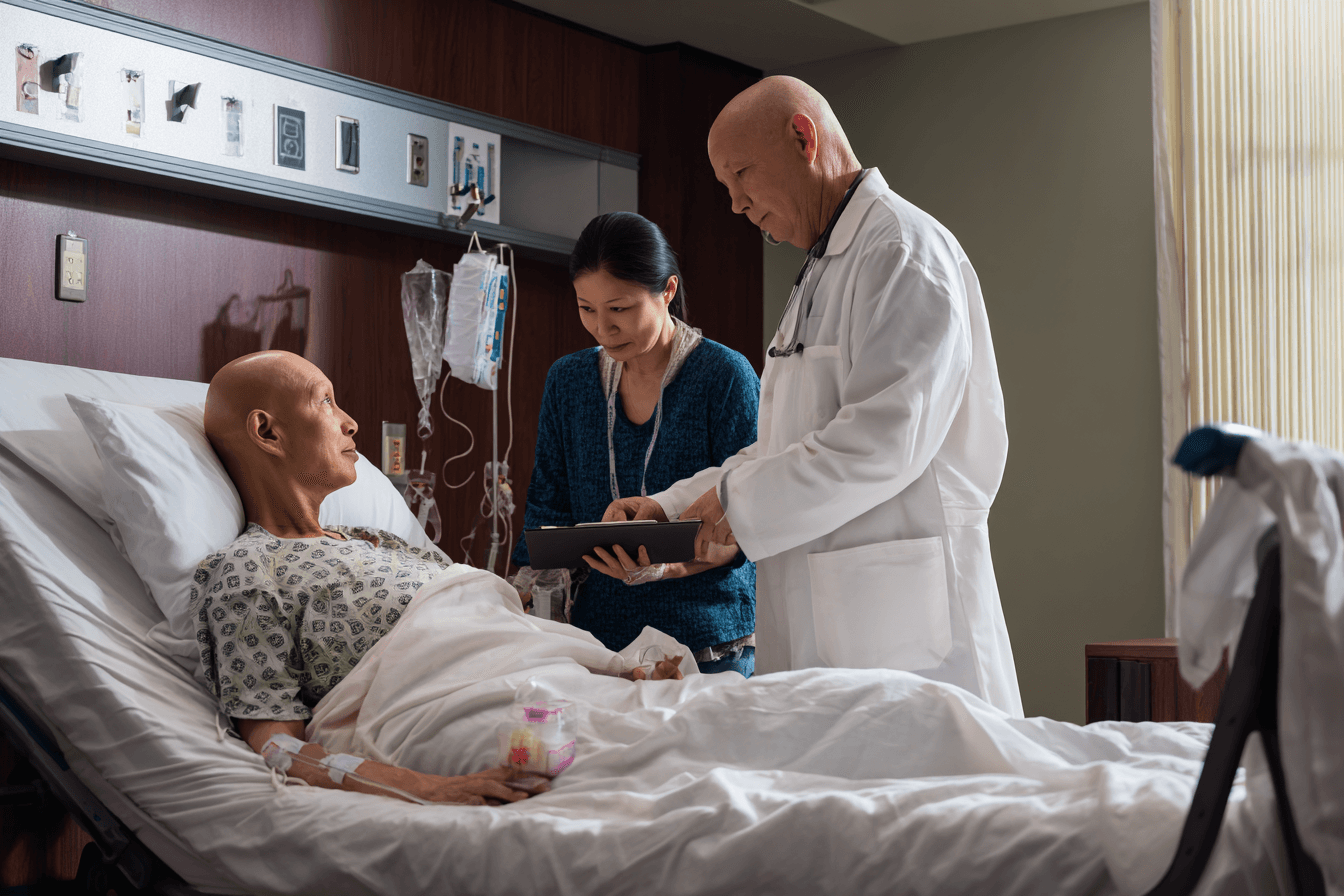
Ayurveda fits into esophagus and GEJ cancer care when it is applied at the right time, in the right patient, with the right safety review. The needs of a newly diagnosed patient are different from the needs of a patient receiving chemoradiation, recovering after surgery, taking immunotherapy, living with advanced disease, or rebuilding after completion of treatment. Therefore, Ayurvedic care should not be one fixed formula. It should be stage-aware, report-based, strength-focused, and clinically supervised.
The purpose of Ayurveda is beautifully described in Charaka Samhita, Sutra Sthana, Chapter 30, Verse 26:
Sanskrit:
प्रयोजनं चास्य स्वस्थस्य स्वास्थ्यरक्षणमातुरस्य विकारप्रशमनं च॥२६॥
Transliteration:
prayojanaṃ cāsya svasthasya svāsthya-rakṣaṇam āturasya vikāra-praśamanaṃ ca.
Translation:
The purpose of Ayurveda is to preserve the health of the healthy and to pacify disease in the suffering patient.
This verse is highly relevant for cancer care. In esophagus and GEJ cancer, Ayurveda should help protect what is still strong, support what has become weak, and assist the patient through treatment, recovery, comfort, and long-term wellness. It should not be used blindly or as a reason to delay necessary oncology care. NCCIH advises that complementary approaches should not replace or delay medical cancer treatment and should be discussed with healthcare providers, while WHO emphasises evidence, safety, regulation, and responsible integration of traditional and complementary medicine systems.
Ayurveda Before Chemotherapy, Radiation, or Surgery
Before modern treatment begins, many patients are already weak. They may have poor appetite, difficulty swallowing, reflux, vomiting, disturbed sleep, anxiety, constipation, or rapid weight loss. This is the stage where Ayurveda can support treatment readiness.
The Ayurvedic focus before chemotherapy, radiation, or surgery is to improve Agni, support appetite, stabilise digestion, improve sleep, reduce fear, preserve weight, and prepare the body for the treatment journey. This does not mean delaying surgery, chemotherapy, or radiation. It means strengthening the patient so that the body enters treatment with better Bala and better nourishment.
In esophagus and GEJ cancer, pre-treatment Ayurvedic care should pay special attention to Anna Vaha Srotas, because the disease directly affects the food pathway. The patient’s diet should be soft, warm, nourishing, easy to swallow, and reflux-sensitive. If the patient cannot swallow properly or is losing weight rapidly, modern nutrition support, stent discussion, or feeding support should not be delayed.
Ayurveda During Chemotherapy or Chemoradiation
During chemotherapy or chemoradiation, patients may experience nausea, vomiting, fatigue, low appetite, constipation, loose motions, mouth ulcers, burning in the food pipe, painful swallowing, disturbed sleep, anxiety, and weakness. These symptoms can reduce food intake and make the patient fearful of continuing treatment.
Ayurveda during this phase should be gentle, supportive, and safety-aware. The aim is to help maintain appetite, digestion, bowel regularity, hydration, sleep, emotional steadiness, and recovery between cycles. The Ayurvedic physician should review chemotherapy drugs, cycle dates, radiation schedule, blood counts, liver function, kidney function, current medicines, swallowing capacity, and side effects before prescribing.
This is the point where the wisdom of Srotas becomes practical. Charaka Samhita, Vimana Sthana, Chapter 5, Verse 3, explains the importance of Srotas as the inner channels of transport and transformation:
Sanskrit:
यावन्तः पुरुषे मूर्तिमन्तो भावविशेषास्तावन्त एवास्मिन् स्रोतसां प्रकारविशेषाः।
सर्वे हि भावा पुरुषे नान्तरेण स्रोतांस्यभिनिर्वर्तन्ते, क्षयं वाऽप्यभिगच्छन्ति।
स्रोतांसि खलु परिणाममापद्यमानानां धातूनामभिवाहीनि भवन्त्ययनार्थेन॥३॥
Transliteration:
yāvantaḥ puruṣe mūrtimanto bhāva-viśeṣās tāvanta evāsmin srotasāṃ prakāra-viśeṣāḥ;
sarve hi bhāvā puruṣe nāntareṇa srotāṃsy abhinirvartante, kṣayaṃ vā’py abhigacchanti;
srotāṃsi khalu pariṇāmam āpadyamānānāṃ dhātūnām abhivāhīni bhavanty ayanārthena.
Translation:
There are as many channels in the body as there are bodily entities. No bodily entity can arise or decline without Srotas. The Srotas carry the Dhatus that are undergoing transformation.
For esophagus and GEJ cancer patients, this verse helps explain why swallowing, digestion, nutrition, blood reports, bowel function, and strength must be monitored during treatment. When the channel of food and nourishment is disturbed, the whole body can become depleted. Ayurveda supports the patient by protecting this inner transport and nourishment system as much as possible.
Ayurveda During Radiation Therapy
Radiation therapy to the esophagus or GEJ region may cause burning, painful swallowing, food pipe irritation, fatigue, nausea, appetite loss, cough, or later narrowing. When eating becomes painful, the patient may reduce food intake, lose weight, and become weaker.
Ayurvedic support during radiation should be cooling where needed, nourishing where tolerated, and gentle on the food pipe. Very spicy, dry, hard, acidic, fried, excessively hot, or irritating foods should be avoided if they worsen symptoms. The diet should be adapted to swallowing capacity, and hydration should be protected.
This is not the right time for aggressive Panchakarma, harsh fasting, strong detoxification, or heating medicines in most patients. The Ayurvedic plan should protect Agni without provoking Pitta irritation. The aim is to help the patient remain nourished, stable, and able to continue the treatment plan safely.
Ayurveda After Esophagus or GEJ Surgery
After esophagus surgery, the tumour may have been removed, but the patient’s body still needs deep rebuilding. Eating may change completely. The patient may have reflux, early fullness, reduced meal size, fatigue, altered bowel pattern, coughing after meals, fear of eating, disturbed sleep, and difficulty gaining weight.
Ayurveda after surgery should focus on digestive rehabilitation. The patient may need small frequent meals, soft food progression, reflux-sensitive timing, bowel regulation, sleep support, gradual strength-building, and Ojas restoration. Ayurvedic medicines and Rasayana should be introduced only after medical clearance and after checking swallowing capacity, wound recovery, liver and kidney function, blood counts, digestion, and current medicines.
This is where Ayurveda can help the patient move from treatment completion to true recovery. The goal is not only survival after surgery, but rebuilding the ability to eat, digest, sleep, regain strength, and return to life with confidence.
Ayurveda During Immunotherapy or Targeted Therapy
Patients receiving immunotherapy or targeted therapy need a very careful Ayurvedic plan. These treatments are often selected according to biomarkers such as PD-L1, MSI/MMR, HER2, CLDN18.2, or other molecular findings. They may be powerful, but they also require monitoring for side effects.
Immunotherapy can sometimes cause immune-related reactions involving the thyroid, liver, lungs, bowel, skin, kidneys, or other organs. Therefore, new diarrhoea, cough, breathlessness, jaundice, severe fatigue, fever, rash, abdominal pain, or sudden worsening should not be treated only as a Dosha imbalance. The oncology team should be informed.
Ayurveda during immunotherapy or targeted therapy may support appetite, Agni, sleep, fatigue, bowel comfort, emotional steadiness, and general strength, but herbs should not be added casually. The Ayurvedic physician must know the exact cancer medicines, blood reports, liver function, kidney function, thyroid status, steroids, anticoagulants, pain medicines, and supplements already being used.
Ayurveda in Advanced, Metastatic, or Recurrent Cancer
When esophagus or GEJ cancer is advanced, metastatic, or recurrent, patients often search for Ayurveda because they want comfort, strength, dignity, appetite, sleep, and renewed hope. Some patients may continue chemotherapy, immunotherapy, targeted therapy, radiation, stent care, feeding support, or clinical trials. Others may focus more on comfort and quality of life.
Ayurveda in this stage should be compassionate and realistic. The aim may be to support swallowing comfort, appetite, digestion, bowel function, sleep, pain-related distress, fatigue, anxiety, emotional steadiness, family strength, and dignity. Healing in advanced disease may mean eating better, sleeping better, feeling calmer, reducing suffering, maintaining strength, and spending meaningful time with family.
This is where the Arabic word شفاء and the Urdu word شفا can be used with wisdom. In this context, Shifa should be explained as deep healing, comfort, strength, and inner recovery, not as an irresponsible guarantee. For Gulf patients, the message can be expressed as:
Arabic:
الشفاء لا يعني ترك علاج الأورام، بل يعني دعم الجسد والهضم والقوة والمناعة والراحة أثناء رحلة العلاج.
Urdu:
شفا کا مطلب کینسر کا علاج چھوڑنا نہیں، بلکہ علاج کے دوران جسم، ہضم، طاقت، قوتِ مدافعت اور سکون کو سہارا دینا ہے۔
English Meaning:
Healing does not mean abandoning oncology treatment. Healing means supporting the body, digestion, strength, immunity, comfort, and peace during the treatment journey.
Ayurveda After Completion of Treatment
After active treatment is completed, patients may still feel weak, anxious, undernourished, sleepless, and uncertain. Some may have clear scans but still fear recurrence. Others may have reflux, poor appetite, fatigue, altered digestion, or difficulty rebuilding weight.
Ayurveda after completion of treatment can support remission-focused recovery where medically achievable. The focus may include Agni correction, Ahara planning, fatigue recovery, bowel regulation, sleep restoration, emotional steadiness, Ojas support, Rasayana where suitable, and long-term follow-up discipline.
This is the stage where Rasayana may become especially meaningful, but only when the patient is medically stable and able to digest properly. Charaka Samhita, Chikitsa Sthana, Chapter 1, Rasayana Adhyaya, Verses 7–8, describes the classical benefits of Rasayana:
Sanskrit:
दीर्घमायुः स्मृतिं मेधामारोग्यं तरुणं वयः।
प्रभावर्णस्वरौदार्यं देहेन्द्रियबलं परम्॥७॥
वाक्सिद्धिं प्रणतिं कान्तिं लभते ना रसायनात्।
लाभोपायो हि शस्तानां रसादीनां रसायनम्॥८॥
Transliteration:
dīrghamāyuḥ smṛtiṃ medhām ārogyaṃ taruṇaṃ vayaḥ;
prabhā-varṇa-svaraudāryaṃ dehendriya-balaṃ param.
vāksiddhiṃ praṇatiṃ kāntiṃ labhate nā rasāyanāt;
lābhopāyo hi śastānāṃ rasādīnāṃ rasāyanam.
Translation:
Through Rasayana, one may attain longevity, memory, intellect, health, youthful vitality, excellence of complexion and voice, and strength of body and senses. Rasayana is the means of obtaining the best quality of Rasa and other tissues.
For cancer patients, this verse should be understood as a classical principle of rejuvenation, tissue nourishment, vitality, and recovery. It should not be presented as proof of guaranteed cancer cure. In esophagus and GEJ cancer, Rasayana should be personalised according to Agni, Ama, swallowing ability, stage, current medicines, blood reports, liver and kidney function, and overall Bala.
Ojas Support Throughout the Journey
Ojas support is needed before treatment, during treatment, after treatment, and in advanced care. In Ayurveda, Ojas represents vitality, resilience, immunity, emotional steadiness, and the deeper strength of life. Cancer, poor food intake, weight loss, fear, sleeplessness, chemotherapy, radiation, surgery, and chronic uncertainty can all weaken Ojas.
Charaka Samhita, Sutra Sthana, Chapter 30, Verses 9–12, describes the importance of Ojas:
Sanskrit:
येनौजसा वर्तयन्ति प्रीणिताः सर्वदेहिनः।
यदृते सर्वभूतानां जीवितं नावतिष्ठते॥९॥
Transliteration:
yenaujasā vartayanti prīṇitāḥ sarvadehinaḥ;
yadṛte sarvabhūtānāṃ jīvitaṃ nāvatiṣṭhate.
Translation:
By Ojas, all embodied beings are nourished and sustained; without Ojas, life does not remain.
For esophagus and GEJ cancer patients, Ojas support means helping the patient maintain nourishment, sleep, calmness, strength, confidence, immunity, and recovery capacity. It is one of the most patient-friendly ways to explain Ayurveda to international patients, including those from the Gulf, because it connects physical strength with inner steadiness.
For Gulf Patients: Shifa, Strength, and Safe Integrative Care
Patients from the UAE, Saudi Arabia, Qatar, Kuwait, Oman, Bahrain, and other Gulf countries often look for a healing system that respects both medical seriousness and whole-person recovery. They may already be under oncology care, but they want support for appetite, swallowing, digestion, weakness, sleep, anxiety, immunity, and quality of life.
The message for Arabic-speaking families should be clear and respectful:
Arabic:
نحن لا نطلب من المريض أن يترك علاجه الطبي. هدفنا هو دعم رحلة الشفاء من خلال تقوية الهضم، التغذية، الطاقة، النوم، الراحة النفسية وجودة الحياة.
The message for Urdu-speaking families in the Gulf should be equally clear:
Urdu:
ہم مریض کو میڈیکل علاج چھوڑنے کا مشورہ نہیں دیتے۔ ہمارا مقصد شفا کے سفر میں ہضم، غذا، طاقت، نیند، ذہنی سکون اور معیارِ زندگی کو بہتر سہارا دینا ہے۔
This language creates trust because it shows that Ayurveda is not being presented as reckless alternative treatment. It is being presented as safe, supervised, integrative support for the patient’s healing journey.
Why Timing Matters in Ayurvedic Cancer Care
The same Ayurvedic medicine, Rasayana, diet, or therapy may not be suitable at every stage. A patient before chemotherapy may need treatment preparation. A patient during radiation may need food pipe soothing and nutrition support. A patient after surgery may need digestive rehabilitation. A patient on immunotherapy may need careful safety monitoring. A patient with advanced disease may need comfort, appetite, sleep, and dignity support.
This is why Ayurveda must be timed properly. Strong treatment should not be given when Agni is weak, Ama is high, the patient is dehydrated, swallowing is blocked, blood counts are low, liver or kidney function is abnormal, bleeding risk is present, or active medical complications are occurring.
A personalised plan protects the patient and makes Ayurveda more credible.
The Right Integration of Ayurveda and Oncology
Ayurveda should fit around the patient’s actual cancer journey. It should not create confusion by opposing every modern treatment. It should help the patient understand how to protect digestion, nourishment, sleep, strength, Ojas, and emotional steadiness while oncology treatment addresses the tumour.
When the goal is removal of all detectable disease, Ayurveda may support preparation, tolerance, recovery, and remission-focused wellness. When the goal is long-term disease control, Ayurveda may support strength, appetite, digestion, fatigue, and quality of life. When the goal is comfort, Ayurveda may support dignity, sleep, calmness, nourishment, and family steadiness.
This is how Ayurveda becomes meaningful in esophagus and GEJ cancer. It supports the patient before treatment, during treatment, after treatment, and even when the disease is advanced. It treats the body as a living healing system, not as a report alone.
Anna-Ojas Kanchnar Rasayana Avaleha Medicine for Esophagus and GEJ Cancer
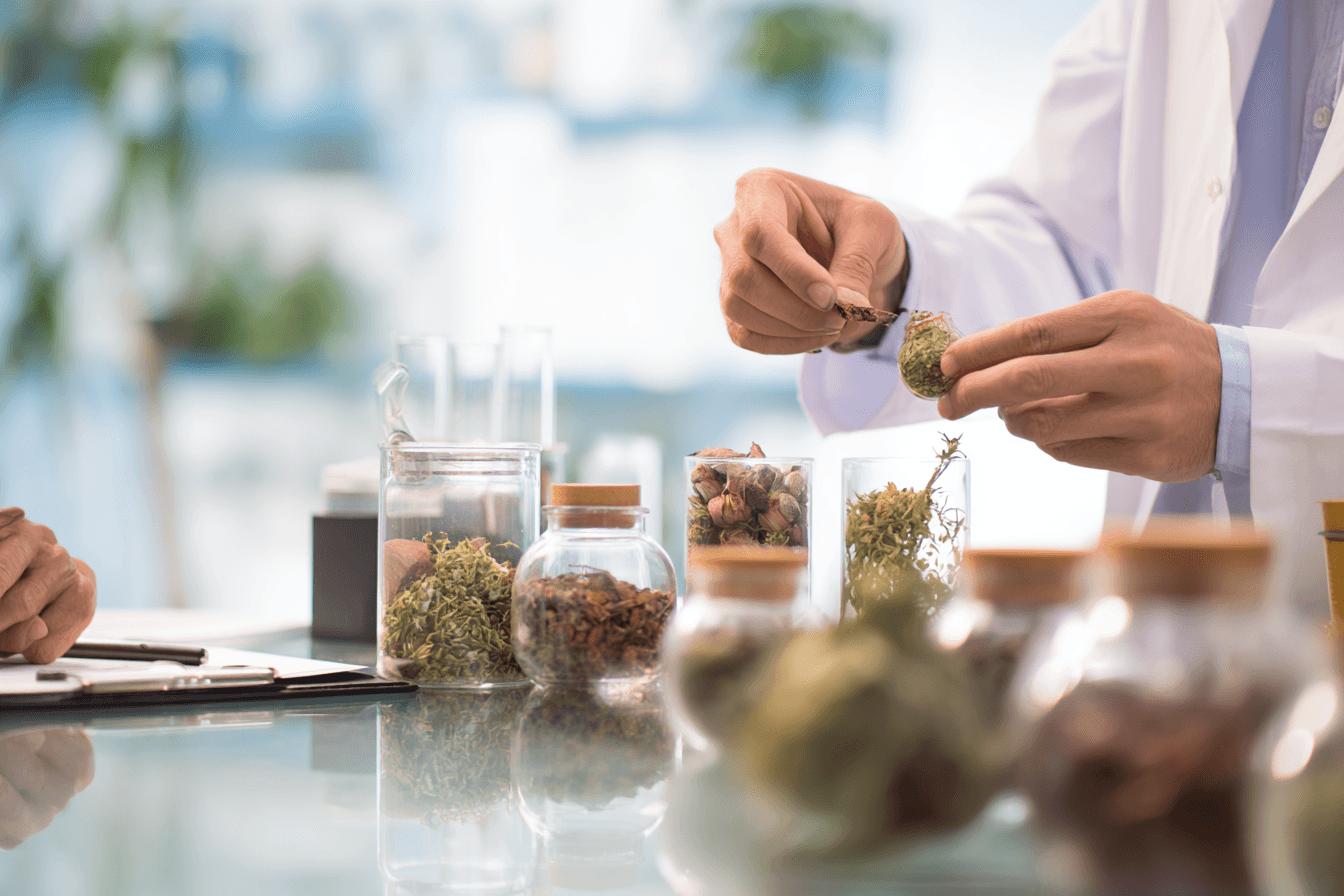
Anna-Ojas Kanchnar Rasayana Avaleha is a physician-formulated Ayurvedic preparation designed for patients with esophagus cancer, oesophageal cancer, food pipe cancer, GEJ cancer, and GOJ cancer where swallowing difficulty, weight loss, weakness, poor appetite, reflux tendency, Dhatu Kshaya, and Ojas depletion are present.
This Avaleha is not a common market product. It is a custom classical Ayurvedic Rasayana-style preparation created by combining principles from Arbuda and Granthi Chikitsa, Anna Vaha Srotas correction, Agni support, Rasayana therapy, and Ojas nourishment. The name is selected because the formulation focuses on the food pathway, nourishment, strength, and immune resilience.
The classical logic of this preparation is drawn from Sushruta Samhita, Nidana Sthana, Chapter 11, Granthi-Apachi-Arbuda-Galaganda Nidana; Sushruta Samhita, Chikitsa Sthana, Chapter 18, Granthi-Apachi-Arbuda-Galaganda Chikitsa; Charaka Samhita, Vimana Sthana, Chapter 5, Srotovimana Adhyaya; Charaka Samhita, Chikitsa Sthana, Chapter 15, Grahani Chikitsa; Charaka Samhita, Chikitsa Sthana, Chapter 1, Rasayana Adhyaya; and Sharangadhara Samhita, Madhyama Khanda, Avaleha Kalpana.
Purpose of This Avaleha
This Avaleha is designed to support digestion, swallowing comfort, nourishment, strength, appetite, tissue rebuilding, Ojas, and recovery capacity in suitable patients. In Ayurvedic understanding, esophagus and GEJ cancer disturb Anna Vaha Srotas, weaken Agni, reduce Ahara intake, aggravate Vata through depletion, aggravate Pitta through burning and reflux, and may involve Kapha-related obstruction and abnormal growth tendency.
The purpose of this Avaleha is to support the patient’s inner terrain. It is prepared to help the body receive nourishment better, digest more comfortably, rebuild strength gradually, and support Ojas during the cancer journey.
Dose and Course
The adult dose is 15 grams twice daily after food, usually with lukewarm water, warm milk, or a physician-selected Anupana according to digestion, reflux, swallowing capacity, and treatment status.
The daily dose is 30 grams.
For 30 days, the required finished Avaleha quantity is 900 grams.
Total Batch Size
This formula is designed to prepare approximately 900 grams of finished Avaleha for a 30-day course.
Decoction Group for Anna Vaha Srotas, Granthi, Agni, and Rasayana Support
| Ingredient | Sanskrit / Common Name | Weight for Decoction |
|---|---|---|
| Kanchnar bark | Bauhinia variegata | 70 g |
| Varuna bark | Crataeva nurvala | 50 g |
| Guduchi stem | Tinospora cordifolia | 60 g |
| Amalaki fruit | Emblica officinalis | 70 g |
| Haritaki fruit | Terminalia chebula | 35 g |
| Bibhitaki fruit | Terminalia bellirica | 35 g |
| Yashtimadhu root | Glycyrrhiza glabra | 60 g |
| Shatavari root | Asparagus racemosus | 60 g |
| Ashwagandha root | Withania somnifera | 50 g |
| Vidari kand | Pueraria tuberosa | 50 g |
| Bala root | Sida cordifolia | 40 g |
| Pushkarmoola | Inula racemosa | 30 g |
| Patola leaf | Trichosanthes dioica | 30 g |
| Nimba bark | Azadirachta indica | 30 g |
| Haridra rhizome | Curcuma longa | 30 g |
| Daruharidra stem | Berberis aristata | 30 g |
| Musta rhizome | Cyperus rotundus | 30 g |
| Gokshura fruit | Tribulus terrestris | 30 g |
| Dashamoola coarse powder | Classical Dashamoola | 60 g |
| Draksha | Vitis vinifera | 80 g |
The total coarse herb quantity for decoction is 880 grams.
These herbs are boiled in 7 litres of purified water and reduced slowly to approximately 1.75 litres. The decoction is then filtered through a clean muslin cloth.
Avaleha Base
| Ingredient | Weight |
|---|---|
| Filtered decoction | 1.75 litres |
| Organic jaggery or raw sugar | 500 g |
| Cow ghee | 80 g |
| Sesame oil, only if Vata depletion and dryness are dominant | 20 g |
| Honey, added after cooling | 100 g |
The jaggery or raw sugar is dissolved in the filtered decoction and cooked slowly until it reaches Avaleha consistency. Cow ghee is added gradually during cooking. Sesame oil may be added only when the patient has dryness, Vata depletion, constipation, and no strong Pitta burning. Honey is added only after cooling, never during heating.
Fine Powder Group Added After Avaleha Consistency
| Ingredient | Sanskrit / Common Name | Weight |
|---|---|---|
| Guduchi Satva | Tinospora cordifolia starch | 25 g |
| Yashtimadhu fine powder | Glycyrrhiza glabra | 25 g |
| Amalaki fine powder | Emblica officinalis | 35 g |
| Shatavari fine powder | Asparagus racemosus | 25 g |
| Ashwagandha fine powder | Withania somnifera | 25 g |
| Haridra fine powder | Curcuma longa | 20 g |
| Daruharidra fine powder | Berberis aristata | 15 g |
| Pippali fine powder | Piper longum | 10 g |
| Sunthi fine powder | Zingiber officinale | 8 g |
| Maricha fine powder | Piper nigrum | 5 g |
| Ela fine powder | Elettaria cardamomum | 5 g |
| Twak fine powder | Cinnamomum zeylanicum | 5 g |
| Tejapatra fine powder | Cinnamomum tamala | 5 g |
| Nagakesara fine powder | Mesua ferrea | 5 g |
| Jatamansi fine powder | Nardostachys jatamansi | 5 g |
| Brahmi fine powder | Bacopa monnieri | 10 g |
The total fine powder group is 228 grams.
These powders are added after the Avaleha reaches proper consistency and the heating is reduced. The powders should be mixed evenly so that the final preparation remains smooth and uniform.
Mineral and Bhasma Group for Physician-Supervised Use
| Ingredient | Weight for 900 g Batch |
|---|---|
| Abhrak Bhasma, Shataputi or Sahasraputi grade | 3 g |
| Swarna Makshik Bhasma | 3 g |
| Mukta Shukti Pishti | 3 g |
| Pravala Pishti | 3 g |
| Godanti Bhasma | 2 g |
| Shankha Bhasma | 2 g |
| Akik Pishti | 2 g |
| Yashada Bhasma | 1 g |
| Rajata Bhasma | 500 mg |
| Swarna Bhasma | 500 mg |
| Heerak Bhasma | 50 mg |
The mineral group is added only after the Avaleha has cooled to a safe mixing temperature. It should be mixed thoroughly and uniformly.
This mineral group is not for self-preparation. It must be used only when the physician has reviewed the patient’s blood reports, liver function, kidney function, current oncology treatment, bleeding risk, blood counts, diabetes status, swallowing capacity, and overall strength. All Bhasma and Pishti ingredients must be pharmaceutically purified, classically prepared, quality-tested, and sourced from a reliable Ayurvedic pharmacy.
Final Approximate Composition
The expected finished quantity is approximately 900 grams.
If the finished quantity becomes slightly higher after cooking and mixing, the physician may adjust the final weight by slow low-heat reduction before adding honey and mineral ingredients. If the finished quantity becomes lower, a small quantity of filtered decoction or suitable base may be adjusted before final mixing.
Patient-Friendly Preparation Method
First, the coarse decoction herbs are cleaned and checked for quality. They are added to purified water and boiled slowly until the water is reduced to one-fourth. This allows the water-soluble active properties of the herbs to enter the decoction. The liquid is then filtered carefully.
The filtered decoction is placed back on gentle heat. Jaggery or raw sugar is added and dissolved fully. The mixture is cooked slowly until it begins to thicken. Cow ghee is added gradually while stirring continuously. The preparation is cooked until it reaches Avaleha consistency, where it becomes semi-solid, smooth, and suitable for licking.
After the correct consistency is reached, the flame is reduced. The fine herbal powders are added gradually and mixed evenly. The preparation is allowed to cool. When it becomes warm but not hot, honey is added and mixed properly.
The Bhasma and Pishti group is added only after cooling and only under physician supervision. The mixture is stirred thoroughly until the mineral ingredients are evenly distributed.
The final Avaleha is stored in a clean, dry, airtight glass container. It should be labelled with the patient’s name, date of preparation, batch details, dose, Anupana, storage instructions, and physician guidance.
Storage
The Avaleha should be stored in an airtight glass jar in a cool and dry place. A clean dry spoon should be used every time. Moisture should not enter the container. The preparation should not be kept open, exposed to sunlight, or contaminated with wet hands.
How to Take
The usual dose is 15 grams twice daily after food.
The morning dose may be taken after breakfast. The evening dose may be taken after dinner or as advised by the physician. The Avaleha may be followed by lukewarm water, warm milk, or a personalised Anupana according to the patient’s digestion and reflux status.
In patients with strong reflux, burning, diabetes, poor swallowing, vomiting, or active treatment side effects, the dose and Anupana may be modified by the physician.
Diet During This Avaleha Course
The patient should take soft, warm, moist, easy-to-swallow food. Meals should be small and frequent. Food should be freshly prepared and suitable for digestion. Very spicy, fried, dry, hard, rough, sour, fermented, cold, stale, and difficult-to-swallow food should be avoided.
The patient should not force large meals. The aim is to nourish without creating discomfort. If swallowing is severely affected, liquid nutrition, soft diet, stent advice, or feeding support should be discussed with the oncology team.
Who May Benefit From This Avaleha
This Avaleha may be considered in selected patients with esophagus or GEJ cancer who have poor appetite, weight loss, weakness, post-treatment fatigue, reduced digestion, reflux-sensitive nourishment needs, Vata depletion, Dhatu Kshaya, low Bala, or Ojas weakness.
It may be considered before treatment for strength preparation, during treatment only with safety review, after surgery for digestive rehabilitation after medical clearance, after chemotherapy or radiation for recovery, or in advanced disease for appetite, strength, comfort, and quality-of-life support.
Who Should Not Take It Without Modification
This Avaleha should not be taken without modification in uncontrolled diabetes, severe vomiting, inability to swallow, active bleeding, severe dehydration, very low blood counts, severe liver dysfunction, severe kidney dysfunction, active fever during chemotherapy, severe diarrhoea, acute infection, or recent major surgery without medical clearance.
Patients receiving chemotherapy, radiation, immunotherapy, targeted therapy, blood thinners, steroids, diabetes medicines, or strong pain medicines must take it only after physician review.
Clinical Monitoring During the Course
During the 30-day course, the patient’s swallowing ability, appetite, body weight, food tolerance, bowel movement, sleep, reflux, vomiting, pain, fatigue, blood reports, liver function, kidney function, blood sugar, and treatment tolerance should be monitored.
If the patient develops vomiting blood, black stools, fever during chemotherapy, inability to swallow liquids, severe dehydration, chest pain, breathing difficulty, confusion, severe weakness, or sudden worsening, urgent medical care is required.
Arabic and Urdu Patient
Arabic:
هذا الأفاليها يُستخدم تحت إشراف الطبيب لدعم الهضم، التغذية، القوة، الأوجاس، الراحة وجودة الحياة أثناء رحلة علاج سرطان المريء أو سرطان الوصلة المعدية المريئية.
Urdu:
یہ اولیہ ڈاکٹر کی نگرانی میں غذائی نالی اور معدہ و غذائی نالی کے جوڑ کے کینسر میں ہضم، غذا، طاقت، اوجس، سکون اور معیارِ زندگی کو سہارا دینے کے لیے استعمال کیا جاتا ہے۔
English Meaning:
This Avaleha is used under physician supervision to support digestion, nourishment, strength, Ojas, comfort, and quality of life during the treatment journey of esophagus or GEJ cancer.
Classical Reference Basis
This preparation is conceptually based on the Ayurvedic principles of Arbuda and Granthi described in Sushruta Samhita, Nidana Sthana, Chapter 11, and Sushruta Samhita, Chikitsa Sthana, Chapter 18. The Srotas logic is based on Charaka Samhita, Vimana Sthana, Chapter 5. The Agni and nourishment logic is based on Charaka Samhita, Chikitsa Sthana, Chapter 15. The Rasayana and Ojas-supportive foundation is based on Charaka Samhita, Chikitsa Sthana, Chapter 1. The Avaleha preparation method follows the pharmaceutical principles described in Sharangadhara Samhita, Madhyama Khanda, Avaleha Kalpana.
Important Clinical Note
Anna-Ojas Kanchnar Rasayana Avaleha is a personalised Ayurvedic supportive formulation. It should be prepared and prescribed only by a qualified Ayurvedic physician after reviewing the patient’s reports, cancer stage, current treatment, digestion, swallowing ability, blood reports, liver and kidney function, and safety risks.
It is not a substitute for emergency care, surgery, chemotherapy, radiation therapy, immunotherapy, targeted therapy, stent placement, feeding support, or prescribed oncology medicines.
Why Patients Must Not Buy This Avaleha From the Market

Patients should not buy a market Avaleha and assume it will work for esophagus cancer, GEJ cancer, GOJ cancer, swallowing difficulty, weight loss, or cancer-related weakness. A commercial Avaleha is usually made for general use, not for a specific cancer patient with a specific diagnosis, stage, digestion pattern, swallowing status, blood report, treatment plan, and safety risk.
In serious diseases such as esophagus and GEJ cancer, a market product may fail because the medicine is not designed according to the patient’s cancer type, tumour location, stage, spread, strength, Agni, Dosha pattern, Dhatu depletion, Ojas status, current treatment, and associated disorders.
Market Avaleha Is Not Personalised to the Cancer Type
Esophageal adenocarcinoma, squamous cell carcinoma, GEJ adenocarcinoma, recurrent cancer, and metastatic cancer are not the same. Each condition has a different modern treatment pathway and a different Ayurvedic support requirement. A general Avaleha bought from the market cannot understand whether the patient needs Agni support, Pitta calming, Vata nourishment, Kapha regulation, Rasayana, swallowing support, or post-treatment rebuilding.
It Does Not Consider the Cancer Stage
Very early disease, locally advanced disease, unresectable disease, metastatic disease, recurrent disease, and post-treatment recovery require different Ayurvedic planning. In one patient, the goal may be preparation before chemotherapy or surgery. In another, it may be recovery after surgery. In another, it may be support during radiation. In advanced disease, the focus may be comfort, appetite, sleep, swallowing support, strength, and quality of life.
A market Avaleha cannot adjust itself according to stage.
It Does Not Consider Disease Duration
A patient diagnosed early may still have reasonable strength and digestion. A patient suffering for many months may already have severe weight loss, vomiting, dehydration, weakness, poor sleep, low appetite, and Dhatu Kshaya. Long-standing disease usually creates deeper depletion, weaker Bala, lower Ojas, and more complex nutritional decline.
The same Avaleha cannot work equally in both patients.
It Does Not Consider the Patient’s Age
Age changes digestion, tissue strength, drug tolerance, recovery speed, immunity, bowel function, and ability to handle Rasayana or mineral preparations. A younger patient with stronger digestion may need a different approach than an elderly patient with weak Agni, reflux, constipation, low haemoglobin, low appetite, low muscle strength, or poor treatment tolerance.
It Does Not Consider Current Allopathic Treatment
A patient may be receiving chemotherapy, radiation therapy, immunotherapy, targeted therapy, steroids, blood thinners, pain medicines, anti-nausea medicines, diabetes medicines, or antibiotics. Each of these can change the safety of Ayurvedic medicines.
A market Avaleha cannot review chemotherapy cycle timing, radiation side effects, blood counts, liver function, kidney function, thyroid status, bleeding risk, inflammation, or possible herb-drug interactions.
It Does Not Consider Common Chronic Disorders
Many cancer patients also have diabetes, hypertension, kidney weakness, fatty liver, high liver enzymes, heart disease, anaemia, thyroid disease, chronic constipation, gastritis, reflux disease, Barrett’s esophagus, asthma, autoimmune disease, previous stroke, blood clot history, neuropathy, or recurrent infections.
These conditions can completely change the choice of herbs, Anupana, dose, sugar base, ghee quantity, mineral use, and monitoring plan. A market Avaleha cannot make these adjustments.
It May Be Unsafe in Diabetes or High Blood Sugar
Many Avaleha preparations contain jaggery, sugar, honey, or sweet nourishing bases. A patient with diabetes, steroid-induced high blood sugar, obesity, metabolic syndrome, or pancreatic weakness may need a modified preparation, different base, smaller dose, different timing, or close monitoring.
Buying a sweet market Avaleha without medical guidance may worsen blood sugar control.
It Does Not Consider Swallowing Capacity
Some patients can swallow soft food. Some can take only semi-solid food. Some tolerate only liquids. Some have an esophageal stent. Some have a feeding tube. Some vomit after meals. Some have radiation-induced painful swallowing.
A market Avaleha does not know whether the patient can swallow safely or whether the thickness, texture, dose, timing, and Anupana are suitable.
It Does Not Consider Agni
If Agni is weak, even a good Rasayana can create heaviness, nausea, bloating, reflux, loose stools, constipation, coating on the tongue, or loss of appetite. Rasayana works properly only when the patient can digest and assimilate it.
Without Agni assessment, an Avaleha may burden the patient instead of nourishing them.
It Does Not Consider Dosha Pattern
A patient with severe Pitta burning, reflux, mouth ulcers, and food pipe irritation may not tolerate heating herbs. A patient with Vata depletion, dryness, insomnia, constipation, anxiety, and rapid weight loss may need nourishing and stabilising support. A patient with Kapha heaviness, mucus, obstruction, sluggish digestion, and poor metabolism may need a different plan.
A fixed market product cannot understand this difference.
It Does Not Consider Dhatu Kshaya and Ojas Depletion
In esophagus and GEJ cancer, many patients lose weight, muscle, stamina, appetite, sleep, and emotional steadiness. This reflects deeper Dhatu depletion and Ojas weakness. Such patients need carefully sequenced nourishment, not random strengthening medicines.
If the body is too weak to digest, strong Rasayana may not work properly. First, the physician may need to stabilise Agni, bowel function, swallowing, hydration, sleep, and food tolerance.
It May Not Match the Required Anupana
The same Avaleha may need different Anupana for different patients. Some may need lukewarm water. Some may need warm milk. Some may need a Pitta-calming Anupana. Some may need a Vata-nourishing approach. Some may need avoidance of milk due to reflux, mucus, lactose intolerance, or post-surgery digestion problems.
A market product cannot choose the correct Anupana.
It May Contain Poor-Quality or Incorrect Ingredients
Market medicines may vary in herb quality, freshness, source authenticity, processing method, storage, potency, and batch reliability. If the herbs are old, adulterated, poorly stored, incorrectly identified, or weak in active quality, the result may be poor.
In cancer care, ingredient quality matters. A patient cannot depend on unknown sourcing.
It May Not Be Prepared According to Classical Method
Avaleha preparation requires correct decoction reduction, correct sweet base processing, proper heating, proper consistency, correct timing of powder addition, correct cooling, and correct addition of honey or mineral ingredients. If the method is wrong, the preparation may become too heavy, too weak, difficult to digest, poorly preserved, or clinically unsuitable.
A market Avaleha may not match the personalised classical processing required for a cancer patient.
It May Contain Unsafe Minerals or Improper Bhasma
If a market product contains Bhasma, Pishti, Rasaushadhi, or mineral ingredients, safety becomes even more important. Improperly prepared, untested, contaminated, or poor-quality mineral preparations may create serious risk.
Cancer patients should never take mineral-based Ayurvedic medicines without a qualified Ayurvedic doctor’s supervision, quality-tested sourcing, and medical monitoring.
It Cannot Monitor Progress
A market product cannot monitor swallowing ability, appetite, weight, vomiting, bowel movement, sleep, pain, fatigue, blood counts, liver function, kidney function, blood sugar, chemotherapy tolerance, radiation side effects, or scan changes.
A proper Ayurvedic plan must be adjusted as the patient changes. Cancer care is dynamic. The medicine should be adjusted according to response and safety.
It May Delay the Right Treatment
One of the biggest dangers of buying market Avaleha is false confidence. The patient may delay endoscopy, biopsy, staging, oncology treatment, stent placement, feeding support, emergency care, or proper Ayurvedic consultation. Delay can reduce treatment options and worsen weakness.
Avaleha should support the patient, not delay necessary care.
Never Prepare This Medicine Without an Ayurvedic Doctor’s Supervision
This Avaleha should never be prepared at home or copied without a qualified Ayurvedic physician’s supervision. The formula requires proper selection of herbs, correct dose calculation, classical processing, safety review, and patient-specific modification.
A patient with esophagus or GEJ cancer may have active chemotherapy, radiation side effects, immunotherapy monitoring, blood thinner use, diabetes, low blood counts, liver or kidney weakness, swallowing obstruction, reflux, vomiting, dehydration, or severe weight loss. Preparing or taking a strong Avaleha without medical supervision can be ineffective, unsafe, or harmful.
The physician must decide whether the patient needs this Avaleha, a modified Avaleha, a sugar-free version, a milder digestive preparation, a non-mineral version, a post-surgery recovery formula, a Pitta-calming formula, a Vata-nourishing formula, or only diet and supportive care at that stage.
Why a Doctor-Guided Avaleha Works Differently
A doctor-guided Avaleha is designed after reviewing the patient’s reports, diagnosis, stage, age, strength, disease duration, treatment history, blood reports, swallowing capacity, Agni, Dosha pattern, chronic disorders, current medicines, and safety risks.
The dose, Anupana, ingredients, mineral use, diet, follow-up, and monitoring are adjusted according to the patient. This is why a personalised Avaleha may support digestion, nourishment, strength, Ojas, recovery, and quality of life more effectively than a general market product.
For serious conditions like esophagus and GEJ cancer, the right medicine is not the one bought quickly from the market. The right medicine is the one prepared and prescribed after understanding the patient completely.
Ayurvedic Treatment Pillars

Ayurvedic treatment for esophagus and GEJ cancer should be built on clear pillars, not on one fixed medicine or one general cancer formula. Every patient comes with a different stage, different swallowing capacity, different Agni, different strength, different treatment history, and different safety risks. A patient preparing for surgery needs a different plan from a patient receiving chemoradiation. A patient after esophagectomy needs a different plan from a patient with advanced disease and severe weight loss.
The purpose of Ayurvedic treatment pillars is to support the body systematically. The goal is to protect digestion, improve nourishment, preserve strength, support Ojas, reduce suffering, improve treatment tolerance, and help the patient rebuild after modern cancer treatment where medically possible. These pillars should be applied only after reviewing the patient’s biopsy, staging, scans, biomarkers, blood reports, swallowing status, current medicines, and oncology treatment plan.
Personalised Ayurvedic Medicines
Ayurvedic medicines should never be selected only because the patient has “cancer.” In esophagus and GEJ cancer, medicine selection must depend on the patient’s Agni, Ama, Dosha pattern, swallowing ability, reflux, vomiting, bowel pattern, weight loss, Bala, Ojas, blood reports, liver and kidney function, and current oncology treatment.
Some patients may need gentle Agni support. Some may need Pitta-calming care for burning, reflux, and irritation. Some may need Vata-nourishing care for dryness, anxiety, insomnia, constipation, pain, and weight loss. Some may need Kapha-regulating care when heaviness, stagnation, mucus, and obstruction dominate. Some may need Rasayana later, when digestion is stable and the body can assimilate nourishment.
This is why a report-based consultation is essential. The strongest Ayurvedic plan is not the harshest plan. It is the most precise plan.
Agni and Ama Correction
Agni correction is one of the most important pillars in esophagus and GEJ cancer. If Agni is weak, food does not nourish properly. The patient may feel heaviness, nausea, bloating, reflux, constipation, loose motions, fatigue after eating, poor appetite, or aversion to food. When Agni remains disturbed for a long time, the body’s ability to build Dhatu and maintain Bala becomes weaker [19].
Ama correction must be done carefully. In general health writing, Ama is often described as a toxic metabolic burden. In cancer care, however, Ama correction should not mean aggressive detoxification. Many patients with food pipe cancer are already undernourished, dehydrated, weak, post-surgical, or undergoing chemotherapy or radiation. Strong detox, fasting, or forceful Panchakarma may worsen weakness if used at the wrong time.
The safer approach is to improve digestion gradually, regulate the bowel, reduce heaviness, support appetite, choose suitable food texture, and protect nourishment. Agni should be strengthened without irritating the food pipe.
Ahara for Food Pipe Cancer
Ahara is central in esophagus and GEJ cancer because the disease affects the food pathway itself. If the patient cannot swallow, the body cannot rebuild. If the patient cannot digest, even good food may not become strength. If meals create reflux, pain, choking, or vomiting, the patient may begin to fear eating.
The Ayurvedic diet should be soft, warm, moist, nourishing, easy to swallow, and adapted to the patient’s actual condition. A patient who can swallow soft solids needs a different plan from a patient who can tolerate only liquids. A patient during radiation may need soothing, non-irritating food. A patient after surgery may need smaller meals, careful timing, and reflux-sensitive planning. A patient with advanced obstruction may need medical nutrition support such as stent discussion, feeding support, or liquid nutrition alongside Ayurvedic guidance [10,11,13].
Food should not be forced because it is traditionally considered healthy. The right food is the food that the patient can swallow, digest, absorb, and tolerate safely.
Rasayana and Ojas Support
Rasayana is one of Ayurveda’s most respected treatment principles for rejuvenation, strength, tissue nourishment, vitality, and long-term recovery. In cancer care, Rasayana should be used with great wisdom. It is not a universal medicine to be given at every stage. It becomes useful when the patient’s Agni, food tolerance, bowel function, strength, blood reports, and safety status allow proper assimilation [20].
Ojas support is equally important. Cancer, poor food intake, fear, sleeplessness, chemotherapy, radiation, surgery, pain, and weight loss can weaken Ojas. When Ojas is low, the patient may feel physically weak, emotionally fragile, anxious, exhausted, and less able to recover.
Ayurvedic care supports Ojas through suitable nourishment, stable digestion, sleep support, emotional steadiness, gentle routine, Rasayana where appropriate, and personalised medicines. In esophagus and GEJ cancer, Ojas support is not an abstract idea. It is visible when the patient sleeps better, eats better, maintains strength, feels calmer, and tolerates treatment more steadily.
Panchakarma Only When Suitable
Panchakarma should be presented carefully in cancer care. Many patients believe that detoxification will remove cancer from the body, but this belief can be unsafe if applied without proper assessment. Esophagus and GEJ cancer patients may be weak, underweight, dehydrated, unable to swallow, actively receiving chemotherapy or radiation, recovering from surgery, or suffering from low blood counts.
In such patients, aggressive Panchakarma may not be appropriate. Strong Vamana, Virechana, Basti, or other procedures should not be advised casually. Panchakarma, if considered, must be optional, stage-aware, strength-aware, and medically supervised. In many patients, gentle supportive care, Ahara correction, Agni support, sleep support, bowel regulation, and nourishment may be safer and more useful than forceful cleansing.
Ayurveda is not powerful because it is aggressive. Ayurveda is powerful because it is personalised.
Yoga, Breathwork, and Mind-Body Support
Esophagus and GEJ cancer affects the mind deeply. Patients may fear choking, surgery, chemotherapy, recurrence, death, financial burden, and family suffering. This fear can disturb sleep, appetite, digestion, breathing, and emotional stability. When the mind becomes restless, the body often becomes more difficult to nourish.
Gentle yoga, breathwork, meditation, prayer, guided relaxation, and counselling may help selected patients feel calmer and more stable. These practices should be adapted to the patient’s strength, breathing capacity, treatment stage, surgical recovery, and fatigue level. A weak patient should not be pushed into difficult yoga. A patient with breathlessness, severe fatigue, or post-surgical limitation needs gentle guidance.
Mind-body support should not be treated as a minor extra. In cancer care, peace of mind can improve sleep, appetite, treatment cooperation, family confidence, and quality of life [28].
Family Counselling and Patient Education
Cancer treatment is not carried by the patient alone. The family also carries fear, confusion, financial pressure, food responsibilities, appointment decisions, and emotional stress. In esophagus and GEJ cancer, family members often become responsible for diet preparation, symptom monitoring, medicine timing, hospital visits, and emotional support.
Ayurvedic care should therefore include family counselling. The family should understand what the patient can eat, what foods may worsen swallowing or reflux, when to seek emergency care, why weight monitoring matters, why oncology treatment should not be stopped suddenly, and why Ayurvedic medicines must be supervised.
A well-informed family can reduce panic and improve treatment discipline. This is especially important for international patients where care may be coordinated online with local oncologists.
Monitoring-Based Follow-Up
A serious Ayurvedic cancer programme must monitor progress. It should not rely only on promises or emotional reassurance. In esophagus and GEJ cancer, follow-up should include swallowing ability, appetite, food tolerance, weight, bowel pattern, sleep, pain, fatigue, reflux, vomiting, hydration, emotional confidence, blood reports, liver and kidney function, treatment tolerance, and scan updates when available.
If the patient is eating better, sleeping better, maintaining weight, tolerating treatment better, and feeling stronger, the plan may be continued or adjusted. If the patient develops inability to swallow liquids, vomiting blood, black stools, severe dehydration, fever during chemotherapy, breathing difficulty, rapid weight loss, or severe weakness, urgent medical care is needed.
Monitoring makes Ayurvedic care more credible, safer, and more effective. It also helps the patient and family see the treatment journey clearly.
The Central Message of Ayurvedic Treatment Pillars
The Ayurvedic treatment pillars for esophagus and GEJ cancer are not built around one medicine. They are built around the patient’s whole healing system. Personalised medicines, Agni correction, Ahara, Rasayana, Ojas support, optional Panchakarma, mind-body care, family counselling, and monitoring-based follow-up all work together.
Modern oncology may focus on the tumour through surgery, chemotherapy, radiation, immunotherapy, targeted therapy, stents, feeding support, or clinical trials. Ayurveda supports the patient’s digestion, nourishment, strength, sleep, emotional steadiness, Ojas, treatment tolerance, and recovery.
The strongest treatment pathway is one that treats the cancer seriously while also rebuilding the body that must heal.
Clinical Trials and Second Opinion
Clinical trials and second opinions are important in esophagus and GEJ cancer because treatment decisions can be complex. A patient may be advised surgery, chemotherapy, radiation, chemoradiation, immunotherapy, targeted therapy, stenting, feeding support, or palliative care depending on the stage, tumour type, biomarker profile, swallowing status, nutritional strength, and overall fitness. Before accepting or rejecting any treatment plan, patients should understand whether all suitable options have been reviewed.
A second opinion does not mean the first doctor is wrong. It means the patient wants clarity before making a major decision. In serious cancers such as esophagus, oesophageal, GEJ, or GOJ cancer, even one detail can change the treatment pathway. The biopsy type, tumour location, stage, lymph node status, PET-CT result, surgical fitness, HER2 status, PD-L1 score, MSI/MMR status, CLDN18.2 status, nutrition level, and previous treatment history may all influence the next step [1,7,8,15,23,24].
Why a Second Opinion Can Change the Treatment Path
A second opinion can help confirm whether the cancer is truly operable, whether chemotherapy or chemoradiation should come before surgery, whether surgery is necessary, whether definitive chemoradiation is suitable, whether biomarker testing is complete, whether immunotherapy or targeted therapy may be appropriate, whether a clinical trial is available, and whether swallowing or nutrition needs urgent support.
This is especially important in GEJ cancer because the tumour lies at the junction between the food pipe and stomach. Depending on its exact position, some cases may be treated more like esophageal cancer, some more like gastric cancer, and some as gastroesophageal junction cancer. NICE guidance for oesophago-gastric cancer emphasises proper assessment, radical treatment planning, palliative management, nutritional support, and follow-up [8].
For patients, a second opinion can reduce panic. It can confirm the treatment plan, correct misunderstanding, reveal missing tests, or show that the current plan is reasonable. For families, it creates confidence before beginning a difficult journey.
When Patients Should Strongly Consider a Second Opinion
A second opinion is especially useful when the patient has been advised major surgery, when chemoradiation has been recommended, when the cancer is described as locally advanced, when the tumour is said to be unresectable, when the disease has spread, when recurrence has happened, when swallowing is worsening, when weight is falling rapidly, when biomarker testing has not been discussed, or when the patient is confused between allopathy and Ayurveda.
Patients should also consider a second opinion if they are being told that no further treatment is possible. Sometimes another centre may suggest clinical trials, different systemic therapy, stent-based swallowing support, feeding support, radiation for symptom relief, or a more structured supportive care plan. This does not guarantee a different outcome, but it helps the patient make informed decisions.
For international patients from the USA, UK, Singapore, Canada, and Australia, a second opinion may also help compare local oncology advice with integrative Ayurvedic support. The aim should be clarity, not conflict.
What Reports Are Needed for a Proper Second Opinion
A meaningful second opinion requires complete reports. The patient should share the endoscopy or gastroscopy report, biopsy report, histopathology report, CT scan, PET-CT scan, endoscopic ultrasound report if available, staging details, blood reports, current medicines, chemotherapy records, radiation records, surgery records, immunotherapy or targeted therapy details, biomarker reports, nutrition status, swallowing ability, weight-loss history, and current symptoms.
A second opinion without reports can become vague. Report-based review helps the doctor understand what has already been done, what is missing, what treatment is possible, and what risks must be considered.
For an Ayurvedic cancer review, these reports are equally important. Ayurveda should be planned according to the patient’s disease stage, strength, Agni, Ama, Dosha status, nutrition, Ojas, treatment plan, and safety profile. Without the reports, the physician may miss important risks or treatment opportunities.
Why Biomarker Review Is Essential Before Advanced Treatment Decisions
In advanced, metastatic, unresectable, or recurrent esophagus and GEJ cancer, biomarker testing may influence treatment selection. Patients should ask whether HER2, PD-L1, MSI-H or dMMR, CLDN18.2, and broader genomic testing have been considered where appropriate.
ASCO guidance for advanced gastroesophageal cancer discusses immunotherapy and targeted therapy decisions based on biomarkers such as PD-L1, MSI/MMR, HER2, and CLDN18.2 [7,23]. The FDA has also approved zolbetuximab with chemotherapy for selected CLDN18.2-positive, HER2-negative, locally advanced unresectable or metastatic gastric or GEJ adenocarcinoma patients [24].
This matters because a patient may miss an important modern treatment option if biomarker testing is incomplete. Ayurveda does not replace biomarker testing. Ayurveda supports the patient’s digestion, strength, nourishment, sleep, Ojas, treatment tolerance, and recovery while modern oncology uses biomarkers to guide tumour-directed treatment.
What Clinical Trials Mean for Patients
A clinical trial is a research study that tests a new treatment, a new combination of treatments, a new treatment sequence, a new targeted therapy, a new immunotherapy approach, a new radiation strategy, a new surgical method, or a new supportive care method. Clinical trials are usually carefully monitored and have specific eligibility criteria.
Some patients think clinical trials are only for the last stage of disease. This is not always true. Clinical trials may be available for newly diagnosed patients, locally advanced disease, advanced disease, recurrent cancer, biomarker-positive disease, or patients who have already received standard treatment. The right trial depends on the patient’s cancer type, stage, biomarkers, previous treatment, organ function, performance status, and location.
Patients should not join a trial without understanding the goal, expected benefits, possible risks, alternative treatments, travel burden, cost, monitoring requirements, and whether herbs or supplements are allowed during the study.
Why Clinical Trials Matter in GEJ Cancer
GEJ cancer is an area where modern oncology is evolving quickly. Biomarker-driven therapy, immunotherapy combinations, HER2-directed strategies, CLDN18.2-targeted treatment, and new systemic approaches may be studied in clinical trials. For some patients, especially those with advanced or recurrent disease, clinical trial review may open additional options beyond standard treatment.
This does not mean every patient should enter a trial. It means every suitable patient should at least ask whether a trial is available and appropriate. A second opinion at a specialist centre can help identify whether clinical trial review is worthwhile.
For patients using Ayurveda, trial participation requires extra caution. Many trials restrict herbal medicines, supplements, mineral preparations, Rasayana, or Panchakarma because these may affect safety monitoring, liver function, kidney function, bleeding risk, immune symptoms, or drug metabolism. The trial team must be informed about any Ayurvedic medicine the patient is taking.
Ayurveda and Clinical Trials Must Be Coordinated Safely
If a patient is enrolled in a clinical trial, Ayurvedic treatment should never be hidden from the research team. Concealing herbs, Bhasma, supplements, or detox procedures can create safety risks and may also violate trial rules.
A responsible Ayurvedic physician should review the trial protocol or at least the patient’s treatment plan, drug names, cycle schedule, blood monitoring plan, liver and kidney function, current symptoms, and trial restrictions before prescribing anything. In some cases, only diet, sleep, mild digestive support, counselling, and non-interacting lifestyle guidance may be appropriate. In other cases, the trial may prohibit all external medicinal products.
Ayurvedic support must protect the patient, not complicate the trial.
Second Opinion for Surgery
Surgery in esophagus and GEJ cancer is a major decision. It may offer a strong treatment opportunity in selected patients, but it can also affect eating, reflux, weight, breathing, recovery, and long-term lifestyle. Patients may ask whether surgery is truly needed, whether it should come before or after chemotherapy or chemoradiation, whether minimally invasive or robotic surgery is possible, whether lymph nodes are involved, and what recovery may look like.
A surgical second opinion can help clarify operability, surgical risk, expected recovery, nutrition planning, and whether neoadjuvant treatment should be considered first. For Ayurvedic support, the goal before surgery may be to improve appetite, digestion, sleep, bowel regularity, strength, and emotional readiness. After surgery, Ayurveda may support Agni, reflux-sensitive Ahara, gradual food tolerance, bowel regulation, sleep, strength rebuilding, and Ojas, after medical clearance.
Second Opinion for Chemoradiation
Chemoradiation can be demanding because it affects both the tumour and the patient’s ability to eat, digest, sleep, and maintain strength. A second opinion may help clarify whether chemoradiation is being used before surgery, instead of surgery, or for symptom control. It may also help the patient understand expected side effects, treatment duration, nutrition support, response assessment, and follow-up.
From an Ayurvedic perspective, chemoradiation requires careful support. The patient may need soft food planning, hydration, bowel regulation, fatigue support, sleep support, and monitoring for painful swallowing, burning, nausea, weight loss, and low blood counts. Any herbs or Rasayana used during this period should be reviewed for safety.
Second Opinion for Advanced or Recurrent Disease
In advanced or recurrent esophagus and GEJ cancer, second opinion becomes especially valuable. The patient may need review of previous treatments, current scans, biomarker status, clinical trial eligibility, swallowing options, nutrition support, symptom control, and quality-of-life planning.
Some patients may still be fit for active systemic therapy. Some may benefit from immunotherapy, targeted therapy, radiation for symptoms, stenting, feeding support, or clinical trials. Others may need a comfort-focused plan. The goal of second opinion is to define what is medically realistic and emotionally meaningful.
Ayurveda in advanced disease should be honest and compassionate. It may support appetite, digestion, sleep, comfort, pain-related distress, fatigue, emotional steadiness, family support, and dignity. Healing in this stage may mean better daily living, not false promises.
Second Opinion for Integrating Ayurveda Safely
Many patients ask whether Ayurveda can be used with chemotherapy, radiation, surgery, immunotherapy, targeted therapy, or clinical trials. This question should be answered only after reviewing the treatment plan and safety risks.
NCCIH advises that complementary approaches should not replace or delay conventional cancer treatment and should be discussed with healthcare providers [5]. This is especially important in esophagus and GEJ cancer because patients may have poor nutrition, swallowing obstruction, low blood counts, liver or kidney stress, bleeding risk, or active treatment side effects.
An Ayurvedic second opinion should therefore include herb–drug safety review, liver and kidney review, blood count review, nutrition review, swallowing review, and emergency warning guidance. This makes the Ayurvedic plan safer and more credible.
Questions Patients Should Ask During a Second Opinion
Patients should ask whether the diagnosis and stage are confirmed, whether the cancer is adenocarcinoma, squamous cell carcinoma, or GEJ adenocarcinoma, whether surgery is possible, whether chemotherapy or radiation is needed before surgery, whether chemoradiation could be definitive treatment, whether HER2, PD-L1, MSI/MMR, CLDN18.2, and NGS have been tested, whether immunotherapy or targeted therapy is suitable, whether a clinical trial is available, whether a stent or feeding support is needed, and whether Ayurveda can be integrated safely with the current plan.
Patients should also ask what the treatment goal is. In some cases, the goal is removal of all detectable disease. In others, it is long-term disease control, swallowing relief, symptom reduction, or quality-of-life support. Understanding the goal helps the patient and family choose Ayurveda in the right way.
How Second Opinion Helps the Family
Cancer decisions are rarely made by the patient alone. Families often carry fear, financial pressure, emotional stress, food preparation responsibility, travel decisions, and treatment confusion. A second opinion helps the family understand the disease more clearly and reduces the feeling of helplessness.
When the family understands the stage, treatment goal, swallowing risk, nutrition needs, biomarker status, and Ayurvedic safety plan, they can support the patient better. This is especially important for international patients who may be coordinating care across countries.
A good second opinion does not create fear. It gives structure.
The Right Mindset for Clinical Trials and Second Opinions
Patients should not see second opinion as delay, disrespect, or doubt. They should see it as protection. They should not see clinical trials as desperation. They should see them as carefully reviewed possibilities that may or may not be suitable.
In the same way, Ayurveda should not be used as emotional escape from cancer treatment decisions. It should be used as a structured healing support system after proper review.
The strongest plan is the one that understands the tumour, studies the patient, reviews all reasonable options, protects safety, supports nourishment, and builds confidence for the next step.
A Strong Patient Message
Before finalising a treatment plan for esophagus or GEJ cancer, patients should know whether the diagnosis is complete, whether staging is clear, whether biomarkers have been tested, whether surgery or chemoradiation is appropriate, whether immunotherapy or targeted therapy is possible, whether a clinical trial is suitable, and whether nutrition or swallowing support is urgently needed.
Ayurveda becomes more meaningful when these details are clear. It can then support digestion, appetite, sleep, strength, Ojas, treatment tolerance, recovery, comfort, and quality of life according to the patient’s real condition.
A second opinion does not take hope away. It makes hope more informed.
International Patient Sections
Patients from different countries often use different names for the same condition. In the USA, many people search for esophageal cancer or GEJ cancer. In the UK and Australia, patients may search for oesophageal cancer, food pipe cancer, GOJ cancer, or gastro-oesophageal junction cancer. In Singapore, both spellings are commonly understood. In Canada, patients often follow provincial cancer pathways. In the Gulf region, many families search not only for treatment, but also for Shifa, strength, comfort, and whole-body recovery.
Our Ayurvedic and integrative cancer care approach is designed for international patients who want clarity, safety, and a personalised healing plan. Ayurveda is not used as careless rejection of oncology. It is used as a report-based, physician-supervised system that supports digestion, appetite, swallowing, strength, Ojas, sleep, treatment tolerance, recovery, dignity, and quality of life while respecting modern diagnosis and cancer treatment.
For Patients From the USA
Patients from the USA often search for esophageal cancer, GEJ cancer, gastroesophageal junction cancer, integrative oncology, natural cancer support, Ayurvedic cancer treatment, and second opinion for esophageal cancer. Many patients are already under the care of an oncologist, surgeon, radiation oncologist, gastroenterologist, dietitian, or clinical trial team.
In the USA, esophagus and GEJ cancer treatment decisions are commonly based on stage, tumour type, lymph node involvement, distant spread, swallowing ability, nutritional strength, surgical fitness, and biomarker results. Biomarkers such as HER2, PD-L1, MSI/MMR, CLDN18.2, and broader genomic testing may influence whether immunotherapy, targeted therapy, or a clinical trial is considered [1,7,15,23,24].
Our Ayurvedic support for USA patients focuses on the body behind the diagnosis. The aim is to support appetite, digestion, food tolerance, body weight, sleep, emotional steadiness, Ojas, treatment tolerance, and recovery. This becomes especially important during chemotherapy, radiation, immunotherapy, targeted therapy, surgery recovery, or clinical trial participation.
Safety is central. NCCIH advises that complementary approaches should not replace or delay conventional medical cancer treatment and that patients should discuss complementary products with healthcare providers [5]. NCCIH also notes safety concerns with some Ayurvedic preparations, including possible heavy-metal contamination when products are not quality-controlled [26]. For this reason, Ayurvedic medicines are selected only after report review, medicine review, blood report review, and herb-drug safety screening.
For Patients From the UK
Patients from the UK often search for oesophageal cancer, food pipe cancer, GOJ cancer, gastro-oesophageal junction cancer, NHS oesophageal cancer treatment, private second opinion, and Ayurvedic support during cancer treatment. Many patients are managed through NHS multidisciplinary teams, where care may involve surgeons, medical oncologists, clinical oncologists, gastroenterologists, radiologists, pathologists, dietitians, and specialist nurses.
For UK patients, familiar terms such as oesophageal cancer and GOJ cancer are important. NICE guidance for oesophago-gastric cancer covers assessment, radical treatment, palliative management, nutritional support, and follow-up [8]. This matters because swallowing difficulty and weight loss are major concerns in food pipe cancer, and nutrition support is part of serious cancer care.
Our Ayurvedic approach for UK patients respects ongoing NHS or private oncology care. The focus is on Agni, Ahara, Bala, Ojas, appetite, digestion, sleep, reflux-sensitive food planning, treatment tolerance, post-surgical recovery, and quality of life. Ayurveda is used to support the patient’s strength and recovery, not to create confusion or unsafe delay.
Before an Ayurvedic plan is created, UK patients can share their endoscopy, biopsy, histopathology, CT or PET-CT, staging details, NHS clinic letters, biomarker results, chemotherapy or radiotherapy schedule, surgery details, blood reports, current medicines, swallowing status, and weight-loss history. This allows the plan to become more precise, safe, and patient-specific.
For Patients From Singapore
Patients from Singapore may search for oesophageal cancer, esophageal cancer, GEJ cancer, food pipe cancer, chemoradiation, stent, feeding tube, and integrative cancer care. Singapore has strong modern oncology systems, and many patients are open to traditional or integrative support when the care is structured, safe, and medically responsible.
Singapore cancer resources describe treatment options such as surgery, chemotherapy, radiotherapy, chemoradiation, feeding devices, and stents when swallowing is severely affected [29,30]. For this reason, our Ayurvedic support focuses on practical needs such as swallowing comfort, digestion, appetite, food tolerance, sleep, fatigue, emotional steadiness, and recovery.
During chemoradiation, Ayurvedic support may focus on soft food planning, gentle Agni support, bowel regularity, hydration, fatigue care, and sleep support. After surgery, the focus may shift toward reflux-sensitive Ahara, gradual food tolerance, digestion recovery, and strength rebuilding. In advanced disease, the focus may include swallowing comfort, appetite, sleep, emotional steadiness, dignity, family support, and quality of life.
For Singapore patients, Ayurveda is used as a personalised supportive system. It does not replace surgery, chemotherapy, radiation, immunotherapy, targeted therapy, feeding support, or emergency care when these are medically required.
For Patients From Canada
Patients from Canada often search for esophageal cancer, GEJ cancer, provincial cancer centre treatment, supportive care, swallowing support, natural cancer support, and Ayurvedic cancer care. Many patients receive treatment through provincial cancer systems, and access to biomarker testing, clinical trials, dietitians, or integrative support may vary by province.
Canadian Cancer Society describes esophageal cancer care and highlights supportive-care concerns such as swallowing difficulty, weight loss, nutrition problems, symptom control, and emotional support [10,11]. This makes Ayurvedic support highly relevant when the patient is losing appetite, weight, sleep, confidence, and strength.
For Canadian patients, Ayurveda may support digestion, appetite, bowel function, sleep, fatigue recovery, Ojas, emotional steadiness, and quality of life. The plan is created after reviewing current oncology treatment, blood reports, liver and kidney function, medicines, swallowing status, weight loss, and treatment side effects.
Patients using chemotherapy, radiation, immunotherapy, targeted therapy, blood thinners, steroids, diabetes medicines, or pain medicines need careful herb-drug safety review. Ayurvedic medicines, Rasayana, Bhasma, or supplements should be discussed with the oncology team so that the patient’s care remains transparent and safe.
For Patients From Australia
Patients from Australia commonly search for oesophageal cancer, GOJ cancer, gastro-oesophageal junction cancer, food pipe cancer, Cancer Council advice, Cancer Australia pathways, natural cancer support, and Ayurvedic treatment for cancer recovery. Australian patients often expect clear safety language, evidence-informed communication, and transparent integrative care.
Cancer Council Australia describes oesophageal cancer symptoms, risk factors, diagnosis, surgery, neoadjuvant treatment, adjuvant treatment, and palliative care [4]. Cancer Australia also describes Optimal Care Pathways as supporting consistent, safe, high-quality, evidence-based care across the cancer continuum [31].
Our Ayurvedic support for Australian patients focuses on whole-person care. This includes digestion, appetite, food tolerance, reflux-sensitive diet, weight maintenance, sleep, emotional steadiness, treatment tolerance, recovery, and quality of life. The plan is personalised according to biopsy type, stage, scan findings, biomarker profile, swallowing ability, current oncology treatment, blood reports, and overall safety status.
For Aboriginal and Torres Strait Islander patients or multicultural families, communication remains respectful, simple, and family-centred. We focus on clarity, dignity, nourishment, safety, comfort, and careful coordination with local medical care.
For Patients From the Gulf Region
Patients from the UAE, Saudi Arabia, Qatar, Kuwait, Oman, Bahrain, and other Gulf countries often search for cancer healing support using English, Arabic, and Urdu. Many families are not only searching for treatment. They are also searching for Shifa, comfort, strength, hope, dignity, and whole-body recovery.
The Arabic word شفاء and the Urdu word شفا are used with respect. In this article, Shifa means deep healing support, inner strength, comfort, recovery, and peace during the cancer journey. It is not used as an irresponsible promise.
Arabic:
الشفاء لا يعني ترك علاج الأورام، بل يعني دعم الجسد والهضم والقوة والمناعة والراحة أثناء رحلة العلاج.
Urdu:
شفا کا مطلب کینسر کا علاج چھوڑنا نہیں، بلکہ علاج کے دوران جسم، ہضم، طاقت، قوتِ مدافعت اور سکون کو سہارا دینا ہے۔
English meaning:
Healing does not mean abandoning oncology treatment. Healing means supporting the body, digestion, strength, immunity, comfort, and peace during the treatment journey.
For Gulf patients, our Ayurvedic message is warm, respectful, and medically responsible. Patients can share biopsy, scan reports, staging, biomarker results, current medicines, chemotherapy or radiation schedule, surgery records, swallowing status, and weight-loss history. The Ayurvedic plan can then support Agni, Ahara, Bala, Ojas, sleep, emotional steadiness, comfort, recovery, and quality of life according to the patient’s condition.
How Online Ayurvedic Review Helps International Patients
Many international patients cannot travel immediately for consultation. A structured online Ayurvedic review helps the patient understand whether Ayurvedic support is suitable, what safety precautions are needed, and how the plan can be coordinated with ongoing oncology care.
The first step is report submission. Patients share endoscopy, biopsy, histopathology, CT scan, PET-CT scan, staging details, biomarker reports, blood reports, current medicines, chemotherapy plan, radiation plan, surgery records, immunotherapy or targeted therapy details, swallowing status, nutrition status, and weight-loss history.
The second step is Ayurvedic assessment. The physician studies Prakriti, Vikriti, Agni, Ama, Dosha pattern, Anna Vaha Srotas, Dhatu status, Bala, Ojas, sleep, appetite, bowel pattern, reflux, vomiting, pain, fatigue, anxiety, and treatment tolerance.
The third step is safety review. The physician checks herb-drug interaction risks, bleeding risk, liver function, kidney function, blood counts, diabetes medicines, blood thinners, steroids, immunotherapy-related symptoms, and ongoing oncology schedules.
The fourth step is personalised planning. The patient receives guidance on Ayurvedic medicines, Ahara, lifestyle, monitoring, symptom support, emergency warning signs, and follow-up. The plan is adjusted according to the patient’s country, local medical care, treatment phase, swallowing capacity, and access to quality-controlled medicines.
Why International Patients Need Report-Based Ayurveda
International patients are often exposed to many online claims about natural cancer cures, herbal cancer protocols, detox programmes, and miracle medicines. This can create confusion and risk. In esophagus and GEJ cancer, wrong treatment choices can be dangerous because swallowing, nutrition, bleeding, infection, dehydration, and treatment timing can change quickly.
Report-based Ayurveda protects the patient. It avoids one-size-fits-all treatment. It helps the physician understand whether the patient is newly diagnosed, operable, receiving chemoradiation, recovering after surgery, taking immunotherapy, receiving targeted therapy, living with advanced disease, or needing urgent nutritional support.
A serious Ayurvedic hospital does not give the same formula to every patient. The process begins with reports, staging, strength assessment, digestion review, safety screening, and personalised planning.
How Ayurveda Supports Patients Across Countries
Healthcare systems differ across the USA, UK, Singapore, Canada, Australia, and Gulf countries, but many patient needs are the same. Patients want to swallow better, eat better, sleep better, maintain weight, reduce weakness, tolerate treatment, recover after surgery, reduce fear, and preserve dignity.
Ayurveda addresses these needs through Agni correction, Ahara planning, Dosha balance, Anna Vaha Srotas support, Dhatu nourishment, Bala improvement, Ojas support, Rasayana where suitable, sleep support, emotional care, and family guidance.
This is why Ayurveda can speak to international patients when it is explained properly. It is not anti-modern medicine. It is a healing system that supports the patient while modern oncology addresses the tumour.
International Safety Message
Patients should not stop, delay, or replace surgery, chemotherapy, radiation therapy, immunotherapy, targeted therapy, stenting, feeding support, emergency care, or prescribed medicines without consulting their treating doctors. Ayurvedic medicines, herbs, Rasayana, Bhasma, supplements, and Panchakarma are used only under physician supervision, especially during active cancer treatment.
This safety message is important for international trust. NCCIH cautions that some Ayurvedic preparations may contain unsafe levels of heavy metals and advises patients to discuss complementary approaches with healthcare providers [5,26]. WHO also emphasises evidence, safety, regulation, and responsible use of traditional and complementary medicine systems [6].
The goal is not to create fear of Ayurveda. The goal is to show that true Ayurveda is careful, personalised, and medically responsible.
A Strong Message for International Patients
Whether the patient lives in the USA, UK, Singapore, Canada, Australia, or the Gulf, the central need is the same. The patient wants clarity, safety, hope, strength, and a plan that respects both the disease and the person.
Modern oncology defines the tumour through stage, scans, biomarkers, surgery, chemotherapy, radiation, immunotherapy, targeted therapy, and clinical trials. Ayurveda supports the patient through digestion, nourishment, Ojas, sleep, emotional steadiness, treatment tolerance, recovery, comfort, and long-term wellness.
For international patients, the best first step is not random herbs or internet protocols. The best first step is to share reports, understand the stage, review the treatment plan, assess safety risks, and then begin a personalised Ayurvedic healing pathway.
Medical Review and Evidence Standard
This article is prepared for patient education in esophagus and GEJ cancer, including esophageal cancer, oesophageal cancer, food pipe cancer, gastroesophageal junction cancer, and gastro-oesophageal junction cancer. The content is written to help patients understand modern oncology and Ayurvedic supportive care in a safe, balanced, and clinically responsible way.
Our medical content follows an evidence-informed review process. Modern cancer information is aligned with recognised oncology and patient-care sources such as NCCIH, WHO, ASCO, NICE, NCI, NHS, Cancer Council Australia, Cancer Australia, Canadian Cancer Society, and Singapore cancer resources. Ayurvedic explanations are based on classical principles from texts such as Charaka Samhita and Sushruta Samhita, including Agni, Ama, Dosha, Dhatu, Srotas, Bala, Rasayana, and Ojas.
Reviewed With a Cancer-Care Perspective
This content is written with awareness of modern cancer diagnosis, staging, biopsy interpretation, treatment sequencing, biomarker testing, nutrition concerns, swallowing difficulty, supportive care, and safety risks. Esophagus and GEJ cancer can affect swallowing, body weight, appetite, strength, hydration, blood counts, treatment tolerance, and quality of life. For this reason, every educational section is designed to support patient understanding without creating false hope or unsafe delay.
The article does not present Ayurveda as a careless replacement for oncology care. It presents Ayurveda as physician-supervised supportive care that may help digestion, appetite, food tolerance, sleep, strength, Ojas, emotional steadiness, treatment tolerance, recovery, and quality of life when planned according to the patient’s reports and condition.
Modern Evidence Sources Used
Modern medical information in this article is guided by recognised cancer and integrative-health organisations. NCI is used for general esophageal cancer treatment education, including surgery, chemotherapy, radiation therapy, chemoradiation, staging, and supportive care. NHS and NICE are used for UK-focused oesophageal and oesophago-gastric cancer guidance, including assessment, treatment, nutrition, palliative care, and follow-up.
ASCO is used for modern oncology guideline awareness, especially immunotherapy, targeted therapy, and biomarker-driven treatment in advanced gastroesophageal cancer. NCCIH is used for complementary and integrative health safety, including the need to avoid replacing or delaying conventional cancer treatment and the importance of discussing herbs and supplements with healthcare providers. WHO is used for the responsible global framework around traditional, complementary, and integrative medicine, including evidence, safety, regulation, and quality.
Cancer Council Australia, Cancer Australia, Canadian Cancer Society, and Singapore cancer resources are used to support country-specific patient education, terminology, supportive care, nutrition, swallowing support, and treatment pathway awareness.
Ayurvedic Evidence and Classical Foundation
The Ayurvedic understanding in this article is based on classical principles rather than casual interpretation. Concepts such as Agni, Ama, Dosha, Srotas, Dhatu, Bala, Rasayana, and Ojas are explained in patient-friendly language while maintaining their classical foundation.
Sushruta Samhita is used for the Ayurvedic understanding of Granthi and Arbuda-type growths. Charaka Samhita is used for Srotas theory, Agni, Rasayana, health preservation, and disease pacification. These classical references help explain how Ayurveda studies the patient’s internal terrain, digestive strength, tissue nourishment, vitality, and recovery capacity.
Ayurvedic references are used to explain supportive care logic, not to make guaranteed cancer-cure claims. Modern cancer diagnosis still requires biopsy, staging, imaging, biomarker review, oncology consultation, and medical monitoring.
How Claims Are Classified
All claims in this article are separated into clear categories so that patients can understand the level of certainty behind each statement.
Evidence-supported medical claims are based on recognised cancer organisations, clinical guidelines, regulatory updates, or peer-reviewed medical sources. These include information about symptoms, diagnosis, staging, surgery, chemotherapy, radiation, chemoradiation, immunotherapy, targeted therapy, biomarkers, stents, feeding support, supportive care, and emergency warning signs.
Integrative supportive-care claims describe how Ayurveda may support digestion, appetite, sleep, fatigue, nutrition, emotional steadiness, treatment tolerance, recovery, and quality of life. These claims are presented as supportive, personalised, and physician-supervised, not as guaranteed tumour elimination.
Ayurvedic rationale claims are based on classical concepts such as Agni, Ama, Dosha, Srotas, Dhatu, Bala, Rasayana, and Ojas. These claims explain the Ayurvedic understanding of the patient’s internal condition and healing capacity.
Clinical observation claims may reflect physician experience and patient monitoring. These are not presented as universal proof or guaranteed results. Every patient’s outcome depends on stage, tumour biology, spread, nutrition, strength, current treatment, safety risks, and response to care.
Safety and Responsible Language Standard
This article avoids unsafe medical claims. It does not state that Ayurveda guarantees cure for every stage of esophagus or GEJ cancer. It does not advise patients to stop chemotherapy, radiation, surgery, immunotherapy, targeted therapy, stenting, feeding support, emergency care, or prescribed medicines without consulting their treating doctors.
The language used in this article focuses on safe and credible healing terms such as supportive care, treatment tolerance, recovery, remission-focused wellness where medically achievable, long-term disease control where possible, improved quality of life, nourishment, strength, Ojas, and whole-person healing.
Ayurvedic medicines, herbs, Rasayana, Bhasma, Panchakarma, supplements, and diet plans are discussed as physician-supervised interventions. Patients with cancer should avoid self-medication, unverified online products, unknown mineral preparations, and aggressive detox programs, especially during chemotherapy, radiation, immunotherapy, targeted therapy, after surgery, or when liver, kidney, blood count, bleeding, swallowing, or nutrition concerns are present.
Report-Based Review Standard
A proper Ayurvedic cancer review begins with reports. Patients are advised to share endoscopy or gastroscopy report, biopsy report, histopathology report, CT scan, PET-CT scan, staging details, biomarker reports, blood reports, liver and kidney function tests, current medicines, chemotherapy or radiation schedule, surgery records, immunotherapy or targeted therapy details, swallowing status, nutrition status, and weight-loss history.
This report-based approach protects the patient from generic treatment. It allows the Ayurvedic physician to understand the stage, tumour type, treatment goal, swallowing risk, nutrition status, Agni, Dosha pattern, Bala, Ojas, current medicines, and safety concerns before planning medicines, Ahara, Rasayana, Panchakarma, or supportive therapies.
Herb-Drug Safety Review
Herb-drug safety is an essential part of integrative cancer care. Patients receiving chemotherapy, radiation, immunotherapy, targeted therapy, blood thinners, steroids, antibiotics, pain medicines, diabetes medicines, or heart medicines may have special risks. Some herbs or mineral preparations may affect bleeding risk, liver function, kidney function, blood counts, drug metabolism, immune symptoms, or treatment tolerance.
For this reason, Ayurvedic medicines are selected only after reviewing the patient’s current oncology treatment, blood reports, liver and kidney function, symptoms, stage, and overall strength. During active cancer treatment, the patient should keep both the Ayurvedic physician and oncology team informed.
Nutrition and Swallowing Review Standard
Because esophagus and GEJ cancer directly affect the food pathway, every patient education plan must include swallowing and nutrition awareness. Weight loss, reduced food intake, painful swallowing, vomiting, reflux, stent placement, feeding tube discussion, liquid nutrition, and post-surgery food tolerance are not secondary issues. They are central to patient strength and recovery.
Ayurvedic Ahara recommendations are personalised according to swallowing capacity, Agni, reflux pattern, treatment phase, surgery status, bowel function, and nutritional needs. Food should not be forced simply because it is traditionally considered healthy. The right diet is the diet the patient can swallow, digest, tolerate, and use for strength.
Update and Review Cycle
This article is reviewed periodically to keep the content aligned with current patient safety standards and recognised cancer-care guidance. Updates are made when major changes occur in oncology guidelines, biomarker recommendations, drug approvals, supportive-care standards, integrative medicine safety guidance, or country-specific cancer resources.
The content is intended to remain clinically responsible, patient-friendly, and internationally understandable for readers from the USA, UK, Singapore, Canada, Australia, and the Gulf region.
Patient Education Disclaimer
This article is for education and integrative care awareness. It does not replace diagnosis, emergency care, oncology consultation, surgical advice, chemotherapy planning, radiation planning, immunotherapy decisions, targeted therapy decisions, nutrition intervention, or prescribed medical treatment.
Every patient with esophagus or GEJ cancer should receive personalised medical care based on biopsy, stage, scan results, biomarkers, symptoms, nutrition, fitness, and treatment goals. Ayurveda may support the patient’s digestion, nourishment, strength, Ojas, treatment tolerance, recovery, and quality of life when used responsibly under qualified supervision.
FAQ
Is Ayurveda useful in esophagus or GEJ cancer?
Ayurveda may support digestion, appetite, swallowing comfort, strength, sleep, Ojas, treatment tolerance, recovery, and quality of life in esophagus and GEJ cancer. It should be personalised after reviewing biopsy, scans, stage, blood reports, current medicines, and oncology treatment details.
Can Ayurveda cure esophagus cancer?
Ayurveda supports the body’s healing capacity, digestion, nourishment, strength, Ojas, and recovery. In patients receiving treatment with curative intent, Ayurveda may support remission-focused recovery where medically achievable. Outcomes depend on stage, spread, tumour biology, biomarkers, nutrition, strength, and treatment response.
Can Ayurveda be used with chemotherapy or radiation?
Ayurveda may be used with chemotherapy or radiation only under medical supervision. The physician must review treatment drugs, radiation schedule, blood counts, liver and kidney function, swallowing ability, appetite, vomiting, bowel pattern, fatigue, and current medicines before prescribing Ayurvedic support.
Can Ayurveda replace surgery, chemotherapy, radiation, or immunotherapy?
Ayurveda should not be used to stop, delay, or replace medically advised cancer treatment without consulting treating doctors. A safer approach is supervised integrative care, where Ayurveda supports digestion, nutrition, strength, Ojas, recovery, and quality of life while oncology treatment addresses the tumour.
Can Ayurveda help swallowing difficulty?
Ayurveda may support swallowing comfort by improving digestion, reducing reflux burden, calming irritation, guiding food texture, and supporting nourishment. If food is getting stuck, liquids are not passing, or swallowing is worsening, medical evaluation is necessary because some patients may need urgent swallowing or nutrition support.
Can Ayurveda help weight loss in esophagus cancer?
Ayurveda may support weight stability by improving appetite, Agni, food tolerance, bowel function, sleep, strength, and nourishment. Severe weight loss needs urgent nutrition assessment because some patients may require liquid nutrition, stent discussion, feeding support, or dietitian-guided care.
Is Panchakarma safe in esophagus or GEJ cancer?
Panchakarma is not suitable for every cancer patient. Strong detox procedures may be unsafe in patients with severe weight loss, dehydration, inability to swallow, low blood counts, bleeding risk, active chemotherapy, radiation side effects, recent surgery, liver or kidney dysfunction, or advanced weakness.
Which reports are needed before Ayurvedic consultation?
Patients should share endoscopy or gastroscopy report, biopsy report, histopathology report, CT scan, PET-CT scan, staging details, blood reports, liver and kidney function tests, current medicines, treatment schedule, biomarker reports, swallowing status, nutrition status, and weight-loss history.
Can international patients consult online?
Yes. International patients from the USA, UK, Singapore, Canada, Australia, and the Gulf can begin with an online report-based Ayurvedic review. The physician can assess diagnosis, stage, treatment plan, Agni, Dosha, Bala, Ojas, swallowing status, nutrition, and safety risks.
When should a patient seek urgent medical care?
Urgent medical care is needed if the patient cannot swallow liquids, vomits blood, has black stools, develops severe dehydration, fever during chemotherapy, chest pain, breathing difficulty, confusion, severe weakness, persistent vomiting, or rapid weight loss. Ayurveda should not delay emergency care.
How do we know if Ayurvedic support is helping?
Progress should be monitored through swallowing ability, appetite, food tolerance, body weight, sleep, bowel pattern, fatigue, pain, reflux, vomiting, emotional steadiness, blood reports, liver and kidney function, treatment tolerance, scan updates, and quality of life.
Is Ayurvedic medicine safe for cancer patients?
Ayurvedic medicine can be safe only when prescribed by a qualified physician, matched to the patient’s reports, and reviewed for herb-drug interactions. Cancer patients should avoid self-medication, unverified online products, unknown Bhasma preparations, and aggressive detox programs.
Reference
[1] National Cancer Institute. (2025). Esophageal cancer treatment (PDQ®), Patient version. National Cancer Institute. https://www.cancer.gov/types/esophageal/patient/esophageal-treatment-pdq
This is the main patient-facing modern oncology reference for esophageal cancer. It explains surgery, chemotherapy, radiation, chemoradiation, and supportive care according to disease extent and stage.
[2] National Health Service. (2024). Oesophageal cancer treatment. NHS. https://www.nhs.uk/conditions/oesophageal-cancer/treatment/
Useful for UK readers. It explains how treatment depends on cancer size, type, location, spread, and general health.
[3] National Cancer Institute. (2024). Complementary and alternative medicine. National Cancer Institute. https://www.cancer.gov/about-cancer/treatment/cam
Useful for explaining complementary, alternative, and integrative care in a responsible way.
[4] Cancer Council Australia. (2026). Oesophageal cancer. Cancer Council Australia. https://www.cancer.org.au/types-of-cancer/oesophageal-cancer
Use for Australian terminology, symptoms, risk factors, diagnosis, treatment, and palliative care.
[5] National Center for Complementary and Integrative Health. (n.d.). Cancer and complementary health approaches: What you need to know. NCCIH. https://www.nccih.nih.gov/health/cancer-and-complementary-health-approaches-what-you-need-to-know
Essential safety reference. It states that complementary approaches should not replace or delay conventional cancer treatment, while some approaches may help symptoms and side effects.
[6] World Health Organization. (2023). Traditional medicine global summit. WHO. https://www.who.int/initiatives/who-global-traditional-medicine-centre/traditional-medicine-global-summit
Supports responsible traditional and integrative medicine with evidence, safety, regulation, and scientific evaluation.
[7] Shah, M. A., Kennedy, E. B., Alarcon-Rozas, A. E., et al. (2026). Immunotherapy and targeted therapy for advanced gastroesophageal cancer: ASCO guideline update. Journal of Clinical Oncology. https://pubmed.ncbi.nlm.nih.gov/41747202/
Key modern reference for biomarker-driven treatment in advanced gastroesophageal cancer, including immunotherapy and targeted therapy.
[8] National Institute for Health and Care Excellence. (2023). Oesophago-gastric cancer: Assessment and management in adults. NICE guideline NG83. https://www.nice.org.uk/guidance/ng83
Use for UK credibility, diagnosis, radical treatment, palliative care, nutrition, and follow-up.
[9] Cancer Council NSW. (n.d.). About oesophageal cancer. Cancer Council NSW. https://www.cancercouncil.com.au/oesophageal-cancer/about-oesophageal-cancer/
Useful for explaining the food pipe, adenocarcinoma, squamous cell carcinoma, Barrett’s oesophagus, and GOJ cancer.
[10] Canadian Cancer Society. (n.d.). Esophageal cancer. Canadian Cancer Society. https://cancer.ca/en/cancer-information/cancer-types/esophageal
Use for Canadian patient education, symptoms, diagnosis, treatment, and supportive care.
[11] Canadian Cancer Society. (n.d.). Supportive care for esophageal cancer. Canadian Cancer Society. https://cancer.ca/en/cancer-information/cancer-types/esophageal/supportive-care
Important for swallowing difficulty, weight loss, cachexia, nutrition, survivorship, and emotional support.
[12] Wang, Y., et al. (2024). Esophageal cancer. StatPearls. National Library of Medicine. https://www.ncbi.nlm.nih.gov/books/NBK459267/
Concise clinical overview of esophageal cancer, including epidemiology, risk factors, diagnosis, and management.
[13] Cancer Research UK. (n.d.). Oesophageal stent. Cancer Research UK.
https://www.cancerresearchuk.org/about-cancer/oesophageal-cancer/treatment/making-swallowing-easier/oesophageal-stent
Use for swallowing obstruction and stent explanation. It explains that stents can help open the food pipe and improve swallowing.
[14] American Cancer Society. (2025). Esophageal cancer risk factors. American Cancer Society.https://www.cancer.org/cancer/types/esophagus-cancer/causes-risks-prevention/risk-factors.html
Useful for modern risk factors such as reflux, Barrett’s esophagus, tobacco, alcohol, obesity, and diet.
[15] Nat
ional Cancer Institute. (2025). Esophageal cancer treatment (PDQ®), Health professional version. National Cancer Institute.
https://www.cancer.gov/types/esophageal/hp/esophageal-treatment-pdq
Use for professional-level staging and treatment accuracy. It is peer-reviewed and evidence-based for clinicians.
[16] Sushruta. Sushruta Samhita, Nidana Sthana, Chapter 11, Granthi-Apachi-Arbuda-Galaganda Nidana.
Primary classical Ayurvedic reference for Granthi and Arbuda concepts. Use for abnormal growth, obstruction, and tumour-like pathology.
[17] Sushruta. Sushruta Samhita, Chikitsa Sthana, Chapter 18, Granthi-Apachi-Arbuda-Galaganda Chikitsa.
Use for classical Ayurvedic treatment principles related to Granthi and Arbuda. Present carefully as Ayurvedic rationale, not as direct modern cancer-cure proof.
[18] Charaka. Charaka Samhita, Vimana Sthana, Chapter 5, Srotovimana Adhyaya.
Essential for Srotas theory, channel obstruction, nourishment pathways, and Anna Vaha Srotas interpretation.
[19] Charaka. Charaka Samhita, Chikitsa Sthana, Chapter 15, Grahani Chikitsa.
Use for Agni, digestion, assimilation, nourishment, and metabolic strength.
[20] Charaka. Charaka Samhita, Chikitsa Sthana, Chapter 1, Rasayana Adhyaya.
Main classical reference for Rasayana, rejuvenation, vitality, strength, and Ojas-supportive recovery concepts.
[21] Patwardhan, B., Mashelkar, R. A., et al. (2015). Ayurveda and traditional Chinese medicine: A comparative overview. Evidence-Based Complementary and Alternative Medicine.
https://pmc.ncbi.nlm.nih.gov/articles/PMC4624049/
Supports Ayurveda as a systems-based medical tradition and helps explain whole-person, personalised, and terrain-focused care.
[22] Johns Hopkins Medicine. (n.d.). Esophageal cancer treatment. Johns Hopkins Medicine.
https://www.hopkinsmedicine.org/health/conditions-and-diseases/esophageal-cancer/esophageal-cancer-treatment
Good patient-friendly reference for surgery, chemotherapy, radiation, and combined treatment planning.
[23] Shah, M. A., Kennedy, E. B., Catenacci, D. V. T., et al. (2023). Immunotherapy and targeted therapy for advanced gastroesophageal cancer: ASCO guideline. Journal of Clinical Oncology.
https://ascopubs.org/doi/10.1200/JCO.22.02331
Earlier ASCO guideline supporting immunotherapy, targeted therapy, and biomarker-guided advanced gastroesophageal cancer care.
[24] U.S. Food and Drug Administration. (2024). FDA approves zolbetuximab-clzb with chemotherapy for gastric or gastroesophageal junction adenocarcinoma. FDA.
https://www.fda.gov/drugs/resources-information-approved-drugs/fda-approves-zolbetuximab-clzb-chemotherapy-gastric-or-gastroesophageal-junction-adenocarcinoma
Important for CLDN18.2-positive, HER2-negative, advanced gastric or GEJ adenocarcinoma treatment.
[25] National Center for Complementary and Integrative Health. (n.d.). Are you considering a complementary health approach? NCCIH.
https://www.nccih.nih.gov/health/are-you-considering-a-complementary-health-approach
Use for patient safety, shared decision-making, and discussing herbs or supplements with healthcare providers.
[26] National Center for Complementary and Integrative Health. (n.d.). Ayurvedic medicine: In depth. NCCIH.
https://www.nccih.nih.gov/health/ayurvedic-medicine-in-depth
Important for safety and quality-control discussion, including heavy-metal concerns in some Ayurvedic preparations.
[27] Pichel, R. C., Petronilho, F., et al. (2022). Best supportive care of the patient with oesophageal cancer. Cancers, 14(24), 6268.
https://pmc.ncbi.nlm.nih.gov/articles/PMC9776873/
Useful for dysphagia, nutrition, symptom control, palliative support, and quality-of-life care in oesophageal cancer.
[28] Lyman, G. H., Greenlee, H., Bohlke, K., et al. (2018). Integrative therapies during and after breast cancer treatment: ASCO endorsement of the SIO clinical practice guideline. Journal of Clinical Oncology, 36(25), 2647–2655.
https://ascopubs.org/doi/10.1200/JCO.2018.79.2721
Although breast-cancer specific, this is useful for explaining ASCO’s responsible integrative oncology framework: symptom relief, quality of life, and support alongside standard care.
[29] SingHealth. (n.d.). Oesophageal cancer. SingHealth.
https://www.singhealth.com.sg/symptoms-treatments/oesophagus-cancer
Useful for Singapore readers. It explains surgery, chemoradiation, chemotherapy, radiotherapy, feeding devices, and stents.
[30] HealthXchange Singapore. (n.d.). Oesophageal cancer: Symptoms and treatment. HealthXchange.
https://www.healthxchange.sg/how-to-manage/oesophageal-cancer/oesophageal-cancer-symptoms-treatment
Supports Singapore patient-facing language on symptoms, treatment, stents, feeding tubes, and swallowing support.
[31] Cancer Australia. (2025). Oesophageal cancer: Health professionals. Cancer Australia.
https://www.canceraustralia.gov.au/cancer-types/oesophageal-cancer/health-professionals
Use for Australia-specific optimal care pathways and evidence-based cancer-care standards.
[32] World Health Organization. (2023). WHO traditional medicine global summit meeting report. WHO / National Library of Medicine.
https://pmc.ncbi.nlm.nih.gov/articles/PMC10692373/
Academic support for WHO’s global direction on traditional, complementary, and integrative medicine with evidence, safety, and policy safeguards.
[33] Nagaraja, V., Cox, M. R., et al. (2014). Safety and efficacy of esophageal stents preceding or during neoadjuvant chemotherapy for esophageal cancer. Journal of Gastrointestinal Oncology, 5(2), 119–126.
https://pmc.ncbi.nlm.nih.gov/articles/PMC3999625/
Useful for practical discussion of dysphagia support and stents in selected patients receiving cancer treatment.
[34] American Cancer Society. (2025). Supportive therapy for esophageal cancer. American Cancer Society.
https://www.cancer.org/cancer/types/esophagus-cancer/treating/palliative-therapy.html
Explains supportive therapy as care to relieve symptoms and improve comfort and quality of life, regardless of cancer stage.
[35] Cancer Research UK. (n.d.). Ayurvedic medicine. Cancer Research UK.
https://www.cancerresearchuk.org/about-cancer/treatment/complementary-alternative-therapies/individual-therapies/ayurvedic-medicine
Use carefully in safety sections. It helps explain why patients should not rely only on Ayurveda for cancer and why supervised integrative care is more credible for Western readers.