Living with lymphedema after cancer treatment? Explore Ayurveda’s supportive approach to lymph health, mobility, and long-term wellness.
Latest Articles
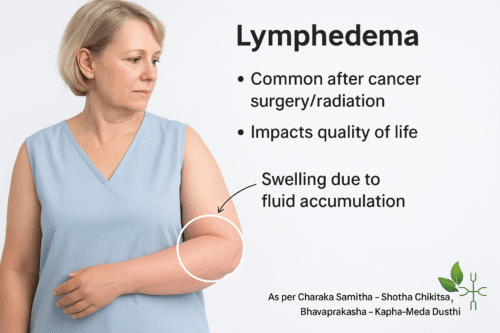
Lymphedema in Survivorship- Symptoms, Diagnosis, and Ayurvedic Care
Lymphedema is a hidden survivorship challenge after cancer. Early care with physiotherapy, compression, Ayurveda, Rasayana, and yoga helps restore vitality.
A research-backed Ayurvedic formula offering hope, combining ancient herbs and modern science for natural, lasting healing.
Loved by thousands
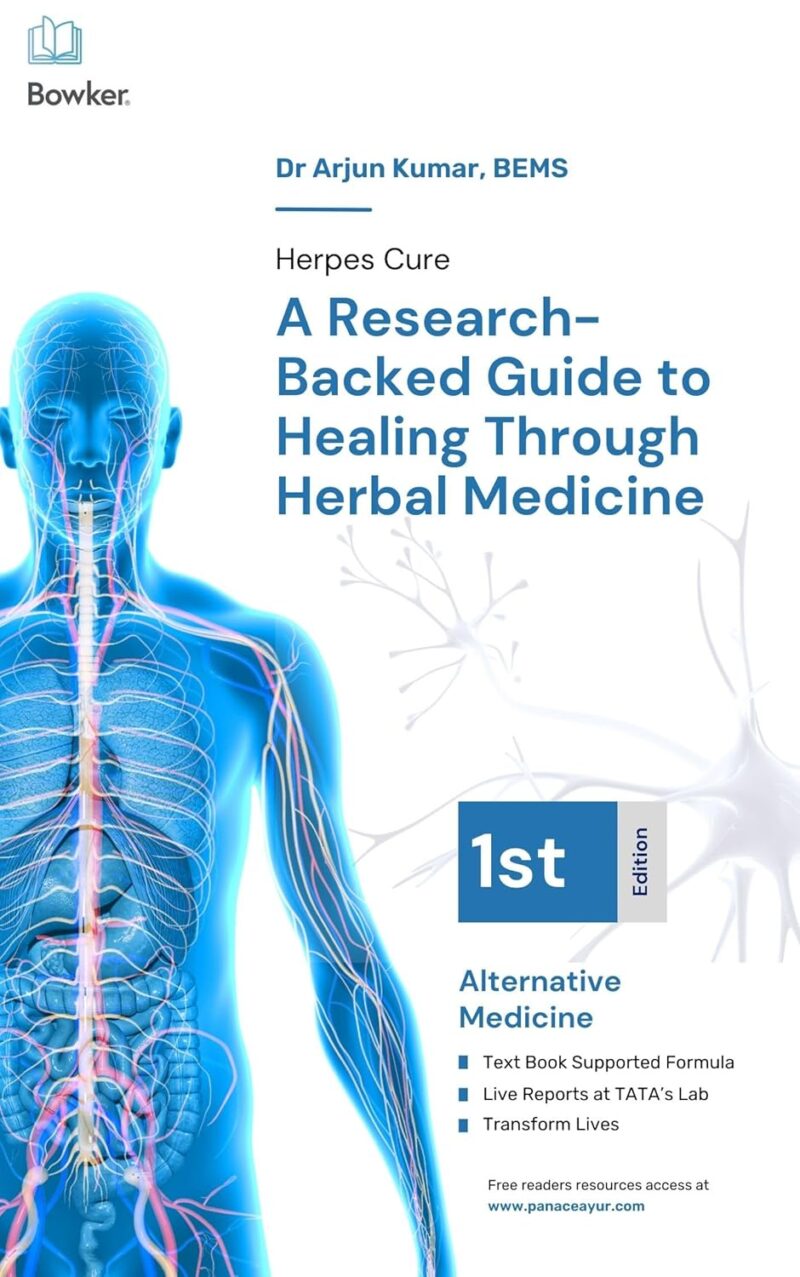
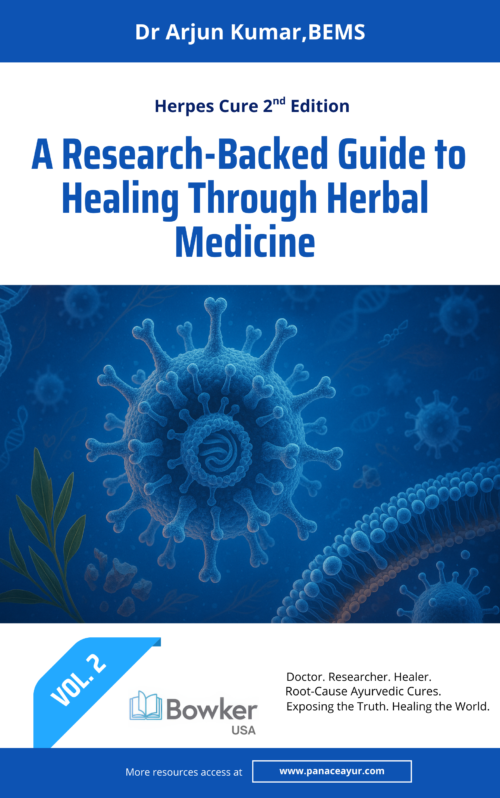
Herpes Cure: A Research-Backed Guide to Healing Through Herbal Medicine
Struggling with HSV1 or HSV2? Discover a proven herbal formula that heals herpes in just three months, backed by science and real-life success stories. Start your healing journey today.
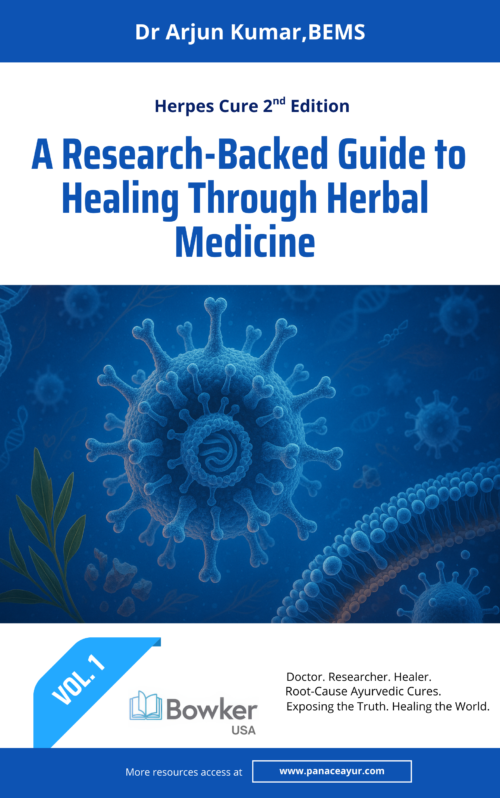
Herpes Cure-A Research-Backed Guide to Healing Through Herbal Medicine 2nd Edition (Vol-1)
Discover how Ayurveda identifies and eliminates herpes at its root. Volume I reveals HSV behavior, Ayurvedic healing principles, and introduces CMV and EBV. A foundational guide backed by research and classical texts.
Lymphedema and survivorship care address long-term health following breast cancer treatment. Lymphedema can occur when lymphatic drainage is impaired, sometimes after lymph node surgery or radiation therapy, and may cause swelling, heaviness, tightness, or discomfort in the arm or nearby areas. Survivorship care may include follow-up appointments, rehabilitation, physical activity, symptom management, emotional support, healthy lifestyle practices, and monitoring for treatment-related effects or recurrence. Early assessment of persistent swelling can help guide appropriate management.
FAQs
Q1. What is breast cancer-related lymphedema?
A. Lymphedema is swelling caused by impaired lymphatic drainage and may develop after lymph node surgery, radiation, or other breast cancer treatments.
Q2. What are symptoms of lymphedema?
A. Symptoms can include swelling, heaviness, tightness, reduced movement, skin changes, or a feeling of fullness in the arm or chest area.
Q3. Can lymphedema develop years after treatment?
A. Yes. Lymphedema can develop months or even years after breast cancer treatment.
Q4. How is lymphedema managed?
A. Management may include specialist assessment, compression therapy, exercise, skin care, manual lymphatic techniques, and other rehabilitation approaches depending on the individual.
Q5. What is breast cancer survivorship care?
A. Survivorship care focuses on ongoing health after cancer treatment, including follow-up, management of treatment effects, healthy lifestyle practices, emotional wellbeing, and monitoring.