4.99

Verified by

High-Risk and Genetics

Concerned about genetic breast cancer risk? Explore Ayurveda’s holistic approach to hormonal balance, immune strength, and preventive breast care.

🩺 Get Help with Herpes Naturally

Medical Ayurveda Books by Dr. Arjun

A research-backed Ayurvedic formula offering hope, combining ancient herbs and modern science for natural, lasting healing.

Loved by thousands

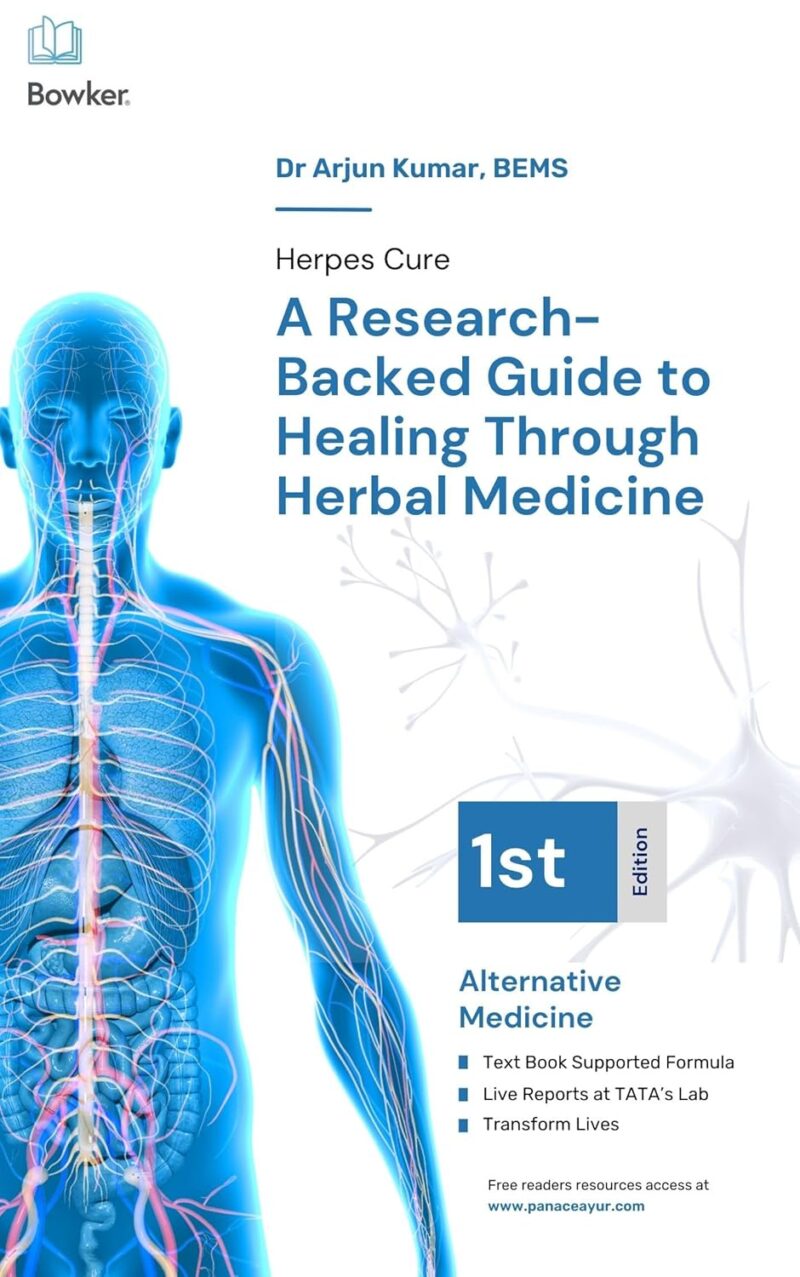
Herpes Cure: A Research-Backed Guide to Healing Through
Herbal Medicine

Struggling with HSV1 or HSV2? Discover a proven herbal formula that heals herpes in just three months, backed by science and real-life success stories. Start your healing journey today.

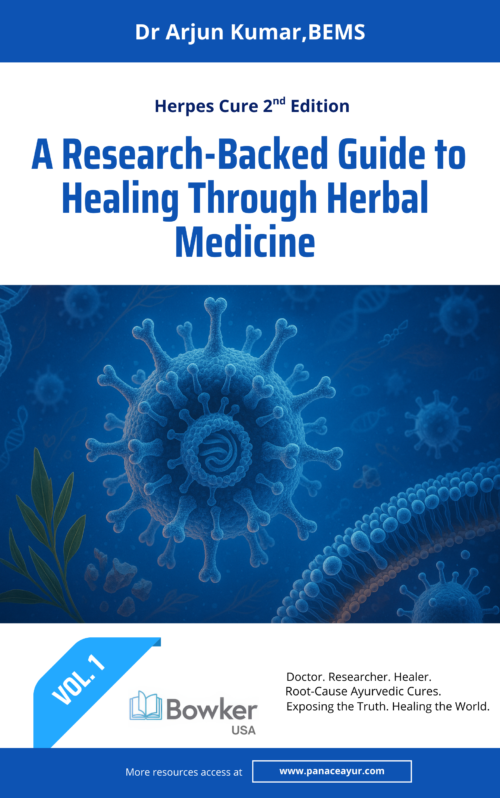
Herpes Cure-A Research-Backed Guide to Healing Through Herbal Medicine 2nd Edition (Vol-1)

Discover how Ayurveda identifies and eliminates herpes at its root. Volume I reveals HSV behavior, Ayurvedic healing principles, and introduces CMV and EBV. A foundational guide backed by research and classical texts.

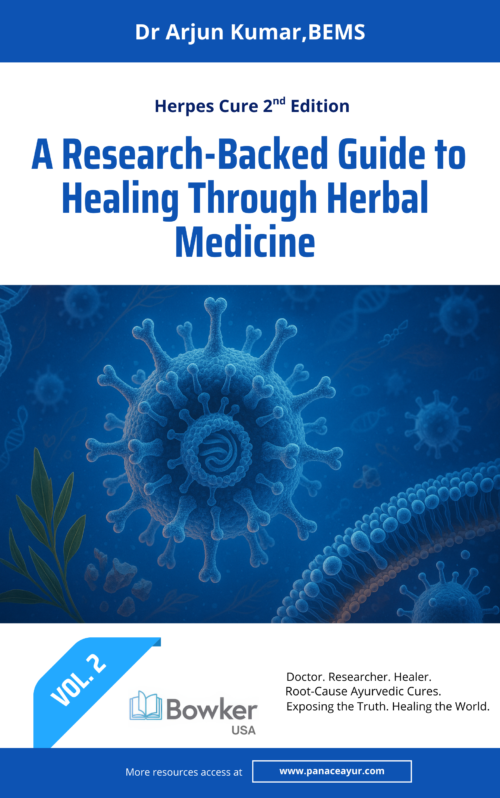
Herpes Cure-A Research-Backed Guide to Healing Through Herbal Medicine 2nd Edition (Vol-2)

Includes real IgG lab reports, CMV/EBV/HHV chapters, and advanced Rasayana therapy. Volume II exposes why pharma suppresses cures—and proves Ayurveda doesn’t. Lab reports verifiable via TATA 1mg.

High-Risk and Genetics focuses on understanding breast cancer risk associated with family history, inherited genetic changes, personal risk factors, and other hereditary considerations. This category covers genetic counseling, genetic testing, risk assessment, screening considerations, and strategies that may help individuals and families make informed decisions about breast health. Commonly discussed genetic factors include BRCA1, BRCA2, PALB2, TP53, PTEN, and other inherited variants associated with increased cancer risk. Understanding individual risk can help guide appropriate conversations with qualified healthcare professionals about screening and preventive options.


FAQs

  1. Q1. What does high-risk breast cancer mean?

    A. High-risk breast cancer refers to situations where a person's estimated risk of developing breast cancer is higher than average because of genetic, family, personal, or other risk factors.

  2. Q2. What genetic factors can increase breast cancer risk?

    A. Inherited changes in genes such as BRCA1, BRCA2, PALB2, TP53, and PTEN may increase breast cancer risk.

  3. Q3. Who should consider genetic testing?

    A. Genetic testing may be considered based on personal or family history, age at diagnosis, cancer patterns within a family, or other clinical factors. A qualified healthcare professional or genetic counselor can help determine whether testing is appropriate.

  4. Q4. Does having a breast cancer gene mutation mean cancer is certain?

    A. No. A pathogenic genetic variant may increase risk, but it does not mean that cancer will definitely develop.

  5. Q5. Can Ayurveda reduce genetic breast cancer risk?

    A. Genetic risk cannot be removed through Ayurveda. Complementary approaches should only be considered alongside appropriate medical risk assessment, screening, and preventive care.