



- Quick Clinical Answer: Why Follow-Up Is Still Needed After Excision
- What Excision Actually Achieves
- Why Atypical Hyperplasia Remains a Risk Marker Even After Removal
- The Main Mistake Patients Make After Excision
- What Follow-Up Usually Includes After Atypical Hyperplasia Excision
- Why Follow-Up Is Not the Same for Every Patient
- The Hidden Gap After Surgery: Tissue Removed, Terrain Unchanged
- Ayurvedic Perspective: Why Follow-Up Still Matters After Excision
- Ayurvedic Follow-Up Goals After Excision
- Where Ayurveda May Fit Safely Alongside Medical Follow-Up
- Warning Signs That Need Medical Attention After Excision
- Global Medical Guidance: USA, UK, Canada, Australia, Singapore
- What Should You Do Now?
- FAQ
- Reference
- Note for the Final Article
Quick Clinical Answer: Why Follow-Up Is Still Needed After Excision
After excision of atypical hyperplasia follow up is still needed because surgery removes the known abnormal tissue, but it does not always remove the future breast cancer risk linked with atypical ductal hyperplasia or atypical lobular hyperplasia. Excision helps doctors confirm whether hidden ductal carcinoma in situ or invasive cancer was present near the atypical area. Follow-up answers a different question: whether the patient remains at increased future risk and needs structured breast surveillance, risk assessment, or high-risk clinic care.
Yes, follow-up is still needed after atypical hyperplasia has been removed. Excision can remove the known abnormal tissue and help doctors check whether there was hidden ductal carcinoma in situ or invasive cancer near the atypical area. But excision does not always remove the patient’s future breast-cancer risk, because atypical hyperplasia is also a risk marker for the rest of the breast tissue and, sometimes, the opposite breast. [1, 2, 3, 4] The American Society of Breast Surgeons states that certain high-risk lesions, including atypical ductal hyperplasia and lobular neoplasia, are associated with elevated lifetime breast-cancer risk that is not mitigated by surgical excision.
A simple way to understand this is: excision answers one question, but follow-up answers another. Excision asks, “Was there cancer hidden near the atypical area?” Follow-up asks, “Is this patient still at increased risk in the future?” These are different clinical questions. A clear final pathology report is reassuring, but it does not mean the breast-risk conversation is finished. Mayo Clinic also notes that people diagnosed with atypical hyperplasia have an increased future breast-cancer risk and may need more frequent screening after diagnosis. [4]
This is why many patients benefit from structured post-excision care. Follow-up may include review of the final pathology report, imaging surveillance, breast-cancer risk calculation, lifestyle and hormonal risk review, and referral to a high-risk breast clinic when appropriate. Johns Hopkins specifically advises that patients diagnosed with atypical ductal hyperplasia should be followed in a high-risk breast clinic, where screening and risk-reduction strategies can be discussed. [2]
Key message for patients: Surgery removes a tissue focus. Follow-up monitors the breast environment, future imaging changes, personal risk factors, and the opposite breast. The goal is not to create fear, but to make sure that the relief after surgery is followed by a clear long-term prevention plan.
What Excision Actually Achieves
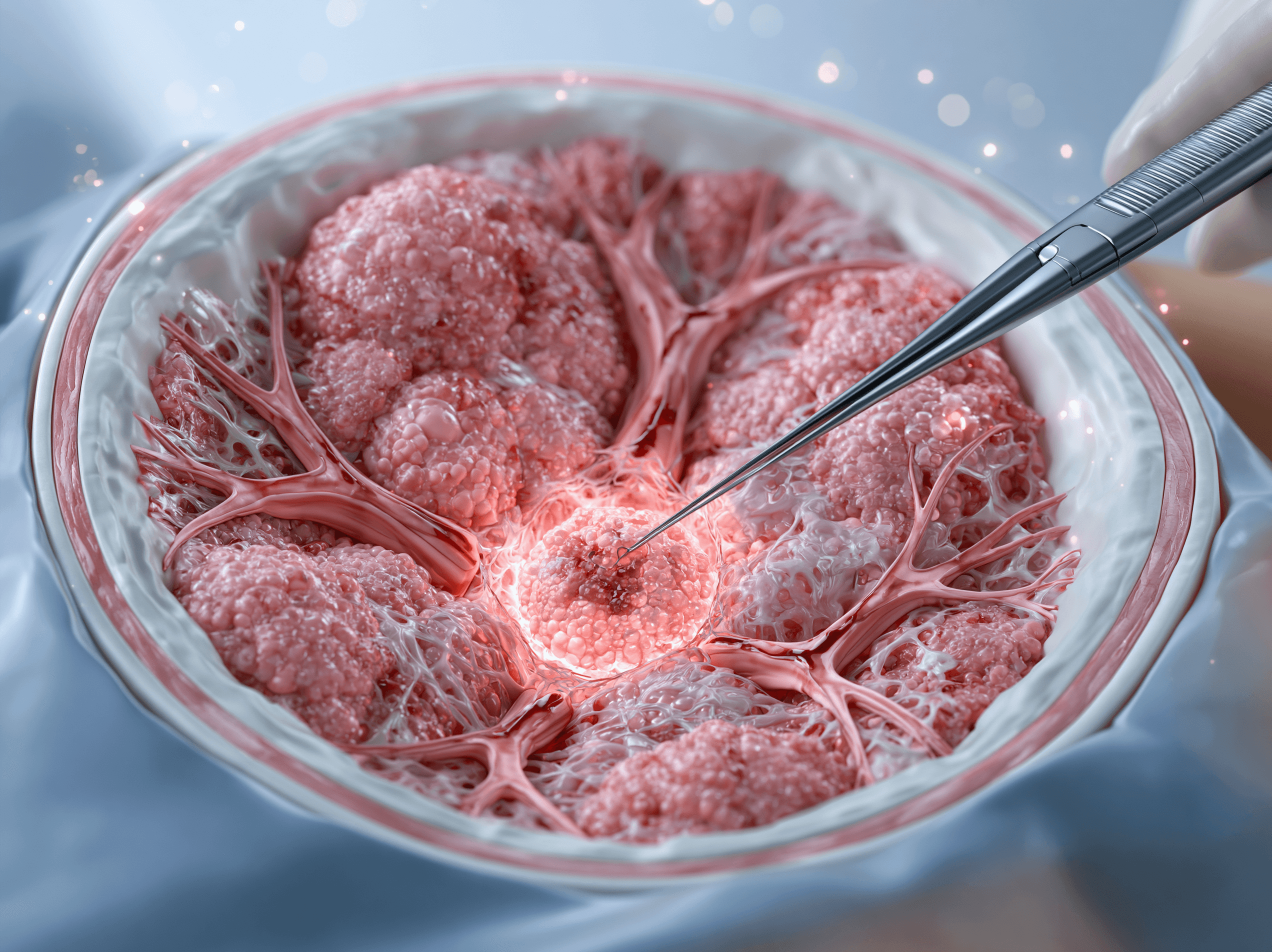
Breast excision after atypical hyperplasia is an important step, but it has a specific purpose. It removes the known suspicious area and gives the pathologist a larger tissue sample than the original needle biopsy. This helps doctors confirm whether the biopsy finding was truly limited to atypical hyperplasia or whether a more serious condition, such as ductal carcinoma in situ or invasive breast cancer, was present nearby but not captured in the first sample. [1, 5]
Table: Excision vs Follow-Up: What Each One Does
| Excision | Follow-Up |
|---|---|
| Removes the known suspicious breast tissue area identified on biopsy or imaging. | Monitors both breasts for future changes after the abnormal tissue has been removed. |
| Helps confirm whether the finding was only atypical hyperplasia or whether hidden DCIS or invasive cancer was present nearby. | Helps assess whether the patient remains at increased long-term breast-cancer risk. |
| Gives the pathologist a larger tissue sample than the original core biopsy. | Tracks future mammogram, ultrasound, or MRI findings when needed. |
| Answers the question: “Was there cancer hidden near the atypical area?” | Answers the question: “What is this patient’s future risk and how should it be managed?” |
| Focuses mainly on the removed tissue and final pathology report. | Focuses on the whole risk profile, including breast density, family history, age, hormones, genetics, and lifestyle factors. |
| Provides reassurance if no DCIS or invasive cancer is found. | Provides long-term protection through screening, risk assessment, high-risk clinic care, and prevention planning. |
| Does not automatically remove future breast-cancer risk. | Helps reduce missed-risk gaps by creating a structured surveillance plan. |
| Is a one-time surgical step for diagnosis and tissue removal. | Is an ongoing safety pathway for long-term breast health. |
It Removes the Known Suspicious Area
When atypical ductal hyperplasia is found on core needle biopsy, the biopsy has only sampled part of the abnormal area. Excision removes the region that was identified by imaging or biopsy, often the area containing calcifications or the tissue around the biopsy marker.
This is especially important in ADH because it is usually diagnosed under the microscope, not by physical examination. Many patients with ADH do not feel a lump. Instead, the abnormality is commonly found after a mammogram shows calcifications or another suspicious imaging change, followed by biopsy. [5]
For patients, this means surgery is not always being done because there is a visible or palpable mass. The aim is to remove the precise tissue focus that raised concern and allow the medical team to compare the final pathology with the original mammogram, ultrasound, MRI, or biopsy result. If the removed tissue explains the imaging finding, the result is considered more reassuring. If the pathology and imaging do not match, further evaluation may be needed. [1, 5]
It Helps Rule Out Hidden DCIS or Invasive Cancer
One of the main reasons doctors recommend excision after ADH on core biopsy is that the original biopsy may underrepresent the larger abnormal area. In simple terms, the needle biopsy may have sampled only one part of the lesion, while nearby tissue could contain ductal carcinoma in situ or, less commonly, invasive breast cancer.
This is called an “upgrade” when the final excision shows a more serious diagnosis than the original biopsy. StatPearls notes that when atypical hyperplasia is found on biopsy, the upgrade rate after excision may vary from 10% to as high as 30%, depending on lesion features and the level of suspicion for DCIS. [5]
This does not mean that ADH is already cancer. It means that ADH found on a small biopsy sample can sometimes exist close to a more advanced lesion. Excision gives the pathologist more tissue to examine and helps reduce the chance that hidden DCIS or invasive cancer was missed.
If the excision shows only atypical hyperplasia and no cancer, that is reassuring. However, it does not mean follow-up can be ignored. The surgical question may be answered, but the long-term risk question still remains.
It Does Not Reset Your Breast Risk to Zero
Excision removes the known abnormal tissue focus, but it does not erase the meaning of the diagnosis. Atypical ductal hyperplasia and atypical lobular hyperplasia are not only local tissue problems. They are also breast-risk markers.
This means the removed tissue has shown that the breast has already developed abnormal proliferative cell changes. Even after that area is removed, the diagnosis may still indicate a higher future risk of breast cancer in the same breast or, in some cases, the opposite breast. [1, 5, 8]
The American Society of Breast Surgeons states that certain high-risk lesions, including atypical ductal hyperplasia and lobular neoplasia, are associated with elevated lifetime breast-cancer risk that is not fully reduced by surgical excision alone. [1]
This is the key patient-education point: surgery answers the question, “Was there hidden cancer in or near the removed area?” Follow-up answers a different question: “What is this patient’s future breast-cancer risk, and how should it be monitored or reduced?”
A clear excision report is good news. But it should lead to a structured follow-up plan, not disappearance from care. Surgery removes a suspicious tissue focus. Follow-up protects the future.
Why Atypical Hyperplasia Remains a Risk Marker Even After Removal
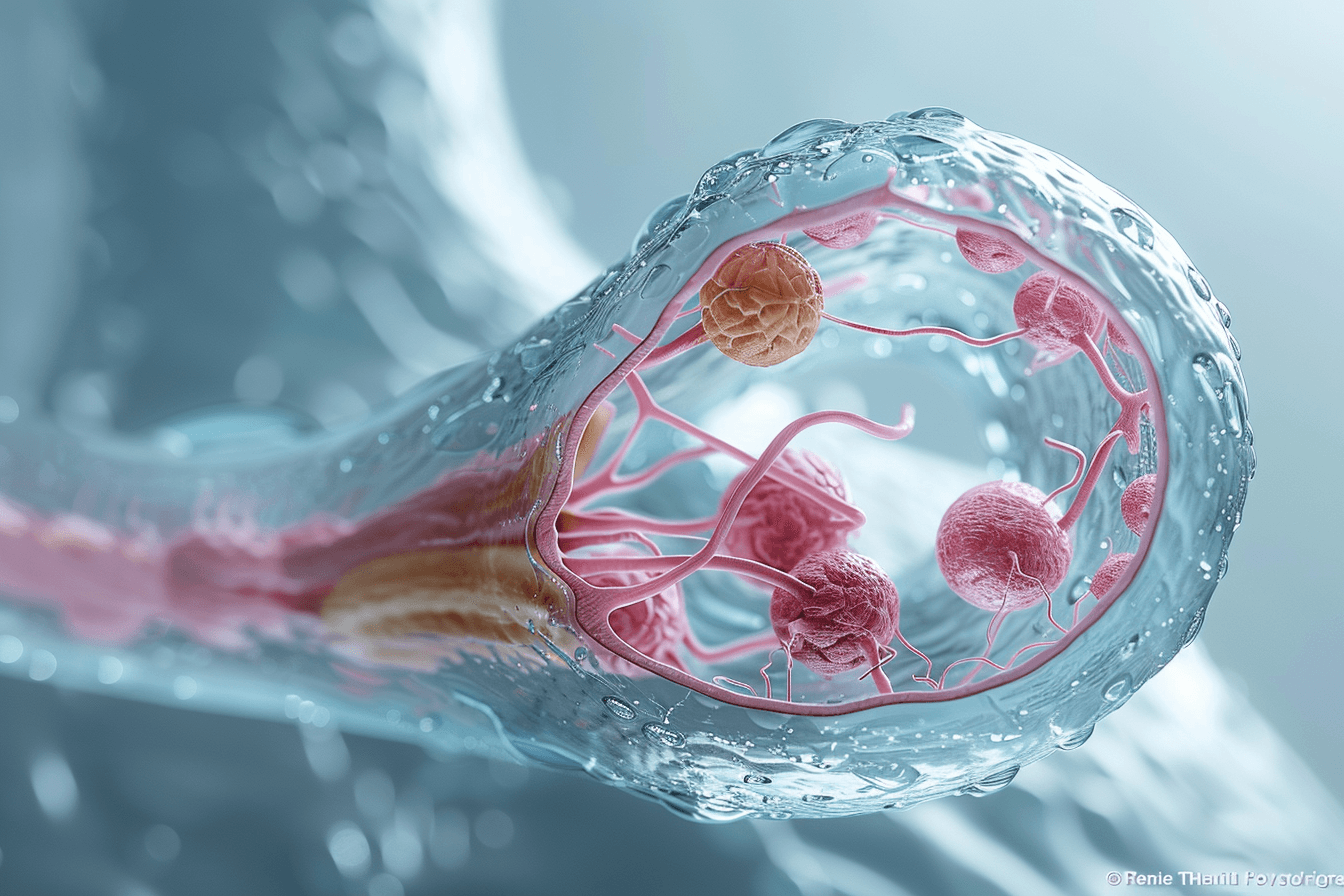
After excision of atypical hyperplasia follow up remains important because atypical hyperplasia is not only a tissue finding that was removed during surgery. It is also a signal about future breast behavior. In simple terms, atypical hyperplasia means that some breast cells have already shown an abnormal pattern of growth. Even when that abnormal area is removed, the diagnosis still tells doctors that the breast tissue may be more prone to abnormal proliferation in the future. [5, 8]
This is the key difference between removing the lesion and removing the risk. Surgery can remove the known focus of atypical cells, but it cannot erase the fact that the breast has already produced a high-risk proliferative change. That is why doctors continue to treat atypical ductal hyperplasia and atypical lobular hyperplasia as long-term breast-risk markers, not just as one-time surgical findings. [5, 8]
Table: Why Risk Can Remain After Atypical Hyperplasia Removal
| Factor | Why Risk Still Remains |
|---|---|
| Atypical hyperplasia is a risk marker | The diagnosis shows that breast cells have already developed abnormal proliferative patterns, which may indicate a higher future risk even after removal. |
| Not just a local problem | ADH and ALH reflect a broader breast-tissue tendency, not just one isolated area that was removed. |
| Both breasts may be involved | Future risk is not limited to the operated breast and may also affect the opposite breast over time. |
| Underlying biology remains | Surgery removes tissue, but it does not change genetic susceptibility, hormonal influence, or cellular behavior patterns. |
| Hormonal and metabolic factors persist | Estrogen exposure, insulin resistance, obesity, and metabolic imbalance can continue to influence breast tissue after excision. |
| Breast density still matters | Dense breast tissue can increase risk and make future abnormalities harder to detect on imaging. |
| Lifestyle factors are unchanged | Diet, alcohol intake, physical inactivity, stress, and sleep patterns may continue to affect long-term breast health. |
| Inflammatory environment may persist | Chronic low-grade inflammation in the body can influence tissue behavior even after abnormal cells are removed. |
| Atypia may exist elsewhere | The biopsy and excision sample only a portion of breast tissue, so other microscopic changes may still be present. |
| Risk is long-term, not immediate | Atypical hyperplasia increases lifetime breast-cancer risk rather than causing immediate disease, which is why ongoing follow-up is essential. |
Atypical ductal hyperplasia, or ADH, is important because it sits on a biological spectrum between usual ductal hyperplasia and low-grade ductal carcinoma in situ. It is not breast cancer, but it is associated with the possibility of progression toward DCIS and invasive breast cancer. StatPearls describes ADH as a high-risk precursor lesion because of its association with, and potential progression to, DCIS and invasive carcinoma. [5]
Atypical lobular hyperplasia, or ALH, is slightly different. ALH is often considered more of a strong risk marker than a direct precursor in every case. This means that the abnormal lobular finding may warn doctors that the patient has a higher chance of developing breast cancer in either breast, not only in the area that was removed. StatPearls notes that ALH is associated with a fourfold to fivefold increased lifetime risk of breast cancer in either the same breast or the opposite breast. [5]
This is why a clean excision report should be understood correctly. If the final pathology shows no DCIS or invasive cancer, that is reassuring and very good news. But it does not mean the patient’s future risk has returned to zero. StatPearls reports that when ADH or ALH is identified on breast biopsy, the risk of developing DCIS or invasive breast cancer increases by about four to five times, and the lifetime risk of breast cancer is often estimated around 15% to 20%. [5]
For patients, the simplest way to understand this is: the abnormal area may be gone, but the risk message remains. The removed tissue has already shown doctors that the breast environment was capable of producing atypical growth. Follow-up is therefore not a sign that surgery failed. It is a safety plan based on what the tissue diagnosis revealed.
This is also why follow-up must look beyond the operated site. Future monitoring may include the same breast, the opposite breast, breast density, family history, hormone exposure, genetic risk, lifestyle factors, and the patient’s overall calculated breast-cancer risk. Atypical hyperplasia is not a guarantee that cancer will develop, but it is serious enough to justify structured surveillance and prevention planning. [5, 8]
The most important message is balance. Patients should not panic after an atypical hyperplasia diagnosis, especially if excision has ruled out cancer. But they should not disappear from follow-up either. Atypical hyperplasia is best handled as a long-term risk marker: the surgery removes the known abnormal focus, while follow-up protects the future.
The Main Mistake Patients Make After Excision

The most common mistake after excision is thinking, “The tissue has been removed, so the problem is finished.” This is understandable, especially when the final pathology report shows no ductal carcinoma in situ or invasive breast cancer. But doctors do not view atypical hyperplasia only as a removed lump or a one-time biopsy finding. They view it as a signal that the breast has already shown a high-risk pattern of abnormal cell growth. That signal may still matter even after the visible or biopsy-proven area has been removed. [1, 5, 8]
After excision of atypical hyperplasia follow up is important because surgery and prevention are not the same thing. Surgery removes the known suspicious tissue focus. Prevention planning looks at the patient’s future risk. This includes the same breast, the opposite breast, breast density, family history, hormone exposure, previous biopsies, lifestyle factors, and whether the patient qualifies for high-risk breast surveillance. [2, 3, 4]
Some patients skip follow-up mammograms because they feel reassured after surgery. This can be risky. A clear excision report is good news, but it does not remove the need for structured imaging surveillance. Atypical ductal hyperplasia and atypical lobular hyperplasia can remain long-term breast-cancer risk markers, so follow-up mammography or other imaging should be discussed with the treating breast specialist. [3, 4, 11]
Another common mistake is not asking for a formal breast-cancer risk calculation. Many patients are told, “It was not cancer,” but they are not told what their future risk category is. That missing step matters. Risk calculation helps decide whether the patient should continue with routine mammograms alone or whether additional strategies, such as high-risk clinic review, breast MRI in selected cases, lifestyle intervention, or risk-reducing medication discussion, should be considered. [3, 8, 12]
Some patients are never referred to a high-risk breast clinic, even when they may benefit from one. Johns Hopkins advises that patients diagnosed with atypical ductal hyperplasia should be followed in a high-risk breast clinic, where screening and risk-reduction strategies can be discussed. This does not mean the patient has cancer. It means the diagnosis deserves a prevention-focused plan, not only a surgical discharge note. [2]
Patients may also focus only on the operated breast. However, atypical hyperplasia can indicate risk beyond the exact site that was removed. In some cases, future risk may involve the opposite breast as well. This is especially important in atypical lobular hyperplasia, which is often treated as a strong marker of increased future breast-cancer risk in either breast. [5, 8]
The better approach is to treat excision as the beginning of a clearer prevention pathway, not the end of care. After surgery, every patient should know what the final pathology showed, whether the imaging and pathology matched, when the next mammogram is due, whether formal risk assessment has been done, and whether high-risk breast clinic referral is appropriate.
The message is simple: do not panic, but do not disappear from follow-up. Atypical hyperplasia is not breast cancer, and many patients do well after excision. But the diagnosis should be respected as a warning sign. The safest next step is a structured plan that combines medical surveillance, personal risk assessment, and long-term breast-health support.
What Follow-Up Usually Includes After Atypical Hyperplasia Excision
After excision of atypical hyperplasia follow up usually includes more than one post-surgery visit. The goal is not only to check that the wound has healed. The goal is to confirm the final diagnosis, understand the patient’s future breast-cancer risk, plan the right imaging schedule, and decide whether high-risk breast care is needed. Atypical ductal hyperplasia and lobular neoplasia are considered high-risk breast findings, and the American Society of Breast Surgeons states that patients with high-risk lesions should undergo comprehensive breast-cancer risk assessment and be considered for risk-reducing medication and high-risk screening when appropriate. [1]
Table: Your Post-Excision Follow-Up Checklist
| What to Confirm | Why It Matters |
|---|---|
| Final pathology diagnosis | Confirms whether the report showed only ADH, ALH, FEA, LCIS, DCIS, invasive cancer, or mixed findings. |
| Imaging-pathology concordance | Confirms whether the tissue removed properly explains the original mammogram, ultrasound, MRI, or biopsy finding. |
| Calcification removal | Important when the original mammogram showed calcifications, because doctors need to know whether the targeted area was fully removed. |
| Margin discussion | Helps clarify whether the abnormal area was completely excised or whether further review is needed. |
| Next mammogram date | Prevents missed follow-up and keeps future breast changes under surveillance. |
| Need for diagnostic mammogram | Some patients may need earlier or more detailed imaging after surgery rather than routine screening only. |
| Ultrasound requirement | May be useful when there is dense breast tissue, a palpable lump, or an imaging question that mammogram alone cannot answer. |
| MRI eligibility | Selected high-risk patients may need breast MRI depending on calculated lifetime risk, genetics, density, or combined risk factors. |
| Formal breast-risk calculation | Helps decide whether the patient is average risk, moderate risk, or high risk after atypical hyperplasia excision. |
| Family history and genetic risk review | Important if there is breast, ovarian, pancreatic, prostate, or male breast cancer in close relatives. |
| High-risk breast clinic referral | Helps create a structured plan for screening, prevention, lifestyle modification, and risk-reduction discussion. |
| Whole-body recovery plan | Supports digestion, inflammation reduction, sleep, stress control, weight management, metabolic balance, and long-term breast health. |
Review of the Final Pathology Report
The first step after excision is to review the final pathology report carefully. Patients should not only ask, “Was it cancer?” They should ask exactly what the excision showed. The report may mention atypical ductal hyperplasia, atypical lobular hyperplasia, flat epithelial atypia, lobular carcinoma in situ, ductal carcinoma in situ, invasive cancer, or a combination of findings. This distinction matters because each diagnosis may lead to a different follow-up plan. [1, 5]
Patients should also ask whether margins were discussed, whether the targeted calcifications or imaging abnormality were fully removed, and whether the pathology result matched the original imaging concern. This is called imaging-pathology concordance. If the imaging finding and pathology result do not match, the result may not be considered fully reassuring, and further biopsy or excision may be needed. ASBrS specifically notes that discordant clinical or imaging findings after core needle biopsy should lead to excision or repeat biopsy, and that final decisions should include careful clinical, imaging, and pathology concordance assessment. [1]
This pathology review is important because excision gives doctors a larger tissue sample than the original biopsy. If the final report confirms only atypical hyperplasia and no ductal carcinoma in situ or invasive breast cancer, that is reassuring. However, it does not remove the need for future surveillance, because atypical hyperplasia can remain a marker of long-term breast-cancer risk. [1, 5, 8]
Risk Assessment
The next step is formal breast-cancer risk assessment. This should include the patient’s age, family history of breast cancer or ovarian cancer, breast density, previous breast biopsies, hormone replacement therapy or long-term hormone exposure, menstrual and reproductive history, genetic risk, weight, metabolic health, alcohol use, and personal medical history. Risk assessment helps determine whether the patient should remain on routine screening or move into a higher-risk surveillance pathway. [3, 8, 11]
This step is often missed. Some patients are told, “It was not cancer,” but they are never told what their future risk category is. That can leave an important gap in care. The American Cancer Society notes that risk-assessment tools use different combinations of factors and may give different estimates, so results should be discussed with a healthcare provider. [11]
For some patients, risk assessment may also show whether genetic counseling is appropriate. Atypical hyperplasia alone does not automatically mean a person has a hereditary cancer syndrome, but a strong family history, early-onset breast cancer in relatives, ovarian cancer, male breast cancer, or known BRCA-related risk in the family may justify genetic evaluation. NCCN-based screening guidance also identifies increased-risk patients using lifetime-risk models, genetic predisposition, and high-risk pathology combined with calculated lifetime risk. [3]
Imaging Surveillance
Imaging surveillance is one of the most important parts of follow-up after atypical hyperplasia excision. Many patients continue with annual mammography, but some may need a diagnostic mammogram sooner after surgery, especially if the original finding involved calcifications or if the radiologist wants to confirm that the area is stable. Ultrasound may be added when there is a specific lump, dense breast tissue, or an imaging question that mammography alone cannot fully answer. [3, 4, 11]
MRI is not needed for every patient with atypical hyperplasia, but it may be considered for selected high-risk patients. NCCN-based screening guidance lists annual breast MRI for patients with a residual lifetime risk of 20% or greater and includes atypical ductal hyperplasia or lobular neoplasia when combined with a lifetime risk of 20% or greater. [3]
The American Cancer Society also states that women at high risk should receive breast MRI and mammography every year, usually starting at age 30, when lifetime risk is about 20% to 25% or greater. ACS adds that there is not enough evidence to recommend for or against yearly MRI based only on factors such as ADH, ALH, LCIS, or dense breasts, so MRI decisions should be individualized. [11]
The key point for patients is that imaging should not stop just because the abnormal tissue was removed. Excision answers the immediate surgical question. Imaging surveillance watches for future changes in both breasts.
High-Risk Breast Clinic Referral
Many patients with atypical ductal hyperplasia benefit from referral to a high-risk breast clinic. Johns Hopkins specifically states that a patient diagnosed with atypical ductal hyperplasia should be followed in a high-risk breast clinic. The purpose of this clinic is not to treat the patient as though she already has cancer. The purpose is to provide high-risk screening, risk-reducing strategies, and lifestyle modification guidance to reduce overall breast-cancer risk. [2]
A high-risk breast clinic can help patients understand their pathology report, calculate future risk, decide whether MRI is appropriate, review family-history or genetic-testing indications, discuss risk-reducing medication when suitable, and build a long-term prevention plan. Johns Hopkins also notes that after excisional biopsy for ADH, close breast surveillance is usually recommended and that finding a provider who specializes in breast health is important for appropriate follow-up care. [2]
This is especially valuable because atypical hyperplasia follow-up is not the same for every patient. One patient may need annual mammography and lifestyle correction. Another may need mammography plus MRI. Another may need genetic counseling. Another may need discussion of preventive medication. The best plan depends on the whole risk profile, not only the fact that the excision was completed.
After surgery, every patient should leave with clear answers to these questions: What exactly did the final pathology show? Were the calcifications or targeted abnormality removed? Did the pathology match the imaging? When is the next mammogram due? Do I need diagnostic imaging or routine screening? Has my breast-cancer risk been calculated? Do I qualify for MRI? Should I be seen in a high-risk breast clinic?
A good follow-up plan turns a frightening diagnosis into an organized prevention pathway. The aim is not fear. The aim is clarity, surveillance, and long-term protection.
Table: What Your Follow-Up Plan Should Clarify
| Question to Ask | Why It Matters |
|---|---|
| Was the final excision only atypical hyperplasia? | Confirms whether cancer was excluded |
| Was the imaging and pathology concordant? | Ensures the removed tissue explains the mammogram finding |
| Do I need annual mammogram or earlier diagnostic imaging? | Prevents missed follow-up windows |
| Do I qualify for breast MRI? | Important for dense breasts or higher calculated risk |
| Should I be referred to a high-risk breast clinic? | Helps build a prevention plan, not just a surgery plan |
| Should I discuss risk-reducing medication? | Some patients may benefit depending on risk profile |
| What lifestyle and metabolic factors should I correct? | Supports long-term breast-health strategy |
Why Follow-Up Is Not the Same for Every Patient

After excision of atypical hyperplasia follow up should be personalized because two patients can have the same surgical diagnosis but very different future risk profiles. One patient may need annual mammography and routine review, while another may need high-risk breast clinic care, MRI screening, genetic counseling, or discussion of risk-reducing medication. The follow-up plan depends not only on the fact that atypical hyperplasia was removed, but also on the patient’s age, pathology details, breast density, family history, genetics, hormonal background, metabolic health, and menopausal status. [3, 8, 10]
Age at diagnosis matters because breast-cancer risk is not viewed in isolation. A younger patient with atypical hyperplasia may have a longer lifetime window during which risk can accumulate, while an older postmenopausal patient may have additional risk influences such as weight gain, hormone exposure, insulin resistance, or other medical conditions. This is why doctors do not use surgery alone to decide follow-up. They look at the whole patient. [8, 10]
The exact pathology also changes the follow-up plan. Atypical ductal hyperplasia, atypical lobular hyperplasia, and lobular carcinoma in situ are all high-risk findings, but they do not behave in exactly the same way. ADH is often discussed as a lesion associated with possible progression toward ductal carcinoma in situ and invasive breast cancer. ALH and LCIS are often treated as strong markers of future breast-cancer risk, including risk that may involve either breast. This is why follow-up should not focus only on the operated area. It should include long-term surveillance of both breasts. [5, 8]
Lesion size and the number of atypical foci are also important. A small, single focus of atypia may be managed differently from multifocal atypia or atypia found along with another high-risk lesion. The more extensive the abnormal proliferative change, the more carefully doctors may consider risk calculation, imaging frequency, and referral to a high-risk breast clinic. [8, 10]
Breast density is another factor that can change follow-up. Dense breast tissue can make mammograms more difficult to interpret, and it may also be associated with increased breast-cancer risk. A patient with dense breasts plus atypical hyperplasia may need a more individualized imaging discussion than a patient with fatty breast tissue and no additional risk factors. This does not automatically mean every patient needs MRI, but it does mean that breast density should be included in the risk conversation. [3, 11]
Family history can significantly alter the follow-up pathway. A patient with ADH or ALH and no family history may need one type of plan, while a patient with atypia plus breast cancer in a mother, sister, daughter, or multiple close relatives may need a more intensive approach. Family history of ovarian cancer, pancreatic cancer, prostate cancer, male breast cancer, or early-onset breast cancer may also raise concern for inherited cancer risk. In these cases, genetic counseling or genetic testing may be appropriate. [3, 21]
Hormone history also matters. Doctors may ask about hormone replacement therapy, long-term estrogen-progestin exposure, age at first period, age at menopause, pregnancies, breastfeeding history, and use of hormonal medications. These factors can influence overall breast-risk assessment and help determine whether the patient should remain in routine surveillance or move into a higher-risk follow-up pathway. [3, 11, 22]
Metabolic and lifestyle factors should not be ignored. Obesity, insulin resistance, alcohol use, physical inactivity, chronic inflammatory conditions, and poor sleep may all influence the internal environment in which breast tissue functions. These factors do not replace pathology-based risk, but they help explain why long-term care should include more than mammograms alone. A prevention plan should also address weight management, glucose regulation, liver and hormone metabolism, inflammation, sleep, stress, and sustainable lifestyle correction. [11, 22]
Menopausal status is another reason follow-up is different for every patient. Premenopausal and postmenopausal women often have different hormonal patterns, different breast density, different medication options, and different metabolic risks. For example, some risk-reducing medications are appropriate only for postmenopausal women, while others may be considered in selected premenopausal patients. This decision must be made by the patient’s medical team after reviewing benefits, side effects, and personal risk. [12]
This is where personalized integrative care becomes important. The medical team should clarify pathology, calculate risk, and decide the imaging plan. Alongside that, PanaceAyur’s role is to look at the whole terrain of recovery: digestion, inflammation, metabolic balance, sleep, stress, weight, hormone-related symptoms, lymphatic flow, and long-term tissue resilience. The goal is not to replace breast imaging, oncology review, or high-risk clinic care. The goal is to support the patient’s internal health while medical surveillance protects the future.
The most important message is that atypical hyperplasia follow-up should never be copied blindly from another patient. One woman’s plan may be annual mammography. Another may need mammography plus MRI. Another may need genetic evaluation. Another may benefit from risk-reducing medication discussion. Another may need intensive lifestyle and metabolic correction. The safest plan is the one built around the patient’s complete risk profile, not only the surgery report.

Excision is important, but it is not a complete prevention program by itself. Surgery works at the tissue-removal level. It removes the known abnormal area, helps confirm the final diagnosis, and allows doctors to check whether ductal carcinoma in situ or invasive cancer was hidden near the atypical tissue. That is a valuable and often necessary step. But surgery does not automatically correct the deeper internal and lifestyle factors that may influence long-term breast health. [1, 5, 8]
This is the hidden gap many patients do not recognize. The abnormal tissue may be removed, but the patient’s overall risk environment may remain unchanged. Factors such as excess body weight, insulin resistance, chronic inflammation, hormone exposure, alcohol use, poor sleep, long-term stress, sedentary lifestyle, and metabolic imbalance may still need attention. These factors do not mean cancer will develop, but they can influence the wider terrain in which breast tissue functions. [11, 22]
This is especially important after atypical hyperplasia because ADH and ALH are not viewed only as local tissue findings. They are also risk markers. A clear excision report is reassuring, but it does not erase the fact that the breast tissue has already shown an abnormal proliferative pattern. That is why follow-up must include more than wound healing. It should include breast imaging, risk assessment, medical review, and a practical plan to improve the patient’s long-term health environment. [5, 8]
From an integrative point of view, this is where Ayurveda can be introduced carefully and safely. Modern surgery removes the suspicious tissue focus. Ayurveda looks at the patient’s internal terrain: digestion, metabolism, inflammatory tendency, tissue nourishment, lymphatic movement, stress response, sleep quality, weight balance, and hormonal rhythm. In Ayurvedic language, this may involve Agni, Ama, Kapha-Pitta imbalance, Rakta and Mamsa Dhatu health, and the proper movement of channels or Srotas. [15, 16, 18]
This does not mean Ayurveda replaces mammograms, pathology review, oncology consultation, or high-risk breast clinic follow-up. It means Ayurveda may support the patient alongside medical surveillance by addressing areas that surgery is not designed to correct. These may include digestive weakness, metabolic sluggishness, inflammatory load, stress-related imbalance, weight gain, and lifestyle patterns that affect whole-body resilience. [13, 14, 15]
For example, a patient may have excellent surgical clearance but still struggle with obesity, insulin resistance, constipation, poor sleep, anxiety, high stress, low activity, or long-term hormonal imbalance. These issues should not be ignored simply because the excision is complete. They are part of the patient’s recovery terrain and may influence future health decisions, including diet, movement, sleep, stress management, and metabolic correction.
This is the bridge between surgery and prevention. Excision answers the immediate tissue question. Follow-up answers the future-risk question. Whole-body care answers the terrain question: “What can be improved in the patient’s internal and lifestyle environment so that long-term breast health is better supported?”
After excision of atypical hyperplasia follow up should therefore include both medical surveillance and terrain correction. The medical side monitors the breast with imaging, risk calculation, and specialist review. The integrative side supports the body through improved digestion, healthier metabolism, reduced inflammatory burden, better sleep, balanced stress response, and sustainable lifestyle change.
The message is not that surgery failed. The message is that surgery has done one important job, but prevention requires a wider plan. Tissue removal is the first victory. Long-term breast-risk management begins when the patient continues follow-up and starts correcting the internal and lifestyle factors that surgery alone cannot change.
Ayurvedic Perspective: Why Follow-Up Still Matters After Excision
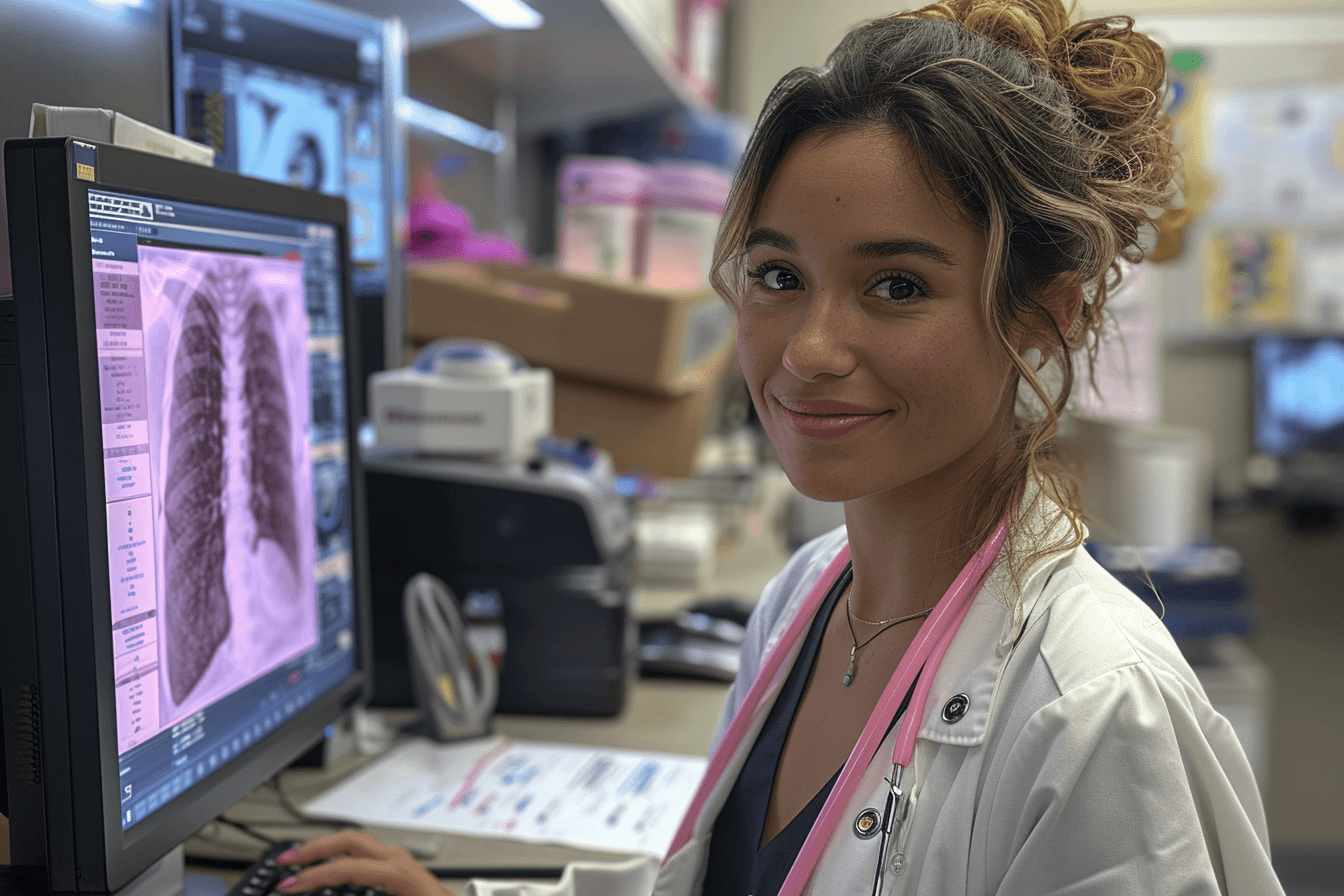
After excision of atypical hyperplasia follow up is still important because surgery removes the known abnormal tissue, but Ayurveda looks at a second question: what was the internal terrain that allowed abnormal cellular growth to appear in the first place? In integrative language, atypical hyperplasia should not be directly equated with cancer, Arbuda, or any one classical disease. It is better understood as a modern pathology diagnosis that may be interpreted through Ayurvedic principles of Dhatu imbalance, Srotas dysfunction, Agni impairment, Ama formation, and Dosha disturbance.
Table: Medical Follow-Up vs Ayurvedic Support: Different Roles, Same Goal
| Medical Follow-Up | Ayurvedic Support |
|---|---|
| Focuses on detecting breast changes early through mammogram, ultrasound, MRI, and clinical exams. | Focuses on improving the internal terrain through digestion, metabolism, lifestyle, and tissue support. |
| Reviews final pathology to confirm diagnosis and rule out DCIS or invasive cancer. | Interprets the condition through Agni, Ama, Dosha balance, Dhatu health, and Srotas function. |
| Calculates future breast-cancer risk based on clinical factors and history. | Supports long-term resilience by correcting digestion, reducing Ama, and balancing Kapha and Pitta. |
| Recommends imaging frequency based on risk category. | Helps regulate lifestyle factors such as diet, sleep, stress, and daily routine. |
| May refer to high-risk breast clinic for structured surveillance and prevention. | Provides individualized care based on Prakriti, metabolic status, and current imbalance. |
| May include genetic testing, hormone evaluation, or risk-reducing medication discussion. | Supports hormone terrain through liver function, digestion, and metabolic balance. |
| Monitors both breasts for future abnormalities. | Supports lymphatic movement, tissue nourishment, and circulation through Srotas balance. |
| Acts immediately when new symptoms or imaging abnormalities appear. | Supports recovery after surgery with Rasayana, Ojas nourishment, and strength-building practices. |
| Is essential and cannot be replaced. | Is supportive and should be used alongside medical follow-up, not instead of it. |
| Primary goal is early detection and risk management. | Primary goal is long-term health, prevention support, and internal balance. |
From an Ayurvedic perspective, the breast is not viewed as an isolated organ. Breast tissue health may be influenced by Mamsa Dhatu, Rakta Dhatu, Meda Dhatu, Kapha accumulation, Pitta-driven inflammatory activity, Vata-related movement and cellular irregularity, and the quality of nourishment moving through the Srotas. Charaka describes Srotas as channels involved in the transport and transformation of Dhatu, and Charaka Sutra Sthana chapter 28 explains how digestion, tissue metabolism, Dhatu nourishment, and disease development are linked.
Classical Ayurvedic Anchor 1: Agni, Dhatu Nourishment, and Tissue Health
Book: Charaka Samhita
Sthana: Sutra Sthana
Chapter: 28, Vividhashitapitiya Adhyaya
Verse: 28/3
Sanskrit:
विविधमशितं पीतं लीढं खादितं जन्तोर्हितमन्तरग्निसन्धुक्षितबलेन यथास्वेनोष्मणा सम्यग्विपच्यमानं कालवदनवस्थितसर्वधातुपाकमनुपहतसर्वधातूष्ममारुतस्रोतः केवलं शरीरमुपचयबलवर्णसुखायुषा योजयति शरीरधातूनूर्जयति च। धातवो हि धात्वाहाराः प्रकृतिमनुवर्तन्ते॥३॥
Transliteration:
Vividhamaśitaṁ pītaṁ līḍhaṁ khāditaṁ jantor hitam antaragnisandhukṣita-balena yathāsvena uṣmaṇā samyag vipacyamānaṁ kālavad anavasthita-sarva-dhātu-pākam anupahata-sarva-dhātu-uṣma-māruta-srotaḥ kevalaṁ śarīram upacaya-bala-varṇa-sukha-āyuṣā yojayati, śarīra-dhātūn ūrjayati ca. Dhātavo hi dhātvāhārāḥ prakṛtim anuvartante.
Translation:
When suitable food and drink are properly digested by strong internal Agni, and when Dhatu metabolism, Vata movement, and Srotas are unobstructed, the body receives nourishment, strength, complexion, wellbeing, longevity, and proper Dhatu support. The Dhatus maintain their normal state through proper nourishment.
Urdu lipi:
آیوروید کے مطابق جب ہاضمہ، اگنی، دھاتوؤں کی پرورش اور جسمانی راستے درست کام کرتے ہیں تو جسم کو قوت، توازن اور صحت ملتی ہے۔
Arabic lipi:
وفقًا للأيورفيدا، عندما يكون الهضم وقوة الأجني وتغذية الأنسجة وقنوات الجسم في حالة سليمة، يحصل الجسم على القوة والتوازن والصحة.
Clinical connection:
This verse gives the Ayurvedic foundation for follow-up after excision. Surgery removes the abnormal focus, but it does not automatically correct Agni, Dhatu nourishment, Srotas flow, inflammation, metabolism, sleep, stress, diet, or lifestyle. Therefore, Ayurvedic follow-up focuses on improving the internal environment while medical follow-up monitors the breast through imaging and risk assessment. Charaka’s description of digestion, Dhatu metabolism, and Srotas-based nourishment supports this whole-body interpretation.
Classical Ayurvedic Anchor 2: Srotas and the Movement of Dosha Toward Peripheral Tissues
Book: Charaka Samhita
Sthana: Sutra Sthana
Chapter: 28, Vividhashitapitiya Adhyaya
Verses: 28/31–32
Sanskrit:
व्यायामादूष्मणस्तैक्ष्ण्याद्धितस्यानवचारणात्।
कोष्ठाच्छाखा मला यान्ति द्रुतत्वान्मारुतस्य च॥३१॥
तत्रस्थाश्च विलम्बन्ते कदाचिन्न समीरिताः।
नादेशकाले कुप्यन्ति भूयो हेतुप्रतीक्षिणः॥३२॥
Transliteration:
Vyāyāmād ūṣmaṇas taikṣṇyād ahitasya anavacāraṇāt,
koṣṭhāc chākhā malā yānti drutatvān mārutasya ca.
Tatrasthāś ca vilambante kadācin na samīritāḥ,
na deśa-kāle kupyanti bhūyo hetu-pratīkṣiṇaḥ.
Translation:
Due to factors such as excessive exertion, excessive heat, unsuitable diet or conduct, and the rapid movement of Vata, vitiated substances may move from the gut region toward peripheral tissues. Once there, they may remain dormant and manifest later when suitable provoking factors arise.
Urdu lipi:
آیوروید بتاتا ہے کہ غلط غذا، زیادہ گرمی، بے قاعدہ طرزِ زندگی اور وات کی بے ترتیبی سے خرابی اندر سے بافتوں کی طرف جا سکتی ہے اور مناسب حالات ملنے پر دوبارہ ظاہر ہو سکتی ہے۔
Arabic lipi:
توضح الأيورفيدا أن الغذاء غير المناسب، والحرارة الزائدة، واضطراب نمط الحياة وحركة الفاتا غير المنتظمة قد تنقل الخلل من الداخل إلى الأنسجة، وقد يظهر لاحقًا عند توفر العوامل المحفزة.
Clinical connection:
This is highly relevant after atypical hyperplasia excision. The abnormal area may have been removed, but if metabolic, inflammatory, hormonal, digestive, or lifestyle triggers remain active, the patient’s internal terrain may still need correction. This is why follow-up is not only about the scar or the operated site. It is also about reducing future triggers, supporting healthier tissue biology, and continuing appropriate breast surveillance. Charaka’s chapter explains the movement of vitiated Dosha from the gut to peripheral tissues and their possible later activation.
Classical Ayurvedic Anchor 3: Mamsa, Rakta, Kapha, and Granthi-Type Tissue Change
Book: Sushruta Samhita
Sthana: Nidana Sthana
Chapter: 11, Granthi-Apachi-Arbuda-Galaganda Nidana
Verse: 11/3
Sanskrit:
वातादयो मांसमसृक् च दुष्टाः सन्दूष्य मेदश्च कफानुविद्धम्।
वृत्तोन्नतं विग्रथितं तु शोफं कुर्वन्त्यतो ग्रन्थिरिति प्रदिष्टः॥३॥
Transliteration:
Vātādayo māṁsam asṛk ca duṣṭāḥ sandūṣya medaś ca kaphānuviddham,
vṛttonnataṁ vigrathitaṁ tu śophaṁ kurvanty ato granthir iti pradiṣṭaḥ.
Translation:
When Vata and other Doshas vitiate Mamsa, Rakta, Meda, and Kapha-associated tissue, they may produce a round, raised, knot-like swelling known as Granthi.
Urdu lipi:
سُشروت کے مطابق جب وات، پِت، کف، مانس، رکت اور مید میں خرابی پیدا ہو تو جسم میں گانٹھ یا بافتی ابھار جیسی کیفیت بن سکتی ہے۔
Arabic lipi:
بحسب سوشروتا، عندما يحدث اضطراب في الفاتا والبيتا والكافا مع أنسجة المامسا والراكتا والميدا، قد تظهر تغيرات عقدية أو تورمية في الأنسجة.
Clinical connection:
This verse should be used carefully. Atypical hyperplasia is not the same as Granthi. However, Sushruta’s Granthi framework helps explain how Ayurveda understands abnormal tissue behavior through Mamsa Dhatu, Rakta Dushti, Kapha-Meda accumulation, and Dosha involvement. For a breast patient, this becomes a useful integrative explanation: the excised tissue has been removed, but the tissue environment still deserves correction through personalized diet, digestion support, inflammation reduction, weight management, sleep improvement, stress regulation, and medical surveillance. Sushruta Nidana Sthana chapter 11 describes Granthi pathogenesis through vitiated Dosha affecting Mamsa, Rakta, Meda, and Kapha-associated tissues.
Classical Ayurvedic Anchor 4: Arbuda as a Cautious Conceptual Parallel, Not a Diagnosis
Book: Sushruta Samhita
Sthana: Nidana Sthana
Chapter: 11, Granthi-Apachi-Arbuda-Galaganda Nidana
Verses: 11/13–14
Sanskrit:
गात्रप्रदेशे क्वचिदेव दोषाः सम्मूर्च्छिता मांसमभिप्रदूष्य।
वृत्तं स्थिरं मन्दरुजं महान्तमनल्पमूलं चिरवृद्ध्यपाकम्॥१३॥
कुर्वन्ति मांसोपचयं तु शोफं तमर्बुदं शास्त्रविदो वदन्ति॥१४॥
Transliteration:
Gātra-pradeśe kvacid eva doṣāḥ sammūrcchitā māṁsam abhipradūṣya,
vṛttaṁ sthiraṁ manda-rujaṁ mahāntam analpa-mūlaṁ cira-vṛddhy-apākam.
Kurvanti māṁsopacayaṁ tu śophaṁ tam arbudaṁ śāstra-vido vadanti.
Translation:
When aggravated Doshas localize in a body region and vitiate Mamsa, they may produce a round, stable, mildly painful, large, deep-rooted, slowly growing, non-suppurating tissue swelling, which the learned describe as Arbuda.
Urdu lipi:
یہ حوالہ صرف ایک نظریاتی تشبیہ کے طور پر استعمال کیا جانا چاہیے۔ atypical hyperplasia کو براہِ راست اربود یا کینسر نہیں کہا جا سکتا۔
Arabic lipi:
يجب استخدام هذا المرجع كتشبيه مفاهيمي فقط. لا ينبغي اعتبار فرط التنسج اللانمطي مساويًا مباشرةً للأربودا أو السرطان.
Clinical connection:
This passage may be used only as a cautious classical framework for abnormal tissue proliferation. It should not be written as “atypical hyperplasia is Arbuda” or “ADH is cancer.” The safe interpretation is that Sushruta recognized patterns of abnormal, stable, slowly progressive tissue growth and linked them with Dosha and Mamsa involvement. In the modern article, this supports an Ayurvedic discussion of tissue terrain, not a replacement for pathology, mammography, MRI, oncology review, or high-risk breast clinic follow-up. Sushruta Nidana Sthana chapter 11 describes Arbuda-like tissue growth characteristics and the involvement of Dosha and Mamsa.
Ayurvedic Interpretation for Atypical Hyperplasia After Excision
Atypical hyperplasia may be interpreted in Ayurveda through a layered model. At the tissue level, Mamsa Dhatu involvement is important because breast structure contains glandular and stromal tissue and any abnormal proliferative tendency can be viewed through the lens of tissue-level imbalance. Rakta Dushti may be considered when there are inflammatory, heat-related, or Pitta-dominant features. Kapha and Meda involvement may be considered when there is heaviness, sluggish metabolism, obesity, dense tissue tendency, cystic tendency, or slow accumulation. Pitta may be considered where inflammatory cellular activity, heat, irritability, acidity, or hormone-linked inflammatory patterns are present. Vata may be considered when there is irregularity, anxiety, poor sleep, stress physiology, or disturbed movement through the Srotas.
Ama formation and impaired Agni are central to this interpretation. If digestion and metabolism are weak, Ayurveda considers that improperly processed nutritional and metabolic material may burden the tissues and channels. This does not mean Ama is the same as atypical cells. It means that Ayurveda looks for digestive and metabolic contributors that may disturb Dhatu quality, immune resilience, inflammatory load, and tissue repair.
For female breast health, Stanya Vaha Srotas and Artava-related physiology may also be assessed when clinically relevant. This includes menstrual history, menopause, lactation history, hormonal symptoms, weight change, insulin resistance, estrogen exposure, sleep, stress, and emotional burden. In Ayurveda, breast tissue cannot be separated from the wider female reproductive and metabolic terrain.
For Gulf-region readers, the same idea can be expressed simply:
Urdu lipi:
چھاتی کی سرجری کے بعد صرف زخم کا ٹھیک ہونا کافی نہیں۔ اصل مقصد یہ ہے کہ جسم کے اندرونی ماحول، ہاضمہ، سوزش، وزن، ہارمونز، نیند، ذہنی دباؤ اور طرزِ زندگی کو بھی بہتر کیا جائے، تاکہ مستقبل کی صحت کو مضبوط بنیاد مل سکے۔
Arabic lipi:
بعد جراحة الثدي، لا يكفي أن يلتئم الجرح فقط. الهدف الأهم هو دعم البيئة الداخلية للجسم، والهضم، والالتهاب، والوزن، والهرمونات، والنوم، والتوتر ونمط الحياة، حتى تكون صحة الثدي المستقبلية مبنية على أساس أقوى.
The most balanced integrative message is this: excision is important, but it is not a complete prevention program by itself. Ayurveda may help support the patient’s internal terrain, but it must not replace medical follow-up. Complementary care is used alongside standard medical care, while alternative care is used instead of standard care; the safer model is coordinated integrative care, not abandoning pathology review, mammography, MRI, oncology advice, or high-risk clinic follow-up.
Therefore, after excision, Ayurvedic follow-up should focus on Agni correction, Ama reduction, Kapha-Meda balance, Pitta-inflammatory regulation, Vata calming, Rakta and Mamsa Dhatu support, Srotas clarity, sleep restoration, stress regulation, weight and insulin correction, and long-term lifestyle discipline. The medical team monitors future breast risk. Ayurveda supports the body’s terrain so the patient is not left with tissue removal alone, but receives a whole-person recovery and prevention plan.
Ayurvedic Follow-Up Goals After Excision

After excision of atypical hyperplasia follow up should include both medical surveillance and whole-body recovery support. In Ayurveda, the main goal is not to “treat the surgery site” alone, but to improve the internal terrain that supports long-term breast health. Excision removes the known abnormal tissue focus, while Ayurvedic follow-up looks at Agni, Ama, Dosha balance, Dhatu nourishment, Srotas movement, Ojas, stress biology, sleep, metabolism, and lifestyle discipline. This approach should always work alongside mammography, pathology review, breast specialist follow-up, and high-risk clinic care when indicated. [13, 14, 15]
The first Ayurvedic goal is to support Agni, the digestive and metabolic fire. Charaka Samhita, Sutra Sthana, chapter 28 explains that properly digested food nourishes the Dhatus when Agni, Dhatu metabolism, Vata movement, and Srotas are functioning properly. In practical terms, this means the post-excision plan should correct indigestion, bloating, heaviness, constipation, acidity, irregular appetite, and poor metabolic rhythm. Strong Agni helps the body transform nutrition properly and supports healthier tissue repair, immunity, and resilience. [15, 16]
The second goal is to reduce Ama, which Ayurveda describes as improperly processed metabolic residue that can burden the tissues and channels. Ama should not be confused with atypical cells or cancer. It is an Ayurvedic concept used to understand sluggish digestion, inflammatory burden, heaviness, fatigue, coating on the tongue, poor elimination, and blocked Srotas. After excision, reducing Ama may involve individualized dietary correction, lighter digestion-friendly meals, regular bowel movement, improved sleep, stress reduction, and carefully selected herbal support based on the patient’s constitution and medical condition. [16]
Balancing Kapha and Pitta is another important goal. Kapha imbalance may be considered when there is heaviness, sluggish metabolism, weight gain, fluid retention, dense tissue tendency, cystic tendency, or slow accumulation in the body. Pitta imbalance may be considered when there is inflammatory activity, heat, acidity, irritability, disturbed sleep, burning sensations, or hormone-related inflammatory patterns. In breast-health support, the aim is to reduce excessive Kapha accumulation without weakening the patient, and to calm Pitta-driven inflammatory tendencies without suppressing healthy metabolism. [15, 18]
Ayurvedic follow-up should also support lymphatic movement and Srotas clarity. Breast tissue is closely connected with fluid movement, nourishment, waste clearance, and local tissue circulation. In Ayurveda, obstructed or sluggish Srotas can affect how nourishment and metabolic by-products move through the body. Gentle movement, breathing practices, adequate hydration, appropriate Abhyanga when suitable, posture correction, sleep regulation, and weight management may support healthier circulation and lymphatic flow. These measures are supportive and should not be used as substitutes for imaging or medical assessment if a lump, swelling, nipple discharge, redness, or persistent pain appears. [15, 18]
Improving liver and hormone metabolism is also a key part of long-term support. Many patients with atypical hyperplasia have concerns related to estrogen exposure, menopausal transition, hormone replacement therapy, weight gain, insulin resistance, alcohol use, or metabolic imbalance. Ayurveda approaches this through Agni correction, Pitta regulation, Rakta support, bowel regularity, sleep improvement, and reduction of inflammatory and metabolic load. This should be done carefully, especially if the patient is taking tamoxifen, aromatase inhibitors, anticoagulants, diabetes medicines, thyroid medicines, or any oncology-related treatment. Herbal medicines should be selected only after clinical evaluation. [12, 13, 16]
Another major goal is to nourish Ojas. After biopsy, surgery, anxiety, repeated scans, and fear of cancer risk, many patients feel emotionally and physically depleted. Ojas represents vitality, immunity, stability, recovery strength, and deep resilience in Ayurveda. Charaka Samhita, Chikitsa Sthana, chapter 1, Rasayana Adhyaya, provides the classical basis for Rasayana as a method of supporting strength, tissue quality, vitality, and longevity. In this context, Ojas support may include restorative nutrition, adequate sleep, stress regulation, gentle exercise, emotional support, Pranayama, meditation, and individualized Rasayana care when appropriate. [19]
Reducing chronic inflammatory load is another practical goal after excision. This does not mean Ayurveda can remove breast-cancer risk by itself. It means that long-term breast-health support should address modifiable contributors such as obesity, insulin resistance, alcohol intake, sedentary lifestyle, poor sleep, chronic stress, digestive weakness, and inflammatory dietary patterns. A good plan should combine medical risk assessment with sustainable lifestyle correction so the patient is not only monitored for future changes but also supported in improving the internal environment. [11, 22]
Panchakarma may be considered for selected patients, but it should not be presented as mandatory after atypical hyperplasia excision. Panchakarma is optional and should be planned only after a detailed patient evaluation, including age, strength, digestion, menstrual or menopausal status, wound healing, medications, pathology report, imaging plan, diabetes status, anemia, blood pressure, and overall medical stability. It should not be started immediately after surgery without clearance and should never delay mammography, MRI, oncology review, or high-risk breast clinic follow-up. [13, 14, 15]
The final goal is to build a long-term breast-health plan. This plan should include regular medical follow-up, clear imaging surveillance, risk calculation, lifestyle correction, metabolic support, stress management, sleep restoration, digestion improvement, weight and insulin correction when needed, and safe Ayurvedic care tailored to the patient’s Prakriti and current imbalance. The best approach is not fear-based treatment or casual reassurance. It is structured, personalized, and integrative care where surgery removes the tissue focus, medical follow-up monitors future risk, and Ayurveda supports the patient’s terrain for long-term resilience.
Where Ayurveda May Fit Safely Alongside Medical Follow-Up
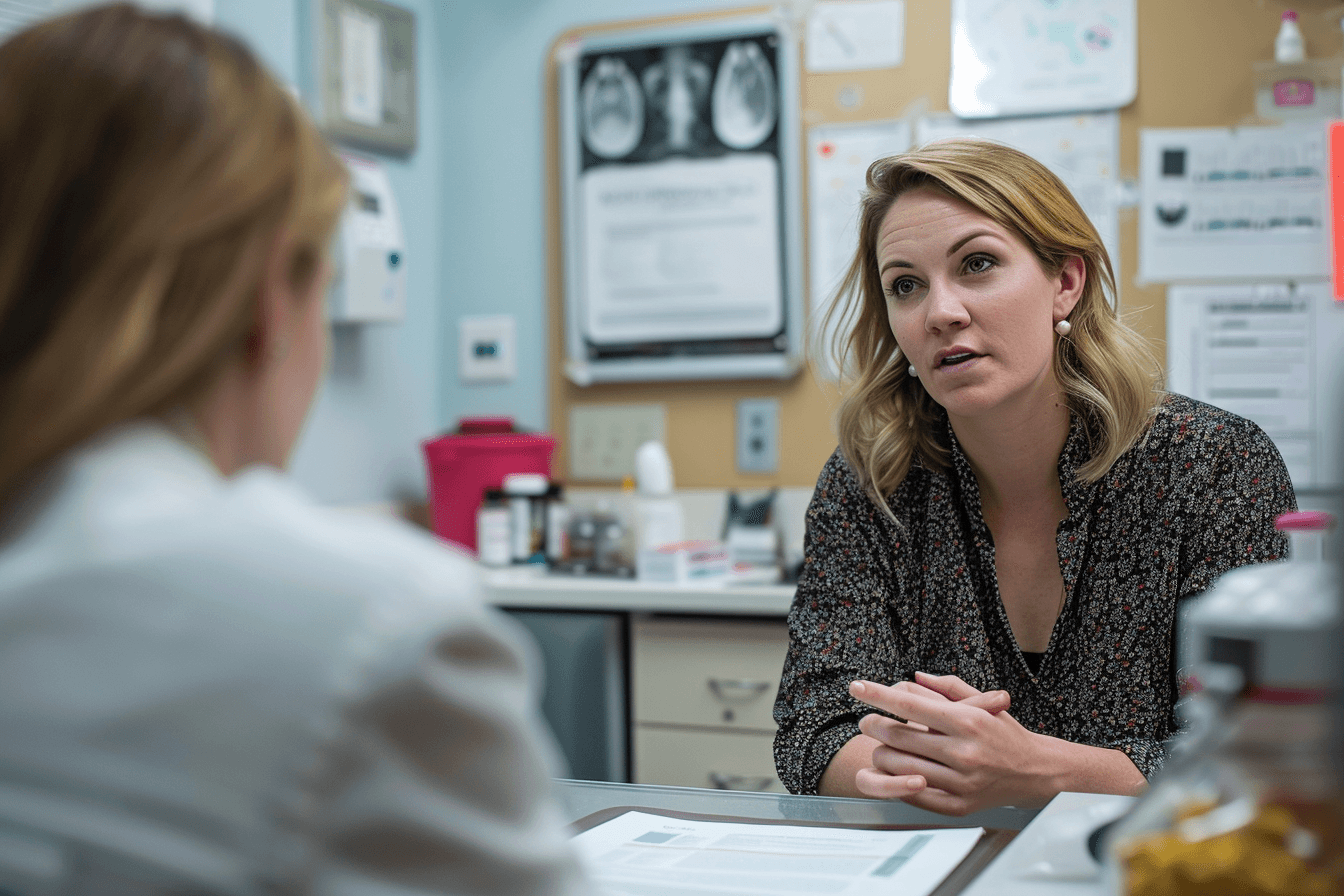
After excision of atypical hyperplasia follow up should never be replaced by Ayurveda alone. Mammogram, diagnostic mammogram, breast MRI when advised, pathology review, oncology review, breast-surgeon review, and high-risk breast clinic follow-up remain essential parts of care. Ayurveda may be used as supportive, whole-person care alongside this medical pathway, but it should not delay imaging, biopsy, specialist consultation, or risk-reducing medical discussions. The safe model is integrative care, not alternative care. The National Center for Complementary and Integrative Health explains that a non-mainstream approach used together with conventional medicine is “complementary,” while one used in place of conventional medicine is “alternative,” and integrative health brings conventional and complementary approaches together in a coordinated way. [13]
This distinction is very important for patients with atypical hyperplasia. A clear excision report is reassuring, but atypical ductal hyperplasia and atypical lobular hyperplasia may still remain markers of future breast-cancer risk. Therefore, the patient still needs a medically supervised follow-up plan. Mayo Clinic notes that patients with atypical hyperplasia may need more frequent breast-cancer screening, annual mammograms, clinical breast exams, and additional screening tests such as breast MRI or other supplemental imaging depending on risk factors, family history, genetic risk, and breast density. [4]
Ayurveda fits best as supportive care for the body’s recovery terrain. After surgery, many patients are physically healed but still struggle with fatigue, anxiety, inflammation, poor sleep, weight gain, digestive weakness, constipation, insulin resistance, hormone-related symptoms, or emotional fear about future cancer risk. These areas are where Ayurveda may provide meaningful support through individualized diet, Agni correction, Ama reduction, sleep regulation, stress management, gentle movement, Pranayama, meditation, metabolic correction, Rasayana support, and constitution-based lifestyle planning. [15, 16, 19]
Ayurvedic care may also support post-surgery recovery by improving digestion, bowel regularity, appetite rhythm, tissue nourishment, strength, and mental stability. In classical Ayurvedic terms, this involves supporting Agni, clearing Ama, balancing Kapha and Pitta, calming disturbed Vata, improving Srotas movement, nourishing Rakta and Mamsa Dhatu, and protecting Ojas. This should be presented as supportive recovery care, not as a claim that Ayurveda can remove atypical cells, replace excision, or eliminate future breast-cancer risk. [15, 16, 18, 19]
Inflammation reduction is another area where Ayurveda may be useful when applied carefully. Many patients after atypical hyperplasia excision have modifiable risk factors such as obesity, insulin resistance, alcohol use, poor sleep, chronic stress, sedentary lifestyle, and inflammatory dietary patterns. Mayo Clinic advises healthy lifestyle choices after atypical hyperplasia, including regular exercise, maintaining a healthy weight, avoiding smoking, and limiting alcohol. Ayurveda can support these same goals through personalized food planning, digestion correction, daily routine, stress reduction, and sustainable weight-management strategies. [4]
Hormone balance support should be handled with particular caution. Some patients with atypical hyperplasia may be advised to avoid certain forms of menopausal hormone therapy or may be offered risk-reducing medicines such as tamoxifen, raloxifene, anastrozole, or exemestane by their medical team. Ayurvedic herbs should not be added casually in these situations, because herb-drug interactions, estrogenic effects, liver metabolism, bleeding risk, and medication interference must be considered. Mayo Clinic notes that hormone-blocking medicines may be used to reduce breast-cancer risk in selected patients, and decisions should be discussed with the healthcare team. [4]
High-risk clinic care is also not optional when the patient qualifies for it. Johns Hopkins states that after excisional biopsy for atypical ductal hyperplasia, close breast surveillance is usually recommended, and that a patient diagnosed with ADH should be followed in a high-risk breast clinic focused on high-risk screening, risk-reducing strategies, and lifestyle modification. Ayurveda may support the lifestyle and whole-body recovery part of this plan, but it should not replace the clinic’s role in surveillance, imaging decisions, risk calculation, or prevention planning. [2]
A safe integrative plan after excision may therefore include two parallel tracks. The medical track confirms pathology, checks imaging-pathology concordance, schedules mammography or MRI when needed, calculates future breast-cancer risk, reviews genetic or family-history concerns, and discusses risk-reducing medication when appropriate. The Ayurvedic track supports digestion, inflammation reduction, metabolic correction, sleep, stress regulation, weight management, hormone terrain support, lymphatic movement, tissue nourishment, and long-term resilience. Both tracks should communicate with each other whenever the patient is taking prescription medicines or undergoing active breast surveillance.
The most responsible message is this: Ayurveda can support the patient, but it should never replace the investigation and monitoring that protect her future. If a patient develops a new lump, nipple discharge, skin dimpling, persistent breast pain, redness, swelling, wound infection, fever, or abnormal imaging result, she should seek medical evaluation promptly rather than relying on home remedies or herbal treatment.
Used safely, Ayurveda can help the patient move beyond fear and passive waiting. It can support recovery, correct modifiable terrain factors, improve daily health, and build long-term discipline. But the foundation remains clear: pathology tells us what was removed, imaging watches what may develop, specialist care calculates risk, and Ayurveda supports the whole person living inside that risk plan.
Warning Signs That Need Medical Attention After Excision
After excision of atypical hyperplasia follow up should include awareness of symptoms that need prompt medical review. Most patients heal normally after excision, and mild discomfort, bruising, or temporary swelling can occur after breast surgery. However, a new or worsening breast change should not be ignored, especially in a patient who already has a high-risk breast finding such as ADH, ALH, or LCIS.
A new lump in the breast or underarm should be reported to the breast surgeon or treating doctor, even if the previous excision report was reassuring. The same applies to new nipple discharge, especially bloody discharge or discharge that appears without squeezing. Skin dimpling, puckering, nipple pulling, visible change in breast shape, thickening, or swelling of part of the breast also needs medical evaluation, because these are recognized warning signs of possible breast disease. [20]
Breast redness that does not improve, redness with warmth, swelling, skin thickening, or an orange-peel-like skin appearance should be assessed urgently. These symptoms may sometimes be related to infection or inflammation, but persistent redness and swelling can also be warning signs of more serious breast conditions. The CDC notes that inflammatory breast cancer can make the breast look red, swollen, warm, and sometimes dimpled, so persistent inflammatory-looking breast changes should not be dismissed. [20]
Persistent localized pain also deserves attention. Many patients have temporary post-surgical pain, but pain that is worsening, focused in one area, associated with a lump, linked with redness or swelling, or not improving over time should be checked. Pain alone is not always a sign of cancer, but after atypical hyperplasia excision it should be interpreted in the context of the full clinical picture, imaging history, and pathology report.
Patients should also watch for wound infection signs after surgery. Increasing redness around the incision, warmth, swelling, worsening tenderness, pus or yellow-green discharge, bad smell from the wound, wound opening, fever, chills, or feeling generally unwell should be reported promptly. Johns Hopkins advises calling the doctor for fever, pus, redness, heat, pain, or tenderness near a surgical wound, while NHS surgical wound guidance also highlights redness, soreness, heat, swelling, pus, wound opening, and fever as possible infection signs.
Abnormal follow-up imaging must also be taken seriously. If a follow-up mammogram shows new calcifications, a new mass, architectural distortion, or any result that the radiologist labels suspicious, the patient should not delay the recommended next step. That next step may be diagnostic mammography, ultrasound, MRI, short-interval imaging, or biopsy, depending on the radiologist’s assessment and the patient’s risk profile. Mayo Clinic notes that atypical hyperplasia patients may need more frequent breast-cancer screening to watch for signs of breast cancer. [4]
Ayurveda may support healing, inflammation reduction, digestion, sleep, stress regulation, and long-term tissue health, but it should not be used as the first response to a suspicious breast symptom. A new lump, nipple discharge, skin dimpling, persistent redness, fever, wound discharge, swelling, new calcifications, or abnormal imaging result requires medical assessment first. The safest approach is simple: use Ayurveda for supportive recovery, but use medical evaluation for warning signs.
Global Medical Guidance: USA, UK, Canada, Australia, Singapore
Follow-up pathways after atypical hyperplasia excision vary by country, healthcare system, insurance structure, and local breast-screening programs. However, the shared principle is the same everywhere: atypical hyperplasia should not be treated as a one-time surgical event only. It needs long-term breast-cancer risk assessment, imaging surveillance, and specialist review when the patient’s risk profile is higher than average. [3, 11, 21, 22]
In the USA, follow-up often follows a high-risk breast clinic model. Patients with atypical ductal hyperplasia, atypical lobular hyperplasia, lobular neoplasia, strong family history, genetic risk, dense breasts, or a calculated lifetime breast-cancer risk of 20% or higher may be considered for more intensive surveillance. NCCN-based screening guidance includes annual breast MRI for patients with a residual lifetime risk of 20% or greater and lists atypical ductal hyperplasia or lobular neoplasia when combined with 20% or greater lifetime risk as increased-risk categories. [3]
In the UK, follow-up is usually coordinated through breast clinics, family-history clinics, or specialist genetics services depending on pathology and family history. NICE guidance for familial breast cancer focuses on classifying people by breast-cancer risk, offering genetic testing when indicated, and using surveillance strategies such as mammography for early detection in people with significant family-history risk. [21]
In Canada, follow-up is risk-stratified and varies by province or territory. The Canadian Partnership Against Cancer notes that there are no single national high-risk screening guidelines across Canada and that protocols differ by jurisdiction. Some provinces and territories manage high-risk patients through screening programs or high-risk clinics, using mammography, MRI, or ultrasound depending on eligibility. Canadian programs may include patients with BRCA-related mutations, high lifetime-risk scores, prior chest radiation, dense breasts, or biopsy findings such as ADH, ALH, and LCIS, depending on the province.
In Australia, patients may enter BreastScreen pathways or specialist breast review depending on age, symptoms, pathology, density, and risk category. BreastScreen Victoria states that LCIS, ADH, and ALH are benign breast conditions that can increase breast-cancer risk and offers annual breast screens for women diagnosed with these conditions until age 74. Australian breast-density guidance also identifies LCIS, ADH, and ALH as high-risk lesions. [22]
In Singapore, patients with high-risk pathology should discuss ongoing follow-up with a breast specialist. SingHealth describes atypical hyperplasia as a breast finding that increases future breast-cancer risk and notes that open biopsy may find early cancer in some cases. SingHealth also states that women with risk factors should discuss screening timing and intervals with their doctors, and that ultrasound, tomosynthesis, or MRI may be considered for women at high risk rather than used as routine screening for all well women.
The practical message for international patients is simple: the name of the pathway may differ, but the safety principle does not. Whether the patient is in the USA, UK, Canada, Australia, Singapore, or the Gulf region, after excision of atypical hyperplasia follow up should clarify four things: what the final pathology showed, what the patient’s calculated future risk is, what imaging schedule is needed, and whether high-risk breast clinic or genetic-risk referral is appropriate.
What Should You Do Now?
If your atypical hyperplasia has already been removed, do not panic, but do not disappear from follow-up. A clear excision report is reassuring, especially when no ductal carcinoma in situ or invasive breast cancer is found. But atypical hyperplasia is still an important breast-risk signal, and the safest next step is to turn that diagnosis into a structured prevention plan. [1, 4, 8]
After excision of atypical hyperplasia follow up should begin with clarity. Ask your breast surgeon or specialist to explain the final pathology report in simple terms. Confirm whether the finding was only atypical ductal hyperplasia, atypical lobular hyperplasia, flat epithelial atypia, LCIS, DCIS, invasive cancer, or a combination of findings. Also ask whether the targeted calcifications or imaging abnormality were fully removed and whether the pathology result matched the original mammogram, ultrasound, or MRI finding. [1, 5]
The next step is structured imaging surveillance. Do not skip follow-up mammograms because the tissue was removed. Your doctor may recommend annual mammography, an earlier diagnostic mammogram, ultrasound when needed, or MRI if your calculated risk is high enough. The purpose is not to make you anxious. The purpose is to watch both breasts carefully and detect any future change as early as possible. [3, 4, 11]
You should also ask for a personal breast-cancer risk assessment. This helps determine whether you are average risk, moderate risk, or high risk after the diagnosis. Your risk may depend on your age, ADH versus ALH or LCIS, breast density, family history, genetic risk, previous biopsies, hormone exposure, menopausal status, weight, alcohol use, insulin resistance, and other medical factors. This step is important because two patients with the same excision report may need different follow-up plans. [3, 8, 10]
If you have ADH, ALH, LCIS, strong family history, dense breasts, repeated abnormal biopsies, or a possible genetic risk, ask whether you should be referred to a high-risk breast clinic. Johns Hopkins specifically advises that patients diagnosed with atypical ductal hyperplasia should be followed in a high-risk breast clinic, where screening, risk-reducing strategies, and lifestyle modification can be discussed. [2]
Alongside medical follow-up, begin whole-body recovery support. Surgery removes the known tissue focus, but it does not automatically correct chronic inflammation, poor sleep, stress biology, weight gain, insulin resistance, digestive weakness, hormone imbalance, or lifestyle patterns that may affect long-term breast health. This is where integrative support can help safely, as long as it does not replace mammography, MRI, pathology review, oncology advice, or high-risk clinic care. [13, 14]
At PanaceAyur, the focus is to support the patient’s internal terrain after the medical diagnosis has been clarified. Ayurvedic care may support digestion, Agni correction, Ama reduction, Kapha-Pitta balance, sleep, stress regulation, metabolic correction, weight management, hormone-terrain support, lymphatic movement, tissue nourishment, and long-term resilience. This support should be personalized after reviewing the patient’s pathology report, imaging plan, medications, menopausal status, digestion, strength, and overall medical condition. [15, 16, 19]
The most important message is this: you are not helpless after atypical hyperplasia, and you are not “waiting for cancer.” You are in a prevention window. The best outcome comes from combining clear pathology review, structured imaging surveillance, personal risk assessment, high-risk clinic care when appropriate, and whole-body recovery support. Do not panic, but do not ignore the diagnosis. Use it as a turning point to protect your future breast health with a clear, calm, and complete plan.
FAQ
If atypical hyperplasia was removed, am I cured?
If atypical hyperplasia was removed and the final pathology showed no cancer, that is reassuring. However, it does not mean future breast-cancer risk is completely gone. Atypical hyperplasia is not cancer, but it is a high-risk breast finding, so continued follow-up is still important.
Can atypical hyperplasia come back after excision?
The exact tissue area that was removed usually does not “come back” if excision was complete. However, new atypical changes or other breast abnormalities can develop later in the same breast or the opposite breast. This is why follow-up should continue after surgery.
Does ADH mean I will definitely get breast cancer?
No. Atypical ductal hyperplasia does not mean you will definitely get breast cancer. It means your future risk is higher than average. Many patients with ADH never develop breast cancer, but the diagnosis should lead to careful screening, risk assessment, and prevention planning.
Do I need MRI after atypical hyperplasia excision?
Not every patient needs MRI after atypical hyperplasia excision. MRI is usually considered when the patient’s calculated lifetime breast-cancer risk is high, or when other factors such as dense breasts, strong family history, genetic risk, or LCIS are present. Your breast specialist should decide this.
How often should I get mammograms after ADH removal?
Many patients are advised to continue annual mammograms after ADH removal, but the exact schedule depends on the final pathology report, breast density, age, family history, and calculated risk. Some patients may need an earlier diagnostic mammogram or additional imaging.
Should I join a high-risk breast clinic?
You should ask your doctor whether a high-risk breast clinic is appropriate. This is especially important if you have ADH, ALH, LCIS, dense breasts, strong family history, repeated abnormal biopsies, or genetic-risk concerns. A high-risk clinic can help plan screening and prevention.
Can Ayurveda reduce future breast risk after excision?
Ayurveda should not replace mammograms, MRI, pathology review, oncology review, or high-risk clinic follow-up. It may support recovery by improving digestion, inflammation, sleep, stress, weight, metabolism, hormone balance, and long-term tissue health as part of an integrative care plan.
Is follow-up needed if the final pathology showed no cancer?
Yes. Follow-up is still needed even if the final pathology showed no DCIS or invasive cancer. A clear pathology report is reassuring, but atypical hyperplasia can remain a marker of future breast-cancer risk. After excision of atypical hyperplasia follow up helps protect long-term breast health.
What is the difference between removing ADH and reducing breast cancer risk?
Removing ADH means the known abnormal tissue focus has been taken out and examined. Reducing breast-cancer risk means creating a long-term plan that may include mammograms, risk assessment, high-risk clinic care, lifestyle changes, and sometimes risk-reducing medication discussion.
What lifestyle changes matter most after atypical hyperplasia?
The most important lifestyle changes include maintaining a healthy weight, exercising regularly, limiting alcohol, improving sleep, managing stress, correcting insulin resistance, supporting digestion, reducing chronic inflammation, and reviewing hormone therapy with your doctor. These steps support overall breast-health risk reduction.
Reference
[1] American Society of Breast Surgeons. (2024). Surgical management of benign or high-risk lesions. American Society of Breast Surgeons.
https://www.breastsurgeons.org/docs/statements/asbrs-high-risk-lesions.pdf
Brief: This is one of the most important references for this article. It explains the surgical management of benign and high-risk breast lesions, including atypical ductal hyperplasia and other lesions found on image-guided biopsy. It supports the point that some high-risk lesions remain markers of future breast-cancer risk even after excision.
[2] Johns Hopkins Medicine. (n.d.). Atypical ductal hyperplasia. Johns Hopkins Medicine.
https://www.hopkinsmedicine.org/health/conditions-and-diseases/breast-cancer/atypical-ductal-hyperplasia
Brief: This patient-facing medical reference explains ADH in simple language and specifically supports the recommendation that patients with ADH should be followed in a high-risk breast clinic. This is a strong trust-building source for the follow-up section.
[3] National Comprehensive Cancer Network. (2025). NCCN guidelines for patients: Breast cancer screening and diagnosis. NCCN.
https://www.nccn.org/patients/guidelines/content/PDF/breastcancerscreening-patient.pdf
Brief: This guideline helps support the screening and risk-assessment part of the article. It is useful when explaining that women with atypical hyperplasia may need individualized screening rather than routine average-risk follow-up.
[4] Mayo Clinic. (2024). Atypical hyperplasia of the breast: Diagnosis and treatment. Mayo Foundation for Medical Education and Research.
https://www.mayoclinic.org/diseases-conditions/atypical-hyperplasia/diagnosis-treatment/drc-20369778
Brief: Mayo Clinic clearly states that follow-up appointments and more frequent breast-cancer screening may be needed after atypical hyperplasia. This is ideal for patient education because the language is simple and credible.
[5] Shahoud, J. S., & Kerndt, C. C. (2024). Atypical breast hyperplasia. In StatPearls. StatPearls Publishing.
https://www.ncbi.nlm.nih.gov/books/NBK470258/
Brief: This source explains the clinical meaning of atypical ductal and lobular hyperplasia, upgrade risk after biopsy, and future cancer-risk implications. It is useful for explaining why excision may be recommended and why follow-up remains necessary.
[6] Rageth, C. J., O’Flynn, E. A. M., Comstock, C., Kurtz, C., Kubik, R., Madjar, H., Lepori, D., Kampmann, G., Mundinger, A., Baege, A., Bronz, L., Brucker, S., Decker, T., Dietz, J., Fallenberg, E. M., Hoffmann, O., Knauer, M., Kuhl, C. K., Kuehn, T., Schulz-Wendtland, R., … Wallis, M. G. (2019). First International Consensus Conference on lesions of uncertain malignant potential in the breast. Breast Cancer Research and Treatment, 174, 279–296.
https://pubmed.ncbi.nlm.nih.gov/30758755/
Brief: This consensus paper helps explain why some high-risk breast lesions need excision, imaging-pathology correlation, and careful follow-up. It is useful for the “what excision achieves” and “final pathology” sections.
[7] The Association of Breast Surgery. (2016). Consensus guideline on concordance assessment of image-guided breast biopsies and management of borderline or high-risk lesions. Association of Breast Surgery.
https://associationofbreastsurgery.org.uk/media/0naeglap/asbs-concordance_and_high-risk-lesions.pdf
Brief: This guideline explains why concordance between imaging and pathology matters. It supports the point that patients should ask whether the excised tissue truly explains the original mammogram, calcification, or biopsy finding.
[8] Hartmann, L. C., Degnim, A. C., Santen, R. J., Dupont, W. D., & Ghosh, K. (2015). Atypical hyperplasia of the breast: Risk assessment and management options. New England Journal of Medicine, 372(1), 78–89.
https://pmc.ncbi.nlm.nih.gov/articles/PMC4347900/
Brief: This is a landmark review. It explains that atypical hyperplasia is a high-risk benign breast lesion and discusses risk assessment, surveillance, and prevention options. This should be one of the main scientific references for the article.
[9] Dupont, W. D., & Page, D. L. (1985). Risk factors for breast cancer in women with proliferative breast disease. New England Journal of Medicine, 312(3), 146–151.
https://pubmed.ncbi.nlm.nih.gov/3965932/
Brief: This classic study established the relationship between proliferative breast disease with atypia and future breast-cancer risk. It supports the statement that atypical hyperplasia is not just a local tissue finding, but a long-term risk marker.
[10] Degnim, A. C., Visscher, D. W., Berman, H. K., Frost, M. H., Sellers, T. A., Vierkant, R. A., Maloney, S. D., Pankratz, V. S., de Groen, P. C., Lingle, W. L., Ghosh, K., Penheiter, L., Tlsty, T., & Hartmann, L. C. (2007). Stratification of breast cancer risk in women with atypia: A Mayo cohort study. Journal of Clinical Oncology, 25(19), 2671–2677.
https://pubmed.ncbi.nlm.nih.gov/17563394/
Brief: This study helps explain that risk after atypia is not identical for every patient. It supports personalization based on age, extent of atypia, number of foci, and other risk factors.
[11] American Cancer Society. (2023). American Cancer Society recommendations for the early detection of breast cancer. American Cancer Society.
https://www.cancer.org/cancer/types/breast-cancer/screening-tests-and-early-detection/american-cancer-society-recommendations-for-the-early-detection-of-breast-cancer.html
Brief: This source supports high-risk breast screening discussions, especially the role of MRI and mammography in selected higher-risk women. It is useful for the imaging-surveillance and global medical guidance sections.
[12] Owens, D. K., Davidson, K. W., Krist, A. H., Barry, M. J., Cabana, M., Caughey, A. B., Doubeni, C. A., Epling, J. W., Kubik, M., Landefeld, C. S., Mangione, C. M., Pbert, L., Silverstein, M., Simon, M. A., Tseng, C. W., & Wong, J. B. (2019). Medication use to reduce risk of breast cancer: US Preventive Services Task Force recommendation statement. JAMA, 322(9), 857–867.
https://pubmed.ncbi.nlm.nih.gov/31479144/
Brief: This reference supports the discussion of risk-reducing medication, such as tamoxifen, raloxifene, or aromatase inhibitors, for selected high-risk women. It should be mentioned carefully as a discussion point with the medical team, not as a universal recommendation.
[13] National Center for Complementary and Integrative Health. (n.d.). Complementary, alternative, or integrative health: What’s in a name? National Institutes of Health.
https://www.nccih.nih.gov/health/complementary-alternative-or-integrative-health-whats-in-a-name
Brief: This source supports the safe positioning of Ayurveda as part of integrative care. It helps clarify that complementary approaches should support, not replace, medically necessary diagnosis, screening, imaging, or specialist follow-up.
[14] World Health Organization. (2023). WHO traditional medicine strategy: 2025–2034. World Health Organization.
https://www.who.int/publications/i/item/9789240090053
Brief: This WHO reference supports the global relevance of traditional medicine when used responsibly, safely, and within a regulated health framework. It is useful for the global guidance and integrative Ayurveda sections.
[15] Sharma, R. K., & Dash, B. (Trans.). (2014). Charaka Samhita of Agnivesha, Sutra Sthana, Chapter 28, Vividhashitapitiya Adhyaya. Chowkhamba Sanskrit Series Office.
Brief: This classical Ayurvedic reference supports the Dhatu-based interpretation of disease development. It can be used to explain how tissue vulnerability, systemic imbalance, and chronic internal disturbance may influence disease patterns. Use it as Ayurvedic interpretation, not as a direct modern pathology claim.
[16] Sharma, R. K., & Dash, B. (Trans.). (2014). Charaka Samhita of Agnivesha, Chikitsa Sthana, Chapter 15, Grahani Chikitsa. Chowkhamba Sanskrit Series Office.
Brief: This chapter is useful for discussing Agni, digestion, Ama formation, and systemic metabolic imbalance. It can support the Ayurvedic explanation that long-term tissue health depends on digestion, metabolism, and internal purification.
[17] Murthy, K. R. S. (Trans.). (2016). Sushruta Samhita, Nidana Sthana, Chapter 11, Granthi, Apachi, Arbuda and Galaganda Nidana. Chaukhambha Orientalia.
Brief: This classical reference supports Ayurvedic discussion of abnormal tissue growth patterns, especially Granthi and Arbuda. It should be used carefully as a conceptual parallel for abnormal tissue proliferation, not as a direct claim that atypical hyperplasia is cancer.
[18] Murthy, K. R. S. (Trans.). (2016). Sushruta Samhita, Sutra Sthana, Chapter 15, Doshadhatumalakshayavriddhi Vijnaniya. Chaukhambha Orientalia.
Brief: This chapter supports the Ayurvedic concept that imbalance in Dosha, Dhatu, and Mala can influence disease progression. It is useful when explaining Mamsa Dhatu, Rakta Dhatu, Kapha, Pitta, and tissue-level imbalance.
[19] Sharma, P. V. (Trans.). (2011). Charaka Samhita of Agnivesha, Chikitsa Sthana, Chapter 1, Rasayana Adhyaya. Chaukhambha Orientalia.
Brief: This is the key classical reference for Rasayana therapy. It supports the Ayurvedic follow-up goal of strengthening Ojas, supporting tissue recovery, improving resilience, and promoting long-term health after a major breast-risk diagnosis.
[20] Centers for Disease Control and Prevention. (2024). What are the symptoms of breast cancer? Centers for Disease Control and Prevention.
https://www.cdc.gov/breast-cancer/signs-symptoms/index.html
Brief: This source supports the warning-sign section, including new lump, nipple changes, breast skin changes, swelling, redness, or discharge. It is useful for patient safety and EEAT.
[21] National Institute for Health and Care Excellence. (2023). Familial breast cancer: Classification, care and managing breast cancer and related risks in people with a family history of breast cancer. NICE Clinical Guideline CG164.
https://www.nice.org.uk/guidance/cg164
Brief: This UK guidance supports the global medical guidance section, especially risk classification, family-history assessment, genetic referral, and risk-based surveillance.
[22] Cancer Australia. (2024). Breast cancer risk factors. Australian Government.
https://www.canceraustralia.gov.au/cancer-types/breast-cancer/risk-factors
Brief: This source supports the Australia-focused part of global guidance. It is useful for discussing general breast-cancer risk factors, risk awareness, and the importance of appropriate follow-up pathways.
Note for the Final Article
Every reference listed here has been selected for clinical relevance, traceability, and patient understanding. Modern references are linked wherever available, and Ayurvedic references are drawn from classical medical texts with chapter-level details. These references should be reused consistently throughout the article so that one source always keeps the same number.