


- Do You Need Surgery After Atypical Ductal Hyperplasia?
- What atypical hyperplasia means on a breast pathology report
- Why doctors may recommend more tissue after a core biopsy
- If your mammogram showed calcifications, this is why they matter
- Core biopsy, vacuum-assisted excision, or surgical excision, what is the difference?
- What happens next depends on what the larger tissue sample shows
- If no cancer is found, why follow-up still matters
- What high-risk breast screening may look like after atypical hyperplasia
- Will you definitely need surgery after atypical ductal hyperplasia?
- What your biopsy report may not have told you clearly
- When a second opinion may be worth considering
- Why many patients still feel unsettled even when they are told it is not cancer
- Where an integrative Ayurvedic support plan may fit safely
- What to do in the next 7 days after this result
- FAQ
- What does atypical hyperplasia on a breast biopsy mean?
- Is atypical hyperplasia breast cancer?
- What happens next after atypical hyperplasia is found on a breast biopsy?
- Do I need surgery after atypical ductal hyperplasia?
- Why do doctors recommend excisional biopsy after a core biopsy?
- What is the difference between ADH and ALH?
- If no cancer is found, why do I still need follow-up?
- Will I need MRI after atypical hyperplasia?
- Can atypical hyperplasia be monitored without surgery?
- What should I ask my doctor after a biopsy shows atypical hyperplasia?
- Can atypical hyperplasia turn into cancer later?
- Can integrative care be used along with breast specialist follow-up?
Do You Need Surgery After Atypical Ductal Hyperplasia?
Atypical hyperplasia after breast biopsy is not the same as breast cancer, but it is also not a finding that should be ignored. This result means that abnormal cells were seen in the breast tissue, usually in the ducts or lobules, and doctors treat it as an important warning sign because it can be linked with a higher future breast cancer risk than average. In most cases, the next step is not immediate cancer treatment. The next step is a careful review of the biopsy type, the pathology result, and whether the sampled tissue was enough to explain the abnormality seen on imaging [1] [2] [12] [16].
If breast biopsy showed atypical hyperplasia, especially atypical ductal hyperplasia, doctors often recommend removing more tissue from that same area. The reason is practical and scientific. A core or needle biopsy takes only a small sample, so it may not show the full picture of the surrounding breast tissue. A larger sample helps confirm whether the abnormal area contains only atypical cells or whether a more serious lesion, such as ductal carcinoma in situ or invasive cancer, is present nearby. This is why many patients are advised to undergo an excisional biopsy or another tissue-removal procedure after the initial biopsy result [1] [2] [16].
This article explains what happens next after a biopsy result.
For the complete foundation on symptoms, diagnosis, and the broader clinical meaning of atypia, read our full guide on benign atypia of the breast https://panaceayur.com/benign-atypia-breast-symptoms-diagnosis-ayurveda/
Many women feel shocked by this diagnosis because atypical hyperplasia after breast biopsy is usually found when they had no obvious symptoms at all. It is commonly discovered after mammography shows calcifications or another abnormal area that needs biopsy. That is why this result often feels emotionally confusing. A patient may go for routine imaging, feel completely well, and then suddenly be told that abnormal cells were found and another step may be necessary. In simple terms, the biopsy does not always end the investigation. Sometimes it begins the next phase of clarification [1] [6] [12].
If the larger tissue sample later shows only atypical hyperplasia and no cancer, the pathway usually changes from diagnosis to surveillance. At that stage, doctors may recommend closer breast follow-up, regular mammograms, and in selected cases discussion of MRI or preventive medicine depending on the patient’s overall risk profile. This is why the phrase “not cancer” should not be misunderstood as “nothing to do.” It means the patient may not need cancer treatment, but she may still need a structured long-term follow-up plan [1] [2] [12].
There is also an important difference between ADH and ALH in the next steps after atypical hyperplasia breast biopsy. ADH found on core biopsy more often leads to removal of additional tissue because doctors want to be sure nothing more advanced is present nearby. ALH may sometimes be handled differently, depending on the imaging findings, the pathology pattern, and whether the radiology and pathology agree with each other. That is why no patient should leave this stage with only a vague reassurance. She should clearly understand four points: what exact type of atypia was found, whether the imaging and pathology match, whether more tissue is recommended, and what her long-term screening plan should be [2] [16].
So, when asking what happens next after atypical hyperplasia, the practical answer is this: first, the specialist confirms what type of atypia was found. Second, they decide whether the initial biopsy sampled enough tissue or whether an excisional procedure is needed. Third, if no cancer is found, they move toward individualized surveillance and future risk management rather than cancer treatment.
Table . What a biopsy finding of atypical hyperplasia may lead to next
| Biopsy finding | What it usually means | Why another step may be needed | What it may lead to next |
|---|---|---|---|
| Atypical ductal hyperplasia, ADH, found on core or needle biopsy | Abnormal cells were found in the breast ducts. It is not breast cancer, but it is considered a higher-risk lesion. | A core biopsy samples only part of the abnormal area, so it may not show the full surrounding picture. | Excisional biopsy or removal of more tissue to rule out nearby DCIS or invasive cancer, then risk-based follow-up if no cancer is found |
| Atypical lobular hyperplasia, ALH, found on biopsy | Abnormal cells were found in the lobules. It is not cancer, but it is linked with increased future breast cancer risk. | The next step depends on whether the imaging and pathology match and whether the sampled tissue seems adequate. | Closer follow-up in selected cases, and in some situations discussion of additional tissue sampling or specialist review |
| Atypical hyperplasia found after calcifications on mammogram | The abnormal cells were discovered because imaging showed a suspicious area, often before symptoms appeared. | Calcifications can reflect a broader abnormal area than the biopsy sample captured. | Review by breast specialist, discussion of excision or further tissue removal, and follow-up imaging planning |
| Atypical hyperplasia with imaging-pathology mismatch | The biopsy result may not fully explain what was seen on mammogram or ultrasound. | When pathology and imaging do not line up, doctors may worry that the abnormal area was only partly sampled. | Second review of pathology and imaging, recommendation for more tissue removal, or referral to breast surgeon |
| Atypical hyperplasia with no cancer found on larger tissue sample | Cancer was not identified, but the patient is still considered at increased future breast cancer risk. | The diagnosis shifts from cancer exclusion to risk management. | Regular mammograms, sometimes more intensive surveillance, and discussion of long-term risk reduction |
| Atypical hyperplasia in a patient with additional risk factors | The biopsy result is only one part of the overall risk picture. | Family history, dense breasts, prior breast conditions, and other factors may increase concern. | More individualized surveillance plan, specialist risk review, and tailored follow-up strategy |
What atypical hyperplasia means on a breast pathology report
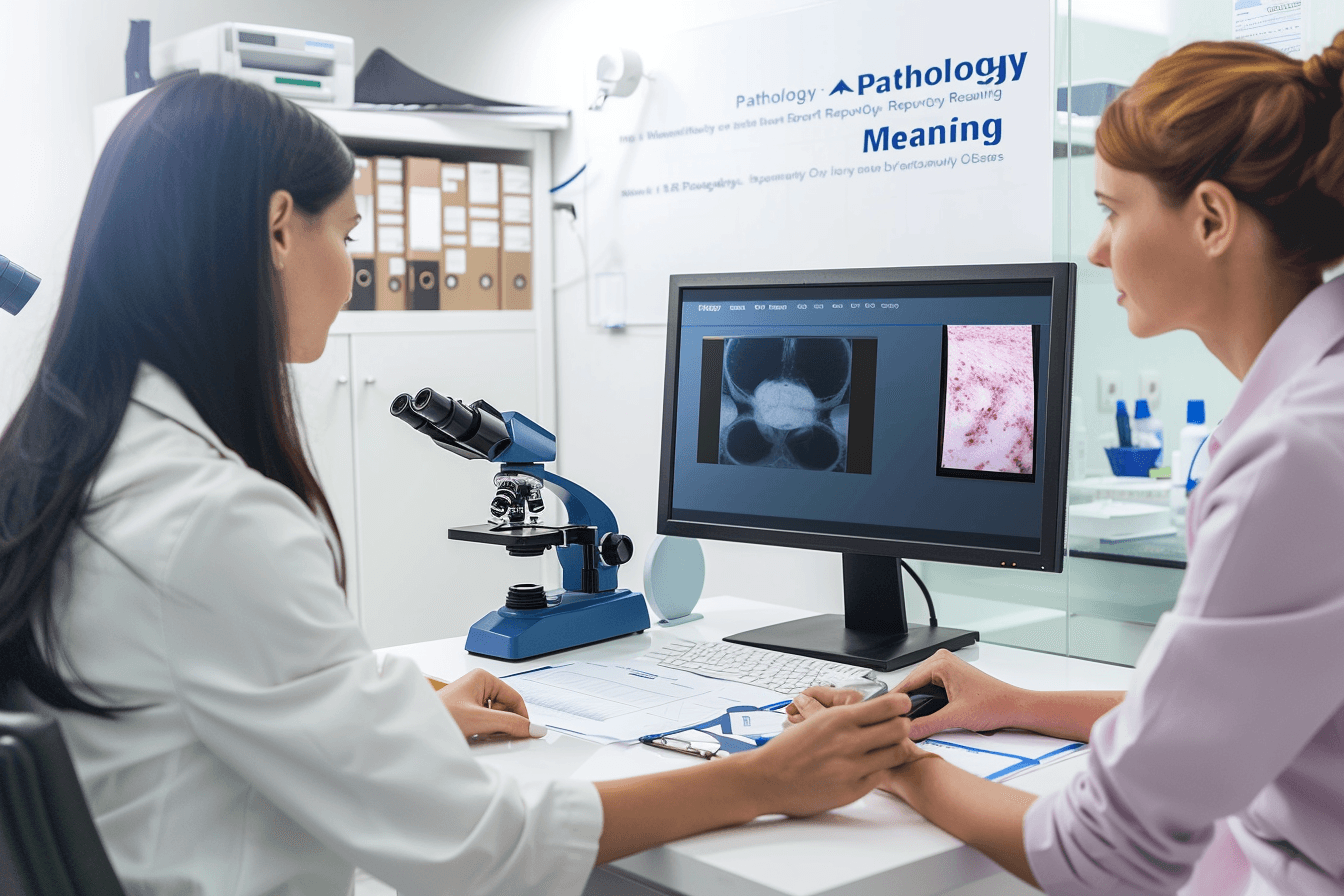
Atypical hyperplasia on a breast pathology report means that the pathologist has seen a buildup of breast cells that look more abnormal than usual under the microscope, but these cells do not meet the criteria for breast cancer. In simple terms, the tissue is not normal, yet it is also not the same as invasive cancer or even a confirmed in situ cancer. This is why the result often sounds confusing to patients. It sits in an important middle category, where the cells are still considered non-cancerous, but the finding carries more clinical importance than an ordinary benign change [2] [12] [17].
A pathology report uses this term because the diagnosis is based on how the cells look, where they are located, and how much of the involved area has been sampled. The wording does not simply describe a harmless variation. It tells the breast specialist that abnormal cell growth was present in the sample and that the result needs to be interpreted together with the imaging findings and the biopsy method. That is why this diagnosis is often followed by a discussion about whether the biopsy fully explained the abnormality or whether more tissue may still need to be examined [2] [12].
Atypical ductal hyperplasia and atypical lobular hyperplasia in simple terms
There are two main forms of atypical hyperplasia that patients commonly see on a pathology report. Atypical ductal hyperplasia, or ADH, means the abnormal-looking cells are mainly in the breast ducts. Atypical lobular hyperplasia, or ALH, means the abnormal-looking cells are mainly in the breast lobules. The National Cancer Institute definitions are useful here because they keep the distinction very simple. ADH involves abnormal cells in the ducts, while ALH involves abnormal cells in the lobules [19] [20].
From the patient’s point of view, the practical difference is not only where the cells are located, but also how doctors may respond afterward. Mayo Clinic explains that both ADH and ALH increase future breast cancer risk, although ADH is more common. The American Cancer Society also notes that ALH found on needle biopsy is sometimes handled with close follow-up rather than automatic removal of more tissue in every case, while ADH found on core biopsy more often triggers a discussion about taking more tissue from that area [2] [12].
Why this is not breast cancer, but also not a routine benign finding
This diagnosis is not breast cancer because the cells have not crossed the threshold that pathologists use to label a lesion as ductal carcinoma in situ or invasive carcinoma. At the same time, it is not a routine benign finding because the cells already show atypical features and are linked with a meaningful increase in future breast cancer risk. That is why doctors do not treat atypical hyperplasia the same way they treat simple cysts or ordinary non-proliferative breast changes [2] [12] [17].
This higher-risk nature is what makes the diagnosis clinically important. Susan G. Komen describes atypical hyperplasia as a proliferative breast condition with abnormal-looking cells under the microscope and notes that women with atypical hyperplasia have about 3 to 5 times the breast cancer risk of women without a proliferative breast condition. Breastcancer.org similarly describes ADH as a benign breast condition linked to a moderate increase in breast cancer risk. So, while the pathology report does not say “cancer,” it also does not describe something trivial. It identifies a finding that deserves careful follow-up, clear explanation, and, in some cases, further tissue evaluation [14] [17].
A clear way to explain this to readers is this: atypical hyperplasia is a warning-sign diagnosis, not a cancer diagnosis. It tells you that abnormal cells were found, that the area may need to be understood more completely, and that your long-term breast health may need more attention than average. That is why this wording on a pathology report often becomes the starting point for the next clinical decision, rather than the end of the conversation [2] [12] [14].
Why doctors may recommend more tissue after a core biopsy
Atypical hyperplasia after breast biopsy often raises a confusing question: if the biopsy is already done, why would a doctor still want more tissue? The reason is that a core biopsy is a sampling procedure, not a full removal of the entire abnormal area. It takes only a small amount of tissue from the part of the breast that looked suspicious on imaging. When that small sample shows atypical hyperplasia, especially atypical ductal hyperplasia, doctors may recommend additional tissue so they can be more certain that the sampled area does not contain a more advanced lesion nearby [1] [2] [3] [10] [13] [16].
This recommendation is not made to frighten the patient. It is made because the first biopsy may answer only part of the question. A core biopsy can show that atypical cells are present, but it may not show the full extent of the abnormal area. If the imaging looked more suspicious than the limited tissue sample seems to explain, doctors often prefer to examine more tissue before they conclude that the finding is only atypical hyperplasia [1] [2] [13] [16].
Why a core biopsy may not show the full picture
A core biopsy removes a few small cylinders of tissue from a targeted part of the breast. That is extremely useful for diagnosis, but it does not always represent the whole lesion. If the abnormality is larger, patchy, or irregular, the biopsy may capture an area of atypical hyperplasia while missing a nearby area with a more serious change. That is why doctors do not always treat a core biopsy result as the final word, especially when the imaging abnormality looked more extensive than the tissue sample suggests [1] [2] [13] [16].
For many patients, this is the point where the process feels frustrating. The biopsy feels final, but medically it may still be only the first step. The doctor must compare the mammogram, ultrasound, or other scan with the pathology report and ask a simple question: does this small tissue sample fully explain what was seen on the imaging? If the answer is no, more tissue is recommended because the first biopsy may not have captured the most important part of the lesion [1] [2] [13] [16].
What doctors mean when they talk about an upgrade risk
When doctors talk about an upgrade risk, they mean the possibility that a lesion first labeled as atypical hyperplasia on core biopsy could be found to be something more serious when a larger tissue sample is examined. In other words, the diagnosis may be upgraded from atypia to ductal carcinoma in situ, called DCIS, or to invasive cancer after excision. This does not mean the first biopsy was careless or incorrect. It means the first biopsy was limited by size and may not have captured the full pathology of the lesion [9] [10].
This concept is well supported in the medical literature. A major review on atypical hyperplasia describes it as a lesion that requires careful risk assessment and management, while a large systematic review and meta-analysis found that pure atypical ductal hyperplasia diagnosed on needle biopsy still had a meaningful rate of upgrade to malignancy when more tissue was examined. In plain language, upgrade risk means that a small biopsy can sometimes underestimate what is really present in the breast [9] [10] [1] [16].
Why additional tissue can help rule out nearby DCIS or invasive cancer
Additional tissue gives the pathologist a wider and more reliable view of the abnormal area. Instead of judging the lesion from a few biopsy cores, the pathologist can examine a larger portion of the tissue and determine whether the atypical cells are isolated or whether they sit next to DCIS or invasive carcinoma. That is why excisional biopsy is often discussed after atypical ductal hyperplasia is found on core biopsy. The goal is not overtreatment. The goal is diagnostic certainty [1] [2] [10] [13] [16].
A larger tissue sample also helps doctors decide whether the imaging and pathology truly match. For example, if a mammogram showed a suspicious cluster of calcifications but the biopsy removed only a tiny focus of atypia, the medical team may worry that the most significant part of the lesion was not captured. Removing more tissue helps answer that concern. It allows doctors to confirm whether the biopsy result fully explains the imaging abnormality or whether a nearby hidden focus of DCIS or invasive cancer is still present [1] [2] [13] [16].
So, when asking why more tissue may be needed after a core biopsy, the practical answer is this: a core biopsy is a sample, not a complete map. If that sample shows atypical hyperplasia, more tissue may be recommended so the doctor can rule out a more serious lesion, reduce uncertainty, and choose the safest long-term plan with confidence
If your mammogram showed calcifications, this is why they matter
If your mammogram showed calcifications, it does not automatically mean cancer. In many women, calcifications are simply tiny calcium deposits seen on breast imaging, and they are often found before there are any symptoms at all. However, some patterns of calcifications, especially clustered or suspicious-looking microcalcifications, can be the reason a biopsy is recommended. This is why calcifications matter in the setting of atypical hyperplasia after breast biopsy. They are often the imaging clue that first led doctors to sample the area and discover the abnormal cells [1] [6] [12] [16].
Calcifications are important because breast lesions such as atypical ductal hyperplasia are frequently not felt as a lump and may cause no warning symptoms. Instead, they are picked up during routine mammography, where the radiologist notices a pattern that needs closer evaluation. That means the mammogram is often the starting point, and the biopsy is the next step used to understand what those calcifications represent [1] [6] [12].
Why calcifications often lead to biopsy
Calcifications often lead to biopsy because mammograms can show patterns that are too uncertain to ignore. A radiologist may see tiny white specks grouped together, scattered in a certain distribution, or arranged in a way that suggests the tissue should be sampled. In many cases of atypical hyperplasia, especially ADH, this is exactly how the lesion is found. The patient may feel completely normal, but the mammogram detects a subtle abnormality that cannot be fully explained without tissue testing [1] [6] [12].
This is one reason patients often feel surprised by the diagnosis. They may go in for routine breast screening, hear that calcifications were seen, and then learn that a biopsy is needed even though they have no pain, no visible change, and no lump. From a clinical point of view, the biopsy is not done because calcifications always mean something dangerous. It is done because certain calcification patterns can be associated with atypical cells, precancerous change, or an early cancer that imaging alone cannot define with certainty [1] [6] [12].
Why calcifications do not automatically mean cancer
Calcifications do not automatically mean cancer because most breast calcifications are benign. Mayo Clinic explains that breast calcifications are common and are most often not cancer, while Cleveland Clinic also notes that calcifications are common and usually benign, even though some patterns can signal higher concern. Breastcancer.org makes the same point clearly by noting that most calcifications are markers of a benign process [12] [16] [17].
The real issue is not the mere presence of calcifications, but their pattern and context. Some calcifications reflect harmless aging changes, prior inflammation, cysts, or other benign breast conditions. Others may raise concern because they appear tightly clustered, irregular, or associated with an area that does not look routine on mammogram. That is why calcifications should be understood as a signal for closer interpretation, not as a diagnosis by themselves. In the setting of atypical hyperplasia, they matter because they are often the reason the abnormal area came to attention in the first place, but they still do not mean that cancer is already present [12] [16] [17].
A practical way to explain this to readers is simple: calcifications are common, biopsy is done to clarify them, and the biopsy result tells the next part of the story. So, if your mammogram showed calcifications and the biopsy later showed atypical hyperplasia, the calcifications were not the diagnosis. They were the imaging clue that helped doctors find an area that needed to be understood more carefully [1] [6] [12] [16].
Core biopsy, vacuum-assisted excision, or surgical excision, what is the difference?
After atypical hyperplasia is found on a breast biopsy, patients often hear several procedure names in a short period of time and assume they all mean the same thing. They do not. Core biopsy, vacuum-assisted excision, and surgical excision remove different amounts of tissue and are used for different levels of diagnostic certainty. The choice depends on how much tissue was already sampled, whether the imaging and pathology match, and how confident the medical team is that the abnormal area has been explained fully [2] [13] [16].
A core biopsy is usually the first step. It uses a needle to remove small tissue samples from the suspicious area seen on mammogram or ultrasound. This is often enough to show whether atypical cells are present, but it does not remove the whole lesion. That is why a core biopsy can identify atypical hyperplasia and still leave uncertainty about what may be present in the surrounding tissue [2] [16].
A vacuum-assisted excision removes more tissue than a standard core biopsy through a small cut in the skin, usually under local anaesthetic. This method may be used when doctors want a larger sample or want to remove more of the abnormal area without moving straight to a full operation. In some cases, it offers a middle path between simple sampling and formal surgery [3].
A surgical excision, sometimes called an excisional biopsy or open biopsy, removes a larger piece of tissue or the whole abnormal area. This is usually advised when doctors want the most complete assessment possible, especially if the earlier biopsy did not fully explain the imaging findings or if they want to rule out nearby DCIS or invasive cancer with greater confidence [6] [13] [16].
In simple terms, core biopsy is mainly for sampling, vacuum-assisted excision removes more tissue in a minimally invasive way, and surgical excision provides the clearest tissue assessment when uncertainty remains. The real question is not which procedure sounds more serious. The real question is which procedure gives enough tissue to explain the abnormal area safely and clearly [2] [3] [13].
Table. Core biopsy vs vacuum-assisted excision vs surgical excision
| Procedure | What it is | How much tissue it removes | Why it may be used after atypical hyperplasia | What patients should understand |
|---|---|---|---|---|
| Core biopsy | A needle procedure that takes small tissue samples from the suspicious area | Small samples only | Usually the first step to identify whether abnormal cells are present | It is a sampling test, not a full removal of the whole area |
| Vacuum-assisted excision | A minimally invasive procedure using a vacuum-connected device through a small skin opening | More tissue than a standard core biopsy | Used when doctors want a larger sample or want to remove more of the abnormal area without a full operation | It may provide more diagnostic confidence while avoiding formal surgery in some cases |
| Surgical excision | A procedure that removes a larger piece of tissue or the whole abnormal area | The largest amount of tissue among these options | Used when doctors need the most complete assessment or want to rule out nearby DCIS or invasive cancer | It gives the clearest tissue assessment when the first biopsy leaves uncertainty |
What happens next depends on what the larger tissue sample shows
After a core biopsy shows atypical hyperplasia, the next step often depends on what is found when a larger tissue sample is examined. This is the point where the pathway becomes much clearer. A limited biopsy can raise concern, but the larger sample helps doctors decide whether the abnormality is confined to atypical cells alone or whether a more advanced lesion is present nearby. That distinction matters because the next phase is very different if the final result remains atypical hyperplasia versus if it is upgraded to DCIS or invasive cancer [1] [2] [10] [13] [16].
Pathway one, the larger sample shows only atypical hyperplasia
If the larger tissue sample shows only atypical hyperplasia and no cancer, the discussion usually shifts away from cancer treatment and toward future risk management. In that situation, the main concern is no longer whether a hidden cancer was missed in that area, but how to monitor a patient whose breast tissue has shown a higher-risk pattern. This often leads to conversations about regular mammograms, breast specialist follow-up, and in selected cases a broader discussion about long-term risk reduction [1] [4] [13] [14].
This pathway is often emotionally difficult because patients hear two messages at once. On one hand, there is relief that no cancer was found. On the other hand, they are told that the finding still matters for the future. That can feel confusing unless it is explained properly. A larger sample showing only atypical hyperplasia usually means the immediate cancer concern has been lowered, but the patient still needs a thoughtful surveillance plan based on her overall risk profile [4] [14].
Pathway two, the larger sample finds DCIS or invasive cancer
If the larger tissue sample shows ductal carcinoma in situ or invasive cancer, the pathway changes completely. At that point, the diagnosis is no longer managed as a high-risk benign lesion. It becomes a breast cancer diagnosis, and the next discussion usually moves toward staging, treatment planning, and the type of breast cancer care required for that specific result [1] [2] [13] [16].
This is exactly why more tissue may be recommended after atypical hyperplasia is seen on core biopsy. The larger sample helps separate two very different clinical realities. One is a non-cancer diagnosis that needs surveillance and risk management. The other is a confirmed cancer diagnosis that needs formal oncologic treatment planning. The value of the larger sample is that it replaces uncertainty with a clearer and safer decision pathway [1] [2] [10] [16].
Table . Result after larger sample, what it means, what the next discussion usually focuses on
| Result after larger tissue sample | What it means | What the next discussion usually focuses on |
|---|---|---|
| Only atypical hyperplasia is found | No cancer was identified in the larger sample | Future breast cancer risk, follow-up imaging, specialist review, and long-term surveillance |
| DCIS is found | A non-invasive breast cancer has been identified | Cancer-specific treatment planning, extent of disease, and breast surgery decisions |
| Invasive cancer is found | Cancer cells have moved beyond the ducts or lobules into surrounding breast tissue | Staging, treatment options, surgical planning, and oncology referral |
| Imaging and pathology still feel difficult to reconcile | The medical team may need further clarification before finalizing the plan | Additional review of imaging, pathology correlation, and specialist decision-making |
If no cancer is found, why follow-up still matters

If the larger tissue sample shows only atypical hyperplasia and no cancer, that is reassuring, but it does not mean the diagnosis becomes unimportant. The immediate concern about a hidden cancer in that area may be reduced, yet atypical hyperplasia still places the patient in a higher-risk category than average for future breast cancer. That is why the conversation usually shifts from “Do you have cancer now?” to “How should your breast health be followed from here?” [4] [7] [9] [12] [14] [16].
Why doctors still consider this a higher-risk result
Doctors still treat this as a higher-risk result because atypical hyperplasia is not just a random benign change under the microscope. It is a proliferative lesion with abnormal-looking cells that has been consistently linked to a meaningful increase in future breast cancer risk. Patient-facing sources such as the Canadian Cancer Society, Mayo Clinic, and Susan G. Komen all describe atypical hyperplasia as a non-cancer diagnosis that still raises later breast cancer risk, and Cancer Australia cites evidence that women with atypical hyperplasia have about 3.93 times the risk of breast cancer compared with other women [4] [7] [9] [12] [14].
Why future risk can involve either breast
Future risk can involve either breast because atypical hyperplasia is not viewed only as a local tissue event. It is also considered a marker that the breast tissue environment has shown a higher-risk pattern. At the same time, some patient resources note that breast cancer may be more likely to arise in the breast where atypical hyperplasia was originally found. So, the practical message for patients is balanced: the original breast deserves careful attention, but follow-up planning should not treat the opposite breast as irrelevant [4] [9] [14].
Why not being discharged immediately does not mean something was missed
Many patients feel confused at this stage because they hear “no cancer was found,” yet they are still advised to continue imaging and specialist review. That does not automatically mean something was missed. More often, it means the doctors are taking the future risk seriously and building a surveillance plan instead of ending care too early. Mayo Clinic and Cleveland Clinic both explain that atypical hyperplasia changes future breast cancer risk, while MD Anderson notes that patients may move into higher-risk screening and prevention discussions even when excision does not show cancer [1] [4] [12] [16].
What high-risk breast screening may look like after atypical hyperplasia

If a larger tissue sample shows only atypical hyperplasia and no cancer, many patients expect follow-up to end there. In practice, that is often when a different phase begins. The focus shifts away from ruling out hidden cancer in that one biopsy area and toward building a long-term screening plan for a person whose breast tissue has shown a higher-risk pattern. Major cancer-center and cancer-organization guidance describes this next phase as high-risk breast screening, which may include regular mammograms, specialist review, and in selected cases breast MRI or risk-reducing medication discussions [1] [4] [14] [21] [22].
Annual mammograms and specialist review
For many women, the foundation of follow-up is regular mammographic screening combined with review by a breast specialist or high-risk clinic. MD Anderson states that patients whose excision shows only atypical ductal hyperplasia may be referred for high-risk breast screening, which can include annual mammograms, and the Canadian Cancer Society similarly advises women with atypical hyperplasia to discuss a personal testing plan that includes regular mammography [1] [4] [14] [21].
This matters because follow-up after atypical hyperplasia is not simply “watch and wait” in a vague sense. It is structured monitoring. The goal is to detect future change earlier, reassess risk over time, and make sure screening intensity matches the patient’s real level of concern rather than assuming every woman needs the exact same plan [4] [14].
When breast MRI may be discussed
Breast MRI is not automatically recommended for every patient with atypical hyperplasia, but it may enter the discussion when the overall risk profile is high enough. MD Anderson notes that high-risk breast screening after ADH can include annual mammograms and breast MRIs, and Komen explains that mammography plus MRI is better than mammography alone for some women at higher risk of breast cancer [1] [11] [21].
In practical terms, MRI is usually discussed not because the pathology result alone gives a one-size-fits-all answer, but because the pathology result becomes part of a larger risk conversation. Dense breasts, family history, prior biopsy history, and formal risk assessment may all influence whether MRI becomes part of the screening plan [11] [21].
When preventive medicine may enter the conversation
Some women are also advised to discuss preventive medicine, sometimes called chemoprevention, after atypical hyperplasia. MD Anderson states that patients may learn about risk-reducing medications after ADH is confirmed without cancer, and Susan G. Komen notes that the NCCN strongly recommends risk-reducing drugs such as tamoxifen for women with atypical hyperplasia in appropriate settings [1] [14] [22].
This does not mean every patient should take medication. It means that atypical hyperplasia is important enough to justify a prevention discussion. For some women, the balance may favor medication. For others, the plan may remain focused on imaging and observation. The key point is that follow-up after atypical hyperplasia is not only about finding disease early. It may also include trying to lower future risk before disease develops [1] [14] [22].
Why screening plans are individualized
Screening plans are individualized because atypical hyperplasia is only one part of a woman’s total breast cancer risk picture. The National Cancer Institute’s Breast Cancer Risk Assessment Tool specifically asks about prior breast biopsies and whether atypical hyperplasia was present, showing that this diagnosis is used as part of formal risk estimation rather than in isolation [8].
That is why two women with the same pathology phrase on paper may leave the clinic with different follow-up plans. One may need annual mammograms alone. Another may also be advised to consider MRI, medication, or a dedicated high-risk clinic review. Risk models, personal history, family history, and other breast factors all shape that decision. Atypical hyperplasia raises the importance of surveillance, but the final screening plan is built around the individual, not just the pathology label [8] [11].
A simple way to explain this section is this: if no cancer is found, follow-up does not disappear. It becomes more personalized. The purpose of high-risk screening is to match the level of surveillance to the patient’s true future risk, not to apply the same plan to everyone [1] [4] [8] [11].
Table . If no cancer is found, what long-term follow-up may include
| Part of follow-up | What it may include | Why it matters |
|---|---|---|
| Regular mammograms | Ongoing breast imaging, often yearly | Helps detect future changes early in women with a higher-risk breast history |
| Specialist review | Follow-up with a breast specialist or high-risk clinic | Makes sure the biopsy result, imaging pattern, and future screening plan are interpreted together |
| Personalized risk assessment | Review of biopsy history, family history, breast density, and other risk factors | Helps decide whether the patient needs standard follow-up or a more intensive surveillance plan |
| Breast MRI in selected cases | Additional imaging for women whose overall risk is high enough | Can improve screening sensitivity when mammography alone may not be enough |
| Discussion of preventive medicine | Review of whether risk-reducing drugs should be considered | May help lower future breast cancer risk in appropriately selected patients |
| Ongoing review of the original breast finding | Monitoring of the breast where atypical hyperplasia was found, while not ignoring the other breast | Recognizes that the original finding remains clinically important, even when no cancer was found on larger sampling |
| Long-term surveillance planning | A structured follow-up schedule rather than a one-time discharge | Reinforces that “no cancer found now” does not mean the breast history becomes irrelevant |
Will you definitely need surgery after atypical ductal hyperplasia?
Not every patient with atypical ductal hyperplasia will follow the exact same path, but surgery is commonly discussed after ADH is found on a core biopsy. The reason is not simply that the words sound serious. The reason is that ADH on a limited biopsy sample can sometimes sit close to a more advanced lesion that was not fully captured in the first tissue sample. That is why many breast specialists recommend removing more tissue to make sure the area has been assessed properly.
Why surgery is commonly recommended in some cases
Surgery, usually in the form of an excisional biopsy, is often recommended when doctors believe the original core biopsy did not provide enough tissue to rule out nearby DCIS or invasive cancer with confidence. Cleveland Clinic explains that treatment for ADH often involves a surgical excisional biopsy to remove more of the affected tissue and the surrounding area, and official patient guidance also frames excision as a way to make sure there is not something more serious nearby.
This recommendation is also supported by scientific evidence on upgrade risk. In simple terms, some lesions first labeled as ADH on needle biopsy are later found to contain malignancy when a larger tissue sample is examined. That is why excision is often presented as a diagnostic safety step rather than as automatic cancer treatment.
Why some cases may be handled differently
At the same time, not every atypical lesion is handled in exactly the same way. The American Cancer Society notes that when ALH is found on needle biopsy, many doctors now believe close follow-up with physical exams and imaging is enough in most cases unless there is another reason to remove more tissue. Breast Cancer Now similarly describes vacuum-assisted excision as one option that may remove more of the area being investigated without moving straight to a full surgical operation in every case.
That is why the answer to “Will I definitely need surgery?” is not a flat yes or no. It depends on the exact lesion type, how much tissue was already sampled, whether the abnormal area seems fully explained, and whether the specialist feels a larger sample is still necessary.
Why imaging and pathology need to make sense together
One of the most important decisions at this stage is whether the imaging findings and the pathology result are concordant. In practical terms, doctors ask whether the biopsy result truly explains what was seen on the mammogram or ultrasound. If the scan looked more suspicious than the pathology suggests, the team may worry that the biopsy sampled only part of the abnormal area.
This is why imaging-pathology correlation matters so much in ADH. A patient may hear that the biopsy found only atypical hyperplasia, yet the surgeon may still advise more tissue removal because the radiology picture and the pathology picture do not fit neatly together. When those two pieces do line up well, follow-up may sometimes be more conservative. When they do not, surgery becomes more likely because the goal is to remove uncertainty before deciding the long-term plan.
A simple way to explain this section is: surgery after ADH is often recommended, but it is recommended for a reason. The decision is based on how complete the first biopsy was, how the lesion looked on imaging, and how much confidence the medical team has that nothing more serious is hiding nearby.
What your biopsy report may not have told you clearly
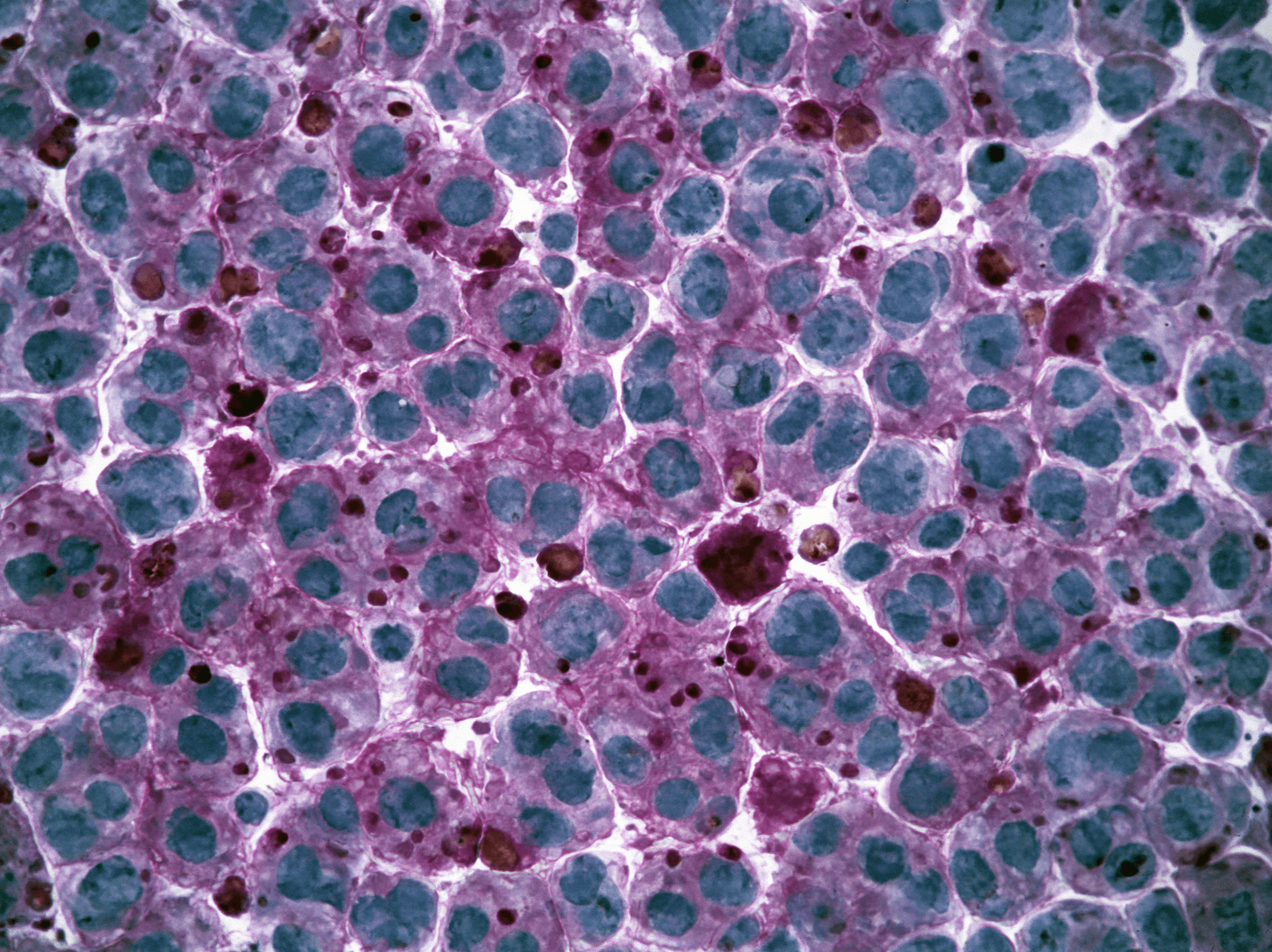
A breast biopsy report can give an important diagnosis, but it does not always answer the practical questions patients need most. Many reports state that atypical hyperplasia was found, yet they do not clearly explain whether the lesion was ADH or ALH, whether the biopsy fully explained the imaging abnormality, whether more tissue is advised, or what the long-term screening plan should be. That is why the report is only one part of the decision. The next step usually comes from combining the pathology result with the imaging findings and the patient’s overall breast cancer risk picture [1] [2] [11].
Table . Questions to ask after a breast biopsy shows atypical hyperplasia
| Question to ask | Why it matters | What kind of answer you are listening for |
|---|---|---|
| Was this ADH, ALH, or another high-risk lesion? | Different high-risk lesions do not always lead to the same next step | A clear name for the lesion and whether it changes the follow-up plan |
| Did the imaging and pathology match? | The biopsy result should make sense when compared with what the mammogram or ultrasound showed | Whether the doctors feel the biopsy fully explained the abnormal area |
| Is more tissue recommended, and why? | A core biopsy may sample only part of the lesion | A specific reason for excision, vacuum-assisted removal, or observation |
| What is my long-term risk and screening plan? | Atypical hyperplasia changes future risk, but not every patient needs the same follow-up | Whether you need annual mammograms alone, MRI discussion, high-risk clinic review, or preventive medicine counseling |
| Do my family history or breast density change the plan? | Risk does not come from the biopsy result alone | Whether other factors place you in a higher surveillance category |
| Should I ask for a second opinion? | This can matter if recommendations feel unclear or imaging and pathology seem discordant | Whether the team is confident in the current plan or would support specialist review |
A useful way to think about this table is simple: the biopsy report names the finding, but these questions help clarify the plan. That is often the difference between feeling stuck with medical terminology and actually understanding what happens next [1] [2] [11] [18].
Was this ADH, ALH, or another high-risk lesion?
This is the first question to ask because not all high-risk breast lesions are managed in the same way. Atypical ductal hyperplasia means abnormal cells were found in the ducts, while atypical lobular hyperplasia means abnormal cells were found in the lobules. Even though both are non-cancer diagnoses, they can lead to different discussions about excision, follow-up, and risk. That is why patients should not stop at hearing “atypical hyperplasia.” They should ask exactly which type was found on the pathology report [2] [19] [20].
Did the imaging and pathology match?
This question is often missing from the written report, but it is one of the most important clinical decisions after biopsy. Doctors need to decide whether the pathology result makes sense when compared with what was seen on the mammogram or ultrasound. If the imaging looked more suspicious than the tissue result seems to explain, the biopsy may have sampled only part of the lesion. When the imaging and pathology do match well, the team can make the next decision with more confidence [2] [11] [13] [16].
Is more tissue recommended, and why?
If more tissue is recommended, patients deserve a clear reason. The answer should not be vague. In most cases, the explanation is that a core biopsy is a sampling procedure and may not show the full extent of the abnormal area. This matters most with ADH, because some lesions labeled as ADH on needle biopsy are later upgraded when a larger tissue sample is examined. So the right follow-up question is not only “Do I need surgery?” but also “What concern are you trying to rule out by taking more tissue?” [1] [2] [10] [13] [16].
What is my long-term risk and screening plan?
This is the question many patients are not told clearly enough. Even if no cancer is found, atypical hyperplasia still changes future breast cancer risk, and the follow-up plan should reflect that. The Canadian Cancer Society, Komen, and MD Anderson all describe atypical hyperplasia as a finding that can justify more structured surveillance, while formal risk tools from the National Cancer Institute and Mayo Clinic show that biopsy history, atypia, and other personal factors are part of individualized risk assessment. That means the long-term plan should be tailored, not generic [4] [8] [11] [14] [18].
A simple way to explain this whole section is this: the pathology report tells you what was seen in the tissue, but it may not tell you what that finding means for the bigger clinical picture. That is why the next appointment should not end with only the report in hand. It should end with a clear explanation of lesion type, imaging-pathology concordance, whether more tissue is needed, and how your future screening plan will be built [1] [2] [11].
When a second opinion may be worth considering

A second opinion is not always necessary after atypical hyperplasia is found on a breast biopsy, but there are situations where it can be useful and completely reasonable. The purpose is not to delay care. The purpose is to make sure the imaging findings, pathology result, and next-step recommendation all fit together clearly. When patients feel that one part of the picture sounds more concerning than another, or when the plan is not being explained in a way that makes sense, another specialist review may help bring clarity [1] [2] [11].
When imaging looks more worrying than the pathology sounds
One situation where a second opinion may be worth considering is when the mammogram or ultrasound looked more suspicious than the biopsy result seems to explain. In practice, doctors want the pathology to be concordant with the imaging. If the scan showed a concerning cluster of calcifications or a lesion that appeared more extensive, but the core biopsy returned only a small focus of atypical hyperplasia, the medical team may question whether the biopsy sampled the most important part of the abnormal area. That kind of mismatch does not prove anything was missed, but it can justify another expert review of both the images and the tissue result [2] [11] [13].
When the recommendation for excision feels unclear
A second opinion may also be helpful when the recommendation for excision feels vague or insufficiently explained. Some patients are told they need more tissue removed but are not clearly told why. Others are told observation may be enough, yet they still do not understand what makes their case lower concern. Since atypical ductal hyperplasia on core biopsy often leads to excision because a limited sample may not fully rule out nearby DCIS or invasive cancer, the reason for the recommendation should be specific and understandable. If that explanation is missing, or if the advice feels inconsistent with what the patient was previously told, another breast specialist’s opinion can be valuable [1] [2] [13] [16].
When dense breasts or family history change the discussion
A second opinion may also be worth considering when the broader risk picture is more complicated than the biopsy report alone suggests. Dense breasts, family history, prior breast biopsies, and other risk factors can change how follow-up is planned and whether MRI, high-risk screening, or prevention strategies should be discussed. MD Anderson notes that breast cancer risk assessment uses multiple factors, not just one finding. Komen and Mayo Clinic resources similarly support individualized risk-based screening rather than a one-size-fits-all approach. So if dense breast tissue, family history, or benign breast disease history seems important in your case but has not been addressed clearly, another review may help ensure the long-term plan is matched to your actual risk [11] [14] [18] [21].
Why many patients still feel unsettled even when they are told it is not cancer

Many patients expect the words “not cancer” to bring immediate relief. Instead, they often feel confused, anxious, or emotionally suspended. That reaction is understandable. Atypical hyperplasia is described as a non-cancer finding, yet it is still linked with higher future breast cancer risk and may lead to more imaging, specialist follow-up, or even another procedure. When patients hear both reassurance and caution at the same time, the result can feel emotionally unresolved rather than comforting [1] [12] [16] [17].
Part of the discomfort comes from the language itself. Words like “atypical,” “high-risk,” or “precancerous” do not sound harmless, even when the doctor says the lesion is not cancer. To the patient, it may feel like something serious was found but not fully named. That gap between the medical label and the emotional meaning of the diagnosis is one reason many women continue to feel unsettled after the appointment [12] [16] [17].
Another reason is that this diagnosis often arrives unexpectedly. Many women have no lump, no pain, and no obvious symptom. They go for imaging, are told calcifications or another abnormality were seen, and then suddenly receive a biopsy result that introduces long-term risk and future surveillance into the conversation. Even when cancer is not found, the experience can still feel like a major disruption of how they think about their health [1] [12] [16].
The follow-up plan can also create emotional tension. A patient may hear that no cancer was found, but then be told she still needs regular mammograms, risk review, or discussion of future prevention. Without a clear explanation, this can feel contradictory. In reality, the doctors are not saying cancer is present now. They are saying the breast tissue has shown a higher-risk pattern that deserves more thoughtful monitoring over time [1] [12] [16].
This is why reassurance after atypical hyperplasia must be more than a single sentence. Patients usually feel calmer when the message is explained properly: this is not breast cancer, but it is not an ordinary incidental finding either. It is a warning-sign diagnosis that changes how future breast health may be followed. Once that distinction is made clearly, many patients stop feeling that the message is mixed and start feeling that the plan is logical [1] [12] [17].
Where an integrative Ayurvedic support plan may fit safely

For patients exploring an integrative Ayurvedic approach after atypical hyperplasia, the safest place for that support is after the diagnostic pathway has been made clear. In practical terms, that means the biopsy has been reviewed properly, the team has decided whether more tissue is needed, and the long-term risk and screening plan is understood. Once that foundation is in place, supportive whole-body care can be considered alongside standard breast follow-up rather than in place of it. That framing fits with current breast-risk guidance, which treats atypical hyperplasia as a finding that may lead to structured surveillance, risk assessment, and sometimes discussions about MRI or risk-reducing medication. [1] [4] [11] [14] [21] [22]
Once the diagnostic pathway is clear, many patients want a broader healing framework. For a deeper
Ayurvedic perspective on benign breast atypia including supportive care principles and long-term breast health guidance, read the complete article. https://panaceayur.com/benign-atypia-breast-symptoms-diagnosis-ayurveda/
An integrative plan is often where patients look for support with the parts of recovery that are not fully answered by imaging alone. After the immediate diagnostic uncertainty settles, many women want help with sleep, stress regulation, body weight, metabolic balance, digestion, and sustainable lifestyle structure. In an Ayurvedic framework, this is where individualized diet, daily routine, mind-body support, and carefully supervised herbal care may be discussed as supportive measures. The key point is timing: supportive care makes the most sense after the breast team has clarified what the lesion means and what level of surveillance is required. [1] [4] [11]
Why supportive whole-body care may matter after the diagnostic pathway is clear
Once no cancer is found and the patient moves into a higher-risk follow-up pathway, many women do not want to hear only “come back for your next scan.” They want a broader health plan that helps them feel more stable, informed, and proactive. That is where supportive whole-body care may matter. It can provide structure around daily habits, emotional steadiness, and long-term health behavior while the breast specialist continues to guide screening and risk review. This type of support does not change the pathology result, but it can help patients feel less passive and more engaged in their ongoing care. [1] [4] [11]
What integrative care should not replace
Integrative care should not replace pathology review, breast imaging follow-up, formal risk assessment, MRI discussions when indicated, or conversations about risk-reducing medication when a patient’s risk profile is high enough. Current guidance for women with atypical hyperplasia emphasizes that long-term care may include annual mammography, selected MRI use, and individualized prevention planning. So an Ayurvedic support plan should be positioned as an additional layer of care, not as a substitute for breast-specialist decision-making. [1] [11] [21] [22]
What to do in the next 7 days after this result

The first week after a biopsy report showing atypical hyperplasia should be used for clarification, not panic. This is the stage where the most helpful goal is to turn a worrying phrase on paper into a clear plan. In practical terms, that means getting the exact pathology wording, confirming what type of lesion was found, asking whether the imaging and pathology fit together, understanding whether more tissue is recommended, and finding out what kind of long-term surveillance you will need [1] [2] [11]. the full pathology report
Do not rely only on a brief verbal summary such as “it is not cancer” or “it is atypical cells.” Ask for the full pathology report and keep a copy. The written report is what allows you and your doctors to confirm the exact diagnosis, compare it with the imaging findings, and decide whether the next step is observation, more tissue sampling, or excision. Getting the actual report early also makes any second opinion much easier if you later decide you want one [2] [16].
Confirm whether the lesion is ADH, ALH, or something else
The next question is the exact lesion type. Atypical ductal hyperplasia means abnormal cells were found in the ducts, while atypical lobular hyperplasia means abnormal cells were found in the lobules. Those two labels do not always lead to the same next-step discussion, so it is important not to stop at hearing only the broad term “atypical hyperplasia.” Ask your doctor to tell you exactly what the pathology called it and whether any other high-risk lesion was mentioned in the report [2] [19] [20].
Ask whether imaging and pathology are concordant
One of the most important questions in the first week is whether the pathology result matches what the mammogram or ultrasound showed. If the scan looked more suspicious than the biopsy result seems to explain, the biopsy may have sampled only part of the lesion. When imaging and pathology are concordant, the next plan is usually more straightforward. When they are not, doctors may feel less comfortable stopping with the first biopsy result alone [2] [11] [13].
Clarify whether more tissue is recommended
If your doctor advises more tissue removal, ask exactly why. The answer should be specific. In many cases, the reason is that a core biopsy is only a sample and may not fully exclude nearby DCIS or invasive cancer, especially when ADH is found. This is where the discussion about excisional biopsy or another tissue-removal procedure becomes important. A clear explanation helps you understand whether the goal is to treat something already confirmed, or to make the diagnosis more certain before deciding the long-term plan [1] [10] [13] [16].
Ask what your long-term surveillance plan should look like
Even if no cancer is found, atypical hyperplasia can still change future breast cancer risk, so the first week should also include a conversation about surveillance. Ask whether your follow-up will involve annual mammograms alone, whether MRI may ever be discussed, whether you should be seen in a high-risk clinic, and whether your personal risk factors change the plan. This is where formal risk tools and broader risk assessment become relevant, because biopsy history, family history, dense breasts, and other factors may influence screening intensity [4] [8] [11] [14] [18].
FAQ
What does atypical hyperplasia on a breast biopsy mean?
Atypical hyperplasia means abnormal breast cells were found on biopsy, but the finding is not breast cancer. It is considered a higher-risk breast lesion because it can increase future breast cancer risk and may lead to more tissue testing or closer follow-up.
Is atypical hyperplasia breast cancer?
No. Atypical hyperplasia is not breast cancer. It means the cells look abnormal under the microscope, but they do not meet the criteria for DCIS or invasive cancer. It is still clinically important because it may increase future breast cancer risk.
What happens next after atypical hyperplasia is found on a breast biopsy?
The next step depends on the lesion type, the biopsy method, and whether the imaging and pathology match. Some patients need more tissue removed, while others move into long-term breast screening and risk-based follow-up.
Do I need surgery after atypical ductal hyperplasia?
Not always, but excisional biopsy is commonly recommended after atypical ductal hyperplasia on core biopsy. This is because a core biopsy samples only part of the abnormal area, and more tissue may be needed to rule out nearby DCIS or invasive cancer.
Why do doctors recommend excisional biopsy after a core biopsy?
A core biopsy removes only a small tissue sample. If atypical hyperplasia is found, doctors may recommend excision because a larger tissue sample can show whether the lesion is limited to atypia or whether a more serious abnormality is present nearby.
What is the difference between ADH and ALH?
ADH means abnormal cells are found mainly in the breast ducts. ALH means abnormal cells are found mainly in the breast lobules. Both are non-cancer diagnoses, but they may not lead to the same next-step recommendation or follow-up plan.
If no cancer is found, why do I still need follow-up?
Even when no cancer is found on a larger tissue sample, atypical hyperplasia still increases future breast cancer risk. That is why many patients need regular mammograms, breast specialist review, and a long-term screening plan tailored to their risk profile.
Will I need MRI after atypical hyperplasia?
Not every patient with atypical hyperplasia needs MRI. MRI is usually discussed only when the overall breast cancer risk is high enough, based on factors such as family history, dense breasts, prior biopsies, and formal risk assessment.
Can atypical hyperplasia be monitored without surgery?
Sometimes. Monitoring may be considered when the lesion type, imaging findings, and pathology result fit together well. In other cases, especially with atypical ductal hyperplasia on core biopsy, more tissue may still be recommended before long-term follow-up is planned.
What should I ask my doctor after a biopsy shows atypical hyperplasia?
Ask what exact lesion was found, whether the imaging and pathology match, whether more tissue is recommended, and what your long-term screening plan should be. These questions usually clarify the next step better than the pathology term alone.
Can atypical hyperplasia turn into cancer later?
Atypical hyperplasia itself is not cancer, but it is linked with a higher future chance of developing breast cancer. This is why the diagnosis is taken seriously even when the current biopsy does not show DCIS or invasive cancer.
Can integrative care be used along with breast specialist follow-up?
Yes. Supportive integrative care may be used alongside standard follow-up, but it should not replace pathology review, breast imaging, risk assessment, or medically advised surveillance. The diagnosis and screening plan should be clarified first.
[1] Hunt, K. (2024, March 22). Atypical ductal hyperplasia: What it is and how it’s treated. UT MD Anderson Cancer Center. https://www.mdanderson.org/cancerwise/atypical-ductal-hyperplasia–what-it-is-and-how-to-treat-it.h00-159695967.html
Brief: Strong patient-friendly source for what ADH means, why it is often found after calcifications on mammogram, why excisional biopsy may be recommended after a core biopsy, and what high-risk follow-up may involve.
[2] American Cancer Society medical and editorial content team. (2023, July 7). Understanding your pathology report: Atypical hyperplasia (breast). American Cancer Society. https://www.cancer.org/cancer/diagnosis-staging/tests/pathology-reports/breast-pathology/atypical-hyperplasia.html
Brief: Best for explaining pathology language simply, especially the difference between ADH and ALH, and why some biopsy results need more tissue removed while others may be followed differently.
[3] Breast Cancer Now. (n.d.). Hyperplasia and atypical hyperplasia. https://breastcancernow.org/about-breast-cancer/breast-lumps-and-benign-not-cancer-breast-conditions/hyperplasia-and-atypical-hyperplasia
Brief: Excellent UK reference. Useful for vacuum-assisted excision biopsy, surgical excision biopsy, and how yearly follow-up imaging may be discussed.
[4] Canadian Cancer Society. (n.d.). Atypical hyperplasia of the breast. https://cancer.ca/en/cancer-information/cancer-types/breast/what-is-breast-cancer/non-cancerous-conditions/atypical-hyperplasia
Brief: Strong source for long-term breast cancer risk after atypical hyperplasia and why family history and age still matter even if no cancer is found.
[5] Cancer Australia. (n.d.). Lobular carcinoma in situ and atypical hyperplasias. https://www.canceraustralia.gov.au/cancer-types/breast-cancer/health-professionals/lobular-carcinoma-situ-and-atypical-hyperplasias
Brief: Useful Australian background source for broader high-risk breast lesions, especially when you want more formal clinical language around atypical hyperplasias.
[6] SingHealth. (n.d.). Atypical Hyperplasia – Conditions & Treatments. https://www.singhealth.com.sg/symptoms-treatments/atypical-hyperplasia
Brief: Strong Singapore-based patient source. Good for showing that atypical hyperplasia is often asymptomatic, may be found because of microcalcifications, and may need open biopsy because more tissue gives a clearer answer.
[7] Cancer Australia. (2026, March 17). Medical history and medications. https://www.canceraustralia.gov.au/breast-cancer-risk-factors/risk-factors/medical-history-and-medications
Brief: Helpful for the long-term risk section. It summarizes official Australian breast cancer risk information relevant to women with atypical hyperplasia.
[8] National Cancer Institute. (n.d.). Breast Cancer Risk Assessment Tool. https://bcrisktool.cancer.gov/
Brief: Best source for explaining why follow-up is personalized. It helps readers understand why biopsy history, family history, and other factors can change screening recommendations.
[9] Hartmann, L. C., Degnim, A. C., Santen, R. J., Dupont, W. D., & Ghosh, K. (2015). Atypical hyperplasia of the breast: Risk assessment and management options. New England Journal of Medicine, 372(1), 78-89. https://pmc.ncbi.nlm.nih.gov/articles/PMC4347900/
Brief: Landmark review paper. One of the best scientific sources for long-term risk, clinical significance, and management strategy after atypical hyperplasia.
[10] Schiaffino, S., Calabrese, M., Melani, E. F., Trimboli, R. M., Cozzi, A., Carbonaro, L. A., et al. (2020). Upgrade rate of percutaneously diagnosed pure atypical ductal hyperplasia: Systematic review and meta-analysis of 6458 lesions. Radiology, 294(1), 76-86. https://pubmed.ncbi.nlm.nih.gov/31660803/
Brief: Best paper for the “upgrade risk” section. It explains why some patients with ADH on core biopsy are advised to undergo excision and why not all ADH cases are handled the same way.
[11] Arun, B. (2026, April 24). Breast cancer risk assessments: What to know. UT MD Anderson Cancer Center. https://www.mdanderson.org/cancerwise/breast-cancer-risk-assessments-what-to-know.h00-159854556.html
Brief: Very useful for dense breasts, family history, risk models, and why one patient may be advised only mammographic follow-up while another may be considered for MRI or high-risk review.
[12] Mayo Clinic staff. (2024, September 19). Atypical hyperplasia of the breast – Symptoms and causes. Mayo Clinic. https://www.mayoclinic.org/diseases-conditions/atypical-hyperplasia/symptoms-causes/syc-20369773
Brief: Strong patient-facing source for explaining that atypical hyperplasia is not breast cancer but is associated with a higher future risk of breast cancer. It also clearly explains ADH versus ALH.
[13] Mayo Clinic staff. (2024, September 19). Atypical hyperplasia of the breast – Diagnosis and treatment. Mayo Clinic. https://www.mayoclinic.org/diseases-conditions/atypical-hyperplasia/diagnosis-treatment/drc-20369778
Brief: Good for the treatment and next-step sections, especially where you explain that surgery may be recommended depending on mammogram findings, biopsy results, and the full imaging-pathology discussion.
[14] Susan G. Komen. (n.d.). Breast cancer risk: Usual and atypical hyperplasia. https://www.komen.org/breast-cancer/risk-factor/hyperplasia-and-other-benign-breast-conditions/
Brief: Excellent for the risk and screening sections. It explains that atypical hyperplasia raises breast cancer risk by about 3 to 5 times and outlines high-risk screening and risk-reducing medication discussions for selected women.
[15] Johns Hopkins Medicine. (n.d.). Atypical Ductal Hyperplasia (ADH). https://www.hopkinsmedicine.org/health/conditions-and-diseases/breast-cancer/atypical-ductal-hyperplasia
Brief: Useful for reinforcing that ADH is a real high-risk marker and that follow-up needs to be careful and individualized. Good for readers who want a major academic-hospital source.
[16] Cleveland Clinic. (2023, November 16). Atypical ductal hyperplasia: Breast, symptoms & treatment. https://my.clevelandclinic.org/health/diseases/16242-atypical-ductal-hyperplasia
Brief: Strong source for patient-friendly explanation of diagnosis, symptoms, risk, and treatment. Especially useful for the “what happens next” and “will I need surgery” sections because it explains excisional biopsy and later screening clearly.
[17] Breastcancer.org. (2022, July 27). Atypical ductal hyperplasia. https://www.breastcancer.org/benign-breast-conditions/atypical-ductal-hyperplasia
Brief: Helpful for simple wording around what ADH is, how it differs from DCIS, and why it is considered a benign but clinically important finding linked to increased breast cancer risk.
[18] Mayo Clinic. (n.d.). Breast Cancer Risk Assessment Tool for Women With Benign Breast Disease (BBD). https://www.mayoclinic.org/breast-cancer-risk-prediction/itt-20150095
Brief: Very useful for the risk-assessment section because it directly addresses women with benign breast disease, including atypical hyperplasia, and supports personalized surveillance and prevention decisions.
[19] National Cancer Institute. (n.d.). Definition of atypical ductal hyperplasia. https://www.cancer.gov/publications/dictionaries/cancer-terms/def/atypical-ductal-hyperplasia
Brief: Good short official definition source. Useful when you want a clean one-line explanation of ADH for glossary-style or FAQ sections.
[20] National Cancer Institute. (n.d.). Definition of atypical lobular hyperplasia. https://www.cancer.gov/publications/dictionaries/cancer-terms/def/atypical-lobular-hyperplasia
Brief: Good short official definition source for ALH. Useful in the pathology explanation section when distinguishing ADH from ALH.
[21] Susan G. Komen. (n.d.). Breast cancer screening for women at higher risk. https://www.komen.org/breast-cancer/screening/when-to-screen/high-risk-women/
Brief: Helpful for the screening section because it explains when MRI and more intensive breast screening may be considered for women at higher risk.
[22] Susan G. Komen. (n.d.). Options for women at higher risk for breast cancer. https://www.komen.org/breast-cancer/risk-factor/options-for-women-at-high-risk/
Brief: Useful for the preventive medicine and risk-reduction section, especially when you explain that some women may discuss risk-lowering drugs or other prevention options with their clinicians.
[23] Susan G. Komen. (n.d.). Understanding breast cancer risk. https://www.komen.org/breast-cancer/risk-factor/understanding-risks/
Brief: Good support for the “future risk” section because it explains relative risk concepts in plain language and helps readers understand what a higher-than-average risk really means.