




- Quick answer: what does MGMT promoter methylation mean in glioblastoma?
- What is the MGMT gene?
- What is promoter methylation?
- MGMT methylated vs MGMT unmethylated glioblastoma
- Why MGMT promoter methylation matters for temozolomide response
- Does MGMT methylation improve survival in glioblastoma?
- How is MGMT promoter methylation tested?
- When should MGMT be tested?
- MGMT and other molecular markers: IDH, WHO classification and integrated diagnosis
- What if the glioblastoma is MGMT methylated?
- What if the glioblastoma is MGMT unmethylated?
- MGMT promoter methylation in older adults with glioblastoma
- MGMT status and recurrent glioblastoma
- How patients should read their pathology or molecular report
- Questions to ask your neuro-oncology team
- Why families search for deeper support beyond standard treatment
- Can Ayurveda support patients with MGMT-related glioblastoma?
- Classical Ayurvedic foundation for integrative glioblastoma support
- Sleep, strength and recovery: the Ayurvedic view
- Rasayana: rebuilding strength, Ojas and treatment resilience
- Arbuda in classical Ayurveda and modern glioblastoma
- Ayurvedic treatment logic: Agni, Ojas, Srotas and Majja Dhatu
- Urdu and Arabic message for Gulf patients and families
- A practical integrative care map for glioblastoma families
- Safety: what Ayurveda should not replace
- Strong message for patients: read the complete article
- Red flags: when to seek urgent medical help
- FAQs
- References
Medical note: This article is for patient education and integrative care awareness. It does not replace diagnosis, MRI interpretation, pathology review, chemotherapy planning, emergency neurological care or treatment decisions by a qualified neuro-oncology team.
MGMT promoter methylation in glioblastoma is one of the most important molecular findings families may see after a brain tumor or brain tumour biopsy. When a pathology report uses words such as “MGMT methylated,” “MGMT unmethylated,” “IDH-wildtype,” or “WHO grade 4 glioblastoma,” patients and families often feel that the report is written in a different language. Yet this single marker can influence how doctors think about temozolomide response, treatment planning and prognosis [1].
Glioblastoma is an aggressive primary brain tumor. Standard treatment usually involves maximal safe surgery when possible, followed by radiotherapy and temozolomide in suitable patients [2]. However, not every glioblastoma responds in the same way. This is where MGMT promoter methylation becomes clinically meaningful. MGMT is a DNA repair gene. Temozolomide works partly by damaging tumor-cell DNA. When the MGMT promoter is methylated, the tumor may have reduced ability to repair that damage, making temozolomide more likely to help in many patients [1][3].
This article explains MGMT promoter methylation in clear language. It covers what MGMT means, how the test is done, what methylated and unmethylated results suggest, how MGMT affects temozolomide response, what it may mean for survival, and how families can use this information in discussion with their neuro-oncology team. It also explains how supportive Ayurveda may help the patient’s strength, digestion, sleep, mental steadiness and treatment tolerance when used responsibly alongside standard medical care, not instead of it [8][9].
Quick answer: what does MGMT promoter methylation mean in glioblastoma?
MGMT promoter methylation means that the MGMT DNA repair gene may be partly switched down in glioblastoma cells. This matters because temozolomide chemotherapy damages tumor-cell DNA. If MGMT repair activity is lower, tumor cells may be less able to repair temozolomide-induced damage. For this reason, MGMT promoter methylation is generally considered a favorable predictive marker for temozolomide benefit in glioblastoma [1][3].
If the tumor is MGMT methylated, temozolomide is more likely to be effective. If the tumor is MGMT unmethylated, the tumor may repair chemotherapy-related DNA damage more efficiently, so the benefit from temozolomide may be lower [3][5]. However, MGMT status is not the whole story. A methylated result does not guarantee long-term survival, and an unmethylated result does not mean that nothing can be done. Treatment decisions still depend on age, performance status, neurological condition, extent of surgery, IDH status, MRI findings, recurrence status, country-specific guidelines and clinical trial availability [4][6].
What is the MGMT gene?
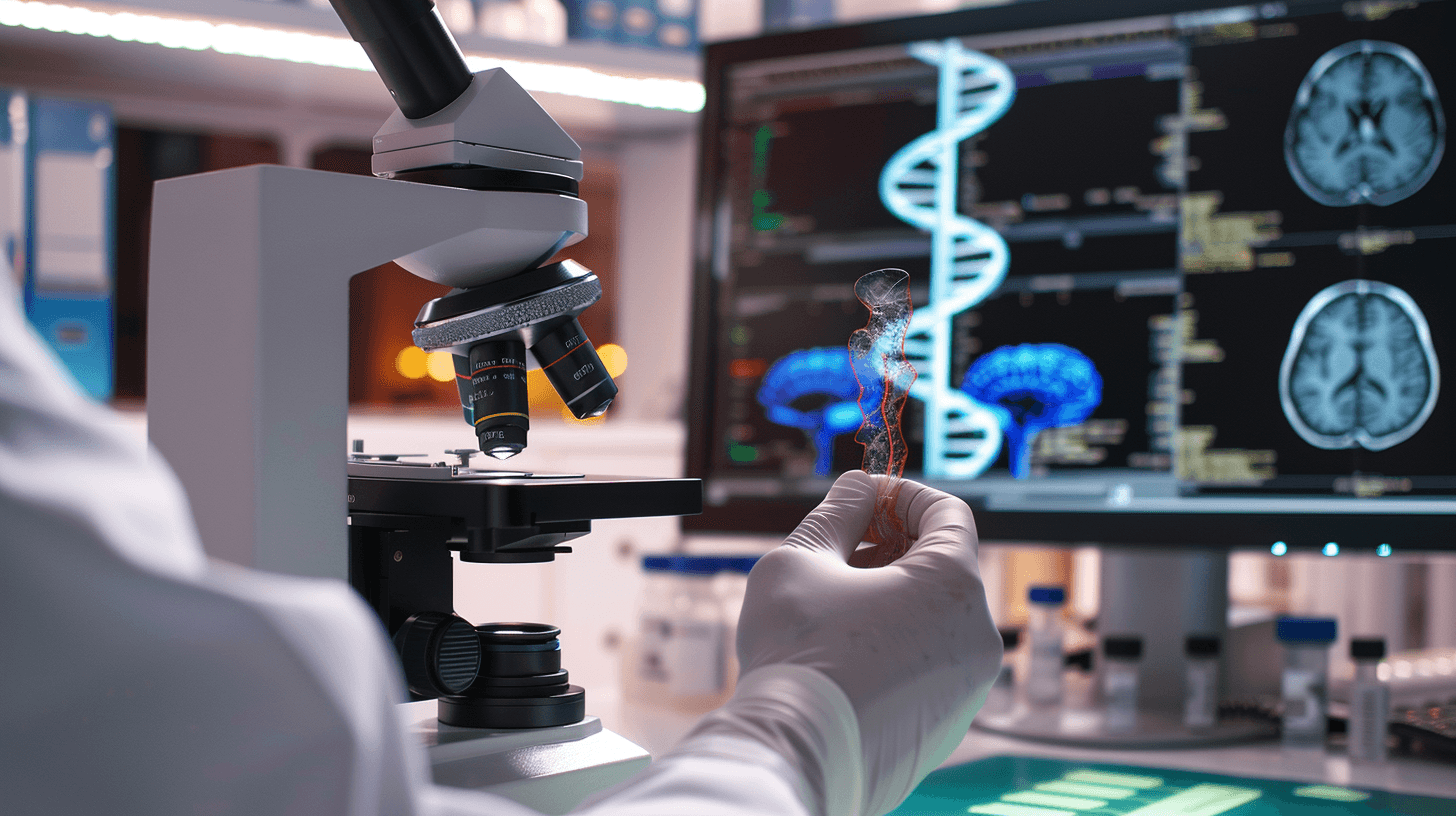
MGMT stands for O6-methylguanine-DNA methyltransferase. It is a DNA repair gene. In normal biology, DNA repair is important because cells are constantly exposed to damage from natural metabolism, inflammation, radiation, chemicals and other internal or external stressors. MGMT helps repair a specific type of DNA injury, particularly damage at the O6 position of guanine [5].
In healthy cells, this repair mechanism is protective. In glioblastoma cells, the same repair mechanism can become a treatment-resistance factor. Temozolomide is an alkylating chemotherapy. It injures tumor-cell DNA. If the glioblastoma cell has active MGMT repair capacity, it may repair some of the chemotherapy-induced damage and survive. If the MGMT gene is silenced or reduced through promoter methylation, the tumor cell may be less capable of repairing that damage [1][5].
This is why MGMT is not simply a “good” or “bad” gene. It is a normal repair system. The clinical problem is that glioblastoma cells can use MGMT activity to resist treatment. Therefore, MGMT promoter methylation is important because it gives doctors a clue about whether temozolomide is more likely to work.
What is promoter methylation?
A promoter is a control region of a gene. It acts like a switch that helps decide whether a gene is active or less active. Methylation is a chemical modification that can reduce gene expression. When the promoter region of MGMT is methylated, MGMT activity may be lowered or silenced in tumor cells [1][5].
A simple way to understand it is this: MGMT is like a DNA repair workshop inside the tumor cell. Temozolomide damages the tumor’s DNA. If the MGMT repair workshop is fully active, the tumor may repair some of that damage. If the MGMT promoter is methylated, the repair workshop becomes quieter. This may make the tumor more vulnerable to temozolomide.
This does not mean that MGMT methylation is a cure. It means the tumor may be biologically more sensitive to a specific chemotherapy strategy. That is why neuro-oncologists use MGMT status as one part of treatment planning, especially when deciding how strongly temozolomide is expected to help.
MGMT methylated vs MGMT unmethylated glioblastoma
The terms “methylated” and “unmethylated” can create anxiety because patients often interpret them as good or bad. A more accurate way to understand them is as treatment-response signals.
| MGMT report result | Simple meaning | Treatment meaning | Patient interpretation |
|---|---|---|---|
| MGMT promoter methylated | MGMT repair activity may be reduced | Temozolomide is more likely to help | Generally considered a more favorable predictive marker |
| MGMT promoter unmethylated | MGMT repair activity may remain active | Temozolomide may be less effective | Not hopeless, but treatment planning needs deeper personalization |
| Borderline or low-level methylation | Result may depend on test method and lab cutoff | Interpretation varies | Ask the neuro-oncology team how the result changes your plan |
A methylated result usually gives more confidence that temozolomide may have benefit. An unmethylated result suggests that the tumor may be more resistant to temozolomide, but it does not automatically mean temozolomide will never be used. Some patients still receive temozolomide depending on age, performance status, country-specific treatment protocols, patient preference and whether the result is borderline [3][4].
MGMT status should never be read alone. It must be interpreted with the full integrated diagnosis, including histology, MRI findings, IDH status, neurological condition and overall treatment goals [4][6].
Why MGMT promoter methylation matters for temozolomide response

Temozolomide became a central part of glioblastoma treatment after a landmark trial showed that radiotherapy plus concomitant and adjuvant temozolomide improved outcomes compared with radiotherapy alone in newly diagnosed glioblastoma [2]. This treatment approach is often called the Stupp protocol.
The next important question was why some patients responded better than others. Hegi and colleagues showed that patients whose glioblastomas had MGMT promoter methylation were more likely to benefit from temozolomide [1]. This became one of the strongest reasons for testing MGMT in glioblastoma.
MGMT status helps doctors estimate whether temozolomide is more likely to damage tumor cells effectively or whether the tumor may repair the damage and resist treatment. In this way, MGMT is a predictive biomarker. It does not simply describe the tumor; it helps predict response to a specific treatment [1][5].
This is why families should ask for the MGMT result after surgery or biopsy. In many countries, including the UK through NICE guidance, MGMT promoter methylation testing is recommended for high-grade glioma specimens because it helps inform prognosis and guide treatment [4].
Does MGMT methylation improve survival in glioblastoma?
MGMT promoter methylation is generally associated with better response to temozolomide and may be linked with better survival outcomes in many studies [1][5]. However, it must be explained carefully. MGMT methylation is a favorable treatment-response marker, not a guarantee.
Glioblastoma prognosis depends on many factors. These include age, Karnofsky performance status, tumor location, extent of safe surgical resection, neurological symptoms, IDH status, steroid requirement, seizure control, treatment tolerance, recurrence pattern and availability of clinical trials [4][6][7].
A patient with MGMT methylation may still have aggressive disease. A patient with MGMT unmethylation may still benefit from surgery, radiotherapy, selected systemic therapies, trials, rehabilitation and excellent supportive care. The correct interpretation is that MGMT methylation may improve the probability of temozolomide benefit. It does not remove the need for close MRI follow-up, symptom monitoring and multidisciplinary care.
How is MGMT promoter methylation tested?
MGMT promoter methylation is usually tested on tumor tissue obtained during surgery or biopsy. The sample is analyzed by a molecular pathology laboratory. Depending on the center, methods may include methylation-specific PCR, pyrosequencing or other methylation analysis techniques [5].
Some reports simply say “MGMT promoter methylated” or “MGMT promoter unmethylated.” Other reports may give a percentage or describe the result as borderline or indeterminate. This matters because different laboratories may use different methods, CpG sites and cutoff values [5].
A major meta-analysis confirmed the clinical usefulness of MGMT promoter methylation testing in glioblastoma treated with temozolomide, but it also highlighted that there is no universal agreement on the ideal testing method, exact methylation sites or cutoff threshold [5]. Therefore, if the result is borderline, families should ask the neuro-oncologist how that specific laboratory result affects treatment decisions.
When should MGMT be tested?

MGMT testing is usually performed after diagnosis of a high-grade glioma, using tissue from surgery or biopsy. NICE recommends testing all high-grade glioma specimens for MGMT promoter methylation to inform prognosis and guide treatment [4].
If the pathology or molecular report does not mention MGMT, families can ask three practical questions. Has MGMT promoter methylation testing been done? Was there enough tumor tissue for testing? Does the result affect the temozolomide plan?
In a well-coordinated glioblastoma pathway, MGMT status should be discussed alongside IDH status, histological features, imaging results and the patient’s general condition. Molecular testing is not just a technical report. It is part of personalized cancer decision-making.
MGMT and other molecular markers: IDH, WHO classification and integrated diagnosis
Modern glioma diagnosis is no longer based only on what the tumor looks like under the microscope. The World Health Organization classification now places major importance on molecular features in central nervous system tumors [6]. This means that a glioblastoma diagnosis should ideally include histology and molecular markers.
IDH status is especially important. IDH-wildtype glioblastoma behaves differently from IDH-mutant astrocytoma. MGMT is different from IDH. IDH helps define diagnosis and prognosis, while MGMT mainly helps predict sensitivity to alkylating chemotherapy such as temozolomide [1][6].
Other markers, such as TERT promoter mutation, EGFR amplification and chromosome 7/10 changes, may also appear in advanced reports depending on the institution. Families do not need to memorize every marker. The key is to ask the treating team how the complete integrated diagnosis changes treatment planning.
MGMT is important, but it is not the entire disease story.
What if the glioblastoma is MGMT methylated?
If glioblastoma is MGMT methylated, temozolomide is more likely to be useful because the tumor may have reduced ability to repair chemotherapy-related DNA damage [1][3]. For many patients, this supports the use of radiotherapy with concomitant and adjuvant temozolomide when clinically appropriate [2][4].
This result often gives families some reassurance. However, it must be understood with balance. MGMT methylation does not mean the tumor is harmless. Glioblastoma remains aggressive even when MGMT is methylated. Patients still need MRI surveillance, symptom monitoring, seizure care, steroid management when required, rehabilitation and supportive care.
The most useful way to read a methylated result is this: it gives the oncology team a stronger reason to expect benefit from temozolomide, but it does not remove uncertainty.
What if the glioblastoma is MGMT unmethylated?
If glioblastoma is MGMT unmethylated, the tumor may have more active DNA repair capacity. This can make temozolomide less effective because the tumor may repair the DNA damage caused by chemotherapy [3][5].
This result can feel frightening, but it should not be read as the end of hope. It should be read as a signal that treatment needs deeper personalization. Doctors may still consider radiotherapy, temozolomide in selected situations, clinical trials, repeat molecular review, rehabilitation and symptom-focused care depending on the patient’s age, strength, neurological condition and treatment goals [4].
Clinical trials are especially important to discuss in MGMT unmethylated glioblastoma because many trials are designed for treatment-resistant disease biology. Families should ask whether the patient is eligible for trials based on MGMT status, IDH status, prior treatment and performance status.
An unmethylated MGMT result does not mean “nothing works.” It means the standard chemotherapy benefit may be lower, and the treatment plan must be more strategic.
MGMT promoter methylation in older adults with glioblastoma

MGMT status can be especially important in older adults and medically frail patients. In younger and stronger patients, doctors may recommend combined radiotherapy and temozolomide when appropriate. In older patients, the balance between benefit and side effects becomes more delicate.
NICE recommendations separate some treatment options by age, performance status and MGMT methylation status [4]. In older adults, MGMT methylation may help doctors decide whether temozolomide is likely to be worth the burden of treatment. If the tumor is methylated, temozolomide may be more attractive. If it is unmethylated, the team may weigh other approaches more carefully.
This is why MGMT is not only a laboratory result. It can affect real decisions about treatment intensity, quality of life and patient priorities.
MGMT status and recurrent glioblastoma
Glioblastoma often recurs despite standard treatment. At recurrence, decisions are usually based on current MRI findings, neurological symptoms, time since previous treatment, performance status, prior surgery, prior radiotherapy, previous temozolomide exposure and patient goals [4].
MGMT status may help doctors interpret how the tumor behaved during initial temozolomide treatment. However, recurrence decisions are more complex than MGMT alone. Some patients may be considered for repeat surgery, re-irradiation in selected cases, chemotherapy, clinical trials, rehabilitation or palliative care depending on the situation [4][7].
Families should ask whether repeat biopsy, broader molecular profiling or clinical trial screening is appropriate at recurrence. In some cases, new molecular information can help guide the next step.
How patients should read their pathology or molecular report
A glioblastoma pathology report may contain many unfamiliar terms. “MGMT promoter methylated” means that the MGMT repair gene may be less active. “MGMT promoter unmethylated” means the repair gene may remain active. “Indeterminate” means the test could not be clearly interpreted.
Other terms may include “IDH-wildtype,” “WHO grade 4,” “necrosis,” “microvascular proliferation,” “Ki-67,” “ATRX,” “p53,” “TERT,” or “EGFR.” These terms should not be interpreted separately by the family. They belong to an integrated diagnosis.
The best approach is to take the report to a neuro-oncologist and ask for a full explanation. The most important question is not only “What does this marker mean?” The deeper question is “How does this marker change my treatment plan?”
Questions to ask your neuro-oncology team
After receiving an MGMT report, families should ask whether the tumor is methylated, unmethylated, borderline or indeterminate. They should ask which testing method was used and whether the result changes the temozolomide plan. They should also ask how MGMT combines with IDH status and whether clinical trials are available.
It is also important to ask about side effects. Temozolomide can affect blood counts, immunity, nausea, fatigue and infection risk. Patients should ask how often blood tests are needed, what symptoms require urgent care and whether any supplements or herbs should be stopped during chemotherapy or radiotherapy [10][11].
The most important practical point is communication. The oncology team should know every medicine, herb, supplement, oil, powder, tonic or alternative therapy the patient is using.
Why families search for deeper support beyond standard treatment
Glioblastoma treatment is physically and emotionally demanding. Surgery, radiation, chemotherapy, steroids, anti-seizure medicines, repeated MRI scans and uncertainty can affect every part of life. Patients may struggle with fatigue, poor appetite, constipation, insomnia, anxiety, weakness, mood change, speech difficulty, memory problems or loss of confidence.
Standard oncology focuses on tumor control. This is essential. But families also ask a very human question: how can the patient remain strong enough to continue the journey?
This is where responsible integrative care becomes meaningful. The goal is not to replace surgery, radiation or temozolomide. The goal is to support the person who is going through them. A patient is not only a tumor, a scan or a gene marker. The patient is a living system with digestion, sleep, strength, emotion, immunity, family responsibility and spiritual hope.

Supportive Ayurveda can be a whole-person care layer for glioblastoma patients when it is used responsibly alongside neuro-oncology treatment. It should not be presented as a replacement for surgery, radiotherapy, temozolomide, steroids, anti-seizure medicines, clinical trials, MRI follow-up or emergency care [8][9].
In Ayurveda, the aim is not to treat MGMT as an isolated gene marker. The aim is to understand the whole person. An Ayurvedic physician evaluates Agni, Bala, Ojas, sleep, bowel function, appetite, tissue depletion, mental stress, inflammatory tendency, treatment-related weakness and recovery capacity. This broader clinical view may help families feel that care is not limited only to scans and chemotherapy cycles.
A responsible integrative Ayurveda plan may support easier digestion, better food tolerance, improved sleep routine, emotional steadiness, gentle movement, strength preservation and treatment resilience. This can be valuable because the patient’s ability to tolerate standard treatment often depends on nutrition, sleep, bowel health, mental stability and functional strength.
The National Cancer Institute defines complementary medicine as care used along with standard medical treatment, while alternative medicine is used instead of standard treatment [8]. For glioblastoma, Ayurveda should be positioned as complementary and integrative, not alternative. The National Center for Complementary and Integrative Health also states that no complementary health approach has been shown to prevent or cure cancer, although some approaches may help with symptoms and treatment side effects [9].
This distinction protects the patient. It also protects the integrity of Ayurveda. Ayurveda is most powerful when used with clinical wisdom, not when it is used to create false promises.
Classical Ayurvedic foundation for integrative glioblastoma support
Ayurveda has always emphasized two goals: preservation of health and pacification of disease. This principle is stated clearly in Charaka Samhita.
Text: Charaka Samhita, Sutra Sthana, Chapter 30, Arthedashmahamooliya Adhyaya, Verse 26
Sanskrit:
प्रयोजनं चास्य स्वस्थस्य स्वास्थ्यरक्षणमातुरस्य विकारप्रशमनं च॥२६॥
Transliteration:
prayojanaṃ cāsya svasthasya svāsthyarakṣaṇam āturasya vikāra praśamanaṃ ca ||26||
Translation:
The purpose of Ayurveda is to preserve the health of the healthy and to pacify the disorders of the diseased [12].
This shloka is very important for glioblastoma care. It means Ayurveda is not only disease-centered. It is also health-preserving, strength-preserving and recovery-supporting. In a patient with glioblastoma, this principle can be applied to appetite, sleep, energy, bowel rhythm, emotional steadiness, treatment tolerance and quality of life.
Ayurveda also explains that clinical care requires understanding cause, signs and treatment. This is relevant in integrative oncology because a patient should not receive random herbs without proper assessment.
Text: Charaka Samhita, Sutra Sthana, Chapter 1, Deerghanjiviteeya Adhyaya, Verse 24
Sanskrit:
हेतुलिङ्गौषधज्ञानं स्वस्थातुरपरायणम्।
त्रिसूत्रं शाश्वतं पुण्यं बुबुधे यं पितामहः॥२४॥
Transliteration:
hetu-liṅga-auṣadha-jñānaṃ svasthātura-parāyaṇam |
trisūtraṃ śāśvataṃ puṇyaṃ bubudhe yaṃ pitāmahaḥ ||24||
Translation:
The eternal and sacred knowledge of Ayurveda is based on three principles: knowledge of causes, signs and treatment, serving both the healthy and the diseased [13].
For glioblastoma patients, this means Ayurveda should not be generic. It should be individualized. The Ayurvedic physician must understand the patient’s constitution, symptoms, digestion, sleep, strength, medications, oncology plan, blood counts and treatment phase before advising any support.
Sleep, strength and recovery: the Ayurvedic view
Sleep disturbance is common in glioblastoma patients. Anxiety, steroids, seizures, pain, hospital routines and emotional stress can disturb sleep. Ayurveda gives sleep a central role in strength and recovery.
Text: Charaka Samhita, Sutra Sthana, Chapter 21, Ashtauninditiya Adhyaya, Verses 36–38
Sanskrit:
निद्रायत्तं सुखं दुःखं पुष्टिः कार्श्यं बलाबलम्।
वृषता क्लीबता ज्ञानमज्ञानं जीवितं न च॥३६॥
अकालेऽतिप्रसङ्गाच्च न च निद्रा निषेविता।
सुखायुषी पराकुर्यात् कालरात्रिरिवापरा॥३७॥
सैव युक्ता पुनर्युङ्क्ते निद्रा देहं सुखायुषा।
पुरुषं योगिनं सिद्ध्या सत्या बुद्धिरिवागता॥३८॥
Transliteration:
nidrāyattaṃ sukhaṃ duḥkhaṃ puṣṭiḥ kārśyaṃ balābalam |
vṛṣatā klībatā jñānam ajñānaṃ jīvitaṃ na ca ||36||
akāle’tiprasaṅgāc ca na ca nidrā niṣevitā |
sukhāyuṣī parākuryāt kālarātrir ivāparā ||37||
saiva yuktā punar yuṅkte nidrā dehaṃ sukhāyuṣā |
puruṣaṃ yoginaṃ siddhyā satyā buddhir ivāgatā ||38||
Translation:
Happiness and misery, nourishment and emaciation, strength and weakness, knowledge and ignorance, and even life and its opposite are influenced by sleep. Improper sleep harms wellbeing, while proper sleep supports a happy and healthy life [14].
For a glioblastoma patient, this does not mean sleep alone treats the tumor. It means sleep is a clinical foundation for resilience. Better sleep may support mood, appetite, cognition, family interaction and treatment tolerance.
Rasayana: rebuilding strength, Ojas and treatment resilience
Rasayana is one of the most important Ayurvedic concepts for chronic illness recovery. It is often translated as rejuvenation, but clinically it means much more. Rasayana aims to support tissue nourishment, vitality, memory, strength, complexion, sensory function and healthy aging [15].
Text: Charaka Samhita, Chikitsa Sthana, Chapter 1, Rasayana Adhyaya, Verses 7–8
Sanskrit:
दीर्घमायुः स्मृतिं मेधामारोग्यं तरुणं वयः।
प्रभावर्णस्वरौदार्यं देहेन्द्रियबलं परम्॥७॥
वाक्सिद्धिं प्रणतिं कान्तिं लभते ना रसायनात्।
लाभोपायो हि शस्तानां रसादीनां रसायनम्॥८॥
Transliteration:
dīrgham āyuḥ smṛtiṃ medhām ārogyaṃ taruṇaṃ vayaḥ |
prabhā-varṇa-svara-audāryaṃ dehendriya-balaṃ param ||7||
vāk-siddhiṃ praṇatiṃ kāntiṃ labhate nā rasāyanāt |
lābhopāyo hi śastānāṃ rasādīnāṃ rasāyanam ||8||
Translation:
Through Rasayana, one attains longevity, memory, intelligence, health, youthful vitality, radiance, complexion, voice, excellence, and strength of the body and senses. Rasayana is the means of obtaining the best qualities of the body tissues [15].
In glioblastoma care, Rasayana should be understood as supportive and individualized. It is not a substitute for oncological treatment. Its purpose is to help preserve Bala, support Ojas, nourish depleted tissues, maintain digestion and improve the patient’s ability to withstand the stress of illness and treatment.
This is where Ayurveda can become deeply meaningful. A patient may not only need tumor-directed therapy. The patient also needs strength-directed care.
Arbuda in classical Ayurveda and modern glioblastoma
Ayurvedic texts describe abnormal growths under terms such as Granthi and Arbuda. However, these terms should not be equated directly with modern glioblastoma. Glioblastoma requires MRI, histopathology and molecular diagnosis. Classical terminology can guide Ayurvedic understanding of abnormal growth, tissue involvement and systemic imbalance, but it cannot replace modern neuro-oncology diagnosis.
Text: Sushruta Samhita, Nidana Sthana, Chapter 11, Granthi-Apachi-Arbuda-Galaganda Nidana, Verses 13–14
Sanskrit:
गात्रप्रदेशे क्वचिदेव दोषाः सम्मूर्च्छिता मांसमभिप्रदूष्य।
वृत्तं स्थिरं मन्दरुजं महान्तमनल्पमूलं चिरवृद्ध्यपाकम्॥१३॥
कुर्वन्ति मांसोपचयं तु शोफं तमर्बुदं शास्त्रविदो वदन्ति।
वातेन पित्तेन कफेन चापि रक्तेन मांसेन च मेदसा च॥१४॥
Transliteration:
gātra-pradeśe kvacid eva doṣāḥ sammūrcchitā māṃsam abhipradūṣya |
vṛttaṃ sthiraṃ manda-rujaṃ mahāntam analpa-mūlaṃ cira-vṛddhy-apākam ||13||
kurvanti māṃsopacayaṃ tu śophaṃ tam arbudaṃ śāstravido vadanti |
vātena pittena kaphena cāpi raktena māṃsena ca medasā ca ||14||
Translation:
When vitiated doshas affect the muscle tissue in a body region, they may produce a round, firm, mildly painful, large, deep-rooted, slowly growing and non-suppurating swelling. The learned describe such abnormal tissue growth as Arbuda, arising through involvement of Vata, Pitta, Kapha, Rakta, Mamsa or Meda [16].
For glioblastoma, this classical reference should be used carefully. It does not mean ancient texts specifically described MGMT, temozolomide or glioblastoma biology. It means Ayurveda recognized abnormal growth patterns and emphasized systemic assessment. Modern diagnosis must remain the foundation, while Ayurveda can contribute supportive, individualized care.
Ayurvedic treatment logic: Agni, Ojas, Srotas and Majja Dhatu
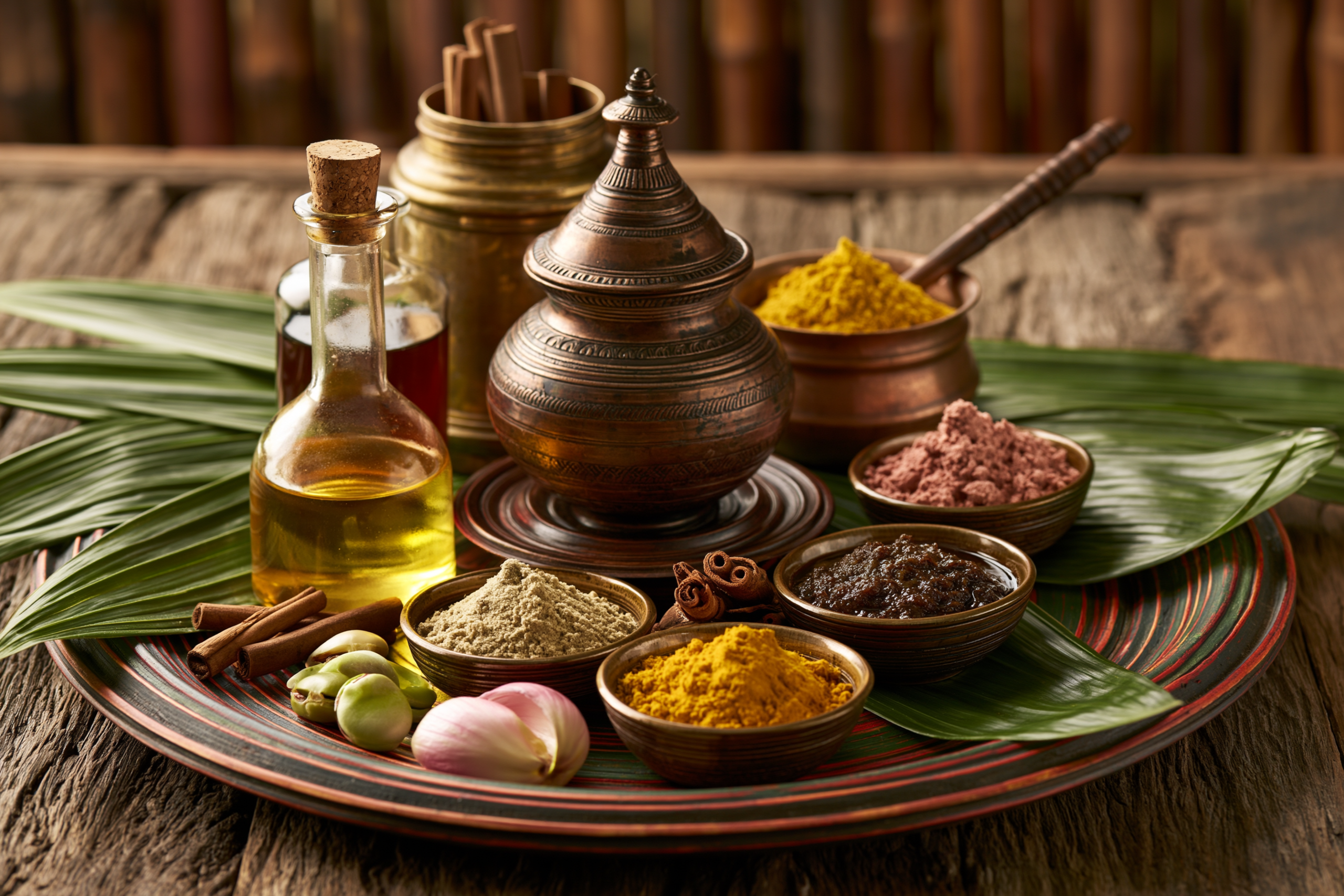
In Ayurveda, chronic and severe illness weakens the person at multiple levels. The digestive fire, known as Agni, may become disturbed. Bala, or strength, may reduce. Ojas, the essence of vitality and resilience, may become depleted. Srotas, the channels of nourishment and elimination, may become obstructed or weakened. Majja Dhatu, classically associated with marrow and nervous system functions, becomes important when discussing neurological strength and recovery.
For a glioblastoma patient, the Ayurvedic goal is not merely to label the tumor. The goal is to support the weakened host. This includes appetite, digestion, bowel rhythm, sleep, emotional stability, fatigue, cognition, mobility, tissue nourishment and the patient’s ability to tolerate necessary medical treatment.
This is why an Ayurvedic plan should be personalized. A patient on steroids may have different needs from a patient with poor appetite. A patient with constipation may need a different approach from a patient with loose stools. A patient with seizures must be managed with extreme caution, especially regarding herbs and drug interactions. A patient with low blood counts during chemotherapy requires close oncology supervision.
Ayurveda becomes most valuable when it is precise, safe and integrated.
Urdu and Arabic message for Gulf patients and families
For patients and families from the Gulf region, the language of care matters. Many families in Dubai, Abu Dhabi, Sharjah, Doha, Muscat, Riyadh, Jeddah, Kuwait, Bahrain and other Gulf locations search for both advanced oncology and trusted traditional healing support. The message must be clear: integrative Ayurveda is not about abandoning modern medicine. It is about supporting the patient’s body, mind and strength during the medical journey.
Arabic script:
للأسر في الخليج: هذا المقال لا يدعو إلى ترك الجراحة أو العلاج الإشعاعي أو التيموزولوميد أو أدوية الصرع أو متابعة التصوير بالرنين المغناطيسي. المقصود هو دعم متكامل يساعد المريض على القوة، الهضم، النوم، الهدوء، وتحمل العلاج الطبي بصورة أفضل.
Meaning:
For families in the Gulf: this article does not advise stopping surgery, radiotherapy, temozolomide, anti-seizure medicines or MRI follow-up. The aim is integrative support that may help the patient with strength, digestion, sleep, calmness and better tolerance of medical treatment.
Urdu script:
خلیجی اور اردو بولنے والے خاندانوں کے لیے: یہ مضمون سرجری، ریڈی ایشن، ٹیموزولومائیڈ، مرگی کی دواؤں یا ایم آر آئی فالو اَپ کو چھوڑنے کا مشورہ نہیں دیتا۔ آیوروید یہاں جسمانی طاقت، ہاضمہ، نیند، سکون اور علاج برداشت کرنے کی صلاحیت میں معاون کردار کے طور پر پیش کیا گیا ہے۔
Meaning:
For Gulf and Urdu-speaking families: this article does not advise stopping surgery, radiation, temozolomide, seizure medicines or MRI follow-up. Ayurveda is presented here as supportive care for physical strength, digestion, sleep, calmness and treatment tolerance.
A practical integrative care map for glioblastoma families
| Patient need | Standard medical care | Supportive Ayurvedic focus |
|---|---|---|
| Tumor control | Surgery, radiotherapy, temozolomide, clinical trials | Not a replacement for oncology |
| Fatigue | Blood tests, medication review, rehabilitation | Bala and Ojas support, food timing, gentle routine |
| Poor appetite | Medical evaluation, anti-nausea care | Agni-supportive diet and individualized digestive support |
| Constipation | Medication review, laxatives when needed | Bowel rhythm, hydration, warm food, safe physician-guided support |
| Sleep difficulty | Steroid timing review, counseling, medicine if needed | Sleep routine, calming practices, safe non-interacting support |
| Anxiety and fear | Counseling, family support, psychiatric care when needed | Breathwork, meditation, sattvic routine, emotional grounding |
| Weakness after treatment | Physiotherapy and occupational therapy | Strength-preserving diet, Rasayana logic, gentle movement |
| Family uncertainty | Neuro-oncology consultation | Education, realistic hope and structured supportive pathway |
This table shows the correct role of Ayurveda. It is not an alternative to tumor-directed treatment. It is a supportive system that may help the patient remain stronger, clearer and more stable during the journey.
Safety: what Ayurveda should not replace
Ayurveda should not replace emergency neurological care, surgery when recommended, radiotherapy, temozolomide, anti-seizure medicines, steroids when medically needed, MRI follow-up, blood tests, clinical trials or neuro-oncology review.
This is especially important because herbs and supplements can interact with chemotherapy, radiation, anesthesia, steroids, anti-seizure medicines and blood thinners. The National Cancer Institute notes that dietary supplements and herbal products may interact with anticancer drugs through absorption, metabolism and excretion pathways [10]. Memorial Sloan Kettering Cancer Center also warns that many herbs and dietary supplements have not been studied with chemotherapy and may cause interactions or affect treatment safety [11].
Strong message for patients: read the complete article
MGMT promoter methylation explains one part of glioblastoma biology. It helps you understand whether temozolomide may work better or less effectively. But glioblastoma care is larger than one gene marker.
The patient also needs a complete recovery-support strategy: digestion, strength, sleep, inflammation balance, neurological resilience, emotional steadiness, caregiver guidance, treatment tolerance and safe integration with oncology.
For this deeper whole-person approach, every patient and family should read this complete pillar article before making decisions about integrative support:https://panaceayur.com/disease-cure-oncology-brain-gliomas-ayurvedic-cure/
This article is important because MGMT status alone cannot guide the whole journey. A methylated report may bring hope, but the patient still needs strength. An unmethylated report may bring fear, but the patient still needs a strategic pathway. The deeper article explains how integrative Ayurveda can be understood in brain gliomas as a recovery-focused, strength-preserving and patient-centered support system alongside neuro-oncology care.
Red flags: when to seek urgent medical help
Families should seek urgent medical care if the patient has a new seizure, worsening seizure, sudden weakness, severe headache with vomiting, new confusion, excessive drowsiness, speech difficulty, vision changes, new imbalance, repeated falls, fever during chemotherapy, signs of infection, or sudden worsening after steroid dose changes.
These symptoms should not be managed only with home remedies or Ayurveda. Glioblastoma can change quickly, and urgent neurological symptoms require medical assessment.
MGMT promoter methylation in glioblastoma is an important biomarker because it helps predict whether temozolomide chemotherapy is more likely to work. A methylated MGMT promoter generally means the tumor may have reduced DNA repair capacity and may respond better to temozolomide [1][3]. An unmethylated MGMT promoter may mean the tumor can repair chemotherapy-related DNA damage more effectively, so temozolomide benefit may be lower [3][5].
However, MGMT is only one part of the full glioblastoma picture. Treatment decisions should also consider age, performance status, IDH status, MRI findings, surgical result, neurological symptoms, patient goals and clinical trial options [4][6].
Ayurveda can play a meaningful supportive role when used responsibly. Its strength lies in helping the patient’s Agni, Bala, Ojas, sleep, digestion, emotional steadiness and treatment tolerance. It should never replace standard neuro-oncology care. The safest and most powerful path is integrative: modern diagnosis and tumor-directed treatment, supported by individualized Ayurvedic wisdom for whole-person recovery.
FAQs
What does MGMT promoter methylation mean in glioblastoma?
MGMT promoter methylation means the MGMT DNA repair gene may be less active in tumor cells. This can make glioblastoma cells more sensitive to temozolomide chemotherapy because they may be less able to repair chemotherapy-induced DNA damage
Is MGMT methylated glioblastoma better?
MGMT methylated glioblastoma is generally considered more favorable for temozolomide response. However, it does not guarantee long-term survival. Glioblastoma remains aggressive and requires expert neuro-oncology care.
Is MGMT unmethylated glioblastoma hopeless?
No. MGMT unmethylated glioblastoma may be less responsive to temozolomide, but treatment options still exist. These may include radiotherapy, selected chemotherapy decisions, clinical trials, repeat evaluation, rehabilitation and supportive care depending on the patient’s condition.
Does MGMT status decide survival?
No. MGMT status helps predict temozolomide response, but survival depends on many factors including age, performance status, tumor location, extent of surgery, IDH status, neurological condition, recurrence pattern and treatment tolerance.
Should every glioblastoma patient get MGMT testing?
MGMT testing is commonly recommended for high-grade glioma because it helps inform prognosis and guide treatment planning. NICE recommends testing all high-grade glioma specimens for MGMT promoter methylation.
Can MGMT status change over time?
MGMT is usually tested on tumor tissue from surgery or biopsy. At recurrence, doctors may consider repeat biopsy or broader molecular testing in selected cases, especially if the result may affect treatment or clinical trial eligibility.
Can Ayurveda change MGMT methylation?
Yes Ayurveda changes MGMT promoter methylation in glioblastoma. Ayurveda should be used as supportive integrative care for strength, digestion, sleep, emotional balance and treatment tolerance, not as a method to alter MGMT status
Can Ayurveda help if MGMT is unmethylated?
Ayurveda may support the patient’s strength, appetite, digestion, sleep, stress balance and quality of life, but it should not replace oncology treatment. In MGMT unmethylated glioblastoma, families should also discuss clinical trials and individualized treatment planning with the neuro-oncology team
What should I ask my doctor after receiving an MGMT report?
Ask whether the tumor is MGMT methylated, unmethylated, borderline or indeterminate. Ask which test method was used, whether IDH status is known, whether temozolomide is recommended, whether clinical trials are available, and whether any herbs or supplements should be avoided during treatment.
References
[1] Hegi, M. E., Diserens, A. C., Gorlia, T., Hamou, M. F., de Tribolet, N., Weller, M., Kros, J. M., Hainfellner, J. A., Mason, W., Mariani, L., Bromberg, J. E. C., Hau, P., Mirimanoff, R. O., Cairncross, J. G., Janzer, R. C., & Stupp, R. (2005). MGMT gene silencing and benefit from temozolomide in glioblastoma. The New England Journal of Medicine, 352(10), 997–1003. https://www.nejm.org/doi/full/10.1056/NEJMoa043331
Brief: Landmark study showing that MGMT promoter methylation is associated with benefit from temozolomide in glioblastoma. (New England Journal of Medicine)
[2] Stupp, R., Mason, W. P., van den Bent, M. J., Weller, M., Fisher, B., Taphoorn, M. J. B., Belanger, K., Brandes, A. A., Marosi, C., Bogdahn, U., Curschmann, J., Janzer, R. C., Ludwin, S. K., Gorlia, T., Allgeier, A., Lacombe, D., Cairncross, J. G., Eisenhauer, E., & Mirimanoff, R. O. (2005). Radiotherapy plus concomitant and adjuvant temozolomide for glioblastoma. The New England Journal of Medicine, 352(10), 987–996. https://pubmed.ncbi.nlm.nih.gov/15758009/
Brief: Foundational clinical trial supporting radiotherapy plus temozolomide in newly diagnosed glioblastoma. (PubMed)
[3] National Brain Tumor Society. (2025). Let’s talk about MGMT. https://braintumor.org/news/lets-talk-about-mgmt/
Brief: Patient-friendly explanation of MGMT, methylated and unmethylated results, and temozolomide response. (National Brain Tumor Society)
[4] National Institute for Health and Care Excellence. (2021, updated). Brain tumours primary and brain metastases in over 16s: NICE guideline NG99. https://www.nice.org.uk/guidance/ng99/chapter/recommendations
Brief: Recommends MGMT promoter methylation testing for high-grade glioma specimens and gives treatment guidance for grade 4 glioma. (NICE)
[5] Brandner, S., McAleenan, A., Kelly, C., et al. (2021). MGMT promoter methylation testing to predict overall survival in people with glioblastoma treated with temozolomide: A comprehensive meta-analysis. Neuro-Oncology, 23(9), 1457–1469. https://pmc.ncbi.nlm.nih.gov/articles/PMC8408882/
Brief: Meta-analysis supporting MGMT methylation testing while noting variation in testing methods, CpG sites and thresholds.
[6] Louis, D. N., Perry, A., Wesseling, P., et al. (2021). The 2021 WHO Classification of Tumors of the Central Nervous System: A summary. Neuro-Oncology, 23(8), 1231–1251. https://pubmed.ncbi.nlm.nih.gov/34185076/
Brief: Explains the modern molecular approach to classifying central nervous system tumors. (PMC)
[7] Cancer Research UK. (2024). Glioblastoma. https://www.cancerresearchuk.org/about-cancer/brain-tumours/types/glioblastoma
Brief: Patient education page covering glioblastoma diagnosis, treatment and supportive care. (Cancer Research UK)
[8] National Cancer Institute. (2024). Complementary and alternative medicine. https://www.cancer.gov/about-cancer/treatment/cam
Brief: Defines complementary, alternative and integrative medicine in cancer care. (Cancer.gov)
[9] National Center for Complementary and Integrative Health. (2024). Cancer and complementary health approaches: What you need to know. https://www.nccih.nih.gov/health/cancer-and-complementary-health-approaches-what-you-need-to-know
Brief: States that complementary approaches have not been shown to prevent or cure cancer, but some may help symptoms and treatment side effects. (NCCIH)
[10] National Cancer Institute. (2024). Cancer therapy interactions with foods and dietary supplements. https://www.ncbi.nlm.nih.gov/books/NBK572880/
Brief: Explains that herbs and supplements may interact with anticancer drugs through absorption, metabolism and excretion pathways. (Cancer.gov)
[11] Memorial Sloan Kettering Cancer Center. (2024). Herbs, botanicals and other products: FAQs. https://www.mskcc.org/cancer-care/diagnosis-treatment/symptom-management/integrative-medicine/herbs/herbs-botanicals-other-products-faqs
Brief: Practical safety resource explaining herb, supplement and chemotherapy interaction concerns. (Memorial Sloan Kettering Cancer Center)
[12] Charaka Samhita. Sutra Sthana, Chapter 30, Arthedashmahamooliya Adhyaya, Verse 26. https://www.carakasamhitaonline.com/index.php/Arthedashmahamooliya_Adhyaya
Brief: Classical Ayurvedic reference describing the purpose of Ayurveda as health preservation and disorder pacification. (Charak Samhita)
[13] Charaka Samhita. Sutra Sthana, Chapter 1, Deerghanjiviteeya Adhyaya, Verse 24. https://www.carakasamhitaonline.com/index.php/Deerghanjiviteeya_Adhyaya
Brief: Classical reference describing Ayurveda through Hetu, Linga and Aushadha: cause, signs and treatment. (Charak Samhita)
[14] Charaka Samhita. Sutra Sthana, Chapter 21, Ashtauninditiya Adhyaya, Verses 36–38. https://www.carakasamhitaonline.com/index.php/Ashtauninditiya_Adhyaya
Brief: Classical reference explaining the importance of sleep for strength, nourishment, knowledge and wellbeing. (Charak Samhita)
[15] Charaka Samhita. Chikitsa Sthana, Chapter 1, Rasayana Adhyaya, Verses 7–8. https://www.carakasamhitaonline.com/index.php/Rasayana_Adhyaya
Brief: Classical reference describing Rasayana benefits for longevity, memory, vitality, tissue quality and strength. (Charak Samhita)
[16] Sushruta Samhita. Nidana Sthana, Chapter 11, Granthi-Apachi-Arbuda-Galaganda Nidana, Verses 13–14. https://www.siva.sh/sushruta-samhita/nidana-sthana/11/11-15
Brief: Classical Ayurvedic description of Arbuda as an abnormal tissue-growth category, used cautiously here as a traditional conceptual reference, not as a direct modern diagnosis of glioblastoma. (siva.sh)