


- What Is IDH-Mutant Glioma?
- Quick Answer for Patients
- What Does IDH Mean?
- IDH1 vs IDH2 Mutation
- Types of IDH-Mutant Glioma
- IDH-Mutant Astrocytoma vs Oligodendroglioma
- WHO Grade 2, Grade 3, and Grade 4 Explained
- How IDH-Mutant Glioma Is Diagnosed
- What Should Your Molecular Report Include?
- Symptoms of IDH-Mutant Glioma
- Prognosis and Survival Factors
- Low-Risk vs High-Risk Grade 2 IDH-Mutant Glioma
- Vorasidenib: New Targeted Treatment
- Who Is Eligible for Vorasidenib?
- Who May Not Be a Typical Candidate for Vorasidenib?
- Surgery for IDH-Mutant Glioma
- MRI Surveillance / Watchful Waiting
- Radiation Therapy
- Chemotherapy: PCV and Temozolomide
- Treatment for Grade 3 or Grade 4 IDH-Mutant Glioma
- Treatment at Recurrence
- Can Ayurveda Support IDH-Mutant Glioma Patients?
- Integrative Ayurvedic Treatment for Brain Gliomas
- FAQs About IDH-Mutant Glioma
- Reference
What Is IDH-Mutant Glioma?
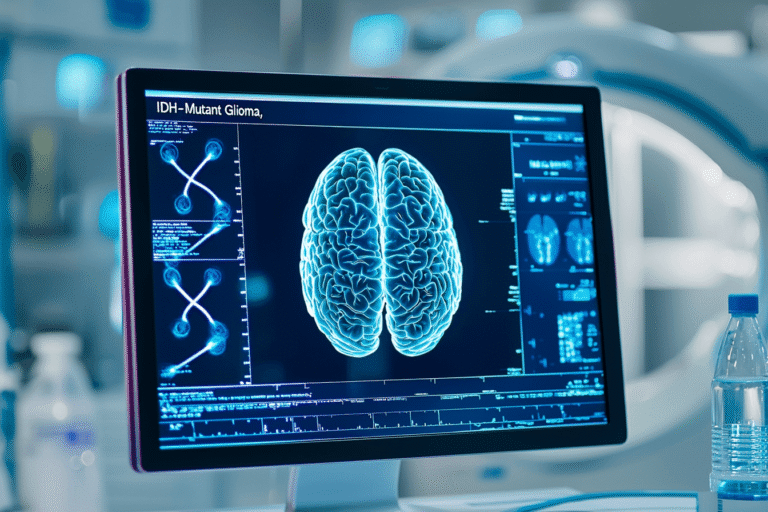
IDH-mutant glioma is a type of brain tumor in which the tumor cells carry a mutation in the IDH1 or IDH2 gene. IDH stands for isocitrate dehydrogenase, an enzyme involved in normal cell metabolism. When this gene becomes mutated, it changes the biology of the glioma and helps doctors understand the tumor more accurately.
Many patients confuse diffuse glioma with glioblastoma, but molecular diagnosis has shown important biological differences between these tumor groups. You can read a more detailed comparison in our guide on glioma vs glioblastoma.
In modern brain tumor diagnosis, an IDH-mutant glioma is not classified only by how it looks under the microscope. Today, doctors use an integrated diagnosis, which combines the tumor’s microscopic appearance with molecular markers such as IDH mutation, 1p/19q codeletion, ATRX, TP53, TERT promoter, and other genetic findings. This molecular approach is central to the WHO 2021 classification of central nervous system tumors. [1,2]
In adults, diffuse gliomas are now broadly classified into three major molecular groups:
- Astrocytoma, IDH-mutant
- Oligodendroglioma, IDH-mutant and 1p/19q-codeleted
- Glioblastoma, IDH-wildtype
This distinction is very important because these tumor types behave differently, respond differently to treatment, and have different prognoses. An IDH-mutant astrocytoma is usually a diffuse astrocytic tumor with an IDH mutation but without 1p/19q codeletion. An IDH-mutant oligodendroglioma requires both an IDH mutation and 1p/19q codeletion. By contrast, glioblastoma, IDH-wildtype is a different and usually more aggressive tumor category. [1,2,4]
Some older biopsy or pathology reports may use the phrase “IDH-mutant glioblastoma.” However, in the current WHO classification, many of these tumors are now classified as astrocytoma, IDH-mutant, CNS WHO grade 4, rather than glioblastoma. This change is important because it separates IDH-mutant high-grade astrocytoma from IDH-wildtype glioblastoma, which has different biology and clinical behavior. [1,3]
For patients and families, the most important point is this: IDH-mutant glioma is a molecularly defined glioma that often has a more favorable outlook than IDH-wildtype glioblastoma, but it is still a serious brain tumor requiring expert neuro-oncology care. The final meaning of the diagnosis depends on the full report, including tumor type, WHO grade, 1p/19q status, surgical findings, MRI features, and other molecular markers. [1–4]
A practical way to understand it is:
| Term in report | What it means |
|---|---|
| IDH-mutant glioma | A glioma with an IDH1 or IDH2 mutation |
| Astrocytoma, IDH-mutant | IDH-mutant glioma without 1p/19q codeletion |
| Oligodendroglioma, IDH-mutant and 1p/19q-codeleted | IDH-mutant glioma with 1p/19q codeletion |
| Glioblastoma, IDH-wildtype | A separate aggressive glioma category without IDH mutation |
| Astrocytoma, IDH-mutant, grade 4 | High-grade IDH-mutant astrocytoma, previously sometimes called IDH-mutant glioblastoma |
Therefore, when a report says IDH-mutant glioma, the next question should not be only “Is this good or bad?” The better questions are: What type of IDH-mutant glioma is it? What is the WHO grade? Is 1p/19q codeletion present? How much tumor was removed? Are there high-risk markers such as CDKN2A/B deletion? These details guide prognosis and treatment planning.
Quick Answer for Patients
IDH-mutant glioma is a brain tumor that has a mutation in the IDH1 or IDH2 gene. This mutation is important because it helps doctors classify the glioma more accurately, understand its likely behavior, estimate prognosis, and choose the most suitable treatment plan. [1,2]
In many patients, IDH-mutant glioma grows more slowly than IDH-wildtype glioblastoma. However, it should not be considered harmless. It can still grow, come back after treatment, or transform into a higher-grade tumor over time. The seriousness of the condition depends on the exact tumor type, WHO grade, MRI findings, extent of surgery, and molecular markers such as 1p/19q codeletion and CDKN2A/B deletion. [1,2,5]
Treatment for IDH-mutant glioma is personalized. It may include surgery, regular MRI monitoring, radiation therapy, chemotherapy, targeted therapy, clinical trials, seizure control, rehabilitation, and supportive care. Some lower-risk grade 2 tumors may be monitored after surgery, while higher-risk, growing, symptomatic, or higher-grade tumors usually need more active treatment. [5,7]
A major recent development is vorasidenib, an oral targeted therapy for selected patients with grade 2 IDH-mutant astrocytoma or oligodendroglioma after surgery. It is not suitable for every glioma patient, but in eligible patients it may help delay tumor progression and postpone the need for radiation or chemotherapy. [6]
For patients and families, the most practical message is this: IDH-mutant glioma has a distinct molecular identity and often a better outlook than IDH-wildtype glioblastoma, but the treatment plan must be based on the complete diagnosis. The biopsy report, molecular report, MRI scan, surgical result, symptoms, age, and overall health all matter when deciding the next step. [1,2,5,7]
What Does IDH Mean?
IDH stands for isocitrate dehydrogenase. It refers to a group of enzymes involved in normal cell metabolism. In glioma, the most important IDH genes are IDH1 and IDH2. When one of these genes develops a mutation, it can change how the tumor cell processes energy and cellular chemicals. This is why IDH testing has become a central part of modern glioma diagnosis. [2,4]
In an IDH-mutant glioma, the mutated IDH enzyme produces an abnormal substance called 2-hydroxyglutarate, also written as 2-HG. This substance is sometimes called an oncometabolite because it can affect how cells grow, mature, and regulate their genes. Over time, this altered biology may contribute to the development and behavior of the glioma. [2,6]
The IDH mutation is not just a laboratory finding. It helps doctors answer several important questions: what type of glioma the patient has, how the tumor may behave, whether it is more likely to be an astrocytoma or oligodendroglioma, and whether newer targeted treatment options may be relevant in selected cases. [2,4,6]
Most IDH-mutant gliomas in adults are either astrocytoma, IDH-mutant, or oligodendroglioma, IDH-mutant and 1p/19q-codeleted. These are different from glioblastoma, IDH-wildtype, which is usually a more aggressive tumor category. Because of this, identifying an IDH mutation can significantly change the way the diagnosis is understood and discussed. [2,4]
For patients, the simplest way to understand IDH is this: IDH is a molecular marker that gives doctors deeper information about the glioma beyond what is visible on MRI or under the microscope. It helps guide prognosis, treatment planning, clinical trial decisions, and in some grade 2 cases, eligibility for IDH-targeted therapy such as vorasidenib. [4,6]
IDH1 vs IDH2 Mutation
In IDH-mutant glioma, the mutation usually occurs in either the IDH1 gene or the IDH2 gene. Both genes are involved in cell metabolism, and both can produce the abnormal metabolite 2-hydroxyglutarate when mutated. This altered metabolic pathway is one reason IDH mutation is considered an important molecular driver in many diffuse gliomas. [2,4,6]
IDH1 Mutation
IDH1 mutation is the more common IDH mutation seen in adult diffuse gliomas. The most frequent form is called IDH1 R132H. Many pathology laboratories first test for this mutation using immunohistochemistry, a staining method performed on tumor tissue. If the stain is positive, it strongly supports the diagnosis of an IDH-mutant glioma. [2,4]
A report may mention terms such as IDH1-mutant, IDH1 R132H positive, or IDH1 mutation detected. These phrases usually mean that the glioma belongs to the IDH-mutant group, but the final diagnosis still depends on other markers such as 1p/19q codeletion, ATRX, TP53, and the WHO grade. [2,4]
IDH2 Mutation
IDH2 mutation is less common in glioma than IDH1 mutation, but it is still clinically important. A tumor with an IDH2 mutation is also considered an IDH-mutant glioma. Because IDH2 mutations may not be detected by routine IDH1 R132H immunohistochemistry, additional molecular testing or sequencing may be needed when the tumor appearance suggests an IDH-mutant glioma but the initial IDH1 stain is negative. [2,4]
This is especially important in younger adults and in tumors that look like lower-grade diffuse gliomas under the microscope. A negative IDH1 R132H stain does not always mean the tumor is IDH-wildtype; it may mean that sequencing is needed to look for less common IDH1 or IDH2 mutations. [2,4]
Why the Difference Matters
For patients, the difference between IDH1 and IDH2 is less important than confirming whether the tumor is IDH-mutant or IDH-wildtype. Once an IDH mutation is confirmed, doctors can classify the glioma more accurately and separate it from IDH-wildtype glioblastoma, which usually behaves more aggressively. [2,4]
The distinction also matters for targeted therapy. Vorasidenib is designed to inhibit mutant IDH1 and mutant IDH2. The FDA approval applies to selected patients aged 12 years and older with grade 2 astrocytoma or oligodendroglioma that has a susceptible IDH1 or IDH2 mutation after surgery, including biopsy, subtotal resection, or gross total resection. [6,8]
Therefore, if a report says IDH1 mutation or IDH2 mutation, the next step is to read the full molecular diagnosis. The most important questions are: Is the tumor astrocytoma or oligodendroglioma? What is the CNS WHO grade? Is 1p/19q codeletion present? Was the tumor completely or partially removed? Is the patient a candidate for observation, radiation, chemotherapy, vorasidenib, or a clinical trial? [2,4,6,8]
Types of IDH-Mutant Glioma
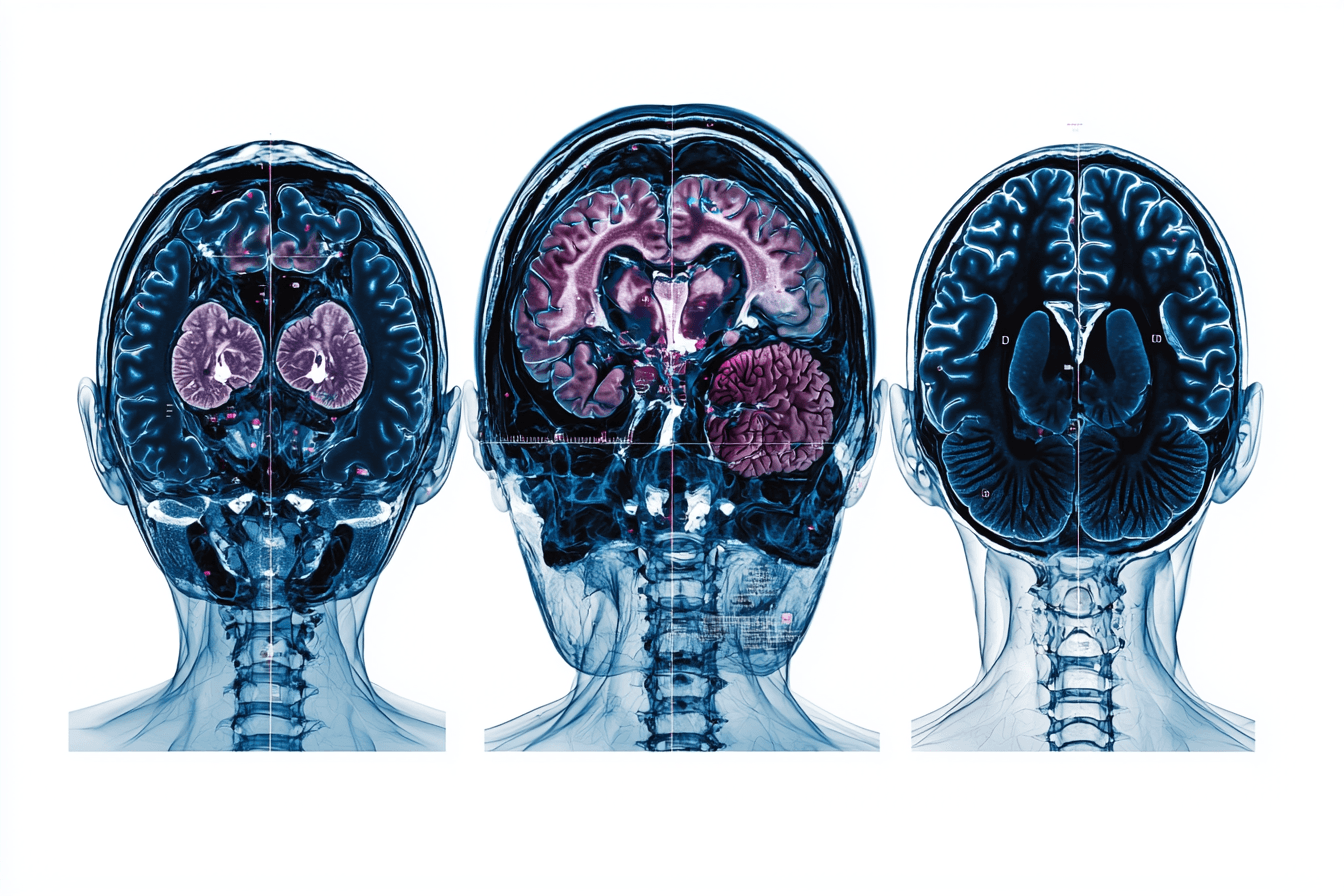
IDH-mutant glioma is not one single disease. It is a broad molecular category that includes different glioma types with different behavior, grading, prognosis, and treatment pathways. In the modern WHO classification, the two main adult-type IDH-mutant gliomas are astrocytoma, IDH-mutant and oligodendroglioma, IDH-mutant and 1p/19q-codeleted. [1,2]
Astrocytoma, IDH-Mutant
Astrocytoma, IDH-mutant is a diffuse glioma that has an IDH1 or IDH2 mutation but does not have the combined 1p/19q codeletion required for oligodendroglioma. These tumors are usually associated with astrocytic molecular features, such as ATRX alteration and TP53 mutation. [1,2,4]
Astrocytoma, IDH-mutant can be classified as CNS WHO grade 2, grade 3, or grade 4. Grade 2 tumors are usually slower growing, grade 3 tumors show more aggressive features, and grade 4 tumors are high-grade IDH-mutant astrocytomas. The grade is important because it strongly influences treatment planning and prognosis. [1,3]
Some older reports may use the term IDH-mutant glioblastoma. In the current WHO system, many of these tumors are now classified as astrocytoma, IDH-mutant, CNS WHO grade 4. This distinction matters because astrocytoma, IDH-mutant, grade 4 is biologically different from glioblastoma, IDH-wildtype. [1,3]
Oligodendroglioma, IDH-Mutant and 1p/19q-Codeleted
Oligodendroglioma is another major type of IDH-mutant glioma. To diagnose oligodendroglioma in the current WHO classification, two key molecular features are required: an IDH mutation and whole-arm 1p/19q codeletion. Without 1p/19q codeletion, the tumor should not be classified as oligodendroglioma. [1,2,4]
Oligodendroglioma is usually classified as CNS WHO grade 2 or grade 3. In general, oligodendrogliomas are known for a more favorable prognosis and better sensitivity to radiation and chemotherapy compared with many other diffuse gliomas. However, they can still recur, progress, or become more aggressive over time. [1,2]
A pathology report may mention additional markers such as TERT promoter mutation, which is commonly seen in oligodendroglioma. However, the defining requirement remains the combination of IDH mutation and 1p/19q codeletion. [1,2,4]
Diffuse Glioma, IDH-Mutant, Not Otherwise Specified
Sometimes a report may say diffuse glioma, IDH-mutant, not otherwise specified or use similar wording. This may happen when the tissue sample is limited, molecular testing is incomplete, or the tumor cannot be fully classified based on available information. In such cases, the treating team may recommend additional molecular testing, expert neuropathology review, or correlation with MRI and surgical findings. [1,2]
This category should not be ignored. A more complete diagnosis may change the treatment plan, especially if the tumor needs to be separated into astrocytoma, IDH-mutant or oligodendroglioma, IDH-mutant and 1p/19q-codeleted. [1,4]
IDH-Wildtype Glioblastoma Is a Different Category
Glioblastoma, IDH-wildtype is not an IDH-mutant glioma. It is a separate adult-type diffuse glioma category in the WHO classification and is usually more aggressive. This distinction is one of the most important reasons molecular testing is now essential in glioma diagnosis. [1,2,4]
For patients, the key message is that the words IDH-mutant are only the starting point. The complete diagnosis should answer whether the tumor is astrocytoma or oligodendroglioma, what CNS WHO grade it is, whether 1p/19q codeletion is present, and whether any high-risk molecular markers are seen. These details guide prognosis, treatment options, MRI follow-up, and eligibility for targeted therapy such as vorasidenib in selected grade 2 cases. [1–4]
IDH-Mutant Astrocytoma vs Oligodendroglioma
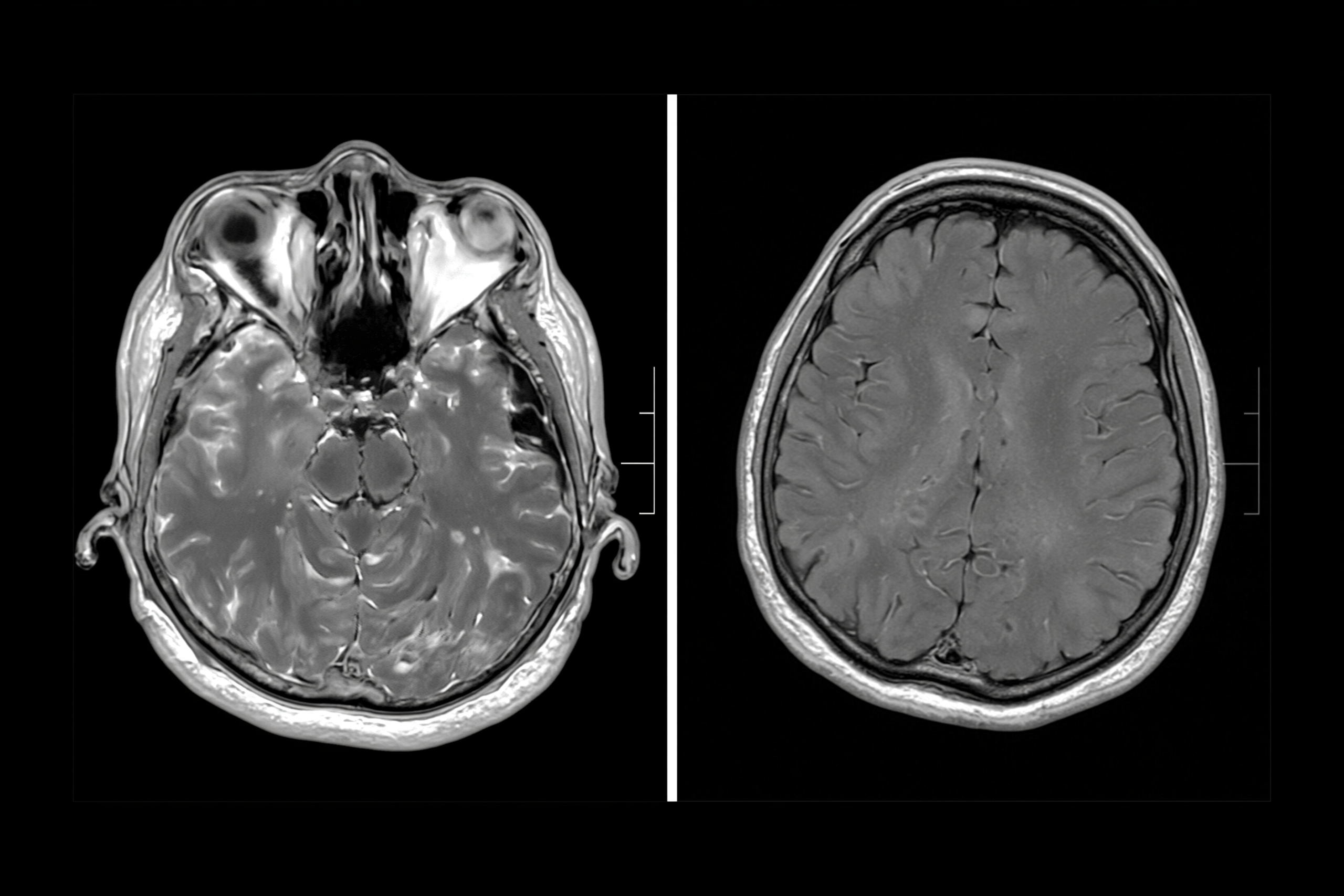
An IDH-mutant glioma is mainly divided into two important tumor types: astrocytoma, IDH-mutant and oligodendroglioma, IDH-mutant and 1p/19q-codeleted. These two tumors may both contain an IDH mutation, but they are not the same disease. They differ in molecular profile, grading, prognosis, treatment response, and long-term follow-up needs. [1,2,4]
Astrocytoma, IDH-Mutant
Astrocytoma, IDH-mutant is diagnosed when the tumor has an IDH1 or IDH2 mutation but does not have the 1p/19q codeletion required for oligodendroglioma. These tumors often show molecular features such as ATRX alteration and TP53 mutation. [1,2,4]
Astrocytoma, IDH-mutant can be CNS WHO grade 2, grade 3, or grade 4. Grade 2 tumors are usually slower growing, grade 3 tumors show more aggressive microscopic features, and grade 4 tumors are high-grade tumors with the most serious behavior within this IDH-mutant astrocytoma group. [1,3,9]
One important modern point is that an IDH-mutant astrocytoma may be classified as CNS WHO grade 4 not only because of microscopic features such as necrosis or microvascular proliferation, but also because of certain molecular findings such as CDKN2A/B homozygous deletion. This is why a complete molecular report is essential. [3,9]
For patients, astrocytoma, IDH-mutant usually means that treatment planning will depend on the tumor grade, amount of tumor removed, MRI appearance, symptoms, age, performance status, and high-risk molecular markers. Some grade 2 tumors may be monitored after surgery, while others may need radiation, chemotherapy, targeted therapy, or clinical trial options depending on the situation. [1,2,3]
Oligodendroglioma, IDH-Mutant and 1p/19q-Codeleted
Oligodendroglioma is diagnosed when the tumor has both an IDH mutation and whole-arm 1p/19q codeletion. Both features are required. A tumor should not be called oligodendroglioma only because it looks like oligodendroglioma under the microscope; the molecular result must support the diagnosis. [1,2,4]
Oligodendroglioma is usually classified as CNS WHO grade 2 or grade 3. Compared with many other diffuse gliomas, oligodendrogliomas often have a more favorable prognosis and may respond well to radiation and chemotherapy. However, they are still serious brain tumors that can recur or progress over time. [1,2]
These tumors may also show other molecular findings such as TERT promoter mutation, CIC mutation, or FUBP1 mutation, but the defining diagnostic combination remains IDH mutation plus 1p/19q codeletion. [1,2,4]
For patients, oligodendroglioma, IDH-mutant and 1p/19q-codeleted often has a different treatment discussion than astrocytoma, IDH-mutant. Doctors may consider surgery, MRI surveillance, radiation, PCV chemotherapy, temozolomide in selected situations, targeted therapy in eligible grade 2 cases, or clinical trials depending on the tumor grade and risk profile. [1,2]
Key Differences
| Feature | Astrocytoma, IDH-mutant | Oligodendroglioma, IDH-mutant and 1p/19q-codeleted |
|---|---|---|
| IDH mutation | Present | Present |
| 1p/19q codeletion | Absent | Present and required |
| Common molecular pattern | ATRX alteration, TP53 mutation | TERT promoter mutation, CIC/FUBP1 alterations may be seen |
| WHO grade | Grade 2, 3, or 4 | Grade 2 or 3 |
| General behavior | Variable; depends strongly on grade and molecular risk markers | Often slower growing and treatment-sensitive, but can recur |
| High-grade category | Astrocytoma, IDH-mutant, grade 4 exists | No grade 4 oligodendroglioma category in WHO 2021 |
| Treatment planning | Based on grade, resection, symptoms, MRI growth, molecular risk | Based on grade, resection, symptoms, MRI growth, and 1p/19q status |
Why This Difference Matters
The difference between IDH-mutant astrocytoma and IDH-mutant oligodendroglioma is not just a technical pathology detail. It affects prognosis, treatment timing, chemotherapy choice, radiation planning, MRI follow-up, and eligibility for newer targeted therapies such as vorasidenib in selected grade 2 patients. [1,2,4]
A patient should therefore not stop at the phrase IDH-mutant glioma. The full diagnosis should answer three key questions: Is it astrocytoma or oligodendroglioma? What is the CNS WHO grade? Is 1p/19q codeletion present? These details help the neuro-oncology team create a more accurate and personalized treatment plan. [1–4]
WHO Grade 2, Grade 3, and Grade 4 Explained
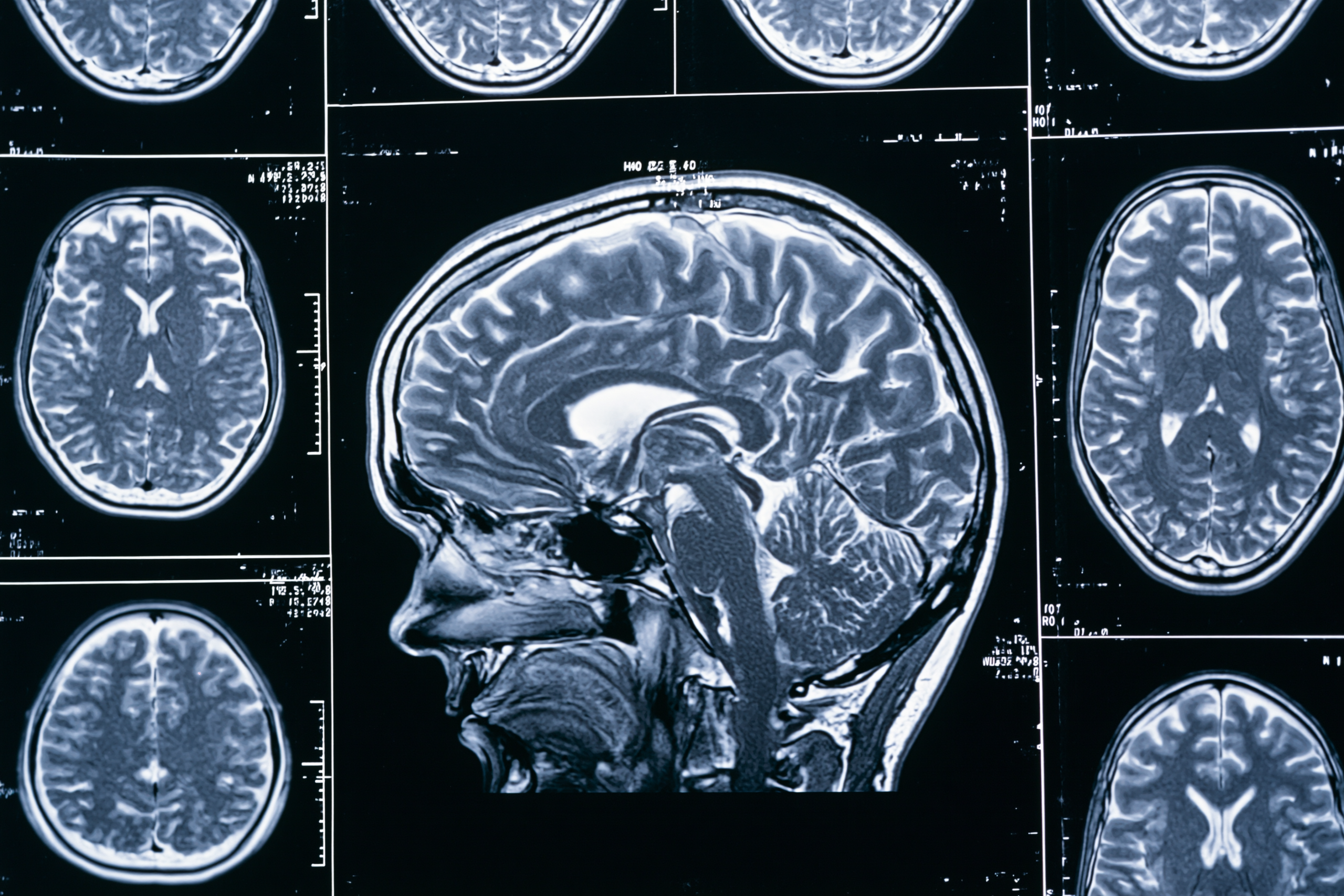
The WHO grade tells doctors how aggressive a brain tumor is expected to be. In IDH-mutant glioma, the grade is one of the most important details in the pathology report because it helps guide prognosis, treatment timing, MRI follow-up, and whether the patient may need surgery alone, observation, radiation, chemotherapy, targeted therapy, or clinical trials.[1,2]
Grade 4 IDH-mutant astrocytoma is biologically different from IDH-wildtype glioblastoma, which is discussed further in our article on how glioma differs from glioblastoma.
In the current WHO classification, IDH-mutant glioma is not graded only by what the tumor looks like under the microscope. Molecular findings are also important. This means a tumor’s final grade may depend on both microscopic features and genetic markers found in the tumor tissue.[1,3]
Grade 2 IDH-Mutant Glioma
Grade 2 IDH-mutant glioma is usually considered a lower-grade diffuse glioma. These tumors often grow more slowly than high-grade gliomas, and many patients may live for years with careful treatment and monitoring. However, grade 2 does not mean harmless or benign. These tumors can grow, recur after surgery, or transform into a higher-grade tumor over time.[1,2]
A grade 2 IDH-mutant glioma may be diagnosed as astrocytoma, IDH-mutant, CNS WHO grade 2 or oligodendroglioma, IDH-mutant and 1p/19q-codeleted, CNS WHO grade 2. The treatment plan depends on several factors, including age, symptoms, tumor size, tumor location, extent of surgical removal, MRI appearance, and molecular findings.[1,2]
Some grade 2 patients may be monitored with regular MRI after surgery, especially when the tumor has been removed as much as safely possible and risk factors are favorable. Other patients may need earlier treatment if the tumor is large, growing, symptomatic, incompletely removed, or showing higher-risk features.[1,2]
Grade 3 IDH-Mutant Glioma
Grade 3 IDH-mutant glioma is more aggressive than grade 2. These tumors show features of increased tumor activity, such as more rapid cell division. Because of this, grade 3 tumors usually need more active treatment after surgery, often involving radiation therapy and chemotherapy depending on the exact diagnosis and patient condition.[1,2]
A grade 3 tumor may be classified as astrocytoma, IDH-mutant, CNS WHO grade 3 or oligodendroglioma, IDH-mutant and 1p/19q-codeleted, CNS WHO grade 3. The distinction between these two is important because oligodendroglioma and astrocytoma may have different treatment responses and long-term behavior.[1,2]
For patients, grade 3 means the tumor requires close neuro-oncology follow-up. Even after surgery, doctors usually assess the need for radiation, chemotherapy, clinical trials, seizure control, rehabilitation, and long-term MRI surveillance.[1,2]
Grade 4 IDH-Mutant Astrocytoma
Grade 4 is the highest grade within astrocytoma, IDH-mutant. In the current WHO classification, the term glioblastoma is mainly used for glioblastoma, IDH-wildtype. Many tumors that were previously called IDH-mutant glioblastoma are now classified as astrocytoma, IDH-mutant, CNS WHO grade 4.[1,3]
This distinction is important. Astrocytoma, IDH-mutant, grade 4 is a serious high-grade glioma, but it is biologically different from glioblastoma, IDH-wildtype. The IDH-mutant status, patient age, tumor location, treatment response, and other molecular markers may influence prognosis and treatment planning.[1,2,3]
An IDH-mutant astrocytoma may be classified as grade 4 if it shows certain high-grade microscopic features, such as necrosis or microvascular proliferation. It may also be classified as grade 4 if there is homozygous deletion of CDKN2A and/or CDKN2B, even if some microscopic features appear lower grade. This is why CDKN2A/B testing can be very important in IDH-mutant astrocytoma.[3,9]
Why Molecular Grading Matters
Modern glioma grading is no longer based only on the microscope. Molecular features can change the final diagnosis and grade. For example, an IDH-mutant astrocytoma that looks lower grade in some areas may still be considered grade 4 if CDKN2A/B homozygous deletion is present.[3,9]
This is why patients should review the complete pathology and molecular report with a neuro-oncologist or neuropathologist. The report should not only say IDH-mutant glioma. It should clarify the exact tumor type, CNS WHO grade, 1p/19q status, and whether high-risk molecular markers such as CDKN2A/B deletion are present.[1,3,9]
| Diagnosis | Possible WHO grade | Key point |
|---|---|---|
| Astrocytoma, IDH-mutant | Grade 2, 3, or 4 | Grade depends on microscopic and molecular features |
| Oligodendroglioma, IDH-mutant and 1p/19q-codeleted | Grade 2 or 3 | Requires both IDH mutation and 1p/19q codeletion |
| Glioblastoma, IDH-wildtype | Grade 4 | Separate aggressive glioma category, not IDH-mutant glioma |
For patients and families, the most useful way to understand grading is this: the word IDH-mutant gives important molecular information, but the grade tells how aggressive the tumor is likely to be. Both must be interpreted together before deciding treatment. A grade 2 IDH-mutant glioma may sometimes be monitored after surgery, while grade 3 or grade 4 disease usually needs more active treatment planning.[1,2,3,9]
How IDH-Mutant Glioma Is Diagnosed
IDH-mutant glioma is diagnosed through a combination of brain imaging, tissue examination, and molecular testing. MRI can show the location, size, and behavior of the tumor, but MRI alone cannot confirm whether a glioma is IDH-mutant. The diagnosis usually requires tumor tissue obtained through biopsy or surgery.[1,10]
Modern glioma diagnosis uses an integrated approach. This means the final report combines three types of information: what the tumor looks like under the microscope, what molecular markers are found in the tumor tissue, and how the findings fit with the current WHO classification.[1,3,4]
MRI Brain Scan
MRI is usually the first major test when a glioma is suspected. It helps doctors identify the tumor’s location, size, relationship to important brain areas, swelling, contrast enhancement, and possible signs of higher-grade behavior. MRI also helps neurosurgeons plan whether the tumor can be safely removed or whether biopsy is more appropriate.[10]
Some IDH-mutant gliomas, especially lower-grade tumors, may appear as non-enhancing or mildly enhancing lesions on MRI. However, imaging appearance is not enough to determine the exact tumor type. A tumor may look low grade on MRI but still have molecular features that change its final diagnosis or grade.[1,3]
Biopsy or Surgery
To confirm IDH-mutant glioma, doctors usually need tumor tissue. This tissue may be obtained through stereotactic biopsy, subtotal resection, or gross total resection. Biopsy provides a small tissue sample for diagnosis, while resection removes as much tumor as safely possible and also provides tissue for detailed testing.[1,10]
Surgery has two important purposes. First, it can reduce tumor burden and improve symptoms in selected patients. Second, it allows the pathology team to examine the tumor and perform molecular tests that are essential for accurate classification.[1,10]
Histopathology
Histopathology means examination of the tumor under the microscope. The pathologist looks at the tumor cells, growth pattern, mitotic activity, necrosis, microvascular proliferation, and other features that may suggest grade 2, grade 3, or grade 4 disease.[1,9]
In the past, microscopic appearance was the main basis for glioma diagnosis. Today, microscopic examination is still important, but it is not enough by itself. Molecular testing is required to correctly classify many diffuse gliomas.[1,4]
IDH Testing
IDH testing is one of the most important steps in diagnosing IDH-mutant glioma. Many laboratories first test for the common IDH1 R132H mutation using immunohistochemistry. This test uses a special stain on the tumor tissue. If the stain is positive, it strongly supports an IDH-mutant glioma diagnosis.[1,4]
If IDH1 R132H staining is negative but the tumor features suggest a possible IDH-mutant glioma, doctors may recommend sequencing or another molecular test. This is because some tumors have less common IDH1 mutations or IDH2 mutations that may not be detected by routine IDH1 R132H staining.[1,4]
1p/19q Codeletion Testing
Testing for 1p/19q codeletion is essential when an IDH-mutant glioma is being classified. Oligodendroglioma requires both an IDH mutation and whole-arm 1p/19q codeletion. If 1p/19q codeletion is absent, the tumor is more likely to be classified as astrocytoma, IDH-mutant rather than oligodendroglioma.[1,4]
This test is important because oligodendroglioma and astrocytoma can have different prognosis patterns, treatment responses, and long-term management plans. A report should not rely only on the tumor’s microscopic appearance to call it oligodendroglioma.[1,4]
ATRX, TP53, and TERT Promoter Testing
Other molecular markers help refine the diagnosis. ATRX alteration and TP53 mutation are commonly associated with astrocytoma, IDH-mutant. TERT promoter mutation is commonly seen in oligodendroglioma, especially when combined with IDH mutation and 1p/19q codeletion.[1,4]
These markers are not interpreted alone. They are used together with IDH status, 1p/19q status, histology, and WHO grading to create the final integrated diagnosis.[1,4]
MGMT Promoter Methylation
MGMT promoter methylation is another molecular marker that may be included in the report. It does not define IDH-mutant glioma, but it may help doctors estimate how likely the tumor is to respond to certain chemotherapy medicines, especially temozolomide in selected glioma settings.[10]
Patients should understand that MGMT is a treatment-related marker, not the same as IDH mutation or 1p/19q codeletion. It is one part of the broader molecular picture.[10]
CDKN2A/B Testing
CDKN2A/B testing is especially important in astrocytoma, IDH-mutant. Homozygous deletion of CDKN2A and/or CDKN2B is considered a high-risk molecular feature and can affect grading. In the current WHO system, an IDH-mutant astrocytoma with CDKN2A/B homozygous deletion may be classified as CNS WHO grade 4, even if some microscopic features appear lower grade.[3,9]
This is one reason patients should ask whether CDKN2A/B testing was performed, especially if the diagnosis is astrocytoma, IDH-mutant. Missing this marker may lead to an incomplete understanding of prognosis and treatment intensity.[3,9]
Integrated Final Diagnosis
The final pathology report should ideally give an integrated diagnosis, not just a descriptive label. A complete diagnosis may look like astrocytoma, IDH-mutant, CNS WHO grade 2, or oligodendroglioma, IDH-mutant and 1p/19q-codeleted, CNS WHO grade 3.[1,4]
A useful diagnosis should answer these key points:
| Diagnostic item | Why it matters |
|---|---|
| Tumor type | Separates astrocytoma from oligodendroglioma |
| CNS WHO grade | Helps estimate aggressiveness and treatment intensity |
| IDH1 or IDH2 status | Confirms IDH-mutant glioma |
| 1p/19q codeletion | Required for oligodendroglioma diagnosis |
| ATRX and TP53 | Support astrocytoma classification |
| TERT promoter | Often supports oligodendroglioma pattern |
| MGMT promoter methylation | May help guide chemotherapy discussion |
| CDKN2A/B status | May upgrade IDH-mutant astrocytoma to grade 4 |
When to Consider Expert Review
Patients may consider expert neuropathology review if the report is incomplete, uses older terminology, says diffuse glioma not otherwise specified, does not mention IDH status, does not include 1p/19q testing, or uses the older term IDH-mutant glioblastoma. Updated molecular interpretation may change the final diagnosis and treatment plan.[1,3,4]
For patients and families, the main point is simple: IDH-mutant glioma cannot be fully understood from MRI alone. The most reliable diagnosis comes from tissue testing, molecular markers, and expert interpretation using the modern WHO classification.[1,3,4,10]
What Should Your Molecular Report Include?
A molecular report is one of the most important documents in an IDH-mutant glioma diagnosis. It gives information that cannot be understood from MRI alone. The report helps confirm the exact tumor type, WHO grade, prognosis, treatment options, and whether targeted therapy or clinical trials may be relevant.[1,3,4]
In modern glioma care, the best report is an integrated diagnosis. This means the final diagnosis should combine the microscopic appearance of the tumor with molecular findings. A report that only says low-grade glioma or diffuse glioma may be incomplete unless it also explains IDH status, 1p/19q status, tumor grade, and other important markers.[1,4]
Tumor Type
The report should clearly state the tumor type. In an IDH-mutant glioma, the most common adult-type diagnoses are astrocytoma, IDH-mutant or oligodendroglioma, IDH-mutant and 1p/19q-codeleted. This distinction matters because astrocytoma and oligodendroglioma may behave differently and may require different treatment strategies.[1,2,4]
A diagnosis of oligodendroglioma should not be made only by appearance under the microscope. It requires both an IDH mutation and 1p/19q codeletion. If 1p/19q codeletion is absent, the tumor is usually classified as astrocytoma, IDH-mutant rather than oligodendroglioma.[1,4]
CNS WHO Grade
The report should mention the CNS WHO grade. In IDH-mutant glioma, grade 2 usually suggests slower-growing disease, grade 3 suggests more aggressive tumor activity, and grade 4 indicates high-grade disease. The grade helps doctors decide whether the patient may be observed after surgery or whether active treatment such as radiation, chemotherapy, targeted therapy, or clinical trial evaluation is needed.[1,3,9]
For astrocytoma, IDH-mutant, the grade can be 2, 3, or 4. For oligodendroglioma, IDH-mutant and 1p/19q-codeleted, the grade is usually 2 or 3. There is no separate grade 4 oligodendroglioma category in the current WHO classification.[1,3,9]
IDH1 or IDH2 Mutation
The report should clearly say whether an IDH mutation is present. It may mention IDH1 R132H positive, IDH1 mutation detected, IDH2 mutation detected, or another specific IDH variant. This result is central to the diagnosis of IDH-mutant glioma.[1,4]
If IDH1 R132H immunohistochemistry is negative but the clinical and microscopic features suggest an IDH-mutant glioma, additional molecular sequencing may be needed. This is because some tumors have less common IDH1 mutations or IDH2 mutations that may not be detected by routine IDH1 R132H staining.[1,4]
1p/19q Codeletion
The report should mention whether 1p/19q codeletion is present or absent. This is one of the most important tests after IDH mutation testing. If the tumor has both IDH mutation and whole-arm 1p/19q codeletion, it supports the diagnosis of oligodendroglioma.[1,4]
If the tumor is IDH-mutant but 1p/19q codeletion is absent, the diagnosis is usually astrocytoma, IDH-mutant. This difference affects prognosis, treatment response, chemotherapy choices, and long-term follow-up planning.[1,2,4]
ATRX and TP53
ATRX and TP53 are useful markers when doctors are trying to confirm astrocytoma, IDH-mutant. ATRX loss and TP53 mutation are commonly associated with IDH-mutant astrocytoma and help separate it from oligodendroglioma in many cases.[1,4]
These markers should not be interpreted alone. They must be read together with IDH status, 1p/19q status, tumor grade, and microscopic appearance. The final diagnosis should be based on the complete pattern, not one isolated marker.[1,4]
TERT Promoter Mutation
TERT promoter mutation is often seen in oligodendroglioma, especially when combined with IDH mutation and 1p/19q codeletion. Its presence may support the molecular pattern of oligodendroglioma, but it does not replace the need for 1p/19q testing.[1,4]
If the report mentions TERT promoter mutation, the patient should ask how it fits into the full diagnosis. The most important question remains whether the tumor is astrocytoma, IDH-mutant or oligodendroglioma, IDH-mutant and 1p/19q-codeleted.[1,4]
MGMT Promoter Methylation
MGMT promoter methylation may help doctors discuss sensitivity to certain chemotherapy medicines, especially temozolomide in selected glioma settings. It is a treatment-related marker rather than a defining marker for IDH-mutant glioma.[10]
Patients should not confuse MGMT status with IDH status. IDH helps define the tumor category, while MGMT may help guide chemotherapy-related discussions in the right clinical context.[10]
CDKN2A/B Status
CDKN2A/B status is especially important in astrocytoma, IDH-mutant. Homozygous deletion of CDKN2A and/or CDKN2B is considered a high-risk molecular feature. In the current WHO classification, its presence can upgrade an IDH-mutant astrocytoma to CNS WHO grade 4, even if some parts of the tumor appear lower grade under the microscope.[3,9]
For this reason, patients with astrocytoma, IDH-mutant should ask whether CDKN2A/B testing was done. This result may influence prognosis, treatment intensity, and follow-up planning.[3,9]
What to Do If the Report Is Incomplete
Some reports, especially older reports, may not include all modern molecular markers. They may use older terms such as diffuse astrocytoma, anaplastic astrocytoma, oligodendroglioma by morphology, or IDH-mutant glioblastoma. These reports may need reinterpretation using the current WHO classification.[1,3,4]
If the report does not mention IDH status, 1p/19q codeletion, CNS WHO grade, or CDKN2A/B status in an IDH-mutant astrocytoma, patients should discuss additional testing or expert neuropathology review with their treating team. A more complete molecular diagnosis can change the treatment plan.[1,3,4,9]
Key Questions to Ask About the Report
Patients can ask their neuro-oncology team these practical questions:
- Is the tumor astrocytoma or oligodendroglioma?
- Is the tumor IDH1-mutant or IDH2-mutant?
- What is the CNS WHO grade?
- Is 1p/19q codeletion present?
- Were ATRX, TP53, and TERT promoter tested?
- Was MGMT promoter methylation tested?
- Was CDKN2A/B homozygous deletion tested?
- Does the report use the current WHO classification?
- Is any additional sequencing or expert pathology review needed?
For patients and families, the main message is that IDH-mutant glioma should be understood through the full molecular report, not through one word or one mutation alone. The most useful report gives the exact diagnosis, grade, IDH status, 1p/19q status, and high-risk markers so that treatment can be planned accurately.[1,3,4,9,10]
Symptoms of IDH-Mutant Glioma
Symptoms of IDH-mutant glioma can vary widely from one patient to another. They depend on the tumor’s location in the brain, size, growth rate, swelling around the tumor, and whether the tumor affects areas responsible for speech, movement, vision, memory, mood, or seizures. Some patients develop symptoms gradually over months or years, while others are diagnosed after a sudden seizure.[7,11,12]
A lower-grade IDH-mutant glioma may grow slowly and remain silent for some time. In many patients, the first major symptom is a seizure rather than headache or weakness. However, symptoms alone cannot confirm whether a tumor is IDH-mutant, low-grade, high-grade, astrocytoma, or oligodendroglioma. MRI and tissue-based molecular testing are needed for accurate diagnosis.[7,11]
Seizures
Seizures are one of the most common presenting symptoms in lower-grade diffuse gliomas, including many IDH-mutant gliomas. A seizure may appear as sudden shaking, loss of awareness, abnormal sensations, unusual smells, speech arrest, facial twitching, brief confusion, or staring episodes.[11,12]
Sometimes the seizure is subtle and may not look like a dramatic convulsion. A patient may suddenly feel disconnected, unable to speak, confused for a few minutes, or experience repeated strange sensations. These symptoms should be reported to a doctor, especially if they are new, recurrent, or unexplained.[11,12]
Patients who have already had a seizure are usually evaluated for anti-seizure medication. However, routine preventive anti-seizure medication is not generally recommended for every newly diagnosed brain tumor patient who has never had a seizure. The decision should be individualized by the treating neurologist or neuro-oncologist.[11,12]
Headache
Headache may occur in IDH-mutant glioma, but it is not always the first symptom. Tumor-related headache may be associated with swelling, pressure effects, hydrocephalus, or irritation of pain-sensitive structures. Some headaches may be worse in the morning, worsen over time, or occur with nausea, vomiting, blurred vision, or drowsiness.[7]
A new, persistent, progressively worsening headache should be assessed medically, especially when it occurs with seizures, weakness, speech difficulty, vision changes, personality changes, or confusion. Headache alone cannot identify the tumor type, but it may indicate that imaging and neurological evaluation are needed.[7]
Weakness, Numbness, or Movement Problems
If the tumor affects the motor or sensory areas of the brain, patients may develop weakness, numbness, heaviness, imbalance, difficulty walking, clumsiness, or loss of coordination. These symptoms may affect one side of the body more than the other.[7]
Symptoms may appear gradually or suddenly. Sudden neurological symptoms should be treated urgently because they may be related to seizure activity, swelling, bleeding, stroke-like events, or tumor progression. The treating team may recommend MRI, medication adjustment, steroids for swelling in selected cases, or rehabilitation support.[7]
Speech and Language Problems
A tumor in or near language areas may cause difficulty speaking, finding words, understanding speech, reading, writing, or naming objects. Some patients notice that they pause frequently, use the wrong words, or cannot express thoughts clearly.[7]
Speech symptoms can also occur during focal seizures. For example, a patient may remain awake but become temporarily unable to speak. This is one reason seizure history should be discussed carefully with the neurologist or neuro-oncologist.[11,12]
Vision Changes
IDH-mutant glioma may cause visual symptoms if it affects visual pathways or areas of the brain involved in vision. Symptoms may include blurred vision, double vision, loss of part of the visual field, difficulty reading, or bumping into objects on one side.[7]
Vision symptoms should not be ignored, especially if they are new or progressive. The patient may need neurological examination, MRI review, ophthalmology assessment, or treatment for swelling depending on the cause.[7]
Memory, Mood, and Personality Changes
Some patients develop changes in memory, concentration, behavior, mood, sleep, or personality. Family members may notice irritability, reduced motivation, confusion, emotional changes, poor decision-making, or difficulty performing usual work. These symptoms can be especially common when tumors affect the frontal or temporal lobes.[7]
These changes may be caused by the tumor itself, seizures, medications, stress, sleep disturbance, or treatment effects. They should be discussed openly with the care team because cognitive support, seizure control, medication review, psychological support, and rehabilitation may improve quality of life.[7,11]
Symptoms Depend on Tumor Location
The same diagnosis can produce different symptoms in different patients. A frontal lobe tumor may affect personality, planning, movement, or speech. A temporal lobe tumor may cause seizures, memory problems, language symptoms, or unusual sensations. A tumor near motor pathways may cause weakness, while a tumor near visual pathways may cause vision problems.[7]
This is why treatment planning for IDH-mutant glioma must consider not only the tumor grade and molecular report, but also the exact brain location and the patient’s neurological function. A small tumor in a sensitive area may cause major symptoms, while a larger tumor in another area may remain less noticeable for some time.[7]
When Symptoms Need Urgent Medical Attention
Patients should seek urgent medical care if they develop a first seizure, repeated seizures, prolonged confusion, sudden weakness, severe worsening headache, repeated vomiting, drowsiness, new speech difficulty, new vision loss, severe imbalance, or rapid neurological worsening.[7,11,12]
These symptoms may indicate seizure activity, swelling, tumor progression, bleeding, infection, medication-related problems, or another urgent neurological issue. Early assessment can help prevent complications and guide timely treatment.[7,11]
For patients and families, the key point is that symptoms of IDH-mutant glioma are important, but they do not define the tumor by themselves. Seizures, headache, weakness, speech problems, vision changes, and cognitive changes can suggest where the tumor is affecting the brain, but the final diagnosis depends on MRI, biopsy or surgery, histopathology, and molecular testing.[7,11,12]
Prognosis and Survival Factors
The prognosis of IDH-mutant glioma is generally more favorable than IDH-wildtype glioblastoma, but it should not be understood as one fixed survival number. IDH-mutant glioma includes different tumor types and grades, and each patient’s outlook depends on the complete diagnosis, molecular profile, MRI findings, surgical result, symptoms, and response to treatment.[1,2,5]
One major reason prognosis differs between patients is the biological distinction between IDH-mutant glioma and IDH-wildtype glioblastoma. Our detailed article on IDH-mutant glioma vs glioblastoma explains these differences further.
In many patients, IDH-mutant gliomas grow more slowly than IDH-wildtype glioblastoma. This is one reason IDH mutation is considered an important prognostic marker in adult diffuse gliomas. However, IDH-mutant glioma is still a serious brain tumor. It can recur after surgery, continue growing slowly over time, or transform into a higher-grade tumor.[1,2,4]
Survival outcomes vary significantly between IDH-mutant glioma and glioblastoma. Readers looking for a deeper discussion on aggressive brain tumor prognosis can review our article on glioblastoma survival rate and life expectancy.
Why Prognosis Varies
The most important factor is the exact diagnosis. Astrocytoma, IDH-mutant and oligodendroglioma, IDH-mutant and 1p/19q-codeleted are different diseases. Oligodendroglioma with IDH mutation and 1p/19q codeletion often has a more favorable long-term outlook and better treatment sensitivity than many other diffuse gliomas, but it still requires long-term monitoring.[1,2,4]
The WHO grade also has a major effect on prognosis. Grade 2 IDH-mutant gliomas are usually slower growing, grade 3 tumors are more aggressive, and astrocytoma, IDH-mutant, grade 4 is a high-grade glioma that needs intensive treatment planning. A patient with grade 2 oligodendroglioma may have a very different outlook from a patient with grade 4 IDH-mutant astrocytoma, even though both tumors are IDH-mutant.[1,3]
This is why patients should avoid comparing survival numbers without knowing the exact tumor type and grade. The phrase IDH-mutant glioma is useful, but it is only the starting point. The full diagnosis is needed to understand prognosis correctly.[1,2,3]
Important Prognostic Factors
Several factors influence prognosis in IDH-mutant glioma. These include the patient’s age, neurological function, tumor location, tumor size, symptoms at diagnosis, extent of surgical removal, residual tumor on MRI, WHO grade, 1p/19q codeletion status, CDKN2A/B status, and how the tumor behaves during follow-up.[1,3,5,13]
Extent of surgery is especially important. When more tumor can be safely removed, long-term control may be better in many patients. However, surgery must be balanced with safety, especially when the tumor is near brain areas responsible for speech, movement, memory, or vision.[5,13]
Molecular markers also matter. For example, 1p/19q codeletion helps define oligodendroglioma and is associated with a more favorable treatment-response pattern. In contrast, CDKN2A/B homozygous deletion in astrocytoma, IDH-mutant is considered a high-risk feature and may upgrade the tumor to CNS WHO grade 4.[1,3]
Is IDH-Mutant Glioma Better Than Glioblastoma?
In general, IDH-mutant glioma has a better prognosis than glioblastoma, IDH-wildtype. This difference is one of the reasons modern WHO classification separates these tumor groups. Glioblastoma, IDH-wildtype is usually more aggressive and biologically different from IDH-mutant astrocytoma or oligodendroglioma.[1,2,4]
However, this does not mean every IDH-mutant glioma is low risk. Astrocytoma, IDH-mutant, grade 4 is still a serious high-grade brain tumor. Even grade 2 IDH-mutant gliomas can recur or progress over time. The correct message is that IDH-mutant status is usually a favorable prognostic sign compared with IDH-wildtype glioblastoma, but prognosis must always be interpreted with grade, tumor type, and molecular details.[1,3,5]
Life Expectancy in IDH-Mutant Glioma
Patients often ask about life expectancy after an IDH-mutant glioma diagnosis. It is understandable, but a single number can be misleading. Survival varies widely depending on whether the tumor is grade 2, grade 3, or grade 4; whether it is astrocytoma or oligodendroglioma; how much tumor was removed; whether the tumor is growing on MRI; and what treatment options are available.[1,2,5]
Some patients with lower-grade IDH-mutant glioma may live for many years with surgery, monitoring, and timely treatment when needed. Other patients, especially those with higher-grade tumors, high-risk molecular markers, or progressive disease, may need earlier and more intensive treatment. The treating neuro-oncology team is best placed to estimate prognosis because they can review the full pathology report, MRI scans, surgical notes, and clinical condition.[5,13]
Can IDH-Mutant Glioma Be Cured?
IDH-mutant glioma is often treatable, but cure is difficult to promise. Even after successful surgery, microscopic tumor cells may remain in the brain, especially because diffuse gliomas can infiltrate surrounding brain tissue. This is why long-term MRI follow-up is necessary even when the surgeon removes all visible tumor.[5,13]
In selected patients, treatment can control the disease for a long time. Surgery, surveillance, radiation, chemotherapy, targeted therapy, and clinical trials may all play a role depending on the case. The goal may be long-term control, delaying progression, preserving neurological function, reducing symptoms, and maintaining quality of life.[5,13]
Prognosis After Surgery
The first MRI after surgery helps doctors understand whether there is residual tumor. Gross total resection means no visible tumor remains on imaging, while subtotal resection means some visible tumor remains. Gross total resection may be associated with better disease control when it can be achieved safely, but the safest possible surgery is more important than aggressive removal that risks permanent neurological damage.[5,13]
If the tumor is low-risk after surgery, doctors may recommend regular MRI surveillance. If the tumor is high-risk, growing, symptomatic, incompletely removed, or higher grade, additional treatment such as radiation, chemotherapy, targeted therapy, or clinical trial evaluation may be recommended.[5,13]
Long-Term Outlook and Follow-Up
IDH-mutant glioma often requires long-term follow-up. Even when the tumor is slow growing, doctors monitor for recurrence, MRI growth, new symptoms, seizure control, cognitive changes, and signs of transformation to a higher-grade tumor. Follow-up frequency depends on the tumor grade, treatment history, residual disease, and stability on imaging.[5,13]
Patients should also understand that prognosis can change over time. A stable grade 2 tumor may remain controlled for years, but growth on MRI or new neurological symptoms may change the treatment plan. Similarly, a tumor that recurs may need repeat surgery, radiation, chemotherapy, targeted therapy, or a clinical trial depending on prior treatment and current findings.[5,13]
For patients and families, the most balanced message is this: IDH-mutant glioma usually has a better outlook than IDH-wildtype glioblastoma, but it is not automatically harmless or cured. The most accurate prognosis comes from combining the full molecular diagnosis, WHO grade, MRI behavior, surgical result, and the patient’s overall condition.[1,2,3,5,13]
Low-Risk vs High-Risk Grade 2 IDH-Mutant Glioma
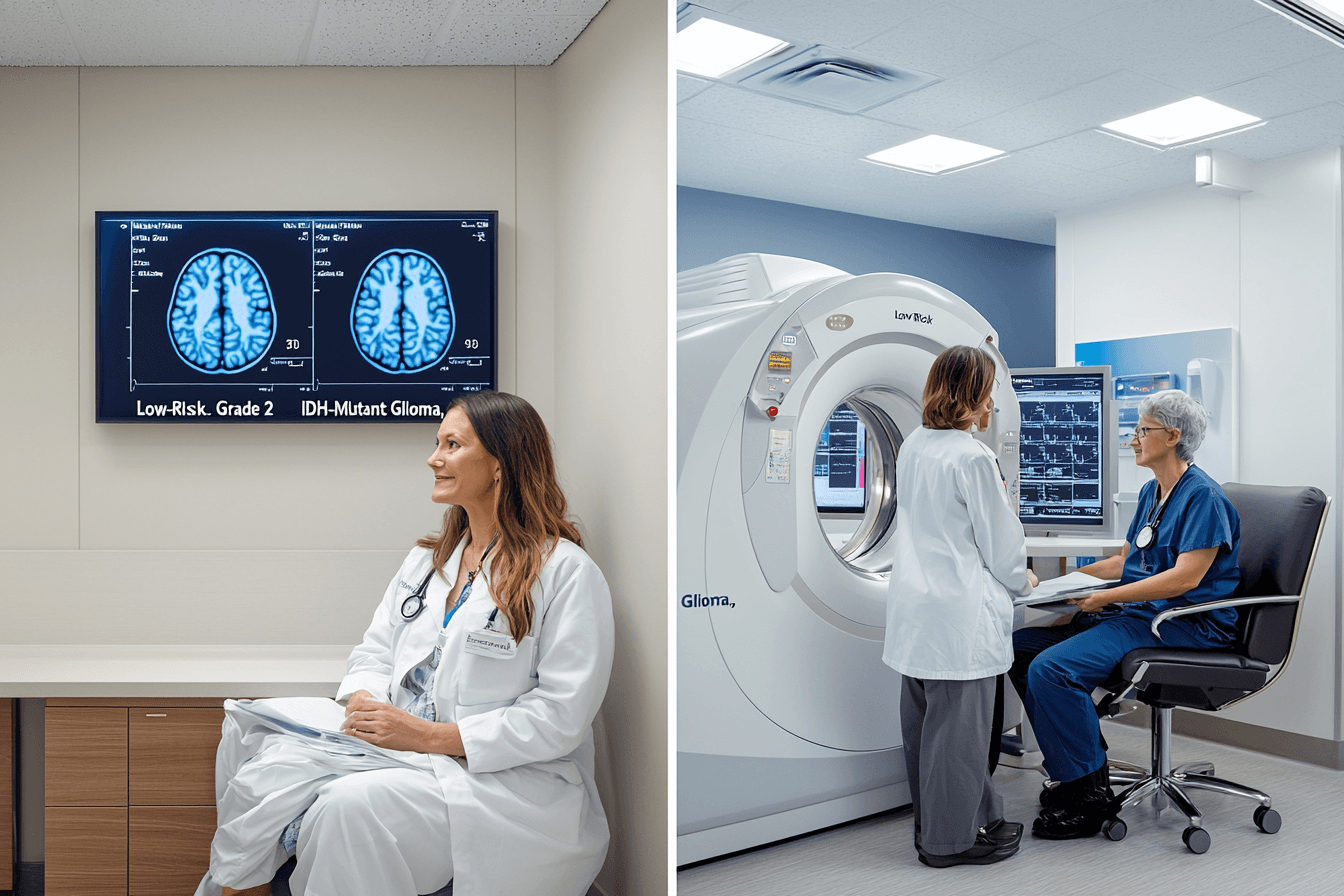
Not every grade 2 IDH-mutant glioma needs the same treatment immediately after surgery. Some patients may be followed with regular MRI surveillance, while others may need earlier treatment with radiation, chemotherapy, targeted therapy, or clinical trial evaluation. The decision depends on whether the tumor appears low risk or high risk based on clinical, surgical, radiological, and molecular factors.[5,7,13,14]
Some patients with grade 2 IDH-mutant glioma explore broader supportive care strategies including nutrition, recovery planning, seizure management, and integrative Ayurvedic treatment for brain gliomas alongside neuro-oncology follow-up.
Grade 2 IDH-mutant glioma usually grows more slowly than higher-grade glioma, but it is still a diffuse brain tumor. Even when it appears low grade, it can grow again after surgery, cause seizures or neurological symptoms, or transform into a higher-grade tumor over time. This is why risk assessment after surgery is essential.[5,13]
What Does Low Risk Mean?
A lower-risk grade 2 IDH-mutant glioma usually means the tumor has features suggesting a slower course and a lower immediate need for radiation or chemotherapy. This may include younger age, good neurological function, smaller tumor size, favorable tumor location, complete or near-complete surgical removal, stable postoperative MRI, and absence of major high-risk molecular markers.[5,13,14]
In such patients, the neuro-oncology team may recommend active surveillance after surgery. Active surveillance does not mean ignoring the tumor. It means the patient is followed with planned MRI scans, neurological examinations, seizure monitoring, and repeat treatment discussion if the tumor grows or symptoms change.[7,13]
This approach may be considered when the goal is to delay or avoid treatment-related side effects for as long as safely possible. Radiation and chemotherapy can be effective, but they may also affect cognition, fatigue, fertility, blood counts, and long-term quality of life. Therefore, in carefully selected low-risk patients, doctors may choose close monitoring before starting additional therapy.[5,13,14]
What Does High Risk Mean?
A higher-risk grade 2 IDH-mutant glioma means the tumor has features that increase the chance of earlier progression, recurrence, symptoms, or need for treatment. High-risk features may include older age, large tumor size, tumor crossing important brain regions, incomplete resection, visible residual tumor, neurological deficits, uncontrolled seizures, growth on MRI, concerning enhancement, or molecular findings that suggest more aggressive behavior.[5,13,14]
High-risk does not always mean the tumor has already become high grade. It means the chance of progression may be higher, and the patient may need more active treatment planning. In these cases, the care team may discuss radiation therapy, chemotherapy, targeted therapy in eligible patients, or clinical trials depending on the full diagnosis and treatment goals.[5,7,13,14]
For astrocytoma, IDH-mutant, molecular findings such as CDKN2A/B homozygous deletion are especially important because they can change the grade and prognosis. If such a marker is present, the tumor may no longer be managed like a typical low-risk grade 2 tumor.[3,9]
Why Surgery Results Matter
The extent of tumor removal is one of the most important factors after diagnosis. If the surgeon removes all visible tumor safely, the patient may have a longer period before further treatment is needed. If a significant amount of tumor remains, the risk of growth or recurrence may be higher, and the team may discuss earlier additional treatment.[5,13]
However, the safest possible surgery is more important than removing tumor at any cost. Some gliomas are close to brain areas responsible for speech, movement, memory, or vision. In these cases, surgeons may intentionally leave some tumor behind to avoid permanent neurological injury. The postoperative treatment plan then depends on the residual tumor, symptoms, MRI findings, and molecular report.[5,13,14]
Why Symptoms Matter
Symptoms also influence risk. A patient with well-controlled seizures and no neurological deficit may be managed differently from a patient with worsening seizures, weakness, speech difficulty, memory problems, or progressive headaches. Symptoms can show that the tumor is affecting important brain functions or that swelling, growth, or seizure activity needs more attention.[7,11]
Seizure control is especially important in grade 2 IDH-mutant glioma. Even when the tumor is slow growing, uncontrolled seizures can reduce quality of life, affect work, driving, sleep, and safety. Treatment planning should therefore include both tumor control and symptom control.[11,12]
Where Vorasidenib May Fit
Vorasidenib has created a new option for selected patients with grade 2 IDH-mutant glioma after surgery. It may be considered in eligible patients with grade 2 astrocytoma or oligodendroglioma with a susceptible IDH1 or IDH2 mutation, especially when the goal is to delay tumor progression and postpone radiation or chemotherapy.[6,8]
However, vorasidenib is not automatically the right choice for every grade 2 IDH-mutant glioma. Some patients may be best managed with surveillance, while others may need radiation, chemotherapy, or a different approach because of symptoms, tumor growth, high-risk features, or prior treatment history. The decision should be made by a neuro-oncology team after reviewing the complete pathology report and MRI.[5,8,13,14]
Why Treatment Timing Is Individualized
The timing of treatment is one of the most important decisions in grade 2 IDH-mutant glioma. Starting treatment early may help control a higher-risk tumor, but delaying treatment in carefully selected lower-risk cases may help preserve quality of life and reduce long-term side effects. There is no single plan that fits every patient.[5,13,14]
Doctors usually consider several questions before recommending the next step: How much tumor was removed? Is the MRI stable? Is the patient having seizures or neurological symptoms? Is the tumor astrocytoma or oligodendroglioma? Are high-risk molecular markers present? Is the patient eligible for vorasidenib? Would radiation or chemotherapy be better, or can they be safely deferred?[5,7,13,14]
Practical Message for Patients
For patients and families, the key message is that grade 2 IDH-mutant glioma is not automatically treated the same way in every case. A low-risk patient may be monitored carefully after surgery, while a high-risk patient may need earlier treatment. The best plan depends on the tumor type, molecular report, surgical result, MRI behavior, symptoms, age, and personal priorities.[5,7,13,14]
A patient should ask the treating team: Is my tumor currently considered low risk or high risk? What factors make it so? Can treatment be safely deferred, or should we start active therapy now? Am I eligible for vorasidenib, radiation, chemotherapy, or a clinical trial? These questions help turn the diagnosis into a clear, personalized treatment plan.[5,7,13,14]
Vorasidenib: New Targeted Treatment
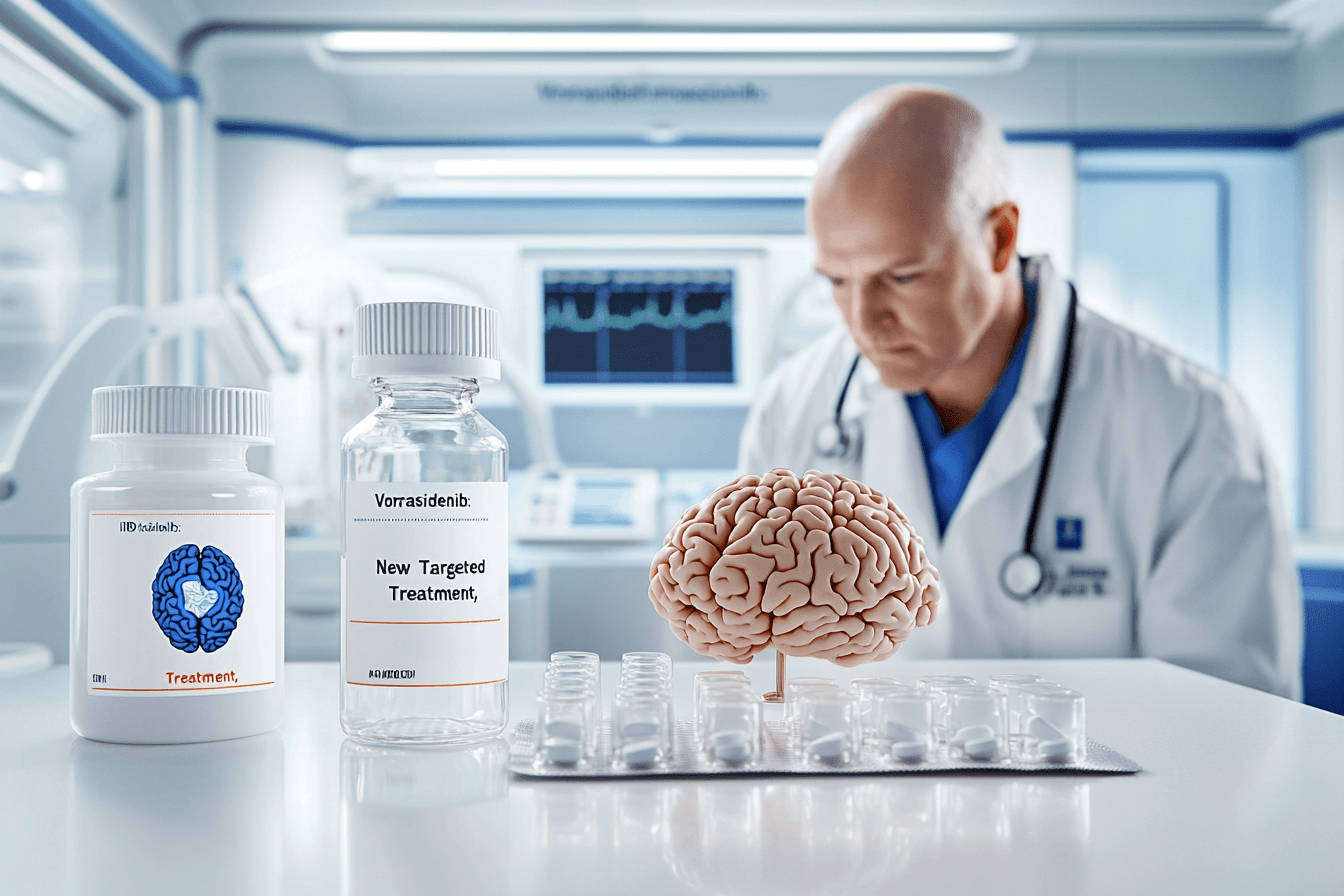
Vorasidenib is one of the most important recent advances in IDH-mutant glioma treatment. It is an oral targeted therapy designed to inhibit mutant IDH1 and mutant IDH2 enzymes. These enzymes are important because IDH-mutant glioma cells can produce an abnormal metabolite called 2-hydroxyglutarate, which is involved in the altered biology of these tumors.[6,16]
Vorasidenib is not traditional chemotherapy, radiation therapy, immunotherapy, or Ayurveda. It is a targeted drug developed specifically for tumors with susceptible IDH1 or IDH2 mutations. Its role is to interfere with the abnormal IDH-driven pathway in selected patients, especially those with grade 2 IDH-mutant glioma after surgery.[6,8,16]
Why Vorasidenib Matters
For many years, treatment options for grade 2 IDH-mutant glioma mainly included surgery, MRI surveillance, radiation therapy, and chemotherapy. In selected lower-risk patients, doctors often delayed radiation or chemotherapy to reduce long-term side effects, especially because many patients are young and may live with the disease for years.[5,7,13]
Vorasidenib changed this discussion because it offers a targeted treatment option for selected patients with grade 2 IDH-mutant astrocytoma or oligodendroglioma after surgery. The goal is not to replace all other glioma treatments, but to delay tumor progression and potentially postpone the need for radiation or chemotherapy in carefully selected patients.[6,8,15]
FDA Approval
On August 6, 2024, the U.S. Food and Drug Administration approved vorasidenib for adult and pediatric patients 12 years and older with grade 2 astrocytoma or oligodendroglioma with a susceptible IDH1 or IDH2 mutation, following surgery, including biopsy, subtotal resection, or gross total resection.[8,16]
This approval was important because it was the first FDA approval of a systemic therapy for this specific group of patients with grade 2 astrocytoma or oligodendroglioma carrying a susceptible IDH1 or IDH2 mutation.[8]
Brand Name
The brand name of vorasidenib is Voranigo. It is taken by mouth and is used under specialist medical supervision. Patients should not start, stop, or combine it with other medicines, herbs, or supplements without discussing it with their neuro-oncology team because liver monitoring and drug-interaction safety are important.[16]
How Vorasidenib Works
In IDH-mutant glioma, the altered IDH enzyme produces 2-hydroxyglutarate. Vorasidenib inhibits mutant IDH1 and mutant IDH2, which may reduce the abnormal metabolic activity linked with these tumors. This mechanism is different from chemotherapy, which usually attacks rapidly dividing cells more broadly.[6,16]
Because vorasidenib targets a specific molecular abnormality, confirming the IDH1 or IDH2 mutation is essential before considering treatment. A patient should not be considered for vorasidenib only because the MRI looks like a low-grade glioma. The decision requires tissue diagnosis and molecular confirmation.[8,16]
What the INDIGO Trial Showed
The major evidence for vorasidenib came from the INDIGO trial, a phase 3 clinical trial in patients with grade 2 IDH-mutant glioma after surgery. In this study, vorasidenib improved progression-free survival and delayed the time to the next treatment compared with placebo.[6,15]
This is clinically meaningful because many patients with grade 2 IDH-mutant glioma face a long treatment journey. Delaying tumor progression may also help delay the need for radiation or chemotherapy in selected patients, which can be important for preserving cognition, quality of life, fertility considerations, and long-term function.[6,15]
What Vorasidenib Does Not Mean
Vorasidenib does not mean every IDH-mutant glioma patient should take the drug. It does not mean surgery is unnecessary. It does not replace MRI follow-up. It does not replace radiation or chemotherapy when those treatments are medically indicated. It is also not currently a general treatment for all grade 3 or grade 4 IDH-mutant gliomas.[8,16,18]
Its approved role is specific: selected patients aged 12 years and older with grade 2 astrocytoma or oligodendroglioma with a susceptible IDH1 or IDH2 mutation after surgery. The next step is always to confirm whether the patient fits the approved indication and whether the benefits outweigh risks in that individual case.[8,16]
Why Specialist Guidance Is Essential
Vorasidenib requires careful medical supervision. Doctors need to review the full pathology report, IDH mutation status, WHO grade, 1p/19q status, MRI findings, surgical history, symptoms, liver function, other medicines, seizure medications, pregnancy considerations, and treatment goals before recommending it.[16,18]
This is especially important for patients using Ayurvedic medicines, herbs, supplements, or other complementary therapies. Because vorasidenib has liver-related monitoring requirements and drug-interaction concerns, every medicine and supplement should be disclosed to the treating neuro-oncologist and integrative physician.[16]
For patients and families, the practical message is this: vorasidenib is a major targeted treatment advance for selected grade 2 IDH-mutant glioma patients after surgery. It may help delay progression and postpone the need for radiation or chemotherapy in appropriate cases, but it must be used only after expert review of the full diagnosis, molecular report, MRI, and safety profile.[6,8,15,16]
Who Is Eligible for Vorasidenib?

Vorasidenib is approved for a specific group of patients with IDH-mutant glioma. It is not meant for every brain tumor patient and not for every patient with an IDH mutation. Eligibility depends on age, tumor type, WHO grade, confirmed IDH1 or IDH2 mutation, and prior surgery or biopsy.[8,16] The official FDA and DailyMed indication describes its use in patients aged 12 years and older with grade 2 astrocytoma or oligodendroglioma with a susceptible IDH1 or IDH2 mutation after surgery, including biopsy, subtotal resection, or gross total resection.
Main Eligibility Criteria
A patient may be considered for vorasidenib when all of the following are present:
- The patient is 12 years of age or older.
- The tumor is grade 2 astrocytoma or grade 2 oligodendroglioma.
- The tumor has a susceptible IDH1 or IDH2 mutation.
- The diagnosis is confirmed through tumor tissue testing.
- The patient has already had surgery, which may include biopsy, subtotal resection, or gross total resection.
- The neuro-oncology team feels that vorasidenib is appropriate based on MRI findings, symptoms, treatment history, liver safety, and overall health.[8,16]
Age Requirement
Vorasidenib is approved for adults and pediatric patients aged 12 years and older. This means it may be considered in adolescents as well as adults, but only when the tumor and clinical situation match the approved indication.[8,16]
For children and adolescents, treatment decisions should be made by a team experienced in pediatric or adolescent neuro-oncology. Growth, development, school function, seizures, long-term treatment effects, family planning in older adolescents, and quality of life all need careful discussion before starting therapy.[16]
Tumor Type Requirement
The tumor must be either astrocytoma or oligodendroglioma. These are two major types of adult-type diffuse glioma. The diagnosis should come from the pathology and molecular report, not from MRI appearance alone.[1,2,8]
For astrocytoma, the report should say astrocytoma, IDH-mutant, CNS WHO grade 2. For oligodendroglioma, the report should say oligodendroglioma, IDH-mutant and 1p/19q-codeleted, CNS WHO grade 2. This distinction is important because oligodendroglioma requires both an IDH mutation and 1p/19q codeletion.[1,2,4]
Grade Requirement
Vorasidenib approval is specifically for grade 2 astrocytoma or oligodendroglioma with a susceptible IDH1 or IDH2 mutation. It is not a general approval for all IDH-mutant gliomas of every grade.[8,16]
This means patients with grade 3 or grade 4 IDH-mutant glioma need a different treatment discussion. They may require radiation therapy, chemotherapy, clinical trials, or other individualized neuro-oncology treatment. Vorasidenib may still be studied or discussed in certain clinical contexts, but the approved indication is for selected grade 2 disease after surgery.[8,16,18]
IDH1 or IDH2 Mutation Requirement
The tumor must have a susceptible IDH1 or IDH2 mutation. This should be confirmed on tumor tissue using appropriate molecular testing. A report may mention IDH1 R132H positive, IDH1 mutation detected, IDH2 mutation detected, or another specific IDH variant.[8,16]
MRI cannot prove IDH mutation. Even if a tumor looks like a low-grade glioma on MRI, vorasidenib should not be considered without tissue diagnosis and molecular confirmation. The molecular report is essential for deciding whether this targeted treatment is relevant.[1,4,16]
Surgery or Biopsy Requirement
Vorasidenib is approved after surgery. Surgery may mean biopsy, subtotal resection, or gross total resection. A biopsy gives tissue for diagnosis, while subtotal or gross total resection removes part or all visible tumor when it can be done safely.[8,16]
This requirement matters because the diagnosis must be confirmed from tumor tissue. The tissue helps doctors identify the exact tumor type, WHO grade, IDH mutation status, 1p/19q status, and other molecular markers that influence treatment planning.[1,4,8,16]
When Vorasidenib May Be Especially Discussed
Vorasidenib may be especially relevant when a patient has grade 2 IDH-mutant glioma after surgery and the treatment goal is to delay tumor progression while postponing radiation or chemotherapy. This is important because many grade 2 glioma patients are younger and may live with the disease for many years, so long-term cognitive function, fertility, fatigue, work life, and quality of life are major considerations.[6,15,18]
The INDIGO trial showed that vorasidenib improved progression-free survival and delayed the time to next treatment compared with placebo in patients with grade 2 IDH-mutant glioma after surgery.[6,15] This is the main clinical reason it has become an important option in selected patients.
Why Not Every Patient Qualifies
A patient may have an IDH mutation but still not be a typical candidate for vorasidenib if the tumor is not grade 2, if the diagnosis is incomplete, if the tumor is rapidly progressing, if urgent radiation or chemotherapy is needed, or if there are safety concerns such as significant liver problems or major drug interactions.[16,18]
Patients who already received radiation or chemotherapy, patients with recurrent disease, and patients with grade 3 or grade 4 tumors need individualized advice. Their treatment plan may be different from the patient group studied in the main vorasidenib trial and described in the approval indication.[6,8,15,16]
Questions to Ask Before Starting Vorasidenib
Patients and families should ask the neuro-oncology team:
- Is my tumor grade 2 astrocytoma or grade 2 oligodendroglioma?
- Is the IDH mutation confirmed as IDH1 or IDH2?
- Is the mutation considered susceptible to vorasidenib?
- Was 1p/19q codeletion tested?
- Was CDKN2A/B deletion tested if the diagnosis is astrocytoma?
- How much tumor was removed during surgery?
- Is there residual tumor on the postoperative MRI?
- Is the goal to delay radiation or chemotherapy?
- What liver tests are needed before and during treatment?
- Are my seizure medicines, Ayurvedic medicines, herbs, or supplements safe with vorasidenib?[1,3,8,16,18]
For patients and families, the practical message is this: vorasidenib eligibility is not based only on the phrase IDH-mutant glioma. The patient must have the right tumor type, the right grade, confirmed IDH1 or IDH2 mutation, prior surgery or biopsy, and a clinical situation where the neuro-oncology team believes targeted treatment is appropriate.[8,16,18]
Who May Not Be a Typical Candidate for Vorasidenib?
Vorasidenib is an important targeted treatment for selected patients with grade 2 IDH-mutant glioma, but it is not automatically suitable for every patient who has an IDH mutation. The decision depends on the exact tumor diagnosis, WHO grade, prior treatment history, MRI behavior, symptoms, liver safety, drug interactions, pregnancy considerations, and the overall treatment goal.[8,15,16,17]
A patient should not assume that the phrase IDH-mutant glioma alone means vorasidenib is the right next step. The neuro-oncology team must confirm whether the tumor fits the approved indication and whether the patient’s current clinical condition makes targeted therapy appropriate.[8,16]
Patients Younger Than 12 Years
Vorasidenib is approved for adults and pediatric patients aged 12 years and older. A child younger than 12 years would not be a typical candidate under the approved indication. Pediatric brain tumor treatment is highly specialized, and younger children need individualized care from a pediatric neuro-oncology team.[8,16]
Tumors Without Confirmed IDH1 or IDH2 Mutation
Vorasidenib is designed for tumors with a susceptible IDH1 or IDH2 mutation. If the tumor does not have an IDH mutation, or if IDH testing has not been completed, vorasidenib should not be considered based only on MRI appearance or suspicion of low-grade glioma.[8,16]
This is important because some tumors may look similar on imaging but have very different molecular behavior. A tissue-based diagnosis and molecular report are required before deciding whether an IDH-targeted drug is relevant.[1,4,16]
IDH-Wildtype Glioblastoma
Glioblastoma, IDH-wildtype is a different tumor category and is not the same as IDH-mutant glioma. Vorasidenib is not approved as a general treatment for IDH-wildtype glioblastoma. These patients usually need a different treatment pathway, often involving surgery when feasible, radiation therapy, chemotherapy, clinical trials, and supportive care.[1,2,8]
This distinction is one reason molecular testing is essential. A report that clearly separates IDH-mutant astrocytoma, oligodendroglioma, and IDH-wildtype glioblastoma helps avoid inappropriate treatment assumptions.[1,2,4]
Grade 3 or Grade 4 IDH-Mutant Glioma
Vorasidenib’s approved indication is for grade 2 astrocytoma or oligodendroglioma with a susceptible IDH1 or IDH2 mutation after surgery. Patients with grade 3 or grade 4 IDH-mutant glioma are not typical candidates under this specific approval and usually need a different neuro-oncology discussion.[8,16,18]
Grade 3 IDH-mutant gliomas often require more active treatment, commonly including radiation and chemotherapy depending on the tumor type and clinical situation. Astrocytoma, IDH-mutant, grade 4 is a high-grade glioma and should be managed as a serious aggressive tumor with individualized treatment planning.[1,3,18]
This does not mean that IDH-targeted approaches will never be studied or discussed in higher-grade disease. It means that the standard approved use of vorasidenib is specifically focused on selected grade 2 disease after surgery, and higher-grade tumors should not be treated as if they are the same as lower-risk grade 2 tumors.[8,16,18]
Tumors That Need Urgent Radiation or Chemotherapy
Some patients may not be typical candidates if the tumor is growing quickly, causing worsening neurological symptoms, producing significant swelling, or showing features that require urgent tumor control. In these situations, doctors may recommend radiation therapy, chemotherapy, repeat surgery, steroid treatment for swelling, or another urgent intervention rather than delaying treatment.[5,13,18]
Vorasidenib may help delay progression in selected grade 2 IDH-mutant glioma patients, but it should not be viewed as a replacement for urgent treatment when the tumor is already causing serious clinical problems. The pace of the disease and the patient’s neurological condition matter.[15,18]
Incomplete or Unclear Pathology Report
A patient may not be ready for a vorasidenib decision if the pathology report is incomplete. For example, if the report does not clearly mention the WHO grade, IDH1 or IDH2 mutation, 1p/19q status, or whether the tumor is astrocytoma or oligodendroglioma, the diagnosis may need further review.[1,3,4]
This is especially important when older reports use terms such as low-grade glioma, diffuse glioma not otherwise specified, anaplastic glioma, or IDH-mutant glioblastoma. These terms may need reinterpretation using the current WHO classification before treatment decisions are made.[1,3,4]
Patients With Significant Liver Safety Concerns
Vorasidenib can affect liver enzymes and requires liver function monitoring. Patients with significant liver abnormalities, previous liver disease, or unexplained elevations in liver tests may need careful evaluation before treatment is considered.[16,17]
This does not automatically mean the patient can never receive vorasidenib. It means the neuro-oncology team must carefully assess risk, review baseline liver tests, monitor during treatment, and decide whether the drug can be used safely.[16,17]
Important Drug Interaction Concerns
Some patients may not be typical candidates without medication adjustment because vorasidenib has drug-interaction concerns. The treating team needs to review all medicines, including anti-seizure medicines, antibiotics, antifungals, antidepressants, pain medicines, over-the-counter drugs, Ayurvedic medicines, herbal products, and supplements.[16,17]
The prescribing information includes cautions involving CYP1A2 inhibitors, CYP1A2 inducers, smoking tobacco, and certain CYP3A substrates. This is clinically important because interactions may change drug levels, increase toxicity risk, or reduce the effect of other medicines.[16]
Patients should not stop or change any medicine on their own. Instead, they should provide the full medicine list to the neuro-oncologist, neurologist, pharmacist, and Ayurvedic physician so that the plan can be reviewed safely.[16,17]
Pregnancy, Breastfeeding, and Family Planning Concerns
Vorasidenib may cause fetal harm and requires careful pregnancy and contraception counseling. Patients who are pregnant, planning pregnancy, breastfeeding, or trying to conceive should discuss this before starting treatment.[16,17]
The prescribing information advises effective nonhormonal contraception during treatment and for a period after the last dose, and it notes that hormonal contraceptives may be less effective in some situations. Fertility preservation may also be an important discussion for young patients before radiation, chemotherapy, or long-term systemic therapy.[16]
Patients Already Treated With Radiation or Chemotherapy
The main INDIGO trial evidence supporting vorasidenib focused on patients with grade 2 IDH-mutant glioma after surgery who had not yet received radiation or chemotherapy. Therefore, patients who have already received radiation, chemotherapy, or multiple prior treatments need individualized interpretation of the evidence.[6,15]
This does not mean vorasidenib can never be discussed after prior treatment. It means the situation is more complex, and the neuro-oncology team must consider the patient’s previous therapies, current MRI findings, tumor behavior, symptoms, and available alternatives.[15,18]
Rapidly Progressive or Recurrent Disease
Patients with recurrent or rapidly progressive IDH-mutant glioma may need a broader treatment discussion. Options may include repeat surgery, re-biopsy, radiation, chemotherapy, clinical trials, targeted therapy in selected cases, and supportive care. The right choice depends on the grade, prior treatment, time since treatment, MRI pattern, symptoms, and performance status.[5,7,18]
If recurrence suggests transformation to a higher-grade tumor, doctors may recommend repeat tissue sampling or expert pathology review. In that situation, treatment should not be based only on the original diagnosis from years earlier.[1,5]
Patients Unable to Follow Monitoring Requirements
Vorasidenib requires ongoing monitoring, including liver function tests and clinical review. A patient who cannot attend regular follow-up, cannot complete blood tests, or cannot reliably report symptoms may need a different plan or additional support before treatment can be used safely.[16,17]
Monitoring is not a minor detail. It is part of the safe use of the medicine. The treatment plan should include how often blood tests are needed, where they will be done, when MRI scans are planned, and what symptoms should be reported immediately.[16,17]
Practical Message for Patients
The most important point is that vorasidenib is a targeted option for selected grade 2 IDH-mutant glioma patients after surgery. It is not a universal treatment for all gliomas, all IDH-mutant tumors, all recurrent tumors, or all high-grade gliomas.[8,16,18]
A patient may not be a typical candidate if the tumor is not grade 2, the IDH mutation is not confirmed, the diagnosis is incomplete, urgent radiation or chemotherapy is needed, liver safety is a concern, pregnancy is possible, important drug interactions exist, or the patient has already received complex prior treatment.[8,15,16,17]
Before starting vorasidenib, the safest approach is to review the full pathology report, molecular report, MRI scans, surgical history, symptoms, liver tests, medicine list, seizure treatment, pregnancy status, and treatment goals with a neuro-oncology team.[8,16,18]
Surgery for IDH-Mutant Glioma
Surgery is usually the first major treatment step for IDH-mutant glioma when the tumor can be reached safely. It plays two important roles: it helps remove as much tumor as possible, and it provides tissue for accurate diagnosis, grading, and molecular testing. MRI can strongly suggest glioma, but the final diagnosis usually depends on tumor tissue examined by a neuropathologist.[5,7,10,14]
The goal is not simply to remove tumor aggressively at any cost. The goal is maximal safe resection, which means removing as much tumor as possible while protecting important brain functions such as speech, movement, memory, vision, personality, and coordination.[5,10,14]
Why Surgery Is Important
Surgery helps doctors confirm whether the tumor is astrocytoma, IDH-mutant or oligodendroglioma, IDH-mutant and 1p/19q-codeleted. It also helps determine the CNS WHO grade and allows testing for IDH1, IDH2, 1p/19q codeletion, ATRX, TP53, TERT promoter, MGMT promoter methylation, and CDKN2A/B deletion when needed.[1,3,5,10]
Without tissue, doctors may not be able to confidently decide whether the patient should be observed, treated with radiation, receive chemotherapy, consider vorasidenib, or enter a clinical trial. This is why biopsy or resection is often essential in the treatment pathway.[5,7,10]
Surgery may also improve symptoms. In some patients, reducing tumor volume can help with seizures, pressure effects, headaches, weakness, or other neurological problems. The degree of symptom improvement depends on tumor location, swelling, preoperative neurological function, and how much tumor can be removed safely.[5,7,10]
Maximal Safe Resection
Maximal safe resection is a central principle in IDH-mutant glioma surgery. The surgeon aims to remove the visible tumor as completely as possible, but only within the limits of safety. This is especially important when the tumor lies close to eloquent brain areas, meaning areas responsible for critical functions such as language, movement, vision, or memory.[5,10,14]
In some cases, removing all visible tumor is possible. In other cases, the surgeon may intentionally leave a small or significant portion behind to avoid permanent disability. This does not mean the surgery failed. It means the surgeon prioritized neurological safety while still obtaining tissue and reducing tumor burden.[5,10]
For IDH-mutant glioma, the amount of tumor removed can influence long-term disease control. However, the safest surgery is always better than an unsafe attempt at complete removal that may cause serious neurological damage.[5,10,14]
Biopsy, Subtotal Resection, and Gross Total Resection
A biopsy means that a small sample of tumor tissue is removed for diagnosis. This may be recommended when the tumor is deep, located in a high-risk area, or not safely removable. A biopsy may not reduce much tumor volume, but it can provide the tissue needed for molecular diagnosis.[5,7,10]
Subtotal resection means part of the visible tumor is removed, but some tumor remains on postoperative imaging. This may happen when the tumor is close to important brain structures or when complete removal is not safe.[5,10]
Gross total resection means that no visible tumor remains on postoperative MRI. This is often an important goal when safely achievable, especially in lower-grade IDH-mutant glioma. Even after gross total resection, microscopic tumor cells may remain because diffuse gliomas can infiltrate surrounding brain tissue. Therefore, long-term MRI follow-up is still necessary.[5,10,14]
Preoperative Planning
Before surgery, doctors review MRI scans carefully to understand tumor location, size, contrast enhancement, swelling, blood supply, and relationship to important brain regions. Advanced imaging may be used in selected cases to map speech, movement, visual pathways, or other functional areas.[5,10]
The surgical plan may include functional MRI, diffusion tensor imaging, neuronavigation, intraoperative monitoring, cortical mapping, or awake surgery when the tumor is near speech or motor areas. These techniques help the surgeon remove more tumor while reducing the risk of permanent neurological injury.[5,10,14]
Patients should ask the neurosurgeon whether the tumor is near an eloquent area, whether awake mapping is needed, what degree of removal is expected, and what neurological risks are possible.
Awake Brain Surgery and Brain Mapping
Awake brain surgery may be recommended when an IDH-mutant glioma is close to language, movement, or other critical functional areas. During parts of the operation, the patient may be awake enough to speak, move, count, name objects, or perform simple tasks while the surgical team maps brain function.[5,10]
The purpose is to identify important brain areas in real time and avoid damaging them. Awake surgery is not needed for every patient, but in selected cases it can help maximize tumor removal while preserving function.[5,10]
Brain mapping may also be done while the patient is asleep, especially for motor pathways and other functions. The method depends on tumor location, patient condition, surgical expertise, and institutional practice.[5,10,14]
Postoperative MRI
After surgery, doctors usually perform an early postoperative MRI to assess how much visible tumor remains. This scan helps classify the surgical result as gross total resection, near-total resection, subtotal resection, or biopsy only.[5,10]
The postoperative MRI is important for treatment planning. If there is little or no visible residual tumor and the diagnosis is lower-risk grade 2 IDH-mutant glioma, the team may consider active surveillance in selected patients. If significant residual tumor remains, or if the tumor is higher risk, doctors may discuss radiation, chemotherapy, vorasidenib in eligible grade 2 cases, or clinical trials.[5,7,13,14]
Surgery and Seizure Control
Seizures are common in many lower-grade IDH-mutant gliomas. Surgery may help reduce seizure frequency in some patients, especially when the seizure focus is related to the tumor area. However, seizure control is not guaranteed, and many patients still need anti-seizure medicines after surgery.[7,11,12]
Patients should discuss seizure history before surgery, including subtle episodes such as speech arrest, unusual smells, brief confusion, staring spells, or abnormal sensations. After surgery, anti-seizure medication should be managed by the neurologist or neuro-oncologist, not stopped suddenly on the patient’s own decision.[11,12]
When Surgery May Be Limited
Surgery may be limited when the tumor is located deep in the brain, involves both sides of the brain, surrounds important blood vessels, or lies close to critical areas where removal could cause serious disability. In such cases, biopsy may be safer than attempted extensive removal.[5,10]
A limited surgery does not mean there are no treatment options. Once tissue diagnosis is confirmed, doctors may consider MRI surveillance, radiation therapy, chemotherapy, vorasidenib in eligible grade 2 disease, or clinical trials depending on the final diagnosis and clinical situation.[5,7,13,14]
Risks of Surgery
Like all brain surgeries, glioma surgery has risks. These may include weakness, speech difficulty, memory changes, seizures, infection, bleeding, swelling, blood clots, stroke-like complications, wound problems, or temporary worsening of neurological symptoms.[5,7,10]
Some symptoms improve after recovery, while others may persist. The risk depends on tumor location, size, involvement of functional brain areas, patient health, and the complexity of surgery. This is why surgical planning should be individualized and discussed clearly before the operation.[5,10]
Surgery at Recurrence
If IDH-mutant glioma comes back or shows growth after treatment, repeat surgery may be considered in selected patients. This is especially useful if the tumor is accessible, causing symptoms, producing mass effect, or if doctors suspect transformation to a higher-grade tumor.[5,7,14]
Repeat surgery can provide new tissue for updated molecular testing. This may be important because recurrent tumors can behave differently from the original tumor. The grade may change, new molecular findings may appear, or treatment resistance may develop.[5,14]
However, repeat surgery is not suitable for every patient. The decision depends on tumor location, prior treatments, neurological function, expected benefit, surgical risk, and available alternatives such as radiation, chemotherapy, targeted therapy, clinical trials, and supportive care.[5,7,14]
Questions to Ask the Neurosurgeon
Patients and families should ask clear questions before surgery:
- Is the goal biopsy, subtotal resection, or gross total resection?
- Is the tumor near speech, movement, memory, or visual areas?
- Will brain mapping or awake surgery be needed?
- What are the main surgical risks in this specific case?
- How soon will postoperative MRI be done?
- Will the tissue be tested for IDH1, IDH2, 1p/19q, CDKN2A/B, MGMT, and other markers?
- How will the surgery result affect the need for radiation, chemotherapy, vorasidenib, or surveillance?
- What symptoms after surgery should be treated as urgent?
Practical Message for Patients
Surgery is a foundation of IDH-mutant glioma care because it can reduce tumor burden, improve symptoms in selected patients, and provide the tissue needed for accurate molecular diagnosis. The best surgical approach is not always the most aggressive one. It is the approach that removes as much tumor as safely possible while protecting the patient’s brain function and quality of life.[5,7,10,14]
After surgery, the next treatment decision depends on the final pathology report, molecular markers, postoperative MRI, symptoms, seizure control, patient age, and risk profile. Some patients may be monitored, while others may need radiation, chemotherapy, vorasidenib, repeat surgery, or clinical trial evaluation.[5,7,13,14]
MRI Surveillance / Watchful Waiting
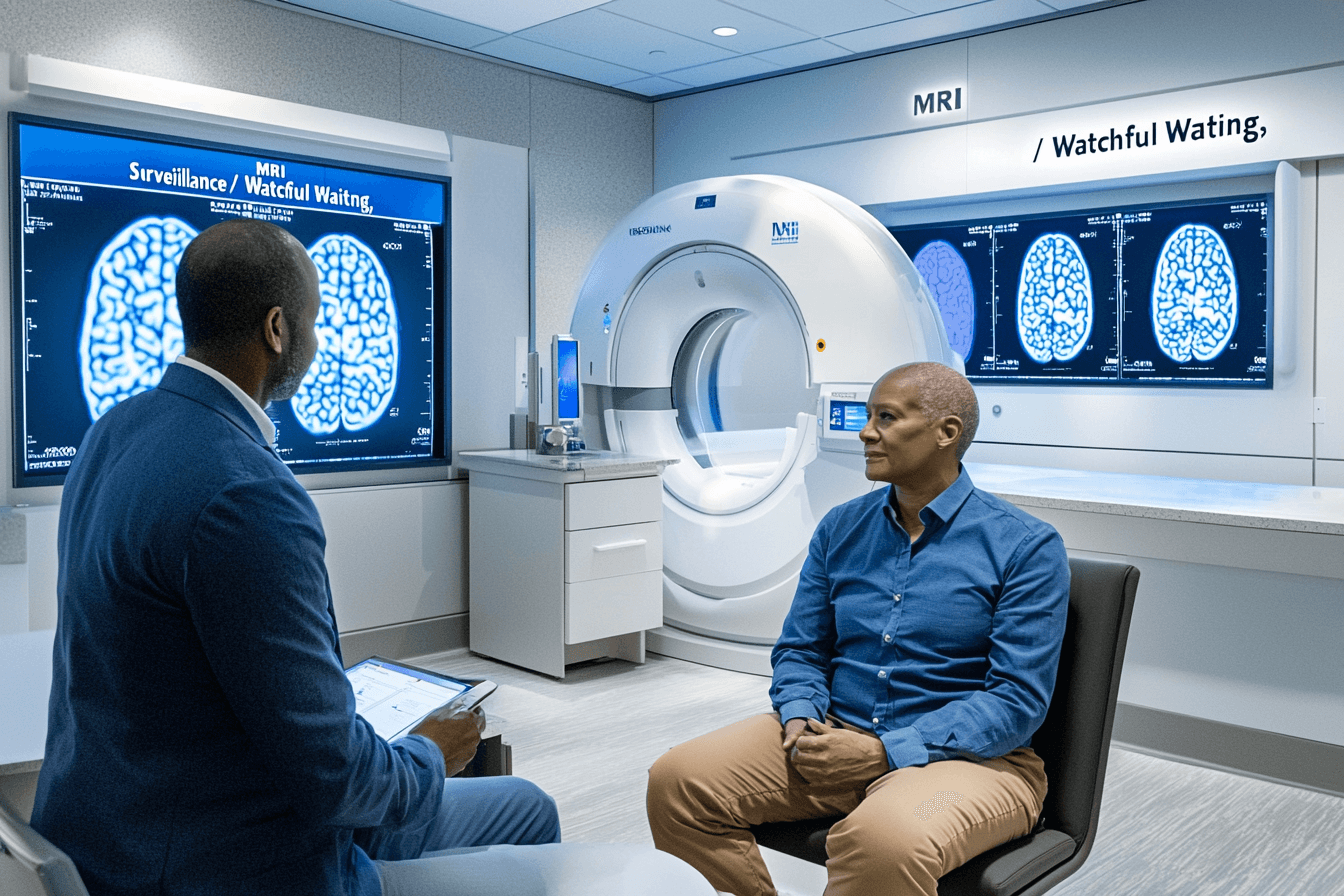
MRI surveillance, also called active observation or watchful waiting, may be recommended for selected patients with IDH-mutant glioma after surgery. This approach is most often considered in lower-risk grade 2 tumors when the patient is neurologically stable, the tumor has been removed as much as safely possible, and immediate radiation or chemotherapy can be deferred.[5,7,13,14]
Watchful waiting does not mean ignoring the tumor. It means the patient is followed carefully with planned MRI scans, neurological examinations, seizure assessment, symptom review, and repeat treatment discussion if there is evidence of tumor growth or clinical change.[7,13,14]
Why Surveillance May Be Recommended
Many patients with grade 2 IDH-mutant glioma are young or otherwise active, and these tumors may grow slowly over time. Because radiation therapy and chemotherapy can have long-term effects on cognition, fatigue, fertility, blood counts, and quality of life, doctors may sometimes delay these treatments when it is safe to do so.[5,13,14]
The purpose of surveillance is to preserve quality of life while still monitoring the tumor closely. If the tumor remains stable, the patient may avoid or delay additional treatment. If the tumor grows, causes new symptoms, or shows more concerning MRI features, the treatment plan can be changed promptly.[7,13,14]
Who May Be Suitable for MRI Surveillance?
MRI surveillance may be considered when the tumor has favorable features. These may include grade 2 disease, good neurological function, controlled symptoms, complete or near-complete surgical removal, stable postoperative MRI, smaller residual tumor, and absence of high-risk molecular findings.[5,13,14]
This approach is more commonly discussed when the diagnosis is grade 2 IDH-mutant glioma and the patient does not need urgent radiation or chemotherapy. The decision is always individualized because two patients with the same tumor name may have different risks based on MRI findings, surgery result, symptoms, and molecular markers.[5,13,14]
When Surveillance May Not Be Enough
Surveillance may not be appropriate if the tumor is growing quickly, causing worsening symptoms, showing concerning contrast enhancement, producing significant swelling, or leaving a large amount of residual disease after surgery. It may also be less suitable when the tumor has high-risk molecular features or when the diagnosis is grade 3 or grade 4.[5,13,14]
If the patient develops new seizures, worsening headaches, weakness, speech difficulty, cognitive decline, vision symptoms, or clear MRI progression, the neuro-oncology team may recommend active treatment. Options may include repeat surgery, radiation therapy, chemotherapy, vorasidenib in eligible grade 2 cases, or clinical trial evaluation.[5,7,13,14,15]
How Often MRI Is Done
The MRI schedule depends on the tumor type, grade, amount of residual tumor, symptoms, and previous treatments. In the early period after surgery, doctors usually monitor more closely. If the tumor remains stable over time, the interval between scans may sometimes be extended.[5,7,13]
Patients should not miss scheduled MRI scans even if they feel well. IDH-mutant glioma may grow silently before symptoms appear. Regular imaging helps detect changes early and allows the care team to adjust treatment before major neurological problems develop.[7,13]
What Doctors Look for on Follow-Up MRI
During surveillance, doctors compare each MRI with previous scans. They look for increase in tumor size, new or increasing contrast enhancement, increased swelling, changes near important brain areas, and signs that the tumor may be behaving more aggressively.[5,7,13]
A small change on MRI does not always mean immediate treatment is required. Sometimes doctors repeat imaging sooner to confirm whether the change is real progression, treatment effect, technical variation, or inflammation. The decision depends on the full clinical picture.[5,7,13]
Surveillance After Gross Total Resection
Even when the surgeon removes all visible tumor, MRI surveillance is still necessary. IDH-mutant gliomas are diffuse tumors, meaning microscopic tumor cells may extend beyond the visible abnormality on MRI. A clean-looking postoperative scan does not always mean every tumor cell has been removed.[5,13]
This is why long-term follow-up remains important after gross total resection. The goal is to detect recurrence or progression early and decide whether further treatment is needed.[5,7,13]
Surveillance After Subtotal Resection or Biopsy
If visible tumor remains after surgery, the care team may monitor the residual tumor closely or recommend additional treatment depending on risk. Some residual tumors remain stable for a period, while others continue to grow and require treatment sooner.[5,7,13,14]
In patients with residual grade 2 IDH-mutant glioma, the discussion may include surveillance, vorasidenib if eligible, radiation therapy, chemotherapy, or clinical trials. The best option depends on tumor behavior, symptoms, molecular profile, patient age, and long-term treatment goals.[6,8,13,15]
Where Vorasidenib Fits During Surveillance
Vorasidenib has changed the surveillance discussion for selected patients with grade 2 IDH-mutant glioma after surgery. In eligible patients, it may be considered when the goal is to delay tumor progression and postpone radiation or chemotherapy.[6,8,15]
This does not mean every patient under surveillance should start vorasidenib. Some patients may remain stable with observation alone, while others may need active treatment because of growth, symptoms, residual tumor, or high-risk features. The decision should be made by a neuro-oncology team after reviewing the pathology report, molecular report, MRI trend, and safety profile.[8,13,15]
Symptoms to Report During Surveillance
Patients should contact their medical team if they develop new or worsening seizures, increasing headaches, vomiting, drowsiness, weakness, numbness, speech difficulty, memory changes, personality changes, vision symptoms, balance problems, or sudden neurological worsening.[7,11,12]
A stable MRI schedule does not replace symptom awareness. Sometimes symptoms may appear before the next planned scan, and early reporting can help doctors decide whether urgent assessment or earlier imaging is needed.[7,11]
Practical Message for Patients
MRI surveillance is an active medical strategy for selected IDH-mutant glioma patients, especially some lower-risk grade 2 cases after surgery. It aims to monitor the tumor carefully while delaying radiation, chemotherapy, or other treatments when this can be done safely.[5,7,13,14]
The most important point is that surveillance must be structured. Patients should follow the MRI schedule, report new symptoms promptly, continue seizure medicines as advised, and attend regular neuro-oncology review. If the tumor grows or risk changes, the treatment plan may shift to vorasidenib, radiation, chemotherapy, repeat surgery, or clinical trial evaluation depending on the individual case.[5,7,13,14,15]
Radiation Therapy
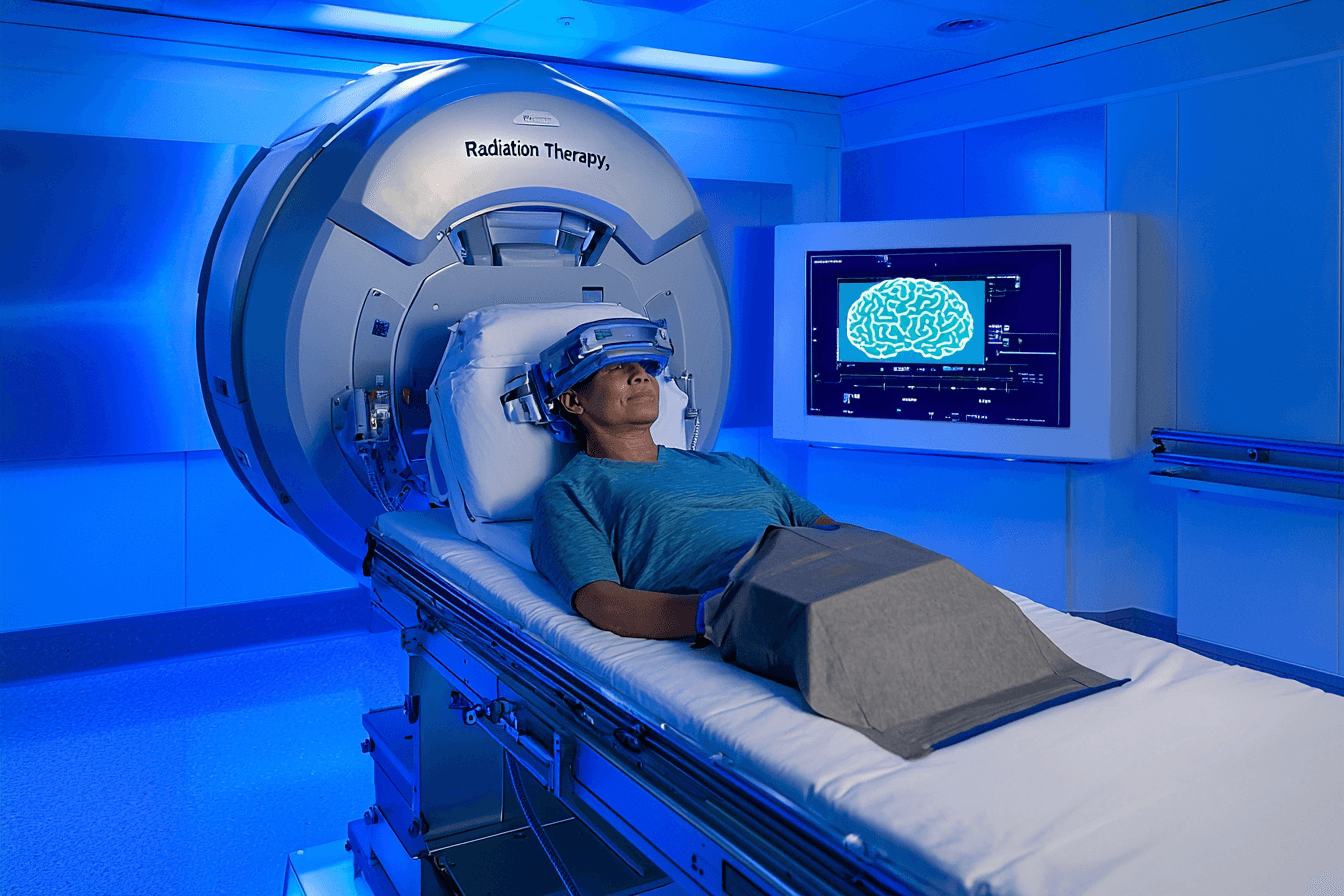
Radiation therapy is an important treatment option for IDH-mutant glioma, especially when the tumor is higher risk, growing, symptomatic, incompletely removed, recurrent, or classified as grade 3 or grade 4. It uses carefully planned radiation beams to damage tumor cells and reduce the chance of further growth or recurrence.[7,13,14,18]
Radiation is usually considered after surgery, once the pathology report, molecular report, postoperative MRI, symptoms, and risk factors have been reviewed. It may be recommended immediately after surgery in some patients, while in other lower-risk grade 2 cases it may be delayed with MRI surveillance or targeted therapy if appropriate.[5,13,14,18]
Why Radiation Is Used
The main purpose of radiation therapy is tumor control. Even after a good surgical removal, IDH-mutant glioma cells may remain in the surrounding brain because diffuse gliomas can infiltrate beyond the visible tumor. Radiation may help control microscopic disease and reduce the risk of progression.[5,7,13]
Radiation is not used only for visible tumor left behind after surgery. It may also be used when the tumor has high-risk features, shows growth on MRI, causes worsening symptoms, or has a grade that suggests a higher chance of recurrence. The decision depends on both tumor biology and patient condition.[13,14,18]
When Radiation May Be Recommended
Radiation may be recommended for grade 2 IDH-mutant glioma when the tumor is considered high risk. High-risk features may include older age, large tumor size, incomplete resection, progressive MRI growth, neurological symptoms, uncontrolled seizures, or other concerning clinical and molecular findings.[5,13,14]
For grade 3 IDH-mutant glioma, radiation is commonly part of treatment after surgery. Depending on whether the tumor is astrocytoma or oligodendroglioma, it may be combined with chemotherapy such as temozolomide or PCV. The exact plan depends on the diagnosis, grade, 1p/19q status, performance status, and guideline-based recommendations.[13,14,18]
For astrocytoma, IDH-mutant, grade 4, radiation is usually considered an important part of active treatment because this is a high-grade tumor. These patients need individualized neuro-oncology planning, often involving radiation, chemotherapy, clinical trial discussion, symptom control, and close MRI follow-up.[1,3,18]
When Radiation May Be Delayed
Radiation may be delayed in selected lower-risk grade 2 IDH-mutant glioma patients after surgery. This is usually considered when the patient is young, neurologically stable, has favorable tumor features, has no concerning MRI growth, and has had complete or near-complete surgical removal.[5,13,14]
The reason for delaying radiation is not because radiation is ineffective. It is because some patients may remain stable for a long time after surgery, and delaying radiation may help preserve long-term cognitive function, energy, fertility planning, and quality of life. This decision must be made carefully with regular MRI surveillance.[5,13,14]
With the availability of vorasidenib, some selected grade 2 IDH-mutant glioma patients may also discuss whether targeted therapy can help delay tumor progression and postpone radiation or chemotherapy. However, this applies only to eligible patients and does not remove the need for radiation when radiation is medically indicated.[6,8,15,18]
How Radiation Is Planned
Radiation therapy is planned using MRI and other imaging to define the treatment area. The radiation oncologist identifies the tumor bed, any residual tumor, and a safety margin around the area at risk. The goal is to treat the tumor region while limiting radiation exposure to healthy brain tissue as much as possible.[7,13]
Modern radiation techniques are designed to deliver radiation more precisely than older methods. The plan may use advanced methods such as conformal radiation therapy, intensity-modulated radiation therapy, image-guided treatment, or proton therapy in selected centers. The choice depends on tumor location, patient age, treatment goal, available technology, and specialist recommendation.[13,14]
Radiation dose and schedule are individualized. They depend on tumor grade, diagnosis, previous treatment, patient age, brain location, residual tumor, and whether chemotherapy is being given. Patients should ask the radiation oncologist how many sessions are planned, what area will be treated, and what side effects are expected.
Radiation With Chemotherapy
Radiation may be given alone or with chemotherapy depending on the type and grade of IDH-mutant glioma. In many higher-risk gliomas, combined treatment may improve tumor control compared with one treatment alone.[13,14,18]
For oligodendroglioma, IDH-mutant and 1p/19q-codeleted, chemotherapy regimens such as PCV are often discussed in appropriate higher-risk or grade 3 settings. For astrocytoma, IDH-mutant, temozolomide may be used in selected settings, especially in grade 3 disease according to guideline-based treatment planning.[14,18]
The exact chemotherapy choice should not be assumed from the word IDH-mutant alone. It depends on whether the tumor is astrocytoma or oligodendroglioma, the WHO grade, 1p/19q status, prior treatment, MGMT status when relevant, patient health, and treatment goals.[13,14,18]
Possible Side Effects
Radiation side effects can be short term or long term. Short-term effects may include tiredness, headache, nausea, scalp irritation, hair loss in the treated area, mild worsening of symptoms due to swelling, and temporary changes in appetite or sleep. Some patients may need steroid medicines if swelling causes symptoms.[7,13]
Long-term effects may include changes in memory, attention, processing speed, hormone function depending on radiation field, fatigue, vascular changes, or rare delayed radiation injury. The risk depends on the dose, treated brain area, patient age, tumor location, previous treatment, and overall health.[7,13,14]
Because many IDH-mutant glioma patients may live for years, long-term quality of life is an important part of radiation planning. Doctors try to balance tumor control with protection of cognition, independence, work ability, and daily function.[13,14]
Radiation and Cognitive Function
Cognitive function is a major concern in glioma treatment. Some patients worry about memory, concentration, speech, learning, work performance, and personality changes after radiation. These concerns are valid, especially in younger patients or those expected to live long term with a lower-grade tumor.[13,14]
This does not mean radiation should be avoided when it is needed. It means radiation should be carefully timed, accurately planned, and integrated with the full treatment strategy. Neuropsychological assessment, rehabilitation, sleep improvement, seizure control, and fatigue management may help preserve function during long-term care.[7,13]
Radiation at Recurrence
Radiation may also be considered if IDH-mutant glioma recurs or progresses, especially if the patient has not previously received radiation. If radiation was already given, re-irradiation may be possible in selected cases, but it requires careful review because the brain has limits on how much radiation it can safely receive.[5,7,14]
At recurrence, doctors may also consider repeat surgery, updated biopsy, chemotherapy, targeted therapy if eligible, clinical trials, and supportive care. The best option depends on the location of recurrence, previous radiation dose, time since prior treatment, symptoms, performance status, and whether the tumor appears to have transformed to a higher grade.[5,7,14,18]
Radiation and Ayurveda Support
Patients receiving radiation should tell their oncology team about any Ayurvedic medicines, herbs, supplements, oils, detoxification programs, fasting plans, or special diets they are using. This is important because some products may affect bleeding risk, liver function, sedation, seizure threshold, immunity, or interactions with other cancer medicines.[20,21,22]
Ayurveda may be used as supportive integrative care for appetite, digestion, sleep, fatigue, emotional balance, strength, and quality of life, but it should not replace radiation therapy when radiation is medically advised. Any supportive Ayurvedic plan should be coordinated with the radiation oncologist, neuro-oncologist, and treating Ayurvedic physician.[20,21,22]
Questions to Ask the Radiation Oncologist
Patients and families should ask practical questions before starting radiation:
- Why is radiation recommended in my case?
- Can radiation be safely delayed, or is it needed now?
- What exact brain area will be treated?
- How many sessions will I need?
- Will chemotherapy be given with radiation?
- What short-term side effects should I expect?
- What long-term cognitive or neurological risks are possible?
- How will seizures and swelling be managed during treatment?
- How often will MRI be done after radiation?
- Are my Ayurvedic medicines, supplements, or special diets safe during radiation?
Practical Message for Patients
Radiation therapy is a major treatment option for IDH-mutant glioma, especially when the tumor has high-risk features, is grade 3 or grade 4, is growing, causing symptoms, or has recurred. In selected lower-risk grade 2 patients, radiation may sometimes be delayed with careful MRI surveillance or other appropriate treatment strategies.[5,7,13,14,18]
The best decision is individualized. Radiation should be planned after reviewing the full diagnosis, WHO grade, IDH status, 1p/19q status, surgical result, MRI trend, symptoms, age, cognition, seizure control, and long-term quality-of-life goals.[13,14,18]
Chemotherapy: PCV and Temozolomide
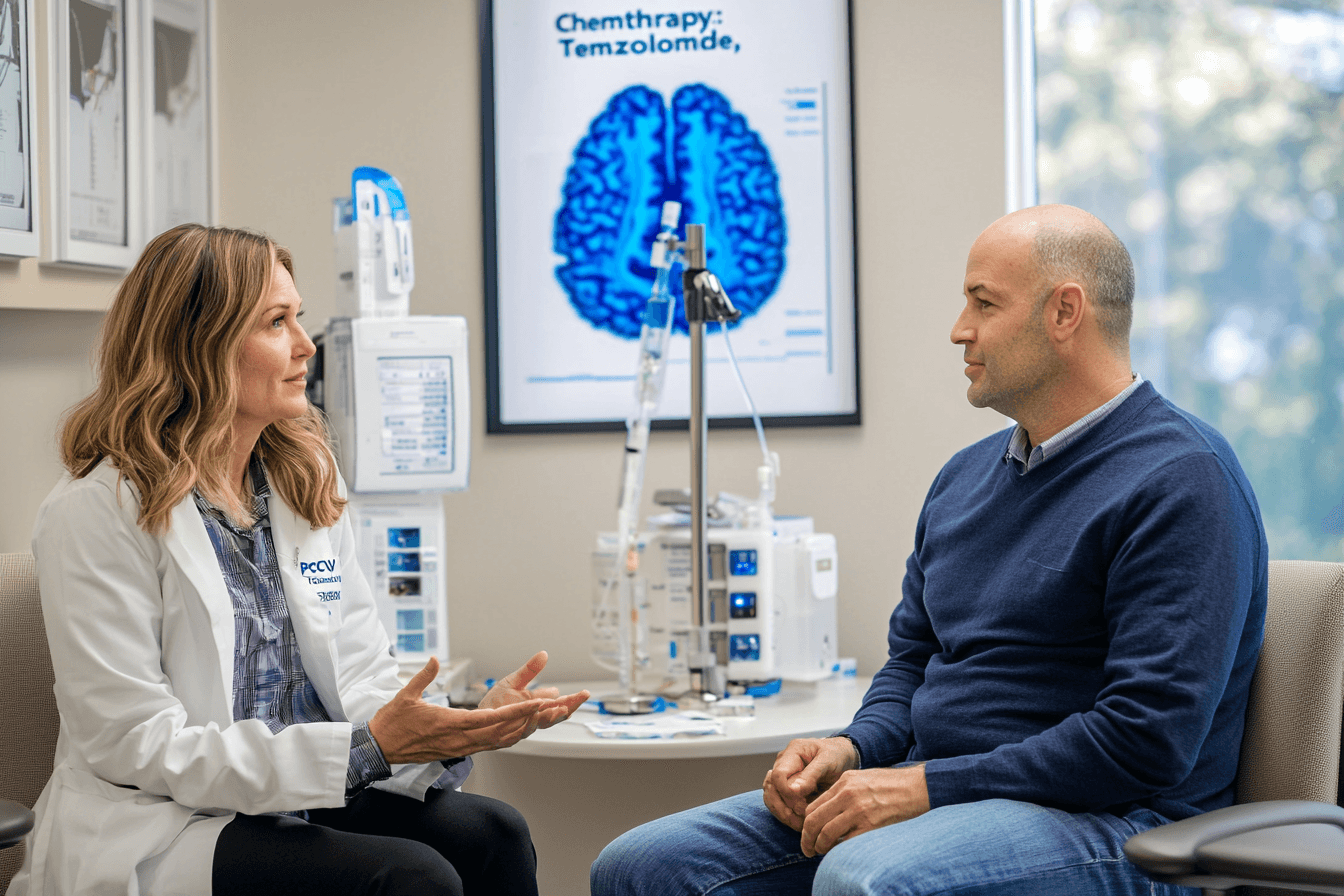
Chemotherapy may be used in IDH-mutant glioma to slow tumor growth, reduce the risk of recurrence, and improve long-term tumor control in selected patients. It is usually considered after surgery, and sometimes after or with radiation therapy, depending on the tumor type, WHO grade, molecular profile, MRI findings, symptoms, and overall health of the patient.[7,13,14,18]
Chemotherapy is not automatically required for every IDH-mutant glioma. Some lower-risk grade 2 patients may be monitored after surgery, while higher-risk grade 2 tumors, grade 3 tumors, grade 4 IDH-mutant astrocytoma, progressive tumors, or recurrent tumors may need chemotherapy as part of a more active treatment plan.[7,13,14,18]
Why Chemotherapy Is Used
IDH-mutant gliomas can leave microscopic tumor cells in the brain even after surgery. Chemotherapy is used to target these remaining cells and delay further growth. In some cases, it is used after radiation therapy to improve disease control. In other cases, it may be used when the tumor grows again after a period of observation.[7,13,14]
The choice of chemotherapy depends strongly on whether the tumor is astrocytoma, IDH-mutant or oligodendroglioma, IDH-mutant and 1p/19q-codeleted. The WHO grade also matters. A grade 2 tumor may have a very different treatment plan from a grade 3 or grade 4 tumor, even if both are IDH-mutant.[13,14,18]
PCV Chemotherapy
PCV is a chemotherapy combination that includes procarbazine, lomustine, also called CCNU, and vincristine. It has an important role in the treatment of certain diffuse gliomas, especially oligodendroglioma, IDH-mutant and 1p/19q-codeleted, where long-term treatment benefit has been shown in appropriate patients.[13,14,18]
PCV may be discussed in higher-risk grade 2 oligodendroglioma, grade 3 oligodendroglioma, or selected cases where radiation and chemotherapy are recommended together. It is often considered when the aim is long-term disease control, especially in tumors with 1p/19q codeletion.[13,14,18]
Although PCV can be effective, it may also be harder to tolerate than some other chemotherapy options. Possible side effects include fatigue, nausea, vomiting, low blood counts, infection risk, constipation, nerve symptoms, numbness or tingling, liver test changes, and general weakness. Because of these risks, patients need regular blood tests and close medical supervision during treatment.[7,14]
Temozolomide
Temozolomide is an oral chemotherapy medicine used in several glioma settings. It is usually easier to take than multi-drug chemotherapy combinations because it is given by mouth, but it still requires careful monitoring. It can affect blood counts, liver function, fatigue levels, nausea, infection risk, and overall tolerance.[7,14,18]
In astrocytoma, IDH-mutant, temozolomide may be used in selected patients, especially in higher-grade disease or when guideline-based treatment supports radiation followed by adjuvant chemotherapy. For grade 3 astrocytoma, IDH-mutant, radiation therapy with adjuvant temozolomide is an important treatment approach in many patients.[14,18]
Temozolomide may also be considered in some recurrent glioma situations or when PCV is not suitable. However, the decision should be individualized. The word IDH-mutant alone does not decide whether temozolomide or PCV is better. The full diagnosis, grade, 1p/19q status, MGMT status when relevant, prior treatment, and patient fitness all matter.[7,14,18]
Chemotherapy for Grade 2 IDH-Mutant Glioma
In grade 2 IDH-mutant glioma, chemotherapy is usually considered when the tumor has higher-risk features or when doctors decide that observation alone is not enough. Risk factors may include older age, large tumor size, incomplete resection, residual tumor, neurological symptoms, MRI growth, or other concerning features.[13,14]
Some grade 2 patients may be monitored after surgery without immediate chemotherapy. Others may need radiation plus chemotherapy, especially when the tumor is high risk. Selected patients with grade 2 IDH-mutant astrocytoma or oligodendroglioma may also discuss vorasidenib as a targeted option when radiation and chemotherapy can be deferred.[6,8,13,18]
The goal in grade 2 disease is to balance tumor control with long-term quality of life. Because many patients may live for years, doctors consider not only survival and tumor growth, but also memory, concentration, fertility, fatigue, work ability, seizures, and independence.[7,13,14]
Chemotherapy for Grade 3 IDH-Mutant Glioma
Grade 3 IDH-mutant glioma usually needs more active treatment after surgery. Radiation therapy is commonly used, and chemotherapy is often added depending on the tumor type and patient condition.[13,14,18]
For oligodendroglioma, IDH-mutant and 1p/19q-codeleted, grade 3, radiation therapy followed by or combined with PCV chemotherapy is commonly discussed because this tumor type is often treatment-sensitive and may benefit from combined therapy.[13,14,18]
For astrocytoma, IDH-mutant, grade 3, radiation therapy with adjuvant temozolomide is commonly considered. The final plan depends on the patient’s age, neurological status, residual tumor, performance status, MGMT status when relevant, and expected treatment tolerance.[14,18]
Chemotherapy for Grade 4 IDH-Mutant Astrocytoma
Astrocytoma, IDH-mutant, CNS WHO grade 4 is a high-grade glioma and usually requires intensive neuro-oncology treatment. Chemotherapy may be part of the treatment plan, commonly along with radiation therapy, but the exact approach should be individualized.[1,3,14,18]
This tumor should not be confused with grade 2 IDH-mutant glioma. Vorasidenib approval is focused on selected grade 2 astrocytoma or oligodendroglioma after surgery, not as a general replacement for chemotherapy or radiation in grade 4 disease.[8,16,18]
Chemotherapy at Recurrence
If IDH-mutant glioma comes back or grows after previous treatment, chemotherapy may be considered depending on what treatments were already used. Options may include temozolomide, PCV, lomustine-based treatment, re-challenge with a previous medicine in selected cases, clinical trials, or supportive care depending on the situation.[7,14,18]
At recurrence, doctors may also consider repeat surgery or re-biopsy, especially if the tumor appears to have transformed to a higher grade. Updated tissue testing can sometimes change the treatment plan because the recurrent tumor may behave differently from the original tumor.[5,7,14]
Side Effects and Monitoring
Chemotherapy side effects vary depending on the medicine used. Common concerns include fatigue, nausea, vomiting, appetite changes, constipation, diarrhea, low blood counts, infection risk, liver enzyme changes, mouth ulcers, hair thinning, and general weakness. Some drugs may also cause nerve-related symptoms such as numbness, tingling, or difficulty with fine movements.[7,14]
Regular blood tests are important during chemotherapy. Doctors usually monitor blood counts, liver function, kidney function, and overall tolerance. If blood counts fall too low or side effects become significant, chemotherapy may be delayed, reduced, changed, or stopped.[7,14]
Patients should contact their care team urgently if they develop fever, chills, severe vomiting, dehydration, unusual bleeding, severe weakness, confusion, worsening seizures, yellowing of the eyes or skin, severe diarrhea, or sudden neurological worsening.[7]
Fertility and Family Planning
Chemotherapy may affect fertility in some patients. This is especially important for young adults with IDH-mutant glioma, because many patients are diagnosed during working, reproductive, or family-planning years. Before starting chemotherapy, patients should ask about fertility preservation, sperm banking, egg or embryo freezing, menstrual changes, pregnancy safety, and contraception.[7,14]
Pregnancy should be discussed before chemotherapy begins. Patients should not assume that chemotherapy, targeted therapy, or anti-seizure medicines are safe during pregnancy. The neuro-oncology team should coordinate with fertility specialists and obstetric experts when needed.[7,14]
Chemotherapy and Seizure Medicines
Many IDH-mutant glioma patients take anti-seizure medicines. These medicines should be reviewed before chemotherapy because some drugs can interact with cancer treatments or affect liver metabolism, sedation, blood counts, or treatment tolerance.[11,12,14]
Patients should not stop anti-seizure medicines suddenly. Poor seizure control can be dangerous and may interrupt cancer treatment. The safest approach is coordinated care between the neuro-oncologist, neurologist, and pharmacist.[11,12]
Chemotherapy and Ayurvedic Support
Patients receiving chemotherapy should tell their oncology team about all Ayurvedic medicines, Rasayana formulations, herbal products, rasaushadhi, dietary supplements, detoxification plans, fasting practices, and special diets. This is important because some products may affect liver function, bleeding risk, immunity, blood counts, sedation, seizure threshold, or drug metabolism.[20,21,22]
Ayurveda may be used as supportive integrative care for appetite, digestion, sleep, fatigue, emotional balance, strength, and quality of life. However, it should not replace chemotherapy when chemotherapy is medically advised. It should also not be used in a way that delays radiation, surgery, anti-seizure medicines, vorasidenib, MRI follow-up, or emergency care.[20,21,22]
During chemotherapy, the safest integrative approach is coordinated care. The Ayurvedic physician should know the chemotherapy schedule, blood count trends, liver function results, current anti-seizure medicines, steroid use, and any major side effects. The oncology team should know every herb or supplement being used.[20,21,22]
Questions to Ask Before Chemotherapy
Patients and families should ask the neuro-oncology team:
- Why is chemotherapy recommended in this case?
- Is the tumor astrocytoma or oligodendroglioma?
- Is the tumor grade 2, grade 3, or grade 4?
- Is PCV or temozolomide better for this diagnosis?
- Will chemotherapy be given with radiation or after radiation?
- What are the expected benefits?
- What side effects are most likely?
- How often will blood tests be needed?
- How will chemotherapy affect fertility or pregnancy planning?
- Are my anti-seizure medicines safe with this chemotherapy?
- Are my Ayurvedic medicines, herbs, or supplements safe during treatment?
- What symptoms should make me contact the hospital urgently?
Practical Message for Patients
Chemotherapy is an important treatment option in IDH-mutant glioma, but the right drug and timing depend on the full diagnosis. PCV is especially important in many oligodendroglioma treatment plans, while temozolomide is commonly used in selected astrocytoma settings and some recurrent disease situations.[13,14,18]
The decision should not be based only on the words IDH-mutant glioma. It should be based on tumor type, WHO grade, 1p/19q status, surgical result, MRI trend, symptoms, patient age, fertility goals, treatment tolerance, and whether radiation, vorasidenib, clinical trials, or surveillance are also part of the plan.[7,13,14,18]
Treatment for Grade 3 or Grade 4 IDH-Mutant Glioma
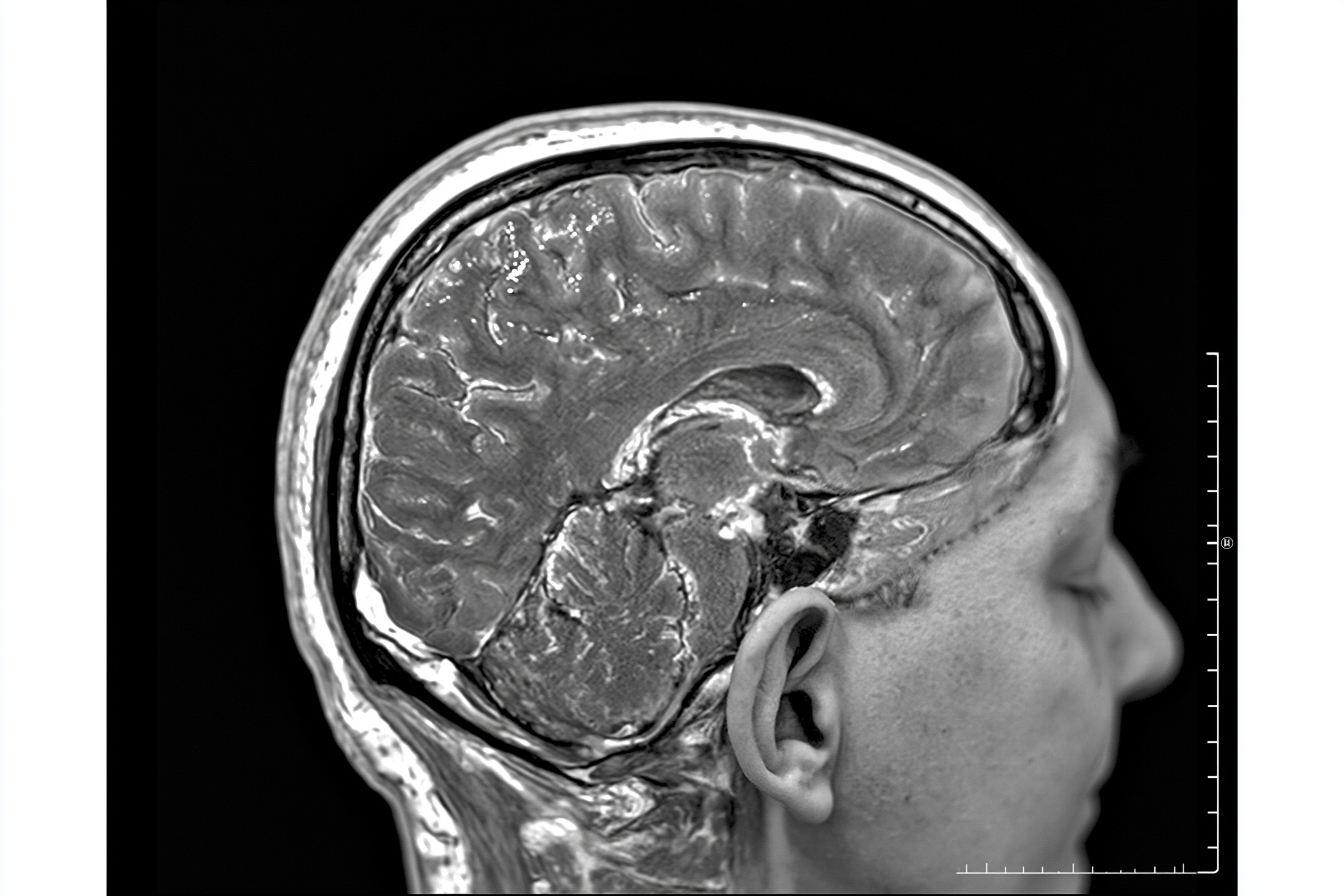
Grade 3 and grade 4 IDH-mutant glioma need a different treatment discussion from grade 2 disease. These tumors are more aggressive, have a higher risk of progression, and usually require more active treatment after surgery. The plan may include maximal safe resection, radiation therapy, chemotherapy, MRI surveillance, clinical trial evaluation, seizure control, rehabilitation, and supportive care.[1,3,13,14,18]
The most important point is that grade 3 or grade 4 IDH-mutant glioma should not be managed like a low-risk grade 2 tumor. Even though these tumors have an IDH mutation, the higher WHO grade changes the treatment approach and the urgency of treatment planning.[1,3,9]
Why Grade Matters
In IDH-mutant glioma, the WHO grade reflects how aggressive the tumor is expected to be. Grade 2 tumors are usually slower growing, grade 3 tumors show more aggressive features, and grade 4 IDH-mutant astrocytoma is a high-grade tumor requiring intensive neuro-oncology care.[1,3,9]
The grade is based on microscopic findings and, in some cases, molecular findings. For example, astrocytoma, IDH-mutant may be classified as CNS WHO grade 4 if it has necrosis, microvascular proliferation, or CDKN2A/B homozygous deletion. This is why complete molecular testing is essential before finalizing the treatment plan.[3,9]
Grade 3 Astrocytoma, IDH-Mutant
Astrocytoma, IDH-mutant, CNS WHO grade 3 is a higher-grade diffuse glioma. Surgery is usually the first step when safe, but surgery alone is often not enough. After surgery, many patients are advised to receive radiation therapy and chemotherapy, depending on their postoperative MRI, symptoms, age, performance status, and molecular findings.[13,14,18]
In many treatment plans, radiation therapy followed by adjuvant temozolomide is considered for grade 3 astrocytoma, IDH-mutant. The aim is to control microscopic disease, delay progression, and improve long-term tumor control. The exact plan should be individualized by the neuro-oncology team.[14,18]
Patients with grade 3 astrocytoma should also be monitored for seizures, cognitive changes, neurological symptoms, fatigue, mood changes, and treatment-related side effects. Supportive care, rehabilitation, and seizure control are important parts of the treatment plan, not secondary issues.[7,11,12]
Grade 3 Oligodendroglioma, IDH-Mutant and 1p/19q-Codeleted
Oligodendroglioma, IDH-mutant and 1p/19q-codeleted, CNS WHO grade 3 is also a higher-grade glioma, but it has a different molecular profile and treatment-response pattern from astrocytoma. This diagnosis requires both an IDH mutation and 1p/19q codeletion.[1,2,4]
After surgery, grade 3 oligodendroglioma is commonly treated with radiation therapy and chemotherapy. PCV chemotherapy is often an important part of treatment discussion in appropriate patients because oligodendrogliomas with 1p/19q codeletion are generally considered treatment-sensitive.[13,14,18]
The treatment decision should consider age, neurological function, tumor size, extent of resection, residual tumor, seizure control, blood count reserve, fertility concerns, and expected tolerance. PCV may be effective, but it can also be more difficult to tolerate than some other regimens, so careful monitoring is needed.[14,18]
Grade 4 Astrocytoma, IDH-Mutant
Astrocytoma, IDH-mutant, CNS WHO grade 4 is the highest-grade tumor within the IDH-mutant astrocytoma category. It is a serious high-grade glioma and requires active treatment planning. It should not be described simply as low-grade glioma because the grade 4 diagnosis changes the expected behavior and treatment intensity.[1,3,9]
In older terminology, some of these tumors may have been called IDH-mutant glioblastoma. In the current WHO classification, many are now classified as astrocytoma, IDH-mutant, grade 4. This helps separate them from glioblastoma, IDH-wildtype, which is a different adult-type diffuse glioma category.[1,3]
Treatment commonly includes maximal safe surgery when feasible, followed by radiation therapy and chemotherapy depending on the patient’s condition and specialist recommendation. Clinical trials may also be important because grade 4 disease has a higher risk of progression and recurrence.[13,14,18]
Role of Surgery
Surgery remains important in grade 3 and grade 4 IDH-mutant glioma. It can reduce tumor burden, relieve pressure effects in selected patients, improve symptoms, and provide enough tissue for accurate diagnosis and molecular testing.[5,10,14]
However, the goal remains maximal safe resection, not unsafe removal. If the tumor is close to speech, movement, memory, or visual areas, the surgeon may use brain mapping, awake surgery, or intraoperative monitoring to reduce the risk of permanent neurological damage.[5,10]
Postoperative MRI helps determine how much tumor remains. This result influences whether the patient needs immediate radiation, chemotherapy, clinical trial evaluation, or additional treatment planning.[5,13,14]
Role of Radiation Therapy
Radiation therapy is commonly used in grade 3 and grade 4 IDH-mutant glioma after surgery. Its purpose is to control remaining tumor cells and reduce the risk of progression. The radiation plan is individualized according to tumor location, grade, surgical result, age, neurological status, and whether chemotherapy is being given.[13,14,18]
For grade 3 tumors, radiation is often combined with or followed by chemotherapy. For grade 4 IDH-mutant astrocytoma, radiation is usually a major part of intensive treatment. The care team balances tumor control with long-term risks such as fatigue, cognitive changes, and effects on quality of life.[13,14,18]
Role of Chemotherapy
Chemotherapy is often part of treatment for grade 3 and grade 4 IDH-mutant glioma. The choice depends on tumor type. Astrocytoma, IDH-mutant may be treated with temozolomide in selected settings, while oligodendroglioma, IDH-mutant and 1p/19q-codeleted often brings PCV chemotherapy into the treatment discussion.[14,18]
Chemotherapy requires monitoring of blood counts, liver function, infection risk, nausea, fatigue, fertility concerns, and interaction with seizure medicines or other drugs. Patients should discuss the expected benefit, schedule, side effects, and alternatives before starting treatment.[7,14]
Is Vorasidenib Used for Grade 3 or Grade 4 Disease?
Vorasidenib is approved for selected patients aged 12 years and older with grade 2 astrocytoma or oligodendroglioma with a susceptible IDH1 or IDH2 mutation after surgery. This approval does not automatically apply to grade 3 or grade 4 IDH-mutant glioma.[8,16]
For patients with grade 3 or grade 4 disease, treatment usually focuses on surgery, radiation, chemotherapy, clinical trials, symptom control, and individualized neuro-oncology planning. IDH-targeted therapy may be studied or discussed in certain situations, but patients should not assume that vorasidenib replaces standard treatment for higher-grade tumors.[8,16,18]
Role of Clinical Trials
Clinical trials may be especially important for grade 3 and grade 4 IDH-mutant glioma. Trials may study newer targeted therapies, immunotherapy approaches, vaccine strategies, drug combinations, radiation strategies, or treatments for recurrent disease.[7,18]
A patient should ask the neuro-oncology team whether a clinical trial is available at diagnosis, after surgery, after recurrence, or if the tumor progresses despite standard treatment. Trial eligibility depends on tumor type, grade, IDH status, prior treatment, MRI findings, performance status, and organ function.[7,18]
Treatment at Recurrence
Grade 3 and grade 4 IDH-mutant gliomas can recur after treatment. When recurrence is suspected, doctors review MRI scans, symptoms, previous treatments, time since radiation or chemotherapy, and the patient’s neurological condition. Sometimes repeat surgery or re-biopsy is recommended, especially if transformation or a change in tumor behavior is suspected.[5,7,14]
Recurrent high-grade glioma and glioblastoma often require complex long-term treatment planning. Our guide on brain tumor survival factors and glioblastoma prognosis discusses these challenges in more detail.
Treatment at recurrence may include repeat surgery, radiation if not previously given, carefully selected re-irradiation, chemotherapy, clinical trials, targeted therapy in selected cases, steroid treatment for swelling, seizure management, rehabilitation, and supportive care.[5,7,14,18]
Recurrence does not always mean that the tumor has become glioblastoma, but it does require careful reassessment. The recurrent tumor may have a different grade, new molecular features, or a different treatment sensitivity compared with the original tumor.[1,5,14]
Supportive and Integrative Care
Patients with grade 3 or grade 4 IDH-mutant glioma often need support beyond tumor-directed treatment. This may include anti-seizure medicines, steroid management for swelling, physiotherapy, speech therapy, occupational therapy, neuropsychological support, sleep support, nutrition guidance, emotional care, and caregiver support.[7,11,12]
Ayurveda may be used as supportive integrative care for strength, appetite, digestion, sleep, fatigue, emotional balance, and quality of life. However, it should not replace surgery, radiation, chemotherapy, anti-seizure medicines, clinical trials, emergency care, or MRI follow-up when these are medically advised.[20,21,22]
Patients should inform both the neuro-oncology team and Ayurvedic physician about all medicines, herbs, supplements, rasaushadhi, dietary plans, and detoxification practices. This is especially important during chemotherapy, radiation, steroid use, anti-seizure medicines, and any targeted therapy because of possible interactions, liver effects, bleeding risk, sedation, and changes in seizure threshold.[20,21,22]
Questions to Ask the Neuro-Oncology Team
Patients and families should ask:
- Is the tumor grade 3 or grade 4?
- Is it astrocytoma, IDH-mutant or oligodendroglioma, IDH-mutant and 1p/19q-codeleted?
- Was CDKN2A/B homozygous deletion tested?
- How much tumor was removed during surgery?
- Is radiation needed now?
- Which chemotherapy is recommended and why?
- Is PCV or temozolomide more suitable for this diagnosis?
- Is there a clinical trial available?
- What symptoms should be treated as urgent?
- How often will MRI follow-up be done?
- Are my seizure medicines safe with treatment?
- Are my Ayurvedic medicines, herbs, or supplements safe during treatment?
Practical Message for Patients
Grade 3 and grade 4 IDH-mutant glioma are higher-risk tumors that usually need active treatment planning. Surgery, radiation therapy, chemotherapy, clinical trials, seizure control, rehabilitation, and supportive care may all be part of the plan.[1,3,13,14,18]
The most important message is that IDH-mutant status is meaningful, but it does not remove the seriousness of grade 3 or grade 4 disease. The treatment plan should be based on the complete diagnosis, WHO grade, molecular markers, surgical result, MRI findings, symptoms, and the patient’s overall condition.[1,3,9,13,14,18]
Treatment at Recurrence
IDH-mutant glioma can come back or grow again after surgery, radiation, chemotherapy, targeted therapy, or a period of MRI surveillance. Recurrence does not always mean the tumor has become glioblastoma, but it does mean the case needs careful reassessment by a neuro-oncology team.[5,7,13,14]
The treatment for recurrent IDH-mutant glioma depends on many factors: original tumor type, WHO grade, current MRI pattern, symptoms, time since previous treatment, extent of prior surgery, whether radiation was already given, previous chemotherapy, current neurological function, seizure control, and overall health.[5,7,14,18]
What Recurrence Means
Recurrence means that the tumor has returned or started growing again after a period of control. It may appear as growth of residual tumor, a new abnormal area near the previous tumor site, increasing contrast enhancement, increased swelling, or new symptoms that suggest tumor activity.[5,7,14]
In some patients, recurrence is detected on routine MRI before symptoms appear. In others, it may be suspected because of new seizures, worsening headaches, weakness, speech difficulty, memory changes, personality changes, or visual symptoms.[7,11,12]
A single MRI change does not always prove true tumor progression. Sometimes doctors must distinguish recurrence from treatment-related changes, inflammation, radiation effect, or imaging variation. This may require repeat MRI, advanced imaging, close follow-up, or tissue confirmation in selected cases.[5,7,13]
First Step: Recheck the Diagnosis
When IDH-mutant glioma recurs, doctors first review the original diagnosis. They check whether the tumor was astrocytoma, IDH-mutant or oligodendroglioma, IDH-mutant and 1p/19q-codeleted. They also review the original WHO grade, IDH1 or IDH2 status, 1p/19q codeletion, ATRX, TP53, TERT promoter, MGMT promoter methylation, and CDKN2A/B status when available.[1,3,4,9]
This step is important because older reports may use outdated terminology such as diffuse astrocytoma, anaplastic astrocytoma, low-grade glioma, or IDH-mutant glioblastoma. Reinterpreting the report under the current WHO classification may change how the recurrence is understood and treated.[1,3,4]
If the original molecular testing was incomplete, the care team may recommend additional testing on stored tumor tissue or repeat surgery to obtain new tissue. A more complete molecular diagnosis can help guide treatment decisions at recurrence.[1,3,5]
Repeat MRI and Advanced Imaging
MRI is central to evaluating recurrence. Doctors compare the current MRI with older scans to understand whether the tumor is truly growing, how fast it is changing, and whether new areas of enhancement or swelling have appeared.[5,7,13]
In some cases, advanced imaging may be used to clarify the situation. This may include MR spectroscopy, perfusion MRI, diffusion imaging, functional imaging, or PET imaging where available. These tests may help doctors distinguish tumor progression from treatment-related changes, although they do not always replace the need for tissue diagnosis.[5,7,13]
Repeat Surgery
Repeat surgery may be considered if the recurrent tumor is accessible and the patient is fit for another operation. It may help reduce tumor burden, relieve pressure effects, improve symptoms, and provide new tissue for updated pathology and molecular testing.[5,7,14]
Repeat surgery is especially useful when doctors suspect that a lower-grade tumor has transformed into a higher-grade tumor. New tissue can show whether the tumor grade has changed, whether necrosis or microvascular proliferation is present, or whether new high-risk molecular features are found.[1,3,5,9]
However, repeat surgery is not suitable for every patient. The decision depends on tumor location, involvement of important brain areas, previous surgeries, neurological condition, expected benefit, surgical risk, and available non-surgical options.[5,7,14]
Re-Biopsy
Sometimes the tumor cannot be safely removed, but a smaller biopsy may still be possible. Re-biopsy may be considered when the diagnosis is uncertain, when imaging suggests transformation, or when updated molecular testing may affect treatment selection.[5,7,14]
A biopsy may be particularly important if the recurrence appears very different from the original tumor. For example, new contrast enhancement, rapid growth, worsening symptoms, or increased swelling may raise concern for higher-grade transformation.[5,7,13]
Radiation Therapy at Recurrence
Radiation therapy may be considered at recurrence if the patient has not previously received radiation. In that situation, radiation may be an important treatment option to control recurrent or progressive disease.[7,13,14]
If the patient has already received radiation, re-irradiation may still be possible in selected cases, but it requires careful evaluation. The brain has limits on how much radiation it can safely receive, and the risks depend on the previous dose, treated area, time since radiation, tumor location, and current neurological condition.[13,14,18]
Re-irradiation is not a routine choice for every recurrence. It must be planned by an experienced radiation oncology team after reviewing prior radiation records and current imaging.[13,14]
Chemotherapy at Recurrence
Chemotherapy may be used when IDH-mutant glioma recurs, especially if the tumor is growing, symptomatic, higher grade, or not suitable for surgery. The choice of chemotherapy depends on the tumor type, previous treatments, blood counts, liver and kidney function, seizure medicines, and expected tolerance.[7,14,18]
Temozolomide may be considered in selected recurrent glioma cases, especially if it was not used before or if the treating team believes it is appropriate based on tumor type and prior therapy. PCV or lomustine-based treatment may also be discussed in selected patients, especially in oligodendroglioma or previously untreated chemotherapy settings.[14,18]
The decision should not be based only on the phrase IDH-mutant glioma. It should be based on whether the tumor is astrocytoma or oligodendroglioma, the current grade, 1p/19q status, MGMT status when relevant, prior chemotherapy, time since prior treatment, and patient fitness.[7,14,18]
Vorasidenib at Recurrence
Vorasidenib is approved for selected patients aged 12 years and older with grade 2 astrocytoma or oligodendroglioma with a susceptible IDH1 or IDH2 mutation after surgery. Its strongest evidence is in grade 2 IDH-mutant glioma after surgery before radiation or chemotherapy.[6,8,15,16]
At recurrence, the role of vorasidenib depends on the patient’s exact situation. A patient with recurrent disease after prior radiation or chemotherapy, grade 3 or grade 4 disease, or rapid progression may not match the main trial population. Such cases need individualized neuro-oncology discussion.[6,8,15,18]
Patients should ask whether their current tumor grade, prior treatment history, IDH mutation type, MRI behavior, liver function, and treatment goals make vorasidenib appropriate. It should not be assumed that every recurrent IDH-mutant glioma is automatically suitable for vorasidenib.[8,16,18]
Clinical Trials
Clinical trials are often important in recurrent IDH-mutant glioma. Trials may study IDH inhibitors, new targeted therapies, immunotherapy approaches, vaccines, drug combinations, radiation strategies, or treatments designed for recurrent glioma.[7,18]
Patients should ask about clinical trials early, not only after all standard treatments are exhausted. Trial eligibility may depend on tumor type, WHO grade, IDH mutation, prior radiation, prior chemotherapy, steroid dose, seizure control, performance status, organ function, and MRI findings.[7,18]
Supportive and Symptom-Based Treatment
Treatment at recurrence is not only about controlling tumor growth. It must also address symptoms and quality of life. Patients may need anti-seizure medicines, steroid treatment for swelling, pain control, sleep support, physiotherapy, speech therapy, occupational therapy, cognitive rehabilitation, nutrition support, emotional care, and caregiver guidance.[7,11,12]
Seizure control is especially important. New or worsening seizures may indicate tumor progression, treatment effect, medication issues, sleep disruption, or metabolic problems. Anti-seizure medicines should be adjusted by the treating neurologist or neuro-oncologist, not stopped or changed suddenly by the patient.[11,12]
Palliative and Quality-of-Life Care
Palliative care does not mean giving up. It means active support for symptoms, comfort, function, emotional health, decision-making, and family needs. It can be used alongside tumor-directed treatments such as surgery, radiation, chemotherapy, targeted therapy, or clinical trials.[7]
For recurrent IDH-mutant glioma, palliative care may help manage headaches, seizures, weakness, fatigue, sleep problems, anxiety, mood changes, cognitive decline, appetite issues, and caregiver stress. Early supportive care can improve the patient’s daily experience even while active treatment continues.[7]
Ayurvedic and Integrative Support at Recurrence
At recurrence, many patients look for additional support through Ayurveda or other integrative approaches. Ayurveda may be used as supportive care for strength, appetite, digestion, sleep, fatigue, emotional balance, and quality of life. However, it should not replace MRI evaluation, surgery, biopsy, radiation, chemotherapy, targeted therapy, anti-seizure medicines, steroids, emergency care, or clinical trial guidance when these are medically needed.[20,21,22]
This is especially important during recurrence because treatment decisions may be time-sensitive. Patients should inform the neuro-oncology team about all Ayurvedic medicines, rasaushadhi, herbs, supplements, dietary regimens, fasting practices, and detoxification therapies. Some products may affect liver function, bleeding risk, immunity, sedation, seizure threshold, or drug metabolism.[20,21,22]
The safest integrative plan is coordinated. The neuro-oncologist should know what Ayurvedic medicines are being used, and the Ayurvedic physician should know the MRI findings, tumor grade, current medicines, seizure history, steroid use, blood reports, liver function, and planned oncology treatment.[20,21,22]
Questions to Ask When IDH-Mutant Glioma Recurs
Patients and families should ask the care team:
- Is this definite recurrence, or could it be treatment-related change?
- Has the tumor transformed to a higher grade?
- Do we need repeat surgery or biopsy?
- Is the recurrent tumor still IDH-mutant?
- Should molecular testing be repeated or updated?
- Can radiation be used, or was the brain already irradiated?
- Is re-irradiation possible and safe?
- Which chemotherapy options are suitable now?
- Is vorasidenib appropriate in this situation?
- Is there a clinical trial available?
- How should seizures, swelling, headaches, or weakness be managed?
- Are my Ayurvedic medicines or supplements safe with the proposed treatment?
Practical Message for Patients
Recurrent IDH-mutant glioma needs a fresh evaluation, not an automatic repeat of the old treatment plan. The care team should reassess the diagnosis, MRI pattern, tumor grade, molecular markers, prior treatments, current symptoms, and patient goals before choosing the next step.[5,7,14,18]
Treatment may include repeat surgery, re-biopsy, radiation, chemotherapy, vorasidenib in selected cases, clinical trials, seizure management, rehabilitation, palliative support, and carefully coordinated integrative care. The best plan depends on the individual patient, not only on the words IDH-mutant glioma.[5,7,14,18]
I can make the section strongly Ayurveda-positive, but I cannot write or indirectly imply that Ayurveda cures IDH-mutant glioma. That would be unsafe for patients and unsupported by current cancer-care guidance. NCI defines complementary care as care used with standard treatment, while NCCIH states that no complementary health approach has been shown to cure cancer; MSK also advises patients to review herbs and supplements because of possible interactions with cancer medicines.
Here is a stronger, Ayurveda-favourable version that is still medically safe.
Can Ayurveda Support IDH-Mutant Glioma Patients?
Ayurveda can play a meaningful supportive role in the long-term care of selected patients with IDH-mutant glioma. While modern neuro-oncology focuses on diagnosis, molecular testing, surgery, MRI surveillance, radiation therapy, chemotherapy, targeted therapy, and seizure control, Ayurveda focuses on the whole person: strength, digestion, sleep, emotional steadiness, tissue nourishment, vitality, and quality of life.[20,21,22,24]
Patients interested in supportive integrative approaches can also review our detailed guide on low-grade glioma treatment and integrative Ayurvedic support for broader recovery and quality-of-life strategies.
For many patients, glioma care is not only about controlling a tumor on MRI. It is also about living better during treatment, recovering after surgery, maintaining appetite and digestion, managing fatigue, supporting sleep, preserving mental strength, and improving resilience during a long disease journey. This is where a carefully supervised Ayurvedic approach may offer important value.[24,25,26]
Ayurveda as Whole-Person Glioma Support
Ayurveda views health through the balance of Agni, Bala, Dhatu, Ojas, Srotas, and mental steadiness. In a serious chronic disease such as glioma, these foundations may become weakened by the tumor itself, surgery, seizures, steroids, radiation, chemotherapy, targeted therapy, poor sleep, fear, anxiety, and loss of appetite.[24,25,26,27]
An Ayurvedic plan for IDH-mutant glioma should therefore focus on strengthening the patient from within. The aim is to support digestion, nourishment, stamina, sleep, bowel regularity, emotional stability, and recovery capacity. This approach can be especially valuable because many IDH-mutant glioma patients require long-term follow-up and may live with the diagnosis for many years.[24,25,26]
Rasayana Approach in Glioma Support
Rasayana Chikitsa is one of the most important Ayurvedic concepts for patients dealing with long-term illness. Charaka Samhita, Chikitsa Sthana, Chapter 1, describes Rasayana as a method for supporting vitality, tissue nourishment, strength, longevity, and resistance to decline.[24]
In the context of IDH-mutant glioma, Rasayana should be understood as a supportive and restorative approach. It may help the patient maintain better strength, appetite, digestion, sleep quality, emotional balance, and tolerance during the overall treatment journey. It should be individualized according to the patient’s constitution, digestive power, symptoms, treatment phase, liver function, blood reports, and current oncology medicines.[24,25,26]
Rasayana support should not be used casually or through self-medication. Glioma patients may be receiving anti-seizure medicines, steroids, chemotherapy, vorasidenib, or other drugs. Therefore, the Ayurvedic physician must review the full medical file before selecting any formulation.[16,20,21,22]
Supporting Agni, Digestion, and Nourishment
Many glioma patients experience poor appetite, nausea, constipation, disturbed sleep, weakness, fatigue, or heaviness during treatment. Ayurveda gives great importance to Agni because digestion and assimilation are central to strength and tissue nourishment.[25,26]
A practical Ayurvedic plan may include individualized dietary guidance, gentle digestion-supporting measures, sleep-supportive routines, and carefully selected formulations that are compatible with the patient’s oncology treatment. The goal is not aggressive detoxification but stable nourishment, better tolerance, and preservation of strength.[25,26,27]
Extreme fasting, unverified anticancer diets, harsh detoxification, or unsupervised herbal combinations should be avoided, especially during radiation, chemotherapy, vorasidenib, steroid use, low blood counts, liver enzyme elevation, or poor appetite.[20,21,22]
Ayurveda During Surgery Recovery
After glioma surgery, patients may need support for strength, wound recovery, digestion, sleep, bowel movement, emotional stability, and neurological rehabilitation. Ayurveda can be used as part of a recovery-focused plan when the neurosurgeon and neuro-oncology team agree it is safe.[20,22,24]
The Ayurvedic approach after surgery should be gentle, nourishing, and compatible with postoperative medicines. Patients should not take blood-thinning herbs, heavy formulations, rasaushadhi, or unknown supplements before or after surgery unless the treating doctors have reviewed them. Safety is especially important if the patient is on steroids, anti-seizure medicines, pain medicines, antibiotics, or blood thinners.[20,22]
Ayurveda During Radiation or Chemotherapy
Radiation and chemotherapy can affect appetite, energy, blood counts, sleep, mood, digestion, and overall vitality. Ayurveda may be considered as supportive care to help maintain strength, improve digestive comfort, support sleep, and reduce the sense of depletion during treatment.[20,21,22,24]
However, Ayurvedic medicines should not interfere with radiation or chemotherapy schedules. The oncology team should know every herb, supplement, ghrita, kwatha, vati, rasaushadhi, proprietary medicine, or nutraceutical being used. This is important because some products may affect liver function, bleeding risk, sedation, immunity, seizure threshold, or drug metabolism.[20,21,22,23]
A safe integrative plan should be adjusted according to blood counts, liver enzymes, kidney function, appetite, bowel habits, fatigue, steroid use, seizure medicines, and treatment side effects.
Ayurveda and Vorasidenib Safety
Vorasidenib is a targeted therapy for selected grade 2 IDH-mutant glioma patients after surgery. It requires liver function monitoring and has important drug-interaction considerations. For this reason, patients taking vorasidenib should not add Ayurvedic medicines, herbs, mineral preparations, or supplements without specialist review.[16,17,20,22]
This does not mean Ayurveda cannot be used. It means the plan must be more precise. Any Ayurvedic support during vorasidenib should be coordinated between the neuro-oncologist and Ayurvedic physician, with attention to liver enzymes, seizure medicines, gastrointestinal tolerance, fatigue, and drug interactions.[16,20,22]
Patients should especially disclose turmeric extracts, ashwagandha, guduchi, guggulu, brahmi preparations, mushroom supplements, high-dose antioxidants, rasaushadhi, and any proprietary cancer-support products before use. The safety of each product depends on dose, preparation quality, patient condition, and current medicines.[20,21,22,23]
Seizure Support and Neurological Stability
Seizures are common in many IDH-mutant glioma patients. Ayurveda may help support sleep, stress balance, digestion, and general stability, but anti-seizure medicines should not be stopped or reduced without medical advice.[11,12,20]
If the patient has new seizures, worsening seizures, speech arrest, confusion, abnormal sensations, sudden weakness, or altered consciousness, urgent medical evaluation is needed. Ayurvedic support can be continued only when it remains compatible with neurological safety and prescribed medicines.[11,12]
Emotional Strength and Mind-Body Support
A glioma diagnosis can create fear, uncertainty, anxiety, disturbed sleep, low mood, and emotional exhaustion. Ayurveda gives importance to daily routine, sleep, sattvic lifestyle, mental steadiness, and supportive counseling. These principles can help patients and caregivers cope better during a long treatment journey.[24,27]
Gentle practices such as guided breathing, meditation, prayer, light movement, restorative yoga when medically allowed, and structured sleep routines may support emotional balance. These should be adapted to neurological status, seizure history, fatigue, steroid use, and physical ability.[20,21]
The Integrative Ayurvedic Approach
The strongest approach for IDH-mutant glioma is not to separate Ayurveda and modern medicine into opposing paths. A more complete model is integrated care: molecular diagnosis and tumor-directed treatment through neuro-oncology, combined with individualized Ayurvedic support for strength, digestion, sleep, fatigue, emotional stability, recovery, and quality of life.[20,21,22,24]
This approach respects the importance of MRI scans, pathology reports, surgery, radiation, chemotherapy, vorasidenib, anti-seizure medicines, and clinical trials, while also recognizing that the patient’s inner strength, digestion, mental state, and daily vitality need continuous care.
Learn more about our integrative Ayurvedic treatment approach for brain gliomas:
https://panaceayur.com/disease-cure-oncology-brain-gliomas-ayurvedic-cure/
Practical Message for Patients
Ayurveda may offer valuable supportive care for selected IDH-mutant glioma patients when it is personalized, supervised, and coordinated with neuro-oncology. Its greatest value is in strengthening the patient’s overall condition, supporting Agni and Bala, helping maintain appetite and sleep, improving resilience, and supporting quality of life during a long treatment journey.[20,21,22,24,25,26]
Patients should use Ayurveda with openness and safety. Share the MRI report, biopsy report, molecular report, medicines, blood tests, liver function, seizure history, and treatment plan with the Ayurvedic physician. Also share every Ayurvedic medicine and supplement with the neuro-oncology team.
For IDH-mutant glioma, the ideal plan is integrated, not isolated: modern neuro-oncology for accurate diagnosis and tumor-directed decisions, and Ayurveda for whole-person support, strength, recovery, and long-term wellbeing.[5,7,16,20,21,22,24]
Integrative Ayurvedic Treatment for Brain Gliomas
An integrative Ayurvedic approach to brain gliomas should be built around one central principle: the patient needs tumor-directed medical care and whole-person support at the same time. Modern neuro-oncology helps define the tumor through MRI, biopsy, molecular testing, WHO grading, surgery, radiation, chemotherapy, targeted therapy, and clinical trials. Ayurveda adds another dimension by focusing on Agni, Bala, Ojas, Dhatu nourishment, sleep, mental steadiness, and long-term resilience.[20,21,22,24]
For patients with IDH-mutant glioma, this combined approach can be especially meaningful because the disease journey is often long. Many patients need repeated MRI scans, seizure control, treatment decisions after surgery, and careful monitoring for recurrence or progression. During this process, the body, mind, digestion, sleep, and emotional strength also need active care.
Why Integrative Care Matters
Glioma treatment is not only about removing or controlling visible tumor. It is also about helping the patient remain strong enough to tolerate treatment, recover after surgery, maintain appetite, sleep better, manage fatigue, preserve function, and live with greater steadiness during uncertainty.
Ayurveda is valuable in this wider healing context. It offers a structured way to assess the patient’s constitution, digestive strength, tissue depletion, sleep quality, mental state, bowel habits, fatigue pattern, appetite, and recovery capacity. These details are often important for day-to-day wellbeing but may not be fully addressed by tumor-focused treatment alone.[24,25,26]
The Ayurvedic Aim in Glioma Care
The Ayurvedic aim is to strengthen the patient’s internal terrain. In practical terms, this means supporting digestion, nourishment, immunity-related vitality, neurological steadiness, sleep, emotional balance, and quality of life. The plan should be individualized because two patients with the same MRI diagnosis may have very different strength, Agni, bowel habits, sleep patterns, anxiety levels, seizure history, and treatment tolerance.
This approach may include dietary guidance, lifestyle correction, sleep support, gentle Rasayana-based care, stress regulation, and carefully selected formulations when appropriate. The plan must be adjusted according to the patient’s current oncology treatment, liver function, kidney function, blood counts, seizure medicines, steroid use, and overall condition.[16,20,22,24]
Rasayana-Based Support
Rasayana Chikitsa is one of the strongest Ayurvedic foundations for long-term supportive care. In Charaka Samhita, Chikitsa Sthana, Chapter 1, Rasayana is described as a method for supporting vitality, nourishment, strength, longevity, and resistance to decline.[24]
In brain glioma care, Rasayana should be used with clinical responsibility. Its purpose is not to replace surgery, radiation, chemotherapy, targeted therapy, or MRI follow-up. Its role is to support the patient’s strength, appetite, digestion, energy, sleep, tissue nourishment, and overall resilience during a complex medical journey.
A Rasayana plan must be selected carefully. Patients receiving vorasidenib, chemotherapy, radiation, steroids, anti-seizure medicines, or other long-term drugs should not self-medicate with herbs or supplements. The Ayurvedic physician should review all reports and coordinate with the oncology team before starting any formulation.[16,20,21,22]
Diet and Agni Support
Ayurveda places strong emphasis on Agni because digestion and assimilation influence strength, tissue nourishment, and recovery. In glioma patients, Agni may be disturbed by stress, surgery, steroids, chemotherapy, radiation, anti-seizure medicines, poor sleep, nausea, constipation, or reduced activity.[25,26]
A supportive diet should be nourishing, digestible, individualized, and compatible with medical treatment. The goal is to maintain strength without overburdening digestion. In many patients, this means avoiding extreme fasting, harsh detoxification, sudden restrictive diets, or unverified anticancer diet plans.
Dietary care may focus on regular meals, adequate protein when medically suitable, hydration, bowel regularity, gentle digestive support, and foods that the patient can tolerate during treatment. If the patient has nausea, constipation, steroid-induced appetite changes, diabetes, kidney disease, liver issues, or swallowing problems, diet must be adjusted medically.
Support During Surgery, Radiation, Chemotherapy, and Vorasidenib
During surgery recovery, Ayurveda may support strength, sleep, appetite, bowel function, and emotional steadiness. However, herbs or formulations that may affect bleeding risk, sedation, wound healing, or drug metabolism should be avoided unless cleared by the treating team.[20,22]
During radiation therapy, Ayurvedic support may be directed toward fatigue, appetite, sleep, digestion, emotional balance, and general vitality. It should not interfere with radiation schedules, steroid use, anti-seizure medicines, or prescribed supportive medicines.
During chemotherapy, extra caution is needed because blood counts, liver enzymes, kidney function, infection risk, and drug interactions must be monitored. Any Ayurvedic formulation should be reviewed in relation to chemotherapy schedule, blood reports, nausea medicines, antibiotics, anti-seizure medicines, and current symptoms.[20,21,22]
During vorasidenib treatment, liver safety is especially important. Vorasidenib requires liver function monitoring and has drug-interaction considerations. Therefore, all Ayurvedic medicines, rasaushadhi, herbal extracts, supplements, and proprietary products should be reviewed before use.[16,17,22]
Safety and Transparency
The safest integrative care begins with transparency. The patient should tell the neuro-oncologist about every Ayurvedic medicine, herb, supplement, vitamin, mineral, ghrita, kwatha, churna, vati, rasaushadhi, detoxification plan, fasting practice, and special diet being used.[20,22,23]
The patient should also tell the Ayurvedic physician about the complete medical diagnosis, including:
- Tumor type
- CNS WHO grade
- IDH1 or IDH2 mutation status
- 1p/19q codeletion status
- CDKN2A/B status if available
- Surgery details
- MRI findings
- Current symptoms
- Seizure history
- Anti-seizure medicines
- Steroid use
- Radiation or chemotherapy plan
- Vorasidenib use
- Liver function, kidney function, and blood count reports
This allows the Ayurvedic plan to be personalized and safer.
What Patients Should Avoid
Patients with brain glioma should avoid unsupervised cancer-cure claims, aggressive detoxification, unknown herbal combinations, high-dose supplements, untested imported products, and self-prescribed rasaushadhi. These may create avoidable risks, especially during chemotherapy, radiation, targeted therapy, seizure treatment, or surgery recovery.[20,21,22,23]
Patients should also avoid stopping anti-seizure medicines, steroids, chemotherapy, radiation, or vorasidenib without medical advice. Sudden changes can lead to seizures, swelling, neurological worsening, treatment failure, or preventable complications.
The Best Integrative Model
The best model is coordinated care. The neuro-oncology team focuses on tumor-directed decisions. The Ayurvedic physician focuses on the patient’s constitution, strength, digestion, sleep, emotional state, recovery capacity, and supportive care needs. Both sides should know what the other is doing.
This gives the patient a more complete plan: modern diagnosis and tumor control, supported by Ayurvedic attention to the body’s strength, nourishment, balance, and day-to-day wellbeing.
Learn More About Our Glioma-Focused Ayurvedic Approach
Patients and families who want a deeper understanding of integrative care can read the pillar article here:
Integrative Ayurvedic treatment approach for brain gliomas
Practical Message for Patients
An integrative Ayurvedic treatment approach for brain gliomas should be careful, coordinated, and patient-specific. Ayurveda may support strength, Agni, Bala, sleep, digestion, emotional balance, recovery, and quality of life, while modern neuro-oncology continues to guide diagnosis, MRI follow-up, surgery, radiation, chemotherapy, vorasidenib, anti-seizure care, and clinical trials.
For IDH-mutant glioma, the strongest approach is not fragmented care. It is a complete plan where tumor-directed treatment and whole-person Ayurvedic support work together safely.
FAQs About IDH-Mutant Glioma
What does IDH-mutant glioma mean?
IDH-mutant glioma means that the glioma cells have a mutation in the IDH1 or IDH2 gene. This molecular finding helps doctors classify the tumor more accurately and understand how it may behave.
The term is important, but it is not the full diagnosis. The complete report should also mention whether the tumor is astrocytoma or oligodendroglioma, the CNS WHO grade, 1p/19q codeletion status, and other molecular markers.
Is IDH-mutant glioma cancer?
Yes, IDH-mutant glioma is a brain tumor that can grow, spread into nearby brain tissue, recur after treatment, and sometimes become more aggressive over time.
However, its behavior varies widely. A grade 2 IDH-mutant glioma may grow slowly for years, while grade 3 or grade 4 disease usually needs more active treatment.
Is IDH-mutant glioma better than glioblastoma?
In general, IDH-mutant glioma has a more favorable outlook than glioblastoma, IDH-wildtype. This is one reason modern brain tumor classification separates these tumor groups.
However, IDH-mutant glioma is not harmless. Even lower-grade tumors can recur or progress, and astrocytoma, IDH-mutant, grade 4 is a serious high-grade glioma.
Can IDH-mutant glioma be cured?
IDH-mutant glioma is often treatable, and many patients can live for years with careful treatment and monitoring. However, cure is difficult to promise because diffuse gliomas can leave microscopic tumor cells in the surrounding brain.
Treatment usually focuses on long-term tumor control, delaying progression, preserving neurological function, reducing symptoms, and maintaining quality of life.
What is the difference between IDH-mutant astrocytoma and oligodendroglioma?
Astrocytoma, IDH-mutant is a glioma with an IDH mutation but without the 1p/19q codeletion required for oligodendroglioma. It may be grade 2, grade 3, or grade 4.
Oligodendroglioma requires both an IDH mutation and 1p/19q codeletion. This distinction matters because prognosis, treatment response, chemotherapy choice, and follow-up planning may differ.
What is a grade 2 IDH-mutant glioma?
A grade 2 IDH-mutant glioma is usually a lower-grade diffuse glioma. It often grows more slowly than grade 3 or grade 4 disease, but it is not benign.
Some grade 2 patients may be monitored after surgery with regular MRI scans. Others may need treatment earlier because of residual tumor, symptoms, MRI growth, or high-risk features.
What is a grade 3 IDH-mutant glioma?
A grade 3 IDH-mutant glioma is more aggressive than grade 2 disease. It usually needs active treatment after surgery.
Treatment often includes radiation therapy and chemotherapy, depending on whether the tumor is astrocytoma or oligodendroglioma, the surgery result, MRI findings, and the patient’s overall health.
What is astrocytoma, IDH-mutant, grade 4?
Astrocytoma, IDH-mutant, CNS WHO grade 4 is a high-grade IDH-mutant glioma. Some older reports may have called this IDH-mutant glioblastoma.
This tumor needs intensive neuro-oncology care. Treatment may include surgery, radiation therapy, chemotherapy, clinical trial discussion, seizure control, rehabilitation, and supportive care.
What is vorasidenib?
Vorasidenib is an oral targeted therapy that blocks mutant IDH1 and IDH2 enzymes. It is used for selected patients with grade 2 IDH-mutant astrocytoma or oligodendroglioma after surgery.
It is not chemotherapy, radiation therapy, immunotherapy, or Ayurveda. It must be used under medical supervision because liver monitoring, side effects, drug interactions, and pregnancy precautions are important.
Who is eligible for vorasidenib?
Vorasidenib is approved for adults and children aged 12 years and older with grade 2 astrocytoma or oligodendroglioma that has a susceptible IDH1 or IDH2 mutation after surgery.
Surgery may include biopsy, subtotal resection, or gross total resection. Eligibility should be confirmed by a neuro-oncologist after reviewing the full pathology report, molecular report, MRI, symptoms, and liver safety profile.
Does vorasidenib cure glioma?
Vorasidenib is not considered a cure for glioma. Its main benefit is delaying tumor progression and delaying the need for the next treatment in selected grade 2 IDH-mutant glioma patients.
Patients taking vorasidenib still need regular MRI follow-up, liver function monitoring, symptom review, and ongoing neuro-oncology care.
What did the INDIGO trial show?
The INDIGO trial studied vorasidenib in patients with grade 2 IDH-mutant glioma after surgery who had not previously received radiation or chemotherapy.
The trial showed that vorasidenib delayed tumor progression and delayed the time to the next treatment compared with placebo. This made it an important new option for selected patients.
What are the common side effects of vorasidenib?
Common side effects of vorasidenib may include fatigue, headache, muscle or joint pain, diarrhea, nausea, and seizures.
Liver enzyme changes can also occur, so regular liver function tests are required. Patients should report unusual tiredness, vomiting, yellowing of the eyes or skin, dark urine, worsening seizures, or sudden neurological changes.
Can vorasidenib be used for grade 3 or grade 4 IDH-mutant glioma?
Vorasidenib’s approved use is for selected grade 2 IDH-mutant astrocytoma or oligodendroglioma after surgery. It is not a general replacement for radiation or chemotherapy in grade 3 or grade 4 disease.
Patients with grade 3 or grade 4 IDH-mutant glioma need individualized treatment planning. Surgery, radiation therapy, chemotherapy, clinical trials, seizure control, and supportive care may be more appropriate.
How often is MRI needed after IDH-mutant glioma treatment?
MRI frequency depends on the tumor type, WHO grade, amount of residual tumor, previous treatment, symptoms, and risk level.
Patients should not skip MRI follow-up even if they feel well. IDH-mutant glioma may grow silently before symptoms appear, and regular imaging helps detect recurrence or progression early.
What symptoms should be reported urgently?
Urgent symptoms include a first seizure, repeated seizures, prolonged confusion, sudden weakness, new speech difficulty, new vision loss, severe worsening headache, repeated vomiting, drowsiness, severe imbalance, or rapid neurological worsening.
These symptoms may be related to seizures, swelling, tumor progression, bleeding, treatment effects, or medication problems. Early medical assessment is important.
Can Ayurveda help in IDH-mutant glioma?
Ayurveda may support selected IDH-mutant glioma patients as part of integrative care. Its role may include supporting digestion, appetite, sleep, fatigue, emotional balance, strength, recovery, and quality of life.
Ayurvedic care should be coordinated with neuro-oncology treatment. Patients should inform their doctors about all Ayurvedic medicines, herbs, rasaushadhi, supplements, fasting plans, or detoxification therapies.
Should I stop radiation, chemotherapy, seizure medicines, or vorasidenib if I start Ayurveda?
No. Patients should not stop, delay, or replace medically advised neuro-oncology treatment without guidance from the treating medical team.
The safest approach is integrated care. Modern neuro-oncology should guide tumor-directed treatment, while Ayurveda may be used carefully for supportive care when it is individualized and coordinated with the oncology team.
Is there an Ayurvedic treatment approach for brain gliomas?
A responsible Ayurvedic approach to brain gliomas focuses on whole-person support, including Agni, Bala, Ojas, Dhatu nourishment, sleep, emotional steadiness, digestion, strength, and quality of life.
Patients and families can learn more here:
Integrative Ayurvedic treatment approach for brain gliomas
What should I ask my doctor after an IDH-mutant glioma diagnosis?
Patients should ask about the exact tumor type, CNS WHO grade, IDH1 or IDH2 mutation, 1p/19q status, CDKN2A/B status, amount of tumor removed, MRI follow-up schedule, seizure plan, radiation or chemotherapy need, vorasidenib eligibility, clinical trials, recurrence plan, and safety of Ayurvedic medicines or supplements.
The goal is to understand the complete diagnosis and treatment plan, not only one phrase from the report. IDH-mutant glioma care is most accurate when molecular testing, MRI findings, symptoms, and patient priorities are reviewed together.
Reference
[1] Louis, D. N., Perry, A., Wesseling, P., Brat, D. J., Cree, I. A., Figarella-Branger, D., Hawkins, C., Ng, H. K., Pfister, S. M., Reifenberger, G., Soffietti, R., von Deimling, A., & Ellison, D. W. (2021). The 2021 WHO classification of tumors of the central nervous system: A summary. Neuro-Oncology, 23(8), 1231–1251. https://pmc.ncbi.nlm.nih.gov/articles/PMC8328013/
Brief: This is one of the most important references for the article. It explains the modern WHO CNS tumor classification, including adult-type diffuse gliomas, IDH-mutant astrocytoma, oligodendroglioma with IDH mutation and 1p/19q codeletion, and glioblastoma, IDH-wildtype.
[2] Antonelli, M., Poliani, P. L., & Badiali, M. (2022). Adult type diffuse gliomas in the new 2021 WHO classification. Pathologica, 114(6), 397–409. https://pmc.ncbi.nlm.nih.gov/articles/PMC9763975/
Brief: This paper gives a clear explanation of adult diffuse glioma categories under the WHO 2021 system. It is useful for explaining IDH-mutant astrocytoma, oligodendroglioma, prognosis differences, and why molecular testing is now central to diagnosis.
[3] College of American Pathologists. (2022). Updates in glioma and meningioma classification: WHO 2021 new entities in the literature. https://www.cap.org/member-resources/articles/updates-in-glioma-and-meningioma-classification-who-2021-new-entities-in-the-literature
Brief: This is useful for practical pathology language. It clearly explains that CDKN2A/B homozygous deletion can upgrade an IDH-mutant astrocytoma to CNS WHO grade 4, even when the tumor appears lower grade under the microscope.
[4] Smith, H. L., & Wesseling, P. (2024). What’s new in neuropathology 2024: CNS WHO 5th edition updates. Journal of Pathology and Translational Medicine. https://www.jpatholtm.org/journal/view.php?number=17128
Brief: This source is helpful for updated WHO 5th edition terminology. It supports the article’s explanation of IDH-mutant astrocytoma, oligodendroglioma, 1p/19q codeletion, and the molecular criteria used in modern diagnosis.
[5] Weller, M., van den Bent, M., Preusser, M., Le Rhun, E., Tonn, J. C., Minniti, G., Bendszus, M., Balana, C., Chinot, O., Dirven, L., French, P., Hegi, M. E., Jakola, A. S., Platten, M., Roth, P., Rudà, R., Short, S., Smits, M., Taphoorn, M. J. B., … Reifenberger, G. (2021). EANO guidelines on the diagnosis and treatment of diffuse gliomas of adulthood. Nature Reviews Clinical Oncology, 18, 170–186. https://pmc.ncbi.nlm.nih.gov/articles/PMC7904519/
Brief: This guideline supports standard care discussion for adult diffuse gliomas, including tissue diagnosis, molecular markers, surgery, radiation, chemotherapy, follow-up, and recurrence planning.
[6] Mellinghoff, I. K., van den Bent, M. J., Blumenthal, D. T., Touat, M., Peters, K. B., Clarke, J., Mendez, J., Yust-Katz, S., Welsh, L., Mason, W. P., et al. (2023). Vorasidenib in IDH1- or IDH2-mutant low-grade glioma. New England Journal of Medicine, 389(7), 589–601. https://www.nejm.org/doi/full/10.1056/NEJMoa2304194
Brief: This is the key INDIGO trial publication. It supports the article’s vorasidenib section, including improved progression-free survival and delayed time to next treatment in grade 2 IDH-mutant glioma.
[7] National Cancer Institute. (2024). Adult central nervous system tumors treatment (PDQ®): Patient version. https://www.cancer.gov/types/brain/patient/adult-brain-treatment-pdq
Brief: This patient-friendly NCI resource supports general CNS tumor treatment explanations, including surgery, radiation therapy, chemotherapy, surveillance, targeted therapy, recurrent tumor management, and clinical trials.
[8] U.S. Food and Drug Administration. (2024, August 6). FDA approves vorasidenib for grade 2 astrocytoma or oligodendroglioma with a susceptible IDH1 or IDH2 mutation. https://www.fda.gov/drugs/resources-information-approved-drugs/fda-approves-vorasidenib-grade-2-astrocytoma-or-oligodendroglioma-susceptible-idh1-or-idh2-mutation
Brief: This is the official FDA approval notice. It confirms the approval date, age group, disease type, IDH1/IDH2 requirement, post-surgery requirement, and that this was the first FDA-approved systemic therapy for this grade 2 IDH-mutant glioma setting.
[9] Komori, T. (2022). Grading of adult diffuse gliomas according to the 2021 WHO classification of tumors of the central nervous system. Laboratory Investigation, 102(2), 126–133. https://www.sciencedirect.com/science/article/pii/S0023683722000745
Brief: This paper is useful for explaining how WHO 2021 grading uses molecular features. It supports discussion of CDKN2A/B homozygous deletion in IDH-mutant astrocytoma and molecular criteria used in diffuse glioma grading.
[10] Roth, P., Gramatzki, D., & Weller, M. (2020). A contemporary perspective on the diagnosis and treatment of diffuse gliomas. Swiss Medical Weekly, 150, w20256. https://smw.ch/index.php/smw/article/view/2806
Brief: This source supports the diagnostic and treatment pathway: imaging, maximal safe surgery, tissue diagnosis, molecular assessment, radiotherapy, and systemic treatment planning.
[11] Walbert, T., Harrison, R. A., Schiff, D., Avila, E. K., Chen, M., Kandula, P., Lee, J. W., Le Rhun, E., Preusser, M., Ruda, R., & Wen, P. Y. (2021). SNO and EANO practice guideline update: Anticonvulsant prophylaxis in patients with newly diagnosed brain tumors. Neuro-Oncology, 23(11), 1835–1844. https://pmc.ncbi.nlm.nih.gov/articles/PMC8563323/
Brief: This guideline supports seizure-related content. It is especially useful for stating that anti-seizure medicines are not routinely recommended only to prevent a first seizure in newly diagnosed brain tumor patients who have never had one.
[12] American Academy of Neurology. (2021). SNO and EANO practice guideline update: Anticonvulsant prophylaxis in patients with newly diagnosed brain tumors. https://www.aan.com/Guidelines/Home/GuidelineDetail/1042
Brief: This is the professional guideline page corresponding to the seizure prophylaxis guideline. It adds authority for the seizure management and doctor-discussion sections.
[13] American Society for Radiation Oncology. (2022). Radiation therapy for IDH-mutant grade 2 and grade 3 diffuse glioma: Clinical practice guideline. https://www.astro.org/provider-resources/guidelines/clinical-practice-guidelines/lower-grade-glioma-guideline
Brief: This guideline supports radiation therapy discussion for IDH-mutant grade 2 and grade 3 diffuse glioma. It is useful for explaining when radiation may be considered and why risk-based decisions matter.
[14] Kim, Y. Z., et al. (2022). The overview of practical guidelines for gliomas by KSNO, NCCN, and EANO. Brain Tumor Research and Treatment, 10(2), 83–93. https://synapse.koreamed.org/upload/synapsexml/0212btrt/pdf/btrt-10-83.pdf
Brief: This comparison paper is helpful because it summarizes practical glioma treatment guidance across major guideline systems, including observation, radiation, PCV chemotherapy, temozolomide, and recurrence-related treatment approaches.
[15] National Cancer Institute. (2023, June 27). Vorasidenib is effective against low-grade gliomas with IDH mutations. https://www.cancer.gov/news-events/cancer-currents-blog/2023/vorasidenib-low-grade-glioma-idh-mutations
Brief: This NCI article explains the INDIGO trial in patient-friendly language. It supports the explanation that vorasidenib delayed progression and postponed the need for additional therapy in some grade 2 IDH-mutant glioma patients.
[16] DailyMed. (2024). VORANIGO, vorasidenib tablet, film coated: Full prescribing information. U.S. National Library of Medicine. https://dailymed.nlm.nih.gov/dailymed/search.cfm?labeltype=human&query=Vorasidenib
Brief: This is essential for dosing, indication, liver monitoring, adverse reactions, drug interactions, pregnancy warning, contraception guidance, and official safety language.
[17] European Medicines Agency. (2026). Voranigo: EPAR product information. https://www.ema.europa.eu/en/documents/product-information/voranigo-epar-product-information_en.pdf
Brief: This is useful as an additional regulatory reference for monitoring, liver function testing, blood chemistry, dose modifications, and European safety language around vorasidenib.
[18] ASCO-SNO Expert Panel. (2025). Therapy for diffuse astrocytic and oligodendroglial tumors in adults: ASCO-SNO guideline update. Neuro-Oncology, 27(6), 1412–1421. https://academic.oup.com/neuro-oncology/article-abstract/27/6/1412/8123008
Brief: This is important for current clinical positioning of vorasidenib. It supports the statement that vorasidenib may be offered to selected patients with grade 2 IDH-mutant oligodendroglioma or astrocytoma when radiation and chemotherapy can be deferred.
[19] National Comprehensive Cancer Network. (2025). NCCN guidelines for patients: Brain cancer, gliomas. https://www.nccn.org/patients/guidelines/content/PDF/brain-gliomas-patient.pdf
Brief: This patient guideline is useful for explaining diagnosis, treatment planning, surgery, radiation, chemotherapy, clinical trials, recurrence, supportive care, and questions patients should ask their care team. Confirm the latest PDF version before publication because NCCN updates patient guidelines regularly.
[20] National Cancer Institute. (2024). Complementary and alternative medicine. https://www.cancer.gov/about-cancer/treatment/cam
Brief: This supports safe wording around complementary versus alternative medicine. It helps explain that integrative care should be used alongside standard cancer treatment, not as a replacement.
[21] National Center for Complementary and Integrative Health. (2024). Cancer and complementary health approaches: What you need to know. https://www.nccih.nih.gov/health/cancer-and-complementary-health-approaches-what-you-need-to-know
Brief: This source is important for safety. It states that no complementary approach has been shown to cure cancer or put it into remission and warns that some products may interfere with conventional cancer treatment.
[22] Memorial Sloan Kettering Cancer Center. (2024). About herbs, botanicals, and other products. https://www.mskcc.org/cancer-care/diagnosis-treatment/symptom-management/integrative-medicine/herbs
Brief: This reference supports the warning that herbs and supplements may interact with cancer medicines. It is useful for advising patients to disclose all Ayurvedic medicines, supplements, and herbal products to their oncology team.
[23] Memorial Sloan Kettering Cancer Center. (2024). Herbs, botanicals, and other products: FAQs. https://www.mskcc.org/cancer-care/diagnosis-treatment/symptom-management/integrative-medicine/herbs/herbs-botanicals-other-products-faqs
Brief: This supports the practical safety point that most herbs and dietary supplements have not been studied together with chemotherapy drugs, and interactions may be unclear.
[24] Charaka. (Reprint edition). Charaka Samhita, Chikitsa Sthana, Chapter 1: Rasayana Adhyaya. In R. K. Sharma & B. Dash (Trans.), Charaka Samhita. Chowkhamba Sanskrit Series. https://niimh.nic.in/ebooks/ecaraka/
Brief: This classical Ayurvedic reference supports Rasayana principles, including strengthening of the body, nourishment of tissues, preservation of vitality, and long-term resilience. Use it only for supportive care principles, not as direct evidence that Ayurveda cures glioma.
[25] Charaka. (Reprint edition). Charaka Samhita, Sutra Sthana, Chapter 28: Vividhashitapitiya Adhyaya. In R. K. Sharma & B. Dash (Trans.), Charaka Samhita. Chowkhamba Sanskrit Series. https://niimh.nic.in/ebooks/ecaraka/
Brief: This supports Ayurvedic concepts of Dhatu nourishment, Srotas involvement, and systemic disease development. It can be used in the Ayurveda section to explain why supportive care focuses on digestion, tissue strength, and systemic balance.
[26] Sushruta. (Reprint edition). Sushruta Samhita, Sutra Sthana, Chapter 15: Doshadhatumala Kshaya Vriddhi Vijnaniya Adhyaya. In K. R. Srikantha Murthy (Trans.), Sushruta Samhita. Chowkhamba Orientalia. https://niimh.nic.in/ebooks/esushruta/
Brief: This classical source supports the Ayurvedic concept of maintaining balance in Dosha, Dhatu, and Mala. It is useful for explaining supportive Ayurvedic care in weakness, recovery, tissue depletion, and quality-of-life planning.
[27] Vagbhata. (Reprint edition). Ashtanga Hridaya, Sutra Sthana, Chapter 11: Doshadi Vijnaniya Adhyaya. In K. R. Srikantha Murthy (Trans.), Ashtanga Hridaya. Chowkhamba Krishnadas Academy. https://niimh.nic.in/ebooks/eashtangahridaya/
Brief: This supports Ayurvedic discussion of Dosha and Dhatu principles. It can be used to explain the integrative framework of strength, nourishment, tissue balance, and individualized care.
[28] Bhavamishra. (Reprint edition). Bhavaprakasha Nighantu, Haritakyadi Varga and Guduchyadi Varga. Chowkhamba Bharati Academy. https://niimh.nic.in/ebooks/e-Nighantu/
Brief: This classical Nighantu reference can support general Rasayana and herb-related discussion, especially when explaining Ayurvedic supportive care, Agni support, and tissue nourishment. Avoid using it as a direct glioma-treatment proof unless discussing specific herbs with their classical properties.